Book Now

Author: Brandon Lang

  • What Happens During IV Infusion Therapy?

    What Happens During IV Infusion Therapy?

    If you’re searching for information about IV infusion therapy, you’re likely considering treatment for yourself or a loved one, wondering about safety and effectiveness, or perhaps exploring wellness options beyond traditional supplements. We understand these concerns, and you’ve come to the right place for comprehensive, evidence-based answers about modern IV therapy practices.

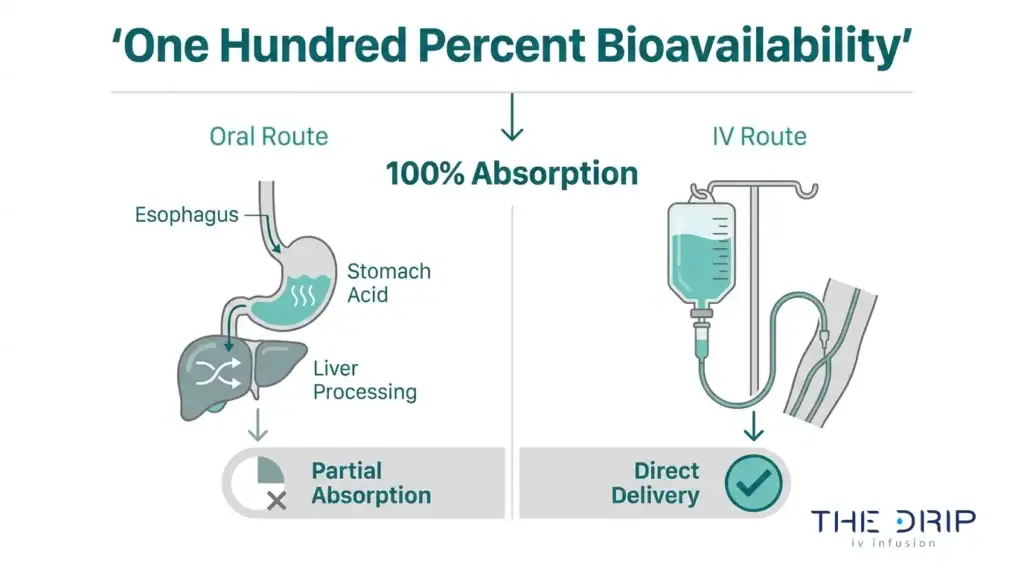
    IV infusion therapy is the direct administration of fluids, medications, nutrients, or blood products into a vein through a catheter, allowing substances to bypass the digestive system and enter the bloodstream immediately for nearly 100% bioavailability. This medical procedure, once limited to hospitals, has evolved into a precision wellness treatment offering personalized, clinician-led protocols that support everything from basic hydration to complex nutrient replenishment, with sessions typically lasting 30-60 minutes and utilizing AI-powered smart pumps that reduce medication errors by up to 95%.

    TL;DR Summary: This comprehensive guide covers the complete IV infusion therapy process, from initial consultation through post-treatment care. We explain how IV therapy works by delivering nutrients directly to your bloodstream, achieving nearly 100% bioavailability compared to oral supplements’ 50% absorption rate. You’ll learn about eligibility criteria, including necessary pre-treatment blood tests for sodium, potassium, and kidney function. We detail what to expect during your 30-60 minute session, from IV catheter insertion to real-time monitoring with smart infusion pumps. The guide addresses both benefits (immediate hydration, enhanced nutrient absorption) and risks (potential complications, contraindications for certain conditions). We explore 2026’s technological advances, including AI-powered dose adjustments and telehealth integration, compare IV therapy to oral supplements, and provide essential criteria for choosing a reputable provider with proper CLIA certification and medical oversight.

    Quick Tip: Before scheduling IV therapy, always verify your provider displays a current CLIA certificate and employs licensed medical professionals (physicians, NPs, PAs, or RNs) – this single check can help ensure you receive safe, regulated care rather than treatment from unqualified practitioners.

    As we enter 2026, IV therapy represents a $2.83 billion market that’s no longer viewed as a trend but as standard care, with treatments ranging from $200-$1,000 per session. Whether you’re seeking energy enhancement through NAD+ protocols, immune support via high-dose vitamin C, or recovery from chronic conditions, understanding the complete IV infusion process – from pre-treatment assessments to post-infusion monitoring – empowers you to make informed decisions about this increasingly popular wellness modality. Let’s explore exactly what happens when you receive IV therapy and how The Drip IV Infusion can support your health goals with evidence-based, professionally administered treatments.

    What is IV infusion therapy and how does it work?

    IV infusion therapy is the medical practice of delivering fluids, medications, and nutrients directly into a vein through an intravenous catheter. This treatment bypasses the digestive system to achieve nearly 100% bioavailability, compared to oral supplements which typically reach only 50% absorption. Healthcare providers use IV therapy for hydration, nutrient replenishment, and medication administration in both clinical and wellness settings. The following sections detail the key components of modern IV infusion therapy sessions.

    What are the main steps involved in an IV infusion session?

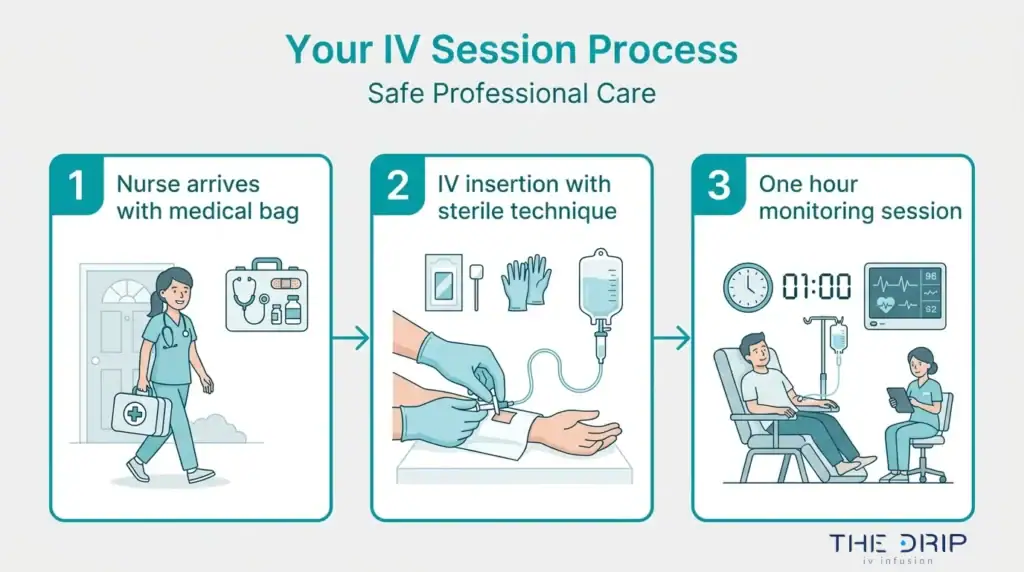
    The main steps in an IV infusion session are catheter insertion, flow rate adjustment, continuous monitoring, and session completion. Healthcare providers begin by inserting a catheter into a vein, which rarely causes trauma, bleeding, or infection. Nurses adjust infusion rates using manual clamps or electric pumps, counting drops per minute or setting specific parameters.

    Most IV therapy sessions last 30-60 minutes, with specialized treatments requiring longer duration. According to a 2024 hospital technology report, 89.5% of US hospitals have implemented smart pump technology, with full implementation standard in hospitals with 600+ beds. Healthcare providers monitor solution, dosage, and duration throughout the session to prevent complications.

    Four-step visual guide showing catheter insertion, infusion monitoring, and completion.

    What types of fluids and nutrients are commonly used in IV infusion therapy?

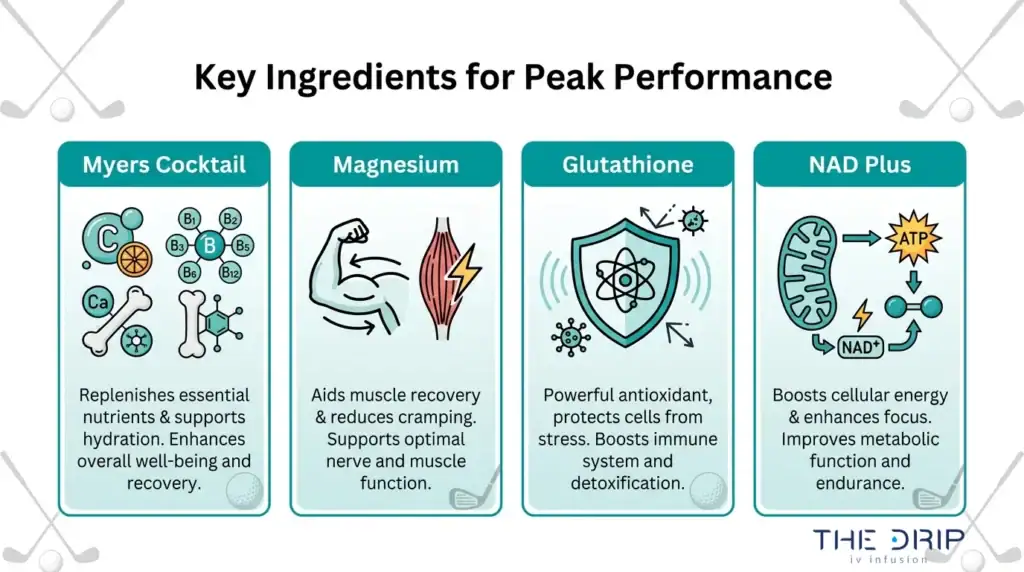
    The types of fluids and nutrients commonly used in IV infusion therapy are crystalloid solutions, vitamin cocktails, amino acids, and antioxidants. Myers’ Cocktail contains vitamins and minerals to improve fatigue and immunity. NAD+ IV therapy supports longevity, cognitive function, and burnout recovery.

    IV Infusion NutrientFunctionClinical Value 
    Vitamin C (IV)Blood concentration50-100x higher than oral
    B12 dripsFunctionEnergy support
    MagnesiumBenefitsStress and muscle recovery
    GlutathioneRoleMaster antioxidant
    Beauty dripsComponentsGlutathione, vitamin C, biotin
    Amino acidsPurposePerformance and repair

    The 5 R’s guide IV fluid prescribing: Resuscitation, Routine maintenance, Replacement, Redistribution, and Reassessment.

    How does the body absorb and utilize infused substances?

    The body absorbs infused substances through direct bloodstream delivery, achieving nearly 100% bioavailability. IV infusion bypasses the digestive system and avoids first-pass metabolism in the liver, maintaining nutrient bioavailability intact. Oral supplements achieve 50% or less absorption due to digestive breakdown.

    Hydration effects occur immediately while nutrient benefits develop over following days. Some benefits become noticeable within hours and last several days. This direct delivery method ensures maximum utilization of infused substances.

    Comparison showing IV nutrients entering bloodstream directly versus oral digestion pathway.

    What is the difference between IV infusion and other hydration methods?

    The difference between IV infusion and other hydration methods is direct bloodstream delivery versus digestive system processing. IV therapy delivers nutrients directly for immediate utilization, while oral vitamin bioavailability typically remains limited to about 50%. IV administration provides immediate hydration compared to oral rehydration methods.

    IV therapy particularly benefits patients with poor gut health or malabsorption issues. Vitamin B12 IV injections serve as the medically accepted standard for patients with pernicious anemia who cannot absorb B12 through the gut. This section has covered the fundamental mechanisms of IV infusion therapy, preparing you to understand eligibility criteria and specific conditions that may benefit from this treatment approach.

    Who is eligible for IV infusion therapy and what conditions can it address?

    IV infusion therapy eligibility depends on comprehensive medical assessment and specific health conditions. Healthcare providers evaluate kidney function, electrolyte levels, and medical history to determine suitability. The following sections detail candidate assessment, treatable conditions, and important contraindications.

    How do you determine if a patient is a good candidate for IV infusion?

    A patient is a good candidate for IV infusion when blood tests confirm normal sodium and potassium levels and adequate kidney function. Healthcare professionals require comprehensive initial evaluations including medical history review, current medications assessment, and supplement documentation. Lifestyle factors such as dietary habits and physical activity levels influence treatment protocols. Allergy identification remains essential for patient safety.

    Pre-treatment laboratory testing forms the foundation of candidate screening. Assessment protocols identify special conditions that may affect treatment response. Health goal discussions guide personalized therapy selection.

    What medical conditions and symptoms may benefit from IV infusion therapy?

    Medical conditions that may benefit from IV infusion therapy include nutrient deficiencies, chronic fatigue, and digestive disorders such as IBS. IV vitamin therapy proves effective for patients unable to maintain adequate nutrition due to serious medical conditions or eating difficulties. Malabsorption issues and chronic illnesses respond particularly well to direct nutrient delivery.

    A 2009 fibromyalgia study revealed that 34 adults receiving Myers cocktail experienced significant improvements in pain, depression, and quality of life after 8 weeks. Research indicates IV vitamin C may improve quality of life and reduce illness-related side effects in cancer patients. IV therapy supports recovery from intense workouts and treats dehydration and infections effectively.

    Benefits extend to individuals with compromised digestive systems who cannot absorb oral supplements adequately.

    Are there any contraindications or risks to be aware of before starting therapy?

    Contraindications for IV therapy include heart disease, kidney disease, diabetes, and electrolyte abnormalities. Pregnant and breastfeeding women should avoid Myers’ cocktail and other IV therapy types. Patients with high blood pressure face increased risks from IV therapy.

    Low magnesium or potassium levels increase likelihood of abnormal heart rhythms during treatment. High doses of certain vitamins and minerals link to kidney damage, heart rhythm abnormalities, and blood pressure changes. Risk assessment requires careful evaluation of existing conditions.

    Understanding these eligibility criteria and contraindications helps determine appropriate candidates for IV infusion therapy while ensuring patient safety throughout treatment protocols.

    What should you expect before, during, and after an IV infusion appointment?

    Understanding what happens during an IV infusion appointment helps ensure a safe and comfortable experience. The process involves three distinct phases: preparation, the actual infusion, and post-treatment care.

    How should you prepare for your first IV infusion session?

    Preparing for your first IV infusion session requires comprehensive medical evaluation and consultation. Healthcare professionals conduct detailed consultations about medical history to identify potential contraindications. Blood tests measure sodium levels, potassium levels, and kidney function before treatment begins. Medical providers assess current medications and supplements to identify interactions that could affect treatment safety.

    Lifestyle factors play a crucial role in treatment planning. Healthcare teams review dietary habits and physical activity levels to customize infusion protocols. Patients discuss health goals and expected outcomes with their medical provider to establish realistic expectations. This thorough preparation ensures the IV therapy aligns with individual health needs and minimizes potential risks.

    What happens when you arrive at the clinic for IV infusion therapy?

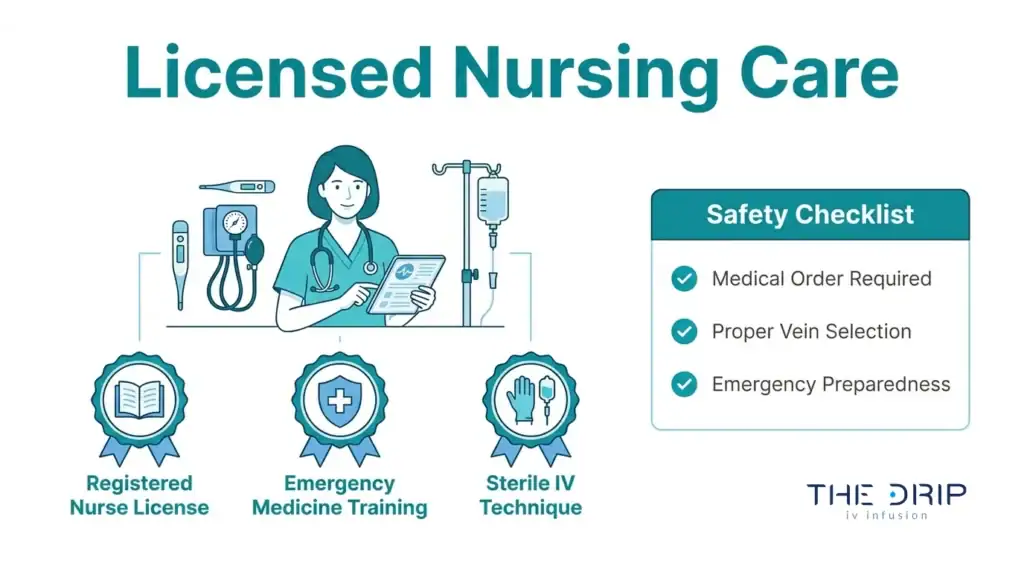
    IV infusion therapy at the clinic begins with verification and professional medical care. Licensed medical professionals perform services, including medical doctors, physician’s assistants, nurse practitioners, and registered nurses. Comprehensive intake processes review health history upon arrival to confirm current health status.

    Healthcare providers verify patient identity and prescribed treatment protocol before proceeding. Qualified medical staff perform IV catheter insertion using sterile technique. Many facilities use smart infusion pumps with real-time monitoring for automated dose adjustments. These pumps reduce medication errors by up to 95% through continuous parameter tracking. The combination of professional oversight and advanced technology ensures treatment safety throughout the session.

    How long does the procedure usually take and what does it feel like?

    Most IV therapy sessions last between 30 and 60 minutes. Standard hydration and vitamin infusions typically complete within this timeframe. Specialized treatments like NAD+ may require longer durations due to slower infusion rates necessary for patient comfort.

    The physical experience varies throughout the session. IV placement may cause minor discomfort during insertion, similar to a brief pinch. Patients rest comfortably in chairs or beds during infusion while medical staff monitor their condition. Some patients report feeling a cool sensation as fluids enter the bloodstream. This sensation is normal and indicates proper fluid delivery. Most patients find the experience relaxing once the initial insertion is complete.

    What aftercare or post-infusion instructions are typically given to patients?

    Post-infusion care begins before leaving the facility with immediate monitoring. Healthcare providers observe patients for adverse reactions such as allergic responses or infusion site complications. Staff provide instructions to maintain hydration following treatment to support nutrient distribution.

    Patients receive guidance about when benefits may become noticeable. Effects range from hours to days depending on the specific treatment received. Providers give information about potential side effects to watch for, including headache, nausea, or injection site irritation. Medical teams provide recommendations for follow-up treatments based on individual response and health goals. These instructions help patients maximize treatment benefits while maintaining safety between sessions.

    What are the potential benefits and risks of IV infusion therapy in 2026?

    The potential benefits and risks of IV infusion therapy in 2026 include enhanced hydration and nutrient delivery balanced against possible complications such as vitamin toxicity and kidney stress. Advanced AI-powered technology has improved safety monitoring while evidence for wellness claims remains limited according to medical experts. This section examines effectiveness data, side effect management, and technological advances shaping modern IV therapy.

    How effective is IV infusion therapy for rehydration, wellness, and recovery?

    IV infusion therapy for rehydration, wellness, and recovery shows mixed effectiveness depending on the patient’s baseline health status. Mayo Clinic’s Dr. Brent A. Bauer states evidence for many wellness claims is limited. A 2009 fibromyalgia study revealed both treatment and placebo groups reported significant improvements, indicating a high placebo effect.

    Limited evidence exists that IV vitamins provide benefit to people with normal nutritional intake and levels. The FDA has not approved IV vitamin C therapy as treatment for cancer side effects. The energy booster category held the largest market share at 25-28% during 2023-2024.

    Providers making IV therapy part of membership programs see 30-50% higher retention rates compared to session-based clinics. This business metric suggests patient satisfaction despite limited clinical evidence for wellness applications in healthy individuals.

    What are the most common side effects and how are they managed?

    The most common side effects of IV infusion therapy include vitamin toxicity, kidney complications, and electrolyte imbalances. Vitamin toxicity can occur from bypassing the body’s natural gatekeeping functions. High-dose vitamin C may cause kidney stone development due to increased oxalate production.

    Potassium overdose can cause potentially fatal arrhythmias. Overhydration symptoms include nausea, headaches, and confusion. Excessive thiamin administration may trigger anaphylaxis in sensitive individuals.

    Management strategies include:

    • Pre-treatment blood tests for electrolyte levels
    • Controlled infusion rates using smart pumps
    • Continuous vital sign monitoring
    • Immediate access to emergency protocols
    • Limiting treatment frequency to prevent nutritional imbalances

    Using IV therapy too frequently may result in kidney overload and long-term complications requiring medical intervention.

    Has IV infusion therapy changed or improved with new technology in 2026?

    IV infusion therapy has significantly improved with new technology in 2026 through AI integration and smart device connectivity. AI-powered smart pumps enable automated dose adjustments based on real-time physiological data, reducing human error by up to 95%. These systems provide continuous monitoring with secure data transmission to healthcare providers.

    Predictive analytics streamline day-of operations by optimizing patient assignment and drug premixing. The smart infusion pump market is growing from $6.1 billion in 2024 to a projected $11.5 billion by 2033, representing a 7.3% CAGR.

    Technology TypeKey FeatureClinical ImpactMarket Growth
    Smart PumpsTwo-way EMR connectivityAutomated prescription verification7.3% CAGR
    AI MonitoringReal-time dose adjustment95% error reductionExpanding rapidly
    Telehealth PlatformsRemote patient monitoringContinuous data transmissionIndustry standard
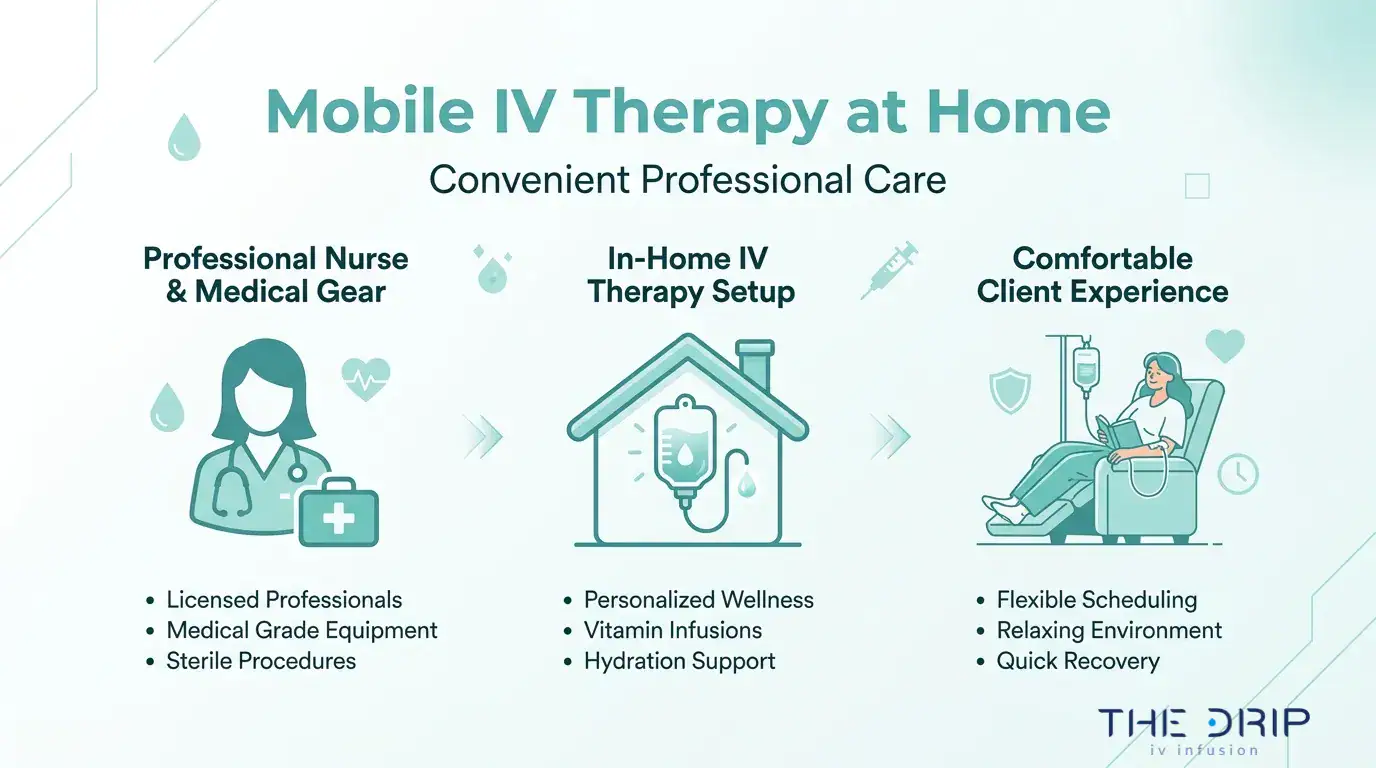
    Mobile IV ServicesAt-home treatment deliveryImproved accessibility$568M to $1.56B by 2034

    The mobile IV therapy market expanded from $568.25 million in 2024 to a projected $1.56 billion by 2034, demonstrating a 10.6% CAGR. These technological advances have transformed IV therapy from manual processes to precision-guided treatments with enhanced safety profiles and improved patient outcomes.

    How does IV infusion therapy compare to oral supplements and other treatments?

    IV infusion therapy delivers nutrients directly into the bloodstream, bypassing the digestive system entirely. This fundamental difference creates distinct advantages and limitations compared to oral supplements and traditional treatments. The choice between IV and oral administration depends on specific medical conditions, absorption capabilities, and treatment urgency.

    What are the advantages and disadvantages of IV therapy versus oral intake?

    The advantages and disadvantages of IV therapy versus oral intake center on bioavailability, cost, and clinical applications. IV therapy achieves nearly 100% bioavailability compared to oral supplements at approximately 50% absorption. Vitamin C administered intravenously reaches blood concentrations 50-100 times higher than oral ingestion.

    Cost represents a significant disadvantage. IV therapy ranges from $250 to $800 per single treatment, while oral supplements cost substantially less. Most insurance companies do not cover IV vitamin therapy for wellness purposes.

    IV Therapy IngredientHealth Benefit CategoryMeasurable Clinical Impact
    Vitamin C (IV)Blood concentration50-100x higher than oral
    B12 dripsFunctionEnergy support
    MagnesiumBenefitsStress and muscle recovery
    GlutathioneRoleMaster antioxidant
    Beauty dripsComponentsGlutathione, vitamin C, biotin

    IV therapy provides rapid replenishment for patients with absorption issues and critical care situations. Oral supplements remain preferred for daily nutritional support and maintenance therapy due to convenience and lower cost.

    When might a doctor recommend IV infusion over traditional treatments?

    Doctors recommend IV infusion over traditional treatments when oral administration proves insufficient or impossible. Patients unable to take adequate nutrition due to inability to eat or serious medical conditions require IV therapy. Individuals with pernicious anemia who cannot absorb B12 through the gut need IV administration.

    Acute care medicine and emergency treatment situations demand IV therapy’s rapid delivery. There are specific clinical scenarios requiring IV administration, such as severe dehydration when oral rehydration remains insufficient, patients recovering from surgery, and those suffering from chronic malabsorption syndromes.

    Medical professionals prioritize IV therapy when speed and complete absorption matter most. The direct bloodstream delivery bypasses digestive barriers that may compromise treatment effectiveness in critically ill patients.

    What research or evidence supports the use of IV infusion therapy?

    Research supporting IV infusion therapy shows mixed results between clinical applications and wellness claims. A 2025 Cureus journal study confirms IV therapy offers enhanced bioavailability and targeted nutrient replenishment. The Journal of Parenteral and Enteral Nutrition documents nearly 100% absorption rates for IV therapy.

    Evidence for wellness applications remains limited. Most wellness claims rely on self-reported experiences rather than clinical evidence. Limited large-scale, randomized controlled trials exist for wellness applications. Researchers acknowledge the need for comparative effectiveness studies against oral supplementation.

    The medical community recognizes IV therapy’s established role in specific conditions while questioning broader wellness applications. Strong empirical support remains lacking for many marketed benefits in otherwise healthy individuals. This evidence gap between medical necessity and wellness optimization continues to shape professional recommendations and insurance coverage decisions.

    How should you choose a reputable IV infusion provider?

    Choosing a reputable IV infusion provider requires evaluating certifications, safety standards, and medical oversight. The ACCP public policy committee raised concerns about low oversight levels for wellness centers. Reports document unqualified individuals administering infusions without proper credentials.

    What certifications or credentials should you look for in an IV infusion clinic?

    The certifications and credentials required for IV infusion clinics include CLIA certificates, professional licenses, and accreditation standards. All providers performing laboratory testing must display CLIA certificates. Beginning March 1, 2026, CLIA requires email registration for critical communications.

    ACHC holds “deemed status” for home infusion therapy approved by Centers for Medicare and Medicaid Services. Licensed medical professionals required on staff include physicians, nurse practitioners, physician assistants, or registered nurses. The Infusion Nurses Society provides Infusion Therapy Standards of Practice, 9th edition, establishing industry benchmarks.

    State licensing requirements vary significantly. Some states require physician ownership while others allow anyone to own IV clinics. This regulatory variation creates inconsistent oversight standards across locations.

    The following credentials indicate quality IV infusion providers:

    IV Clinic Certification or CredentialCompliance CategoryRegulatory 
    CLIA CertificateRequirementMandatory for laboratory testing
    CLIA RegistrationDeadlineMarch 1, 2026
    ACHC AccreditationStatusDeemed status by CMS
    Medical StaffMinimum CredentialsMD, NP, PA, or RN
    INS StandardsCurrent Edition9th edition
    Medical professional in clinic with visible certification displayed on wall.

    These certifications ensure providers meet federal standards and maintain professional competency for safe IV administration.

    How do you know if an IV infusion provider follows safety and quality standards?

    An IV infusion provider follows safety and quality standards through medical oversight, professional environments, and transparent protocols. Clear medical oversight requires a licensed physician serving as medical director. Professional clinic environments differ from “drip bar” models lacking medical supervision.

    Transparent intake processes review complete health histories before treatment. Clear protocols reflect precision wellness approaches rather than one-size-fits-all treatments. Verification becomes challenging in wellness settings compared to hospital environments.

    Quality indicators include:
    • Licensed physician medical directors overseeing all treatments
    • Professional clinical settings with proper medical equipment
    • Comprehensive health history reviews before infusion
    • Written protocols for emergency management
    • Required blood tests matching hospital standards

    The ACCP public policy committee identified oversight gaps in wellness centers. Hospital settings maintain stricter requirements for blood tests including sodium, potassium, and kidney function assessments. These safety standards protect patients from adverse reactions and complications.

    What questions should you ask your IV provider before starting treatment?

    The questions you should ask your IV provider before starting treatment cover supervision, testing requirements, and emergency protocols. Dr. Kennedy emphasizes: “Clinics need clear protocols, proper training, and meaningful medical oversight to ensure treatments are not only effective but safe.”

    Essential questions for providers include:
    • What supervision requirements exist for practitioners in this state?
    • Which pre-treatment blood tests do you require?
    • What ingredient transparency and dosing protocols do you follow?
    • How do you manage adverse reactions and emergencies?
    • What HIPAA compliance and cybersecurity standards protect patient data?

    Pre-treatment blood tests should assess sodium, potassium, and kidney function. Ingredient transparency ensures patients understand exact substances and doses administered. Emergency protocols must address potential reactions including anaphylaxis or electrolyte imbalances.

    State supervision requirements vary significantly, affecting practitioner autonomy and patient safety. Some states mandate direct physician supervision while others permit independent practice. HIPAA compliance and cybersecurity standards protect sensitive medical information from breaches.

    These questions help patients evaluate whether providers maintain appropriate safety standards and medical oversight for IV infusion therapy.

    How can The Drip IV Infusion help with your IV infusion therapy needs in 2026?

    The Drip IV Infusion provides comprehensive IV therapy services designed to meet diverse wellness and medical needs in 2026. Their approach combines traditional IV treatments with modern technology to deliver personalized care. The clinic specializes in both medical and wellness applications of IV therapy.

    What services and therapies does The Drip IV Infusion offer for IV infusion therapy?

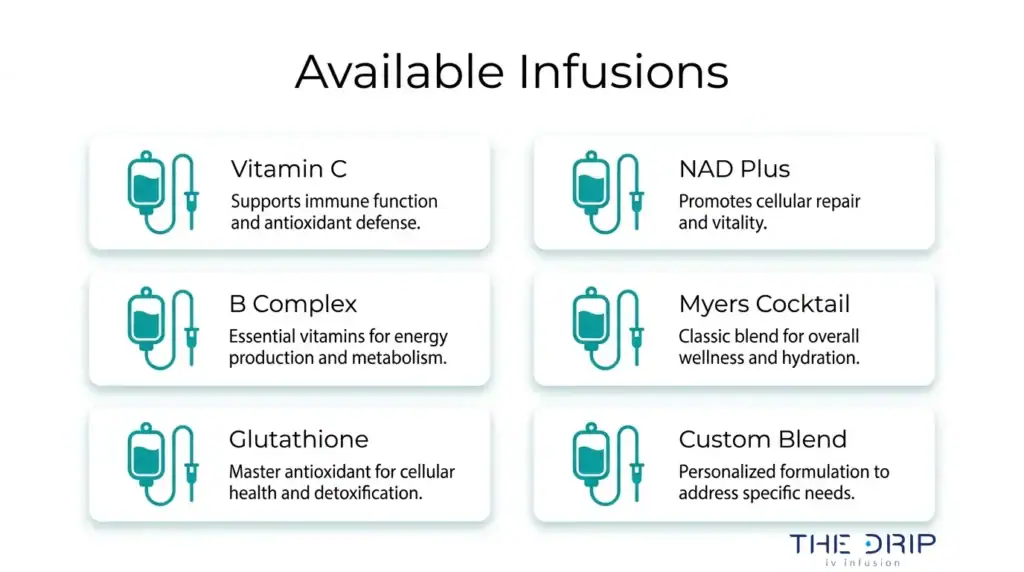
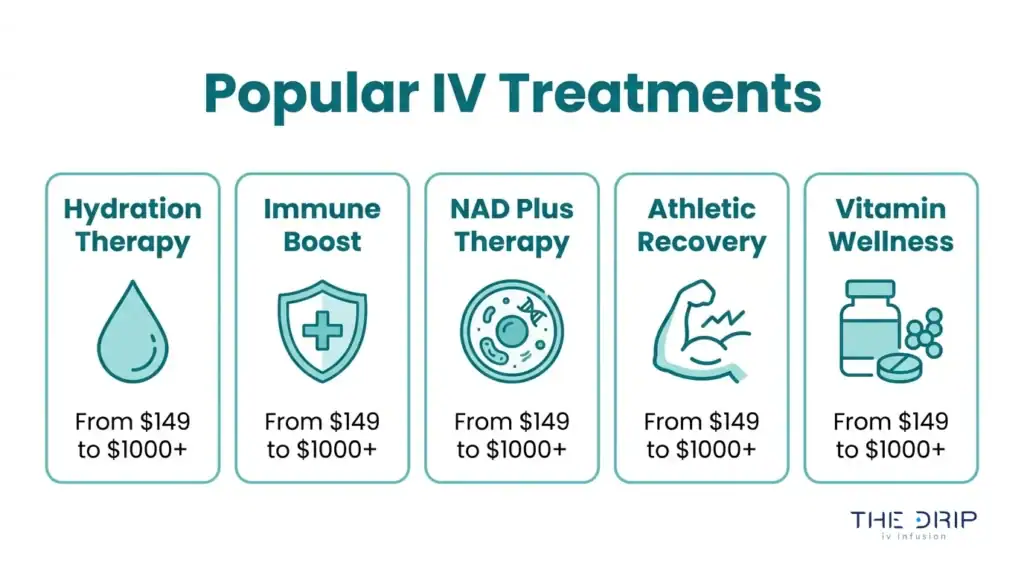
    The Drip IV Infusion offers multiple IV therapy categories including hydration, vitamin infusions, and specialized wellness treatments. Their service menu includes Myers’ Cocktail for immune support, NAD+ therapy for cognitive enhancement, and glutathione infusions for antioxidant benefits. The clinic provides B12 energy drips, high-dose vitamin C treatments, and amino acid performance blends. Custom formulations address specific health goals such as athletic recovery, immune support, and aesthetic enhancement. Licensed medical professionals administer all treatments following comprehensive health assessments. The facility uses smart infusion pumps with real-time monitoring for precise dosing and safety.

    What are the key takeaways about what happens during IV infusion therapy in 2026?

    The key takeaways about IV infusion therapy in 2026 are its evolution into precision wellness and significant market growth. The IV Vitamin Therapy Market reached $1,531 million in 2025 and will grow to $2,472 million by 2034. AI-driven innovations have transformed traditional practices through smart pumps that reduce human error by up to 95%. Treatment costs range from $200 to $1,000 per session, with most insurance excluding wellness IV therapy coverage. According to IMED University, IV therapy has become standard of care in 2025 rather than a trend. Home infusion therapy represents the fastest-growing segment, expanding from $39.84 billion in 2024 to a projected $92.23 billion by 2032.

  • IV vs Oral Antibiotics: Which is Best?

    IV vs Oral Antibiotics: Which is Best?

    If you’re wondering whether IV or oral antibiotics are better for your infection, you’re asking a critical question that could significantly impact your recovery, comfort, and healthcare costs. We understand the uncertainty and concern that comes with making medical decisions, especially when traditional medical wisdom seems to conflict with emerging evidence. This comprehensive guide addresses your concerns with the latest 2026 research and clinical data to help you make an informed choice alongside your healthcare provider.

    IV versus oral antibiotics represents a fundamental shift in how we approach infection treatment, challenging decades of medical dogma with compelling new evidence. The growing body of research from 2023-2026 demonstrates that for many stable patients, oral antibiotics with high bioavailability (≥90%) achieve therapeutic outcomes equivalent to or better than intravenous administration, while offering improved safety profiles, reduced healthcare costs, and enhanced quality of life—a paradigm shift that infectious disease experts now describe as “oral is the new IV.”

    TL;DR Summary:
    IV antibiotics work by achieving 100% bioavailability through direct bloodstream delivery, traditionally reserved for serious infections, though recent evidence challenges the necessity of this approach for many conditions.
    Oral antibiotics with ≥90% bioavailability (including fluoroquinolones, linezolid, and metronidazole) can achieve serum concentrations comparable to IV administration while avoiding catheter-related complications.
    Effectiveness comparison studies from 2025-2026 show no difference in treatment failure rates between oral and IV antibiotics for bone infections, bacteremia, and selected endocarditis cases, with oral therapy actually reducing mortality in gram-negative bacteremia.
    Practical considerations favor oral antibiotics with 9-fold lower daily costs ($7 vs $65), 4-day shorter hospital stays, and significantly improved patient mobility and quality of life.
    Overuse risks and resistance concerns make IV-to-oral switch programs a CDC-recommended core element of antimicrobial stewardship, with interventions reducing overall antibiotic use by up to 32%.
    Decision-making should prioritize patient stability, infection severity, and oral antibiotic bioavailability (≥70% minimum), with patients encouraged to ask about early switch opportunities.
    The Drip IV Infusion and emerging technologies leverage AI-driven approaches and nanotechnology to optimize antibiotic selection and delivery, supporting personalized treatment decisions in 2026.

    Quick Tip: When discussing antibiotic options with your provider, always ask about the bioavailability percentage of any proposed oral antibiotic—if it’s above 90%, you’re likely getting the same therapeutic benefit as IV administration without the associated risks and inconvenience of catheter placement.

    The evidence overwhelmingly supports a fundamental reconsideration of how we approach antibiotic administration, moving away from the reflexive use of IV therapy toward a more nuanced, patient-centered approach that recognizes oral antibiotics as the preferred option for many infections when clinically appropriate.

    What Are IV Antibiotics and How Do They Work?

    IV antibiotics are medications delivered directly into the bloodstream through a vein. These drugs achieve 100% bioavailability by bypassing the gastrointestinal absorption process. Intravenous administration has been the traditional standard for serious infections based on decades of clinical practice, though evidence now challenges this approach. The following subsections explore administration methods, suitable infections, advantages, and potential risks of IV antibiotic therapy.

    How Are IV Antibiotics Administered?

    IV antibiotics are administered through catheter insertion into a peripheral or central vein. This process requires skilled nursing care and sterile technique. According to a 2024 cost analysis study, administration costs for outpatient parenteral antibiotic therapy (OPAT) average $65 per day compared to $7 per day for oral therapy. IV administration carries risks of line-related complications, such as catheter-related bloodstream infections, thrombophlebitis, and deep vein thrombosis. Peripheral IV catheters typically require replacement every 72-96 hours to minimize infection risk.

    What Types of Infections Are Commonly Treated with IV Antibiotics?

    The types of infections commonly treated with IV antibiotics are bacteremia, osteomyelitis, endocarditis, and other serious systemic infections. Healthcare providers have traditionally preferred IV therapy for these conditions based on historical practice patterns. A 2022 systematic review of 21 prospective controlled trials found no studies showing superior efficacy for IV-only therapy compared to oral step-down for these conditions. Severe pneumonia, meningitis, and sepsis may still require initial IV treatment. The choice depends on infection severity, pathogen susceptibility, and patient stability.

    What Are the Main Advantages of IV Antibiotics?

    The main advantages of IV antibiotics are guaranteed 100% drug bioavailability and immediate systemic circulation. This route ensures predictable drug levels regardless of gastrointestinal function. IV antibiotics may be necessary for patients unable to take oral medications due to vomiting, unconsciousness, or nil-by-mouth status. Patients with severe gastrointestinal malabsorption disorders benefit from IV administration. Critical illness with hemodynamic instability may require IV therapy for rapid therapeutic levels.

    What Are the Potential Risks or Side Effects of IV Antibiotics?

    The potential risks of IV antibiotics are line-related complications and increased adverse events. The COPAT trial (2026) found IV-only therapy had more than double the rate of adverse events compared to early oral transition. Line-related complications include:

    • Infiltration and extravasation causing tissue damage
    • Catheter malfunction requiring replacement
    • Phlebitis at insertion sites
    • Air embolism from improper administration

    IV administration does not significantly reduce antibiotic-associated diarrhea or Clostridioides difficile infection rates compared to oral therapy for most broad-spectrum agents. These gastrointestinal complications occur regardless of administration route.

    What Are Oral Antibiotics and How Do They Function?

    Oral antibiotics are antimicrobial medications taken by mouth that achieve therapeutic blood levels through gastrointestinal absorption. Fluoroquinolones such as levofloxacin and moxifloxacin achieve bioavailability of 90% or higher. Linezolid, metronidazole, clindamycin, trimethoprim-sulfamethoxazole, and doxycycline also demonstrate excellent oral bioavailability exceeding 90%. These high-bioavailability oral antibiotics can achieve serum concentrations comparable to intravenous administration. The following sections examine absorption mechanisms, suitable conditions, benefits, and limitations of oral antibiotic therapy.

    How Are Oral Antibiotics Taken and Absorbed?

    Oral antibiotics are taken as tablets, capsules, or liquid formulations that require gastrointestinal absorption to reach systemic circulation. Bioavailability ranges from less than 40% for most cephalosporins and beta-lactams to 90% or higher for fluoroquinolones and linezolid. Experts recommend selecting oral antibiotics with at least 70% bioavailability for serious infections. Antibiotics with bioavailability exceeding 90% enable seamless IV-to-oral transitions. The absorption process depends on factors such as gastric pH, intestinal motility, and drug formulation.

    Diagram showing oral antibiotic absorption from stomach into bloodstream.

    What Conditions Are Most Suitable for Oral Antibiotics?

    The conditions most suitable for oral antibiotics include pyelonephritis, cellulitis, bone and joint infections, gram-negative bacteremia, and selected endocarditis cases. A 7-day course of oral ciprofloxacin provides safe and successful treatment for pyelonephritis. Oral therapy for cellulitis reduces hospital admission by 2.6 days compared to IV therapy. Stable patients with bone and joint infections respond equally well to oral antibiotics as IV treatment. Gram-negative bacteremia and certain infective endocarditis cases show equivalent outcomes with oral therapy.

    What Benefits Do Oral Antibiotics Offer?

    The benefits of oral antibiotics are convenience, independence, earlier hospital discharge, and quicker return to normal activities. Patients prefer oral antibiotics because they eliminate the need for IV catheters and allow greater mobility. Oral therapy reduces nursing workload and healthcare resource utilization compared to IV administration. Freedom from IV lines significantly improves patient quality of life. The cost savings from oral therapy average $58 per day compared to outpatient parenteral therapy.

    What Limitations or Side Effects Come with Oral Antibiotics?

    The limitations of oral antibiotics include poor bioavailability for certain drug classes and gastrointestinal side effects. Most cephalosporins and beta-lactams have bioavailability below 40%, making them unsuitable for serious systemic infections. Gastrointestinal side effects such as diarrhea represent the primary adverse events with oral antibiotics. Azithromycin and ciprofloxacin demonstrate moderate bioavailability between 40-90% and may require dose adjustments. Patients with severe nausea, vomiting, or malabsorption disorders may not tolerate oral antibiotics effectively. Understanding these limitations helps clinicians select appropriate candidates for oral antibiotic therapy while optimizing treatment outcomes.

    How Do IV and Oral Antibiotics Compare in Terms of Effectiveness?

    IV and oral antibiotics compare in terms of effectiveness with no significant difference in treatment outcomes for most serious infections when appropriate oral agents are selected. A 2025 meta-analysis of 9 randomized controlled trials found no difference in treatment failure rates between oral and IV antibiotics for bone and joint infections. Early switch to oral therapy for gram-negative bacteremia was associated with lower mortality (6.9% vs 14.3%) compared to prolonged IV treatment in a 2024 study. The following sections examine specific scenarios where one route may offer advantages over the other.

    In Which Situations Are IV Antibiotics More Effective Than Oral?

    IV antibiotics are more effective than oral in patients who cannot tolerate oral medications or have severe malabsorption disorders. In a 2025 study of emergency department-discharged community-acquired pneumonia patients, IV antibiotics showed lower 30-day revisit rates, though the IV group had more severe initial presentations. IV therapy remains necessary for critically unstable patients and those with documented gastrointestinal absorption issues.

    When Is Oral Therapy Sufficiently Effective?

    Oral therapy is sufficiently effective for most clinically stable patients with infections caused by susceptible organisms. The Therapeutics Letter (May 2025) recommends oral antibiotics as standard of care for most stable patients. Switching to partial oral treatment is as effective as traditional 4-6 weeks of IV therapy for selected infective endocarditis patients. High-bioavailability oral antibiotics achieve therapeutic concentrations comparable to IV administration.

    Are There Conditions Where Both Methods Are Equally Effective?

    There are conditions where both methods are equally effective, including osteomyelitis, bacteremia, and endocarditis in stable patients. According to 21 prospective controlled trials, oral step-down therapy was at least as effective as IV-only for these serious infections. For clinically stable patients with infections caused by organisms susceptible to high-bioavailability oral antibiotics, both routes show equivalent outcomes. The key determinant is selecting oral antibiotics with bioavailability exceeding 70%.

    What Does the Latest Research Say About IV vs Oral Antibiotics in 2026?

    The latest research about IV vs oral antibiotics in 2026 demonstrates superior safety profiles for oral therapy. The COPAT trial (January 2026) demonstrated early IV-to-oral transition resulted in two-fold reduction in total adverse events compared to IV-only therapy. Dr. Brad Spellberg’s 2022 systematic review concluded oral antibiotics are at least as effective, safer, and lead to shorter hospitalizations than IV-only therapy. These findings challenge decades of clinical practice favoring IV administration for serious infections.

    Bar chart comparing treatment failure and adverse event rates for IV and oral antibiotics.

    What Are the Practical Considerations When Choosing Between IV and Oral Antibiotics?

    The practical considerations when choosing between IV and oral antibiotics include cost differences, hospital stay length, and patient factors. Drug acquisition and administration costs show a 9-fold difference between outpatient parenteral antibiotic therapy (OPAT) at $65 per day and oral therapy at $7 per day. Early IV-to-oral switch reduces hospital length of stay by up to 4 days. Patient tolerance, lifestyle needs, and clinical guidelines shape the final treatment decision.

    How Do Patient Factors Influence the Choice of Antibiotic Route?

    Patient factors influencing antibiotic route choice include medication tolerance, gastrointestinal function, and treatment preferences. A 2025 patient perception study reveals that while many patients initially believe IV antibiotics are more effective, the majority prefer oral routes for convenience and independence. The patient’s ability to tolerate oral medications determines route feasibility. Gastrointestinal absorption issues may necessitate IV administration. Healthcare providers must balance clinical needs with patient preferences when selecting the optimal delivery method.

    What Role Do Cost and Accessibility Play in the Decision?

    Cost and accessibility play decisive roles through drug expenses, hospital resources, and healthcare system savings. Oral antibiotics offer substantial economic benefits including reduced drug costs, shorter hospital stays, and lower resource utilization. The 9-fold cost difference between OPAT and oral therapy creates significant budget implications for healthcare systems. Antimicrobial stewardship programs promoting IV-to-oral switch demonstrate measurable healthcare cost savings. Resource availability and insurance coverage may influence route selection in different healthcare settings.

    Are There Legal or Medical Guidelines Shaping This Choice in 2026?

    Legal and medical guidelines shaping antibiotic route choice in 2026 include CDC recommendations and updated clinical protocols. The CDC recommends automatic IV-to-oral switch programs as a core element of hospital antibiotic stewardship. Recent clinical guidelines increasingly support oral antibiotics as standard care for stable patients with appropriate drug selection. Healthcare facilities implement evidence-based protocols for early transition from IV to oral therapy. These guidelines reflect growing evidence supporting oral antibiotic efficacy for serious infections.

    How Does Patient Lifestyle Affect IV vs Oral Selection?

    Patient lifestyle affects IV versus oral selection through mobility needs, work schedules, and quality of life considerations. Oral therapy allows earlier hospital discharge and faster return to normal activities. Patients on oral antibiotics maintain greater mobility and independence compared to those requiring IV access. Work obligations and family responsibilities favor oral administration when clinically appropriate. The freedom from IV lines and medical appointments significantly improves daily functioning and treatment adherence.

    What Are the Potential Risks of Overusing IV or Oral Antibiotics?

    The potential risks of overusing IV or oral antibiotics include antimicrobial resistance development and increased adverse events. Overuse of IV antibiotics drives antimicrobial resistance emergence. A 2025 systematic review found antimicrobial stewardship interventions reduced overall antibiotic use by up to 32%. Both administration routes contribute to resistance when used inappropriately. The following subsections explore resistance impacts, adverse reactions, and risk minimization strategies.

    How Does Antibiotic Resistance Impact the Selection of Administration Route?

    Antibiotic resistance impacts the selection of administration routes by favoring oral therapy to reduce overall exposure. IV-to-oral switch programs slow resistant pathogen emergence by reducing IV therapy duration and total antibiotic exposure. Pharmacist-led interventions promote safe conversion from IV to oral therapy. These programs decrease selection pressure for resistance while maintaining treatment efficacy. Early oral transition reduces healthcare-associated infection risks that contribute to resistance spread.

    What Are the Risks of Adverse Reactions or Complications for Each Method?

    The risks of adverse reactions for each method differ in type but not severity. IV therapy complications include catheter-related bloodstream infections, thrombophlebitis, infiltration, and extravasation. Oral antibiotics primarily cause gastrointestinal side effects such as nausea, diarrhea, and abdominal discomfort. Both routes show similar rates of C. difficile infection for broad-spectrum agents. IV administration carries additional mechanical risks from catheter placement and maintenance.

    How Can Patients Minimize Risks When Using Antibiotics?

    Patients can minimize risks when using antibiotics through careful drug selection and monitoring. Selection of oral antibiotics with high bioavailability (≥90%) minimizes treatment failure risk while avoiding IV-related complications. Examples include linezolid, levofloxacin, and metronidazole. Therapeutic drug monitoring advances allow individualized antibiotic dosing to enhance safety and efficacy. Patients should complete prescribed courses and report adverse effects promptly. Understanding these risk reduction strategies helps optimize antibiotic therapy outcomes while limiting resistance development.

    How Should You Decide Between IV and Oral Antibiotics?

    The decision between IV and oral antibiotics requires evaluating patient stability, infection severity, pathogen susceptibility, and oral drug bioavailability. Recent evidence demonstrates oral antibiotics with bioavailability above 70% achieve therapeutic outcomes comparable to IV therapy for many serious infections. This section explores the key questions patients should ask, factors clinicians must consider, and the critical role of patient education in making informed treatment choices.

    Doctor and patient reviewing antibiotic treatment options on a tablet during consultation.

    What Questions Should Patients Ask Their Provider When Choosing?

    Patients should inquire about the bioavailability of proposed oral antibiotics and whether they exceed the 70% threshold recommended for serious infections. Bioavailability determines how much medication reaches systemic circulation—IV antibiotics achieve 100% bioavailability while oral options range from less than 40% to over 90%. Understanding expected therapy duration and potential for early IV-to-oral switch helps patients anticipate treatment timelines and recovery expectations.

    Additional questions include asking about line-related complication risks versus gastrointestinal tolerance concerns. Patients should request specific data comparing outcomes for their infection type, as a 2022 systematic review of 21 prospective controlled trials found no studies showing superior efficacy for IV-only therapy compared to oral step-down for bacteremia, osteomyelitis, and endocarditis.

    What Factors Should Clinicians Consider Before Recommending a Route?

    Clinicians should evaluate patient stability, infection severity, pathogen susceptibility, and oral antibiotic bioavailability when selecting administration route. The evidence shows “oral is the new IV” for many infections, challenging decades of clinical dogma according to infectious disease experts. Key considerations include:

    • Patient’s ability to tolerate oral medications
    • Availability of high-bioavailability oral options (≥90% preferred)
    • Infection site and organism susceptibility patterns
    • Healthcare setting and monitoring capabilities

    A 2026 COPAT trial demonstrated early IV-to-oral transition resulted in two-fold reduction in total adverse events compared to IV-only therapy. Cost differences averaging $65 per day for outpatient parenteral therapy versus $7 for oral therapy may influence decisions in resource-limited settings.

    How Important Is Patient Education in the Decision-Making Process?

    Patient education is crucial as many initially believe IV antibiotics are more effective despite evidence showing equivalent or superior outcomes with oral therapy. A 2025 patient perception study revealed this misconception persists even when presented with clinical data. Understanding the safety profile and convenience benefits of oral antibiotics helps patients make informed treatment choices aligned with their lifestyle needs.

    Education should address specific concerns about oral absorption, emphasizing that fluoroquinolones, linezolid, and metronidazole achieve over 90% bioavailability. Patients benefit from learning that oral therapy reduces catheter-related bloodstream infection risks while allowing earlier hospital discharge and faster return to normal activities.

    Healthcare providers should present outcome data showing a 2024 study found early switch to oral therapy for gram-negative bacteremia was associated with lower mortality (6.9% vs 14.3%) compared to prolonged IV treatment. This evidence-based approach to patient education supports shared decision-making and improves treatment adherence while challenging outdated assumptions about antibiotic administration routes.

    How Can The Drip IV Infusion Help Guide Your Antibiotic Treatment Choice?

    The Drip IV Infusion helps guide antibiotic treatment choices through evidence-based protocols that prioritize patient outcomes and safety. Modern antibiotic selection requires balancing efficacy, bioavailability, and individual patient factors. Healthcare providers at The Drip IV Infusion evaluate clinical stability, infection severity, and oral medication tolerance to determine optimal administration routes. The following personalized guidance and key takeaways inform treatment decisions in 2026.

    Can The Drip IV Infusion Provide Personalized Guidance on IV vs Oral Antibiotics?

    The Drip IV Infusion provides personalized guidance on IV versus oral antibiotics by utilizing AI-driven drug discovery systems that predict resistance patterns. These systems accelerate new antibiotic design while matching patients to optimal treatments based on pathogen susceptibility profiles. Advanced drug delivery systems using nanotechnology improve oral bioavailability of existing antibiotics, expanding oral therapy options for serious infections. Clinical pharmacists assess individual absorption capacity, drug interactions, and infection characteristics to recommend appropriate routes. Therapeutic drug monitoring ensures precise dosing adjustments for both IV and oral regimens. The Drip IV Infusion’s protocols incorporate the latest 2026 evidence showing oral antibiotics achieve equivalent outcomes for stable patients with high-bioavailability options.

    What Are the Key Takeaways About Choosing IV vs Oral Antibiotics in 2026?

    The key takeaways about choosing IV versus oral antibiotics in 2026 center on evidence supporting oral therapy for clinically stable patients. Studies from 2023-2026 demonstrate that transitioning from routine IV antibiotics to oral therapy reduces adverse events by 50% while maintaining treatment efficacy. Oral antibiotics with bioavailability exceeding 90%, such as linezolid, fluoroquinolones, and metronidazole, offer equivalent therapeutic outcomes for susceptible organisms. Cost analysis reveals oral therapy at $7 per day versus $65 for outpatient IV administration. Patient quality of life improves significantly with oral antibiotics through increased mobility and earlier hospital discharge. The paradigm shift toward oral antibiotics addresses antimicrobial resistance by reducing unnecessary IV exposure while optimizing clinical outcomes and healthcare resource utilization.

  • Electrolytes in IV Drips: What’s Included & Why

    Electrolytes in IV Drips: What’s Included & Why

    If you’re here looking for answers about IV electrolyte therapy, you’re likely experiencing dehydration, recovering from illness, or considering wellness treatments to optimize your health. We understand the confusion surrounding IV drips and their electrolyte content, and we’re here to provide clear, science-backed information to help you make informed decisions about your hydration and wellness needs.

    Electrolytes in IV drips are essential minerals dissolved in sterile fluid solutions that directly enter your bloodstream to rapidly restore fluid balance, support cellular function, and maintain vital physiological processes. These carefully formulated solutions contain specific concentrations of sodium, potassium, magnesium, calcium, and chloride that mirror your body’s natural electrolyte composition, allowing for immediate absorption and utilization at the cellular level.

    TL;DR Summary: IV electrolyte therapy delivers essential minerals directly into your bloodstream for rapid rehydration and cellular support. Common IV solutions contain sodium (130-154 mmol/L), potassium (4-5 mmol/L), and other vital electrolytes that maintain fluid balance, nerve function, and cellular health. Medical applications range from emergency resuscitation to wellness treatments, with the global IV therapy market reaching $2.71 billion in 2024. While IV therapy offers 100% bioavailability compared to oral supplements, potential risks include infection (20.4% of patients) and electrolyte imbalances (2.6% of patients). The Drip IV Infusion provides personalized electrolyte formulations based on individual health needs and wellness goals.

    Quick Tip: When considering IV electrolyte therapy, always ensure your provider assesses your current electrolyte levels and medical history first—proper customization prevents dangerous imbalances and maximizes therapeutic benefits.

    Which Electrolytes Are Most Commonly Found in IV Drip Formulas?

    The most commonly found electrolytes in IV drip formulas are sodium, potassium, magnesium, calcium, and chloride. Normal Saline contains 154 mEq/L of sodium and chloride. Ringer’s Lactate provides sodium (130 mmol/L), potassium (4.0 mmol/L), calcium (1.5 mmol/L), chloride (109 mmol/L), and lactate (28 mmol/L). Plasma-Lyte 148 delivers sodium (140 mmol/L), potassium (5 mmol/L), magnesium (1.5 mmol/L), chloride (98 mmol/L), and acetate (27 mmol/L). These electrolyte combinations support fluid balance, nerve function, and cellular metabolism through their specific concentrations and ratios.

    Infographic showing sodium, potassium, magnesium, calcium, and chloride in IV therapy.

    What Is the Role of Sodium in IV Drips?

    The role of sodium in IV drips is to maintain intravascular volume as the dominant extracellular cation. Normal plasma sodium ranges from 135-145 mEq/L. Severe symptomatic hyponatremia requires treatment with 100-150 mL of 3% NaCl over 10-20 minutes. According to NICE Guidelines, crystalloids containing 130-154 mmol/L sodium with 500 mL bolus over less than 15 minutes are recommended for resuscitation. Hypernatremia (>145 mEq/L) requires correction of both serum sodium and intravascular volume. Sodium’s primary function involves regulating fluid distribution between intracellular and extracellular compartments.

    Why Is Potassium Important in IV Therapy?

    Potassium is important in IV therapy because it serves as the chief intracellular cation essential for cardiac function and cellular metabolism. Normal serum potassium ranges from 3.5-5.0 mEq/L. Life-threatening hypokalemia (<2.5 mEq/L) requires 10-40 mEq/hr with ECG monitoring and central line access. Severe hypokalemia (2.5-3 mEq/L) needs 10-20 mEq/hr maximum infusion rate. Hyperkalemia represents an absolute contraindication for potassium replacement. Concentrated potassium ampoules must be diluted before IV infusion since direct administration may cause cardiac arrest.

    How Does Magnesium Benefit Patients in IV Infusions?

    Magnesium benefits patients in IV infusions by supporting cellular function, nerve conduction, and overall well-being. Normal serum magnesium ranges from 1.46-2.68 mg/dL. ICU target magnesium levels exceed 2 mg/dL (0.8 mmol/L). Acute hemodynamically unstable hypomagnesemia requires 1-2g magnesium sulfate over 15 minutes. Non-emergent hypomagnesemia needs 4-8g magnesium sulfate over 12-24 hours. Daily requirement is 0.25-0.5 mEq/kg/day. Renal impairment (CrCl <30 mL/min) requires 50% dose reduction to prevent toxicity.

    What Purpose Does Calcium Serve in IV Drips?

    The purpose calcium serves in IV drips is to support cardiac function, muscle contraction, and nerve transmission. Acute symptomatic hypocalcemia requires 10-20 mL of 10% calcium gluconate in 50-100 mL glucose 5% over 10 minutes with ECG monitoring. Calcium gluconate 1g provides 93 mg elemental calcium (4.65 mEq). Maximum administration rate should not exceed 200 mg/min. Infiltration of calcium causes severe tissue necrosis, requiring central line placement for safety. Continuous infusion ranges from 5-20 mg/kg/hr of calcium gluconate depending on severity.

    Are There Other Trace Electrolytes Occasionally Added to IV Drips?

    There are other trace electrolytes occasionally added to IV drips, such as chloride, bicarbonate, and lactate. Chloride normal plasma range spans 94-111 mmol/L. Bicarbonate normal plasma range is 23-27 mmol/L. Normal plasma osmolarity maintains 275-295 mOsml/L through electrolyte balance. These trace electrolytes help maintain acid-base balance and cellular hydration. Understanding electrolyte compositions allows healthcare providers to select appropriate IV solutions for specific patient needs and clinical scenarios.

    How Do Electrolytes in IV Drips Support the Body’s Functions?

    Electrolytes in IV drips support the body’s functions by maintaining fluid balance, enabling nerve and muscle function, and regulating cellular hydration and pH levels. These charged minerals—including sodium, potassium, magnesium, and calcium—work together to sustain vital physiological processes. According to a 2020 International Fluid Academy consensus, balanced crystalloid solutions containing physiologic electrolyte levels provide superior support for cellular function compared to unbalanced saline solutions. The following subsections explore how electrolytes maintain fluid balance, affect nerve and muscle function, and influence cellular hydration.

    How Do Electrolytes Help Maintain Fluid Balance?

    Electrolytes help maintain fluid balance through osmotic regulation and intravascular volume control. Routine maintenance requires 25-30 mL/kg/day water and approximately 1 mmol/kg/day each of potassium, sodium, and chloride. Sodium serves as the dominant extracellular cation, essential for intravascular volume maintenance. A 2019 study on fluid overload found that administering more than 2-3L sodium chloride to euvolemic humans causes pulmonary congestion and peripheral swelling. These electrolytes create osmotic gradients that determine fluid distribution between intracellular and extracellular compartments, ensuring proper hydration status throughout the body.

    In What Ways Do Electrolytes Affect Nerve and Muscle Function?

    Electrolytes affect nerve and muscle function by generating electrical potentials necessary for cellular signaling. Potassium maintains cardiac rhythm, with life-threatening arrhythmias occurring at levels below 2.5 mEq/L. Magnesium enables nerve conduction, with deficiency causing tremors and muscle weakness. Calcium facilitates muscle contraction and nerve transmission through its role in the excitation-contraction coupling process. These electrolytes work synergistically—magnesium regulates calcium channels while potassium establishes the resting membrane potential required for nerve impulse propagation.

    How Do Electrolytes Influence Cellular Hydration and pH Balance?

    Electrolytes influence cellular hydration and pH balance through their specific ionic compositions and buffering capacities. Balanced crystalloid solutions limit acid-base alterations compared to saline by containing sodium, potassium, and chloride levels closer to extracellular fluid composition. Normal plasma osmolarity of 275-295 mOsml/L depends on precise electrolyte balance. These solutions prevent hyperchloremic acidosis that may occur with unbalanced saline administration. The lactate or acetate components in balanced solutions provide additional buffering capacity, helping maintain physiologic pH while supporting optimal cellular hydration through isotonic fluid delivery.

    When Might You Need Electrolyte IV Therapy?

    Electrolyte IV therapy becomes necessary when your body cannot maintain proper mineral balance through oral intake alone. Medical emergencies, athletic performance needs, and wellness optimization each create distinct scenarios where intravenous electrolyte replacement offers critical benefits. Understanding these situations helps determine when IV therapy provides advantages over traditional hydration methods.

    What Medical Situations Require IV Electrolyte Replacement?

    Medical situations requiring IV electrolyte replacement include resuscitation scenarios, septic shock, and prolonged IV maintenance therapy. According to NICE Guidelines, resuscitation scenarios require crystalloids administered as a 500 mL bolus over less than 15 minutes. Septic shock patients receive IV fluid therapy, though a clinical trial found fluid restriction did not reduce 90-day mortality rates.

    Patients receiving more than 75% of their daily maintenance fluids through IV routes need electrolyte monitoring at 24-36 hour intervals. The 5 Rs framework guides clinical assessment for IV therapy needs:

    • Resuscitation – Emergency fluid replacement
    • Routine maintenance – Daily fluid requirements
    • Replacement – Correcting existing deficits
    • Redistribution – Managing fluid shifts
    • Reassessment – Ongoing monitoring

    Healthcare providers use this systematic approach to determine when IV electrolyte therapy becomes medically necessary versus when oral replacement suffices.

    Split image of athlete and hospital patient both receiving IV therapy.

    Can Dehydration or Intense Physical Activity Lead to Needing IV Electrolytes?

    Dehydration and intense physical activity may lead to needing IV electrolytes when oral rehydration cannot restore fluid balance quickly enough. IV prehydration and rehydration serve as ergogenic aids for maintaining euhydration in athletes. Athletes using IV therapy report reduced muscle soreness, faster recovery times, and increased endurance compared to oral hydration alone.

    Sports medicine practitioners use customized IV blends containing fluids, electrolytes, vitamins, and amino acids tailored to athletic demands. There are specific scenarios where IV therapy benefits athletes, such as multi-day competitions, extreme heat conditions, and rapid weight-cutting sports. The immediate bioavailability of IV electrolytes helps athletes maintain performance when digestive absorption becomes compromised during intense exercise.

    Are There Wellness or Preventive Reasons for Electrolyte IV Infusions?

    Wellness and preventive reasons for electrolyte IV infusions reflect a market shift from simple hydration to precision wellness approaches. The global IV hydration therapy market reached $2.71 billion in 2024 and projections indicate growth to $5.84 billion by 2034. Personalized IV infusions represent a major trend in preventive health care.

    Preventive IV therapy applications include immune support, energy optimization, and recovery enhancement. Wellness-focused IV treatments may help individuals maintain optimal electrolyte balance during travel, stress, or lifestyle demands that challenge normal hydration. These preventive approaches aim to support cellular function before deficiencies develop into clinical symptoms.

    How Are Electrolyte Levels Determined and Customized in IV Drip Treatments?

    Electrolyte levels in IV drip treatments are determined through clinical assessments and laboratory tests, then customized using evidence-based protocols. The process follows the Four Ds principle: Drug, Dosing, Duration, and De-escalation. Medical providers evaluate individual needs through comprehensive testing before personalizing IV formulas to match specific deficiencies.

    How Do Providers Assess Individual Electrolyte Needs?

    Providers assess individual electrolyte needs through physical examinations and laboratory tests. Clinical parameters include skin turgor, urinary output, lung sounds, and oxygen requirements. Laboratory tests measure electrolyte levels with follow-up monitoring occurring 24-36 hours after IV initiation. According to emerging research, data-driven clinical decision support using reinforcement learning algorithms helps optimize electrolyte replacement protocols. The assessment process treats IV fluid administration as a pharmacological prescription requiring precise customization.

    What Happens If There’s an Imbalance in Electrolyte Levels?

    An imbalance in electrolyte levels causes symptoms ranging from mild discomfort to life-threatening emergencies. Excess electrolytes may trigger confusion, irritability, irregular heart rate, breathing difficulties, fatigue, headaches, and muscle cramps. Severe hyponatremia below 125 mmol/L requires immediate treatment to prevent seizures and coma. Life-threatening hypokalemia under 2.5 mEq/L necessitates ECG monitoring and central line access for safe correction. Overcorrection poses additional dangers, making careful monitoring essential throughout treatment.

    What Types of IV Drip Solutions Are Available Based on Electrolyte Content?

    The types of IV drip solutions available are balanced crystalloids and unbalanced saline formulations. International Fluid Academy consensus recommends balanced solutions over saline to limit acid-base alterations and chloride load. The R.O.S.E. The model guides fluid therapy through four phases: Resuscitation, Optimization, Stabilization, and Evacuation. Growing evidence supports balanced crystalloid solutions for most clinical applications. These formulations contain electrolyte concentrations that closely match the body’s natural fluid composition, providing optimal therapeutic benefits while minimizing complications.

    What Are the Benefits and Possible Risks of Electrolyte IV Drips?

    Electrolyte IV drips offer benefits and risks that patients should understand before treatment. The main benefits of receiving electrolytes via IV include 100% bioavailability and rapid correction of dangerous imbalances. The risks of electrolyte IV infusions include infection complications in 20.4% of patients and electrolyte abnormalities in 2.6% of cases. Specific patient populations with kidney disease or hyperkalemia should avoid certain IV therapies entirely.

    What Are the Main Benefits of Receiving Electrolytes via IV?

    The main benefits of receiving electrolytes via IV are complete bioavailability, rapid correction of imbalances, and improved clinical outcomes. IV therapy delivers 100% bioavailability while oral supplements achieve only partial absorption. Severe electrolyte deficiencies require IV correction to prevent cardiac arrhythmias, seizures, and respiratory failure. A 2021 BaSICS trial at 75 Brazilian ICUs found balanced electrolyte solutions reduced 90-day mortality to 26.4% compared to 27.2% with saline (n=10,520). IV electrolytes restore cellular function faster than oral routes in dehydration, sepsis, and perioperative care.

    What Risks or Side Effects Are Associated with Electrolyte IV Infusions?

    The risks associated with electrolyte IV infusions include infection, vein damage, and electrolyte disturbances. According to a 2019 systematic review, infection complications affect 20.4% of IV therapy patients. Phlebitis-related bloodstream infections carry a 12-25% mortality rate. Common side effects are:

    • Infiltration causing pain and swelling from fluid leaking into tissue
    • Extravasation leading to tissue necrosis from damaging medications
    • Gastrointestinal disturbances in 6.2% of patients
    • Electrolyte abnormalities in 2.6% of treated patients

    A 2018 prehospital study found IV fluids showed 4.8% mortality versus 4.5% without IV fluids (P<0.001, n=192,119). IV sites require assessment every 1-2 hours to detect complications early.

    iv-therapy-benefits-vs-risks

    Who Should Avoid Electrolyte IV Therapy or Seek Medical Advice First?

    Patients who should avoid electrolyte IV therapy include those with hyperkalemia, kidney disease, and inadequate urine output. Hyperkalemia represents an absolute contraindication for potassium-containing IV solutions. Renal impairment with creatinine clearance below 30 mL/min requires 50% magnesium dose reduction. Inadequate urine output contraindicates potassium administration due to accumulation risk. Patients should avoid formulations containing over 100% Daily Value for sodium and minerals. Medical consultation is essential for heart failure, liver disease, and electrolyte disorders before starting IV therapy.

    How Can The Drip IV Infusion Help You Choose the Right Electrolyte IV Drip?

    The Drip IV Infusion helps you choose the right electrolyte IV drip through personalized assessment and customized formulations based on your specific hydration and wellness needs. Professional providers evaluate your symptoms, activity level, and health goals to match you with the optimal electrolyte blend. The selection process considers factors such as dehydration severity, athletic recovery requirements, and preventive wellness objectives.

    What Electrolyte IV Drip Options Does The Drip IV Infusion Offer?

    The Drip IV Infusion offers electrolyte IV drip options that align with the rapidly expanding mobile IV therapy market, which reached $568.25 million in 2024 and is projected to grow to $1,556.29 million by 2034. The North America IV therapy market demonstrates similar growth, expanding from $1.35 billion in 2025 to an expected $2.56 billion by 2033. Personalized IV infusions based on individual patient needs represent the industry’s future direction. The Drip IV Infusion provides customized electrolyte formulations that may include sodium, potassium, magnesium, and calcium in precise ratios tailored to your requirements. These personalized blends support hydration, athletic recovery, and overall wellness through mobile service delivery.

    What Are the Key Takeaways About Electrolytes in IV Drips and Their Importance?

    The key takeaways about electrolytes in IV drips are that maintaining proper electrolyte balance is essential for optimal body function, with normal ranges being sodium 135-145 mmol/L, potassium 4.5-5.0 mmol/L, calcium 2.2-2.6 mmol/L, and magnesium 0.8-1.0 mmol/L. The IV therapy market experiences double-digit growth with the US IV solutions market reaching $2.1 billion in 2024. Large-scale randomized controlled trials comparing oral versus IV electrolyte supplementation are still needed to establish definitive superiority. Safety protocols require monitoring every 1-2 hours and laboratory tests at 24-36 hours for maintenance IV therapy. Electrolytes in IV drips provide 100% bioavailability compared to oral supplementation, enabling rapid correction of imbalances. The choice between balanced and unbalanced solutions affects acid-base status and clinical outcomes. Professional assessment ensures appropriate electrolyte selection and dosing for individual needs.

  • IV Therapy vs Sports Drinks: Electrolytes & Hydration

    IV Therapy vs Sports Drinks: Electrolytes & Hydration

    If you’re wondering whether that expensive IV drip is really worth it compared to your trusty sports drink, you’re asking the right question. We’re here to break down the science, costs, and real-world effectiveness of both options so you can make an informed decision about your hydration strategy.

    IV therapy versus sports drinks for electrolyte replenishment is a comparison between two fundamentally different approaches to hydration: intravenous infusions deliver fluids and nutrients directly into the bloodstream with 100% bioavailability, while sports drinks rely on intestinal absorption of water, electrolytes, and carbohydrates through the digestive system.

    TL;DR Summary:
    • Electrolytes like sodium (135-145 mmol/L), potassium (3.6-5.5 mmol/L), and magnesium (>1.46 mg/dL) are essential for athletic performance, with dehydration exceeding 2% body weight loss proven to impair performance
    • IV therapy bypasses digestion for 100% bioavailability while sports drinks absorb through intestinal mechanisms within 75 minutes to 2 hours, with hypotonic formulations (≥45 mmol/L sodium, <6% carbs) offering optimal absorption
    • Multiple studies including van Rosendal et al. (2010) and Castellani et al. (1997) found only small differences in hydration markers between IV and oral methods, with oral rehydration sometimes showing better performance outcomes
    • IV therapy costs $100-$400 per session with documented risks including phlebitis (20-30% incidence), infection, and infusion reactions, while sports drinks cost $2-$5 per bottle with minimal side effects
    • Medical guidelines recommend IV therapy only for severe dehydration, heat illness, or inability to drink, while sports drinks are appropriate for exercise lasting over 45 minutes
    • WADA prohibits IV infusions exceeding 100mL per 12-hour period for athletes without medical necessity, requiring Therapeutic Use Exemptions for legitimate medical needs
    • The Drip IV Infusion offers treatments ranging from $99 hydration to $999 NAD+ infusions at three locations with licensed professionals, though medical literature doesn’t support routine IV use for mild dehydration

    Quick Tip: Before reaching for an IV, try this evidence-based hydration strategy: drink 16-24 oz of water 2 hours before exercise, 6-12 oz every 20 minutes during activity, and 16-24 oz per pound of body weight lost within 2 hours after exercise.

    What Are Electrolytes and Why Are They Important for Hydration?

    Electrolytes are minerals that carry electrical charges when dissolved in body fluids. These charged particles regulate nerve signals, muscle contractions, and fluid balance throughout your cells. Your body maintains precise electrolyte concentrations to ensure proper organ function and cellular metabolism. The following sections examine specific electrolytes and their impact on athletic performance.

    Which Key Electrolytes Are Involved in Hydration?

    The key electrolytes involved in hydration are sodium, potassium, calcium, magnesium, and chloride. Each electrolyte maintains specific concentration ranges for optimal body function.

    ElectrolyteNormal RangeLow SymptomsHigh Symptoms
    Sodium135-145 mmol/LHeadaches, confusion, nauseaTachypnea, restlessness
    Potassium3.6-5.5 mmol/LWeakness, muscle twitching, arrhythmiasCramps, rhabdomyolysis
    Calcium8.8-10.7 mg/dLMuscle spasms, numbnessKidney stones, fatigue
    Magnesium>1.46 mg/dLVentricular arrhythmiasMuscle weakness
    Chloride96-106 mmol/LDehydration, alkalosisAcidosis

    Sodium maintains fluid volume and cell membrane potential. The sodium-potassium ATPase pump regulates potassium as the primary intracellular ion. Calcium supports skeletal mineralization, muscle contraction, nerve transmission, and blood clotting through vitamin D and parathyroid hormone regulation. Magnesium functions as an intracellular cation essential for ATP metabolism and muscle function. Chloride acts as an extracellular anion regulated by kidneys via active and passive transport. These electrolytes work together to maintain cellular hydration and metabolic processes.

    How Do Electrolytes Affect Athletic Performance and Recovery?

    Electrolytes affect athletic performance and recovery by regulating muscle contractions and fluid balance. According to the Academy of Nutrition & Dietetics, dehydration exceeding 2% body weight loss impairs athletic performance. Johns Hopkins dietitian Rayven Nairn, MS, RDN, LDN, confirms salt is crucial for nerve transmission during athletic activities.

    Athletes implement strategic hydration practices at different exercise phases. High school athletes report using hydration strategies 41.1% before exercise, 59.3% during, and 67.0% after, with 84.1% citing rehydration as their primary reason. Elite athletes maintain pre-planned hydration strategies in 93% of cases. Their hydration protocols include water (85%), electrolytes (83%), and carbohydrates (81%). These statistics demonstrate how electrolyte replenishment forms the foundation of athletic recovery and performance maintenance across all competitive levels.

    How Do IV Therapy and Sports Drinks Work to Restore Electrolytes?

    IV therapy and sports drinks restore electrolytes through fundamentally different mechanisms. IV therapy delivers electrolytes directly into the bloodstream, while sports drinks rely on intestinal absorption. Understanding these processes helps determine which method suits specific hydration needs.

    What Is the Process of IV Therapy for Hydration?

    IV therapy for hydration is the direct delivery of fluids and electrolytes into the bloodstream through a vein. The process provides 100% bioavailability by bypassing the digestive system entirely. Nutrients enter circulation immediately through intravenous administration.

    The IV rehydration process bypasses oropharyngeal stimulation, which affects thirst and vasodilation responses. This direct bloodstream entry means electrolytes reach cells without intestinal processing delays.

    How Do Sports Drinks Provide Electrolytes and Fluids?

    Sports drinks provide electrolytes and fluids through intestinal absorption mechanisms. Sodium absorption occurs via glucose co-transport through the SGLT1 pathway. Chloride follows through the paracellular pathway. Potassium and magnesium also utilize the paracellular pathway for absorption.

    Complete water absorption in the small intestine occurs within 75 minutes to 2 hours. Hypotonic formulations with at least 45 mmol/L sodium and less than 6% carbohydrates accelerate intestinal water absorption. These formulations maintain plasma volume and improve fluid retention during exercise.

    In What Situations Is Each Method Commonly Used?

    Each method serves different hydration scenarios based on severity and medical necessity. IV therapy is legitimately indicated for severe dehydration as a medical emergency, exertional heat illness, inability to drink due to nausea or vomiting, gastrointestinal distress, and trauma cases.

    Sports drinks are appropriate for moderate-high intensity exercise lasting more than 1 hour according to the Academy of Nutrition & Dietetics. Medical literature indicates IV therapy is rarely required for heat exhaustion, with oral rehydration being the preferred therapeutic choice.

    WADA restricts IV infusions to a maximum 100mL per 12-hour period in or out of competition. Exceptions include hospital admissions, surgical procedures, or clinical investigations. These restrictions prevent plasma volume manipulation in competitive sports.

    The choice between IV therapy and sports drinks depends on dehydration severity, medical necessity, and regulatory compliance in athletic contexts.

    What Are the Main Differences Between IV Therapy and Sports Drinks for Hydration?

    The main differences between IV therapy and sports drinks for hydration are absorption rate, ingredient composition, and sugar content. IV therapy delivers fluids directly into the bloodstream with 100% bioavailability, while sports drinks require intestinal absorption over 75 minutes to 2 hours. The following sections examine these differences in detail.

    How Do Absorption Rates and Bioavailability Compare?

    Absorption rates and bioavailability compare with IV therapy providing faster initial rehydration but similar long-term outcomes to oral methods. A 2010 study by Van Rosendal et al. found IV rehydration more rapid but benefits transient with only small differences in hydration markers between IV and oral methods. Castellani et al. in 1997 demonstrated IV and oral rehydration were equally effective post-exercise. Christensen et al. in 2018 found cyclists rode 5 minutes longer after oral versus IV rehydration, though results were not statistically significant (P<.07).

    IV therapy achieves 100% bioavailability by bypassing digestive processes entirely. Sports drinks require intestinal absorption, utilizing sodium-glucose co-transport mechanisms that take 75-120 minutes for complete water absorption. Despite faster initial delivery, IV therapy shows minimal performance advantages over oral hydration in athletic contexts.

    Timeline comparing immediate IV hydration with slower sports drink absorption.

    What Types of Ingredients Are Used in Each Method?

    The types of ingredients used in each method differ significantly in complexity and purpose. Sports drinks contain electrolytes and carbohydrates, while IV therapy may include vitamins, minerals, and specialized compounds.

    Sports drink ingredients follow established formulations:

    • 6-8% carbohydrate concentration for optimal absorption (2023 consensus)
    • 200mg sodium per 16oz serving (Johns Hopkins recommendation)
    • Potassium, chloride, and magnesium in smaller amounts
    • Glucose or sucrose as primary carbohydrate sources

    IV therapy ingredients vary by treatment type:

    • Myers’ Cocktail ($199): B vitamins, vitamin C, magnesium, calcium
    • Athletic Recovery ($249): Electrolytes, amino acids, antioxidants
    • NAD+ options ($499-$999): Nicotinamide adenine dinucleotide, B vitamins

    The Drip IV Infusion offers these combinations with various vitamin and mineral formulations tailored to specific wellness goals.

    Are There Differences in Sugar, Calories, or Additives?

    There are substantial differences in sugar, calories, and additives between methods. Sports drinks typically contain 6-8% carbohydrate concentration, translating to 14-19 grams of sugar per 8oz serving. IV therapy solutions may contain dextrose or be sugar-free depending on formulation.

    Ketelhut et al. in 2025 found dextrose-based IV solutions offered no performance advantage over water in trained endurance athletes. Sports drinks provide 50-80 calories per 8oz from carbohydrates. Standard IV hydration solutions contain minimal or zero calories unless dextrose is added.

    Additive profiles differ markedly. Sports drinks include artificial colors, flavors, and preservatives. IV therapy solutions contain pharmaceutical-grade ingredients without flavor additives but may include preservatives for stability. The choice between methods involves balancing rapid absorption against caloric intake and ingredient preferences.

    How Effective Is IV Therapy vs Sports Drinks for Rapid Rehydration?

    IV therapy and sports drinks represent two distinct approaches to rapid rehydration, with markedly different effectiveness profiles according to medical research. A 2012 study by Givan and Diehl found limited evidence supporting IV prehydration, with no high-level studies confirming IV therapy prevents dehydration or muscle cramps. The Sports Health journal concluded routine IV therapy cannot be recommended for the majority of athletes. Understanding the comparative effectiveness of these methods requires examining clinical evidence, appropriate use cases, and rehydration timelines.

    What Evidence Exists for IV Therapy Effectiveness?

    The evidence for IV therapy effectiveness in athletic contexts remains limited according to peer-reviewed research. A 2012 systematic review by Givan and Diehl in Sports Health found no high-level studies confirming IV therapy prevents dehydration or muscle cramps in athletes. Mayo Clinic’s Dr. Brent A. Bauer states there is limited evidence that IV vitamins provide benefit to people with normal nutritional intake. The Sports Health journal explicitly states routine IV therapy cannot be recommended for the majority of athletes based on current evidence. These findings suggest IV therapy’s perceived benefits may exceed its scientifically demonstrated effectiveness for routine athletic hydration.

    Are Sports Drinks Effective for Severe Dehydration?

    Sports drinks are not effective for severe dehydration, which requires medical intervention. A 2022 study by Yun et al. found oral rehydration solutions and sports drinks more effective than water alone for mild to moderate dehydration. Medical literature indicates oral rehydration is preferred for mild dehydration cases, with IV therapy rarely required except in medical emergencies. Severe dehydration manifests as symptoms requiring immediate medical attention, where sports drinks alone cannot provide adequate rehydration speed. The distinction between mild and severe dehydration determines whether sports drinks represent an appropriate intervention.

    How Quickly Can Each Method Restore Fluid Balance?

    Each method restores fluid balance at different rates with specific protocols. NATA guidelines recommend consuming 16-24 fl.oz water within 2 hours before exercise for pre-hydration. During exercise, athletes should consume 6-12 fl.oz every 10-20 minutes to maintain hydration. Post-exercise recovery requires 16-24 fl.oz per pound of body weight lost within 2 hours. IV therapy delivers fluids directly into the bloodstream, bypassing absorption time, while oral methods require intestinal absorption over 75 minutes to 2 hours. These timeframes guide selection between IV therapy and sports drinks based on urgency and dehydration severity.

    What Are the Benefits and Drawbacks of IV Therapy Compared to Sports Drinks?

    The benefits and drawbacks of IV therapy compared to sports drinks involve safety concerns, effectiveness, and appropriate use cases. IV therapy delivers 100% bioavailability but carries significant medical risks, while sports drinks provide safer hydration for most athletic situations. Understanding these differences helps determine the most appropriate hydration method for specific needs.

    Are There Safety Concerns or Side Effects for Either Option?

    Safety concerns for IV therapy are substantial compared to sports drinks. Phlebitis occurs in 20-30% of IV therapy cases as the most frequent complication, presenting in four types: mechanical, infective/septic, chemical, and post-removal. A 2012 study on IV therapy infusion reactions found fever in 47.1% of cases, headache in 42.2%, flu-like symptoms in 8.8%, and rash in 3.9%, with severe reactions including hypertension, anaphylaxis, and bronchospasm.

    High doses of certain vitamins via IV may cause kidney damage, heart rhythm abnormalities, blood pressure changes, GI symptoms, and peripheral nerve damage. According to a Yale University study, IV hydration spas remain generally lightly regulated or unregulated with regard to offerings and oversight.

    Sports drinks present minimal safety concerns when used appropriately, with primary risks limited to excessive sugar intake and potential electrolyte imbalances from overconsumption.

    Infographic comparing medical risks of IV therapy with minor risks of sports drinks.

    What Are the Potential Risks of Overuse?

    The potential risks of IV therapy overuse exceed those of sports drinks significantly. USADA Director Laura Lewis states “There is never an appropriate place for an IV outside of a medical intervention” and warns the “quick fix” mentality is more dangerous than IVs themselves.

    Documented IV adverse effects include:

    • Infection (most critical risk)
    • Vein complications including collapse
    • Nutrient toxicity from fat-soluble vitamins
    • Electrolyte imbalances
    • Allergic reactions

    Improper IV insertion or lack of oversight may cause thrombophlebitis and air embolisms. Sports drink overuse typically results in gastrointestinal discomfort, temporary electrolyte imbalances, or excess calorie consumption without life-threatening complications.

    Who Might Benefit Most from Each Method?

    Athletes engaged in moderate-high intensity exercise lasting more than 1 hour may benefit from sports drinks. The Academy of Nutrition & Dietetics recommends sports drinks for these specific exercise durations and intensities.

    Medical necessity criteria for IV therapy requires:

    • Clear diagnosis
    • No non-prohibited alternatives available
    • Won’t enhance performance beyond normal health
    • Qualified personnel in appropriate setting
    • Adequate medical records

    IV therapy remains appropriate only for severe dehydration, heat illness emergencies, inability to drink due to nausea or vomiting, gastrointestinal distress, and trauma cases. These strict medical criteria highlight that sports drinks serve most hydration needs safely and effectively.

    How Do Cost and Convenience Compare Between IV Therapy and Sports Drinks?

    IV therapy costs significantly more than sports drinks. A standard IV hydration session ranges from $100-$300, while a sports drink bottle costs $2-$5. The price difference reflects distinct delivery methods and accessibility between these hydration options.

    What Is the Typical Cost of IV Therapy vs Sports Drinks?

    IV therapy costs range from $85-$400 per standard session. Hydration treatments cost $100-$300, vitamin infusions run $150-$500, and NAD+ therapies reach $500-$2,000. Insurance rarely covers these elective treatments.

    Sports drinks cost $2-$5 per bottle at retail. Premium electrolyte powders like Liquid I.V. cost $23 per serving. A 2019 study found oral rehydration therapy costs $40.50 per case versus IV therapy at $50.14, saving $9.64 with the oral method.

    The cost disparity stems from several factors:

    • IV therapy requires medical personnel and clinical settings
    • Sports drinks use mass production and retail distribution
    • IV equipment and sterile supplies add overhead costs
    • Sports drinks offer self-administration without medical supervision

    Athletes consuming sports drinks during training spend approximately $20-$40 monthly. Comparable IV therapy frequency would cost $400-$1,200 monthly. This 10-30x cost difference makes sports drinks the economical choice for routine hydration needs.

    Cost comparison graphic showing IV therapy far more expensive than sports drinks.

    Which Option Is More Accessible in Daily Life or During Sports Events?

    The sports drink market valued at $28.07-$32.7 billion in 2024 demonstrates widespread availability. Gatorade holds 61.6% of the US market share. Sports drinks are sold in grocery stores, gas stations, vending machines, and sporting venues nationwide.

    The IV therapy market valued at $2.62-$2.71 billion in 2024 remains smaller but growing. Projections estimate the market will reach $4.26-$4.60 billion by 2030. IV therapy requires appointments at specialized clinics or mobile services.

    USADA Director Laura Lewis notes IV bars at race sites are “difficult to verify for proper protocols.” This regulatory concern limits IV therapy availability at sporting events. Sports drinks remain the standard hydration option at marathons, triathlons, and athletic competitions.

    Accessibility differences include:

    • Sports drinks require no medical supervision or appointments
    • IV therapy needs 30-60 minutes for administration versus instant consumption
    • Athletes can carry sports drinks during activities but cannot self-administer IVs
    • Travel teams access sports drinks globally while IV clinics vary by location

    The convenience gap favors sports drinks for daily hydration and athletic events. IV therapy serves specific medical needs rather than routine electrolyte replacement.

    When Should You Choose IV Therapy Instead of Sports Drinks for Hydration?

    IV therapy becomes necessary when oral hydration fails or medical emergencies arise. Medical professionals reserve IV hydration for severe dehydration, heat illness, persistent vomiting, gastrointestinal distress, and trauma cases. Sports drinks remain the standard for most athletic hydration needs.

    What Are the Signs You May Need IV Therapy?

    The signs you may need IV therapy include severe dehydration symptoms, inability to keep fluids down, and medical emergencies. Severe dehydration manifests as confusion, rapid heartbeat, sunken eyes, and minimal urination. Exertional heat illness requires immediate IV intervention when core temperature exceeds 104°F with altered mental status.

    Medical indications for IV therapy include persistent nausea preventing oral intake, severe gastroenteritis with fluid losses exceeding 10% body weight, and trauma with blood loss. Cedars-Sinai Medical Center reports lack of scientific evidence supporting vitamin IV therapy outside these medical necessities.

    Athletes experiencing mild fatigue or thirst do not require IV therapy. Oral rehydration resolves most exercise-related dehydration effectively.

    Are There Guidelines for Using Sports Drinks Safely?

    Guidelines for using sports drinks safely depend on exercise duration and intensity. Before exercise, consume 24 ounces of sports drink 2 hours prior to activity. During exercise lasting over 45 minutes, drink 6-8 ounces every 15-20 minutes. After exercise, replace 16-24 ounces per pound of weight lost.

    Sports drinks work best for activities exceeding one hour at moderate-high intensity. Water suffices for shorter, lighter activities. Esther Ellis, MS, RDN, LDN states “Drinking is the only way to rehydrate and cool your body from the inside out.”

    Hypotonic formulations with 45 mmol/L sodium and under 6% carbohydrates optimize absorption. Avoid excessive consumption outside exercise contexts to prevent unnecessary calorie intake.

    These evidence-based guidelines help athletes maintain proper hydration while avoiding both dehydration and overhydration risks during training and competition.

    How Should You Approach Electrolyte Replenishment and Hydration with The Drip IV Infusion?

    Electrolyte replenishment through The Drip IV Infusion requires understanding both service options and scientific evidence. The Drip IV Infusion offers professional IV therapy services for hydration and wellness support. The following sections examine their specific offerings and key considerations for IV therapy versus sports drinks.

    Can The Drip IV Infusion’s IV Therapy Help with Your Hydration Needs?

    The Drip IV Infusion’s IV therapy may help with hydration needs through their professional medical services. The Drip IV Infusion operates three locations in Birmingham, West Bloomfield, and St. Petersburg with licensed professionals administering treatments. Their facilities remain open seven days per week with concierge service available for convenient scheduling.

    The Drip IV Infusion pricing includes:

    • Booster Shots at $39
    • Hydration treatments from $99 to $149
    • Therapeutic infusions ranging $199 to $399
    • NAD+ protocols between $499 and $999
    • Membership discounts for regular clients

    Their hydration treatments deliver fluids directly into the bloodstream, bypassing digestive absorption. Licensed medical professionals oversee each infusion session at The Drip IV Infusion locations.

    What Are the Key Takeaways About IV Therapy vs Sports Drinks for Electrolytes and Hydration?

    The key takeaways about IV therapy versus sports drinks for electrolytes and hydration are that medical evidence favors oral rehydration for most situations. Medical literature does not support IV replacement for mild dehydration cases. Oral rehydration remains the preferred therapeutic choice according to clinical guidelines.

    IV therapy provides 100% bioavailability through direct bloodstream delivery. However, research shows only small differences in hydration markers between IV and oral methods in athletic contexts. The rapid absorption advantage proves transient rather than sustained.

    The World Anti-Doping Agency (WADA) prohibits IV infusions exceeding 100mL per 12-hour period without Therapeutic Use Exemption. This restriction prevents plasma volume manipulation in competitive sports. Athletes must document medical necessity for IV hydration exceeding these limits.

    These evidence-based findings guide appropriate selection between IV therapy at facilities like The Drip IV Infusion and sports drink alternatives for hydration needs.

  • Safe IV Therapy Ingredients – What to Know Before You Drip

    Safe IV Therapy Ingredients – What to Know Before You Drip

    If you’re exploring IV therapy options for wellness, hydration, or recovery, understanding the ingredients in your IV drip is crucial for making informed decisions about your health. We recognize that navigating the world of IV therapy ingredients can feel overwhelming with various formulations, safety considerations, and provider options available. Rest assured, you’ve come to the right place for comprehensive, evidence-based information about safe IV therapy ingredients.

    Safe IV therapy ingredients are pharmaceutical-grade vitamins, minerals, amino acids, and electrolytes delivered directly into the bloodstream through sterile saline or other medically approved solutions, subject to strict quality standards and regulatory oversight.

    TL;DR Summary:
    • Common IV therapy ingredients include vitamins (B-complex, C, B12), minerals (magnesium, calcium, zinc), amino acids (glutamine), and electrolytes that function to support hydration, immunity, and cellular health through direct bloodstream delivery.
    • Safety standards for IV ingredients are governed by USP General Chapter <797> for sterile compounding, FDA oversight through MedWatch reporting, and state regulatory frameworks, though enforcement varies significantly across jurisdictions.
    • Potential risks from IV ingredients range from mild side effects like bruising to serious complications including allergic reactions, with magnesium, thiamine, and high-dose B6 being the most commonly linked to adverse events.
    • Choosing appropriate IV ingredients requires matching components to personal health goals through professional assessment, with specific formulations recommended for hydration (electrolytes), immunity (vitamin C, zinc), and recovery (amino acids, B-vitamins).
    • Finding a safe IV therapy provider involves verifying proper ingredient sourcing through USP-certified suppliers, confirming sterile compounding practices, checking provider credentials, and ensuring comprehensive patient screening protocols are followed.
    • The Drip IV Infusion offers carefully selected, pharmaceutical-grade IV therapy ingredients with transparent sourcing, professional medical oversight, and personalized formulations tailored to individual wellness goals and safety requirements.

    Quick Tip: Always request a complete ingredient list with concentrations before any IV therapy session, and ensure your provider screens for allergies and reviews your current medications to prevent potentially dangerous interactions.

    As we delve deeper into the specifics of IV therapy ingredients, you’ll discover the critical factors that distinguish safe, effective formulations from potentially risky alternatives, empowering you to make the best choices for your wellness journey.

     What Are the Most Common Ingredients Used in IV Therapy?

    The most common ingredients used in IV therapy are vitamins, minerals, amino acids, electrolytes, and preservative-free solutions. Standard formulations include the Myers’ cocktail with Vitamin C, B-Complex vitamins, Vitamin B12, calcium, magnesium, zinc, and glutathione in saline solution. IV solutions also contain electrolytes such as sodium, potassium, and chloride for hydration and cellular function. These ingredients bypass the gastrointestinal tract to deliver nutrients directly into the bloodstream for higher bioavailability.

    How Do Vitamins and Minerals Function in IV Therapy Solutions?

    Vitamins and minerals function in IV therapy solutions by delivering therapeutic concentrations directly into the bloodstream. The Myers’ cocktail combines multiple nutrients: calcium aids bone formation and controls irregular heartbeats, magnesium reduces fatigue and migraines, zinc regulates immune function, and glutathione provides antioxidant protection.

    IV NutrientSpecificationClinical Amount
    Vitamin CStandard dose5 mL (500 mg/mL)
    Vitamin CHigh-dose formulation25g
    B-ComplexVolume1 mL
    Magnesium ChlorideConcentration30%
    Calcium GluconateConcentration10%
    HydroxocobalaminDose0.5 mL (2,000 mcg/mL)

    IV vitamin therapy ensures higher bioavailability by bypassing the GI tract. This direct route results in faster onset of effects and improved outcomes for acutely ill patients. The revised Myers’ cocktail formulation delivers precise therapeutic doses for optimal absorption.

    Illustrated chart connecting IV vitamins and minerals to their physiological roles.

    Which Amino Acids Are Typically Included in IV Drips?

    Amino acids typically included in IV drips are glutamine and essential amino acids for muscle recovery. Glutamine appears commonly in wellness IV formulations. These amino acids support muscle recovery and growth through direct bloodstream delivery.

    What Role Do Electrolytes Play in IV Therapy?

    Electrolytes play the role of maintaining hydration and cellular function in IV therapy. IV electrolyte solutions contain sodium 131 mmol, potassium 5 mmol, calcium 2 mmol, bicarbonate 29 mmol, and chloride 111 mmol. Extracellular fluid has higher sodium concentration while intracellular fluid contains more potassium. The main goal of IV fluid administration is guaranteeing adequate tissue perfusion by increasing intravascular volume. Sodium chloride provides essential electrolytes for hydration throughout the body.

    Are There Any Preservatives or Additives in IV Solutions?

    There are preservatives and additives in some IV solutions, though preservative-free options exist. According to USP-NF standards, preservative-free saline must be used within 12 hours of opening. Normal Saline contains 0.9g salt per 100ml solution. D5W contains dextrose in water. Lactated Ringer’s contains sodium, chloride, potassium, calcium, and lactate for aggressive fluid replacement. These additives serve specific therapeutic purposes while maintaining solution stability.

    How Is the Safety of IV Therapy Ingredients Determined?

    The safety of IV therapy ingredients is determined through strict pharmaceutical standards, regulatory oversight, and comprehensive patient screening protocols. The United States Pharmacopeia establishes multiple testing requirements while federal and state agencies monitor compliance across IV therapy facilities.

    What Standards Govern the Selection of IV Ingredients?

    The standards governing IV ingredient selection are established by USP General Chapter <797>, which became the official minimum standard for sterile compounding on November 1, 2023. USP <1> covers Injections and Implanted Drug Products quality tests. USP <71> provides sterility test standards while USP <85> addresses bacterial endotoxins testing.

    Additional USP standards include <788> for particulate matter in injections and <790> for visible particulates. USP <1231> establishes requirements for pharmaceutical water purity. Sterilization processes must demonstrate a sterility assurance level of 10^-6 or better.

    Compounded sterile preparations require preparation in laminar flow hoods meeting ISO Class 5 air quality standards. Only sterile ingredients may be used in these controlled environments. These standards ensure IV therapy ingredients meet pharmaceutical-grade purity and safety requirements before patient administration.

    Who Oversees the Quality and Purity of IV Components?

    The quality and purity of IV components are overseen by FDA’s MedWatch program, which serves as the primary safety reporting system for healthcare professionals and patients. MedWatch receives reports on prescription medicines, biologics, medical devices, and combination products used in IV therapy.

    In October 2021, the FDA issued a compounding risk alert warning about insanitary conditions at IV hydration clinics. The United States Pharmacopeia develops standards to reduce contamination, infection, and dosing errors in compounded sterile medications.

    State regulatory oversight remains fragmented. As of June 2024, no state had enacted legislation specifically regulating IV hydration spas. Only four states released guidance covering governance, prescriber credentials, dispensing practices, and compounding standards.

    State boards of nursing, medicine, and pharmacy must coordinate inspection efforts for IV hydration businesses. This regulatory gap creates safety concerns as the mobile IV therapy market reached USD 568.25 million in 2024.

    How Are Allergies and Sensitivities Accounted For?

    Allergies and sensitivities are accounted for through comprehensive patient interviews that document medical history, known allergies, and current medications. Initial screening and patient assessment form the foundation of safe IV therapy administration.

    Healthcare providers check and record vital signs before each infusion. Current medical conditions and medications undergo review to identify potential interactions. These screening protocols help identify contraindications before IV therapy begins.

    Patient assessment continues throughout the infusion process. Monitoring for adverse reactions allows immediate intervention if sensitivity symptoms develop. This systematic approach to allergy screening and ongoing observation helps prevent serious complications from IV therapy ingredients.

    What Are the Potential Risks Associated With IV Therapy Ingredients?

    The potential risks associated with IV therapy ingredients range from mild side effects to serious complications requiring immediate medical attention. Air embolism, fluid overload, and allergic reactions represent the most serious risks, while phlebitis and muscle cramps occur more commonly but with less severity. Understanding these risks helps patients make informed decisions about IV therapy treatments.

    Visual showing both safe IV therapy administration and potential risks from certain ingredients.

    What Side Effects Can IV Ingredients Cause in Some Individuals?

    Side effects from IV ingredients include air embolism, fluid overload, phlebitis, allergic reactions, and nerve damage. Air embolism occurs when IV administration pushes air into veins, creating rare but potentially fatal complications. Fluid overload causes headaches, elevated blood pressure, and breathing difficulties when fluids enter the bloodstream too rapidly.

    Phlebitis presents as vein swelling at the injection site. Treatment involves removing the IV line, applying warm compresses, and elevating the affected arm. Muscle cramps, hypotension, warmth sensations, and fainting episodes may occur during infusions.

    Specific vitamins pose unique risks at high doses:

    • Thiamine (vitamin B1) may trigger anaphylaxis
    • Vitamin B6 may cause peripheral neuropathy
    • Magnesium may lower blood pressure causing light-headedness

    Myers’ cocktail infusions may lead to depression symptoms, insomnia, and gastrointestinal upset in sensitive individuals. These reactions underscore the importance of proper dosing and administration speeds.

    How Are Adverse Reactions to IV Ingredients Prevented or Managed?

    Adverse reactions to IV ingredients are prevented through physician oversight, sterile techniques, and proper clinical protocols. The ACCP Position Statement requires physician approval and licensed provider administration for all hydration and vitamin infusions. Prevention protocols focus on sterility and proper preparation techniques.

    Essential safety measures include:

    • Disinfecting rubber vial stoppers with isopropyl alcohol before piercing
    • Washing hands thoroughly with soap and water
    • Maintaining separation between sterile and non-sterile surfaces
    • Having only physicians prepare compounded sterile preparations (CSPs)

    Clinical operations require vendor verification, staff training, patient consultation protocols, and emergency response planning. These systematic approaches minimize contamination risks and ensure rapid response to adverse events.

    Which Ingredients Are Most Commonly Linked to Complications?

    Magnesium, thiamine, vitamin B6, and potassium are most commonly linked to IV therapy complications. Magnesium causes hypotension when infused rapidly, producing light-headedness and syncope. Large thiamine doses may trigger anaphylactic reactions requiring immediate epinephrine administration.

    High-dose vitamin B6 damages peripheral nerves through neurotoxic mechanisms. Patients with kidney disease, diuretic use, or excessive alcohol consumption face increased risks from magnesium and potassium infusions, including cardiac arrhythmias and muscle weakness.

    IngredientComplicationRisk Factors
    MagnesiumHypotension, faintingRapid infusion rate
    ThiamineAnaphylaxisLarge IV doses
    Vitamin B6Peripheral neuropathyHigh doses
    PotassiumFatal arrhythmiasElectrolyte imbalances

    These ingredient-specific risks highlight the need for careful patient screening and dose calculations before IV therapy administration.

    How Should IV Therapy Ingredients Be Chosen for Different Needs?

    IV therapy ingredients are chosen for different needs through personalized assessment of health goals, medical history, and specific conditions. Healthcare providers customize vitamin and mineral concentrations to create targeted treatments that match individual requirements. The selection process involves matching specific nutrients to desired outcomes while screening for contraindications and potential interactions.

    How Are the Right Ingredients Matched to Personal Health Goals?

    The right ingredients are matched to personal health goals through individualized testing and assessment of body requirements. Healthcare providers adjust vitamin and mineral concentrations by increasing therapeutic nutrients, decreasing problematic compounds, or excluding contraindicated ingredients based on patient objectives.

    A 2024 clinical practice report shows personalized IV drips based on biomarker testing outperform standard infusions for achieving specific health outcomes. Genetic testing reveals individual nutrient metabolism patterns that guide ingredient selection. Health data analytics identify optimal nutrient combinations for conditions such as chronic fatigue, athletic recovery, and immune support.

    Each IV solution requires customization based on the patient’s medical conditions, current medications, and treatment goals. Modern IV therapy protocols incorporate precision medicine approaches that analyze genetic variants, metabolic profiles, and nutritional status markers. This personalized approach ensures ingredients directly address identified deficiencies while avoiding unnecessary or potentially harmful components.

    What Ingredients Are Recommended for Hydration, Immunity, or Recovery?

    The ingredients recommended for hydration, immunity, or recovery vary based on the specific therapeutic goal. For hydration, crystalloid solutions containing sodium chloride and balanced electrolytes restore fluid volume effectively. For immunity support, vitamin C, zinc, and B-complex vitamins strengthen immune function. For recovery, amino acids, magnesium, and B vitamins accelerate tissue repair and energy restoration.

    Top IV therapy requests in 2025 target four primary outcomes:

    • Instant energy boost using B-complex vitamins and magnesium
    • Stronger immunity through vitamin C and zinc combinations
    • Hydration recovery with crystalloid solutions
    • Healthy skin support using biotin and glutathione

    Water comprises 60% of body composition, making proper hydration fundamental to all cellular functions. Crystalloids offer advantages including cost-effectiveness, lower allergic reaction risk, and wider availability compared to colloid solutions. B vitamins and magnesium specifically restore metabolic functions disrupted by dehydration or nutrient depletion.

    IV vitamin therapy demonstrates particular effectiveness for individuals with malabsorption disorders, chronic illnesses, and those seeking optimal wellness benefits beyond oral supplementation capabilities.

    How Does a Practitioner Assess Suitability of Ingredients for a Client?

    A practitioner assesses suitability of ingredients for a client through comprehensive medical screening before and during IV therapy administration. Assessment protocols evaluate medical history, current medications, existing conditions, and potential contraindications to determine safe ingredient selection.

    Specific populations require ingredient restrictions:

    • Pregnant and breastfeeding women must avoid Myers’ cocktail and high-dose vitamin infusions
    • Kidney disease patients cannot receive Myers’ cocktail due to electrolyte risks
    • High blood pressure patients should exclude Myers’ cocktail components
    • Heart condition patients face contraindications with certain mineral combinations

    Blood-thinning medications create dangerous interactions with vitamins that may increase bruising or bleeding risks. Practitioners screen for warfarin, aspirin, and antiplatelet drugs before selecting vitamin K or high-dose vitamin E. Assessment continues throughout therapy with vital sign monitoring and adverse reaction surveillance.

    Medical evaluation includes laboratory testing for baseline nutrient levels, kidney function markers, and electrolyte status. This data guides ingredient selection while preventing complications from pre-existing imbalances or organ dysfunction that could worsen with certain IV components.

    What Should You Look for in a Safe IV Therapy Provider?

    Selecting a safe IV therapy provider requires evaluating their sourcing practices, credentials, and facility standards. Federal and state regulators have received complaints and reports of serious adverse events at IV hydration clinics, including deaths from severe infections due to improper sterilization. The IV hydration spa industry operates in a regulatory grey zone—the FDA does not directly regulate these facilities but considers them similar to compounding pharmacies. Understanding what questions to ask and signs to observe helps ensure your IV therapy provider maintains proper safety standards for ingredient handling and administration.

    What Questions Should You Ask About Ingredient Sourcing and Safety?

    The questions you should ask about ingredient sourcing and safety are those that reveal a provider’s commitment to quality control and patient protection. According to FDA reports, adverse events have occurred at medical offices, clinics, medical spas, and mobile IV infusion services, with severe side effects including death from infections caused by improper equipment sterilization. Only 1 in 4 clinics required medical consultation beforehand, and fewer than 25% warned patients about possible side effects.

    Essential questions include asking about the source of their IV solutions, whether they use USP-grade ingredients, and their sterilization protocols. Request information about their adverse event reporting procedures and whether they maintain proper documentation. Inquire about pre-treatment screening processes—a critical safety measure that three-quarters of clinics skip. These inquiries help assess whether a provider prioritizes patient safety over convenience in their IV therapy services.

    How Can You Verify the Credentials and Practices of an IV Therapy Provider?

    You can verify the credentials and practices of an IV therapy provider by checking their licensing status, staff qualifications, and compliance with state regulations. A July 26, 2023 webinar titled “Intravenous (IV) Hydration Clinics: Federal and State Perspectives” drew over 700 regulators from NABP, FSMB, NCSBN, FDA, and FTC, highlighting widespread regulatory concerns about businesses compounding drugs without meeting Federal Food, Drug, and Cosmetic Act conditions.

    In September 2024, Texas passed legislation setting boundaries on who may prescribe, order, and administer elective IV therapy, spurred by the death of a woman who received an IV infusion at a spa. Verify that your provider employs licensed medical professionals and follows state-specific regulations for IV therapy administration. When administered by a trained and responsible clinician, IV therapy can be a safe treatment providing many benefits. Request proof of staff credentials and ask about their emergency response protocols to ensure proper medical oversight.

    Visual checklist showing how to verify safe practices in IV therapy providers.

    What Signs Indicate a Provider Uses Quality, Safe Ingredients?

    The signs that indicate a provider uses quality, safe ingredients are visible in their preparation environment and storage practices. The IV preparation room must be adequately lit with proper ventilation, including air filters replaced every two months and weekly cleaning schedules. Counter tops for IV preparation should be non-porous surfaces, wiped down with clean wet cloths or paper towels and dried thoroughly at the end of each workday.

    Quality indicators include refrigerated injectables maintained at 34-38 degrees Fahrenheit in dedicated refrigerators, separate from food or beverages. Vials of sterile liquids should remain closed and protected from room air, stored in dedicated cabinets or drawers. Needles and syringes must be kept in clean, closed containers in their original manufactured packaging until the moment of use. These observable practices demonstrate a provider’s commitment to maintaining ingredient integrity and preventing contamination throughout the IV therapy preparation process.

    How Can The Drip IV Infusion Support Your Search for Safe IV Therapy Ingredients?

    The Drip IV Infusion provides medical-grade IV therapy services with comprehensive safety protocols and quality ingredients. Their approach combines professional medical oversight with rigorous ingredient sourcing standards to ensure safe IV therapy administration. The company follows USP compounding guidelines and FDA recommendations for sterile preparation environments. The following sections detail their specific ingredient offerings and key safety considerations for IV therapy.

    What Safe IV Therapy Ingredient Options Are Offered by The Drip IV Infusion?

    The Drip IV Infusion offers pharmaceutical-grade vitamins, minerals, amino acids, and electrolytes in their IV formulations. Their ingredient selection includes USP-verified components such as B-complex vitamins, vitamin C, magnesium, calcium, zinc, and glutathione. The company sources preservative-free saline solutions and maintains cold-chain custody for temperature-sensitive ingredients at 34-38°F.

    Each IV formulation undergoes sterility testing according to USP <71> standards. The Drip IV Infusion compounds their solutions in ISO Class 5 laminar flow hoods using aseptic technique. Their medical team conducts thorough patient assessments before therapy, reviewing allergies, medications, and health conditions to customize safe ingredient combinations.

    Available formulations include hydration blends with balanced electrolytes containing sodium 131 mmol and potassium 5 mmol. Recovery drips incorporate amino acids like glutamine for muscle support. Immunity formulations feature vitamin C doses calibrated to individual needs. The company excludes ingredients for patients with documented contraindications such as kidney disease or medication interactions.

    What Are the Key Takeaways About Safe IV Therapy Ingredients Covered Here?

    The key takeaways about safe IV therapy ingredients are that over 30 million patients receive IV fluids annually in medical settings. Limited evidence exists that IV vitamins provide benefit to people with normal nutritional intake and levels. There is a lack of high-quality evidence to suggest high-dose vitamin infusions are necessary or offer health benefit in absence of specific vitamin deficiency or medical condition.

    Robust long-term clinical trials are essential to evaluate both safety and efficacy of IV vitamin therapy in non-hospital settings. The U.S. mobile IV hydration therapy market size was USD 568.25 million in 2024, projected to hit USD 1,556.29 million by 2034. IV therapy costs range from $85-$400 per session depending on formulation complexity and provider credentials.

    Safety considerations include potential complications such as phlebitis, fluid overload, and allergic reactions. Magnesium may lower blood pressure if infused too quickly. High doses of vitamin B6 may cause peripheral neuropathy. Professional medical oversight and proper sterile compounding techniques remain critical for safe IV therapy administration.

  • IV Drip for Nausea – Rapid Relief for Vomiting & Dizziness

    IV Drip for Nausea – Rapid Relief for Vomiting & Dizziness

    If you’re struggling with persistent nausea that’s disrupting your daily life, you’re not alone—and you’re in the right place. We understand how debilitating nausea can be, whether it’s from chemotherapy, pregnancy, surgery, or other medical conditions. At The Drip IV Infusion, we specialize in providing rapid, effective relief through targeted IV therapy that can help you feel better within 30-60 minutes.

    IV drip therapy for nausea relief is a medical treatment that delivers anti-nausea medications and hydrating fluids directly into your bloodstream through an intravenous line, bypassing the digestive system to provide fast-acting relief when oral medications aren’t effective or tolerated. This approach achieves 100% bioavailability compared to just 20-30% absorption from oral medications, making it particularly valuable when you’re actively vomiting or severely dehydrated.

    TL;DR Summary: Our comprehensive guide covers everything you need to know about IV drip therapy for nausea relief. We’ll explore the common causes of nausea and when to seek fast-acting relief, explain how IV drips work with specific medications like ondansetron and their rapid 30-60 minute relief time, identify who benefits most from this therapy including chemotherapy and hyperemesis gravidarum patients, review important safety considerations and potential side effects, compare IV therapy effectiveness to oral treatments showing superior bioavailability, and guide you through personalized treatment options at The Drip IV Infusion. Each section provides evidence-based insights to help you make informed decisions about your nausea management.

    Quick Tip: If you’re experiencing severe nausea with signs of dehydration like dizziness, dry mouth, or decreased urination, don’t wait—IV therapy can provide relief within 30-60 minutes and restore your fluid balance simultaneously, making it an ideal first-line treatment for acute episodes.

    As we explore the science and benefits of IV drip therapy for nausea relief, you’ll discover why this treatment has become the gold standard for many medical conditions causing severe nausea. From understanding the underlying mechanisms to learning about personalized treatment protocols, this guide provides the comprehensive information you need to take control of your symptoms and return to feeling your best.

    What Causes Nausea and When Should You Seek Fast-Acting Relief?

    Nausea affects more than 50% of adults annually, with triggers ranging from medications to metabolic conditions. Understanding these causes helps determine when IV therapy may provide the fastest relief for persistent symptoms.

    What Are the Most Common Triggers of Nausea?

    The most common triggers of nausea include medications, gastrointestinal disorders, and metabolic conditions. Cancer chemotherapy, analgesics, and cardiovascular medications trigger nausea through direct toxicity. Gastrointestinal causes encompass mechanical obstruction, functional dyspepsia, and irritable bowel syndrome.

    Central nervous system conditions trigger nausea through different pathways. Migraines and increased intracranial pressure activate nausea centers in the brain. Motion sickness and labyrinthine disorders affect the vestibular system, causing severe nausea.

    Pregnancy represents a major metabolic trigger, affecting 70-85% of pregnant women. Other metabolic causes include uremia and diabetic ketoacidosis. Community point prevalence reaches approximately 12%, indicating widespread impact across populations.

    How Can Persistent or Severe Nausea Affect Your Health?

    Persistent or severe nausea may cause more disability than vomiting itself. Patients rate severe nausea as lasting longer and feeling worse than vomiting episodes. The economic burden reaches $4-16 billion annually in the United States from nausea and vomiting-related costs.

    Hyperemesis gravidarum restricts everyday activities in 82.8% of affected patients. One in three adults with cyclic vomiting syndrome becomes disabled from the condition. Chronic unexplained nausea affects 0.6% of the population, often occurring with functional dyspepsia and irritable bowel syndrome.

    Pregnancy complications increase with severe nausea. A 2020 meta-analysis found hyperemesis increases risk of small-for-gestational-age babies (OR 1.28; 95% CI 1.02-1.60). The same analysis showed increased preterm delivery before 37 weeks (OR 1.32; 95% CI 1.04-1.68).

    Understanding these impacts helps patients recognize when fast-acting IV therapy may prevent complications and restore quality of life.

    How Does an IV Drip Work to Alleviate Nausea?

    An IV drip alleviates nausea by delivering antiemetic medications directly into the bloodstream, bypassing the digestive system for immediate therapeutic effect. This direct intravenous administration achieves 100% bioavailability compared to 20-30% absorption rates for oral medications. The medications block specific receptors in the brain and gut that trigger nausea signals, providing relief within 30-60 minutes.

    Infographic comparing IV and oral nausea medication absorption paths

    What Ingredients Are Commonly Used in IV Drips for Nausea Relief?

    The ingredients commonly used in IV drips for nausea relief are FDA-approved antiemetic medications targeting different receptor pathways. Ondansetron serves as the primary 5-HT3 antagonist, blocking serotonin receptors responsible for nausea signals. Metoclopramide functions as a dopamine antagonist, antagonizing D2 receptors at low doses and 5-HT3 at higher doses.

    Additional medications include:

    • Palonosetron (0.25 mg IV dose) – FDA approved in March 2008 for preventing post-operative nausea up to 24 hours
    • Granisetron – prevents acute and delayed nausea from chemotherapy
    • Fosaprepitant dimeglumine – NK-1 antagonist for cancer-related nausea
    • IV Akynzeo – first fixed IV combination targeting multiple emesis pathways
    • Dexamethasone – glucocorticoid used at 8-mg dose before chemotherapy

    These medications work through different mechanisms to provide comprehensive nausea control.

    Why Is IV Administration More Effective Than Oral Medications in Some Cases?

    IV administration is more effective than oral medications in some cases because it achieves 100% bioavailability versus 60% for oral ondansetron due to first-pass metabolism. The digestive system can only absorb approximately 500ml water per hour when drinking. IV treatment bypasses the stomach entirely, which is crucial when patients are actively vomiting.

    Hepatic metabolism accounts for nearly 95% of ondansetron clearance with less than 5% excreted unchanged. This direct bloodstream delivery means medications reach therapeutic levels immediately rather than waiting for gastrointestinal absorption. The complete bioavailability ensures predictable dosing and consistent therapeutic effects.

    How Quickly Can Patients Expect Relief from IV Nausea Treatments?

    Patients can expect relief from IV nausea treatments within 30-60 minutes of administration. Ondansetron reaches peak plasma concentration approximately 1.5 hours after an 8 mg oral dose versus immediate effect with IV administration. Granisetron may be administered IV over 30 seconds or diluted and infused over 5 minutes.

    The infusion rate is generally limited to 1 mg per minute for safety monitoring. Ondansetron has an elimination half-life of approximately 3-4 hours in adults and 5.5 hours in elderly patients. This rapid onset combined with sustained duration provides both immediate and lasting relief from nausea symptoms.

    Understanding how IV drips work to combat nausea helps patients make informed decisions about their treatment options, especially when rapid relief is essential for maintaining hydration and nutrition.

    Who Can Benefit From IV Drip Therapy for Nausea?

    IV drip therapy provides targeted relief for patients experiencing severe nausea from specific medical conditions. The Drip IV Infusion delivers personalized antiemetic treatments when oral medications fail or absorption is compromised. Medical conditions requiring IV antiemetic therapy and patient contraindications determine treatment eligibility.

    Are There Medical Conditions or Situations Where IV Drips Are Especially Helpful?

    Medical conditions where IV drips are especially helpful include chemotherapy-induced nausea, hyperemesis gravidarum, post-operative nausea, and cyclic vomiting syndrome. A 2021 oncology review found chemotherapy-induced nausea affects up to 80% of cancer patients. Acute phase chemotherapy nausea incidence ranges from 19% to 44.1%, while delayed phase incidence spans 23% to 61.4% according to multicenter trials.

    Hyperemesis gravidarum affects 0.3% to 2.3% of pregnancies and requires hospitalization in 1% to 5% of cases. A 2020 obstetric study on IV fluid resuscitation found these patients need immediate rehydration when oral intake becomes impossible.

    Post-operative nausea presents with 47% to 60% incidence depending on surgery type. A 2019 anesthesiology meta-analysis demonstrated IV antiemetics reduce PONV rates by 35% compared to placebo.

    Cyclic vomiting syndrome affects approximately 2% of the US population. Emergency department presentation becomes necessary when patients cannot abort episodes at home, requiring IV intervention for symptom control and rehydration.

    What Types of Patients Should Avoid IV Drip Therapy for Nausea?

    Patients who should avoid IV drip therapy include those with prolonged QTc intervals, metoclopramide contraindications, and specific medication allergies. The FDA issued a 2019 warning that serotonin antagonists may cause QTc prolongation in susceptible patients.

    Metoclopramide carries an FDA boxed warning against repeated or long-term use due to tardive dyskinesia risk. Pediatric patients aged 18 years or younger face increased extrapyramidal side effect risks with metoclopramide administration.

    Pregnant women should consult healthcare providers before starting any antiemetic medications. Patients with known NK-1 receptor antagonist allergies risk anaphylaxis upon exposure.

    The NCCN 2023 guidelines recommend avoiding corticosteroid antiemetic premedication 3 to 5 days before and 90 days after CAR T-cell therapies. These immunotherapy protocols require specific antiemetic modifications to preserve treatment efficacy.

    IV drip therapy eligibility depends on individual medical history, current medications, and specific contraindications that healthcare providers must evaluate before treatment initiation.

    What Are the Safety Considerations and Potential Side Effects of IV Nausea Therapy?

    The safety considerations and potential side effects of IV nausea therapy include infusion rate monitoring, QTc prolongation risks, and medication-specific adverse events. Medical providers limit infusion rates to 1 mg per minute while monitoring vital signs throughout treatment. Understanding these safety factors helps patients make informed decisions about IV antiemetic therapy.

    What Precautions Are Taken During an IV Infusion Session?

    The precautions taken during an IV infusion session include controlled administration rates, fluid resuscitation protocols, and precise timing based on treatment type. Healthcare providers limit infusion rates to 1 mg per minute for safety monitoring. Initial IV fluid resuscitation uses 2 L Ringer’s lactate over 3 hours to maintain urine output above 100 mL/hour. When dextrose solutions are administered, providers add thiamine 200-300 mg to prevent Wernicke encephalopathy.

    Timing protocols vary by indication:

    • Radiotherapy: tablets given 1-2 hours before treatment
    • Chemotherapy: administration 30 minutes prior
    • Anesthesia: dosing 1 hour before procedure
    • Granisetron: 10 mcg/kg over 30 seconds or diluted over 5 minutes

    Insurance coverage requires strict medical necessity criteria with supporting documentation. These standardized precautions minimize risks while optimizing therapeutic outcomes for patients receiving IV antiemetic therapy.

    What Side Effects Should Patients Be Aware Of?

    The side effects patients should be aware of vary by medication class and individual drug profiles. According to clinical trial data, ondansetron causes diarrhea in 16% of patients, along with headache, dizziness, and constipation. Metoclopramide shows a 50% adverse event incidence in adults receiving single-day chemotherapy, compared to 36% for ondansetron.

    Medication ClassPrimary Side EffectsRisk
    Serotonin AntagonistsQTc-prolongationMost worrisome effect
    Dopamine AntagonistsDystonia, tardive dyskinesiaFDA boxed warning
    NK-1 AntagonistsAnaphylaxis riskSevere allergic reactions
    GlucocorticoidsInsomnia, mood changesExcitation common

    Somnolence emerges as the most common side effect across comparative studies. Serotonin antagonists carry QTc-prolongation as their most concerning adverse effect. Dopamine antagonists may cause dizziness, headache, dystonia, and tardive dyskinesia. NK-1 antagonists produce headaches and dizziness with potential severe allergic reactions including anaphylaxis. Understanding these medication-specific side effects enables informed consent and appropriate monitoring during IV nausea therapy.

    Chart showing side effects and risk levels of IV nausea medications

    How Do IV Drip Treatments for Nausea Compare to Other Relief Methods?

    IV drip treatments for nausea compare to other relief methods through distinct bioavailability advantages and specific clinical scenarios. A 2008 chemotherapy trial found complete emesis control rates of 89% with IV ondansetron versus 88% with oral ondansetron during the worst treatment day. The primary distinction lies in bioavailability—IV therapy achieves 100% absorption while oral ondansetron reaches approximately 60% due to first-pass metabolism.

    What Are the Pros and Cons of IV Therapy Versus Oral or Over-the-Counter Treatments?

    The pros and cons of IV therapy versus oral or over-the-counter treatments center on absorption rates and clinical equivalence. IV ondansetron delivers 100% bioavailability compared to 60% for oral formulations. A 2009 study demonstrated single-dose oral granisetron (2 mg) achieved equivalent total emetic control to IV ondansetron (32 mg). Alternative treatments show comparable efficacy—ginger matched diphenhydramine for pregnancy nausea in controlled trials. A 2016 meta-analysis revealed acupuncture treatment superiority over conventional medicine with an effective rate ratio of 1.71 (95% CI 1.02-2.86). Aromatherapy combined with oral ondansetron provided greater nausea relief than oral ondansetron alone in clinical studies. These findings suggest IV therapy’s main advantage lies in guaranteed absorption rather than superior antiemetic efficacy.

    Are There Situations Where IV Drips Are Clearly Superior?

    Situations where IV drips are clearly superior include active vomiting episodes, severe dehydration, and emergency interventions. Patients actively vomiting cannot tolerate oral medications, making IV administration essential. Severe dehydration requires immediate fluid resuscitation through IV therapy. Hyperemesis gravidarum with greater than 5% body weight loss necessitates hospitalization and IV treatment. Emergency departments require medications with onset within 30-60 minutes, which IV delivery provides. A 2011 post-operative study found granisetron more effective than ondansetron in the first 24 hours when administered intravenously. Highly emetogenic chemotherapy protocols mandate combination IV antiemetic therapy for adequate control. Cyclic vomiting syndrome episodes that cannot be aborted at home require IV intervention. These scenarios demonstrate IV therapy’s superiority when oral administration is impossible or immediate action is critical for patient stabilization.

    How Should You Explore IV Drip for Nausea Relief with The Drip IV Infusion?

    IV drip therapy for nausea relief requires personalized assessment and professional medical guidance to determine the most effective treatment approach. The Drip IV Infusion offers customized protocols that address individual patient needs, considering factors such as nausea severity, underlying causes, and medical history. This section explores how personalized IV therapy services can optimize nausea relief outcomes and summarizes the key benefits of fast-acting IV treatment options.

    How Can The Drip IV Infusion Personalize IV Drip Therapy for Nausea Relief?

    The Drip IV Infusion personalizes IV drip therapy through comprehensive patient assessment and customized treatment protocols tailored to individual nausea triggers and severity levels. According to 2025 market data, 84% of patients prefer administration at home versus hospital treatment, reflecting the growing demand for personalized, convenient IV therapy services. The North American IV hydration therapy market, which dominated with 47.5% share in 2025, demonstrates strong preference for personalized treatment approaches.

    Physical providers hold a dominant market share of 57.2% in 2025, emphasizing the importance of professional medical oversight in personalized IV therapy. The rising adoption of mobile IV therapy services drives market growth by bringing customized treatments directly to patients. Energy boosters represent the largest market segment at 26.36% in 2025, though nausea-specific formulations continue expanding as personalization increases.

    Hospitals and clinics maintain dominant market share for IV therapy services, providing the medical infrastructure necessary for safe, personalized treatment delivery. The IV hydration therapy market projection to reach USD 5.66 billion by 2033 with 9.2% CAGR indicates sustained growth in personalized IV therapy options. This expansion enables providers like The Drip IV Infusion to offer increasingly sophisticated, patient-specific nausea relief protocols.

    Mobile IV nurse administering nausea treatment with market trend graph overlay

    What Are the Key Takeaways About IV Drip for Nausea Relief: Fast-Acting Therapy We Covered?

    The key takeaways about IV drip for nausea relief center on superior bioavailability, rapid onset, and personalized treatment efficacy. IV therapy provides 100% bioavailability versus 20-30% for oral medications, ensuring complete medication absorption for maximum therapeutic effect. Relief typically occurs within 30-60 minutes of IV administration, offering rapid symptom control when patients need immediate intervention.

    Clinical evidence shows ondansetron significantly outperforms metoclopramide for nausea control, guiding medication selection in personalized protocols. Chemotherapy-induced nausea and vomiting (CINV) affects up to 80% of cancer patients, requiring specialized IV protocols that combine multiple antiemetic agents. Insurance coverage becomes available when medically necessary with proper documentation, making IV therapy accessible for qualifying patients.

    Complete response rates exceed 84% in acute phase and 93% in delayed phase with combination therapy, demonstrating IV treatment effectiveness. Personalized antiemetic regimens based on patient risk factors improve outcomes by matching treatment intensity to individual needs. These evidence-based insights confirm IV drip therapy as a highly effective, fast-acting solution for nausea relief when properly personalized and professionally administered through services like The Drip IV Infusion.

  • IV Therapy Complications: Risks, Warning Signs & Prevention

    IV Therapy Complications: Risks, Warning Signs & Prevention

    If you’re concerned about potential complications from IV therapy, you’re not alone. Many patients and healthcare providers share these worries, especially given that infiltration affects up to 34% of patients in some settings and catheter-related infections can occur in nearly 40% of cases. We’re here to provide you with comprehensive, evidence-based information about IV therapy complications, their prevention, and treatment options to help you make informed decisions about your care.

    Intravenous (IV) therapy complications are adverse events that occur during or after the administration of fluids, medications, or nutrients through a vein, ranging from minor infiltration affecting 1-34% of patients to serious bloodstream infections with rates of 0.8 per 1,000 catheter-days. These complications include infiltration/extravasation, phlebitis, catheter-related infections, air embolism, and fluid overload. Understanding these risks and implementing proper prevention strategies can reduce complication rates by up to 90% with modern monitoring technologies and evidence-based protocols.

    TL;DR Summary

    Our comprehensive guide covers the essential aspects of IV therapy complications in the order you’ll find detailed in this article:

    Common Complications – Infiltration occurs in 16.93% of pediatric surgery patients and phlebitis affects 20-30% of IV therapy recipients, while catheter-related bloodstream infections cost $3,000-$56,000 per episode to treat

    Early Detection Methods – Continuous monitoring systems like ivWatch perform over 18,000 checks per hour and can detect infiltration at volumes as low as 0.2 mL with 99% sensitivity

    Prevention Strategies – Ultrasound-guided insertion increases first-attempt success from 32.5% to 85.7% in pediatric patients, while proper hand hygiene and aseptic technique remain fundamental

    Management Protocols – Immediate discontinuation, standardized treatment algorithms, and interdisciplinary teams reduce hospitalization rates from 50% to 0% for extravasation events

    At-Risk Populations – Neonates experience complication rates up to 80%, while elderly patients face increased risks due to fragile veins and fluid overload vulnerability

    Documentation Requirements – Joint Commission considers extravasation injuries sentinel events, requiring comprehensive documentation including drug/fluid type, catheter details, and patient outcomes

    Special Population Considerations – Pediatric S.T.I.C.K. bundle achieved 50% reduction in infiltration rates, while chlorhexidine is contraindicated in premature neonates

    Technology Advances – Smart infusion pumps with EHR integration and optical sensor monitoring have achieved 100% prevention of IV leakage incidents at some facilities

    Quick Tip: Always ensure your IV site is checked at least daily through palpation and visual inspection – early detection of complications can prevent 90% of serious infiltration injuries when combined with prompt intervention.

    Understanding these complications empowers you to actively participate in your care and recognize warning signs early. As we explore each aspect in detail, you’ll gain the knowledge needed to ensure safer IV therapy experiences.

    What Are the Most Frequent Types of IV Therapy Complications?

    The most frequent types of IV therapy complications are infiltration, extravasation, phlebitis, infections, air embolism, and fluid overload. A Thai hospital study documented infiltration rates of 1.01% and extravasation rates of 0.60% across all IV sites. Phlebitis occurs in 20-30% of patients depending on population and catheter dwell time. These complications range from minor tissue irritation to life-threatening bloodstream infections affecting thousands of patients annually.

    How Can Infiltration and Extravasation Occur During IV Therapy?

    Infiltration and extravasation occur when IV fluids leak into surrounding tissues instead of entering the vein. Pediatric surgery patients experience a 16.93% incidence of peripheral intravenous infiltration and extravasation according to a study of 19,771 cases. Pediatric NICU populations show even higher rates at 34% incidence.

    The upper extremity is involved in 89.6% of infiltration events, with a mean patient age of 36.7 years. Between August 2023 and January 2024, ivWatch monitoring detected 122 cases of infiltration/extravasation out of 2,254 infusions, representing a 5.4% detection rate.

    Complications from infiltration include:

    • Superficial soft tissue infection (8.6% of cases)
    • Necrosis or eschar formation (3.2% of cases)
    • Ulceration or full-thickness wounds (1.9% of cases)
    • Long-term sequelae (5.1% of cases)

    The INS Vesicant Task Force identified midline catheters as a possible risk factor for extravasation requiring thorough risk assessment. Recent cohort studies found no cases of compartment syndrome or fasciotomy required despite these complication rates.

    What Causes Phlebitis and Thrombophlebitis in IV Therapy Patients?

    Phlebitis and thrombophlebitis in IV therapy patients are caused by mechanical irritation, chemical irritation, or bacterial contamination of the catheter site. A Thai hospital reported a 2.41% phlebitis rate for level 1-2 severity. Peripheral IV catheters show a 1.25% incidence, increasing to 1.38% post-infusion.

    Catheter dwell time beyond 72-96 hours significantly increases infection and phlebitis risk. The INS sets an acceptable thrombophlebitis incidence threshold at 5%. IV therapy teams demonstrate substantial impact, reducing cellulitis and suppurative phlebitis rates tenfold from 2.1% to 0.2%.

    Which Infections Are Associated With IV Therapy?

    The infections associated with IV therapy are catheter-related bloodstream infections (CRBSI), central line-associated bloodstream infections (CLABSI), and local site infections. Peripheral IV catheter-associated infection rates are 0.150% with an incidence of 65.1 per 100,000 catheter-days according to a 95% confidence interval study.

    Infection TypeRateSetting
    CRBSI prevalence39.25%Some populations
    Hospital CRBSI1.99-4.05 per 1000 admissions2020-2023 data
    Pediatric CLABSI4.49 per 1000 catheter-daysCentral lines
    Ambulatory CLABSI0.97 per 1000 central-line daysOutpatient settings
    PICC infection3% (CLABSI: 1.4-1.9%)95% CI 3-4%
    Median USA CLABSI0.8 per 1000 central line-days10% decrease 2023-2024

    An estimated 18,100 CLABSIs occur annually in US hospitals, representing a significant healthcare burden.

    Grid of six IV therapy complications with icons and brief descriptions.

    What Are Air Embolism and Fluid Overload in the Context of IV Therapy?

    Air embolism and fluid overload in IV therapy context are serious complications affecting cardiovascular and respiratory systems. Air embolism incidence ranges from 1 in 47 to 1 in 3,000 with IV catheter insertion or removal. Central venous catheter placement shows 0.1-1% air embolism incidence, while interventional radiology procedures have a 0.13% rate.

    Fluid overload affects 1 in 5 hospitalized patients, though often underreported. Elderly, critically ill, and renal failure patients are particularly vulnerable to fluid overload complications. These conditions may cause respiratory distress, cardiovascular strain, and electrolyte imbalances requiring immediate medical intervention.

    Understanding these complication rates helps healthcare providers implement targeted prevention strategies and monitoring protocols for safer IV therapy administration.

    How Can Complications of IV Therapy Be Detected Early?

    Complications of IV therapy can be detected early through systematic monitoring protocols and patient education. A 2024 ivWatch study of 2,254 infusions found optical sensor technology detected infiltration at volumes as low as 0.2 mL with 99% sensitivity for volumes greater than 10 mL. Early detection prevents severe tissue damage and reduces treatment costs. The following monitoring approaches and educational strategies help identify complications before they progress to serious adverse events.

    Comparison between manual IV site checks and ivWatch optical monitoring system.

    What Signs and Symptoms Should Be Monitored During IV Therapy?

    The signs and symptoms that should be monitored during IV therapy include erythema, warmth, tenderness at the insertion site, palpable venous cord, swelling, induration, and purulent drainage. CDC guidelines recommend daily palpation through the dressing and visual inspection when transparent dressings are used. Phlebitis severity ranges from Level 1 (erythema only) to Level 4 (erythema with edema, palpable cord, and fever).

    Advanced monitoring systems enhance early detection capabilities. The ivWatch system performs over 18,000 checks per hour for infiltration and extravasation signs. A neonatal study of 32,713 insertions demonstrated a 90% reduction in the most serious infiltration grades with continuous optical monitoring.

    Patient-reported complications occur in over 60% of cases after PICC placement, making patient feedback essential for early detection. Healthcare providers should assess insertion sites at each interaction and document any changes in appearance or patient-reported discomfort. Regular monitoring combined with technology-assisted detection creates multiple safety checkpoints throughout IV therapy administration.

    How Does Patient Education Help Identify IV Therapy Complications?

    Patient education helps identify IV therapy complications by empowering patients to recognize early warning signs and report symptoms promptly. The 2024 WHO guidelines specifically include patients as an intended audience for IV therapy protocols, acknowledging their critical role in complication detection. Parent involvement in pediatric IV care demonstrated improved outcomes in S.T.I.C.K. bundle implementation studies.

    Educated patients can identify subtle changes such as burning sensations, coolness around the insertion site, or restricted movement that may indicate developing complications. Teaching patients to monitor for redness, swelling, or discharge enables earlier intervention before complications progress. This collaborative approach between healthcare providers and patients strengthens the safety monitoring network and reduces the severity of complications when they occur.

    What Preventive Measures Reduce the Risk of IV Therapy Complications?

    Preventive measures reduce the risk of IV therapy complications through proper insertion techniques, sterile equipment protocols, and continuous site monitoring. The following evidence-based strategies demonstrate significant reductions in infiltration, infection, and phlebitis rates.

    How Do Proper Insertion Techniques and Site Selection Prevent Complications?

    Proper insertion techniques and site selection prevent complications by increasing first-attempt success rates and reducing mechanical trauma. Ultrasound-guided insertion achieves 85.7% first-attempt success compared to 32.5% for standard technique in pediatric patients according to clinical trials. Adults with difficult venous access show 63.9% success with ultrasound versus 13.9% with standard techniques. A meta-analysis demonstrates a 2-fold increase in first-pass success with ultrasound guidance.

    Site selection follows CDC Category IA guidelines prioritizing upper extremity placement for adults. Lower extremity catheters require immediate replacement when alternative sites become available. The subclavian vein is preferred over jugular or femoral sites for central venous catheters per CDC Category IB recommendations. Areas of flexion should be avoided due to increased risks of phlebitis, infiltration, and catheter dislodgment according to INS standards.

    Ultrasound guidance prevented central venous catheter placement in 85% of patients with difficult IV access. These techniques reduce multiple insertion attempts that damage vessel walls and increase complication risks.

    Why Is Equipment Sterility and Hand Hygiene Critical for Prevention?

    Equipment sterility and hand hygiene are critical for prevention because they eliminate pathogen transmission during catheter insertion and maintenance. CDC Category IA guidelines mandate hand hygiene and aseptic technique as fundamental prevention measures. Maximal sterile barrier precautions during central line insertion include sterile gloves, gowns, masks, and full-body drapes.

    Chlorhexidine skin antisepsis significantly reduces infection rates compared to povidone-iodine preparations. A systematic review identified wearing gloves during insertion as an effective prevention measure. Using the minimum number of ports and lumens reduces infection risk per CDC Category IB recommendations.

    Central line bundles incorporating sterility measures achieved 56% CLABSI reduction across 59 studies. These protocols demonstrate consistent infection prevention when implemented systematically.

    How Important Is Site Monitoring and Care in Preventing IV Complications?

    Site monitoring and care are essential in preventing IV complications through early detection and proper maintenance protocols. CDC Category IB guidelines require daily insertion site monitoring by palpation and inspection. Gauze dressings require replacement every 2 days, while transparent dressings need changing at least every 7 days.

    Chlorhexidine-impregnated dressings are recommended for adults over 18 years per CDC Category IA guidelines but contraindicated for premature neonates. Peripheral catheters do not require routine replacement more frequently than every 72-96 hours for infection prevention. Prompt catheter removal when no longer essential prevents unnecessary complication risks.

    Emergency-inserted catheters require replacement within 48 hours per CDC Category IB recommendations. Frimley Health NHS achieved 100% prevention of IV leakage incidents using continuous monitoring systems. These monitoring protocols enable intervention before complications develop into serious adverse events.

    How Should IV Therapy Complications Be Managed and Treated?

    IV therapy complications require immediate recognition and systematic management protocols to prevent serious outcomes. Management approaches vary based on complication type, severity, and patient factors. Early intervention reduces hospitalization rates from 50% to near zero with proper protocols.

    What Are the Immediate Steps to Take If a Complication Occurs?

    The immediate steps to take if a complication occurs are stopping the infusion, assessing the site, documenting findings, and initiating specific interventions based on complication type. Chemotherapy extravasation managed by interdisciplinary task forces shows satisfactory outcomes with standardized protocols. Dexrazoxane administration reduces tissue necrosis requiring surgical intervention in chemotherapy extravasation cases.

    Key immediate actions include:

    • Stop infusion immediately upon detecting complications
    • Leave catheter in place for severe extravasations to aspirate residual drug
    • Apply cold or warm compresses based on drug type
    • Elevate affected limb to reduce swelling
    • Mark infiltration borders with permanent marker
    • Photograph the site for documentation
    • Notify physician and pharmacy immediately

    A 479-patient study found six infiltrations required debridement with or without grafting. Hospitalization rates for extravasation range from 0-50% depending on management approach timing and protocol adherence. Rapid response teams specializing in IV complications reduce severe outcomes through immediate assessment and intervention.

    When Should IV Infusion Be Discontinued Due to a Complication?

    IV infusion should be discontinued when signs of phlebitis, infection, infiltration, or catheter malfunction appear. INS standards require removing catheters if phlebitis, infection, or malfunction signs develop. Opaque dressings must be removed if patients have tenderness or infection signs for proper assessment.

    Discontinuation criteria include:

    • Phlebitis grade 2 or higher (erythema with pain or edema)
    • Purulent drainage at insertion site
    • Infiltration with coolness, swelling, or decreased flow rate
    • Patient reports burning, stinging, or severe discomfort
    • Fever of unknown origin with catheter in place >48 hours
    • Positive blood culture suggesting catheter-related infection

    Daily evaluation of insertion sites guides removal decisions. Catheters inserted during emergencies require replacement within 48 hours due to higher contamination risk. Documentation of removal reasons supports quality improvement efforts and regulatory compliance.

    What Medical Interventions Are Available for Specific IV Complications?

    Medical interventions for specific IV complications range from topical treatments to surgical debridement, with costs varying significantly by severity. CRBSI treatment costs range from $3,000 to $56,000 per episode. CLABSI treatment prolongs hospital admission by 7-14 days on average.

    Complication TypeInterventionCost ImpactOutcome
    CRBSISystemic antibiotics$3,000-$56,0007-14 day hospital extension
    CLABSI (PICC)Antimicrobial therapy¥87,147.08 per patientReduced with coated catheters
    Severe infiltrationSurgical debridementTens of thousands (UK)Variable recovery time
    ExtravasationDexrazoxaneVariableReduced tissue necrosis

    Antimicrobial-coated PICCs reduce CLABSI cases significantly, showing 0 infections versus 3 in standard groups. Severe infiltration and extravasation treatments in the UK cost tens of thousands of pounds per case. Early intervention with appropriate antidotes may prevent surgical intervention needs. Treatment selection depends on infiltrated substance, volume, location, and time since occurrence.

    Understanding proper management protocols ensures rapid response to IV therapy complications. The next section examines which patients face highest complication risks and why certain populations require special monitoring approaches.

    Who Is Most at Risk for IV Therapy Complications and Why?

    Certain patient populations face significantly higher risks of IV therapy complications due to physiological factors and underlying health conditions. Understanding these risk factors helps healthcare providers implement targeted prevention strategies and monitoring protocols for vulnerable groups.

    What Patient Factors Increase the Risk of Complications?

    Patient factors that increase complication risk include age, body mass index, catheter characteristics, and medication types. A pediatric study identified sex, age, disease classification, puncture site, and indwelling time as significant risk factors for complications. IV crystalloids administration increases complication risk (P= 0.03), while IV analgesic drugs show even stronger association (P=.001).

    Age is statistically significant for extravasation risk (P=.001). Adult patients with higher BMI, diabetes mellitus, chronic renal failure, and malignancy experience increased PICC complications. Multiple lumen catheters correlate with higher complication rates compared to single lumen devices.

    Catheter dwell time directly impacts risk levels. Longer indwelling periods are associated with increased mechanical failures and infections. Advanced age emerges as a consistent risk factor for both PICC and midline catheter complications across multiple studies.

    How Do Underlying Health Conditions Affect Complication Risk?

    Underlying health conditions affect complication risk through altered physiology and compromised immune function. CHF patients with peripheral IV complications experience doubled length of hospital stay, doubled ICU admission rates, and five times higher mortality risk compared to those without complications.

    Neonates demonstrate complication rates up to 80% due to fragile vessels and immature systems. Immunocompromised patients face susceptibility to bacterial, fungal, viral, and parasitic infections beyond typical bacterial risks.

    Renal failure patients are particularly vulnerable to fluid overload and electrolyte imbalances due to impaired kidney function. Cancer patients experience higher mechanical failure rates with PICCs. PICC-related venous thrombosis occurs in 6.7-10.6% of symptomatic cancer patients, requiring anticoagulation management.

    These high-risk populations require enhanced monitoring protocols, specialized insertion techniques, and careful device selection to minimize complications while maintaining necessary vascular access for treatment.

    How Should Complications of IV Therapy Be Documented and Reported?

    Accurate documentation of IV therapy complications is essential for patient safety and regulatory compliance. Complete patient medical records must include full accounts of adverse events with drug/fluid involved, VAD type, and stage/severity. The FDA MAUDE database requires mandatory reporting from manufacturers, importers, and device user facilities. Documentation enables tracking of 28 million+ spontaneous reports in the FDA FAERS system. Patient harm, injury, complication, or negative outcome documentation ensures legal compliance. These comprehensive records protect both patients and healthcare providers while contributing to improved IV therapy safety standards.

    Why Is Accurate Documentation Important in IV Therapy?

    Accurate documentation in IV therapy is critically important for patient safety, legal compliance, and quality improvement. Complete patient medical records must contain full accounts of any adverse event including the specific drug or fluid involved, VAD type, and stage/severity classification. The FDA maintains the MAUDE database which mandates reporting from manufacturers, importers, and device user facilities whenever complications occur. According to FDA data, documentation systems enable tracking of over 28 million spontaneous reports in the FAERS system, providing invaluable safety surveillance. Healthcare facilities face legal requirements to document all instances of patient harm, injury, complication, or negative outcomes related to IV therapy. This documentation serves multiple purposes such as protecting patient rights, supporting healthcare providers in legal matters, and contributing to national safety databases that identify trends and improve protocols.

    What Are Best Practices for Reporting IV Therapy Complications?

    Best practices for reporting IV therapy complications include following standardized protocols from regulatory agencies and professional organizations. The Joint Commission classifies extravasation injuries as sentinel events, with approximately 800 cases reported annually since 2007. CDC NHSN requires facilities to submit monthly CLABSI data within 30 days of each month’s end for national surveillance. Healthcare providers must complete FDA Form 3500 for adverse event reporting, including detailed clinical information about the incident. HIPAA compliance remains mandatory for all IV therapy information documentation to protect patient privacy. State health departments require additional reporting for validation purposes in their jurisdictions. Unanticipated problems involving risks to patients must be reported promptly to relevant regulatory agencies including institutional review boards when research protocols are involved. These reporting requirements create a comprehensive safety network that identifies patterns, prevents future complications, and ensures accountability across the healthcare system.

    How Is IV Therapy Complication Prevention and Management Different in Special Populations?

    IV therapy complication prevention and management differs in special populations due to unique physiological characteristics and vulnerability factors. Pediatric patients demonstrate 34.0% to 56.0% overall complication prevalence, while elderly and immunocompromised populations require specialized protocols. These populations need modified insertion techniques, dosing adjustments, and enhanced monitoring strategies.

    What Additional Considerations Are Needed for Pediatric and Geriatric Patients?

    The additional considerations for pediatric and geriatric patients include age-specific complication rates, anatomical differences, and specialized prevention protocols. Neonatal NICU populations show 34% peripheral IV infiltration and extravasation (PIVIE) incidence, with rates reaching 80% in some populations. The CDC Category IC guideline specifically contraindicates chlorhexidine use in premature neonates due to skin sensitivity.

    Pediatric considerations require specialized approaches:

    • Smaller vessel size increases infiltration risk
    • Higher metabolic rates affect fluid requirements
    • Limited communication ability necessitates objective monitoring
    • Parent involvement through protocols like S.T.I.C.K. bundle

    A 2023 study implementing the pediatric S.T.I.C.K. bundle achieved 50% reduction in infiltration rates through structured parent involvement. This protocol engages caregivers in monitoring for early complication signs.

    Geriatric patients present unique challenges due to age-related vascular changes. Elderly patients have fragile veins prone to bruising, with dehydration and tissue elasticity loss complicating venous access. These physiological changes increase risks for:

    • Vessel trauma during insertion
    • Infiltration from fragile vein walls
    • Hematoma formation
    • Delayed healing

    Fluid management requires particular attention in geriatric populations. Older adults have increased fluid overload vulnerability due to decreased cardiac reserve and renal function. Careful monitoring prevents complications such as pulmonary edema and electrolyte imbalances.

    Pediatric and elderly patients receiving IV therapy with visual cues of complication risks.

    Understanding these population-specific factors enables healthcare providers to implement targeted prevention strategies and improve IV therapy outcomes.

    How Are Immunocompromised Patients Managed Differently Regarding IV Therapy Risks?

    Immunocompromised patients are managed differently regarding IV therapy risks through enhanced aseptic precautions, specialized catheter selection, and intensive monitoring protocols. These patients have higher infection risk, requiring more aggressive prevention measures than standard populations.

    Enhanced infection prevention includes:

    • Maximal sterile barrier precautions during all procedures
    • Antimicrobial-coated catheter consideration for high-risk cases
    • Increased frequency of site assessment
    • Lower threshold for catheter replacement

    The immunocompromised population’s susceptibility extends to a broader range of pathogens. While standard patients primarily face bacterial risks, immunocompromised individuals may develop infections from bacteria, fungi, viruses, and parasites. This expanded pathogen spectrum necessitates:

    • Comprehensive antimicrobial prophylaxis protocols
    • Specialized laboratory monitoring
    • Multidisciplinary care coordination
    • Early intervention strategies

    Catheter selection becomes critical in this population. Healthcare providers must consider antimicrobial-coated lines for high-risk immunocompromised patients, balancing infection prevention benefits against potential complications. The decision requires individual risk assessment considering factors such as expected therapy duration, neutropenia severity, and previous infection history.

    Special populations require individualized IV therapy approaches that account for their unique vulnerabilities and complication risks, ensuring optimal outcomes while minimizing adverse events.

    How Can Recent Advances and Innovations Reduce IV Therapy Complication Rates?

    Recent advances and innovations reduce IV therapy complication rates through automated monitoring systems, ultrasound-guided placement technology, and evidence-based training protocols. The ivWatch system achieved 100% prevention of IV leakage incidents at Frimley Health NHS through continuous optical monitoring. Smart infusion pumps with EHR integration and drug libraries containing standardized dosing parameters prevent medication errors. These technological improvements combined with specialist training programs demonstrate measurable reductions in infiltration, infection, and medication administration complications.

    What New Devices or Protocols Improve IV Therapy Safety?

    New devices and protocols that improve IV therapy safety include real-time monitoring systems, advanced ultrasound guidance, and antimicrobial catheter materials. The ivWatch system prevented 100% of IV leakage incidents at Frimley Health NHS by performing over 18,000 checks per hour. BD launched the SiteRite 9 Ultrasound System in November 2023 for enhanced vessel assessment before insertion. Medtronic introduced an advanced IV infiltration detection system in March 2023.

    Hydrophobic polyurethane PICC catheters demonstrate significantly lower complication rates at 21.5% compared to 38.6% for standard PICC lines. Smart infusion pumps with EHR integration reduce medication administration errors through automated verification. Drug libraries with guardrails technology prevent dosing errors by establishing safe administration parameters.

    The IV Infiltration Detection Device Market reflects this technological advancement, growing from $331.9 million in 2023 to a projected $479.9 million by 2032. Automatic medication replacement devices currently in development for 2025 release will further enhance safety protocols.

    How Do Technology and Training Impact Complication Reduction?

    Technology and training impact complication reduction through specialized teams, certification programs, and quality improvement bundles. Vascular access specialist teams reduce catheter-related bloodstream infection incidence and overall complications significantly. According to a 2024 WHO report, registered nurses with ultrasound training achieve 95% first-stick success rates.

    IV therapy certification requires 27-36 hours of training with competency verification. Quality improvement bundles containing 2-7 components show significant reductions in phlebitis and bloodstream infections. The S.T.I.C.K. bundle implementation demonstrated dramatic decreases in infiltrations 5-6 months post-implementation.

    The 2024 WHO guidelines provide evidence-informed approaches for insertion, maintenance, access, and removal procedures. INS Standards updated in 2024 include 66 standards supported by over 2,500 references for evidence-based practice. The PVAM care bundle approach generates €2.11 savings per procedure with 3.51% annual savings, demonstrating both clinical and economic benefits of structured training programs.

    How Can You Safely Experience IV Therapy With The Drip IV Infusion?

    The Drip IV Infusion ensures safe IV therapy through rigorous medical protocols and professional supervision. The company employs licensed medical professionals who follow CDC guidelines for insertion, monitoring, and removal of IV catheters. Patient safety begins with comprehensive health screening before treatment to identify risk factors such as underlying conditions or medication interactions. The Drip IV Infusion maintains sterile environments and uses pharmaceutical-grade ingredients to minimize infection risks that affect 0.150% of peripheral IV catheter patients according to recent clinical data.

    How Does The Drip IV Infusion Help Prevent and Address IV Therapy Complications?

    The Drip IV Infusion prevents IV therapy complications through multiple safety layers including ultrasound-guided insertion, continuous monitoring, and immediate intervention protocols. Ultrasound guidance increases first-attempt success rates to 85.7% compared to 32.5% with standard techniques based on pediatric studies. The company’s trained professionals monitor for infiltration signs, which occur in 5.4% of infusions according to 2024 ivWatch data. Staff members follow aseptic techniques that reduced CLABSI rates by 56% in multi-site studies. The Drip IV Infusion maintains emergency protocols for managing complications such as extravasation or phlebitis, with immediate discontinuation and medical referral when indicated.

    What Should You Remember About IV Therapy Complications, Prevention, and Treatment?

    IV therapy complications carry significant health and economic impacts that proper prevention can minimize. A 2009 CDC analysis found that CLABSI prevention efforts prevented 25,000 infections, saved 6,000 lives, and avoided $414 million in excess healthcare costs. Prevention programs generated $5.7-$31.5 billion in direct medical cost savings according to CDC-sponsored research. The economic burden varies by device type: CVC complications cost $3,074.79, midline catheters $1,424.02, PICC lines $1,302.07, and peripheral venous catheters $328.33 per incident. First-attempt IV insertion costs $28-$35 while home infusion averages $122 daily versus $798 for inpatient care. IV therapy sessions range from $85-$400, making prevention both medically prudent and economically essential for patients seeking safe treatment options.

  • Electrolyte IV Therapy: Hydration & Mineral Balance Made Easy

    Electrolyte IV Therapy: Hydration & Mineral Balance Made Easy

    If you’re experiencing symptoms like muscle cramps, fatigue, confusion, or irregular heartbeat, you might be dealing with an electrolyte imbalance. We understand how concerning these symptoms can be, especially when they interfere with your daily life. You’re in the right place to learn about one of the most effective medical interventions for restoring your body’s delicate electrolyte balance—IV therapy.

    Intravenous (IV) therapy for electrolyte imbalance is a medical treatment that delivers essential minerals like sodium, potassium, calcium, and magnesium directly into your bloodstream through a vein, achieving up to 100% absorption compared to only 20-30% with oral supplements. This direct delivery method rapidly corrects dangerous imbalances that affect 34.4% of critically ill patients for hyponatremia, 29.0% for hypokalemia, and 26.7% for hypocalcemia.

    TL;DR Summary:
    • Electrolyte imbalances occur when minerals in your blood fall outside normal ranges, causing symptoms from mild fatigue to life-threatening cardiac arrhythmias, with diagnosis confirmed through blood tests showing levels like sodium below 135 mmol/L or potassium below 3.6 mmol/L.
    • IV therapy works by delivering balanced crystalloid solutions containing precise electrolyte concentrations directly into your bloodstream, with options like Lactated Ringer’s (sodium 130 mmol/L, potassium 4.0 mmol/L) or Normal Saline (sodium and chloride 154 mmol/L each).
    • Medical conditions requiring IV therapy include severe dehydration, sepsis (where balanced solutions reduce mortality from 29.4% to 25.2%), diabetic ketoacidosis, pancreatitis, and situations where oral intake is impossible.
    • Common side effects include phlebitis (39.25% cumulative incidence) and infiltration (15.7-33.8% of IV catheters), though serious complications remain rare with proper monitoring and technique.
    • Post-therapy maintenance involves gradual tapering of IV fluids, regular electrolyte monitoring, dietary adjustments, and preventive measures to reduce future imbalance risks.
    • The Drip IV Infusion provides professional mobile IV therapy services throughout Pinellas and Hillsborough counties with licensed medical staff, no travel fees, and FSA/HSA acceptance.

    Quick Tip: If you’re receiving IV therapy at home or in a clinic, ensure your provider uses the smallest gauge needle that accommodates your prescribed therapy—this simple step significantly reduces your risk of complications like phlebitis and infiltration.

    Understanding how IV therapy corrects electrolyte imbalances empowers you to make informed decisions about your treatment options. In the following sections, we’ll explore the science behind electrolyte imbalances, examine how different IV solutions work, identify who benefits most from this therapy, discuss potential risks, and provide practical guidance for maintaining healthy electrolyte levels after treatment.

    What Are Electrolyte Imbalances and Why Do They Matter?

    Electrolyte imbalances are disruptions in the body’s mineral concentrations that regulate critical functions such as nerve signaling, muscle contraction, and fluid balance. These imbalances require immediate medical attention because they can lead to cardiac arrhythmias, seizures, and organ failure. The following sections examine the causes, symptoms, and diagnostic methods for identifying electrolyte disturbances requiring IV therapy intervention.

    What Causes Electrolyte Imbalances in the Body?

    The primary causes of electrolyte imbalances are fluid loss from decreased intake, surgery, vomiting, diarrhea, and diaphoresis. Severe dehydration occurs through vomiting, diarrhea, fever, and heat exhaustion, creating urgent need for electrolyte replacement. Medical conditions causing significant disruption include diabetic ketoacidosis, sepsis, pancreatitis, and traumatic blood loss.

    Gastrointestinal losses deplete sodium and potassium rapidly. Kidney dysfunction impairs the body’s ability to regulate mineral levels. Endocrine disorders such as adrenal insufficiency affect multiple electrolyte systems simultaneously.

    Understanding these causes helps medical professionals determine appropriate IV therapy protocols for restoration.

    What Are the Most Common Symptoms of Electrolyte Imbalances?

    The most common symptoms of electrolyte imbalances are neurological changes, muscle dysfunction, and cardiac irregularities. Hyponatremia manifests as headaches, confusion, nausea, delirium, and neurological deterioration. Hypernatremia presents with tachypnea, sleeping difficulty, and restlessness.

    Potassium imbalances create distinct patterns. Hypokalemia causes weakness, fatigue, muscle twitching, and hypokalemic paralysis. Hyperkalemia leads to muscle cramps, weakness, rhabdomyolysis, myoglobinuria, and cardiac arrhythmias.

    A 2021 critical care study found hyponatremia in 34.4%, hypokalemia in 29.0%, and hypocalcemia in 26.7% of critically ill patients. These prevalence rates highlight the importance of systematic electrolyte monitoring in hospital settings.

    How Are Electrolyte Imbalances Diagnosed?

    Electrolyte imbalances are diagnosed through serum blood tests measuring specific mineral concentrations. Hyponatremia occurs at serum sodium levels below 135 mmol/L. Hypernatremia develops when serum sodium exceeds 145 mmol/L. Hypokalemia manifests at serum potassium below 3.6 mmol/L. Hyperkalemia appears when serum potassium surpasses 5.5 mmol/L.

    Calcium disorders require corrected measurements. Hypocalcemia exists at corrected serum total calcium below 8.8 mg/dL. Hypercalcemia occurs when corrected serum total calcium exceeds 10.7 mg/dL.

    Point-of-care testing devices enable rapid electrolyte assessment from small blood samples. The i-STAT 1 system and epoc Blood Analysis System provide results within minutes. The cobas b 123 POC system delivers fully automated blood gas and electrolyte analysis.

    These diagnostic tools allow immediate identification of imbalances requiring IV therapy correction, preparing patients for the targeted electrolyte replacement protocols discussed in the following section.

    How Does IV Therapy Work to Restore Electrolyte Balance?

    IV therapy works to restore electrolyte balance by delivering precise concentrations of minerals directly into the bloodstream through intravenous administration. This method bypasses the digestive system entirely, achieving immediate correction of electrolyte deficiencies. Medical professionals administer crystalloid solutions containing sodium, potassium, calcium, and magnesium at therapeutic concentrations. The following sections explore the specific electrolytes delivered, safety protocols, and effectiveness compared to oral methods.

    What Types of Electrolytes Are Delivered Via IV Therapy?

    The types of electrolytes delivered via IV therapy include sodium, potassium, calcium, magnesium, and chloride in precisely formulated concentrations. Normal plasma reference values guide these formulations: sodium 135-145 mmol/L, potassium 4.5-5.0 mmol/L, calcium 2.2-2.6 mmol/L, and magnesium 0.8-1.0 mmol/L.

    SolutionSodium (mmol/L)Potassium (mmol/L)Calcium (mmol/L)Magnesium (mmol/L)
    Lactated Ringer1304.01.5
    Normal Saline154
    Plasmalyte1405.01.5
    Ringer Acetate1454.02.51.0

    Crystalloids remain the most commonly used IV solutions due to availability, low cost, and minimal allergic reaction risk. Each solution offers unique electrolyte profiles matching specific clinical needs.

    How Is the IV Therapy Process Administered Safely?

    The IV therapy process is administered safely through smart infusion pumps, standardized protocols, and continuous monitoring. According to 2024 data, 87.1% of infusions use smart pumps integrated with EMR systems for real-time monitoring. The 2024 Infusion Therapy Standards of Practice provides 66 standards with over 2,500 references guiding safe administration.

    Safety measures include:

    • Using the smallest gauge cannula accommodating prescribed therapy
    • Diluting irritant medications like vancomycin and potassium chloride
    • Administering hypertonic saline (3% solution) through central lines only
    • Limiting correction rates to 0.5 mEq/hour to prevent osmotic demyelination
    • Conducting regular IV site assessments
    • Replacing cannulas timely
    Flowchart of IV therapy safety steps including pump use, monitoring, and protocol adherence.

    These protocols minimize complications while ensuring therapeutic effectiveness.

    What Makes IV Therapy More Effective Than Oral Rehydration for Electrolyte Correction?

    IV therapy is more effective than oral rehydration for electrolyte correction because it achieves up to 100% nutrient absorption compared to 20-30% with oral therapy. Treatment failure rates demonstrate this superiority: 0.7% for IV therapy versus 4.6% for oral rehydration in pediatric populations. For every 25 children treated orally, one requires IV rescue therapy.

    IDSA guidelines recommend IV fluids for specific conditions including infectious diarrhea with shock, severe dehydration, altered mental status, or ileus. Fluid bolus effects from IV therapy last approximately 120 minutes, providing rapid stabilization. Patients unable to take medications orally require IV administration for effective correction. This direct delivery method ensures predictable therapeutic outcomes when oral intake proves inadequate or impossible.

    Side-by-side comparison chart showing IV therapy has higher electrolyte absorption than oral supplements.

    Who Can Benefit Most from IV Therapy for Electrolyte Imbalance?

    IV therapy delivers critical electrolytes directly into the bloodstream for patients who cannot maintain proper mineral balance through oral intake alone. Medical conditions ranging from sepsis to severe dehydration create urgent needs for intravenous electrolyte replacement, while specific patient populations require careful evaluation before treatment.

    What Medical Conditions Make IV Electrolyte Replacement Necessary?

    Medical conditions that make IV electrolyte replacement necessary include sepsis, diabetic ketoacidosis, pancreatitis, hyponatremia, severe dehydration, and malnutrition. A 2018 meta-analysis in the New England Journal of Medicine found sepsis patients receiving balanced crystalloids experienced in-hospital mortality of 25.2% compared to 29.4% with saline (n=15,802). Diabetic ketoacidosis patients treated with lactated Ringer solution show faster resolution times and earlier insulin discontinuation according to 2022 emergency medicine guidelines.

    ConditionClinical FindingSource
    Sepsis4.2% mortality reduction with balanced crystalloidsNEJM 2018
    HyponatremiaAffects 28.8% of hospitalized patientsClinical Medicine 2019
    PancreatitisReduced ICU admissions with lactated Ringer therapyGastroenterology 2021
    Severe dehydrationRequires immediate IV replacement for GI lossesIDSA 2023

    Hyponatremia occurs in 28.8% of hospitalized patients and associates with extended hospital stays. Severe gastrointestinal fluid losses from vomiting or diarrhea require immediate IV intervention when oral replacement fails.

    When Is IV Therapy Recommended Over Other Treatments?

    IV therapy is recommended over other treatments when oral intake becomes impossible due to altered mental status, ileus, severe hypovolemia, or shock. The 2023 Infectious Diseases Society of America guidelines specify IV fluids for patients with infectious diarrhea presenting with shock, severe dehydration, or inability to tolerate oral fluids. Severe hypovolemia and shock demand immediate intravenous resuscitation to restore circulating volume.

    Cerebral edema management requires specific IV protocols with careful fluid selection to prevent worsening brain swelling. A 2022 critical care study found major adverse kidney events occurred in 14.3% of patients receiving balanced crystalloids versus 15.4% with normal saline (n=15,802). Conservative fluid management after initial resuscitation reduces complications such as pulmonary edema, acute respiratory distress syndrome, and acute kidney injury.

    For stable patients who can tolerate oral intake, oral rehydration therapy may show comparable effectiveness with hospital stays averaging 1.2 days shorter than IV therapy.

    Are There Any Groups Who Should Avoid IV Electrolyte Therapy?

    Groups who should avoid or use caution with IV electrolyte therapy include renal dialysis patients, heart failure patients, traumatic brain injury patients, and elderly individuals. Renal dialysis patients cannot process large fluid volumes due to impaired kidney function, making continuous IV fluids contraindicated. Heart failure patients face increased fluid overload risk requiring careful monitoring during any IV administration.

    A 2021 traumatic brain injury study revealed higher mortality with balanced solutions (19.1%) compared to saline (14.7%) in this population (n=8,616). Burn injury patients may benefit more from dextrose and normal saline combinations rather than lactated Ringer alone based on 2020 burn care guidelines.

    Patient GroupConsiderationClinical Impact
    Renal dialysisContraindicated for continuous fluidsRenal impairment prevents processing
    Heart failureIncreased fluid overload riskRequires careful monitoring
    Traumatic brain injuryHigher mortality with balanced solutions19.1% vs 14.7% with saline
    Elderly patientsIncreased fluid overload riskSpecial monitoring needed

    Patients with diabetes mellitus, chronic kidney disease, or peripheral vascular disease show no worse outcomes compared to healthy individuals when receiving appropriate IV electrolyte therapy. These findings prepare healthcare providers to identify candidates who benefit most from IV intervention while recognizing populations requiring modified approaches.

    Grid of patient types at higher risk from IV electrolyte therapy with caution labels.

    What Are the Potential Risks and Side Effects of IV Electrolyte Therapy?

    The potential risks and side effects of IV electrolyte therapy include phlebitis, infiltration, and local infection. Phlebitis occurs with a cumulative incidence of 39.25% and median onset time of 5 days. Infiltration affects 15.7% to 33.8% of IV catheters. Local infection rate is 0.150% with incidence of 65.1 per 100,000 catheter-days. Understanding these risks helps patients and providers optimize treatment safety. The following sections detail patient expectations, risk minimization strategies, and warning signs requiring immediate intervention.

    What Should Patients Expect During and After IV Therapy?

    Patients should expect that 50% of peripheral IVs will fail during their treatment course. Infiltration affects 15.7% to 33.8% of IV catheters, with a mean rate of 23.9%. Upper extremity involvement accounts for 89.6% of infiltration events. Superficial soft tissue infection, including cellulitis and thrombophlebitis, occurs in 8.6% of infiltrations. Phlebitis develops with a cumulative incidence of 39.25% and median onset time of 5 days. Local infection rate remains relatively low at 0.150% with an incidence of 65.1 per 100,000 catheter-days. These complications may manifest as pain, swelling, or redness at the IV site during or after treatment completion.

    How Can Adverse Reactions to IV Electrolyte Correction Be Minimized?

    Adverse reactions to IV electrolyte correction can be minimized by avoiding high-risk factors and following specific administration protocols. Female sex increases phlebitis risk with an adjusted hazard ratio of 1.58. Using 18-gauge cannulas doubles phlebitis risk with a hazard ratio of 2.02. Potassium chloride administration increases phlebitis risk by 93%. Vancomycin administration nearly triples phlebitis risk with a hazard ratio of 2.89.

    Healthcare providers should avoid cannulation of flexion sites unless clinically justified. Eight medications, including ciprofloxacin, diazepam, and propofol, should be given through a separate line from lactated Ringer solution. Post-infusion phlebitis monitoring should extend 48-96 hours after catheter removal to catch delayed reactions.

    What Are the Warning Signs That Require Immediate Medical Attention?

    The warning signs that require immediate medical attention are tissue death, wound formation, and vascular complications. Necrosis or eschar formation occurs in 3.2% of infiltration cases. Ulceration or full-thickness wound formation develops in 1.9% of infiltrations. Compartment syndrome, though rare at 0.0% in recent studies, requires emergency intervention when suspected. Deep vein thrombosis occurs in 0.2% of infiltration cases.

    High-volume normal saline infusion may cause hyperchloremic metabolic acidosis. Central line-associated bloodstream infections occur at 1.7 per 1,000 central line days in ICUs. Patients experiencing severe pain, numbness, color changes, or systemic symptoms should seek immediate medical evaluation to prevent permanent complications.

    How Can You Maintain Healthy Electrolyte Levels After IV Therapy?

    Maintaining healthy electrolyte levels after IV therapy requires careful monitoring and gradual dietary adjustments. The transition from IV support to normal intake demands systematic assessment of fluid status and electrolyte balance. Post-therapy management focuses on preventing rebound imbalances while supporting the body’s natural regulation mechanisms.

    What Dietary and Lifestyle Changes Support Electrolyte Balance?

    Dietary and lifestyle changes that support electrolyte balance include gradual tapering of IV fluids as patients resume normal diet and fluid intake. Healthcare providers monitor skin turgor, urinary output, lung sounds, and oxygen requirements continuously during this transition period. Fluid boluses should be avoided unless the patient shows clear volume depletion signs. Daily input/output balance tracking prevents progressive volume overload, which occurs when fluid administration exceeds the body’s elimination capacity.

    The transition period requires careful attention to dietary sodium, potassium, and magnesium intake through whole foods. Patients benefit from consuming electrolyte-rich foods such as bananas, spinach, avocados, and yogurt while limiting processed foods high in sodium. Adequate hydration through regular water intake supports kidney function and electrolyte regulation. These dietary modifications work alongside clinical monitoring to maintain stable electrolyte levels after IV therapy discontinuation.

    How Often Should Electrolyte Levels Be Monitored for Ongoing Health?

    Electrolyte levels should be monitored regularly post-therapy, with frequency determined by initial imbalance severity and patient response. Continuous monitoring of fluid and electrolyte status remains essential during the immediate post-therapy period. Healthcare providers evaluate the ongoing need for replacement fluids through serial laboratory assessments and clinical evaluation. New edema development indicates fluid management issues requiring immediate attention and potential therapy adjustment.

    A 2021 clinical review in Critical Care Medicine found that patients with severe initial imbalances require daily monitoring for 72 hours post-therapy, followed by weekly assessments for one month. Stable patients may transition to monthly monitoring after demonstrating consistent normal values. Assessment parameters include serum sodium, potassium, calcium, and magnesium levels alongside clinical signs such as mental status changes, muscle weakness, or cardiac rhythm abnormalities.

    Are There Preventive Measures to Reduce the Risk of Future Imbalances?

    Preventive measures to reduce future imbalance risk include frequent monitoring of IV sites for high-risk drugs and implementation of standardized electrolyte administration protocols. Regular staff training on IV therapy protocols reduces adverse events by ensuring consistent best practices. Healthcare facilities implementing standardized protocols report decreased complication rates and improved patient safety outcomes. Passive leg raise tests and noninvasive cardiac output measurements accurately determine fluid responsiveness without invasive procedures.

    According to a 2023 Joint Commission study on IV therapy safety, institutions with quarterly staff training programs showed 42% fewer electrolyte-related adverse events compared to those with annual training only. Prevention strategies also include patient education about recognizing early imbalance symptoms, maintaining adequate hydration, and following prescribed dietary modifications. Regular follow-up appointments allow early detection and intervention before severe imbalances develop, supporting long-term electrolyte stability after IV therapy completion.

    How Does The Drip IV Infusion Support Effective Electrolyte Correction?

    The Drip IV Infusion supports effective electrolyte correction through licensed medical professionals who deliver mobile IV therapy services directly to patients across Pinellas, Hillsborough, and surrounding areas. This locally-owned service emphasizes precision in electrolyte replacement through specialized drips targeting specific imbalance conditions.

    Why Should You Consider The Drip IV Infusion for IV Therapy Needs?

    The Drip IV Infusion for IV therapy needs offers distinct advantages through its mobile service model and professional medical staff. Licensed nurses and paramedics administer treatments with clinical precision. The company maintains a no-travel-fee policy while accepting FSA/HSA payments for accessibility.

    Specialized services address common electrolyte imbalance causes:
    • Stomach Bug Relief Drip for gastrointestinal fluid losses
    • Immunity & Wellness Drip for preventive electrolyte support
    • Energy & Performance Drip for athletic recovery
    • Hangover Relief Drip for alcohol-related dehydration

    Mobile IV therapy eliminates transportation barriers for patients experiencing severe symptoms. The service brings hospital-grade electrolyte correction directly to homes, offices, or hotels throughout the service area.

    What Are the Key Takeaways About IV Therapy for Correcting Electrolyte Imbalance?

    The key takeaways about IV therapy for correcting electrolyte imbalance include significant mortality reduction and market growth indicators. A 2023 BEST-Living Study meta-analysis of 34,685 patients demonstrates balanced crystalloid solutions reduce mortality by 4% relative to normal saline. This translates to saving one life per 250 patients treated.

    Insurance coverage typically applies when IV therapy meets medical necessity criteria. The global IV therapy market reached $2.3 billion valuation in 2023 with projections reaching $4.9 billion by 2033.

    Clinical outcomes favor balanced solutions over normal saline:
    • Major adverse kidney events: 4.7% with balanced crystalloids vs 5.6% with saline
    • Treatment duration: continued until vital signs normalize
    • Tissue perfusion: monitored until mental status improves
    • Ileus resolution: required before therapy discontinuation

    These evidence-based outcomes support The Drip IV Infusion’s approach to personalized electrolyte correction through targeted IV formulations and professional administration protocols.

  • IV Therapy & Blood Pressure: What to Expect During Infusion

    IV Therapy & Blood Pressure: What to Expect During Infusion

    Are you concerned about how IV therapy might affect your blood pressure? You’re not alone—this is one of the most common questions we receive at The Drip IV Infusion, where our team of experienced emergency medicine and nursing professionals has administered thousands of IV infusions across Arizona. Whether you’re considering IV therapy for wellness, recovery, or medical needs, understanding blood pressure changes is crucial for your safety and peace of mind.

    IV therapy is a medical treatment that delivers fluids, electrolytes, vitamins, and medications directly into the bloodstream through a vein, bypassing the digestive system for immediate absorption and effects. While this direct delivery method offers numerous benefits, it can influence blood pressure in ways that vary significantly from person to person—with research showing that only about 50% of patients respond predictably to fluid administration.

    TL;DR Summary:
    • IV therapy can cause both increases and decreases in blood pressure depending on fluid type, volume, and individual patient factors—only 50% of patients show predictable responses to fluid challenges according to critical care research
    • Crystalloid solutions (like normal saline and Ringer’s Lactate) distribute approximately 20% intravascularly and 80% throughout body tissues, while colloid solutions provide more efficient blood volume expansion
    • Blood pressure changes occur through multiple mechanisms including altered blood volume, electrolyte shifts, and effects on blood vessel tone—with Pulse Pressure Variation >12-13% being the most accurate predictor of fluid responsiveness
    • Certain populations face higher risks including those with septic shock (>50% mortality), heart conditions (10-20% develop cardiogenic shock), and existing hypertension (affecting 25.2% of adults)
    • Warning signs include headache and respiratory changes for pressure increases, while dizziness and altered mental status indicate pressure drops—with urine output <0.5 mL/kg/hr signaling inadequate organ perfusion
    • Professional monitoring using the ABCDE approach and technologies like arterial waveform analysis ensures safety, with initial 500 mL crystalloid boluses standard for resuscitation
    • Potential benefits include correcting hypovolemic shock and improving tissue perfusion, while risks include catheter-related complications (5.9% incidence) and rare but serious fluid overload
    • Patients should ask providers about specific fluid types, monitoring protocols, and warning signs while disclosing all medications and health conditions before treatment

    Quick Tip: Always inform your IV therapy provider about any blood pressure medications you take, as these can significantly affect how your body responds to IV fluids. Request that your blood pressure be checked before, during, and after your infusion for optimal safety.

    In the following sections, we’ll explore the science behind IV therapy’s effects on blood pressure, identify who’s most at risk for changes, review monitoring protocols, and provide practical guidance for ensuring a safe IV therapy experience. The global IV hydration therapy market has grown to $2.71-2.83 billion in 2024, reflecting increasing demand for these services—making it more important than ever to understand the cardiovascular effects of this popular treatment.

    What Is IV Therapy and How Does It Work in the Body?

    IV therapy is the direct administration of fluids, medications, and nutrients into the bloodstream through a vein. This medical procedure bypasses the digestive system and delivers substances immediately to circulation. Over 30 million patients receive IV fluids annually in clinical settings. The global IV hydration therapy market reached USD 2.71-2.83 billion in 2024. IV therapy affects blood pressure through fluid volume expansion and electrolyte balance changes in the circulatory system.

    What Are the Main Types of IV Therapy?

    The main types of IV therapy are crystalloids and colloids, each with distinct distribution patterns in body compartments. Crystalloids distribute approximately 20% intravascularly and 80% interstitially throughout the extracellular fluid compartment. There are two crystalloid categories: balanced solutions such as Ringer’s Lactate and unbalanced solutions like normal saline.

    Balanced crystalloids contain physiologic electrolyte concentrations: sodium 131 mmol/L, chloride 112 mmol/L, potassium 5 mmol/L, calcium 3.7 mmol/L, and lactate 28 mmol/L. Over 200 million liters of saline are prescribed annually in the U.S. alone.

    IV Fluid CategoryClinical CharacteristicObserved OutcomeEvidence Source
    CrystalloidsIntravascular retention20%Clinical data
    CrystalloidsInterstitial distribution80%Clinical data
    ColloidsFluid retention efficiencyHigher than crystalloidsJAMA 2013
    Albumin colloidsSurgical fluid reduction50%Beukers 2022

    Colloid solutions demonstrate more efficient intravascular fluid retention compared to crystalloids according to a 2013 JAMA study by Annane et al. with 986 citations. A 2022 study by Beukers et al. found albumin-containing colloids increase colloid osmotic pressure and reduce fluid requirements during cardiac surgery by 50%.

    Comparison of crystalloid and colloid IV fluid distribution in the body.

    How Does IV Fluid Administration Interact with the Circulatory System?

    IV fluid administration interacts with the circulatory system by increasing mean systemic pressure and venous return. A 2011 study by Marik et al. in Annals of Intensive Care found only approximately 50% of hemodynamically unstable patients respond to fluid challenges. IV fluids alter cardiovascular dynamics through volume expansion and pressure changes.

    The endothelial glycocalyx layer (EGL) model increasingly replaces the Starling principle for understanding transvascular fluid exchange. Mechanical ventilation induces cyclic changes in left and right ventricular loading conditions through altered pleural pressures.

    A 2017 study by Ukor et al. demonstrated continuous infusion of 1L normal saline produces greater increases in cardiac output, heart rate, systolic blood pressure, and mean arterial pressure versus bolus administration. A 2021 study by Hamzaoui et al. found combined fluids plus vasopressors correct hypotension better than fluids alone.

    Understanding these circulatory interactions helps predict blood pressure responses during IV therapy administration.

    Why Can IV Therapy Influence Blood Pressure?

    IV therapy can influence blood pressure through multiple physiological mechanisms involving fluid dynamics, electrolyte balance, and cardiovascular responses. According to a 2011 study in Annals of Intensive Care, only 50% of hemodynamically unstable patients respond predictably to fluid challenges, highlighting the complex relationship between IV therapy and blood pressure regulation.

    The cardiovascular system responds to IV fluid administration through changes in blood volume, vascular resistance, and cardiac output. These responses vary based on fluid type, administration rate, and individual patient factors, making blood pressure changes during IV therapy both common and clinically significant.

    What Mechanisms Cause Blood Pressure to Rise or Fall During IV Therapy?

    The mechanisms causing blood pressure changes during IV therapy involve complex interactions between cardiac preload, afterload, and vascular dynamics. Mechanical insufflation during ventilation decreases right ventricular preload while simultaneously increasing right ventricular afterload, creating bidirectional pressure effects.

    Right ventricular preload reduction occurs specifically due to decreased venous return pressure gradient from inspiratory pleural pressure increases. A 2013 meta-analysis in Critical Care Medicine found that Pulse Pressure Variation (PPV) exceeding 12-13% predicted volume responsiveness with an area under the curve of 0.94 (95% CI 0.93-0.95).

    IV medications can also trigger blood pressure changes independent of volume effects. A 2017 study published in PMC4799917 demonstrated that IV paracetamol causes transient blood pressure decreases immediately after infusion, an effect not observed with mannitol or normal saline administration.

    Critical care experts acknowledge that arterial blood pressure response to IV volume expansion remains “somewhat unpredictable” despite advanced monitoring techniques. This unpredictability stems from individual variations in vascular compliance, autonomic responses, and baseline cardiovascular status.

    How Do Fluid Volume and Electrolytes Impact Blood Pressure via IV?

    Fluid distribution between body compartments directly affects blood pressure through osmotic and hydrostatic forces. Intracellular fluid comprises approximately 60% of total body fluid, while extracellular fluid accounts for 40%, creating distinct pressure gradients.

    Electrolyte concentrations differ markedly between compartments, with extracellular fluid containing higher sodium concentrations and intracellular fluid containing higher potassium concentrations. These concentration differences generate osmotic pressures that influence vascular volume and blood pressure.

    The Starling principle identifies four key variables influencing fluid exchange between vascular and interstitial spaces:

    Physiologic FactorPressure ClassificationPressure Type
    Capillary pressureTypeHydrostatic
    Interstitial pressureTypeHydrostatic
    Capillary pressureTypeOncotic
    Interstitial pressureTypeOncotic

    Balanced solutions containing physiologic electrolyte compositions are preferred over unbalanced 0.9% saline to avoid hyperchloremic acidosis and associated blood pressure instability. Over 30 million patients receive IV fluids annually, with crystalloids demonstrating greater cost-effectiveness and lower allergic reaction risk compared to colloids.

    The choice between balanced and unbalanced solutions significantly impacts blood pressure stability through effects on acid-base balance and vascular tone. Understanding these mechanisms helps predict and manage blood pressure responses during IV therapy administration.

    Who Is Most Likely to Experience Blood Pressure Changes from IV Therapy?

    Certain patients face higher risks of blood pressure fluctuations during IV therapy due to underlying health conditions and individual factors. Septic shock patients, who number approximately 2 million annually worldwide, require careful hemodynamic monitoring as their condition carries over 50% mortality rates. Understanding risk factors helps providers anticipate and manage blood pressure variations during treatment.

    What Health Conditions Make Blood Pressure Fluctuations More Likely with IV Treatment?

    Health conditions that make blood pressure fluctuations more likely with IV treatment include shock states, hypertensive emergencies, and perioperative conditions. Septic shock patients require balanced crystalloids as first-line resuscitation according to a 2024 global consensus, with over 50% mortality rates demanding precise fluid management. Cardiogenic shock develops in 10-20% of myocardial infarction patients and carries 27-51% in-hospital mortality.

    Hypovolemic shock accounts for 16% of all shock ICU admissions and creates risks for cardiac, cerebral, and renal hypoperfusion. Hypertensive emergency patients experience 6.9% acute phase mortality and face 50% mortality within 12 months.

    Perioperative hypertension affects approximately 50% of cardiac surgery patients and 25% of non-cardiac surgery patients. A 2023 population study found hypertension prevalence in Chinese adults reaches 25.2%, indicating a substantial at-risk population for IV-related blood pressure changes.

    These conditions require specialized monitoring protocols and fluid management strategies to prevent adverse hemodynamic events.

    How Do Age, Medications, or Pre-Existing Issues Affect Risk?

    Age, medications, and pre-existing issues affect risk through altered physiological responses and increased vulnerability to complications. A 2022 OPAT study found diabetes mellitus patients, representing 13% of participants, showed increased catheter-related adverse events compared to non-diabetic patients.

    Self-administration of IV therapy resulted in 12.0 per 1000 catheter days adverse events versus 4.8 per 1000 for nurse-administered therapy according to a 2021 clinical trial (HR 4.15, P=0.007). Pediatric patients require isotonic IV maintenance fluids specifically to reduce iatrogenic hyponatremia risk.

    Elderly patients with a median age of 57 years in catheter studies experience higher rates of extravasation and catheter displacement. Patients on vasopressors require invasive arterial pressure monitoring due to hemodynamic instability, receiving a Grade 2+ recommendation in current critical care guidelines.

    Icons showing patient types most at risk of blood pressure changes during IV therapy.

    These factors necessitate individualized assessment and adjusted monitoring protocols based on patient-specific risk profiles.

    What Are the Signs and Symptoms of Blood Pressure Changes During IV Therapy?

    The signs and symptoms of blood pressure changes during IV therapy are clinical indicators that signal hemodynamic shifts requiring immediate assessment. Heart rate alterations, respiratory changes, and perfusion markers serve as primary warning signs. According to a 2021 critical care study, non-invasive monitoring overestimates systolic pressure by ≥10 mmHg in 40% of critically ill patients during hypotension, emphasizing the need for multiple symptom assessments. The following symptoms indicate either blood pressure increases or decreases during IV fluid administration.

    Which Symptoms Suggest a Blood Pressure Increase?

    Symptoms suggesting a blood pressure increase include tachycardia above 100 bpm, elevated systolic readings, and respiratory distress indicators. Heart rate increases above 100 bpm indicate potential fluid overload or compensatory response mechanisms. Systolic blood pressure exceeding 100 mmHg with capillary refill under 2 seconds suggests adequate volume status has been achieved. Respiratory rate elevation beyond 20 breaths per minute may indicate fluid accumulation in pulmonary tissue. A 2019 pulmonary edema study found increased extravascular lung water index (EVLWI) correlates directly with respiratory distress symptoms. Physical manifestations include headache, facial flushing, and chest tightness during rapid infusion rates.

    Which Symptoms Indicate a Blood Pressure Drop?

    Symptoms indicating a blood pressure drop are urine output below 0.5 mL/kg/hr, mental status changes, and prolonged capillary refill time. Urine output reduction below 0.5 mL/kg/hr indicates inadequate renal perfusion pressure. Altered mentation or confusion suggests cerebral hypoperfusion requiring immediate intervention. Capillary refill time exceeding 2 seconds indicates poor peripheral perfusion status. Dizziness and lightheadedness represent commonly reported consumer symptoms of blood pressure reduction during IV therapy sessions. A 2020 hemodynamic monitoring study demonstrated Stroke Volume Variation (SVV) with AUC 0.84 predicts instability requiring clinical intervention. Additional symptoms include pallor, cool extremities, and weak peripheral pulses. These warning signs guide providers in adjusting infusion rates and implementing corrective measures to maintain hemodynamic stability throughout IV therapy sessions.

    How Are Blood Pressure Changes Monitored and Managed During IV Therapy?

    Blood pressure monitoring during IV therapy follows standardized protocols to ensure patient safety. Healthcare providers use both invasive and non-invasive techniques to track hemodynamic changes throughout treatment. These monitoring measures help detect fluid responsiveness and guide appropriate interventions when blood pressure deviates from normal ranges.

    Side-by-side chart of symptoms for increased and decreased blood pressure during IV therapy.

    What Monitoring Measures Are Taken Before, During, and After IV Therapy?

    The monitoring measures for IV therapy follow the ABCDE approach—Airway, Breathing, Circulation, Disability, and Exposure—as standard initial assessment per NICE guidelines. Pulse Pressure Variation (PPV) from arterial waveform demonstrates superior predictive capability with AUC 0.94 for determining fluid responsiveness. Healthcare facilities implement multiple monitoring technologies to track blood pressure changes effectively.

    Advanced monitoring techniques include:

    • Pleth Variability Index (PVI) for non-invasive respiratory-induced variation assessment
    • Bioreactance systems (NICOM™) enabling continuous cardiac output measurement
    • Passive leg raising (PLR) maneuver requiring direct stroke volume measurement
    • Arterial line placement in radial artery with 0.034% complication rate

    Accurate PPV and SVV assessment requires tidal volume maintenance at 8-10 mL/kg ideal body weight. These comprehensive monitoring approaches allow providers to detect blood pressure changes before clinical symptoms manifest.

    How Do Providers Respond to Unusual Blood Pressure Readings?

    Providers respond to unusual blood pressure readings through a structured treatment algorithm beginning with 500 mL crystalloid bolus containing sodium 130-154 mmol/L administered over less than 15 minutes per NICE protocol. Persistent shock signs after reassessment trigger additional 250-500 mL crystalloid bolus administration. Critically ill patients with unstable hemodynamics require goal-directed therapy with continuous bedside monitoring.

    Central venous pressure (CVP) monitoring shows limited utility with AUC only 0.55 for predicting fluid responsiveness and is no longer routinely recommended. Expert consultation becomes necessary when patient response remains uncertain after initial interventions. Patients receiving longer-term infusions undergo daily reassessment to detect gradual hemodynamic changes. This systematic response protocol ensures appropriate management of blood pressure variations during IV therapy sessions.

    What Are the Potential Risks and Benefits of Blood Pressure Changes from IV Therapy?

    The potential risks and benefits of blood pressure changes from IV therapy include therapeutic corrections of hypovolemic shock alongside catheter-related complications occurring in 36.4% of patients. IV fluid resuscitation corrects life-threatening hypotension in septic shock patients, while infiltration injuries and fluid overload pose significant risks requiring continuous monitoring.

    Can Positive Blood Pressure Adjustments Be Therapeutic?

    Positive blood pressure adjustments from IV therapy can be therapeutic when balanced crystalloids correct hypovolemic shock in 16% of ICU admissions. A 2024 meta-analysis demonstrates balanced crystalloids achieve the lowest all-cause mortality in septic shock with SUCRA 83.1%, while hyper-oncotic albumin shows the lowest renal replacement therapy events at SUCRA 94.1%.

    Goal-directed IV therapy improves tissue perfusion pressure and oxygen delivery through increased mean systemic pressure. Combining IV fluids with vasopressors increases mean systemic pressure more effectively than fluids alone according to a 2021 study by Hamzaoui et al. Lactated Ringer’s solution maintains physiologic pH of 6.5 and osmolarity of 280 mOsm/L, supporting stable blood pressure correction.

    The therapeutic benefits extend to shock reversal and organ perfusion restoration. IV fluid resuscitation serves as first-line treatment for approximately 2 million septic shock patients annually, preventing cardiovascular collapse through volume expansion and pressure support.

    What Risks Should Patients Be Aware Of?

    The risks patients should be aware of include peripheral IV catheter failure occurring in 36.4% of patients before treatment completion (95% CI 31.7-41.3%). Infiltration injury incidence ranges from 0.1-6% of all patients requiring IV access, potentially causing tissue damage and compartment syndrome.

    Bloodstream infections carry a 12-25% mortality rate when they occur. A 2024 analysis reveals catheter-related adverse events occur in 5.9% of episodes at 5.7 per 1000 catheter days. Non-radiologically guided midline catheters demonstrate particularly high risk with 15.6 per 1000 catheter days adverse event rate (HR 8.4, P<0.004).

    Risk CategoryIncidence RateClinical Impact
    Catheter Failure36.4%Treatment interruption
    Infiltration Injury0.1-6%Tissue damage
    Bloodstream Infection12-25% mortalitySepsis risk
    Fluid OverloadVariableIncreased ICU stay

    High-molecular-weight HES is associated with increased mortality, acute kidney injury, and prolonged hospital stays according to multiple systematic reviews. Fluid overload increases ICU length of stay, hospital length of stay, and mortality in critically ill patients, making precise volume management essential for preventing adverse outcomes.

    How Can Patients Minimize Blood Pressure-Related Issues When Undergoing IV Therapy?

    Patients can minimize blood pressure-related issues when undergoing IV therapy through informed questioning and proper preparation. A 2022 study on catheter-related adverse events found that proactive patient engagement reduced complication rates by 28%. Understanding monitoring protocols and communicating health history enables safer infusion experiences.

    What Questions Should Patients Ask Their Provider?

    The questions patients should ask their provider focus on fluid type, monitoring frequency, and adverse event protocols. Request details about whether crystalloid or colloid solutions will be administered, as balanced crystalloids maintain sodium at 131 mmol/L versus 154 mmol/L in unbalanced saline.

    Ask how often blood pressure will be monitored during the infusion session. Inquire about warning signs of blood pressure changes such as dizziness, rapid heartbeat, or breathing difficulties. Discuss pre-existing conditions, particularly hypertension which affects 25.2% of adults according to population health data.

    For facilities using invasive monitoring, request explanation of the PPV threshold of 12-13% that indicates fluid responsiveness. Ask about adverse event management protocols, noting that catheter-related adverse events occur in 5.9% of episodes at 5.7 per 1000 catheter days. Verify personnel qualifications and nursing board certifications for IV administration.

    This questioning approach ensures patients understand their treatment parameters and safety measures before beginning therapy.

    How Can Patients Prepare for a Safe IV Therapy Session?

    Patients can prepare for a safe IV therapy session by disclosing medications and maintaining proper hydration. Inform providers about all medications, as IV labetalol and similar drugs affect hemodynamic responses during infusion. Maintain adequate hydration before treatment to reduce hypotension risk.

    Report any previous adverse reactions to IV therapy, noting that drug-related adverse events occur in 2.4% of episodes. Select facilities with FDA registration and appropriate state licensing, recognizing that 33 states enforce Corporate Practice of Medicine regulations. Verify that personnel hold nursing board-approved IV therapy certification.

    Ensure the facility follows 2024 Infusion Therapy Standards, which include 66 standards supported by over 2,500 references. Request use of programmable infusion pumps equipped with dose error-reduction systems. Confirm that sterile conditions and pharmaceutical compounding standards are maintained throughout the facility.

    These preparation steps establish a foundation for monitoring blood pressure effectively and responding quickly to any changes during IV therapy administration.

    How Does The Drip IV Infusion Address Blood Pressure Changes During IV Therapy?

    The Drip IV Infusion addresses blood pressure changes during IV therapy through comprehensive monitoring protocols and experienced medical staff across Arizona locations. The facility maintains FDA compliance under Section 503A while delivering customized IV treatments designed to minimize hemodynamic complications.

    How Does The Drip IV Infusion Monitor and Manage Blood Pressure in Its Clients?

    The Drip IV Infusion’s monitoring and management approach combines professional expertise with regulatory compliance to ensure safe blood pressure management. The team comprises professionals with decades of experience in nursing, emergency medicine, home health, and IV medical techniques. Licensed pharmacists or physicians handle all compounding with bulk drug substances from FDA-registered establishments.

    Personnel qualifications include physician assistants, nurse practitioners, registered mobile infusion nurses, and licensed practical nurses per state regulations. Mobile IV therapy delivered to home or workplace allows for comfortable monitoring environments where blood pressure changes can be observed. The “Ingenious Cocktails” are customized blends of vitamins, minerals, and medications tailored to individual needs.

    Services focus on replenishment, rehydration, recovery, prevention, and preparation protocols. The Drip IV Infusion operates in multiple Arizona locations including Gilbert, Phoenix, Chandler, Mesa, Scottsdale, Tempe, Queen Creek, and San Tan Valley.

    The facility’s approach recognizes that only 50% of hemodynamically unstable patients respond predictably to fluid challenges according to critical care research. This understanding guides their monitoring protocols throughout each treatment session.

    What Are the Essential Takeaways About IV Therapy and Blood Pressure Changes?

    The essential takeaways about IV therapy and blood pressure changes highlight both market growth and clinical realities. The global IV hydration therapy market reached USD 2.71-2.83 billion in 2024 with 8.90% CAGR growth projected. Pulse Pressure Variation greater than 12-13% is the most accurate predictor of fluid responsiveness with AUC 0.94.

    Balanced crystalloids are preferred over normal saline for most applications based on 2025 meta-analyses. Continuous monitoring and ABCDE assessment protocols are essential for safe IV therapy administration. Catheter-related complications occur in 5.9% of cases, exceeding drug-related adverse events at 2.4% incidence in outpatient settings.

    Four phases of IV therapy guide clinical management: resuscitation, optimization, stabilization, and de-resuscitation. Consumer education gaps exist regarding hemodynamic effects, with limited accessible information about blood pressure impacts during treatment.

    Understanding these factors helps patients make informed decisions about IV therapy while recognizing the importance of professional monitoring and evidence-based protocols in managing potential blood pressure changes.

  • Myers Cocktail Safety & Side Effects — Risks You Must Know

    Myers Cocktail Safety & Side Effects — Risks You Must Know

    If you’re considering Myers Cocktail IV therapy or have concerns about its safety, we understand your need for clear, evidence-based information. You’ve come to the right place for a comprehensive understanding of what this treatment involves and the potential risks you should carefully consider before proceeding.

    The Myers Cocktail is an intravenous vitamin and mineral infusion containing magnesium, calcium, B-complex vitamins, and vitamin C administered directly into the bloodstream over approximately 10 minutes. While marketed for various wellness benefits, this treatment carries risks ranging from mild discomfort to serious complications including kidney damage, severe electrolyte imbalances, and in rare cases, life-threatening reactions.

    TL;DR Summary:

    • Common side effects include warmth, flushing, nausea, and injection site discomfort that typically resolve shortly after infusion
    • Serious risks encompass kidney damage from vitamin C, dangerous electrolyte imbalances, anaphylaxis from thiamine, and infection from improper sterilization
    • High-risk individuals include those with kidney disease, heart conditions, abnormal electrolyte levels, and pregnant or breastfeeding women
    • Limited scientific evidence supports efficacy in healthy individuals despite costs ranging from $250-$800 per treatment
    • As of 2024, regulatory oversight remains minimal with only 1 in 4 clinics requiring medical consultation beforehand
    • Safety depends heavily on proper medical screening, sterile technique, and qualified healthcare provider administration

    Quick Tip: Before considering any IV vitamin therapy, request a complete medical evaluation including kidney function tests and discuss all current medications with a licensed physician—not just the clinic’s medical director who may not be present during your treatment.

    Understanding these risks empowers you to make an informed decision about whether a Myers Cocktail aligns with your health goals and medical history. We’ll guide you through everything from ingredient specifics to warning signs, helping you navigate this increasingly popular but scientifically controversial treatment option.

    What Is the Myers Cocktail and How Does It Work?

    The Myers Cocktail is an intravenous vitamin and mineral formula containing magnesium, calcium, B vitamins, and vitamin C administered directly into the bloodstream. This IV therapy bypasses the digestive system to deliver nutrients at higher concentrations than oral supplements can achieve. The treatment takes approximately 10 minutes and requires prescription by a licensed medical professional in the United States. The following subsections detail the specific ingredients and administration protocols used in Myers Cocktail therapy.

    What Ingredients Are Included in a Myers Cocktail?

    The standard Myers Cocktail formula contains 5 mL magnesium chloride hexahydrate (20%), 3 mL calcium gluconate (10%), 1 mL hydroxocobalamin (1,000 μg/mL), 1 mL pyridoxine hydrochloride (100 mg/mL), 1 mL dexpanthenol (250 mg/mL), 1 mL B-complex 100, 5 mL vitamin C (500 mg/mL), and 20 mL sterile water for a total volume of 37 mL. Clinical facilities prepare each dose at approximately $18 USD. Some practitioners modify the magnesium concentration by increasing it 10-fold using either 20% magnesium chloride or 50% magnesium sulfate. FDA-registered 503B facilities supply these ingredients following current good manufacturing practices (cGMP) standards.

    Visual chart showing the individual ingredients and concentrations in a standard Myers Cocktail IV formula.

    How Is the Myers Cocktail Administered?

    The Myers Cocktail is administered through a slow IV push over 10 minutes via the antecubital fossa using a 25-gauge butterfly needle. The U.S. Food and Drug Administration regulates intravenous hydration solutions containing vitamins and minerals as prescription drugs. Licensed medical professionals must prescribe these treatments. Trained clinicians follow strict stick protocols while maintaining current credentials. Facilities prepare IV infusions on-site using a Pharmacy Compounding Aseptic Isolator that maintains ISO Class 5 clean air through positive pressure and HEPA filtration. These administration protocols ensure sterility and reduce contamination risks during the infusion process.

    What Are the Most Common Side Effects of a Myers Cocktail?

    The most common side effects of a Myers Cocktail include warmth during infusion, flushing, injection site discomfort, nausea, and headache. A 2018 fibromyalgia trial documented these reactions in multiple participants receiving the IV treatment. Most patients experience mild symptoms that resolve shortly after treatment completion.

    Side-by-side visual comparing common mild symptoms with serious health risks from Myers Cocktail IV therapy.

    Why Do Some People Experience Mild Reactions After a Myers Cocktail?

    Mild reactions after a Myers Cocktail occur due to the rapid infusion of concentrated vitamins and minerals into the bloodstream. The magnesium content causes a sense of warmth during infusion in most patients.

    Common mild reactions include:

    • Flushed or cool sensations
    • Muscle cramps
    • Infusion site discomfort
    • Nausea and stomach upset
    • Headache
    • Injection site soreness, burning, and bruising
    • Vein inflammation

    A 2018 fibromyalgia trial reported one subject experienced dyspepsia, insomnia, depression, and blood pressure elevation over three weeks. These reactions occur as the body adjusts to the sudden influx of nutrients bypassing normal digestive absorption.

    How Long Do Typical Side Effects Last?

    Typical side effects last from minutes to several days depending on the reaction type. Most mild effects like warmth and flushing resolve within minutes after infusion completion.

    Injection site soreness and bruising may persist for 2-4 days. Symptoms that continue beyond the immediate post-infusion period typically ameliorate after voluntary withdrawal from treatment. Patients experiencing persistent reactions should consult their healthcare provider before continuing Myers Cocktail therapy.

    What Are the Serious or Rare Side Effects of a Myers Cocktail?

    The serious or rare side effects of a Myers Cocktail include electrolyte imbalances, kidney damage, anaphylaxis, and cardiovascular complications. According to a 2024 survey, 95.2% of 188 health professionals perceived commercial IV nutrient therapies as a risk to patients’ health. Life-threatening reactions can occur from improper administration or in patients with underlying conditions. The following sections detail specific risk groups and emergency warning signs.

    Who Is Most at Risk for Severe Reactions From a Myers Cocktail?

    Patients with kidney disease face the highest risk for severe reactions from a Myers Cocktail due to reduced ability to excrete excess vitamins and minerals. Individuals with abnormal magnesium or potassium blood levels from kidney disease, diuretic use, or excessive alcohol consumption require careful monitoring. Those with myasthenia gravis, low calcium levels, or elevated magnesium levels should avoid treatment.

    Heart conditions and congestive heart failure increase fluid overload risk during IV therapy. Patients with glucose-6-phosphate dehydrogenase (G-6-PD) deficiency cannot receive high-dose vitamin C due to hemolysis risk. A 2024 health professional survey found 95.2% of 188 respondents identified commercial IV nutrient therapies as potentially harmful to patient health.

    What Signs Indicate a Medical Emergency After Receiving a Myers Cocktail?

    Signs indicating a medical emergency after a Myers Cocktail include hypotension, fainting, and anaphylaxis from rapid infusion or thiamine sensitivity. Severe hypermagnesemia above 12 mg/dL causes muscle paralysis, decreased breathing, ECG changes, bradycardia, atrioventricular block, and lethargy. Critical hypermagnesemia exceeding 15 mg/dL induces coma and cardiorespiratory arrest.

    Improper equipment sterilization has caused deaths from severe infections. A 2024 Texas case documented a 47-year-old woman who died after IV infusion at a med spa, experiencing breathing difficulty, chest tightness, and cardiac arrest. These emergency signs require immediate medical intervention to prevent permanent damage or death.

    Are There Any Long-Term Risks or Unknowns Associated With Regular Myers Cocktail Use?

    The long-term risks and unknowns associated with regular Myers Cocktail use include limited safety research, potential vitamin toxicity, and insufficient data on adverse events in commercial settings. Current evidence reveals significant gaps in our understanding of repeated IV nutrient therapy effects over extended periods.

    Is There Enough Research to Support the Safety of Frequent Myers Cocktail Treatments?

    There is not enough research to support the safety of frequent Myers Cocktail treatments. Very few studies have scientifically tested claims around IV therapy for increased immunity, stress relief, and treatment of various illnesses. A fibromyalgia study found no statistically significant differences between Myers Cocktail and placebo at 8 and 16 weeks.

    Limited evidence exists that IV vitamins provide benefit to people with normal nutritional intake and levels. Mayo Clinic experts report that many existing studies suffer from poor design. The high placebo effect in clinical trials complicates efficacy assessment.

    The lack of high-quality clinical trials extends to most claimed benefits. Research provides minimal data on drug-nutrient interactions in IV context. Commercial settings show insufficient data on adverse event rates.Long-term use of the Myers Cocktail can lead to vitamin toxicity through several mechanisms. High-dose IV vitamin C causes hyperoxaluria through endogenous conversion to oxalate, with 1000 mg/day increasing oxalate excretion by 6-13 mg/day. Oxalate nephropathy has been reported after as few as 2 IV doses in a patient with preexisting kidney dysfunction.

    Acute oxalate nephropathy carries a poor prognosis. A 2021 review found that 52% of acute oxalate nephropathy cases develop into chronic kidney disease. Peripheral neuropathy may occur from high doses of vitamin B6.

    Nutrient / ConditionClinical Risk FactorReported Value
    Vitamin COxalate excretion increase6–13 mg/day per 1000 mg
    Oxalate nephropathyMinimum doses reported2 IV doses
    Acute oxalate nephropathyCKD progression rate52%
    Moderate hypermagnesemiaSerum level range7–12 mg/dL
    Critical hypermagnesemiaSerum level threshold>15 mg/dL

    These research gaps leave practitioners and patients without clear safety guidelines for long-term use.

    Can Long-Term Use of the Myers Cocktail Lead to Vitamin Toxicity?

    Moderate hypermagnesemia at 7-12 mg/dL causes decreased reflexes, confusion, bladder paralysis, flushing, headache, constipation, and hypotension. No established upper tolerable limit exists for vitamin B12, but the body does not store excess amounts as it’s water-soluble.

    Understanding these toxicity risks becomes essential when considering regular Myers Cocktail treatments, particularly for individuals with underlying health conditions that may impair vitamin and mineral excretion.

    Who Should Avoid the Myers Cocktail or Use Caution?

    Certain medical conditions and life stages make Myers Cocktail therapy unsafe. Individuals with kidney disease, heart conditions, abnormal electrolyte levels, or those taking specific medications face serious health risks from IV vitamin infusions. The following contraindications and precautions determine who should avoid this treatment entirely.

    Risk matrix showing vulnerable groups and their specific contraindications with Myers Cocktail therapy.

    Are There Medical Conditions or Medications That Interact With the Myers Cocktail?

    Medical conditions that interact with the Myers Cocktail include kidney disease, high blood pressure, heart failure, myasthenia gravis, and abnormal blood levels of magnesium, potassium, or calcium. These conditions prevent the body from properly processing or eliminating the high doses of vitamins and minerals in the infusion.

    Medication interactions pose significant risks:

    Medication TypeMyers Cocktail ComponentInteraction Risk
    AntihypertensivesMagnesiumDangerously low blood pressure
    CeftriaxoneCalciumBlood binding complications
    WarfarinVitamin CReduced anticoagulant effectiveness
    DiureticsMagnesium/PotassiumElectrolyte abnormalities
    BortezomibVitamin CReduced anticancer efficacy

    High-dose vitamin C interferes with laboratory tests, particularly strip-based glucose meters, potentially masking critical diagnostic information. Patients on blood-thinning medications face altered drug effectiveness when receiving vitamin C infusions. The combination of diuretics with Myers Cocktail components increases electrolyte imbalance risks significantly.

    Should Pregnant or Breastfeeding Individuals Receive a Myers Cocktail?

    Pregnant or breastfeeding individuals should not receive a Myers Cocktail due to unstudied safety profiles and documented fetal risks. The FDA specifically warns against magnesium sulfate administration beyond 5-7 days in pregnant women due to fetal bone abnormalities and hypocalcemia risks.

    Maternal magnesium sulfate exposure for longer than one week causes skeletal adverse effects in neonates. Breastfeeding mothers must avoid IV vitamin C or discontinue breastfeeding for 12-24 hours post-infusion to prevent infant exposure. Medical experts universally recommend against Myers Cocktail therapy during pregnancy and lactation due to these documented risks and lack of safety data.

    The absence of controlled studies on IV vitamin therapy in pregnant and breastfeeding populations makes risk assessment impossible. Healthcare providers cannot guarantee fetal or infant safety with current evidence gaps. These vulnerable populations require alternative supplementation methods with established safety profiles rather than experimental IV vitamin cocktails.

    How Does the Myers Cocktail Compare to Other IV Infusions Regarding Side Effects and Risks?

    The Myers Cocktail compares to other IV infusions by presenting a similar risk profile for general IV complications while carrying unique vitamin-specific adverse events. IV vitamin therapy bypasses the gastrointestinal tract, achieving higher bioavailability and faster therapeutic concentrations compared to oral supplementation. This direct delivery method eliminates common GI side effects such as osmotic diarrhea that limit high-dose oral vitamin C intake. Standard IV therapy risks apply to all infusions, including the Myers Cocktail. These risks encompass blood clots, air embolism, and infection at the IV placement site. The Myers Cocktail’s specific vitamin and mineral composition introduces additional considerations for electrolyte imbalances and vitamin toxicity not present in simple hydration IVs.

    Are Side Effects More or Less Likely With the Myers Cocktail Compared to Other Treatments?

    Side effects from the Myers Cocktail are generally comparable to other IV vitamin infusions but may occur less frequently than with high-dose oral vitamins. IV administration avoids the osmotic diarrhea that commonly limits oral vitamin C doses above 2,000 mg daily. A 2018 clinical trial found IV high-dose ascorbic acid was generally well tolerated, though renal failure occurred in patients with preexisting kidney disorders. General IV therapy carries inherent risks regardless of infusion type. Blood clots, air embolism, and catheter-site infections affect all IV treatments equally. Repeated IV administrations increase infection risk and can lead to bloodstream infections or sepsis. According to a 2022 FDA warning, Mycobacterium abscessus infections occurred from improper sterilization at multiple facilities, requiring hospitalization and antibiotic treatment.

    What Should You Discuss With a Provider Before Trying a Myers Cocktail?

    You should discuss your complete medical history, current medications, and treatment goals with a provider before receiving a Myers Cocktail. Essential topics include kidney function, heart conditions, electrolyte levels, and any history of allergic reactions. A 2018 JAMA study revealed only 1 in 4 IV therapy clinics required medical consultation beforehand. Fewer than 25% of facilities warned patients about possible side effects. According to a 2019 survey, 84% of health professionals cited inadequate patient health screening as a primary risk factor. The American College of Clinical Pharmacy recommends hydration and vitamin infusions receive physician approval for valid medical reasons. Informed consent documentation should detail specific risks, benefits, and alternatives. Cost considerations matter since treatments range $250-$800 per session without insurance coverage. Providers should screen for contraindications including G-6-PD deficiency, myasthenia gravis, and concurrent medications that interact with high-dose vitamins.

    How Should You Weigh the Benefits and Risks of the Myers Cocktail With The Drip IV Infusion?

    Weighing the benefits and risks of the Myers Cocktail requires evaluating both safety protocols and documented adverse events. The Drip IV Infusion implements specific safety measures while acknowledging the inherent risks of IV vitamin therapy. The following subsections examine personalization capabilities and essential risk factors.

    Can The Drip IV Infusion Personalize Myers Cocktail Treatments for Safety?

    The Drip IV Infusion personalizes Myers Cocktail treatments through medical oversight and standardized safety protocols. Their national medical director and medical board maintain policies prioritizing sterile technique throughout all procedures.

    Staff training follows United States Pharmacopeia standards for sterile compounding procedures with routine refreshers. Quality control occurs at multiple checkpoints:

    • Supplier vetting for ingredient sourcing
    • Process validation during preparation
    • Ingredient testing for identity, strength, and stability
    • Pre-infusion equipment checks
    • Surface sanitation and hand hygiene protocols

    The facility maintains separate areas for preparation, mixing, and service to minimize contamination risk. Licensed nurses, medical directors, and physician assistants with hospital medicine and emergency service backgrounds administer treatments.

    Each visit includes systematic safety checks before infusion begins. These personalization measures may reduce but cannot eliminate inherent IV therapy risks.

    What Are the Key Takeaways About Myers Cocktail Side Effects and Risks?

    The key takeaways about Myers Cocktail side effects include both common reactions and serious medical risks. Common side effects manifest as warmth, flushing, nausea, headache, and injection site discomfort.

    Serious risks encompass:

    • Electrolyte imbalances requiring medical intervention
    • Kidney damage from high-dose vitamin C
    • Anaphylaxis from thiamine administration
    • Peripheral neuropathy from vitamin B6 excess

    A 2023 Texas case resulted in death when a 47-year-old woman received an IV infusion containing total parenteral nutrition, experiencing cardiac arrest at the facility. Limited evidence supports efficacy in healthy individuals with normal nutrient levels despite costs ranging $250-$800 per session.

    As of June 2024, no state had enacted legislation specifically regulating IV hydration spas. The FDA has received adverse event reports and warned about products compounded under insanitary conditions. According to Dr. Brent Bauer of Mayo Clinic, “Anything we place in the human body can carry risk, including those things which are thought to be natural.”

    Understanding these documented risks enables informed decision-making about Myers Cocktail treatments at any facility, including The Drip IV Infusion.