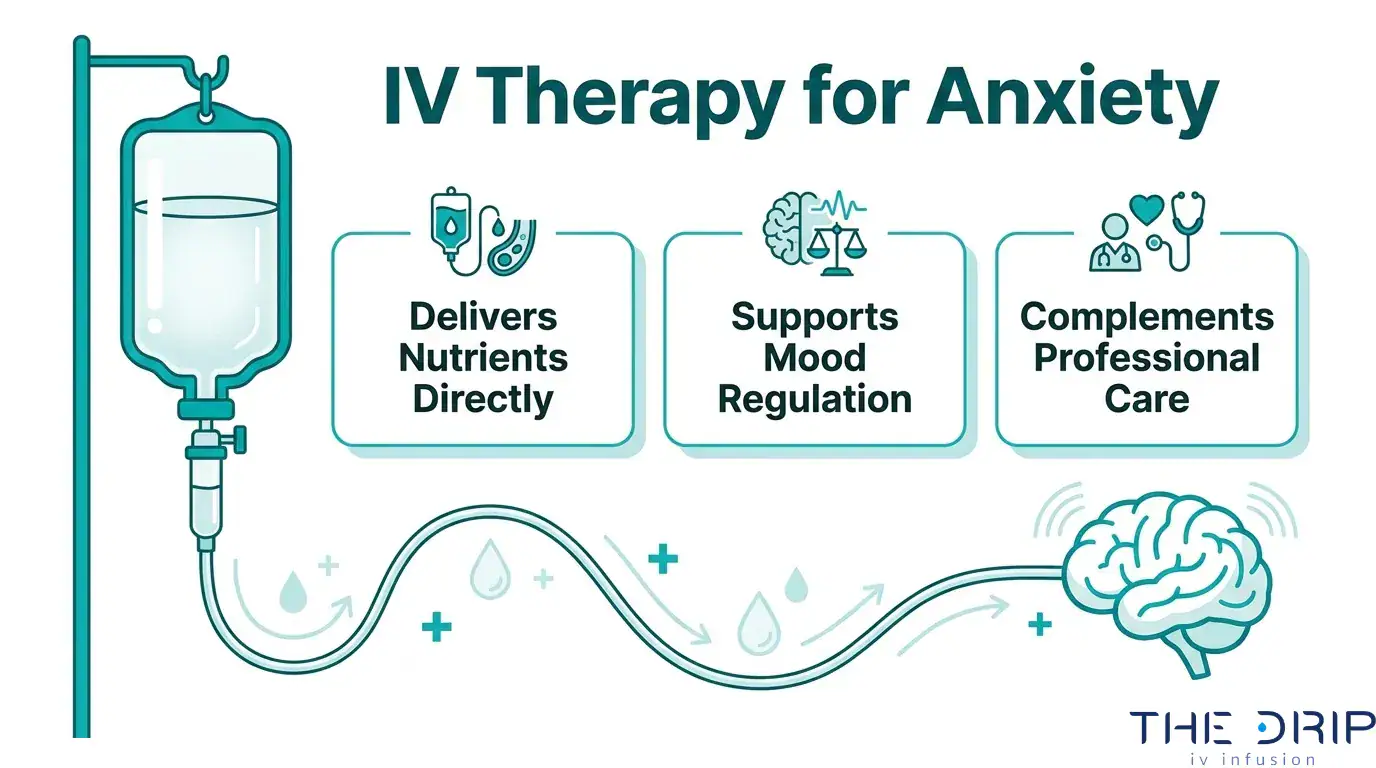
IV therapy for anxiety is an intravenous infusion that delivers vitamins, minerals, antioxidants, and amino acids directly into the bloodstream to support nutrient levels linked to mood regulation.
This guide covers how anxiety-focused IV drips work and what they contain, the proposed mechanisms behind each nutrient, what scientific evidence currently exists, realistic benefits and clear limitations, and practical considerations like safety, candidacy, and complementary alternatives.
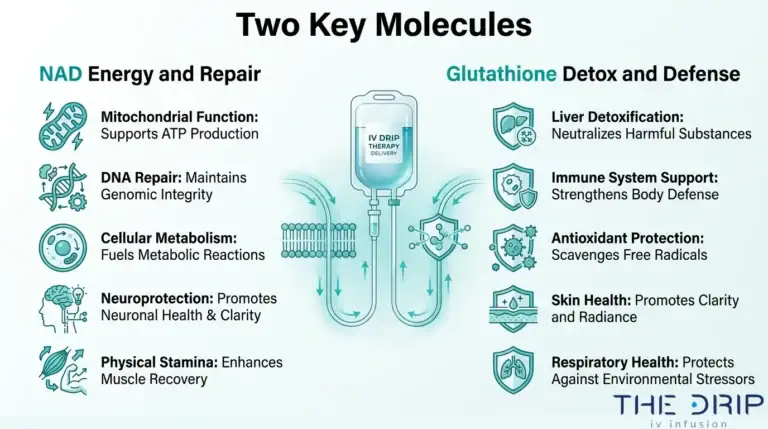
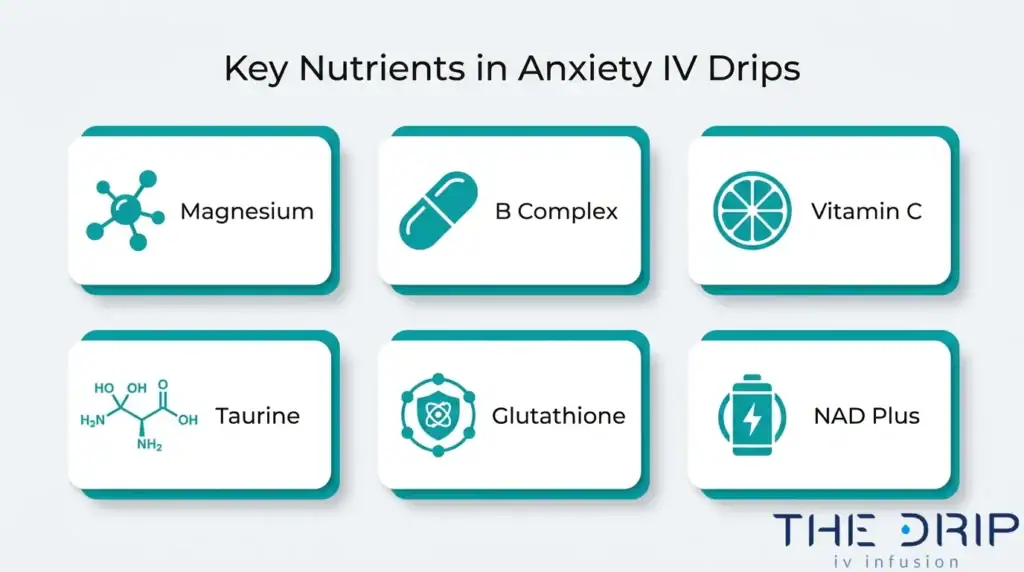
Anxiety IV drips typically combine magnesium, B-complex vitamins, vitamin C, amino acids like taurine and L-theanine, glutathione, and NAD+. Each ingredient plays a documented role in neurotransmitter regulation or cellular energy metabolism, yet clinical research linking these nutrients to measurable anxiety relief remains largely indirect and based on oral supplementation studies rather than IV-specific trials.
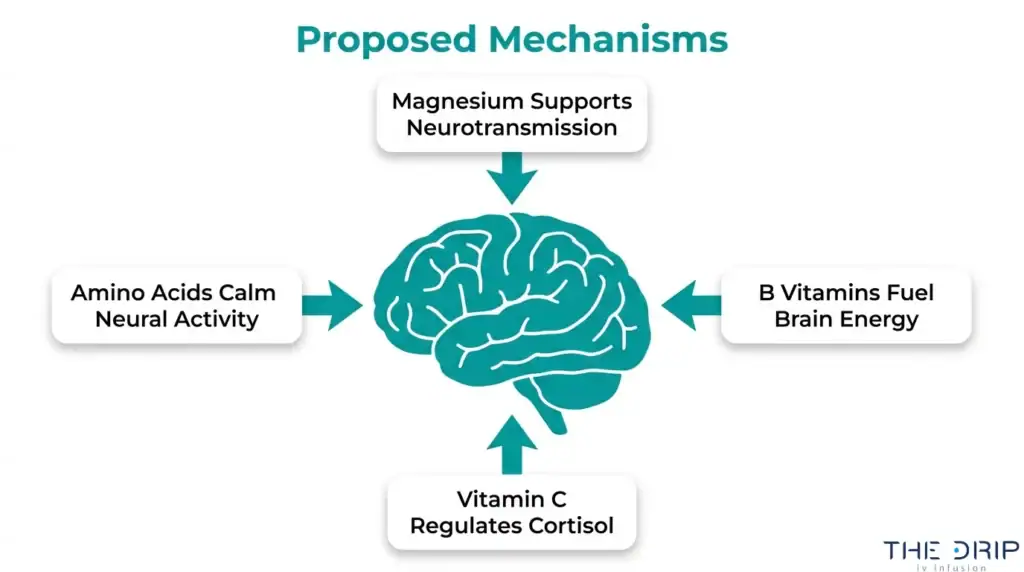
The proposed mechanisms span multiple pathways: magnesium supports serotonergic and dopaminergic transmission, B vitamins fuel neurotransmitter biosynthesis, vitamin C influences cortisol recovery after stress, and NAD+ sustains mitochondrial function in high-demand brain cells. While each mechanism holds biological plausibility, no large-scale randomized controlled trials have tested complete IV drip formulations against anxiety-specific outcomes.
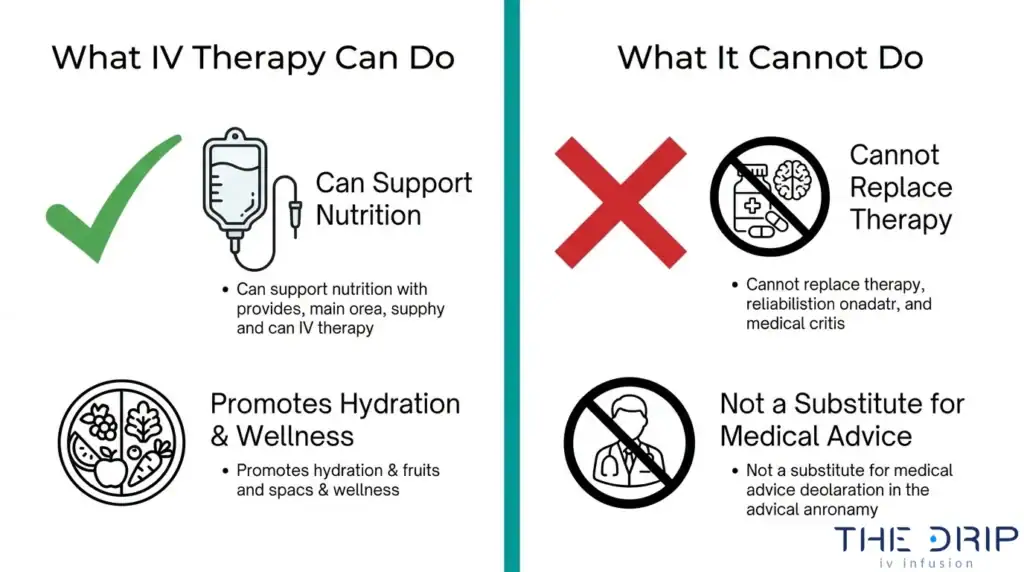
Realistically, IV therapy can correct confirmed nutrient deficiencies that compound anxiety symptoms and serve as a complementary wellness layer alongside professional care. It cannot replace psychotherapy, prescribed medication, or address the psychological root causes of anxiety disorders. Correcting low magnesium may ease physical tension, but cognitive and emotional drivers of conditions like generalized anxiety or panic disorder remain untouched by nutrient infusions alone.
Safety, candidacy, side effects, and how IV therapy compares to other complementary approaches like mindfulness practices and oral supplementation all factor into making an informed decision.
What Is IV Therapy for Anxiety?
IV therapy for anxiety is an intravenous infusion that delivers vitamins, minerals, antioxidants, and amino acids directly into the bloodstream to support nutrient levels linked to mood regulation. The sections below explain how IV delivery differs from oral supplements and which nutrients anxiety-focused drips typically contain.
How Does IV Therapy Differ From Oral Supplements for Anxiety?
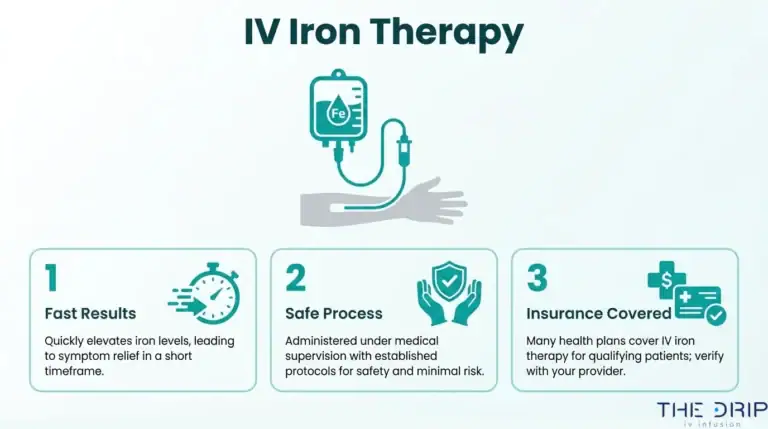
IV therapy differs from oral supplements for anxiety by bypassing the gastrointestinal tract, which allows higher blood concentrations of key nutrients. According to the National Cancer Institute, IV administration of vitamin C at doses over 500 mg produces much higher blood concentrations of ascorbate than oral administration of the same dose. For magnesium specifically, the National Library of Medicine notes that intravenous magnesium sulfate is reserved for severe hypomagnesemia or patients unable to tolerate oral therapy. This distinction matters because absorption is not the same as therapeutic proof; higher blood levels do not automatically translate to greater anxiety relief. Oral options like nicotinamide riboside for NAD+ replenishment are also under clinical investigation, so the IV route is not the only delivery method being studied.
What Nutrients Are Typically Included in an Anxiety IV Drip?
The nutrients typically included in an anxiety IV drip are combinations of vitamins, minerals, antioxidants, and amino acids. According to a 2025 review in Cureus, IV vitamin therapy delivers these essential micronutrients directly into the bloodstream, bypassing the gastrointestinal tract. Common ingredients in anxiety-focused formulations include:
- Magnesium, which supports hundreds of enzymatic reactions and helps regulate serotonergic and dopaminergic neurotransmitter systems.
- B-complex vitamins, involved in neurotransmitter biosynthesis and energy metabolism.
- Vitamin C, an antioxidant linked to cortisol recovery research.
- Amino acids such as taurine and L-theanine.
- Glutathione, a tripeptide antioxidant.
- NAD+, a coenzyme central to cellular energy metabolism.
Although magnesium plays a role in neuronal function, a systematic review in Nutrients found no significant association between magnesium serum levels and generalized anxiety disorder or panic disorder. This gap between biological plausibility and clinical evidence is worth understanding before choosing any drip formula.
How Does IV Therapy Claim to Help With Anxiety Symptoms?
IV therapy claims to help with anxiety symptoms by delivering specific nutrients that support nervous system function directly into the bloodstream. The proposed mechanisms vary by ingredient, spanning magnesium’s role in neurotransmission, B vitamins in stress metabolism, vitamin C in cortisol regulation, NAD+ in cellular energy, and amino acids in calming neurotransmitter activity.
How Does Magnesium in IV Drips Affect Anxiety?
Magnesium in IV drips affects anxiety through its involvement in neurotransmitter regulation and nervous system function. Magnesium participates in hundreds of enzymatic reactions, including the regulation of serotonergic, dopaminergic, and cholinergic transmission, all of which influence mood and stress response. However, a systematic review published in Nutrients found no significant association between magnesium serum levels and panic or generalized anxiety disorder patients. This disconnect between magnesium’s known neurological roles and measurable anxiety outcomes is important to consider. Panic disorder alone affects 6 million U.S. adults, so nutrients with broad neurological involvement naturally attract interest, even when direct clinical links to anxiety reduction remain unconfirmed.
How Do B Vitamins in IV Therapy Influence Stress Response?
B vitamins in IV therapy influence stress response by supporting neurotransmitter biosynthesis and energy metabolism in the nervous system. Vitamin B6, for example, plays a role in cognitive development through the biosynthesis of neurotransmitters, according to the NIH Office of Dietary Supplements. These neurotransmitters, including serotonin and GABA, directly modulate mood and stress reactivity. When delivered intravenously, B-complex vitamins bypass gastrointestinal absorption barriers, reaching the bloodstream at full concentration. For individuals with absorption difficulties or elevated stress demands, this delivery method may offer a more reliable pathway to adequate B vitamin levels. Still, the leap from correcting a deficiency to treating clinical anxiety requires stronger evidence than currently exists.
How Does Vitamin C in IV Infusions Relate to Cortisol Levels?
Vitamin C in IV infusions relates to cortisol levels through its role in modulating the body’s physiological stress response. A randomized controlled trial published on PubMed found that the ascorbic acid group had lower systolic blood pressure, lower diastolic blood pressure, and reduced subjective stress responses compared to placebo, along with faster salivary cortisol recovery. These findings suggest vitamin C may help the body return to baseline more quickly after stress exposure. Because IV administration achieves significantly higher blood concentrations than oral dosing, the intravenous route is often cited as a more potent delivery method. That said, faster cortisol recovery is not the same as anxiety treatment; it reflects improved stress physiology rather than a direct anxiolytic effect.
How Does NAD+ IV Therapy Target Anxiety at a Cellular Level?
NAD+ IV therapy targets anxiety at a cellular level by replenishing a coenzyme essential for energy metabolism and neuronal repair. According to a review in Nature Reviews Molecular Cell Biology, NAD+ is a coenzyme for redox reactions central to energy metabolism and an essential cofactor for non-redox NAD+-dependent enzymes, including sirtuins, CD38, and poly(ADP-ribose) polymerases. These enzymes regulate DNA repair, inflammation, and cellular stress responses. When NAD+ levels decline, mitochondrial function suffers, potentially affecting brain cells that demand high energy output. Replenishing NAD+ intravenously is proposed to restore cellular resilience, though direct clinical trials linking NAD+ IV therapy to measurable anxiety reduction in humans remain limited.
How Do Amino Acids Like Taurine and L-Theanine Work in IV Form?
Amino acids like taurine and L-theanine work in IV form by acting on inhibitory neurotransmitter pathways that regulate nervous system excitability. According to Neural Regeneration Research, taurine is an inhibitory neurotransmitter that acts as an agonist at GABA and glycine receptors, modulates calcium influx, and serves as an intracellular secondary messenger. L-theanine operates through a complementary mechanism, promoting relaxation without sedation. A systematic review in BMC Psychiatry found that L-theanine supplementation significantly reduced psychiatric symptoms more effectively than control conditions in individuals with anxiety disorders, though further studies are essential to validate these findings. Delivering these amino acids intravenously bypasses digestive metabolism, potentially achieving faster onset of their calming neurochemical effects.
With the proposed mechanisms outlined, the next step is examining what scientific evidence actually supports these claims.
What Does the Scientific Evidence Say About IV Therapy for Anxiety?
The scientific evidence on IV therapy for anxiety remains limited and largely indirect. Most research examines individual nutrients rather than complete IV drip formulations. The sub-sections below cover which nutrients have clinical backing and where critical research gaps exist.
Which IV Nutrients Have Clinical Research Supporting Anxiety Relief?
The IV nutrients with clinical research supporting anxiety relief include glutathione, L-theanine, and several vitamins, though evidence varies significantly in strength and directness.
Glutathione has well-documented roles in cellular health. According to a review in Frontiers in Pharmacology, GSH is involved in antioxidant defense, nutrient metabolism, and regulation of cellular functions ranging from gene expression and protein synthesis to signal transduction and cell proliferation. These functions suggest a protective role against oxidative stress, which some researchers have linked to anxiety pathology. However, no large-scale trials have tested IV glutathione specifically for anxiety outcomes.
The broader trend is noteworthy: a National Institutes of Health analysis found that complementary health approach usage among U.S. adults rose from 19.2% in 2002 to 36.7% in 2022, yet the same report noted that “evidence is unclear” for several popular supplements. Most nutrient-anxiety research uses oral supplementation, not IV delivery, making direct conclusions about IV efficacy premature.
Where Are the Gaps in Current Research on IV Drips and Anxiety?
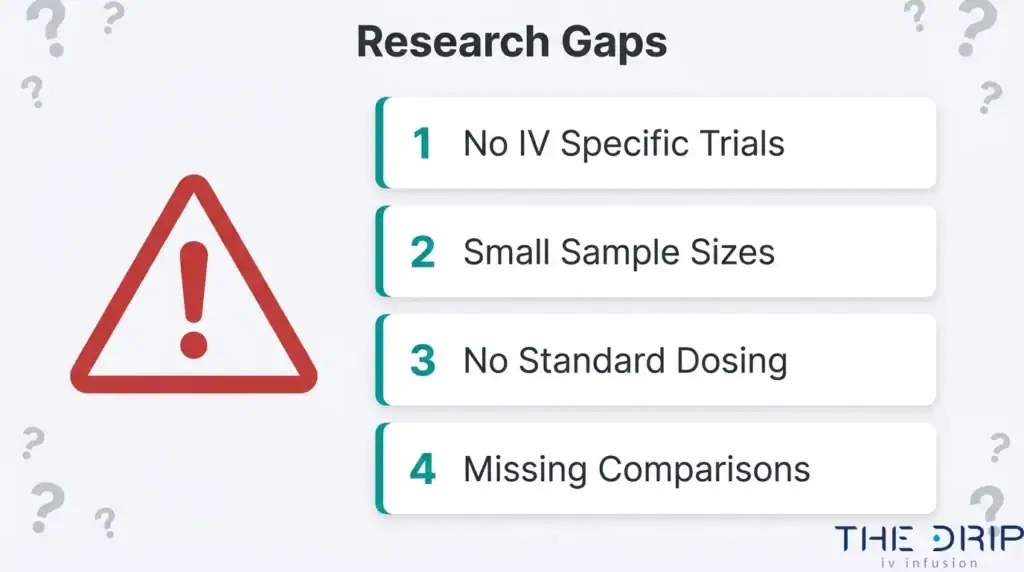
The gaps in current research on IV drips and anxiety are substantial and span study design, delivery method, and clinical endpoints. Key gaps include:
- No IV-specific anxiety trials. Most studies examine oral nutrient supplementation. Researchers have not conducted randomized controlled trials testing complete IV drip formulations against anxiety-specific outcomes.
- Small sample sizes and short durations. Existing nutrient studies often involve fewer than 100 participants observed over weeks, not months.
- No validated dosing protocols. No authoritative source has established a standard frequency for elective IV nutrient infusions targeting anxiety.
- Absence of head-to-head comparisons. No published trials compare IV nutrient therapy directly against established anxiety treatments such as cognitive behavioral therapy or prescribed medication.
Until well-designed clinical trials address these gaps, IV therapy for anxiety should be considered a complementary wellness option rather than an evidence-based treatment. Understanding these limitations helps set realistic expectations before exploring what IV therapy can realistically offer.
What Can IV Therapy Realistically Do for Someone With Anxiety?
IV therapy can realistically provide nutritional support and hydration that may complement anxiety management, but it cannot treat anxiety disorders on its own. The following subsections cover acute episodes, long-term support, and nutrient deficiency correction.
Can IV Therapy Help With Acute Anxiety Episodes Like Panic Attacks?
No, IV therapy cannot reliably help with acute anxiety episodes like panic attacks. Panic attacks require rapid-acting interventions, and no clinical evidence supports IV nutrient infusions as an effective response during active panic episodes. According to the National Health Service, talking therapies and medication are the main treatments for panic disorder, with treatment depending on individual symptoms.
IV infusions typically take about an hour to administer, which makes them impractical during a sudden panic attack that peaks within minutes. While trained infusion specialists, including pharmacists and nurses with special training, oversee the infusion process safely, the timeline and mechanism of IV nutrient delivery do not align with acute psychiatric crisis management. Breathing techniques, grounding exercises, and prescribed rescue medications remain the standard of care for panic attacks. IV therapy is better understood as a wellness support tool, not an emergency intervention.
Can IV Therapy Support Long-Term Anxiety Management?
IV therapy can support long-term anxiety management only as one component within a broader treatment plan. It does not function as a standalone solution. When used alongside therapy, medication, lifestyle changes, and stress management practices, nutrient infusions may help maintain optimal levels of vitamins and minerals that influence nervous system function.
Consistency matters more than any single session. Sustained benefits depend on addressing the underlying causes of anxiety through evidence-based treatments, while IV sessions can periodically replenish nutrients that daily stress, poor absorption, or dietary gaps may deplete. For most people dealing with chronic anxiety, prioritizing professional mental health care first and then exploring IV therapy as a supplementary wellness tool is the more responsible approach.
Can IV Therapy Correct Nutrient Deficiencies That Worsen Anxiety?
Yes, IV therapy can correct nutrient deficiencies that worsen anxiety, provided a confirmed deficiency exists. Delivering magnesium, B vitamins, and vitamin C directly into the bloodstream bypasses gastrointestinal absorption barriers, which benefits individuals with malabsorption conditions or severely depleted levels.
However, the reviewed evidence reveals an important limitation: no qualifying authoritative source establishes a standard frequency for elective IV nutrient infusions for anxiety or validates recurring commercial drip schedules. This means repeated sessions should be guided by lab work and professional assessment rather than a fixed schedule. Correcting a genuine deficiency can meaningfully reduce symptoms that overlap with anxiety, such as muscle tension, fatigue, and irritability. Without confirmed deficiency, though, the value of routine infusions diminishes significantly.
Understanding what IV therapy can realistically accomplish sets the stage for recognizing what it cannot do.
What Can IV Therapy Not Do for Anxiety?
IV therapy cannot diagnose, cure, or serve as a standalone treatment for anxiety disorders. The subsections below cover why IV drips cannot replace therapy or medication, why they miss the root causes of anxiety, and the risks of overreliance.
Can IV Drips Replace Therapy or Prescribed Anxiety Medication?
No, IV drips cannot replace therapy or prescribed anxiety medication. Cognitive behavioral therapy, exposure therapy, and medications such as SSRIs and benzodiazepines target the psychological and neurochemical mechanisms that drive anxiety disorders. IV nutrient infusions address potential vitamin and mineral gaps, not the learned thought patterns, trauma responses, or neurotransmitter imbalances that evidence-based treatments are designed to correct.
An IV drip containing magnesium or B vitamins may complement a treatment plan by supporting baseline nutritional status, but it lacks the therapeutic framework to change how the brain processes fear or worry. Anyone managing an anxiety disorder should maintain their clinician-directed care and view IV therapy only as a potential nutritional supplement within that broader plan.
Can IV Therapy Treat the Root Causes of Anxiety Disorders?
No, IV therapy cannot treat the root causes of anxiety disorders. Anxiety disorders arise from a combination of genetic predisposition, brain chemistry, trauma history, chronic stress, and environmental factors. Delivering vitamins and minerals intravenously does not alter genetic vulnerability, resolve unprocessed trauma, or restructure maladaptive thought patterns.
Even when a nutrient deficiency contributes to heightened anxiety symptoms, correcting that deficiency addresses one contributing factor rather than the disorder itself. The distinction matters: replenishing low magnesium may ease physical tension, yet the cognitive and emotional drivers of generalized anxiety or panic disorder remain untouched. Lasting improvement typically requires psychotherapy, medication, or both, working at the levels where anxiety disorders actually originate.
Is There a Risk of Overrelying on IV Drips for Mental Health?
Yes, there is a risk of overrelying on IV drips for mental health. When individuals treat IV infusions as a primary anxiety management tool, they may delay seeking the evidence-based care that conditions like generalized anxiety disorder require. According to the National Institute of Mental Health, an estimated 2.7% of U.S. adults had generalized anxiety disorder in the past year, underscoring how common this condition is and how important proper treatment access remains.
Frequent, unsupervised infusions also carry physical risks. High doses of certain vitamins and minerals have been linked to kidney damage, heart rhythm abnormalities, and peripheral nerve damage. The financial cost, which can range from $250 to $800 per session, compounds the problem if repeated treatments substitute for more effective interventions. Responsible use means positioning IV therapy as one optional wellness support, never as a replacement for professional mental health care.
Understanding these limitations helps frame what IV therapy can realistically offer within a broader anxiety management strategy.
Who Might Benefit Most From Trying IV Therapy for Anxiety?
IV therapy for anxiety may benefit people with confirmed nutrient deficiencies, absorption difficulties, or those seeking a complementary wellness layer alongside existing care. The sections below cover suitability for current patients and key contraindications.
Is IV Therapy for Anxiety Appropriate for People Already in Treatment?
IV therapy for anxiety can be appropriate for people already in treatment when used as a complementary wellness support, not a replacement. Individuals currently working with a therapist or taking prescribed medication may explore nutrient infusions to address specific deficiencies identified through lab work. According to Brent A. Bauer, M.D., director of research at Mayo Clinic Integrative Medicine and Health, there is limited evidence that IV vitamins provide benefit to people with normal nutritional intake and levels. This makes pre-treatment bloodwork especially important. Candidates most likely to notice a difference include those with documented low magnesium, B-vitamin, or vitamin C levels that could be compounding their symptoms. Anyone in active psychiatric care should coordinate with their prescribing provider before adding IV nutrient infusions, since certain vitamins can interact with medications.
Who Should Avoid IV Therapy for Anxiety Entirely?
People with the following conditions should avoid IV therapy for anxiety entirely:
- Kidney disease or impaired renal function: High-dose vitamins and minerals can accelerate kidney damage when filtration is already compromised.
- Heart conditions or electrolyte sensitivity: The American Heart Association notes that electrolyte abnormalities are commonly associated with cardiovascular emergencies and may contribute to cardiac arrest.
- Pregnancy (without obstetric clearance): Prolonged magnesium sulfate administration during pregnancy has been linked to skeletal adverse effects and neonatal hypocalcemia.
- Active infections at potential IV sites: The CDC recommends removing peripheral venous catheters at the first sign of phlebitis or infection.
- Undiagnosed or unstable psychiatric conditions: Anyone experiencing severe anxiety symptoms without a formal diagnosis should pursue clinical evaluation before exploring complementary options.
For most people considering IV therapy alongside standard anxiety treatment, a candid conversation with both their mental health provider and the infusion team is the safest starting point.
What Are the Potential Side Effects of Anxiety-Focused IV Drips?
The potential side effects of anxiety-focused IV drips range from mild injection-site reactions to serious complications when high-dose nutrients are administered without proper oversight.
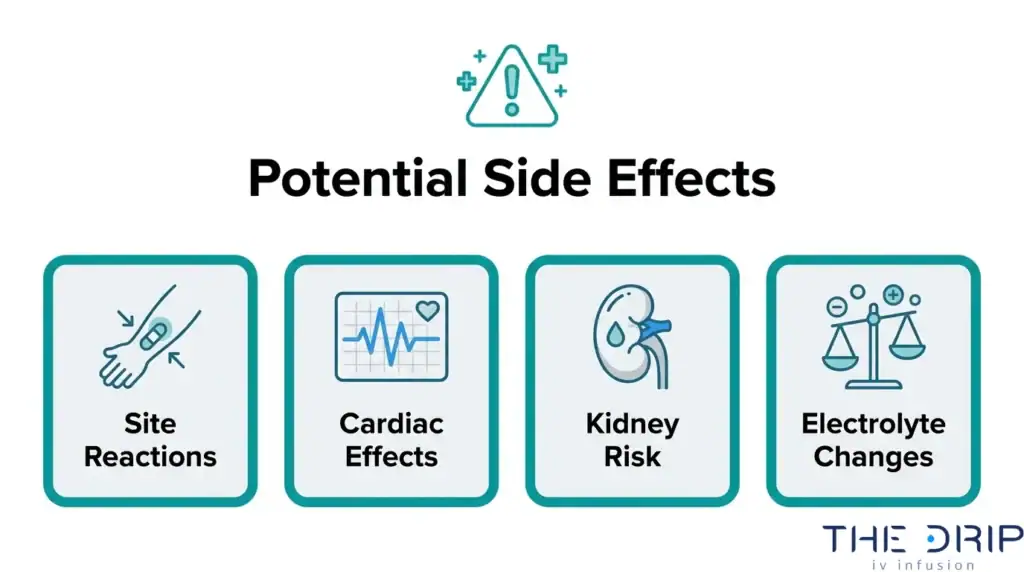
Any IV infusion introduces risks simply because it involves venous access. When the drip contains concentrated vitamins, minerals, or amino acids marketed for anxiety support, dose-dependent side effects become an additional concern. According to Mayo Clinic Press, quoting Brent A. Bauer, M.D., director of research at Mayo Clinic Integrative Medicine and Health, high doses of certain vitamins and minerals have been linked to kidney damage, heart rhythm abnormalities, blood pressure changes, gastrointestinal symptoms, and damage of the peripheral nerves.
Common side effects associated with IV nutrient infusions include:
- Phlebitis, characterized by warmth, tenderness, erythema, or a palpable venous cord at the catheter site.
- Bruising, swelling, or soreness around the insertion point.
- Nausea or a metallic taste during rapid mineral infusions, particularly with magnesium.
- Lightheadedness or a temporary drop in blood pressure as fluids and electrolytes shift.
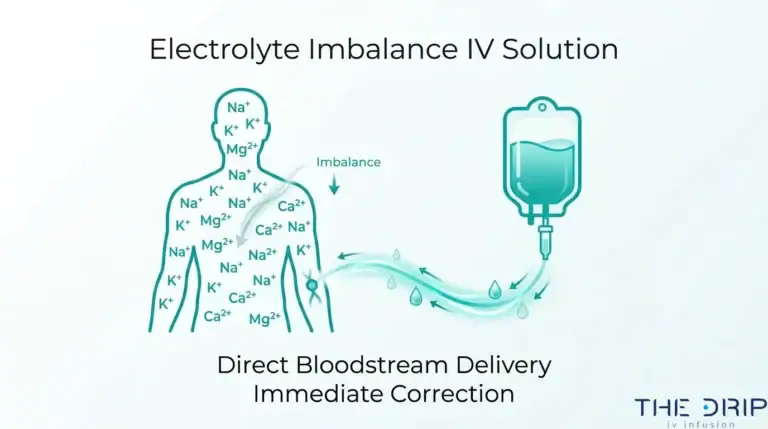
More serious risks, though less frequent, deserve equal attention. Electrolyte imbalances from concentrated magnesium or potassium can affect cardiac rhythm. Infection at the puncture site remains possible whenever sterile technique is compromised. These concerns underscore why proper nursing oversight matters. As the Centers for Medicare & Medicaid Services notes, nurses typically educate patients on side effects and goals of therapy and visit periodically to assess the infusion site.
Most side effects are preventable when a qualified infusion specialist reviews your health history, monitors the session, and adjusts drip rates appropriately. Skipping that step, especially with high-dose formulations, is where the real danger lies. Understanding these risks helps frame expectations before exploring how often sessions might be needed.
How Often Would Someone Need IV Therapy to Notice Anxiety Relief?
Someone would need IV therapy on a schedule guided by a healthcare provider, because no established clinical standard exists for elective IV nutrient infusion frequency targeting anxiety. A systematic review of supplemental magnesium and self-reported anxiety, published via Cureus, confirmed that no qualifying authoritative source in the reviewed evidence establishes a standard frequency for elective IV nutrient infusions for anxiety or validates recurring commercial drip schedules. Any provider suggesting a fixed weekly or monthly protocol is basing that recommendation on clinical judgment or anecdotal patterns, not peer-reviewed dosing guidelines. This makes individual assessment essential before committing to a recurring plan. Because nutrient needs vary based on baseline levels, absorption capacity, diet, and the severity of symptoms, a blanket frequency simply cannot apply. Someone with a confirmed magnesium deficiency may respond differently than someone whose levels are already adequate. The honest answer is that frequency should be determined collaboratively with a qualified provider who reviews lab work and monitors how you respond over time, not by a preset package sold at checkout.
How Does IV Therapy for Anxiety Compare to Other Complementary Approaches?
IV therapy for anxiety compares to other complementary approaches by offering faster nutrient delivery but weaker clinical evidence than several alternatives. The key differences involve evidence strength, mechanism, and cost.
Complementary health approaches have gained significant traction in recent years. According to the National Center for Complementary and Integrative Health (NIH), the percentage of individuals using at least one of seven complementary approaches increased from 19.2% in 2002 to 36.7% in 2022. Within that expanding landscape, IV therapy occupies a specific niche: rapid micronutrient delivery with limited anxiety-specific validation.
The most relevant comparison points include:
- Mindfulness-based practices have some studies suggesting effectiveness comparable to established anxiety treatments, though the NIH notes more research is needed. These practices carry virtually no physical risk and cost little to nothing.
- IV nutrient infusions bypass the gastrointestinal tract for higher bioavailability of specific vitamins and minerals, but no large-scale randomized trials have confirmed their efficacy for anxiety disorders specifically.
- Oral supplementation delivers similar nutrients at a fraction of the cost, with more accumulated research behind individual compounds like magnesium and B vitamins, though absorption rates are lower.
- Herbal approaches such as ashwagandha remain unproven; the NIH states that “evidence is unclear” about ashwagandha’s effects on anxiety.
For most people exploring complementary options alongside conventional care, mindfulness practices offer the strongest risk-to-benefit ratio. IV therapy may serve a role when nutrient deficiencies are confirmed and rapid correction is clinically appropriate, but it should not be positioned as a first-line complementary strategy for anxiety when more affordable, better-studied options exist.
Understanding how IV therapy fits within this broader toolkit helps inform the next step: exploring whether mobile IV services can make the process more accessible and personalized.
How Should You Explore IV Therapy for Anxiety With Mobile IV Services?
You should explore IV therapy for anxiety with mobile IV services by choosing a provider that offers personalized nutrient formulations and registered nurse oversight. The following sections cover how The Drip IV Infusion supports anxiety wellness and the key takeaways from this article.
Can The Drip IV Infusion’s Personalized Cocktails Support Anxiety Wellness?
Yes, The Drip IV Infusion’s personalized cocktails can support anxiety wellness by delivering key nutrients associated with nervous system function directly into the bloodstream. The Drip IV Infusion offers customizable add-ons, such as magnesium, B-complex vitamins, vitamin C, taurine, glutathione, and NAD+, all of which play roles in neurotransmitter regulation, cortisol metabolism, or antioxidant defense. Founded in Fall 2022 by professionals with decades of experience in nursing and emergency medicine, The Drip IV Infusion brings mobile sessions directly to your home or workplace, removing the stress of clinic visits. Each infusion is administered by a registered nurse who can tailor the nutrient blend to your specific wellness goals. For anyone already working with a mental health professional, these sessions can serve as a complementary layer of nutritional support rather than a standalone solution.
What Are the Key Takeaways About IV Therapy for Anxiety?
The key takeaways about IV therapy for anxiety center on its role as a complementary wellness tool, not a replacement for clinical treatment. According to the American Psychiatric Association, social anxiety disorder alone impacts about one in 10 teens and adults in the U.S., highlighting how widespread anxiety-related conditions are.
The most important points to remember include:
- IV therapy delivers nutrients like magnesium, B vitamins, vitamin C, and amino acids at higher bioavailability than oral supplements, which may support nervous system function.
- No large-scale clinical trials currently validate IV drips as a standalone anxiety treatment.
- Correcting documented nutrient deficiencies through IV infusion may reduce symptoms that overlap with anxiety, but the drips do not address psychological root causes.
- Therapy, medication, and evidence-based approaches remain the foundation of anxiety management.
- Mobile IV services like The Drip IV Infusion offer a convenient, nurse-administered option for those seeking nutritional support alongside their existing care plan.
Prioritizing professional mental health care first, then layering in nutritional strategies where appropriate, remains the most responsible approach to managing anxiety long term.