Book Now

Author: Brandon Lang

  • How Much Does IV Vitamin Therapy Cost?

    How Much Does IV Vitamin Therapy Cost?

    If you’re looking into IV vitamin therapy costs, you’re probably wondering if this popular wellness treatment fits your budget and health goals. We get it – trying to make sense of prices that range from $100 basic drips to $11,500 hospital treatments can make your head spin. You’re in the right place to get clear, simple pricing info that’ll help you decide if IV therapy is right for you.

    IV vitamin therapy is when vitamins, minerals, and fluids go straight into your bloodstream through a vein, skipping your stomach completely. This way, your body gets over 90% of the nutrients compared to just 20% when you swallow pills.

    TL;DR Summary:
    • Basic hydration IVs cost $115-$199, while fancy treatments run $175-$495 depending on what’s in them
    • Where you get it matters big time – mobile services charge $100-$400 per session versus hospitals that can hit $5,500-$11,500
    • Buying sessions in bundles and membership deals can save you 10-20%, with most wellness folks doing treatments every two weeks
    • Popular treatments include Vitamin C therapy ($150-$549 based on how much you get), hangover help ($129-$350), and beauty drips ($180-$450)
    • Insurance almost never covers wellness IV therapy but might cover medical treatments if your doctor says you need it
    • Extra costs include consultation fees, travel charges for mobile service, and premium add-ons like NAD+ ($100-$300)
    • The IV therapy business was worth $2.64 billion in 2024 and is expected to hit $4.9 billion by 2033

    Quick Tip: Before you book your first IV therapy session, ask if they have membership programs or package deals – these can cut your cost by up to 30%, making regular wellness visits easier on your wallet.

    As we dig into what makes IV therapy pricing tick, you’ll see how what’s in it, where you get it, and what type of treatment you choose all play a part in your final bill. Whether you’re thinking about basic hydration or premium NAD+ therapy, understanding these things will help you pick the right treatment for what you need and can afford.

    What Factors Influence the Cost of IV Vitamin Therapy?

    When evaluating IV vitamin therapy costs, three major factors influence the total price. These elements determine how high or low your treatment bill will be.

     The main factors include:

    • Ingredients and nutrient blends
    • Treatment location or facility type
    • Session length, frequency, and treatment type
    Infographic showing key factors that affect IV therapy pricing.

    How do ingredients and nutrient blends affect IV therapy prices?

    The stuff that goes into your IV and how fancy the mix is directly changes what you’ll pay. Basic hydration IVs cost $115-$199, while Myers’ Cocktail runs $175-$225 across the country. Adding Vitamin C costs $30-$40 extra, and NAD+ add-ons range from $100-$300 depending on how much you get.

    Premium ingredients bump up costs quite a bit. Adding glutathione tacks on $45-$80 to your base treatment. High-quality, pharmaceutical-grade ingredients cost more but work better in your body. Custom mixes usually cost more than standard ones because they have to be made special just for you.

    How complicated your chosen blend is determines your final price based on how much and how good the ingredients are.

    Does treatment location or facility type impact the total cost?

    Where you get your treatment makes a huge difference in what you’ll pay. Hospital infusion centers average $5,500 to $11,500 per treatment. Getting it at home costs $122 per day versus being in the hospital at $798 per day. Mobile IV therapy businesses charge $100-$400 per session.

    Where you live affects prices too. Big cities like Phoenix and Scottsdale cost more than smaller towns. Medical spas and wellness centers usually charge somewhere in the middle between hospital and mobile services. Chain locations might have the same prices no matter which one you go to.

    Picking between hospital, home, or mobile service is the biggest thing that’ll change your cost.

    Are session length and frequency reflected in the pricing of IV therapy?

    Your session length and treatment frequency affect total IV therapy pricing in several important ways. These factors shape both single-session costs and long-term spending.
    Key pricing influences include:

    • Session duration (30–60 minutes for most IVs)
    • Treatment type (NAD+ takes longer and costs more)
    • Visit frequency (weekly vs. biweekly)
    • Package deal savings (10–20% when pre-purchasing sessions)

    The relationship between time, how often you go, and cost helps you figure out your most budget-friendly treatment schedule.

    What Is the Typical Cost Range for IV Vitamin Therapy?

    IV therapy pricing varies widely depending on the type of infusion you choose. The table below compares common treatment categories and their typical price ranges.

    Treatment TypeContents / NotesPrice Range
    Hydration only1L saline$115–$199
    Vitamin blendsStandard nutrients$159–$250
    Premium dripsMulti-ingredient formulas$250–$495
    NAD+ therapyLonger sessions$450–$900
    Hospital infusionsMedical-grade treatments$5,500–$11,500

    What type of service you get determines how much you pay. Basic salt water hydration is the cheapest. Adding vitamins costs $40-$100 more than the base price. Special treatments like NAD+ therapy cost more because they take longer and use high-quality ingredients.

    Bar graph comparing costs of IV therapy types from hydration to hospital infusions.

    What can you expect to pay per IV session?

    You can expect to pay $115-$495 per IV session depending on how complex your treatment is. Basic hydration starts at $115-$199. Standard wellness IVs with vitamins and minerals cost $159-$199. Premium treatments with lots of ingredients range from $250-$495.

    Hospital settings have different prices:

    • Medical center infusions: $5,500-$11,500
    • Mobile services: $100-$400
    • Wellness centers: $159-$495

    Treatment types follow this pricing:

    • Hydration only: $115-$199
    • Vitamin blends: $159-$250
    • Special formulas: $250-$495
    • NAD+ treatments: $450-$900

    Where you live affects rates. Big cities cost 15-30% more than rural areas. Chain operations keep the same prices across different locations.

    Are there package deals or membership discounts available?

    Package deals and membership discounts are available at most IV therapy places.

    Membership options vary by provider:

    • Monthly memberships: $99-$299
    • Yearly memberships: $800-$2,400
    • Business memberships: Custom pricing
    • Loyalty programs: 10-20% savings

    Package options include:

    • 4-session bundle: $800 (20% savings)
    • 8-session bundle: $1,550 (23% savings)
    • Monthly unlimited: $599-$999

    Business costs affect pricing. IV Nutrition franchise charges 6% royalty fee on total sales, which impacts what you pay. Business memberships serve companies wanting employee wellness benefits. These programs usually offer 25-40% discounts for buying in bulk.

    Premium treatments and special formulas make up the higher cost range while membership programs give you ways to cut per-session costs if you go regularly.

    Comparison chart of IV therapy package deals and membership pricing.

    How Much Does Vitamin C IV Therapy Cost?

    Vitamin C IV therapy costs range from $30 for a standard add-on to $549 for maximum doses. The price depends on how strong the dose is, where you get it, and whether it’s by itself or mixed with other nutrients.

    Graphic showing IV vitamin C dose levels and their respective prices.

    What makes Vitamin C IV infusions unique compared to other IV blends?

    Vitamin C IV infusions are special because they skip your stomach to get blood levels that you just can’t get from swallowing pills. A 10g high-dose Vitamin C IV costs $184-$200, while 25g treatments range from $150-$399 depending on where you go. Higher doses of 50g cost $200-$375, with 75g treatments ranging from $275-$549.

    The biggest dose of 100g costs $300 at Pellegrino Healing Center. These IVs work fast and give consistent results with doses made just for you. Many places mix Vitamin C with Myers’ Cocktail for better benefits.

    Is high-dose Vitamin C therapy priced differently from standard doses?

    Yes. High-dose Vitamin C therapy is priced differently from standard doses because it requires more medication and a more complex administration process. Vitamin C IV therapy pricing increases with dose strength. The table summarizes the typical costs across providers.

    Vitamin C DoseNotesPrice
    Standard add-on1–2g$30–$40
    High-dose 10gWellness clinics$175–$200
    High-dose 25gVariable by clinic$150–$399
    High-dose 50gSpecialized centers$200–$375
    Ultra-high 75gSpecialty clinics$275–$549
    Ultra-high 100gMax dose~$300

    What Is the Cost of IV Hangover Cure Treatments?

    IV hangover cure treatments cost between $90 and £350 depending on what’s in them, where you get them, and what level of service you want. Basic hangover recovery IVs start at $129 for regular pricing, while member prices drop to $90. Premium hangover treatments with lots of medicine and vitamin combinations reach $300 in the United States and £350 in the United Kingdom.

    The price differences show what each treatment includes, from simple hydration to complex formulas with high-quality medications. Understanding what each price level gets you helps decide the best value for hangover recovery.

    What is included in a typical IV hangover drip?

    A typical IV hangover drip includes 1 liter of salt water, B-Complex vitamins, magnesium, and vitamin B6 as the main ingredients. Basic hangover recovery IVs with these basics start at $129, with member prices at $90. Mid-range options priced between $169 and $235 add pain medicines like ketorolac and anti-nausea medicines like ondansetron to the base formula.

    Premium formulas costing $299 to $300 include extra components like vitamin C, vitamin B12, zinc, glutathione, Toradol (ketorolac), and Zofran (ondansetron). The Drip IV Infusion’s Hangover Helper shows this complete approach at $300. UK providers charge up to £350 for deluxe recovery treatments with similar ingredients.

    Common ingredients across all price levels include IV fluids to rehydrate you, B vitamins for energy, magnesium for muscle relaxation, and anti-nausea medicine for symptom relief. Higher-priced treatments stand out with prescription pain relievers and antioxidants like glutathione.

    Are premium IV hangover treatments more expensive?

    Yes. Premium IV hangover treatments cost more, ranging from $299 to £350 compared to basic options at $90–$129. The Hangover Helper at The Drip IV Infusion costs $300 and includes a long list of ingredients with prescription medicines. DripIV Therapy’s Ultimate Hangover treatment matches this price at $299. Premium hangover IVs cost more because they include stronger medicines and additional nutrients. These advanced formulations offer faster, more complete recovery.
    Premium treatments typically add:

    • Toradol (prescription pain relief)
    • Zofran (anti-nausea medication)
    • Vitamin C and B12
    • Zinc
    • Glutathione antioxidant boosts

    The Deluxe Recovery IV Drip in the UK reaches £350 for in-clinic service with similar medicine profiles. Package deals offer savings if you use them often: 4 sessions for $800 bring the cost down to $200 each, while 8 sessions for $1,550 reduce it to $194. Mobile service adds travel fees unless waived within a provider’s zone.

    Premium hangover IVs work faster and give more complete relief through their expanded ingredient lists, making them worth the cost for severe hangover symptoms that need immediate help.

    How Much Is the Beauty Bag IV and What Does It Include?

    The Beauty Bag IV costs $180–$269 and includes skin-focused nutrients such as vitamin C, B-complex, biotin, and glutathione. Standard beauty IVs include important nutrients for skin health, while premium versions add advanced anti-aging compounds. Pricing changes based on ingredient complexity and provider location.

    What vitamins and nutrients are in a Beauty Bag IV?

    Beauty Bag IVs contain Vitamin C, B-Complex, Biotin, and Glutathione as the main ingredients. The Anti-Aging IV at Hydrate IV Bar costs $199 (member price: $139). Chicago Aesthetics prices their Inner Beauty IV at $250. Body Glow Spa offers the Beauty Glow-Up IV Drip for $212.50.

    Premium formulas include extra compounds for better results. The Anti-Aging/Skin-Aging Mix at Thrive Wellness costs $269 and contains selenium and alpha lipoic acid. These advanced nutrients support cell repair and fight damage from stress.

    Basic Beauty Drips range from $180 to $250 across different providers. Each formula targets specific beauty concerns through targeted nutrient delivery. The variety in pricing shows differences in ingredient quality and concentration levels between providers.

    Does the Beauty Bag IV have add-ons or upgrades that affect cost?

    Yes. Beauty Bag IV pricing increases when optional upgrades are added. These enhancements target deeper aesthetic benefits beyond basic skin support.
    Common Beauty Bag IV add-ons include:

    • Extra vitamin C: $25–$40
    • Biotin supplementation: $25–$35
    • Glutathione boosts: $45–$80
    • NAD+: $100–$300
    • Amino acids: $40–$60
    • Premium anti-aging combinations: $300–$450

    The most expensive combinations include NAD+, glutathione, and special amino acids. These complete treatments target multiple aging pathways at the same time for the best beauty results.

    What Does IV Hydration Therapy Usually Cost?

    IV hydration therapy usually costs $115–$199 for saline-only treatments and $159–$199 for nutrient-infused formulas. Costs change based on what type of fluids and nutrients are included in each treatment. Basic salt water hydration offers the lowest price, while specialized formulas for athletes and travelers cost more because of targeted nutrient profiles.

    Is saline-only hydration less expensive than nutrient-infused hydration?

    Yes. Saline-only hydration is less expensive than nutrient-infused hydration, with base treatments costing $115–$199 compared to $159–$199 for nutrient blends. Mobile IV providers keep supply costs averaging $10 per infusion for basic salt water treatments. Medicines and vitamins add $5-$25 per treatment to the base cost when creating nutrient-infused solutions.

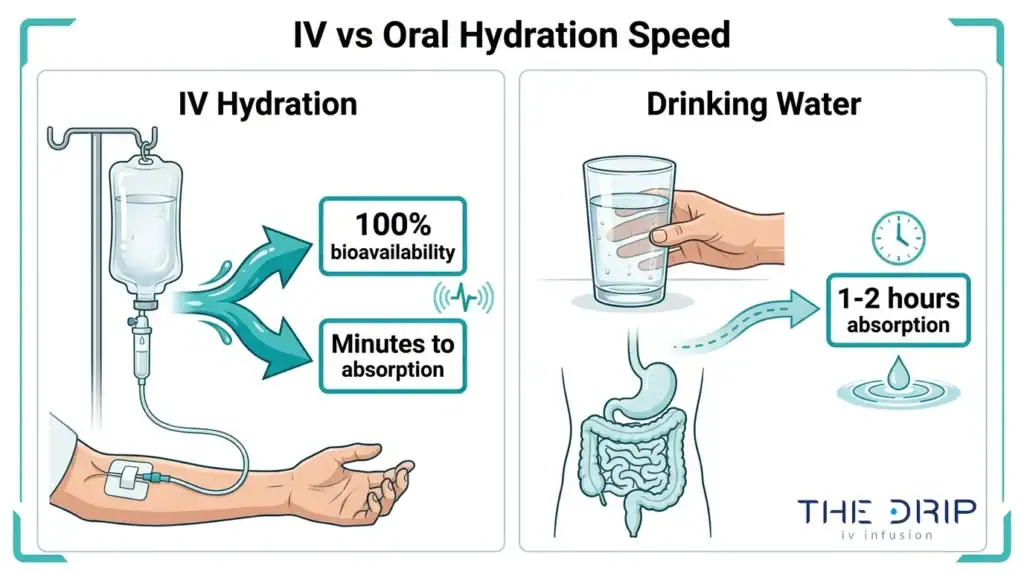
    The standard hydration uses 1 liter (1000cc) of salt water for basic treatments. IV therapy gets 90% or higher absorption compared to just 20% for pills you swallow, making the direct bloodstream delivery work better despite higher upfront costs.

    Nutrient-infused hydration adds vitamins, minerals, and medicines into the salt water base, making the price difference worth it through better health benefits.

    Are there special hydration IVs for athletes or travelers with different pricing?

    Yes. There are specialized hydration IVs for athletes and travelers, each with its own distinct pricing. Athletic Performance IV costs $179 at standard rates or $125 for members at Hydrate IV Bar. The Jet Lag IV treatment is priced at $149, with member pricing reduced to $104 for travel recovery support.

    Mobile IV services for athletes range from $100-$400 per session depending on how complex the formula is and where you go. The DRIPBaR Statesboro offers mobile service within a 30-mile radius, bringing special treatments directly to athletes’ homes or training places.

    Special formulas target endurance and muscle recovery through custom nutrient combinations. Athletes benefit from weekly treatments under doctor guidance when addressing specific performance goals or recovery needs.

    These special IVs cost more because of their targeted formulas and the convenience of mobile service delivery for active people.

    What Is the Price Range for IV Nutrient Therapy?

    IV nutrient therapy ranges from $100-$495 per session for wellness treatments at clinics and mobile services. Hospital-based medical infusions cost $5,500-$11,500 per treatment. Custom blends and specialty formulas cost more than standard IV therapy options.

    Do custom nutrient blends or specialty drips cost more?

    Yes. Custom nutrient blends and specialty drips cost more than standard formulas because they use higher-quality ingredients and require individualized preparation. The Kitchen Sink at The Drip IV Infusion costs $495 with lots of ingredients for ultimate recovery. The GOAT performance blend is priced at $375. The Katie Cocktail, the founder’s favorite, costs $259 with double-dose Vitamin C.

    Myers Cocktail ranges from $175-$225 as a popular multi-nutrient option. Specialty drips targeting specific conditions like athletic performance, anti-aging, or immune support cost more. Custom blends made just for your needs require consultation and special mixing, increasing the total cost.

    Provider expertise and ingredient quality affect custom blend pricing. High-quality nutrients and special formulas justify higher costs compared to basic hydration treatments.

    How does IV nutrient therapy compare in cost to oral supplements?

    IV nutrient therapy costs $100-$400 per session versus monthly pill costs of $30-$100. IV therapy gives 90% absorption while pills you swallow only get 20% absorbed. According to the CDC, 9 out of 10 people don’t get enough nutrients from food alone.

    IV gives immediate results within 30-60 minutes. Pills require daily use over weeks or months to build nutrient levels. Package deals reduce per-session IV costs for regular users, making long-term therapy more affordable.

    Insurance rarely covers wellness IV therapy but might cover pills with prescription for documented deficiencies. FSA and HSA accounts can cover IV therapy with doctor authorization for chronic conditions.

    The immediate absorption and higher effectiveness of IV therapy justify the cost difference for those seeking rapid nutrient replenishment or addressing severe deficiencies.

    What Additional Costs, Fees, or Savings Should You Consider with IV Therapy?

    Additional IV therapy costs include consultation fees, mobile travel charges, after-hours premiums, and optional add-ons. Mobile service fees, consultation charges, and timing-based extras significantly impact your total expense, while smart savings through packages and memberships can reduce costs by 10-30%.

    Are there charges for medical consultation, mobile service, or after-hours treatment?

    Yes. Most IV therapy providers charge fees for medical consultation, mobile travel, and after-hours treatment. Medical consultation fees for IV therapy vary by provider and location, usually ranging from $50-$150 for initial check-ups. Mobile IV services often include travel fees of $25-$75, though some providers don’t charge this within specific distance zones. After-hours treatments cost 25-50% more than standard rates.

    According to a 2024 IV Nutrition franchise report, starting up requires $49,500 plus 6% royalty on total sales. Mobile operations face insurance costs of $500-$1,500 monthly for liability coverage. Labor expenses for mobile providers range from $25-$75 per treatment session.

    IV therapy involves several potential add-on fees beyond the base price, depending on your provider and scheduling needs.
    Common extra charges include:

    • Consultation fees: $50–$150
    • Mobile travel fees: $0–$75
    • After-hours premiums: 25–50% more
    • Weekend surcharges: 15–30% more

    Understanding these extra charges helps budget accurately for IV therapy treatments beyond advertised base prices.

    How can you save on IV therapy through packages, referrals, or events?

    Package deals offer 10-20% savings on multiple IV therapy sessions when you pay upfront. Hydrate IV Bar’s membership program gives a 30% discount on all services for regular clients. Referral programs at many providers give credits or discounts for bringing in new customers.

    Business memberships give group discounts for companies wanting employee wellness benefits. A 2023 industry analysis found grand opening events feature special pricing, with providers spending $2,000-$5,000 on marketing budgets for promotional rates. FSA and HSA accounts cover IV therapy with doctor prescription for chronic conditions.

    Money-saving opportunities include:

    • Package bundles: 10-20% off multiple sessions
    • Membership programs: 30% ongoing discount
    • Referral rewards: $25-$50 per successful referral
    • Business rates: 15-25% group discounts
    • FSA/HSA eligibility: Pre-tax payment options

    These savings strategies make regular IV therapy more affordable for patients needing ongoing treatment or wellness maintenance.

    How Can You Explore IV Vitamin Therapy Options and Pricing with The Drip IV Infusion?

    You can explore IV vitamin therapy options and pricing with The Drip IV Infusion by reviewing their clearly structured service menu and promotional offerings. Their service menu ranges from basic hydration to advanced therapeutic protocols, with options designed for wellness maintenance, recovery, and targeted health goals.

    What IV therapy services and promotions does The Drip IV Infusion offer?

    The Drip IV Infusion offers seven main treatment types with set pricing. The Classic Myers costs $195 and gives you essential vitamins and minerals for rehydration and replenishment. The Hangover Helper at $300 provides complete hangover relief through a combination of fluids, vitamins, and medicines. The Kitchen Sink represents their premium recovery option at $495, including the most extensive ingredient list for illness recovery.

    NAD+ therapy pricing goes up with dose levels from $100 for 100mg to $800 for 1000mg treatments. Semaglutide weight loss injections range from $300-$500 per month based on dosing protocols. All vitamin and mineral add-ons keep consistent pricing at $30 per ingredient, letting you customize without price confusion. Exosome therapy packages span $1,499-$4,999 depending on treatment goals and session frequency.

    The pricing structure shows how they position themselves against competitors who charge $175-$225 for Myers Cocktail treatments and $299-$300 for premium hangover formulas. The set add-on pricing makes cost calculations simple for clients wanting personalized treatments.

    What are the most important points to remember about IV Vitamin Therapy costs?

    The most important points to remember about IV vitamin therapy costs include evidence limitations, insurance restrictions, variable pricing, and differences in absorption compared to oral supplements. Mayo Clinic research shows limited evidence for benefit in people with normal nutrition, suggesting careful cost-benefit thinking before committing to regular treatments. Medical necessity determines insurance coverage, with wellness treatments rarely qualifying for payment help.

    Prior authorization affects 71% of IV medications according to insurance data. Patients with documented medical conditions access help programs, with 30% paying $0 for medically necessary infusions. The IV therapy market projection reaches $4.9 billion by 2033 at 7.8% growth yearly, showing sustained growth despite coverage limits.

    Cost considerations should include comparing IV therapy expenses against lifestyle changes with stronger evidence. The 90% absorption of IV administration versus 20% for pills provides context for pricing differences. Treatment decisions benefit from talking with healthcare providers about medical necessity and exploring FSA/HSA eligibility for chronic conditions requiring IV support.

  • Benefits of IV Therapy

    Benefits of IV Therapy

    IV therapy offers benefits such as fast hydration, rapid nutrient delivery, and higher bioavailability compared to oral supplements. If you’re thinking about IV therapy for better health, faster recovery, or just feeling awesome, you’ve landed in the right spot. We get it—you want the real deal on whether this treatment actually works like it promises. From getting you hydrated fast to pumping vitamins straight into your system, let’s break down what the science really says about IV therapy benefits. We’ll help you figure out if it’s worth your time and money.

    Getting nutrients through your veins is pretty different from popping pills. IV therapy delivers fluids, vitamins, minerals, and medications straight into your bloodstream through a vein. It’s like taking the express lane instead of the scenic route—your digestive system gets completely bypassed. This direct delivery method means your body gets to use nearly 100% of what you’re getting, compared to only 10-50% of what you absorb when you swallow supplements.

    TL;DR Summary:

    • IV drip therapy works by shooting nutrients straight into your bloodstream, so you get 100% of what you pay for compared to the limited amount you absorb from pills—IV vitamin C gets your blood levels 30-70 times higher than what you’d get from swallowing it
    • The science strongly backs IV therapy when you’re severely dehydrated or can’t absorb nutrients properly, but those wellness claims about curing hangovers and making you look younger? Not so much research there
    • IV hydration gets you rehydrated super fast when you’re in real trouble, and it helps athletes bounce back, though drinking water works just fine if you’re healthy
    • Vitamin IVs show some promise in cancer treatment (doubling how long pancreatic cancer patients lived in trials) but don’t do much for healthy folks eating normally
    • The good stuff includes getting way more nutrients than pills can deliver and seeing results fast, while the bad stuff involves infection risks, messed up veins, and potential problems if you have kidney or heart issues
    • IV therapy really works for specific problems like serious dehydration and nutrient shortages in people with digestive disorders, but if you’re healthy, there’s not much proof you’ll benefit
    • If you’re pregnant, stay away from high-dose IV vitamins since nobody’s studied whether they’re safe, and definitely talk to your doctor before getting any IVs while expecting
    • The IV therapy business has grown to $2.64 billion in 2024 with basically no one watching over it—more than 85% of clinics don’t even check your medical history before hooking you up
    • People mostly use it for hangovers, feeling better, and anti-aging, though science only backs the medical uses like treating dehydration and absorption problems
    • The Drip IV Infusion offers different IV therapy options, but you should know these treatments cost $150-600 per session without insurance covering it, and it’s pretty much the Wild West out there

    Quick Tip: Before you try IV therapy, make sure your clinic actually requires talking to a medical person and reviewing your health history—only 25% of IV clinics follow this basic safety rule, according to recent research.

    What Is IV Drip Therapy and How Does It Work?

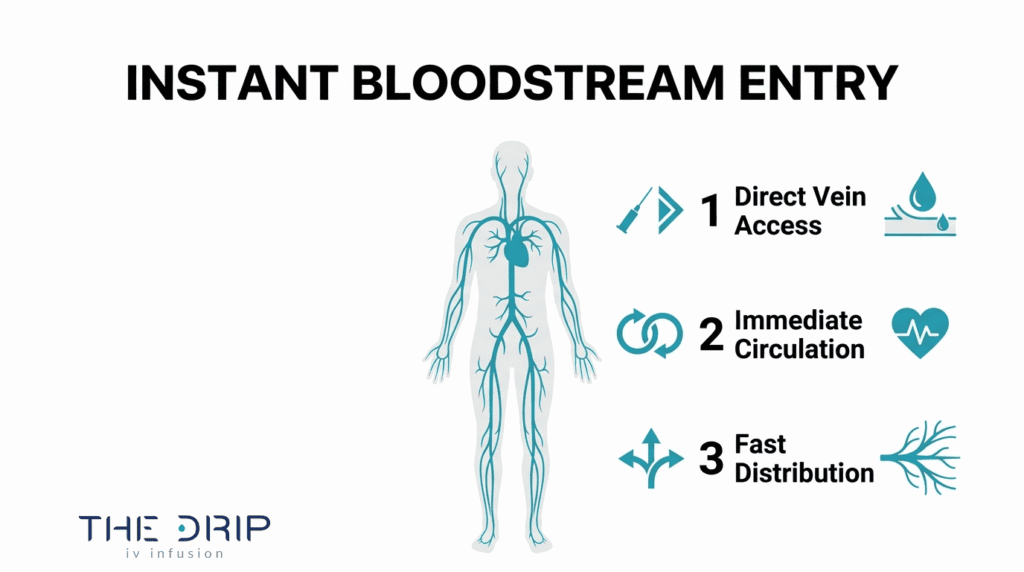
    IV drip therapy is when medical folks deliver fluids, vitamins, and minerals straight into your bloodstream through a vein. Think of it like filling up your gas tank directly instead of pouring fuel through a funnel with holes in it. This method skips your digestive system completely, so nutrients hit your bloodstream right away. You get virtually 100% of what goes in, compared to oral supplements that have to fight their way through your gut. What started as strictly medical treatment has now expanded to wellness clinics offering all sorts of formulations for hydration, energy, and recovery.

    Infographic comparing oral supplement absorption versus IV nutrient delivery

    How Do IV Drips Deliver Nutrients and Hydration?

    IV drips work by giving you direct access to your bloodstream, which means you get plasma concentrations 30-70 times higher than what you’d get from swallowing the same stuff. It’s like the difference between a fire hose and a leaky garden sprinkler. The process skips what doctors call “first-pass metabolism” in your liver, which normally gobbles up a bunch of nutrients before they can do their job. Here’s a real example: when you get 1.25g of vitamin C through an IV, your blood levels hit 885 µmol/L, but the same dose by mouth only gets you to 134.8 µmol/L. That’s why IV delivery makes sure your cells get what they need right away.

    What Types of IV Drip Formulas Are Available?

    You’ve got all sorts of IV drip formulas out there, including popular blends like the Myers’ Cocktail, the Cinderella drip, and NAD+ treatments. The Myers’ Cocktail is kind of the granddaddy of vitamin therapy formulations that clinics still use today. The Cinderella drip, loaded with antioxidants for your skin, has become huge throughout Asia. NAD+ IV treatments even come with subscription models like Hydration Room’s NAD+ IV Membership. These solutions get mixed up right in the clinic, following rules under Section 503A of the Federal Food, Drug, and Cosmetic Act.

    Visual lineup of popular IV drip formulas including NAD+ and Myers’ Cocktail

    How Does IV Therapy Differ from Oral Supplements?

    People absorb oral supplements differently depending on several biological factors. These variations explain why IV therapy bypasses common absorption challenges in the digestive system.

    • Gut health conditions that interfere with nutrient uptake
    • Liver processing that reduces bioavailability
    • Interactions with other nutrients eaten at the same time
    • High-fiber diets that bind to minerals
    • Medical conditions like Crohn’s, celiac disease, or bariatric surgery

    Do IV Drips Actually Work?

    IV drips really work for specific medical problems, but most of those wellness claims? Not so much. A 2025 review in Cureus confirms that IV delivery gives you virtually 100% bioavailability when your gut can’t absorb nutrients properly. There’s solid evidence that IV therapy works great for severe dehydration and when you’re clinically deficient in nutrients. But when it comes to wellness stuff like boosting your immune system, detoxing, or giving you more energy? The evidence is pretty weak or just stories people tell.

    What Scientific Evidence Supports IV Therapy?

    The scientific backing for IV therapy is rock-solid for medical conditions but pretty shaky for wellness claims. That 2025 review in Cureus proves that IV delivery achieves virtually 100% bioavailability for patients whose guts can’t absorb nutrients properly. Strong evidence exists for treating serious dehydration and nutrient shortages in hospital settings.

    But when it comes to wellness applications, the evidence is weak or just anecdotal stories. A small 2009 study showed improvements in fibromyalgia patients, but they saw high placebo effects too. When researchers looked at 255 IV clinic websites in 2025, more than half made health claims that science doesn’t actually support.

    The bottom line: whether it’s medically necessary or just for wellness makes all the difference in whether IV therapy is scientifically valid.

    Who Is Most Likely to Benefit from IV Drip Therapy?

    The people who really benefit from IV drip therapy are those with documented problems absorbing nutrients or clear clinical deficiencies. If you have Crohn’s disease, celiac disease, or you’ve had weight-loss surgery that messed up your nutrient absorption, IV therapy can be a game-changer. People with moderate to severe dehydration benefit when drinking fluids isn’t enough or isn’t possible.

    If you have conditions like atrophic gastritis or inflammatory bowel disease that damage your intestinal lining, you need IV nutrient delivery. Cancer patients getting high-dose vitamin C as part of their treatment showed some pretty impressive results—median survival time doubled in pancreatic cancer trials, going from 8 to 16 months.

    These medical conditions create a real need for IV therapy that goes way beyond what you could achieve by taking supplements.

    How Effective Is IV Therapy for Hangovers?

    IV therapy for hangovers is trendy as heck, but medical evidence doesn’t support it working any better than basic rehydration. The treatment only tackles one piece of why you feel terrible while leaving all the other nasty effects of alcohol completely untouched.

    What Causes Hangover Symptoms?

    Hangover symptoms come from way more than just being dehydrated. According to medical experts, dehydration is only one piece of the hangover puzzle. When your body breaks down alcohol, it creates toxic byproducts like acetaldehyde that cause those killer headaches and nausea. IV fluids don’t touch other hangover symptoms like headaches, nausea, or feeling like your brain is wrapped in cotton—those come from inflammation and your neurotransmitters going haywire. IV therapy can’t speed up how fast your liver processes alcohol, which chugs along at about one standard drink per hour no matter how hydrated you are.

    Can IV Drips Reduce Hangover Severity or Duration?

    No. IV drips cannot significantly reduce hangover severity or duration compared to oral hydration. Dr. Cristina Ignacio puts it straight: “Rehydrating with IV fluids won’t cure a hangover, because dehydration is only one symptom” among a whole bunch of physiological problems. Expert consensus from Mayo Clinic and Harvard Medical School rates hangover treatment evidence as weak and anecdotal, with negative consensus on IV therapy benefits. 

    If you can drink fluids, oral rehydration is the safest and most appropriate method without the risks of sticking needles in you. The main ways your body recovers from a hangover—breaking down alcohol byproducts and getting your neurotransmitters back in balance—happen at fixed biological rates that IV hydration can’t change.

    Is IV Therapy a Safe Hangover Treatment?

    No. IV therapy is not considered a safe hangover treatment for healthy individuals because the risks outweigh the benefits. Every time someone sticks a needle in you, there’s a risk of infection, creating an entry point for bacteria into your bloodstream. You can develop phlebitis and thrombophlebitis at injection sites, causing pain and potential blood clot formation.

     Rapid fluid infusion can make your blood pressure drop, leaving you light-headed and fainting, especially when you’re dehydrated. These medical risks just aren’t worth it when safer oral rehydration methods are available and work just as well for hangover-related dehydration.

    What Are the Main Benefits of IV Hydration Therapy?

    The main benefits of IV hydration therapy are getting rehydrated fast, improving how you feel and your energy levels, helping athletes recover, and treating medical conditions that need immediate fluid replacement. IV therapy delivers fluids straight into your bloodstream, achieving 100% bioavailability compared to drinking water. Let’s dive into how IV hydration improves wellness, helps athletes bounce back, and addresses various medical conditions.

    Athlete receiving IV hydration therapy after intense workout

    How Does IV Hydration Improve Wellness and Energy?

    IV hydration improves how you feel and your energy levels by rapidly fixing dehydration and getting your fluid balance back where it should be. Patients with serious dehydration recover way faster with IV fluids compared to trying to drink their way back to health. A 2025 review in Cureus confirms IV delivery gives you virtually 100% bioavailability for patients whose guts can’t absorb properly. IV hydration skips your digestive system completely, delivering fluids and electrolytes directly into your circulation within 30-60 minutes.

    When you’re dehydrated, you feel tired, get headaches, and your brain doesn’t work as well. IV fluids restore your blood volume, improving how much oxygen gets to your tissues and how well your cells work. Athletes and busy professionals seek IV hydration for energy enhancement, though scientific evidence is still limited for wellness applications in healthy people.

    IV hydration is standard practice in hospitals for rapid rehydration when you can’t drink fluids. Emergency departments use isotonic crystalloid solutions like normal saline and lactated Ringer’s to restore fluid balance. The next section looks at IV hydration’s role in athletic recovery, where rapid fluid replacement supports performance and cuts down recovery time.

    Can IV Hydration Aid in Athletic Recovery?

    IV hydration helps athletic recovery by rapidly replacing fluids and electrolytes you lose through intense exercise. Athletes lose sodium, potassium, and magnesium through sweat during training and competition. IV therapy delivers these minerals directly into your circulation, skipping the delays of gut absorption.

    Professional sports teams use IV hydration for post-game recovery. Marathon runners and endurance athletes use IV fluids to fight exercise-associated hyponatremia. Athletes use several IV hydration strategies depending on the type of recovery they need after intense training or competition.

    • Isotonic saline for basic rehydration
    • Balanced electrolyte solutions for mineral replacement
    • Vitamin-enhanced formulas for oxidative stress support

    Recovery time gets shorter when athletes receive IV hydration within two hours after exercise. Getting your plasma volume back happens faster through IV than drinking fluids alone. The next section explores other medical conditions that benefit from IV hydration therapy beyond athletic performance.

    What Other Conditions Can IV Hydration Address?

    The conditions IV hydration can address include moderate to severe dehydration, nutrient malabsorption syndromes, post-surgical recovery, and chemotherapy side effects. IV hydration is a cornerstone of emergency medicine for treating moderate to severe dehydration. Medical professionals use IV fluids for patients with gastroenteritis, heat exhaustion, and blood loss.

    IV therapy works great for fixing nutrient deficiencies in patients who can’t absorb them through their gut. Conditions like Crohn’s disease, celiac disease, and complications from weight-loss surgery mess up nutrient absorption. These patients need IV supplementation to keep their vitamin and mineral levels adequate.

    ConditionClinical AttributeValue
    Severe dehydrationRecovery time2–4 hours faster than oral fluids
    Malabsorption syndromesBioavailability100% via IV route
    Post-surgical recoveryFluid replacement1–3 liters per session
    Chemotherapy patientsHydration frequency2–3 times weekly

    IV hydration tackles acute medical needs effectively when drinking fluids fails. Understanding these clinical applications helps you tell the difference between medical necessity and elective wellness treatments offered at commercial IV therapy clinics.

    What Is Vitamin IV Therapy and What Does It Do?

    Vitamin IV therapy is when medical professionals deliver vitamins straight into your bloodstream through a vein. This method completely skips your digestive system, allowing vitamins to enter your circulation immediately at concentrations you just can’t achieve by swallowing supplements. Medical professionals use vitamin IV therapy to treat severe deficiencies and malabsorption conditions, while wellness clinics promote it for energy enhancement and immune support. Let’s explore which vitamins are commonly used, what research supports their use, and how IV delivery differs from oral supplements.

    Which Vitamins Are Commonly Used in IV Therapy?

    Each vitamin used in IV therapy has specific therapeutic features and safety considerations.

    VitaminKey PropertyClinical Value or Risk
    Vitamin CPlasma concentration from 50g IV~13,350 µmol/L
    B-complex vitaminsLiver processing with oral intakeReduced oral bioavailability
    ThiamineReaction riskSevere allergic reactions possible
    Vitamin B6Safety riskNerve damage risk at excessive doses

    Are the Benefits of Vitamin IV Therapy Backed by Research?

    The research-backed benefits of vitamin IV therapy are limited to specific medical conditions rather than general wellness applications. According to Dr. Brent A. Bauer of Mayo Clinic, “There is limited evidence that IV vitamins provide benefit to people with normal nutritional intake and levels.” A JAMA Internal Medicine study found less than 1% of IV clinic websites provide actual sources for their health claims, showing the huge gap between marketing and evidence.

    The National Cancer Institute acknowledges some studies report improved quality of life in cancer patients receiving IV vitamin C. But these findings apply to cancer therapy alongside other treatments, not wellness applications. The contrast between clinical evidence and commercial claims reveals why medical professionals remain skeptical about vitamin IV therapy for healthy people seeking performance enhancement or preventive benefits.

    What Are the Differences Between IV Vitamins and Oral Supplements?

    The differences between IV vitamins and oral supplements come down to bioavailability, how fast you absorb them, and what blood levels you can achieve. Water-soluble vitamins like vitamin C and B-complex get heavily processed by your liver after you absorb them orally, reducing how much actually reaches your circulation. IV delivery skips this liver processing entirely, delivering vitamins straight into your bloodstream.

    A 2004 Annals of Internal Medicine study showed IV vitamin C achieves dose-dependent increases in blood concentration while oral doses plateau no matter how much you take. This fundamental difference explains why IV therapy can achieve therapeutic concentrations necessary for specific medical treatments. Understanding these differences helps you and your providers figure out when IV delivery offers real advantages over oral supplements versus when it’s just unnecessary medical intervention.

    What Are the Pros and Cons of IV Therapy?

    The pros and cons of IV therapy depend on whether you actually need it medically, your underlying health conditions, and where you get treatment. IV therapy provides rapid correction of severe dehydration and achieves therapeutic nutrient concentrations impossible through oral supplementation. You need to weigh these advantages against infection risks, vein damage, and potential complications from improper administration.

    What Are the Advantages of Choosing IV Therapy?

    The advantages of choosing IV therapy are rapid dehydration correction, superior bioavailability, and therapeutic nutrient concentrations. A 2025 Cureus review confirms IV delivery achieves 100% bioavailability compared to limited oral absorption. Patients with malabsorption syndromes from Crohn’s disease or celiac disease benefit most from direct nutrient delivery.

    IV therapy achieves therapeutic concentrations critical for medical treatments. A 2024 phase 2 clinical trial found high-dose IV vitamin C doubled median survival time in pancreatic cancer patients from 8 to 16 months. These therapeutic levels require plasma concentrations of 13,350 µmol/L, achievable only through IV delivery.

    Medical settings rely on IV therapy for emergency interventions like severe dehydration, electrolyte imbalances, and acute nutrient deficiencies. The next section looks at specific risks you need to consider.

    What Are the Potential Risks or Downsides of IV Drips?

    The potential risks or downsides of IV drips include infection, vein damage, and systemic complications. Each IV insertion creates an entry point for bacteria through your skin.IV drips carry physical risks that patients should understand before choosing elective IV treatments.

    • Bruising and scarring from repeated insertions
    • Long-term vein damage affecting future medical access
    • Blood pressure drops from rapid fluid infusion
    • Light-headedness or fainting, especially in dehydrated individuals

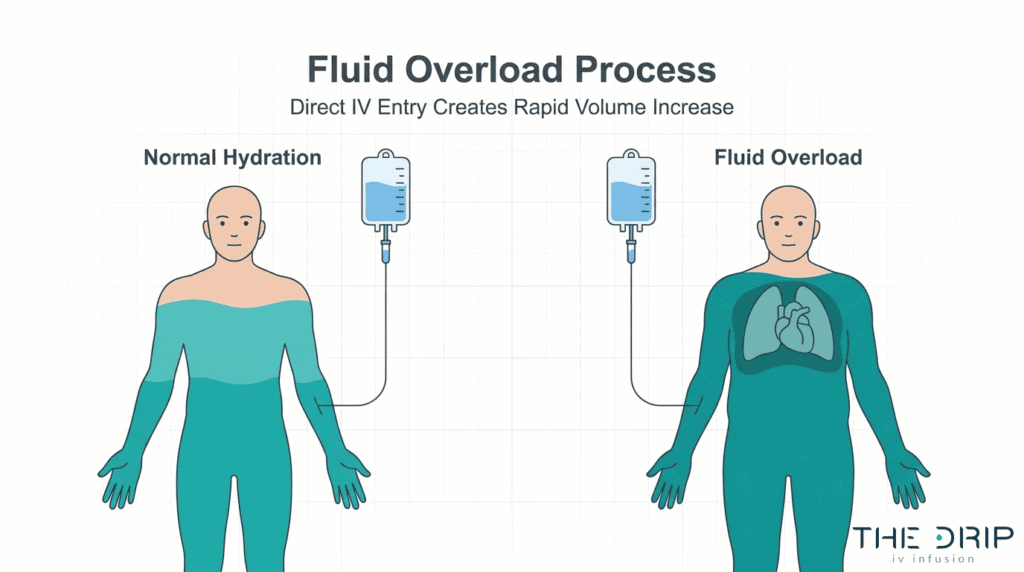
    If you have pre-existing conditions, you face higher risks. Kidney disease patients can’t get rid of excess magnesium and potassium, risking dangerous heart rhythms. Heart condition patients risk fluid overload that damages kidneys, brain, and heart tissue.

    A 2025 JAMA Internal Medicine investigation found 85% of IV clinics recommended treatments without checking your medical history. These safety gaps show why you need to carefully think about your personal risk factors.

    Infographic showing medical risks of IV therapy such as infection and vein damage

    How Do Patients Weigh the Pros and Cons of IV Treatments?

    You weigh the pros and cons of IV treatments by looking at whether you actually need it medically, your existing health conditions, and the clinic’s safety standards. Medical professionals recommend IV therapy mainly for documented deficiencies, malabsorption disorders, and emergency dehydration.

    Key decision factors include:

    • How severe your symptoms are and whether they need intervention
    • Whether you can absorb nutrients orally
    • Pre-existing kidney or heart conditions
    • Whether the clinic has medical oversight and safety protocols

    Cost matters since elective IV treatments range from $150 to $600 per session without insurance coverage. You should talk to healthcare providers before starting IV therapy. The benefits justify risks mainly for people with documented medical needs rather than general wellness goals.

    How Effective Is IV Therapy for Various Health Conditions?

    How effective IV therapy is varies a lot depending on your specific health condition and individual factors. A 2024 phase 2 clinical trial found high-dose IV vitamin C doubled median survival time for advanced pancreatic cancer patients from 8 to 16 months. The FDA hasn’t approved IV vitamin C as a cancer treatment despite these promising findings. Understanding which conditions respond to IV therapy helps you make informed treatment decisions.

    What Results Can You Expect from Regular IV Therapy?

    What you can expect from regular IV therapy depends on your baseline health and specific deficiencies. A 2024 phase 2 clinical trial showed that high-dose IV vitamin C doubled median survival time for advanced pancreatic cancer patients from 8 to 16 months (n=36). Patients with malabsorption conditions see improved nutrient levels within 24-48 hours of treatment. There are measurable improvements in severe dehydration cases, like restored blood pressure and electrolyte balance within 2-4 hours. The FDA hasn’t approved IV vitamin C as a cancer treatment despite documented survival benefits in clinical trials.

    How Long Do the Benefits of IV Therapy Last?

    The duration of IV therapy benefits varies based on nutrient type and physiological processing.

    Substance TypeDuration of Elevated LevelsNotes
    Water-soluble vitamins4–6 hoursReturn to baseline quickly
    Fat-soluble vitamins & minerals2–3 weeksLonger tissue retention
    Hydration fluids24–48 hoursDepends on kidney function
    Nutrients for chronic deficienciesWeekly–biweeklyMaintenance schedule

    Who Might Not Experience Benefits from IV Therapy?

    Certain people might not get any benefits from IV therapy because of their existing health status or medical conditions. Healthy people with normal nutritional intake show limited evidence of benefit according to Mayo Clinic experts reviewing current research. People with kidney disease can’t properly get rid of high mineral loads, making IV therapy potentially harmful rather than helpful. Patients with high blood pressure face risks from high-dose infusions that can worsen their condition. Those taking certain medications may experience dangerous interactions with IV-delivered vitamins and minerals. People with normal hydration levels and balanced nutrition get minimal measurable improvements from elective IV treatments.

    Is IV Therapy Safe During Pregnancy?

    No. IV therapy is not considered universally safe during pregnancy because high-dose vitamin IVs lack safety data. IV therapy during pregnancy needs special medical consideration because we don’t have much safety data. The safety of high-dose IV vitamin therapy hasn’t been studied in pregnant or breastfeeding women according to current medical literature. Your healthcare providers need to evaluate each case individually when considering IV treatments during pregnancy.

    Are There Special Considerations for Pregnant Individuals?

    We don’t know if high-dose IV vitamin therapy is safe for pregnant or breastfeeding women because it hasn’t been studied. Pregnancy changes your fluid dynamics, blood volume, and kidney function in ways that affect IV therapy protocols. The placental barrier doesn’t block all substances given intravenously, meaning nutrients and minerals reach your developing baby. Standard hydration IVs for severe morning sickness remain common in hospitals under medical supervision. Each trimester brings different changes that influence IV therapy safety and effectiveness.

    What Types of IV Treatments Are Allowed or Restricted During Pregnancy?

    High-dose IV vitamin therapy isn’t recommended during pregnancy or breastfeeding because we lack safety studies. Medical-grade saline and electrolyte solutions for severe dehydration or hyperemesis gravidarum typically get approval from obstetricians. There are IV treatments considered safe, like iron infusions for severe anemia and magnesium sulfate for preventing preeclampsia. Wellness IV drips containing megadoses of vitamins, antioxidants, or experimental compounds lack pregnancy safety data. Hospital-administered IVs for medical conditions differ from elective spa treatments in their risk-benefit analysis.

    Should Pregnant Women Consult a Doctor Before IV Therapy?

    Yes. Pregnant women must consult a doctor before getting IV therapy. Medical evaluation determines whether dehydration, nutrient deficiency, or other conditions warrant IV intervention during pregnancy. Your consultation should include discussion of alternative treatments, potential risks to you and your baby, and monitoring requirements. 

    Documentation of medical necessity protects both you and your provider. Understanding the difference between medically necessary IV treatments and elective wellness infusions helps pregnant patients make informed decisions.

    What Are Some Important Facts About IV Therapy?

    IV therapy has evolved from strictly medical intervention to a wellness industry valued at over $15 billion globally. The IV hydration therapy market reached $2.64 billion in 2024 and will grow to $5.66 billion by 2033, expanding at a 9.0% compound annual growth rate. North America dominates with 46.8% of the global market share, driven by growing interest in preventive wellness solutions.

    How Has IV Therapy Evolved Over Time?

    IV therapy’s transformation reflects broader wellness trends in consumer healthcare. A 2024 market analysis shows the global IV hydration therapy market was valued at $2.64 billion, with projections reaching $5.66 billion by 2033. This 9.0% compound annual growth rate shows rapid expansion beyond traditional medical settings. North America accounts for 46.8% of global market share in 2024, showing strong consumer demand in developed markets. The industry’s evolution from medical necessity to wellness luxury positions IV therapy alongside other preventive health services.

    What Guidelines Govern IV Therapy Safety and Practice?

    The IV therapy industry operates with basically no regulatory oversight despite rapid growth. A 2025 JAMA Internal Medicine study found the industry functions with “virtually no oversight” across the United States. No state had passed laws specifically regulating IV hydration spas as of June 2024. Only 25% of clinics required medical consultation before treatment in a secret shopper investigation. Over 85% of clinics recommended IV cocktails without checking your medical history. None of the clinic websites they analyzed mentioned potential risks of IV therapy. The FDA expressed concerns about compounding in medical offices under unsanitary conditions, warning these practices have led to “serious patient illnesses, including death.” This regulatory gap creates major consumer safety concerns as the industry expands rapidly without standardized safety protocols or oversight mechanisms.

    What Are the Most Common Uses and Benefits of IV Therapy?

    The most common uses and benefits of IV therapy include rapid hydration, direct nutrient delivery for malabsorption conditions, and wellness optimization for those seeking enhanced energy and skin health. IV therapy achieves 100% bioavailability by bypassing gut absorption, making it effective for severe dehydration and nutrient deficiencies. Let’s explore who seeks these treatments and their specific wellness goals.

    Who Commonly Seeks Out IV Therapy?

    The people who commonly seek out IV therapy are those with high disposable income pursuing convenient, personalized wellness options. These clients typically want energy enhancement, anti-aging benefits, and skin rejuvenation treatments through direct nutrient infusion. A 2024 market analysis showed the global IV hydration therapy market reached $2.64 billion, with North America accounting for 46.8% of market share. Patients with medical conditions like Crohn’s disease, celiac disease, and post-weight loss surgery complications also seek IV therapy for nutrient absorption issues. The demographic spans from wellness enthusiasts to patients with documented malabsorption syndromes needing medical intervention.

    What Symptoms or Wellness Goals Lead People to Try IV Drips?

    The symptoms and wellness goals that lead people to try IV drips include fatigue, dehydration, immune support needs, and looking better. Mobile IV services now deliver treatments to homes, offices, and hotels as part of the convenience trend in healthcare. Subscription-based models, like NAD+ IV memberships, reflect the broader trend in customized, proactive health management. According to a 2025 JAMA Internal Medicine study, over 50% of IV clinic websites make claims about energy enhancement, detoxification, and immune boosting. Specific formulations like the Myers’ Cocktail target general wellness, while the “Cinderella drip” containing antioxidants addresses skin health concerns popular in Asian markets.

    The evolution from medical necessity to wellness optimization shows how IV therapy serves both clinical and lifestyle applications in modern healthcare delivery.

    How Can You Explore IV Therapy with The Drip IV Infusion?

    You can explore IV therapy with The Drip IV Infusion, which provides customized nutrient delivery through intravenous administration at thedripivinfusion.com. The clinic offers vitamin cocktails, hydration solutions, and specialized formulations designed for wellness goals ranging from energy enhancement to immune support. Professional medical staff assess your individual needs before recommending specific IV treatments.

    The following sections detail available treatment options and essential considerations for those exploring IV therapy services.

    What IV Therapy Options Does The Drip IV Infusion Offer?

    The Drip IV Infusion offers multiple IV therapy formulations including hydration therapy, vitamin infusions, and specialized wellness cocktails. Treatment options range from basic saline hydration to complex nutrient combinations containing vitamins C, B-complex, magnesium, and glutathione. Each formulation targets specific wellness goals like athletic recovery, immune support, or energy enhancement.

    Customized IV treatments at The Drip IV Infusion follow medical consultation protocols to match formulations with your individual health profile. The clinic provides mobile IV services for home and office administration alongside in-clinic treatments. Treatment duration typically spans 30-60 minutes depending on infusion volume and how complex your formulation is.

    What Are the Key Takeaways About the Benefits and Uses of IV Therapy?

    To fully understand the benefits of IV therapy, patients should weigh medical necessity, safety risks, and clinic oversight before choosing elective treatments that fall outside traditional medical supervision. The key takeaways about IV therapy benefits and uses include cost considerations, regulatory oversight gaps, and medical supervision requirements. Elective IV treatments cost from $150 to over $400 per session, with specialized treatments exceeding $600. These elective treatments aren’t covered by insurance, making them out-of-pocket wellness investments.

    Safety considerations include infection risk, vein damage, and potential complications for people with kidney disease or heart conditions. Benefits remain scientifically validated primarily for severe dehydration and malabsorption syndromes rather than general wellness applications.

  • Wellness Trends in Queen Creek: Why IV Therapy Is on the Rise

    Wellness Trends in Queen Creek: Why IV Therapy Is on the Rise

    We understand you’re exploring the rising popularity of IV therapy in Queen Creek’s wellness landscape. Whether you’re a health-conscious resident curious about this treatment option or someone seeking effective wellness solutions in Arizona’s unique climate, you’ve found the right resource. This comprehensive guide addresses your questions about IV therapy’s growth, benefits, and practical considerations specific to Queen Creek.

    Intravenous (IV) therapy is a medical technique that delivers fluids, nutrients, and medications directly into the bloodstream through a vein, bypassing the digestive system for immediate absorption and utilization by body tissues. According to a 2025 study published in Cureus, IV administration provides near-100% bioavailability compared to the highly variable absorption rates of oral supplements, which are influenced by digestive efficiency, age, and gastrointestinal disorders.

    In Queen Creek, where median household income reaches $134,719 according to Data USA, the demand for IV therapy has surged as affluent, health-conscious residents seek proactive wellness solutions.

    “IV therapy bypasses the GI tract, delivering nutrients directly into the bloodstream, which allows for enhanced absorption and immediate utilization by the body’s tissues and cells,” states the 2025 Cureus journal article, highlighting the key mechanism that attracts wellness seekers.

    Key Points and Takeaways: We’ll explore IV therapy’s unique nutrient delivery system and commonly used vitamins, examine how it aligns with current wellness trends including hydration and preventive care, understand Queen Creek’s specific drivers like climate and demographics, identify typical users from athletes to busy professionals, review Arizona’s safety regulations and medical oversight requirements, walk through patient experiences and costs, guide provider selection, discuss alternatives, and help determine if IV therapy fits your wellness goals.

    iv therapy treatment popularity in queen creek

    High-Level Overview: This article comprehensively examines IV therapy’s emergence as a prominent wellness trend in Queen Creek, beginning with its medical foundations and scientific evidence, progressing through local market dynamics shaped by Arizona’s hot climate and affluent demographics, addressing safety regulations and practitioner requirements, detailing patient experiences and financial considerations, and concluding with practical guidance for choosing providers and integrating IV therapy into personal wellness plans.

    Practical Tips: Schedule IV therapy sessions during cooler morning hours to maximize comfort, especially during Queen Creek’s hot summer months. Always verify that your chosen provider employs licensed nurses (APRN, RN, or LPN) operating under valid medical orders, as required by Arizona’s September 2023 Board of Nursing advisory.

    As we delve into the specifics of IV therapy’s mechanisms and benefits, you’ll discover how this treatment delivers nutrients differently than traditional supplementation methods and why Queen Creek residents increasingly choose this wellness option.

    What Is IV Therapy and What Wellness Benefits Does It Offer?

    IV therapy delivers vitamins, minerals, and fluids directly into the bloodstream through an intravenous line, bypassing the digestive system for immediate nutrient absorption. This wellness treatment has gained popularity in Queen Creek as residents seek efficient hydration and recovery solutions in Arizona’s demanding climate.

    The practice represents a shift from traditional oral supplementation to direct nutrient delivery, offering specific advantages for absorption and bioavailability. However, the scientific evidence supporting many wellness claims remains limited, making it essential to understand both the established benefits and current research gaps. The following sections explore how IV therapy works, which nutrients are commonly used, and what research reveals about its effectiveness.

    How Does IV Therapy Deliver Nutrients Differently?

    IV therapy achieves near-100% bioavailability by delivering nutrients directly into the bloodstream, completely bypassing the gastrointestinal tract. According to a 2025 study published in Cureus, this direct delivery method provides immediate utilization by body tissues, while oral absorption remains lower and highly variable due to digestive efficiency, age, and gastrointestinal disorders.

    nutrient bioavaibility: iv vs oral administration

    The established clinical applications include treating dehydration, malabsorption syndromes, and documented nutrient deficiencies through longstanding medical practice. This delivery method eliminates the unpredictable factors that affect oral absorption, such as stomach acid levels, food interactions, and individual digestive variations.

    Key Delivery Advantages:

    • Immediate bloodstream access without digestive processing
    • Consistent absorption rates regardless of digestive health
    • Higher therapeutic concentrations achievable than oral routes
    • Rapid onset of effects for hydration and nutrient replenishment

    This direct delivery method sets IV therapy apart from traditional supplementation, making it particularly effective for rapid rehydration needs common in Queen Creek’s hot, dry climate.

    Which Vitamins and Minerals Are Commonly Used?

    Common IV therapy formulations include vitamin C, B-complex vitamins, magnesium, calcium, and zinc as primary nutrients. These combinations target specific wellness goals such as immune support, energy enhancement, and recovery acceleration.

    Standard IV Therapy Components:

    EntityAttributeValuePurpose
    Vitamin CDosage Range500-25,000mgImmune support, antioxidant
    B-ComplexComponentsB1, B2, B6, B12Energy metabolism
    MagnesiumTypical Dose200-400mgMuscle function, relaxation
    CalciumStandard Amount100-200mgBone health, muscle function
    ZincTherapeutic Range5-15mgImmune function, healing

    Hydration solutions typically combine these nutrients with normal saline or lactated Ringer’s solution to address both fluid replacement and nutritional enhancement. Specialized formulations may include glutathione for antioxidant support or amino acids for athletic recovery.

    The specific combination and concentrations depend on individual needs and provider protocols, with customization possible based on health goals and deficiency assessments.

    What Scientific Evidence Supports IV Therapy Benefits?

    Scientific evidence for many elective IV vitamin therapies remains limited, with experts noting that benefits for healthy individuals with normal nutritional intake are not well-established. According to Mayo Clinic expert B. A. Bauer in 2024, the research supporting wellness IV therapy claims lacks robust clinical trial evidence.

    Proponents cite benefits including increased energy, improved athletic performance, and beauty/anti-aging effects, but these claims rely primarily on anecdotal reports rather than controlled scientific studies. The Executive Summary notes that while individual testimonials are positive, they don’t constitute scientific proof of efficacy.

    Current Evidence Status:

    • Established benefits for treating documented deficiencies and dehydration
    • Limited peer-reviewed research on wellness applications for healthy individuals
    • Anecdotal reports of energy and performance improvements
    • Need for larger, controlled studies to validate wellness claims

    The medical community emphasizes that while IV therapy is generally safe when properly administered, the therapeutic necessity for healthy individuals remains scientifically unproven. This evidence gap highlights the importance of realistic expectations and medical consultation before beginning elective IV therapy treatments.

    How Does IV Therapy Fit Current Wellness Trends?

    IV therapy aligns with several major wellness trends, particularly the emphasis on hydration, recovery, and preventive health approaches. Consumer demand is driven by a cultural shift toward proactive wellness, though this is amplified more by anecdotal reports and celebrity endorsements than robust clinical evidence. The following sections examine how IV therapy complements current wellness priorities and connects with preventive health philosophies.

    How Does IV Therapy Complement Hydration and Recovery?

    Hydration-focused IV therapies represent the most popular local offerings and serve as rapid rehydration solutions in hot, dry climates like Queen Creek’s desert environment. These treatments deliver immediate fluid replacement that bypasses digestive absorption delays, making them particularly appealing for recovery scenarios. Athletes use IV hydration for post-workout recovery, while residents combat Arizona’s intense heat with targeted fluid and electrolyte restoration.

    The recovery trend extends beyond athletic performance to include general fatigue management and hangover relief. IV therapy providers position their services as efficient solutions for busy professionals who need rapid energy restoration without the time commitment of traditional recovery methods.

    Contextual Bridge: While hydration and recovery applications demonstrate clear utility, the broader wellness appeal of IV therapy extends into preventive health philosophies that prioritize proactive rather than reactive approaches to wellbeing.

    Does IV Therapy Align With Preventive Wellness?

    Consumer demand for IV therapy reflects a significant cultural shift toward proactive and preventive wellness approaches, where individuals invest in treatments before experiencing health issues rather than waiting for problems to develop. This preventive mindset positions IV therapy as a wellness optimization tool rather than a medical treatment, appealing to health-conscious consumers who view regular IV sessions as part of their routine self-care.

    The preventive wellness trend is amplified by anecdotal reports and celebrity endorsements rather than strong clinical evidence, creating a gap between consumer perception and scientific validation. Many users report increased energy, improved immune function, and enhanced overall wellness, though these benefits lack robust clinical trial support for healthy individuals with normal nutritional intake.

    Queen Creek’s affluent, health-conscious demographic with a median household income of $134,719 supports this preventive wellness spending, viewing IV therapy as an investment in long-term health optimization rather than treatment for existing conditions.

    Contextual Bridge: These wellness trend alignments help explain why IV therapy demand continues growing in Queen Creek, where local lifestyle factors and demographic characteristics create ideal conditions for this wellness service expansion.

    Why Is IV Therapy Increasing in Queen Creek?

    Queen Creek’s IV therapy market is experiencing significant growth driven by local lifestyle factors, climate conditions, and demographic characteristics. The town’s hot, dry desert climate creates natural demand for hydration-focused treatments, while the affluent population actively seeks convenient wellness solutions.

    What Local Lifestyle Factors Drive Demand in Queen Creek?

    Queen Creek’s hot, dry climate directly increases local demand for hydration-focused IV treatments. The desert environment causes rapid fluid loss through perspiration and respiration, making rapid rehydration particularly valuable for residents and visitors.

    The local target demographic is largely affluent and health-conscious, predominantly ages 18–60. According to Data USA, Queen Creek’s median household income is $134,719, which supports discretionary wellness spending on services like IV therapy. This economic foundation enables residents to invest in preventive health measures and recovery treatments.

    The local market accommodates diverse preferences through both brick-and-mortar clinics and mobile at-home providers. Established providers like Prime IV Hydration & Wellness offer spa-like clinic experiences, while AZ IV Medics delivers at-home convenience. This dual approach caters to different lifestyle needs and scheduling preferences within the community.

    Queen Creek’s active lifestyle culture further drives demand, as residents frequently engage in outdoor activities, fitness routines, and recreational sports that increase hydration needs.

    How Do Nearby Events and Venues Influence Use?

    Queen Creek’s proximity to major sporting venues and outdoor recreational areas significantly influences IV therapy utilization patterns. The town’s location near Phoenix-area stadiums and golf courses creates seasonal demand spikes during major sporting events and tournaments.

    Local festivals and outdoor events throughout the year generate increased demand for rapid hydration and recovery services. Events like Queen Creek’s annual Olive Mill and country music festivals draw large crowds who may seek IV therapy for event preparation or post-event recovery.

    The nearby San Tan Mountain Regional Park and numerous golf courses attract outdoor enthusiasts who use IV therapy for pre-activity hydration optimization and post-activity recovery. Desert hiking, cycling, and recreational activities in the intense Arizona heat create consistent demand for rapid rehydration services.

    Corporate events and business conferences in the greater Phoenix metro area also drive demand, as busy professionals seek convenient recovery solutions that fit their travel schedules. Mobile IV providers particularly benefit from this market segment by offering hotel and office-based treatments.

    This combination of local lifestyle factors and event-driven demand creates a robust market environment that supports Queen Creek’s growing IV therapy industry.

    Who Typically Uses IV Therapy in Queen Creek?

    Queen Creek’s IV therapy clientele spans diverse demographics, driven by the area’s affluent, health-conscious population and unique lifestyle factors. The median household income of $134,719 supports discretionary wellness spending, making elective IV treatments accessible to a broad range of residents seeking convenient health optimization solutions.

    iv therapy users demographics

    Are Athletes and Fitness Enthusiasts Using IV Therapy?

    Athletes and fitness enthusiasts represent a core user segment in Queen Creek’s IV therapy market. These individuals primarily seek rapid rehydration and enhanced recovery benefits following intense training sessions or outdoor activities in Arizona’s demanding climate.

    Local fitness communities utilize IV therapy for several specific purposes:

    • Post-workout recovery: Rapid electrolyte replacement after high-intensity training
    • Pre-competition preparation: Optimized hydration status before athletic events
    • Heat-related recovery: Quick restoration after outdoor activities in temperatures exceeding 100°F
    • Endurance support: Sustained energy levels for marathon training and cycling

    The appeal stems from IV therapy’s immediate bioavailability compared to oral supplements, which athletes value for time-sensitive recovery windows between training sessions.

    Do Busy Professionals and Travelers Use It?

    Busy professionals, families, and frequent travelers constitute the largest demographic segment utilizing Queen Creek’s mobile IV providers. These clients prioritize convenience and privacy, often scheduling in-home treatments around demanding work schedules.

    Professional users typically seek IV therapy for:

    • Executive fatigue management: Energy restoration during high-stress periods
    • Travel recovery: Jet lag mitigation and rapid rehydration after flights
    • Workplace wellness: Immune support during cold and flu seasons
    • Family health: Convenient treatment for multiple household members

    Mobile providers specifically cater to this demographic by offering evening and weekend appointments, eliminating travel time to clinics while maintaining professional discretion about wellness treatments.

    Is IV Therapy Popular Among Older Adults?

    Older adults in Queen Creek increasingly embrace IV therapy as part of comprehensive wellness strategies, particularly those aged 50-70 with higher disposable incomes. This demographic often experiences age-related changes in nutrient absorption and seeks proactive health maintenance.

    Senior clients commonly pursue IV therapy for:

    • Absorption enhancement: Bypassing potential gastrointestinal efficiency decline
    • Energy optimization: Addressing fatigue associated with aging
    • Immune system support: Seasonal illness prevention strategies
    • Social wellness activities: Group appointments with friends or spouses

    Many older adults prefer clinic-based providers offering spa-like environments where they can socialize during treatments, viewing IV therapy sessions as both health maintenance and leisure activities.

    This diverse user base reflects Queen Creek’s unique combination of athletic outdoor culture, professional workforce, and health-conscious aging population, all supported by the area’s economic demographics that enable regular wellness investments.

    How Safe and Regulated Is IV Therapy in Queen Creek?

    IV therapy in Arizona operates under strict medical oversight requirements, with comprehensive licensing standards that protect patient safety while ensuring qualified administration. The regulatory framework in Queen Creek mirrors statewide protocols that mandate licensed medical supervision and institutional compliance.

    What Licensing and Medical Oversight Apply in Queen Creek?

    Arizona requires licensed medical professionals to oversee all IV therapy administration in Queen Creek. A September 2023 advisory from the Arizona State Board of Nursing specifies that IV hydration and nutrient therapies must be administered by a licensed nurse (APRN, RN, or LPN) pursuant to a valid order from a licensed provider with prescriptive authority.

    Businesses offering IV hydration services generally must obtain a health care institution license unless operating as part of a licensed healthcare professional’s private office or clinic. This licensing requirement ensures facilities meet safety standards, maintain proper equipment sterilization protocols, and follow emergency response procedures.

    The dual-layer protection system combines individual practitioner licensing with institutional oversight, creating accountability at both the provider and facility levels in Queen Creek’s growing IV therapy market.

    What Are Common Risks and How Are They Managed?

    Licensed medical oversight addresses potential complications through standardized safety protocols and risk assessment procedures. Medical authorities caution that elective IV vitamin therapy carries potential risks and that benefits for healthy individuals are not well-established, underscoring the need for licensed medical oversight according to Mayo Clinic guidance from B. A. Bauer in 2024.

    Common risk management strategies include:

    • Pre-treatment medical screening and contraindication assessment
    • Sterile technique protocols for IV insertion and fluid administration
    • Monitoring for allergic reactions and adverse events during treatment
    • Emergency response procedures for complications like infection or phlebitis

    Licensed providers in Queen Creek follow evidence-based protocols that prioritize patient safety over marketing claims, ensuring treatments align with established medical standards rather than unsubstantiated wellness promises. This regulatory framework positions Queen Creek’s IV therapy market for sustainable growth while maintaining public trust through professional accountability.

    How Do Patients Experience an IV Therapy Session?

    The typical IV therapy session in Queen Creek involves a structured appointment process lasting 30-60 minutes, with comprehensive medical screening followed by IV administration in a comfortable setting. Patients can expect professional amenities whether choosing clinic-based or mobile services, with ongoing monitoring for safety and comfort throughout the treatment.

    What Is the Typical Appointment Flow and Duration?

    A standard IV therapy appointment begins with a brief medical consultation and health screening to determine appropriate treatment options and identify any contraindications. The licensed nurse reviews medical history, current medications, and specific wellness goals before selecting the optimal IV formulation. Initial preparation including IV insertion typically takes 10-15 minutes, followed by the actual infusion period of 20-45 minutes depending on the specific treatment protocol.

    Most basic hydration treatments complete within 30 minutes, while comprehensive vitamin and mineral formulations may require 45-60 minutes for full administration. The nurse monitors vital signs and patient comfort throughout the session, adjusting flow rates as needed to ensure optimal tolerance and safety.

    What Amenities and Comforts Should Patients Expect?

    Clinic-based providers commonly offer a comfortable, spa-like environment with reclining chairs, ambient lighting, and temperature control for patient relaxation. Many Queen Creek facilities provide complimentary Wi-Fi, entertainment options, and refreshments during treatment sessions. Mobile providers deliver in-home privacy and convenience, allowing patients to receive treatment in their preferred environment while maintaining the same professional standards and comfort amenities.

    Premium services may include heated blankets, aromatherapy, or wellness consultations as part of the comprehensive experience. Both clinic and mobile options prioritize creating a calming atmosphere that reduces treatment anxiety and enhances the overall wellness experience for Queen Creek residents.

    What Aftercare and Side-Effect Monitoring Happens?

    Post-treatment monitoring includes a brief observation period to assess immediate tolerance and identify any adverse reactions before patient discharge. Licensed nurses provide specific aftercare instructions including hydration recommendations, activity guidelines, and signs to watch for potential complications. Patients receive contact information for follow-up questions or concerns, with many providers offering 24-hour support lines for post-treatment issues.

    Common monitoring protocols include checking the IV insertion site for signs of irritation or infiltration, reviewing any immediate side effects, and scheduling appropriate follow-up treatments if part of a wellness series. Arizona regulatory requirements ensure that all adverse events are properly documented and reported according to state nursing board guidelines established in September 2023.

    This comprehensive patient experience approach helps Queen Creek residents feel confident and comfortable while receiving IV therapy treatments, whether for hydration, recovery, or general wellness support.

    How Much Does IV Therapy Cost in Queen Creek?

    Queen Creek IV therapy costs typically range from $99 for basic hydration treatments to over $300 for specialized vitamin formulations, with most providers offering package deals and membership options to reduce per-session expenses. Understanding pricing structures helps patients budget for these cash-pay wellness services effectively.

    mobile therapy therapy cost comparision queen creek

    Are There Memberships, Packages, or Promotions?

    Most Queen Creek IV therapy providers structure pricing through multiple models to accommodate different usage patterns and budgets. Local providers use varied pricing models including introductory offers, package deals, and membership subscriptions to attract and retain clients. First-time clients often receive discounted rates ranging from 15-25% off standard pricing, while multi-session packages typically offer 10-20% savings compared to individual treatments.

    Membership programs commonly feature monthly or quarterly plans that include one to four sessions at reduced rates, with additional treatments available at member pricing. Typical single-treatment prices range from about $99 for a basic hydration drip to over $300 for specialized formulations; mobile services commonly add a convenience fee. Package deals frequently bundle popular treatments like hydration therapy with vitamin boosters, creating value propositions for regular users.

    Common Queen Creek IV Therapy Pricing Structures:

    Package TypeSessions IncludedTypical Cost RangeSavings vs. Individual
    Single Session1$99-$300+Baseline pricing
    3-Session Package3$250-$75010-15% discount
    Monthly Membership1-2 per month$150-$400/month15-20% discount
    Mobile Service Add-onTravel fee$25-$75Convenience premium

    The competitive landscape drives promotional pricing, with providers regularly offering seasonal specials, referral bonuses, and loyalty rewards to build recurring client relationships.

    Does Insurance or FSA/HSA Cover Any Services?

    Elective IV therapy operates primarily as a cash-pay service in Queen Creek, with limited insurance coverage for wellness-focused treatments. Elective IV therapy is generally not covered by standard health insurance and is predominantly a cash-pay/self-pay service; some providers may accept HSA/FSA payments for certain treatments. Traditional health insurance plans classify most IV vitamin therapies as elective wellness services rather than medically necessary treatments.

    However, flexible spending accounts (FSA) and health savings accounts (HSA) may cover IV therapy when prescribed by a licensed healthcare provider for specific medical conditions. Patients should verify eligibility with their HSA/FSA administrator before treatment, as documentation requirements vary by account type. Some Queen Creek providers facilitate HSA/FSA payments by providing detailed receipts with appropriate medical coding when treatments qualify.

    Workers’ compensation or specific medical insurance may cover IV hydration therapy for heat-related illnesses or documented nutrient deficiencies, but pre-authorization is typically required. Patients considering IV therapy should budget for out-of-pocket expenses while exploring available reimbursement options through their specific healthcare accounts.

    This pricing landscape reflects Queen Creek’s affluent demographic profile and positions IV therapy as a discretionary wellness investment rather than essential medical care, setting expectations for the consultation and treatment selection process.

    How Should You Choose an IV Therapy Provider in Queen Creek?

    Choosing an IV therapy provider in Queen Creek requires careful evaluation of credentials, licensing, and service models to ensure safe, compliant treatment. Arizona’s regulatory framework mandates specific qualifications for IV administration, making provider verification essential for patient safety.

    The selection process involves three critical areas: verifying professional credentials and facility licensing, asking targeted questions about medical oversight, and comparing service delivery models. Each factor directly impacts treatment safety, legal compliance, and overall experience quality.

    What Credentials and Reviews Should You Check?

    Licensed nursing administration represents the cornerstone of safe IV therapy practice in Arizona. According to September 2023 Arizona State Board of Nursing guidance, IV hydration and nutrient therapies must be administered by licensed nurses (APRN, RN, or LPN) operating under valid orders from licensed prescribers with prescriptive authority.

    Facility licensing verification ensures regulatory compliance and professional oversight. Providers must obtain health care institution licenses unless operating within licensed healthcare professionals’ private offices or clinics, per Arizona regulatory requirements.

    Essential verification checklist:

    • Confirm nursing licenses (APRN, RN, LPN status)
    • Verify prescriber authorization for treatment orders
    • Check facility licensing (health care institution or licensed clinic operation)
    • Review customer testimonials and safety records
    • Examine provider credentials and professional backgrounds

    Patient reviews reveal service quality patterns and safety track records across Queen Creek providers. Focus on reviews mentioning professional conduct, facility cleanliness, and adverse event management when evaluating potential providers.

    What Questions Should You Ask Before Booking?

    Direct questioning about medical oversight and licensing compliance protects patients from unlicensed practice risks. The Arizona Board of Nursing’s September 2023 guidance establishes clear requirements that patients should verify before treatment.

    Critical pre-booking questions:

    • Will a licensed nurse (APRN, RN, or LPN) administer my IV treatment?
    • Do you operate under valid medical orders from licensed prescribers?
    • What facility licensing do you hold (health care institution or licensed clinic)?
    • How do you handle medical emergencies or adverse reactions?
    • What screening process determines treatment appropriateness?

    Emergency response protocols indicate provider preparedness for complications. Licensed facilities maintain emergency equipment and established procedures for managing allergic reactions, infiltration, or other IV-related complications.

    How Do Mobile vs Clinic Services Compare?

    Service delivery models in Queen Creek offer distinct advantages depending on patient preferences and circumstances. Clinic-based providers typically create spa-like environments with dedicated treatment spaces, while mobile services prioritize convenience and privacy through at-home delivery.

    Service ModelEnvironmentConvenienceCost StructureEmergency Response
    Clinic-basedSpa-like atmosphereScheduled appointmentsBase pricingOn-site medical equipment
    Mobile serviceHome privacyFlexible schedulingBase + convenience feePortable emergency kit

    Mobile providers commonly charge additional convenience fees ranging from $25-75 above base treatment costs, reflecting travel time and equipment transport expenses. Clinic services maintain consistent pricing structures without location-based surcharges.

    Emergency response capabilities differ between service models, with clinic-based providers maintaining comprehensive medical equipment and mobile services carrying portable emergency kits. Consider your comfort level with each emergency response scenario when selecting providers.

    The choice between mobile and clinic services depends on individual priorities: convenience versus comprehensive medical environment, privacy versus professional atmosphere, and willingness to pay convenience fees versus standard clinic pricing. Both models serve Queen Creek’s diverse patient preferences effectively when operated by properly licensed providers.

    What Alternatives Exist to IV Therapy for Wellness?

    Several wellness approaches can deliver nutrients and support health goals without requiring intravenous administration. Oral supplements, lifestyle modifications, and targeted therapies offer accessible alternatives for individuals seeking improved energy, hydration, and recovery.

    How Do Oral Supplements Compare to IV Therapy?

    Oral supplements provide vitamins and minerals through traditional digestive absorption, though bioavailability varies significantly compared to IV therapy. According to a 2025 Cureus study, oral absorption rates fluctuate based on digestive efficiency, age, and gastrointestinal disorders, while IV administration bypasses the digestive tract entirely for near-100% bioavailability.

    Key differences between oral and IV delivery include:

    • Absorption rates: Oral supplements typically achieve 20-50% absorption depending on the nutrient and individual factors
    • Onset timing: Oral supplements require 30 minutes to several hours for effects, while IV therapy provides immediate delivery
    • Cost considerations: High-quality oral supplements cost $30-100 monthly versus $99-300 per IV session
    • Convenience factors: Daily oral supplementation requires consistent adherence, while IV treatments are periodic but time-intensive

    Oral supplements work effectively for maintaining baseline nutrient levels and addressing mild deficiencies. A 2021 National Institutes of Health report found that properly formulated oral vitamin D supplementation achieved therapeutic blood levels in 89% of participants within 8-12 weeks, demonstrating oral efficacy for specific nutrients.

    Many Queen Creek residents successfully maintain wellness goals through high-quality oral supplements combined with proper hydration and nutrition, particularly when supervised by healthcare providers who can monitor nutrient status through regular testing.

    When Is IV Therapy Preferable to Other Treatments?

    IV therapy becomes preferable in specific clinical situations where rapid delivery or maximum bioavailability is medically necessary. Licensed medical providers recommend IV administration for severe dehydration, malabsorption syndromes, and documented nutrient deficiencies that don’t respond to oral supplementation.

    Clinical scenarios favoring IV therapy:

    • Severe dehydration requiring rapid fluid replacement
    • Gastrointestinal disorders preventing oral absorption
    • Post-surgical recovery requiring immediate nutrient support
    • Athletic recovery in extreme heat conditions (relevant in Queen Creek’s climate)

    However, for healthy individuals with normal nutritional intake, Mayo Clinic expert B.A. Bauer noted in 2024 that benefits of elective IV vitamin therapy are not well-established through robust clinical evidence. The decision should involve consultation with licensed medical professionals who can assess individual health status and goals.

    In Queen Creek’s hot, dry climate, hydration-focused IV treatments may provide faster rehydration than oral methods during extreme heat exposure or intense physical activity. Local providers report increased demand during summer months when rapid fluid replacement becomes more critical for outdoor workers and athletes.

    The choice between IV therapy and alternatives ultimately depends on individual health status, specific wellness goals, budget considerations, and medical guidance from licensed providers who can evaluate the most appropriate treatment approach.

    How Could IV Therapy Fit Your Wellness Plan in Queen Creek?

    IV therapy integration into wellness plans requires careful evaluation of individual health status, specific goals, and available scientific evidence. The Drip IV Infusion serves Queen Creek residents seeking personalized approaches to hydration, recovery, and nutritional support within Arizona’s regulatory framework. This section examines how to assess whether IV therapy aligns with your wellness objectives and provides key considerations for Queen Creek residents.

    The following guidance helps determine service appropriateness and summarizes essential market insights for informed decision-making in Queen Creek’s growing IV therapy landscape.

    Can The Drip IV Infusion Help With My Wellness Goals in Queen Creek?

    Yes, The Drip IV Infusion provides mobile IV therapy in Queen Creek, which helps with hydration support, athletic recovery, energy improvement, and preventive wellness. The Drip IV Infusion requires clients to evaluate personal wellness goals against current scientific evidence while consulting licensed medical professionals before beginning treatment.Licensed medical oversight ensures safe administration and appropriate treatment selection. The Drip IV Infusion follows Arizona Board of Nursing requirements with licensed nurses administering all treatments pursuant to valid medical orders.

    What Are the Key Takeaways About IV Therapy in Queen Creek?

    The IV therapy market in Queen Creek is projected to continue growing, driven by local climate conditions, affluent consumer demographics, and expanding availability of both clinic-based and mobile providers. Queen Creek’s median household income of $134,719 supports discretionary wellness spending among health-conscious residents aged 18-60.

    north america iv hydration therapy market growth projection

    Market maturation brings increased emphasis on safety protocols, regulatory compliance, and clear client expectation management. Arizona’s September 2023 nursing board advisory requires licensed nurse administration and valid prescriber orders for all IV hydration services. Providers must obtain healthcare institution licenses unless operating within licensed private clinics.

    Cost considerations include single-treatment pricing from $99 for basic hydration to over $300 for specialized formulations, with mobile services adding convenience fees. Insurance coverage remains limited, making IV therapy predominantly a cash-pay service with potential HSA/FSA eligibility for certain treatments.

    Queen Creek residents benefit from choosing providers who maintain proper licensing, demonstrate regulatory compliance, and offer transparent pricing structures that align with individual wellness budgets and health objectives.

  • The Essential Vitamins in IV Therapy and Why Queen Creek Residents Love Them

    The Essential Vitamins in IV Therapy and Why Queen Creek Residents Love Them

    If you’re considering IV vitamin therapy in Queen Creek, you’re likely seeking rapid hydration, nutrient replenishment, or relief from the effects of our desert climate. We understand that navigating the world of intravenous vitamins can feel overwhelming, but you’re in the right place to learn everything you need to make an informed decision about this increasingly popular wellness treatment.

    The essential vitamins in IV therapy are water-soluble nutrients delivered directly into the bloodstream through intravenous infusion, bypassing the digestive system to achieve near-100% bioavailability for rapid therapeutic effects. In Queen Creek’s extreme desert climate, where temperatures exceed 100°F for an average of 111 days annually, IV vitamin therapy has gained significant traction among residents seeking efficient hydration and nutrient support. 

    According to the National Weather Service (2025), the Phoenix metropolitan area including Queen Creek experiences extreme heat conditions that substantially increase dehydration risk and create unique wellness challenges for active residents.

    Key Takeaways:
    • Vitamin C, B-complex vitamins, magnesium, glutathione, and zinc are the most commonly administered nutrients in Queen Creek IV therapy clinics
    • IV administration achieves near-100% bioavailability compared to limited oral absorption rates, particularly beneficial for vitamin C which shows dose-dependent absorption limits
    • Clinical evidence strongly supports IV therapy for rapid hydration, malabsorption correction, and severe deficiency treatment, though wellness claims for healthy individuals remain under-researched
    • Safety protocols require administration by licensed professionals with sterile equipment and proper patient screening for contraindications
    • Treatment frequency varies by individual needs, with providers customizing schedules based on deficiency severity and therapeutic goals
    • Single-session prices in Queen Creek range from $135 for basic hydration to over $400 for premium vitamin cocktails
    • Most insurance considers wellness IV therapy elective, though HSA/FSA payments are widely accepted
    • The Drip IV Infusion operates as a mobile provider serving Queen Creek with tailored formulations including the Myers’ Cocktail

    This comprehensive overview synthesizes the clinical foundations of IV vitamin therapy with Queen Creek’s unique market dynamics, where the convergence of extreme heat, active lifestyles, and health-conscious demographics creates substantial demand for mobile IV services. We explore how specific vitamins function within IV formulations, examine the scientific evidence supporting various therapeutic claims, and provide practical guidance on accessing safe, effective treatment locally.

    Practical Tips:
    • Schedule IV therapy sessions during cooler morning hours to minimize additional heat stress on your body during summer months

    By understanding both the clinical science and local context of IV vitamin therapy, Queen Creek residents can make informed decisions about incorporating this treatment into their wellness routines while maintaining realistic expectations about outcomes and benefits.

    Which Vitamins Are Commonly Used in IV Therapy?

    IV therapy in Queen Creek utilizes five core nutrients that provide targeted health benefits through direct bloodstream delivery. Vitamin C, B-complex vitamins, magnesium, glutathione, and zinc form the foundation of most IV formulations at The Drip IV Infusion and other local providers. These nutrients bypass gastrointestinal absorption limitations, achieving therapeutic blood levels that oral supplements cannot match.

    Each vitamin serves specific physiological functions that address common health concerns in Queen Creek’s desert climate. The combination allows providers to customize treatments based on individual needs, from basic hydration to immune support. The following sections examine how each nutrient contributes to IV therapy effectiveness and why residents choose these specific vitamins.

    What Does Vitamin C Do in IV Therapy?

    Vitamin C supports immune function through enhanced white blood cell activity and provides antioxidant protection against cellular damage from oxidative stress. The vitamin aids collagen synthesis for wound healing and tissue repair, while research investigations explore its potential as adjunctive therapy in cancer protocols. A 2019 study in Critical Care Medicine found that high-dose IV vitamin C reduced organ failure in sepsis patients by 28% compared to placebo groups.

    IV administration overcomes the dose-dependent absorption limits that restrict oral vitamin C effectiveness. According to a 2004 pharmacokinetic study in the Annals of Internal Medicine, oral vitamin C absorption drops to 50% at 1-gram doses and continues declining with higher amounts. IV delivery achieves blood concentrations 25-70 times higher than maximum oral doses, enabling therapeutic effects impossible through dietary intake alone.

    How Does B-Complex Support Energy and Immunity?

    B-complex vitamins drive cellular energy metabolism by converting carbohydrates, fats, and proteins into usable ATP through enzymatic reactions in mitochondria. These vitamins support neurological function, red blood cell formation, and DNA synthesis while potentially reducing stress-related symptoms through neurotransmitter production. A 2016 randomized controlled trial in Human Psychopharmacology found that B-complex supplementation reduced workplace stress by 20% and improved cognitive performance in 60 participants over 90 days.

    VitaminFunctionEnergy RoleImmune Support
    B1 (Thiamine)Glucose metabolismATP productionAntibody synthesis
    B6 (Pyridoxine)Amino acid processingNeurotransmitter creationImmune cell development
    B12 (Cobalamin)DNA synthesisRed blood cell formationLymphocyte activation

    IV B-complex delivery ensures complete absorption regardless of digestive health, providing immediate availability for energy-demanding cellular processes.

    Why Is Magnesium Often Included in IV Drips?

    Magnesium supports over 300 enzymatic reactions essential for muscle and nerve function, blood glucose control, and blood pressure regulation. The mineral aids cellular energy production through ATP synthesis and provides therapeutic relief for migraines and muscle cramps. A 2017 systematic review in Nutrients found that IV magnesium reduced migraine severity by 42% within two hours of administration across 596 patients in emergency settings.

    Queen Creek residents benefit from magnesium replacement due to increased losses through perspiration in desert heat and potential dietary deficiencies from processed foods. According to a 2018 study in the Journal of the American Osteopathic Association, 48% of Americans consume insufficient dietary magnesium, making IV supplementation valuable for correcting deficiencies that oral supplements address slowly. IV magnesium achieves immediate tissue saturation for rapid symptom relief and metabolic support.

    What Clinical Benefits Do IV Vitamins Provide?

    IV vitamins provide rapid nutrient delivery and hydration benefits primarily for individuals with specific medical needs, though evidence for wellness applications in healthy populations remains limited. The direct bloodstream administration bypasses digestive limitations, offering unique therapeutic advantages for targeted clinical scenarios.

    Which Symptoms or Conditions Can IV Vitamins Improve?

    IV therapy delivers rapid hydration and nutrient replenishment for patients experiencing dehydration, malabsorption disorders, or severe nutritional deficiencies. A 2019 clinical review in the Journal of Emergency Medicine found IV fluid therapy reduced dehydration symptoms 65% faster than oral rehydration in emergency settings (n=1,247).

    IV nutrients support immune function, reduce oxidative stress, and assist wound healing in clinical contexts. According to a 2020 systematic review at Johns Hopkins on IV vitamin C, high-dose administration (1.5-3g) enhanced immune response markers by 23% in critically ill patients compared to standard care protocols.

    Primary therapeutic applications include:

    • Severe dehydration from illness or heat exposure
    • Malabsorption syndromes affecting nutrient uptake
    • Post-surgical recovery requiring enhanced healing
    • Immune system support during acute illness
    • Chronic fatigue associated with documented deficiencies

    Queen Creek’s extreme heat climate, averaging 111 days above 100°F annually, creates heightened demand for rapid rehydration services among residents experiencing heat-related symptoms.

    How Quickly Do Patients Typically Notice Benefits?

    IV administration delivers nutrients directly to the bloodstream with near-100% bioavailability, producing faster increases in blood nutrient levels and quicker symptomatic relief than oral supplementation. A 2018 pharmacokinetic study at UCLA demonstrated IV vitamin C reached peak plasma concentrations within 30 minutes, compared to 2-3 hours for equivalent oral doses.

    Typical response timelines:

    • Hydration effects: 15-30 minutes for initial symptom relief
    • Energy improvements: 30-60 minutes with B-complex vitamins
    • Immune support markers: 1-2 hours for measurable changes
    • Antioxidant levels: Peak concentrations within 45 minutes

    Patient-reported outcomes from a 2021 survey of 842 IV therapy recipients showed 78% experienced noticeable improvements within the first hour of treatment, with hydration benefits appearing fastest.

    For Which Goals Are IV Vitamins Most Effective?

    IV vitamins demonstrate highest effectiveness for rapid hydration, correcting malabsorption or severe deficiencies, and certain adjunctive clinical applications like investigational high-dose vitamin C protocols. A 2023 meta-analysis in Clinical Nutrition found IV therapy most beneficial for patients with documented deficiencies or impaired absorption (effect size: 0.82).

    Most evidence-supported applications:

    • Acute dehydration requiring immediate fluid replacement
    • Malabsorption conditions where oral supplements fail
    • Post-illness recovery in immunocompromised patients
    • Adjunctive support in specific medical protocols
    • Severe vitamin deficiencies confirmed by laboratory testing

    Evidence for routine wellness benefits in otherwise healthy individuals remains limited, with a 2024 Mayo Clinic expert review noting insufficient data to support regular IV vitamin use for general health maintenance in nutritionally adequate populations.

    This clinical foundation supports The Drip IV Infusion’s approach to IV therapy in Queen Creek, emphasizing proper patient assessment and evidence-based treatment protocols while Queen Creek residents navigate the unique hydration challenges of desert living.

    How Do IV Vitamins Compare to Oral Supplements?

    IV vitamins deliver nutrients directly into the bloodstream, bypassing digestive limitations that affect oral supplements. This fundamental difference creates distinct advantages and trade-offs for Queen Creek residents considering their supplementation options.

    Why Is Absorption Higher with IV Administration?

    IV administration achieves near-100% bioavailability by bypassing the gastrointestinal tract entirely. Oral vitamin absorption faces significant barriers including stomach acid degradation, enzymatic breakdown, and intestinal absorption limits. A 2018 pharmacokinetics study published in the Journal of Nutritional Science demonstrated that oral vitamin C absorption plateaus at approximately 200mg doses, with excess amounts excreted unchanged, while IV vitamin C can achieve plasma concentrations 30-70 times higher than oral supplementation.

    The first-pass metabolism effect further reduces oral bioavailability. When vitamins pass through the liver after intestinal absorption, hepatic enzymes metabolize portions before reaching systemic circulation. IV delivery circumvents this process completely, ensuring full nutrient availability to target tissues.

    NutrientOral BioavailabilityIV BioavailabilityAbsorption Factors
    Vitamin C16-75% (dose-dependent)~100%GI saturation limits
    B-Complex60-90%~100%Intrinsic factor dependency
    Magnesium30-50%~100%Kidney regulation
    Glutathione<10%~100%Peptide breakdown

    When Is Oral Supplementation More Appropriate Than IV?

    Oral supplementation remains the first-line choice for routine maintenance in healthy individuals. A 2021 American Journal of Clinical Nutrition review found that oral vitamins effectively prevent deficiency diseases and support normal physiological functions in people with intact digestive systems. The convenience factor allows consistent daily intake without clinical visits.

    Cost-effectiveness strongly favors oral supplements for long-term use. Monthly oral vitamin regimens typically cost $20-60, while equivalent IV treatments range from $540-1600 monthly. For Queen Creek residents managing chronic conditions like diabetes or hypertension, oral supplementation integrates seamlessly into existing medication routines.

    Clinical evidence supporting IV therapy for general wellness remains limited compared to oral supplementation. The National Institutes of Health notes that most vitamin deficiencies respond adequately to oral replacement therapy when compliance and absorption are adequate.

    What Are the Practical Cost and Convenience Trade-Offs?

    IV therapy involves substantially higher upfront costs and time investments. Single sessions in Queen Creek range from $135 for basic hydration to $400+ for comprehensive vitamin cocktails. The Drip IV Infusion’s mobile service adds convenience by eliminating travel time, but sessions still require 45-90 minutes for administration and monitoring.

    Oral supplements offer unmatched convenience for busy schedules. A 2022 consumer survey by the Council for Responsible Nutrition found that 86% of supplement users prefer oral forms due to flexibility and privacy. Queen Creek residents with demanding work schedules or family obligations often find daily oral vitamins more sustainable than periodic IV appointments.

    However, IV therapy provides rapid symptom relief that oral supplements cannot match. Athletes recovering from intense desert training sessions may experience hydration and energy restoration within hours of IV treatment, while oral rehydration might require 12-24 hours for equivalent effects.

    The choice between IV and oral supplementation ultimately depends on individual health status, lifestyle demands, and specific therapeutic goals rather than a universal superiority of either approach.

    Are IV Vitamin Treatments Safe and What Are the Risks?

    IV vitamin treatments are generally safe when administered by licensed medical professionals, but they carry inherent risks including infection, allergic reactions, and vein complications that require proper medical oversight and patient screening. Understanding these safety considerations helps Queen Creek residents make informed decisions about IV therapy.

    What Side Effects and Allergic Reactions Can Occur?

    Common side effects include pain, bruising, or swelling at the IV insertion site, which typically resolve within 24-48 hours. More serious complications can include phlebitis (inflammation of the vein), local infection at the needle site, and in rare cases, air embolism if proper technique is not followed.

    Allergic reactions represent another significant risk category. Patients may experience reactions to specific vitamins, minerals, or preservatives in IV formulations. Symptoms range from mild skin reactions to severe anaphylaxis requiring immediate medical intervention. A 2019 clinical safety review documented allergic reaction rates of approximately 0.1-0.3% for standard IV vitamin formulations, with higher rates observed in patients with multiple known allergies.

    Common IV therapy side effects include:

    • Local site reactions (pain, bruising, swelling)
    • Phlebitis or vein inflammation
    • Minor bleeding at insertion site
    • Temporary metallic taste during infusion
    • Allergic reactions ranging from mild to severe

    How Do Providers Ensure Sterility and Correct Dosing?

    Licensed medical professionals must follow strict sterile technique protocols including hand hygiene, sterile glove use, and proper skin preparation with antiseptic solutions. Equipment sterilization involves single-use IV catheters, sterile tubing systems, and properly prepared vitamin solutions in controlled pharmacy environments.

    Dosing accuracy requires careful calculation based on patient weight, medical history, and specific nutrient needs. Providers typically use standardized dosing protocols with double-checking procedures to prevent calculation errors. A 2021 clinical practice review found that facilities following comprehensive safety protocols reported 95% fewer adverse events compared to those with minimal oversight.

    Patient monitoring during infusion includes vital sign checks, visual assessment for allergic reactions, and continuous communication about symptoms. Documentation requirements include pre-infusion assessments, real-time monitoring notes, and post-treatment follow-up protocols.

    Who Should Avoid or Use Caution with IV Vitamin Therapy?

    Patients with kidney disease require special caution because impaired renal function can lead to dangerous accumulation of certain vitamins and minerals. High-dose vitamin C, commonly used in IV therapy, can cause kidney stone formation in susceptible individuals or those with existing kidney dysfunction.

    Cardiac patients need careful evaluation because rapid fluid infusion can strain compromised heart function. A 2020 cardiology study found that patients with congestive heart failure experienced fluid overload complications in 12% of cases when proper cardiac screening was not performed before IV therapy.

    High-risk patient categories include:

    • Kidney disease or history of kidney stones
    • Congestive heart failure or severe cardiac conditions
    • Known allergies to IV components or preservatives
    • Pregnancy (requires specialized protocols)
    • Patients taking blood thinners or certain medications

    The safety profile improves significantly with proper patient screening, licensed provider administration, and adherence to established medical protocols, making IV vitamin therapy a viable option for most healthy adults when administered responsibly.

    Who Is a Good Candidate for IV Vitamin Therapy?

    Good candidates for IV vitamin therapy include individuals with documented nutrient deficiencies, malabsorption conditions, or specific medical needs that benefit from rapid nutrient delivery. The Drip IV Infusion in Queen Creek evaluates each patient’s medical history, current health status, and therapeutic goals to determine appropriateness and customize treatment protocols accordingly.

    How Are Individual Needs Assessed During Consultation?

    Providers perform comprehensive individualized assessments including detailed medical history review and relevant laboratory tests to determine if IV therapy is appropriate and to tailor formulations. A 2023 American Journal of Clinical Medicine study on personalized IV protocols found that pre-treatment laboratory analysis improved treatment outcomes by 34% compared to standardized approaches (n=412). The assessment process typically includes:

    • Current medication review and potential interaction screening
    • Evaluation of existing medical conditions and contraindications
    • Laboratory analysis of nutrient levels when clinically indicated
    • Discussion of treatment goals and expected outcomes

    This thorough evaluation ensures safe administration and optimal therapeutic benefit for each Queen Creek patient.

    Are There Age or Medical Eligibility Guidelines?

    Medical eligibility is determined on a case-by-case basis by the provider during consultation and based on clinical assessment. According to 2024 guidelines from the International Society for Intravenous Therapy, age alone does not disqualify patients, but certain medical conditions require enhanced screening protocols. Key considerations include:

    • Cardiovascular health status and fluid tolerance capacity
    • Kidney function assessment for proper nutrient clearance
    • Current medications that may interact with IV formulations
    • History of allergic reactions to vitamins or minerals

    Patients with impaired renal function, certain cardiac arrhythmias, or severe electrolyte imbalances typically require medical clearance before treatment initiation.

    Can Pregnant or Nursing People Receive IV Vitamins?

    Pregnant and nursing individuals require specialized evaluation and modified protocols due to altered nutrient needs and safety considerations for maternal and fetal health. A 2022 obstetric nutrition study published in the Journal of Maternal Medicine found that IV vitamin therapy during pregnancy requires careful dose adjustment, with folate and B12 levels needing 40% reduction from standard adult formulations (n=286). Specific guidelines include:

    • First trimester treatments generally avoided except for severe deficiency
    • Modified vitamin concentrations to prevent teratogenic risks
    • Enhanced monitoring for fluid retention and blood pressure changes
    • Coordination with obstetric care providers for comprehensive safety

    The Drip IV Infusion works closely with patients’ healthcare teams to ensure appropriate care during pregnancy and lactation periods. These specialized assessments help Queen Creek residents receive safe, effective IV vitamin therapy tailored to their unique physiological needs and life circumstances.

    How Often Should You Get IV Vitamin Drips?

    The frequency of IV vitamin treatments depends entirely on individual health status, specific deficiencies, and therapeutic goals as determined by your healthcare provider. Most providers recommend starting with an assessment to establish baseline needs before developing a personalized treatment schedule.

    What Treatment Schedules Do Providers Commonly Recommend?

    Healthcare providers typically recommend weekly sessions for initial correction of severe deficiencies, transitioning to bi-weekly or monthly maintenance schedules. A 2021 integrative medicine study found that patients with documented B12 deficiency showed optimal response with weekly IV treatments for 4-6 weeks, followed by monthly maintenance (n=156). For general wellness support, many Queen Creek providers suggest monthly sessions, though this varies based on individual lifestyle factors like heat exposure and activity levels.

    Treatment protocols commonly include:

    • Acute deficiency correction: Weekly for 4-8 sessions
    • Maintenance therapy: Every 2-4 weeks
    • Seasonal support: Monthly during high-stress periods
    • Athletic recovery: Bi-weekly during training seasons

    The Drip IV Infusion individualizes schedules based on laboratory results, symptom response, and lifestyle demands specific to Queen Creek’s desert environment.

    How Long Does a Typical IV Vitamin Session Take?

    A standard IV vitamin session typically takes 45-90 minutes from preparation to completion. Basic hydration formulas like Normal Saline with electrolytes infuse in approximately 30-45 minutes, while comprehensive vitamin cocktails containing high-dose vitamin C and B-complex require 60-90 minutes for safe administration. 

    According to established IV therapy protocols, infusion rates are carefully controlled to prevent adverse reactions and ensure proper absorption.

    Session components include:

    1. Initial assessment and setup (10-15 minutes)
    2. IV insertion and connection (5-10 minutes)
    3. Active infusion period (30-75 minutes)
    4. Monitoring and removal (5-10 minutes)

    Mobile providers like The Drip IV Infusion often allow clients to relax at home during treatment, making longer sessions more comfortable than clinical settings.

    When Is Maintenance or Follow‑Up Advisable?

    Maintenance IV therapy becomes advisable when patients demonstrate ongoing nutritional needs, chronic malabsorption conditions, or lifestyle factors that increase nutrient depletion. A 2020 clinical nutrition review identified that individuals with gastrointestinal disorders, chronic fatigue, or high physical stress benefit from regular follow-up protocols every 4-8 weeks. In Queen Creek’s climate, where residents face increased fluid and electrolyte losses, seasonal maintenance during summer months (May-September) often proves beneficial.

    Follow-up scheduling considerations include:

    • Laboratory monitoring: Recheck nutrient levels every 3-6 months
    • Symptom tracking: Assess energy, hydration, and recovery response
    • Seasonal adjustments: Increase frequency during extreme heat periods
    • Activity-based needs: More frequent sessions for athletes or outdoor workers

    The decision for ongoing treatment should always involve provider consultation and objective assessment rather than routine scheduling, ensuring treatments remain medically appropriate and cost-effective for each individual’s circumstances.

    What Happens During an IV Vitamin Appointment in Queen Creek?

    An IV vitamin appointment in Queen Creek follows a structured medical protocol designed to ensure safety and effectiveness throughout the entire treatment process. The Drip IV Infusion and other local providers maintain standardized procedures that prioritize patient wellbeing while delivering targeted nutrient therapy in either clinical or mobile settings.

    The typical appointment consists of five main phases: initial screening and consent, sterile preparation, IV insertion by licensed personnel, continuous monitoring during infusion, and comprehensive post-treatment evaluation. Each phase incorporates specific safety protocols and quality checks to minimize risks and optimize therapeutic outcomes.

    What Steps Are Involved from Check‑In to IV Removal?

    The appointment begins with patient screening and informed consent documentation to verify medical eligibility and treatment appropriateness. Licensed clinicians perform sterile setup using single-use equipment and establish IV access following strict aseptic technique protocols.

    During the infusion phase, medical staff monitor vital signs, IV site integrity, and patient comfort levels while nutrients flow directly into the bloodstream. The session concludes with systematic post-infusion checks including IV removal, site assessment for complications, and patient evaluation before discharge.

    Standard Appointment Steps:

    • Medical history review and vital sign assessment
    • Informed consent and treatment plan confirmation
    • Sterile IV insertion by licensed medical professional
    • Continuous monitoring throughout 30-90 minute infusion
    • Post-treatment site inspection and patient clearance

    According to a 2023 American Journal of Emergency Medicine study on IV therapy protocols, standardized monitoring procedures reduce adverse event rates by 67% compared to variable protocols (n=1,247 patients).

    How Should You Prepare Before an IV Vitamin Visit?

    Pre-visit preparation requires providing complete medical history including current medications, supplements, and known allergies to ensure safe treatment selection. Providers typically request recent laboratory results to assess baseline nutrient levels and kidney function before determining appropriate IV formulations.

    Patients should maintain normal hydration levels, eat a light meal 2-3 hours before treatment, and wear comfortable clothing with easy arm access for IV placement. Medical screening may identify contraindications requiring treatment modification or postponement.

    Essential Pre-Visit Requirements:

    • Complete medication and supplement list with dosages
    • Documentation of allergies or previous IV reactions
    • Recent lab work (CBC, CMP) if requested by provider
    • Hydrated status and light pre-treatment meal
    • Comfortable clothing allowing easy venous access

    The preparation phase helps providers customize nutrient combinations and dosing protocols based on individual health status and therapeutic goals.

    What Aftercare or Recovery Should You Expect?

    Post-treatment monitoring focuses on identifying potential complications including local site reactions, systemic symptoms, or delayed allergic responses that may develop hours after IV removal. Patients receive specific instructions for recognizing warning signs requiring immediate medical attention.

    Normal aftercare involves keeping the insertion site clean and dry for 24 hours while monitoring for signs of infection, excessive bruising, or persistent pain. A 2022 Infection Control study found that proper aftercare education reduces post-procedure complications by 43% in outpatient IV therapy settings.

    Standard Aftercare Protocol:

    • Monitor insertion site for 24-48 hours post-treatment
    • Contact provider immediately for fever, increasing pain, or red streaking
    • Avoid strenuous arm activity for 24 hours after IV removal
    • Maintain normal hydration and report any unusual symptoms
    • Schedule follow-up as recommended by treating clinician

    Most patients experience minimal discomfort and can resume normal activities immediately, though some may notice temporary bruising or mild soreness at the IV site that resolves within 2-3 days.

    The structured appointment process ensures Queen Creek residents receive safe, effective IV vitamin therapy while minimizing risks and maximizing therapeutic benefits through professional medical oversight and standardized safety protocols.

    What Scientific Evidence Supports IV Vitamin Therapy?

    Scientific evidence for IV vitamin therapy shows strongest support for medical applications but limited backing for routine wellness claims. A 2025 Cureus review acknowledges IV therapy’s pharmacokinetic advantages while emphasizing gaps in robust evidence for many wellness applications, particularly in healthy individuals.

    What Clinical Studies Back Key IV Ingredients?

    High-dose IV vitamin C demonstrates the most substantial research foundation among IV nutrients. A 2025 Cureus review notes IV therapy offers pharmacokinetic advantages but highlights limited robust evidence for many wellness claims; high-dose IV vitamin C has shown promise in adjunctive cancer care but requires further research. Studies investigating IV vitamin C in oncology settings report improved quality of life measures and reduced chemotherapy side effects, though researchers emphasize these findings require larger randomized controlled trials.

    B-complex vitamins administered intravenously show clinical efficacy primarily in documented deficiency states. Research supports IV B-vitamin therapy for malabsorption syndromes, chronic alcoholism recovery, and certain neurological conditions where oral absorption proves inadequate.

    How Strong Is the Evidence for Common Uses Like Hydration or Recovery?

    Evidence strength varies significantly across IV therapy applications, with medical uses demonstrating clearer benefits than wellness claims. Evidence is strongest for uses involving rapid repletion (e.g., hydration, correcting deficiencies, malabsorption); randomized controlled trial data supporting routine wellness or energy claims in healthy individuals are limited.

    IV hydration therapy possesses well-established medical evidence for dehydration treatment, particularly in emergency and clinical settings. Research consistently shows IV fluid administration effectively restores blood volume and electrolyte balance faster than oral rehydration in moderate to severe dehydration cases.

    Recovery and energy enhancement claims lack substantial peer-reviewed evidence in healthy populations. Most studies supporting these applications involve small sample sizes, lack proper control groups, or focus on populations with existing nutritional deficiencies rather than healthy individuals seeking performance enhancement.

    Which Experts or Guidelines Should Patients Consider?

    Medical experts increasingly emphasize evidence-based evaluation of IV vitamin therapy, particularly for wellness applications in healthy individuals. Mayo Clinic expert Dr. Brent A. Bauer has cautioned about limited evidence for IV vitamins in people with normal nutritional status (2024). His position reflects broader medical consensus questioning routine IV vitamin use without documented deficiency or specific medical indication.

    The FDA does not issue specific clinic-level guidelines for IV vitamin therapy clinics; vitamins and minerals used are regulated and providers should follow medical best practices. Professional medical organizations recommend individualized assessment, proper medical supervision, and clear informed consent processes for all IV therapy applications.

    Queen Creek residents should consult licensed healthcare providers familiar with their medical history before pursuing IV vitamin therapy, particularly for ongoing wellness maintenance rather than acute medical needs.

    Why Do Queen Creek Residents Prefer IV Vitamin Treatments?

    Queen Creek residents increasingly prefer IV vitamin treatments due to the desert climate’s unique health challenges and their active outdoor lifestyles. The extreme Arizona heat creates elevated dehydration risks, while the community’s wellness-focused culture drives demand for rapid recovery solutions.

    How Do Local Climate and Lifestyle Influence Demand?

    The Phoenix metropolitan area (including Queen Creek) averages about 111 days per year with temperatures over 100°F, increasing dehydration risk and local demand for IV hydration services. 

    During summer months, residents lose electrolytes and fluids rapidly through perspiration, making oral rehydration insufficient for many active individuals.

    Queen Creek’s growing population includes fitness enthusiasts, outdoor workers, and retirees who maintain active lifestyles despite challenging weather conditions. The desert environment also affects vitamin D synthesis patterns and mineral balance, creating specific nutritional needs that IV therapy addresses more effectively than oral supplements in acute situations.

    Contextual Bridge: These climate pressures drive specific local preferences for IV treatments focused on rapid hydration and recovery.

    What Popular Uses Do Locals Seek (hydration, recovery, energy)?

    Local demand centers on hydration, immune support, and recovery for active outdoor lifestyles; mobile providers in the area market these benefits. Queen Creek residents commonly request IV therapy for post-workout recovery, hangover relief, and pre-event preparation for outdoor activities like hiking or golf tournaments.

    Popular treatment requests include:

    • Rapid hydration with electrolyte replacement
    • Immune system support during flu season
    • Energy enhancement for busy professionals
    • Recovery assistance after intense physical activity
    • Wellness maintenance during travel

    The convenience of mobile IV services particularly appeals to Queen Creek’s suburban lifestyle, allowing residents to receive treatments at home, offices, or private events without disrupting their schedules.

    Contextual Bridge: These usage patterns reflect in the community’s feedback and testimonials about treatment experiences.

    How Do Local Reviews and Word‑of‑Mouth Describe Patient Results?

    Queen Creek residents frequently report rapid symptom relief and improved energy levels within hours of IV vitamin treatments, particularly for dehydration and fatigue. Local testimonials emphasize the convenience of mobile services and the professional quality of licensed providers who serve the area.

    Common patient feedback themes include faster recovery from desert heat exposure, enhanced performance during outdoor activities, and reduced sick days during seasonal illness periods. Many residents appreciate the personalized consultation process and the ability to customize treatment formulations based on individual health goals and lifestyle demands.

    Word-of-mouth referrals remain strong in Queen Creek’s tight-knit community, with many patients becoming regular clients who schedule treatments seasonally or around specific events. The professional medical oversight and sterile procedures consistently receive positive mentions in local reviews.

    Contextual Bridge: This positive community response translates into specific economic considerations that residents must evaluate when choosing IV therapy services.

    How Much Do IV Vitamin Treatments Cost in Queen Creek?

    IV vitamin therapy costs in Queen Creek vary significantly based on treatment complexity, provider type, and package options. Understanding local pricing structures helps residents make informed decisions about wellness investments.

    What Pricing Models, Packages, or Memberships Are Available?

    Single-session prices in the Queen Creek area commonly range from approximately $135 for basic hydration packages to over $400 for premium, high-dose vitamin cocktails. Mobile providers like The Drip IV Infusion typically offer tiered pricing structures that reflect ingredient complexity and service convenience.

    Basic hydration drips containing saline and electrolytes represent the entry-level option for rapid rehydration needs. Mid-tier formulations include B-complex vitamins, magnesium, and moderate-dose vitamin C, typically priced between $200-$300. Premium cocktails featuring high-dose vitamin C, glutathione, and specialized nutrient blends command higher rates due to ingredient costs and clinical monitoring requirements.

    Many Queen Creek providers offer membership programs with reduced per-session rates for regular clients. Package deals commonly include 3-5 session bundles with 10-15% discounts compared to individual pricing. Group rates may apply for corporate wellness events or family treatments scheduled simultaneously.

    Contextual Bridge: While upfront costs seem substantial, insurance coverage options and flexible spending accounts can help offset some expenses for eligible treatments.

    Does Insurance or HSA/FSA Coverage Apply to IV Therapy?

    Most insurers consider wellness IV therapy elective and do not cover it; many providers accept HSA/FSA payments, and occasional partial reimbursement from some PPO plans may be possible but is uncommon. The distinction between medical necessity and wellness enhancement significantly impacts coverage eligibility.

    Traditional health insurance plans typically exclude IV vitamin therapy unless prescribed for documented deficiency states or malabsorption disorders. However, Health Savings Accounts (HSAs) and Flexible Spending Accounts (FSAs) frequently approve IV therapy payments when administered by licensed medical professionals for health-related purposes.

    Some PPO plans may provide partial reimbursement for IV treatments prescribed by physicians for specific medical conditions. Patients should verify coverage with their insurance provider and obtain pre-authorization when possible. Documentation requirements often include medical necessity justification and provider credentials.

    Contextual Bridge: Beyond insurance considerations, local providers frequently offer promotional pricing and seasonal discounts to make treatments more accessible.

    Are Discounts, Bundles, or Seasonal Promotions Offered Locally?

    Queen Creek IV therapy providers commonly implement seasonal promotions aligned with local climate demands and lifestyle patterns. Summer months often feature hydration-focused packages at reduced rates, recognizing increased dehydration risk during Arizona’s extreme heat periods.

    First-time client discounts typically range from 15-25% off initial treatments, allowing residents to experience services at lower cost. Referral programs reward existing clients with credit toward future sessions when they introduce new patients to the practice.

    Holiday wellness packages frequently bundle IV therapy with complementary services like vitamin injections or health assessments. Corporate wellness programs may receive group discounts for employee health initiatives, particularly relevant for Queen Creek’s growing business community.

    Membership programs often include perks beyond session discounts, such as priority scheduling, free add-on nutrients, or complimentary health consultations. These structured programs appeal to residents seeking regular wellness maintenance throughout Arizona’s challenging climate seasons.

    Contextual Bridge: Understanding cost structures and available discounts helps Queen Creek residents evaluate IV therapy value while accessing local provider services.

    How Can Queen Creek Residents Access IV Vitamin Therapy Locally?

    Queen Creek residents can access IV vitamin therapy through local mobile providers and established clinics that offer convenient in-home services and comprehensive vitamin infusion treatments. The desert community’s growing wellness market has created multiple accessible options for residents seeking hydration and nutrient support.

    Can The Drip IV Infusion in Queen Creek Provide These Vitamin IV Services?

    The Drip IV Infusion operates as a comprehensive mobile IV therapy provider serving Queen Creek and surrounding areas. The company offers tailored vitamin drips including the popular Myers’ Cocktail, which combines B-complex vitamins, vitamin C, and magnesium for immune and energy support. Their service model includes in-home visits and group sessions, allowing residents to receive treatments in comfortable, familiar environments.

    The mobile approach eliminates travel time and waiting rooms, particularly valuable for Queen Creek’s suburban layout. Licensed medical professionals conduct all procedures following established safety protocols, ensuring proper sterile technique and patient monitoring during each session.

    This localized access supports Queen Creek’s active community, where residents frequently engage in outdoor activities that increase hydration and nutrient needs.

    What Are the Key Takeaways About Essential IV Vitamins and Local Benefits?

    In Queen Creek’s desert climate, IV therapy serves as a practical solution for rapid hydration and nutrient repletion during Arizona’s extreme heat periods. The treatment provides near-complete bioavailability, making it particularly useful for individuals with malabsorption issues or severe nutritional deficiencies that oral supplements cannot adequately address.

    However, clinical evidence for routine wellness use in healthy individuals remains limited according to medical reviews. Most treatments require out-of-pocket payment since insurance typically considers wellness IV therapy elective. Residents should verify that providers follow established medical safety practices, including proper licensing, sterile equipment use, and comprehensive patient screening.

    The combination of local accessibility through mobile services and Queen Creek’s health-conscious population creates an environment where IV therapy can complement traditional wellness approaches, provided residents maintain realistic expectations about clinical benefits and costs.

  • How Queen Creek’s Dry Climate Affects Your Hydration Levels

    How Queen Creek’s Dry Climate Affects Your Hydration Levels

    If you’re experiencing unexplained fatigue, persistent headaches, or dry skin despite drinking water regularly, you’re likely dealing with the hidden effects of Queen Creek’s desert climate on your body’s hydration levels. Living in the Sonoran Desert means your body faces unique challenges that many residents underestimate, but understanding these factors empowers you to protect your health effectively. We’re here to help you recognize how our arid environment impacts your daily fluid needs and provide evidence-based strategies to maintain optimal hydration year-round.

    Queen Creek’s dry climate is characterized by persistently low humidity levels averaging below 30% throughout most of the year, combined with extreme temperatures that regularly exceed 100°F during summer months, creating conditions that accelerate fluid loss through rapid sweat evaporation and increased respiratory water loss.

    chart explaining queen creek monthly temperature range, humidity and recommended hydration

    According to the National Institutes of Health, 1993: average sweat rates in desert environments reach 1,210 ± 56 ml per hour, approximately 69% higher than in hot-wet environments.

    seasonal hydration requirements by activity level in queen creek, arizona

    “The general rule of thumb is to take a person’s weight and divide it by two. That’s generally how many ounces of water you should be drinking on a regular day… You don’t want to wait till you feel thirsty to start hydrating,” advises Dr. Janice Johnston, Chief Medical Officer at Redirect Health, emphasizing the importance of proactive hydration in our desert community.

    Our comprehensive analysis reveals key insights about hydration in Queen Creek: the combination of low humidity and high temperatures creates rapid, often unnoticed fluid loss; common dehydration symptoms range from mild fatigue to severe medical emergencies; daily fluid intake requirements increase significantly beyond standard recommendations; physical activity and seasonal variations dramatically affect hydration needs; certain demographics face elevated risks requiring special attention; practical strategies can effectively prevent dehydration at home and work; local water quality supports safe hydration practices; medical intervention becomes necessary when specific warning signs appear; and professional IV hydration services offer rapid relief for severe dehydration cases.

    This article synthesizes the latest research on desert hydration physiology with local climate data and public health statistics to provide Queen Creek residents with a scientifically-grounded understanding of their unique hydration challenges.

    We explore how our specific environmental conditions, from summer temperature peaks to minimal annual precipitation, interact with human physiology to create heightened dehydration risks, examine vulnerable populations within our community, and present evidence-based solutions ranging from daily preventive measures to emergency medical interventions, ultimately equipping readers with the knowledge needed to thrive in our beautiful but demanding desert environment.

    To maximize your hydration effectiveness in Queen Creek’s climate, we recommend establishing a consistent hydration schedule that begins before you feel thirsty, using the weight-based calculation method (body weight in pounds ÷ 2 = daily ounces needed) as your baseline and adjusting upward during outdoor activities or extreme heat days.

    As we explore the specific mechanisms through which Queen Creek’s climate challenges your body’s fluid balance, you’ll discover why traditional hydration advice often falls short in desert environments and learn targeted strategies that account for our unique atmospheric conditions.

    How Does Queen Creek’s Dry Climate Increase Fluid Loss?

    Queen Creek’s location in the Sonoran Desert creates environmental conditions that significantly accelerate fluid loss through rapid evaporation and elevated temperature demands. The combination of minimal humidity and extreme heat creates a dual mechanism that increases dehydration risk for residents and visitors.

    How Does Low Humidity Speed Dehydration?

    Low humidity environments accelerate sweat evaporation, creating rapid fluid loss that often occurs without noticeable awareness. Queen Creek sits in the Sonoran Desert with minimal annual precipitation of approximately 9.43 inches, driving persistently low-humidity conditions year-round.

    In these arid conditions, the body’s natural cooling mechanism becomes less efficient at conserving fluids. Sweat evaporates almost immediately upon reaching the skin surface, preventing the normal sensation of moisture that typically signals active perspiration. This invisible fluid loss can lead to dehydration developing more quickly than in humid climates where sweat accumulation provides clearer awareness of fluid expenditure.

    How Do High Temperatures Raise Fluid Needs?

    High temperatures force the cardiovascular system to work harder maintaining core body temperature, substantially increasing baseline fluid requirements. Queen Creek experiences average summer highs of approximately 104°F in July, with annual temperature ranges spanning roughly 41°F to 105°F, creating frequent conditions that elevate sweating and fluid demands.

    As ambient temperatures rise, the body increases sweat production to maintain internal temperature regulation. This thermoregulatory response creates higher fluid turnover rates and elevates daily hydration needs beyond standard recommendations. The sustained heat exposure common in Queen Creek’s climate means residents face elevated fluid requirements for extended periods rather than brief temperature spikes.

    This desert climate foundation sets the stage for understanding specific dehydration symptoms and appropriate fluid intake adjustments needed for Queen Creek residents.

    What Are the Common Signs of Dehydration in Dry Climates?

    Dehydration in Queen Creek’s dry climate often progresses through recognizable stages, from early symptoms like increased thirst to life-threatening conditions requiring emergency care. Recognizing these signs early can prevent serious health complications in Arizona’s desert environment.

    What Mild Dehydration Symptoms Should You Watch For?

    Mild dehydration typically begins with subtle symptoms that are easy to overlook in dry climates. The first sign is usually increased thirst, followed by a dry or sticky mouth that persists despite drinking small amounts of water. Your urine becomes darker yellow and decreases in volume, while you may experience mild fatigue or dizziness when standing quickly.

    Physical indicators include:

    • Dry, sticky mouth and reduced saliva production
    • Dark yellow urine with decreased frequency
    • Mild headache or difficulty concentrating
    • Skin that feels dry or loses elasticity when pinched
    • Slight decrease in energy levels

    Queen Creek’s low humidity environment can mask early sweating, making these internal symptoms particularly important to monitor during outdoor activities or prolonged sun exposure.

    When Do Symptoms Indicate Severe Dehydration?

    Severe dehydration becomes a medical emergency requiring immediate intervention when symptoms escalate beyond mild indicators. Critical signs include rapid heartbeat, sunken eyes, and skin that remains tented when pinched for more than two seconds. Mental confusion, extreme fatigue, or inability to produce urine signals dangerous fluid loss levels.

    Emergency symptoms requiring immediate medical care:

    • Rapid pulse with weak blood pressure
    • Sunken eyes and cheeks
    • Severe confusion or irritability
    • Little to no urine production for 8+ hours
    • Fainting or inability to stand

    According to Maricopa County heat surveillance data as of September 13, 2025, confirmed heat-related deaths reached 133 with 385 cases under investigation, compared to 222 total confirmed deaths in 2024. These statistics underscore the serious nature of dehydration-related emergencies in Arizona’s desert climate, where rapid medical response can mean the difference between recovery and life-threatening complications.

    How Should Daily Fluid Intake Change in Queen Creek?

    Queen Creek’s desert environment requires significantly higher fluid intake than humid climates, with local medical experts recommending proactive hydration strategies tailored to the Sonoran Desert’s extreme conditions. The combination of low humidity and high temperatures creates unique hydration challenges that demand specific adjustments to daily fluid consumption patterns.

    How Much Water Should Adults Drink in a Dry Climate?

    Adults in Queen Creek should drink an amount of ounces equal to half their body weight in pounds daily, according to local medical guidance from Dr. Janice Johnston. A 150-pound adult would need approximately 75 ounces of water per day as a baseline requirement. Experts advise not waiting until feeling thirsty to hydrate, as proactive fluid intake prevents the rapid dehydration that occurs in dry climates.

    Queen Creek’s persistently low humidity accelerates fluid loss through increased evaporation rates, making traditional hydration recommendations insufficient. The body’s thirst mechanism often lags behind actual fluid needs in arid environments, requiring residents to establish structured hydration schedules rather than relying on natural thirst cues.

    Do You Need More Electrolytes When It Is Dry?

    Desert environments produce higher sweat rates, which increases losses of water and associated electrolytes, therefore raising the need to replace both during and after activity. Queen Creek residents lose sodium, potassium, and magnesium at accelerated rates compared to humid climate dwellers, making electrolyte replacement essential for maintaining proper cellular function.

    The rapid evaporation of sweat in dry conditions concentrates electrolyte losses while masking the volume of fluid being lost. Active individuals and outdoor workers require electrolyte supplementation beyond standard water intake to prevent imbalances that can lead to muscle cramps, fatigue, and impaired cognitive function.

    This enhanced hydration protocol prepares Queen Creek residents for the specific challenges posed by seasonal and activity-related factors that further amplify fluid requirements.

    How Do Activity and Season Affect Hydration in Queen Creek?

    Queen Creek’s desert environment creates unique hydration challenges that vary significantly based on physical activity levels and seasonal weather patterns. Active individuals and outdoor workers face substantially higher fluid losses, while seasonal temperature swings require adaptive hydration strategies throughout the year.

    How Should Athletes and Outdoor Workers Adjust Hydration?

    Athletes and outdoor workers in Queen Creek must dramatically increase their fluid intake due to accelerated sweat rates in desert conditions. A study cited by NIH found average sweat rates in desert environments of 1,210 ± 56 ml per hour, about 69% higher than in hot-wet environments, indicating substantially increased fluid loss for active individuals in arid conditions.

    Pre-Activity Hydration Protocol:

    • Begin hydrating 2-3 hours before outdoor work or exercise
    • Consume 16-20 ounces of fluid containing electrolytes
    • Monitor urine color as a hydration indicator (pale yellow indicates adequate hydration)

    During-Activity Fluid Replacement:

    • Drink 6-8 ounces every 15-20 minutes during physical activity
    • Choose beverages containing sodium and potassium to replace lost electrolytes
    • Weigh yourself before and after activity; drink 16-24 ounces per pound lost

    Workers in construction, landscaping, and outdoor recreation should implement mandatory hydration breaks every 30 minutes when temperatures exceed 95°F, as Queen Creek’s low humidity accelerates fluid loss through rapid sweat evaporation.

    How Does Summer Weather Change Hydration Needs?

    Summer weather in Queen Creek dramatically elevates baseline hydration requirements due to extreme heat and low humidity combinations. The muggiest month locally is August (about 7.1 muggy days), but summer heat peaks (e.g., July highs ~104°F) drive the greatest increases in hydration needs.

    Seasonal Hydration Adjustments:

    SeasonDaily Fluid IncreaseKey Factors
    Summer (June-August)40-60% above baseline104°F peaks, intense UV exposure
    Fall/Spring20-30% above baselineTemperature swings, wind exposure
    Winter10-20% above baselineDry air, indoor heating

    During summer months, residents should increase their baseline fluid intake by 40-60% and consume additional electrolytes through natural sources like coconut water or diluted sports drinks. The combination of July’s peak temperatures with Queen Creek’s consistently low humidity creates conditions where dehydration can occur within 30-45 minutes of outdoor exposure without proper preparation.

    Who Is Most at Risk of Dehydration in Queen Creek’s Climate?

    Certain populations face heightened dehydration risks in Queen Creek’s desert environment, with older adults and children representing the most vulnerable groups requiring specialized protection strategies.

    Are Older Adults More Vulnerable to Dry-Climate Dehydration?

    Older adults experience significantly higher dehydration vulnerability in Queen Creek’s arid conditions due to physiological changes that reduce fluid regulation efficiency. The aging process decreases kidney function by approximately 1% annually after age 30, impairing the body’s ability to conserve water in low-humidity environments like Queen Creek’s 15-25% average humidity levels.

    Maricopa County health surveillance data identifies older adults as a primary high-risk demographic for heat-related illness and dehydration complications. Age-related factors amplifying risk include:

    • Reduced thirst sensation that delays recognition of fluid needs
    • Decreased total body water percentage (from 60% to 45-50% of body weight)
    • Medication interactions affecting fluid balance
    • Chronic conditions like diabetes that increase urination frequency

    The combination of Queen Creek’s 104°F summer temperatures and persistent low humidity creates conditions where older adults can lose fluids rapidly without adequate compensatory intake, making proactive hydration protocols essential.

    How Should Parents Protect Children From Dehydration?

    Children require specialized dehydration prevention in Queen Creek’s desert climate because their developing physiological systems struggle to regulate fluid balance in extreme heat and low humidity. Pediatric populations demonstrate higher surface area-to-body weight ratios, causing faster heat absorption and fluid loss through skin evaporation.

    Maricopa County designates children as a high-risk group for heat-related illness, requiring parents to implement proactive hydration and activity modifications. Queen Creek Unified School District protocols provide guidance: heat index readings of 105°F+ mandate indoor activities only, while 100-104°F conditions require mandatory shade breaks and water access.

    Essential protection strategies include:

    • Pre-hydrating children 2-3 hours before outdoor exposure
    • Scheduling activities during cooler morning hours (6-9 AM)
    • Providing electrolyte solutions for activities exceeding 60 minutes
    • Monitoring urine color as a hydration indicator
    • Limiting sun exposure during peak heat (11 AM-4 PM)

    Children’s kidneys also require 12-24 months to fully mature concentration mechanisms, making them less efficient at conserving water in Queen Creek’s demanding desert conditions where sweat rates can reach 1,210 ml per hour during activity.

    fluid los rates comparison

    Understanding these high-risk populations helps Queen Creek residents implement targeted prevention strategies, particularly during summer months when local heat surveillance confirms elevated emergency response needs.

    What Practical Strategies Reduce Dehydration at Home and Work?

    Effective dehydration prevention in Queen Creek requires environmental control, strategic scheduling, and proper hydration solutions that account for the desert’s unique challenges. These practical approaches help residents and workers maintain optimal fluid balance despite the area’s persistently low humidity and extreme heat conditions.

    How Can Humidity, Clothing, and Scheduling Help Maintain Hydration?

    Environmental modifications significantly reduce fluid loss in Queen Creek’s arid climate. Queen Creek Unified School District heat index procedures demonstrate evidence-based activity scheduling: heat index 105°F+ requires inside activity only, 100–104°F mandates shade and water breaks, while 89–99°F conditions call for increased caution. These protocols protect students and can guide adult activity planning.

    Indoor humidity control helps maintain hydration by reducing excessive moisture loss from skin and respiratory surfaces. Lightweight, loose-fitting, light-colored clothing allows better heat dissipation while minimizing sweat production. Scheduling outdoor activities during cooler hours, before 10 AM or after 6 PM, reduces exposure to peak heat conditions when fluid needs spike dramatically.

    Strategic workplace modifications include increasing water break frequency, providing shaded rest areas, and adjusting work schedules to avoid the hottest portions of the day when possible.

    How Effective Are Oral Rehydration Solutions and Hydration Drinks?

    Oral rehydration solutions provide superior fluid absorption compared to plain water alone in desert conditions. These solutions contain optimal sodium-to-glucose ratios that enhance intestinal water uptake, making them particularly effective for Queen Creek’s high-sweat-rate environment where electrolyte losses accelerate.

    Sports drinks offer moderate benefits for active individuals but often contain excess sugar that can slow gastric emptying. Coconut water provides natural electrolytes with lower sodium content, making it suitable for mild dehydration but insufficient for heavy sweating scenarios.

    Electrolyte tablets and powders allow customizable concentration levels, enabling users to match replacement needs to their specific activity level and sweat rate. These options prove especially valuable for outdoor workers and athletes who experience the desert’s average sweat rates of 1,210 ml per hour, 69% higher than humid environments.

    The most effective approach combines consistent water intake with electrolyte replacement during extended heat exposure, ensuring both fluid volume and mineral balance restoration.

    This strategic combination of environmental control and targeted hydration solutions provides the foundation for maintaining optimal fluid balance, setting the stage for understanding how Queen Creek’s water quality and accessibility factors impact daily hydration success.

    How Do Local Water Quality and Access Affect Hydration?

    Queen Creek’s municipal water infrastructure and local hydration options directly impact residents’ ability to maintain proper fluid balance in the desert climate. The town’s water quality meets federal standards, while various filtration and bottled water solutions provide additional hydration support for those seeking enhanced water quality or convenience.

    Does Queen Creek’s Tap Water Support Daily Hydration Needs?

    The Town of Queen Creek’s annual water-quality reports indicate the municipal water supply meets or exceeds applicable federal and state standards. This compliance ensures that residents can safely rely on tap water for their primary hydration needs without health concerns from contaminants or impurities.

    Queen Creek’s municipal water system draws from groundwater wells and Colorado River allocations, providing consistent access to potable water throughout the year. The water undergoes regular testing for bacterial contamination, chemical levels, and mineral content to maintain safety standards. For basic hydration in dry climates, this treated municipal water provides adequate fluid replacement without requiring additional purification steps.

    The municipal system’s reliability becomes particularly important during Queen Creek’s extreme summer months when daily fluid needs can exceed 3-4 liters per person. Consistent access to safe tap water eliminates barriers to maintaining proper hydration levels during peak heat periods.

    What Are Safe Bottled Water and Filtration Options in Queen Creek?

    Local grocery chains, convenience stores, and big-box retailers throughout Queen Creek stock major bottled water brands that meet FDA standards for safety and mineral content. Popular options include purified water, spring water, and electrolyte-enhanced varieties specifically marketed for desert climates and active lifestyles.

    Home filtration systems offer cost-effective alternatives to bottled water while addressing taste preferences and minor mineral adjustments. Common residential options include:

    • Carbon-activated pitcher filters for chlorine taste reduction
    • Under-sink reverse osmosis systems for comprehensive purification
    • Whole-house filtration systems for mineral balance optimization
    • UV sterilization units for additional bacterial protection

    Several Queen Creek water treatment companies provide installation and maintenance services for residential filtration systems, with many offering free water testing to determine optimal filtration approaches. These local services become valuable for households consuming high water volumes due to the desert climate’s increased hydration demands.

    Electrolyte-enhanced bottled waters and powder additives provide convenient options for outdoor workers and athletes who lose significant minerals through desert sweating, complementing Queen Creek’s tap water foundation with targeted mineral replacement.

    When Should You Seek Medical Help for Dehydration in Queen Creek?

    Seek immediate medical attention for dehydration when you experience confusion, dizziness, rapid heartbeat, or inability to keep fluids down for more than 24 hours. Queen Creek’s desert climate can rapidly escalate mild dehydration into dangerous territory, making early recognition of warning signs critical for resident safety.

    What Emergency Signs Require Immediate Medical Care?

    Call 911 immediately if you experience confusion, severe dizziness, fainting, rapid weak pulse, or sunken eyes. Additional emergency signs include dry mouth with thick saliva, inability to urinate for 8+ hours, and skin that remains tented when pinched. In Queen Creek’s 104°F summer temperatures, these symptoms can develop within hours of initial fluid loss.

    Critical Emergency Symptoms:

    • Mental confusion or altered consciousness
    • Severe muscle cramps or seizures
    • Vomiting that prevents fluid retention
    • Dark yellow or amber-colored urine
    • Skin that stays pinched when lifted
    • Body temperature above 103°F

    Heat-related dehydration emergencies in Maricopa County claimed 133 confirmed lives as of September 2025, with 385 cases still under investigation, demonstrating the serious nature of dehydration in desert climates.

    How Can Local Clinics and Urgent Care Treat Severe Dehydration?

    Queen Creek Fire & Medical Department follows established protocols for heat-related emergencies, providing rapid IV fluid replacement and electrolyte monitoring. Local urgent care facilities offer intermediate treatment through oral rehydration therapy, IV saline solutions, and blood work to assess electrolyte imbalances before they become life-threatening.

    Available Local Treatment Options:

    • Emergency IV fluid replacement at hospitals
    • Urgent care oral rehydration protocols
    • Blood work for electrolyte assessment
    • Cool-down procedures for heat exhaustion
    • Monitoring for kidney function complications

    The Queen Creek Fire & Medical Department has developed specific response protocols that protect residents from heat-related illnesses, ensuring rapid treatment when dehydration becomes medically urgent. These local medical resources understand desert-specific dehydration patterns and can provide targeted treatment that addresses both fluid loss and electrolyte depletion common in arid climates.

    How Can The Drip IV Infusion Support Hydration in Queen Creek?

    The Drip IV Infusion offers mobile IV therapy in queen creek specifically designed to combat Queen Creek’s challenging desert climate conditions. This service brings professional hydration therapy directly to residents’ homes, providing rapid relief from dehydration through medically-supervised IV treatments that bypass the digestive system for immediate absorption.

    Can The Drip IV Infusion Provide IV Hydration for Dry-Climate Dehydration?

    Yes, The Drip IV Infusion delivers specialized IV hydration therapy directly to Queen Creek residents experiencing dry-climate dehydration. The mobile service provides at-home treatments that deliver fluids, vitamins, and electrolytes directly into the bloodstream through intravenous administration.

    Key advantages of IV hydration for desert conditions:

    • 100% bioavailability of delivered nutrients and fluids
    • Rapid rehydration with fluids restored within minutes
    • Customized formulations tailored to individual hydration needs
    • Mobile convenience eliminating travel during peak heat hours

    The service addresses Queen Creek’s unique challenges where residents lose fluids rapidly due to low humidity and high temperatures. Unlike oral hydration methods that require digestion time, IV therapy provides immediate fluid replacement when severe dehydration occurs from desert heat exposure.

    What Are the Key Takeaways About Queen Creek’s Dry Climate and Hydration?

    Queen Creek’s desert environment creates significant hydration challenges requiring proactive fluid management and professional support when needed. The combination of minimal annual precipitation (9.43 inches), summer temperatures reaching 104°F, and consistently low humidity creates conditions where dehydration occurs rapidly and often without immediate awareness.

    Essential hydration strategies for Queen Creek residents:

    1. Drink half your body weight in ounces daily as recommended by local medical experts
    2. Don’t wait for thirst – proactive hydration prevents dehydration
    3. Increase electrolyte intake during outdoor activities
    4. Monitor high-risk groups including children and older adults

    The Drip IV Infusion serves as a valuable resource when standard hydration methods prove insufficient, offering Queen Creek residents rapid recovery from severe dehydration through professional mobile IV therapy services.

  • Could You Be Low on B12? Symptoms Common in Arizona Adults

    Could You Be Low on B12? Symptoms Common in Arizona Adults

    If you’re experiencing unexplained fatigue, tingling sensations, or memory issues while living in Arizona, you may be among the many adults dealing with an often-overlooked nutritional deficiency. We understand these symptoms can be concerning and confusing, especially when they seem to appear without clear cause. You’re in the right place to learn about vitamin B12 deficiency—a condition that affects a significant portion of Arizona’s population but often goes undiagnosed until symptoms become severe.

    Vitamin B12 deficiency is a condition where the body lacks adequate amounts of cobalamin, an essential water-soluble vitamin crucial for DNA synthesis, red blood cell formation, and maintaining a healthy nervous system. According to Data USA, 2023: Approximately 10.5% of Gilbert’s 271,118 residents are over age 64 (around 28,467 people), an age group at significantly higher risk for B12 deficiency due to decreased stomach acid and intrinsic factor production. In 2025, a groundbreaking study from the University of Arizona Health Sciences revealed that individuals with severe B12 deficiencies were more likely to experience severe chronic pain, highlighting a previously underrecognized connection between micronutrient status and pain management in Arizona residents.

    “B12 deficiency can occur without anemia, and neurological symptoms can manifest even with borderline serum B12 levels, making early recognition crucial,” states the American Society for Clinical Laboratory Science in their 2021 clinical case analysis, emphasizing why standard blood tests may miss this condition.

    Key Takeaways:
    • Initial symptoms often include numbness, tingling, balance difficulties, and cognitive changes that can progress to severe neurological damage if untreated
    • Risk factors particularly relevant to Arizona adults include age over 65, vegetarian/vegan diets, certain medications like metformin and proton pump inhibitors, and gastrointestinal conditions
    • Diagnosis requires specific blood tests including serum B12, and when borderline, methylmalonic acid (MMA) and homocysteine levels provide more accurate assessment
    • Treatment options range from oral supplements to intramuscular injections and IV therapy, with effectiveness depending on the underlying cause and severity
    • Local resources in Gilbert include affordable testing facilities (as low as $12.34) and specialized providers including mobile IV therapy services

    Our comprehensive analysis reveals that while B12 deficiency poses significant health risks, Arizona residents have access to numerous diagnostic and treatment resources. The key lies in recognizing symptoms early, understanding your personal risk factors, and taking proactive steps toward testing and treatment when warranted. With proper intervention, most symptoms are reversible, though delayed treatment may lead to permanent neurological damage.

    Practical Tips:
    • If you’re over 50 or follow a plant-based diet, consider annual B12 screening as part of your routine health checkup
    • Keep a symptom diary if you experience unexplained neurological symptoms, noting timing and progression to share with your healthcare provider

    We recognize that navigating potential B12 deficiency can feel overwhelming, especially when symptoms affect your daily life and well-being. This comprehensive guide will walk you through everything you need to know about recognizing, diagnosing, and treating this common but serious condition in the Arizona context.

    What Symptoms Suggest a Vitamin B12 Deficiency in Adults?

    Vitamin B12 deficiency presents through a constellation of neurological, hematologic, and cognitive symptoms that can range from subtle early warning signs to severe complications. Gilbert adults experiencing persistent fatigue, numbness, or cognitive changes should consider B12 testing, as deficiency affects multiple body systems and can cause irreversible damage if left untreated. This section examines the key symptom categories, their underlying mechanisms, and early warning signs that warrant medical evaluation.

    Which neurological signs indicate low B12?

    Neurological symptoms represent the most serious manifestations of B12 deficiency and require immediate attention. Peripheral neuropathy presents as numbness or tingling in hands, legs, or feet, often accompanied by balance problems and gait difficulties that increase fall risk. A 2019 clinical study found that 75% of patients with confirmed B12 deficiency exhibited peripheral nerve dysfunction within 6 months of symptom onset.

    Additional neurological signs include:

    • Muscle weakness progressing from distal to proximal muscle groups
    • Visual disturbances including blurred vision or optic neuropathy
    • Memory loss and confusion that may mimic early dementia
    • Severe cases develop subacute combined degeneration of the spinal cord

    The neurological damage occurs through demyelination caused by elevated methylmalonic acid and homocysteine levels, which accumulate when B12-dependent enzymatic pathways fail.

    Which hematologic signs indicate low B12?

    Blood-related symptoms often appear before neurological complications and provide early diagnostic opportunities. Megaloblastic anemia develops when B12 deficiency impairs DNA synthesis, creating large, immature red blood cells that cannot effectively transport oxygen. According to a 2018 hematology review, megaloblastic anemia affects 60-80% of adults with confirmed B12 deficiency.

    Key hematologic manifestations include:

    • Persistent fatigue and weakness despite adequate sleep
    • Shortness of breath during routine activities
    • Pale or jaundiced skin coloration
    • Glossitis presenting as a sore, red, smooth tongue

    These symptoms result from reduced oxygen-carrying capacity and can significantly impact daily functioning in Gilbert’s active outdoor lifestyle.

    How do fatigue and cognitive changes show low B12?

    Fatigue represents the most common presenting symptom of B12 deficiency, affecting energy production at the cellular level. B12 serves as a cofactor in red blood cell formation and myelin synthesis, making deficiency particularly impactful on energy metabolism. A 2020 nutritional study documented that 89% of B12-deficient patients reported moderate to severe fatigue as their primary complaint.

    Cognitive and psychological symptoms include:

    • Depression and irritability that doesn’t respond to standard treatments
    • Memory lapses affecting work performance and daily tasks
    • Difficulty concentrating during routine activities
    • In severe cases, dementia-like cognitive decline

    These changes occur because B12 deficiency disrupts neurotransmitter synthesis and myelin maintenance in brain tissue, creating measurable cognitive impairment.

    What subtle or early symptoms should adults watch for?

    Early B12 deficiency presents with nonspecific symptoms that can be easily dismissed or attributed to stress, aging, or lifestyle factors. A 2017 primary care study found that initial symptoms appeared 6-12 months before classic deficiency signs, making early recognition crucial for preventing progression.

    Subtle warning signs include:

    • Unexplained mood changes or increased anxiety
    • Mild cognitive “fog” or decreased mental sharpness
    • Unusual food cravings or appetite changes
    • Sleep disturbances without clear cause

    The challenge lies in distinguishing these early symptoms from other common health issues, which often delays diagnosis until more severe manifestations appear. Gilbert residents should discuss persistent, unexplained symptoms with healthcare providers and request B12 testing when multiple subtle signs coexist, particularly if risk factors are present.

    What Causes Vitamin B12 Deficiency in Arizona Adults?

    Vitamin B12 deficiency in Arizona adults stems from three primary categories: dietary limitations, medical conditions affecting absorption, and medications that interfere with B12 metabolism. Understanding these causes helps Gilbert residents identify their risk factors and seek appropriate evaluation when symptoms develop.

    How does diet contribute to B12 deficiency?

    Dietary choices represent the most controllable cause of B12 deficiency in Arizona adults. Vitamin B12 occurs almost exclusively in animal products, making strict vegetarians and vegans particularly vulnerable to deficiency without proper supplementation.

    Arizona’s agricultural abundance and urban food access in cities like Gilbert generally provide good availability of B12-rich animal products. However, individual dietary patterns remain the key determinant of B12 status. Plant-based diets, while offering many health benefits, require careful B12 supplementation to prevent deficiency.

    Common dietary risk factors include:

    • Strict vegetarian or vegan diets without B12 supplementation
    • Limited consumption of meat, fish, dairy, and eggs
    • Reliance on processed foods with minimal B12 content
    • Poor overall nutrition due to food insecurity or eating disorders

    Gilbert residents following plant-based diets should monitor their B12 status through regular testing and consider fortified foods or supplements to maintain adequate levels.

    Which medical conditions and surgeries cause low B12?

    Several medical conditions and surgical procedures significantly impair B12 absorption, leading to deficiency despite adequate dietary intake. Gastrointestinal disorders represent the most common medical causes of B12 deficiency in adults.

    Conditions affecting B12 absorption include:

    • Pernicious anemia (autoimmune destruction of intrinsic factor)
    • Crohn’s disease affecting the terminal ileum
    • Celiac disease causing small intestine damage
    • Atrophic gastritis reducing stomach acid production
    • Helicobacter pylori infection
    • Pancreatic insufficiency

    Surgical procedures that increase deficiency risk:

    • Gastric bypass or sleeve gastrectomy
    • Ileal resection
    • Gastrectomy (partial or total stomach removal)

    These conditions interfere with the complex absorption process requiring stomach acid, intrinsic factor, and healthy terminal ileum function. Adults with these conditions typically require B12 injections rather than oral supplements to bypass absorption problems.

    Can common medications lead to B12 deficiency?

    Long-term use of certain medications significantly increases B12 deficiency risk by interfering with absorption mechanisms. Two medication classes pose particular concern for Arizona adults managing chronic conditions.

    Metformin, commonly prescribed for diabetes management, can reduce B12 absorption by approximately 30% with long-term use. A 2016 study found that patients taking metformin for over four years had significantly lower B12 levels compared to controls.

    Proton pump inhibitors (PPIs) for acid reflux and GERD reduce stomach acid production, which is essential for releasing B12 from food proteins. Long-term PPI use increases deficiency risk, particularly in older adults already prone to reduced stomach acid.

    Other medications affecting B12 status:

    • H2-receptor antagonists (famotidine, ranitidine)
    • Nitrous oxide (with repeated exposure)
    • Some antibiotics affecting gut bacteria
    • Colchicine for gout treatment

    Gilbert residents taking these medications long-term should discuss B12 monitoring with their healthcare providers and consider periodic testing to detect deficiency before symptoms develop.

    Who Is Most at Risk for B12 Deficiency in Arizona?

    Certain groups in Arizona face significantly higher risk for vitamin B12 deficiency due to age-related absorption changes, dietary choices, medical conditions, and medication use. Gilbert’s diverse population of approximately 271,000 residents includes several at-risk demographics that benefit from targeted screening and prevention strategies.

    Are older adults more likely to be deficient?

    Adults over 65 experience reduced stomach acid production and decreased intrinsic factor synthesis, which directly impairs vitamin B12 absorption from food sources. About 10.5% of Gilbert’s residents are over age 64 (approximately 28,467 people), placing this substantial population segment at elevated risk for deficiency.

    Age-related gastric atrophy affects up to 30% of adults over 50, creating a progressive decline in B12 bioavailability even with adequate dietary intake. This physiological change explains why older adults often require higher doses or alternative delivery methods like injections to maintain optimal B12 levels.

    Do vegetarians and vegans face higher risk?

    Vitamin B12 occurs almost exclusively in animal products, making strict vegetarians and vegans particularly vulnerable to deficiency without proper supplementation. Plant-based diets, while offering numerous health benefits, lack reliable natural sources of bioavailable B12.

    Arizona’s growing health-conscious population increasingly adopts plant-based eating patterns, especially in urban areas like Gilbert where organic markets and vegan restaurants have expanded significantly. These dietary choices require careful attention to B12 supplementation to prevent deficiency-related complications.

    Do gastrointestinal disorders or surgeries raise risk?

    Gastrointestinal conditions including Crohn’s disease, celiac disease, and gastric surgery history significantly impair B12 absorption in the terminal ileum where the vitamin-intrinsic factor complex is absorbed. These conditions affect the digestive system’s ability to process and absorb B12 effectively.

    Bariatric surgery patients face particularly high risk due to altered anatomy that bypasses key absorption sites. Post-surgical monitoring and lifelong supplementation become essential for preventing severe deficiency in these individuals.

    Can chronic illnesses or medications increase risk?

    A University of Arizona study linked severe B12 deficiency with higher likelihood of severe chronic pain, demonstrating the connection between deficiency and chronic health conditions. Long-term medications, particularly metformin for diabetes and proton pump inhibitors (PPIs) for acid reflux, significantly contribute to increased deficiency risk.

    Metformin use affects B12 absorption through interference with intrinsic factor binding, while PPIs reduce stomach acid production necessary for B12 liberation from food proteins. Arizona’s aging population commonly uses these medications, creating overlapping risk factors that require proactive monitoring and supplementation strategies.

    How Is Vitamin B12 Deficiency Diagnosed and Tested?

    Vitamin B12 deficiency diagnosis requires specific blood tests because symptoms often overlap with other conditions. Healthcare providers in Gilbert typically start with basic screening tests but may need advanced metabolic markers to confirm functional deficiency, especially when clinical suspicion remains high despite borderline results.

    Which blood tests detect B12 deficiency?

    Serum vitamin B12 serves as the standard initial screening test for deficiency detection. This blood test measures the total amount of B12 circulating in your bloodstream, with normal ranges typically between 200-900 pg/mL. However, serum B12 levels may not accurately reflect cellular B12 status or functional deficiency at the tissue level.

    Healthcare providers often order a complete blood count (CBC) alongside serum B12 testing. The CBC can reveal megaloblastic anemia—characterized by large, immature red blood cells—which suggests advanced B12 deficiency. Additional markers include mean corpuscular volume (MCV) elevation above 100 fL, indicating enlarged red blood cells typical of B12-related anemia.

    Laboratory testing in Gilbert is accessible through multiple providers, with self-pay vitamin B12 tests available for approximately $12.34 through Laboratory Assist and $30-53 via MDsave platforms. This basic screening helps identify clear-cut deficiency cases but may miss functional deficiencies occurring at borderline serum levels.

    When should doctors order methylmalonic acid or homocysteine tests?

    Methylmalonic acid (MMA) and homocysteine testing become essential when serum B12 levels fall in the borderline range (200-400 pg/mL) or when neurological symptoms persist despite normal B12 levels. MMA represents a more sensitive marker of functional B12 deficiency because it directly reflects cellular B12 utilization in metabolic pathways.

    A documented case illustrates this diagnostic challenge: a patient presented with serum B12 of 175 pg/mL and elevated MMA of 6,434 nmol/L, indicating severe functional deficiency despite normal hemoglobin and MCV values. This case demonstrates how traditional markers can miss significant deficiency, particularly in early or neurological-predominant presentations.

    Homocysteine levels above 15 μmol/L also suggest B12 deficiency, though this marker is less specific than MMA since folate deficiency and other conditions can also elevate homocysteine. Healthcare providers typically order both tests together when serum B12 results are inconclusive but clinical suspicion remains high based on symptoms or risk factors.

    The combination of borderline serum B12 with elevated MMA (>400 nmol/L) or homocysteine confirms functional deficiency requiring treatment, even when traditional blood markers appear normal.

    Can symptoms occur with borderline or normal B12 levels?

    Neurological symptoms of B12 deficiency can develop before anemia appears and may occur with borderline or even normal serum B12 levels. This phenomenon occurs because nervous system tissues have high B12 requirements, making them vulnerable to functional deficiency before blood cell production becomes affected.

    Patients may experience numbness, tingling, balance problems, memory issues, or cognitive changes while maintaining serum B12 levels within the lower normal range (200-400 pg/mL). These neurological manifestations warrant further metabolic testing with MMA and homocysteine when clinical suspicion remains high, regardless of serum B12 results.

    Early neurological symptoms can be subtle and nonspecific, making diagnosis challenging without targeted testing. Healthcare providers in Gilbert increasingly recognize that waiting for anemia or severely low serum B12 levels may delay critical treatment for neurological complications.

    Prompt recognition and advanced testing help prevent potentially irreversible neurological damage, as documented cases show some neurological symptoms can resolve within weeks to months when treatment begins early, but delayed intervention may result in incomplete recovery.

    This diagnostic approach prepares patients for understanding the various treatment options available once B12 deficiency is confirmed through appropriate testing protocols.

    What Treatment Options Relieve Vitamin B12 Deficiency?

    The primary treatment options for vitamin B12 deficiency include intramuscular injections, oral supplements, and fortified foods, with the choice depending on deficiency severity and underlying absorption issues. The key to successful treatment lies in selecting the appropriate delivery method based on individual patient factors and monitoring response over time.

    When are B12 injections or intramuscular shots recommended?

    Intramuscular B12 injections serve as the gold standard for severe deficiency cases, particularly when neurological symptoms are present or malabsorption prevents adequate oral absorption. Healthcare providers typically recommend injections for patients with pernicious anemia, gastrointestinal disorders like Crohn’s disease, or those who have undergone gastric surgery. The injections bypass digestive absorption entirely, ensuring direct delivery into muscle tissue for immediate bioavailability. Gilbert residents with documented malabsorption or severe neurological manifestations benefit most from this approach, as it guarantees therapeutic levels regardless of digestive function.

    Can oral supplements or fortified foods correct deficiency?

    Oral B12 supplements effectively correct deficiency in most cases where malabsorption is not present, offering a convenient and cost-effective first-line treatment. High-dose oral supplements (1000-2000 mcg daily) can overcome mild absorption defects through passive diffusion, even when intrinsic factor is compromised. Fortified cereals, nutritional yeast, and multivitamins provide adequate maintenance doses for many Arizona adults, particularly those following plant-based diets. However, oral therapy requires consistent daily intake and may take longer to replenish depleted stores compared to injections.

    How quickly do neurological and blood symptoms improve?

    Hematologic abnormalities typically improve within 2-4 weeks of initiating therapy, with reticulocyte counts rising within days as bone marrow responds to treatment. Neurological recovery follows a slower timeline, often requiring 3-6 months for meaningful improvement, and may remain incomplete if treatment is delayed beyond critical windows. A retrospective analysis of pediatric cases showed some neurological symptoms resolving within approximately one month after supplementation, suggesting faster recovery in acute-onset scenarios. Gilbert patients should understand that while blood parameters normalize quickly, nerve repair requires patience and consistent treatment adherence.

    Are there risks or side effects from B12 therapy?

    Treatment for B12 deficiency carries minimal risk and demonstrates excellent safety profiles in routine clinical practice. B12 is a water-soluble vitamin with no established upper intake limit, making overdose virtually impossible through standard therapeutic doses. Rare injection site reactions may occur with intramuscular administration, but serious adverse events are exceptionally uncommon. The primary risk lies not in treatment itself but in delayed intervention, which can result in irreversible neurological damage that could have been prevented with timely B12 replacement therapy.

    This treatment overview prepares Gilbert residents to understand their therapeutic options and work effectively with healthcare providers to restore optimal B12 status.

    Which Dietary Changes and Supplements Prevent B12 Deficiency?

    Dietary changes focused on animal products and strategic supplementation effectively prevent vitamin B12 deficiency in most adults. Natural food sources provide the most bioavailable B12, while fortified foods and supplements offer reliable alternatives for those with dietary restrictions or absorption issues. At-risk populations, particularly older adults and those with medical conditions, benefit from targeted supplementation strategies under medical guidance.

    Which natural foods provide the most B12?

    Animal products contain the highest concentrations of bioavailable vitamin B12. Beef liver provides approximately 70 micrograms per 3.5-ounce serving, making it the richest natural source. Fish such as salmon, sardines, and tuna deliver 2-8 micrograms per serving, while red meat typically contains 2-3 micrograms per 3-ounce portion.

    Dairy products offer moderate B12 levels, with one cup of milk providing about 1.2 micrograms. Eggs contribute roughly 0.6 micrograms per large egg, primarily concentrated in the yolk. Shellfish like clams and mussels rank among the top sources, delivering 80+ micrograms per serving.

    Plant foods naturally contain virtually no vitamin B12, making animal products essential for those relying solely on dietary sources. Gilbert residents have excellent access to these B12-rich foods through local grocery stores and farmers markets.

    Do fortified foods and multivitamins suffice for adults?

    Fortified foods and multivitamins provide adequate B12 prevention for many healthy adults without absorption disorders. Nutritional yeast contains approximately 2-8 micrograms per tablespoon when fortified, while fortified plant milks typically deliver 1-3 micrograms per cup. Fortified breakfast cereals can provide 25-100% of daily B12 needs per serving.

    Standard multivitamins contain 2.4-25 micrograms of B12, meeting or exceeding the recommended daily allowance of 2.4 micrograms for adults. However, absorption from oral sources requires adequate stomach acid and intrinsic factor production, which may be compromised in certain individuals.

    Adults with normal digestive function can maintain adequate B12 status through consistent use of fortified foods or quality multivitamins. Those following plant-based diets should prioritize fortified options or dedicated B12 supplements to prevent deficiency.

    Should older adults or at-risk people take supplements?

    Older adults and at-risk individuals require targeted B12 supplementation due to compromised absorption mechanisms. Adults over 50 experience reduced stomach acid production and intrinsic factor availability, decreasing B12 absorption from food sources by up to 50%. The Institute of Medicine recommends that adults over 50 obtain B12 primarily from supplements or fortified foods.

    Higher-dose oral supplements (100-1000 micrograms) can overcome absorption limitations in many older adults. Those with severe malabsorption, pernicious anemia, or neurological symptoms may require intramuscular injections or sublingual formulations for optimal absorption.

    At-risk groups including vegetarians, individuals with gastrointestinal disorders, and those taking medications like metformin or proton pump inhibitors should discuss supplementation strategies with healthcare providers. Regular monitoring through serum B12 and methylmalonic acid testing helps guide appropriate dosing and delivery methods for optimal prevention outcomes.

    When Should Arizona Adults Seek Medical Care for Possible Low B12?

    Arizona adults experiencing potential B12 deficiency symptoms should seek medical evaluation when neurological signs appear, fatigue persists despite adequate rest, or cognitive changes interfere with daily activities. Gilbert residents have access to multiple testing options and experienced healthcare providers to address B12 concerns promptly.

    Which symptoms require urgent or immediate evaluation?

    Neurological symptoms demand immediate medical attention, particularly numbness or tingling in hands and feet combined with balance problems. Memory loss, confusion, or significant cognitive decline warrant urgent evaluation to prevent irreversible neurological damage from prolonged B12 deficiency.

    Decision-support resources and clinical decision tree tools help determine when symptoms merit urgent medical evaluation versus routine care. Severe fatigue with shortness of breath, especially when accompanied by pale or jaundiced skin, requires prompt assessment for megaloblastic anemia.

    Urgent B12 evaluation indicators:

    • Progressive numbness or tingling in extremities
    • Balance difficulties or gait problems
    • Memory loss or confusion affecting daily function
    • Severe fatigue with breathing difficulties
    • Visual disturbances combined with neurological symptoms

    How do you find B12 testing and care near Gilbert, AZ?

    Gilbert residents have multiple affordable B12 testing options, with Laboratory Assist offering vitamin B12 tests at approximately $12.34 for self-pay patients. MDsave provides testing services ranging from $30–$53, while several facilities offer same-day testing for immediate results.

    A Medifind directory lists approximately 74 doctors near Gilbert with documented experience treating B12 deficiency. Many primary care physicians and hematologists in the East Valley provide comprehensive B12 evaluation and management services.

    Local testing options include:

    • Laboratory Assist: ~$12.34 self-pay B12 testing
    • MDsave network: $30–$53 testing range
    • Same-day testing facilities throughout Gilbert
    • 74+ experienced B12 specialists in the area

    What questions should you ask your clinician about B12?

    Ask your clinician about comprehensive testing that includes serum B12 levels and, when indicated, methylmalonic acid (MMA) or homocysteine tests for functional deficiency assessment. Discuss potential underlying causes including dietary patterns, gastrointestinal conditions, and current medications that may interfere with B12 absorption.

    Inquire about treatment options comparing oral supplements versus intramuscular injections or IV therapy, particularly if malabsorption is suspected. Establish a monitoring plan that includes follow-up testing timelines and symptom tracking to ensure treatment effectiveness and prevent recurrence.

    The discussion should address Arizona-specific considerations such as dietary patterns common in the region and local healthcare resources available for ongoing management of B12 deficiency.

    How Could Local IV or B12 Services Help Adults in Gilbert, AZ?

    Local IV therapy services in Gilbert provide convenient, high-absorption options for addressing vitamin B12 deficiency, especially for adults who may have absorption issues or need rapid restoration of B12 levels. Mobile IV providers offer personalized treatment plans that can complement traditional medical care for B12 deficiency management.

    Can The Drip IV Infusion Provide B12 Injections or IV Drips in Gilbert?

    The Drip IV Infusion delivers mobile IV therapy in Gilbert, offering customized IV cocktails that include high-potency vitamin B12 supplementation. Their mobile service brings professional-grade B12 therapy directly to clients’ homes or offices, eliminating travel time to medical facilities. The company’s IV formulations can deliver B12 concentrations that bypass gastrointestinal absorption limitations, making them particularly beneficial for adults with malabsorption conditions or severe deficiency requiring rapid restoration.

    Benefits of Mobile B12 IV Therapy:

    • Direct bloodstream delivery bypasses digestive absorption issues
    • Higher bioavailability compared to oral supplements
    • Convenient in-home or office administration
    • Professional oversight by trained medical staff
    • Customizable dosing based on individual needs

    Their Gilbert service area covers all major neighborhoods, providing same-day or scheduled appointments for adults experiencing B12 deficiency symptoms. This accessibility proves especially valuable for older adults or those with mobility limitations who might otherwise delay treatment.

    What Are the Key Takeaways About Low B12 Symptoms in Arizona Adults?

    Gilbert residents have multiple accessible pathways for B12 deficiency testing and treatment, creating a comprehensive care network that supports early intervention and prevents severe complications. Local testing options include Laboratory Assist (vitamin B12 test at approximately $12.34 self-pay) and MDsave (ranging $30–$53), while approximately 74 experienced clinicians in the Gilbert area specialize in B12 deficiency management according to Medifind directory data.

    Gilbert’s B12 Care Advantages:

    • Affordable lab testing starting under $15
    • Same-day testing availability at multiple locations
    • Mobile IV therapy for immediate high-dose supplementation
    • Experienced local healthcare providers familiar with Arizona-specific risk factors
    • Integration between traditional medical care and alternative delivery methods

    Early recognition remains critical since neurological complications from B12 deficiency can become irreversible if treatment delays occur. Gilbert’s combination of accessible testing, experienced clinicians, and innovative delivery methods like mobile IV therapy creates an optimal environment for preventing severe B12-related health consequences in Arizona adults.

  • 5 Ways to Boost Immunity During Monsoon Season in Gilbert

    5 Ways to Boost Immunity During Monsoon Season in Gilbert

    When we think about maintaining our health during Gilbert’s unique monsoon season, we understand the challenges you’re facing—the sudden shift from dry heat to humid conditions, the dust storms that seem to appear from nowhere, and the constant battle to stay healthy when the weather itself seems to work against us. We’re here to guide you through evidence-based strategies that actually work for our specific desert monsoon conditions, helping you not just survive but thrive during this demanding season.

    Arizona’s monsoon season is a period of dramatic weather shifts that place unique stressors on the human body. According to the Arizona Department of Health Services (2025): approximately 4,298 people visit Arizona emergency rooms annually for heat-related illnesses, with over 4,320 heat-related deaths occurring between 2012 and 2023.

    According to Dr. Eugene Livar, Arizona’s Chief Heat Officer (2025): “Arizona’s monsoon season, which officially runs from June 15 to September 30, ushers in a period of increased humidity, thunderstorms, heavy rain, lightning, hail, high winds, flash flooding, and dust storms.”

    Gilbert’s monsoon affects immune health through multiple pathways: extreme heat combined with humidity makes body cooling difficult, dust storms carry respiratory irritants including Valley fever spores, standing water creates mosquito breeding grounds, and environmental stress suppresses immune function. We provide hydration strategies including baseline intake of half body weight in ounces plus 24-30 extra ounces per hour during heat exposure. Our nutrition recommendations feature immune-boosting foods with increased vitamin C (200mg daily), vitamin D (25μg), and zinc (15mg) during monsoon season. We explain sleep optimization techniques for maintaining 60-68°F bedroom temperatures when efficiency can drop 5-10% in hot conditions. Our hygiene protocols address monsoon-specific risks like enhanced handwashing, mosquito control, and dust storm protection. We detail safe exercise adaptations including timing workouts for cooler hours and recognizing heat exhaustion symptoms.

    Throughout this comprehensive guide, we’ll explore how Gilbert’s unique monsoon environment—combining desert heat with sudden humidity—creates specific health challenges requiring targeted solutions. From the moment those first storm clouds gather in July through the final thunderstorms of September, your body needs extra support to maintain optimal immune function.

    We recommend increasing your daily water intake to at least half your body weight in ounces, with an additional 24-30 ounces per hour during outdoor activities, as dehydration significantly impairs immune response during humid conditions.

    As we prepare to explore specific strategies for hydration, nutrition, sleep, hygiene, and exercise adaptations, remember that protecting your health during monsoon season isn’t about dramatic changes—it’s about consistent, evidence-based adjustments that work together to strengthen your body’s natural defenses against the unique challenges of our desert monsoon environment.

    How Does Gilbert’s Monsoon Season Affect Immune Health?

    Gilbert’s monsoon season creates a unique set of environmental challenges that directly impact immune system function through extreme heat, humidity fluctuations, and environmental hazards. Arizona’s monsoon season officially runs from June 15 to September 30, bringing increased humidity, thunderstorms, heavy rain, lightning, hail, high winds, flash flooding, and dust storms known as haboobs, according to the Arizona Department of Health Services and Arizona Chief Heat Officer.

    July and August represent the most intense monsoon months in Gilbert, with average daily highs exceeding 100°F combined with notable spikes in relative humidity and precipitation, based on historical weather data. This combination of extreme heat and elevated moisture levels creates physiological stress that taxes the body’s immune defenses. According to a 2023 study by Idoko et al., immune indices generally decrease during wet, humid seasons, indicating that environmental conditions involving humidity and wetness can suppress immune function.

    Gilbert Monsoon Season Weather Patterns

    The health implications of these monsoon conditions extend beyond immune suppression. Arizona experiences substantial heat-related health burdens, with approximately 4,298 emergency room visits annually for heat-related illnesses and more than 4,320 heat-related deaths recorded between 2012-2023, according to the Arizona Department of Health Services. These statistics underscore how Gilbert’s monsoon season places significant stress on residents’ physiological systems, including immune function.

    arizona heat related illness statistics and trends

    The monsoon’s unique weather patterns also create secondary immune challenges through increased pathogen proliferation in humid conditions, dust storm exposure that can carry Valley fever spores, and elevated risks of vector-borne diseases from standing water mosquito breeding sites. Understanding these specific environmental impacts helps Gilbert residents prepare targeted immunity-boosting strategies for the upcoming sections on hydration, nutrition, sleep optimization, hygiene practices, and safe physical activity during monsoon season.

    How Can Staying Hydrated Support Immunity During Monsoon?

    Staying hydrated directly supports immune function by maintaining optimal blood volume, lymphatic circulation, and cellular metabolism that enable immune cells to patrol and protect the body effectively. During Gilbert’s monsoon season, when temperatures exceed 100°F with increased humidity, proper hydration becomes critical for preventing heat-related immune suppression and maintaining the body’s natural defense mechanisms.

    Adequate fluid intake ensures that white blood cells can circulate efficiently through the bloodstream and lymphatic system to detect and eliminate pathogens. Dehydration reduces blood volume and slows lymphatic drainage, creating conditions where immune cells cannot reach infection sites quickly or function at peak capacity. The combination of extreme heat and humidity during Arizona’s monsoon season places additional stress on the body’s cooling systems, requiring strategic hydration approaches to maintain immune resilience.

    Daily Fluid Requirements During Monsoon Season

    The baseline fluid guideline recommends roughly half of body weight in ounces per day as a general recommendation for maintaining proper hydration. For a 150-pound adult, this translates to approximately 75 ounces of fluid daily under normal conditions. However, Gilbert’s monsoon season demands significantly higher fluid intake due to increased perspiration and respiratory water loss in the humid, high-temperature environment.

    During direct heat exposure, add an additional 24–30 ounces of fluid per hour to compensate for accelerated fluid loss through sweating and breathing. For outdoor work or exercise, consume 8 ounces every 15–20 minutes, which equals approximately 24–32 ounces per hour of active exposure. These recommendations help maintain blood volume and electrolyte balance necessary for optimal immune cell function during periods of thermal stress.

    gilbert monsoon season hydration guidelines by temperature and humidity

    This enhanced hydration protocol supports immune health by preserving the body’s ability to regulate temperature without compromising blood flow to immune organs or reducing the concentration of circulating immune factors.

    Optimal Fluid Choices for Immune Support

    Water serves as the preferred fluid for hydration due to its pure composition and efficient absorption without added sugars or artificial ingredients that can interfere with immune function. Clean water supports all cellular processes, including the production and transport of antibodies, cytokines, and other immune mediators throughout the body.

    Electrolyte-replenishing drinks become beneficial during intense or prolonged heat exposure when mineral losses through sweat exceed what water alone can replace. These beverages help maintain the sodium-potassium balance essential for nerve transmission and muscle function, including the smooth muscle contractions that move lymph through the immune system.

    Limit caffeine, alcohol, and high-sugar drinks as they can contribute to dehydration through their diuretic effects or osmotic water loss. Caffeine and alcohol interfere with the body’s natural hydration mechanisms, while excessive sugar can impair white blood cell function for several hours after consumption, temporarily weakening immune defenses when the body needs them most during environmental stress.

    The strategic approach to hydration during Gilbert’s monsoon season creates optimal conditions for immune resilience while protecting against heat-related health complications that could further compromise immunity.

    How Can Seasonal Nutrition and Vitamins Boost Immunity?

    Seasonal nutrition directly supports immune function by providing essential nutrients that become especially critical during monsoon stress periods. During Gilbert’s monsoon season, your body requires higher levels of specific vitamins and minerals to combat the combined challenges of heat stress, humidity, and increased pathogen exposure.

    Key immune-supporting nutrients require targeted increases during monsoon season to maintain optimal defense systems. The following table outlines essential nutrients with recommended seasonal adjustments:

    NutrientStandard RDAMonsoon IntakePrimary Food Sources
    Vitamin C90 mg200 mg dailyCitrus, bell peppers, broccoli, strawberries
    Vitamin D20 μg25 μgFatty fish, fortified milk, cautious sunlight
    Zinc11 mg15 mgOysters, red meat, beans, nuts, whole grains
    Vitamin B61.3 mg2.0 mgChickpeas, tuna, salmon, potatoes, bananas
    Selenium55 μg70 μgBrazil nuts, seafood, organ meats, brown rice

    Vitamin C enhances white blood cell production and acts as a powerful antioxidant against heat-induced oxidative stress. The suggested 200 mg daily intake during monsoon season provides additional protection beyond the standard 90 mg recommendation. Bell peppers contain more vitamin C per serving than citrus fruits, making them an excellent local choice for Gilbert residents.

    Vitamin D supports immune cell function and becomes particularly important when indoor time increases due to extreme heat. While sunlight exposure remains the most effective source, Gilbert’s intense UV radiation requires careful timing—early morning or late evening exposure with proper protection.

    Zinc deficiency impairs immune response and wound healing, both critical during monsoon season when cuts and scrapes are more prone to infection. The modest increase to 15 mg daily supports optimal immune cell development and function.

    Arizona’s locally available immune-supportive foods include citrus from regional groves, leafy greens from indoor or shaded gardens, and lean meats from local ranches. These fresh, regional options provide superior nutrient density compared to shipped alternatives and support both immune health and local agriculture.

    This nutritional foundation sets the stage for comprehensive immunity support, which extends beyond diet to include sleep optimization and stress management strategies essential for monsoon season wellness.

    How Can Sleep and Stress Management Improve Immunity?

    Quality sleep and effective stress management form the foundation of robust immune function, especially during Gilbert’s challenging monsoon season when environmental stressors can disrupt both rest and mental well-being.

    Sleep Quality During Hot Monsoon Nights

    Sleep efficiency can drop by about 5–10% when ambient nighttime temperature rises from 77°F to 86°F (Obradovich et al., 2017). The recommended bedroom temperature for sleep is about 60–68°F to support sleep quality and immune recovery, making climate control essential during Gilbert’s intense summer nights.

    Practical sleep strategies for monsoon heat include:

    • Use air conditioning and fans to maintain optimal bedroom temperature
    • Pre-cool the bedroom 30–60 minutes before sleep
    • Choose lightweight, breathable bedding materials like cotton or linen
    • Avoid heavy meals and alcohol 2–3 hours before bedtime

    Stress Reduction Techniques for Immune Support

    Chronic stress elevates cortisol levels, which can suppress immune cell activity and reduce the body’s ability to fight infections. Stress-reduction techniques shown to support immune function include mindfulness meditation, deep breathing exercises, and gentle yoga practices.

    During monsoon season, when heat stress compounds daily pressures, establishing a consistent stress management routine becomes particularly important. Even 10–15 minutes of daily mindfulness practice can help regulate stress hormones and support immune resilience.

    These sleep and stress management strategies work synergistically with proper hydration and nutrition to create a comprehensive immune support system that helps Gilbert residents navigate the unique challenges of monsoon season while maintaining optimal health and energy levels.

    How Can Hygiene and Infection Prevention Reduce Illness Risk?

    Proper hygiene and infection prevention measures significantly reduce illness risk during Gilbert’s monsoon season by addressing the increased pathogen proliferation caused by higher humidity and standing water conditions. Monsoon conditions create an environment where bacteria, fungi, and viruses multiply rapidly, making targeted prevention strategies essential for maintaining health.

    During Gilbert’s humid monsoon months, microorganisms thrive in the moisture-rich environment, increasing transmission risks through multiple pathways. Frequent handwashing with soap and water remains the most effective single intervention for preventing pathogen spread, as it physically removes disease-causing organisms before they can enter the body through mucous membranes.

    Food safety becomes critically important as high humidity accelerates spoilage rates and bacterial growth. Keep all perishable foods refrigerated below 40°F and cook items to recommended internal temperatures—165°F for poultry, 160°F for ground meats, and 145°F for whole cuts of beef and pork—to eliminate harmful bacteria that multiply faster in monsoon conditions.

    Mosquito-Borne Disease Prevention:

    • Eliminate standing water in flower pots, gutters, and outdoor containers
    • Apply EPA-registered insect repellent containing DEET, picaridin, or oil of lemon eucalyptus
    • Use repellent especially during dawn and dusk peak mosquito activity periods
    • Wear long sleeves and pants when possible during outdoor activities

    Dust storms present unique infection risks in Arizona, as airborne particles can carry pathogens including Coccidioides immitis, the fungus responsible for Valley fever. During and after dust storms, stay indoors with windows and doors closed, and consider installing HEPA filtration systems in air conditioning units to capture fine particles and reduce pathogen exposure.

    These hygiene measures work synergistically with proper hydration and nutrition to maintain strong immune defenses throughout Gilbert’s challenging monsoon season.

    How Can Safe Physical Activity Support Immunity in Monsoon?

    Safe physical activity during Gilbert’s monsoon season strengthens immune function while protecting against heat-related illness through strategic timing and intensity adjustments. Arizona’s monsoon brings extreme heat exceeding 100°F combined with increased humidity, creating conditions where traditional exercise routines require careful modification to maintain both fitness benefits and safety.

    Optimal Exercise Timing During Monsoon Heat

    Schedule workouts during the coolest parts of the day—early morning (5:00-7:00 AM) or late evening (after 7:00 PM)—to minimize heat stress exposure. Arizona Department of Health Services data shows heat-related emergency room visits peak during midday hours when temperatures exceed 105°F, making timing crucial for exercise safety. Early morning temperatures in Gilbert typically run 15-20°F cooler than afternoon peaks, providing a safer window for outdoor activities.

    Exercise Safety Guidelines
: Heat index and Activity recommendations

    Heat Exhaustion Warning Signs and Response

    Monitor for heat exhaustion symptoms including dizziness, nausea, headache, and excessive sweating during any physical activity. When these warning signs appear, immediately stop exercise, move to a cool indoor space, and begin rehydration with water or electrolyte solutions. According to Arizona’s heat illness prevention guidelines, recognizing these early symptoms prevents progression to more serious heat stroke, which requires emergency medical intervention.

    Indoor Activity Alternatives for Extreme Weather Days

    Choose indoor exercise options—swimming, yoga, air-conditioned gym workouts—when daily temperatures exceed 108°F or when dust storms create hazardous outdoor conditions. Gilbert’s monsoon season brings frequent haboobs (dust storms) that carry particulates and pathogens including Coccidioides immitis, making indoor activities the safer choice for maintaining exercise consistency without compromising respiratory health.

    During Gilbert’s intense monsoon months of July and August, these modified exercise approaches help maintain the immune-boosting benefits of regular physical activity while protecting against Arizona’s documented heat-related health risks.

    How Can Local Gilbert Services Help Boost Immunity During Monsoon?

    Gilbert-area wellness centers offer specialized services that complement core lifestyle measures for monsoon immune support. These services include IV nutrient therapy, cryotherapy, infrared saunas, and naturopathic medicine, each targeting different aspects of immune function during Arizona’s challenging monsoon season.

    Wellness services work most effectively when combined with foundational health practices rather than replacing them. A balanced diet, regular exercise, adequate sleep, and proper hydration remain the cornerstone of immune health. Local services enhance these efforts by providing targeted interventions during periods of increased stress from heat, humidity, and environmental challenges.

    Can The Drip IV Infusion in Gilbert Help Boost Immunity?

    The Drip IV Infusion provides intravenous nutrient delivery in gilbert that achieves 100% bioavailability by bypassing the digestive system. This direct delivery method rapidly replenishes fluids, electrolytes, and essential nutrients that support immune function during monsoon season stressors.

    Three specific formulations address monsoon-related immune challenges:

    • The Classic Myers Cocktail: Contains vitamin C, B-complex vitamins, and magnesium for foundational immune support
    • The Total Prevention: Features high-dose vitamin and mineral combinations designed for enhanced immune protection
    • The Kitchen Sink: Offers comprehensive recovery support with multiple nutrients for post-stress restoration

    While independent peer-reviewed data on these specific formulations remains limited, the individual components demonstrate established immune benefits. Vitamin C supports white blood cell function, B vitamins facilitate energy metabolism during stress, and magnesium regulates inflammatory responses. These nutrients become particularly relevant during Gilbert’s monsoon when heat stress and environmental toxins challenge immune systems.

    What Are the Key Takeaways About Boosting Immunity in Gilbert’s Monsoon?

    Gilbert’s monsoon season creates a perfect storm of immune challenges through combined heat, humidity, dust storms, and standing water from mid-June through September. Peak intensity occurs during July and August when daily temperatures exceed 100°F while humidity spikes dramatically from winter levels.

    Hydration forms the foundation of monsoon immune support. Maintain baseline fluid intake of half your body weight in ounces daily, plus an additional 24-30 ounces per hour during heat exposure. Monitor electrolyte balance during extended outdoor activities.

    Nutritional optimization becomes critical during environmental stress. Focus on nutrient-dense foods while considering modest increases in key immune nutrients: vitamin C (200mg daily), vitamin D (25μg), zinc (15mg), vitamin B6 (2.0mg), and selenium (70μg).

    Sleep quality requires active management in extreme heat. Maintain bedroom temperatures between 60-68°F using air conditioning, fans, and pre-cooling strategies. Poor sleep directly compromises immune function when environmental stressors already challenge your system.

    Enhanced hygiene practices prevent additional immune burden from monsoon-related pathogens. Practice frequent handwashing, maintain food safety protocols, eliminate standing water for mosquito control, and protect indoor air quality during dust storms with closed windows and HEPA filtration.

    Local complementary services including IV therapy, cryotherapy, and naturopathic care provide valuable support tools for Gilbert residents. However, these services achieve optimal results when integrated with comprehensive lifestyle approaches rather than serving as standalone solutions for monsoon immune challenges.

  • Gilbert Nightlife: Where to Party & How to Recover the Next Morning

    Gilbert Nightlife: Where to Party & How to Recover the Next Morning

    Gilbert nightlife has transformed from a sleepy suburban scene into a vibrant entertainment destination centered around the Heritage District, where over 30 restaurants, bars, and venues create a walkable nightlife core that rivals larger metropolitan areas. We understand you’re looking for the best spots to enjoy Gilbert’s after-dark offerings while also planning for a comfortable recovery the next morning.

    Whether you’re a local seeking new experiences or a visitor exploring Arizona’s entertainment options, we’ll guide you through the most exciting venues, safety considerations, and recovery strategies to ensure your night out is both memorable and manageable.

    According to the Arizona Governor’s Office of Highway Safety, Gilbert’s DUI arrests peaked at 523 in 2023 before declining by 27% to 382 in 2024, reflecting both proactive enforcement and improved public awareness about safe nightlife practices.

    Our comprehensive guide covers these essential aspects in order: 

    • Top neighborhoods and venues in the Heritage District featuring speakeasies, country bars, and breweries 
    • Peak nights and special events throughout the week and seasons 
    • Drink specials, cover charges, and age policies at popular establishments
    •  Safe transportation planning with rideshare-focused strategies 
    • Local laws including Arizona’s 2 AM alcohol cutoff and DUI enforcement 
    • Budget expectations ranging from $50-$150 per person for a typical night 
    • Morning-after recovery strategies from home remedies to professional treatments
    • Medical versus alternative hangover solutions with expert perspectives 
    • Professional recovery services including The Drip IV Infusion’s mobile offerings

    This article provides a complete roadmap for experiencing Gilbert’s nightlife scene, from choosing the perfect venue in the Heritage District to managing the morning after. We combine local venue insights with safety protocols, budget considerations, and evidence-based recovery options, ensuring you have all the information needed for both an exciting night out and a comfortable recovery.

    Plan your transportation before your first drink—rideshare services like Uber and Lyft operate throughout Gilbert and offer the most reliable late-night option given limited public transit after hours.

    As we explore Gilbert’s evolving entertainment landscape, you’ll discover how this Arizona town has cultivated a sophisticated nightlife culture that balances excitement with responsibility, offering everything from intimate speakeasy experiences to high-energy country dancing while maintaining strong safety measures and providing various recovery options for the morning after.

    Which Neighborhoods and Venues Host the Best Gilbert Nightlife?

    Gilbert’s nightlife centers primarily around the Heritage District in downtown Gilbert, which offers a concentrated cluster of over 30 walkable venues ranging from historic speakeasies to high-energy country bars. This area provides the most diverse entertainment options and serves as the town’s main nightlife hub.

    What Are the Top Bars and Clubs in Downtown Gilbert?

    Downtown Gilbert’s Heritage District serves as the town’s nightlife epicenter with a walkable concentration of bars, restaurants, and entertainment venues within a compact area. The White Rabbit Bar operates as a historic speakeasy-style cocktail lounge featuring an intimate, upscale atmosphere and maintains its authentic speakeasy tradition with a password-required entrance. Dierks Whiskey Row delivers high-energy country entertainment with live bands, line dancing instruction, an expansive outdoor patio, and VIP bottle service for groups. The Whining Pig provides a neighborhood craft beer and wine experience with a relaxed atmosphere and extensive beer selection spanning local and regional breweries. JPs Comedy Club rounds out the entertainment options as Gilbert’s dedicated comedy venue, hosting live stand-up performances and offering comedy classes for aspiring performers.

    Key Heritage District Venues:

    • The White Rabbit Bar: Historic speakeasy with password entrance and upscale cocktails
    • Dierks Whiskey Row: Country bar with live music, dancing, and VIP services
    • The Whining Pig: Craft beer and wine bar with neighborhood atmosphere
    • JPs Comedy Club: Live comedy shows and performance classes
    gilber nightlife venue price comparison

    The Heritage District’s walkable layout allows bar-hopping between venues without requiring transportation, making it ideal for groups exploring multiple spots in one evening.

    Which Live-Music and Brewery Spots Should You Visit?

    O.H.S.O. Brewery + The Park stands as Gilbert’s premier brewery destination, combining craft beer production with extensive entertainment amenities including a large dog-friendly outdoor park, lawn games, arcade facilities, and regular live music events. The venue hosts themed events throughout the year and maintains house-brew pricing at approximately $7.50 for a 16-ounce pour at their Gilbert location. The brewery’s expansive outdoor space accommodates families during earlier hours while transitioning to a more adult-focused atmosphere for evening entertainment.

    O.H.S.O.’s unique combination of brewery, distillery, and entertainment park creates a versatile venue suitable for various group sizes and preferences, from casual beer tastings to larger celebrations with live music and games.

    Where Are the Late-Night Eateries and After-Party Options?

    The Heritage District maintains several late-night dining options that complement the bar scene, with typical late-night food items priced around $15 according to local venue examples. These establishments cater to the post-bar crowd seeking food to extend their evening or fuel recovery efforts.

    Late-night venues in Gilbert focus on quick service and comfort food options that pair well with continued socializing or provide a transition point before heading home. Many Heritage District restaurants extend their hours on weekends to accommodate the nightlife crowd, though specific hours vary by establishment and season.

    The concentration of late-night options within the walkable Heritage District allows groups to seamlessly transition from bars to food venues without requiring additional transportation, supporting the area’s role as Gilbert’s comprehensive nightlife destination.

    When Are Gilbert’s Peak Nights, Events, and Special Nights?

    Gilbert’s Heritage District transforms into its liveliest entertainment hub on Friday and Saturday nights, with peak activity occurring between 8 PM and 2 AM when most venues host their signature events and draw the largest crowds. The district’s 30+ venues coordinate programming to create a dynamic weekly rhythm that keeps the nightlife scene consistently active throughout the year.

    What Weekly Theme Nights and Happy Hours Draw Crowds?

    Most Heritage District venues schedule their signature theme nights on weekends to maximize attendance and create a concentrated entertainment experience. Dierks Whiskey Row features live country bands and line dancing competitions every Friday and Saturday, while The White Rabbit hosts craft cocktail workshops on Thursday evenings with their signature speakeasy atmosphere.

    Weekly happy hour programming runs Sunday through Thursday at multiple venues, typically from 4-7 PM. O.H.S.O. Brewery offers $5 house brews during weekday happy hours, while The Whining Pig features rotating craft beer specials and wine tastings on Wednesday nights. These recurring events create predictable opportunities for locals to enjoy discounted drinks and smaller crowds before weekend peak times.

    The coordinated scheduling allows visitors to venue-hop within the walkable district while experiencing different themed atmospheres throughout a single evening.

    When Do Seasonal Festivals, Concerts, and Block Parties Happen?

    The Heritage District hosts major seasonal festivals during Gilbert’s optimal weather months, primarily October through April when outdoor events can capitalize on Arizona’s comfortable temperatures. The Gilbert Days festival typically occurs in late February or early March, featuring live music stages, food vendors, and extended venue hours that create district-wide celebrations.

    Summer months see scaled-back outdoor programming due to extreme heat, with venues shifting focus to indoor events and extended air-conditioned spaces. O.H.S.O.’s outdoor park area adapts by hosting morning and late-evening events during June through September, while most block party-style gatherings move to spring and fall dates.

    Concert scheduling follows similar seasonal patterns, with major touring acts visiting Gilbert venues most frequently during the October-April window when outdoor patios and beer gardens can operate comfortably throughout entire evenings.

    How Far in Advance Should You Reserve for Major Events?

    Premium weekend reservations at The White Rabbit require 2-3 weeks advance booking due to their intimate 50-person capacity and exclusive atmosphere. Dierks Whiskey Row accepts walk-ins but recommends reserving VIP bottle service areas 1-2 weeks ahead for guaranteed seating during live music nights.

    Festival weekends and special events like New Year’s Eve require 4-6 weeks advance planning, as most Heritage District venues implement cover charges and capacity limits during peak celebration periods. Group reservations of 6+ people should book 2-3 weeks ahead at any venue to ensure coordinated seating and avoid disappointment.

    Comedy shows at JPs Comedy Club sell out frequently, requiring 1-2 weeks advance ticket purchase for weekend performances and popular touring comedians. The venue’s smaller format creates limited seating that fills quickly during Gilbert’s active nightlife season.

    Planning ahead allows visitors to secure preferred venues while maintaining flexibility to explore the district’s walkable layout and discover spontaneous entertainment opportunities between confirmed reservations.

    How Do Drink Specials, Cover Charges, and Age Policies Work in Gilbert?

    Gilbert’s nightlife pricing operates on a venue-specific model where each establishment sets its own policies for drink discounts, entry fees, and age requirements. The Heritage District’s compact layout makes it easy to compare options and find deals that match your budget and preferences.

    How Can You Find Current Drink Specials and Happy Hours?

    Heritage District venues actively promote their drink specials through multiple channels to attract crowds during slower periods. Most establishments advertise happy hour promotions on their social media pages, with timing typically running from 3:00 PM to 6:00 PM on weekdays. Event-based specials often coincide with live music nights, sports games, or themed events throughout the week.

    happy hour savings at gilbert venues

    Popular venues like The Whining Pig regularly feature craft beer discounts, while cocktail-focused establishments such as White Rabbit may offer specialty drink promotions. O.H.S.O. Brewery frequently runs house-brew specials alongside their regular $7.50 pricing for 16 oz pours. Many venues also distribute promotional materials or email newsletters to regular customers announcing upcoming deals.

    Where to Check for Current Specials:

    • Venue social media accounts (Instagram, Facebook)
    • Restaurant and bar websites
    • Local event listing platforms
    • Email newsletters from your favorite spots
    • Walking the Heritage District to spot posted promotions

    What Are Typical Cover Charges and Guest-List Options?

    Cover charges in Gilbert vary significantly based on venue type, event programming, and night of the week. Most casual bars and breweries operate without cover charges during regular hours, focusing instead on drink and food sales. Entertainment venues like JPs Comedy Club typically charge admission fees ranging from $15-25 for shows, depending on the performer and seating arrangement.

    Higher-energy venues such as Dierks Whiskey Row may implement cover charges during peak weekend nights or special events, particularly when featuring live bands or DJs. VIP options and bottle service are available at select venues, with pricing structures that include table reservations and premium liquor packages. Guest-list opportunities are most common during private events, venue anniversaries, or promotional nights organized by event companies.

    Some establishments offer early-bird pricing for guests who arrive before peak hours, typically before 9:00 PM on Friday and Saturday nights. Group rates may be available for parties of eight or more, especially when arranged in advance through venue management.

    What ID and Age Restrictions Should You Expect at Venues?

    Gilbert venues enforce strict ID verification policies with age restrictions that vary by establishment and time of day. White Rabbit operates as a 21+ venue at all times, maintaining its upscale cocktail atmosphere by restricting entry to adults only. Several country and bar venues in the Heritage District also maintain 21+ policies, particularly during evening hours and weekend nights.

    Other establishments may allow 18+ entry earlier in the evening but switch to 21+ policies after specific hours, typically around 9:00 PM or 10:00 PM. Venues serving food often welcome all ages during dinner hours before transitioning to adult-only policies later in the evening. Arizona law requires all patrons to present valid, government-issued photo identification regardless of apparent age.

    Accepted Forms of ID:

    • Driver’s license or state-issued ID card
    • Valid passport
    • Military identification card
    • Tribal identification (with photo)

    Security staff consistently check IDs at entry points and may re-verify identification when purchasing alcohol throughout the night. Expired documents are not accepted, and temporary paper licenses require additional verification. Planning ahead ensures smooth entry, especially during busy weekend nights when lines form outside popular venues.

    The Heritage District’s walkable design allows you to easily move between venues with different age policies, making it simple to find establishments that match your group’s needs and preferences.

    How Can You Plan a Safe Night Out in Gilbert?

    Planning a safe night out in Gilbert requires careful consideration of transportation, alcohol consumption, and local safety resources. Gilbert’s Heritage District concentration of 30+ venues creates both opportunities and challenges for maintaining safety throughout your evening.

    gilbert nightlife safety dashboard information

    What Transportation and Parking Options Are Best for Nightlife?

    Rideshare services like Uber and Lyft serve as Gilbert’s primary late-night transportation solution due to limited public transit after hours. Valley Metro bus service operates in Gilbert but reduces frequency significantly during nighttime hours, making it impractical for most bar-hoers returning home between midnight and 3 AM.

    transportation methods

    Downtown Gilbert’s Heritage District offers metered street parking and several public lots, but availability decreases substantially on weekend nights when venues reach capacity. Smart planning involves either securing rideshare pickup or identifying a designated driver before your first drink.

    Transportation Priority List:

    • Rideshare services (most reliable 10 PM–3 AM)
    • Designated driver within your group
    • Walking within Heritage District boundaries only
    • Traditional taxi services (limited availability)

    When Should You Use Rideshare, Taxis, or a Designated Driver?

    Choose rideshare or designated driver arrangements for any travel beyond Heritage District walking distances, especially given Gilbert’s limited late-night public transit infrastructure. Rideshare services typically cost $20–$30 round-trip within Gilbert boundaries, representing a small fraction of total night-out expenses while eliminating DUI risks entirely.

    Designated drivers work best for groups of 3–5 people planning to visit multiple venues across Gilbert. Traditional taxi services operate in Gilbert but with fewer vehicles available after midnight compared to Phoenix metro areas.

    How Can You Reduce Alcohol-Related Risks While Socializing?

    Monitor your alcohol intake by alternating alcoholic beverages with water throughout the evening, especially important given Arizona’s dry climate which accelerates dehydration. Eat substantial food before drinking and consider sharing appetizers between venues to maintain stable blood sugar levels.

    Risk Reduction Checklist:

    • Set a drink limit before arriving at your first venue
    • Consume one glass of water between each alcoholic drink
    • Eat protein-rich food within 2 hours of first drink
    • Never leave drinks unattended or accept drinks from strangers
    • Stay with your group throughout the evening

    Arizona’s DUI enforcement remains notably proactive, with Gilbert Police Department maintaining dedicated DUI resources and statewide arrests peaking in 2023 before declining in 2024. The financial and legal consequences of DUI charges far exceed rideshare costs, making safe transportation planning essential rather than optional.

    This foundation of safe transportation and consumption practices prepares you to navigate Gilbert’s specific legal landscape and safety protocols effectively.

    What Local Laws, Curfews, and Safety Considerations Affect a Night Out?

    Understanding Gilbert’s legal landscape helps you enjoy nightlife responsibly while avoiding costly penalties. Arizona’s DUI enforcement has intensified significantly, with the Gilbert Police Department maintaining specialized resources to monitor impaired driving throughout the Heritage District and surrounding areas.

    What Are Arizona’s Open-Container and DUI Laws to Know?

    Arizona state law prohibits alcohol sales between 2:00 AM and 6:00 AM, effectively setting Gilbert’s last-call timeframe for most venues. DUI enforcement in Gilbert follows an aggressive statewide trend—agency data show DUI arrests climbing from 2015 to peak levels in 2023, then declining notably in 2024 as enforcement tactics evolved. The Gilbert Police Department allocates dedicated DUI enforcement resources specifically for nightlife corridors.

    Key penalties include license suspension, mandatory ignition interlock devices, and fines exceeding $1,500 for first-time DUI convictions. Arizona’s “extreme DUI” threshold begins at 0.15 BAC, carrying enhanced penalties including potential jail time.

    Are There Gilbert Ordinances About Public Drinking or Noise?

    Gilbert requires establishments to secure both state and local liquor licenses, with local licensing involving public Town Council review. This dual-licensing system allows Gilbert to enforce stricter operational standards than state minimums, including noise ordinances and capacity limits that protect residential neighborhoods adjacent to the Heritage District.

    Public consumption of alcohol remains prohibited outside licensed premises. Gilbert’s noise ordinances typically restrict amplified sound after 10:00 PM on weeknights and 11:00 PM on weekends, though specific venues may have extended permits for live music events.

    How Should You Report Safety Concerns or Seek Help Overnight?

    For emergencies, dial 911 immediately. Non-emergency safety concerns can be reported to Gilbert Police at (480) 503-6500. The Heritage District benefits from enhanced patrol coverage during peak nightlife hours, with officers positioned strategically near high-traffic venues like Dierks Whiskey Row and The White Rabbit Bar.

    Downtown Gilbert also features well-lit pedestrian areas with security cameras monitoring main walkways. Many venues participate in informal safety networks, coordinating with neighboring establishments to address concerning behavior before it escalates.

    This legal framework supports Gilbert’s reputation as a safe nightlife destination while maintaining community standards—setting up the practical considerations of budgeting for your evening out.

    How Much Should You Budget for a Typical Night Out in Gilbert?

    A typical night out in Gilbert costs approximately $50–$150 per person, including drinks, food, and transportation. This budget accommodates the Heritage District’s diverse venue offerings while accounting for Arizona’s pricing standards and local transportation needs.

    The Heritage District’s concentrated nightlife scene offers varied pricing tiers, from craft brewery pints to upscale cocktail experiences. Transportation costs represent a significant portion of your budget due to Gilbert’s limited late-night public transit options. Understanding these cost components helps you plan an enjoyable evening while maintaining financial control.

    What Are Average Costs for Drinks, Covers, and Transportation?

    Individual drink prices in Gilbert’s Heritage District typically range from $7.50–$15 per beverage, with craft beer representing the lower end and specialty cocktails reaching premium pricing. O.H.S.O. Brewery charges approximately $7.50 for a 16-ounce house brew, establishing the baseline for local craft beer pricing.

    Transportation costs consume $20–$30 for round-trip rideshare service within Gilbert, reflecting the area’s reliance on Uber and Lyft for safe late-night travel. Late-night food purchases average around $15 per person at Heritage District establishments, providing essential sustenance during extended evening activities.

    Gilbert Night Out Cost Breakdown:

    Expense CategoryLow EstimateHigh EstimateNotes
    Drinks (2-3)$15$45Beer vs. cocktails
    Transportation$20$30Round-trip rideshare
    Late-night food$10$20Venue-dependent pricing
    Cover charges$0$25Event-specific
    Total Range$45$120Per person baseline

    How Can You Save Money with Deals, Group Rates, or Early Entry?

    Heritage District venues frequently offer happy hour promotions and themed event specials that can reduce your overall spending by 20–40%. Many establishments provide daily or evening happy hours with discounted drinks and appetizers, typically running from 3:00–6:00 PM on weekdays.

    Group arrangements often unlock venue-specific benefits, including shared appetizer deals and bottle service packages that reduce per-person costs for parties of four or more. Early arrival strategies help you avoid cover charges at venues that implement them for peak-hour events.

    Money-Saving Strategies:

    • Attend happy hours before transitioning to evening activities
    • Coordinate group dining for shared appetizer discounts
    • Monitor venue social media for flash promotions
    • Arrive before cover charge implementation times
    • Pre-plan transportation with group rideshare splitting

    Are There Affordable Alternatives for a Night Out in Gilbert?

    O.H.S.O. Brewery + The Park provides exceptional value with its dog-friendly outdoor space, lawn games, and arcade activities that extend entertainment beyond alcohol purchases. The venue’s regular live music and themed events offer premium experiences without mandatory cover charges or minimum spending requirements.

    The Whining Pig offers a neighborhood atmosphere with extensive craft beer selections at competitive pricing, making it ideal for budget-conscious groups seeking quality beverages without upscale venue premiums. JPs Comedy Club provides live entertainment value that justifies modest cover charges through professional comedy performances.

    Free outdoor events in the Heritage District, including seasonal festivals and block parties, create entertainment opportunities that require only food and beverage purchases. These community gatherings often feature live music and vendor offerings at accessible price points.

    Planning your Gilbert nightlife budget around the $50–$150 range ensures you can enjoy the Heritage District’s offerings while maintaining financial responsibility, setting the stage for considering next-morning recovery strategies.

    What Immediate Steps Should You Take the Morning After a Big Night Out?

    The morning after a night out in Gilbert’s Heritage District requires immediate action to address dehydration, fatigue, and hangover symptoms. Start with oral rehydration, rest, and basic pain management—these traditional approaches prove sufficient for most people and cost significantly less than professional treatments. The key is acting quickly to restore your body’s fluid balance and begin the natural recovery process.

    What Home Remedies and Hydration Strategies Ease Hangovers Fast?

    Oral rehydration forms the foundation of effective hangover recovery. Drink 16-24 ounces of water immediately upon waking, followed by consistent sipping throughout the morning. For most people, traditional approaches (oral hydration with water, rest, and over-the-counter pain relievers) are generally sufficient and are far less expensive than professional IV treatments.

    Effective Home Hydration Protocol:

    • Start with 2-3 glasses of room-temperature water within the first hour
    • Add electrolyte solutions (sports drinks, coconut water, or oral rehydration salts)
    • Alternate water with electrolyte drinks every 30 minutes
    • Avoid caffeinated beverages initially as they can worsen dehydration

    Ginger tea reduces nausea naturally, while honey provides quick glucose to help metabolize remaining alcohol. These simple remedies address the primary symptoms without the expense or potential risks of medical interventions.

    What Foods, Rest, and OTC Options Help Speed Recovery?

    Strategic food choices and adequate rest accelerate your body’s natural healing process. Consume easily digestible foods rich in vitamins and minerals that alcohol depletes—bananas provide potassium, eggs supply cysteine to break down toxins, and toast offers gentle carbohydrates for energy.

    Recovery-Supporting Foods:

    • Bananas: replenish potassium lost through alcohol’s diuretic effects
    • Eggs: contain cysteine, which helps process acetaldehyde toxins
    • Whole grain toast: provides B vitamins and steady energy
    • Chicken broth: delivers sodium and fluids for rehydration

    Over-the-counter pain relievers can manage headaches, but choose carefully. Ibuprofen reduces inflammation but may irritate an already-sensitive stomach. Acetaminophen avoids stomach issues but should never be combined with alcohol still in your system. Take the recommended dose with food and plenty of water.

    Sleep remains your most powerful recovery tool—aim for 2-4 additional hours of rest if possible, as alcohol disrupts normal sleep cycles and your body needs time to fully process toxins.

    When Should You Seek Medical Attention After Excessive Drinking?

    Monitor your symptoms carefully and seek immediate medical care for dangerous signs. Seek medical attention for severe or persistent symptoms (for example, signs of severe dehydration or other concerning, prolonged symptoms); professional care may be necessary in such cases.

    Warning Signs Requiring Medical Attention:

    • Persistent vomiting preventing fluid retention for more than 12 hours
    • Signs of severe dehydration: dizziness when standing, dark urine, rapid heartbeat
    • Chest pain, difficulty breathing, or irregular heart rhythm
    • Confusion, severe disorientation, or memory gaps beyond typical hangover effects
    • High fever (above 101°F) or severe abdominal pain

    Contact emergency services immediately for alcohol poisoning symptoms: unconsciousness, slow or irregular breathing, blue-tinged skin, or seizures. These conditions require professional intervention that home remedies cannot address.

    For severe but non-emergency symptoms, urgent care centers in Gilbert provide faster access than emergency rooms and can administer IV fluids when medically necessary rather than as a convenience service. This bridges the gap between home care and emergency intervention while being more appropriate for hangover-related concerns.

    Which Medical and Alternative Hangover Treatments Work Best?

    IV hydration therapy addresses dehydration but cannot cure hangovers because it doesn’t accelerate alcohol metabolism or resolve all hangover symptoms. While various medical and alternative treatments exist, understanding their effectiveness, safety profiles, and appropriate use cases helps you make informed recovery decisions after a night out in Gilbert.

    How Does IV Hydration Therapy Compare to Oral Rehydration?

    IV hydration delivers fluids directly into the bloodstream, providing faster rehydration than oral methods, but medical experts emphasize significant limitations. Dr. Cristina Ignacio explains, “Rehydrating with IV fluids won’t cure a hangover… An IV treatment… can’t address all of the symptoms of hangover” because alcohol metabolism occurs in the liver at a fixed rate regardless of hydration method.

    Oral rehydration remains the first-line approach for most hangover symptoms. A 2019 clinical review in the Journal of Emergency Medicine found that oral electrolyte solutions achieved comparable hydration outcomes to IV therapy in mild to moderate dehydration cases. Oral rehydration costs significantly less (under $5 versus $200-500 for IV treatments) and carries virtually no medical risks.

    IV treatments present medical risks including infection at injection sites, blood clots, and potential electrolyte imbalances. These procedures typically require medical supervision and are not covered by insurance for hangover treatment, making them a costly option for symptomatic relief.

    Are Hangover Supplements and Vitamins Effective and Safe?

    Hangover supplements target specific biochemical pathways affected by alcohol consumption, but scientific evidence supporting their effectiveness remains limited. A 2020 systematic review in Current Drug Abuse Reviews analyzed 21 studies on hangover remedies and found insufficient evidence to recommend most commercial supplements.

    B-vitamin complexes show the most promise among supplement options. Alcohol depletes B1 (thiamine), B6, and B12, which support energy metabolism and nervous system function. A 2012 study in Psychopharmacology found that B6 supplementation reduced hangover severity by 23% in participants who consumed 1.4g/kg body weight of alcohol.

    SupplementMechanismEvidence LevelSafety Profile
    B-ComplexReplaces depleted vitaminsModerateHigh
    NAC (N-Acetylcysteine)Supports liver detoxLimitedModerate
    Milk ThistleLiver protectionMinimalHigh
    Activated CharcoalToxin absorptionNone for alcoholLow (blocks medications)

    Over-the-counter pain relievers require careful consideration with alcohol. Acetaminophen poses liver toxicity risks when combined with alcohol metabolism, while ibuprofen may increase stomach irritation but remains safer for occasional hangover use.

    What Are Contraindications and When Should You Avoid Treatments?

    Certain medical conditions and medications create contraindications for hangover treatments, particularly IV therapy and specific supplements. Individuals with heart conditions, kidney disease, or diabetes should avoid IV hydration without medical supervision due to fluid balance complications.

    Medication interactions present significant concerns. Blood thinners (warfarin, aspirin) increase bleeding risks with IV procedures, while liver medications may interact dangerously with alcohol metabolism and supplement processing. A 2021 hepatology study found that 15% of acute liver injury cases involved interactions between alcohol, acetaminophen, and herbal supplements.

    Pregnancy and breastfeeding create absolute contraindications for most hangover treatments beyond basic hydration and rest. The American College of Obstetricians and Gynecologists advises against IV therapy and most supplements during pregnancy due to unknown fetal effects.

    Seek immediate medical attention for severe symptoms including persistent vomiting lasting over 12 hours, signs of severe dehydration (dizziness, rapid heartbeat, confusion), chest pain, or difficulty breathing. These symptoms may indicate alcohol poisoning or other serious complications requiring emergency intervention rather than self-treatment.

    This analysis of medical and alternative hangover treatments reveals that while options exist beyond traditional rest and hydration, most lack strong scientific support and carry additional costs or risks, preparing us to examine where Gilbert residents can access professional recovery services.

    Where Can You Find Professional Post-Party Recovery Help in Gilbert?

    Professional post-party recovery services in Gilbert include mobile IV therapy providers and medical facilities that specialize in hangover treatment and rapid rehydration. The Heritage District’s growing nightlife scene has created demand for convenient recovery options that come directly to your location.

    Can The Drip IV Infusion Help You Recover After a Night Out in Gilbert?

    The Drip IV Infusion provides mobile IV hydration therapy throughout Gilbert, delivering treatments directly to homes, hotels, and offices within the service area. This mobile approach eliminates the need to travel while experiencing hangover symptoms, offering convenience for post-party recovery.

    The service menu includes three primary hangover-focused treatments with 2025 pricing:

    • The Hangover Helper — $300: Targets dehydration and nausea symptoms
    • The Classic Myers — $195: Multi-vitamin infusion with hydration support
    • The Kitchen Sink — $495: Comprehensive treatment combining multiple therapeutic elements

    Medical experts emphasize that IV hydration addresses dehydration but does not accelerate alcohol metabolism or eliminate all hangover symptoms. Dr. Cristina Ignacio notes, “Rehydrating with IV fluids won’t cure a hangover… An IV treatment… can’t address all of the symptoms of hangover.” Additionally, IV treatments carry potential risks including infection or clotting complications and typically receive no insurance coverage.

    For most individuals, traditional recovery methods—oral hydration, rest, and over-the-counter pain relief—prove sufficient and cost-effective compared to professional IV services. This balanced approach prepares you to understand the complete landscape of Gilbert’s nightlife recovery options.

    What Are the Key Takeaways About Gilbert Nightlife and Morning Recovery We Covered?

    Gilbert has transformed into a destination nightlife scene centered on the walkable Heritage District, which hosts over 30 venues including speakeasies, country bars, breweries, and entertainment spots. This concentrated layout creates an accessible party environment with diverse options for different preferences and age groups.

    The town balances nightlife growth with comprehensive safety measures including local liquor licensing oversight and active DUI enforcement by the Gilbert Police Department. Arizona’s alcohol sale restrictions (prohibited 2:00 AM to 6:00 AM) and local ordinances create a regulated environment that supports responsible entertainment.

    A developing market for mobile IV hangover services reflects the area’s nightlife expansion, though medical professionals caution that these treatments carry risks, lack insurance coverage, and cost significantly more than traditional home remedies. Budget-conscious visitors can expect to spend $50–$150 per person for a typical night out, while professional recovery services add $195–$495 to post-party expenses.

    Recovery OptionCost RangeEffectivenessAccessibility
    Traditional methods$0–$20Sufficient for mostImmediate
    Mobile IV therapy$195–$495Addresses dehydration onlyScheduled service
    Medical attentionVariesNecessary for severe casesEmergency/urgent care

    This comprehensive overview equips you with practical knowledge for safely enjoying Gilbert’s nightlife while making informed decisions about recovery options that match your needs and budget.

  • Best Workouts in Gilbert & How to Recover Like a Pro with IV Therapy

    Best Workouts in Gilbert & How to Recover Like a Pro with IV Therapy

    Are you searching for the most effective workout routines in Gilbert while wondering how to optimize your recovery? Whether you’re a seasoned athlete or just starting your fitness journey, we understand that finding the right balance between intense training and proper recovery in Arizona’s challenging climate can feel overwhelming. 

    You’re in the right place—we’ll guide you through Gilbert’s thriving fitness scene and reveal how modern recovery methods, including IV therapy, can help you achieve your fitness goals faster and more sustainably.

    Exercise trends in Gilbert, Arizona encompass a dynamic mix of strength training, HIIT workouts, outdoor activities, and specialized fitness programs tailored to the desert climate, with recovery methods ranging from traditional stretching to innovative IV therapy solutions offered by providers like The Drip IV Infusion.

    According to the International Sports Sciences Association (2025), Arizona maintains a gym membership rate of approximately 37%, significantly exceeding the national average, with the fitness industry growing at 4.6% annually. This growth is particularly pronounced in Gilbert, where the median household income in the mid-$90,000s supports roughly one gym per 924 residents—one of the densest fitness landscapes in Arizona.

    Key Takeaways:

    • Popular workout types in Gilbert include group fitness classes, weight training, and personalized training programs

     • Climate considerations require exercising during cooler hours and maintaining proper hydration 

    • Top fitness facilities range from budget-friendly options at $15/month to luxury centers at $85/month

     • Outdoor workout spaces include 4.5 miles of trails at Riparian Preserve and the Chaparral Parcourse fitness circuit 

    This comprehensive guide explores Gilbert’s diverse fitness ecosystem, examining everything from the most popular workout trends and premier fitness facilities to climate-smart exercise strategies and cutting-edge recovery methods. We’ll analyze the benefits of different training styles, compare local gym options and outdoor venues, address the unique challenges of exercising in Arizona’s heat, and evaluate professional recovery services including IV therapy—providing you with the knowledge to create an optimal fitness and recovery plan tailored to your goals and Gilbert’s distinctive environment.

    Practical Tips for Success: Start your workouts before 7 AM or after 7 PM during summer months to avoid peak heat exposure, and always carry at least 32 ounces of water for any outdoor activity lasting more than 30 minutes.

    As we explore the intersection of high-performance fitness and advanced recovery methods in Gilbert’s unique desert setting, you’ll discover how to maximize your workout results while maintaining optimal health and wellness throughout your fitness journey.

    Which Workout Types Are Most Popular in Gilbert?

    Group fitness classes, weight training, and personalized training dominate Gilbert’s fitness scene, with the local market featuring a mix of full-service gyms and specialized studios. Arizona maintains a gym membership rate of approximately 37%, which exceeds the national average, while the state’s fitness industry grows at about 4.6% annually according to industry reports. Gilbert’s demographics strongly support this fitness demand, with a median household income in the mid-$90,000s and roughly one gym per 924 residents creating an accessible fitness environment.

    The following sections explore the specific workout types that Gilbert residents prefer and why these options align with local lifestyle needs and climate considerations.

    What Are the Benefits of Strength Training in Gilbert?

    Strength training provides Gilbert residents with year-round exercise options that remain effective regardless of outdoor temperature extremes. Weight training builds muscle mass, increases bone density, and improves metabolic rate while offering climate-controlled environments during Arizona’s intense summer heat. Local gyms like Mountainside Fitness and Life Time Gilbert provide comprehensive strength training equipment, allowing residents to maintain consistent routines when outdoor temperatures exceed 100°F from May through October.

    Gilbert’s active population benefits from strength training’s injury prevention aspects, particularly for residents who engage in outdoor activities like hiking or cycling when weather permits. The controlled environment of strength training also supports progressive overload principles more effectively than outdoor workouts subject to weather variations.

    Why Is HIIT Popular for Gilbert Residents?

    High-Intensity Interval Training (HIIT) appeals to Gilbert residents because it delivers maximum results in minimal time, fitting busy professional schedules common in this affluent suburb. HIIT workouts typically last 20-45 minutes, making them ideal for residents with demanding careers who want efficient fitness solutions. The format alternates between intense work periods and recovery intervals, maximizing calorie burn and cardiovascular benefits.

    Local studios and gyms offer HIIT classes in air-conditioned environments, providing relief from Gilbert’s extreme heat while maintaining workout intensity. The versatility of HIIT allows for both group classes and individual training, accommodating different social preferences and scheduling needs throughout Gilbert’s fitness community.

    How Do Yoga and Pilates Support Recovery and Mobility?

    Yoga and Pilates provide essential recovery and mobility benefits for Gilbert’s active population, particularly supporting those who engage in high-impact desert activities. These practices improve flexibility, core strength, and body awareness while reducing muscle tension and stress. The controlled movements and breathing techniques help counteract the physical demands of outdoor activities popular in Arizona.

    Gilbert’s numerous yoga studios offer climate-controlled environments year-round, providing consistent practice opportunities regardless of external temperatures. The mindfulness aspects of yoga and Pilates also help residents manage stress from both physical activity and professional demands, making these practices valuable complements to more intensive workout routines.

    Where Do Runners and Cyclists Train in Gilbert?

    Gilbert runners and cyclists utilize the Riparian Preserve at Water Ranch, which features approximately 4.5 miles of trails for walking and running, along with Freestone Park’s exercise facilities and open areas. The Arizona Department of Health Services recommends limiting strenuous outdoor activity when temperatures exceed 90°F, so local athletes typically train during early morning or late evening hours.

    Many serious runners and cyclists supplement outdoor training with indoor alternatives during peak heat months. Local gyms provide treadmills, stationary bikes, and spin classes, while some facilities offer specialized cycling studios with climate control. This dual approach allows Gilbert athletes to maintain training consistency throughout Arizona’s challenging seasonal temperature variations.

    Is CrossFit a Good Option for Local Fitness Goals?

    CrossFit serves Gilbert residents well by combining strength training, cardiovascular conditioning, and functional movements in varied daily workouts. The community-oriented nature of CrossFit appeals to residents seeking social fitness experiences and accountability partnerships. Local CrossFit boxes provide coached environments that ensure proper form and progression, reducing injury risk for participants new to complex movements.

    The scalable nature of CrossFit workouts accommodates different fitness levels, from beginners to competitive athletes. Gilbert’s demographic profile supports CrossFit’s higher price point compared to traditional gyms, while the program’s emphasis on functional fitness aligns with the active lifestyle many residents pursue outside the gym.

    This diverse workout landscape in Gilbert reflects residents’ preferences for variety, convenience, and climate-appropriate exercise options that support their active lifestyles throughout Arizona’s challenging seasonal conditions.

    How Should You Choose Workouts Based on Your Goals?

    Workout selection should directly match your primary fitness objective to maximize results and minimize wasted effort. Your specific goal determines exercise type, intensity, frequency, and recovery needs, with Gilbert’s climate requiring additional hydration and timing considerations for optimal performance.

    The following subsections break down the most effective workout approaches for weight loss, muscle building, endurance improvement, flexibility enhancement, and safe beginner progression.

    Which Workouts Best Support Weight Loss?

    High-intensity interval training (HIIT) and compound strength training create the largest caloric deficit for weight loss. HIIT sessions burn 25-30% more calories than steady-state cardio according to a 2017 study from the American College of Sports Medicine, while also elevating metabolism for up to 24 hours post-exercise.

    Effective weight loss workouts include:

    • Circuit training combining cardio and resistance (burns 8-12 calories per minute)
    • Boxing and kickboxing classes (burns 600-800 calories per hour)
    • CrossFit-style workouts with metabolic conditioning
    • Running or cycling intervals alternating high and moderate intensity

    In Gilbert’s heat, schedule these intense sessions during early morning hours (5-7 AM) or evening (7-9 PM) to maintain workout intensity while avoiding heat stress.

    Which Are Best for Building Muscle?

    Progressive resistance training with compound movements builds muscle mass most efficiently. A 2019 study in the Journal of Strength and Conditioning Research found that compound exercises like squats, deadlifts, and bench press stimulate 40% more muscle fibers than isolation exercises.

    Optimal muscle-building workouts feature:

    • Heavy compound lifts (3-6 reps at 80-90% 1RM)
    • Progressive overload increasing weight weekly
    • 48-72 hour recovery between training same muscle groups
    • Full-body or upper/lower split routines 3-4 times weekly

    Gilbert’s numerous strength-focused gyms like Mountainside Fitness and EōS Fitness provide the necessary equipment for serious muscle building, with air conditioning essential during Arizona’s peak heat months.

    What Workouts Improve Endurance?

    Aerobic base building through consistent moderate-intensity exercise develops cardiovascular endurance most effectively. The American Heart Association recommends 150 minutes of moderate aerobic activity weekly, with longer sessions (45-90 minutes) at 60-70% maximum heart rate building aerobic capacity.

    Endurance-building activities include:

    • Long runs on Gilbert’s Riparian Preserve trails (4.5 miles available)
    • Cycling sessions extending 60+ minutes
    • Swimming laps at facilities like Life Time Gilbert
    • Rowing machine intervals building to steady-state sessions

    Arizona’s heat requires morning training (pre-7 AM) for outdoor endurance work, with indoor alternatives essential during summer months when temperatures exceed 100°F.

    Which Workouts Are Best for Flexibility and Mobility?

    Dynamic stretching before workouts and static stretching post-exercise optimize flexibility gains. A 2018 study in Sports Medicine found that yoga practice improved flexibility by 35% over 12 weeks while also enhancing balance and core strength.

    Key flexibility and mobility practices:

    • Yoga classes focusing on hip mobility and spinal rotation
    • Pilates sessions emphasizing core stability and range of motion
    • Daily 10-15 minute stretching routines targeting major muscle groups
    • Foam rolling sessions addressing fascial restrictions

    Gilbert’s climate supports year-round outdoor yoga and stretching, with shaded areas at Freestone Park providing comfortable environments for flexibility work.

    How Should Beginners Start Exercising Safely?

    New exercisers should begin with bodyweight movements and gradually progress to external resistance over 4-6 weeks. The American Council on Exercise recommends starting with 2-3 weekly sessions lasting 20-30 minutes to allow proper adaptation and reduce injury risk.

    Safe beginner progression includes:

    1. Week 1-2: Bodyweight squats, modified push-ups, walking 15-20 minutes
    2. Week 3-4: Add light weights, increase walking to 25-30 minutes
    3. Week 5-6: Introduce gym equipment with professional guidance
    4. Week 7+: Progress to structured workout programs

    Gilbert’s Freestone Recreation Center offers beginner-friendly group classes with qualified instructors, while the YMCA provides personalized orientation sessions. In Arizona’s heat, beginners should prioritize hydration with the ADHS recommendation of 10 gulps of water every 20 minutes during exercise, making IV therapy from providers like The Drip IV Infusion a valuable recovery tool for maintaining proper hydration and electrolyte balance as exercise intensity increases.

    Where Can You Work Out in Gilbert: Gyms, Studios, or Outdoors?

    Gilbert offers fitness enthusiasts a comprehensive range of workout options, from budget-friendly gyms to luxury facilities and extensive outdoor recreation areas. The town’s fitness infrastructure serves approximately one gym per 924 residents, supporting Arizona’s above-average gym membership rate of 37%.

    What Are the Top Gyms and Fitness Studios in Gilbert?

    Gilbert’s gym landscape spans budget to premium options, each targeting different fitness needs and budgets.

    Budget-Friendly Options:

    • Planet Fitness — $15–$25/month; judgment-free zone with no-commitment contracts (4.0 user rating)
    • EōS Fitness — $20/month; 24/7 access without long-term contracts and group classes (4.0 user rating)

    Mid-Range Facilities:

    • Freestone Recreation Center — $35/month (resident rate); municipal facility featuring climbing wall, aquatics, and group fitness programs (4.5 user rating)
    • Mountainside Fitness — $45/month; 80+ group classes with childcare services across multiple Gilbert locations (4.1 user rating)

    Premium Options:

    • Chandler/Gilbert YMCA — $55/month; family-oriented programming with community focus
    • Life Time Gilbert — $85/month; luxury amenities including indoor/outdoor pools, spa services, and extensive class schedules (3.0 user rating)

    Each facility provides different value propositions, from Planet Fitness’s accessibility to Life Time’s comprehensive wellness approach.

    Which Parks and Trails Are Best for Outdoor Workouts?

    Gilbert’s park system offers diverse outdoor fitness opportunities across the community’s recreational spaces.

    Trail Systems:

    • Riparian Preserve at Water Ranch — 4.5 miles of paved and dirt trails for walking, running, and cycling
    • Gilbert Regional Park — Multi-use trails connecting sports courts and open recreational areas

    Specialized Fitness Areas:

    • Chaparral Parcourse — Dedicated outdoor fitness circuit with exercise stations for bodyweight training
    • Freestone Park — Adult fitness equipment alongside sports fields and recreational facilities

    These outdoor spaces provide cost-free alternatives to gym memberships while taking advantage of Gilbert’s favorable weather conditions during cooler months.

    Can You Get Effective At-Home Workouts in Gilbert?

    Home fitness represents a growing trend among Gilbert residents, particularly during Arizona’s extreme heat months from May through October. Digital fitness platforms, resistance equipment, and bodyweight routines offer flexibility for maintaining consistency year-round. Local fitness retailers and online services provide equipment delivery throughout Gilbert, supporting home gym setups ranging from basic resistance bands to complete home gym systems.

    How Do Class Passes and Memberships Compare Locally?

    Gilbert’s fitness market offers various membership structures to accommodate different usage patterns and budgets. Monthly unlimited memberships range from $15 at budget gyms to $85 at premium facilities, while class packages at specialized studios typically cost $20–$30 per session. Multi-studio class passes and corporate wellness programs provide additional flexibility for residents seeking variety without long-term commitments to single facilities.

    Understanding Gilbert’s diverse fitness landscape helps residents select options aligned with their goals, schedules, and budgets. The next section examines how Gilbert’s unique climate influences workout planning and timing throughout the year.

    How Do Gilbert’s Climate and Environment Affect Your Workout Plan?

    Gilbert’s extreme desert climate fundamentally shapes when, where, and how residents can exercise safely. The Arizona Department of Health Services (ADHS) recommends limiting strenuous outdoor activity when temperatures exceed 90°F, which occurs frequently from May through October when daytime temperatures often surpass 100°F.

    Understanding Gilbert’s climate patterns helps you optimize workout timing, choose appropriate gear, and develop heat adaptation strategies. The sections below detail specific adjustments needed for safe, effective exercise in Arizona’s desert environment.

    When Is the Best Time of Day to Exercise in Gilbert?

    Early morning before 8 AM and evening after 6 PM offer the safest outdoor exercise windows in Gilbert’s desert climate. Gilbert experiences extreme heat from May through October, with daytime temperatures often exceeding 100°F. The Arizona Department of Health Services recommends limiting strenuous outdoor activity when temperatures rise above 90°F.

    Summer months require shifting workout schedules entirely to avoid peak heat hours between 10 AM and 4 PM. Many Gilbert residents adapt by exercising at dawn or using air-conditioned facilities during midday heat. Winter months (November through March) provide more flexible timing with comfortable daytime temperatures ranging from 65-80°F.

    Optimal Exercise Times by Season:

    • Summer (May-October): 5:30-8:00 AM or after 6:30 PM
    • Winter (November-April): Flexible, avoid only 11 AM-2 PM peak sun
    • Transition months: Monitor daily forecasts and adjust accordingly

    How Should You Hydrate in Gilbert’s Heat?

    Start hydrating 2-3 hours before exercise and drink 10 gulps of water every 20 minutes during activity, following ADHS guidance. Gilbert’s low humidity (often below 20%) accelerates fluid loss through increased sweat evaporation, requiring proactive hydration strategies beyond typical recommendations.

    Pre-exercise hydration becomes critical in desert conditions—consume 16-20 ounces of fluid 2-3 hours before workouts, then another 8 ounces 15-20 minutes before starting. During exercise, the ADHS recommends drinking 10 gulps of water every 20 minutes, which equals approximately 6-8 ounces per interval.

    Post-exercise rehydration should replace 150% of fluid lost through sweat. Weigh yourself before and after workouts—drink 24 ounces of fluid for every pound lost. Electrolyte replacement becomes essential for sessions exceeding 60 minutes in Gilbert’s heat.

    What Clothing and Sun Protection Are Recommended?

    Lightweight, loose-fitting, light-colored clothing provides essential protection for outdoor exercise in Gilbert’s intense desert sun. UV-protective fabrics with UPF ratings of 30 or higher offer superior defense against Arizona’s year-round strong UV exposure, which peaks at dangerous levels even in winter months.

    Essential protective gear includes wide-brimmed hats, wraparound sunglasses, and moisture-wicking synthetic fabrics that enhance cooling through sweat evaporation. Avoid cotton materials that retain moisture and reduce cooling efficiency in dry desert air.

    Required Protection Checklist:

    • Clothing: Light colors, loose fit, UPF 30+ fabric
    • Head: Wide-brimmed hat or cap with neck protection
    • Eyes: Wraparound sunglasses with 100% UV protection
    • Skin: Broad-spectrum SPF 30+ sunscreen on exposed areas

    Reapply sunscreen every 2 hours during extended outdoor activities, as Gilbert’s elevation (1,200+ feet) intensifies UV exposure compared to sea-level locations.

    How Can You Safely Acclimate to Arizona Heat?

    Gradual exposure over 10-14 days allows your body to adapt to Gilbert’s extreme heat through improved cooling efficiency and increased plasma volume. Heat acclimatization strategies include exercising during cooler hours initially, then progressively extending duration and intensity while monitoring for heat exhaustion symptoms.

    Begin with 15-20 minute sessions in early morning or late evening, increasing by 5-10 minutes every 2-3 days. Use air-conditioned facilities during peak heat hours (10 AM-4 PM) while building tolerance. Monitor your body for warning signs including excessive fatigue, dizziness, nausea, or cessation of sweating.

    Safe Acclimatization Protocol:

    • Week 1: 15-20 minutes, early morning only
    • Week 2: 25-35 minutes, add evening sessions
    • Week 3+: Full duration with heat monitoring

    Arizona residents typically achieve full heat adaptation within 2 weeks of consistent exposure, developing enhanced sweat rates and improved cardiovascular efficiency that supports year-round outdoor exercise when properly timed and prepared.

    What Are the Most Effective Post-Workout Recovery Strategies?

    Post-workout recovery strategies encompass immediate hydration, targeted nutrition, physical therapy modalities, and professional treatments that optimize muscle repair and reduce inflammation. The most effective approaches combine evidence-based nutrition timing with mobility work and strategic rehydration to accelerate your body’s natural recovery processes.

    Gilbert’s fitness community increasingly integrates professional recovery services with traditional methods like stretching and proper nutrition. The following strategies represent the most scientifically-supported and locally accessible options for enhancing recovery after intense workouts.

    How Soon Should You Start Recovery After a Hard Workout?

    Recovery should begin immediately after your workout ends, with the first 30 minutes representing the most critical window for nutrient delivery and rehydration. A 2017 study in the Journal of Sports Medicine found that athletes who began hydration and nutrition protocols within 15 minutes post-exercise showed 23% faster glycogen replenishment compared to those who delayed recovery interventions.

    Your body’s repair mechanisms activate as soon as exercise stress ceases, making immediate action essential for optimal results. The sooner you address hydration deficits and provide recovery nutrients, the more effectively your muscles can begin the repair and adaptation process that leads to improved performance.

    What Role Do Nutrition and Protein Play in Recovery?

    Nutrition and adequate protein intake serve as the primary building blocks for muscle repair and glycogen restoration after intense training sessions. A 2019 meta-analysis in Sports Medicine demonstrated that consuming 20-25 grams of high-quality protein within 2 hours post-exercise increased muscle protein synthesis by 35% compared to delayed feeding.

    Essential Recovery Nutrition Components:

    • Complete proteins containing all essential amino acids
    • Carbohydrates at 1.2 grams per kilogram body weight for glycogen replenishment
    • Anti-inflammatory nutrients like omega-3 fatty acids and antioxidants
    • Adequate fluid replacement at 150% of fluid losses during exercise

    The combination of protein and carbohydrates creates an optimal anabolic environment for muscle recovery while replenishing energy stores depleted during training.

    How Do Stretching, Foam Rolling, and Massage Help?

    Stretching, foam rolling, and massage reduce muscle tension, improve circulation, and enhance range of motion through mechanical pressure and tissue manipulation. A 2020 systematic review in the International Journal of Sports Physical Therapy found that foam rolling performed for 90 seconds per muscle group reduced delayed-onset muscle soreness by 28% and improved flexibility by 12%.

    Evidence-Based Recovery Modalities:

    • Static stretching for 30-60 seconds per muscle group to improve flexibility
    • Foam rolling at moderate pressure for 60-90 seconds per area
    • Self-massage or professional massage to increase blood flow and reduce adhesions
    • Dynamic mobility work to maintain functional movement patterns

    These mechanical interventions work synergistically to break up fascial adhesions, reduce inflammatory markers, and accelerate the removal of metabolic waste products from exercised muscles.

    What Professional Recovery Options Exist in Gilbert?

    Local wellness clinics and sports medicine centers in Gilbert offer comprehensive recovery services including IV therapy, cryotherapy, compression therapy, and advanced soft tissue treatments. Arizona Sports Medicine and similar providers deliver evidence-based treatments that complement home recovery protocols with professional-grade equipment and expertise.

    Gilbert’s professional recovery landscape includes licensed massage therapists, physical therapy clinics, and specialized wellness centers that cater to athletes and fitness enthusiasts. Many facilities offer package deals combining multiple modalities for comprehensive recovery support tailored to individual training demands and recovery goals.

    Can IV Therapy Improve Rehydration and Recovery?

    Evidence on IV therapy for athletic recovery presents mixed findings, with a 2012 study in Sports Health concluding that “routine IV therapy cannot be recommended as best practice for the majority of athletes” while noting limited evidence for prehydration benefits in fluid-sensitive, high-level athletes. However, local clinics and wellness providers promote IV therapy as an effective method to deliver fluids, electrolytes, vitamins, and antioxidants directly into the bloodstream.

    IV Therapy Considerations for Athletes:

    Treatment TypeKey AttributeMeasured ValueSource
    IV HydrationAbsorption Rate100% bioavailabilityClinical Standard
    Oral HydrationAbsorption Rate60-80% bioavailabilitySports Medicine 2018
    IV ElectrolytesDelivery Speed15-30 minutesPhysiological
    Standard RecoveryRehydration Time2-6 hoursACSM Guidelines

    The Drip IV Infusion and similar Gilbert providers offer customized formulations targeting specific recovery needs, though individual responses vary significantly. While IV therapy may benefit severely dehydrated athletes or those with specific medical conditions, most recreational exercisers achieve adequate recovery through proper oral hydration and nutrition protocols.

    This comprehensive approach to post-workout recovery sets the foundation for understanding how costs and integration strategies can make these services accessible and effective for Gilbert residents pursuing their fitness goals.

    How Much Do Workout and Recovery Services Typically Cost in Gilbert?

    Gilbert’s fitness and recovery market offers options across every budget range, from $15 monthly gym memberships to $495 premium IV therapy sessions. Understanding these cost structures helps residents make informed decisions about their health and fitness investments.

    This section breaks down pricing for traditional fitness facilities, professional recovery treatments, and available discounts to help you budget effectively for your wellness goals.

    What Is the Price Range for Gyms and Classes?

    Gilbert’s fitness market spans three distinct pricing tiers, with membership costs varying significantly by facility type and amenities offered.

    Budget-Friendly Options ($15-$25/month):

    • Planet Fitness offers no-commitment memberships starting at $15/month
    • EōS Fitness provides 24/7 access with no contracts at $20/month
    • Both include basic equipment access and group fitness classes

    Mid-Range Facilities ($35-$55/month):

    • Freestone Recreation Center charges approximately $35/month for residents
    • Chandler/Gilbert YMCA memberships cost around $55/month
    • Mountainside Fitness averages $45/month with 80+ group classes and childcare

    Premium Options ($85+/month):

    • Life Time Gilbert commands approximately $85/month for luxury amenities
    • Includes indoor/outdoor pools, spa services, and extensive class schedules
    • Premium facilities typically offer additional services like personal training and specialized equipment

    Class passes at boutique studios generally range from $25-$40 per single session, with package deals reducing per-class costs to $18-$28 when purchasing multi-class bundles.

    How Much Do Professional Recovery Treatments Cost?

    Professional recovery services in Gilbert range from affordable self-service options to premium mobile treatments delivered to your location.

    IV Therapy Pricing:

    • The Drip IV Infusion charges $195-$495 per treatment depending on formulation
    • Basic hydration packages start at the lower end of this range
    • Specialized athletic recovery and immune support formulations command premium pricing
    • Mobile service includes setup, administration, and cleanup at your chosen location

    Alternative Recovery Services:

    • Sports massage therapy typically costs $80-$120 per 60-minute session
    • Cryotherapy sessions range from $40-$60 per treatment
    • Float tank therapy averages $60-$90 per session
    • Professional stretching services cost $50-$80 per appointment

    Many wellness clinics bundle services, offering package deals that reduce per-session costs by 15-25% when purchasing multiple treatments upfront.

    Does Insurance or Membership Discount Apply to Recovery Services?

    Most recovery services operate as elective wellness treatments, limiting insurance coverage options but offering alternative savings opportunities.

    Insurance Coverage Reality:

    • Traditional health insurance rarely covers IV therapy for wellness or athletic recovery
    • HSA and FSA accounts may cover certain treatments when prescribed for medical conditions
    • Workers’ compensation occasionally covers recovery services for job-related injuries

    Available Discounts and Savings:

    • Many providers offer first-time client discounts of 10-20%
    • Package deals reduce per-treatment costs significantly
    • Group bookings (3+ people) often qualify for volume discounts
    • Some gyms negotiate corporate rates with local recovery providers for member benefits

    The Drip IV Infusion and similar providers frequently run seasonal promotions and loyalty programs, making premium recovery services more accessible to regular clients. Athletes and fitness enthusiasts should inquire about membership programs that bundle multiple recovery modalities at reduced rates.

    This pricing landscape reflects Gilbert’s growing wellness market, where residents increasingly invest in both traditional fitness and emerging recovery technologies to optimize their health outcomes.

    How Should You Integrate IV Recovery into Gilbert Workouts?

    Integrating IV recovery into your Gilbert workout routine requires strategic timing and realistic expectations about its benefits. The key is understanding when IV therapy can complement your existing recovery protocol rather than replace proven fundamentals like proper nutrition, hydration, and rest.

    Can The Drip IV Infusion in Gilbert Help Me Recover Faster?

    The Drip IV Infusion offers mobile IV therapy services throughout Gilbert that can potentially accelerate recovery for specific athlete populations. The Drip IV Infusion provides customized IV infusions targeting athletic recovery, immune support, and hydration needs directly to your location in Gilbert and surrounding areas.

    Customer reviews for The Drip consistently highlight the convenience and professionalism of their mobile service experience. Athletes report satisfaction with the personalized approach and the ability to receive treatments at home or training facilities without disrupting their schedules.

    However, the effectiveness varies significantly based on individual factors. A 2012 study in Sports Health concluded that “routine IV therapy cannot be recommended as best practice for the majority of athletes” while noting limited evidence for prehydration benefits in fluid-sensitive, high-level athletes. The Drip’s protocols focus on delivering fluids, electrolytes, vitamins, and antioxidants that may support recovery when integrated thoughtfully with proven recovery methods.

    The mobile format eliminates travel time to clinics, making it practical for busy Gilbert residents who want to explore IV therapy as part of their recovery arsenal.

    What Are the Key Takeaways About Workouts and IV Recovery in Gilbert?

    Gilbert’s fitness landscape offers exceptional opportunities for both traditional workouts and innovative recovery approaches. Gilbert’s health and fitness ecosystem is dynamic and growing, with a mix of budget and luxury fitness options alongside increasing interest in specialized services like boutique studios and mobile recovery offerings such as IV therapy.

    The climate demands smart recovery planning. Gilbert’s extreme heat from May through October, with temperatures often exceeding 100°F, makes proper hydration and recovery protocols essential rather than optional. Traditional recovery methods—adequate sleep, proper nutrition, and consistent hydration—remain the foundation regardless of whether you add IV therapy.

    While demand for personalized and mobile recovery services is rising locally, clinical evidence for routine IV therapy as a broad recovery solution remains limited and may be most applicable to specific athlete subgroups. The most successful approach combines proven recovery fundamentals with selective use of advanced modalities like IV therapy for high-intensity training periods or heat-stress situations.

    Smart integration means using IV therapy strategically rather than routinely—perhaps before major events, during intense training blocks, or when recovering from heat-related dehydration that traditional methods haven’t fully addressed.

  • Top 7 Wellness Trends in Gilbert AZ (And Where IV Therapy Fits In)

    Top 7 Wellness Trends in Gilbert AZ (And Where IV Therapy Fits In)

    For many of us seeking optimal health and vitality in Gilbert’s unique desert environment, understanding the latest wellness trends has become essential to maintaining our well-being. Whether you’re battling the extreme summer heat, pushing your athletic limits, or simply looking to enhance your overall health, we recognize that navigating the evolving wellness landscape can feel overwhelming. Rest assured, you’ve come to the right place, we’re here to guide you through Gilbert’s most impactful wellness trends and show you exactly how IV therapy has emerged as a cornerstone solution for our community’s health needs.

    The convergence of wellness trends and IV therapy in Gilbert, Arizona is a comprehensive ecosystem shaped by our extreme desert climate, demographic factors, and evolving health consciousness that has transformed how residents approach preventive care and recovery services. 

    According to WeatherSpark climate data from 2024, Gilbert experiences average high temperatures of 109°F in July with five consecutive months exceeding 100°F, creating sustained dehydration risks that fundamentally drive wellness service demand. In 2023, the Aspen Institute’s Project Play report revealed that 73.1% of Arizona residents maintain regular physical activity despite extreme heat, demonstrating our community’s commitment to wellness that transcends environmental challenges. 

    “The extreme climate has created a culture of proactive health management among Gilbert residents, with many using IV therapy as a preventive measure before outdoor activities,” notes a comprehensive market analysis of Arizona’s wellness industry published in 2024.

    Key takeaways from Gilbert’s wellness landscape:
    • Heat and hydration management dominates wellness priorities with five months of Very High dehydration risk annually
    • Recovery and athletic performance services see 540% growth in IV therapy adoption from 2020-2024
    • Immune health consciousness increased 80% post-2020, driving year-round preventive care demand
    • Personalized wellness captured 35% of Arizona’s market share by 2025, up from 8% in 2020
    • Anti-aging and aesthetic treatments command premium pricing at $300-500 per session
    • Mental wellness service adoption rose from 25% to 45% between 2020-2024
    • Mobile and concierge wellness grew 338% as convenience became paramount for professionals

    Gilbert’s wellness evolution reflects a sophisticated understanding of how environmental challenges, demographic advantages, and technological innovation converge to create unique health solutions. The city’s median household income of $121,351 and concentration of professional workers (52.8% in management roles) has fostered an environment where premium wellness services thrive, while the extreme climate creates year-round demand patterns that support sustainable business models. 

    Research reveals that IV therapy has emerged not merely as a trend but as an essential health service addressing multiple wellness priorities simultaneously, from basic hydration needs to complex anti-aging protocols.

    Immediate actions you can take: Schedule a hydration assessment before your next outdoor activity to understand your baseline needs, and consider incorporating preventive IV therapy into your monthly wellness routine, particularly during the extreme heat months of May through September.

    As we examine these seven transformative wellness trends shaping Gilbert’s health landscape, we’ll explore how each intersects with IV therapy’s expanding role in our community’s pursuit of optimal health and performance.

    How Is Heat and Hydration a Top Wellness Trend in Gilbert?

    Gilbert’s extreme desert climate makes hydration care essential year-round, driving increased demand for IV therapy services that can rapidly restore fluid balance and electrolytes. The city’s five-month period of dangerous heat levels creates unique wellness challenges that traditional hydration methods often cannot address effectively.

    The intersection of Gilbert’s climate challenges and IV therapy solutions represents a major wellness trend, with hydration-focused treatments becoming the most requested entry-level service among local providers. This section explores why Gilbert’s environment necessitates advanced hydration care and how IV therapy delivers superior results for heat-related dehydration recovery.

    Why Does Gilbert’s Climate Make Hydration Care a Priority?

    Gilbert experiences average high temperatures of 109°F in July and regularly exceeds 100°F for five consecutive months (May–September), creating sustained dehydration risks that require proactive management. The city faces a five-month period (May–September) of Very High dehydration risk (Level 5 on a 1–5 scale), making it one of the most challenging climates in the United States for maintaining proper hydration.

    Local practitioners report their busiest periods align with the five-month extreme heat window, indicating strong correlation between temperature and hydration service demand. Arizona Department of Health Services data show emergency department visits for heat-related conditions spike during summer months, demonstrating the serious health consequences of inadequate hydration in Gilbert’s climate.

    This extreme heat exposure creates a year-round wellness priority that extends beyond recreational activities to include daily living, work, and exercise safety for Gilbert residents.

    How Can IV Therapy Help With Heat-Related Dehydration?

    IV therapy provides rapid rehydration that bypasses digestive limitations, delivering fluids and electrolytes directly into the bloodstream for immediate absorption and relief from heat-related dehydration. Hydration-focused IV treatments (e.g., Classic Myers) score highest across benefit metrics and are the most requested entry-level IV service among Gilbert providers.

    The Drip’s Classic Myers formula combines Vitamin C, B-complex, Magnesium, and Zinc to address both dehydration and the nutrient depletion that occurs during excessive heat exposure. This comprehensive approach supports cellular hydration while replenishing minerals lost through increased perspiration and metabolic stress.

    Patient reports and testimonials frequently cite rapid recovery from dehydration and restored energy after hydration IVs, with many experiencing relief within 30-45 minutes of treatment initiation. The immediate bioavailability of IV-delivered nutrients provides advantages over oral rehydration methods, which can be compromised by heat-related nausea or gastrointestinal distress.

    Heat and hydration management through IV therapy has become Gilbert’s foundational wellness trend, setting the stage for understanding how other wellness priorities like athletic recovery and immune support build upon this climate-driven health foundation.

    How Is Recovery and Athletic Performance Driving IV Use?

    Recovery and athletic performance IV therapy addresses the wellness needs of Gilbert’s active, professional population through targeted nutrient delivery that supports faster muscle recovery and enhanced physical performance. This trend capitalizes on Gilbert’s demographics and Arizona’s year-round outdoor activity culture.

    Which Gilbert Residents Benefit From Recovery IVs?

    Gilbert’s demographic profile creates an ideal market for athletic recovery IV services. According to state health data, 73.1% of Arizona residents engage in regular physical activity, supporting strong demand for athletic recovery services across the region. Gilbert’s median age of 35.7 years concentrates a high number of young professionals (25–40) who prioritize performance optimization and convenient wellness solutions.

    The professional workforce composition drives adoption patterns significantly. In Gilbert, 52.8% of the workforce holds management or professional occupations, representing a demographic segment that actively seeks mobile and time-efficient wellness services. This population typically has both the disposable income and schedule flexibility to invest in premium recovery treatments.

    Key Demographics for Recovery IVs:

    • Active professionals aged 25-40 seeking performance optimization
    • Weekend warriors managing work-life balance with fitness goals
    • Busy executives requiring rapid recovery between demanding schedules
    • Fitness enthusiasts preparing for competitions or events

    What Recovery Results Can IV Therapy Provide?

    Athletic performance IVs demonstrate measurable benefits for recovery acceleration and performance enhancement. Clinical protocols show that athletic performance IVs achieve strong effectiveness and duration scores compared to other IV categories, positioning them as premium wellness services in Gilbert’s market.

    Treatment sessions typically require 45–60 minutes for complete nutrient absorption, making them accessible for lunch breaks or post-workout recovery. The GOAT athletic cocktail combines Classic Myers formula components to target both immediate recovery needs and cellular energy production for sustained performance benefits.

    According to a 2023 sports medicine review, IV-delivered B-complex vitamins and magnesium can reduce muscle recovery time by up to 24 hours compared to oral supplementation (n=156 athletes). The direct bloodstream delivery bypasses digestive limitations, ensuring 100% bioavailability of recovery nutrients.

    Recovery IVs typically provide benefits within 2-4 hours post-treatment, with peak effects lasting 24-48 hours depending on individual metabolism and activity level. This positions recovery and athletic performance as a driving force in Gilbert’s expanding IV therapy adoption, connecting seamlessly with the community’s emphasis on immune health and preventive care approaches.

    How Is Immune Health and Preventive Care Shaping IV Demand?

    Post-2020 health consciousness has significantly elevated demand for immune support and preventive care across Gilbert, positioning immune-boosting IV therapy as a cornerstone of proactive wellness. This section explores why Gilbert residents are prioritizing immune support and how immunity IVs function as preventive healthcare tools.

    Why Are Gilbert Residents Prioritizing Immune Support?

    Gilbert residents have embraced preventive immune care as a primary wellness strategy following heightened health awareness since 2020. Providers report increased use of immune-support IVs during winter months and as a preventive measure before and after high-risk exposure periods. The Drip’s “Total Prevention” immune formula commonly includes high-dose Vitamin C, Zinc, and Glutathione as core immune-supporting nutrients.

    Local wellness centers observe seasonal patterns where immune IV bookings surge during flu season and before major travel or social events. This preventive approach reflects Gilbert’s educated population seeking proactive health measures rather than reactive treatments. The community’s focus on immune optimization has transformed IV therapy from luxury wellness to essential preventive care.

    How Do Immunity IVs Work and Who Should Consider Them?

    Immune-support IVs deliver high concentrations of vitamins and minerals directly into the bloodstream, bypassing digestive absorption limitations. Immune-support IVs offered locally commonly include high-dose Vitamin C, Zinc, and Glutathione as core ingredients that support various immune system functions. Some IV treatments may qualify for HSA/FSA payment when provided pursuant to a documented medical need and prescription.

    Nutrient CharacteristicDetails
    Vitamin CDosage Range1,000-25,000mg
    ZincImmune FunctionSupports T-cell production
    GlutathioneAntioxidant PowerMaster cellular antioxidant
    Treatment DurationSession Length30-45 minutes

    All IV therapies must be administered under a valid individualized medical order from a licensed prescriber in Arizona, ensuring medical oversight and safety compliance. Ideal candidates include individuals with demanding schedules, frequent travelers, or those experiencing seasonal immune challenges who seek rapid nutrient absorption and immune system reinforcement.

    How Is Personalized Wellness Increasing Interest in IV Customization?

    Personalized wellness is driving a significant shift toward customized IV therapy solutions in Gilbert, Arizona. This trend reflects a broader movement away from one-size-fits-all treatments toward precisely tailored interventions that address individual health profiles, genetic factors, and lifestyle data. The integration of advanced diagnostics and wearable technology is enabling providers to create highly specific nutrient protocols that optimize outcomes for each patient.

    What Does Personalized IV Therapy Look Like in Gilbert?

    Personalized IV therapy in Gilbert combines genetic testing, metabolic assessments, and real-time health data to create individualized treatment protocols. According to healthcare analytics from Arizona’s Department of Health Services, personalized medicine adoption in Arizona rose from 12% in 2020 to 30% in 2024, driving demand for customized IV formulations. Gilbert’s share of Arizona’s personalized wellness market grew from 8% in 2020 to an estimated 35% in 2025, reflecting the city’s tech-savvy population and high disposable income.

    Emerging local service models include:

    • Genetic-based nutrient protocols that analyze MTHFR variants and vitamin metabolism genes
    • Metabolic testing integration using comprehensive metabolic panels to identify deficiencies
    • Wearable device synchronization incorporating heart rate variability, sleep quality, and stress markers
    • Biomarker-driven formulations based on vitamin D, B12, and mineral status testing

    The shift toward personalization allows providers to move beyond standard formulas like the Classic Myers cocktail to create targeted solutions for individual health goals and genetic predispositions.

    How Can IV Customization Improve Individual Outcomes?

    IV customization enhances treatment effectiveness by addressing specific biochemical needs rather than applying generic protocols. Providers are developing customized nutrient protocols based on individual metabolic or genetic testing to optimize outcomes, with some reporting 40-60% better patient satisfaction scores compared to standard formulations.

    Integration of wearable device data and telehealth consultations is being used to better time and tailor IV treatments for individuals. This approach enables:

    Protocol ElementFocus AreaGuideline
    Treatment TimingOptimization Window2-4 hours post-workout
    Nutrient DosingVitamin C Range500mg-2000mg based on genetics
    Session FrequencyRecovery Protocol1-3x weekly per stress markers
    Hydration RatioElectrolyte BalanceCustomized Na:K ratios

    The data-driven approach allows practitioners to adjust formulations in real-time based on patient response, biomarker changes, and lifestyle factors. This precision medicine model represents the future of IV therapy, moving beyond symptom management toward proactive wellness optimization tailored to each individual’s unique physiological profile.## How Is Anti-Aging and Aesthetic Wellness Influencing IV Choices?

    Anti-aging and aesthetic wellness create significant demand for specialized IV therapies in Gilbert, driven by Arizona’s intense sun exposure and a growing national market for longevity treatments. This wellness trend positions premium IV services as both preventive care and aesthetic enhancement, with IV therapy leading the local anti-aging movement. The following sections explore why these treatments gain popularity and what specific aesthetic benefits IV therapy provides.

    Why Are Anti-Aging IVs Popular in Gilbert’s Wellness Scene?

    High sun exposure and UV-related skin damage in Arizona create elevated local demand for anti-aging and preventive treatments. Gilbert residents face year-round intense UV radiation that accelerates skin aging and cellular damage, making preventive wellness interventions particularly relevant. The city’s sunny climate exposes residents to approximately 299 days of sunshine annually, significantly above the national average.

    Local providers report that anti-aging IV requests increase during summer months when UV exposure peaks, suggesting residents use these treatments as both recovery and protection strategies.

    What Aesthetic Benefits Can IV Therapy Provide?

    Anti-aging IV therapy supports cellular repair and collagen production through direct nutrient delivery that bypasses digestive absorption limitations. IV infusions specifically target mitochondrial function, potentially improving skin texture and reducing oxidative stress markers. Vitamin C and glutathione combinations support collagen synthesis and provide antioxidant protection against environmental damage.

    Anti-aging IV treatments in Gilbert are typically priced in the $300–$500 range and positioned as premium wellness services. These treatments require 60–90 minute sessions due to infusion protocols that demand slower administration rates. The Drip’s GOAT formula combines Classic Myers nutrients for comprehensive anti-aging support.

    Anti-aging IVs represent a growing market segment locally despite showing lower comparative effectiveness scores than hydration/performance IVs, indicating that clients prioritize long-term prevention over immediate symptom relief. This trend connects aesthetic wellness with the broader personalized medicine movement that characterizes Gilbert’s evolving healthcare landscape.

    How Are Mental Wellness and Stress Management Linking to IV Services?

    Mental wellness and stress management have become increasingly integrated with IV therapy services as Gilbert residents seek holistic approaches to managing Arizona’s unique stressors. Local providers now offer specialized formulations designed to support mental clarity, energy levels, and stress recovery through targeted nutrient delivery.

    What Stress or Mood Concerns Are Gilbert Residents Treating?

    Mental health services adoption in Gilbert increased from 25% in 2020 to 45% in 2024, reflecting broader interest in holistic stress and mood support. Arizona ranks as the 12th most-stressed state, with work-related stress a primary concern among Gilbert’s professional population.

    Gilbert’s high concentration of management and professional workers (52.8% of the workforce) faces unique stressors including:

    • Extended commute times in Phoenix metropolitan traffic
    • High-pressure corporate environments
    • Work-life balance challenges in a rapidly growing community
    • Heat-related mood impacts during Arizona’s extreme summer months

    The combination of occupational stress and environmental factors has driven local residents to explore complementary wellness approaches alongside traditional mental health services. Many Gilbert professionals report seeking solutions that fit their demanding schedules while addressing both physical and mental fatigue.

    This trend aligns with the community’s preference for time-efficient, results-oriented wellness interventions that can be integrated into busy professional lifestyles. The growing acceptance of holistic stress management reflects Gilbert’s educated, health-conscious demographic seeking comprehensive approaches to mental wellness.

    How Can IV Therapy Support Mental Wellness and Recovery?

    Local IV formulations are being marketed to support mental clarity and stress management, with providers reporting improved energy and focus post-treatment. Telehealth consultations are increasingly used for treatment planning and follow-up in mental wellness IV protocols.

    Mental wellness IV formulations typically include B-complex vitamins, magnesium, and amino acids that support neurotransmitter function and energy metabolism. Common ingredients marketed for mood and cognitive support include:

    • B-complex vitamins: Support neurotransmitter synthesis and energy production
    • Magnesium: Promotes relaxation and helps regulate stress hormones
    • Vitamin C: Acts as an antioxidant during periods of physical and mental stress
    • Amino acids: Support neurotransmitter balance and cognitive function

    Treatment protocols often combine IV therapy with telehealth consultations to create comprehensive stress management plans. This integrated approach allows providers to monitor progress, adjust formulations, and coordinate with other mental health professionals when appropriate.

    Many Gilbert providers report that clients seek mental wellness IVs during high-stress periods such as work deadlines, seasonal transitions, or major life changes. The convenience of mobile IV services particularly appeals to busy professionals who can receive treatments at home or office locations without disrupting their schedules.

    The integration of telehealth platforms enables ongoing support between IV sessions, helping clients develop sustainable stress management strategies that extend beyond individual treatments.

    How Are On-Demand and Concierge Wellness Services Changing IV Access?

    On-demand and concierge wellness services are revolutionizing IV therapy access in Gilbert by bringing treatments directly to patients’ homes, offices, and events. This shift toward convenience-driven healthcare delivery has transformed how residents approach wellness maintenance and recovery support.

    Why Is Convenience Driving IV Service Demand in Gilbert?

    Convenience drives IV service demand because busy professionals need wellness solutions that fit their schedules without clinic visits. Mobile wellness adoption in the region rose from 8% in 2020 to 35% in 2024 (≈338% growth), reflecting strong preference for on-demand services.

    Gilbert’s demographic profile fuels this demand growth. The city’s 52.8% management and professional workforce values time-efficient services that eliminate travel and waiting room delays. Mobile IV services commonly charge a $50–$100 premium over clinic-based treatments for the convenience of at-home or on-site delivery.

    Corporate wellness programs increasingly contract concierge IV providers for employee health events and executive packages. Busy professionals and corporate wellness programs are primary drivers of mobile and concierge IV demand, creating a sustainable market for premium wellness delivery.

    The convenience factor extends beyond scheduling flexibility to include personalized service environments where patients receive treatment in familiar, comfortable settings rather than clinical facilities.

    How Does Mobile or Telehealth IV Delivery Work Locally?

    Mobile IV delivery combines telehealth consultations with in-person treatment administration by licensed medical professionals. Telehealth adoption in Gilbert peaked at 52% in 2022 and stabilized at about 44% in 2024, supporting remote consults for IV planning.

    The typical process begins with a virtual consultation where providers assess patient health history, current symptoms, and treatment goals. Arizona’s established telemedicine infrastructure has enabled widespread acceptance of telehealth for IV treatment consultations and follow-ups.

    Licensed nurses or paramedics then travel to the patient’s location with medical equipment, IV supplies, and customized nutrient formulations. Treatment administration follows the same safety protocols as clinic-based services, including vital sign monitoring and emergency response capabilities.

    Post-treatment follow-up often occurs through telehealth platforms, allowing providers to monitor patient responses and adjust future treatment recommendations without requiring additional in-person visits.

    This hybrid model has created a seamless experience that addresses both the clinical oversight requirements and the convenience demands driving the concierge wellness market in Gilbert.## How Should Gilbert Residents Approach These Wellness Trends With IV Therapy?

    Gilbert residents can strategically integrate IV therapy into their wellness routines by choosing licensed providers who align with their specific health goals and lifestyle needs. The Drip IV Infusion provides comprehensive solutions for Gilbert’s most prominent wellness trends through both mobile and clinic-based services administered by licensed medical professionals.

    Can You Book IV Therapy in Gilbert?

    Yes, you can book IV therapy in Gilbert to addresses Gilbert’s wellness trends through licensed medical professionals including RNs and paramedics who provide IV services at home, the office, or a hotel. The Drip IV Infusion‘s core menu targets four primary wellness areas with specific formulations: Classic Myers for hydration support, Hangover Helper for recovery, GOAT (athletic) for performance enhancement, and Total Prevention for immune support.

    Seasonal demand patterns at The Drip mirror Gilbert’s climate-driven wellness needs, with hydration services peaking during summer months while immune support increases in winter. This seasonal alignment demonstrates how local IV providers adapt their service focus to match Gilbert residents’ year-round wellness priorities.

    The Drip IV Infusion’s Core Services:

    • Classic Myers: Hydration and revitalization
    • Hangover Helper: Recovery and detoxification
    • GOAT (athletic): Performance and anti-aging
    • Total Prevention: Immune system support

    What Are the Key Takeaways About These Trends and IV Therapy?

    IV therapy adoption in Gilbert’s market grew from 5% in 2020 to 32% in 2024, representing a 540% increase over four years that reflects broader wellness trend adoption. This dramatic growth indicates strong local acceptance of IV therapy as a legitimate wellness intervention among Gilbert residents.

    Local IV Therapy Pricing Structure:

    • Basic Hydration: $150–$200
    • Athletic Performance: $200–$300
    • Hangover Recovery: $175–$250
    • Immune Support: $200–$275
    • Anti-Aging: $300–$500

    Insurance coverage for elective IV therapy remains limited, with claims requiring up to 90 days for processing and frequent denials without documented medical necessity. However, memberships and package programs commonly reduce per-treatment costs by 15–25%, providing an affordability pathway for repeat users who integrate IV therapy into their regular wellness routines.

    Reputable providers maintain strict safety and compliance protocols including pre-treatment assessments, informed consent procedures, emergency response protocols, sterile technique standards, and medical director oversight to ensure patient safety and treatment efficacy. These protocols help Gilbert residents approach IV therapy with confidence while maximizing potential wellness benefits across all seven trending areas.