A vitamin B12 IV infusion is an intravenous treatment that delivers this essential micronutrient directly into the bloodstream, bypassing the digestive system to achieve immediate, full bioavailability. It is used primarily to correct deficiency in individuals whose bodies cannot absorb B12 effectively through food or oral supplements.
This guide covers B12’s biological functions, how IV infusions work compared to other delivery methods, their specific health benefits, who benefits most from treatment, and how to choose a qualified provider.
Vitamin B12 serves as a cofactor for critical biochemical reactions in the Krebs cycle, myelin sheath maintenance, red blood cell production, and DNA synthesis. When levels drop, these processes slow simultaneously, which is why deficiency produces such wide-ranging symptoms.
IV delivery raises serum B12 levels significantly faster than daily oral supplementation, making it the preferred route for individuals with pernicious anemia, post-bariatric malabsorption, or chronic gastrointestinal conditions that impair nutrient uptake. For those with normal absorption, oral supplements often remain sufficient.
The benefits of correcting B12 deficiency through IV infusions span energy restoration, improved mental clarity, mood stabilization, immune support, and cardiovascular protection through homocysteine regulation. Athletes and frequent travelers also use infusions to support recovery and maintain nutrient reserves during periods of high physical demand.
Certain populations face elevated deficiency risk: vegans show prevalence rates as high as 44.1%, B12 concentrations decline roughly 6.8 ng/L per decade of age, and bariatric surgery patients carry approximately a 20% chance of deficiency within five years. Recognizing symptoms early and selecting a provider with licensed clinical staff are essential steps for safe, effective treatment.
What Is Vitamin B12 and Why Does Your Body Need It?
Vitamin B12 is an essential micronutrient that serves as a cofactor for biochemical reactions critical to energy production, nervous system function, red blood cell formation, and DNA synthesis.
What Role Does Vitamin B12 Play in Energy Production?
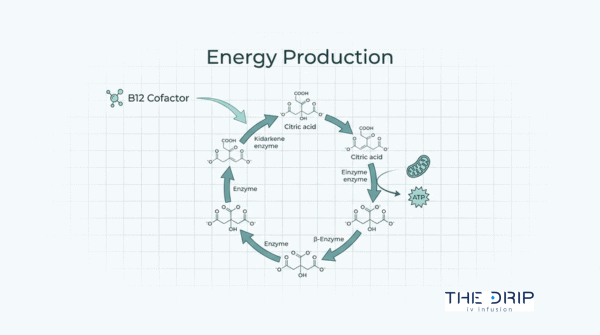
Vitamin B12 plays a direct role in energy production by acting as a cofactor for the synthesis of succinyl-CoA from methylmalonyl-CoA, an intermediate in the Krebs cycle. According to a study published in the International Journal of Molecular Sciences (2025), this biochemical conversion is fundamental to how cells generate usable energy. Without adequate B12, the Krebs cycle cannot process certain fatty acids and amino acids efficiently, which often manifests as persistent fatigue. NAD+ therapy is frequently co-administered with Vitamin B12 in IV clinic settings to further support cellular energy production and mitochondrial function. For individuals with compromised oral absorption, intravenous delivery ensures B12 reaches the cells that need it most.
How Does Vitamin B12 Support Nervous System Function?
Vitamin B12 supports nervous system function by serving as a cofactor for two critical enzymes: methionine synthase and L-methylmalonyl-CoA mutase. According to the NIH Office of Dietary Supplements, these enzymes are required for the formation of S-adenosylmethionine, a universal methyl donor for DNA, RNA, proteins, and lipids. This methylation process is essential for maintaining the myelin sheath that protects peripheral nerves and the brain.
When B12 levels drop, nerve damage can develop silently. Conventional testing identified deficiency in only 5% of Crohn’s Disease patients, but sensitive functional markers like holoTC and MMA revealed a 32% prevalence. Notably, B12 supplementation appears ineffective for improving cognitive function or depressive symptoms in patients without advanced neurological disorders, underscoring the importance of accurate diagnosis before treatment.
Why Is Vitamin B12 Essential for Red Blood Cell Formation?
Vitamin B12 is essential for red blood cell formation because it supports the biochemical reactions needed to produce reticulocytes, the immature cells that eventually develop into mature red blood cells. According to a 2025 comprehensive review published in PubMed Central, disruption of these reactions due to B12 deficiency can lead to megaloblastic anemia, a condition characterized by abnormally large, dysfunctional red blood cells. When the body cannot produce properly formed red blood cells, oxygen delivery to tissues becomes impaired. This is one reason unexplained fatigue and weakness are among the earliest clinical signs of B12 deficiency.
How Does Vitamin B12 Contribute to DNA Synthesis?
Vitamin B12 contributes to DNA synthesis through its role in the methionine synthase pathway. This enzyme converts homocysteine to methionine, which then produces S-adenosylmethionine, the primary methyl donor required for methylating DNA, RNA, and proteins. Without sufficient B12, cells cannot replicate their genetic material correctly, which disrupts the production of rapidly dividing cells throughout the body. Tissues with high turnover rates, such as bone marrow and the intestinal lining, are particularly vulnerable to this disruption. This connection between B12 and DNA replication is precisely why deficiency affects so many different body systems simultaneously.
Understanding these foundational roles clarifies why delivering B12 intravenously can offer distinct clinical advantages.
What Is a Vitamin B12 IV Infusion?
A vitamin B12 IV infusion is an intravenous treatment that delivers B12 directly into the bloodstream, bypassing the digestive system entirely. The sections below explain how it differs from oral supplements, what a session involves, and how quickly absorption occurs.
How Does a Vitamin B12 IV Infusion Differ From Oral Supplements?
A vitamin B12 IV infusion differs from oral supplements by delivering the nutrient directly into the bloodstream, eliminating dependence on gastrointestinal absorption. Oral B12 must pass through the stomach and intestines, where absorption relies on intrinsic factor and healthy gut function.
According to a clinical comparison study published in PubMed Central, weekly intravenous supplementation of vitamin B12 showed a statistically significant increase in B12 levels compared to daily oral supplementation. This distinction matters most for individuals with absorption disorders, pernicious anemia, or post-surgical digestive changes. For anyone with a confirmed deficiency, IV delivery offers a reliability that oral tablets simply cannot guarantee. However, Dr. Bauer from Mayo Clinic notes that limited evidence supports IV vitamin benefit for people with normal nutritional intake.
What Happens During a Vitamin B12 IV Infusion Session?
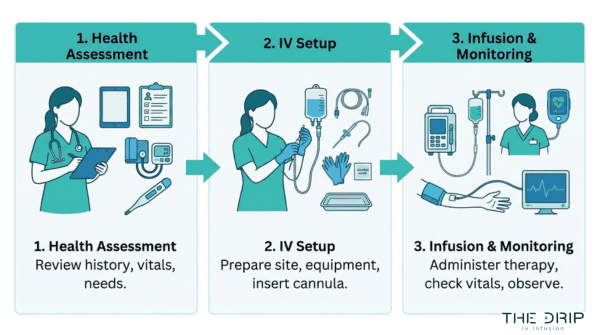
A vitamin B12 IV infusion session begins with a brief health assessment by a licensed nurse or medical professional. A small catheter is inserted into a vein, typically in the arm, and the B12 solution drips steadily into the bloodstream over 20 to 45 minutes.
During the infusion, patients can relax, read, or use their phone. Vital signs may be monitored throughout. Once the drip finishes, the catheter is removed and a small bandage applied. Most people resume normal activities immediately. Session costs vary widely by provider and formulation; according to Future Care Medical, vitamin drips in London range from £50 to £495 depending on infusion type and active ingredients.
How Quickly Does Your Body Absorb B12 Through IV Delivery?
Your body absorbs B12 through IV delivery almost immediately because the nutrient enters the bloodstream directly. Unlike oral supplements, which require digestion and intestinal transport, intravenous B12 achieves 100% bioavailability the moment it is infused.
This rapid absorption is why users commonly describe faster recovery from conditions such as dehydration, jet lag, hangovers, and physical exhaustion following IV vitamin therapy. Most patients notice effects within hours of their session, though the full physiological impact on cellular processes, including red blood cell production and nerve function, unfolds over subsequent days. For individuals with severe deficiencies, this speed of delivery can be clinically significant compared to waiting weeks for oral supplementation to raise serum levels.
With a clear picture of what B12 IV infusions involve, the next step is understanding their specific health benefits.
What Are the Benefits of Vitamin B12 IV Infusions?
The benefits of vitamin B12 IV infusions span energy production, cognitive function, mood regulation, immune defense, and physical recovery. The following subsections cover each benefit in detail.
How Do B12 IV Infusions Help With Chronic Fatigue?
B12 IV infusions help with chronic fatigue by restoring a nutrient essential for cellular energy production. Vitamin B12 acts as a cofactor in the synthesis of succinyl-CoA from methylmalonyl-CoA, an intermediate in the Krebs cycle that drives ATP generation. When B12 levels drop, this energy pathway slows, and persistent tiredness often follows.
Intravenous delivery bypasses digestive absorption barriers, raising serum B12 levels more rapidly than oral routes. For individuals whose fatigue stems from confirmed deficiency, this correction can produce noticeable improvements in stamina within days. Fatigue without underlying deficiency, however, is unlikely to respond to supplementation alone.
Can B12 IV Infusions Improve Mental Clarity and Focus?
Yes, B12 IV infusions can improve mental clarity and focus, particularly in individuals with low B12 status. Vitamin B12 supports the formation of S-adenosylmethionine (SAMe), a universal methyl donor required for neurotransmitter synthesis and healthy myelin sheath maintenance. Compromised methylation impairs nerve signal transmission, often manifesting as brain fog and poor concentration.
According to a 2021 review published in Nutrients (PMC), B12 supplementation is likely ineffective for improving cognitive function in patients without advanced neurological disorders. This distinction matters: the cognitive benefits are most pronounced when a genuine deficiency exists, not when B12 levels are already adequate.
How Do B12 IV Infusions Support Mood and Emotional Health?
B12 IV infusions support mood and emotional health by facilitating neurotransmitter pathways that regulate serotonin and dopamine production. Because vitamin B12 is required for SAMe synthesis, insufficient levels can disrupt methylation reactions involved in producing these mood-regulating chemicals.
Deficiency-related mood disturbances can range from mild irritability to clinical depression. Correcting low B12 through IV delivery addresses the biochemical root rather than masking symptoms. That said, B12 infusions are not a standalone treatment for mood disorders; they work best as part of a broader approach that includes professional mental health support when needed.
Can B12 IV Infusions Boost Immune System Function?
Yes, B12 IV infusions can boost immune system function by supporting the rapid cell division that immune responses require. Vitamin B12 plays a direct role in DNA synthesis and red blood cell formation, both of which underpin a healthy immune defense. Without adequate B12, disrupted reticulocyte production can lead to megaloblastic anemia, weakening the body’s ability to mount effective immune responses.
IV delivery ensures full bioavailability, which is especially valuable for individuals with absorption issues who cannot maintain adequate levels through diet alone. Consistent B12 status helps maintain white blood cell production and overall immune readiness.
How Do B12 IV Infusions Benefit Hair, Skin, and Nail Health?
B12 IV infusions benefit hair, skin, and nail health by supporting the cell division and oxygenation these tissues depend on. Vitamin B12 contributes to red blood cell formation, which delivers oxygen to hair follicles, skin cells, and nail beds. Deficiency often presents as hair thinning, pale or yellowish skin, and brittle nails.
As Dr. Bauer from Mayo Clinic notes, there is limited evidence that IV vitamins provide benefit to people with normal nutritional intake and levels. The cosmetic improvements tend to be most visible when correcting a genuine deficiency rather than supplementing already sufficient stores. Prioritizing baseline testing before treatment is a practical first step.
Can B12 IV Infusions Aid in Athletic Performance and Recovery?
Yes, B12 IV infusions can aid in athletic performance and recovery by optimizing oxygen transport and energy metabolism. B12’s role in red blood cell production directly affects how efficiently muscles receive oxygen during exercise. Its involvement in the Krebs cycle also supports the sustained ATP output that endurance and high-intensity training demand.
Athletes commonly describe faster recovery from physical exhaustion when treated with IV vitamin therapy, according to a 2025 review in Cureus (PMC). For athletes with demanding training schedules, maintaining optimal B12 levels through IV delivery can reduce recovery windows and support consistent performance output.
How Do B12 IV Infusions Support Cardiovascular Health?
B12 IV infusions support cardiovascular health by helping regulate homocysteine levels in the blood. Vitamin B12, through its role in methionine synthase activity, converts homocysteine back into methionine. Elevated homocysteine is an independent risk factor for cardiovascular disease, including atherosclerosis and stroke.
When B12 is deficient, homocysteine accumulates, potentially damaging blood vessel walls over time. IV infusions correct this deficiency rapidly, restoring the methylation pathway that keeps homocysteine in check. For individuals already at cardiovascular risk, maintaining adequate B12 is one of the more straightforward nutritional strategies available.
With these wide-ranging benefits established, the next step is determining who stands to gain the most from B12 IV therapy.
Who Should Consider Getting Vitamin B12 IV Infusions?
Vitamin B12 IV infusions are worth considering for anyone whose body cannot adequately absorb or maintain sufficient B12 levels. The following sections cover specific groups, from those with confirmed deficiency to athletes and frequent travelers.
Why Might People With B12 Deficiency Need IV Infusions?
People with B12 deficiency need IV infusions because oral supplementation may not overcome absorption barriers. Passive diffusion accounts for only 1.2% of total vitamin B12 absorption, a pathway unaffected by conditions like pernicious anemia or gastric surgery, according to a study published in PubMed Central. For individuals with compromised gut function, this limited passive route cannot compensate for lost active absorption.
Vitamin B12 preserves the myelin sheath that covers and protects peripheral nerves and the brain. Without adequate levels, patients may experience pins and needles in the hands, arms, legs, or feet. IV delivery bypasses the digestive system entirely, making it the most reliable correction method when oral routes fail.
Should Vegans and Vegetarians Consider B12 IV Infusions?
Yes, vegans and vegetarians should consider B12 IV infusions if oral supplements are not maintaining adequate levels. Vitamin B12 occurs naturally only in animal-derived foods, placing plant-based eaters at inherent risk. Research published in PubMed Central found B12 deficiency prevalence among long-term vegetarians reached 38.5%, with vegans showing significantly higher rates at 44.1% compared to 15.0% in lacto-ovo vegetarians.
Daily oral supplements work well for many plant-based eaters, yet some still test low despite consistent supplementation. For those individuals, periodic IV infusions offer a direct path to restoring serum levels without relying on gastrointestinal absorption.
Can Older Adults Benefit From B12 IV Infusions?
Yes, older adults can benefit from B12 IV infusions. Age-related decline in gastric acid and intrinsic factor production reduces the body’s ability to extract B12 from food and oral supplements. A study published on ResearchGate found that total B12 concentrations decrease by approximately 6.8 ng/L per decade of age increase, making adults over 50 a high-risk group for deficiency.
Because this decline is progressive and often asymptomatic in early stages, many older adults remain undiagnosed until neurological symptoms appear. IV infusions provide a reliable alternative when oral absorption becomes insufficient.
Why Might People With Digestive Disorders Choose B12 IV Therapy?
People with digestive disorders choose B12 IV therapy because their conditions impair nutrient absorption in the gut. Conditions such as Crohn’s disease, celiac disease, and chronic gastritis damage or inflame the ileum, where active B12 absorption occurs. Bariatric surgery patients face similar challenges due to altered gastrointestinal anatomy.
For these individuals, even high-dose oral B12 may never reach the bloodstream in adequate quantities. IV therapy eliminates the digestive system from the equation entirely, delivering B12 directly into circulation. This makes it particularly practical for anyone managing chronic malabsorption conditions long term.
Should Athletes and Active Individuals Get B12 IV Infusions?
Athletes and active individuals should consider B12 IV infusions when intense training increases metabolic demand beyond what diet and oral supplements provide. Vitamin B12 supports energy production through its role in the Krebs cycle and red blood cell formation, both critical for athletic performance and oxygen delivery to working muscles.
While most athletes with balanced diets maintain adequate levels, those training at high volumes or following restrictive eating patterns may benefit from periodic IV supplementation. The rapid systemic delivery can support faster recovery between demanding sessions.
Can Frequent Travelers Benefit From B12 IV Infusions?
Yes, frequent travelers can benefit from B12 IV infusions. Irregular eating schedules, jet lag, and exposure to new environments place additional stress on the body’s nutrient reserves. B12 supports immune function and energy metabolism, both of which travel disrupts.
For those who cross multiple time zones regularly, an IV infusion before or after travel helps restore baseline nutrient levels quickly. This is especially valuable when dietary consistency proves difficult to maintain on the road. With the growing accessibility of mobile IV services, maintaining optimal B12 status between trips has become a practical wellness strategy.
What Are the Signs and Symptoms of Vitamin B12 Deficiency?
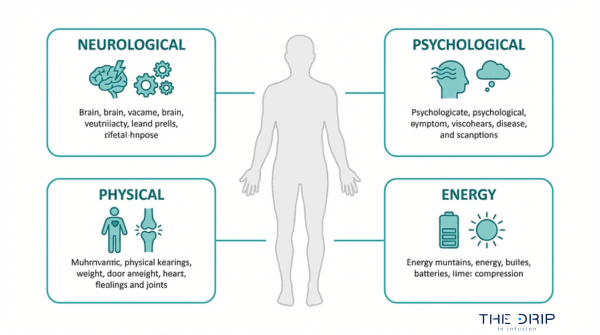
The signs and symptoms of vitamin B12 deficiency span neurological, psychological, and physical domains. Recognizing these warning signs early can prevent irreversible nerve damage and guide timely intervention through supplementation or IV therapy.
Vitamin B12 deficiency can cause neurological symptoms including numbness, muscle weakness, pins and needles, and psychological problems ranging from mild depression to dementia, according to the NHS. These symptoms often develop gradually, making them easy to dismiss as normal fatigue or aging.
Neurological warning signs deserve particular attention. Lower limb sensory symptoms, such as tingling or reduced sensation in the feet and legs, may be the only manifestation of vitamin B12 deficiency in some patients, as documented by NHS Lothian clinical guidelines. This subtle presentation frequently delays diagnosis, allowing nerve damage to progress before treatment begins.
Physical symptoms commonly include:
- Persistent fatigue and weakness unrelated to sleep quality
- Pale or slightly yellow skin
- A sore, red tongue (glossitis)
- Mouth ulcers
- Disturbed vision
- Breathlessness and dizziness
Psychological symptoms can range from irritability and mood changes to cognitive decline. In severe cases, untreated deficiency may progress to memory problems or dementia-like symptoms.
Certain populations face elevated risk. There is approximately a 20% chance of developing vitamin B12 deficiency between two to five years following bariatric surgery due to altered absorption mechanisms. Older adults, strict vegans, and individuals with gastrointestinal conditions also require vigilance.
When deficiency is confirmed, a typical vitamin B12 injection dosage for mild cases is 1,000 micrograms once a week for several weeks, followed by maintenance doses. For patients with absorption disorders, bypassing the digestive system entirely through IV delivery often proves more reliable than oral supplementation alone.
Early detection remains the most critical factor in preventing permanent neurological complications, making routine screening essential for anyone in a high-risk group.
How Do B12 IV Infusions Compare to B12 Injections?
B12 IV infusions compare to B12 injections in delivery method, absorption speed, dosing flexibility, and clinical use. Both bypass the digestive tract, but they differ in how nutrients enter the bloodstream and which scenarios each method suits best.
B12 IV infusions deliver vitamin B12 directly into the bloodstream through a vein, typically as part of a larger fluid and nutrient blend. The infusion process takes 30 to 60 minutes, allowing for gradual absorption alongside other vitamins, minerals, and hydration fluids. This makes IV infusions well suited for individuals who need comprehensive nutrient replenishment beyond B12 alone.
B12 injections, by contrast, deposit a concentrated dose of vitamin B12 into the muscle (intramuscular) or under the skin (subcutaneous). The nutrient absorbs from the injection site into the bloodstream over several hours. A typical dosage for mild deficiency is 1,000 micrograms once a week for several weeks, followed by maintenance doses. Injections are faster to administer, often completed in under five minutes.
Key differences between B12 IV infusions and B12 injections include:
- Delivery route: IV infusions enter the vein directly; injections deposit B12 into muscle or subcutaneous tissue.
- Session duration: IV infusions typically last 30 to 60 minutes; injections take under five minutes.
- Nutrient scope: IV infusions can combine B12 with fluids, magnesium, vitamin C, and other nutrients; injections deliver B12 only.
- Absorption pathway: IV delivery provides immediate 100% bioavailability; intramuscular injections absorb gradually from the tissue depot.
- Cost range: IV infusion sessions generally cost $85 to $400 depending on treatment type; standalone B12 injections are typically less expensive per session.
- Clinical context: IV infusions suit broader wellness and multi-nutrient protocols; injections are the standard medical treatment for confirmed B12 deficiency.
According to a clinical comparison study published in PubMed Central, weekly intravenous supplementation of vitamin B12 showed a statistically significant increase in B12 levels compared to daily oral supplementation. Both parenteral routes, whether IV or injection, outperform oral delivery for individuals with absorption impairments such as pernicious anemia or post-surgical malabsorption.
For most people seeking targeted B12 correction alone, intramuscular injections remain the more practical and cost-effective choice. IV infusions become the stronger option when the goal extends beyond B12 to include hydration, multi-nutrient support, or recovery from physical exhaustion. Understanding which delivery method aligns with your health needs helps you avoid paying for more than necessary, or settling for less than what your situation requires.
How Often Should You Get Vitamin B12 IV Infusions?
You should get vitamin B12 IV infusions on a schedule tailored to your deficiency severity, health goals, and provider recommendations. Frequency typically ranges from weekly loading doses to monthly or quarterly maintenance sessions.
The frequency of vitamin B12 IV infusions depends on whether you are correcting an active deficiency or maintaining optimal levels. A typical protocol starts with more frequent sessions and tapers as levels normalize. According to IVBoost UK, a typical vitamin B12 injection dosage for mild deficiency is 1,000 micrograms once a week for several weeks, followed by maintenance doses.
Several factors influence how often sessions are needed:
- Deficiency severity: Individuals with serum B12 below 200 pg/mL often require weekly infusions during the initial correction phase.
- Absorption capacity: Those with pernicious anemia or post-bariatric conditions may need ongoing infusions since oral routes remain ineffective for them.
- Health objectives: Wellness-focused clients without clinical deficiency typically schedule sessions monthly or quarterly.
- Dietary intake: Vegans and strict vegetarians, who face higher deficiency risk, often benefit from more regular infusions than omnivores.
Most providers follow a two-phase approach. The loading phase involves weekly sessions for four to six weeks to rapidly restore depleted stores. Once blood levels stabilize, maintenance shifts to once every one to three months. Your provider should monitor serum B12 and methylmalonic acid levels to adjust timing appropriately.
For anyone without a diagnosed deficiency, periodic infusions every few months can serve as a preventive measure, though the clinical necessity remains debatable for well-nourished individuals. The most reliable approach is to let lab results, not a fixed calendar, guide your schedule. Understanding potential side effects helps you weigh the full picture before committing to a recurring protocol.
What Are the Potential Side Effects of B12 IV Infusions?
The potential side effects of B12 IV infusions are generally mild and temporary, though some reactions warrant medical attention. The following covers common reactions, serious risks, and contraindications to be aware of before treatment.
What Are the Common Side Effects After a B12 IV Infusion?
The common side effects after a B12 IV infusion include mild, transient reactions that typically resolve within hours. According to Health Canada’s drug product labeling, documented adverse effects of vitamin B12 injections include mild transient diarrhea, itching, and transitory exanthema (skin rash).
Additional common reactions include:
- Slight soreness, redness, or bruising at the IV insertion site.
- Temporary warmth or flushing during the infusion.
- Mild headache or lightheadedness shortly after treatment.
- A metallic taste in the mouth during delivery.
Most of these effects are related to the intravenous delivery method itself rather than vitamin B12 specifically. For the vast majority of recipients, these reactions are brief and manageable without intervention.
Are There Serious Risks Associated With B12 IV Therapy?
Serious risks associated with B12 IV therapy are rare but possible, particularly when infusions are administered in unregulated settings. The most significant concerns include:
- Infection at the injection site if sterile technique is not followed properly.
- Phlebitis, an inflammation of the vein, which can cause pain, swelling, and redness along the IV line.
- Anaphylaxis, a severe allergic reaction requiring emergency treatment, though this is extremely uncommon with B12.
- Polycythemia vera exacerbation, where B12 supplementation stimulates excessive red blood cell production in predisposed individuals.
The FDA notes that contraindications for cyanocobalamin injection include known sensitivity to cobalt or vitamin B12 itself. This is why a thorough health screening before any IV infusion is essential for identifying individuals at elevated risk.
Who Should Avoid B12 IV Infusions?
Certain individuals should avoid B12 IV infusions or proceed only under direct medical supervision. Those with a known allergy to cobalt or any form of cobalamin should not receive B12 intravenously. Patients diagnosed with polycythemia vera, Leber’s hereditary optic neuropathy, or certain kidney conditions also face heightened risk.
The UK’s MHRA classifies vitamin B12 injections as prescription-only medicines, reinforcing that these treatments require professional oversight. Pregnant or breastfeeding individuals should consult their physician before any IV vitamin therapy, as dosing considerations differ during these periods. In my experience, the single most overlooked safety step is a proper pre-infusion screening; skipping it turns a low-risk procedure into an unnecessary gamble.
Choosing a qualified provider with clinical protocols in place helps minimize these risks significantly.
How Should You Choose a Vitamin B12 IV Infusion Provider?
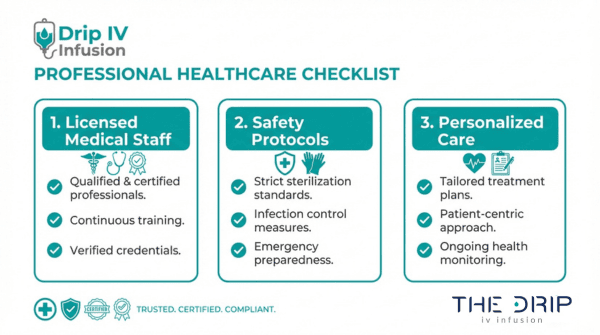
You should choose a vitamin B12 IV infusion provider based on clinical credentials, treatment transparency, and personalized care. The following sections cover how The Drip IV Infusion delivers B12 therapy and the key takeaways from this guide.
Can The Drip IV Infusion Deliver B12 IV Therapy to You?
Yes, The Drip IV Infusion can deliver B12 IV therapy directly to your home or workplace through its mobile service in Arizona. Founded in Fall 2022, The Drip IV Infusion brings decades of combined experience in nursing, emergency medicine, and IV medical techniques to every session. Vitamin B12 is available as a standalone add-on or as part of customized IV cocktails tailored to individual health goals.
The Drip IV Infusion offers additional options to complement B12 therapy:
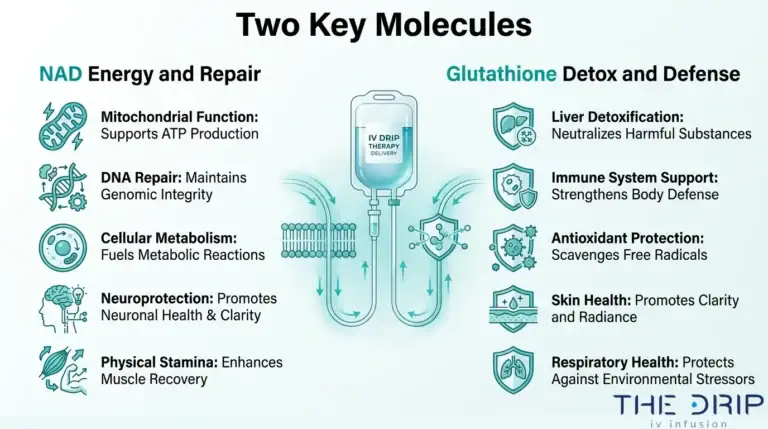
- NAD+ for cellular energy and mitochondrial support
- Glutathione for antioxidant protection
- B-Complex vitamins for broader metabolic coverage
- Amino Blend for recovery and performance
Each infusion is administered by trained professionals who assess client needs before treatment. To schedule a session or explore the full IV menu, contact The Drip IV Infusion at hello@thedripivinfusion.com or call +1.602.341.3511.
What Are the Key Takeaways About Vitamin B12 IV Infusions?
The key takeaways about vitamin B12 IV infusions center on their speed, bioavailability, and suitability for individuals who cannot absorb B12 effectively through oral routes. IV delivery bypasses the gastrointestinal tract entirely, making it particularly valuable for those with pernicious anemia, digestive disorders, or post-surgical malabsorption.
The most actionable points to remember include:
- B12 deficiency affects a wide range of populations, from vegans and older adults to bariatric surgery patients.
- Symptoms like chronic fatigue, numbness, and cognitive difficulty often signal low B12 levels worth investigating.
- IV infusions raise serum B12 levels faster than oral supplements, though not everyone requires this route.
- Choosing a provider with licensed medical staff and transparent protocols ensures both safety and effectiveness.
For most people exploring B12 IV therapy, the decision comes down to absorption capacity and lifestyle needs; those with confirmed deficiency or absorption challenges stand to benefit most.