Book Now

Category: Blog

  • Anti-Aging Benefits of IV Nutrition Therapy

    Anti-Aging Benefits of IV Nutrition Therapy

    IV nutrition therapy is an intravenous treatment that delivers vitamins, antioxidants, and coenzymes directly into the bloodstream to support cellular repair, reduce oxidative damage, and slow visible signs of aging. Because it bypasses the digestive system entirely, IV delivery achieves near-complete nutrient absorption that oral supplements cannot match.

    This guide covers how IV nutrient delivery works at the cellular level, the specific compounds that target aging mechanisms, skin and collagen benefits, practical treatment considerations, and emerging regenerative therapies that enhance results.

    IV nutrition therapy bypasses first-pass metabolism in the liver, allowing anti-aging nutrients like glutathione, NAD+, and vitamin C to reach cells at full therapeutic concentrations. This higher bioavailability fuels enzymes responsible for DNA repair, mitochondrial energy production, and antioxidant defense.

    NAD+ infusions restore a critical coenzyme that declines with age, supporting sirtuin and PARP enzyme activity essential for genomic stability and telomere maintenance. Preclinical research also links NAD+ replenishment to improved cognition and nerve regeneration, making it one of the most targeted options for age-related cellular decline.

    Glutathione neutralizes free radicals that degrade collagen and elastin while inhibiting melanin synthesis to improve uneven skin tone. Vitamin C activates the enzymes required for stable collagen triple-helix formation, and IV hydration with electrolytes restores intracellular moisture that keeps skin firm and resilient.

    Treatment frequency, candidacy screening, and potential side effects all influence outcomes. Most protocols begin with weekly loading phases before transitioning to monthly maintenance, and professional oversight ensures safety for individuals with pre-existing conditions.

    Exosome therapy adds intercellular signaling that primes cells to use IV-delivered nutrients more effectively, representing one of the more promising directions in regenerative anti-aging wellness.

    How Does IV Nutrition Therapy Work for Anti-Aging?

    IV nutrition therapy works for anti-aging by delivering nutrients directly into the bloodstream, enabling immediate cellular uptake for repair and rejuvenation. The following subsections explain why bypassing digestion matters and how direct absorption accelerates cellular repair.

    Why Does Bypassing the Digestive System Matter for Anti-Aging?

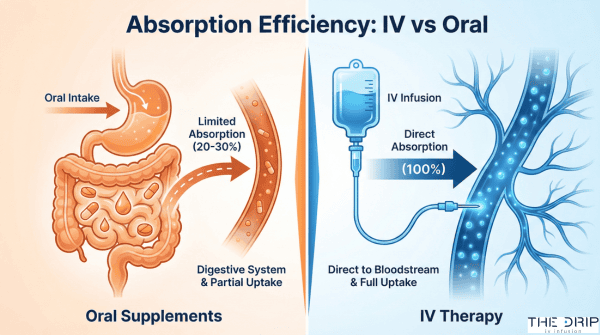
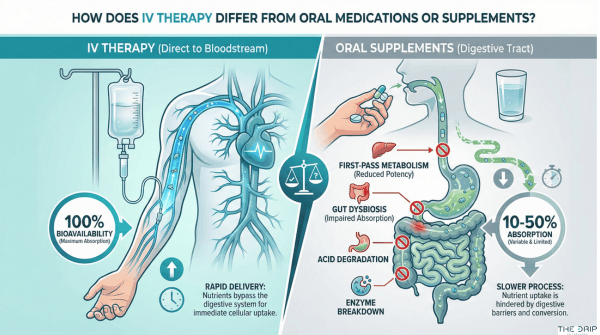
    Bypassing the digestive system matters for anti-aging because oral supplements lose potency as they pass through the gastrointestinal tract and liver. This process, known as first-pass metabolism, can reduce nutrient absorption to 50% or less. Anti-aging nutrients like glutathione, NAD+, and vitamin C are particularly susceptible to degradation during digestion.

    Intravenous delivery eliminates this bottleneck entirely. When nutrients enter the bloodstream directly, cells receive the full therapeutic dose without competing with digestive enzymes or intestinal absorption limitations. For aging cells that already struggle with declining metabolic efficiency, this difference in bioavailability can be significant. Maximizing the concentration of anti-aging compounds at the cellular level is, in many cases, more important than simply increasing intake volume.

    Comparison of IV drip vs oral supplements showing faster nutrient absorption through bloodstream versus digestive system

    How Does Direct Nutrient Absorption Improve Cellular Repair?

    Direct nutrient absorption improves cellular repair by increasing the bioavailability of compounds essential for tissue regeneration. According to a scientific reference from the NYU Center for Latino Adolescent and Family Health, intravenous nutrient therapy directly introduces nutrients into the plasma, increasing their availability for cellular uptake while bypassing the GI tract entirely.

    This heightened bioavailability is especially relevant for age-related cellular decline. NAD+, a critical coenzyme, serves as an exclusive co-substrate for sirtuins and poly(ADP-ribose) polymerases, both of which regulate DNA repair and longevity pathways. Because cellular NAD+ levels naturally decline with age, replenishing this coenzyme through IV delivery ensures repair enzymes receive adequate fuel. The result is more efficient DNA maintenance, improved mitochondrial function, and stronger support for the body’s innate regenerative processes.

    With cellular repair mechanisms supported, the specific nutrients driving these anti-aging effects deserve closer attention.

    What Nutrients in IV Therapy Help Slow the Aging Process?

    The nutrients in IV therapy that help slow the aging process include glutathione, NAD+, vitamin C, B-complex vitamins, zinc, selenium, and collagen-supporting amino acids. Each targets a distinct mechanism of cellular aging.

    Infographic of key anti-aging IV nutrients including glutathione, NAD plus, vitamin C, B-complex, zinc, selenium, and amino acids

    Glutathione

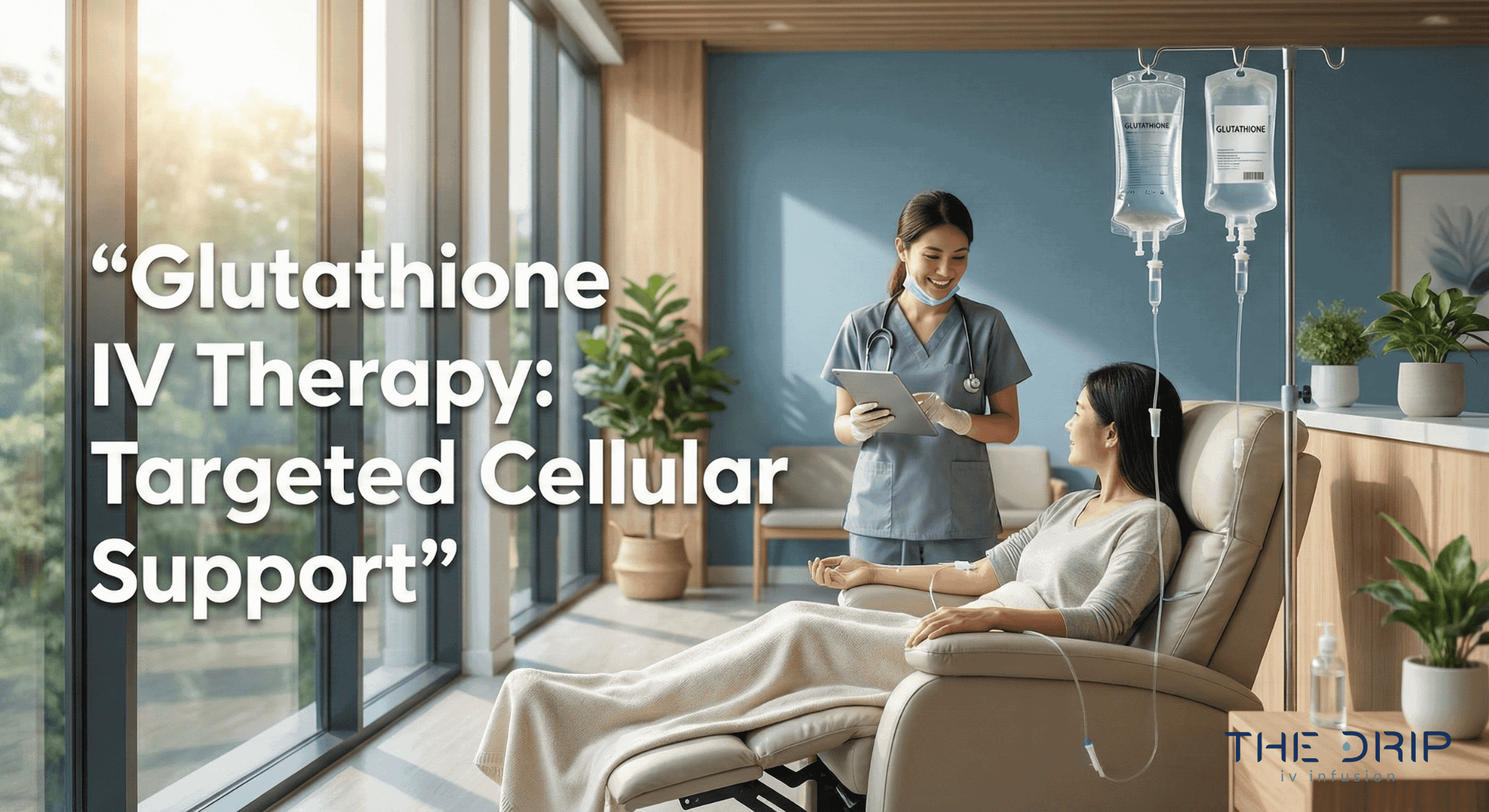
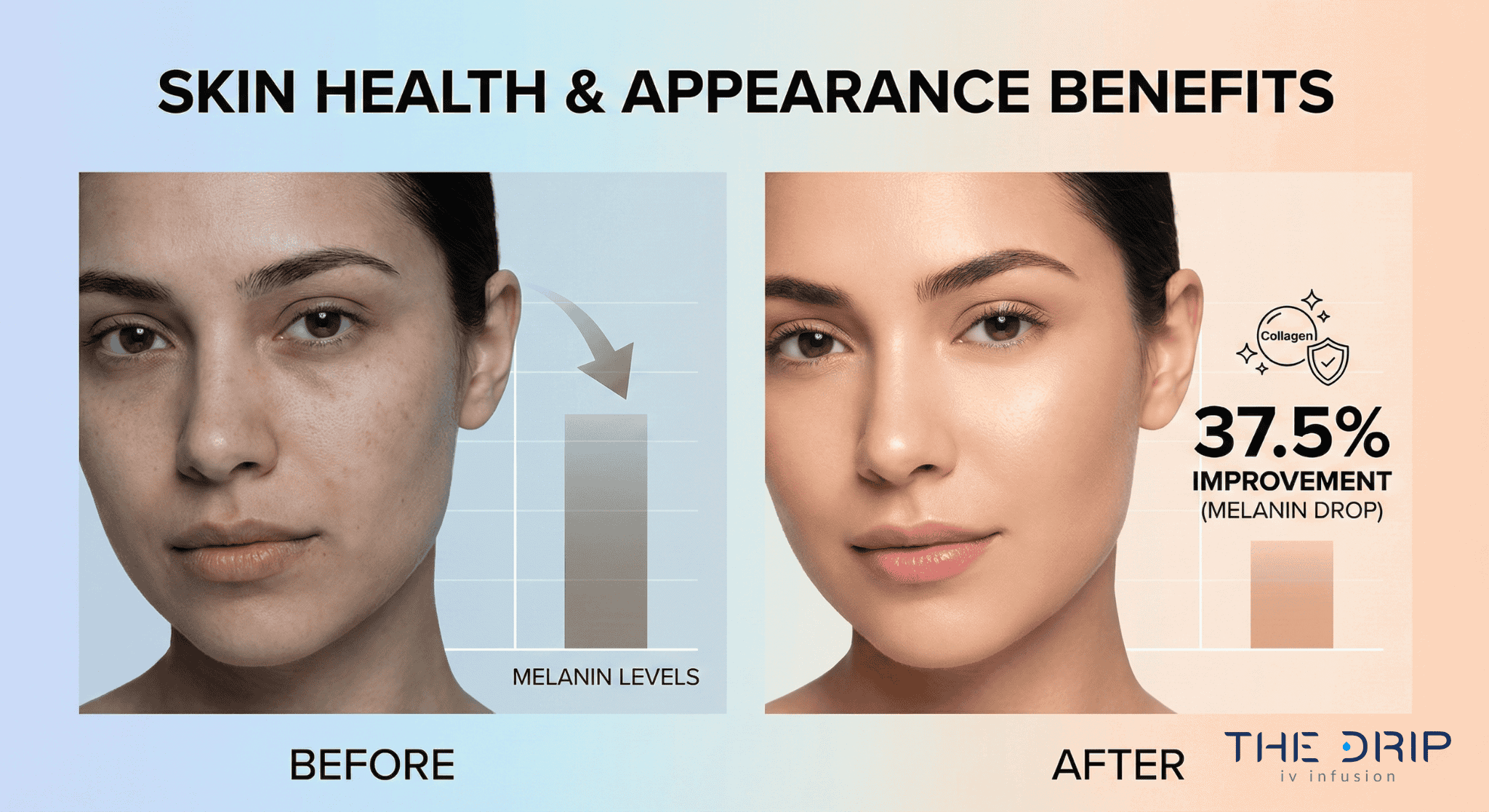
    Glutathione is the body’s most abundant intracellular antioxidant, and it plays a central role in neutralizing free radicals that accelerate aging. By reducing oxidative stress at the cellular level, glutathione helps protect skin structure and minimizes damage that leads to fine lines. It also inhibits melanin synthesis by interrupting tyrosinase activity in the melanogenesis pathway, which can improve uneven skin tone and reduce the appearance of age spots. For those prioritizing skin health, glutathione is one of the most versatile anti-aging nutrients available through IV delivery.

    NAD+

    NAD+ is a coenzyme essential for cellular energy production and DNA repair, both of which decline with age. According to a 2022 review published by the National Institutes of Health, declining cellular NAD+ levels are a hallmark of aging because NAD+ serves as an exclusive co-substrate for sirtuins and poly(ADP-ribose) polymerases, enzymes that regulate cellular repair and longevity. Replenishing NAD+ through IV infusion supports mitochondrial function and helps maintain telomere integrity. For anyone noticing age-related fatigue or cognitive decline, NAD+ addresses the root biochemistry rather than just symptoms.

    Vitamin C

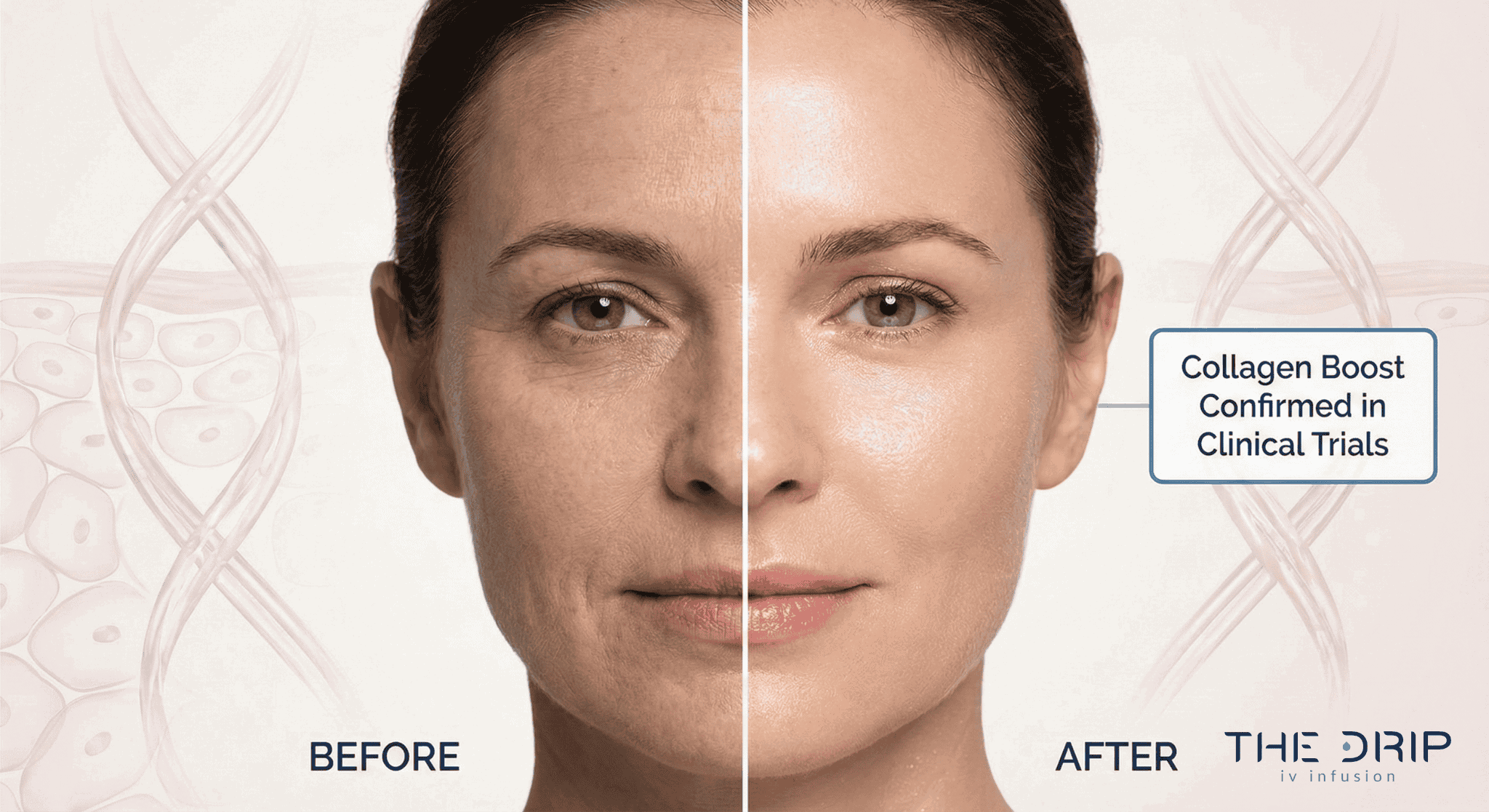
    Vitamin C is an essential cofactor for collagen synthesis and a potent antioxidant that combats free radical damage. It activates prolyl hydroxylase and lysyl hydroxylase, enzymes that catalyze the hydroxylation of proline and lysine residues needed for stable collagen triple-helix formation, as documented in the Orthopaedic Journal of Sports Medicine. This dual function protects existing skin structure while promoting new collagen production. IV delivery is particularly valuable here because it bypasses digestive limitations, allowing therapeutic concentrations that oral supplements cannot achieve.

    B-Complex Vitamins

    B-complex vitamins support anti-aging by improving cellular metabolism and energy production across multiple organ systems. According to research published in the International Journal of Vitamin and Nutrition Research, vitamin B complex enhances skin tone correction and anti-aging benefits by improving cellular metabolism. Individual B vitamins serve specific roles: B12 supports nerve health, B6 aids amino acid metabolism, and biotin strengthens skin and hair. Delivering B-complex vitamins intravenously ensures consistent therapeutic levels, which matters because these water-soluble nutrients deplete quickly.

    Zinc and Selenium

    Zinc and selenium are trace minerals that strengthen antioxidant defense systems critical for slowing age-related cellular damage. Zinc supports immune function and wound healing, while selenium activates glutathione peroxidase, one of the body’s primary antioxidant enzymes. A study published in the American Journal of Clinical Nutrition found that zinc supplementation at 30 mg per day for three months effectively increased serum zinc concentrations in elderly populations, supporting both immune function and antioxidant defense. These minerals work synergistically, and IV delivery ensures absorption that oral supplementation often cannot match in aging populations with compromised gut function.

    Collagen-Supporting Amino Acids

    Collagen-supporting amino acids are the building blocks required for the body to synthesize and repair its most abundant structural protein. Glycine, proline, and lysine are particularly important. A 2025 study published in npj Aging identified a collagen amino acid composition featuring a ratio of 3 glycine to 1 proline to 1 hydroxyproline as the optimal formulation for reducing biological age and increasing healthspan. IV delivery of these amino acids provides immediate bioavailability for collagen synthesis, bypassing digestive breakdown that reduces their effectiveness when taken orally.

    With these foundational nutrients understood, the next step is exploring how specific therapies like NAD+ IV infusions target aging at a deeper cellular level.

    How Does NAD+ IV Therapy Reverse Signs of Aging?

    NAD+ IV therapy reverses signs of aging by restoring cellular energy, supporting DNA repair, and improving cognitive function. The following sections explain how NAD+ decline accelerates aging and how replenishment counteracts these effects.

    How Does NAD+ Restore Cellular Energy Production?

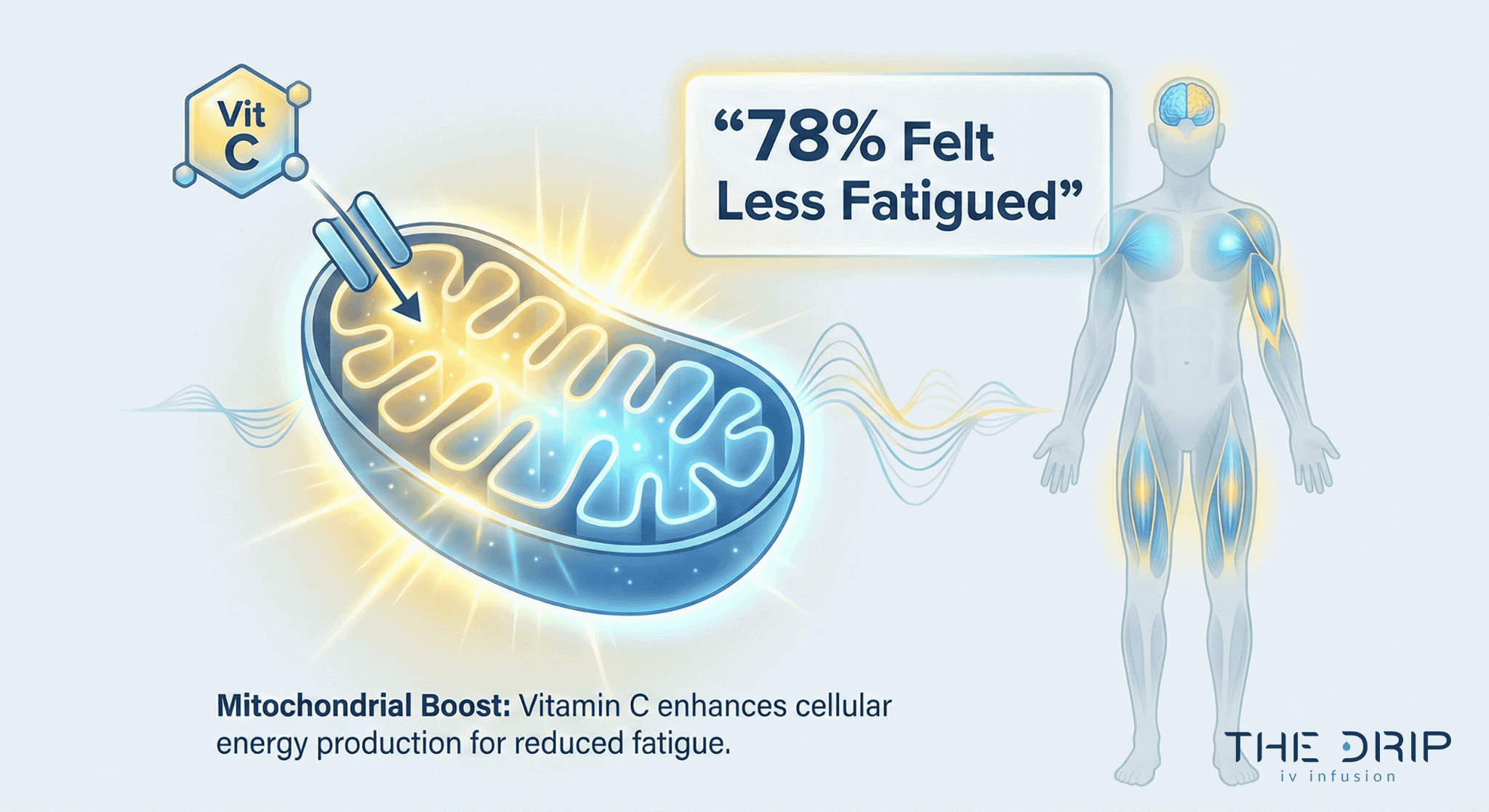
    NAD+ restores cellular energy production by serving as a critical coenzyme in mitochondrial metabolism, where it facilitates the conversion of nutrients into adenosine triphosphate (ATP). Without adequate NAD+, mitochondria produce energy less efficiently, leading to fatigue and sluggish cellular processes commonly associated with aging.

    The perceived effects of NAD+ IV therapy, such as improved energy, focus, and mood, typically last from a few days up to two weeks depending on baseline health and metabolic rate, according to Heally. Because these benefits are temporary, consistent sessions are often necessary to maintain results. For anyone noticing persistent low energy or brain fog, declining NAD+ levels may be a contributing factor worth addressing before symptoms compound further.

    How Does NAD+ Support DNA Repair and Telomere Health?

    NAD+ supports DNA repair and telomere health by activating enzymes responsible for maintaining genomic stability. It serves as an exclusive co-substrate for sirtuins and poly(ADP-ribose) polymerases (PARPs), both of which regulate cellular repair and longevity. According to a 2022 review published in PubMed Central (PMC), a decline in cellular NAD+ is a well-documented feature of aging precisely because these repair enzymes lose their fuel source.

    NAD+ also promotes the repair of telomeres, the protective caps on chromosomes that shorten with each cell division. When telomeres deteriorate, cells become senescent or die. By maintaining telomere integrity, NAD+ helps preserve healthy cell replication, which is foundational to slowing visible and systemic aging.

    How Does NAD+ Improve Cognitive Function as You Age?

    NAD+ improves cognitive function as you age by enhancing mitochondrial performance within neurons. According to a review published in PubMed Central, restoration of NAD+ to youthful levels in preclinical models resulted in increased mitochondrial function, ATP production, and improved cognition and nerve regeneration.

    These findings suggest that declining NAD+ starves brain cells of the energy they need for memory consolidation, focus, and neural communication. While preclinical results are promising, this is one of the most compelling areas of NAD+ research for anyone experiencing age-related cognitive decline. Replenishing NAD+ through IV delivery ensures rapid bioavailability, giving neurons direct access to this essential coenzyme.

    How Does NAD+ Decline With Age Affect the Body?

    NAD+ decline with age affects the body by impairing mitochondrial function, weakening DNA repair capacity, and accelerating cellular senescence. As NAD+ levels drop, sirtuins and PARPs lose the co-substrate they need to regulate inflammation, genomic stability, and metabolic efficiency.

    The consequences are widespread: reduced energy production, slower tissue recovery, increased oxidative damage, and diminished cognitive sharpness. These changes manifest as common aging symptoms, including chronic fatigue, slower wound healing, and memory difficulties. NAD+ decline is not merely a biomarker of aging; it actively drives the degenerative processes that make aging visible and felt. Addressing this decline early through IV replenishment offers a proactive strategy for preserving cellular health before damage accumulates.

    How Does IV Glutathione Therapy Benefit Aging Skin?

    IV glutathione therapy benefits aging skin by neutralizing oxidative damage and improving skin tone. The following sections explain how glutathione reduces wrinkles and brightens complexion.

    How Does Glutathione Reduce Oxidative Stress and Wrinkles?

    Glutathione reduces oxidative stress and wrinkles by neutralizing free radicals that degrade collagen and elastin in aging skin. As the body’s most abundant intracellular antioxidant, glutathione donates electrons to reactive oxygen species, preventing the cellular damage that accelerates fine lines and sagging.

    When delivered intravenously, glutathione bypasses digestive breakdown and reaches skin cells at therapeutic concentrations. According to a study published in Heliyon (Cell Press), IV administration of vitamin C at doses between 25 and 50 grams can substantially enhance immune function and reduce oxidative stress, a principle that extends to glutathione’s synergistic antioxidant role. Pairing IV glutathione with complementary antioxidants like vitamin C creates a more robust defense against the cumulative free radical exposure that ages skin prematurely. For those noticing early signs of oxidative skin damage, this combination is one of the most practical intravenous approaches available.

    How Does Glutathione Brighten Skin Tone and Reduce Age Spots?

    Glutathione brightens skin tone and reduces age spots by inhibiting melanin synthesis in the skin. It interrupts the melanogenesis pathway by interfering with tyrosinase activity, the enzyme responsible for converting L-DOPA into melanin pigment. This mechanism shifts melanin production toward lighter pheomelanin rather than darker eumelanin.

    According to research published in the Journal of Clinical, Cosmetic and Investigational Dermatology, supplementation of reduced glutathione (GSH) at 500 mg per day demonstrated skin-lightening efficacy in humans by inhibiting melanin production. However, results require consistency; brightening effects tend to diminish without ongoing sessions.

    It is worth noting that the Philippine FDA has issued warnings about serious complications, including anaphylaxis and hepatotoxicity, associated with IV glutathione used specifically for skin lightening. This underscores why professional medical oversight is essential for anyone considering glutathione infusions for complexion concerns.

    With glutathione’s skin benefits established, understanding how IV therapy supports collagen production adds another layer to an anti-aging strategy.

    Can IV Therapy Boost Collagen Production and Skin Elasticity?

    IV therapy can boost collagen production and skin elasticity by delivering collagen-building precursors directly into the bloodstream. The key mechanisms involve amino acid delivery, vitamin C cofactor support, and enhanced hydration at the cellular level.

    IV nutrition therapy stimulates collagen production by providing essential amino acids, such as proline and lysine, which are necessary for collagen synthesis and cellular repair. When these precursors enter the bloodstream intravenously, they reach fibroblasts at concentrations that oral supplementation often cannot match. Vitamin C, frequently included as an add-on in IV formulations, serves as a required cofactor for the enzymes that stabilize collagen’s triple-helix structure. Without adequate vitamin C, collagen fibers form improperly, leading to weakened skin elasticity over time.

    Proper hydration also plays a supporting role. IV-delivered fluids restore intracellular moisture balance, which helps maintain the plump, resilient appearance that well-hydrated skin provides. Combined with targeted amino acids, this approach addresses collagen loss from multiple angles simultaneously.

    For anyone noticing thinning skin or reduced firmness, prioritizing both the structural building blocks and the cofactors that activate them is far more effective than supplementing with collagen peptides alone. Understanding how IV hydration complements these anti-aging nutrients helps clarify the full scope of benefits available.

    How Does IV Vitamin C Fight Free Radical Damage?

    IV vitamin C fights free radical damage by donating electrons to neutralize reactive oxygen species before they can harm cells, proteins, and DNA. Its antioxidant and collagen-supporting roles make it a key nutrient in anti-aging IV protocols.

    Vitamin C is an essential cofactor for prolyl hydroxylase and lysyl hydroxylase, enzymes that catalyze the hydroxylation of proline and lysine residues to promote proper folding of the stable collagen triple-helix, according to a study published in the Orthopaedic Journal of Sports Medicine. This enzymatic activity is what links vitamin C directly to skin firmness and structural integrity. Without adequate levels, collagen fibers form improperly, accelerating the visible signs of aging such as fine lines and sagging.

    When delivered intravenously, vitamin C reaches plasma concentrations far beyond what oral supplementation allows. These elevated levels amplify its capacity to scavenge free radicals throughout the bloodstream and tissues. Free radicals generated by UV exposure, pollution, and normal metabolic processes cause oxidative stress, which degrades collagen, damages cell membranes, and contributes to premature aging.

    Beyond its direct antioxidant activity, vitamin C also regenerates other antioxidants like vitamin E, extending the body’s overall defense network against oxidative damage. This regenerative function is often underestimated, yet it significantly multiplies the protective value of each infusion session.

    For anyone serious about slowing oxidative aging, IV vitamin C offers a practical advantage that oral doses simply cannot match. With hydration as the next critical factor, understanding how IV fluids restore skin moisture completes the anti-aging picture.

    What Role Does IV Hydration Play in Anti-Aging?

    IV hydration plays a foundational role in anti-aging by restoring intracellular moisture levels that decline with age. Proper cellular hydration supports skin elasticity, nutrient transport, and the removal of metabolic waste products that accelerate aging. When delivered intravenously, fluids enriched with electrolytes replenish hydration at a deeper cellular level than drinking water alone can achieve. According to research published in the Aesthetic Surgery Journal, IV drips infused with electrolytes and fluids replenish intracellular hydration levels, restoring moisture balance and combating the effects of environmental stressors on aged skin. Dehydrated cells lose their structural integrity more quickly, which manifests as fine lines, dullness, and reduced skin turgor. By maintaining optimal fluid balance through IV delivery, the body creates a better internal environment for collagen synthesis and antioxidant activity. For anyone pursuing a comprehensive anti-aging strategy, hydration is not merely a supporting factor; it is the essential baseline that makes every other nutrient work more effectively.

    How Does IV Nutrition Therapy Compare to Oral Supplements for Anti-Aging?

    IV nutrition therapy compares to oral supplements for anti-aging primarily through superior nutrient absorption and faster cellular delivery. The key differences involve bioavailability, onset speed, and how effectively each method supports age-related cellular repair.

    Oral supplements pass through the digestive system, where stomach acid, enzyme activity, and intestinal absorption limitations reduce the amount of nutrients that reach the bloodstream. According to the Inside Health Clinic, the body may only absorb about 50% or less of vitamins from an oral supplement, while IV therapy can achieve absorption rates near 100% by avoiding first-pass metabolism in the liver. This difference matters significantly for anti-aging nutrients like glutathione, NAD+, and vitamin C, which require sufficient plasma concentrations to drive collagen synthesis, neutralize free radicals, and fuel mitochondrial repair.

    For individuals with compromised gut health, malabsorption conditions, or age-related digestive decline, oral supplementation becomes even less reliable. IV delivery bypasses these barriers entirely, making it a more consistent option when precise nutrient dosing is the goal. That said, oral supplements remain practical for daily maintenance between infusion sessions, particularly for nutrients like zinc, B-complex vitamins, and selenium that support ongoing antioxidant defense.

    The most effective anti-aging strategy often combines both methods: IV therapy for periodic high-dose nutrient loading and targeted cellular support, with oral supplements filling the gaps between sessions. Understanding when each delivery method serves you best is the real advantage over choosing one exclusively.

    Who Is a Good Candidate for Anti-Aging IV Therapy?

    A good candidate for anti-aging IV therapy is any adult experiencing early signs of aging, chronic fatigue, dull skin, or nutrient deficiencies who wants faster results than oral supplements provide. The best candidates typically fall into several specific groups.

    • Adults noticing visible aging signs such as fine lines, uneven skin tone, or reduced skin elasticity benefit from targeted nutrient infusions that support collagen synthesis and antioxidant defense.
    • Individuals with high oxidative stress from environmental exposure, poor sleep, or demanding lifestyles often see meaningful improvements because IV delivery replenishes depleted antioxidants like glutathione and vitamin C more efficiently.
    • People with digestive issues that limit oral supplement absorption are strong candidates, since IV therapy bypasses the gastrointestinal tract entirely.
    • Busy professionals and frequent travelers whose schedules make consistent oral supplementation difficult can maintain nutrient levels through periodic infusion sessions.
    • Athletes and active adults seeking faster recovery and sustained cellular energy production may benefit from NAD+ and amino acid infusions.

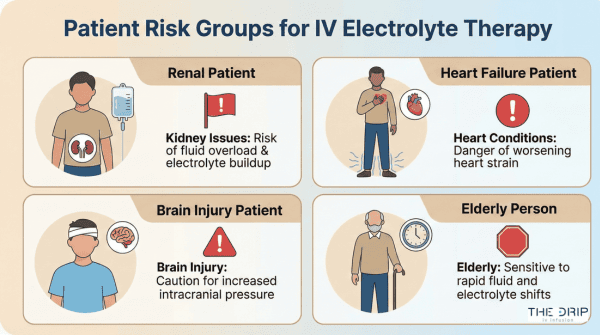
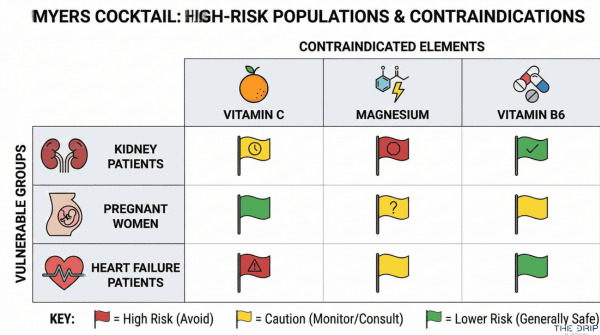
    Certain individuals should avoid anti-aging IV therapy without physician clearance. According to Pure Medical Spa, individuals with kidney disease, heart problems, or severe allergies are advised to avoid IV nutrient therapy due to the risk of fluid overload and metabolic imbalance. Pregnant or nursing women should also consult their healthcare provider before beginning any infusion protocol.

    For most people exploring longevity-focused wellness, anti-aging IV therapy offers a practical option when oral supplementation alone falls short. Understanding how frequently to schedule sessions helps maximize these benefits over time.

    How Often Should You Get IV Therapy for Anti-Aging Results?

    You should get IV therapy for anti-aging results every one to four weeks, depending on your goals, nutrient formulations, and baseline health. The ideal frequency varies because different IV cocktails sustain their effects for different durations.

    According to 417 Integrative Medicine, IV therapy results for general hydration and nutrient replenishment may last from several hours to multiple days, with the duration being highly dependent on the specific IV formulation and vitamin combination used. NAD+ sessions, for example, often require closer spacing initially before transitioning to monthly maintenance.

    Several factors influence the right schedule:

    • Treatment goals: Intensive protocols for visible skin improvement may start with weekly sessions, while general maintenance works well monthly.
    • Nutrient type: Glutathione and vitamin C metabolize at different rates, so combination drips may need more frequent dosing than single-nutrient infusions.
    • Individual response: Age, metabolic rate, lifestyle habits, and oxidative stress levels all affect how quickly your body uses the delivered nutrients.
    • Provider guidance: A qualified infusion specialist should assess your labs and health history to recommend a personalized cadence.

    Most practitioners suggest an initial loading phase of weekly sessions for four to six weeks, followed by bi-weekly or monthly sessions once optimal nutrient levels stabilize. Consistency matters more than frequency alone; sporadic treatments rarely produce the cumulative anti-aging benefits that regular sessions deliver. Understanding what to expect from each session helps set realistic timelines for visible results.

    IV therapy schedule infographic showing loading phase, maintenance phase, and long-term wellness benefits over time

    What Results Can You Expect From Anti-Aging IV Infusions?

    The results you can expect from anti-aging IV infusions range from immediate hydration and energy improvements to gradual cellular-level changes over time. The sections below cover short-term changes most people notice first and long-term benefits that develop with consistent sessions.

    What Short-Term Changes Do Most People Notice First?

    The short-term changes most people notice first from anti-aging IV infusions include improved energy, better hydration, and enhanced mental clarity. Because nutrients enter the bloodstream directly, these effects can begin during or shortly after a one-hour session.

    Common immediate changes include:

    • Increased energy and reduced fatigue from rapid nutrient delivery
    • Improved skin hydration and a more refreshed complexion
    • Sharper mental focus and elevated mood
    • Reduced feelings of sluggishness or brain fog

    According to Heally, the perceived effects of NAD+ IV therapy, such as improved energy, focus, and mood, typically last from a few days up to two weeks depending on the individual’s baseline health and metabolic rate. These early results reflect nutrient replenishment rather than deep structural repair, which requires ongoing sessions.

    What Long-Term Benefits Develop With Consistent Sessions?

    The long-term benefits that develop with consistent anti-aging IV therapy sessions include enhanced collagen production, stronger antioxidant defense, and improved cellular repair. While a single infusion delivers noticeable short-term effects, cumulative sessions allow nutrients like glutathione, NAD+, and vitamin C to support deeper biological processes.

    Sustained benefits from regular IV therapy include:

    • Firmer, more elastic skin from ongoing collagen synthesis support
    • Reduced oxidative damage through consistent antioxidant replenishment
    • Improved mitochondrial function and sustained energy levels
    • More even skin tone and diminished appearance of fine lines

    For most people, pairing consistent sessions with proper nutrition and sun protection amplifies these results significantly. Understanding potential side effects helps you approach this protocol with realistic expectations.

    Are There Any Side Effects of Anti-Aging IV Therapy?

    The side effects of anti-aging IV therapy are generally mild but can include bruising at the injection site, dizziness, and, in rare cases, more serious metabolic complications. Understanding these risks helps you make informed decisions before scheduling a session.

    Most people tolerate IV nutrient infusions well when administered by a qualified infusion specialist. Minor reactions, such as warmth along the vein, slight nausea, or temporary discomfort at the catheter site, resolve quickly after the session ends. These responses are typically related to infusion speed or individual sensitivity rather than the nutrients themselves.

    More serious adverse effects are uncommon but worth noting. According to a review published in the British Journal of Anaesthesia, common adverse effects of intravenous fluid therapy include hyperglycemia and hyponatremia, which may cause osmotic diuresis and increase the risk of cerebral edema. These complications are more closely associated with high-volume fluid administration or pre-existing conditions than with standard nutrient infusions used in anti-aging protocols.

    Individuals with kidney disease, heart conditions, or severe allergies should consult a physician before receiving IV therapy due to the potential for fluid overload and metabolic imbalance. Allergic reactions to specific nutrients, while rare, can also occur. This is why a thorough health screening before each infusion is essential.

    For most healthy adults pursuing anti-aging goals, the risk profile remains low, especially when sessions are supervised by experienced professionals. The key is working with a provider that prioritizes safety screening, uses medical-grade formulations, and adjusts protocols to your individual health status. With the right approach, anti-aging IV therapy offers its benefits with minimal concern.

    How Can Exosome Therapy Complement Anti-Aging IV Infusions?

    Exosome therapy can complement anti-aging IV infusions by adding a layer of cellular signaling that amplifies the regenerative effects of intravenous nutrients. While IV drips deliver vitamins, antioxidants, and NAD+ directly into the bloodstream, exosomes work at the intercellular communication level to coordinate repair responses throughout the body.

    According to a study published in the International Journal of Nanomedicine, exosome therapy, when injected intravenously or applied to damaged tissue, creates a network of synergistic metabolic effects that balance the immune system and promote cellular repair in anti-aging protocols. This means that nutrients delivered through an IV infusion reach cells already primed by exosome signaling to use those resources more effectively.

    The combination works because each approach targets a different mechanism of aging. IV nutrition therapy addresses nutrient deficiencies, oxidative stress, and hydration at the molecular level. Exosomes, which are tiny extracellular vesicles released by cells, carry proteins, lipids, and genetic material that instruct neighboring cells to reduce inflammation, regenerate tissue, and restore function. Together, these therapies create a more comprehensive anti-aging protocol than either can achieve alone.

    For individuals already receiving anti-aging IV infusions with ingredients like glutathione, vitamin C, or NAD+, adding exosome therapy may enhance outcomes in skin quality, energy levels, and overall cellular resilience. This pairing represents one of the more promising directions in regenerative wellness, where nutrient optimization and cellular communication converge to slow biological aging from multiple angles.

    How Can Mobile IV Therapy Fit Into Your Anti-Aging Routine?

    Mobile IV therapy fits into your anti-aging routine by delivering nutrient infusions directly to your home, eliminating clinic visits and making consistent treatment schedules easier to maintain. The following sections cover how The Drip IV Infusion supports anti-aging goals and the key takeaways from IV nutrition therapy.

    Can The Drip IV Infusion’s NAD+ and Custom IV Cocktails Help With Anti-Aging?

    Yes, The Drip IV Infusion’s NAD+ and custom IV cocktails can help with anti-aging by replenishing key nutrients that support cellular repair, hydration, and skin health. The Drip IV Infusion offers NAD+ as a specialty treatment alongside customizable add-ons, including glutathione, vitamin C, B-complex vitamins, and zinc. IV drips infused with electrolytes and fluids replenish intracellular hydration levels, restoring moisture balance and combating the effects of environmental stressors on aged skin. This combination of targeted nutrients and mobile convenience makes it practical to build anti-aging infusions into a regular wellness routine. For most people pursuing visible skin and energy improvements, consistency matters more than any single session.

    Mobile IV therapy at home showing nurse administering anti-aging drip to relaxed patient in comfortable living room setting

    What Are the Key Takeaways About Anti-Aging Benefits of IV Nutrition Therapy?

    The key takeaways about anti-aging benefits of IV nutrition therapy center on superior nutrient absorption, targeted cellular support, and the importance of evidence-based expectations.

    • IV therapy can achieve absorption rates near 100% by bypassing first-pass metabolism in the liver, compared to roughly 50% or less from oral supplements, according to a comparison published by Inside Health Clinic.
    • NAD+ infusions support DNA repair, mitochondrial energy production, and cognitive function as the body ages.
    • Glutathione acts as a master antioxidant that neutralizes free radicals and supports skin brightening.
    • Vitamin C drives collagen synthesis, while B-complex vitamins enhance cellular metabolism and skin tone correction.
    • The FDA regulates nutrient-related health claims under the FD&C Act, requiring that all benefits communicated be truthful and substantiated.

    Intravenous micronutrient therapy, sometimes called parenteral nutrient infusion or IV drip anti-aging, represents a growing segment of proactive wellness. With the U.S. mobile IV hydration therapy market projected to reach $2.1 billion by 2030, demand for convenient, science-informed anti-aging protocols continues to rise. That said, pairing these treatments with realistic expectations and professional guidance remains the most reliable path to meaningful results.

  • Best IV Therapy for Inflammation

    Best IV Therapy for Inflammation

    Inflammation is a common process in human bodies. It is a natural immune system response that defends the body from harmful agents or foreign objects. There are many potential treatments, one of the most popular being IV therapy. With so many options available, you should know how to choose the best IV therapy for inflammation.

    Finding the right solution for your medical issue involves understanding your symptoms and matching them with IV ingredients that may reduce inflammation. Let’s find out about the science behind using IV therapy for inflammation and discover the most effective supplement for inflammation!

    Source: shutterstock.com / Photo Contributor: Andrey_Popov

    Best IV Therapy for Inflammation

    Intravenous therapy infuses fluids such as vitamins, minerals and other nutrients directly into the bloodstream. IV therapy providers offer different cocktails, each with unique ingredients. Different IV therapy solutions are recommended for treating different conditions.

    So, what IV therapy is good for inflammation? If you feel some symptoms of inflammation, there are several IV therapy options available that might reduce them. The best IV therapy for inflammation can be vitamin C therapy, glutathione therapy, magnesium therapy, or a Myers cocktail.

    Vitamin C IV therapy

    Vitamin C is an essential vitamin for normal body function. It has a multifold role in the system as it is involved in many processes, the most important being body tissue growth, development, and repair. It is also crucial for a strong and healthy immune system.

    In addition, vitamin C might help fight inflammation as it has strong antioxidant and anti-inflammatory properties. Vitamin C might stimulate the thioredoxin-interacting protein that affects inflammasomes, which are complexes that activate inflammatory responses.

    Considering that inflammation possibly damages healthy cells, vitamin C can protect immune cells during an inflammatory response. It may prevent intracellular ROS production and maintain tissue integrity.

    Source: shutterstock.com / Photo Contributor: Numstocker

    Glutathione IV therapy

    Glutathione IV therapy can provide several health benefits, such as maintaining optimal health and protecting the body from toxins. Glutathione is a substance that may fight inflammation, because it potentially reduces oxidative stress.

    Inflammation not only induces oxidative stress but also reduces the antioxidant capacity of the cells. Moreover, glutathione IV infusion can protect cells from inflammation and free radicals.

    Magnesium IV therapy

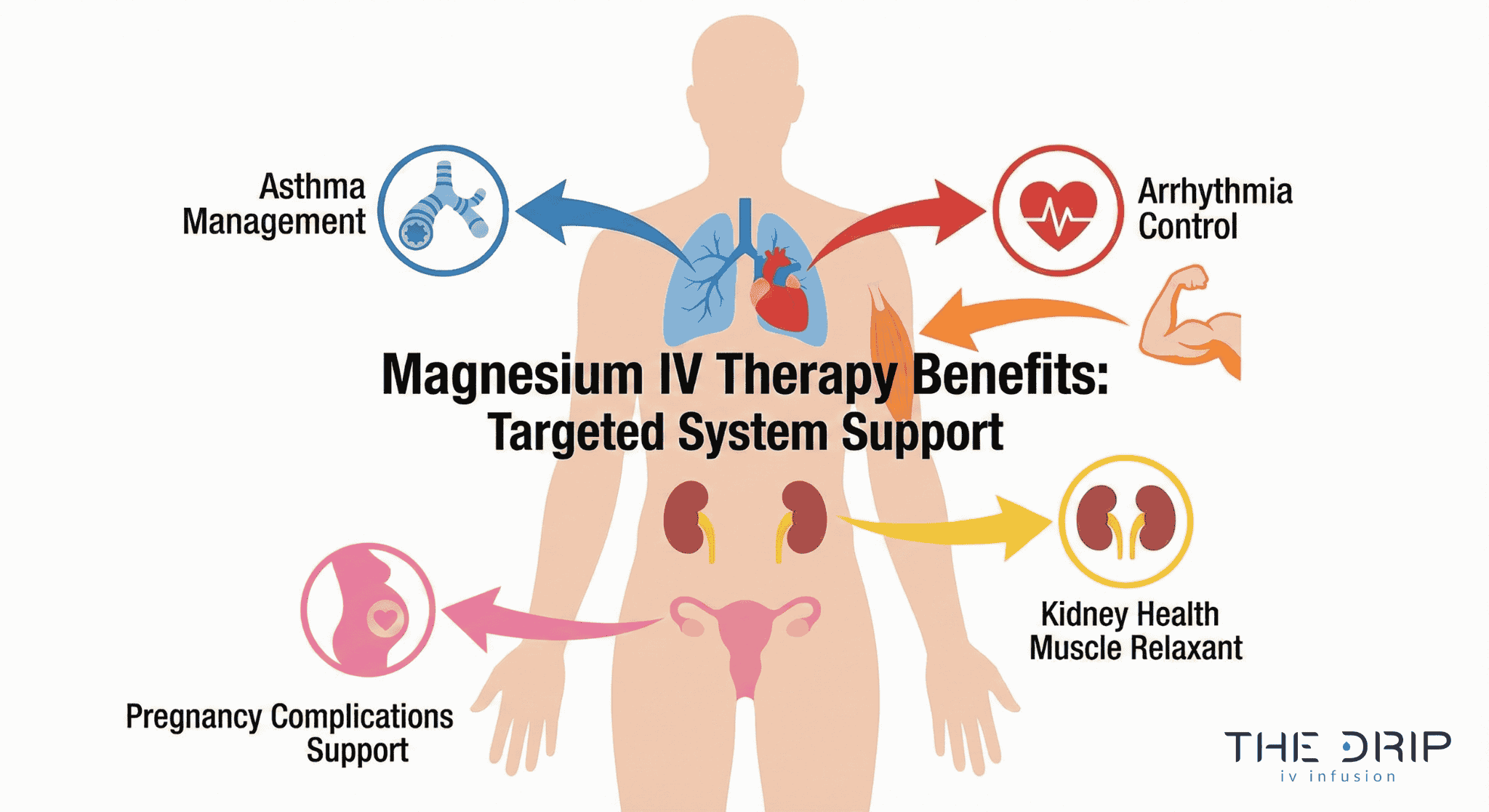
    If you are still unsure what IV drip is the right choice for inflammation, magnesium therapy may be an option. Magnesium is a beneficial mineral that can reduce inflammatory markers such as C-reactive protein and nitric oxide.

    Magnesium IV therapy may be recommended for reducing muscle soreness and increasing performance. It can be beneficial for alleviating muscle pain, supporting bone strength and normal nerve function.

    Myers cocktail

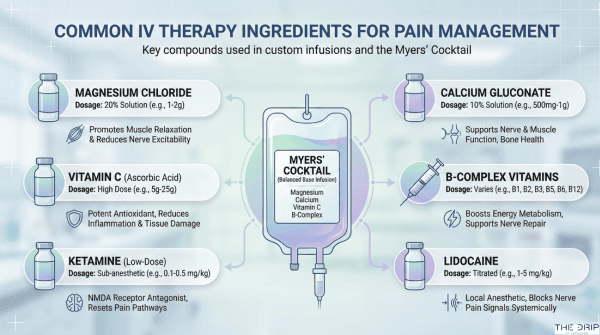
    The Myers cocktail may boost your immune system, hydrate your body, and improve your energy level. Besides the well-known benefits, the Myers cocktail can be one of the best IV therapies for inflammation. 

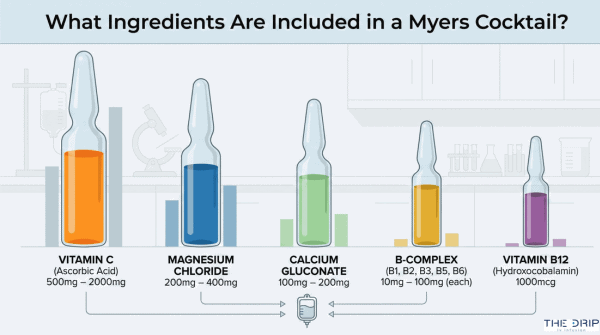
    The exact nutrients contained within can vary slightly, depending on the provider. But generally, it should have the following:


    • Vitamin C

    • Vitamin B-12

    • B-complex

    • Zinc

    • Glutathione 

    • Magnesium

    The Myers IV therapy contains a unique mixture of anti-inflammatory agents, potentially offering a multifaceted approach to reducing inflammation throughout the body.

    Source: shutterstock.com / Photo Contributor: Tminaz

    Combining IV Therapy With Other Treatments

    Are you wondering how effective is IV therapy for inflammation? The answer will depend on a number of factors, such as your overall health, age, and lifestyle. IV therapy, combined with exercise and a proper diet, may enhance your overall health and speed up recovery.

    The latest recommendations for reducing inflammation are adequate levels of exercise and physical activity. Exercise can boost the immune system and allow for a proper bodily response to reduce inflammation. Activities as simple as aerobic exercise and walking can help you fight inflammation.

    Other healthy habits that may increase the effectiveness of IV therapy for inflammation include:


    • Eating fatty foods

    • Getting enough sleep

    • Increasing food intake that is rich in antioxidants

    • Quitting smoking and alcohol

    • Reducing stress

    • Limiting sugar intake

    Also, you may successfully fight inflammation by combining IV therapy with medication and supplements. If you are looking for the most effective supplement for inflammation, you might find it in some home remedies, such as:


    • Curcumin

    • Fish oil

    • Ginger

    • Resveratrol

    • Spirulina

    • Green tea extract

    • Bromelain

    • Garlic

    Conclusion

    What will be the best IV therapy for inflammation depends on your individual body’s needs. When browsing through the different IV therapy options, it is crucial to consider the type of inflammation you have. 

    So, targeted nutrient delivery, through intravenous therapy, and the integration of physical therapy and dietary adjustments may effectively manage and reduce inflammation. Take care!

  • What Is in an IV Bag for Dehydration?

    What Is in an IV Bag for Dehydration?

    Dehydration usually occurs when the body loses more fluids than it takes in, which may result in impaired metabolic processes. If this condition is severe, oral medications cannot help enough, so IV therapy is recommended for many patients. But why is IV therapy needed, and what is in an IV bag for dehydration?

    Read on as this article will explore the composition of IV dehydration bags, the various components used and their application in medical practice.

    Source: shutterstock.com / Photo Contributor: EugeneEdge

    What Is in an IV Bag for Dehydration?

    The IV bag for dehydration combines water, glucose, electrolytes, and sometimes additional additives. The composition of the IV bag may vary depending on the patient’s health conditions and specific needs. 

    So, what does IV hydration consist of in particular? In the following content, you will find out the IV composition and the main characteristics of its components.

    Water

    Water is a major component of IV fluids. Its main role is to dissolve the remaining ingredients in the IV bag and deliver them into the bloodstream. Water may also play a key role in regulating body temperature, maintaining cellular functions, and optimizing metabolic processes.

    Electrolytes

    Are electrolytes included in an IV bag for dehydration? Besides water as the main component, electrolytes are essential for IV hydration therapy. These minerals dissolve in water to form ions necessary for various physiological needs. Electrolytes such as sodium, potassium, chloride, and bicarbonate may often be found in the IV bag.


    • Sodium: May play an important role in maintaining muscle and nerve function and helping regulate blood pressure.

    • Potassium: An important electrolyte that may support heart function and maintain the normal balance of fluids in the cell.

    • Chloride: Works with sodium to maintain fluid balance and osmotic pressure. It may also play an important role in the body’s acid-base balance.

    • Bicarbonate: May act as a buffer important in maintaining the pH of the blood, preventing it from becoming too alkaline or too acidic.

    Glucose

    Glucose, an integral part of the IV bag, might be a quick source of energy and help absorb electrolytes. This component may be especially important for patients who have problems consuming food and drinks.

    Other additives

    Depending on the patient’s specific medical condition, additional ingredients in the IV bag may be included. These components can include vitamins, medicines, and supplements.


    • Vitamins: Although combining IV fluids with electrolytes may be an ideal choice to combat dehydration, adding vitamins may speed up the recovery process. Certain vitamins, such as B-complex and vitamin C, may provide nutritional support and help maintain the immune system.

    • Medications: If a specific medical condition is to be helped, medications are included as an integral part of the IV bag. Consultation with your IV nurse is important regarding the type of medication, amount, and frequency of administration.

    Source: shutterstock.com / Photo Contributor: Andrey_Popov

    Types of IV Fluids for Dehydration

    What type of solution is typically in an IV bag for dehydration? IV fluids for dehydration can be classified according to their osmolality, that is, the concentration of dissolved substances in the solution and the osmolality of the blood. In this regard, such fluids are divided into hypertonic, isotonic, and hypotonic.

    Isotonic solutions

    The main characteristic of isotonic solutions is that they have the same osmotic pressure as blood plasma. This composition allows isotonic solutions to maintain a balanced osmotic pressure with equal amounts of fluids inside and outside the cell. 

    In addition, these solutions may increase the intravascular volume in several conditions, such as metabolic acidosis, vomiting, diarrhea, etc. In this group of solutions, the most commonly used in medical practice are:

    Normal saline (0.9% NaCl) 

    You may also find the normal saline solution under 0.9NaCL, NS or 9% normal saline. Such a solution easily passes through cell membranes and is generally an isotonic solution. 

    Due to this feature, normal saline may be used in several conditions, such as vomiting, diarrhea, bleeding, and even shock conditions. In addition, normal saline might also be used when administering blood.

    However, this solution may cause excess fluid retention due to its high sodium content. So, caution should be exercised in patients with kidney complications and those with heart disease.

    Lactated Ringer’s solution

    Lactated Ringer’s is another of the most commonly used isotonic solutions in addition to normal saline. Such a solution is most often found in emergency rooms, ambulances and where emergency cases are treated. 

    Furthermore, it may be used in patients with extensive blood loss, burns or severe injuries. In some cases, lactated Ringer’s may be used as an alternative to normal saline.

    On the other hand, this solution is not advised for patients with kidney complications because it contains potassium. If this condition is not addressed, hyperkalemia may occur.

    Hypotonic solutions

    The main characteristic of hypotonic solutions is that they move from the bloodstream and pass into the cell through a semipermeable membrane or from the extracellular space to the intracellular space. This solution may help with cellular dehydration by returning the water in the cell to its normal limits. 

    Also, it may be used in several conditions, such as ketoacidosis. In general, the most commonly used isotonic solutions in medical practice can be:


    • 0.225% NaCl

    • 0.45% NaCl

    • 0.33% NaCl

    • 2.5% dextrose in water

    Hypertonic solutions

    Unlike hypotonic solutions, where fluids are transferred from extracellular to intracellular spaces, hypertonic solutions have the opposite situation. In such solutions, water is drawn from the cells, instead of being taken in. Because of this feature, hypertonic solutions may be used in patients with low sodium levels.

    However, the patient’s health status should be considered before administering such a solution. Hypertonic solutions are not recommended for patients with heart or kidney problems. The most commonly used hypertonic solutions in patients are:


    • 3% NaCl

    • 5% NaCl

    • 5% dextrose in Lactated Ringer’s

    • 5% dextrose in 0.45% NaCl

    • 5% dextrose in 0.9% NaCl

    • 10% dextrose in water

    • 20% dextrose in water

    • 50% dextrose in water

    Source: shutterstock.com / Photo Contributor: Numstocker

    Conclusion

    What is in an IV bag for dehydration? Knowing this is important in planning medical treatment and patient care. So, the IV bag may contain electrolytes, glucose, water, and occasionally other additives.

    Moreover, isotonic solutions may be used for general rehydration, while hypertonic and hypotonic solutions may be used in patients with electrolyte imbalances and cellular dehydration problems. Yet, before administering any medication, the patient’s health status, age, metabolism and physical activity should be considered. 

    So, before undergoing IV treatment, it is recommended that you discuss the benefits and possible risks of IV therapy with your healthcare provider. Take care!

  • How to Prepare for an IV

    How to Prepare for an IV

    IV therapy is known as a minimally invasive method that delivers the necessary vitamins, minerals, and nutrients through the bloodstream. Many decide on IV therapy in case of an energy boost, when dealing with jetlag, or in most cases if they suffer from dehydration or vitamin deficiency. But, not everyone knows the process of how to prepare for an IV therapy and what measures to take for smooth administration.

    In this article, we will point out several important factors and tips to help you prepare for your IV therapy session.

    How to Prepare for an IV

    If you are wondering how to prepare for an IV therapy, there are several factors to remember. First off, start by asking questions. Inform yourself about anything related to the administration of IV, from who will administer it and how it may make you feel to what type of medication or fluid will be administered in the IV bag.

    Before IV therapy, you should share your medical history records with your healthcare provider to help them understand your medical condition and reduce the risk of misdiagnosis or adding liquids you may be allergic to. 

    But there’s more to the process of preparation for an IV besides getting informed and sharing your medical history records to help your IV infusion go as smoothly as possible. From setting up the environment and dressing into something comfortable to keep yourself hydrated, there’s plenty to do before getting the IV administered. 

    Source: shutterstock.com / Photo Contributor: PhotobyTawat

    Set up the environment

    If you have decided to receive mobile IV treatment, take care of the environment. For this purpose, choosing a quiet place to sit or lie down comfortably is ideal. Also, keep in mind the lighting in the room. Ensure the room is sufficiently lit for the healthcare provider to perform the procedure successfully.

    Hydration

    Although it may seem counterintuitive to hydrate before a treatment intended to rehydrate you, it’s a good idea to drink plenty of water before the procedure. Ideally, we recommend you drink plenty of fluids 24 hours prior to the date of the appointment. 

    If your body is dehydrated there’s a high chance to better respond to IV therapy. If you are dehydrated, the veins contract, making it difficult for the healthcare provider to administer the IV therapy. On the other hand, if you are sufficiently hydrated, the veins become more dilated which makes the nurse’s task easier to find the vein on the first try.

    A tip from our experienced team is to add salt to the water, as the water helps the body retain more moisture in your blood.

    Source: shutterstock.com / Photo Contributor: New Africa

    Eat before the treatment

    You should avoid going for IV therapy on an empty stomach. It’s good to have a hot meal an hour or two before IV therapy. Eating a balanced meal before the therapy that contains plenty of water and proteins could help you prevent any side effects you may experience if you were to receive the IV therapy on an empty stomach. 

    Eating may help you avoid irritating symptoms during IV therapy, such as nausea, vomiting, and dizziness. If you have eaten before the procedure, your blood vessels will be more open, allowing the IV fluids to access the deepest tissues in the body.

    Source: shutterstock.com / Photo Contributor: Pixel-Shot

    Dress in something comfortable

    Choose comfortable clothes that will not interfere during the administration. Wear clothing that will leave the internal veins open so that the health care provider can perform their task smoothly

    Source: shutterstock.com / Photo Contributor: Studio Romantic

    Mental Preparation

    If you feel afraid of the IV procedure, there are several techniques that you can use to overcome your fear. Take deep and slow breaths to help relax your body and mind, and engage in calming activities like meditation to help you relax before IV therapy. If you still feel uncomfortable once the IV therapy is administered, put on your headphones to get your mind somewhere else.

    Source: shutterstock.com / Photo Contributor: fizkes

    During the IV Placement and Aftercare

    The duration of the IV procedure depends on the type of IV fluid being administered. This kind of therapy typically lasts an hour. In addition, there is a monitoring period when the healthcare provider checks that the IV therapy went well.

    It is best to bring entertainment sources to help you pass the time more easily. For this purpose, you can read a book, listen to a podcast or music, or engage in game activities on your smartphone.

    During the procedure, monitor the injection site and notify the medical team if you notice any changes or discomfort. Such changes may refer to swelling, pain, discoloration, or leaking.

    After the procedure is over and the IV bag gets removed, you may experience minor pain at the injection site. You should report it to your healthcare provider if bruising occurs or persists for a long time.

    Conclusion

    Now that you know how to prepare for an IV, you will be able to reduce the fear and anxiety that can appear before and during IV therapy. In addition, be sure to communicate with your healthcare provider about the procedure and seek help immediately if you notice anything unusual related to IV therapy.

  • Does IV Therapy Help Athletic Performance?

    Does IV Therapy Help Athletic Performance?

    Intravenous therapy has advanced and become a popular choice among many target groups, including people doing sports recreationally or professionally. If you are one of them, you might be wondering does IV therapy help athletic performance.

    Today there are available a variety of IV therapy cocktails containing different nutrients, allowing you to choose the best one for your needs. Some IV cocktails are advertised for boosting your energy, while others focus on speeding up your recovery. But do they actually influence the sports performance? Let’s find out.

    Does IV Therapy Help Athletic Performance

    In recent years, athletes have been leveraging the IV therapy benefits to rehydrate before exercising or during the recovery process. But does IV therapy help athletic performance?

    Generally looking, high-quality and specially created IV therapy cocktails might improve your athletic performance. However, to feel the benefits you should research the IV solutions offered and find a reliable mobile IV for athletic performance provider. 

    To increase your chances of having the best outcome from mobile IV therapy, you should consult with the provider and explain what you expect from the treatment. With IV therapy, typically, you have two universal options:


    • Pre-workout IV therapy

    • Recovery IV therapy

    In addition, with some IV therapy providers, you can customize the nutrients, vitamins, and fluids in your IV bag according to your needs and desired outcomes.

    Source: shutterstock.com / Photo Contributor: muse studio

    How Does IV Therapy Help Improve Athletic Performance

    IV therapy might improve your athletic performance by providing your body with the needed vitamins, nutrients, and fluids for that activity. So, why is IV therapy good for athletes? Depending on the ingredients, IV therapies might help with:


    • Electrolyte replenishment and hydration

    • Nutrient infusion

    • Recovery and muscle repair

    Electrolyte replenishment and hydration

    When you exercise, your body produces sweat. In medical terms, sweat production means your body loses water and electrolytes. 

    As an athlete who is physically active, your body might need fluids and electrolytes in order to achieve your best athletic performance. Electrolyte replenishment through IV therapy provides you with salt and minerals. They contribute to the normal function of your body, prevent hypohydration, cardiovascular and thermal strain, and decrease aerobic performance.

    In the group of minerals, athletes need potassium, magnesium, calcium, and phosphate. Aligning with the needs of the athletes and their increased physical activity, there are IV therapy solutions that contain saline and minerals for hydration and replenishment.

    Nutrient infusions

    The nutrition needs of an athlete are not the same as those of a person with normal physical activity. According to the Academy of Nutrition and Dietetics, athletes need vitamins and minerals to have enough energy, enhance their performance, and have good bone health. 

    Energy production

    While a healthy diet is the best way to get all the nutrients your body needs, you might also benefit from IV therapy. To assist in your energy production, IV therapies typically contain different types of vitamin B. Vitamin B1, B2, B3 (niacin), B5 (pantothenic acid), B6 (pyridoxine), B7 (biotin), and vitamin B12 are crucial in the process of energy production.

    In addition, other nutrients that are essential ingredients in IV therapy that might improve your energy levels are:


    • Vitamin C

    • Iron

    • Magnesium

    Athletic performance

    Still contemplating how does IV therapy benefit athletic performance? When athletes want to enhance their performance, they are advised to take nutrients such as vitamin B12, iron, and vitamin A.

    Intravenous therapy is one of the quickest ways your body can get the nutrients it needs. The administering of nutrients is also a popular choice because it has high absorption rates, which may maximize the effects of the treatment.

    To enhance the results from the administration of vitamins and minerals, athletes may improve their performance by consuming enough proteins, carbohydrates, calories, and fluids. The recommended amount generally depends on the type of sport and the frequency and the duration of your training.

    Source: shutterstock.com / Photo Contributor: NatalyaBond

    Bone health

    There is no doubt that as athletes exercise, they are contributing to better bone health. However, athletes still might have lower bone mineral density, making them a high-risk group for bone stress injuries.

    Vitamin D and calcium play a crucial role in athletes’ bone health. Other nutrients that are good for the skeletal system are potassium, magnesium, vitamins K, vitamin C, folic acid, and sodium. An athletic IV therapy with the right ingredients might also improve your bone health.

    Recovery and muscle repair

    The recovery period is extremely important because it prepares you for your next endeavor. Your body needs time and nutrients to recover and heal properly after an extensive workout or a competition.

    During the recovery period, the focus is on your muscles. More specifically, your muscle system needs rest and nutrients to reduce the inflammation and restore its strength and function. 

    IV therapy in athletes is also used because it may promote faster recovery and muscle repair during the post-exercise process. IV therapies have carefully picked ingredients that might speed up the process, such as:


    • Vitamin C

    • Vitamin B12

    • Zinc

    • Taurine

    • NAC

    • Pyridoxine

    Source: shutterstock.com / Photo Contributor: ra2 studio

    The Do’s and Don’ts of IV Therapy for Athletic Performance

    Now that you know whether does IV therapy help athletic performance, you might have other questions in mind, such as do pro athletes get IVs, or can I workout after IV therapy. Before you start looking for an athletic IV therapy provider, you should get familiar with the do’s and dont’s of the treatment.

    Firstly, you should be aware that the World Anti-Doping Agency doesn’t allow athletes to get intravenous therapy higher than 100 milliliters in a 12-hour period. Whether you will be obligated to apply for TUE approval depends on the substances the IV therapy contains.

    All in all, WADA only regulates the substances that athletes are allowed to get through intravenous administration and the amount they can get in a certain period of time. That doesn’t mean they are forbidden entirely. Consequently, there is a high percentage of both professional and amateur athletes that leverage the benefits of IV therapy.

    And lastly, to answer one of the most common dilemmas, working out after IV therapy is generally allowed and safe. After all, there are special IV bags that are designed for administering before working out, as they might help with your athletic performance. On this topic, the medical professional administering the IV therapy can give you the most precise answer because they will monitor your well-being during the treatment.

    Conclusion

    IV therapy may be beneficial in many cases since it directly provides the body with the nutrients it requires. One of the most popular IV solutions is created for athletes. But does IV therapy help athletic performance? We hope that this scientific approach has solved this dilemma and you can now decide whether IV therapy will help you achieve your personal goals.

  • IV Push vs Bolus

    IV Push vs Bolus

    IV treatment may be one of the effective ways to deliver the necessary vitamins, minerals and nutrients directly into the bloodstream. There are several types of IV therapy that may be confusing for people, such as IV push and bolus. So, what are the key differences between IV push vs bolus?

    Although both IV treatments might have the role of fast and efficient delivery of the necessary nutrients, several factors still differentiate them. So, read on as we break down the similarities and differences between these two popular types of IV therapy.

    IV Push vs Bolus

    IV push involves administering a concentrated dose of liquid or medication directly into the bloodstream for a few seconds to a minute. To perform this method, a medical nurse uses a syringe.

    Unlike an IV push, an IV bolus is a rapid administration of a larger amount of fluid or medicine into a vein over a longer period. Typically, administration with this IV therapy might take up to five minutes, depending on the patient’s health condition.

    Generally speaking, both types of therapy fall under the category of intravenous treatment, which means that the IV fluid is administered directly into the bloodstream while bypassing the digestive tract. Although such treatments are usually prescribed in hospital conditions, today, healthcare facilities offer mobile infusion services.

    Source: shutterstock.com / Photo Contributor: Rob Byron

    IV push administration

    Appropriate equipment is required to perform this procedure. There is a syringe pre-filled with IV fluid, an IV access point such as a plug or IV catheter, syringes for flushing with saline, and antiseptic pads for sterilization.

    An IV push is a procedure performed by a certified nurse who carefully pushes the contents of a syringe into a vein. During the entire administration, your health condition should be monitored.

    This type of IV therapy is usually given to patients who need immediate attention or are in a life-threatening condition. So, heart medications, antibiotics, pain or anti-nausea medications may be administered with an IV push. 

    Usually, this type of IV therapy may be used in several cases. They are heart attack, anaphylactic shock, allergic reactions or other life-threatening conditions.

    Bolus administration

    IV bolus is a type of IV treatment where a large amount of fluid or medication is administered over a short period of time. This type of treatment uses an open fluid line. With an IV bolus, the contents of the IV bag may enter the body much faster.

    Furthermore, certain equipment is required to perform this therapy, such as a bag with IV fluid and a tube connected to a syringe through which the fluid is administered. The entire procedure, on average, lasts from 15-20 minutes and depends on the amount of IV fluid administered. Also, constant flow rate monitoring is required to prevent possible IV fluid overload during the procedure.

    IV bolus, as opposed to IV push, is usually recommended unless the patient is in a life-threatening condition. The most common example where this type of IV therapy is used is in patients with type 1 diabetes. In such patients, insulin is administered, an important factor in the fight against high blood sugar levels.

    Key Differences Between IV Push and Bolus

    While we have already discussed some of the fundamental distinctions between IV push and IV bolus, we will go into more detail about these two IV therapies in the following sections. Namely, IV push and IV bolus might differ by:

    Delivery rate and volume

    IV push involves administering a small amount of IV fluids over a rapid period of seconds to a minute. On the other hand, the IV bolus involves the administration of a larger volume of IV fluid that is administered for a longer time.

    Patient safety 

    Carefully administering an IV push is essential for success since rushing the process might result in adverse consequences, including hypersensitivity or cardiovascular problems. The volume of IV fluid given should be carefully considered while administering IV bolus. 

    IV fluid excess might cause an electrolyte imbalance. This is especially important in individuals with heart disease and renal problems.

    Nursing considerations and monitoring

    An IV push should only be performed by nurses who have prepared the IV fluid to fit the IV line. In addition, constant monitoring is required during administration (heart rate and blood pressure monitoring). 

    Nurses should examine the administration volume while doing IV boluses to avoid excess IV fluid. During IV bolus administration, fluid and electrolyte status should be monitored to prevent IV fluid overload promptly.

    Source: shutterstock.com / Photo Contributor: Kwangmo ozaa

    Considerations Before Undergoing IV Therapy

    There are a few things to remember, whether it’s an IV push or an IV bolus. We provided several important factors that you should know before undergoing IV therapy. Here are some of them:


    • Consultation with a doctor: A conversation with your doctor will help you familiarize yourself with the course of the procedure, the method of administration and possible risks.

    • Medical history: You should disclose all past and present medical conditions to your healthcare provider before IV therapy. That way, your healthcare professional will determine the appropriate IV treatment for you.

    • Allergic reactions: They are particularly important when dealing with IV push or IV bolus. So, emphasize all allergens to avoid possible risks and complications while administering the IV fluid.

    • Nutrition: You should also consider your food before the IV treatment. For this purpose, it is best to eat light foods that might not raise the blood sugar level.

    Conclusion

    Although there are differences between IV push vs bolus, they potentially represent one of the most efficient ways to administer IV fluids relatively quickly. To sum up, IV push distributes a concentrated dosage quickly via syringe, whereas IV bolus administers a greater quantity over a longer period, depending on the patient’s condition.

    However, it is advisable to consider the aspects mentioned in the article before undergoing any of these IV treatments. Also, talking with your doctor is key to a successful procedure and maximizing the effects of IV therapy.

  • Crystalloid vs Colloid

    Crystalloid vs Colloid

    Regular intake of fluids and nutrients is important to maintain homeostasis in the body and establish balance. With the occurrence of injuries or diseases, this homeostasis can be disturbed, reducing the function of organs and metabolic processes. As a solution to this problem, many health professionals opt for crystalloids or colloids. So, what is the difference between crystalloid vs colloid?

    In this article we will look at the main differences between these two solutions and their use for establishing normal bodily homeostasis. 

    Source: shutterstock.com / Photo Contributor: New Africa

    Crystalloid vs Colloid

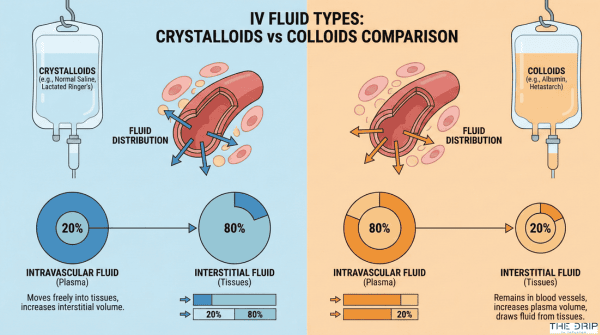
    Fluids for infusion can be divided into two categories – colloids and crystalloids. Crystalloids are plasma volume expanders containing electrolytes such as potassium and sodium. Such crystals are able to dissolve in a solution and enable such a solution to move across membranes. Crystalloids are usually used to increase the intravascular volume when it is reduced.

    Colloids, on the other hand, are gelatinous solutions that act as plasma volume expanders. Unlike crystalloids, the particles of colloids are too large to pass through semi-permeable membranes such as capillary membranes. Therefore, colloids remain in the intravascular space longer than crystalloids. An example of colloids are dextran, hydroxyethyl starch, albumin, and Haemaccel.

    It’s worth noting that both solutions are administered in the IV hydration Arizona.

    Crystalloid solutions

    Medical professionals widely use crystalloids to maintain homeostasis and replace lost electrolytes. Such solutions are composed of water and electrolytes, which makes them suitable for improving the electrolyte and fluid imbalance in the body. The most common crystalloids used for IV hydration are:

    Sodium chloride

    Normal saline solution (0.9% sodium chloride), or physiological saline solution, is the most common crystalloid used in clinical practice. Due to its composition, it has a similar tonicity to the extracellular fluid.

    Normal saline is commonly used for drug administration, fluid resuscitation, and intravascular volume expansion.

    Ringer’s lactate solution

    Ringer’s lactate (RL) solution is a mixture of sodium chloride, calcium chloride, potassium chloride, and sodium lactate in water. This mixture is usually administered in case of surgery, dehydration, or receiving medications through IV. In addition, this solution can be used in mild metabolic acidosis because it has the ability to metabolize lactate in the liver.

    Hartmann’s solution 

    Hartmann’s solution (Compound Sodium Lactate) is similar to lactated Ringer’s solution except that it contains sodium bicarbonate in its composition. In addition, this solution is isotonic and provides electrolytes that have concentrations similar to the extracellular fluid.

    When it comes to use, Hartmann’s solution is used for fluid resuscitation, especially in cases of hypovolemia and dehydration, as well as perioperative fluid management.

    Hypertonic saline

    Unlike normal saline, which may contain 3% or 5% sodium chloride, hypertonic solutions contain a higher concentration of sodium chloride. Regarding its use, such solutions have specific uses in cases such as hyponatremia, hypovolemic shock, and treating cerebral edema.

    In addition, hypertonic solutions are characterized by an osmotic effect. With this property, these solutions draw water from the interstitial and intracellular compartments into the intravascular space, thus increasing the intravascular volume by improving perfusion.

    Colloid solutions

    Colloid solutions are used to replace lost fluids to increase intravascular volume by increasing oncotic pressure in the bloodstream.

    Unlike crystalloids, colloids contain larger molecules suspended in a liquid base, allowing fluid to be retained in blood vessels. In the following, we will look at some of the colloidal solutions that are most often used in medical practice:

    Albumin solutions

    Albumin solutions are one of the most used colloidal solutions in clinical practice. Namely, albumin is a natural protein found in plasma that increases intravascular oncotic pressure. 

    Such solutions are usually available in various concentrations, such as 5% and 25%. They are used in patients with hypoalbuminemia, hypovolemia and in those conditions where expansion of the plasma volume is required.

    Hydroxyethyl starch

    Hydroxyethyl starch is a synthetic starch commonly used for fluid resuscitation to replace intravascular pressure. This colloidal solution has different molecular weights and concentrations, affecting pharmacodynamic and pharmacokinetic properties.

    When it comes to its use, hydroxyethyl starch is most commonly used for hypovolemic shock and critically ill patients.

    Gelatin solution

    Gelatin-based colloidal solutions are composed of hydrolyzed gelatin derived from animal sources. Such solutions are used for volume replacement in those situations requiring rapid intravascular expansion, usually in surgery or trauma. 

    Although such solutions are well tolerated, caution should be exercised in their application in persons with a history of sensitivity to gelatin.

    Differences Between Crystalloid and Colloid Solutions

    When choosing a solution to replenish lost fluids, one should know what distinguishes crystalloids and colloids. So, what is the difference between a colloid and a crystalloid?


    1. Molecular size and properties – Crystalloids comprise small molecules such as ions and small solutes, while colloids consist of larger molecules suspended in solution.

    2. Volume expansion capabilities – Crystalloid solutions can effectively expand intravascular volume, and their effect is short-lived. On the other hand, colloids expand the volume by increasing the intravascular volume and have a longer effect.

    3. Duration of intravascular retention – Crystalloids have a relatively short duration of intravascular retention in contrast to colloids, which in turn have prolonged retention due to the size of the molecules.

    4. Hemodynamic effects – Crystalloids expand plasma volume by replenishing fluid deficits. On the other hand, colloids increase intravascular volume by increasing oncotic pressure.

    5. Potential adverse effects and complications – When it comes to adverse effects, crystalloids are generally safe to use. But when crystalloids are administered in large volumes, it may lead to electrolyte imbalance, tissue edema or dilutional coagulopathy. On the other hand, the negative effects of colloid solutions may include allergic reactions, tissue edema, and coagulopathy.

    Ready for Better Hydration with IV Therapy ?

    Professional hydration therapy ensures that the right fluids are administered safely and effectively. For individuals seeking convenient, on-demand care, mobile IV therapy brings hydration and recovery directly to their location in Gilbert.

    Can You Get Mobile IV Therapy in Gilbert for Hydration and Recovery?

    Yes, you can get mobile IV therapy in Gilbert for hydration and recovery, making treatment convenient and personalized. Mobile IV therapy in Gilbert delivers fluids directly to your home, workplace, or event, helping restore balance with the right mix of crystalloid and colloid solutions when needed. Whether you need rapid hydration, recovery after illness, or support for conditions like dehydration and fatigue, our licensed professionals ensure safe and effective care. Learn more about [Mobile IV Therapy in Gilbert] to see how it can support your wellness and recovery.

    Is Understanding Crystalloids vs Colloids Essential for IV Therapy?

    Yes, understanding crystalloids vs colloids is essential for IV therapy because it helps patients and providers choose the most effective treatment. By knowing the differences in fluid retention, electrolyte balance, and plasma volume expansion, you can better appreciate how IV therapy supports hydration and recovery. When comparing these two solutions, remember there is no one-size-fits-all solution for all patients. Both solutions come with their advantages, and the choice depends on several factors, such as the patient’s health condition, clinical scenario, and available resources.

    However, when administering such solutions, healthcare professionals should consider the patient’s individual needs as well as the potential risks that may arise during their administration.

  • How Long Does IV Vitamin C Stay in Your System?

    How Long Does IV Vitamin C Stay in Your System?

    IV vitamin C is a method of delivering ascorbic acid directly into the bloodstream through intravenous infusion, bypassing intestinal absorption limits entirely. Elevated plasma levels are temporary; the kidneys restore baseline concentrations within hours, with complete renal clearance occurring within 24 hours even at high doses.

    This guide covers IV vitamin C pharmacokinetics and absorption, duration across different populations, factors that influence clearance speed, infusion frequency guidelines, and safety considerations.

    IV vitamin C achieves plasma concentrations up to 70 times higher than oral supplementation allows, but renal excretion begins rapidly once levels exceed the body’s saturation threshold. The half-life of circulating ascorbic acid ranges from roughly 8 to 16 hours under normal conditions, with first-order pharmacokinetics governing elimination at doses up to 75 g.

    How long vitamin C remains active varies significantly by population. Immunocompromised individuals, athletes, and older adults all deplete stores faster due to heightened oxidative stress, metabolic demand, or low baseline levels. Smokers carry serum concentrations one-third lower than nonsmokers, and surgical patients experience a 39% plasma depletion during the first postoperative week.

    Dosage size, kidney function, hydration status, and metabolic rate each shape clearance speed differently. Well-hydrated individuals with healthy kidneys clear vitamin C faster, while illness and infection accelerate tissue consumption before renal excretion even becomes the primary factor.

    Optimal infusion frequency depends on the goal: weekly sessions during acute recovery, biweekly for immune support, and monthly for general wellness. Pre-treatment screening for G6PD deficiency and kidney conditions remains essential for safe administration.

    What Is IV Vitamin C and How Does It Work?

    IV vitamin C is a method of delivering ascorbic acid directly into the bloodstream through intravenous infusion, bypassing the digestive system entirely. The sections below explain how this differs from oral supplementation and what happens once vitamin C enters your blood.

    How Does Intravenous Vitamin C Differ From Oral Vitamin C?

    Intravenous vitamin C differs from oral vitamin C primarily in absorption and achievable plasma concentration. Oral doses are subject to intestinal absorptive control; the body absorbs 100% of vitamin C at doses up to 200 mg, but efficiency drops progressively above 500 mg. Plasma levels from oral intake plateau between 60 and 80 micromoles per liter in healthy adults, with a hard ceiling below 300 μM.

    Intravenous administration bypasses this intestinal regulation entirely. According to the National Cancer Institute, IV delivery can raise plasma vitamin C concentrations up to 20 mM, roughly 70 times higher than the oral maximum. Within hours, however, renal excretion begins restoring levels to baseline.

    This pharmacokinetic gap matters most for individuals already depleted. Smokers carry serum concentrations one-third lower than nonsmokers, and surgical patients experience a 39% plasma depletion during the first postoperative week. For these populations, oral supplementation alone often cannot restore adequate levels fast enough.

    Mobile IV therapy service with nurse providing convenient in home IV infusion treatment for wellness and recovery

    What Happens to Vitamin C Once It Enters Your Bloodstream?

    Vitamin C enters the bloodstream and immediately distributes to tissues with the highest metabolic demand, including the adrenal glands, brain, and immune cells. As an antioxidant, L-ascorbic acid neutralizes free radicals and supports collagen synthesis throughout the body.

    The kidneys regulate circulating levels through the renal threshold. Once plasma concentration exceeds this threshold, excess vitamin C is filtered and excreted in urine. At doses up to 75 g, intravenous vitamin C follows first-order pharmacokinetics, meaning clearance rate increases proportionally with concentration. At 100 g doses, complete renal clearance occurs within 24 hours.

    Because the body cannot store large reserves of this water-soluble nutrient, tissues absorb what they need quickly while the kidneys eliminate the surplus. Understanding this clearance timeline helps explain how long IV vitamin C remains active in your system.

    How Long Does IV Vitamin C Stay in Your System?

    IV vitamin C stays in your system for a limited window before the kidneys clear it. How long it lasts depends on your health status, age, and activity level. The following sections break down duration for healthy adults, immunocompromised individuals, athletes, and older adults.

    How Long Does IV Vitamin C Last in Healthy Adults?

    IV vitamin C lasts in healthy adults for several hours at elevated plasma levels before renal excretion returns concentrations to baseline. According to pharmacokinetic research published in PMC (Chen et al., 2022), intravenous vitamin C exhibited first-order pharmacokinetics at doses up to 75 g, with complete renal clearance demonstrated at 100 g within 24 hours.

    In practical terms, this means the therapeutic window is relatively brief. The kidneys begin filtering excess ascorbic acid almost immediately once plasma saturation exceeds the renal threshold. For most healthy adults with normal kidney function and adequate hydration, peak plasma concentrations decline steadily within the first few hours post-infusion.

    How Long Does IV Vitamin C Last in Immunocompromised Individuals?

    IV vitamin C lasts in immunocompromised individuals for a shorter effective duration than in healthy adults. The body consumes ascorbic acid more rapidly when fighting infection or managing chronic inflammation. As reported in a review published in Nutrients (MDPI), infections significantly impact vitamin C levels due to enhanced inflammation and metabolic requirements, and treatment of established infections requires gram doses of the vitamin to compensate for increased metabolic demand.

    Because oxidative stress depletes circulating vitamin C faster, immunocompromised individuals often reach baseline plasma concentrations sooner after infusion. This accelerated utilization is why higher or more frequent dosing is sometimes considered for this population under clinical guidance.

    How Long Does IV Vitamin C Last in Athletes or Active People?

    IV vitamin C lasts in athletes or active people for a potentially shorter duration compared to sedentary individuals. Intense physical activity generates oxidative stress through free radical production, which increases the body’s demand for antioxidant capacity. Vitamin C, as L-ascorbic acid, is consumed more quickly during and after strenuous exercise to neutralize these free radicals and support collagen synthesis for tissue repair.

    Athletes with higher metabolic rates process nutrients faster overall, meaning plasma vitamin C concentrations may decline more rapidly after infusion. For active individuals seeking sustained benefits, timing infusions around training cycles can help maximize the therapeutic window.

    How Long Does IV Vitamin C Last in Older Adults?

    IV vitamin C lasts in older adults for a variable duration, often complicated by lower baseline stores and reduced physiological efficiency. According to research published in Nutrients (MDPI), lower mean vitamin C status has been observed in both free-living and institutionalized elderly people, and low vitamin C concentrations below 17 µmol/L in individuals aged 75 to 82 years are strongly predictive of all-cause mortality.

    Because older adults frequently start from a depleted baseline, infused vitamin C may be utilized more quickly to replenish tissue stores rather than maintaining elevated plasma levels. Reduced kidney function, common in aging, can also alter clearance rates in either direction. This makes individualized assessment especially important for older populations considering IV vitamin C therapy.

    Understanding how different populations metabolize IV vitamin C helps determine the right infusion frequency for lasting benefits.

    What Is the Half-Life of Vitamin C in the Body?

    The half-life of vitamin C in the body ranges from approximately 8 to 16 hours under normal physiological conditions, though this window shifts based on dose, health status, and route of administration. After intravenous delivery, plasma concentrations peak far higher than oral intake allows, but renal excretion works rapidly to restore baseline levels.

    According to pharmacokinetic research published in PMC (Chen et al., 2022), intravenous vitamin C exhibited first-order pharmacokinetics at doses up to 75 g, with complete renal clearance occurring within 24 hours at 100 g doses. This means even large IV doses follow a predictable elimination curve where the kidneys filter excess ascorbic acid efficiently once plasma saturation exceeds the renal threshold.

    Several factors compress or extend this half-life window:

    • Oxidative stress and infection accelerate vitamin C utilization, effectively shortening its functional half-life as tissues consume it faster than normal.
    • Kidney function directly governs clearance speed; impaired renal filtration slows excretion and extends circulation time.
    • Baseline plasma levels matter because individuals starting with depleted stores retain a higher percentage of the infused dose.
    • Metabolic rate influences how quickly tissues draw vitamin C from the bloodstream for collagen synthesis, antioxidant activity, and immune function.

    For practical purposes, most of an IV vitamin C dose has either been utilized by tissues or excreted by the kidneys within 24 hours. The steepest decline in plasma concentration happens during the first few hours post-infusion as renal excretion restores vitamin C to baseline levels. This rapid clearance pattern is precisely why understanding infusion frequency matters for sustained benefits.

    Vitamin C pharmacokinetics timeline showing absorption clearance at 8 16 and 24 hours with kidney elimination process

    What Factors Affect How Long IV Vitamin C Remains Active?

    Several factors affect how long IV vitamin C remains active, including dosage size, kidney function, hydration status, and metabolic rate. Each variable influences plasma clearance differently.

    Factors affecting IV therapy including dosage size kidney function hydration levels and metabolic rate

    How Does Dosage Size Influence Duration in the Body?

    Dosage size influences duration in the body by determining how long the kidneys take to restore plasma vitamin C to baseline levels. Larger infusions produce higher peak plasma concentrations, which means renal excretion must work longer to clear the surplus. According to a 2022 pharmacokinetic study published in PMC, intravenous vitamin C exhibited first-order pharmacokinetics at doses up to 75 g, while a 100 g dose demonstrated complete renal clearance within 24 hours. Smaller doses clear faster because the kidneys reach the renal threshold sooner. This relationship between dose and clearance time is why practitioners tailor infusion amounts to each client’s specific wellness goals.

    How Does Kidney Function Affect Vitamin C Clearance?

    Kidney function affects vitamin C clearance because the kidneys serve as the primary elimination pathway for circulating ascorbic acid. Healthy kidneys filter excess vitamin C efficiently, restoring plasma levels to baseline within hours after an infusion. When renal function is impaired, this filtration slows, allowing vitamin C to remain in circulation longer but also increasing the risk of complications. Individuals with kidney disease or a history of kidney stones require careful medical evaluation before receiving high-dose IV vitamin C. Compromised renal clearance can lead to oxalate accumulation, making pre-infusion kidney assessment an essential safety step.

    How Does Hydration Status Change Vitamin C Retention?

    Hydration status changes vitamin C retention by directly influencing blood volume and renal filtration rate. Well-hydrated individuals maintain higher glomerular filtration rates, which accelerates the clearance of water-soluble nutrients like ascorbic acid from plasma. Dehydration reduces kidney filtration efficiency, potentially slowing vitamin C excretion and extending its presence in the bloodstream. However, this slower clearance does not necessarily mean greater cellular benefit, since tissues still absorb vitamin C at their own saturation-dependent rate. Proper hydration before and after an IV infusion supports predictable pharmacokinetics and helps the body process vitamin C at a steady, efficient pace.

    How Do Metabolic Rate and Activity Level Impact Duration?

    Metabolic rate and activity level impact duration by increasing the body’s consumption of vitamin C during periods of heightened physiological demand. Higher metabolic rates, whether from exercise, fever, or physical labor, accelerate ascorbic acid utilization for tissue repair and antioxidant defense. According to a review published in Nutrients (MDPI), infections significantly impact vitamin C levels due to enhanced inflammation and metabolic requirements, and treatment of established infections requires gram doses to compensate for the increased metabolic demand. Athletes and highly active individuals tend to deplete circulating vitamin C faster than sedentary individuals. For those with elevated metabolic needs, more frequent infusions may help maintain optimal plasma levels over time.

    How Quickly Does Your Body Use Up IV Vitamin C?

    Your body uses up IV vitamin C at different rates depending on physiological demand. Illness, oxidative stress, and normal metabolic function each consume ascorbic acid at distinct speeds.

    How Fast Is Vitamin C Used During Illness or Infection?

    Vitamin C is used rapidly during illness or infection because the body’s inflammatory response and metabolic demand surge simultaneously. According to a review published in Nutrients (MDPI), infections significantly impact vitamin C levels due to enhanced inflammation, and treatment of established infections requires gram doses of the vitamin to compensate for the increased metabolic demand. Fever, immune cell activation, and tissue repair all accelerate L-ascorbic acid consumption, often depleting plasma stores far faster than oral intake can replenish. This is precisely why intravenous delivery becomes valuable during acute illness; it restores plasma saturation quickly when the body’s antioxidant capacity is under the greatest strain.

    How Fast Is Vitamin C Used Under Oxidative Stress?

    Vitamin C is used at an accelerated rate under oxidative stress because it serves as a primary electron donor that neutralizes free radicals. When reactive oxygen species overwhelm the body’s antioxidant capacity, L-ascorbic acid is consumed rapidly to protect cells from damage. Conditions that increase oxidative burden, such as smoking, intense exercise, environmental toxin exposure, and chronic inflammation, deplete circulating vitamin C faster than baseline metabolic activity alone. Sodium ascorbate and other forms of vitamin C function similarly in scavenging free radicals, but once plasma stores drop, collagen synthesis and immune signaling also suffer. For individuals facing persistent oxidative stress, periodic IV vitamin C sessions can help maintain adequate plasma levels more effectively than oral supplementation.

    How Fast Is Vitamin C Used Under Normal Conditions?

    Vitamin C is used gradually under normal conditions, with the body drawing on circulating L-ascorbic acid for collagen synthesis, antioxidant maintenance, and routine enzymatic functions at a steady, manageable pace. Renal clearance returns elevated plasma levels to baseline within hours after an IV infusion, but tissue stores sustain functional levels longer when metabolic demand is low. As the Mayo Clinic notes, intravenous ascorbic acid should be used with caution in patients with kidney disease or a history of kidney stones, as it may worsen these conditions. For healthy individuals without these risk factors, the kidneys efficiently regulate vitamin C through the renal threshold, excreting excess while tissues retain what they need.

    Understanding how quickly your body depletes IV vitamin C helps determine the ideal infusion frequency.

    What Blood Levels Does IV Vitamin C Achieve Compared to Oral?

    IV vitamin C achieves plasma concentrations up to 70 times higher than the maximum oral dose allows. This difference stems from how each route interacts with the body’s absorption controls.

    Oral vitamin C faces tight intestinal regulation. According to pharmacokinetic studies cited by the National Cancer Institute, oral doses produce plasma concentrations capped below 300 μM because the gut limits how much enters the bloodstream. Doses above 500 mg see progressively less absorption as intake rises.

    Intravenous vitamin C bypasses this intestinal control entirely, delivering L-ascorbic acid straight into the bloodstream. Plasma concentrations can reach up to 20 mM, a level impossible through oral supplementation alone. These supraphysiological concentrations are what make high-dose protocols relevant in clinical research settings.

    However, the body does not sustain these elevated levels for long. Renal excretion begins rapidly once plasma saturation exceeds the renal threshold, restoring concentrations to baseline within hours. At doses up to 75 g, IV vitamin C follows first-order pharmacokinetics, meaning clearance rate scales proportionally with concentration.

    For context, healthy young adults taking 200 to 400 mg orally per day typically reach steady-state plasma levels of only 60 to 80 μmol/L. That ceiling represents the body’s natural saturation point through dietary intake. The gap between 80 μmol/L orally and 20,000 μmol/L intravenously illustrates why route of administration matters so significantly for antioxidant capacity and therapeutic applications.

    This concentration difference is worth understanding before deciding how frequently IV vitamin C infusions fit into a wellness routine.

    How Often Should You Get IV Vitamin C Infusions?

    IV vitamin C infusion frequency depends on your health goal. Immune support, post-surgical recovery, and general wellness each require different schedules based on how quickly your body depletes vitamin C.

    IV therapy schedule comparison weekly acute recovery biweekly immune support and monthly wellness maintenance plans

    How Often Should You Get IV Vitamin C for Immune Support?

    You should get IV vitamin C for immune support every one to two weeks during periods of heightened exposure or seasonal illness. Infections significantly deplete vitamin C due to enhanced inflammation and increased metabolic demand, according to research published in Nutrients (MDPI). This accelerated turnover means the body exhausts its stores faster than oral supplementation alone can replenish them. During cold and flu season, or when traveling frequently, a biweekly schedule helps maintain elevated plasma levels. Once acute risk subsides, spacing sessions to monthly intervals is often sufficient to sustain baseline immune readiness.

    How Often Should You Get IV Vitamin C for Recovery?

    You should get IV vitamin C for recovery two to three times per week during the acute phase, then taper as healing progresses. Surgical and physical recovery creates substantial vitamin C depletion. A meta-analysis published in the British Journal of Nutrition found a mean plasma vitamin C depletion of 17.99 µmol/L, representing a 39% drop, during the first postoperative week. Because the body prioritizes vitamin C for collagen synthesis and tissue repair, frequent infusions during early recovery help maintain adequate plasma concentrations. As healing stabilizes over subsequent weeks, most individuals can reduce frequency to once weekly, then transition to a maintenance schedule. For athletes recovering from intense training cycles, a similar tapering approach supports tissue repair without oversaturation.

    How Often Should You Get IV Vitamin C for General Wellness?

    You should get IV vitamin C for general wellness once every two to four weeks. Healthy adults with balanced diets and low oxidative stress deplete vitamin C at a slower, more predictable rate. A monthly infusion typically sustains plasma levels well above the baseline range. Factors that may warrant more frequent sessions include:

    • Smoking, which lowers mean serum vitamin C by approximately one-third compared to non-smokers
    • High daily stress or poor dietary intake
    • Age-related absorption decline, particularly in adults over 65

    For most wellness-focused clients, consistency matters more than frequency. A steady monthly schedule delivers cumulative antioxidant support without unnecessary visits. Understanding your personal depletion patterns helps determine the ideal schedule for sustained vitamin C benefits.

    What Are the Signs That IV Vitamin C Has Left Your System?

    The signs that IV vitamin C has left your system include a gradual return of fatigue, reduced energy levels, increased susceptibility to minor infections, and slower recovery from physical exertion. Because renal excretion restores vitamin C to baseline plasma concentrations within a few hours of intravenous administration, according to Oregon State University’s Linus Pauling Institute, these shifts can begin relatively quickly after peak levels decline.

    Other indicators that your body’s elevated vitamin C stores have been depleted include:

    • Diminished skin brightness or increased dryness, since vitamin C supports collagen synthesis.
    • More pronounced muscle soreness after workouts, reflecting reduced antioxidant capacity.
    • Longer healing times for minor cuts or bruises.
    • A general feeling of sluggishness or brain fog that was absent shortly after infusion.

    These signs do not necessarily mean you are deficient in vitamin C. They reflect the difference between the supraphysiological plasma concentrations achieved through IV delivery and your body’s normal baseline levels. Once the kidneys clear the excess ascorbic acid, plasma saturation drops back to its tightly regulated range, and the enhanced effects gradually fade.

    Paying attention to when these subtle changes appear can help guide the timing of your next infusion session. Understanding how your body signals declining vitamin C levels makes it easier to maintain consistent wellness benefits over time.

    Are There Side Effects of High-Dose IV Vitamin C?

    The side effects of high-dose IV vitamin C are generally mild for most people, but certain individuals face serious risks. Key concerns include kidney-related complications and red blood cell damage in specific populations.

    According to the Mayo Clinic, intravenous ascorbic acid injection may cause hemolysis, the breakdown of red blood cells, in patients with glucose-6-phosphate dehydrogenase (G6PD) deficiency. High-dose IV vitamin C should also be used with caution in patients with kidney disease or a history of kidney stones, as it may worsen these conditions.

    Signs of a potential adverse reaction include:

    • Bloody urine or changes in urine output.
    • Lower back or side pain.
    • Unusual tiredness or weakness.
    • Decreased frequency or amount of urination.

    G6PD deficiency testing before administration is considered a necessary screening step for anyone pursuing high-dose protocols. This simple blood test helps providers identify patients at risk for hemolysis before infusion begins.

    For the majority of recipients without these contraindications, clinical trials have shown IV vitamin C to be generally well tolerated. That said, any high-dose therapy warrants professional oversight; even a well-tolerated infusion carries individual variability that only a qualified provider can properly assess. Understanding who should avoid this therapy entirely adds another layer of safety.

    Who Should Avoid IV Vitamin C Therapy?

    Individuals with specific medical conditions should avoid IV vitamin C therapy or use it only under strict medical supervision. The primary contraindications involve enzyme deficiencies, kidney disorders, and certain metabolic conditions.

    People who should avoid or use caution with IV vitamin C include:

    • Individuals with G6PD deficiency: According to the Mayo Clinic, intravenous ascorbic acid injection may cause hemolysis, the breakdown of red blood cells, in patients with glucose-6-phosphate dehydrogenase (G6PD) deficiency. G6PD screening is considered essential before high-dose administration.
    • Patients with kidney disease or a history of kidney stones: IV vitamin C should be used with caution in these populations, as it may worsen existing renal conditions.
    • People experiencing warning signs such as bloody urine, decreased urination, lower back or side pain, or unusual fatigue: These symptoms may indicate a kidney problem requiring immediate medical attention.

    For anyone considering high-dose IV vitamin C, pre-treatment screening and a thorough medical history review help identify these risk factors before infusion begins. Understanding contraindications is just as important as understanding how mobile IV services can deliver vitamin C safely and conveniently.

    How Can Mobile IV Therapy Maximize Your Vitamin C Benefits?

    Mobile IV therapy maximizes vitamin C benefits by delivering infusions directly to your location, eliminating delays between treatment and rest. The following subsections cover how The Drip IV Infusion supports immune health and the key takeaways about IV vitamin C duration.

    Mobile IV therapy service with nurse providing convenient in home IV infusion treatment for wellness and recovery

    Can The Drip IV Infusion’s Immune Support Infusions Help?

    Yes. The Drip IV Infusion’s immune support infusions can help by delivering vitamin C and other nutrients intravenously, bypassing GI tract absorption limits for maximum bioavailability. Founded in Fall 2022 by professionals with decades of experience in nursing and emergency medicine, The Drip IV Infusion brings these treatments directly to homes and workplaces across Arizona. Each session takes approximately one hour and can be customized with add-ons like zinc, glutathione, and B-complex vitamins to complement the vitamin C infusion. This combination of convenience and clinical expertise makes it practical to maintain consistent vitamin C levels, especially for those recovering from illness or seeking immune support during high-demand periods.

    What Should You Remember About How Long IV Vitamin C Stays in Your System?

    The most important thing to remember about how long IV vitamin C stays in your system is that elevated plasma levels are temporary, typically returning to baseline within hours as the kidneys restore normal concentrations. Key takeaways include:

    • IV administration bypasses intestinal absorption limits, achieving plasma levels far beyond what oral doses allow.
    • Factors like kidney function, metabolic rate, illness, and hydration status all influence how quickly your body clears vitamin C.
    • Populations under higher oxidative stress, including smokers, older adults, and post-surgical patients, deplete vitamin C faster.
    • Consistent infusion scheduling, guided by a qualified nurse, helps maintain therapeutic benefits over time.

    For most people, planning infusions based on individual health needs and lifestyle demands yields the best results. The Drip IV Infusion can help design a personalized schedule that keeps your vitamin C levels optimized between sessions.

  • What Is Normal Saline?

    What Is Normal Saline?

    If you’re curious about Normal Saline because you’ve heard about IV therapy or seen it mentioned when you’re at the doctor’s, you’re in the right place to learn everything about this basic medical solution. We get that you might be thinking about IV therapy or just want to know what’s going into your body during medical treatments. We’ll give you the straight facts you need to make smart choices.

    Normal Saline is a clean solution with 0.9% salt water that doctors use more than any other IV fluid around the world. This clear liquid has 9 grams of salt per liter – think of it like the salt content in your tears or sweat. Despite the name making it sound “normal” for your body, that’s actually a mix-up from way back in the 1800s when scientists got it wrong about what matched your blood.

    TL;DR Summary:

    • Normal Saline has 0.9% salt and is the main IV fluid for when you’re dehydrated, losing blood, or need medicine delivered
    • New studies show other IV fluids might be safer for many people, though Normal Saline is still the best choice for brain injuries and certain conditions
    • Big amounts of Normal Saline can mess with your body’s acid balance and hurt your kidneys a bit more than other solutions
    • It only costs $1-2 to make but hospitals charge $127-700, making it the cheapest IV option
    • Doctors now pick IV fluids based on what you specifically need instead of just using Normal Saline for everyone
    • The Drip IV Infusion uses Normal Saline as a base for custom IV treatments, mixing its proven safety with extra nutrients

    Quick Tip: If you’re getting an IV, ask your provider why they picked Normal Saline over other fluids – the answer should be about your specific health needs, not just because that’s what they always use.

    What Are the Main Ingredients and Concentration of Normal Saline?

    The main ingredients and concentration of Normal Saline are 0.9 grams of salt per 100 milliliters of water. This sterile solution contains specific amounts of sodium and chloride ions per liter, with a concentration slightly higher than your blood. The acidity level is higher than human blood. Understanding these specifications helps medical professionals and patients recognize why Normal Saline functions as a critical IV fluid in healthcare settings.

    How Is Normal Saline Formulated?

    Normal Saline is made by dissolving 9 grams of salt in one liter of sterile water. Each liter delivers specific amounts of sodium ions and chloride ions to your bloodstream. The solution maintains a concentration slightly higher than human blood.

    Drug manufacturers produce Normal Saline as a clear, colorless, safe solution. The acidity typically measures around a level that’s more acidic than blood’s normal range. Production follows strict drug standards to ensure cleanliness and consistency.

    The making process requires precise measurement and mixing under controlled conditions. Quality control tests verify the concentration, cleanliness, and absence of particles before distribution. These manufacturing standards ensure Normal Saline’s reliability as a medical-grade IV solution ready for immediate clinical use.

    Why Is 0.9% Sodium Chloride Considered “Normal” Saline?

    The 0.9% concentration is considered “Normal” Saline due to a historical misunderstanding from the 1800s. Scientists then incorrectly believed this concentration was perfectly balanced with mammalian blood. Dutch scientist Hartog Jakob Hamburger promoted the 0.9% standard in the late 1800s based on incomplete understanding of blood chemistry.

    A 2016 study reveals that “the implied normalcy and physiological property have perpetuated indiscriminate use of saline in medical practice.” The term persists despite modern knowledge showing the solution’s chloride content exceeds normal levels. Dr. Thomas Latta first used IV saline during the 1831-1832 European cholera pandemic, establishing its medical foundation.

    Today’s medical community recognizes Normal Saline as neither truly “normal” nor perfectly natural for your body. The name endures through medical tradition rather than scientific accuracy. This historical context explains why healthcare providers increasingly evaluate other fluid solutions for specific clinical scenarios where Normal Saline’s makeup may not be optimal.

    Timeline graphic showing key historical events behind the creation and naming of Normal Saline

    How Is Normal Saline Used in Medical and Wellness Settings?

    Normal Saline serves critical roles across medical and wellness applications. Healthcare providers use this 0.9% salt solution for fluid replacement, medicine delivery, and surgical support in diverse clinical scenarios.

    In What Medical Situations Is Normal Saline Administered?

    Medical situations for Normal Saline use include approved uses for replacing lost body fluid in dehydration, low blood volume, bleeding, and serious infections. The solution treats certain chemical imbalances when fluid loss occurs and manages mild sodium loss effectively.

    Healthcare facilities use Normal Saline as a priming solution for kidney dialysis procedures. Medical teams use it to start and end blood transfusions safely. The solution works as a medicine mixer for compatible drug additives, enabling precise medication delivery.

    Surgical teams apply Normal Saline as a washing solution during procedures to keep tissue moist and clear surgical fields. Emergency departments give it for acute adrenal problems, where rapid sodium replacement proves essential.

    What Role Does Normal Saline Play in IV Therapy?

    The role of Normal Saline in IV therapy centers on expanding blood volume through sodium and chloride ions. These primary chemicals of body fluid restore blood volume and maintain cell function.

    Over 200 million liters of Normal Saline are used annually in the United States alone. The solution serves as the most widely used IV fluid in clinical practice worldwide. Healthcare providers rely on it as a vehicle for medicine delivery when working as a drug mixer.

    Normal Saline enables rapid blood vessel access for emergency interventions. Medical teams select it for initial treatment before lab results become available.

    How Is Normal Saline Used in Dehydration and Fluid Replacement?

    Normal Saline is used in dehydration and fluid replacement by quickly restoring blood volume and correcting salt and water losses. The solution replaces lost fluids through vomiting, diarrhea, or excessive sweating.

    Medical guidelines emphasize early, aggressive fluid replacement, though recent evidence favors more careful use. Clinical protocols now recommend careful volume assessment to prevent fluid overload complications.

    Stomach doctors recommend against Normal Saline for acute pancreas inflammation, citing acid balance risk. Healthcare providers monitor acid-base balance during high-volume infusions to detect early signs of acid problems.

    This widespread medical application of Normal Saline demonstrates its fundamental importance in healthcare delivery, though evolving evidence guides more selective use based on specific patient conditions.

    What Are the Benefits and Limitations of Normal Saline?

    Normal Saline offers distinct advantages and limitations that guide clinical decision-making in IV therapy. Healthcare providers weigh these factors when selecting fluids for specific patient needs.

    What Are the Primary Advantages of Using Normal Saline?

    Normal Saline provides several advantages in specific clinical scenarios where fluid balance is critical. These strengths make it one of the most frequently used solutions worldwide.

    Key advantages include:

    • Safety for brain injury patients
    • Effective potassium reduction
    • Extremely low manufacturing cost
    • Simple single-chemical formulation
    • Broad medication and blood product compatibility

    Are There Risks or Side Effects Associated with Normal Saline?

    Yes. Normal Saline carries risks such as acid–base disturbances, kidney injury, fluid overload, and incompatibility with certain medicinesLarge-volume infusions cause acid balance problems due to high chloride concentration compared to what’s normally in your blood.

    The SMART trial found Normal Saline associated with higher acute kidney injury rates compared to other fluids. Patients with heart or kidney problems face increased fluid overload risk. Normal Saline proves incompatible with certain medicines.

    Situations where Normal Saline can’t be used include:

    • Significantly high sodium
    • High chloride
    • Significant fluid overload
    • Severe heart failure
    • Advanced kidney disease

    When Might Alternative IV Solutions Be Preferred Over Normal Saline?

    Other IV solutions are preferred over Normal Saline in serious infections, diabetic emergencies, pancreas inflammation, and severe liver disease. The SMART trial analysis showed other fluids reduced 30-day hospital deaths in infection patients compared to saline.Stomach doctors recommend other solutions over Normal Saline for pancreas inflammation.Choosing the right IV fluid depends on the clinical condition, acid–base effects, and metabolic capacity. The following table summarizes when alternatives outperform Normal Saline.

    Clinical ScenarioPreferred SolutionRationale
    SepsisBalanced crystalloidsLower mortality (SMART trial)
    Diabetic ketoacidosisBalanced crystalloidsFaster resolution
    Acute pancreatitisLactated Ringer’sReduced metabolic acidosis risk
    Severe liver diseaseNormal SalineAvoids lactate accumulation

    Patients with severe liver disease benefit from Normal Saline over Lactated Ringer’s due to reduced lactate metabolism capacity. These clinical nuances inform individualized fluid selection strategies.

    How Does Normal Saline Compare to Other IV Fluids?

    Normal Saline compares to other IV fluids through distinct chemical makeups, acid levels, and clinical applications. The primary differences center on sodium and chloride concentrations versus balanced solutions containing additional chemicals. Understanding these comparisons helps medical providers select optimal fluid therapy based on patient conditions and treatment goals.

    Comparison chart showing ingredient and usage differences between Normal Saline and Lactated Ringer’s

    What Are the Key Differences Between Normal Saline and Lactated Ringer’s?

    The key differences between Normal Saline and Lactated Ringer’s are found in their sodium, chloride, potassium, calcium, and lactate content. Normal Saline contains equal amounts of sodium and chloride, while Lactated Ringer’s contains less sodium and chloride.

    Lactated Ringer’s includes additional chemicals absent in Normal Saline:
    • Potassium
    • Calcium
    • Lactate (turned into bicarbonate by your liver)

    These makeup differences influence fluid distribution and body effects, making each solution suited for specific clinical scenarios.Normal Saline and Lactated Ringer’s differ significantly in electrolyte composition and physiologic effects. The table below highlights the main distinctions.

    SolutionSodiumChlorideAdditional ComponentsAcidity
    Normal SalineHighHighNoneMore acidic
    Lactated Ringer’sModerateModeratePotassium, Calcium, LactateLess acidic

    Why Might a Medical Provider Choose Normal Saline Over Other Solutions?

    A medical provider may choose Normal Saline over other solutions because it is safer for brain injury, better tolerated in liver disease, and more cost-effective. The BaSICS trial found higher death rates in brain injury patients treated with balanced solutions, reinforcing Normal Saline use for brain injury cases.

    Normal Saline is preferred in liver disease patients because liver dysfunction may mess up chemical processing from other solutions, potentially raising chemical levels. Money considerations also influence selection – other fluids cost 2 to 4.5 times more than Normal Saline at wholesale level, creating pressure favoring Normal Saline use.

    A 2025 major hospital study involving 43,000 patients found no significant difference in death or readmission between different fluid policies. This finding suggests both fluids provide comparable outcomes in general hospital populations.

    These comparisons demonstrate that Normal Saline remains valuable for specific conditions despite the availability of other alternatives, with selection depending on individual patient factors and hospital protocols.

    What Should Patients Know Before Receiving Normal Saline?

    Normal saline administration requires careful patient assessment and monitoring. Healthcare providers evaluate specific medical conditions, situations where it can’t be used, and expected outcomes before starting therapy. Understanding who’s a good candidate, precautions, and infusion procedures helps patients make informed decisions about their treatment.

    Who Is a Candidate for Normal Saline Infusion?

    Candidates for Normal Saline infusion are patients who require rapid fluid replacement, sodium correction, dialysis priming, or brain-injury-appropriate fluids. There are four primary indications: volume loss states such as dehydration and low blood volume, chemical imbalances including certain alkaline conditions, procedural requirements for dialysis priming, and brain conditions like traumatic brain injury.

    Patients experiencing significant blood loss benefit from normal saline’s rapid volume expansion properties. Those with mild sodium loss receive targeted chemical replacement through the solution’s sodium content. Healthcare providers select normal saline for brain-injured patients because proper fluids prevent brain swelling from worsening.

    The following sections detail specific precautions and monitoring requirements for these patient populations.

    What Precautions or Contraindications Exist for Normal Saline?

    Clinicians must screen patients for conditions that worsen with excess sodium or chloride.

    Normal Saline should NOT be used in patients with:
    ☐ High sodium
    ☐ High chloride
    ☐ Lung fluid buildup
    ☐ Significant fluid overload
    ☐ Sodium-sensitive cardiac or renal conditions

    Monitoring protocols help identify complications early during treatment.

    What Can Patients Expect During a Normal Saline Infusion?

    Patients can expect close monitoring of urine output, swelling, vital signs, and lab values during a Normal Saline infusion. Healthcare teams track urine output targeting above specific levels and assess for swelling development. Lab monitoring includes blood chemicals, bicarbonate, kidney function tests, and blood gases.

    Critically ill patients receive advanced monitoring through central line pressure measurements and heart ultrasound assessments. Despite production costs of $1-2 per liter, hospital charges range from $127 to over $700 per bag.

    A team coordinates care delivery. Doctors prescribe appropriate volumes, nurses monitor vital signs and infusion rates, and pharmacists verify medicine compatibility. This team approach ensures safe administration while detecting adverse effects promptly.

    Understanding these aspects of normal saline therapy prepares patients for their treatment experience and promotes informed participation in care decisions.

    Nurse monitoring patient during Normal Saline IV infusion with checklist and vital signs

    How Can You Safely Experience the Benefits of Normal Saline IV Therapy with The Drip IV Infusion?

    Normal Saline IV therapy offers rapid hydration and chemical balance when given by qualified professionals. The Drip IV Infusion ensures safe delivery through medical oversight, clean protocols, and personalized treatment plans tailored to individual wellness needs.

    How Does The Drip IV Infusion Incorporate Normal Saline in Its Services?

    The Drip IV Infusion incorporates Normal Saline as the foundation of its customized IV therapy treatments. Each infusion begins with drug-grade 0.9% salt solution meeting strict cleanliness standards. Licensed medical professionals assess hydration status before determining appropriate volume and infusion rate.

    The Drip IV Infusion combines Normal Saline with vitamins, minerals, and antioxidants based on specific wellness goals. Treatment options include hydration therapy, athletic recovery, immune support, and energy enhancement formulas. Mobile service brings treatments directly to homes, offices, or hotels for convenience.

    Medical screening protocols ensure safety before each infusion. Nurses monitor vital signs throughout treatment and adjust flow rates as needed. The Drip IV Infusion maintains emergency protocols and supplies for immediate response to any bad reactions.

    Client receiving customized Normal Saline IV therapy in a wellness setting

    What Are the Key Takeaways About What Is Normal Saline?

    The key takeaways about Normal Saline are that it is a 0.9% salt solution with proven safety, specific advantages, and growing competition from alternative fluids. Normal Saline contains 0.9% salt, providing specific amounts of sodium and chloride ions per liter. This solution expands blood volume without causing harmful fluid shifts.

    A 2025 major trial involving 43,000 patients found no significant death difference between Normal Saline and other fluids in general hospital populations. The BaSICS trial confirmed Normal Saline superiority for brain injury patients. Manufacturing costs remain low at $1-2 per liter, though hospital charges range from $127-700.

    Recent evidence supports individualized fluid selection rather than universal protocols. The SMART trial showed other fluids reduced kidney injury rates compared to Normal Saline. Medical experts advocate careful clinical reasoning when selecting IV fluids based on patient-specific factors.

    The Drip IV Infusion applies this evidence-based approach through comprehensive assessment and customized treatment protocols, ensuring clients receive appropriate IV therapy aligned with current medical guidelines and individual wellness objectives.

  • IV Hydration Therapy Benefits

    IV Hydration Therapy Benefits

    IV hydration therapy is an effective way to get the necessary nutrients and vitamins into your body. Due to the practical way of application, this type of IV therapy offers numerous benefits and advantages compared to other ways of administration. So, what IV hydration therapy benefits should you know before deciding on this type of therapy?

    Stay with us as we analyze the benefits of IV hydration therapy. In addition, we will provide you with useful tips to help you choose IV therapy according to your health needs.

    6 Amazing IV Hydration Therapy Benefits

    Initially, intravenous therapy was administered in healthcare facilities to patients with nutrient deficiencies, dehydration, or patients who were unable to take medications orally. Today, IV therapy is quite popular, even among healthy individuals who want to increase their energy levels and well-being.

    In addition to health facilities that administer this therapy, you can get at home IV therapy service in Queen Creek. Also, there are numerous IV hydration therapy benefits that you should consider. In the following, we will look at some of the most important advantages offered by this therapy:

    Source: shutterstock.com / Photo Contributor: Daria Voronchuk

    Immediate hydration and nutrient delivery

    As the name suggests, one of the main benefits of IV hydration therapy is rapid rehydration. Whether it is due to hard work, physical activity, or a medical condition, the body can lose the necessary nutrients and lead to dehydration. 

    Before IV hydration therapy became popular, drinking water was considered the best solution for dehydration. However, most of this water is absorbed in the digestive system and not the rest of the body. 

    To allow easier absorption of nutrients, many opt for IV hydration therapy. Through this therapy, nutrients are administered directly through the bloodstream, bypassing the digestive system, which may be an effective way to hydrate those parts of the body that need it most.

    Enhanced absorption and effectiveness

    In addition to rehydration, IV therapy offers a high degree of absorption and utilization of nutrients. Namely, when vitamins, minerals, and nutrients are taken orally, the body absorbs only a part while a large part passes through the digestive system. 

    Unlike oral intake of nutrients, using IV hydration therapy allows a 90-100% absorption of nutrients for optimal use and minimal waste. By administering IV fluids, the vitamins and minerals are delivered directly to the cells that need them. 

    Improved energy levels and performance

    IV hydration therapy may help physically active people, especially athletes. Through increased physical exertion during training or competition, athletes may experience loss of fluids.

    This therapy allows faster hydration and recovery to athletes after hard training. In addition, IV hydration therapy contains important elements such as fluids, electrolytes, vitamins, and minerals that may raise energy levels and help improve focus.

    Immunity enhancement

    Due to effective administration, IV therapy may help improve immunity. The ingredients in this therapy, like Vitamin C and Vitamin B12, may help fight various infections and increase energy in the body. Unlike oral intake, the ingredients from IV hydration therapy are introduced directly into the bloodstream, which allows them to reach those parts of the body where they are most needed.

    Supports collagen production

    Collagen is an essential element that can help smooth the skin, increase elasticity, and reduce wrinkles. With aging, collagen synthesis is reduced, and thus, the skin’s elasticity is lost.

    Through IV drip hydration, the body may be supplied with the necessary vitamins and minerals to help slow the aging process and stimulate collagen production. Namely, this therapy may contain Vitamins C and Glutathione, which play an important role in collagen synthesis.

    Vitamin C is a powerful antioxidant that may protect cells from deterioration and depletion. In addition, Vitamin C protects the skin from UV rays and is the main element against dry skin. Glutathione is also an antioxidant that may help slow down the aging process by controlling melanin synthesis.

    Quick Relief from Symptoms

    The ingredients in IV therapy may also help with more common symptoms such as nausea, fatigue, and even headache. Such conditions may occur due to a lack of fluid intake and lack of proper nutrition. Due to the direct intake of nutrients into the bloodstream, IV therapy may help with several conditions, such as:


    • Fighting allergies

    • Reducing migraines

    • Increasing the recovery time of the body

    • Reducing fatigue

    Source: thedripivinfusion.com

    Customized IV Hydration Treatment Options

    Although IV hydration therapy may offer multiple benefits, you should pay attention to your needs and overall health. Namely, the choice of ingredients in IV therapy depends on several factors such as daily activities, diet, etc. 

    Before deciding on this type of therapy, it is important to consult with a healthcare professional to determine the type of IV therapy that will be most effective.

    In addition to the type of IV therapy, you should emphasize with the healthcare professional whether you are allergic to any substance, medicine, or food. In addition, it is important to list all past illnesses and any prescribed medications you have. IV therapy should not be a substitute for prescribed medications from your doctor. If you are receiving regular prescribed therapy, consult with a healthcare professional about whether it is good to include IV therapy in your supplemental treatment plan.

    Conclusion

    IV therapy is a great way to get the necessary ingredients that can benefit your general well being. Since there are many IV hydration therapy benefits, it is important to discuss with a healthcare professional whether you are an ideal candidate for this type of therapy.