Book Now

Category: Blog

  • Magnesium IV Therapy Benfits

    Magnesium IV Therapy Benfits

    The main benefits of magnesium IV therapy are rapid symptom relief, improved absorption, and immediate correction of magnesium deficiency. If you’re looking up magnesium IV therapy, chances are you’re dealing with stubborn headaches, muscle cramps, or fatigue. We get it—IV therapy can feel confusing when you’re trying to get relief fast, and this section helps you understand why these benefits matter..

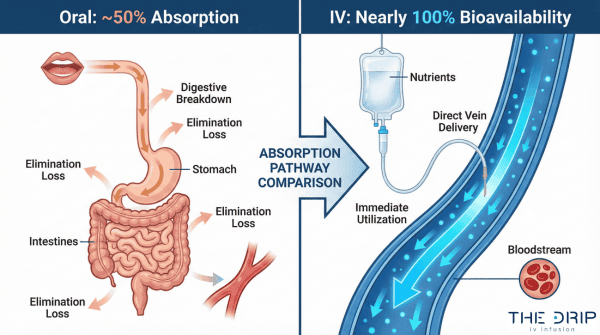
    Magnesium IV therapy is when doctors put magnesium sulfate straight into your bloodstream through a little tube in your arm, skipping your stomach completely so it gets right to work. Think of it like this: when you take pills, only about 30% actually gets absorbed – it’s like trying to water your garden with a leaky hose. But with IV magnesium, you get 100% of what you need, and it starts working right away.

    TL;DR Summary

    Here’s what we found when we dug into all the research: magnesium IV therapy really works, and the proof is solid. Kids with bad asthma attacks are 85% less likely to end up in the hospital when they get this treatment. People with splitting headaches? Every single person got better with IV magnesium, compared to basically nobody who got fake treatment. Since three out of four Americans don’t get enough magnesium anyway, IV therapy is like hitting the fast-forward button on getting your levels back to normal. Doctors give it their highest rating for serious pregnancy complications and heart rhythm problems, and most people only get mild side effects that go away on their own. If you’re tired of muscle cramps, can’t shake that exhaustion, or your heart feels like it’s skipping beats, magnesium IV through places like The Drip IV Infusion could give you relief in minutes instead of making you wait weeks.

    Quick Tip: If your muscles cramp up a lot, you’re always tired, or your heart beats funny, get your magnesium levels checked – these are red flags that you might be running low and could really benefit from the quick fix that IV therapy offers.

    How Does Magnesium IV Therapy Work in the Body?

    Understanding how magnesium moves through your body gives clarity about why IV delivery is so effective. Magnesium supports countless biological systems, and IV administration helps replenish these stores quickly. Its major roles include:

    • Supporting over 300 enzymatic processes
    • Maintaining steady heart rhythm
    • Regulating muscle contraction and relaxation
    • Enabling nerve signal transmission
    • Storing 27% in muscles and 63% in bones

    This stuff is like the oil in your car’s engine – it helps over 300 different processes run smoothly, from making energy to building your DNA.

    What Biological Processes Does Magnesium Support?

    Magnesium acts like a master key inside the body, helping several major systems function properly every day. When levels drop, these systems struggle, leading to widespread symptoms. The processes most dependent on magnesium include:

    • Nerve signaling and neurotransmission
    • Muscle contraction and relaxation
    • Blood pressure regulation
    • Energy production through glucose metabolism
    • Bone strength and mineral storage

    How Is IV Magnesium Absorbed Compared to Oral Supplements?

    IV magnesium works differently from pills because absorption occurs directly in the bloodstream instead of through the gut. Several major absorption differences explain why IV therapy works faster and more reliably:

    • Oral magnesium absorption = ~30%
    • IV magnesium absorption = 100% immediate uptake
    • Organic salt forms have higher absorption than basic forms
    • Kidneys reabsorb ~95% of circulating magnesium
    • Oral supplements raise blood levels only slightly compared to IV
    Therapy / RouteParameterMeasurement
    IV magnesiumOnset of actionImmediate
    IV magnesiumDuration (anticonvulsant)30 minutes
    IM magnesiumOnset of action1 hour
    IM magnesiumDuration3–4 hours
    Oral magnesiumIntestinal absorption30%
    KidneyMagnesium reabsorption95%

    Some types of magnesium pills work better than others – the ones made from organic salts get absorbed better than the basic stuff. Your kidneys are really good at hanging onto magnesium, keeping tight control over how much you have floating around.

    What Symptoms or Conditions Can Magnesium IV Help Address?

    Magnesium IV therapy is used across both emergency and chronic care settings. Its FDA-approved uses and widely accepted clinical applications include the following conditions:

    • Clinically low magnesium levels
    • Seizure prevention in pregnancy (eclampsia/preeclampsia)
    • Kidney-related metabolic issues
    • Correcting arrhythmias caused by low magnesium
    • Severe asthma attacks
    • Certain acute cardiac emergencies

    The research shows some pretty impressive results:

    • Kids with severe asthma are 85% less likely to need the hospital (that’s a huge difference)
    • Doctors give it their top rating for treating dangerous pregnancy complications
    • It gets their highest recommendation for fixing certain deadly heart rhythms
    • Good evidence shows it helps with kidney stone pain and pelvic pain from endometriosis

    These uses show how versatile magnesium IV can be – it handles both emergency situations and ongoing problems, which brings us to the everyday benefits most people care about.

    Source: shutterstock.com / Photo Contributor: Numstocker

    What are the Most Common Health Benefits of Magnesium IV Therapy?

    The biggest benefits people notice from magnesium IV therapy are better muscle and nerve function, headache relief, heart support, and less stress. Since IV magnesium gets to work immediately instead of making you wait around like pills do, you can feel better within minutes whether you’re dealing with a pounding headache or your heart acting up.

    How Can Magnesium IV Therapy Improve Muscle and Nerve Function?

    Magnesium influences the communication between nerves and muscles more directly than most nutrients. Several mechanisms explain why IV therapy improves function so quickly:

    • Regulates nerve-to-muscle communication
    • Controls calcium flow to prevent spasms
    • Reduces muscle hyperexcitability
    • Decreases need for muscle relaxants during surgery
    • Rapidly stops cramps and spasms

    A study from 2021 found that people getting spinal surgery needed way less muscle relaxers when they got IV magnesium. It’s like having a built-in chill pill that keeps your nervous system from getting too wound up. That’s why IV magnesium can stop muscle cramps and those scary muscle spasms so quickly.

    Can Magnesium IV Infusions Help Alleviate Migraines or Headaches?

    Yes. Research consistently shows that magnesium IV infusions are powerful for migraine relief, especially when oral magnesium hasn’t helped. Clinical studies report several standout results:

    • 100% patient improvement with IV magnesium vs. 7% with placebo
    • 86.6% complete pain disappearance
    • All associated symptoms improved, including nausea and light sensitivity
    • Particularly effective for cluster headaches and menstrual-cycle migraine

    All the other nasty stuff that comes with migraines – nausea, sensitivity to light, you name it – went away in everyone who got IV magnesium versus only 20% of people who got the placebo. Research shows that people who get cluster headaches and migraines, especially the ones tied to your monthly cycle, tend to be low on magnesium. Even taking magnesium pills every day can cut down on how often you get migraines, but the IV stuff works way faster.

    Does Magnesium IV Therapy Support Heart Health?

    Yes. Magnesium IV therapy supports heart health by helping regulate electrical rhythm and correcting deficiencies that trigger arrhythmias. Magnesium’s effects on electrical conduction make IV therapy especially useful for heart rhythm issues. The key heart-related benefits include:

    • Keeping blood magnesium in the safe 1.5–2.5 mEq/L range
    • Correcting rapid atrial fibrillation
    • Preventing torsade de pointes, a dangerous arrhythmia
    • Reducing post-surgical arrhythmias from 20–50% down to 13.9% with IV
    • Stabilizing electrical activity in heart muscle cells

    Can Magnesium IV Reduce Stress, Anxiety, or Improve Sleep?

    Yes. Magnesium affects the nervous system in ways that calm the brain and reduce stress responses. Its effects on relaxation and sleep come from several mechanisms:

    • Activating NMDA and GABA receptors involved in stress regulation
    • Reducing post-surgical pain
    • Lowering the need for pain medications for up to 24 hours
    • Promoting calmer, more stable nerve signaling
    • Supporting restful sleep through muscle relaxation

    Studies show that surgical patients needed way less pain medication when they got magnesium. Patients could respond better and seemed more alert compared to other treatments. A good-sized dose of IV magnesium (30-50 mg per kilogram of body weight) kept people needing less pain meds for a whole day, which shows it has lasting effects on anxiety and stress.

    Understanding all these benefits helps you figure out if magnesium IV therapy makes sense for your health goals and medical situation.

    Source: thedripivinfusion.com

    Who Should Consider Magnesium IV Therapy?

    People who should think about magnesium IV therapy include those with sudden medical problems that need quick magnesium replacement and patients whose magnesium levels are low despite taking pills. This treatment makes sense when you need magnesium to work right now, not in a few hours or days.

    Are There Specific Medical Conditions That May Benefit Most from Magnesium IV?

    Yes. Several specific medical conditions benefit most from magnesium IV, including severe magnesium deficiency, pregnancy complications, and acute asthma attacks. When your magnesium drops so low that your muscles start spasming like you’re having a calcium problem, you need IV treatment right away. Pregnant women with dangerous blood pressure need IV magnesium to prevent and control seizures.

    People getting fed through their veins need IV magnesium to keep their levels normal. A 2018 study on kids with bad asthma found that their breathing improved by almost 27% after getting IV magnesium. Heart problems like dangerous rhythms and super-fast heartbeats respond really well to IV magnesium too. People with kidney stone pain or pelvic pain from endometriosis also get relief from this treatment.

    Is Magnesium IV Safe for Everyone?

    No. Magnesium IV therapy is not safe for everyone, particularly people with heart block, magnesium allergies, or impaired kidney function. If you’re allergic to magnesium sulfate, this treatment is obviously off the table.

    Pregnancy has some special rules for IV magnesium safety. If pregnant women get it for more than 5-7 days straight, it can cause low calcium and bone problems in the baby. Premature babies are especially at risk for aluminum poisoning from IV products.

    How well your kidneys work really matters with magnesium IV safety. If your kidneys don’t work well, magnesium can build up to dangerous levels. According to the FDA, patients with kidney problems who get more than 4-5 micrograms of aluminum per kilogram of body weight per day might accumulate toxic levels, so doctors need to watch closely and adjust doses.

    What Are Signs of Magnesium Deficiency That May Warrant IV Therapy?

    Signs you might need IV magnesium include blood levels below 0.7 mmol/L (1.4 meq/L) and muscle spasms that look like calcium deficiency. Lab tests showing magnesium below 0.7 mmol/L mean you’re clinically deficient and need help. Dietary magnesium intake across the U.S. population consistently falls below recommended levels. The table highlights the gap between required and actual magnesium intake in different demographic groups.

    GroupActual IntakeRDA / RequirementNotes
    General U.S. population75% below RDAWidespread deficiency
    Half of AmericansLess than recommended intakeMajor shortfall
    Women228 mg/day300 mg/dayStrong deficit
    Men266–323 mg/day420 mg/dayConsistent deficit
    General population50% borderline deficiencyCellular function impacted

    These dietary gaps, combined with symptoms like muscle spasms similar to calcium deficiency, point to people who could really benefit from IV magnesium therapy to quickly get their levels back to normal and prevent complications.

    How Does Magnesium IV Therapy Compare to Other Magnesium Supplementation Methods?

    Magnesium IV therapy is different from other ways of getting magnesium because of how fast it works, how much actually gets into your system, and what medical situations it’s used for. IV gives you immediate results, shots take an hour to work, and pills only get about 30% absorbed through your stomach. Understanding these differences helps you know when each method works best.

    How Effective Is IV Therapy Versus Oral or Topical Magnesium?

    IV therapy beats oral and topical magnesium when it comes to how well and how fast it works. IV magnesium starts working immediately compared to an hour for shots in your muscle. A study looking at absorption found that even the best oral supplement only increased blood magnesium by 6.2% at most, while IV gives you much higher and faster increases.

    Research comparing different methods shows some surprising results in certain situations. One study found that taking 1600mg of magnesium oxide pills worked just as well as 2000mg of IV magnesium sulfate for preventing low magnesium after heart surgery. When you give IV magnesium and your body’s magnesium stores get full, you start peeing out the extra immediately, which shows it’s getting distributed throughout your system fast. You can see different absorption patterns in your blood for up to 4 hours after taking oral supplements.

    Are There Situations Where IV Magnesium Is Preferred?

    Yes. There are several situations where IV magnesium is preferred, especially medical emergencies requiring immediate magnesium correction. Emergency treatment of a dangerous heart rhythm called torsade de pointes needs IV administration to stabilize your heart rhythm right away. In eclampsia, IV should only be used for immediate control of life-threatening seizures.

    Sudden, severe conditions respond better to magnesium you inject rather than pills. Severe asthma attacks benefit from injected magnesium, improving breathing and reducing hospital stays. Acute migraine attacks respond to 1g of IV magnesium sulfate with a 100% success rate. Quick correction of low magnesium becomes necessary when patients show signs of muscle spasms. During surgery, when you need immediate effects, IV is the way to go since it works right away versus an hour with a shot.

    Are There Risks Associated with Different Forms of Magnesium Supplementation?

    The risks with different types of magnesium supplementation depend on how much ends up in your blood and how well your kidneys work..This table outlines the recognized clinical effects at various blood concentrations.

    Plasma LevelClinical EffectRisk Category
    4 mEq/LDecreased reflexesMild
    10 mEq/LAbsent reflexes, respiratory paralysisSevere
    10 mEq/L or belowHeart blockCritical
    >12 mEq/LPotentially fatalLife-threatening

    Aluminum poisoning is a risk with long-term IV use if your kidneys don’t work well. Magnesium toxicity usually doesn’t happen unless you have kidney disease, which is why doctors need to check your kidney function before starting IV therapy. These level-dependent risks show why proper monitoring is so important during magnesium supplementation, especially with IV where changes happen quickly.

    What Should You Expect During a Magnesium IV Infusion Session?

    A magnesium IV infusion session is pretty straightforward – they put magnesium sulfate directly into your bloodstream through a small tube in your arm. Most people find it comfortable and easy to handle. Knowing what the timing looks like, what you might feel, and what results to expect helps you get ready for your treatment at The Drip IV Infusion.

    How Long Does a Magnesium IV Session Usually Last?

    A magnesium IV session usually takes anywhere from 15 minutes to an hour, depending on how much you need and why you’re getting it. According to a 2021 review of treatment protocols, 1g of magnesium sulfate typically takes about 15 minutes to give for migraine treatment. The seizure-preventing effects last about 30 minutes after IV administration.

    Loading doses of 30-50 mg per kilogram of body weight are standard in surgical protocols. Maintenance doses of 6-20 mg per kilogram may follow the first dose. For eclampsia and preeclampsia management, healthcare providers give 1-2 grams of magnesium sulfate per hour.

    Your total session time includes:
    • Getting checked and having the IV placed (10-15 minutes)
    • The actual magnesium drip (15-60 minutes)
    • Watching you after it’s done (5-10 minutes)
    • Taking out the IV and giving you instructions (5 minutes)

    Most wellness infusions for general health take about 30-45 minutes total.

    Does the Infusion Process Cause Any Discomfort or Side Effects?

    Yes. Most people tolerate magnesium IV infusions well, but mild side effects can happen, especially with faster drip rates. The most commonly reported sensations include:

    • Warm, flushed feeling in the face
    • Temporary nausea or vomiting
    • Mild muscle weakness
    • Slight blood pressure drop
    • Pleasant warming sensation due to vessel relaxation

    Normal therapeutic doses don’t cause much in the way of side effects. The warm feeling happens because magnesium relaxes your blood vessels, improving circulation. Most people describe this as nice rather than uncomfortable.

    How Soon Can Results Be Felt from Magnesium IV Therapy?

    You can feel results from magnesium IV therapy immediately to within a few hours, depending on what you’re treating. A 2018 brain study showed that the seizure-preventing action starts immediately with IV administration. In that migraine study, pain completely disappeared in 86.6% of patients right after the 15-minute infusion was done.

    The effects from a single IV dose last about 30 minutes for seizure prevention. However, one dose can reduce your need for pain medication after surgery for up to 24 hours according to a 2020 surgical pain review. Your blood magnesium level peaks around 4 mg/dL during surgery The effects of magnesium IV therapy unfold over several hours, with some benefits happening instantly and others lasting days. Here’s the typical response timeline:

    1. Immediately: Seizure prevention, migraine relief
    2. 30 minutes: Blood magnesium peaks
    3. 24 hours: Reduced post-surgical pain and medication needs
    4. 48–72 hours: Improved metabolism and enzyme activity

    Your specific results depend on how low your magnesium was to start with, how much you get, and how your individual body processes it. The immediate availability of IV magnesium allows quick symptom relief compared to oral supplements’ slower absorption timeline.

    Are There Any Risks or Side Effects Associated with Magnesium IV Therapy?

    Magnesium IV therapy does have some risks and side effects you should know about. The most common ones are mild and don’t last long, while serious problems are rare when it’s done right. Understanding these risks helps make sure your treatment is safe.

    What Are the Most Common Side Effects of Magnesium IV?

    The most common side effects of magnesium IV are your face getting flushed and feeling warm, which usually go away on their own without needing any treatment. Some people feel sick to their stomach or throw up while getting IV magnesium. You might feel a little weak in your muscles during treatment. Your blood pressure might drop a bit if the magnesium goes in too fast or you get a high dose, because it makes your blood vessels relax.

    More serious side effects happen less often but need to be watched for. About 1.6% of patients lose their knee-jerk reflex, though different studies report anywhere from 0-57% depending on how much magnesium they give and how they monitor patients. Breathing problems occur in 1.3% of cases overall, with reports ranging from 0-8.2% across different medical settings. These differences reflect variations in patient groups, dosing schedules, and monitoring methods.

    Who Should Avoid Magnesium IV Infusions?

    People with heart block should avoid magnesium IV infusions because magnesium makes already slow heart conduction even worse. Having damaged heart muscle is another absolute reason not to get IV magnesium therapy. If you’ve had allergic reactions to magnesium sulfate before, you definitely can’t get this treatment.

    Severe kidney problems rule out magnesium IV therapy because of the risk of magnesium poisoning. Your kidneys are the only way magnesium gets out of your body, so if they don’t work well, magnesium can build up dangerously. Pregnant women who need magnesium treatment for more than 5-7 days face risks to their baby including low calcium and bone problems. Premature babies are especially vulnerable to aluminum toxicity from IV magnesium products, requiring special consideration before treatment.

    How Are Side Effects Monitored or Managed During Treatment?

    During magnesium IV therapy, clinicians monitor several markers to ensure safe blood levels and early detection of toxicity. Standard monitoring includes:

    • Serum magnesium checks every 6–8 hours
    • Knee-jerk reflex assessment
    • Urine output monitoring
    • Vital signs, especially breathing rate
    • Use of calcium gluconate only if levels become excessive

    Calcium gluconate works as the antidote for magnesium toxicity, though it’s rarely needed – less than 0.2% of cases, specifically 17 times among 9,556 women in pregnancy studies. Safe magnesium levels for treating pregnancy complications stay between 2.0-3.5 mmol/L (equivalent to 4-7 meq/L). Your knee reflexes disappear at 4.0-5.0 mmol/L, signaling they need to adjust your dose immediately. Breathing problems emerge at 5.0-7.5 mmol/L, requiring immediate help including possibly giving calcium gluconate and helping you breathe.

    Understanding these risks and using proper monitoring makes magnesium IV therapy safe and effective for the right people.

    How Can You Approach Magnesium IV Therapy with The Drip IV Infusion?

    Magnesium IV therapy with The Drip IV Infusion gives you customized treatments that target your individual magnesium needs through professional IV administration. The Drip IV Infusion offers specialized magnesium infusions as part of complete wellness programs, delivering immediate benefits that beat oral supplements’ limited 30% absorption rate. These treatments target specific health problems like migraines, muscle cramps, and heart concerns while keeping strict safety standards.

    Can The Drip IV Infusion Customize Magnesium IV Treatments to Individual Needs?

    Yes. The Drip IV Infusion can customize magnesium IV treatments to individual needs through tailored dosing and personalized formulations. Patients often compare the costs of different IV formulations before choosing magnesium therapy. The table organizes current pricing for magnesium-related infusions and shows projected industry growth.

    Treatment / Market MetricAttributeValue
    General IV sessionsCost range$100–$500 per session
    Basic hydrationCost range$80–$150
    Specialized magnesium treatmentsCost range$200–$500+
    Myers’ Cocktail with magnesiumCost range$150–$250
    The Drip Bar Vitality infusionPrice$189
    U.S. mobile IV therapy market (2024)Market value$568.25 million
    Projected market value (2034)Forecast$1,556.29 million

    Treatment personalization ensures each patient receives the optimal amount of magnesium without unnecessary risk. The Drip IV Infusion offers several customization options, including:

    • Adjusting magnesium concentration based on deficiency level
    • Combining magnesium with vitamins or minerals that complement its effects
    • Tailoring treatment frequency to individual response patterns
    • Providing mobile IV services at home or office

    What Are the Key Takeaways About the Benefits of Magnesium IV Therapy?

    The key things to remember about magnesium IV therapy benefits are that it gets absorbed better, works clinically, and has a good safety record. IV magnesium starts working immediately compared to oral supplements’ 30% absorption rate. The table below organizes the highest-quality evidence and population data supporting its use.

    CategoryAttributeValue
    Clinical evidence gradeConditions with Grade A supportEclampsia, preeclampsia, torsade de pointes, rapid atrial fibrillation
    Migraine RCT (2019)Response rate100% with 1g IV magnesium vs. 7% placebo
    Pediatric asthma (2020)Hospitalization reduction85% with IV magnesium
    Population deficiency (2022 NIH)% not meeting RDA75%
    Safety profileMild side effects86.6% without discontinuation

    Reasons you can’t get it are limited to heart block, heart muscle damage, and severe kidney problems. The Drip IV Infusion screens all patients for these conditions before starting treatment, ensuring safe and effective magnesium replacement tailored to your individual therapeutic needs.

  • Hypotonic vs Hypertonic IV Fluids

    Hypotonic vs Hypertonic IV Fluids

    Administered intravenous (IV) fluids are crucial in managing various medical conditions. Understanding the differences between hypotonic vs hypertonic IV fluids is paramount in delivering effective care. 

    This article sets the stage for comprehensively exploring hypotonic and hypertonic IV fluids’ distinct compositions, indications, and effects. It aims to provide healthcare professionals with valuable insights, enabling them to navigate the nuanced application of these fluids within clinical settings more effectively.

    Source: shutterstock.com / Photo Contributor: Siberian Art

    Hypotonic vs Hypertonic IV Fluids

    Understanding hypotonic IV fluids

    Hypotonic intravenous IV solutions are fluid administered to patients to address specific medical conditions or dehydration. These solutions have a lower concentration of solutes, such as electrolytes and other dissolved substances, compared to the body’s extracellular fluid.

    In simpler terms, the fluid outside the cells has fewer dissolved particles than inside the cells. This disparity creates an osmotic gradient, encouraging water movement from the hypotonic solution into the more concentrated intracellular space. This influx of water helps hydrate cells and replenish intracellular fluid.

    Hypotonic IV fluids address cellular dehydration or shift fluids from the interstitial space into the cells. Hypotonic IV fluids are commonly used to address cellular dehydration or to shift fluids from the interstitial space into the cells. 

    However, caution is necessary when administering hypotonic solutions, as an excessive influx of water into cells may lead to cellular swelling and potential complications, especially in individuals with certain medical conditions. Therefore, healthcare professionals in the best mobile IV therapy in Arizona carefully assess patient needs and monitor fluid balance when using hypotonic IV solutions.

    Understanding hypertonic IV fluids

    Hypertonic intravenous IV solutions are a category of fluids that contain a higher concentration of solute compared to plasma and interstitial fluid. This establishes an osmotic gradient, causing fluid to move from the interstitial into the intravascular space.

    The osmotic effect of hypertonic fluids is primarily employed to draw water out of cells and tissues, making them useful in scenarios where there is a need to reduce cellular swelling or address hyponatremia conditions, a state characterized by low sodium levels in the blood. Hypertonic IV solutions are often utilized to manage specific clinical conditions, such as cerebral edema, or to raise serum sodium levels. 

    However, their administration requires careful monitoring to avoid complications like fluid volume overload or electrolyte imbalance. Healthcare professionals must tailor the choice and dosage of hypertonic fluids to individual patient needs and closely observe their response to treatment.

    Differences Between Hypotonic and Hypertonic IV Fluids

    Hypotonic and hypertonic IV fluids differ significantly in their composition, osmolarity, indications, and effects on cellular hydration and fluid shifts in the body. 

    Hypotonic IV fluids have a lower concentration of solutes than the body’s extracellular fluid, creating an osmotic gradient that allows water to move into cells, promoting cellular hydration. These solutions often address cellular dehydration or shift fluids from the interstitial space into cells. 

    On the other hand, hypertonic IV fluids have a higher solute concentration than the body’s extracellular fluid, resulting in an osmotic gradient that draws water out of cells and tissues into the bloodstream.

    Hypertonic solutions may reduce cellular swelling, manage conditions like cerebral edema, or raise serum sodium levels in hyponatremia. 

    So, the key distinction between these two fluids lies in their osmotic effects, with hypotonic solutions promoting cellular hydration and hypertonic solutions extracting water from cells. 

    Healthcare professionals carefully choose between these IV fluids based on specific patient needs and clinical indications to achieve the desired physiological effects. 

    Medical applications and uses

    Based on their distinct properties and osmotic effects, hypotonic and hypertonic intravenous IV fluids are applied in various medical scenarios. 

    Hypotonic IV fluids

    Hypotonic IV fluids are commonly used in cases of cellular dehydration, where there is an imbalance with increased intracellular solute concentration. These fluids are preferred when there’s a need to shift fluids from the extracellular space into cells, promoting cellular hydration. 

    The hypotonic IV solutions are often chosen cautiously, as excessive use in patients with compromised kidney function may lead to fluid overload.

    Source: shutterstock.com / Photo Contributor: Andrey_Popov

    Hypertonic IV fluids 

    Hypertonic IV fluids find applications when there is a need to draw water out of cells and tissues. Conditions such as cerebral edema, hyponatremia, or traumatic brain injuries may benefit from hypertonic solutions to reduce cellular swelling and restore electrolyte balance. Hypertonic fluids are preferred in carefully monitored circumstances to avoid complications like fluid volume overload or electrolyte imbalances.

    Healthcare professionals consider various factors in choosing the appropriate IV fluid, including the patient’s clinical condition, electrolyte balance, and renal function. Regular monitoring is crucial to adjust fluid therapy as needed and prevent adverse effects. 

    Individualized treatment plans ensure that hypotonic or hypertonic fluids are administered judiciously to address specific medical needs while minimizing potential risks.

    Conclusion

    The comparison of hypotonic vs hypertonic IV fluids reveals the nuanced yet pivotal role these intravenous solutions play in medical care. With their lower solute concentration, hypotonic fluids prove invaluable in addressing cellular dehydration and promoting intracellular hydration. 

    On the other hand, hypertonic fluids, characterized by a higher solute concentration, are strategically employed to draw water out of cells, mitigating conditions like cerebral edema and hyponatremia. Understanding these differences is paramount for healthcare professionals in tailoring fluid therapy to individual patient needs.

  • Hypertonic IV Fluids

    Hypertonic IV Fluids

    IV therapy is a common medical procedure that involves delivering fluids, nutrients, or medication directly into a patient’s bloodstream. This technique ensures rapid and effective results, often prescribed to patients experiencing deficient fluid volume. However, there’s a wide variety of IV solutions and fluids, so patients may not fully understand what they are receiving through their IV. That’s why knowing the types of IV fluids and understanding the fundamentals of hypertonic IV fluids is critical for anyone planning to receive IV therapy.

    Acknowledging and understanding the differences between IV fluid types is vital for patients as they directly impact their body’s fluid balance, electrolyte levels, and overall well-being. Three main types of IV fluids are distinguished by their tonicity, which refers to the volume behavior of cells in a solution. These are isotonic, hypotonic, and hypertonic.

    In this article, you’ll learn more about hypertonic fluids and gain insights into the hypertonic IV solution used in medical settings. The content will also cover the definition and characteristics of hypertonic fluids, administration methods, and potential complications and adverse reactions associated with these fluids.

    Source: shutterstock.com / Photo Contributor: Numstocker

    Types of IV Fluids

    Generally, IV fluids are grouped into two categories – crystalloid and colloid. Both of these groups are sterile solutions, and IV drip Arizona can customize them with various ingredients to address a number of conditions. However, they exhibit distinctive compositions, which have different reactions in the body. 

    Crystalloid solutions 

    Crystalloid solutions contain small electrolytes and molecules that easily pass through cell membranes, hence their common use in medical care. They’re also affordable and accessible, as well as shelf-stable and free of allergens, adding to their popularity. They can be divided into three subgroups including:


    • Isotonic solutions maintain a balanced osmotic pressure with equal amounts of fluids, both on the inside and outside of cells. This is due to the volume of the isotonic solution resembling that of your blood plasma.

    • Hypotonic solutions increase fluid levels in cells. They’re particularly useful for conditions like diabetes, which may reduce levels of cellular fluid, disrupting their proper function.

    • Hypertonic fluids are the opposite of hypotonic, meaning they have a higher sodium content, which draws water out of the cells rather than brings it in. This makes hypertonic IV fluids ideal for replacing electrolytes but not as good for dealing with dehydration.

    Colloids

    Colloids are solutions containing larger molecules that cannot cross semipermeable membranes as crystalloid solutions do. They stay in your bloodstream instead of entering your cells.

    Overview of Hypertonic IV fluids

    Hypertonic intravenous solutions contain a higher concentration of sodium and chloride or dissolved particles, compared to plasma and interstitial fluid than the cells in your body. These are crystalloid intravenous fluids composed of NaCl dissolved in water with a higher sodium than in a normal blood serum.

    Hypertonic IV solutions are available in the following forms and strengths: 


    • 3% sodium chloride (3% NaCl) – contains 513 mEq/L of sodium and chloride with an osmolality of 1030 mOsm/L.

    • 5% sodium chloride (5% NaCl) – contains 855 mEq/L of sodium and chloride with an osmolality of 1710 mOsm/L.

    • 10% dextrose water (D10W) – used to treat ketosis of starvation, providing calories (380 kcal/L), free water (distilled water that is free of any solutes), and no electrolytes.

    • 20% dextrose water (D20W) – a hypertonic IV solution or an osmotic diuretic that causes fluid shifts between various compartments that may potentially promote diuresis.

    • 50% dextrose water (D50W) – a strong hypertonic IV solution used to treat severe hypoglycemia and is administered rapidly via IV bolus.

    Source: shutterstock.com / Photo Contributor: Thammasak Lek

    How do hypertonic IV fluids function

    Essentially, hypertonic fluids are used to increase intravascular fluid volume.

    When administered, hypertonic fluids create an osmotic gradient, resulting in an increased concentration of dissolved solutes within the intravascular space in comparison to the cells. Consequently, this causes the osmotic movement of water from the cells or interstitial space into the intravascular space, leading to the diluting of solutes within the blood. However, hypertonic fluid saline stimulates vasopressin release from the pituitary gland, decreasing water loss through the kidneys.

    Furthermore, the increase in intravascular volume simultaneously increases the mean arterial pressure (MAP), cardiac output (CO), and stroke volume (SV) when compared with equal volumes of standard saline or other isotonic fluids. Additionally, while a significant increase can be found in end-diastolic pressure, there’s a subsequent decrease in pulmonary vascular resistance. This suggests hypertonic fluid saline requires less overall volume administration to achieve similar plasma volumes as larger amounts of standard saline fluids.

    Uses of Hypertonic IV Fluids

    Hypertonic intravenous fluids exhibit a wide range of uses with diverse applications in medical settings. These fluids can be utilized to address specific medical conditions and health issues due to their elevated solute concentrations. So, hypertonic IV solution uses include:


    • Treatment of hyponatremia and other electrolyte imbalances – in patients with hyponatremia, hypertonic fluids with 3% saline are employed to potentially manage symptoms and correct the imbalance by raising serum sodium levels. This may also be useful in severe hyponatremia cases associated with neurological symptoms.

    • Management of cerebral edema – hypertonic solutions may help reduce cerebral edema by drawing water out of cells and potentially reducing brain tissue volume. This is considered a valuable treatment for cerebral edema in patients with traumatic brain injury.

    • Administration of medications, such as chemotherapy drugs – in certain medical cases, hypertonic solutions are utilized to act as a carrier solution and administer medications, such as chemotherapy drugs. The increased tonicity may have an impact on better drug distribution and absorption.

    Administration of Hypertonic IV Fluids

    Hypertonic fluids are administered parenterally by intravenous infusion. Generally, it’s done through central venous access, but administration via a peripheral intravenous catheter is also acceptable if no other option is available. While infusion volumes and rates are based on specific clinical indications, the initial rate of hypertonic administration is not to exceed 50 ml per hour.

    Furthermore, precise administration techniques, controlled infusion rates, and accurate dosing are essential for ensuring the safety and efficiency of the procedure. Patients receiving hypertonic fluids demand careful attention and monitoring due to their potential effects on the cells. So, vigilant supervision is critical for avoiding and preventing any potential complications and adverse reactions associated with hypertonic intravenous fluids, such as:


    • Infection at the IV site

    • Thrombophlebitis

    • Extravasation

    • Hypervolemia

    Source: shutterstock.com / Photo Contributor: Studio Romantic

    Conclusion

    In conclusion, a comprehensive understanding of what hypertonic IV fluids are and how they function is fundamental for anyone undergoing IV therapy. Their versatility and broad use are evident in their role in correcting various health issues, including treating hyponatremia, managing cerebral edema, and administering medications, among many more.

    Proper administration and careful monitoring, as well as accurate dosing and controlled infusion rates, are critical for a safe and care-free procedure. With professional treatment, caution, and careful consideration, patients can confidently go through effective and individually tailored procedures.

  • Vitamin B12 IV Infusions: Benefits, Uses & More

    Vitamin B12 IV Infusions: Benefits, Uses & More

    A vitamin B12 IV infusion is an intravenous treatment that delivers this essential micronutrient directly into the bloodstream, bypassing the digestive system to achieve immediate, full bioavailability. It is used primarily to correct deficiency in individuals whose bodies cannot absorb B12 effectively through food or oral supplements.

    This guide covers B12’s biological functions, how IV infusions work compared to other delivery methods, their specific health benefits, who benefits most from treatment, and how to choose a qualified provider.

    Vitamin B12 serves as a cofactor for critical biochemical reactions in the Krebs cycle, myelin sheath maintenance, red blood cell production, and DNA synthesis. When levels drop, these processes slow simultaneously, which is why deficiency produces such wide-ranging symptoms.

    IV delivery raises serum B12 levels significantly faster than daily oral supplementation, making it the preferred route for individuals with pernicious anemia, post-bariatric malabsorption, or chronic gastrointestinal conditions that impair nutrient uptake. For those with normal absorption, oral supplements often remain sufficient.

    The benefits of correcting B12 deficiency through IV infusions span energy restoration, improved mental clarity, mood stabilization, immune support, and cardiovascular protection through homocysteine regulation. Athletes and frequent travelers also use infusions to support recovery and maintain nutrient reserves during periods of high physical demand.

    Certain populations face elevated deficiency risk: vegans show prevalence rates as high as 44.1%, B12 concentrations decline roughly 6.8 ng/L per decade of age, and bariatric surgery patients carry approximately a 20% chance of deficiency within five years. Recognizing symptoms early and selecting a provider with licensed clinical staff are essential steps for safe, effective treatment.

    What Is Vitamin B12 and Why Does Your Body Need It?

    Vitamin B12 is an essential micronutrient that serves as a cofactor for biochemical reactions critical to energy production, nervous system function, red blood cell formation, and DNA synthesis.

    What Role Does Vitamin B12 Play in Energy Production?

    Vitamin B12 plays a direct role in energy production by acting as a cofactor for the synthesis of succinyl-CoA from methylmalonyl-CoA, an intermediate in the Krebs cycle. According to a study published in the International Journal of Molecular Sciences (2025), this biochemical conversion is fundamental to how cells generate usable energy. Without adequate B12, the Krebs cycle cannot process certain fatty acids and amino acids efficiently, which often manifests as persistent fatigue. NAD+ therapy is frequently co-administered with Vitamin B12 in IV clinic settings to further support cellular energy production and mitochondrial function. For individuals with compromised oral absorption, intravenous delivery ensures B12 reaches the cells that need it most.

    Vitamin B12 energy production diagram showing B12 as a cofactor in cellular energy metabolism and ATP production

    How Does Vitamin B12 Support Nervous System Function?

    Vitamin B12 supports nervous system function by serving as a cofactor for two critical enzymes: methionine synthase and L-methylmalonyl-CoA mutase. According to the NIH Office of Dietary Supplements, these enzymes are required for the formation of S-adenosylmethionine, a universal methyl donor for DNA, RNA, proteins, and lipids. This methylation process is essential for maintaining the myelin sheath that protects peripheral nerves and the brain.

    When B12 levels drop, nerve damage can develop silently. Conventional testing identified deficiency in only 5% of Crohn’s Disease patients, but sensitive functional markers like holoTC and MMA revealed a 32% prevalence. Notably, B12 supplementation appears ineffective for improving cognitive function or depressive symptoms in patients without advanced neurological disorders, underscoring the importance of accurate diagnosis before treatment.

    Why Is Vitamin B12 Essential for Red Blood Cell Formation?

    Vitamin B12 is essential for red blood cell formation because it supports the biochemical reactions needed to produce reticulocytes, the immature cells that eventually develop into mature red blood cells. According to a 2025 comprehensive review published in PubMed Central, disruption of these reactions due to B12 deficiency can lead to megaloblastic anemia, a condition characterized by abnormally large, dysfunctional red blood cells. When the body cannot produce properly formed red blood cells, oxygen delivery to tissues becomes impaired. This is one reason unexplained fatigue and weakness are among the earliest clinical signs of B12 deficiency.

    How Does Vitamin B12 Contribute to DNA Synthesis?

    Vitamin B12 contributes to DNA synthesis through its role in the methionine synthase pathway. This enzyme converts homocysteine to methionine, which then produces S-adenosylmethionine, the primary methyl donor required for methylating DNA, RNA, and proteins. Without sufficient B12, cells cannot replicate their genetic material correctly, which disrupts the production of rapidly dividing cells throughout the body. Tissues with high turnover rates, such as bone marrow and the intestinal lining, are particularly vulnerable to this disruption. This connection between B12 and DNA replication is precisely why deficiency affects so many different body systems simultaneously.

    Understanding these foundational roles clarifies why delivering B12 intravenously can offer distinct clinical advantages.

    What Is a Vitamin B12 IV Infusion?

    A vitamin B12 IV infusion is an intravenous treatment that delivers B12 directly into the bloodstream, bypassing the digestive system entirely. The sections below explain how it differs from oral supplements, what a session involves, and how quickly absorption occurs.

    How Does a Vitamin B12 IV Infusion Differ From Oral Supplements?

    A vitamin B12 IV infusion differs from oral supplements by delivering the nutrient directly into the bloodstream, eliminating dependence on gastrointestinal absorption. Oral B12 must pass through the stomach and intestines, where absorption relies on intrinsic factor and healthy gut function.

    According to a clinical comparison study published in PubMed Central, weekly intravenous supplementation of vitamin B12 showed a statistically significant increase in B12 levels compared to daily oral supplementation. This distinction matters most for individuals with absorption disorders, pernicious anemia, or post-surgical digestive changes. For anyone with a confirmed deficiency, IV delivery offers a reliability that oral tablets simply cannot guarantee. However, Dr. Bauer from Mayo Clinic notes that limited evidence supports IV vitamin benefit for people with normal nutritional intake.

    What Happens During a Vitamin B12 IV Infusion Session?

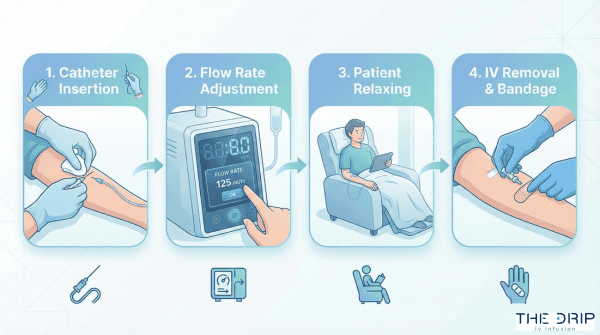
    A vitamin B12 IV infusion session begins with a brief health assessment by a licensed nurse or medical professional. A small catheter is inserted into a vein, typically in the arm, and the B12 solution drips steadily into the bloodstream over 20 to 45 minutes.

    During the infusion, patients can relax, read, or use their phone. Vital signs may be monitored throughout. Once the drip finishes, the catheter is removed and a small bandage applied. Most people resume normal activities immediately. Session costs vary widely by provider and formulation; according to Future Care Medical, vitamin drips in London range from £50 to £495 depending on infusion type and active ingredients.

    B12 IV session process infographic showing health assessment, IV setup, and infusion monitoring during vitamin therapy treatment

    How Quickly Does Your Body Absorb B12 Through IV Delivery?

    Your body absorbs B12 through IV delivery almost immediately because the nutrient enters the bloodstream directly. Unlike oral supplements, which require digestion and intestinal transport, intravenous B12 achieves 100% bioavailability the moment it is infused.

    This rapid absorption is why users commonly describe faster recovery from conditions such as dehydration, jet lag, hangovers, and physical exhaustion following IV vitamin therapy. Most patients notice effects within hours of their session, though the full physiological impact on cellular processes, including red blood cell production and nerve function, unfolds over subsequent days. For individuals with severe deficiencies, this speed of delivery can be clinically significant compared to waiting weeks for oral supplementation to raise serum levels.

    With a clear picture of what B12 IV infusions involve, the next step is understanding their specific health benefits.

    What Are the Benefits of Vitamin B12 IV Infusions?

    The benefits of vitamin B12 IV infusions span energy production, cognitive function, mood regulation, immune defense, and physical recovery. The following subsections cover each benefit in detail.

    How Do B12 IV Infusions Help With Chronic Fatigue?

    B12 IV infusions help with chronic fatigue by restoring a nutrient essential for cellular energy production. Vitamin B12 acts as a cofactor in the synthesis of succinyl-CoA from methylmalonyl-CoA, an intermediate in the Krebs cycle that drives ATP generation. When B12 levels drop, this energy pathway slows, and persistent tiredness often follows.

    Intravenous delivery bypasses digestive absorption barriers, raising serum B12 levels more rapidly than oral routes. For individuals whose fatigue stems from confirmed deficiency, this correction can produce noticeable improvements in stamina within days. Fatigue without underlying deficiency, however, is unlikely to respond to supplementation alone.

    Can B12 IV Infusions Improve Mental Clarity and Focus?

    Yes, B12 IV infusions can improve mental clarity and focus, particularly in individuals with low B12 status. Vitamin B12 supports the formation of S-adenosylmethionine (SAMe), a universal methyl donor required for neurotransmitter synthesis and healthy myelin sheath maintenance. Compromised methylation impairs nerve signal transmission, often manifesting as brain fog and poor concentration.

    According to a 2021 review published in Nutrients (PMC), B12 supplementation is likely ineffective for improving cognitive function in patients without advanced neurological disorders. This distinction matters: the cognitive benefits are most pronounced when a genuine deficiency exists, not when B12 levels are already adequate.

    How Do B12 IV Infusions Support Mood and Emotional Health?

    B12 IV infusions support mood and emotional health by facilitating neurotransmitter pathways that regulate serotonin and dopamine production. Because vitamin B12 is required for SAMe synthesis, insufficient levels can disrupt methylation reactions involved in producing these mood-regulating chemicals.

    Deficiency-related mood disturbances can range from mild irritability to clinical depression. Correcting low B12 through IV delivery addresses the biochemical root rather than masking symptoms. That said, B12 infusions are not a standalone treatment for mood disorders; they work best as part of a broader approach that includes professional mental health support when needed.

    Can B12 IV Infusions Boost Immune System Function?

    Yes, B12 IV infusions can boost immune system function by supporting the rapid cell division that immune responses require. Vitamin B12 plays a direct role in DNA synthesis and red blood cell formation, both of which underpin a healthy immune defense. Without adequate B12, disrupted reticulocyte production can lead to megaloblastic anemia, weakening the body’s ability to mount effective immune responses.

    IV delivery ensures full bioavailability, which is especially valuable for individuals with absorption issues who cannot maintain adequate levels through diet alone. Consistent B12 status helps maintain white blood cell production and overall immune readiness.

    How Do B12 IV Infusions Benefit Hair, Skin, and Nail Health?

    B12 IV infusions benefit hair, skin, and nail health by supporting the cell division and oxygenation these tissues depend on. Vitamin B12 contributes to red blood cell formation, which delivers oxygen to hair follicles, skin cells, and nail beds. Deficiency often presents as hair thinning, pale or yellowish skin, and brittle nails.

    As Dr. Bauer from Mayo Clinic notes, there is limited evidence that IV vitamins provide benefit to people with normal nutritional intake and levels. The cosmetic improvements tend to be most visible when correcting a genuine deficiency rather than supplementing already sufficient stores. Prioritizing baseline testing before treatment is a practical first step.

    Can B12 IV Infusions Aid in Athletic Performance and Recovery?

    Yes, B12 IV infusions can aid in athletic performance and recovery by optimizing oxygen transport and energy metabolism. B12’s role in red blood cell production directly affects how efficiently muscles receive oxygen during exercise. Its involvement in the Krebs cycle also supports the sustained ATP output that endurance and high-intensity training demand.

    Athletes commonly describe faster recovery from physical exhaustion when treated with IV vitamin therapy, according to a 2025 review in Cureus (PMC). For athletes with demanding training schedules, maintaining optimal B12 levels through IV delivery can reduce recovery windows and support consistent performance output.

    How Do B12 IV Infusions Support Cardiovascular Health?

    B12 IV infusions support cardiovascular health by helping regulate homocysteine levels in the blood. Vitamin B12, through its role in methionine synthase activity, converts homocysteine back into methionine. Elevated homocysteine is an independent risk factor for cardiovascular disease, including atherosclerosis and stroke.

    When B12 is deficient, homocysteine accumulates, potentially damaging blood vessel walls over time. IV infusions correct this deficiency rapidly, restoring the methylation pathway that keeps homocysteine in check. For individuals already at cardiovascular risk, maintaining adequate B12 is one of the more straightforward nutritional strategies available.

    With these wide-ranging benefits established, the next step is determining who stands to gain the most from B12 IV therapy.

    Who Should Consider Getting Vitamin B12 IV Infusions?

    Vitamin B12 IV infusions are worth considering for anyone whose body cannot adequately absorb or maintain sufficient B12 levels. The following sections cover specific groups, from those with confirmed deficiency to athletes and frequent travelers.

    Why Might People With B12 Deficiency Need IV Infusions?

    People with B12 deficiency need IV infusions because oral supplementation may not overcome absorption barriers. Passive diffusion accounts for only 1.2% of total vitamin B12 absorption, a pathway unaffected by conditions like pernicious anemia or gastric surgery, according to a study published in PubMed Central. For individuals with compromised gut function, this limited passive route cannot compensate for lost active absorption.

    Vitamin B12 preserves the myelin sheath that covers and protects peripheral nerves and the brain. Without adequate levels, patients may experience pins and needles in the hands, arms, legs, or feet. IV delivery bypasses the digestive system entirely, making it the most reliable correction method when oral routes fail.

    Should Vegans and Vegetarians Consider B12 IV Infusions?

    Yes, vegans and vegetarians should consider B12 IV infusions if oral supplements are not maintaining adequate levels. Vitamin B12 occurs naturally only in animal-derived foods, placing plant-based eaters at inherent risk. Research published in PubMed Central found B12 deficiency prevalence among long-term vegetarians reached 38.5%, with vegans showing significantly higher rates at 44.1% compared to 15.0% in lacto-ovo vegetarians.

    Daily oral supplements work well for many plant-based eaters, yet some still test low despite consistent supplementation. For those individuals, periodic IV infusions offer a direct path to restoring serum levels without relying on gastrointestinal absorption.

    Can Older Adults Benefit From B12 IV Infusions?

    Yes, older adults can benefit from B12 IV infusions. Age-related decline in gastric acid and intrinsic factor production reduces the body’s ability to extract B12 from food and oral supplements. A study published on ResearchGate found that total B12 concentrations decrease by approximately 6.8 ng/L per decade of age increase, making adults over 50 a high-risk group for deficiency.

    Because this decline is progressive and often asymptomatic in early stages, many older adults remain undiagnosed until neurological symptoms appear. IV infusions provide a reliable alternative when oral absorption becomes insufficient.

    Why Might People With Digestive Disorders Choose B12 IV Therapy?

    People with digestive disorders choose B12 IV therapy because their conditions impair nutrient absorption in the gut. Conditions such as Crohn’s disease, celiac disease, and chronic gastritis damage or inflame the ileum, where active B12 absorption occurs. Bariatric surgery patients face similar challenges due to altered gastrointestinal anatomy.

    For these individuals, even high-dose oral B12 may never reach the bloodstream in adequate quantities. IV therapy eliminates the digestive system from the equation entirely, delivering B12 directly into circulation. This makes it particularly practical for anyone managing chronic malabsorption conditions long term.

    Should Athletes and Active Individuals Get B12 IV Infusions?

    Athletes and active individuals should consider B12 IV infusions when intense training increases metabolic demand beyond what diet and oral supplements provide. Vitamin B12 supports energy production through its role in the Krebs cycle and red blood cell formation, both critical for athletic performance and oxygen delivery to working muscles.

    While most athletes with balanced diets maintain adequate levels, those training at high volumes or following restrictive eating patterns may benefit from periodic IV supplementation. The rapid systemic delivery can support faster recovery between demanding sessions.

    Can Frequent Travelers Benefit From B12 IV Infusions?

    Yes, frequent travelers can benefit from B12 IV infusions. Irregular eating schedules, jet lag, and exposure to new environments place additional stress on the body’s nutrient reserves. B12 supports immune function and energy metabolism, both of which travel disrupts.

    For those who cross multiple time zones regularly, an IV infusion before or after travel helps restore baseline nutrient levels quickly. This is especially valuable when dietary consistency proves difficult to maintain on the road. With the growing accessibility of mobile IV services, maintaining optimal B12 status between trips has become a practical wellness strategy.

    What Are the Signs and Symptoms of Vitamin B12 Deficiency?

    The signs and symptoms of vitamin B12 deficiency span neurological, psychological, and physical domains. Recognizing these warning signs early can prevent irreversible nerve damage and guide timely intervention through supplementation or IV therapy.

    Vitamin B12 deficiency can cause neurological symptoms including numbness, muscle weakness, pins and needles, and psychological problems ranging from mild depression to dementia, according to the NHS. These symptoms often develop gradually, making them easy to dismiss as normal fatigue or aging.

    Neurological warning signs deserve particular attention. Lower limb sensory symptoms, such as tingling or reduced sensation in the feet and legs, may be the only manifestation of vitamin B12 deficiency in some patients, as documented by NHS Lothian clinical guidelines. This subtle presentation frequently delays diagnosis, allowing nerve damage to progress before treatment begins.

    Physical symptoms commonly include:

    • Persistent fatigue and weakness unrelated to sleep quality
    • Pale or slightly yellow skin
    • A sore, red tongue (glossitis)
    • Mouth ulcers
    • Disturbed vision
    • Breathlessness and dizziness

    Psychological symptoms can range from irritability and mood changes to cognitive decline. In severe cases, untreated deficiency may progress to memory problems or dementia-like symptoms.

    Certain populations face elevated risk. There is approximately a 20% chance of developing vitamin B12 deficiency between two to five years following bariatric surgery due to altered absorption mechanisms. Older adults, strict vegans, and individuals with gastrointestinal conditions also require vigilance.

    When deficiency is confirmed, a typical vitamin B12 injection dosage for mild cases is 1,000 micrograms once a week for several weeks, followed by maintenance doses. For patients with absorption disorders, bypassing the digestive system entirely through IV delivery often proves more reliable than oral supplementation alone.

    Early detection remains the most critical factor in preventing permanent neurological complications, making routine screening essential for anyone in a high-risk group.

    Vitamin B12 deficiency symptoms chart showing neurological, psychological, physical, and energy-related signs and effects

    How Do B12 IV Infusions Compare to B12 Injections?

    B12 IV infusions compare to B12 injections in delivery method, absorption speed, dosing flexibility, and clinical use. Both bypass the digestive tract, but they differ in how nutrients enter the bloodstream and which scenarios each method suits best.

    B12 IV infusions deliver vitamin B12 directly into the bloodstream through a vein, typically as part of a larger fluid and nutrient blend. The infusion process takes 30 to 60 minutes, allowing for gradual absorption alongside other vitamins, minerals, and hydration fluids. This makes IV infusions well suited for individuals who need comprehensive nutrient replenishment beyond B12 alone.

    B12 injections, by contrast, deposit a concentrated dose of vitamin B12 into the muscle (intramuscular) or under the skin (subcutaneous). The nutrient absorbs from the injection site into the bloodstream over several hours. A typical dosage for mild deficiency is 1,000 micrograms once a week for several weeks, followed by maintenance doses. Injections are faster to administer, often completed in under five minutes.

    Key differences between B12 IV infusions and B12 injections include:

    • Delivery route: IV infusions enter the vein directly; injections deposit B12 into muscle or subcutaneous tissue.
    • Session duration: IV infusions typically last 30 to 60 minutes; injections take under five minutes.
    • Nutrient scope: IV infusions can combine B12 with fluids, magnesium, vitamin C, and other nutrients; injections deliver B12 only.
    • Absorption pathway: IV delivery provides immediate 100% bioavailability; intramuscular injections absorb gradually from the tissue depot.
    • Cost range: IV infusion sessions generally cost $85 to $400 depending on treatment type; standalone B12 injections are typically less expensive per session.
    • Clinical context: IV infusions suit broader wellness and multi-nutrient protocols; injections are the standard medical treatment for confirmed B12 deficiency.

    According to a clinical comparison study published in PubMed Central, weekly intravenous supplementation of vitamin B12 showed a statistically significant increase in B12 levels compared to daily oral supplementation. Both parenteral routes, whether IV or injection, outperform oral delivery for individuals with absorption impairments such as pernicious anemia or post-surgical malabsorption.

    For most people seeking targeted B12 correction alone, intramuscular injections remain the more practical and cost-effective choice. IV infusions become the stronger option when the goal extends beyond B12 to include hydration, multi-nutrient support, or recovery from physical exhaustion. Understanding which delivery method aligns with your health needs helps you avoid paying for more than necessary, or settling for less than what your situation requires.

    How Often Should You Get Vitamin B12 IV Infusions?

    You should get vitamin B12 IV infusions on a schedule tailored to your deficiency severity, health goals, and provider recommendations. Frequency typically ranges from weekly loading doses to monthly or quarterly maintenance sessions.

    The frequency of vitamin B12 IV infusions depends on whether you are correcting an active deficiency or maintaining optimal levels. A typical protocol starts with more frequent sessions and tapers as levels normalize. According to IVBoost UK, a typical vitamin B12 injection dosage for mild deficiency is 1,000 micrograms once a week for several weeks, followed by maintenance doses.

    Several factors influence how often sessions are needed:

    • Deficiency severity: Individuals with serum B12 below 200 pg/mL often require weekly infusions during the initial correction phase.
    • Absorption capacity: Those with pernicious anemia or post-bariatric conditions may need ongoing infusions since oral routes remain ineffective for them.
    • Health objectives: Wellness-focused clients without clinical deficiency typically schedule sessions monthly or quarterly.
    • Dietary intake: Vegans and strict vegetarians, who face higher deficiency risk, often benefit from more regular infusions than omnivores.

    Most providers follow a two-phase approach. The loading phase involves weekly sessions for four to six weeks to rapidly restore depleted stores. Once blood levels stabilize, maintenance shifts to once every one to three months. Your provider should monitor serum B12 and methylmalonic acid levels to adjust timing appropriately.

    For anyone without a diagnosed deficiency, periodic infusions every few months can serve as a preventive measure, though the clinical necessity remains debatable for well-nourished individuals. The most reliable approach is to let lab results, not a fixed calendar, guide your schedule. Understanding potential side effects helps you weigh the full picture before committing to a recurring protocol.

    What Are the Potential Side Effects of B12 IV Infusions?

    The potential side effects of B12 IV infusions are generally mild and temporary, though some reactions warrant medical attention. The following covers common reactions, serious risks, and contraindications to be aware of before treatment.

    What Are the Common Side Effects After a B12 IV Infusion?

    The common side effects after a B12 IV infusion include mild, transient reactions that typically resolve within hours. According to Health Canada’s drug product labeling, documented adverse effects of vitamin B12 injections include mild transient diarrhea, itching, and transitory exanthema (skin rash).

    Additional common reactions include:

    • Slight soreness, redness, or bruising at the IV insertion site.
    • Temporary warmth or flushing during the infusion.
    • Mild headache or lightheadedness shortly after treatment.
    • A metallic taste in the mouth during delivery.

    Most of these effects are related to the intravenous delivery method itself rather than vitamin B12 specifically. For the vast majority of recipients, these reactions are brief and manageable without intervention.

    Are There Serious Risks Associated With B12 IV Therapy?

    Serious risks associated with B12 IV therapy are rare but possible, particularly when infusions are administered in unregulated settings. The most significant concerns include:

    • Infection at the injection site if sterile technique is not followed properly.
    • Phlebitis, an inflammation of the vein, which can cause pain, swelling, and redness along the IV line.
    • Anaphylaxis, a severe allergic reaction requiring emergency treatment, though this is extremely uncommon with B12.
    • Polycythemia vera exacerbation, where B12 supplementation stimulates excessive red blood cell production in predisposed individuals.

    The FDA notes that contraindications for cyanocobalamin injection include known sensitivity to cobalt or vitamin B12 itself. This is why a thorough health screening before any IV infusion is essential for identifying individuals at elevated risk.

    Who Should Avoid B12 IV Infusions?

    Certain individuals should avoid B12 IV infusions or proceed only under direct medical supervision. Those with a known allergy to cobalt or any form of cobalamin should not receive B12 intravenously. Patients diagnosed with polycythemia vera, Leber’s hereditary optic neuropathy, or certain kidney conditions also face heightened risk.

    The UK’s MHRA classifies vitamin B12 injections as prescription-only medicines, reinforcing that these treatments require professional oversight. Pregnant or breastfeeding individuals should consult their physician before any IV vitamin therapy, as dosing considerations differ during these periods. In my experience, the single most overlooked safety step is a proper pre-infusion screening; skipping it turns a low-risk procedure into an unnecessary gamble.

    Choosing a qualified provider with clinical protocols in place helps minimize these risks significantly.

    How Should You Choose a Vitamin B12 IV Infusion Provider?

    You should choose a vitamin B12 IV infusion provider based on clinical credentials, treatment transparency, and personalized care. The following sections cover how The Drip IV Infusion delivers B12 therapy and the key takeaways from this guide.

    B12 IV provider checklist infographic showing licensed medical staff, safety protocols, and personalized care for professional infusion services

    Can The Drip IV Infusion Deliver B12 IV Therapy to You?

    Yes, The Drip IV Infusion can deliver B12 IV therapy directly to your home or workplace through its mobile service in Arizona. Founded in Fall 2022, The Drip IV Infusion brings decades of combined experience in nursing, emergency medicine, and IV medical techniques to every session. Vitamin B12 is available as a standalone add-on or as part of customized IV cocktails tailored to individual health goals.

    The Drip IV Infusion offers additional options to complement B12 therapy:

    • NAD+ for cellular energy and mitochondrial support
    • Glutathione for antioxidant protection
    • B-Complex vitamins for broader metabolic coverage
    • Amino Blend for recovery and performance

    Each infusion is administered by trained professionals who assess client needs before treatment. To schedule a session or explore the full IV menu, contact The Drip IV Infusion at hello@thedripivinfusion.com or call +1.602.341.3511.

    What Are the Key Takeaways About Vitamin B12 IV Infusions?

    The key takeaways about vitamin B12 IV infusions center on their speed, bioavailability, and suitability for individuals who cannot absorb B12 effectively through oral routes. IV delivery bypasses the gastrointestinal tract entirely, making it particularly valuable for those with pernicious anemia, digestive disorders, or post-surgical malabsorption.

    The most actionable points to remember include:

    • B12 deficiency affects a wide range of populations, from vegans and older adults to bariatric surgery patients.
    • Symptoms like chronic fatigue, numbness, and cognitive difficulty often signal low B12 levels worth investigating.
    • IV infusions raise serum B12 levels faster than oral supplements, though not everyone requires this route.
    • Choosing a provider with licensed medical staff and transparent protocols ensures both safety and effectiveness.

    For most people exploring B12 IV therapy, the decision comes down to absorption capacity and lifestyle needs; those with confirmed deficiency or absorption challenges stand to benefit most.

  • When to Give Isotonic, Hypotonic, and Hypertonic Solutions?

    When to Give Isotonic, Hypotonic, and Hypertonic Solutions?

    Isotonic, hypotonic, and hypertonic solutions are three categories of IV fluids classified by their solute concentration relative to blood plasma. Each type triggers a different osmotic response at the cellular level, making fluid selection one of the most consequential decisions in clinical care.

    This guide covers tonicity fundamentals and osmosis, isotonic fluid indications, hypotonic fluid indications, hypertonic fluid indications, key differences between all three solution types, nursing safety considerations, and how IV fluid principles apply to everyday hydration and recovery.

    Tonicity defines whether cells maintain equilibrium, swell with incoming water, or shrink as water exits. Osmosis is the mechanism driving these shifts, and clinicians match a solution’s osmolarity to the patient’s specific deficit to determine which fluid to administer.

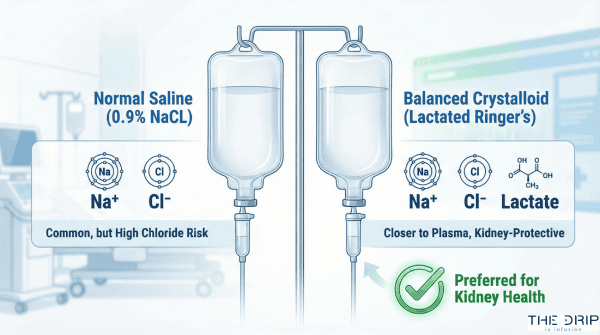
    Isotonic solutions like 0.9% sodium chloride and Lactated Ringer’s match plasma osmotic pressure, producing no net fluid shift. They serve as first-line choices for volume expansion during hemorrhage, shock, severe vomiting, and diarrhea. Lactated Ringer’s offers a balanced electrolyte profile that may reduce adverse kidney events compared to standard saline.

    Hypotonic solutions such as 0.45% and 0.225% sodium chloride lower vascular osmolality, driving water into dehydrated cells. They treat hypernatremia and cellular dehydration but are strictly contraindicated in patients with increased intracranial pressure due to the risk of cerebral edema.

    Hypertonic solutions including 3% saline, D10W, D5NS, and D5LR pull water out of cells into the extracellular space. They address severe hyponatremia, cerebral edema, and hypoglycemia, though administration demands ICU-level monitoring to prevent osmotic demyelination syndrome.

    Safe administration requires continuous tracking of vital signs, urine output, serum electrolytes, lung sounds, and neurological status. Selecting the wrong tonicity can cause fluid overload, pulmonary edema, or irreversible neurological damage.

    What Are Isotonic, Hypotonic, and Hypertonic Solutions?

    Isotonic, hypotonic, and hypertonic solutions are three categories of IV fluids classified by their solute concentration relative to blood plasma. The following sections explain tonicity and the role osmosis plays in fluid selection.

    What Does Tonicity Mean in IV Fluid Therapy?

    Tonicity in IV fluid therapy means the ability of an intravenous solution to influence water movement across cell membranes based on its solute concentration compared to plasma. This property determines whether cells maintain their shape, swell with excess water, or shrink as water is drawn out.

    Clinicians rely on tonicity to guide every fluid order because selecting the wrong concentration carries serious consequences. According to the Society of Critical Care Medicine, complications of incorrect tonicity administration include fluid overload, pulmonary edema, cerebral edema, osmotic demyelination syndrome, and hyperchloremic metabolic acidosis.

    To catch problems early, nurses monitor several parameters during infusion:

    • Vital signs and hemodynamic trends
    • Urine output volume and concentration
    • Serum electrolyte levels
    • Lung sounds, specifically crackles that signal fluid overload
    • Neurological status changes

    Understanding tonicity before choosing a solution is foundational; without it, even a routine fluid order can become dangerous.

    Comparison of isotonic, hypotonic, and hypertonic solutions showing normal, swollen, and shrunken cell states

    How Does Osmosis Relate to IV Solution Selection?

    Osmosis relates to IV solution selection because it is the mechanism through which IV fluids alter cellular hydration. When a solution enters the bloodstream, water moves across cell membranes from areas of lower solute concentration toward areas of higher solute concentration until equilibrium is reached.

    According to Khan Academy, tonicity refers to the ability of an extracellular solution to make water move into or out of a cell by osmosis, which is directly related to the solution’s osmolarity. An isotonic fluid keeps water balanced across the membrane. A hypotonic fluid drives water into cells, while a hypertonic fluid pulls water out.

    Clinicians match a solution’s osmolarity to the patient’s specific fluid deficit, making osmosis the governing principle behind every IV fluid decision. With these foundational concepts established, the next sections examine how each solution type behaves at the cellular level.

    What Is an Isotonic Solution and How Does It Work?

    An isotonic solution matches the osmotic pressure of blood plasma, preventing net fluid movement into or out of cells. The sections below explain cellular behavior in isotonic environments and the most common isotonic IV fluids used clinically.

    What Happens to Cells in an Isotonic Solution?

    Cells in an isotonic solution remain in a state of equilibrium, with no net water movement across cell membranes. Because the solute concentration outside the cell equals the concentration inside, osmotic pressure is balanced in both directions.

    According to Osmosis by Elsevier, isotonic solutions such as 0.9% Sodium Chloride (Normal Saline) and Lactated Ringer’s have the same osmotic pressure as plasma, causing no net fluid shift and keeping cells stable.

    This equilibrium is precisely why isotonic fluids are preferred when the clinical goal is volume replacement without altering cell size. Neither swelling nor shrinkage occurs, which protects red blood cells and tissue integrity during rapid infusion.

    Isotonic IV solution maintaining fluid balance with no net movement across cells and stable patient vital signs

    What Are Common Examples of Isotonic IV Fluids?

    Common examples of isotonic IV fluids include:

    • 0.9% Sodium Chloride (Normal Saline): The most widely used crystalloid for general fluid resuscitation.
    • Lactated Ringer’s Solution: A balanced electrolyte solution that closely mirrors plasma composition.
    • 5% Dextrose in Water (D5W): Initially isotonic in the bag, though it becomes hypotonic once dextrose is metabolized.

    According to the National Center for Biotechnology Information, isotonic fluids are the primary choice for volume expansion in clinical scenarios including hemorrhage, severe vomiting, diarrhea, shock, and metabolic acidosis. For clinicians and patients alike, understanding which isotonic fluid fits a given situation is foundational before considering hypotonic or hypertonic alternatives.

    When Should You Give an Isotonic Solution?

    You should give an isotonic solution when a patient needs intravascular volume expansion without shifting fluid into or out of cells. The specific isotonic fluid depends on the clinical scenario, electrolyte needs, and patient history.

    When Should You Give Normal Saline (0.9% NaCl)?

    You should give normal saline (0.9% NaCl) when a patient requires rapid volume resuscitation or has significant sodium and chloride losses. Common indications include:

    • Hemorrhage and hypovolemic shock requiring immediate fluid replacement
    • Severe dehydration from vomiting or diarrhea
    • Blood transfusion compatibility, since normal saline is the only IV fluid safe to administer alongside blood products
    • Diabetic ketoacidosis as the initial resuscitation fluid
    • Metabolic alkalosis, where the chloride content helps correct the acid-base imbalance

    Normal saline remains the most widely used crystalloid in emergency settings. However, prolonged high-volume infusion can contribute to hyperchloremic metabolic acidosis, making balanced alternatives worth considering for extended resuscitation.

    When Should You Give a Lactated Ringer’s Solution?

    You should give Lactated Ringer’s solution when replacing water and electrolyte loss in patients with low blood volume or low blood pressure. According to Mayo Clinic, Lactated Ringer’s is specifically indicated for these conditions but is contraindicated in patients with severe renal insufficiency due to the risk of fluid or solute overload.

    Because Lactated Ringer’s contains potassium, calcium, and lactate in concentrations that closely mirror plasma, it causes less acid-base disruption than normal saline during large-volume resuscitation. Clinical research reported by the New England Journal of Medicine indicates that replacing standard saline with balanced crystalloids like Lactated Ringer’s in intensive care units can significantly reduce major adverse kidney events and death. For surgical patients and trauma cases, this balanced composition makes Lactated Ringer’s a preferred first-line isotonic fluid.

    When Should You Give D5W as an Isotonic Infusion?

    You should give D5W as an isotonic infusion when a patient needs a vehicle for intravenous medication delivery or requires modest caloric supplementation without additional sodium. D5W is isotonic in the bag, which means it does not cause vein irritation during administration.

    Once infused, however, the body rapidly metabolizes the dextrose, leaving behind free water that distributes across all fluid compartments. This makes D5W unsuitable for true volume expansion. Clinicians typically select D5W for patients who need a keep-vein-open solution, those on sodium-restricted diets, or individuals requiring short-term hydration where electrolyte supplementation is unnecessary. Understanding this dual behavior is essential when selecting between isotonic fluids that restore volume and those that primarily deliver free water.

    What Is a Hypotonic Solution and How Does It Work?

    A hypotonic solution is an IV fluid with lower osmolality than blood plasma, causing water to move into cells through osmosis. The sections below explain how cells respond to hypotonic environments and which IV fluids fall into this category.

    What Happens to Cells in a Hypotonic Solution?

    Cells in a hypotonic solution absorb water through osmosis because the surrounding fluid contains fewer dissolved particles than the intracellular environment. This inward fluid shift causes cells to swell, and in extreme cases, the membrane can rupture in a process called lysis.

    According to CIA Medical, hypotonic solutions such as 0.45% Sodium Chloride (Half-Normal Saline) lower the osmolality within the vascular space, causing fluid to shift into the cells and potentially leading to cellular swelling or lysis. This mechanism makes hypotonic fluids useful for treating cellular dehydration and hypernatremia, where cells have lost water and need rehydration at the intracellular level.

    However, this same fluid-shifting property creates serious risks in certain patients. Hypotonic solutions are strictly contraindicated in patients with increased intracranial pressure because the resulting cellular swelling can exacerbate cerebral edema. For clinicians, understanding this balance between therapeutic benefit and potential harm is what separates safe hypotonic fluid use from dangerous administration.

    Hypotonic IV solution effect on cells causing swelling and increased risk of cell lysis due to fluid shift into cells

    What Are Common Examples of Hypotonic IV Fluids?

    The common examples of hypotonic IV fluids include solutions with osmolality at or below 250 mOsm/L. The most frequently used options are:

    • 0.45% Sodium Chloride (Half-Normal Saline): The most widely administered hypotonic IV fluid, used for cellular rehydration and gradual sodium correction.
    • 0.225% Sodium Chloride (Quarter-Normal Saline): An extremely hypotonic solution reserved for critical care settings when significant free water delivery is needed.
    • D5W (post-metabolism): Initially isotonic in the bag, 5% Dextrose in Water becomes functionally hypotonic once the body metabolizes the glucose, leaving free water that distributes across fluid compartments.

    Each fluid serves a distinct clinical purpose based on how aggressively intracellular rehydration needs to occur. With these foundational hypotonic fluids defined, the next step is understanding when each one should be administered.

    When Should You Give a Hypotonic Solution?

    You should give a hypotonic solution when a patient presents with cellular dehydration or elevated sodium levels. The specific clinical scenario determines whether 0.45% saline, 0.225% saline, or D5W is most appropriate.

    When Should You Use 0.45% Normal Saline?

    You should use 0.45% normal saline when treating hypernatremia and intracellular dehydration. This half-normal saline solution lowers vascular osmolality, driving water into dehydrated cells to restore fluid balance. Common indications include:

    • Diabetic ketoacidosis maintenance fluids after initial isotonic resuscitation
    • Hypernatremia requiring gradual sodium correction
    • Daily maintenance fluid therapy for patients who cannot take fluids orally

    According to Drugs.com, hypotonic solutions like 0.45% sodium chloride are strictly contraindicated in patients with increased intracranial pressure because they can exacerbate cerebral edema. Careful serum sodium monitoring during infusion prevents overly rapid correction, which risks neurological complications. For most clinical teams, this remains the default hypotonic choice when moderate free water delivery is needed.

    When Should You Use 0.225% Normal Saline?

    You should use 0.225% normal saline in specific critical care settings where aggressive free water replacement is necessary. This quarter-normal saline is an extremely hypotonic solution, making it far more potent at shifting fluid into cells than half-normal saline.

    Its primary indication is severe hypernatremia requiring controlled free water administration. According to a study published in PubMed (National Library of Medicine), 0.225% sodium chloride is used in critical care to treat severe hypernatremia when free water delivery is required. Because of its very low osmolality, this solution carries a higher risk of rapid cellular swelling. Administration typically requires ICU-level monitoring with frequent electrolyte checks.

    When Should You Use D5W as a Hypotonic Infusion?

    You should use D5W as a hypotonic infusion when a patient needs free water without additional sodium. D5W is initially isotonic in the bag, but once the body metabolizes the dextrose, the remaining solution becomes hypotonic. This provides free water to both extracellular and intracellular compartments.

    Key clinical uses include:

    • Providing free water for patients with hypernatremia who need sodium-free hydration
    • Serving as a drug diluent for IV medication delivery
    • Supporting mild caloric supplementation in patients unable to eat

    Clinicians often underestimate how quickly D5W’s tonicity shifts after infusion, which makes ongoing monitoring essential. Understanding these hypotonic options helps clinicians select the right concentration for each clinical scenario, a principle that applies equally when choosing hypertonic solutions.

    What Is a Hypertonic Solution and How Does It Work?

    A hypertonic solution is an IV fluid with higher solute concentration than blood plasma, which pulls water out of cells through osmosis. The sections below explain cellular response and common hypertonic fluid examples.

    What Happens to Cells in a Hypertonic Solution?

    Cells in a hypertonic solution lose water and shrink through a process called crenation. Because the surrounding fluid contains more dissolved particles than the cell’s interior, osmosis drives water outward across the cell membrane to equalize concentration. This deliberate fluid shift is precisely why clinicians select hypertonic solutions: to reduce dangerous swelling in tissues, particularly the brain.

    According to RxList, hypertonic solutions such as 3% Sodium Chloride create an osmotic pressure gradient that draws water out of the intracellular space into the extracellular space, causing cells to shrink. Given this potent effect, administration requires careful oversight. State nursing boards regulate who can manage these infusions; Mississippi, for example, specifically prohibits LPNs from independently regulating dosages of hypertonic solutions. For most clinical scenarios, hypertonic fluids demand central venous access and continuous monitoring because rapid osmotic shifts can cause serious complications if poorly controlled.

    What Are Common Examples of Hypertonic IV Fluids?

    Common examples of hypertonic IV fluids include 3% Sodium Chloride, 5% Sodium Chloride, D10W, D5NS, and D5LR. Each serves a distinct clinical purpose:

    • 3% Sodium Chloride (3% NaCl) is used for severe hyponatremia and cerebral edema, requiring slow, monitored infusion.
    • 5% Sodium Chloride (5% NaCl) treats critically low sodium levels under intensive care supervision.
    • D10W (10% Dextrose in Water) provides 340 calories per liter and addresses hypoglycemia or nutritional support needs.
    • D5NS (5% Dextrose in 0.9% NaCl) combines electrolyte replacement with caloric supplementation while maintaining high osmolarity.
    • D5LR (5% Dextrose in Lactated Ringer’s) delivers electrolytes and calories, preventing fluid from shifting into cells.

    The variety within this category highlights an important point: not all hypertonic fluids work the same way. Selecting the right one depends on whether the clinical goal is sodium correction, glucose support, or combined electrolyte and caloric delivery. Understanding when each is appropriate is essential for safe IV fluid management.

    When Should You Give a Hypertonic Solution?

    You should give a hypertonic solution when a patient needs rapid fluid shift from cells into the vascular space. Common clinical scenarios include severe hyponatremia, cerebral edema, and hypoglycemia requiring concentrated glucose.

    When Should You Use 3% Saline?

    You should use 3% saline when a patient presents with severe, symptomatic hyponatremia or acute cerebral edema. This concentrated sodium chloride solution creates a strong osmotic gradient that pulls excess water out of swollen brain cells, reducing dangerous intracranial pressure.

    According to the U.S. Food and Drug Administration, 3% and 5% sodium chloride injections are indicated for treating severe hyponatremia and cerebral edema, though they must be administered with extreme caution to avoid osmotic demyelination syndrome. Because of this risk, 3% saline typically requires ICU-level monitoring with frequent serum sodium checks. For clinicians, the critical principle is controlled correction; raising sodium too quickly can cause irreversible neurological damage, making this one of the highest-risk IV fluids in practice.

    When Should You Use D10W?

    You should use D10W when a patient requires treatment for hypoglycemia or needs concentrated caloric supplementation through an IV line. D10W, or 10% dextrose in water, is a hypertonic solution that delivers a higher glucose load than standard dextrose fluids.

    According to DailyMed, D10W provides 340 calories per liter and is used for nutritional support or to treat hypoglycemia when higher glucose concentrations are required. This makes it particularly valuable for neonates, patients who cannot eat, or those with persistently low blood sugar unresponsive to D5W. Blood glucose levels should be monitored closely during infusion, since overcorrection can lead to hyperglycemia and osmotic complications.

    When Should You Use D5 in 0.9% Normal Saline?

    You should use D5 in 0.9% normal saline (D5NS) when a patient needs both fluid volume expansion and supplemental calories. D5NS combines the isotonic electrolyte profile of normal saline with 5% dextrose, creating a hypertonic solution that maintains high osmolarity while delivering energy.

    Common indications include postoperative fluid maintenance, patients with combined caloric and electrolyte deficits, and situations where prolonged NPO (nothing by mouth) status demands nutritional support alongside hydration. Because D5NS provides sodium, chloride, and glucose simultaneously, it is well suited for patients who need more than simple rehydration. Serum glucose and electrolytes should be monitored throughout the infusion.

    When Should You Use D5 in Lactated Ringers?

    You should use D5 in Lactated Ringer’s (D5LR) when a patient requires balanced electrolyte replacement combined with caloric intake. D5LR pairs the multi-electrolyte composition of Lactated Ringer’s, including sodium, potassium, calcium, and lactate, with 5% dextrose for energy.

    This solution is frequently selected for surgical patients, burn recovery, and prolonged fluid therapy where both electrolyte balance and caloric support matter. Compared to D5NS, D5LR offers a more physiologically balanced electrolyte profile that reduces the risk of hyperchloremic metabolic acidosis. However, it remains contraindicated in patients with severe hepatic impairment, since the liver must metabolize lactate to bicarbonate. Selecting between D5NS and D5LR ultimately depends on the patient’s acid-base status and electrolyte needs.

    What Are the Key Differences Between Isotonic, Hypotonic, and Hypertonic Solutions?

    The key differences between isotonic, hypotonic, and hypertonic solutions center on osmolality, the direction of water movement across cell membranes, and their clinical applications. Normal serum osmolality falls between 275 and 295 mOsm/kg, according to StatPearls, and each solution type is defined by its concentration relative to this baseline.

    FeatureIsotonicHypotonicHypertonic
    Osmolality Range250–375 mOsm/L≤ 250 mOsm/L≥ 375 mOsm/L
    Water MovementNo net fluid shiftWater moves into cellsWater moves out of cells
    Cell ResponseEquilibriumSwelling (possible lysis)Shrinkage (crenation)
    Primary UseVolume expansion, shock, hemorrhageCellular dehydration, hypernatremiaSevere hyponatremia, cerebral edema
    Common Examples0.9% NaCl, Lactated Ringer’s0.45% NaCl, 0.225% NaCl3% NaCl, D10W, D5NS

    Understanding these distinctions matters because selecting the wrong tonicity can worsen a patient’s condition rather than correct it. For clinicians and nursing students frequently searching for clarification on isotonic versus hypotonic solutions for dehydration, this comparison serves as a practical reference point. With these differences established, proper monitoring during administration becomes the next critical step.

    What Nursing Considerations Apply When Administering IV Solutions?

    Nursing considerations when administering IV solutions include continuous patient monitoring, accurate tonicity selection, and awareness of complications from incorrect fluid choices. The subsections below cover monitoring protocols and risks of tonicity errors.

    How Do You Monitor a Patient Receiving IV Fluids?

    You monitor a patient receiving IV fluids by tracking a specific set of clinical parameters throughout the infusion. According to BC Campus Open Publishing, essential nursing monitoring parameters for IV therapy include vital signs, urine output, serum electrolytes, lung sounds for crackles indicating fluid overload, and neurological status.

    Effective monitoring follows a consistent assessment cycle:

    • Measure vital signs at baseline and at regular intervals during infusion.
    • Track urine output to evaluate kidney function and fluid balance.
    • Auscultate lung sounds for crackles, which signal early pulmonary edema.
    • Review serum electrolyte levels to detect imbalances caused by the infusion.
    • Assess neurological status, especially when administering hypotonic or hypertonic solutions.

    Skipping any single parameter can mask early warning signs, making a structured checklist one of the most practical tools a nurse can use during IV administration.

    IV fluid monitoring checklist showing vital signs, urine output, lung sounds, electrolyte levels, and neurological status assessment

    What Are the Risks of Giving the Wrong IV Tonicity?

    The risks of giving the wrong IV tonicity include fluid overload, pulmonary edema, cerebral edema, osmotic demyelination syndrome, and hyperchloremic metabolic acidosis. Each complication stems from unintended fluid shifts between the intravascular and intracellular compartments.

    Administering a hypotonic solution to a patient with elevated intracranial pressure, for example, can worsen cerebral edema by driving water into brain cells. Conversely, correcting hyponatremia too rapidly with hypertonic saline risks osmotic demyelination syndrome, which causes irreversible neurological damage. Even isotonic solutions carry risk when infused in excessive volumes, potentially triggering pulmonary edema in patients with compromised cardiac function.

    These consequences reinforce why tonicity selection requires careful assessment before and throughout every infusion. Understanding the relationship between solution type and complication risk forms the foundation for safe IV fluid delivery in any clinical or wellness setting.

    How Does IV Fluid Tonicity Apply to Everyday Hydration Needs?

    IV fluid tonicity applies to everyday hydration needs by informing how professionals select solutions that restore fluid balance outside hospital settings. The sections below cover mobile IV therapy for wellness recovery and key takeaways on isotonic, hypotonic, and hypertonic solution selection.

    Can Mobile IV Therapy From The Drip IV Infusion Help With Rehydration and Recovery?

    Yes, mobile IV therapy from The Drip IV Infusion can help with rehydration and recovery by delivering fluids, electrolytes, and vitamins directly into the bloodstream. This approach bypasses the GI tract, allowing maximum absorption for individuals experiencing dehydration from illness, athletic exertion, or general fatigue. The Drip IV Infusion provides customizable IV cocktails administered by experienced nurses in the comfort of a client’s home or workplace. Although a 2024 review published in the JAMA Network noted limited high-quality evidence supporting vitamin drips in healthy individuals, medically supervised IV rehydration remains a well-established method for replenishing fluids when oral intake is insufficient. For anyone seeking professional hydration support, The Drip IV Infusion offers convenient, nurse-administered sessions tailored to individual wellness goals.

    What Are the Key Takeaways About When to Give Isotonic, Hypotonic, and Hypertonic Solutions?

    The key takeaways about when to give isotonic, hypotonic, and hypertonic solutions center on matching a fluid’s osmolality to the patient’s clinical need:

    • Isotonic solutions (250 to 375 mOsm/L) maintain plasma equilibrium and serve as first-line choices for volume replacement during hemorrhage, shock, or severe dehydration.
    • Hypotonic solutions (≤250 mOsm/L) push water into cells, making them appropriate for cellular dehydration and hypernatremia while being contraindicated with elevated intracranial pressure.
    • Hypertonic solutions (≥375 mOsm/L) pull water out of cells, treating conditions such as severe hyponatremia and cerebral edema under close monitoring.

    One notable exception is D5W, which is initially isotonic in the bag but becomes hypotonic once dextrose is metabolized, providing free water to both extracellular and intracellular compartments. Understanding these classifications ensures each fluid choice aligns with the body’s immediate physiological demand.

  • IV Nutrient Therapy Cost

    IV Nutrient Therapy Cost

    Cost considerations are usually among the main priorities when deciding on a service. Primarily, clients are interested in the effects of IV therapy and the range of options, after which IV nutrient therapy cost comes into play.

    This article provides a comprehensive overview of IV therapy pricing. It looks into the average cost of IV therapy and explains the factors involved in determining the overall price. The sections below also discuss insurance coverage and alternative paying methods that may help lessen the financial burden of IV therapy. 

    Source: shutterstock.com / Photo Contributor: Numstocker

    Average IV Nutrient Therapy Cost 

    The cost of IV therapy may vary widely based on the provider. Still, customers can expect the minimal cost of a single dose to be around $195. While this is considered an average starting price, the cost can go upward from $350 to $495 depending on what is added. Setting an average cost of IV therapy becomes difficult as the price tag depends on the ingredients included in the solution. However, other factors also influence the IV cost. 

    Doing a bit of market research reveals that pricing structures vary across clinics. For instance, in a Miami clinic customers can expect to pay between $175 to $400 for a single session. In comparison, the IV therapy range in Los Angeles is a bit higher and usually varies between $195 to $500. 

    It’s worth noting that these are mainly ballpark numbers, and the actual cost of IV is determined by individual needs and circumstances. Patients looking for specific solution blends or needing frequent IV sessions will likely spend more than the mentioned average. Those interested in mobile IV infusion Queen Creek can look through our services. 

    Insurance Coverage for IV Nutrient Therapy

    Those interested in IV therapy should keep in mind that insurance policies don’t cover this treatment for mobile IV therapy. While the number of insurance companies that cover IV treatment expenses is not high, they are out there and the coverage is related to very specific situations. Usually, these companies approve coverage only in cases where IV therapy is deemed a medical necessity per a doctor’s orders. For an IV treatment to be determined as such, patients need to obtain an order from their physician and the treatment would be done in the doctor’s office rather than the comfort of your home. 

    Potential Cost Savings

    While insurance might not cover the IV therapy spending, several cost-effective practices may help lessen the financial burden of IV therapy. Patients interested in IV treatment should explore the following: 

    Package deals

    While investing in a single IV drip session might not be a heavy financial burden, paying for multiple sessions will likely affect your budget. Having this in mind, many IV providers offer package deals. For example, some providers may offer limited edition package deals where customers can receive six treatments and pay for only five. 

    Regularly looking through the pricing sections of IV providers often proves a good practice, as IV clinics often offer discounts. Some clinics may also offer a referral discount to their existing clients. 

    Tax deductions

    Patients may also cut down on spendings by opening a Health Savings Account (HSA). These personal savings accounts are designed to help individuals lessen their medical bills. Put simply, an HSA account allows individuals who reside in the US to put away money in their accounts and then withdraw their savings tax-free. The only condition is for the contributions made to this account to cover medical expenses. 

    Factors Affecting IV Nutrient Therapy Cost

    Several factors play a role in determining the overall price of your IV therapy. 

    Type of therapy

    There are several types of IV cocktails available, and each comes with a specific cost. The price of each infusion solution is mainly determined by its ingredients. Accordingly, each type of IV cocktail has a unique purpose, meaning the cost of IV therapy will be determined by your goal. 

    Customers can expect a lower price of a classic Myers cocktail as this drip infusion offershydration and replenishment. Infusions such as The GOAT that contain a specifically tailored blend of vitamins, nutrients, and fluids usually come with a higher cost. 

    Clinic location

    The location of the clinic also determines the overall cost of IV therapy. While this might not be the first thing that comes to mind, there is an added cost in driving to the clinic.

    For instance, individuals who have a longer distance to drive should always consider the distance of the clinic in determining if it’s worth the cost and if they are able to drive in the first place.

    One way to get around this is to opt for a mobile IV therapy service. Mobile IV services make a suitable choice for those whose condition might be preventing them from driving. 

    Frequency of treatment

    While receiving just a single dose of IV infusion might not be a heavy financial burden, long-term therapy can be costly. 

    For some patients, just one IV treatment can be enough. This is usually the case for those looking for hydration or hangover relief. However, others might have more specific goals that can only be obtained through frequent IV therapy. This group can expect their expenses to be heavier.

    Source: shutterstock.com / Photo Contributor: Andrey_Popov

    Additives used

    Add-ons may also increase the cost of IV therapy. While IV cocktails are tailored for different purposes, sometimes customers are seeking other benefits to their treatment, which can only be achieved through add-ons. This can be anything from an extra dose of B-complex vitamins to medications such as Toradol or Zofran. 

    Provider experience and expertise

    While this might seem a little controversial, experience and expertise often contribute to the price of IV infusion. IV clinics that aim to offer their patients the best service possible will likely hire experienced professionals. This itself means that they will need to pay their employees more substantially. Thus, such expenses might be reflected in the price.

    Conclusion

    Those who are new to IV therapy might find it difficult to determine the price range of IV solutions as browsing the plethora of different offers can be overwhelming. However, what remains important in this expedition is finding an IV nutrient therapy cost that fits individual needs and budgets. 

    As explained above, determining an average IV therapy cost becomes difficult with different factors influencing the price. Clients can expect the price range of IV to differ based on the type of IV, location, provider experience, and more.

    However, the biggest influence on the overall cost of IV therapy can be the frequency of treatment. This is why many IV providers sometimes offer package deals, referral programs, and membership discounts. Individuals interested in IV infusion often turn to insurance coverage, but most insurance policies don’t cover this treatment.

  • Hypotonic IV Fluids

    Hypotonic IV Fluids

    With the latest advancements in technology, IV therapy has become a popular option for many patients seeking quick relief. However, those who haven’t undergone IV treatment before may be skeptical when trying it out. While some fear the application, others simply need more information before booking their first appointment. That’s why this article will focus on explaining the use and benefits of hypotonic IV fluids and why they may be the best choice for you. 

    By getting an insight into how this treatment works, it’ll be easier for you to decide if it’s the right option for you. Furthermore, you’ll know what conditions it’s most useful for and how it’s applied to better prepare for your first treatment. Continue reading to discover what IV fluids are hypotonic and their use!

    Source: shutterstock.com / Photo Contributor: Sirbouman

    What Are Hypotonic IV Fluids?

    Before you dive into the use and benefits of hypotonic IV fluids, you should first understand what they are. IV therapy stands for intravenous treatment because the needed fluids and medications are applied through the intravenous route. Due to their fast-acting results achieved by skipping the digestive system, IV fluids are used to treat many different conditions.

    Thus, more people than ever are interested in trying this renowned treatment out. For example, those looking for an Arizona mobile IV can choose between the various IV cocktail options that The Drip IV Infusion has to offer. Alongside a professional team by your side to guide you through the process, you’ll also get premium-quality IV ingredients held to the highest safety and regulatory standards. 

    When it comes down to the difference between these fluids, the three main types of IV fluids are:


    • Hypotonic IV fluids

    • Isotonic IV fluids

    • Hypertonic IV fluids

    The main way these fluids differentiate from each other is the concentration of dissolved solutes when compared to blood. To keep it simple, isotonic fluids have a similar concentration as blood, hypotonic ones have a lower concentration and hypertonic fluids have a higher concentration.

    How do hypotonic IV fluids work?

    As mentioned, hypotonic IV fluids have a lower concentration of dissolved solutes than blood. Thus, they result in a decreased concentration of dissolved particles in the blood compared to the intracellular space when infused. 

    Due to this imbalance, the water from the intravascular compartment begins to experience osmotic movement into the intracellular space. In simple words, this type of IV therapy is designed to bring fluids into the cells from the bloodstream, making it highly useful for patients battling dehydration.

    Even though this treatment has numerous potential benefits, it’s extremely important for the patient to be observed by medical professionals during it. If too much fluid moves into the cells, it might cause adverse effects that may expose the patient to risk. Therefore, a medical team must carefully monitor the patient’s status in case cerebral edema, hypovolemia, and hypotension occur.

    Uses of Hypotonic IV Fluids

    The primary base of hypotonic IV therapy is sodium chloride, also known as a saline solution or salt water. Even though the main use of IV therapy is hydrating the body, it may be considered a primary treatment option in numerous cases. 

    Depending on the patient’s condition, the medical team can choose between a variety of hypotonic IV fluids. Some of the most common options used are the following:


    • 0.45% sodium chloride (0.45% NaCl)

    • 5% dextrose in water (D5W)

    • 0.33% sodium chloride (0.33% NaCl)

    • 0.225% sodium chloride (0.225% NaCl)

    0.45% NaCl

    The first type of hypotonic IV fluid contains 0.45% sodium chloride. It’s one of the most common options for IV therapy due to its potential efficacy when battling intracellular dehydration. 

    Furthermore, it’s thought to be an effective treatment for hypernatremia, a condition characterized by abnormally high levels of sodium in the blood. Since hypernatremia is often a result of water depletion, it often involves dehydration, which can be treated with this type of IV therapy. Moreover, the 0.45% sodium chloride fluid is used for the renal excretion of solutes, which aids in the homeostasis of various ions.

    While this therapy can be used to treat the mentioned conditions, it’s not recommended for patients who suffer from trauma, burns, and liver disease. The reason behind this restriction is due to the potential hypovolemia worsening, which may lead to intravascular fluid loss.

    D5W

    The next common hypotonic IV treatment used includes 5% dextrose in water. Even though it starts as an isotonic IV treatment, D5W turns into hypotonic as soon as the dextrose is metabolized. 

    Like the 0.45% NaCl fluid, this treatment helps the renal excretion of solutes by providing free water to the patient. It may also be considered an effective treatment for hypernatremia due to its hydration properties.

    Unlike the 0.45% NaCl fluids, the 5% dextrose in water solution is thought to play a vital role in dextrose supplementation. Dextrose is crucial for treating hypoglycemia, which is characterized by abnormally low blood sugar levels. 

    0.33% NaCl

    0.33% sodium chloride is the third most common hypotonic IV fluid used when treating patients. The main use of this therapy is to help patients with minor kidney problems, such as the inability to retain water. Besides helping the kidneys retain a certain volume of water, it’s also used to boost tonicity when combined with dextrose. 

    However, this treatment is not recommended for those struggling with heart, renal, or severe kidney failure since it may worsen their condition.

    0.225% NaCl

    The last hypotonic IV therapy you should know of is the one that contains 0.225% sodium chloride. This treatment is mostly used in pediatric care for children who are diagnosed with dehydration and need correction of fluid deficit. It’s often combined with 10% glucose and 500meq of potassium chloride. 

    Furthermore, this treatment is thought to be beneficial for treating patients with hypernatremia, but further studies are needed to determine its efficacy and risks. 

    Source: shutterstock.com / Photo Contributor: AlteredR

    Administration of Hypotonic IV Fluids

    As mentioned, IV therapy is administered intravenously to achieve fast results by skipping the digestive system. However, before you begin this treatment, you should always consult a healthcare professional to determine if it’s the right option.

    Once the medical team has examined you and determined which type of IV treatment you need, the next step is to disinfect the area where the IV will be inserted. Even though the IV needle is most commonly administered in the arm, it can also be applied in other body areas.

    After the nurse has located a suitable vein, they will insert the IV catheter into it. While this is the scariest part for most people, you’ll only feel a little sting during the process. Then, the IV lines are connected to the IV bag containing the predetermined fluids. 

    Once the medical staff adjusts the drip flow rate, all you need to do is sit back, relax, and wait for the IV bag to finish. Since many IV treatments take up to an hour, the medical personnel are required to frequently check on you and monitor your condition.

    Conclusion

    After discovering the use and benefits of hypotonic IV fluids, it’s up to you to decide if they’re what you need. Remember that this medical treatment requires a professional healthcare team to administer it and observe your condition during the process. Thus, always consult a medical professional before taking IV fluids to ensure your safety and prevent potential risks.

  • What Not to Do After IV Drip?

    What Not to Do After IV Drip?

    Post-IV drip aftercare is the set of precautions taken immediately following an intravenous infusion to protect hydration levels, support nutrient absorption, and allow the insertion site to heal properly.

    This guide covers physical activity restrictions, dietary and beverage choices, insertion site care, heat exposure risks, medication and supplement interactions, rest and recovery needs, and common post-treatment mistakes.

    Strenuous exercise and heavy lifting should be avoided for at least 24 hours because elevated heart rate and venous pressure can reopen the puncture site, worsen bruising, and interfere with nutrient absorption. Light walking is generally safe, but resistance training and high-intensity cardio need to wait until the site has fully healed.

    Alcohol and caffeine both act as diuretics that accelerate fluid loss, directly counteracting the hydration your infusion delivered. Heavily processed and high-sodium foods create similar problems by disrupting fluid balance and lacking the micronutrients needed to complement intravenous vitamins.

    The insertion site requires careful attention; submerging it in water, removing the bandage prematurely, or ignoring persistent swelling can introduce bacteria or allow minor complications to escalate. Keeping the puncture dry and the dressing intact for several hours is one of the simplest ways to prevent infection.

    Saunas, hot tubs, and prolonged sun exposure increase circulatory stress through vasodilation and fluid loss, which can diminish treatment results. Certain medications, including diabetes drugs, blood pressure treatments, and paracetamol, may interact with common IV nutrients like NAD+ and glutathione, making a full medication review with your provider essential.

    Resting when your body signals fatigue, avoiding overhydration, and maintaining a consistent treatment schedule all protect the compounding benefits that IV therapy provides over time.

    Why Does Post-IV Drip Care Matter for Your Results?

    Post-IV drip care matters for your results because it directly influences how well your body absorbs infused nutrients, how quickly the insertion site heals, and whether you maintain the hydration benefits gained during treatment. IV fluid therapy plays a vital role in establishing and maintaining cellular homeostasis by providing rapid hydration and nutrient delivery, according to research published in the British Journal of Anaesthesia. However, that therapeutic advantage can be diminished or reversed by common post-treatment mistakes. Skipping proper aftercare, whether through strenuous activity, alcohol consumption, or neglecting the puncture site, places unnecessary stress on the body during a critical absorption window. For most people, the hours immediately following an infusion determine whether the treatment delivers lasting benefit or falls short. Understanding what to avoid after your session is just as important as the drip itself.

    What Physical Activities Should You Avoid After an IV Drip?

    You should avoid intense exercise, heavy lifting, and strenuous movements immediately after an IV drip. The following subsections cover exercise restrictions, weight lifting risks, and recommended wait times before resuming workouts.

    Post IV exercise guidelines infographic showing to avoid high-intensity workouts for 24 hours and choose gentle walking after infusion

    Should You Avoid Intense Exercise After an IV Drip?

    Yes, you should avoid intense exercise after an IV drip. Strenuous activity places strain on the IV insertion site and can prevent your body from properly absorbing the infused nutrients. According to Hydration Room’s post-care guidelines, heavy exercise or strenuous activities should be avoided immediately following an IV drip to allow the body to process the infused nutrients and protect the puncture area.

    Elevated heart rate and increased blood pressure during vigorous workouts can worsen bruising or swelling at the insertion site. If you notice either symptom, applying ice for 10 to 20 minutes helps reduce inflammation. Light movement like walking is generally fine, but high-intensity interval training, running, or competitive sports should wait.

    Is It Safe to Lift Heavy Weights After an IV Drip?

    No, it is not safe to lift heavy weights immediately after an IV drip. Weight lifting increases venous pressure in the arms and engages muscles surrounding common IV insertion points, such as the inner elbow and forearm. This added pressure can reopen the puncture site, cause bleeding under the skin, or worsen post-treatment bruising.

    Gripping heavy barbells or dumbbells also creates repetitive tension near the insertion area. For anyone whose session involved the antecubital vein, even moderate resistance exercises targeting the biceps or forearms should be postponed. Prioritizing gentle, lower-body activity during the first 24 hours is a safer approach for most clients.

    How Long Should You Wait to Work Out After an IV Drip?

    You should wait at least 24 hours before returning to a full workout after an IV drip. This window gives the puncture site time to heal and allows infused vitamins, minerals, and fluids to circulate and absorb properly.

    A practical timeline for resuming activity includes:

    • 0 to 4 hours post-drip: Rest or light walking only.
    • 4 to 24 hours post-drip: Gentle stretching or low-impact movement, such as yoga, is acceptable if the insertion site shows no bruising or swelling.
    • After 24 hours: Most clients can safely resume their regular exercise routine, including resistance training and cardio.

    Listening to your body remains essential; if soreness or swelling persists at the site, extend your rest period before returning to strenuous activity. With workout timing addressed, proper dietary choices further protect your IV drip results.

    What Should You Not Eat or Drink After an IV Drip?

    You should not eat or drink alcohol, caffeine, or heavily processed and salty foods after an IV drip. These substances can undermine hydration and nutrient absorption, reducing the effectiveness of your session.

    Foods and drinks to avoid after IV therapy infographic showing no alcohol, skip caffeine, and limit salt during recovery

    Should You Avoid Alcohol After an IV Drip?

    Yes, you should avoid alcohol after an IV drip for at least 24 hours. Alcohol acts as a diuretic, pulling water from your body and directly counteracting the hydration your infusion just delivered. According to IV Bird, patients should avoid consuming alcohol and caffeine for at least 24 hours after an IV drip session because both substances act as diuretics, which can lead to dehydration and counteract the hydration benefits.

    Even moderate drinking can strain the liver while it processes the vitamins and minerals from your infusion. For anyone investing in IV therapy for recovery or wellness, this is one of the simplest aftercare rules to follow, yet one of the most frequently ignored.

    Should You Avoid Caffeine After an IV Drip?

    Yes, you should avoid caffeine after an IV drip for at least 24 hours. Like alcohol, caffeine functions as a diuretic that increases urine output and accelerates fluid loss. A cup of coffee or energy drink consumed shortly after treatment can reduce the hydration gains your body just received through the IV.

    If you rely on caffeine daily, consider switching to herbal tea or decaffeinated alternatives during the first 24 hours post-infusion. This small adjustment helps your body retain fluids and absorb the infused nutrients more effectively. Prioritizing hydration with plain water during this window consistently yields the best results from any IV session.

    Can Eating Processed or Salty Foods Reduce IV Drip Benefits?

    Yes, eating processed or salty foods can reduce IV drip benefits. High sodium intake promotes water retention in the wrong compartments and increases the body’s demand for fluids, which works against the balanced hydration an IV drip provides. Heavily processed foods also tend to lack the micronutrients your body needs to complement the vitamins delivered intravenously.

    After an IV session, focus on nutrient-dense whole foods:

    • Fresh fruits and vegetables rich in potassium and magnesium.
    • Lean proteins to support cellular repair.
    • Complex carbohydrates for sustained energy.

    Choosing clean, minimally processed meals in the hours following your drip helps your body maximize absorption and extend the benefits of treatment.

    What Should You Avoid Doing at the IV Insertion Site?

    You should avoid submerging the site in water, removing the bandage prematurely, and ignoring signs of bruising or swelling. Each of these mistakes can compromise healing or introduce infection risk.

    IV insertion site care infographic showing how to keep the IV site dry, leave the bandage on, and monitor healing after treatment

    Should You Avoid Submerging the Insertion Site in Water?

    Yes, you should avoid submerging the insertion site in water for at least 24 hours after your IV drip. The small puncture left by the catheter remains vulnerable to bacteria found in pools, bathtubs, and open water sources. Showering is generally safe if you keep the area dry or cover it with a waterproof barrier, but soaking the site creates a direct pathway for contaminants.

    According to a 2025 NIH review on IV infiltration prevention, securement with transparent dressings allows continuous visual monitoring of the insertion area. Once that dressing is removed, the site loses its protective seal. Keeping the puncture dry until the skin fully closes is one of the simplest ways to prevent post-infusion complications.

    Why Should You Not Pick at or Remove the Bandage Too Soon?

    You should not pick at or remove the bandage too soon because the adhesive dressing serves as a sterile barrier over the puncture site. Premature removal exposes the wound before the skin has sealed, increasing infection risk and potentially reopening the vein puncture.

    Most providers recommend leaving the bandage in place for several hours after IV removal. If the dressing becomes damp, loosened, or visibly soiled, replace it with a clean adhesive bandage rather than leaving the site uncovered. Resist the urge to scratch or peel at the edges; even minor disruption can reintroduce bacteria to healing tissue.

    What Happens If You Ignore Bruising or Swelling at the Site?

    Ignoring bruising or swelling at the site can allow minor complications to escalate. Small bruises are common after IV therapy, but persistent or worsening swelling may indicate infiltration, where fluid has leaked into surrounding tissue.

    According to Kaiser Permanente’s post-IV care guidelines, patients should check the area for bruising or swelling for a few days and apply ice or a cold pack for 10 to 20 minutes if symptoms occur. Redness, increasing warmth, or pain that intensifies rather than fades warrants prompt medical attention. Catching these signs early prevents a routine insertion mark from becoming a more serious concern.

    With the insertion site properly cared for, avoiding heat exposure is the next step in protecting your recovery.

    Should You Avoid Heat Exposure After an IV Drip?

    You should avoid heat exposure after an IV drip. Heat accelerates fluid loss and increases circulatory stress, which can undermine the hydration and nutrients your body just received. The sections below cover sauna and hot tub safety, along with prolonged sun exposure risks.

    Is It Safe to Use a Sauna or Hot Tub After an IV Drip?

    No, it is not safe to use a sauna or hot tub shortly after an IV drip. According to a study published by the National Institutes of Health, acute heat exposure increases circulatory stress through peripheral vasodilation and fluid loss, which can progress to heat exhaustion or heat stroke if internal heat storage continues. Saunas and hot tubs intensify this response rapidly, pulling fluids to the skin’s surface for cooling while simultaneously dehydrating you. This directly counteracts the hydration benefits your IV session provided. Waiting at least 24 hours before entering high-heat environments gives your body time to fully absorb and utilize the infused fluids and nutrients.

    Should You Avoid Prolonged Sun Exposure After an IV Drip?

    Yes, you should avoid prolonged sun exposure after an IV drip. Extended time in direct sunlight triggers the same thermoregulatory response as saunas, placing cardiovascular strain on the body. Individuals with heart conditions or blood pressure problems face heightened risk, as reported by ZME Science, because the body diverts blood flow to the skin for cooling while simultaneously losing fluids through sweat. Even for healthy individuals, this combination can diminish IV therapy results by accelerating dehydration. If you must be outdoors, stay in shaded areas, wear protective clothing, and increase water intake to preserve the benefits of your treatment. Understanding heat risks helps you protect your investment in proper nutrient and medication management.

    What Medications or Supplements Should You Be Cautious With?

    You should be cautious with medications that interact with IV nutrients, such as diabetes drugs, blood pressure treatments, antidepressants, and certain over-the-counter pain relievers. Supplement timing also matters after an infusion.

    NAD+ can interact with several medications, including treatments for diabetes, blood pressure, cancer, blood clotting, and depression. According to Vivere, these interactions necessitate a full review of current prescriptions before receiving NAD+ infusion therapy. Anyone taking medications in these categories should disclose them to their provider before treatment, not after.

    Paracetamol presents another concern. When taken alongside glutathione supplements, paracetamol can interact negatively with glutathione and may cause liver damage over time. Since glutathione is a common IV add-on, this interaction deserves attention from anyone who regularly uses acetaminophen-based pain relievers.

    Beyond specific drug interactions, high doses of certain vitamins and minerals delivered intravenously have been linked to potential kidney damage, heart rhythm abnormalities, and peripheral nerve damage. These risks increase when oral supplements duplicate nutrients already provided through the IV.

    To minimize risk after an IV drip, consider these precautions:

    • Inform your IV provider about all current medications, including over-the-counter drugs.
    • Avoid taking paracetamol or acetaminophen products if your infusion included glutathione.
    • Wait before resuming high-dose oral supplements of the same nutrients delivered in your IV.
    • Watch for unusual symptoms like heart palpitations, numbness, or changes in urination.

    For most people, a simple conversation with their provider before treatment prevents the majority of interaction risks. Skipping this step is one of the most avoidable mistakes in IV therapy aftercare, yet it remains surprisingly common. Understanding your medication profile helps ensure post-drip recovery stays on track.

    Should You Avoid Skipping Rest After an IV Drip?

    You should avoid skipping rest after an IV drip if your body is recovering from an underlying condition. While routine wellness infusions rarely demand downtime, certain treatment contexts make rest essential for proper recovery.

    According to the Cleveland Clinic, many people do not need recovery time after IV fluids, but additional rest may be required depending on the underlying reason for treatment, such as infection or surgery. This distinction matters because the infusion itself is only part of the equation; what your body is fighting determines how much energy it needs afterward.

    For most healthy individuals receiving a standard hydration or vitamin drip, returning to light daily activities is perfectly reasonable. However, if the IV was administered to support recovery from illness, post-surgical healing, or severe dehydration, pushing through fatigue can slow the very process the infusion was designed to support. Listening to your body remains the simplest and most reliable guide. Even 30 to 60 minutes of quiet rest after a session can help the infused nutrients circulate and absorb more effectively, making the treatment worthwhile.

    Understanding when rest matters sets the stage for recognizing other common post-drip mistakes to avoid.

    What Are Common Mistakes People Make After an IV Drip?

    Common mistakes people make after an IV drip include overhydrating, ignoring side effects, and skipping follow-up sessions. Each of these errors can reduce treatment effectiveness or create unnecessary health risks.

    Post IV drip mistakes infographic showing overhydrating, ignoring side effects, and skipping follow-up sessions after infusion therapy

    Does Overhydrating After an IV Drip Cause Problems?

    Yes, overhydrating after an IV drip can cause problems. Because IV therapy already delivers fluids directly into the bloodstream, drinking excessive water afterward may push total fluid intake beyond what the body can safely process. According to the Cleveland Clinic, if too much fluid is given too quickly during IV therapy, patients can experience fluid overload symptoms such as headache, high blood pressure, and trouble breathing.

    These same risks extend to the hours following treatment when patients aggressively consume water, believing more hydration means better results. Sipping water normally is fine; forcing large volumes is not. Listening to your body’s thirst signals, rather than overcompensating, protects the balance your IV session established.

    Can Ignoring Post-Drip Side Effects Be Dangerous?

    Yes, ignoring post-drip side effects can be dangerous. Mild soreness or slight fatigue after an IV drip is normal, but symptoms like persistent swelling, chest tightness, shortness of breath, or a rapid heartbeat may signal complications that require medical attention.

    While many people do not need recovery time after IV fluids, additional rest may be required depending on the underlying reason for treatment, such as infection or surgery, according to the Cleveland Clinic. Dismissing warning signs delays intervention and can turn a minor issue into a serious one. Any symptom that worsens rather than resolves within a few hours warrants a call to your provider.

    Why Is Skipping Follow-Up Sessions a Mistake?

    Skipping follow-up sessions is a mistake because IV therapy often works cumulatively. A single infusion provides immediate nutrient delivery, but sustained benefits for energy, immunity, or recovery typically require a consistent treatment schedule tailored to individual health goals.

    When patients skip sessions, nutrient levels can drop back to baseline before the next infusion reinforces them. This inconsistency undermines the compounding effect that makes ongoing IV therapy effective. Following your provider’s recommended cadence keeps results steady and helps identify any adjustments needed over time.

    With these common mistakes in mind, professional guidance makes proper aftercare significantly easier to follow.

    How Can Mobile IV Therapy Help You Follow Proper Aftercare?

    Mobile IV therapy can help you follow proper aftercare by bringing licensed professionals directly to your recovery environment, where they provide personalized guidance before leaving. The sections below cover how The Drip IV Infusion supports better recovery and the key aftercare takeaways.

    Can At-Home IV Infusion Services From The Drip IV Infusion Support Better Recovery?

    Yes, at-home IV infusion services from The Drip IV Infusion can support better recovery by allowing clients to rest immediately in their own space. Recovering at home eliminates the need to drive after treatment, reducing physical strain and making it easier to follow aftercare steps like avoiding strenuous activity and staying hydrated.

    The Drip IV Infusion was founded by professionals with decades of experience in nursing and emergency medicine, so clients receive expert site-care instructions and personalized post-drip guidance during every visit. According to a 2023 National Institutes of Health study, the national utilization rate of IV infusion among hospitalized patients was 86.24%, reflecting how central IV therapy remains to modern patient care. Mobile services extend that same standard of professional oversight into comfortable, familiar settings where proper rest and recovery happen naturally.

    What Are the Key Takeaways About What Not to Do After an IV Drip?

    The key takeaways about what not to do after an IV drip center on protecting hydration, the insertion site, and nutrient absorption. Following these guidelines maximizes the benefits of every session:

    • Avoid alcohol and caffeine for at least 24 hours, since both act as diuretics that counteract hydration gains.
    • Skip intense exercise and heavy lifting for the rest of the day to prevent strain on the insertion site.
    • Do not expose the puncture area to pools, hot tubs, or baths until it has fully closed.
    • Avoid saunas and prolonged heat exposure, which increase circulatory stress and fluid loss.
    • Wait 24 to 48 hours before resuming high-dose oral supplements of the same nutrients delivered during infusion.
    • Never ignore unusual bruising, swelling, or side effects; contact your provider promptly.

    Prioritizing these simple precautions is one of the most effective ways to ensure lasting results from IV therapy. With proper aftercare in place, The Drip IV Infusion can help you get the most from every treatment.

  • IV Hangover Cure Cost

    IV Hangover Cure Cost

    Most people have experienced the dreaded hangover at least once in their life. Those who frequently want to go out and enjoy several drinks are often searching for a quick relief the next morning. One such option is the renowned hangover IV, which is thought to relieve some of the symptoms associated with this condition.  Keep in mind, this type of treatment is not a “cure”, rather it may provide relief to some of the symptoms that occur after a night out on the town. This post will focus on the IV hangover cure cost and the factors that may influence it.

    Many people are skeptical of trying this treatment due to the misinformation about the price. Thus, giving you an insight into the related costs may encourage you to schedule your first appointment. Continue reading to learn how much does a hangover IV cost and the price considerations you should know!

    Source: shutterstock.com / Photo Contributor: Roman Samborskyi

    IV Hangover Cure Cost

    An IV hangover therapy is an intravenous treatment designed to relieve hangover symptoms. Since these fluids directly enter your bloodstream, they’re praised for their fast-acting effects achieved by skipping the digestive system. Furthermore, hangover vitamin drips often include additional nutrients, minerals, and medication to refresh your body and give it an additional boost. Generally speaking, the typical cost of an IV hangover cocktail may range anywhere between $300 to $450 per visit depending on the business you choose. 

    There’s such a difference in the price due to the various factors influencing the cost. Besides paying for the IV cocktail and possible add-on vitamins, you’ll also compensate the medical team that will look after you, which includes the application of the treatment and frequent monitoring to ensure no complications occur during the administration.

    If you’re looking for one of the best mobile IV infusion services, you can check out what The Drip IV Infusion has to offer. Besides having a professional team to guide you, you’ll also get premium-quality ingredients held to the highest safety standards. Additionally, you’ll have the opportunity to book an appointment in your desired location within their reasonable prices, whether it’s your home, hotel room, or even office. Specifically, the hangover IV drip – The Hangover Helper at the Drip IV Infusion is $300 and includes everything available to help ease the discomfort you may be feeling.

    Cost Analysis of IV Hangover Cures

    Regardless of whether you choose a mobile IV service or visit a stationary healthcare provider, the cost of an IV hangover may vary. To better understand the price, this article will give you a breakdown of the typical costs, explain the factors influencing the cost, and compare them with other hangover treatments.

    Breakdown of typical costs for IV hangover treatments

    If you’re looking for a middle ground where you get premium quality services for a fair amount, the typical price is around $300. Within this cost, you’ll get an IV cocktail specifically designed to relieve hangover symptoms and a professional medical team that will apply the treatment and monitor your condition. If you choose a service like The Drip IV Infusion, the price also includes visiting your desired location where you’ll undergo the treatment. 

    As mentioned, IV treatments designed for hangover relief often include additional ingredients, such as vitamins, minerals, and medications. Even though it’s often compared to the classic Mayers Cocktail, these IV fluids also provide additional stomach and headache relief. Some of the most common add-ons found in these specific IV cocktails are the following:


    • Vitamin C

    • Vitamin B12 

    • B-Complex 

    • Zinc 

    • Glutathione

    • Magnesium

    • Pepcid

    • Zofran

    • Toradol

    Factors influencing the cost of IV hangover cures

    Besides the typical costs, several factors may influence the price of a hangover IV treatment. The most important ones you should know before choosing your desired service are the following:


    • Location and availability of services

    • Clinic or provider reputation and expertise

    • Inclusions such as consultations, vitamins, and medications

    Location and availability of services

    The first factor influencing the price of an IV hangover is the location and availability of the chosen service. It’s only natural that states with higher incomes and a larger population have higher costs for IV treatment. Thus, it’s best to research the prices based on your city or state if you’re looking into such services. This way, you’ll have a clear overview of the different IV services in your area and what they offer.

    Clinic or provider reputation and expertise

    Another factor that may influence the cost of this IV treatment is the reputation and experience of the provider. As expected, services with a higher rating are often more expensive than less-known ones. However, remember that a healthcare provider’s reputation is directly linked to the quality and effectiveness of their services.

    If you’re looking for the best possible outcome, it’s recommended that you put your trust in a reputable provider. So, take the time to research your options and compare the prices and services profided.

    Inclusions such as consultations, vitamins, and medications

    Lastly, the price of the hangover IV treatment is influenced by inclusions such as vitamins, medications, and consultations. Many mobile IV services offer the opportunity to choose from various add-ons, such as additional nutrients, minerals, and medications. This flexibility allows you to choose the ingredients that are best suitable for your situation.

    Depending on your chosen service, some healthcare providers may also charge you for a consultation. While it may sound inconvenient, remember that consultations play a vital role in the process. Explaining your symptoms and condition to the medical team will help them decide on the best treatment option for your circumstances. However, the consultation cost may vary widely based on the healthcare provider, so it’s best to contact the one you choose directly. Here at the Drip IV Infusion, an initial consultation is included in the package price.

    Comparison of IV hangover cure costs to other hangover remedies

    When searching for a hangover remedy, remember there isn’t a definite cure for the condition. Even though an IV hangover treatment may lessen the symptoms you’re experiencing, healthcare providers state that it shouldn’t be considered a cure. However, it’s tough to be more effective and fast-acting when compared to other home remedies people lean on.

    For example, the main recommendations for relieving hangover symptoms are staying hydrated, eating food that settles your stomach, taking pain relievers, and trying to sleep it off. Since the IV therapy may hydrate you while also providing you with nausea relief and the needed medication, you’ll get an all-in-one solution.

    Although IV hangover therapy may be more expensive than other hangover remedies, you may almost instantly feel the effects of the IV therapy compared, let’s say, with oral consumption of electrolytes, vitamins, or anti-inflammatory drugs. 

    Source: shutterstock.com / Photo Contributor: PRPicturesProduction

    Conclusion

    After discovering the general IV hangover cure cost and the factors that influence it, it’s up to you to decide if it’s the right option for you. If you’ve decided to try this treatment, remember that it’s meant to relieve your symptoms, not act as a cure. Lastly, even though the price may sound a bit expensive at first, keep in mind that you’ll get premium-quality ingredients and a professional medical team to guide you through the process.

  • Does Insurance Cover IV Vitamin Therapy?

    Does Insurance Cover IV Vitamin Therapy?

    Vitamin IV therapy has gained popularity recently due to its diversity. This type of therapy might be helpful in various conditions and situations. While the fact that it is a desirable option remains untenable, some common concerns arise, like does insurance cover IV vitamin therapy?

    We will explain the essence of vitamin IV therapy and how insurance coverage fits into the picture. We will provide information on possible coverage limitations, alternatives, and more.

    Source: shutterstock.com / Photo Contributor: Numstocker

    What Is IV Vitamin Therapy?

    Vitamin IV therapy is an intravenous therapy that introduces different minerals and vitamins directly into the bloodstream. This therapy allows rapid absorption of a higher concentration of vitamins and minerals. Depending on the IV formulation, vitamin therapy might help with the following:

    Furthermore, vitamin infusions are tailor-made by choosing specific vitamins, minerals, and add-ons to address specific requirements. If you are interested in mobile IV infusion, you should know that this therapy offers immense customization. Plus, the IV will be administered by trained nurses who arrive at your requested location. But will insurance cover IV therapy? Let’s discover!

    Does Insurance Cover IV Vitamin Therapy?

    The answer may vary based on several factors. The two biggest factors that come into play in IV insurance coverage include the specific insurance policy and the type of condition in question. So, is IV vitamin therapy covered by insurance? 

    The best way to determine if your insurance covers IV therapy is to check with your provider. Most insurance policies will likely cover conditions that are considered a medical necessity. A healthcare provider usually determines medical necessities. 

    So, for a condition to be described as a medical necessity, the medical practitioner must set a diagnosis and recognize IV vitamin therapy as a suitable treatment. The physician must also provide documentation outlining the specific condition, explaining how IV therapy is vital to the treatment.

    Medical and non-medical IV vitamin therapy

    Regarding insurance coverage, it’s worth distinguishing between medical and non-medical IV therapy. Medical and non-medical IV therapy differ in their goal. While some may seek vitamin therapy as part of their treatment, others might not have a specific condition they are trying to overcome. 

    For instance, some individuals may seek vitamin IV as a way to enhance their overall well-being or get a boost of energy. They might need vitamin IV to help them get through the day without suffering hangover symptoms. These are all non-medical reasons, and insurance is unlikely to cover the IV cost in such scenarios.

    Limitations of Insurance Coverage for IV Vitamin Therapy

    Many IV therapy providers do not take insurance as a method of payment. IV providers find that the majority of patients hiring In-home IV Therapy care are doing it from an elective standpoint in order to benefit their health.

    Additionally, no regulation dictates insurance companies must cover IV therapy, so most avoid covering the cost. However, some providers choose to cover only part of the expenses of IV therapy. Hence, it is best to consult your insurance company to determine whether coverage will be limited.

    Alternative ways to pay for IV vitamin therapy

    Other options might be available when you lack the finances to cover the full cost. That is, you can consider the following:

    Health Savings Accounts

    Health Savings Accounts (HSAs) allow you to save pre-taxed dollars and pay for medical expenses. This personal savings account allows you to put money away and withdraw it tax-free to pay for qualified medical expenses. Thus, setting up an HSA account may be good If you cannot afford IV vitamin treatment.

    Source: shutterstock.com / Photo Contributor: Andrey_Popov

    How to Determine If IV Vitamin Therapy Is Covered by Insurance

    Determining whether insurance covers IV vitamin therapy can be as simple as contacting your insurance provider. The contact information for your provider may be available online or on the insurance card.

    However, you need to be ready and have the information your provider will require. These usually include your policy number and relevant medical information.

    The best approach when contacting an insurance provider is to prepare your questions beforehand. Ask directly about the scope of your insurance coverage, and don’t hesitate to go into details. Requested through information, as this will help you better understand your policy.

    Conclusion

    Does insurance cover IV vitamin therapy? While IV therapy providers try to make their service as affordable as possible, to some, investing in IV vitamin therapy over a longer period can be a big financial burden. However, as explained earlier, not all insurance providers cover the cost of IV therapy. 

    Discuss the policy details with your insurance provider if you need IV infusions. Some insurance companies may only cover a certain amount of the cost, while others might deny any contributions.

    Overall, the insurance policies that cover IV costs are mainly reserved for medical necessities. This means if you seek IV therapy for non-medical reasons you should not expect your insurance to cover the expenses.