If you’re looking into fancy new wellness treatments to boost your energy, sharpen your mind, or help you age better, you’ve probably stumbled across NAD+ IV therapy while doing your research. You’re in the right place to figure out what this treatment is all about – it’s getting a lot of buzz from people who study longevity and folks who are into wellness. We’ll break down NAD+ IV therapy in plain English and help you figure out if it makes sense for what you’re trying to achieve health-wise.
Nicotinamide Adenine Dinucleotide (NAD+) IV therapy is basically a wellness treatment that sends this important helper molecule straight into your bloodstream through an IV drip, skipping your stomach entirely so your body gets 100% of it for energy and keeping your cells running smoothly.
TL;DR Summary:
- NAD+ is a super important helper molecule that goes down as you get older, messing with your energy and how your cells fix themselves
- Getting it through an IV means your body uses all of it compared to pills, with treatments usually giving you 500mg to 1500mg over several hours
- Studies show it might help your brain work better, give you more energy, and help people recovering from addiction
- Side effects are usually mild stuff like feeling flushed, queasy, or getting a headache, but there are serious risks if you get the cheap stuff
- Each session costs anywhere from $200 to $1,500 and insurance won’t cover it, so picking the right place matters a lot
- The Drip IV Infusion has professional NAD+ therapy with experienced medical folks and the good-quality ingredients
Quick Tip: Plan your NAD+ IV session when you can chill out for 2-4 hours, since it takes a while and some people feel wiped out right after.
As we dig into the science behind NAD+ and what it does in your body’s tiny workings, you’ll get the info you need to decide if this treatment fits what you’re going for with your health.
How Does NAD IV Therapy Work?
NAD IV therapy works by putting nicotinamide adenine dinucleotide straight into your bloodstream through an IV drip, skipping your digestive system so your body gets 100% of it. The treatment sends this NAD+ helper molecule right to your cells where it helps make energy, fix DNA damage, and keep your cell’s metabolism humming. Sessions usually take 2-4 hours with doses anywhere from 500mg to 1500mg given while a medical person keeps an eye on you.
What Is NAD and Why Is It Important for the Body?
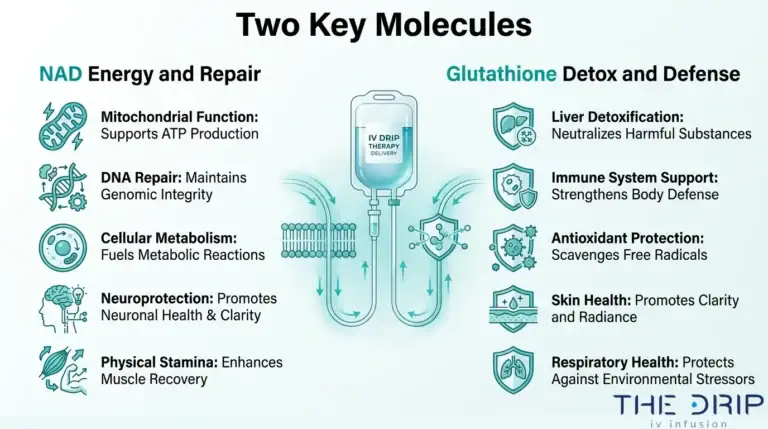
NAD is this really important helper molecule found in every living cell that keeps your cellular energy running through hundreds of different reactions. NAD comes in two forms: the oxidized NAD+ and the reduced NADH, which basically carry electrons around during cellular breathing in your mitochondria – think of them like tiny power plants in your cells.
This molecule works with special proteins called sirtuins that fix DNA damage, PARPs that keep your genes stable, and CD38/CD157 enzymes that manage your immune system. As you get older, your NAD+ levels drop, which plays a part in brain diseases like Alzheimer’s and Parkinson’s, plus your metabolism gets wonky. This happens because your body makes less of it and uses more through enzymes like CD38.
How Is NAD Delivered Through IV Therapy?
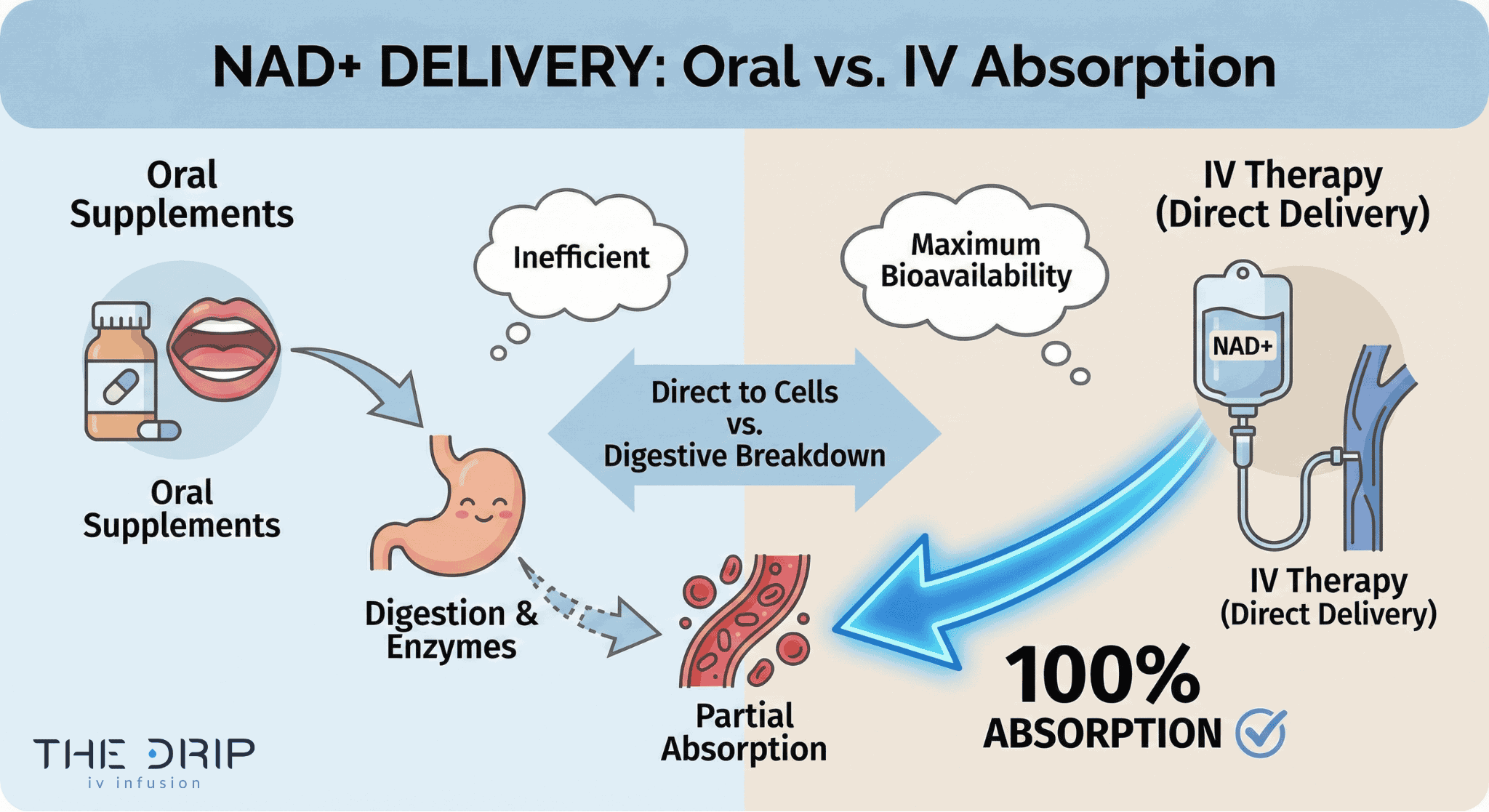
NAD gets delivered through IV therapy via a drip straight into your bloodstream, giving you 100% compared to pills where absorption is all over the place. Regular IV sessions give you 500mg to 1500mg of NAD+ over several hours using carefully controlled drip speeds. For addiction recovery, they do daily drips for 3-10 days and then maintenance sessions after that. A 2024 study on nicotinamide riboside IV found that 500mg doses bumped up blood NAD+ levels by 20.7% at the 3-hour mark. Going straight into your bloodstream means your cells get it right away without your digestive system breaking it down first.
What Happens During a Typical NAD IV Therapy Session?
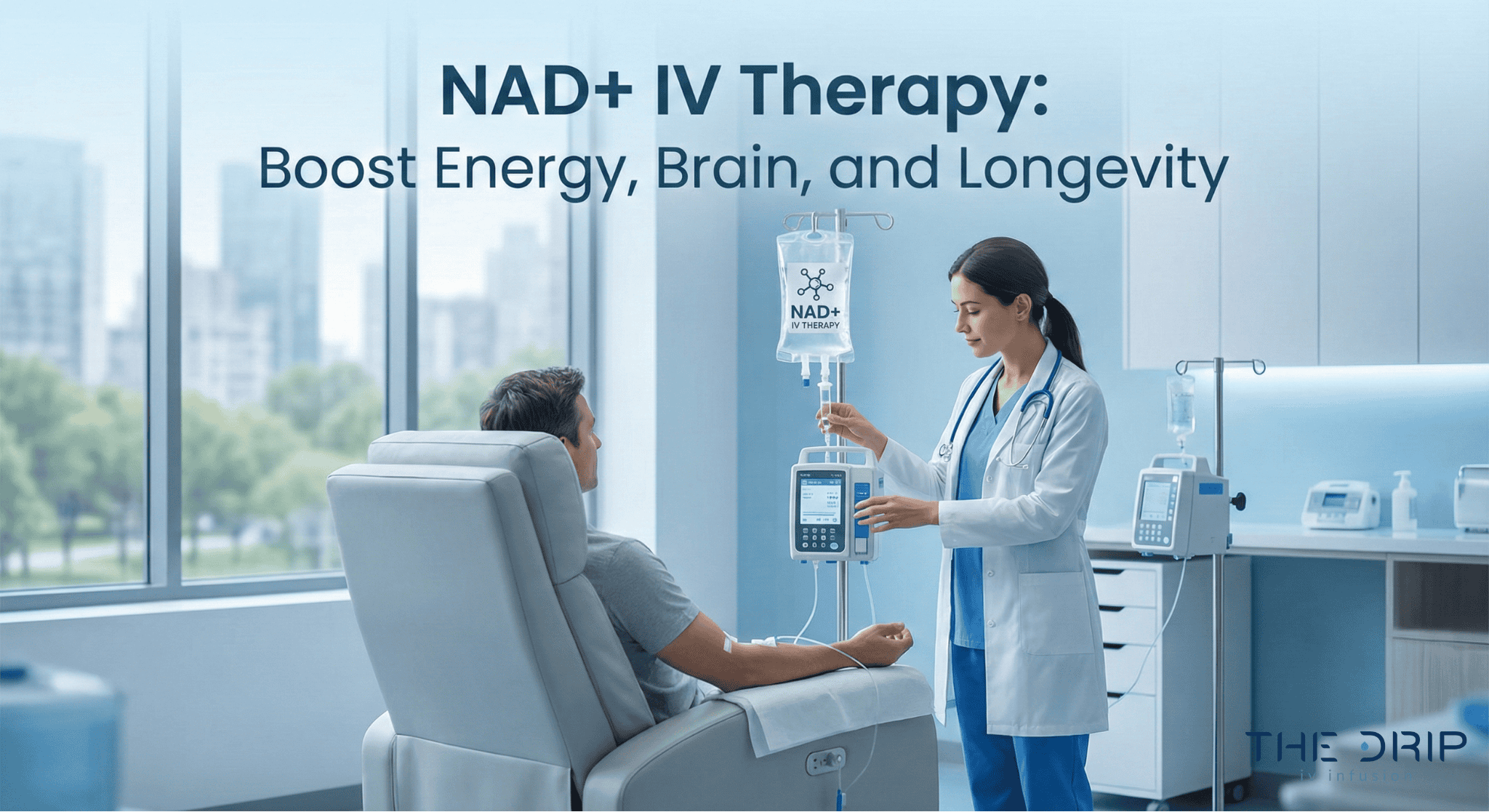
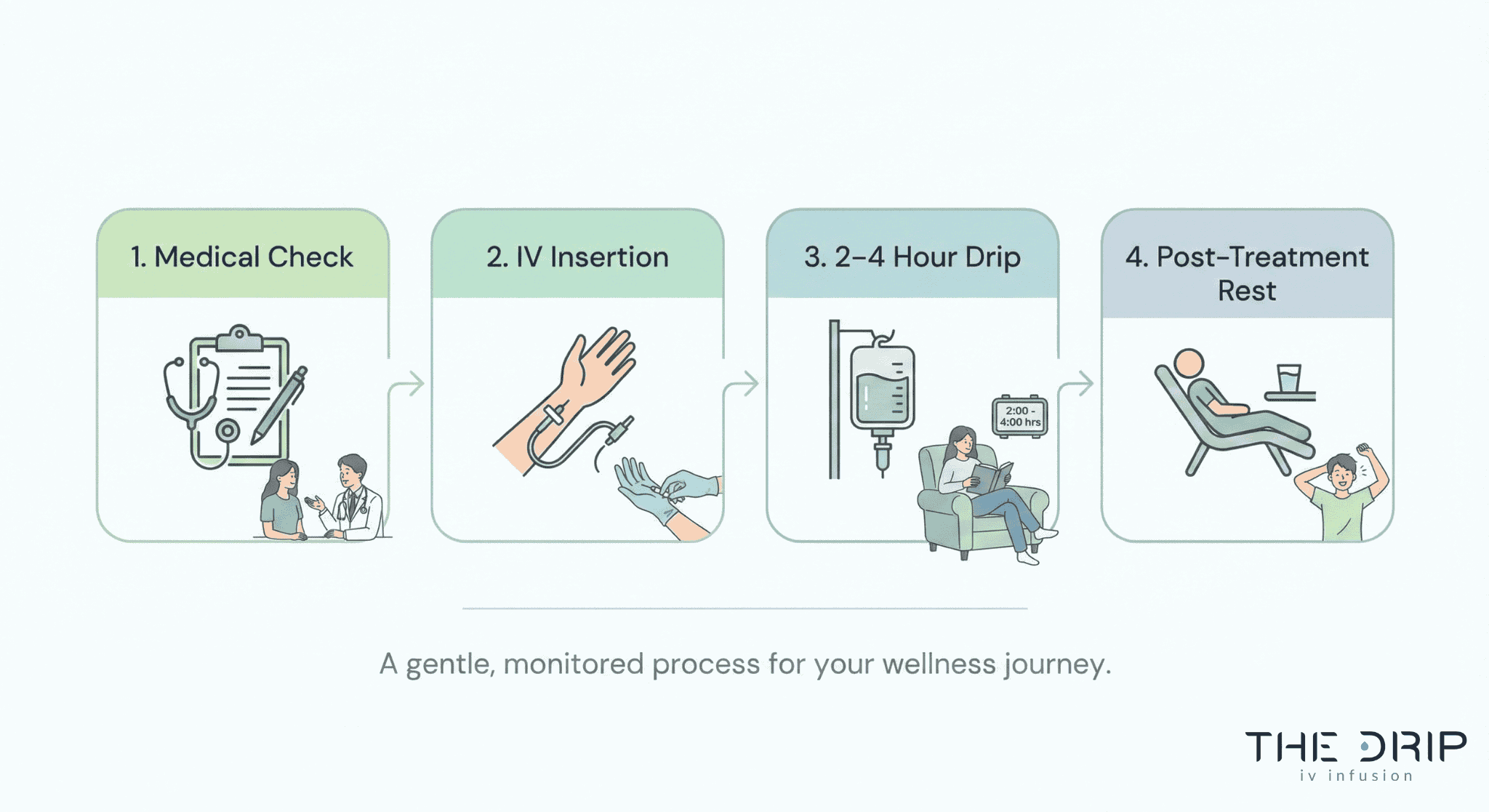
A typical NAD IV session starts with a medical check and getting an IV line put in by qualified healthcare pros. The NAD+ solution drips in slowly over 2-4 hours while you relax in a comfy treatment chair. You might feel some mild stuff like warmth, chest tightness, or feeling queasy during the drip.
Healthcare folks watch your vital signs and can slow down the drip if you’re not feeling great. After it’s done, people often feel more energetic, think more clearly, and feel better mood-wise for several days. Understanding how the NAD delivery works helps you know what to expect from the therapy’s benefits across different health areas.
What Are the Potential Benefits of NAD IV Therapy?
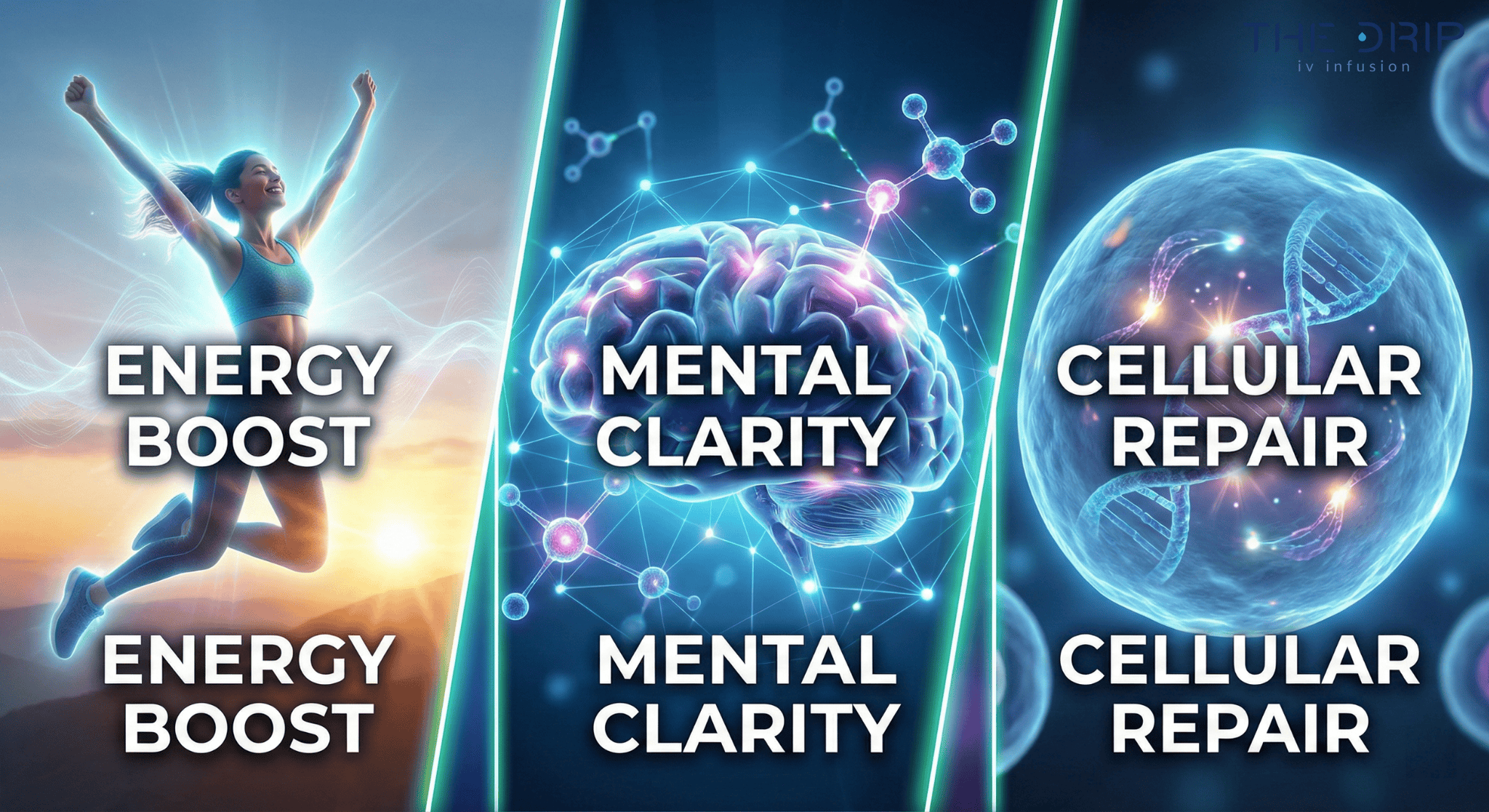
The potential benefits of NAD IV therapy include better energy levels, sharper brain function, anti-aging effects, and help with addiction recovery. NAD+ works as a key helper molecule in making cellular energy and fixing DNA damage. These uses come from NAD+’s job in how your mitochondria work and cell metabolism.
Can NAD IV Therapy Improve Energy Levels?
Yes. NAD IV therapy can improve energy levels by enhancing mitochondrial function and supporting more efficient cellular respiration. NAD+ carries electrons in the mitochondria, turning food into ATP—your cell’s main energy currency. People with chronic fatigue syndrome often report reduced tiredness after drips, and energy improvements usually show up within 24–72 hours..
Does NAD IV Therapy Support Brain Health and Mental Clarity?
Yes. NAD IV therapy supports brain health and mental clarity by regulating neurotransmitters and increasing cellular energy availability. A 2021 study with 750mg daily NAD+ IV for five days showed strong improvements in memory, reaction time, and attention.A 2021 study with 750mg daily IV NAD+ for five days showed big improvements in attention, reaction time, and memory. NAD+ gets neurotransmitter balance back on track in addiction treatment, cutting down withdrawal symptoms and cravings. The therapy increases blood flow to the brain and helps with neuroplasticity. Brain cells use NAD+ to fix DNA damage and protect against oxidative stress.
How Might NAD IV Therapy Affect Aging and Longevity?
NAD IV therapy affects aging by bringing back declining NAD+ levels and turning on longevity proteins called sirtuins. Lab studies show NAD+ supplementation helps with age-related decline and improves healthspan markers.
Dr. David Sinclair from Harvard Medical School says that “aging is a disease, and that disease is treatable.” NAD+ therapy tackles age-related symptoms like low energy, brain fog, and cellular damage. This helper molecule turns on PARP enzymes for DNA repair and keeping your genes stable.
Is NAD IV Therapy Used for Detox or Recovery Support?
Yes. NAD IV therapy is used for detox and recovery support by easing withdrawal symptoms and helping restore neurotransmitter balance. Treatment plans involve daily 500-1500mg drips for 3-10 days during the worst withdrawal. NAD+ restoration helps fix neurotransmitter receptors that got messed up from substance abuse. Recovery centers report fewer cravings and better treatment stick-with-it rates when using NAD+ therapy.
These benefits make NAD IV therapy a pretty versatile treatment option for various health issues. The next section looks at who might be good candidates for this new therapy.
Who Might Be a Good Candidate for NAD IV Therapy?
Good candidates for NAD IV therapy include people dealing with brain fog, addiction recovery challenges, chronic tiredness, and age-related decline. Clinical trials are currently looking into NAD+ precursors for brain diseases like Alzheimer’s and Parkinson’s.
Are There Specific Conditions or Symptoms NAD IV Therapy Addresses?
Yes. NAD IV therapy addresses specific conditions such as brain fog, addiction recovery needs, chronic fatigue syndrome, and age-related decline. Ongoing clinical trials continue to explore neurological and metabolic applications. Age-related issues like metabolism problems, low cellular energy, and mitochondrial decline respond to NAD+ restoration treatments.
Is NAD IV Therapy Safe for Most People?
Yes. NAD IV therapy is generally safe for most people when administered by qualified healthcare professionals. Providers screen for cardiovascular issues, medication interactions, and low blood pressure risks before treatment.Medical supervision makes sure dosing, drip rates, and monitoring are right throughout therapy sessions.
Are There Any Contraindications for NAD IV Therapy?
Yes. There are contraindications for NAD IV therapy, including heart disease history, low blood pressure, and certain medication interactions. Pregnancy, breastfeeding, and severe kidney disease also warrant caution. Healthcare providers check individual risk factors through complete medical history review and baseline vital sign measurements before starting therapy.
What Are the Possible Side Effects or Risks of NAD IV Therapy?
The possible side effects and risks of NAD IV therapy include mild to moderate reactions during the drip and potential safety issues with certain NAD+ formulations. Most patients have minimal bad effects when treatment is given properly by qualified healthcare pros using pharmaceutical-grade products.
What Should You Expect During and After a NAD IV Treatment?
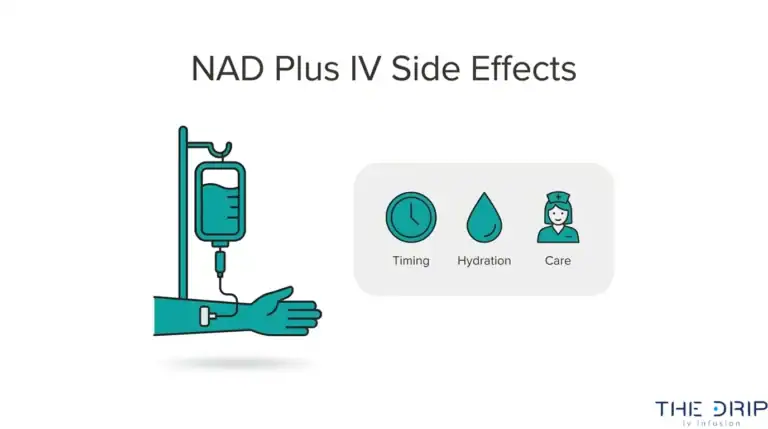
Before and after an NAD IV infusion, patients typically experience predictable physical sensations. These vary during the drip versus in the hours following treatment.
During the infusion, you may notice:
- Mild discomfort at the IV site
- Chest tightness
- Temporary anxiety
- Stomach cramping
After the infusion, you may experience:
- Immediate energy or temporary fatigue
- Mild lightheadedness
- Mental clarity emerging within 2–3 days
Are There Any Common Side Effects Associated with NAD IV Therapy?
Yes. There are common side effects associated with NAD IV therapy, including flushing, nausea, headache, and temporary fatigue. NAD IV therapy can produce several short-lived reactions. The table below helps distinguish the types of symptoms patients may experience.
| Side Effect Type | Symptoms | Notes |
| Vascular | Flushing, blood pressure changes | Usually resolve when drip slows |
| Neurological | Headache, dizziness | Mild and temporary |
| Gastrointestinal | Nausea, cramping | Improves with slower infusion rate |
| Systemic | Fatigue | Common for first 24–48 hours |
How Can You Minimize Risks from NAD IV Therapy?
You can minimize risks from NAD IV therapy by using pharmaceutical-grade NAD+ rather than the food-grade stuff. Pharmaceutical-grade formulations go through extensive purification and testing to meet USP standards for injectable medications. This quality control significantly cuts down contamination risks and bad reactions.
Make sure therapy is given in a sterile environment by qualified healthcare pros trained in IV therapy protocols. Licensed medical facilities maintain strict infection control standards and emergency response capabilities. Pre-treatment hydration and gradual drip rate adjustments Reducing risks from NAD IV therapy depends on proper preparation and clinical oversight. A few key precautions ensure safer sessions.
Checklist:
☑ Complete medical history review
☑ Start with lower doses for early sessions
☑ Monitor vital signs throughout
☑ Stay hydrated before and after
Understanding these potential effects and safety measures helps patients make smart decisions about NAD IV therapy while getting the most benefits and minimizing risks.
How Does NAD IV Therapy Compare to Other IV Therapies or NAD Supplements?
NAD IV therapy is different from oral supplements and other IV treatments in how much your body actually uses, how it’s given, and what results you get. IV administration skips digestive absorption barriers while delivering therapeutic doses straight into circulation.
Is NAD IV Therapy More Effective Than Oral NAD Supplements?
Yes. NAD IV therapy is more effective than oral NAD supplements because it delivers 100% of the dose directly into the bloodstream. Oral supplements face digestive barriers that reduce absorption to 10–30%.
A 2024 study comparing delivery methods found nicotinamide riboside (NR) IV significantly beat both NAD+ IV and oral NR at increasing blood NAD+ levels. The IV NR group achieved 20.7% higher NAD+ concentrations at 3 hours after the drip. Oral NR supplementation needed 14 days to reach comparable increases.
Research on oral precursors shows NR and NMN can effectively increase NAD+ levels through daily supplementation. Best therapeutic dosages range from 300mg to 1000mg daily for oral forms. How long you need to take them for clinical benefits is still being studied through ongoing trials.
The immediate availability advantage puts IV therapy ahead for urgent therapeutic needs like addiction recovery and quick energy restoration.
How Does NAD IV Therapy Differ From Other Types of IV Infusions?
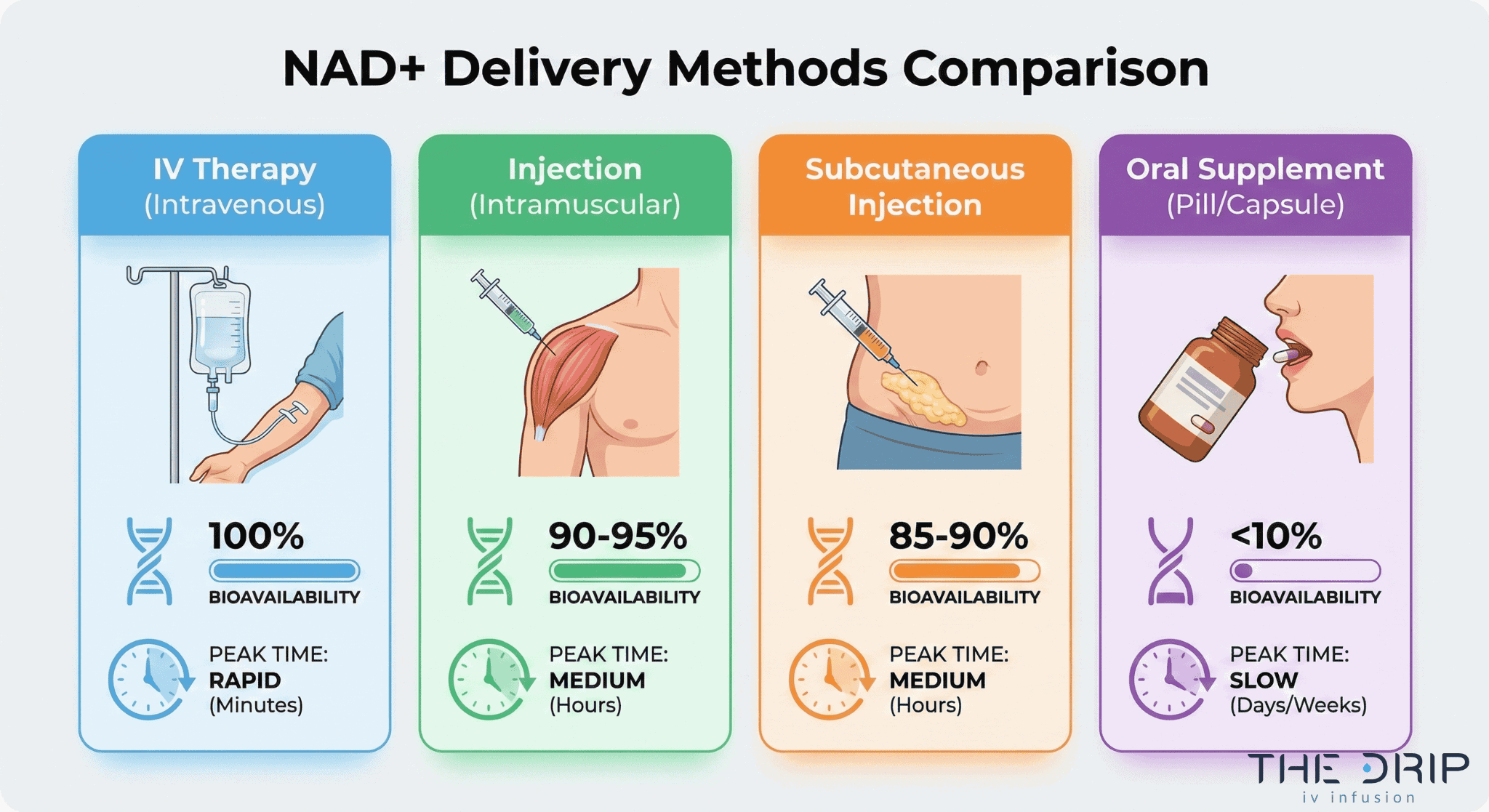
Different NAD delivery routes offer distinct absorption rates and timing. The table below compares how each method behaves in the body. Standard IV therapies deliver vitamins, minerals, and hydration over 30-60 minutes. NAD+ drips need 2-4 hours for 500-1500mg doses to prevent bad reactions.
Companies offer NAD+ delivery alternatives including:
- Under-the-skin NAD+ injections (100-200mg daily)
- Into-the-muscle NAD+ shots (50-100mg twice weekly)
- NAD+ nasal sprays (10-30mg per dose)
- Liposomal oral NAD+ supplements (250-500mg daily)
| Delivery Method | Bioavailability | Time to Peak | Duration |
| IV NAD+ | 100% | 1–3 hours | 24–72 hours |
| IM Injection | 75–85% | 2–4 hours | 12–24 hours |
| Subcutaneous | 60–70% | 4–6 hours | 8–12 hours |
| Oral NAD+ | 10–30% | 6–8 hours | 4–8 hours |
IV therapy keeps therapeutic NAD+ levels going longer than other routes. The extended duration supports cellular repair processes that need sustained NAD+ availability. Choosing between delivery methods depends on what you’re trying to achieve, how well you tolerate it, and how often you want treatment.
What Should You Consider Before Starting NAD IV Therapy?
NAD IV therapy requires careful evaluation of providers and treatment plans before jumping in. The growing number of wellness centers offering NAD+ drips makes picking the right provider really important for safety and effectiveness. Understanding qualification standards and asking smart questions helps ensure you make the right treatment decisions.
How Do You Choose a Qualified Provider for NAD IV Therapy?
A qualified provider for NAD IV therapy should have medical credentials, sterile facilities, and pharmaceutical-grade NAD+ products. Licensed medical professionals include doctors, nurse practitioners, or registered nurses with IV certification. Treatment facilities must maintain sterile environments with proper medical equipment and emergency protocols.
Provider credentials to check include:
- Medical licensing and IV therapy certification
- Experience giving NAD+ drips specifically
- Access to pharmaceutical-grade NAD+ (not food-grade)
- Emergency response capabilities and protocols
- Patient monitoring systems during drips
Service models vary between in-clinic drips and mobile IV services. In-clinic settings offer controlled medical environments with immediate emergency access. Mobile services provide convenience but require verification of sterile practices and emergency procedures. Both models should follow identical safety standards for NAD+ administration.
Red flags indicating unqualified providers include unlicensed staff, non-medical settings without proper equipment, use of food-grade NAD+ products, and lack of patient screening protocols. The October 2024 FDA warning about food-grade NAD+ in sterile drug products highlights risks from improper sourcing.
What Questions Should You Ask Before Your First NAD IV Treatment?
Essential questions before NAD IV treatment cover medical screening, treatment protocols, and expected outcomes. Medical history review determines no-go situations like heart disease, low blood pressure, or medication interactions. Treatment planning requires understanding dosage, session duration, and recommended frequency.
Key questions for providers include:
- What medical screening is required before treatment?
- Which NAD+ formulation and dosage will be used?
- How long does each drip session last?
- What monitoring happens during treatment?
- What are common side effects and management strategies?
- Is the NAD+ pharmaceutical-grade or food-grade?
- What emergency protocols exist for bad reactions?
Cost and treatment expectations need clarification upfront. NAD IV therapy costs range from $200 to $1,500 per session depending on dosage and location. Insurance rarely covers NAD+ drips since they’re considered elective wellness treatments. Treatment goals should align with evidence-based outcomes rather than unsupported claims.
Documentation requests should include informed consent forms, ingredient lists, and emergency contact procedures. Providers should explain potential side effects like flushing, nausea, and headache. Written aftercare instructions help manage post-drip symptoms.
Personal health factors requiring disclosure include current medications, allergies, chronic conditions, and previous IV therapy reactions. This information guides safe protocol selection and identifies potential no-go situations before treatment begins.
How Can You Experience NAD IV Therapy with The Drip IV Infusion?
The Drip IV Infusion provides professional NAD+ IV therapy services through their network of experienced healthcare providers. Their approach combines pharmaceutical-grade NAD+ formulations with personalized treatment protocols designed to meet individual wellness goals. Clients can schedule consultations to figure out appropriate dosing strategies and session frequencies based on their specific health objectives.
What NAD IV Therapy Options Are Available at The Drip IV Infusion?
NAD IV therapy options at The Drip IV Infusion include multiple dosage levels and treatment protocols tailored to different wellness needs. Standard drips range from 500mg to 1500mg of pharmaceutical-grade NAD+, administered over 2-6 hours depending on dosage and how well you tolerate it. The clinic offers both single-session treatments for general wellness and multi-day intensive protocols for specific therapeutic goals like enhanced energy, cognitive support, or recovery assistance.
Treatment packages combine NAD+ with complementary nutrients including B-vitamins, amino acids, and minerals to optimize cellular function. Mobile IV services bring NAD+ therapy straight to clients’ homes or offices, providing convenience without compromising sterile administration standards. Each session includes vital sign monitoring and professional nursing support throughout the drip process.
What Are the Key Takeaways About NAD IV Therapy to Remember?
The key takeaways about NAD IV therapy center on its status, market presence, and scientific foundation. NAD+ IV therapy operates as an elective wellness treatment without FDA regulation for specific disease conditions. The 2024 global NAD+ IV therapy market reached $0.7-0.8 billion, reflecting growing consumer interest in cellular health optimization.
Treatment costs vary significantly, ranging from $200 to $1,500 per session based on dosage, where you are, and facility type. Insurance providers typically classify NAD+ drips as elective procedures, limiting coverage options for most patients. The 2024 FASEB Scientific Research Conference presented emerging evidence on NAD+ applications in cancer biology, neurological health, and aging processes, highlighting continued scientific investigation into therapeutic potential.
When considering NAD+ IV therapy at The Drip IV Infusion, clients should discuss their health history, current medications, and wellness objectives with qualified providers to develop appropriate treatment strategies.
Red flags indicating unqualified providers include unlicensed staff, non-medical settings without proper equipment, use of food-grade NAD+ products, and lack of patient screening protocols. The October 2024 FDA warning about food-grade NAD+ in sterile drug products highlights risks from improper sourcing.
What Questions Should You Ask Before Your First NAD IV Treatment?
Essential questions before NAD IV treatment cover medical screening, treatment protocols, and expected outcomes. Medical history review determines contraindications such as cardiovascular disease, hypotension, or medication interactions. Treatment planning requires understanding dosage, session duration, and recommended frequency.
Key questions for providers include:
- What medical screening is required before treatment?
- Which NAD+ formulation and dosage will be used?
- How long does each infusion session last?
- What monitoring occurs during treatment?
- What are common side effects and management strategies?
- Is the NAD+ pharmaceutical-grade or food-grade?
- What emergency protocols exist for adverse reactions?
Cost and treatment expectations need clarification upfront. NAD IV therapy costs range from $200 to $1,500 per session depending on dosage and location. Insurance rarely covers NAD+ infusions since they’re considered elective wellness treatments. Treatment goals should align with evidence-based outcomes rather than unsupported claims.
Documentation requests should include informed consent forms, ingredient lists, and emergency contact procedures. Providers should explain potential side effects like flushing, nausea, and headache. Written aftercare instructions help manage post-infusion symptoms.
Personal health factors requiring disclosure include current medications, allergies, chronic conditions, and previous IV therapy reactions. This information guides safe protocol selection and identifies potential contraindications before treatment begins.
How Can You Experience NAD IV Therapy with The Drip IV Infusion?
The Drip IV Infusion provides professional NAD+ IV therapy services through their network of experienced healthcare providers. Their approach combines pharmaceutical-grade NAD+ formulations with personalized treatment protocols designed to meet individual wellness goals. Clients can schedule consultations to determine appropriate dosing strategies and session frequencies based on their specific health objectives.
What NAD IV Therapy Options Are Available at The Drip IV Infusion?
NAD IV therapy options at The Drip IV Infusion include multiple dosage levels and treatment protocols tailored to different wellness needs. Standard infusions range from 500mg to 1500mg of pharmaceutical-grade NAD+, administered over 2-6 hours depending on dosage and individual tolerance. The clinic offers both single-session treatments for general wellness and multi-day intensive protocols for specific therapeutic goals such as enhanced energy, cognitive support, or recovery assistance.
Treatment packages combine NAD+ with complementary nutrients including B-vitamins, amino acids, and minerals to optimize cellular function. Mobile IV services bring NAD+ therapy directly to clients’ homes or offices, providing convenience without compromising sterile administration standards. Each session includes vital sign monitoring and professional nursing support throughout the infusion process.
What Are the Key Takeaways About NAD IV Therapy to Remember?
The key takeaways about NAD IV therapy center on its status, market presence, and scientific foundation. NAD+ IV therapy operates as an elective wellness treatment without FDA regulation for specific disease conditions. The 2024 global NAD+ IV therapy market reached $0.7-0.8 billion, reflecting growing consumer interest in cellular health optimization.
Treatment costs vary significantly, ranging from $200 to $1,500 per session based on dosage, geographic location, and facility type. Insurance providers typically classify NAD+ infusions as elective procedures, limiting coverage options for most patients. The 2024 FASEB Scientific Research Conference presented emerging evidence on NAD+ applications in cancer biology, neurological health, and aging processes, highlighting continued scientific investigation into therapeutic potential.
When considering NAD+ IV therapy at The Drip IV Infusion, clients should discuss their health history, current medications, and wellness objectives with qualified providers to develop appropriate treatment strategies.