Book Now

Author: Brandon Lang

  • How Do IV Fluids Make You Feel?

    How Do IV Fluids Make You Feel?

    IV fluids are a method of delivering hydration, electrolytes, and nutrients directly into the bloodstream through a small catheter placed in a vein. Because this route bypasses the digestive system entirely, it produces near-instant physiological effects that feel noticeably different from drinking water or taking oral supplements.

    This guide covers how IV fluids interact with your body, the positive effects they deliver, what sensations to expect during an infusion, how your starting condition shapes the experience, potential side effects, and how mobile IV therapy can improve the process.

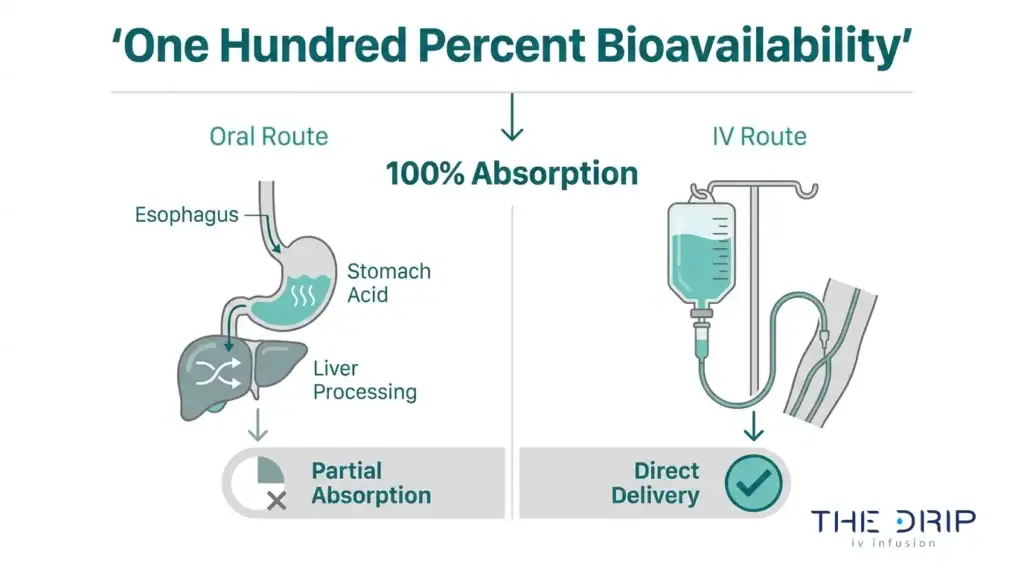
    Once fluids enter your bloodstream, your body distributes them across vascular, interstitial, and intracellular compartments with 100% bioavailability. This immediate absorption means relief from symptoms like dizziness, fatigue, and dry mouth can begin within minutes of starting an infusion.

    The positive effects span several areas of wellness. Energy levels improve as dehydration and electrolyte imbalances are corrected. Hydration at the cellular level supports skin elasticity and collagen production. Mental clarity sharpens when fluid balance is restored to the brain, and nausea or headaches tied to dehydration often ease through direct volume replacement.

    During the infusion itself, most people feel a brief pinch at needle insertion followed by a cooling sensation as room-temperature fluid enters the vein. Lightheadedness is uncommon but possible, particularly for those who are anxious or already dehydrated.

    Your starting condition significantly shapes the experience. Severe dehydration, hangover recovery, post-exercise fatigue, and illness each produce distinct responses to IV hydration. Side effects like bruising, chills, or mild nausea can occur but are typically short-lived when infusions are administered by trained professionals.

    What Happens to Your Body When You Receive IV Fluids?

    Your body responds to IV fluids through a rapid sequence: direct bloodstream entry, systemic distribution, and noticeable symptom relief. The following subsections cover how fluids enter circulation, what your body does with them, and how quickly you can feel the effects.

    Instant bloodstream entry diagram showing IV fluids entering through direct vein access, immediate circulation, and fast distribution

    How Do IV Fluids Enter Your Bloodstream?

    IV fluids enter your bloodstream through a small catheter placed directly into a vein, bypassing the digestive system entirely. A nurse inserts the catheter, typically into a vein on the hand or forearm, and connects it to a fluid bag via tubing. Gravity or an infusion pump then delivers the solution straight into venous circulation.

    This direct vascular access is what makes IV delivery fundamentally different from drinking water or taking oral supplements. According to the American College of Sports Medicine, the immediate entry of fluids into the bloodstream via IV offers more rapid rehydration than oral fluids, which must be emptied from the gut and absorbed across the intestinal wall. Once the fluid passes through the catheter tip, it mixes with blood within seconds and begins circulating throughout the body.

    What Does Your Body Do With IV Fluids Once They’re Absorbed?

    Your body distributes IV fluids across three major compartments: the intravascular space (blood vessels), the interstitial space (between cells), and the intracellular space (inside cells). Because the fluid enters circulation instantly, the body can begin restoring plasma volume, balancing electrolyte concentrations, and supporting organ function without waiting for gastrointestinal absorption.

    According to pharmacokinetic modeling published in Frontiers in Veterinary Science, the entry of infused IV fluid into the central compartment is instantaneous with 100% bioavailability. By comparison, oral water intake can take between 45 and 120 minutes to be fully absorbed. This immediate availability allows the kidneys, heart, and other organs to respond to the fluid in real time, adjusting filtration rates and blood pressure accordingly. For most people, this translates into faster relief from dehydration symptoms than oral rehydration alone can provide.

    How Quickly Can You Feel the Effects of IV Fluids?

    You can often feel the effects of IV fluids within minutes of the infusion starting. IV fluids restore volume quickly, improving dehydration-associated symptoms such as:

    • Dizziness and lightheadedness
    • Dry mouth and throat
    • Fatigue and low energy
    • Headache
    • Fast heart rate

    The speed of relief depends on your starting hydration level, the type of fluid used, and infusion rate. Someone severely dehydrated will typically notice a more dramatic shift than someone mildly low on fluids. Most clients report feeling noticeably better before their session ends, which is one reason IV therapy has become such a popular recovery option.

    Understanding what happens inside your body during an infusion sets the stage for exploring the specific positive effects IV fluids deliver.

    What Are the Positive Effects of IV Fluids?

    The positive effects of IV fluids include improved energy, better hydration, enhanced mental clarity, nausea relief, and stronger immune support. Each benefit stems from rapid nutrient delivery directly into the bloodstream.

    Five key IV therapy benefits infographic showing more energy, better hydration, mental clarity, immune support, and nausea relief

    How Do IV Fluids Improve Your Energy Levels?

    IV fluids improve your energy levels by correcting dehydration and restoring electrolyte balance quickly. Fatigue is one of the earliest symptoms of fluid deficit, and replenishing volume directly through the bloodstream addresses this faster than oral intake. Infusions that include B-complex vitamins, amino acids, or magnesium further support cellular energy production. Because the digestive system is bypassed entirely, nutrients reach cells without the absorption losses common with oral supplements. For athletes or anyone experiencing prolonged fatigue, this direct delivery can make a noticeable difference in how quickly energy returns.

    How Do IV Fluids Affect Your Hydration and Skin?

    IV fluids affect your hydration and skin by delivering fluids directly into systemic circulation with a 100% absorption rate, bypassing the digestive system entirely. This means every milliliter administered reaches the bloodstream immediately, unlike oral hydration, which depends on gut absorption. Proper hydration at the cellular level supports skin elasticity and overall appearance. According to Grand View Research, IV hydration therapy is believed to enhance the normal production of elastin and collagen, which maintain youthful, healthy-looking skin and reduce the appearance of wrinkles. Well-hydrated skin simply looks and feels better, making this one of the most popular reasons people seek IV infusions.

    How Do IV Fluids Help With Mental Clarity and Focus?

    IV fluids help with mental clarity and focus by rapidly correcting the dehydration that impairs cognitive function. Even mild fluid loss can reduce concentration, slow reaction time, and cause brain fog. When electrolytes and hydration reach the brain through direct bloodstream delivery, these symptoms often resolve faster than through drinking water alone. Infusions containing magnesium or B vitamins provide additional neurological support, since these nutrients play essential roles in neurotransmitter function. For anyone experiencing mental sluggishness after illness, travel, or intense activity, restoring fluid balance intravenously can sharpen focus noticeably within the session.

    How Do IV Fluids Reduce Nausea and Headaches?

    IV fluids reduce nausea and headaches by rehydrating the body without requiring anything to pass through the stomach. This is especially valuable when someone cannot keep oral fluids down. Dehydration-related headaches respond well to rapid volume restoration, and anti-nausea medications like Zofran can be added directly to the infusion for faster symptom control. However, not all headache types respond equally. A 2016 study published in ScienceDirect found that headache freedom was achieved by only 14% of migraine patients who received IV fluids, compared to 18% who did not. This underscores the importance of matching the infusion to the underlying cause.

    How Do IV Fluids Support Your Immune Response?

    IV fluids support your immune response by delivering immune-boosting nutrients directly into the bloodstream at full bioavailability. Vitamin C, zinc, and glutathione are commonly included in immune-focused infusions because they play critical roles in white blood cell function and antioxidant defense. When the body is fighting illness, nutrient demands increase significantly, and oral supplementation may not keep pace due to digestive limitations. Intravenous delivery ensures these nutrients reach immune cells at therapeutic concentrations without delay. For anyone feeling run down or hoping to stay ahead of seasonal illness, this targeted support can make a measurable difference in recovery speed.

    With these benefits established, the next section explores what IV fluids feel like during the infusion itself.

    How Do IV Fluids Make You Feel During the Infusion?

    IV fluids produce distinct physical sensations during the infusion, from the initial needle insertion to the steady flow of fluid into your veins. The following subsections cover needle sensation, fluid flow feelings, the common cooling effect, and potential lightheadedness.

    Gentle IV infusion process showing a nurse placing an IV with brief pinch, cool sensation, and relaxing treatment experience

    What Does the IV Needle Insertion Feel Like?

    The IV needle insertion feels like a brief pinch or sting as the sterile needle slides into the vein. According to Cleveland Clinic, common sensory reports during IV insertion include this short “pinch” or “sting,” often followed by a cooling sensation as fluid enters the bloodstream.

    The discomfort typically lasts only a few seconds. Once the catheter is seated and the needle is removed, most people notice the sharp sensation fades quickly. A slight pressure or awareness at the site may linger, but actual pain rarely continues beyond the initial stick. For anyone anxious about needles, this brief moment is generally the most uncomfortable part of the entire session.

    What Sensations Do You Notice as Fluids Start Flowing?

    The sensations you notice as fluids start flowing typically include mild coolness along the vein, a subtle feeling of fullness, and occasionally a slightly metallic taste. Approximately one-third of patients report experiencing a metallic taste when a saline line is flushed, according to medical professionals surveyed on clinical forums.

    These sensations occur because fluid entering the bloodstream is slightly cooler than internal body temperature and begins circulating immediately. Some people also feel a gentle tingling near the IV site as the infusion rate stabilizes. These responses are normal and usually become less noticeable within the first few minutes as your body adjusts to the steady flow.

    Is It Normal to Feel a Cool Sensation During an IV Drip?

    Yes, it is normal to feel a cool sensation during an IV drip. Nursing Times reports that a “cool feeling” is frequently described by patients during infusion of fluids stored at room temperature, which is lower than internal body temperature.

    This temperature difference, typically around 68–72°F for stored fluids versus 98.6°F internally, creates a noticeable coolness that travels along the vein. The sensation is harmless and tends to diminish as the fluid warms within the circulatory system. For those who find it uncomfortable, requesting a slower drip rate or a warmed fluid bag can reduce the intensity. This cooling effect is one of the most predictable parts of any IV session.

    Can You Feel Lightheaded or Dizzy During IV Infusion?

    Yes, you can feel lightheaded or dizzy during IV infusion, though it is uncommon in properly administered sessions. Lightheadedness may result from vasovagal responses triggered by needle anxiety, positional changes, or rapid fluid shifts in the body.

    Sitting or lying comfortably and staying relaxed during the session minimizes this risk significantly. Patients who are already dehydrated before their infusion sometimes experience brief dizziness as fluid volume rebalances. Informing your infusion specialist about any lightheadedness allows for immediate adjustments to drip rate or positioning. In most cases, the sensation passes quickly and does not indicate a serious concern.

    Understanding these sensations helps set realistic expectations before your first appointment with an infusion specialist.

    How Do IV Fluids Make You Feel Based on Your Condition?

    IV fluids feel different depending on your starting condition. Dehydration, illness recovery, hangovers, post-exercise fatigue, and migraines each produce distinct responses to intravenous hydration.

    Targeted IV therapy condition relief infographic showing dehydration relief, hangover recovery, athletic recovery, illness support, energy boost, and migraine help

    How Do IV Fluids Feel When You Are Dehydrated?

    IV fluids feel restorative when you are dehydrated, often producing rapid relief from symptoms like dizziness, dry mouth, and fatigue. Because dehydration depletes circulating blood volume, direct fluid replacement restores that volume faster than drinking water can. As a Cedars-Sinai physician notes, “If you’ve been sick or out drinking, you’re dehydrated, so hydrating will make you feel better.” Most people notice improved energy and mental sharpness within minutes as fluid balance normalizes. Severe dehydration tends to produce the most dramatic improvement, while mild cases may feel a subtler lift.

    How Do IV Fluids Feel When You Are Recovering From Illness?

    IV fluids feel supportive when you are recovering from illness, particularly when nausea or vomiting makes oral intake difficult. Illnesses that cause fluid loss through fever, sweating, or gastrointestinal distress leave the body depleted of both water and electrolytes. Replenishing these directly into the bloodstream bypasses a compromised digestive system, which can reduce fatigue and help stabilize energy levels more quickly. Many people recovering from stomach viruses or respiratory infections report feeling less sluggish shortly after an infusion. For anyone unable to keep fluids down, this route can be especially valuable in preventing prolonged dehydration.

    How Do IV Fluids Feel When You Have a Hangover?

    IV fluids feel relieving when you have a hangover because alcohol acts as a diuretic, depleting hydration and essential electrolytes overnight. Symptoms like headache, nausea, fatigue, and brain fog stem largely from this fluid loss. Receiving IV hydration restores volume directly, which can ease headache intensity and reduce that heavy, sluggish feeling. When combined with add-ons such as anti-nausea medication or B-complex vitamins, the effect often feels more comprehensive. Results vary by severity; someone mildly hungover may feel nearly normal within the hour, while heavier cases take longer to fully stabilize.

    How Do IV Fluids Feel After Intense Physical Activity?

    IV fluids feel rejuvenating after intense physical activity, helping replenish fluids and electrolytes lost through prolonged sweating. Hard training depletes sodium, potassium, and magnesium, all of which contribute to muscle cramping, fatigue, and sluggish recovery. Delivering these directly into the bloodstream accelerates rehydration compared to oral intake alone. Athletes often describe a noticeable reduction in muscle soreness and faster return of energy following an infusion. For endurance events or back-to-back training sessions, this approach can meaningfully shorten recovery windows and restore performance readiness.

    How Do IV Fluids Feel When You Have a Migraine?

    IV fluids feel variable when you have a migraine, and relief depends heavily on what is driving the episode. Dehydration-triggered migraines tend to respond well to fluid replacement, as restoring volume can ease vascular tension contributing to pain. However, not all migraines are dehydration-related. According to a 2016 study published in ScienceDirect (Balbin et al.), headache freedom was achieved by 14% of patients who received IV fluids for migraines, compared to 18% who did not receive them. This suggests IV saline alone may not be sufficient for migraine-specific pain relief. Infusions paired with targeted medications or electrolyte blends often produce better outcomes than hydration alone.

    Understanding how your specific condition shapes the IV experience helps set realistic expectations before your session.

    What Side Effects Can IV Fluids Cause?

    IV fluids can cause side effects ranging from minor site reactions to serious complications like fluid overload. The most common issues include bruising, chills, nausea, and volume-related problems.

    What Does Bruising or Soreness at the IV Site Feel Like?

    Bruising or soreness at the IV site feels like localized tenderness, often accompanied by visible discoloration and mild swelling. A hematoma from a failed IV attempt is characterized by swelling, bruising, tenderness, and discoloration around the insertion site, according to clinical nursing references from Nurseslabs. The area may feel warm or throb slightly in the hours following catheter removal. These symptoms typically resolve within a few days without intervention. Applying gentle pressure during needle withdrawal and keeping the arm elevated can minimize bruising severity. Most patients find site soreness manageable and short-lived compared to the benefits of infusion therapy.

    Can IV Fluids Make You Feel Cold or Give You Chills?

    Yes, IV fluids can make you feel cold or give you chills. Fluids stored at room temperature are cooler than internal body temperature, which creates a noticeable cooling sensation as they enter the bloodstream. Some patients experience mild shivering, particularly during faster infusion rates or larger fluid volumes. Slowing the drip rate or using a fluid warmer typically resolves this discomfort. According to Dr. Sandy Wang of the University of Rochester Medicine, IV fluids should generally be reserved for patients who cannot keep anything down, especially water. For most recipients of elective wellness infusions, chills remain temporary and subside shortly after the session ends.

    Can You Feel Nauseous After Receiving IV Fluids?

    Yes, you can feel nauseous after receiving IV fluids. Nausea during or after infusion may result from rapid fluid delivery, sensitivity to specific vitamins or minerals in the solution, or an empty stomach before the session. Certain additives, particularly B vitamins and magnesium, occasionally trigger mild stomach discomfort when infused quickly. Eating a light meal beforehand and communicating any sensitivities to the infusion specialist can reduce this risk. If nausea persists, slowing the infusion rate usually provides relief. In most cases, post-infusion nausea is brief and resolves within minutes.

    What Does Fluid Overload Feel Like?

    Fluid overload feels like shortness of breath, swelling in the extremities, rapid weight gain, and a sensation of tightness in the chest. According to a 2026 study published in PubMed Central (Naidoo), rapid IV fluid administration in certain populations, such as children with severe acute malnutrition, is not tolerated due to the high risk of heart failure and fluid overload. Elevated blood pressure and visibly distended neck veins are additional warning signs. Trained professionals monitor infusion rates carefully to prevent this complication. For healthy adults receiving standard wellness infusions, fluid overload remains rare when volumes and delivery speeds are properly managed.

    Understanding potential side effects helps you make informed decisions about IV therapy options.

    How Long Do the Effects of IV Fluids Last?

    The effects of IV fluids typically last between a few hours and several days, depending on the type of infusion, the individual’s hydration status, and overall health. Hydration benefits from a standard saline infusion generally persist for two to three hours as the body processes and redistributes the fluid. Vitamin and nutrient-enriched infusions, however, can produce effects that last anywhere from several days to roughly two weeks, since these micronutrients support ongoing cellular processes after absorption.

    Several factors influence this duration:

    • Baseline hydration level: Someone who is severely dehydrated will notice rapid improvement, but the body may use the fluids faster to restore balance.
    • Infusion composition: Saline-only drips replenish fluid volume temporarily, while formulas containing B vitamins, vitamin C, or magnesium continue supporting energy and immune function for days.
    • Metabolic rate and activity level: Physically active individuals or those with higher metabolic demands tend to process infused fluids and nutrients more quickly.
    • Overall health status: Chronic conditions or ongoing illness can shorten the window of benefit as the body diverts resources toward recovery.

    Because IV administration delivers nutrients with nearly 100% bioavailability, according to pharmacokinetic modeling published in Frontiers in Veterinary Science, the body receives the full dose without digestive losses. This efficient delivery is one reason many people report feeling benefits sooner and for a more sustained period compared to oral supplements. Still, IV fluids are not a permanent fix; the body continuously metabolizes and excretes what it receives, so periodic sessions may be needed to maintain consistent results.

    Understanding how quickly these effects fade helps set realistic expectations before your next appointment.

    Why Do IV Fluids Work Faster Than Drinking Water?

    IV fluids work faster than drinking water because they bypass the entire digestive system and enter the bloodstream directly. This difference in delivery route affects absorption speed, bioavailability, and how quickly the body can use the fluids.

    IV administration delivers fluids into systemic circulation with 100% bioavailability, according to IV DRIPS. Oral water, by contrast, must travel through the stomach, get emptied into the gut, and then cross the intestinal wall before reaching the bloodstream. That process can take between 45 and 120 minutes for full absorption.

    Because IV fluids skip digestion entirely, rehydration begins the moment the infusion starts. Cells, organs, and tissues receive fluid, electrolytes, and nutrients almost immediately. This is particularly significant when dehydration is already affecting how someone feels, since symptoms like fatigue, dizziness, and headaches can improve within minutes rather than hours.

    The speed advantage extends beyond simple hydration. When vitamins, minerals, or electrolytes are included in an IV drip, those nutrients also achieve full bioavailability. Oral supplements lose potency as they pass through stomach acid and liver metabolism before reaching circulation. For individuals recovering from intense physical activity, this distinction matters considerably; some sports medicine studies have reported that athletes receiving IV therapy recover up to 50% faster than those relying solely on oral hydration.

    For most people dealing with moderate dehydration or post-activity recovery, IV delivery simply eliminates the bottleneck that the digestive tract creates. Understanding this mechanism helps explain why the positive effects of IV therapy often feel more immediate and pronounced than drinking the same volume of water.

    Who Benefits Most From IV Fluid Therapy?

    IV fluid therapy benefits people whose conditions involve dehydration, nutrient depletion, or difficulty absorbing fluids orally. The individuals who gain the most include:

    • People experiencing moderate to severe dehydration from illness, vomiting, or diarrhea, where oral intake cannot keep pace with fluid loss.
    • Athletes and active individuals who need rapid electrolyte and fluid restoration after intense physical exertion.
    • Those recovering from hangovers where nausea prevents adequate oral rehydration.
    • Individuals with chronic fatigue or low energy who may benefit from direct vitamin and mineral delivery.
    • Expecting mothers dealing with morning sickness when persistent nausea limits what they can keep down.
    • Frequent travelers and professionals seeking immune support during high-exposure periods.

    According to Express Urgent Care, IV fluids can restore volume quickly, improving dehydration-associated symptoms such as dizziness, dry mouth, fatigue, headache, and fast heart rate. This rapid symptom relief is precisely why people with acute fluid deficits tend to notice the most dramatic improvement.

    For anyone who can hydrate normally through drinking water, the benefits are less pronounced. IV fluid therapy delivers the greatest value when the body’s usual absorption pathways are compromised or overwhelmed, making direct bloodstream delivery a practical advantage rather than just a convenience.

    How Can Mobile IV Therapy Enhance How IV Fluids Make You Feel?

    Mobile IV therapy enhances how IV fluids make you feel by combining clinical-grade infusions with the comfort and convenience of your own environment. The following sections cover how nurse-administered home infusions improve the experience and what to remember about how IV fluids affect you.

    Can Nurse-Administered IV Infusions at Home Improve Your Experience?

    Yes, nurse-administered IV infusions at home can improve your experience by eliminating the stress of clinical settings and allowing you to relax in familiar surroundings. According to a 2019 study published in the Journal of Patient Experience, patients receiving IV infusions often describe the experience as “reassuring,” with one participant stating they chose IV therapy because they were told “this is going to work quicker.”

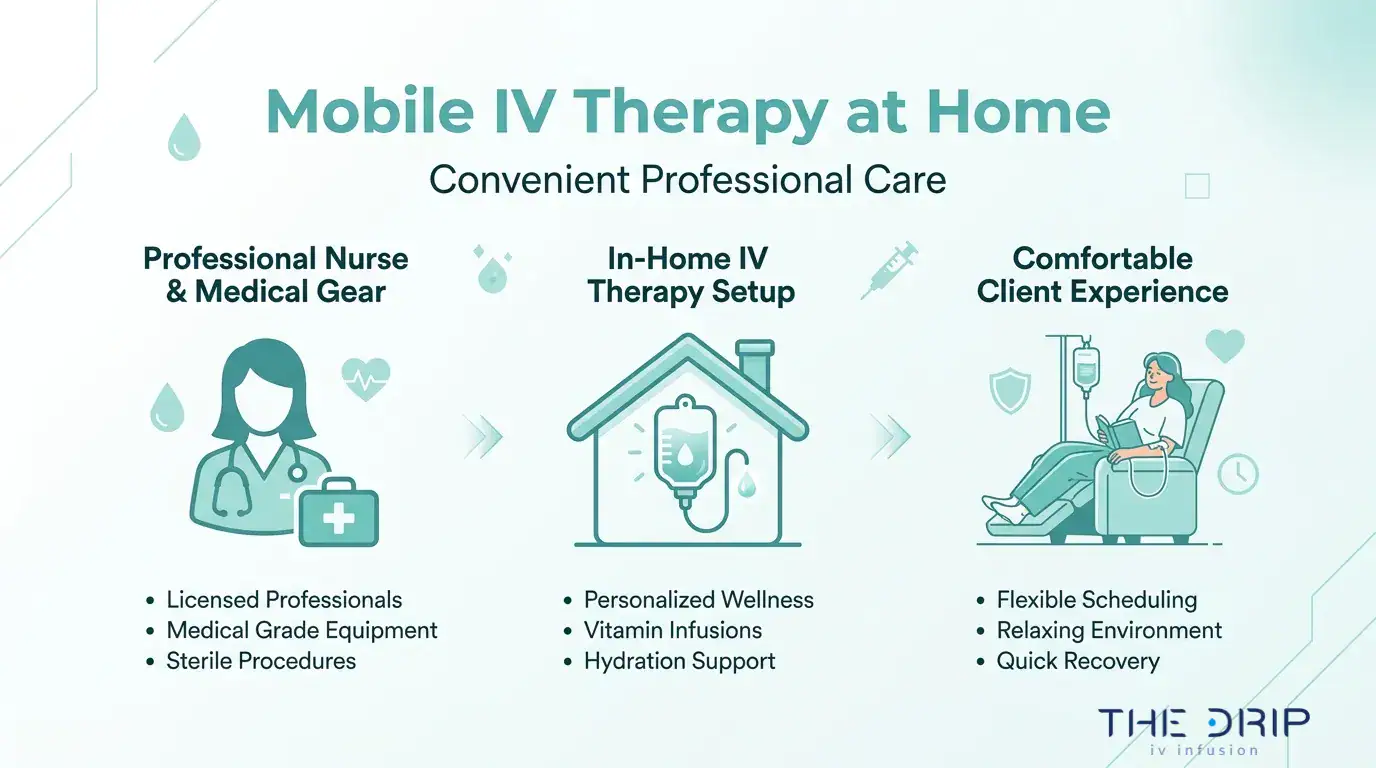
    The Drip IV Infusion brings this level of care directly to homes and workplaces across Arizona. Founded in Fall 2022 by professionals with decades of nursing and emergency medicine experience, The Drip IV Infusion provides customized infusions administered by skilled nurses. Receiving treatment in a comfortable space, rather than a busy clinic, helps many clients feel calmer during the session and more satisfied with results.

    What Should You Remember About How IV Fluids Make You Feel?

    What you should remember about how IV fluids make you feel centers on a few key takeaways from this guide:

    • IV fluids enter the bloodstream immediately with nearly 100% bioavailability, producing faster effects than oral hydration.
    • Common sensations during infusion include a brief pinch at insertion and a cool feeling as fluids flow.
    • Positive effects range from improved energy and mental clarity to reduced nausea and better hydration.
    • Side effects like bruising, chills, or soreness at the IV site are possible but typically mild.
    • How IV fluids make you feel depends heavily on your starting condition; dehydrated or ill individuals often notice the most dramatic improvement.
    • Mobile IV therapy with a trained nurse can make the entire process more comfortable and reassuring.

    For anyone considering a personalized infusion experience, The Drip IV Infusion offers a full menu of IV cocktails and add-ons tailored to individual wellness goals.

  • How Long Does IV Hydration Last in Your Body?

    How Long Does IV Hydration Last in Your Body?

    IV hydration is a medical process that delivers fluids, electrolytes, and nutrients directly into the bloodstream through a vein, bypassing the digestive system for near-immediate absorption. The fluid component is typically processed and excreted within a few hours, while IV vitamins can remain in the body for up to two to three weeks depending on their solubility.

    This guide covers how IV hydration works and session timelines, how long effects last across different use cases, the individual factors that influence duration, nutrient retention pharmacokinetics, and optimal treatment frequency.

    Standard saline and vitamin-infused drips typically finish within 30 to 60 minutes, while specialized infusions like NAD+ require 2 to 4 hours due to slower administration rates needed for tolerability.

    Effects duration varies significantly by purpose. Hangover recovery relief may last hours to a full day, athletic and illness recovery benefits persist for roughly one to two days, and immune support results often linger one to three days with consistent monthly sessions recommended for sustained benefit.

    Several individual variables determine how long results persist. Metabolic rate, activity level, baseline hydration status, and overall health all influence how quickly the body depletes restored reserves. Fluid composition also plays a direct role; electrolytes like potassium and magnesium help the body retain water across intracellular and extracellular compartments longer than saline alone.

    Water-soluble vitamins like Vitamin C and B-complex clear the system within 24 to 48 hours, while fat-soluble vitamins can be stored for weeks or months. Glutathione requires intravenous delivery to reach therapeutic levels at all, since oral bioavailability falls below 1%.

    We also break down who benefits most from IV therapy, how IV hydration compares to oral intake, and how to maintain results between sessions with the right treatment schedule.

    What Is IV Hydration and How Does It Work?

    IV hydration is a medical process that delivers fluids, electrolytes, and nutrients directly into the bloodstream through a vein. This section covers how the process works, what it delivers, and why it bypasses the digestive system for faster results.

    How IV hydration works diagram showing direct delivery, bypassed digestion, and immediate absorption

    How Does IV Hydration Deliver Fluids to Your Body?

    IV hydration delivers fluids to your body by inserting a small catheter into a vein, allowing a sterile solution to flow directly into the bloodstream. This bypasses the gastrointestinal tract entirely, which means the body does not need to digest or absorb the solution through the gut lining.

    Once in the bloodstream, the fluid increases intravascular volume. According to a study published in the Porto Biomedical Journal, the main goal of IV fluid administration is to guarantee adequate tissue perfusion by manipulating hydrostatic and osmotic pressures across capillary walls. Cells receive hydration almost immediately, making this method especially valuable when rapid correction is needed.

    What Does an IV Hydration Drip Contain?

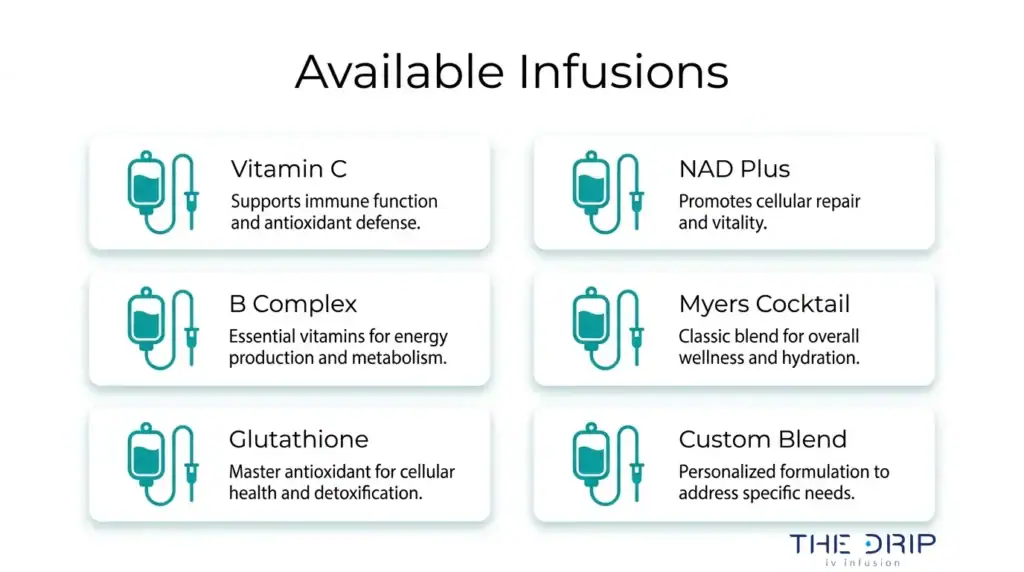
    An IV hydration drip contains a base solution, typically normal saline or lactated Ringer’s, combined with optional vitamins, electrolytes, and antioxidants. Common additions include:

    • Vitamin C for antioxidant and immune support
    • B-complex vitamins for energy metabolism
    • Magnesium for muscle function and relaxation
    • Glutathione for cellular detoxification
    • Zinc for immune defense
    • NAD+ for cellular repair and anti-aging

    The specific formulation depends on the client’s health goals. Because IV delivery achieves near 100% absorption by bypassing the digestive tract, even nutrients with poor oral bioavailability reach therapeutic levels in the blood. This flexibility makes IV hydration adaptable for recovery, wellness maintenance, and targeted nutrient replenishment.

    Why Does IV Hydration Bypass the Digestive System?

    IV hydration bypasses the digestive system because intravenous delivery routes fluids and nutrients directly into the bloodstream, skipping the stomach and intestines entirely. Oral intake requires absorption through the gut lining, a process that reduces bioavailability significantly. Oral Vitamin B12 supplements, for instance, absorb at only about 1.3% from high doses.

    Gut enzymes, gastric acid, and conditions like nausea or malabsorption disorders further limit what the body retains from oral intake. IV administration eliminates these barriers completely. For anyone experiencing vomiting, severe dehydration, or compromised digestive function, this direct-to-bloodstream approach ensures the body receives what it needs without relying on a system that may already be impaired.

    Understanding how IV hydration works sets the foundation for evaluating how long each session takes.

    How Long Does an IV Hydration Session Take?

    An IV hydration session takes anywhere from 30 minutes to 4 hours, depending on the type of infusion. Standard saline drips finish fastest, while specialized formulas like NAD+ require significantly more time.

    IV therapy session duration guide showing standard saline, vitamin-infused IV, and NAD plus therapy treatment times

    How Long Does a Standard Saline IV Drip Take?

    A standard saline IV drip takes between 30 to 60 minutes to complete. According to Cleveland Clinic, the exact duration depends on the volume of fluid administered and the patient’s vein health. Smaller 500 mL bags typically finish closer to the 30-minute mark, while full-liter infusions may need the entire hour. Vein accessibility and flow rate also play a role; well-hydrated veins accept fluid more readily than constricted ones. For most people seeking basic rehydration, this makes saline drips one of the quickest IV therapy options available.

    How Long Does a Vitamin-Infused IV Drip Take?

    A vitamin-infused IV drip takes approximately 30 to 60 minutes, similar to a standard saline session. Formulas containing nutrients like Vitamin C, B-complex, magnesium, or glutathione generally follow the same infusion window because they are dissolved in a saline or electrolyte base. The added vitamins do not significantly extend session length in most cases. However, higher-volume cocktails with multiple add-ons may trend toward the longer end of that range. In practice, most vitamin-enriched sessions finish comfortably within one hour, making them easy to fit into a lunch break or afternoon pause.

    How Long Does a NAD+ IV Infusion Take?

    A NAD+ IV infusion takes considerably longer than standard drips, typically requiring 2 to 4 hours per session. A 2024 study published in Frontiers in Aging found that NAD+ IV infusions averaged 97 minutes for moderate to severe symptom protocols, compared to just 37 minutes for nicotinamide riboside IV. High-dose NAD+ must be administered slowly to minimize side effects such as chest pressure or gastrointestinal discomfort. Rushing the drip rate increases the likelihood of these reactions. This slower pace is precisely why NAD+ sessions demand more time, but the careful approach supports better absorption and tolerability throughout the infusion.

    With session times established, the next question is how long the effects of each infusion actually last.

    How Long Do the Effects of IV Hydration Last?

    The effects of IV hydration last anywhere from a few hours to several days, depending on the purpose of the treatment. Factors like fluid composition, individual metabolism, and the specific condition being addressed all influence duration. The following sub-sections break down expected timelines for dehydration, hangover recovery, athletic recovery, illness, immune support, and morning sickness relief.

    IV hydration effects duration timeline showing how long benefits last for hangover recovery, athletic recovery, illness recovery, immune support, and general wellness

    How Long Do IV Hydration Effects Last for Dehydration?

    IV hydration effects last approximately one to three days for general dehydration, though individual results vary based on severity and baseline health. The fluid component restores intravascular volume rapidly, with most saline processed and excreted within hours. However, the corrective benefits, including improved energy and cognitive clarity, often persist longer as cells rehydrate at the intracellular level.

    Baseline hydration status and metabolic rate play significant roles in how quickly the body depletes restored fluid reserves. Someone with mild dehydration may feel sustained relief for two to three days, while severe cases may require repeated sessions. For anyone consistently prone to dehydration, scheduling treatments proactively rather than reactively tends to deliver more stable results.

    How Long Do IV Hydration Effects Last for Hangover Recovery?

    IV hydration effects last for a few hours to a full day for hangover recovery. According to American IV, the treatment directly restores blood volume and corrects electrolyte imbalances caused by alcohol consumption, which accounts for the relatively rapid but shorter-lived relief window.

    Alcohol depletes fluids, B vitamins, and key electrolytes like magnesium and potassium simultaneously. IV hydration addresses all three deficiencies in a single session, which is why most people report near-immediate symptom improvement. The duration depends partly on how much alcohol was consumed and whether the body sustained additional stressors like poor sleep or skipped meals. For most people, one session is sufficient to recover fully from a typical hangover.

    How Long Do IV Hydration Effects Last for Athletic Recovery?

    IV hydration effects last roughly one to two days for athletic recovery. Athletes deplete fluids and electrolytes at accelerated rates during intense training, so the body utilizes IV-delivered resources faster than in sedentary individuals.

    The primary benefit is rapid restoration of fluid balance and electrolyte levels post-exercise. Heart rate stabilization and muscle recovery both improve when hydration is corrected quickly after exertion. However, because active individuals have higher metabolic demands, the fluid and nutrient reserves are consumed more rapidly. This is why many competitive athletes schedule IV hydration sessions around training cycles rather than relying on a single treatment for prolonged benefit.

    How Long Do IV Hydration Effects Last for Illness Recovery?

    IV hydration effects last one to two days for illness recovery. Patients recovering from illness often report that the relief from IV hydration lingers for this duration, with some describing the feeling as “like a light switch being turned on,” according to Absolute Urgent Care.

    Illnesses involving fever, vomiting, or diarrhea cause rapid fluid and electrolyte loss that oral intake struggles to replace. IV hydration bypasses the compromised digestive system entirely, delivering fluids where they are needed most. The duration of relief depends on whether the underlying illness is still active; ongoing symptoms like fever will continue depleting reserves. For persistent illness, multiple sessions spaced one to two days apart often maintain adequate hydration until the body recovers.

    How Long Do IV Hydration Effects Last for Immune Support?

    IV hydration effects last one to three days for immune support, with consistent monthly sessions recommended for sustained benefit. According to Pulse and Remedy, a monthly IV infusion is often recommended to keep energy levels stable and support long-term immune health.

    Immune-supporting IV formulations typically include vitamin C, zinc, and B-complex vitamins, all of which are water-soluble and cleared from the system within 24 to 48 hours if not utilized by cells. The perceived benefits often outlast the nutrient presence because the immune system receives a concentrated resource boost during a critical window. For those seeking ongoing immune resilience rather than reactive treatment, consistent scheduling matters more than any single session’s duration.

    How Long Do IV Hydration Effects Last for Morning Sickness Relief?

    IV hydration effects last one to three days for morning sickness relief, though severe cases often require recurring treatments. According to the Journal of Health Sciences, IV hydration remains the first-line therapy for severe morning sickness and hyperemesis gravidarum, with treatments often required over several weeks or months depending on symptom severity.

    Morning sickness creates a cycle where nausea prevents adequate oral fluid intake, worsening dehydration and intensifying symptoms. IV hydration breaks this cycle by restoring fluid volume without requiring the patient to drink or eat. Because the underlying hormonal triggers persist throughout early pregnancy, a single session provides temporary relief rather than a permanent solution. Most patients benefit from a treatment plan with sessions scheduled as symptoms dictate.

    Understanding how long effects last by use case helps determine ideal treatment frequency, which depends on additional individual factors.

    What Factors Affect How Long IV Hydration Lasts?

    Several factors affect how long IV hydration lasts, including overall health, activity level, fluid composition, and hydration baseline. Each variable influences how quickly your body processes and retains the fluids delivered during an infusion.

    How Does Your Overall Health Affect IV Hydration Duration?

    Your overall health affects IV hydration duration by influencing how efficiently your body absorbs, distributes, and retains fluids. Individuals with chronic conditions, compromised organ function, or weakened immune systems may process IV fluids differently than those in good health. Kidney function plays a particularly important role, since the kidneys regulate fluid excretion rates. Metabolic conditions can also accelerate nutrient depletion. Several U.S. states have updated their healthcare laws to permit licensed nurses and paramedics to administer IV hydration in non-traditional settings, according to Precedence Research, making it easier for individuals with complex health needs to receive treatments at home. For people managing ongoing health concerns, these individual differences often matter more than the infusion itself.

    How Does Your Activity Level Affect IV Hydration Duration?

    Your activity level affects IV hydration duration because more active individuals deplete nutrients and fluids faster. According to Estrogenica, individual factors such as baseline hydration levels, metabolic rate, and activity level significantly affect how long IV drip results last. High-intensity exercise accelerates fluid loss through sweat, while elevated metabolic demand burns through electrolytes and B vitamins more rapidly. Someone who exercises daily will likely notice IV hydration benefits fading sooner than someone with a sedentary routine. This is why athletes and highly active individuals often benefit from more frequent sessions to maintain consistent hydration and nutrient levels.

    How Does the IV Fluid Composition Affect Duration?

    IV fluid composition affects duration by determining how effectively the body retains delivered hydration. According to Reset IV, the inclusion of electrolytes like potassium and magnesium helps the body retain water in both intracellular and extracellular compartments. A basic saline drip replenishes volume but may not sustain results as long as a formula enriched with these minerals. Vitamin-infused blends add another retention layer; nutrients like B-complex and glutathione support cellular processes that influence how the body uses and stores fluids. Choosing the right IV cocktail composition is one of the most controllable factors in extending results.

    How Does Your Hydration Baseline Affect Results?

    Your hydration baseline affects results by determining how much correction the IV infusion needs to provide. Someone who is severely dehydrated will absorb and utilize a greater proportion of the delivered fluids, often experiencing dramatic initial improvement. However, that relief may fade faster because the body is working to restore a significant deficit. Conversely, a well-hydrated individual receiving IV therapy for wellness maintenance starts from a stronger foundation, allowing the nutrients and fluids to build on existing reserves rather than simply filling a gap. Starting each session adequately hydrated helps maximize how long the benefits persist.

    Understanding these variables helps explain why IV hydration results vary between individuals and sessions, which the nutrient retention timelines in the next section explore further.

    How Long Do IV Vitamins and Nutrients Stay in Your System?

    IV vitamins and nutrients stay in your system for varying durations depending on their solubility. Water-soluble vitamins are cleared within hours to days, while fat-soluble vitamins can persist for weeks. The following subsections cover B vitamins, vitamin C, electrolytes, and glutathione.

    Vitamin retention times infographic showing B vitamins, vitamin C, electrolytes, and glutathione duration after IV therapy

    How Long Do B Vitamins Stay in Your System After IV Therapy?

    B vitamins stay in your system after IV therapy for approximately 24 to 48 hours. As water-soluble nutrients, B-complex vitamins are absorbed immediately upon infusion but are cleared by the kidneys relatively quickly if cells do not utilize them.

    IV delivery offers a significant advantage over oral supplements for B vitamin absorption. According to Inside Health Clinic, oral supplements may only achieve about 50% absorption or less, while IV therapy can reach absorption rates near 100% by bypassing the digestive tract. This higher bioavailability means more B12 and other B-complex vitamins reach cells directly, even though the overall retention window remains short.

    For individuals with consistent energy demands, this rapid clearance is precisely why recurring sessions tend to produce more stable results than a single infusion.

    How Long Does Vitamin C Stay in Your System After IV Therapy?

    Vitamin C stays in your system after IV therapy for roughly 24 hours. As a water-soluble vitamin, intravenous vitamin C distributes into extracellular water and is excreted by the kidneys through predictable first-order pharmacokinetics. According to a study published in Clinical Pharmacokinetics, IV vitamin C at doses up to 100 g achieves complete renal clearance within 24 hours.

    Because of this rapid elimination, the therapeutic window for high-dose vitamin C is relatively narrow. Cells that need it most absorb it quickly during infusion, but circulating levels drop steadily once the drip concludes. This pharmacokinetic profile makes vitamin C one of the fastest-clearing nutrients in any IV cocktail.

    How Long Do Electrolytes Stay in Your System After IV Therapy?

    Electrolytes stay in your system after IV therapy for several hours to days, depending on the specific mineral. Potassium and sodium are regulated tightly by the kidneys and typically rebalance within hours. Magnesium, however, has a longer presence; a study published in the Cochrane Database of Systematic Reviews estimated the terminal half-life of intravenous magnesium sulphate at approximately 5.2 hours in treated patients.

    Electrolytes play a critical role in fluid retention because they help the body hold water in both intracellular and extracellular compartments. Their presence in an IV formulation often extends the hydration benefits beyond what saline alone provides, making electrolyte-enriched drips a practical choice for sustained results.

    How Long Does Glutathione Stay in Your System After IV Therapy?

    Glutathione stays in your system after IV therapy for a limited window, though exact clearance timelines vary by individual metabolism. Intravenous administration is the only reliable method for achieving therapeutic plasma concentrations, since oral glutathione has bioavailability below 1% due to breakdown by gut enzymes, according to Phoreus Biotech.

    Once infused, glutathione circulates and is utilized by cells for antioxidant defense and detoxification processes. Because the body metabolizes it relatively quickly, many practitioners recommend periodic sessions rather than relying on a single treatment for lasting antioxidant support.

    Understanding individual nutrient timelines helps determine how frequently IV sessions should be scheduled.

    How Often Should You Get IV Hydration Therapy?

    You should get IV hydration therapy on a schedule tailored to your health goals, typically ranging from weekly sessions for acute needs to monthly infusions for general wellness.

    The ideal frequency depends on whether you seek ongoing maintenance, athletic recovery, immune support, or targeted relief. Because IV treatments bypass the digestive system, the body processes infused fluids and nutrients at different rates, making a personalized schedule essential. A qualified nurse or healthcare provider can assess your needs and recommend how often sessions should occur.

    For general wellness and maintenance, a monthly IV infusion is often recommended to keep energy levels stable and support long-term immune health, according to Pulse and Remedy. More frequent sessions, such as weekly or biweekly treatments, may suit athletes in heavy training cycles, individuals managing chronic fatigue, or those recovering from illness. Conversely, someone using IV therapy purely for occasional hangover relief or travel recovery may only need treatments as situations arise.

    Several factors influence the right cadence:

    • Health goals: Immune support and energy maintenance typically call for monthly sessions, while acute recovery may require weekly infusions.
    • Activity level: Highly active individuals deplete fluids and nutrients faster, often benefiting from more frequent treatments.
    • Nutrient retention: Water-soluble vitamins clear the body within days, so consistent replenishment supports sustained levels.
    • Medical guidance: State regulations require a physician to oversee medical aspects of IV therapy practices, so treatments should always follow a licensed provider’s recommendation.

    The growing demand for convenient, scheduled IV therapy reflects broader wellness trends. The global IV hydration therapy market was valued at USD 2.71 billion in 2024 and is projected to reach USD 5.84 billion by 2034, growing at a CAGR of 7.98%, according to Nova One Advisor. This expansion signals that more people are integrating regular IV sessions into their long-term health routines rather than treating them as one-time interventions.

    For most people, starting with a monthly session and adjusting based on how you feel between treatments is the most practical approach. Understanding which IV nutrients and fluids benefit your body most can help you decide whether your results justify a different frequency, which is where professional guidance from a qualified infusion specialist becomes invaluable.

    What Are the Benefits of IV Hydration Over Oral Hydration?

    The benefits of IV hydration over oral hydration include faster absorption, higher bioavailability, and quicker recovery times. IV delivery bypasses the digestive tract entirely, making it especially valuable when oral intake is compromised or insufficient.

    NIH research found that intravenous rehydration cut recovery time by 24 hours compared to oral rehydration in patients suffering from gastroenteritis-induced dehydration. This speed advantage stems from fluids and nutrients entering the bloodstream immediately rather than passing through the stomach and intestines, where absorption can be slow or incomplete.

    Ideal candidates for IV hydration include:

    • Athletes seeking rapid post-exercise recovery
    • Post-surgical patients needing volume resuscitation
    • Individuals with gastrointestinal disorders like Celiac disease that impair oral absorption

    Although IV and oral methods can be equally effective for restoring fluid balance in athletic recovery, a study published in the Journal of Athletic Training noted that heart rates remained statistically higher in oral rehydration groups for up to 75 minutes post-exercise. This suggests IV hydration may support faster cardiovascular stabilization after intense physical activity.

    For anyone whose gut health, nausea, or medical condition limits what they can absorb orally, IV hydration offers a reliable alternative that delivers precise doses without digestive losses. Understanding these advantages helps clarify who benefits most from IV therapy sessions.

    Who Is a Good Candidate for IV Hydration Therapy?

    A good candidate for IV hydration therapy is anyone whose body needs rapid fluid or nutrient replenishment that oral intake cannot efficiently deliver. Several profiles benefit most from this approach.

    • Athletes seeking rapid recovery use IV hydration to restore fluid balance and replenish electrolytes faster than drinking water alone after intense training or competition.
    • Post-surgical patients needing volume resuscitation benefit because their bodies require immediate fluid restoration that bypasses a potentially compromised digestive system.
    • Individuals with gastrointestinal disorders, such as Celiac disease or chronic nausea, are strong candidates because these conditions impair oral absorption of fluids and nutrients.
    • People experiencing acute dehydration from illness, travel, or heat exposure often find IV hydration more effective when symptoms are moderate to severe.
    • Expecting mothers dealing with morning sickness may need IV fluids when nausea prevents adequate oral hydration, particularly in cases of hyperemesis gravidarum.
    • Frequent travelers and busy professionals seeking immune support or energy restoration often turn to IV therapy for its near-100% bioavailability compared to oral supplements.

    According to a 2025 review published in Cureus, ideal candidates for IV hydration include athletes seeking rapid recovery, post-surgical patients needing volume resuscitation, and individuals with GI disorders like Celiac disease that impair oral absorption. For anyone unsure whether IV therapy fits their situation, a consultation with a qualified nurse can clarify the best approach. Understanding candidacy helps determine how to maintain hydration results over time.

    How Should You Maintain Hydration Results with Mobile IV Therapy?

    You should maintain hydration results with mobile IV therapy by scheduling consistent sessions, supporting each treatment with proper daily water intake, and working with a nurse who tailors your infusion to your needs. The following sections cover how The Drip IV Infusion can help and the key takeaways from this guide.

    Can The Drip IV Infusion’s Nurse-Administered Treatments Help You Stay Hydrated Longer?

    Yes, The Drip IV Infusion’s nurse-administered treatments can help you stay hydrated longer by delivering fluids and nutrients directly into the bloodstream with personalized formulations. Each session is overseen by experienced infusion specialists who customize IV cocktails with add-ons like magnesium, B-complex vitamins, and Vitamin C based on individual health goals.

    Because mobile IV therapy comes to your home or workplace, maintaining a consistent schedule becomes far more practical. According to Grand View Research, consumer behavior trends confirm this shift, with the U.S. mobile IV hydration market expected to reach USD 1.69 billion by 2035. The Drip IV Infusion builds on this convenience model by partnering with each client to determine the right infusion frequency and composition for sustained results.

    What Are the Key Takeaways About How Long IV Hydration Lasts?

    The key takeaways about how long IV hydration lasts are:

    • IV fluids are typically processed and excreted within a few hours, while IV vitamins can remain in the body for two to three weeks depending on solubility.
    • Effects vary by use case; hangover relief may last hours to a full day, while immune support benefits often linger one to two days.
    • Individual factors such as metabolic rate, activity level, and baseline hydration status directly influence how long results persist.
    • Fluid composition matters; electrolytes like potassium and magnesium help the body retain water longer across intracellular and extracellular compartments.
    • Monthly sessions are commonly recommended for general wellness maintenance.

    For most people, combining regular mobile IV sessions with daily oral hydration yields the most consistent, long-lasting results. The Drip IV Infusion offers a full menu of customizable IV cocktails and add-ons designed to extend those benefits between appointments.

  • What Are the Benefits of Hydration Therapy?

    What Are the Benefits of Hydration Therapy?

    Hydration therapy is an intravenous treatment that delivers fluids, vitamins, minerals, and antioxidants directly into the bloodstream, bypassing the digestive system entirely for rapid absorption and enhanced bioavailability.

    This guide covers how IV hydration works and what it delivers, who benefits most from treatment, the specific health outcomes it supports, how it compares to oral hydration, and what to expect from sessions, safety protocols, and available IV cocktail options.

    IV hydration uses a small catheter placed in the arm to infuse sterile saline or balanced crystalloids combined with targeted nutrients like Vitamin C, B-complex vitamins, magnesium, zinc, and glutathione. This direct delivery mechanism allows 100% of administered fluids and nutrients to reach cells immediately, making it especially valuable for individuals with compromised digestive absorption.

    Athletes, pregnant women managing severe morning sickness, busy professionals facing chronic low-grade dehydration, and people recovering from illness each gain distinct advantages from IV fluid delivery. The treatment addresses population-specific challenges that oral hydration alone often cannot resolve efficiently.

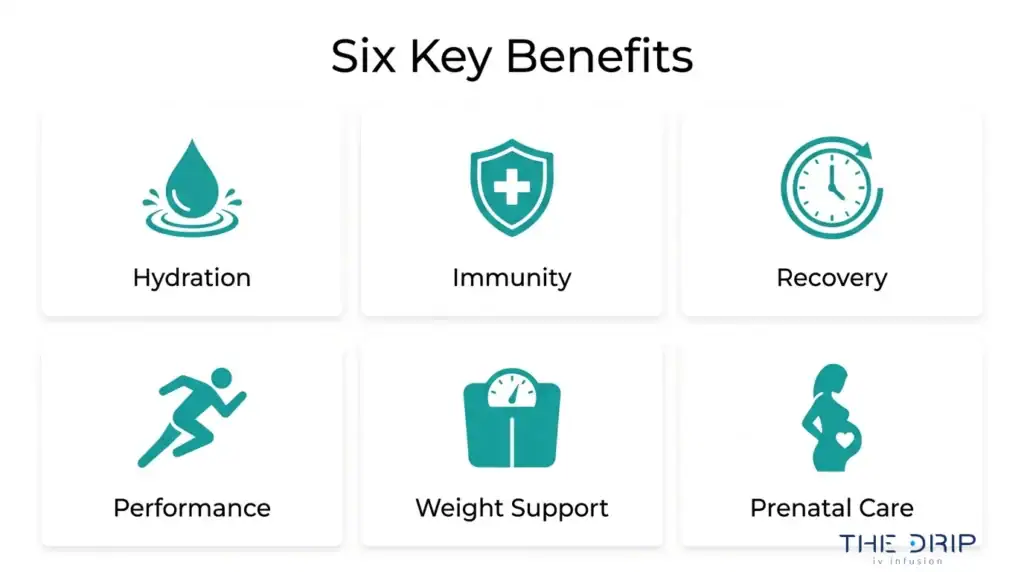
    Core health benefits include increased energy through direct B-vitamin and electrolyte restoration, stronger immune function from high-dose Vitamin C and Zinc delivery, improved skin health via antioxidant infusion, faster hangover recovery, metabolic support for weight management, accelerated muscle repair, and sharper mental clarity from correcting fluid deficits that impair cognition.

    IV hydration delivers fluids faster than drinking water because it enters the bloodstream immediately, and it outperforms oral rehydration in moderate to severe dehydration scenarios where the digestive system is compromised. Oral methods remain appropriate for mild, routine cases.

    Sessions typically last about one hour under nurse supervision, with cocktail options ranging from immune support and athletic recovery infusions to NAD+, weight loss, morning sickness relief, and beauty blends tailored to individual wellness goals.

    What Is Hydration Therapy and How Does It Work?

    Hydration therapy is an intravenous treatment that delivers fluids, vitamins, and minerals directly into the bloodstream for rapid absorption. The following sections explain how IV hydration bypasses digestion and what nutrients are typically included.

    How Does IV Hydration Bypass the Digestive System?

    IV hydration bypasses the digestive system by infusing fluids directly into the bloodstream through a vein. A small catheter, typically placed in the arm, creates a direct pathway that skips the mouth, stomach, and intestines entirely. When you drink water or take oral supplements, nutrients must pass through the gastrointestinal tract, where stomach acid, enzyme activity, and intestinal absorption rates reduce the total amount that reaches your cells. Intravenous delivery eliminates these barriers, allowing 100% of the administered fluid and nutrients to become immediately available to the body. This mechanism is particularly valuable for individuals whose digestive systems are compromised by nausea, vomiting, or malabsorption conditions that limit oral intake effectiveness.

    Direct-to-bloodstream IV therapy diagram showing bypassed digestion, full absorption, and immediate results

    What Nutrients and Fluids Are Delivered During Hydration Therapy?

    The nutrients and fluids delivered during hydration therapy include a base solution of sterile saline or balanced crystalloids combined with targeted vitamins, minerals, and antioxidants. As Dr. Melissa Young of Cleveland Clinic explains, “IV vitamin therapy is using these IV vitamin drips that deliver direct nutrients like vitamins, minerals, antioxidants as well as hydration.” Common components include:

    • Vitamin C for immune and antioxidant support
    • B-complex vitamins and B12 for energy metabolism
    • Magnesium for muscle function and relaxation
    • Zinc for immune defense
    • Glutathione for cellular detoxification
    • Electrolytes such as sodium, potassium, and calcium for fluid balance

    This direct-to-bloodstream delivery provides enhanced bioavailability, making hydration therapy especially useful for individuals whose gastrointestinal absorption is limited. Understanding what goes into these infusions helps clarify why specific cocktails target different health goals.

    Who Can Benefit From Hydration Therapy?

    Hydration therapy benefits a wide range of people, from athletes and pregnant women to busy professionals and those managing chronic dehydration. The following sections break down how each group gains specific advantages from IV fluid delivery.

    Who benefits most from mobile IV therapy, including athletes, expecting mothers, busy professionals, and recovery patients

    How Does Hydration Therapy Benefit Athletes?

    Hydration therapy benefits athletes by rapidly replenishing fluids, electrolytes, and nutrients lost during intense training or competition. Unlike oral intake, IV delivery restores hydration at the cellular level without waiting for digestive absorption.

    According to Dr. Ron, “IV therapy provides targeted hydration and nutrient replenishment, helping athletes recover faster and reduce the risk of injury” (Gardner Orthopedics). Key athletic benefits include:

    • Faster post-workout recovery through direct electrolyte restoration
    • Reduced muscle soreness from rapid nutrient delivery
    • Improved endurance when pre-hydrating before events

    For athletes pushing their limits regularly, IV hydration offers a recovery advantage that drinking water alone cannot match in speed or efficiency.

    How Does Hydration Therapy Help People Recovering From Illness?

    Hydration therapy helps people recovering from illness by delivering fluids and electrolytes directly into the bloodstream when the body struggles to absorb nutrients orally. Vomiting, diarrhea, and fever all accelerate fluid loss, making oral rehydration difficult or insufficient.

    IV hydration bypasses the compromised digestive system entirely, which is particularly valuable during stomach viruses or food poisoning. Illness recovery infusions often include vitamins like B-complex and vitamin C to support immune response alongside rehydration. For anyone whose symptoms make keeping fluids down nearly impossible, IV therapy provides a reliable path to restoring hydration balance without additional gastrointestinal stress.

    How Does Hydration Therapy Support Pregnant Women?

    Hydration therapy supports pregnant women by addressing dehydration caused by severe morning sickness and related complications. Hyperemesis gravidarum, characterized by persistent vomiting, dehydration, and significant weight loss often exceeding 5% of prepregnancy body weight, is one of the most common reasons pregnant women seek IV fluids (StatPearls, NCBI Bookshelf).

    When oral fluids cannot be retained, IV hydration delivers essential electrolytes and vitamins directly. This helps stabilize fluid levels, reduce nausea severity, and prevent the cycle of dehydration that worsens vomiting. Pregnant women should always consult their healthcare provider before starting any IV therapy regimen.

    How Does Hydration Therapy Benefit Busy Professionals?

    Hydration therapy benefits busy professionals by providing rapid rehydration and nutrient replenishment without disrupting packed schedules. Long hours, frequent travel, high stress, and poor dietary habits contribute to chronic low-grade dehydration that affects focus and energy.

    Mobile IV services make this especially practical. Key advantages for professionals include:

    • Restored energy levels during demanding work periods
    • Improved mental clarity from optimized hydration and B-vitamin delivery
    • Convenient sessions that fit into lunch breaks or at-home schedules

    Rather than relying on caffeine and energy drinks, which often worsen dehydration, IV therapy addresses the root cause directly. This makes it a smarter recovery tool for professionals who cannot afford downtime.

    How Does Hydration Therapy Help People With Chronic Dehydration?

    Hydration therapy helps people with chronic dehydration by delivering fluids intravenously when oral intake consistently fails to maintain adequate hydration levels. Chronic dehydration results from conditions such as kidney issues, medication side effects, aging, or simply insufficient daily water consumption.

    According to a systematic review published in the Annals of Emergency Medicine, while oral rehydration is the first-line treatment for mild dehydration, intravenous therapy is superior in preventing treatment failure in cases of moderate to severe volume loss. For individuals whose bodies cannot sustain hydration through drinking alone, IV therapy offers a dependable correction method that restores fluid balance efficiently.

    Understanding which populations benefit most helps determine whether hydration therapy fits your specific wellness needs.

    What Are the Most Common Benefits of Hydration Therapy?

    The most common benefits of hydration therapy include increased energy, stronger immune function, improved skin health, faster hangover recovery, weight loss support, enhanced muscle recovery, and sharper mental clarity. Each benefit stems from how IV delivery restores fluids and nutrients rapidly.

    Key health benefits of IV therapy showing energy boost, immune support, skin health, hangover relief, weight loss, and mental clarity

    How Does Hydration Therapy Improve Energy and Reduce Fatigue?

    Hydration therapy improves energy and reduces fatigue by delivering B-complex vitamins, magnesium, and electrolytes directly into the bloodstream. Dehydration, even at mild levels, impairs cellular metabolism and reduces oxygen transport, which manifests as persistent tiredness.

    Because IV infusion bypasses the digestive system, nutrients reach cells at full potency without absorption losses. This makes a noticeable difference for individuals whose fatigue stems from poor nutrient uptake or chronic low fluid intake. For anyone experiencing unexplained sluggishness despite adequate sleep, addressing hydration and micronutrient status simultaneously often yields faster results than oral supplementation alone.

    How Does Hydration Therapy Boost Immune Function?

    Hydration therapy boosts immune function by delivering high concentrations of Vitamin C, Zinc, and other immune-supporting micronutrients directly to the bloodstream. These nutrients play critical roles in white blood cell production, antioxidant defense, and inflammatory response regulation.

    Oral supplements must survive stomach acid and compete for absorption in the intestines, which limits how much actually reaches immune cells. IV delivery eliminates that bottleneck. Proper hydration also supports lymphatic circulation, the system responsible for transporting immune cells throughout the body. When fluid volume drops, lymphatic flow slows, and the immune response weakens. Maintaining optimal hydration is one of the simplest yet most overlooked strategies for staying resilient during cold and flu seasons.

    How Does Hydration Therapy Enhance Skin Health and Appearance?

    Hydration therapy enhances skin health and appearance by restoring fluid balance in dermal tissue and delivering antioxidants such as glutathione and Vitamin C intravenously. Dehydrated skin loses elasticity, appears dull, and develops fine lines more readily.

    IV hydration addresses this from the inside out, saturating cells with moisture and nutrients that topical products cannot always reach. According to the BC Medical Journal, the growing popularity of IV hydration spas has raised questions about clinical oversight, yet the appeal of rapid skin-brightening and anti-aging effects continues to drive consumer interest. For lasting improvement, consistent hydration paired with antioxidant support tends to produce more visible results than periodic treatments alone.

    How Does Hydration Therapy Speed Up Hangover Recovery?

    Hydration therapy speeds up hangover recovery by replacing fluids, electrolytes, and vitamins that alcohol rapidly depletes. Alcohol acts as a diuretic, increasing urine output and stripping the body of sodium, potassium, and magnesium.

    Hangover symptoms, including headaches, nausea, and fatigue, largely result from this acute dehydration and electrolyte imbalance. Drinking water helps, but the stomach is often too irritated after heavy alcohol consumption to absorb fluids efficiently. IV hydration bypasses the compromised digestive system entirely, delivering relief within minutes rather than hours. Anti-nausea medications like Zofran can also be added to the infusion for immediate symptom control. This combination makes IV therapy one of the fastest paths back to feeling functional.

    How Does Hydration Therapy Support Weight Loss Efforts?

    Hydration therapy supports weight loss efforts by optimizing metabolic function and delivering lipotropic compounds such as Lipo-C directly into the bloodstream. Proper hydration is essential for fat metabolism; even mild dehydration slows the rate at which the body breaks down stored fat for energy.

    IV infusions designed for weight loss typically include B vitamins and amino acids that support energy production and lean muscle maintenance during caloric restriction. These nutrients help the body convert food into usable fuel more efficiently. Hydration therapy is not a standalone weight loss solution, but when combined with a structured nutrition and exercise plan, it can address the micronutrient gaps that often stall progress.

    How Does Hydration Therapy Aid Muscle Recovery and Performance?

    Hydration therapy aids muscle recovery and performance by rapidly restoring electrolyte balance and reducing inflammation after intense physical activity. Muscles depend on adequate sodium, potassium, and magnesium levels to contract properly and repair micro-tears caused by exercise.

    According to Dr. Ron of Gardner Orthopedics, “IV therapy provides targeted hydration and nutrient replenishment, helping athletes recover faster and reduce the risk of injury.” Amino acids and anti-inflammatory agents included in athletic recovery infusions further accelerate tissue repair. For serious athletes, the difference between oral and IV rehydration is measurable; faster fluid restoration means shorter downtime between training sessions.

    How Does Hydration Therapy Improve Mental Clarity and Focus?

    Hydration therapy improves mental clarity and focus by correcting fluid deficits that directly impair cognitive function. The brain is approximately 75% water, making it exceptionally sensitive to changes in hydration status. Even a 1–2% drop in body water can reduce concentration, slow reaction time, and increase feelings of brain fog.

    IV infusions that include magnesium and B vitamins support neurotransmitter production and nerve signal transmission. These nutrients are difficult to maintain at optimal levels through diet alone, particularly during periods of high stress or poor sleep. Replenishing them intravenously offers a faster cognitive boost than oral alternatives.

    Understanding these core benefits helps clarify what to expect when comparing IV hydration to oral methods.

    How Does IV Hydration Compare to Oral Hydration?

    IV hydration delivers fluids directly into the bloodstream, while oral hydration relies on absorption through the digestive tract. The key differences involve absorption speed, bioavailability, and clinical effectiveness.

    Why Is IV Hydration Absorbed Faster Than Drinking Water?

    IV hydration is absorbed faster than drinking water because it bypasses the entire gastrointestinal tract and enters the bloodstream immediately. When you drink water, fluid must pass through the stomach and intestines before reaching circulation, a process that delays absorption and reduces the total volume available to cells.

    Intravenous solutions enhance this direct delivery further. According to a study published by the National Library of Medicine, intravenous solutions for hydration typically contain small amounts of salt (sodium chloride) or sugar (dextrose, glucose, or levulose) dissolved in sterile water to restore volume. These solutes help maintain osmotic balance, allowing the body to retain and distribute fluids more efficiently than plain water alone.

    For anyone experiencing rapid fluid loss, this difference in absorption pathway becomes clinically significant.

    When Is IV Hydration More Effective Than Oral Rehydration?

    IV hydration is more effective than oral rehydration in acute clinical scenarios where fluid loss is severe or the digestive system cannot absorb fluids adequately. Specific situations include:

    • Hypovolemic shock: Intravenous rehydration promptly reverses dangerous drops in blood volume, though it requires trained clinical staff.
    • Severe vomiting or diarrhea: According to a Cochrane Library review, for every 25 children treated with oral rehydration for gastroenteritis, approximately one child will fail treatment and require transition to intravenous rehydration.
    • Moderate to severe dehydration: Intravenous fluid therapy provides a rapid bioavailability advantage that oral methods cannot match when fluid requirements are acute.

    Oral rehydration remains the preferred approach for routine, mild cases because it is more physiologic and uses the body’s intact thirst mechanism to prevent overhydration. The differences in physiological markers between the two methods are often transient in less severe situations.

    For most healthy individuals managing everyday hydration, oral fluids work well. However, when the body’s ability to absorb orally is compromised, IV therapy fills a critical gap that drinking water simply cannot address. Understanding these clinical thresholds helps determine when each approach makes the most sense during a hydration therapy session.

    What Should You Expect During a Hydration Therapy Session?

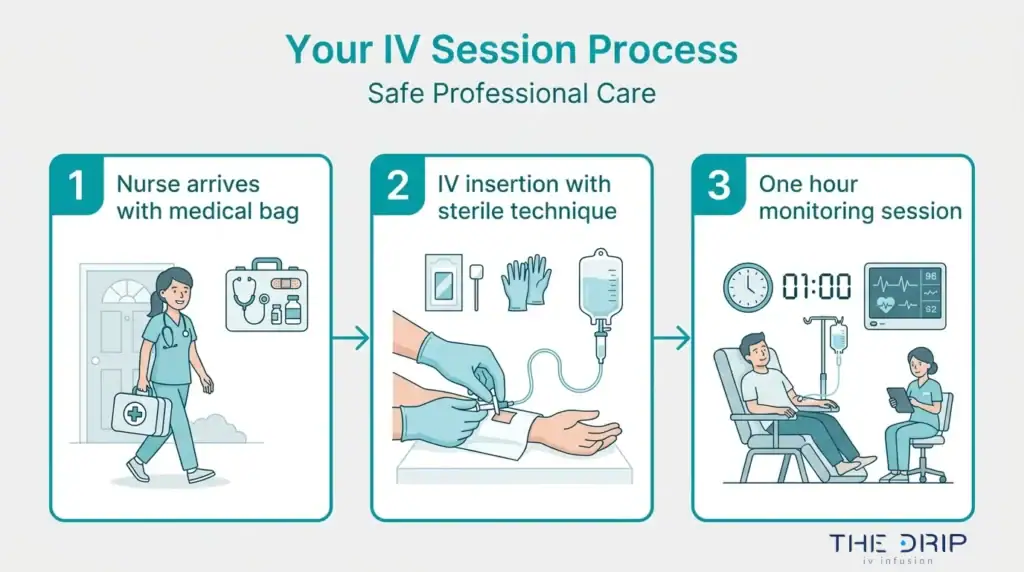
    You should expect a straightforward process during a hydration therapy session that typically takes about one hour from start to finish. The session begins with a brief health assessment, followed by IV insertion, nutrient infusion, and a short monitoring period. Here is what each stage involves.

    First, a registered nurse reviews your health history and current symptoms to select the appropriate IV cocktail. After a vein is identified, usually in the forearm, a small catheter is inserted and secured. The customized fluid blend then drips steadily into the bloodstream while you relax. Most people read, work on a laptop, or simply rest during the infusion. Once the bag empties, the nurse removes the line and monitors you briefly before wrapping up.

    According to Precedence Research, the IV hydration therapy market reached a valuation of USD 2.71 billion in 2024, reflecting how routine these sessions have become for wellness-focused individuals. The growing accessibility of mobile services, where a nurse comes directly to your home or workplace, has made the experience even more convenient. With a clear understanding of the session process, the next consideration is how frequently to schedule treatments.

    How Often Should You Get Hydration Therapy?

    How often you should get hydration therapy depends on your health goals, lifestyle demands, and individual hydration needs. General wellness clients typically benefit from sessions every two to four weeks, while athletes or those recovering from illness may need more frequent visits. The right frequency balances consistent nutrient support with your body’s natural recovery cycles.

    For general wellness maintenance, a session once or twice per month helps sustain optimal hydration, energy levels, and micronutrient balance. Individuals with higher physical demands, such as athletes during peak training seasons, often benefit from weekly sessions to replenish electrolytes and support muscle recovery. Pregnant women managing morning sickness symptoms may require a tailored schedule determined alongside their healthcare provider.

    Seasonal factors also influence ideal frequency. During Arizona’s intense summer heat, dehydration risk increases significantly, and more frequent sessions can help maintain fluid balance. Similarly, cold and flu season may warrant additional immune support infusions spaced closer together.

    Rather than following a rigid universal schedule, the most effective approach involves starting with a consultation. A qualified infusion specialist can assess your hydration baseline, review your health history, and recommend a personalized cadence. Listening to your body between sessions is equally important; persistent fatigue, dry skin, or sluggish recovery often signal that your current interval needs adjustment.

    With a personalized frequency established, understanding potential side effects ensures each session remains both effective and safe.

    Is Hydration Therapy Safe and Are There Any Side Effects?

    Hydration therapy is generally safe when administered by trained professionals, though minor side effects can occur. The key factors influencing safety include practitioner qualifications, proper clinical protocols, and individual patient health.

    Initiating IV therapy is considered an invasive clinical skill that requires diligent safety practices and compliance with nursing standards to prevent patient harm, according to a resource published on the NCBI Bookshelf covering nursing advanced skills. Because a needle must access a vein, the procedure carries inherent risks that differ from simply drinking fluids orally.

    The most commonly documented side effects include:

    • Phlebitis, or inflammation at the vein site, which typically resolves within a few days.
    • Minor bruising or soreness around the insertion point.
    • Localized infection if sterile technique is not maintained.
    • Potential complications from rapid over-correction of electrolyte imbalances when infusion rates are not carefully monitored.

    Most of these reactions are mild and temporary when sessions are overseen by qualified professionals. Allergic reactions, while rare, remain a possibility with any intravenous treatment, particularly for individuals receiving a formulation for the first time.

    Choosing a provider staffed by experienced nurses significantly reduces risk. For most healthy adults seeking wellness-focused hydration, serious complications are uncommon. However, individuals with kidney conditions, heart disease, or other chronic health concerns should consult their physician before starting any IV therapy regimen. A thorough health screening before each session helps ensure the treatment is appropriate and the infusion rate is calibrated correctly.

    With safety considerations understood, exploring the variety of available IV cocktails helps match the right formulation to individual wellness goals.

    What Types of IV Hydration Cocktails Are Available?

    The types of IV hydration cocktails available include immune support, athletic recovery, NAD+, weight loss, morning sickness relief, and beauty and anti-aging infusions. Each cocktail targets specific wellness goals through a tailored blend of vitamins, minerals, and amino acids.

    IV cocktail options infographic showing immune support, athletic recovery, NAD Plus, weight loss, morning sickness, and beauty blend IV bags

    Immune Support Infusions

    Immune support infusions deliver high doses of Vitamin C and Zinc directly to the bloodstream to strengthen the body’s natural defenses. According to Prime IV Hydration, these cocktails support the immune system’s ability to fend off illnesses by achieving nutrient concentrations that oral supplements cannot match. Additional ingredients like B-complex vitamins and glutathione are often included to enhance antioxidant protection. For anyone heading into cold and flu season or recovering from travel fatigue, this cocktail category offers one of the most practical preventive options available.

    Athletic Recovery Infusions

    Athletic recovery infusions replenish fluids, electrolytes, and amino acids lost during intense training or competition. These cocktails typically combine magnesium, B vitamins, and taurine to reduce muscle soreness and accelerate post-exercise repair. Because dehydration impairs performance and delays recovery, restoring fluid balance quickly through IV delivery gives athletes a measurable advantage over oral hydration alone. Whether used after endurance events or heavy gym sessions, athletic recovery infusions remain one of the most popular cocktail categories for active individuals.

    NAD+ Infusions

    NAD+ infusions deliver nicotinamide adenine dinucleotide directly into the bloodstream to support cellular energy production and repair. A 2020 review published in Nature’s Signal Transduction and Targeted Therapy found that deregulation of NAD+ levels is associated with metabolic and aging-related diseases, with augmenting NAD+ metabolism being explored for its potential to support DNA repair and inflammation reduction. These infusions are sought by clients interested in mental clarity, anti-aging support, and addiction recovery. NAD+ levels naturally decline with age, making supplementation through IV delivery particularly relevant for long-term wellness strategies.

    Weight Loss Infusions

    Weight loss infusions support metabolic function by delivering lipotropic compounds, B vitamins, and amino acids that help the body convert fat into usable energy. Ingredients like Lipo-C and L-carnitine are commonly included to enhance fat metabolism and sustain energy during calorie-restricted programs. These cocktails work best as a complement to balanced nutrition and regular exercise, not as standalone solutions. For clients already committed to a weight management plan, this infusion category can provide the nutritional support needed to maintain momentum.

    Morning Sickness Relief Infusions

    Morning sickness relief infusions provide hydration, electrolytes, and anti-nausea support for expecting mothers experiencing persistent nausea and vomiting. Severe cases, known as hyperemesis gravidarum, involve significant dehydration and weight loss often exceeding 5% of prepregnancy body weight, as documented by StatPearls on the NCBI Bookshelf. These cocktails typically include Zofran, B vitamins, and magnesium to calm nausea while restoring depleted fluids. For pregnant women who cannot keep oral fluids down, IV delivery offers a reliable path to rehydration and symptom relief.

    Beauty and Anti-Aging Infusions

    Beauty and anti-aging infusions combine glutathione, Vitamin C, and biotin to promote skin radiance, collagen production, and oxidative stress reduction. Glutathione, a powerful antioxidant, has gained popularity in wellness clinics for its potential skin-brightening effects, though research on IV glutathione for skin lightening indicates a lack of sufficient safety data according to the South African Medical Journal. These cocktails appeal to clients seeking improvements in skin tone, hair strength, and overall complexion from the inside out. With hydration therapy’s growing demand, beauty infusions represent one of the fastest-expanding cocktail categories in the wellness space.

    How Can Mobile IV Hydration Therapy Fit Your Lifestyle?

    Mobile IV hydration therapy fits your lifestyle by delivering professional infusions wherever you are, eliminating clinic visits. The following sections cover how The Drip IV Infusion’s at-home service works and the key takeaways from this guide.

    Can The Drip IV Infusion’s At-Home Service Maximize Your Hydration Therapy Benefits?

    Yes, The Drip IV Infusion’s at-home service can maximize your hydration therapy benefits by bringing nurse-administered infusions directly to your home or workplace. Founded in Fall 2022 by professionals with decades of experience in nursing and emergency medicine, The Drip IV Infusion offers a comprehensive menu of IV cocktails, specialty treatments like NAD+ and exosomes, and customizable add-ons including Vitamin C, glutathione, zinc, and magnesium.

    This mobile model removes common barriers to consistent hydration therapy, such as scheduling conflicts and travel time. Each session takes approximately one hour, making it practical even on busy days. The Drip IV Infusion partners with each client to match infusions to individual health goals, whether that involves immune support, athletic recovery, morning sickness relief, or general wellness.

    What Are the Key Takeaways About Hydration Therapy Benefits?

    The key takeaways about hydration therapy benefits center on three core advantages: rapid nutrient delivery, broad population applicability, and customizable treatment options.

    • Hydration therapy bypasses the digestive system, delivering vitamins, minerals, and fluids directly into the bloodstream for enhanced bioavailability.
    • Athletes, pregnant women, busy professionals, and individuals with chronic dehydration each gain distinct benefits from IV hydration.
    • IV cocktail categories, from immune support infusions to beauty and anti-aging blends, allow treatments to be tailored to specific health goals.
    • IV hydration outperforms oral rehydration in acute or moderate-to-severe dehydration scenarios, though oral methods remain appropriate for mild, routine cases.
    • Safety depends on qualified administration; working with experienced nurses reduces risks like phlebitis or incorrect infusion rates.

    For those seeking a convenient, personalized approach to these benefits, The Drip IV Infusion brings professional hydration therapy directly to you.

  • How Does Hydration Speed Your Recovery When You Are Ill?

    How Does Hydration Speed Your Recovery When You Are Ill?

    Hydration during illness is the process of replacing fluids and electrolytes lost through fever, vomiting, diarrhea, and increased respiratory effort so the body can maintain immune function, regulate temperature, and support cellular repair.

    This guide covers why hydration is critical during sickness, the specific recovery benefits fluids provide, which illnesses carry the highest dehydration risk, how much fluid you actually need, which beverages help or hinder recovery, and when professional IV hydration becomes necessary.

    Illness accelerates fluid loss through multiple pathways simultaneously. Fever raises metabolic demand, vomiting and diarrhea expel electrolytes rapidly, and congestion increases moisture loss with every breath. Dehydration impairs immune cell circulation, weakens mucous membrane barriers, and reduces nutrient delivery to tissues fighting infection.

    Adequate fluid intake directly targets the core challenges of recovery. Hydration helps the body regulate temperature during fever, thin mucus to relieve congestion, maintain blood volume for energy production, and support kidney filtration to clear immune waste products. It also ensures oral medications and supplements absorb properly through the digestive tract.

    Certain conditions drain fluids faster than others. The flu, food poisoning, COVID-19, sinus infections, and strep throat each create distinct dehydration risks ranging from rapid GI losses to pain-driven fluid avoidance.

    Fluid needs vary by age, symptom severity, and type of illness. Water works well for mild symptoms, while electrolyte solutions outperform plain water when vomiting or diarrhea causes significant mineral loss. Broths add calories and sodium; caffeinated or sugary drinks tend to worsen the deficit.

    Oral rehydration serves as the first-line approach for mild to moderate dehydration. When symptoms prevent oral intake, IV hydration bypasses the digestive system entirely, delivering fluids and nutrients directly into the bloodstream within minutes. Mobile IV therapy from The Drip IV Infusion brings this option to your home when traveling to a clinic is not realistic.

    Why Is Hydration So Important During Illness?

    Hydration is important during illness because your body demands more fluid to fight infection, regulate temperature, and maintain critical organ function. The following sections explain how dehydration develops, what it does to your body, and how proper fluid intake supports immune defense.

    Dehydration impairs recovery infographic showing weakened immunity, reduced energy, and slower healing during illness

    How Does Dehydration Develop When You Are Sick?

    Dehydration develops when you are sick because illness accelerates fluid loss while simultaneously reducing intake. Fever increases perspiration and evaporative water loss through the skin. Vomiting and diarrhea expel large volumes of fluid and electrolytes rapidly. Congestion and mouth breathing raise respiratory moisture loss throughout the day.

    At the same time, nausea, sore throat, and fatigue make drinking uncomfortable or unappealing. This creates a deficit where output consistently outpaces input. Because these losses compound over hours, even a mild illness can push the body toward a clinically significant fluid shortage surprisingly fast.

    What Happens to Your Body When You Are Dehydrated and Ill?

    When you are dehydrated and ill, your body loses its ability to maintain basic protective and cognitive functions. Water is part of every cell and is essential for fighting viruses and regulating temperature. Without adequate fluid, skin and mucous membrane barriers weaken, reducing their ability to block bacteria and increasing nasal irritation during coughing and sneezing.

    According to a study published in the British Journal of Nutrition, losing just 2% of body water negatively affects mood, memory, and coordination, often before the thirst mechanism even activates. For someone already battling an illness, these compounding effects make recovery considerably harder. Maintaining fluid levels is not optional during sickness; it is foundational to every system your body relies on to heal.

    How Does Proper Hydration Support Your Immune System?

    Proper hydration supports your immune system by maintaining the circulation of immune cells, ensuring nutrient delivery, and preserving physical barriers like mucous membranes. Dehydration impairs all three of these functions, leaving the body less equipped to mount an effective defense against infection.

    Adequate fluid intake also keeps the lymphatic system functioning properly, which is crucial for transporting immune cells throughout the body. Dr. Richard Hodge reinforces this point: “Fluids support your immune system function, thin mucus and lessen congestion. Avoid alcohol and caffeinated beverages. They increase fluid loss leading to dehydration and interfere with immune function.”

    Choosing water over energy drinks or soda is a simple but meaningful step toward keeping immune defenses strong. Understanding how hydration protects immunity sets the stage for recognizing the specific recovery benefits fluids provide.

    What Are the Key Hydration Benefits for Illness Recovery?

    The key hydration benefits for illness recovery include fever reduction, congestion relief, improved nutrient absorption, restored energy, and faster toxin removal. Each benefit targets a specific recovery challenge.

    Five recovery benefits of hydration showing reduced fever, congestion relief, energy boost, improved absorption, and toxin removal

    How Does Hydration Help Reduce Fever?

    Hydration helps reduce fever by replacing fluids lost through elevated body temperature and excessive sweating. Fever increases the body’s metabolic rate, which accelerates water loss through the skin and respiratory tract. Without adequate fluid replacement, this cycle worsens dehydration and prolongs elevated temperatures.

    According to a 2019 study published in Nutrients (MDPI), hypohydration in the elderly may have different pathological causes, including fever, diarrhea, vomiting, and mental confusion, all of which can be exacerbated by diseases and medication. Replenishing fluids during a fever supports the body’s natural thermoregulation, helping it cool down more efficiently. For anyone managing a persistent fever, consistent small sips of water or electrolyte solutions can make a meaningful difference in comfort and recovery speed.

    How Does Hydration Relieve Congestion and Respiratory Symptoms?

    Hydration relieves congestion and respiratory symptoms by thinning mucus in the nasal passages, throat, and lungs. When the body is well hydrated, mucous membranes stay moist, which makes it easier to clear secretions through coughing or blowing the nose.

    Thick, sticky mucus is a hallmark of dehydration during respiratory illness. Adequate fluid intake loosens these secretions, reducing sinus pressure and improving airflow. Warm fluids, such as herbal tea or broth, can be particularly soothing because the steam provides additional moisture to irritated airways. For those struggling with chest congestion, prioritizing hydration is one of the simplest ways to ease breathing and support respiratory recovery.

    How Does Hydration Support Nutrient and Medication Absorption?

    Hydration supports nutrient and medication absorption by maintaining proper blood volume and gastrointestinal function. Water acts as the primary solvent for dissolving vitamins, minerals, and oral medications in the digestive tract, enabling efficient transport across intestinal walls into the bloodstream.

    When dehydration slows digestion, nutrient uptake decreases, and medications may not reach therapeutic levels as quickly. IV therapy delivers fluids, vitamins, and nutrients directly into the bloodstream, offering fast and effective hydration and wellness support. This approach is particularly valuable when illness makes oral intake difficult. Staying hydrated ensures that every supplement or medication taken during recovery has the best chance of working as intended.

    How Does Hydration Improve Energy and Reduce Fatigue?

    Hydration improves energy and reduces fatigue by maintaining blood volume, which ensures oxygen and nutrients reach cells efficiently. Even mild dehydration forces the heart to work harder to circulate blood, contributing to the exhaustion commonly felt during illness.

    Cells rely on water for metabolic energy production. When fluid levels drop, cellular processes slow down, and fatigue sets in quickly. This is why many people feel sluggish before recognizing they are dehydrated. Restoring fluid balance helps stabilize blood pressure, supports cognitive function, and reduces that heavy, drained feeling that makes recovery feel so difficult. For most people fighting an illness, increasing fluid intake is one of the fastest ways to reclaim some energy without additional medication.

    How Does Hydration Aid Toxin and Waste Removal?

    Hydration aids toxin and waste removal by supporting kidney filtration and lymphatic drainage. The kidneys require adequate water to filter metabolic waste products and byproducts of immune activity from the blood, excreting them through urine.

    During illness, the immune system generates increased waste as it fights pathogens. Without sufficient fluids, these waste products accumulate, potentially prolonging symptoms and slowing recovery. Proper hydration also supports lymphatic flow, which transports immune cells and clears cellular debris from tissues. Prioritizing fluid intake during illness keeps these critical elimination pathways functioning at full capacity, helping the body clear infections more efficiently.

    Understanding these recovery benefits sets the stage for identifying which specific illnesses pose the greatest dehydration risk.

    Which Illnesses Cause the Greatest Risk of Dehydration?

    The illnesses that cause the greatest risk of dehydration include the flu, food poisoning, COVID-19, sinus infections, and strep throat. Each condition drains fluids through distinct mechanisms.

    How Does the Flu Lead to Severe Dehydration?

    The flu leads to severe dehydration through a combination of high fever, excessive sweating, reduced appetite, and fluid avoidance due to sore throat pain. Fever alone raises the body’s metabolic rate, increasing insensible water loss through the skin and respiratory tract. Vomiting and diarrhea, common with certain flu strains, compound the problem further.

    According to the Mayo Clinic, you should call a healthcare professional if a person has had diarrhea for 24 hours or more, is confused, cannot keep down fluids, or has a fever of 102 degrees or higher. These warning signs indicate fluid loss has progressed beyond what the body can self-correct. For anyone battling influenza, consistent small sips of fluid throughout the day matter more than waiting until thirst becomes obvious.

    Why Does Food Poisoning or Stomach Flu Dehydrate You So Fast?

    Food poisoning and stomach flu dehydrate you so fast because both conditions cause simultaneous vomiting and diarrhea, creating a dual pathway of rapid fluid loss. The gastrointestinal tract, which normally absorbs water and electrolytes, instead expels them. Sodium, potassium, and chloride leave the body with each episode, disrupting the fluid balance that cells depend on.

    This speed of loss is what makes gastrointestinal illness especially dangerous. The body cannot compensate through oral intake alone when nausea prevents fluid retention. In my experience, food poisoning ranks among the fastest routes to clinically significant dehydration, often outpacing the flu by hours rather than days.

    How Does COVID-19 Increase Your Hydration Needs?

    COVID-19 increases your hydration needs through fever, respiratory effort, reduced appetite, and inflammatory immune responses that elevate the body’s baseline fluid demands. According to Spencer Hospital, water is part of every cell in the body and is essential for everyday health, especially when the body is trying to fight a virus and regulate temperature.

    Prolonged COVID-19 symptoms, including persistent cough and fatigue, extend the period of elevated fluid requirements well beyond the acute infection phase. A 2025 study published in BMC Infectious Diseases found that nine children hospitalized with COVID-19 in the 2024/2025 season required parenteral IV hydration due to illness severity. COVID-19 remains one of the conditions most likely to push patients past the threshold where oral fluids alone are insufficient.

    Why Are Sinus Infections and Upper Respiratory Infections Dehydrating?

    Sinus infections and upper respiratory infections are dehydrating because the body produces large volumes of mucus as an immune defense, pulling water from surrounding tissues. Mouth breathing, common when nasal passages are blocked, accelerates moisture loss from the airway. Fever, when present, compounds this fluid deficit.

    Many people underestimate how much fluid these conditions consume. Congestion often suppresses appetite and thirst simultaneously, creating a gap between fluid loss and intake that widens over days. Prioritizing warm liquids helps thin mucus while replacing lost volume, making each sip serve a dual recovery purpose.

    How Does Strep Throat or Tonsillitis Make Hydration Difficult?

    Strep throat and tonsillitis make hydration difficult because severe throat inflammation and swelling cause intense pain with every swallow. This pain creates a behavioral barrier; patients, especially children, actively avoid drinking even when they recognize thirst. Swollen tonsils can also narrow the throat, making each sip physically uncomfortable.

    The resulting fluid avoidance often leads to a dehydration cycle where worsening dryness further irritates inflamed tissue, increasing pain and further reducing intake. Cold fluids and ice chips can sometimes bypass this pain threshold more easily than room-temperature drinks. When swallowing becomes too painful to maintain adequate oral hydration, alternative rehydration methods may become necessary.

    Understanding which conditions carry the highest dehydration risk helps you plan your fluid strategy before symptoms peak.

    How Much Fluid Do You Need When You Are Sick?

    Fluid needs during illness depend on age, symptom severity, and whether fever, vomiting, or diarrhea is present. The following subsections cover adult guidelines, pediatric requirements, fever adjustments, and strategies for fluid loss from GI symptoms.

    How Much Fluid Should Adults Drink During Illness?

    Adults should drink more fluid during illness than they would on a healthy day. A general baseline for healthy adults is 30 to 50 ounces of water per day (about 1 to 1.5 liters), but illness increases that demand. Fever, sweating, and respiratory symptoms all accelerate fluid loss beyond normal levels.

    Most healthcare providers recommend adding at least an extra 8 to 12 ounces for every hour of elevated symptoms. Small, frequent sips tend to be better tolerated than large volumes at once, particularly when appetite is low. For adults who struggle to keep pace with oral intake, electrolyte solutions or professional hydration support can help close the gap before dehydration sets in.

    How Much Fluid Do Children Need When They Are Sick?

    Children need carefully measured fluid intake when they are sick, because their smaller body size makes them more vulnerable to dehydration. Glucose-electrolyte solutions are preferred over plain water for children with diarrhea or vomiting, since these replace lost sodium and potassium alongside fluid volume.

    According to a Cochrane systematic review, for every 25 children treated with oral rehydration fluids for gastroenteritis, one child would fail oral therapy and require intravenous rehydration. This underscores why parents should monitor intake closely. Signs like reduced urine output, dry lips, or unusual drowsiness signal that oral fluids alone may not be enough, and medical evaluation becomes necessary.

    How Do You Adjust Fluid Intake With a High Fever?

    You adjust fluid intake with a high fever by increasing consumption beyond your normal baseline, because elevated body temperature accelerates water loss through sweating and rapid breathing. For every degree of fever above normal, the body requires additional fluid to support thermoregulation and prevent dehydration from compounding the illness.

    Sipping small amounts frequently is more effective than drinking large volumes at once, especially when appetite is suppressed. According to the Mayo Clinic, you should call a healthcare professional if a person has had diarrhea for 24 hours or more, is confused, cannot keep down fluids, or has a fever of 102 degrees or higher. These thresholds indicate oral hydration may no longer be sufficient.

    How Do You Stay Hydrated When Vomiting or Having Diarrhea?

    You stay hydrated when vomiting or having diarrhea by taking very small, frequent sips rather than full glasses of fluid at once. Both symptoms cause rapid electrolyte and water loss, so replacement must begin early to prevent a dehydration spiral.

    Effective strategies include:

    • Sip 1 to 2 tablespoons of fluid every 5 to 10 minutes, gradually increasing volume as tolerance improves.
    • Choose oral rehydration solutions over plain water, since they replace sodium, potassium, and glucose simultaneously.
    • Avoid caffeinated, carbonated, or sugary beverages, which can worsen GI symptoms.
    • Resume bland, easy-to-digest foods only after fluids stay down for at least an hour.

    When vomiting prevents any oral intake for several hours, professional hydration support may be the fastest path to stabilization. With fluid strategies established, choosing the right beverages becomes the next priority.

    What Are the Best Fluids to Drink When You Are Ill?

    The best fluids to drink when you are ill include water, electrolyte solutions, and clear broths. The right choice depends on your symptoms and the severity of fluid loss.

    When Should You Choose Water Over Other Fluids?

    You should choose water over other fluids when your illness is mild and does not involve significant fluid loss through vomiting or diarrhea. Plain water remains the foundation of daily hydration, and for most minor colds or low-grade fevers, it provides sufficient replenishment without added sugars or sodium.

    According to Harvard Health Publishing, healthy people should get 30 to 50 ounces of water per day (about 1 to 1.5 liters) to ward off dehydration, though the kidneys lose some ability to eliminate water with age. During illness, intake often needs to increase beyond this baseline. When symptoms escalate to heavy sweating, persistent vomiting, or prolonged diarrhea, water alone may not replace lost minerals fast enough.

    When Are Electrolyte Drinks More Effective Than Water Alone?

    Electrolyte drinks are more effective than water alone when illness causes substantial fluid and mineral loss through vomiting, diarrhea, or high fever. Dehydration occurs when fluid loss exceeds intake, leading to reductions in total body water that disrupt thermoregulation, skin elasticity, and circulatory stability. Under these conditions, plain water cannot restore the sodium, potassium, and chloride the body needs to rebalance.

    Not all electrolyte drinks perform equally. According to a Safeway product comparison guide, Pedialyte contains significantly more potassium than Gatorade (780 mg/L vs. roughly 75 mg per 20 oz), which is why doctors recommend it for clinical rehydration. For most adults recovering from an illness with active fluid loss, a glucose-electrolyte solution outperforms water or standard sports drinks.

    Which Broths and Soups Help With Illness Hydration?

    Broths and soups that help with illness hydration include clear chicken broth, bone broth, and vegetable-based soups. These provide water, sodium, and easily digestible nutrients in a warm, soothing form that many sick individuals tolerate better than cold beverages.

    Warm fluids also support the body’s broader recovery processes. As Zakhary notes, “Drinking water helps maintain lymphatic flow, which is essential for immune cell transport,” and “helps the kidneys to flush out toxins.” Broth delivers hydration alongside this lymphatic support while adding calories that help sustain energy. For individuals who struggle to eat solid food during illness, soup often serves as both a meal and a hydration source.

    Which Beverages Should You Avoid While Sick?

    The beverages you should avoid while sick include alcohol, caffeinated drinks, sugary sodas, and certain commercial sports drinks. These can increase fluid loss or irritate an already sensitive digestive system.

    Key beverages to limit or eliminate during illness:

    • Alcohol increases urination and suppresses immune function, worsening dehydration.
    • Coffee and caffeinated teas act as mild diuretics, accelerating fluid loss when the body needs conservation.
    • Sugary sodas and juice concentrates can draw water into the intestines, potentially aggravating diarrhea.
    • Commercial sports drinks may worsen symptoms in certain populations; according to Stanford Medicine Children’s Health, children with moderate diarrhea should be offered glucose-electrolyte solutions while commercial sports drinks should be avoided.

    Sticking to water, proper electrolyte solutions, and clear broths gives your body the best chance to rehydrate without unnecessary complications. Understanding which fluids work best sets the stage for recognizing when drinking alone is not enough.

    What Are the Signs You Are Too Dehydrated to Recover at Home?

    The signs you are too dehydrated to recover at home include confusion, inability to keep fluids down, persistent diarrhea lasting over 24 hours, rapid heartbeat, and a fever reaching 102°F or higher. These warning signs indicate that oral rehydration alone may not restore adequate fluid balance, and professional medical intervention becomes necessary.

    Severe dehydration disrupts thermoregulation, skin elasticity, and circulatory stability. When the body loses significantly more fluid than it takes in, metabolic processes begin to fail. Skin may appear pale, blotchy, or grey, and breathing can become labored. Extreme drowsiness or difficulty waking someone signals a medical emergency.

    According to the Mayo Clinic, you should call a healthcare professional if a person has had diarrhea for 24 hours or more, is confused, cannot keep down fluids, or has a fever of 102 degrees or higher. The NHS advises calling emergency services if you observe blue, grey, pale, or blotchy skin on the lips or tongue, difficulty breathing, or unusual sleepiness.

    Key warning signs that require immediate medical attention include:

    • Confusion or disorientation that worsens over time.
    • Inability to retain any oral fluids despite repeated attempts.
    • Dark or significantly reduced urine output for several hours.
    • Rapid or weak pulse with dizziness upon standing.
    • Fever of 102°F or higher combined with vomiting or diarrhea.
    • Pale, blotchy, or grey-toned skin, lips, or tongue.
    • Extreme fatigue or difficulty staying awake.

    Children and elderly individuals face elevated risk because their fluid reserves are smaller and symptoms can escalate quickly. For older adults, conditions like fever, vomiting, and mental confusion compound dehydration rapidly, especially when medication further disrupts fluid balance.

    Recognizing these signs early is critical. Mild dehydration responds well to oral fluids, but once confusion, sustained vomiting, or circulatory symptoms appear, the window for home recovery narrows significantly. In these situations, intravenous hydration delivers fluids directly into the bloodstream, bypassing the digestive system entirely. Understanding when oral methods fall short helps determine whether professional IV hydration may be the faster path to recovery.

    How Does Oral Hydration Compare to Intravenous Hydration?

    Oral hydration compares to intravenous hydration primarily in absorption speed, effectiveness during severe illness, and clinical appropriateness. Below, the two key scenarios where each method applies are examined.

    Oral hydration versus IV hydration comparison showing oral fluids as first-line treatment and IV hydration for severe dehydration cases

    Why Is Oral Rehydration Sometimes Insufficient During Illness?

    Oral rehydration is sometimes insufficient during illness because severe vomiting, persistent diarrhea, or extreme fluid loss can prevent the gut from absorbing fluids fast enough. Oral rehydration therapy (ORT) serves as a first-line therapeutic measure to compensate for volume loss due to diarrhea and vomiting among gastroenteritis patients, according to a review published in PMC. However, this approach has limits. For every 25 children treated with oral fluids, one child fails and requires intravenous rehydration. Conditions involving greater than 10% estimated body weight loss in fluid push patients beyond what oral intake can restore. When nausea makes even small sips impossible, the gastrointestinal route simply cannot deliver adequate volume.

    How Does IV Hydration Deliver Fluids More Effectively?

    IV hydration delivers fluids more effectively by bypassing the gastrointestinal tract entirely, sending saline, electrolytes, and nutrients directly into the bloodstream. This route eliminates absorption delays that slow oral intake during illness. According to the 5-Minute Clinical Consult, severe dehydration requiring greater than 10% estimated weight loss calls for IV hydration first, followed by 100 mL/kg of oral rehydration solution once the patient tolerates oral intake. The direct vascular access means cells receive hydration within minutes rather than the hours oral methods require. For individuals who cannot keep fluids down due to vomiting or who need rapid replenishment, IV delivery remains the most reliable option. Understanding when oral methods fall short helps determine whether professional IV support could accelerate your recovery.

    How Can Mobile IV Therapy Support Your Recovery During Illness?

    Mobile IV therapy can support your recovery during illness by delivering fluids, vitamins, and electrolytes directly into your bloodstream without requiring a clinic visit. The following sections cover how The Drip IV Infusion provides at-home rehydration and the key hydration takeaways for illness recovery.

    Can The Drip IV Infusion Help You Rehydrate Faster at Home?

    Yes, The Drip IV Infusion can help you rehydrate faster at home by bringing mobile IV therapy directly to your location. IV therapy delivers fluids, vitamins, and nutrients straight into the bloodstream, bypassing the digestive system for immediate absorption. This approach is especially valuable when illness symptoms like nausea or vomiting make oral intake difficult.

    The Drip IV Infusion offers customizable IV cocktails with add-ons such as vitamin C, zinc, B-complex vitamins, and magnesium. Founded by professionals with decades of experience in nursing and emergency medicine, The Drip IV Infusion sends a qualified infusion specialist to your home, so you can recover comfortably without traveling while sick. A typical session takes one hour.

    What Are the Key Takeaways About Hydration Benefits for Illness?

    The key takeaways about hydration benefits for illness center on fluid balance, immune support, and knowing when to escalate care:

    • Dehydration impairs immune cell circulation, nutrient delivery, and mucous membrane barriers that protect against infection.
    • Losing just 2% of body water can affect mood, memory, and coordination before thirst even signals a problem.
    • Oral rehydration with water, electrolyte solutions, and broth is the first-line strategy for mild to moderate fluid loss.
    • IV hydration becomes necessary when vomiting, diarrhea, or severe symptoms prevent adequate oral intake.
    • Fever, respiratory illness, and gastrointestinal infections all accelerate fluid loss and increase hydration demands.

    Prioritizing hydration from the first sign of illness shortens recovery time and reduces symptom severity. For situations where drinking fluids is not enough, The Drip IV Infusion provides a convenient mobile option to restore hydration quickly at home.

  • How Does Hydration Aid Athletes in Performance and Recovery?

    How Does Hydration Aid Athletes in Performance and Recovery?

    Hydration for athletes is the strategic management of fluid and electrolyte intake to sustain physical output, protect cognitive function, and accelerate post-exercise recovery. Even modest fluid deficits impair strength, power, and endurance while increasing injury risk.

    This guide covers the physiological reasons hydration drives performance, practical fluid intake guidelines for every training phase, dehydration and overhydration warning signs, the role of electrolytes and beverage selection, recovery mechanisms tied to fluid balance, and advanced rehydration options including IV therapy.

    Fluid loss disrupts thermoregulation, reduces blood volume, and compromises muscle contraction efficiency. Performance declines are measurable: hypohydration consistently attenuates strength by roughly 2%, power by roughly 3%, and high-intensity endurance by up to 10%. Cognitive sharpness suffers in parallel, with reaction time and decision-making deteriorating as dehydration progresses.

    Proper timing and volume of fluid intake vary by sport, body size, and environment. Pre-exercise, mid-session, and post-exercise hydration each follow distinct protocols, and endurance athletes face different demands than team sport athletes whose sweating rates and fluid access windows differ significantly.

    Sodium, potassium, magnesium, and calcium each serve specific roles in muscle function, nerve signaling, and fluid retention. Sodium is the primary electrolyte lost through sweat and anchors effective replacement strategies, while beverage choices between water, sports drinks, and coconut water depend on session duration and intensity.

    Adequate rehydration after training reduces muscle soreness by limiting exercise-induced muscle damage, supports joint and tissue repair through sustained synovial fluid balance, and restores energy by normalizing plasma volume and cardiac output. For athletes whose recovery demands exceed what oral hydration can address, IV infusion therapy delivers fluids and nutrients directly into the bloodstream for faster replenishment.

    Why Is Hydration So Important for Athletic Performance?

    Hydration is important for athletic performance because water supports every physiological system athletes depend on during training and competition. Below, each subsection covers temperature regulation, muscle function, mental focus, and blood volume.

    How Does Water Regulate Body Temperature During Exercise?

    Water regulates body temperature during exercise by absorbing metabolic heat and dissipating it through sweat evaporation. As muscles generate heat, circulating blood carries that warmth to the skin’s surface, where perspiration cools the body. Without adequate fluid, this thermoregulatory system falters, core temperature rises rapidly, and heat-related illness becomes a serious risk.

    Environmental conditions amplify this challenge considerably. According to research from the University of New Mexico, high-altitude exposure above 2,500 meters significantly increases fluid requirements due to heightened respiratory water loss, and exercise performance can decrease by up to 34% when hypohydration combines with altitude-induced physiological stress. Athletes training in hot, humid, or high-altitude environments should increase fluid intake proactively rather than waiting for thirst to signal a deficit.

    How Does Dehydration Impair Muscle Function and Strength?

    Dehydration impairs muscle function and strength by disrupting electrolyte balance, reducing intracellular fluid volume, and compromising the contractile efficiency of muscle fibers. Even modest fluid deficits interfere with excitation-contraction coupling, the process that translates neural signals into muscular force.

    The measurable impact is substantial. A meta-analysis published in the African Journal of Sport and Physical Science found that hypohydration attenuates strength by approximately 2%, power by approximately 3%, and high-intensity endurance by approximately 10%, with muscle strength falling by 5.5 ± 1.0% and anaerobic power dropping by 5.8 ± 2.3%. For competitive athletes, losses of this magnitude can determine outcomes in strength-dependent and power-based sports.

    Dehydration performance impact infographic showing strength loss, power loss, and endurance loss during athletic activity

    How Does Fluid Loss Affect Mental Focus and Reaction Time?

    Fluid loss affects mental focus and reaction time by reducing cerebral blood flow and altering neurotransmitter activity. Cognitive tasks that require sustained attention, working memory, and rapid decision-making deteriorate as dehydration progresses. Athletes relying on split-second reactions, such as those in racket sports, martial arts, or team sports, are particularly vulnerable.

    Sodium, the primary electrolyte lost in sweat, plays a central role in maintaining neural signaling speed. According to Precision Fuel & Hydration, sodium should be the focus for hydration strategies, while magnesium losses remain minimal at approximately 0.1 to 0.5 mmol/L and calcium losses average about 0.5 mmol/L per liter of sweat. Prioritizing sodium replacement helps preserve the cognitive sharpness athletes need under pressure.

    How Does Blood Volume Change When Athletes Are Dehydrated?

    Blood volume decreases when athletes are dehydrated because fluid shifts out of the vascular compartment to compensate for sweat losses. This reduction in plasma volume forces the heart to work harder, increasing heart rate to maintain adequate cardiac output. Stroke volume drops as less blood returns to the heart with each cycle.

    The cardiovascular strain cascades into performance limitations. Reduced blood volume means less oxygen-rich blood reaches working muscles, accelerating fatigue and lowering aerobic capacity. Simultaneously, blood flow to the skin for cooling diminishes, compounding the thermoregulatory burden discussed above. Maintaining fluid balance preserves plasma volume, which in turn sustains both oxygen delivery and thermal regulation throughout prolonged or intense activity.

    With the performance consequences of dehydration established, knowing exactly how much to drink before, during, and after exercise becomes the next practical step.

    How Much Water Should Athletes Drink Before, During, and After Exercise?

    Athletes should drink specific fluid volumes before, during, and after exercise to maintain performance and support recovery. The subsections below break down timing-based guidelines, endurance race day needs, and strength training hydration requirements.

    How Much Water Should Athletes Drink Before a Workout?

    Athletes should drink 16–24 fl. oz. of water within two hours before training, followed by another 7–10 fl. oz. approximately 10–20 minutes before exercise begins. According to the National Athletic Trainers’ Association (NATA), this two-phase pre-hydration approach ensures adequate fluid levels without causing stomach discomfort during activity.

    Starting a session even mildly under-hydrated compromises thermoregulation and muscular output from the first rep. Pre-hydration is one of the simplest performance strategies athletes consistently overlook.

    How Much Water Should Athletes Drink During Exercise?

    Athletes should drink 7–10 fl. oz. of fluid every 10–20 minutes during exercise, adjusting based on sweat rate and environmental conditions. Smaller, frequent sips are more effective than large volumes consumed at once, since the gut absorbs fluid at a limited rate.

    For sessions lasting under 60 minutes, plain water is typically sufficient. When activity extends beyond that threshold or involves heavy sweating, adding electrolytes helps maintain sodium balance. Carrying a measured bottle makes it easier to track intake rather than relying on thirst, which often lags behind actual fluid needs.

    How Much Water Should Athletes Drink After Exercise?

    Athletes should drink 16–24 fl. oz. of fluid for every pound of body weight lost during exercise. Weighing in before and after a session provides the most accurate measure of fluid deficit.

    Research published by NutritionFacts.org found no significant difference in rehydration effectiveness between coconut water, sports drinks, and plain water for replacing fluid loss of up to 3% of body weight. However, coconut water’s high potassium content can be problematic for individuals with compromised kidney function. For most athletes, the post-exercise beverage matters less than consuming adequate volume within the first two hours of finishing.

    Athletic hydration timeline showing fluid intake recommendations before, during, and after exercise

    How Much Water Do Endurance Athletes Need on Race Day?

    Endurance athletes need a structured, individualized hydration plan on race day because sweat rates vary significantly across sports. A 2019 study published in the Journal of Sports Sciences found that American football athletes exhibit the highest whole-body sweating rates at 1.51 ± 0.70 L/h, followed by endurance athletes at 1.28 ± 0.57 L/h.

    Monitoring biomarkers like urine specific gravity, plasma osmolality, and sweat sodium concentration helps endurance athletes fine-tune intake across multi-hour events. Relying solely on a fixed drinking schedule without accounting for individual sweat losses is one of the most common race day hydration mistakes.

    How Much Water Do Strength Training Athletes Need?

    Strength training athletes need approximately 16–24 fl. oz. of water in the two hours before lifting and 7–10 fl. oz. every 10–20 minutes during the session. Although resistance workouts typically produce lower sweat rates than endurance events, fluid losses still accumulate, especially during high-volume or superset-style training.

    Post-workout rehydration follows the same guideline: 16–24 fl. oz. per pound of body weight lost. Because strength sessions often take place indoors, athletes tend to underestimate their fluid deficit. Tracking pre- and post-session weight remains the most reliable method for dialing in individual needs.

    With hydration timing established, recognizing dehydration symptoms helps athletes intervene before performance suffers.

    What Are the Signs of Dehydration in Athletes?

    The signs of dehydration in athletes range from subtle early cues like thirst and dark urine to severe symptoms such as confusion and muscle cramping. The following subsections cover mild warning signs, moderate to severe symptoms, and practical self-monitoring methods.

    What Are the Early Warning Signs of Mild Dehydration?

    The early warning signs of mild dehydration include increased thirst, darker urine color, dry mouth, slight fatigue, and reduced sweat output. According to the Korey Stringer Institute at the University of Connecticut, thirst typically develops only once dehydration has already reached approximately 1–2% of body mass loss. This delay makes thirst an unreliable early indicator on its own.

    Other subtle cues to watch for include:

    • Mild headache that worsens during activity
    • Slightly elevated heart rate at the same exercise intensity
    • Decreased concentration or a feeling of sluggishness

    Because thirst lags behind actual fluid deficit, athletes who wait to feel thirsty before drinking are likely already experiencing performance decline. Proactive fluid intake based on a schedule, rather than sensation alone, is one of the simplest ways to catch mild dehydration before it escalates.

    What Are the Symptoms of Moderate to Severe Dehydration?

    The symptoms of moderate to severe dehydration are more pronounced and can pose serious health risks if left unaddressed. When fluid loss exceeds 2–3% of body mass, athletes may experience:

    • Intense thirst with very dark or minimal urine output
    • Muscle cramps and involuntary spasms
    • Rapid or weak pulse
    • Dizziness, lightheadedness, or fainting
    • Nausea or vomiting during or after exercise
    • Confusion, disorientation, or irritability

    Severe dehydration can progress to heat exhaustion or heatstroke, both of which require immediate medical attention. Any athlete showing signs of mental confusion or an inability to drink fluids independently should stop activity and seek emergency care. Recognizing these symptoms quickly is critical because the window between moderate dehydration and a medical emergency can be narrow during intense training.

    How Can Athletes Monitor Hydration Status Themselves?

    Athletes can monitor hydration status themselves using simple, practical tools that require no laboratory equipment. The two most accessible methods are urine color assessment and body weight tracking.

    Urine color at a value of 4 or greater on a standard color chart indicates dehydration, making morning urine checks a reliable daily habit. Weighing in before and after training sessions reveals sweat loss; each pound lost corresponds to roughly 16–24 fl. oz. of fluid that needs replacement.

    As Gabrielle Judd, M.S., R.D., notes through Johns Hopkins Medicine, “dehydration is a heavy hitter when it comes to athletic performance,” reinforcing why consistent self-monitoring matters. Combining urine checks, pre- and post-exercise weigh-ins, and attention to thirst patterns gives athletes a practical hydration picture without specialized testing.

    With dehydration signs identified, understanding which electrolytes athletes need helps complete the hydration strategy.

    What Electrolytes Do Athletes Need and Why?

    Athletes need sodium, potassium, magnesium, and calcium to maintain fluid balance, support muscle function, and sustain performance. Each electrolyte serves a distinct role during exercise and recovery.

    What Role Does Sodium Play in Athletic Hydration?

    Sodium plays the central role in athletic hydration by regulating fluid balance and maintaining blood volume during exercise. As the primary electrolyte lost through sweat, sodium drives the body’s thirst mechanism and helps retain ingested fluids rather than allowing them to pass through too quickly.

    According to Precision Fuel & Hydration, sodium is the main electrolyte lost in sweat and should be the primary focus for hydration strategies. When sodium levels drop too low during prolonged exercise, athletes risk exercise-associated hyponatremia, a potentially dangerous condition. Replacing sodium during and after training helps maintain plasma volume, supports nerve signaling, and prevents cramping. For athletes with high sweat rates, sodium-containing beverages outperform plain water for sustained fluid retention.

    Why Is Potassium Important for Muscle Recovery?

    Potassium is important for muscle recovery because it regulates muscle contraction and cellular fluid balance after exercise. This intracellular electrolyte works alongside sodium to maintain the electrochemical gradients that nerve and muscle cells depend on for proper function.

    During intense training, potassium shifts out of muscle cells into the bloodstream. Replenishing potassium after exercise supports:

    • Normal muscle contraction and relaxation cycles.
    • Restoration of cellular fluid equilibrium.
    • Glycogen synthesis in recovering muscle tissue.
    • Healthy heart rhythm during the post-exercise cooldown period.

    Potassium-rich foods, such as bananas, sweet potatoes, and avocados, offer a practical recovery option. Athletes who neglect potassium intake often experience prolonged soreness and sluggish recovery between sessions.

    How Do Magnesium Levels Affect Athletic Performance?

    Magnesium levels affect athletic performance by influencing energy production, oxygen delivery, and neuromuscular coordination. Magnesium serves as a cofactor in over 300 enzymatic reactions, including those that convert food into usable ATP for working muscles.

    Although sweat-based magnesium losses are relatively small at approximately 0.1 to 0.5 mmol/L per liter of sweat, even marginal deficiency can impair performance. Low magnesium is associated with:

    • Increased muscle cramping and involuntary spasms.
    • Reduced aerobic capacity and elevated heart rate at submaximal effort.
    • Poor sleep quality, which directly slows recovery.

    Supplementation through diet or targeted infusions can help athletes who train at high volumes maintain adequate levels. Magnesium is often the most overlooked electrolyte in athletic nutrition planning, yet its impact on both performance and recovery is substantial.

    Why Do Athletes Need Calcium During Prolonged Exercise?

    Athletes need calcium during prolonged exercise because calcium enables muscle contraction, supports bone integrity under repetitive loading, and assists in nerve signal transmission. Every stride, pedal stroke, and lift depends on calcium ions triggering the contraction-relaxation cycle within muscle fibers.

    Sweat-based calcium losses average about 0.5 mmol/L (20 mg/L) per liter of sweat, as reported by Precision Fuel & Hydration. While these losses appear modest per hour, they accumulate during multi-hour endurance events. Chronic inadequate calcium replacement raises the risk of stress fractures and diminished bone density over time. Athletes engaged in weight-bearing or high-impact sports should prioritize calcium through dairy, fortified foods, or supplementation to protect long-term skeletal health.

    Understanding these four electrolytes helps athletes build a targeted hydration strategy that goes beyond water alone.

    Essential athletic electrolytes guide showing sodium, potassium, magnesium, and calcium functions for hydration and recovery

    How Does Hydration Speed Up Post-Exercise Recovery?

    Hydration speeds up post-exercise recovery by reducing muscle soreness, supporting joint and tissue repair, and restoring energy levels. The following subsections explain each recovery mechanism.

    How Does Hydration Help Reduce Muscle Soreness After Exercise?

    Hydration helps reduce muscle soreness after exercise by mitigating the physiological stress that causes exercise-induced muscle damage (EIMD). Adequate fluid levels counteract osmotic stress, limit muscle fiber swelling, and help regulate core temperature during and after intense training.

    According to the Gatorade Sports Science Institute, proper hydration may help negate EIMD by addressing these mechanisms, while dehydration exceeding 2% of body mass can prolong recovery through impaired excitation-contraction coupling and decreased skeletal muscle blood flow.

    When fluid balance drops too low, muscles struggle to clear metabolic waste efficiently, and the inflammatory response intensifies. Maintaining hydration before, during, and after training is one of the simplest strategies athletes can use to limit next-day soreness and accelerate their return to peak output.

    How Does Proper Fluid Intake Support Joint and Tissue Repair?

    Proper fluid intake supports joint and tissue repair by maintaining the water content in synovial fluid, cartilage, and connective tissues. Joints rely on adequate hydration to stay lubricated, cushion impact forces, and transport nutrients essential for tissue regeneration after strenuous activity.

    According to Mayo Clinic guidelines, total daily fluid intake from all sources should range from approximately 2.7 liters for healthy women to 3.7 liters for healthy men, with individual needs increasing based on activity level and environment.

    Athletes recovering from high-impact training sessions often underestimate how much fluid their joints require. Consistently meeting daily intake targets, rather than hydrating only around workouts, gives connective tissues the sustained moisture they need for repair.

    How Does Rehydration Restore Energy and Reduce Fatigue?

    Rehydration restores energy and reduces fatigue by replenishing plasma volume, which improves oxygen and nutrient delivery to working muscles. Even mild fluid deficits force the cardiovascular system to work harder, elevating heart rate and perceived exertion while slowing glycogen resynthesis.

    When athletes replace lost fluids promptly after exercise, blood viscosity decreases and cardiac output normalizes. This allows glucose and electrolytes to reach muscle cells more efficiently, accelerating the conversion of stored glycogen back into usable fuel. Fatigue that lingers hours after a session is frequently a hydration problem rather than a training load issue.

    For athletes who find oral rehydration too slow or insufficient after intense sessions, options like IV therapy can deliver fluids and nutrients directly into the bloodstream. Understanding how fluid timing shapes recovery sets the stage for choosing the right hydration strategy.

    Hydration recovery process diagram showing muscle repair, energy restoration, and fatigue reduction for athletic performance

    What Should Athletes Drink Besides Water for Hydration?

    Athletes should drink sports drinks, coconut water, and natural electrolyte beverages besides water for hydration. The best choice depends on exercise duration, intensity, and individual needs.

    When Should Athletes Choose Sports Drinks Over Water?

    Athletes should choose sports drinks over water during prolonged exercise lasting longer than 60 minutes or during intense sessions that produce heavy sweating. Sports drinks contain sodium, potassium, and carbohydrates that help replace electrolytes lost through sweat while providing quick energy.

    For shorter, moderate-intensity workouts, plain water typically suffices. However, when sessions extend beyond an hour, or when training occurs in hot conditions, the added electrolytes and glucose in isotonic formulations support sustained fluid absorption and energy output. Heavy sweaters and salty sweaters benefit most from the sodium content in these beverages. For most casual gym sessions under 45 minutes, spending extra on sports drinks offers little measurable advantage over water alone.

    Are Coconut Water and Natural Electrolyte Drinks Effective?

    Coconut water and natural electrolyte drinks are effective hydration options for athletes. According to a review published by NutritionFacts.org, research comparing rehydration after strenuous exercise found no significant difference in effectiveness between coconut water, sports drinks, and plain water for replacing fluid loss of up to 3% of body weight.

    Coconut water is naturally rich in potassium, which supports muscle function. However, its high potassium content can be problematic for individuals with compromised kidney function. It also contains less sodium than most sports drinks, making it a weaker choice for heavy sweaters who lose significant sodium. Natural electrolyte drinks made with fruit juice, sea salt, and honey offer a whole-food alternative worth considering, particularly for athletes who prefer fewer artificial ingredients.

    Should Athletes Avoid Caffeine and Alcohol for Hydration?

    Athletes should avoid alcohol for hydration but can use caffeine strategically. Alcohol acts as a diuretic, increasing urine output and accelerating fluid loss. Consuming alcohol after training delays rehydration and impairs recovery processes.

    Caffeine, on the other hand, is more nuanced. In moderate doses, caffeine does not cause clinically significant dehydration in habituated users. It can even enhance endurance performance and reduce perceived exertion. Coffee or caffeinated teas before training are generally acceptable when paired with adequate water intake. The key distinction is dose: excessive caffeine consumption above 400 mg daily may produce mild diuretic effects that offset hydration efforts. For post-exercise recovery specifically, prioritizing water or electrolyte-rich beverages over caffeinated or alcoholic options remains the most reliable approach.

    Understanding which beverages support hydration helps athletes build a complete fluid strategy alongside proper intake timing.

    How Does Heat and Humidity Change Hydration Needs for Athletes?

    Heat and humidity change hydration needs for athletes by accelerating sweat rates, impairing evaporative cooling, and increasing total fluid loss. When ambient temperature and moisture levels rise, the body works harder to dissipate internal heat, demanding significantly more fluid intake to maintain safe core temperatures and sustain performance.

    Hot environments amplify sweat production as the thermoregulatory system attempts to cool the body through evaporation. High humidity compounds this challenge because moisture-saturated air slows evaporative cooling, forcing the body to produce even more sweat with diminishing returns. Athletes exercising in these conditions can lose fluid at rates far exceeding those in temperate climates, sometimes surpassing 2 liters per hour during intense activity.

    This elevated fluid loss carries direct performance consequences. According to the African Journal of Sport and Physical Science, hypohydration consistently attenuates strength by approximately 2%, power by approximately 3%, and high-intensity endurance by approximately 10%. In hot, humid conditions, athletes reach these thresholds faster because sweat losses accumulate more rapidly.

    Practical adjustments help athletes manage heat-related hydration demands:

    • Pre-hydrate aggressively in the hours before outdoor training or competition.
    • Increase fluid intake frequency during exercise, drinking smaller amounts every 15 to 20 minutes rather than waiting for thirst.
    • Include sodium in fluids, since sweat losses in heat carry higher electrolyte concentrations.
    • Monitor body weight before and after sessions to quantify individual sweat rates.
    • Adjust clothing and scheduling to reduce overall thermal load when possible.

    Beyond volume, fluid composition matters more in hot environments. Sweat sodium concentrations tend to increase with higher sweat rates, making plain water insufficient for prolonged heat exposure. Electrolyte-containing beverages help maintain plasma volume and prevent the dilutional effects that can occur when athletes consume large volumes of hypotonic fluid alone.

    Athletes who train or compete regularly in heat should treat acclimatization as a hydration strategy in its own right. Gradual exposure over 10 to 14 days improves the body’s sweating efficiency and fluid retention, reducing the net fluid deficit during subsequent sessions. For athletes whose environmental demands outpace what oral rehydration can address, understanding when additional recovery support is needed becomes essential.

    What Happens When Athletes Overhydrate?

    When athletes overhydrate, they risk a dangerous condition called exercise-associated hyponatremia (EAH), where excess fluid dilutes blood sodium to critically low levels. This occurs when fluid intake exceeds the kidneys’ ability to excrete it, and hormonal responses during exercise can make the problem worse.

    EAH is defined as a serum sodium level below 135 mmol/L. According to StatPearls (via NCBI Bookshelf), this condition results from excessive hypotonic fluid consumption beyond renal excretion capacity, often exacerbated by inappropriate non-osmotic antidiuretic hormone (ADH) secretion during physical exertion. Symptoms range from mild nausea and headache to seizures, pulmonary edema, and in rare cases, death.

    Several factors increase overhydration risk:

    • Drinking on a fixed schedule rather than responding to thirst signals.
    • Consuming only plain water during prolonged exercise lasting over 90 minutes.
    • Having a smaller body size, which reduces total fluid tolerance.
    • Participating in slower-paced endurance events where fluid access is frequent and sweat losses are lower.

    Athletes can prevent overhydration by matching fluid intake to individual sweat rate rather than following generic volume targets. Weighing yourself before and after training sessions provides a reliable measure of actual fluid loss. Including sodium in hydration strategies also helps the body retain appropriate fluid balance, since sodium is the primary electrolyte lost through sweat.

    For most athletes, thirst remains a more reliable guide than predetermined drinking schedules. Overhydrating is less common than dehydration, but its consequences can be equally severe, making individualized hydration planning essential. Understanding how hydration needs differ across sports helps athletes fine-tune these strategies further.

    How Does Hydration Differ for Team Sports Versus Endurance Events?

    Hydration differs for team sports versus endurance events primarily in sweat rate patterns, fluid access opportunities, and electrolyte replacement timing. Team sports involve intermittent high-intensity bursts with structured breaks, while endurance events demand sustained fluid intake over prolonged continuous effort.

    A study published in the Journal of Sports Sciences found that American football athletes exhibit the highest whole-body sweating rates at 1.51 ± 0.70 L/h, followed by endurance athletes at 1.28 ± 0.57 L/h, while basketball and soccer athletes average significantly lower rates at approximately 0.94–0.95 L/h. These differences shape how each sport category should approach fluid replacement.

    Team sport athletes benefit from natural hydration windows during timeouts, halftime, and substitution rotations. Because activity alternates between sprints and rest, fluid absorption can occur in shorter, more frequent doses. Endurance athletes, by contrast, must plan intake around continuous movement where stopping is impractical. Carrying fluids, using aid stations, and practicing race-day drinking strategies become essential skills.

    Sodium replacement priorities also shift between categories. Endurance athletes competing for hours lose substantially more total sodium, making electrolyte-enhanced beverages critical during events lasting beyond 60 minutes. Team sport athletes, despite sometimes higher hourly sweat rates, typically compete in shorter total durations where water alone may suffice for maintaining performance.

    For athletes in either category, individualized hydration plans based on personal sweat rate testing remain the most reliable approach. Understanding whether your sport demands sustained or intermittent fluid strategies can make the difference between peak output and preventable decline.

    How Can Athletes Optimize Hydration With IV Therapy?

    Athletes can optimize hydration with IV therapy by receiving fluids, electrolytes, and nutrients directly into the bloodstream for rapid absorption. The sections below cover mobile IV infusion for recovery and key hydration takeaways.

    Can Mobile IV Infusion Therapy Help Athletes Recover Faster?

    Yes, mobile IV infusion therapy can help athletes recover faster by delivering hydration and nutrients intravenously, bypassing the digestive system entirely. According to HealthE1 Mobile Medical, IV hydration provides faster rehydration and nutrient replenishment compared to oral methods, with professional sports teams reporting improved hydration levels and quicker recovery times.

    This approach is particularly valuable after intense training sessions or competitions when the gut may not absorb fluids efficiently. The Drip IV Infusion brings this service directly to athletes at home or at training facilities across Arizona. Founded by professionals with decades of experience in nursing and emergency medicine, The Drip IV Infusion offers customizable IV cocktails with add-ons such as magnesium, zinc, amino blends, and B-complex vitamins to match individual recovery needs.

    What Are the Key Takeaways About Hydration for Athletes?

    The key takeaways about hydration for athletes center on consistency, individualization, and strategic timing. Maintaining fluid balance before, during, and after exercise directly supports performance, recovery, and injury prevention.

    Essential principles every athlete should follow include:

    • Drink 16 to 24 fl. oz. of water within two hours before training and replace each pound lost with 16 to 24 fl. oz. afterward.
    • Monitor hydration status using urine color, body weight changes, and thirst awareness rather than relying on a single indicator.
    • Prioritize sodium replacement since it is the primary electrolyte lost through sweat.
    • Adjust fluid intake based on environmental conditions, sport type, and individual sweat rate.
    • Consider IV hydration therapy when rapid rehydration or enhanced nutrient delivery is needed beyond what oral intake can provide.

    Staying proactive with hydration is one of the simplest, most effective strategies athletes have for protecting both performance and long-term health.

  • What Is Immune Boost IV Therapy and Why Is It So Popular?

    What Is Immune Boost IV Therapy and Why Is It So Popular?

    Immune boost IV therapy is a nurse-administered treatment that delivers a targeted blend of vitamins, minerals, and antioxidants directly into the bloodstream through a vein, bypassing the digestive system for rapid absorption at higher concentrations than oral supplements can achieve. This guide covers what immune IV drips contain and how they work, their specific health benefits, who should (and should not) consider this therapy, and how to choose a safe provider.

    Core ingredients like vitamin C, zinc, glutathione, B-complex vitamins, and electrolyte-balanced fluids each serve distinct immune functions. Vitamin C protects leukocytes from oxidative damage, zinc regulates signaling pathways in both innate and adaptive immune cells, and glutathione acts as the body’s most abundant intracellular antioxidant while recycling other protective nutrients within the formula.

    IV delivery achieves plasma nutrient concentrations 30 to 70 times higher than oral doses because intestinal transport mechanisms cap how much the gut can absorb. This bioavailability advantage makes IV therapy particularly relevant during illness recovery, chronic stress, or when digestive conditions impair nutrient uptake.

    Reported benefits include strengthened baseline immunity, faster recovery from illness, reduced inflammation, improved energy levels, and visible skin health improvements. However, clinical evidence for healthy individuals with normal nutritional intake remains limited, and certain populations, including those with kidney disease, heart conditions, or G6PD deficiency, should avoid this therapy entirely.

    Choosing a qualified provider with licensed medical staff, sterile compounding practices, and transparent ingredient sourcing is essential for safety. Mobile services like The Drip IV Infusion now bring these nurse-administered treatments directly to clients’ homes, making consistent immune support more accessible.

    What Does an Immune Boost IV Drip Actually Contain?

    An immune boost IV drip contains a targeted blend of vitamins, minerals, antioxidants, and hydration fluids delivered directly into the bloodstream. The core ingredients include vitamin C, zinc, glutathione, B-complex vitamins, and electrolyte-balanced fluids.

    Key IV therapy ingredients chart showing vitamin C, zinc, glutathione, B vitamin complex, and hydration electrolytes

    What Role Does Vitamin C Play in Immune IV Therapy?

    Vitamin C plays a central role in immune IV therapy as a potent antioxidant and essential cofactor that protects immune cells from oxidative damage. It supports leukocyte function and aids in the biosynthesis of collagen and neuropeptides.

    When delivered intravenously, vitamin C bypasses the gastrointestinal system entirely. According to MD Anderson Cancer Center, high-dose IV vitamin C can achieve plasma levels up to 100 times higher than those achieved orally, potentially offering pharmacological benefits impossible with oral supplementation. This absorption advantage is what makes IV delivery particularly valuable for immune support protocols; oral intake simply cannot replicate these concentrations due to intestinal absorption limits.

    How Does Zinc Support Immunity in an IV Infusion?

    Zinc supports immunity in an IV infusion by regulating intracellular signaling pathways in both innate and adaptive immune cells. It functions as a gatekeeper of immune function, and deficiency results in decreased production of T helper 1 (Th1) cytokines, which are critical for coordinating the body’s defense against pathogens.

    Delivering zinc intravenously ensures rapid bioavailability without relying on gut absorption, which can be inconsistent. For anyone already experiencing immune stress or digestive compromise, this direct delivery method is one of the most practical ways to restore zinc levels quickly.

    Why Is Glutathione Included in Immune Boost IV Drips?

    Glutathione is included in immune boost IV drips because it is the body’s most abundant intracellular antioxidant. It neutralizes free radicals, supports detoxification pathways, and helps regenerate other antioxidants, such as vitamin C and vitamin E.

    Immune cells rely heavily on glutathione to maintain function under oxidative stress. Key benefits of glutathione in immune IV formulas include:

    • Reducing oxidative damage to white blood cells during immune responses.
    • Supporting liver detoxification, which reduces the body’s overall toxic burden.
    • Enhancing the recycling of other antioxidants within the formula.

    Pairing glutathione with vitamin C in a single infusion creates a synergistic antioxidant effect that neither nutrient achieves as effectively alone.

    What Do B-Complex Vitamins Contribute to Immune Support?

    B-complex vitamins contribute to immune support by fueling cellular energy production and supporting the formation of immune cells. This group includes B1, B2, B3, B5, B6, and B12, each playing a distinct metabolic role.

    Key contributions include:

    • B6 supports lymphocyte production and antibody response.
    • B12 is essential for red blood cell formation and neurological function.
    • B3 (niacinamide) has historically been used in IV formulas like the Myers’ cocktail for conditions including chronic fatigue.

    Without adequate B vitamins, energy metabolism slows and immune cell turnover suffers. Including the full complex in an IV drip ensures no single B vitamin becomes a bottleneck.

    How Do Electrolytes and Hydration Fluids Enhance the Formula?

    Electrolytes and hydration fluids enhance the formula by creating the optimal fluid environment for nutrient delivery and cellular function. Solutions such as normal saline (0.9% NaCl) and lactated Ringer’s restore fluid balance while maintaining proper electrolyte concentrations.

    Hydration itself is foundational to immune performance. Dehydrated cells struggle to transport nutrients, remove waste, and mount effective immune responses. The IV base fluid serves two purposes:

    • It acts as the carrier vehicle for all dissolved vitamins, minerals, and antioxidants.
    • It corrects dehydration rapidly, restoring blood volume and supporting organ function.

    Understanding these core ingredients clarifies how each component works together within a single infusion to support the immune system.

    How Does Immune Boost IV Therapy Work in the Body?

    Immune boost IV therapy works by delivering vitamins, minerals, and antioxidants directly into the bloodstream through a vein. The sections below explain why this method bypasses digestion, how absorption differs from oral supplements, and what occurs at the cellular level.

    Why Does IV Delivery Bypass the Digestive System?

    IV delivery bypasses the digestive system because nutrients enter the bloodstream directly through a vein, skipping the mouth, stomach, and intestines entirely. When you swallow a supplement, it must survive stomach acid, pass through the intestinal lining, and undergo first-pass metabolism in the liver before reaching circulation. Each of these stages reduces the amount of active nutrient that ultimately enters the blood.

    Intravenous administration eliminates every one of these barriers. The nutrient solution flows from the IV line into the venous system and circulates to tissues within minutes. This route is particularly relevant for water-soluble vitamins like vitamin C and B-complex, which face absorption ceilings in the gut. For individuals with compromised digestive function, IV delivery offers a path that oral intake simply cannot replicate.

    How Does Intravenous Absorption Differ From Oral Supplements?

    Intravenous absorption differs from oral supplements primarily in bioavailability; the percentage of a nutrient that reaches systemic circulation. Oral vitamins must pass through saturable transport mechanisms in the intestine, which cap how much the body can absorb per dose regardless of the amount consumed.

    According to research published in the Annals of Internal Medicine, intravenous administration of vitamin C can produce plasma concentrations 30 to 70 times higher than the maximum tolerated oral doses because oral absorption is limited by these intestinal transport ceilings. This difference in achievable blood levels is why IV formulas can deliver pharmacological concentrations that pills and powders cannot match.

    The growing demand for this delivery method is reflected in market trends, with the global intravenous medical devices market projected to reach USD 22 billion by 2030. Still, higher plasma levels do not automatically guarantee better clinical outcomes for every individual. Choosing between IV and oral supplementation should depend on specific health goals and nutritional status.

    What Happens at the Cellular Level During an Immune IV Drip?

    During an immune IV drip, nutrients circulating in the blood are taken up by immune cells, where they participate in essential biochemical processes. Vitamin C protects leukocytes from oxidative damage they generate while fighting pathogens, and B vitamins serve as cofactors in cellular energy production that fuels immune responses.

    According to research published by the National Center for Biotechnology Information, zinc acts as a gatekeeper of immune function by regulating intracellular signaling pathways in both innate and adaptive immune cells; its deficiency results in decreased production of T helper 1 (Th1) cytokines. These cytokines are critical for activating macrophages and coordinating the body’s defense against infections. By supplying zinc, vitamin C, and glutathione simultaneously at high plasma concentrations, an immune IV drip gives immune cells the raw materials they need when demand is highest.

    Understanding these cellular mechanisms helps clarify what benefits immune boost IV therapy may offer in practice.

    What Are the Benefits of Immune Boost IV Therapy?

    The benefits of immune boost IV therapy include strengthened immune defense, faster illness recovery, cold prevention, increased energy, reduced inflammation, and improved skin health. Each benefit stems from delivering high-dose nutrients directly into the bloodstream.

    Immune IV therapy benefits overview showing stronger immunity, faster recovery, increased energy, reduced inflammation, better hydration, and improved skin

    How Does It Strengthen the Body’s Natural Immune Defense?

    Immune boost IV therapy strengthens the body’s natural immune defense by delivering concentrated doses of vitamin C, zinc, and glutathione directly to immune cells. Zinc regulates intracellular signaling pathways in both innate and adaptive immune cells, according to a review published by the National Center for Biotechnology Information (NCBI). When zinc levels drop, T helper 1 cytokine production decreases, weakening the body’s first line of defense.

    Vitamin C further supports this process by protecting leukocytes from oxidative damage during pathogen response. Because IV delivery bypasses intestinal absorption limits, immune cells receive these nutrients at concentrations oral supplements cannot match. For anyone looking to fortify baseline immunity rather than wait until illness strikes, this direct-delivery approach offers a meaningful advantage.

    Can Immune IV Therapy Speed Up Recovery From Illness?

    Yes, immune IV therapy can speed up recovery from illness by restoring depleted nutrient levels and rehydrating the body during periods of acute stress. Illness rapidly drains vitamin C, B-complex vitamins, and zinc stores as the immune system works to fight infection.

    IV administration replenishes these nutrients faster than oral intake, which matters most when the gastrointestinal system is already compromised by nausea, vomiting, or poor appetite. Electrolyte-balanced hydration fluids also counteract dehydration that commonly accompanies fever and respiratory infections. While IV therapy does not replace medical treatment for serious conditions, it supports the body’s natural healing processes when nutrient demands exceed what diet alone can supply.

    How Does It Help Prevent Colds and Seasonal Infections?

    Immune boost IV therapy helps prevent colds and seasonal infections by maintaining optimal levels of immune-supporting nutrients before exposure occurs. Vitamin C functions as a potent antioxidant and essential cofactor that keeps leukocytes prepared to respond rapidly to viral threats, as documented by the Linus Pauling Institute at Oregon State University.

    Proactive sessions before cold and flu season, international travel, or high-exposure periods give the immune system a measurable nutrient advantage. Zinc’s role in regulating adaptive immune cell signaling further enhances the body’s ability to neutralize pathogens early. Prevention-focused IV therapy is most effective when scheduled consistently rather than reactively.

    What Are the Energy and Fatigue-Reduction Benefits?

    The energy and fatigue-reduction benefits of immune boost IV therapy stem from B-complex vitamins, magnesium, and amino acids delivered at full bioavailability. B vitamins are essential cofactors in cellular energy production, converting food into usable ATP. When these nutrients bypass digestive absorption barriers, the body can utilize them almost immediately.

    Chronic fatigue often correlates with subclinical nutrient deficiencies that standard blood panels miss. IV therapy addresses this gap directly. Many clients report noticeable energy improvements within hours of a session, particularly those managing high-stress lifestyles, irregular sleep, or demanding physical routines. Sustained energy, rather than a temporary stimulant spike, makes this one of the most consistently reported benefits.

    How Does Immune IV Therapy Reduce Inflammation and Oxidative Stress?

    Immune IV therapy reduces inflammation and oxidative stress by flooding the body with antioxidants, primarily vitamin C and glutathione, at pharmacologically effective concentrations. Vitamin C neutralizes free radicals that damage healthy cells, while glutathione supports detoxification pathways in the liver and throughout tissues.

    Chronic low-grade inflammation underlies many modern health complaints, from joint stiffness to brain fog. Oral antioxidant supplements face intestinal absorption ceilings that limit their anti-inflammatory impact. IV delivery removes this bottleneck entirely. For individuals dealing with persistent inflammatory responses or environmental toxin exposure, targeted antioxidant infusions offer a practical strategy that complements dietary and lifestyle interventions.

    Can It Improve Skin Health and Overall Appearance?

    Yes, immune boost IV therapy can improve skin health and overall appearance through the combined effects of vitamin C, glutathione, and hydration. Vitamin C is an essential cofactor in collagen biosynthesis, the process that maintains skin firmness and elasticity, as confirmed by the Linus Pauling Institute.

    Glutathione, often called the body’s master antioxidant, supports an even skin tone by influencing melanin production pathways. Meanwhile, the hydration component restores moisture at the cellular level, reducing dullness and fine lines. These cosmetic benefits are secondary to immune function, yet they make immune boost IV therapy appealing for clients seeking both internal wellness and visible results.

    With these benefits in mind, identifying who stands to gain the most helps guide informed decisions.

    Who Should Consider Getting an Immune Boost IV Drip?

    Several groups may consider getting an immune boost IV drip, including frequent travelers, athletes, people experiencing chronic stress, those recovering from surgery or illness, and individuals with nutrient absorption issues.

    How Does Immune IV Therapy Help Frequent Travelers?

    Immune IV therapy helps frequent travelers by replenishing hydration and delivering immune-supporting nutrients like vitamin C, zinc, and B vitamins directly into the bloodstream. Air travel exposes the body to recirculated cabin air, disrupted sleep cycles, and dehydration from low-humidity environments. These stressors can temporarily weaken immune defenses at a time when exposure to new pathogens is highest. A pre-travel or post-travel infusion provides rapid nutrient delivery that supports the body’s natural defenses during these vulnerable windows. For anyone with a packed travel schedule, this proactive approach can be more practical than relying solely on oral supplements that take longer to absorb.

    Why Might Athletes and Active Individuals Benefit?

    Athletes and active individuals might benefit from immune boost IV therapy because intense training depletes fluids, electrolytes, and micronutrients faster than sedentary lifestyles allow. Heavy exercise increases oxidative stress and temporarily suppresses immune function during recovery windows. IV infusions deliver replenishing nutrients at higher bioavailability than oral intake, supporting faster recovery between training sessions.

    However, it is important to note that context matters here. According to the Mayo Clinic, there is limited evidence that IV vitamins provide benefit to people with normal nutritional intake and levels; healthy individuals are generally advised that they do not need IV hydration or vitamins. Athletes pushing beyond normal metabolic demands may have different needs, but consulting a healthcare provider before starting any IV regimen remains essential.

    How Does It Support People With Chronic Stress or Burnout?

    Immune boost IV therapy supports people with chronic stress or burnout by addressing the nutrient depletion that prolonged stress creates. Chronic stress elevates cortisol levels, which over time can suppress immune cell activity and accelerate the consumption of key micronutrients, particularly B vitamins, vitamin C, and magnesium. Oral supplementation may not fully compensate when the body is under sustained pressure, since stress itself can impair digestive efficiency. IV delivery bypasses these absorption barriers, making nutrients immediately available at the cellular level. For professionals managing high-demand careers or caregivers experiencing sustained fatigue, periodic infusions can serve as one component of a broader stress-management strategy.

    Can It Help Those Recovering From Surgery or Illness?

    Yes, it can help those recovering from surgery or illness by providing direct nutritional support when the body’s demand for immune resources is elevated. Recovery periods increase the need for vitamin C, zinc, and amino acids that support tissue repair and immune cell production. Post-surgical patients and those fighting infections often experience reduced appetite or gastrointestinal sensitivity, making oral supplementation less reliable. IV therapy delivers these nutrients without requiring digestive processing, which is particularly valuable when gut function is compromised. This makes it a practical complement to standard medical care, though it should always be coordinated with the supervising healthcare provider managing recovery.

    Why Do People With Nutrient Absorption Issues Choose IV Therapy?

    People with nutrient absorption issues choose IV therapy because it bypasses the gastrointestinal system entirely, delivering vitamins and minerals directly into the bloodstream. Conditions such as Crohn’s disease, celiac disease, irritable bowel syndrome, and chronic gastritis can impair the intestinal lining’s ability to absorb nutrients effectively. Even with a nutrient-rich diet or high-quality oral supplements, these individuals may remain deficient in critical immune-supporting micronutrients. IV infusions eliminate the absorption variable, ensuring that the full administered dose reaches circulation. For this population, IV therapy addresses a genuine physiological limitation rather than simply offering convenience.

    With the right candidate profile established, understanding who should avoid immune boost IV therapy is equally important.

    Who Should Avoid Immune Boost IV Therapy?

    People with certain medical conditions should avoid immune boost IV therapy due to risks of fluid overload, hemolysis, or electrolyte imbalances. Key groups to consider include those with heart disease, kidney conditions, and specific enzyme deficiencies.

    Individuals who should avoid or consult a physician before receiving immune boost IV therapy include:

    • People with heart conditions. Medically unnecessary IV drips can cause fluid overload, which strains the cardiovascular system and may worsen congestive heart failure.
    • People with kidney disease. Impaired kidneys cannot efficiently filter the added fluid volume and minerals, increasing the risk of dangerous electrolyte imbalances.
    • People with G6PD deficiency. According to the Royal Australian College of General Practitioners, high-dose intravenous vitamin C is contraindicated in patients with Glucose-6-phosphate dehydrogenase deficiency because it can result in significant hemolysis of red blood cells.
    • People with allergies to specific IV ingredients. Reactions to B vitamins, preservatives, or other formula components can range from mild irritation to anaphylaxis.
    • Pregnant or nursing individuals without physician clearance. Nutrient dosages in immune IV formulas may exceed safe thresholds during pregnancy or lactation.

    Anyone with a chronic medical condition should discuss immune boost IV therapy with a qualified healthcare provider before booking a session. For most practitioners, the safest approach is to screen for these contraindications during the intake process, which is why choosing a provider with clinical expertise matters significantly.

    Understanding who should avoid this therapy helps clarify how session frequency works for those who are good candidates.

    How Often Should You Get an Immune Boost IV Infusion?

    You should get an immune boost IV infusion on a schedule tailored to your health goals, lifestyle demands, and a healthcare provider’s guidance. Most people benefit from sessions every one to four weeks, though frequency varies by individual need. General wellness maintenance, seasonal illness prevention, and active recovery each call for different cadences.

    For general immune maintenance, a monthly session helps sustain elevated nutrient levels in the bloodstream. During cold and flu season, or periods of heavy travel and high stress, biweekly infusions may offer more consistent support. Athletes or individuals recovering from illness sometimes benefit from weekly sessions for a short period before tapering back.

    Several factors influence the right schedule:

    • Baseline health status: Individuals with nutrient absorption issues or chronic stress may need more frequent sessions than those in good overall health.
    • Seasonal exposure: Fall and winter months, when respiratory infections peak, often warrant a temporary increase in frequency.
    • Activity level: High-performance athletes place greater physical demands on their bodies and may deplete micronutrients faster.
    • Provider recommendation: A qualified infusion specialist can adjust timing based on how your body responds after each session.

    According to the Mayo Clinic, there is limited evidence that IV vitamins provide benefit to people with normal nutritional intake and levels, so healthy individuals with balanced diets may not need frequent infusions. This underscores why personalized assessment matters more than a one-size-fits-all protocol. Starting with a monthly cadence and adjusting based on subjective response and professional input remains the most practical approach for most people.

    Understanding your ideal frequency sets the stage for knowing what the session itself involves.

    What Should You Expect During an Immune Boost IV Session?

    During an immune boost IV session, you should expect a straightforward process that typically takes about 1 hour from start to finish. The experience involves a brief health screening, comfortable IV placement, and a relaxation period while nutrients infuse directly into your bloodstream. Here is what each stage looks like.

    First, an infusion specialist reviews your health history and current symptoms. This pre-session screening identifies any contraindications, such as kidney conditions or allergies, that could affect treatment safety. Vital signs like blood pressure and heart rate are checked to establish a baseline before the infusion begins.

    Once cleared, the infusion specialist selects an appropriate vein, typically in the forearm or hand, and inserts a small catheter. According to the Cleveland Clinic, IV vitamin therapy delivers a liquid mixture of vitamins, minerals, and antioxidants directly into the bloodstream through a vein, allowing for rapid absorption while bypassing the gastrointestinal system. You may feel a brief pinch during insertion, but discomfort is minimal.

    During the infusion itself, the nutrient blend drips at a controlled rate. Most people relax, read, or work on a device while the session progresses. The infusion specialist monitors the IV site and your comfort level throughout. Common sensations include:

    • A cool feeling along the arm as the fluid enters the vein.
    • A slight taste of vitamins, which some clients notice with higher-dose formulas.
    • Gradual improvement in energy or hydration as the session continues.

    After the catheter is removed, a small bandage covers the insertion site. Many people report feeling more energized and hydrated almost immediately, though individual responses vary. There are no lengthy recovery requirements; most clients resume normal activities right away.

    For anyone new to IV therapy, knowing what to expect removes much of the uncertainty and makes the session feel routine rather than intimidating. Understanding the comparison between IV and oral delivery further clarifies why this method appeals to so many people.

    How Does Immune IV Therapy Compare to Oral Immune Supplements?

    Immune IV therapy compares to oral immune supplements primarily through differences in bioavailability, absorption speed, and achievable nutrient concentrations. The key distinction lies in how each method delivers vitamins and minerals to cells.

    Immune IV therapy bypasses the gastrointestinal system entirely, delivering nutrients directly into the bloodstream. Oral supplements, by contrast, must pass through the stomach and intestines, where saturable transport mechanisms limit how much the body can absorb. According to research published in the Annals of Internal Medicine, intravenous administration of vitamin C can produce plasma concentrations 30- to 70-fold higher than the maximum tolerated oral doses, since oral absorption is constrained by intestinal transport limits.

    This difference matters most when higher therapeutic concentrations are the goal. For everyday maintenance in individuals with balanced diets and normal nutrient levels, oral supplements often provide sufficient support. However, when rapid replenishment is needed, such as during illness recovery, periods of chronic stress, or when digestive conditions impair nutrient absorption, IV delivery achieves concentrations that oral routes simply cannot match.

    There are several practical factors that distinguish these two approaches:

    • Bioavailability: IV delivery provides near-100% bioavailability, while oral supplements typically achieve far lower absorption rates depending on the nutrient.
    • Speed of effect: IV infusions deliver nutrients within minutes; oral supplements require digestion and gradual absorption over hours.
    • Concentration ceiling: Oral doses hit a plateau governed by intestinal transporters, whereas IV administration can safely push plasma levels well beyond that ceiling.
    • Convenience: Oral supplements require no appointment and can be taken daily at home, making them more accessible for routine use.
    • Cost: Oral supplementation is significantly less expensive per dose than IV infusion sessions.

    Neither method universally replaces the other. For most healthy individuals maintaining adequate nutrition, oral supplements serve as a practical, cost-effective baseline. IV therapy becomes particularly valuable when the body’s demand for specific nutrients exceeds what the digestive system can deliver, or when conditions like malabsorption, acute depletion, or illness recovery call for rapid, high-concentration replenishment. Knowing the risks and side effects of each approach helps determine which option suits your needs.

    IV therapy versus oral supplements absorption comparison showing direct bloodstream delivery and partial digestive absorption

    Are There Side Effects or Risks of Immune Boost IV Therapy?

    The side effects and risks of immune boost IV therapy are generally mild but can include discomfort at the injection site, bruising, and, in certain populations, more serious complications. Understanding these risks helps you make an informed decision.

    Most people tolerate immune IV infusions well when administered by a qualified nurse. However, certain health conditions increase the risk of adverse reactions. The most common side effects include:

    • Bruising, swelling, or soreness at the catheter insertion site.
    • A cool sensation or mild discomfort as fluids enter the vein.
    • Lightheadedness or a metallic taste during infusion, particularly with glutathione or magnesium pushes.
    • Temporary flushing or warmth, especially with B-complex vitamins.

    More serious risks apply to specific populations. According to AARP, medically unnecessary IV drips can be risky for individuals with heart or kidney conditions, as they could lead to fluid overload or electrolyte imbalances. People with renal impairment may struggle to excrete excess water-soluble vitamins, while those on blood thinners or certain medications should disclose their full medical history before any infusion.

    Allergic reactions, though uncommon, can occur with any intravenous formulation. Signs such as hives, difficulty breathing, or rapid heart rate require immediate medical attention. This is one reason why having a licensed nurse present throughout the session matters; trained professionals can recognize and respond to adverse events quickly.

    For most healthy adults, the risk profile of a single immune boost IV session remains low. The key factor is proper screening beforehand. A thorough health intake that reviews medications, allergies, and pre-existing conditions significantly reduces the likelihood of complications. Choosing a reputable provider with transparent protocols is the most practical step toward a safe experience.

    How Do You Choose a Safe and Qualified IV Therapy Provider?

    You choose a safe and qualified IV therapy provider by verifying medical credentials, confirming regulatory compliance, and evaluating the clinic’s safety protocols. Key factors include staff qualifications, ingredient transparency, and adherence to sterile compounding standards.

    Selecting the right provider requires evaluating several critical areas:

    • Medical staff credentials. Confirm that a registered nurse or licensed medical professional administers every infusion. Providers staffed by experienced nurses with backgrounds in emergency medicine or home health deliver safer outcomes.
    • Regulatory compliance. IV hydration clinics often fall outside routine FDA oversight, as a Yale University study found these facilities are frequently exempted as compounding pharmacies, leaving state governments predominantly responsible for regulation. Verify that your provider meets all applicable state licensing requirements.
    • Sterile compounding practices. The FDA has issued warnings about insanitary conditions during the compounding process at some IV clinics. Ask whether your provider follows USP 797 standards for sterile preparation.
    • Transparent ingredient sourcing. A qualified provider discloses every ingredient, dosage, and fluid base used in each IV formulation. Vague descriptions of proprietary blends are a red flag.
    • Pre-infusion health screening. Safe providers conduct a health intake that covers medical history, current medications, and known contraindications before any infusion begins.
    • Clean, professional environment. Whether at a fixed clinic or through a mobile service, the treatment space should use single-use supplies, maintain proper waste disposal, and follow infection control protocols.

    Providers who cut corners on any of these areas introduce unnecessary risk. The safest IV therapy experiences come from teams that combine clinical expertise with full transparency about what enters your bloodstream. With provider standards established, mobile IV services offer another layer of convenience worth exploring.

    Safe IV therapy provider selection guide showing licensed staff, sterile practices, and transparent ingredients

    How Can Mobile IV Therapy Enhance Your Immune Support Routine?

    Mobile IV therapy enhances your immune support routine by bringing nurse-administered infusions directly to your home, eliminating the need to visit a clinic. The following sections cover how The Drip IV Infusion delivers this service and the key takeaways from this guide.

    Can The Drip IV Infusion’s Nurse-Administered Service Deliver Immune Boost Treatments to Your Home?

    Yes, The Drip IV Infusion’s nurse-administered service can deliver immune boost treatments to your home. Founded in Fall 2022 by professionals with decades of experience in nursing and emergency medicine, The Drip IV Infusion operates as a mobile IV therapy provider across Arizona. Each session is administered by a qualified nurse who arrives with all necessary supplies, sets up the infusion, and monitors the process on-site.

    This convenience reflects a broader industry shift. According to NurseJournal, mobile IV nursing is trending as health and wellness companies expand at-home services to meet growing consumer demand. The Drip IV Infusion offers customizable immune-focused formulas with add-ons such as vitamin C, zinc, glutathione, and B-complex vitamins. A typical session takes one hour.

    What Are the Key Takeaways About Immune Boost IV Therapy?

    The key takeaways about immune boost IV therapy center on informed decision-making, realistic expectations, and provider quality. This guide has covered the core principles every prospective client should understand:

    • Immune boost IV drips deliver vitamins, minerals, and antioxidants directly into the bloodstream, bypassing digestive absorption limits.
    • Ingredients such as vitamin C, zinc, glutathione, and B-complex vitamins each serve distinct immune functions.
    • IV bioavailability exceeds oral supplementation for certain nutrients, though clinical evidence for healthy individuals remains limited.
    • Candidates with chronic stress, nutrient absorption issues, or recovery needs may benefit most.
    • Choosing a qualified provider with licensed nurses and transparent protocols is essential for safety.

    Transparency matters in this space. In 2018, the Federal Trade Commission brought its first-ever action targeting an IV cocktail therapy marketer for making deceptive health claims about the Myers’ Cocktail. This precedent reinforces why reputable providers avoid overpromising results. Always consult a healthcare professional before starting any IV therapy regimen, and select a provider whose claims align with evidence-based practice.

  • What Is an Immune Booster IV and How Does It Work?

    What Is an Immune Booster IV and How Does It Work?

    An immune booster IV is an intravenous infusion that delivers vitamins, minerals, and antioxidants directly into the bloodstream to support immune function and overall wellness. By bypassing the digestive system, this method achieves 100% bioavailability of nutrients like Vitamin C, B-complex vitamins, zinc, and glutathione.

    This guide covers the core ingredients and how they work, the science behind IV absorption versus oral supplementation, specific immune and wellness benefits, who stands to gain the most from treatment, and what to expect from the session itself, including risks, frequency, and mobile delivery options.

    Each ingredient serves a distinct purpose. Vitamin C acts as a potent immunomodulator at doses oral intake cannot match, while B-complex vitamins fuel cellular energy metabolism and zinc supports over 300 enzymatic reactions critical to immune cell development. Glutathione protects against oxidative stress, and saline provides the hydration foundation every other nutrient depends on.

    IV delivery achieves plasma concentrations of nutrients far beyond what oral supplements can produce. Oral Vitamin C absorption caps at roughly 200 mg per dose, whereas IV administration of the same amount yields approximately sixfold higher plasma levels. This absorption advantage matters most for individuals with compromised gut health, acute deficiencies, or illness-related digestive impairment.

    The benefits extend beyond immune defense to include faster illness recovery, reduced fatigue through B-vitamin replenishment, immediate rehydration, and glutathione-driven detoxification support.

    Frequent travelers, high-stress professionals, people navigating cold and flu season, and anyone recovering from illness are among those who benefit most. Sessions typically take about one hour, are administered by registered nurses under physician oversight, and can be delivered through mobile services directly to your home or office.

    What Does an Immune Booster IV Contain?

    An immune booster IV contains a combination of vitamins, minerals, antioxidants, and a hydrating saline base. The core ingredients include vitamin C, B-complex vitamins, zinc, glutathione, and saline solution.

    Immune booster IV formula ingredients breakdown showing vitamin C, B complex, zinc, glutathione, and saline base for immune support.

    Vitamin C

    Vitamin C is a potent antioxidant and immunomodulator included in most immune booster IV formulations. It supports key immune cell functions, including phagocyte activity, lymphocyte proliferation, and cytokine production. Because oral absorption of vitamin C is saturable, intravenous delivery achieves significantly higher plasma concentrations. For immune support, IV dosages typically fall in the 5 to 25 gram range. This makes vitamin C one of the most impactful ingredients in any immunity infusion, particularly when rapid replenishment is the goal.

    B-Complex Vitamins

    B-complex vitamins are essential co-enzymes involved in energy production, DNA/RNA synthesis, and neurotransmitter synthesis. These functions are critical for maintaining cellular health, which indirectly supports immune responses. According to a 2002 review by Dr. Alan Gaby in Alternative Medicine Review, a standard Myers’ Cocktail includes B1 (100 mg), B2 (5 mg), B3 (100 mg), B5 (250 mg), B6 (100 mg), and B12 (1000 mcg). Without adequate B-vitamin levels, immune cell development and energy metabolism can both suffer, making this group a foundational component of IV immune formulations.

    Zinc

    Zinc is a vital trace mineral involved in over 300 enzymatic reactions within the body. It plays a key role in immune cell development, differentiation, and function, with significant anti-viral and anti-inflammatory properties. IV zinc dosages for immune support typically range from 5 to 25 mg. High doses require careful monitoring due to potential toxicity. For anyone already fighting off an infection, zinc is often the ingredient that makes the most noticeable difference in recovery speed.

    Glutathione

    Glutathione is a tripeptide often called the body’s master antioxidant. It plays a crucial role in detoxification pathways, neutralizing free radicals, and maintaining cellular redox balance. IV glutathione dosages typically range from 600 mg to 2000 mg. By protecting immune cells against oxidative stress, glutathione helps preserve the body’s defensive capacity during periods of illness or high toxin exposure.

    Saline Solution

    Saline solution is the base of most IV infusions. It provides immediate hydration and acts as a vehicle for transporting nutrients directly into the bloodstream. Saline also helps maintain electrolyte balance and supports overall physiological function. This direct fluid delivery is particularly beneficial for individuals dehydrated from illness, intense physical activity, or inadequate oral intake. Proper hydration is foundational to every other ingredient working effectively, which is why saline is far more than just a carrier fluid.

    Understanding these ingredients helps clarify how an immune booster IV works once it enters the body.

    How Does an Immune Booster IV Work in the Body?

    An immune booster IV works by delivering vitamins, minerals, and antioxidants directly into the bloodstream through a vein, bypassing the digestive system entirely. This process achieves 100% bioavailability. The following subsections explain intravenous delivery mechanics and how IV absorption compares to oral supplements.

    How Does Intravenous Delivery Bypass the Digestive System?

    Intravenous delivery bypasses the digestive system by infusing nutrients in a saline solution directly into a vein, where they enter the bloodstream immediately. This method skips the gastrointestinal tract altogether, avoiding barriers such as stomach acid, digestive enzymes, and first-pass liver metabolism that normally limit how much of a nutrient the body actually absorbs.

    A 2004 study published in the Annals of Internal Medicine by Padayatty et al. demonstrated that intravenous administration of Vitamin C produces plasma concentrations significantly higher than those achievable with maximal oral dosing, confirming a pharmacological advantage for IV delivery. Because the full dose reaches systemic circulation without degradation, the body can use nutrients faster and more completely. For anyone with compromised gut health or absorption issues, this directness becomes especially valuable.

    How Does IV Absorption Compare to Oral Supplement Absorption?

    IV absorption delivers 100% bioavailability, while oral supplement absorption varies widely depending on the nutrient, dosage, and individual digestive health. Oral nutrients must pass through the gastrointestinal tract, where stomach acid, enzymes, and liver metabolism reduce the amount that reaches the bloodstream.

    The differences are stark for specific nutrients:

    • Vitamin C: Oral absorption caps at roughly 200 mg per dose. Oral doses of 1.25 grams produce peak plasma concentrations of 134.8 ± 20.6 μmol/L, whereas IV administration of the same dose achieves 885 ± 201 μmol/L, approximately a sixfold increase.
    • Zinc: Oral zinc absorption is influenced by dietary factors and competing minerals. IV delivery ensures direct, consistent plasma levels, particularly for individuals with GI absorption issues.
    • B-complex vitamins: Although generally well-absorbed orally, individual rates vary. IV delivery guarantees the full dose reaches circulation immediately, which matters most for acute deficiencies or malabsorption conditions.

    For anyone weighing cost against results, this distinction is critical. Oral supplements work well for daily maintenance in healthy individuals, but when rapid correction or higher therapeutic concentrations are the goal, IV delivery offers a clear absorption advantage.

    Understanding how these nutrients enter and move through the body sets the stage for exploring the specific immune benefits they provide.

    IV versus oral absorption comparison showing IV delivery with direct bloodstream access and oral supplements with limited absorption

    What Are the Benefits of an Immune Booster IV?

    The benefits of an immune booster IV include illness prevention support, faster recovery from sickness, improved energy levels, enhanced hydration, and detoxification. Each benefit stems from the specific nutrients delivered directly into the bloodstream.

    Four key benefits of immune booster IV therapy, including illness prevention, faster recovery, energy boost, and hydration support

    How Does an Immune Booster IV Help Prevent Illness?

    An immune booster IV helps prevent illness by delivering high concentrations of immune-supporting nutrients directly into the bloodstream, where they can be immediately utilized by immune cells. High-dose IV Vitamin C has been studied for its potential to reduce the duration and severity of viral infections, while zinc supports immune cell development and function. Frequent travelers, who face exposure to new pathogens and disrupted sleep patterns, often use immune booster IVs to maintain resilience during vulnerable periods. Although direct clinical trials proving illness prevention for complete IV formulations remain limited, each individual component has well-documented immune-supporting roles. For proactive immune support, this combination of nutrients offers a more targeted approach than relying on any single supplement alone.

    How Does an Immune Booster IV Speed Up Recovery From Sickness?

    An immune booster IV speeds up recovery from sickness by replenishing depleted nutrients and rehydrating the body at a time when oral intake may be compromised. During cold and flu season, individuals often seek IV immune boosters to alleviate symptoms and accelerate recovery. When the body fights an infection, it rapidly consumes Vitamin C, zinc, and B vitamins, creating temporary deficiencies that can slow healing. IV delivery restores these nutrients to therapeutic levels quickly, bypassing a digestive system that may already be weakened by illness. For anyone dealing with nausea, vomiting, or loss of appetite during sickness, intravenous replenishment becomes especially practical since it removes the need to keep oral supplements down.

    How Does an Immune Booster IV Improve Energy and Reduce Fatigue?

    An immune booster IV improves energy and reduces fatigue by replenishing B-complex vitamins essential for cellular energy metabolism. According to a 2020 narrative review by Tardy et al. published in Nutrients, B vitamins and minerals play critical roles in energy production, fatigue reduction, and cognitive function. In individuals with deficiencies or chronic fatigue, intravenous B-vitamin replenishment can produce noticeable improvements because the nutrients reach cells at full concentration without digestive losses. Stress, poor diet, and illness all deplete B vitamins rapidly. IV delivery addresses this depletion more efficiently than oral supplementation in acute situations, making it a practical option for anyone experiencing persistent low energy despite adequate sleep and nutrition.

    How Does an Immune Booster IV Support Hydration and Detoxification?

    An immune booster IV supports hydration and detoxification by combining saline solution with glutathione, the body’s master antioxidant. The saline base delivers fluids directly into the bloodstream, providing immediate hydration for individuals dehydrated from illness, intense exercise, or chronic stress. Glutathione plays a critical role in detoxification pathways, neutralizing free radicals and maintaining cellular redox balance. Athletes experiencing oxidative stress from intense training and high-stress professionals dealing with immune suppression both benefit from this combination of rapid rehydration and antioxidant support. IV administration can temporarily increase glutathione levels beyond what oral supplementation achieves, which is particularly valuable for individuals with elevated toxin exposure or oxidative burden.

    With these core benefits established, understanding who benefits most helps determine whether an immune booster IV fits your situation.

    Who Should Consider Getting an Immune Booster IV?

    Immune booster IV therapy suits individuals facing increased immune demands, such as seasonal illness exposure, frequent travel, chronic stress, or recovery from sickness. The following subsections cover who benefits most in each scenario.

    Who Benefits Most During Cold and Flu Season?

    People who benefit most during cold and flu season include those with heightened exposure to viral pathogens, such as office workers, parents of school-age children, healthcare staff, and anyone who feels run down as infections circulate. Seasonal infusions deliver vitamin C, zinc, and B-complex vitamins directly into the bloodstream, proactively supporting the immune system when viral activity peaks. Some individuals schedule these infusions at the start of fall or winter to maintain consistent nutrient levels before symptoms ever appear. For anyone who catches every cold that goes around, a proactive approach often makes more sense than waiting until illness hits.

    Who Benefits Most Before or After Travel?

    People who benefit most before or after travel are frequent flyers, international travelers, and anyone exposed to recirculated cabin air, unfamiliar pathogens, and disrupted sleep schedules. Air travel dehydrates the body and compresses rest cycles, both of which can suppress immune function. A pre-trip immune booster IV replenishes hydration through saline while delivering key nutrients like vitamin C and glutathione. Post-travel sessions help the body recover from jet lag and pathogen exposure more efficiently. For anyone with a packed itinerary or back-to-back trips, scheduling an infusion around travel dates is one of the most practical uses of IV therapy.

    Who Benefits Most With a Demanding or High-Stress Lifestyle?

    People who benefit most with a demanding or high-stress lifestyle include executives, shift workers, new parents, and anyone under sustained mental or physical pressure. Chronic stress depletes B vitamins and suppresses immune cell activity, leaving the body more vulnerable to infection. According to a 2023 Mayo Clinic Press article, robust clinical evidence for general wellness IV therapy remains limited; however, individuals with high-stress lifestyles often opt for weekly infusions to maintain consistent nutrient levels. Replenishing these nutrients intravenously bypasses absorption barriers that stress itself can worsen, such as reduced gut motility and impaired digestion.

    Who Benefits Most While Recovering From Illness?

    People who benefit most while recovering from illness are those dealing with lingering fatigue, dehydration, or nutrient depletion after a cold, flu, or stomach virus. Illness reduces appetite and impairs the gut’s ability to absorb oral supplements effectively. IV delivery bypasses these compromised pathways entirely, providing 100% bioavailability of immune-supporting nutrients like vitamin C, zinc, and B-complex vitamins. This direct replenishment can help shorten the tail end of recovery when the body needs nutrients most but is least equipped to absorb them orally. Anyone who should avoid IV therapy altogether, including those with severe kidney disease or congestive heart failure, must consult a healthcare provider first.

    Understanding who benefits most helps determine whether an immune booster IV fits your situation and goals.

    What Should You Expect During an Immune Booster IV Session?

    You should expect a straightforward process that typically takes about one hour, involves minimal discomfort, and is administered by a trained nurse. Below, each step of the session is covered in detail.

    Immune booster IV therapy process showing consultation, IV setup, and one-hour treatment steps

    How Long Does an Immune Booster IV Infusion Take?

    An immune booster IV infusion takes approximately one hour from start to finish. The exact duration depends on the volume of fluid and the specific nutrient blend being administered. During this time, a trained nurse monitors the drip rate and watches for any signs of vein irritation or phlebitis, a condition where the catheter or infused fluids cause temporary redness, pain, or swelling along the vein. Most sessions are completed comfortably in a relaxed setting, whether at home or in a clinic.

    What Does the IV Administration Process Feel Like?

    The IV administration process feels similar to a standard blood draw. A nurse inserts a small catheter into a vein, usually in the arm, which may cause a brief pinch. Once the infusion begins, some people notice a mild cool sensation as the fluid enters the bloodstream. Minor bruising at the insertion site is possible but uncommon.

    It is worth noting that the U.S. Food and Drug Administration does not approve compounded IV vitamin formulations for general wellness, though the individual ingredients are FDA-approved. Choosing a reputable provider with proper medical oversight helps ensure both safety and comfort throughout the session.

    Understanding what to expect during a session makes it easier to evaluate the potential side effects.

    Are There Any Side Effects or Risks of an Immune Booster IV?

    The side effects and risks of an immune booster IV are generally mild when qualified professionals administer the infusion, but several potential complications deserve transparent discussion. These include infection risk, vein irritation, electrolyte imbalance, allergic reactions, and fluid overload.

    Immune booster IV therapy is considered safe under proper medical oversight, yet any procedure involving venous access carries inherent risks. The most common side effects involve the injection site itself, while more serious complications tend to affect individuals with pre-existing conditions.

    The following risks apply to IV nutrient infusions broadly:

    • Infection risk: Any skin puncture can introduce bacteria. Improper sterile technique during cannulation may cause local infection at the insertion site or, rarely, systemic infection.
    • Vein irritation (phlebitis): Catheter insertion and fluid infusion can inflame the vein, producing pain, redness, and swelling along its path.
    • Electrolyte imbalance: Infusing specific electrolytes or large fluid volumes without proper monitoring can disrupt the body’s natural balance, potentially leading to serious complications.
    • Allergic reactions: Though uncommon, sensitivity to any component in the IV solution remains possible.
    • Fluid overload: Individuals with pre-existing heart or kidney conditions face increased risk from rapid fluid infusion, which may cause shortness of breath and swelling.

    Certain populations should avoid IV therapy altogether, including those with severe kidney disease, congestive heart failure, or specific medication interactions. A thorough medical history review before any session is essential.

    According to the U.S. Food and Drug Administration (2023), compounded IV formulations used in hydration clinics, medical spas, and mobile services are generally not FDA-approved for general wellness, and the agency has raised specific concerns about sterility and appropriate medical oversight for these settings.

    Comprehensive adverse event statistics for immune booster IV therapy specifically are not widely available from large-scale clinical trials. Most competitor content downplays these risks, but honest disclosure builds the trust that actually matters when someone is choosing a provider. The safest approach is always to work with licensed professionals who conduct a proper health screening before every infusion.

    Understanding these risks helps you make an informed decision about how often to schedule sessions.

    How Often Should You Get an Immune Booster IV?

    You should get an immune booster IV on a schedule tailored to your individual health needs, goals, and a qualified healthcare provider’s guidance. Common frequency patterns include weekly, monthly, and seasonal options.

    Frequency recommendations for immune booster IV therapy vary widely. Rather than following a single standardized protocol, the right cadence depends on your health status, lifestyle demands, and specific nutrient needs. The most common schedules include:

    • Weekly: Individuals managing chronic conditions or high-stress lifestyles may benefit from weekly infusions to maintain consistent nutrient levels.
    • Monthly: A monthly session is often recommended for general wellness and ongoing immune support, serving as a regular nutritional boost.
    • Seasonal: Some people schedule infusions around cold and flu season or before and after extensive travel to proactively support immune resilience.

    A qualified healthcare provider should always determine the appropriate frequency after evaluating your dietary intake, existing nutrient levels, and overall health. What works well for a frequent traveler exposed to new pathogens regularly will differ significantly from what suits someone seeking a periodic wellness boost. Consistency matters more than intensity; for most people pursuing general immune maintenance, a monthly session strikes the right balance between benefit and practicality.

    Understanding your ideal frequency helps when comparing IV therapy to daily oral supplementation.

    How Is an Immune Booster IV Different From Oral Immune Supplements?

    An immune booster IV differs from oral immune supplements primarily in bioavailability, cost, and delivery speed. The sections below compare nutrient absorption, pricing, and the scientific consensus on each approach.

    How Does Bioavailability Compare Between IV and Oral Delivery?

    Bioavailability between IV and oral delivery differs significantly. Intravenous administration achieves 100% bioavailability because nutrients enter the bloodstream directly, bypassing gastrointestinal absorption barriers such as stomach acid, digestive enzymes, and first-pass liver metabolism. Oral supplements, by contrast, face saturable absorption limits that cap how much the body can use from a single dose.

    This distinction matters most for nutrients like vitamin C, where oral intake plateaus regardless of dose size. Clinical studies indicate that IV administration of vitamin C at doses between 25 and 50 grams can substantially enhance immune function and reduce inflammation (Padayatty et al., 2004, Annals of Internal Medicine). For individuals with compromised gut health or acute deficiencies, IV delivery offers a measurable pharmacological advantage that oral supplements simply cannot replicate.

    How Does Cost Compare Between IV Therapy and Oral Supplements?

    The cost of IV therapy is significantly higher than oral supplements. A single IV session can range from $100 to $500 or more, driven by medical supplies, professional administration, and the specialized nature of the service. A month’s supply of oral supplements typically costs a fraction of that amount.

    The trade-off centers on delivery speed versus long-term affordability. IV therapy delivers rapid, complete nutrient replenishment, making it practical for acute situations or severe deficiencies where immediate results matter. Oral supplements remain the more accessible option for daily maintenance in healthy individuals. For most people, a strategic combination of both methods yields better value than relying exclusively on either one.

    What Does the Scientific Consensus Say About IV vs. Oral Immune Support?

    The scientific consensus on IV versus oral immune support remains mixed. Individual IV ingredients, including vitamin C, zinc, and B-complex vitamins, have well-documented immune-supporting roles. Vitamin C functions as a potent antioxidant and immunomodulator, supporting phagocyte activity, lymphocyte proliferation, and cytokine production. Zinc participates in over 300 enzymatic reactions critical for immune cell development and carries significant anti-viral properties.

    However, authoritative sources urge caution. According to a 2023 Harvard Health Publishing article, large-scale independent clinical trials demonstrating efficacy for general wellness beyond specific deficiency states are lacking. Comprehensive adverse event data for immune booster IV therapy also remains limited. When weighing both delivery methods, the decision should reflect individual health status, nutrient needs, and professional medical guidance rather than marketing claims alone.

    Can a Mobile IV Therapy Service Deliver an Immune Booster IV to You?

    Yes, a mobile IV therapy service can deliver an immune booster IV directly to your home or office. These services are growing rapidly, with registered nurses administering infusions under physician oversight. Below, learn how The Drip IV Infusion provides this service and the key takeaways about immune booster IVs.

    Does The Drip IV Infusion Offer Nurse-Administered Immune Booster IVs?

    The Drip IV Infusion offers nurse-administered immune booster IVs as part of its mobile service throughout Arizona. Each session is conducted by a registered nurse who arrives at your chosen location, whether that is your home, office, or hotel. Mobile IV therapy is predominantly administered by registered nurses or other licensed healthcare professionals under the supervision of a medical director, ensuring strict adherence to safety protocols and state licensing requirements. The Drip IV Infusion was founded by professionals with decades of experience in nursing, emergency medicine, and IV medical techniques. For anyone seeking immune support without visiting a clinic, this on-demand model removes one of the biggest barriers to consistent nutrient replenishment.

    Mobile IV service at home or office with licensed nurse arriving with IV therapy equipment

    What Are the Key Takeaways About Immune Booster IVs and How They Work?

    The key takeaways about immune booster IVs center on three core principles: direct nutrient delivery, targeted immune support, and professional oversight.

    • Immune booster IVs bypass the digestive system, delivering vitamins such as Vitamin C, B-Complex, Zinc, and Glutathione at 100% bioavailability.
    • Individual ingredients like high-dose Vitamin C and Zinc have established roles in supporting immune cell function, though large-scale clinical trials on combined IV wellness formulas remain limited.
    • Qualified nurse administration under a medical director is essential for safety, as the regulatory landscape for mobile IV therapy varies by state and most states require physician oversight.
    • Session frequency depends on individual health goals; common schedules include weekly, monthly, or seasonal infusions.
    • The global IV infusion therapy market was valued at USD 34.6 billion in 2023, according to Grand View Research, reflecting strong consumer demand for convenient, on-demand wellness services.

    For most people exploring immune support options, the combination of clinical-grade ingredients and the convenience of mobile delivery makes immune booster IV therapy a practical complement to a healthy lifestyle. Understanding both the benefits and the current evidence helps you make an informed decision about whether this approach fits your wellness routine.

  • Is Cold and Flu IV Therapy Safe and Effective?

    Is Cold and Flu IV Therapy Safe and Effective?

    Cold and flu IV therapy is an intravenous treatment that delivers immune-supporting vitamins, minerals, and hydration directly into the bloodstream to help the body fight respiratory illness. We created this guide to cover how cold and flu IV drips work, who can safely receive them, potential side effects, ingredient-level effectiveness, core benefits, optimal timing, and how they compare to other treatments.

    IV therapy bypasses the digestive system entirely, allowing nutrients like vitamin C, zinc, glutathione, and B-complex vitamins to reach circulation at concentrations oral supplements cannot match. This matters most when nausea or vomiting makes swallowing medications unreliable.

    Safety depends heavily on the individual. Healthy adults generally tolerate these infusions well, but pregnant women, children, people with kidney disease, and those managing heart conditions or high blood pressure face elevated risks that require medical clearance before any session.

    Side effects range from mild bruising and light-headedness to rare but serious complications like vein inflammation, infection, and allergic reactions. Choosing a provider with licensed infusion specialists and proper sterilization protocols significantly reduces these risks.

    Each nutrient in a cold and flu drip serves a specific function: vitamin C strengthens phagocytic immune cells, zinc can shorten symptom duration when administered early, glutathione protects cells from oxidative damage during infection, and B vitamins sustain energy when metabolic demands spike.

    Timing also influences outcomes. Early intervention within the first 24 hours of symptoms offers the strongest potential benefit, though sessions during peak illness or post-recovery each serve distinct purposes. We also explore how IV therapy compares to over-the-counter medications, antiviral prescriptions, and at-home remedies, plus how mobile delivery makes treatment accessible without leaving home.

    What Is Cold and Flu IV Therapy?

    Cold and flu IV therapy is an intravenous treatment that delivers immune-supporting vitamins, minerals, and hydration directly into the bloodstream to help the body fight respiratory illness. The following sections explain how this therapy works, what ingredients it contains, and how it differs from oral medications.

    How Does IV Therapy for Cold and Flu Work?

    IV therapy for cold and flu works by infusing a sterile solution of vitamins, minerals, and fluids through a small catheter placed in a vein. This bypasses the digestive system entirely, allowing nutrients to reach cells at higher concentrations than oral intake permits. A typical session takes about one hour, during which an infusion specialist monitors the drip rate and the client’s response.

    Because nutrients enter the bloodstream directly, the body can use them immediately rather than waiting for digestion and intestinal absorption. This mechanism is particularly relevant during illness, when nausea or vomiting may limit what the stomach can tolerate. For anyone struggling to keep fluids down, IV delivery offers a practical alternative that maintains hydration and nutrient levels simultaneously.

    IV therapy versus oral supplements comparison showing direct nutrient delivery, faster absorption, and higher bioavailability

    What Ingredients Are in a Cold and Flu IV Drip?

    The ingredients in a cold and flu IV drip typically include a combination of immune-supporting vitamins, minerals, and antioxidants dissolved in a saline or electrolyte base. Common components include:

    • Vitamin C: Supports innate and adaptive immune function by enhancing the activity of phagocytic cells like neutrophils.
    • Zinc: Helps reduce cold symptom duration when administered early in the course of illness.
    • B-complex vitamins: Contribute to energy production and help sustain immune responses during infection.
    • Glutathione: An antioxidant that plays a role in cellular defense against viral replication.
    • Magnesium: Supports muscle relaxation and enzymatic processes involved in recovery.
    • Hydrating saline base: Replenishes fluids lost through fever, sweating, and reduced oral intake.

    Formulations vary by provider. The Drip IV Infusion offers customizable add-ons, including vitamin B12, N-Acetyl Cysteine, and Zofran for nausea relief, so each drip can be tailored to specific symptoms.

    Cold and flu IV drip ingredients breakdown showing vitamin C, zinc, B complex, glutathione, magnesium, and saline base

    How Does IV Therapy Differ From Oral Cold Medications?

    IV therapy differs from oral cold medications primarily in absorption speed, bioavailability, and delivery mechanism. Oral medications must pass through the gastrointestinal tract, where stomach acid, enzyme activity, and digestive variability reduce how much active ingredient reaches the bloodstream. According to the Merck Manual, intravenous vitamin therapy delivers high concentrations of vitamins and minerals directly into the bloodstream, allowing for rapid absorption of higher doses than can be obtained through food or oral supplements.

    Oral cold medications also target symptoms rather than nutritional status; decongestants relieve stuffiness, and analgesics reduce pain, but neither replenishes depleted vitamins or corrects dehydration. IV therapy addresses both symptom support and nutrient delivery in a single session. That said, oral medications remain more accessible and appropriate for mild symptoms, while IV therapy tends to offer the greatest advantage when illness limits oral tolerance or when faster nutrient repletion is the goal.

    Understanding what cold and flu IV therapy involves sets the foundation for evaluating its safety profile.

    Is IV Therapy for Cold and Flu Safe?

    IV therapy for cold and flu is generally safe for healthy adults when administered by a qualified nurse, but safety varies by population. The following subsections cover safety considerations for healthy adults, pregnant women, children, immunocompromised individuals, and people with kidney disease.

    IV therapy safety standards showing licensed specialists, sterile equipment, and health screening protocols

    Is Cold and Flu IV Therapy Safe for Healthy Adults?

    Cold and flu IV therapy is safe for most healthy adults when provided by a licensed infusion specialist using properly sterilized equipment. Standard nutrient formulations containing vitamin C, zinc, B vitamins, and magnesium are well tolerated at appropriate doses. According to a study published in The American Journal of Tropical Medicine and Hygiene, zinc supplementation reduced the duration of common cold symptoms among healthy adults, with some participants showing recovery within 24 hours of administration. Minor side effects like bruising at the insertion site or a warm sensation during infusion may occur but typically resolve quickly. For adults without underlying conditions, the risk profile remains low when protocols are followed correctly.

    Is Cold and Flu IV Therapy Safe for Pregnant Women?

    Cold and flu IV therapy is not universally safe for pregnant women. According to the Merck Manuals, pregnant and breastfeeding women should avoid high-dose IV vitamin therapy like the Myers’ cocktail. Certain vitamins at elevated intravenous concentrations can pose risks to both the mother and developing baby. Pregnant women experiencing cold or flu symptoms should consult their OB-GYN before receiving any IV infusion. Lower-dose hydration-focused drips may be appropriate in some cases, but this decision requires medical clearance specific to each pregnancy.

    Is Cold and Flu IV Therapy Safe for Children?

    Cold and flu IV therapy is generally not recommended for children without direct physician oversight. Pediatric patients have different fluid volume requirements, electrolyte sensitivities, and weight-based dosing needs compared to adults. Standard adult IV nutrient formulations can deliver concentrations too high for a child’s smaller body. Most mobile IV therapy services, including The Drip IV Infusion, focus on adult clients. Parents should work with their pediatrician to determine appropriate treatment options when children develop cold or flu symptoms.

    Is Cold and Flu IV Therapy Safe for Immunocompromised Individuals?

    Cold and flu IV therapy requires extra caution for immunocompromised individuals. While nutrient support through IV delivery may benefit immune function, compromised immune systems face heightened infection risk at any puncture site. Sterile technique becomes even more critical for this population. Immunocompromised patients should obtain clearance from their treating physician before scheduling an infusion. Customized formulations with adjusted dosages may be necessary, as standard high-dose protocols could overwhelm systems already under significant physiological stress.

    Is Cold and Flu IV Therapy Safe for People With Kidney Disease?

    Cold and flu IV therapy is not safe for people with kidney disease without strict medical supervision. The kidneys filter excess vitamins and minerals from the bloodstream, so impaired kidney function can lead to dangerous accumulation. According to Mayo Clinic Health System, in people with heart conditions or high blood pressure, high-dose vitamin infusions could lead to fluid overload, potentially causing temporary or permanent damage to the kidneys, brain, or heart. Individuals with kidney disease, high blood pressure, or heart conditions should avoid high-dose IV vitamin therapy like the Myers’ cocktail entirely. For anyone managing chronic kidney concerns, exploring IV therapy options demands a conversation with a nephrologist first.

    Understanding who can safely receive IV therapy helps determine whether the potential side effects outweigh the benefits.

    What Are the Side Effects of Cold and Flu IV Therapy?

    The side effects of cold and flu IV therapy range from mild, temporary reactions at the infusion site to rare but serious complications. Understanding both categories helps you make an informed decision.

    What Are the Common Mild Side Effects?

    The common mild side effects of cold and flu IV therapy include localized discomfort and temporary systemic reactions. Most resolve quickly and do not require medical intervention.

    Typical mild reactions include:

    • Bruising or soreness at the insertion site, which usually fades within a day or two.
    • Light-headedness or a drop in blood pressure when infusions are administered too quickly, often related to magnesium content.
    • A warm or flushing sensation during the drip, particularly with vitamin-rich formulations.
    • Mild headache or nausea shortly after the session.

    According to the Merck Manual, infusions administered too quickly can cause a drop in blood pressure, leading to light-headedness and fainting. Choosing a provider that uses trained infusion specialists significantly reduces these risks, since proper technique and controlled drip rates prevent most mild complications.

    What Are the Rare but Serious Side Effects?

    The rare but serious side effects of cold and flu IV therapy involve systemic reactions that require immediate medical attention. These occur infrequently but warrant awareness before any infusion.

    Serious complications include:

    • Phlebitis, or inflammation of the vein, which can develop at the catheter site.
    • Infiltration or extravasation, where IV fluid leaks into surrounding tissue.
    • Infection at the puncture site, particularly when sterile protocols are not followed.
    • Abnormal heart rhythms or muscle weakness in individuals with irregular blood levels of magnesium or potassium.
    • Anaphylaxis from high-dose thiamine (vitamin B1), a potentially life-threatening allergic reaction.
    • Peripheral neuropathy from excessive intravenous vitamin B6 doses.

    According to the Merck Manual, individuals with abnormal blood levels of magnesium or potassium face higher risk of developing abnormal heart rhythms from IV infusions containing these minerals. This is why a thorough health screening before any session matters; it allows the infusion specialist to adjust the formulation and catch contraindications early.

    With side effects understood, knowing how effective these treatments are helps complete the picture.

    How Effective Is IV Therapy for Treating Cold and Flu?

    IV therapy for treating cold and flu shows varying effectiveness depending on the specific nutrients delivered. The following sections examine how vitamin C, zinc, glutathione, hydration, and B complex each contribute to symptom relief and recovery.

    Proven IV therapy benefits for cold and flu support, including faster recovery, hydration, immune support, and symptom relief

    How Effective Is IV Vitamin C for Cold and Flu Recovery?

    IV vitamin C for cold and flu recovery is supported by evidence showing it enhances immune defense at concentrations oral supplements cannot achieve. According to a study published in MDPI Nutrients, oral vitamin C doses of 2–8 g/day may reduce the duration of respiratory infections, while intravenous doses of 6–24 g/day have been shown to reduce mortality and ICU stays for severe respiratory infections. Vitamin C accumulates in phagocytic cells like neutrophils, enhancing their ability to kill pathogens. For most people dealing with a standard cold or flu, IV vitamin C offers the most practical advantage when the GI tract is compromised by nausea or vomiting, making oral absorption unreliable.

    How Effective Is IV Zinc for Reducing Cold Duration?

    IV zinc is effective for reducing cold duration when administered early. According to the NIH Office of Dietary Supplements, taking supplemental zinc within 24 hours of developing a cold can reduce the duration of symptoms by an average of 2 days, though its effect on symptom severity remains inconsistent. This time-sensitive window makes early intervention critical. Zinc supports immune cell signaling and helps regulate inflammatory responses during upper respiratory infections. While most research has examined oral lozenges and syrups, IV delivery bypasses absorption barriers entirely, making it a strong option when rapid nutrient availability matters most.

    How Effective Is IV Glutathione for Immune Support?

    IV glutathione is effective for immune support because it plays a central role in protecting cells during viral infections. Clinical data suggests that glutathione levels are inversely correlated with the severity of viral infections, and maintaining high intracellular levels is crucial for mounting a proper immune response. When the body fights a cold or flu, oxidative stress depletes glutathione stores rapidly. Replenishing this antioxidant intravenously helps sustain the immune system’s ability to neutralize free radicals and support cellular repair. For anyone battling a lingering illness, prioritizing glutathione alongside other immune-supporting nutrients can make a meaningful difference in recovery quality.

    How Effective Is IV Hydration for Flu Symptom Relief?

    IV hydration is effective for flu symptom relief because dehydration worsens common symptoms like headache, fatigue, and muscle aches. Restoring fluid balance directly through the bloodstream addresses these symptoms faster than drinking water alone, especially when nausea limits oral intake. A study published in JAMA Internal Medicine found that 86.2% of IV hydration spa sites recommended specific therapies for headache and cold symptoms, reflecting strong consumer demand for this approach. Patient perception also plays a role; many individuals seek IV fluids in emergency settings because they believe hydration accelerates recovery from respiratory illness. Proper hydration remains one of the most foundational interventions during any flu episode.

    How Effective Is IV B Complex for Energy During Illness?

    IV B complex is effective for energy during illness because B vitamins are essential cofactors in cellular energy production. When the body fights infection, metabolic demands increase significantly, and nutrient stores deplete faster than usual. B complex vitamins, including B1, B2, B3, B5, B6, and B12, support mitochondrial function and help convert food into usable energy at the cellular level. Delivering these nutrients intravenously ensures full bioavailability without relying on a digestive system that may already be compromised by nausea or reduced appetite. For those experiencing the deep fatigue that often accompanies cold and flu, B complex provides targeted metabolic support when the body needs it most.

    Understanding how each nutrient performs individually helps clarify the broader benefits IV therapy offers during illness.

    What Are the Benefits of IV Therapy for Cold and Flu?

    The benefits of IV therapy for cold and flu include faster nutrient absorption, improved hydration, nausea relief, and stronger immune support. The following subsections explain how each benefit works during illness.

    How Does Bypassing the GI Tract Improve Nutrient Absorption?

    Bypassing the GI tract improves nutrient absorption by delivering vitamins and minerals directly into the bloodstream, eliminating digestive losses. When nutrients are taken orally, stomach acid, enzyme activity, and gut motility all reduce how much the body actually absorbs. According to a 2017 study published in the National Library of Medicine, magnesium absorption after oral intake does not begin for approximately one hour, reaches a plateau after two to two and a half hours, and varies significantly based on individual digestive factors.

    IV delivery removes these variables entirely. Nutrients reach circulation at full concentration within minutes, which matters most when the body is already under stress from cold or flu symptoms. For anyone experiencing digestive discomfort during illness, this route ensures the body receives what it needs without relying on a compromised GI system.

    How Does IV Hydration Speed Up Cold and Flu Recovery?

    IV hydration speeds up cold and flu recovery by restoring fluid balance more rapidly than oral intake alone. Fever, sweating, and reduced appetite during illness cause significant fluid loss that compounds fatigue and prolongs symptoms. Intravenous fluids replenish intracellular and extracellular volume simultaneously, helping the body maintain normal physiological processes.

    Proper hydration also supports mucosal membrane function, which serves as a first-line barrier against viral replication in the respiratory tract. When dehydration sets in, mucus thickens, congestion worsens, and the body struggles to clear pathogens efficiently. Restoring hydration through IV delivery addresses these issues faster than sipping fluids throughout the day, particularly for those who cannot keep liquids down.

    How Does IV Therapy Help Relieve Nausea and Vomiting?

    IV therapy helps relieve nausea and vomiting by bypassing the stomach entirely and delivering fluids, electrolytes, and anti-nausea medications directly into the bloodstream. Cold and flu often trigger gastrointestinal distress that makes oral rehydration difficult or impossible. Swallowing water, medication, or food can worsen nausea, creating a cycle where the body loses more fluids than it takes in.

    Intravenous access allows anti-nausea agents like Zofran to take effect quickly without requiring digestion. This is especially valuable during peak illness when vomiting prevents any oral treatment from staying down long enough to work. Once nausea subsides, patients can typically resume normal oral intake more comfortably.

    How Does IV Therapy Support Immune Function During Illness?

    IV therapy supports immune function during illness by delivering high concentrations of immune-essential nutrients directly to cells that need them most. According to a 2017 review in Nutrients (MDPI), vitamin C contributes to immune defense by supporting cellular functions of both the innate and adaptive immune system, accumulating in phagocytic cells like neutrophils to enhance chemotaxis and microbial killing.

    Vitamin B12 also plays a role in balancing immune responses against viral infections, supporting both energy production and immune cell regulation. Combined with zinc and glutathione, these nutrients work synergistically to strengthen the body’s antiviral defenses. Delivering them intravenously ensures therapeutic concentrations reach immune cells without the absorption limitations of oral supplementation.

    With these benefits established, timing your session correctly can maximize results.

    When Should You Get IV Therapy for a Cold or Flu?

    You should get IV therapy for a cold or flu based on your symptom stage, whether early onset, peak illness, or post-recovery. Timing influences how effectively nutrients support your immune response.

    Should You Get IV Therapy at the First Sign of Symptoms?

    You should get IV therapy at the first sign of symptoms for the greatest potential benefit. Early intervention delivers immune-supporting nutrients like vitamin C and zinc before the infection fully takes hold. According to the NIH Office of Dietary Supplements, supplemental zinc taken within 24 hours of developing a cold can reduce symptom duration by an average of 2 days. IV delivery bypasses the digestive system, making these nutrients available immediately when the immune system needs them most. That early window is where I see clients report the most noticeable difference in how quickly they bounce back.

    Should You Get IV Therapy During Peak Flu Symptoms?

    You should get IV therapy during peak flu symptoms, particularly when dehydration, fatigue, or nausea make oral intake difficult. Fever, vomiting, and loss of appetite rapidly deplete fluids and electrolytes that the body needs to fight infection. IV hydration restores fluid balance directly into the bloodstream while delivering B vitamins and glutathione to support energy and immune function. For many people dealing with severe congestion, body aches, and an inability to keep anything down, this window is often when IV therapy provides the most practical relief.

    Should You Get IV Therapy for Post-Illness Recovery?

    You should get IV therapy for post-illness recovery to replenish nutrients depleted during the course of infection. Prolonged cold or flu episodes drain stores of vitamins, minerals, and fluids that the body used to mount its immune defense. A recovery-focused infusion with B-complex vitamins and magnesium can help restore energy levels and reduce lingering fatigue. This stage is frequently overlooked, yet addressing post-illness nutrient depletion often makes the difference between a sluggish return to normal and feeling fully recharged within days. Understanding optimal timing helps clarify how IV therapy compares to other treatment options.

    Who Should Avoid Cold and Flu IV Therapy?

    Certain individuals should avoid cold and flu IV therapy due to elevated risks from high-dose intravenous nutrients. The groups most affected include those with kidney conditions, heart problems, and specific physiological states that make fluid and nutrient loading potentially dangerous.

    People who should avoid or use extreme caution with cold and flu IV therapy include:

    • Pregnant and breastfeeding women. According to the Merck Manuals, pregnant and breastfeeding women should avoid high-dose IV vitamin therapy like the Myers’ cocktail due to insufficient safety data for these populations.
    • Individuals with kidney disease. Impaired kidneys cannot efficiently filter the concentrated minerals delivered intravenously, increasing the risk of dangerous electrolyte imbalances.
    • People with heart conditions or high blood pressure. High-dose vitamin infusions could lead to fluid overload in these patients, potentially causing temporary or permanent damage to the kidneys, brain, or heart.
    • Those with abnormal magnesium or potassium levels. IV infusions containing these minerals raise the risk of abnormal heart rhythms and muscle weakness when baseline blood levels are already irregular.
    • Individuals with known allergies to IV ingredients. Large IV doses of thiamine (vitamin B1) can trigger anaphylaxis, while high-dose intravenous vitamin B6 may cause peripheral neuropathy.

    For anyone in these categories, a conversation with a healthcare provider before booking any infusion is essential. Even individuals who consider themselves generally healthy should disclose their full medical history during the intake process. This step is particularly important because symptoms of underlying conditions, such as early-stage kidney impairment or borderline blood pressure, may not always be obvious. A thorough pre-infusion screening remains the most reliable safeguard against preventable complications.

    Understanding who should avoid this therapy helps frame how cold and flu IV treatments compare to other options.

    How Does IV Therapy Compare to Other Cold and Flu Treatments?

    IV therapy compares to other cold and flu treatments by offering faster nutrient absorption and direct hydration, while oral medications and home remedies work through the digestive system. The sections below compare IV therapy to over-the-counter medications, antiviral prescriptions, and at-home remedies.

    How Does IV Therapy Compare to Over-the-Counter Medications?

    IV therapy compares to over-the-counter medications by delivering vitamins, minerals, and hydration directly into the bloodstream, while OTC drugs like acetaminophen and decongestants primarily mask symptoms. Over-the-counter cold medications reduce fever, suppress coughs, and relieve congestion, but they do not replenish fluids or correct nutrient deficiencies caused by illness. IV therapy addresses dehydration and nutrient depletion simultaneously, which OTC options cannot do. According to the NIH, a 1.25 g oral dose of vitamin C produces peak plasma concentrations of 134.8 μmol/L, compared to 885 μmol/L for the same dose given intravenously. For most people fighting a cold, combining symptom-relief medications with IV nutrient support offers broader coverage than relying on either approach alone.

    How Does IV Therapy Compare to Antiviral Prescriptions?

    IV therapy compares to antiviral prescriptions by targeting hydration and immune support rather than directly inhibiting viral replication. Antiviral medications like oseltamivir (Tamiflu) work by blocking the neuraminidase enzyme that influenza viruses need to spread between cells. IV therapy does not have this antiviral mechanism; instead, it supplies nutrients such as vitamin C, zinc, and glutathione that support immune function during infection. According to a study published in Pulmonology Advisor, intravenous zanamivir was found to be as safe and efficacious as oral oseltamivir in patients with severe influenza. Antivirals remain the standard for confirmed influenza, especially when started within 48 hours. IV therapy works best as a complementary support alongside prescribed antiviral treatment, not as a replacement.

    How Does IV Therapy Compare to At-Home Remedies?

    IV therapy compares to at-home remedies by bypassing the digestive system entirely, which matters most when nausea or vomiting limits oral intake. Common at-home approaches include rest, hot fluids, honey, steam inhalation, and oral hydration drinks. These methods are accessible and low-cost, yet they depend on a functioning GI tract for absorption. According to a PMC study, magnesium absorption after oral intake starts at approximately one hour and reaches a plateau after 2 to 2.5 hours, with digestive variability further reducing bioavailability. IV delivery eliminates this delay. At-home remedies remain a practical first line for mild symptoms, but IV therapy fills a gap when dehydration is significant or oral tolerance is compromised.

    With these comparisons in mind, preventive IV therapy may further reduce cold and flu risk.

    Can IV Therapy Prevent Cold and Flu Before You Get Sick?

    IV therapy can support immune defenses before illness strikes, though it is not a guaranteed preventive measure. The nutrients delivered intravenously may help maintain immune readiness during high-risk seasons.

    Vitamin C contributes to immune defense by supporting cellular functions of both the innate and adaptive immune system. According to a study published in Nutrients (MDPI), vitamin C accumulates in phagocytic cells like neutrophils, enhancing chemotaxis and microbial killing. These are frontline immune processes that activate before symptoms ever appear.

    Keeping key nutrients at optimal levels throughout cold and flu season creates a stronger baseline for the body’s natural defenses. Zinc, glutathione, and B vitamins each play distinct roles in maintaining immune cell function and energy metabolism. When delivered intravenously, these nutrients bypass digestive variability and reach the bloodstream at higher concentrations than oral supplements typically achieve.

    However, no IV infusion replaces foundational prevention strategies:

    • Annual flu vaccination remains the most evidence-backed preventive measure.
    • Consistent handwashing reduces viral transmission significantly.
    • Adequate sleep and nutrition sustain long-term immune health.
    • Stress management lowers cortisol-driven immune suppression.

    Preventive IV sessions work best as a complement to these habits, not a substitute. For individuals with demanding schedules, frequent travel, or increased exposure to illness, periodic immune-support infusions can help fill nutritional gaps that diet alone may not cover. From a practical standpoint, prevention-focused IV therapy is most valuable for people who already maintain healthy habits but want an additional layer of support during peak flu season.

    Understanding how IV therapy fits into a broader prevention strategy sets the stage for exploring how mobile delivery makes these sessions more accessible.

    How Can Mobile IV Therapy Help When You Have a Cold or Flu?

    Mobile IV therapy can help when you have a cold or flu by delivering hydration and nutrients directly to you at home, eliminating the need to travel while sick. The following sections cover how The Drip IV Infusion supports at-home recovery and key safety takeaways.

    Can The Drip IV Infusion’s Sickness Relief Drip Help You Recover at Home?

    Yes, The Drip IV Infusion’s Sickness Relief Drip can help you recover at home by bringing nurse-administered IV therapy directly to your location. Founded in Fall 2022 by professionals with decades of experience in nursing and emergency medicine, The Drip IV Infusion operates as a mobile service throughout Arizona.

    The Sickness Relief Drip targets common cold and flu symptoms, including dehydration, nausea, and fatigue. Key customizable add-ons include:

    • Vitamin C for immune defense support
    • Zinc to help reduce symptom duration
    • Glutathione for antioxidant protection
    • B-Complex vitamins for energy during illness
    • Zofran for nausea relief

    According to Nova One Advisor, the U.S. mobile IV hydration therapy market was valued at $628.48 million in 2025 and is projected to reach approximately $1,695.92 million by 2035. This growth reflects increasing demand for convenient, at-home health services. Each session typically takes one hour, and The Drip IV Infusion’s team personalizes every treatment to the client’s specific needs.

    Mobile IV at home service in Arizona with licensed nurses arriving and administering IV therapy in a living room

    What Should You Remember About Cold and Flu IV Therapy Safety and Benefits?

    The most important things to remember about cold and flu IV therapy safety and benefits are that it can support recovery when administered properly, but it is not appropriate for everyone.

    Key takeaways from this article include:

    • IV delivery bypasses the GI tract, allowing faster nutrient absorption than oral supplements.
    • Ingredients such as vitamin C, zinc, and glutathione each play distinct roles in immune support.
    • Healthy adults generally tolerate cold and flu IV therapy well, though mild side effects like bruising or soreness at the insertion site can occur.
    • Individuals with kidney disease, heart conditions, or high blood pressure should consult a healthcare provider before receiving high-dose IV therapy.
    • Timing matters; starting IV therapy early in symptom onset may offer the most benefit.
    • Always choose a reputable provider staffed by licensed medical professionals to minimize risk.

    For those seeking a safe, convenient option during cold and flu season, The Drip IV Infusion brings personalized, nurse-administered treatments to your home. Visit thedripivinfusion.com or call +1.602.341.3511 to learn more.

  • How Often Should You Get Glutathione IV Treatments?

    How Often Should You Get Glutathione IV Treatments?

    Glutathione IV therapy is an intravenous treatment that delivers the body’s most abundant antioxidant directly into the bloodstream, achieving 100% bioavailability and bypassing the absorption limitations of oral supplements. The optimal frequency depends on your specific goal, but most protocols follow a loading phase of one to three weekly sessions for four to eight weeks before transitioning to monthly maintenance.

    This guide covers glutathione IV science and delivery methods, goal-specific treatment frequencies, schedule structure and personalization factors, dosage and duration of effects, safety considerations, combination therapies, and mobile IV convenience.

    Glutathione earns its “master antioxidant” title through uniquely high intracellular concentrations and the ability to regenerate other antioxidants like vitamins C and E. IV delivery achieves peak plasma levels that oral forms, with bioavailability often below 1%, cannot replicate.

    Treatment frequency varies significantly by purpose. Skin brightening protocols call for once or twice weekly sessions at 600 mg to 1,200 mg over 4 to 12 weeks. Detoxification and chronic illness management may require weekly infusions at higher dosages up to 2,000 mg. General wellness and immune support clients typically need less aggressive schedules once loading is complete.

    Your ideal frequency hinges on personal variables. Endogenous glutathione declines roughly 10% per decade after age 20, and lifestyle factors like alcohol consumption or smoking accelerate depletion further. Diet, health status, and oxidative stress load all shift how quickly your body burns through its reserves.

    Consistent treatment produces compounding benefits; sporadic sessions rarely sustain the cellular environment needed for lasting results. Combining glutathione with Vitamin C or NAD+ enhances antioxidant recycling, and mobile IV services like The Drip IV Infusion remove the scheduling friction that leads to missed appointments.

    What Is Glutathione IV Therapy?

    Glutathione IV therapy is an intravenous treatment that delivers glutathione, the body’s most abundant antioxidant, directly into the bloodstream. The sections below explain why glutathione earns its “master antioxidant” title and how IV delivery compares to oral supplements.

    Why Is Glutathione Called the Master Antioxidant?

    Glutathione is called the master antioxidant because of its exceptionally high intracellular concentration and its unique ability to regenerate other antioxidants in their active, reduced forms. This tripeptide, composed of glutamate, cysteine, and glycine, reaches concentrations up to 10 mM inside cells, far exceeding other antioxidant molecules. According to a review published by the National Institutes of Health, glutathione maintains this dominant role by neutralizing free radicals, supporting detoxification pathways, and recycling oxidized vitamins C and E back into their functional states. No other endogenous compound performs this combination of protective functions at such scale, which is precisely why declining glutathione levels correlate so strongly with age-related oxidative damage.

    How Does IV Glutathione Differ From Oral Supplements?

    IV glutathione differs from oral supplements primarily in bioavailability and speed of absorption. When glutathione is swallowed, digestive enzymes and first-pass hepatic metabolism break it down before it reaches circulation. A 2021 study published in the MDPI Antioxidants Journal found that oral glutathione often has a bioavailability of less than 1%, while intravenous administration achieves 100% bioavailability with significantly higher peak plasma concentrations. Even liposomal glutathione formulations, which represent an improvement over standard capsules, remain less efficient than IV delivery for immediate plasma saturation. For anyone prioritizing rapid replenishment, particularly during periods of elevated oxidative stress, IV delivery offers a measurable advantage that oral routes simply cannot match. Understanding this absorption gap helps explain why treatment frequency matters so much when building a glutathione protocol.

    IV versus oral glutathione comparison showing higher bioavailability and direct bloodstream absorption with IV therapy

    How Often Should You Get Glutathione IV Infusions?

    How often you should get glutathione IV infusions depends on your specific health goal. General wellness, skin brightening, detoxification, immune support, athletic recovery, and chronic illness management each require different schedules.

    Glutathione IV therapy session guide for general wellness, skin brightening, athletic recovery, and chronic illness support

    How Often Should You Get Glutathione IV for General Wellness?

    You should get glutathione IV for general wellness one to three times per week during an initial loading phase of four to eight weeks, then transition to one session every two to four weeks for maintenance. This phased approach builds baseline antioxidant levels before shifting to long-term upkeep.

    According to a study published in the European Journal of Clinical Investigation, plasma glutathione levels peak rapidly after IV infusion but decline with an elimination half-life of approximately 14.1 minutes, which explains why repeated sessions are necessary to sustain elevated levels. Approximately 30% of patients report increased energy within 24 to 48 hours of their first treatment, with peak effects typically realized after four to six consistent sessions. For most people without specific clinical concerns, the loading-to-maintenance structure offers the best balance between results and cost.

    How Often Should You Get Glutathione IV for Skin Brightening?

    You should get glutathione IV for skin brightening once or twice weekly for 4 to 12 weeks. Protocols typically use dosages of 600 mg to 1,200 mg per session to reduce hyperpigmentation and even skin tone.

    A clinical trial published in Cureus utilized 1,200 mg of IV glutathione administered twice weekly for six weeks; 37.5% of participants reported lighter skin compared to 18.7% in the placebo group. Because melanin reduction is a gradual process, consistent weekly sessions produce more noticeable results than sporadic treatments. After the initial course, monthly maintenance infusions help preserve the brightening effects.

    How Often Should You Get Glutathione IV for Detoxification?

    You should get glutathione IV for detoxification once weekly, with dosages ranging from 600 mg to 2,000 mg based on your clinical assessment. Glutathione supports liver detoxification by conjugating toxins and neutralizing free radicals generated during Phase I and Phase II metabolism.

    Individuals with higher toxic burdens from environmental exposures or lifestyle factors may benefit from twice-weekly sessions during the first few weeks. According to research published by Springer, acute alcohol intake can deplete liver glutathione stores by up to 80% to 90% in animal models, underscoring why people with significant exposure histories often need more aggressive initial protocols. Once detox markers stabilize, transitioning to biweekly or monthly sessions is a practical long-term strategy.

    How Often Should You Get Glutathione IV for Immune Support?

    You should get glutathione IV for immune support once weekly during periods of heightened vulnerability, such as cold and flu season or frequent travel. Reduced glutathione (GSH) directly supports lymphocyte function and helps maintain other antioxidants, including Vitamin C, in their active forms.

    Combining glutathione with Vitamin C in the same IV session enhances this effect, as Vitamin C recycles oxidized glutathione back to its reduced form. During lower-risk periods, one infusion every two to four weeks typically sustains adequate immune defense. Individuals over 40 may benefit from a more consistent weekly schedule, since endogenous glutathione levels decline by approximately 10% per decade after age 20.

    How Often Should You Get Glutathione IV for Athletic Recovery?

    You should get glutathione IV for athletic recovery one to two times per week during intense training cycles and once every two to four weeks during off-season maintenance. Intense exercise generates significant oxidative stress that depletes GSH reserves and slows muscle repair.

    IV glutathione achieves 100% bioavailability, delivering antioxidant support directly to stressed tissues without the absorption losses of oral supplements. According to research published in the MDPI Antioxidants Journal, IV administration bypasses first-pass hepatic metabolism, producing significantly higher peak plasma concentrations than oral forms, which often have bioavailability below 1%. Timing sessions within 24 hours after heavy training maximizes the recovery window, making this one of the most underutilized tools in serious athletic performance programs.

    How Often Should You Get Glutathione IV for Chronic Illness?

    You should get glutathione IV for chronic illness weekly at dosages of 600 mg to 2,000 mg, adjusted based on your condition and clinical response. Chronic conditions involving sustained oxidative stress, such as neurodegenerative disorders and autoimmune diseases, accelerate glutathione depletion faster than the body can replenish it.

    A study published by the American Diabetes Association found that adolescents with type 1 diabetes have significantly lower blood glutathione levels compared to healthy controls, illustrating how chronic disease drives persistent deficiency. Weekly sessions help counteract this ongoing drain. Medical supervision is essential to calibrate both dosage and frequency, and some patients may require long-term protocols without a reduced maintenance phase.

    With your ideal frequency established, understanding the structure of a typical treatment schedule helps you plan each phase effectively.

    What Does a Typical Glutathione IV Treatment Schedule Look Like?

    A typical glutathione IV treatment schedule includes two distinct phases: an initial loading phase with frequent sessions, followed by a spaced-out maintenance phase. The subsections below cover loading, maintenance, and when to adjust frequency.

    Glutathione IV treatment schedule structure showing loading phase and maintenance phase session frequency

    What Does the Initial Loading Phase Involve?

    The initial loading phase involves one to three glutathione IV sessions per week for four to eight weeks, designed to rapidly elevate depleted glutathione stores. Standard clinical dosages during this phase range from 600 mg to 2,500 mg per session, administered over 15 to 30 minutes via slow push or drip infusion, according to Oliva Skin & Hair Clinic.

    Frequency within the loading phase depends on your primary goal. Skin brightening protocols typically require twice-weekly sessions at 600 mg to 1,200 mg, while chronic illness support may call for weekly infusions at higher dosages up to 2,000 mg. Because IV glutathione has a plasma elimination half-life measured in minutes, consistent repeat sessions are essential to build intracellular reserves before spacing treatments out.

    How Does the Maintenance Phase Differ From Loading?

    The maintenance phase differs from loading by reducing session frequency to one glutathione IV treatment every two to four weeks. Where loading saturates depleted stores through frequent visits, maintenance preserves those elevated levels with minimal sessions.

    Most clients transition to maintenance after completing four to eight weeks of loading. Approximately 30% of patients report increased energy within 24 to 48 hours of their first session, though peak effects are typically realized after four to six consistent treatments, according to Renewme Medspa. Once that threshold is reached, the longer intervals of maintenance become sufficient. For most wellness goals, one monthly session strikes a practical balance between sustained antioxidant protection and schedule convenience.

    When Should You Adjust Your Treatment Frequency?

    You should adjust your treatment frequency when your health status, lifestyle demands, or treatment goals change. Several situations warrant a schedule modification:

    • Increased oxidative stress from illness, travel, or high training volume may require temporarily returning to weekly sessions.
    • Chronic alcohol consumption or smoking accelerates glutathione depletion, potentially necessitating more frequent infusions.
    • Age-related decline reduces endogenous glutathione by roughly 10% per decade after age 20, so older clients often benefit from shorter maintenance intervals.
    • Plateaued results after several months of maintenance may signal the need for a brief loading “booster” cycle.

    Regular check-ins with your infusion specialist help ensure your schedule stays aligned with your body’s changing needs. Understanding these adjustment triggers prepares you for the specific factors that determine your ideal frequency.

    What Factors Determine Your Ideal Glutathione IV Frequency?

    Your ideal glutathione IV frequency depends on age, current health status, oxidative stress levels, and daily lifestyle habits. Each factor shifts how quickly your body depletes its natural glutathione stores, directly influencing how often replenishment is needed.

    How Does Your Age Affect Glutathione IV Frequency?

    Your age affects glutathione IV frequency because endogenous glutathione production declines steadily as you get older. According to WiFi Talents cellular health data, endogenous glutathione levels naturally decline by approximately 10% per decade after the age of 20, leading to cumulative deficiency that increases susceptibility to oxidative stress-related conditions.

    This progressive drop means someone in their 40s may have lost roughly 20% of their baseline glutathione compared to their early twenties. Younger adults with adequate production may only need monthly maintenance sessions, while individuals over 50 often benefit from more frequent treatments. For anyone past midlife, prioritizing consistent IV replenishment becomes less optional and more foundational to sustained antioxidant defense.

    How Does Your Current Health Status Change the Schedule?

    Your current health status changes the schedule because chronic conditions accelerate glutathione depletion far beyond what aging alone causes. Individuals managing conditions such as type 1 diabetes, liver dysfunction, or neurodegenerative disorders typically require weekly sessions rather than biweekly or monthly treatments.

    A study published by the American Diabetes Association found that adolescents with uncomplicated type 1 diabetes have significantly lower blood glutathione levels compared to healthy controls. When existing illness is continuously drawing down your antioxidant reserves, spacing sessions too far apart allows oxidative damage to accumulate between treatments. Healthy individuals without chronic conditions, by contrast, can often maintain adequate levels with less frequent infusions.

    How Does Oxidative Stress Level Influence Treatment Timing?

    Oxidative stress level influences treatment timing by determining how rapidly your body consumes available glutathione (GSH) to neutralize free radicals. Higher oxidative burden from pollution exposure, intense physical training, or chronic inflammation shortens the window between needed sessions.

    Because IV glutathione has a plasma elimination half-life of only about 14 minutes, as documented in a study published in the European Journal of Clinical Investigation, the body relies on repeated replenishment rather than a single large dose. Individuals under heavy oxidative stress often need weekly sessions during acute periods, then taper as their burden decreases. Monitoring symptoms like persistent fatigue or slow recovery helps gauge whether current timing is adequate.

    How Does Diet and Lifestyle Impact How Often You Need IV?

    Diet and lifestyle impact how often you need glutathione IV because daily habits directly control how fast your body burns through its antioxidant reserves. Diets rich in sulfur-containing foods, such as cruciferous vegetables, eggs, and garlic, support natural glutathione synthesis and may reduce treatment frequency. Poor nutrition does the opposite.

    According to research published by Springer, chronic alcohol consumption and smoking significantly accelerate glutathione depletion, with acute alcohol intake depleting liver glutathione stores by up to 80-90% in animal models. Regular exercise, adequate sleep, and minimal toxin exposure all help extend the benefits between sessions. For those with consistently healthy habits, monthly maintenance may suffice; individuals with high-stress lifestyles typically need treatments every one to two weeks.

    Understanding these personal factors makes it easier to determine the right glutathione IV dosage per session.

    What Glutathione IV Dosage Is Used Per Session?

    The glutathione IV dosage used per session typically ranges from 600 mg to 2,500 mg, depending on the treatment goal and clinical assessment. According to Oliva Skin & Hair Clinic, standard clinical dosages for IV glutathione fall within this 600 mg to 2,500 mg range, with infusions typically administered over 15 to 30 minutes via slow push or drip method.

    Dosage selection varies by purpose:

    • Skin brightening protocols commonly use 600 mg to 1,200 mg per session.
    • General wellness and antioxidant support sessions often start at 600 mg to 1,200 mg.
    • Chronic illness management and detoxification may require higher doses between 1,200 mg and 2,000 mg.
    • Intensive clinical applications can reach up to 2,500 mg per session.

    A provider adjusts dosage based on body weight, baseline glutathione levels, oxidative stress burden, and individual response. Starting at a lower dose and increasing gradually helps minimize side effects while allowing clinicians to gauge tolerance. For most wellness-focused clients, 600 mg to 1,200 mg per session delivers meaningful antioxidant replenishment without unnecessary risk. Understanding typical dosage ranges helps set expectations before considering how long each session actually takes.

    How Long Does a Single Glutathione IV Session Take?

    A single glutathione IV session takes 15 to 30 minutes when administered via slow push or drip infusion. According to Oliva Skin & Hair Clinic, standard clinical dosages range from 600 mg to 2,500 mg per session, with the infusion time varying based on the dose and delivery method used. Higher dosages toward the 2,500 mg range generally require the full 30 minutes to allow for safe, controlled absorption. For clients booking through a mobile provider like The Drip IV Infusion, the total appointment typically lasts about 1 hour when accounting for intake assessment, vitals check, and post-infusion monitoring alongside the infusion itself.

    Understanding session duration helps you plan realistic scheduling around your treatment frequency.

    How Long Do the Effects of Glutathione IV Last?

    The effects of glutathione IV last anywhere from a few days to several weeks, depending on dosage, individual metabolism, and overall health. Plasma levels, subjective benefits, and cumulative results each follow different timelines.

    The body clears free glutathione from the bloodstream rapidly. A study published in the European Journal of Clinical Investigation found that following a 2 g/m² intravenous infusion, plasma glutathione levels declined with an elimination half-life of approximately 14.1 minutes. However, this fast plasma clearance does not mean the therapeutic effects vanish equally quickly; glutathione is taken up by cells and tissues where it continues to neutralize free radicals and support detoxification processes.

    Subjective benefits tell a different story. Approximately 30% of patients report increased energy within 24 to 48 hours after their first session, with peak effects typically realized after four to six consistent treatments. For skin brightening goals, visible changes in hyperpigmentation generally emerge after several weeks of regular infusions rather than from a single session.

    Several factors shorten or extend how long effects persist:

    • Oxidative stress load: Chronic exposure to pollutants, alcohol, or cigarette smoke accelerates glutathione depletion, shortening the duration of benefits.
    • Age: Endogenous glutathione production declines roughly 10% per decade after age 20, meaning older individuals may metabolize supplemental glutathione faster.
    • Health conditions: Chronic diseases associated with oxidative stress can consume glutathione stores more rapidly, reducing the window of effect.
    • Lifestyle and diet: Diets rich in sulfur-containing foods and regular exercise support endogenous production, helping extend the benefits between sessions.

    This is precisely why most treatment protocols emphasize consistent scheduling over single-session results. A one-time infusion provides a temporary spike, but the real value comes from sustained replenishment that keeps cellular glutathione levels elevated over time. Understanding this duration helps determine why the right maintenance frequency matters so much for long-term outcomes.

    What Are the Benefits of Consistent Glutathione IV Therapy?

    The benefits of consistent glutathione IV therapy include stronger antioxidant defense, improved cardiovascular protection, and measurably higher glutathione concentrations over time. Because IV glutathione clears the bloodstream quickly, regular sessions are essential for sustaining therapeutic levels. A single infusion cannot replicate what structured, ongoing treatment achieves at the cellular level.

    Consistent replenishment builds on each previous session rather than starting from zero. According to a Baylor College of Medicine study published in PubMed Central, long-term supplementation with glutathione precursors in elderly subjects resulted in 94.6% higher glutathione concentrations and a 230.9% higher fractional synthesis rate compared to baseline. These findings reinforce why periodic treatment outperforms sporadic dosing.

    Cardiovascular health represents one of the most clinically significant benefits. Research published in the Journal of the American Heart Association found that consistent glutathione therapy protects vital myocardial components and endothelial cell function against pro-oxidant damage, particularly when administered early in clinical interventions.

    Beyond heart health, sustained glutathione levels support several interconnected systems:

    • Oxidative stress reduction neutralizes free radicals before they damage DNA, proteins, and lipid membranes.
    • Immune function strengthens as glutathione optimizes lymphocyte activity and white blood cell production.
    • Liver detoxification improves because glutathione conjugates toxins for elimination through bile and urine.
    • Skin clarity and brightness develop gradually as melanin regulation stabilizes over multiple sessions.
    • Energy and mental clarity often improve as mitochondrial function benefits from lower oxidative burden.

    For most people pursuing wellness goals, the compounding nature of consistent therapy is what separates noticeable results from temporary relief. Sporadic sessions may offer a short-term boost, but they rarely sustain the cellular environment needed for lasting change. Understanding these cumulative benefits makes it easier to evaluate potential side effects of overtreatment.

    What Are the Side Effects of Too Frequent Glutathione IV?

    The side effects of too frequent glutathione IV include mild reactions like nausea and dizziness, potential nutrient depletion, and rare but serious allergic events. The risks below cover common, severe, and long-term concerns.

    Common Side Effects of Frequent Glutathione Infusions

    Common side effects of frequent glutathione infusions include dizziness, nausea, and abdominal cramps. These symptoms typically occur when sessions are spaced too closely or administered at higher dosages without adequate recovery time between treatments. According to WebMD, potential side effects of IV glutathione also include bloating and occasional skin flushing, particularly when high, frequent doses are used. Most mild reactions resolve within a few hours and do not require medical intervention. However, recurring symptoms across multiple sessions suggest the frequency or dosage needs adjustment. Any persistent discomfort should prompt a conversation with your infusion specialist before continuing treatment.

    Serious Adverse Reactions and Allergic Risks

    Serious adverse reactions from glutathione IV are rare but can include anaphylaxis and toxic epidermal necrolysis at high, frequent doses. The FDA reported an adverse event where seven patients receiving compounded L-glutathione via injection experienced fever, chills, and hypotension caused by excessive bacterial endotoxin levels in the product. This case highlights why sourcing matters as much as scheduling. Receiving treatments from providers that use properly compounded, quality-tested formulations significantly reduces the risk of contamination-related reactions. Patients with a history of allergic sensitivity should always disclose this before any IV session.

    Long-Term Risks of Excessive Glutathione IV Use

    Long-term risks of excessive glutathione IV use include mineral depletion and insufficient safety data for certain populations. According to Drugs.com, prolonged high-dose glutathione may lead to lower zinc levels, which can compromise immune function and wound healing over time. Glutathione IV is also generally recommended to be avoided during pregnancy and breastfeeding due to a lack of sufficient safety research. These concerns reinforce why a structured treatment schedule with defined loading and maintenance phases is preferable to indefinite high-frequency sessions. Periodic lab work can help monitor zinc and other nutrient levels for those on extended protocols.

    Knowing these risks makes it easier to identify who should avoid glutathione IV entirely.

    Who Should Avoid Glutathione IV Treatments?

    Certain individuals should avoid glutathione IV treatments due to safety risks, insufficient research, or potential adverse reactions. Key groups include pregnant or breastfeeding women, those with specific allergies, and people on medications that may interact with high-dose glutathione.

    • Pregnant and breastfeeding women should avoid glutathione IV treatments due to a lack of sufficient safety data for these populations. According to Drugs.com, long-term use of high-dose glutathione may also lead to lower zinc levels, making caution especially important during pregnancy when nutrient balance is critical.
    • Individuals with known hypersensitivity to glutathione or any IV formulation ingredients should not receive treatments, since severe allergic reactions, including anaphylaxis, have been documented in rare cases.
    • People taking certain medications, particularly chemotherapy drugs, should consult their oncologist before starting glutathione IV therapy, as the antioxidant may interfere with intended oxidative mechanisms of treatment.
    • Those with asthma may experience bronchospasm when inhaling or receiving high doses of glutathione, so medical clearance is essential.
    • Patients with organ transplants on immunosuppressive therapy should exercise caution, as glutathione’s immune-modulating properties could potentially affect medication efficacy.

    For anyone with a complex medical history, a thorough consultation with a qualified healthcare provider before scheduling sessions is not optional; it is the single most important step. Understanding these contraindications helps frame whether glutathione IV fits safely into a broader wellness plan that includes combination therapies.

    Can You Combine Glutathione IV With Other IV Therapies?

    Yes, you can combine glutathione IV with other IV therapies. Vitamin C and NAD+ are the two most common additions, each amplifying glutathione’s antioxidant and cellular benefits through distinct mechanisms.

    Can You Add Vitamin C to a Glutathione IV Drip?

    Yes, you can add Vitamin C to a glutathione IV drip. Vitamin C helps recycle oxidized glutathione (GSSG) back to its active reduced form (GSH), directly enhancing antioxidant capacity. According to Goldman Laboratories, combining glutathione with Vitamin C is a common clinical protocol because this recycling mechanism keeps more glutathione in its functional state. The pairing is particularly useful for clients focused on immune support or skin health, since both nutrients contribute to collagen synthesis and free radical defense. For most wellness goals, adding Vitamin C is one of the simplest ways to get more value from each glutathione session.

    Can You Combine Glutathione IV With NAD+ Therapy?

    Yes, you can combine glutathione IV with NAD+ therapy. NAD+ supports mitochondrial energy production, while glutathione neutralizes the oxidative stress that mitochondrial activity generates. According to Ubie Health, synergistic protocols pairing NAD+ and glutathione boost mitochondrial energy output while simultaneously strengthening defense against oxidative damage. This combination is well suited for clients pursuing anti-aging, mental clarity, or recovery goals, where both cellular energy and detoxification matter.

    Choosing the right combination depends on your specific goals, which a qualified provider can help tailor to your schedule.

    How Can Mobile IV Therapy Simplify Your Glutathione Schedule?

    Mobile IV therapy simplifies your glutathione schedule by eliminating clinic visits and bringing treatments directly to your location. The following sections cover how The Drip IV Infusion delivers glutathione at home and the key takeaways for building your ideal frequency.

    Can The Drip IV Infusion Deliver Glutathione IV at Home?

    Yes, The Drip IV Infusion can deliver glutathione IV at home. The Drip IV Infusion is a mobile IV therapy service that sends licensed nurses directly to clients’ homes or workplaces in Arizona. Glutathione is available as an add-on to any IV cocktail, allowing you to incorporate it into a hydration, recovery, or wellness session without scheduling a separate clinic appointment.

    According to a 2024 Grand View Research report, the global mobile IV hydration services market was valued at USD 1.3 billion and is projected to grow at a CAGR of 9.8% through 2030. This growth reflects rising demand for convenient, in-home wellness treatments. For anyone following a loading phase that requires weekly sessions, having a nurse arrive at your door removes the scheduling friction that often leads to missed appointments and inconsistent results.

    Licensed nurse providing mobile glutathione IV therapy at home with IV equipment and wellness supplies

    What Are the Key Takeaways About Glutathione IV Frequency?

    The key takeaways about glutathione IV frequency center on matching your treatment schedule to your specific health goals, baseline glutathione levels, and lifestyle factors. Here are the most actionable points from this guide:

    • Most wellness protocols start with a loading phase of one to three sessions per week for four to eight weeks before transitioning to monthly maintenance.
    • Skin brightening, detoxification, immune support, and chronic illness management each require different dosages and session frequencies.
    • Age, oxidative stress exposure, diet, and overall health status all influence how quickly your body depletes glutathione between sessions.
    • Consistent treatment produces stronger results than sporadic sessions; staying on schedule is more important than increasing dosage.
    • Combining glutathione with Vitamin C or NAD+ can enhance antioxidant recycling and overall treatment effectiveness.

    The Drip IV Infusion offers glutathione as part of a customizable mobile IV experience, making it easier to maintain the consistent schedule that produces lasting benefits.

  • How Much Does Glutathione IV Therapy Cost?

    How Much Does Glutathione IV Therapy Cost?

    Glutathione IV therapy cost ranges from $40 to over $400 per session, depending on dosage, delivery method, provider type, and whether the treatment is standalone or bundled with other nutrients.

    This guide covers single-session and package pricing, the factors that shift cost, provider comparisons, recommended session protocols, insurance options, and strategies for saving money.

    Single glutathione IV sessions span a wide range: a standard 500 mg add-on dose can cost as little as $40, while high-dose infusions of 3,000 mg reach $345 or more. IV push formats deliver glutathione faster and typically cost less than full drip sessions that include saline and supplemental vitamins.

    Multi-session packages and monthly memberships offer the steepest per-session discounts. Four-session bundles generally fall between $600 and $1,000, while monthly membership plans start under $100 and provide ongoing access at reduced rates.

    Several variables influence what you actually pay. Dosage is the single largest price lever, followed by provider setting, add-on nutrients like vitamin C or B-complex, and whether you choose in-clinic or mobile service. Mobile concierge sessions start around $398 in major markets due to travel and equipment costs.

    Session frequency depends on your goal. Skin brightening protocols typically require 10 to 12 sessions over six weeks, while detox and immune support protocols call for weekly infusions during a four-to-six-week loading phase before tapering to monthly maintenance.

    Insurance does not cover elective glutathione IVs in most cases, though HSA and FSA accounts may reimburse treatments prescribed for a diagnosed medical condition. Compared to NAD+ IV therapy, glutathione sits in the mid-range; compared to Myers’ Cocktail pricing, it falls within a similar bracket and works well as a cost-effective add-on.

    Glutathione IV session pricing comparison showing standard dose and high-dose treatment costs

    What Is Glutathione IV Therapy and Why Is It Popular?

    Glutathione IV therapy is an intravenous treatment that delivers the antioxidant glutathione directly into the bloodstream, bypassing the digestive system for maximum absorption. It is popular because oral glutathione supplements lose nearly all potency during digestion, making IV delivery the most effective route for raising systemic levels.

    According to the National Center for Biotechnology Information, the oral bioavailability of glutathione is estimated to be below 1% due to degradation in the gastrointestinal tract, necessitating intravenous delivery for significant systemic elevation. This stark absorption gap explains why wellness-focused consumers increasingly choose IV administration over capsules or tablets.

    Glutathione, often called the body’s “master antioxidant,” is a tripeptide produced naturally in every cell. It plays a central role in detoxification, immune defense, and cellular repair. When levels become depleted through stress, aging, poor nutrition, or environmental toxin exposure, supplementation can help restore balance. Intravenous glutathione has also been studied for its effectiveness in supporting early-stage Parkinson’s disease management and protecting liver cells during detoxification, as noted by the National Library of Medicine.

    The growing demand for glutathione IV therapy reflects broader wellness trends. Consumer interest spans several goals:

    • Skin brightening: Glutathione inhibits melanin production, making it widely sought for complexion enhancement.
    • Detox support: The antioxidant binds to toxins and heavy metals, facilitating their removal from the body.
    • Immune health: Glutathione supports lymphocyte function and overall immune resilience.
    • Athletic recovery: Reduced oxidative stress helps accelerate post-exercise repair.
    • Anti-aging: Neutralizing free radicals helps protect cells from premature aging.

    The global skin lightening market, a major driver for glutathione demand, is estimated to reach $8 billion by 2026 according to research published in Liberty University Digital Commons. This cosmetic application alone has fueled significant growth in IV therapy clinics worldwide.
    For anyone evaluating whether glutathione IV therapy fits their wellness routine, understanding the cost landscape is essential. The sections ahead break down pricing by session type, dosage, provider setting, and package options.

    How Much Does a Single Glutathione IV Session Cost?

    A single glutathione IV session costs between $40 and $400, depending on dosage, delivery method, and provider type. The following sections break down pricing for standard doses, high doses, and push versus drip formats.

    How Much Does a Standard-Dose Glutathione IV Cost?

    A standard-dose glutathione IV (typically 500 to 600 mg) costs between $40 and $199. Pricing varies significantly based on whether glutathione is administered as a standalone treatment or added onto another IV hydration service. Some clinics offer it as a low-cost enhancement to existing drip protocols, while others price it as a full session.

    For most people exploring glutathione IV for general wellness or antioxidant support, a standard dose represents the most accessible entry point. Clinics that bundle glutathione as an add-on tend to offer the lowest per-session pricing, making it a practical starting option before committing to higher doses.

    How Much Does a High-Dose Glutathione IV Cost?

    A high-dose glutathione IV (1,200 mg to 3,000 mg) costs between $160 and $400 per session. Higher concentrations require more product, longer administration times, and often closer clinical supervision, all of which increase the price.

    Practitioners typically recommend high-dose protocols for targeted goals such as skin brightening, detoxification support, or intensive antioxidant replenishment. Because these sessions deliver substantially more glutathione per infusion, fewer total sessions may be needed to reach desired outcomes. That trade-off between higher per-session cost and potentially fewer visits is worth considering when comparing total treatment expenses.

    How Much Does a Glutathione IV Push Cost Compared to a Drip?

    A glutathione IV push generally costs less per session than a full IV drip because it requires less time and fewer supplies. Push sessions deliver concentrated glutathione directly into the vein over 10 to 20 minutes, while drips infuse slowly over 30 to 60 minutes alongside saline or additional nutrients.

    According to Harpal Clinic, specialized glutathione push sessions are tiered by dosage: 600 mg for $140, 1,200 mg for $190, 1,800 mg for $240, 2,400 mg for $290, and 3,000 mg for $345. Drip sessions that combine glutathione with hydration fluids and supplemental vitamins often exceed $300 to $400 at comparable dosages.

    For clients who want glutathione alone without added hydration, a push offers a faster, more cost-effective option. With package and membership options available, these single-session costs can decrease significantly over time.

    How Much Do Glutathione IV Therapy Packages Cost?

    Glutathione IV therapy packages cost between $400 and $2,000 depending on the number of sessions, dosage, and provider. The subsections below break down pricing for 4-session bundles, 6-to-10-session bundles, and monthly memberships.

    How Much Does a 4-Session Glutathione IV Package Cost?

    A 4-session glutathione IV package typically costs between $600 and $1,000 at most wellness clinics and med spas. Providers commonly discount bundled sessions by 10% to 20% compared to single-visit pricing, which makes a four-session plan one of the most accessible entry points for clients beginning a loading phase.

    For someone paying $199 to $279 per standard in-clinic session, a 4-session bundle generally falls in the $700 to $900 range after the discount is applied. Clinics that use higher dosages or include add-on nutrients like vitamin C will price packages closer to $1,000. Committing to four sessions upfront is often the most practical way to test a glutathione protocol before investing in longer plans.

    How Much Does a 6-to-10-Session Glutathione IV Package Cost?

    A 6-to-10-session glutathione IV package costs between $1,000 and $2,500, with per-session savings increasing as the session count rises. These larger bundles align with clinical protocols that recommend sustained treatment over several weeks for goals like skin brightening or detox support.

    Providers typically structure these packages with per-session rates 15% to 25% below single-visit pricing. A 6-session plan at a standard-dose clinic might run $1,000 to $1,400, while a 10-session high-dose package could reach $2,000 to $2,500. Longer commitments deliver the steepest discounts, though they require confidence in both the provider and the treatment plan before purchasing.

    How Much Does a Monthly Glutathione IV Membership Cost?

    A monthly glutathione IV membership costs between $99 and $350 per month depending on what each plan includes. According to VitaNova Wellness Clinic, monthly memberships for IV therapy often include plans starting at $99.99 per month, which provide discounted rates for glutathione IV and injection combined treatments.

    Membership structures vary widely. Some plans cover one full IV session per month at a reduced rate, while others bundle glutathione with complementary services like vitamin C or B12 add-ons. Higher-tier memberships that include weekly sessions or premium dosages can reach $300 to $350 monthly. For anyone planning ongoing maintenance sessions, memberships typically offer the lowest effective per-session cost of any pricing model.

    With package and membership pricing established, the next section examines the factors that shift these costs.

    What Factors Influence Glutathione IV Therapy Pricing?

    Glutathione IV therapy pricing depends on dosage, provider setting, add-on nutrients, and service location. The sections below break down how each factor shifts the total cost.

    How Does Dosage Affect Glutathione IV Cost?

    Dosage affects glutathione IV cost more than almost any other variable. A standard 500 mg dose can cost as little as $40 when added to an existing hydration session, while a 3,000 mg high-dose push may reach $345 or more. According to Harpal Clinic, glutathione push sessions are tiered by dosage: 600 mg at $140, 1,200 mg at $190, 1,800 mg at $240, 2,400 mg at $290, and 3,000 mg at $345. Each milligram increase raises ingredient costs and infusion time, making dosage the single largest price lever. For most wellness goals, starting at a moderate dose and adjusting based on response is the most cost-effective approach.

    How Does the Provider Setting Affect the Price?

    he provider setting affects the price through differences in overhead, staffing, and clinical infrastructure. Medical spas and dedicated wellness clinics typically charge between $150 and $300 for a standard glutathione session, reflecting branded environments and amenity costs. Integrative medicine practices with physician oversight may price higher due to consultation fees and diagnostic workups. Standalone IV lounges, which operate with streamlined menus and higher client volume, often land on the lower end of that range. Facilities with licensed physician ownership, as required in states like California, may pass regulatory compliance costs along to clients.

    How Do Add-On Nutrients Change the Total Cost?

    Add-on nutrients change the total cost by increasing both the ingredient expense and the infusion complexity. Pairing glutathione with high-dose vitamin C, B-complex, NAC, or zinc can add $20 to $100 per nutrient to the base session price. Combination formulas that bundle multiple add-ons into a single cocktail often cost more than standalone glutathione but less than ordering each nutrient individually. According to 61Five Health & Wellness, a standard 500 mg glutathione dose in Nashville is priced at $40 as an add-on to other hydration services. Bundled cocktails generally deliver better per-nutrient value than stacking individual add-ons.

    How Does Mobile or At-Home Service Affect Pricing?

    Mobile or at-home service affects pricing by adding travel fees, portable equipment costs, and concierge-level convenience charges to the base session rate. These factors typically push mobile glutathione IV sessions $100 to $200 above comparable in-clinic pricing. According to California Infusion Centers, mobile glutathione IV therapy pricing starts around $398 in major urban markets to account for clinician travel, equipment transport, and concierge-level setup. While the premium is significant, mobile service eliminates commute time and offers privacy that many clients find worthwhile. Understanding these pricing factors helps clarify what to expect when comparing specific provider types.

    How Much Does Glutathione IV Therapy Cost at Different Providers?

    Glutathione IV therapy cost varies significantly by provider type, from med spas and wellness clinics to mobile services and hospital-based practices. Each setting carries distinct pricing structures shaped by overhead, staffing, and regulatory requirements.

    Provider cost comparison for glutathione IV therapy across med spas, wellness clinics, mobile services, and hospitals

    How Much Do Med Spas Charge for Glutathione IVs?

    Med spas charge for glutathione IVs typically between $150 and $300 per session, depending on dosage and whether the treatment is standalone or bundled with other aesthetic services. These facilities often position glutathione as a skin-brightening or anti-aging add-on within broader treatment menus. Pricing reflects the premium environment, aesthetic consultation, and amenity-driven experience that med spas provide. Membership plans at med spas frequently reduce per-session costs by 20% to 30%, making them a reasonable option for clients planning ongoing protocols. For those primarily seeking cosmetic benefits, med spas offer a familiar setting, though the same glutathione formulation may cost less at a dedicated wellness clinic.

    How Much Do Wellness Clinics Charge for Glutathione IVs?

    Wellness clinics charge for glutathione IVs generally between $100 and $250 per session, often positioning themselves as the most cost-effective brick-and-mortar option. These clinics focus specifically on IV therapy and functional wellness, which keeps overhead lower than multi-service med spas. Many wellness clinics offer tiered pricing based on dosage and structured membership programs. According to VitaNova Wellness Clinic, monthly memberships starting at $99.99 per month provide discounted rates for glutathione IV and injection combinations. This subscription model makes wellness clinics particularly attractive for clients on maintenance protocols requiring regular sessions. The focused clinical environment also means shorter wait times and streamlined service compared to larger medical facilities.

    How Much Do Mobile IV Services Charge for Glutathione IVs?

    Mobile IV services charge for glutathione IVs at a premium that reflects clinician travel, equipment transport, and concierge-level convenience. Standard 500 mg glutathione IV doses are sometimes available as low as $40 when added onto other hydration services, according to pricing data from Nashville-based providers. However, standalone mobile glutathione sessions in major markets typically start higher, often between $200 and $400 or more. The wide price range depends on whether glutathione is the primary treatment or an add-on to a base hydration drip. Mobile services are ideal for clients who value privacy and scheduling flexibility, though per-session costs tend to exceed what brick-and-mortar clinics charge for equivalent dosages.

    How Much Do Hospitals or Integrative Doctors Charge?

    Hospitals and integrative doctors charge for glutathione IVs at the highest end of the pricing spectrum, often ranging from $300 to $500 or more per session. This reflects facility fees, physician oversight, and comprehensive intake protocols that accompany treatment in medical settings. California regulations mandate that 51% or more of an IV therapy clinic must be owned by a licensed physician, which illustrates the regulatory infrastructure driving costs at medically supervised facilities. Integrative medicine practices may also include diagnostic testing or personalized dosing consultations within the total fee. While hospital-based glutathione IV therapy costs more, it may be the most appropriate choice for individuals managing complex health conditions who need close clinical monitoring.

    With provider pricing mapped out, understanding how many sessions you actually need determines total treatment investment.

    How Many Glutathione IV Sessions Do You Need?

    The number of glutathione IV sessions you need depends on your wellness goal. Skin brightening, detox support, immune health, and athletic recovery each require different protocols and timelines.

    Glutathione IV session protocol guide showing recommended sessions for skin brightening, detox support, immune health, and athletic recovery

    How Many Sessions Are Recommended for Skin Brightening?

    The number of sessions recommended for skin brightening is typically 10 to 12, administered twice weekly over six weeks. A clinical protocol reported in the Cureus Journal of Medical Science used 1,200 mg of IV glutathione administered twice weekly for six weeks to evaluate skin-lightening outcomes. Results tend to appear gradually, with most practitioners advising maintenance sessions every two to four weeks after the initial loading phase to sustain visible improvements. Consistency matters more than dosage escalation for complexion-related goals.

    How Many Sessions Are Recommended for Detox Support?

    The number of sessions recommended for detox support is typically 4 to 12, spread across a structured loading phase. According to DripGym, practitioners often recommend weekly or twice-weekly glutathione sessions during an initial four-to-six-week loading phase for detoxification support. The frequency depends on toxin exposure levels and baseline glutathione status. After the loading phase, most clients transition to biweekly or monthly sessions to maintain antioxidant levels and support ongoing liver function.

    How Many Sessions Are Recommended for Immune Health?

    The number of sessions recommended for immune health is generally 4 to 8 during an initial protocol, with frequency tapering afterward. Weekly sessions are common during periods of heightened susceptibility, such as cold and flu season or after travel. Once immune markers stabilize, many practitioners recommend stepping down to biweekly or monthly infusions. Individuals with chronic stress or poor sleep often benefit from maintaining a more frequent schedule, since these factors deplete glutathione reserves faster than normal metabolic demands.

    How Many Sessions Are Recommended for Athletic Recovery?

    The number of sessions recommended for athletic recovery varies from 4 to 8 sessions, typically scheduled around training cycles. Athletes in heavy training blocks often benefit from one to two sessions per week during peak periods, reducing to monthly maintenance during off-season phases. Glutathione supports recovery by neutralizing exercise-induced oxidative stress and reducing muscle inflammation. For most active individuals, timing sessions within 24 to 48 hours after intense effort maximizes the antioxidant benefit. Understanding session frequency helps clarify what to expect when comparing treatment costs over time.

    How Often Should You Get Glutathione IV Treatments?

    You should get glutathione IV treatments on a schedule that matches your specific wellness goal, with frequency ranging from multiple times per week during intensive phases to once or twice monthly for maintenance.

    The right cadence depends on whether you are pursuing detox support, skin brightening, immune health, or general antioxidant maintenance. Most protocols follow a two-phase structure: a concentrated loading phase followed by a less frequent maintenance phase.

    During the loading phase, practitioners typically recommend weekly or twice-weekly glutathione sessions over an initial four-to-six-week period. According to DripGym, this loading frequency is commonly prescribed for detoxification or immune support goals, allowing glutathione levels to build systemically before tapering. Clinical protocols for skin lightening have used even more intensive schedules; a narrative review published in the Cureus Journal of Medical Science documented a protocol involving 1,200 mg of IV glutathione administered twice weekly for six weeks.

    Once target levels are reached, most clients transition to a maintenance schedule. Common maintenance frequencies include:

    • Weekly sessions for ongoing detox support or chronic oxidative stress.
    • Biweekly sessions for sustained skin brightening or immune resilience.
    • Monthly sessions for general antioxidant maintenance and wellness.

    Individual factors also influence ideal frequency. Higher oxidative stress from intense training, environmental toxin exposure, or demanding travel schedules may warrant more frequent treatments. Clients with lower baseline demands often maintain results with one session per month.

    From a practical standpoint, the loading phase represents the largest upfront cost commitment, sometimes requiring eight to twelve sessions within six weeks. Planning this phase around a package or membership can significantly reduce per-session costs. Once you shift to maintenance, the ongoing expense becomes far more manageable. Discussing your goals with a qualified provider ensures the schedule aligns with both your health objectives and your budget.

    Is Glutathione IV Therapy Worth the Cost?

    Glutathione IV therapy is worth the cost for individuals who prioritize bioavailability and have specific wellness goals that oral supplements cannot adequately support. The value depends on your health objectives, chosen protocol, and how you structure your sessions.

    Oral glutathione has an estimated bioavailability below 1% due to degradation in the gastrointestinal tract, according to a study published in the National Center for Biotechnology Information. Intravenous delivery bypasses this limitation entirely, delivering the full dose directly into the bloodstream for immediate cellular use. That bioavailability gap alone shifts the cost-per-effective-milligram calculation dramatically in favor of IV administration.

    Several factors determine whether the investment makes sense:

    • Individuals with defined therapeutic goals, such as detox support or immune health, benefit most from structured loading phases.
    • Package and membership pricing can reduce per-session costs by 20–40% compared to single-session rates.
    • Sessions combining glutathione with complementary nutrients like Vitamin C consolidate multiple wellness objectives into one appointment, improving overall value.
    • Those seeking cosmetic results like skin brightening typically need multi-week protocols, making cost planning essential before starting.

    For someone paying $199 to $279 per standard in-clinic session, the cumulative cost of a four-to-six-week protocol adds up quickly. However, spreading that investment across a membership or multi-session package makes the per-treatment expense far more manageable. The real question is not whether glutathione IV therapy is expensive in absolute terms; it is whether the results you experience justify the spend relative to less effective oral alternatives. For most people committed to a structured protocol with clear goals, the answer tilts toward yes.

    Understanding your insurance options and potential HSA or FSA eligibility can further offset these costs.

    Does Insurance Cover Glutathione IV Therapy?

    Insurance does not cover glutathione IV therapy in most cases. Because glutathione infusions are classified as elective wellness treatments, standard health insurance plans exclude them from covered benefits. However, alternative payment options through tax-advantaged health accounts may help offset costs.

    According to Forma, while elective wellness IVs are generally not covered by insurance, they may qualify as HSA or FSA eligible expenses if they meet specific IRS criteria for treating a diagnosed medical condition. This means a glutathione IV prescribed by a licensed provider for a documented health issue could potentially be reimbursed through these accounts.

    To determine eligibility, consider the following requirements:

    • The treatment must address a specific diagnosed medical condition, not general wellness goals.
    • A licensed healthcare provider must prescribe or recommend the infusion as medically necessary.
    • Documentation linking the glutathione IV to the diagnosis should be retained for IRS compliance.
    • Cosmetic uses, such as skin brightening, typically do not qualify under HSA or FSA rules.

    For most people paying out of pocket, exploring package pricing or membership plans remains the most practical way to reduce per-session costs. Understanding how glutathione IV stacks up against other popular infusions can further clarify its value.

    How Does Glutathione IV Compare in Cost to Other IV Therapies?

    Glutathione IV therapy generally falls in the mid-range compared to other popular IV treatments. The sections below compare glutathione IV pricing against NAD+ IV, vitamin C IV, and Myers’ Cocktail costs.

    How Does Glutathione IV Cost Compare to NAD+ IV Cost?

    Glutathione IV cost compares favorably to NAD+ IV cost, typically running significantly lower per session. Standard glutathione infusions range from roughly $150 to $300 in most clinic settings, while NAD+ IV therapy sessions commonly start at $250 and can exceed $750 depending on dosage and duration.

    NAD+ infusions require longer administration times, often two to four hours per session, which drives the higher pricing. Glutathione pushes, by contrast, can be completed in a fraction of that time. For clients weighing antioxidant support against cellular repair goals, the cost gap between these two therapies is substantial enough to influence treatment planning. Glutathione remains one of the more accessible IV options for budget-conscious wellness seekers.

    How Does Glutathione IV Cost Compare to Vitamin C IV Cost?

    Glutathione IV cost compares closely to vitamin C IV cost when each is administered as a standalone treatment, though combination protocols raise the total considerably. According to Cienega Medical, a 3,000 mg high-dose glutathione IV push is priced at $160, while a combination treatment featuring 7,500 mg of vitamin C and 3,000 mg of glutathione costs $395.

    At the lower end, standalone glutathione injections (500 to 600 mg) are priced at $50 for non-members, with combination upgrades including double vitamin C reaching $90. This pattern holds across providers: pairing glutathione with vitamin C nearly doubles the cost. Clients seeking both antioxidants should compare bundled pricing against booking separate sessions, as packages sometimes offer better value.

    How Does Glutathione IV Cost Compare to Myers Cocktail Cost?

    Glutathione IV cost compares similarly to Myers’ Cocktail cost at most providers. A standard Myers’ Cocktail, which combines B vitamins, vitamin C, magnesium, and calcium, typically ranges from $150 to $300 per session. Standalone glutathione infusions fall within a comparable range.

    The key difference lies in scope. Myers’ Cocktail delivers a broad-spectrum nutrient blend designed for general wellness, energy, and immune support, while glutathione targets antioxidant defense and detoxification specifically. Many providers offer glutathione as an add-on to a Myers’ Cocktail for $25 to $50 extra, making the combined treatment a cost-effective way to get both benefits in a single session. For clients who want targeted antioxidant support alongside comprehensive nutrient replenishment, adding glutathione to a Myers’ Cocktail often proves more economical than scheduling two separate appointments.

    Understanding how glutathione stacks up against other IV therapies makes it easier to find savings on your treatment plan.

    How Can You Save Money on Glutathione IV Therapy?

    You can save money on glutathione IV therapy by choosing multi-session packages, enrolling in memberships, selecting add-on options, and using pre-tax health accounts.

    • Buy multi-session packages. Clinics commonly offer 4-session and 6-to-10-session bundles at per-session discounts of 10–20% compared to single-visit pricing.
    • Enroll in a monthly membership. According to VitaNova Wellness Clinic, monthly membership plans start at $99.99 per month and provide discounted rates for glutathione IV and injection services combined.
    • Add glutathione to an existing IV session. Some clinics price a standard 500 mg glutathione dose as low as $40 when added onto another hydration service, significantly reducing cost versus a standalone session.
    • Use HSA or FSA funds. Elective wellness IVs may qualify as HSA or FSA eligible expenses if they meet specific IRS criteria for treating a diagnosed medical condition. A letter of medical necessity from your provider can help establish eligibility.
    • Choose in-clinic over mobile service. Mobile glutathione IV sessions carry premiums for clinician travel and concierge setup. Visiting a clinic directly eliminates that surcharge.
    • Start with a lower dose. Glutathione push sessions are tiered by dosage, so beginning at 600 mg instead of 3,000 mg keeps initial costs lower while you assess your response.

    For most people, the single biggest savings lever is combining a membership with in-clinic visits, which can cut annual glutathione IV costs nearly in half compared to paying per session at mobile rates. Knowing these strategies helps when evaluating which provider best fits your budget.

    Money saving tips for glutathione IV therapy, including multi-session packages, memberships, and add-on dose discounts

    How Should You Choose a Glutathione IV Therapy Provider?

    You should choose a glutathione IV therapy provider based on clinician credentials, pricing transparency, and service format. The sections below cover mobile nurse-administered options and key cost takeaways.

    Can Mobile Nurse-Administered IV Therapy Enhance Your Glutathione Experience?

    Yes, mobile nurse-administered IV therapy can enhance your glutathione experience by delivering clinical-grade infusions in the comfort of your home or workplace. A registered nurse manages the entire session, from vein access to monitoring, eliminating the need to visit a clinic.

    This convenience comes at a premium. According to California Infusion Centers, mobile glutathione IV therapy pricing typically starts around $398 in major urban markets to account for clinician travel, equipment transport, and concierge-level setup. By comparison, in-clinic standard sessions generally fall between $199 and $279.

    For anyone managing a busy schedule or following a multi-week loading protocol, the time savings alone often justify the higher per-session cost. The Drip IV Infusion brings this mobile model directly to clients across Arizona, with experienced nurses who specialize in personalized IV protocols.

    What Are the Key Takeaways About Glutathione IV Therapy Cost?

    The key takeaways about glutathione IV therapy cost center on rising demand, widening price ranges, and the importance of matching your protocol to your budget:

    • Single sessions range from roughly $40 for basic add-on doses to over $400 for high-dose or combination infusions.
    • Multi-session packages and monthly memberships reduce per-session costs significantly.
    • Mobile and concierge services carry a premium over in-clinic visits.
    • Dosage, add-on nutrients, and provider setting are the three biggest pricing variables.

    According to Coherent Market Insights, the global intravenous hydration therapy market is estimated to reach $3.25 billion in 2026, with projected growth to $6.09 billion by 2033. This expansion, fueled partly by a global skin lightening market estimated at $8 billion by 2026, signals that glutathione IV pricing will remain competitive as more providers enter the space.

    The Drip IV Infusion offers glutathione as an add-on within its mobile IV menu, giving clients the flexibility to build a protocol that fits both their wellness goals and their budget.