Today, for most people, IV therapy is a go-to medical procedure for regenerating and rehydrating the body, but before IV became a staple in healthcare, there was a lot of trial and error. Like any other advancements, infusions also had many roadblocks to overcome. So, who invented the IV? Read on to find out!
It may be surprising to hear that IV as paper modern standards is not even a century old, but its inception can be traced back to the 1660s.
Even though the practice of injecting fluids goes that far back, the lack of knowledge about the human body understandably stunted its further development. Still, many consider Christopher Wren, a 1660s scientist, “the father of IV” as he created the first infusion device.
While the road to perfecting IV therapy has been centuries long, the advancement of the last 50 years led us to mobile IV services like the Drip IV Infusion. In fact, with us, our patients can get the best at home IV therapy Queen Creek has to offer.
When Was the IV Drip Invented: A Brief History of IV
The first ever recorded attempt of administering IV was even further back in 1492. According to the records, this occurred when Pope Innocent VIII was ill and was transfused blood from three young boys. Unfortunately, the IV treatment failed, and all four died.
After this recorded attempt, the concept of IV transfusion is absent from recorded history for over a century. That is until Christopher Wren’s experiments.
Even though Christopher Wren may be considered “the father of IV,” several other scientists after him significantly contributed with their experiments. It is important to note that the development of IV therapy began with the science of blood transfusion.
In 1656, Sir Christopher Wren worked on developing an IV device. He made the device from a pig bladder attached to a hollow goose quill, which he inserted into a large vein.
What followed after Wren’s IV device invention was a series of experiments where he administered different intravenous substances to dogs. His experiments aimed to study if intravenously administered substances would have the same effects as if administered orally.
He proved the substances administered through an IV device have the same effects as those administered orally.
Richard Lower
After Wren’s device proved to be an issue due to the delicate quills, in 1665, Wren’s colleague Richard Lower created a new device with silver instruments. Richard Lower performed the first successful transfusion between two dogs with the new device.
Jean Baptiste Denis
The first animal-to-human transfusion was performed two years after Lower’s successful animal-to-animal IV transfusion. Dr. Jean Baptiste Denis, in France in 1667, performed a successful xenotransfusion (animal-to-man IV transfusion).
He transfused nine ounces of lamb’s blood into a man. Despite its initial success, the transfusion soon caused many adverse effects, leading to the deaths of those who received transfusions.
The deaths led to the ban on blood transfusions in France in 1667, England in 1668, and the Vatican in 1669. The bans stalled the advancements in IV therapy for over 100 years.
James Blundell
More than a century later, in 1830, English obstetrician James Blundell performed the first successful human-to-human blood transfusion.
Blundell used the administration of blood as a treatment for hemorrhaging for women who bled profusely during or after birth. However, the treatment predated understanding blood types, so the results were unpredictable.
Advancements in IV Technology
In the late 19th century, with the cholera outbreaks across Europe, IV therapy evolution bloomed. Dr. William Brook O’Shaughnessy realized that his patients were losing water and saline, which needed to be restored.
Upon his advice, Dr. Thoma Latta 1832 used a syringe and a silver tube to treat patients with intravenous saline. After this, the inventions continued further.
Year
Invention and Development
1845
The hollow needle was perfected
1853
The first practical metal syringe was developed
1855
The first hypodermic syringe was used
But the introduction of plastic tubes was when everything changed. The first disposable plastic IV catheter device was developed in 1950 by Dr. David Massa, known as the “Rochester plastic needle“.
With IV therapy becoming safer, by the 1960s, IVs became routine treatments in hospitals across the U.S.
Modern Uses of IV Therapy
Modern uses of IV therapy are many, including health and wellness reasons. Hospitals and healthcare providers use them for:
administration of medication and fluids
blood transfusion and collection
chemotherapy and other cancer treatments
In contrast, IV wellness therapy may aid in aesthetic and health reasons. Mobile IV therapy helps patients by providing fast service in cases of dehydration, energy boost, sickness remedy, etc.
So, if you wonder who invented the IV, the answer is that many scientists contributed to their experiments. However, Sir Christopher Wren is largely recognized as the inventor of IV.
An IV bag is a sterile medical delivery system containing a base fluid, electrolytes, and targeted nutrients designed to enter the bloodstream directly for rapid absorption. Every IV drip starts with one of four base solutions and builds outward with ingredients selected for specific physiological goals.
This guide covers base solutions and electrolytes, vitamins and bioactive nutrients, goal-specific formulations, safety and regulation, and how IV delivery compares to oral supplementation.
The four primary base fluids (normal saline, Lactated Ringer’s, dextrose, and sterile water) each carry distinct osmolarity profiles that determine which additives they can safely deliver. Six essential electrolytes, including sodium, potassium, magnesium, calcium, chloride, and bicarbonate, form the mineral foundation that regulates fluid balance, nerve signaling, and cardiac function.
Vitamins such as high-dose vitamin C, B-complex, B12, vitamin D, and biotin layer onto that foundation to support immune defense, energy metabolism, and cellular repair. Minerals and amino acids like zinc, selenium, glutathione, taurine, and L-carnitine add antioxidant protection and mitochondrial energy support.

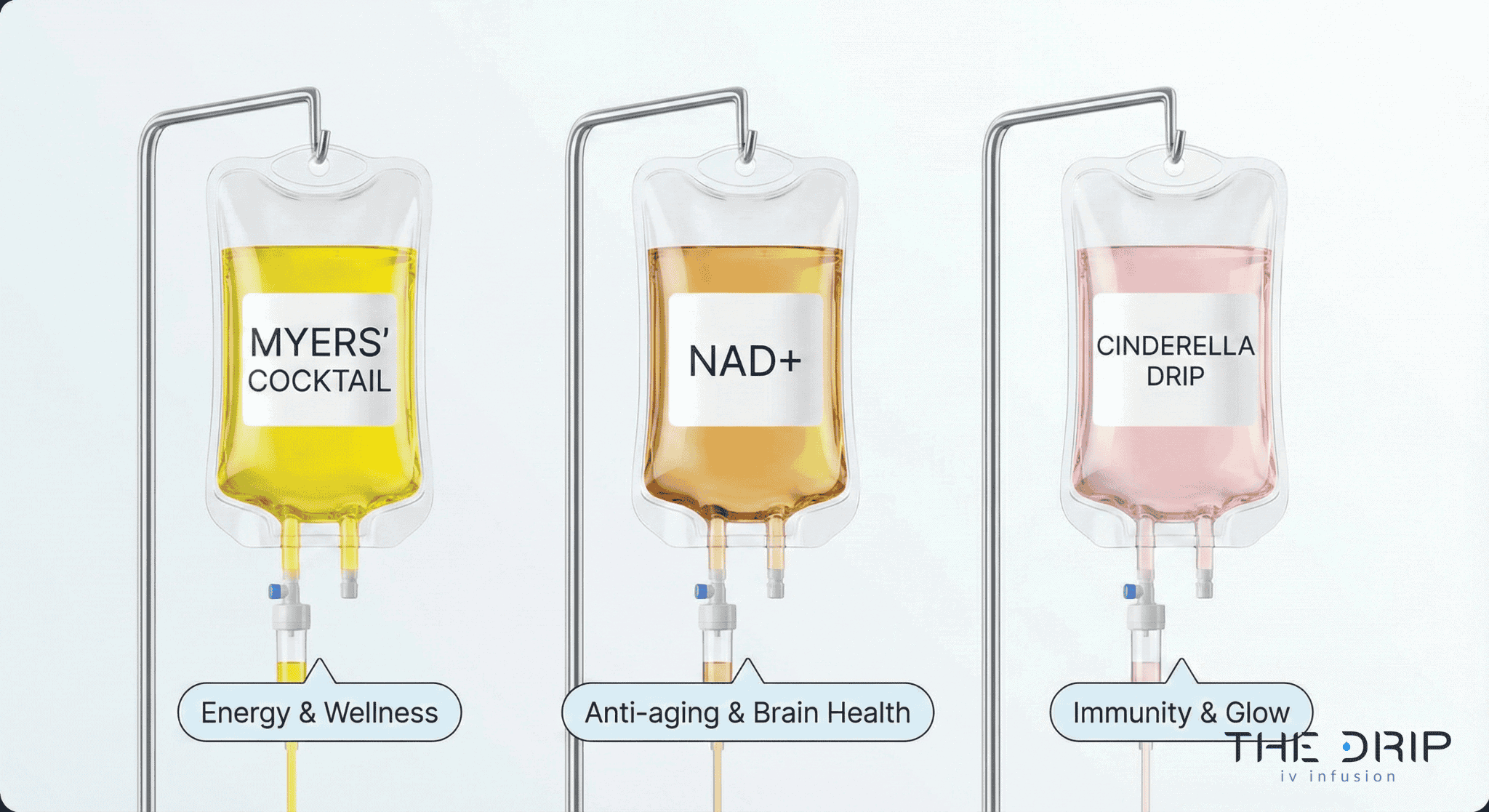
Complete formulations such as the Myers’ Cocktail combine magnesium, calcium, B vitamins, and vitamin C into a single infusion targeting conditions from migraines to fatigue. Specialty additives, including NAD+, alpha-lipoic acid, Toradol, and Zofran, address aging, acute pain, and nausea with precision that standard nutrients cannot reach.
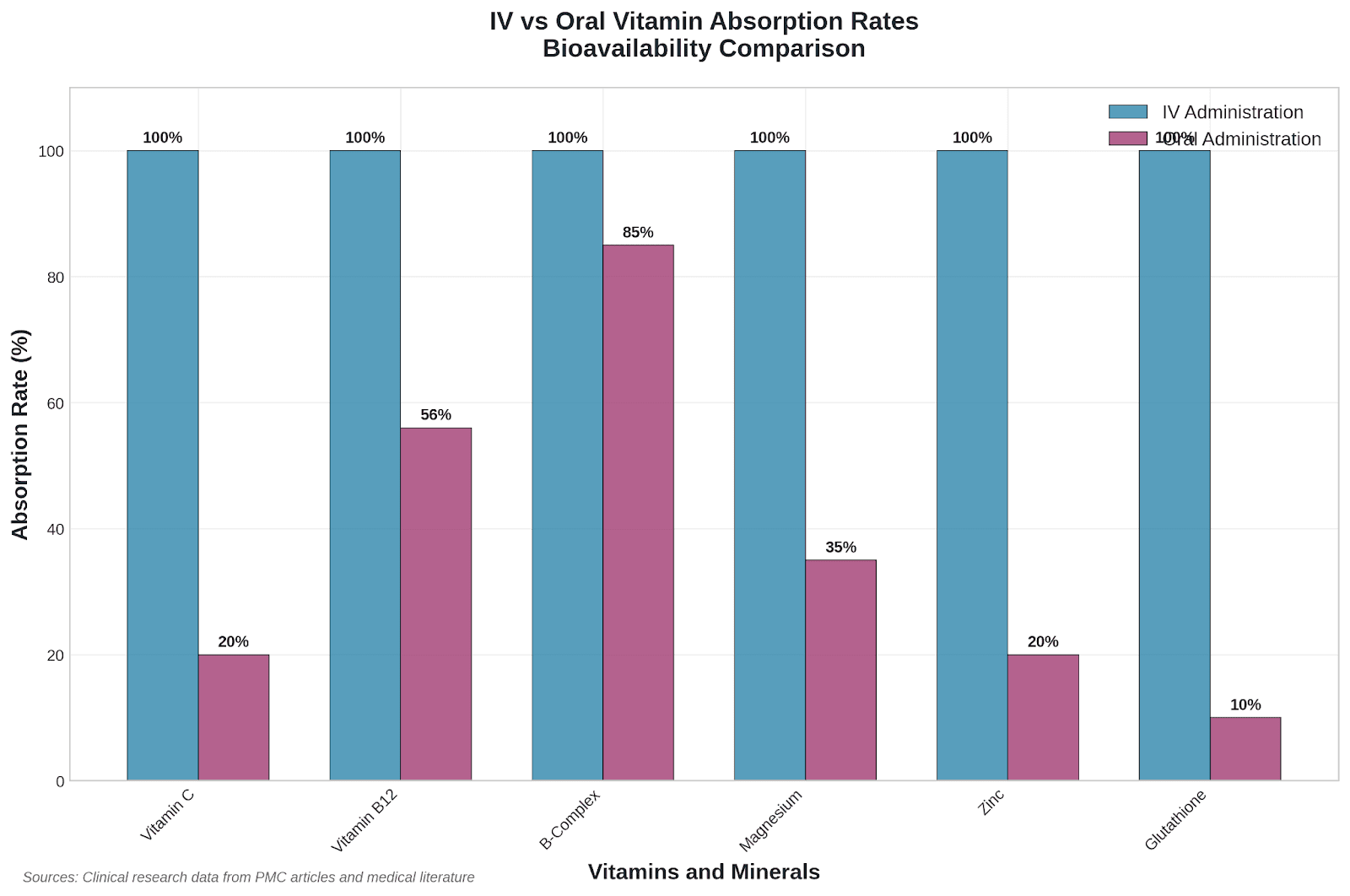
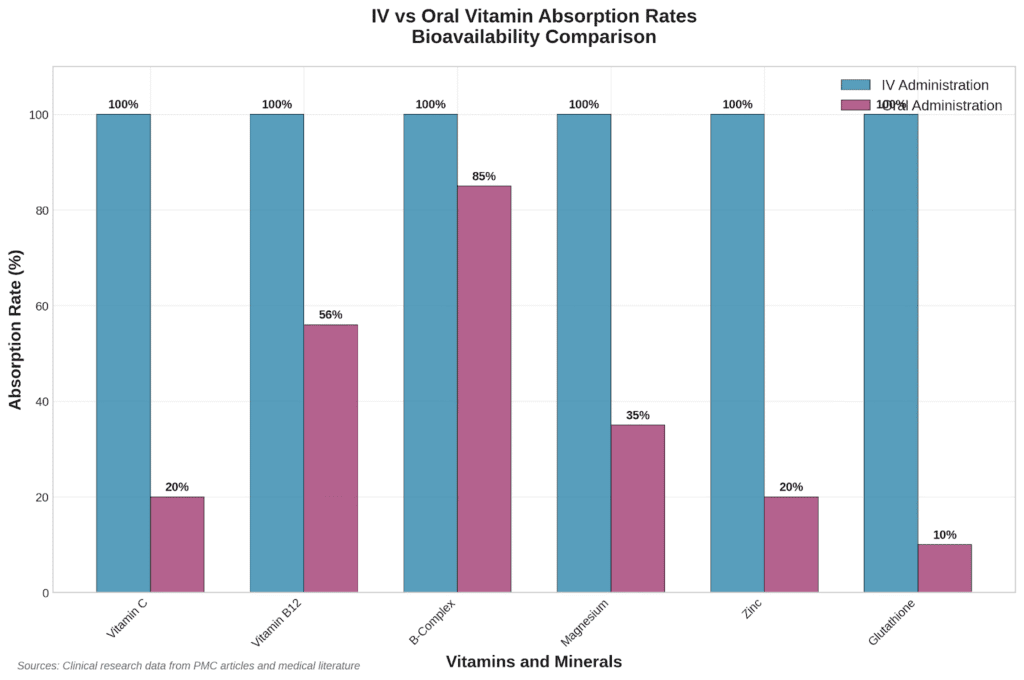
IV delivery bypasses digestive breakdown entirely; plasma vitamin C concentrations through IV administration can reach levels over 100 times higher than oral dosing achieves. Compounded IV formulations are not FDA-approved before reaching patients, making provider transparency and USP 797 pharmacy compliance essential safety factors.
What Is the Base Solution in an IV Bag?
The base solution in an IV bag is the primary sterile fluid that serves as the carrier for all other ingredients. The four most common base solutions are normal saline, Lactated Ringer’s, dextrose, and sterile water.
Normal Saline (0.9% Sodium Chloride)
Normal saline is a sterile solution containing 0.9% sodium chloride dissolved in water. It is the most widely used IV base fluid in clinical and wellness settings. According to the National Center for Biotechnology Information (NCBI), normal saline functions to expand intravascular volume without disturbing ion concentration or causing large fluid shifts between intracellular, intravascular, and interstitial spaces. This isotonic property makes it compatible with blood and safe for most patients. For general hydration and medication delivery, normal saline remains the default choice because it closely mirrors the body’s natural fluid balance.
Lactated Ringer’s Solution
Lactated Ringer’s solution is a balanced crystalloid fluid that contains multiple electrolytes. Its contents include:
Sodium
Chloride
Potassium
Calcium
Lactate (as sodium lactate)
The approximate osmolarity is 273 mOsm/L with a pH of around 6.5, making it slightly more physiologically balanced than normal saline. Clinicians often prefer Lactated Ringer’s for fluid resuscitation and surgical hydration because the electrolyte profile more closely resembles human plasma. This balanced composition reduces the risk of hyperchloremic acidosis sometimes associated with large-volume saline infusions.
Dextrose Solutions (D5W)
Dextrose solutions, commonly labeled D5W, contain 5% dextrose (glucose) dissolved in sterile water. D5W provides a modest caloric source alongside hydration, which can benefit patients who need short-term energy support. According to the U.S. Food and Drug Administration, 5% Dextrose Injection, USP is sterile and nonpyrogenic, with an osmolarity of 252 mOsmol/L, which is slightly hypotonic. Once infused, the body metabolizes the glucose rapidly, leaving free water that distributes across all fluid compartments. This makes D5W particularly useful as a vehicle for diluting medications.

Sterile Water for Injection
Sterile Water for Injection is a clear, colorless, odorless liquid. It is sterile, hypotonic, nonpyrogenic, and contains no bacteriostatic or antimicrobial agents, as documented by the NIH’s DailyMed database. Because of its hypotonic nature, sterile water is never infused directly into the bloodstream on its own; doing so could cause red blood cell lysis. Instead, it serves as a mixing solvent for reconstituting powdered medications and preparing custom IV formulations. Understanding which base solution a provider selects helps clarify why specific additives, such as electrolytes and vitamins, pair with certain carriers.
What Electrolytes Are Commonly Found in IV Drips?
The electrolytes commonly found in IV drips are sodium, potassium, chloride, calcium, magnesium, and bicarbonate. Each one regulates specific bodily functions, from fluid balance to nerve signaling.
Sodium
Sodium is the primary electrolyte responsible for maintaining extracellular fluid volume and regulating the membrane potential of cells. According to the National Center for Biotechnology Information, hyponatremia is diagnosed when serum sodium levels fall below 135 mmol/L. Because sodium governs how water distributes across tissues, it forms the foundation of most IV fluid formulations, including normal saline and Lactated Ringer’s solution.
Potassium
Potassium is mainly an intracellular ion regulated by the sodium-potassium adenosine triphosphatase pump. This electrolyte maintains proper electrical activity in cardiac and skeletal muscle cells. As noted by StatPearls Publishing, potassium derangements may result in cardiac arrhythmias. Careful dosing in IV drips is essential, since even small imbalances can disrupt heart rhythm.
Chloride
Chloride is an anion found predominantly in the extracellular fluid. The kidneys reabsorb chloride through both active and passive transport in the proximal and distal tubules. Working alongside sodium, chloride helps maintain osmotic pressure and acid-base balance. Its presence in IV solutions like normal saline ensures proper hydration without disrupting the body’s electrochemical equilibrium.
Calcium
Calcium is involved in skeletal mineralization, muscle contraction, nerve impulse transmission, blood clotting, and hormone secretion. According to the National Institutes of Health, calcium absorption is primarily controlled by vitamin D. IV calcium supplementation can be critical during acute deficiency states, particularly when rapid correction is needed to prevent muscle spasms or cardiac complications.
Magnesium
Magnesium is mainly involved in adenosine triphosphate metabolism, proper muscle functioning, neurological functioning, and neurotransmitter release. Despite its importance, magnesium deficiency often goes undetected because standard blood tests may not reflect intracellular levels. For practitioners building IV formulations, magnesium is one of the most versatile electrolytes to include, supporting everything from energy production to stress response.
Bicarbonate
Bicarbonate is a critical buffer that regulates the body’s acid-base balance. According to the NCBI Bookshelf, sodium bicarbonate plays a crucial role in managing diverse disease pathologies, with its concentration predominantly regulated by the kidneys. When metabolic acidosis occurs, IV bicarbonate can help restore blood pH to a safe range.
With these electrolytes forming the mineral foundation of IV therapy, vitamins added to drip formulations provide the next functional layer.
What Vitamins Are Added to IV Drip Formulations?
The vitamins added to IV drip formulations include vitamin C, B-complex vitamins, vitamin B12, vitamin D, and biotin. Each serves distinct physiological roles, from immune defense to energy metabolism.
Vitamin C (Ascorbic Acid)
Vitamin C is a water-soluble antioxidant that supports immune function, collagen synthesis, and cellular repair. IV delivery achieves plasma concentrations far beyond what oral supplements can reach. According to the NIH Office of Dietary Supplements, intravenous vitamin C can produce plasma concentrations as high as 26,000 micromoles/L, compared to a maximum of only 220 micromoles/L from oral administration. This dramatic difference makes IV-delivered ascorbic acid particularly valuable for individuals seeking rapid immune support or recovery. For anyone with increased oxidative stress or compromised absorption, IV vitamin C offers a meaningful advantage over tablets or capsules.
B-Complex Vitamins (B1, B2, B3, B5, B6)
B-complex vitamins are a group of water-soluble nutrients essential for energy production, nervous system function, and red blood cell formation. Each B vitamin plays a specific metabolic role:
Thiamine (B1) converts glucose into cellular energy through its active form, thiamine pyrophosphate.
Niacin (B3) participates in DNA repair and metabolic signaling.
Pantothenic acid (B5) is required for coenzyme A synthesis.
Pyridoxine (B6) facilitates amino acid metabolism and neurotransmitter production.
A 2022 review in The Permanente Journal confirmed that thiamine requires magnesium as a cofactor for conversion to its active form, highlighting why IV formulations often pair B vitamins with electrolytes.
Vitamin B12 (Methylcobalamin)
Vitamin B12 is a cobalamin essential for nerve function, DNA synthesis, and red blood cell production. Methylcobalamin, the bioactive form, bypasses conversion steps required by synthetic cyanocobalamin. According to the NIH Office of Dietary Supplements, parenteral administration is typically used to treat vitamin B12 deficiency caused by pernicious anemia, tropical sprue, and pancreatic insufficiency that result in severe malabsorption. Individuals with gastrointestinal conditions often cannot absorb oral B12 effectively, making IV or intramuscular delivery the most reliable route for correcting deficiency.
Vitamin D
Vitamin D is a fat-soluble secosteroid that regulates calcium absorption, bone mineralization, and immune modulation. Its hormonally active form, 1,25-dihydroxy vitamin D3, controls intestinal calcium uptake. While oral supplementation remains the standard approach, IV and injectable vitamin D can benefit individuals with severe deficiency or malabsorption disorders. Given how widespread vitamin D insufficiency is, particularly among those with limited sun exposure, parenteral delivery ensures predictable serum levels when oral routes prove inadequate.
Biotin
Biotin is a water-soluble B vitamin (B7) that supports keratin production, fatty acid synthesis, and glucose metabolism. It is commonly included in beauty-focused IV formulations targeting hair, skin, and nail health. The NIH reports that high doses of biotin, ranging from 2 to 15 mg/kg body weight per day, are used to treat inherited metabolic diseases; however, supplementing beyond recommended intakes can falsely cause high or low laboratory test results. This interference with lab diagnostics is an important consideration, making provider oversight essential when biotin is included in IV protocols.
With the vitamin profile of IV drips established, the minerals and amino acids in these formulations add further therapeutic depth.
What Minerals and Amino Acids Are Included in IV Bags?
The minerals and amino acids included in IV bags are zinc, selenium, glutathione, taurine, and L-carnitine. Each serves a distinct biological role, from antioxidant defense to energy metabolism.
Zinc
Zinc is an essential trace element that serves as a cofactor for numerous enzymes. According to research published in Endocrine, Metabolic & Immune Disorders – Drug Targets, zinc is involved in immune function, protein synthesis, and DNA synthesis. Even minor deficiencies can impair immune response, which makes zinc one of the most practical additions to immune-focused IV formulations. IV delivery bypasses the absorption limitations that often affect oral zinc supplementation.
Selenium
Selenium is a trace element that functions as a component of glutathione peroxidase. This enzyme protects cells from oxidative damage by converting hydrogen peroxide into water, as described in Nutrition Research Reviews. Because selenium supports the body’s endogenous antioxidant systems rather than acting as a standalone antioxidant, it pairs well with glutathione in IV protocols designed for detoxification or immune resilience.
Glutathione
Glutathione is a critical antioxidant that plays a major role in neuroprotection and detoxifying reactive oxygen species. As noted in the Alternative Medicine Review, its synthesis is enhanced by N-acetylcysteine. Often called the body’s “master antioxidant,” glutathione degrades rapidly in the digestive tract when taken orally. IV administration delivers it directly into circulation, preserving its active form for cellular defense.
Taurine
Taurine is a conditionally essential amino acid involved in cardiovascular and neurological function. A study published in PMC found that taurine therapy reduces blood pressure in hypertensive subjects by addressing oxidative stress, regulating mitochondrial protein biosynthesis, and restoring mitochondrial function. For individuals under chronic stress or with high physical demands, taurine offers systemic support that extends well beyond simple hydration.
L-Carnitine
L-carnitine plays a pivotal role in mitochondrial ATP production and cellular metabolism homeostasis. Research published in Nutrients (via PMC) has suggested L-carnitine administration as a valuable adjunctive therapy in managing chronic fatigue syndrome symptoms. This amino acid derivative shuttles fatty acids into mitochondria for energy conversion, making it particularly relevant for recovery and endurance-focused IV protocols.
Among these ingredients, glutathione and taurine represent the most versatile additions for clients seeking both detoxification and metabolic support. Understanding how these components combine leads naturally to examining complete IV formulations like the Myers’ Cocktail.

What Is a Myers’ Cocktail and What Does It Contain?
A Myers’ Cocktail is one of the most widely recognized IV nutrient formulations in modern wellness therapy. Developed by the late Dr. John Myers, this intravenous drip combines essential vitamins and minerals into a single infusion designed to address multiple health concerns simultaneously.
The modified Myers’ Cocktail consists of four core ingredients:
Magnesium supports ATP metabolism, muscle function, and neurological signaling.
Calcium contributes to muscle contraction, nerve transmission, and hormone secretion.
B vitamins (including B1, B2, B3, B5, B6, and B12) play central roles in energy production and cellular metabolism.
Vitamin C (ascorbic acid) acts as a potent antioxidant and immune system supporter.
According to a 2002 review published in Alternative Medicine Review, the modified Myers’ Cocktail has been found effective against acute asthma attacks, migraines, fatigue, fibromyalgia, and acute muscle spasm. These conditions span respiratory, neurological, and musculoskeletal categories, which speaks to the broad therapeutic versatility of combining these nutrients intravenously rather than relying on a single-nutrient approach.
What makes this formulation particularly practical is its simplicity. Rather than stacking numerous specialty additives, the Myers’ Cocktail targets foundational nutrient deficiencies that contribute to a wide range of symptoms. For individuals experiencing general fatigue or recurring migraines, this combination often serves as an effective starting point before exploring more specialized IV protocols.
What Specialty Additives Are Used in IV Therapy?
Specialty additives used in IV therapy include NAD+, alpha-lipoic acid, Toradol, and Zofran. These compounds go beyond standard vitamins and minerals to target specific concerns such as aging, pain, and nausea.
NAD+ (Nicotinamide Adenine Dinucleotide)
NAD+ is a coenzyme present in every living cell that supports energy metabolism and DNA repair. According to a study published in the International Journal of Molecular Sciences, declining NAD+ levels are associated with general aging and chronic disorders, including cognitive decline, sarcopenia, and metabolic diseases, and increasing NAD+ levels might reduce inflammatory responses. IV delivery of NAD+ bypasses digestive breakdown, allowing cells to access the coenzyme directly. For individuals seeking anti-aging or neurological support, NAD+ infusions represent one of the most targeted specialty options available today.
Alpha-Lipoic Acid
Alpha-lipoic acid is a potent antioxidant that functions in both water-soluble and fat-soluble environments within the body. As noted in a review published in Alternative Medicine Review, alpha-lipoic acid can increase glutathione levels and has been studied for its potential neuroprotective effects in various clinical conditions. This dual solubility makes it unusually versatile compared to antioxidants that operate in only one cellular compartment. When delivered intravenously, alpha-lipoic acid reaches therapeutic concentrations that oral supplementation often cannot achieve.
Toradol (Ketorolac)
Toradol is a nonsteroidal anti-inflammatory drug (NSAID) used for the short-term management of moderately severe acute pain that requires analgesia at the opioid level, as classified by the U.S. Food and Drug Administration. Unlike opioid painkillers, ketorolac carries no risk of dependency, making it a practical choice for acute relief during IV sessions. Providers commonly include Toradol in migraine and recovery drips where rapid pain reduction is the primary goal.
Zofran (Ondansetron)
Zofran is a selective 5-HT3 receptor antagonist indicated for the prevention of nausea and vomiting. Originally developed for chemotherapy-related nausea, ondansetron now appears frequently in hangover relief and post-surgical IV protocols. By blocking serotonin receptors in the gut and brainstem, Zofran stops nausea signals before they escalate. Its fast onset through IV delivery makes it especially effective when oral medications cannot be tolerated. With these targeted additives available, understanding how full IV formulations vary by treatment goal becomes the next consideration.
How Do IV Drip Ingredients Differ by Treatment Goal?
IV drip ingredients differ by treatment goal because each formulation targets specific physiological needs with a distinct combination of vitamins, minerals, amino acids, and medications. Two IV drips with the same name at different providers can contain entirely different ingredients, doses, and medications, since no industry-wide standardization exists for these formulations. The sections below break down common ingredient profiles for hydration, immune support, athletic recovery, hangover relief, weight management, and anti-aging drips.
What Ingredients Are in a Hydration IV Drip?
The ingredients in a hydration IV drip center on a normal saline or Lactated Ringer’s base solution paired with essential electrolytes. Normal saline (0.9% sodium chloride) expands intravascular volume without disturbing ion concentrations. Electrolytes typically added include:
Sodium to restore extracellular fluid balance
Potassium to support muscle and cardiac function
Magnesium to aid ATP metabolism and neuromuscular activity
Chloride to maintain osmotic pressure
Some hydration formulas also include a small dose of B-complex vitamins to support cellular energy production during recovery. This straightforward combination makes hydration drips one of the most versatile IV treatments available, serving as the foundation that more specialized formulations build upon.
What Ingredients Are in an Immune Support IV Drip?
The ingredients in an immune support IV drip typically combine high-dose vitamin C, zinc, B vitamins, and glutathione over a saline base. Vitamin C is the cornerstone; according to the NIH Office of Dietary Supplements, IV administration can produce plasma concentrations as high as 26,000 micromoles/L, far exceeding the 220 micromoles/L ceiling from oral dosing. Zinc serves as a cofactor for numerous enzymes involved in immune function and DNA synthesis. Glutathione, a critical antioxidant, detoxifies reactive oxygen species that accumulate during immune responses. B12 and B-complex vitamins round out most formulas by supporting white blood cell production and energy metabolism. For anyone dealing with seasonal illness or frequent travel, immune drips offer a concentrated nutrient delivery that oral supplements simply cannot match.
What Ingredients Are in an Athletic Recovery IV Drip?
The ingredients in an athletic recovery IV drip focus on replenishing electrolytes, reducing inflammation, and accelerating muscle repair. A typical formulation includes:
Normal saline or Lactated Ringer’s for rapid rehydration
Magnesium to support muscle relaxation and ATP production
B-complex vitamins for aerobic energy metabolism
Taurine, which helps regulate mitochondrial protein biosynthesis and restore mitochondrial function
Amino blends containing compounds that aid tissue repair
Some athletic recovery drips also include Toradol (ketorolac) for short-term pain management after intense training. L-carnitine is another common addition; it plays a pivotal role in mitochondrial ATP production, making it particularly valuable for endurance athletes battling fatigue. This combination addresses both the immediate depletion and the delayed soreness that follow high-intensity physical activity.
What Ingredients Are in a Hangover Relief IV Drip?
The ingredients in a hangover relief IV drip combine aggressive rehydration with anti-nausea medication and nutrient replenishment. The saline base restores fluids lost through alcohol’s diuretic effect. Key additions include:
Zofran (ondansetron), a selective 5-HT3 receptor antagonist that prevents nausea and vomiting
Toradol (ketorolac) for headache and body ache relief
B-complex vitamins, particularly B1 (thiamine), which alcohol consumption rapidly depletes
Magnesium to calm muscle tension and support neurological function
Glutathione to assist the liver in processing alcohol metabolites
Thiamine is especially critical here. It converts to thiamine pyrophosphate with magnesium as a cofactor, playing a major role in aerobic glucose metabolism. Hangover drips are arguably the most medication-forward IV formulation, and that distinction matters when choosing a qualified provider.
What Ingredients Are in a Weight Management IV Drip?
The ingredients in a weight management IV drip target metabolic support and fat utilization rather than direct weight loss. A standard formulation typically includes:
L-carnitine, which shuttles fatty acids into mitochondria for energy conversion
Lipo-C or Lipo-plus compounds containing methionine, inositol, and choline to support lipid metabolism
B12 (methylcobalamin) to sustain energy levels during caloric restriction
B-complex vitamins for metabolic enzyme function
Taurine to assist with oxidative stress management
According to a 2023 review in Nutrients, L-carnitine administration has been suggested as a valuable adjunctive therapy for managing chronic fatigue symptoms, which often accompany calorie-restricted diets. Weight management drips work best as a complement to structured nutrition and exercise programs, not as standalone solutions.
What Ingredients Are in an Anti-Aging or Beauty IV Drip?
The ingredients in an anti-aging or beauty IV drip prioritize antioxidants and cellular repair compounds. Glutathione is the centerpiece, functioning as the body’s master antioxidant for skin brightening and detoxification. Additional ingredients commonly include:
Vitamin C to support collagen synthesis and protect against oxidative damage
Biotin for skin, hair, and nail health
NAD+ (nicotinamide adenine dinucleotide), since declining NAD+ levels are associated with general aging, cognitive decline, and metabolic disorders
Alpha-lipoic acid, a potent antioxidant that can increase glutathione levels
Zinc and selenium for cellular protection
Beauty drips represent one of the fastest-growing categories in IV therapy. From a clinical perspective, the combination of glutathione with NAD+ offers a synergistic antioxidant effect that topical skincare products cannot replicate, making these formulations increasingly popular for proactive wellness strategies.
Are the Ingredients in IV Bags Safe and Regulated?
The ingredients in IV bags are safe when sourced from regulated facilities and administered by qualified professionals, though oversight varies depending on the type of preparation. FDA-approved manufactured IV solutions follow strict quality standards, while compounded formulations operate under a different regulatory framework.
According to the U.S. Food and Drug Administration, compounded drugs are not FDA-approved, meaning the FDA does not review these drugs to evaluate their safety, effectiveness, or quality before they reach patients. Section 503A of the FD&C Act provides exemptions that allow compounding pharmacies to prepare custom IV formulations without standard pre-market approval, current Good Manufacturing Practice requirements, or labeling with adequate directions for use.
The risks of inadequate oversight are well documented. In 2012, contaminated drugs compounded by a Massachusetts pharmacy led to more than 750 cases of infection and more than 60 deaths across 20 states. This incident underscores why sterile compounding standards matter. USP General Chapter 797 provides standards for compounding sterile preparations to prevent harm, including death, from microbial contamination, excessive bacterial endotoxins, or large content errors.
Consumers should understand that two IV drips with the same name at different providers can contain entirely different ingredients, doses, and medications, since no industry-wide standardization exists for these formulations. This inconsistency makes provider transparency essential. Reputable clinics disclose exact ingredients, source from USP 797-compliant pharmacies, and employ licensed medical professionals for administration.
For most people considering IV therapy, the single most important safety step is verifying that a provider uses compounding pharmacies adhering to USP 797 standards and staffs licensed nurses or medical practitioners. Regulatory frameworks exist to protect patients, but the responsibility to confirm compliance ultimately falls on both the provider and the informed consumer. Understanding how IV ingredients compare to oral alternatives further clarifies why delivery method matters.
How Do IV Drip Ingredients Compare to Oral Supplements?
IV drip ingredients compare to oral supplements primarily through differences in bioavailability, absorption speed, and achievable plasma concentrations.
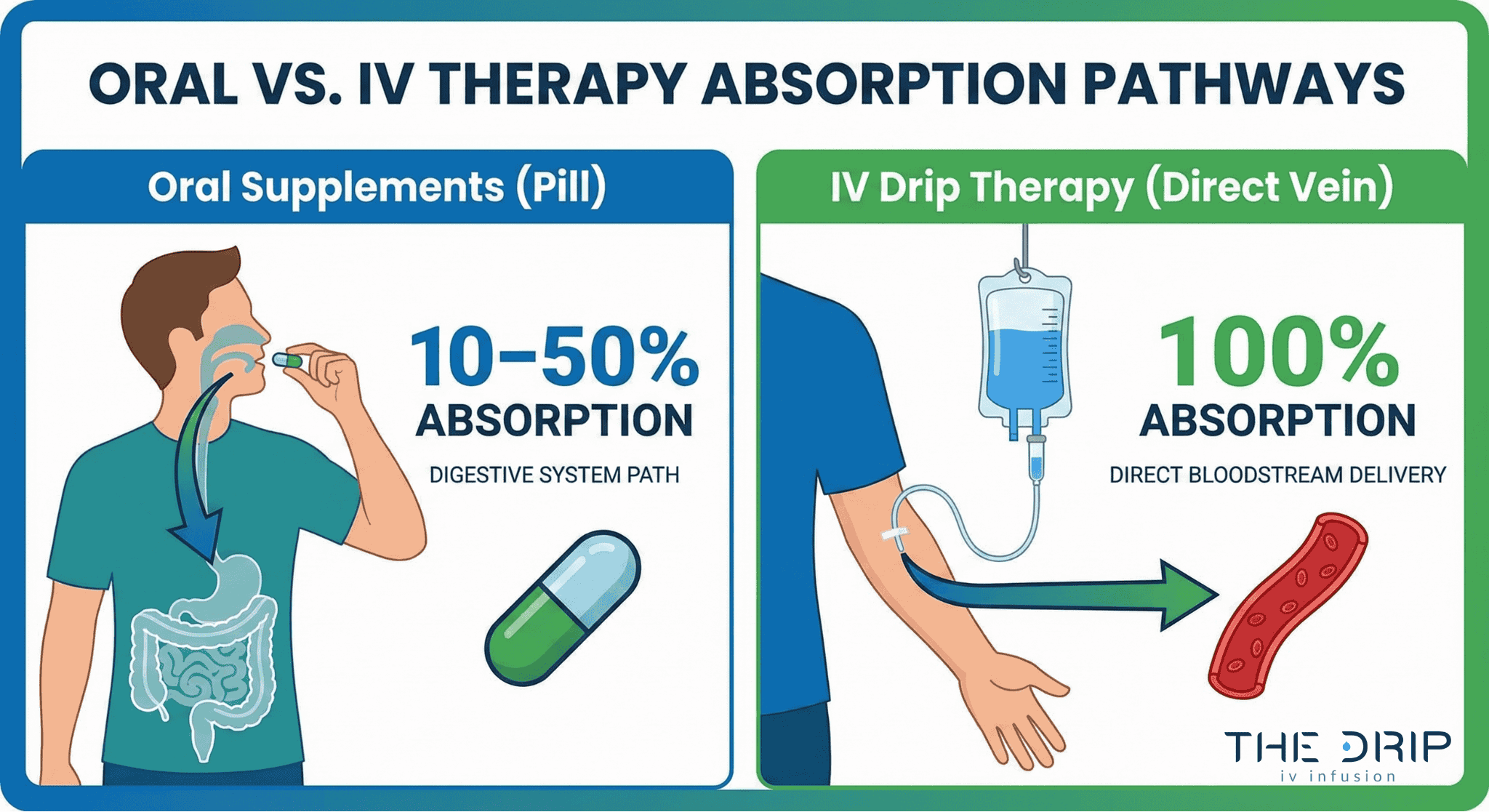
Oral supplements must pass through the gastrointestinal tract, where stomach acid, enzymatic breakdown, and intestinal absorption limits reduce the amount that reaches the bloodstream. This first-pass metabolism can significantly lower the effective dose. IV delivery bypasses the digestive system entirely, sending nutrients directly into circulation at near-complete bioavailability.
The concentration gap between these two routes can be dramatic. According to the NIH Office of Dietary Supplements, oral vitamin C administration raises plasma concentrations to a maximum of only 220 micromoles/L, while intravenous vitamin C can produce plasma concentrations as high as 26,000 micromoles/L, levels that are selectively cytotoxic to tumor cells in vitro.
This distinction matters most for individuals with compromised gut absorption, acute nutrient deficiencies, or therapeutic goals requiring supraphysiological doses. For everyday maintenance in healthy individuals, oral supplements often provide adequate nutrient levels at lower cost. However, when rapid repletion or high-dose protocols are clinically indicated, IV administration achieves results that oral dosing simply cannot match.
Understanding this bioavailability advantage helps explain why customized IV formulations are growing in popularity for targeted wellness goals.
How Can Customized IV Drips Address Your Wellness Needs?
Customized IV drips address your wellness needs by matching specific ingredients, doses, and formulations to your individual health goals. The following sections cover how The Drip IV Infusion personalizes IV therapy and the key takeaways about IV bag ingredients.
Can The Drip IV Infusion Tailor IV Ingredients to You?
Yes, The Drip IV Infusion can tailor IV ingredients to you. Founded in Fall 2022 by professionals with decades of experience in nursing, emergency medicine, and IV medical techniques, The Drip IV Infusion offers a comprehensive menu of IV cocktails, specialty treatments, and customizable add-ons.
Available add-ons include Vitamin C, glutathione, B-complex vitamins, Vitamin B12, Vitamin D, magnesium, zinc, taurine, Toradol, Zofran, and N-acetyl cysteine (NAC), among others. Each infusion bypasses the GI tract for maximum absorption and immediate benefits. The Drip IV Infusion partners with each client to select the precise combination that supports their individual wellness goals, whether that involves immune support, athletic recovery, hydration, or anti-aging.
What Are the Key Takeaways About IV Bag Ingredients?
The key takeaways about IV bag ingredients are that every IV drip starts with a sterile base solution, contains carefully selected electrolytes, vitamins, minerals, and amino acids, and can include specialty additives tailored to specific health goals. According to Dr. Sunny Clinic, common consumer questions about IV therapy include “What are the benefits?”, “Is it safe?”, and “What ingredients are used?”, reflecting how central ingredient transparency is to informed decision-making.
Understanding what goes into your IV bag empowers you to ask the right questions and choose formulations aligned with your needs. Because no industry-wide standardization exists for wellness IV drips, knowing the role of each ingredient category is essential. For personalized guidance on which IV ingredients best match your wellness goals, The Drip IV Infusion can help you build the right drip.
Intravenous therapy (IV) is a fundamental component of modern medicine. It involves administering fluids and medication directly into a patient’s vein. So, understanding the common IV insertion sites is crucial to perform an efficient and safe delivery. However, patients may also benefit from such insight.
It’s important to recognize that each of the different sites comes with unique advantages and considerations. We will provide a comprehensive overview of the key locations, helping professionals make informed decisions and offering patients a clearer understanding of the IV administration process.
As every professional nurse for IV therapy in Queen Creek might tell you, there are multiple IV insertion sites, each with a specific use. Many might be surprised to learn that the arm is not the only place suitable for IV administration.
An intravenous cannula can be inserted in different places on the body based on individual factors and situations. Here are the most common types of IV sites:
Accessory cephalic vein
The accessory cephalic vein is one of the most well-known IV injection sites. This branch comes from the cephalic vein and runs through the arm and shoulder. The insertion site is found on the inner side of the arm just below the elbow. This vein typically holds up to 18 or 20 gauge.
The accessory cephalic vein is easiest to locate when the patient’s arm hangs freely by their side. As experienced nurses will tell you, when inserting an IV through this vein, it is best to go a bit below the bend of the arm to spare the patient from potential discomfort.
Forearm
Another common IV site is the inside of the forearm. The reason behind its popularity is the optimal place of the antebrachial vein through which the IV is administered.
Patients with IV in their forearms are free to move their arms without any pain or associated danger. No nerves are located near this insertion site, which makes it an optimal choice in most scenarios.
However, the antebrachial vein is not particularly large and cannot handle gauge sizes larger than 22. It can also be difficult, if not impossible, to access this vein in patients who have a bigger amount of subcutaneous fat. The vein is located deeper in these patients and tends to roll easily.
Hand
The dorsal venous network or dorsal arch veins make the largest veins on the hand and are usually the easiest to spot. They are located at the back (top) of the hand and make an optimal choice when inserting an IV in the hand, as infiltration is easiest to notice.
The only potential downside when inserting IVs through the dorsal veins is that they may easily roll off if not stabilized properly. This is why patients are usually advised to make a light fist, which will prevent the veins from moving.
Foot
While any large enough vein in the foot may be used for IV if necessary, the dorsal arch veins are usually the preferred option. Although smaller in size, these veins are easy to access.
The great saphenous vein is another popular IV site in the foot. This vein runs anteriorly to the medial malleolus (the bony bump on the inner side of the ankle) and is not always clearly visible.
However, once spotted, it is easy to access and lasts well. The saphenous vein is readily used when inserting central venous catheters in adults, but it’s avoided in infants.
There are some possible complications linked to administration IV. We will discuss these complications and offer advice on how to prevent them.
Infiltration
Infiltration is usually a direct result of improper IV placement, but it can also happen due to patient movement. It occurs when IV fluids leak outside the intravascular space. Some common signs of infiltration include swelling, a feeling of burning or tightness in the surrounding area, a decreased flow rate, and more.
When this happens, immediate action is needed, and the IV must be immediately removed. One way to prevent infiltration is by choosing a suitable IV insertion site. Proper techniques and regularly checking up on the patient are also good practices.
Phlebitis
Phlebitis is inflammation of the vein. It can happen due to vein trauma during IV insertion or as a result of the alkaline or acidic PH of the IV solution. Phlebitis is more frequent when using an angiocath.
This is why metal needles are considered a safer option when administering IV. Older patients have also been found to be more susceptible to this condition. Phlebitis treatment usually involves a warm compress on the site and introducing non-steroidal medication.
Hematoma
Hematoma happens when blood leaks from the vein into the surrounding tissue. Hematoma may happen when pressure is not properly applied while removing the vessel. It may also occur if, during catheter insertion, the needle punctures through the vein.
Usually, hematoma results in increased area tenderness, and patients might also feel a hard, raised area under the skin. The easiest way to gain control in such situations is by applying direct pressure on the spot.
Thrombosis
Thrombosis happens when a blood clot causes a vein to become swollen or inflamed. Some commonly associated symptoms might include pain along the vein and redness and tenderness of the area. Thrombosis may also cause limb pain or, in some cases, vein hardening.
This condition results from vein injury or as a result of certain types of medications. To prevent thrombosis, it is best not to insert the IV in the same place and regularly inspect the insertion area for any swelling or redness.
Steps for IV Insertion Sites
The first step in every IV administration process includes briefly explaining the procedure to the patient. Informing the patient that they might experience a little discomfort and gaining their consent is essential in this practice.
Preparation
During the preparation phase, nurses have to ensure that all the equipment is their exposal. Some typical items on the IV equipment list include gloves, alcohol cleanser and wipe, plaster, IV cannula, saline, and more.
Site selection
The insertion site will mainly depend on the patient’s condition. While the most popular location for IV infusion might be the forearm and the hand, other options are also available. How the infusion is administered mainly depends on the nurses.
Before reaching a final decision there must be a detailed inspection of the patient’s situation. Overall, site location and choosing the appropriate vein are usually based on the type of treatment involved and how long the infusion will last.
Disinfection
Proper hygiene is key in administration IV. Before introducing the IV, nurses have to sanitize their hands and clean the selected skin area. This helps lower the risk of any possible infections.
Securing the IV catheter
Securing the IV catheter is crucial in preventing potential vein trauma. As explained earlier, most of the IV complications arise due to improper IV administration and vein damage caused by needle movement. This is why trained nurses usually place dressing and a sticker to keep the cannula in place.
The selection of appropriate IV insertion sites is a critical skill in healthcare, impacting the efficiency and safety of intravenous therapies. Nurses must thoroughly understand the sites to optimize patient care. Equally, patients also benefit from being informed about these procedures.
As explained, while some of the best-known choices include the inner side of the elbow and the hand, IV can also be inserted in areas such as the scalp, foot, and inner thigh. Nurses always follow a set of criteria when inserting IVs, as these may help minimize the risk of infection and other possible complications.
IV treatments’ popularity has soared in recent years, thanks to celebrities and social media influencers. As you already know, this type of treatment is administered intravenously and has become a go-to therapy for people to receive the necessary vitamins and minerals. And the good thing about IV therapy? It can be administered from the comfort of your home or workplace. But do IV drips work, as well as others claim?
Before taking an IV drip, it is important to understand its function, benefits, and possible side effects.
The function of IV drips is to provide patients with the necessary vitamins, minerals, and electrolytes, as well as deliver medications for specific medical conditions.
IV drips really work for several reasons:
Rapid delivery- IV drips bypass the digestive system, allowing direct absorption compared to oral ingestion. IV drips may lead to faster and more effective results.
Fluid restoration- IV drips replenish the body with fluids, helping to restore proper hydration levels. IV drips are useful in many medical situations. For instance, an effective IV drip therapy includes rehydrating a patient experiencing dehydration from a gastrointestinal illness.
Medication administration- The fact that IV drips are administered directly into the bloodstream may allow for quicker absorption in the body.
The Benefits of IV Drips
So, are IV drips effective? Yes, they are. IV drips offer several benefits. Among the most important benefits of IV drips are:
Hydration
IV drips may be a great way to rehydrate your body. If you are feeling dehydrated or haven’t had the time to reach the water intake in the past few days, IV drips may help you to rehydrate and fight off the migraine (a common symptom of dehydration).
IV drips quickly replenish body fluids and electrolytes by delivering a carefully balanced solution directly into the bloodstream. This process may effectively restore hydration, making it an effective method to combat dehydration and ensure a swift recovery.
Nutritional support
IV drips can deliver essential nutrients, minerals, and vitamins directly into the bloodstream to ensure proper nourishment of the body. This is especially beneficial for people who have difficulty absorbing nutrients through their digestive system. That is why IV drips are used by people with gastrointestinal disorders or severe malnutrition.
Source: shutterstock.com / Photo Contributor: Thongden Studio
Customized treatments
IV drips can be customized to match individual patient needs. While we offer specific IV therapies to boost one’s well-being, whether for rehydration or to help with a hangover, patients may choose to add specific vitamins or medications to the IV therapy, depending on their needs.
IV therapies may be formed with specific combinations of medications, fluids, or nutrients to address unique conditions or support specific medical treatments.
Types of Nutrients in IV Drips
The following are the nutrients that are most commonly found in IV drips.
Vitamins
IV drips may include a plethora of vitamins, including vitamin C, vitamin B, and vitamin D, among the most commonly used vitamins in such therapies. These vitamins support your overall health, help in energy production, boost the immune system and promote healing. The most common substances in almost every IV drip are vitamin C and vitamin B12 or B complex.
Amino acids
Amino acids, often found as add-ons in IV therapies, are organic compounds that form the building blocks of proteins. Since amino acids are fundamental in normal chemical reactions, they are involved in almost every body function. Combining essential and non-essential amino acids is needed for optimal health and well-being.
Antioxidants
IV drip may include antioxidants like glutathione. Antioxidants help neutralize harmful free radicals, protect from oxidative stress, prevent cellular damage, and support overall health. Moreover, an antioxidant drip helps boost the immune system, energy, and hydration levels.
Electrolytes
IV drips may often contain electrolytes, such as sodium, potassium, calcium, and magnesium. These minerals are essential for maintaining proper hydration, nerve function, muscle contractions, and pH balance in the body. IV drips are the most effective way of replenishing electrolytes.
Micronutrients
Some IV drips may contain elements like selenium, zinc, or copper, essential for many body functions, like immune system support and enzyme activity. In some cases, when oral consumption of micronutrients is not enough, or you cannot absorb the micronutrients in the body, you may need to receive micronutrients through IV drips.
This is usually needed for patients with gastrointestinal disorders.
Potential Risks or Side Effects of IV Drips
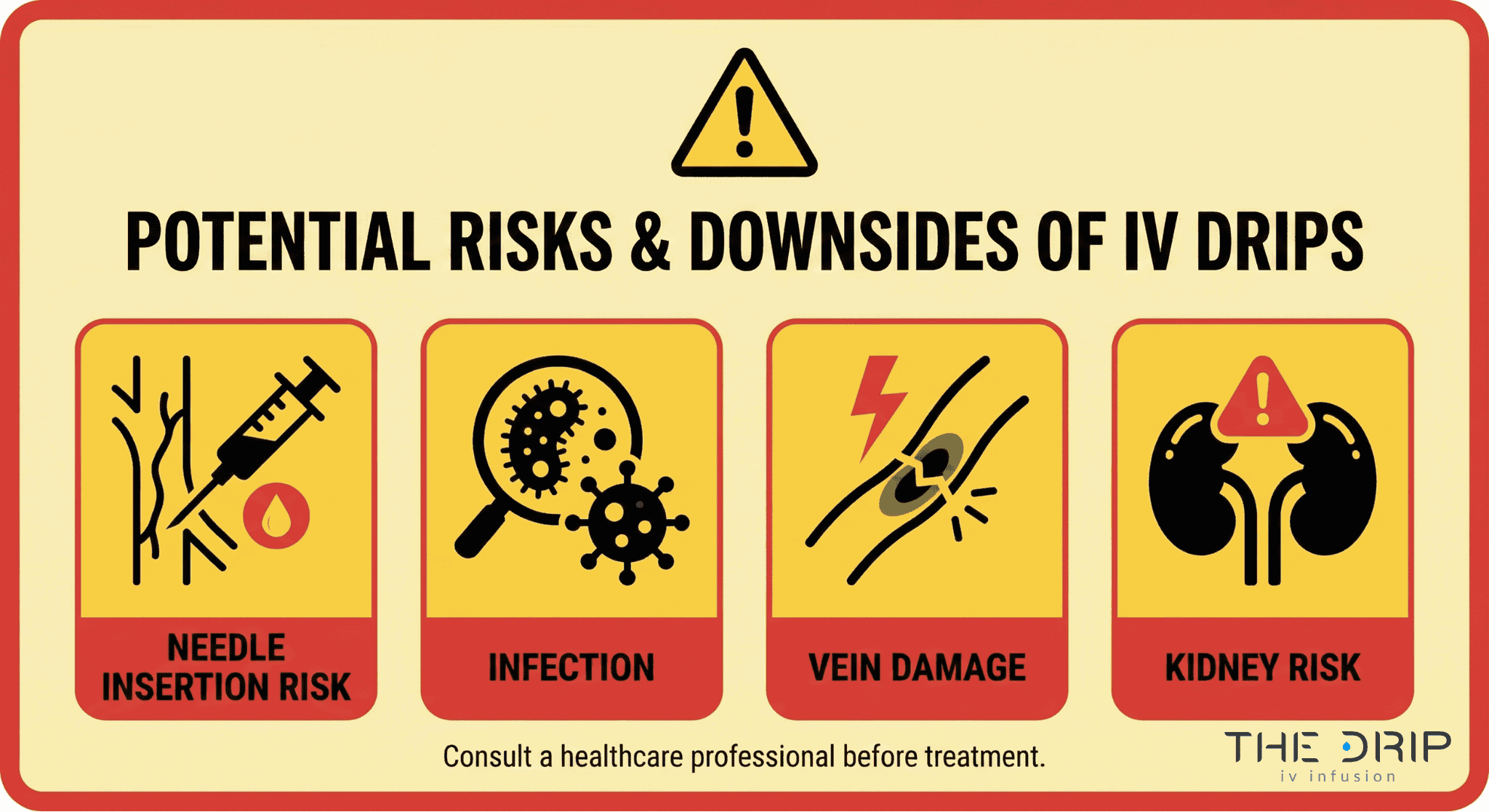
Even though IV drips are generally safe, you may experience some side effects during administration. The risks may vary depending on the patient’s health and the substances administered.
Infection
There is a risk of infections at the injection site in case of improper sterilization. The symptoms of IV drip infection include redness and swelling on the insertion site. Some may experience leakage of fluid, blood, or pus from where the needle was.
Electrolyte imbalance
Improper administration of electrolytes in IV drips can lead to imbalances, like high or low sodium, calcium, potassium, or magnesium levels. Electrolyte imbalances can have side effects on the body, like irregular heart rhythms or muscle weakness. That is why it is crucial to establish what substances your body lacks and what is the best IV drip for you.
Allergic reactions
Some people may have allergies to certain substances from the IV drips. This can lead to itching, swelling, or skin rashes. Some people may even develop an allergy to the adhesive tape, usually manifested with a rash.
How to Minimize the Risks and Side Effects?
Nurses and patients should comply with the following practices to minimize IV drips’ risks and side effects.
First, and probably the most important thing, is ensuring safe administration. Besides the obligatory nursing program, IV nurses should also attend conferences and courses to enrich their knowledge and experience in properly administering IV drips.
Second, by maintaining an aseptic technique, medical professionals may ensure a safe IV administration and minimize the risks of infection. Nurses or medical professionals who administer the IV need to maintain good hand hygiene, always wear gloves, and clean the insertion site.
To minimize the risks and complications, nurses should closely monitor patients receiving IV drips to assess for adverse reactions. This includes monitoring vital signs, fluid balance, electrolyte levels, and the condition of the insertion site. Correct dosing is crucial for preventing fluid overload, electrolyte imbalance, and adverse reactions.
So, do IV drips work? IV drips can effectively deliver fluids, medications, and nutrients directly into the bloodstream. IV drips are beneficial because they may offer hydration, nutritional support, medication delivery, and symptom relief, and you can ask for customized treatments.
As with other medical solutions, several potential risks are involved, like infection, fluid overload, electrolyte imbalance, or allergic reactions. Correctly administering the IV drip and providing proper care for the patient may minimize the risks of infection and other side effects.
If you are experiencing muscle soreness or feel like your body is too tired to handle your next endeavor, an IV therapy bag might be the solution. The carefully picked ingredients in IV therapy for muscle recovery may help you achieve peak performance.
IV therapy might offer many benefits, whether you are a professional athlete, fitness enthusiast, or overworked individual. Discover how a short intravenous treatment might assist you by delivering the essential nutrients into your bloodstream.
Source: shutterstock.com / Photo Contributor: Ahmet Misirligul
What Is IV Therapy for Muscle Recovery?
IV therapy for muscle recovery is a special blend that might reduce muscle recovery time, strengthen them, and reduce cramps. Many see it as an energy drip with essential nutrients for the muscular system. When your muscles are recovering, it is recommended to:
Hydrate and replace sodium and fluid
Choose antioxidants to minimize inflammation
Take vitamins to stimulate cellular healing
All of the above-mentioned may be provided with IV therapy. One of the many reasons IV therapy is used as a solution for muscle recovery is the fast and high absorption rates of the nutrients. IV therapy administers a mixture of fluids, minerals, and vitamins directly into the bloodstream for higher efficiency and better benefits.
Whatever the activities you are doing, your energy levels might drop, and your muscles might start feeling sore. If you are considering getting IV therapy to feel like yourself again, you must know which cocktails are best.
Common ingredients in IV bags for muscle recovery
Each IV therapy provider offers different IV cocktails for muscle recovery and athletes. Choosing the right provider with IV bags containing the needed nutrients might speed up the recovery. So, the best mobile IV therapy for muscle recovery offers solutions with the following ingredients:
Vitamin C
B12
Zinc
Taurine
NAC
Pyridoxine
Other essential nutrients IV therapies for athletes are glutathione, magnesium, potassium, fluids, and electrolytes. Keep in mind that most IV therapy providers, including us at The Drip IV Infusion, offer add-ons to the basic IV bags.
Using such services, you can customize the nutrients you get after consultation with the nurse. Now that you know the ingredients in IV therapy for athletes, it’s time to learn how they might help you with your situation.
Vitamin C
Vitamin C might offer a lot of benefits to the human body. When you are exercising or being more active than usual, your muscles might start feeling sore. When you are feeling muscle soreness, the connective tissue around your muscle is damaged.
Although it is natural for the body to react to your physical activity, it may be painful or discomforting. So, one of the major roles of vitamin C is assisting the connective tissue repair. Also, it might alleviate muscle pain and speed up muscle strength recovery. In addition, the vitamin C dosage of the IV bag acts as an antioxidant. With such properties, it may reduce oxidative stress and muscle damage.
B12
B12 is an essential vitamin for your body. It has a significant role if you are excessively training. Vitamin B12 might be an essential cofactor in muscle repair and rebuilding.
Furthermore, B12 may be vital for making platelets and white and red blood cells. Red blood cells’ role while exercising is to transport oxygen to the muscles. Providing the required amount of oxygen to the muscles lowers the risk of muscle fatigue.
Additionally, white blood cells are known for their ability to potentially assist the healing process of your muscles. Lastly, platelets might provide neutrophils to the injured muscles and are part of the early muscle regeneration.
Zinc
The zinc dosage found in IV therapy for muscle recovery may help the skeletal muscle. It is vital in your body and allows movement, stores nutrients, stabilizes joints, and sustains body posture.
Moreover, zinc may help speed up skeletal muscle regeneration. The mineral affects myogenesis, basically the formation of the skeletal muscular tissue. In addition, it may positively affect muscle cell activation, differentiation, and proliferation.
Taurine is a free-occurring amino acid that contains sulfur. It is highly important for excitable tissues, including the skeletal muscle, brain, and heart. So, taurine might have multiple roles in muscle and workout recovery:
Improves exercise performance
Reduces metabolic stress and muscle soreness
Improves energy expenditure and exercise performance time
NAC
N-acetyl cysteine, or NAC, is an antioxidant that comes from amino acids. NAC has many uses, and one of them is the possibility to reduce muscle soreness.
Treatments with NAC might also speed up the recovery of skeletal muscle injuries. Plus, NAC may facilitate recovery of muscle function by preventing scar formation and long-term fibrosis.
Pyridoxine
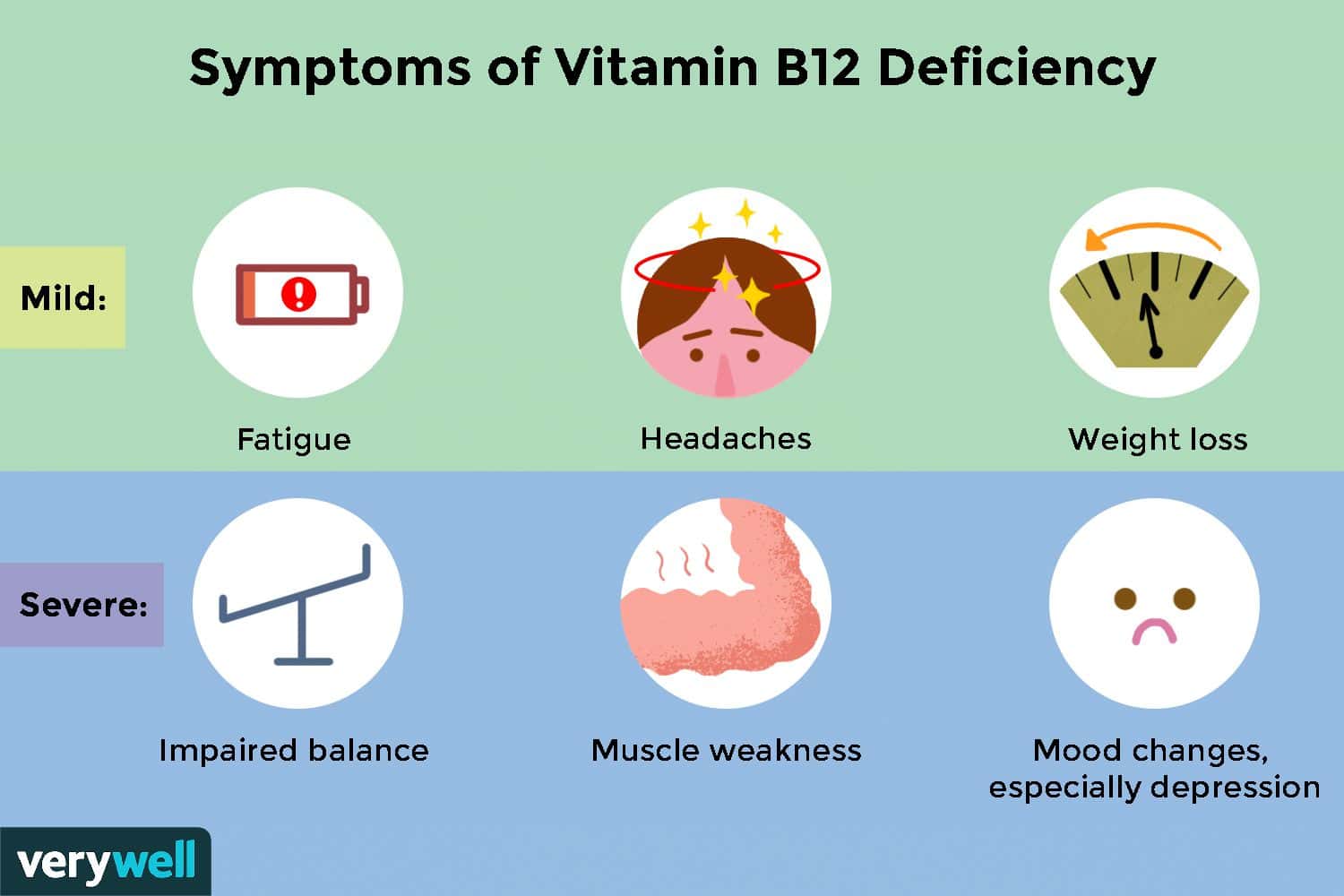
Pyridoxine, or B6 as you might know it, is vital for your muscles. One of the symptoms of B6 deficiency is muscle weakness, making it a crucial ingredient in IV therapy for muscle recovery solutions.
Moreover, pyridoxine may assist in the metabolizing process of amino acids. Your body then uses those amino acids to potentially repair damaged muscle fibers and encourage muscle growth.
Should IV Therapy Be Used Before or After a Workout or Training?
When you should get an IV therapy depends on the ingredients in the bag. Generally, most solutions can be used before or after a workout or training. If you are considering getting our The GOAT IV infusion, we can administer it before or after your workout, training, or competition.
However, some solutions are tailored to act as a pre-workout. They may help you boost your energy levels and decrease recovery time once you are done with the training. This type of IV therapy mainly concentrates on optimizing hydration.
What IV solution you will choose also depends on your desired outcomes. Getting an IV therapy before working out might reduce muscle soreness while getting it after may speed up recovery.
What Else Does the Muscle IV Treatment Do?
Besides making the muscle recovery process easier and faster, IV therapies also focus on other wellness benefits.
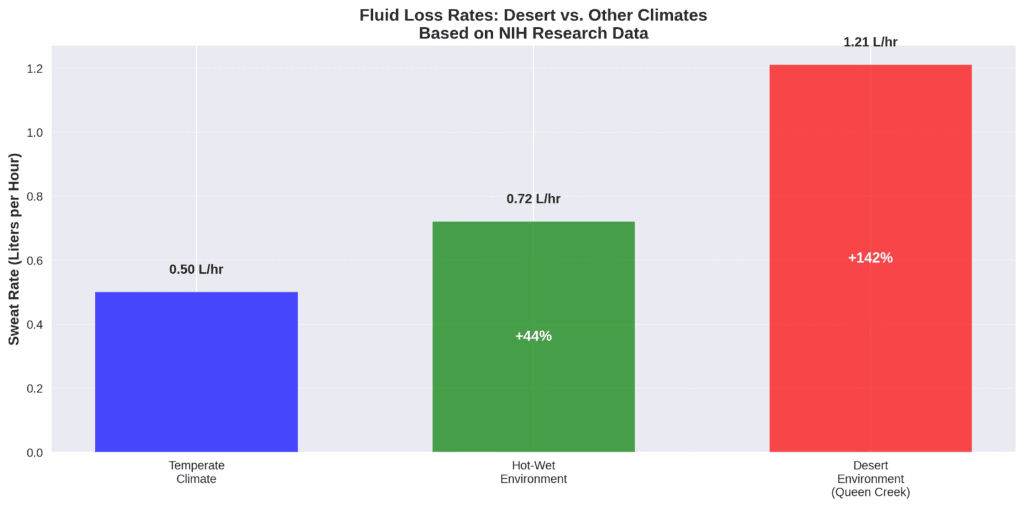
For starters, IV therapies might offer fluid replenishment. When doing intense physical activity, your body loses a lot of fluids through sweating. So, IV therapy contains fluids to possibly rehydrate your body.
Furthermore, IV therapies might also have anti-inflammatory effects. Other things muscle IV treatments might do, depending on the ingredients they contain, are:
Boost oxygen levels and flow
Enhance energy and performance
Provide nutrients and vitamins to your body
Strengthen the immune system
What to Expect During IV Therapy for Athletes
If it is your first time getting IV therapy for muscle recovery, here is how the whole process goes. First, you must book an appointment. If you choose a mobile IV therapy provider, a registered nurse will come to your address with the equipment. They will do a short evaluation to check whether you are suitable for IV therapy.
During the exam, the nurse will ask you several questions, and you have to answer them honestly. Be prepared to share details about your medical history. If everything is in order, the nurse will start administering the IV fluids for muscle recovery.
The nurse will insert a needle into your vein, typically your elbow, and place a catheter. The needle will be removed, and the nurse will start administering the fluids into your bloodstream.
One session typically lasts between 15 to 90 minutes. During that time, you can sit back and relax. The nurse will check from time to time whether there are any of the rare unwanted effects, such as redness, swelling, or signs of inflammation.
After the bag is entirely administered, the nurse will remove the catheter, and the session will be done. Typically, you can continue with your everyday activities right away.
Many professional and recreational athletes are getting IV therapy. The treatment is generally safe and might offer a plethora of benefits.
IV therapy for muscle recovery may be a convenient method for replenishment of essential nutrients your body needs after intense physical activities. It might also be used for enhancing athletic performance.
IV therapy is a fairly new trend when it comes to skin health. Its popularity rose with the endorsement of many celebrities, leading to people discovering the potential benefits of an IV drip for glowing skin.
But to understand the benefits of IV therapy, first, you must understand what it is. IV stands for intravenous, meaning this therapy is administered directly into a person’s bloodstream.
There are many potential benefits of IV drips for various health-related issues. This article will explore the advantages of IV beauty drips and whether they’re worth a try.
IV vitamin therapy is not only a natural way to boost your health, but it may also help you refresh and achieve glowing skin in no time. Rejuvenation and hydration IV drip therapy contains a special blend of ingredients to detoxify the system.
By detoxifying a person’s system through increased absorption of various minerals and nutrients may contribute to glowy and healthy-looking skin. IV therapy may be more beneficial for skin health as the ingredients are absorbed directly into the bloodstream.
The IV Drip Benefits for Skin Health
With IV vitamin therapy, the fluid ingredients do not need to go through the digestive system first. Instead, the minerals and nutrients are directly absorbed into the bloodstream, and rejuvenating effects may be instantaneous.
Once administered, the IV drip may provide the following benefits for healthy skin:
Hydration
Rejuvenation
Reduced inflammation and redness
Improved fatigue symptoms
Smooth fine lines and wrinkles
Anti-aging symptoms
Glowing and brighter complexion
Reduced under-eye bags
Plump skin
Vitamins, minerals, and nutrients for glowing skin
The ingredients in IV drip fluids are specially selected and mixed to maximize their potential benefits. Some of the ingredients in IV drips that may help with achieving glowing skin are the following:
Vitamin C- This vitamin is essential for healthy-looking skin. Vitamin C is vital due to its antioxidant properties and because it is a key factor for collagen synthesis.
Glutathione- An antioxidant that detoxifies the body from free radicals that cause cellular and tissue damage. Glutathione is added to IV drips due to its potential anti-aging effects.
Magnesium- It has many benefits for your overall health. In an IV drip, magnesium may boost the collagen and elastin for skin hydration and a supple look.
Vitamins B12 and Vitamin B Complex – These vitamins have incredible benefits for human health. Combined together in IV fluids, they may help with inflammation, anti-aging signs, water retention, acne, hormone balancing, etc.
IV Therapy for Glowing Skin: What to Expect?
Mobile IV therapy allows people to get treatments in the comfort of their homes. Instead of traveling to beauty centers for IV vitamin therapy, people may book an appointment, and trained nurses will go and administer their beauty IV drip.
IV drips for glowing skin usually take 30 to 45 minutes per treatment. During this time, the patient may sit back and relax while a medical nurse monitors them.
But, it is vital to choose a reputable IV company with medically-licensed nurses. Before booking an appointment, research the companies in your area. For example, our team is full of medically-licensed professionals, which is why our clients put their trust in us.
Potential Risks and Limitations
Like any other procedure, IV therapy also has its risks and limits. Some of the risks include:
Bruising at the injection site
Rupturing the vein wall
Infection at the injection site
This is why it is vital to have a medical professional administer the IV treatment. With a medical professional by your side, these risks are significantly reduced.
Also, it is crucial to have realistic expectations. While IV beauty drip may re-plump your skin, it is not a cure-all solution. It would be best to incorporate a daily skincare routine for the best results.
Getting an IV drip for glowing skin may be an excellent way to hydrate and improve your skin health. As we mentioned, the potential benefits of these IV treatments are plenty. But ensure that your chosen company is reputable and employs medically licensed professionals.
IV treatments are increasingly popular nowadays. There are many different IV drips that treat specific conditions. Bolus is an IV drip that is different from a standard drip. That is why it is important to learn the reasons why is IV bolus given.
IV bolus is the application of an entire dose of medicine into the veins over a short time. It is given to patients who need support quickly.
This article will focus on the purpose, benefits, and conditions that require this type of treatment. Plus, it will address how to administer IV bolus.
IV bolus is a single dose of any medication or vitamin given over a short time. It is a direct injection into a patient’s vein through an intravenous line. This type of IV therapy uses an open fluid line. It differs from a standard IV drip because the latter uses a closed fluid line and makes the fluids enter the body slowly.
IV bolus’ purpose is to provide rapid and immediate relief to patients experiencing acute symptoms of life-threatening conditions or patients needing quick relief from symptoms like flu, hangover, food poisoning, etc.
IV bolus administration allows the medication to reach the bloodstream directly, bypassing the digestive system and avoiding the need for absorption. This leads to an immediate effect and quicker action than other oral or intramuscular administration methods.
Precise dosage
With IV bolus, nurses control the exact medication dosage the patient receives. They can administer the medication in precise amounts, ensuring the patient receives the right therapeutic dose.
Efficient drug delivery
The direct injection of medication into the vein ensures that the drug is delivered efficiently and quickly. This allows the targeting of organs and tissues quickly, which makes this treatment efficient.
Easy patient monitoring
IV bolus administration allows nurses to check the patient’s response to medications. They observe the vital signs in real-time and can adjust the dosage or treatment if needed.
Flexibility
As a quick shot of medicine, an IV bolus can be used for pain relievers, antibiotics, antiarrhythmics, and other types of medications.
The great thing about IV bolus is that it offers flexibility by allowing nurses to quickly and easily deliver the right medication to patients based on their specific needs.
IV bolus is often considered more reliable than oral or intramuscular injection. It allows for direct administration of medication into the bloodstream, helping it take effect more quickly and consistently. It also offers precise control over the dosage, ensuring that the full amount of medication is delivered.
Conditions that Require IV Bolus Administration
IV bolus administration is commonly used in emergencies such as cardiac arrest, severe hypotension, anaphylaxis, pulmonary edema, heart attack, and stroke. In such cases, IV bolus administration can quickly deliver necessary medication to the affected organs and tissues, potentially helping to stabilize the patient’s condition.
Cardiac arrest
This is a condition when the heart stops beating all of a sudden. This leads to loss of blood flow and oxygen to vital organs. IV bolus with medications to restore blood circulation and heart rhythm is needed in this situation.
Severe hypotension
Severe hypotension, or low blood pressure, happens because of dehydration, infection, or bleeding. Receiving an IV bolus with fluids like normal saline may help increase the blood pressure.
Anaphylaxis
This serious allergic reaction leads to difficulty breathing, swelling, and decreased blood pressure. In these moments, the patient must receive epinephrine through IV bolus. This medication may reverse the allergic reaction quickly and prevent life-threatening complications.
Pulmonary edema
Pulmonary edema happens when fluid accumulates in the lungs, leading to breathing difficulties. In this case, the patient must receive diuretics through IV bolus to remove excess fluid from the body and improve breathing.
Heart attack
A heart attack occurs when a blockage in the coronary arteries cuts off blood flow to the heart muscle. This condition requires an IV bolus as well. The patient needs aspirin, thrombolytics, or nitroglycerin, which may help restore blood flow and prevent further damage to the heart muscle.
Stroke
A person has a stroke when the blood flow going to the brain is interrupted. This leads to neurological deficits. In this case, IV bolus with clot-busting medications given within a specific timeframe may help dissolve the clot and restore blood flow to the affected brain area.
Techniques for Administering IV Bolus
Proper preparation of medication, equipment, and technique is crucial for administering IV bolus safely and effectively. Before administering an IV bolus, the medication must be properly prepared and drawn up into a syringe. The equipment required for administering IV bolus includes an intravenous catheter, sterile saline solution, and a syringe for administering medication.
The proper technique for administering IV bolus involves:
Disinfecting the area for injection.
Checking the medication dosage.
Drawing up the medicine into the syringe.
Removing air bubbles
Slowly injecting the medication into the vein while monitoring the patient for adverse reactions.
A trained nurse must perform IV bolus administration to ensure maximum safety and efficacy.
After reading this article, you probably understand why is IV bolus given. As an intravenous treatment given in a short time, IV bolus might be effective for patients needing a fast relief of symptoms.
IV bolus is beneficial because it bypasses the gastrointestinal system, making it have quicker effects on the body than oral and intramuscular administration. This flexible method can be used with different medications depending on the patient’s needs.
Nurses can control the dosage and give the patient a precise dose of the medication needed. They then check how patients react to and adjust the IV bolus by adding other medicines for specific conditions.
Some common conditions that require IV bolus are cardiac arrest, severe hypotension, anaphylaxis, pulmonary edema, stroke, and heart attack.
Finally, nurses should accurately follow the appropriate techniques for the proper administration of IV bolus.
Glutathione IV therapy offers potential benefits by delivering your body’s master antioxidant directly into the bloodstream for maximum absorption and cellular support. If you’re looking into glutathione IV therapy, you probably want a powerful way to boost your health, fight off damage from stress, or tackle specific health issues. We get it—trying to figure out IV treatments can feel like swimming through a sea of conflicting info and big promises. Don’t worry—you’ve landed on a straight-talking resource that cuts through the marketing fluff and gives you the real deal, so you can decide if glutathione IV therapy is right for you.
Glutathione IV therapy is when doctors put glutathione straight into your bloodstream through an IV. Think of glutathione as your body’s superhero antioxidant—it’s made of three parts (cysteine, glycine, and glutamine) and works like your body’s cleanup crew and shield against damage. This treatment gets 100% of the good stuff into your system, skipping the digestive roadblocks that mess with pills.
TL;DR Summary:
How It Works: IV gets everything into your blood right away—oral pills only get 0.7% absorbed while IV gets 100%, which is like the difference between a trickle and a fire hose.
Health Benefits: Real studies show it helps your heart (cuts down inflammation in heart attack patients), helps your liver clean house, and keeps your immune system running smoothly.
Who Should Try It: Best for people who want to cut down on cell damage under a doctor’s watch; not good for cancer patients, pregnant women, or folks with bad asthma or kidney/liver trouble.
Safety Stuff: The FDA says watch out for side effects like feeling sick, low blood pressure, and possible infections; we don’t know much about long-term safety yet.
What to Expect: Sessions take 15-30 minutes with doses from 600-1200mg; you might go 1-3 times a week depending on what you’re after.
Getting Treatment: You need a real healthcare provider using the good stuff—pharmaceutical-grade glutathione; costs run $50-$450 per session and insurance usually won’t pay.
Bottom Line: The FDA hasn’t approved it for anything specific, but glutathione IV therapy looks promising for certain health problems, though many wellness claims don’t have solid proof yet.
Quick Tip: Before you jump into glutathione IV therapy, ask your provider to show you paperwork proving they use pharmaceutical-grade stuff—the FDA specifically warns against using supplement powder for shots, which has caused serious problems including possible blood infections.
What is Glutathione & How Does it Work in the Body?
Glutathione is a common tripeptide naturally produced in the liver. It can be found in various species of fungi, animals, and plants. This substance is made of the amino acids known as cysteine, glycine, and glutamic acid. Since it’s found in high levels and contributes to many processes in the body, it’s crucial to keep them balanced. Glutathione IV therapy puts your body’s master antioxidant straight into your bloodstream, getting 100% of it where it needs to go. The treatment skips your digestive system to give your cells immediate access to this important molecule. Understanding how it works shows you why IV beats taking pills by a long shot.
What Is Glutathione Important?
Glutathione performs several essential roles in human physiology. This table outlines its major functions and why each matters:
Function / Role
Description
Physiological Impact
Antioxidant Defense
Neutralizes reactive oxygen/nitrogen species
Protects cell structures from damage
Detoxification
Conjugates toxins, drugs, metals
Supports liver and kidney elimination
Immune Modulation
Balances inflammatory responses
Supports pathogen defense
Genetic Regulation
Influences gene expression pathways
Impacts cell repair processes
Protein Synthesis
Supports DNA and protein creation
Affects metabolism and energy
How Is Glutathione Administered Intravenously?
IV gets 100% of the glutathione into your system by skipping your gut and liver processing. Going straight into your blood creates quick spikes of super-high levels. Typical doses run 600-1200mg for general wellness and 1000-1200mg for skin treatments.
How often you go depends on what you’re trying to fix—anywhere from 1-3 times a week. Pharmaceutical-grade glutathione means you’re getting the sterile, safe stuff for injections. The FDA warned in 2019 against using supplement powder for IV mixing because of contamination dangers.
How Does IV Glutathione Differ from Oral Supplements?
This comparison highlights absorption differences between glutathione delivery routes:
Delivery Method
Absorption Rate / Blood Level Impact
Notes
Oral (regular)
~0.7%
Quickly degraded in gut
Oral (liposomal)
~40% increase in blood markers
Designed for improved bioavailability
Sublingual
Higher than oral
Avoids gut metabolism
IV Drip
~100% availability
Immediate therapeutic levels
What Health Benefits Can Glutathione IV Therapy Provide?
Glutathione IV therapy helps your health by directly fighting cell damage and supporting your body’s systems. The treatment puts pharmaceutical-grade glutathione straight into your blood at 100% absorption, skipping digestive breakdown. Research shows real effects on detox pathways, immune function, skin health, and recovery when you get therapeutic doses of 600-1200mg.
Does Glutathione IV Support Detoxification and Liver Health?
Glutathione IV helps your detox and liver health by working with special enzymes that grab toxins and make them easier to flush out through your kidneys and bile. Think of it like your liver’s cleanup crew—glutathione hooks onto heavy metals and drugs to make them water-friendly so your body can dump them. A 2017 study showed real benefits for people with fatty liver disease who got glutathione treatment. Special enzymes keep the balance right between fresh glutathione and used-up glutathione, which tells doctors how well your liver’s cleanup system is working. This balance is like your liver’s report card for how well it’s handling toxins.
Can Glutathione IV Improve Immune System Function?
Glutathione IV helps your immune system by controlling inflammation. The molecule works like a smart traffic controller—it either revs up or calms down your immune responses based on what your body needs. Glutathione keeps the balance right in immune cells while fighting off damaging stress. Your infection-fighting cells need enough glutathione to work properly. It controls your natural immunity by affecting how your immune system talks to itself. Protecting immune cells from damage helps you fight off infections and handle stress better.
How Does Glutathione IV Therapy Impact Skin Health and Appearance?
Glutathione IV therapy affects your skin health and looks by blocking melanin production. It stops the enzyme that’s essential for making dark pigment. Real studies showed significant drops in skin melanin compared to people getting fake treatments. A 2019 trial found 37.5% of people showed major skin tone improvement after 12 IV sessions versus 18.7% in the placebo group. Glutathione switches melanin production from dark brown to lighter red types. The antioxidant action fights oxidative stress to reduce fine lines and support collagen production for better skin bounce and firmness.
Are There Benefits for Energy Levels and Athletic Recovery?
There are benefits for energy and athletic recovery by neutralizing the bad stuff that exercise creates. Glutathione fights off the reactive molecules that cause stress and muscle fatigue during workouts. A 2021 study on middle-aged triathletes getting glutathione plus vitamin C showed lower heart rate and CO2 output during exercise. Athletic studies showed better muscle oxygen with glutathione supplementation. The therapy might boost endurance and speed up muscle recovery after workouts. Antioxidant effects could reduce muscle damage and soreness after hard training. These benefits make glutathione IV a recovery tool for athletes and active people wanting better performance.
Who Is a Good Candidate for Glutathione IV Therapy?
Good candidates for glutathione IV therapy include people with specific health conditions, high stress markers in their blood, and those wanting targeted health improvements under medical supervision. The therapy needs careful patient picking and professional assessment to keep it safe and effective.
Are There Certain Medical Conditions That May Benefit More?
Certain health conditions show real benefits from glutathione IV therapy based on clinical proof. A 2018 study on heart attack patients showed that a 2500mg glutathione protocol cut down inflammatory markers including hsCRP and TNF-α. Heart patients getting glutathione treatment showed better heart size and function measurements.
Cancer patients going through chemo represent another group with documented benefits. A 1000mg daily dose protects kidney and nerve cells from cisplatin and oxaliplatin toxicity according to cancer research. Skin conditions also respond to treatment—a 2021 trial reported a 67.4% drop in melasma severity score after 90 days using 2% topical glutathione formulations.
People with high stress markers in their blood particularly benefit from IV glutathione. These conditions show the therapy’s targeted effectiveness when properly given and watched.
Is Glutathione IV Safe for Everyone?
Glutathione IV is generally well-tolerated when given by qualified healthcare professionals using pharmaceutical-grade products. Treatment needs proper clinical settings with medical supervision throughout the infusion process.
No universal standard dosing guidelines exist across different uses. Treatment protocols need individualization based on your health status and specific goals. Healthcare providers must check if you’re eligible and screen for reasons you shouldn’t get it before starting therapy.
Safety depends on proper administration and your specific factors. Medical supervision ensures appropriate monitoring and response to any bad reactions during treatment.
Are There Any Groups Who Should Avoid Glutathione IV Therapy?
Several groups should avoid glutathione IV therapy due to safety concerns:
Patients undergoing active chemotherapy
Pregnant or breastfeeding individuals
People with severe asthma
Patients with compromised kidney function
Patients with compromised liver function
Anyone lacking proper medical clearance
Medical screening identifies these contraindications before treatment starts. This section establishes clear safety parameters for glutathione IV therapy candidacy.
What Are the Potential Side Effects or Risks of Glutathione IV Therapy?
The potential side effects and risks of glutathione IV therapy range from mild discomfort to severe reactions requiring hospitalization. The FDA has gotten multiple bad reaction reports associated with IV glutathione, highlighting the importance of understanding these risks before treatment.
What Common Side Effects Should Patients Be Aware Of?
Common side effects of glutathione IV therapy include feeling sick, throwing up, lightheadedness, chills, body aches, and sneezing within minutes of your infusion. Some patients get low blood pressure and trouble breathing requiring hospitalization. Sudden chills, fever, and shaking have led to hospitalization for possible blood infection in documented cases.
Symptoms from too much endotoxin range from fever and chills to low blood pressure, shock, and death. The FDA got multiple bad reaction reports associated with IV glutathione between 2014 and 2019. Long-term use raises concerns about possible liver and kidney damage, though specific data on how often this happens remains limited.
Can Glutathione IV Interact with Other Medications or Treatments?
Glutathione IV can mess with how well certain chemo drugs work if not timed right. The antioxidant properties may work against the damage mechanisms that some cancer treatments rely on to work. There’s potential increased risk of sun-induced skin cancers due to melanin production changes, particularly with long-term skin lightening protocols.
No comprehensive drug interaction studies exist for IV glutathione. The lack of solid clinical evidence on long-term safety, especially for ongoing use, creates uncertainty about potential interactions. Too much glutathione from non-natural peaks may affect cell processes in ways we don’t fully understand yet.
How Can Patients Minimize Risks During Treatment?
You can minimize risks by only using facilities with qualified healthcare professionals trained in IV therapy. Pharmaceutical-grade glutathione must be used rather than dietary supplement powder, which the FDA specifically warned against in 2019. Proper sterile mixing procedures prevent endotoxin contamination that causes severe reactions.
Starting with lower doses and gradually increasing lets you assess how well you tolerate it. You should watch for bad reactions during and right after your infusion. Facilities should have emergency protocols and equipment available to handle potential complications. Understanding these safety measures helps you make informed decisions about glutathione IV therapy while recognizing both its potential benefits and documented risks.
How Do You Prepare for and What Should You Expect During a Glutathione IV Session?
Preparing for and understanding a glutathione IV session involves medical screening, the infusion process itself, and knowing treatment duration patterns. A 2019 FDA warning emphasized using only pharmaceutical-grade glutathione in proper clinical settings.
What Can Patients Expect Before, During, and After Treatment?
A typical glutathione IV session involves the following steps:
Medical screening and review of contraindications
Vital sign check
Insertion of a standard peripheral IV catheter
Administration of glutathione infusion over 15–30 minutes
Monitoring during the drip for blood pressure or breathing changes
A 15-minute post-infusion observation period
How Long Do the Effects of a Glutathione IV Last?
The effects of a glutathione IV last different amounts of time depending on your treatment goals, with the molecule having a blood half-life of only 2.0 minutes requiring repeated doses. Skin lightening protocols need 4-8 weeks of intensive treatment according to clinical observations. A 2021 heart attack study gave 2500mg glutathione in 4 doses over 3 days for heart benefits. Your individual metabolism affects duration—faster metabolizers may need more frequent dosing. Your health status influences response, with stress levels determining glutathione use rates. No clinical studies establish definitive maintenance duration after you stop treatment.
How Frequently Should Someone Receive Glutathione IV Therapy?
You should receive glutathione IV therapy 1-3 times weekly for general wellness, with frequency individualized based on how you respond and tolerate treatment. Skin lightening regimens follow 1-3 weekly sessions during the 4-8 week intensive phase. A 2020 chemo support study used daily 1000mg doses for cisplatin protection. Treatment response monitoring includes symptom improvement and stress markers in your blood. Tolerance assessment involves tracking bad reactions such as nausea or blood pressure changes. No standardized long-term maintenance schedule exists in published literature. The contextual bridge to accessing professional services emphasizes finding qualified providers who follow proper protocols for safe, effective glutathione IV administration.
How Can You Access Professional Glutathione IV Services?
Professional glutathione IV services require careful provider selection and understanding of treatment logistics. The Drip IV Infusion maintains strict medical standards while offering accessible pricing options for those seeking glutathione therapy benefits.
What Should You Look for in a Quality Glutathione IV Provider?
A quality glutathione IV provider employs licensed healthcare providers with specialized IV therapy training. These facilities use pharmaceutical-grade glutathione exclusively, avoiding dietary supplement preparations that the FDA warned against in 2019. Proper sterile mixing procedures prevent endotoxin contamination that can cause fever, low blood pressure, and shock. Providers conduct thorough medical screening to identify reasons you shouldn’t get it such as active cancer treatment or severe asthma. State regulations determine specific physician delegation and supervision requirements for IV therapy administration.
The following sections detail The Drip IV Infusion’s service delivery and market context for glutathione IV therapy access.
How Does The Drip IV Infusion Deliver Glutathione IV Therapy?
The Drip IV Infusion operates on a cash-pay basis with treatments ranging from $50 for basic glutathione boosts to $450 for comprehensive sessions. Insurance typically excludes wellness or cosmetic glutathione IV coverage, though specific medical diagnoses may qualify for reimbursement. The facility offers package deals and membership programs for patients requiring regular treatments, such as the 1-3 weekly sessions recommended for general wellness. Payment flexibility helps you maintain consistent treatment schedules needed for sustained benefits.
What Are the Key Takeaways About the Benefits of Glutathione IV Therapy?
The key takeaways about glutathione IV therapy include its regulatory limitations, growing market demand, and mixed evidence for different health goals. While glutathione IV therapy lacks FDA-approved uses, emerging research supports benefits in targeted areas like inflammation reduction and detox support. Patients considering glutathione IV therapy should weigh potential advantages against costs, safety considerations, and the current lack of long-term clinical data.
Vitamin C is highly renowned for its potential benefits, such as its antioxidant properties, role in collagen resorption, and contribution to better immune system response. However, getting the right vitamin C IV therapy dosage is essential to obtain these possible benefits and achieve the desired effects.
This article will focus on revealing the value of proper vitamin C IV dosage and how it might benefit the treatment of different health conditions. It will also explore factors that influence the dosage and disclose if there is a vitamin C IV limit.
Generally, the recommended vitamin C IV therapy dosage for healthy individuals is 50 mg to 200 mg daily. Yet, several aspects determine how often an individual needs vitamin C IV.
That mainly involves the individual’s overall health condition and their level of vitamin C deficiency. However, severe health conditions may be among the biggest factors influencing dosing considerations.
It’s worth noting that vitamin C IV finds its role in the treatment of several serious medical conditions. Although not used directly as a cure, it might help improve overall health with its immune-boosting abilities.
We explained everything below to better understand the effects and dosage of vitamin C IV in addressing chronic conditions.
Cancer
As contemporary research shows, many studies are trying to identify the role of vitamin C IV therapy in cancer treatment. Clinical studies highlight the potential benefit of high vitamin C therapy dosage in cancer care.
Therefore, high vitamin C doses might fight against some tumor mutations selectively. Professionals believe that high-dose vitamin C may be used in treating various cancers, such as pancreatic and colon cancer.
Remarkably, clinical trials have shown that intravenous administration of vitamin C is necessary for it to have its anti-cancer effects. The dose is significantly higher than the regular vitamin C IV therapy. Two to three vitamin C IVs per week may help witness optimal results.
The trials show that the recommended vitamin C dosage ranges between 1.5 g per kg and 1.9–2.2 g per kg. However, the FDA has not approved vitamin C IV yet as a suitable cancer treatment. Altogether, vitamin C therapy might be beneficial supplementation that may improve overall health.
Sepsis
Vitamin C therapy finds its role in sepsis management due to several reasons. Recent research on vitamin C IV therapy’s effects on sepsis patients has shown that it may significantly improve SOFA Score.
Some experts identified this treatment as a promising ally due to its ability to boost immunity. Using high levels of vitamin C, they tried to understand the effect of this IV therapy. Initial results were promising. However, later trials didn’t replicate these findings. So, further research is needed to support these claims.
Chronic fatigue syndrome
Some of the most common contributors to fatigue include inflammation and oxidative stress. Recent clinical trials reveal that vitamin C IV may help with fatigue. Physicians found that higher vitamin C IV therapy dosage may decrease fatigue.
Individuals interested in mobile vitamin IV therapy, Queen Creek region and surrounding Arizona areas should know that this treatment may also lessen symptoms of anxiety, depression, and sleeping issues. Overall, results show that vitamin C IV may be a powerful antioxidant and reduce inflammation.
Possible side effects
Weighing in potential benefits and unwanted side effects should be a standard practice. Clients who like doing their research should know that there is a difference between oral use and IV.
Side effects such as stomach aches and diarrhea are associated with oral supplements. These usually appear when taking higher vitamin C doses over a longer period.
The same does not apply to administering vitamin C intravenously. Astudy on the effects of high vitamin C IV therapy dosage in adults revealed no potential side effects.
Factors Affecting Dosage
Several factors are important in identifying the right vitamin C IV therapy dosage. As explained, the type and severity of an illness and the doctor’s recommendations are the first things you should bring to perspective.
Nonetheless, for clients to understand how this dosage is identified, they need to bear in mind factors such as the following:
Individual needs
Many take vitamin C IV to potentially benefit their overall health and maintain optimal vitamin C levels within their system. These people will mostly benefit from a standard 500 mg dose of vitamin C IV. That is a single IV dose per week.
However, the same is not true for individuals suffering from a vitamin C deficiency. They will need a higher dose and more frequent IV therapy. It might help in flu recovery, which is why many patients prefer it during their recovery.
Medical conditions
As explained earlier, medical conditions such as cancer, sepsis, and chronic fatigue may require a higher vitamin C IV therapy dosage. These conditions severely affect the body, and patients need a higher amount due to vitamin C deficiency.
For instance, patients with sepsis have a greater need for vitamin C therapy as trials show that they are more susceptible to deficiency.
Frequency of treatment
One of the questions that many clients have is, “How often should I get vitamin C IV?”. Clients should first understand that there is no one-sized solution to all. The overall dosage of vitamin C IV depends on patients’ needs.
For instance, someone battling an illness will likely need a higher vitamin C dose and more regular treatments. Individuals who don’t suffer from severe vitamin C deficiency and are in good overall health may need less frequent treatments and a smaller dose.
How Much Is Too Much?
Due to vitamin C being a water-soluble vitamin, only a small percentage gets stored in the body. This means that any excess vitamin C is easily excreted through the urine.
In cases where overly high doses are administered orally for a prolonged period, negative symptoms such as gastrointestinal issues and nausea may come up. According to some claims, adults might safely consume up to 2,000 mg of vitamin C daily as oral supplements.
When administered intravenously, vitamin C therapy doesn’t pose a serious health threat. On the contrary, medical professionals often use higher vitamin C doses to potentially lessen the symptoms of more serious conditions such as sepsis and cancer.
Choosing a suitable vitamin C IV therapy dosage is mostly related to individual needs and the patient’s health. And relevant data shows that vitamin C IV might be actively used to support the battle against chronic conditions such as cancer, sepsis, and fatigue.
They require higher doses of vitamin C IV compared to the dosages administered in patients who are in good health or simply suffering from the common flu.
Also, while administering an optimal vitamin C IV amount is preferable, excess vitamin C might not significantly threaten the body. Plus, it is easily excreted through urine since it is a water-soluble vitamin. So, patients don’t have to worry about the potential effects of vitamin C overdose.
Myers IV therapy is an intravenous nutrient infusion that delivers a precise blend of magnesium, calcium, B vitamins, and vitamin C directly into the bloodstream for nearly 100% absorption. Developed by Dr. John Myers in Baltimore and refined over decades of clinical use, this cocktail bypasses the digestive system to address conditions that oral supplements often cannot reach effectively.
This guide covers the cocktail’s formulation and origins, its evidence-backed health benefits, session costs across different provider settings, what to expect during and between infusions, and how to choose a qualified provider.
The standard Myers Cocktail contains pharmaceutical-grade magnesium chloride, calcium gluconate, hydroxocobalamin, pyridoxine, dexpanthenol, B-complex, and high-dose vitamin C mixed with sterile water. Dr. Alan Gaby’s modified formulation increased the magnesium dose approximately 10-fold from the original, and he administered roughly 15,000 infusions over 11 years across a wide range of clinical conditions.
Documented benefits span immune reinforcement through high-dose vitamin C, chronic fatigue and fibromyalgia symptom reduction, migraine relief through intravenous magnesium, faster athletic recovery, hangover resolution, and seasonal allergy support. A placebo-controlled pilot study of 34 adults with fibromyalgia showed significantly improved pain, depression, and quality of life after 8 weeks of treatment.
Session pricing ranges from $110 to $625 depending on whether you visit an IV bar, medical clinic, or use a mobile service. Most insurance providers do not cover elective wellness infusions, though HSA and FSA funds may apply when medical necessity is documented.
Providers typically recommend weekly infusions for four to six weeks to evaluate initial response, then transitioning to a maintenance schedule. Minor side effects like brief lightheadedness or a temporary metallic taste are uncommon, and serious complications remain rare when licensed professionals administer the infusion.
What Is a Myers Cocktail IV Drip?
A Myers Cocktail IV drip is an intravenous nutrient infusion containing a blend of vitamins and minerals delivered directly into the bloodstream. The following subsections cover its standard ingredients, origin, and how it compares to oral supplements.
What Ingredients Are in a Standard Myers Cocktail?
The ingredients in a standard Myers Cocktail include magnesium chloride, calcium gluconate, vitamin C, B-complex vitamins, hydroxocobalamin (vitamin B12), pyridoxine (vitamin B6), and dexpanthenol (vitamin B5), mixed with sterile water. Each nutrient serves a specific therapeutic purpose, from magnesium’s role in muscle relaxation and nerve function to high-dose vitamin C’s antioxidant support.
According to a formulation review published in Alternative Medicine Review, Dr. Alan Gaby’s modified Myers’ Cocktail uses a 20-percent solution of magnesium chloride and increased the magnesium dose by approximately 10-fold compared to Dr. Myers’ original practice. These higher concentrations distinguish the modern clinical formulation from earlier versions, making ingredient quality and dosing precision essential factors when selecting a provider.
Who Originally Created the Myers Cocktail?
The Myers Cocktail was originally created by John Myers, MD, a physician from Baltimore, Maryland. Dr. Myers pioneered the use of intravenous vitamins and minerals as part of treating various medical conditions, administering his nutrient cocktail to patients for over 25 years until his death in 1984. After his passing, Dr. Alan Gaby continued refining the formula, eventually administering approximately 15,000 infusions over 11 years. That continuity of clinical application across decades is what gives this particular IV formulation a level of real-world evidence that most wellness trends simply lack.
How Does a Myers IV Drip Differ From Oral Supplements?
A Myers IV drip differs from oral supplements primarily in bioavailability and absorption speed. Oral vitamins must pass through the digestive system, where stomach acid, enzyme activity, and intestinal absorption limits reduce the amount that reaches the bloodstream. According to a review published by NIH’s PubMed Central, intravenous vitamin therapy provides nearly 100% absorption by bypassing the digestive system entirely. This distinction matters most for individuals with compromised gut health or acute nutrient deficiencies, where oral supplementation may fall short of therapeutic thresholds.
Understanding how this infusion works sets the stage for exploring its specific health benefits.
What Are the Benefits of Myers IV Therapy?
The benefits of Myers IV therapy span immune support, fatigue reduction, migraine relief, athletic recovery, hangover symptom management, allergy relief, and improved hydration. Each benefit ties back to the cocktail’s nutrient profile and intravenous delivery method.
How Does Myers IV Therapy Support Immune Function?
Myers IV therapy supports immune function by delivering high-dose vitamin C, zinc, and B vitamins directly into the bloodstream. Because intravenous administration bypasses the digestive system entirely, it allows for nearly 100% absorption of these immune-supporting nutrients. Oral supplements, by comparison, lose a significant portion of their potency during digestion.
Vitamin C acts as an antioxidant that helps white blood cells fight pathogens more effectively. Zinc supports the production and activation of T-cells, while B-complex vitamins fuel the cellular energy needed to mount an immune response. When delivered together intravenously, these nutrients reach therapeutic concentrations that oral dosing rarely achieves. For anyone dealing with frequent illness or seasonal vulnerability, this combination offers a practical immune reinforcement strategy.
Can Myers IV Therapy Help With Chronic Fatigue?
Yes, Myers IV therapy can help with chronic fatigue by replenishing key nutrients linked to energy production, such as magnesium, B vitamins, and vitamin C. Fatigue often results from cellular-level nutrient deficiencies that oral supplementation addresses too slowly.
Dr. Alan Gaby reported that he had “given the Myers’ to approximately 30 patients with fibromyalgia; half have experienced significant improvement, in a few cases after only one or two injections.” Fibromyalgia and chronic fatigue syndrome share overlapping fatigue symptoms, making this clinical observation particularly relevant. Magnesium supports ATP production at the mitochondrial level, while B12 and B-complex vitamins are essential cofactors in energy metabolism. For patients who have not responded adequately to oral supplements, intravenous nutrient therapy provides a more direct pathway to restoring energy.
How Does Myers IV Therapy Aid Migraine Relief?
Myers IV therapy aids migraine relief primarily through its intravenous magnesium content. Magnesium deficiency is a well-documented trigger for migraines, and correcting this deficit through IV delivery produces faster results than oral supplementation.
According to a review published by the National Library of Medicine, intravenous magnesium has been shown in multiple randomized controlled trials to reduce acute migraine attacks within 15 to 45 minutes, 120 minutes, and 24 hours after the initial infusion. The additional B vitamins and hydration in the Myers cocktail further support relief by addressing dehydration and nutrient imbalances that often accompany migraine episodes. For chronic migraine sufferers, this nutrient infusion approach offers a complementary option alongside conventional treatments.
Can Myers IV Therapy Improve Athletic Recovery?
Yes, Myers IV therapy can improve athletic recovery by rapidly restoring fluids, electrolytes, and micronutrients depleted during intense physical activity. Strenuous exercise increases the body’s demand for several key nutrients:
Magnesium supports muscle relaxation and reduces cramping.
B vitamins facilitate energy metabolism and tissue repair.
Vitamin C combats exercise-induced oxidative stress.
Calcium gluconate aids proper muscle contraction and nerve signaling.
Oral rehydration and supplementation work, but the absorption rate is slower and less complete. Intravenous delivery achieves near-complete bioavailability, which means athletes can recover faster between training sessions or competitions. This makes the Myers cocktail a practical recovery tool for both endurance athletes and weekend warriors looking to minimize downtime.
How Does Myers IV Therapy Help With Hangover Symptoms?
Myers IV therapy helps with hangover symptoms by directly addressing the dehydration, nutrient depletion, and inflammation that alcohol causes. Hangover symptoms like headache, nausea, fatigue, and brain fog stem largely from fluid loss and the body’s struggle to metabolize alcohol byproducts.
The saline base in a Myers cocktail rehydrates cells rapidly, while magnesium and B vitamins replenish what alcohol strips from the body. Vitamin C provides antioxidant support against acetaldehyde, the toxic metabolite responsible for much of the inflammatory damage. Because these nutrients enter the bloodstream immediately, most patients report symptom improvement within 30 to 60 minutes of infusion. For anyone who needs to recover quickly, this is one of the most practical applications of intravenous vitamin therapy.
Can Myers IV Therapy Support Seasonal Allergy Relief?
Yes, Myers IV therapy can support seasonal allergy relief through its high-dose vitamin C and magnesium content. Vitamin C functions as a natural antihistamine by reducing the release of histamine from mast cells, which directly decreases allergy symptoms like sneezing, congestion, and itchy eyes.
Magnesium complements this effect by relaxing bronchial smooth muscle, which can ease breathing difficulties associated with allergic responses. B vitamins support the adrenal glands, helping the body manage the stress response that often worsens during allergy season. While not a replacement for prescribed allergy medications, intravenous delivery of these nutrients at therapeutic doses provides a supportive layer that many allergy sufferers find beneficial during peak pollen months.
How Does Myers IV Therapy Benefit Overall Hydration?
Myers IV therapy benefits overall hydration by delivering isotonic saline solution directly into the bloodstream alongside its vitamin and mineral payload. This dual approach rehydrates at the cellular level while simultaneously correcting micronutrient imbalances.
The growing demand for this type of treatment reflects broader recognition of its value. According to a 2024 Nova One Advisor report, the U.S. mobile IV hydration therapy market was valued at USD 568.25 million and is projected to reach approximately USD 1,556.29 million by 2034. Proper hydration affects every system in the body, from cognitive function and joint lubrication to kidney health and skin elasticity. For individuals who struggle with adequate daily fluid intake or face acute dehydration from illness, travel, or heat exposure, a Myers IV session provides rapid, measurable rehydration that oral fluids alone take hours to match.
With these wide-ranging benefits established, the next consideration is how much Myers IV therapy costs per session.
How Much Does Myers IV Therapy Cost?
Myers IV therapy costs typically range from $110 to $625 per session, depending on the setting and formulation. Pricing varies across IV bars, mobile services, and medical clinics, with insurance coverage adding another layer of consideration.
How Much Does a Myers Cocktail Cost at an IV Bar?
A Myers Cocktail costs between $150 and $300 at most IV bars. These walk-in wellness lounges offer standardized drip menus in a spa-like atmosphere, often with fixed pricing that includes the base infusion and a set nutrient blend.
Costs at IV bars tend to sit in the mid-range because overhead is lower than a medical clinic, yet the setting includes staffing and storefront expenses. Add-ons like extra glutathione or vitamin C typically increase the total by $25 to $50 each. However, not all IV bars employ physicians on-site, which can limit the level of medical oversight during your session. For anyone prioritizing both value and clinical accountability, understanding the distinction between an IV bar and a provider with licensed medical professionals matters more than the sticker price alone.
How Much Does a Myers Cocktail Cost With Mobile IV Service?
A Myers Cocktail with mobile IV service generally costs between $199 and $399 per session, with the higher end reflecting travel fees and on-demand scheduling convenience. Mobile providers bring the infusion directly to your home, office, or hotel, eliminating travel time entirely.
Because providers typically recommend starting with weekly infusions for four to six weeks to evaluate initial treatment response, the cumulative cost of a treatment series is an important consideration. Some mobile services offer package pricing that reduces the per-session rate across multiple visits. According to Revitalize Mobile IV, Health Savings Accounts and Flexible Spending Accounts may cover mobile IV therapy if a healthcare professional deems the treatment medically necessary and it meets IRS criteria for a qualified medical expense. Checking HSA or FSA eligibility before booking can meaningfully offset out-of-pocket spending.
How Much Does a Myers Cocktail Cost at a Medical Clinic?
A Myers Cocktail at a medical clinic typically costs between $250 and $625 per session. Medical clinics sit at the higher end of the pricing spectrum because they provide physician-supervised infusions, comprehensive health assessments, and pharmaceutical-grade formulations.
The clinical formulation itself is more precisely controlled. The modified Myers’ Cocktail used in published research contains specific concentrations of magnesium chloride, calcium gluconate, hydroxocobalamin, pyridoxine, dexpanthenol, B-complex, and high-dose vitamin C. Clinic-based providers replicate these evidence-backed dosages under direct medical supervision, which justifies the premium. Over 11 years of clinical practice, Dr. Alan Gaby administered approximately 15,000 Myers’ Cocktail infusions, noting the treatment “was helpful for a wide range of clinical conditions, often producing dramatic results.” That track record underscores why medical-grade delivery carries greater cost but also greater clinical confidence.
Does Insurance Cover Myers IV Therapy?
Insurance does not typically cover Myers IV therapy when administered as an elective wellness treatment. Most insurance providers classify standalone vitamin infusions as non-essential, placing the full cost on the patient.
Coverage exceptions exist, though they are narrow. Insurers may reimburse IV therapy when it meets strict medical necessity criteria, meaning a licensed physician has prescribed the infusion for a diagnosed medical condition rather than general wellness. Conditions requiring documented nutrient deficiency or malabsorption disorders are more likely to qualify. To determine eligibility, patients should request a letter of medical necessity from their prescribing provider and submit it to their insurer before treatment begins. Even when full coverage is unavailable, HSA and FSA funds remain a practical alternative for reducing costs, provided the IRS medical expense criteria are met.
With pricing and payment options clarified, knowing what to expect during the actual infusion session helps you prepare confidently.
What Should You Expect During a Myers IV Session?
During a Myers IV session, you should expect a straightforward process involving brief preparation, a comfortable infusion period, and minimal sensation. The sections below cover session duration, preparation steps, and what the drip feels like.
How Long Does a Myers IV Infusion Take?
A Myers IV infusion takes approximately 30 to 45 minutes for most patients. The exact duration depends on the specific nutrient formulation, the volume of the IV bag, and the drip rate set by the administering nurse. Some providers adjust the flow slower for first-time patients to monitor tolerance. Including intake paperwork and vitals, a complete appointment typically lasts about 60 minutes from arrival to departure. For those who prefer efficiency, mobile IV services can reduce overall time since the provider comes to you, eliminating travel and waiting room delays.
How Should You Prepare Before a Myers IV Session?
You should prepare before a Myers IV session by focusing on hydration and nutrition. Drinking water in the hours beforehand helps veins stay plump, making catheter insertion easier. Eating a light meal or snack prevents lightheadedness during the infusion.
Additional preparation steps include:
Wearing a loose-fitting shirt with sleeves that roll up easily above the elbow.
Bringing a list of current medications and supplements for your provider to review.
Avoiding heavy caffeine intake, which can constrict blood vessels and complicate vein access.
Arriving well-rested, since fatigue can lower blood pressure during infusion.
Communicating any allergies or sensitivities to your nurse before the session starts is essential for a safe experience.
What Does a Myers IV Drip Feel Like During Infusion?
A Myers IV drip feels like a mild coolness or slight pressure traveling up the arm as the nutrient solution enters the bloodstream. Most patients describe the sensation as comfortable and relaxing once the IV catheter is secured. A brief pinch occurs during needle insertion, but discomfort typically fades within seconds.
Some recipients notice a warm, flushing sensation as magnesium enters the bloodstream, or a faint metallic taste as certain B vitamins are delivered. These responses are normal and temporary. According to the Infusion Nurses Society, professional standards bodies establish protocols that qualified practitioners follow to ensure safe, consistent IV administration. Patients often read, work on a laptop, or rest during the session.
Understanding session expectations makes choosing the right infusion frequency much easier.
How Often Should You Get a Myers Cocktail IV?
You should get a Myers Cocktail IV weekly for the first four to six weeks, then transition to a maintenance schedule based on your response. Frequency depends on your health goals, current condition, and provider recommendations.
According to Jean Walter Infusion, patients receiving a Myers’ Cocktail are typically recommended to start with weekly infusions for a period of four to six weeks to allow healthcare teams to evaluate the initial treatment response. After this initial loading phase, most people shift to biweekly or monthly sessions for ongoing wellness support.
The right cadence varies by individual need:
Acute symptom management: Weekly sessions help address conditions like migraines, fatigue, or fibromyalgia flare-ups during the initial assessment period.
General wellness maintenance: Once the initial response is evaluated, biweekly or monthly infusions sustain nutrient levels without over-supplementation.
Athletic recovery or seasonal support: Frequency may increase temporarily around competitions, travel, or allergy seasons, then scale back.
Your provider should reassess your schedule after the initial loading phase. Bloodwork and symptom tracking guide adjustments over time, ensuring each infusion delivers measurable value rather than following a rigid calendar. Understanding who benefits most from these infusions helps determine whether a Myers Cocktail fits your health profile.
Who Is a Good Candidate for Myers IV Therapy?
A good candidate for Myers IV therapy is anyone experiencing nutrient deficiencies, chronic fatigue, frequent migraines, or weakened immune function. The following profiles highlight who benefits most from this intravenous nutrient infusion.
People with chronic fatigue or fibromyalgia: Myers cocktail delivers magnesium, B vitamins, and vitamin C directly into the bloodstream, supporting energy production. In a placebo-controlled pilot study published in the Journal of Alternative and Complementary Medicine, 34 adults with fibromyalgia experienced significantly improved pain, depression, and quality of life after 8 weeks of treatment (all p ≤ 0.02).
Migraine and tension headache sufferers: Intravenous magnesium targets acute migraine symptoms faster than oral supplementation can.
Individuals with poor nutrient absorption: Conditions affecting the GI tract, such as Crohn’s disease, celiac disease, or irritable bowel syndrome, often limit oral nutrient uptake. IV delivery bypasses the digestive system entirely, allowing nearly 100% absorption.
Athletes and active individuals: High training demands deplete electrolytes and B vitamins rapidly. A Myers drip replenishes these nutrients for faster recovery.
Frequent travelers or those with weakened immunity: Vitamin C and zinc in the infusion support immune resilience during periods of elevated exposure risk.
People recovering from illness or hangovers: Rapid rehydration combined with anti-nausea nutrients helps restore balance when the body is depleted.
Not everyone qualifies without a screening first. Individuals with kidney disease, heart failure, or certain electrolyte imbalances may face risks from high-dose intravenous magnesium or calcium. Pregnant individuals should consult their obstetrician before receiving any IV nutrient therapy. A qualified provider will review your medical history and current medications before recommending treatment, which is why choosing a licensed clinical team matters.
Are There Side Effects or Risks of Myers IV Therapy?
The side effects and risks of Myers IV therapy are generally minor and uncommon when the infusion is performed by a licensed healthcare professional. Most reactions resolve quickly without intervention.
Common minor side effects of Myers IV therapy include:
Mild bruising at the injection site, typically fading within a day or two.
Brief lightheadedness during or shortly after the infusion, often caused by rapid mineral delivery.
A temporary metallic taste in the mouth, commonly associated with magnesium or B-vitamin administration.
According to Mobile IV Medics, serious complications are rare when IV vitamin therapy is administered by qualified professionals. The key risk factor is not the nutrient formulation itself but rather the skill and credentials of the provider performing the infusion. Improper catheter placement, unsterile technique, or incorrect dosing can elevate risk unnecessarily.
For this reason, choosing a provider staffed by licensed nurses or medical professionals is one of the most important safety decisions a patient can make. Understanding provider qualifications helps minimize these already-low risks.
How Do You Choose a Qualified Myers IV Therapy Provider?
You choose a qualified Myers IV therapy provider by verifying clinical credentials, confirming proper licensing, and ensuring medical-grade formulations are used.
A qualified Myers IV therapy provider operates with licensed clinical professionals who follow established safety standards. The distinction between medical-grade clinics and non-clinical IV bars is one of the most overlooked factors when patients evaluate their options. Many people assume all IV therapy services are equivalent, but the provider’s credentials, protocols, and ingredient sourcing directly affect both safety and treatment effectiveness.
When evaluating a Myers IV therapy provider, look for these essential qualifications:
Licensed practitioners: Registered nurses, nurse practitioners, or physicians should administer every infusion within their legal scope of practice.
Medical oversight: A supervising physician or medical director should oversee treatment protocols and patient screening procedures.
Standardized formulations: The provider should use pharmaceutical-grade ingredients with documented concentrations, not generic preparations.
Pre-infusion health assessment: A thorough intake process evaluating your medical history, current medications, and potential contraindications should occur before any treatment.
Transparent ingredient disclosure: You should receive a complete breakdown of every nutrient, its dosage, and its purpose in your specific infusion.
According to OptiMantra, compliance for mobile IV therapy in 2025 requires following Local Health Department standards, ensuring all practitioners are licensed clinical professionals operating within their legal scope of practice. Providers who cannot demonstrate regulatory compliance should be avoided regardless of pricing or convenience.
Beyond credentials, the best providers tailor treatments to individual needs rather than offering a one-size-fits-all approach. Asking about customization options, emergency protocols, and follow-up care reveals how seriously a provider takes patient outcomes. For most patients, choosing a provider with verifiable medical credentials over a cheaper, less transparent alternative is the single most important decision in the entire IV therapy process.
With a qualified provider selected, the delivery model can further enhance your Myers Cocktail experience.
How Does Mobile IV Therapy Enhance the Myers Cocktail Experience?
Mobile IV therapy enhances the Myers Cocktail experience by delivering clinical-grade nutrient infusions directly to your home or workplace, eliminating the need to travel to a clinic. The following sections cover how The Drip IV Infusion provides this service and the key takeaways from this guide.
Can The Drip IV Infusion Deliver a Myers Cocktail to You?
Yes, The Drip IV Infusion can deliver a Myers Cocktail directly to you. Founded in Fall 2022 by professionals with decades of experience in nursing and emergency medicine, The Drip IV Infusion operates as a mobile IV therapy service across Arizona. Licensed nurses administer infusions at your home, office, or hotel, using proven nutrient blends that include key Myers Cocktail components such as magnesium, B-complex vitamins, and vitamin C.
This on-site model matters because consistent treatment produces the best outcomes. Patients receiving a Myers’ Cocktail are typically recommended to start with weekly infusions for four to six weeks so healthcare teams can evaluate the initial treatment response, according to Jean Walter Infusion. Mobile delivery removes scheduling barriers that often cause patients to miss sessions, helping maintain the consistency needed for meaningful results.
What Are the Key Takeaways About Myers IV Therapy?
The key takeaways about Myers IV therapy center on its evidence-backed formulation, practical accessibility, and individualized value. Here are the most actionable conclusions from this guide:
Myers IV therapy delivers magnesium, calcium, B vitamins, and vitamin C intravenously, bypassing the digestive system for nearly 100% nutrient absorption.
Clinical evidence supports its use for conditions such as fibromyalgia, migraines, chronic fatigue, and seasonal allergies.
Session costs typically range from $110 to $625, depending on the provider setting and customization.
Weekly infusions for four to six weeks establish a strong baseline for evaluating treatment response.
Serious complications are rare when licensed professionals administer the infusion.
Insurance rarely covers elective wellness infusions, though HSA and FSA funds may apply when medical necessity is documented.
For anyone weighing whether Myers IV therapy fits their wellness goals, the combination of strong clinical foundations and convenient mobile delivery makes it one of the most practical entry points into intravenous nutrient therapy. The Drip IV Infusion brings this experience to your door across Arizona, with a team built on compassion and clinical expertise.