
IV therapy frequency is the schedule of intravenous infusion sessions that best supports your specific health goals, ranging from multiple times per week during acute needs to once monthly for general maintenance. The right cadence depends on what you are treating and how your body responds between sessions.
This guide covers goal-specific scheduling, the personal factors that shape your ideal frequency, the risks of overtreating or undertreating, and how to build a sustainable long-term plan with the right provider.
General wellness and hydration protocols typically call for one monthly infusion to maintain stable energy and immune function. Athletic recovery follows a similar baseline of one to two sessions per month, with additional infusions timed around competitions and peak training blocks. More intensive needs like severe dehydration or acute illness recovery may require sessions every one to two days until symptoms stabilize, while specialized protocols like NAD+ IV therapy follow a structured loading phase before transitioning to quarterly or monthly maintenance.
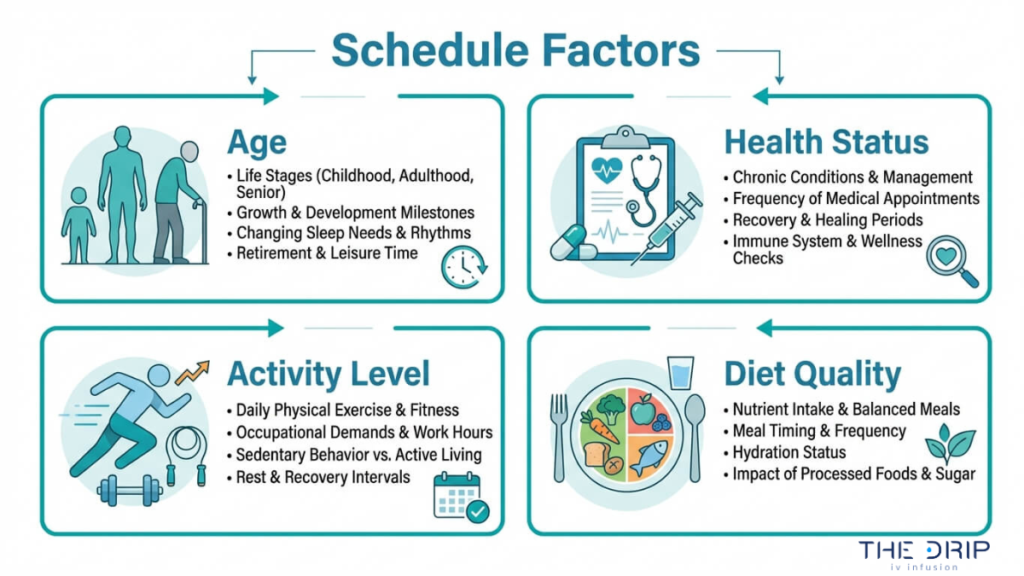
Your age, overall health status, activity level, and dietary nutrient intake each influence how quickly your body depletes infused vitamins and minerals. Someone with efficient digestion and a nutrient-dense diet needs far fewer sessions than an endurance athlete or an individual managing chronic absorption issues.
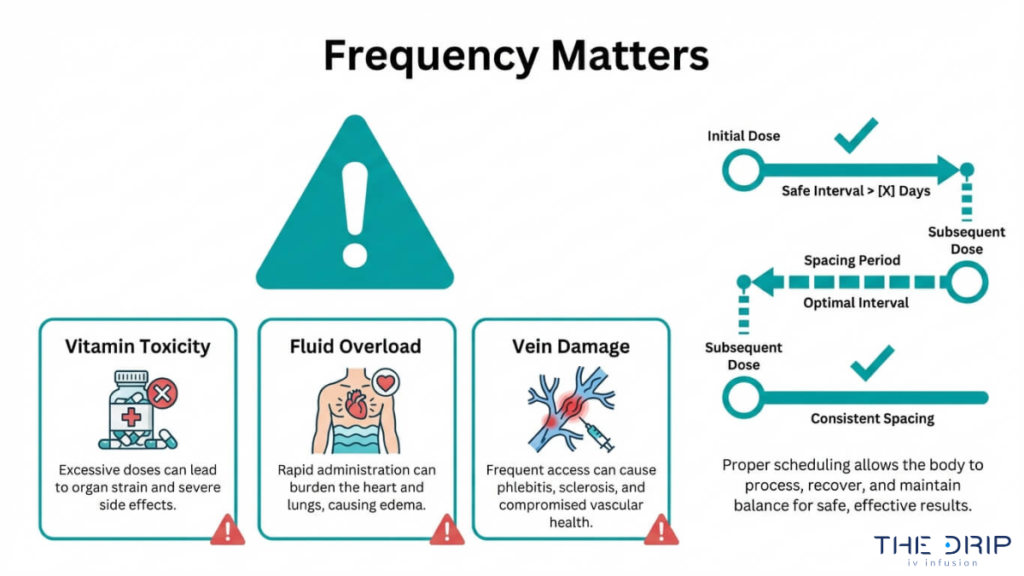
Scheduling too aggressively risks vitamin toxicity, fluid overload, and vein damage; waiting too long allows nutrient levels to fall back to baseline, eroding cumulative progress. Working with a qualified provider to set a personalized schedule, then adjusting based on symptoms and lab results, produces the strongest long-term outcomes.
What Is IV Therapy and How Does It Work?
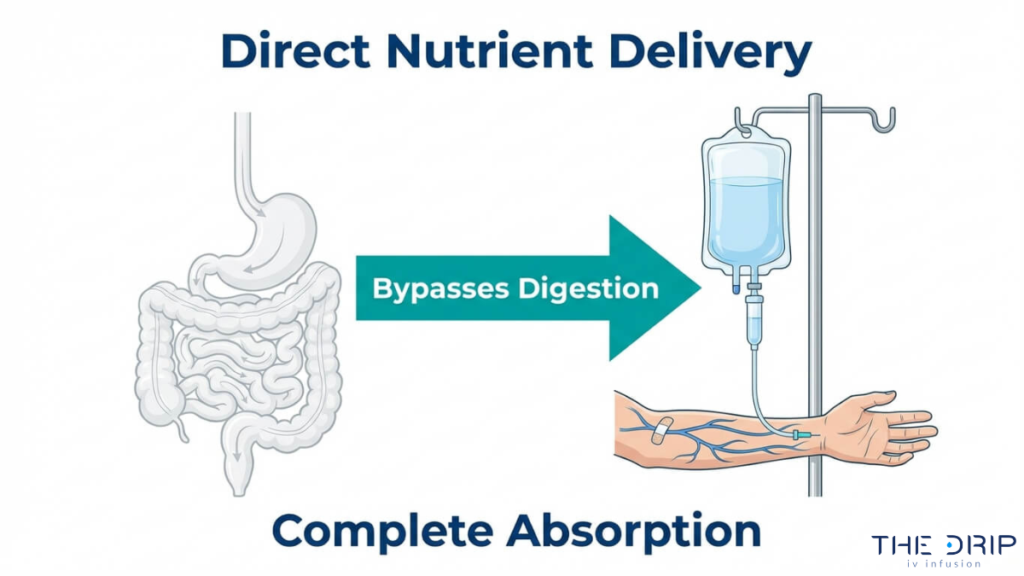
IV therapy is a medical technique that delivers fluids, vitamins, and minerals directly into the bloodstream through a vein. It works by bypassing the digestive system entirely, allowing nutrients to reach cells with near-complete absorption.
Unlike oral supplements, which must pass through the gastrointestinal tract before entering the bloodstream, intravenous infusion provides immediate cellular availability. According to a publication from the National Center for Biotechnology Information, intravenous vitamin therapy delivers essential micronutrients directly into the bloodstream, bypassing the gastrointestinal tract to offer enhanced bioavailability, higher therapeutic dosages, and immediate absorption by tissues and cells. Where oral supplements may lose a significant portion of their potency during digestion, IV delivery maintains the full concentration of each nutrient from the point of infusion.
A typical session involves a registered nurse inserting a small catheter into a vein, usually in the arm. The selected blend of saline solution, vitamins, electrolytes, or specialty compounds then flows steadily into the bloodstream over the course of approximately one hour. Because this direct delivery method skips the stomach and intestines, it is particularly valuable for individuals with absorption issues or those who need rapid nutrient replenishment. Understanding how this process works is essential context for determining how often sessions should be scheduled.
Why Does IV Therapy Frequency Matter?
IV therapy frequency matters because the timing between sessions directly affects how well your body maintains nutrient levels, stays hydrated, and responds to treatment goals. Getting sessions too often risks overloading the body, while waiting too long allows nutrient levels to drop below therapeutic thresholds. The right schedule depends on your health status, goals, and how quickly your body metabolizes infused nutrients.
Unlike oral supplements, where absorption can be limited to about 50% or less, IV therapy bypasses the gastrointestinal tract to deliver micronutrients directly into the bloodstream. According to the National Center for Biotechnology Information, intravenous vitamin therapy offers enhanced bioavailability, higher therapeutic dosages, and immediate absorption by tissues and cells. This near-complete absorption rate means that spacing sessions correctly becomes essential; too-frequent infusions may push certain vitamin and mineral concentrations beyond what the body can safely process, while inadequate frequency may fail to sustain the benefits between visits.
Frequency also shapes long-term outcomes. Someone using IV therapy for general wellness has very different scheduling needs than an athlete recovering from intense training or an individual managing severe dehydration. Without a consistent, personalized schedule, the cumulative benefits of repeated sessions diminish. The sections ahead break down recommended frequencies for specific goals, the factors that influence your ideal schedule, and how to recognize when your next session is due.
How Often Should You Get IV Therapy for General Wellness?
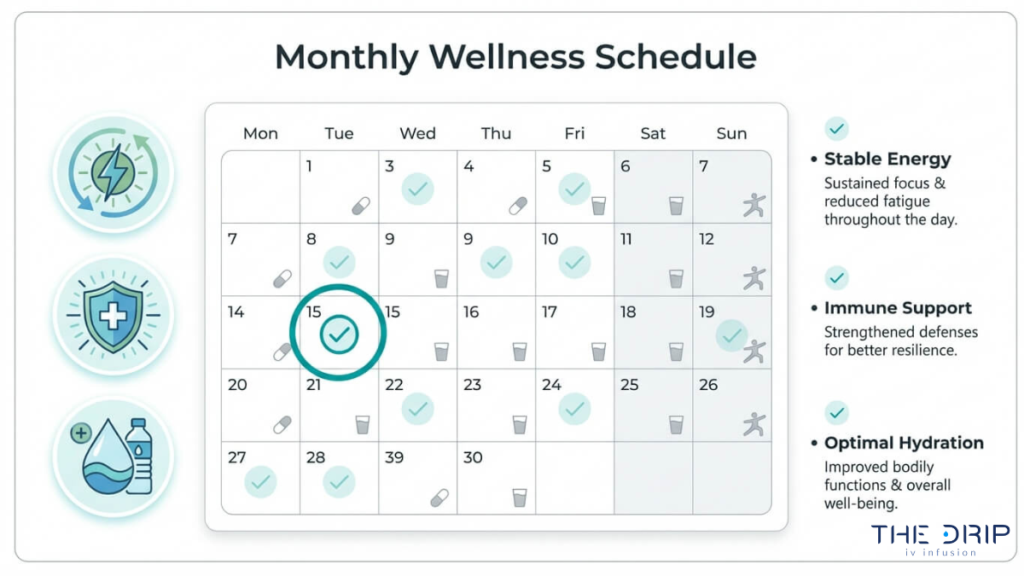
You should get IV therapy for general wellness about once per month. This frequency supports consistent hydration, nutrient balance, and energy without overtaxing the body.
A monthly IV infusion may be sufficient to maintain stable energy levels and support immune function for individuals seeking general wellness and hydration, according to Pulse & Remedy. This schedule allows the body to absorb and utilize key micronutrients like vitamin C, B-complex vitamins, and magnesium before levels begin to dip again.
For most people without specific health concerns, monthly sessions strike the right balance between consistent support and practicality. Spacing infusions roughly four weeks apart gives the body time to metabolize nutrients naturally while preventing the gradual decline that often shows up as fatigue or brain fog. Clients who maintain a balanced diet and stay physically active may find that monthly wellness drips are all they need to feel a noticeable difference in sustained energy and overall vitality. Understanding your hydration baseline helps determine whether more targeted IV therapy for dehydration might also be worth considering.
How Often Should You Get IV Therapy for Dehydration?
You should get IV therapy for dehydration every one to two days during severe episodes, then reduce to monthly sessions once hydration stabilizes. The right schedule depends on whether your dehydration is acute or ongoing.
Acute dehydration from illness, heat exposure, or intense physical exertion demands rapid fluid replacement. According to Sante Clinics, IV therapy sessions may be required every one to two days in cases of severe dehydration until symptoms subside. Once fluid balance is restored, most people transition to a maintenance schedule of one session per month.
Chronic or recurring dehydration, common among athletes, outdoor workers, and those with absorption issues, often benefits from a proactive approach. Scheduling sessions every two to four weeks can help prevent dehydration before symptoms return. Factors like climate, medication use, and daily water intake all influence how quickly the body loses fluids between sessions.
For most people dealing with mild, occasional dehydration, a single monthly IV infusion paired with consistent oral hydration is sufficient. The key is matching session frequency to your body’s actual fluid demands rather than following a fixed calendar. Understanding your immune health needs can also shape how frequently you schedule sessions overall.
How Often Should You Get IV Therapy for Immune Support?
You should get IV therapy for immune support every two to four weeks, depending on your exposure risk, seasonal demands, and overall health. More frequent sessions may be appropriate during cold and flu season or periods of high stress.
Immune-focused IV drips typically contain high-dose vitamin C, zinc, and B-complex vitamins, all of which play direct roles in supporting white blood cell function and antioxidant defense. Because these water-soluble nutrients are not stored long-term by the body, consistent replenishment helps maintain protective levels.
Timing also matters beyond regular scheduling. If you travel frequently or anticipate increased exposure to illness, a session 24 to 48 hours beforehand can help prepare your immune system. According to Hydrate You IV, common questions about IV therapy frequency center on how often sessions are needed for specific goals like immune support, with the answer varying based on individual lifestyle factors.
For most people, a monthly maintenance session sustains baseline immune resilience, while biweekly sessions serve those with higher demands. Consulting with a qualified provider ensures the formula and frequency align with your body’s actual nutrient needs rather than a one-size-fits-all schedule. Proactive scheduling during vulnerable periods is often more effective than reactive treatment after symptoms appear.
How Often Should You Get IV Therapy for Athletic Recovery?
You should get IV therapy for athletic recovery one to two times per month during regular training, with additional sessions timed around competitions. Frequency depends on training intensity, sport type, and individual recovery demands.
According to SwiftHealth, athletes who train moderately can benefit from IV therapy once or twice a month to maintain hydration and nutrient levels, while more intense training may require more frequent sessions. For competition periods, scheduling an infusion 24 to 48 hours before a major event and again within 12 to 24 hours after strenuous exercise helps replenish electrolytes, amino acids, and B vitamins when the body needs them most.
Athletes in endurance sports, high-volume strength programs, or multi-event weekends often deplete micronutrients faster than diet alone can restore. In these cases, weekly sessions during peak training blocks can bridge the gap until volume tapers. For most recreational athletes, however, a consistent monthly schedule paired with proper nutrition provides sufficient support without overloading the body with unnecessary infusions.
Understanding your competition calendar and training phases makes it easier to determine when additional immune and energy support sessions fit your IV therapy schedule.
How Often Should You Get IV Therapy for Weight Loss?
You should get IV therapy for weight loss every one to two weeks during an active program, then transition to monthly maintenance sessions once you reach your target. The right frequency depends on your metabolic goals, nutrient needs, and whether you combine infusions with other weight management strategies.
IV therapy supports weight loss by replenishing nutrients that fuel metabolism, such as B-complex vitamins, Lipo-C, and amino acids. These micronutrients play direct roles in energy production and fat metabolism, yet caloric restriction and intense exercise can deplete them faster than oral supplements replenish them. Biweekly sessions during active weight loss phases help maintain optimal levels, while monthly infusions sustain results over time.
Weight loss protocols that pair IV therapy with medications like semaglutide or tirzepatide may require closer monitoring of hydration and electrolyte balance. Nausea and reduced appetite from these medications can limit oral nutrient intake, making IV delivery especially practical. For most people pursuing weight management, consistent scheduling matters more than aggressive frequency. A provider can adjust your cadence based on lab work and how your body responds over the first few sessions.
How Often Should You Get IV Therapy for Illness Recovery?
You should get IV therapy for illness recovery every one to two days during acute symptoms, then reduce frequency as your condition improves. According to Sante Clinics, IV therapy sessions may be required every one to two days until symptoms subside in cases of severe dehydration or illness recovery. Once symptoms begin to ease, most individuals transition to weekly sessions before stopping entirely. The intensity of the illness, the severity of fluid and nutrient loss, and your body’s response to each infusion all influence how quickly that schedule tapers. For anyone recovering from a prolonged illness, this front-loaded approach replenishes what the body cannot absorb orally during peak symptoms, making early, frequent sessions the most effective strategy.
How Often Should You Get IV Therapy During Pregnancy?
You should get IV therapy during pregnancy only as directed by your OB-GYN or midwife, with frequency depending on symptom severity. The most common reason for prenatal IV therapy is hyperemesis gravidarum, a condition that often requires structured hydration protocols.
Hyperemesis gravidarum is a severe form of nausea and vomiting in pregnancy that typically begins between 4 and 6 weeks of gestation, according to StatPearls on the NCBI Bookshelf. This condition can lead to significant weight loss and dangerous electrolyte imbalances, making oral hydration and nutrition nearly impossible for some women. When dehydration becomes acute, IV rehydration may be needed multiple times per week until symptoms stabilize.
The HER Foundation’s Hyperemesis Gravidarum Management Protocol recommends rehydration using a “Banana Bag,” which combines IV fluids with vitamin B6 and vitamin B1, or a Myers’ Cocktail with added multivitamins. Session frequency varies widely:
- Mild cases may need IV hydration once weekly or less during peak symptom weeks.
- Moderate cases often require two to three sessions per week during the first trimester.
- Severe cases sometimes demand daily infusions until the patient can tolerate oral intake consistently.
Every prenatal IV therapy schedule must be supervised by a qualified healthcare provider who can monitor maternal hydration, electrolyte balance, and fetal health simultaneously. Nutrient formulations also require careful selection, since not all standard wellness drips are appropriate during pregnancy. For expecting mothers dealing with morning sickness, this level of medical oversight is non-negotiable. Understanding NAD+ IV therapy protocols offers another example of how specialized infusions follow structured scheduling.
How Often Should You Get NAD+ IV Therapy?
You should get NAD+ IV therapy on a schedule that begins with an initial loading phase, then transitions to periodic maintenance sessions. The frequency depends on your goals, whether anti-aging support, mental clarity, or recovery.
NAD+ IV therapy typically follows a two-phase protocol. According to Medica Depot, most patients beginning NAD+ IV therapy start with a loading phase of four to six infusions over two to three weeks, followed by maintenance sessions every one to four months. This structured approach allows NAD+ levels to build quickly before tapering to a sustainable rhythm.
Each NAD+ infusion typically lasts between one to three hours, during which the coenzyme is distributed through the bloodstream for immediate cellular availability. Because NAD+ plays a central role in cellular energy production and DNA repair, the loading phase helps establish a therapeutic baseline. Maintenance frequency then varies based on individual response, age, and wellness objectives.
For most people pursuing general anti-aging or cognitive benefits, quarterly maintenance sessions are sufficient. Those using NAD+ IV therapy for more intensive goals may benefit from monthly sessions during the maintenance phase. A qualified provider can help adjust this schedule based on how your body responds over time.
What Factors Determine Your Ideal IV Therapy Schedule?
Your ideal IV therapy schedule depends on several personal variables. Age, overall health status, activity levels, and dietary nutrient intake each shape how frequently sessions deliver the most benefit.
How Does Your Age Affect IV Therapy Frequency?
Your age affects IV therapy frequency because nutrient absorption and metabolic demands shift across different life stages. Younger adults with efficient digestive systems may need less frequent sessions, while older adults often experience declining nutrient absorption that can warrant more regular infusions. According to Sante Clinics, sessions may be required as often as every one to two days during acute needs like severe dehydration, though maintenance schedules for age-related support typically range from monthly to quarterly. Cellular repair slows with age, so older clients often benefit from shorter intervals between treatments. A provider who evaluates your bloodwork can tailor session timing to your body’s changing demands.
How Does Your Overall Health Status Change How Often You Need IV Therapy?
Your overall health status changes how often you need IV therapy because chronic conditions, acute illness, and baseline nutrient levels all influence how quickly your body depletes infused vitamins and minerals. Individuals managing ongoing health challenges may require more frequent sessions than those in good general health. According to Cleveland Clinic Health Essentials, potential side effects of IV vitamin therapy include infection or bruising at the needle site and vitamin toxicity from excessive dosages, making proper scheduling essential.
Those with compromised absorption from gastrointestinal conditions often benefit from closer session intervals. Conversely, healthy individuals with balanced nutrient levels may only need periodic maintenance infusions. For anyone with complex health needs, frequency should always be guided by lab results and professional assessment.
How Do Your Activity Levels Influence IV Therapy Frequency?
Your activity levels influence IV therapy frequency because physical exertion accelerates fluid loss, electrolyte depletion, and micronutrient turnover. According to SwiftHealth, athletes who train moderately can benefit from IV therapy once or twice a month to maintain hydration and nutrient levels, while more intense training may require more frequent sessions.
Sedentary individuals typically need far fewer infusions than competitive athletes. Factors that increase the need for closer scheduling include:
- High-volume endurance training with heavy sweat loss.
- Strength training programs that elevate protein and mineral demands.
- Multi-sport athletes managing overlapping recovery windows.
For those with normal vitamin and mineral levels and low activity demands, frequent infusions are likely unnecessary. Matching your session cadence to your training intensity keeps benefits high while avoiding overtreatment.
How Does Your Diet and Nutrient Intake Affect IV Therapy Scheduling?
Your diet and nutrient intake affect IV therapy scheduling because dietary gaps directly determine how quickly your body benefits from intravenous replenishment. IV vitamin therapy delivers essential micronutrients directly into the bloodstream, bypassing the gastrointestinal tract to offer enhanced bioavailability and immediate absorption by tissues and cells, according to the National Center for Biotechnology Information.
Individuals eating nutrient-dense, well-rounded diets may only need infrequent sessions. Those with restrictive diets, poor absorption, or consistently low intake of key vitamins often benefit from closer scheduling. A blood panel revealing specific deficiencies provides the clearest guide for session timing, ensuring infusions address real gaps rather than duplicating what your diet already supplies.
Understanding these personal factors makes it easier to recognize the signs that signal when your next session is due.
What Happens If You Get IV Therapy Too Often?
Getting IV therapy too often can lead to vitamin toxicity, fluid overload, and vein damage. The risks below explain why maintaining a proper schedule matters.
Excessive IV therapy introduces more vitamins and minerals than the body can process. According to Mayo Clinic Press, high doses of certain vitamins and minerals via IV have been linked to kidney damage, heart rhythm abnormalities, blood pressure changes, and damage to peripheral nerves. These complications become more likely when sessions are scheduled without medical guidance or adequate spacing between treatments.
Fluid overload is another serious concern. When the body receives more intravenous fluid than the cardiovascular and renal systems can handle, symptoms escalate quickly. Common signs of fluid overload include:
- Edema in the extremities
- Shortness of breath
- Elevated blood pressure
- Compromised kidney function
Repeated needle insertions also increase the risk of localized complications at the IV site, such as infection, bruising, and vein irritation. Over time, veins subjected to frequent access can become scarred or harder to use, complicating future treatments.
For most people, the risk of overuse comes down to bypassing the body’s natural regulatory mechanisms. Oral supplements allow the gastrointestinal tract to limit absorption of excess nutrients, but IV delivery skips that safeguard entirely. This is precisely why working with a qualified provider to set an appropriate schedule is so important; more sessions do not automatically mean better results. Understanding your ideal frequency helps you avoid these risks while still gaining the benefits IV therapy offers.
What Happens If You Wait Too Long Between IV Therapy Sessions?
Waiting too long between IV therapy sessions allows nutrient levels to gradually decline, reducing the cumulative benefits of consistent infusion therapy. The effects range from diminished energy and hydration to losing momentum on wellness goals.
When sessions are spaced too far apart, the body metabolizes and excretes the vitamins and minerals delivered during infusion. Without timely replenishment, levels return to their pre-treatment baseline. This is particularly noticeable with water-soluble nutrients like vitamin C and B-complex vitamins, which the body does not store in large reserves.
Common consequences of extended gaps between sessions include:
- Decreased energy and hydration: The boost from IV fluids and electrolytes fades within days to weeks, leaving you back where you started.
- Weakened immune resilience: Nutrient levels that supported immune function drop, especially during high-stress periods or seasonal illness exposure.
- Slower recovery timelines: Athletes or individuals recovering from illness may notice prolonged soreness or fatigue without consistent replenishment.
- Reduced cumulative progress: Many IV therapy protocols build benefits over multiple sessions; irregular scheduling disrupts that progression.
Sticking to a consistent schedule matters more than any single session. For most people pursuing general wellness, even modest delays of a few weeks can erode results that took months to build. Membership models offering discounted repeat sessions, as noted by the IV Therapy Academy, help clients maintain regularity by removing scheduling friction and cost barriers.
The most practical approach is to set a recurring schedule aligned with your specific goals and adjust only with guidance from your provider. Recognizing the signs that it is time for your next session can help you stay on track.
How Do You Know When It Is Time for Your Next IV Therapy Session?
You know it is time for your next IV therapy session when you notice recurring signs that your body’s nutrient or hydration levels have dropped below optimal. Physical cues, changes in energy, and your provider’s guidance all help determine the right timing.
The most reliable indicators include persistent fatigue that does not improve with rest, recurring headaches, frequent muscle cramps, brain fog, dry skin, and a general feeling of sluggishness. These symptoms often signal that the benefits from your previous infusion have tapered off and your body is ready for replenishment. Mood changes, increased susceptibility to seasonal illness, and slower workout recovery also suggest declining nutrient stores.
Rather than waiting for symptoms to become disruptive, tracking patterns between sessions helps you stay ahead. Many people find that symptoms return on a predictable cycle, whether that is every two weeks or every six weeks, depending on their health goals and lifestyle demands. Keeping a simple log of how you feel in the days and weeks after each session reveals your personal rhythm.
Your IV therapy provider plays an essential role in this process. According to Nextech, IV therapy regulations and protocols vary significantly by state, which means working with a qualified, licensed provider ensures your schedule aligns with both your health needs and legal compliance standards. A qualified infusion specialist can review your symptom patterns, assess your baseline health, and recommend an evidence-based schedule rather than a one-size-fits-all approach.
Listening to your body remains the most practical first step, but combining those signals with professional input creates the most effective timing strategy for ongoing sessions.
Can Your Doctor Help You Decide How Often to Get IV Therapy?
Yes, your doctor can help you decide how often to get IV therapy by evaluating your health history, current nutrient levels, and wellness goals. A physician’s guidance ensures your IV schedule is both safe and effective.
Your doctor can review bloodwork results to identify specific vitamin or mineral deficiencies that influence how frequently you need infusions. Without this baseline data, choosing a frequency becomes guesswork. According to Today’s Dietitian Magazine, medical experts caution that IV nutrition therapy is likely unnecessary for individuals with normal vitamin and mineral levels and should only be administered by trained medical staff to ensure safety.
Conditions like chronic fatigue, digestive malabsorption, or high physical demands may justify more frequent sessions, while someone with balanced nutrient levels may need infusions far less often. A physician can also flag potential interactions with medications or pre-existing conditions that affect how your body processes intravenous nutrients.
For anyone considering ongoing IV therapy, a conversation with a healthcare provider is the most reliable starting point for building a personalized schedule.
How Should You Choose the Right IV Therapy Provider for Ongoing Sessions?
You should choose the right IV therapy provider for ongoing sessions by evaluating convenience, professional credentials, and scheduling flexibility. The following subsections cover how mobile nurse-administered service simplifies your routine and the key takeaways for optimal IV therapy frequency.
Can Mobile Nurse-Administered IV Therapy From The Drip IV Infusion Simplify Your IV Schedule?
Yes, mobile nurse-administered IV therapy from The Drip IV Infusion can simplify your IV schedule by eliminating clinic visits entirely. Founded in Fall 2022 by professionals with decades of nursing and emergency medicine experience, The Drip IV Infusion delivers sessions directly to your home or workplace across Arizona.
This convenience matters for protocols requiring multiple appointments. NAD+ IV therapy, for example, often starts with four to six infusions over two to three weeks before transitioning to maintenance sessions. Keeping that schedule becomes far easier when a nurse comes to you.
According to a 2024 Nova One Advisor report, the U.S. mobile IV hydration therapy market was valued at USD 568.25 million, projected to reach approximately USD 1,556.29 million by 2034. That growth reflects rising demand for accessible, flexible infusion care. For anyone committed to consistent sessions, mobile service from The Drip IV Infusion removes the biggest barrier: finding time to go somewhere.
What Are the Key Takeaways About How Often You Should Get IV Therapy?
The key takeaways about how often you should get IV therapy are:
- General wellness typically calls for one monthly infusion to maintain energy and immune support.
- Athletic recovery may require one to two sessions per month, with more frequent infusions during intense training periods.
- Illness or severe dehydration can demand sessions every one to two days until symptoms resolve.
- NAD+ IV therapy follows a loading phase of four to six sessions over two to three weeks, then maintenance every one to four months.
- Individual factors, including age, health status, activity level, and existing nutrient levels, shape your ideal schedule.
No single frequency fits everyone. Work with a qualified provider to establish a plan based on your specific goals, then adjust as your body responds. Consistency matters more than intensity; regular sessions at the right interval deliver better long-term results than sporadic high-frequency treatments.