IV therapy offers benefits such as fast hydration, rapid nutrient delivery, and higher bioavailability compared to oral supplements. If you’re thinking about IV therapy for better health, faster recovery, or just feeling awesome, you’ve landed in the right spot. We get it—you want the real deal on whether this treatment actually works like it promises. From getting you hydrated fast to pumping vitamins straight into your system, let’s break down what the science really says about IV therapy benefits. We’ll help you figure out if it’s worth your time and money.
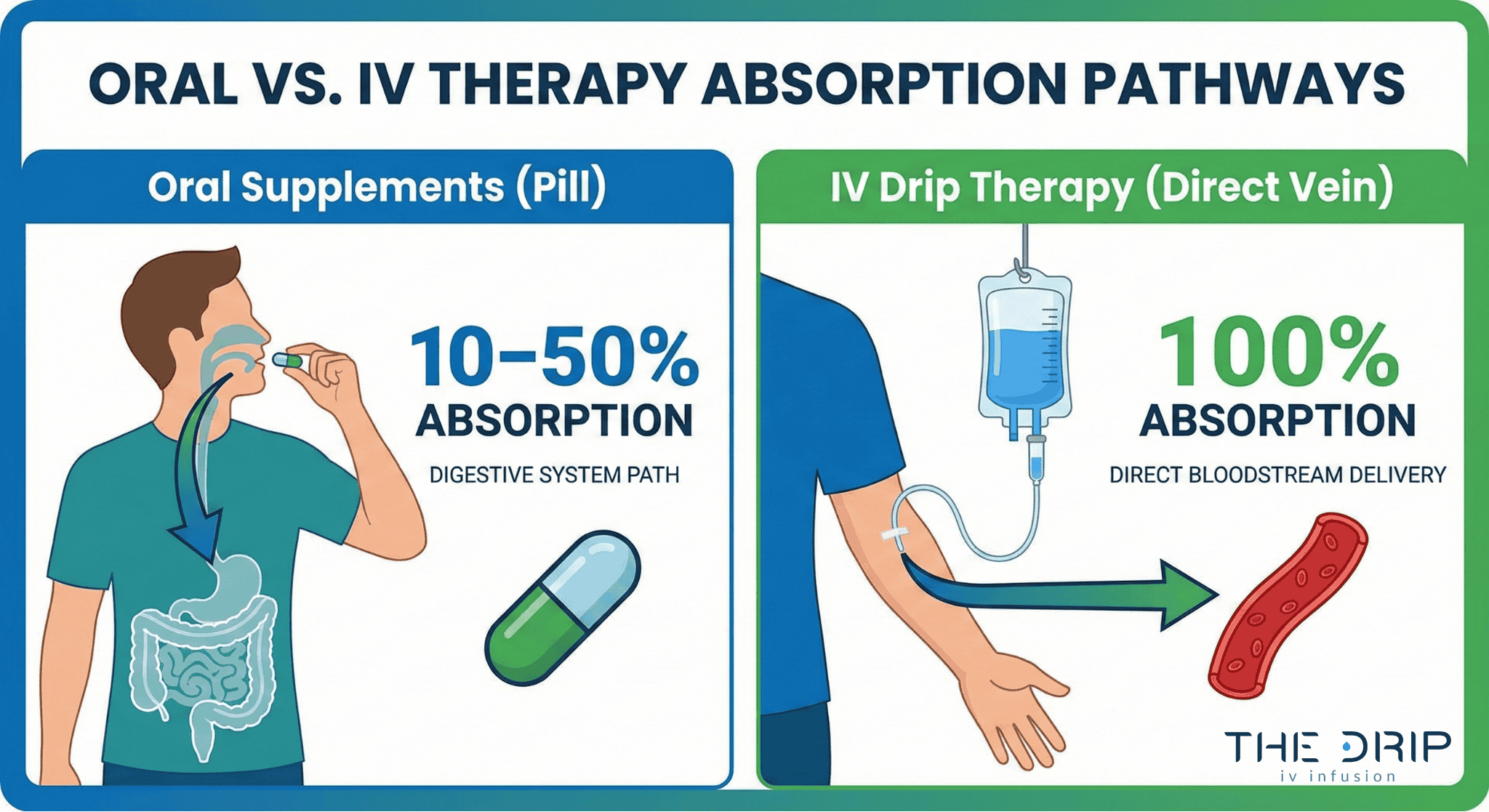
Getting nutrients through your veins is pretty different from popping pills. IV therapy delivers fluids, vitamins, minerals, and medications straight into your bloodstream through a vein. It’s like taking the express lane instead of the scenic route—your digestive system gets completely bypassed. This direct delivery method means your body gets to use nearly 100% of what you’re getting, compared to only 10-50% of what you absorb when you swallow supplements.
TL;DR Summary:
- IV drip therapy works by shooting nutrients straight into your bloodstream, so you get 100% of what you pay for compared to the limited amount you absorb from pills—IV vitamin C gets your blood levels 30-70 times higher than what you’d get from swallowing it
- The science strongly backs IV therapy when you’re severely dehydrated or can’t absorb nutrients properly, but those wellness claims about curing hangovers and making you look younger? Not so much research there
- IV hydration gets you rehydrated super fast when you’re in real trouble, and it helps athletes bounce back, though drinking water works just fine if you’re healthy
- Vitamin IVs show some promise in cancer treatment (doubling how long pancreatic cancer patients lived in trials) but don’t do much for healthy folks eating normally
- The good stuff includes getting way more nutrients than pills can deliver and seeing results fast, while the bad stuff involves infection risks, messed up veins, and potential problems if you have kidney or heart issues
- IV therapy really works for specific problems like serious dehydration and nutrient shortages in people with digestive disorders, but if you’re healthy, there’s not much proof you’ll benefit
- If you’re pregnant, stay away from high-dose IV vitamins since nobody’s studied whether they’re safe, and definitely talk to your doctor before getting any IVs while expecting
- The IV therapy business has grown to $2.64 billion in 2024 with basically no one watching over it—more than 85% of clinics don’t even check your medical history before hooking you up
- People mostly use it for hangovers, feeling better, and anti-aging, though science only backs the medical uses like treating dehydration and absorption problems
- The Drip IV Infusion offers different IV therapy options, but you should know these treatments cost $150-600 per session without insurance covering it, and it’s pretty much the Wild West out there
Quick Tip: Before you try IV therapy, make sure your clinic actually requires talking to a medical person and reviewing your health history—only 25% of IV clinics follow this basic safety rule, according to recent research.
What Is IV Drip Therapy and How Does It Work?
IV drip therapy is when medical folks deliver fluids, vitamins, and minerals straight into your bloodstream through a vein. Think of it like filling up your gas tank directly instead of pouring fuel through a funnel with holes in it. This method skips your digestive system completely, so nutrients hit your bloodstream right away. You get virtually 100% of what goes in, compared to oral supplements that have to fight their way through your gut. What started as strictly medical treatment has now expanded to wellness clinics offering all sorts of formulations for hydration, energy, and recovery.
How Do IV Drips Deliver Nutrients and Hydration?
IV drips work by giving you direct access to your bloodstream, which means you get plasma concentrations 30-70 times higher than what you’d get from swallowing the same stuff. It’s like the difference between a fire hose and a leaky garden sprinkler. The process skips what doctors call “first-pass metabolism” in your liver, which normally gobbles up a bunch of nutrients before they can do their job. Here’s a real example: when you get 1.25g of vitamin C through an IV, your blood levels hit 885 µmol/L, but the same dose by mouth only gets you to 134.8 µmol/L. That’s why IV delivery makes sure your cells get what they need right away.
What Types of IV Drip Formulas Are Available?
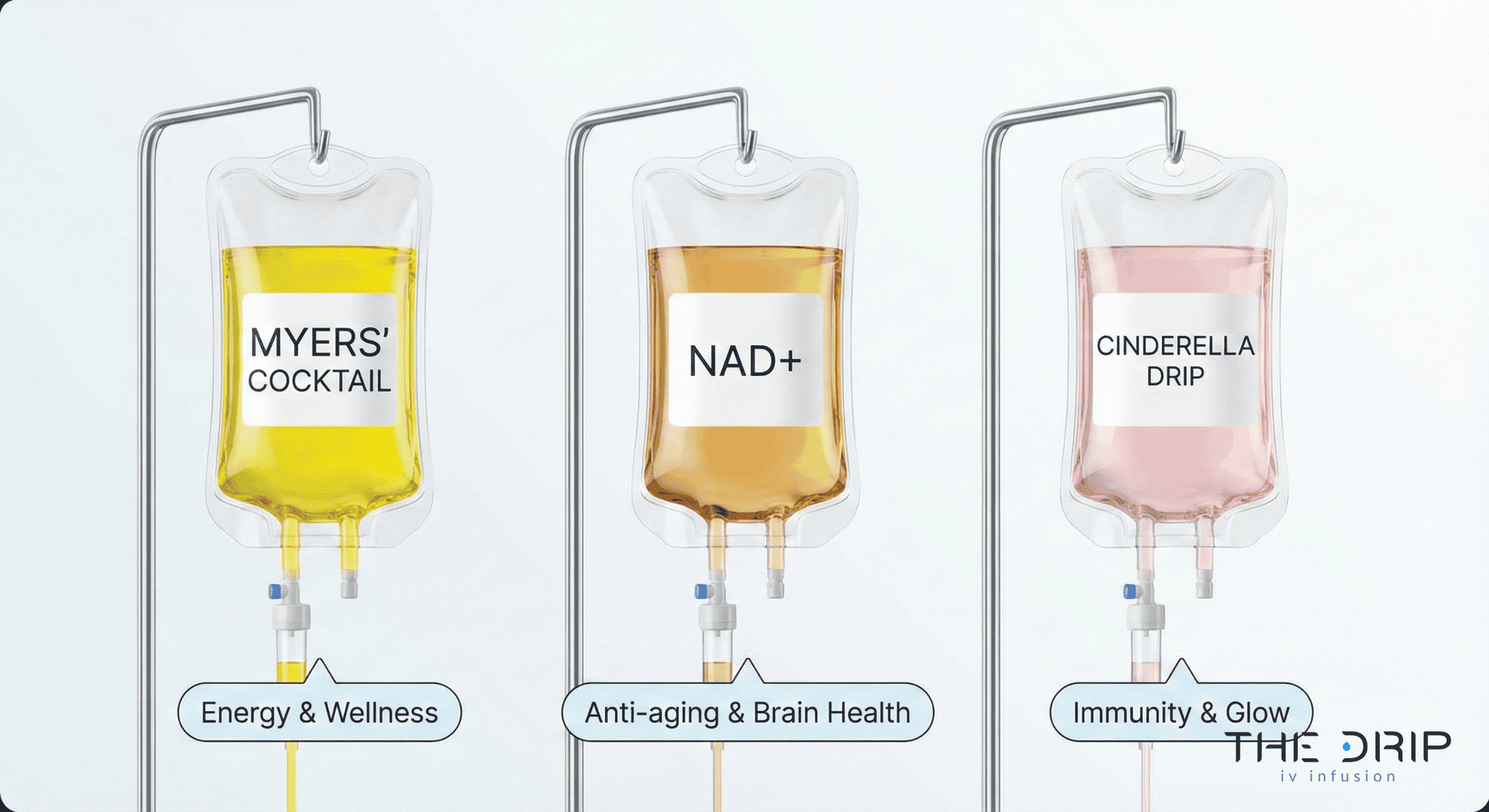
You’ve got all sorts of IV drip formulas out there, including popular blends like the Myers’ Cocktail, the Cinderella drip, and NAD+ treatments. The Myers’ Cocktail is kind of the granddaddy of vitamin therapy formulations that clinics still use today. The Cinderella drip, loaded with antioxidants for your skin, has become huge throughout Asia. NAD+ IV treatments even come with subscription models like Hydration Room’s NAD+ IV Membership. These solutions get mixed up right in the clinic, following rules under Section 503A of the Federal Food, Drug, and Cosmetic Act.
How Does IV Therapy Differ from Oral Supplements?
People absorb oral supplements differently depending on several biological factors. These variations explain why IV therapy bypasses common absorption challenges in the digestive system.
- Gut health conditions that interfere with nutrient uptake
- Liver processing that reduces bioavailability
- Interactions with other nutrients eaten at the same time
- High-fiber diets that bind to minerals
- Medical conditions like Crohn’s, celiac disease, or bariatric surgery
Do IV Drips Actually Work?
IV drips really work for specific medical problems, but most of those wellness claims? Not so much. A 2025 review in Cureus confirms that IV delivery gives you virtually 100% bioavailability when your gut can’t absorb nutrients properly. There’s solid evidence that IV therapy works great for severe dehydration and when you’re clinically deficient in nutrients. But when it comes to wellness stuff like boosting your immune system, detoxing, or giving you more energy? The evidence is pretty weak or just stories people tell.
What Scientific Evidence Supports IV Therapy?
The scientific backing for IV therapy is rock-solid for medical conditions but pretty shaky for wellness claims. That 2025 review in Cureus proves that IV delivery achieves virtually 100% bioavailability for patients whose guts can’t absorb nutrients properly. Strong evidence exists for treating serious dehydration and nutrient shortages in hospital settings.
But when it comes to wellness applications, the evidence is weak or just anecdotal stories. A small 2009 study showed improvements in fibromyalgia patients, but they saw high placebo effects too. When researchers looked at 255 IV clinic websites in 2025, more than half made health claims that science doesn’t actually support.
The bottom line: whether it’s medically necessary or just for wellness makes all the difference in whether IV therapy is scientifically valid.
Who Is Most Likely to Benefit from IV Drip Therapy?
The people who really benefit from IV drip therapy are those with documented problems absorbing nutrients or clear clinical deficiencies. If you have Crohn’s disease, celiac disease, or you’ve had weight-loss surgery that messed up your nutrient absorption, IV therapy can be a game-changer. People with moderate to severe dehydration benefit when drinking fluids isn’t enough or isn’t possible.
If you have conditions like atrophic gastritis or inflammatory bowel disease that damage your intestinal lining, you need IV nutrient delivery. Cancer patients getting high-dose vitamin C as part of their treatment showed some pretty impressive results—median survival time doubled in pancreatic cancer trials, going from 8 to 16 months.
These medical conditions create a real need for IV therapy that goes way beyond what you could achieve by taking supplements.
How Effective Is IV Therapy for Hangovers?
IV therapy for hangovers is trendy as heck, but medical evidence doesn’t support it working any better than basic rehydration. The treatment only tackles one piece of why you feel terrible while leaving all the other nasty effects of alcohol completely untouched.
What Causes Hangover Symptoms?
Hangover symptoms come from way more than just being dehydrated. According to medical experts, dehydration is only one piece of the hangover puzzle. When your body breaks down alcohol, it creates toxic byproducts like acetaldehyde that cause those killer headaches and nausea. IV fluids don’t touch other hangover symptoms like headaches, nausea, or feeling like your brain is wrapped in cotton—those come from inflammation and your neurotransmitters going haywire. IV therapy can’t speed up how fast your liver processes alcohol, which chugs along at about one standard drink per hour no matter how hydrated you are.
Can IV Drips Reduce Hangover Severity or Duration?
No. IV drips cannot significantly reduce hangover severity or duration compared to oral hydration. Dr. Cristina Ignacio puts it straight: “Rehydrating with IV fluids won’t cure a hangover, because dehydration is only one symptom” among a whole bunch of physiological problems. Expert consensus from Mayo Clinic and Harvard Medical School rates hangover treatment evidence as weak and anecdotal, with negative consensus on IV therapy benefits.
If you can drink fluids, oral rehydration is the safest and most appropriate method without the risks of sticking needles in you. The main ways your body recovers from a hangover—breaking down alcohol byproducts and getting your neurotransmitters back in balance—happen at fixed biological rates that IV hydration can’t change.
Is IV Therapy a Safe Hangover Treatment?
No. IV therapy is not considered a safe hangover treatment for healthy individuals because the risks outweigh the benefits. Every time someone sticks a needle in you, there’s a risk of infection, creating an entry point for bacteria into your bloodstream. You can develop phlebitis and thrombophlebitis at injection sites, causing pain and potential blood clot formation.
Rapid fluid infusion can make your blood pressure drop, leaving you light-headed and fainting, especially when you’re dehydrated. These medical risks just aren’t worth it when safer oral rehydration methods are available and work just as well for hangover-related dehydration.
What Are the Main Benefits of IV Hydration Therapy?
The main benefits of IV hydration therapy are getting rehydrated fast, improving how you feel and your energy levels, helping athletes recover, and treating medical conditions that need immediate fluid replacement. IV therapy delivers fluids straight into your bloodstream, achieving 100% bioavailability compared to drinking water. Let’s dive into how IV hydration improves wellness, helps athletes bounce back, and addresses various medical conditions.
How Does IV Hydration Improve Wellness and Energy?
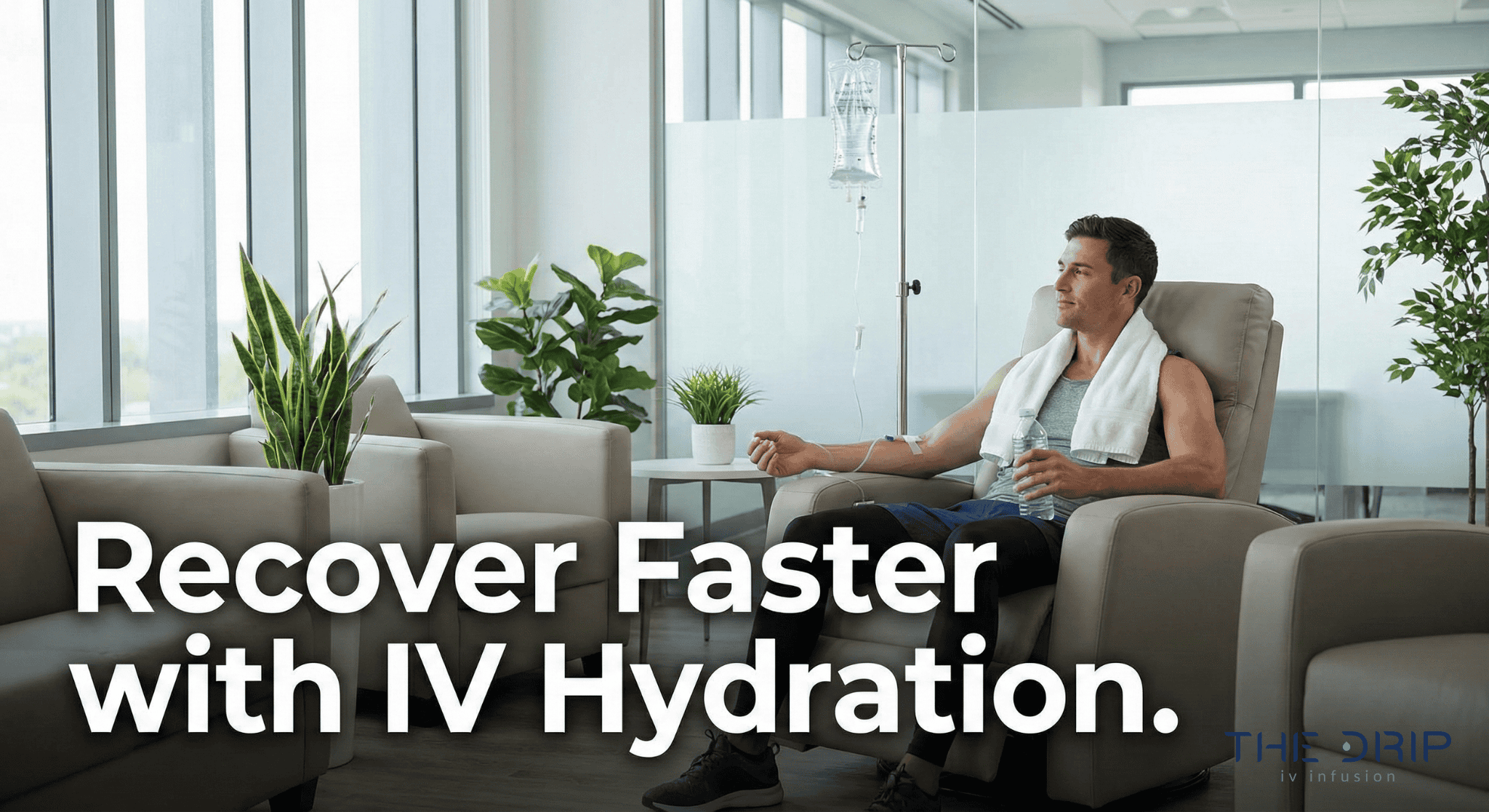
IV hydration improves how you feel and your energy levels by rapidly fixing dehydration and getting your fluid balance back where it should be. Patients with serious dehydration recover way faster with IV fluids compared to trying to drink their way back to health. A 2025 review in Cureus confirms IV delivery gives you virtually 100% bioavailability for patients whose guts can’t absorb properly. IV hydration skips your digestive system completely, delivering fluids and electrolytes directly into your circulation within 30-60 minutes.
When you’re dehydrated, you feel tired, get headaches, and your brain doesn’t work as well. IV fluids restore your blood volume, improving how much oxygen gets to your tissues and how well your cells work. Athletes and busy professionals seek IV hydration for energy enhancement, though scientific evidence is still limited for wellness applications in healthy people.
IV hydration is standard practice in hospitals for rapid rehydration when you can’t drink fluids. Emergency departments use isotonic crystalloid solutions like normal saline and lactated Ringer’s to restore fluid balance. The next section looks at IV hydration’s role in athletic recovery, where rapid fluid replacement supports performance and cuts down recovery time.
Can IV Hydration Aid in Athletic Recovery?
IV hydration helps athletic recovery by rapidly replacing fluids and electrolytes you lose through intense exercise. Athletes lose sodium, potassium, and magnesium through sweat during training and competition. IV therapy delivers these minerals directly into your circulation, skipping the delays of gut absorption.
Professional sports teams use IV hydration for post-game recovery. Marathon runners and endurance athletes use IV fluids to fight exercise-associated hyponatremia. Athletes use several IV hydration strategies depending on the type of recovery they need after intense training or competition.
- Isotonic saline for basic rehydration
- Balanced electrolyte solutions for mineral replacement
- Vitamin-enhanced formulas for oxidative stress support
Recovery time gets shorter when athletes receive IV hydration within two hours after exercise. Getting your plasma volume back happens faster through IV than drinking fluids alone. The next section explores other medical conditions that benefit from IV hydration therapy beyond athletic performance.
What Other Conditions Can IV Hydration Address?
The conditions IV hydration can address include moderate to severe dehydration, nutrient malabsorption syndromes, post-surgical recovery, and chemotherapy side effects. IV hydration is a cornerstone of emergency medicine for treating moderate to severe dehydration. Medical professionals use IV fluids for patients with gastroenteritis, heat exhaustion, and blood loss.
IV therapy works great for fixing nutrient deficiencies in patients who can’t absorb them through their gut. Conditions like Crohn’s disease, celiac disease, and complications from weight-loss surgery mess up nutrient absorption. These patients need IV supplementation to keep their vitamin and mineral levels adequate.
| Condition | Clinical Attribute | Value |
| Severe dehydration | Recovery time | 2–4 hours faster than oral fluids |
| Malabsorption syndromes | Bioavailability | 100% via IV route |
| Post-surgical recovery | Fluid replacement | 1–3 liters per session |
| Chemotherapy patients | Hydration frequency | 2–3 times weekly |
IV hydration tackles acute medical needs effectively when drinking fluids fails. Understanding these clinical applications helps you tell the difference between medical necessity and elective wellness treatments offered at commercial IV therapy clinics.
What Is Vitamin IV Therapy and What Does It Do?
Vitamin IV therapy is when medical professionals deliver vitamins straight into your bloodstream through a vein. This method completely skips your digestive system, allowing vitamins to enter your circulation immediately at concentrations you just can’t achieve by swallowing supplements. Medical professionals use vitamin IV therapy to treat severe deficiencies and malabsorption conditions, while wellness clinics promote it for energy enhancement and immune support. Let’s explore which vitamins are commonly used, what research supports their use, and how IV delivery differs from oral supplements.
Which Vitamins Are Commonly Used in IV Therapy?
Each vitamin used in IV therapy has specific therapeutic features and safety considerations.
| Vitamin | Key Property | Clinical Value or Risk |
| Vitamin C | Plasma concentration from 50g IV | ~13,350 µmol/L |
| B-complex vitamins | Liver processing with oral intake | Reduced oral bioavailability |
| Thiamine | Reaction risk | Severe allergic reactions possible |
| Vitamin B6 | Safety risk | Nerve damage risk at excessive doses |
Are the Benefits of Vitamin IV Therapy Backed by Research?
The research-backed benefits of vitamin IV therapy are limited to specific medical conditions rather than general wellness applications. According to Dr. Brent A. Bauer of Mayo Clinic, “There is limited evidence that IV vitamins provide benefit to people with normal nutritional intake and levels.” A JAMA Internal Medicine study found less than 1% of IV clinic websites provide actual sources for their health claims, showing the huge gap between marketing and evidence.
The National Cancer Institute acknowledges some studies report improved quality of life in cancer patients receiving IV vitamin C. But these findings apply to cancer therapy alongside other treatments, not wellness applications. The contrast between clinical evidence and commercial claims reveals why medical professionals remain skeptical about vitamin IV therapy for healthy people seeking performance enhancement or preventive benefits.
What Are the Differences Between IV Vitamins and Oral Supplements?
The differences between IV vitamins and oral supplements come down to bioavailability, how fast you absorb them, and what blood levels you can achieve. Water-soluble vitamins like vitamin C and B-complex get heavily processed by your liver after you absorb them orally, reducing how much actually reaches your circulation. IV delivery skips this liver processing entirely, delivering vitamins straight into your bloodstream.
A 2004 Annals of Internal Medicine study showed IV vitamin C achieves dose-dependent increases in blood concentration while oral doses plateau no matter how much you take. This fundamental difference explains why IV therapy can achieve therapeutic concentrations necessary for specific medical treatments. Understanding these differences helps you and your providers figure out when IV delivery offers real advantages over oral supplements versus when it’s just unnecessary medical intervention.
What Are the Pros and Cons of IV Therapy?
The pros and cons of IV therapy depend on whether you actually need it medically, your underlying health conditions, and where you get treatment. IV therapy provides rapid correction of severe dehydration and achieves therapeutic nutrient concentrations impossible through oral supplementation. You need to weigh these advantages against infection risks, vein damage, and potential complications from improper administration.
What Are the Advantages of Choosing IV Therapy?
The advantages of choosing IV therapy are rapid dehydration correction, superior bioavailability, and therapeutic nutrient concentrations. A 2025 Cureus review confirms IV delivery achieves 100% bioavailability compared to limited oral absorption. Patients with malabsorption syndromes from Crohn’s disease or celiac disease benefit most from direct nutrient delivery.
IV therapy achieves therapeutic concentrations critical for medical treatments. A 2024 phase 2 clinical trial found high-dose IV vitamin C doubled median survival time in pancreatic cancer patients from 8 to 16 months. These therapeutic levels require plasma concentrations of 13,350 µmol/L, achievable only through IV delivery.
Medical settings rely on IV therapy for emergency interventions like severe dehydration, electrolyte imbalances, and acute nutrient deficiencies. The next section looks at specific risks you need to consider.
What Are the Potential Risks or Downsides of IV Drips?
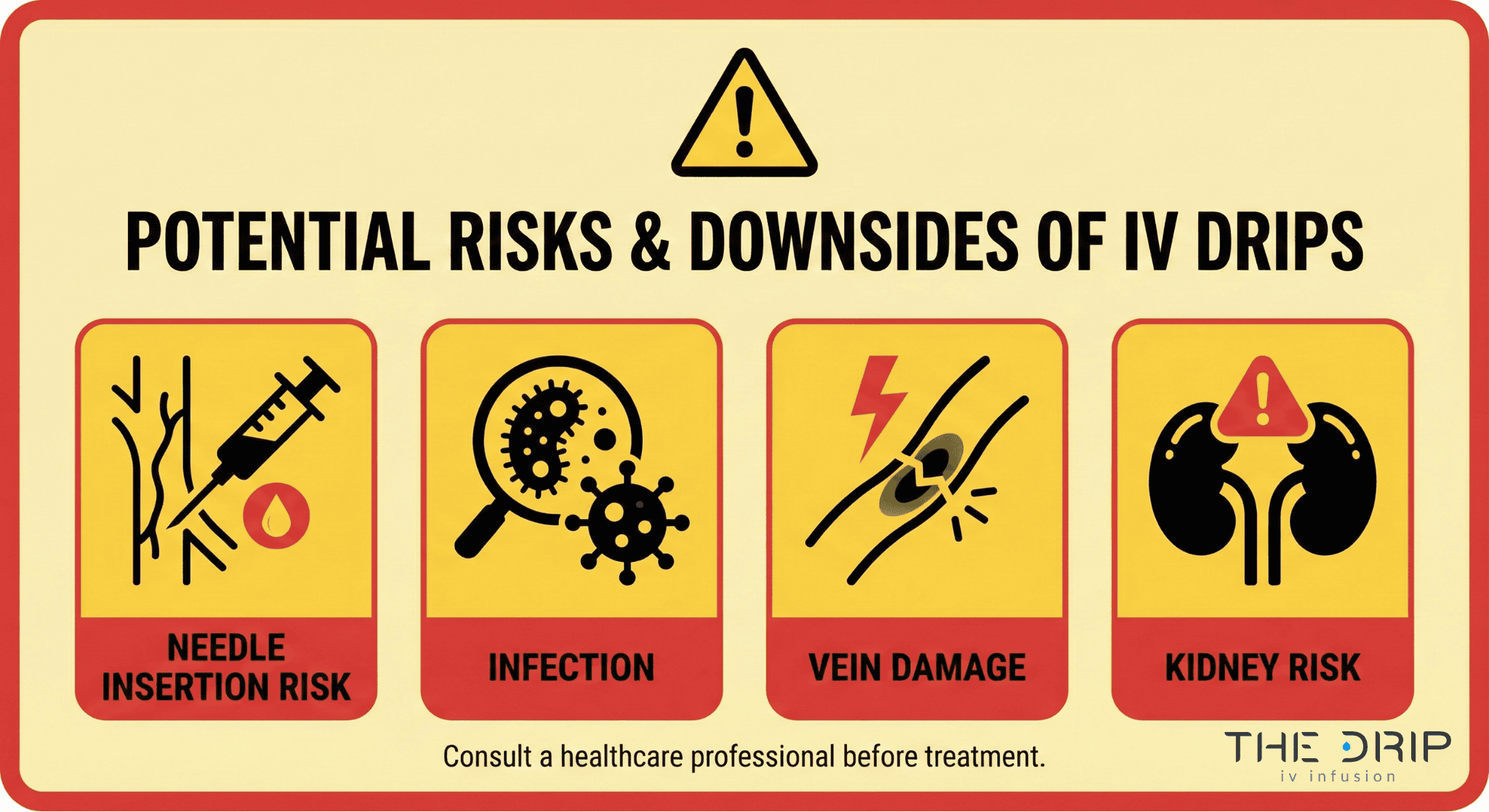
The potential risks or downsides of IV drips include infection, vein damage, and systemic complications. Each IV insertion creates an entry point for bacteria through your skin.IV drips carry physical risks that patients should understand before choosing elective IV treatments.
- Bruising and scarring from repeated insertions
- Long-term vein damage affecting future medical access
- Blood pressure drops from rapid fluid infusion
- Light-headedness or fainting, especially in dehydrated individuals
If you have pre-existing conditions, you face higher risks. Kidney disease patients can’t get rid of excess magnesium and potassium, risking dangerous heart rhythms. Heart condition patients risk fluid overload that damages kidneys, brain, and heart tissue.
A 2025 JAMA Internal Medicine investigation found 85% of IV clinics recommended treatments without checking your medical history. These safety gaps show why you need to carefully think about your personal risk factors.
How Do Patients Weigh the Pros and Cons of IV Treatments?
You weigh the pros and cons of IV treatments by looking at whether you actually need it medically, your existing health conditions, and the clinic’s safety standards. Medical professionals recommend IV therapy mainly for documented deficiencies, malabsorption disorders, and emergency dehydration.
Key decision factors include:
- How severe your symptoms are and whether they need intervention
- Whether you can absorb nutrients orally
- Pre-existing kidney or heart conditions
- Whether the clinic has medical oversight and safety protocols
Cost matters since elective IV treatments range from $150 to $600 per session without insurance coverage. You should talk to healthcare providers before starting IV therapy. The benefits justify risks mainly for people with documented medical needs rather than general wellness goals.
How Effective Is IV Therapy for Various Health Conditions?
How effective IV therapy is varies a lot depending on your specific health condition and individual factors. A 2024 phase 2 clinical trial found high-dose IV vitamin C doubled median survival time for advanced pancreatic cancer patients from 8 to 16 months. The FDA hasn’t approved IV vitamin C as a cancer treatment despite these promising findings. Understanding which conditions respond to IV therapy helps you make informed treatment decisions.
What Results Can You Expect from Regular IV Therapy?
What you can expect from regular IV therapy depends on your baseline health and specific deficiencies. A 2024 phase 2 clinical trial showed that high-dose IV vitamin C doubled median survival time for advanced pancreatic cancer patients from 8 to 16 months (n=36). Patients with malabsorption conditions see improved nutrient levels within 24-48 hours of treatment. There are measurable improvements in severe dehydration cases, like restored blood pressure and electrolyte balance within 2-4 hours. The FDA hasn’t approved IV vitamin C as a cancer treatment despite documented survival benefits in clinical trials.
How Long Do the Benefits of IV Therapy Last?
The duration of IV therapy benefits varies based on nutrient type and physiological processing.
| Substance Type | Duration of Elevated Levels | Notes |
| Water-soluble vitamins | 4–6 hours | Return to baseline quickly |
| Fat-soluble vitamins & minerals | 2–3 weeks | Longer tissue retention |
| Hydration fluids | 24–48 hours | Depends on kidney function |
| Nutrients for chronic deficiencies | Weekly–biweekly | Maintenance schedule |
Who Might Not Experience Benefits from IV Therapy?
Certain people might not get any benefits from IV therapy because of their existing health status or medical conditions. Healthy people with normal nutritional intake show limited evidence of benefit according to Mayo Clinic experts reviewing current research. People with kidney disease can’t properly get rid of high mineral loads, making IV therapy potentially harmful rather than helpful. Patients with high blood pressure face risks from high-dose infusions that can worsen their condition. Those taking certain medications may experience dangerous interactions with IV-delivered vitamins and minerals. People with normal hydration levels and balanced nutrition get minimal measurable improvements from elective IV treatments.
Is IV Therapy Safe During Pregnancy?
No. IV therapy is not considered universally safe during pregnancy because high-dose vitamin IVs lack safety data. IV therapy during pregnancy needs special medical consideration because we don’t have much safety data. The safety of high-dose IV vitamin therapy hasn’t been studied in pregnant or breastfeeding women according to current medical literature. Your healthcare providers need to evaluate each case individually when considering IV treatments during pregnancy.
Are There Special Considerations for Pregnant Individuals?
We don’t know if high-dose IV vitamin therapy is safe for pregnant or breastfeeding women because it hasn’t been studied. Pregnancy changes your fluid dynamics, blood volume, and kidney function in ways that affect IV therapy protocols. The placental barrier doesn’t block all substances given intravenously, meaning nutrients and minerals reach your developing baby. Standard hydration IVs for severe morning sickness remain common in hospitals under medical supervision. Each trimester brings different changes that influence IV therapy safety and effectiveness.
What Types of IV Treatments Are Allowed or Restricted During Pregnancy?
High-dose IV vitamin therapy isn’t recommended during pregnancy or breastfeeding because we lack safety studies. Medical-grade saline and electrolyte solutions for severe dehydration or hyperemesis gravidarum typically get approval from obstetricians. There are IV treatments considered safe, like iron infusions for severe anemia and magnesium sulfate for preventing preeclampsia. Wellness IV drips containing megadoses of vitamins, antioxidants, or experimental compounds lack pregnancy safety data. Hospital-administered IVs for medical conditions differ from elective spa treatments in their risk-benefit analysis.
Should Pregnant Women Consult a Doctor Before IV Therapy?
Yes. Pregnant women must consult a doctor before getting IV therapy. Medical evaluation determines whether dehydration, nutrient deficiency, or other conditions warrant IV intervention during pregnancy. Your consultation should include discussion of alternative treatments, potential risks to you and your baby, and monitoring requirements.
Documentation of medical necessity protects both you and your provider. Understanding the difference between medically necessary IV treatments and elective wellness infusions helps pregnant patients make informed decisions.
What Are Some Important Facts About IV Therapy?
IV therapy has evolved from strictly medical intervention to a wellness industry valued at over $15 billion globally. The IV hydration therapy market reached $2.64 billion in 2024 and will grow to $5.66 billion by 2033, expanding at a 9.0% compound annual growth rate. North America dominates with 46.8% of the global market share, driven by growing interest in preventive wellness solutions.
How Has IV Therapy Evolved Over Time?
IV therapy’s transformation reflects broader wellness trends in consumer healthcare. A 2024 market analysis shows the global IV hydration therapy market was valued at $2.64 billion, with projections reaching $5.66 billion by 2033. This 9.0% compound annual growth rate shows rapid expansion beyond traditional medical settings. North America accounts for 46.8% of global market share in 2024, showing strong consumer demand in developed markets. The industry’s evolution from medical necessity to wellness luxury positions IV therapy alongside other preventive health services.
What Guidelines Govern IV Therapy Safety and Practice?
The IV therapy industry operates with basically no regulatory oversight despite rapid growth. A 2025 JAMA Internal Medicine study found the industry functions with “virtually no oversight” across the United States. No state had passed laws specifically regulating IV hydration spas as of June 2024. Only 25% of clinics required medical consultation before treatment in a secret shopper investigation. Over 85% of clinics recommended IV cocktails without checking your medical history. None of the clinic websites they analyzed mentioned potential risks of IV therapy. The FDA expressed concerns about compounding in medical offices under unsanitary conditions, warning these practices have led to “serious patient illnesses, including death.” This regulatory gap creates major consumer safety concerns as the industry expands rapidly without standardized safety protocols or oversight mechanisms.
What Are the Most Common Uses and Benefits of IV Therapy?
The most common uses and benefits of IV therapy include rapid hydration, direct nutrient delivery for malabsorption conditions, and wellness optimization for those seeking enhanced energy and skin health. IV therapy achieves 100% bioavailability by bypassing gut absorption, making it effective for severe dehydration and nutrient deficiencies. Let’s explore who seeks these treatments and their specific wellness goals.
Who Commonly Seeks Out IV Therapy?
The people who commonly seek out IV therapy are those with high disposable income pursuing convenient, personalized wellness options. These clients typically want energy enhancement, anti-aging benefits, and skin rejuvenation treatments through direct nutrient infusion. A 2024 market analysis showed the global IV hydration therapy market reached $2.64 billion, with North America accounting for 46.8% of market share. Patients with medical conditions like Crohn’s disease, celiac disease, and post-weight loss surgery complications also seek IV therapy for nutrient absorption issues. The demographic spans from wellness enthusiasts to patients with documented malabsorption syndromes needing medical intervention.
What Symptoms or Wellness Goals Lead People to Try IV Drips?
The symptoms and wellness goals that lead people to try IV drips include fatigue, dehydration, immune support needs, and looking better. Mobile IV services now deliver treatments to homes, offices, and hotels as part of the convenience trend in healthcare. Subscription-based models, like NAD+ IV memberships, reflect the broader trend in customized, proactive health management. According to a 2025 JAMA Internal Medicine study, over 50% of IV clinic websites make claims about energy enhancement, detoxification, and immune boosting. Specific formulations like the Myers’ Cocktail target general wellness, while the “Cinderella drip” containing antioxidants addresses skin health concerns popular in Asian markets.
The evolution from medical necessity to wellness optimization shows how IV therapy serves both clinical and lifestyle applications in modern healthcare delivery.
How Can You Explore IV Therapy with The Drip IV Infusion?
You can explore IV therapy with The Drip IV Infusion, which provides customized nutrient delivery through intravenous administration at thedripivinfusion.com. The clinic offers vitamin cocktails, hydration solutions, and specialized formulations designed for wellness goals ranging from energy enhancement to immune support. Professional medical staff assess your individual needs before recommending specific IV treatments.
The following sections detail available treatment options and essential considerations for those exploring IV therapy services.
What IV Therapy Options Does The Drip IV Infusion Offer?
The Drip IV Infusion offers multiple IV therapy formulations including hydration therapy, vitamin infusions, and specialized wellness cocktails. Treatment options range from basic saline hydration to complex nutrient combinations containing vitamins C, B-complex, magnesium, and glutathione. Each formulation targets specific wellness goals like athletic recovery, immune support, or energy enhancement.
Customized IV treatments at The Drip IV Infusion follow medical consultation protocols to match formulations with your individual health profile. The clinic provides mobile IV services for home and office administration alongside in-clinic treatments. Treatment duration typically spans 30-60 minutes depending on infusion volume and how complex your formulation is.
What Are the Key Takeaways About the Benefits and Uses of IV Therapy?
To fully understand the benefits of IV therapy, patients should weigh medical necessity, safety risks, and clinic oversight before choosing elective treatments that fall outside traditional medical supervision. The key takeaways about IV therapy benefits and uses include cost considerations, regulatory oversight gaps, and medical supervision requirements. Elective IV treatments cost from $150 to over $400 per session, with specialized treatments exceeding $600. These elective treatments aren’t covered by insurance, making them out-of-pocket wellness investments.
Safety considerations include infection risk, vein damage, and potential complications for people with kidney disease or heart conditions. Benefits remain scientifically validated primarily for severe dehydration and malabsorption syndromes rather than general wellness applications.