Glutathione IV therapy is an intravenous treatment that delivers the body’s most powerful antioxidant directly into the bloodstream, producing results on timelines that range from 24 hours for energy benefits to several months for anti-aging effects.
This guide covers the therapy’s mechanism and delivery advantages, result timelines for specific goals, factors that influence individual response speed, recommended session protocols, safety considerations, and how mobile IV services simplify consistent treatment.
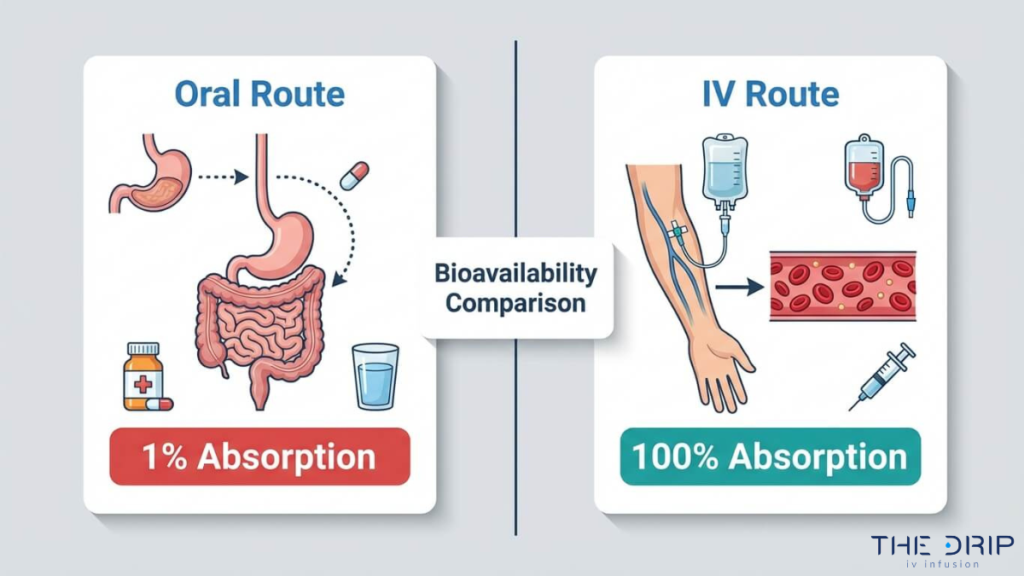
Intravenous glutathione achieves 100% bioavailability by bypassing digestive enzymes that destroy nearly all of an oral dose. This direct delivery raises plasma concentrations within minutes, which is why IV remains the preferred route for therapeutic outcomes.
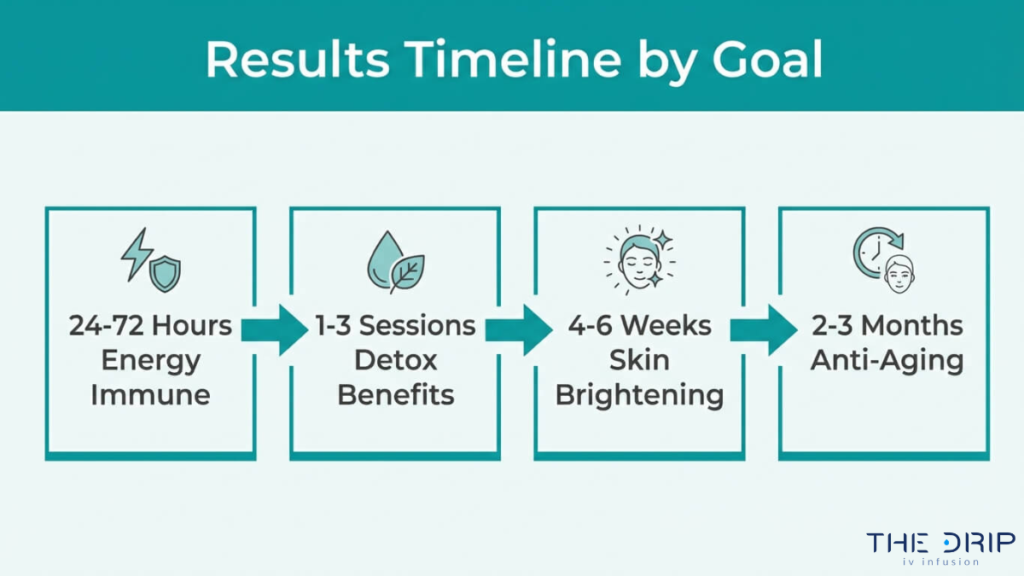
Result timelines vary by goal. Energy and immune improvements often emerge within 24 to 72 hours of a first session. Detoxification benefits typically appear within one to three sessions. Skin brightening requires the longest commitment, with most people needing consistent twice-weekly sessions over four to six weeks before noticing visible changes. Anti-aging results generally take two to three months of sustained treatment.
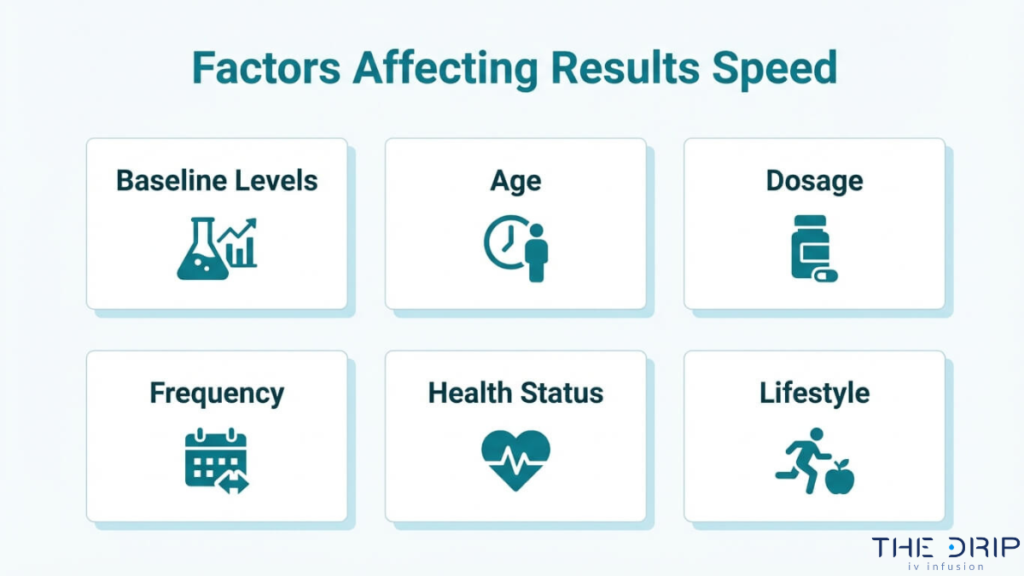
Several factors determine how quickly any individual responds. Baseline glutathione levels, age, dosage, session frequency, overall health status, and daily habits like diet and alcohol consumption all shape the timeline. Older adults face steeper deficits because aging reduces the enzymes responsible for natural glutathione production.
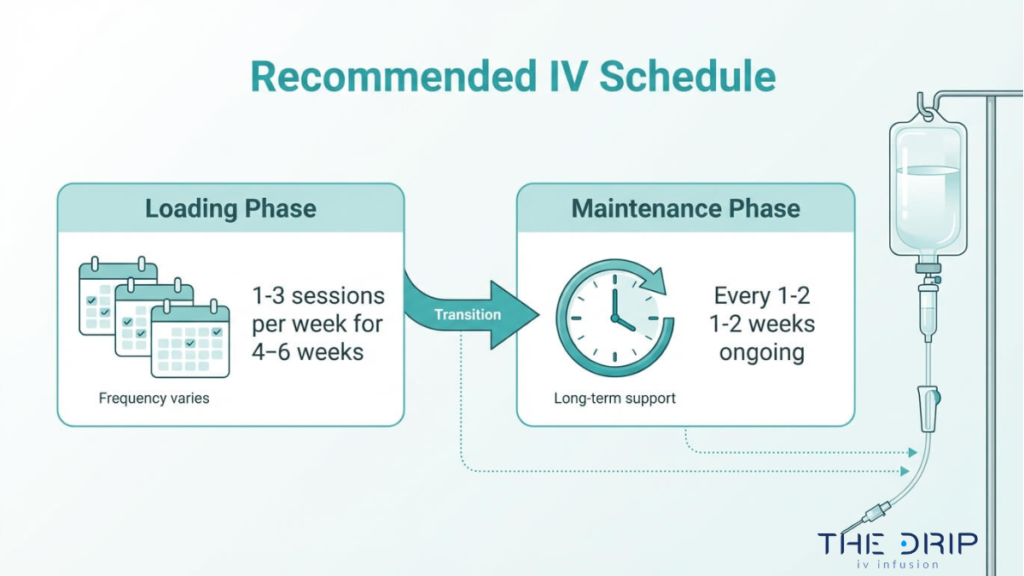
Most protocols follow a two-phase structure: a loading phase of one to three sessions per week for several weeks, then maintenance visits every one to two weeks. Potential side effects range from mild nausea to rare serious reactions, making qualified supervision essential. The Drip IV Infusion offers glutathione as a customizable add-on through mobile service, removing the scheduling friction that often disrupts treatment consistency.
What Is Glutathione IV Therapy?
Glutathione IV therapy is a treatment that delivers the antioxidant glutathione directly into the bloodstream through an intravenous line. Often called the body’s “master antioxidant,” glutathione plays a central role in neutralizing free radicals, supporting detoxification, and maintaining cellular health. Because it bypasses the digestive system entirely, intravenous delivery allows the body to use the full dose immediately.
Clinical protocols vary depending on the therapeutic goal. For specific applications such as preventing chemotherapy-induced toxicity, a dose of 1.5 g/m² may be administered over approximately 15 minutes, according to Dr. Oracle AI Medical Insights. Sessions for general wellness or skin brightening typically involve different dosage ranges and longer infusion times.
While glutathione IV therapy is widely sought for benefits like skin lightening, immune support, and energy enhancement, it is not without risk. Reported adverse reactions include nausea, difficulty breathing, and, in rare cases, serious conditions such as Stevens-Johnson syndrome, toxic epidermal necrolysis, and renal dysfunction. These risks underscore the importance of receiving treatment from qualified professionals who follow proper dosing protocols.
Understanding what glutathione IV therapy involves sets the foundation for a more practical question: why intravenous delivery is preferred over other forms of supplementation.
Why Is Glutathione Given Intravenously?
Glutathione is given intravenously because this route delivers the antioxidant directly into the bloodstream, bypassing digestive breakdown that destroys nearly all of an oral dose. According to a 2025 study published in MDPI Pharmaceutics, intravenous glutathione achieves 100% bioavailability, whereas oral glutathione typically exhibits bioavailability below 1% due to rapid hydrolysis by intestinal enzymes. The gastrointestinal tract contains enzymes that break glutathione into its component amino acids before absorption can occur, which severely limits how much reaches circulation intact.
IV delivery also allows providers to administer precise, therapeutic-level doses that would be impossible to replicate through capsules or tablets. When glutathione enters the bloodstream directly, plasma concentrations rise rapidly, enabling immediate interaction with cells under oxidative stress. For anyone seeking measurable results from glutathione therapy, the intravenous route remains the most efficient method of reaching the high plasma levels needed for clinical benefit.
Understanding why this delivery method matters sets the stage for the next key question: how long each session actually takes.
How Long Does a Single Glutathione IV Session Take?
A single glutathione IV session typically takes 15 to 30 minutes for the infusion itself, though the full appointment usually lasts around one hour when accounting for preparation and monitoring. Clinical protocols for specific therapeutic applications use infusion windows as short as 15 minutes. According to Dr. Oracle AI Medical Insights, clinical administration of intravenous glutathione for protocols such as preventing chemotherapy-induced toxicity involves a dose of 1.5 g/m² administered over a period of 15 minutes. The total time can vary depending on the dosage, the specific IV formulation, and whether glutathione is added to a larger hydration drip. Higher doses or combination infusions that include additional nutrients naturally extend the session length. For most wellness-focused appointments, planning for a one-hour visit provides a comfortable, unhurried experience from start to finish.
How Soon Can You See Results After Glutathione IV?
Results after glutathione IV appear on different timelines depending on the benefit you are seeking. Skin brightening takes the longest, while energy and detoxification improvements can emerge much sooner.
How Soon Do Skin Brightening Results Appear?
Skin brightening results appear gradually, typically requiring multiple sessions over several weeks before visible changes emerge. Glutathione lightens skin by inhibiting tyrosinase, the enzyme responsible for melanin production, and by shifting pigment synthesis from darker eumelanin to lighter pheomelanin. Because this biochemical shift happens at the cellular level, one session is not enough to produce noticeable tone changes.
A double-blind, placebo-controlled study published in the Journal of Pakistan Association of Dermatologists found that 1,200 mg of intravenous glutathione administered twice weekly for six weeks produced visible skin tone lightening in 37.5% of participants. Most people begin noticing subtle improvements around the four to six week mark with consistent sessions.
How Soon Do Detoxification Benefits Appear?
Detoxification benefits appear relatively quickly, with many people reporting improvements within the first one to three sessions. Glutathione is the body’s primary endogenous antioxidant, and it supports hepatic detoxification by neutralizing free radicals and conjugating toxins for elimination.
Because intravenous delivery achieves 100% bioavailability, the liver receives a concentrated supply of glutathione almost immediately. Individuals with higher toxic burdens from alcohol consumption, environmental exposures, or medication use may need several sessions before feeling meaningful relief. For most clients, reduced brain fog and improved digestion are among the earliest detox-related changes noticed.
How Soon Do Energy and Immune Benefits Appear?
Energy and immune benefits appear fastest among all glutathione IV outcomes, with many recipients noticing changes within 24 to 72 hours after their first infusion. Glutathione supports mitochondrial function and protects immune cells from oxidative damage, which translates into improved stamina and stronger immune defenses.
This rapid response makes sense given that intravenous glutathione bypasses metabolic barriers entirely, flooding cells with a usable antioxidant almost immediately. However, sustained energy and immune improvements require consistent sessions rather than a single treatment. In my experience, clients who maintain a regular infusion schedule report the most reliable and lasting improvements in both areas.
How Soon Do Anti-Aging Results Appear?
Anti-aging results appear over a longer timeline, generally becoming noticeable after two to three months of consistent glutathione IV sessions. Aging involves cumulative oxidative damage to cells, proteins, and DNA; reversing these effects requires sustained antioxidant support rather than a single dose.
Glutathione’s anti-aging mechanism centers on reducing oxidative stress at the cellular level, which gradually improves skin elasticity, reduces fine lines, and supports overall cellular repair. Because aging also depletes the enzymes needed for natural glutathione synthesis, older individuals may require more sessions before observing visible anti-aging changes. Patience and consistency are essential for this particular benefit.
With timelines established for each benefit, understanding the factors that influence these results helps set realistic expectations.
What Factors Affect How Quickly Glutathione IV Works?
Several factors affect how quickly glutathione IV works, including your baseline glutathione level, dosage, session frequency, age, overall health, and daily habits. Each variable influences how rapidly your body responds to infusion therapy.
How Does Your Starting Glutathione Level Affect Results?
Your starting glutathione level affects results because individuals with lower baseline levels often require more sessions before noticing significant changes. According to the National Institutes of Health, normal baseline glutathione levels in human blood plasma typically range between 1 and 6 μM, maintained through a balance of synthesis, transport, and utilization.
Baseline levels vary considerably across populations. Research published in PubMed Central found that African Americans have significantly lower systemic glutathione levels compared to white individuals (P<0.001), confirming that race influences antioxidant status. Those starting with depleted stores may experience a steeper initial response, while individuals closer to optimal levels often notice subtler improvements.
How Does Dosage Influence the Speed of Results?
Dosage influences the speed of results by determining how much glutathione enters your bloodstream per session. Higher doses can raise plasma concentrations more rapidly, potentially accelerating visible outcomes. However, without standardized protocols across providers, the ideal dose varies based on individual goals such as skin brightening, immune support, or detoxification. A qualified infusion specialist should evaluate your health profile before recommending a specific dosage, since more is not always better when it comes to antioxidant therapy.
How Does Session Frequency Change the Timeline?
Session frequency changes the timeline by controlling how consistently elevated glutathione levels remain between infusions. Spacing sessions too far apart allows plasma levels to drop back toward baseline, slowing cumulative progress. Clinical protocols for specific therapeutic goals typically call for multiple sessions per week over several weeks. More frequent sessions compress the timeline for noticeable results, while less frequent schedules extend it. Consistency matters more than any single session for achieving lasting outcomes.
How Does Your Age Affect the Response Time?
Your age affects the response time because glutathione synthesis declines significantly with aging. A study published in the Proceedings of the National Academy of Sciences found that aging is associated with a 47% decrease in the catalytic subunit (GCLC) and a 52% decrease in the modulatory subunit (GCLM) of glutamate-cysteine ligase, the rate-limiting enzyme for glutathione production. This reduced synthetic capacity means older adults often start with deeper deficits and may need more sessions before experiencing the same benefits younger individuals notice sooner.
How Does Your Overall Health Status Impact Results?
Your overall health status impacts results by determining how efficiently your body utilizes and retains infused glutathione. Chronic conditions that generate persistent oxidative stress, such as liver disease or metabolic disorders, consume glutathione faster. Individuals managing ongoing health challenges may find that infused glutathione is rapidly depleted before producing noticeable benefits. Conversely, generally healthy individuals tend to respond more quickly because their bodies can direct glutathione toward repair and optimization rather than constant damage control.
How Does Diet and Lifestyle Affect Glutathione Outcomes?
Diet and lifestyle affect glutathione outcomes by influencing the body’s ability to produce and maintain its own glutathione stores between sessions. N-acetylcysteine (NAC) supplementation, available as an add-on through The Drip IV Infusion, increases glutathione synthesis through the trans-sulfuration pathway. Chronic alcohol consumption works in the opposite direction, depleting hepatic glutathione by increasing oxidative stress and reducing cysteine availability. Sulfur-rich foods like broccoli, garlic, and eggs support natural production. Poor sleep, high stress, and smoking all accelerate glutathione depletion, making consistent lifestyle habits as important as the infusions themselves.
With these factors understood, the next step is determining how many sessions your specific goals require.
How Many Glutathione IV Sessions Do You Need To See Results?
The number of glutathione IV sessions you need to see results depends on your specific health goal. Skin lightening, immune support, and detox protocols each require different session frequencies and durations.
How Many Sessions Are Needed for Skin Lightening Goals?
The number of sessions needed for skin lightening goals typically ranges from 10 to 20 sessions over several weeks. Glutathione lightens skin by inhibiting the tyrosinase enzyme, which is essential for melanin biosynthesis, and by shifting production from darker eumelanin to lighter pheomelanin.
A double-blind, placebo-controlled study published in the Journal of Pakistan Association of Dermatologists found that 1,200 mg of intravenous glutathione administered twice a week for 6 weeks resulted in visible skin tone lightening in 37.5% of participants. These results suggest that consistent, twice-weekly sessions sustained over multiple weeks are necessary before changes become noticeable. Long-term safety data for this use remains limited, so working with a qualified provider is essential for anyone pursuing this goal.
How Many Sessions Are Needed for Immune Support Goals?
The number of sessions needed for immune support goals is generally 4 to 8 sessions, often scheduled weekly. Glutathione strengthens immune function by neutralizing free radicals and supporting lymphocyte activity. Most individuals notice improvements in energy and resilience within the first few weeks of consistent treatment.
Because immune benefits are systemic rather than visible, results are often felt before they are measured. Factors like baseline oxidative stress, sleep quality, and nutritional status influence how quickly the body responds. For sustained immune defense, many providers recommend periodic maintenance sessions after the initial loading phase.
How Many Sessions Are Needed for Detox and Liver Support?
The number of sessions needed for detox and liver support is typically 6 to 12 sessions, scheduled once or twice per week. Glutathione plays a central role in hepatic detoxification by conjugating toxins and heavy metals for elimination. Individuals with higher toxic burden or chronic alcohol exposure often require sessions at the upper end of this range.
Liver-related benefits, such as reduced oxidative markers and improved energy, tend to emerge gradually as glutathione stores rebuild over successive infusions. Pairing IV sessions with dietary changes and reduced toxin exposure accelerates progress. Understanding how long these effects last helps determine the right ongoing schedule.
How Long Do the Effects of Glutathione IV Last?
The effects of glutathione IV typically last one to three weeks per session, depending on individual metabolism, oxidative stress load, and lifestyle factors. Because the body continuously uses glutathione to neutralize free radicals and support detoxification, these elevated levels gradually decline as the antioxidant is consumed through normal biological processes.
Certain benefits fade faster than others. Energy and hydration improvements often diminish within a few days, while cumulative results like skin brightening tend to persist longer when sessions are maintained on a consistent schedule. Individuals under high oxidative stress from poor diet, alcohol use, or chronic illness may deplete their glutathione stores more rapidly, shortening the window of noticeable effects.
This is precisely why most providers recommend ongoing sessions rather than one-time infusions. A single treatment can offer a temporary boost, but sustained benefits require repeated dosing that keeps plasma concentrations elevated over time. Understanding how long results last helps determine the right treatment schedule for your goals.
What Is the Recommended Glutathione IV Treatment Schedule?
The recommended glutathione IV treatment schedule typically involves one to three sessions per week during an initial loading phase, followed by less frequent maintenance visits. Schedules vary based on individual goals, baseline levels, and provider guidance.
Most providers structure glutathione IV protocols in two phases. The loading phase builds antioxidant stores through frequent sessions over several weeks. According to a clinical study cited by Drugs.com, researchers investigating Parkinson’s disease treatment utilized 1,400 mg of IV glutathione administered three times per week for a total duration of four weeks. While wellness protocols often differ from clinical research doses, this frequency illustrates how concentrated scheduling accelerates results.
After the initial loading phase, most clients transition to maintenance sessions spaced further apart, typically once every one to two weeks. The right cadence depends on factors such as:
- Health goals: Skin brightening protocols may require longer loading phases than general wellness support.
- Baseline glutathione levels: Individuals with greater depletion often need more frequent initial sessions.
- Lifestyle factors: Alcohol use, poor diet, or chronic stress can deplete stores faster, requiring closer session spacing.
- Age: Older adults may benefit from sustained frequency due to naturally declining glutathione synthesis.
For most wellness-focused clients, a practical starting framework looks like two sessions per week for four to six weeks, then tapering to biweekly or monthly visits. Consistency during the loading phase matters more than any single high-dose session, since glutathione levels build cumulatively over time.
No universally standardized dosing protocol exists yet, so working with a qualified provider to personalize frequency and dosage remains essential. Understanding how glutathione IV compares to oral supplementation can further clarify why consistent IV scheduling produces faster, more reliable outcomes.
Who Is a Good Candidate for Glutathione IV Therapy?
A good candidate for glutathione IV therapy is anyone experiencing depleted antioxidant levels, elevated oxidative stress, or specific wellness goals that benefit from rapid glutathione replenishment. Several profiles tend to respond well:
- Adults over 45 whose natural glutathione synthesis declines with age, since aging reduces the enzymes responsible for production.
- Individuals with high oxidative stress from chronic alcohol consumption, smoking, or environmental toxin exposure, all of which deplete hepatic glutathione stores.
- People seeking skin brightening who want to inhibit tyrosinase activity and shift melanin production toward lighter pheomelanin.
- Those recovering from illness or surgery who need immune and cellular repair support beyond what oral supplements provide.
- Athletes and frequent travelers looking for faster recovery and immune reinforcement.
Candidates should not have known allergies to glutathione or its components, and those with kidney conditions or a history of severe drug reactions should consult a healthcare provider first. Because IV delivery achieves 100% bioavailability while oral forms remain below 1%, individuals who have tried oral glutathione without noticeable results are often ideal candidates for the intravenous route.
For most people considering glutathione IV, the deciding factor is whether their goals require the rapid, high-concentration delivery that only intravenous administration provides. Understanding potential side effects helps candidates make a fully informed decision.
What Are the Potential Side Effects of Glutathione IV?
The potential side effects of glutathione IV range from mild reactions like nausea to rare but serious conditions. Understanding these risks helps you make an informed decision before starting treatment.
Mild side effects reported during or after glutathione IV infusions include:
- Nausea and vomiting occur in some individuals, particularly at higher doses or faster infusion rates.
- Cramping and bloating may develop as the body processes the antioxidant.
- Difficulty breathing has been reported in certain cases involving compounded injectable formulations.
The U.S. FDA has issued warnings regarding adverse events associated with compounded injectable glutathione, specifically noting nausea, vomiting, and difficulty breathing as documented concerns. This underscores why receiving glutathione IV under qualified medical supervision matters.
Rare but severe adverse reactions have also been documented. According to a report published in CosmoDerma, intravenous glutathione therapy has been linked to Stevens-Johnson syndrome, toxic epidermal necrolysis, and renal dysfunction. These serious complications, while uncommon, highlight the importance of proper screening before treatment.
Most people tolerate glutathione IV well when it is administered by a trained professional using quality-controlled formulations. Individuals with sulfite sensitivities or existing kidney conditions should disclose their full medical history before receiving an infusion. For anyone weighing the benefits against these risks, comparing glutathione IV to oral supplementation can provide additional perspective.
How Does Glutathione IV Compare to Oral Supplements?
Glutathione IV delivers dramatically higher bioavailability than oral supplements, primarily because it bypasses digestive breakdown entirely. The key differences come down to absorption rate, plasma concentration, and time to results.
Intravenous glutathione achieves 100% bioavailability by entering the bloodstream directly, while oral glutathione typically exhibits bioavailability below 1% due to rapid hydrolysis by intestinal enzymes, according to a review published in MDPI Pharmaceutics. This difference is not marginal; it is nearly total. Oral capsules must survive stomach acid and enzymatic degradation before any glutathione molecules reach circulation, and most do not.
That said, oral supplementation is not without value when sustained over longer periods. A randomized controlled trial published in the European Journal of Nutrition found that a daily dose of 1,000 mg of oral glutathione for 6 months produced a 30–35% increase in glutathione stores in whole blood and erythrocytes. The trade-off is clear: oral supplements require months of consistent daily use to achieve what IV delivery accomplishes in a single session.
For individuals with significantly depleted levels, the route of administration matters even more. Elderly subjects exhibit a 94.6% lower glutathione concentration compared to younger adults, making efficient replenishment critical. In these cases, IV delivery is the most practical route for reaching therapeutic plasma concentrations quickly.
The practical comparison breaks down as follows:
- Bioavailability: IV glutathione reaches 100%; oral stays below 1%.
- Speed of effect: IV raises plasma levels within minutes; oral requires weeks to months.
- Dosing frequency: IV sessions are typically weekly or biweekly; oral demands daily intake.
- Convenience: Oral supplements are easier to self-administer at home; IV requires a trained professional.
- Cost per session: IV treatments carry a higher per-session cost; oral supplements are more affordable on a per-dose basis.
For anyone seeking rapid results, particularly for skin brightening, detoxification support, or immune recovery, IV glutathione remains the more efficient option. Oral supplements can serve as a maintenance strategy between IV sessions, helping sustain elevated levels over time. Understanding these differences helps clarify what to expect from each approach and why treatment timelines vary.
How Can Mobile IV Therapy Help You Get Glutathione IV?
Mobile IV therapy can help you get glutathione IV by delivering infusions directly to your home, eliminating the need to visit a clinic. The following sections cover how The Drip IV Infusion offers glutathione as a customizable add-on and the key takeaways about treatment timelines.
Can The Drip IV Infusion’s Customizable IV Add-Ons Include Glutathione?
Yes, The Drip IV Infusion’s customizable IV add-ons can include glutathione. Glutathione is listed among the available add-ons that clients can incorporate into any IV cocktail from the menu. This flexibility allows each session to target specific wellness goals, whether related to oxidative stress support, skin health through tyrosinase inhibition and melanogenesis modulation, or hepatoprotection.
Because The Drip IV Infusion sends a nurse directly to your location, scheduling consistent glutathione sessions becomes far more practical. Consistency is one of the most overlooked factors in achieving meaningful results from IV glutathione; convenient access removes the friction that causes most people to skip appointments.
What Are the Key Takeaways About How Long Glutathione IV Takes To Work?
The key takeaways about how long glutathione IV takes to work center on realistic expectations. A single session typically takes about one hour, with some individuals noticing energy improvements within 24 to 48 hours. Visible changes like skin brightening generally require multiple sessions over several weeks.
According to research published by the American Heart Association, early and prolonged glutathione infusion protects myocardial components and endothelial cell function against pro-oxidant damage, highlighting how sustained treatment protocols yield deeper benefits. Factors such as baseline glutathione levels, age, dosage, session frequency, and lifestyle habits all influence individual timelines. The most effective approach combines a consistent IV schedule with supportive nutrition and healthy habits.
With The Drip IV Infusion’s mobile service, maintaining that consistency becomes a realistic part of your routine.