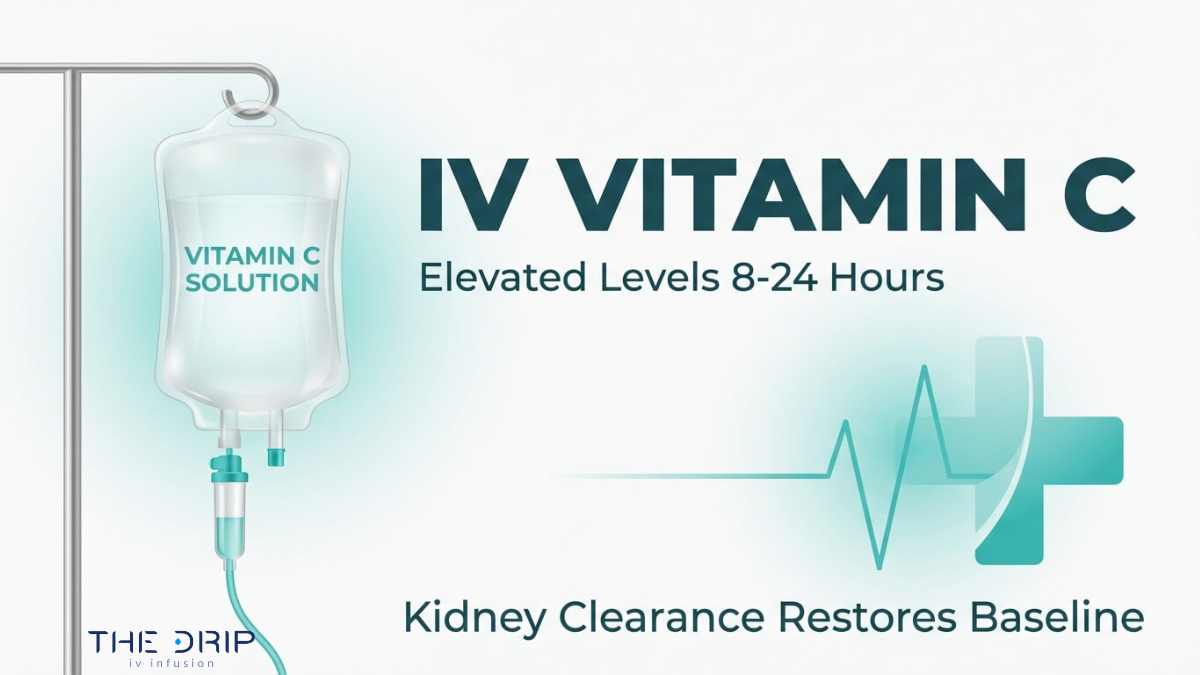
IV vitamin C is a method of delivering ascorbic acid directly into the bloodstream through intravenous infusion, bypassing intestinal absorption limits entirely. Elevated plasma levels are temporary; the kidneys restore baseline concentrations within hours, with complete renal clearance occurring within 24 hours even at high doses.
This guide covers IV vitamin C pharmacokinetics and absorption, duration across different populations, factors that influence clearance speed, infusion frequency guidelines, and safety considerations.
IV vitamin C achieves plasma concentrations up to 70 times higher than oral supplementation allows, but renal excretion begins rapidly once levels exceed the body’s saturation threshold. The half-life of circulating ascorbic acid ranges from roughly 8 to 16 hours under normal conditions, with first-order pharmacokinetics governing elimination at doses up to 75 g.
How long vitamin C remains active varies significantly by population. Immunocompromised individuals, athletes, and older adults all deplete stores faster due to heightened oxidative stress, metabolic demand, or low baseline levels. Smokers carry serum concentrations one-third lower than nonsmokers, and surgical patients experience a 39% plasma depletion during the first postoperative week.
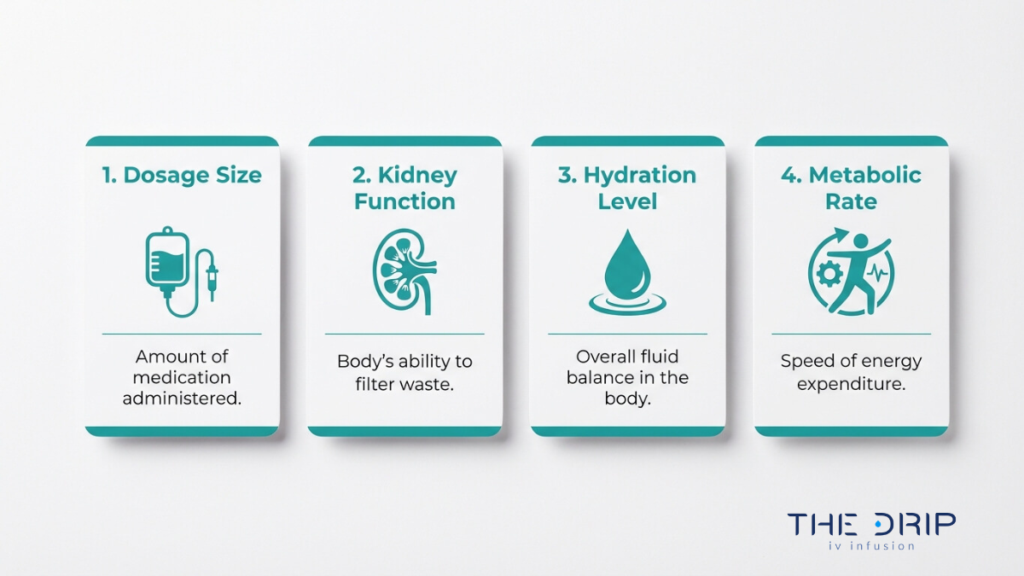
Dosage size, kidney function, hydration status, and metabolic rate each shape clearance speed differently. Well-hydrated individuals with healthy kidneys clear vitamin C faster, while illness and infection accelerate tissue consumption before renal excretion even becomes the primary factor.
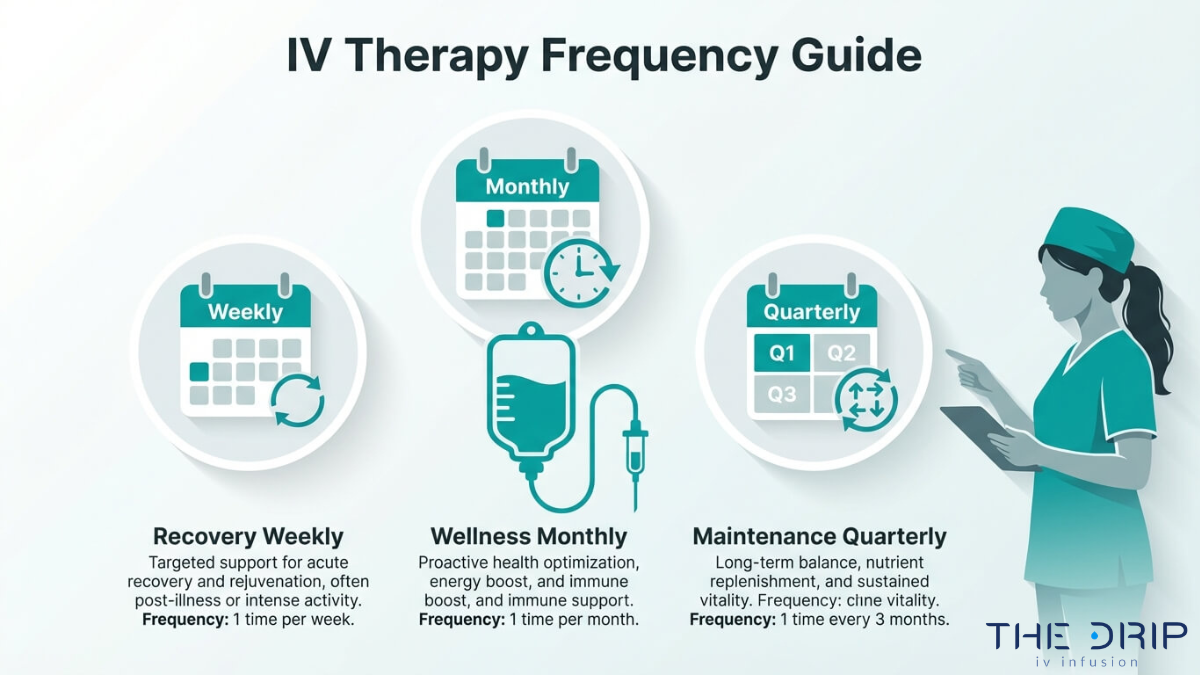
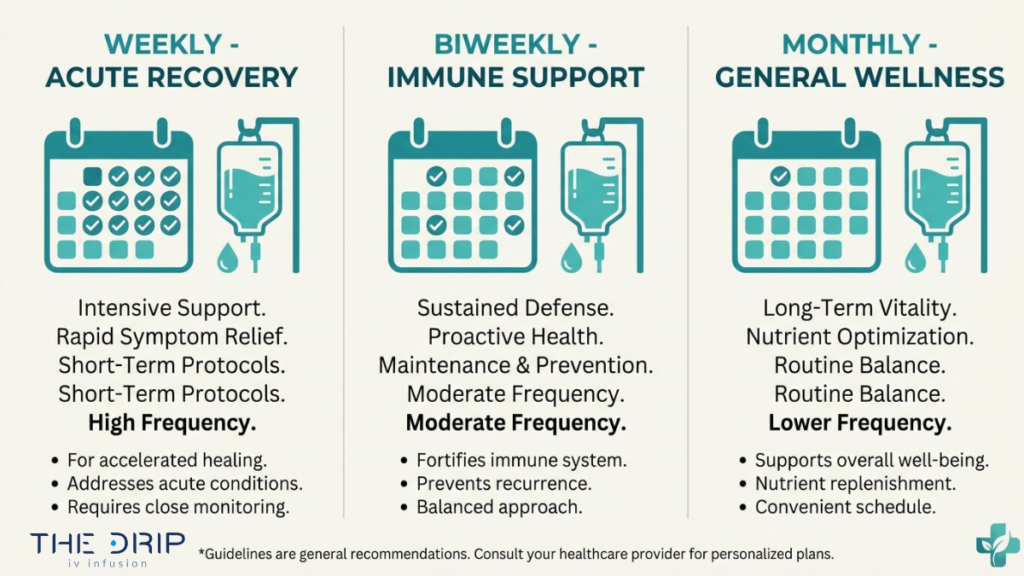
Optimal infusion frequency depends on the goal: weekly sessions during acute recovery, biweekly for immune support, and monthly for general wellness. Pre-treatment screening for G6PD deficiency and kidney conditions remains essential for safe administration.
What Is IV Vitamin C and How Does It Work?
IV vitamin C is a method of delivering ascorbic acid directly into the bloodstream through intravenous infusion, bypassing the digestive system entirely. The sections below explain how this differs from oral supplementation and what happens once vitamin C enters your blood.
How Does Intravenous Vitamin C Differ From Oral Vitamin C?
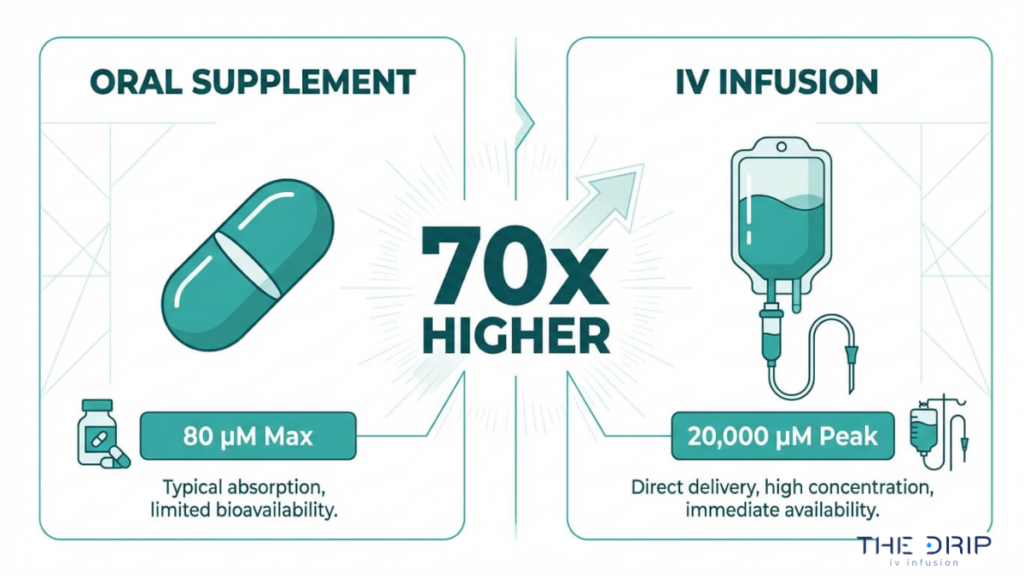
Intravenous vitamin C differs from oral vitamin C primarily in absorption and achievable plasma concentration. Oral doses are subject to intestinal absorptive control; the body absorbs 100% of vitamin C at doses up to 200 mg, but efficiency drops progressively above 500 mg. Plasma levels from oral intake plateau between 60 and 80 micromoles per liter in healthy adults, with a hard ceiling below 300 μM.
Intravenous administration bypasses this intestinal regulation entirely. According to the National Cancer Institute, IV delivery can raise plasma vitamin C concentrations up to 20 mM, roughly 70 times higher than the oral maximum. Within hours, however, renal excretion begins restoring levels to baseline.
This pharmacokinetic gap matters most for individuals already depleted. Smokers carry serum concentrations one-third lower than nonsmokers, and surgical patients experience a 39% plasma depletion during the first postoperative week. For these populations, oral supplementation alone often cannot restore adequate levels fast enough.
What Happens to Vitamin C Once It Enters Your Bloodstream?
Vitamin C enters the bloodstream and immediately distributes to tissues with the highest metabolic demand, including the adrenal glands, brain, and immune cells. As an antioxidant, L-ascorbic acid neutralizes free radicals and supports collagen synthesis throughout the body.
The kidneys regulate circulating levels through the renal threshold. Once plasma concentration exceeds this threshold, excess vitamin C is filtered and excreted in urine. At doses up to 75 g, intravenous vitamin C follows first-order pharmacokinetics, meaning clearance rate increases proportionally with concentration. At 100 g doses, complete renal clearance occurs within 24 hours.
Because the body cannot store large reserves of this water-soluble nutrient, tissues absorb what they need quickly while the kidneys eliminate the surplus. Understanding this clearance timeline helps explain how long IV vitamin C remains active in your system.
How Long Does IV Vitamin C Stay in Your System?
IV vitamin C stays in your system for a limited window before the kidneys clear it. How long it lasts depends on your health status, age, and activity level. The following sections break down duration for healthy adults, immunocompromised individuals, athletes, and older adults.
How Long Does IV Vitamin C Last in Healthy Adults?
IV vitamin C lasts in healthy adults for several hours at elevated plasma levels before renal excretion returns concentrations to baseline. According to pharmacokinetic research published in PMC (Chen et al., 2022), intravenous vitamin C exhibited first-order pharmacokinetics at doses up to 75 g, with complete renal clearance demonstrated at 100 g within 24 hours.
In practical terms, this means the therapeutic window is relatively brief. The kidneys begin filtering excess ascorbic acid almost immediately once plasma saturation exceeds the renal threshold. For most healthy adults with normal kidney function and adequate hydration, peak plasma concentrations decline steadily within the first few hours post-infusion.
How Long Does IV Vitamin C Last in Immunocompromised Individuals?
IV vitamin C lasts in immunocompromised individuals for a shorter effective duration than in healthy adults. The body consumes ascorbic acid more rapidly when fighting infection or managing chronic inflammation. As reported in a review published in Nutrients (MDPI), infections significantly impact vitamin C levels due to enhanced inflammation and metabolic requirements, and treatment of established infections requires gram doses of the vitamin to compensate for increased metabolic demand.
Because oxidative stress depletes circulating vitamin C faster, immunocompromised individuals often reach baseline plasma concentrations sooner after infusion. This accelerated utilization is why higher or more frequent dosing is sometimes considered for this population under clinical guidance.
How Long Does IV Vitamin C Last in Athletes or Active People?
IV vitamin C lasts in athletes or active people for a potentially shorter duration compared to sedentary individuals. Intense physical activity generates oxidative stress through free radical production, which increases the body’s demand for antioxidant capacity. Vitamin C, as L-ascorbic acid, is consumed more quickly during and after strenuous exercise to neutralize these free radicals and support collagen synthesis for tissue repair.
Athletes with higher metabolic rates process nutrients faster overall, meaning plasma vitamin C concentrations may decline more rapidly after infusion. For active individuals seeking sustained benefits, timing infusions around training cycles can help maximize the therapeutic window.
How Long Does IV Vitamin C Last in Older Adults?
IV vitamin C lasts in older adults for a variable duration, often complicated by lower baseline stores and reduced physiological efficiency. According to research published in Nutrients (MDPI), lower mean vitamin C status has been observed in both free-living and institutionalized elderly people, and low vitamin C concentrations below 17 µmol/L in individuals aged 75 to 82 years are strongly predictive of all-cause mortality.
Because older adults frequently start from a depleted baseline, infused vitamin C may be utilized more quickly to replenish tissue stores rather than maintaining elevated plasma levels. Reduced kidney function, common in aging, can also alter clearance rates in either direction. This makes individualized assessment especially important for older populations considering IV vitamin C therapy.
Understanding how different populations metabolize IV vitamin C helps determine the right infusion frequency for lasting benefits.
What Is the Half-Life of Vitamin C in the Body?
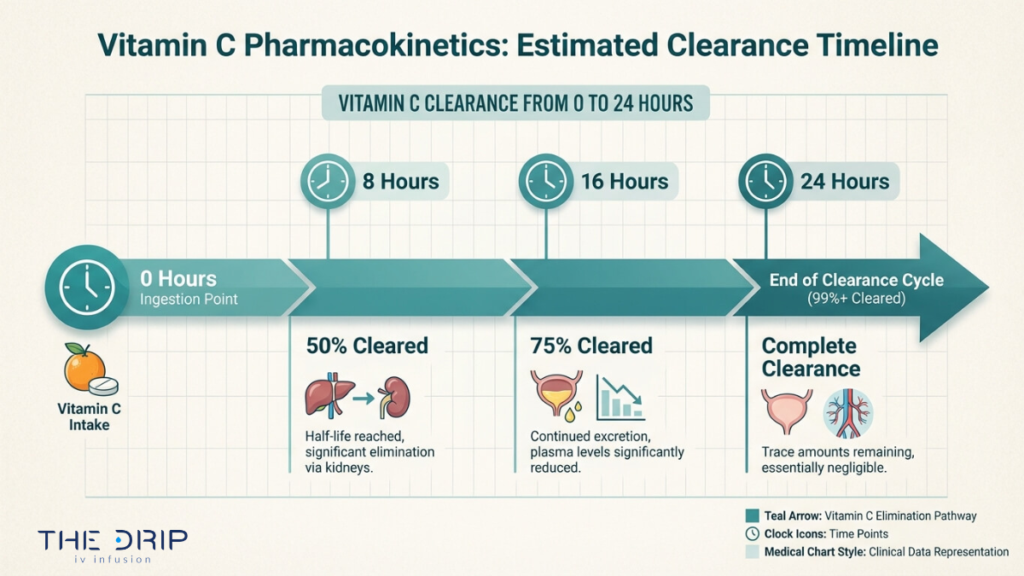
The half-life of vitamin C in the body ranges from approximately 8 to 16 hours under normal physiological conditions, though this window shifts based on dose, health status, and route of administration. After intravenous delivery, plasma concentrations peak far higher than oral intake allows, but renal excretion works rapidly to restore baseline levels.
According to pharmacokinetic research published in PMC (Chen et al., 2022), intravenous vitamin C exhibited first-order pharmacokinetics at doses up to 75 g, with complete renal clearance occurring within 24 hours at 100 g doses. This means even large IV doses follow a predictable elimination curve where the kidneys filter excess ascorbic acid efficiently once plasma saturation exceeds the renal threshold.
Several factors compress or extend this half-life window:
- Oxidative stress and infection accelerate vitamin C utilization, effectively shortening its functional half-life as tissues consume it faster than normal.
- Kidney function directly governs clearance speed; impaired renal filtration slows excretion and extends circulation time.
- Baseline plasma levels matter because individuals starting with depleted stores retain a higher percentage of the infused dose.
- Metabolic rate influences how quickly tissues draw vitamin C from the bloodstream for collagen synthesis, antioxidant activity, and immune function.
For practical purposes, most of an IV vitamin C dose has either been utilized by tissues or excreted by the kidneys within 24 hours. The steepest decline in plasma concentration happens during the first few hours post-infusion as renal excretion restores vitamin C to baseline levels. This rapid clearance pattern is precisely why understanding infusion frequency matters for sustained benefits.
What Factors Affect How Long IV Vitamin C Remains Active?
Several factors affect how long IV vitamin C remains active, including dosage size, kidney function, hydration status, and metabolic rate. Each variable influences plasma clearance differently.
How Does Dosage Size Influence Duration in the Body?
Dosage size influences duration in the body by determining how long the kidneys take to restore plasma vitamin C to baseline levels. Larger infusions produce higher peak plasma concentrations, which means renal excretion must work longer to clear the surplus. According to a 2022 pharmacokinetic study published in PMC, intravenous vitamin C exhibited first-order pharmacokinetics at doses up to 75 g, while a 100 g dose demonstrated complete renal clearance within 24 hours. Smaller doses clear faster because the kidneys reach the renal threshold sooner. This relationship between dose and clearance time is why practitioners tailor infusion amounts to each client’s specific wellness goals.
How Does Kidney Function Affect Vitamin C Clearance?
Kidney function affects vitamin C clearance because the kidneys serve as the primary elimination pathway for circulating ascorbic acid. Healthy kidneys filter excess vitamin C efficiently, restoring plasma levels to baseline within hours after an infusion. When renal function is impaired, this filtration slows, allowing vitamin C to remain in circulation longer but also increasing the risk of complications. Individuals with kidney disease or a history of kidney stones require careful medical evaluation before receiving high-dose IV vitamin C. Compromised renal clearance can lead to oxalate accumulation, making pre-infusion kidney assessment an essential safety step.
How Does Hydration Status Change Vitamin C Retention?
Hydration status changes vitamin C retention by directly influencing blood volume and renal filtration rate. Well-hydrated individuals maintain higher glomerular filtration rates, which accelerates the clearance of water-soluble nutrients like ascorbic acid from plasma. Dehydration reduces kidney filtration efficiency, potentially slowing vitamin C excretion and extending its presence in the bloodstream. However, this slower clearance does not necessarily mean greater cellular benefit, since tissues still absorb vitamin C at their own saturation-dependent rate. Proper hydration before and after an IV infusion supports predictable pharmacokinetics and helps the body process vitamin C at a steady, efficient pace.
How Do Metabolic Rate and Activity Level Impact Duration?
Metabolic rate and activity level impact duration by increasing the body’s consumption of vitamin C during periods of heightened physiological demand. Higher metabolic rates, whether from exercise, fever, or physical labor, accelerate ascorbic acid utilization for tissue repair and antioxidant defense. According to a review published in Nutrients (MDPI), infections significantly impact vitamin C levels due to enhanced inflammation and metabolic requirements, and treatment of established infections requires gram doses to compensate for the increased metabolic demand. Athletes and highly active individuals tend to deplete circulating vitamin C faster than sedentary individuals. For those with elevated metabolic needs, more frequent infusions may help maintain optimal plasma levels over time.
How Quickly Does Your Body Use Up IV Vitamin C?
Your body uses up IV vitamin C at different rates depending on physiological demand. Illness, oxidative stress, and normal metabolic function each consume ascorbic acid at distinct speeds.
How Fast Is Vitamin C Used During Illness or Infection?
Vitamin C is used rapidly during illness or infection because the body’s inflammatory response and metabolic demand surge simultaneously. According to a review published in Nutrients (MDPI), infections significantly impact vitamin C levels due to enhanced inflammation, and treatment of established infections requires gram doses of the vitamin to compensate for the increased metabolic demand. Fever, immune cell activation, and tissue repair all accelerate L-ascorbic acid consumption, often depleting plasma stores far faster than oral intake can replenish. This is precisely why intravenous delivery becomes valuable during acute illness; it restores plasma saturation quickly when the body’s antioxidant capacity is under the greatest strain.
How Fast Is Vitamin C Used Under Oxidative Stress?
Vitamin C is used at an accelerated rate under oxidative stress because it serves as a primary electron donor that neutralizes free radicals. When reactive oxygen species overwhelm the body’s antioxidant capacity, L-ascorbic acid is consumed rapidly to protect cells from damage. Conditions that increase oxidative burden, such as smoking, intense exercise, environmental toxin exposure, and chronic inflammation, deplete circulating vitamin C faster than baseline metabolic activity alone. Sodium ascorbate and other forms of vitamin C function similarly in scavenging free radicals, but once plasma stores drop, collagen synthesis and immune signaling also suffer. For individuals facing persistent oxidative stress, periodic IV vitamin C sessions can help maintain adequate plasma levels more effectively than oral supplementation.
How Fast Is Vitamin C Used Under Normal Conditions?
Vitamin C is used gradually under normal conditions, with the body drawing on circulating L-ascorbic acid for collagen synthesis, antioxidant maintenance, and routine enzymatic functions at a steady, manageable pace. Renal clearance returns elevated plasma levels to baseline within hours after an IV infusion, but tissue stores sustain functional levels longer when metabolic demand is low. As the Mayo Clinic notes, intravenous ascorbic acid should be used with caution in patients with kidney disease or a history of kidney stones, as it may worsen these conditions. For healthy individuals without these risk factors, the kidneys efficiently regulate vitamin C through the renal threshold, excreting excess while tissues retain what they need.
Understanding how quickly your body depletes IV vitamin C helps determine the ideal infusion frequency.
What Blood Levels Does IV Vitamin C Achieve Compared to Oral?
IV vitamin C achieves plasma concentrations up to 70 times higher than the maximum oral dose allows. This difference stems from how each route interacts with the body’s absorption controls.
Oral vitamin C faces tight intestinal regulation. According to pharmacokinetic studies cited by the National Cancer Institute, oral doses produce plasma concentrations capped below 300 μM because the gut limits how much enters the bloodstream. Doses above 500 mg see progressively less absorption as intake rises.
Intravenous vitamin C bypasses this intestinal control entirely, delivering L-ascorbic acid straight into the bloodstream. Plasma concentrations can reach up to 20 mM, a level impossible through oral supplementation alone. These supraphysiological concentrations are what make high-dose protocols relevant in clinical research settings.
However, the body does not sustain these elevated levels for long. Renal excretion begins rapidly once plasma saturation exceeds the renal threshold, restoring concentrations to baseline within hours. At doses up to 75 g, IV vitamin C follows first-order pharmacokinetics, meaning clearance rate scales proportionally with concentration.
For context, healthy young adults taking 200 to 400 mg orally per day typically reach steady-state plasma levels of only 60 to 80 μmol/L. That ceiling represents the body’s natural saturation point through dietary intake. The gap between 80 μmol/L orally and 20,000 μmol/L intravenously illustrates why route of administration matters so significantly for antioxidant capacity and therapeutic applications.
This concentration difference is worth understanding before deciding how frequently IV vitamin C infusions fit into a wellness routine.
How Often Should You Get IV Vitamin C Infusions?
IV vitamin C infusion frequency depends on your health goal. Immune support, post-surgical recovery, and general wellness each require different schedules based on how quickly your body depletes vitamin C.
How Often Should You Get IV Vitamin C for Immune Support?
You should get IV vitamin C for immune support every one to two weeks during periods of heightened exposure or seasonal illness. Infections significantly deplete vitamin C due to enhanced inflammation and increased metabolic demand, according to research published in Nutrients (MDPI). This accelerated turnover means the body exhausts its stores faster than oral supplementation alone can replenish them. During cold and flu season, or when traveling frequently, a biweekly schedule helps maintain elevated plasma levels. Once acute risk subsides, spacing sessions to monthly intervals is often sufficient to sustain baseline immune readiness.
How Often Should You Get IV Vitamin C for Recovery?
You should get IV vitamin C for recovery two to three times per week during the acute phase, then taper as healing progresses. Surgical and physical recovery creates substantial vitamin C depletion. A meta-analysis published in the British Journal of Nutrition found a mean plasma vitamin C depletion of 17.99 µmol/L, representing a 39% drop, during the first postoperative week. Because the body prioritizes vitamin C for collagen synthesis and tissue repair, frequent infusions during early recovery help maintain adequate plasma concentrations. As healing stabilizes over subsequent weeks, most individuals can reduce frequency to once weekly, then transition to a maintenance schedule. For athletes recovering from intense training cycles, a similar tapering approach supports tissue repair without oversaturation.
How Often Should You Get IV Vitamin C for General Wellness?
You should get IV vitamin C for general wellness once every two to four weeks. Healthy adults with balanced diets and low oxidative stress deplete vitamin C at a slower, more predictable rate. A monthly infusion typically sustains plasma levels well above the baseline range. Factors that may warrant more frequent sessions include:
- Smoking, which lowers mean serum vitamin C by approximately one-third compared to non-smokers
- High daily stress or poor dietary intake
- Age-related absorption decline, particularly in adults over 65
For most wellness-focused clients, consistency matters more than frequency. A steady monthly schedule delivers cumulative antioxidant support without unnecessary visits. Understanding your personal depletion patterns helps determine the ideal schedule for sustained vitamin C benefits.
What Are the Signs That IV Vitamin C Has Left Your System?
The signs that IV vitamin C has left your system include a gradual return of fatigue, reduced energy levels, increased susceptibility to minor infections, and slower recovery from physical exertion. Because renal excretion restores vitamin C to baseline plasma concentrations within a few hours of intravenous administration, according to Oregon State University’s Linus Pauling Institute, these shifts can begin relatively quickly after peak levels decline.
Other indicators that your body’s elevated vitamin C stores have been depleted include:
- Diminished skin brightness or increased dryness, since vitamin C supports collagen synthesis.
- More pronounced muscle soreness after workouts, reflecting reduced antioxidant capacity.
- Longer healing times for minor cuts or bruises.
- A general feeling of sluggishness or brain fog that was absent shortly after infusion.
These signs do not necessarily mean you are deficient in vitamin C. They reflect the difference between the supraphysiological plasma concentrations achieved through IV delivery and your body’s normal baseline levels. Once the kidneys clear the excess ascorbic acid, plasma saturation drops back to its tightly regulated range, and the enhanced effects gradually fade.
Paying attention to when these subtle changes appear can help guide the timing of your next infusion session. Understanding how your body signals declining vitamin C levels makes it easier to maintain consistent wellness benefits over time.
Are There Side Effects of High-Dose IV Vitamin C?
The side effects of high-dose IV vitamin C are generally mild for most people, but certain individuals face serious risks. Key concerns include kidney-related complications and red blood cell damage in specific populations.
According to the Mayo Clinic, intravenous ascorbic acid injection may cause hemolysis, the breakdown of red blood cells, in patients with glucose-6-phosphate dehydrogenase (G6PD) deficiency. High-dose IV vitamin C should also be used with caution in patients with kidney disease or a history of kidney stones, as it may worsen these conditions.
Signs of a potential adverse reaction include:
- Bloody urine or changes in urine output.
- Lower back or side pain.
- Unusual tiredness or weakness.
- Decreased frequency or amount of urination.
G6PD deficiency testing before administration is considered a necessary screening step for anyone pursuing high-dose protocols. This simple blood test helps providers identify patients at risk for hemolysis before infusion begins.
For the majority of recipients without these contraindications, clinical trials have shown IV vitamin C to be generally well tolerated. That said, any high-dose therapy warrants professional oversight; even a well-tolerated infusion carries individual variability that only a qualified provider can properly assess. Understanding who should avoid this therapy entirely adds another layer of safety.
Who Should Avoid IV Vitamin C Therapy?
Individuals with specific medical conditions should avoid IV vitamin C therapy or use it only under strict medical supervision. The primary contraindications involve enzyme deficiencies, kidney disorders, and certain metabolic conditions.
People who should avoid or use caution with IV vitamin C include:
- Individuals with G6PD deficiency: According to the Mayo Clinic, intravenous ascorbic acid injection may cause hemolysis, the breakdown of red blood cells, in patients with glucose-6-phosphate dehydrogenase (G6PD) deficiency. G6PD screening is considered essential before high-dose administration.
- Patients with kidney disease or a history of kidney stones: IV vitamin C should be used with caution in these populations, as it may worsen existing renal conditions.
- People experiencing warning signs such as bloody urine, decreased urination, lower back or side pain, or unusual fatigue: These symptoms may indicate a kidney problem requiring immediate medical attention.
For anyone considering high-dose IV vitamin C, pre-treatment screening and a thorough medical history review help identify these risk factors before infusion begins. Understanding contraindications is just as important as understanding how mobile IV services can deliver vitamin C safely and conveniently.
How Can Mobile IV Therapy Maximize Your Vitamin C Benefits?
Mobile IV therapy maximizes vitamin C benefits by delivering infusions directly to your location, eliminating delays between treatment and rest. The following subsections cover how The Drip IV Infusion supports immune health and the key takeaways about IV vitamin C duration.

Can The Drip IV Infusion’s Immune Support Infusions Help?
Yes. The Drip IV Infusion’s immune support infusions can help by delivering vitamin C and other nutrients intravenously, bypassing GI tract absorption limits for maximum bioavailability. Founded in Fall 2022 by professionals with decades of experience in nursing and emergency medicine, The Drip IV Infusion brings these treatments directly to homes and workplaces across Arizona. Each session takes approximately one hour and can be customized with add-ons like zinc, glutathione, and B-complex vitamins to complement the vitamin C infusion. This combination of convenience and clinical expertise makes it practical to maintain consistent vitamin C levels, especially for those recovering from illness or seeking immune support during high-demand periods.
What Should You Remember About How Long IV Vitamin C Stays in Your System?
The most important thing to remember about how long IV vitamin C stays in your system is that elevated plasma levels are temporary, typically returning to baseline within hours as the kidneys restore normal concentrations. Key takeaways include:
- IV administration bypasses intestinal absorption limits, achieving plasma levels far beyond what oral doses allow.
- Factors like kidney function, metabolic rate, illness, and hydration status all influence how quickly your body clears vitamin C.
- Populations under higher oxidative stress, including smokers, older adults, and post-surgical patients, deplete vitamin C faster.
- Consistent infusion scheduling, guided by a qualified nurse, helps maintain therapeutic benefits over time.
For most people, planning infusions based on individual health needs and lifestyle demands yields the best results. The Drip IV Infusion can help design a personalized schedule that keeps your vitamin C levels optimized between sessions.