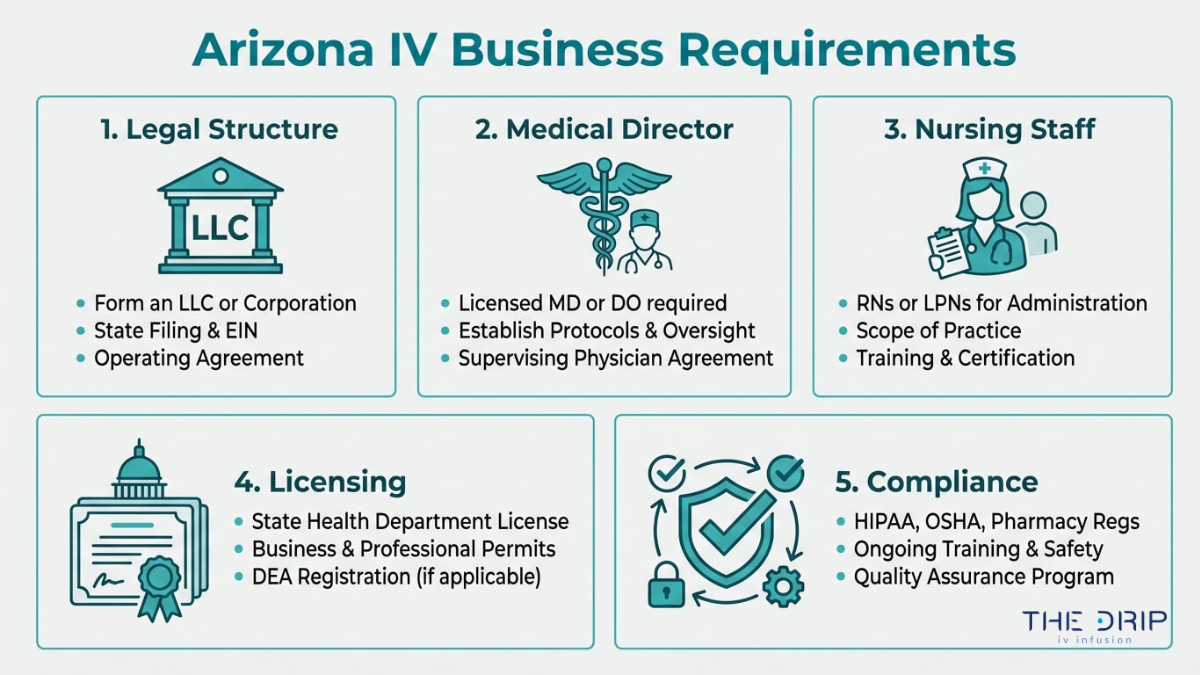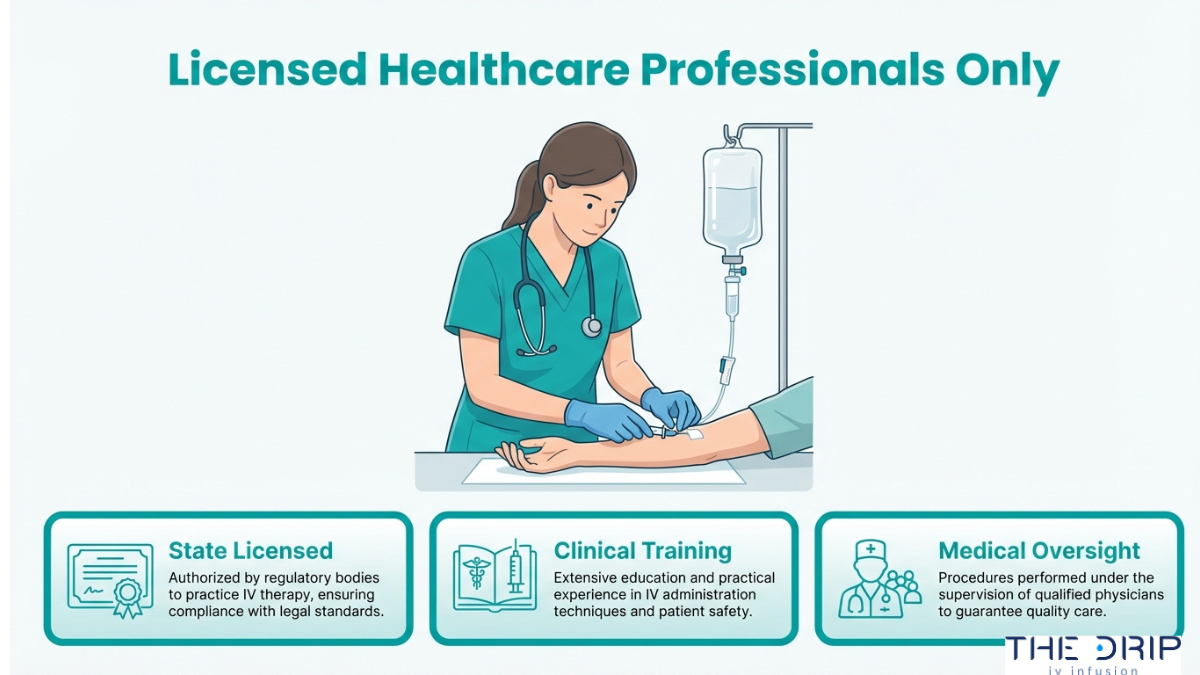
In the realm of modern medicine, healthcare professionals often use a medical device like an IV catheter to administer essential nutrients, medications, and fluids directly into the patient’s bloodstream. But what is IV catheter exactly?
This instrument plays a crucial role in delivering fluids swiftly, effectively, and with high precision. Hence, this post will explore its various types and unravel its significance in various medical procedures. By understanding the fundamentals, you can gain valuable insights into how this medical tool enhances patient care.
Source: shutterstock.com/ Photo Contributor: Noiel
What Is IV Catheter? – IV Catheter Definition
An intravenous catheter is a flexible tube typically made from materials like plastic or silicone. This is the primary component of the IV system and is inserted into the vein, typically the patient’s arm and hand.
It is a common medical tool used for various treatments and therapies, including mobile IV therapy Arizona. The catheter stands as a lifeline in the realm of medical interventions, serving as a conduit for delivering essential nutrients and medications. When the healthcare professionals expertly insert it into the patient’s vein, it unlocks a pathway for a swift and controlled administration of fluids.
Anatomy of an IV catheter
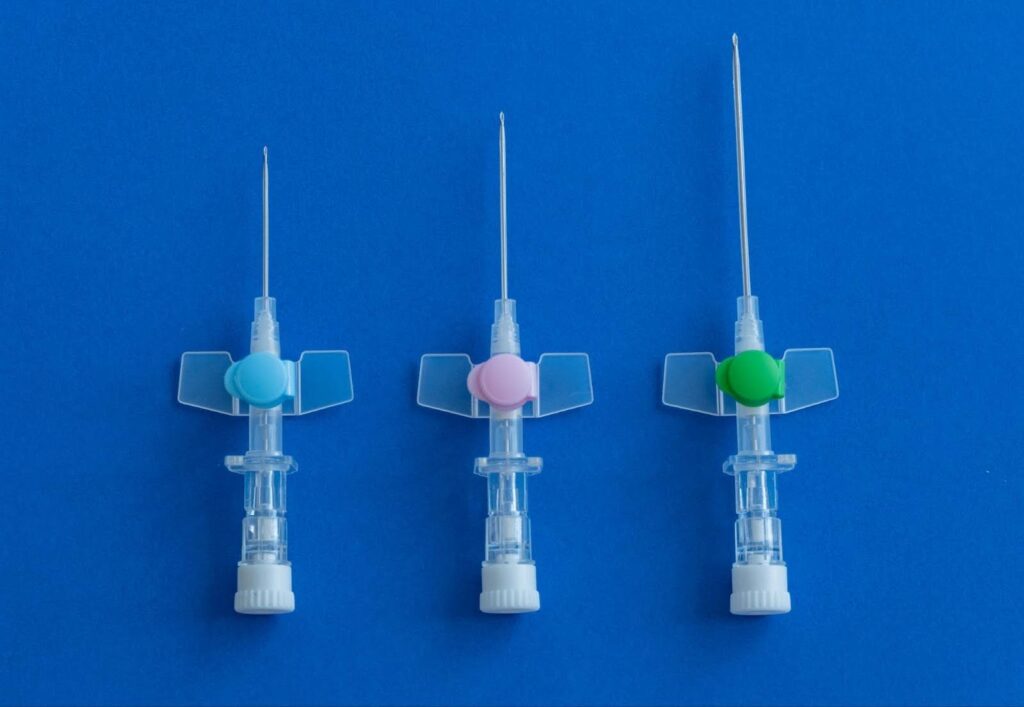
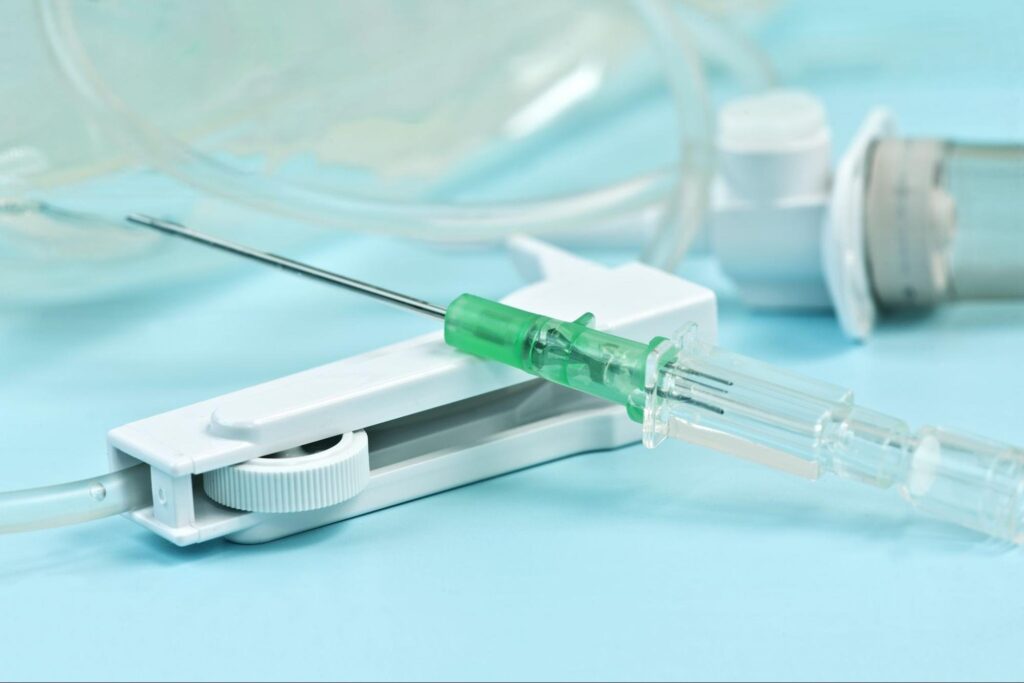
The intricate anatomy of the IV catheter encompasses components designed to ensure treatment efficiency, patient safety, and comfort. At its core is a hollow transparent tube that enables healthcare providers to monitor the flow of the fluids. At its end is a sharp yet atraumatic needle that facilitates smooth penetration into the patient’s vein, designed to minimize the patient’s discomfort.
Components of an IV catheter
The IV catheter features a few elements for seamless functionality. It consists of a catheter hub situated at the end. Additionally, the catheter has wings or stabilizing fins to assist in securing the catheter in place once inserted and prevent inadvertent dislodgement.
Sizes and gauges of an IV catheter
The diversity in patient needs requires a range of sizes and gauges for IV catheters. The gauge is the catheter’s diameter and influences the fluids’ flow rate. Smaller gauges are suitable for delicate veins and pediatric patients.
Larger gauges, on the other hand, accommodate rapid fluid administration, which is essential in critical situations. Choosing the appropriate size and gauge is crucial for optimal performance tailored to the specific requirements of each scenario.
The medical providers choose a catheter based on the patient’s age, condition, treatment requirements, as well as the viscosity of the fluids they will infuse.
Types of IV Catheters
IV catheters play a pivotal role in modern healthcare. Such precision instruments are designed to navigate the complexities of vascular access. There are various types of IV catheterizations designed to cater to medical needs.
Peripheral catheter
Peripheral catheters are generally used for short-term use. Healthcare professionals insert this type of catheter into the peripheral vein, typically into the arm or hand. This catheter is ideal for delivering nutrients, fluids, and medications, and it’s a convenient and less invasive option for patients requiring intravenous treatments.
Midline IV catheter
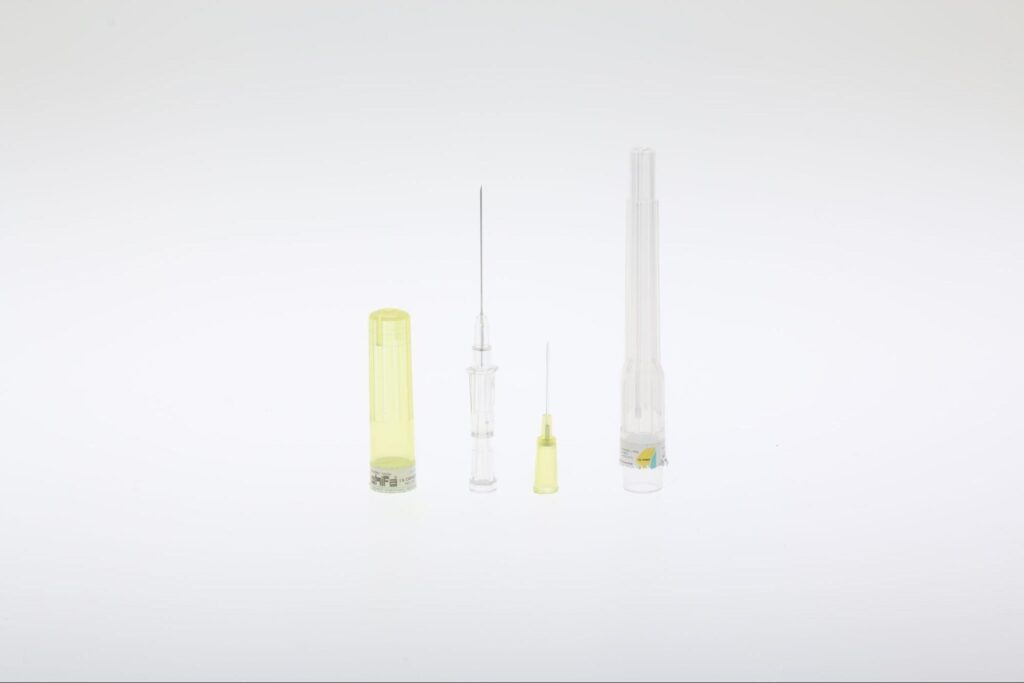
Compared to the peripheral, the midline IV catheter is designed for long-term use. It is typically inserted into the upper arm and extends through larger veins but doesn’t reach the central vessels.
The midline catheter is commonly used for patients who need treatment for an extended period, typically longer than one or two days. Compared to the other types that require frequent changes, the midline IV catheter can stay in place longer.
Source: shutterstock.com/ Photo Contributor: Advertisement Graphics
Central venous catheter
This type of catheter is used for more complex situations. It is inserted into a large vein above the heart and facilitates the rapid flow of fluids and medications directly to the central circulatory system.
There are also subtypes, like peripherally inserted central catheters (PICC) and tunneled catheters, designed to meet specific requirements.
Indications for IV Catheterization
Administration of fluids and medications
IV catheters are routinely employed for direct and controlled delivery of fluids and medications. Since the IV bag’s fluids, nutrients, and medications bypass the digestive system, the patient may experience their effects quickly after the treatment.
This makes IV catheters to be irreplaceable for emergency situations or when an immediate therapeutic intervention is needed.
From administering necessary medications and boosting immunity to rehydrating the body and replenishing it with necessary nutrients, the IV route offers medical professionals an effective and direct avenue for treatment.
Blood sampling
Aside from medication and nutrient administration, IV catheters are also employed for blood sampling. Using it, healthcare providers conveniently draw blood samples directly from the venous system. This is done to facilitate diagnostic testing, monitor blood parameters, and provide a timely assessment of the patient’s condition.
Monitoring of vital signs
Continuous monitoring of vital signs is crucial for patient care. IV catheters enable healthcare providers to connect patients with monitoring devices. By doing so, they can ensure real-time tracking of parameters such as heart rate, blood pressure, and oxygen saturation. This minimally invasive approach may reduce patient discomfort while enabling accurate diagnoses.
Procedure for IV Catheter Insertion
Preparing the patient and equipment
The first step towards IV infusion is thorough preparation. This involves obtaining informed consent from the patient, accessing their medical history, and identifying any issues.
To prepare for an IV treatment, the medical providers gather the necessary equipment, such as a catheter of appropriate size, sterile gloves, and disinfectants.
Site selection
Selecting the optimal site for catheter insertion is crucial in IV infusion as it can influence both the success of the therapy and the patient’s comfort. To make the right choice, healthcare professionals are guided by the patient’s age, medical condition, and the purpose of the IV treatment.
Insertion technique
IV therapy is implemented by a licensed and skilled healthcare professional. They begin with cleansing the site for insertion with an antiseptic solution to minimize the risk of infection.
Then, they use the catheter equipped with a sharp needle and insert it at a slight angle into the vein. Once they confirm a successful entry, they retract the needle, leaving the catheter in place.
Securing the catheter
Securing the catheter is essential for stability and prevention of accidental dislodgement. To secure the catheter hub and the insertion site, medical providers often use adhesive or transparent film dressings. They should do this with utmost care to avoid excessive tension on the catheter and reduce the risk of complications.
Source: shutterstock.com/ Photo Contributor: MedstockPhotos
Conclusion
In modern medicine’s dynamic landscape, IV infusion with the help of a catheter is a cornerstone to ensure effective and rapid treatment. If you were curious about what is IV catheter, this post gave you some valuable information about this essential medical tool.
It has applications in various scenarios, contributing to patients’ overall well-being. Its insertion requires a combination of technical proficiency, aseptic practices, and patient-centered care. By mastering the art, healthcare providers can provide streamlined medical interventions.