
November 9, 2024
How to Prepare for an IV
IV therapy is known as a minimally invasive method that delivers the necessary vitamins, minerals, and nutrients through the bloodstream. Many decide on IV therapy in case of an energy boost, when dealing with jetlag, or in most cases if they suffer from dehydration or vitamin deficiency. But, not everyone knows the process of how…
Read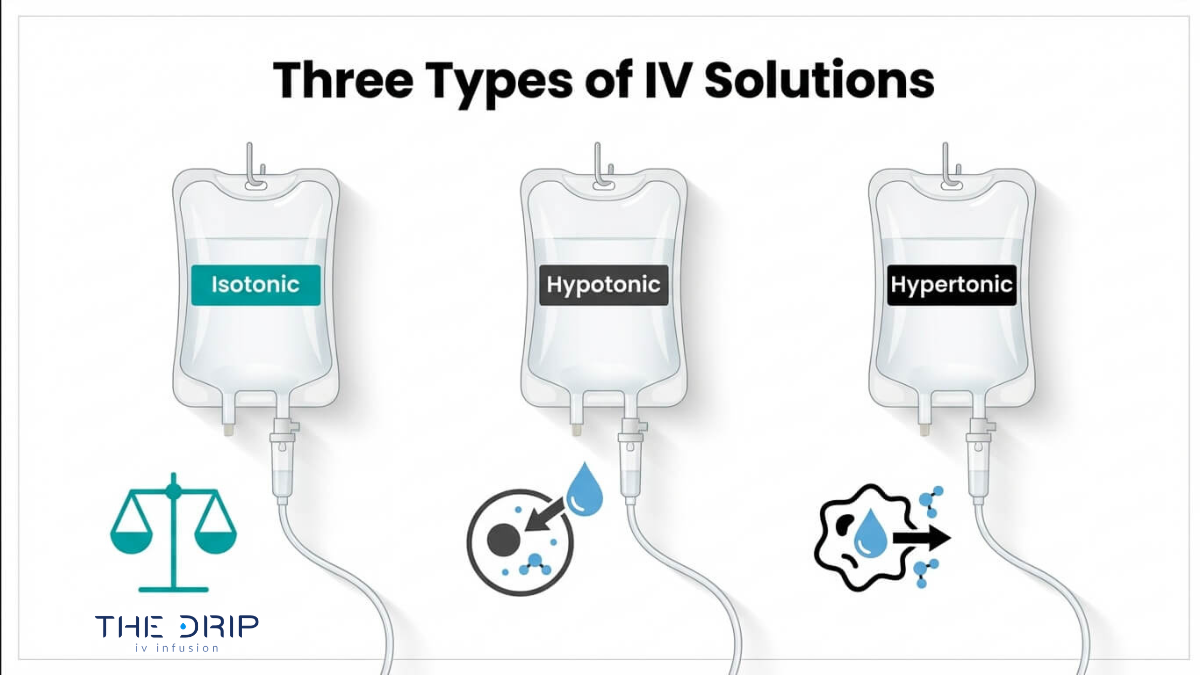
April 23, 2026
When to Give Isotonic, Hypotonic, and Hypertonic Solutions?
Isotonic, hypotonic, and hypertonic solutions are three categories of IV fluids classified by their solute concentration relative to blood plasma. Each type triggers a different osmotic response at the cellular level, making fluid selection one of the most consequential decisions in clinical care. This guide covers tonicity fundamentals and osmosis, isotonic fluid indications, hypotonic fluid…
Read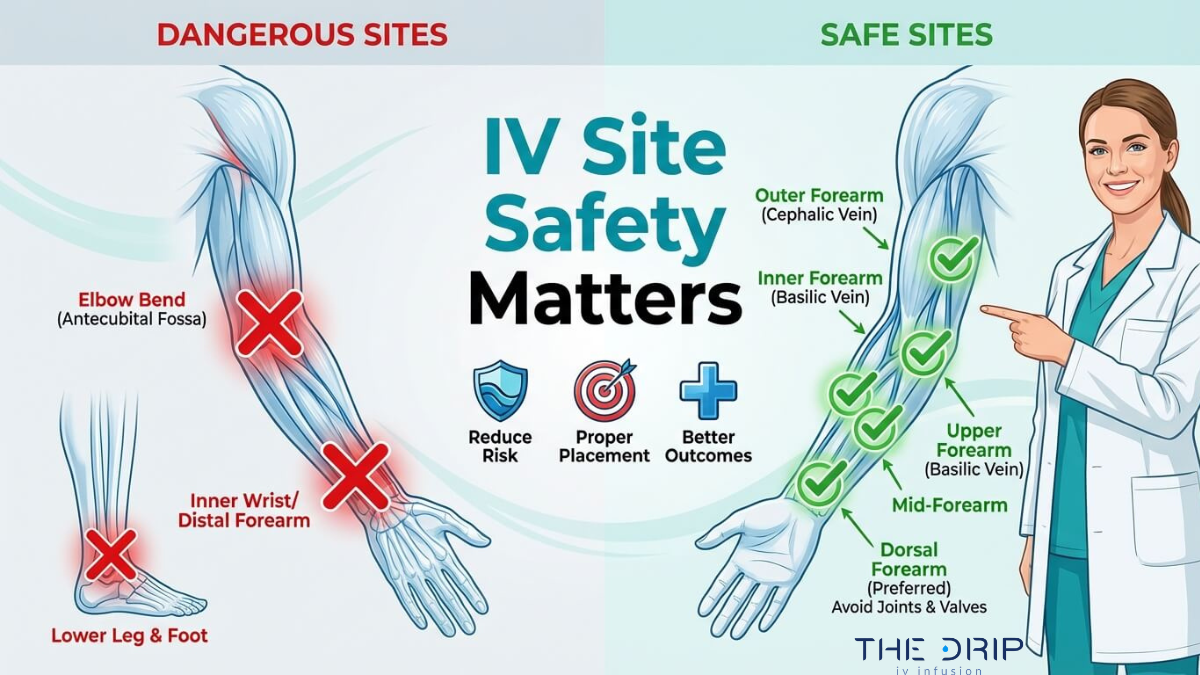
April 23, 2026
IV Sites to Avoid
IV sites to avoid are specific anatomical locations and compromised veins where catheter insertion carries elevated risk of failure, infection, or tissue damage. These include areas of joint flexion, the inner wrist, lower extremities in adults, and limbs affected by mastectomy or AV fistulas. This guide covers anatomical sites that demand avoidance, vein characteristics that…
Read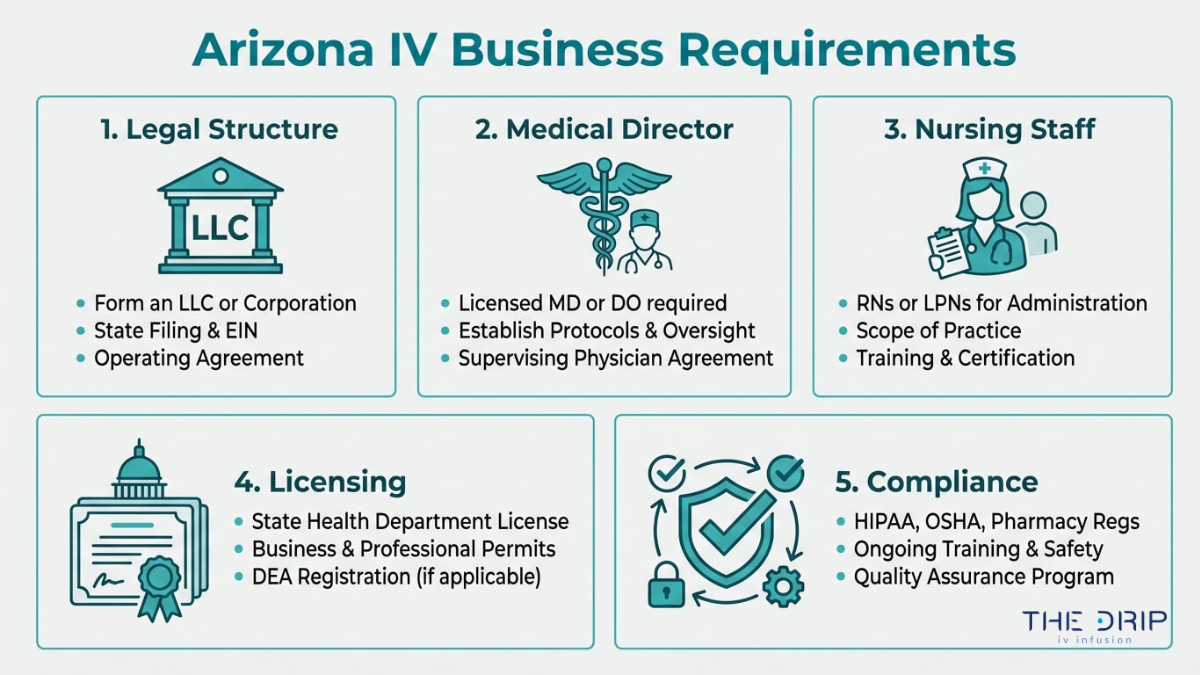
April 23, 2026
IV Therapy Regulations
An IV hydration business in Arizona is a healthcare venture that requires a specific combination of legal formation, medical oversight, clinical licensing, and regulatory compliance before treating a single client. This guide covers business registration and legal structure, medical director and nursing requirements, clinical safety and supply chain compliance, startup and operational costs, and marketing…
Read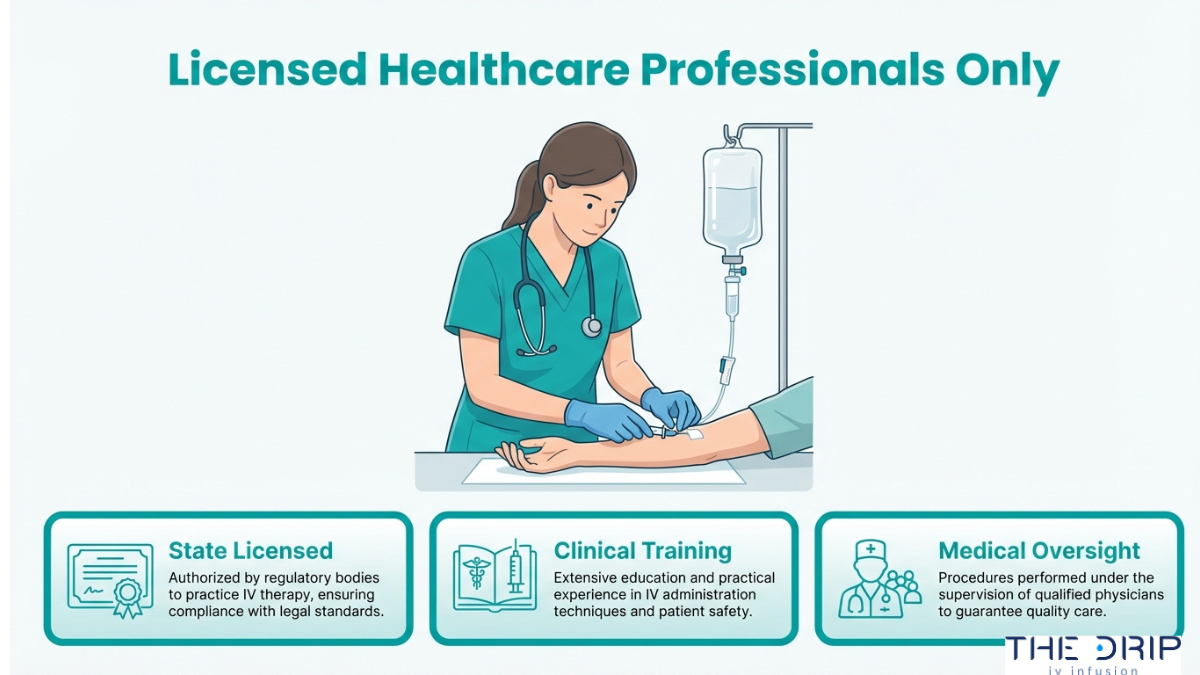
April 23, 2026
Who Can Administer IV Therapy?
IV therapy administration is a legally regulated medical procedure that only licensed healthcare professionals can perform. The specific providers authorized, and the rules governing their practice, depend on state-level scope-of-practice laws, supervision mandates, and certification requirements. This guide covers licensed provider categories and their authority levels, education and certification pathways, state regulatory frameworks, clinical versus…
Read
April 22, 2026
Types of IV Tubing
An IV set is a sterile medical device that delivers fluids, medications, and nutrients directly into a patient’s vein through a closed pathway from a fluid source to the vascular system. This guide covers IV set classification systems, patient-specific selection criteria, clinical and wellness applications, delivery mechanics, and essential safety protocols. IV sets are classified…
Read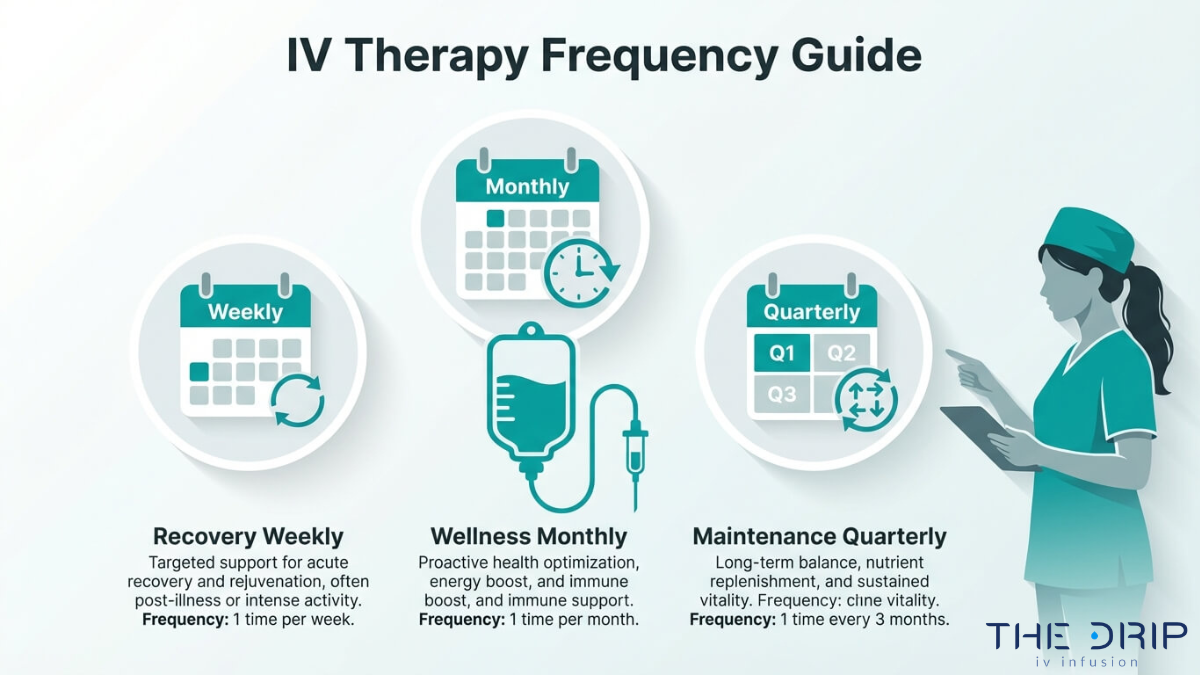
April 22, 2026
How Often Should You Get IV Therapy?
IV therapy frequency is the schedule of intravenous infusion sessions that best supports your specific health goals, ranging from multiple times per week during acute needs to once monthly for general maintenance. The right cadence depends on what you are treating and how your body responds between sessions. This guide covers goal-specific scheduling, the personal…
Read