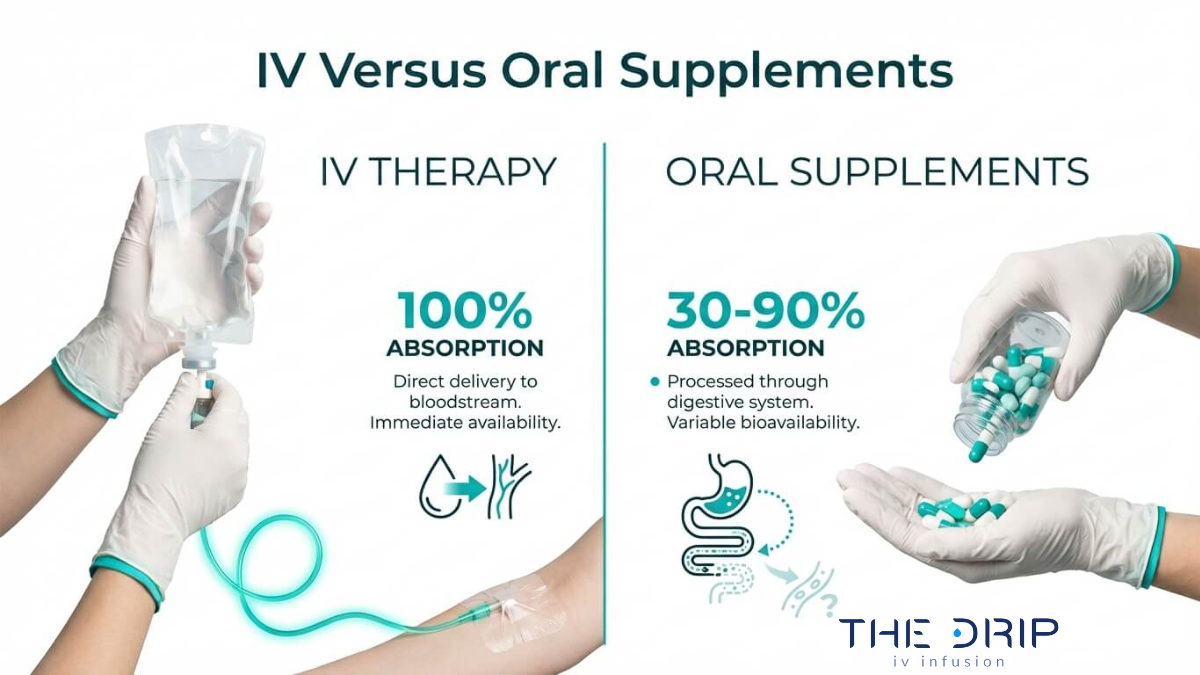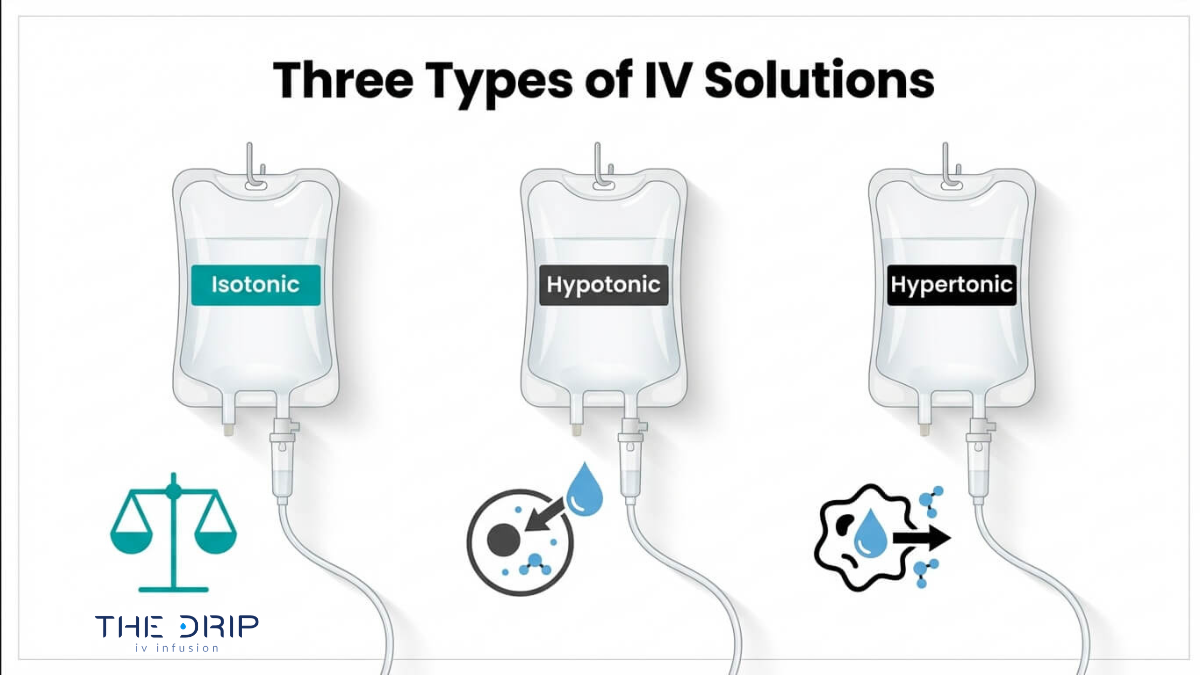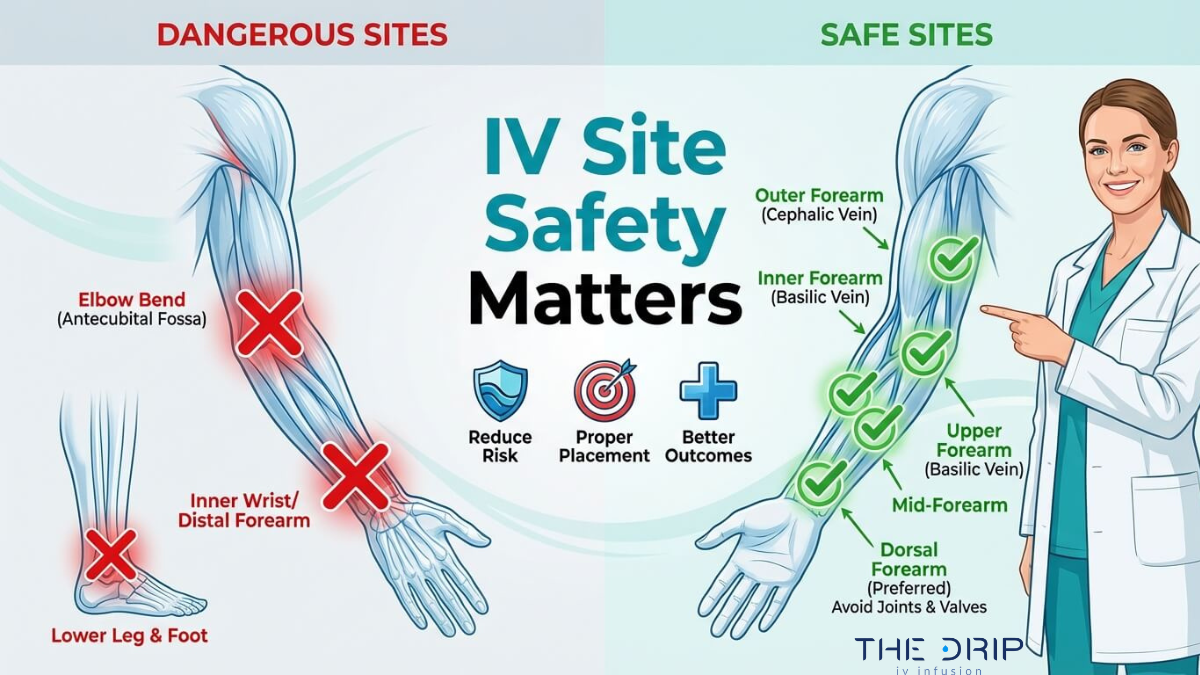
Yes. IV therapy can cause diarrhea, although it is uncommon compared to other mild side effects. If you’re having stomach problems after getting IV therapy, you’re probably wondering if your treatment caused it. We get your worry about this surprise side effect. You’ve come to the right place for solid info that can help you figure out what’s going on and when you need to get help.
IV therapy is when doctors put fluids, medicines, and nutrients straight into your blood through a vein. It skips your stomach completely, so your body gets what it needs fast and in exactly the right amounts. It’s usually safe and works well, but sometimes it can cause side effects like stomach troubles and diarrhea. The good news? This doesn’t happen very often compared to other reactions like mild headaches or feeling tired.
TL;DR Summary:
- IV therapy puts fluids and nutrients straight into your blood, and while diarrhea is rare, it can happen in some cases through different ways
- Common side effects of IV therapy include mild reactions like fever (13.6%) and headache (6.7%), with stomach issues happening less often, though one study found problems in 35.6% of outpatient cases
- Diarrhea from IV therapy can come from high-dose vitamin C, getting the IV too fast, or certain ingredients like glucose and electrolytes messing with your body’s fluid balance
- You need medical help if diarrhea lasts more than 48-72 hours, has blood in it, comes with severe dehydration, high fever, or really bad stomach cramping
- You can lower your risk with pre-medications (like acetaminophen and diphenhydramine), starting with slow IV rates (0.3-0.6 mL/kg/hr), and careful screening for allergies and kidney problems
- The Drip IV Infusion follows proven safety rules including Infusion Nurses Society standards, uses specialized IV teams, and adjusts doses based on your weight to keep you safe
Quick Tip: Always tell your IV provider about any stomach sensitivities or bad reactions to medicines you’ve had before. This helps them pick the right IV mix and speed for you.
What is IV therapy and how does it work?
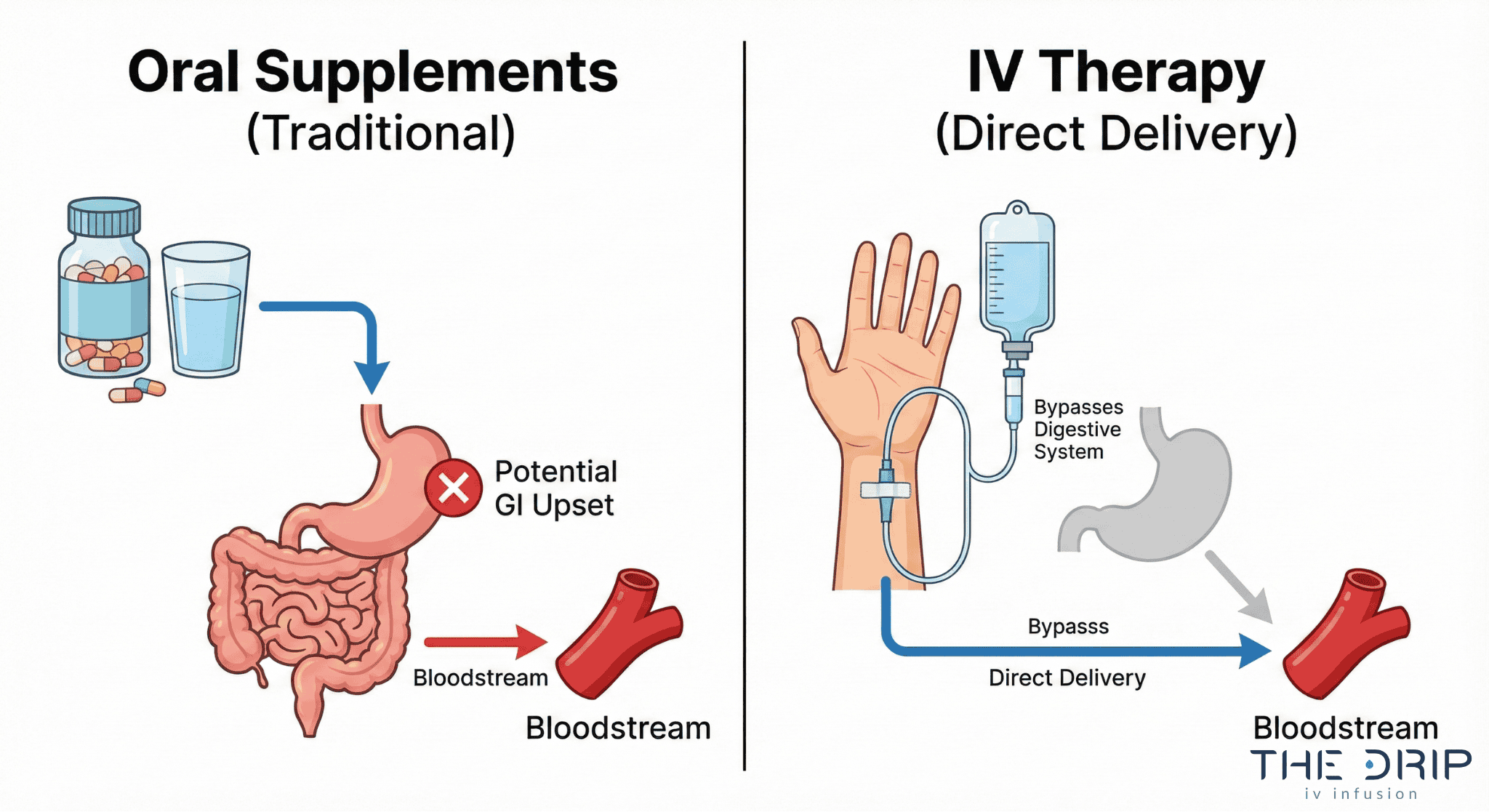
IV therapy puts fluids, medicines, and nutrients straight into your blood through a vein. Think of it like bypassing a traffic jam – instead of going through your stomach (which takes time), everything goes directly where it needs to go. This means your body gets what it needs fast and in exact amounts. Most IV solutions have saline, vitamins, minerals, and amino acids. The Myers’ Cocktail is a popular wellness mix that has magnesium, calcium, B vitamins, and vitamin C. Let’s look at what fluids they use, how they give it to you, and who usually gets this treatment.
Which fluids or ingredients are typically used in IV therapy?
IV therapy solutions contain several core components that work together to support hydration, nutrient delivery, and therapeutic effects. These ingredients vary depending on the purpose of the infusion.
Typical ingredients include:
- Saline as the base solution
- Vitamins (including high-dose vitamin C)
- Minerals such as magnesium and calcium
- B vitamins
- Amino acids
- Stabilizers used in IVIG formulations (maltose, sucrose, glycine)
How is IV therapy administered in clinical and wellness settings?
Infusion rates vary significantly depending on patient risk factors and the solution being used. The table below outlines the typical progression from starting rates to maximum rates in clinical and wellness settings.
| Infusion Phase | Rate | Notes |
| Starting rate | 0.3–0.6 mL/kg/hr | Used for all patients to monitor early reactions |
| Rate increase interval | Every 15–30 min | Adjusted based on tolerance |
| Typical max rate | 2–8 mL/kg/hr | Depends on solution and patient characteristics |
Who are the most common candidates for IV therapy?
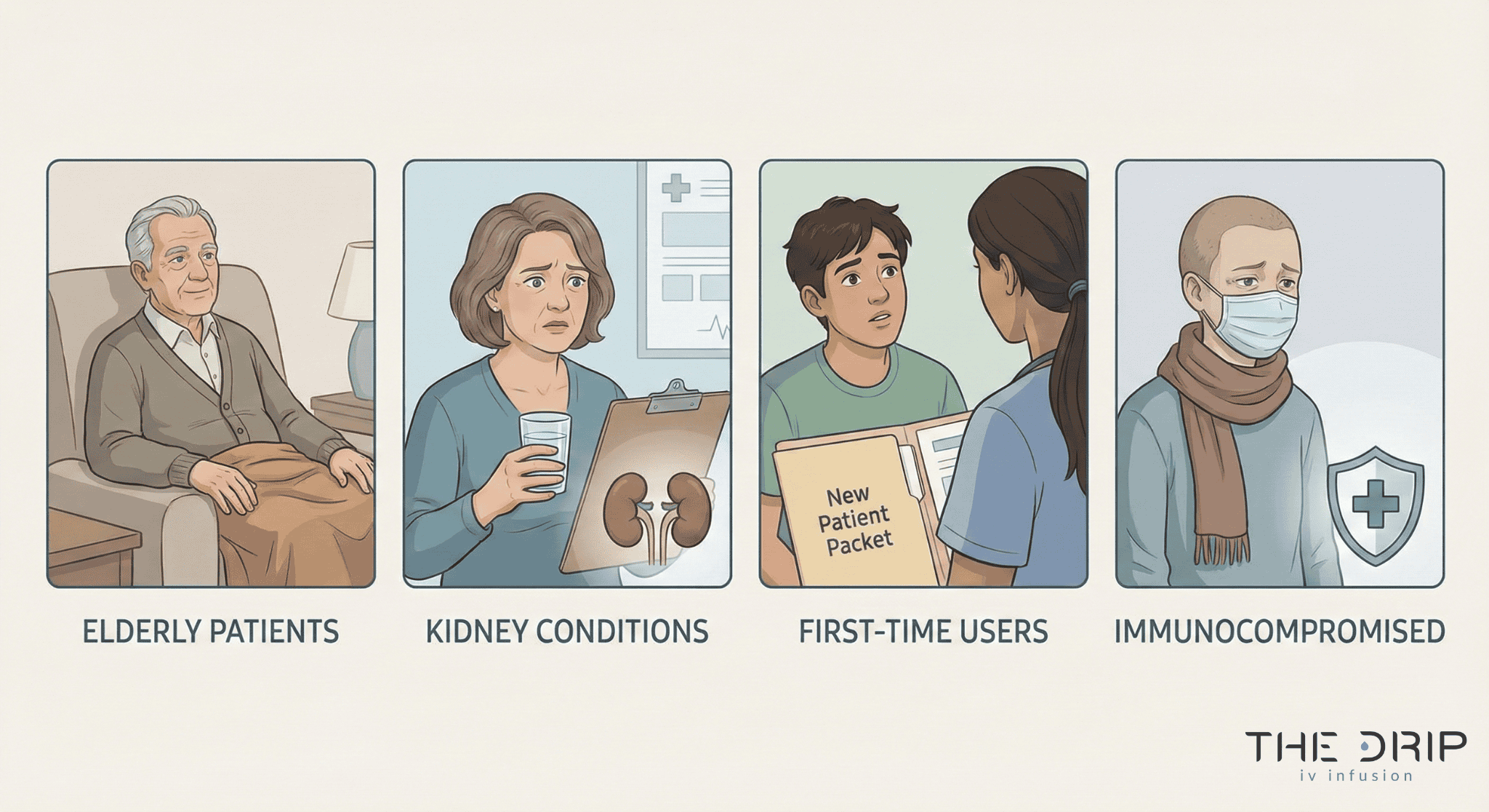
The most common people who get IV therapy are hospital patients who are dehydrated or can’t absorb nutrients well. People looking for wellness treatments for tiredness, migraines, or hangovers make up another big group. Patients with weak immune systems need regular IVIG therapy to boost their immunity. High-risk people include:
- Older patients who need slower IV speeds
- People with kidney problems
- First-time IV therapy patients
- Patients with chronic conditions that affect absorption
These groups need careful watching and adjusted procedures to avoid bad reactions while getting the most benefit.
What are the common side effects of IV therapy?
The common side effects of IV therapy include fever, headache, nausea, and stomach problems. Bad reaction rates vary from 1% to 81% depending on what treatment you get and what kind of patient you are. A 2024 study on kids found 213 bad reactions over 478 IVIG treatments, with most reactions being mild (57%) or moderate (31%) and only 12% severe. Let’s look at stomach problems, solution parts that might cause irritation, and warning signs that need medical attention.
How often do digestive issues occur after IV therapy?
Stomach problems happen at different rates depending on what type of IV therapy you get and what kind of patient you are. A 2024 study on kids getting IVIG therapy found fever (13.6%) and headache (6.7%) were the most common bad reactions among 478 treatments. IVIG side effect rates range from 1% to 81% across different studies, though most reactions stay mild to moderate.
Diarrhea specifically is considered rare with IV therapy. A study on outpatient antibiotic therapy found problems in 35.6% of cases, though stomach issues were only a small part of these reactions. Among kids getting IVIG, stomach symptoms happened less often than whole-body reactions like fever and headache.
The big differences in reported rates happen because of different patient groups, IV formulas, and treatment procedures. First-time patients and those with existing conditions face higher risks of stomach problems after IV therapy.
Can the components in IV therapy solutions irritate the digestive tract?
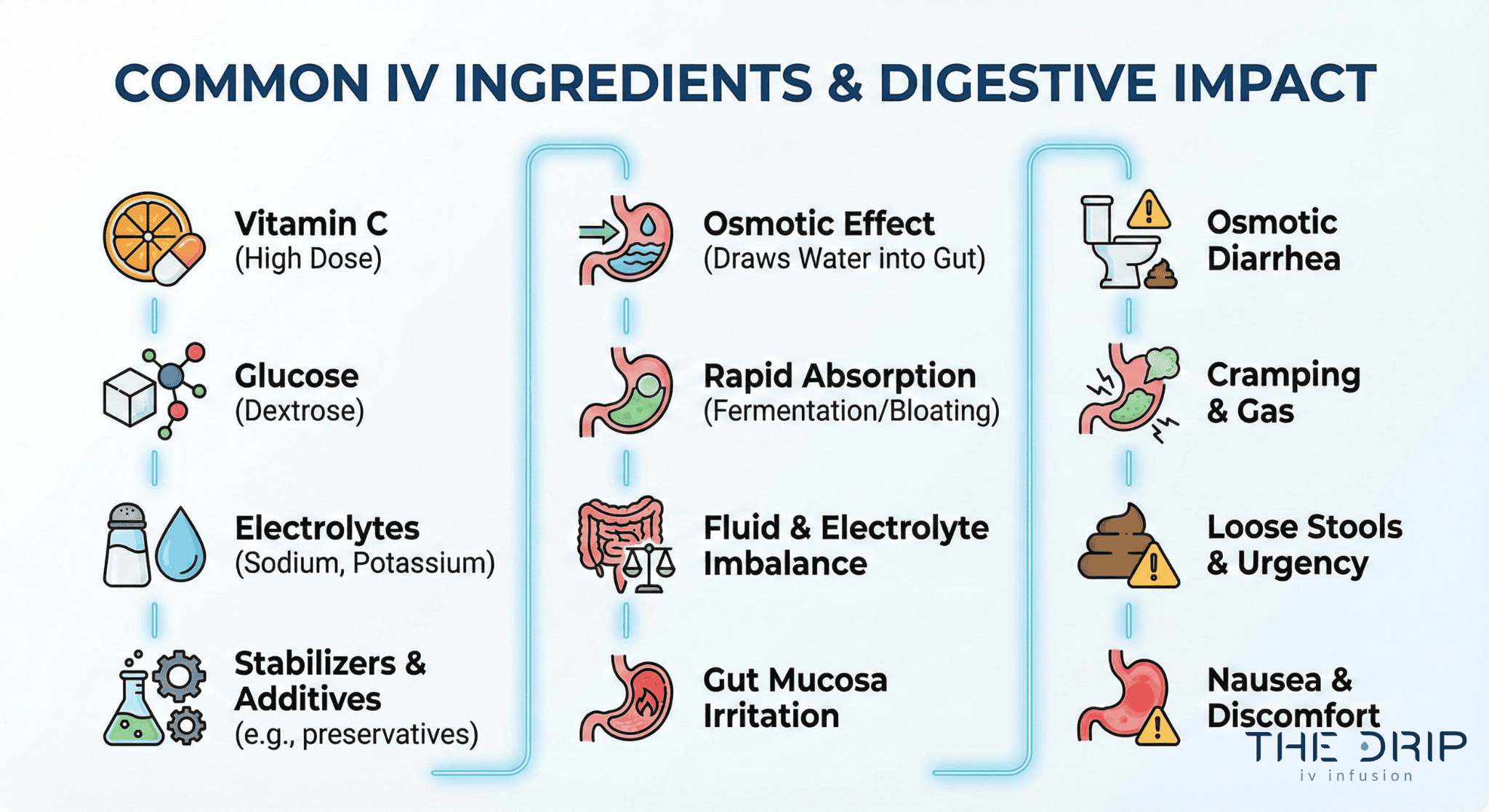
The parts in IV therapy solutions can irritate your digestive tract in several ways. High-dose vitamin C is especially known for causing stomach discomfort and diarrhea, even when given through an IV. Solutions with glucose or specific electrolytes may trigger bad responses in sensitive people.
Fast introduction of sugars or minerals can mess up fluid and electrolyte balance, leading to water effects in your intestines. People with sensitive stomachs may have moderate stomach upset from standard IV solutions. Your body’s response changes based on how much and what combination of components are in each formula.
Different stabilizers and preservatives in IV solutions cause digestive irritation in some patients. These reactions happen even though IV skips the normal digestive route, suggesting whole-body effects that eventually impact gut function.
Which side effects should be considered normal versus concerning?
Mild symptoms are normal after IV therapy, but some reactions signal danger. Understanding the difference helps you know when to get help.
Normal symptoms:
- Mild, short-term diarrhea (24–48 hours)
- Temporary nausea
- Brief fatigue
Concerning symptoms:
- Severe cramping
- High fever
- Blood in stool
- Diarrhea lasting >48–72 hours
- Signs of dehydration (dry mouth, low urine output)
How could IV therapy potentially lead to diarrhea?
IV therapy can potentially lead to diarrhea through ingredient reactions, how fast the infusion goes, and patient risk factors. High-dose vitamin C causes stomach distress through water-pulling effects. Fast infusion rates overwhelm your body’s ability to absorb everything, triggering digestive upset in vulnerable people.
Which ingredients in IV infusions may be linked to diarrhea?
Different IV ingredients can cause different gastrointestinal effects based on how they influence fluid movement and immune response. This table summarizes the key contributors.
| Ingredient Type | Mechanism | Effect |
| High-dose vitamin C | Osmotic pull | Diarrhea, stomach discomfort |
| Glucose solutions | Rapid sugar shifts | Digestive upset in sensitive patients |
| Electrolytes | Fluid balance disruption | Loose stools |
| IVIG stabilizers (maltose, sucrose, glycine) | Immune activation or intolerance | Diarrhea or irritation |
Can the speed or volume of an infusion contribute to digestive upset?
The speed and amount of infusion contribute to digestive upset by overwhelming your body’s ability to absorb and creating water imbalances. Fast infusion rates prevent proper fluid and nutrient processing, potentially causing diarrhea. Iron infusions with rapid injection rates show higher stomach side effects including diarrhea.
Faster IVIG infusion rates are linked with increased bad reaction risk. IV fluids bypass normal digestive processes, and rapid introduction causes water effects producing loose stools. Standard procedures start infusions at 0.3 to 0.6 mL/kg/hr, gradually increasing every 15-30 minutes.
Volume overload from too much fluid disrupts electrolyte balance. Your body’s backup systems become overwhelmed when infusion speed exceeds processing ability.
Are certain populations more susceptible to diarrhea from IV therapy?
Certain people more likely to get diarrhea from IV therapy are patients with allergies, dehydration, kidney disease, elderly people, and first-time patients. Patients with allergy histories face higher bad event risk including stomach reactions. Elderly patients need slower infusion rates because their bodies can’t handle as much.
Kidney problem patients have higher complication rates from fluid and electrolyte imbalances. First-time IV therapy patients are considered high-risk for bad reactions including diarrhea. One documented case showed ongoing severe diarrhea 24 hours after IVIG treatment despite changing products and giving pre-medications.
Existing stomach conditions make you more susceptible. People with weak immune systems show increased sensitivity to IV solution components, needing careful watching and adjusted procedures.
When should you seek medical attention for diarrhea after IV therapy?
You should seek medical attention for diarrhea after IV therapy when symptoms last beyond 48-72 hours or come with serious warning signs. Post-IV diarrhea typically goes away within 24-48 hours, but long-lasting symptoms show potential problems needing professional evaluation.
What warning signs suggest a more serious issue?
Warning signs suggesting a more serious issue include diarrhea lasting over 48-72 hours, blood in stool, and high fever with diarrhea. These symptoms show potential infection, severe inflammation, or bad drug reactions needing immediate medical help.
Severe stomach pain or cramping that doesn’t go away signals possible intestinal distress beyond normal IV therapy responses. Dizziness or fast heartbeat shows dangerous fluid loss and electrolyte imbalance. Extreme ongoing cramping may suggest bowel irritation or water imbalance from the IV solution.
Medical evaluation becomes critical when multiple warning signs happen at the same time. The combination of fever, blood in stool, and ongoing diarrhea especially needs emergency care.
How should mild versus severe diarrhea be managed at home?
Mild diarrhea requires slowing the infusion rate as the first step for ongoing IV therapy. Home management includes drinking electrolyte solutions and the BRAT diet (bananas, rice, applesauce, toast) for 24-48 hours.
Medical consultation becomes necessary if IV formula adjustment may be needed based on ongoing symptoms. Ongoing nausea or vomiting that stops fluid intake needs immediate medical help to prevent dehydration problems.
Severe diarrhea with dehydration symptoms demands immediate medical attention rather than trying to manage at home. Healthcare providers can adjust IV formulas, prescribe anti-diarrhea medicines, or switch to alternative therapies.
Are there risks of dehydration related to post-IV therapy diarrhea?
Dehydration risks from post-IV therapy diarrhea include severe fluid loss showing up as dry mouth, less urination, and extreme thirst. These symptoms show your body can’t maintain proper fluid balance despite recent IV hydration.
Severe dehydration with diarrhea needs immediate medical attention for fluid replacement and electrolyte correction. Dizziness and fast heartbeat show dangerous fluid loss affecting heart function.
Paradoxical dehydration can happen when diarrhea causes more fluid loss than the IV therapy provides. This creates an urgent medical situation needing professional help to restore fluid and electrolyte balance through adjusted IV procedures or alternative treatments.
How can you minimize the risk of diarrhea when receiving IV therapy?
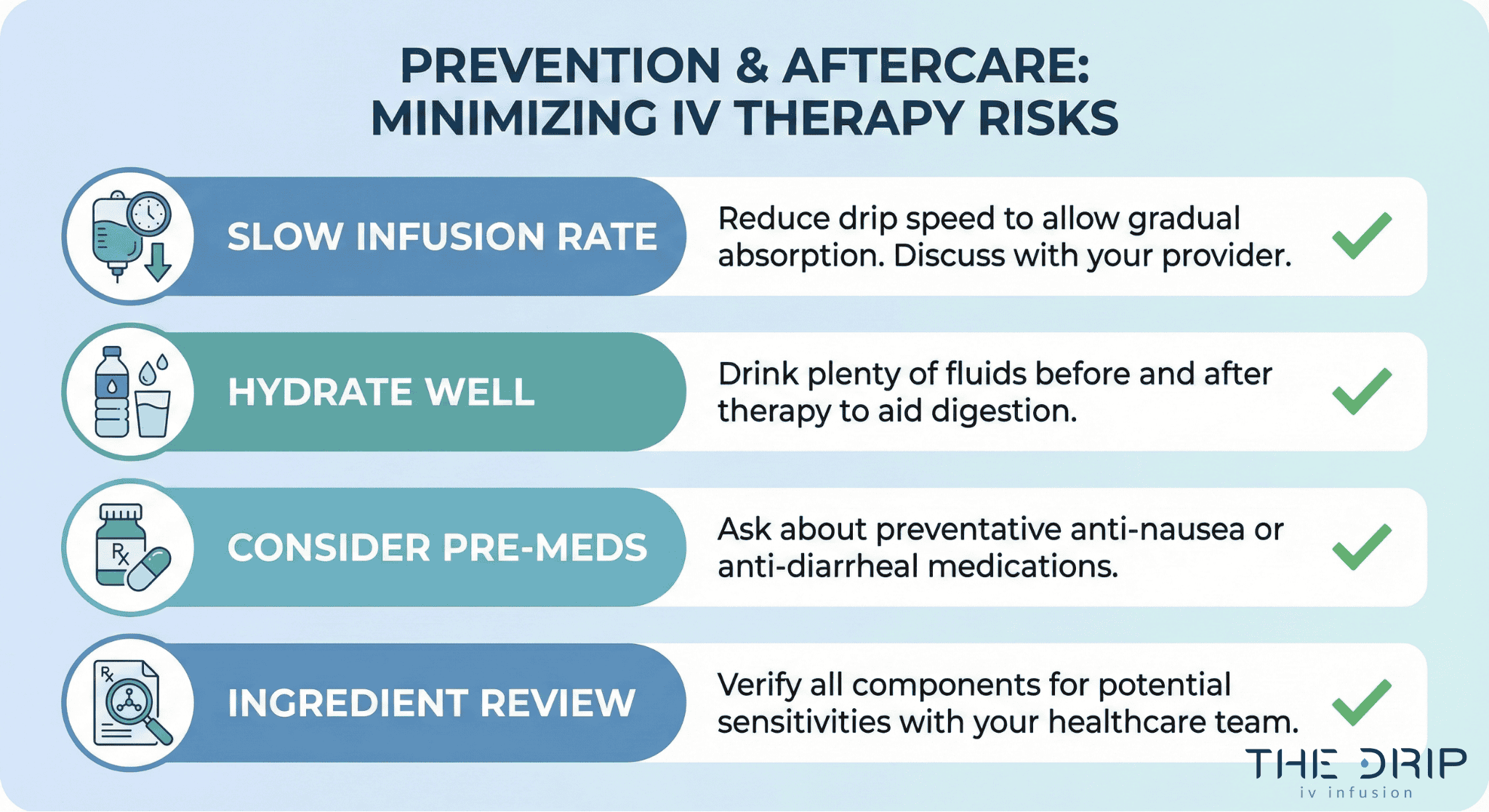
Minimizing the risk of diarrhea when getting IV therapy involves asking smart questions, following proper preparation steps, and making sure you get the right ingredients. Prevention strategies focus on talking with providers, gradual infusion rates, and matching formulas to your individual needs.
What questions should you ask your IV therapy provider?
Before starting IV therapy, asking the right questions ensures safe and tailored treatment.
Ask your provider about:
- Ingredients: What’s in the formula and in what amounts?
- Infusion rate: Can it be slowed if discomfort occurs?
- Facility safety: What are your adverse reaction rates?
- Personal risks:
- Allergies
- Kidney function
- Past IV reactions
- Current medications
- Allergies
Are there recommended preparation or aftercare steps?
The recommended preparation steps include pre-medication procedures and gradual infusion rate increases. Most hospitals give acetaminophen (650 mg) and diphenhydramine (25-50 mg) 30 minutes before IVIG infusion. Pre-hydration with 0.9% saline helps reduce bad effects.
Some procedures include corticosteroids for high-risk patients, though use patterns stay inconsistent across facilities. Starting infusions at slow rates (0.3-0.6 mL/kg/hr) and gradually increasing reduces reaction risk significantly. Post-infusion watching for 30-60 minutes allows early detection of delayed reactions.
What role does ingredient selection play in safety?
Ingredient selection plays a crucial role in safety by matching formula characteristics to patient tolerance. Different IV formulas have varying saltiness levels, sodium content, and stabilizers that affect reaction likelihood. A documented case showed switching from IVIG to subcutaneous immunoglobulin (SCIg) completely resolved severe diarrhea.
Product selection must consider:
- Patient allergy history
- Previous sensitivity reactions
- Saltiness compatibility
- Stabilizer types
Weight-based dosing procedures ensure dosing consistency and minimize calculation errors. Selecting appropriate formulas based on individual patient factors significantly reduces stomach side effects including diarrhea.
Understanding these preventive measures empowers patients to work together with providers for safer IV therapy experiences while minimizing digestive problems.
How does The Drip IV Infusion address concerns about side effects like diarrhea?
The Drip IV Infusion addresses diarrhea concerns through proven procedures and specialized teams that prioritize patient safety. Their approach combines industry standards with personalized care to minimize bad reactions. The following procedures and practices distinguish their service from unregulated alternatives.
What protocols does The Drip IV Infusion follow to ensure patient comfort and safety?
The Drip IV Infusion follows the Infusion Nurses Society’s Infusion Therapy Standards of Practice, which provides evidence-based recommendations updated every three years. Specialized IV therapy teams significantly reduce both local and blood infection complications through systematic procedures. Risk factor-based infusion adjustments are standard for high-risk populations such as elderly patients or those with kidney problems. Structured order sets reduce variability and manual calculation errors by standardizing dosing and administration procedures.
What sets The Drip IV Infusion apart in managing possible side effects?
The Drip IV Infusion uses standardized infusion reaction management procedures with clear treatment pathways for addressing bad events. IV therapy teams ensure timely catheter replacement and better outcomes through specialized expertise in blood vessel access management. Weight-based dosing procedures minimize dosing errors by calculating precise infusion rates based on individual patient parameters.
What are the key takeaways about whether IV therapy can cause diarrhea?
The key takeaways about whether IV therapy can cause diarrhea are that it is possible but uncommon, especially when ingredients, infusion speed, and provider practices are carefully managed. Choosing a professional, medically supervised IV provider significantly reduces risks and ensures safer treatment experiences