IV drip therapy is a treatment that delivers vitamins, minerals, and fluids directly into the bloodstream through an intravenous needle, bypassing the digestive system to achieve near-complete nutrient absorption.
This guide covers how IV delivery works and who qualifies for treatment, whether IV drips deliver on specific wellness claims, what medical evidence and expert warnings say in 2026, the risks and side effects consumers face, and the safety standards that separate credible providers from unregulated operations.
Intravenous delivery achieves roughly 100% bioavailability compared to 30–50% from oral supplements, though this absorption advantage does not automatically translate into proven health outcomes for people with normal nutritional levels. Candidate suitability varies significantly; most healthy adults tolerate sessions well under proper screening, while individuals with heart failure, kidney disease, or liver conditions face serious fluid overload risks.
Efficacy depends heavily on the specific claim. Rehydration carries the strongest clinical support, hangover recovery works primarily through fluid replacement, and weight loss has no evidence as a standalone IV intervention. Energy and immune claims often show results indistinguishable from placebo in controlled studies.
The regulatory landscape is tightening. The AMA resolved in 2025 to study mobile IV therapy’s safety and efficacy, the FSMB classified IV hydration as the practice of medicine, and enforcement actions in 2026 targeted clinics administering unapproved substances. Only 25% of IV hydration spas disclosed treatment risks in a published study, and just 27% required licensed provider consultations.
Professional mobile IV services staffed by Registered Nurses with emergency medicine training, sterile compounding compliance, and thorough pre-treatment screening address the safety gaps that make unregulated clinics dangerous.
What Is IV Drip Therapy and How Does It Work?
IV drip therapy is a treatment that delivers vitamins, minerals, and fluids directly into the bloodstream through an intravenous needle. The sections below explain what a typical session involves and how this delivery method compares to oral supplements.
What Happens During an IV Drip Session?
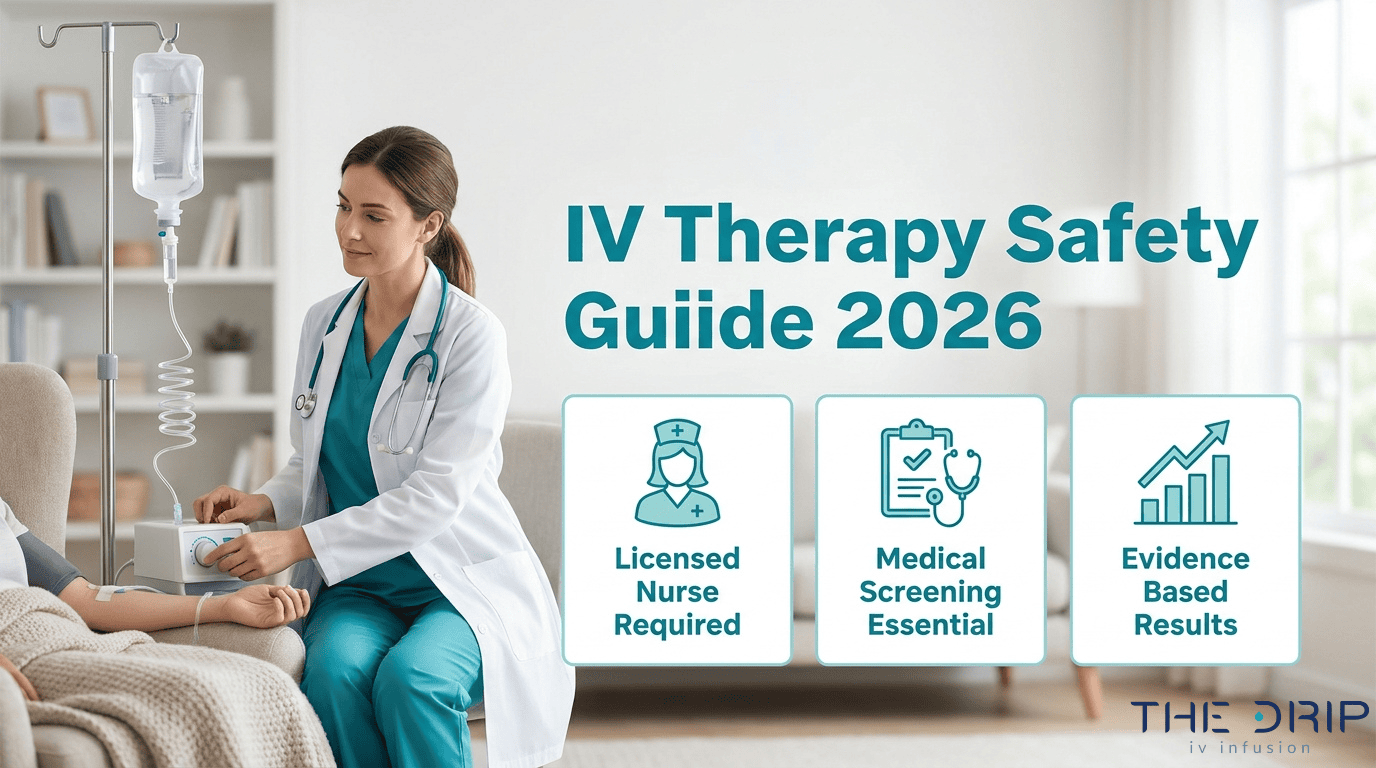
During an IV drip session, a licensed nurse inserts a small catheter into a vein, typically in the arm. A pre-mixed solution of saline, vitamins, and minerals then flows from an IV bag through sterile tubing into the bloodstream.
The process typically takes about one hour from start to finish. Before insertion, the infusion specialist reviews your health history and checks vital signs. Throughout the session, the nurse monitors drip rate and watches for any signs of discomfort or adverse reaction. Once the bag empties, the catheter is removed and a small bandage is applied.
How Does Intravenous Delivery Differ From Oral Supplements?
Intravenous delivery differs from oral supplements primarily in bioavailability and absorption speed. IV therapy bypasses the gastrointestinal system entirely, allowing nutrients to reach body cells without digestive interference.
The absorption gap between these two methods is significant:
- Oral supplements achieve roughly 30–50% absorption, with variability caused by gut health, metabolism, and individual digestive function.
- IV delivery achieves near 100% bioavailability because nutrients enter the bloodstream directly.
According to a comparative bioavailability study published on ResearchGate, intravenous nutrient absorption provides 100% bioavailability compared to an average of 30–40% for oral nutrient delivery, offering key clinical insights for integrative and preventive medicine. This difference matters most for individuals with compromised digestive systems or acute nutrient deficiencies where rapid correction is needed.
Understanding how IV therapy enters the body sets the foundation for evaluating who benefits most from this approach.

Who Is a Good Candidate for IV Drip Therapy?
A good candidate for IV drip therapy depends on individual health status, medical history, and specific wellness goals. The following sections cover safety considerations for healthy adults, athletes, those recovering from illness, pregnant women, and people who should avoid IV therapy entirely.
Are IV Drips Safe for Healthy Adults Seeking Wellness?
IV drips are generally safe for healthy adults seeking wellness when proper protocols are followed. In routine clinical practice, most healthy adults between 25–55 years old can receive IV therapy safely with minimal risk when proper medical screening and professional administration are conducted.
The key qualifier is “proper.” In January 2026, the Alabama Attorney General settled a lawsuit against the owners of Aurora IV and Wellness for illegally administering unsafe, research-grade drugs to patients without proper approval. This case underscores why healthy adults must still verify provider credentials before treatment. A pre-infusion health screening remains non-negotiable, even for individuals with no known medical conditions.
Are IV Drips Safe for Athletes and Active Individuals?
IV drips are safe for athletes and active individuals when administered by licensed professionals who understand sports-specific hydration needs. Athletes often deplete electrolytes and micronutrients faster than sedentary adults, making targeted IV replenishment a practical recovery tool.
Key considerations for athletic candidates include:
- Timing sessions after intense training or competition for optimal recovery benefit.
- Selecting formulations with electrolytes, B vitamins, and amino acids matched to exertion levels.
- Disclosing all supplements and performance-related substances during pre-treatment screening.
- Verifying that IV ingredients comply with relevant anti-doping regulations if competing professionally.
For most recreational and professional athletes, IV hydration therapy poses minimal risk when a qualified infusion specialist manages the session.
Are IV Drips Safe for People Recovering From Illness?
IV drips are safe for people recovering from illness in many cases, particularly when dehydration or nutrient depletion accompanies the recovery process. Individuals recovering from stomach viruses, respiratory infections, or prolonged fever often benefit from direct fluid and vitamin delivery that bypasses a compromised digestive system.
However, provider oversight matters significantly in this population. In August 2023, regulators from the NABP, FSMB, and NCSBN convened to educate state and federal regulators on the safety concerns associated with unregulated IV hydration clinics. For recovering patients, choosing a nurse-administered service with thorough health assessments is especially important, since illness can alter how the body processes fluids and nutrients.
Are IV Drips Safe for Pregnant Women?
IV drips are safe for pregnant women under specific, limited circumstances and with appropriate medical guidance. Morning sickness, hyperemesis gravidarum, and pregnancy-related dehydration represent situations where IV hydration may provide relief when oral intake becomes difficult.
Important safety parameters for pregnant candidates include:
- Consulting an OB-GYN before any IV treatment.
- Using only pregnancy-safe formulations without contraindicated vitamins or medications.
- Avoiding high-dose single-nutrient infusions unless specifically recommended by a prenatal care provider.
- Ensuring the administering nurse is aware of gestational age and any pregnancy complications.
Pregnant women should never receive IV therapy from a provider unwilling to coordinate with their existing prenatal care team.
Who Should Avoid IV Drip Therapy Entirely?
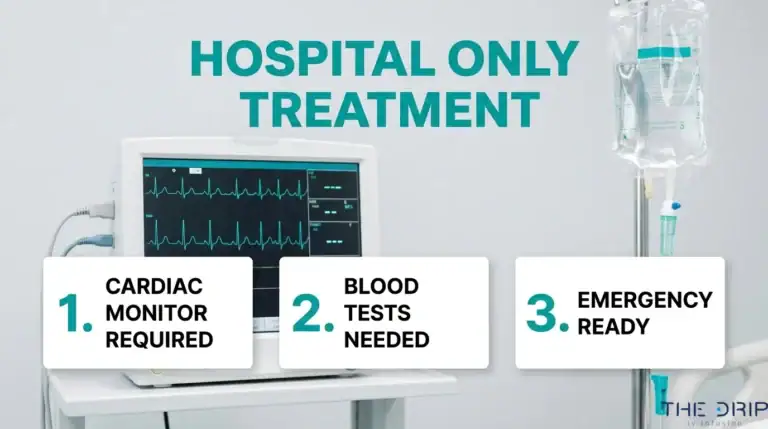
People who should avoid IV drip therapy entirely include those with specific medical conditions where fluid administration carries serious risk. Individuals with congestive heart failure, chronic kidney disease, or liver failure face heightened danger of fluid overload and electrolyte imbalances from intravenous infusions.
Additional groups who should avoid IV therapy:
- People with known allergies to common IV additives such as B vitamins or preservatives.
- Individuals on medications that interact dangerously with high-dose intravenous nutrients.
- Anyone with active blood clotting disorders or compromised vein integrity.
- People who have experienced prior adverse reactions to IV infusions.
A reputable provider will screen for these contraindications before treatment. If a clinic does not ask about medical history, that alone is reason to seek care elsewhere.
Understanding candidate suitability helps frame the next critical question: whether IV drips deliver on their marketed benefits.

Do IV Drips Actually Work for Their Claimed Benefits?
IV drips work for some claimed benefits more convincingly than others, with rehydration having the strongest support and weight loss having the weakest. The following subsections evaluate each major claim individually.

Do IV Drips Work for Rehydration?
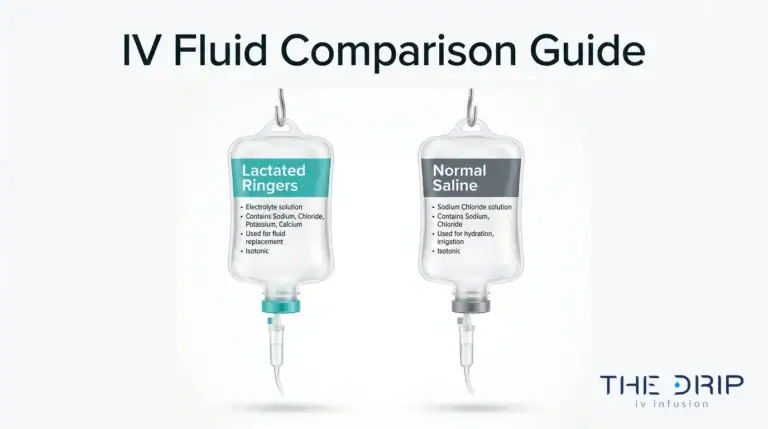
IV drips work for rehydration effectively because intravenous fluid delivery bypasses the digestive system entirely. Hospitals have used IV saline and electrolyte solutions for decades to treat clinically significant dehydration. For healthy individuals who are mildly dehydrated, oral fluids typically restore balance adequately. IV rehydration becomes most valuable when someone cannot keep fluids down due to vomiting, severe illness, or extreme fluid loss. According to a study published in JAMA Internal Medicine, IV hydration spas market treatments as cures for dehydration, yet little evidence supports these claims for otherwise healthy people. For genuine dehydration, IV delivery is clinically proven; for mild cases, it remains a convenience rather than a medical necessity.
Do IV Drips Work for Immune Support?
IV drips work for immune support in theory by delivering nutrients like vitamin C, zinc, and B vitamins at higher concentrations than oral intake allows. However, high-quality clinical evidence confirming these immune benefits for the general population remains limited. A 2023 review published in PubMed found a lack of high-quality evidence suggesting that high-dose vitamin infusions offer health benefits for people with normal nutritional levels. Individuals with documented deficiencies or compromised absorption may experience measurable immune benefits from IV nutrient delivery. For most healthy adults eating balanced diets, immune-boosting IV drips likely provide marginal advantages over proper nutrition and adequate sleep.
Do IV Drips Work for Hangover Recovery?
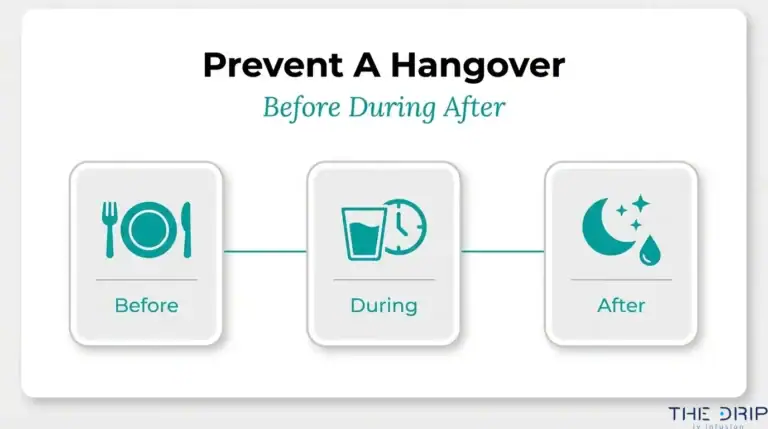
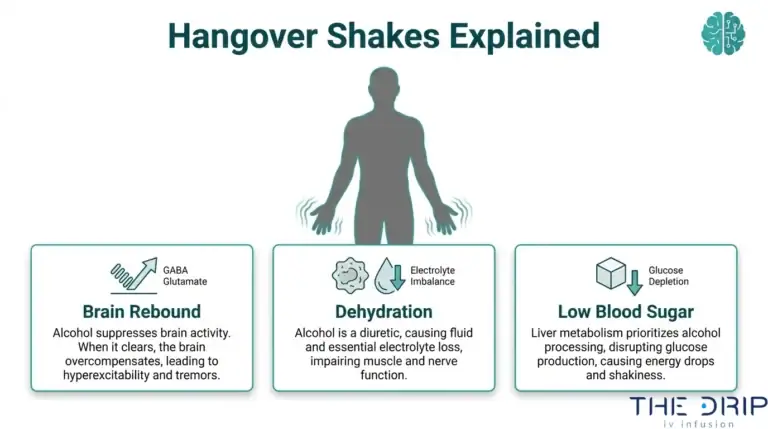
IV drips work for hangover recovery primarily through rapid rehydration and electrolyte replenishment, which addresses one of alcohol’s main physiological effects. Nausea, headache, and fatigue after heavy drinking largely result from dehydration, electrolyte imbalance, and inflammation. IV fluids with added B vitamins and anti-nausea medications can relieve symptoms faster than oral rehydration alone, especially when nausea prevents drinking water. That said, controlled clinical evidence specifically validating IV therapy for hangovers remains sparse. Much of the perceived benefit may stem from the placebo effect combined with the genuine rehydration component. For someone unable to keep fluids down the morning after, IV delivery offers a practical solution, though it does not neutralize alcohol’s deeper metabolic effects.
Do IV Drips Work for Energy and Fatigue?
IV drips work for energy and fatigue when low energy stems from a correctable deficiency, such as insufficient B12, magnesium, or iron-related nutrients. A 2009 study of 34 adults with fibromyalgia found significant improvements in pain and quality of life after eight weeks of IV therapy, yet the placebo group reported similar significant improvements, making true effectiveness uncertain. This pattern suggests that expectation and the ritual of receiving treatment may contribute substantially to reported energy gains. For individuals with confirmed nutrient deficiencies impairing mitochondrial function, IV delivery can produce noticeable improvement. For those with adequate baseline nutrition, energy boosts from IV drips likely reflect hydration benefits and placebo response rather than pharmacological effect.
Do IV Drips Work for Anti-Aging and Skin Health?
IV drips work for anti-aging and skin health in limited, indirect ways. Nutrients like glutathione, vitamin C, and biotin support collagen synthesis and antioxidant defense at the cellular level. Whether delivering these intravenously produces visible skin improvements beyond what oral supplementation achieves remains clinically unproven. No large-scale randomized controlled trials have demonstrated that IV nutrient infusions reverse or significantly slow visible aging in healthy adults. Adequate hydration itself improves skin turgor and appearance temporarily. For individuals seeking anti-aging results, IV therapy may complement a broader skincare regimen, but expecting dramatic outcomes from infusions alone is not supported by current evidence.
Do IV Drips Work for Athletic Performance and Recovery?
IV drips work for athletic performance and recovery mainly by accelerating rehydration and replenishing electrolytes lost through intense exercise. Professional athletes have used IV fluids post-competition for rapid fluid restoration, though the World Anti-Doping Agency restricts IV infusions above 100mL per 12 hours without a therapeutic use exemption. For recreational athletes, the performance benefits of IV therapy over proper oral hydration strategies remain unproven in controlled settings. Amino acid and vitamin infusions may support muscle repair when combined with adequate protein intake, though isolated IV delivery has not been shown to outperform well-planned oral nutrition for recovery in healthy athletes.
Do IV Drips Work for Weight Loss?
IV drips do not work for weight loss as a standalone intervention. No clinical evidence supports IV infusions directly causing fat reduction or meaningful metabolic changes that lead to sustained weight loss. Ingredients marketed for this purpose, such as lipotropic compounds and B vitamins, may support metabolic processes but cannot override caloric balance. Weight management requires sustained dietary modification, physical activity, and behavioral changes. IV therapy may serve as a complementary support within a broader program, but expecting infusions alone to produce measurable fat loss is not realistic based on available evidence.
With efficacy varying widely across these claims, understanding what medical research specifically concludes helps separate marketing from science.
What Does the Medical Evidence Say About IV Therapy in 2026?
The medical evidence on IV therapy in 2026 reveals a growing market paired with increasing institutional scrutiny. The following subsections examine what clinical studies demonstrate about IV vitamin efficacy and what concerns medical experts have raised.
What Do Clinical Studies Show About IV Vitamin Efficacy?
Clinical studies show mixed results regarding IV vitamin efficacy for wellness purposes. While IV delivery achieves near-complete bioavailability, this pharmacological advantage has not consistently translated into proven health outcomes for generally healthy individuals. A 2009 study of 34 fibromyalgia patients found improvements after eight weeks of IV therapy, yet the placebo group reported similarly significant gains, leaving actual effectiveness uncertain.
Most existing research focuses on medically indicated IV use rather than elective wellness infusions. High-quality randomized controlled trials specifically evaluating wellness IV drips remain scarce. According to the American Medical Association, which resolved in 2025 to study the safety, efficacy, costs, and evidence-based medical indications for mobile IV therapy, the scientific community is still working to define where consumer IV treatments fit within evidence-based practice.
The gap between market growth and clinical validation is notable. The global IV hydration therapy market reached $3.04 billion in 2025 and is projected to hit $3.32 billion in 2026 at a 9.3% CAGR, yet consumer demand has outpaced the peer-reviewed research validating many marketed claims.
What Do Doctors and Medical Experts Warn About?
Doctors and medical experts warn about inadequate oversight, compounding safety risks, and unsubstantiated marketing claims surrounding elective IV therapy. The primary concern centers on the disconnect between aggressive consumer marketing and the limited regulatory framework governing many IV hydration providers.
Key warnings from medical professionals include:
- Compounded IV solutions may carry dosing errors and contamination risks when prepared outside strict pharmaceutical standards.
- Many wellness IV clinics operate without a licensed medical director providing direct patient oversight.
- Marketing claims frequently exceed what clinical evidence supports, particularly for hangover recovery, anti-aging, and immune boosting.
- Patient screening at some facilities is inadequate, with conditions like heart failure or kidney disease increasing complication risk.
On April 22, 2025, the FDA alerted healthcare providers and consumers of potential risks associated with compounded products, including previous warnings about dosing errors with compounded injectable semaglutide. This alert underscores broader regulatory concerns about compounding practices that extend into the IV wellness space.
For consumers considering IV therapy, these expert warnings reinforce the importance of choosing providers who maintain rigorous medical oversight and transparent ingredient sourcing. Understanding specific risks helps frame the next critical question: what side effects and complications can actually occur.
What Are the Risks and Side Effects of IV Drips?
The risks and side effects of IV drips range from mild local reactions to serious systemic complications. The following subsections cover common side effects, serious risks, provider-related complications, and adverse reaction frequency.
What Are the Common Side Effects of IV Infusions?
The common side effects of IV infusions include:
- Bruising or soreness at the injection site
- Minor swelling or redness along the vein
- A cooling sensation or mild discomfort during infusion
- Lightheadedness or dizziness shortly after treatment
- Nausea when vitamins are administered too quickly
These reactions typically resolve within hours and rarely require medical intervention. Most healthy individuals tolerate sessions well when a qualified infusion specialist controls drip rate and monitors for early signs of intolerance.
What Are the Serious Risks of IV Therapy?
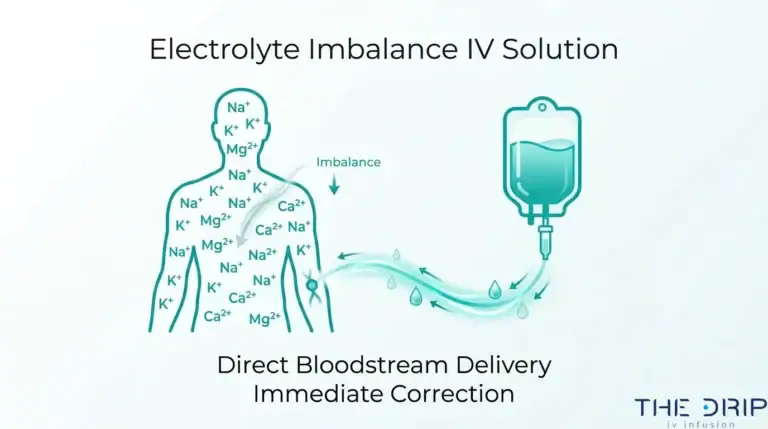
The serious risks of IV therapy include infection, vein inflammation, fluid overload, and electrolyte imbalance. Excessive IV fluid administration can lead to pulmonary edema, particularly in individuals with pre-existing cardiac conditions. Overuse of electrolytes through infusions can trigger heart rhythm issues, fatigue, and nausea by overcharging the body’s electrical systems.
According to a study reported by the American Med Spa Association, only 25% of IV hydration spa facilities disclosed treatment risks during secret shopper calls, and only 27% required a consultation with a licensed provider. This lack of transparency makes it difficult for consumers to evaluate dangers before treatment begins. For most people, the serious risks remain low when a licensed professional conducts proper screening beforehand.
What Complications Can Arise From Unqualified Providers?
Complications from unqualified providers include contaminated solutions, improper dosing, unsterile needle insertion, and failure to identify contraindications. Without adequate medical screening, patients with conditions such as congestive heart failure, liver failure, or chronic kidney disease face heightened risk of fluid overload and organ stress.
Unqualified operators may also:
- Use improperly compounded solutions past safe administration windows
- Skip allergy assessments or medication interaction checks
- Lack emergency protocols for anaphylactic reactions
- Administer unapproved or research-grade substances
Choosing a provider staffed by registered nurses with emergency medicine backgrounds significantly reduces these risks.
How Often Do Adverse Reactions Occur?
Adverse reactions from IV therapy occur infrequently in properly supervised clinical settings, though precise population-wide incidence data remains limited. Most documented complications arise from unregulated facilities lacking standardized safety protocols.
A 2024 systematic review published in The Open Public Health Journal found that even standardized intravenous medication systems remain vulnerable to errors, suggesting ongoing gaps in medication safety activities across the industry. When administered by credentialed professionals using sterile technique and pre-treatment screening, serious adverse events are rare. The growing lack of regulatory oversight at wellness-focused IV spas, however, likely means minor incidents go underreported.
Understanding these risks helps consumers make informed decisions about where and how they receive IV therapy.
What Safety Standards Should an IV Therapy Provider Meet?
An IV therapy provider should meet standards covering medical credentials, sterile compounding, client screening, and facility oversight. The following subsections detail each requirement.

What Medical Credentials Should IV Nurses Have?
IV nurses should have active Registered Nurse (RN) licensure, with additional training in venipuncture, infusion therapy, and emergency response protocols. Mobile IV therapy is generally considered safe when administered by licensed professionals, such as Registered Nurses, using sterile techniques and conducting proper pre-treatment medical screening, according to IV League Hydrate’s safety guide.
Credential requirements matter because patients with conditions such as congestive heart failure, liver failure, or chronic kidney disease face increased risk of complications like fluid overload. Only nurses trained to recognize these contraindications can safely manage infusion delivery and respond to adverse reactions in real time.
What Hygiene and Sterility Protocols Are Required?
The hygiene and sterility protocols required for IV therapy include aseptic technique during catheter insertion, single-use sterile supplies, proper hand hygiene, and compliant compounding practices. According to guidelines released by the American Society of Health-System Pharmacists (ASHP) in late 2024, new sterile compounding standards reflect updated USP requirements to ensure the safety and quality of intravenous preparations.
Compounding timelines are equally critical. IV hydration therapy solutions must begin administration within 4 hours of compounding and are limited to a maximum of 3 different sterile components. Any provider unable to confirm these protocols likely lacks the infrastructure to deliver safe infusions.
How Should a Provider Screen Clients Before Treatment?
A provider should screen clients before treatment by conducting a medical intake that evaluates current medications, allergies, chronic conditions, and hydration status. This pre-treatment assessment identifies contraindications, particularly for clients with heart failure, kidney disease, or electrolyte imbalances who face elevated risk from fluid administration.
Proper screening includes:
- Reviewing medical history for organ dysfunction or fluid-sensitive conditions.
- Confirming current medications that may interact with IV nutrients.
- Assessing vital signs before initiating infusion.
- Documenting informed consent after discussing potential risks.
Providers who skip this step expose clients to preventable complications. A thorough screen is non-negotiable for safe IV delivery.
What Should You Look for in a Reputable IV Clinic or Service?
What you should look for in a reputable IV clinic or service includes a licensed medical director, credentialed nursing staff, transparent ingredient sourcing, and documented safety protocols. Verified compliance with USP compounding standards and willingness to discuss risks openly distinguish credible providers from unregulated operations.
Key indicators of a trustworthy service:
- Licensed RNs performing all infusions with documented training.
- Pre-treatment health screening for every client.
- Adherence to the 4-hour compounding administration window.
- Clear communication about potential side effects and contraindications.
- Facility or service oversight by a qualified medical professional.
For consumers evaluating any IV provider, the willingness to answer safety questions directly remains the strongest signal of legitimacy. Knowing these benchmarks helps you assess whether a provider’s protocols align with evidence-based practices.
Are There People Who Had Negative Experiences With IV Drips?
Yes, there are people who had negative experiences with IV drips. Reports range from mild discomfort and no noticeable benefit to more serious complications at facilities lacking proper oversight. A 2023 study published in PubMed found a lack of high-quality evidence to suggest that high-dose vitamin infusions are necessary or offer any health benefit for the general population with normal nutritional levels. This means many clients paying for wellness infusions may experience no measurable improvement, leading to frustration and perceived negative outcomes. Most dissatisfaction stems from unrealistic expectations set by aggressive marketing, treatments administered without adequate screening, or clinics operating without a licensed medical director. For individuals already meeting their nutritional needs through diet, the invasive nature of an IV simply introduces risk without proportional reward.
How Do You Weigh the Benefits Versus Risks of IV Therapy?
Weighing the benefits versus risks of IV therapy requires evaluating medical necessity, provider qualifications, and individual health status. The following sections clarify when IV therapy is justified and how to reduce potential complications.
When Is IV Therapy Medically Justified Over Oral Options?
IV therapy is medically justified over oral options when a patient cannot absorb nutrients through the gastrointestinal tract, when severe dehydration requires rapid fluid replacement, or when clinical conditions demand precise dosing that oral delivery cannot achieve.
Situations that warrant intravenous delivery include:
- Severe nausea or vomiting preventing oral intake
- Documented malabsorption disorders
- Acute dehydration requiring immediate correction
- Physician-directed nutrient protocols for specific deficiencies
For wellness-focused use outside these scenarios, the justification weakens considerably. The Federation of State Medical Boards issued guidelines in 2025 clarifying that IV hydration therapy is considered the practice of medicine, registering concern that patient safety may be compromised by a lack of oversight. This distinction matters: if oral supplementation can achieve your goals, the added risks of venipuncture and potential contamination are rarely worth accepting purely for convenience.
How Can You Minimize Risks If You Choose IV Therapy?
You can minimize risks by verifying provider credentials, confirming medical oversight, and ensuring proper screening protocols before any infusion begins.
Key risk-reduction steps include:
- Confirm a licensed medical director oversees the practice
- Verify that Registered Nurses administer all infusions
- Complete a thorough health intake covering medications, allergies, and pre-existing conditions
- Ask about sterile compounding timelines and ingredient sourcing
- Disclose any history of heart, kidney, or liver conditions
Functional medicine specialist Melissa Young, MD, urges caution when seeking IV therapy at largely unregulated hydration clinics and suggests walking away if there is no licensed medical director providing oversight. For most people considering elective infusions, the single most protective step is choosing a provider that treats IV therapy as the medical procedure it is, not a casual wellness add-on.
With benefits and risks properly evaluated, professional mobile IV services offer structured safeguards worth exploring.
How Can Professional Mobile IV Services Address Safety Concerns?
Professional mobile IV services address safety concerns by bringing licensed nursing expertise, sterile protocols, and pre-treatment screening directly to clients. The following sections cover risk reduction through nurse administration and key takeaways about IV drip safety.
Can Nurse-Administered Mobile IV Therapy Reduce Common Risks?
Yes, nurse-administered mobile IV therapy can reduce common risks significantly. When licensed Registered Nurses perform infusions using sterile techniques and conduct proper pre-treatment medical screening, complications associated with unqualified providers are largely eliminated. According to IV League Hydrate’s safety guide, mobile IV therapy is generally considered safe when administered by licensed professionals who follow established clinical protocols.
Key safeguards that reduce risk include:
- Pre-treatment health assessments to identify contraindications such as kidney disease or heart failure.
- Sterile catheter insertion and equipment handling by credentialed Infusion Specialists.
- Real-time monitoring of fluid rates and patient response throughout the one-hour session.
- Proper compounding practices that limit solutions to approved sterile components.
For most clients, the controlled environment of a professional mobile service offers accountability that many brick-and-mortar hydration spas lack. The Drip IV Infusion was founded by professionals with decades of experience in nursing and emergency medicine, applying hospital-grade protocols in a convenient at-home setting.
What Are the Key Takeaways About IV Drip Safety and Efficacy?
The key takeaways about IV drip safety and efficacy center on three principles: provider qualifications matter most, evidence for wellness claims remains limited, and informed screening prevents the majority of adverse events.
- IV therapy delivers near 100% nutrient bioavailability, but higher absorption does not automatically mean clinical benefit for individuals with normal nutritional levels.
- Serious risks correlate strongly with unregulated facilities and unqualified staff rather than with the procedure itself.
- The FSMB classified IV hydration therapy as the practice of medicine in 2025, reinforcing that only licensed providers should administer infusions.
- Clients should verify credentials, ask about medical oversight, and disclose their full health history before any session.
Choosing a professional, nurse-led mobile service like The Drip IV Infusion ensures clients receive personalized care backed by clinical expertise, reducing uncertainty in an industry still developing consistent regulatory standards.