Book Now

Author: Brandon Lang

  • Diabetics and IV Therapy: What You Need to Know

    Diabetics and IV Therapy: What You Need to Know

    IV therapy for diabetics is the intravenous delivery of fluids, vitamins, and minerals tailored to the unique metabolic needs of people managing diabetes. Because altered insulin function changes how the body processes glucose, fluids, and nutrients, every aspect of an infusion session requires careful consideration.

    This guide covers how diabetes types shape IV therapy response, the specific benefits and risks diabetics face, safe fluid and additive selection, preparation and monitoring protocols, and specialized options like NAD+ therapy and weight management support.

    Diabetes alters fluid processing differently depending on the type. Type 1 diabetes makes blood glucose highly sensitive to any dextrose or sugar-based IV additives, while type 2 diabetes and its associated insulin resistance change how infused nutrients are metabolized. Gestational diabetes narrows the safe margin for glucose fluctuations even further due to fetal health concerns.

    IV therapy offers diabetics meaningful advantages when administered correctly. Direct bloodstream delivery bypasses impaired gut absorption, addressing common deficiencies in vitamin D, magnesium, zinc, and antioxidant vitamins. Targeted formulations can also support immune function and help manage the persistent fatigue driven by mitochondrial dysfunction and unstable blood sugar.

    The risks are equally specific. Dextrose-containing solutions can spike glucose rapidly, electrolyte imbalances worsen under large fluid volumes, and diabetics face elevated infection susceptibility at catheter sites. Patients with advanced nephropathy or autonomic neuropathy may need to avoid elective infusions entirely.

    Safe sessions depend on preparation and real-time monitoring. Checking blood sugar before, during, and after infusion; coordinating medication timing with a physician; and disclosing full medical history to the infusion specialist are non-negotiable steps. Sugar-free fluid options like normal saline and lactated Ringer’s solution provide hydration without meaningful glycemic disruption.

    Why Does Diabetes Affect How Your Body Responds to IV Therapy?

    Diabetes affects how your body responds to IV therapy because altered insulin function changes how fluids, glucose, and nutrients are processed intravenously. The specific considerations vary by diabetes type, as outlined below.

    Infographic outlining Diabetes Types and IV Considerations for Type 1, Type 2, and Gestational Diabetes.

    How Does Type 1 Diabetes Influence IV Therapy Considerations?

    Type 1 diabetes influences IV therapy considerations because the body produces little to no insulin, making blood glucose highly sensitive to intravenous fluid composition. Any solution containing dextrose or sugar-based additives can cause rapid glucose spikes without adequate insulin to compensate.

    According to the NIH, approximately 2.1 million people in the United States have diagnosed type 1 diabetes, including 314,000 children and adolescents younger than age 20. This population requires careful fluid selection and glucose monitoring throughout any infusion session. Micronutrient deficiencies, particularly in vitamin D and magnesium, are also common across diabetic populations. For anyone with type 1 diabetes, coordinating IV therapy with current insulin protocols is essential to maintaining glycemic stability.

    How Does Type 2 Diabetes Influence IV Therapy Considerations?

    Type 2 diabetes influences IV therapy considerations because insulin resistance alters how the body metabolizes infused nutrients and fluids. Cells respond less effectively to insulin, so even standard IV solutions can contribute to elevated blood glucose if fluid composition is not carefully selected.

    Nutrient deficiencies are especially common in this population. A study published in Scientific Reports found that vitamin D deficiency was the most prevalent micronutrient deficiency in type 2 diabetes patients at 60.45%, followed by magnesium at 41.95%. These deficiencies make nutrient-focused IV formulations potentially beneficial, yet the underlying insulin resistance demands close attention to solution ingredients and post-infusion glucose levels. Providers should account for kidney function and existing medications before administering any infusion.

    How Does Gestational Diabetes Affect IV Therapy Safety?

    Gestational diabetes affects IV therapy safety because pregnancy-related insulin resistance creates a narrower margin for blood glucose fluctuations during infusion. Both maternal and fetal health depend on maintaining stable glucose levels, so fluid and additive selection carry heightened importance.

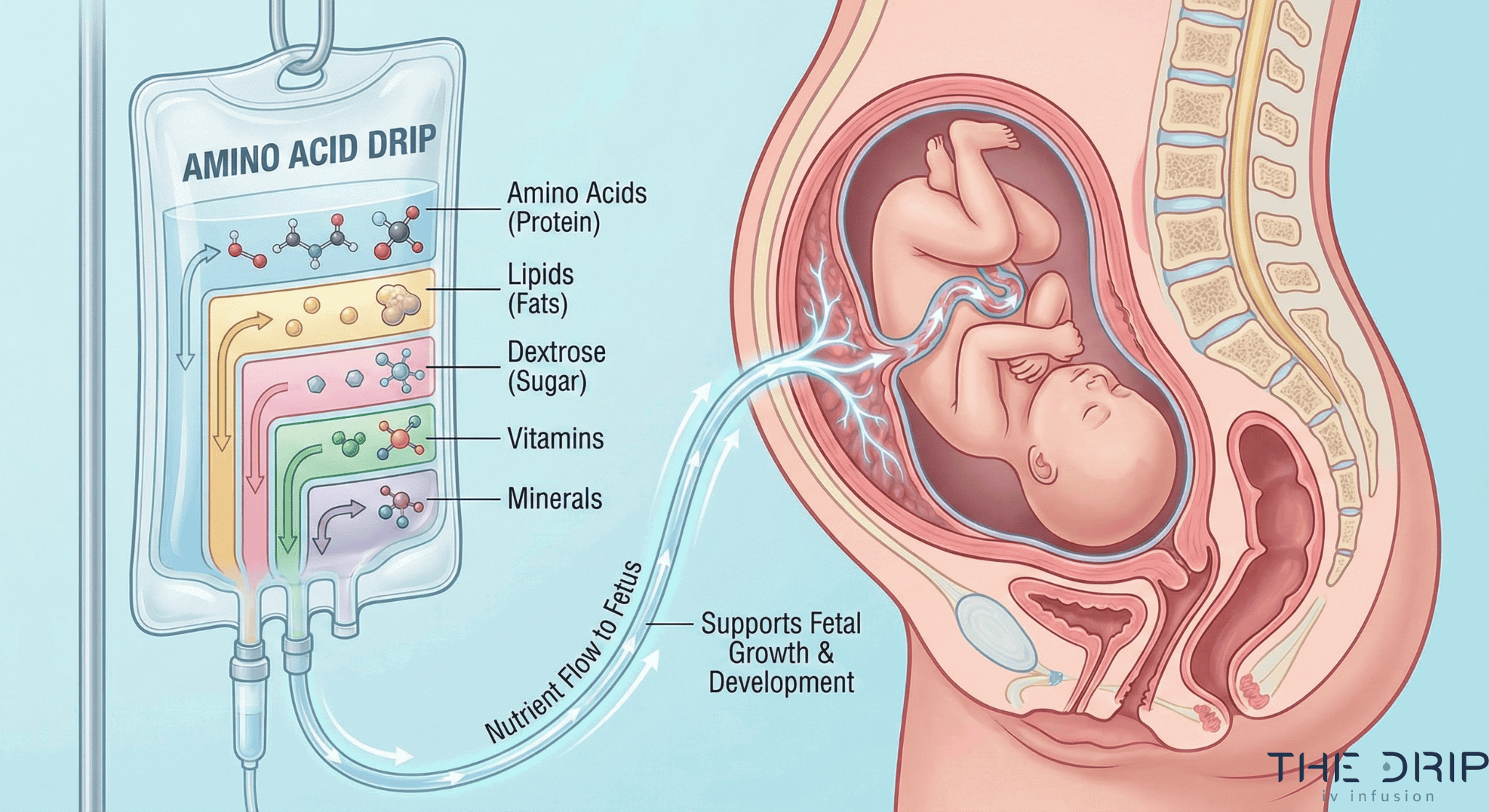
    Dextrose-containing solutions pose particular concern, as glucose spikes can cross the placenta and affect fetal development. Saline-based fluids without added sugars are generally preferred. Hydration support through IV therapy can help manage nausea and dehydration common during pregnancy, but every session should be coordinated with the patient’s obstetric care team. Gestational diabetes often resolves postpartum, yet the temporary nature of the condition does not reduce the need for careful monitoring during any infusion.

    With each diabetes type presenting distinct IV therapy challenges, understanding the specific benefits these infusions can offer becomes the next consideration.

    What Are the Benefits of IV Therapy for Diabetics?

    The benefits of IV therapy for diabetics include faster rehydration, improved nutrient absorption, immune support, and fatigue relief. Each benefit addresses a specific challenge that diabetes creates in the body.

    Infographic showing IV therapy benefits for diabetics: faster hydration, better nutrient absorption, immune support, and energy boost.

    How Does IV Therapy Help Diabetics With Dehydration?

    IV therapy helps diabetics with dehydration by delivering fluids directly into the bloodstream, bypassing the digestive system entirely. Elevated blood sugar levels cause the kidneys to produce excess urine, which accelerates fluid loss. This cycle makes diabetics particularly vulnerable to dehydration during illness, heat exposure, or periods of poor glycemic control.

    According to a study published in the Cureus Journal of Medical Science, intravenous vitamin therapy can provide faster recovery from conditions such as dehydration and physical exhaustion by bypassing the intestinal absorption system. However, not all diabetic patients respond equally. Those with advanced nephropathy or autonomic neuropathy face higher risks, and infusion therapy does not reverse well-established complications. For diabetics without severe complications, IV hydration offers a reliable method to restore fluid balance quickly.

    Can IV Therapy Improve Nutrient Absorption for Diabetics?

    Yes, IV therapy can improve nutrient absorption for diabetics by delivering vitamins and minerals directly into the bloodstream. Diabetes frequently impairs gut absorption through gastroparesis, medication interactions, and chronic inflammation of the intestinal lining.

    Micronutrient deficiencies are common in this population. Key nutrients often depleted in diabetics include:

    • Vitamin D, the most prevalent deficiency in Type 2 diabetes patients
    • Magnesium, which is independently associated with poor glycemic control
    • Zinc, linked to increased insulin resistance and glucose intolerance
    • Antioxidant vitamins A, C, and E, which decline due to elevated oxidative stress

    IV delivery eliminates the absorption barrier, making it one of the most efficient methods to correct these deficiencies when oral supplementation falls short.

    How Does IV Therapy Support Immune Function in Diabetics?

    IV therapy supports immune function in diabetics by replenishing nutrients that directly influence immune cell activity. Diabetes weakens the immune system through chronic hyperglycemia, which impairs white blood cell function and slows healing.

    Nutrients such as vitamin C, zinc, and glutathione serve as critical cofactors in immune defense pathways. When delivered intravenously, these compounds reach therapeutic concentrations faster than oral alternatives. Diabetics who experience frequent infections or slow wound recovery may benefit most from targeted immune-supporting formulations. Proactive nutrient replenishment can strengthen the body’s first line of defense rather than relying solely on reactive treatment after illness sets in.

    Can IV Therapy Help Manage Diabetic Fatigue and Energy Levels?

    Yes, IV therapy can help manage diabetic fatigue and energy levels by addressing the metabolic inefficiencies that drain energy in diabetic patients. Persistent fatigue is one of the most reported symptoms, driven by unstable blood glucose, mitochondrial dysfunction, and chronic nutrient depletion.

    B-complex vitamins, magnesium, and amino acids delivered intravenously support cellular energy production at the mitochondrial level. Importantly, a study published on Semantic Scholar found that Ringer’s lactate solution, when compared to 0.9% saline, does not cause significant changes in mean blood glucose levels in fasting diabetic patients. This makes certain IV formulations practical options for energy support without destabilizing glucose control. For diabetics dealing with daily fatigue, properly formulated IV sessions can complement existing diabetes management strategies.

    Understanding these benefits helps clarify what to watch for regarding potential risks.

    What Are the Risks of IV Therapy for Diabetics?

    The risks of IV therapy for diabetics include blood sugar fluctuations, electrolyte imbalances, and increased infection susceptibility. The following subsections cover how IV fluids affect glucose levels, which solutions to avoid, electrolyte concerns, and infection risks.

    How Can IV Fluids Affect Blood Sugar Levels?

    IV fluids can affect blood sugar levels depending on the solution’s composition and infusion rate. Dextrose-containing fluids raise plasma glucose rapidly, while isotonic saline has a more neutral glycemic effect. According to the Society of Hospital Medicine, target blood glucose levels for most hospitalized patients fall between 140 and 180 mg/dl to balance the risks of hyperglycemia and hypoglycemia.

    Diabetics face a narrower margin of safety because their insulin response cannot compensate for sudden glucose shifts the way a non-diabetic system can. Even fluids considered “safe” may cause unexpected spikes if infusion volume or speed is not carefully controlled. Pre-infusion glucose readings and periodic monitoring throughout the session help catch deviations early.

    What Fluid Solutions Should Diabetics Avoid During IV Therapy?

    The fluid solutions diabetics should avoid during IV therapy are primarily dextrose-containing formulations. Dextrose (D5W, D5NS, D10W) introduces free glucose directly into the bloodstream, bypassing all digestive regulation. For individuals with impaired insulin signaling, this can trigger rapid hyperglycemia that is difficult to correct without additional medication.

    Hypotonic solutions also warrant caution because they shift fluid into cells, potentially diluting electrolyte concentrations that diabetics already struggle to maintain. When selecting IV fluids for a diabetic client, providers should default to isotonic, sugar-free options and confirm ingredient lists before starting any infusion. For most diabetics, this careful fluid selection is the single most important safety step.

    Can IV Therapy Cause Electrolyte Imbalances in Diabetics?

    Yes, IV therapy can cause electrolyte imbalances in diabetics. Diabetes already disrupts electrolyte homeostasis; insulin fluctuations shift potassium between intracellular and extracellular compartments, and chronic hyperglycemia promotes magnesium and sodium losses through osmotic diuresis.

    Introducing large fluid volumes amplifies these existing vulnerabilities. Rapid saline infusion may dilute serum sodium, while potassium levels can swing unpredictably if insulin is administered alongside IV fluids. Providers should review a diabetic client’s baseline electrolyte status before infusion and monitor for symptoms like muscle cramping, irregular heartbeat, or sudden fatigue during the session.

    What Are the Infection Risks for Diabetics Receiving IV Therapy?

    The infection risks for diabetics receiving IV therapy are elevated compared to non-diabetic individuals. Hyperglycemia impairs white blood cell function, reducing the body’s ability to fight bacteria at catheter insertion sites. According to the National Center for Biotechnology Information, diabetic patients account for an estimated 25% of all sepsis hospitalizations in the United States and experience disproportionately poor clinical outcomes.

    Proper aseptic technique during catheter placement is essential, and insertion sites should be inspected for redness, swelling, or warmth throughout the session. Diabetics with peripheral neuropathy face additional risk because reduced sensation may mask early signs of a localized infection. Choosing a provider with strict sterile protocols significantly reduces this concern, making provider selection a critical safety decision before any IV session.

    Which IV Fluids and Additives Are Safe for Diabetics?

    The IV fluids and additives that are safe for diabetics include normal saline, lactated Ringer’s solution, and select vitamin and mineral add-ons that do not elevate blood glucose. The sections below cover each option.

    Infographic of safe IV solutions for diabetics, listing Normal Saline (0.9% NaCl) and Lactated Ringers (LR) as safe, and Dextrose solutions (D5W, D10W) as fluids to avoid.

    Is Normal Saline Safe for Diabetics?

    Yes, normal saline is safe for diabetics and is considered the preferred IV fluid for diabetic patients. Normal saline (0.9% sodium chloride) is the fluid of choice recommended by the American Diabetes Association for patients with diabetic ketoacidosis, according to the Journal of Emergency and Critical Care Medicine. Because it contains no sugar, normal saline delivers hydration without directly raising blood glucose levels.

    However, the distinction matters when dextrose is added. Patients receiving dextrose-containing normal saline experienced significantly elevated plasma glucose levels just 15 minutes after infusion completion. For diabetics seeking IV hydration, plain normal saline without dextrose remains the safest baseline option.

    Is Lactated Ringer’s Solution Safe for Diabetics?

    Yes, lactated Ringer’s solution is safe for diabetics in most clinical scenarios. When compared to 0.9% saline, Ringer’s lactate does not cause significant changes in mean blood glucose levels in fasting diabetic patients. This makes it a viable alternative for hydration without meaningful glycemic disruption.

    Some concern exists because the liver converts lactate to glucose through gluconeogenesis. In practice, this conversion produces a negligible effect on blood sugar for most diabetic patients. Clinicians often select lactated Ringer’s when they want to reduce the chloride load that large-volume normal saline infusions can cause. For elective IV therapy sessions, either solution works well when glucose monitoring stays in place.

    Are Dextrose-Containing IV Solutions Safe for Diabetics?

    Dextrose-containing IV solutions are generally not safe for diabetics without careful medical oversight. Dextrose is a form of glucose delivered directly into the bloodstream, which can rapidly spike blood sugar levels. Hyperglycemia, defined as blood glucose greater than 140 mg/dl, is reported in 22% to 46% of non-critically ill hospitalized patients, and dextrose infusions increase that risk substantially for diabetics.

    In specific clinical situations, such as preventing hypoglycemia during insulin administration, dextrose solutions serve a controlled purpose. Outside those narrow scenarios, diabetics should avoid dextrose-containing fluids during elective IV therapy. This is one of the most important distinctions when selecting safe IV solutions.

    Which Vitamin and Mineral Add-Ons Are Safe for Diabetics?

    The vitamin and mineral add-ons that are safe for diabetics include sugar-free formulations of magnesium, zinc, B-complex vitamins, vitamin C, vitamin D, and glutathione. These nutrients address deficiencies that are particularly common in diabetic populations:

    • Magnesium supports glycemic control; hypomagnesemia is independently associated with poor blood sugar regulation in type 2 diabetes.
    • Zinc helps reduce insulin resistance and improve glucose tolerance.
    • Vitamin D addresses the most prevalent micronutrient deficiency in type 2 diabetes patients, reported at 60.45% according to a study published in Scientific Reports.
    • Vitamins A, C, and E help manage the elevated oxidative stress that diabetes produces.

    The key safety factor is confirming that add-on formulations contain no hidden dextrose or sugar-based carriers. With proper screening, these nutrient add-ons complement diabetic health rather than complicate it.

    How Should Diabetics Prepare Before an IV Therapy Session?

    Diabetics should prepare before an IV therapy session by checking glucose levels, reviewing medication timing, and sharing their full medical history with their provider. The following subsections cover each preparation step.

    Should Diabetics Check Blood Sugar Before IV Therapy?

    Yes, diabetics should check blood sugar before IV therapy to establish a safe baseline. Knowing your glucose level before the session starts helps the infusion specialist determine whether to proceed, adjust the fluid selection, or delay treatment. According to the American Diabetes Association, the standard for safe intravenous insulin therapy involves point-of-care blood glucose monitoring every 30 minutes to 2 hours. While this protocol applies to clinical insulin infusions, the principle reinforces why a pre-session reading matters for any IV procedure. A glucose level that is too high or too low before an infusion creates unnecessary risk. Bringing your personal glucose monitor to the appointment is a simple step that gives both you and your provider real-time data to guide decisions.

    Should Diabetics Adjust Insulin or Medication Before IV Therapy?

    Yes, diabetics should discuss adjusting insulin or medication before IV therapy with their prescribing physician. IV fluids can influence blood sugar levels, so the timing and dosage of insulin or oral hypoglycemics may need modification on the day of treatment. As published in Diabetes Care Journal, intravenous insulin infusions should be administered using validated written or computerized protocols that allow for predefined adjustments. This standard underscores that medication changes require a structured, individualized plan rather than guesswork. Never skip or alter doses on your own; even small changes to insulin timing can trigger hypoglycemia during an infusion. Coordinate with your doctor before the session and share any adjustments directly with your infusion specialist.

    What Should Diabetics Tell Their IV Therapy Provider?

    Diabetics should tell their IV therapy provider about their full medical history, current medications, and recent blood sugar patterns. Key details to communicate include:

    • Diabetes type (type 1, type 2, or gestational) and how long since diagnosis.
    • All medications, including insulin type, dosage, and timing of last dose.
    • Recent blood sugar trends, including any episodes of hypoglycemia or hyperglycemia.
    • Existing complications such as neuropathy, nephropathy, or cardiovascular conditions.
    • Current hydration status and recent food intake.

    Omitting any of these details can lead to an inappropriate fluid or additive selection. Transparency with your provider is the single most effective way to ensure a safe, personalized session. With preparation covered, understanding how blood sugar should be monitored during the infusion is the next step.

    How Should Blood Sugar Be Monitored During IV Therapy?

    Blood sugar during IV therapy should be monitored through regular point-of-care glucose checks before, during, and after the infusion. Frequency, target ranges, and provider communication all play a role.

    Consistent glucose monitoring is one of the most important safety measures for diabetic patients receiving any type of intravenous treatment. According to the American Diabetes Association, the required standard for safe use of intravenous insulin therapy involves point-of-care blood glucose monitoring every 30 minutes to 2 hours. While elective IV vitamin infusions differ from hospital insulin drips, this clinical benchmark highlights how responsive blood sugar can be during any infusion.

    For most patients, target blood glucose levels fall between 140 and 180 mg/dL, a range that balances the risks of both hyperglycemia and hypoglycemia. Diabetic clients should check their glucose before a session begins to establish a baseline reading. During the infusion, at least one mid-session check helps catch unexpected spikes or drops early. A post-session reading, taken 15 to 30 minutes after completion, confirms that levels have stabilized.

    Key monitoring steps for diabetics during IV therapy include:

    • Check fasting or pre-session blood glucose and share the reading with your infusion specialist.
    • Perform a mid-infusion glucose check, especially if the session includes any dextrose-containing components.
    • Complete a post-infusion reading within 30 minutes to confirm blood sugar has returned to a safe range.
    • Bring a personal glucometer and any prescribed rapid-acting insulin to every appointment.
    • Report symptoms such as dizziness, excessive thirst, or blurred vision immediately during the session.

    Hyperglycemia affects a significant portion of patients receiving intravenous fluids; studies report that blood glucose above 140 mg/dL occurs in 22% to 46% of non-critically ill hospitalized patients. This statistic underscores why even routine wellness infusions warrant glucose awareness for anyone managing diabetes. Proactive monitoring turns a potentially risky situation into a controlled, predictable process, and it gives the infusion specialist real-time data to adjust the session if needed.

    With monitoring protocols established, weight management goals represent another area where diabetics may consider IV therapy support.

    Blood sugar monitoring protocol for IV therapy: checking baseline glucose before session, monitoring during infusion, and ensuring stability after treatment with a target range of 140 to 180 mg per dL.

    Can Diabetics Use IV Therapy for Weight Management Support?

    Diabetics can use IV therapy as one component of a broader weight management strategy, though careful provider coordination is essential. NAD+ infusions and metabolic support formulations are among the options explored below.

    Weight management presents unique challenges for people with diabetes. Insulin resistance, medication side effects, and metabolic dysfunction all complicate traditional approaches to losing weight. According to National Health and Nutrition Examination Survey data collected between 2015 and 2020, approximately 36.7% of U.S. adults with diagnosed diabetes reported attempting to lose weight in the past year.

    IV therapy does not replace caloric management or physical activity. However, certain infusion formulations may support metabolic processes that diabetes disrupts. NAD+ metabolism modulation, for instance, has shown promise in preclinical research. A study published in Cell Death & Disease found that NAD+ metabolism modulation through SIRT2 attenuates oxidative stress and mitochondrial dysfunction while improving insulin sensitivity in hepatocytes. These findings suggest a biological mechanism through which NAD+ IV therapy could complement weight management efforts for diabetics.

    Animal study evidence reviewed in Nature Reviews Molecular Cell Biology indicates that interventions increasing NAD+ levels produce numerous benefits on overall cardiometabolic health. While human clinical data remains limited, the metabolic pathways involved, including mitochondrial function and insulin sensitivity, are directly relevant to diabetic weight management.

    For diabetics considering IV therapy as weight management support, the practical reality is that metabolic optimization matters more than any single intervention. Correcting nutrient deficiencies, supporting mitochondrial energy production, and reducing oxidative stress can create conditions where diet and exercise become more effective. IV therapy serves best as a facilitator within that broader framework, not a standalone solution.

    The Drip IV Infusion offers specialized weight management options including Semaglutide and Tirzepatide infusions, both designed to support improved blood sugar control alongside weight loss goals. Each treatment is administered by experienced nurses who coordinate care with clients’ existing diabetes management plans.

    Any diabetic pursuing IV-based weight management support should discuss the plan with their healthcare provider. Blood sugar monitoring during sessions remains critical, and formulations must avoid dextrose or other ingredients that could spike glucose levels. With those safeguards in place, understanding NAD+ IV therapy’s specific applications offers additional insight.

    What Should Diabetics Know About NAD+ IV Therapy?

    Diabetics should know that NAD+ IV therapy may support cellular energy and insulin sensitivity, but it requires careful medical coordination. Key considerations include how NAD+ affects metabolism, its potential benefits, and necessary precautions.

    How Does NAD+ IV Therapy Affect Diabetic Metabolism?

    NAD+ IV therapy affects diabetic metabolism by influencing mitochondrial function and cellular energy pathways. NAD+ is a coenzyme essential for converting nutrients into usable energy at the cellular level. In diabetic individuals, declining NAD+ levels can worsen mitochondrial dysfunction, a factor already compromised by chronic hyperglycemia.

    According to a 2024 study published in Cell Death & Disease, NAD+ metabolism modulation through SIRT2 attenuates oxidative stress and mitochondrial dysfunction while improving insulin sensitivity in hepatocytes. This suggests NAD+ plays a direct role in how cells respond to insulin. For diabetics considering this therapy, the metabolic implications make medical oversight essential before, during, and after infusion.

    What Are the Potential Benefits of NAD+ for Diabetics?

    The potential benefits of NAD+ for diabetics include improved cellular energy production, reduced oxidative stress, and enhanced insulin sensitivity. These effects address core metabolic challenges that diabetes creates at the cellular level.

    Additional reported benefits include:

    • Reduced inflammation, which is chronically elevated in diabetes.
    • Support for mitochondrial repair, helping cells produce energy more efficiently.
    • Mental clarity and cognitive support, relevant since diabetes increases risk of cognitive decline.

    Research on animal models published in Nature Reviews Molecular Cell Biology found that interventions increasing NAD+ levels produce numerous benefits on overall cardiometabolic health. While human clinical data remains limited, these findings suggest meaningful potential for diabetic wellness support.

    What Precautions Should Diabetics Take With NAD+ IV Therapy?

    Diabetics should take several precautions with NAD+ IV therapy to ensure safety during infusion. Blood sugar monitoring before, during, and after the session is critical, since any IV infusion can influence glucose levels. Diabetics should also disclose all medications, including insulin and oral hypoglycemics, to their infusion specialist.

    Key precautions include:

    • Confirming the infusion contains no dextrose or hidden sugars.
    • Eating a balanced meal beforehand to stabilize baseline glucose.
    • Having a glucose monitor accessible throughout the session.
    • Consulting a physician before starting NAD+ therapy, especially with existing kidney complications.

    NAD+ sessions typically last longer than standard IV infusions, making sustained glucose stability particularly important for diabetic clients. Understanding these safeguards helps diabetics explore NAD+ therapy with confidence under proper supervision.

    When Should Diabetics Avoid IV Therapy Altogether?

    Diabetics should avoid IV therapy altogether when specific complications or health conditions make infusion risks outweigh potential benefits. The situations below outline when IV therapy becomes unsafe for diabetic patients.

    Patients with advanced diabetic nephropathy face significant danger from IV therapy. Compromised kidneys cannot process additional fluid volume or filter infused minerals effectively, creating risks of fluid overload and toxic electrolyte accumulation. According to a PubMed-referenced clinical assessment, “patients with advanced nephropathy and/or autonomic neuropathy are very poor risks, and infusion therapy does not reverse well-established complications.” Severe kidney impairment makes even carefully formulated IV solutions potentially harmful.

    Autonomic neuropathy also presents a serious contraindication. This condition impairs the body’s ability to regulate heart rate, blood pressure, and fluid balance during infusion. Rapid changes in fluid volume can trigger dangerous drops in blood pressure or irregular cardiac rhythms when the autonomic nervous system cannot compensate properly.

    Diabetics experiencing active diabetic ketoacidosis or hyperglycemic hyperosmolar state should not receive elective IV therapy. These acute emergencies require hospital-level intervention with precise insulin protocols and point-of-care glucose monitoring every 30 minutes to 2 hours. Elective wellness infusions are inappropriate during metabolic crises.

    Additional situations where diabetics should avoid IV therapy include:

    • Uncontrolled blood sugar levels exceeding 250 mg/dL without medical supervision to manage glycemic shifts during infusion.
    • Active infections at potential IV sites, since diabetics already face elevated infection risk and compromised wound healing.
    • Severe electrolyte imbalances that require laboratory-guided correction rather than standardized infusion formulas.
    • End-stage renal disease requiring dialysis, where fluid and mineral management demands clinical precision beyond what elective infusions provide.

    For diabetics with well-managed conditions and no advanced complications, IV therapy remains a viable option when administered by qualified professionals. Understanding these boundaries helps ensure safe, informed decisions about mobile IV therapy services.

    How Can Nurse-Administered Mobile IV Therapy Help Diabetics?

    Nurse-administered mobile IV therapy helps diabetics by delivering professionally supervised infusions in a comfortable home setting, with treatments tailored to individual glycemic needs. The following sections cover customized treatment options and essential takeaways.

    The Drip IV Mobile Care infographic for personalized diabetic care and at-home IV therapy. Features include blood glucose monitoring, insulin management, and convenient in-home sessions with infection control protocols.

    Can The Drip IV Infusion Customize Treatments for Diabetics?

    Yes, The Drip IV Infusion can customize treatments for diabetics through a comprehensive menu of add-ons and formulations suited to individual health profiles. Each session is administered by experienced nurses who review client health history before selecting appropriate fluids and nutrients.

    The Drip IV Infusion offers relevant add-ons that align with common diabetic nutrient needs:

    • Magnesium supports glycemic regulation and addresses a deficiency found in many diabetic individuals.
    • Zinc plays a role in insulin function and glucose metabolism.
    • Vitamin C and glutathione provide antioxidant support against oxidative stress.
    • Vitamin D addresses one of the most prevalent micronutrient gaps in diabetic populations.
    • NAD+ supports cellular energy and mitochondrial health.

    Clients should always consult their physician before scheduling any infusion, as this information is not a substitute for professional medical advice.

    What Are the Key Takeaways About IV Therapy for Diabetics?

    The key takeaways about IV therapy for diabetics center on safety, preparation, and individualized care. Diabetics can benefit from IV therapy when proper precautions guide every session.

    • Fluid selection matters; dextrose-containing solutions can spike blood glucose, while normal saline remains a safer baseline.
    • Blood sugar monitoring before, during, and after infusion is essential for avoiding glycemic complications.
    • Common diabetic nutrient deficiencies, including magnesium, vitamin D, and zinc, can be addressed through carefully chosen IV formulations.
    • Clients with advanced kidney disease or autonomic neuropathy should discuss IV therapy risks with their doctor first.
    • Always disclose current medications, insulin regimen, and recent glucose readings to your infusion specialist.

    The Drip IV Infusion brings nurse-administered, customizable IV therapy directly to your door, making professional-grade hydration and nutrient support accessible without a clinical setting.

  • IV Therapy When Sick

    IV Therapy When Sick

    Most people have experienced the dreadful effects of a nasty cold or flu. But when you’re feeling really sick and can’t combat the symptoms with commonly known treatments, you may need a fast and effective solution for your condition. That’s why this article is devoted to explaining the use of IV therapy when sick and its potential benefits.

    Understanding how this treatment affects your body should make you feel safer when undergoing it for the first time. Furthermore, you’ll know if IV fluids are right for your current condition and if they align with your desired treatment outcomes.

    Continue reading to discover the details of using IV therapy for illness recovery and how it may benefit your condition!

    Source: shutterstock.com / Photo Contributor: Dragana Gordic

    Types of IV Fluids and Their Use

    Before understanding how using IV treatment when unwell may benefit you, you should first understand what they are and how they are applied.

    IV therapy is applied through an intravenous route to skip the processing in the digestive system. This makes them fast-acting and efficient, especially when the patient’s condition drastically worsens.

    Depending on the circumstances, this therapy can be administered in two ways. The more common one is known as an IV drip and usually lasts longer. It’s given to the patient through a catheter attached to an IV bag. The usual treatment time can be 45 minutes to an hour, during which 250 to 1000 milliliters of IV fluids are transmitted.

    The second application method is called IV push. During this treatment, the needed medication is inserted directly into the plastic catheter, and the duration is quite short. Since the process of attaching an IV bag is skipped, the patient experiences an even faster effect from the medication administered. Thus, this type is most suitable for people who are in life-threatening conditions and need immediate care.  Mobile IV Therapy uses the IV drip method.

    Since the article will discuss receiving IV therapy for illness, the main focus will be IV drips.

    IV Therapy When Sick

    After learning the basic information about IV therapy, it’s time to focus on this treatment during sickness. The two most common medical conditions that require intravenous fluids are the flu and colds.

    It’s important to know the symptoms that may arise during this type of illness to understand the effects the IV treatment has on it better. That being said, the most frequent symptoms one may experience when battling such an illness are the following:


    • Headaches

    • Nausea and vomiting

    • Fatigue and lethargy

    • High fevers

    • Sore throat

    • Coughing and congestion

    These symptoms often leave the patients bedridden and having difficulty reaching a clinic. Thus, if you’re struggling with this condition, you may want to check out the mobile IV therapy Queen Creek AZ service that The Drip IV Infusion offers.

    Contacting a mobile IV service like The Drip IV Infusion will save you the effort of traveling to a stationary medical facility. Furthermore, your health will be in experts’ hands, ensuring you get the best possible treatment and results.

    So, how can IV therapy be used as a treatment during sickness? Now that you know what you may experience while being sick, the next step is to discover how these fluids may lead to symptom relief.

    Hydration

    The biggest benefit someone who is suffering from a nasty cold or flu may experience from IV therapy is hydration. When you’re experiencing frequent vomiting and high fevers, you risk dehydrating your body. While it may sound insignificant at first, this can lead to more severe and life-threatening conditions, such as kidney failure, coma, seizures, and shock.

    Moreover, if the patient is experiencing a bad case of sore throat, they may be unable to intake the needed liquids orally. That’s why an IV treatment should help get the needed fluids without further straining the throat.

    Using an IV for hydration has been proven beneficial in various studies. For example, it’s commonly used to treat young children from dehydration and diarrhea without causing them harm.  Typically in a mobile IV setting, the child needs to be at least 10 years of age.  As for adults, it may be used as a primary treatment, such as when dealing with dehydration, and as a supportive treatment when the patient is experiencing a more severe condition.

    Nutrients

    The second way IV therapy may help you with symptom relief is by allowing you to intake the much-needed nutrients. When you’re battling a cold or flu, your body often depletes the levels of essential vitamins and minerals. This can leave you feeling tired and lethargic without knowing the reason why.

    Furthermore, many of the symptoms you’re experiencing may be lessened if you have a strong immune system, which is directly connected to the intake of sufficient nutrients. That’s why many IV cocktails, such as the renowned Myer’s cocktail and banana bag, may offer a fast-acting and efficient multivitamin therapy.

    Some mobile services go as far as to create their own unique sickness recovery IV cocktails, which include all the needed nutrients to battle the cold more efficiently.

    For example, most of these IV fluids are crafted to be rich in vitamin C, B-complex, glutathione, magnesium, and zinc. Combined, they may provide a sufficient immune boost to quicken the recovery process.

    Source: shutterstock.com / Photo Contributor: Andrey_Popov

    Administering medication

    The last way an IV treatment may aid in battling sickness is by offering the opportunity to administer the needed medication quickly. Since the sickness may have already compromised your immune system, it’s important to give your body some additional help to fight the unwanted illness.

    Furthermore, many mobile IV services offer additional medicine for this condition. Some popular choices are Pepcid, Zofran, Toradol, and Benadryl. When combined together, the patient may experience a rapid recovery and symptom reduction.

    Ingredients That May Help With Sickness Recovery

    After discovering the use of IV therapy when sick, the last step is to know the ingredients that may benefit you the most. Without much stalling, here are the IV cocktail add-ons you may want to ask for:


    • Vitamin B

    • Vitamin C

    • Magnesium

    • Zinc

    • Glutathione

    • Medication

    Vitamin B

    The first beneficial ingredient found in IV therapies is vitamin B. Even though it has different derivatives, the ones most commonly used are B6 and B12. While the first has been tested on relieving nausea in pregnant women, the other is linked to health and illness.

    Thus, B6 is thought to decrease any nausea and vomiting symptoms drastically. This may prevent the patient from dehydrating themselves and causing further harm.

    On the other hand, the study done on B12 showed that a balanced level of this vitamin is crucial for optimal health. This means that your body might be able to fight off any illness more efficiently when it’s had a boost of B12.

    Vitamin C

    The second important compound found in IV fluids is vitamin C. Even though it can be found in many foods, it’s hard to balance out its levels in the body when sick. While a study showed that this vitamin didn’t prevent colds, it was beneficial for the recovery time.

    Those who took vitamin C regularly experienced significantly lighter symptoms during the sickness than those who didn’t. Furthermore, the regular intake of this vitamin is thought to shorten the illness time by 10%. While you may not experience the full benefits if you start taking it after getting sick, it may still relieve some uncomfortable symptoms.

    Magnesium

    Magnesium is another common ingredient found in IV therapy. While this component is known to have various medical benefits, it’s also important for your overall health. The deficiency of magnesium can lead to other unwanted conditions, such as abnormal heart rhythms, nausea, and muscle spasms.

    Since this nutrient is used to treat bronchial asthma, it may also help relieve some common cold and flu symptoms.

    Zinc

    Available in many different foods and supplements, zinc is thought to be beneficial for dealing with the common cold. While taking controlled levels on a regular basis may lead to a shorter illness time, it may also reduce some symptoms if you start taking it while sick.

    Even though zinc supports the immune system, you should always consult a medical professional about the proper dosage to minimize the chance of unpleasant side effects.

    Glutathione

    Glutathione is a popular antioxidant that may protect the body from oxidative stress and aid in its immune responses. Since recent studies show that fevers can be a sign of oxidative stress, it might be used to treat it as a symptom of the common cold or flu.

    Moreover, since it protects the body from toxins, it may be beneficial for your overall health and may promote longevity.

    Medication

    Lastly, several types of medication are usually used for IV treatment. As already mentioned, the focus falls on Pepcid, Zofran, Toradol, and Benadryl. To better understand how they affect your body, it’s best to review each separately.

    First off, Pepcid is widely used for relieving sickness symptoms and battling inflammation. Studies even show that it’s beneficial for treating flu patients with mild to moderate symptoms. Thus, it may help with any inflammation you may be dealing with during your cold or flu.

    Zofran, also known as ondansetron, is commonly used to treat nausea and vomiting. Since these are frequent symptoms of the common cold or flu, it may help lessen the irritation. Furthermore, it may prevent dehydration and further complications.

    Toradol, usually referred to as ketorolac, is a well-known anti-inflammatory drug. Even though further studies are needed, some show that it’s useful for managing high fevers and sore throats. Thus, it is commonly used for potentially relieving cold and flu symptoms.

    Lastly, Benadryl is a popular sedative and antihistamine used to treat the common cold. While some studies show that its effects are mostly beneficial in the short run, they can still lessen the severity of overall symptoms.

    Source: shutterstock.com / Photo Contributor: Basilico Studio Stock

    Conclusion

    After clarifying the benefits of using IV therapy when sick, it’s strongly advised you try it out and witness the results yourself.

    Most IV cocktails contain ingredients designed to help with symptom relief and shorten the illness time. Since they skip the digestive route, they should be fast-acting and may give your immune system the needed boost to fight off the illness.

    Lastly, if you’re ever feeling too sick to move out of bed, remember that there are mobile IV services that can meet you wherever you desire. All you need to do is book an appointment, and a professional team will guide you through each step of the process!

  • Caring for a Client Who is Receiving IV Therapy

    Caring for a Client Who is Receiving IV Therapy

    IV therapy is widely used in modern healthcare, delivering medications and fluids directly into a patient’s bloodstream. That said, caring for a client who is receiving IV therapy requires a combination of technical expertise and compassionate patient care.

    As a healthcare professional, being familiar with all the care guidelines for individuals undergoing IV treatment is essential. In this article, we will get into best practices and tips for optimal patient care.

    Source: shutterstock.com / Photo Contributor: CNK02

    Introducing IV Therapy 

    Caring for and assisting patients during IV therapy is a crucial responsibility for any healthcare practitioner. Clients looking for mobile IV therapy Queen Creek AZ could get access to convenient and efficient IV treatment and its benefits. 

    This type of treatment may be an excellent option for those looking to hydrate and replenish their body, improve their immunity, reduce migraine and fatigue, and receive other health benefits. 

    It involves the direct delivery of fluids, medications, and nutrients and may provide rapid absorption as they bypass the digestive system. IV therapy is a somewhat invasive procedure requiring proper administration skills and knowledge. It is performed by educated and licensed healthcare professionals. 

    Caring for a Client Who is Receiving IV Therapy

    Preparing for IV Therapy

    Gathering necessary supplies

    Before initiating IV therapy, it is crucial to gather all the required supplies. These include the prescribed IV solution, IV tubing, the appropriate catheter or needle, sterile dressings, tape, gloves, IV poles, and other necessary equipment for specific therapy. The IV therapist should also follow hand hygiene procedures.

    Accessing the Patient 

    Assessment pre-IV therapy

    Before administering an IV therapy, it is vital to conduct a thorough assessment of the patient’s condition. This means that healthcare professionals should evaluate their vital signs, which include heart rate, blood pressure, and respiratory rate.

    In addition, they should assess the patient’s hydration status and check for any signs of infection or inflammation. They should also select an appropriate vein for IV insertion, considering factors such as vein size, condition, and accessibility. 

    Checking the patient’s medical history

    Before administering IV therapy, the nurse collects the client’s subjective and objective assessment information. They begin with data collection that may signify potential adverse reactions if the patient receives such a treatment.

    Healthcare professionals should pay particular attention to patients with medication allergies and chronic illnesses to prevent adverse reactions. Еssential data to consider as an IV therapy provider includes:


    • History of chronic illness

    • History of vasovagal reactions

    • Assess for any allergies 

    • Status of veins for finding the right venipuncture site 

    Preparing the patient for the treatment 

    Before administering IV therapy, besides preparing the equipment it is essential to prepare the patient. 

    It is essential to explain the procedure and educate the patient about the purpose of IV therapy and the potential side effects. It is also vital to empower them to address their concerns and listen attentively to their questions.

    Then, it is vital to provide clear explanations and reassurance if needed. When the patient is ready for the treatment, they need to be positioned comfortably, with the arm extended.

    Setting the IV

    The first step in IV therapy is the proper setup of the equipment. This involves preparing the IV site and ensuring the equipment is sterile. It is imperative to follow aseptic techniques to prevent any infections and complications. 

    IV therapy providers should secure the IV catheter and needle with a special medical tape to prevent movement and regularly inspect the site during the administration process. After securing the IV catheter, the assigned healthcare professional needs to attach the tube and regulate the flow rate.

    Monitoring the client 

    Continuous monitoring is crucial during an IV treatment. The healthcare practitioners perform regular checkups for signs of any complications. Throughout the treatment, the client’s vital signs should be closely observed. 

    Healthcare professionals should also ensure the IV solution flows at the prescribed rate.

    Medication administration

    Besides nutrients and fluids, IV therapy involves the administration of medications based on the client’s needs. That said, administering medication requires precision and attention to detail. 

    The IV therapist must carefully calculate and verify the dosage, compatibility, and infusion rate. Therefore, medical providers should be well trained in the pharmacology of the medications to ensure a safe and effective treatment.

    Client support during intravenous therapy

    Aside from the technical aspects, the healthcare professional should address the patient’s concerns. A compassionate approach to this treatment may foster a positive client experience. 

    Healthcare professionals should create a safe and comfortable environment for the patient. This includes assessing their comfort and well-being during the treatment. As a professional IV therapist, building trust and maintaining open communication is of utmost importance. 

    Source: shutterstock.com / Photo Contributor: Studio Romantic

    Documenting IV therapy

    When providing nursing care for IV therapy patients, it is vital to keep accurate and detailed documentation. This includes recording the type and dosage of the nutrients, fluids, or medications the patient receives. 

    The medical providers may also include observations and interventions they made during the therapy. This data will serve as a vital reference in further patient ongoing care. It is vital to ensure the whole healthcare team is aware of the IV therapy status. 

    Addressing patient concerns

    In some cases, the client receiving IV therapy may experience anxiety or slight discomfort. Should such concerns arise, addressing them, communicating, and providing emotional client support during IV therapy may go a long way. When it comes to providing support to someone on IV treatment, this approach ensures the client’s well-being and peace of mind during the treatment. 

    Preventing complications

    Generally, IV therapy is considered to be a safe treatment. Yet, complications may arise if the treatment is not implemented correctly. Hence, diligent care and regular assessment should help detect and prevent such reactions on time. 

    It is necessary to use appropriate pain management techniques. This may include adjusting the infusion range or utilising pain relief measures. Empathy and understanding are crucial to effective patient care and a positive treatment experience.

    Follow-up up appointments 

    After providing IV therapy, healthcare professionals sometimes schedule follow-up appointments or visits depending on the situation. This is to monitor the client’s progress and assess the need for further treatments. By following these steps, healthcare providers may provide comprehensive and compassionate care for their clients.

    Conclusion

    Caring for a client who is receiving IV therapy involves technical proficiency and compassionate patient-centered care. In the realm of modern medicine, IV therapy may provide a lot of health advantages for the person receiving it. 

    By following established protocols, monitoring the patients, and providing meticulous care and support, healthcare providers ensure safe and effective treatment.

  • What Is A Banana Bag & What’s In It & uses

    What Is A Banana Bag & What’s In It & uses

    A banana bag is a one-liter IV fluid bag containing thiamine, folic acid, magnesium sulfate, and a multivitamin complex mixed into normal saline or 5% dextrose, named for the bright yellow color the multivitamin produces. Hospitals use this standardized formulation to correct nutritional deficiencies, support patients through alcohol withdrawal, and restore hydration simultaneously.

    We cover the banana bag’s composition and how each ingredient works, its most common clinical and wellness applications, who needs one and how it is administered, and how at-home IV vitamin therapy compares.

    Thiamine supports brain energy metabolism, folic acid drives healthy red blood cell production and DNA synthesis, magnesium sulfate stabilizes neuromuscular and cardiac function, and the multivitamin fills remaining micronutrient gaps. The saline or dextrose base rehydrates while carrying all nutrients directly into the bloodstream.

    The most common uses include alcohol withdrawal management, chronic malnutrition support, severe dehydration treatment, hangover recovery, and vitamin deficiency correction. Roughly half of patients with alcohol use disorder experience withdrawal symptoms when they stop drinking, and over 30 percent of hospitalized patients face malnutrition; both populations benefit from the banana bag’s combined nutrient delivery.

    Hospitals typically administer banana bags over four to eight hours with continuous monitoring, though mobile IV services and outpatient clinics now offer similar nutrient combinations in shorter, customizable sessions for non-emergency situations.

    Side effects are generally mild, and the enriched formula distinguishes banana bags from standard saline IVs by addressing vitamin depletion that hydration alone cannot correct.

    What Is a Banana Bag IV?

    A banana bag IV is a bag of intravenous fluids containing a specific combination of vitamins and minerals, typically including thiamine, folic acid, magnesium sulfate, and a multivitamin complex mixed into normal saline or 5% dextrose. According to a 2016 review in Critical Care Medicine (Flannery et al.), the term “banana bag” is a colloquialism used by healthcare professionals to describe this standardized one-liter formulation. The distinctive yellow color comes from the multivitamin component dissolved in the solution, which gives the IV bag its banana-like appearance. Hospitals primarily use banana bags to address nutritional deficiencies and support patients during alcohol withdrawal, though the formulation also serves broader clinical needs involving dehydration and vitamin depletion. For anyone exploring vitamin-enriched IV options, understanding what goes into this formulation is the essential first step.

    Why Is It Called a Banana Bag?

    It is called a banana bag because the multivitamin component dissolved in the IV fluid produces a bright yellow color, resembling a banana. According to a 2016 review in Critical Care Medicine (Flannery et al.), the term “banana bag” is a colloquialism used by healthcare professionals to describe a liter of intravenous fluid, typically normal saline or 5% dextrose, containing a multivitamin, thiamine, folic acid, and magnesium sulfate. The nickname emerged organically in hospitals and emergency departments, where nurses and physicians needed a quick shorthand for this specific nutrient combination. Other informal names include “rally pack,” “alcohol drip,” and “yellow bag.” Despite its casual origin, the term has become widely recognized in both clinical and consumer health settings.

    What Are the Ingredients in a Banana Bag?

    The ingredients in a banana bag are thiamine, folic acid, magnesium sulfate, a multivitamin complex, and a base solution of normal saline or dextrose. Each component targets a specific nutritional gap.

    Banana bag IV ingredients including thiamine (B1), folic acid (B9), magnesium sulfate, multivitamins, and saline base for nutrient replenishment

    Thiamine (Vitamin B1)

    Thiamine is the most critical ingredient in a banana bag. Vitamin B1 serves as a coenzyme in the pyruvate dehydrogenase complex and alpha-ketoglutarate dehydrogenase, both essential for carbohydrate metabolism and ATP production in the brain, according to StatPearls (NIH). Without adequate thiamine, the brain cannot properly convert glucose into usable energy. This makes thiamine supplementation especially urgent for patients with alcohol-related nutritional depletion, where deficiency can progress rapidly toward serious neurological complications.

    Folic Acid (Vitamin B9)

    Folic acid is a synthetic form of folate, included in banana bags to address a deficiency common among malnourished patients. According to the Mayo Clinic, folate is required for the synthesis of nucleic acids (DNA and RNA) and amino acid metabolism, and it is essential for healthy red blood cell growth and function. Patients with prolonged alcohol use or poor dietary intake often develop folate depletion, which can lead to megaloblastic anemia. Intravenous delivery ensures rapid restoration even when gastrointestinal absorption is impaired.

    Magnesium Sulfate

    Magnesium sulfate supports neuromuscular and cardiac stability in banana bag recipients. According to Medscape’s pharmacology reference, magnesium sulfate blocks peripheral neuromuscular transmission by decreasing acetylcholine release at the motor nerve end-plate and slows SA node impulse formation in the myocardium. These properties help prevent muscle spasms, seizures, and cardiac arrhythmias. For clinicians, magnesium is arguably the most underappreciated component because hypomagnesemia is both common in malnourished patients and difficult to detect without targeted lab work.

    Multivitamin Complex

    The multivitamin complex gives the banana bag its distinctive yellow color. This concentrate typically contains a broad spectrum of water-soluble vitamins, such as B2 (riboflavin), B3 (niacin), B5 (pantothenic acid), B6 (pyridoxine), and vitamin C. Together, these nutrients address multiple micronutrient gaps simultaneously. While thiamine and folic acid handle the most urgent deficiencies, the multivitamin component provides broader nutritional coverage that supports immune function, energy metabolism, and tissue repair.

    Normal Saline or Dextrose Base Solution

    The base solution in a banana bag is typically normal saline or 5% dextrose. According to StatPearls (NIH), normal saline (0.9% sodium chloride) is an isotonic crystalloid solution that expands intravascular volume without causing large fluid shifts between intracellular, intravascular, and interstitial spaces. Dextrose solutions provide an additional glucose source for patients with depleted energy reserves. The base fluid serves a dual purpose: it rehydrates the patient while acting as the delivery vehicle that carries all vitamins and minerals directly into the bloodstream.

    Understanding each ingredient clarifies why banana bags address specific clinical needs.

    What Is Each Banana Bag Ingredient Used For?

    Each banana bag ingredient targets a specific deficiency or physiological need. The following subsections explain how thiamine, folic acid, magnesium sulfate, the multivitamin, and the saline or dextrose base each contribute to the formula.

    How Does Thiamine Help in a Banana Bag?

    Thiamine helps in a banana bag by supporting carbohydrate metabolism and ATP production in the brain. Patients with alcohol use disorder frequently develop thiamine deficiency due to poor dietary intake and impaired absorption, which raises the risk of Wernicke’s encephalopathy. However, according to clinical pharmacy specialist Joe B., “the amount of thiamine found in a standard banana bag is woefully inadequate to reliably treat or prevent Wernicke’s Encephalopathy.” This limitation is why many clinicians now advocate for higher-dose thiamine protocols administered separately alongside the standard banana bag formula.

    How Does Folic Acid Help in a Banana Bag?

    Folic acid helps in a banana bag by supporting healthy red blood cell production and DNA synthesis. Folate deficiency is common among malnourished patients, particularly those with chronic alcohol use, and can lead to megaloblastic anemia. By including folic acid in the infusion, the banana bag addresses this deficiency directly through the bloodstream, bypassing impaired gastrointestinal absorption. For patients whose folate stores are severely depleted, this IV route often proves more reliable than oral supplementation alone.

    How Does Magnesium Sulfate Help in a Banana Bag?

    Magnesium sulfate helps in a banana bag by stabilizing neuromuscular function and supporting cardiac rhythm. It reduces excessive nerve signaling, which is particularly valuable for patients experiencing muscle cramps, tremors, or seizure risk during alcohol withdrawal. Hypomagnesemia can also impair recovery from Wernicke’s encephalopathy, making magnesium correction an essential part of the treatment regimen. Without adequate magnesium levels, the other banana bag nutrients cannot function optimally in metabolic pathways.

    What Role Does the Multivitamin Play in a Banana Bag?

    The multivitamin plays a broad nutritional support role in a banana bag by delivering a spectrum of water-soluble vitamins that malnourished patients typically lack. It is the component responsible for the bag’s distinctive yellow color. While thiamine and folic acid target specific deficiencies, the multivitamin fills remaining gaps across B-complex vitamins and other micronutrients. This comprehensive approach helps restore baseline nutritional status more effectively than any single vitamin administered alone.

    Why Is the Saline or Dextrose Base Important?

    The saline or dextrose base is important because it serves as both the delivery vehicle and a rehydration agent. Normal saline (0.9% sodium chloride) is an isotonic crystalloid solution that expands intravascular volume without causing large fluid shifts between body compartments, according to StatPearls (NIH). Some protocols substitute 5% dextrose to provide a glucose source for energy-depleted patients. Without this fluid base, the vitamins and minerals in a banana bag could not be safely infused intravenously.

    Understanding each ingredient’s role clarifies why banana bags are prescribed for specific clinical situations.

    What Are the Most Common Uses of a Banana Bag?

    The most common uses of a banana bag include alcohol withdrawal management, chronic malnutrition support, severe dehydration treatment, hangover recovery, and vitamin deficiency correction. Each application targets specific nutrient gaps through direct intravenous delivery.

    Common uses of banana bag IV therapy including alcohol withdrawal, chronic malnutrition, severe dehydration, hangover recovery, and vitamin deficiency

    How Are Banana Bags Used for Alcohol Withdrawal?

    Banana bags are used for alcohol withdrawal by replenishing thiamine, magnesium, and folate that chronic alcohol use depletes. Patients with alcohol use disorder face high risk for thiamine deficiency due to poor dietary intake and impaired gastrointestinal absorption. According to a study published in Gastroenterology Research, approximately 50% of patients with alcohol use disorder experience withdrawal symptoms when they reduce or stop drinking. These symptoms can range from mild tremors to life-threatening seizures, making rapid nutrient restoration critical. The banana bag, sometimes called a “rally pack” or “alcohol drip,” delivers these vitamins intravenously to bypass compromised gut absorption. For clinicians, this remains one of the most time-sensitive applications of the banana bag in acute care.

    How Are Banana Bags Used for Chronic Malnutrition?

    Banana bags are used for chronic malnutrition by delivering essential vitamins and minerals directly into the bloodstream when oral intake is insufficient. Hospitalized patients with prolonged illness, surgical recovery, or gastrointestinal disorders often cannot absorb nutrients through food alone. According to the Agency for Healthcare Research and Quality, malnutrition affects more than 30 percent of hospitalized patients in the United States, often necessitating vitamin-enriched IV therapies like the banana bag. The combination of thiamine, folic acid, magnesium sulfate, and a multivitamin complex addresses multiple deficiencies simultaneously. This makes the banana bag a practical frontline intervention when nutritional status deteriorates rapidly.

    How Are Banana Bags Used for Severe Dehydration?

    Banana bags are used for severe dehydration by combining fluid volume restoration with electrolyte and vitamin replenishment. The normal saline or dextrose base expands intravascular volume, while magnesium sulfate helps restore electrolyte balance. Severe dehydration often accompanies conditions such as prolonged vomiting, diarrhea, and excessive sweating, where water loss pulls essential minerals from the body. By addressing both fluid deficit and micronutrient depletion in a single infusion, the banana bag offers a more comprehensive approach than standard saline alone. For patients who are already nutrient-depleted, this dual-action delivery can be the difference between slow and rapid stabilization.

    How Are Banana Bags Used for Hangover Recovery?

    Banana bags are used for hangover recovery by rehydrating the body and replacing B vitamins and magnesium that alcohol consumption depletes. Alcohol acts as a diuretic, flushing fluids and water-soluble vitamins from the body, which contributes to headaches, nausea, and fatigue the following day. The saline base restores hydration while thiamine and folic acid support energy metabolism and cellular repair. Consumer interest in this application is significant; common search queries include “banana bag for hangover” and “how long does a banana bag take,” according to data from Mobile IV Medics. While hospital-grade banana bags are typically reserved for clinical settings, similar nutrient combinations are increasingly available through IV therapy services.

    How Are Banana Bags Used for Vitamin Deficiency Correction?

    Banana bags are used for vitamin deficiency correction by delivering therapeutic doses of thiamine, folic acid, and a multivitamin complex directly into the bloodstream. This intravenous route bypasses digestive absorption barriers, which is particularly valuable for patients with conditions such as celiac disease, Crohn’s disease, or post-bariatric surgery malabsorption. Folate deficiency impairs red blood cell production and DNA synthesis, while thiamine deficiency can progress to neurological complications if left untreated. The banana bag consolidates multiple vitamin corrections into one infusion session, reducing the need for separate oral supplements that may not absorb effectively. For patients with documented deficiencies, this targeted delivery method often produces faster measurable improvement than oral alternatives.

    With common clinical uses established, understanding which patient populations benefit most adds further clarity.

    Who Needs a Banana Bag IV?

    A banana bag IV is typically needed by patients experiencing alcohol withdrawal, severe malnutrition, acute dehydration, or significant vitamin deficiencies. Hospital settings and outpatient IV clinics each serve different patient needs.

    When Do Hospitals Administer a Banana Bag?

    Hospitals administer a banana bag when patients present with conditions that cause dangerous nutrient depletion or dehydration. The most common clinical scenarios include:

    • Alcohol withdrawal or intoxication: Patients with alcohol use disorder face high risk for thiamine deficiency due to decreased dietary intake, impaired gastrointestinal absorption, and impaired thiamine utilization.
    • Wernicke encephalopathy prevention: Clinicians use banana bags to deliver thiamine, magnesium, and folate intravenously to protect against neurological damage.
    • Acute malnutrition in hospitalized patients: Individuals admitted with severe nutritional gaps receive banana bags to restore essential vitamins quickly.
    • Severe dehydration with electrolyte imbalance: Emergency departments rely on banana bags when oral rehydration is insufficient or unsafe.

    For most hospital patients, the clinical team determines dosing and duration based on lab results and symptom severity.

    Can You Get a Banana Bag Outside of a Hospital?

    Yes, you can get a banana bag outside of a hospital through mobile IV therapy services and outpatient infusion clinics. These settings deliver similar vitamin-enriched IV formulations for hydration support, nutrient replenishment, and recovery.

    The infusion experience differs from a hospital stay in several ways. According to Touro College of Pharmacy, the standard infusion duration for a banana bag is typically 4 to 8 hours, depending on the patient’s clinical status and the specific hospital protocol. Outpatient and mobile services often customize formulations with adjusted nutrient concentrations, which can allow for shorter session times. Accessibility is the primary advantage; clients receive treatment at home, at work, or in a clinic without an emergency department visit.

    For anyone considering nutrient-focused IV therapy outside a hospital, professional oversight from a qualified infusion specialist remains essential for safety.

    How Is a Banana Bag IV Administered?

    A banana bag IV is administered by inserting a catheter into a peripheral vein, connecting it to a pre-mixed bag of yellow-tinted IV fluid, and infusing the solution at a controlled drip rate over several hours. A nurse or qualified infusion specialist prepares the bag by adding thiamine, folic acid, magnesium sulfate, and a multivitamin complex to a base of normal saline or 5% dextrose. The standard process follows these steps:

    1. A healthcare professional assesses the patient’s vital signs and hydration status.
    2. A peripheral IV catheter is placed, typically in the forearm or hand.
    3. The banana bag solution is connected to the catheter and hung on an IV pole or pump.
    4. The drip rate is set based on the patient’s clinical condition and tolerance.
    5. Vital signs are monitored throughout the infusion for adverse reactions.

    According to the Touro College of Pharmacy, the standard infusion duration for a banana bag is typically 4 to 8 hours, depending on the patient’s clinical status and the specific hospital protocol. Slower rates help prevent complications such as flushing or nausea from rapid magnesium delivery. For most patients, especially those with alcohol-related deficiencies, this measured pace ensures steady nutrient absorption without overwhelming the system.

    IV therapy administration process steps including patient assessment, IV insertion, bag connection, drip rate setup, and continuous monitoring

    How Long Does a Banana Bag IV Take to Work?

    A banana bag IV typically takes 4 to 8 hours to fully infuse, depending on the patient’s clinical status and hospital protocol. According to Touro College of Pharmacy, this standard infusion duration accounts for variations in individual patient needs and institutional guidelines.

    Most patients begin noticing improvements in hydration and energy levels within the first 30 to 60 minutes as the saline base restores fluid volume. However, the full therapeutic benefit of thiamine, folic acid, magnesium sulfate, and the multivitamin complex builds gradually over the complete infusion period. Factors such as severity of dehydration, the degree of nutrient depletion, and overall health status influence how quickly a patient responds. For those seeking faster nutrient delivery outside a hospital setting, wellness-focused IV infusion sessions typically run closer to one hour.

    What Are the Side Effects of a Banana Bag?

    The side effects of a banana bag are generally mild and related to the IV administration process or individual ingredient sensitivities. Most patients tolerate the infusion well, but reactions can occur depending on infusion rate, dosage, and patient history. Common and uncommon side effects include the following.

    • Injection site reactions such as pain, redness, swelling, or phlebitis at the IV insertion point.
    • Flushing or warmth caused by rapid magnesium sulfate infusion, which can also lower blood pressure temporarily.
    • Nausea or gastrointestinal discomfort triggered by the multivitamin complex, particularly when infused too quickly.
    • Allergic reactions ranging from mild skin rash to, in rare cases, anaphylaxis in patients with known sensitivities to specific B vitamins or preservatives.
    • Hypotension from magnesium sulfate, especially in patients receiving higher doses or those with pre-existing low blood pressure.
    • Electrolyte imbalance if magnesium levels rise too high, potentially causing muscle weakness or respiratory depression in extreme cases.

    According to Medscape’s pharmacology reference, magnesium sulfate decreases acetylcholine release at neuromuscular junctions and slows the SA node impulse rate, which explains why cardiovascular and neuromuscular side effects are possible at elevated doses. Slowing the infusion rate and monitoring vitals significantly reduce the likelihood of these reactions.

    For most people, banana bag side effects resolve quickly once the infusion is adjusted or completed. Serious complications remain rare under proper medical supervision, making this a generally safe intervention when administered by a qualified professional. Understanding how banana bags compare to standard IV fluids helps clarify when this nutrient-enriched option is the better choice.

    What Is the Difference Between a Banana Bag and a Normal IV?

    The difference between a banana bag and a normal IV is the nutrient composition. A normal IV delivers only hydration fluid, while a banana bag combines that same fluid base with therapeutic vitamins and minerals. The key distinctions involve ingredients, clinical purpose, and patient populations.

    A standard IV typically contains normal saline (0.9% sodium chloride) or a dextrose solution, designed solely to restore fluid volume. A banana bag uses the same base fluid but adds thiamine, folic acid, magnesium sulfate, and a multivitamin complex. This vitamin-enriched formulation addresses nutritional deficiencies that hydration alone cannot correct.

    The clinical purposes also differ significantly. Normal saline, as described by StatPearls (NIH), is an isotonic crystalloid solution that expands intravascular volume without causing large fluid shifts between body compartments. Its role is straightforward rehydration. Banana bags, by contrast, target patients who need both fluid replacement and simultaneous correction of vitamin and mineral depletion, particularly those with alcohol use disorder or chronic malnutrition.

    Key differences between a banana bag and a normal IV include:

    • Ingredients: A normal IV contains only saline or dextrose; a banana bag adds thiamine, folic acid, magnesium sulfate, and a multivitamin.
    • Color: Normal saline is clear; the multivitamin gives the banana bag its distinctive yellow color.
    • Clinical target: Normal IVs treat dehydration; banana bags address combined dehydration and nutrient deficiency.
    • Infusion time: Normal saline infusions can run quickly for acute fluid resuscitation, while banana bags often require longer, controlled infusion periods.
    • Patient population: Normal IVs serve nearly any patient needing fluids; banana bags are most commonly ordered for patients with alcohol withdrawal, malnutrition, or specific vitamin deficiencies.

    For anyone experiencing general dehydration without underlying nutritional deficits, a standard IV is typically sufficient. However, when vitamin depletion accompanies fluid loss, the banana bag’s enriched formula makes it the more appropriate clinical choice. Understanding this distinction helps clarify whether at-home IV vitamin therapy can deliver comparable nutritional support.

    Comparison of standard IV hydration versus banana bag IV showing hydration only versus hydration with added vitamins and nutrients

    How Does At-Home IV Vitamin Therapy Compare to a Banana Bag?

    At-home IV vitamin therapy compares to a banana bag by offering similar nutrient delivery in a more convenient, customizable format outside the hospital. The following sections cover mobile service capabilities and key takeaways.

    Can Mobile IV Infusion Services Deliver Banana Bag Nutrients?

    Yes, mobile IV infusion services can deliver banana bag nutrients, including thiamine, folic acid, magnesium, and multivitamins, directly to a client’s home or workplace. These services bypass the need for a hospital visit by bringing licensed professionals to the patient.

    However, there are important distinctions. Mobile IV therapy services offer the convenience of treatment in homes or hotels but are often more expensive and less structured than in-clinic or hospital-administered IV therapy, according to Drip Hydration. Hospital banana bags follow strict clinical protocols with continuous monitoring over four to eight hours, while mobile services typically complete sessions in about one hour with customizable formulations.

    For individuals who do not require acute medical supervision, mobile infusion services provide a practical alternative. The Drip IV Infusion delivers nurse-administered IV therapy across Arizona, offering add-ons such as magnesium, B-complex vitamins, and zinc that mirror core banana bag components.

    What Are the Key Takeaways About Banana Bags and Their Uses?

    The key takeaways about banana bags and their uses center on their role as a targeted IV solution for nutrient repletion and hydration. Banana bags combine thiamine, folic acid, magnesium sulfate, a multivitamin, and a saline or dextrose base to address deficiencies commonly seen in alcohol withdrawal, chronic malnutrition, and severe dehydration.

    Key points to remember:

    • Banana bags are primarily a hospital intervention designed for patients with acute nutritional deficits.
    • Each ingredient serves a specific clinical purpose, from preventing Wernicke encephalopathy to supporting red blood cell production.
    • At-home IV vitamin therapy can replicate many banana bag nutrients in a more accessible setting for non-emergency situations.
    • Consulting a healthcare provider remains essential before pursuing any IV nutrient therapy.

    For those seeking convenient, nurse-administered vitamin infusions without a hospital visit, The Drip IV Infusion offers customizable IV cocktails and add-ons tailored to individual wellness goals.

  • Myers Cocktail IV Cost

    Myers Cocktail IV Cost

    The Myers Cocktail is the most requested intravenous treatment. If you are considering improving your well-being, you should be familiar with the average Myers Cocktail IV cost.

    Since the Myers Cocktail price varies, you should at least know the average price range and figure out from there whether it’s worth the money.

    To prevent you from overpaying for a service, we will explain every aspect of the Myers Cocktail therapy price, including the factors influencing the expenses and other charges you should consider.

    Source: shutterstock.com/ Photo Contributor: Andrey_Popov

    How Much Does a Myers Cocktail IV Cost

    The average cost of Myers cocktail IV treatment ranges between $170 and $250. However, while you are browsing through the different therapy providers in your area, you might find Myers cocktails for prices as low as $125. Also, there are Myers Cocktails that can cost up to $300.

    The price of the Myers Cocktail is significantly important for people who want to get this type of therapy regularly. The Myers Cocktail may be administered once a week. Thus, it will make a difference if you are paying $190 or $300 per session.

    Factors Influencing the Myers Cocktail IV Expenses

    How much will a Myers Cocktail IV cost depends on the type of Myers Cocktail you are interested in and the therapy provider.

    Type of Myers Cocktail

    The Myers Cocktail IV cost may vary depending on the ingredients and dosage. Some Myers Cocktails include only the basic nutrients and are generally cheaper. Their price range is between $125 and $170.

    Furthermore, the dosage of nutrients and minerals in a Myers Cocktail that an average person needs can cost from $170 to $250. Even though there’s a big gap between prices, most request for a more expensive variant of the Myers Cocktail. Consequently, many mobile IV therapy providers offer only this package.

    Lastly, there are intravenous therapies that have a price tag of up to $300. They can be found under names like Myers Cocktail Plus, Ultra Myers Cocktail, or something similar.

    Provider

    The pricing for Myers Cocktail intravenous therapy depends on the provider. Not every therapy provider has the same fees for preparing and administering IV therapy.

    The Myers Cocktail IV cost can also depend on the area the service is available. For instance, the costs might be higher in places with a high demand for IV therapy or if you live in a metropolitan area.

    Typically, the providers also calculate the time needed for administering the Myers Cocktail in their expenses. If you require a higher dosage, the nurse will need more time to administer the IV. Thus, the price might be higher.

    Ultimately, the reputation and qualifications of the therapy provider can impact the price. It is likely for established mobile IV therapy providers with more experience to have a heftier price tag for a Myers cocktail.

    How to Know If You Are Paying a Fair Price for a Myers Cocktail IV

    Not every Myers Cocktail contains the same nutrients. Generally, every Myers Cocktail intravenous therapy consists of magnesium, calcium, vitamin C and vitamin B.

    However, there are Myers Cocktail formulations that have additional nutrients. Some of the include: 


    • Zinc,

    • Glutathione,

    • Saline,

    • Dexpanthenol (B5),

    • Hydroxocobalamin (B12), or

    • Pyridoxine Hydrochloride (B6).

    You should check the ingredients and dosage to ensure you are paying a fair price for a Myers Cocktail intravenous therapy. Next, compare the price with similar offers from different providers.

    However, you should consult with the nurse administering the IV therapy about the dosage you might need. Don’t just opt for the most expensive option, which is the riches in nutrients, without consulting with a medical professional.

    Remember that the ultimate dosage of nutrients and minerals your body needs might depend on your overall health and the frequency of the therapy.

    Source: shutterstock.com/ Photo Contributor: Numstocker

    Other Intravenous Treatment Expenses to Consider

    If you are interested in getting a Myers Cocktail, you should research whether there are any additional expenses for administering the therapy. It is not uncommon for IV therapy providers to have additional expenses on top of the Myers Cocktail IV cost.

    Mobile IV travel charges

    Intravenous therapy can be offered in the facility, or a team can come to your home, office, or other location. Yet, because of the convenience, the better approach, and the more comfortable environment, many patients choose mobile IV therapy services.

    Before you book an appointment, you must ask if there are any additional charges for the service. In particular, you need to ask the potential therapy provider whether the travel fee is included in the price.

    More often than not, the travel costs of the medical personnel are included in the price of the Myers Cocktail. But it is good to be on the safe side and double-check.

    However, it is best to consult with the IV service provider beforehand by telling them the desired address where you want to receive the therapy. They will respond to your inquiry with an accurate travel fee cost in your area.

    Pre-administering exams and consultations

    You might need a medical clearance from a practitioner before you get Myers Cocktail. Some of the hidden costs of the service might include the pre-administering exam and consultation.

    During the exams and consultations, the medical professional might ask you about your medical history, why you want to get a Myers Cocktail, potentially offer you customized formulations, and do a short physical exam.

    Add-ons

    Aside from the universal packages offered by IV therapy providers, you can customize the nutrients in the Myers Cocktail. Understandably, that will cost more money.

    While the prices for add-ons to the Myers Cocktail depend on the therapy provider, the average costs are $30 for the following nutrients and minerals:


    • Amnio or mineral blends

    • Any vitamin from the B group

    • Benadryl

    • Glutathione

    • Magnesium

    • Pepcid

    • Taurine

    • Vitamin C

    • Zinc

    • Zofran

    Have in mind that if the dosage is higher, for instance, 5GMS or 10GMS, it might cost you more than $75 for one nutrient add-on to your Myers Cocktail.

    What is Myers Cocktail Used For

    The Myers Cocktail, as intravenous therapy, is used as a possible treatment for a wide range of conditions. Some of them include low energy levels, dehydration, a weak immune system, migraines, and wound healing. 

    Energy boost

    First, Myers Cocktails might help people with low energy levels. Some of the nutrients needed for our body to produce energy are the different types of vitamin B. Because of the dosage of different vitamin B types in the Myers Cocktail, it might be used for boosting energy and against fatigue.

    Hydration

    The Myers Cocktail might help with hydration. The intravenous therapy has electrolytes, magnesium, and calcium, which are important for hydration and maintaining healthy muscle and nerve function.

    Keeping the immune system strong

    Myers Cocktail might boost your immune system. The dosage of vitamin C, and in some Myers Cocktail zinc, are some of the nutrients your immune system requires to be strong.

    Headaches and migraines

    Also, intravenous therapy with Myers Cocktail may help with migraines or headaches. Magnesium and riboflavin B2 are common nutrients in a Myers Cocktail, and they are considered to be potentially effective against migraines.

    Source: shutterstock.com/ Photo Contributor: Krakenimages.com

    Skin and wound-healing

    Some people might use Myers Cocktail to achieve better, radiant skin. Combinations of different vitamin B types and vitamin C may positively influence the keratinocytes. They are one of the biggest cell types of the epidermis. Additionally, vitamin B influences the fibroblasts of the skin and might help the wound healing process.

    Is Getting a Myers Cocktail IV Worth the Money

    The Myers Cocktail is usually one of the cheapest intravenous therapy. Other formulas of intravenous therapy can cost between $300 and $500 for one session. 

    Considering the vitamins and nutrients the Myers Cocktail provides and the approach of directly administering the fluids into your vein, it might be worth the money. It is best to consult with a medical professional who can help you determine if the potential benefits outweigh the cost for your specific health situation.

    However, the effectiveness of IV therapy can vary greatly from one person to another. Generally, how will the Myers Cocktail influence your well-being depends on your individual health needs and circumstances.

    Possible Risks of Myers Cocktail IV

    Most of the risks associated with getting Myers Cocktail are associated with the IV placement. Some of the possible risks you might face after getting an intravenous therapy like the Myers Cocktail are:


    • Allergic reaction

    • Infection

    • Irritation

    • Muscle cramps

    • Low blood pressure

    • Fainting,

    • Vitamin overdosage and poisoning

    The side effects of getting a Myers Cocktail are rare, but your provider has a duty to inform you about them before starting the procedure.

    Source: shutterstock.com/ Photo Contributor: ANDRANIK HAKOBYAN

    Frequently Asked Questions

    What is the Myers Cocktail good for?

    A Myers Cocktail IV might help with migraines, fatigue, muscle spasms, weak immune system, dehydration, low energy levels, wound healing, and more.

    What is in the Myers Cocktail formula?

    Typically, the Myers Cocktail has a dosage of vitamins B and C, magnesium, and calcium. The Myers Cocktail formula might also include zinc, glutathione, saline, and a combination of vitamins from the B group.

    How long does it take to receive a Myers Cocktail IV?

    Typically, the Myers Cocktail is administered between 30 to 45 minutes. During that time, patients can sit and do everything they wish to feel comfortable.

    Is Myers Infusion safe?

    Generally, getting a Myers Cocktail is safe. However, some mild risks are associated with IV therapy, like infections, irritations, fainting, allergic reactions, and vitamin overdosage.

    Conclusion

    The Myers Cocktail IV cost can vary greatly depending on multiple factors. However, you need to choose the right provider and get information on whether there are additional costs besides the Myers Cocktail bag.

    Before getting intravenous therapy, consult a healthcare professional and inform yourself about the possible benefits and risks. During your consultation, you might easily assess whether the potential benefits justify the associated costs according to your health.

  • How Long Does IV Therapy Last?

    How Long Does IV Therapy Last?

    IV therapy is one of the fastest and most effective ways to get the necessary vitamins and nutrients into the body. But how long does IV therapy last, and how long will you feel the benefits of IV fluids?

    Continue reading to find out the effects and benefits of this therapy. In addition, you will receive useful tips on preparing for IV therapy and what measures to take afterward.

    How Long Does IV Therapy Last?

    In general, the duration of IV therapy ranges between 15 and 90 minutes. Keep in mind that numerous factors determine the duration of such therapy. 

    First, how long the therapy will last depends on your health condition and the type of IV therapy. Other factors, such as age and weight, also play a role in the duration of this therapy.

    Source: shutterstock.com / Photo Contributor: ANDRANIK HAKOBYAN

    How Long Do IV Fluids Stay in the Body?

    After you receive IV therapy, the fluids can stay in your body for several hours. However, you should take this information with a grain of salt because several factors affect the retention of IV fluids. 

    So how long does IV therapy last? In some patients, intravenous treatment lifespan is several days, even months. In the following, there are presented the most common factors that affect the process:

    The level of hydration

    IV infusion duration primarily depends on the body’s hydration level. Namely, IV fluids will not stay long if you take enough water into your body. On the other hand, if you are not taking in enough fluids or have a health condition that has caused dehydration, IV fluids will be retained for a longer time.

    Basal metabolic rate

    Metabolism is an important factor that plays a role in IV fluid retention. Namely, the basal metabolic rate refers to the number of calories burned at rest. According to this rate, those individuals who have a high BMR mean they process fluids faster than those individuals who have a lower basal metabolic rate. 

    For example, those people who engage in frequent physical activity tend to burn calories faster than others. Therefore, IV fluids do not stay in the body for long in such individuals. On the other hand, in individuals with a low BMR, IV fluids will be retained for longer. This group includes elderly or overweight people.

    Illness

    Certain Illnesses and impaired health conditions largely determine the retention of IV fluids in the body. Namely, some health conditions, such as vomiting, diarrhea, and excessive urination, lead to a significant loss of liquids. In addition, receiving diuretics can further worsen the condition and leave you dehydrated.

    In such cases, IV therapy should be an excellent opportunity to replace lost fluids and nutrients. By doing so, IV fluids will stay in your body longer.

    Infections

    Although unlikely, infections can cause your health to deteriorate. Namely, infections in IV therapy can occur if you do not work in a sterile environment and without sterile instruments. They usually appear at the injection site. In this way, the infection through the bloodstream can spread to other parts of the body and cause serious health problems.

    Therefore, you should immediately consult your doctor if you have pain and swelling at the injection site or experience fever symptoms. In addition, to prevent such conditions, it is best to familiarize yourself with the health staff who will provide you with this type of therapy. 

    Remember that IV therapy should only be performed by experienced licensed medical professionals.

    Source: shutterstock.com / Photo Contributor: ANN PATCHANAN

    How Much Does IV Therapy Cost?

    The cost of IV therapy depends on several factors. The composition of the therapy, the place where you get it, and the quantity of the IV fluids are just some factors that play a role in price formation.

    The costs of IV therapy can be high, especially if you would like to receive mobile IV therapy. In this case, you may have to pay additional costs in addition to the therapy. On average, the price starts from $100.

    If you still decide on such therapy, it is best to consult your doctor first. In many cases, you may not need IV therapy. Therefore, after examining you, your doctor will let you know if you are an ideal candidate for this type of therapy.

    What Are the Benefits of IV Therapy?

    IV therapy is an effective way to get the necessary vitamins, minerals, and nutrients. Unlike oral intake, this type of therapy allows fluids to be delivered to the rest of the body through the bloodstream. In addition to this main advantage, IV therapy offers many other benefits that you can get. The most important potential benefits include:

    IV therapy according to your health condition

    Adjustment of IV fluids is one of the main benefits of this therapy. Remember that IV therapy is not universal for everyone and can be adjusted according to several parameters. Some parameters include diet, health status, and physical activity.

    After the doctor has done the necessary tests, he will determine the type of IV therapy you should take. That way, you may get the maximum effect from this therapy.

    Recovery after hard work

    IV therapy may help recover after heavy physical work or sports activity. Therefore, this type of therapy can enable the body’s hydration and release harmful toxins and free radicals from the body.

    IV therapy may also help those athletes who suffer from injuries or have undergone surgical procedures. Namely, IV therapy may aid in faster healing by directly providing the necessary nutrients to the bloodstream.

    Hydration

    Hydration is one of the main benefits of IV therapy. Namely, if your body is dehydrated due to Illness, medication, or other health conditions, this type of therapy might be of help. After the application of IV fluids, you may feel fresher and hydrated.

    However, it is best to consult your doctor if there is a health condition accompanied by severe dehydration. After the examination, the doctor will assess whether you need IV or other therapy.

    Immune system

    The immune system plays a major role in defending the body against infections and toxins. But sometimes, this system can be weakened due to various diseases and infections.

    If you are faced with such conditions, IV therapy may help in recovery and provide the necessary nutrients to the body. IV therapy contains vitamins and minerals that may restore energy and help in the body’s normal functioning of physiological processes.

    Improved general health

    In addition to specific health conditions, this therapy may help improve general health. 

    Apart from the physical and physiological problems that can occur in the body, IV therapy may also help deal with psychological disorders. Namely, this therapy may help produce endorphins that can help deal with anxiety and depression. And not only that, with the help of IV therapy, you may get more benefits such as:


    • Support of cognitive functions

    • Better immunity

    • Reduced fatigue

    • Increase in energy levels

    Source: shutterstock.com / Photo Contributor: progressman

    Improved quality of skin and hair

    IV vitamin therapy may play a major role in improving the quality of skin and hair. Therefore, this therapy should allow your skin to stay hydrated and fight against harmful external agents. 

    In addition, it may help deal with wrinkles and help fight aging factors. Vitamins and minerals may also help improve the health of nails and hair. Some of the main elements that are an integral part of this therapy are:


    • Amino acids

    • Biotin

    • Glutathione

    • Vitamin B12

    • Vitamin C

    Side Effects

    IV therapy is a safe and effective way to get the necessary nutrients into the body. Although it is generally safe, there are some side effects that you should be aware of.

    Such effects usually occur if the therapy is performed by persons who are not trained or if the work is done in a non-sterile environment. In the following, you will learn about the most common side effects that can occur with IV therapy:

    Vomiting and nausea

    After IV therapy, it is normal to feel nauseated. However, if this condition lasts long, you should consult your doctor. After he checks your health, he may prescribe anti-nausea medication.

    Infection

    Infections, although rare, should not be ignored. The occurrence of infections is related to the person performing the IV therapy and the place where such therapy takes place. 

    So, if you work with non-sterile instruments or in a non-sterile environment, there is a high probability of infections at the injection site. Besides, infection through the bloodstream can spread to other parts of the body and cause additional complications.

    The most recognizable symptoms associated with infection are fever, redness, and swelling at the injection site. Such symptoms are a sign that you should immediately seek help from your doctor.

    Damage to the veins

    Damage to the veins and surrounding tissues may occur if the IV fluid is not administered. Thus, the incorrect application can lead to the IV fluid ending up in the surrounding tissues instead of the vein, causing tissue damage.

    Phlebitis is the most common phenomenon associated with vein damage. Symptoms of this disease are pain, warmth, and swelling at the site of IV fluid injection.

    If you face such situations, immediately seek help from your doctor.

    Air embolism

    An air embolism occurs when air enters the syringe or IV fluid bag. These air bubbles can travel to the lungs or heart and cause a blockage of blood flow. Such an occurrence can cause serious health problems like stroke or heart attack.

    Although, at first glance, side effects seem worrisome, remember that they are extremely rare. Such side effects occur if IV therapy is performed by persons who don’t have adequate training or aren’t certified medical personnel. 

    Therefore, before deciding on this type of therapy, familiarize yourself well with the professional training of the persons who provide IV therapy and their experience.

    If you still experience discomfort after IV therapy, it is best to consult your doctor immediately. A consultation is welcome even before deciding on this type of therapy. After examining you, your doctor will tell you if the therapy is indicated.

    Source: shutterstock.com / Photo Contributor: Numstocker

    What Should Your Doctor Know Before IV Therapy?

    Before deciding on IV therapy, it is best to consult your doctor. After doing the necessary tests, they will inform you if you need IV therapy or to be prescribed other drugs.

    First of all, your doctor should be familiar with the medications you are taking. Such information is important because medicines can react with the ingredients of IV therapy and cause unwanted consequences.

    Allergies are also an important detail that you should emphasize. Inform your doctor if you are allergic to food, medicine, or other ingredients. That way, you will get effective IV therapy that will meet all your requirements.

    In addition to the above information, your doctor should also be informed about your current state of health and the diseases you have had.

    IV therapy can be uncomfortable for many patients because it involves puncturing the skin. So ask any questions you have about IV therapy. That way, through the answers, the doctor will help you overcome your fear so that the procedure goes smoothly.

    Conclusion

    IV therapy is an effective and quick way to deliver nutrients directly through the bloodstream. The positive side of this type of therapy is that it can be adapted to the needs and health conditions of the patient. Therefore, how long does IV therapy last depends on factors such as metabolism, type of therapy, and patient’s health status.

    It is best to consult your doctor first to decide if you need IV therapy. Besides the examinations and a review of your medical record, the doctor will decide whether there are indications for you to receive such therapy.

    Visiting your doctor is very important because you will avoid the potential side effects of IV therapy.

  • How Much Does an IV Cost at Urgent Care?

    How Much Does an IV Cost at Urgent Care?

    There are many real-life situations where you may need to get fast and efficient treatment at an urgent care center. One of the most common examples is getting an IV treatment. While people tend to turn to this therapy for many reasons, one of the main ones is dehydration. But how much does an IV cost at urgent care centers?

    With all the recent economy changes, you may have wondered if you can afford the intravenous therapy expenses. That’s why this article will focus on this treatment’s charges and pricing to give you a clear view of the IV treatment cost at urgent care centers.

    By understanding the basic billing process, you’ll get a better idea of the expenses. Furthermore, you’ll decide on which options suit you the most depending on your circumstances. Continue reading to discover the cost of IV infusion at urgent care centers and what they offer!

    Source: shutterstock.com/ Photo Contributor: palawat744

    The Use of Urgent Care Centers

    Urgent care centers are facilities where patients go when they need fast and efficient care. Even though most of these cases don’t involve life-threatening medical conditions, they’re still an urgent matter. Thus, most of the patients who visit them have problems that can’t wait until the next day or for the primary doctor to examine them.

    In some cases, the primary care physicians may not work for a couple of days, and you’d like to avoid the emergency room. That’s why these centers are able to provide you with adequate healthcare in a timely manner and without much hustle. 

    Some of the most common conditions that may require you to visit an urgent care facility are the following:


    • Flues and fevers

    • Dehydration 

    • Vomiting and diarrhea

    • Skin rash and infection

    • Diagnostic services and proper testing

    • Sprains and minor fractions

    • Accidents

    • Cuts and bleeding that require stitches

    • UTIs

    Unlike emergency centers, urgent care facilities do come with a more affordable price. But in case of a serious medical condition, it’s always advised to go for the emergency option. Not only are those facilities more equipped, but the medical personnel are better prepared to give you the required care.

    How Much Does an IV Cost At Urgent Care?

    After reviewing the basics, this article will focus more on the intravenous treatment expense at urgent care centers. Even though several factors affect the overall expense of your treatment, a single visit may cost around $156. But remember that these digits may vary depending on your condition and severity. Usually, the more complex the nature of your medical issue is, the higher the expense is.

    As for IV fluids, the fee may vary depending on the facility you visit. While the average cost is approximately $79.80, the price can rise to $250 at facilities like Urgent 9. Furthermore, this urgent care center only offers one liter of IV fluids with normal saline without any customization option. Thus, you’ll only get the basic treatment without any add-ons that could further improve your condition.

    Another example can be found at the Stat Care walk-in clinic. While the first one-liter bag of IV fluids costs $150, the second one is only $25. A second IV bag is usually necessary for more severe medical conditions or extended treatment. Furthermore, this urgent care center also offers an IV Antibiotic Dose that’s mostly used for battling infections. The Broad Spectrum Antibiotic cost stands at $60.

    Source: shutterstock.com/ Photo Contributor: Numstocker

    2Factors That Influence the Expense of IV Therapy At Urgent Care

    As you can already see, the IV therapy prices vary from one urgent care center to another. However, there are several factors that drastically affect the overall price of your treatment. The ones that can make the biggest difference are the following:


    • Health insurance

    • Location

    • Services

    Health insurance

    The biggest factor that influences the price of IV therapy in urgent care centers is health insurance. Even though the price may vary, whether you have health insurance or not, this article will cover both cases. This way, you’ll be well-informed about the prices you may expect regardless of your insurance coverage.

    The price of IV therapy with health insurance

    Since the price for IV therapy is cheaper with active health insurance, it’s the first one that will be elaborated. But you should always check if the facility you’re planning to go to is covered in your health insurance plan’s provider network. Depending on the plan you’ve got, there are several outcomes from choosing a center outside of its bounds. 

    To better understand the process, here are the three main insurance plans and their take on care outside the plan’s network:

    If you have active health insurance set in place, there are three other types of costs you should be aware of. Since they influence your overall expenses, it’s best to be well-informed about the following:


    • Copayment

    • Deductible

    • Coinsurance

    Copayment

    The first payment type you should know of is copayment, also known as copay. This fee is paid as soon as you visit the urgent care facility and before any service is given.

    It’s usually a fixed amount that the patient predefined with the insurer that has to be paid to the healthcare provider. Thus, it’s best you check this with the insurer before investing in the wanted insurance policy because you’ll have to pay this fee every time you need medical care.

    Unlike coinsurance, this type of payment doesn’t contribute towards the policy’s out-of-pocket maximum. Thus, there will be a limit on the amount you can pay for a yearly insurance plan. 

    The last thing you should know is that copays at urgent care facilities are often cheaper than those at emergency centers. So, if you’re looking for a more affordable option, urgent care centers are the way to go.

    Deductible

    The next payment type you should know of is deductible. It defines the out-of-pocket money you have to spend before the insurance pays any expenses. They usually come in the form of fixed amounts contained within each policy. Furthermore, it acts as a clause in an insurance policy that defines the insurance-covered expenses the policyholder can bear.

    Many insurance plans have different annual deductible options you can choose from. Thus, you can choose the one that’s most suitable for you. 

    Coinsurance

    The last type of payment you should know is coinsurance. It stands for splitting the costs between the policyholder and insurer once the plan’s deductible limit has been met. 

    The percentage of the costs you’ll have to cover yourself is usually predefined in the policy itself. For example, while the insurance company is willing to pay 70% of the expenses, the other 30% will be left up to the policyholder. 

    The price of IV therapy without health insurance

    As it’s expected, the expense at an urgent center will be higher if there’s no active health insurance set in place. However, some facilities do offer discounted rates for those who have to pay for the treatment themselves. 

    Even though it’s extremely rare, there have been cases where urgent care facilities have gone out of their way to create more affordable payment plans for those without insurance. But you should never rely on this option if you don’t have any backup money to pay for your treatment. Instead, you may want to look into short-term health insurance policies to help you cover the costs.

    In general, the same treatment with health insurance may cost you two to three times more without insurance. Plus, urgent care facilities aren’t obligated to treat you, unlike emergency centers. So they can deny your treatment if you can’t afford it.

    Lastly, it’s best to compare the costs of nearby urgent care centers before your visit to ensure you can afford an IV treatment. This way, you’ll find the most affordable option for your circumstances and avoid any payment issues. 

    Source: shutterstock.com/ Photo Contributor: Numstocker

    Location

    The second factor that may affect your fee is the geographical location. In most cases, urgent care centers in bigger cities tend to cost more than those in rural or low-population areas. 

    Furthermore, there’s a difference in price depending on the state, city, and which urgent care center you visit. So factors such as the provider supply and demand highly affect the urgent care center’s pricing. Since some of these facilities also pay rent, remember that these rates do vary depending on the location. 

    To ensure you find the right option for you, always compare the prices of several facilities in your location. You can also look up the self-pay rates to have a general idea of how much IV therapy will cost you if you don’t have insurance. For example, the Virginia Self-Pay Program has various discounts you can make use of, including a cheap IV treatment of $99.

    Services

    Lastly, your expenses may vary depending on the available services you need. This usually comes down to the complexity and duration of the diagnosis and treatment. Remember that before you’re eligible for IV therapy, the medical personnel first has to determine your medical condition. 

    Thus, you’ll be subjected to tests and examinations to decide which treatment option is best for you. This may also lead to a higher billing charge, especially if your condition is more severe and requires further treatment. Furthermore, you may be prescribed medication alongside the IV treatment, which also comes out of your pocket. 

    Other Ways to Get IV Therapy

    While an urgent care center may seem like the best option when you’re in need, there are other ways to get a fast and efficient IV treatment. For example, The Drip IV Infusion offers mobile IV therapy from the comfort of your home. 

    Not only will the medical professional team guide you through the process, but you’ll also get premium-quality treatment. All the medical equipment and procedures follow strict medical guidelines and requirements to ensure your safety. Furthermore, you can book an appointment online and avoid waiting lines and traffic. 

    While many urgent centers require you to have a real medical condition, these services offer a certain level of discretion. With various IV cocktail options available, you can choose the ones that fit you and your circumstances the best. 

    By choosing The Drip, you’ll have the opportunity to get the much-needed treatment while making use of your time. Since receiving IV therapy can last from 30 minutes to an hour, you can watch your favorite shows, do some arts and crafts, or even get some work done. So if you’re in need of IV therapy, contact The Drip today and schedule your appointment!

    Pricing for mobile IV therapy services

    Even though the pricing for mobile IV therapy services may vary, The Drip offers effective IV cocktails for an affordable price. For example, the classic Myers cocktail has a $195 grand opening rate, while the regular price is $225. 

    If you’re looking for an enriched treatment, The Drip also offers cocktails for several specific conditions. Some of them are the following:


    • The Kitchen Sink – used for sickness recovery and costs $495

    • The GOAT – used for peak performance and costs $375 

    • The Skinny – for weight loss support and costs $350

    • The Total Prevention – for a maximum immune boost, that costs $325

    • The Hangover Helper – used for hangover relief and costs $300

    • The Mama Bear – used for morning sickness relief and costs $250

    Furthermore, you can find various add-ons that you can include in your IV treatment for a fair price. Such as Semaglutide, whose prices vary depending on the dosage and number of treatments. Moreover, there are basic supplements and medications that you can also add for $30, which include the following:


    • Vitamin C

    • Vitamin B6, B12, and B complex

    • Vitamin D

    • Glutathione

    • Zinc

    • Magnesium

    • Taurine

    • Amino and mineral blend

    • L-carnitine

    • Pepcid

    • Benadryl

    • Zofran

    Source: shutterstock.com/ Photo Contributor: Studio Romantic

    Conclusion

    So, how much does an IV cost at urgent care centers? After having an insight into what factors influence these fees and expenses, you can better determine the price based on your location and circumstances. Remember that these facilities can deny treatment if you can’t afford it, especially if you don’t have health insurance.

    That’s why it’s always recommended to check your insurance status and inform yourself of the pricing beforehand. Plus, it’s wise to consider all the additional expenses, such as diagnostics and medication, even if you only want IV therapy.

    Lastly, don’t forget about the private IV drip services that you can hire to come visit you regardless of your location. Hiring a mobile IV treatment service, like The Drip, allows you to enjoy the comfort of your home while a professional team is by your side. Therefore, if you want to avoid the long waiting lines, traffic, and additional costs, think about hiring this service to achieve the best results!

  • Vitamin C IV Therapy Cost

    Vitamin C IV Therapy Cost

    IV therapy, including vitamins, is a popular treatment option for many people. Not only is it administered very fast, but patients can now receive it from the comfort of their own homes thanks to mobile IV services. But how much does the Vitamin C IV therapy cost?

    The pricing for vitamin C intravenous treatment may vary depending on certain factors. The most important thing many consider is the healthcare provider administering the IV. They are also interested in the efficiency of the treatment to decide whether it’s worth the price. 

    Although vitamin C IV therapy is not usually overly costly, receiving it in a hospital setting may require patients to pay a fee. Luckily, there are some alternative options for getting vitamin C IV infusions for a lower expense and no additional charges.

    Source: shutterstock.com / Photo Contributor: Andrey_Popov

    Vitamin C IV Therapy Cost

    Vitamin C IV expenses are based on several factors, like what nutrients you include in your drip and how often you receive treatment. You must choose an appropriate service provider for the most convenient and budget-friendly vitamin C IV therapy cost option.

    Vitamin C IV therapy may not work for everyone’s health conditions and metabolisms. Thus, let’s examine the parts contributing to the cost of your vitamin C IV therapy and whether it’s beneficial enough for you to spend money on.

    Treatment duration

    Some patients need one vitamin C IV shot in a span of a few months for a quick energy or metabolism boost. But others require getting regular infusions of vitamin C, which may increase their monthly expenses.

    IV drip type

    The cost of vitamin C IV infusion may depend on the type of intravenous cocktail you choose. Nutrient blends for dehydration and low energy levels usually contain Vitamin C. But they also contain other vitamins and minerals, which may increase the treatment price. 

    Vitamin C IV therapy cost ranges from $200 to $400 per session. Vitamin blends such as the Classic Myers Cocktail are worth the price because they might boost your metabolism and rehydrate your body to restore your energy and overall strength.

    A single treatment with vitamin C may also help your body battle stubborn flu by removing all the toxins and making you feel your best. Most patients get a drip infused with vitamin C at least once a month for maximum results.

    IV service provider

    Some IV service providers tend to overprice their IV therapy packages. But that is not the case with The Drip. They offer affordable and efficient IV cocktails that patients can customize based on their needs and budget allowance.

    They also provide group discounts for special events. If you and your family or friends need a quick vitamin C boost during wedding parties, getaway weekends, and corporate retreats, this is your chance to try the Drip’s cocktails.

    The group discounts apply to every three or more members requesting vitamin C IV therapy or any other treatment they offer. They offer 10% for three to nine clients, 15% for 10-19 clients, and 20% for 20+ clients.

    Add-ons

    Vitamin C may boost immune function and fight off illnesses. Thus, many patients make sure to include it in their IV blend. This add-on to an IV infusion usually costs $30, just like any other mineral or medication on the Drip’s menu

    Insurance

    Vitamin C IV therapy costs may be covered by insurance only if cancer patients are receiving the treatment. But insurance is unlikely to cover you if you request a vitamin boost to improve your overall well-being.

    Since the patients are not treating a specific illness, only a temporary condition like dehydration or a hangover, they must pay for vitamin C IV treatments themselves. Insurance doesn’t cover this type of therapy. However, that might change in the future if more people request these treatments.

    Benefits of Vitamin C IV Therapy

    The pricing of vitamin C IV therapy may increase due to frequent sessions and multiple add-ons. But this treatment might offer numerous benefits for the patient’s health and wellness by boosting their overall performance and increasing their energy levels.

    Convenience

    Intravenous therapy may contain multiple vitamins in one infusion. This is very convenient for patients because they won’t have to take additional vitamins on the side or carry around oral medication. 

    A dose of vitamin C therapy for the day, and you are good to go!

    May contribute to metabolism boost

    If you feel that your metabolism has become fragile, struggling to fight off infections and illnesses, you might lack sufficient vitamin C in your system. 

    Vitamin C IV therapy is a preventative treatment that may enhance your immune function and make you feel strong again.

    These types of infusions work with the body to naturally defend and potentially improve immune health. IVs with vitamin C, which is an antioxidant, also include zinc and additional fluids that may boost the immune system’s resistance to illnesses.

    Source: shutterstock.com / Photo Contributor: Flotsam

    May contribute to energy increase

    Since the vitamin C infusion is administered directly into your bloodstream, it might work quickly to restore your energy and improve your overall mood. Choose a vitamin C drip like the Myers Cocktail with essential minerals like zinc and magnesium to possibly witness maximum effects.

    This vitamin blend may also be beneficial for rehydration and replenishment. It may serve as a great therapy for bringing back the necessary fluids to the body, increasing immunity. 

    It may also help to fight fatigue, which is the number one enemy of high energy.

    May help with fast healing

    Among the numerous benefits of vitamin C, it may also promote faster recovery as a result of injury or a chronic condition. You can add medications to your vitamin C IV blend to presumably help your body heal faster.

    May help with nausea and pain treatment

    Since vitamin C may effectively provide hydration, it may also restore the fluids and electrolytes lost due to nausea. A vitamin C IV treatment may be seen as a rapid solution for treating a painful headache and muscle soreness after battling an illness.

    You may return to your feet quickly by combining vitamin C with B12, B-complex, zinc, glutathione, and magnesium in your IV drip. An intravenous application of vitamin C might also fight tiredness, sleep problems, and depressive thoughts.

    Vitamin C IV therapy may also help expecting mothers deal with morning sickness. The most effective treatments include vitamin C, B12, glutathione, magnesium, Zofran, Pepcid, pyridoxine (vitamin B6), and fluids, possibly providing rapid pain relief and instant energy boost.

    Possible Drawbacks of Vitamin C IV Therapy

    Just like any other treatment, the continuous use of vitamin C IV therapy may present some challenges for patients. 

    Luckily, complications from this type of therapy are rare and may occur only if the service provider’s team is not careful during administration.

    Infections

    The fluids from IV therapy enter the bloodstream through a vein in your arm. Thus, the body absorbs them easily and quickly. But some patients may experience inflammation around the injection site due to the patient moving during the process or fluids leaking from the vein.

    This complication is also sometimes referred to as infiltration, which might occur if the IV port is placed improperly. Redness, swelling, and pain may appear around the injection site, which may prevent the IV therapy from working its magic.

    To treat these types of complications, nurses remove the IV port, elevate the arm, and put pressure on the swollen area to ease the pain. But the Drip’s healthcare providers carefully insert the IV and monitor the infusion flow to ensure the process goes smoothly.

    Bacteria may cause infections at the IV site, most commonly caused by unsterilized medical equipment. Some service providers don’t focus on hygiene. These types of infections may lead to the patient developing fever-like symptoms.

    In such cases, nurses administer medication to patients with the aim of eliminating the infection. But it’s best to prevent it than heal it. 

    So, you might completely rely on Drip, whose nurses follow the best and most efficient safety practices and provide clean equipment.

    Air embolism

    Air bubbles in IV infusions are not very common. Yet, they may happen if the air is introduced into the vein and the bag is not positioned vertically. This complication, called air embolism, might negatively affect the function of the lungs and heart and cause a heart attack or a stroke.

    The most common symptoms of air embolism caused by an IV injection include low blood pressure, difficulty breathing, painful headaches, and muscle soreness. More serious side effects of this condition involve problems with blood circulation.

    Kidney failure

    High doses of vitamin C may be damaging to patients suffering from kidney disorders. Their bodies can’t handle intense ascorbic acid, which may lead to kidney failure and oxalate buildup, causing severe pain.

    Thus, such patients should be treated with low doses of vitamin C only when they absolutely need it to avoid such life-threatening complications.

    How to Find a Reputable Vitamin C IV Provider

    People battling different medical conditions, from fatigue to headaches, use IV therapy. However, finding a reputable vitamin C IV provider that is always available to help you may be tricky. 

    For this reason, we provide a few factors to consider before choosing a service you can trust:

    Cocktail variety

    The Drip offers many proven blends containing vitamins, minerals, and medications administered by healthcare professionals. They also allow patients to customize their IV drips based on their specific situations. 

    They have therapies for replenishment, rehydration, recovery, ultimate prevention, or fighting a stubborn cold. The Drip also has something for expecting mothers battling morning sickness and athletes aiming to achieve peak energy performance.

    Safe practices

    When searching for an IV service provider, you must ensure the nurses use safe practices. At the end of the day, you are putting your health in their hands. The Drip’s team conveniently comes to your location and treats your individual health needs.

    They focus on sterilizing their medical equipment before IV administration to ensure the safety of every patient. Nurses approach every client with kindness and compassion while using the most cutting-edge technology that exists in IV therapy. 

    Credentials

    The founders of The Drip have more than 50 years of combined nursing experience. Their service has existed for a year, offering the best IV medical techniques and emergency medicine at home administered by highly trained and skilled nurses. 

    Source: shutterstock.com / Photo Contributor: Thongden Studio

    Frequently Asked Questions

    Does vitamin C IV therapy promote faster healing?

    Vitamin C supports the creation of collagen. Thus, it may promote faster tissue healing in case of wounds or skin burns. Vitamin C IV therapy may also be often given to cancer patients because it’s believed to speed up the recovery process.

    How often should I get a vitamin C IV treatment?

    Some patients need one vitamin C IV treatment in a

    few months. But others may require ongoing care and receive it every week. Evaluating your health condition before getting a vitamin C shot is important to determine the proper dosage.

    How long does vitamin C IV therapy last?

    The effects of vitamin C therapy may last for a few days or weeks in your body. Some fluids from the infusion are absorbed faster and last for a few hours. This is because the IV is administered directly into your bloodstream, possibly promoting faster absorption.

    Conclusion

    We hope we have helped you learn more about the vitamin C IV therapy cost depending on the duration and frequency of treatments. 

    Patients who don’t need multiple IV sessions spend less money on treatments. But others need regular IV boost with more add-ons which causes the pricing to go up.

    However, patients should always prioritize their well-being and strive to become healthier and more energized. The consequence of untreated health conditions may be a hefty price to pay.

    Most people would rather spend their money on preventative treatments like vitamin C IV therapy instead of worsening their health problems. We encourage you to customize your own IV drips today and witness the potential benefits for yourself.

  • IV Therapy Pros and Cons

    IV Therapy Pros and Cons

    Intravenous therapy is a very popular method in modern medicine. It is the administration of nutrients, medicines, and fluids directly into the bloodstream for quick absorption. In the past, people could receive IV therapy only in hospitals. Now they can get IV treatments from the comfort of their homes. However, like any other treatment, there are both IV therapy pros and cons.

    Keep reading to learn everything about IV therapy’s advantages and disadvantages.

    Source: shutterstock.com / Photo Contributor: nampix

    IV Therapy Pros and Cons

    IV therapy may have many benefits. After all, it may offer:


    • Fast and effective absorption

    • Customized treatments

    • Precise control

    • Nutritional support

    • Fluid replacement

    • Medication administration

    • Increased cellular healing rates

    • Increased energy levels

    • Improved mental health

    • Help with conditions like asthma, aging, allergies, Parkinson’s disease, etc.

    • Skin ben

      efits


    • Improved circulation and cardiovascular health

    • Faster weight loss

    But, IV therapy has side effects. Although rare, these negatives worth mentioning may be:


    • Blown vein

    • Complications like infiltration, extravasation, embolism, thrombophlebitis, fluid overload

    • Allergic reactions

    • Complications caused by certain medications

    • Infection

    • Vitamin overdose

    Advantages of IV Therapy

    Let’s see what are the positives and potential benefits of using IV therapy. 

    Fast and effective absorption

    IV therapy directly delivers fluids, medications, and nutrients to the bloodstream. This ensures faster and more efficient absorption compared to oral supplements or medications.

    In emergencies, IV therapy enables healthcare professionals to quickly give patients blood products, fluids, or medications. Sometimes, this is life-saving.

    Customized treatments

    IV therapy allows tailored treatments. Healthcare professionals can adjust the dosage and composition to meet everyone’s needs. For example, IV packages for hangover relief are different from those for sickness recovery.

    IV therapy for pregnancy

    It is very common for a pregnant woman to experience morning sickness, dehydration, or fatigue. Customized pregnancy IV treatments are beneficial for pregnant women in many ways. Most importantly, due to the substances in the pregnancy IV cocktails, women may continue with their lifestyle and work without feeling nauseous or tired.

    These IV cocktails are made from vitamins B, D, A, and C, folate, calcium, iodine, choline, zinc, pyridoxine, electrolytes, normal saline, and Zofran – all safe during pregnancy.

    Pregnant women may highly benefit from a pregnancy IV cocktail. They can relax and get the infusion which should help against nausea and vomiting, vitamin deficiency, fatigue, and dehydration.

    IV therapy for migraine

    Migraine is not just a simple headache. It is also followed by light and sound sensitivity, nausea, fatigue, and irritation. Since the severe migraine pain lasts for hours or days, your daily activities might be interrupted. Thus, regular use of IV therapy for migraine may help reduce the pain and prevent future attacks. 

    Migraine therapy varies based on a person’s needs. Migraines can also cause dehydration. Vitamins B and C, magnesium, toradol, and Zofran may benefit migraine.

    People prone to migraines can find these IV treatments helpful. They may feel the effects shortly after the infusion, which might last for weeks.

    IV therapy for cold and flu

    While there are hundreds of different medications for cold and flu on the market, recovery takes time. Luckily, among the customized treatments, you can find an infusion therapy that may help strengthen your immune system and prevent dehydration.

    The vitamins fighting the flu are B complex, vitamin C, magnesium, electrolytes, and antiemetics. The physician will decide the dosage and combination of ingredients based on your health. What is important is that you may eventually feel better after the treatment.

    IV therapy for arthritis

    Arthritis causes joint pain, leading to reduced mobility and discomfort. IV therapy for arthritis is not commonly used. Yet, many people who have arthritis find this therapy their preferred solution.

    There are different tailored arthritis treatments based on the person’s needs. Among the IV cocktails are vitamin B therapy, magnesium therapy, antioxidant therapy, taurine therapy, and ozone therapy.

    Additional benefits of these IVs are their potentially fast and strong effect against this disease.

    Source: shutterstock.com / Photo Contributor: namtipStudio

    IV therapy for athletes

    Professional athletes widely use IV treatments. The reason for this is that IV therapy provides them with quick recovery from strenuous training and games.

    After exercising, muscles are inflamed and torn. This leads to weakness and soreness of the muscles. IV treatments should allow muscles to recover fast through fluid replenishment, detox, and anti-inflammation medications.

    Muscles recover on their own, but it takes time. Schedules pressure professional athletes. So they find IV therapy helpful. 

    Precise control

    IV therapy provides precise control over the delivery of medications and fluids. The infusion can be adjusted based on the patient’s condition and the doctor’s goals.

    Nutritional support

    Intravenous administration of nutrients benefits individuals unable to eat or absorb nutrients orally. Supplements received intravenously are immediately available for your body.

    Fluid replacement

    IV therapy is mainly used for dehydration or blood loss. It may quickly restore fluids and maintain their balance.

    Medication administration

    People requiring specific pain management therapy might benefit from IV therapy because it has fast effects. IV therapy bypasses the digestive system. This eliminates the risk of gastrointestinal side effects and delayed absorption.

    Increased cellular healing rates

    IV therapy should increase the levels of nutrients much more than taking them orally. So, the IV treatment allows cells to receive nutrients and recover their function.

    Increased energy levels

    Modern life is so dynamic that everyone needs an energy boost. While caffeine gives short-term energy, IV energy boost may last longer. IV treatment is made to increase energy and enhance vitality.

    Improved mental health

    Regular IV therapy might reduce anxiety symptoms. Although this needs further research, the cocktails for anxiety relief include B and C vitamins, magnesium, taurine, and zinc which are beneficial for the nervous system.

    May help with certain medical conditions

    Asthma

    IV therapy may offer hydration and replenishment of essential nutrients like vitamin C and magnesium. This is good for respiratory health and reduces inflammation. Yet, physicians choose the appropriate treatment for each individual.

    Aging

    IV therapy contains antioxidants, vitamins, and minerals. That is why it may work against oxidative stress, which leads to aging. Nutrients improve the body’s defense mechanisms and energy levels. Moreover, they promote skin health. All these features may slow down the aging process.

    Parkinson’s disease

    This area needs further research. Yet, it is known that specific IV therapies might be beneficial for managing Parkinson’s disease symptoms. Glutathione play a role in cellular energy production and brain cell protection.

    Allergies

    Usually, people who have allergies receive anti-inflammatory medications, vitamins, and minerals. This has an effect on the body’s immune response. Yet, remember that every organism is different, and results may vary from person to person.

    Skin benefits

    IV therapy may improve skin tone

    IV drip benefits for skin are impressive. It may help the skin regulate its clarity, tone, and texture. If you want to enjoy skin benefits, you may need a drip with vitamin C. This vitamin is a powerful antioxidant that should make your skin tone lighter, softer, and smoother.

    The human body can not produce enough vitamin C on its own, so many try to meet their daily vitamin C requirements through food. But, some may require an additional vitamin IV drip because they cannot meet the daily requirements through food alone.

    May fight specific skin conditions

    Another advantage of IV drip is that it may fight against skin conditions like eczema, psoriasis, and acne. IV drip decreases free radicals and tissue degeneration.

    Since IV drips can be tailored, you can make a personalized drip with substances that stimulate collagen production. Collagen makes the skin look younger and healthier.

    May help with aging

    This is a well-known anti-aging substance that, besides being beneficial for your skin, may help detox your body from toxins and provide you with energy.

    Should fight tiredness

    A B12 vitamin may regulate your sleep and help you get rid of puffy eyes. 

    Stress and lack of nutritious meals can lead to B12 deficiency. The symptoms are tiredness, a weak immune system, and low red blood cells. 

    B12 infusions are popular, especially among athletes and vegans.

    May hydrate the skin

    People who do not drink enough water and drink at least two coffees a day dehydrate their skin. If you are one of those people, remember that creams and moisturizers are short-term solutions. Hydration comes from the inside. Thus, IV infusions with electrolytes and saline might make your skin glow for days. 

    Improved circulation and cardiovascular health

    IV therapy may improve cardiovascular health by improving circulation. IV therapy delivers nutrients directly into the bloodstream. This may enhance blood flow, including the heart and blood vessels. Improved circulation reduces the chances of heart attack and stroke.

    IV therapy may also help in lowering blood pressure. Remember that this is another important factor for maintaining your cardiovascular health.

    IV therapy may reduce inflammation. This, too, is relevant for maintaining cardiovascular health. IV therapy delivers antioxidants and anti-inflammatory agents directly into the bloodstream. This may reduce inflammation and improve heart health. 

    Finally, IV therapy may support the production of nitric oxide. This is a molecule for cardiovascular health. It should expand blood vessels, improve blood flow, and prevent blood clot formation.

    Source: shutterstock.com / Photo Contributor: megaflopp

    Faster weight loss

    IV therapy may promote faster weight loss. This happens because it provides the body with essential nutrients that might be lacking. People following low-calorie diets or exercising intensively may face a lack of vitamins, minerals, and antioxidants. 

    IV therapy supports the body’s metabolism by delivering nutrients and energy. Enough nutrients may help improve the body’s ability to burn calories, leading to faster weight loss.

    Disadvantages of IV Therapy

    Let’s explain in detail the drawbacks or possible complications of IV therapy.

    Vein damage

    Repeated use of IV therapy may damage veins, especially if veins are small or fragile. Moreover, constant insertion of needles can lead to scarring or vein blockage. Finding a site for future IV treatment may be difficult for healthcare professionals. This can also cause discomfort for patients.

    Complications

    Infiltration

    IV infiltration is a common side-effect of IV therapy. Infiltration may occur with many antibiotics, dextrose, and even normal saline. If left untreated, it may lead to pain, swelling, compartment syndrome, and more serious complications. 

    Extravasation

    Extravasation happens when the leaked solution is a vesicant drug. This may cause tissue blistering or severe tissue damage. This may lead to serious consequences, like losing the function of the extremity or tissue death (necrosis).

    Embolism

    One of the potential complications of IV therapy is air embolism. This happens when air enters the bloodstream, forming a blockage of the blood vessels. Air bubbles in the bloodstream can interrupt normal blood flow. This may lead to serious complications.

    Causes of embolism in IV therapy might be accidental disconnection of IV tubing, faulty equipment, fast changes in pressure, or improper priming.

    Thrombophlebitis 

    Thrombophlebitis is inflammation of the vein below the skin surface. It is a result of a blood clot. Some symptoms are pain or tenderness along the vein. Superficial thrombophlebitis lasts for two to six weeks.

    Fluid overload

    Fluid overload happens when the body accumulates more fluids than it can process or eliminate. Symptoms of fluid overload are headache, swelling, shortness of breath, and high blood pressure. Healthcare professionals can resolve this quickly by adjusting fluid levels. Yet, sometimes it can become dangerous.

    Allergic reactions

    Patients might be allergic to the received substances, like certain medications or fluids. This may lead to hives, itching, difficulty breathing, or even anaphylaxis. 

    Source: shutterstock.com / Photo Contributor: PBXStudio

    Complications caused by certain medications

    These side effects are rare and occur mainly with chemotherapy drugs. Complications can lead to low immunity and an increased risk of infections.

    Infection

    IV therapy carries a potential risk of infection. The procedure involves inserting a needle into one’s vein. So, there is a possibility of affecting the bloodstream with bacteria. This may lead to mild or serious bloodstream infections.

    Vitamin overdose

    High concentrations of specific vitamins in the body may lead to health issues. The most common symptoms are headaches and dizziness.

    Frequently Asked Questions

    What is the success rate of IV?

    First attempt IV cannulation success rate by anesthesiologists is 50.9–79.7%

    How long do IV therapy results last?

    IV fluids remain in the body for a few hours. Yet, nutrients, minerals, and medications might stay in your organism for days, weeks, and sometimes months.

    Conclusion

    As you can see, there are IV therapy pros and cons, as with any other treatment. Yet, the most relevant advantages and potential benefits are rapid absorption and effect, precise dosing, fluid replenishment, nutritional support, increased energy, and immune boost.

    This medical technique comes with many uses and positive aspects. But, it also has its disadvantages. The most common ones are the risk of infection, blown veins, and infection.

    Healthcare professionals examine your medical history or allergies, then prepare and administer certain IV treatments. It’s an important process to ensure your safety and well-being.

  • How Often Should You Get IV Therapy?

    How Often Should You Get IV Therapy?

    IV therapy frequency is the schedule of intravenous infusion sessions that best supports your specific health goals, ranging from multiple times per week during acute needs to once monthly for general maintenance. The right cadence depends on what you are treating and how your body responds between sessions.

    This guide covers goal-specific scheduling, the personal factors that shape your ideal frequency, the risks of overtreating or undertreating, and how to build a sustainable long-term plan with the right provider.

    General wellness and hydration protocols typically call for one monthly infusion to maintain stable energy and immune function. Athletic recovery follows a similar baseline of one to two sessions per month, with additional infusions timed around competitions and peak training blocks. More intensive needs like severe dehydration or acute illness recovery may require sessions every one to two days until symptoms stabilize, while specialized protocols like NAD+ IV therapy follow a structured loading phase before transitioning to quarterly or monthly maintenance.

    Your age, overall health status, activity level, and dietary nutrient intake each influence how quickly your body depletes infused vitamins and minerals. Someone with efficient digestion and a nutrient-dense diet needs far fewer sessions than an endurance athlete or an individual managing chronic absorption issues.

    Scheduling too aggressively risks vitamin toxicity, fluid overload, and vein damage; waiting too long allows nutrient levels to fall back to baseline, eroding cumulative progress. Working with a qualified provider to set a personalized schedule, then adjusting based on symptoms and lab results, produces the strongest long-term outcomes.

    What Is IV Therapy and How Does It Work?

    IV therapy is a medical technique that delivers fluids, vitamins, and minerals directly into the bloodstream through a vein. It works by bypassing the digestive system entirely, allowing nutrients to reach cells with near-complete absorption.

    Unlike oral supplements, which must pass through the gastrointestinal tract before entering the bloodstream, intravenous infusion provides immediate cellular availability. According to a publication from the National Center for Biotechnology Information, intravenous vitamin therapy delivers essential micronutrients directly into the bloodstream, bypassing the gastrointestinal tract to offer enhanced bioavailability, higher therapeutic dosages, and immediate absorption by tissues and cells. Where oral supplements may lose a significant portion of their potency during digestion, IV delivery maintains the full concentration of each nutrient from the point of infusion.

    A typical session involves a registered nurse inserting a small catheter into a vein, usually in the arm. The selected blend of saline solution, vitamins, electrolytes, or specialty compounds then flows steadily into the bloodstream over the course of approximately one hour. Because this direct delivery method skips the stomach and intestines, it is particularly valuable for individuals with absorption issues or those who need rapid nutrient replenishment. Understanding how this process works is essential context for determining how often sessions should be scheduled.

    IV therapy delivering nutrients directly into bloodstream bypassing digestion for complete absorption and faster results

    Why Does IV Therapy Frequency Matter?

    IV therapy frequency matters because the timing between sessions directly affects how well your body maintains nutrient levels, stays hydrated, and responds to treatment goals. Getting sessions too often risks overloading the body, while waiting too long allows nutrient levels to drop below therapeutic thresholds. The right schedule depends on your health status, goals, and how quickly your body metabolizes infused nutrients.

    Unlike oral supplements, where absorption can be limited to about 50% or less, IV therapy bypasses the gastrointestinal tract to deliver micronutrients directly into the bloodstream. According to the National Center for Biotechnology Information, intravenous vitamin therapy offers enhanced bioavailability, higher therapeutic dosages, and immediate absorption by tissues and cells. This near-complete absorption rate means that spacing sessions correctly becomes essential; too-frequent infusions may push certain vitamin and mineral concentrations beyond what the body can safely process, while inadequate frequency may fail to sustain the benefits between visits.

    Frequency also shapes long-term outcomes. Someone using IV therapy for general wellness has very different scheduling needs than an athlete recovering from intense training or an individual managing severe dehydration. Without a consistent, personalized schedule, the cumulative benefits of repeated sessions diminish. The sections ahead break down recommended frequencies for specific goals, the factors that influence your ideal schedule, and how to recognize when your next session is due.

    How Often Should You Get IV Therapy for General Wellness?

    You should get IV therapy for general wellness about once per month. This frequency supports consistent hydration, nutrient balance, and energy without overtaxing the body.

    A monthly IV infusion may be sufficient to maintain stable energy levels and support immune function for individuals seeking general wellness and hydration, according to Pulse & Remedy. This schedule allows the body to absorb and utilize key micronutrients like vitamin C, B-complex vitamins, and magnesium before levels begin to dip again.

    For most people without specific health concerns, monthly sessions strike the right balance between consistent support and practicality. Spacing infusions roughly four weeks apart gives the body time to metabolize nutrients naturally while preventing the gradual decline that often shows up as fatigue or brain fog. Clients who maintain a balanced diet and stay physically active may find that monthly wellness drips are all they need to feel a noticeable difference in sustained energy and overall vitality. Understanding your hydration baseline helps determine whether more targeted IV therapy for dehydration might also be worth considering.

    Monthly IV therapy wellness calendar showing routine treatments for energy immune support and hydration balance

    How Often Should You Get IV Therapy for Dehydration?

    You should get IV therapy for dehydration every one to two days during severe episodes, then reduce to monthly sessions once hydration stabilizes. The right schedule depends on whether your dehydration is acute or ongoing.

    Acute dehydration from illness, heat exposure, or intense physical exertion demands rapid fluid replacement. According to Sante Clinics, IV therapy sessions may be required every one to two days in cases of severe dehydration until symptoms subside. Once fluid balance is restored, most people transition to a maintenance schedule of one session per month.

    Chronic or recurring dehydration, common among athletes, outdoor workers, and those with absorption issues, often benefits from a proactive approach. Scheduling sessions every two to four weeks can help prevent dehydration before symptoms return. Factors like climate, medication use, and daily water intake all influence how quickly the body loses fluids between sessions.

    For most people dealing with mild, occasional dehydration, a single monthly IV infusion paired with consistent oral hydration is sufficient. The key is matching session frequency to your body’s actual fluid demands rather than following a fixed calendar. Understanding your immune health needs can also shape how frequently you schedule sessions overall.

    How Often Should You Get IV Therapy for Immune Support?

    You should get IV therapy for immune support every two to four weeks, depending on your exposure risk, seasonal demands, and overall health. More frequent sessions may be appropriate during cold and flu season or periods of high stress.

    Immune-focused IV drips typically contain high-dose vitamin C, zinc, and B-complex vitamins, all of which play direct roles in supporting white blood cell function and antioxidant defense. Because these water-soluble nutrients are not stored long-term by the body, consistent replenishment helps maintain protective levels.

    Timing also matters beyond regular scheduling. If you travel frequently or anticipate increased exposure to illness, a session 24 to 48 hours beforehand can help prepare your immune system. According to Hydrate You IV, common questions about IV therapy frequency center on how often sessions are needed for specific goals like immune support, with the answer varying based on individual lifestyle factors.

    For most people, a monthly maintenance session sustains baseline immune resilience, while biweekly sessions serve those with higher demands. Consulting with a qualified provider ensures the formula and frequency align with your body’s actual nutrient needs rather than a one-size-fits-all schedule. Proactive scheduling during vulnerable periods is often more effective than reactive treatment after symptoms appear.

    How Often Should You Get IV Therapy for Athletic Recovery?

    You should get IV therapy for athletic recovery one to two times per month during regular training, with additional sessions timed around competitions. Frequency depends on training intensity, sport type, and individual recovery demands.

    According to SwiftHealth, athletes who train moderately can benefit from IV therapy once or twice a month to maintain hydration and nutrient levels, while more intense training may require more frequent sessions. For competition periods, scheduling an infusion 24 to 48 hours before a major event and again within 12 to 24 hours after strenuous exercise helps replenish electrolytes, amino acids, and B vitamins when the body needs them most.

    Athletes in endurance sports, high-volume strength programs, or multi-event weekends often deplete micronutrients faster than diet alone can restore. In these cases, weekly sessions during peak training blocks can bridge the gap until volume tapers. For most recreational athletes, however, a consistent monthly schedule paired with proper nutrition provides sufficient support without overloading the body with unnecessary infusions.

    Understanding your competition calendar and training phases makes it easier to determine when additional immune and energy support sessions fit your IV therapy schedule.

    How Often Should You Get IV Therapy for Weight Loss?

    You should get IV therapy for weight loss every one to two weeks during an active program, then transition to monthly maintenance sessions once you reach your target. The right frequency depends on your metabolic goals, nutrient needs, and whether you combine infusions with other weight management strategies.

    IV therapy supports weight loss by replenishing nutrients that fuel metabolism, such as B-complex vitamins, Lipo-C, and amino acids. These micronutrients play direct roles in energy production and fat metabolism, yet caloric restriction and intense exercise can deplete them faster than oral supplements replenish them. Biweekly sessions during active weight loss phases help maintain optimal levels, while monthly infusions sustain results over time.

    Weight loss protocols that pair IV therapy with medications like semaglutide or tirzepatide may require closer monitoring of hydration and electrolyte balance. Nausea and reduced appetite from these medications can limit oral nutrient intake, making IV delivery especially practical. For most people pursuing weight management, consistent scheduling matters more than aggressive frequency. A provider can adjust your cadence based on lab work and how your body responds over the first few sessions.

    How Often Should You Get IV Therapy for Illness Recovery?

    You should get IV therapy for illness recovery every one to two days during acute symptoms, then reduce frequency as your condition improves. According to Sante Clinics, IV therapy sessions may be required every one to two days until symptoms subside in cases of severe dehydration or illness recovery. Once symptoms begin to ease, most individuals transition to weekly sessions before stopping entirely. The intensity of the illness, the severity of fluid and nutrient loss, and your body’s response to each infusion all influence how quickly that schedule tapers. For anyone recovering from a prolonged illness, this front-loaded approach replenishes what the body cannot absorb orally during peak symptoms, making early, frequent sessions the most effective strategy.

    How Often Should You Get IV Therapy During Pregnancy?

    You should get IV therapy during pregnancy only as directed by your OB-GYN or midwife, with frequency depending on symptom severity. The most common reason for prenatal IV therapy is hyperemesis gravidarum, a condition that often requires structured hydration protocols.

    Hyperemesis gravidarum is a severe form of nausea and vomiting in pregnancy that typically begins between 4 and 6 weeks of gestation, according to StatPearls on the NCBI Bookshelf. This condition can lead to significant weight loss and dangerous electrolyte imbalances, making oral hydration and nutrition nearly impossible for some women. When dehydration becomes acute, IV rehydration may be needed multiple times per week until symptoms stabilize.

    The HER Foundation’s Hyperemesis Gravidarum Management Protocol recommends rehydration using a “Banana Bag,” which combines IV fluids with vitamin B6 and vitamin B1, or a Myers’ Cocktail with added multivitamins. Session frequency varies widely:

    • Mild cases may need IV hydration once weekly or less during peak symptom weeks.
    • Moderate cases often require two to three sessions per week during the first trimester.
    • Severe cases sometimes demand daily infusions until the patient can tolerate oral intake consistently.

    Every prenatal IV therapy schedule must be supervised by a qualified healthcare provider who can monitor maternal hydration, electrolyte balance, and fetal health simultaneously. Nutrient formulations also require careful selection, since not all standard wellness drips are appropriate during pregnancy. For expecting mothers dealing with morning sickness, this level of medical oversight is non-negotiable. Understanding NAD+ IV therapy protocols offers another example of how specialized infusions follow structured scheduling.

    How Often Should You Get NAD+ IV Therapy?

    You should get NAD+ IV therapy on a schedule that begins with an initial loading phase, then transitions to periodic maintenance sessions. The frequency depends on your goals, whether anti-aging support, mental clarity, or recovery.

    NAD+ IV therapy typically follows a two-phase protocol. According to Medica Depot, most patients beginning NAD+ IV therapy start with a loading phase of four to six infusions over two to three weeks, followed by maintenance sessions every one to four months. This structured approach allows NAD+ levels to build quickly before tapering to a sustainable rhythm.

    Each NAD+ infusion typically lasts between one to three hours, during which the coenzyme is distributed through the bloodstream for immediate cellular availability. Because NAD+ plays a central role in cellular energy production and DNA repair, the loading phase helps establish a therapeutic baseline. Maintenance frequency then varies based on individual response, age, and wellness objectives.

    For most people pursuing general anti-aging or cognitive benefits, quarterly maintenance sessions are sufficient. Those using NAD+ IV therapy for more intensive goals may benefit from monthly sessions during the maintenance phase. A qualified provider can help adjust this schedule based on how your body responds over time.

    What Factors Determine Your Ideal IV Therapy Schedule?

    Your ideal IV therapy schedule depends on several personal variables. Age, overall health status, activity levels, and dietary nutrient intake each shape how frequently sessions deliver the most benefit.

    Key factors influencing IV therapy schedule including age health status activity level and diet quality

    How Does Your Age Affect IV Therapy Frequency?

    Your age affects IV therapy frequency because nutrient absorption and metabolic demands shift across different life stages. Younger adults with efficient digestive systems may need less frequent sessions, while older adults often experience declining nutrient absorption that can warrant more regular infusions. According to Sante Clinics, sessions may be required as often as every one to two days during acute needs like severe dehydration, though maintenance schedules for age-related support typically range from monthly to quarterly. Cellular repair slows with age, so older clients often benefit from shorter intervals between treatments. A provider who evaluates your bloodwork can tailor session timing to your body’s changing demands.

    How Does Your Overall Health Status Change How Often You Need IV Therapy?

    Your overall health status changes how often you need IV therapy because chronic conditions, acute illness, and baseline nutrient levels all influence how quickly your body depletes infused vitamins and minerals. Individuals managing ongoing health challenges may require more frequent sessions than those in good general health. According to Cleveland Clinic Health Essentials, potential side effects of IV vitamin therapy include infection or bruising at the needle site and vitamin toxicity from excessive dosages, making proper scheduling essential.

    Those with compromised absorption from gastrointestinal conditions often benefit from closer session intervals. Conversely, healthy individuals with balanced nutrient levels may only need periodic maintenance infusions. For anyone with complex health needs, frequency should always be guided by lab results and professional assessment.

    How Do Your Activity Levels Influence IV Therapy Frequency?

    Your activity levels influence IV therapy frequency because physical exertion accelerates fluid loss, electrolyte depletion, and micronutrient turnover. According to SwiftHealth, athletes who train moderately can benefit from IV therapy once or twice a month to maintain hydration and nutrient levels, while more intense training may require more frequent sessions.

    Sedentary individuals typically need far fewer infusions than competitive athletes. Factors that increase the need for closer scheduling include:

    • High-volume endurance training with heavy sweat loss.
    • Strength training programs that elevate protein and mineral demands.
    • Multi-sport athletes managing overlapping recovery windows.

    For those with normal vitamin and mineral levels and low activity demands, frequent infusions are likely unnecessary. Matching your session cadence to your training intensity keeps benefits high while avoiding overtreatment.

    How Does Your Diet and Nutrient Intake Affect IV Therapy Scheduling?

    Your diet and nutrient intake affect IV therapy scheduling because dietary gaps directly determine how quickly your body benefits from intravenous replenishment. IV vitamin therapy delivers essential micronutrients directly into the bloodstream, bypassing the gastrointestinal tract to offer enhanced bioavailability and immediate absorption by tissues and cells, according to the National Center for Biotechnology Information.

    Individuals eating nutrient-dense, well-rounded diets may only need infrequent sessions. Those with restrictive diets, poor absorption, or consistently low intake of key vitamins often benefit from closer scheduling. A blood panel revealing specific deficiencies provides the clearest guide for session timing, ensuring infusions address real gaps rather than duplicating what your diet already supplies.

    Understanding these personal factors makes it easier to recognize the signs that signal when your next session is due.

    What Happens If You Get IV Therapy Too Often?

    Getting IV therapy too often can lead to vitamin toxicity, fluid overload, and vein damage. The risks below explain why maintaining a proper schedule matters.

    Excessive IV therapy introduces more vitamins and minerals than the body can process. According to Mayo Clinic Press, high doses of certain vitamins and minerals via IV have been linked to kidney damage, heart rhythm abnormalities, blood pressure changes, and damage to peripheral nerves. These complications become more likely when sessions are scheduled without medical guidance or adequate spacing between treatments.

    Fluid overload is another serious concern. When the body receives more intravenous fluid than the cardiovascular and renal systems can handle, symptoms escalate quickly. Common signs of fluid overload include:

    • Edema in the extremities
    • Shortness of breath
    • Elevated blood pressure
    • Compromised kidney function

    Repeated needle insertions also increase the risk of localized complications at the IV site, such as infection, bruising, and vein irritation. Over time, veins subjected to frequent access can become scarred or harder to use, complicating future treatments.

    For most people, the risk of overuse comes down to bypassing the body’s natural regulatory mechanisms. Oral supplements allow the gastrointestinal tract to limit absorption of excess nutrients, but IV delivery skips that safeguard entirely. This is precisely why working with a qualified provider to set an appropriate schedule is so important; more sessions do not automatically mean better results. Understanding your ideal frequency helps you avoid these risks while still gaining the benefits IV therapy offers.

    IV therapy frequency risks including vitamin toxicity fluid overload and vein damage with importance of proper treatment intervals

    What Happens If You Wait Too Long Between IV Therapy Sessions?

    Waiting too long between IV therapy sessions allows nutrient levels to gradually decline, reducing the cumulative benefits of consistent infusion therapy. The effects range from diminished energy and hydration to losing momentum on wellness goals.

    When sessions are spaced too far apart, the body metabolizes and excretes the vitamins and minerals delivered during infusion. Without timely replenishment, levels return to their pre-treatment baseline. This is particularly noticeable with water-soluble nutrients like vitamin C and B-complex vitamins, which the body does not store in large reserves.

    Common consequences of extended gaps between sessions include:

    • Decreased energy and hydration: The boost from IV fluids and electrolytes fades within days to weeks, leaving you back where you started.
    • Weakened immune resilience: Nutrient levels that supported immune function drop, especially during high-stress periods or seasonal illness exposure.
    • Slower recovery timelines: Athletes or individuals recovering from illness may notice prolonged soreness or fatigue without consistent replenishment.
    • Reduced cumulative progress: Many IV therapy protocols build benefits over multiple sessions; irregular scheduling disrupts that progression.

    Sticking to a consistent schedule matters more than any single session. For most people pursuing general wellness, even modest delays of a few weeks can erode results that took months to build. Membership models offering discounted repeat sessions, as noted by the IV Therapy Academy, help clients maintain regularity by removing scheduling friction and cost barriers.

    The most practical approach is to set a recurring schedule aligned with your specific goals and adjust only with guidance from your provider. Recognizing the signs that it is time for your next session can help you stay on track.

    How Do You Know When It Is Time for Your Next IV Therapy Session?

    You know it is time for your next IV therapy session when you notice recurring signs that your body’s nutrient or hydration levels have dropped below optimal. Physical cues, changes in energy, and your provider’s guidance all help determine the right timing.

    The most reliable indicators include persistent fatigue that does not improve with rest, recurring headaches, frequent muscle cramps, brain fog, dry skin, and a general feeling of sluggishness. These symptoms often signal that the benefits from your previous infusion have tapered off and your body is ready for replenishment. Mood changes, increased susceptibility to seasonal illness, and slower workout recovery also suggest declining nutrient stores.

    Rather than waiting for symptoms to become disruptive, tracking patterns between sessions helps you stay ahead. Many people find that symptoms return on a predictable cycle, whether that is every two weeks or every six weeks, depending on their health goals and lifestyle demands. Keeping a simple log of how you feel in the days and weeks after each session reveals your personal rhythm.

    Your IV therapy provider plays an essential role in this process. According to Nextech, IV therapy regulations and protocols vary significantly by state, which means working with a qualified, licensed provider ensures your schedule aligns with both your health needs and legal compliance standards. A qualified infusion specialist can review your symptom patterns, assess your baseline health, and recommend an evidence-based schedule rather than a one-size-fits-all approach.

    Listening to your body remains the most practical first step, but combining those signals with professional input creates the most effective timing strategy for ongoing sessions.

    Can Your Doctor Help You Decide How Often to Get IV Therapy?

    Yes, your doctor can help you decide how often to get IV therapy by evaluating your health history, current nutrient levels, and wellness goals. A physician’s guidance ensures your IV schedule is both safe and effective.

    Your doctor can review bloodwork results to identify specific vitamin or mineral deficiencies that influence how frequently you need infusions. Without this baseline data, choosing a frequency becomes guesswork. According to Today’s Dietitian Magazine, medical experts caution that IV nutrition therapy is likely unnecessary for individuals with normal vitamin and mineral levels and should only be administered by trained medical staff to ensure safety.

    Conditions like chronic fatigue, digestive malabsorption, or high physical demands may justify more frequent sessions, while someone with balanced nutrient levels may need infusions far less often. A physician can also flag potential interactions with medications or pre-existing conditions that affect how your body processes intravenous nutrients.

    For anyone considering ongoing IV therapy, a conversation with a healthcare provider is the most reliable starting point for building a personalized schedule.

    How Should You Choose the Right IV Therapy Provider for Ongoing Sessions?

    You should choose the right IV therapy provider for ongoing sessions by evaluating convenience, professional credentials, and scheduling flexibility. The following subsections cover how mobile nurse-administered service simplifies your routine and the key takeaways for optimal IV therapy frequency.

    Can Mobile Nurse-Administered IV Therapy From The Drip IV Infusion Simplify Your IV Schedule?

    Yes, mobile nurse-administered IV therapy from The Drip IV Infusion can simplify your IV schedule by eliminating clinic visits entirely. Founded in Fall 2022 by professionals with decades of nursing and emergency medicine experience, The Drip IV Infusion delivers sessions directly to your home or workplace across Arizona.

    This convenience matters for protocols requiring multiple appointments. NAD+ IV therapy, for example, often starts with four to six infusions over two to three weeks before transitioning to maintenance sessions. Keeping that schedule becomes far easier when a nurse comes to you.

    According to a 2024 Nova One Advisor report, the U.S. mobile IV hydration therapy market was valued at USD 568.25 million, projected to reach approximately USD 1,556.29 million by 2034. That growth reflects rising demand for accessible, flexible infusion care. For anyone committed to consistent sessions, mobile service from The Drip IV Infusion removes the biggest barrier: finding time to go somewhere.

    What Are the Key Takeaways About How Often You Should Get IV Therapy?

    The key takeaways about how often you should get IV therapy are:

    • General wellness typically calls for one monthly infusion to maintain energy and immune support.
    • Athletic recovery may require one to two sessions per month, with more frequent infusions during intense training periods.
    • Illness or severe dehydration can demand sessions every one to two days until symptoms resolve.
    • NAD+ IV therapy follows a loading phase of four to six sessions over two to three weeks, then maintenance every one to four months.
    • Individual factors, including age, health status, activity level, and existing nutrient levels, shape your ideal schedule.

    No single frequency fits everyone. Work with a qualified provider to establish a plan based on your specific goals, then adjust as your body responds. Consistency matters more than intensity; regular sessions at the right interval deliver better long-term results than sporadic high-frequency treatments.