A banana bag is a one-liter IV fluid bag containing thiamine, folic acid, magnesium sulfate, and a multivitamin complex mixed into normal saline or 5% dextrose, named for the bright yellow color the multivitamin produces. Hospitals use this standardized formulation to correct nutritional deficiencies, support patients through alcohol withdrawal, and restore hydration simultaneously.
We cover the banana bag’s composition and how each ingredient works, its most common clinical and wellness applications, who needs one and how it is administered, and how at-home IV vitamin therapy compares.
Thiamine supports brain energy metabolism, folic acid drives healthy red blood cell production and DNA synthesis, magnesium sulfate stabilizes neuromuscular and cardiac function, and the multivitamin fills remaining micronutrient gaps. The saline or dextrose base rehydrates while carrying all nutrients directly into the bloodstream.
The most common uses include alcohol withdrawal management, chronic malnutrition support, severe dehydration treatment, hangover recovery, and vitamin deficiency correction. Roughly half of patients with alcohol use disorder experience withdrawal symptoms when they stop drinking, and over 30 percent of hospitalized patients face malnutrition; both populations benefit from the banana bag’s combined nutrient delivery.
Hospitals typically administer banana bags over four to eight hours with continuous monitoring, though mobile IV services and outpatient clinics now offer similar nutrient combinations in shorter, customizable sessions for non-emergency situations.
Side effects are generally mild, and the enriched formula distinguishes banana bags from standard saline IVs by addressing vitamin depletion that hydration alone cannot correct.
What Is a Banana Bag IV?
A banana bag IV is a bag of intravenous fluids containing a specific combination of vitamins and minerals, typically including thiamine, folic acid, magnesium sulfate, and a multivitamin complex mixed into normal saline or 5% dextrose. According to a 2016 review in Critical Care Medicine (Flannery et al.), the term “banana bag” is a colloquialism used by healthcare professionals to describe this standardized one-liter formulation. The distinctive yellow color comes from the multivitamin component dissolved in the solution, which gives the IV bag its banana-like appearance. Hospitals primarily use banana bags to address nutritional deficiencies and support patients during alcohol withdrawal, though the formulation also serves broader clinical needs involving dehydration and vitamin depletion. For anyone exploring vitamin-enriched IV options, understanding what goes into this formulation is the essential first step.
Why Is It Called a Banana Bag?
It is called a banana bag because the multivitamin component dissolved in the IV fluid produces a bright yellow color, resembling a banana. According to a 2016 review in Critical Care Medicine (Flannery et al.), the term “banana bag” is a colloquialism used by healthcare professionals to describe a liter of intravenous fluid, typically normal saline or 5% dextrose, containing a multivitamin, thiamine, folic acid, and magnesium sulfate. The nickname emerged organically in hospitals and emergency departments, where nurses and physicians needed a quick shorthand for this specific nutrient combination. Other informal names include “rally pack,” “alcohol drip,” and “yellow bag.” Despite its casual origin, the term has become widely recognized in both clinical and consumer health settings.
What Are the Ingredients in a Banana Bag?
The ingredients in a banana bag are thiamine, folic acid, magnesium sulfate, a multivitamin complex, and a base solution of normal saline or dextrose. Each component targets a specific nutritional gap.

Thiamine (Vitamin B1)
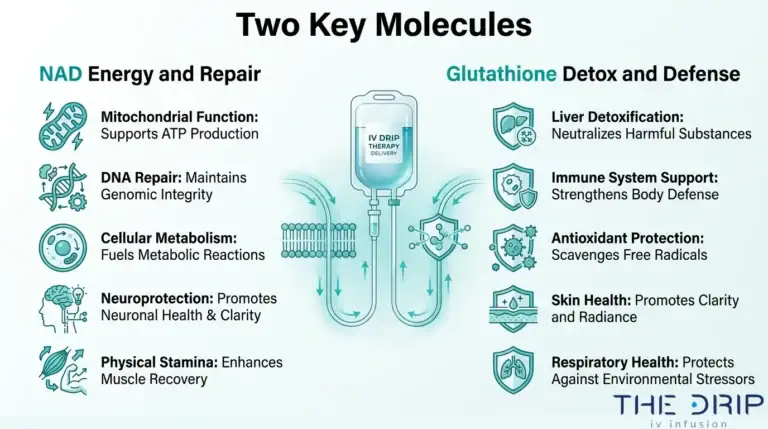
Thiamine is the most critical ingredient in a banana bag. Vitamin B1 serves as a coenzyme in the pyruvate dehydrogenase complex and alpha-ketoglutarate dehydrogenase, both essential for carbohydrate metabolism and ATP production in the brain, according to StatPearls (NIH). Without adequate thiamine, the brain cannot properly convert glucose into usable energy. This makes thiamine supplementation especially urgent for patients with alcohol-related nutritional depletion, where deficiency can progress rapidly toward serious neurological complications.
Folic Acid (Vitamin B9)
Folic acid is a synthetic form of folate, included in banana bags to address a deficiency common among malnourished patients. According to the Mayo Clinic, folate is required for the synthesis of nucleic acids (DNA and RNA) and amino acid metabolism, and it is essential for healthy red blood cell growth and function. Patients with prolonged alcohol use or poor dietary intake often develop folate depletion, which can lead to megaloblastic anemia. Intravenous delivery ensures rapid restoration even when gastrointestinal absorption is impaired.
Magnesium Sulfate
Magnesium sulfate supports neuromuscular and cardiac stability in banana bag recipients. According to Medscape’s pharmacology reference, magnesium sulfate blocks peripheral neuromuscular transmission by decreasing acetylcholine release at the motor nerve end-plate and slows SA node impulse formation in the myocardium. These properties help prevent muscle spasms, seizures, and cardiac arrhythmias. For clinicians, magnesium is arguably the most underappreciated component because hypomagnesemia is both common in malnourished patients and difficult to detect without targeted lab work.
Multivitamin Complex
The multivitamin complex gives the banana bag its distinctive yellow color. This concentrate typically contains a broad spectrum of water-soluble vitamins, such as B2 (riboflavin), B3 (niacin), B5 (pantothenic acid), B6 (pyridoxine), and vitamin C. Together, these nutrients address multiple micronutrient gaps simultaneously. While thiamine and folic acid handle the most urgent deficiencies, the multivitamin component provides broader nutritional coverage that supports immune function, energy metabolism, and tissue repair.
Normal Saline or Dextrose Base Solution
The base solution in a banana bag is typically normal saline or 5% dextrose. According to StatPearls (NIH), normal saline (0.9% sodium chloride) is an isotonic crystalloid solution that expands intravascular volume without causing large fluid shifts between intracellular, intravascular, and interstitial spaces. Dextrose solutions provide an additional glucose source for patients with depleted energy reserves. The base fluid serves a dual purpose: it rehydrates the patient while acting as the delivery vehicle that carries all vitamins and minerals directly into the bloodstream.
Understanding each ingredient clarifies why banana bags address specific clinical needs.
What Is Each Banana Bag Ingredient Used For?
Each banana bag ingredient targets a specific deficiency or physiological need. The following subsections explain how thiamine, folic acid, magnesium sulfate, the multivitamin, and the saline or dextrose base each contribute to the formula.
How Does Thiamine Help in a Banana Bag?
Thiamine helps in a banana bag by supporting carbohydrate metabolism and ATP production in the brain. Patients with alcohol use disorder frequently develop thiamine deficiency due to poor dietary intake and impaired absorption, which raises the risk of Wernicke’s encephalopathy. However, according to clinical pharmacy specialist Joe B., “the amount of thiamine found in a standard banana bag is woefully inadequate to reliably treat or prevent Wernicke’s Encephalopathy.” This limitation is why many clinicians now advocate for higher-dose thiamine protocols administered separately alongside the standard banana bag formula.
How Does Folic Acid Help in a Banana Bag?
Folic acid helps in a banana bag by supporting healthy red blood cell production and DNA synthesis. Folate deficiency is common among malnourished patients, particularly those with chronic alcohol use, and can lead to megaloblastic anemia. By including folic acid in the infusion, the banana bag addresses this deficiency directly through the bloodstream, bypassing impaired gastrointestinal absorption. For patients whose folate stores are severely depleted, this IV route often proves more reliable than oral supplementation alone.
How Does Magnesium Sulfate Help in a Banana Bag?
Magnesium sulfate helps in a banana bag by stabilizing neuromuscular function and supporting cardiac rhythm. It reduces excessive nerve signaling, which is particularly valuable for patients experiencing muscle cramps, tremors, or seizure risk during alcohol withdrawal. Hypomagnesemia can also impair recovery from Wernicke’s encephalopathy, making magnesium correction an essential part of the treatment regimen. Without adequate magnesium levels, the other banana bag nutrients cannot function optimally in metabolic pathways.
What Role Does the Multivitamin Play in a Banana Bag?
The multivitamin plays a broad nutritional support role in a banana bag by delivering a spectrum of water-soluble vitamins that malnourished patients typically lack. It is the component responsible for the bag’s distinctive yellow color. While thiamine and folic acid target specific deficiencies, the multivitamin fills remaining gaps across B-complex vitamins and other micronutrients. This comprehensive approach helps restore baseline nutritional status more effectively than any single vitamin administered alone.
Why Is the Saline or Dextrose Base Important?
The saline or dextrose base is important because it serves as both the delivery vehicle and a rehydration agent. Normal saline (0.9% sodium chloride) is an isotonic crystalloid solution that expands intravascular volume without causing large fluid shifts between body compartments, according to StatPearls (NIH). Some protocols substitute 5% dextrose to provide a glucose source for energy-depleted patients. Without this fluid base, the vitamins and minerals in a banana bag could not be safely infused intravenously.
Understanding each ingredient’s role clarifies why banana bags are prescribed for specific clinical situations.
What Are the Most Common Uses of a Banana Bag?
The most common uses of a banana bag include alcohol withdrawal management, chronic malnutrition support, severe dehydration treatment, hangover recovery, and vitamin deficiency correction. Each application targets specific nutrient gaps through direct intravenous delivery.

How Are Banana Bags Used for Alcohol Withdrawal?
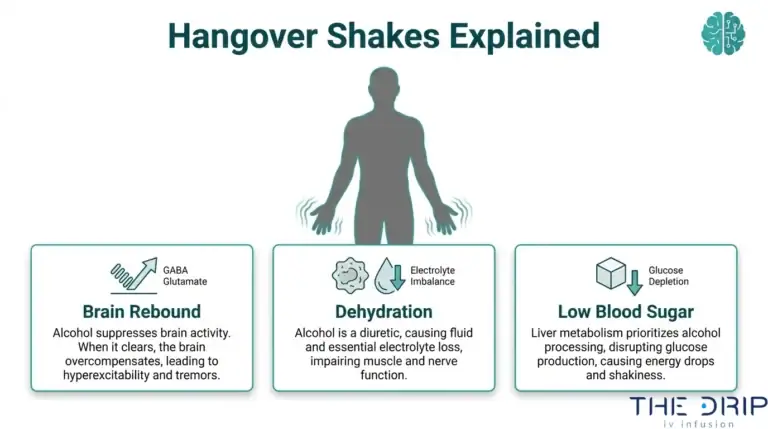
Banana bags are used for alcohol withdrawal by replenishing thiamine, magnesium, and folate that chronic alcohol use depletes. Patients with alcohol use disorder face high risk for thiamine deficiency due to poor dietary intake and impaired gastrointestinal absorption. According to a study published in Gastroenterology Research, approximately 50% of patients with alcohol use disorder experience withdrawal symptoms when they reduce or stop drinking. These symptoms can range from mild tremors to life-threatening seizures, making rapid nutrient restoration critical. The banana bag, sometimes called a “rally pack” or “alcohol drip,” delivers these vitamins intravenously to bypass compromised gut absorption. For clinicians, this remains one of the most time-sensitive applications of the banana bag in acute care.
How Are Banana Bags Used for Chronic Malnutrition?
Banana bags are used for chronic malnutrition by delivering essential vitamins and minerals directly into the bloodstream when oral intake is insufficient. Hospitalized patients with prolonged illness, surgical recovery, or gastrointestinal disorders often cannot absorb nutrients through food alone. According to the Agency for Healthcare Research and Quality, malnutrition affects more than 30 percent of hospitalized patients in the United States, often necessitating vitamin-enriched IV therapies like the banana bag. The combination of thiamine, folic acid, magnesium sulfate, and a multivitamin complex addresses multiple deficiencies simultaneously. This makes the banana bag a practical frontline intervention when nutritional status deteriorates rapidly.
How Are Banana Bags Used for Severe Dehydration?
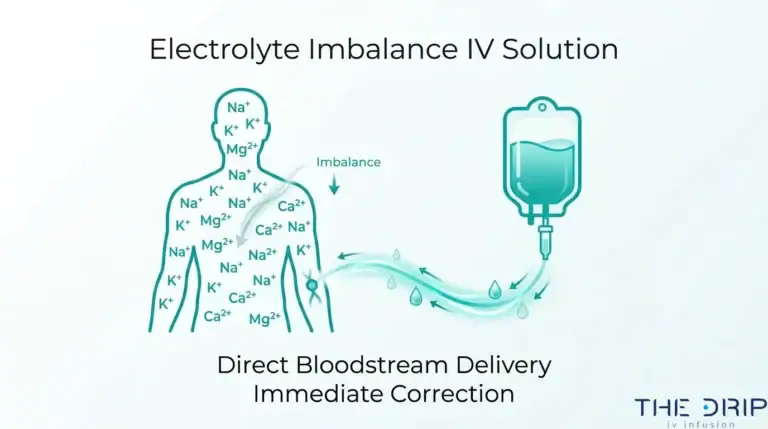
Banana bags are used for severe dehydration by combining fluid volume restoration with electrolyte and vitamin replenishment. The normal saline or dextrose base expands intravascular volume, while magnesium sulfate helps restore electrolyte balance. Severe dehydration often accompanies conditions such as prolonged vomiting, diarrhea, and excessive sweating, where water loss pulls essential minerals from the body. By addressing both fluid deficit and micronutrient depletion in a single infusion, the banana bag offers a more comprehensive approach than standard saline alone. For patients who are already nutrient-depleted, this dual-action delivery can be the difference between slow and rapid stabilization.
How Are Banana Bags Used for Hangover Recovery?
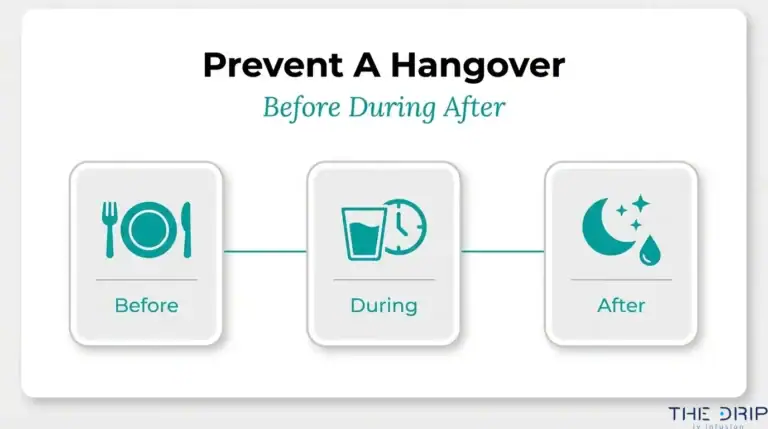
Banana bags are used for hangover recovery by rehydrating the body and replacing B vitamins and magnesium that alcohol consumption depletes. Alcohol acts as a diuretic, flushing fluids and water-soluble vitamins from the body, which contributes to headaches, nausea, and fatigue the following day. The saline base restores hydration while thiamine and folic acid support energy metabolism and cellular repair. Consumer interest in this application is significant; common search queries include “banana bag for hangover” and “how long does a banana bag take,” according to data from Mobile IV Medics. While hospital-grade banana bags are typically reserved for clinical settings, similar nutrient combinations are increasingly available through IV therapy services.
How Are Banana Bags Used for Vitamin Deficiency Correction?
Banana bags are used for vitamin deficiency correction by delivering therapeutic doses of thiamine, folic acid, and a multivitamin complex directly into the bloodstream. This intravenous route bypasses digestive absorption barriers, which is particularly valuable for patients with conditions such as celiac disease, Crohn’s disease, or post-bariatric surgery malabsorption. Folate deficiency impairs red blood cell production and DNA synthesis, while thiamine deficiency can progress to neurological complications if left untreated. The banana bag consolidates multiple vitamin corrections into one infusion session, reducing the need for separate oral supplements that may not absorb effectively. For patients with documented deficiencies, this targeted delivery method often produces faster measurable improvement than oral alternatives.
With common clinical uses established, understanding which patient populations benefit most adds further clarity.
Who Needs a Banana Bag IV?
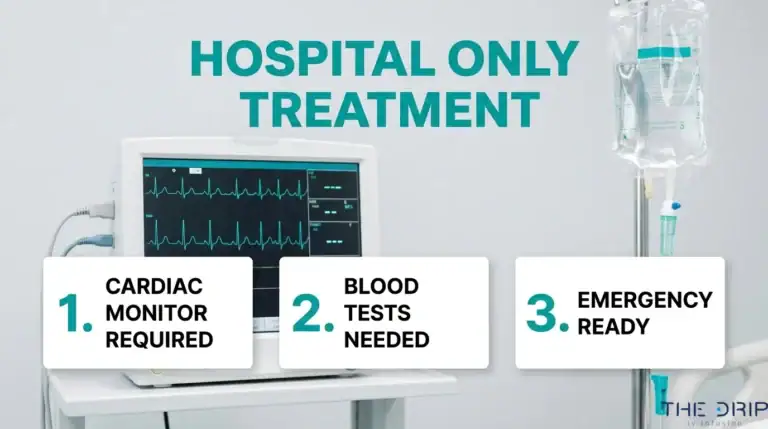
A banana bag IV is typically needed by patients experiencing alcohol withdrawal, severe malnutrition, acute dehydration, or significant vitamin deficiencies. Hospital settings and outpatient IV clinics each serve different patient needs.
When Do Hospitals Administer a Banana Bag?
Hospitals administer a banana bag when patients present with conditions that cause dangerous nutrient depletion or dehydration. The most common clinical scenarios include:
- Alcohol withdrawal or intoxication: Patients with alcohol use disorder face high risk for thiamine deficiency due to decreased dietary intake, impaired gastrointestinal absorption, and impaired thiamine utilization.
- Wernicke encephalopathy prevention: Clinicians use banana bags to deliver thiamine, magnesium, and folate intravenously to protect against neurological damage.
- Acute malnutrition in hospitalized patients: Individuals admitted with severe nutritional gaps receive banana bags to restore essential vitamins quickly.
- Severe dehydration with electrolyte imbalance: Emergency departments rely on banana bags when oral rehydration is insufficient or unsafe.
For most hospital patients, the clinical team determines dosing and duration based on lab results and symptom severity.
Can You Get a Banana Bag Outside of a Hospital?
Yes, you can get a banana bag outside of a hospital through mobile IV therapy services and outpatient infusion clinics. These settings deliver similar vitamin-enriched IV formulations for hydration support, nutrient replenishment, and recovery.
The infusion experience differs from a hospital stay in several ways. According to Touro College of Pharmacy, the standard infusion duration for a banana bag is typically 4 to 8 hours, depending on the patient’s clinical status and the specific hospital protocol. Outpatient and mobile services often customize formulations with adjusted nutrient concentrations, which can allow for shorter session times. Accessibility is the primary advantage; clients receive treatment at home, at work, or in a clinic without an emergency department visit.
For anyone considering nutrient-focused IV therapy outside a hospital, professional oversight from a qualified infusion specialist remains essential for safety.
How Is a Banana Bag IV Administered?
A banana bag IV is administered by inserting a catheter into a peripheral vein, connecting it to a pre-mixed bag of yellow-tinted IV fluid, and infusing the solution at a controlled drip rate over several hours. A nurse or qualified infusion specialist prepares the bag by adding thiamine, folic acid, magnesium sulfate, and a multivitamin complex to a base of normal saline or 5% dextrose. The standard process follows these steps:
- A healthcare professional assesses the patient’s vital signs and hydration status.
- A peripheral IV catheter is placed, typically in the forearm or hand.
- The banana bag solution is connected to the catheter and hung on an IV pole or pump.
- The drip rate is set based on the patient’s clinical condition and tolerance.
- Vital signs are monitored throughout the infusion for adverse reactions.
According to the Touro College of Pharmacy, the standard infusion duration for a banana bag is typically 4 to 8 hours, depending on the patient’s clinical status and the specific hospital protocol. Slower rates help prevent complications such as flushing or nausea from rapid magnesium delivery. For most patients, especially those with alcohol-related deficiencies, this measured pace ensures steady nutrient absorption without overwhelming the system.

How Long Does a Banana Bag IV Take to Work?
A banana bag IV typically takes 4 to 8 hours to fully infuse, depending on the patient’s clinical status and hospital protocol. According to Touro College of Pharmacy, this standard infusion duration accounts for variations in individual patient needs and institutional guidelines.
Most patients begin noticing improvements in hydration and energy levels within the first 30 to 60 minutes as the saline base restores fluid volume. However, the full therapeutic benefit of thiamine, folic acid, magnesium sulfate, and the multivitamin complex builds gradually over the complete infusion period. Factors such as severity of dehydration, the degree of nutrient depletion, and overall health status influence how quickly a patient responds. For those seeking faster nutrient delivery outside a hospital setting, wellness-focused IV infusion sessions typically run closer to one hour.
What Are the Side Effects of a Banana Bag?
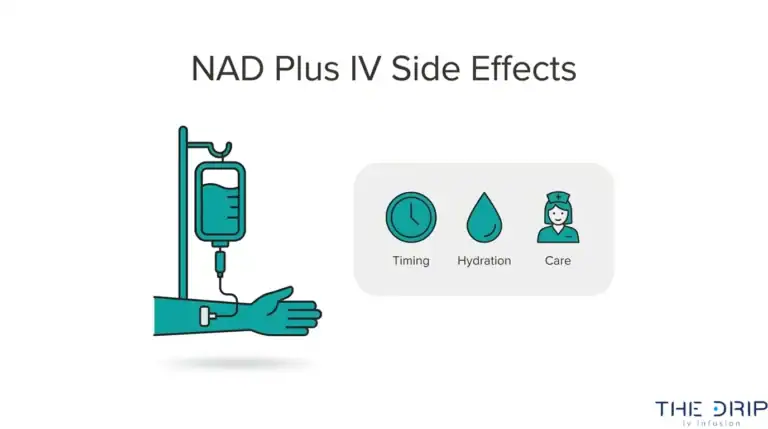
The side effects of a banana bag are generally mild and related to the IV administration process or individual ingredient sensitivities. Most patients tolerate the infusion well, but reactions can occur depending on infusion rate, dosage, and patient history. Common and uncommon side effects include the following.
- Injection site reactions such as pain, redness, swelling, or phlebitis at the IV insertion point.
- Flushing or warmth caused by rapid magnesium sulfate infusion, which can also lower blood pressure temporarily.
- Nausea or gastrointestinal discomfort triggered by the multivitamin complex, particularly when infused too quickly.
- Allergic reactions ranging from mild skin rash to, in rare cases, anaphylaxis in patients with known sensitivities to specific B vitamins or preservatives.
- Hypotension from magnesium sulfate, especially in patients receiving higher doses or those with pre-existing low blood pressure.
- Electrolyte imbalance if magnesium levels rise too high, potentially causing muscle weakness or respiratory depression in extreme cases.
According to Medscape’s pharmacology reference, magnesium sulfate decreases acetylcholine release at neuromuscular junctions and slows the SA node impulse rate, which explains why cardiovascular and neuromuscular side effects are possible at elevated doses. Slowing the infusion rate and monitoring vitals significantly reduce the likelihood of these reactions.
For most people, banana bag side effects resolve quickly once the infusion is adjusted or completed. Serious complications remain rare under proper medical supervision, making this a generally safe intervention when administered by a qualified professional. Understanding how banana bags compare to standard IV fluids helps clarify when this nutrient-enriched option is the better choice.
What Is the Difference Between a Banana Bag and a Normal IV?
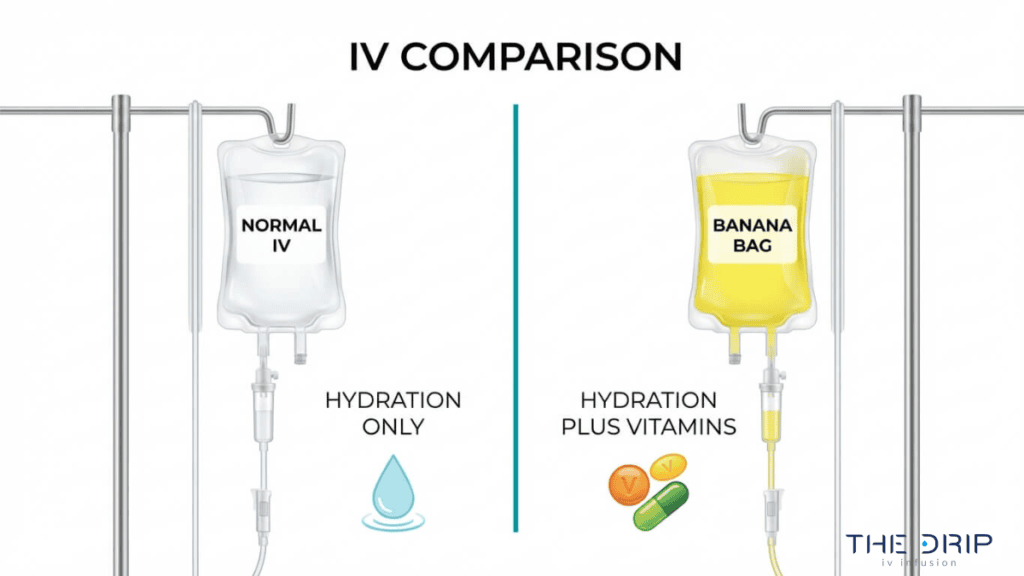
The difference between a banana bag and a normal IV is the nutrient composition. A normal IV delivers only hydration fluid, while a banana bag combines that same fluid base with therapeutic vitamins and minerals. The key distinctions involve ingredients, clinical purpose, and patient populations.
A standard IV typically contains normal saline (0.9% sodium chloride) or a dextrose solution, designed solely to restore fluid volume. A banana bag uses the same base fluid but adds thiamine, folic acid, magnesium sulfate, and a multivitamin complex. This vitamin-enriched formulation addresses nutritional deficiencies that hydration alone cannot correct.
The clinical purposes also differ significantly. Normal saline, as described by StatPearls (NIH), is an isotonic crystalloid solution that expands intravascular volume without causing large fluid shifts between body compartments. Its role is straightforward rehydration. Banana bags, by contrast, target patients who need both fluid replacement and simultaneous correction of vitamin and mineral depletion, particularly those with alcohol use disorder or chronic malnutrition.
Key differences between a banana bag and a normal IV include:
- Ingredients: A normal IV contains only saline or dextrose; a banana bag adds thiamine, folic acid, magnesium sulfate, and a multivitamin.
- Color: Normal saline is clear; the multivitamin gives the banana bag its distinctive yellow color.
- Clinical target: Normal IVs treat dehydration; banana bags address combined dehydration and nutrient deficiency.
- Infusion time: Normal saline infusions can run quickly for acute fluid resuscitation, while banana bags often require longer, controlled infusion periods.
- Patient population: Normal IVs serve nearly any patient needing fluids; banana bags are most commonly ordered for patients with alcohol withdrawal, malnutrition, or specific vitamin deficiencies.
For anyone experiencing general dehydration without underlying nutritional deficits, a standard IV is typically sufficient. However, when vitamin depletion accompanies fluid loss, the banana bag’s enriched formula makes it the more appropriate clinical choice. Understanding this distinction helps clarify whether at-home IV vitamin therapy can deliver comparable nutritional support.
How Does At-Home IV Vitamin Therapy Compare to a Banana Bag?
At-home IV vitamin therapy compares to a banana bag by offering similar nutrient delivery in a more convenient, customizable format outside the hospital. The following sections cover mobile service capabilities and key takeaways.
Can Mobile IV Infusion Services Deliver Banana Bag Nutrients?
Yes, mobile IV infusion services can deliver banana bag nutrients, including thiamine, folic acid, magnesium, and multivitamins, directly to a client’s home or workplace. These services bypass the need for a hospital visit by bringing licensed professionals to the patient.
However, there are important distinctions. Mobile IV therapy services offer the convenience of treatment in homes or hotels but are often more expensive and less structured than in-clinic or hospital-administered IV therapy, according to Drip Hydration. Hospital banana bags follow strict clinical protocols with continuous monitoring over four to eight hours, while mobile services typically complete sessions in about one hour with customizable formulations.
For individuals who do not require acute medical supervision, mobile infusion services provide a practical alternative. The Drip IV Infusion delivers nurse-administered IV therapy across Arizona, offering add-ons such as magnesium, B-complex vitamins, and zinc that mirror core banana bag components.
What Are the Key Takeaways About Banana Bags and Their Uses?
The key takeaways about banana bags and their uses center on their role as a targeted IV solution for nutrient repletion and hydration. Banana bags combine thiamine, folic acid, magnesium sulfate, a multivitamin, and a saline or dextrose base to address deficiencies commonly seen in alcohol withdrawal, chronic malnutrition, and severe dehydration.
Key points to remember:
- Banana bags are primarily a hospital intervention designed for patients with acute nutritional deficits.
- Each ingredient serves a specific clinical purpose, from preventing Wernicke encephalopathy to supporting red blood cell production.
- At-home IV vitamin therapy can replicate many banana bag nutrients in a more accessible setting for non-emergency situations.
- Consulting a healthcare provider remains essential before pursuing any IV nutrient therapy.
For those seeking convenient, nurse-administered vitamin infusions without a hospital visit, The Drip IV Infusion offers customizable IV cocktails and add-ons tailored to individual wellness goals.