
Cold and flu IV therapy is an intravenous treatment that delivers immune-supporting vitamins, minerals, and hydration directly into the bloodstream to help the body fight respiratory illness. We created this guide to cover how cold and flu IV drips work, who can safely receive them, potential side effects, ingredient-level effectiveness, core benefits, optimal timing, and how they compare to other treatments.
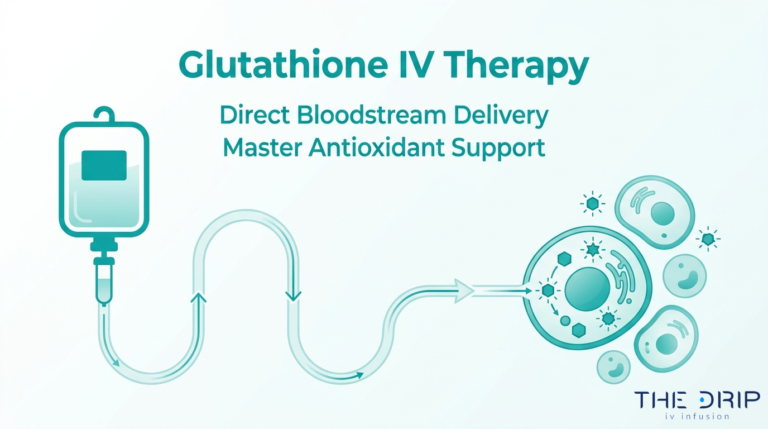
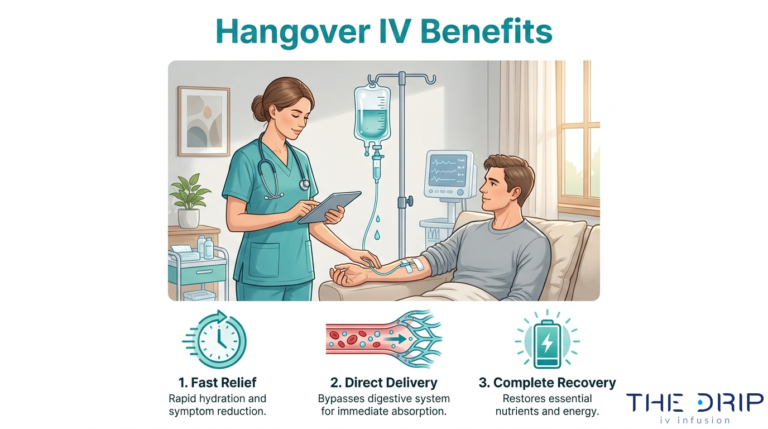
IV therapy bypasses the digestive system entirely, allowing nutrients like vitamin C, zinc, glutathione, and B-complex vitamins to reach circulation at concentrations oral supplements cannot match. This matters most when nausea or vomiting makes swallowing medications unreliable.
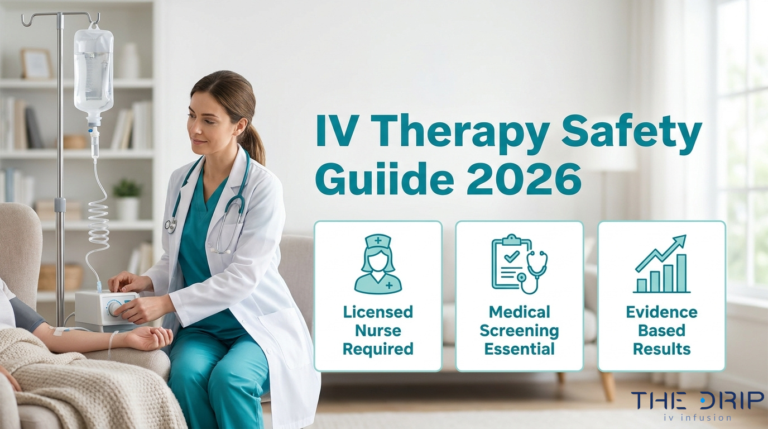
Safety depends heavily on the individual. Healthy adults generally tolerate these infusions well, but pregnant women, children, people with kidney disease, and those managing heart conditions or high blood pressure face elevated risks that require medical clearance before any session.
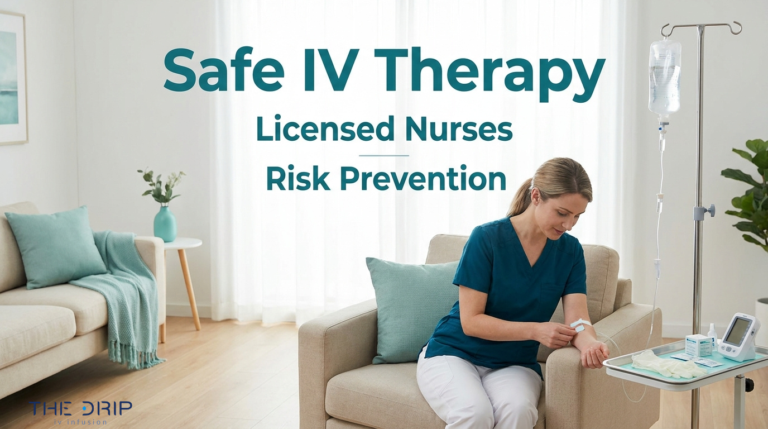
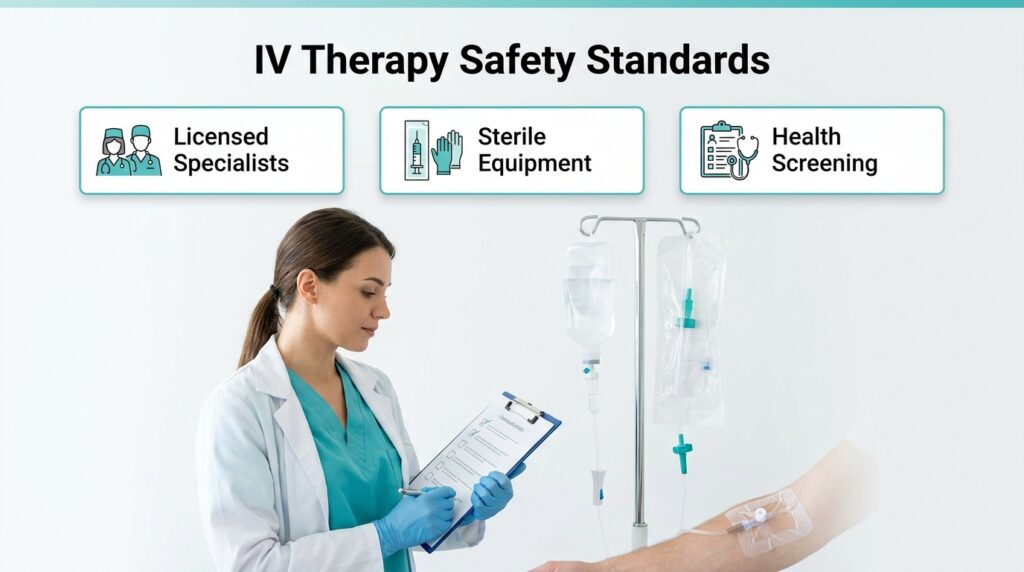
Side effects range from mild bruising and light-headedness to rare but serious complications like vein inflammation, infection, and allergic reactions. Choosing a provider with licensed infusion specialists and proper sterilization protocols significantly reduces these risks.
Each nutrient in a cold and flu drip serves a specific function: vitamin C strengthens phagocytic immune cells, zinc can shorten symptom duration when administered early, glutathione protects cells from oxidative damage during infection, and B vitamins sustain energy when metabolic demands spike.
Timing also influences outcomes. Early intervention within the first 24 hours of symptoms offers the strongest potential benefit, though sessions during peak illness or post-recovery each serve distinct purposes. We also explore how IV therapy compares to over-the-counter medications, antiviral prescriptions, and at-home remedies, plus how mobile delivery makes treatment accessible without leaving home.
What Is Cold and Flu IV Therapy?
Cold and flu IV therapy is an intravenous treatment that delivers immune-supporting vitamins, minerals, and hydration directly into the bloodstream to help the body fight respiratory illness. The following sections explain how this therapy works, what ingredients it contains, and how it differs from oral medications.
How Does IV Therapy for Cold and Flu Work?
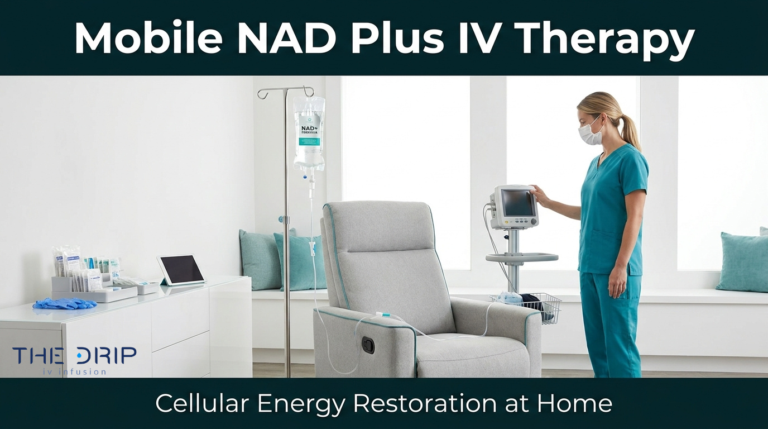
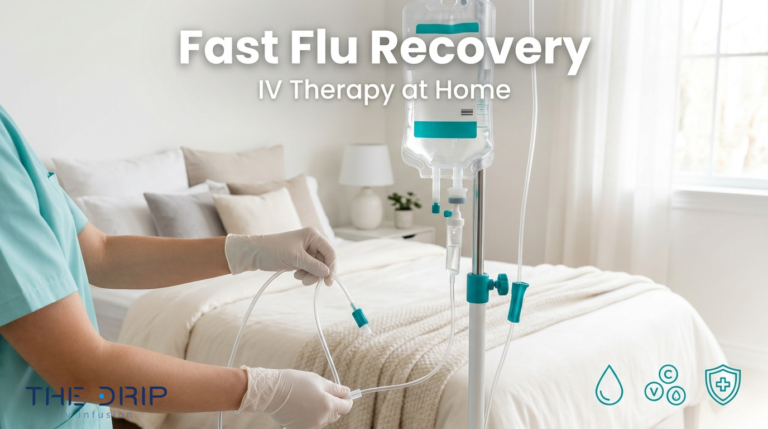
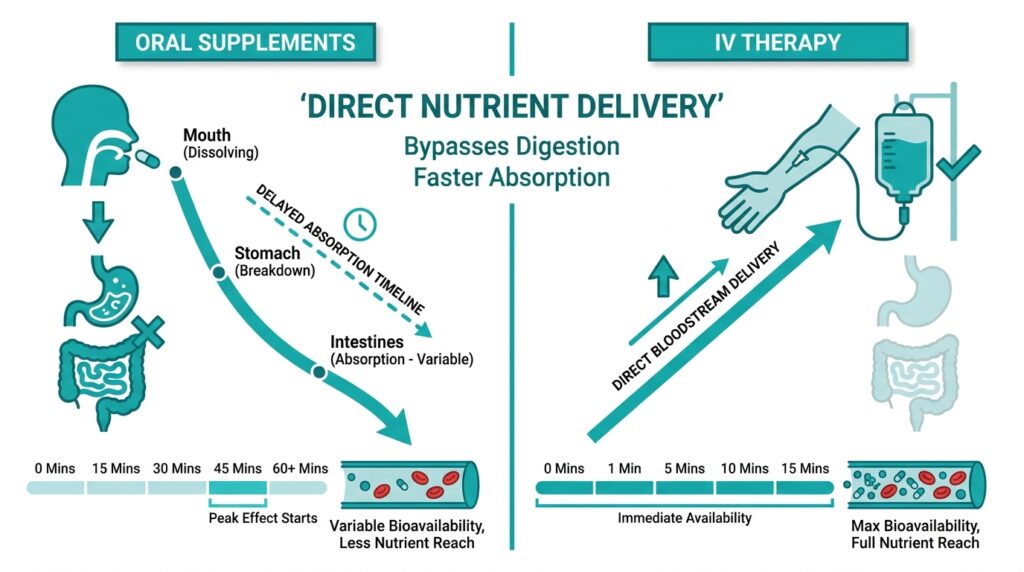
IV therapy for cold and flu works by infusing a sterile solution of vitamins, minerals, and fluids through a small catheter placed in a vein. This bypasses the digestive system entirely, allowing nutrients to reach cells at higher concentrations than oral intake permits. A typical session takes about one hour, during which an infusion specialist monitors the drip rate and the client’s response.
Because nutrients enter the bloodstream directly, the body can use them immediately rather than waiting for digestion and intestinal absorption. This mechanism is particularly relevant during illness, when nausea or vomiting may limit what the stomach can tolerate. For anyone struggling to keep fluids down, IV delivery offers a practical alternative that maintains hydration and nutrient levels simultaneously.
What Ingredients Are in a Cold and Flu IV Drip?
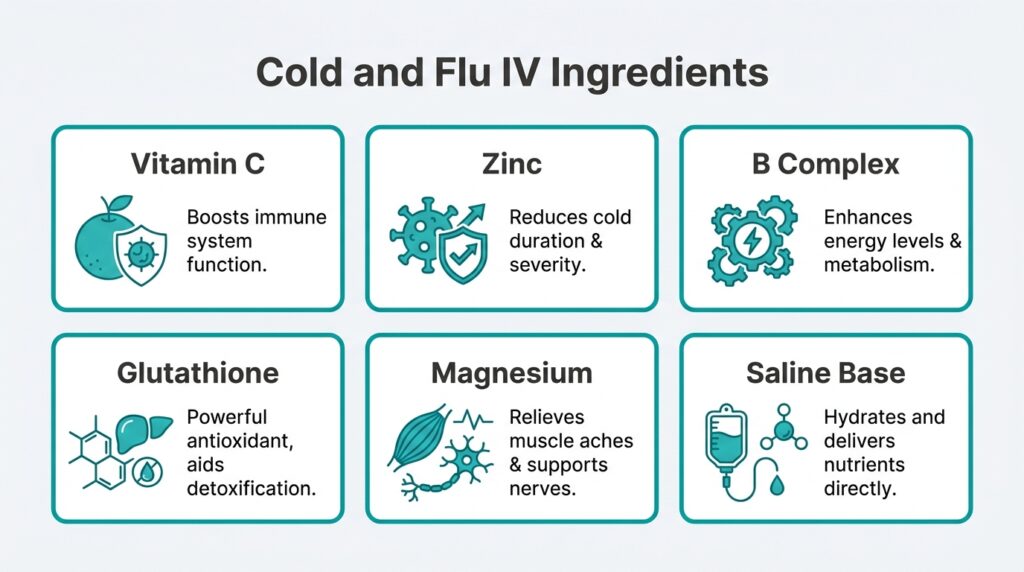
The ingredients in a cold and flu IV drip typically include a combination of immune-supporting vitamins, minerals, and antioxidants dissolved in a saline or electrolyte base. Common components include:
- Vitamin C: Supports innate and adaptive immune function by enhancing the activity of phagocytic cells like neutrophils.
- Zinc: Helps reduce cold symptom duration when administered early in the course of illness.
- B-complex vitamins: Contribute to energy production and help sustain immune responses during infection.
- Glutathione: An antioxidant that plays a role in cellular defense against viral replication.
- Magnesium: Supports muscle relaxation and enzymatic processes involved in recovery.
- Hydrating saline base: Replenishes fluids lost through fever, sweating, and reduced oral intake.
Formulations vary by provider. The Drip IV Infusion offers customizable add-ons, including vitamin B12, N-Acetyl Cysteine, and Zofran for nausea relief, so each drip can be tailored to specific symptoms.
How Does IV Therapy Differ From Oral Cold Medications?
IV therapy differs from oral cold medications primarily in absorption speed, bioavailability, and delivery mechanism. Oral medications must pass through the gastrointestinal tract, where stomach acid, enzyme activity, and digestive variability reduce how much active ingredient reaches the bloodstream. According to the Merck Manual, intravenous vitamin therapy delivers high concentrations of vitamins and minerals directly into the bloodstream, allowing for rapid absorption of higher doses than can be obtained through food or oral supplements.
Oral cold medications also target symptoms rather than nutritional status; decongestants relieve stuffiness, and analgesics reduce pain, but neither replenishes depleted vitamins or corrects dehydration. IV therapy addresses both symptom support and nutrient delivery in a single session. That said, oral medications remain more accessible and appropriate for mild symptoms, while IV therapy tends to offer the greatest advantage when illness limits oral tolerance or when faster nutrient repletion is the goal.
Understanding what cold and flu IV therapy involves sets the foundation for evaluating its safety profile.
Is IV Therapy for Cold and Flu Safe?
IV therapy for cold and flu is generally safe for healthy adults when administered by a qualified nurse, but safety varies by population. The following subsections cover safety considerations for healthy adults, pregnant women, children, immunocompromised individuals, and people with kidney disease.
Is Cold and Flu IV Therapy Safe for Healthy Adults?
Cold and flu IV therapy is safe for most healthy adults when provided by a licensed infusion specialist using properly sterilized equipment. Standard nutrient formulations containing vitamin C, zinc, B vitamins, and magnesium are well tolerated at appropriate doses. According to a study published in The American Journal of Tropical Medicine and Hygiene, zinc supplementation reduced the duration of common cold symptoms among healthy adults, with some participants showing recovery within 24 hours of administration. Minor side effects like bruising at the insertion site or a warm sensation during infusion may occur but typically resolve quickly. For adults without underlying conditions, the risk profile remains low when protocols are followed correctly.
Is Cold and Flu IV Therapy Safe for Pregnant Women?
Cold and flu IV therapy is not universally safe for pregnant women. According to the Merck Manuals, pregnant and breastfeeding women should avoid high-dose IV vitamin therapy like the Myers’ cocktail. Certain vitamins at elevated intravenous concentrations can pose risks to both the mother and developing baby. Pregnant women experiencing cold or flu symptoms should consult their OB-GYN before receiving any IV infusion. Lower-dose hydration-focused drips may be appropriate in some cases, but this decision requires medical clearance specific to each pregnancy.
Is Cold and Flu IV Therapy Safe for Children?
Cold and flu IV therapy is generally not recommended for children without direct physician oversight. Pediatric patients have different fluid volume requirements, electrolyte sensitivities, and weight-based dosing needs compared to adults. Standard adult IV nutrient formulations can deliver concentrations too high for a child’s smaller body. Most mobile IV therapy services, including The Drip IV Infusion, focus on adult clients. Parents should work with their pediatrician to determine appropriate treatment options when children develop cold or flu symptoms.
Is Cold and Flu IV Therapy Safe for Immunocompromised Individuals?
Cold and flu IV therapy requires extra caution for immunocompromised individuals. While nutrient support through IV delivery may benefit immune function, compromised immune systems face heightened infection risk at any puncture site. Sterile technique becomes even more critical for this population. Immunocompromised patients should obtain clearance from their treating physician before scheduling an infusion. Customized formulations with adjusted dosages may be necessary, as standard high-dose protocols could overwhelm systems already under significant physiological stress.
Is Cold and Flu IV Therapy Safe for People With Kidney Disease?
Cold and flu IV therapy is not safe for people with kidney disease without strict medical supervision. The kidneys filter excess vitamins and minerals from the bloodstream, so impaired kidney function can lead to dangerous accumulation. According to Mayo Clinic Health System, in people with heart conditions or high blood pressure, high-dose vitamin infusions could lead to fluid overload, potentially causing temporary or permanent damage to the kidneys, brain, or heart. Individuals with kidney disease, high blood pressure, or heart conditions should avoid high-dose IV vitamin therapy like the Myers’ cocktail entirely. For anyone managing chronic kidney concerns, exploring IV therapy options demands a conversation with a nephrologist first.
Understanding who can safely receive IV therapy helps determine whether the potential side effects outweigh the benefits.
What Are the Side Effects of Cold and Flu IV Therapy?
The side effects of cold and flu IV therapy range from mild, temporary reactions at the infusion site to rare but serious complications. Understanding both categories helps you make an informed decision.
What Are the Common Mild Side Effects?
The common mild side effects of cold and flu IV therapy include localized discomfort and temporary systemic reactions. Most resolve quickly and do not require medical intervention.
Typical mild reactions include:
- Bruising or soreness at the insertion site, which usually fades within a day or two.
- Light-headedness or a drop in blood pressure when infusions are administered too quickly, often related to magnesium content.
- A warm or flushing sensation during the drip, particularly with vitamin-rich formulations.
- Mild headache or nausea shortly after the session.
According to the Merck Manual, infusions administered too quickly can cause a drop in blood pressure, leading to light-headedness and fainting. Choosing a provider that uses trained infusion specialists significantly reduces these risks, since proper technique and controlled drip rates prevent most mild complications.
What Are the Rare but Serious Side Effects?
The rare but serious side effects of cold and flu IV therapy involve systemic reactions that require immediate medical attention. These occur infrequently but warrant awareness before any infusion.
Serious complications include:
- Phlebitis, or inflammation of the vein, which can develop at the catheter site.
- Infiltration or extravasation, where IV fluid leaks into surrounding tissue.
- Infection at the puncture site, particularly when sterile protocols are not followed.
- Abnormal heart rhythms or muscle weakness in individuals with irregular blood levels of magnesium or potassium.
- Anaphylaxis from high-dose thiamine (vitamin B1), a potentially life-threatening allergic reaction.
- Peripheral neuropathy from excessive intravenous vitamin B6 doses.
According to the Merck Manual, individuals with abnormal blood levels of magnesium or potassium face higher risk of developing abnormal heart rhythms from IV infusions containing these minerals. This is why a thorough health screening before any session matters; it allows the infusion specialist to adjust the formulation and catch contraindications early.
With side effects understood, knowing how effective these treatments are helps complete the picture.
How Effective Is IV Therapy for Treating Cold and Flu?
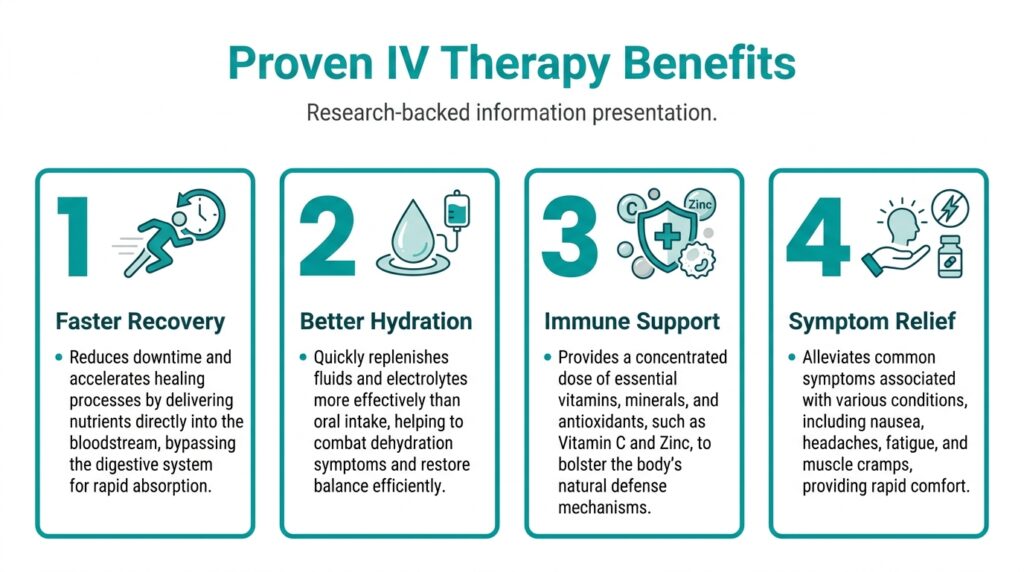
IV therapy for treating cold and flu shows varying effectiveness depending on the specific nutrients delivered. The following sections examine how vitamin C, zinc, glutathione, hydration, and B complex each contribute to symptom relief and recovery.
How Effective Is IV Vitamin C for Cold and Flu Recovery?
IV vitamin C for cold and flu recovery is supported by evidence showing it enhances immune defense at concentrations oral supplements cannot achieve. According to a study published in MDPI Nutrients, oral vitamin C doses of 2–8 g/day may reduce the duration of respiratory infections, while intravenous doses of 6–24 g/day have been shown to reduce mortality and ICU stays for severe respiratory infections. Vitamin C accumulates in phagocytic cells like neutrophils, enhancing their ability to kill pathogens. For most people dealing with a standard cold or flu, IV vitamin C offers the most practical advantage when the GI tract is compromised by nausea or vomiting, making oral absorption unreliable.
How Effective Is IV Zinc for Reducing Cold Duration?
IV zinc is effective for reducing cold duration when administered early. According to the NIH Office of Dietary Supplements, taking supplemental zinc within 24 hours of developing a cold can reduce the duration of symptoms by an average of 2 days, though its effect on symptom severity remains inconsistent. This time-sensitive window makes early intervention critical. Zinc supports immune cell signaling and helps regulate inflammatory responses during upper respiratory infections. While most research has examined oral lozenges and syrups, IV delivery bypasses absorption barriers entirely, making it a strong option when rapid nutrient availability matters most.
How Effective Is IV Glutathione for Immune Support?
IV glutathione is effective for immune support because it plays a central role in protecting cells during viral infections. Clinical data suggests that glutathione levels are inversely correlated with the severity of viral infections, and maintaining high intracellular levels is crucial for mounting a proper immune response. When the body fights a cold or flu, oxidative stress depletes glutathione stores rapidly. Replenishing this antioxidant intravenously helps sustain the immune system’s ability to neutralize free radicals and support cellular repair. For anyone battling a lingering illness, prioritizing glutathione alongside other immune-supporting nutrients can make a meaningful difference in recovery quality.
How Effective Is IV Hydration for Flu Symptom Relief?
IV hydration is effective for flu symptom relief because dehydration worsens common symptoms like headache, fatigue, and muscle aches. Restoring fluid balance directly through the bloodstream addresses these symptoms faster than drinking water alone, especially when nausea limits oral intake. A study published in JAMA Internal Medicine found that 86.2% of IV hydration spa sites recommended specific therapies for headache and cold symptoms, reflecting strong consumer demand for this approach. Patient perception also plays a role; many individuals seek IV fluids in emergency settings because they believe hydration accelerates recovery from respiratory illness. Proper hydration remains one of the most foundational interventions during any flu episode.
How Effective Is IV B Complex for Energy During Illness?
IV B complex is effective for energy during illness because B vitamins are essential cofactors in cellular energy production. When the body fights infection, metabolic demands increase significantly, and nutrient stores deplete faster than usual. B complex vitamins, including B1, B2, B3, B5, B6, and B12, support mitochondrial function and help convert food into usable energy at the cellular level. Delivering these nutrients intravenously ensures full bioavailability without relying on a digestive system that may already be compromised by nausea or reduced appetite. For those experiencing the deep fatigue that often accompanies cold and flu, B complex provides targeted metabolic support when the body needs it most.
Understanding how each nutrient performs individually helps clarify the broader benefits IV therapy offers during illness.
What Are the Benefits of IV Therapy for Cold and Flu?
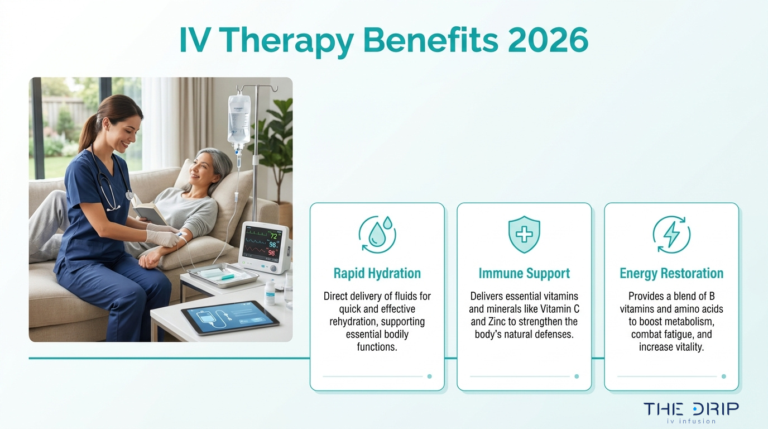
The benefits of IV therapy for cold and flu include faster nutrient absorption, improved hydration, nausea relief, and stronger immune support. The following subsections explain how each benefit works during illness.
How Does Bypassing the GI Tract Improve Nutrient Absorption?
Bypassing the GI tract improves nutrient absorption by delivering vitamins and minerals directly into the bloodstream, eliminating digestive losses. When nutrients are taken orally, stomach acid, enzyme activity, and gut motility all reduce how much the body actually absorbs. According to a 2017 study published in the National Library of Medicine, magnesium absorption after oral intake does not begin for approximately one hour, reaches a plateau after two to two and a half hours, and varies significantly based on individual digestive factors.
IV delivery removes these variables entirely. Nutrients reach circulation at full concentration within minutes, which matters most when the body is already under stress from cold or flu symptoms. For anyone experiencing digestive discomfort during illness, this route ensures the body receives what it needs without relying on a compromised GI system.
How Does IV Hydration Speed Up Cold and Flu Recovery?
IV hydration speeds up cold and flu recovery by restoring fluid balance more rapidly than oral intake alone. Fever, sweating, and reduced appetite during illness cause significant fluid loss that compounds fatigue and prolongs symptoms. Intravenous fluids replenish intracellular and extracellular volume simultaneously, helping the body maintain normal physiological processes.
Proper hydration also supports mucosal membrane function, which serves as a first-line barrier against viral replication in the respiratory tract. When dehydration sets in, mucus thickens, congestion worsens, and the body struggles to clear pathogens efficiently. Restoring hydration through IV delivery addresses these issues faster than sipping fluids throughout the day, particularly for those who cannot keep liquids down.
How Does IV Therapy Help Relieve Nausea and Vomiting?
IV therapy helps relieve nausea and vomiting by bypassing the stomach entirely and delivering fluids, electrolytes, and anti-nausea medications directly into the bloodstream. Cold and flu often trigger gastrointestinal distress that makes oral rehydration difficult or impossible. Swallowing water, medication, or food can worsen nausea, creating a cycle where the body loses more fluids than it takes in.
Intravenous access allows anti-nausea agents like Zofran to take effect quickly without requiring digestion. This is especially valuable during peak illness when vomiting prevents any oral treatment from staying down long enough to work. Once nausea subsides, patients can typically resume normal oral intake more comfortably.
How Does IV Therapy Support Immune Function During Illness?
IV therapy supports immune function during illness by delivering high concentrations of immune-essential nutrients directly to cells that need them most. According to a 2017 review in Nutrients (MDPI), vitamin C contributes to immune defense by supporting cellular functions of both the innate and adaptive immune system, accumulating in phagocytic cells like neutrophils to enhance chemotaxis and microbial killing.
Vitamin B12 also plays a role in balancing immune responses against viral infections, supporting both energy production and immune cell regulation. Combined with zinc and glutathione, these nutrients work synergistically to strengthen the body’s antiviral defenses. Delivering them intravenously ensures therapeutic concentrations reach immune cells without the absorption limitations of oral supplementation.
With these benefits established, timing your session correctly can maximize results.
When Should You Get IV Therapy for a Cold or Flu?
You should get IV therapy for a cold or flu based on your symptom stage, whether early onset, peak illness, or post-recovery. Timing influences how effectively nutrients support your immune response.
Should You Get IV Therapy at the First Sign of Symptoms?
You should get IV therapy at the first sign of symptoms for the greatest potential benefit. Early intervention delivers immune-supporting nutrients like vitamin C and zinc before the infection fully takes hold. According to the NIH Office of Dietary Supplements, supplemental zinc taken within 24 hours of developing a cold can reduce symptom duration by an average of 2 days. IV delivery bypasses the digestive system, making these nutrients available immediately when the immune system needs them most. That early window is where I see clients report the most noticeable difference in how quickly they bounce back.
Should You Get IV Therapy During Peak Flu Symptoms?
You should get IV therapy during peak flu symptoms, particularly when dehydration, fatigue, or nausea make oral intake difficult. Fever, vomiting, and loss of appetite rapidly deplete fluids and electrolytes that the body needs to fight infection. IV hydration restores fluid balance directly into the bloodstream while delivering B vitamins and glutathione to support energy and immune function. For many people dealing with severe congestion, body aches, and an inability to keep anything down, this window is often when IV therapy provides the most practical relief.
Should You Get IV Therapy for Post-Illness Recovery?
You should get IV therapy for post-illness recovery to replenish nutrients depleted during the course of infection. Prolonged cold or flu episodes drain stores of vitamins, minerals, and fluids that the body used to mount its immune defense. A recovery-focused infusion with B-complex vitamins and magnesium can help restore energy levels and reduce lingering fatigue. This stage is frequently overlooked, yet addressing post-illness nutrient depletion often makes the difference between a sluggish return to normal and feeling fully recharged within days. Understanding optimal timing helps clarify how IV therapy compares to other treatment options.
Who Should Avoid Cold and Flu IV Therapy?
Certain individuals should avoid cold and flu IV therapy due to elevated risks from high-dose intravenous nutrients. The groups most affected include those with kidney conditions, heart problems, and specific physiological states that make fluid and nutrient loading potentially dangerous.
People who should avoid or use extreme caution with cold and flu IV therapy include:
- Pregnant and breastfeeding women. According to the Merck Manuals, pregnant and breastfeeding women should avoid high-dose IV vitamin therapy like the Myers’ cocktail due to insufficient safety data for these populations.
- Individuals with kidney disease. Impaired kidneys cannot efficiently filter the concentrated minerals delivered intravenously, increasing the risk of dangerous electrolyte imbalances.
- People with heart conditions or high blood pressure. High-dose vitamin infusions could lead to fluid overload in these patients, potentially causing temporary or permanent damage to the kidneys, brain, or heart.
- Those with abnormal magnesium or potassium levels. IV infusions containing these minerals raise the risk of abnormal heart rhythms and muscle weakness when baseline blood levels are already irregular.
- Individuals with known allergies to IV ingredients. Large IV doses of thiamine (vitamin B1) can trigger anaphylaxis, while high-dose intravenous vitamin B6 may cause peripheral neuropathy.
For anyone in these categories, a conversation with a healthcare provider before booking any infusion is essential. Even individuals who consider themselves generally healthy should disclose their full medical history during the intake process. This step is particularly important because symptoms of underlying conditions, such as early-stage kidney impairment or borderline blood pressure, may not always be obvious. A thorough pre-infusion screening remains the most reliable safeguard against preventable complications.
Understanding who should avoid this therapy helps frame how cold and flu IV treatments compare to other options.
How Does IV Therapy Compare to Other Cold and Flu Treatments?
IV therapy compares to other cold and flu treatments by offering faster nutrient absorption and direct hydration, while oral medications and home remedies work through the digestive system. The sections below compare IV therapy to over-the-counter medications, antiviral prescriptions, and at-home remedies.
How Does IV Therapy Compare to Over-the-Counter Medications?
IV therapy compares to over-the-counter medications by delivering vitamins, minerals, and hydration directly into the bloodstream, while OTC drugs like acetaminophen and decongestants primarily mask symptoms. Over-the-counter cold medications reduce fever, suppress coughs, and relieve congestion, but they do not replenish fluids or correct nutrient deficiencies caused by illness. IV therapy addresses dehydration and nutrient depletion simultaneously, which OTC options cannot do. According to the NIH, a 1.25 g oral dose of vitamin C produces peak plasma concentrations of 134.8 μmol/L, compared to 885 μmol/L for the same dose given intravenously. For most people fighting a cold, combining symptom-relief medications with IV nutrient support offers broader coverage than relying on either approach alone.
How Does IV Therapy Compare to Antiviral Prescriptions?
IV therapy compares to antiviral prescriptions by targeting hydration and immune support rather than directly inhibiting viral replication. Antiviral medications like oseltamivir (Tamiflu) work by blocking the neuraminidase enzyme that influenza viruses need to spread between cells. IV therapy does not have this antiviral mechanism; instead, it supplies nutrients such as vitamin C, zinc, and glutathione that support immune function during infection. According to a study published in Pulmonology Advisor, intravenous zanamivir was found to be as safe and efficacious as oral oseltamivir in patients with severe influenza. Antivirals remain the standard for confirmed influenza, especially when started within 48 hours. IV therapy works best as a complementary support alongside prescribed antiviral treatment, not as a replacement.
How Does IV Therapy Compare to At-Home Remedies?
IV therapy compares to at-home remedies by bypassing the digestive system entirely, which matters most when nausea or vomiting limits oral intake. Common at-home approaches include rest, hot fluids, honey, steam inhalation, and oral hydration drinks. These methods are accessible and low-cost, yet they depend on a functioning GI tract for absorption. According to a PMC study, magnesium absorption after oral intake starts at approximately one hour and reaches a plateau after 2 to 2.5 hours, with digestive variability further reducing bioavailability. IV delivery eliminates this delay. At-home remedies remain a practical first line for mild symptoms, but IV therapy fills a gap when dehydration is significant or oral tolerance is compromised.
With these comparisons in mind, preventive IV therapy may further reduce cold and flu risk.
Can IV Therapy Prevent Cold and Flu Before You Get Sick?
IV therapy can support immune defenses before illness strikes, though it is not a guaranteed preventive measure. The nutrients delivered intravenously may help maintain immune readiness during high-risk seasons.
Vitamin C contributes to immune defense by supporting cellular functions of both the innate and adaptive immune system. According to a study published in Nutrients (MDPI), vitamin C accumulates in phagocytic cells like neutrophils, enhancing chemotaxis and microbial killing. These are frontline immune processes that activate before symptoms ever appear.
Keeping key nutrients at optimal levels throughout cold and flu season creates a stronger baseline for the body’s natural defenses. Zinc, glutathione, and B vitamins each play distinct roles in maintaining immune cell function and energy metabolism. When delivered intravenously, these nutrients bypass digestive variability and reach the bloodstream at higher concentrations than oral supplements typically achieve.
However, no IV infusion replaces foundational prevention strategies:
- Annual flu vaccination remains the most evidence-backed preventive measure.
- Consistent handwashing reduces viral transmission significantly.
- Adequate sleep and nutrition sustain long-term immune health.
- Stress management lowers cortisol-driven immune suppression.
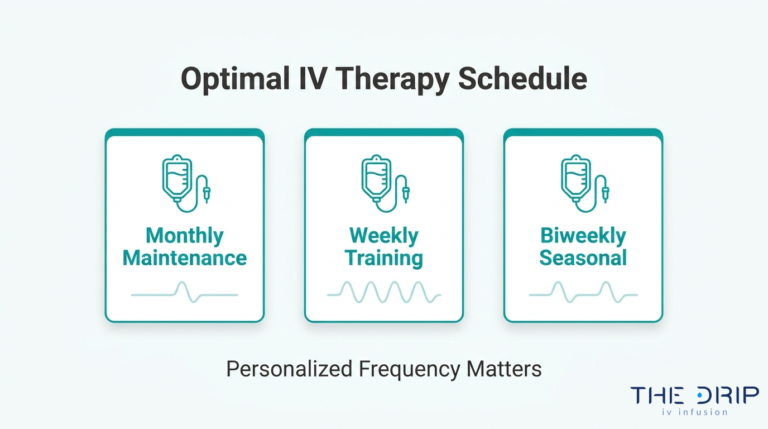
Preventive IV sessions work best as a complement to these habits, not a substitute. For individuals with demanding schedules, frequent travel, or increased exposure to illness, periodic immune-support infusions can help fill nutritional gaps that diet alone may not cover. From a practical standpoint, prevention-focused IV therapy is most valuable for people who already maintain healthy habits but want an additional layer of support during peak flu season.
Understanding how IV therapy fits into a broader prevention strategy sets the stage for exploring how mobile delivery makes these sessions more accessible.
How Can Mobile IV Therapy Help When You Have a Cold or Flu?
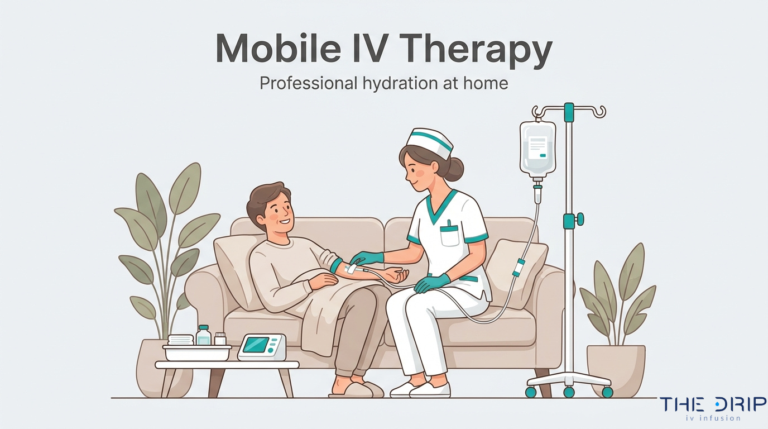
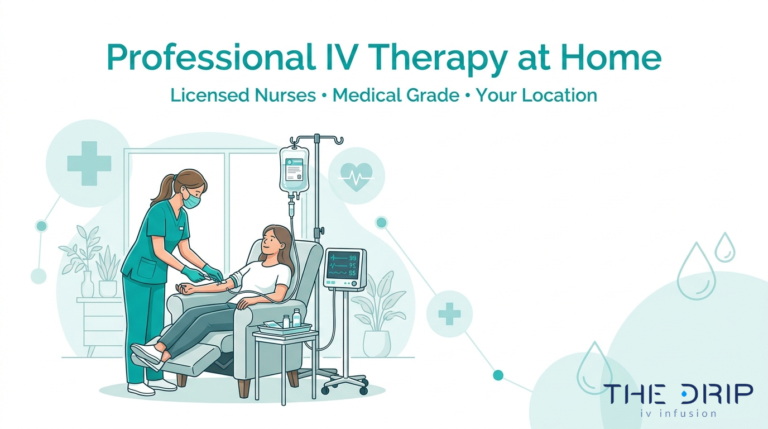
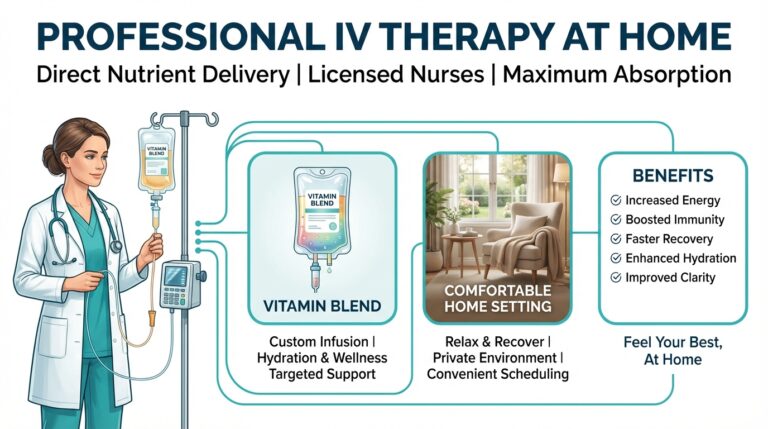
Mobile IV therapy can help when you have a cold or flu by delivering hydration and nutrients directly to you at home, eliminating the need to travel while sick. The following sections cover how The Drip IV Infusion supports at-home recovery and key safety takeaways.
Can The Drip IV Infusion’s Sickness Relief Drip Help You Recover at Home?
Yes, The Drip IV Infusion’s Sickness Relief Drip can help you recover at home by bringing nurse-administered IV therapy directly to your location. Founded in Fall 2022 by professionals with decades of experience in nursing and emergency medicine, The Drip IV Infusion operates as a mobile service throughout Arizona.
The Sickness Relief Drip targets common cold and flu symptoms, including dehydration, nausea, and fatigue. Key customizable add-ons include:
- Vitamin C for immune defense support
- Zinc to help reduce symptom duration
- Glutathione for antioxidant protection
- B-Complex vitamins for energy during illness
- Zofran for nausea relief
According to Nova One Advisor, the U.S. mobile IV hydration therapy market was valued at $628.48 million in 2025 and is projected to reach approximately $1,695.92 million by 2035. This growth reflects increasing demand for convenient, at-home health services. Each session typically takes one hour, and The Drip IV Infusion’s team personalizes every treatment to the client’s specific needs.

What Should You Remember About Cold and Flu IV Therapy Safety and Benefits?
The most important things to remember about cold and flu IV therapy safety and benefits are that it can support recovery when administered properly, but it is not appropriate for everyone.
Key takeaways from this article include:
- IV delivery bypasses the GI tract, allowing faster nutrient absorption than oral supplements.
- Ingredients such as vitamin C, zinc, and glutathione each play distinct roles in immune support.
- Healthy adults generally tolerate cold and flu IV therapy well, though mild side effects like bruising or soreness at the insertion site can occur.
- Individuals with kidney disease, heart conditions, or high blood pressure should consult a healthcare provider before receiving high-dose IV therapy.
- Timing matters; starting IV therapy early in symptom onset may offer the most benefit.
- Always choose a reputable provider staffed by licensed medical professionals to minimize risk.
For those seeking a safe, convenient option during cold and flu season, The Drip IV Infusion brings personalized, nurse-administered treatments to your home. Visit thedripivinfusion.com or call +1.602.341.3511 to learn more.