IV therapy for diabetics is the intravenous delivery of fluids, vitamins, and minerals tailored to the unique metabolic needs of people managing diabetes. Because altered insulin function changes how the body processes glucose, fluids, and nutrients, every aspect of an infusion session requires careful consideration.
This guide covers how diabetes types shape IV therapy response, the specific benefits and risks diabetics face, safe fluid and additive selection, preparation and monitoring protocols, and specialized options like NAD+ therapy and weight management support.
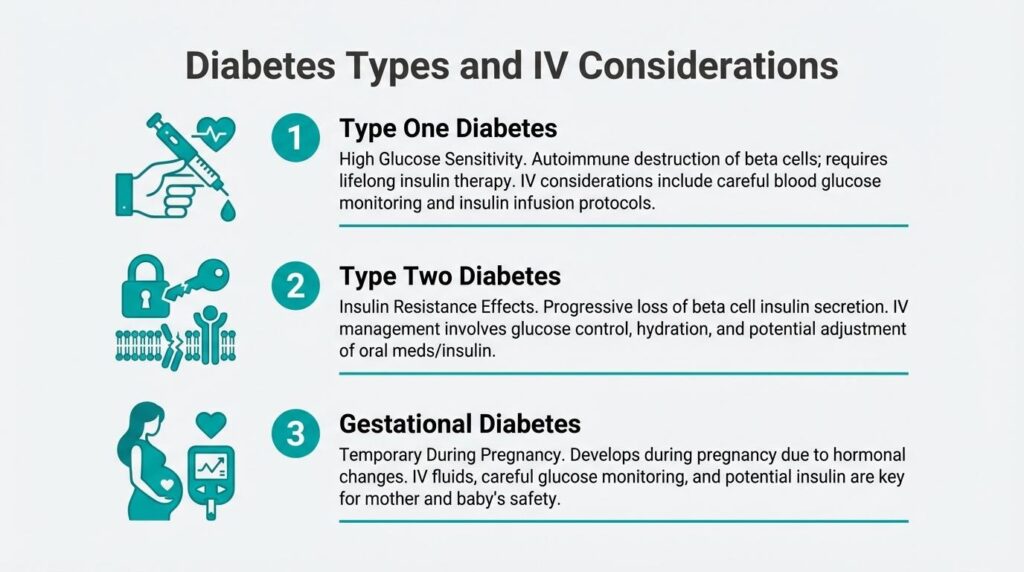
Diabetes alters fluid processing differently depending on the type. Type 1 diabetes makes blood glucose highly sensitive to any dextrose or sugar-based IV additives, while type 2 diabetes and its associated insulin resistance change how infused nutrients are metabolized. Gestational diabetes narrows the safe margin for glucose fluctuations even further due to fetal health concerns.
IV therapy offers diabetics meaningful advantages when administered correctly. Direct bloodstream delivery bypasses impaired gut absorption, addressing common deficiencies in vitamin D, magnesium, zinc, and antioxidant vitamins. Targeted formulations can also support immune function and help manage the persistent fatigue driven by mitochondrial dysfunction and unstable blood sugar.
The risks are equally specific. Dextrose-containing solutions can spike glucose rapidly, electrolyte imbalances worsen under large fluid volumes, and diabetics face elevated infection susceptibility at catheter sites. Patients with advanced nephropathy or autonomic neuropathy may need to avoid elective infusions entirely.
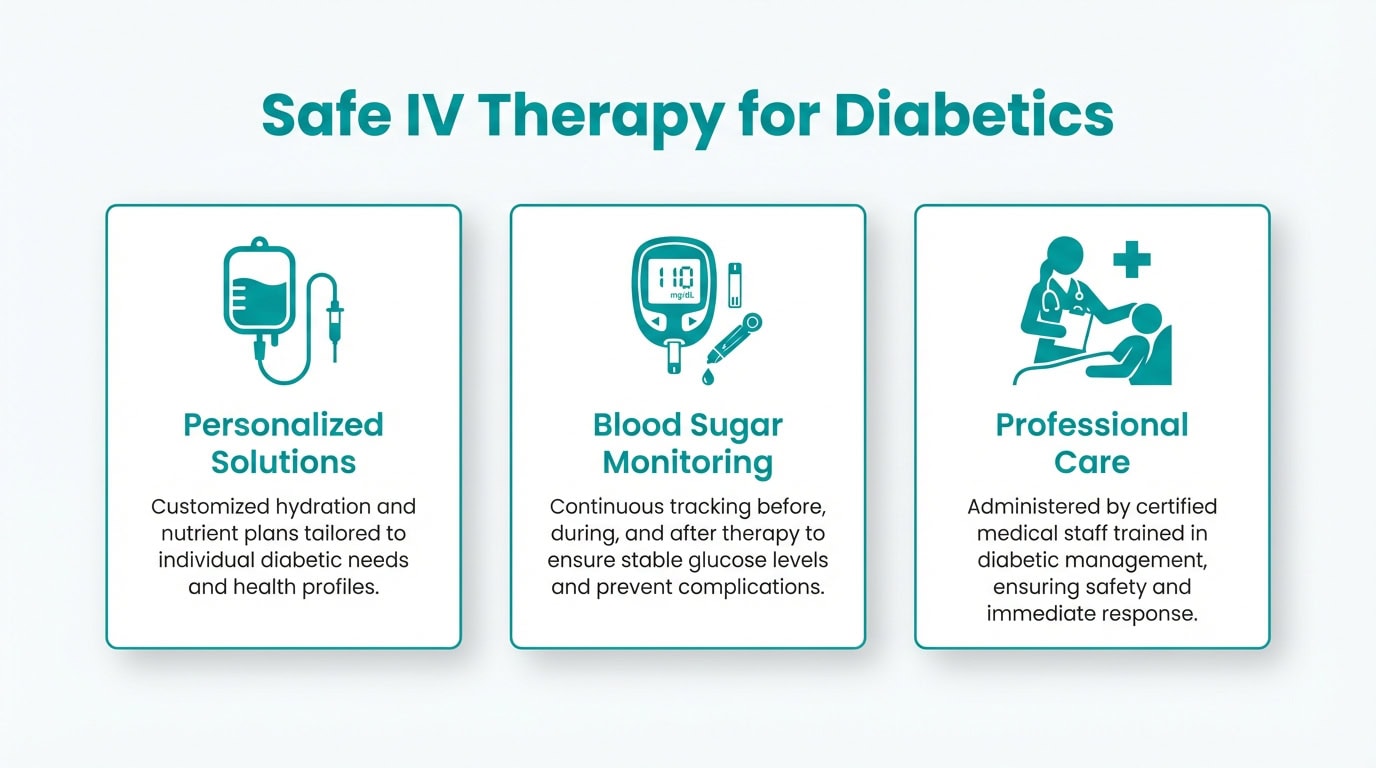
Safe sessions depend on preparation and real-time monitoring. Checking blood sugar before, during, and after infusion; coordinating medication timing with a physician; and disclosing full medical history to the infusion specialist are non-negotiable steps. Sugar-free fluid options like normal saline and lactated Ringer’s solution provide hydration without meaningful glycemic disruption.
Why Does Diabetes Affect How Your Body Responds to IV Therapy?
Diabetes affects how your body responds to IV therapy because altered insulin function changes how fluids, glucose, and nutrients are processed intravenously. The specific considerations vary by diabetes type, as outlined below.
How Does Type 1 Diabetes Influence IV Therapy Considerations?
Type 1 diabetes influences IV therapy considerations because the body produces little to no insulin, making blood glucose highly sensitive to intravenous fluid composition. Any solution containing dextrose or sugar-based additives can cause rapid glucose spikes without adequate insulin to compensate.
According to the NIH, approximately 2.1 million people in the United States have diagnosed type 1 diabetes, including 314,000 children and adolescents younger than age 20. This population requires careful fluid selection and glucose monitoring throughout any infusion session. Micronutrient deficiencies, particularly in vitamin D and magnesium, are also common across diabetic populations. For anyone with type 1 diabetes, coordinating IV therapy with current insulin protocols is essential to maintaining glycemic stability.
How Does Type 2 Diabetes Influence IV Therapy Considerations?
Type 2 diabetes influences IV therapy considerations because insulin resistance alters how the body metabolizes infused nutrients and fluids. Cells respond less effectively to insulin, so even standard IV solutions can contribute to elevated blood glucose if fluid composition is not carefully selected.
Nutrient deficiencies are especially common in this population. A study published in Scientific Reports found that vitamin D deficiency was the most prevalent micronutrient deficiency in type 2 diabetes patients at 60.45%, followed by magnesium at 41.95%. These deficiencies make nutrient-focused IV formulations potentially beneficial, yet the underlying insulin resistance demands close attention to solution ingredients and post-infusion glucose levels. Providers should account for kidney function and existing medications before administering any infusion.
How Does Gestational Diabetes Affect IV Therapy Safety?
Gestational diabetes affects IV therapy safety because pregnancy-related insulin resistance creates a narrower margin for blood glucose fluctuations during infusion. Both maternal and fetal health depend on maintaining stable glucose levels, so fluid and additive selection carry heightened importance.
Dextrose-containing solutions pose particular concern, as glucose spikes can cross the placenta and affect fetal development. Saline-based fluids without added sugars are generally preferred. Hydration support through IV therapy can help manage nausea and dehydration common during pregnancy, but every session should be coordinated with the patient’s obstetric care team. Gestational diabetes often resolves postpartum, yet the temporary nature of the condition does not reduce the need for careful monitoring during any infusion.
With each diabetes type presenting distinct IV therapy challenges, understanding the specific benefits these infusions can offer becomes the next consideration.
What Are the Benefits of IV Therapy for Diabetics?
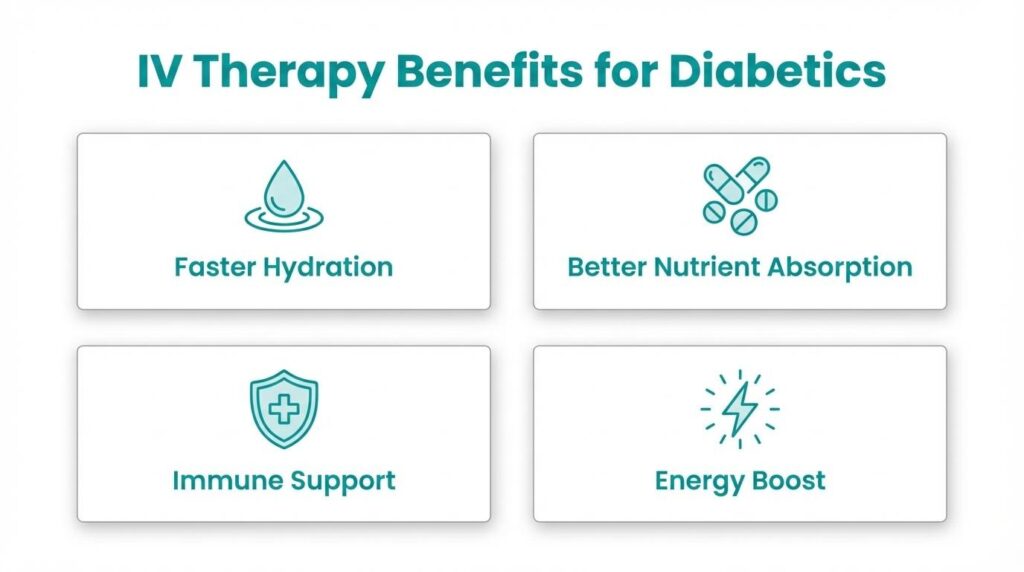
The benefits of IV therapy for diabetics include faster rehydration, improved nutrient absorption, immune support, and fatigue relief. Each benefit addresses a specific challenge that diabetes creates in the body.
How Does IV Therapy Help Diabetics With Dehydration?
IV therapy helps diabetics with dehydration by delivering fluids directly into the bloodstream, bypassing the digestive system entirely. Elevated blood sugar levels cause the kidneys to produce excess urine, which accelerates fluid loss. This cycle makes diabetics particularly vulnerable to dehydration during illness, heat exposure, or periods of poor glycemic control.
According to a study published in the Cureus Journal of Medical Science, intravenous vitamin therapy can provide faster recovery from conditions such as dehydration and physical exhaustion by bypassing the intestinal absorption system. However, not all diabetic patients respond equally. Those with advanced nephropathy or autonomic neuropathy face higher risks, and infusion therapy does not reverse well-established complications. For diabetics without severe complications, IV hydration offers a reliable method to restore fluid balance quickly.
Can IV Therapy Improve Nutrient Absorption for Diabetics?
Yes, IV therapy can improve nutrient absorption for diabetics by delivering vitamins and minerals directly into the bloodstream. Diabetes frequently impairs gut absorption through gastroparesis, medication interactions, and chronic inflammation of the intestinal lining.
Micronutrient deficiencies are common in this population. Key nutrients often depleted in diabetics include:
- Vitamin D, the most prevalent deficiency in Type 2 diabetes patients
- Magnesium, which is independently associated with poor glycemic control
- Zinc, linked to increased insulin resistance and glucose intolerance
- Antioxidant vitamins A, C, and E, which decline due to elevated oxidative stress
IV delivery eliminates the absorption barrier, making it one of the most efficient methods to correct these deficiencies when oral supplementation falls short.
How Does IV Therapy Support Immune Function in Diabetics?
IV therapy supports immune function in diabetics by replenishing nutrients that directly influence immune cell activity. Diabetes weakens the immune system through chronic hyperglycemia, which impairs white blood cell function and slows healing.
Nutrients such as vitamin C, zinc, and glutathione serve as critical cofactors in immune defense pathways. When delivered intravenously, these compounds reach therapeutic concentrations faster than oral alternatives. Diabetics who experience frequent infections or slow wound recovery may benefit most from targeted immune-supporting formulations. Proactive nutrient replenishment can strengthen the body’s first line of defense rather than relying solely on reactive treatment after illness sets in.
Can IV Therapy Help Manage Diabetic Fatigue and Energy Levels?
Yes, IV therapy can help manage diabetic fatigue and energy levels by addressing the metabolic inefficiencies that drain energy in diabetic patients. Persistent fatigue is one of the most reported symptoms, driven by unstable blood glucose, mitochondrial dysfunction, and chronic nutrient depletion.
B-complex vitamins, magnesium, and amino acids delivered intravenously support cellular energy production at the mitochondrial level. Importantly, a study published on Semantic Scholar found that Ringer’s lactate solution, when compared to 0.9% saline, does not cause significant changes in mean blood glucose levels in fasting diabetic patients. This makes certain IV formulations practical options for energy support without destabilizing glucose control. For diabetics dealing with daily fatigue, properly formulated IV sessions can complement existing diabetes management strategies.
Understanding these benefits helps clarify what to watch for regarding potential risks.
What Are the Risks of IV Therapy for Diabetics?
The risks of IV therapy for diabetics include blood sugar fluctuations, electrolyte imbalances, and increased infection susceptibility. The following subsections cover how IV fluids affect glucose levels, which solutions to avoid, electrolyte concerns, and infection risks.
How Can IV Fluids Affect Blood Sugar Levels?
IV fluids can affect blood sugar levels depending on the solution’s composition and infusion rate. Dextrose-containing fluids raise plasma glucose rapidly, while isotonic saline has a more neutral glycemic effect. According to the Society of Hospital Medicine, target blood glucose levels for most hospitalized patients fall between 140 and 180 mg/dl to balance the risks of hyperglycemia and hypoglycemia.
Diabetics face a narrower margin of safety because their insulin response cannot compensate for sudden glucose shifts the way a non-diabetic system can. Even fluids considered “safe” may cause unexpected spikes if infusion volume or speed is not carefully controlled. Pre-infusion glucose readings and periodic monitoring throughout the session help catch deviations early.
What Fluid Solutions Should Diabetics Avoid During IV Therapy?
The fluid solutions diabetics should avoid during IV therapy are primarily dextrose-containing formulations. Dextrose (D5W, D5NS, D10W) introduces free glucose directly into the bloodstream, bypassing all digestive regulation. For individuals with impaired insulin signaling, this can trigger rapid hyperglycemia that is difficult to correct without additional medication.
Hypotonic solutions also warrant caution because they shift fluid into cells, potentially diluting electrolyte concentrations that diabetics already struggle to maintain. When selecting IV fluids for a diabetic client, providers should default to isotonic, sugar-free options and confirm ingredient lists before starting any infusion. For most diabetics, this careful fluid selection is the single most important safety step.
Can IV Therapy Cause Electrolyte Imbalances in Diabetics?
Yes, IV therapy can cause electrolyte imbalances in diabetics. Diabetes already disrupts electrolyte homeostasis; insulin fluctuations shift potassium between intracellular and extracellular compartments, and chronic hyperglycemia promotes magnesium and sodium losses through osmotic diuresis.
Introducing large fluid volumes amplifies these existing vulnerabilities. Rapid saline infusion may dilute serum sodium, while potassium levels can swing unpredictably if insulin is administered alongside IV fluids. Providers should review a diabetic client’s baseline electrolyte status before infusion and monitor for symptoms like muscle cramping, irregular heartbeat, or sudden fatigue during the session.
What Are the Infection Risks for Diabetics Receiving IV Therapy?
The infection risks for diabetics receiving IV therapy are elevated compared to non-diabetic individuals. Hyperglycemia impairs white blood cell function, reducing the body’s ability to fight bacteria at catheter insertion sites. According to the National Center for Biotechnology Information, diabetic patients account for an estimated 25% of all sepsis hospitalizations in the United States and experience disproportionately poor clinical outcomes.
Proper aseptic technique during catheter placement is essential, and insertion sites should be inspected for redness, swelling, or warmth throughout the session. Diabetics with peripheral neuropathy face additional risk because reduced sensation may mask early signs of a localized infection. Choosing a provider with strict sterile protocols significantly reduces this concern, making provider selection a critical safety decision before any IV session.
Which IV Fluids and Additives Are Safe for Diabetics?
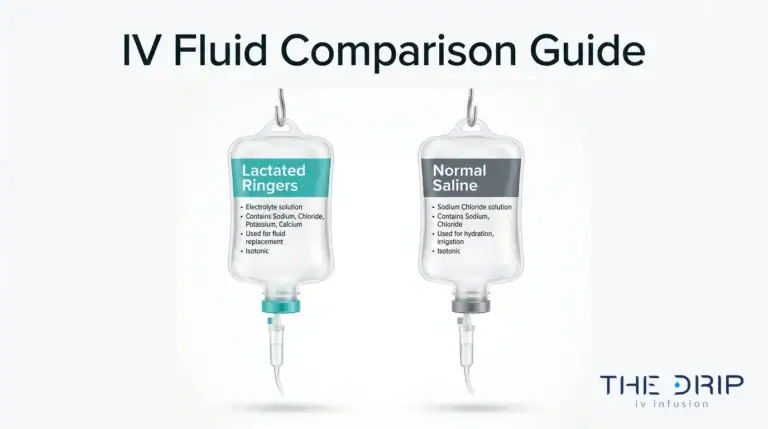
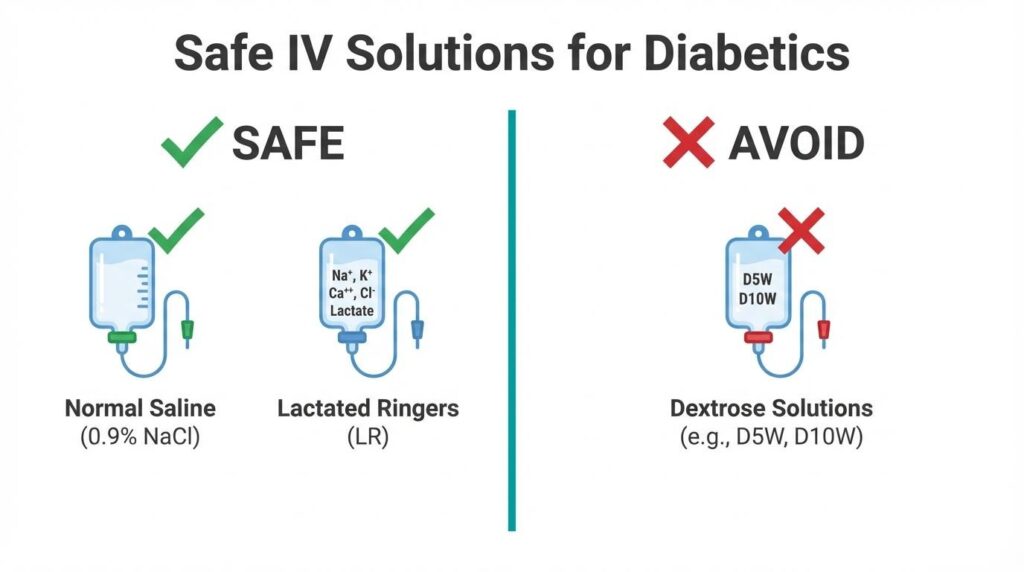
The IV fluids and additives that are safe for diabetics include normal saline, lactated Ringer’s solution, and select vitamin and mineral add-ons that do not elevate blood glucose. The sections below cover each option.
Is Normal Saline Safe for Diabetics?
Yes, normal saline is safe for diabetics and is considered the preferred IV fluid for diabetic patients. Normal saline (0.9% sodium chloride) is the fluid of choice recommended by the American Diabetes Association for patients with diabetic ketoacidosis, according to the Journal of Emergency and Critical Care Medicine. Because it contains no sugar, normal saline delivers hydration without directly raising blood glucose levels.
However, the distinction matters when dextrose is added. Patients receiving dextrose-containing normal saline experienced significantly elevated plasma glucose levels just 15 minutes after infusion completion. For diabetics seeking IV hydration, plain normal saline without dextrose remains the safest baseline option.
Is Lactated Ringer’s Solution Safe for Diabetics?
Yes, lactated Ringer’s solution is safe for diabetics in most clinical scenarios. When compared to 0.9% saline, Ringer’s lactate does not cause significant changes in mean blood glucose levels in fasting diabetic patients. This makes it a viable alternative for hydration without meaningful glycemic disruption.
Some concern exists because the liver converts lactate to glucose through gluconeogenesis. In practice, this conversion produces a negligible effect on blood sugar for most diabetic patients. Clinicians often select lactated Ringer’s when they want to reduce the chloride load that large-volume normal saline infusions can cause. For elective IV therapy sessions, either solution works well when glucose monitoring stays in place.
Are Dextrose-Containing IV Solutions Safe for Diabetics?
Dextrose-containing IV solutions are generally not safe for diabetics without careful medical oversight. Dextrose is a form of glucose delivered directly into the bloodstream, which can rapidly spike blood sugar levels. Hyperglycemia, defined as blood glucose greater than 140 mg/dl, is reported in 22% to 46% of non-critically ill hospitalized patients, and dextrose infusions increase that risk substantially for diabetics.
In specific clinical situations, such as preventing hypoglycemia during insulin administration, dextrose solutions serve a controlled purpose. Outside those narrow scenarios, diabetics should avoid dextrose-containing fluids during elective IV therapy. This is one of the most important distinctions when selecting safe IV solutions.
Which Vitamin and Mineral Add-Ons Are Safe for Diabetics?
The vitamin and mineral add-ons that are safe for diabetics include sugar-free formulations of magnesium, zinc, B-complex vitamins, vitamin C, vitamin D, and glutathione. These nutrients address deficiencies that are particularly common in diabetic populations:
- Magnesium supports glycemic control; hypomagnesemia is independently associated with poor blood sugar regulation in type 2 diabetes.
- Zinc helps reduce insulin resistance and improve glucose tolerance.
- Vitamin D addresses the most prevalent micronutrient deficiency in type 2 diabetes patients, reported at 60.45% according to a study published in Scientific Reports.
- Vitamins A, C, and E help manage the elevated oxidative stress that diabetes produces.
The key safety factor is confirming that add-on formulations contain no hidden dextrose or sugar-based carriers. With proper screening, these nutrient add-ons complement diabetic health rather than complicate it.
How Should Diabetics Prepare Before an IV Therapy Session?
Diabetics should prepare before an IV therapy session by checking glucose levels, reviewing medication timing, and sharing their full medical history with their provider. The following subsections cover each preparation step.
Should Diabetics Check Blood Sugar Before IV Therapy?
Yes, diabetics should check blood sugar before IV therapy to establish a safe baseline. Knowing your glucose level before the session starts helps the infusion specialist determine whether to proceed, adjust the fluid selection, or delay treatment. According to the American Diabetes Association, the standard for safe intravenous insulin therapy involves point-of-care blood glucose monitoring every 30 minutes to 2 hours. While this protocol applies to clinical insulin infusions, the principle reinforces why a pre-session reading matters for any IV procedure. A glucose level that is too high or too low before an infusion creates unnecessary risk. Bringing your personal glucose monitor to the appointment is a simple step that gives both you and your provider real-time data to guide decisions.
Should Diabetics Adjust Insulin or Medication Before IV Therapy?
Yes, diabetics should discuss adjusting insulin or medication before IV therapy with their prescribing physician. IV fluids can influence blood sugar levels, so the timing and dosage of insulin or oral hypoglycemics may need modification on the day of treatment. As published in Diabetes Care Journal, intravenous insulin infusions should be administered using validated written or computerized protocols that allow for predefined adjustments. This standard underscores that medication changes require a structured, individualized plan rather than guesswork. Never skip or alter doses on your own; even small changes to insulin timing can trigger hypoglycemia during an infusion. Coordinate with your doctor before the session and share any adjustments directly with your infusion specialist.
What Should Diabetics Tell Their IV Therapy Provider?
Diabetics should tell their IV therapy provider about their full medical history, current medications, and recent blood sugar patterns. Key details to communicate include:
- Diabetes type (type 1, type 2, or gestational) and how long since diagnosis.
- All medications, including insulin type, dosage, and timing of last dose.
- Recent blood sugar trends, including any episodes of hypoglycemia or hyperglycemia.
- Existing complications such as neuropathy, nephropathy, or cardiovascular conditions.
- Current hydration status and recent food intake.
Omitting any of these details can lead to an inappropriate fluid or additive selection. Transparency with your provider is the single most effective way to ensure a safe, personalized session. With preparation covered, understanding how blood sugar should be monitored during the infusion is the next step.
How Should Blood Sugar Be Monitored During IV Therapy?
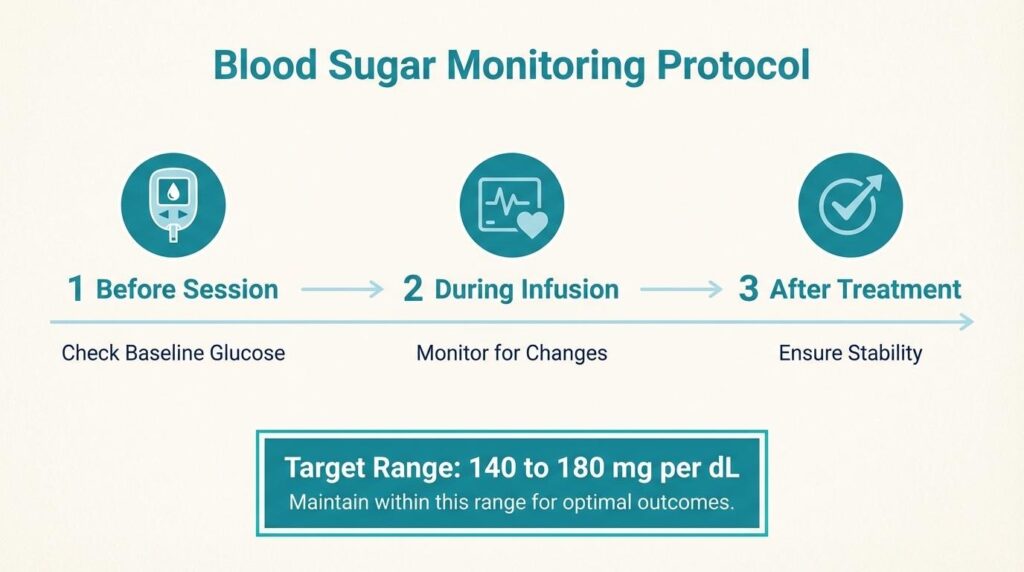
Blood sugar during IV therapy should be monitored through regular point-of-care glucose checks before, during, and after the infusion. Frequency, target ranges, and provider communication all play a role.
Consistent glucose monitoring is one of the most important safety measures for diabetic patients receiving any type of intravenous treatment. According to the American Diabetes Association, the required standard for safe use of intravenous insulin therapy involves point-of-care blood glucose monitoring every 30 minutes to 2 hours. While elective IV vitamin infusions differ from hospital insulin drips, this clinical benchmark highlights how responsive blood sugar can be during any infusion.
For most patients, target blood glucose levels fall between 140 and 180 mg/dL, a range that balances the risks of both hyperglycemia and hypoglycemia. Diabetic clients should check their glucose before a session begins to establish a baseline reading. During the infusion, at least one mid-session check helps catch unexpected spikes or drops early. A post-session reading, taken 15 to 30 minutes after completion, confirms that levels have stabilized.
Key monitoring steps for diabetics during IV therapy include:
- Check fasting or pre-session blood glucose and share the reading with your infusion specialist.
- Perform a mid-infusion glucose check, especially if the session includes any dextrose-containing components.
- Complete a post-infusion reading within 30 minutes to confirm blood sugar has returned to a safe range.
- Bring a personal glucometer and any prescribed rapid-acting insulin to every appointment.
- Report symptoms such as dizziness, excessive thirst, or blurred vision immediately during the session.
Hyperglycemia affects a significant portion of patients receiving intravenous fluids; studies report that blood glucose above 140 mg/dL occurs in 22% to 46% of non-critically ill hospitalized patients. This statistic underscores why even routine wellness infusions warrant glucose awareness for anyone managing diabetes. Proactive monitoring turns a potentially risky situation into a controlled, predictable process, and it gives the infusion specialist real-time data to adjust the session if needed.
With monitoring protocols established, weight management goals represent another area where diabetics may consider IV therapy support.
Can Diabetics Use IV Therapy for Weight Management Support?
Diabetics can use IV therapy as one component of a broader weight management strategy, though careful provider coordination is essential. NAD+ infusions and metabolic support formulations are among the options explored below.
Weight management presents unique challenges for people with diabetes. Insulin resistance, medication side effects, and metabolic dysfunction all complicate traditional approaches to losing weight. According to National Health and Nutrition Examination Survey data collected between 2015 and 2020, approximately 36.7% of U.S. adults with diagnosed diabetes reported attempting to lose weight in the past year.
IV therapy does not replace caloric management or physical activity. However, certain infusion formulations may support metabolic processes that diabetes disrupts. NAD+ metabolism modulation, for instance, has shown promise in preclinical research. A study published in Cell Death & Disease found that NAD+ metabolism modulation through SIRT2 attenuates oxidative stress and mitochondrial dysfunction while improving insulin sensitivity in hepatocytes. These findings suggest a biological mechanism through which NAD+ IV therapy could complement weight management efforts for diabetics.
Animal study evidence reviewed in Nature Reviews Molecular Cell Biology indicates that interventions increasing NAD+ levels produce numerous benefits on overall cardiometabolic health. While human clinical data remains limited, the metabolic pathways involved, including mitochondrial function and insulin sensitivity, are directly relevant to diabetic weight management.
For diabetics considering IV therapy as weight management support, the practical reality is that metabolic optimization matters more than any single intervention. Correcting nutrient deficiencies, supporting mitochondrial energy production, and reducing oxidative stress can create conditions where diet and exercise become more effective. IV therapy serves best as a facilitator within that broader framework, not a standalone solution.
The Drip IV Infusion offers specialized weight management options including Semaglutide and Tirzepatide infusions, both designed to support improved blood sugar control alongside weight loss goals. Each treatment is administered by experienced nurses who coordinate care with clients’ existing diabetes management plans.
Any diabetic pursuing IV-based weight management support should discuss the plan with their healthcare provider. Blood sugar monitoring during sessions remains critical, and formulations must avoid dextrose or other ingredients that could spike glucose levels. With those safeguards in place, understanding NAD+ IV therapy’s specific applications offers additional insight.
What Should Diabetics Know About NAD+ IV Therapy?
Diabetics should know that NAD+ IV therapy may support cellular energy and insulin sensitivity, but it requires careful medical coordination. Key considerations include how NAD+ affects metabolism, its potential benefits, and necessary precautions.
How Does NAD+ IV Therapy Affect Diabetic Metabolism?
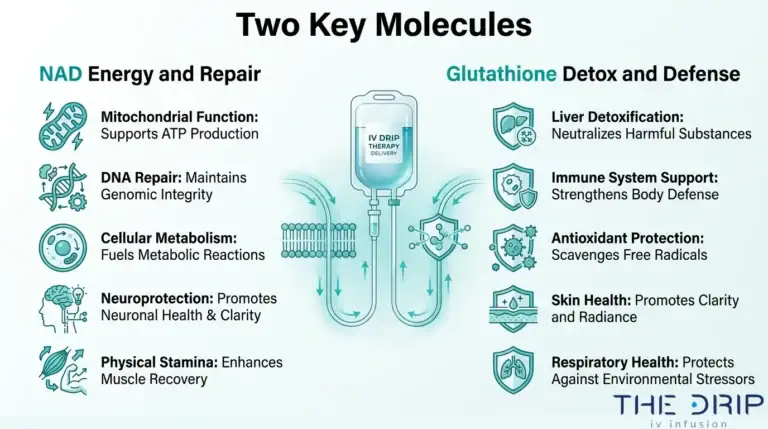
NAD+ IV therapy affects diabetic metabolism by influencing mitochondrial function and cellular energy pathways. NAD+ is a coenzyme essential for converting nutrients into usable energy at the cellular level. In diabetic individuals, declining NAD+ levels can worsen mitochondrial dysfunction, a factor already compromised by chronic hyperglycemia.
According to a 2024 study published in Cell Death & Disease, NAD+ metabolism modulation through SIRT2 attenuates oxidative stress and mitochondrial dysfunction while improving insulin sensitivity in hepatocytes. This suggests NAD+ plays a direct role in how cells respond to insulin. For diabetics considering this therapy, the metabolic implications make medical oversight essential before, during, and after infusion.
What Are the Potential Benefits of NAD+ for Diabetics?
The potential benefits of NAD+ for diabetics include improved cellular energy production, reduced oxidative stress, and enhanced insulin sensitivity. These effects address core metabolic challenges that diabetes creates at the cellular level.
Additional reported benefits include:
- Reduced inflammation, which is chronically elevated in diabetes.
- Support for mitochondrial repair, helping cells produce energy more efficiently.
- Mental clarity and cognitive support, relevant since diabetes increases risk of cognitive decline.
Research on animal models published in Nature Reviews Molecular Cell Biology found that interventions increasing NAD+ levels produce numerous benefits on overall cardiometabolic health. While human clinical data remains limited, these findings suggest meaningful potential for diabetic wellness support.
What Precautions Should Diabetics Take With NAD+ IV Therapy?
Diabetics should take several precautions with NAD+ IV therapy to ensure safety during infusion. Blood sugar monitoring before, during, and after the session is critical, since any IV infusion can influence glucose levels. Diabetics should also disclose all medications, including insulin and oral hypoglycemics, to their infusion specialist.
Key precautions include:
- Confirming the infusion contains no dextrose or hidden sugars.
- Eating a balanced meal beforehand to stabilize baseline glucose.
- Having a glucose monitor accessible throughout the session.
- Consulting a physician before starting NAD+ therapy, especially with existing kidney complications.
NAD+ sessions typically last longer than standard IV infusions, making sustained glucose stability particularly important for diabetic clients. Understanding these safeguards helps diabetics explore NAD+ therapy with confidence under proper supervision.
When Should Diabetics Avoid IV Therapy Altogether?
Diabetics should avoid IV therapy altogether when specific complications or health conditions make infusion risks outweigh potential benefits. The situations below outline when IV therapy becomes unsafe for diabetic patients.
Patients with advanced diabetic nephropathy face significant danger from IV therapy. Compromised kidneys cannot process additional fluid volume or filter infused minerals effectively, creating risks of fluid overload and toxic electrolyte accumulation. According to a PubMed-referenced clinical assessment, “patients with advanced nephropathy and/or autonomic neuropathy are very poor risks, and infusion therapy does not reverse well-established complications.” Severe kidney impairment makes even carefully formulated IV solutions potentially harmful.
Autonomic neuropathy also presents a serious contraindication. This condition impairs the body’s ability to regulate heart rate, blood pressure, and fluid balance during infusion. Rapid changes in fluid volume can trigger dangerous drops in blood pressure or irregular cardiac rhythms when the autonomic nervous system cannot compensate properly.
Diabetics experiencing active diabetic ketoacidosis or hyperglycemic hyperosmolar state should not receive elective IV therapy. These acute emergencies require hospital-level intervention with precise insulin protocols and point-of-care glucose monitoring every 30 minutes to 2 hours. Elective wellness infusions are inappropriate during metabolic crises.
Additional situations where diabetics should avoid IV therapy include:
- Uncontrolled blood sugar levels exceeding 250 mg/dL without medical supervision to manage glycemic shifts during infusion.
- Active infections at potential IV sites, since diabetics already face elevated infection risk and compromised wound healing.
- Severe electrolyte imbalances that require laboratory-guided correction rather than standardized infusion formulas.
- End-stage renal disease requiring dialysis, where fluid and mineral management demands clinical precision beyond what elective infusions provide.
For diabetics with well-managed conditions and no advanced complications, IV therapy remains a viable option when administered by qualified professionals. Understanding these boundaries helps ensure safe, informed decisions about mobile IV therapy services.
How Can Nurse-Administered Mobile IV Therapy Help Diabetics?
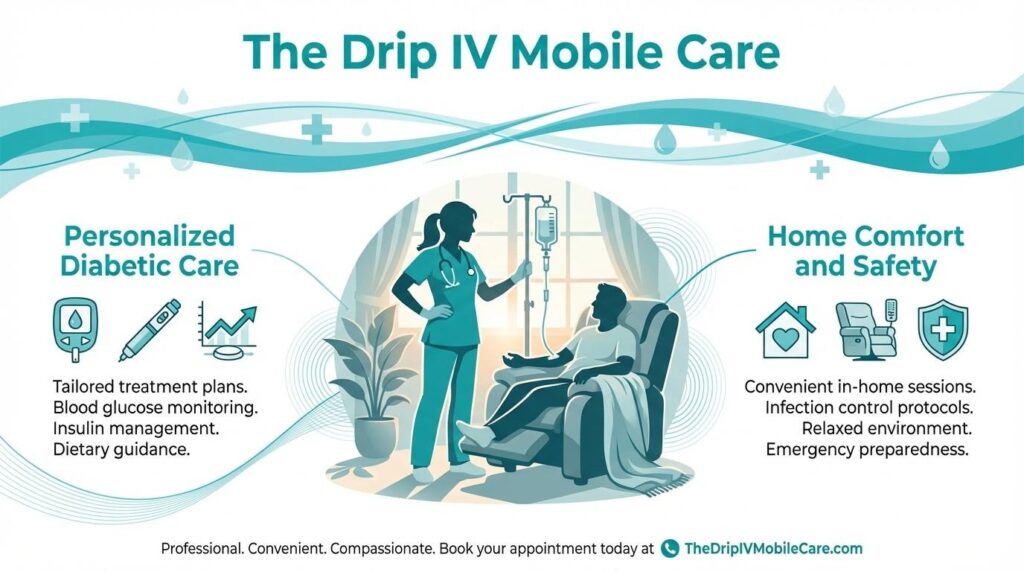
Nurse-administered mobile IV therapy helps diabetics by delivering professionally supervised infusions in a comfortable home setting, with treatments tailored to individual glycemic needs. The following sections cover customized treatment options and essential takeaways.
Can The Drip IV Infusion Customize Treatments for Diabetics?
Yes, The Drip IV Infusion can customize treatments for diabetics through a comprehensive menu of add-ons and formulations suited to individual health profiles. Each session is administered by experienced nurses who review client health history before selecting appropriate fluids and nutrients.
The Drip IV Infusion offers relevant add-ons that align with common diabetic nutrient needs:
- Magnesium supports glycemic regulation and addresses a deficiency found in many diabetic individuals.
- Zinc plays a role in insulin function and glucose metabolism.
- Vitamin C and glutathione provide antioxidant support against oxidative stress.
- Vitamin D addresses one of the most prevalent micronutrient gaps in diabetic populations.
- NAD+ supports cellular energy and mitochondrial health.
Clients should always consult their physician before scheduling any infusion, as this information is not a substitute for professional medical advice.
What Are the Key Takeaways About IV Therapy for Diabetics?
The key takeaways about IV therapy for diabetics center on safety, preparation, and individualized care. Diabetics can benefit from IV therapy when proper precautions guide every session.
- Fluid selection matters; dextrose-containing solutions can spike blood glucose, while normal saline remains a safer baseline.
- Blood sugar monitoring before, during, and after infusion is essential for avoiding glycemic complications.
- Common diabetic nutrient deficiencies, including magnesium, vitamin D, and zinc, can be addressed through carefully chosen IV formulations.
- Clients with advanced kidney disease or autonomic neuropathy should discuss IV therapy risks with their doctor first.
- Always disclose current medications, insulin regimen, and recent glucose readings to your infusion specialist.
The Drip IV Infusion brings nurse-administered, customizable IV therapy directly to your door, making professional-grade hydration and nutrient support accessible without a clinical setting.