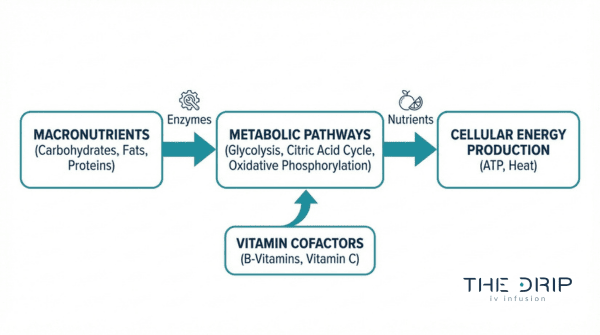
Essential vitamins to aid with weight loss are micronutrients that function as metabolic cofactors, enabling the enzymes responsible for converting food into energy, burning fat, and regulating blood sugar. They do not directly cause fat loss; instead, they ensure the biochemical pathways that drive weight loss operate at full capacity.
This guide covers B vitamins and their metabolic roles, fat-soluble vitamins and vitamin C in fat metabolism, key minerals and fatty acids that influence energy and appetite, food versus supplement sourcing strategies, and how IV therapy can optimize nutrient delivery.
Each of the eight B vitamins serves a distinct cofactor role, from thiamine’s involvement in glucose metabolism to B12’s support of red blood cell formation and fatty acid processing. Deficiencies in even one B vitamin can create metabolic bottlenecks that stall progress.
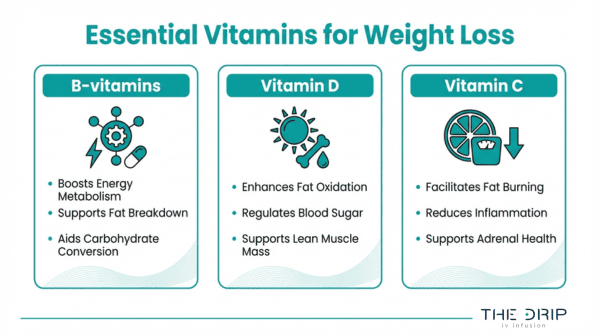
Vitamin D modulates glucose metabolism and inflammation, with nearly one in four Americans carrying suboptimal levels. Vitamin C supports fat oxidation by enabling L-carnitine production and helps regulate cortisol, a hormone that promotes fat storage under chronic stress.
Iron delivers oxygen to working muscles, magnesium regulates blood sugar through over 300 enzyme systems, omega-3 fatty acids support endocrine signaling during calorie restriction, and chromium may help stabilize the glucose fluctuations that trigger cravings.
Whole foods remain the best primary source of these nutrients, though calorie-restricted diets, absorption issues, and documented deficiencies often warrant targeted supplementation. Over-supplementing fat-soluble vitamins carries real toxicity risks.
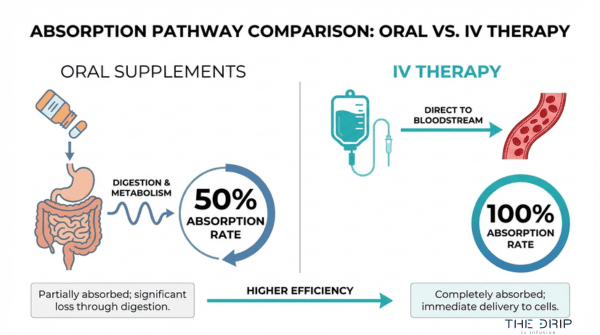
Intravenous vitamin therapy bypasses digestive limitations entirely, achieving absorption rates near 100% compared to 50% or less from oral supplements. For persistent plateaus, identifying and correcting micronutrient gaps is one of the most practical steps toward restoring metabolic efficiency.
Why Do Vitamins Matter for Weight Loss?
Vitamins matter for weight loss because they serve as essential cofactors that drive the metabolic reactions responsible for converting food into energy. Without adequate vitamin levels, metabolism slows and fat loss stalls. The following subsections explain how deficiencies impair metabolism and how nutrient absorption connects to fat loss.
How Do Vitamin Deficiencies Slow Down Metabolism?
Vitamin deficiencies slow down metabolism by depriving enzymes of the cofactors they need to convert macronutrients into usable energy. When these cofactors are missing, critical biochemical pathways operate at reduced capacity.
Key vitamins that function as metabolic cofactors include:
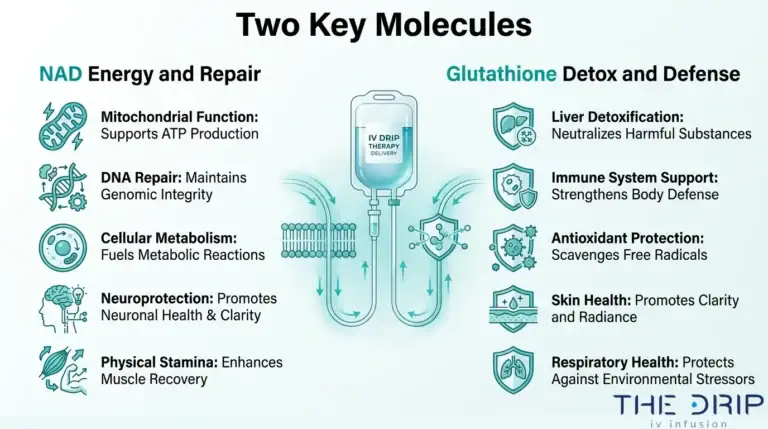
- Vitamin B3 (niacin) converts into nicotinamide adenine dinucleotide (NAD), a coenzyme required by more than 400 enzymes involved in energy metabolism and cellular signaling.
- Vitamin B12 (cobalamin) enables the conversion of L-methylmalonyl-CoA to succinyl-CoA, a step essential to short-chain fatty acid metabolism.
- Vitamin B9 (folate) drives single-carbon transfers needed for amino acid metabolism, including the conversion of homocysteine to methionine.
- Vitamin D (calciferol) modulates glucose metabolism, immune function, and inflammation.
According to the NIH Office of Dietary Supplements, niacin’s role as a precursor to NAD makes it one of the most metabolically active B vitamins in the body. This is precisely why a deficiency in even one B vitamin can create a bottleneck that undermines an otherwise solid weight loss plan.
What Is the Connection Between Nutrient Absorption and Fat Loss?
The connection between nutrient absorption and fat loss centers on the body’s ability to extract and utilize the vitamins that fuel metabolic processes. Even a nutrient-rich diet falls short if the digestive system cannot absorb those nutrients efficiently.
According to a study published in the National Center for Biotechnology Information, the intestinal microbiome functions as a metabolic organ that influences both nutrient absorption and energy harvest, with direct links to obesity risk. When gut health is compromised through dysbiosis, chronic inflammation, or digestive conditions, absorption rates decline and metabolic cofactors never reach the cells that need them.
For individuals struggling with poor absorption, this gap between intake and utilization often becomes the hidden factor that separates successful fat loss from persistent plateaus. Understanding which vitamins support metabolism is the next step toward closing that gap.
Which B Vitamins Help With Weight Loss?
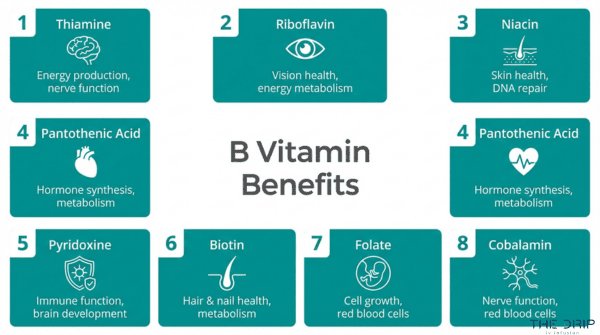
The B vitamins that help with weight loss are B1, B2, B3, B5, B6, B7, B9, and B12. Each one serves as a cofactor in distinct metabolic pathways that convert food into usable energy.
Vitamin B1 (Thiamine)
Vitamin B1 (thiamine) supports weight loss by serving as an essential cofactor for enzymes involved in glucose, amino acid, and lipid metabolism. According to the NIH Office of Dietary Supplements, thiamin diphosphate (TDP) is an essential cofactor for five enzymes in these pathways, and about 80% of the 25 to 30 mg of thiamin in the adult body exists in this active form. Without adequate thiamine, the body cannot efficiently extract energy from carbohydrates, which can slow metabolic output. The RDA for adult men is 1.2 mg/day and 1.1 mg/day for adult women.
Vitamin B2 (Riboflavin)
Vitamin B2 (riboflavin) aids weight loss by enabling the metabolism of fats, drugs, and steroids through two major coenzymes: flavin adenine dinucleotide (FAD) and flavin mononucleotide (FMN). These coenzymes are central to energy production and cellular function. When riboflavin levels drop too low, fatty acid beta-oxidation becomes impaired, leading to excessive lipid accumulation in the liver. The RDA is 1.3 mg/day for adult men and 1.1 mg/day for adult women.
Vitamin B3 (Niacin)
Vitamin B3 (niacin) contributes to weight loss by converting into nicotinamide adenine dinucleotide (NAD), a coenzyme required by more than 400 enzymes, according to the NIH Office of Dietary Supplements. These enzymes primarily catalyze reactions involved in energy metabolism and cellular signaling. Because NAD participates in so many metabolic processes, even a mild niacin deficiency can reduce the body’s ability to convert macronutrients into energy efficiently. The RDA is 16 mg NE/day for adult men and 14 mg NE/day for adult women.
Vitamin B5 (Pantothenic Acid)
Vitamin B5 (pantothenic acid) supports weight loss through the synthesis of coenzyme A (CoA), which is required for both fatty acid synthesis and degradation. CoA also facilitates the transfer of acetyl and acyl groups across numerous anabolic and catabolic processes. This makes pantothenic acid indispensable for breaking down stored fat and converting it into energy. The Adequate Intake for adults is 5 mg/day. Notably, L-carnitine, which transports fatty acids into mitochondria for energy production, depends on related cofactor pathways that pantothenic acid supports.
Vitamin B6 (Pyridoxine)
Vitamin B6 (pyridoxine) supports weight loss by participating in over 100 enzyme reactions, primarily concerning protein metabolism. Its active coenzyme form, pyridoxal 5′-phosphate (PLP), also plays a role in gluconeogenesis and glycogenolysis, two processes that regulate blood sugar and energy availability. Stable blood glucose levels reduce cravings and prevent the energy crashes that often derail weight loss efforts. The RDA for adults is 1.3 mg/day.
Vitamin B7 (Biotin)
Vitamin B7 (biotin) assists with weight loss by serving as a cofactor for five carboxylases that catalyze critical steps in the metabolism of fatty acids, glucose, and amino acids. According to the NIH Office of Dietary Supplements, biotin also plays a role in cell signaling and gene regulation. These combined functions help the body process macronutrients more efficiently, which is foundational for maintaining a healthy weight. The Adequate Intake for adults is 30 mcg/day.
Vitamin B9 (Folate)
Vitamin B9 (folate) supports weight loss by functioning as a coenzyme in single-carbon transfers required for DNA and RNA synthesis, as well as amino acid metabolism. One key reaction involves converting homocysteine to methionine; elevated homocysteine has been linked to metabolic dysfunction. Adequate folate ensures these pathways run smoothly, supporting cellular repair and energy regulation during caloric restriction. The RDA for adults is 400 mcg DFE/day.
Vitamin B12 (Cobalamin)
Vitamin B12 (cobalamin) aids weight loss by functioning as a cofactor for methionine synthase and L-methylmalonyl-CoA mutase. These enzymes are required for healthy red blood cell formation and the conversion of L-methylmalonyl-CoA to succinyl-CoA in short-chain fatty acid metabolism. Healthy red blood cells deliver oxygen to tissues, and efficient oxygen transport directly supports exercise capacity and fat burning. The RDA for adults is 2.4 mcg. For anyone struggling to maintain adequate B vitamin levels through diet alone, understanding how vitamin D interacts with metabolic function adds another important layer to consider.
How Does Vitamin D Support Weight Loss?
Vitamin D supports weight loss by modulating glucose metabolism, reducing inflammation, and influencing how the body processes and stores fat. The following subsections cover what happens when levels drop too low and how much you actually need.
What Happens When Vitamin D Levels Are Too Low for Fat Loss?
When vitamin D levels are too low for fat loss, the body experiences disrupted glucose metabolism and increased inflammation, both of which create conditions that resist weight loss. According to the NIH Office of Dietary Supplements, vitamin D (calciferol) plays roles beyond bone health, including modulation of cell growth, immune function, and glucose metabolism. Without adequate levels, insulin signaling weakens, energy production slows, and the hormonal environment shifts toward fat storage rather than fat burning.
Low vitamin D also correlates with higher body fat percentages and greater difficulty losing weight. Because this nutrient is found naturally in only a few foods, such as fatty fish, egg yolks, and beef liver, deficiency often goes unnoticed until metabolic progress stalls.
How Much Vitamin D Do You Need to Support Weight Management?
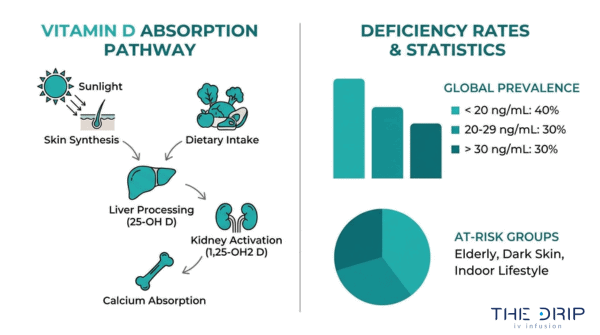
The amount of vitamin D you need to support weight management is at least 15 mcg (600 IU) per day for most adults, according to the current Recommended Dietary Allowance. However, individuals with existing deficiency may require higher therapeutic doses under clinical guidance.
Deficiency is far more common than most people realize. Based on NHANES data from 71,685 participants published in PMC, the weighted prevalence of severe and moderate vitamin D deficiency in the U.S. population was 2.6% and 22.0%, respectively. That means roughly one in four Americans may have suboptimal levels working against their weight management efforts. For anyone struggling with a persistent weight loss plateau despite consistent diet and exercise, checking vitamin D status is one of the most practical first steps a provider can recommend.
Understanding your vitamin D status sets the stage for evaluating other key nutrients, like vitamin C, that also influence fat metabolism.
Can Vitamin C Help You Lose Weight?
Vitamin C can support weight loss indirectly by enabling fat metabolism and managing stress hormones. The sections below cover how vitamin C influences fat oxidation during exercise and its role in cortisol-related weight gain.
How Does Vitamin C Influence Fat Oxidation During Exercise?
Vitamin C influences fat oxidation during exercise by supporting the production of L-carnitine, a compound essential for transporting fatty acids into mitochondria where they are burned for energy. According to the NIH Office of Dietary Supplements, vitamin C (L-ascorbic acid) is required for the biosynthesis of collagen, L-carnitine, and certain neurotransmitters. Without adequate vitamin C, the body’s ability to shuttle fat into cells for fuel diminishes, potentially reducing exercise efficiency. Individuals with low vitamin C levels may find it harder to tap into fat stores during workouts, making consistent intake a practical priority for anyone combining exercise with a weight loss plan.
What Role Does Vitamin C Play in Cortisol and Stress-Related Weight Gain?
Vitamin C plays a role in cortisol and stress-related weight gain by helping regulate the adrenal glands, which produce cortisol during periods of physical or emotional stress. Chronically elevated cortisol promotes fat storage, particularly around the midsection. Vitamin C is one of the most concentrated nutrients in the adrenal glands, and adequate levels support a healthier stress response. Although cortisol management also depends on broader nutritional status, vitamin C’s antioxidant properties help buffer oxidative stress that compounds hormonal imbalance. For most people pursuing weight loss, overlooking stress management is one of the biggest mistakes; ensuring sufficient vitamin C intake addresses one piece of that puzzle.
Understanding vitamin C’s metabolic contributions sets the stage for examining how minerals like iron affect energy and weight.
What Role Does Iron Play in Weight Loss?
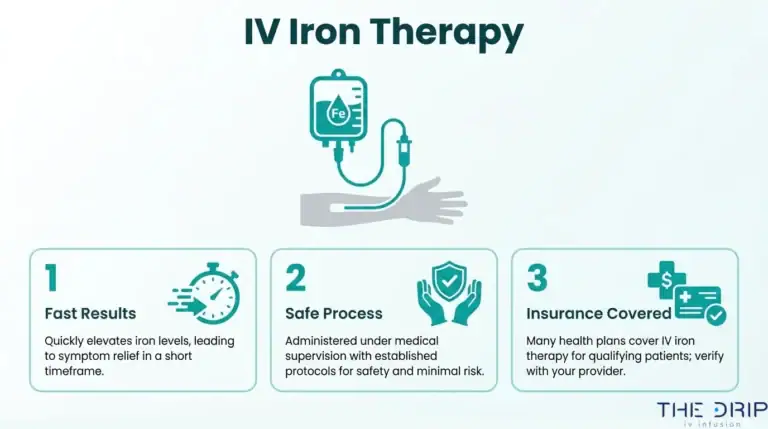
Iron plays a central role in weight loss by supporting oxygen transport and energy metabolism. According to the NIH Office of Dietary Supplements, iron is a component of hemoglobin, a red blood cell protein that transfers oxygen from the lungs to the tissues, and as a component of myoglobin, it provides oxygen to muscles, supporting metabolism. Without adequate iron, muscles receive less oxygen, exercise capacity drops, and the body struggles to burn calories efficiently.
Low iron levels often manifest as persistent fatigue, reduced endurance, and poor workout recovery. These symptoms make it significantly harder to maintain the caloric deficit and consistent physical activity that weight loss requires. The RDA for iron is 8 mg/day for adult men and 18 mg/day for premenopausal adult women. Individuals restricting calories during a weight loss program face a higher risk of falling short, particularly when eliminating red meat or other iron-rich foods. For anyone whose progress has stalled despite consistent effort, checking iron status is a practical and often overlooked step toward getting results back on track.
How Does Magnesium Contribute to Weight Management?
Magnesium contributes to weight management by regulating blood sugar, supporting insulin function, and preventing metabolic slowdowns linked to deficiency. The following subsections cover its effect on insulin sensitivity and its role in weight loss plateaus.
How Does Magnesium Affect Blood Sugar and Insulin Sensitivity?
Magnesium affects blood sugar and insulin sensitivity by serving as an essential cofactor in the enzymatic pathways that govern glucose metabolism. According to the NIH Office of Dietary Supplements, magnesium is a cofactor in more than 300 enzyme systems that regulate diverse biochemical reactions, including blood glucose control, protein synthesis, muscle and nerve function, and blood pressure regulation. When magnesium levels drop, cells become less responsive to insulin, which can promote fat storage and increase cravings. Maintaining adequate intake, 400 to 420 mg daily for men and 310 to 320 mg for women, helps keep glucose regulation efficient. For anyone actively pursuing fat loss, this mineral is one of the most underappreciated tools in the process.
Can Magnesium Deficiency Cause Weight Loss Plateaus?
Yes, magnesium deficiency can cause weight loss plateaus by impairing the metabolic processes that sustain consistent fat loss. According to a StatPearls review published via NCBI, obesity researchers note that weight loss plateaus are often driven by physiologic mechanisms and metabolic adaptations, and that identifying micronutrient deficiencies such as magnesium and iron is critical for managing weight loss stalling. Without sufficient magnesium, energy production falters, muscle recovery slows, and sleep quality declines; all factors that quietly erode progress. If weight loss stalls despite consistent effort with diet and exercise, a magnesium shortfall is worth investigating before making drastic caloric changes.
Understanding how individual nutrients like magnesium affect metabolism leads naturally to exploring vitamin A’s broader metabolic role.
Does Vitamin A Help With Metabolic Function and Fat Storage?
Vitamin A helps with metabolic function by supporting cellular communication and organ maintenance, both of which influence how the body processes and stores fat. Its role in reproduction, immune function, and tissue integrity also affects overall metabolic efficiency.
According to the NIH Office of Dietary Supplements, vitamin A (retinol) is involved in immune function, vision, reproduction, and cellular communication, and it plays a critical role in the normal formation and maintenance of the heart, lungs, kidneys, and other organs. These functions collectively support the metabolic environment your body needs to regulate fat storage effectively.
The RDA for vitamin A is 900 mcg RAE per day for adult men and 700 mcg RAE per day for adult women. Adequate intake from sources like liver, dairy, and orange-pigmented vegetables helps maintain the cellular processes that keep metabolism running properly. When vitamin A levels drop too low, the body’s ability to regulate adipose tissue and energy balance can become compromised. For those pursuing weight loss, ensuring sufficient vitamin A intake is a practical, often overlooked step in supporting the broader metabolic framework that governs how efficiently fat is stored or burned.
How Do Omega-3 Fatty Acids Support a Weight Loss Plan?
Omega-3 fatty acids support a weight loss plan by providing energy, maintaining healthy cell membranes, and supporting the endocrine system functions that regulate metabolism. According to the NIH Office of Dietary Supplements, omega-3 fatty acids, specifically EPA and DHA, are components of the phospholipids that form cell membrane structures and provide the body with energy, while also serving functions in the heart, blood vessels, lungs, immune system, and endocrine system. These overlapping roles make adequate omega-3 intake particularly relevant during calorie restriction, when the body depends on efficient energy pathways and hormonal balance.
No Recommended Dietary Allowance exists for omega-3 fatty acids. Instead, the Adequate Intake levels are:
- Adult men need 1.6 grams per day.
- Adult women need 1.1 grams per day.
Fatty fish, flaxseeds, chia seeds, and walnuts are among the most accessible dietary sources. For anyone pursuing sustained fat loss, omega-3s represent one of the most underappreciated supportive nutrients; their influence on inflammation and endocrine signaling can quietly determine whether a weight loss plan progresses or stalls. Ensuring chromium intake is also worth considering for appetite regulation.
What About Chromium and Its Effect on Appetite Control?
Chromium may influence appetite control by enhancing insulin’s action on carbohydrate, lipid, and protein metabolism. However, its precise mechanism and optimal intake remain scientifically unresolved.
Chromium is a trace mineral that might be involved in the metabolism of carbohydrates, lipids, and proteins by enhancing the action of insulin. According to the NIH Office of Dietary Supplements, chromium’s precise mechanism of action and the amount required for optimal health have not been fully established. Because insulin plays a central role in blood sugar regulation, adequate chromium levels may help stabilize glucose fluctuations that often trigger cravings and overeating.
There is no Recommended Dietary Allowance for chromium. The Adequate Intake for adults ranges from 20 to 35 mcg per day. Common dietary sources include:
- Broccoli
- Grape juice
- Whole grains
- Meat and poultry
For anyone managing appetite as part of a broader weight loss strategy, chromium is worth discussing with a healthcare provider, though it should not be viewed as a standalone solution. Understanding how vitamins and minerals reach your cells matters just as much as which ones you take.
Should You Get Weight Loss Vitamins From Food or Supplements?
You should get weight loss vitamins from food first, then use supplements to address specific gaps. The following sections cover the richest whole food sources, when supplementation becomes necessary, and the risks of taking too much.
Which Whole Foods Are Richest in Weight Loss Vitamins?
The whole foods richest in weight loss vitamins include nutrient-dense options across several categories:
- B vitamins: Whole grains, pork, fish, yeast, legumes, and eggs provide thiamine, riboflavin, B6, and B12.
- Vitamin D: Fatty fish, fish liver oils, beef liver, egg yolks, and cheese are among the few natural dietary sources.
- Vitamin C: Citrus fruits, bell peppers, strawberries, and broccoli deliver this nutrient with bioavailability comparable to synthetic forms.
- Iron: Red meat, shellfish, and organ meats supply heme iron, while spinach, lentils, and fortified cereals provide non-heme iron.
- Magnesium: Green leafy vegetables, legumes, nuts, seeds, and whole grains are reliable sources.
According to the NIH Office of Dietary Supplements, thiamine is found in most foods, with whole grains, pork, fish, and yeast being particularly rich sources. Prioritizing variety across these food groups creates a strong metabolic foundation before considering any supplement.
When Are Supplements Necessary for Weight Loss Support?
Supplements become necessary for weight loss support when dietary intake alone cannot meet your body’s requirements. This commonly occurs in several situations:
- Restrictive diets: Calorie-reduced or elimination diets often cut out entire food groups, creating nutrient gaps in B12, iron, or magnesium.
- Absorption issues: Gut health conditions, aging, or prior gastrointestinal surgery can reduce the body’s ability to extract vitamins from food.
- Documented deficiencies: Blood work confirming low levels of vitamin D, iron, or B12 warrants targeted supplementation under clinical guidance.
- Vegetarian or vegan eating patterns: Plant-based diets lack reliable sources of B12 and heme iron.
While whole foods remain the best source of nutrients, supplements can help fill gaps in the diet. The key is supplementing based on identified needs rather than taking broad multivitamins without a clear purpose.
What Are the Risks of Over-Supplementing Vitamins?
The risks of over-supplementing vitamins range from mild side effects to serious toxicity. Fat-soluble vitamins, such as A, D, and E, accumulate in body tissue and pose the greatest danger because excess amounts are not easily excreted.
According to a review published in PMC, vitamin C absorption plateaus at oral doses above 200 to 400 mg daily, and high doses of vitamin E supplements above 400 IU per day may increase all-cause mortality. Other risks include:
- Vitamin A toxicity: Nausea, headaches, liver damage, and bone density loss at chronically high intakes.
- Iron overload: Gastrointestinal distress and organ damage, particularly in individuals not deficient.
- Magnesium excess from supplements: Diarrhea, cramping, and in extreme cases, cardiac complications.
More is not better when it comes to micronutrients. Staying within established RDA and AI thresholds protects against these outcomes while still supporting metabolic health during weight loss. With sourcing strategies clarified, recognizing whether a deficiency is actively stalling your progress is the next step.
How Can You Tell If a Vitamin Deficiency Is Stalling Your Progress?
You can tell if a vitamin deficiency is stalling your progress by recognizing specific physical and metabolic warning signs that persist despite consistent diet and exercise efforts. Common indicators include persistent fatigue, unexplained weight loss plateaus, muscle weakness, poor recovery after workouts, and increased cravings.
According to a StatPearls review published by the NCBI Bookshelf, obesity researchers note that weight loss plateaus are often driven by physiologic mechanisms and metabolic adaptations, and that identifying micronutrient deficiencies such as magnesium and iron is critical for managing weight loss stalling.
Key signs that a nutrient gap may be slowing your results include:
- Chronic fatigue or low energy despite adequate sleep, which may signal low iron, B12, or magnesium levels.
- Unexplained weight loss plateaus lasting several weeks while calorie intake and activity remain consistent.
- Frequent muscle cramps or weakness, often linked to insufficient magnesium or vitamin D.
- Increased sugar cravings, which can indicate chromium or B vitamin insufficiency affecting blood sugar regulation.
- Slow post-exercise recovery, potentially caused by low vitamin C or iron reducing oxygen delivery and tissue repair.
- Mood changes or brain fog, sometimes associated with deficiencies in B6, B9, or vitamin D.
Blood testing remains the most reliable method to confirm a deficiency. A simple panel measuring levels of vitamin D, B12, iron (ferritin), and magnesium can reveal hidden gaps that dietary tracking alone cannot detect. If multiple symptoms overlap, a healthcare provider can recommend targeted supplementation rather than broad multivitamin use.
For anyone stuck at a plateau, ruling out nutrient deficiencies before adjusting calories or training volume is a practical first step that many people overlook. Correcting even one deficiency can restore the metabolic efficiency needed to resume progress, making targeted nutrient support a valuable complement to any weight loss plan.
How Can IV Vitamin Therapy Support Your Weight Loss Goals?
IV vitamin therapy can support weight loss goals by delivering essential metabolic cofactors directly into the bloodstream, bypassing digestive absorption limitations. The following sections cover how The Drip IV Infusion’s weight loss IV cocktails compare to oral supplements and the key takeaways from this article.
Can The Drip IV Infusion’s Weight Loss IV Cocktails Deliver Vitamins More Effectively Than Oral Supplements?
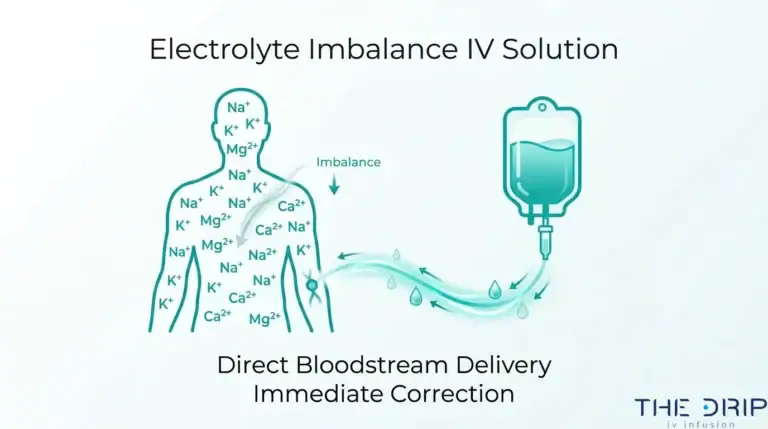
Yes, The Drip IV Infusion’s weight loss IV cocktails can deliver vitamins more effectively than oral supplements. According to a 2025 review published on NCBI PMC, intravenous vitamin therapy ensures higher bioavailability by bypassing the gastrointestinal tract and delivering nutrients directly into the bloodstream, allowing for absorption rates near 100% compared to oral supplements, which may achieve 50% or less.
This difference matters for weight-loss-supporting nutrients like B vitamins, vitamin C, and magnesium, where consistent cellular availability drives metabolic enzyme function. Oral absorption can fluctuate based on gut health, food interactions, and individual digestive capacity. The Drip IV Infusion’s customizable IV cocktails include add-ons such as B-complex vitamins, vitamin C, magnesium, and Lipo-C, all formulated to complement a structured weight management plan.
What Are the Key Takeaways About Essential Vitamins to Aid With Weight Loss?
The key takeaways about essential vitamins to aid with weight loss center on three principles: vitamins function as metabolic cofactors, not direct fat burners; nutrient bioavailability determines real-world effectiveness; and fat loss is systemic, not targeted.
- Vitamins do not directly “speed up” metabolism; they serve as essential cofactors that enable metabolic enzymes to function properly.
- There is no evidence-based “best vitamin for belly fat,” because the body loses fat systemically across all storage sites.
- B vitamins, vitamin D, vitamin C, iron, and magnesium each support distinct metabolic pathways required for efficient energy production and fat oxidation.
- Oral nutrient absorption varies significantly; for example, only 14% to 18% of dietary iron is bioavailable, according to NCBI StatPearls.
- Addressing micronutrient deficiencies is one of the most practical steps for breaking through a weight loss plateau.
For those seeking reliable nutrient delivery alongside a balanced diet and exercise plan, The Drip IV Infusion offers IV vitamin therapy designed to maximize absorption and support metabolic health.