If you’re exploring glutathione supplementation to boost your antioxidant levels, improve skin health, or support your body’s detoxification processes, you’ve likely encountered two main options: intravenous (IV) infusions and oral supplements. We understand the confusion surrounding which method delivers better results for your specific health goals and budget. The good news is that both forms of glutathione can provide benefits—the key is understanding which approach aligns with your needs, lifestyle, and risk tolerance.
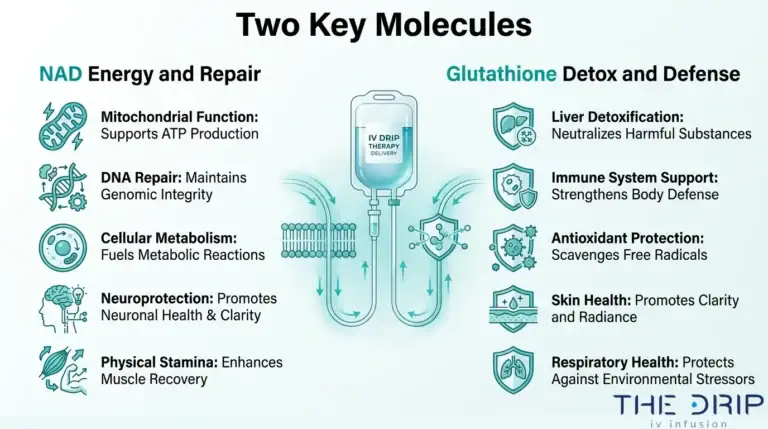
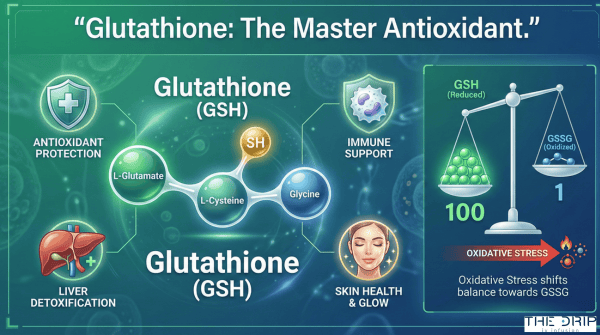
Glutathione (GSH) is a tripeptide molecule that acts as your body’s master antioxidant, redox buffer, and enzyme cofactor, maintaining a critical GSH/GSSG ratio of approximately 100:1 under normal conditions. This powerful antioxidant protects your cells from oxidative damage, supports Phase II detoxification, and regulates the metabolism of vitamins D, E, and C. Low glutathione levels are associated with numerous health conditions including metabolic syndrome, cardiovascular disease, chronic kidney disease, NAFLD/NASH, Parkinson’s disease, Alzheimer’s disease, autoimmune conditions, HIV infection, and cancer.
TL;DR Summary
Here’s what you need to know about choosing between glutathione IV and oral supplementation:
• Bioavailability differences are dramatic: IV glutathione achieves 90-100% absorption directly into your bloodstream, while standard oral glutathione has only 0.7% bioavailability due to enzymatic degradation in the digestive tract—though liposomal oral formulations can reach 50-90% bioavailability.
• Safety profiles vary significantly: IV administration carries serious risks including anaphylaxis, hepatotoxicity, and potential endotoxin contamination, while oral supplements typically cause only mild gastrointestinal effects like flatulence or loose stools.
• Cost considerations favor oral supplements: IV therapy runs $199-$400+ per session with typical protocols requiring 1-3 sessions weekly ($800-$4800+ monthly), whereas oral supplements offer a more budget-friendly option with the convenience of home administration.
• Clinical effectiveness depends on your health goals: IV glutathione is FDA-approved only as an adjunct to cisplatin chemotherapy, while studies show oral glutathione at 300 mg/day effectively treats NAFLD/NASH and liposomal formulations at 500-1000 mg/day improve immune markers and skin health.
• Duration of benefits differs between methods: IV glutathione provides immediate peak plasma concentrations but benefits typically fade within 6 months of discontinuation, while oral supplementation offers sustained effects with regular daily dosing.
• Professional guidance is essential: The Drip IV Infusion’s qualified healthcare professionals can assess your individual health status, goals, and risk factors to determine whether IV protocols or oral supplementation—or a combination approach—best suits your needs.
Quick Tip: If you’re new to glutathione supplementation and have no urgent medical needs, start with high-quality liposomal oral glutathione at 500-1000 mg daily for 4 weeks to assess your response before considering the higher cost and risks of IV therapy.
Understanding these key differences empowers you to make an informed decision about glutathione supplementation. We’ll explore each aspect in detail throughout this guide, examining the science behind both delivery methods, their specific benefits and limitations, and how to determine which approach aligns with your health objectives and lifestyle at The Drip IV Infusion.
What Is Glutathione and Why Is It Important for Health?
Glutathione (GSH) acts as a redox buffer, antioxidant, and enzyme cofactor throughout the body. The GSH/GSSG ratio maintains ~100:1 at steady state but decreases to 10:1 or less under oxidative stress. Low GSH levels associate with metabolic syndrome, cardiovascular disease, chronic kidney disease, NAFLD/NASH, Parkinson’s disease, Alzheimer’s disease, autoimmune conditions, HIV infection, and cancer. Glutathione regulates metabolism of vitamins D, E, and C, earning its designation as the “master antioxidant.” Age-related GSH decline occurs commonly in advanced age, with defective renal glutathione metabolism marking renal aging. Adequate glutathione availability remains critical for maintaining health and promoting longevity. Understanding glutathione’s cellular mechanisms, detoxification pathways, and immune-regulatory functions reveals why supplementation strategies matter for wellness optimization.
How Does Glutathione Work in the Body?
Glutathione works in the body by facilitating Phase II detoxification for excretion of xenobiotic and endogenous compounds. GSH prevents protein oxidation through S-glutathionylation mechanisms. The molecule serves as the rate-limiting step for regenerating NADPH in the glutathione-ascorbate cycle. This pathway neutralizes hydrogen peroxide radicals from metabolism. Without adequate GSH, low NADPH results in increased reactive oxygen species (ROS). Intracellular redox changes affect cell signaling, gene transcription, proliferation, and apoptosis. These molecular interactions position glutathione as essential for cellular health and systemic detoxification processes.
What Are the Main Roles of Glutathione in Wellness?
The main roles of glutathione in wellness include diverse effects on immune system function, stimulating or inhibiting response as needed. The immune system shows sensitivity to both GSH deficiency and excess. GSH regulates immunity and synthesis of leukotrienes and prostaglandins. Glutathione protects high-metabolic tissues including renal cells, hepatocytes, endocrine cells, endothelial cells, and neurons. The molecule possesses antiaging and antimelanogenic properties. Clinical studies demonstrate effectiveness in reducing photo-induced aging of skin when supplemented at 500 mg/day. These multifaceted roles establish glutathione as fundamental for immune balance, tissue protection, and skin health maintenance.
How Do Glutathione IV and Oral Supplements Differ?
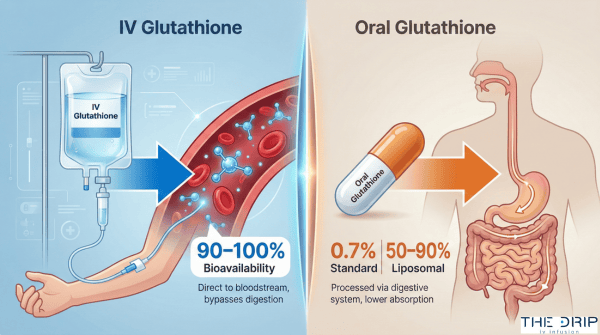
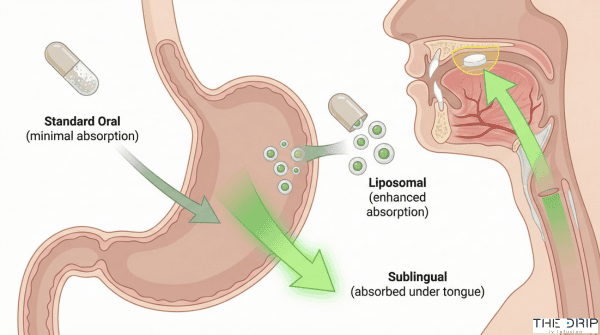
Glutathione IV and oral supplements differ primarily in bioavailability and absorption pathways. IV glutathione achieves 90-100% bioavailability compared to 0.7% for standard oral glutathione. The IV route delivers glutathione directly into the bloodstream, bypassing enzymatic degradation in the gastrointestinal tract. Oral glutathione undergoes extensive breakdown by digestive enzymes, resulting in minimal absorption. IV administration can deliver doses up to 10 times higher than oral supplements. Advanced oral formulations show improved results—liposomal glutathione achieves 50-90% bioavailability depending on formulation quality, while N-methylated glutathione analogues demonstrate a 16.1-fold increase in oral bioavailability compared to native GSH.
What Is the Process of Administering Glutathione IV?
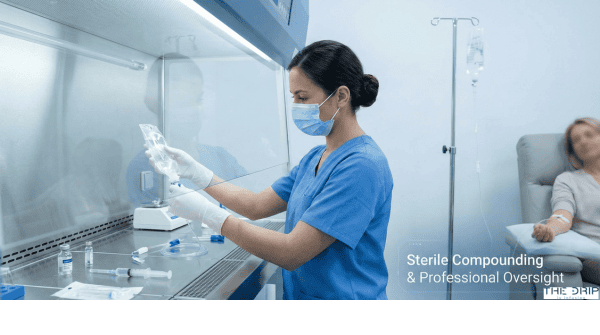
The process of administering glutathione IV requires strict sterile compounding protocols and professional healthcare oversight. An ISO Class 5 IV Hood is mandatory for IV bag preparation per USP 797 sterile compounding standards. Healthcare providers must have professional IV certification and hands-on training. Physical compatibility testing is required before Y-site co-administration with other drugs—glutathione shows compatibility with 33 of 44 tested IV drugs (75% compatibility rate). Only pharmaceutical-grade glutathione in sterile, regulated environments meets safety standards. Common dosing ranges from 600-1200 mg per dose, typically administered 1-3 times weekly for 4-8 weeks.
How Are Oral Glutathione Supplements Taken?
Oral glutathione supplements are taken through various administration methods with different dosing recommendations. Standard oral glutathione recommendation is 50 mg twice daily. Liposomal formulations require 500-1000 mg daily, with effects visible as early as 1 week. Dermatologists prefer 250 mg twice daily on an empty stomach for 4 weeks. Sublingual administration achieves 55% penetration after 10 minutes and approximately 70% after 30 minutes through oral epithelium. The supplements are generally well-tolerated at doses up to 500 mg daily for up to 2 months. Treatment duration typically spans 4 weeks for oral supplementation protocols.
What Are the Active Ingredients in Each Form?
The active ingredients in each form share similar molecular structures but differ in stability and formulation. Native GSH maintains a half-life of 2-3 hours in plasma for both IV and oral forms. Liposomal formulations demonstrate a 16.8-fold increase in half-life compared to native GSH (33.6 minutes versus 2.0 minutes). N-methylation decreases enzymatic degradation and increases intestinal epithelium transport. Some topical formulations use oxidized glutathione (GSSG) at 2% concentration. Glutathione holds “Generally Recognized As Safe” (GRAS) status for food products. These formulation differences determine absorption efficiency and therapeutic effectiveness between IV and oral delivery methods.
What Are the Benefits and Drawbacks of Glutathione IV?
The benefits and drawbacks of glutathione IV include rapid peak concentration within minutes, skin improvement in 37.5% of participants versus 18.7% placebo, and FDA approval as chemotherapy adjunct, while risks encompass adverse events in 32% of users, lack of FDA approval for skin lightening, and benefits fading after 6 months of discontinuation. IV glutathione delivers immediate systemic circulation with 90-100% bioavailability but carries serious risks including anaphylaxis and hepatotoxicity. The following sections examine the speed of action, health benefits, and safety concerns associated with IV glutathione administration.
How Quickly Does Glutathione IV Work Compared to Oral Supplements?
Glutathione IV achieves peak plasma concentration within minutes, while oral liposomal glutathione shows effects as early as 1 week at 500-1000 mg daily doses. IV administration provides immediate systemic circulation versus gradual absorption with oral supplements. Both IV and oral native GSH share a 2-3 hour plasma half-life. Liposomal oral formulations extend half-life 16.8-fold compared to native GSH, offering sustained release despite slower initial absorption.
What Health and Beauty Benefits Are Associated With Glutathione IV?
The health and beauty benefits associated with glutathione IV include skin lightening, chemotherapy protection, and liver enzyme reduction. A clinical trial demonstrated skin lightening with 1200 mg IV glutathione administered twice weekly for 6 weeks. A double-blind study showed GSH reduced cisplatin toxicity and improved quality of life in ovarian cancer patients. Animal models demonstrated improved neurological outcomes in Parkinson’s disease. Daily 1000 mg doses protect kidney and nerve cells from chemotherapy toxicity. A 30-day IV/IM GSH study reduced transaminases, GGT, and malondialdehyde in early NAFLD patients.
Are There Any Risks or Side Effects of IV Glutathione?
The risks and side effects of IV glutathione include anaphylaxis, hepatotoxicity, and potential Stevens-Johnson Syndrome as documented by FDA concerns. In 2019, seven patients experienced adverse events from endotoxin-contaminated IV glutathione. Endotoxin symptoms include fever, chills, myalgia, headache, nausea, vomiting, hypotension, shock, and death. Unregulated IV glutathione may cause life-threatening systemic inflammatory response syndrome (SIRS). Non-sterile facility administration poses HIV, hepatitis C, and hepatitis B transmission risks. These severe complications underscore the importance of proper medical supervision and sterile compounding standards when considering IV glutathione therapy.
What Are the Benefits and Drawbacks of Oral Glutathione?
The benefits and drawbacks of oral glutathione depend on formulation type and dosing. Liposomal glutathione achieves 50-90% bioavailability at 500-1000 mg daily doses. Standard oral glutathione shows only 0.7% bioavailability due to gastrointestinal degradation. A 2019 clinical study found 300 mg daily oral glutathione prevented NASH progression from NAFLD. A 2022 meta-analysis revealed 300 mg daily was more effective than 600 mg for Parkinson’s disease symptoms. Despite these benefits, a 2023 meta-analysis found glutathione supplementation does not significantly increase erythrocyte or plasma levels. Oral supplements offer convenience, availability, gradual absorption, and cost-effectiveness compared to IV administration.
How Is Oral Glutathione Absorbed in the Body?
Oral glutathione absorption varies dramatically by formulation type. Native oral GSH absorption measures 0.7 ± 0.1% due to enzymatic degradation in the gastrointestinal tract. Liposomal formulations achieve 11.3 ± 1.2% oral bioavailability, representing a 16.1-fold improvement over standard forms. Sublingual administration bypasses GI tract degradation, achieving higher absorption rates than standard oral delivery. N-methylated glutathione analogues demonstrate a 16.1-fold increase in oral bioavailability compared to native GSH. The half-life for standard oral GSH remains 2-3 hours in plasma. These absorption variations directly impact clinical effectiveness and dosing requirements.
What Are the Advantages of Oral Glutathione Supplements?
The advantages of oral glutathione supplements include tolerability, affordability, and convenience. Oral glutathione is generally well-tolerated with only mild side effects reported. Cost advantages are significant, with IV therapy ranging $800-$4800+ monthly versus lower-priced oral supplements. Daily home dosing eliminates clinic visits required for IV administration. A 2021 study showed liposomal glutathione achieved 14-20% reduction in oxidized/reduced GSH ratio. The same formulation produced 210-400% increase in lymphocyte lysis after two weeks. Regular oral dosing provides sustained effects without medical supervision requirements.
Are There Limitations or Side Effects to Oral Glutathione?
The limitations of oral glutathione include absorption challenges and mild adverse effects. Common side effects include flatulence and loose stools from gastrointestinal processing. Standard oral formulations achieve only 0.7% bioavailability, limiting blood level increases compared to IV delivery. Rare effects include allergic reactions, rash, and difficulty breathing from bronchial spasms. Higher doses and longer treatment durations may be necessary to achieve therapeutic glutathione levels. A 2020 oncology review noted excessive glutathione intake may contribute to chemotherapy resistance in breast cancer patients. These limitations require careful consideration when selecting supplementation strategies for specific health goals.
What Factors Should You Consider When Choosing Between IV and Oral Glutathione?
The factors to consider when choosing between IV and oral glutathione include bioavailability differences, cost implications, convenience requirements, and safety profiles. IV glutathione achieves 90-100% bioavailability compared to standard oral’s 0.7% and liposomal oral’s 50-90%. Treatment costs range from $800-$4800+ monthly for IV therapy versus lower-cost oral supplements. The following analysis examines effectiveness for specific health goals, patient preferences, and cost-convenience trade-offs.
Which Method Is More Effective for Different Health Goals?
The most effective method depends on your specific health condition and treatment objectives. IV or high-dose oral glutathione may benefit neurological conditions like Parkinson’s disease according to clinical protocols. A 2019 study on NAFLD/NASH found oral supplementation at 300 mg daily effectively prevented disease progression. IV glutathione has FDA approval as an adjunct for cisplatin chemotherapy protection in cancer treatment.
Liposomal oral formulations demonstrate immune marker improvements in immunocompromised patients through enhanced bioavailability. For skin-lightening goals, oral supplementation at 500 mg daily shows measurable results. Research indicates combining topical 2% glutathione with oral supplementation produces superior outcomes compared to monotherapy.
| Health Goal | Method | Dosage | Evidence |
| Parkinson’s | IV/High-dose oral | Variable | Clinical protocols |
| NAFLD/NASH | Oral | 300 mg/day | 2019 study |
| Chemotherapy protection | IV | Per protocol | FDA-approved |
| Immune support | Liposomal oral | 500-1000 mg/day | Clinical data |
| Skin lightening | Oral | 500 mg/day | Dermatology studies |
Your treatment selection should align with evidence-based protocols for your specific condition.
Who Might Prefer IV Over Oral Glutathione and Vice Versa?
Patient populations show distinct preferences based on medical needs and risk factors. Cancer patients may require IV glutathione for chemotherapy protection protocols. NAFLD patients can effectively use oral supplementation at 300 mg daily without IV administration. Older adults demonstrate positive responses to oral GlyNAC supplementation in aging studies.
Patients with nutritional compromise face increased risk for systemic inflammatory response syndrome (SIRS) with IV administration. Glutathione is not recommended for pregnant or breastfeeding women or during active chemotherapy cycles. A 2021 survey found 52.11% of dermatologists routinely prescribe glutathione, with most choosing the oral route for patient safety and convenience.
These patient-specific factors guide whether IV’s rapid delivery or oral’s safety profile better serves individual needs.
How Do Cost and Convenience Compare Between the Two Forms?
Cost and convenience differences are substantial between administration methods. IV therapy costs $199-$400+ per session with typical protocols requiring 1-3 weekly visits, totaling $800-$4800+ monthly. Beauty IV drips specifically range from $250-$350 per session. Adding glutathione to a base IV incurs $30-$100 additional cost per treatment.
Oral supplements offer significant cost savings with home administration convenience. The global glutathione market is projected to reach US$ 652 million by 2032, growing at 8.8% CAGR. The supplement market shows 6.8-12.87% annual growth, reflecting consumer preference for accessible options.
Treatment convenience directly impacts patient adherence and satisfaction rates, making oral supplementation more sustainable for long-term use while IV therapy suits acute interventions requiring rapid systemic delivery.
How Should You Decide Between Glutathione IV and Oral Options With The Drip IV Infusion?
Choosing between IV and oral glutathione requires weighing bioavailability against safety, cost, and convenience factors. IV protocols vary by clinic since IV glutathione lacks FDA approval for wellness uses. Patient satisfaction correlates most strongly with treatment compliance regardless of administration route. A 2023 dermatology survey found 54% of practitioners cite insufficient safety data for glutathione supplementation. Real-world effectiveness often differs significantly from controlled trial results.
The decision framework should prioritize individual health status, specific therapeutic goals, and risk tolerance. Consider that IV achieves 90-100% bioavailability but requires clinical visits and carries anaphylaxis risk. Liposomal oral formulations offer 50-90% bioavailability with convenient home administration. Standard oral supplements provide only 0.7% bioavailability but cost significantly less than IV therapy.
Can The Drip IV Infusion Help You Choose the Right Glutathione Approach?
The Drip IV Infusion can help determine the optimal glutathione approach through professional assessment of individual health status and treatment goals. Qualified healthcare professionals evaluate patient history, current medications, and specific wellness objectives before recommending IV versus oral administration. The clinic ensures professional IV certification and proper training for all practitioners administering glutathione infusions.
Safe IV glutathione administration requires several critical steps:
- Verify glutathione powder meets USP standards for sterile compounding
- Conduct physical compatibility testing before combining with other IV medications
- Assess patient age, metabolism, and medical conditions
- Monitor for adverse reactions during and after infusion
- Document treatment response and adjust protocols accordingly
The Drip IV Infusion provides personalized consultations to match patients with appropriate glutathione delivery methods based on bioavailability needs, budget constraints, and lifestyle factors.
What Are the Key Takeaways About Glutathione IV vs Oral: Which Is Best for You?
The key takeaways about glutathione IV versus oral supplementation center on bioavailability, safety profile, cost, and regulatory status. IV glutathione offers 90-100% bioavailability but may cause serious adverse events including anaphylaxis and hepatotoxicity. Liposomal oral formulations achieve 50-90% bioavailability with good safety profiles and convenient home administration. Standard oral glutathione has only 0.7% bioavailability but remains generally well-tolerated at recommended doses.
Cost differences are substantial between administration routes:
- IV therapy: $800-$4800+ monthly
- Liposomal oral: $50-150 monthly
- Standard oral: $20-50 monthly
The FDA has not approved any injectable glutathione products for skin lightening or general wellness purposes. Choice depends on specific health goals, risk tolerance, budget constraints, and convenience preferences. Patients seeking chemotherapy support may require IV administration, while those targeting liver health may achieve results with oral supplementation at 300 mg daily.