Immune IV therapy frequency is the schedule of intravenous nutrient sessions needed to maintain protective vitamin and mineral concentrations in the bloodstream for sustained immune defense. The optimal cadence varies from monthly maintenance to multiple sessions per week depending on individual health status and goals.
This guide covers general wellness scheduling across populations, seasonal and acute illness protocols, the individual factors that shift your ideal frequency, nutrient science and delivery advantages, and mobile service convenience for consistent adherence.
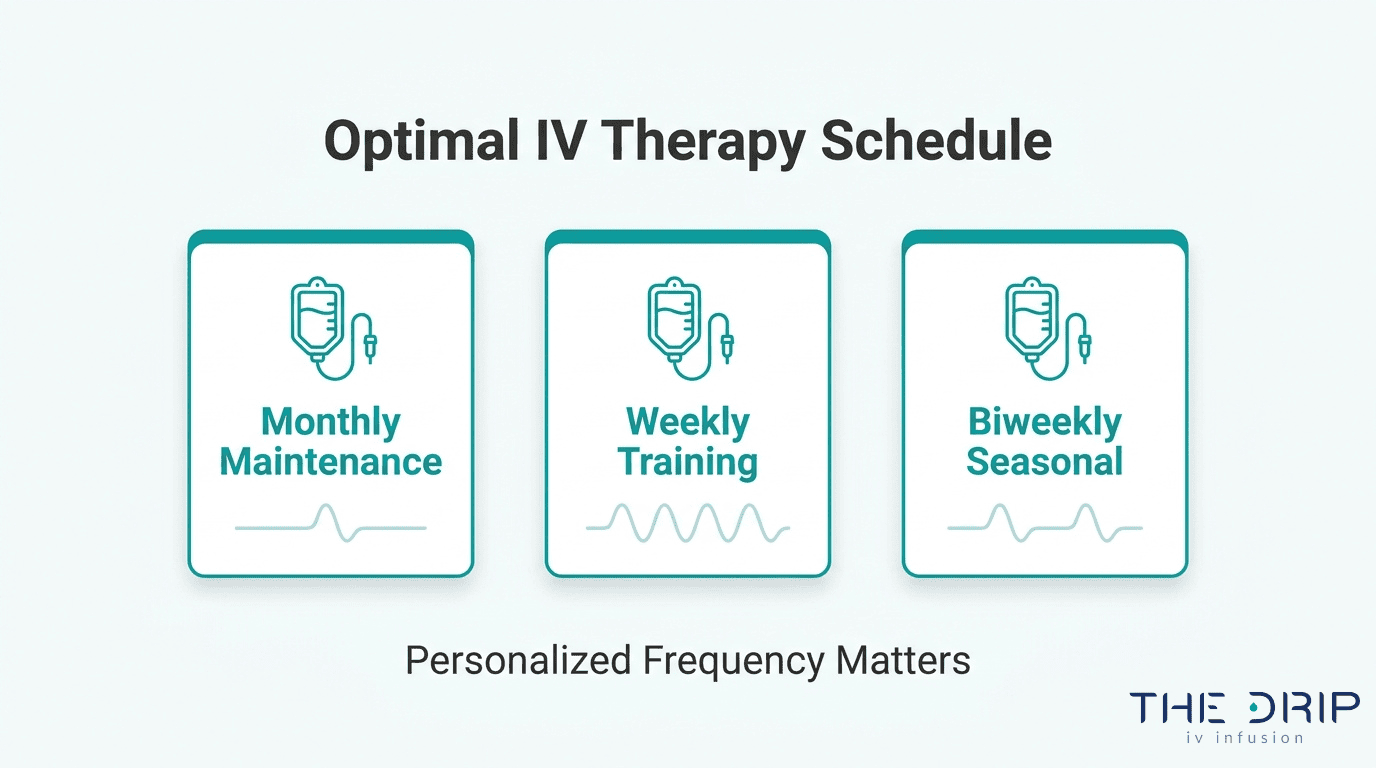
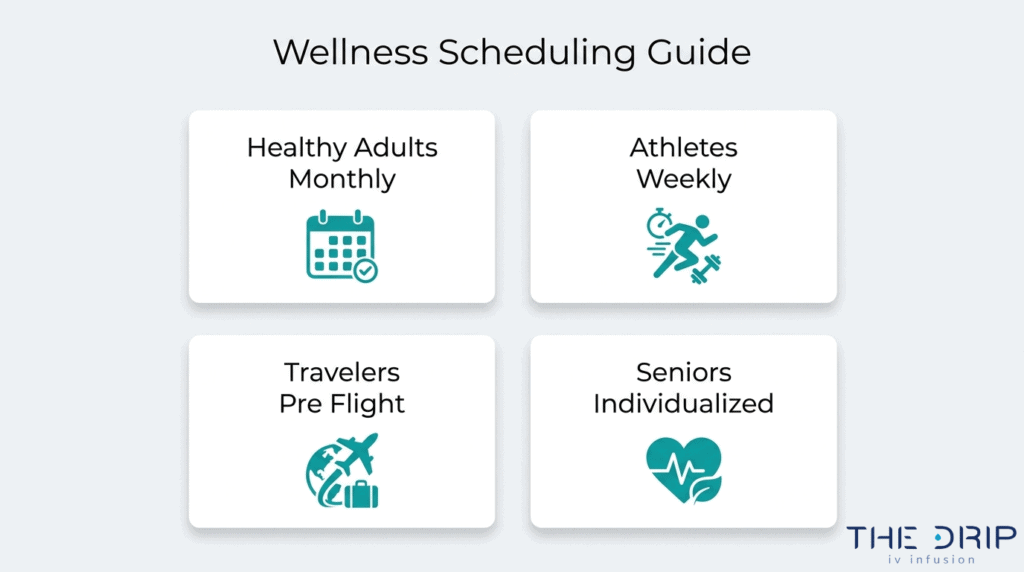
General wellness scheduling differs significantly by demographic. Healthy adults typically benefit from monthly sessions, while athletes during intense training require weekly infusions. Older adults need individualized protocols that account for kidney and cardiovascular function, and frequent travelers benefit from sessions timed 1 to 3 days before or after flights.
Seasonal and acute illness protocols demand accelerated frequency. During cold and flu season, weekly or biweekly sessions maintain elevated nutrient levels against heightened viral exposure. When actively sick, sessions every one to two days help the body fight infection until symptoms resolve.
Individual factors determine where your schedule falls on the frequency spectrum. Stress levels, existing nutrient deficiencies, diet quality, and chronic health conditions each shift the baseline. A loading phase of weekly sessions for 3 to 4 weeks often precedes monthly maintenance for those correcting deficiencies.
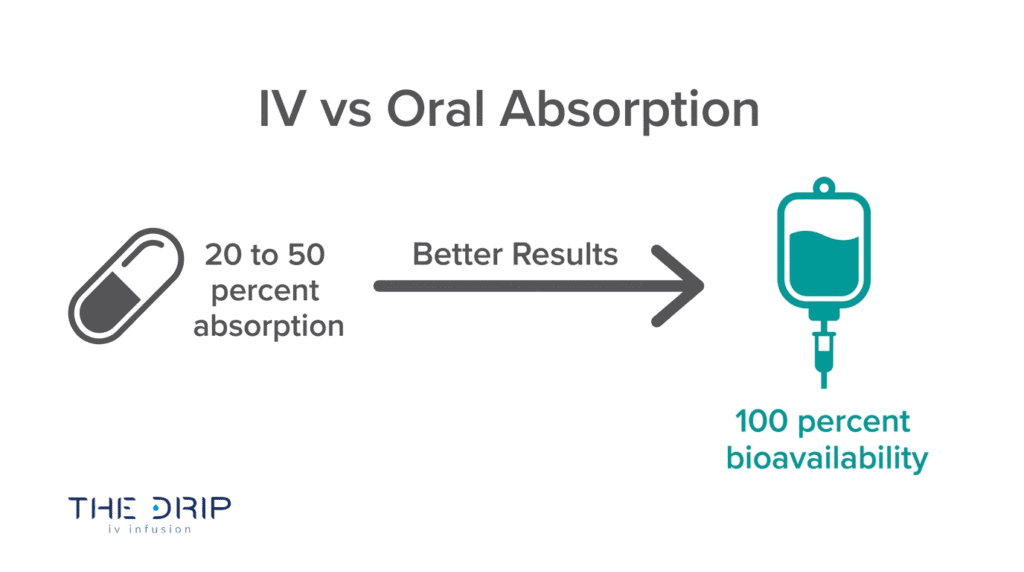
Nutrient science explains why IV delivery requires less frequent dosing than oral supplements. Intravenous administration achieves 100% bioavailability compared to 20 to 50% from oral routes, meaning monthly IV sessions can sustain levels that daily pills struggle to match.
Mobile service access removes the scheduling barriers that cause missed appointments, bringing licensed nurses directly to your location so consistent protocols stay on track.
What Is Immune IV Therapy and How Does It Work?
Immune IV therapy is a method of delivering immune-supporting nutrients directly into the bloodstream through an intravenous line. It works by bypassing the gastrointestinal tract, which allows the body to absorb vitamins, minerals, and antioxidants at concentrations impossible to achieve through oral intake alone.
Unlike swallowing a supplement, where digestive enzymes and gut lining absorption limits reduce what actually enters circulation, intravenous delivery achieves 100% bioavailability. According to The Healing Sanctuary, IV nutrient delivery bypasses the gastrointestinal tract entirely, whereas oral absorption rates typically range from only 20% to 50% depending on the specific nutrient and individual gut health.
Common nutrients included in immune-focused IV drips are:
- Vitamin C, which supports white blood cell production and antioxidant defense.
- Zinc, which plays a role in immune cell signaling and pathogen resistance.
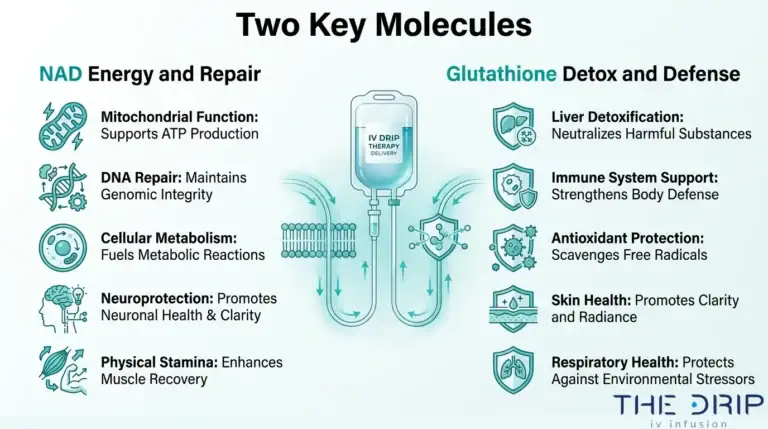
- Glutathione, a master antioxidant that protects cells from oxidative stress.
- B-complex vitamins, which support energy metabolism and cellular repair.
During a typical session, which takes about one hour, a nurse inserts a small catheter into a vein. The nutrient solution then flows steadily into the bloodstream, reaching cells and tissues without any degradation from digestive processing. Because plasma concentrations of key nutrients rise far beyond what oral routes permit, the immune system receives a more concentrated supply of the raw materials it needs to mount effective responses.
This direct-delivery mechanism is what makes scheduling frequency so important; understanding how the body uses and depletes these nutrients over time determines how often sessions should be repeated for sustained immune support.
Why Does Immune IV Therapy Frequency Matter for Effectiveness?
Immune IV therapy frequency matters for effectiveness because nutrient levels in the bloodstream follow predictable depletion curves, and timing sessions correctly maintains protective concentrations. Spacing infusions too far apart allows immune-supporting nutrients to drop below therapeutic thresholds, while overly frequent sessions risk nutrient accumulation without added benefit.
Intravenous delivery achieves 100% bioavailability by bypassing the gastrointestinal tract, where oral absorption typically ranges from only 20% to 50% depending on the nutrient and individual gut health. This complete absorption creates a measurable spike in plasma nutrient levels that the immune system can utilize immediately. However, these elevated concentrations are temporary; the body metabolizes and excretes water-soluble vitamins like vitamin C within days, not weeks.
According to The Healing Sanctuary, IV nutrient delivery achieves 100% bioavailability compared to the 20–50% range typical of oral supplementation. This stark difference explains why session timing matters more with IV therapy than with daily oral supplements. When plasma concentrations peak and then decline, the window of enhanced immune function narrows. Scheduling the next session before levels bottom out keeps the immune system consistently supported.
Consistency in scheduling also determines whether the body can build cumulative benefits. A single infusion provides a temporary boost, but a properly timed series allows immune cells to operate with sustained access to cofactors like zinc, vitamin C, and glutathione. For most people, this means finding the rhythm that matches their depletion rate, which varies based on stress, activity level, and baseline health.
Understanding this relationship between timing and therapeutic effect is what separates a random infusion from a strategic immune protocol.
How Often Should You Get Immune IV Therapy for General Wellness?
You should get immune IV therapy for general wellness once every 4 weeks for most healthy adults. However, optimal frequency varies by age, activity level, travel habits, and pregnancy status.
How Often Should Healthy Adults Get Immune IV Infusions?
Healthy adults should get immune IV infusions once per month for general wellness maintenance. This monthly cadence sustains elevated nutrient levels without overwhelming the body’s natural regulatory systems. For most people with balanced diets and moderate stress, a single session every four weeks provides consistent immune support between infusions. Those noticing diminished energy or increased susceptibility to illness between sessions may benefit from discussing a biweekly schedule with their infusion specialist.
How Often Should Older Adults Get Immune IV Therapy?
Older adults should get immune IV therapy on an individualized schedule that accounts for age-related physiological changes. According to Taylor & Francis Online, in adults 65 and older, IV therapy may address age-related immune senescence, though frequency must be carefully balanced with renal and cardiovascular health. Monthly sessions serve as a reasonable starting point, but kidney function and cardiac status require monitoring before increasing frequency. A qualified provider should assess labs regularly to ensure nutrient doses remain within safe thresholds for this population.
How Often Should Frequent Travelers Get Immune IV Drips?
Frequent travelers should get immune IV drips 1 to 3 days before and/or after flying. Air travel introduces cabin dehydration, recirculated air, and disrupted sleep cycles, all of which suppress immune function. According to Estetik International, scheduling one IV session within this pre- or post-flight window helps mitigate these immune-suppressive effects. For travelers flying weekly, this may translate to one or two sessions per week during heavy travel periods. Aligning infusions with departure schedules creates a protective buffer when exposure risk is highest.
How Often Should Athletes Get Immune IV Therapy?
Athletes should get immune IV therapy once per week during intense training periods. According to Hydrate IV Bar, this weekly frequency helps replenish nutrients, aid muscle recovery, and maintain peak performance. Heavy exercise depletes electrolytes, B vitamins, and antioxidants at accelerated rates, leaving the immune system vulnerable. During off-season or lighter training phases, reducing to biweekly or monthly sessions often suffices. The key is matching infusion frequency to training intensity rather than following a static calendar.
How Often Should Expecting Mothers Get Immune IV Support?
Expecting mothers should get immune IV support on a schedule determined by their healthcare provider based on trimester-specific needs. Glutathione IV protocols for immune support commonly involve 1 to 2 sessions per week for 4 to 6 weeks, followed by maintenance every 2 to 4 weeks, according to Mobile IV Medics. Pregnancy increases nutrient demands while limiting which compounds are safe to administer. Any IV protocol during pregnancy requires medical clearance, and formulations must exclude contraindicated ingredients.
With general wellness schedules established, seasonal demands during cold and flu season often require adjusted frequency.
How Often Should You Get Immune IV Therapy During Cold and Flu Season?
You should get immune IV therapy weekly or biweekly during cold and flu season to maintain elevated nutrient levels. This frequency supports stronger defense against seasonal viruses when exposure risk peaks.
According to The IV Nurses, immune-focused IV infusions are often scheduled weekly or biweekly during peak cold and flu season to maintain elevated nutrient levels for defense against seasonal illnesses. This more aggressive cadence makes sense given the heightened viral circulation in fall and winter months; once-monthly sessions simply may not sustain the nutrient concentrations needed when your immune system faces daily challenges. For most people, starting biweekly sessions in early October and continuing through March provides consistent protective coverage without over-scheduling.
Pregnant individuals can also receive immune support during this period, as standard pooled immune globulin is considered safe for administration during pregnancy to provide passive immunity when clinically indicated. However, all scheduling decisions should involve a qualified healthcare provider who can tailor frequency to individual needs.
Understanding cold and flu season timing helps, but knowing what to do when illness actually strikes requires a different approach.
How Often Should You Get Immune IV Therapy When You Feel Sick?
You should get immune IV therapy every one to two days when you feel sick, continuing until symptoms subside. This accelerated frequency helps maintain elevated nutrient levels during active illness when your body’s demand for immune support peaks.
Unlike monthly maintenance schedules, acute illness protocols require closer session spacing because the body rapidly depletes vitamins and minerals while fighting infection. Hydration losses from fever, congestion, and reduced appetite further justify the increased frequency. According to Santé Aesthetic Clinic Barcelona, IV therapy sessions for acute illness support may be administered every one to two days until symptoms resolve.
Most people notice initial relief within hours of their first session, though full recovery typically requires two to three consecutive infusions spaced closely together. For anyone already feeling under the weather, starting sooner rather than waiting produces better outcomes since early intervention gives the immune system resources before symptoms escalate further.
How Often Should You Get Immune IV Therapy for Chronic Illness Support?
Immune IV therapy for chronic illness support typically requires weekly or biweekly sessions during active symptom periods, with frequency adjusted based on individual response and provider guidance.
Individuals managing chronic conditions often need more frequent infusions than healthy adults seeking general maintenance. According to clinical studies published in Cureus, IV administration of vitamin C at doses of 25-50 grams can substantially enhance immune function and reduce the duration of viral illnesses. For acute flare-ups or periods of immune compromise, sessions may be administered every one to two days until symptoms subside.
Once stabilization occurs, most chronic illness patients transition to a less intensive schedule. The key distinction is that chronic illness support demands ongoing, structured protocols rather than occasional single treatments. Working closely with a qualified provider ensures the schedule adapts as symptoms and lab markers change over time.
What Factors Determine Your Ideal Immune IV Therapy Schedule?
Your ideal immune IV therapy schedule depends on your current health status, stress levels, nutrient deficiencies, and daily lifestyle habits. Each factor shifts the recommended frequency in a different direction.
How Does Your Current Health Status Affect IV Frequency?
Your current health status affects IV frequency by establishing the baseline intensity your body requires. Individuals managing chronic fatigue, recovering from illness, or dealing with weakened immunity typically need more frequent sessions, often weekly or biweekly. Those in generally good health usually maintain results with monthly infusions. Pre-existing conditions affecting kidney or cardiovascular function may also require adjusted scheduling to ensure safe nutrient clearance. A thorough health assessment before starting any protocol helps determine whether a more aggressive or conservative timeline suits your body’s current demands.
How Does Your Stress Level Influence How Often You Need Infusions?
Your stress level influences how often you need infusions because chronic stress accelerates nutrient depletion. Elevated cortisol burns through vitamin C, B vitamins, and magnesium faster than normal metabolic processes. During high-stress periods, such as demanding work schedules, major life transitions, or sleep disruption, biweekly sessions often prove more effective than monthly ones. Once stress stabilizes, most individuals can safely extend intervals back to every three to four weeks. Recognizing stress as a nutrient drain makes it one of the most underestimated factors in scheduling decisions.
How Do Nutrient Deficiencies Change Your Recommended Schedule?
Nutrient deficiencies change your recommended schedule by requiring a more intensive initial protocol. According to Pulse & Remedy, the loading phase for addressing nutrient deficiencies typically involves weekly IV sessions for 3 to 4 weeks before transitioning to a monthly maintenance schedule. This concentrated approach rapidly restores depleted stores of nutrients such as vitamin C, zinc, and B-complex vitamins. Once blood levels normalize, spacing sessions further apart sustains those gains without overloading the system.
How Does Your Diet and Lifestyle Affect Treatment Intervals?
Your diet and lifestyle affect treatment intervals by determining how quickly your body uses and replenishes key nutrients between sessions. Factors that shorten intervals include:
- Highly processed diets low in micronutrient density
- Regular alcohol consumption, which depletes B vitamins and glutathione
- Intense exercise routines that increase oxidative stress
- Poor sleep patterns that impair cellular recovery
Individuals who maintain nutrient-rich diets, consistent hydration, and adequate rest often sustain IV therapy benefits longer, allowing monthly or even less frequent sessions. For those with lifestyle patterns that accelerate depletion, biweekly infusions may better maintain immune resilience.
With these individual factors clarified, understanding safe upper limits prevents over-scheduling.
Can You Get Immune IV Therapy Too Often?
Yes, you can get immune IV therapy too often. Exceeding recommended frequencies increases the risk of nutrient toxicity, kidney stress, and electrolyte imbalances. Safe scheduling depends on the specific nutrients infused and your individual health profile.
According to the National Center for Biotechnology Information, chronic toxicity of Vitamin A (hypervitaminosis) is associated with regular daily doses exceeding 10,000 IU, leading to symptoms such as liver impairment and intracranial hypertension. Similarly, excessive Vitamin C delivered intravenously has been linked to increased kidney stone risk in men, as reported in JAMA Internal Medicine.
Signs of over-infusion include:
- Nausea, headaches, or fatigue following sessions.
- Elevated liver enzymes on routine bloodwork.
- Changes in urinary output or kidney function markers.
- Worsening symptoms rather than improvement after treatments.
Most healthy adults should not exceed weekly sessions outside of a provider-supervised loading phase. Monthly maintenance remains the safest long-term cadence for general immune support. For anyone considering more frequent infusions, working with a licensed practitioner who performs individualized assessments before each session is essential. This personalized oversight ensures nutrient levels stay within therapeutic range without crossing into harmful territory.
Understanding safe limits naturally raises the question of when your body signals it actually needs more support.
What Are Signs You Need to Increase Your Immune IV Frequency?
Signs you need to increase your immune IV frequency include recurring infections, prolonged fatigue after illness, and noticing that benefits fade well before your next scheduled session.
- You catch colds or respiratory infections more than two to three times per year.
- Post-infusion energy and clarity fade within a few days rather than lasting one to two weeks.
- Seasonal transitions consistently trigger illness despite maintaining your current schedule.
- Recovery from minor illnesses takes noticeably longer than it used to.
- You experience increased fatigue, brain fog, or low energy between sessions.
- Elevated stress periods, such as heavy travel or sleep disruption, leave you feeling run down despite your existing protocol.
According to Thrive Well Now, the benefits of IV vitamin therapy typically last between a few days and two weeks, with many patients reporting peak effects for three to seven days post-infusion. If your symptom relief consistently falls short of that window, your body may need more frequent support.
For most clients, the clearest signal is a pattern rather than a single bad week. When two or three of these indicators appear together over consecutive months, discussing a schedule adjustment with your infusion specialist makes sense. Shortening the interval between sessions, even temporarily, can help restore consistent immune protection before stepping back to maintenance frequency.
Understanding how long your results last helps determine whether a frequency change is warranted.
How Long Do the Immune-Boosting Effects of IV Therapy Last?
The immune-boosting effects of IV therapy typically last between a few days and two weeks. Most patients report peak effects for 3 to 7 days post-infusion, according to Thrive Well Now. This window explains why monthly sessions maintain consistent immune support for healthy adults, while higher-risk periods may require more frequent scheduling. Individual factors such as metabolic rate, stress levels, and baseline nutrient status influence how quickly the body utilizes infused vitamins and minerals. For those navigating cold and flu season or recovering from illness, understanding this duration helps determine when to schedule follow-up sessions before immune protection begins to decline.
What Nutrients Are Most Important in an Immune IV Drip?
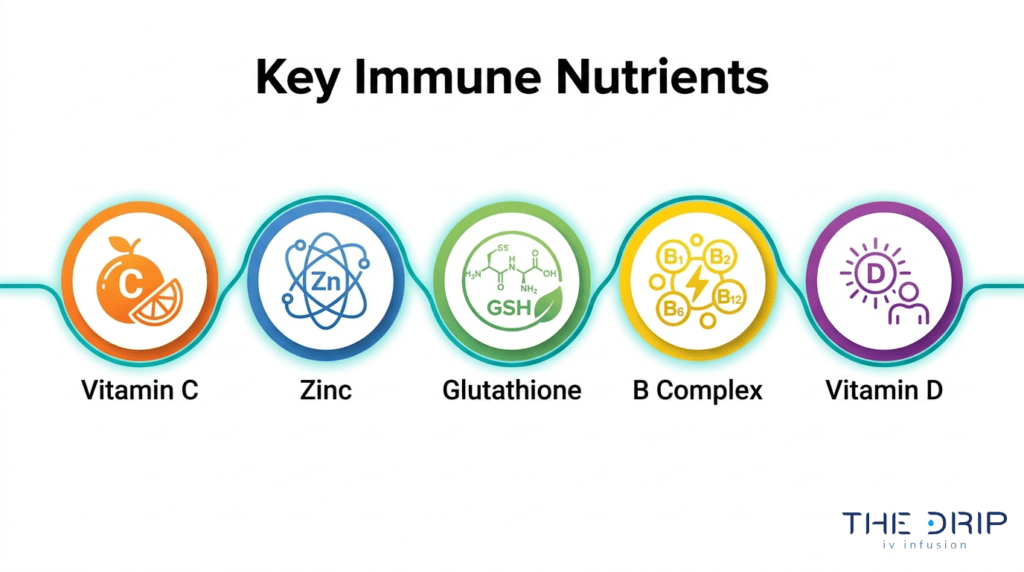
The most important nutrients in an immune IV drip are vitamin C, zinc, glutathione, B-complex vitamins, and vitamin D. Each plays a distinct role in supporting immune cell function, reducing oxidative stress, and maintaining the body’s defense systems.
Vitamin C serves as the cornerstone of most immune IV formulations. This water-soluble antioxidant supports white blood cell production and protects cells from oxidative damage. According to a clinical review published in Cureus, IV administration of vitamin C at doses of 25 to 50 grams can substantially enhance immune function and reduce the duration of viral illnesses. At pharmacologic concentrations only achievable through IV delivery, vitamin C generates extracellular hydrogen peroxide, which provides additional antimicrobial activity.
Zinc acts as a critical cofactor for over 300 enzymatic reactions, many of which regulate immune cell signaling and inflammatory response. Without adequate zinc levels, T-cell and natural killer cell activity declines significantly.
Glutathione, the body’s master antioxidant, neutralizes free radicals and supports detoxification pathways that keep immune cells functioning optimally. Its inclusion in immune drips helps reduce cellular inflammation.
B-complex vitamins fuel energy metabolism at the cellular level, ensuring immune cells have the resources to mount effective responses. B6 specifically supports lymphocyte production.
Vitamin D modulates both innate and adaptive immune responses. Deficiency is strongly linked to increased susceptibility to infections, making supplementation particularly valuable during periods of limited sun exposure.
Additional supportive nutrients often included in immune formulations are:
- N-Acetyl Cysteine (NAC), which replenishes glutathione stores and supports respiratory health.
- Magnesium, which regulates inflammation and supports hundreds of biochemical reactions.
- Taurine, which provides antioxidant protection and supports cellular hydration.
- Amino blends, which supply the building blocks for antibody production and tissue repair.
The synergistic combination of these nutrients matters more than any single ingredient. When delivered together intravenously, they work in concert to strengthen multiple layers of immune defense simultaneously. For most people seeking consistent immune support, this nutrient profile forms the foundation of an effective protocol.
Understanding which nutrients your body needs most helps determine how frequently you should schedule sessions, since individual deficiencies influence both formula composition and treatment intervals.
How Does Immune IV Therapy Compare to Oral Supplements for Frequency?
Immune IV therapy requires less frequent dosing than oral supplements because intravenous delivery achieves significantly higher bioavailability. The difference in absorption rates directly affects how often each method must be repeated to maintain therapeutic nutrient levels.
Oral supplements typically achieve 20% to 50% bioavailability depending on the nutrient and individual gut health. This means daily or even twice-daily dosing is necessary to sustain adequate levels. Factors like digestive conditions, food interactions, and metabolic variability further reduce what the body actually absorbs from each oral dose.
IV therapy achieves 100% bioavailability by bypassing the gastrointestinal tract entirely. According to a study published in Springer Link, Sandimmune’s oral bioavailability is 20–50% lower compared to its IV formulations, illustrating the consistent absorption gap between delivery methods. Because IV infusions deliver nutrients directly into the bloodstream at full concentration, a single monthly session can maintain levels that would require daily oral supplementation to approximate.
For most people seeking immune support, this translates to a practical choice: take oral supplements every day with variable results, or schedule IV sessions weekly to monthly with predictable nutrient delivery. The reduced frequency of IV therapy often makes consistent adherence easier for those who struggle with daily supplement routines.
Understanding this absorption advantage helps explain why IV protocols and oral regimens operate on fundamentally different timelines.
How Can Mobile Immune IV Therapy Fit Into Your Wellness Routine?
Mobile immune IV therapy fits into your wellness routine by eliminating travel barriers and bringing scheduled infusions directly to your home or workplace. The following sections cover how The Drip IV Infusion’s mobile service supports consistency and summarize key frequency takeaways.
Can The Drip IV Infusion’s Mobile Service Help You Maintain a Consistent Immune IV Schedule?
Yes, The Drip IV Infusion’s mobile service can help you maintain a consistent immune IV schedule by delivering infusions at your chosen location across Arizona. Founded in Fall 2022 by professionals with decades of nursing and emergency medicine experience, The Drip IV Infusion sends licensed nurses directly to homes and workplaces. This removes the need to commute to a clinic, which is one of the most common reasons people skip appointments. According to Grand View Research, the U.S. mobile IV hydration therapy market was valued at $568.5 million in 2024 and is projected to grow at a CAGR of 10.4% through 2030. That growth reflects rising demand for convenient, schedule-friendly wellness solutions. For anyone following a weekly, biweekly, or monthly immune IV protocol, having a nurse arrive at a consistent day and time makes adherence far simpler than coordinating clinic visits around work and family obligations.
What Are the Key Takeaways About Your Optimal Immune IV Therapy Frequency?
The key takeaways about your optimal immune IV therapy frequency center on matching session intervals to your health goals and current needs:
- Healthy adults benefit from monthly immune IV sessions for general maintenance.
- Cold and flu season may warrant weekly or biweekly infusions.
- Nutrient deficiency protocols typically start with weekly sessions for 3–4 weeks before transitioning to monthly.
- Athletes during intense training often schedule weekly sessions.
- Travelers should book one session 1–3 days before or after flying.
Individual factors, such as stress levels, diet quality, and existing health conditions, shift these baselines. Consulting with a qualified nurse before starting ensures your schedule reflects your body’s actual demands rather than a generic recommendation. The Drip IV Infusion offers personalized assessments to help determine the right cadence for your immune support goals.
How Often Should You Get Immune IV Therapy for Optimal Results?
Immune IV therapy frequency is the schedule of intravenous nutrient sessions needed to maintain protective vitamin and mineral concentrations in the bloodstream for sustained immune defense. The optimal cadence varies from monthly maintenance to multiple sessions per week depending on individual health status and goals.
This guide covers general wellness scheduling across populations, seasonal and acute illness protocols, the individual factors that shift your ideal frequency, nutrient science and delivery advantages, and mobile service convenience for consistent adherence.
General wellness scheduling differs significantly by demographic. Healthy adults typically benefit from monthly sessions, while athletes during intense training require weekly infusions. Older adults need individualized protocols that account for kidney and cardiovascular function, and frequent travelers benefit from sessions timed 1 to 3 days before or after flights.
Seasonal and acute illness protocols demand accelerated frequency. During cold and flu season, weekly or biweekly sessions maintain elevated nutrient levels against heightened viral exposure. When actively sick, sessions every one to two days help the body fight infection until symptoms resolve.
Individual factors determine where your schedule falls on the frequency spectrum. Stress levels, existing nutrient deficiencies, diet quality, and chronic health conditions each shift the baseline. A loading phase of weekly sessions for 3 to 4 weeks often precedes monthly maintenance for those correcting deficiencies.
Nutrient science explains why IV delivery requires less frequent dosing than oral supplements. Intravenous administration achieves 100% bioavailability compared to 20 to 50% from oral routes, meaning monthly IV sessions can sustain levels that daily pills struggle to match.
Mobile service access removes the scheduling barriers that cause missed appointments, bringing licensed nurses directly to your location so consistent protocols stay on track.
What Is Immune IV Therapy and How Does It Work?
Immune IV therapy is a method of delivering immune-supporting nutrients directly into the bloodstream through an intravenous line. It works by bypassing the gastrointestinal tract, which allows the body to absorb vitamins, minerals, and antioxidants at concentrations impossible to achieve through oral intake alone.
Unlike swallowing a supplement, where digestive enzymes and gut lining absorption limits reduce what actually enters circulation, intravenous delivery achieves 100% bioavailability. According to The Healing Sanctuary, IV nutrient delivery bypasses the gastrointestinal tract entirely, whereas oral absorption rates typically range from only 20% to 50% depending on the specific nutrient and individual gut health.
Common nutrients included in immune-focused IV drips are:
- Vitamin C, which supports white blood cell production and antioxidant defense.
- Zinc, which plays a role in immune cell signaling and pathogen resistance.
- Glutathione, a master antioxidant that protects cells from oxidative stress.
- B-complex vitamins, which support energy metabolism and cellular repair.
During a typical session, which takes about one hour, a nurse inserts a small catheter into a vein. The nutrient solution then flows steadily into the bloodstream, reaching cells and tissues without any degradation from digestive processing. Because plasma concentrations of key nutrients rise far beyond what oral routes permit, the immune system receives a more concentrated supply of the raw materials it needs to mount effective responses.
This direct-delivery mechanism is what makes scheduling frequency so important; understanding how the body uses and depletes these nutrients over time determines how often sessions should be repeated for sustained immune support.
Why Does Immune IV Therapy Frequency Matter for Effectiveness?
Immune IV therapy frequency matters for effectiveness because nutrient levels in the bloodstream follow predictable depletion curves, and timing sessions correctly maintains protective concentrations. Spacing infusions too far apart allows immune-supporting nutrients to drop below therapeutic thresholds, while overly frequent sessions risk nutrient accumulation without added benefit.
Intravenous delivery achieves 100% bioavailability by bypassing the gastrointestinal tract, where oral absorption typically ranges from only 20% to 50% depending on the nutrient and individual gut health. This complete absorption creates a measurable spike in plasma nutrient levels that the immune system can utilize immediately. However, these elevated concentrations are temporary; the body metabolizes and excretes water-soluble vitamins like vitamin C within days, not weeks.
According to The Healing Sanctuary, IV nutrient delivery achieves 100% bioavailability compared to the 20–50% range typical of oral supplementation. This stark difference explains why session timing matters more with IV therapy than with daily oral supplements. When plasma concentrations peak and then decline, the window of enhanced immune function narrows. Scheduling the next session before levels bottom out keeps the immune system consistently supported.
Consistency in scheduling also determines whether the body can build cumulative benefits. A single infusion provides a temporary boost, but a properly timed series allows immune cells to operate with sustained access to cofactors like zinc, vitamin C, and glutathione. For most people, this means finding the rhythm that matches their depletion rate, which varies based on stress, activity level, and baseline health.
Understanding this relationship between timing and therapeutic effect is what separates a random infusion from a strategic immune protocol.
How Often Should You Get Immune IV Therapy for General Wellness?
You should get immune IV therapy for general wellness once every 4 weeks for most healthy adults. However, optimal frequency varies by age, activity level, travel habits, and pregnancy status.
How Often Should Healthy Adults Get Immune IV Infusions?
Healthy adults should get immune IV infusions once per month for general wellness maintenance. This monthly cadence sustains elevated nutrient levels without overwhelming the body’s natural regulatory systems. For most people with balanced diets and moderate stress, a single session every four weeks provides consistent immune support between infusions. Those noticing diminished energy or increased susceptibility to illness between sessions may benefit from discussing a biweekly schedule with their infusion specialist.
How Often Should Older Adults Get Immune IV Therapy?
Older adults should get immune IV therapy on an individualized schedule that accounts for age-related physiological changes. According to Taylor & Francis Online, in adults 65 and older, IV therapy may address age-related immune senescence, though frequency must be carefully balanced with renal and cardiovascular health. Monthly sessions serve as a reasonable starting point, but kidney function and cardiac status require monitoring before increasing frequency. A qualified provider should assess labs regularly to ensure nutrient doses remain within safe thresholds for this population.
How Often Should Frequent Travelers Get Immune IV Drips?
Frequent travelers should get immune IV drips 1 to 3 days before and/or after flying. Air travel introduces cabin dehydration, recirculated air, and disrupted sleep cycles, all of which suppress immune function. According to Estetik International, scheduling one IV session within this pre- or post-flight window helps mitigate these immune-suppressive effects. For travelers flying weekly, this may translate to one or two sessions per week during heavy travel periods. Aligning infusions with departure schedules creates a protective buffer when exposure risk is highest.
How Often Should Athletes Get Immune IV Therapy?
Athletes should get immune IV therapy once per week during intense training periods. According to Hydrate IV Bar, this weekly frequency helps replenish nutrients, aid muscle recovery, and maintain peak performance. Heavy exercise depletes electrolytes, B vitamins, and antioxidants at accelerated rates, leaving the immune system vulnerable. During off-season or lighter training phases, reducing to biweekly or monthly sessions often suffices. The key is matching infusion frequency to training intensity rather than following a static calendar.
How Often Should Expecting Mothers Get Immune IV Support?
Expecting mothers should get immune IV support on a schedule determined by their healthcare provider based on trimester-specific needs. Glutathione IV protocols for immune support commonly involve 1 to 2 sessions per week for 4 to 6 weeks, followed by maintenance every 2 to 4 weeks, according to Mobile IV Medics. Pregnancy increases nutrient demands while limiting which compounds are safe to administer. Any IV protocol during pregnancy requires medical clearance, and formulations must exclude contraindicated ingredients.
With general wellness schedules established, seasonal demands during cold and flu season often require adjusted frequency.
How Often Should You Get Immune IV Therapy During Cold and Flu Season?
You should get immune IV therapy weekly or biweekly during cold and flu season to maintain elevated nutrient levels. This frequency supports stronger defense against seasonal viruses when exposure risk peaks.
According to The IV Nurses, immune-focused IV infusions are often scheduled weekly or biweekly during peak cold and flu season to maintain elevated nutrient levels for defense against seasonal illnesses. This more aggressive cadence makes sense given the heightened viral circulation in fall and winter months; once-monthly sessions simply may not sustain the nutrient concentrations needed when your immune system faces daily challenges. For most people, starting biweekly sessions in early October and continuing through March provides consistent protective coverage without over-scheduling.
Pregnant individuals can also receive immune support during this period, as standard pooled immune globulin is considered safe for administration during pregnancy to provide passive immunity when clinically indicated. However, all scheduling decisions should involve a qualified healthcare provider who can tailor frequency to individual needs.
Understanding cold and flu season timing helps, but knowing what to do when illness actually strikes requires a different approach.
How Often Should You Get Immune IV Therapy When You Feel Sick?
You should get immune IV therapy every one to two days when you feel sick, continuing until symptoms subside. This accelerated frequency helps maintain elevated nutrient levels during active illness when your body’s demand for immune support peaks.
Unlike monthly maintenance schedules, acute illness protocols require closer session spacing because the body rapidly depletes vitamins and minerals while fighting infection. Hydration losses from fever, congestion, and reduced appetite further justify the increased frequency. According to Santé Aesthetic Clinic Barcelona, IV therapy sessions for acute illness support may be administered every one to two days until symptoms resolve.
Most people notice initial relief within hours of their first session, though full recovery typically requires two to three consecutive infusions spaced closely together. For anyone already feeling under the weather, starting sooner rather than waiting produces better outcomes since early intervention gives the immune system resources before symptoms escalate further.
How Often Should You Get Immune IV Therapy for Chronic Illness Support?
Immune IV therapy for chronic illness support typically requires weekly or biweekly sessions during active symptom periods, with frequency adjusted based on individual response and provider guidance.
Individuals managing chronic conditions often need more frequent infusions than healthy adults seeking general maintenance. According to clinical studies published in Cureus, IV administration of vitamin C at doses of 25-50 grams can substantially enhance immune function and reduce the duration of viral illnesses. For acute flare-ups or periods of immune compromise, sessions may be administered every one to two days until symptoms subside.
Once stabilization occurs, most chronic illness patients transition to a less intensive schedule. The key distinction is that chronic illness support demands ongoing, structured protocols rather than occasional single treatments. Working closely with a qualified provider ensures the schedule adapts as symptoms and lab markers change over time.
What Factors Determine Your Ideal Immune IV Therapy Schedule?
Your ideal immune IV therapy schedule depends on your current health status, stress levels, nutrient deficiencies, and daily lifestyle habits. Each factor shifts the recommended frequency in a different direction.
How Does Your Current Health Status Affect IV Frequency?
Your current health status affects IV frequency by establishing the baseline intensity your body requires. Individuals managing chronic fatigue, recovering from illness, or dealing with weakened immunity typically need more frequent sessions, often weekly or biweekly. Those in generally good health usually maintain results with monthly infusions. Pre-existing conditions affecting kidney or cardiovascular function may also require adjusted scheduling to ensure safe nutrient clearance. A thorough health assessment before starting any protocol helps determine whether a more aggressive or conservative timeline suits your body’s current demands.
How Does Your Stress Level Influence How Often You Need Infusions?
Your stress level influences how often you need infusions because chronic stress accelerates nutrient depletion. Elevated cortisol burns through vitamin C, B vitamins, and magnesium faster than normal metabolic processes. During high-stress periods, such as demanding work schedules, major life transitions, or sleep disruption, biweekly sessions often prove more effective than monthly ones. Once stress stabilizes, most individuals can safely extend intervals back to every three to four weeks. Recognizing stress as a nutrient drain makes it one of the most underestimated factors in scheduling decisions.
How Do Nutrient Deficiencies Change Your Recommended Schedule?
Nutrient deficiencies change your recommended schedule by requiring a more intensive initial protocol. According to Pulse & Remedy, the loading phase for addressing nutrient deficiencies typically involves weekly IV sessions for 3 to 4 weeks before transitioning to a monthly maintenance schedule. This concentrated approach rapidly restores depleted stores of nutrients such as vitamin C, zinc, and B-complex vitamins. Once blood levels normalize, spacing sessions further apart sustains those gains without overloading the system.
How Does Your Diet and Lifestyle Affect Treatment Intervals?
Your diet and lifestyle affect treatment intervals by determining how quickly your body uses and replenishes key nutrients between sessions. Factors that shorten intervals include:
- Highly processed diets low in micronutrient density
- Regular alcohol consumption, which depletes B vitamins and glutathione
- Intense exercise routines that increase oxidative stress
- Poor sleep patterns that impair cellular recovery
Individuals who maintain nutrient-rich diets, consistent hydration, and adequate rest often sustain IV therapy benefits longer, allowing monthly or even less frequent sessions. For those with lifestyle patterns that accelerate depletion, biweekly infusions may better maintain immune resilience.
With these individual factors clarified, understanding safe upper limits prevents over-scheduling.
Can You Get Immune IV Therapy Too Often?
Yes, you can get immune IV therapy too often. Exceeding recommended frequencies increases the risk of nutrient toxicity, kidney stress, and electrolyte imbalances. Safe scheduling depends on the specific nutrients infused and your individual health profile.
According to the National Center for Biotechnology Information, chronic toxicity of Vitamin A (hypervitaminosis) is associated with regular daily doses exceeding 10,000 IU, leading to symptoms such as liver impairment and intracranial hypertension. Similarly, excessive Vitamin C delivered intravenously has been linked to increased kidney stone risk in men, as reported in JAMA Internal Medicine.
Signs of over-infusion include:
- Nausea, headaches, or fatigue following sessions.
- Elevated liver enzymes on routine bloodwork.
- Changes in urinary output or kidney function markers.
- Worsening symptoms rather than improvement after treatments.
Most healthy adults should not exceed weekly sessions outside of a provider-supervised loading phase. Monthly maintenance remains the safest long-term cadence for general immune support. For anyone considering more frequent infusions, working with a licensed practitioner who performs individualized assessments before each session is essential. This personalized oversight ensures nutrient levels stay within therapeutic range without crossing into harmful territory.
Understanding safe limits naturally raises the question of when your body signals it actually needs more support.
What Are Signs You Need to Increase Your Immune IV Frequency?
Signs you need to increase your immune IV frequency include recurring infections, prolonged fatigue after illness, and noticing that benefits fade well before your next scheduled session.
- You catch colds or respiratory infections more than two to three times per year.
- Post-infusion energy and clarity fade within a few days rather than lasting one to two weeks.
- Seasonal transitions consistently trigger illness despite maintaining your current schedule.
- Recovery from minor illnesses takes noticeably longer than it used to.
- You experience increased fatigue, brain fog, or low energy between sessions.
- Elevated stress periods, such as heavy travel or sleep disruption, leave you feeling run down despite your existing protocol.
According to Thrive Well Now, the benefits of IV vitamin therapy typically last between a few days and two weeks, with many patients reporting peak effects for three to seven days post-infusion. If your symptom relief consistently falls short of that window, your body may need more frequent support.
For most clients, the clearest signal is a pattern rather than a single bad week. When two or three of these indicators appear together over consecutive months, discussing a schedule adjustment with your infusion specialist makes sense. Shortening the interval between sessions, even temporarily, can help restore consistent immune protection before stepping back to maintenance frequency.
Understanding how long your results last helps determine whether a frequency change is warranted.
How Long Do the Immune-Boosting Effects of IV Therapy Last?
The immune-boosting effects of IV therapy typically last between a few days and two weeks. Most patients report peak effects for 3 to 7 days post-infusion, according to Thrive Well Now. This window explains why monthly sessions maintain consistent immune support for healthy adults, while higher-risk periods may require more frequent scheduling. Individual factors such as metabolic rate, stress levels, and baseline nutrient status influence how quickly the body utilizes infused vitamins and minerals. For those navigating cold and flu season or recovering from illness, understanding this duration helps determine when to schedule follow-up sessions before immune protection begins to decline.
What Nutrients Are Most Important in an Immune IV Drip?
The most important nutrients in an immune IV drip are vitamin C, zinc, glutathione, B-complex vitamins, and vitamin D. Each plays a distinct role in supporting immune cell function, reducing oxidative stress, and maintaining the body’s defense systems.
Vitamin C serves as the cornerstone of most immune IV formulations. This water-soluble antioxidant supports white blood cell production and protects cells from oxidative damage. According to a clinical review published in Cureus, IV administration of vitamin C at doses of 25 to 50 grams can substantially enhance immune function and reduce the duration of viral illnesses. At pharmacologic concentrations only achievable through IV delivery, vitamin C generates extracellular hydrogen peroxide, which provides additional antimicrobial activity.
Zinc acts as a critical cofactor for over 300 enzymatic reactions, many of which regulate immune cell signaling and inflammatory response. Without adequate zinc levels, T-cell and natural killer cell activity declines significantly.
Glutathione, the body’s master antioxidant, neutralizes free radicals and supports detoxification pathways that keep immune cells functioning optimally. Its inclusion in immune drips helps reduce cellular inflammation.
B-complex vitamins fuel energy metabolism at the cellular level, ensuring immune cells have the resources to mount effective responses. B6 specifically supports lymphocyte production.
Vitamin D modulates both innate and adaptive immune responses. Deficiency is strongly linked to increased susceptibility to infections, making supplementation particularly valuable during periods of limited sun exposure.
Additional supportive nutrients often included in immune formulations are:
- N-Acetyl Cysteine (NAC), which replenishes glutathione stores and supports respiratory health.
- Magnesium, which regulates inflammation and supports hundreds of biochemical reactions.
- Taurine, which provides antioxidant protection and supports cellular hydration.
- Amino blends, which supply the building blocks for antibody production and tissue repair.
The synergistic combination of these nutrients matters more than any single ingredient. When delivered together intravenously, they work in concert to strengthen multiple layers of immune defense simultaneously. For most people seeking consistent immune support, this nutrient profile forms the foundation of an effective protocol.
Understanding which nutrients your body needs most helps determine how frequently you should schedule sessions, since individual deficiencies influence both formula composition and treatment intervals.
How Does Immune IV Therapy Compare to Oral Supplements for Frequency?
Immune IV therapy requires less frequent dosing than oral supplements because intravenous delivery achieves significantly higher bioavailability. The difference in absorption rates directly affects how often each method must be repeated to maintain therapeutic nutrient levels.
Oral supplements typically achieve 20% to 50% bioavailability depending on the nutrient and individual gut health. This means daily or even twice-daily dosing is necessary to sustain adequate levels. Factors like digestive conditions, food interactions, and metabolic variability further reduce what the body actually absorbs from each oral dose.
IV therapy achieves 100% bioavailability by bypassing the gastrointestinal tract entirely. According to a study published in Springer Link, Sandimmune’s oral bioavailability is 20–50% lower compared to its IV formulations, illustrating the consistent absorption gap between delivery methods. Because IV infusions deliver nutrients directly into the bloodstream at full concentration, a single monthly session can maintain levels that would require daily oral supplementation to approximate.
For most people seeking immune support, this translates to a practical choice: take oral supplements every day with variable results, or schedule IV sessions weekly to monthly with predictable nutrient delivery. The reduced frequency of IV therapy often makes consistent adherence easier for those who struggle with daily supplement routines.
Understanding this absorption advantage helps explain why IV protocols and oral regimens operate on fundamentally different timelines.
How Can Mobile Immune IV Therapy Fit Into Your Wellness Routine?
Mobile immune IV therapy fits into your wellness routine by eliminating travel barriers and bringing scheduled infusions directly to your home or workplace. The following sections cover how The Drip IV Infusion’s mobile service supports consistency and summarize key frequency takeaways.
Can The Drip IV Infusion’s Mobile Service Help You Maintain a Consistent Immune IV Schedule?
Yes, The Drip IV Infusion’s mobile service can help you maintain a consistent immune IV schedule by delivering infusions at your chosen location across Arizona. Founded in Fall 2022 by professionals with decades of nursing and emergency medicine experience, The Drip IV Infusion sends licensed nurses directly to homes and workplaces. This removes the need to commute to a clinic, which is one of the most common reasons people skip appointments. According to Grand View Research, the U.S. mobile IV hydration therapy market was valued at $568.5 million in 2024 and is projected to grow at a CAGR of 10.4% through 2030. That growth reflects rising demand for convenient, schedule-friendly wellness solutions. For anyone following a weekly, biweekly, or monthly immune IV protocol, having a nurse arrive at a consistent day and time makes adherence far simpler than coordinating clinic visits around work and family obligations.
What Are the Key Takeaways About Your Optimal Immune IV Therapy Frequency?
The key takeaways about your optimal immune IV therapy frequency center on matching session intervals to your health goals and current needs:
- Healthy adults benefit from monthly immune IV sessions for general maintenance.
- Cold and flu season may warrant weekly or biweekly infusions.
- Nutrient deficiency protocols typically start with weekly sessions for 3–4 weeks before transitioning to monthly.
- Athletes during intense training often schedule weekly sessions.
- Travelers should book one session 1–3 days before or after flying.
Individual factors, such as stress levels, diet quality, and existing health conditions, shift these baselines. Consulting with a qualified nurse before starting ensures your schedule reflects your body’s actual demands rather than a generic recommendation. The Drip IV Infusion offers personalized assessments to help determine the right cadence for your immune support goals.