IV therapy is a method of delivering fluids, vitamins, or nutrients directly into the bloodstream through a vein, bypassing the digestive tract for immediate absorption. Proper preparation directly influences vein accessibility, comfort during the infusion, and how effectively your body responds to treatment.
This guide covers pre-session nutrition and hydration, medication and medical history disclosure, mental and physical readiness, what to expect during your first session, treatment-specific preparation, and post-session recovery.
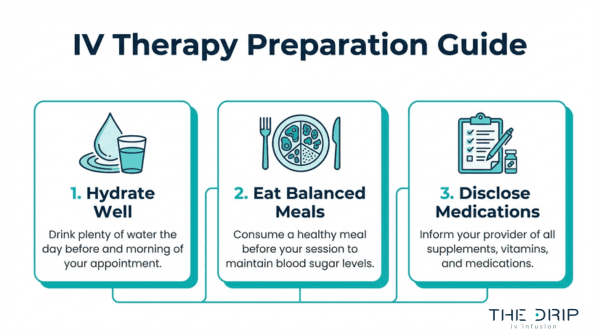
Hydration and nutrition form the foundation of effective IV preparation. Drinking water consistently the day before and morning of your appointment improves vein visibility for catheter placement, while eating lean protein and complex carbohydrates stabilizes blood sugar and prevents lightheadedness during infusion. Caffeine and alcohol should be eliminated at least 24 hours beforehand, as both dehydrate the body and complicate vein access.
Disclosing every medication, supplement, and allergy to your provider is essential for safety. Supplements like vitamin E and fish oil can increase bleeding risk at the injection site, and conditions involving the kidneys, liver, or heart may require adjusted drip rates or modified formulations.
Mental preparation plays a meaningful role, especially for those with needle anxiety. Techniques like applied tension and deep breathing reduce the physical stress response, while planning adequate time for the session prevents feeling rushed.
Session expectations vary by treatment type. Standard vitamin and hydration drips run 30 to 60 minutes, while specialized infusions like NAD+ may take up to 90 minutes and require additional meal timing adjustments. Post-session care, including continued hydration and rest, helps your body fully absorb the infused nutrients.
What Is IV Therapy and Why Does Preparation Matter?
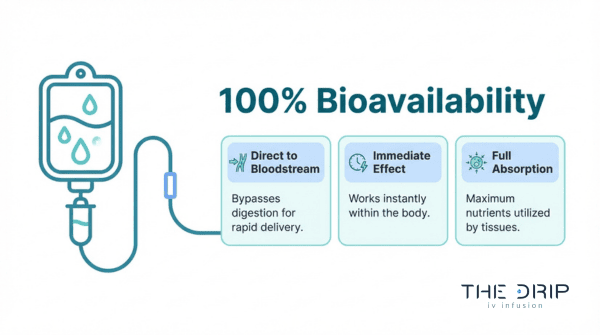
IV therapy is a method of administering fluids, medications, or nutrients directly into the circulatory system via a vein, bypassing the digestive tract for 100% bioavailability and immediate therapeutic effect. Also known as infusion therapy or drip therapy, this parenteral delivery method eliminates the absorption barriers of the gastrointestinal system, providing an efficient pathway for essential vitamins and minerals to reach the bloodstream.
Preparation matters because physiological factors like hydration status and blood sugar levels directly influence vein visibility, patient tolerance to the needle, and the body’s response to rapid nutrient infusion. According to nursing clinical guidelines from Nicolet College, these variables affect both the efficacy and safety of the procedure. When patients arrive dehydrated or with unstable blood sugar, healthcare providers face greater difficulty locating suitable veins, and the risk of discomfort during the session increases.
For anyone considering their first infusion or looking to optimize results from regular sessions, understanding what IV therapy involves sets the foundation for every preparation step that follows, from hydration and nutrition timing to medication disclosure and mental readiness.
What Should You Do the Day Before Your IV Therapy?
You should hydrate thoroughly, eat balanced meals, and avoid certain substances the day before your IV therapy. The following subsections cover water intake targets, ideal pre-infusion foods, and items to skip.
How Much Water Should You Drink Before IV Therapy?
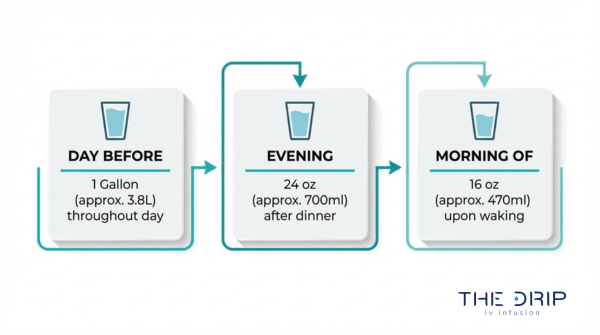
You should drink at least 8 to 12 glasses of water throughout the day before your IV therapy. Proper hydration plumps your veins, making catheter insertion smoother and reducing discomfort during the session. Sipping water consistently is more effective than drinking large amounts at once, since steady intake maintains fluid balance without overloading your system.
Starting your hydration effort the day before, rather than the morning of, gives your body adequate time to distribute fluids evenly. For anyone who struggles with plain water, adding a squeeze of lemon or choosing an electrolyte-enhanced option can help. Adequate pre-session hydration is one of the simplest steps that yields the most noticeable difference in comfort.
What Foods Should You Eat Before an IV Infusion?
The foods you should eat before an IV infusion include lean proteins, complex carbohydrates, and nutrient-dense whole foods. Grilled chicken, brown rice, sweet potatoes, oatmeal, and leafy greens all provide sustained energy without causing blood sugar spikes. According to Puur Health and Wellness, foods rich in lean protein and complex carbohydrates maintain satiety and provide a stable energy source, improving overall patient tolerance to the procedure.
A balanced dinner the night before and a light snack closer to your appointment prevent lightheadedness during the infusion. Fruits like bananas and berries add natural electrolytes and antioxidants. Prioritizing whole, unprocessed foods over heavy or greasy meals keeps digestion comfortable and your body receptive to IV nutrients.
Which Foods and Beverages Should You Avoid Before IV Therapy?
The foods and beverages you should avoid before IV therapy include:
- Caffeine, such as coffee, energy drinks, and certain teas, because it acts as a diuretic and promotes fluid loss.
- Alcohol, which dehydrates the body and can constrict veins, complicating catheter placement.
- High-sodium processed foods, like chips and fast food, which contribute to water retention imbalances.
- Sugary snacks and drinks that cause blood sugar fluctuations and may increase nausea risk.
- Heavy, greasy meals that slow digestion and can cause stomach discomfort during infusion.
Eliminating these items at least 24 hours before your appointment helps maintain optimal hydration and stable blood sugar. For most people, swapping a morning coffee for herbal tea the day before is the single hardest adjustment, but it makes a meaningful difference in vein accessibility and overall session comfort.
Understanding what to avoid sets the foundation for how you prepare on the actual day of your appointment.
How Should You Prepare on the Day of Your IV Therapy?
You should prepare on the day of your IV therapy by eating a balanced morning meal, hydrating steadily in the hours before your appointment, and wearing accessible clothing. The following subsections cover each step.
What Should You Eat the Morning of Your IV Session?
You should eat a light, balanced meal the morning of your IV session to keep blood sugar stable and prevent nausea during the infusion. Complex carbohydrates paired with lean protein provide steady energy without weighing you down.
Good options include:
- Oatmeal with fruit
- Whole-grain toast with eggs
- A granola bar with nut butter
- Yogurt with berries
Proper hydration that morning also matters. According to Smart Infusion Therapy Services, adequate morning hydration makes it significantly easier for healthcare providers to locate a suitable vein and helps patients tolerate the infusion more comfortably. Skipping breakfast is one of the most common preparation mistakes; even a small snack makes a noticeable difference in how you feel during treatment.
How Should You Hydrate in the Hours Before Your Infusion?
You should hydrate in the hours before your infusion by drinking water consistently rather than consuming large amounts all at once. Steady sipping throughout the morning keeps veins plump and accessible for the IV catheter.
A few key guidelines help:
- Eat a light snack 1 to 2 hours before the session, such as a granola bar or complex carbohydrates, to stabilize blood sugar and prevent lightheadedness.
- Avoid caffeine and alcohol for at least 24 hours before your appointment, as both act as diuretics that dehydrate the body and make vein access more difficult.
- Aim for 16 to 20 ounces of water in the two hours leading up to your session.
Arriving well-hydrated is arguably the single most impactful thing you can do to ensure a smooth, comfortable infusion experience.
What Clothing Should You Wear to an IV Therapy Appointment?
You should wear comfortable, loose-fitting clothing to an IV therapy appointment. Sleeves that roll up easily above the elbow allow your provider to access the inner arm efficiently for the IV catheter, reducing setup time and unnecessary adjustments.
Short-sleeve shirts, tank tops, or wide-sleeve blouses all work well. Avoid tight long sleeves, compression garments, or bulky layers that restrict access to the forearm area. According to the Ventura Center for Advanced Therapeutics, wearing accessible clothing facilitates efficient catheter placement on the day of the appointment. Comfortable clothing also helps you relax during the 30 to 90 minutes the session may last.
With nutrition, hydration, and clothing handled, the next step is reviewing your medications and supplements with your provider.
What Medications and Supplements Should You Disclose Before IV Therapy?
You should disclose all current medications and supplements before IV therapy, including prescription drugs, over-the-counter products, and herbal formulations. The subsections below cover supplements, blood thinners, and prescription medication adjustments.
Should You Stop Taking Supplements Before an IV Infusion?
You should consult your provider before stopping any supplements prior to an IV infusion. Certain supplements carry specific risks when combined with intravenous nutrient delivery. According to GoodRx, full disclosure of current medications is critical, as supplements like vitamin E and fish oil can increase the risk of bleeding or hematoma formation at the injection site.
Supplements that warrant discussion with your provider include:
- Vitamin E, which has blood-thinning properties that may complicate venipuncture.
- Fish oil, which can similarly affect clotting at the IV catheter site.
- Herbal products such as ginkgo biloba, garlic extract, and ginseng, which may alter bleeding time or interact with infused nutrients.
- High-dose vitamin C or B-complex supplements that could overlap with your IV formulation.
Rather than stopping supplements on your own, let your infusion specialist determine which ones to pause and when. This personalized approach prevents both unnecessary interactions and gaps in your nutritional routine.
How Do Blood Thinners Affect IV Therapy Preparation?
Blood thinners affect IV therapy preparation by increasing the likelihood of bruising, prolonged bleeding, and hematoma development at the catheter insertion site. Drugs like warfarin and aspirin alter your blood’s clotting ability, which means even routine venipuncture requires extra precaution.
As noted by Nursing Skills at Nicolet College, physiological factors directly influence vein visibility, patient tolerance to the needle, and the body’s response to rapid nutrient infusion. When blood thinners are part of that equation, providers may need to:
- Apply extended pressure after catheter placement.
- Select smaller-gauge needles to minimize tissue trauma.
- Monitor the insertion site more closely for signs of infiltration.
Never discontinue a prescribed blood thinner without your doctor’s explicit guidance. Instead, inform your IV therapy provider about the specific anticoagulant, its dosage, and when you last took it so they can plan accordingly.
Should You Adjust Prescription Medications Before an IV Session?
You should not adjust prescription medications before an IV session without direct guidance from your prescribing physician. Because IV therapy delivers nutrients and fluids with 100% bioavailability by bypassing the digestive tract, interactions between infused compounds and your existing prescriptions can behave differently than oral combinations.
Medications that require special attention include:
- Diuretics, which may compound the fluid shifts introduced by IV hydration.
- Blood pressure medications, since rapid fluid delivery can temporarily alter cardiovascular dynamics.
- Diabetes medications, because IV formulations containing dextrose or certain vitamins may influence blood sugar levels.
- Immunosuppressants, which may interact with immune-boosting IV additives like zinc or vitamin C.
For most patients, the safest approach is continuing medications on their normal schedule while providing your infusion provider with a complete, current medication list. Sharing your full medical history before any IV session protects both safety and treatment efficacy.
What Medical History Should You Share Before Getting IV Therapy?
The medical history you should share before getting IV therapy includes kidney and liver function, heart conditions, and any known allergies. These details help your provider customize a safe infusion plan.
Why Does Your Provider Need to Know About Kidney Conditions?
Your provider needs to know about kidney conditions because the kidneys filter vitamins, minerals, and fluids delivered during IV therapy. Compromised kidney function can impair the body’s ability to process high-dose nutrients, increasing the risk of fluid overload or electrolyte imbalances.
According to Mobile IV Medics, pre-treatment screening must include a comprehensive medical history review, specifically assessing for kidney and liver function, heart conditions, and allergies to preservatives such as sodium metabisulfite. Failing to disclose reduced kidney or liver capacity could lead to dangerous accumulation of substances the body cannot efficiently clear. Even mild renal impairment may require adjusted drip rates or modified formulations. Sharing recent lab work, if available, gives your provider the clearest picture for dosing decisions.
Should You Disclose Allergies Before an IV Infusion?
Yes, you should disclose allergies before an IV infusion. IV solutions may contain preservatives, vitamins, or additives that trigger reactions in sensitive individuals. Sodium metabisulfite, a common preservative in certain IV formulations, poses a particular risk for those with sulfite sensitivities.
Beyond preservatives, allergies to specific nutrients like B vitamins or certain medications added to custom drips must be flagged. Even latex allergies matter, since some IV supplies contain latex components. Providing a complete allergy list, including drug allergies, food sensitivities, and environmental triggers, allows your provider to select formulations that avoid known reactions. When in doubt, mention it; a seemingly unrelated allergy can sometimes indicate cross-reactivity with IV ingredients.
How Do Heart Conditions Affect Your IV Therapy Plan?
Heart conditions affect your IV therapy plan because rapid fluid administration can strain cardiovascular function. Patients with congestive heart failure, hypertension, or arrhythmias require carefully controlled drip rates to prevent fluid overload, which may worsen symptoms like edema or shortness of breath.
Certain IV additives, such as high-dose magnesium or potassium, directly influence heart rhythm and blood pressure. Your provider needs to know about any cardiac diagnosis, medications like beta-blockers or ACE inhibitors, and whether you have an implanted device such as a pacemaker. This information determines both the infusion speed and the specific nutrient concentrations used. For most cardiac patients, IV therapy remains a viable option when the protocol is properly adjusted to individual tolerance levels.
Understanding your full medical background sets the stage for discussing how to mentally and physically prepare for the session itself.
How Should You Mentally and Physically Prepare for IV Therapy?
You should mentally and physically prepare for IV therapy by managing needle anxiety, scheduling adequate time, and resting beforehand. The following subsections cover strategies for needle fear, session planning, and pre-appointment rest.
What Can You Do If You Have a Fear of Needles?
You can manage a fear of needles through several proven techniques that reduce anxiety before and during IV insertion. Applied tension is one of the most effective methods. According to Cedars-Sinai, applied tension is a research-proven technique where patients tense their muscles to increase blood pressure, helping prevent fainting and reduce anxiety during needle procedures.
Other practical strategies include:
- Practicing slow, deep breathing exercises to calm the nervous system before your appointment.
- Using distraction techniques, such as listening to music, watching a video, or engaging in conversation during insertion.
- Communicating your fear to your IV nurse so they can adjust their approach and pace.
- Looking away from the insertion site to avoid visual triggers.
Most patients find that the anticipation feels far worse than the actual needle stick, which typically lasts only a few seconds.
How Should You Plan Your Schedule Around an IV Session?
You should plan your schedule around an IV session by blocking enough time for the full appointment, including arrival, infusion, and a brief recovery period. Standard vitamin and hydration drips typically run 30 to 60 minutes, while specialized treatments like NAD+ infusions may require 60 to 90 minutes.
Avoid scheduling strenuous activities, intense workouts, or high-stress meetings immediately after your session. Instead, allow at least 30 minutes of downtime following infusion so your body can adjust. Arriving a few minutes early also helps; it gives you time to settle in, complete any intake forms, and relax before the IV starts. Planning this buffer prevents feeling rushed, which can elevate anxiety and tighten veins.
Why Is Rest Important Before an IV Therapy Appointment?
Rest is important before an IV therapy appointment because adequate sleep supports stable blood pressure, healthy circulation, and calmer nerves during the infusion process. When you arrive well-rested, your veins are more relaxed and accessible, which makes catheter insertion smoother for both you and your provider.
Sleep deprivation can elevate cortisol levels, increase sensitivity to discomfort, and raise the likelihood of feeling lightheaded during treatment. Aiming for seven to eight hours of quality sleep the night before your session creates the best conditions for a comfortable experience. For those combining mental and physical readiness, pairing a good night’s rest with proper hydration gives your body the strongest foundation for responding well to IV therapy.
What Should You Expect During Your First IV Therapy Session?
During your first IV therapy session, you should expect a straightforward process involving intake paperwork, IV insertion, and a monitored infusion period. The subsections below cover session duration, what insertion feels like, and potential side effects.
How Long Does a Typical IV Infusion Take?
A typical IV infusion takes between 30 to 60 minutes for standard vitamin and hydration drips. More complex infusions, such as NAD+ or specialized athletic recovery drips, can take 60 to 90 minutes, according to Restore Hyper Wellness. The exact duration depends on the drip formula, drip rate, and your body’s tolerance. Your provider will set the flow rate based on the specific nutrients being administered. For most first-time clients, planning for about an hour covers the infusion itself plus initial intake and post-session observation. Bringing a book or phone helps pass the time comfortably while the IV delivers nutrients directly into your bloodstream.
What Does the IV Insertion Process Feel Like?
The IV insertion process feels like a brief pinch or slight sting lasting one to two seconds as the catheter enters the vein. Most clients describe the sensation as milder than a standard blood draw. Once the needle is removed and the flexible catheter remains in place, discomfort typically fades. A small amount of pressure or coolness may follow as the infusion fluid begins flowing. Experienced nurses select veins in the inner forearm or back of the hand for easier access. Staying well-hydrated beforehand plumps the veins, which often makes insertion smoother and less noticeable. Any lingering nervousness usually subsides within the first few minutes of the session.
What Side Effects Should You Watch for During the Infusion?
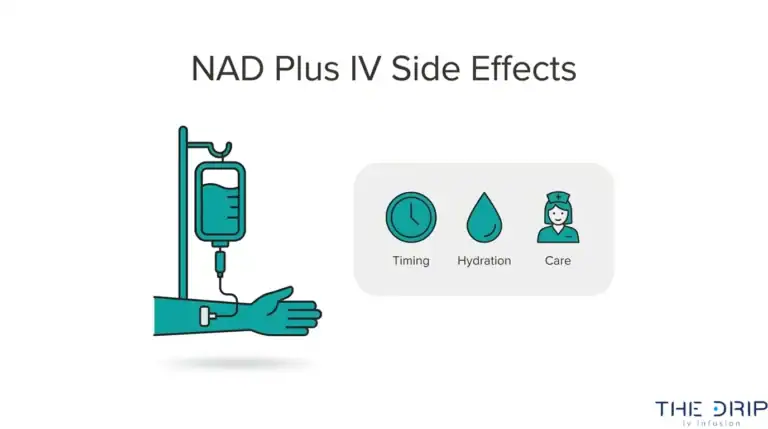
The side effects you should watch for during the infusion include coolness at the injection site, mild lightheadedness, and localized discomfort. A 2024 study published in PubMed Central found that phlebitis occurs in approximately 2.41% of peripheral IV sites, while infiltration is reported at a rate of 1.01%. More serious complications, such as air embolism, occur in fewer than 0.1% of cases. Common signs to monitor include:
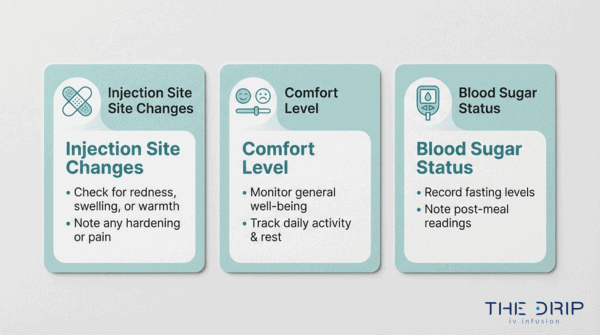
- Redness, swelling, or warmth near the catheter site, which may indicate phlebitis.
- A tight or puffy feeling around the IV, suggesting possible infiltration.
- Dizziness or nausea, often related to infusion speed or low blood sugar.
Alert your provider immediately if any symptom worsens. With proper site monitoring and an experienced nurse managing your drip rate, most sessions proceed without complications. Understanding these possibilities beforehand helps you prepare for an IV therapy session with greater confidence.
How Should You Prepare Differently Based on Your IV Treatment?
You should prepare differently based on your IV treatment because each infusion type places unique demands on your body. Specific adjustments for hydration drips, vitamin infusions, NAD+ therapy, and athletic recovery IVs are outlined below.
How Should You Prepare for a Hydration IV Drip?
You should prepare for a hydration IV drip by focusing on baseline fluid intake in the 24 hours before your session. Although it may seem counterintuitive to hydrate before a hydration drip, pre-session fluid intake improves vein visibility and helps your body distribute the infused saline more efficiently.
Key preparation steps include:
- Drink water consistently throughout the day before your appointment.
- Eat a light meal containing complex carbohydrates 1 to 2 hours beforehand to stabilize blood sugar.
- Avoid caffeine and alcohol, which act as diuretics and counteract the drip’s purpose.
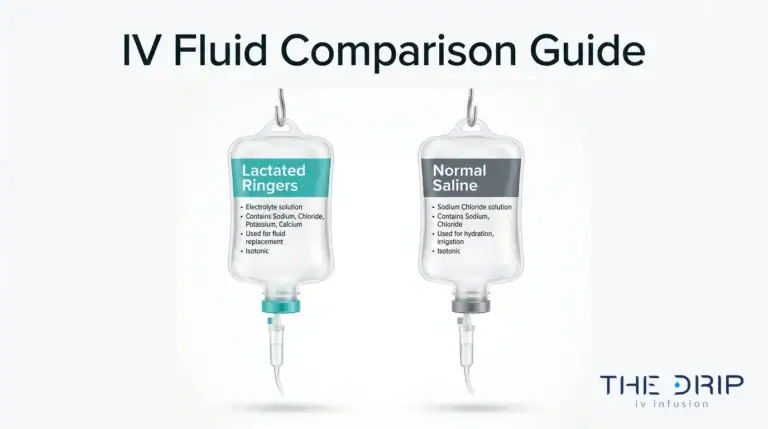
Hydration IVs typically use isotonic saline solutions, so arriving even mildly dehydrated can slow the infusion process and reduce comfort during catheter placement.
How Should You Prepare for a Vitamin or Immune Boost IV?
You should prepare for a vitamin or immune boost IV by eating a nutrient-balanced meal and disclosing all supplements you currently take. These infusions deliver concentrated micronutrients like vitamin C, zinc, and B-complex vitamins directly into your bloodstream, so overlapping with oral supplements can push certain nutrient levels higher than intended.
Preparation priorities include:
- Eat lean protein and complex carbohydrates to maintain stable energy during the session.
- List every supplement and multivitamin you take so your provider can adjust the formulation.
- Stay well hydrated, as proper hydration improves both vein access and nutrient distribution.
For most people, vitamin and immune boost IVs are the easiest infusions to prepare for, provided supplement disclosure is thorough.
How Should You Prepare for NAD+ IV Therapy?
You should prepare for NAD+ IV therapy by allowing extra time and adjusting your meal timing. According to Restore Hyper Wellness, complex infusions like NAD+ can take 60 to 90 minutes, significantly longer than standard vitamin drips.
Because NAD+ infusions involve a slower drip rate to minimize side effects such as nausea or chest tightness, preparation requires additional steps:
- Eat a substantial but easily digestible meal 2 hours before your appointment.
- Hydrate thoroughly the morning of your session.
- Clear your schedule for at least 2 hours to account for the extended infusion time.
- Bring entertainment or relaxation materials since you will be seated for an extended period.
NAD+ therapy is one of the most preparation-intensive IV treatments, and skipping meals beforehand is a common mistake that worsens side effects.
How Should You Prepare for an Athletic Recovery IV Infusion?
You should prepare for an athletic recovery IV infusion by timing your session strategically around your training schedule. These drips typically contain amino acids, electrolytes, magnesium, and anti-inflammatory compounds designed to accelerate muscle repair and reduce soreness.
Essential preparation steps include:
- Schedule your infusion within a few hours after intense training for maximum benefit.
- Consume a post-workout snack with protein and carbohydrates before arriving.
- Hydrate with water or an electrolyte drink, as exercise-induced dehydration makes vein access harder.
- Disclose any anti-inflammatory medications like ibuprofen or naproxen, since the drip may already include similar agents.
Athletic recovery IVs work best when the body is already in its natural repair phase, making session timing just as important as nutritional preparation. With treatment-specific preparation covered, understanding post-session care completes the process.
What Should You Do After Your IV Therapy Session?
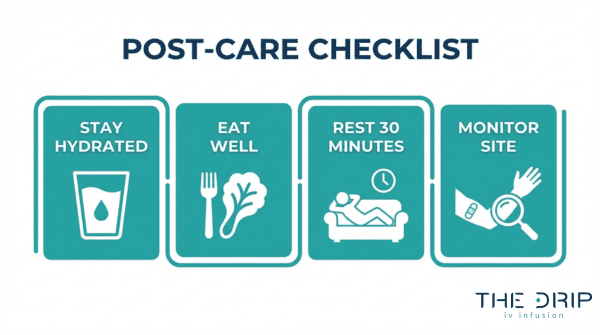
After your IV therapy session, you should focus on continued hydration, light nutrition, rest, and monitoring the injection site. These steps help your body absorb the infused nutrients and reduce the chance of minor side effects.
- Continue drinking water. Staying hydrated after your infusion supports circulation and helps your kidneys process the vitamins and minerals delivered during the session.
- Eat a balanced meal. A meal with lean protein, complex carbohydrates, and vegetables provides sustained energy and complements the nutrients from your drip.
- Rest for 15 to 30 minutes. Giving your body a brief recovery window, especially after longer infusions, allows you to notice how you feel before resuming activity.
- Keep the bandage on the injection site. Leave the adhesive bandage in place for at least 30 minutes to minimize bruising or minor bleeding at the puncture point.
- Avoid alcohol and intense exercise. Both can strain your body shortly after an infusion; light activity like walking is fine, but save strenuous workouts for the following day.
- Monitor for unusual symptoms. Mild soreness at the IV site or slight coolness in the arm is normal. Contact your provider if you notice prolonged swelling, warmth, or redness, which could indicate phlebitis.
For most people, the benefits of IV therapy, such as improved energy and hydration, become noticeable within hours. Tracking how you feel over the next 24 to 48 hours can help you and your provider fine-tune future sessions for better results.
How Can Mobile IV Therapy Simplify Your Preparation?
Mobile IV therapy simplifies preparation by eliminating travel logistics and allowing you to complete every pre-session step at home. The subsections below cover The Drip IV Infusion’s at-home service and key preparation takeaways.
Can The Drip IV Infusion’s At-Home Service Help You Prepare More Comfortably?
Yes, The Drip IV Infusion’s at-home service can help you prepare more comfortably by bringing licensed nurses directly to your home or workplace. According to PA Consulting, mobile IV therapy offers logistical advantages by eliminating travel time and costs, reducing the risk of hospital-acquired infections, and allowing patients to receive treatment in a familiar environment.
This convenience means you can hydrate, eat your pre-session meal, and change into loose-fitting clothing without rushing to an appointment. The Drip IV Infusion, founded in Fall 2022 by professionals with decades of experience in nursing and emergency medicine, provides personalized mobile IV infusions across Arizona. Staying in your own space also helps reduce needle anxiety, since familiar surroundings naturally lower stress levels.
What Are the Key Takeaways About How to Prepare for an IV Therapy Session?
The key takeaways about how to prepare for an IV therapy session center on hydration, nutrition, disclosure, and mindset. Following these steps ensures a safer, more comfortable infusion:
- Hydrate consistently the day before and morning of your session to improve vein visibility.
- Eat a light meal with lean protein and complex carbohydrates one to two hours before your appointment.
- Avoid caffeine and alcohol for at least 24 hours prior, as both act as diuretics.
- Wear loose-fitting clothing with sleeves that roll above the elbow.
- Disclose all medications, supplements, and allergies to your provider before treatment begins.
- Share relevant medical history, including kidney, liver, and heart conditions.
- Practice calming techniques like applied tension or deep breathing if needles cause anxiety.
- Schedule your session when you can rest afterward for optimal recovery.
Thorough preparation is the single most controllable factor in how well your body responds to IV therapy. With these steps in place, The Drip IV Infusion can help you experience every benefit of your chosen IV cocktail from the comfort of home.