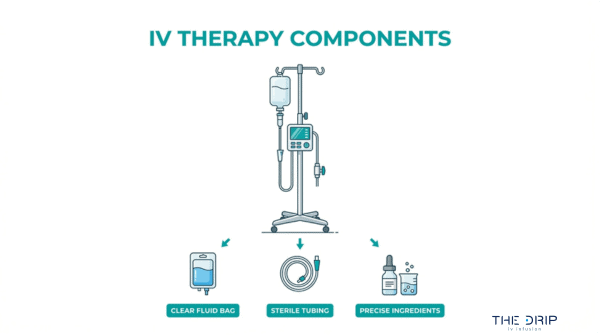
An IV bag is a sterile medical delivery system containing a base fluid, electrolytes, and targeted nutrients designed to enter the bloodstream directly for rapid absorption. Every IV drip starts with one of four base solutions and builds outward with ingredients selected for specific physiological goals.
This guide covers base solutions and electrolytes, vitamins and bioactive nutrients, goal-specific formulations, safety and regulation, and how IV delivery compares to oral supplementation.
The four primary base fluids (normal saline, Lactated Ringer’s, dextrose, and sterile water) each carry distinct osmolarity profiles that determine which additives they can safely deliver. Six essential electrolytes, including sodium, potassium, magnesium, calcium, chloride, and bicarbonate, form the mineral foundation that regulates fluid balance, nerve signaling, and cardiac function.
Vitamins such as high-dose vitamin C, B-complex, B12, vitamin D, and biotin layer onto that foundation to support immune defense, energy metabolism, and cellular repair. Minerals and amino acids like zinc, selenium, glutathione, taurine, and L-carnitine add antioxidant protection and mitochondrial energy support.
Complete formulations such as the Myers’ Cocktail combine magnesium, calcium, B vitamins, and vitamin C into a single infusion targeting conditions from migraines to fatigue. Specialty additives, including NAD+, alpha-lipoic acid, Toradol, and Zofran, address aging, acute pain, and nausea with precision that standard nutrients cannot reach.
IV delivery bypasses digestive breakdown entirely; plasma vitamin C concentrations through IV administration can reach levels over 100 times higher than oral dosing achieves. Compounded IV formulations are not FDA-approved before reaching patients, making provider transparency and USP 797 pharmacy compliance essential safety factors.
What Is the Base Solution in an IV Bag?
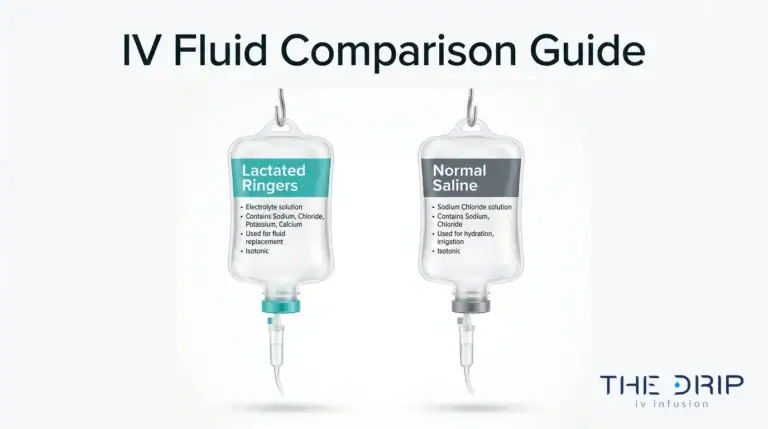
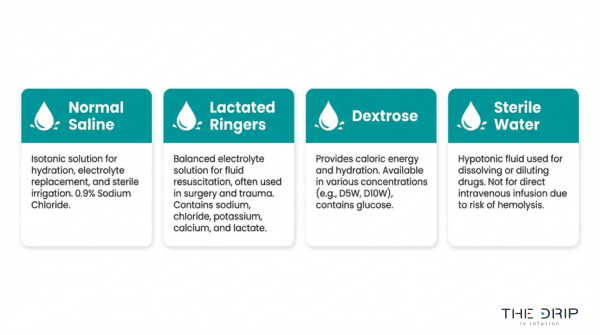
The base solution in an IV bag is the primary sterile fluid that serves as the carrier for all other ingredients. The four most common base solutions are normal saline, Lactated Ringer’s, dextrose, and sterile water.
Normal Saline (0.9% Sodium Chloride)
Normal saline is a sterile solution containing 0.9% sodium chloride dissolved in water. It is the most widely used IV base fluid in clinical and wellness settings. According to the National Center for Biotechnology Information (NCBI), normal saline functions to expand intravascular volume without disturbing ion concentration or causing large fluid shifts between intracellular, intravascular, and interstitial spaces. This isotonic property makes it compatible with blood and safe for most patients. For general hydration and medication delivery, normal saline remains the default choice because it closely mirrors the body’s natural fluid balance.
Lactated Ringer’s Solution
Lactated Ringer’s solution is a balanced crystalloid fluid that contains multiple electrolytes. Its contents include:
- Sodium
- Chloride
- Potassium
- Calcium
- Lactate (as sodium lactate)
The approximate osmolarity is 273 mOsm/L with a pH of around 6.5, making it slightly more physiologically balanced than normal saline. Clinicians often prefer Lactated Ringer’s for fluid resuscitation and surgical hydration because the electrolyte profile more closely resembles human plasma. This balanced composition reduces the risk of hyperchloremic acidosis sometimes associated with large-volume saline infusions.
Dextrose Solutions (D5W)
Dextrose solutions, commonly labeled D5W, contain 5% dextrose (glucose) dissolved in sterile water. D5W provides a modest caloric source alongside hydration, which can benefit patients who need short-term energy support. According to the U.S. Food and Drug Administration, 5% Dextrose Injection, USP is sterile and nonpyrogenic, with an osmolarity of 252 mOsmol/L, which is slightly hypotonic. Once infused, the body metabolizes the glucose rapidly, leaving free water that distributes across all fluid compartments. This makes D5W particularly useful as a vehicle for diluting medications.
Sterile Water for Injection
Sterile Water for Injection is a clear, colorless, odorless liquid. It is sterile, hypotonic, nonpyrogenic, and contains no bacteriostatic or antimicrobial agents, as documented by the NIH’s DailyMed database. Because of its hypotonic nature, sterile water is never infused directly into the bloodstream on its own; doing so could cause red blood cell lysis. Instead, it serves as a mixing solvent for reconstituting powdered medications and preparing custom IV formulations. Understanding which base solution a provider selects helps clarify why specific additives, such as electrolytes and vitamins, pair with certain carriers.
What Electrolytes Are Commonly Found in IV Drips?
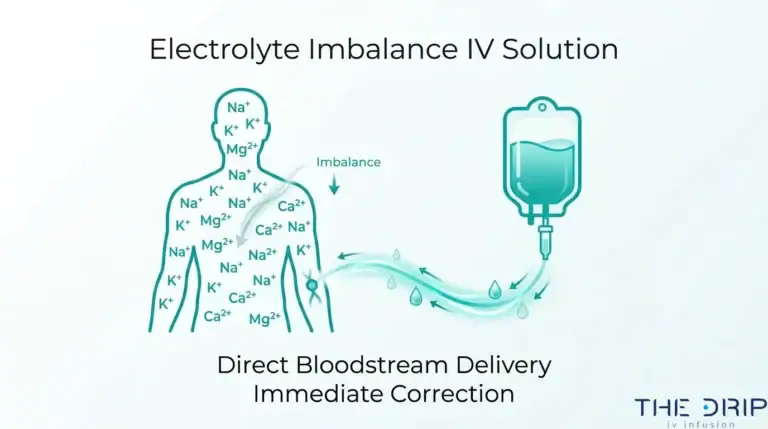
The electrolytes commonly found in IV drips are sodium, potassium, chloride, calcium, magnesium, and bicarbonate. Each one regulates specific bodily functions, from fluid balance to nerve signaling.
Sodium
Sodium is the primary electrolyte responsible for maintaining extracellular fluid volume and regulating the membrane potential of cells. According to the National Center for Biotechnology Information, hyponatremia is diagnosed when serum sodium levels fall below 135 mmol/L. Because sodium governs how water distributes across tissues, it forms the foundation of most IV fluid formulations, including normal saline and Lactated Ringer’s solution.
Potassium
Potassium is mainly an intracellular ion regulated by the sodium-potassium adenosine triphosphatase pump. This electrolyte maintains proper electrical activity in cardiac and skeletal muscle cells. As noted by StatPearls Publishing, potassium derangements may result in cardiac arrhythmias. Careful dosing in IV drips is essential, since even small imbalances can disrupt heart rhythm.
Chloride
Chloride is an anion found predominantly in the extracellular fluid. The kidneys reabsorb chloride through both active and passive transport in the proximal and distal tubules. Working alongside sodium, chloride helps maintain osmotic pressure and acid-base balance. Its presence in IV solutions like normal saline ensures proper hydration without disrupting the body’s electrochemical equilibrium.
Calcium
Calcium is involved in skeletal mineralization, muscle contraction, nerve impulse transmission, blood clotting, and hormone secretion. According to the National Institutes of Health, calcium absorption is primarily controlled by vitamin D. IV calcium supplementation can be critical during acute deficiency states, particularly when rapid correction is needed to prevent muscle spasms or cardiac complications.
Magnesium
Magnesium is mainly involved in adenosine triphosphate metabolism, proper muscle functioning, neurological functioning, and neurotransmitter release. Despite its importance, magnesium deficiency often goes undetected because standard blood tests may not reflect intracellular levels. For practitioners building IV formulations, magnesium is one of the most versatile electrolytes to include, supporting everything from energy production to stress response.
Bicarbonate
Bicarbonate is a critical buffer that regulates the body’s acid-base balance. According to the NCBI Bookshelf, sodium bicarbonate plays a crucial role in managing diverse disease pathologies, with its concentration predominantly regulated by the kidneys. When metabolic acidosis occurs, IV bicarbonate can help restore blood pH to a safe range.
With these electrolytes forming the mineral foundation of IV therapy, vitamins added to drip formulations provide the next functional layer.
What Vitamins Are Added to IV Drip Formulations?
The vitamins added to IV drip formulations include vitamin C, B-complex vitamins, vitamin B12, vitamin D, and biotin. Each serves distinct physiological roles, from immune defense to energy metabolism.
Vitamin C (Ascorbic Acid)
Vitamin C is a water-soluble antioxidant that supports immune function, collagen synthesis, and cellular repair. IV delivery achieves plasma concentrations far beyond what oral supplements can reach. According to the NIH Office of Dietary Supplements, intravenous vitamin C can produce plasma concentrations as high as 26,000 micromoles/L, compared to a maximum of only 220 micromoles/L from oral administration. This dramatic difference makes IV-delivered ascorbic acid particularly valuable for individuals seeking rapid immune support or recovery. For anyone with increased oxidative stress or compromised absorption, IV vitamin C offers a meaningful advantage over tablets or capsules.
B-Complex Vitamins (B1, B2, B3, B5, B6)
B-complex vitamins are a group of water-soluble nutrients essential for energy production, nervous system function, and red blood cell formation. Each B vitamin plays a specific metabolic role:
- Thiamine (B1) converts glucose into cellular energy through its active form, thiamine pyrophosphate.
- Riboflavin (B2) supports mitochondrial enzyme activity.
- Niacin (B3) participates in DNA repair and metabolic signaling.
- Pantothenic acid (B5) is required for coenzyme A synthesis.
- Pyridoxine (B6) facilitates amino acid metabolism and neurotransmitter production.
A 2022 review in The Permanente Journal confirmed that thiamine requires magnesium as a cofactor for conversion to its active form, highlighting why IV formulations often pair B vitamins with electrolytes.
Vitamin B12 (Methylcobalamin)
Vitamin B12 is a cobalamin essential for nerve function, DNA synthesis, and red blood cell production. Methylcobalamin, the bioactive form, bypasses conversion steps required by synthetic cyanocobalamin. According to the NIH Office of Dietary Supplements, parenteral administration is typically used to treat vitamin B12 deficiency caused by pernicious anemia, tropical sprue, and pancreatic insufficiency that result in severe malabsorption. Individuals with gastrointestinal conditions often cannot absorb oral B12 effectively, making IV or intramuscular delivery the most reliable route for correcting deficiency.
Vitamin D
Vitamin D is a fat-soluble secosteroid that regulates calcium absorption, bone mineralization, and immune modulation. Its hormonally active form, 1,25-dihydroxy vitamin D3, controls intestinal calcium uptake. While oral supplementation remains the standard approach, IV and injectable vitamin D can benefit individuals with severe deficiency or malabsorption disorders. Given how widespread vitamin D insufficiency is, particularly among those with limited sun exposure, parenteral delivery ensures predictable serum levels when oral routes prove inadequate.
Biotin
Biotin is a water-soluble B vitamin (B7) that supports keratin production, fatty acid synthesis, and glucose metabolism. It is commonly included in beauty-focused IV formulations targeting hair, skin, and nail health. The NIH reports that high doses of biotin, ranging from 2 to 15 mg/kg body weight per day, are used to treat inherited metabolic diseases; however, supplementing beyond recommended intakes can falsely cause high or low laboratory test results. This interference with lab diagnostics is an important consideration, making provider oversight essential when biotin is included in IV protocols.
With the vitamin profile of IV drips established, the minerals and amino acids in these formulations add further therapeutic depth.
What Minerals and Amino Acids Are Included in IV Bags?
The minerals and amino acids included in IV bags are zinc, selenium, glutathione, taurine, and L-carnitine. Each serves a distinct biological role, from antioxidant defense to energy metabolism.
Zinc
Zinc is an essential trace element that serves as a cofactor for numerous enzymes. According to research published in Endocrine, Metabolic & Immune Disorders – Drug Targets, zinc is involved in immune function, protein synthesis, and DNA synthesis. Even minor deficiencies can impair immune response, which makes zinc one of the most practical additions to immune-focused IV formulations. IV delivery bypasses the absorption limitations that often affect oral zinc supplementation.
Selenium
Selenium is a trace element that functions as a component of glutathione peroxidase. This enzyme protects cells from oxidative damage by converting hydrogen peroxide into water, as described in Nutrition Research Reviews. Because selenium supports the body’s endogenous antioxidant systems rather than acting as a standalone antioxidant, it pairs well with glutathione in IV protocols designed for detoxification or immune resilience.
Glutathione
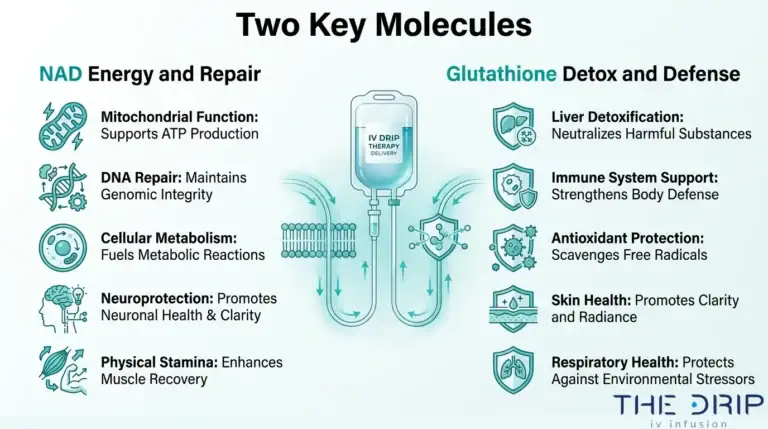
Glutathione is a critical antioxidant that plays a major role in neuroprotection and detoxifying reactive oxygen species. As noted in the Alternative Medicine Review, its synthesis is enhanced by N-acetylcysteine. Often called the body’s “master antioxidant,” glutathione degrades rapidly in the digestive tract when taken orally. IV administration delivers it directly into circulation, preserving its active form for cellular defense.
Taurine
Taurine is a conditionally essential amino acid involved in cardiovascular and neurological function. A study published in PMC found that taurine therapy reduces blood pressure in hypertensive subjects by addressing oxidative stress, regulating mitochondrial protein biosynthesis, and restoring mitochondrial function. For individuals under chronic stress or with high physical demands, taurine offers systemic support that extends well beyond simple hydration.
L-Carnitine
L-carnitine plays a pivotal role in mitochondrial ATP production and cellular metabolism homeostasis. Research published in Nutrients (via PMC) has suggested L-carnitine administration as a valuable adjunctive therapy in managing chronic fatigue syndrome symptoms. This amino acid derivative shuttles fatty acids into mitochondria for energy conversion, making it particularly relevant for recovery and endurance-focused IV protocols.
Among these ingredients, glutathione and taurine represent the most versatile additions for clients seeking both detoxification and metabolic support. Understanding how these components combine leads naturally to examining complete IV formulations like the Myers’ Cocktail.
What Is a Myers’ Cocktail and What Does It Contain?
A Myers’ Cocktail is one of the most widely recognized IV nutrient formulations in modern wellness therapy. Developed by the late Dr. John Myers, this intravenous drip combines essential vitamins and minerals into a single infusion designed to address multiple health concerns simultaneously.
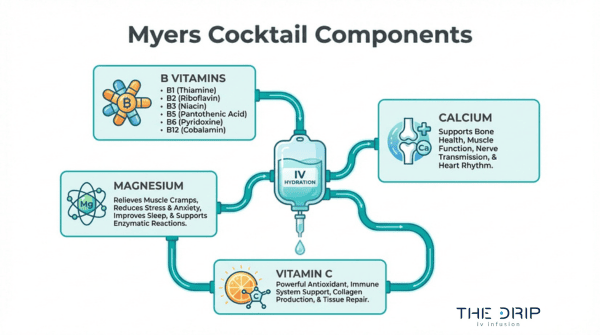
The modified Myers’ Cocktail consists of four core ingredients:
- Magnesium supports ATP metabolism, muscle function, and neurological signaling.
- Calcium contributes to muscle contraction, nerve transmission, and hormone secretion.
- B vitamins (including B1, B2, B3, B5, B6, and B12) play central roles in energy production and cellular metabolism.
- Vitamin C (ascorbic acid) acts as a potent antioxidant and immune system supporter.
According to a 2002 review published in Alternative Medicine Review, the modified Myers’ Cocktail has been found effective against acute asthma attacks, migraines, fatigue, fibromyalgia, and acute muscle spasm. These conditions span respiratory, neurological, and musculoskeletal categories, which speaks to the broad therapeutic versatility of combining these nutrients intravenously rather than relying on a single-nutrient approach.
What makes this formulation particularly practical is its simplicity. Rather than stacking numerous specialty additives, the Myers’ Cocktail targets foundational nutrient deficiencies that contribute to a wide range of symptoms. For individuals experiencing general fatigue or recurring migraines, this combination often serves as an effective starting point before exploring more specialized IV protocols.
What Specialty Additives Are Used in IV Therapy?
Specialty additives used in IV therapy include NAD+, alpha-lipoic acid, Toradol, and Zofran. These compounds go beyond standard vitamins and minerals to target specific concerns such as aging, pain, and nausea.
NAD+ (Nicotinamide Adenine Dinucleotide)
NAD+ is a coenzyme present in every living cell that supports energy metabolism and DNA repair. According to a study published in the International Journal of Molecular Sciences, declining NAD+ levels are associated with general aging and chronic disorders, including cognitive decline, sarcopenia, and metabolic diseases, and increasing NAD+ levels might reduce inflammatory responses. IV delivery of NAD+ bypasses digestive breakdown, allowing cells to access the coenzyme directly. For individuals seeking anti-aging or neurological support, NAD+ infusions represent one of the most targeted specialty options available today.
Alpha-Lipoic Acid
Alpha-lipoic acid is a potent antioxidant that functions in both water-soluble and fat-soluble environments within the body. As noted in a review published in Alternative Medicine Review, alpha-lipoic acid can increase glutathione levels and has been studied for its potential neuroprotective effects in various clinical conditions. This dual solubility makes it unusually versatile compared to antioxidants that operate in only one cellular compartment. When delivered intravenously, alpha-lipoic acid reaches therapeutic concentrations that oral supplementation often cannot achieve.
Toradol (Ketorolac)
Toradol is a nonsteroidal anti-inflammatory drug (NSAID) used for the short-term management of moderately severe acute pain that requires analgesia at the opioid level, as classified by the U.S. Food and Drug Administration. Unlike opioid painkillers, ketorolac carries no risk of dependency, making it a practical choice for acute relief during IV sessions. Providers commonly include Toradol in migraine and recovery drips where rapid pain reduction is the primary goal.
Zofran (Ondansetron)
Zofran is a selective 5-HT3 receptor antagonist indicated for the prevention of nausea and vomiting. Originally developed for chemotherapy-related nausea, ondansetron now appears frequently in hangover relief and post-surgical IV protocols. By blocking serotonin receptors in the gut and brainstem, Zofran stops nausea signals before they escalate. Its fast onset through IV delivery makes it especially effective when oral medications cannot be tolerated. With these targeted additives available, understanding how full IV formulations vary by treatment goal becomes the next consideration.
How Do IV Drip Ingredients Differ by Treatment Goal?
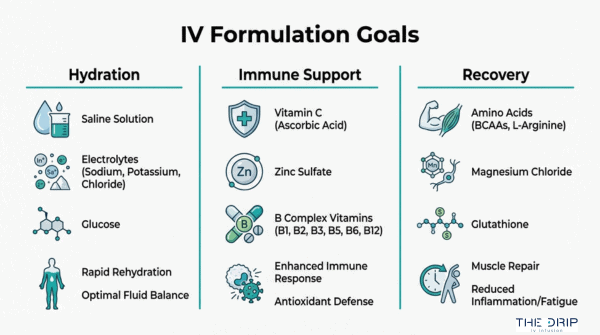
IV drip ingredients differ by treatment goal because each formulation targets specific physiological needs with a distinct combination of vitamins, minerals, amino acids, and medications. Two IV drips with the same name at different providers can contain entirely different ingredients, doses, and medications, since no industry-wide standardization exists for these formulations. The sections below break down common ingredient profiles for hydration, immune support, athletic recovery, hangover relief, weight management, and anti-aging drips.
What Ingredients Are in a Hydration IV Drip?
The ingredients in a hydration IV drip center on a normal saline or Lactated Ringer’s base solution paired with essential electrolytes. Normal saline (0.9% sodium chloride) expands intravascular volume without disturbing ion concentrations. Electrolytes typically added include:
- Sodium to restore extracellular fluid balance
- Potassium to support muscle and cardiac function
- Magnesium to aid ATP metabolism and neuromuscular activity
- Chloride to maintain osmotic pressure
Some hydration formulas also include a small dose of B-complex vitamins to support cellular energy production during recovery. This straightforward combination makes hydration drips one of the most versatile IV treatments available, serving as the foundation that more specialized formulations build upon.
What Ingredients Are in an Immune Support IV Drip?
The ingredients in an immune support IV drip typically combine high-dose vitamin C, zinc, B vitamins, and glutathione over a saline base. Vitamin C is the cornerstone; according to the NIH Office of Dietary Supplements, IV administration can produce plasma concentrations as high as 26,000 micromoles/L, far exceeding the 220 micromoles/L ceiling from oral dosing. Zinc serves as a cofactor for numerous enzymes involved in immune function and DNA synthesis. Glutathione, a critical antioxidant, detoxifies reactive oxygen species that accumulate during immune responses. B12 and B-complex vitamins round out most formulas by supporting white blood cell production and energy metabolism. For anyone dealing with seasonal illness or frequent travel, immune drips offer a concentrated nutrient delivery that oral supplements simply cannot match.
What Ingredients Are in an Athletic Recovery IV Drip?
The ingredients in an athletic recovery IV drip focus on replenishing electrolytes, reducing inflammation, and accelerating muscle repair. A typical formulation includes:
- Normal saline or Lactated Ringer’s for rapid rehydration
- Magnesium to support muscle relaxation and ATP production
- B-complex vitamins for aerobic energy metabolism
- Taurine, which helps regulate mitochondrial protein biosynthesis and restore mitochondrial function
- Amino blends containing compounds that aid tissue repair
Some athletic recovery drips also include Toradol (ketorolac) for short-term pain management after intense training. L-carnitine is another common addition; it plays a pivotal role in mitochondrial ATP production, making it particularly valuable for endurance athletes battling fatigue. This combination addresses both the immediate depletion and the delayed soreness that follow high-intensity physical activity.
What Ingredients Are in a Hangover Relief IV Drip?
The ingredients in a hangover relief IV drip combine aggressive rehydration with anti-nausea medication and nutrient replenishment. The saline base restores fluids lost through alcohol’s diuretic effect. Key additions include:
- Zofran (ondansetron), a selective 5-HT3 receptor antagonist that prevents nausea and vomiting
- Toradol (ketorolac) for headache and body ache relief
- B-complex vitamins, particularly B1 (thiamine), which alcohol consumption rapidly depletes
- Magnesium to calm muscle tension and support neurological function
- Glutathione to assist the liver in processing alcohol metabolites
Thiamine is especially critical here. It converts to thiamine pyrophosphate with magnesium as a cofactor, playing a major role in aerobic glucose metabolism. Hangover drips are arguably the most medication-forward IV formulation, and that distinction matters when choosing a qualified provider.
What Ingredients Are in a Weight Management IV Drip?
The ingredients in a weight management IV drip target metabolic support and fat utilization rather than direct weight loss. A standard formulation typically includes:
- L-carnitine, which shuttles fatty acids into mitochondria for energy conversion
- Lipo-C or Lipo-plus compounds containing methionine, inositol, and choline to support lipid metabolism
- B12 (methylcobalamin) to sustain energy levels during caloric restriction
- B-complex vitamins for metabolic enzyme function
- Taurine to assist with oxidative stress management
According to a 2023 review in Nutrients, L-carnitine administration has been suggested as a valuable adjunctive therapy for managing chronic fatigue symptoms, which often accompany calorie-restricted diets. Weight management drips work best as a complement to structured nutrition and exercise programs, not as standalone solutions.
What Ingredients Are in an Anti-Aging or Beauty IV Drip?
The ingredients in an anti-aging or beauty IV drip prioritize antioxidants and cellular repair compounds. Glutathione is the centerpiece, functioning as the body’s master antioxidant for skin brightening and detoxification. Additional ingredients commonly include:
- Vitamin C to support collagen synthesis and protect against oxidative damage
- Biotin for skin, hair, and nail health
- NAD+ (nicotinamide adenine dinucleotide), since declining NAD+ levels are associated with general aging, cognitive decline, and metabolic disorders
- Alpha-lipoic acid, a potent antioxidant that can increase glutathione levels
- Zinc and selenium for cellular protection
Beauty drips represent one of the fastest-growing categories in IV therapy. From a clinical perspective, the combination of glutathione with NAD+ offers a synergistic antioxidant effect that topical skincare products cannot replicate, making these formulations increasingly popular for proactive wellness strategies.
Are the Ingredients in IV Bags Safe and Regulated?
The ingredients in IV bags are safe when sourced from regulated facilities and administered by qualified professionals, though oversight varies depending on the type of preparation. FDA-approved manufactured IV solutions follow strict quality standards, while compounded formulations operate under a different regulatory framework.
According to the U.S. Food and Drug Administration, compounded drugs are not FDA-approved, meaning the FDA does not review these drugs to evaluate their safety, effectiveness, or quality before they reach patients. Section 503A of the FD&C Act provides exemptions that allow compounding pharmacies to prepare custom IV formulations without standard pre-market approval, current Good Manufacturing Practice requirements, or labeling with adequate directions for use.
The risks of inadequate oversight are well documented. In 2012, contaminated drugs compounded by a Massachusetts pharmacy led to more than 750 cases of infection and more than 60 deaths across 20 states. This incident underscores why sterile compounding standards matter. USP General Chapter 797 provides standards for compounding sterile preparations to prevent harm, including death, from microbial contamination, excessive bacterial endotoxins, or large content errors.
Consumers should understand that two IV drips with the same name at different providers can contain entirely different ingredients, doses, and medications, since no industry-wide standardization exists for these formulations. This inconsistency makes provider transparency essential. Reputable clinics disclose exact ingredients, source from USP 797-compliant pharmacies, and employ licensed medical professionals for administration.
For most people considering IV therapy, the single most important safety step is verifying that a provider uses compounding pharmacies adhering to USP 797 standards and staffs licensed nurses or medical practitioners. Regulatory frameworks exist to protect patients, but the responsibility to confirm compliance ultimately falls on both the provider and the informed consumer. Understanding how IV ingredients compare to oral alternatives further clarifies why delivery method matters.
How Do IV Drip Ingredients Compare to Oral Supplements?
IV drip ingredients compare to oral supplements primarily through differences in bioavailability, absorption speed, and achievable plasma concentrations.
Oral supplements must pass through the gastrointestinal tract, where stomach acid, enzymatic breakdown, and intestinal absorption limits reduce the amount that reaches the bloodstream. This first-pass metabolism can significantly lower the effective dose. IV delivery bypasses the digestive system entirely, sending nutrients directly into circulation at near-complete bioavailability.
The concentration gap between these two routes can be dramatic. According to the NIH Office of Dietary Supplements, oral vitamin C administration raises plasma concentrations to a maximum of only 220 micromoles/L, while intravenous vitamin C can produce plasma concentrations as high as 26,000 micromoles/L, levels that are selectively cytotoxic to tumor cells in vitro.
This distinction matters most for individuals with compromised gut absorption, acute nutrient deficiencies, or therapeutic goals requiring supraphysiological doses. For everyday maintenance in healthy individuals, oral supplements often provide adequate nutrient levels at lower cost. However, when rapid repletion or high-dose protocols are clinically indicated, IV administration achieves results that oral dosing simply cannot match.
Understanding this bioavailability advantage helps explain why customized IV formulations are growing in popularity for targeted wellness goals.
How Can Customized IV Drips Address Your Wellness Needs?
Customized IV drips address your wellness needs by matching specific ingredients, doses, and formulations to your individual health goals. The following sections cover how The Drip IV Infusion personalizes IV therapy and the key takeaways about IV bag ingredients.
Can The Drip IV Infusion Tailor IV Ingredients to You?
Yes, The Drip IV Infusion can tailor IV ingredients to you. Founded in Fall 2022 by professionals with decades of experience in nursing, emergency medicine, and IV medical techniques, The Drip IV Infusion offers a comprehensive menu of IV cocktails, specialty treatments, and customizable add-ons.
Available add-ons include Vitamin C, glutathione, B-complex vitamins, Vitamin B12, Vitamin D, magnesium, zinc, taurine, Toradol, Zofran, and N-acetyl cysteine (NAC), among others. Each infusion bypasses the GI tract for maximum absorption and immediate benefits. The Drip IV Infusion partners with each client to select the precise combination that supports their individual wellness goals, whether that involves immune support, athletic recovery, hydration, or anti-aging.
What Are the Key Takeaways About IV Bag Ingredients?
The key takeaways about IV bag ingredients are that every IV drip starts with a sterile base solution, contains carefully selected electrolytes, vitamins, minerals, and amino acids, and can include specialty additives tailored to specific health goals. According to Dr. Sunny Clinic, common consumer questions about IV therapy include “What are the benefits?”, “Is it safe?”, and “What ingredients are used?”, reflecting how central ingredient transparency is to informed decision-making.
Understanding what goes into your IV bag empowers you to ask the right questions and choose formulations aligned with your needs. Because no industry-wide standardization exists for wellness IV drips, knowing the role of each ingredient category is essential. For personalized guidance on which IV ingredients best match your wellness goals, The Drip IV Infusion can help you build the right drip.