IV therapy for muscle recovery is an intravenous infusion method that delivers hydration, vitamins, minerals, and amino acids directly into the bloodstream to accelerate post-exercise repair in athletes.
This guide covers how IV infusions work and why bypassing digestion matters, the specific recovery mechanisms activated by direct nutrient delivery, optimal nutrient profiles and timing protocols, comparisons with other popular recovery modalities, and safety considerations including anti-doping compliance.
Intravenous delivery achieves superior bioavailability by skipping the GI tract entirely, which proves critical after intense training when blood flow shifts away from the gut and oral absorption drops. IV hydration restores fluid balance significantly faster than drinking fluids, addressing the performance impairment that begins at just 2% body weight loss.
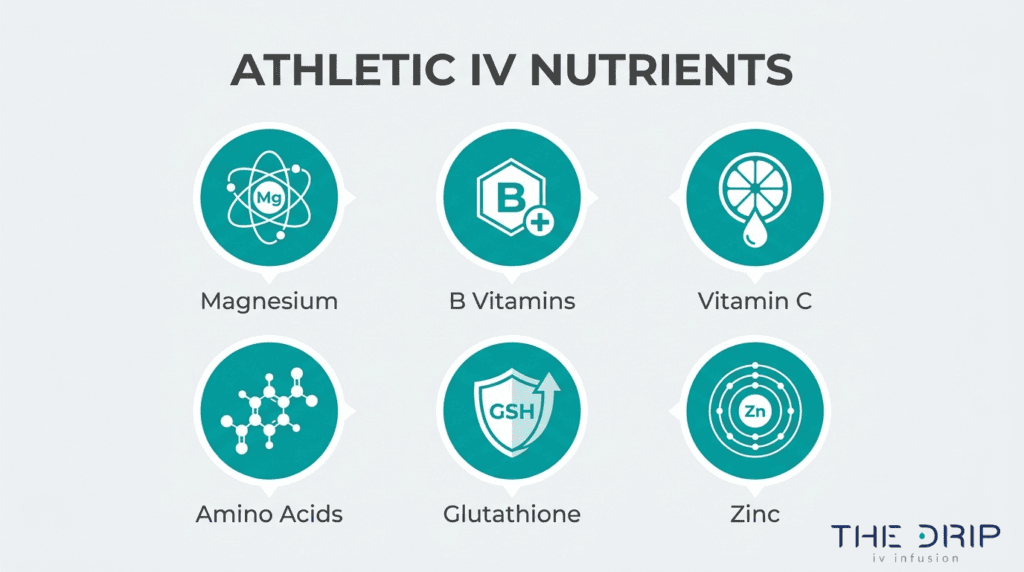
Athletic recovery drips combine magnesium (a cofactor in over 300 enzyme systems), vitamin C for oxidative stress reduction, amino acids for protein synthesis, glutathione for toxin removal, and zinc for hormone balance and tissue growth. Each nutrient targets a distinct repair pathway.
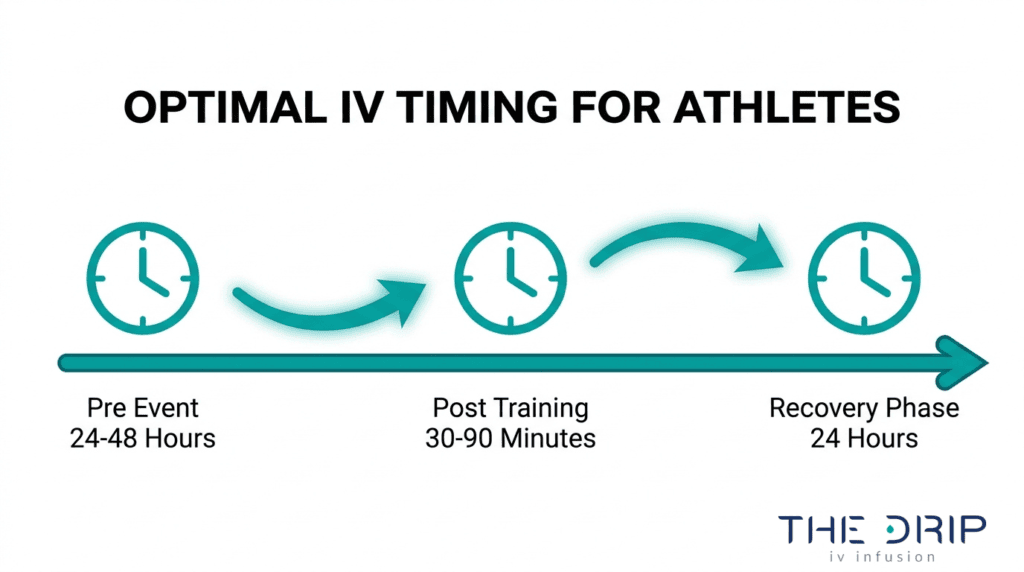
Post-training infusions work best within 30 to 90 minutes after exercise, when muscles are most receptive to nutrient uptake. Pre-event protocols 24 to 48 hours before competition establish optimal hydration and nutrient saturation before exertion begins.
Unlike ice baths and compression therapy, which manage pain and circulation locally, IV therapy restores what the body lost at a systemic level. Many athletes combine these modalities for comprehensive recovery that addresses both nutrient supply and mechanical repair.
WADA restricts infusions to 100 mL per 12-hour period for tested athletes, though recreational athletes face no volume limitations when working with qualified medical professionals.
What Is IV Therapy for Muscle Recovery?
IV therapy for muscle recovery is an intravenous infusion method that delivers hydration, vitamins, and minerals directly into the bloodstream to accelerate post-exercise repair. The following sections explain how this delivery method differs from oral supplements and why bypassing the digestive system matters for athletes.
How Does Intravenous Infusion Differ From Oral Supplements?
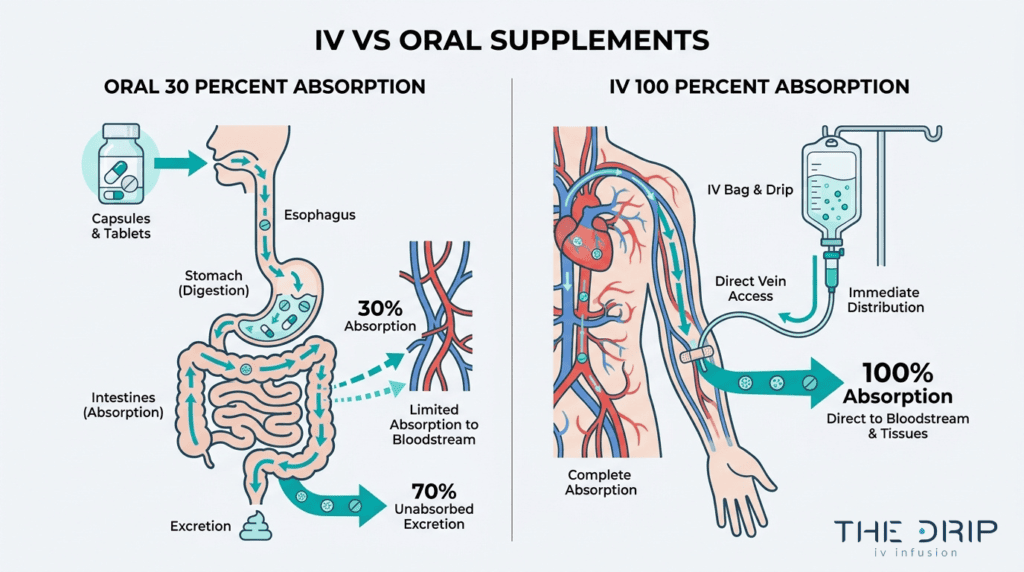
Intravenous infusion differs from oral supplements by delivering nutrients directly into systemic circulation, achieving superior bioavailability. Oral supplements must pass through the digestive system, where stomach acid, enzyme activity, and intestinal absorption limits reduce the fraction that reaches the bloodstream. According to the National Institutes of Health, a primary benefit of IV vitamin therapy is its superior bioavailability and absorption efficiency compared to oral routes.
This distinction matters most when athletes need rapid nutrient replenishment. Oral tablets may take hours to absorb partially, while an IV infusion provides near-complete delivery within the session itself. For time-sensitive recovery between training sessions, that difference in absorption rate becomes a practical advantage worth considering.
Why Does Bypassing the GI Tract Matter for Athletic Recovery?
Bypassing the GI tract matters for athletic recovery because it eliminates digestive barriers that slow nutrient uptake during the critical post-exercise window. After intense training, blood flow shifts away from the gut toward working muscles, which can impair oral absorption precisely when nutrient demand peaks. Intravenous rehydration skips the oropharyngeal reflex and the associated cascade of digestive enzymes and hormones entirely, as noted in Sports Health journal research.
IV hydration restores plasma volume rapidly, which supports cardiovascular and thermoregulatory function during recovery. For athletes managing tight competition schedules, this speed of systemic circulation absorption can mean the difference between adequate preparation and lingering fatigue.
Understanding how nutrients enter the bloodstream sets the foundation for examining which specific recovery mechanisms IV therapy activates in muscle tissue.
How Does IV Therapy Speed Up Muscle Recovery in Athletes?
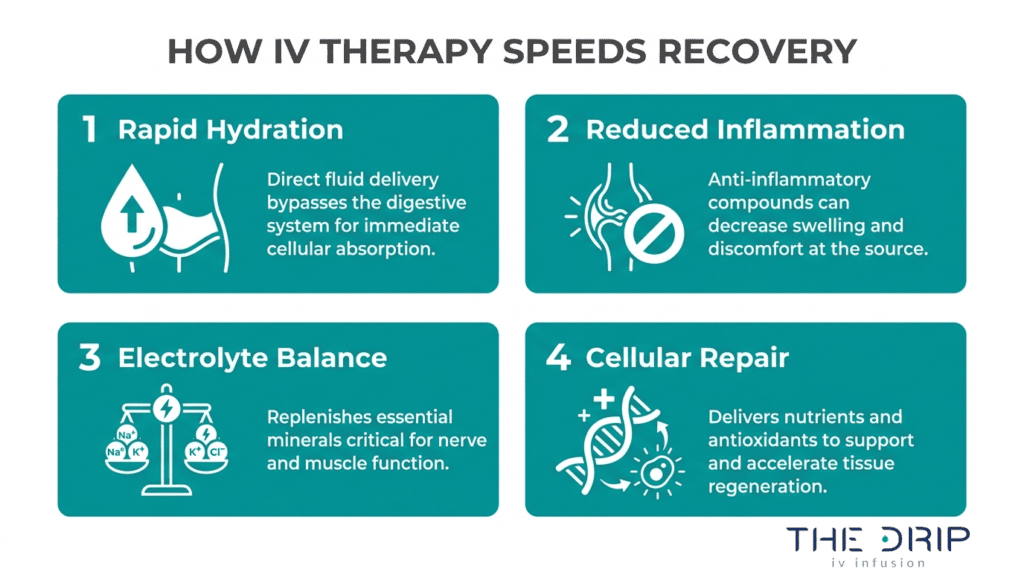
IV therapy speeds up muscle recovery by restoring fluid balance, delivering anti-inflammatory nutrients, replenishing electrolytes, and enhancing cellular repair through direct bloodstream access.
How Does IV Hydration Restore Fluid Balance After Training?
IV hydration restores fluid balance after training by delivering isotonic fluids directly into the bloodstream, bypassing digestive delays. Exercise performance declines when dehydration reaches just 2% of body weight, and losses exceeding 5% can decrease work capacity by up to 30%, according to Human Kinetics research. IV rehydration can restore fluid balance 3–4 times faster than oral methods, making it particularly valuable between closely spaced training sessions. This rapid plasma volume restoration supports cardiovascular and thermoregulatory function, both of which are compromised during intense exercise.
How Do IV Nutrients Reduce Inflammation and Muscle Soreness?
IV nutrients reduce inflammation and muscle soreness by delivering antioxidants and anti-inflammatory compounds at therapeutic concentrations directly to damaged tissue. Vitamin C, administered at doses of 200–1,000 mg daily, has been suggested to reduce muscle damage and oxidative stress in athletes. Prostaglandin E2 acts as a crucial inflammatory mediator of muscle stem cells, serving as the building blocks of muscle regeneration after exertion. Because IV delivery achieves higher plasma concentrations than oral intake, these nutrients can more effectively neutralize exercise-induced free radicals and modulate the inflammatory cascade responsible for delayed onset muscle soreness.
How Does IV Therapy Replenish Electrolytes Lost During Exercise?
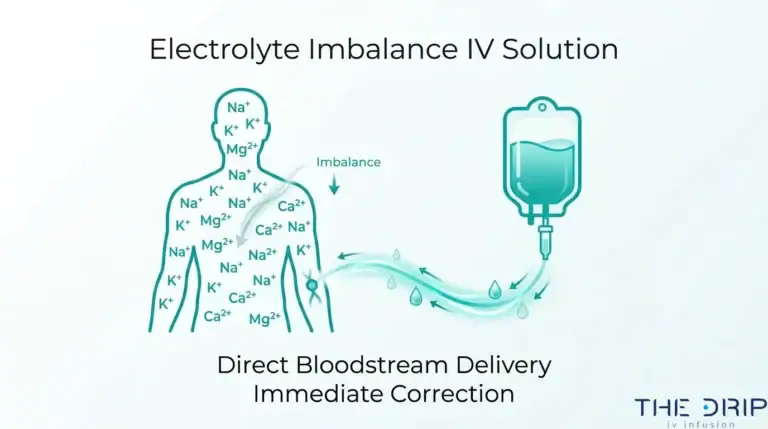
IV therapy replenishes electrolytes lost during exercise by infusing balanced mineral solutions that restore sodium, potassium, and magnesium levels simultaneously. According to the NIH Office of Dietary Supplements, magnesium is a cofactor in more than 300 enzyme systems regulating protein synthesis, muscle function, and nerve signaling. Hypohydration at 3–5% body mass loss also impairs cognitive performance and mood, compounding recovery challenges. Intravenous electrolyte delivery corrects these deficits without relying on gastrointestinal absorption, which can be compromised during or immediately after intense physical activity.
How Does Improved Cellular Delivery Accelerate Tissue Repair?
Improved cellular delivery accelerates tissue repair by ensuring nutrients reach muscle cells at concentrations sufficient to support protein synthesis and mitochondrial recovery. Intravenous delivery remains the standard for clinical redox restoration and mitochondrial repair because it achieves near-complete bioavailability. Zinc facilitates hormone balance and tissue growth, ensuring full muscle restoration after strenuous exercise. Glutamine supplementation has also been shown to improve fatigue markers by increasing glycogen synthesis and reducing ammonia accumulation. For athletes managing heavy training loads, this direct cellular access means repair processes begin sooner and proceed more efficiently than with oral supplementation alone.
With recovery mechanisms established, the specific nutrients powering these processes determine infusion effectiveness.
What Nutrients Are in an Athletic Recovery IV Drip?
The nutrients in an athletic recovery IV drip include magnesium, B-complex vitamins, vitamin C, amino acids, glutathione, and zinc. Each serves a distinct role in muscle repair, energy restoration, and oxidative stress reduction.
Magnesium
Magnesium is a cofactor in more than 300 enzyme systems that regulate protein synthesis, muscle function, nerve signaling, and blood glucose control, according to the National Institutes of Health Office of Dietary Supplements. For athletes, this mineral directly supports muscle contraction and relaxation cycles that govern post-exercise recovery. Depleted magnesium levels after intense training can contribute to cramping and prolonged soreness, making IV delivery particularly valuable when rapid replenishment is needed. Among all recovery nutrients, magnesium arguably offers the broadest physiological impact per milligram delivered.
B-Complex Vitamins
B-complex vitamins help athletes manage stress, aid in muscle recovery, and reduce fatigue that may adversely affect performance if left unaddressed, according to a 2023 NIH micronutrients review. These water-soluble vitamins, including B1, B2, B3, B5, B6, B7, B9, and B12, serve as coenzymes in energy metabolism pathways. Because the body cannot store them in large quantities, athletes with high metabolic demands benefit from consistent replenishment. IV delivery ensures full absorption without the gastrointestinal limitations that often reduce oral bioavailability.
Vitamin C
Vitamin C reduces muscle damage and oxidative stress in athletes at supplementation doses of 200 to 1000 mg per day, as noted in Louise Burke’s Clinical Sports Nutrition. This antioxidant neutralizes free radicals generated during high-intensity exercise, protecting muscle fibers from excessive post-workout breakdown. Intravenous delivery achieves plasma concentrations far beyond what oral intake allows, which amplifies its protective effects during the critical recovery window. For athletes training daily, this accelerated antioxidant support can meaningfully shorten the time between sessions.
Amino Acids
Amino acids are the building blocks of muscle protein synthesis and tissue repair after strenuous exercise. Glutamine supplementation specifically improved fatigue markers, including increased glycogen synthesis and reduced ammonia accumulation, according to a study published in the National Institutes of Health (PMC). IV amino acid blends bypass digestive breakdown, delivering intact compounds directly to damaged muscle tissue. This route proves especially beneficial when gut absorption is compromised by exercise-induced blood flow redistribution.
Glutathione
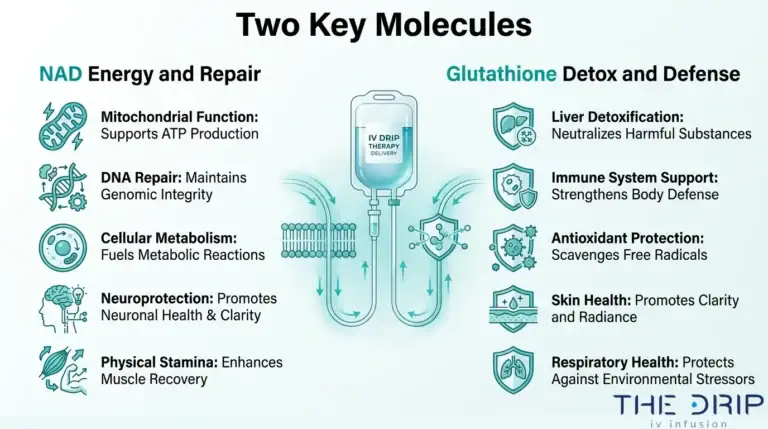
Glutathione is the body’s primary endogenous antioxidant, and IV glutathione therapy promotes overall health through removal of metabolic toxins accumulated during intense physical activity. Unlike oral supplementation, which faces significant degradation in the digestive tract, intravenous delivery maintains glutathione’s molecular integrity. Athletes generate substantial oxidative stress during training, and replenishing this tripeptide supports cellular repair processes that underpin muscular recovery. For those training at high volumes, glutathione represents an often-underutilized component of comprehensive recovery protocols.
Zinc
Zinc facilitates hormone balance and tissue growth, ensuring full muscle restoration after strenuous exercise. This essential trace mineral supports testosterone production, immune function, and the enzymatic processes required for protein synthesis in recovering muscle fibers. Athletes lose zinc through sweat at considerable rates during prolonged training, making targeted replenishment critical for maintaining anabolic capacity. When combined with the other nutrients in a recovery drip, zinc completes a synergistic formula designed to address multiple recovery pathways simultaneously.
With these nutrient roles established, timing your infusion correctly maximizes their recovery impact.
When Should Athletes Use IV Therapy for Muscle Recovery?
Athletes should use IV therapy for muscle recovery based on training phase, event timing, and sport type. The subsections below cover optimal post-training windows, pre-event preparation, and sport-specific scheduling for endurance and strength athletes.
How Soon After Intense Training Should You Get an IV?
You should get an IV within 30 to 90 minutes after intense training. Post-training infusions deliver nutrients during this window when muscles are most receptive to nutrient uptake, according to sports medicine research cited by Pliability. This period aligns with the body’s heightened demand for fluid restoration and micronutrient replenishment following exercise-induced depletion.
Waiting beyond this window still offers benefits, but the rate of cellular absorption decreases as the acute recovery phase closes. For athletes training multiple times per day, scheduling an infusion immediately after the first session helps restore fluid balance before the next bout.
How Does Pre-Event IV Therapy Prepare Muscles for Performance?
Pre-event IV therapy prepares muscles for performance by establishing optimal hydration status and nutrient saturation before exertion begins. Light hydration combined with electrolytes and B vitamins is typically administered 30 to 90 minutes before competition, according to New Wave Wellness protocols.
Many elite athletes use IV therapy 24 to 48 hours before major competitions to ensure peak nutrient levels at start time. This preloading strategy is particularly valuable because dehydration of just 2% of body weight impairs exercise performance, while losses exceeding 5% can decrease work rate by up to 30%. Pre-event infusions create a physiological buffer against early-onset fluid deficits.
When Should Endurance Athletes Schedule Recovery Infusions?
Endurance athletes should schedule recovery infusions within the first hour after prolonged efforts and again 24 to 48 hours before upcoming events during multi-day competitions. According to a study published in the Clinical Journal of Sport Medicine, 75% of NFL teams used pregame intravenous fluid administration, with an average of 5 to 7 players per team per game receiving infusions.
For marathon runners and cyclists, post-race infusions address the significant fluid and electrolyte losses accumulated over hours of sustained output. During stage races or tournament weekends, spacing infusions between competition days maintains consistent hydration and nutrient availability throughout the event block.
When Should Strength Athletes Schedule Recovery Infusions?
Strength athletes should schedule recovery infusions within 60 to 90 minutes after heavy lifting sessions, when damaged muscle tissue enters its peak repair phase. Unlike endurance athletes who prioritize fluid volume restoration, strength athletes benefit most from infusions rich in amino acids, magnesium, and zinc that support protein synthesis and tissue regeneration.
For powerlifters or bodybuilders following high-volume training blocks, scheduling infusions after the most demanding sessions of the week yields the greatest return. Pre-competition infusions 24 to 48 hours before events help maintain muscle fullness and cellular hydration without relying on large oral fluid volumes that may cause gastrointestinal discomfort.
With timing strategies established, comparing IV therapy to other recovery methods reveals where infusions fit within a complete athletic recovery protocol.
How Does IV Therapy Compare to Other Recovery Methods?
IV therapy compares to other recovery methods by offering faster nutrient delivery and hydration restoration, though each modality targets different aspects of recovery. The following subsections compare IV infusions to oral supplements, cold therapy, and mechanical recovery techniques.
How Does IV Therapy Compare to Oral Hydration and Supplements?
IV therapy compares to oral hydration and supplements primarily through delivery speed and bioavailability. Intravenous infusion bypasses the GI tract entirely, delivering nutrients directly into systemic circulation at near-100% absorption. Oral supplements must pass through digestive enzymes and intestinal absorption, which reduces their effective bioavailability.
According to a study published in Sports Health, intravenous rehydration is faster than oral rehydration because it bypasses the oropharyngeal reflex and the associated cascade of digestive hormones. IV hydration can restore fluid balance three to four times faster than drinking fluids. However, research published in PubMed notes that while rehydration is more rapid with IV fluid, the benefits are generally transient, with only small differences in recovery markers compared to oral methods.
For athletes needing rapid recovery between same-day sessions, this speed advantage is significant. For routine daily maintenance, oral hydration remains practical and sufficient.
How Does IV Therapy Compare to Ice Baths and Cryotherapy?
IV therapy compares to ice baths and cryotherapy by addressing different recovery mechanisms. Cold-water immersion and cryotherapy primarily reduce inflammation and perceived muscle soreness through vasoconstriction, while IV therapy replenishes fluids, electrolytes, and micronutrients depleted during exercise.
Research cited in the British Journal of Sports Medicine suggests that ice baths can decrease muscle soreness by up to 40% the day after intense exercise. Cold-water immersion holds an effectiveness rating of 4.3 out of 5 among athletes, according to Springer’s Sports Medicine journal. A PubMed study found that air cryotherapy was significantly more effective than cold-water immersion for promoting recovery of muscular strength and immediate power.
These modalities complement rather than replace each other. Cryotherapy manages pain and inflammation locally; IV therapy restores what the body lost systemically. Athletes seeking comprehensive recovery often combine both approaches.
How Does IV Therapy Compare to Compression and Massage?
IV therapy compares to compression and massage by operating at a systemic level rather than targeting specific muscle groups mechanically. Compression therapy and massage promote blood flow, reduce swelling, and break up fascial adhesions in localized tissues. IV infusion therapy delivers hydration and nutrients throughout the entire body simultaneously.
A comparative study on female collegiate athletes published through ProQuest found that massage therapy showed more effectiveness than cryotherapy for muscular recovery. Compression devices, including pneumatic boots, enhance lymphatic drainage and reduce delayed-onset muscle soreness through external mechanical pressure.
The key distinction is that compression and massage accelerate recovery by improving circulation to damaged tissue, while IV therapy ensures the blood flowing to those tissues carries optimal levels of electrolytes, amino acids, and vitamins. For athletes with limited recovery windows, combining IV nutrient delivery with mechanical therapies addresses both supply and circulation simultaneously.
Understanding how IV therapy stacks up against these methods helps athletes determine which combinations best suit their training demands.
What Types of Athletes Benefit Most From IV Recovery Drips?
IV recovery drips benefit endurance athletes, strength and power athletes, team sport athletes, and recreational athletes. Each group faces distinct recovery demands that IV therapy addresses differently.
How Does IV Therapy Help Endurance Athletes Recover?
IV therapy helps endurance athletes recover by rapidly restoring the significant fluid and electrolyte losses accumulated during prolonged activity. Marathoners, cyclists, and triathletes routinely lose 2–5% of body mass through sweat during extended efforts. Since dehydration exceeding 2% of body weight can decrease work rate by up to 30%, according to Human Kinetics research, fast rehydration becomes critical for athletes training on consecutive days. IV hydration restores plasma volume faster than oral intake alone, supporting cardiovascular and thermoregulatory function when the gut is too stressed from prolonged exertion to absorb fluids efficiently.
How Does IV Therapy Help Strength and Power Athletes Recover?
IV therapy helps strength and power athletes recover by delivering targeted nutrients that support muscle protein synthesis and reduce post-training inflammation. Powerlifters, Olympic weightlifters, and sprinters generate intense mechanical stress that creates significant microtrauma in muscle fibers. Magnesium, a cofactor in more than 300 enzyme systems regulating protein synthesis and muscle function according to the NIH Office of Dietary Supplements, plays a central role in this repair process. IV delivery of magnesium, zinc, and amino acids bypasses compromised gut absorption that often occurs after heavy training sessions, ensuring these repair-critical nutrients reach damaged tissue at therapeutic concentrations during the anabolic window.
How Does IV Therapy Help Team Sport Athletes Recover?
IV therapy helps team sport athletes recover by addressing the unique challenge of repeated high-intensity efforts combined with multi-day competition schedules. Soccer, basketball, and football players face back-to-back games where traditional recovery timelines are insufficient. A study published in the Clinical Journal of Sport Medicine found that 75% of NFL teams used pregame IV hyperhydration, with 5 to 7 players per team per game receiving intravenous fluid. For athletes navigating tournament formats with 24–48 hours between matches, IV therapy compresses the rehydration and nutrient replenishment timeline in ways oral methods struggle to match under such tight turnaround constraints.
How Does IV Therapy Help Weekend Warriors and Recreational Athletes?
IV therapy helps weekend warriors and recreational athletes recover by compensating for the inconsistent training patterns and limited recovery infrastructure that characterize non-professional sport participation. These athletes often compress intense physical activity into weekends without the progressive conditioning that builds resilience. Without dedicated sports medicine staff or optimized nutrition protocols, recreational athletes frequently experience more severe DOMS and prolonged fatigue. IV infusions containing B-complex vitamins, vitamin C, and electrolytes can accelerate the return to normal function, helping weekend athletes maintain their training consistency without the multi-day soreness that often discourages regular physical activity.
Understanding which athlete profile matches your recovery needs helps determine whether IV therapy fits your overall wellness strategy.
Is IV Therapy for Muscle Recovery Safe for Athletes?
IV therapy for muscle recovery is generally safe for athletes when administered by qualified medical professionals, though it carries specific risks and regulatory considerations. The following subsections cover potential side effects and anti-doping compliance.
What Are the Potential Side Effects of Athletic IV Infusions?
The potential side effects of athletic IV infusions include infection, thrombophlebitis, bleeding, hematoma, and soft tissue infiltration, according to a study published in Sports Health. These complications remain uncommon when a trained nurse uses sterile technique and proper protocols. High doses of certain nutrients, such as magnesium, can also lead to lowered blood pressure during infusion. A 2025 JAMA Internal Medicine study found that fewer than 1 in 4 IV therapy providers warned about potential side effects, which underscores the importance of choosing experienced practitioners who conduct thorough health screenings before each session.
Are IV Recovery Drips Compliant With Anti-Doping Regulations?
IV recovery drips are compliant with anti-doping regulations only when they stay within strict volume limits. The World Anti-Doping Agency (WADA) prohibits intravenous infusions exceeding a total of 100 mL per 12-hour period, except for those legitimately received during hospital treatments, surgical procedures, or clinical diagnostic investigations. Athletes subject to WADA testing must ensure each session remains under this threshold. Among 138 elite track and field athletes surveyed in a 2026 Frontiers in Sports and Active Living study, 56.5% reported IV administration of substances not prohibited by WADA, confirming widespread use within compliant parameters. Amateur and recreational athletes not governed by anti-doping bodies face no volume restrictions, though medical supervision remains advisable for any infusion protocol.
Understanding safety parameters helps athletes make informed decisions about integrating IV therapy into their recovery routines.
How Can Mobile IV Therapy Enhance Your Athletic Recovery Routine?
Mobile IV therapy can enhance your athletic recovery routine by delivering professional-grade hydration and nutrients directly to your home, eliminating travel time after exhausting training sessions. The following sections cover personalized athletic drips from The Drip IV Infusion and key takeaways about IV therapy for muscle recovery.
Can The Drip IV Infusion’s Personalized Athletic Drips Help You Recover Faster at Home?
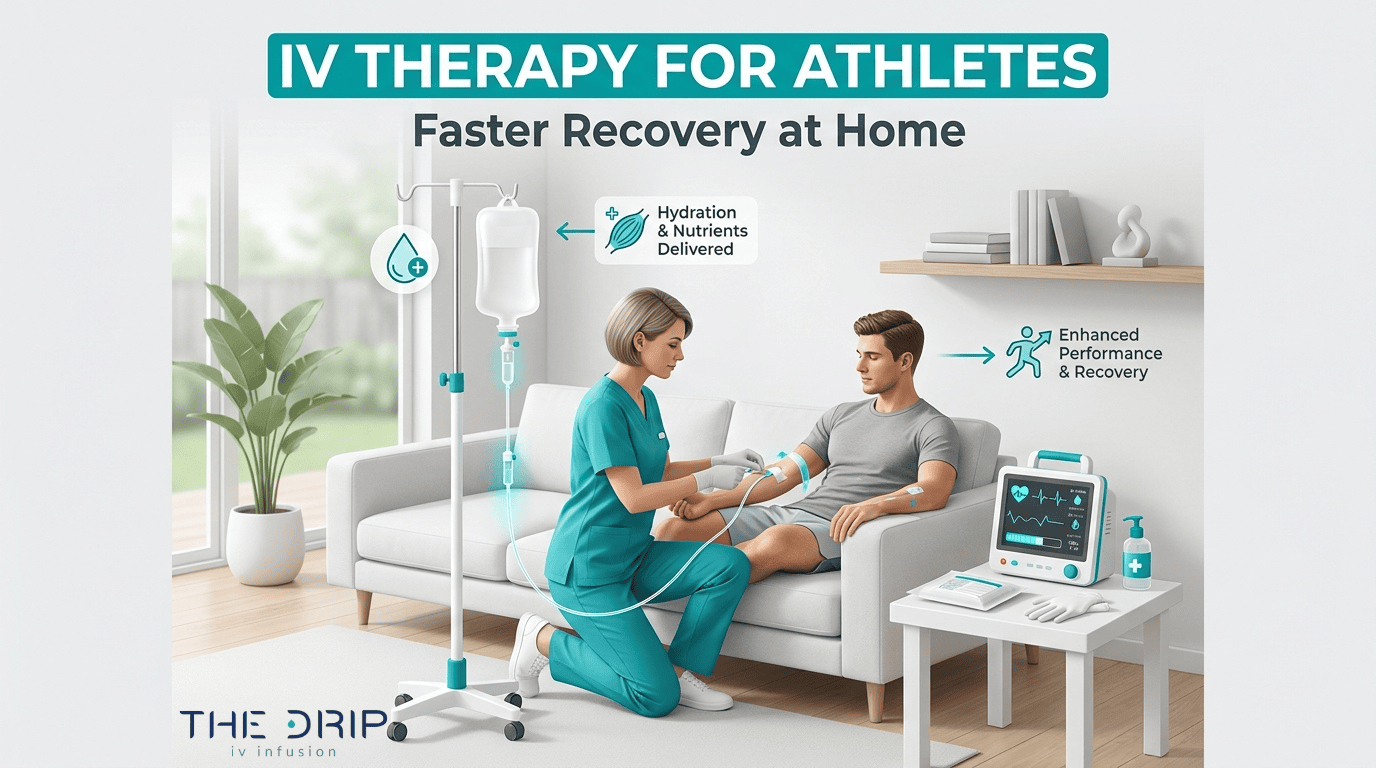
Yes, The Drip IV Infusion’s personalized athletic drips can help you recover faster at home by combining mobile convenience with customized nutrient formulations. Founded in Fall 2022 by professionals with decades of experience in nursing and emergency medicine, The Drip IV Infusion delivers infusions directly to your location in Arizona. Each session takes approximately one hour, and infusion specialists tailor blends using add-ons such as magnesium, amino acids, B-complex vitamins, glutathione, vitamin C, and zinc. According to Grand View Research, the U.S. mobile IV hydration therapy market was estimated at USD 568.5 million in 2024, reflecting growing demand for at-home recovery solutions. For athletes seeking to maximize their post-training recovery window without leaving home, this approach removes the barrier between finishing a workout and receiving targeted nutrient replenishment.
What Are the Key Takeaways About IV Therapy for Muscle Recovery?
The key takeaways about IV therapy for muscle recovery center on speed, nutrient precision, and proper timing:
- IV hydration restores fluid balance significantly faster than oral methods, which matters when dehydration of just 2% body weight impairs exercise performance.
- Bypassing the GI tract delivers nutrients like magnesium, vitamin C, amino acids, and glutathione at higher bioavailability for cellular repair and inflammation reduction.
- Post-training infusions are most effective within the 30 to 90 minute window when muscles are most receptive to nutrient uptake.
- Athletes should ensure IV volumes remain within WADA’s 100 mL per 12-hour limit if competing under anti-doping regulations.
- Mobile services like The Drip IV Infusion make recovery accessible at home, combining professional nursing expertise with personalized formulations tailored to individual training demands.