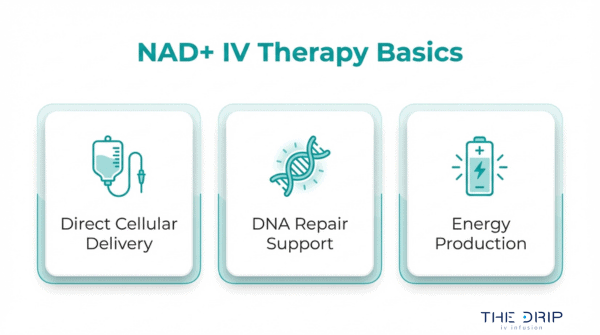
NAD+ IV therapy is a specialized intravenous treatment that delivers nicotinamide adenine dinucleotide directly into the bloodstream, replenishing a coenzyme essential for cellular energy production, DNA repair, and metabolic regulation.
This guide covers NAD+ biochemistry and age-related decline, how IV delivery works at the cellular level, documented therapeutic benefits, candidate profiles and session logistics, safety considerations and cost, delivery method comparisons, and provider selection.
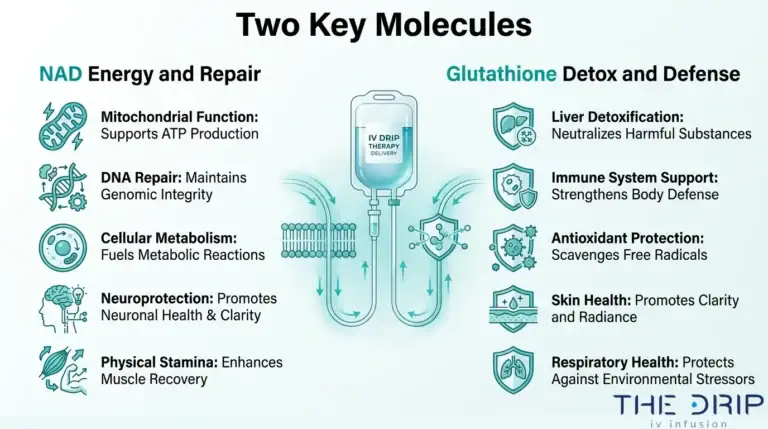
NAD+ exists in every living cell as part of a redox couple with its reduced form, NADH, powering ATP production through glycolysis and mitochondrial oxidative phosphorylation. As we age, increased activity of NAD+-consuming enzymes like CD38 depletes these reserves, accelerating mitochondrial dysfunction, chronic inflammation, and impaired DNA repair.
IV delivery bypasses digestive absorption entirely, achieving 100% initial bioavailability. Research shows a continuous 6-hour infusion can increase plasma NAD+ levels by 398%, with concentrations remaining elevated for hours afterward. This direct cellular access is what separates IV therapy from oral supplements and subcutaneous injections.
Documented benefits span anti-aging and longevity support, improved energy and mental clarity, addiction recovery assistance, athletic performance enhancement, neurological protection, and chronic fatigue relief. Clinical evidence shows NAD+ infusions can attenuate substance cravings and support mitochondrial repair in conditions characterized by premature aging.
Sessions typically last 4 to 8 hours, with loading phases of 4 to 6 infusions before transitioning to monthly or quarterly maintenance. Costs range from $200 to over $1,500 per session depending on dosage and protocol. Common side effects like nausea and flushing are mild, managed by slowing the drip rate.
Choosing a qualified provider requires verifying medical director oversight, nurse infusion credentials, and sterile, third-party tested formulations.
What Is NAD and How Does It Function in Your Body?
NAD is a coenzyme found in every living cell, essential for energy production, DNA repair, and cellular signaling. The following sections explain the difference between NAD and NAD+, why levels decline with age, and which biological processes depend on this molecule.
What Is the Difference Between NAD and NAD+?
The difference between NAD and NAD+ is their oxidation state. NAD refers to nicotinamide adenine dinucleotide as a general molecule, while NAD+ specifically designates the oxidized form. The reduced form, NADH, represents NAD after it has accepted electrons during metabolic reactions.
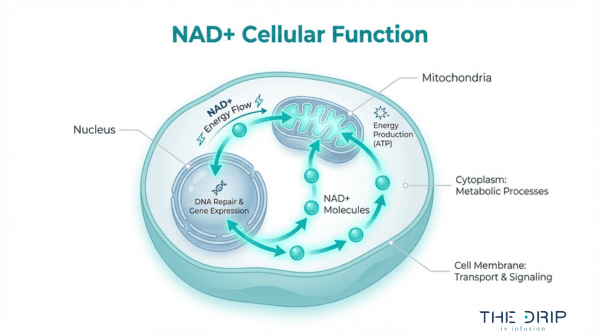
Together, NAD+ and NADH form a redox couple. When NAD+ gains electrons during processes like glycolysis, it becomes NADH. When NADH donates those electrons in the mitochondria to produce ATP, it reverts to NAD+. This constant cycling between oxidized and reduced states is what powers cellular energy metabolism. Most discussions about supplementation and IV therapy focus on restoring NAD+ levels, since the oxidized form is the active participant in hundreds of enzymatic reactions.
Why Do NAD+ Levels Decline as You Age?
NAD+ levels decline as you age primarily because NAD+-consuming enzymes become more active over time. According to a study published in Cell Metabolism, the age-related decline of NAD+ is primarily driven by increased activity of the enzyme CD38, which is required for subsequent mitochondrial dysfunction, often mediated through the regulation of SIRT3 activity.
This depletion affects multiple hallmarks of aging, including epigenetic modification, chronic inflammation, stress resistance, and mitochondrial homeostasis. As cells lose their NAD+ reserves, DNA repair slows, energy production falters, and inflammatory signaling increases. These compounding effects make NAD+ decline both a marker and a driver of biological aging. Restoring depleted levels, rather than simply accepting the decline, is what makes NAD+ supplementation a compelling area of research for age-related conditions.
What Biological Processes Depend on NAD+?
The biological processes that depend on NAD+ span nearly every major cellular function. NAD+ serves as a critical substrate for three key enzyme families:
- Sirtuins use NAD+ to regulate gene expression, DNA repair, and circadian rhythms.
- PARPs consume NAD+ to repair damaged DNA strands and maintain genomic stability.
- CD38 uses NAD+ for immune cell signaling and calcium regulation.
Beyond these enzyme-driven roles, NAD+ is essential for converting nutrients into ATP through glycolysis and mitochondrial oxidative phosphorylation. It also supports mitochondrial biogenesis, the process by which cells generate new mitochondria to meet energy demands. Without adequate NAD+, these processes slow, contributing to fatigue, cognitive decline, and accelerated aging. Understanding these foundational roles helps explain why replenishing NAD+ through IV therapy has gained clinical attention.
What Is a NAD+ IV Therapy Cocktail?
A NAD+ IV therapy cocktail is a specialized intravenous infusion that delivers nicotinamide adenine dinucleotide directly into the bloodstream alongside supportive nutrients. The following sections cover typical ingredients and how this cocktail differs from standard IV drips.
What Ingredients Are Typically in a NAD+ IV Drip?
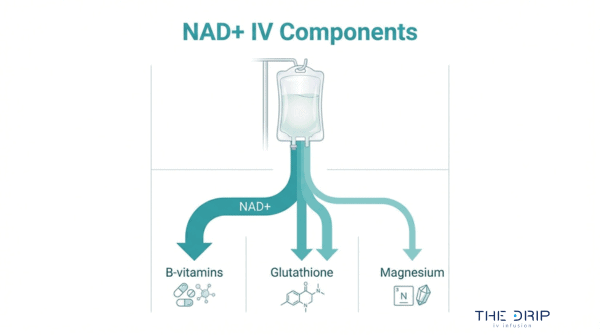
The ingredients typically in a NAD+ IV drip include NAD+ as the primary active compound, combined with supportive nutrients that enhance cellular function during the infusion. According to Olympia Pharmacy, typical NAD+ IV formulations may include B-complex vitamins, glutathione, and magnesium chloride to enhance energy metabolism and reduce oxidative damage.
Additional components vary by provider and protocol. Common additions include:
- Vitamin C for antioxidant protection
- Zinc for immune support
- Amino acid blends for tissue repair
- Saline solution as the base carrier fluid
Each ingredient serves a specific role in supporting how the body processes and utilizes the infused NAD+. Providers like The Drip IV Infusion also offer customizable add-ons, allowing clients to tailor the cocktail to individual health goals.
How Does a NAD+ IV Cocktail Differ From a Standard IV Drip?
A NAD+ IV cocktail differs from a standard IV drip in its primary active compound, session duration, and cost. Standard IV drips typically deliver hydration with vitamins and minerals, while NAD+ cocktails center on replenishing a specific coenzyme critical to cellular energy production and DNA repair.
Key differences include:
- Session length: NAD+ infusions require 4 to 8 hours; standard vitamin drips finish in 30 to 60 minutes.
- Complexity: NAD+ requires slower infusion rates to minimize side effects, whereas standard drips tolerate faster delivery.
- Pricing: According to California Infusion Centers, standard vitamin infusions in major markets range from $398 to $428, while NAD+ treatments cost significantly more.
The slower, more intensive nature of NAD+ infusions reflects the compound’s unique pharmacological profile. Understanding these session requirements helps set realistic expectations before booking treatment.
How Does NAD+ IV Therapy Work in Your Body?
NAD+ IV therapy works by delivering nicotinamide adenine dinucleotide directly into the bloodstream, bypassing digestive losses to rapidly restore cellular coenzyme levels. The following sections explain why IV delivery outperforms oral supplements and what occurs inside cells during an infusion.
Why Is IV Delivery More Effective Than Oral NAD+ Supplements?
IV delivery is more effective than oral NAD+ supplements because intravenous administration achieves 100% initial bioavailability by bypassing first-pass metabolism in the liver and gut. Oral precursors like NMN at doses up to 500 mg safely increase blood NAD+ levels, yet absorption remains limited by digestive breakdown. According to a 2024 medRxiv pharmacokinetic analysis, intravenous administration of NAD+ precursors like Nicotinamide Riboside reaches maximum plasma concentration at approximately 3 hours, while oral forms face significantly lower bioavailability due to first-pass metabolism.
Despite these pharmacokinetic advantages, large-scale, double-blind, placebo-controlled clinical trials directly comparing IV NAD+ to oral precursors for specific health outcomes remain lacking. For most people exploring NAD+ restoration, the IV route offers the most direct cellular delivery currently available.
What Happens at the Cellular Level During a NAD+ Infusion?
At the cellular level during a NAD+ infusion, the coenzyme rapidly enters circulation and fuels three critical pathways:
- Energy metabolism: NAD+ and its reduced form, NADH, form a redox couple essential for glycolysis and mitochondrial oxidative phosphorylation, directly powering ATP production.
- DNA repair: PARP1 consumes intracellular NAD+ when responding to DNA damage; replenishing NAD+ prevents the depletion that compromises damaged-cell survival.
- Gene regulation: Sirtuins, a family of NAD+-dependent deacetylases, act as metabolic sensors that link cellular energy status to aging, DNA repair, and circadian rhythm regulation.
According to NAD Research, Inc., a continuous intravenous infusion at 3 µmoles/min produces a 398% increase in plasma NAD+ levels by the end of a 6-hour session, with levels remaining elevated for at least two hours post-infusion. Formulations often include supportive ingredients such as B-complex vitamins, glutathione, and magnesium chloride to enhance energy metabolism and reduce oxidative stress during the session. Monthly or quarterly booster infusions are generally recommended after the initial loading phase to sustain these elevated cellular levels.
Understanding these cellular mechanisms helps clarify what specific benefits NAD+ IV therapy can deliver.
What Are the Benefits of NAD+ IV Therapy?
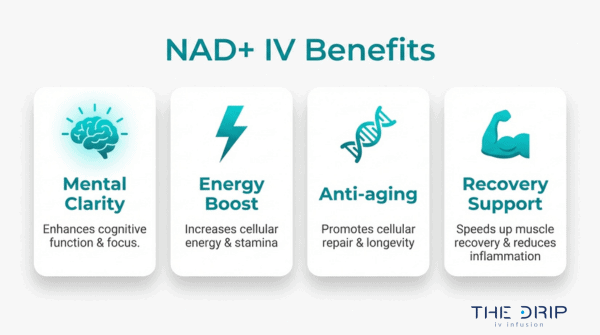
The benefits of NAD+ IV therapy span anti-aging support, improved energy, addiction recovery, athletic performance, neurological protection, and chronic fatigue relief. Each benefit connects to NAD+’s foundational role in cellular metabolism and repair.
How Does NAD+ IV Therapy Support Anti-Aging and Longevity?
NAD+ IV therapy supports anti-aging and longevity by replenishing the coenzyme that activates sirtuins, the proteins responsible for DNA repair, cellular stress resistance, and epigenetic regulation. As NAD+ levels decline with age, these protective mechanisms weaken, accelerating visible aging and metabolic deterioration.
By restoring NAD+ directly through intravenous delivery, cells regain the fuel needed to maintain mitochondrial function and combat oxidative damage. While interest in this application continues to grow, frequently asked questions on search engines, including “Does it work for anti-aging?” and “What are the long-term risks?”, reflect a gap in long-term safety data in current literature. Candidates with active cancer or kidney and heart conditions should consult a physician before treatment, as metabolic enhancement requires careful medical oversight.
How Does NAD+ IV Therapy Improve Energy and Mental Clarity?
NAD+ IV therapy improves energy and mental clarity by fueling mitochondrial ATP production and supporting neurotransmitter synthesis. Mitochondria depend on NAD+ to convert nutrients into usable cellular energy; when levels are restored, both physical stamina and cognitive sharpness can improve noticeably.
According to clinical trials published in Cell Cycle, NAD+ supplementation can improve double-strand break DNA repair and mitochondrial maintenance in patients with conditions characterized by premature aging. These same repair mechanisms underpin the mental fog and fatigue many people experience as NAD+ declines. For individuals struggling with brain fog or afternoon energy crashes, this cellular-level restoration often produces noticeable improvements that oral supplements alone may not match.
How Does NAD+ IV Therapy Aid Addiction and Substance Recovery?
NAD+ IV therapy aids addiction and substance recovery by restoring the cellular energetics that chronic substance use depletes. Alcohol, opioids, and other substances drain NAD+ reserves, impairing the brain’s ability to regulate mood, cravings, and withdrawal responses.
According to research published in Antioxidants, NAD+ therapy has been used clinically to influence the neurobiology of addiction, with evidence suggesting it can reduce cravings and withdrawal symptoms for substances like alcohol and opioids by restoring cellular energetics. Specialized addiction recovery protocols typically cost between $200 and $1,500 per session depending on dosage and protocol length. For many recovery programs, NAD+ infusions serve as a complementary tool alongside counseling and behavioral therapy rather than a standalone treatment.
How Does NAD+ IV Therapy Enhance Athletic Performance?
NAD+ IV therapy enhances athletic performance by accelerating cellular energy production and supporting faster muscle recovery after intense training. Athletes place extraordinary metabolic demands on their bodies, rapidly consuming NAD+ stores during prolonged exertion.
Replenishing NAD+ intravenously helps restore mitochondrial efficiency, reduce exercise-induced inflammation, and shorten recovery windows between training sessions. This can translate to better endurance, improved muscle repair, and more consistent output over demanding training cycles. For competitive athletes and high-level performers, the direct cellular replenishment that IV delivery provides makes it a practical recovery strategy alongside nutrition and rest protocols.
How Does NAD+ IV Therapy Support Neurological Health?
NAD+ IV therapy supports neurological health by maintaining the NAD+-dependent pathways that protect neurons from oxidative stress and degeneration. The brain consumes disproportionate amounts of energy relative to its size, making it highly vulnerable to NAD+ depletion.
Adequate NAD+ levels activate sirtuins and PARP enzymes that repair neuronal DNA damage, regulate neuroinflammation, and preserve synaptic function. These mechanisms are particularly relevant for individuals concerned about age-related cognitive decline or neurodegenerative conditions. While large-scale clinical trials remain limited, the biochemical rationale for NAD+’s neuroprotective role is well established, making it one of the more scientifically grounded applications of this therapy.
How Does NAD+ IV Therapy Help With Chronic Fatigue?
NAD+ IV therapy helps with chronic fatigue by directly addressing the mitochondrial dysfunction that often underlies persistent exhaustion. Chronic fatigue frequently stems from impaired cellular energy metabolism, where depleted NAD+ levels leave mitochondria unable to produce sufficient ATP.
Intravenous NAD+ bypasses digestive absorption barriers, delivering the coenzyme directly into the bloodstream where cells can immediately use it. Many chronic fatigue sufferers report improved stamina and reduced brain fog following infusion protocols. This benefit is particularly meaningful for individuals who have not responded adequately to conventional interventions, as the cellular-level restoration targets a root metabolic cause rather than masking symptoms.
With these wide-ranging benefits established, choosing the right candidate profile ensures optimal outcomes.
Who Is a Good Candidate for NAD+ IV Therapy?
A good candidate for NAD+ IV therapy includes healthy adults seeking optimization, older adults facing age-related decline, athletes pursuing faster recovery, and individuals in addiction recovery. The following sections break down each candidate profile.
Can Healthy Adults Benefit From NAD+ IV Therapy?
Yes, healthy adults can benefit from NAD+ IV therapy as a proactive wellness strategy. Even without a diagnosed condition, NAD+ levels naturally decrease with age, meaning adults in their 30s and 40s may already experience subtle dips in cellular energy production. Consistent NAD+ infusions support mitochondrial function, mental clarity, and sustained energy throughout demanding schedules.
According to a 2025 evidence review published by Empire On Demand, NAD+ IV therapy benefits are supported by emerging clinical data, though long-term studies remain limited. For healthy adults, the primary value lies in optimization rather than treatment. Maintenance infusions, typically scheduled monthly or quarterly, help sustain elevated NAD+ levels between sessions. This makes NAD+ IV therapy one of the more practical options for adults who want to stay ahead of age-related cellular decline rather than react to it after symptoms appear.
Is NAD+ IV Therapy Safe for Older Adults?
NAD+ IV therapy is generally safe for older adults when administered under proper medical supervision. Age-related NAD+ depletion accelerates mitochondrial dysfunction, making this population a particularly strong candidate for replenishment. Older adults often experience compounding benefits because their baseline NAD+ levels are significantly lower than younger individuals.
However, certain precautions apply. Patients with active cancer, kidney disease, or heart conditions require strict medical oversight before starting infusions, as metabolic enhancement could theoretically complicate these conditions. Slower infusion rates are typically recommended for older adults to minimize side effects such as nausea or chest tightness. A thorough health screening before the first session ensures the protocol is tailored appropriately. For aging adults without major contraindications, NAD+ IV therapy represents a meaningful tool for supporting cellular repair and energy metabolism.
Should Athletes Consider NAD+ IV Therapy for Recovery?
Yes, athletes should consider NAD+ IV therapy for recovery because it directly supports the cellular energy systems taxed during intense training. NAD+ fuels mitochondrial oxidative phosphorylation, the primary pathway muscles rely on for sustained energy output and post-exercise repair.
A study published in Pharmaceuticals found that NAD+ supplementation improved muscle strength and biogenesis in patients with mitochondrial myopathy, reaching levels comparable to healthy controls. While athletes are not myopathy patients, this finding underscores NAD+’s role in muscle-level cellular restoration. Recovery protocols often involve a short loading phase followed by periodic boosters aligned with training cycles. For competitive or high-volume athletes, NAD+ infusions can complement existing recovery strategies like nutrition and sleep by addressing energy restoration at the mitochondrial level.
Can People in Addiction Recovery Use NAD+ IV Therapy?
Yes, people in addiction recovery can use NAD+ IV therapy as a complementary treatment alongside conventional rehabilitation programs. NAD+ influences the neurobiology of addiction by restoring cellular energetics disrupted by chronic substance use, particularly alcohol and opioids.
A pilot study published in Clinical Practice and Epidemiology in Mental Health found that IV NAD+ infusions significantly attenuated substance craving behavior and psychiatric burden in patients undergoing treatment for substance use disorders. Specialized addiction recovery protocols typically involve higher doses and more frequent sessions during the initial phase, which can make them costlier than standard wellness infusions. NAD+ therapy does not replace counseling, behavioral therapy, or medical detox; rather, it addresses the biochemical dimension of recovery that other modalities may not reach. For individuals committed to a comprehensive recovery plan, NAD+ infusions offer a cellular-level support mechanism worth discussing with a treatment provider.
Understanding who qualifies for NAD+ IV therapy helps determine whether the treatment aligns with your specific health goals.
What Should You Expect During a NAD+ IV Therapy Session?
You should expect a medically supervised infusion lasting several hours, with sensations that vary by individual. The sections below cover session duration, how the drip feels, and how to prepare.
How Long Does a Typical NAD+ IV Infusion Take?
A typical NAD+ IV infusion takes between 4 and 8 hours per session, depending on the dosage administered. Protocols generally use doses ranging from 250 mg to 1,000 mg, with higher amounts requiring slower delivery rates to minimize discomfort. Most treatment plans begin with a loading phase of 4 to 6 infusions spread over 2 to 3 weeks before transitioning to maintenance visits.
According to Medica Depot, standard NAD+ IV infusion protocols recommend this loading phase structure, with session length adjusted based on individual tolerance.
A licensed physician or medical director must oversee each treatment in the United States, and registered nurses administer infusions under a medical order. Because sessions run considerably longer than standard vitamin drips, planning ahead for a half-day commitment is practical advice most first-time clients appreciate.
What Does a NAD+ IV Drip Feel Like During the Infusion?
A NAD+ IV drip feels different from standard hydration infusions because the molecule can produce noticeable physical sensations as it enters the bloodstream. Many recipients report warmth, mild chest tightness, slight nausea, or abdominal cramping, particularly when the infusion rate is too fast.
These sensations are not dangerous. Experienced infusion nurses manage discomfort by slowing the drip rate until symptoms subside. Most people find that once the pace is adjusted, the remainder of the session feels comfortable. Bringing a book, laptop, or other quiet activity helps pass the time, since sessions often span several hours. The intensity of sensations typically decreases with subsequent infusions as the body adjusts to the treatment.
How Should You Prepare Before a NAD+ IV Session?
You should prepare before a NAD+ IV session by focusing on hydration, nutrition, and scheduling. Proper preparation helps reduce side effects and supports a smoother infusion experience.
Key steps to take before your appointment include:
- Drink plenty of water in the 24 hours leading up to the session to support vein access and overall hydration.
- Eat a balanced meal 1 to 2 hours before arriving, since fasting can worsen nausea during the infusion.
- Avoid alcohol and caffeine on the day of treatment, as both can contribute to dehydration.
- Wear comfortable, loose-fitting clothing with easy arm access for IV placement.
- Clear your schedule for at least half a day, since sessions can last 4 to 8 hours.
- Bring entertainment or work materials, as extended sessions benefit from a distraction.
With session logistics covered, understanding how many treatments you need helps you plan the full course of therapy.
How Many NAD+ IV Therapy Sessions Do You Need?
The number of NAD+ IV therapy sessions you need depends on whether your goal is ongoing maintenance or acute recovery. Most protocols follow a structured loading phase before transitioning to periodic boosters.
How Often Should You Get NAD+ IV Therapy for Maintenance?
You should get NAD+ IV therapy for maintenance on a monthly or quarterly basis after completing an initial loading phase. Standard protocols recommend a loading phase of 4 to 6 infusions over 2 to 3 weeks, with individual sessions lasting between 4 and 8 hours depending on the dosage, which typically ranges from 250 to 1,000 mg.
Once that foundation is established, maintenance frequency depends on individual factors:
- General wellness: One session every 4 to 6 weeks sustains elevated cellular NAD+ levels.
- Anti-aging support: Monthly infusions help maintain consistent coenzyme availability for sirtuin activity and DNA repair.
- Cognitive performance: Quarterly boosters may suffice for individuals supplementing with oral precursors between sessions.
Skipping the loading phase and jumping straight to monthly sessions is a common mistake. Without that initial concentrated series, cellular NAD+ stores may not reach the threshold needed for noticeable results.
How Many Sessions Are Recommended for Acute Recovery?
The number of sessions recommended for acute recovery is typically 4 to 6 infusions administered over a compressed 2 to 3 week period. This intensive loading schedule applies to goals such as addiction recovery, severe fatigue, and post-illness restoration, where rapid cellular replenishment is the priority.
Acute recovery protocols often use higher doses closer to the 750 to 1,000 mg range per session. According to a study published in Clinical Practice and Epidemiology in Mental Health, IV NAD+ infusions significantly attenuated substance craving behavior and psychiatric burden in patients undergoing treatment for substance use disorders.
After completing the acute phase, transitioning to a maintenance schedule prevents NAD+ levels from dropping back to baseline. For most recovery-focused clients, this means monthly boosters for at least 3 to 6 months following the initial series.
With session frequency established, understanding potential side effects helps you prepare for what each infusion may involve.
What Are the Side Effects and Risks of NAD+ IV Therapy?
The side effects and risks of NAD+ IV therapy are generally mild and manageable when administered properly. Common reactions occur during the infusion itself, while certain medical conditions may make this therapy unsuitable.
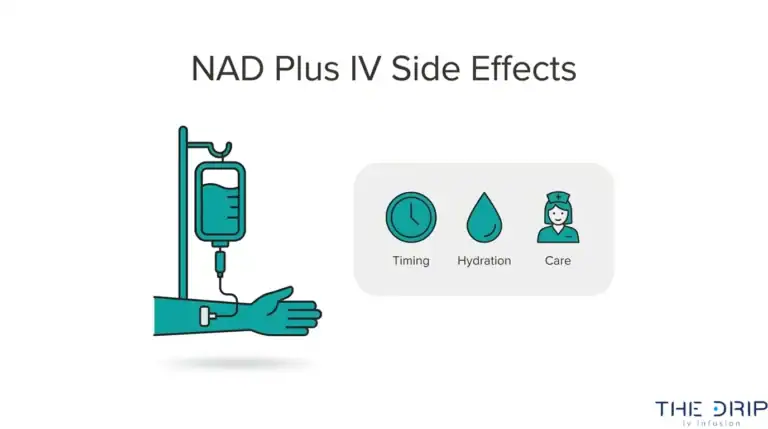
What Are the Common Side Effects During a NAD+ Infusion?
The common side effects during a NAD+ infusion include nausea, chest tightness, flushing, and abdominal cramping. These reactions are most frequently associated with a rapid infusion rate. According to Guidelines Health, these symptoms are typically managed by simply slowing the drip speed, which allows the body to process the NAD+ more gradually.
Most side effects resolve quickly once the rate is adjusted. Mild discomfort at the IV insertion site, lightheadedness, and temporary warmth through the body can also occur. Because NAD+ sessions often last several hours, maintaining a comfortable pace is essential. For most recipients, these reactions are transient and do not require stopping the infusion entirely. Communicating any discomfort to the administering nurse ensures the rate stays within a tolerable range throughout the session.
Who Should Avoid NAD+ IV Therapy?
Individuals with certain medical conditions should avoid NAD+ IV therapy or proceed only under strict physician supervision. Key contraindications include:
- Active cancer: Metabolic enhancement from elevated NAD+ could theoretically support tumor cell growth.
- Kidney disease: Impaired renal function affects how the body processes and eliminates infused compounds.
- Heart conditions: Cardiovascular complications may arise without careful monitoring during lengthy infusions.
- Pregnancy or breastfeeding: Insufficient safety data exists for these populations.
Anyone taking medications that affect cellular metabolism should consult their physician before scheduling a session. A thorough health screening before the first infusion is the most reliable way to identify potential risks. For individuals cleared by their provider, proper medical oversight during each session significantly reduces the likelihood of adverse events, making NAD+ IV therapy a well-tolerated option for most healthy adults.
Understanding these safety considerations helps you make an informed decision when exploring NAD+ IV therapy pricing.
How Much Does NAD+ IV Therapy Cost?
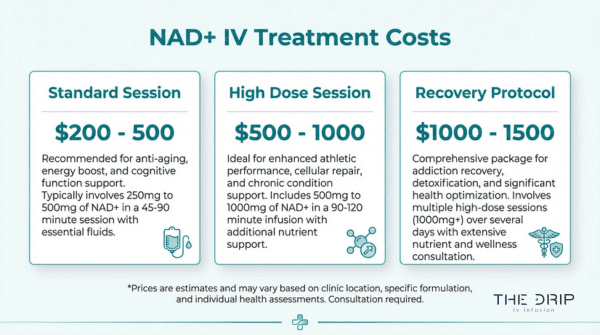
NAD+ IV therapy costs between $200 and $1,000 per session, with specialized protocols reaching higher price points. Several factors influence where a specific treatment falls within that range.
The primary cost drivers include dosage, session duration, and the type of protocol. Standard wellness infusions at lower doses (250 mg) sit at the lower end of the spectrum. Higher therapeutic doses (750–1,000 mg), which require longer infusion times of up to 8 hours, push costs toward the upper range. Addiction recovery protocols or intensive loading phases of 4–6 sessions over 2–3 weeks represent a significant cumulative investment.
According to Jinfiniti Precision Medicine, specialized addiction recovery protocols or higher-dose treatments can exceed $1,500 per single session. Concierge and mobile IV services often carry additional premiums for the convenience of at-home delivery.
Factors that influence total treatment cost include:
- Dosage level: Sessions using 250 mg cost less than those using 750–1,000 mg.
- Protocol type: Maintenance boosters are less expensive per visit than intensive loading phases.
- Service model: In-clinic visits are generally lower-priced than mobile or concierge options.
- Supportive ingredients: Adding glutathione, B-complex vitamins, or magnesium increases the session price.
- Geographic market: Providers in major metropolitan areas tend to charge more than those in smaller markets.
Monthly or quarterly maintenance infusions, recommended after an initial loading phase, add ongoing costs that clients should factor into their long-term budget. For most people seeking general wellness benefits rather than intensive recovery, a single monthly session at a moderate dose represents the most cost-effective approach. Understanding how NAD+ IV therapy compares to alternative supplementation methods can further clarify its value.
How Does NAD+ IV Therapy Compare to Other NAD+ Methods?
NAD+ IV therapy compares to other NAD+ methods by offering the highest bioavailability through direct bloodstream delivery, while oral supplements and subcutaneous injections provide more affordable, convenient alternatives with lower absorption rates. The sections below compare IV therapy to oral NMN/NR supplements and subcutaneous injections.
Is NAD+ IV Therapy Better Than Oral NMN or NR Supplements?
NAD+ IV therapy is better than oral NMN or NR supplements for rapid, high-dose NAD+ restoration because IV delivery bypasses the digestive system entirely. Oral supplements must pass through the gastrointestinal tract and liver, where first-pass metabolism significantly reduces the amount of NAD+ that reaches circulation.
Key differences include:
- Bioavailability: IV delivery achieves 100% initial bioavailability, while oral NMN and NR lose a substantial portion during digestion and liver processing.
- Speed of effect: IV infusions elevate plasma NAD+ levels within hours, whereas oral precursors require days to weeks of consistent dosing.
- Cost and convenience: Oral NMN supplements (up to 500 mg daily) are safe and effectively increase blood NAD+ levels at a fraction of the per-session cost of IV therapy.
- Accessibility: Supplements can be taken daily at home without medical supervision.
For individuals seeking consistent, moderate NAD+ elevation, oral precursors remain a practical daily option. However, when acute cellular replenishment is the goal, IV therapy delivers results that oral routes simply cannot match in a single session.
How Does NAD+ IV Therapy Compare to Subcutaneous Injections?
NAD+ IV therapy compares to subcutaneous injections primarily in absorption speed and session duration. IV infusions deliver NAD+ directly into the bloodstream for immediate systemic distribution, while subcutaneous injections deposit NAD+ into tissue beneath the skin, where it absorbs gradually over a longer period.
According to Valuates Reports, the global NAD+ IV treatment market was valued at approximately US $99 million in 2025 and is projected to reach US $171 million by 2032, growing at a CAGR of 8.3%, reflecting strong demand for intravenous delivery specifically.
Subcutaneous injections offer notable advantages in convenience: sessions take minutes rather than hours, can often be self-administered at home, and typically cost less per treatment. The trade-off is a slower, less predictable absorption curve compared to IV delivery. For most maintenance protocols, subcutaneous injections serve as a practical middle ground between daily oral supplements and full IV sessions.
With delivery methods clarified, choosing the right provider ensures safe, effective treatment regardless of the method selected.
What Should You Look for in a NAD+ IV Therapy Provider?
You should look for verified medical oversight, qualified nursing staff, and sterile third-party tested formulations. The sections below cover why clinical experience matters and which questions to ask before booking.
Why Does Nurse Experience and Medical Oversight Matter?
Nurse experience and medical oversight matter because NAD+ infusions require precise rate adjustments, vein access expertise, and real-time monitoring for adverse reactions. A nurse unfamiliar with infusion therapy may not recognize early signs of complications like chest tightness or flushing, which demand immediate rate changes.
According to guidance from the Rhode Island Department of Health, regulatory oversight for IV therapy businesses is primarily governed by state-level medical boards and nursing boards, which dictate the scope of practice for RNs, LPNs, and medical directors. This means every legitimate provider should operate under a licensed physician or medical director who authorizes treatment protocols.
When evaluating a provider, confirm that:
- A board-certified medical director supervises all infusion protocols.
- Registered nurses hold current licensure and specific training in IV catheter insertion and infusion management.
- The clinic follows state medical board regulations for scope of practice.
Providers who lack this structure introduce unnecessary risk into a procedure that, when properly administered, carries a strong safety profile.
What Questions Should You Ask Before Booking a Session?
The questions you should ask before booking a session focus on three areas: clinical credentials, formulation quality, and safety protocols.
- Who is your medical director, and are they actively involved in treatment oversight? A named, reachable physician signals accountability.
- What certifications do your nurses hold in infusion therapy? Look for RNs with specific IV administration training beyond basic nursing licensure.
- Are your NAD+ formulations third-party tested for sterility and purity? Sterile, independently verified compounds reduce contamination risk significantly.
- What is your protocol if a patient experiences side effects mid-infusion? Credible providers have documented emergency response procedures.
- Do you conduct a health intake or require lab work before the first session? Pre-screening identifies contraindications such as active cancer or kidney conditions.
Any provider hesitant to answer these questions directly is worth reconsidering. With a clear checklist for vetting providers, exploring how mobile NAD+ IV therapy adds convenience becomes the next step.
How Can Mobile NAD+ IV Therapy Enhance Your Experience?
Mobile NAD+ IV therapy can enhance your experience by bringing medically supervised infusions directly to your home, eliminating travel and clinic wait times. The following sections cover how The Drip IV Infusion delivers this service and the essential takeaways about NAD+ IV therapy.
Can The Drip IV Infusion’s NAD+ Therapy Help You at Home?
Yes, The Drip IV Infusion’s NAD+ therapy can help you at home. As a mobile IV therapy service founded by professionals with decades of experience in nursing, emergency medicine, and IV medical techniques, The Drip IV Infusion brings NAD+ infusions directly to your preferred location in Arizona.
NAD+ sessions typically last several hours, making home delivery especially practical. Rather than spending that time in a clinic, clients can relax, work, or rest in familiar surroundings while receiving their infusion. According to Pabau, a licensed physician or medical director is required to oversee IV therapy treatments in the United States, and registered nurses must have a medical order to administer infusions. The Drip IV Infusion meets these standards with experienced nursing staff who manage every session on-site.
This combination of clinical-grade oversight and home convenience makes mobile NAD+ therapy one of the most comfortable ways to maintain a consistent infusion protocol.
What Are the Key Takeaways About NAD+ IV Therapy?
The key takeaways about NAD+ IV therapy center on its direct cellular delivery, broad wellness applications, and the importance of qualified medical supervision.
- NAD+ IV therapy bypasses the digestive system, delivering the coenzyme directly into the bloodstream for immediate cellular availability.
- Documented applications include anti-aging support, energy and mental clarity improvement, addiction recovery assistance, athletic performance enhancement, and neurological health.
- Sessions typically require 4 to 8 hours per infusion, with loading phases of 4 to 6 sessions followed by monthly or quarterly maintenance.
- Common side effects like nausea and flushing are generally mild and managed by adjusting the infusion rate.
- Provider selection should prioritize verified medical oversight, experienced infusion nurses, and sterile, third-party tested formulations.
According to AboutNAD, provider selection criteria for NAD+ IV therapy should include verification of medical oversight, nurse qualifications in infusion therapy, and the use of sterile formulations to minimize contamination risk. For anyone considering this therapy, choosing a qualified provider is just as important as the treatment itself. The Drip IV Infusion combines mobile convenience with the clinical standards that make NAD+ IV therapy both safe and effective.