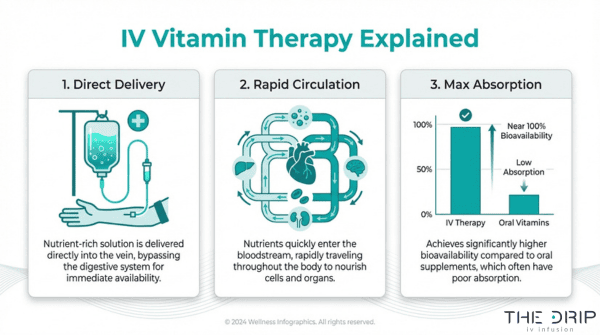
IV vitamin therapy is a medical technique that delivers vitamins, minerals, and micronutrients directly into the bloodstream through an intravenous line, bypassing the digestive system to achieve significantly higher nutrient bioavailability than oral supplements.
This guide covers how IV delivery works and what the science actually supports, who benefits most from specific infusion types, the real risks and safety considerations, and how IV therapy compares to oral supplementation in practice.
IV delivery achieves near-complete absorption because it skips the gastrointestinal tract entirely. For vitamin C alone, intravenous administration produces roughly six times the peak plasma concentration of an identical oral dose, a difference that matters most when therapeutic levels are the goal.
The clinical evidence is strongest for targeted medical applications. Pilot studies show the Myers’ Cocktail significantly improving fibromyalgia symptoms, while high-dose vitamin C reaches antitumor concentrations impossible through oral dosing. For healthy individuals with normal nutrient levels, however, major medical institutions acknowledge the evidence for routine wellness infusions remains limited.
Practical benefits emerge most clearly for dehydration recovery, immune support during acute illness, and athletic recovery, where IV fluids restore electrolyte balance two to three times faster than oral rehydration. Chronic fatigue, anti-aging, and weight management represent growing use cases, though results depend heavily on individual nutrient status.
Safety varies with provider quality. Documented risks include infection, allergic reactions, and fluid overload, particularly for people with heart or kidney conditions. Choosing licensed medical professionals and completing a health screening before any infusion reduces complications significantly.
What Is IV Vitamin Therapy?
IV vitamin therapy is a medical technique that delivers vitamins, minerals, and other micronutrients directly into the bloodstream through an intravenous line. The sections below explain how this delivery method works and which nutrients are most commonly infused.
How Does IV Vitamin Therapy Deliver Nutrients to the Body?
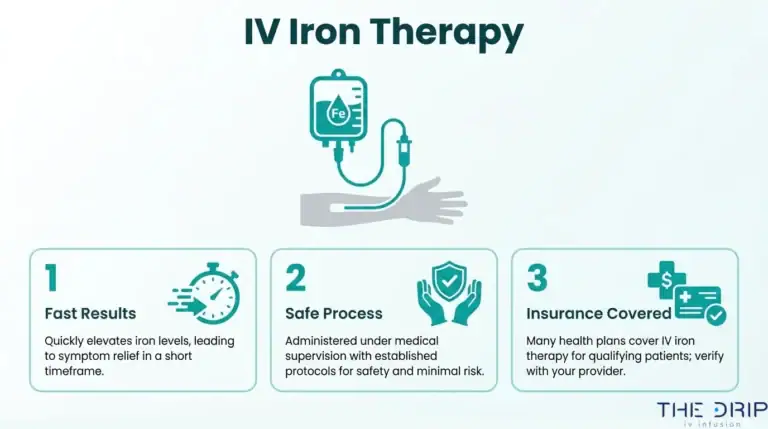
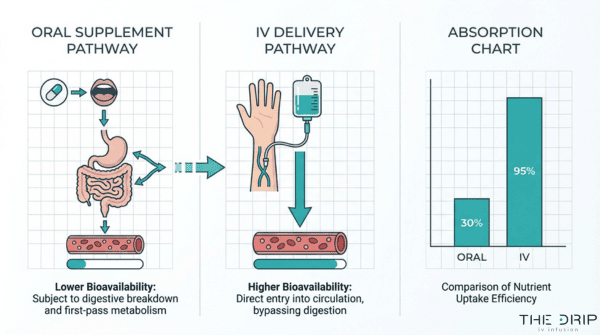
IV vitamin therapy delivers nutrients to the body by infusing them directly into the bloodstream through a catheter placed in a vein. This process bypasses the gastrointestinal tract entirely, ensuring higher bioavailability and targeted nutrient replenishment, according to a review published in Cureus.
Because oral digestion limits how much of a given vitamin actually reaches circulation, intravenous delivery allows near-complete absorption. While newer liposomal formulations can enhance oral absorption of compounds like vitamin C to approximately 70–90%, standard oral supplements still fall well below that range. The technique itself has deep clinical roots; modern IV therapy was significantly refined during World War I and II to meet the urgent need for rapid fluid and medication delivery on the battlefield. That wartime innovation laid the groundwork for today’s elective wellness infusions.
What Vitamins and Nutrients Are Commonly Used in IV Therapy?
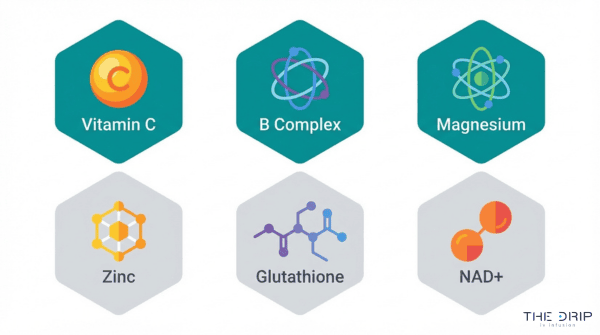
The vitamins and nutrients commonly used in IV therapy include a core group of micronutrients selected for their roles in energy production, immune function, and cellular repair:
- Vitamin C supports immune defense and acts as a potent antioxidant.
- B-complex vitamins are essential for the methylation cycle, DNA synthesis, and phospholipid maintenance.
- Magnesium combats fatigue, enhances cognitive function, and supports metabolic health.
- Zinc contributes to immune regulation and wound healing.
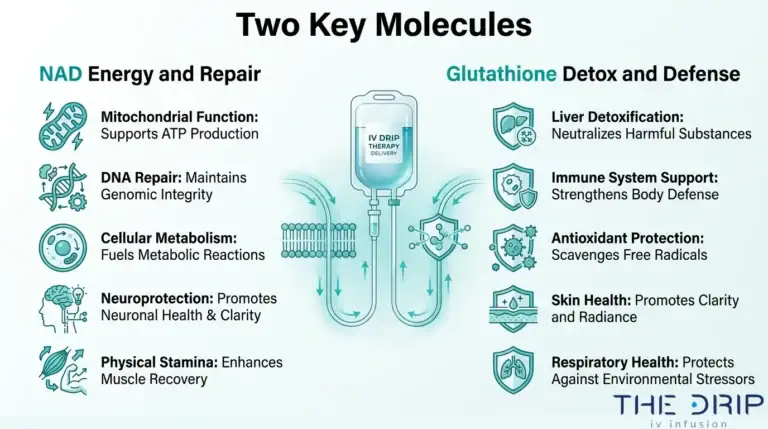
- Glutathione serves as the body’s primary intracellular antioxidant.
- NAD+ plays a central role in cellular energy production and DNA repair.
- Amino acid blends provide building blocks for protein synthesis and muscle recovery.
Most IV formulations combine several of these nutrients into a single infusion, tailored to specific wellness goals. Understanding which nutrients are available sets the stage for evaluating what clinical research says about their effectiveness.
What Does the Science Say About IV Vitamin Therapy?
The science behind IV vitamin therapy shows promising results for specific medical conditions, though evidence for general wellness use in healthy individuals remains limited. Below, clinical evidence, expert criticism, and absorption research clarify what current studies support.
What Clinical Evidence Supports IV Vitamin Infusions?
Clinical evidence supporting IV vitamin infusions is strongest for targeted medical applications rather than broad wellness claims. Dr. John Myers, a Maryland physician, began using intravenous vitamin-and-mineral formulas in the mid-20th century to treat a wide range of clinical conditions, establishing the foundation for modern IV nutrient therapy.
Since then, research has explored specific therapeutic uses:
- A systematic review of glutathione for Parkinson’s disease found it may mildly improve motor scores, though evidence for significant clinical benefit remains doubtful.
- IV NAD+ therapy is being investigated for its potential to influence addiction neurobiology by restoring cellular energy.
- High-dose IV vitamin C produces plasma concentrations that may have antitumor activity, unachievable through oral dosing.
However, the American College of Clinical Pharmacology notes that companies often advertise IV infusions for immune boosting and energy without sufficient clinical data to support these claims for healthy individuals. The gap between clinical and wellness applications is where most of the scientific debate lives.
What Do Critics and Skeptics Say About IV Therapy?
Critics and skeptics say IV therapy lacks sufficient evidence to justify its widespread wellness marketing. Dr. Donald Hensrud of the Mayo Clinic states there is limited evidence that IV vitamins provide benefit to people with normal nutritional intake and levels.
Professor Stephen Powis, NHS National Medical Director, has criticized “party drips” as exploitative, noting there is no evidence they cure hangovers and warning of risks like liver damage. The FDA has also expressed concerns about compounding drug products in unregulated medical offices under insanitary conditions.
For most healthy individuals already meeting their nutritional needs through diet, the scientific case for routine IV vitamin infusions remains weak. That said, dismissing all IV therapy overlooks legitimate clinical scenarios where intravenous delivery is medically necessary.
What Does Research Show About IV Absorption vs Oral Supplements?
Research shows IV absorption delivers significantly higher nutrient bioavailability than standard oral supplements. According to a study published in the Annals of Internal Medicine, IV administration of vitamin C at a 1.25 g dose produces mean peak plasma concentrations of 885 micromol/L, compared to just 134.8 micromol/L for the same oral dose.
This difference matters most when high therapeutic concentrations are required, such as in oncology or acute deficiency correction. Oral digestion limits how much the body can absorb at once due to intestinal transport saturation.
Newer oral technologies are narrowing this gap. Liposomal formulations can enhance oral absorption of certain compounds like vitamin C to approximately 70–90%, approaching IV-level bioavailability. For individuals without severe deficiencies or specific medical needs, advanced oral options may offer a practical alternative worth discussing with a healthcare provider.
Who Can Benefit from IV Vitamin Therapy?
IV vitamin therapy can benefit people dealing with dehydration, immune challenges, athletic fatigue, chronic low energy, skin concerns, and weight management goals. The following subsections break down how IV therapy applies to each use case.
Does IV Vitamin Therapy Work for Dehydration and Hangover Recovery?
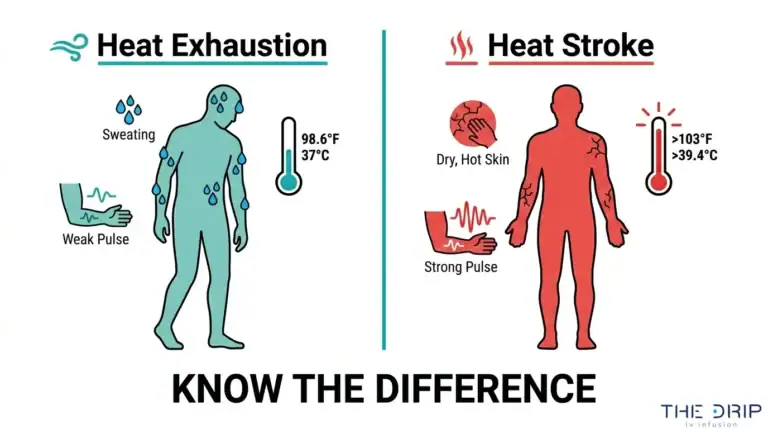
IV vitamin therapy works for dehydration by delivering fluids and electrolytes directly into the bloodstream, bypassing the digestive system entirely. This makes it particularly effective when nausea or vomiting prevents adequate oral intake. According to Pure IV Nevada, some studies report up to 30% faster recovery from dehydration-related symptoms when using IV fluids compared to oral rehydration in extreme physical exertion cases.
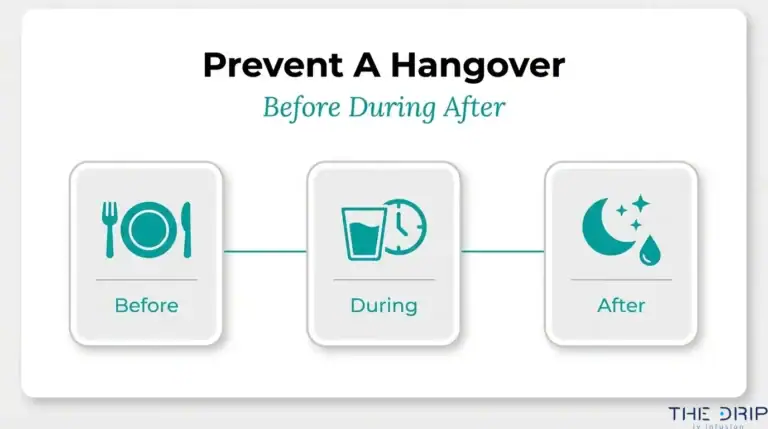
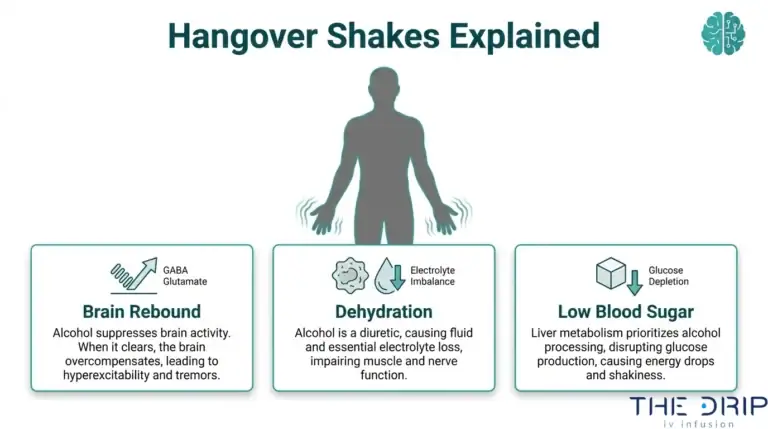
For hangover recovery, IV infusions address multiple symptoms simultaneously, including headache, nausea, and fluid loss. While clinical evidence for hangover-specific benefits remains limited, the rapid rehydration mechanism explains why many recipients report noticeable relief within a single session.
Does IV Vitamin Therapy Work for Immune Support and Illness Recovery?
IV vitamin therapy works for immune support by delivering high concentrations of vitamins C, zinc, and B-complex directly to cells involved in immune response. This direct delivery ensures nutrients reach therapeutic levels faster than oral supplementation allows, which matters most during acute illness when the body’s demand for micronutrients spikes.
Magnesium, often included in immune-focused IV formulations, helps combat fatigue, enhance cognitive function, and support overall metabolic health. For individuals recovering from viral infections or seasonal illness, this combination of nutrients can replenish what the body has depleted. Immune support remains one of the most practical applications of IV therapy, especially for those whose digestive absorption is already compromised by illness.
Does IV Vitamin Therapy Work for Athletic Performance and Recovery?
IV vitamin therapy works for athletic performance and recovery by restoring fluids, electrolytes, and micronutrients depleted during intense training. According to the Journal of the International Society of Sports Nutrition, IV hydration therapy restores electrolyte balance 2 to 3 times faster than oral rehydration in certain athletic recovery scenarios.
The performance side is more nuanced. In athletic trials, hypervolemic states achieved through IV fluids showed improved cycling time trial performance, but no significant difference was seen between different hyperhydrated states. This suggests IV therapy’s primary athletic value lies in recovery speed rather than direct performance enhancement. For serious athletes managing tight training schedules, that faster recovery window can be the difference between adequate preparation and overtraining.
Does IV Vitamin Therapy Work for Chronic Fatigue and Low Energy?
IV vitamin therapy works for chronic fatigue and low energy by replenishing nutrients essential to cellular energy production, including B vitamins, magnesium, and amino acids. When these nutrients are delivered intravenously, they bypass absorption barriers that often contribute to persistent fatigue in the first place.
According to a study published in Pharmaceuticals, intravenous NAD+ therapy is being investigated for its ability to restore cellular energy and may even influence the neurobiology of addiction. NAD+ plays a central role in mitochondrial function, making it a compelling option for individuals whose fatigue stems from impaired cellular metabolism. For those who have tried oral supplements without meaningful improvement, IV delivery offers a more direct pathway to results.
Does IV Vitamin Therapy Work for Anti-Aging and Skin Health?
IV vitamin therapy works for anti-aging and skin health by delivering antioxidants like glutathione and vitamin C at concentrations that oral supplements cannot match. Glutathione, often called the body’s master antioxidant, helps neutralize free radicals that accelerate cellular aging and skin damage.
Vitamin C supports collagen synthesis, which maintains skin elasticity and firmness. When combined in an IV formulation, these nutrients work synergistically to address oxidative stress from within. Growing global demand reflects this trend; Asia Pacific has become the fastest-growing region for IV hydration therapy due to rising health awareness. While anti-aging IV treatments will not replace topical skincare or sun protection, they address skin health at a cellular level that creams alone cannot reach.
Does IV Vitamin Therapy Work for Weight Loss Support?
IV vitamin therapy works for weight loss support as a complementary tool, not a standalone solution. Infusions containing lipotropic compounds like methionine, inositol, and choline help the body metabolize fat more efficiently. B vitamins included in these formulations support energy production, which can improve exercise capacity and reduce the fatigue that often derails weight loss efforts.
IV therapy does not directly cause weight loss. Instead, it optimizes the metabolic conditions that make diet and exercise more effective. For individuals already committed to a structured weight management plan, targeted IV infusions can help close nutritional gaps that slow progress. Understanding specific risks and contraindications helps determine whether IV therapy suits your health profile.
What Are the Most Popular Types of IV Vitamin Drips?
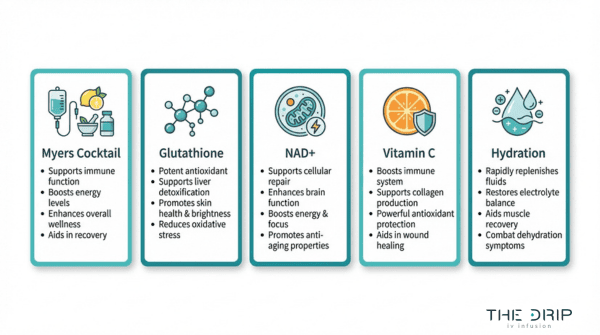
The most popular types of IV vitamin drips include the Myers’ Cocktail, glutathione IV, NAD+ therapy, high-dose vitamin C, and hydration/electrolyte formulas. Each targets different wellness goals.
Myers’ Cocktail
The Myers’ Cocktail is a foundational IV drip containing magnesium, calcium, B vitamins, and vitamin C. Dr. John Myers originally developed this formula to address a range of clinical conditions, and it remains the most widely recognized IV vitamin infusion today.
A placebo-controlled pilot study published in the Journal of Alternative and Complementary Medicine found that among 34 adults with fibromyalgia, the Myers’ Cocktail group experienced significantly improved tender points, pain, depression, and quality of life directly following treatment (p ≤ 0.02). This combination of nutrients makes the Myers’ Cocktail a versatile option for general wellness, fatigue, and symptom management.
Glutathione IV Drip
The glutathione IV drip delivers the body’s most abundant antioxidant directly into the bloodstream. Glutathione supports detoxification, cellular repair, and oxidative stress reduction. Because the digestive system breaks down glutathione poorly when taken orally, intravenous delivery bypasses this limitation entirely. Clients commonly seek glutathione infusions for skin brightening, liver support, and immune function. For those prioritizing detoxification alongside their vitamin therapy, glutathione remains one of the most requested add-ons.
NAD+ IV Therapy
NAD+ IV therapy replenishes nicotinamide adenine dinucleotide, a coenzyme essential for cellular energy production and DNA repair. NAD+ levels naturally decline with age, which has driven growing interest in this infusion for anti-aging and cognitive support. Emerging research also suggests applications beyond general wellness; some practitioners use NAD+ therapy to support clients working through addiction recovery, though more rigorous clinical trials are needed before definitive claims can be made.
High-Dose Vitamin C Drip
The high-dose vitamin C drip delivers concentrated ascorbic acid at levels far exceeding what oral supplements can achieve. According to research published in the Puerto Rico Health Sciences Journal, high-dose intravenous vitamin C produces high plasma and urine concentrations that may have antitumor activity, a result that cannot be achieved through oral dosing due to tight physiological control. This drip is frequently sought for immune support, post-illness recovery, and as a complementary therapy alongside conventional treatments.
Hydration and Electrolyte Drip
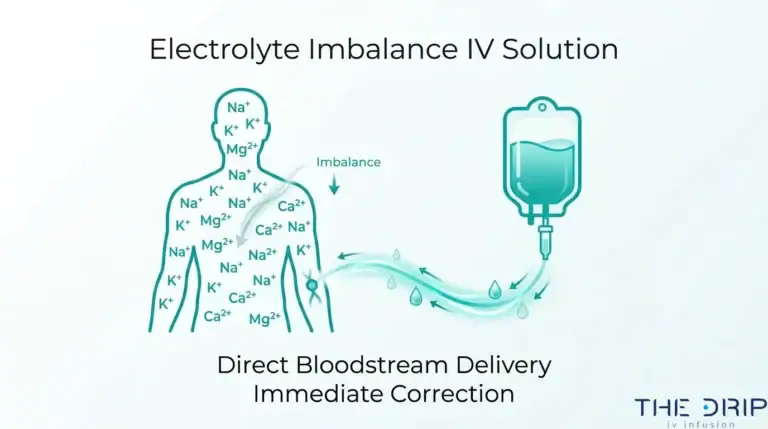
The hydration and electrolyte drip is the simplest yet most commonly requested IV infusion. It delivers sterile saline combined with key electrolytes such as sodium, potassium, and magnesium directly into the bloodstream. This drip is particularly effective for rapid rehydration after intense physical activity, travel, heat exposure, or illness. Because it restores fluid balance faster than drinking water alone, many clients choose it as a standalone treatment or as a base for more nutrient-dense formulas. With the variety of drip types available, understanding potential risks helps ensure a safe experience.
What Are the Potential Risks and Side Effects of IV Vitamin Therapy?
The potential risks and side effects of IV vitamin therapy include infection, allergic reactions, vein inflammation, and electrolyte imbalances. While serious complications are uncommon when treatments are administered by qualified professionals, understanding these risks helps you make an informed decision.
Potential adverse events from IV infusions include:
- Infection at the insertion site, which can occur if sterile technique is not strictly followed during catheter placement.
- Allergic or anaphylactic reactions, particularly with certain nutrients like thiamine administered at high doses.
- Phlebitis, an inflammation of the vein that may cause localized pain, redness, or swelling near the IV site.
- Air embolism, a rare but serious event where air enters the bloodstream through the IV line.
- Hypotension, or a sudden drop in blood pressure, especially if fluids or nutrients are infused too rapidly.
- Fluid overload and electrolyte imbalances, which pose particular danger for individuals with pre-existing heart or kidney conditions.
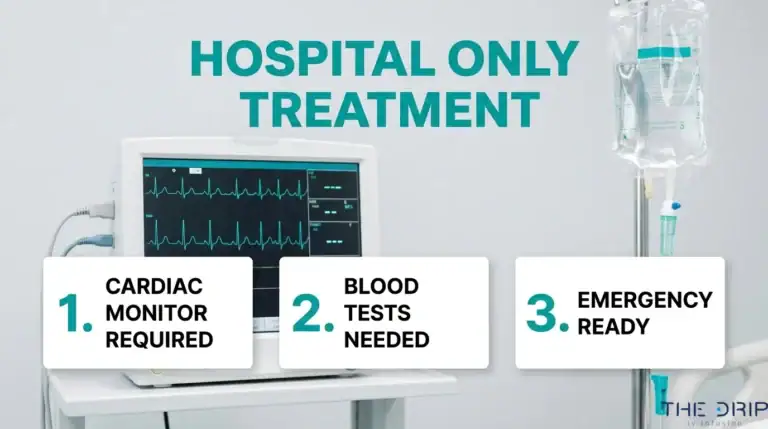
According to the Drug and Therapeutics Bulletin published by the BMJ, these adverse events represent documented complications associated with intravenous infusions administered outside traditional hospital settings. The risk increases significantly when infusions are compounded or administered under inadequate clinical oversight.
For most healthy individuals receiving standard vitamin formulations, the likelihood of a severe reaction remains low. However, the absence of universal regulation across wellness-focused IV clinics means quality and safety protocols vary widely. Choosing a provider staffed by licensed medical professionals with emergency training substantially reduces these risks. Anyone considering IV vitamin therapy should disclose their full medical history beforehand, as even commonly infused nutrients can interact with medications or aggravate underlying conditions.
With risks properly understood, comparing IV delivery to oral supplementation clarifies when each approach makes the most sense.
How Does IV Vitamin Therapy Compare to Oral Supplements?
IV vitamin therapy compares to oral supplements primarily through differences in bioavailability, absorption speed, and plasma nutrient concentrations. The key distinctions involve how each delivery method processes nutrients and which situations favor one approach over the other.
IV vitamin therapy bypasses the gastrointestinal tract entirely, delivering nutrients straight into the bloodstream at near-100% bioavailability. Oral supplements, by contrast, must pass through the digestive system, where stomach acid, intestinal absorption limits, and first-pass liver metabolism reduce the amount that ultimately reaches circulation.
The difference in plasma concentrations is significant. According to a study published in the Annals of Internal Medicine, IV administration of vitamin C at a 1.25 g dose produces mean peak plasma concentrations of 885 ± 201.2 micromol/L, compared to just 134.8 ± 20.6 micromol/L for the same dose taken orally. That represents roughly a sixfold difference in peak blood levels from the identical dosage.
This gap matters most in specific clinical scenarios:
- Patients with malabsorption conditions, such as Crohn’s disease or celiac disease, often cannot absorb oral nutrients effectively.
- Severe dehydration or acute illness may require rapid nutrient delivery that oral intake cannot match.
- High-dose protocols, particularly for vitamin C, depend on IV delivery because oral dosing triggers tight physiological controls that cap plasma levels.
For daily maintenance in healthy individuals, oral supplements remain practical and cost-effective. Most people with balanced diets and normal gut function absorb enough through standard supplementation. Newer liposomal formulations have also narrowed the gap, though they still fall short of IV-level plasma concentrations for most nutrients.
The real advantage of IV delivery emerges when speed, dosage ceiling, or absorption barriers make oral supplementation insufficient. For routine wellness, oral supplements handle the job; for targeted therapeutic goals, IV therapy offers a measurably superior delivery mechanism. Understanding which situations call for each method helps ensure nutrients are used where they provide the greatest benefit.
What Should You Expect During an IV Vitamin Therapy Session?
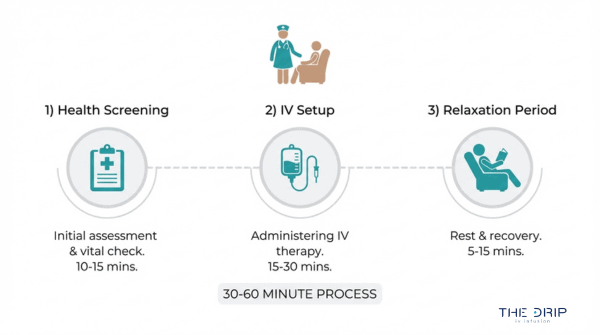
You should expect a straightforward process: a brief health screening, comfortable seating, and a nurse-administered drip lasting under an hour. The sections below cover session duration and recommended frequency.
How Long Does a Typical IV Vitamin Infusion Take?
A typical IV vitamin infusion takes 30 to 60 minutes from start to finish. Before the drip begins, a licensed nurse reviews your health history, checks vital signs, and selects the appropriate catheter site, usually a vein in the forearm. Once the IV line is placed, the nutrient solution flows at a controlled rate while you relax.
Most people read, work on a laptop, or simply rest during the infusion. According to the American College of Clinical Pharmacology, IV infusion clinics have expanded rapidly, though patients should confirm that qualified medical professionals oversee every session. With mobile services, the entire experience happens at your home or workplace, eliminating travel time entirely.
How Often Should You Get IV Vitamin Therapy?
You should get IV vitamin therapy on a schedule tailored to your health goals and current nutrient status. General wellness clients typically benefit from sessions every two to four weeks, while those recovering from illness or intense athletic training may start with weekly infusions before tapering.
Several factors influence optimal frequency:
- Nutrient deficiency severity: Diagnosed deficiencies may require closer initial spacing.
- Health objectives: Immune support during travel seasons calls for different timing than chronic fatigue management.
- Provider guidance: A qualified nurse or physician should adjust intervals based on lab work and symptom response.
The U.S. mobile IV hydration therapy market reached USD 568.5 million in 2024, according to Research and Markets, reflecting growing consumer demand for convenient, recurring sessions. Consistency matters more than single treatments; periodic infusions help maintain steady nutrient levels rather than chasing symptoms after they appear. Understanding session logistics prepares you to evaluate who should avoid IV therapy altogether.
Who Should Avoid IV Vitamin Therapy?
Patients with certain pre-existing medical conditions should avoid IV vitamin therapy due to serious health risks. The primary concerns involve fluid overload and dangerous electrolyte imbalances that can worsen underlying conditions.
Individuals who should consult a physician before receiving IV infusions include those with:
- Congestive heart failure, where additional fluid volume can strain an already compromised heart.
- Renal disease, since impaired kidneys cannot properly filter the excess fluid and electrolytes delivered intravenously.
- Severe allergies to specific vitamins or minerals, which may trigger anaphylactic reactions during infusion.
- Uncontrolled blood pressure, as rapid fluid administration can cause dangerous spikes.
According to Cleveland Clinic Health Essentials, patients with conditions such as congestive heart failure or renal disease should avoid IV therapy due to the risk of fluid overload and electrolyte imbalances. Anyone currently pregnant, managing a chronic illness, or taking medications that affect kidney function should always seek medical clearance first.
For most healthy individuals, IV vitamin therapy carries minimal risk when administered by qualified medical professionals. However, skipping a proper health screening beforehand is one of the most common and preventable mistakes people make. A brief medical history review before any infusion protects against complications that are entirely avoidable.
With safety considerations addressed, understanding how mobile IV therapy enhances convenience can help maximize the overall experience.
How Can Mobile IV Therapy Maximize Your IV Vitamin Experience?
Mobile IV therapy maximizes your IV vitamin experience by delivering professional infusions directly to your home or workplace, eliminating clinic visits. The following sections cover how The Drip IV Infusion’s customized approach supports results and the key takeaways on whether IV vitamin therapy works.
Can The Drip IV Infusion’s Customized Treatments Help You Get Results?
Yes, The Drip IV Infusion’s customized treatments can help you get results by tailoring each infusion to your specific health goals. Founded in Fall 2022 by professionals with decades of experience in nursing and emergency medicine, The Drip IV Infusion offers a comprehensive menu of IV cocktails, specialty treatments like NAD+ and glutathione, and add-ons including vitamin C, magnesium, zinc, and B-complex vitamins.
This personalized approach matters because nutrient needs vary widely between individuals. The Drip IV Infusion partners with each client to select formulations that address their concerns, whether that involves rehydration, immune support, athletic recovery, or energy restoration. According to a 2024 Research and Markets report, the U.S. mobile IV hydration therapy market reached USD 568.5 million, reflecting growing consumer confidence in convenient, professionally administered infusions.
What Are the Key Takeaways About Whether IV Vitamin Therapy Works?
The key takeaways about whether IV vitamin therapy works center on three core findings from the evidence reviewed throughout this article:
- IV vitamin therapy delivers nutrients with significantly higher bioavailability than oral supplements, making it particularly valuable for individuals with absorption issues, acute dehydration, or documented deficiencies.
- Clinical evidence supports specific applications, such as the Myers’ Cocktail for fibromyalgia symptom relief and high-dose vitamin C for achieving plasma concentrations unattainable through oral dosing, though large-scale trials remain limited for many wellness claims.
- Safety depends on provider qualifications and proper patient screening; individuals with conditions like congestive heart failure or renal disease should avoid IV therapy entirely.
For most people exploring IV vitamin therapy, the practical takeaway is straightforward: choose a qualified provider, discuss your health history openly, and set realistic expectations based on your individual needs rather than marketing promises. The Drip IV Infusion can help guide that process with nurse-administered, customized treatments designed around your wellness goals.