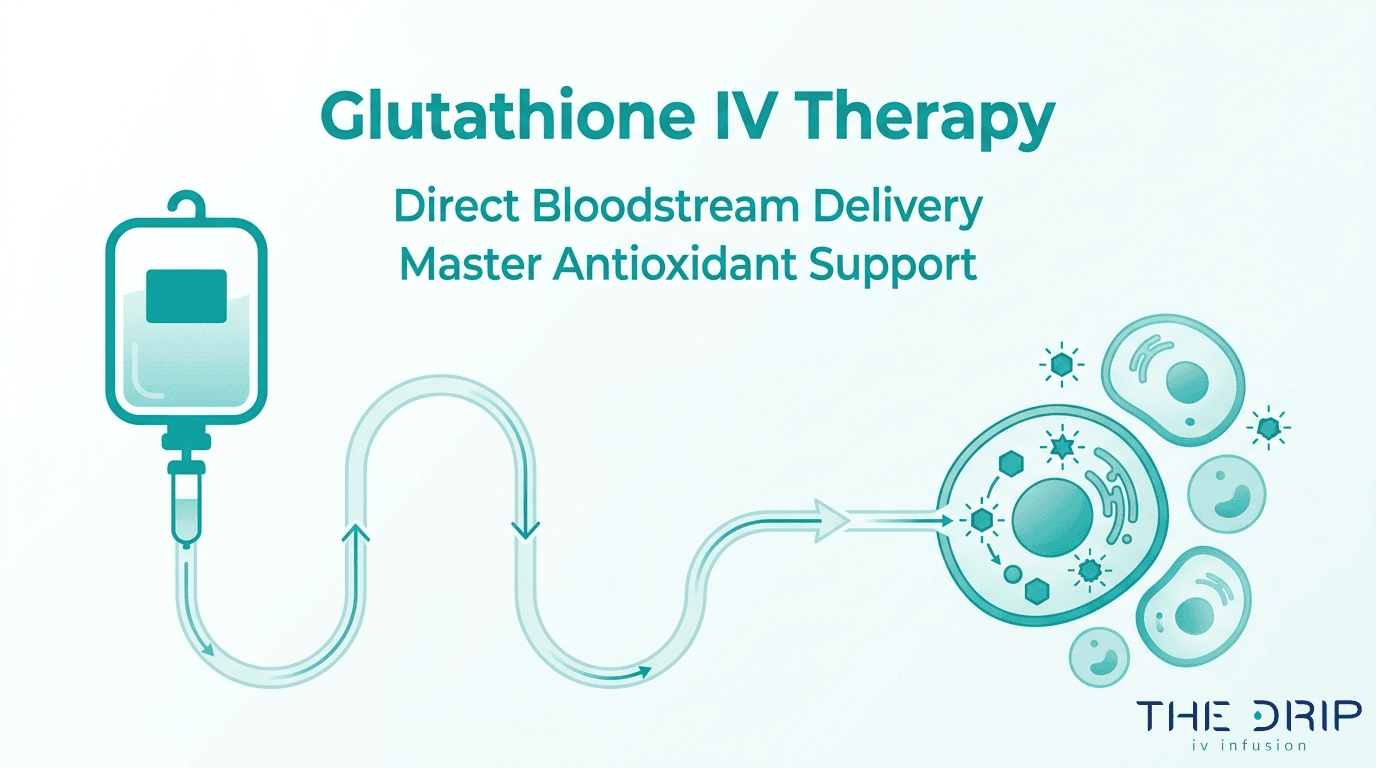
Glutathione IV therapy is an intravenous infusion that delivers the body’s most abundant natural antioxidant directly into the bloodstream, bypassing digestive barriers that reduce oral supplementation to below 1% bioavailability.
This guide covers glutathione’s biochemistry and delivery mechanisms, its evidence-based benefits and common clinical uses, side effects and safety considerations, dosage protocols and expected timelines, and how mobile IV services fit into the treatment experience.
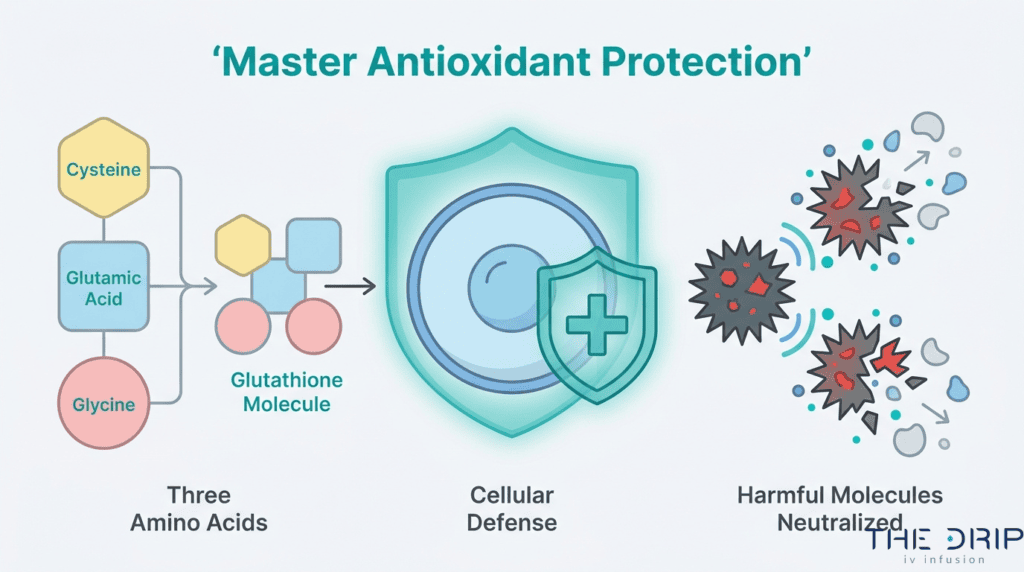
Glutathione is a tripeptide composed of cysteine, glutamic acid, and glycine that neutralizes reactive oxygen species including superoxide anions and hydrogen peroxide. Intravenous delivery bypasses gastrointestinal degradation entirely, making it the most efficient route for rapidly elevating plasma levels compared to standard oral capsules or liposomal forms.
We explore benefits spanning skin brightening, liver detoxification, immune support, athletic recovery, oxidative stress reduction, and neurological protection. Clinical evidence varies significantly by application; some uses show measurable outcomes in meta-analyses while others lack controlled trials.
Common uses range from cosmetic skin lightening and hangover recovery to chronic disease management, where a meta-analysis found statistically significant motor improvements in Parkinson’s patients receiving glutathione. However, no FDA-approved standardized dosing protocol exists for any indication.
Side effects include mild reactions like nausea and injection-site discomfort, along with rare but serious events such as Stevens-Johnson syndrome and organ toxicity. The FDA has issued warnings about compounding quality, and individuals with G6PD deficiency, liver disease, or pregnancy should avoid treatment without physician clearance.
What Is Glutathione and Why Is It Called the Master Antioxidant?
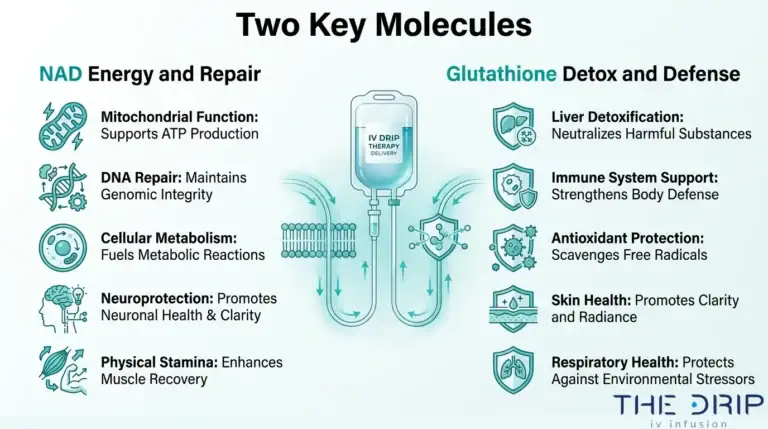
Glutathione is a tripeptide composed of three amino acids: cysteine, glutamic acid, and glycine. It is called the master antioxidant because it serves as the body’s most abundant endogenous antioxidant, present in virtually every cell of mammalian tissue.
According to the National Cancer Institute, glutathione (GSH) acts as a major endogenous antioxidant produced naturally within cells, where it neutralizes reactive oxygen species such as singlet oxygen, superoxide anions, and hydrogen peroxide. These harmful molecules accumulate during periods of oxidative stress and damage cellular structures if left unchecked. By directly and indirectly controlling ROS levels, glutathione protects DNA, proteins, and cell membranes from oxidative injury.
What distinguishes glutathione from dietary antioxidants like vitamin C or vitamin E is its endogenous production. Rather than relying solely on external intake, cells synthesize glutathione internally through de novo synthesis. This self-manufacturing capability, combined with its role in recycling other antioxidants back to their active forms, earns glutathione its “master” designation. For anyone exploring how intravenous delivery changes glutathione’s impact, understanding this foundational biochemistry is essential.
How Does Glutathione IV Therapy Work in the Body?
Glutathione IV therapy works by delivering the tripeptide directly into the bloodstream, bypassing digestive barriers that limit oral absorption. The following subsections explain absorption differences and what happens to glutathione levels after intravenous delivery.
How Is Glutathione Absorbed Differently Through IV vs Oral Supplements?
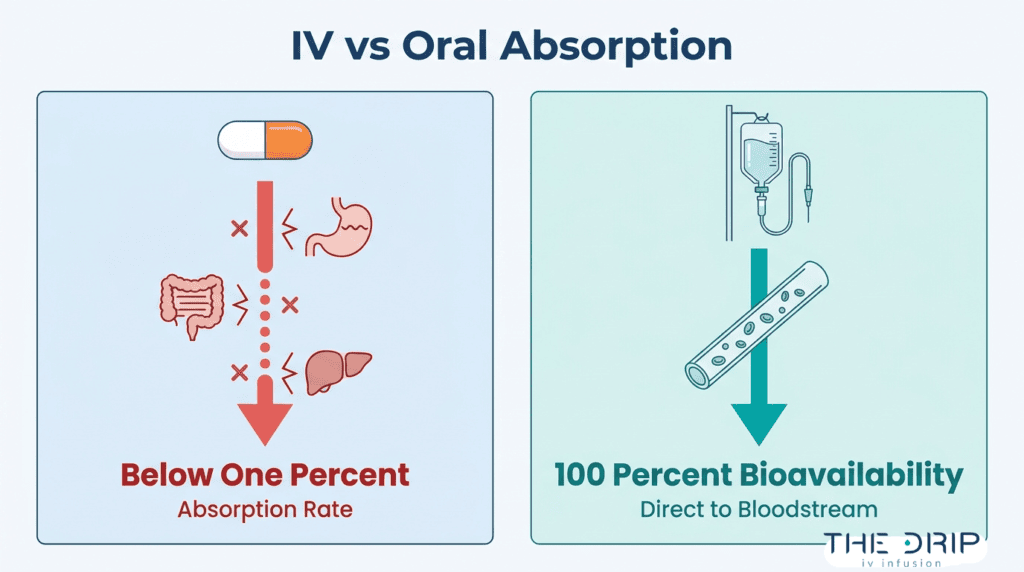
Glutathione is absorbed differently through IV versus oral supplements because intravenous delivery bypasses the gastrointestinal tract entirely, while oral forms face extensive degradation before reaching cells. According to a study published by the National Institutes of Health, intravenous delivery of glutathione is considered the most efficient route as it can bypass metabolic barriers, while standard oral glutathione bioavailability is reported to be below 1%.
Oral glutathione faces two primary obstacles:
- Gastrointestinal enzymes break down the tripeptide before absorption occurs.
- Low membrane permeability limits how much intact glutathione enters circulation.
Liposomal delivery systems were developed to address these limitations, outperforming plain oral glutathione in systemic availability. Still, neither oral form matches the directness of IV administration. Cellular GSH content is largely determined by intracellular de novo synthesis, mediated by glutamate-cysteine ligase and glutathione synthetase. For individuals seeking immediate replenishment rather than relying solely on endogenous production, IV delivery remains the most practical route.
What Happens to Glutathione Levels When Delivered Intravenously?
Glutathione levels rise rapidly when delivered intravenously, enabling immediate antioxidant activity throughout the body. Once in circulation, glutathione controls reactive oxygen species such as singlet oxygen, superoxide anions, and hydrogen peroxide, reducing cellular damage.
This replenishment matters particularly for older adults. A study published in Translational Research found that glutathione levels in a 60- to 79-year-old group were 452 ± 86.8 μg/10^10 erythrocytes, representing a 17% decline compared to younger reference groups (p < 0.001).
However, sourcing quality matters significantly. The FDA warned compounders in February 2019 not to use L-glutathione powder for sterile injectables after seven patients experienced adverse events, including nausea and difficulty breathing, due to excessive bacterial endotoxin levels. This underscores why receiving glutathione IV from qualified professionals using properly sourced materials is essential for both safety and effectiveness.
Understanding how glutathione functions once delivered helps clarify the specific benefits it may provide.
What Are the Benefits of Glutathione IV Therapy?
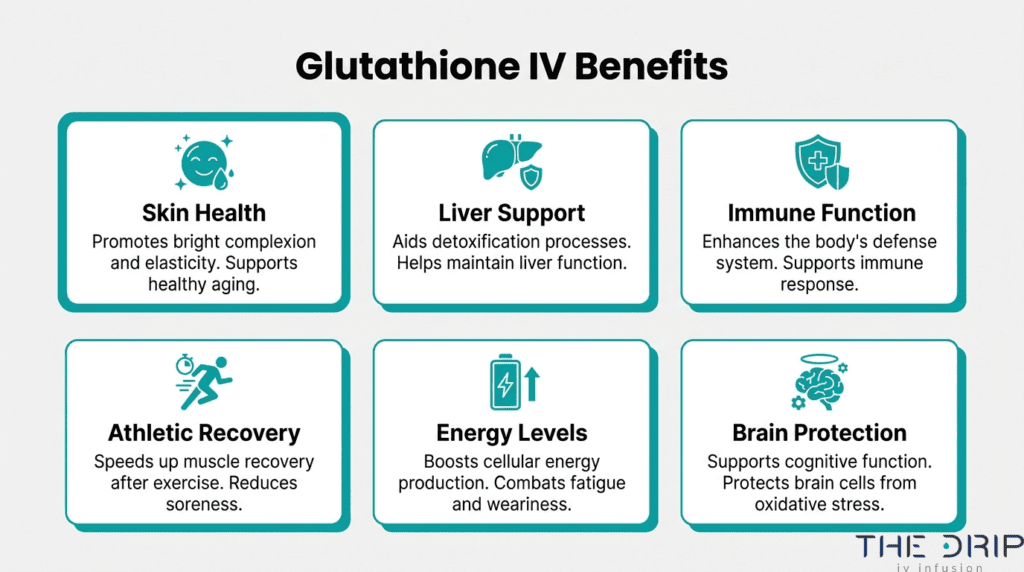
The benefits of glutathione IV therapy span skin health, detoxification, immune support, athletic recovery, oxidative stress reduction, neurological protection, and energy restoration. Below, each benefit is examined with available clinical evidence.
How Does Glutathione IV Support Skin Brightening and Anti-Aging?
Glutathione IV supports skin brightening by inhibiting melanin synthesis through its interaction with the tyrosinase enzyme. However, glutathione is not approved for intravenous administration in adults by the FDA, and no standardized dosing protocols or large-scale clinical trials support maintenance protocols for skin lightening, according to a narrative review published in the Cureus Journal of Medical Science. While anecdotal reports of complexion changes circulate widely, the absence of rigorous evidence means results remain unverified. For anti-aging, glutathione’s role in neutralizing reactive oxygen species may reduce cellular damage associated with premature skin aging, though clinical confirmation is still needed.
How Does Glutathione IV Enhance Liver Detoxification?
Glutathione IV enhances liver detoxification by conjugating with toxins and facilitating their excretion through bile and urine. The liver contains the body’s highest concentration of glutathione, making it central to phase II detoxification pathways. Despite this biochemical role, the relationship between supplemental IV glutathione and measurable liver function improvement lacks robust clinical trial data. According to the Philippine FDA, reported adverse effects of injectable glutathione include toxic effects on the liver, kidneys, and nervous system. This paradox underscores the importance of proper dosing and medical supervision when considering glutathione IV for detoxification purposes.
How Does Glutathione IV Boost Immune System Function?
Glutathione IV boosts immune system function by supporting lymphocyte activity and protecting immune cells from oxidative damage. Adequate glutathione levels help T-cells and natural killer cells function optimally. Although immune enhancement is frequently cited as a benefit, controlled trials specifically evaluating IV glutathione’s immunomodulatory effects remain limited. A preliminary cross-sectional study published in the Philippine Journal of Internal Medicine found that the prevalence of abnormal thyroid function among individuals taking glutathione supplementation was 5.56 percent (n=2), highlighting the need for broader safety monitoring. Immune benefits, while biologically plausible, require more rigorous investigation.
How Does Glutathione IV Improve Athletic Recovery and Performance?
Glutathione IV improves athletic recovery and performance by neutralizing exercise-induced free radicals and reducing muscle damage from oxidative stress. During intense physical activity, the body’s glutathione stores become depleted rapidly. Replenishing these levels intravenously may accelerate recovery timelines and reduce post-exercise inflammation. For competitive athletes or individuals with demanding training schedules, maintaining optimal glutathione status appears particularly relevant, since benefits correlate strongly with baseline depletion levels. This makes pre-treatment assessment of glutathione status a practical consideration before beginning IV supplementation for performance goals.
How Does Glutathione IV Help Reduce Oxidative Stress and Inflammation?
Glutathione IV helps reduce oxidative stress and inflammation by directly scavenging reactive oxygen species and regenerating other antioxidants such as vitamins C and E. According to a study published in Free Radical Biology and Medicine, N-acetylcysteine (NAC) supplementation increases exercise performance and reduces oxidative stress only in individuals with low levels of glutathione, suggesting that physical performance is linked to baseline glutathione status. This finding implies that IV glutathione’s anti-inflammatory benefits may be most pronounced in those already experiencing glutathione depletion rather than offering universal improvements.
How Does Glutathione IV Support Neurological Health?
Glutathione IV supports neurological health by protecting neurons from oxidative damage and supporting mitochondrial function in brain tissue. The central nervous system is particularly vulnerable to free radical accumulation due to its high oxygen consumption and lipid-rich composition. Glutathione acts as a neuroprotective agent within this environment. While some clinical investigations have explored glutathione’s potential in neurodegenerative conditions, large-scale confirmatory trials remain necessary. For individuals seeking preventive neurological support, glutathione IV represents a biologically plausible intervention, though expectations should be tempered by the current evidence landscape.
How Does Glutathione IV Assist With Chronic Fatigue and Energy Levels?
Glutathione IV assists with chronic fatigue and energy levels by supporting mitochondrial ATP production and reducing the oxidative burden that contributes to persistent exhaustion. Mitochondrial dysfunction, often worsened by depleted antioxidant reserves, is a recognized contributor to fatigue syndromes. However, controlled trials for the use of glutathione IV in myalgic encephalomyelitis/chronic fatigue syndrome are currently lacking, despite its purported benefits, as noted in a review published in Acta Dermatovenerologica Alpina, Pannonica et Adriatica. Until controlled evidence emerges, glutathione IV for chronic fatigue remains a theoretically supported but clinically unconfirmed approach.
With these potential benefits outlined, understanding the specific populations who seek glutathione IV clarifies its practical applications.
What Are the Common Uses of Glutathione IV Infusions?
The common uses of glutathione IV infusions span cosmetic goals, recovery support, detoxification, chronic disease management, and general wellness optimization. Below, each use case is explored with its relevant evidence.
Who Uses Glutathione IV for Skin Lightening and Hyperpigmentation?
People who use glutathione IV for skin lightening and hyperpigmentation include individuals seeking a more even skin tone, those with melasma, and people looking to reduce dark spots. Manufacturers typically recommend a dose of 600 to 1200 mg administered once to twice weekly for this purpose.
However, clinical evidence remains limited. According to the Philippine Dermatological Society, “IV glutathione lacks strong scientific evidence for its skin-lightening effects, and no large studies have yet proven its safety.” Some reviews have described existing studies as having “dubious study design,” noting that results may not be retained over time. In 2025, the FDA identified “Vivant True Tone” as an unapproved new drug distributed for skin bleaching, underscoring ongoing regulatory concerns. Anyone considering this use should consult a qualified provider first.
Who Uses Glutathione IV for Hangover and Illness Recovery?
People who use glutathione IV for hangover and illness recovery include individuals experiencing alcohol-related dehydration, nausea, headaches, and general fatigue after illness. Glutathione supports liver detoxification pathways that process alcohol metabolites like acetaldehyde. When combined with hydration and B vitamins in an IV infusion, it may help the body recover more efficiently by replenishing antioxidant reserves depleted during metabolic stress. This remains one of the most popular wellness applications, particularly among those seeking rapid symptom relief without waiting for oral supplements to absorb.
Who Uses Glutathione IV for Heavy Metal and Toxin Detox?
People who use glutathione IV for heavy metal and toxin detox include individuals with occupational exposure to environmental pollutants, those undergoing chelation-adjacent protocols, and people concerned about accumulated toxin burden. Glutathione binds to heavy metals and reactive compounds through its sulfhydryl group, facilitating their excretion via bile and urine. While this conjugation mechanism is well established in biochemistry, large-scale controlled trials specifically evaluating IV glutathione for detoxification in humans remain sparse. For most individuals, this use is pursued as a complementary strategy alongside broader health protocols.
Who Uses Glutathione IV for Chronic Disease Management?
People who use glutathione IV for chronic disease management include patients with neurodegenerative conditions, autoimmune disorders, and liver disease. According to a meta-analysis published by Spandidos Publications, glutathione treatment for Parkinson’s disease produced a statistically significant improvement in UPDRS III motor scores (SMD, -0.48; 95% CI, -0.88 to -0.08; P=0.02) compared to control groups.
Oxidative stress plays a documented role in the progression of many chronic conditions. By directly neutralizing reactive oxygen species, IV glutathione may offer supportive benefit when integrated into a broader care plan supervised by a medical professional.
Who Uses Glutathione IV for Anti-Aging and Wellness Optimization?
People who use glutathione IV for anti-aging and wellness optimization include health-conscious adults seeking to counteract age-related oxidative damage, support cellular repair, and maintain energy levels. Since glutathione levels decline naturally with age, replenishment through IV delivery appeals to those prioritizing proactive longevity strategies.
Common goals include brighter skin appearance, improved mental clarity, and sustained energy throughout the day. While individual outcomes vary, the rationale centers on maintaining antioxidant capacity that diminishes over time. For those already investing in nutrition, exercise, and sleep, glutathione IV represents an additional layer of cellular support worth discussing with a qualified provider.
What Are the Side Effects of Glutathione IV Therapy?
The side effects of glutathione IV therapy range from mild infusion-site reactions to rare but serious systemic events. The following subsections cover mild effects, serious adverse events, and who should avoid this treatment.
What Are the Mild Side Effects of Glutathione IV Infusions?
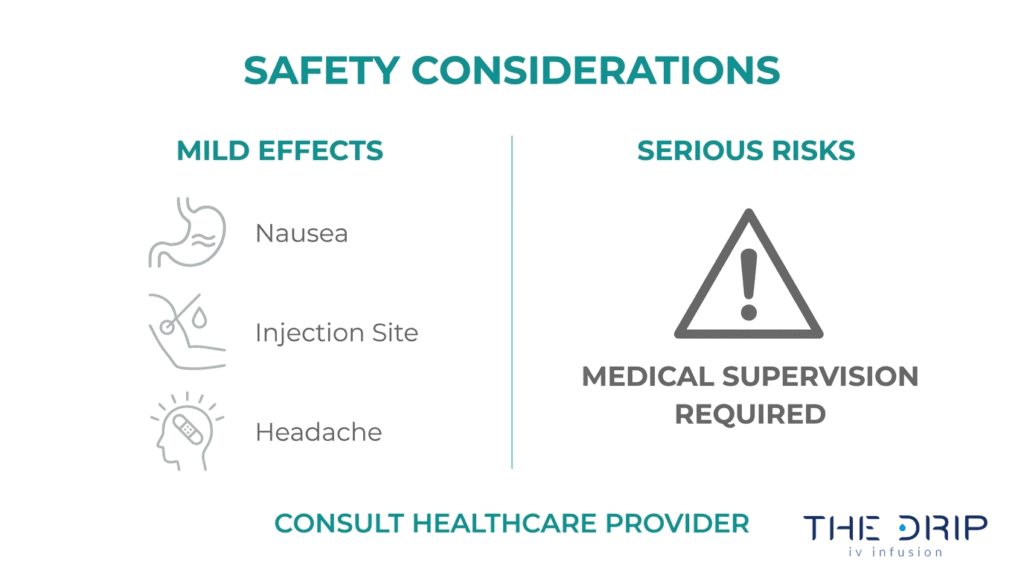
The mild side effects of glutathione IV infusions include temporary discomfort at the injection site, nausea, and difficulty breathing. In February 2019, the U.S. FDA warned compounders not to use L-glutathione powder to compound sterile injectable drugs after seven patients experienced adverse events, including nausea and difficulty breathing, due to excessive bacterial endotoxin levels. Other commonly reported mild reactions include:
- Bloating or abdominal cramping
- Headache during or shortly after infusion
- Skin flushing or mild allergic rash
- Brief dizziness or lightheadedness
These reactions typically resolve within hours. However, even mild symptoms warrant discussion with your infusion specialist before subsequent sessions.
What Are the Serious or Rare Side Effects of Glutathione IV?
The serious or rare side effects of glutathione IV include potentially fatal skin reactions and organ toxicity. According to a 2019 FDA Philippines advisory, reported adverse effects of injectable glutathione include Stevens-Johnson syndrome (SJS) and toxic epidermal necrolysis (TEN), as well as toxic effects on the liver, kidneys, and nervous system. A case report published in the Journal of Burn Care & Research documented a 33-year-old female who developed Stevens-Johnson/toxic epidermal necrolysis after receiving an IV vitamin infusion containing glutathione. Additionally, a preliminary cross-sectional study found that the prevalence of abnormal thyroid function among individuals taking glutathione supplementation was 5.56 percent. These events remain rare, but their severity underscores why medical screening before treatment is essential.
Who Should Avoid Glutathione IV Therapy?
Individuals with certain health conditions should avoid glutathione IV therapy. Those at highest risk include:
- People with known hypersensitivity to glutathione or sulfur-containing compounds
- Individuals with glucose-6-phosphate dehydrogenase (G6PD) deficiency, as glutathione metabolism may trigger hemolytic reactions
- Pregnant or breastfeeding women, due to insufficient safety data
- Patients with severe kidney or liver disease, given the documented organ toxicity risks
- Anyone currently taking immunosuppressive medications without physician clearance
Because glutathione is not FDA-approved for intravenous administration in adults and lacks standardized dosing protocols, a thorough health evaluation with a qualified provider is critical before beginning any infusion regimen. Understanding these contraindications helps determine whether alternative supplementation forms may be more appropriate.
What Is the Recommended Dosage and Frequency for Glutathione IV?
The recommended dosage for glutathione IV typically ranges from 600 to 1200 mg per session, administered once to twice weekly. However, no standardized dosing protocol exists because the FDA has not approved glutathione for intravenous administration in adults.
According to a narrative review published in the Cureus Journal of Medical Science, glutathione is not approved for intravenous administration in adults by the FDA, and there are no large-scale clinical trials establishing standardized maintenance protocols. Dosage varies based on the individual’s health goals, baseline glutathione status, and provider assessment.
Without formal regulatory guidelines, practitioners typically adjust frequency based on patient response. For most wellness-focused clients, starting conservatively and evaluating tolerance before increasing frequency represents the most prudent approach.
Understanding typical timelines for visible changes helps set realistic expectations after beginning a glutathione IV protocol.
How Long Does It Take to See Results From Glutathione IV?
Results from glutathione IV typically appear within one to three weeks of consistent sessions, though timelines vary based on the individual’s baseline glutathione levels, the specific health goal, and overall oxidative stress burden. Some people notice improved energy or mental clarity after a single infusion, while visible skin changes often require multiple weeks of repeated treatments.
The body’s response depends heavily on how efficiently it utilizes and recycles glutathione once delivered intravenously. Since IV administration bypasses gastrointestinal degradation, plasma levels rise rapidly during the session itself. However, sustained results require ongoing support because glutathione is continuously consumed during its antioxidant activity against reactive oxygen species. According to research published in the British Journal of Nutrition, systemic availability of glutathione varies significantly by delivery method, with standard oral forms showing poor bioavailability due to gastrointestinal breakdown and low membrane permeability.
For most wellness goals, a series of weekly sessions over four to six weeks provides the clearest indication of how well the therapy is working. Skin brightening results tend to take longer than energy or recovery improvements, and any changes may not persist without maintenance sessions. Individuals with higher baseline oxidative stress or age-related glutathione depletion often need more time before noticing measurable differences. Setting realistic expectations with a qualified infusion specialist before beginning a protocol ensures the treatment timeline aligns with individual health objectives.
Is Glutathione IV Therapy Safe and FDA-Approved?
Glutathione IV therapy is not FDA-approved for intravenous administration in adults. Safety depends on product quality, practitioner expertise, and individual health factors.
The FDA has issued specific warnings about compounding practices, and regulatory bodies worldwide have flagged concerns about unapproved glutathione injectable products. The following details cover FDA regulatory actions and key safety considerations.
What Is the FDA’s Position on Glutathione IV?
The FDA’s position on glutathione IV is that it is not approved for intravenous administration in adults. No standardized dosing protocols or large-scale clinical trials support its use for purposes like skin lightening.
In February 2019, the U.S. Food and Drug Administration warned compounders not to use L-glutathione powder to compound sterile injectable drugs after seven patients experienced adverse events, including nausea and difficulty breathing, due to excessive bacterial endotoxin levels. Additionally, in a 2025 warning letter, the FDA identified “Vivant True Tone” as an unapproved new drug distributed for skin bleaching or lightening purposes.
These actions signal that while glutathione itself is a naturally occurring substance, injectable formulations remain outside FDA approval frameworks.
What Safety Concerns Should You Know Before Getting Glutathione IV?
The safety concerns you should know before getting glutathione IV include serious adverse reactions, organ toxicity risks, and thyroid dysfunction.
Key documented risks include:
- Stevens-Johnson syndrome (SJS) and toxic epidermal necrolysis (TEN), both potentially fatal skin reactions.
- Toxic effects on the liver, kidneys, and nervous system from injectable glutathione.
- Abnormal thyroid function, reported at a prevalence of 5.56% in a preliminary cross-sectional study of individuals taking glutathione supplementation.
According to the Philippine FDA’s 2019 advisory, reported adverse effects of injectable glutathione include these potentially fatal conditions. The Philippine Dermatological Society has also stated that no large studies have yet proven the safety of IV glutathione.
For most individuals considering this therapy, working with qualified medical professionals who source properly compounded formulations significantly reduces risk. However, anyone with pre-existing liver, kidney, or autoimmune conditions should consult their physician before proceeding.
With safety considerations understood, comparing IV glutathione to other supplementation forms helps determine the most appropriate delivery method.
How Does Glutathione IV Compare to Other Forms of Supplementation?
Glutathione IV delivers the antioxidant directly into the bloodstream, bypassing digestive breakdown that limits oral forms. The key differences involve bioavailability, delivery method, and systemic availability.
How Does IV Glutathione Bioavailability Compare to Oral Supplements?
IV glutathione bioavailability far exceeds oral supplementation because intravenous delivery bypasses metabolic barriers entirely. According to a study published in PMC (National Institutes of Health), standard oral glutathione bioavailability is reported to be below 1%, while intravenous delivery is considered the most efficient route. Oral glutathione faces gastrointestinal degradation and low membrane permeability before reaching systemic circulation. This stark absorption gap explains why many people who supplement orally notice minimal change in measurable glutathione levels, making IV administration the preferred choice when rapid, reliable delivery matters most.
How Does Liposomal Glutathione Compare to IV Glutathione?
Liposomal glutathione outperforms plain oral glutathione in uptake, cell regeneration, and systemic availability. A study published in the British Journal of Nutrition found that liposomal delivery systems surpass standard oral glutathione using evidence from both cellular and human models. Lipid encapsulation protects the tripeptide from digestive enzymes, improving absorption compared to uncoated capsules. However, liposomal forms still cannot match the immediate, complete bioavailability that intravenous administration provides. For individuals seeking convenience without infusions, liposomal glutathione represents a reasonable middle ground between ineffective standard oral capsules and clinical IV delivery.
What Is the Difference Between NAC Supplements and Glutathione IV?
The difference between NAC supplements and glutathione IV is their mechanism of action. N-acetylcysteine (NAC) is a glutathione precursor that supports endogenous production by supplying cysteine, the rate-limiting amino acid in de novo GSH synthesis. Glutathione IV delivers the finished tripeptide directly. NAC relies on the body’s own enzymatic pathway, mediated by glutamate-cysteine ligase (GCL) and glutathione synthetase, to convert the precursor into active GSH. A 2017 study in Free Radical Biology and Medicine found that NAC supplementation increases exercise performance and reduces oxidative stress only in individuals with low baseline glutathione levels. For those needing immediate replenishment, IV glutathione acts faster than precursor-based strategies.
Understanding how glutathione IV compares to other delivery methods helps inform which supplementation approach best fits individual wellness goals.
How Can Mobile IV Therapy Enhance Your Glutathione IV Experience?
Mobile IV therapy enhances your glutathione IV experience by delivering nurse-administered infusions in the comfort of your home, eliminating clinic visits while maintaining clinical-grade protocols. The following sections cover at-home infusion advantages and key takeaways about glutathione IV therapy.
Can Nurse-Administered Glutathione IV Infusions at Home Maximize Your Results?
Yes, nurse-administered glutathione IV infusions at home can maximize your results by combining professional oversight with a relaxed environment that supports optimal absorption. The Drip IV Infusion sends experienced infusion specialists directly to your location, removing the stress of travel and waiting rooms. This convenience encourages consistent treatment schedules, which matters because glutathione levels naturally decline with age. A comfortable setting also allows clients to rest during the one-hour session, reducing cortisol-related interference with antioxidant uptake. The Drip IV Infusion offers glutathione as an add-on to customize IV cocktails based on individual wellness goals.
What Are the Key Takeaways About Glutathione IV Benefits, Uses, and Side Effects?
The key takeaways about glutathione IV benefits, uses, and side effects are:
- Glutathione is the body’s master antioxidant, a tripeptide that neutralizes reactive oxygen species and supports cellular defense.
- IV delivery bypasses gastrointestinal degradation, offering superior bioavailability compared to oral supplements.
- Potential benefits include antioxidant support, immune function, and athletic recovery enhancement.
- Side effects range from mild reactions to rare but serious events; professional monitoring is essential.
- No FDA-approved standardized dosing protocol exists for IV glutathione, making qualified clinical oversight critical.
- Individuals with specific health conditions should consult a medical provider before beginning infusions.
According to a 2025 report from Stellar Market Research, the global mobile IV hydration services market was valued at USD 2.41 billion in 2024 and is expected to grow by 7.85% from 2025 to 2030, reflecting increasing demand for accessible, professional IV therapy outside traditional clinical settings. The Drip IV Infusion meets this demand by bringing evidence-based infusion services directly to clients across Arizona, supported by a team with decades of nursing and emergency medicine experience.