An IV iron infusion is a medical procedure that delivers iron directly into the bloodstream through an intravenous line, bypassing the gastrointestinal tract to rapidly correct iron deficiency anemia. We created this guide to cover how IV iron works and who needs it, the measurable benefits and expected timelines, possible side effects and safety considerations, cost and insurance factors, and how to choose a qualified provider.
IV iron formulations like ferric carboxymaltose, ferumoxytol, and ferric derisomaltose each use an iron core surrounded by a carbohydrate shell, and the choice between them depends on a patient’s clinical profile, kidney function, and dosing needs. Candidates typically include people with chronic kidney disease, inflammatory bowel disease, heavy menstrual bleeding, or pregnancy-related anemia whose oral supplements have failed or caused intolerable GI side effects.
Hemoglobin and ferritin levels often begin rising within days of infusion, with symptomatic improvements in fatigue and exercise tolerance appearing within two to four weeks. A single session can deliver up to 1,000 mg of iron, replacing what months of oral therapy might not achieve.
Most side effects are mild and short-lived, including headache, nausea, and injection site warmth. Rare but serious risks such as hypophosphatemia and hypersensitivity reactions require post-infusion monitoring for at least 30 minutes and careful formulation selection.
Insurance frequently covers IV iron when medical necessity is documented, though total cost varies by formulation, number of sessions, and facility type. Verifying coverage, requesting itemized estimates, and confirming that a clinic follows sterile compounding standards are essential steps before booking treatment.
What is an IV iron infusion and how does it work?
An IV iron infusion is a medical procedure that delivers iron directly into the bloodstream through an intravenous line. The sections below cover the types of iron formulations used and how IV iron differs from oral supplements.
What types of iron are used in IV iron infusions?
The types of iron used in IV iron infusions are formulations built around an iron core surrounded by a carbohydrate shell. These intravenous iron products are classified as non-biological complex molecules, with properties distinct from standard small-molecule drugs. According to the European Medicines Agency, all intravenous iron-containing medicinal products require careful evaluation because their biological behavior cannot be completely characterized by physicochemical analysis alone.
The most commonly prescribed IV iron formulations include:
- Iron sucrose (Venofer): given in smaller, multiple-dose sessions.
- Ferric carboxymaltose (Injectafer): allows high single-dose administration.
- Ferumoxytol (Feraheme): delivered in rapid infusions.
- Ferric derisomaltose (Monoferric): approved for full-dose, single-session replacement.
- Sodium ferric gluconate (Ferrlecit): often used in dialysis patients.
Each formulation varies in dosing schedule, infusion time, and carbohydrate shell composition, so the choice depends on the patient’s clinical needs and physician preference.

How is IV iron infusion different from oral iron supplements?
IV iron infusion differs from oral iron supplements by bypassing the gastrointestinal tract entirely, delivering iron straight into the bloodstream for direct uptake by the body’s cells. Once infused, the iron is released from the iron-carbohydrate complex within macrophage vesicles; it then either enters the intracellular storage pool as ferritin or transfers to plasma transferrin for transport to erythroid precursor cells, where it incorporates into hemoglobin.
Oral iron absorption, by contrast, is limited and variable. Research published in Haematologica found that fractional iron absorption fluctuated by 40–50% depending on dosing day, highlighting the inconsistency of gut-based uptake.
Key differences include:
- Absorption: IV iron achieves near-complete bioavailability; oral iron absorbs only a fraction per dose.
- GI tolerance: oral supplements frequently cause nausea, constipation, and cramping, while IV iron avoids these issues.
- Speed of repletion: a single IV session can deliver 1,000 mg; oral therapy requires weeks or months to match that total.
For patients with oral iron intolerance or ineffectiveness, switching to the IV route is considered prudent. Understanding the formulation options above helps clarify which IV iron product a provider may recommend.
Who is an ideal candidate for IV iron infusion?
An ideal candidate for IV iron infusion is someone whose iron deficiency cannot be adequately corrected through oral supplements alone. The conditions and eligibility criteria below clarify who benefits most.
What medical conditions often require IV iron infusion?
The medical conditions that often require IV iron infusion involve chronic blood loss, impaired iron absorption, or significantly increased iron demand. According to the World Health Organization, 30% of non-pregnant women and 37% of pregnant women aged 15 to 49 were affected by anemia in 2019, underscoring the scale of iron deficiency globally.
Conditions commonly requiring IV iron include:
- Chronic kidney disease (CKD): CKD affects more than 1 in 7 U.S. adults. Reduced kidney function impairs erythropoietin production, making iron replenishment through oral routes insufficient for many patients on dialysis.
- Inflammatory bowel disease (IBD): Crohn’s disease and ulcerative colitis cause chronic intestinal inflammation that limits oral iron absorption.
- Heavy menstrual bleeding: Bleeding disorders are found in approximately 20% of adolescent girls evaluated for heavy menstrual bleeding, per the American College of Obstetricians and Gynecologists.
- Pregnancy-related anemia: Increased blood volume and fetal iron demands frequently outpace what oral supplements can deliver.
- Cancer-related anemia: Chemotherapy and tumor-driven inflammation suppress red blood cell production and deplete iron stores.
How is eligibility for IV iron infusion determined?
Eligibility for IV iron infusion is determined through blood tests, symptom assessment, and evaluation of oral iron tolerance. Physicians typically order a complete blood count and serum ferritin to confirm iron deficiency anemia before recommending IV therapy.
Key eligibility criteria include:
- Documented oral iron intolerance or failure: Persistent gastrointestinal side effects, such as nausea, constipation, or cramping, that prevent consistent oral supplementation.
- Low ferritin with persistent anemia: Ferritin levels that remain below clinical thresholds despite weeks of oral therapy.
- Malabsorption conditions: Celiac disease, gastric bypass surgery, or IBD that physically limits iron uptake from the gut.
- Upcoming surgery with anemia: Patients needing rapid hemoglobin correction before a scheduled procedure.
- Ongoing blood loss exceeding oral replacement capacity: Conditions where iron is lost faster than oral supplements can replenish it.
A healthcare provider weighs these factors against each patient’s medical history, current medications, and allergy profile before prescribing IV iron. For individuals whose iron needs fall outside the scope of iron therapy, understanding available treatment options remains an important next step.
What are the main benefits of IV iron infusion?
The main benefits of IV iron infusion include faster correction of iron deficiency, measurable fatigue reduction, and improved hemoglobin levels. The following subsections cover how quickly results appear and which symptoms respond best.
How quickly do patients typically see results from IV iron infusion?
Patients typically see results from IV iron infusion within two to four weeks, with full hemoglobin correction often occurring by six to eight weeks. A study published in the British Journal of Sports Medicine found that running economy and fatigue scores improved significantly in the iron group compared to placebo after just four weeks (p<0.05). Laboratory markers such as serum ferritin and transferrin saturation often rise within days, though the subjective benefits of increased energy and reduced breathlessness take longer to materialize. Individual timelines depend on the severity of deficiency, the specific IV iron formulation used, and the underlying condition driving iron loss. For patients with severe anemia, noticeable symptomatic improvement typically lags behind the blood work by one to two weeks.

What symptoms and conditions can IV iron infusion help improve?
IV iron infusion can help improve a wide range of symptoms tied to iron deficiency anemia, including chronic fatigue, shortness of breath, dizziness, brain fog, and exercise intolerance. According to a study published in PLOS ONE, fatigue was reduced in 65.3% of patients receiving ferric carboxymaltose compared to 52.7% in the placebo group (OR 1.68, 95% CI 1.05–2.70; p=0.03).
Conditions that commonly respond to IV iron therapy include:
- Iron deficiency anemia caused by heavy menstrual bleeding or gastrointestinal blood loss.
- Anemia associated with chronic kidney disease, where oral iron absorption is often impaired.
- Pregnancy-related iron deficiency, where rapid repletion supports both maternal and fetal health.
- Preoperative anemia, where raising hemoglobin before surgery reduces transfusion risk.
- Inflammatory bowel disease, where gut inflammation limits oral iron tolerance and absorption.
For many patients who have failed oral supplementation, IV iron represents not just a faster route to repletion but a more reliable one. Understanding these benefits leads naturally to weighing the potential side effects.
What are the possible side effects and risks of IV iron infusion?
The possible side effects and risks of IV iron infusion range from mild, transient reactions to rare but serious complications. The following subsections cover the most common side effects, serious risks to monitor, and strategies for managing or avoiding adverse reactions.
What are the most common side effects after an infusion?
The most common side effects after an infusion are mild and typically resolve within one to two days. These include:
- Headache
- Nausea or metallic taste in the mouth
- Muscle or joint pain
- Temporary skin flushing or warmth at the injection site
- Dizziness or lightheadedness
- Mild itching or rash
Most patients tolerate IV iron well. When these reactions occur, they tend to be self-limiting and rarely require medical intervention. Staying hydrated before and after treatment can help reduce the likelihood of headache and dizziness.

Are there rare or serious complications to watch for?
Rare but serious complications to watch for include hypersensitivity reactions and symptomatic hypophosphatemia. Anaphylaxis, while uncommon, remains the most concerning acute risk. According to the European Medicines Agency, patients should be closely observed for signs and symptoms of hypersensitivity reactions during and for at least 30 minutes following each injection of an intravenous iron medicine.
Hypophosphatemia is another significant risk, particularly with certain formulations. The FDA added a boxed warning to ferric carboxymaltose (Injectafer) describing the risk of symptomatic hypophosphatemia and recommending phosphate monitoring in at-risk patients. Symptoms of severe hypophosphatemia can include muscle weakness, bone pain, and confusion, sometimes persisting for weeks.
How can side effects from IV iron infusions be managed or avoided?
Side effects from IV iron infusions can be managed or avoided through proper pre-infusion screening, controlled administration, and post-infusion monitoring. Effective strategies include:
- Reviewing the patient’s allergy history and prior reactions before treatment
- Administering a test dose when clinically indicated
- Using slow infusion rates to minimize flushing and discomfort
- Monitoring vital signs throughout the session and for at least 30 minutes afterward
- Ensuring the infusion setting has emergency resuscitation equipment available
Patients who experience mild reactions like headache or nausea can often manage symptoms with over-the-counter analgesics and adequate hydration. For those at risk of hypophosphatemia, providers should check phosphate levels before repeat dosing. Selecting the right IV iron formulation based on individual risk factors is one of the most effective ways to reduce complications overall.
With a clear understanding of risks and management strategies, patients can make more informed decisions about the cost and logistics of IV iron therapy.
How much does an IV iron infusion cost and what impacts the price?
IV iron infusion cost depends on insurance coverage, the specific iron formulation used, facility fees, and the number of sessions required. The following subsections cover insurance considerations and the key factors that influence total price.
Is IV iron infusion typically covered by insurance?
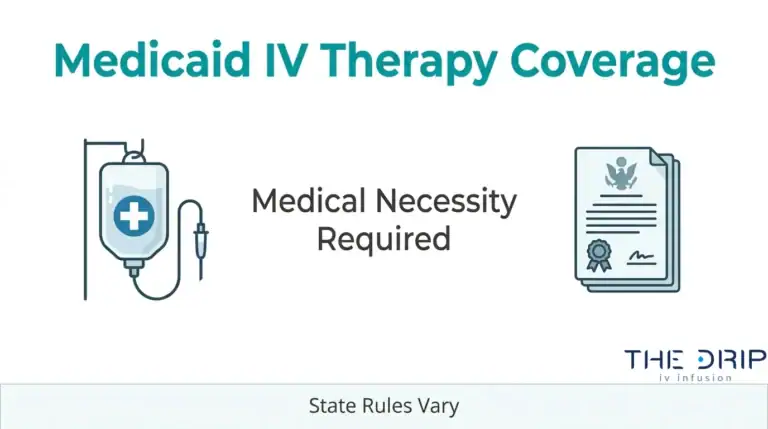
IV iron infusion is typically covered by insurance when a physician documents medical necessity, such as a confirmed diagnosis of iron deficiency anemia. Coverage varies by plan type and the clinical indication.
Medicare Part B covers outpatient IV iron infusions at 80% of the approved amount after the annual deductible is met, leaving patients responsible for roughly 20% as coinsurance. According to a Centers for Medicare & Medicaid Services national coverage decision, Medicare covers both sodium ferric gluconate complex in sucrose injection and iron sucrose injection as first-line treatment for iron deficiency anemia in patients undergoing chronic hemodialysis who receive supplemental EPO therapy.
Private insurers generally follow similar medical necessity criteria but apply their own formulary preferences. Prior authorization is commonly required, and patients should verify whether their plan covers the specific iron product prescribed. Out-of-network infusion settings can significantly increase out-of-pocket responsibility.

What factors influence the total cost of IV iron therapy?
The factors that influence the total cost of IV iron therapy include the iron formulation, number of infusions, facility setting, and geographic pricing variation.
- Iron formulation: Newer single-dose products like ferric derisomaltose or ferric carboxymaltose carry higher per-dose drug costs than older multi-dose options like iron sucrose, though fewer visits may offset the difference.
- Number of sessions: Some formulations require only one infusion, while others need two to five sessions to deliver a full replacement dose.
- Facility type: Hospital outpatient departments typically charge higher facility fees than freestanding infusion centers or physician offices.
- Insurance and copay structure: Deductible status, coinsurance percentages, and prior authorization requirements all affect what patients ultimately pay.
- Additional monitoring: Pre-infusion bloodwork, post-infusion observation time, and follow-up labs add incremental costs that patients sometimes overlook.
For patients comparing options, requesting an itemized cost estimate that separates drug acquisition, administration fees, and facility charges provides the clearest picture of total financial responsibility.
Understanding infusion costs helps set realistic expectations before the appointment itself begins.
What should you expect before, during, and after an IV iron infusion session?
You should expect a structured process that includes preparation steps, a monitored infusion lasting 20 minutes or longer, and a post-infusion observation period. The sections below cover how to prepare, what happens during the session, and recommended aftercare.
How should you prepare for an IV iron infusion?
You should prepare for an IV iron infusion by completing any required blood work, reviewing your medication list with your healthcare provider, and following pre-appointment instructions. Most providers will order a complete blood count and ferritin level check beforehand to confirm iron deficiency and determine the correct dose.
Key preparation steps include:
- Eating a light meal before your appointment to reduce nausea risk.
- Wearing loose, comfortable clothing with easy arm access for the IV line.
- Bringing a list of all current medications, including over-the-counter supplements.
- Informing your provider about any previous reactions to IV iron or drug allergies.
- Staying well hydrated in the hours leading up to your session.
If your provider uses ferumoxytol, additional imaging may be scheduled; according to Massachusetts General Hospital’s IMAGET1D protocol, an MRI is done just before infusion and again approximately 48 hours afterward.
What does the actual infusion process involve?
The actual infusion process involves inserting a small IV catheter, diluting the iron formulation in saline, and administering it through a controlled drip. A nurse monitors vital signs throughout, watching for any immediate reactions such as flushing, dizziness, or chest tightness.
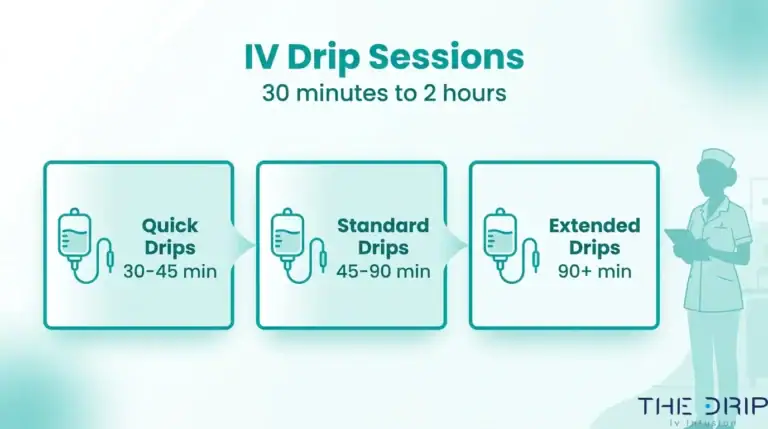
Infusion duration varies by formulation and dose. For patients weighing 50 kg or more, Monoferric (ferric derisomaltose) delivers 1,000 mg over at least 20 minutes as a single dose, according to the DailyMed prescribing label. Lighter patients receive a weight-based dose of 20 mg/kg. Other formulations, such as ferric carboxymaltose or iron sucrose, may require longer sessions or multiple visits depending on total iron deficit. The setting is typically an outpatient infusion center or clinic equipped with emergency resuscitation supplies.
What aftercare is recommended following an infusion?
The aftercare recommended following an infusion centers on a mandatory observation period and symptom monitoring over the following days. According to the European Medicines Agency, patients should be closely observed for signs and symptoms of hypersensitivity reactions during and for at least 30 minutes following each injection of an intravenous iron medicine.
After discharge, practical aftercare includes:
- Drinking plenty of fluids to support circulation and recovery.
- Avoiding strenuous exercise for 24 hours.
- Watching for delayed symptoms such as joint pain, headache, or mild fever, which may appear within 24 to 48 hours.
- Contacting your provider immediately if you experience difficulty breathing, swelling, or persistent chest pain.
Follow-up blood work is typically scheduled four to eight weeks post-infusion to assess hemoglobin and ferritin response. For most patients, one to two sessions correct the deficit, though your provider will determine whether repeat dosing is necessary based on lab results.
Understanding the full infusion timeline helps when evaluating how IV iron compares to other iron replacement options.
How does IV iron infusion compare to other iron replacement therapies?
IV iron infusion compares to other iron replacement therapies by offering faster hemoglobin correction, bypassing GI absorption issues, and serving patients who cannot tolerate oral iron or do not meet transfusion thresholds. The sections below cover when IV iron is preferred and its key pros and cons.
When is IV iron preferred over alternatives like oral iron or blood transfusion?
IV iron is preferred over oral iron or blood transfusion in several specific clinical situations:
- Oral iron intolerance or failure: Patients who experience GI side effects from oral supplements, or whose ferritin and hemoglobin levels do not improve after adequate oral therapy, benefit from switching to the IV route.
- Pregnancy-related anemia: According to a Cochrane review, intravenous iron likely slightly increases hemoglobin levels and likely reduces anemia in pregnancy compared to oral iron.
- Chronic hemodialysis patients: Medicare covers sodium ferric gluconate complex and iron sucrose injection as first-line treatment for iron deficiency anemia in patients undergoing chronic hemodialysis who receive supplemental EPO therapy.
- Hemoglobin above transfusion thresholds: AABB guidelines do not endorse red blood cell transfusion until hemoglobin drops to at least 7.0 g/dL for stable hospitalized patients, or 8.0 g/dL for cardiac or orthopedic surgery patients. When hemoglobin sits above these thresholds but anemia persists, IV iron addresses the deficiency without transfusion risks.
For most patients with confirmed iron deficiency who struggle with oral supplementation, IV iron fills the gap between ineffective pills and unnecessary transfusions.
What are the pros and cons of IV iron infusions compared to other options?
The pros and cons of IV iron infusions center on speed, tolerability, and safety trade-offs relative to oral iron and blood transfusions.
Pros:
- IV iron bypasses the GI tract entirely, eliminating nausea, constipation, and absorption variability common with oral tablets.
- Large single doses (such as ferric carboxymaltose or ferric derisomaltose) can replenish iron stores in one or two visits, reducing the weeks of daily oral dosing.
- Hemoglobin response is generally faster, which matters in surgical planning and severe symptomatic anemia.
Cons:
- Hypophosphatemia is a notable risk with certain formulations. A randomized trial published in JCI Insight found that ferric carboxymaltose induced hypophosphatemia in more than half of all patients, compared with fewer than 1% of those receiving ferumoxytol.
- IV iron requires clinical supervision, an IV line, and a post-infusion observation period, making it less convenient than taking oral tablets at home.
- Cost is higher per session than a bottle of oral iron supplements, though fewer total visits may offset the difference.
Choosing between IV iron formulations also matters; not all carry the same side-effect profile. Matching the formulation to the patient’s kidney function and phosphate risk is a clinical decision that makes provider expertise essential when selecting IV iron therapy.
How do you choose a clinic or provider for IV iron infusion?
You choose a clinic or provider for IV iron infusion by verifying medical credentials, confirming adherence to sterile compounding standards, and asking targeted questions about monitoring protocols. The following subsections cover provider qualifications and pre-booking questions.
What qualifications and safety standards should you look for in a provider?
The qualifications and safety standards you should look for in a provider include board-certified physicians or licensed infusion nurses, accreditation from recognized bodies, and compliance with sterile compounding protocols. According to the United States Pharmacopeia (USP), medications administered through intravenous infusion are required to be sterile, and understanding the risks inherent in sterile compounding is essential for patient safety.
Key qualifications to verify include:
- Licensed medical professionals trained in IV catheter insertion and iron-specific infusion protocols.
- Facility accreditation from organizations such as The Joint Commission.
- Emergency resuscitation equipment on-site, including epinephrine and oxygen.
- A 30-minute post-infusion observation policy for hypersensitivity monitoring.
- Documented procedures for managing anaphylactic reactions.
A clinic that cannot clearly explain its emergency protocols or show current accreditation credentials is one worth reconsidering, regardless of convenience or price.
What questions should you ask before booking an IV iron infusion?
The questions you should ask before booking an IV iron infusion focus on the specific formulation, monitoring procedures, staff credentials, and cost transparency.
Essential pre-booking questions include:
- Which IV iron formulation will be used, and why was it selected for your condition?
- What pre-infusion lab work is required, such as ferritin, hemoglobin, or transferrin saturation testing?
- How long is the post-infusion observation period?
- What emergency protocols are in place for allergic or anaphylactic reactions?
- Will a licensed nurse or physician be present throughout the entire infusion?
- What is the total out-of-pocket cost, and does the clinic verify insurance coverage beforehand?
Asking these questions upfront reveals how transparent and prepared a provider truly is. Any hesitation or vagueness in answering should be treated as a red flag.
Understanding provider standards helps you evaluate specific clinics, including those specializing in IV therapy services.
How can The Drip IV Infusion support your IV iron therapy needs?
The Drip IV Infusion can support your IV iron therapy needs by connecting you with knowledgeable infusion specialists and a comfort-focused mobile experience. Below, explore the specific options available and a recap of everything this article has covered.
What IV iron infusion options and patient support does The Drip IV Infusion offer?
The Drip IV Infusion offers a range of IV infusion services administered by experienced infusion specialists with backgrounds in nursing and emergency medicine. While iron is not currently part of The Drip IV Infusion product menu, the team can help clients understand their wellness options and guide them toward appropriate next steps for iron-specific concerns.
For any IV therapy, sterile compounding standards are essential. According to the United States Pharmacopeia (USP), medications administered through intravenous infusion must meet strict sterility requirements to ensure patient safety. The Drip IV Infusion upholds these standards across all services, prioritizing safe, professional care in the comfort of your home or workplace.
If you suspect iron deficiency, consulting a healthcare provider for proper lab work and a tailored treatment plan is always the right first step.
What are the key takeaways about IV iron infusions, their benefits, costs, side effects, and who typically needs them?
The key takeaways about IV iron infusions center on five practical areas:
- Who needs them: Patients with iron deficiency anemia who cannot tolerate oral supplements, those with chronic kidney disease, individuals with heavy menstrual bleeding, and people preparing for surgery benefit most from IV iron.
- Core benefits: IV iron bypasses the GI tract, replenishes iron stores faster than oral supplements, and can improve fatigue, hemoglobin levels, and exercise tolerance within weeks.
- Cost considerations: Insurance often covers IV iron when medically necessary, though out-of-pocket costs vary by formulation, clinic setting, and plan details.
- Side effects to watch: Common reactions include headache, nausea, and injection site discomfort; rare but serious risks such as hypophosphatemia and hypersensitivity require post-infusion monitoring.
- Choosing a provider: Look for clinics that follow USP sterile compounding standards, employ qualified medical professionals, and offer clear pre-treatment consultations.
For anyone weighing whether IV iron is the right choice, the decision ultimately comes down to working with a trusted provider who can match the treatment to your specific lab results and health history.