If you’re considering IV therapy or have concerns about its safety, you’re asking the right questions. Whether you’re a patient preparing for treatment, a healthcare professional seeking current standards, or someone caring for a loved one, understanding IV therapy sterility is crucial for making informed decisions. We’ll address your concerns about infection risks, safety protocols, and what separates sterile medical procedures from potentially dangerous practices.
IV therapy sterility is the complete absence of viable microorganisms in all equipment, solutions, and procedures used during intravenous treatment, achieved through strict sterilization protocols, aseptic techniques, and regulatory compliance to prevent bloodstream infections that affect approximately 250,000 hospital patients annually in the United States.
TL;DR Summary: We explain how healthcare providers maintain sterility through USP <797> standards, autoclaving equipment, and specialized training in aseptic techniques. You’ll learn about infection risks including CLABSIs with 12-25% mortality rates, safety protocols like hand hygiene and antiseptic dressings, and regulatory oversight from CDC, WHO, and The Joint Commission. We cover warning signs of unsafe practices, questions to ask providers, and how professional IV therapy services reduce infection risks through specialized teams and emerging technologies like smart infusion pumps.
Quick Tip: Always verify that your IV therapy provider follows CDC hand hygiene protocols – they should wash or sanitize hands both before and after touching any catheter site, as this simple step significantly reduces infection risk.
How Is Sterility Maintained During IV Therapy?
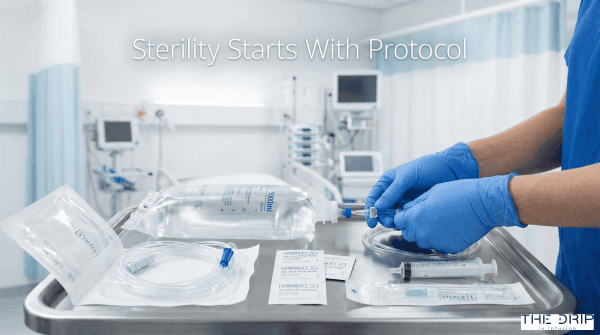
Sterility in IV therapy is maintained through standardized sterilization practices, contamination prevention protocols, and comprehensive healthcare provider training. Medical facilities use autoclaving for heat-resistant equipment and specialized sterilants for sensitive items. The following subsections detail specific sterility maintenance methods.
What Are the Standard Sterilization Practices for IV Equipment?
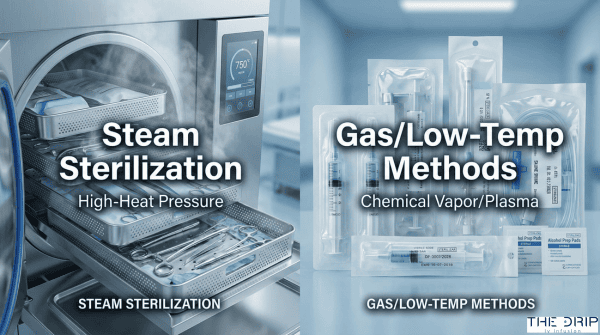
The standard sterilization practices for IV equipment include steam sterilization, gas sterilization, and liquid chemical methods. Steam sterilization through autoclaving remains the most common method for sterilizing heat-resistant medical devices. Heat-sensitive items require alternative methods such as ethylene oxide gas, hydrogen peroxide gas plasma, and liquid chemical sterilants.
USP Chapter 797 provides comprehensive standards for compounding sterile preparations to prevent microbial contamination. These standards specify requirements for cleanroom environments, personnel training, and quality assurance protocols.
| IV Equipment Sterilization Method | Technical Parameter or Application | Operating Standard |
| Steam sterilization | Temperature | 121-134°C |
| Ethylene oxide | Application | Heat-sensitive items |
| USP Chapter 797 | Purpose | Sterile compounding standards |
| Hydrogen peroxide plasma | Method type | Low-temperature sterilization |
Healthcare facilities must validate their sterilization processes and maintain documentation to ensure consistent sterility achievement.
How Are IV Solutions Kept Free From Contaminants?
IV solutions are kept free from contaminants through FDA manufacturing regulations and USP 797 cleanroom requirements. The FDA regulates IV solution manufacturing to ensure sterility and safety throughout production and distribution. Manufacturing facilities must maintain controlled environments with filtered air systems and validated sterilization processes.
USP 797 requirements mandate specific cleanroom design and maintenance standards for compounding facilities. These include:
• ISO Class 5 primary engineering controls
• ISO Class 7 buffer areas
• ISO Class 8 ante-areas
• Regular environmental monitoring
• Personnel garbing protocols
Contamination during compounding has been linked to Serratia marcescens bloodstream infection outbreaks resulting in multiple patient deaths. These incidents underscore the critical importance of maintaining sterile compounding environments and following established protocols without deviation.
How Are Healthcare Providers Trained in Aseptic Techniques for IV Therapy?
Healthcare providers are trained in aseptic techniques through structured certification courses covering anatomy, physiology, and sterile procedures. IV certification courses typically include venipuncture techniques, aseptic practices, and complication management modules. Training programs emphasize hand hygiene, proper gloving techniques, and site preparation protocols.
Some states require 30-hour courses for licensed practical nurses to administer IV therapy. These mandatory programs ensure standardized competency levels across healthcare providers. The CDC recommends periodic assessment of healthcare personnel’s knowledge and adherence to aseptic technique guidelines.
Training components include:
• Sterile field maintenance
• Catheter insertion techniques
• Solution preparation methods
• Contamination prevention strategies
• Emergency response protocols
Regular competency assessments verify that healthcare providers maintain proficiency in aseptic techniques throughout their practice. This systematic approach to training and evaluation helps prevent contamination events that could compromise patient safety during IV therapy administration.
What Are the Main Infection Risks Associated With IV Therapy?
The main infection risks associated with IV therapy are bloodstream infections, particularly central line-associated bloodstream infections (CLABSIs), which affect approximately 250,000 US hospital patients annually. These infections carry mortality rates of 12% to 25% per infection. Understanding infection types, risk factors, and development timelines helps patients and providers implement effective prevention strategies.
What Types of Infections Can Occur From IV Therapy?
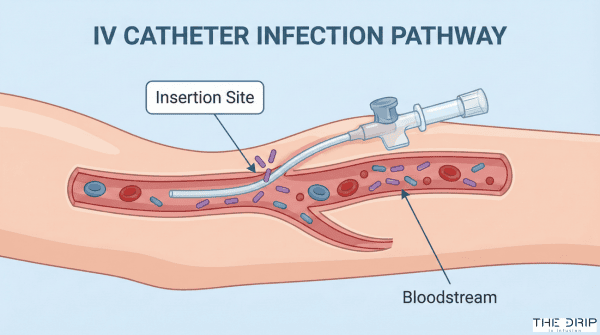
The types of infections that can occur from IV therapy include bloodstream infections, catheter-site infections, and sepsis. Central line-associated bloodstream infections represent the most serious complication, with approximately 250,000 cases occurring in US hospitals annually. The most common pathogens are coagulase-negative staphylococci, Staphylococcus aureus, aerobic gram-negative bacilli, and Candida albicans.
CLABSIs have associated mortality rates of 12% to 25% per infection. These infections develop when bacteria or fungi enter the bloodstream through the catheter insertion site or contaminated equipment. Peripheral IV catheters may cause phlebitis and local infections, though these typically present lower severity than central line infections.
Who Is Most at Risk for IV-Related Infections?
The patients most at risk for IV-related infections are immunocompromised individuals, elderly patients, and those requiring prolonged catheterization. On any given day, about 1 in 31 hospital patients has at least one healthcare-associated infection. Immunocompromised patients face elevated infection risks due to weakened immune responses.
Risk increases with duration of catheterization for central lines. Additional risk factors include:
- Patients receiving chemotherapy
- Individuals with diabetes or chronic kidney disease
- Critically ill patients in intensive care units
- Neonates and premature infants
Patients with multiple IV access points or frequent catheter manipulations also experience higher infection rates.
How Quickly Can Infections Develop After IV Therapy?
Infections can develop at varying rates after IV therapy, with the median time from peripheral IV catheter insertion to bacteremia diagnosis being 6 days. Central line infection risk increases progressively with catheterization duration. Early-onset infections may appear within 48-72 hours of insertion, particularly with contaminated equipment or poor insertion technique.
| Catheter Type | Median Time to Infection | Risk Pattern |
| Peripheral IV | 6 days | Stable initially, increases after day 3 |
| Central Line | Variable | Progressive increase with duration |
| PICC Line | 14-21 days | Gradual increase over weeks |
The development timeline depends on factors such as insertion site care, patient immune status, and adherence to sterile protocols. Regular monitoring helps detect early infection signs before systemic complications develop. Healthcare providers at The Drip IV Infusion follow strict protocols to minimize infection risks through proper catheter management and timely removal when IV therapy concludes.
What Safety Protocols Are Followed to Prevent Infections in IV Therapy?
Safety protocols for preventing infections in IV therapy are comprehensive measures including equipment replacement schedules, hand hygiene requirements, and antiseptic dressing applications. Healthcare facilities follow CDC guidelines that mandate specific replacement intervals for IV catheters based on clinical indication rather than routine schedules. These protocols significantly reduce central line-associated bloodstream infections (CLABSIs) when properly implemented.
How Often Is IV Equipment Replaced or Disinfected?
IV equipment replacement follows evidence-based CDC recommendations that prioritize clinical indication over routine schedules. Peripheral IV catheters require replacement only when clinically indicated, such as when signs of phlebitis, infiltration, or infection appear. Central venous catheters similarly should not undergo routine replacement, as unnecessary manipulation may increase infection risk.
The CDC recommends prompt removal of any intravascular catheter once it is no longer essential for patient care. This approach reduces both infection risk and healthcare costs while maintaining patient safety standards.
Healthcare facilities implement these protocols through systematic monitoring and documentation of catheter necessity during daily rounds.
What Role Does Hand Hygiene Play in Preventing Infections?
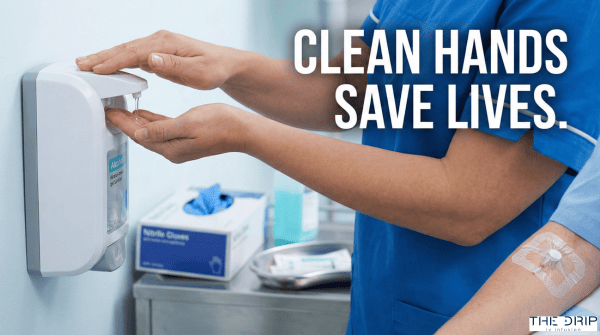
Hand hygiene serves as the primary defense against IV-related infections in healthcare settings. Healthcare providers must perform hand hygiene before and after palpating catheter insertion sites, even when wearing gloves. This requirement extends to all catheter interactions including inserting, replacing, accessing, repairing, or dressing intravascular catheters.
The CDC provides specific training materials and resources for hand hygiene in healthcare settings, emphasizing alcohol-based hand rubs or soap and water depending on the situation. Compliance monitoring programs track adherence rates, with many facilities achieving over 90% compliance through targeted education and feedback systems.
These hand hygiene protocols form the foundation of infection prevention bundles that have demonstrated measurable reductions in CLABSI rates across healthcare facilities.
Are Antiseptic Dressings Used During IV Therapy?
Antiseptic dressings are standard components of IV therapy infection prevention protocols. Chlorhexidine-impregnated dressings have demonstrated significant effectiveness in reducing CLABSI incidence through continuous antimicrobial action at the insertion site. Clinical trials show these specialized dressings reduce both catheter colonization and bloodstream infections compared to standard gauze and tape.
Evidence-based infection prevention bundles incorporate antiseptic-impregnated dressings as essential elements. These dressings release chlorhexidine continuously, maintaining antimicrobial activity between dressing changes. Healthcare facilities using these dressings report measurable decreases in infection rates, particularly for high-risk patients with central venous catheters.
The combination of antiseptic dressings with other prevention measures creates multiple barriers against infection, ensuring safer IV therapy outcomes.
How Do Regulations and Guidelines Influence IV Therapy Sterility?
Regulations and guidelines from health authorities establish mandatory sterility standards that healthcare facilities must follow during IV therapy administration. These frameworks create accountability systems through specific protocols, oversight mechanisms, and enforcement actions to protect patient safety.
What Are the CDC and WHO Guidelines for IV Therapy Sterility?
The CDC and WHO guidelines for IV therapy sterility are comprehensive frameworks that mandate specific insertion techniques, barrier precautions, and monitoring systems. The CDC recommends using the subclavian site for non-tunneled central venous catheters in adults to minimize infection risk. CDC guidelines require healthcare providers to implement maximal sterile barrier precautions during CVC insertion, including sterile gloves, gowns, caps, masks, and full-body drapes.
In May 2024, the WHO released updated guidance emphasizing three core components: healthcare worker education programs, standardized insertion and maintenance checklists, and patient empowerment initiatives. The 2024 National HAI Progress Report demonstrates these guidelines’ effectiveness with a 9% decrease in CLABSIs in acute care hospitals between 2022 and 2023.
These international standards shape how healthcare facilities train staff and monitor compliance with sterility protocols.
How Do Local Health Authorities Oversee IV Therapy Safety?
Local health authorities oversee IV therapy safety through accreditation requirements, state-level regulations, and FDA enforcement powers. The Joint Commission requires healthcare organizations to implement evidence-based practices specifically targeting HAI prevention, including CLABSIs. Organizations must demonstrate compliance through documented protocols, staff training records, and infection rate monitoring.
State governments regulate IV hydration clinics with significant variation in licensing and administration requirements across jurisdictions. Some states mandate specific training hours while others have minimal oversight structures. The FDA maintains enforcement authority including the power to issue recalls of contaminated products from compounding pharmacies when sterility breaches occur.
This multi-tiered regulatory system creates accountability at federal, state, and facility levels.
Are There Legal Consequences for Failing Sterility Standards in IV Therapy?
Legal consequences for failing sterility standards in IV therapy include FDA enforcement actions, financial penalties, and potential civil liability. The FDA has taken enforcement actions against compounding facilities with insanitary conditions, issuing warning letters, product seizures, and facility closures. Healthcare facilities face significant financial impacts as each CLABSI case costs an estimated $46,000 to treat according to healthcare economic studies.
Beyond regulatory penalties, facilities may face civil lawsuits from patients who develop infections due to sterility breaches. Insurance reimbursement denials for preventable infections create additional financial pressure on facilities to maintain strict sterility standards.
These regulatory frameworks and their enforcement mechanisms establish the foundation for safe IV therapy practices across all healthcare settings.
What Should Patients Ask or Look For to Ensure Safe and Sterile IV Therapy?
Patients should verify provider credentials, sterile practices, and safety protocols to ensure safe and sterile IV therapy. Healthcare facilities with specialized IV teams reduce central line-associated bloodstream infection rates by up to 50%, according to a 2019 CDC report. Key indicators of safe IV therapy include Joint Commission accreditation, visible sterile technique protocols, and trained healthcare personnel.
How Can Patients Identify a Safe IV Therapy Provider?
Safe IV therapy providers demonstrate specialized training and accreditation standards. Specialized IV teams have been shown to be highly effective in reducing catheter-related bloodstream infection (CRBSI) incidence by implementing standardized protocols. Healthcare facilities with Joint Commission accreditation meet established infection prevention standards including hand hygiene compliance, sterile barrier precautions, and catheter site care protocols.
Patients should verify three essential provider qualifications: current medical licenses, IV therapy certifications, and facility accreditation status. Professional IV therapy providers display these credentials prominently and maintain clean, organized treatment areas with visible safety equipment such as hand sanitizer stations, sterile supplies, and proper waste disposal systems.
What Questions Should Patients Ask Before Undergoing IV Therapy?
Patients should ask specific questions about sterility protocols, staff training, and infection prevention measures before undergoing IV therapy. Essential questions include:
- What sterilization methods do you use for IV equipment?
- Are your healthcare providers certified in IV therapy administration?
- How do you prevent contamination of IV solutions?
- What is your facility’s infection rate for IV procedures?
- Do you follow CDC guidelines for catheter insertion and maintenance?
- How often do you replace IV catheters and tubing?
- What type of antiseptic do you use for skin preparation?
Documentation requests should include infection prevention policies, staff training records, and recent health inspection reports. Providers should explain their aseptic technique procedures, including hand hygiene protocols, skin antisepsis methods, and sterile barrier use during catheter insertion.
What Are Signs That an IV Procedure May Not Be Sterile or Safe?
Warning signs of unsafe IV procedures include improper hand hygiene, reused equipment, and unclean environments. A December 2023 NBC News report highlighted infections from IV therapy administered by untrained personnel in non-sterile environments at unregulated med spas, resulting in bacterial infections requiring hospitalization.
Red flags indicating potential sterility breaches:
- Staff not washing hands or using gloves before the procedure
- Visible contamination on equipment or supplies
- Reuse of single-use items such as needles or tubing
- Lack of proper skin antisepsis before catheter insertion
- Unclean treatment areas or storage facilities
- Missing expiration dates on IV solutions or medications
- Staff unable to answer questions about sterility protocols
Patients should immediately report pain, redness, swelling, or discharge at the IV site, as these symptoms may indicate infection. Temperature above 100.4°F, chills, or unexplained fatigue following IV therapy requires prompt medical evaluation for potential bloodstream infection.
Understanding these safety indicators empowers patients to make informed decisions about IV therapy providers and recognize potential risks before complications develop.
How Can You Choose a Trusted Provider for Safe and Sterile IV Therapy?
You can choose a trusted provider for safe and sterile IV therapy by verifying their accreditation, infection control protocols, and staff training certifications. Look for facilities with Joint Commission accreditation, documented CLABSI prevention bundles, and specialized IV teams. Professional providers demonstrate transparent safety metrics and use evidence-based protocols to minimize infection risks.
Can Professional IV Therapy Services Help Reduce Infection Risks?
Professional IV therapy services can help reduce infection risks through standardized protocols and specialized teams. Multidisciplinary teams using insertion and maintenance bundles have successfully reduced central line-associated bloodstream infections (CLABSIs). Organizations empowering nurses to stop procedures for protocol breaches show measurably improved patient outcomes.
Smart infusion technology enhances safety monitoring during treatment. Dose error reduction software in smart pumps may prevent medication errors, while ivWatch technology uses near-infrared light to continuously monitor IV sites. This optical monitoring enables early detection of infiltration and extravasation before tissue damage occurs.
Professional services implement multiple safety layers simultaneously. Bundled interventions combining hand hygiene, maximal barrier precautions, and chlorhexidine skin antisepsis create redundant protection against contamination. These comprehensive approaches reduce CLABSI rates more effectively than single interventions alone.
What Are the Key Takeaways About IV Therapy Sterility, Safety, and Infection Control?
The key takeaways about IV therapy sterility center on industry standardization and evidence-based practices. The American IV Association (AIVA) is establishing best practices to promote consistent safety standards across providers. Their guidelines address training requirements, sterile technique protocols, and quality monitoring systems.
Bundled interventions prove highly effective for infection prevention. Multiple evidence-based practices applied together—including antiseptic dressings, proper site selection, and daily necessity assessments—create synergistic protection. Healthcare facilities implementing comprehensive bundles report CLABSI reductions exceeding single-intervention outcomes.
Catheter technology continues advancing with antimicrobial innovations. New designs incorporate antimicrobial-impregnated materials such as chlorhexidine and silver sulfadiazine coatings. Improved securement devices reduce catheter movement and dislodgement, minimizing mechanical irritation that may increase infection risk.
Choosing a trusted IV therapy provider requires evaluating their commitment to sterility through verifiable safety practices, professional certifications, and transparent infection control metrics.