If you’re searching for information about IV infusion therapy, you’re likely considering treatment for yourself or a loved one, wondering about safety and effectiveness, or perhaps exploring wellness options beyond traditional supplements. We understand these concerns, and you’ve come to the right place for comprehensive, evidence-based answers about modern IV therapy practices.
IV infusion therapy is the direct administration of fluids, medications, nutrients, or blood products into a vein through a catheter, allowing substances to bypass the digestive system and enter the bloodstream immediately for nearly 100% bioavailability. This medical procedure, once limited to hospitals, has evolved into a precision wellness treatment offering personalized, clinician-led protocols that support everything from basic hydration to complex nutrient replenishment, with sessions typically lasting 30-60 minutes and utilizing AI-powered smart pumps that reduce medication errors by up to 95%.
TL;DR Summary: This comprehensive guide covers the complete IV infusion therapy process, from initial consultation through post-treatment care. We explain how IV therapy works by delivering nutrients directly to your bloodstream, achieving nearly 100% bioavailability compared to oral supplements’ 50% absorption rate. You’ll learn about eligibility criteria, including necessary pre-treatment blood tests for sodium, potassium, and kidney function. We detail what to expect during your 30-60 minute session, from IV catheter insertion to real-time monitoring with smart infusion pumps. The guide addresses both benefits (immediate hydration, enhanced nutrient absorption) and risks (potential complications, contraindications for certain conditions). We explore 2026’s technological advances, including AI-powered dose adjustments and telehealth integration, compare IV therapy to oral supplements, and provide essential criteria for choosing a reputable provider with proper CLIA certification and medical oversight.
Quick Tip: Before scheduling IV therapy, always verify your provider displays a current CLIA certificate and employs licensed medical professionals (physicians, NPs, PAs, or RNs) – this single check can help ensure you receive safe, regulated care rather than treatment from unqualified practitioners.
As we enter 2026, IV therapy represents a $2.83 billion market that’s no longer viewed as a trend but as standard care, with treatments ranging from $200-$1,000 per session. Whether you’re seeking energy enhancement through NAD+ protocols, immune support via high-dose vitamin C, or recovery from chronic conditions, understanding the complete IV infusion process – from pre-treatment assessments to post-infusion monitoring – empowers you to make informed decisions about this increasingly popular wellness modality. Let’s explore exactly what happens when you receive IV therapy and how The Drip IV Infusion can support your health goals with evidence-based, professionally administered treatments.
What is IV infusion therapy and how does it work?
IV infusion therapy is the medical practice of delivering fluids, medications, and nutrients directly into a vein through an intravenous catheter. This treatment bypasses the digestive system to achieve nearly 100% bioavailability, compared to oral supplements which typically reach only 50% absorption. Healthcare providers use IV therapy for hydration, nutrient replenishment, and medication administration in both clinical and wellness settings. The following sections detail the key components of modern IV infusion therapy sessions.
What are the main steps involved in an IV infusion session?
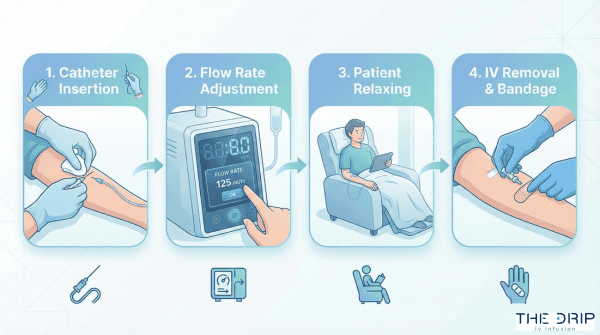
The main steps in an IV infusion session are catheter insertion, flow rate adjustment, continuous monitoring, and session completion. Healthcare providers begin by inserting a catheter into a vein, which rarely causes trauma, bleeding, or infection. Nurses adjust infusion rates using manual clamps or electric pumps, counting drops per minute or setting specific parameters.
Most IV therapy sessions last 30-60 minutes, with specialized treatments requiring longer duration. According to a 2024 hospital technology report, 89.5% of US hospitals have implemented smart pump technology, with full implementation standard in hospitals with 600+ beds. Healthcare providers monitor solution, dosage, and duration throughout the session to prevent complications.
What types of fluids and nutrients are commonly used in IV infusion therapy?
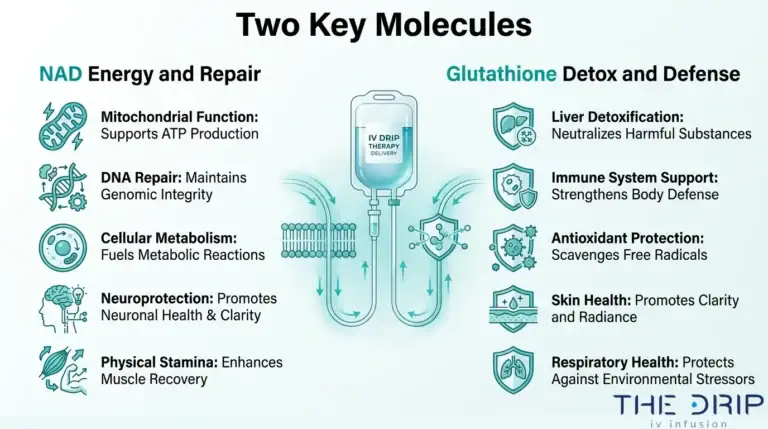
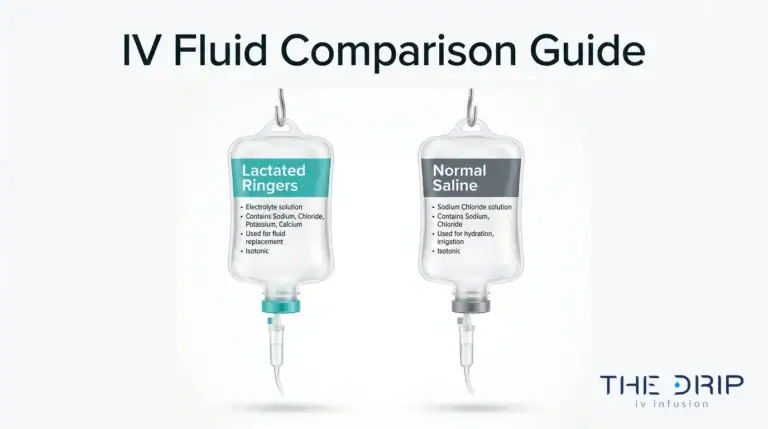
The types of fluids and nutrients commonly used in IV infusion therapy are crystalloid solutions, vitamin cocktails, amino acids, and antioxidants. Myers’ Cocktail contains vitamins and minerals to improve fatigue and immunity. NAD+ IV therapy supports longevity, cognitive function, and burnout recovery.
| IV Infusion Nutrient | Function | Clinical Value |
| Vitamin C (IV) | Blood concentration | 50-100x higher than oral |
| B12 drips | Function | Energy support |
| Magnesium | Benefits | Stress and muscle recovery |
| Glutathione | Role | Master antioxidant |
| Beauty drips | Components | Glutathione, vitamin C, biotin |
| Amino acids | Purpose | Performance and repair |
The 5 R’s guide IV fluid prescribing: Resuscitation, Routine maintenance, Replacement, Redistribution, and Reassessment.
How does the body absorb and utilize infused substances?
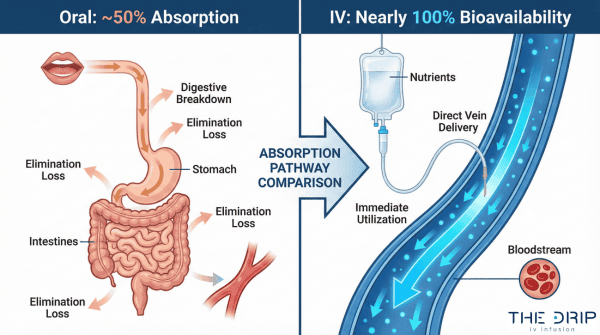
The body absorbs infused substances through direct bloodstream delivery, achieving nearly 100% bioavailability. IV infusion bypasses the digestive system and avoids first-pass metabolism in the liver, maintaining nutrient bioavailability intact. Oral supplements achieve 50% or less absorption due to digestive breakdown.
Hydration effects occur immediately while nutrient benefits develop over following days. Some benefits become noticeable within hours and last several days. This direct delivery method ensures maximum utilization of infused substances.
What is the difference between IV infusion and other hydration methods?
The difference between IV infusion and other hydration methods is direct bloodstream delivery versus digestive system processing. IV therapy delivers nutrients directly for immediate utilization, while oral vitamin bioavailability typically remains limited to about 50%. IV administration provides immediate hydration compared to oral rehydration methods.
IV therapy particularly benefits patients with poor gut health or malabsorption issues. Vitamin B12 IV injections serve as the medically accepted standard for patients with pernicious anemia who cannot absorb B12 through the gut. This section has covered the fundamental mechanisms of IV infusion therapy, preparing you to understand eligibility criteria and specific conditions that may benefit from this treatment approach.
Who is eligible for IV infusion therapy and what conditions can it address?
IV infusion therapy eligibility depends on comprehensive medical assessment and specific health conditions. Healthcare providers evaluate kidney function, electrolyte levels, and medical history to determine suitability. The following sections detail candidate assessment, treatable conditions, and important contraindications.
How do you determine if a patient is a good candidate for IV infusion?
A patient is a good candidate for IV infusion when blood tests confirm normal sodium and potassium levels and adequate kidney function. Healthcare professionals require comprehensive initial evaluations including medical history review, current medications assessment, and supplement documentation. Lifestyle factors such as dietary habits and physical activity levels influence treatment protocols. Allergy identification remains essential for patient safety.
Pre-treatment laboratory testing forms the foundation of candidate screening. Assessment protocols identify special conditions that may affect treatment response. Health goal discussions guide personalized therapy selection.
What medical conditions and symptoms may benefit from IV infusion therapy?
Medical conditions that may benefit from IV infusion therapy include nutrient deficiencies, chronic fatigue, and digestive disorders such as IBS. IV vitamin therapy proves effective for patients unable to maintain adequate nutrition due to serious medical conditions or eating difficulties. Malabsorption issues and chronic illnesses respond particularly well to direct nutrient delivery.
A 2009 fibromyalgia study revealed that 34 adults receiving Myers cocktail experienced significant improvements in pain, depression, and quality of life after 8 weeks. Research indicates IV vitamin C may improve quality of life and reduce illness-related side effects in cancer patients. IV therapy supports recovery from intense workouts and treats dehydration and infections effectively.
Benefits extend to individuals with compromised digestive systems who cannot absorb oral supplements adequately.
Are there any contraindications or risks to be aware of before starting therapy?
Contraindications for IV therapy include heart disease, kidney disease, diabetes, and electrolyte abnormalities. Pregnant and breastfeeding women should avoid Myers’ cocktail and other IV therapy types. Patients with high blood pressure face increased risks from IV therapy.
Low magnesium or potassium levels increase likelihood of abnormal heart rhythms during treatment. High doses of certain vitamins and minerals link to kidney damage, heart rhythm abnormalities, and blood pressure changes. Risk assessment requires careful evaluation of existing conditions.
Understanding these eligibility criteria and contraindications helps determine appropriate candidates for IV infusion therapy while ensuring patient safety throughout treatment protocols.
What should you expect before, during, and after an IV infusion appointment?
Understanding what happens during an IV infusion appointment helps ensure a safe and comfortable experience. The process involves three distinct phases: preparation, the actual infusion, and post-treatment care.
How should you prepare for your first IV infusion session?
Preparing for your first IV infusion session requires comprehensive medical evaluation and consultation. Healthcare professionals conduct detailed consultations about medical history to identify potential contraindications. Blood tests measure sodium levels, potassium levels, and kidney function before treatment begins. Medical providers assess current medications and supplements to identify interactions that could affect treatment safety.
Lifestyle factors play a crucial role in treatment planning. Healthcare teams review dietary habits and physical activity levels to customize infusion protocols. Patients discuss health goals and expected outcomes with their medical provider to establish realistic expectations. This thorough preparation ensures the IV therapy aligns with individual health needs and minimizes potential risks.
What happens when you arrive at the clinic for IV infusion therapy?
IV infusion therapy at the clinic begins with verification and professional medical care. Licensed medical professionals perform services, including medical doctors, physician’s assistants, nurse practitioners, and registered nurses. Comprehensive intake processes review health history upon arrival to confirm current health status.
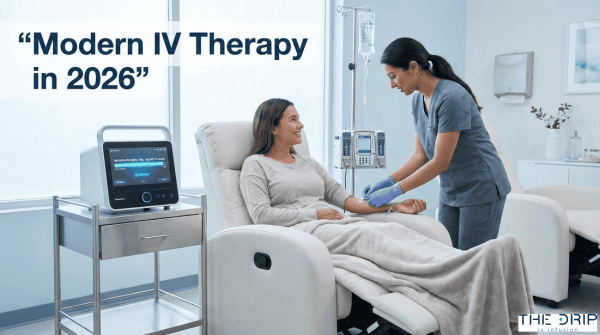
Healthcare providers verify patient identity and prescribed treatment protocol before proceeding. Qualified medical staff perform IV catheter insertion using sterile technique. Many facilities use smart infusion pumps with real-time monitoring for automated dose adjustments. These pumps reduce medication errors by up to 95% through continuous parameter tracking. The combination of professional oversight and advanced technology ensures treatment safety throughout the session.
How long does the procedure usually take and what does it feel like?
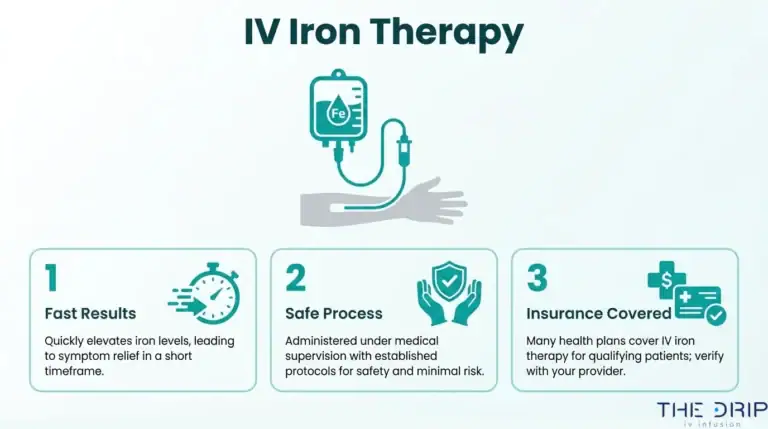
Most IV therapy sessions last between 30 and 60 minutes. Standard hydration and vitamin infusions typically complete within this timeframe. Specialized treatments like NAD+ may require longer durations due to slower infusion rates necessary for patient comfort.
The physical experience varies throughout the session. IV placement may cause minor discomfort during insertion, similar to a brief pinch. Patients rest comfortably in chairs or beds during infusion while medical staff monitor their condition. Some patients report feeling a cool sensation as fluids enter the bloodstream. This sensation is normal and indicates proper fluid delivery. Most patients find the experience relaxing once the initial insertion is complete.
What aftercare or post-infusion instructions are typically given to patients?
Post-infusion care begins before leaving the facility with immediate monitoring. Healthcare providers observe patients for adverse reactions such as allergic responses or infusion site complications. Staff provide instructions to maintain hydration following treatment to support nutrient distribution.
Patients receive guidance about when benefits may become noticeable. Effects range from hours to days depending on the specific treatment received. Providers give information about potential side effects to watch for, including headache, nausea, or injection site irritation. Medical teams provide recommendations for follow-up treatments based on individual response and health goals. These instructions help patients maximize treatment benefits while maintaining safety between sessions.
What are the potential benefits and risks of IV infusion therapy in 2026?
The potential benefits and risks of IV infusion therapy in 2026 include enhanced hydration and nutrient delivery balanced against possible complications such as vitamin toxicity and kidney stress. Advanced AI-powered technology has improved safety monitoring while evidence for wellness claims remains limited according to medical experts. This section examines effectiveness data, side effect management, and technological advances shaping modern IV therapy.
How effective is IV infusion therapy for rehydration, wellness, and recovery?
IV infusion therapy for rehydration, wellness, and recovery shows mixed effectiveness depending on the patient’s baseline health status. Mayo Clinic’s Dr. Brent A. Bauer states evidence for many wellness claims is limited. A 2009 fibromyalgia study revealed both treatment and placebo groups reported significant improvements, indicating a high placebo effect.
Limited evidence exists that IV vitamins provide benefit to people with normal nutritional intake and levels. The FDA has not approved IV vitamin C therapy as treatment for cancer side effects. The energy booster category held the largest market share at 25-28% during 2023-2024.
Providers making IV therapy part of membership programs see 30-50% higher retention rates compared to session-based clinics. This business metric suggests patient satisfaction despite limited clinical evidence for wellness applications in healthy individuals.
What are the most common side effects and how are they managed?
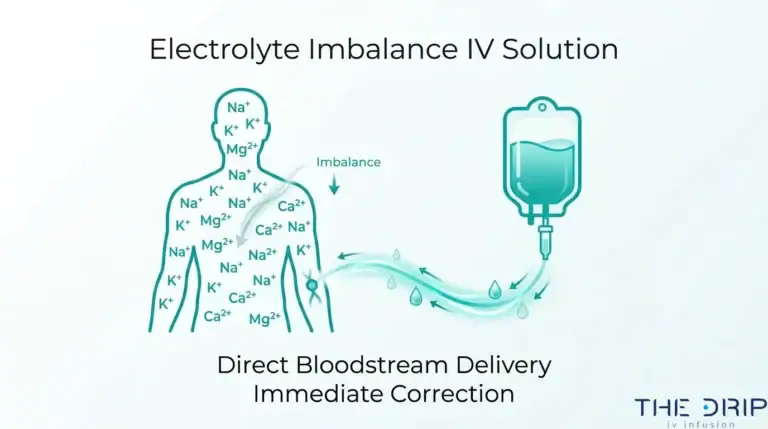
The most common side effects of IV infusion therapy include vitamin toxicity, kidney complications, and electrolyte imbalances. Vitamin toxicity can occur from bypassing the body’s natural gatekeeping functions. High-dose vitamin C may cause kidney stone development due to increased oxalate production.
Potassium overdose can cause potentially fatal arrhythmias. Overhydration symptoms include nausea, headaches, and confusion. Excessive thiamin administration may trigger anaphylaxis in sensitive individuals.
Management strategies include:
- Pre-treatment blood tests for electrolyte levels
- Controlled infusion rates using smart pumps
- Continuous vital sign monitoring
- Immediate access to emergency protocols
- Limiting treatment frequency to prevent nutritional imbalances
Using IV therapy too frequently may result in kidney overload and long-term complications requiring medical intervention.
Has IV infusion therapy changed or improved with new technology in 2026?
IV infusion therapy has significantly improved with new technology in 2026 through AI integration and smart device connectivity. AI-powered smart pumps enable automated dose adjustments based on real-time physiological data, reducing human error by up to 95%. These systems provide continuous monitoring with secure data transmission to healthcare providers.
Predictive analytics streamline day-of operations by optimizing patient assignment and drug premixing. The smart infusion pump market is growing from $6.1 billion in 2024 to a projected $11.5 billion by 2033, representing a 7.3% CAGR.
| Technology Type | Key Feature | Clinical Impact | Market Growth |
| Smart Pumps | Two-way EMR connectivity | Automated prescription verification | 7.3% CAGR |
| AI Monitoring | Real-time dose adjustment | 95% error reduction | Expanding rapidly |
| Telehealth Platforms | Remote patient monitoring | Continuous data transmission | Industry standard |
| Mobile IV Services | At-home treatment delivery | Improved accessibility | $568M to $1.56B by 2034 |
The mobile IV therapy market expanded from $568.25 million in 2024 to a projected $1.56 billion by 2034, demonstrating a 10.6% CAGR. These technological advances have transformed IV therapy from manual processes to precision-guided treatments with enhanced safety profiles and improved patient outcomes.
How does IV infusion therapy compare to oral supplements and other treatments?
IV infusion therapy delivers nutrients directly into the bloodstream, bypassing the digestive system entirely. This fundamental difference creates distinct advantages and limitations compared to oral supplements and traditional treatments. The choice between IV and oral administration depends on specific medical conditions, absorption capabilities, and treatment urgency.
What are the advantages and disadvantages of IV therapy versus oral intake?
The advantages and disadvantages of IV therapy versus oral intake center on bioavailability, cost, and clinical applications. IV therapy achieves nearly 100% bioavailability compared to oral supplements at approximately 50% absorption. Vitamin C administered intravenously reaches blood concentrations 50-100 times higher than oral ingestion.
Cost represents a significant disadvantage. IV therapy ranges from $250 to $800 per single treatment, while oral supplements cost substantially less. Most insurance companies do not cover IV vitamin therapy for wellness purposes.
| IV Therapy Ingredient | Health Benefit Category | Measurable Clinical Impact |
| Vitamin C (IV) | Blood concentration | 50-100x higher than oral |
| B12 drips | Function | Energy support |
| Magnesium | Benefits | Stress and muscle recovery |
| Glutathione | Role | Master antioxidant |
| Beauty drips | Components | Glutathione, vitamin C, biotin |
IV therapy provides rapid replenishment for patients with absorption issues and critical care situations. Oral supplements remain preferred for daily nutritional support and maintenance therapy due to convenience and lower cost.
When might a doctor recommend IV infusion over traditional treatments?
Doctors recommend IV infusion over traditional treatments when oral administration proves insufficient or impossible. Patients unable to take adequate nutrition due to inability to eat or serious medical conditions require IV therapy. Individuals with pernicious anemia who cannot absorb B12 through the gut need IV administration.
Acute care medicine and emergency treatment situations demand IV therapy’s rapid delivery. There are specific clinical scenarios requiring IV administration, such as severe dehydration when oral rehydration remains insufficient, patients recovering from surgery, and those suffering from chronic malabsorption syndromes.
Medical professionals prioritize IV therapy when speed and complete absorption matter most. The direct bloodstream delivery bypasses digestive barriers that may compromise treatment effectiveness in critically ill patients.
What research or evidence supports the use of IV infusion therapy?
Research supporting IV infusion therapy shows mixed results between clinical applications and wellness claims. A 2025 Cureus journal study confirms IV therapy offers enhanced bioavailability and targeted nutrient replenishment. The Journal of Parenteral and Enteral Nutrition documents nearly 100% absorption rates for IV therapy.
Evidence for wellness applications remains limited. Most wellness claims rely on self-reported experiences rather than clinical evidence. Limited large-scale, randomized controlled trials exist for wellness applications. Researchers acknowledge the need for comparative effectiveness studies against oral supplementation.
The medical community recognizes IV therapy’s established role in specific conditions while questioning broader wellness applications. Strong empirical support remains lacking for many marketed benefits in otherwise healthy individuals. This evidence gap between medical necessity and wellness optimization continues to shape professional recommendations and insurance coverage decisions.
How should you choose a reputable IV infusion provider?
Choosing a reputable IV infusion provider requires evaluating certifications, safety standards, and medical oversight. The ACCP public policy committee raised concerns about low oversight levels for wellness centers. Reports document unqualified individuals administering infusions without proper credentials.
What certifications or credentials should you look for in an IV infusion clinic?
The certifications and credentials required for IV infusion clinics include CLIA certificates, professional licenses, and accreditation standards. All providers performing laboratory testing must display CLIA certificates. Beginning March 1, 2026, CLIA requires email registration for critical communications.
ACHC holds “deemed status” for home infusion therapy approved by Centers for Medicare and Medicaid Services. Licensed medical professionals required on staff include physicians, nurse practitioners, physician assistants, or registered nurses. The Infusion Nurses Society provides Infusion Therapy Standards of Practice, 9th edition, establishing industry benchmarks.
State licensing requirements vary significantly. Some states require physician ownership while others allow anyone to own IV clinics. This regulatory variation creates inconsistent oversight standards across locations.
The following credentials indicate quality IV infusion providers:
| IV Clinic Certification or Credential | Compliance Category | Regulatory |
| CLIA Certificate | Requirement | Mandatory for laboratory testing |
| CLIA Registration | Deadline | March 1, 2026 |
| ACHC Accreditation | Status | Deemed status by CMS |
| Medical Staff | Minimum Credentials | MD, NP, PA, or RN |
| INS Standards | Current Edition | 9th edition |

These certifications ensure providers meet federal standards and maintain professional competency for safe IV administration.
How do you know if an IV infusion provider follows safety and quality standards?
An IV infusion provider follows safety and quality standards through medical oversight, professional environments, and transparent protocols. Clear medical oversight requires a licensed physician serving as medical director. Professional clinic environments differ from “drip bar” models lacking medical supervision.
Transparent intake processes review complete health histories before treatment. Clear protocols reflect precision wellness approaches rather than one-size-fits-all treatments. Verification becomes challenging in wellness settings compared to hospital environments.
Quality indicators include:
• Licensed physician medical directors overseeing all treatments
• Professional clinical settings with proper medical equipment
• Comprehensive health history reviews before infusion
• Written protocols for emergency management
• Required blood tests matching hospital standards
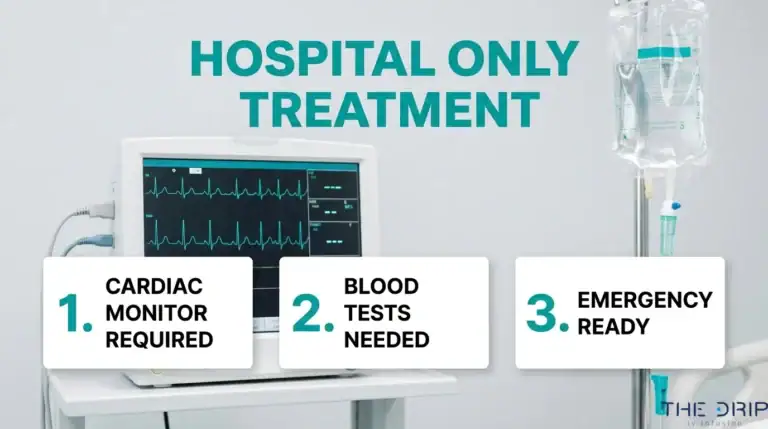
The ACCP public policy committee identified oversight gaps in wellness centers. Hospital settings maintain stricter requirements for blood tests including sodium, potassium, and kidney function assessments. These safety standards protect patients from adverse reactions and complications.
What questions should you ask your IV provider before starting treatment?
The questions you should ask your IV provider before starting treatment cover supervision, testing requirements, and emergency protocols. Dr. Kennedy emphasizes: “Clinics need clear protocols, proper training, and meaningful medical oversight to ensure treatments are not only effective but safe.”
Essential questions for providers include:
• What supervision requirements exist for practitioners in this state?
• Which pre-treatment blood tests do you require?
• What ingredient transparency and dosing protocols do you follow?
• How do you manage adverse reactions and emergencies?
• What HIPAA compliance and cybersecurity standards protect patient data?
Pre-treatment blood tests should assess sodium, potassium, and kidney function. Ingredient transparency ensures patients understand exact substances and doses administered. Emergency protocols must address potential reactions including anaphylaxis or electrolyte imbalances.
State supervision requirements vary significantly, affecting practitioner autonomy and patient safety. Some states mandate direct physician supervision while others permit independent practice. HIPAA compliance and cybersecurity standards protect sensitive medical information from breaches.
These questions help patients evaluate whether providers maintain appropriate safety standards and medical oversight for IV infusion therapy.
How can The Drip IV Infusion help with your IV infusion therapy needs in 2026?
The Drip IV Infusion provides comprehensive IV therapy services designed to meet diverse wellness and medical needs in 2026. Their approach combines traditional IV treatments with modern technology to deliver personalized care. The clinic specializes in both medical and wellness applications of IV therapy.
What services and therapies does The Drip IV Infusion offer for IV infusion therapy?
The Drip IV Infusion offers multiple IV therapy categories including hydration, vitamin infusions, and specialized wellness treatments. Their service menu includes Myers’ Cocktail for immune support, NAD+ therapy for cognitive enhancement, and glutathione infusions for antioxidant benefits. The clinic provides B12 energy drips, high-dose vitamin C treatments, and amino acid performance blends. Custom formulations address specific health goals such as athletic recovery, immune support, and aesthetic enhancement. Licensed medical professionals administer all treatments following comprehensive health assessments. The facility uses smart infusion pumps with real-time monitoring for precise dosing and safety.
What are the key takeaways about what happens during IV infusion therapy in 2026?
The key takeaways about IV infusion therapy in 2026 are its evolution into precision wellness and significant market growth. The IV Vitamin Therapy Market reached $1,531 million in 2025 and will grow to $2,472 million by 2034. AI-driven innovations have transformed traditional practices through smart pumps that reduce human error by up to 95%. Treatment costs range from $200 to $1,000 per session, with most insurance excluding wellness IV therapy coverage. According to IMED University, IV therapy has become standard of care in 2025 rather than a trend. Home infusion therapy represents the fastest-growing segment, expanding from $39.84 billion in 2024 to a projected $92.23 billion by 2032.