Book Now

Category: Blog

  • IV Therapy Near Arizona State University | Downtown Phoenix Hydration & Energy

    IV Therapy Near Arizona State University | Downtown Phoenix Hydration & Energy

    Arizona State University, with its vibrant Downtown Phoenix campus, is home to thousands of students pursuing their academic goals. Amidst the hustle and bustle of university life, maintaining optimal health and wellness is crucial. IV therapy, a treatment that involves the intravenous administration of fluids, vitamins, and minerals directly into the bloodstream, offers a quick and effective solution for addressing dehydration and fatigue. This method allows for rapid absorption, making it an attractive option for busy students at ASU’s Downtown Phoenix campus.

    IV therapy provides hydration and essential nutrients directly to the body, which can help students stay energized and focused. In Phoenix’s hot climate, dehydration is a common challenge, and IV therapy can serve as a tool to support students’ wellness. This article explores the benefits of IV therapy for students, how it supports hydration and energy, and highlights local providers near ASU’s Downtown Phoenix campus where students can access these services.

    Benefits of IV Therapy for Students

    IV therapy offers several benefits that are particularly valuable for students at Arizona State University, helping them maintain peak performance during demanding academic schedules. Here are the key advantages:

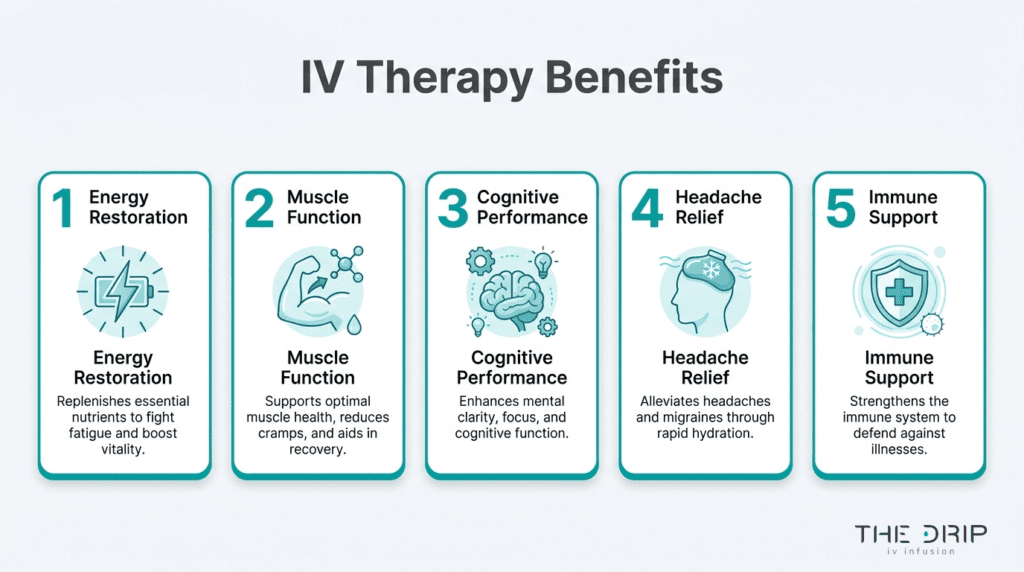
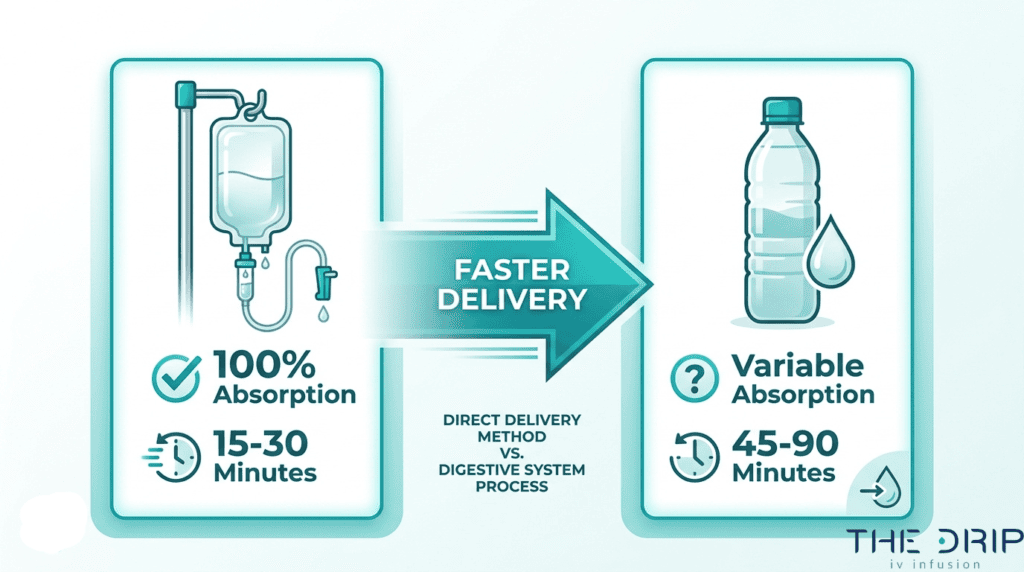
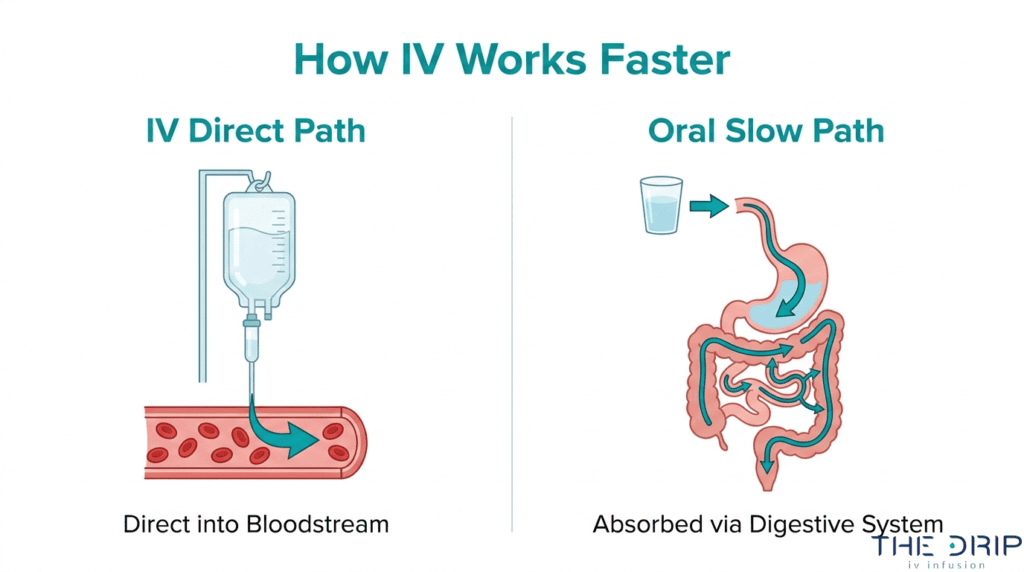
    • Quick Hydration: IV therapy delivers fluids directly into the bloodstream, providing immediate hydration. This is especially beneficial for students who may become dehydrated due to busy schedules, physical activities, or Phoenix’s arid climate. Unlike drinking water, which requires time for absorption through the digestive system, IV therapy ensures rapid rehydration.
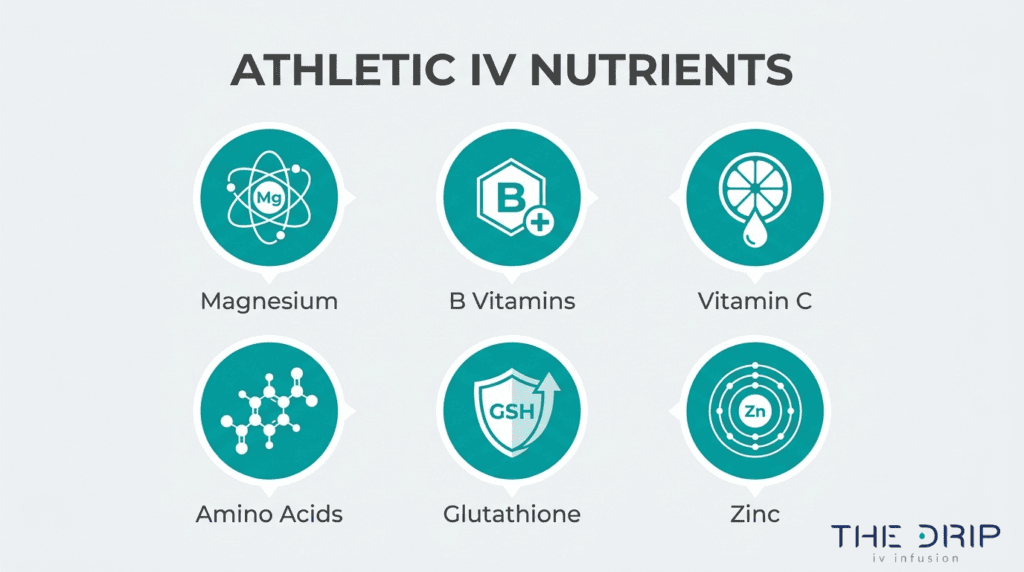
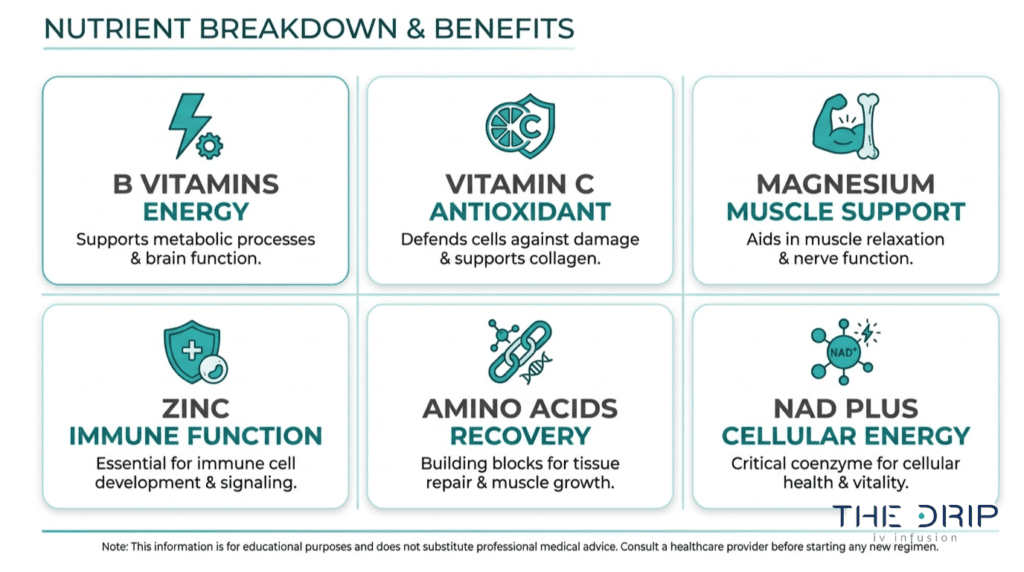
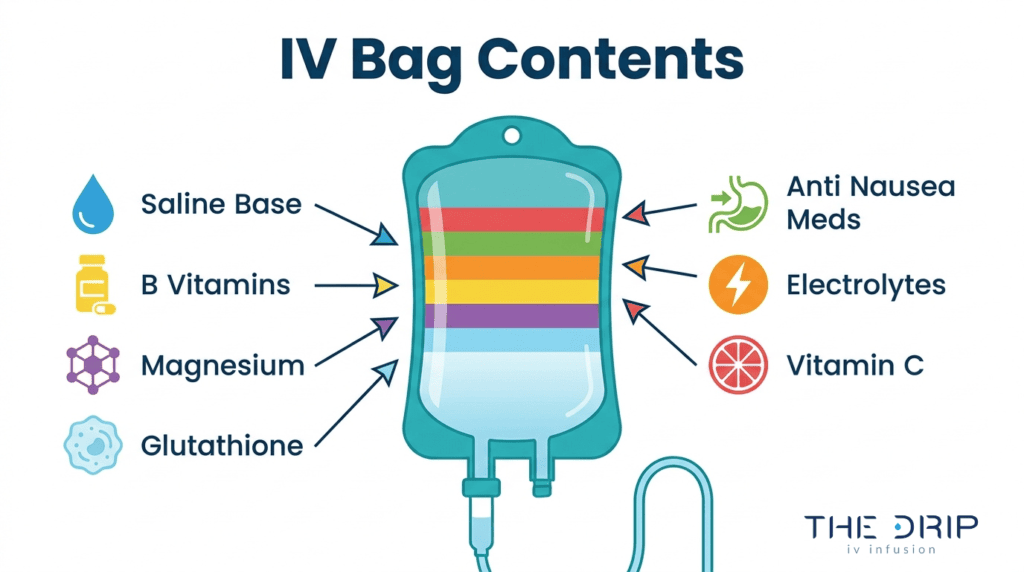
    • Nutrient Replenishment: IV therapy can include customized blends of vitamins and minerals, such as vitamin C for immune support, B vitamins for energy production, and magnesium for muscle function. These nutrients help address deficiencies that may arise from a student’s diet or lifestyle, supporting overall health.
    • Energy Boost: By restoring hydration and delivering energy-supporting nutrients, IV therapy can help students feel more alert and productive. This is crucial for long study sessions, attending classes, or balancing extracurricular activities.
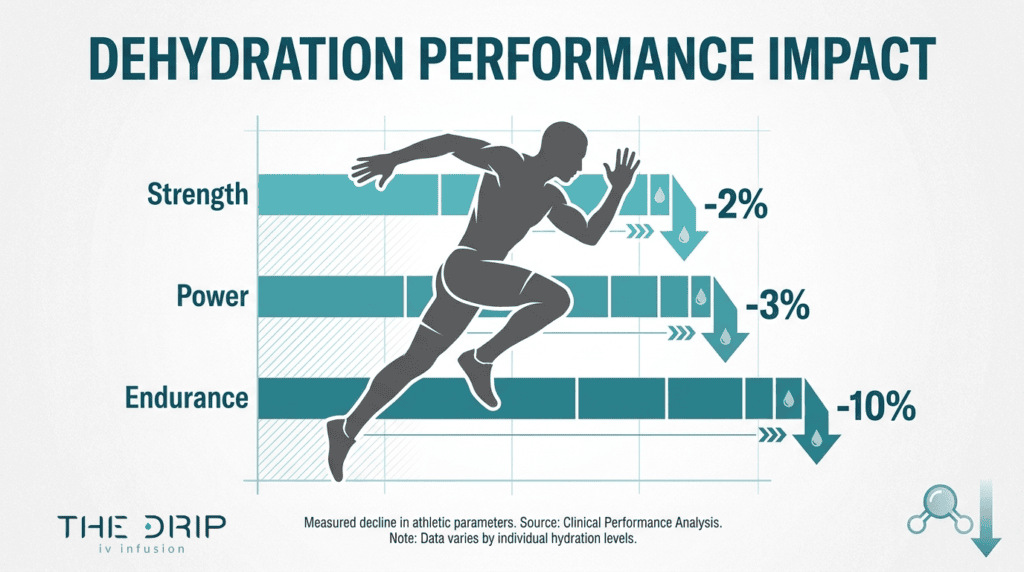
    • Improved Cognitive Function: Dehydration can impair cognitive abilities critical for academic success. Research suggests that even mild dehydration, as little as 2% body weight loss, can affect attention, memory, and psychomotor skills. IV therapy helps maintain optimal hydration, potentially supporting cognitive performance for studying and exams.

    How IV Therapy Supports Hydration and Energy

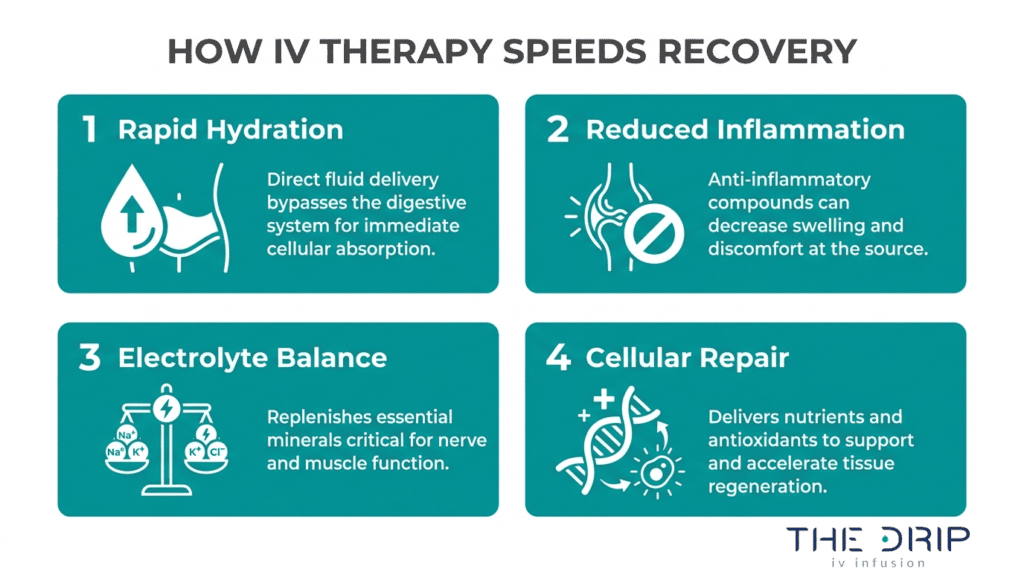
    IV therapy supports hydration and energy through efficient delivery mechanisms that bypass the digestive system, ensuring maximum absorption. Here’s how it works:

    • Direct Delivery: IV therapy administers fluids directly into the veins, allowing the body to utilize them immediately. This is particularly effective for rapid rehydration after physical exertion or dehydration caused by heat or insufficient water intake.
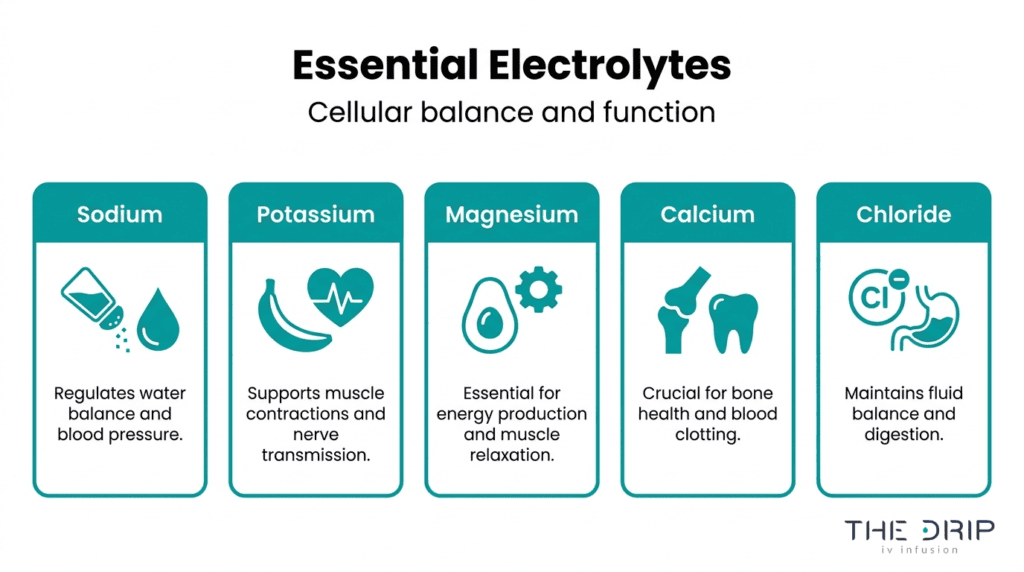
    • Electrolyte Balance: IV fluids often contain electrolytes like sodium, potassium, and chloride, which are essential for maintaining fluid balance, nerve function, and muscle contraction. Proper electrolyte levels contribute to sustained energy and overall well-being.
    • Nutrient Infusion: Vitamins and minerals, such as vitamin B12, which supports energy metabolism, are delivered directly into the bloodstream. This method ensures higher absorption rates compared to oral supplements, which may lose potency during digestion.
    • Customizable Treatments: IV therapy can be tailored to individual needs, whether a student seeks recovery from fatigue, immune support, or an energy boost. Providers can adjust the IV cocktail to include specific nutrients based on health goals.

    The Cleveland Clinic notes that IV fluids are formulated to prevent or treat dehydration, which can significantly impact energy levels and cognitive function. Additionally, Healthline suggests that vitamin IV therapy may leave individuals feeling energized by providing extra fluids and nutrients, though scientific evidence for wellness benefits in healthy individuals is limited. Students can speak with an Infusion Specialist from The Drip IV Infusion to determine the best wellness option for their needs.

    Local Providers Near ASU

    For students at ASU’s Downtown Phoenix campus, several reputable IV therapy providers offer convenient access to high-quality treatments. Choosing a provider with trained Infusion Specialists is essential for safety and efficacy. The Drip IV Infusion is one of the top rated options.

    Provider NameAddressRating (Stars)Description
    The Drip IV Infusion4531 N 16th St Ste 102, Phoenix, AZ 850165.0 (78 reviews)Known for professional staff and a wide range of IV therapy options.

    The Drip IV Infusion has excellent client feedback, reflecting their commitment to quality care. Students can choose their provider based on proximity, services offered, or availability of mobile options for added convenience.

    Conclusion

    IV therapy offers a promising option for students at Arizona State University’s Downtown Phoenix campus to support their hydration and energy needs. By providing rapid hydration, nutrient replenishment, and potential cognitive benefits, IV therapy can help students stay focused and perform at their best. Local providers like The Drip IV Infusion offer accessible, high-quality services tailored to individual needs. However, students should consult a healthcare professional to determine if IV therapy is appropriate, as its benefits for wellness in healthy individuals are not fully supported by scientific evidence. With proper guidance, IV therapy can be a valuable tool in a student’s wellness routine.

    Key Citations:

  • Top Reasons to Get IV Therapy in Phoenix: A Comprehensive Guide

    Top Reasons to Get IV Therapy in Phoenix: A Comprehensive Guide

    Phoenix, Arizona, is renowned for its hot desert climate, with long, scorching summers and mild winters. With just 8 inches of annual rainfall and temperatures exceeding 100°F (37.8°C) for over 100 days each year , the city’s environment poses significant challenges for hydration and overall health. 

    IV therapy, offered by providers like The Drip IV Infusion, delivers fluids, electrolytes, and nutrients directly into the bloodstream, offering a powerful solution to combat dehydration, support wellness, and enhance performance in this demanding climate. This article explores the top reasons why IV therapy is a valuable tool for Phoenix residents, backed by scientific evidence and local health data.

    Phoenix’s Climate and IV Therapy: The Desert Connection

    Phoenix’s location in the Sonoran Desert results in a hot, arid climate with low humidity and intense sunlight. The city receives approximately 3,872 hours of sunshine annually, making it one of the sunniest major cities on Earth.

    Maintaining hydration is critical in such conditions, as dehydration can lead to fatigue, muscle cramps, and more severe heat-related illnesses. While drinking water is essential, IV therapy provides a faster, more efficient way to rehydrate by delivering fluids and electrolytes directly into the bloodstream, bypassing the digestive system. A study found that forced water intake, including via IV methods, improves thermoregulation in desert dwellers, reducing the risk of heat-related complications.

    For Phoenix residents, IV therapy is particularly beneficial for those who are active, work outdoors, or struggle to consume enough fluids. It ensures rapid hydration, helping to maintain energy levels and prevent health issues in the desert heat.

    Heat Exhaustion Prevention in Arizona’s Urban Desert

    Heat exhaustion is a heat-related illness caused by the body overheating, often due to prolonged exposure to high temperatures and inadequate hydration. Symptoms include heavy sweating, weakness, dizziness, nausea, headache, and fainting. In Phoenix, the risk is significant, with the Maricopa County Department of Public Health reporting 645 heat-associated deaths in 2023, a 52% increase from the previous year.

    Prevention strategies include staying hydrated, wearing lightweight clothing, avoiding strenuous activity during peak heat hours, and taking breaks in shaded or air-conditioned areas. IV therapy enhances these efforts by providing rapid rehydration and electrolyte replacement, which is crucial for individuals already experiencing symptoms or at high risk, such as outdoor workers or athletes. For example, IV fluids can quickly restore sodium and potassium levels, helping to lower body temperature and alleviate symptoms.

    The Arizona Department of Health Services notes that approximately 4,298 people visit emergency rooms annually for heat-related illnesses, emphasizing the need for proactive measures. IV therapy, when administered by professionals, can be a lifesaving intervention in severe cases and a preventive tool for those regularly exposed to Phoenix’s heat.

    Seasonal Hydration Needs in the Valley of the Sun

    Phoenix’s hydration needs vary by season, with summer posing the greatest challenge due to extreme heat and winter requiring attention due to low humidity. During summer, when temperatures frequently exceed 100°F, the risk of dehydration is highest, particularly for those engaging in outdoor activities. Even in winter, with milder temperatures in the 60s to 70s Fahrenheit, the arid climate can lead to fluid loss through respiration and skin.

    IV therapy is especially useful in summer to replenish fluids and electrolytes lost through sweat. For instance, formulations containing saline and electrolytes like sodium and potassium can restore balance quickly, supporting overall health. In winter, IV therapy can include immune-boosting nutrients like vitamin C and zinc to combat seasonal illnesses, such as colds and flu, which are more prevalent during this time.

    For year-round wellness, IV therapy can be tailored to individual needs, ensuring Phoenix residents maintain optimal hydration and nutrient levels regardless of the season. This is particularly important for active individuals who face elevated hydration demands throughout the year.

    Evidence-Based Benefits of IV Therapy for Phoenix Residents

    IV therapy offers several scientifically supported benefits that are highly relevant for Phoenix’s climate and lifestyle:

    1. Rapid Rehydration: IV therapy delivers fluids directly into the bloodstream, providing faster rehydration than oral methods. This is critical in hot climates where dehydration can occur rapidly.
    2. Electrolyte Replacement: Sweat loss in Phoenix’s heat can deplete electrolytes like sodium, potassium, and magnesium. IV therapy restores these, supporting muscle function and preventing cramps.
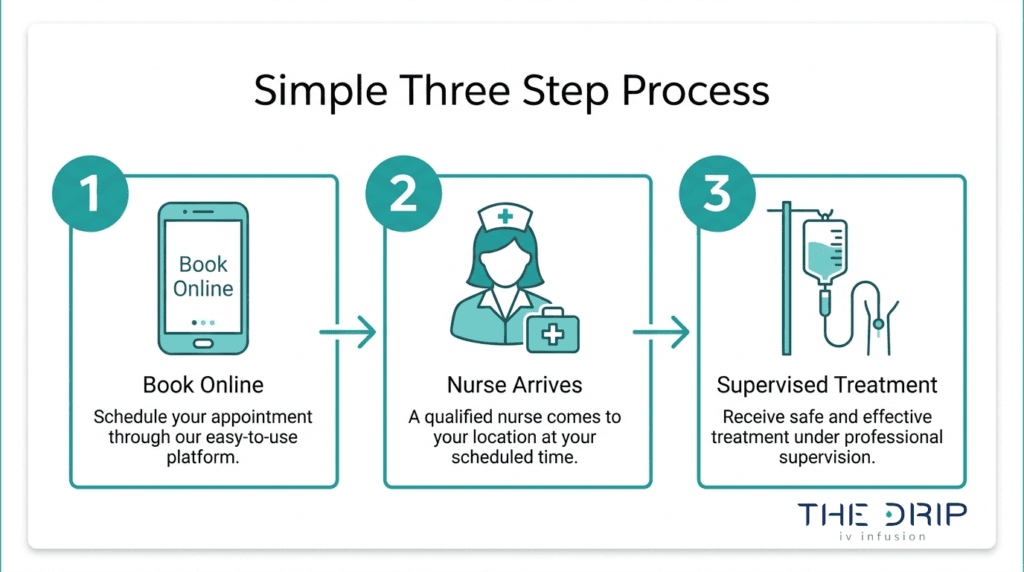
    3. Nutrient Delivery: IV therapy can include vitamins and minerals, such as vitamin C and B vitamins, to boost immunity and energy, addressing potential deficiencies exacerbated by the climate.
    4. Preventive Measure: Regular IV therapy can help high-risk groups, like athletes and outdoor workers, prevent dehydration and heat-related illnesses before they become severe.

    These benefits make IV therapy a versatile tool for maintaining health in Phoenix, particularly for those facing the city’s environmental challenges.
    Rapid Rehydration for Active Phoenix Lifestyles

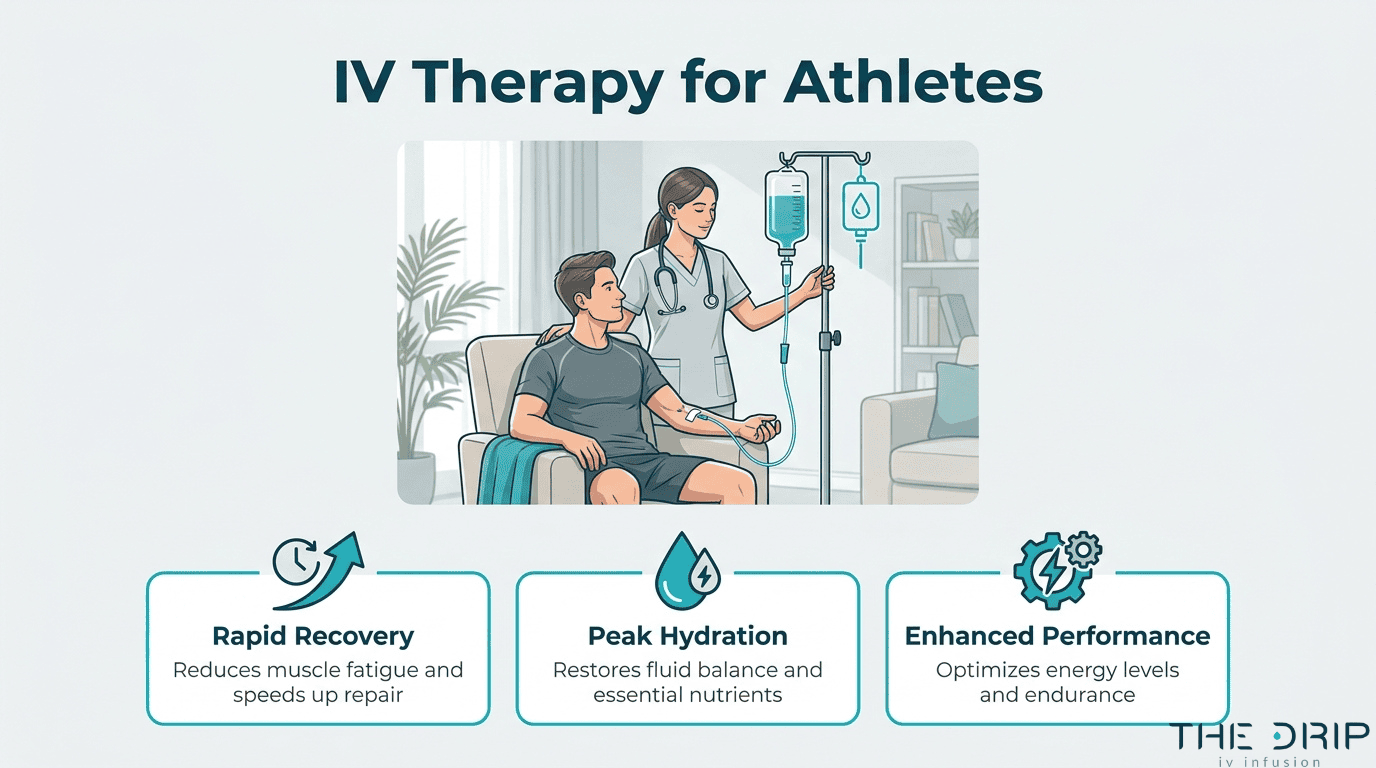
    Phoenix’s active residents, including athletes and outdoor enthusiasts, face heightened hydration needs due to the city’s heat. During intense physical activity, individuals can lose 2-3 liters of sweat per hour, leading to rapid dehydration if not addressed. This can impair performance, increase fatigue, and elevate the risk of heat-related illnesses.
    IV therapy provides a rapid solution by delivering fluids and electrolytes directly into the bloodstream, ensuring quick recovery. Formulations like the Myers’ Cocktail, which includes B vitamins, vitamin C, and magnesium, are popular among athletes for their ability to enhance energy and reduce recovery time. For example, IV therapy can be used before or after events to maintain performance levels and prevent dehydration, making it ideal for Phoenix’s active community.

    Nutrient Delivery Beyond Hydration: Phoenix-Specific Deficiencies

    In Phoenix’s hot and dry climate, sweat loss can lead to deficiencies in key electrolytes like sodium, potassium, and magnesium, which are essential for muscle function, nerve signaling, and overall health. These deficiencies can cause symptoms like muscle cramps, fatigue, and weakness, particularly for those who are active or work outdoors.

    IV therapy addresses these by delivering electrolytes directly, ensuring rapid restoration. Additionally, it can include vitamins like vitamin C, zinc, and B vitamins to support immune function and energy production, which may be beneficial during Phoenix’s winter flu season. While general nutrient deficiencies like iron or vitamin D are not unique to Phoenix, the climate’s impact on electrolyte balance makes IV therapy particularly relevant.

    Targeted IV Therapy Formulations for Phoenix Wellness Needs

    IV therapy can be customized to meet Phoenix’s diverse wellness needs:

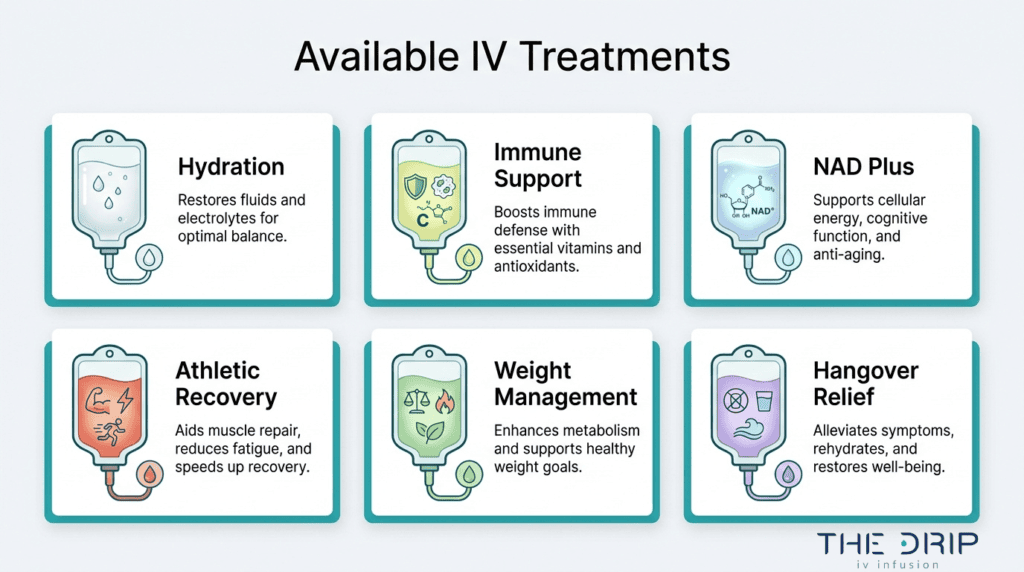
    • Hydration and Electrolyte Replacement: Formulations with saline and electrolytes are essential for combating dehydration in summer.
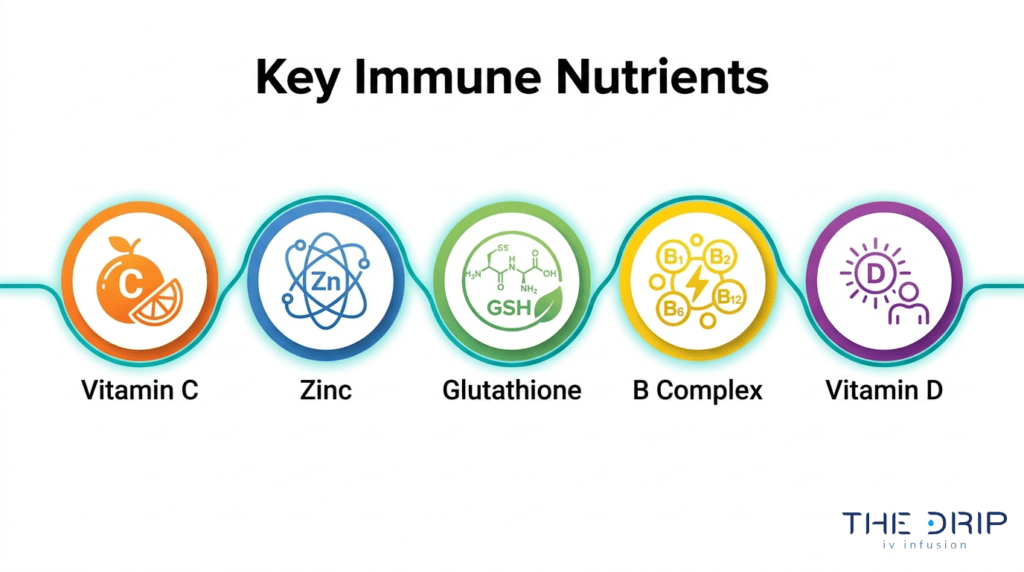
    • Immune Support: Winter formulations often include vitamin C, zinc, and B vitamins to boost immunity during flu season.
    • Performance and Recovery: Athletes benefit from formulations with amino acids, B vitamins, and electrolytes to enhance energy and recovery.
    • General Wellness: Broad-spectrum formulations support overall health, addressing fatigue and nutrient needs.

    These tailored options allow residents to address specific health goals, from preventing dehydration to boosting immunity.

    Who Benefits Most from IV Therapy in Phoenix?

    IV therapy is beneficial for various groups in Phoenix:

    • Athletes and Active Individuals: Rapid rehydration and nutrient delivery support performance and recovery.
    • Outdoor Workers: Those exposed to heat, like construction workers, can prevent dehydration.
    • Busy Professionals: Individuals with hectic schedules benefit from convenient hydration solutions.
    • Individuals with Health Conditions: Those with conditions affecting hydration or nutrient absorption can use IV therapy for targeted support.

    The IV Therapy Experience at The Drip IV Infusion in Phoenix

    With The Drip IV Infusion, clients receive personalized IV therapy. The process begins with a consultation to select the appropriate formulation, followed by administration. Options include hydration drips, immune boosters, and performance-enhancing formulations, tailored to individual needs. The Drip IV Infusion’s focus on quality and safety ensures a positive experience for all clients.

    FAQ: Common Questions About IV Therapy in Phoenix

    Q: Is IV therapy safe?

    A: IV therapy is generally safe when administered by trained professionals using sterile equipment. Reputable providers minimize risks like bruising or allergic reactions.

    Q: How long does a session take?

    A: Sessions typically last 30 minutes to an hour, depending on the formulation.

    Q: Are there side effects?

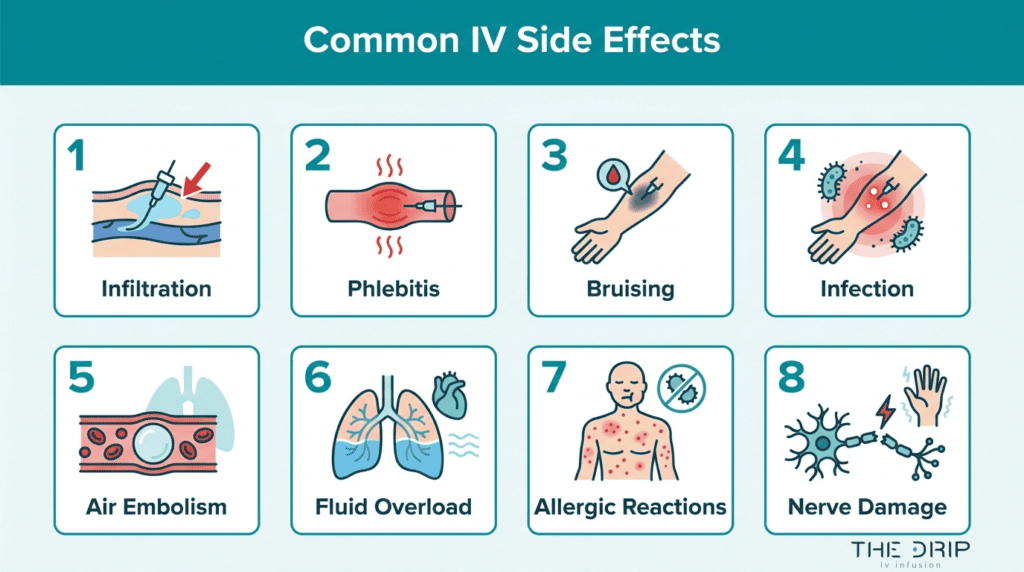
    A: Side effects are rare but may include bruising or mild discomfort. Informing providers of allergies or conditions reduces risks.

    Q: How often should I get IV therapy?

    A: Frequency depends on individual needs, ranging from regular sessions for athletes to occasional use for wellness.

    Conclusion

    IV therapy is a powerful tool for Phoenix residents, addressing the unique challenges of the desert climate. From rapid rehydration and electrolyte replacement to immune support and performance enhancement, IV therapy offers tailored solutions for diverse needs. With 645 heat-related deaths in Maricopa County in 2023, the importance of proactive hydration strategies cannot be overstated. The Drip IV Infusion provides a professional, personalized experience, helping residents stay healthy and vibrant year-round. Consult a healthcare provider to determine if IV therapy is right for you, and explore how it can enhance your wellness in Phoenix’s demanding environment.

  • What Are Crystalloid IV Fluids?

    What Are Crystalloid IV Fluids?

    Many people have been in a situation where they need crystalloid IV fluids due to severe dehydration or illness. IV fluids are essential for maintaining fluid balance and are administered in medical settings to help restore fluid balance.

    In this article, you will better understand the answer to the question of what are crystalloid IV fluids, their types, and their uses as well as possible complications of overusing them and how to manage them in different cases. Understanding these factors will help patients and healthcare providers make informed decisions regarding the utilization of crystalloid IV fluids.

    Source: shutterstock.com / Photo Contributor: ANDRANIK HAKOBYAN

    What Are Crystalloid IV Fluids?

    Crystalloid IV fluids are solutions used in medicine for intravenous administration to provide electrolyte balance and supply energy. They are commonly used for the treatment of dehydration and are often administered as an after surgery care. These fluids are composed of water and electrolytes, which help with hydration, regulate nerve and muscle function, and balance blood acidity and pressure. 

    Fortunately, you can now receive crystalloid IV fluids from the comfort of your own home or office. Many medical centers in Arizona utilize advanced intravenous solutions to ensure optimal patient care. For those seeking convenient and prompt treatment, the best mobile IV therapy Arizona offers flexible and high-quality care wherever you are located.

    Crystalloid IV fluids, a major type of IV fluid, are classified based on their composition and intended use. They’re typically divided into several groups:


    • Isotonic solutions

    • Hypotonic solutions

    • Hypertonic solutions

    Some of the main crystalloid IV fluid examples are 0.9% NaCl (normal saline), 0.45% NaCl (half-normal saline), D5W (5% dextrose in water), D5NS (5% dextrose in normal saline), 3% NaCl (hypertonic solution), lactated Ringer/Hartman solution (lactate buffered solution), acetate buffered solution, and acetate and gluconate buffered solution.

    Types of Crystalloid IV Fluids

    Intravenous solutions generally consist of tiny molecules that easily pass through semipermeable membranes. The tonicity of these IV solutions, or their ability to affect the movement of water across cell membranes, is crucial in their classification. 

    Based on how their tonicity compares to that of blood plasma, IV solutions are categorized into three types: isotonic, hypotonic, and hypertonic. Understanding these categories helps medical professionals choose the appropriate solution for patient care.

    Isotonic solutions

    Isotonic solutions are fluids that match the solute concentration of cells and blood plasma, resulting in no net movement of water across cell membranes. This balance is crucial because it prevents cells from either swelling (as they would in hypotonic solutions) or shrinking (as they would in hypertonic solutions). The osmolarity of isotonic solutions mirrors that of human blood plasma.

    Common examples of isotonic solutions include normal saline and lactated Ringer’s solution. These solutions are frequently used in medical settings for rehydration, maintaining blood volume during surgery, treating hypovolemic shock, and as a medium for intravenous medications. Their primary benefit is restoring and maintaining fluid balance without disturbing cellular function.

    Hypotonic solutions

    Hypotonic solutions have a lower solute concentration compared to the fluid inside cells. This difference causes water to move into cells, leading them to swell and potentially burst. 

    Common hypotonic solutions are 0.45% saline and D5W. It’s often administered to patients with conditions such as hypernatremia, where there is an excessive amount of sodium in the blood. By diluting the extracellular fluid, hypotonic solutions help lower sodium levels and rehydrate cells.

    In medical practice, careful monitoring of these solutions is crucial to avoid complications like cell swelling or water intoxication, which can lead to serious health issues such as cerebral edema.

    Hypertonic solutions

    Hypertonic solutions have a higher solute concentration than the fluid inside cells, which causes water to move out of the cells and results in cell shrinkage. 

    Common examples of hypertonic solutions include 3% saline and D5NS. They’re used in medical treatments to address conditions like hyponatremia (low blood sodium levels), help provide both fluid and calories while drawing water out of cells, and to reduce intracranial pressure in cases of brain swelling.

    While effective, hypertonic solutions must be administered carefully to avoid complications such as dehydration and electrolyte imbalance.

    Uses of Crystalloid IV Fluids

    Crystalloids have a range of applications in medical practice. They are commonly used to treat dehydration and improve patients’ nutritional intake. They’re also employed in various IV therapies to address conditions such as anxiety, hangovers, and pregnancy-related issues.

    Their purpose can be summed up in the following main practices:


    • Hydration –intravenous solutions may be the most effective method for replenishing bodily fluids in cases of blood loss, severe dehydration, surgery, or similar situations. Their primary purpose is to ensure consistent fluid levels and immediate hydration when needed.

    • Medication delivery – in emergencies, accidents, and surgeries, crystalloid solutions are highly beneficial. Administering these solutions intravenously allows for the direct absorption of medications into the patient’s system, leading to a more efficient and effective treatment process.

    • Electrolytes maintenance – IV fluids help maintain normal levels of electrolytes, including sodium, potassium, and calcium. Proper electrolyte balance is crucial for preventing serious complications like shock or organ failure. Common electrolyte-supplying solutions include 0.9% NaCl, Ringer’s Solution, and others.

    • Nutritional support – when oral intake is not possible, IV fluids provide essential nutrients, including minerals, vitamins, glucose, and electrolytes. This intravenous delivery may boost the patient’s energy and support overall health. A well-known nutritional solution is D5W.

    Source: shutterstock.com / Photo Contributor: AlteredR

    Conclusion

    Crystalloid fluids are essential in many health-related situations, including hydration, electrolyte balance, volume expansion, medication delivery, and nutritional support. Discovering the answer to the question of, what are crystalloid IV fluids, their uses, delivery methods, possible adverse effects, and proper application is crucial for healthcare practitioners involved in fluid management.

    By implementing a patient-centered strategy and closely monitoring the patient’s reaction to treatment, crystalloid IV fluids can be efficiently used to restore and sustain fluid equilibrium while enhancing the patient’s well-being.

  • IV Hydration Therapy Cost

    IV Hydration Therapy Cost

    Looking to alleviate symptoms of dehydration and replenish your body with essential fluids and electrolytes? Intravenous treatment for rehydration might already be on your radar. But before you book an appointment, there is one critical consideration to take into account – IV hydration therapy cost. So, how much is IV hydration?

    In this guide, we will explain how much you can expect to pay if you are considering a rehydration boost. We will also shed light on the factors that impact the cost and explore how they influence the accessibility of such a therapy for different patients.

    Source: shutterstock.com/ Photo Contributor: Numstocker

    IV Hydration Therapy Cost

    IV hydration therapy has surged in popularity due to the range of potential benefits it provides. While drinking water is essential for keeping the body hydrated, this type of therapy can significantly replenish the body further with suitable fluids and electrolytes. 

    Whether it is for workout recovery, medicinal purposes, or a wellness boost, this treatment may quickly and effectively rehydrate and rejuvenate the body. This is especially beneficial when feeling thirsty and fatigued. 

    But, how much does IV therapy cost? The pricing may differ between various clinics and centers. On average, patients can expect to pay around $195 per session. The cost can go up if you want to include additional nutrients in the infusion treatment.

    When considering treatment costs, patients have the option to explore convenient options such as mobile IV therapy for hydration, Arizona. Such a service offers flexibility and comfort, potentially influencing the overall treatment expenses. 

    Factors Influencing the Cost of IV Hydration Therapy 

    When you opt for a hydration IV package, you are receiving a targeted treatment with suitable ingredients. In addition to the IV cocktail itself, you are also helping cover the cost of employing top-grade equipment and experienced healthcare professionals. 

    They ensure the safe administration of the IV and provide patient monitoring to ensure the patient remains comfortable and safe during the session. All these factors can significantly influence the price of the treatment. That said, the type of treatment may vary widely based on additional factors that we will discuss below. 

    Type of IV solution

    Standard saline vs customized cocktails 

    One of the primary factors influencing the cost of an IV hydration therapy is the type of solution the providers use. For instance, a standard saline solution is a more affordable option for simple dehydration, and it may improve general wellness.

    In comparison, customized cocktails often increase the cost of the treatment. However, these solutions can include vitamins, minerals, antioxidants, and medications that may enhance immunity and provide quick relief from dehydration-related symptoms.

    Inclusion of add-ons 

    Add-ons like vitamin options may enhance the effectiveness of the therapy. However, the formulated mixture may also increase its cost due to the additional ingredients and the potential benefits they provide. 

    Length and frequency of treatment

    The duration of IV hydration therapy is another factor that influences its cost. A one-time session is naturally less expensive than a series of treatments. That being said, many providers offer package deals that reduce the cost per session so the clients can commit to multiple treatments. 

    The duration of the session can also impact the cost. An average IV therapy treatment lasts about one hour. Basic hydration treatments typically wrap up quicker (30-45 minutes), while more complex treatments can take over an hour. Longer sessions commonly cost more due to the extended use of resources and medical supervision. 

    Insurance and payment options

    Understanding insurance coverage is crucial when considering receiving IV hydration therapy. Specific health insurance plans cover the expenses if the treatment is deemed to be medically necessary. However, you should still check with the IV provider and see if they take insurance to begin with, because even if medically approved, many IV therapy providers do not take insurance. If they do accept insurance, coverage varies widely, so it is essential to contact your insurance provider and determine if your plan includes IV therapy. 

    When the therapy is used for wellness purposes, then out-of-pocket expenses may apply. Keep in mind that many IV therapy providers offer special payment plans or financing options that can make the treatment more affordable. 

    Source: shutterstock.com / Photo Contributor: MMD Creative

    Average Cost Estimates

    The final IV therapy cost depends on the specific treatment and the pricing structure the provider has. If you are still unsure about IV hydration prices, here is a breakdown of the typical costs associated with this type of therapy:


    • Basic hydration therapy –  $100 – $200 per session

    • Enhanced therapies with additional nutrients – $200 – $400 per session

    Conclusion

    From simple rehydration to complex nutrient replenishment, an intravenous hydration treatment session can offer a spectrum of benefits. That said, understanding the IV hydration therapy cost is crucial for making informed treatment decisions.

    Whether you seek a quick wellness boost or want to address a medical need, such therapy can be a valuable resource for maintaining and enhancing your health. Be sure to discuss your options with a healthcare provider to invest in your health with the best treatment plan for your needs and budget.

  • What Is the Best IV Infusion for Rheumatoid Arthritis?

    What Is the Best IV Infusion for Rheumatoid Arthritis?

    Rheumatoid arthritis (RA) is a long-lasting inflammatory autoimmune disease that affects the joints. It is a common condition that starts to develop in people between 30 and 60 years of age, but unfortunately cannot be cured. However, studies show that treatments, such as IV therapy, might help lessen the symptoms. But, with all the options available, what is the best IV infusion for rheumatoid arthritis? 

    Out of all the different IV treatment cocktails, only some might be beneficial for people who suffer from rheumatoid arthritis. Continue reading to find out the crucial ingredients that IV therapy should contain to potentially give you relief from the symptoms.

    Source: shutterstock.com / Photo Contributor: Emily frost

    What Is the Best IV Infusion for Rheumatoid Arthritis?

    Rheumatoid arthritis is a common autoimmune disease that affects 1.5 million people in the United States. It occurs when the body’s immune system mistakes its own tissue as a threat and starts attacking it. Symptoms include swollen, tender, and warm joints, joint stiffness, fatigue, fever, and low appetite.

    If you are struggling with rheumatoid arthritis, you are probably looking for effective ways to lessen your symptoms. One popular arthritis treatment suggestion you may come across is receiving an infusion treatment. So, is there an IV treatment for rheumatoid arthritis?

    The short answer is that IV therapy contains various helpful ingredients, and providers may suggest injections that could lessen the symptoms. Before you contact an infusion specialist, you should research what types of IV infusions may be the most helpful. So, what is the best IV infusion for rheumatoid arthritis?

    An IV cocktail might be beneficial for you, if you have rheumatoid arthritis, if it contains one or more of the following ingredients:


    • Vitamin B

    • Magnesium

    • Taurine

    • Antioxidants

    If you are looking for affordable mobile IV therapy Arizona that might help with your rheumatoid arthritis, consider cocktails such as The Classic Myers, The Total Prevention, and The Kitchen Sink. To boost the benefits of the IV treatment for rheumatoid arthritis, you may discuss the effects of various add-ons to the given IV therapy with the treatment provider.

    Source: shutterstock.com / Photo Contributor: AlteredR

    Vitamin B

    Vitamins from the B-group may offer various benefits for patients with rheumatoid arthritis. The Arthritis Foundation recommends an intake of various vitamins from the B group, such as B12, B1, B2, B3, and B6.

    Vitamin BWhat’s it good forHow it might help
    B12Improves the brain and nervous systemContributes to red blood cell, DNA, and energy production. Reduces RA symptoms such as memory loss, brain fog, trouble focusing, and improves overall mental clarity.
    B1Contributes to normal heart, brain, muscle, and nervous system functionReduces risks associated with RA, such as health failures and cataracts
    B2Protects against radical damage and promotes normal cell function and growthAssists in changing other vitamin B types into usable forms for the body
    B3Produces energy from food to keep you healthyReduces the need for nonsteroidal anti-inflammatory drugs
    B6Essential for normal brain development, nerve and immune functionLow B6 is typical for RA, so additional intake might improve inflammation and other symptoms

    Recent studies found the following about the influence of vitamin B for arthritis on patients:


    • Vitamin B3 can improve joint health and mobility

    • Vitamin B9 and B12 may positively influence hand grip strength

    • A combination of vitamins B9 and B6 may reduce certain inflammation markers caused by rheumatoid arthritis

    But, what type of infusion is used for rheumatoid arthritis that contains vitamins from the B-group? Some examples of IV infusion cocktails with vitamin B include The Classic Myers, The Kitchen Sink, The Total Prevention, and The Skinny.

    Magnesium

    Magnesium is a mineral that provides numerous benefits, including enhanced nerve and muscle function. It may also help regulate heart rhythm, blood sugar levels, and can play a role in maintaining joint cartilage.

    Moreover, magnesium has anti-inflammatory properties. That’s why receiving IV therapy containing magnesium is recommended for people with rheumatoid arthritis, as it inhibits inflammatory responses.

    Ultimately, magnesium may reduce fasting blood sugar (FBS), insulin, and HOMA-IR levels in rheumatoid arthritis patients.

    Taurine

    Taurine, a zwitterionic sulfonic acid derived from cysteine, may have therapeutic benefits for patients with rheumatoid arthritis. It serves as an essential antioxidant, osmolyte, and antiapoptotic agent. 

    Taurine may have positive effects on bone pathologies and bone structure. More specifically, taurine administration through IV therapy may increase bone mass, which is typically lost in three differing patterns in rheumatoid arthritis.

    Antioxidants

    Antioxidants, such as vitamin E, vitamin C, polyphenols, and selenium, may help reduce inflammation and pain in joint diseases like rheumatoid arthritis (RA) by managing oxidative stress. Specifically, these compounds can be beneficial in addressing lipid peroxidation disturbances commonly observed in RA patients. 

    Rheumatoid arthritis often compromises the body’s antioxidant defense system, potentially leading to tissue damage. That’s why incorporating antioxidants into the diet is typically recommended to help mitigate these effects.

    Other vitamins and nutrients that might help with rheumatoid arthritis

    If you are still wondering what is the best infusion for rheumatoid arthritis, you might find the answer in therapies that contain the following key vitamins and minerals that are known to lessen RA symptoms:


    • Calcium

    • Chromium

    • Copper

    • Folate

    • Iron

    • Selenium

    • Sodium

    • Zinc

    • Vitamins A, E, C, D, and K

    Benefits of Choosing IV Treatment for Rheumatoid Arthritis

    Choosing IV treatment for rheumatoid arthritis offers several benefits, such as:


    • Fast action – IV treatments deliver medication directly into the bloodstream, providing faster relief from symptoms compared to oral medications, which must be digested and metabolized.

    • Home administration – Many services offer the convenience of a nurse coming to your home to administer the IV, making treatment easier and more comfortable without the need for hospital visits.

    • Painless experience – While some patients may fear needles, IV administration can be more comfortable, especially with skilled nurses who can minimize discomfort and provide a calming environment.

    • Consistent medication levels – IV infusions ensure steady medication levels in the body, potentially leading to more effective and sustained symptom relief. 

    • Fewer gastrointestinal side effects – Some patients experience fewer side effects with IV treatments, as they bypass the digestive system, which can be a concern with oral medications.

    Overall, IV treatment can enhance the management of rheumatoid arthritis by providing rapid, effective relief while maintaining convenience and comfort.

    Source: shutterstock.com / Photo Contributor: ad-foto

    Conclusion

    Rheumatoid arthritis is an autoimmune inflammatory condition that causes joint pain. Unfortunately, there is no cure for the condition, but certain treatments and therapies, such as IV therapy, may reduce the risk of major joint damage and can improve living conditions.

    Knowing what is the best IV infusion for rheumatoid arthritis will help you effectively manage symptoms, reduce inflammation, and improve overall quality of life. Cocktails that contain ingredients such as vitamin B, magnesium, antioxidants, and taurine may lessen the symptoms of rheumatoid arthritis.

  • How Long Does Myers Cocktail Last?

    How Long Does Myers Cocktail Last?

    A Myers Cocktail is an intravenous nutrient infusion of vitamin C, magnesium, calcium, and B vitamins that delivers effects lasting a few days to approximately one week per session. Each nutrient has a different half-life and metabolic pathway, so energy, hydration, immune, and recovery benefits each follow distinct timelines.

    This guide covers the cocktail’s composition and how each ingredient works, the duration of specific benefits and what influences them, recommended infusion frequency for different health profiles, safety considerations, and how mobile IV therapy fits into a results-driven wellness plan.

    Vitamin C, magnesium chloride, B-complex vitamins, and calcium gluconate each serve distinct physiological roles, from immune regulation and antioxidant protection to energy metabolism and muscle function. IV delivery bypasses the digestive system entirely, achieving plasma concentrations far beyond what oral supplements can reach.

    Energy and mood improvements typically persist three to five days, while immune support benefits can extend closer to a full week. Hydration effects clear faster, generally within 24 to 72 hours, as the kidneys process water-soluble components. Athletic recovery sits in the two-to-four-day range depending on training intensity.

    Metabolic rate, baseline nutrient deficiency severity, hydration status, chronic health conditions, and lifestyle habits all shape how long any single infusion remains effective. Someone with deep deficiencies absorbs nutrients rapidly into tissues, which shortens circulating levels but delivers pronounced initial relief.

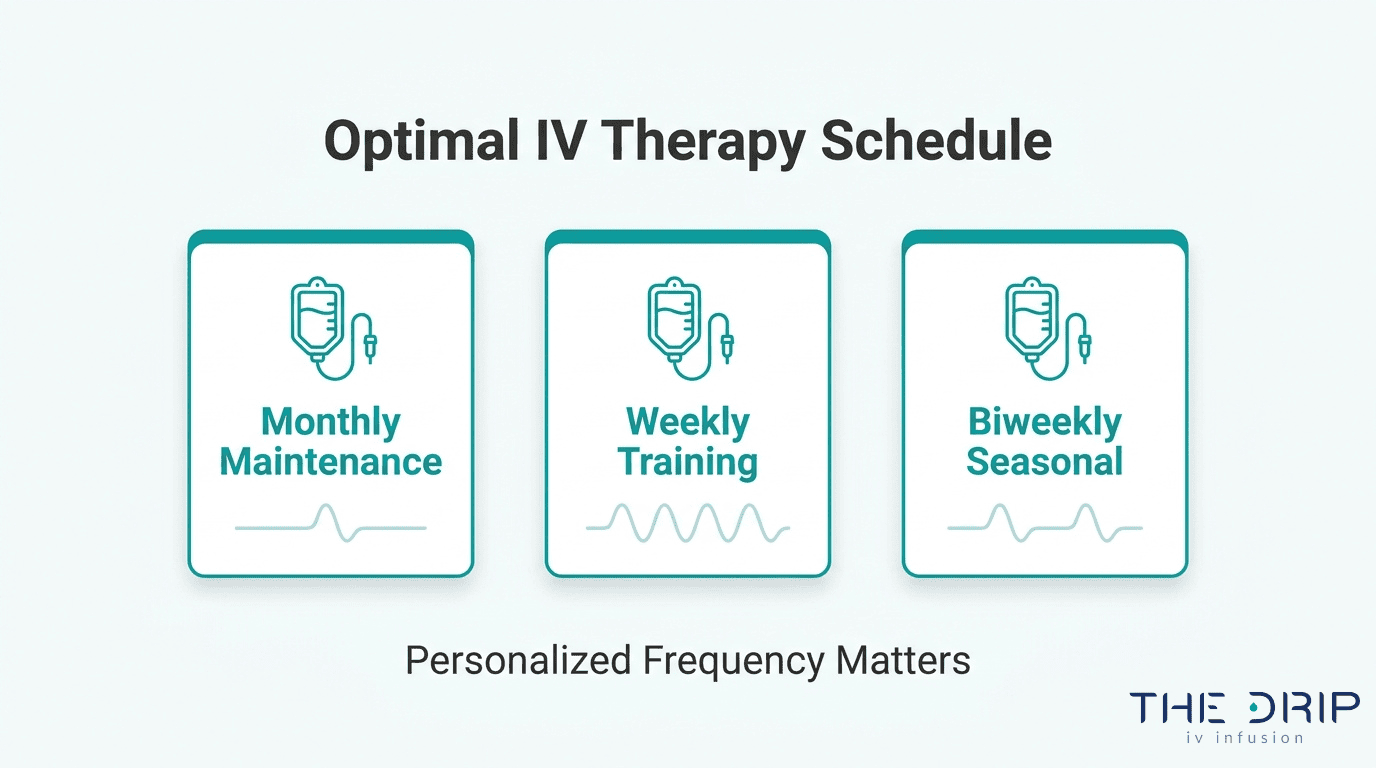
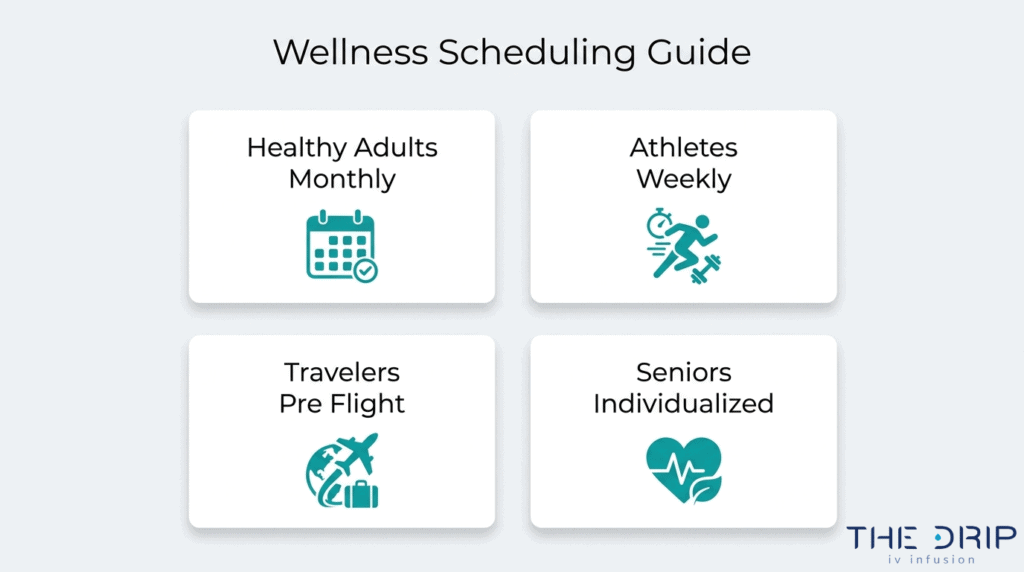
    Healthy adults often maintain results with one to two sessions per month, while athletes during heavy training and chronic fatigue patients may benefit from weekly infusions over an initial six-to-eight-week period. Side effects are generally mild, and understanding how IV delivery compares to oral supplementation helps set realistic expectations for each session.

    What Is a Myers Cocktail?

    A Myers Cocktail is an intravenous nutrient infusion containing a specific combination of vitamins and minerals delivered directly into the bloodstream. Originally developed for treating various medical conditions, this IV therapy has become one of the most widely recognized formulations in integrative medicine.

    According to a publication in Alternative Medicine Review, Dr. John Myers, a physician from Baltimore, Maryland, pioneered the use of intravenous vitamins and minerals to treat various medical problems. After his death in 1984, his patients sought continued treatment from Dr. Alan R. Gaby, who developed a modified version of the original formula. That modified formulation typically combines magnesium chloride, calcium gluconate, B vitamins (including thiamine, B6, B12, and B5), vitamin C, and dilute hydrochloric acid. Because the exact doses Dr. Myers used were never published, practitioners today follow Dr. Gaby’s revised protocol as the standard.

    What makes this infusion distinctive is its method of delivery. By bypassing the gastrointestinal tract entirely, IV administration allows nutrients to reach plasma concentrations that oral supplements simply cannot achieve. This higher bioavailability is the primary reason the Myers Cocktail remains a foundational treatment in IV therapy, and it directly influences how long the effects last after each session.

    What Ingredients Are in a Myers Cocktail?

    The ingredients in a Myers Cocktail are vitamin C, magnesium chloride, calcium gluconate, and several B vitamins. Each nutrient serves a distinct physiological function that contributes to the infusion’s overall effects.

    Myers Cocktail ingredients infographic showing vitamin C, B vitamins, magnesium, and calcium in IV nutrient therapy

    What Role Does Vitamin C Play in a Myers Cocktail?

    Vitamin C plays a central role in a Myers Cocktail as the highest-volume ingredient, supporting immune function, collagen synthesis, and antioxidant protection. A revised formulation typically includes 5 mL of vitamin C at a concentration of 500 mg/mL, according to Empower Pharmacy. When delivered intravenously, this water-soluble nutrient bypasses the digestive system entirely, allowing plasma levels to rise far beyond what oral supplements can achieve. That bioavailability advantage is precisely why vitamin C anchors the Myers Cocktail formula; the body can use a significantly higher concentration for cellular repair and immune defense in a single session.

    What Role Does Magnesium Play in a Myers Cocktail?

    Magnesium plays a critical role in a Myers Cocktail by supporting muscle relaxation, nerve function, and immune regulation. A standard formulation includes 5 mL of magnesium chloride at 30% concentration. According to a 2023 review published in PubMed Central, magnesium chloride plays a crucial role in immune system regulation and the inflammatory response, with evidence supporting its use in managing fatigue, migraines, and muscle spasms. For clients who experience chronic tension or stress-related symptoms, magnesium is often the ingredient that produces the most immediately noticeable relief during the infusion itself.

    What Role Do B Vitamins Play in a Myers Cocktail?

    B vitamins play an essential role in a Myers Cocktail by supporting energy metabolism, red blood cell production, and nervous system health. The formulation includes multiple B vitamins:

    • B-Complex (1 mL) provides a broad spectrum of B vitamins for cellular energy production.
    • Pyridoxine hydrochloride (B6) at 100 mg/mL supports neurotransmitter synthesis and amino acid metabolism.
    • Dexpanthenol (B5) at 250 mg/mL assists adrenal function and hormone production.
    • Hydroxocobalamin (B12) at 2,000 mcg/mL promotes nerve health and red blood cell formation.

    This combination addresses multiple metabolic pathways simultaneously, which is why many recipients notice improved energy and mental clarity shortly after their infusion.

    What Role Does Calcium Play in a Myers Cocktail?

    Calcium plays a supportive role in a Myers Cocktail by contributing to bone health, muscle contraction, and cardiovascular function. The standard formulation contains 3 mL of calcium gluconate at 10% concentration. Calcium gluconate is the preferred form for IV delivery because the body absorbs it smoothly with minimal vein irritation. Working alongside magnesium, calcium helps maintain proper electrolyte balance, which directly influences how long the overall benefits of the infusion persist.

    Understanding each ingredient’s function helps explain why results vary from person to person, a topic explored in the sections ahead.

    How Long Do the Effects of a Myers Cocktail Last?

    The effects of a Myers Cocktail last from a few days to approximately one week, depending on the benefit type and individual factors. Energy, hydration, immune support, and athletic recovery each follow different timelines.

    How Long Do Energy and Mood Benefits Last?

    Energy and mood benefits from a Myers Cocktail last approximately three to five days for most recipients. B vitamins and magnesium drive this response, as both nutrients support cellular energy production and neurotransmitter function. According to The IV Society, patients receiving the Myers’ Cocktail often report feeling more energetic for a period ranging from a few days to approximately one week following the infusion. Individual metabolic rate and baseline nutrient status influence whether energy improvements persist closer to three days or extend beyond five. For those with significant B vitamin deficiencies, the initial boost can feel more pronounced, though it may taper faster without consistent follow-up sessions.

    How Long Do Hydration Effects Last?

    Hydration effects from a Myers Cocktail last approximately 24 to 72 hours. The saline base delivers fluids directly into the bloodstream, restoring intracellular and extracellular fluid balance faster than oral intake. However, the body continuously processes and excretes fluids through normal renal function. A study published in Clinical Pharmacokinetics found that the half-life of intravenous vitamin C was 1.9 ± 0.6 hours, with complete renal clearance occurring within 24 hours, illustrating how quickly water-soluble components move through the system. Hydration duration depends heavily on daily water intake, physical activity, and environmental heat exposure after treatment. Maintaining consistent oral fluid intake extends the rehydration benefit well beyond the initial infusion window.

    How Long Do Immune Support Benefits Last?

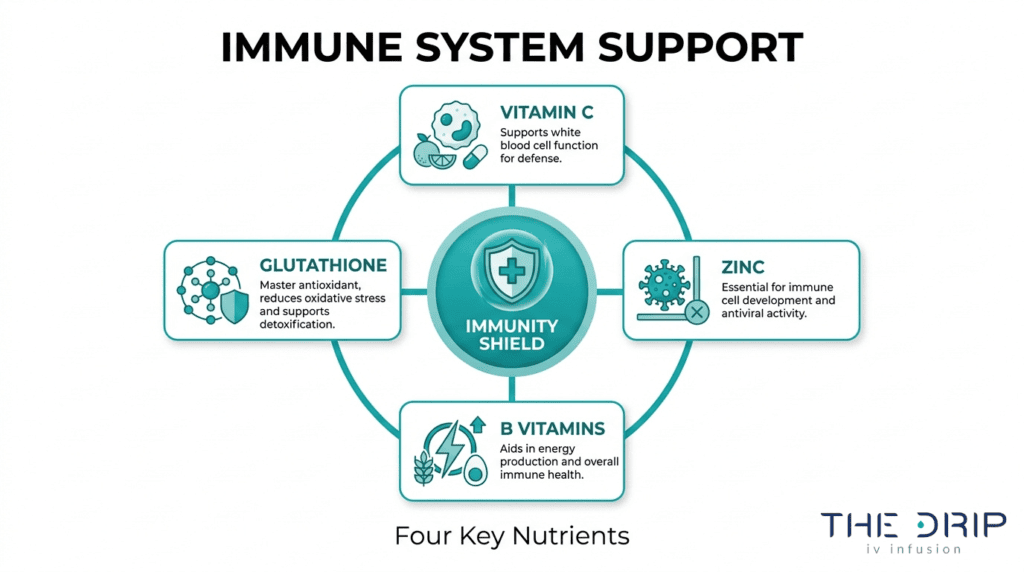
    Immune support benefits from a Myers Cocktail last approximately five to seven days. Vitamin C and zinc, both key components, enhance white blood cell activity and reduce oxidative stress on immune pathways. Magnesium chloride also contributes; a 2023 review published in PubMed Central confirmed that magnesium plays a crucial role in immune system regulation and the inflammatory response. Because the body cannot store excess water-soluble vitamins long-term, immune-related benefits gradually diminish as circulating nutrient levels return to baseline. Weekly infusions during cold and flu season may help sustain these protective effects more consistently.

    How Long Do Athletic Recovery Benefits Last?

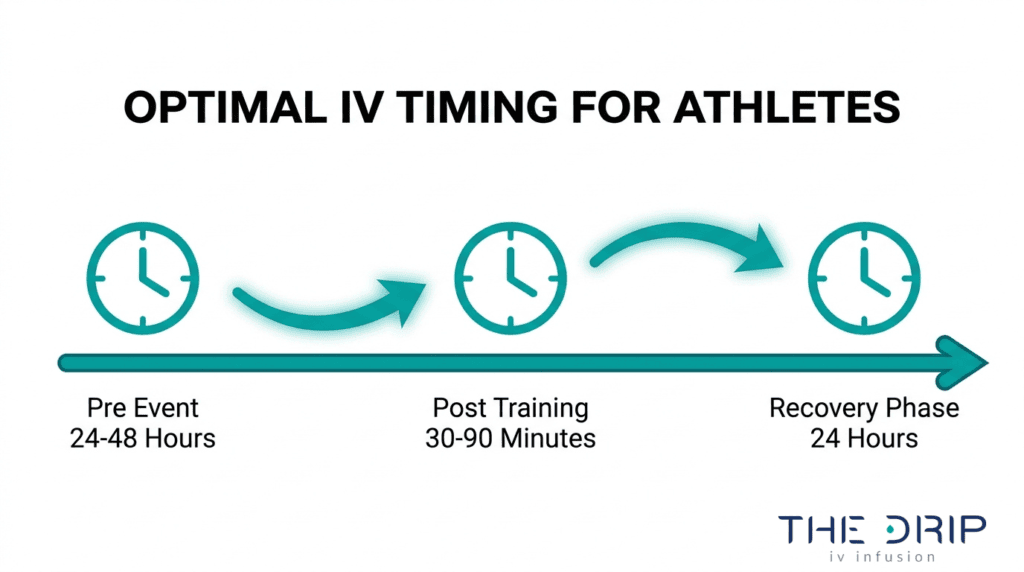
    Athletic recovery benefits from a Myers Cocktail last approximately two to four days. Magnesium reduces muscle cramping and soreness, while B vitamins accelerate energy restoration at the cellular level. The rapid rehydration component also shortens post-exercise recovery windows compared to oral fluids alone. Athletes with higher metabolic demands tend to process infused nutrients faster, which can shorten the benefit window. Scheduling sessions 24 to 48 hours before or immediately after intense training helps maximize the recovery timeline.

    Understanding how long each benefit lasts helps determine the right infusion schedule for your goals.

    How Long Does a Myers Cocktail Infusion Take to Administer?

    A Myers Cocktail infusion takes 20 to 60 minutes to administer. According to the Merck Manuals, the exact time depends on the volume of the cocktail and the size of the patient’s veins. Smaller veins require a slower drip rate to prevent discomfort, while larger veins can handle a faster flow. Most sessions fall in the 30 to 45 minute range for standard formulations. Rushing the infusion is never advisable, as a controlled drip rate allows the body to process high-concentration nutrients safely and reduces the likelihood of side effects such as warmth, lightheadedness, or a drop in blood pressure. For most people, the time investment is comparable to a lunch break, which makes it practical to schedule into a busy day.

    How Quickly Can You Feel Results After a Myers Cocktail?

    You can feel results after a Myers Cocktail within minutes of the infusion starting, though peak effects typically develop over the first few hours. The onset depends on your baseline nutrient levels and hydration status.

    Because IV delivery bypasses the digestive system entirely, nutrients enter the bloodstream immediately. Many recipients notice a warming sensation and a subtle energy lift during the session itself. According to a study published in Clinical Pharmacokinetics, intravenous vitamin C has a half-life of 1.9 ± 0.6 hours, meaning plasma concentrations rise rapidly and peak shortly after administration. This fast pharmacokinetic action explains why noticeable improvements in energy, mental clarity, and overall well-being often emerge before the infusion bag is even empty. Individuals with significant deficiencies tend to perceive changes more quickly, since their bodies have a greater capacity to utilize the incoming nutrients right away.

    What Factors Affect How Long a Myers Cocktail Lasts?

    The factors that affect how long a Myers Cocktail lasts include hydration level, overall health status, metabolic rate, nutrient deficiency severity, and lifestyle habits. Each factor influences how quickly the body uses and excretes infused nutrients.

    How Does Your Hydration Level Affect Duration?

    Your hydration level affects duration by influencing how efficiently the body circulates and retains infused nutrients. Well-hydrated individuals maintain better blood volume, which supports steady nutrient distribution to tissues after the infusion. Dehydration, on the other hand, can accelerate renal clearance as the kidneys work harder to restore fluid balance, potentially flushing water-soluble vitamins like vitamin C and B vitamins more quickly. Clients who arrive adequately hydrated tend to sustain the benefits of a Myers Cocktail longer. Drinking water consistently in the days before and after an infusion is one of the simplest ways to extend its effects.

    How Does Your Overall Health Status Affect Duration?

    Your overall health status affects duration because chronic conditions increase the body’s demand for nutrients, shortening how long infused vitamins and minerals remain available. According to Blue Mountain Wellness, factors that influence IV nutrient therapy effectiveness include the presence of chronic inflammation or illness, age, and hydration status. Someone managing autoimmune conditions or ongoing infections may metabolize magnesium, vitamin C, and B vitamins faster than a healthy individual. This is why people with chronic health challenges often need more frequent infusions to maintain consistent benefits. A generally healthy person with no underlying conditions will typically experience longer-lasting results from a single session.

    How Does Your Metabolism Affect Duration?

    Your metabolism affects duration by determining how rapidly the body processes and eliminates infused nutrients. Individuals with a faster metabolic rate break down vitamins and minerals more quickly, which can shorten the window of noticeable benefits. Age, body composition, thyroid function, and physical activity level all influence metabolic speed. Younger, highly active individuals often metabolize nutrients faster than older or sedentary clients. This does not mean a fast metabolism reduces the value of a Myers Cocktail; it simply means the optimal infusion frequency may need adjustment to match the body’s turnover rate.

    How Does Nutrient Deficiency Severity Affect Duration?

    Nutrient deficiency severity affects duration because a depleted body absorbs and utilizes infused vitamins and minerals more rapidly. When stores of magnesium, B vitamins, or vitamin C are critically low, cells prioritize replenishing those reserves immediately. The result is a shorter period of elevated plasma levels, since nutrients are pulled into tissues rather than circulating freely. Someone with a mild deficiency may feel the effects of a Myers Cocktail for a full week, while a severely deficient individual might notice benefits fading within a few days. For those with significant deficiencies, an initial series of weekly infusions typically builds a more sustained baseline.

    How Does Lifestyle and Diet Affect Duration?

    Lifestyle and diet affect duration by determining how quickly the body depletes the nutrients delivered during a Myers Cocktail infusion. Key factors that shorten nutrient retention include:

    • High alcohol consumption, which depletes B vitamins and magnesium.
    • Chronic stress, which increases the body’s demand for vitamin C and magnesium.
    • Diets low in fruits, vegetables, and whole grains, which fail to replenish nutrient stores between sessions.
    • Poor sleep habits, which impair cellular repair and nutrient utilization.

    Clients who maintain a balanced diet rich in whole foods, manage stress effectively, and limit alcohol tend to sustain infusion benefits significantly longer. For most people, pairing consistent nutrition with periodic IV therapy produces the best cumulative results.

    Understanding these individual factors helps determine how often a Myers Cocktail session fits into a broader wellness plan.

    How Often Should You Get a Myers Cocktail?

    How often you should get a Myers Cocktail depends on your health goals, activity level, and current condition. The sections below break down recommended frequency for healthy adults, athletes, chronic fatigue patients, and those recovering from illness.

    Myers Cocktail recommended frequency chart showing treatment timing for healthy adults, athletes, and recovery support

    How Often Should Healthy Adults Get a Myers Cocktail?

    Healthy adults should get a Myers Cocktail once or twice per month for general wellness maintenance. Since the reported effects typically last a few days to approximately one week, a biweekly or monthly schedule sustains nutrient levels without overloading the body.

    Several factors influence the ideal interval, including metabolic rate, hydration status, and baseline nutrient levels. According to Blue Mountain Wellness, metabolic rate, hydration status, the severity of baseline nutrient deficiencies, age, and chronic inflammation all influence the duration and effectiveness of IV nutrient therapy. Adults without specific deficiencies generally need less frequent sessions than those managing active health concerns. For most healthy individuals, starting monthly and adjusting based on how long benefits persist is the most practical approach.

    How Often Should Athletes Get a Myers Cocktail?

    Athletes should get a Myers Cocktail once per week during heavy training cycles and every two to four weeks during lighter periods. Intense physical activity accelerates nutrient depletion, particularly of magnesium and B vitamins critical for muscle recovery and energy production.

    Weekly sessions help replenish electrolytes and micronutrients lost through sweat and metabolic demand. Because athletes tend to have higher metabolic rates, their bodies process and excrete IV nutrients faster than sedentary individuals. Timing infusions after peak training blocks or competitions maximizes recovery benefits. During off-season phases, spacing sessions further apart still maintains adequate nutrient stores without unnecessary frequency.

    How Often Should People With Chronic Fatigue Get One?

    People with chronic fatigue should get a Myers Cocktail once per week during an initial treatment phase. According to Drip Hydration, patients with chronic fatigue syndrome are typically recommended to receive Myers Cocktail infusions once a week for several weeks, often starting with a 6 to 8 week initial period before transitioning to a maintenance schedule.

    This front-loaded approach addresses underlying nutrient deficiencies more aggressively. After the initial phase, biweekly or monthly sessions often suffice to maintain improvements in energy and quality of life. Chronic fatigue patients frequently present with deeper deficiency baselines, which means their bodies absorb and utilize IV nutrients more rapidly. Consistent follow-up with a healthcare provider helps determine the right long-term cadence.

    How Often Should People Recovering From Illness Get One?

    People recovering from illness should get a Myers Cocktail one to two times per week until symptoms resolve, then taper to a maintenance frequency. Illness depletes vitamin C, B vitamins, and magnesium reserves rapidly, and more frequent infusions help restore these levels during active recovery.

    In a randomized, double-blind, placebo-controlled pilot study published in PubMed Central, treatment effects of weekly Myers Cocktail infusions for 8 weeks persisted at 4 weeks post-intervention for pain and quality of life in 34 adults with fibromyalgia. This suggests that a consistent weekly schedule during recovery can produce benefits lasting well beyond the treatment period. Once recovery stabilizes, transitioning to monthly sessions helps maintain immune resilience and overall nutrient status.

    With frequency tailored to individual needs, understanding how long the cocktail remains in your system adds further clarity.

    How Long Does a Myers Cocktail Stay in Your System?

    A Myers Cocktail stays in your system for approximately 24 hours to several weeks, depending on the specific nutrient. Each vitamin and mineral in the formulation has a different half-life and metabolic pathway, so no single elimination timeline applies to the entire cocktail.

    Water-soluble vitamins like vitamin C clear relatively quickly. According to a 2022 pharmacokinetic study published in Clinical Pharmacokinetics, intravenous vitamin C has a half-life of 1.9 ± 0.6 hours in healthy participants, with complete renal clearance occurring within 24 hours for doses up to 100 g. B vitamins follow a similar pattern, as the kidneys excrete excess amounts within hours to days.

    Magnesium and calcium behave differently. These minerals integrate into cellular and skeletal stores rather than being rapidly excreted. Magnesium, once absorbed into tissues, can support physiological functions for days to weeks before levels return to baseline. The distinction matters: plasma levels of most nutrients normalize within 24 to 48 hours, but the cellular and functional benefits often persist well beyond that window.

    For most people, the practical effects of a Myers Cocktail, including improved energy, better hydration, and enhanced immune function, last a few days to roughly one week. Individual factors such as metabolic rate, baseline nutrient deficiencies, and overall health status significantly influence how long those benefits remain noticeable.

    Who Benefits Most From a Myers Cocktail?

    The people who benefit most from a Myers Cocktail are those with nutrient deficiencies, chronic conditions, high physical demands, or weakened immune systems. The infusion delivers vitamins and minerals directly into the bloodstream, bypassing digestive limitations that reduce oral absorption.

    Individuals most likely to notice meaningful results include:

    • People with chronic fatigue syndrome who need sustained energy support beyond what oral supplements provide.
    • Fibromyalgia patients seeking relief from pain and tender points. A randomized, double-blind, placebo-controlled pilot study published in PubMed Central found that weekly Myers Cocktail infusions for 8 weeks produced treatment effects persisting at 4 weeks post-intervention for tender points, pain, and quality of life in 34 adults with fibromyalgia.
    • Athletes and performers recovering from intense training or competition, where rapid nutrient replenishment supports faster muscle recovery.
    • Individuals recovering from illness who need immune support through high-dose vitamin C and zinc.
    • People experiencing migraines or muscle spasms, conditions where magnesium chloride plays a direct role in symptom management.
    • Frequent travelers exposed to higher infection risk and disrupted sleep patterns.
    • Expecting mothers dealing with morning sickness, where dehydration and nutrient depletion compound symptoms.

    Those with normal nutritional intake and no underlying deficiencies may see less dramatic results. For most people, the degree of benefit correlates directly with how depleted their baseline nutrient levels are before the infusion. Someone who is severely dehydrated or vitamin-deficient will typically feel a more pronounced and longer-lasting response than someone already in optimal health.

    Understanding who benefits most helps set realistic expectations before exploring potential side effects.

    Are There Any Side Effects of a Myers Cocktail?

    The side effects of a Myers Cocktail are generally mild and temporary, though some carry greater risk. Common reactions, contraindications, and safety considerations are outlined below.

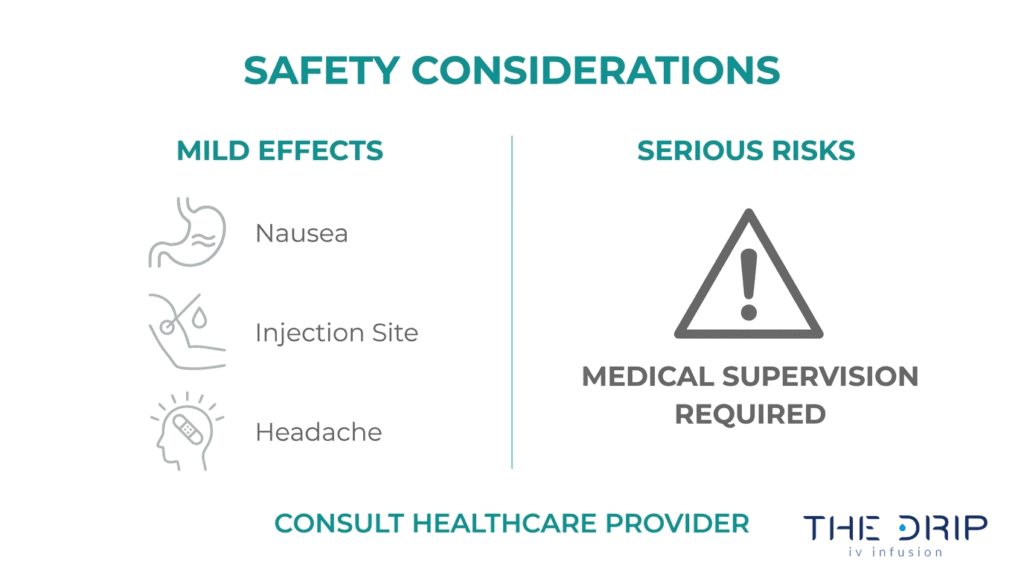
    A Myers Cocktail can cause several adverse reactions during or shortly after infusion. According to the National Capital Poison Center, adverse events associated with Myers Cocktail administration include a sense of warmth, muscle cramps, low blood pressure, and fainting, as well as potential risks of allergic reactions, infections, and irritation related to IV placement.

    Most of these effects resolve quickly once the infusion rate is slowed or stopped. The warmth sensation, often felt along the arm or chest, results from rapid magnesium delivery and is not typically dangerous. However, infections at the IV site and allergic reactions, while uncommon, require immediate medical attention.

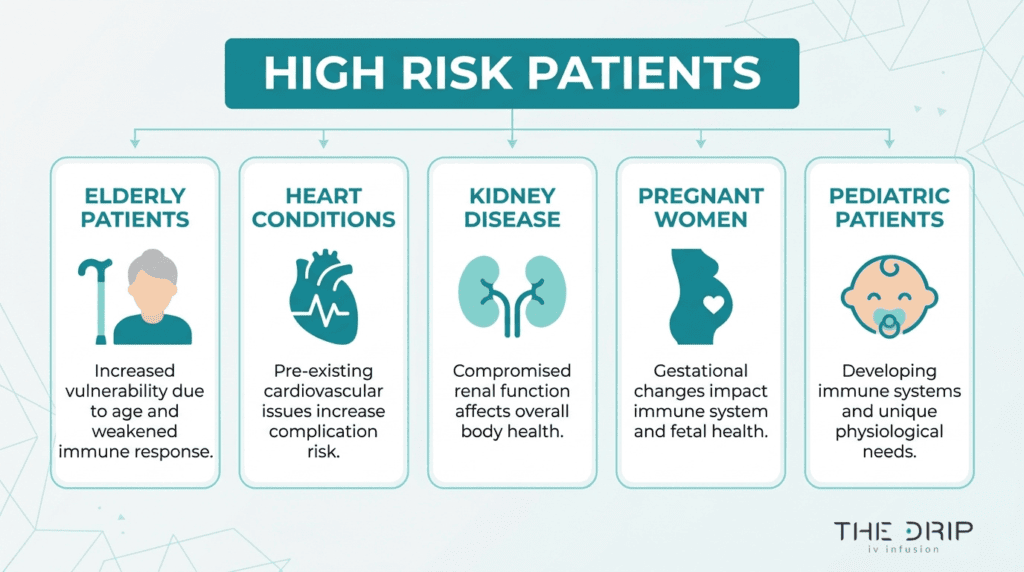
    Certain individuals should avoid the Myers Cocktail entirely. People with kidney disease, high blood pressure, or heart conditions face elevated risk because high-dose magnesium and potassium can strain compromised organs. The safety of IV vitamin therapy has also not been studied in pregnant or breastfeeding women, making it unsuitable for these populations without physician clearance.

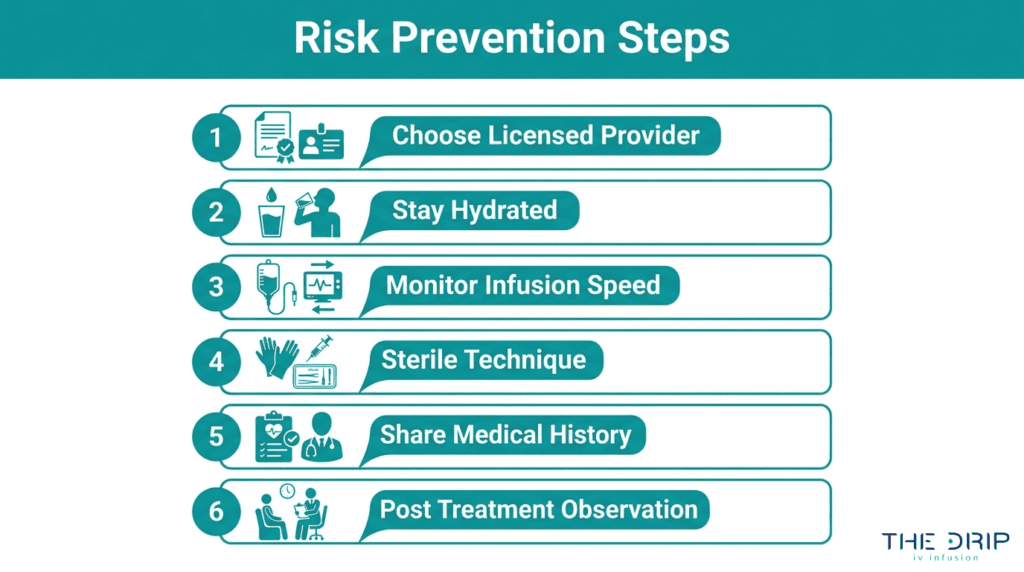
    For healthy individuals who are not in these higher-risk categories, side effects are infrequent and manageable. Staying well-hydrated before the infusion and choosing a qualified provider with licensed nursing staff significantly reduces the likelihood of complications. Anyone considering a Myers Cocktail should disclose their full medical history beforehand, since incomplete health information remains one of the most cited risks among healthcare professionals.

    Understanding the safety profile helps set realistic expectations before comparing IV delivery to other supplementation methods.

    How Does a Myers Cocktail Compare to Oral Supplements?

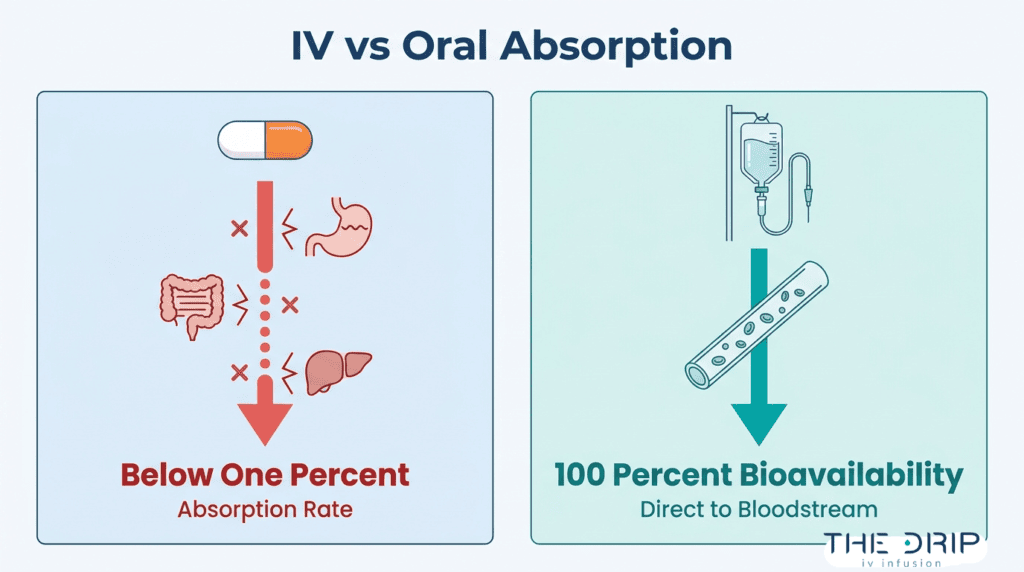
    A Myers Cocktail compares to oral supplements primarily through its superior bioavailability, bypassing the digestive system to deliver nutrients directly into the bloodstream. The key differences involve absorption rates, peak nutrient levels, and how long benefits persist.

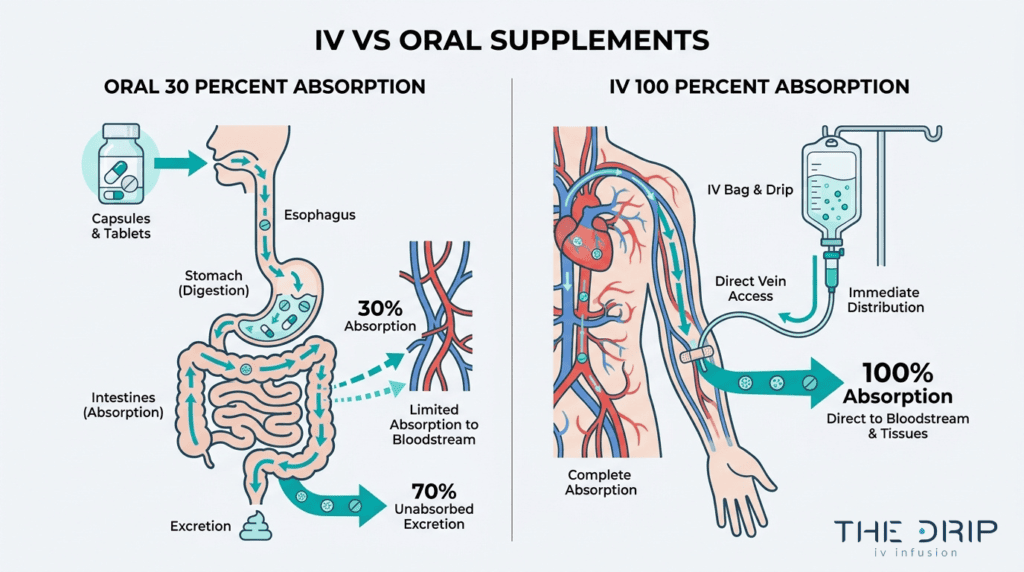
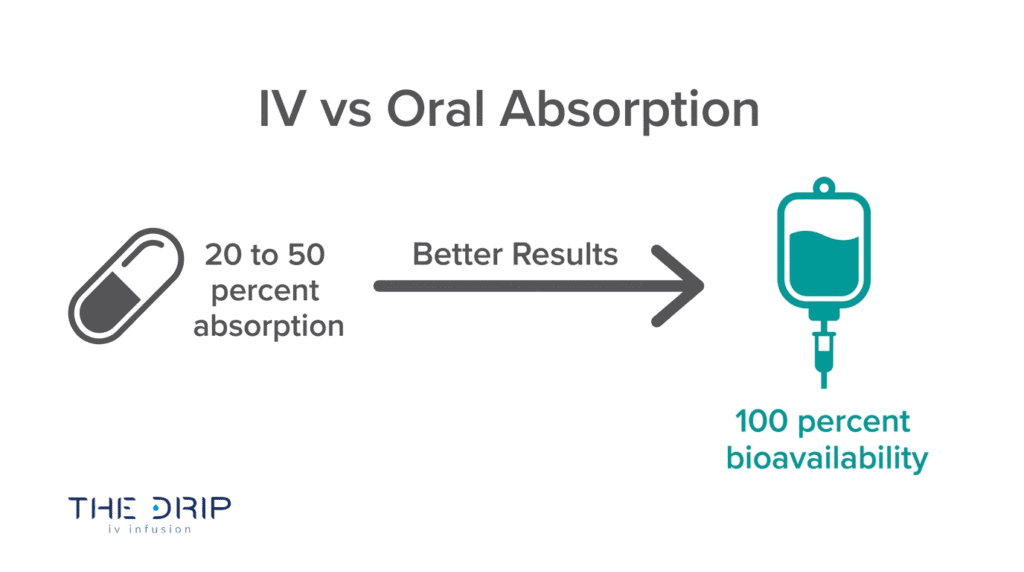
    The most significant advantage of IV delivery is concentration. According to a 2004 study published in the Annals of Internal Medicine, intravenous administration of vitamin C achieves plasma concentrations 30- to 70-fold higher than maximum tolerated oral doses, with a 1.25 g oral dose producing peak plasma levels of 134.8 µmol/L compared to 885 µmol/L for the same dose given intravenously. This gap in bioavailability explains why many people report more noticeable, faster results from a Myers Cocktail than from daily pill regimens.

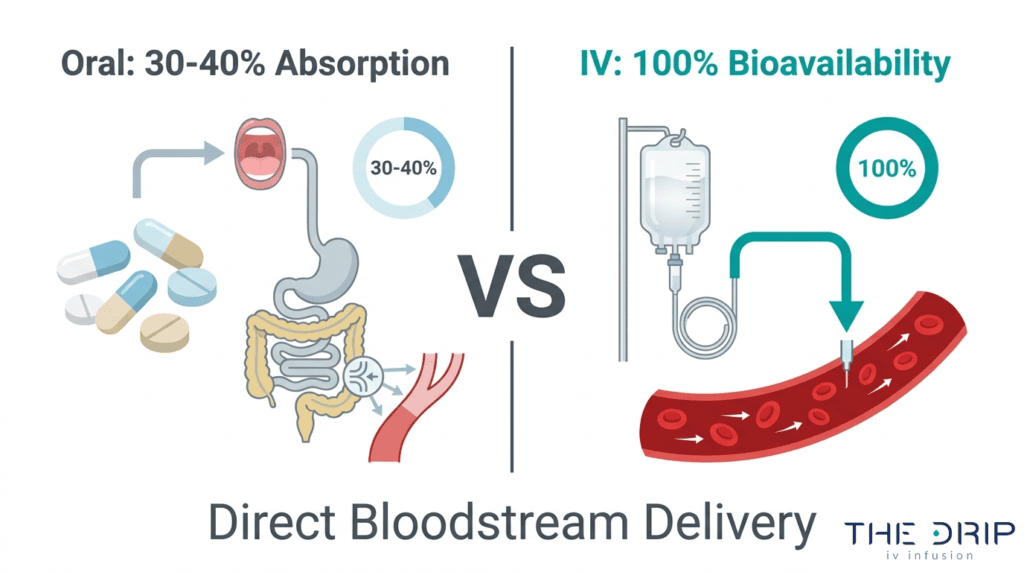
    Oral supplements must pass through the gastrointestinal tract, where absorption is limited by factors such as gut health, enzyme activity, and competition between nutrients for transport pathways. IV infusion eliminates these barriers entirely, delivering 100% of the dose into circulation. For individuals with compromised digestion or significant nutrient deficiencies, this difference can be substantial.

    That said, oral supplements serve a different purpose. They provide consistent, low-level nutrient maintenance over weeks and months at a fraction of the cost per dose. A Myers Cocktail, by contrast, delivers a concentrated therapeutic dose that produces more immediate effects but requires periodic sessions to sustain. Neither approach replaces the other; rather, they complement each other depending on individual health goals.

    For anyone already eating a balanced diet with normal nutrient levels, daily oral supplements may be sufficient for maintenance. However, when rapid correction of deficiencies, acute recovery support, or higher therapeutic concentrations are the goal, IV nutrient therapy offers a delivery method that oral supplementation simply cannot match.

    Understanding this comparison helps frame what to expect from mobile IV therapy services.

    IV vs oral absorption comparison infographic showing direct-to-bloodstream delivery and higher nutrient absorption than digestion

    How Can Mobile IV Therapy Maximize Your Myers Cocktail Results?

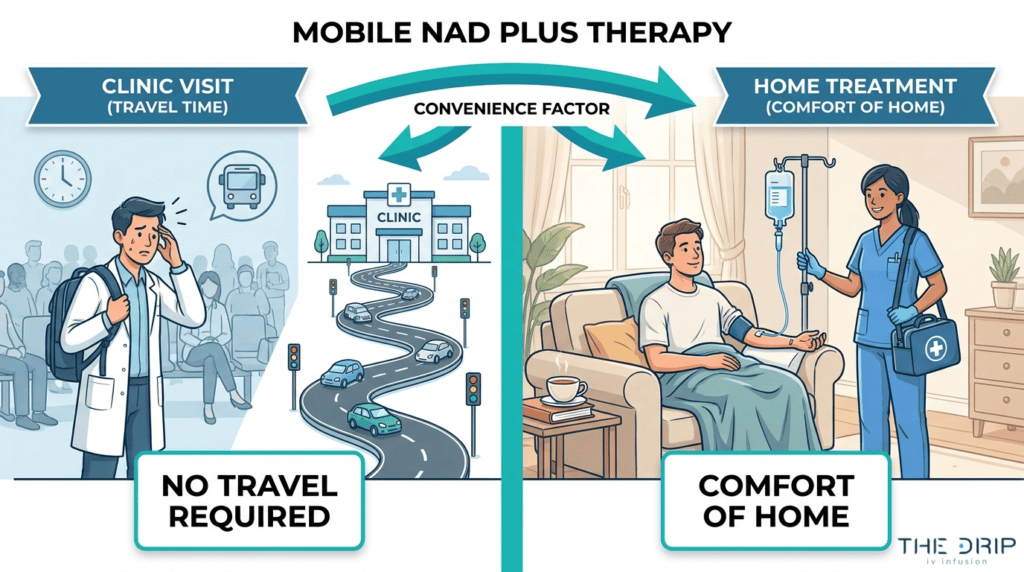
    Mobile IV therapy maximizes Myers Cocktail results by eliminating travel stress and allowing you to relax in a familiar environment during infusion. The following sections cover how The Drip IV Infusion delivers this service and what to remember about duration.

    Can The Drip IV Infusion Deliver a Myers Cocktail to You?

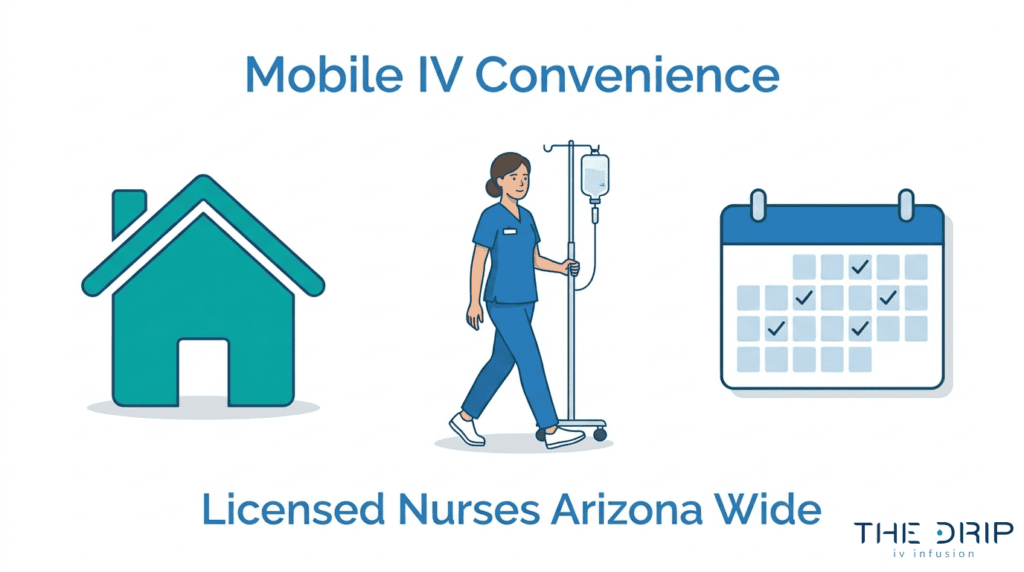
    Yes, The Drip IV Infusion can deliver a Myers Cocktail to you. The Drip IV Infusion operates as a mobile IV therapy service where licensed nurses travel directly to your home, office, or hotel to administer customized IV nutrient therapies. Founded in Fall 2022 by professionals with decades of experience in nursing and emergency medicine, The Drip IV Infusion provides a concierge service model built on convenience and personalized care.

    This approach lets you remain comfortable throughout the 20 to 60 minute infusion process, rather than sitting in a clinical waiting room. According to a 2024 TechSci Research report, the global mobile IV hydration services market was valued at USD 1.42 billion and is expected to reach USD 2.51 billion by 2030, reflecting growing demand for at-home nutrient delivery.

    What Should You Remember About How Long a Myers Cocktail Lasts?

    You should remember that a Myers Cocktail typically provides noticeable benefits for a few days to approximately one week after each infusion. Individual duration depends on several factors, including metabolic rate, hydration status, baseline nutrient deficiencies, age, and the presence of chronic conditions.

    Key takeaways from this article include:

    • Myers Cocktail effects generally last a few days to one week per session.
    • Consistent infusion schedules, such as weekly sessions for an initial 6 to 8 week period, help sustain results longer.
    • IV delivery achieves plasma nutrient concentrations far beyond what oral supplements can reach.
    • Lifestyle factors like diet, exercise, and hydration directly influence how long benefits persist.

    For those ready to experience these benefits firsthand, The Drip IV Infusion brings the full Myers Cocktail experience to your preferred location across Arizona. To book a session or learn more, visit thedripivinfusion.com.

  • Anti-Aging Benefits of IV Nutrition Therapy

    Anti-Aging Benefits of IV Nutrition Therapy

    IV nutrition therapy is an intravenous treatment that delivers vitamins, antioxidants, and coenzymes directly into the bloodstream to support cellular repair, reduce oxidative damage, and slow visible signs of aging. Because it bypasses the digestive system entirely, IV delivery achieves near-complete nutrient absorption that oral supplements cannot match.

    This guide covers how IV nutrient delivery works at the cellular level, the specific compounds that target aging mechanisms, skin and collagen benefits, practical treatment considerations, and emerging regenerative therapies that enhance results.

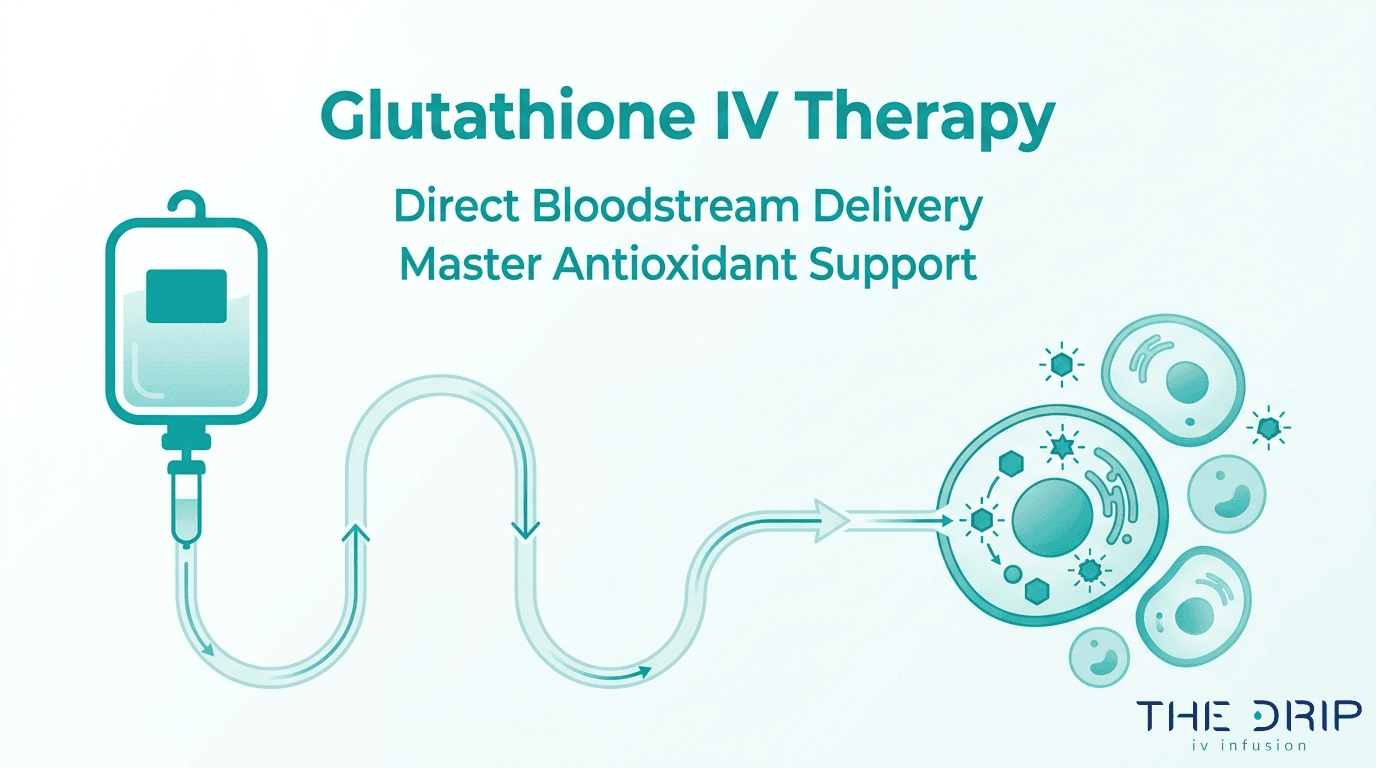
    IV nutrition therapy bypasses first-pass metabolism in the liver, allowing anti-aging nutrients like glutathione, NAD+, and vitamin C to reach cells at full therapeutic concentrations. This higher bioavailability fuels enzymes responsible for DNA repair, mitochondrial energy production, and antioxidant defense.

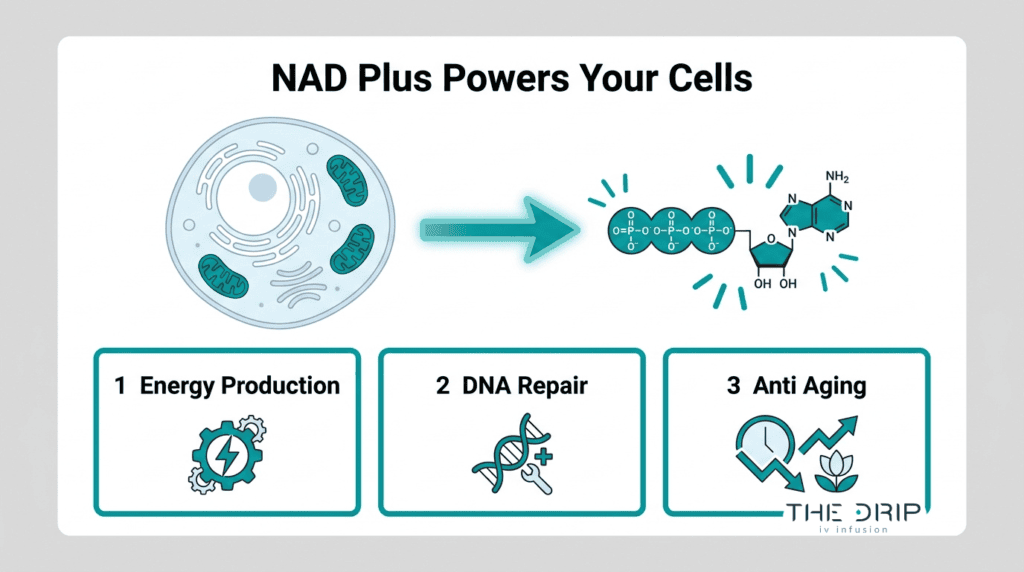
    NAD+ infusions restore a critical coenzyme that declines with age, supporting sirtuin and PARP enzyme activity essential for genomic stability and telomere maintenance. Preclinical research also links NAD+ replenishment to improved cognition and nerve regeneration, making it one of the most targeted options for age-related cellular decline.

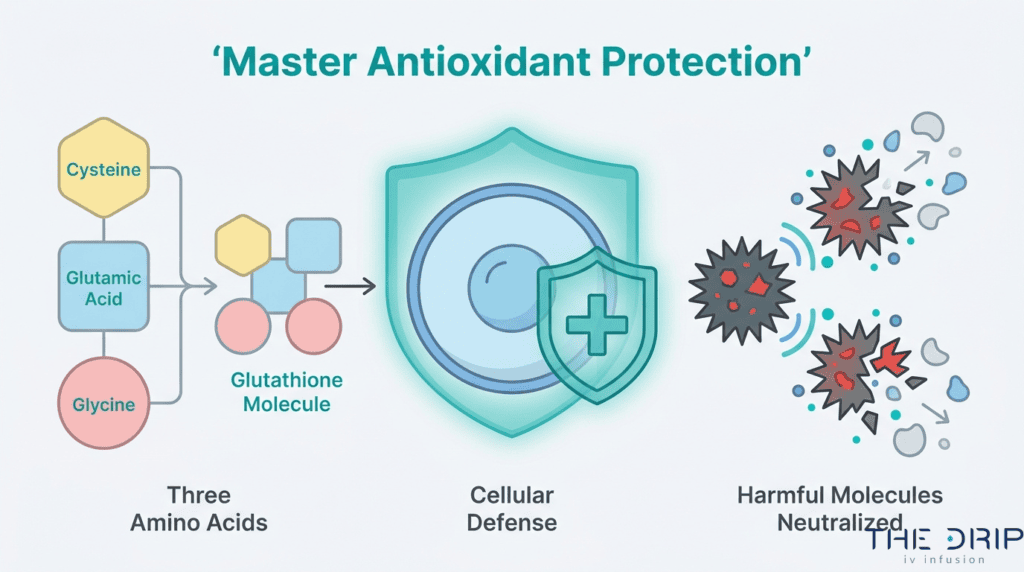
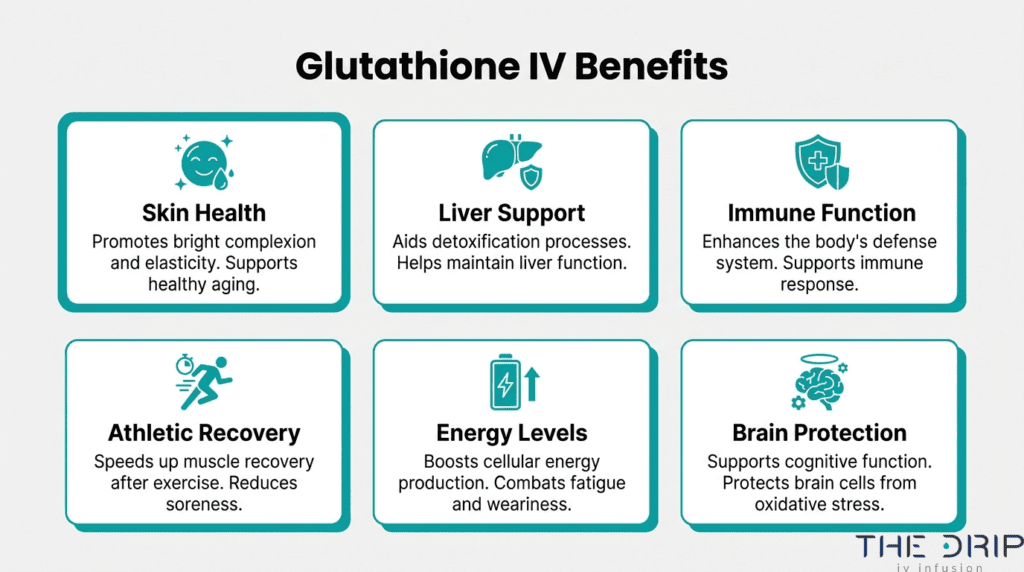
    Glutathione neutralizes free radicals that degrade collagen and elastin while inhibiting melanin synthesis to improve uneven skin tone. Vitamin C activates the enzymes required for stable collagen triple-helix formation, and IV hydration with electrolytes restores intracellular moisture that keeps skin firm and resilient.

    Treatment frequency, candidacy screening, and potential side effects all influence outcomes. Most protocols begin with weekly loading phases before transitioning to monthly maintenance, and professional oversight ensures safety for individuals with pre-existing conditions.

    Exosome therapy adds intercellular signaling that primes cells to use IV-delivered nutrients more effectively, representing one of the more promising directions in regenerative anti-aging wellness.

    How Does IV Nutrition Therapy Work for Anti-Aging?

    IV nutrition therapy works for anti-aging by delivering nutrients directly into the bloodstream, enabling immediate cellular uptake for repair and rejuvenation. The following subsections explain why bypassing digestion matters and how direct absorption accelerates cellular repair.

    Why Does Bypassing the Digestive System Matter for Anti-Aging?

    Bypassing the digestive system matters for anti-aging because oral supplements lose potency as they pass through the gastrointestinal tract and liver. This process, known as first-pass metabolism, can reduce nutrient absorption to 50% or less. Anti-aging nutrients like glutathione, NAD+, and vitamin C are particularly susceptible to degradation during digestion.

    Intravenous delivery eliminates this bottleneck entirely. When nutrients enter the bloodstream directly, cells receive the full therapeutic dose without competing with digestive enzymes or intestinal absorption limitations. For aging cells that already struggle with declining metabolic efficiency, this difference in bioavailability can be significant. Maximizing the concentration of anti-aging compounds at the cellular level is, in many cases, more important than simply increasing intake volume.

    Comparison of IV drip vs oral supplements showing faster nutrient absorption through bloodstream versus digestive system

    How Does Direct Nutrient Absorption Improve Cellular Repair?

    Direct nutrient absorption improves cellular repair by increasing the bioavailability of compounds essential for tissue regeneration. According to a scientific reference from the NYU Center for Latino Adolescent and Family Health, intravenous nutrient therapy directly introduces nutrients into the plasma, increasing their availability for cellular uptake while bypassing the GI tract entirely.

    This heightened bioavailability is especially relevant for age-related cellular decline. NAD+, a critical coenzyme, serves as an exclusive co-substrate for sirtuins and poly(ADP-ribose) polymerases, both of which regulate DNA repair and longevity pathways. Because cellular NAD+ levels naturally decline with age, replenishing this coenzyme through IV delivery ensures repair enzymes receive adequate fuel. The result is more efficient DNA maintenance, improved mitochondrial function, and stronger support for the body’s innate regenerative processes.

    With cellular repair mechanisms supported, the specific nutrients driving these anti-aging effects deserve closer attention.

    What Nutrients in IV Therapy Help Slow the Aging Process?

    The nutrients in IV therapy that help slow the aging process include glutathione, NAD+, vitamin C, B-complex vitamins, zinc, selenium, and collagen-supporting amino acids. Each targets a distinct mechanism of cellular aging.

    Infographic of key anti-aging IV nutrients including glutathione, NAD plus, vitamin C, B-complex, zinc, selenium, and amino acids

    Glutathione

    Glutathione is the body’s most abundant intracellular antioxidant, and it plays a central role in neutralizing free radicals that accelerate aging. By reducing oxidative stress at the cellular level, glutathione helps protect skin structure and minimizes damage that leads to fine lines. It also inhibits melanin synthesis by interrupting tyrosinase activity in the melanogenesis pathway, which can improve uneven skin tone and reduce the appearance of age spots. For those prioritizing skin health, glutathione is one of the most versatile anti-aging nutrients available through IV delivery.

    NAD+

    NAD+ is a coenzyme essential for cellular energy production and DNA repair, both of which decline with age. According to a 2022 review published by the National Institutes of Health, declining cellular NAD+ levels are a hallmark of aging because NAD+ serves as an exclusive co-substrate for sirtuins and poly(ADP-ribose) polymerases, enzymes that regulate cellular repair and longevity. Replenishing NAD+ through IV infusion supports mitochondrial function and helps maintain telomere integrity. For anyone noticing age-related fatigue or cognitive decline, NAD+ addresses the root biochemistry rather than just symptoms.

    Vitamin C

    Vitamin C is an essential cofactor for collagen synthesis and a potent antioxidant that combats free radical damage. It activates prolyl hydroxylase and lysyl hydroxylase, enzymes that catalyze the hydroxylation of proline and lysine residues needed for stable collagen triple-helix formation, as documented in the Orthopaedic Journal of Sports Medicine. This dual function protects existing skin structure while promoting new collagen production. IV delivery is particularly valuable here because it bypasses digestive limitations, allowing therapeutic concentrations that oral supplements cannot achieve.

    B-Complex Vitamins

    B-complex vitamins support anti-aging by improving cellular metabolism and energy production across multiple organ systems. According to research published in the International Journal of Vitamin and Nutrition Research, vitamin B complex enhances skin tone correction and anti-aging benefits by improving cellular metabolism. Individual B vitamins serve specific roles: B12 supports nerve health, B6 aids amino acid metabolism, and biotin strengthens skin and hair. Delivering B-complex vitamins intravenously ensures consistent therapeutic levels, which matters because these water-soluble nutrients deplete quickly.

    Zinc and Selenium

    Zinc and selenium are trace minerals that strengthen antioxidant defense systems critical for slowing age-related cellular damage. Zinc supports immune function and wound healing, while selenium activates glutathione peroxidase, one of the body’s primary antioxidant enzymes. A study published in the American Journal of Clinical Nutrition found that zinc supplementation at 30 mg per day for three months effectively increased serum zinc concentrations in elderly populations, supporting both immune function and antioxidant defense. These minerals work synergistically, and IV delivery ensures absorption that oral supplementation often cannot match in aging populations with compromised gut function.

    Collagen-Supporting Amino Acids

    Collagen-supporting amino acids are the building blocks required for the body to synthesize and repair its most abundant structural protein. Glycine, proline, and lysine are particularly important. A 2025 study published in npj Aging identified a collagen amino acid composition featuring a ratio of 3 glycine to 1 proline to 1 hydroxyproline as the optimal formulation for reducing biological age and increasing healthspan. IV delivery of these amino acids provides immediate bioavailability for collagen synthesis, bypassing digestive breakdown that reduces their effectiveness when taken orally.

    With these foundational nutrients understood, the next step is exploring how specific therapies like NAD+ IV infusions target aging at a deeper cellular level.

    How Does NAD+ IV Therapy Reverse Signs of Aging?

    NAD+ IV therapy reverses signs of aging by restoring cellular energy, supporting DNA repair, and improving cognitive function. The following sections explain how NAD+ decline accelerates aging and how replenishment counteracts these effects.

    How Does NAD+ Restore Cellular Energy Production?

    NAD+ restores cellular energy production by serving as a critical coenzyme in mitochondrial metabolism, where it facilitates the conversion of nutrients into adenosine triphosphate (ATP). Without adequate NAD+, mitochondria produce energy less efficiently, leading to fatigue and sluggish cellular processes commonly associated with aging.

    The perceived effects of NAD+ IV therapy, such as improved energy, focus, and mood, typically last from a few days up to two weeks depending on baseline health and metabolic rate, according to Heally. Because these benefits are temporary, consistent sessions are often necessary to maintain results. For anyone noticing persistent low energy or brain fog, declining NAD+ levels may be a contributing factor worth addressing before symptoms compound further.

    How Does NAD+ Support DNA Repair and Telomere Health?

    NAD+ supports DNA repair and telomere health by activating enzymes responsible for maintaining genomic stability. It serves as an exclusive co-substrate for sirtuins and poly(ADP-ribose) polymerases (PARPs), both of which regulate cellular repair and longevity. According to a 2022 review published in PubMed Central (PMC), a decline in cellular NAD+ is a well-documented feature of aging precisely because these repair enzymes lose their fuel source.

    NAD+ also promotes the repair of telomeres, the protective caps on chromosomes that shorten with each cell division. When telomeres deteriorate, cells become senescent or die. By maintaining telomere integrity, NAD+ helps preserve healthy cell replication, which is foundational to slowing visible and systemic aging.

    How Does NAD+ Improve Cognitive Function as You Age?

    NAD+ improves cognitive function as you age by enhancing mitochondrial performance within neurons. According to a review published in PubMed Central, restoration of NAD+ to youthful levels in preclinical models resulted in increased mitochondrial function, ATP production, and improved cognition and nerve regeneration.

    These findings suggest that declining NAD+ starves brain cells of the energy they need for memory consolidation, focus, and neural communication. While preclinical results are promising, this is one of the most compelling areas of NAD+ research for anyone experiencing age-related cognitive decline. Replenishing NAD+ through IV delivery ensures rapid bioavailability, giving neurons direct access to this essential coenzyme.

    How Does NAD+ Decline With Age Affect the Body?

    NAD+ decline with age affects the body by impairing mitochondrial function, weakening DNA repair capacity, and accelerating cellular senescence. As NAD+ levels drop, sirtuins and PARPs lose the co-substrate they need to regulate inflammation, genomic stability, and metabolic efficiency.

    The consequences are widespread: reduced energy production, slower tissue recovery, increased oxidative damage, and diminished cognitive sharpness. These changes manifest as common aging symptoms, including chronic fatigue, slower wound healing, and memory difficulties. NAD+ decline is not merely a biomarker of aging; it actively drives the degenerative processes that make aging visible and felt. Addressing this decline early through IV replenishment offers a proactive strategy for preserving cellular health before damage accumulates.

    How Does IV Glutathione Therapy Benefit Aging Skin?

    IV glutathione therapy benefits aging skin by neutralizing oxidative damage and improving skin tone. The following sections explain how glutathione reduces wrinkles and brightens complexion.

    How Does Glutathione Reduce Oxidative Stress and Wrinkles?

    Glutathione reduces oxidative stress and wrinkles by neutralizing free radicals that degrade collagen and elastin in aging skin. As the body’s most abundant intracellular antioxidant, glutathione donates electrons to reactive oxygen species, preventing the cellular damage that accelerates fine lines and sagging.

    When delivered intravenously, glutathione bypasses digestive breakdown and reaches skin cells at therapeutic concentrations. According to a study published in Heliyon (Cell Press), IV administration of vitamin C at doses between 25 and 50 grams can substantially enhance immune function and reduce oxidative stress, a principle that extends to glutathione’s synergistic antioxidant role. Pairing IV glutathione with complementary antioxidants like vitamin C creates a more robust defense against the cumulative free radical exposure that ages skin prematurely. For those noticing early signs of oxidative skin damage, this combination is one of the most practical intravenous approaches available.

    How Does Glutathione Brighten Skin Tone and Reduce Age Spots?

    Glutathione brightens skin tone and reduces age spots by inhibiting melanin synthesis in the skin. It interrupts the melanogenesis pathway by interfering with tyrosinase activity, the enzyme responsible for converting L-DOPA into melanin pigment. This mechanism shifts melanin production toward lighter pheomelanin rather than darker eumelanin.

    According to research published in the Journal of Clinical, Cosmetic and Investigational Dermatology, supplementation of reduced glutathione (GSH) at 500 mg per day demonstrated skin-lightening efficacy in humans by inhibiting melanin production. However, results require consistency; brightening effects tend to diminish without ongoing sessions.

    It is worth noting that the Philippine FDA has issued warnings about serious complications, including anaphylaxis and hepatotoxicity, associated with IV glutathione used specifically for skin lightening. This underscores why professional medical oversight is essential for anyone considering glutathione infusions for complexion concerns.

    With glutathione’s skin benefits established, understanding how IV therapy supports collagen production adds another layer to an anti-aging strategy.

    Can IV Therapy Boost Collagen Production and Skin Elasticity?

    IV therapy can boost collagen production and skin elasticity by delivering collagen-building precursors directly into the bloodstream. The key mechanisms involve amino acid delivery, vitamin C cofactor support, and enhanced hydration at the cellular level.

    IV nutrition therapy stimulates collagen production by providing essential amino acids, such as proline and lysine, which are necessary for collagen synthesis and cellular repair. When these precursors enter the bloodstream intravenously, they reach fibroblasts at concentrations that oral supplementation often cannot match. Vitamin C, frequently included as an add-on in IV formulations, serves as a required cofactor for the enzymes that stabilize collagen’s triple-helix structure. Without adequate vitamin C, collagen fibers form improperly, leading to weakened skin elasticity over time.

    Proper hydration also plays a supporting role. IV-delivered fluids restore intracellular moisture balance, which helps maintain the plump, resilient appearance that well-hydrated skin provides. Combined with targeted amino acids, this approach addresses collagen loss from multiple angles simultaneously.

    For anyone noticing thinning skin or reduced firmness, prioritizing both the structural building blocks and the cofactors that activate them is far more effective than supplementing with collagen peptides alone. Understanding how IV hydration complements these anti-aging nutrients helps clarify the full scope of benefits available.

    How Does IV Vitamin C Fight Free Radical Damage?

    IV vitamin C fights free radical damage by donating electrons to neutralize reactive oxygen species before they can harm cells, proteins, and DNA. Its antioxidant and collagen-supporting roles make it a key nutrient in anti-aging IV protocols.

    Vitamin C is an essential cofactor for prolyl hydroxylase and lysyl hydroxylase, enzymes that catalyze the hydroxylation of proline and lysine residues to promote proper folding of the stable collagen triple-helix, according to a study published in the Orthopaedic Journal of Sports Medicine. This enzymatic activity is what links vitamin C directly to skin firmness and structural integrity. Without adequate levels, collagen fibers form improperly, accelerating the visible signs of aging such as fine lines and sagging.

    When delivered intravenously, vitamin C reaches plasma concentrations far beyond what oral supplementation allows. These elevated levels amplify its capacity to scavenge free radicals throughout the bloodstream and tissues. Free radicals generated by UV exposure, pollution, and normal metabolic processes cause oxidative stress, which degrades collagen, damages cell membranes, and contributes to premature aging.

    Beyond its direct antioxidant activity, vitamin C also regenerates other antioxidants like vitamin E, extending the body’s overall defense network against oxidative damage. This regenerative function is often underestimated, yet it significantly multiplies the protective value of each infusion session.

    For anyone serious about slowing oxidative aging, IV vitamin C offers a practical advantage that oral doses simply cannot match. With hydration as the next critical factor, understanding how IV fluids restore skin moisture completes the anti-aging picture.

    What Role Does IV Hydration Play in Anti-Aging?

    IV hydration plays a foundational role in anti-aging by restoring intracellular moisture levels that decline with age. Proper cellular hydration supports skin elasticity, nutrient transport, and the removal of metabolic waste products that accelerate aging. When delivered intravenously, fluids enriched with electrolytes replenish hydration at a deeper cellular level than drinking water alone can achieve. According to research published in the Aesthetic Surgery Journal, IV drips infused with electrolytes and fluids replenish intracellular hydration levels, restoring moisture balance and combating the effects of environmental stressors on aged skin. Dehydrated cells lose their structural integrity more quickly, which manifests as fine lines, dullness, and reduced skin turgor. By maintaining optimal fluid balance through IV delivery, the body creates a better internal environment for collagen synthesis and antioxidant activity. For anyone pursuing a comprehensive anti-aging strategy, hydration is not merely a supporting factor; it is the essential baseline that makes every other nutrient work more effectively.

    How Does IV Nutrition Therapy Compare to Oral Supplements for Anti-Aging?

    IV nutrition therapy compares to oral supplements for anti-aging primarily through superior nutrient absorption and faster cellular delivery. The key differences involve bioavailability, onset speed, and how effectively each method supports age-related cellular repair.

    Oral supplements pass through the digestive system, where stomach acid, enzyme activity, and intestinal absorption limitations reduce the amount of nutrients that reach the bloodstream. According to the Inside Health Clinic, the body may only absorb about 50% or less of vitamins from an oral supplement, while IV therapy can achieve absorption rates near 100% by avoiding first-pass metabolism in the liver. This difference matters significantly for anti-aging nutrients like glutathione, NAD+, and vitamin C, which require sufficient plasma concentrations to drive collagen synthesis, neutralize free radicals, and fuel mitochondrial repair.

    For individuals with compromised gut health, malabsorption conditions, or age-related digestive decline, oral supplementation becomes even less reliable. IV delivery bypasses these barriers entirely, making it a more consistent option when precise nutrient dosing is the goal. That said, oral supplements remain practical for daily maintenance between infusion sessions, particularly for nutrients like zinc, B-complex vitamins, and selenium that support ongoing antioxidant defense.

    The most effective anti-aging strategy often combines both methods: IV therapy for periodic high-dose nutrient loading and targeted cellular support, with oral supplements filling the gaps between sessions. Understanding when each delivery method serves you best is the real advantage over choosing one exclusively.

    Who Is a Good Candidate for Anti-Aging IV Therapy?

    A good candidate for anti-aging IV therapy is any adult experiencing early signs of aging, chronic fatigue, dull skin, or nutrient deficiencies who wants faster results than oral supplements provide. The best candidates typically fall into several specific groups.

    • Adults noticing visible aging signs such as fine lines, uneven skin tone, or reduced skin elasticity benefit from targeted nutrient infusions that support collagen synthesis and antioxidant defense.
    • Individuals with high oxidative stress from environmental exposure, poor sleep, or demanding lifestyles often see meaningful improvements because IV delivery replenishes depleted antioxidants like glutathione and vitamin C more efficiently.
    • People with digestive issues that limit oral supplement absorption are strong candidates, since IV therapy bypasses the gastrointestinal tract entirely.
    • Busy professionals and frequent travelers whose schedules make consistent oral supplementation difficult can maintain nutrient levels through periodic infusion sessions.
    • Athletes and active adults seeking faster recovery and sustained cellular energy production may benefit from NAD+ and amino acid infusions.

    Certain individuals should avoid anti-aging IV therapy without physician clearance. According to Pure Medical Spa, individuals with kidney disease, heart problems, or severe allergies are advised to avoid IV nutrient therapy due to the risk of fluid overload and metabolic imbalance. Pregnant or nursing women should also consult their healthcare provider before beginning any infusion protocol.

    For most people exploring longevity-focused wellness, anti-aging IV therapy offers a practical option when oral supplementation alone falls short. Understanding how frequently to schedule sessions helps maximize these benefits over time.

    How Often Should You Get IV Therapy for Anti-Aging Results?

    You should get IV therapy for anti-aging results every one to four weeks, depending on your goals, nutrient formulations, and baseline health. The ideal frequency varies because different IV cocktails sustain their effects for different durations.

    According to 417 Integrative Medicine, IV therapy results for general hydration and nutrient replenishment may last from several hours to multiple days, with the duration being highly dependent on the specific IV formulation and vitamin combination used. NAD+ sessions, for example, often require closer spacing initially before transitioning to monthly maintenance.

    Several factors influence the right schedule:

    • Treatment goals: Intensive protocols for visible skin improvement may start with weekly sessions, while general maintenance works well monthly.
    • Nutrient type: Glutathione and vitamin C metabolize at different rates, so combination drips may need more frequent dosing than single-nutrient infusions.
    • Individual response: Age, metabolic rate, lifestyle habits, and oxidative stress levels all affect how quickly your body uses the delivered nutrients.
    • Provider guidance: A qualified infusion specialist should assess your labs and health history to recommend a personalized cadence.

    Most practitioners suggest an initial loading phase of weekly sessions for four to six weeks, followed by bi-weekly or monthly sessions once optimal nutrient levels stabilize. Consistency matters more than frequency alone; sporadic treatments rarely produce the cumulative anti-aging benefits that regular sessions deliver. Understanding what to expect from each session helps set realistic timelines for visible results.

    IV therapy schedule infographic showing loading phase, maintenance phase, and long-term wellness benefits over time

    What Results Can You Expect From Anti-Aging IV Infusions?

    The results you can expect from anti-aging IV infusions range from immediate hydration and energy improvements to gradual cellular-level changes over time. The sections below cover short-term changes most people notice first and long-term benefits that develop with consistent sessions.

    What Short-Term Changes Do Most People Notice First?

    The short-term changes most people notice first from anti-aging IV infusions include improved energy, better hydration, and enhanced mental clarity. Because nutrients enter the bloodstream directly, these effects can begin during or shortly after a one-hour session.

    Common immediate changes include:

    • Increased energy and reduced fatigue from rapid nutrient delivery
    • Improved skin hydration and a more refreshed complexion
    • Sharper mental focus and elevated mood
    • Reduced feelings of sluggishness or brain fog

    According to Heally, the perceived effects of NAD+ IV therapy, such as improved energy, focus, and mood, typically last from a few days up to two weeks depending on the individual’s baseline health and metabolic rate. These early results reflect nutrient replenishment rather than deep structural repair, which requires ongoing sessions.

    What Long-Term Benefits Develop With Consistent Sessions?

    The long-term benefits that develop with consistent anti-aging IV therapy sessions include enhanced collagen production, stronger antioxidant defense, and improved cellular repair. While a single infusion delivers noticeable short-term effects, cumulative sessions allow nutrients like glutathione, NAD+, and vitamin C to support deeper biological processes.

    Sustained benefits from regular IV therapy include:

    • Firmer, more elastic skin from ongoing collagen synthesis support
    • Reduced oxidative damage through consistent antioxidant replenishment
    • Improved mitochondrial function and sustained energy levels
    • More even skin tone and diminished appearance of fine lines

    For most people, pairing consistent sessions with proper nutrition and sun protection amplifies these results significantly. Understanding potential side effects helps you approach this protocol with realistic expectations.

    Are There Any Side Effects of Anti-Aging IV Therapy?

    The side effects of anti-aging IV therapy are generally mild but can include bruising at the injection site, dizziness, and, in rare cases, more serious metabolic complications. Understanding these risks helps you make informed decisions before scheduling a session.

    Most people tolerate IV nutrient infusions well when administered by a qualified infusion specialist. Minor reactions, such as warmth along the vein, slight nausea, or temporary discomfort at the catheter site, resolve quickly after the session ends. These responses are typically related to infusion speed or individual sensitivity rather than the nutrients themselves.

    More serious adverse effects are uncommon but worth noting. According to a review published in the British Journal of Anaesthesia, common adverse effects of intravenous fluid therapy include hyperglycemia and hyponatremia, which may cause osmotic diuresis and increase the risk of cerebral edema. These complications are more closely associated with high-volume fluid administration or pre-existing conditions than with standard nutrient infusions used in anti-aging protocols.

    Individuals with kidney disease, heart conditions, or severe allergies should consult a physician before receiving IV therapy due to the potential for fluid overload and metabolic imbalance. Allergic reactions to specific nutrients, while rare, can also occur. This is why a thorough health screening before each infusion is essential.

    For most healthy adults pursuing anti-aging goals, the risk profile remains low, especially when sessions are supervised by experienced professionals. The key is working with a provider that prioritizes safety screening, uses medical-grade formulations, and adjusts protocols to your individual health status. With the right approach, anti-aging IV therapy offers its benefits with minimal concern.

    How Can Exosome Therapy Complement Anti-Aging IV Infusions?

    Exosome therapy can complement anti-aging IV infusions by adding a layer of cellular signaling that amplifies the regenerative effects of intravenous nutrients. While IV drips deliver vitamins, antioxidants, and NAD+ directly into the bloodstream, exosomes work at the intercellular communication level to coordinate repair responses throughout the body.

    According to a study published in the International Journal of Nanomedicine, exosome therapy, when injected intravenously or applied to damaged tissue, creates a network of synergistic metabolic effects that balance the immune system and promote cellular repair in anti-aging protocols. This means that nutrients delivered through an IV infusion reach cells already primed by exosome signaling to use those resources more effectively.

    The combination works because each approach targets a different mechanism of aging. IV nutrition therapy addresses nutrient deficiencies, oxidative stress, and hydration at the molecular level. Exosomes, which are tiny extracellular vesicles released by cells, carry proteins, lipids, and genetic material that instruct neighboring cells to reduce inflammation, regenerate tissue, and restore function. Together, these therapies create a more comprehensive anti-aging protocol than either can achieve alone.

    For individuals already receiving anti-aging IV infusions with ingredients like glutathione, vitamin C, or NAD+, adding exosome therapy may enhance outcomes in skin quality, energy levels, and overall cellular resilience. This pairing represents one of the more promising directions in regenerative wellness, where nutrient optimization and cellular communication converge to slow biological aging from multiple angles.

    How Can Mobile IV Therapy Fit Into Your Anti-Aging Routine?

    Mobile IV therapy fits into your anti-aging routine by delivering nutrient infusions directly to your home, eliminating clinic visits and making consistent treatment schedules easier to maintain. The following sections cover how The Drip IV Infusion supports anti-aging goals and the key takeaways from IV nutrition therapy.

    Can The Drip IV Infusion’s NAD+ and Custom IV Cocktails Help With Anti-Aging?

    Yes, The Drip IV Infusion’s NAD+ and custom IV cocktails can help with anti-aging by replenishing key nutrients that support cellular repair, hydration, and skin health. The Drip IV Infusion offers NAD+ as a specialty treatment alongside customizable add-ons, including glutathione, vitamin C, B-complex vitamins, and zinc. IV drips infused with electrolytes and fluids replenish intracellular hydration levels, restoring moisture balance and combating the effects of environmental stressors on aged skin. This combination of targeted nutrients and mobile convenience makes it practical to build anti-aging infusions into a regular wellness routine. For most people pursuing visible skin and energy improvements, consistency matters more than any single session.

    Mobile IV therapy at home showing nurse administering anti-aging drip to relaxed patient in comfortable living room setting

    What Are the Key Takeaways About Anti-Aging Benefits of IV Nutrition Therapy?

    The key takeaways about anti-aging benefits of IV nutrition therapy center on superior nutrient absorption, targeted cellular support, and the importance of evidence-based expectations.

    • IV therapy can achieve absorption rates near 100% by bypassing first-pass metabolism in the liver, compared to roughly 50% or less from oral supplements, according to a comparison published by Inside Health Clinic.
    • NAD+ infusions support DNA repair, mitochondrial energy production, and cognitive function as the body ages.
    • Glutathione acts as a master antioxidant that neutralizes free radicals and supports skin brightening.
    • Vitamin C drives collagen synthesis, while B-complex vitamins enhance cellular metabolism and skin tone correction.
    • The FDA regulates nutrient-related health claims under the FD&C Act, requiring that all benefits communicated be truthful and substantiated.

    Intravenous micronutrient therapy, sometimes called parenteral nutrient infusion or IV drip anti-aging, represents a growing segment of proactive wellness. With the U.S. mobile IV hydration therapy market projected to reach $2.1 billion by 2030, demand for convenient, science-informed anti-aging protocols continues to rise. That said, pairing these treatments with realistic expectations and professional guidance remains the most reliable path to meaningful results.

  • Best IV Therapy for Inflammation

    Best IV Therapy for Inflammation

    Inflammation is a common process in human bodies. It is a natural immune system response that defends the body from harmful agents or foreign objects. There are many potential treatments, one of the most popular being IV therapy. With so many options available, you should know how to choose the best IV therapy for inflammation.

    Finding the right solution for your medical issue involves understanding your symptoms and matching them with IV ingredients that may reduce inflammation. Let’s find out about the science behind using IV therapy for inflammation and discover the most effective supplement for inflammation!

    Source: shutterstock.com / Photo Contributor: Andrey_Popov

    Best IV Therapy for Inflammation

    Intravenous therapy infuses fluids such as vitamins, minerals and other nutrients directly into the bloodstream. IV therapy providers offer different cocktails, each with unique ingredients. Different IV therapy solutions are recommended for treating different conditions.

    So, what IV therapy is good for inflammation? If you feel some symptoms of inflammation, there are several IV therapy options available that might reduce them. The best IV therapy for inflammation can be vitamin C therapy, glutathione therapy, magnesium therapy, or a Myers cocktail.

    Vitamin C IV therapy

    Vitamin C is an essential vitamin for normal body function. It has a multifold role in the system as it is involved in many processes, the most important being body tissue growth, development, and repair. It is also crucial for a strong and healthy immune system.

    In addition, vitamin C might help fight inflammation as it has strong antioxidant and anti-inflammatory properties. Vitamin C might stimulate the thioredoxin-interacting protein that affects inflammasomes, which are complexes that activate inflammatory responses.

    Considering that inflammation possibly damages healthy cells, vitamin C can protect immune cells during an inflammatory response. It may prevent intracellular ROS production and maintain tissue integrity.

    Source: shutterstock.com / Photo Contributor: Numstocker

    Glutathione IV therapy

    Glutathione IV therapy can provide several health benefits, such as maintaining optimal health and protecting the body from toxins. Glutathione is a substance that may fight inflammation, because it potentially reduces oxidative stress.

    Inflammation not only induces oxidative stress but also reduces the antioxidant capacity of the cells. Moreover, glutathione IV infusion can protect cells from inflammation and free radicals.

    Magnesium IV therapy

    If you are still unsure what IV drip is the right choice for inflammation, magnesium therapy may be an option. Magnesium is a beneficial mineral that can reduce inflammatory markers such as C-reactive protein and nitric oxide.

    Magnesium IV therapy may be recommended for reducing muscle soreness and increasing performance. It can be beneficial for alleviating muscle pain, supporting bone strength and normal nerve function.

    Myers cocktail

    The Myers cocktail may boost your immune system, hydrate your body, and improve your energy level. Besides the well-known benefits, the Myers cocktail can be one of the best IV therapies for inflammation. 

    The exact nutrients contained within can vary slightly, depending on the provider. But generally, it should have the following:


    • Vitamin C

    • Vitamin B-12

    • B-complex

    • Zinc

    • Glutathione 

    • Magnesium

    The Myers IV therapy contains a unique mixture of anti-inflammatory agents, potentially offering a multifaceted approach to reducing inflammation throughout the body.

    Source: shutterstock.com / Photo Contributor: Tminaz

    Combining IV Therapy With Other Treatments

    Are you wondering how effective is IV therapy for inflammation? The answer will depend on a number of factors, such as your overall health, age, and lifestyle. IV therapy, combined with exercise and a proper diet, may enhance your overall health and speed up recovery.

    The latest recommendations for reducing inflammation are adequate levels of exercise and physical activity. Exercise can boost the immune system and allow for a proper bodily response to reduce inflammation. Activities as simple as aerobic exercise and walking can help you fight inflammation.

    Other healthy habits that may increase the effectiveness of IV therapy for inflammation include:


    • Eating fatty foods

    • Getting enough sleep

    • Increasing food intake that is rich in antioxidants

    • Quitting smoking and alcohol

    • Reducing stress

    • Limiting sugar intake

    Also, you may successfully fight inflammation by combining IV therapy with medication and supplements. If you are looking for the most effective supplement for inflammation, you might find it in some home remedies, such as:


    • Curcumin

    • Fish oil

    • Ginger

    • Resveratrol

    • Spirulina

    • Green tea extract

    • Bromelain

    • Garlic

    Conclusion

    What will be the best IV therapy for inflammation depends on your individual body’s needs. When browsing through the different IV therapy options, it is crucial to consider the type of inflammation you have. 

    So, targeted nutrient delivery, through intravenous therapy, and the integration of physical therapy and dietary adjustments may effectively manage and reduce inflammation. Take care!

  • What Is in an IV Bag for Dehydration?

    What Is in an IV Bag for Dehydration?

    Dehydration usually occurs when the body loses more fluids than it takes in, which may result in impaired metabolic processes. If this condition is severe, oral medications cannot help enough, so IV therapy is recommended for many patients. But why is IV therapy needed, and what is in an IV bag for dehydration?

    Read on as this article will explore the composition of IV dehydration bags, the various components used and their application in medical practice.

    Source: shutterstock.com / Photo Contributor: EugeneEdge

    What Is in an IV Bag for Dehydration?

    The IV bag for dehydration combines water, glucose, electrolytes, and sometimes additional additives. The composition of the IV bag may vary depending on the patient’s health conditions and specific needs. 

    So, what does IV hydration consist of in particular? In the following content, you will find out the IV composition and the main characteristics of its components.

    Water

    Water is a major component of IV fluids. Its main role is to dissolve the remaining ingredients in the IV bag and deliver them into the bloodstream. Water may also play a key role in regulating body temperature, maintaining cellular functions, and optimizing metabolic processes.

    Electrolytes

    Are electrolytes included in an IV bag for dehydration? Besides water as the main component, electrolytes are essential for IV hydration therapy. These minerals dissolve in water to form ions necessary for various physiological needs. Electrolytes such as sodium, potassium, chloride, and bicarbonate may often be found in the IV bag.


    • Sodium: May play an important role in maintaining muscle and nerve function and helping regulate blood pressure.

    • Potassium: An important electrolyte that may support heart function and maintain the normal balance of fluids in the cell.

    • Chloride: Works with sodium to maintain fluid balance and osmotic pressure. It may also play an important role in the body’s acid-base balance.

    • Bicarbonate: May act as a buffer important in maintaining the pH of the blood, preventing it from becoming too alkaline or too acidic.

    Glucose

    Glucose, an integral part of the IV bag, might be a quick source of energy and help absorb electrolytes. This component may be especially important for patients who have problems consuming food and drinks.

    Other additives

    Depending on the patient’s specific medical condition, additional ingredients in the IV bag may be included. These components can include vitamins, medicines, and supplements.


    • Vitamins: Although combining IV fluids with electrolytes may be an ideal choice to combat dehydration, adding vitamins may speed up the recovery process. Certain vitamins, such as B-complex and vitamin C, may provide nutritional support and help maintain the immune system.

    • Medications: If a specific medical condition is to be helped, medications are included as an integral part of the IV bag. Consultation with your IV nurse is important regarding the type of medication, amount, and frequency of administration.

    Source: shutterstock.com / Photo Contributor: Andrey_Popov

    Types of IV Fluids for Dehydration

    What type of solution is typically in an IV bag for dehydration? IV fluids for dehydration can be classified according to their osmolality, that is, the concentration of dissolved substances in the solution and the osmolality of the blood. In this regard, such fluids are divided into hypertonic, isotonic, and hypotonic.

    Isotonic solutions

    The main characteristic of isotonic solutions is that they have the same osmotic pressure as blood plasma. This composition allows isotonic solutions to maintain a balanced osmotic pressure with equal amounts of fluids inside and outside the cell. 

    In addition, these solutions may increase the intravascular volume in several conditions, such as metabolic acidosis, vomiting, diarrhea, etc. In this group of solutions, the most commonly used in medical practice are:

    Normal saline (0.9% NaCl) 

    You may also find the normal saline solution under 0.9NaCL, NS or 9% normal saline. Such a solution easily passes through cell membranes and is generally an isotonic solution. 

    Due to this feature, normal saline may be used in several conditions, such as vomiting, diarrhea, bleeding, and even shock conditions. In addition, normal saline might also be used when administering blood.

    However, this solution may cause excess fluid retention due to its high sodium content. So, caution should be exercised in patients with kidney complications and those with heart disease.

    Lactated Ringer’s solution

    Lactated Ringer’s is another of the most commonly used isotonic solutions in addition to normal saline. Such a solution is most often found in emergency rooms, ambulances and where emergency cases are treated. 

    Furthermore, it may be used in patients with extensive blood loss, burns or severe injuries. In some cases, lactated Ringer’s may be used as an alternative to normal saline.

    On the other hand, this solution is not advised for patients with kidney complications because it contains potassium. If this condition is not addressed, hyperkalemia may occur.

    Hypotonic solutions

    The main characteristic of hypotonic solutions is that they move from the bloodstream and pass into the cell through a semipermeable membrane or from the extracellular space to the intracellular space. This solution may help with cellular dehydration by returning the water in the cell to its normal limits. 

    Also, it may be used in several conditions, such as ketoacidosis. In general, the most commonly used isotonic solutions in medical practice can be:


    • 0.225% NaCl

    • 0.45% NaCl

    • 0.33% NaCl

    • 2.5% dextrose in water

    Hypertonic solutions

    Unlike hypotonic solutions, where fluids are transferred from extracellular to intracellular spaces, hypertonic solutions have the opposite situation. In such solutions, water is drawn from the cells, instead of being taken in. Because of this feature, hypertonic solutions may be used in patients with low sodium levels.

    However, the patient’s health status should be considered before administering such a solution. Hypertonic solutions are not recommended for patients with heart or kidney problems. The most commonly used hypertonic solutions in patients are:


    • 3% NaCl

    • 5% NaCl

    • 5% dextrose in Lactated Ringer’s

    • 5% dextrose in 0.45% NaCl

    • 5% dextrose in 0.9% NaCl

    • 10% dextrose in water

    • 20% dextrose in water

    • 50% dextrose in water

    Source: shutterstock.com / Photo Contributor: Numstocker

    Conclusion

    What is in an IV bag for dehydration? Knowing this is important in planning medical treatment and patient care. So, the IV bag may contain electrolytes, glucose, water, and occasionally other additives.

    Moreover, isotonic solutions may be used for general rehydration, while hypertonic and hypotonic solutions may be used in patients with electrolyte imbalances and cellular dehydration problems. Yet, before administering any medication, the patient’s health status, age, metabolism and physical activity should be considered. 

    So, before undergoing IV treatment, it is recommended that you discuss the benefits and possible risks of IV therapy with your healthcare provider. Take care!

  • How to Prepare for an IV

    How to Prepare for an IV

    IV therapy is known as a minimally invasive method that delivers the necessary vitamins, minerals, and nutrients through the bloodstream. Many decide on IV therapy in case of an energy boost, when dealing with jetlag, or in most cases if they suffer from dehydration or vitamin deficiency. But, not everyone knows the process of how to prepare for an IV therapy and what measures to take for smooth administration.

    In this article, we will point out several important factors and tips to help you prepare for your IV therapy session.

    How to Prepare for an IV

    If you are wondering how to prepare for an IV therapy, there are several factors to remember. First off, start by asking questions. Inform yourself about anything related to the administration of IV, from who will administer it and how it may make you feel to what type of medication or fluid will be administered in the IV bag.

    Before IV therapy, you should share your medical history records with your healthcare provider to help them understand your medical condition and reduce the risk of misdiagnosis or adding liquids you may be allergic to. 

    But there’s more to the process of preparation for an IV besides getting informed and sharing your medical history records to help your IV infusion go as smoothly as possible. From setting up the environment and dressing into something comfortable to keep yourself hydrated, there’s plenty to do before getting the IV administered. 

    Source: shutterstock.com / Photo Contributor: PhotobyTawat

    Set up the environment

    If you have decided to receive mobile IV treatment, take care of the environment. For this purpose, choosing a quiet place to sit or lie down comfortably is ideal. Also, keep in mind the lighting in the room. Ensure the room is sufficiently lit for the healthcare provider to perform the procedure successfully.

    Hydration

    Although it may seem counterintuitive to hydrate before a treatment intended to rehydrate you, it’s a good idea to drink plenty of water before the procedure. Ideally, we recommend you drink plenty of fluids 24 hours prior to the date of the appointment. 

    If your body is dehydrated there’s a high chance to better respond to IV therapy. If you are dehydrated, the veins contract, making it difficult for the healthcare provider to administer the IV therapy. On the other hand, if you are sufficiently hydrated, the veins become more dilated which makes the nurse’s task easier to find the vein on the first try.

    A tip from our experienced team is to add salt to the water, as the water helps the body retain more moisture in your blood.

    Source: shutterstock.com / Photo Contributor: New Africa

    Eat before the treatment

    You should avoid going for IV therapy on an empty stomach. It’s good to have a hot meal an hour or two before IV therapy. Eating a balanced meal before the therapy that contains plenty of water and proteins could help you prevent any side effects you may experience if you were to receive the IV therapy on an empty stomach. 

    Eating may help you avoid irritating symptoms during IV therapy, such as nausea, vomiting, and dizziness. If you have eaten before the procedure, your blood vessels will be more open, allowing the IV fluids to access the deepest tissues in the body.

    Source: shutterstock.com / Photo Contributor: Pixel-Shot

    Dress in something comfortable

    Choose comfortable clothes that will not interfere during the administration. Wear clothing that will leave the internal veins open so that the health care provider can perform their task smoothly

    Source: shutterstock.com / Photo Contributor: Studio Romantic

    Mental Preparation

    If you feel afraid of the IV procedure, there are several techniques that you can use to overcome your fear. Take deep and slow breaths to help relax your body and mind, and engage in calming activities like meditation to help you relax before IV therapy. If you still feel uncomfortable once the IV therapy is administered, put on your headphones to get your mind somewhere else.

    Source: shutterstock.com / Photo Contributor: fizkes

    During the IV Placement and Aftercare

    The duration of the IV procedure depends on the type of IV fluid being administered. This kind of therapy typically lasts an hour. In addition, there is a monitoring period when the healthcare provider checks that the IV therapy went well.

    It is best to bring entertainment sources to help you pass the time more easily. For this purpose, you can read a book, listen to a podcast or music, or engage in game activities on your smartphone.

    During the procedure, monitor the injection site and notify the medical team if you notice any changes or discomfort. Such changes may refer to swelling, pain, discoloration, or leaking.

    After the procedure is over and the IV bag gets removed, you may experience minor pain at the injection site. You should report it to your healthcare provider if bruising occurs or persists for a long time.

    Conclusion

    Now that you know how to prepare for an IV, you will be able to reduce the fear and anxiety that can appear before and during IV therapy. In addition, be sure to communicate with your healthcare provider about the procedure and seek help immediately if you notice anything unusual related to IV therapy.