Book Now

Category: Blog

  • What Is an Immune Booster IV and How Does It Work?

    What Is an Immune Booster IV and How Does It Work?

    An immune booster IV is an intravenous infusion that delivers vitamins, minerals, and antioxidants directly into the bloodstream to support immune function and overall wellness. By bypassing the digestive system, this method achieves 100% bioavailability of nutrients like Vitamin C, B-complex vitamins, zinc, and glutathione.

    This guide covers the core ingredients and how they work, the science behind IV absorption versus oral supplementation, specific immune and wellness benefits, who stands to gain the most from treatment, and what to expect from the session itself, including risks, frequency, and mobile delivery options.

    Each ingredient serves a distinct purpose. Vitamin C acts as a potent immunomodulator at doses oral intake cannot match, while B-complex vitamins fuel cellular energy metabolism and zinc supports over 300 enzymatic reactions critical to immune cell development. Glutathione protects against oxidative stress, and saline provides the hydration foundation every other nutrient depends on.

    IV delivery achieves plasma concentrations of nutrients far beyond what oral supplements can produce. Oral Vitamin C absorption caps at roughly 200 mg per dose, whereas IV administration of the same amount yields approximately sixfold higher plasma levels. This absorption advantage matters most for individuals with compromised gut health, acute deficiencies, or illness-related digestive impairment.

    The benefits extend beyond immune defense to include faster illness recovery, reduced fatigue through B-vitamin replenishment, immediate rehydration, and glutathione-driven detoxification support.

    Frequent travelers, high-stress professionals, people navigating cold and flu season, and anyone recovering from illness are among those who benefit most. Sessions typically take about one hour, are administered by registered nurses under physician oversight, and can be delivered through mobile services directly to your home or office.

    What Does an Immune Booster IV Contain?

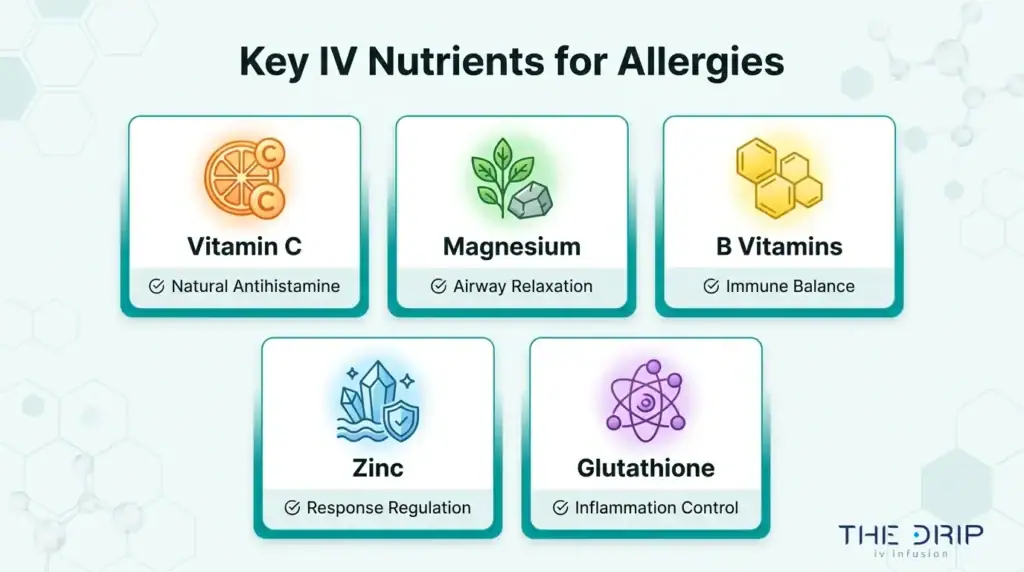
    An immune booster IV contains a combination of vitamins, minerals, antioxidants, and a hydrating saline base. The core ingredients include vitamin C, B-complex vitamins, zinc, glutathione, and saline solution.

    Immune booster IV formula ingredients breakdown showing vitamin C, B complex, zinc, glutathione, and saline base for immune support.

    Vitamin C

    Vitamin C is a potent antioxidant and immunomodulator included in most immune booster IV formulations. It supports key immune cell functions, including phagocyte activity, lymphocyte proliferation, and cytokine production. Because oral absorption of vitamin C is saturable, intravenous delivery achieves significantly higher plasma concentrations. For immune support, IV dosages typically fall in the 5 to 25 gram range. This makes vitamin C one of the most impactful ingredients in any immunity infusion, particularly when rapid replenishment is the goal.

    B-Complex Vitamins

    B-complex vitamins are essential co-enzymes involved in energy production, DNA/RNA synthesis, and neurotransmitter synthesis. These functions are critical for maintaining cellular health, which indirectly supports immune responses. According to a 2002 review by Dr. Alan Gaby in Alternative Medicine Review, a standard Myers’ Cocktail includes B1 (100 mg), B2 (5 mg), B3 (100 mg), B5 (250 mg), B6 (100 mg), and B12 (1000 mcg). Without adequate B-vitamin levels, immune cell development and energy metabolism can both suffer, making this group a foundational component of IV immune formulations.

    Zinc

    Zinc is a vital trace mineral involved in over 300 enzymatic reactions within the body. It plays a key role in immune cell development, differentiation, and function, with significant anti-viral and anti-inflammatory properties. IV zinc dosages for immune support typically range from 5 to 25 mg. High doses require careful monitoring due to potential toxicity. For anyone already fighting off an infection, zinc is often the ingredient that makes the most noticeable difference in recovery speed.

    Glutathione

    Glutathione is a tripeptide often called the body’s master antioxidant. It plays a crucial role in detoxification pathways, neutralizing free radicals, and maintaining cellular redox balance. IV glutathione dosages typically range from 600 mg to 2000 mg. By protecting immune cells against oxidative stress, glutathione helps preserve the body’s defensive capacity during periods of illness or high toxin exposure.

    Saline Solution

    Saline solution is the base of most IV infusions. It provides immediate hydration and acts as a vehicle for transporting nutrients directly into the bloodstream. Saline also helps maintain electrolyte balance and supports overall physiological function. This direct fluid delivery is particularly beneficial for individuals dehydrated from illness, intense physical activity, or inadequate oral intake. Proper hydration is foundational to every other ingredient working effectively, which is why saline is far more than just a carrier fluid.

    Understanding these ingredients helps clarify how an immune booster IV works once it enters the body.

    How Does an Immune Booster IV Work in the Body?

    An immune booster IV works by delivering vitamins, minerals, and antioxidants directly into the bloodstream through a vein, bypassing the digestive system entirely. This process achieves 100% bioavailability. The following subsections explain intravenous delivery mechanics and how IV absorption compares to oral supplements.

    How Does Intravenous Delivery Bypass the Digestive System?

    Intravenous delivery bypasses the digestive system by infusing nutrients in a saline solution directly into a vein, where they enter the bloodstream immediately. This method skips the gastrointestinal tract altogether, avoiding barriers such as stomach acid, digestive enzymes, and first-pass liver metabolism that normally limit how much of a nutrient the body actually absorbs.

    A 2004 study published in the Annals of Internal Medicine by Padayatty et al. demonstrated that intravenous administration of Vitamin C produces plasma concentrations significantly higher than those achievable with maximal oral dosing, confirming a pharmacological advantage for IV delivery. Because the full dose reaches systemic circulation without degradation, the body can use nutrients faster and more completely. For anyone with compromised gut health or absorption issues, this directness becomes especially valuable.

    How Does IV Absorption Compare to Oral Supplement Absorption?

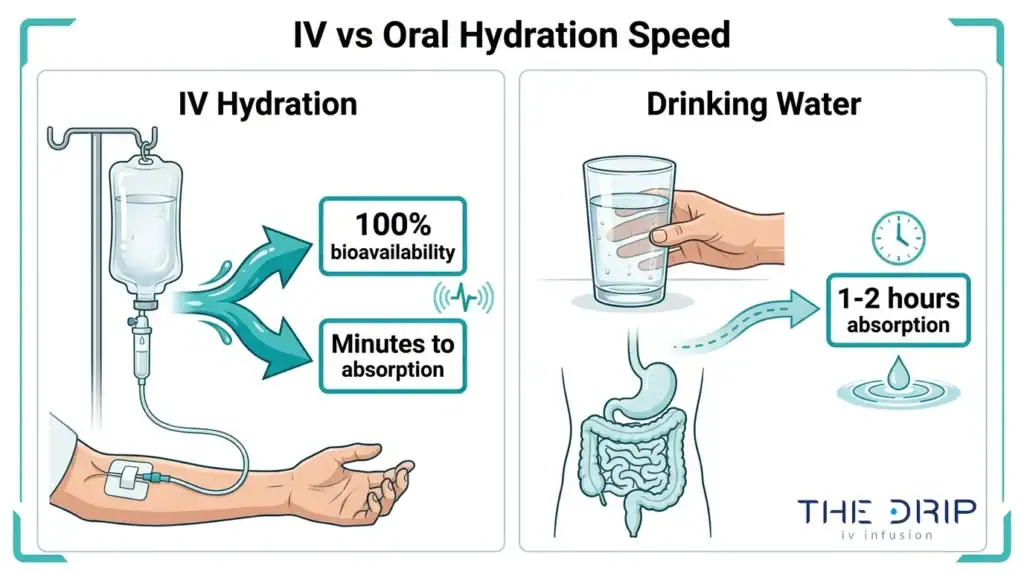
    IV absorption delivers 100% bioavailability, while oral supplement absorption varies widely depending on the nutrient, dosage, and individual digestive health. Oral nutrients must pass through the gastrointestinal tract, where stomach acid, enzymes, and liver metabolism reduce the amount that reaches the bloodstream.

    The differences are stark for specific nutrients:

    • Vitamin C: Oral absorption caps at roughly 200 mg per dose. Oral doses of 1.25 grams produce peak plasma concentrations of 134.8 ± 20.6 μmol/L, whereas IV administration of the same dose achieves 885 ± 201 μmol/L, approximately a sixfold increase.
    • Zinc: Oral zinc absorption is influenced by dietary factors and competing minerals. IV delivery ensures direct, consistent plasma levels, particularly for individuals with GI absorption issues.
    • B-complex vitamins: Although generally well-absorbed orally, individual rates vary. IV delivery guarantees the full dose reaches circulation immediately, which matters most for acute deficiencies or malabsorption conditions.

    For anyone weighing cost against results, this distinction is critical. Oral supplements work well for daily maintenance in healthy individuals, but when rapid correction or higher therapeutic concentrations are the goal, IV delivery offers a clear absorption advantage.

    Understanding how these nutrients enter and move through the body sets the stage for exploring the specific immune benefits they provide.

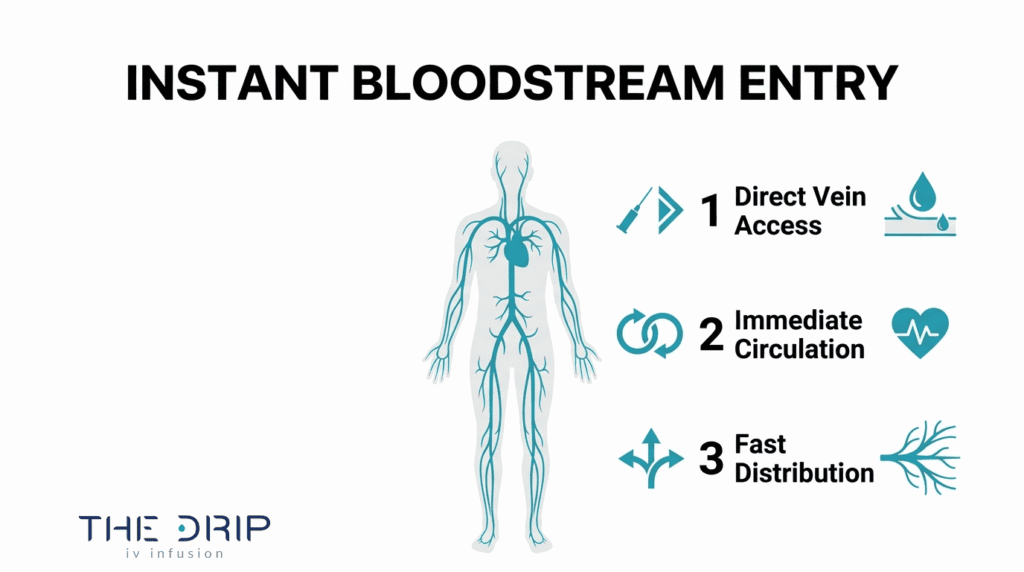
    IV versus oral absorption comparison showing IV delivery with direct bloodstream access and oral supplements with limited absorption

    What Are the Benefits of an Immune Booster IV?

    The benefits of an immune booster IV include illness prevention support, faster recovery from sickness, improved energy levels, enhanced hydration, and detoxification. Each benefit stems from the specific nutrients delivered directly into the bloodstream.

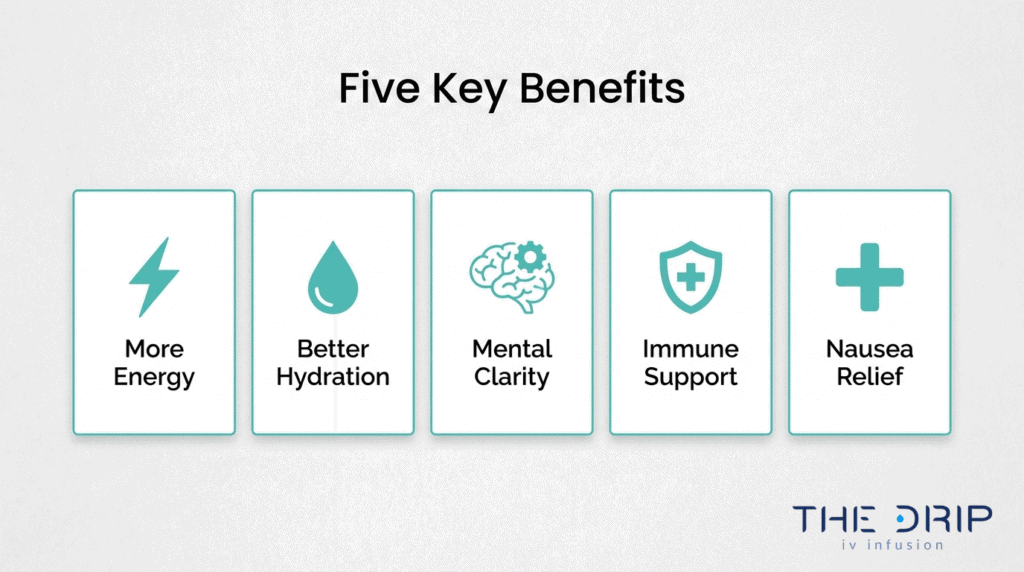
    Four key benefits of immune booster IV therapy, including illness prevention, faster recovery, energy boost, and hydration support

    How Does an Immune Booster IV Help Prevent Illness?

    An immune booster IV helps prevent illness by delivering high concentrations of immune-supporting nutrients directly into the bloodstream, where they can be immediately utilized by immune cells. High-dose IV Vitamin C has been studied for its potential to reduce the duration and severity of viral infections, while zinc supports immune cell development and function. Frequent travelers, who face exposure to new pathogens and disrupted sleep patterns, often use immune booster IVs to maintain resilience during vulnerable periods. Although direct clinical trials proving illness prevention for complete IV formulations remain limited, each individual component has well-documented immune-supporting roles. For proactive immune support, this combination of nutrients offers a more targeted approach than relying on any single supplement alone.

    How Does an Immune Booster IV Speed Up Recovery From Sickness?

    An immune booster IV speeds up recovery from sickness by replenishing depleted nutrients and rehydrating the body at a time when oral intake may be compromised. During cold and flu season, individuals often seek IV immune boosters to alleviate symptoms and accelerate recovery. When the body fights an infection, it rapidly consumes Vitamin C, zinc, and B vitamins, creating temporary deficiencies that can slow healing. IV delivery restores these nutrients to therapeutic levels quickly, bypassing a digestive system that may already be weakened by illness. For anyone dealing with nausea, vomiting, or loss of appetite during sickness, intravenous replenishment becomes especially practical since it removes the need to keep oral supplements down.

    How Does an Immune Booster IV Improve Energy and Reduce Fatigue?

    An immune booster IV improves energy and reduces fatigue by replenishing B-complex vitamins essential for cellular energy metabolism. According to a 2020 narrative review by Tardy et al. published in Nutrients, B vitamins and minerals play critical roles in energy production, fatigue reduction, and cognitive function. In individuals with deficiencies or chronic fatigue, intravenous B-vitamin replenishment can produce noticeable improvements because the nutrients reach cells at full concentration without digestive losses. Stress, poor diet, and illness all deplete B vitamins rapidly. IV delivery addresses this depletion more efficiently than oral supplementation in acute situations, making it a practical option for anyone experiencing persistent low energy despite adequate sleep and nutrition.

    How Does an Immune Booster IV Support Hydration and Detoxification?

    An immune booster IV supports hydration and detoxification by combining saline solution with glutathione, the body’s master antioxidant. The saline base delivers fluids directly into the bloodstream, providing immediate hydration for individuals dehydrated from illness, intense exercise, or chronic stress. Glutathione plays a critical role in detoxification pathways, neutralizing free radicals and maintaining cellular redox balance. Athletes experiencing oxidative stress from intense training and high-stress professionals dealing with immune suppression both benefit from this combination of rapid rehydration and antioxidant support. IV administration can temporarily increase glutathione levels beyond what oral supplementation achieves, which is particularly valuable for individuals with elevated toxin exposure or oxidative burden.

    With these core benefits established, understanding who benefits most helps determine whether an immune booster IV fits your situation.

    Who Should Consider Getting an Immune Booster IV?

    Immune booster IV therapy suits individuals facing increased immune demands, such as seasonal illness exposure, frequent travel, chronic stress, or recovery from sickness. The following subsections cover who benefits most in each scenario.

    Who Benefits Most During Cold and Flu Season?

    People who benefit most during cold and flu season include those with heightened exposure to viral pathogens, such as office workers, parents of school-age children, healthcare staff, and anyone who feels run down as infections circulate. Seasonal infusions deliver vitamin C, zinc, and B-complex vitamins directly into the bloodstream, proactively supporting the immune system when viral activity peaks. Some individuals schedule these infusions at the start of fall or winter to maintain consistent nutrient levels before symptoms ever appear. For anyone who catches every cold that goes around, a proactive approach often makes more sense than waiting until illness hits.

    Who Benefits Most Before or After Travel?

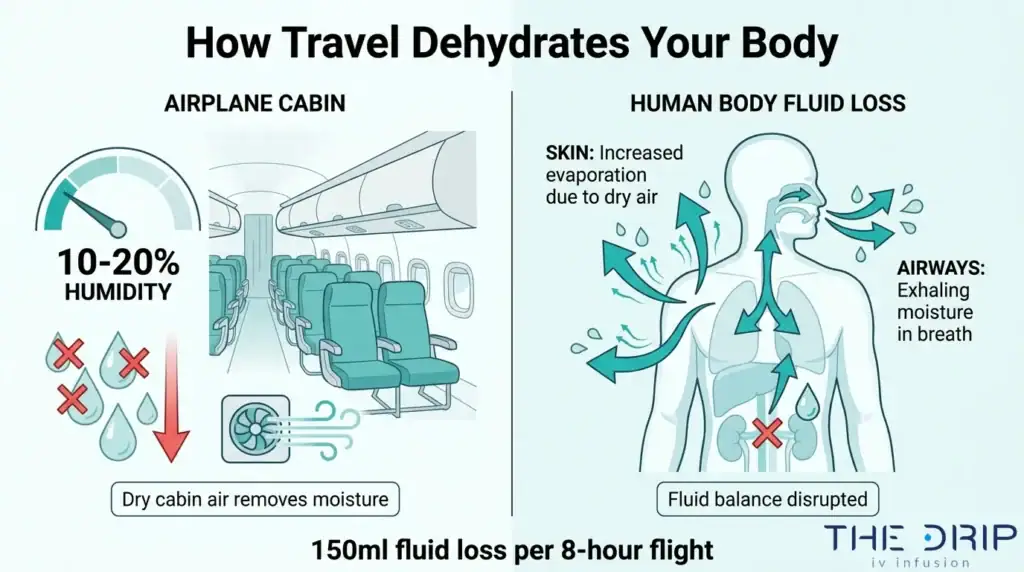
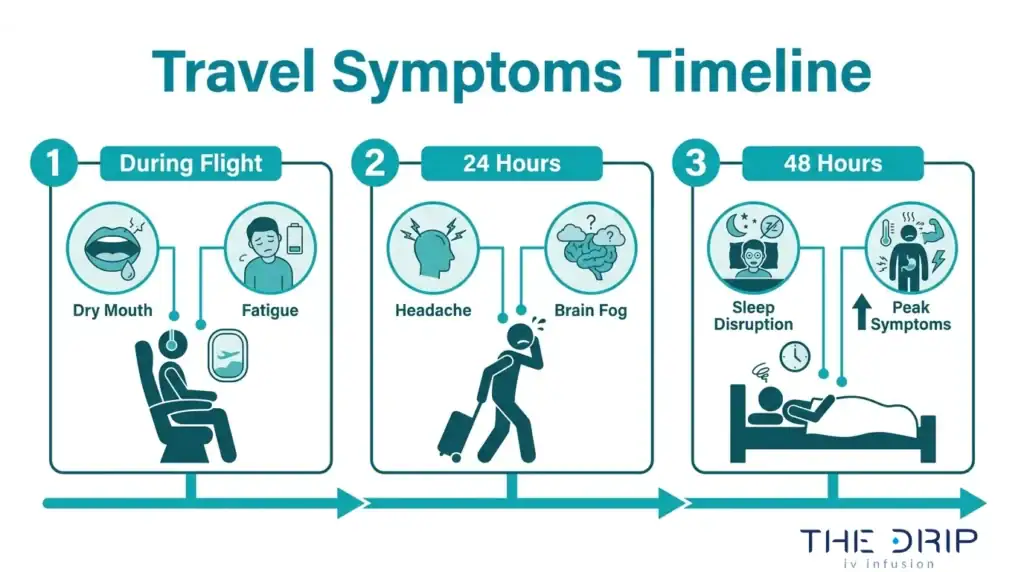
    People who benefit most before or after travel are frequent flyers, international travelers, and anyone exposed to recirculated cabin air, unfamiliar pathogens, and disrupted sleep schedules. Air travel dehydrates the body and compresses rest cycles, both of which can suppress immune function. A pre-trip immune booster IV replenishes hydration through saline while delivering key nutrients like vitamin C and glutathione. Post-travel sessions help the body recover from jet lag and pathogen exposure more efficiently. For anyone with a packed itinerary or back-to-back trips, scheduling an infusion around travel dates is one of the most practical uses of IV therapy.

    Who Benefits Most With a Demanding or High-Stress Lifestyle?

    People who benefit most with a demanding or high-stress lifestyle include executives, shift workers, new parents, and anyone under sustained mental or physical pressure. Chronic stress depletes B vitamins and suppresses immune cell activity, leaving the body more vulnerable to infection. According to a 2023 Mayo Clinic Press article, robust clinical evidence for general wellness IV therapy remains limited; however, individuals with high-stress lifestyles often opt for weekly infusions to maintain consistent nutrient levels. Replenishing these nutrients intravenously bypasses absorption barriers that stress itself can worsen, such as reduced gut motility and impaired digestion.

    Who Benefits Most While Recovering From Illness?

    People who benefit most while recovering from illness are those dealing with lingering fatigue, dehydration, or nutrient depletion after a cold, flu, or stomach virus. Illness reduces appetite and impairs the gut’s ability to absorb oral supplements effectively. IV delivery bypasses these compromised pathways entirely, providing 100% bioavailability of immune-supporting nutrients like vitamin C, zinc, and B-complex vitamins. This direct replenishment can help shorten the tail end of recovery when the body needs nutrients most but is least equipped to absorb them orally. Anyone who should avoid IV therapy altogether, including those with severe kidney disease or congestive heart failure, must consult a healthcare provider first.

    Understanding who benefits most helps determine whether an immune booster IV fits your situation and goals.

    What Should You Expect During an Immune Booster IV Session?

    You should expect a straightforward process that typically takes about one hour, involves minimal discomfort, and is administered by a trained nurse. Below, each step of the session is covered in detail.

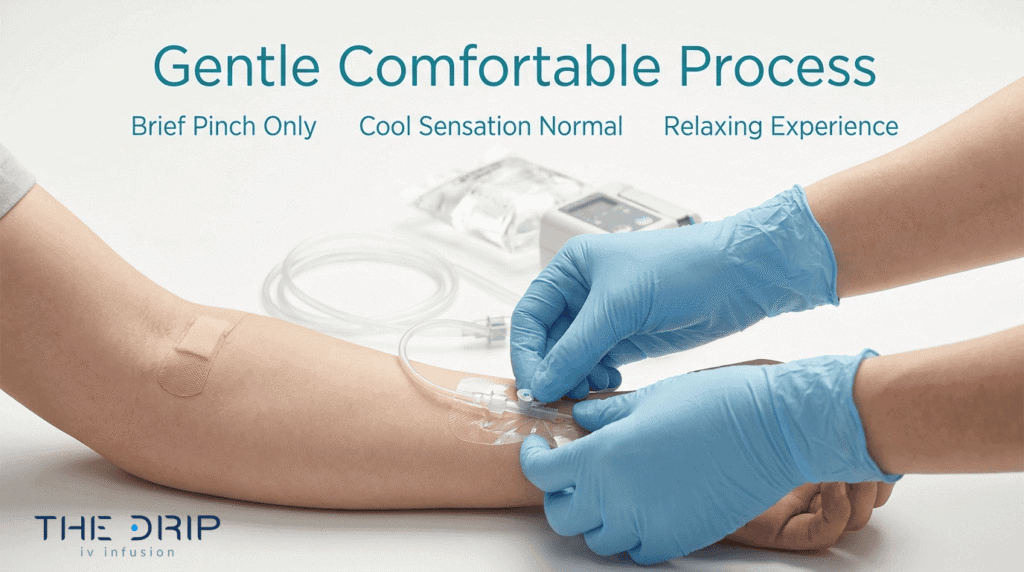
    Immune booster IV therapy process showing consultation, IV setup, and one-hour treatment steps

    How Long Does an Immune Booster IV Infusion Take?

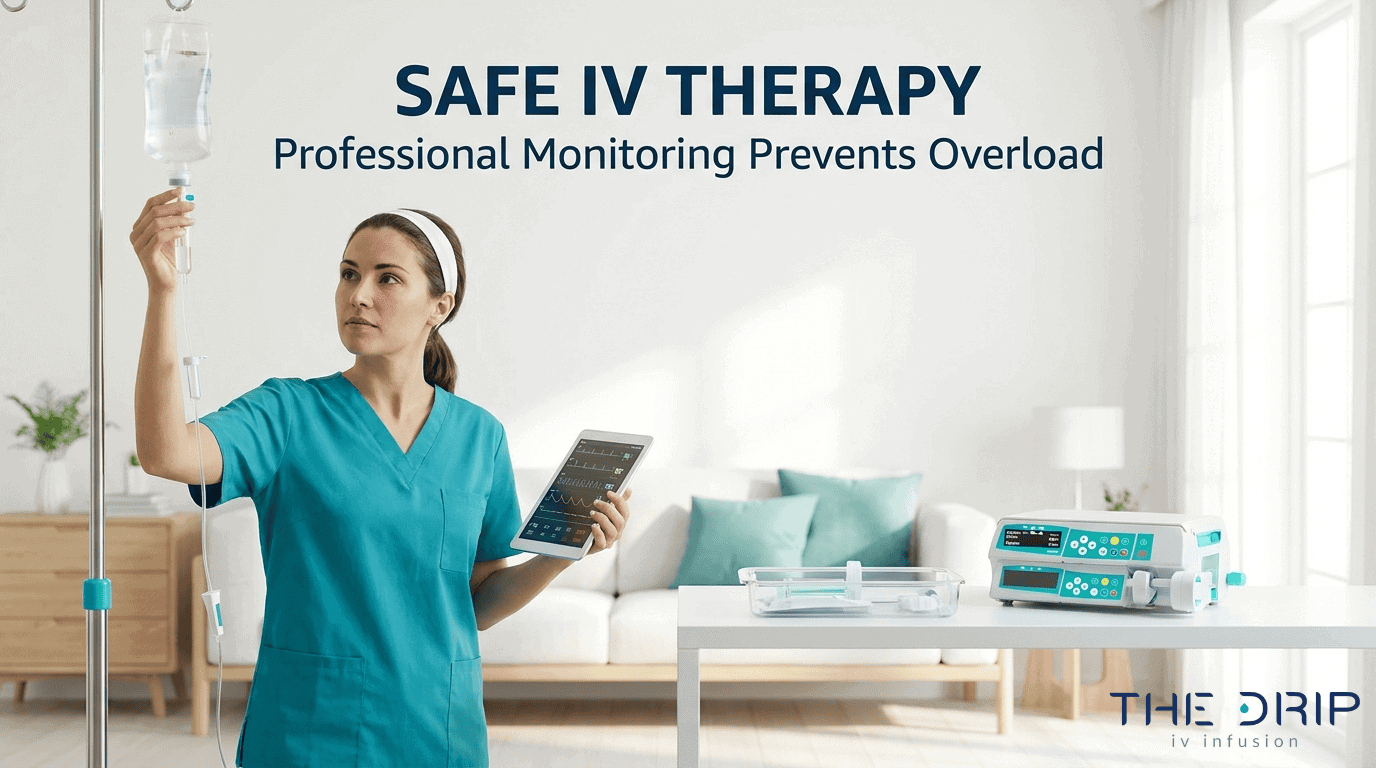
    An immune booster IV infusion takes approximately one hour from start to finish. The exact duration depends on the volume of fluid and the specific nutrient blend being administered. During this time, a trained nurse monitors the drip rate and watches for any signs of vein irritation or phlebitis, a condition where the catheter or infused fluids cause temporary redness, pain, or swelling along the vein. Most sessions are completed comfortably in a relaxed setting, whether at home or in a clinic.

    What Does the IV Administration Process Feel Like?

    The IV administration process feels similar to a standard blood draw. A nurse inserts a small catheter into a vein, usually in the arm, which may cause a brief pinch. Once the infusion begins, some people notice a mild cool sensation as the fluid enters the bloodstream. Minor bruising at the insertion site is possible but uncommon.

    It is worth noting that the U.S. Food and Drug Administration does not approve compounded IV vitamin formulations for general wellness, though the individual ingredients are FDA-approved. Choosing a reputable provider with proper medical oversight helps ensure both safety and comfort throughout the session.

    Understanding what to expect during a session makes it easier to evaluate the potential side effects.

    Are There Any Side Effects or Risks of an Immune Booster IV?

    The side effects and risks of an immune booster IV are generally mild when qualified professionals administer the infusion, but several potential complications deserve transparent discussion. These include infection risk, vein irritation, electrolyte imbalance, allergic reactions, and fluid overload.

    Immune booster IV therapy is considered safe under proper medical oversight, yet any procedure involving venous access carries inherent risks. The most common side effects involve the injection site itself, while more serious complications tend to affect individuals with pre-existing conditions.

    The following risks apply to IV nutrient infusions broadly:

    • Infection risk: Any skin puncture can introduce bacteria. Improper sterile technique during cannulation may cause local infection at the insertion site or, rarely, systemic infection.
    • Vein irritation (phlebitis): Catheter insertion and fluid infusion can inflame the vein, producing pain, redness, and swelling along its path.
    • Electrolyte imbalance: Infusing specific electrolytes or large fluid volumes without proper monitoring can disrupt the body’s natural balance, potentially leading to serious complications.
    • Allergic reactions: Though uncommon, sensitivity to any component in the IV solution remains possible.
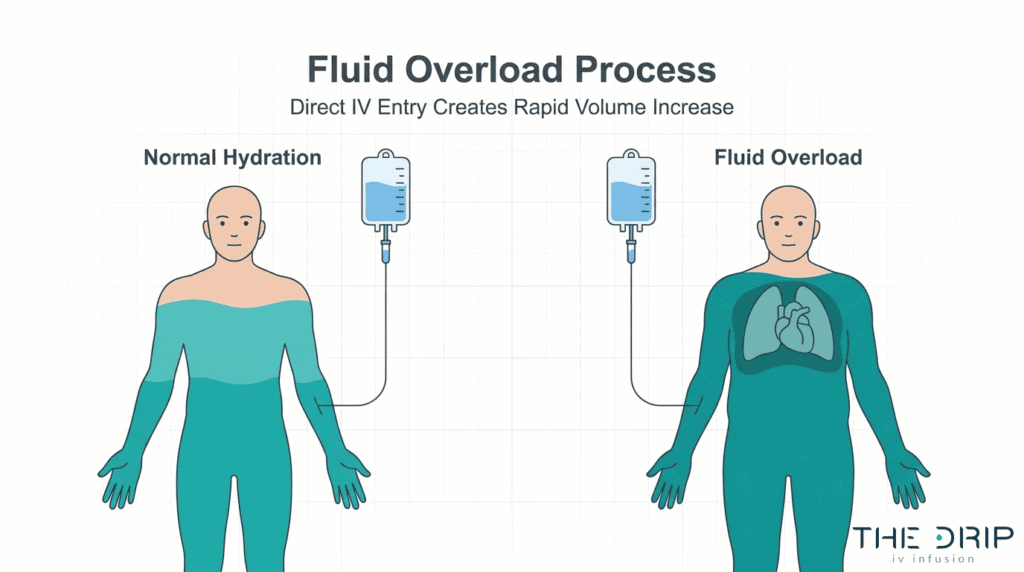
    • Fluid overload: Individuals with pre-existing heart or kidney conditions face increased risk from rapid fluid infusion, which may cause shortness of breath and swelling.

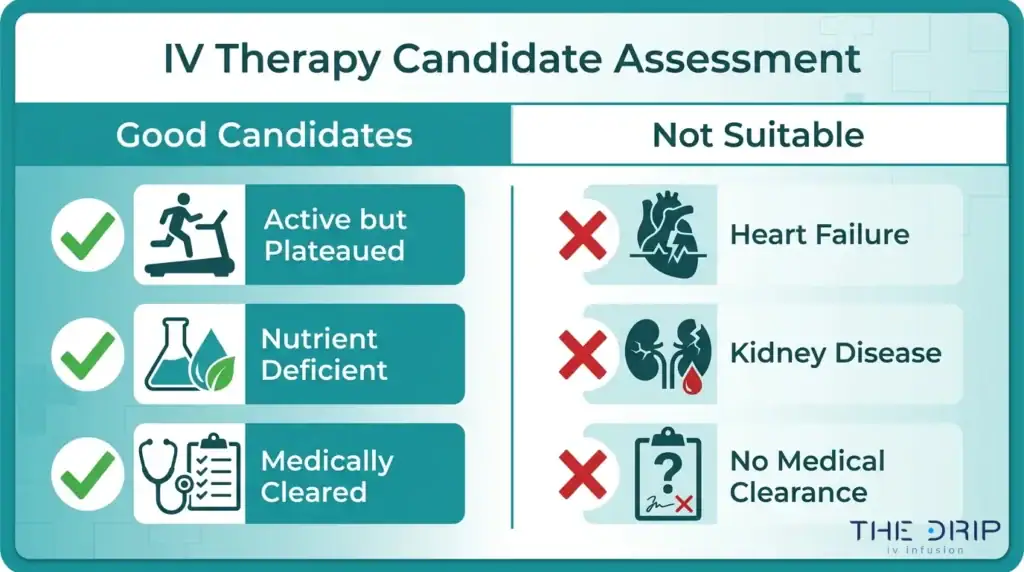
    Certain populations should avoid IV therapy altogether, including those with severe kidney disease, congestive heart failure, or specific medication interactions. A thorough medical history review before any session is essential.

    According to the U.S. Food and Drug Administration (2023), compounded IV formulations used in hydration clinics, medical spas, and mobile services are generally not FDA-approved for general wellness, and the agency has raised specific concerns about sterility and appropriate medical oversight for these settings.

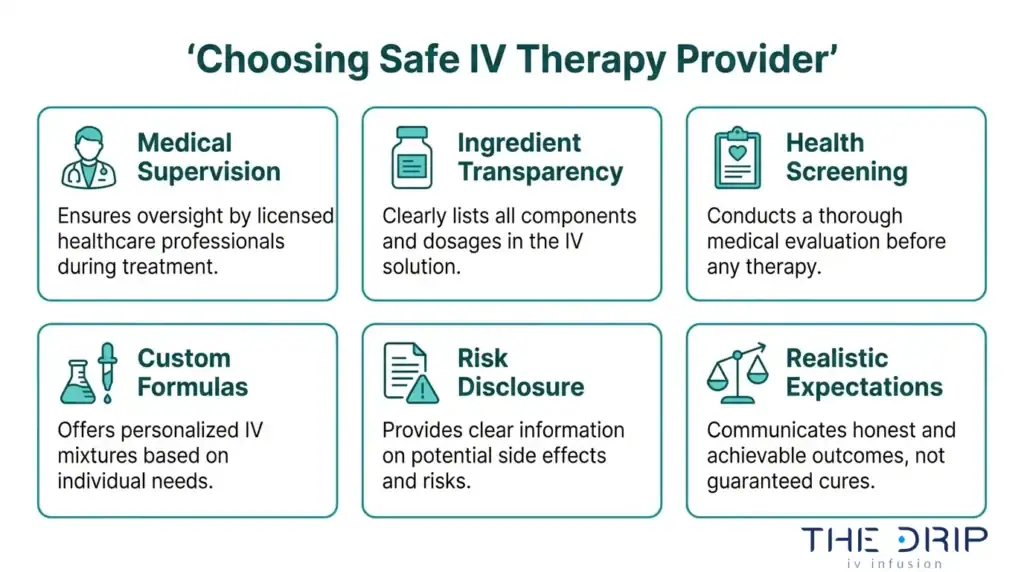
    Comprehensive adverse event statistics for immune booster IV therapy specifically are not widely available from large-scale clinical trials. Most competitor content downplays these risks, but honest disclosure builds the trust that actually matters when someone is choosing a provider. The safest approach is always to work with licensed professionals who conduct a proper health screening before every infusion.

    Understanding these risks helps you make an informed decision about how often to schedule sessions.

    How Often Should You Get an Immune Booster IV?

    You should get an immune booster IV on a schedule tailored to your individual health needs, goals, and a qualified healthcare provider’s guidance. Common frequency patterns include weekly, monthly, and seasonal options.

    Frequency recommendations for immune booster IV therapy vary widely. Rather than following a single standardized protocol, the right cadence depends on your health status, lifestyle demands, and specific nutrient needs. The most common schedules include:

    • Weekly: Individuals managing chronic conditions or high-stress lifestyles may benefit from weekly infusions to maintain consistent nutrient levels.
    • Monthly: A monthly session is often recommended for general wellness and ongoing immune support, serving as a regular nutritional boost.
    • Seasonal: Some people schedule infusions around cold and flu season or before and after extensive travel to proactively support immune resilience.

    A qualified healthcare provider should always determine the appropriate frequency after evaluating your dietary intake, existing nutrient levels, and overall health. What works well for a frequent traveler exposed to new pathogens regularly will differ significantly from what suits someone seeking a periodic wellness boost. Consistency matters more than intensity; for most people pursuing general immune maintenance, a monthly session strikes the right balance between benefit and practicality.

    Understanding your ideal frequency helps when comparing IV therapy to daily oral supplementation.

    How Is an Immune Booster IV Different From Oral Immune Supplements?

    An immune booster IV differs from oral immune supplements primarily in bioavailability, cost, and delivery speed. The sections below compare nutrient absorption, pricing, and the scientific consensus on each approach.

    How Does Bioavailability Compare Between IV and Oral Delivery?

    Bioavailability between IV and oral delivery differs significantly. Intravenous administration achieves 100% bioavailability because nutrients enter the bloodstream directly, bypassing gastrointestinal absorption barriers such as stomach acid, digestive enzymes, and first-pass liver metabolism. Oral supplements, by contrast, face saturable absorption limits that cap how much the body can use from a single dose.

    This distinction matters most for nutrients like vitamin C, where oral intake plateaus regardless of dose size. Clinical studies indicate that IV administration of vitamin C at doses between 25 and 50 grams can substantially enhance immune function and reduce inflammation (Padayatty et al., 2004, Annals of Internal Medicine). For individuals with compromised gut health or acute deficiencies, IV delivery offers a measurable pharmacological advantage that oral supplements simply cannot replicate.

    How Does Cost Compare Between IV Therapy and Oral Supplements?

    The cost of IV therapy is significantly higher than oral supplements. A single IV session can range from $100 to $500 or more, driven by medical supplies, professional administration, and the specialized nature of the service. A month’s supply of oral supplements typically costs a fraction of that amount.

    The trade-off centers on delivery speed versus long-term affordability. IV therapy delivers rapid, complete nutrient replenishment, making it practical for acute situations or severe deficiencies where immediate results matter. Oral supplements remain the more accessible option for daily maintenance in healthy individuals. For most people, a strategic combination of both methods yields better value than relying exclusively on either one.

    What Does the Scientific Consensus Say About IV vs. Oral Immune Support?

    The scientific consensus on IV versus oral immune support remains mixed. Individual IV ingredients, including vitamin C, zinc, and B-complex vitamins, have well-documented immune-supporting roles. Vitamin C functions as a potent antioxidant and immunomodulator, supporting phagocyte activity, lymphocyte proliferation, and cytokine production. Zinc participates in over 300 enzymatic reactions critical for immune cell development and carries significant anti-viral properties.

    However, authoritative sources urge caution. According to a 2023 Harvard Health Publishing article, large-scale independent clinical trials demonstrating efficacy for general wellness beyond specific deficiency states are lacking. Comprehensive adverse event data for immune booster IV therapy also remains limited. When weighing both delivery methods, the decision should reflect individual health status, nutrient needs, and professional medical guidance rather than marketing claims alone.

    Can a Mobile IV Therapy Service Deliver an Immune Booster IV to You?

    Yes, a mobile IV therapy service can deliver an immune booster IV directly to your home or office. These services are growing rapidly, with registered nurses administering infusions under physician oversight. Below, learn how The Drip IV Infusion provides this service and the key takeaways about immune booster IVs.

    Does The Drip IV Infusion Offer Nurse-Administered Immune Booster IVs?

    The Drip IV Infusion offers nurse-administered immune booster IVs as part of its mobile service throughout Arizona. Each session is conducted by a registered nurse who arrives at your chosen location, whether that is your home, office, or hotel. Mobile IV therapy is predominantly administered by registered nurses or other licensed healthcare professionals under the supervision of a medical director, ensuring strict adherence to safety protocols and state licensing requirements. The Drip IV Infusion was founded by professionals with decades of experience in nursing, emergency medicine, and IV medical techniques. For anyone seeking immune support without visiting a clinic, this on-demand model removes one of the biggest barriers to consistent nutrient replenishment.

    Mobile IV service at home or office with licensed nurse arriving with IV therapy equipment

    What Are the Key Takeaways About Immune Booster IVs and How They Work?

    The key takeaways about immune booster IVs center on three core principles: direct nutrient delivery, targeted immune support, and professional oversight.

    • Immune booster IVs bypass the digestive system, delivering vitamins such as Vitamin C, B-Complex, Zinc, and Glutathione at 100% bioavailability.
    • Individual ingredients like high-dose Vitamin C and Zinc have established roles in supporting immune cell function, though large-scale clinical trials on combined IV wellness formulas remain limited.
    • Qualified nurse administration under a medical director is essential for safety, as the regulatory landscape for mobile IV therapy varies by state and most states require physician oversight.
    • Session frequency depends on individual health goals; common schedules include weekly, monthly, or seasonal infusions.
    • The global IV infusion therapy market was valued at USD 34.6 billion in 2023, according to Grand View Research, reflecting strong consumer demand for convenient, on-demand wellness services.

    For most people exploring immune support options, the combination of clinical-grade ingredients and the convenience of mobile delivery makes immune booster IV therapy a practical complement to a healthy lifestyle. Understanding both the benefits and the current evidence helps you make an informed decision about whether this approach fits your wellness routine.

  • Is Cold and Flu IV Therapy Safe and Effective?

    Is Cold and Flu IV Therapy Safe and Effective?

    Cold and flu IV therapy is an intravenous treatment that delivers immune-supporting vitamins, minerals, and hydration directly into the bloodstream to help the body fight respiratory illness. We created this guide to cover how cold and flu IV drips work, who can safely receive them, potential side effects, ingredient-level effectiveness, core benefits, optimal timing, and how they compare to other treatments.

    IV therapy bypasses the digestive system entirely, allowing nutrients like vitamin C, zinc, glutathione, and B-complex vitamins to reach circulation at concentrations oral supplements cannot match. This matters most when nausea or vomiting makes swallowing medications unreliable.

    Safety depends heavily on the individual. Healthy adults generally tolerate these infusions well, but pregnant women, children, people with kidney disease, and those managing heart conditions or high blood pressure face elevated risks that require medical clearance before any session.

    Side effects range from mild bruising and light-headedness to rare but serious complications like vein inflammation, infection, and allergic reactions. Choosing a provider with licensed infusion specialists and proper sterilization protocols significantly reduces these risks.

    Each nutrient in a cold and flu drip serves a specific function: vitamin C strengthens phagocytic immune cells, zinc can shorten symptom duration when administered early, glutathione protects cells from oxidative damage during infection, and B vitamins sustain energy when metabolic demands spike.

    Timing also influences outcomes. Early intervention within the first 24 hours of symptoms offers the strongest potential benefit, though sessions during peak illness or post-recovery each serve distinct purposes. We also explore how IV therapy compares to over-the-counter medications, antiviral prescriptions, and at-home remedies, plus how mobile delivery makes treatment accessible without leaving home.

    What Is Cold and Flu IV Therapy?

    Cold and flu IV therapy is an intravenous treatment that delivers immune-supporting vitamins, minerals, and hydration directly into the bloodstream to help the body fight respiratory illness. The following sections explain how this therapy works, what ingredients it contains, and how it differs from oral medications.

    How Does IV Therapy for Cold and Flu Work?

    IV therapy for cold and flu works by infusing a sterile solution of vitamins, minerals, and fluids through a small catheter placed in a vein. This bypasses the digestive system entirely, allowing nutrients to reach cells at higher concentrations than oral intake permits. A typical session takes about one hour, during which an infusion specialist monitors the drip rate and the client’s response.

    Because nutrients enter the bloodstream directly, the body can use them immediately rather than waiting for digestion and intestinal absorption. This mechanism is particularly relevant during illness, when nausea or vomiting may limit what the stomach can tolerate. For anyone struggling to keep fluids down, IV delivery offers a practical alternative that maintains hydration and nutrient levels simultaneously.

    IV therapy versus oral supplements comparison showing direct nutrient delivery, faster absorption, and higher bioavailability

    What Ingredients Are in a Cold and Flu IV Drip?

    The ingredients in a cold and flu IV drip typically include a combination of immune-supporting vitamins, minerals, and antioxidants dissolved in a saline or electrolyte base. Common components include:

    • Vitamin C: Supports innate and adaptive immune function by enhancing the activity of phagocytic cells like neutrophils.
    • Zinc: Helps reduce cold symptom duration when administered early in the course of illness.
    • B-complex vitamins: Contribute to energy production and help sustain immune responses during infection.
    • Glutathione: An antioxidant that plays a role in cellular defense against viral replication.
    • Magnesium: Supports muscle relaxation and enzymatic processes involved in recovery.
    • Hydrating saline base: Replenishes fluids lost through fever, sweating, and reduced oral intake.

    Formulations vary by provider. The Drip IV Infusion offers customizable add-ons, including vitamin B12, N-Acetyl Cysteine, and Zofran for nausea relief, so each drip can be tailored to specific symptoms.

    Cold and flu IV drip ingredients breakdown showing vitamin C, zinc, B complex, glutathione, magnesium, and saline base

    How Does IV Therapy Differ From Oral Cold Medications?

    IV therapy differs from oral cold medications primarily in absorption speed, bioavailability, and delivery mechanism. Oral medications must pass through the gastrointestinal tract, where stomach acid, enzyme activity, and digestive variability reduce how much active ingredient reaches the bloodstream. According to the Merck Manual, intravenous vitamin therapy delivers high concentrations of vitamins and minerals directly into the bloodstream, allowing for rapid absorption of higher doses than can be obtained through food or oral supplements.

    Oral cold medications also target symptoms rather than nutritional status; decongestants relieve stuffiness, and analgesics reduce pain, but neither replenishes depleted vitamins or corrects dehydration. IV therapy addresses both symptom support and nutrient delivery in a single session. That said, oral medications remain more accessible and appropriate for mild symptoms, while IV therapy tends to offer the greatest advantage when illness limits oral tolerance or when faster nutrient repletion is the goal.

    Understanding what cold and flu IV therapy involves sets the foundation for evaluating its safety profile.

    Is IV Therapy for Cold and Flu Safe?

    IV therapy for cold and flu is generally safe for healthy adults when administered by a qualified nurse, but safety varies by population. The following subsections cover safety considerations for healthy adults, pregnant women, children, immunocompromised individuals, and people with kidney disease.

    IV therapy safety standards showing licensed specialists, sterile equipment, and health screening protocols

    Is Cold and Flu IV Therapy Safe for Healthy Adults?

    Cold and flu IV therapy is safe for most healthy adults when provided by a licensed infusion specialist using properly sterilized equipment. Standard nutrient formulations containing vitamin C, zinc, B vitamins, and magnesium are well tolerated at appropriate doses. According to a study published in The American Journal of Tropical Medicine and Hygiene, zinc supplementation reduced the duration of common cold symptoms among healthy adults, with some participants showing recovery within 24 hours of administration. Minor side effects like bruising at the insertion site or a warm sensation during infusion may occur but typically resolve quickly. For adults without underlying conditions, the risk profile remains low when protocols are followed correctly.

    Is Cold and Flu IV Therapy Safe for Pregnant Women?

    Cold and flu IV therapy is not universally safe for pregnant women. According to the Merck Manuals, pregnant and breastfeeding women should avoid high-dose IV vitamin therapy like the Myers’ cocktail. Certain vitamins at elevated intravenous concentrations can pose risks to both the mother and developing baby. Pregnant women experiencing cold or flu symptoms should consult their OB-GYN before receiving any IV infusion. Lower-dose hydration-focused drips may be appropriate in some cases, but this decision requires medical clearance specific to each pregnancy.

    Is Cold and Flu IV Therapy Safe for Children?

    Cold and flu IV therapy is generally not recommended for children without direct physician oversight. Pediatric patients have different fluid volume requirements, electrolyte sensitivities, and weight-based dosing needs compared to adults. Standard adult IV nutrient formulations can deliver concentrations too high for a child’s smaller body. Most mobile IV therapy services, including The Drip IV Infusion, focus on adult clients. Parents should work with their pediatrician to determine appropriate treatment options when children develop cold or flu symptoms.

    Is Cold and Flu IV Therapy Safe for Immunocompromised Individuals?

    Cold and flu IV therapy requires extra caution for immunocompromised individuals. While nutrient support through IV delivery may benefit immune function, compromised immune systems face heightened infection risk at any puncture site. Sterile technique becomes even more critical for this population. Immunocompromised patients should obtain clearance from their treating physician before scheduling an infusion. Customized formulations with adjusted dosages may be necessary, as standard high-dose protocols could overwhelm systems already under significant physiological stress.

    Is Cold and Flu IV Therapy Safe for People With Kidney Disease?

    Cold and flu IV therapy is not safe for people with kidney disease without strict medical supervision. The kidneys filter excess vitamins and minerals from the bloodstream, so impaired kidney function can lead to dangerous accumulation. According to Mayo Clinic Health System, in people with heart conditions or high blood pressure, high-dose vitamin infusions could lead to fluid overload, potentially causing temporary or permanent damage to the kidneys, brain, or heart. Individuals with kidney disease, high blood pressure, or heart conditions should avoid high-dose IV vitamin therapy like the Myers’ cocktail entirely. For anyone managing chronic kidney concerns, exploring IV therapy options demands a conversation with a nephrologist first.

    Understanding who can safely receive IV therapy helps determine whether the potential side effects outweigh the benefits.

    What Are the Side Effects of Cold and Flu IV Therapy?

    The side effects of cold and flu IV therapy range from mild, temporary reactions at the infusion site to rare but serious complications. Understanding both categories helps you make an informed decision.

    What Are the Common Mild Side Effects?

    The common mild side effects of cold and flu IV therapy include localized discomfort and temporary systemic reactions. Most resolve quickly and do not require medical intervention.

    Typical mild reactions include:

    • Bruising or soreness at the insertion site, which usually fades within a day or two.
    • Light-headedness or a drop in blood pressure when infusions are administered too quickly, often related to magnesium content.
    • A warm or flushing sensation during the drip, particularly with vitamin-rich formulations.
    • Mild headache or nausea shortly after the session.

    According to the Merck Manual, infusions administered too quickly can cause a drop in blood pressure, leading to light-headedness and fainting. Choosing a provider that uses trained infusion specialists significantly reduces these risks, since proper technique and controlled drip rates prevent most mild complications.

    What Are the Rare but Serious Side Effects?

    The rare but serious side effects of cold and flu IV therapy involve systemic reactions that require immediate medical attention. These occur infrequently but warrant awareness before any infusion.

    Serious complications include:

    • Phlebitis, or inflammation of the vein, which can develop at the catheter site.
    • Infiltration or extravasation, where IV fluid leaks into surrounding tissue.
    • Infection at the puncture site, particularly when sterile protocols are not followed.
    • Abnormal heart rhythms or muscle weakness in individuals with irregular blood levels of magnesium or potassium.
    • Anaphylaxis from high-dose thiamine (vitamin B1), a potentially life-threatening allergic reaction.
    • Peripheral neuropathy from excessive intravenous vitamin B6 doses.

    According to the Merck Manual, individuals with abnormal blood levels of magnesium or potassium face higher risk of developing abnormal heart rhythms from IV infusions containing these minerals. This is why a thorough health screening before any session matters; it allows the infusion specialist to adjust the formulation and catch contraindications early.

    With side effects understood, knowing how effective these treatments are helps complete the picture.

    How Effective Is IV Therapy for Treating Cold and Flu?

    IV therapy for treating cold and flu shows varying effectiveness depending on the specific nutrients delivered. The following sections examine how vitamin C, zinc, glutathione, hydration, and B complex each contribute to symptom relief and recovery.

    Proven IV therapy benefits for cold and flu support, including faster recovery, hydration, immune support, and symptom relief

    How Effective Is IV Vitamin C for Cold and Flu Recovery?

    IV vitamin C for cold and flu recovery is supported by evidence showing it enhances immune defense at concentrations oral supplements cannot achieve. According to a study published in MDPI Nutrients, oral vitamin C doses of 2–8 g/day may reduce the duration of respiratory infections, while intravenous doses of 6–24 g/day have been shown to reduce mortality and ICU stays for severe respiratory infections. Vitamin C accumulates in phagocytic cells like neutrophils, enhancing their ability to kill pathogens. For most people dealing with a standard cold or flu, IV vitamin C offers the most practical advantage when the GI tract is compromised by nausea or vomiting, making oral absorption unreliable.

    How Effective Is IV Zinc for Reducing Cold Duration?

    IV zinc is effective for reducing cold duration when administered early. According to the NIH Office of Dietary Supplements, taking supplemental zinc within 24 hours of developing a cold can reduce the duration of symptoms by an average of 2 days, though its effect on symptom severity remains inconsistent. This time-sensitive window makes early intervention critical. Zinc supports immune cell signaling and helps regulate inflammatory responses during upper respiratory infections. While most research has examined oral lozenges and syrups, IV delivery bypasses absorption barriers entirely, making it a strong option when rapid nutrient availability matters most.

    How Effective Is IV Glutathione for Immune Support?

    IV glutathione is effective for immune support because it plays a central role in protecting cells during viral infections. Clinical data suggests that glutathione levels are inversely correlated with the severity of viral infections, and maintaining high intracellular levels is crucial for mounting a proper immune response. When the body fights a cold or flu, oxidative stress depletes glutathione stores rapidly. Replenishing this antioxidant intravenously helps sustain the immune system’s ability to neutralize free radicals and support cellular repair. For anyone battling a lingering illness, prioritizing glutathione alongside other immune-supporting nutrients can make a meaningful difference in recovery quality.

    How Effective Is IV Hydration for Flu Symptom Relief?

    IV hydration is effective for flu symptom relief because dehydration worsens common symptoms like headache, fatigue, and muscle aches. Restoring fluid balance directly through the bloodstream addresses these symptoms faster than drinking water alone, especially when nausea limits oral intake. A study published in JAMA Internal Medicine found that 86.2% of IV hydration spa sites recommended specific therapies for headache and cold symptoms, reflecting strong consumer demand for this approach. Patient perception also plays a role; many individuals seek IV fluids in emergency settings because they believe hydration accelerates recovery from respiratory illness. Proper hydration remains one of the most foundational interventions during any flu episode.

    How Effective Is IV B Complex for Energy During Illness?

    IV B complex is effective for energy during illness because B vitamins are essential cofactors in cellular energy production. When the body fights infection, metabolic demands increase significantly, and nutrient stores deplete faster than usual. B complex vitamins, including B1, B2, B3, B5, B6, and B12, support mitochondrial function and help convert food into usable energy at the cellular level. Delivering these nutrients intravenously ensures full bioavailability without relying on a digestive system that may already be compromised by nausea or reduced appetite. For those experiencing the deep fatigue that often accompanies cold and flu, B complex provides targeted metabolic support when the body needs it most.

    Understanding how each nutrient performs individually helps clarify the broader benefits IV therapy offers during illness.

    What Are the Benefits of IV Therapy for Cold and Flu?

    The benefits of IV therapy for cold and flu include faster nutrient absorption, improved hydration, nausea relief, and stronger immune support. The following subsections explain how each benefit works during illness.

    How Does Bypassing the GI Tract Improve Nutrient Absorption?

    Bypassing the GI tract improves nutrient absorption by delivering vitamins and minerals directly into the bloodstream, eliminating digestive losses. When nutrients are taken orally, stomach acid, enzyme activity, and gut motility all reduce how much the body actually absorbs. According to a 2017 study published in the National Library of Medicine, magnesium absorption after oral intake does not begin for approximately one hour, reaches a plateau after two to two and a half hours, and varies significantly based on individual digestive factors.

    IV delivery removes these variables entirely. Nutrients reach circulation at full concentration within minutes, which matters most when the body is already under stress from cold or flu symptoms. For anyone experiencing digestive discomfort during illness, this route ensures the body receives what it needs without relying on a compromised GI system.

    How Does IV Hydration Speed Up Cold and Flu Recovery?

    IV hydration speeds up cold and flu recovery by restoring fluid balance more rapidly than oral intake alone. Fever, sweating, and reduced appetite during illness cause significant fluid loss that compounds fatigue and prolongs symptoms. Intravenous fluids replenish intracellular and extracellular volume simultaneously, helping the body maintain normal physiological processes.

    Proper hydration also supports mucosal membrane function, which serves as a first-line barrier against viral replication in the respiratory tract. When dehydration sets in, mucus thickens, congestion worsens, and the body struggles to clear pathogens efficiently. Restoring hydration through IV delivery addresses these issues faster than sipping fluids throughout the day, particularly for those who cannot keep liquids down.

    How Does IV Therapy Help Relieve Nausea and Vomiting?

    IV therapy helps relieve nausea and vomiting by bypassing the stomach entirely and delivering fluids, electrolytes, and anti-nausea medications directly into the bloodstream. Cold and flu often trigger gastrointestinal distress that makes oral rehydration difficult or impossible. Swallowing water, medication, or food can worsen nausea, creating a cycle where the body loses more fluids than it takes in.

    Intravenous access allows anti-nausea agents like Zofran to take effect quickly without requiring digestion. This is especially valuable during peak illness when vomiting prevents any oral treatment from staying down long enough to work. Once nausea subsides, patients can typically resume normal oral intake more comfortably.

    How Does IV Therapy Support Immune Function During Illness?

    IV therapy supports immune function during illness by delivering high concentrations of immune-essential nutrients directly to cells that need them most. According to a 2017 review in Nutrients (MDPI), vitamin C contributes to immune defense by supporting cellular functions of both the innate and adaptive immune system, accumulating in phagocytic cells like neutrophils to enhance chemotaxis and microbial killing.

    Vitamin B12 also plays a role in balancing immune responses against viral infections, supporting both energy production and immune cell regulation. Combined with zinc and glutathione, these nutrients work synergistically to strengthen the body’s antiviral defenses. Delivering them intravenously ensures therapeutic concentrations reach immune cells without the absorption limitations of oral supplementation.

    With these benefits established, timing your session correctly can maximize results.

    When Should You Get IV Therapy for a Cold or Flu?

    You should get IV therapy for a cold or flu based on your symptom stage, whether early onset, peak illness, or post-recovery. Timing influences how effectively nutrients support your immune response.

    Should You Get IV Therapy at the First Sign of Symptoms?

    You should get IV therapy at the first sign of symptoms for the greatest potential benefit. Early intervention delivers immune-supporting nutrients like vitamin C and zinc before the infection fully takes hold. According to the NIH Office of Dietary Supplements, supplemental zinc taken within 24 hours of developing a cold can reduce symptom duration by an average of 2 days. IV delivery bypasses the digestive system, making these nutrients available immediately when the immune system needs them most. That early window is where I see clients report the most noticeable difference in how quickly they bounce back.

    Should You Get IV Therapy During Peak Flu Symptoms?

    You should get IV therapy during peak flu symptoms, particularly when dehydration, fatigue, or nausea make oral intake difficult. Fever, vomiting, and loss of appetite rapidly deplete fluids and electrolytes that the body needs to fight infection. IV hydration restores fluid balance directly into the bloodstream while delivering B vitamins and glutathione to support energy and immune function. For many people dealing with severe congestion, body aches, and an inability to keep anything down, this window is often when IV therapy provides the most practical relief.

    Should You Get IV Therapy for Post-Illness Recovery?

    You should get IV therapy for post-illness recovery to replenish nutrients depleted during the course of infection. Prolonged cold or flu episodes drain stores of vitamins, minerals, and fluids that the body used to mount its immune defense. A recovery-focused infusion with B-complex vitamins and magnesium can help restore energy levels and reduce lingering fatigue. This stage is frequently overlooked, yet addressing post-illness nutrient depletion often makes the difference between a sluggish return to normal and feeling fully recharged within days. Understanding optimal timing helps clarify how IV therapy compares to other treatment options.

    Who Should Avoid Cold and Flu IV Therapy?

    Certain individuals should avoid cold and flu IV therapy due to elevated risks from high-dose intravenous nutrients. The groups most affected include those with kidney conditions, heart problems, and specific physiological states that make fluid and nutrient loading potentially dangerous.

    People who should avoid or use extreme caution with cold and flu IV therapy include:

    • Pregnant and breastfeeding women. According to the Merck Manuals, pregnant and breastfeeding women should avoid high-dose IV vitamin therapy like the Myers’ cocktail due to insufficient safety data for these populations.
    • Individuals with kidney disease. Impaired kidneys cannot efficiently filter the concentrated minerals delivered intravenously, increasing the risk of dangerous electrolyte imbalances.
    • People with heart conditions or high blood pressure. High-dose vitamin infusions could lead to fluid overload in these patients, potentially causing temporary or permanent damage to the kidneys, brain, or heart.
    • Those with abnormal magnesium or potassium levels. IV infusions containing these minerals raise the risk of abnormal heart rhythms and muscle weakness when baseline blood levels are already irregular.
    • Individuals with known allergies to IV ingredients. Large IV doses of thiamine (vitamin B1) can trigger anaphylaxis, while high-dose intravenous vitamin B6 may cause peripheral neuropathy.

    For anyone in these categories, a conversation with a healthcare provider before booking any infusion is essential. Even individuals who consider themselves generally healthy should disclose their full medical history during the intake process. This step is particularly important because symptoms of underlying conditions, such as early-stage kidney impairment or borderline blood pressure, may not always be obvious. A thorough pre-infusion screening remains the most reliable safeguard against preventable complications.

    Understanding who should avoid this therapy helps frame how cold and flu IV treatments compare to other options.

    How Does IV Therapy Compare to Other Cold and Flu Treatments?

    IV therapy compares to other cold and flu treatments by offering faster nutrient absorption and direct hydration, while oral medications and home remedies work through the digestive system. The sections below compare IV therapy to over-the-counter medications, antiviral prescriptions, and at-home remedies.

    How Does IV Therapy Compare to Over-the-Counter Medications?

    IV therapy compares to over-the-counter medications by delivering vitamins, minerals, and hydration directly into the bloodstream, while OTC drugs like acetaminophen and decongestants primarily mask symptoms. Over-the-counter cold medications reduce fever, suppress coughs, and relieve congestion, but they do not replenish fluids or correct nutrient deficiencies caused by illness. IV therapy addresses dehydration and nutrient depletion simultaneously, which OTC options cannot do. According to the NIH, a 1.25 g oral dose of vitamin C produces peak plasma concentrations of 134.8 μmol/L, compared to 885 μmol/L for the same dose given intravenously. For most people fighting a cold, combining symptom-relief medications with IV nutrient support offers broader coverage than relying on either approach alone.

    How Does IV Therapy Compare to Antiviral Prescriptions?

    IV therapy compares to antiviral prescriptions by targeting hydration and immune support rather than directly inhibiting viral replication. Antiviral medications like oseltamivir (Tamiflu) work by blocking the neuraminidase enzyme that influenza viruses need to spread between cells. IV therapy does not have this antiviral mechanism; instead, it supplies nutrients such as vitamin C, zinc, and glutathione that support immune function during infection. According to a study published in Pulmonology Advisor, intravenous zanamivir was found to be as safe and efficacious as oral oseltamivir in patients with severe influenza. Antivirals remain the standard for confirmed influenza, especially when started within 48 hours. IV therapy works best as a complementary support alongside prescribed antiviral treatment, not as a replacement.

    How Does IV Therapy Compare to At-Home Remedies?

    IV therapy compares to at-home remedies by bypassing the digestive system entirely, which matters most when nausea or vomiting limits oral intake. Common at-home approaches include rest, hot fluids, honey, steam inhalation, and oral hydration drinks. These methods are accessible and low-cost, yet they depend on a functioning GI tract for absorption. According to a PMC study, magnesium absorption after oral intake starts at approximately one hour and reaches a plateau after 2 to 2.5 hours, with digestive variability further reducing bioavailability. IV delivery eliminates this delay. At-home remedies remain a practical first line for mild symptoms, but IV therapy fills a gap when dehydration is significant or oral tolerance is compromised.

    With these comparisons in mind, preventive IV therapy may further reduce cold and flu risk.

    Can IV Therapy Prevent Cold and Flu Before You Get Sick?

    IV therapy can support immune defenses before illness strikes, though it is not a guaranteed preventive measure. The nutrients delivered intravenously may help maintain immune readiness during high-risk seasons.

    Vitamin C contributes to immune defense by supporting cellular functions of both the innate and adaptive immune system. According to a study published in Nutrients (MDPI), vitamin C accumulates in phagocytic cells like neutrophils, enhancing chemotaxis and microbial killing. These are frontline immune processes that activate before symptoms ever appear.

    Keeping key nutrients at optimal levels throughout cold and flu season creates a stronger baseline for the body’s natural defenses. Zinc, glutathione, and B vitamins each play distinct roles in maintaining immune cell function and energy metabolism. When delivered intravenously, these nutrients bypass digestive variability and reach the bloodstream at higher concentrations than oral supplements typically achieve.

    However, no IV infusion replaces foundational prevention strategies:

    • Annual flu vaccination remains the most evidence-backed preventive measure.
    • Consistent handwashing reduces viral transmission significantly.
    • Adequate sleep and nutrition sustain long-term immune health.
    • Stress management lowers cortisol-driven immune suppression.

    Preventive IV sessions work best as a complement to these habits, not a substitute. For individuals with demanding schedules, frequent travel, or increased exposure to illness, periodic immune-support infusions can help fill nutritional gaps that diet alone may not cover. From a practical standpoint, prevention-focused IV therapy is most valuable for people who already maintain healthy habits but want an additional layer of support during peak flu season.

    Understanding how IV therapy fits into a broader prevention strategy sets the stage for exploring how mobile delivery makes these sessions more accessible.

    How Can Mobile IV Therapy Help When You Have a Cold or Flu?

    Mobile IV therapy can help when you have a cold or flu by delivering hydration and nutrients directly to you at home, eliminating the need to travel while sick. The following sections cover how The Drip IV Infusion supports at-home recovery and key safety takeaways.

    Can The Drip IV Infusion’s Sickness Relief Drip Help You Recover at Home?

    Yes, The Drip IV Infusion’s Sickness Relief Drip can help you recover at home by bringing nurse-administered IV therapy directly to your location. Founded in Fall 2022 by professionals with decades of experience in nursing and emergency medicine, The Drip IV Infusion operates as a mobile service throughout Arizona.

    The Sickness Relief Drip targets common cold and flu symptoms, including dehydration, nausea, and fatigue. Key customizable add-ons include:

    • Vitamin C for immune defense support
    • Zinc to help reduce symptom duration
    • Glutathione for antioxidant protection
    • B-Complex vitamins for energy during illness
    • Zofran for nausea relief

    According to Nova One Advisor, the U.S. mobile IV hydration therapy market was valued at $628.48 million in 2025 and is projected to reach approximately $1,695.92 million by 2035. This growth reflects increasing demand for convenient, at-home health services. Each session typically takes one hour, and The Drip IV Infusion’s team personalizes every treatment to the client’s specific needs.

    Mobile IV at home service in Arizona with licensed nurses arriving and administering IV therapy in a living room

    What Should You Remember About Cold and Flu IV Therapy Safety and Benefits?

    The most important things to remember about cold and flu IV therapy safety and benefits are that it can support recovery when administered properly, but it is not appropriate for everyone.

    Key takeaways from this article include:

    • IV delivery bypasses the GI tract, allowing faster nutrient absorption than oral supplements.
    • Ingredients such as vitamin C, zinc, and glutathione each play distinct roles in immune support.
    • Healthy adults generally tolerate cold and flu IV therapy well, though mild side effects like bruising or soreness at the insertion site can occur.
    • Individuals with kidney disease, heart conditions, or high blood pressure should consult a healthcare provider before receiving high-dose IV therapy.
    • Timing matters; starting IV therapy early in symptom onset may offer the most benefit.
    • Always choose a reputable provider staffed by licensed medical professionals to minimize risk.

    For those seeking a safe, convenient option during cold and flu season, The Drip IV Infusion brings personalized, nurse-administered treatments to your home. Visit thedripivinfusion.com or call +1.602.341.3511 to learn more.

  • How Often Should You Get Glutathione IV Treatments?

    How Often Should You Get Glutathione IV Treatments?

    Glutathione IV therapy is an intravenous treatment that delivers the body’s most abundant antioxidant directly into the bloodstream, achieving 100% bioavailability and bypassing the absorption limitations of oral supplements. The optimal frequency depends on your specific goal, but most protocols follow a loading phase of one to three weekly sessions for four to eight weeks before transitioning to monthly maintenance.

    This guide covers glutathione IV science and delivery methods, goal-specific treatment frequencies, schedule structure and personalization factors, dosage and duration of effects, safety considerations, combination therapies, and mobile IV convenience.

    Glutathione earns its “master antioxidant” title through uniquely high intracellular concentrations and the ability to regenerate other antioxidants like vitamins C and E. IV delivery achieves peak plasma levels that oral forms, with bioavailability often below 1%, cannot replicate.

    Treatment frequency varies significantly by purpose. Skin brightening protocols call for once or twice weekly sessions at 600 mg to 1,200 mg over 4 to 12 weeks. Detoxification and chronic illness management may require weekly infusions at higher dosages up to 2,000 mg. General wellness and immune support clients typically need less aggressive schedules once loading is complete.

    Your ideal frequency hinges on personal variables. Endogenous glutathione declines roughly 10% per decade after age 20, and lifestyle factors like alcohol consumption or smoking accelerate depletion further. Diet, health status, and oxidative stress load all shift how quickly your body burns through its reserves.

    Consistent treatment produces compounding benefits; sporadic sessions rarely sustain the cellular environment needed for lasting results. Combining glutathione with Vitamin C or NAD+ enhances antioxidant recycling, and mobile IV services like The Drip IV Infusion remove the scheduling friction that leads to missed appointments.

    What Is Glutathione IV Therapy?

    Glutathione IV therapy is an intravenous treatment that delivers glutathione, the body’s most abundant antioxidant, directly into the bloodstream. The sections below explain why glutathione earns its “master antioxidant” title and how IV delivery compares to oral supplements.

    Why Is Glutathione Called the Master Antioxidant?

    Glutathione is called the master antioxidant because of its exceptionally high intracellular concentration and its unique ability to regenerate other antioxidants in their active, reduced forms. This tripeptide, composed of glutamate, cysteine, and glycine, reaches concentrations up to 10 mM inside cells, far exceeding other antioxidant molecules. According to a review published by the National Institutes of Health, glutathione maintains this dominant role by neutralizing free radicals, supporting detoxification pathways, and recycling oxidized vitamins C and E back into their functional states. No other endogenous compound performs this combination of protective functions at such scale, which is precisely why declining glutathione levels correlate so strongly with age-related oxidative damage.

    How Does IV Glutathione Differ From Oral Supplements?

    IV glutathione differs from oral supplements primarily in bioavailability and speed of absorption. When glutathione is swallowed, digestive enzymes and first-pass hepatic metabolism break it down before it reaches circulation. A 2021 study published in the MDPI Antioxidants Journal found that oral glutathione often has a bioavailability of less than 1%, while intravenous administration achieves 100% bioavailability with significantly higher peak plasma concentrations. Even liposomal glutathione formulations, which represent an improvement over standard capsules, remain less efficient than IV delivery for immediate plasma saturation. For anyone prioritizing rapid replenishment, particularly during periods of elevated oxidative stress, IV delivery offers a measurable advantage that oral routes simply cannot match. Understanding this absorption gap helps explain why treatment frequency matters so much when building a glutathione protocol.

    IV versus oral glutathione comparison showing higher bioavailability and direct bloodstream absorption with IV therapy

    How Often Should You Get Glutathione IV Infusions?

    How often you should get glutathione IV infusions depends on your specific health goal. General wellness, skin brightening, detoxification, immune support, athletic recovery, and chronic illness management each require different schedules.

    Glutathione IV therapy session guide for general wellness, skin brightening, athletic recovery, and chronic illness support

    How Often Should You Get Glutathione IV for General Wellness?

    You should get glutathione IV for general wellness one to three times per week during an initial loading phase of four to eight weeks, then transition to one session every two to four weeks for maintenance. This phased approach builds baseline antioxidant levels before shifting to long-term upkeep.

    According to a study published in the European Journal of Clinical Investigation, plasma glutathione levels peak rapidly after IV infusion but decline with an elimination half-life of approximately 14.1 minutes, which explains why repeated sessions are necessary to sustain elevated levels. Approximately 30% of patients report increased energy within 24 to 48 hours of their first treatment, with peak effects typically realized after four to six consistent sessions. For most people without specific clinical concerns, the loading-to-maintenance structure offers the best balance between results and cost.

    How Often Should You Get Glutathione IV for Skin Brightening?

    You should get glutathione IV for skin brightening once or twice weekly for 4 to 12 weeks. Protocols typically use dosages of 600 mg to 1,200 mg per session to reduce hyperpigmentation and even skin tone.

    A clinical trial published in Cureus utilized 1,200 mg of IV glutathione administered twice weekly for six weeks; 37.5% of participants reported lighter skin compared to 18.7% in the placebo group. Because melanin reduction is a gradual process, consistent weekly sessions produce more noticeable results than sporadic treatments. After the initial course, monthly maintenance infusions help preserve the brightening effects.

    How Often Should You Get Glutathione IV for Detoxification?

    You should get glutathione IV for detoxification once weekly, with dosages ranging from 600 mg to 2,000 mg based on your clinical assessment. Glutathione supports liver detoxification by conjugating toxins and neutralizing free radicals generated during Phase I and Phase II metabolism.

    Individuals with higher toxic burdens from environmental exposures or lifestyle factors may benefit from twice-weekly sessions during the first few weeks. According to research published by Springer, acute alcohol intake can deplete liver glutathione stores by up to 80% to 90% in animal models, underscoring why people with significant exposure histories often need more aggressive initial protocols. Once detox markers stabilize, transitioning to biweekly or monthly sessions is a practical long-term strategy.

    How Often Should You Get Glutathione IV for Immune Support?

    You should get glutathione IV for immune support once weekly during periods of heightened vulnerability, such as cold and flu season or frequent travel. Reduced glutathione (GSH) directly supports lymphocyte function and helps maintain other antioxidants, including Vitamin C, in their active forms.

    Combining glutathione with Vitamin C in the same IV session enhances this effect, as Vitamin C recycles oxidized glutathione back to its reduced form. During lower-risk periods, one infusion every two to four weeks typically sustains adequate immune defense. Individuals over 40 may benefit from a more consistent weekly schedule, since endogenous glutathione levels decline by approximately 10% per decade after age 20.

    How Often Should You Get Glutathione IV for Athletic Recovery?

    You should get glutathione IV for athletic recovery one to two times per week during intense training cycles and once every two to four weeks during off-season maintenance. Intense exercise generates significant oxidative stress that depletes GSH reserves and slows muscle repair.

    IV glutathione achieves 100% bioavailability, delivering antioxidant support directly to stressed tissues without the absorption losses of oral supplements. According to research published in the MDPI Antioxidants Journal, IV administration bypasses first-pass hepatic metabolism, producing significantly higher peak plasma concentrations than oral forms, which often have bioavailability below 1%. Timing sessions within 24 hours after heavy training maximizes the recovery window, making this one of the most underutilized tools in serious athletic performance programs.

    How Often Should You Get Glutathione IV for Chronic Illness?

    You should get glutathione IV for chronic illness weekly at dosages of 600 mg to 2,000 mg, adjusted based on your condition and clinical response. Chronic conditions involving sustained oxidative stress, such as neurodegenerative disorders and autoimmune diseases, accelerate glutathione depletion faster than the body can replenish it.

    A study published by the American Diabetes Association found that adolescents with type 1 diabetes have significantly lower blood glutathione levels compared to healthy controls, illustrating how chronic disease drives persistent deficiency. Weekly sessions help counteract this ongoing drain. Medical supervision is essential to calibrate both dosage and frequency, and some patients may require long-term protocols without a reduced maintenance phase.

    With your ideal frequency established, understanding the structure of a typical treatment schedule helps you plan each phase effectively.

    What Does a Typical Glutathione IV Treatment Schedule Look Like?

    A typical glutathione IV treatment schedule includes two distinct phases: an initial loading phase with frequent sessions, followed by a spaced-out maintenance phase. The subsections below cover loading, maintenance, and when to adjust frequency.

    Glutathione IV treatment schedule structure showing loading phase and maintenance phase session frequency

    What Does the Initial Loading Phase Involve?

    The initial loading phase involves one to three glutathione IV sessions per week for four to eight weeks, designed to rapidly elevate depleted glutathione stores. Standard clinical dosages during this phase range from 600 mg to 2,500 mg per session, administered over 15 to 30 minutes via slow push or drip infusion, according to Oliva Skin & Hair Clinic.

    Frequency within the loading phase depends on your primary goal. Skin brightening protocols typically require twice-weekly sessions at 600 mg to 1,200 mg, while chronic illness support may call for weekly infusions at higher dosages up to 2,000 mg. Because IV glutathione has a plasma elimination half-life measured in minutes, consistent repeat sessions are essential to build intracellular reserves before spacing treatments out.

    How Does the Maintenance Phase Differ From Loading?

    The maintenance phase differs from loading by reducing session frequency to one glutathione IV treatment every two to four weeks. Where loading saturates depleted stores through frequent visits, maintenance preserves those elevated levels with minimal sessions.

    Most clients transition to maintenance after completing four to eight weeks of loading. Approximately 30% of patients report increased energy within 24 to 48 hours of their first session, though peak effects are typically realized after four to six consistent treatments, according to Renewme Medspa. Once that threshold is reached, the longer intervals of maintenance become sufficient. For most wellness goals, one monthly session strikes a practical balance between sustained antioxidant protection and schedule convenience.

    When Should You Adjust Your Treatment Frequency?

    You should adjust your treatment frequency when your health status, lifestyle demands, or treatment goals change. Several situations warrant a schedule modification:

    • Increased oxidative stress from illness, travel, or high training volume may require temporarily returning to weekly sessions.
    • Chronic alcohol consumption or smoking accelerates glutathione depletion, potentially necessitating more frequent infusions.
    • Age-related decline reduces endogenous glutathione by roughly 10% per decade after age 20, so older clients often benefit from shorter maintenance intervals.
    • Plateaued results after several months of maintenance may signal the need for a brief loading “booster” cycle.

    Regular check-ins with your infusion specialist help ensure your schedule stays aligned with your body’s changing needs. Understanding these adjustment triggers prepares you for the specific factors that determine your ideal frequency.

    What Factors Determine Your Ideal Glutathione IV Frequency?

    Your ideal glutathione IV frequency depends on age, current health status, oxidative stress levels, and daily lifestyle habits. Each factor shifts how quickly your body depletes its natural glutathione stores, directly influencing how often replenishment is needed.

    How Does Your Age Affect Glutathione IV Frequency?

    Your age affects glutathione IV frequency because endogenous glutathione production declines steadily as you get older. According to WiFi Talents cellular health data, endogenous glutathione levels naturally decline by approximately 10% per decade after the age of 20, leading to cumulative deficiency that increases susceptibility to oxidative stress-related conditions.

    This progressive drop means someone in their 40s may have lost roughly 20% of their baseline glutathione compared to their early twenties. Younger adults with adequate production may only need monthly maintenance sessions, while individuals over 50 often benefit from more frequent treatments. For anyone past midlife, prioritizing consistent IV replenishment becomes less optional and more foundational to sustained antioxidant defense.

    How Does Your Current Health Status Change the Schedule?

    Your current health status changes the schedule because chronic conditions accelerate glutathione depletion far beyond what aging alone causes. Individuals managing conditions such as type 1 diabetes, liver dysfunction, or neurodegenerative disorders typically require weekly sessions rather than biweekly or monthly treatments.

    A study published by the American Diabetes Association found that adolescents with uncomplicated type 1 diabetes have significantly lower blood glutathione levels compared to healthy controls. When existing illness is continuously drawing down your antioxidant reserves, spacing sessions too far apart allows oxidative damage to accumulate between treatments. Healthy individuals without chronic conditions, by contrast, can often maintain adequate levels with less frequent infusions.

    How Does Oxidative Stress Level Influence Treatment Timing?

    Oxidative stress level influences treatment timing by determining how rapidly your body consumes available glutathione (GSH) to neutralize free radicals. Higher oxidative burden from pollution exposure, intense physical training, or chronic inflammation shortens the window between needed sessions.

    Because IV glutathione has a plasma elimination half-life of only about 14 minutes, as documented in a study published in the European Journal of Clinical Investigation, the body relies on repeated replenishment rather than a single large dose. Individuals under heavy oxidative stress often need weekly sessions during acute periods, then taper as their burden decreases. Monitoring symptoms like persistent fatigue or slow recovery helps gauge whether current timing is adequate.

    How Does Diet and Lifestyle Impact How Often You Need IV?

    Diet and lifestyle impact how often you need glutathione IV because daily habits directly control how fast your body burns through its antioxidant reserves. Diets rich in sulfur-containing foods, such as cruciferous vegetables, eggs, and garlic, support natural glutathione synthesis and may reduce treatment frequency. Poor nutrition does the opposite.

    According to research published by Springer, chronic alcohol consumption and smoking significantly accelerate glutathione depletion, with acute alcohol intake depleting liver glutathione stores by up to 80-90% in animal models. Regular exercise, adequate sleep, and minimal toxin exposure all help extend the benefits between sessions. For those with consistently healthy habits, monthly maintenance may suffice; individuals with high-stress lifestyles typically need treatments every one to two weeks.

    Understanding these personal factors makes it easier to determine the right glutathione IV dosage per session.

    What Glutathione IV Dosage Is Used Per Session?

    The glutathione IV dosage used per session typically ranges from 600 mg to 2,500 mg, depending on the treatment goal and clinical assessment. According to Oliva Skin & Hair Clinic, standard clinical dosages for IV glutathione fall within this 600 mg to 2,500 mg range, with infusions typically administered over 15 to 30 minutes via slow push or drip method.

    Dosage selection varies by purpose:

    • Skin brightening protocols commonly use 600 mg to 1,200 mg per session.
    • General wellness and antioxidant support sessions often start at 600 mg to 1,200 mg.
    • Chronic illness management and detoxification may require higher doses between 1,200 mg and 2,000 mg.
    • Intensive clinical applications can reach up to 2,500 mg per session.

    A provider adjusts dosage based on body weight, baseline glutathione levels, oxidative stress burden, and individual response. Starting at a lower dose and increasing gradually helps minimize side effects while allowing clinicians to gauge tolerance. For most wellness-focused clients, 600 mg to 1,200 mg per session delivers meaningful antioxidant replenishment without unnecessary risk. Understanding typical dosage ranges helps set expectations before considering how long each session actually takes.

    How Long Does a Single Glutathione IV Session Take?

    A single glutathione IV session takes 15 to 30 minutes when administered via slow push or drip infusion. According to Oliva Skin & Hair Clinic, standard clinical dosages range from 600 mg to 2,500 mg per session, with the infusion time varying based on the dose and delivery method used. Higher dosages toward the 2,500 mg range generally require the full 30 minutes to allow for safe, controlled absorption. For clients booking through a mobile provider like The Drip IV Infusion, the total appointment typically lasts about 1 hour when accounting for intake assessment, vitals check, and post-infusion monitoring alongside the infusion itself.

    Understanding session duration helps you plan realistic scheduling around your treatment frequency.

    How Long Do the Effects of Glutathione IV Last?

    The effects of glutathione IV last anywhere from a few days to several weeks, depending on dosage, individual metabolism, and overall health. Plasma levels, subjective benefits, and cumulative results each follow different timelines.

    The body clears free glutathione from the bloodstream rapidly. A study published in the European Journal of Clinical Investigation found that following a 2 g/m² intravenous infusion, plasma glutathione levels declined with an elimination half-life of approximately 14.1 minutes. However, this fast plasma clearance does not mean the therapeutic effects vanish equally quickly; glutathione is taken up by cells and tissues where it continues to neutralize free radicals and support detoxification processes.

    Subjective benefits tell a different story. Approximately 30% of patients report increased energy within 24 to 48 hours after their first session, with peak effects typically realized after four to six consistent treatments. For skin brightening goals, visible changes in hyperpigmentation generally emerge after several weeks of regular infusions rather than from a single session.

    Several factors shorten or extend how long effects persist:

    • Oxidative stress load: Chronic exposure to pollutants, alcohol, or cigarette smoke accelerates glutathione depletion, shortening the duration of benefits.
    • Age: Endogenous glutathione production declines roughly 10% per decade after age 20, meaning older individuals may metabolize supplemental glutathione faster.
    • Health conditions: Chronic diseases associated with oxidative stress can consume glutathione stores more rapidly, reducing the window of effect.
    • Lifestyle and diet: Diets rich in sulfur-containing foods and regular exercise support endogenous production, helping extend the benefits between sessions.

    This is precisely why most treatment protocols emphasize consistent scheduling over single-session results. A one-time infusion provides a temporary spike, but the real value comes from sustained replenishment that keeps cellular glutathione levels elevated over time. Understanding this duration helps determine why the right maintenance frequency matters so much for long-term outcomes.

    What Are the Benefits of Consistent Glutathione IV Therapy?

    The benefits of consistent glutathione IV therapy include stronger antioxidant defense, improved cardiovascular protection, and measurably higher glutathione concentrations over time. Because IV glutathione clears the bloodstream quickly, regular sessions are essential for sustaining therapeutic levels. A single infusion cannot replicate what structured, ongoing treatment achieves at the cellular level.

    Consistent replenishment builds on each previous session rather than starting from zero. According to a Baylor College of Medicine study published in PubMed Central, long-term supplementation with glutathione precursors in elderly subjects resulted in 94.6% higher glutathione concentrations and a 230.9% higher fractional synthesis rate compared to baseline. These findings reinforce why periodic treatment outperforms sporadic dosing.

    Cardiovascular health represents one of the most clinically significant benefits. Research published in the Journal of the American Heart Association found that consistent glutathione therapy protects vital myocardial components and endothelial cell function against pro-oxidant damage, particularly when administered early in clinical interventions.

    Beyond heart health, sustained glutathione levels support several interconnected systems:

    • Oxidative stress reduction neutralizes free radicals before they damage DNA, proteins, and lipid membranes.
    • Immune function strengthens as glutathione optimizes lymphocyte activity and white blood cell production.
    • Liver detoxification improves because glutathione conjugates toxins for elimination through bile and urine.
    • Skin clarity and brightness develop gradually as melanin regulation stabilizes over multiple sessions.
    • Energy and mental clarity often improve as mitochondrial function benefits from lower oxidative burden.

    For most people pursuing wellness goals, the compounding nature of consistent therapy is what separates noticeable results from temporary relief. Sporadic sessions may offer a short-term boost, but they rarely sustain the cellular environment needed for lasting change. Understanding these cumulative benefits makes it easier to evaluate potential side effects of overtreatment.

    What Are the Side Effects of Too Frequent Glutathione IV?

    The side effects of too frequent glutathione IV include mild reactions like nausea and dizziness, potential nutrient depletion, and rare but serious allergic events. The risks below cover common, severe, and long-term concerns.

    Common Side Effects of Frequent Glutathione Infusions

    Common side effects of frequent glutathione infusions include dizziness, nausea, and abdominal cramps. These symptoms typically occur when sessions are spaced too closely or administered at higher dosages without adequate recovery time between treatments. According to WebMD, potential side effects of IV glutathione also include bloating and occasional skin flushing, particularly when high, frequent doses are used. Most mild reactions resolve within a few hours and do not require medical intervention. However, recurring symptoms across multiple sessions suggest the frequency or dosage needs adjustment. Any persistent discomfort should prompt a conversation with your infusion specialist before continuing treatment.

    Serious Adverse Reactions and Allergic Risks

    Serious adverse reactions from glutathione IV are rare but can include anaphylaxis and toxic epidermal necrolysis at high, frequent doses. The FDA reported an adverse event where seven patients receiving compounded L-glutathione via injection experienced fever, chills, and hypotension caused by excessive bacterial endotoxin levels in the product. This case highlights why sourcing matters as much as scheduling. Receiving treatments from providers that use properly compounded, quality-tested formulations significantly reduces the risk of contamination-related reactions. Patients with a history of allergic sensitivity should always disclose this before any IV session.

    Long-Term Risks of Excessive Glutathione IV Use

    Long-term risks of excessive glutathione IV use include mineral depletion and insufficient safety data for certain populations. According to Drugs.com, prolonged high-dose glutathione may lead to lower zinc levels, which can compromise immune function and wound healing over time. Glutathione IV is also generally recommended to be avoided during pregnancy and breastfeeding due to a lack of sufficient safety research. These concerns reinforce why a structured treatment schedule with defined loading and maintenance phases is preferable to indefinite high-frequency sessions. Periodic lab work can help monitor zinc and other nutrient levels for those on extended protocols.

    Knowing these risks makes it easier to identify who should avoid glutathione IV entirely.

    Who Should Avoid Glutathione IV Treatments?

    Certain individuals should avoid glutathione IV treatments due to safety risks, insufficient research, or potential adverse reactions. Key groups include pregnant or breastfeeding women, those with specific allergies, and people on medications that may interact with high-dose glutathione.

    • Pregnant and breastfeeding women should avoid glutathione IV treatments due to a lack of sufficient safety data for these populations. According to Drugs.com, long-term use of high-dose glutathione may also lead to lower zinc levels, making caution especially important during pregnancy when nutrient balance is critical.
    • Individuals with known hypersensitivity to glutathione or any IV formulation ingredients should not receive treatments, since severe allergic reactions, including anaphylaxis, have been documented in rare cases.
    • People taking certain medications, particularly chemotherapy drugs, should consult their oncologist before starting glutathione IV therapy, as the antioxidant may interfere with intended oxidative mechanisms of treatment.
    • Those with asthma may experience bronchospasm when inhaling or receiving high doses of glutathione, so medical clearance is essential.
    • Patients with organ transplants on immunosuppressive therapy should exercise caution, as glutathione’s immune-modulating properties could potentially affect medication efficacy.

    For anyone with a complex medical history, a thorough consultation with a qualified healthcare provider before scheduling sessions is not optional; it is the single most important step. Understanding these contraindications helps frame whether glutathione IV fits safely into a broader wellness plan that includes combination therapies.

    Can You Combine Glutathione IV With Other IV Therapies?

    Yes, you can combine glutathione IV with other IV therapies. Vitamin C and NAD+ are the two most common additions, each amplifying glutathione’s antioxidant and cellular benefits through distinct mechanisms.

    Can You Add Vitamin C to a Glutathione IV Drip?

    Yes, you can add Vitamin C to a glutathione IV drip. Vitamin C helps recycle oxidized glutathione (GSSG) back to its active reduced form (GSH), directly enhancing antioxidant capacity. According to Goldman Laboratories, combining glutathione with Vitamin C is a common clinical protocol because this recycling mechanism keeps more glutathione in its functional state. The pairing is particularly useful for clients focused on immune support or skin health, since both nutrients contribute to collagen synthesis and free radical defense. For most wellness goals, adding Vitamin C is one of the simplest ways to get more value from each glutathione session.

    Can You Combine Glutathione IV With NAD+ Therapy?

    Yes, you can combine glutathione IV with NAD+ therapy. NAD+ supports mitochondrial energy production, while glutathione neutralizes the oxidative stress that mitochondrial activity generates. According to Ubie Health, synergistic protocols pairing NAD+ and glutathione boost mitochondrial energy output while simultaneously strengthening defense against oxidative damage. This combination is well suited for clients pursuing anti-aging, mental clarity, or recovery goals, where both cellular energy and detoxification matter.

    Choosing the right combination depends on your specific goals, which a qualified provider can help tailor to your schedule.

    How Can Mobile IV Therapy Simplify Your Glutathione Schedule?

    Mobile IV therapy simplifies your glutathione schedule by eliminating clinic visits and bringing treatments directly to your location. The following sections cover how The Drip IV Infusion delivers glutathione at home and the key takeaways for building your ideal frequency.

    Can The Drip IV Infusion Deliver Glutathione IV at Home?

    Yes, The Drip IV Infusion can deliver glutathione IV at home. The Drip IV Infusion is a mobile IV therapy service that sends licensed nurses directly to clients’ homes or workplaces in Arizona. Glutathione is available as an add-on to any IV cocktail, allowing you to incorporate it into a hydration, recovery, or wellness session without scheduling a separate clinic appointment.

    According to a 2024 Grand View Research report, the global mobile IV hydration services market was valued at USD 1.3 billion and is projected to grow at a CAGR of 9.8% through 2030. This growth reflects rising demand for convenient, in-home wellness treatments. For anyone following a loading phase that requires weekly sessions, having a nurse arrive at your door removes the scheduling friction that often leads to missed appointments and inconsistent results.

    Licensed nurse providing mobile glutathione IV therapy at home with IV equipment and wellness supplies

    What Are the Key Takeaways About Glutathione IV Frequency?

    The key takeaways about glutathione IV frequency center on matching your treatment schedule to your specific health goals, baseline glutathione levels, and lifestyle factors. Here are the most actionable points from this guide:

    • Most wellness protocols start with a loading phase of one to three sessions per week for four to eight weeks before transitioning to monthly maintenance.
    • Skin brightening, detoxification, immune support, and chronic illness management each require different dosages and session frequencies.
    • Age, oxidative stress exposure, diet, and overall health status all influence how quickly your body depletes glutathione between sessions.
    • Consistent treatment produces stronger results than sporadic sessions; staying on schedule is more important than increasing dosage.
    • Combining glutathione with Vitamin C or NAD+ can enhance antioxidant recycling and overall treatment effectiveness.

    The Drip IV Infusion offers glutathione as part of a customizable mobile IV experience, making it easier to maintain the consistent schedule that produces lasting benefits.

  • How Much Does Glutathione IV Therapy Cost?

    How Much Does Glutathione IV Therapy Cost?

    Glutathione IV therapy cost ranges from $40 to over $400 per session, depending on dosage, delivery method, provider type, and whether the treatment is standalone or bundled with other nutrients.

    This guide covers single-session and package pricing, the factors that shift cost, provider comparisons, recommended session protocols, insurance options, and strategies for saving money.

    Single glutathione IV sessions span a wide range: a standard 500 mg add-on dose can cost as little as $40, while high-dose infusions of 3,000 mg reach $345 or more. IV push formats deliver glutathione faster and typically cost less than full drip sessions that include saline and supplemental vitamins.

    Multi-session packages and monthly memberships offer the steepest per-session discounts. Four-session bundles generally fall between $600 and $1,000, while monthly membership plans start under $100 and provide ongoing access at reduced rates.

    Several variables influence what you actually pay. Dosage is the single largest price lever, followed by provider setting, add-on nutrients like vitamin C or B-complex, and whether you choose in-clinic or mobile service. Mobile concierge sessions start around $398 in major markets due to travel and equipment costs.

    Session frequency depends on your goal. Skin brightening protocols typically require 10 to 12 sessions over six weeks, while detox and immune support protocols call for weekly infusions during a four-to-six-week loading phase before tapering to monthly maintenance.

    Insurance does not cover elective glutathione IVs in most cases, though HSA and FSA accounts may reimburse treatments prescribed for a diagnosed medical condition. Compared to NAD+ IV therapy, glutathione sits in the mid-range; compared to Myers’ Cocktail pricing, it falls within a similar bracket and works well as a cost-effective add-on.

    Glutathione IV session pricing comparison showing standard dose and high-dose treatment costs

    What Is Glutathione IV Therapy and Why Is It Popular?

    Glutathione IV therapy is an intravenous treatment that delivers the antioxidant glutathione directly into the bloodstream, bypassing the digestive system for maximum absorption. It is popular because oral glutathione supplements lose nearly all potency during digestion, making IV delivery the most effective route for raising systemic levels.

    According to the National Center for Biotechnology Information, the oral bioavailability of glutathione is estimated to be below 1% due to degradation in the gastrointestinal tract, necessitating intravenous delivery for significant systemic elevation. This stark absorption gap explains why wellness-focused consumers increasingly choose IV administration over capsules or tablets.

    Glutathione, often called the body’s “master antioxidant,” is a tripeptide produced naturally in every cell. It plays a central role in detoxification, immune defense, and cellular repair. When levels become depleted through stress, aging, poor nutrition, or environmental toxin exposure, supplementation can help restore balance. Intravenous glutathione has also been studied for its effectiveness in supporting early-stage Parkinson’s disease management and protecting liver cells during detoxification, as noted by the National Library of Medicine.

    The growing demand for glutathione IV therapy reflects broader wellness trends. Consumer interest spans several goals:

    • Skin brightening: Glutathione inhibits melanin production, making it widely sought for complexion enhancement.
    • Detox support: The antioxidant binds to toxins and heavy metals, facilitating their removal from the body.
    • Immune health: Glutathione supports lymphocyte function and overall immune resilience.
    • Athletic recovery: Reduced oxidative stress helps accelerate post-exercise repair.
    • Anti-aging: Neutralizing free radicals helps protect cells from premature aging.

    The global skin lightening market, a major driver for glutathione demand, is estimated to reach $8 billion by 2026 according to research published in Liberty University Digital Commons. This cosmetic application alone has fueled significant growth in IV therapy clinics worldwide.
    For anyone evaluating whether glutathione IV therapy fits their wellness routine, understanding the cost landscape is essential. The sections ahead break down pricing by session type, dosage, provider setting, and package options.

    How Much Does a Single Glutathione IV Session Cost?

    A single glutathione IV session costs between $40 and $400, depending on dosage, delivery method, and provider type. The following sections break down pricing for standard doses, high doses, and push versus drip formats.

    How Much Does a Standard-Dose Glutathione IV Cost?

    A standard-dose glutathione IV (typically 500 to 600 mg) costs between $40 and $199. Pricing varies significantly based on whether glutathione is administered as a standalone treatment or added onto another IV hydration service. Some clinics offer it as a low-cost enhancement to existing drip protocols, while others price it as a full session.

    For most people exploring glutathione IV for general wellness or antioxidant support, a standard dose represents the most accessible entry point. Clinics that bundle glutathione as an add-on tend to offer the lowest per-session pricing, making it a practical starting option before committing to higher doses.

    How Much Does a High-Dose Glutathione IV Cost?

    A high-dose glutathione IV (1,200 mg to 3,000 mg) costs between $160 and $400 per session. Higher concentrations require more product, longer administration times, and often closer clinical supervision, all of which increase the price.

    Practitioners typically recommend high-dose protocols for targeted goals such as skin brightening, detoxification support, or intensive antioxidant replenishment. Because these sessions deliver substantially more glutathione per infusion, fewer total sessions may be needed to reach desired outcomes. That trade-off between higher per-session cost and potentially fewer visits is worth considering when comparing total treatment expenses.

    How Much Does a Glutathione IV Push Cost Compared to a Drip?

    A glutathione IV push generally costs less per session than a full IV drip because it requires less time and fewer supplies. Push sessions deliver concentrated glutathione directly into the vein over 10 to 20 minutes, while drips infuse slowly over 30 to 60 minutes alongside saline or additional nutrients.

    According to Harpal Clinic, specialized glutathione push sessions are tiered by dosage: 600 mg for $140, 1,200 mg for $190, 1,800 mg for $240, 2,400 mg for $290, and 3,000 mg for $345. Drip sessions that combine glutathione with hydration fluids and supplemental vitamins often exceed $300 to $400 at comparable dosages.

    For clients who want glutathione alone without added hydration, a push offers a faster, more cost-effective option. With package and membership options available, these single-session costs can decrease significantly over time.

    How Much Do Glutathione IV Therapy Packages Cost?

    Glutathione IV therapy packages cost between $400 and $2,000 depending on the number of sessions, dosage, and provider. The subsections below break down pricing for 4-session bundles, 6-to-10-session bundles, and monthly memberships.

    How Much Does a 4-Session Glutathione IV Package Cost?

    A 4-session glutathione IV package typically costs between $600 and $1,000 at most wellness clinics and med spas. Providers commonly discount bundled sessions by 10% to 20% compared to single-visit pricing, which makes a four-session plan one of the most accessible entry points for clients beginning a loading phase.

    For someone paying $199 to $279 per standard in-clinic session, a 4-session bundle generally falls in the $700 to $900 range after the discount is applied. Clinics that use higher dosages or include add-on nutrients like vitamin C will price packages closer to $1,000. Committing to four sessions upfront is often the most practical way to test a glutathione protocol before investing in longer plans.

    How Much Does a 6-to-10-Session Glutathione IV Package Cost?

    A 6-to-10-session glutathione IV package costs between $1,000 and $2,500, with per-session savings increasing as the session count rises. These larger bundles align with clinical protocols that recommend sustained treatment over several weeks for goals like skin brightening or detox support.

    Providers typically structure these packages with per-session rates 15% to 25% below single-visit pricing. A 6-session plan at a standard-dose clinic might run $1,000 to $1,400, while a 10-session high-dose package could reach $2,000 to $2,500. Longer commitments deliver the steepest discounts, though they require confidence in both the provider and the treatment plan before purchasing.

    How Much Does a Monthly Glutathione IV Membership Cost?

    A monthly glutathione IV membership costs between $99 and $350 per month depending on what each plan includes. According to VitaNova Wellness Clinic, monthly memberships for IV therapy often include plans starting at $99.99 per month, which provide discounted rates for glutathione IV and injection combined treatments.

    Membership structures vary widely. Some plans cover one full IV session per month at a reduced rate, while others bundle glutathione with complementary services like vitamin C or B12 add-ons. Higher-tier memberships that include weekly sessions or premium dosages can reach $300 to $350 monthly. For anyone planning ongoing maintenance sessions, memberships typically offer the lowest effective per-session cost of any pricing model.

    With package and membership pricing established, the next section examines the factors that shift these costs.

    What Factors Influence Glutathione IV Therapy Pricing?

    Glutathione IV therapy pricing depends on dosage, provider setting, add-on nutrients, and service location. The sections below break down how each factor shifts the total cost.

    How Does Dosage Affect Glutathione IV Cost?

    Dosage affects glutathione IV cost more than almost any other variable. A standard 500 mg dose can cost as little as $40 when added to an existing hydration session, while a 3,000 mg high-dose push may reach $345 or more. According to Harpal Clinic, glutathione push sessions are tiered by dosage: 600 mg at $140, 1,200 mg at $190, 1,800 mg at $240, 2,400 mg at $290, and 3,000 mg at $345. Each milligram increase raises ingredient costs and infusion time, making dosage the single largest price lever. For most wellness goals, starting at a moderate dose and adjusting based on response is the most cost-effective approach.

    How Does the Provider Setting Affect the Price?

    he provider setting affects the price through differences in overhead, staffing, and clinical infrastructure. Medical spas and dedicated wellness clinics typically charge between $150 and $300 for a standard glutathione session, reflecting branded environments and amenity costs. Integrative medicine practices with physician oversight may price higher due to consultation fees and diagnostic workups. Standalone IV lounges, which operate with streamlined menus and higher client volume, often land on the lower end of that range. Facilities with licensed physician ownership, as required in states like California, may pass regulatory compliance costs along to clients.

    How Do Add-On Nutrients Change the Total Cost?

    Add-on nutrients change the total cost by increasing both the ingredient expense and the infusion complexity. Pairing glutathione with high-dose vitamin C, B-complex, NAC, or zinc can add $20 to $100 per nutrient to the base session price. Combination formulas that bundle multiple add-ons into a single cocktail often cost more than standalone glutathione but less than ordering each nutrient individually. According to 61Five Health & Wellness, a standard 500 mg glutathione dose in Nashville is priced at $40 as an add-on to other hydration services. Bundled cocktails generally deliver better per-nutrient value than stacking individual add-ons.

    How Does Mobile or At-Home Service Affect Pricing?

    Mobile or at-home service affects pricing by adding travel fees, portable equipment costs, and concierge-level convenience charges to the base session rate. These factors typically push mobile glutathione IV sessions $100 to $200 above comparable in-clinic pricing. According to California Infusion Centers, mobile glutathione IV therapy pricing starts around $398 in major urban markets to account for clinician travel, equipment transport, and concierge-level setup. While the premium is significant, mobile service eliminates commute time and offers privacy that many clients find worthwhile. Understanding these pricing factors helps clarify what to expect when comparing specific provider types.

    How Much Does Glutathione IV Therapy Cost at Different Providers?

    Glutathione IV therapy cost varies significantly by provider type, from med spas and wellness clinics to mobile services and hospital-based practices. Each setting carries distinct pricing structures shaped by overhead, staffing, and regulatory requirements.

    Provider cost comparison for glutathione IV therapy across med spas, wellness clinics, mobile services, and hospitals

    How Much Do Med Spas Charge for Glutathione IVs?

    Med spas charge for glutathione IVs typically between $150 and $300 per session, depending on dosage and whether the treatment is standalone or bundled with other aesthetic services. These facilities often position glutathione as a skin-brightening or anti-aging add-on within broader treatment menus. Pricing reflects the premium environment, aesthetic consultation, and amenity-driven experience that med spas provide. Membership plans at med spas frequently reduce per-session costs by 20% to 30%, making them a reasonable option for clients planning ongoing protocols. For those primarily seeking cosmetic benefits, med spas offer a familiar setting, though the same glutathione formulation may cost less at a dedicated wellness clinic.

    How Much Do Wellness Clinics Charge for Glutathione IVs?

    Wellness clinics charge for glutathione IVs generally between $100 and $250 per session, often positioning themselves as the most cost-effective brick-and-mortar option. These clinics focus specifically on IV therapy and functional wellness, which keeps overhead lower than multi-service med spas. Many wellness clinics offer tiered pricing based on dosage and structured membership programs. According to VitaNova Wellness Clinic, monthly memberships starting at $99.99 per month provide discounted rates for glutathione IV and injection combinations. This subscription model makes wellness clinics particularly attractive for clients on maintenance protocols requiring regular sessions. The focused clinical environment also means shorter wait times and streamlined service compared to larger medical facilities.

    How Much Do Mobile IV Services Charge for Glutathione IVs?

    Mobile IV services charge for glutathione IVs at a premium that reflects clinician travel, equipment transport, and concierge-level convenience. Standard 500 mg glutathione IV doses are sometimes available as low as $40 when added onto other hydration services, according to pricing data from Nashville-based providers. However, standalone mobile glutathione sessions in major markets typically start higher, often between $200 and $400 or more. The wide price range depends on whether glutathione is the primary treatment or an add-on to a base hydration drip. Mobile services are ideal for clients who value privacy and scheduling flexibility, though per-session costs tend to exceed what brick-and-mortar clinics charge for equivalent dosages.

    How Much Do Hospitals or Integrative Doctors Charge?

    Hospitals and integrative doctors charge for glutathione IVs at the highest end of the pricing spectrum, often ranging from $300 to $500 or more per session. This reflects facility fees, physician oversight, and comprehensive intake protocols that accompany treatment in medical settings. California regulations mandate that 51% or more of an IV therapy clinic must be owned by a licensed physician, which illustrates the regulatory infrastructure driving costs at medically supervised facilities. Integrative medicine practices may also include diagnostic testing or personalized dosing consultations within the total fee. While hospital-based glutathione IV therapy costs more, it may be the most appropriate choice for individuals managing complex health conditions who need close clinical monitoring.

    With provider pricing mapped out, understanding how many sessions you actually need determines total treatment investment.

    How Many Glutathione IV Sessions Do You Need?

    The number of glutathione IV sessions you need depends on your wellness goal. Skin brightening, detox support, immune health, and athletic recovery each require different protocols and timelines.

    Glutathione IV session protocol guide showing recommended sessions for skin brightening, detox support, immune health, and athletic recovery

    How Many Sessions Are Recommended for Skin Brightening?

    The number of sessions recommended for skin brightening is typically 10 to 12, administered twice weekly over six weeks. A clinical protocol reported in the Cureus Journal of Medical Science used 1,200 mg of IV glutathione administered twice weekly for six weeks to evaluate skin-lightening outcomes. Results tend to appear gradually, with most practitioners advising maintenance sessions every two to four weeks after the initial loading phase to sustain visible improvements. Consistency matters more than dosage escalation for complexion-related goals.

    How Many Sessions Are Recommended for Detox Support?

    The number of sessions recommended for detox support is typically 4 to 12, spread across a structured loading phase. According to DripGym, practitioners often recommend weekly or twice-weekly glutathione sessions during an initial four-to-six-week loading phase for detoxification support. The frequency depends on toxin exposure levels and baseline glutathione status. After the loading phase, most clients transition to biweekly or monthly sessions to maintain antioxidant levels and support ongoing liver function.

    How Many Sessions Are Recommended for Immune Health?

    The number of sessions recommended for immune health is generally 4 to 8 during an initial protocol, with frequency tapering afterward. Weekly sessions are common during periods of heightened susceptibility, such as cold and flu season or after travel. Once immune markers stabilize, many practitioners recommend stepping down to biweekly or monthly infusions. Individuals with chronic stress or poor sleep often benefit from maintaining a more frequent schedule, since these factors deplete glutathione reserves faster than normal metabolic demands.

    How Many Sessions Are Recommended for Athletic Recovery?

    The number of sessions recommended for athletic recovery varies from 4 to 8 sessions, typically scheduled around training cycles. Athletes in heavy training blocks often benefit from one to two sessions per week during peak periods, reducing to monthly maintenance during off-season phases. Glutathione supports recovery by neutralizing exercise-induced oxidative stress and reducing muscle inflammation. For most active individuals, timing sessions within 24 to 48 hours after intense effort maximizes the antioxidant benefit. Understanding session frequency helps clarify what to expect when comparing treatment costs over time.

    How Often Should You Get Glutathione IV Treatments?

    You should get glutathione IV treatments on a schedule that matches your specific wellness goal, with frequency ranging from multiple times per week during intensive phases to once or twice monthly for maintenance.

    The right cadence depends on whether you are pursuing detox support, skin brightening, immune health, or general antioxidant maintenance. Most protocols follow a two-phase structure: a concentrated loading phase followed by a less frequent maintenance phase.

    During the loading phase, practitioners typically recommend weekly or twice-weekly glutathione sessions over an initial four-to-six-week period. According to DripGym, this loading frequency is commonly prescribed for detoxification or immune support goals, allowing glutathione levels to build systemically before tapering. Clinical protocols for skin lightening have used even more intensive schedules; a narrative review published in the Cureus Journal of Medical Science documented a protocol involving 1,200 mg of IV glutathione administered twice weekly for six weeks.

    Once target levels are reached, most clients transition to a maintenance schedule. Common maintenance frequencies include:

    • Weekly sessions for ongoing detox support or chronic oxidative stress.
    • Biweekly sessions for sustained skin brightening or immune resilience.
    • Monthly sessions for general antioxidant maintenance and wellness.

    Individual factors also influence ideal frequency. Higher oxidative stress from intense training, environmental toxin exposure, or demanding travel schedules may warrant more frequent treatments. Clients with lower baseline demands often maintain results with one session per month.

    From a practical standpoint, the loading phase represents the largest upfront cost commitment, sometimes requiring eight to twelve sessions within six weeks. Planning this phase around a package or membership can significantly reduce per-session costs. Once you shift to maintenance, the ongoing expense becomes far more manageable. Discussing your goals with a qualified provider ensures the schedule aligns with both your health objectives and your budget.

    Is Glutathione IV Therapy Worth the Cost?

    Glutathione IV therapy is worth the cost for individuals who prioritize bioavailability and have specific wellness goals that oral supplements cannot adequately support. The value depends on your health objectives, chosen protocol, and how you structure your sessions.

    Oral glutathione has an estimated bioavailability below 1% due to degradation in the gastrointestinal tract, according to a study published in the National Center for Biotechnology Information. Intravenous delivery bypasses this limitation entirely, delivering the full dose directly into the bloodstream for immediate cellular use. That bioavailability gap alone shifts the cost-per-effective-milligram calculation dramatically in favor of IV administration.

    Several factors determine whether the investment makes sense:

    • Individuals with defined therapeutic goals, such as detox support or immune health, benefit most from structured loading phases.
    • Package and membership pricing can reduce per-session costs by 20–40% compared to single-session rates.
    • Sessions combining glutathione with complementary nutrients like Vitamin C consolidate multiple wellness objectives into one appointment, improving overall value.
    • Those seeking cosmetic results like skin brightening typically need multi-week protocols, making cost planning essential before starting.

    For someone paying $199 to $279 per standard in-clinic session, the cumulative cost of a four-to-six-week protocol adds up quickly. However, spreading that investment across a membership or multi-session package makes the per-treatment expense far more manageable. The real question is not whether glutathione IV therapy is expensive in absolute terms; it is whether the results you experience justify the spend relative to less effective oral alternatives. For most people committed to a structured protocol with clear goals, the answer tilts toward yes.

    Understanding your insurance options and potential HSA or FSA eligibility can further offset these costs.

    Does Insurance Cover Glutathione IV Therapy?

    Insurance does not cover glutathione IV therapy in most cases. Because glutathione infusions are classified as elective wellness treatments, standard health insurance plans exclude them from covered benefits. However, alternative payment options through tax-advantaged health accounts may help offset costs.

    According to Forma, while elective wellness IVs are generally not covered by insurance, they may qualify as HSA or FSA eligible expenses if they meet specific IRS criteria for treating a diagnosed medical condition. This means a glutathione IV prescribed by a licensed provider for a documented health issue could potentially be reimbursed through these accounts.

    To determine eligibility, consider the following requirements:

    • The treatment must address a specific diagnosed medical condition, not general wellness goals.
    • A licensed healthcare provider must prescribe or recommend the infusion as medically necessary.
    • Documentation linking the glutathione IV to the diagnosis should be retained for IRS compliance.
    • Cosmetic uses, such as skin brightening, typically do not qualify under HSA or FSA rules.

    For most people paying out of pocket, exploring package pricing or membership plans remains the most practical way to reduce per-session costs. Understanding how glutathione IV stacks up against other popular infusions can further clarify its value.

    How Does Glutathione IV Compare in Cost to Other IV Therapies?

    Glutathione IV therapy generally falls in the mid-range compared to other popular IV treatments. The sections below compare glutathione IV pricing against NAD+ IV, vitamin C IV, and Myers’ Cocktail costs.

    How Does Glutathione IV Cost Compare to NAD+ IV Cost?

    Glutathione IV cost compares favorably to NAD+ IV cost, typically running significantly lower per session. Standard glutathione infusions range from roughly $150 to $300 in most clinic settings, while NAD+ IV therapy sessions commonly start at $250 and can exceed $750 depending on dosage and duration.

    NAD+ infusions require longer administration times, often two to four hours per session, which drives the higher pricing. Glutathione pushes, by contrast, can be completed in a fraction of that time. For clients weighing antioxidant support against cellular repair goals, the cost gap between these two therapies is substantial enough to influence treatment planning. Glutathione remains one of the more accessible IV options for budget-conscious wellness seekers.

    How Does Glutathione IV Cost Compare to Vitamin C IV Cost?

    Glutathione IV cost compares closely to vitamin C IV cost when each is administered as a standalone treatment, though combination protocols raise the total considerably. According to Cienega Medical, a 3,000 mg high-dose glutathione IV push is priced at $160, while a combination treatment featuring 7,500 mg of vitamin C and 3,000 mg of glutathione costs $395.

    At the lower end, standalone glutathione injections (500 to 600 mg) are priced at $50 for non-members, with combination upgrades including double vitamin C reaching $90. This pattern holds across providers: pairing glutathione with vitamin C nearly doubles the cost. Clients seeking both antioxidants should compare bundled pricing against booking separate sessions, as packages sometimes offer better value.

    How Does Glutathione IV Cost Compare to Myers Cocktail Cost?

    Glutathione IV cost compares similarly to Myers’ Cocktail cost at most providers. A standard Myers’ Cocktail, which combines B vitamins, vitamin C, magnesium, and calcium, typically ranges from $150 to $300 per session. Standalone glutathione infusions fall within a comparable range.

    The key difference lies in scope. Myers’ Cocktail delivers a broad-spectrum nutrient blend designed for general wellness, energy, and immune support, while glutathione targets antioxidant defense and detoxification specifically. Many providers offer glutathione as an add-on to a Myers’ Cocktail for $25 to $50 extra, making the combined treatment a cost-effective way to get both benefits in a single session. For clients who want targeted antioxidant support alongside comprehensive nutrient replenishment, adding glutathione to a Myers’ Cocktail often proves more economical than scheduling two separate appointments.

    Understanding how glutathione stacks up against other IV therapies makes it easier to find savings on your treatment plan.

    How Can You Save Money on Glutathione IV Therapy?

    You can save money on glutathione IV therapy by choosing multi-session packages, enrolling in memberships, selecting add-on options, and using pre-tax health accounts.

    • Buy multi-session packages. Clinics commonly offer 4-session and 6-to-10-session bundles at per-session discounts of 10–20% compared to single-visit pricing.
    • Enroll in a monthly membership. According to VitaNova Wellness Clinic, monthly membership plans start at $99.99 per month and provide discounted rates for glutathione IV and injection services combined.
    • Add glutathione to an existing IV session. Some clinics price a standard 500 mg glutathione dose as low as $40 when added onto another hydration service, significantly reducing cost versus a standalone session.
    • Use HSA or FSA funds. Elective wellness IVs may qualify as HSA or FSA eligible expenses if they meet specific IRS criteria for treating a diagnosed medical condition. A letter of medical necessity from your provider can help establish eligibility.
    • Choose in-clinic over mobile service. Mobile glutathione IV sessions carry premiums for clinician travel and concierge setup. Visiting a clinic directly eliminates that surcharge.
    • Start with a lower dose. Glutathione push sessions are tiered by dosage, so beginning at 600 mg instead of 3,000 mg keeps initial costs lower while you assess your response.

    For most people, the single biggest savings lever is combining a membership with in-clinic visits, which can cut annual glutathione IV costs nearly in half compared to paying per session at mobile rates. Knowing these strategies helps when evaluating which provider best fits your budget.

    Money saving tips for glutathione IV therapy, including multi-session packages, memberships, and add-on dose discounts

    How Should You Choose a Glutathione IV Therapy Provider?

    You should choose a glutathione IV therapy provider based on clinician credentials, pricing transparency, and service format. The sections below cover mobile nurse-administered options and key cost takeaways.

    Can Mobile Nurse-Administered IV Therapy Enhance Your Glutathione Experience?

    Yes, mobile nurse-administered IV therapy can enhance your glutathione experience by delivering clinical-grade infusions in the comfort of your home or workplace. A registered nurse manages the entire session, from vein access to monitoring, eliminating the need to visit a clinic.

    This convenience comes at a premium. According to California Infusion Centers, mobile glutathione IV therapy pricing typically starts around $398 in major urban markets to account for clinician travel, equipment transport, and concierge-level setup. By comparison, in-clinic standard sessions generally fall between $199 and $279.

    For anyone managing a busy schedule or following a multi-week loading protocol, the time savings alone often justify the higher per-session cost. The Drip IV Infusion brings this mobile model directly to clients across Arizona, with experienced nurses who specialize in personalized IV protocols.

    What Are the Key Takeaways About Glutathione IV Therapy Cost?

    The key takeaways about glutathione IV therapy cost center on rising demand, widening price ranges, and the importance of matching your protocol to your budget:

    • Single sessions range from roughly $40 for basic add-on doses to over $400 for high-dose or combination infusions.
    • Multi-session packages and monthly memberships reduce per-session costs significantly.
    • Mobile and concierge services carry a premium over in-clinic visits.
    • Dosage, add-on nutrients, and provider setting are the three biggest pricing variables.

    According to Coherent Market Insights, the global intravenous hydration therapy market is estimated to reach $3.25 billion in 2026, with projected growth to $6.09 billion by 2033. This expansion, fueled partly by a global skin lightening market estimated at $8 billion by 2026, signals that glutathione IV pricing will remain competitive as more providers enter the space.

    The Drip IV Infusion offers glutathione as an add-on within its mobile IV menu, giving clients the flexibility to build a protocol that fits both their wellness goals and their budget.

  • NAD+ IV Treatment: Duration & Frequency Guide

    NAD+ IV Treatment: Duration & Frequency Guide

    NAD+ IV treatment duration ranges from 2 to 6 hours per session, with frequency protocols spanning daily intensive schedules to monthly maintenance depending on the therapeutic goal.

    This guide covers session timing by indication, frequency and dosing protocols, treatment phase structure, individual factors influencing scheduling, and practical considerations for maintaining consistency.

    Session duration varies significantly across goals. Anti-aging infusions at 250mg to 1000mg complete in 70 to 120 minutes, while addiction recovery protocols require 5 to 10 hours daily over 8 to 10 consecutive days. Slow drip rates are medically necessary because rapid NAD+ infusion causes nausea, chest tightness, and muscle cramping.

    Frequency protocols follow a loading-then-maintenance model. General wellness requires 1 to 2 sessions weekly for 4 to 6 weeks before transitioning to monthly upkeep, athletic recovery demands 2 to 4 sessions weekly around training cycles, and addiction detox involves the most intensive daily scheduling.

    Dosage determines both session length and protocol intensity, ranging from 250mg for basic wellness maintenance up to 1500mg daily for substance use recovery. Treatment phases begin with pre-screening that verifies medical history, reviews medications, and establishes informed consent before any infusion starts.

    Age, health status, and specific goals each shape protocol design. Older individuals with greater NAD+ depletion often need more aggressive loading phases, while those with liver impairment, cardiovascular disease, or active cancer are not candidates for treatment. Effects typically last 2 to 3 weeks post-infusion, which is why consistent maintenance scheduling produces better long-term outcomes than sporadic single sessions.

    What Is NAD+ IV Therapy and How Does It Work?

    NAD+ IV therapy is an intravenous treatment that delivers nicotinamide adenine dinucleotide directly into the bloodstream. This coenzyme, found in all living cells, supports energy metabolism, DNA repair, and cellular function. By bypassing the digestive system, IV delivery offers higher bioavailability than oral supplements.

    NAD+ IV therapy works by infusing pharmaceutical-grade NAD+ through a slow intravenous drip, allowing the coenzyme to circulate systemically without degradation from digestive enzymes. Sessions typically last between 2 to 6 hours depending on dosage, according to Alpha IV Therapy’s 2026 pricing guide. The slow administration rate is intentional; it minimizes side effects while maximizing cellular uptake. As a critical cofactor for sirtuins, CD38, and poly (ADP-ribose) polymerases, NAD+ influences metabolic pathways, the cellular redox state, and mechanisms governing cellular senescence. Natural NAD+ levels decline with age, which is one reason this therapy has gained popularity for wellness, anti-aging, and recovery applications.

    Understanding how NAD+ IV therapy functions provides the foundation for determining appropriate session lengths across different treatment goals.

    How Long Does a Single NAD+ IV Infusion Session Take?

    A single NAD+ IV infusion session takes between 2 to 6 hours, depending on dosage and treatment goals. Session length varies by indication, from anti-aging to addiction recovery to athletic performance.

    NAD Plus IV session duration chart by treatment goal including anti-aging, addiction recovery, cognitive health, athletic performance, and chronic fatigue

    How Long Does a NAD+ IV Session Take for Anti-Aging Purposes?

    A NAD+ IV session for anti-aging purposes takes approximately 70 to 120 minutes. Doses for this indication typically range from 250mg to 1000mg, with slower drip rates ensuring comfort throughout the infusion. According to Alpha IV Therapy’s 2026 pricing guide, general wellness and anti-aging protocols at these dosages consistently fall within this 70 to 120-minute window.

    For most people exploring NAD+ therapy for the first time, anti-aging sessions offer a manageable introduction since they require the shortest time commitment among clinical protocols.

    How Long Does a NAD+ IV Session Take for Addiction Recovery?

    A NAD+ IV session for addiction recovery takes 5 to 10 hours daily. The BR+ NAD protocol, one of the most documented addiction recovery approaches, requires these extended daily sessions over an 8 to 10-day consecutive period. Dosages range from 500mg to 1500mg daily, necessitating the slower infusion rate that extends treatment time significantly beyond wellness protocols.

    How Long Does a NAD+ IV Session Take for Cognitive Enhancement?

    A NAD+ IV session for cognitive enhancement typically takes 2 to 4 hours. Cognitive protocols generally use moderate dosages between 250mg and 750mg, placing session duration between the shorter anti-aging infusions and the longer addiction recovery treatments. Individuals experiencing age-related cognitive decline are often considered primary candidates for these protocols by wellness clinics.

    How Long Does a NAD+ IV Session Take for Athletic Performance?

    A NAD+ IV session for athletic performance takes approximately 2 to 4 hours. Athletic protocols use dosages of 500mg to 1000mg, administered 2 to 4 times weekly or specifically before and after athletic events. The moderate-to-high dosage range means these sessions sit in the middle tier for duration, balancing efficacy with practical scheduling for active individuals.

    How Long Does a NAD+ IV Session Take for Chronic Fatigue?

    A NAD+ IV session for chronic fatigue takes approximately 2 to 4 hours per infusion. Chronic fatigue protocols mirror general wellness dosing, typically starting at 250mg and increasing based on individual response. Wellness clinics often identify individuals experiencing chronic fatigue as primary candidates alongside those with age-related cognitive decline and substance use disorders.

    Because session duration correlates directly with dosage, understanding why NAD+ infusions require slow administration helps set realistic expectations.

    Why Are NAD+ IV Infusions Administered Slowly?

    NAD+ IV infusions are administered slowly because rapid infusion causes uncomfortable side effects that compromise patient safety. The slow drip rate is a medical necessity, not a preference. According to a 2026 pricing and protocol guide from Alpha IV Therapy, rapid NAD+ infusion is known to cause nausea, chest tightness, and muscle cramping, making controlled drip rates essential for tolerability [3].

    These rate-dependent reactions explain why sessions range from 2 to 6 hours depending on dosage. Higher doses require proportionally slower administration to keep discomfort manageable. For most patients, this means the infusion rate is adjusted in real time based on how they respond, with clinicians monitoring for early signs of adverse reactions throughout the session.

    This tolerability requirement is particularly relevant for addiction recovery protocols, where daily doses of 500mg to 1500mg necessitate sessions lasting 5 to 10 hours. Even standard wellness doses of 250mg to 500mg require careful pacing over 70 to 120 minutes. Rushing the process does not save time; it creates complications that can halt the session entirely.

    Understanding infusion speed sets realistic expectations for treatment scheduling and frequency planning.

    How Often Should You Get NAD+ IV Treatments?

    NAD+ IV treatment frequency depends on your specific wellness goal. General wellness, anti-aging, addiction recovery, neurodegenerative support, and athletic recovery each require distinct scheduling protocols.

    NAD Plus IV treatment phases diagram showing loading phase sessions followed by monthly maintenance therapy

    How Often Should You Get NAD+ IV Therapy for General Wellness?

    You should get NAD+ IV therapy for general wellness 1–2 times weekly during an initial 4–6 week loading phase, followed by monthly maintenance sessions at 250mg–500mg per dose. According to Alcheme Health, dosing protocols are not universally standardized and are generally tailored to individual goals.

    It is worth noting that the FDA has not approved NAD+ IV therapy for general wellness, and has issued warnings regarding endotoxin contamination risks from compounding pharmacies. For most people pursuing preventive health optimization, the loading-then-maintenance model offers the most practical balance between therapeutic benefit and time commitment.

    How Often Should You Get NAD+ IV Therapy for Anti-Aging?

    You should get NAD+ IV therapy for anti-aging weekly or bi-weekly during an initial phase, then transition to monthly maintenance at 250mg–750mg. Natural NAD+ levels decline with age, impairing cellular function and contributing to age-related pathologies.

    However, a 2026 systematic review guided by PRISMA guidelines found that while biological activity is evident, the clinical effectiveness of NAD+ therapies for anti-aging in humans remains inconclusive. This gap between theoretical biochemistry and proven outcomes means anti-aging protocols rely primarily on practitioner experience rather than definitive clinical trial data. Consistency matters more than aggressive dosing here.

    How Often Should You Get NAD+ IV Therapy for Addiction Recovery?

    You should get NAD+ IV therapy for addiction recovery daily for 8–10 consecutive days at 500mg–1500mg per session. This intensive protocol, sometimes called the BR+ NAD protocol, represents the most demanding NAD+ IV schedule. Sessions during addiction recovery often last 5–10 hours daily due to the high dosages involved. The concentrated timeframe aims to support neurological repair during the acute withdrawal and early recovery phase.

    How Often Should You Get NAD+ IV Therapy for Neurodegenerative Support?

    You should get NAD+ IV therapy for neurodegenerative support on a schedule similar to anti-aging protocols, typically weekly or bi-weekly during the initial phase with monthly maintenance thereafter. Because neurodegenerative conditions involve progressive cellular decline, consistent NAD+ replenishment supports mitochondrial function and DNA repair mechanisms over time. Individual protocols should be tailored based on symptom severity and response to treatment.

    How Often Should You Get NAD+ IV Therapy for Athletic Recovery?

    You should get NAD+ IV therapy for athletic recovery 2–4 times weekly, or specifically timed around pre- and post-athletic events, at 500mg–1000mg per session. This higher frequency reflects the increased metabolic demands athletes place on their bodies. Strategic timing around competition or intense training blocks tends to yield the most noticeable results compared to a fixed weekly schedule.

    With frequency guidelines established for each goal, understanding the full treatment protocol structure helps you plan your sessions effectively.

    What Does a Typical NAD+ IV Treatment Protocol Look Like?

    A typical NAD+ IV treatment protocol involves pre-screening, a loading phase of concentrated sessions, and a maintenance phase of spaced appointments. Here is what each stage entails.

    What Does an Initial NAD+ IV Loading Phase Involve?

    An initial NAD+ IV loading phase involves a series of concentrated sessions designed to rapidly elevate cellular NAD+ levels. For general wellness, this typically means 1–2 infusions per week over a 4–6 week period. Before any infusion begins, reputable clinics mandate pre-screening protocols that include verifying medical history, reviewing current medications (especially for diabetes, cancer, or blood thinners), and conducting a consultation to establish informed consent.

    The loading phase structure varies by goal:

    • General wellness: 1–2 sessions weekly for 4–6 weeks at 250mg–500mg per infusion.
    • Anti-aging: weekly or bi-weekly sessions during the initial buildup.
    • Addiction recovery: daily consecutive sessions for 8–10 days at 500mg–1500mg.

    This front-loaded approach saturates NAD+ stores so the body can sustain benefits during less frequent follow-up treatments.

    What Does a NAD+ IV Maintenance Phase Look Like?

    A NAD+ IV maintenance phase looks like periodic single sessions scheduled after the loading phase concludes. Most protocols transition patients to monthly infusions once cellular NAD+ levels have been elevated during the initial intensive period.

    According to Alcheme Health’s clinical guidance, general wellness patients move from their 4–6 week loading schedule to once-monthly maintenance at 250mg–500mg per session. Athletic performance protocols may maintain a slightly higher frequency of 2–4 sessions monthly around training cycles, while anti-aging patients typically settle into monthly or bi-monthly visits.

    The maintenance phase preserves elevated NAD+ levels without requiring the time commitment of daily or weekly appointments. For most people seeking sustained energy and cognitive clarity, consistent monthly sessions prove more practical than repeating intensive loading cycles.

    With protocol structure established, understanding the right dosage for specific goals helps personalize your plan further.

    What NAD+ IV Dosage Is Right for Your Goals?

    The right NAD+ IV dosage depends on your specific health objective. Dosages range from 250mg for basic wellness to 1500mg for intensive addiction recovery protocols.

    NAD Plus IV dosage by treatment goal chart showing wellness, anti-aging, neurological, and addiction recovery dose ranges

    What NAD+ IV Dosage Is Recommended for Wellness Maintenance?

    The NAD+ IV dosage recommended for wellness maintenance is 250mg to 500mg per session. This lower range supports cellular energy balance and general vitality without requiring extended infusion times. According to Alcheme Health, wellness protocols typically follow a loading phase of one to two sessions weekly for four to six weeks, then transition to monthly maintenance infusions [5]. For most people seeking sustained energy and overall well-being, starting at 250mg allows providers to assess tolerability before increasing the dose.

    What NAD+ IV Dosage Is Recommended for Anti-Aging?

    The NAD+ IV dosage recommended for anti-aging is 250mg to 750mg per session. Natural NAD+ levels decline with age, impairing cellular function and contributing to age-related pathologies. Higher doses within this range target DNA repair mechanisms and cellular senescence pathways more aggressively. Protocols typically begin weekly or bi-weekly, transitioning to monthly maintenance once initial levels are restored. Because anti-aging goals involve long-term cellular support rather than acute symptom relief, moderate dosing sustained over time tends to be more practical than occasional high-dose sessions.

    What NAD+ IV Dosage Is Recommended for Neurological Recovery?

    The NAD+ IV dosage recommended for neurological recovery is 500mg to 1000mg per session. Neurological applications require higher concentrations because NAD+ serves as a vital cofactor for enzymes involved in DNA repair and cellular energy metabolism within neural tissue. Sessions at this dosage range typically last two to four hours due to the slower drip rates needed for tolerability. According to research from the National Institutes of Health, NAD+ is essential for non-redox enzymes including sirtuins and PARPs, which directly influence neuronal health and repair capacity [1]. Individuals with cognitive decline often benefit from more frequent initial sessions before tapering.

    What NAD+ IV Dosage Is Recommended for Addiction Detox Support?

    The NAD+ IV dosage recommended for addiction detox support is 500mg to 1500mg daily. The BR+ NAD protocol, documented by NAD Research, requires daily consecutive sessions lasting five to ten hours each over an eight to ten-day period [4]. This intensive approach delivers the highest dosages used in NAD+ IV therapy, targeting neurotransmitter restoration and reducing withdrawal symptoms in individuals with substance use disorders such as opioid or alcohol dependence. The extended duration and elevated dosing make this the most demanding protocol, requiring close medical supervision throughout.

    With dosage matched to your goals, understanding how long these effects last helps you plan ongoing treatment timing.

    How Long Do the Effects of NAD+ IV Therapy Last?

    The effects of NAD+ IV therapy last approximately 2 to 3 weeks for most recipients, though duration varies based on dosage, individual metabolism, and treatment goals. Factors such as age-related NAD+ decline, lifestyle habits, and overall health status influence how quickly the body depletes restored coenzyme levels. This is precisely why maintenance protocols exist; they replenish NAD+ before cellular stores drop below therapeutic thresholds. For individuals pursuing anti-aging or general wellness, monthly maintenance sessions help sustain benefits between treatments. Those undergoing intensive protocols for addiction recovery or neurological support may notice effects tapering sooner, necessitating closer session spacing during the initial phase. Most clients report peak benefits within the first 7 to 10 days post-infusion, with gradual decline thereafter. Consistent treatment scheduling, rather than sporadic single sessions, produces the most sustained outcomes over time.

    What Factors Affect How Long and How Often You Need NAD+ IV Treatments?

    The factors that affect how long and how often you need NAD+ IV treatments include age, overall health status, and specific wellness goals. Each factor influences dosage, session length, and scheduling frequency.

    How Does Age Affect NAD+ IV Treatment Duration and Frequency?

    Age affects NAD+ IV treatment duration and frequency because natural NAD+ levels decline progressively as the body ages. This decline impairs cellular function and contributes to various age-related pathologies. Older individuals typically require higher doses or more frequent sessions to replenish depleted coenzyme stores, while younger clients may achieve results with lower doses and less frequent scheduling. According to a 2026 systematic review guided by PRISMA guidelines published in ScienceDirect, the clinical effectiveness of NAD+ therapies for anti-aging in humans remains inconclusive, highlighting a gap between theoretical biochemistry and proven outcomes. For clients over 50, a more aggressive loading phase often proves beneficial before transitioning to maintenance.

    How Does Overall Health Status Affect NAD+ IV Scheduling?

    Overall health status affects NAD+ IV scheduling by determining both eligibility and optimal treatment intensity. Individuals with chronic fatigue, cognitive decline, or substance use disorders typically require more frequent sessions compared to generally healthy clients seeking preventive care. Conditions involving severe liver or kidney impairment, cardiovascular disease, or bleeding disorders may disqualify someone from treatment entirely. Current medications, particularly those for diabetes or blood thinners, also influence scheduling decisions. Reputable providers conduct pre-screening protocols, including medical history verification and consultation, before establishing any treatment plan. From a compliance perspective, compounding pharmacies supplying NAD+ must adhere to regulations requiring pharmaceutical-grade ingredients to prevent contamination.

    How Do Your Wellness Goals Affect NAD+ IV Protocol Design?

    Your wellness goals affect NAD+ IV protocol design by dictating dosage ranges, session frequency, and total treatment duration. Key protocol variations by goal include:

    • General wellness requires 250mg to 500mg doses, scheduled one to two times weekly during a four-to-six-week loading phase, then monthly maintenance.
    • Anti-aging protocols use 250mg to 750mg weekly or biweekly initially, transitioning to monthly sessions.
    • Athletic performance demands 500mg to 1000mg administered two to four times weekly or around competitive events.
    • Addiction recovery involves daily consecutive sessions for eight to ten days at 500mg to 1500mg.

    Someone pursuing general vitality follows a fundamentally different schedule than a client in addiction recovery, making goal clarity essential before starting any protocol.

    With these individual factors understood, knowing what to expect during your first session helps you prepare practically.

    What Should You Expect During Your First NAD+ IV Session?

    During your first NAD+ IV session, you should expect a pre-screening consultation, a slow intravenous infusion lasting 2 to 6 hours, and potential mild side effects that resolve when the drip rate is adjusted.

    Reputable clinics mandate pre-screening protocols before treatment begins. These include verifying medical history, reviewing current medications (especially for diabetes, cancer, or blood thinners), and conducting a consultation to establish informed consent, as outlined by Nuceria Health’s candidate screening guidelines [11]. Once cleared, a nurse places a small IV catheter, typically in the forearm, and connects the NAD+ solution at a carefully controlled drip rate.

    The infusion itself proceeds slowly by medical necessity. Rapid delivery of NAD+ causes uncomfortable reactions, including nausea, chest tightness, and muscle cramping. If any discomfort arises, the nurse simply reduces the flow rate until symptoms subside. Most first-time clients receiving wellness doses of 250mg to 500mg can expect sessions in the 70 to 120 minute range, though higher doses extend that timeframe considerably.

    Staying hydrated beforehand and eating a light meal helps minimize side effects. Bringing a book, laptop, or headphones makes the longer session more comfortable, since you will be seated or reclined throughout. Many clients report feeling increased mental clarity and energy within hours of completing treatment, though individual responses vary.

    For anyone considering this therapy, understanding that the first session is deliberately conservative sets realistic expectations and builds confidence for subsequent treatments.

    Who Is a Good Candidate for NAD+ IV Therapy?

    A good candidate for NAD+ IV therapy is someone experiencing age-related cognitive decline, chronic fatigue, substance use disorders, or seeking accelerated athletic recovery. Not everyone qualifies, however; certain health conditions make this therapy unsafe.

    According to Nuceria Health, individuals with age-related cognitive decline, chronic fatigue, substance use disorders such as opioid or alcohol dependence, and high-performance athletes seeking accelerated recovery are often considered primary candidates by wellness clinics. Those who should avoid NAD+ IV therapy include:

    • Pregnant or breastfeeding women
    • Individuals with severe liver or kidney impairment
    • Those with cardiovascular disease or bleeding disorders
    • Individuals with active cancer, due to the theoretical risk that enhanced cellular energy metabolism could fuel tumor growth

    Reputable clinics require pre-screening that includes reviewing medical history, current medications (especially for diabetes, cancer, or blood thinners), and conducting a consultation to establish informed consent. For anyone uncertain about eligibility, a medical evaluation before scheduling treatment remains the safest approach.

    Understanding candidacy requirements helps determine whether NAD+ IV therapy aligns with your health profile.

    What Are the Side Effects of NAD+ IV Infusions?

    The side effects of NAD+ IV infusions are typically rate-dependent and include nausea, chest tightness, muscle cramping, vomiting, headaches, and dizziness. These reactions occur most often when the infusion rate is too fast, which is why slow drip rates are medically necessary.

    According to Bolt Pharmacy’s safety guidance, these adverse effects are manageable when qualified professionals control the administration speed. Most discomfort resolves by simply reducing the drip rate during the session. The FDA has also issued warnings regarding endotoxin contamination risks when NAD+ is prepared by compounding pharmacies, making provider selection critical.

    For most clients, side effects are temporary and mild rather than dangerous. Choosing a provider that uses pharmaceutical-grade NAD+ and maintains conservative infusion speeds significantly reduces the likelihood of adverse reactions.

    Understanding potential side effects helps you prepare for what NAD+ IV sessions feel like in practice, especially when comparing clinic and at-home options.

    How Does At-Home NAD+ IV Therapy Compare to Clinic-Based Sessions?

    At-home NAD+ IV therapy eliminates travel and scheduling barriers that often disrupt multi-week protocols. The following sections explore how mobile delivery supports treatment consistency and summarize key duration and frequency takeaways.

    At-home vs clinic NAD Plus IV therapy comparison showing no travel, flexible scheduling, clinic visits, and time away from home

    Can Mobile NAD+ IV Therapy Help You Maintain a Consistent Treatment Schedule?

    Yes, mobile NAD+ IV therapy can help you maintain a consistent treatment schedule by removing common logistical obstacles. NAD+ loading phases require one to two sessions weekly for four to six weeks, making clinic visits time-intensive. Since each infusion lasts two to six hours, receiving treatment at home allows clients to work or rest during the session rather than occupying a clinic chair.

    Cost remains a factor in adherence. Sessions range from $200 to $1,500 depending on dosage and geographic location, and the FDA classifies NAD+ IV therapy as an investigational or elective regenerative treatment, so standard health insurance rarely provides coverage. Many providers offer monthly memberships between $200 and $400 to reduce per-session costs and encourage regular scheduling.

    For clients managing protocols that span weeks, at-home delivery simplifies commitment. Fewer missed appointments mean more consistent NAD+ replenishment, which matters because this coenzyme supports metabolic pathways, DNA repair mechanisms, and cellular senescence regulation.

    What Are the Key Takeaways About NAD+ IV Treatment Duration and Frequency?

    The key takeaways about NAD+ IV treatment duration and frequency are:

    • NAD+ IV sessions last 2 to 6 hours on average, with wellness doses completing faster than addiction recovery protocols.
    • Loading phases typically require 1 to 2 sessions per week for 4 to 6 weeks before transitioning to monthly maintenance.
    • Slow infusion rates are medically necessary because rapid delivery causes nausea, chest tightness, and muscle cramping.
    • Dosages range from 250mg for general wellness up to 1,500mg daily for addiction detox support.
    • Protocols are individualized based on health goals, age, and baseline NAD+ status.
    • At-home sessions offer the same infusion quality while supporting better adherence to multi-week schedules.

    Consistent scheduling paired with proper dosing gives NAD+ IV therapy its best chance of delivering meaningful cellular support over time. The Drip IV Infusion brings NAD+ treatments directly to clients, making it easier to complete full protocols without disruption.

  • NAD+ IV Therapy: Benefits, Anti-Aging & How It Works

    NAD+ IV Therapy: Benefits, Anti-Aging & How It Works

    NAD+ IV therapy is an intravenous treatment that delivers nicotinamide adenine dinucleotide directly into the bloodstream to restore cellular levels of this essential coenzyme. NAD+ drives mitochondrial energy production, DNA repair, and sirtuin activation in every living cell, yet its levels decline progressively with age.

    We cover the science behind NAD+ and age-related depletion, how IV delivery works and what sessions involve, proven therapeutic benefits, ideal candidate profiles, treatment expectations and frequency, cost considerations, safety and research status, comparisons to oral supplements, and how mobile services improve accessibility.

    NAD+ functions as an electron carrier in ATP production and a substrate for PARP enzymes and sirtuins. Brain levels decline 10% to 25% between young adulthood and old age, triggering fatigue, cognitive decline, and accelerated aging when stores run critically low.

    Intravenous delivery achieves near 100% bioavailability by bypassing digestive breakdown and liver metabolism. Sessions last 2 to 4 hours at dosages between 250 mg and 1,000 mg, with infusion rates kept slow to minimize temporary side effects like nausea or chest tightness.

    Clinical evidence supports benefits spanning cognitive restoration through reduced neuroinflammation, decreased substance cravings and anxiety in addiction recovery, lower inflammatory markers like CRP and cytokines, and enhanced cellular energy output. Athletic recovery also improves, though direct performance gains in healthy young individuals remain unproven.

    Primary candidates include adults over 40 experiencing chronic fatigue, brain fog, or visible aging signs, along with athletes seeking faster recovery between training sessions.

    Compared to oral NMN, NR supplements, and nasal sprays, IV therapy produces the highest immediate plasma concentrations with the fewest conversion steps. Mobile delivery through The Drip IV Infusion eliminates clinic visits, making multi-hour sessions practical in your own environment.

    What Is NAD+ and Why Is It Important for Your Body?

    NAD+ is important for your body because it drives cellular energy production, DNA repair, and longevity pathways. The following sections explain its biological role, age-related decline, and consequences of deficiency.

    What Role Does NAD+ Play in Cellular Energy Production?

    NAD+ plays a central role in cellular energy production as a critical coenzyme found in all living cells. It functions as an essential electron carrier in mitochondrial ATP production, shuttling electrons through the metabolic chain that powers every cell. Beyond energy, NAD+ serves as a necessary substrate for sirtuins and poly(ADP-ribose) polymerases (PARPs) involved in DNA repair and gene regulation.

    According to Dr. David Sinclair of Harvard Medical School, “NAD+ is the closest we’ve gotten to a fountain of youth,” highlighting its role in activating sirtuins and promoting cellular longevity. Without adequate NAD+, cells cannot efficiently convert nutrients into usable energy or maintain genomic integrity. For anyone exploring ways to support cellular health, understanding this coenzyme’s dual function in both energy metabolism and protective repair mechanisms is foundational.

    NAD Plus cellular energy diagram showing energy production, DNA repair, and anti-aging support inside the body’s cells

    How Do NAD+ Levels Change as You Age?

    NAD+ levels change as you age by declining progressively, with measurable reductions beginning in middle adulthood. MRI-based studies have demonstrated that NAD+ levels in the human brain decline by approximately 10% to 25% between young adulthood and old age.

    This decline is partly driven by increased demand for DNA repair. A PLOS ONE study analyzing human skin samples from participants aged 15 to 77 found that PARP activity significantly increased with age in males (p<0.0001; r=0.768) and inversely correlated with tissue NAD+ levels (p=0.0003; r=-0.639). As PARP consumes more NAD+ to repair accumulating DNA damage, less remains available for energy production and sirtuin activation. While clinical trials with oral nicotinamide riboside have demonstrated 22 to 142% increases in blood NAD+ levels after two to four weeks, IV administration produces higher and more immediate plasma concentrations.

    What Happens When Your NAD+ Levels Are Too Low?

    When your NAD+ levels are too low, cells lose their capacity to produce sufficient ATP, repair damaged DNA, and regulate inflammatory responses. NAD+ depletion is a primary mediator of oxidative stress-induced ATP depletion, leading to metabolic dysfunction, neurodegeneration, and accelerated aging processes.

    Common consequences of critically low NAD+ include:

    • Chronic fatigue from impaired mitochondrial energy output.
    • Cognitive decline and brain fog due to reduced neuronal metabolism.
    • Accelerated visible aging as sirtuin activity drops.
    • Increased inflammation from dysregulated immune signaling.
    • Slower recovery from physical stress or illness.

    This cascade explains why many adults over 40 report progressive energy loss and mental sluggishness. Replenishing NAD+ through targeted strategies can help interrupt this cycle before dysfunction compounds further.

    Understanding how NAD+ depletion affects the body clarifies why direct replenishment methods matter.

    How Does NAD+ IV Therapy Work?

    NAD+ IV therapy works by delivering nicotinamide adenine dinucleotide directly into the bloodstream through a controlled intravenous infusion. The subsections below cover why IV delivery is preferred, what happens during a session, and how long treatment takes.

    Why Is NAD+ Delivered Intravenously Instead of Orally?

    NAD+ is delivered intravenously instead of orally because IV administration achieves near 100% bioavailability by bypassing the gastrointestinal tract and hepatic first-pass metabolism. Oral NAD+ precursors must survive stomach acid, intestinal absorption, and liver processing before reaching systemic circulation, which significantly limits how much active compound enters cells. The NAD+ molecule itself is too large and unstable to survive intact through digestion. Intravenous delivery eliminates these barriers entirely, placing the full dose directly into the bloodstream for immediate cellular uptake. For anyone seeking rapid, measurable increases in NAD+ levels, IV remains the most efficient route available.

    IV vs oral NAD Plus comparison showing reduced supplement absorption through digestion and direct IV drip delivery to the bloodstream

    What Happens During a NAD+ IV Infusion Session?

    A NAD+ IV infusion session begins with a health assessment, followed by IV catheter placement and a slow, controlled drip of NAD+ solution. The infusion rate is deliberately kept low because rapid delivery commonly triggers adverse reactions, including nausea, abdominal cramping, and chest tightness often described as a heavy weight on the sternum. According to Jinfiniti Precision Medicine, typical sessions range from 2 to 4 hours to ensure patient safety and minimize these reactions. If discomfort occurs, the infusion specialist slows the rate until symptoms resolve. Clients remain seated or reclined throughout, and vitals are monitored periodically. Current NAD+ literature still lacks long-term safety data for high-dose infusions, making practitioner oversight during each session essential.

    NAD Plus IV session timeline showing health check, IV setup, slow infusion, monitoring, and 2 to 4 hour treatment duration

    How Long Does a Typical NAD+ IV Therapy Session Take?

    A typical NAD+ IV therapy session takes approximately 2 to 4 hours depending on dosage and individual tolerance. According to a 2023 study published in PubMed, patients receiving NAD+ IV therapy had a 4-day average total infusion time of 97 ± 56.33 minutes per session. Clinical protocols commonly involve dosages between 250 mg and 1,000 mg, administered weekly or as a loading dose over several consecutive days. Pricing reflects this time commitment; sessions in the U.S. range from $250 to $1,500 each, with loading dose packages of 4-6 sessions priced between $1,500 and $6,000. The extended duration compared to standard IV drips is something most first-time clients underestimate.

    Understanding how NAD+ IV therapy is administered helps clarify what benefits it can deliver.

    What Are the Benefits of NAD+ IV Therapy?

    The benefits of NAD+ IV therapy span anti-aging support, cognitive enhancement, cellular energy production, DNA repair, addiction recovery, inflammation reduction, and athletic performance. Each benefit stems from restoring optimal NAD+ levels in the body.

    NAD Plus IV therapy benefits chart showing anti-aging support, brain function, energy boost, DNA repair, recovery, and inflammation support

    How Does NAD+ IV Therapy Support Anti-Aging?

    NAD+ IV therapy supports anti-aging by replenishing the coenzyme that activates sirtuins, the proteins responsible for cellular longevity and repair. As NAD+ levels decline with age, skin elasticity decreases, cellular turnover slows, and oxidative damage accumulates. Intravenous delivery restores these levels rapidly, supporting the body’s natural defense mechanisms against age-related deterioration. According to Dr. Fred Bloem, MD, NAD+ IV therapy promotes cellular repair and counters the biological markers of aging at the mitochondrial level. For anyone noticing the visible and internal signs of aging, this represents one of the most direct interventions available for supporting cellular youth.

    How Does NAD+ IV Therapy Improve Cognitive Function?

    NAD+ IV therapy improves cognitive function by restoring mitochondrial homeostasis in brain cells starved of adequate energy. When NAD+ levels drop, oxidative stress depletes ATP, triggering metabolic dysfunction and neurodegeneration. Clinical data published on ResearchGate indicates that NAD+ administration improves cognitive function and reduces neuroinflammation in models of chronic cerebral hypoperfusion by restoring mitochondrial homeostasis. This makes NAD+ IV therapy particularly relevant for individuals experiencing brain fog, mental fatigue, or early signs of cognitive decline. By reducing neuroinflammation and supporting healthy mitochondrial output, the therapy helps sharpen focus, memory, and mental clarity.

    How Does NAD+ IV Therapy Boost Cellular Energy and Metabolism?

    NAD+ IV therapy boosts cellular energy and metabolism by delivering the coenzyme directly into the bloodstream, where it fuels mitochondrial ATP production. Intravenous administration achieves near 100% bioavailability by bypassing the gastrointestinal tract and hepatic first-pass metabolism, which significantly limits oral precursor absorption. As we age, chronic DNA damage activates PARP enzymes that consume NAD+ for repair, depleting the supply available for energy production. IV delivery circumvents this bottleneck, flooding cells with the substrate they need for efficient metabolic function. The resulting energy boost is often noticeable within hours of infusion rather than weeks.

    How Does NAD+ IV Therapy Aid in DNA Repair?

    NAD+ IV therapy aids in DNA repair by supplying the essential substrate that PARP enzymes require to fix damaged DNA strands. PARP activation is the body’s primary response to DNA breaks caused by oxidative stress, UV exposure, and environmental toxins. Without sufficient NAD+, these repair mechanisms stall, allowing mutations to accumulate and accelerating cellular aging. By restoring NAD+ to optimal levels through IV delivery, the therapy ensures PARP enzymes can function efficiently. This proactive approach to genomic maintenance supports long-term cellular integrity and reduces the risk of age-related functional decline.

    How Does NAD+ IV Therapy Support Addiction Recovery?

    NAD+ IV therapy supports addiction recovery by reducing cravings, anxiety, and depressive symptoms associated with substance withdrawal. A study published in Bentham Open’s Current Psychopharmacology demonstrated a significant relationship between NAD+ infusions and decreasing scores for substance cravings (P=0.015) and anxiety (P=0.003) in addiction recovery populations. The therapy works by replenishing neurotransmitter precursors and restoring brain chemistry disrupted by prolonged substance use. Rather than masking withdrawal symptoms, NAD+ IV therapy addresses the underlying cellular depletion that makes early recovery so physically and mentally challenging.

    How Does NAD+ IV Therapy Reduce Inflammation?

    NAD+ IV therapy reduces inflammation by modulating immune responses and lowering pro-inflammatory markers throughout the body. NAD+ supplementation has been shown to reduce CRP and cytokine levels in patients with chronic inflammatory conditions, according to research published in Ageing Research Reviews. The NAD+ metabolome includes related compounds such as NADH, NADP+, NADPH, and precursors like nicotinamide mononucleotide (NMN) and nicotinamide riboside (NR), all of which participate in the body’s antioxidant defense systems. For those dealing with chronic pain, autoimmune flare-ups, or persistent low-grade inflammation, this pathway offers meaningful cellular-level relief.

    How Does NAD+ IV Therapy Enhance Athletic Performance?

    NAD+ IV therapy enhances athletic performance primarily through improved recovery and cellular energy restoration rather than direct performance gains during exercise. According to a systematic review published in Clinical and Translational Medicine, while NAD+ precursors can increase blood levels, there is currently no conclusive evidence that they improve athletic performance in healthy, young individuals. However, the recovery benefits remain compelling: faster ATP regeneration, reduced oxidative damage from intense training, and improved mitochondrial function all contribute to shorter recovery windows. For serious athletes, this translates to more consistent training capacity over time.

    With these wide-ranging benefits established, understanding who stands to gain the most helps determine whether NAD+ IV therapy aligns with your health goals.

    Who Is a Good Candidate for NAD+ IV Therapy?

    Good candidates for NAD+ IV therapy include adults experiencing age-related decline, chronic fatigue, brain fog, or those seeking accelerated athletic recovery. The following profiles outline who benefits most.

    Who Should Consider NAD+ IV Therapy for Age-Related Decline?

    Adults experiencing age-related decline should consider NAD+ IV therapy when natural NAD+ levels have dropped significantly. Since NAD+ depletion accelerates metabolic dysfunction and neurodegeneration through oxidative stress-induced ATP loss, individuals noticing declining energy, slower recovery, or visible aging signs after age 40 are strong candidates. According to a study published in Frontiers in Endocrinology involving 1,518 participants, whole blood NAD+ contents in men significantly declined with aging, with a notable decrease observed in the 40–49 years age group compared to those under 30. This age-dependent drop makes proactive NAD+ replenishment particularly relevant for adults in midlife and beyond.

    Who Should Consider NAD+ IV Therapy for Chronic Fatigue?

    Individuals with chronic fatigue should consider NAD+ IV therapy when persistent exhaustion does not resolve with conventional rest or lifestyle changes. NAD+ plays an essential role in mitochondrial ATP production, and depleted levels directly compromise cellular energy output. People experiencing unrelenting tiredness, reduced stamina, or difficulty completing daily tasks despite adequate sleep often present with underlying NAD+ insufficiency. Because intravenous delivery achieves near-complete bioavailability, it offers a more direct route to restoring cellular energy than oral alternatives. For those whose fatigue has become a barrier to normal functioning, NAD+ IV therapy provides targeted metabolic support at the mitochondrial level.

    Who Should Consider NAD+ IV Therapy for Brain Fog?

    Individuals experiencing brain fog should consider NAD+ IV therapy when cognitive symptoms like poor concentration, mental slowness, or memory lapses persist without clear medical explanation. NAD+ supports neuronal health by fueling mitochondrial energy production in brain cells and activating sirtuins involved in neuroprotection. When NAD+ levels decline, the brain becomes vulnerable to neuroinflammation and oxidative damage that manifests as cognitive sluggishness. This therapy is especially worth considering for professionals, students, or older adults whose mental clarity directly affects quality of life or work performance.

    Who Should Consider NAD+ IV Therapy for Athletic Recovery?

    Athletes and active individuals should consider NAD+ IV therapy for recovery when intense training creates sustained soreness, prolonged muscle fatigue, or slower performance rebounds. NAD+ supports the cellular repair mechanisms that muscles rely on after high-intensity exertion, including DNA repair pathways and mitochondrial regeneration. While systematic reviews suggest NAD+ precursors have not conclusively improved athletic performance in healthy young individuals, the recovery and cellular restoration benefits remain relevant for those pushing physical limits consistently. For athletes prioritizing faster turnaround between sessions, NAD+ IV therapy addresses recovery at a cellular level that nutrition alone may not reach.

    With candidate profiles clarified, understanding what to expect before and after treatment helps you prepare effectively.

    What Should You Expect Before and After NAD+ IV Treatment?

    You should expect a preparation phase, potential side effects during infusion, and gradual improvements afterward. The following sections cover pre-session preparation, common reactions during treatment, and post-therapy results.

    How Should You Prepare for a NAD+ IV Therapy Session?

    You should prepare for a NAD+ IV therapy session by hydrating well, eating a light meal, and allowing adequate time in your schedule. Since sessions can last 2 to 4 hours, planning accordingly reduces stress and improves comfort.

    Key preparation steps include:

    • Drinking 16–32 oz of water in the hours before your appointment.
    • Eating a balanced snack or light meal to reduce nausea risk.
    • Wearing comfortable clothing with easy access to your forearm.
    • Avoiding alcohol and caffeine for at least 12 hours prior.
    • Communicating any medications or health conditions to your infusion specialist.

    Arriving relaxed and well-nourished helps your body tolerate the infusion more smoothly, particularly at higher dosages.

    What Side Effects Might You Experience During Infusion?

    The side effects you might experience during infusion include nausea, abdominal cramping, and chest tightness. These sensations are commonly reported and typically described as a heavy weight on the sternum. Most resolve quickly when the infusion rate is slowed.

    According to comparative research published on medRxiv, nicotinamide riboside (NR) delivered intravenously is associated with fewer and less severe adverse experiences during infusion compared to NAD+ IV. This suggests that the NAD+ molecule itself, rather than the IV delivery method, contributes to these temporary discomforts.

    For most clients, side effects remain mild and manageable. Communicating any discomfort to your infusion specialist allows real-time rate adjustments that significantly improve tolerance.

    What Results Can You Expect After NAD+ IV Therapy?

    The results you can expect after NAD+ IV therapy include improved mental clarity, increased energy, and reduced feelings of fatigue. Because IV delivery achieves near 100% bioavailability, many clients notice effects within 24 to 48 hours of their first session.

    Common post-treatment outcomes include:

    • Enhanced focus and reduced brain fog.
    • Steadier energy levels throughout the day.
    • Improved mood and reduced feelings of anxiety.
    • Better sleep quality in the days following treatment.

    Results vary based on baseline NAD+ levels, dosage, and overall health status. Loading dose protocols over several consecutive days often produce more pronounced initial improvements compared to single sessions. Ongoing maintenance treatments help sustain these benefits over time, which leads naturally into determining ideal treatment frequency.

    How Often Should You Get NAD+ IV Therapy?

    NAD+ IV therapy frequency depends on your specific health goal. Anti-aging, energy restoration, and long-term maintenance each require different scheduling protocols.

    How Often Should You Get NAD+ IV Therapy for Anti-Aging?

    You should get NAD+ IV therapy for anti-aging every one to two weeks during an initial loading phase, then transition to monthly sessions. Clinical protocols often involve dosages between 250 mg and 1,000 mg per session, typically administered weekly or as a loading dose over several consecutive days, according to Olympia Pharmacy. Most anti-aging protocols begin with four to six consecutive or closely spaced sessions to rapidly restore depleted cellular NAD+ levels, followed by monthly maintenance infusions. Since PARP activity increases with age and continuously depletes NAD+ reserves, consistent replenishment matters more than occasional high-dose treatments.

    How Often Should You Get NAD+ IV Therapy for Energy?

    You should get NAD+ IV therapy for energy every one to two weeks until fatigue symptoms resolve, then reduce to biweekly or monthly sessions. Energy-focused protocols typically use moderate doses of 250 mg to 500 mg, since the primary goal is sustaining mitochondrial ATP production rather than deep cellular repair. Clients experiencing chronic fatigue often benefit from an initial series of weekly infusions over three to four weeks. Once energy levels stabilize, spacing sessions further apart helps maintain results without over-scheduling. For most people seeking sustained vitality, the transition from weekly to maintenance dosing happens within the first month.

    How Often Should You Get NAD+ IV Therapy for Maintenance?

    You should get NAD+ IV therapy for maintenance once every two to four weeks after completing an initial loading protocol. Maintenance frequency depends on factors such as:

    • Age and baseline NAD+ depletion rate
    • Lifestyle stressors including sleep quality and exercise intensity
    • Individual metabolic response to prior infusions

    Because NAD+ levels decline progressively with age, particularly after 40, ongoing maintenance prevents the gradual return of symptoms like brain fog and low energy. For most healthy adults using NAD+ IV therapy as preventive wellness support, monthly sessions at 250 mg to 500 mg sustain elevated cellular NAD+ without requiring the intensity of therapeutic loading doses.

    With frequency established, understanding costs helps you plan a sustainable treatment schedule.

    How Much Does NAD+ IV Therapy Cost?

    NAD+ IV therapy costs between $250 and $1,500 per single session in the U.S. market. Pricing varies based on dosage, provider type, and whether sessions are purchased individually or as loading dose packages.

    Several factors influence the total investment:

    • Dosage: Sessions range from 250 mg to 1,000 mg, with higher doses commanding higher prices.
    • Package pricing: Loading dose packages of 4–6 sessions typically cost between $1,500 and $6,000.
    • Mobile service fees: Mobile IV therapy providers often charge a base fee starting around $199, with NAD+ add-ons priced by dosage (for example, $100 for 100 mg up to $800 for 1,000 mg).
    • Session duration: Longer infusion times of 2–4 hours contribute to higher service costs compared to standard vitamin drips.

    According to Global Clinic, the wide price range reflects differences in clinical setting, geographic market, and whether patients receive standalone NAD+ or combination formulas with additional nutrients.

    For most people seeking anti-aging or cognitive benefits, the per-session cost matters less than the cumulative investment across a full protocol. A maintenance schedule of monthly sessions represents a more sustainable long-term expense than intensive loading doses, making it worth discussing protocol options with your provider before committing.

    Understanding therapy costs helps you evaluate whether NAD+ IV fits within your broader wellness plan and safety expectations.

    Is NAD+ IV Therapy Safe and Backed by Science?

    NAD+ IV therapy is generally safe when administered by qualified professionals, though research is still evolving. The following sections cover current scientific evidence and potential risks.

    What Does the Research Say About NAD+ Supplementation?

    The research on NAD+ supplementation shows promising but still developing evidence. Clinical studies have demonstrated measurable outcomes, including reduced substance cravings, decreased anxiety, and lower depression scores in addiction recovery populations. NAD+ supplementation has also been shown to modulate immune function by reducing pro-inflammatory markers such as CRP and cytokines.

    However, important limitations exist. According to a systematic review published in Clinical and Translational Medicine, while NAD+ precursors can increase blood levels, there is currently no conclusive evidence that they improve athletic performance in healthy, young individuals. Long-term safety data for high-dose infusions remains insufficient, and comparative research between different IV precursors is limited.

    For most wellness applications, the existing data supports biological plausibility rather than definitive clinical proof, making provider expertise and proper protocols essential.

    Are There Any Risks or Contraindications for NAD+ IV Therapy?

    The risks of NAD+ IV therapy include mild to moderate side effects and regulatory considerations. Common adverse reactions during infusion include:

    • Nausea and abdominal cramping
    • Chest tightness, often described as a heavy weight on the sternum
    • Discomfort at the infusion site

    These symptoms typically resolve by slowing the infusion rate. According to Browne Jacobson’s 2026 analysis of the cosmetic IV therapy market, legal risks in this largely unregulated space include potential medical malpractice liability for injuries such as extravasation.

    Choosing a provider that uses pharmaceutical-grade NAD+ and employs experienced infusion specialists significantly reduces these risks. Individuals with active infections, certain cardiovascular conditions, or those who are pregnant should consult their healthcare provider before treatment.

    Understanding safety considerations helps inform the next step: comparing NAD+ IV therapy to alternative supplementation methods.

    How Does NAD+ IV Therapy Compare to Other NAD+ Supplements?

    NAD+ IV therapy compares to other NAD+ supplements primarily through differences in bioavailability, onset speed, and delivery method. The following subsections break down how IV delivery stacks up against oral NMN, oral NR, and nasal spray options.

    How Does NAD+ IV Therapy Compare to Oral NMN Supplements?

    NAD+ IV therapy compares to oral NMN supplements through superior bioavailability and faster cellular delivery. IV administration bypasses the gastrointestinal tract entirely, while oral NMN must survive stomach acid and undergo hepatic first-pass metabolism before conversion to NAD+ in tissues.

    Key differences include:

    • NAD+ IV delivers the coenzyme directly into the bloodstream at near 100% bioavailability.
    • Oral NMN requires enzymatic conversion through intermediate steps before raising intracellular NAD+ levels.
    • IV sessions produce immediate plasma concentration spikes, whereas oral NMN builds levels gradually over weeks.
    • NMN capsules offer daily convenience without clinical visits, though absorption rates vary significantly between individuals.

    For those prioritizing rapid, measurable NAD+ elevation, IV therapy remains the most direct route. Oral NMN suits individuals seeking a lower-cost daily maintenance strategy with less immediate impact.

    How Does NAD+ IV Therapy Compare to Oral NR Supplements?

    NAD+ IV therapy compares to oral NR supplements by delivering higher immediate plasma concentrations with fewer required conversion steps. Nicotinamide riboside enters cells and undergoes phosphorylation to NMN before final conversion to NAD+, adding metabolic steps that reduce efficiency.

    Clinical trials have demonstrated 22–142% increases in blood NAD+ levels after 2–4 weeks of oral NR supplementation, according to research published by Inner Balance, though IV administration produces higher and more immediate plasma concentrations.

    Practical distinctions include:

    • Oral NR requires daily dosing over multiple weeks to achieve meaningful NAD+ elevation.
    • NAD+ IV provides acute, session-based boosts suited to targeted therapeutic goals.
    • NR capsules cost significantly less per month than recurring IV sessions.
    • IV therapy requires clinical oversight, while NR is available as an over-the-counter supplement.

    Each approach serves different needs; IV therapy is better suited for acute interventions, while oral NR works as an accessible long-term maintenance tool.

    How Does NAD+ IV Therapy Compare to NAD+ Nasal Sprays?

    NAD+ IV therapy compares to NAD+ nasal sprays through substantially different absorption pathways and regulatory oversight. Nasal sprays attempt to deliver NAD+ through the nasal mucosa, offering convenience but with limited published bioavailability data. IV delivery, by contrast, achieves complete systemic availability immediately.

    NAD+ remains on the FDA 503A Bulks List Category 1, meaning it is generally accepted for use in pharmacy compounding for individual patient prescriptions. This regulatory status supports IV formulations compounded under proper pharmacy standards, while nasal spray products often lack equivalent quality controls.

    Important considerations:

    • Nasal sprays have no established standardized dosing protocols backed by clinical trials.
    • IV therapy operates within a compounding pharmacy framework with FDA-recognized ingredient standards.
    • Absorption through nasal mucosa remains poorly quantified compared to intravenous bioavailability data.

    For individuals seeking verified NAD+ delivery with regulatory backing, IV therapy offers a more substantiated option than nasal sprays, which remain largely unstudied in controlled settings.

    With delivery methods clarified, mobile NAD+ IV services can further simplify access to this therapy.

    How Can Mobile NAD+ IV Therapy Enhance Your Experience?

    Mobile NAD+ IV therapy enhances your experience by eliminating travel to a clinic and allowing treatment in a comfortable, familiar environment. The following sections cover how The Drip IV Infusion simplifies care and the key takeaways about NAD+ IV therapy benefits.

    Can The Drip IV Infusion’s Mobile NAD+ Service Simplify Care?

    Yes, The Drip IV Infusion’s mobile NAD+ service simplifies care by bringing nurse-administered infusions directly to your home or workplace. Since NAD+ IV sessions can last several hours, receiving treatment in a relaxed setting makes the extended infusion time far more comfortable than sitting in a clinical environment.

    The Drip IV Infusion was founded in Fall 2022 by professionals with decades of experience in nursing, emergency medicine, and IV medical techniques. This mobile-first model reflects a rapidly growing industry; according to Grand View Research, the global mobile IV hydration services market was estimated at USD 1.3 billion in 2024 and is projected to grow at a CAGR of 9.8% through 2030.

    The Drip IV Infusion offers NAD+ as a specialty treatment targeting inflammation reduction, mental restoration, anti-aging, and addiction recovery support. For those managing demanding schedules or chronic fatigue, the convenience of at-home delivery removes the single biggest barrier to consistent treatment.

    Mobile NAD Plus IV therapy comparison showing clinic travel time versus convenient home treatment with no travel required

    What Are the Key Takeaways About NAD+ IV Therapy Benefits?

    The key takeaways about NAD+ IV therapy benefits center on cellular restoration, cognitive support, and long-term wellness optimization. The most actionable insights from this article include:

    • NAD+ is essential for mitochondrial energy production, DNA repair, and sirtuin activation, and its levels decline significantly with age.
    • Intravenous delivery achieves near 100% bioavailability, making it the most direct method for replenishing cellular NAD+ stores.
    • Clinical evidence supports benefits for cognitive function, inflammation reduction, and addiction recovery.
    • Sessions typically last 2 to 4 hours with dosages between 250 mg and 1,000 mg, so planning for extended infusion time is important.
    • Mobile NAD+ IV therapy eliminates clinic visits, which is especially practical given the longer session durations.
    • Ideal candidates include adults experiencing chronic fatigue, brain fog, age-related decline, or those seeking enhanced recovery.

    For most people exploring NAD+ IV therapy, consistency matters more than any single session. A mobile service that fits into your routine makes sustained treatment protocols realistic rather than aspirational. The Drip IV Infusion brings this accessibility to Arizona with experienced nurses, customizable add-ons, and a focus on personalized wellness partnerships.

  • IV Therapy for Dehydration: Benefits & How Electrolytes Help

    IV Therapy for Dehydration: Benefits & How Electrolytes Help

    IV therapy for dehydration is a medical treatment that delivers fluids, electrolytes, and nutrients directly into the bloodstream through a vein, bypassing the digestive system to restore hydration faster than oral intake alone.

    This guide covers the causes and dangers of dehydration, how IV infusions mechanically rehydrate the body, the role of individual electrolytes in fluid balance, the clinical benefits of intravenous hydration, who benefits most from treatment, and how to choose a qualified provider.

    Dehydration ranges from mild (3% to 5% fluid loss) to severe (over 10%), with even 1% to 2% water loss impairing memory, attention, and executive function. Severe cases account for 1% to 3% of U.S. hospital admissions, carrying mortality rates between 5% and 15%.

    IV solutions such as normal saline, lactated Ringer’s, and D5W deliver crystalloid fluids with 100% bioavailability. Cells begin receiving hydration within minutes of infusion onset, and most sessions complete full fluid delivery in approximately one hour.

    Sodium, potassium, magnesium, calcium, and chloride each serve distinct roles in cellular fluid balance, nerve signaling, muscle contraction, and acid-base regulation. IV formulations deliver these minerals in precise ratios to correct deficits simultaneously.

    Rapid rehydration supports energy restoration, cognitive clarity, muscle recovery, headache relief, and immune function during illness. Athletes, frequent travelers, people recovering from illness, those experiencing hangovers, and expecting mothers stand to gain the most from treatment.

    Sessions are administered by licensed Registered Nurses who monitor patients throughout the infusion, with mobile services now bringing clinical-grade hydration directly to homes and workplaces.

    What Causes Dehydration and Why Is It Dangerous?

    Dehydration results from losing more fluid than the body takes in, triggering symptoms that range from mild cognitive impairment to life-threatening organ failure. The following sections cover common causes, warning symptoms, and what happens when fluid loss becomes severe.

    What Are the Common Causes of Dehydration?

    The common causes of dehydration include excessive sweating, vomiting, diarrhea, fever, inadequate fluid intake, and increased urination from medications or medical conditions. According to the Mayo Clinic, dehydration occurs when the body uses or loses more fluid than it takes in, leaving insufficient water for normal functions.

    Specific triggers include:

    • Intense physical activity without adequate fluid replacement
    • Prolonged illness involving vomiting or diarrhea
    • Hot weather or high-altitude environments
    • Diabetes or diuretic medications that increase urination
    • Simply forgetting to drink enough water throughout the day

    Globally, diarrheal disease remains one of the most dangerous triggers, accounting for 14% to 30% of pediatric deaths in certain regions. For most adults, the cause is far less dramatic; chronic under-hydration from busy schedules and poor habits creates a slow deficit that compounds over time.

    What Symptoms Indicate You Are Dehydrated?

    The symptoms that indicate you are dehydrated vary by severity but typically begin with thirst, dark-colored urine, and dry mouth. As fluid loss progresses, additional warning signs emerge:

    • Fatigue and dizziness
    • Decreased urine output
    • Headaches
    • Dry skin with reduced elasticity
    • Rapid heartbeat
    • Confusion or irritability

    Children and older adults often show dehydration differently. Infants may present with a sunken fontanelle, no tears when crying, and fewer wet diapers. In elderly individuals, the thirst mechanism weakens, making symptoms harder to recognize before they become serious.

    What Happens to Your Body During Severe Dehydration?

    Severe dehydration triggers a cascade of dangerous physiological responses, including reduced blood volume, cellular shrinkage, and potential organ failure. According to StatPearls Publishing, dehydration accounts for approximately 1% to 3% of all U.S. hospital admissions, with mortality rates ranging from 5% to 15% among severely dehydrated patients; this figure can climb to 50% when severe hypernatremia (sodium >160 mEq/L) goes untreated.

    Even mild dehydration, defined as just 1% to 2% body water loss, impairs cognitive performance including memory, attention, and executive function. At higher levels of fluid deficit, blood pressure drops, the heart compensates by increasing rate, and organs begin receiving inadequate perfusion.

    Pregnant women face unique risks; nausea and vomiting affect approximately 80% of pregnancies, and in about 1 in 200 cases it progresses to hyperemesis gravidarum, characterized by prolonged vomiting and dangerous dehydration. Recognizing these escalating dangers underscores why timely rehydration strategies matter.

    Understanding what drives dehydration and its consequences helps clarify why effective rehydration methods are essential.

    Dehydration severity levels chart showing mild effects, moderate risk, and severe danger symptoms by fluid loss percentage

    How Does IV Therapy Work to Treat Dehydration?

    IV therapy works to treat dehydration by delivering fluids, electrolytes, and nutrients directly into the bloodstream through a vein. The following sections cover what IV solutions contain, how fluid enters the body, and how quickly rehydration occurs.

    What Is in a Typical IV Hydration Solution?

    A typical IV hydration solution contains sterile water combined with electrolytes and, in some formulations, dextrose for energy. The most common types include:

    • Normal saline, which delivers sodium chloride dissolved in water
    • Lactated Ringer’s solution, containing sodium, chloride, potassium, calcium, and lactate
    • D5W, which provides dextrose in water for caloric support
    • Colloid solutions like albumin, containing large molecules that remain within blood vessels

    According to the Cleveland Clinic, IV fluid types include crystalloid solutions such as normal saline, D5W, and lactated Ringer’s, as well as colloids like albumin and hetastarch. For most clients seeking rehydration, crystalloid solutions represent the safest and most versatile starting point.

    How Does IV Fluid Enter the Bloodstream?

    IV fluid enters the bloodstream directly through a catheter inserted into a peripheral vein, bypassing the digestive system entirely. This eliminates the absorption delays that occur with oral rehydration, where fluids must pass through the stomach and intestines before reaching circulation.

    Despite this speed advantage, a clinical study published in PMC (NIH) found no significant difference in successful rehydration at 4 hours between oral rehydration therapy (55.6%) and intravenous therapy (56.8%) in cases of moderate pediatric dehydration. This suggests that while IV delivery is faster initially, outcomes for moderate cases may equalize over time. For severe dehydration, however, intravenous access remains the clinical standard because oral intake is often impossible.

    IV fluid bloodstream delivery process comparing oral hydration absorption with direct IV hydration into the bloodstream

    How Quickly Does IV Therapy Rehydrate the Body?

    IV therapy rehydrates the body within minutes of infusion onset, with most sessions achieving full fluid delivery in approximately one hour. Because fluids bypass digestion, cells begin receiving hydration almost immediately after the drip starts.

    Symptom relief, including improved energy and reduced dizziness, typically becomes noticeable partway through the session. The total duration depends on the volume prescribed and the patient’s level of dehydration. For someone experiencing severe fluid loss, the rapid cellular uptake that IV delivery provides makes it especially valuable when time-sensitive correction is needed.

    With the mechanics of IV delivery established, understanding which electrolytes these solutions contain reveals why they restore more than just water volume.

    What Role Do Electrolytes Play in Hydration?

    Electrolytes play a critical role in hydration by regulating fluid balance, enabling nerve signaling, and supporting muscle function. The key electrolytes involved are sodium, potassium, magnesium, calcium, and chloride.

    Essential electrolytes for IV hydration including sodium, potassium, magnesium, calcium, and chloride for cellular balance

    Sodium

    Sodium maintains cellular fluid balance and regulates nutrient absorption. As the primary extracellular electrolyte, it controls how water moves between cells and blood plasma. According to a study published in PMC (NIH), sodium is essential for maintaining normal cellular homeostasis, with its deficiency potentially leading to glucose and lipid metabolism disturbances. The normal serum range falls between 135 and 145 mEq/L, and imbalances at either extreme can disrupt hydration at the cellular level.

    Potassium

    Potassium is critical for heart function and nerve signaling. This intracellular electrolyte works alongside sodium to maintain proper electrical gradients across cell membranes, which allows muscles to contract and nerves to fire correctly. According to the Merck Manuals, a significant decrease in serum potassium levels can cause muscle weakness, cramping, twitches, and in severe cases, life-threatening heart arrhythmias. Normal serum potassium ranges between 3.5 and 5.0 mEq/L.

    Magnesium

    Magnesium supports over 300 enzymatic reactions, including energy production and muscle relaxation. Its role in hydration involves regulating electrolyte transport across cell membranes. According to Harvard Health Publishing, severe magnesium deficiency can manifest as numbness in the extremities, muscle cramps, abnormal heart rhythms, and in extreme cases, neurological symptoms such as seizures. Normal serum levels range from 1.5 to 2.5 mEq/L.

    Calcium

    Calcium plays a critical physiological role in skeletal mineralization, muscle contraction, and nerve signal transmission. Beyond bone health, calcium ions trigger the contraction-relaxation cycle in both skeletal and cardiac muscle tissue. Normal serum calcium ranges between 8.8 and 10.0 mg/dL, and disruptions impair everything from heartbeat regularity to blood clotting efficiency.

    Chloride

    Chloride is essential for maintaining blood pressure and the body’s acid-base balance. Working primarily alongside sodium, chloride helps regulate osmotic pressure in extracellular fluid and contributes to the production of hydrochloric acid in the stomach. Normal serum levels fall between 98 and 106 mmol/L. For practitioners focused on complete rehydration, overlooking chloride’s stabilizing role often leads to incomplete electrolyte correction.

    Understanding how each electrolyte contributes to hydration explains why IV solutions deliver these minerals in precise ratios.

    Why Is IV Hydration More Effective Than Drinking Water?

    IV hydration is more effective than drinking water because it delivers fluids and electrolytes directly into the bloodstream, bypassing digestive absorption entirely. The subsections below compare IV absorption rates to oral intake and identify when drinking water alone cannot restore fluid balance.

    How Does IV Absorption Compare to Oral Hydration?

    IV absorption delivers fluids directly into the bloodstream with 100% bioavailability, while oral hydration requires passage through the gastrointestinal tract, where absorption is slower and incomplete. When you drink water, the stomach and intestines must process it before nutrients reach circulation. IV therapy eliminates this delay entirely.

    A 2017 study in the Journal of the International Society of Sports Nutrition found that athletes receiving IV amino acids post-workout experienced reduced muscle soreness and faster repair of muscle tissue compared to those using oral supplementation alone. Users of IV hydration therapy also frequently report faster recovery from dehydration, jet lag, hangovers, and physical exhaustion compared to traditional oral rehydration, although clinical evidence for some wellness claims remains limited.

    For most recovery scenarios, the speed advantage of IV delivery makes it the preferred option when time and absorption efficiency matter most.

    When Is Oral Hydration Insufficient for Recovery?

    Oral hydration is insufficient for recovery when the body cannot absorb fluids through the digestive system quickly enough to offset losses. Several conditions make drinking water inadequate:

    • Moderate to severe dehydration (6% or greater fluid loss) overwhelms the gut’s absorption capacity.
    • Persistent vomiting or nausea prevents fluid retention in the stomach.
    • Severe diarrhea causes fluid loss faster than oral intake can replace it.
    • Post-surgical recovery often limits oral intake due to anesthesia effects or restricted consciousness.

    According to the National Library of Medicine, dehydration is classified as mild (3% to 5%), moderate (6% to 10%), or severe (more than 10% fluid loss), with higher severity levels requiring intervention beyond oral fluids alone. In these situations, IV hydration restores volume and electrolyte balance far more reliably than water alone.

    Understanding when IV therapy outperforms oral intake helps clarify the specific benefits it provides for dehydration recovery.

    What Are the Benefits of IV Therapy for Dehydration?

    The benefits of IV therapy for dehydration include restored energy, improved muscle function, sharper cognitive performance, headache relief, and enhanced immune support. Each benefit stems from rapid fluid and electrolyte delivery directly into the bloodstream.

    IV therapy benefits chart showing energy restoration, muscle function, cognitive performance, headache relief, and immune support

    How Does IV Therapy Restore Energy and Reduce Fatigue?

    IV therapy restores energy and reduces fatigue by replenishing fluids and essential nutrients that dehydration depletes. When the body lacks adequate hydration, blood volume drops and cells struggle to produce energy efficiently. Delivering saline solutions enriched with B vitamins and electrolytes intravenously bypasses the digestive system, allowing cells to resume normal metabolic function faster than oral intake permits. For clients experiencing persistent low energy from chronic underhydration, this direct delivery method offers noticeable improvement within the session itself.

    How Does IV Hydration Support Muscle and Joint Function?

    IV hydration supports muscle and joint function by restoring the electrolytes responsible for proper muscular contraction and tissue hydration. According to the Cleveland Clinic, essential electrolytes like sodium maintain cellular fluid balance and nutrient absorption, while potassium is critical for heart function and nerve signaling; deficiencies in these minerals can lead to muscle weakness, heart arrhythmias, confusion, and rhabdomyolysis. Joints also depend on adequate fluid levels to maintain synovial lubrication. Correcting these deficits intravenously ensures muscles and joints receive what they need without the absorption delays of oral supplements.

    How Does IV Therapy Improve Cognitive Performance?

    IV therapy improves cognitive performance by addressing the fluid deficits that directly impair brain function. Even mild dehydration, defined as a body water loss of just 1% to 2%, has been clinically shown to impair memory, attention, and executive function, according to a 2014 study published in PMC. Because the brain is approximately 75% water, restoring optimal hydration rapidly through IV delivery helps reverse concentration difficulties, mental fog, and slowed processing speed. This makes IV hydration particularly valuable for professionals and athletes who cannot afford diminished mental clarity.

    How Does IV Hydration Help with Headaches and Migraines?

    IV hydration helps with headaches and migraines by correcting the dehydration that commonly triggers them. Fluid loss reduces blood volume, which can cause blood vessels in the brain to constrict and produce pain. Delivering isotonic fluids intravenously restores vascular volume quickly, easing the pressure changes responsible for headache onset. Many IV formulations also include magnesium, which supports nerve function and may reduce migraine frequency. For individuals whose headaches resist oral hydration efforts, IV therapy provides a faster path to relief.

    How Does IV Therapy Support Immune Function During Illness?

    IV therapy supports immune function during illness by delivering high-dose nutrients directly to immune cells without gastrointestinal limitations. Clinical studies indicate that IV administration of vitamin C at doses between 25 and 50 grams can substantially enhance immune function by supporting white blood cell activity and fighting oxidative stress, according to research published in PMC. Sessions typically last around 45 minutes, with a licensed nurse monitoring the infusion throughout. For those battling illness when oral intake is compromised by nausea or vomiting, this direct nutrient pathway proves especially beneficial.

    Understanding these benefits helps clarify who stands to gain the most from IV hydration therapy.

    Who Benefits Most from IV Hydration Therapy?

    IV hydration therapy benefits athletes, individuals recovering from illness, frequent travelers, people experiencing hangovers, and expecting mothers. Only licensed professionals, such as Registered Nurses, administer these treatments safely.

    How Does IV Therapy Help Athletes After Intense Training?

    IV therapy helps athletes after intense training by delivering fluids, electrolytes, and nutrients directly into the bloodstream for rapid recovery. Intense exercise depletes hydration stores and breaks down muscle tissue, making efficient replenishment essential.

    According to Dr. Ron Gardner, a Board-Certified Orthopedic Surgeon, “IV therapy provides targeted hydration and nutrient replenishment, helping athletes recover faster and reduce the risk of injury.” This bypasses digestive delays that slow oral supplementation. For athletes with tight training schedules, direct infusion offers a practical advantage over drinking fluids alone, particularly when absorption speed determines next-day readiness.

    How Does IV Hydration Support Recovery from Illness?

    IV hydration supports recovery from illness by restoring fluid volume and electrolytes when the body cannot absorb nutrients orally. Vomiting, diarrhea, and fever accelerate fluid loss, often making drinking water insufficient.

    Physiologically, dehydration decreases blood volume, causing water to move from cells into the blood to compensate. This results in cellular shrinkage and symptoms such as lack of concentration, low blood pressure, and in extreme cases, hypovolemic shock. According to Barnes-Jewish Hospital, up to 75% of adults in the United States may suffer from chronic dehydration, consuming an average of only 2.5 cups daily. For someone already ill, that baseline deficit makes IV rehydration particularly valuable.

    Why Do Frequent Travelers Need IV Hydration?

    Frequent travelers need IV hydration because air travel, time zone changes, and disrupted routines accelerate dehydration. Airplane cabins maintain humidity levels between 10% and 20%, which draws moisture from the body faster than most travelers replace it.

    Jet lag compounds dehydration’s effects by disrupting sleep and appetite, reducing natural fluid intake. IV hydration delivers saline and electrolytes directly, helping travelers recover energy, mental clarity, and physical function faster than oral fluids alone. For business travelers or those with back-to-back trips, this recovery speed makes a meaningful difference in daily performance.

    How Does IV Therapy Help with Hangover Recovery?

    IV therapy helps with hangover recovery by rapidly replenishing fluids, electrolytes, and vitamins that alcohol depletes. Alcohol acts as a diuretic, increasing urine output and stripping the body of hydration, B vitamins, and essential minerals.

    According to HealthE1 Medical, the mobile IV therapy market is increasingly driven by consumer demand for “personalization and immediacy,” with users seeking on-demand treatments for hangover recovery, jet lag, and physical exhaustion at home. Nausea often prevents oral rehydration after heavy drinking, making IV delivery the more practical route. In Florida, APRNs and PAs can provide these services without a physician physically present, following established protocols.

    Why Might Expecting Mothers Consider IV Hydration?

    Expecting mothers might consider IV hydration because pregnancy increases fluid demands while morning sickness often prevents adequate oral intake. Nausea, vomiting, and food aversions can make drinking enough water nearly impossible during the first trimester.

    IV hydration replenishes fluids and electrolytes without requiring anything by mouth, offering relief when oral methods fail. Mobile IV therapy for pregnant women must be administered under strict medical supervision by licensed professionals, following thorough review of medical history to manage risks such as fluid overload or electrolyte imbalances. For mothers experiencing persistent symptoms, this supervised approach supports both maternal and fetal safety while addressing dehydration directly.

    Understanding who benefits most helps determine whether IV hydration aligns with your specific health needs.

    What Should You Expect During an IV Hydration Session?

    You should expect a straightforward process that typically takes about one hour, involves minimal discomfort, and carries few side effects. The following sections cover session duration, potential side effects, and recommended treatment frequency.

    How Long Does an IV Hydration Treatment Take?

    An IV hydration treatment takes approximately one hour from start to finish. During this time, a licensed nurse inserts a small catheter into a vein, connects the IV line, and monitors the infusion as fluids and electrolytes enter the bloodstream directly. Most clients relax comfortably throughout the session. Because hypohydration elevates cardiovascular stress by increasing heart rate and reducing stroke volume, the steady pace of IV delivery allows the body to rehydrate safely without overwhelming the circulatory system. Sessions may run slightly shorter or longer depending on the specific IV cocktail selected and individual flow rates.

    Are There Any Side Effects of IV Hydration Therapy?

    The side effects of IV hydration therapy are generally mild and temporary. According to Medical News Today, common side effects include localized bruising, bleeding, and swelling at the insertion site, while more serious but rare complications can include phlebitis, infiltration, or infection if aseptic techniques are not strictly followed. Most clients experience nothing beyond minor tenderness at the needle site. Proper vein selection and sterile protocols significantly reduce the risk of complications. For anyone with a history of vascular sensitivity or bruising, communicating this to the infusion specialist beforehand helps ensure the smoothest possible experience.

    How Often Can You Receive IV Hydration Treatments?

    You can receive IV hydration treatments at varying intervals depending on your health goals and current condition. For acute illness or severe dehydration, sessions may be required every one to two days until symptoms subside. For general wellness or chronic condition management, a bi-weekly or monthly schedule is more common, as reported by Santé Clinics. Most healthy individuals seeking maintenance hydration benefit from one to two sessions per month. Your infusion specialist can help determine the ideal frequency based on your lifestyle, activity level, and specific wellness objectives.

    Understanding what to expect during treatment helps you prepare for choosing the right IV hydration provider.

    How Should You Choose the Right IV Hydration Service?

    You should choose the right IV hydration service by verifying provider credentials, confirming nurse-administered protocols, and evaluating treatment customization. The following sections cover mobile nurse-administered therapy and key takeaways.

    Can Mobile Nurse-Administered IV Therapy Help with Dehydration?

    Yes, mobile nurse-administered IV therapy can help with dehydration by delivering fluids and electrolytes directly to patients in their homes or workplaces. Licensed nurses perform health assessments, review medical history, and monitor patients throughout the infusion to ensure safety.

    This convenience factor has fueled significant industry growth. According to Pure IV Utah, mobile IV therapy for vulnerable populations like pregnant women must be administered under strict medical supervision by licensed professionals, following a thorough review of medical history to manage risks such as fluid overload or electrolyte imbalances.

    When selecting a mobile IV service, confirm the following:

    • Treatments are administered by Registered Nurses or nurse practitioners.
    • Medical protocols are physician-supervised.
    • A pre-infusion health screening is conducted.
    • Customizable formulations address your specific hydration needs.

    The rapid expansion of this sector reflects growing consumer demand for professional-grade hydration outside clinical settings. For most people dealing with acute dehydration, a mobile service staffed by experienced nurses offers the same clinical standard as a facility visit, with far greater accessibility.

    What Are the Key Takeaways About IV Therapy for Dehydration?

    The key takeaways about IV therapy for dehydration are that it delivers fluids and electrolytes directly into the bloodstream, bypasses digestive absorption delays, and restores hydration faster than oral methods in moderate to severe cases.

    Core points to remember:

    • IV therapy replenishes sodium, potassium, magnesium, calcium, and chloride simultaneously.
    • Nurse-administered sessions ensure proper dosing, sterile technique, and real-time monitoring.
    • Mobile IV services bring clinical-grade hydration to your location, eliminating unnecessary hospital visits.
    • Treatment frequency depends on individual needs, ranging from acute recovery sessions to monthly wellness infusions.

    Prioritizing a service with licensed nurses, customizable formulations, and a thorough intake process remains the most reliable way to ensure safe, effective rehydration.

    The Drip IV Infusion specializes in mobile nurse-administered IV therapy across Arizona, offering customizable hydration cocktails designed to address dehydration, recovery, and overall wellness from the comfort of your home.

  • Common Side Effects of IV Fluids & How to Minimize Risks

    Common Side Effects of IV Fluids & How to Minimize Risks

    Common side effects of IV fluids are unwanted physiological responses that occur when intravenous solutions interact with the body’s vascular system, tissues, or electrolyte balance. These reactions range from mild local irritation at the catheter site to systemic complications involving fluid distribution and immune response.

    This guide covers the specific complications associated with IV therapy, the physiological causes behind them, vulnerable patient populations, warning signs requiring intervention, and practical strategies for reducing risk.

    The most frequently reported side effects include infiltration, phlebitis, bruising, localized infection, fluid overload, allergic reactions, electrolyte imbalances, and nerve damage. Each carries distinct symptoms and severity levels, though the majority resolve quickly once identified and addressed by a trained professional.

    Side effects develop through four primary mechanisms: catheter-related issues such as improper placement or vein irritation, infusion rate errors that overwhelm the cardiovascular system, fluid composition mismatches that disrupt osmotic balance, and individual patient vulnerabilities that amplify standard risks.

    Certain populations face heightened susceptibility. Elderly patients contend with fragile veins and reduced cardiac reserve. Patients with kidney disease struggle to clear excess fluid and electrolytes. Pregnant women experience altered blood volume that complicates fluid tolerance. Pediatric patients require precise weight-based dosing due to limited physiological reserves.

    Risk reduction centers on provider selection, pre-infusion hydration, controlled administration rates, strict sterile technique, thorough medical history disclosure, and post-treatment observation. Licensed nursing oversight during the entire session enables early detection of complications before they escalate.

    What Are IV Fluid Side Effects and Why Do They Occur?

    IV fluid side effects are unwanted physiological responses that occur when intravenous solutions interact with the body’s vascular system, tissues, or electrolyte balance. They occur because IV therapy bypasses the body’s natural digestive safeguards, delivering fluids and substances directly into the bloodstream.

    These reactions range from mild local irritation to systemic complications involving fluid distribution, immune response, and vein integrity. According to the Pharmaceutical Journal, safe and effective prescribing of intravenous fluids requires understanding of the physiology of fluid and electrolyte homeostasis, physiological responses to injury and disease, as well as knowledge of the properties of intravenous fluids.

    When fluid enters the venous system, it must integrate with the body’s existing volume, osmolarity, and cellular environment. Disruptions at any point, whether from the catheter itself, the infusion rate, or the solution composition, can trigger adverse events. Understanding why these side effects develop is the foundation for preventing them during any IV therapy session.

    What Are the Most Common Side Effects of IV Fluids?

    The most common side effects of IV fluids include infiltration, phlebitis, bruising, infection, fluid overload, allergic reactions, electrolyte imbalances, and nerve damage. Each carries distinct symptoms and severity levels.

    Common IV side effects chart showing infiltration, phlebitis, bruising, infection, air embolism, fluid overload, allergic reactions, and nerve damage

    Infiltration and Swelling at the IV Site

    Infiltration occurs when IV fluid leaks from the vein into surrounding tissue. This causes localized swelling, coolness, and discomfort near the catheter insertion point. The area may appear puffy or feel tight compared to the opposite limb. Infiltration typically results from catheter dislodgement, patient movement, or fragile veins that cannot maintain the puncture site. While usually mild and self-resolving once the infusion stops, severe infiltration can damage surrounding tissue if left unaddressed.

    Phlebitis and Vein Inflammation

    Phlebitis is inflammation of the vein wall, presenting as redness, warmth, tenderness, and a palpable cord along the vein’s path. According to ivWatch’s clinical guide, mechanical phlebitis occurs when the catheter physically irritates or injures the vein wall, with risks increased by large-gauge catheters, improper insertion technique, or excessive movement at the IV site. Chemical phlebitis can also develop when irritating solutions contact the vein lining. This complication, while uncomfortable, typically resolves within days after catheter removal.

    Bruising and Hematoma Formation

    Bruising and hematoma formation result from blood leaking into tissue surrounding the puncture site. A hematoma appears as a firm, discolored lump where blood has pooled beneath the skin. Contributing factors include difficult vein access, anticoagulant use, and inadvertent vessel puncture during insertion. Most bruises resolve within one to two weeks without intervention. Applying gentle pressure immediately after catheter removal helps minimize blood accumulation.

    Infection at the Insertion Site

    Infection at the insertion site develops when microorganisms enter through the catheter puncture wound. Symptoms include redness spreading outward from the site, warmth, purulent discharge, and sometimes fever. According to research published via IntechOpen, the most frequent nonmechanical peripheral venous catheterization adverse events include insertion site pain, phlebitis, hematoma formation, and localized infection. Strict aseptic technique during insertion significantly reduces this risk. For practitioners working with patients, proper site assessment and timely catheter changes remain essential infection prevention measures.

    Air Embolism

    Air embolism occurs when air enters the venous system through an IV line. The estimated incidence ranges from 1 in 47 to 1 in 3,000 catheter insertions or removals, according to a report published in the National Center for Biotechnology Information. Symptoms can include sudden chest pain, shortness of breath, and a drop in blood pressure. Modern IV equipment incorporates safety features that make this complication exceedingly uncommon in standard clinical practice and outpatient settings.

    Fluid Overload and Hypervolemia

    Fluid overload occurs when the body receives more IV fluid than it can process. Among hospitalized patients receiving IV fluids, the prevalence of fluid overload is estimated at 15 to 25%, according to CIA Medical. In ICU settings, prevalence climbs to approximately 41.5%, where it correlates with increased mortality and delayed acute kidney injury diagnosis. Pregnant women face particular vulnerability; excessive IV fluids can cause peripheral swelling and postpartum breast engorgement that interferes with feeding. Symptoms include shortness of breath, elevated blood pressure, and peripheral edema. Careful volume monitoring prevents this complication in most cases.

    Allergic Reactions to IV Solutions or Additives

    Allergic reactions to IV solutions or additives range from mild skin flushing to severe anaphylaxis. Common triggers include preservatives, specific vitamins, or medication additives within the infusion. Mild reactions present as itching, hives, or localized redness. More serious responses involve throat tightness, difficulty breathing, or rapid heart rate. Disclosing all known allergies and sensitivities before any infusion allows providers to select appropriate formulations and monitor for early warning signs.

    Electrolyte Imbalances

    Electrolyte imbalances develop when IV fluids alter the body’s sodium, potassium, chloride, or bicarbonate levels. Isotonic, hypertonic, and hypotonic solutions each shift electrolyte concentrations differently. Symptoms vary by the specific imbalance but may include muscle cramps, irregular heartbeat, confusion, or fatigue. Patients with pre-existing kidney or cardiac conditions face heightened susceptibility. For most healthy individuals receiving properly formulated infusions, clinically significant electrolyte disturbances are uncommon when fluid type and volume are appropriately matched to individual needs.

    Nerve Damage Near the IV Site

    Nerve damage near the IV site occurs when a needle or catheter contacts or compresses a peripheral nerve during insertion. Symptoms include sharp, shooting pain, tingling, or numbness radiating from the puncture point. According to research published in Anesthesia and Pain Medicine, the estimated annual incidence of nerve injury is 3.38 per 1,000,000 intramuscular injections, though rates vary by catheter type and placement location. Immediate removal of the catheter upon paresthesia-type pain is the standard intervention.

    Understanding these common side effects helps set realistic expectations before any infusion, and knowing prevention strategies further reduces the likelihood of complications.

    What Causes Side Effects During IV Fluid Administration?

    Side effects during IV fluid administration result from catheter-related issues, infusion rate errors, fluid composition mismatches, and individual patient vulnerabilities. Each factor contributes differently to complication risk.

    IV administration risk factors including catheter issues, infusion rate, fluid type, and patient health considerations

    How Does Improper Catheter Placement Cause Complications?

    Improper catheter placement causes complications by damaging vessel walls, missing veins entirely, or positioning the catheter tip incorrectly. According to a systematic review published in the International Journal of Nursing Studies, all-cause peripheral intravenous catheter failure before treatment completion occurred in 36.4% of catheters, with an overall incidence of 22.3 per 100 catheter-days.

    The three most common complications associated with central venous catheter placement include:

    • Placement failure (20.4 events per 1,000 catheters placed)
    • Arterial puncture (16.2 events per 1,000 catheters)
    • Pneumothorax (1.1 events per 1,000 catheters)

    Younger children face an increased risk of complications when peripherally inserted central venous catheters are placed. The CDC recommends ultrasound guidance for central venous catheter placement to reduce cannulation attempts and mechanical complications.

    How Does Infusion Rate Affect Side Effect Risk?

    Infusion rate affects side effect risk by determining how quickly fluid enters the vascular system. When fluids are administered too rapidly, the circulatory system cannot redistribute the volume efficiently, leading to fluid overload, pulmonary edema, or cardiac strain. Conversely, rates that are too slow may prolong catheter dwell time, increasing infection and phlebitis risk.

    Fluids can accumulate into spaces that normally contain minimal fluid volumes, such as the peritoneal or pleural cavities, through a process known as “third spacing.” This occurs when vasodilation and vascular wall leakage, triggered by conditions like sepsis or surgical stress, allow rapid infusions to escape the intended compartment. Controlled, individualized infusion rates remain one of the most practical safeguards against volume-related complications.

    How Does Fluid Type Influence Adverse Reactions?

    Fluid type influences adverse reactions based on its tonicity, composition, and additive profile. The main IV fluid categories are isotonic, hypertonic, and hypotonic solutions, each exerting different osmotic effects on cells.

    Hypertonic solutions can cause vein irritation and cellular dehydration if administered improperly. Hypotonic fluids risk cellular swelling and hyponatremia. Beyond base solutions, additives and specialty infusions carry their own reaction profiles. According to a study published on ResearchGate, immediate adverse events related to intravenous immunoglobulin therapy in children were noted in 14.3% of children and 1.2% of total infusions, with skin reactions such as rash or urticaria being the most common. Matching fluid type to the patient’s clinical needs significantly reduces adverse reaction likelihood.

    How Does Patient Health History Increase Vulnerability?

    Patient health history increases vulnerability by creating pre-existing conditions that amplify IV therapy risks. Patients with cardiac insufficiency, renal disease, or hepatic dysfunction cannot tolerate standard fluid volumes or electrolyte loads. Chronic illness also weakens vascular integrity, making catheter insertion more difficult.

    The current rate of peripheral intravenous catheter failure is described as “unacceptably high” in hospitalized patients, according to a 2018 study in BMJ Open, leading to increased healthcare costs and patient distress. Beyond physical complications, repeated failed cannulation attempts carry psychological impact, and chronic IV therapy patients face long-term vascular health concerns that are frequently underreported. Full disclosure of medical history before any infusion session remains essential for safe, individualized care.

    With causative factors identified, recognizing which patients face the greatest risk helps guide appropriate precautions.

    Who Is Most at Risk for IV Fluid Side Effects?

    Certain populations face heightened vulnerability to IV fluid side effects due to age, organ function, or physiological changes. The groups most at risk include elderly patients, those with heart conditions, patients with kidney disease, pregnant women, and pediatric patients.

    High-risk IV therapy patients including elderly adults, heart condition patients, kidney disease patients, pregnant women, and pediatric patients

    What Risks Do Elderly Patients Face with IV Fluids?

    Elderly patients face increased risks with IV fluids because of age-related vein fragility, reduced cardiac reserve, and diminished kidney function. Thinner, more fragile veins make successful catheter placement more difficult, raising the likelihood of infiltration and multiple insertion attempts. Older adults also process excess fluid more slowly, which increases their susceptibility to fluid overload. According to Johns Hopkins Medicine, PIVC fail rates reach 45.6% in vulnerable patient populations requiring peripheral intravenous catheters. For elderly patients, careful vein selection and slower infusion rates are essential precautions.

    What Risks Do Patients with Heart Conditions Face?

    Patients with heart conditions face significant risks with IV fluids because their compromised cardiac function limits the heart’s ability to handle additional fluid volume. Even moderate fluid administration can push a weakened heart toward pulmonary edema or congestive heart failure exacerbation. Key risks include:

    • Rapid fluid accumulation in the lungs
    • Elevated blood pressure from volume expansion
    • Worsening of existing edema in extremities
    • Dangerous shifts in electrolyte balance affecting cardiac rhythm

    Clinicians must use conservative fluid volumes and closely monitor heart rate, blood pressure, and oxygen saturation throughout any infusion in cardiac patients.

    What Risks Do Patients with Kidney Disease Face?

    Patients with kidney disease face elevated risks with IV fluids because impaired renal function prevents efficient fluid and electrolyte clearance. According to research published by M. Kanbay via PMC, patients with Chronic Kidney Disease are “prone to fluid and electrolyte imbalances” and require close monitoring because fluid overload is common in this population. Fluid type also matters significantly; normal saline use is associated with an increased incidence of acute kidney injury and a need for renal replacement therapy compared to balanced salt solutions. For kidney disease patients, balanced crystalloids and reduced infusion volumes represent safer choices.

    What Risks Do Pregnant Women Face with IV Therapy?

    Pregnant women face distinct risks with IV therapy because pregnancy increases blood volume by up to 50%, altering how the body processes additional fluids. Excessive IV fluid administration can lead to peripheral swelling, pulmonary edema, and postpartum complications. All practitioners providing elective IV therapy must be licensed clinical professionals operating within their scope of practice. This requirement is particularly critical during pregnancy, where negligence in monitoring or protocol adherence carries malpractice liability risks. Pregnant women should always disclose their pregnancy status before any infusion and work exclusively with experienced clinical professionals.

    What Risks Do Pediatric Patients Face?

    Pediatric patients face heightened risks with IV fluids due to smaller veins, lower body weight, and limited physiological reserves. Children are more sensitive to fluid volume errors, meaning even small miscalculations can cause significant electrolyte disturbances or fluid overload. According to JAMA Pediatrics, younger children were found to be at an increased risk of complications when peripherally inserted central venous catheters were placed. Pediatric IV therapy demands weight-based dosing, smaller catheter gauges, and frequent reassessment to prevent adverse outcomes.

    Understanding these high-risk populations helps guide the warning signs that require immediate medical attention.

    What Are the Warning Signs of Serious IV Complications?

    The warning signs of serious IV complications include sudden sharp or burning pain at the insertion site, unexpected swelling, dizziness, headache, and nausea. Recognizing these symptoms early allows for immediate intervention before minor issues escalate.

    According to the Mayo Clinic, common side effects of intravenous ascorbic acid include dizziness, feelings of warmth, headache, nausea, and pain or swelling at the injection site. These symptoms can also signal broader complications with any IV infusion, not just vitamin C delivery.

    Paresthesia-type pain during venipuncture or while an indwelling IV catheter remains in place can indicate nerve injury. As noted in NCBI clinical nursing resources, this type of pain requires immediate removal of the catheter to prevent lasting damage.

    Warning signs that require prompt attention include:

    • Sudden burning, tingling, or shooting pain near the IV site.
    • Swelling, coolness, or blanching of skin around the catheter.
    • Dizziness, lightheadedness, or feelings of unusual warmth.
    • Persistent nausea or headache during infusion.
    • Shortness of breath or chest tightness suggesting fluid overload.

    Any of these symptoms appearing during an IV session warrants stopping the infusion and alerting the administering professional. For most clients, early communication with your infusion specialist is the single most effective way to prevent a minor discomfort from becoming a serious event.

    Understanding these warning signs prepares you to take the right preventive steps during any infusion session.

    How Can You Minimize the Risks of IV Fluid Side Effects?

    You can minimize the risks of IV fluid side effects through provider selection, pre-infusion preparation, controlled administration, sterile protocols, open communication, and post-treatment observation.

    IV therapy risk prevention steps including licensed provider selection, hydration, sterile technique, medical history review, and post-treatment observation

    How Does Choosing a Qualified Provider Reduce IV Risks?

    Choosing a qualified provider reduces IV risks by ensuring that licensed clinical professionals perform IV insertion and monitor the infusion within their scope of practice. Proper training means fewer failed cannulation attempts, correct vein selection, and appropriate fluid choices tailored to individual needs. A qualified nurse recognizes early warning signs of complications and adjusts treatment immediately. For elective wellness infusions, verifying that a provider employs registered nurses with emergency medicine or critical care backgrounds offers an additional layer of safety that unlicensed operators cannot match.

    How Does Proper Hydration Before Infusion Help?

    Proper hydration before infusion helps by improving vein visibility and elasticity, which makes catheter insertion easier and reduces the likelihood of multiple needle attempts. Well-hydrated veins are plumper and less prone to collapsing during cannulation, lowering the risk of bruising, hematoma, and mechanical phlebitis. Drinking water in the hours before an appointment is a simple step that directly supports a smoother infusion experience. This straightforward preparation is often overlooked in wellness settings, yet it remains one of the most effective client-side actions for reducing insertion-related discomfort.

    How Does Monitoring Infusion Speed Prevent Complications?

    Monitoring infusion speed prevents complications by ensuring fluids enter the bloodstream at a rate the body can safely process. Administering IV fluids too rapidly increases the risk of fluid overload, electrolyte shifts, and localized vein irritation. A controlled drip rate allows the cardiovascular and renal systems to maintain homeostasis throughout the session. Trained infusion specialists adjust flow rates based on the specific solution, total volume, and the client’s weight and health status, keeping each session within safe physiological limits.

    How Does Sterile Technique Lower Infection Risk?

    Sterile technique lowers infection risk by eliminating pathogen entry points during catheter insertion and fluid administration. According to CDC injection safety guidelines, aseptic technique requires one-time use of needles and syringes along with limiting the sharing of medication vials to prevent transmission of infectious agents. Key sterile practices include:

    • Disinfecting the insertion site with antiseptic solution before puncture.
    • Using single-use, sealed catheter equipment for every client.
    • Wearing clean gloves and maintaining a no-touch technique on sterile surfaces.
    • Applying a secure, clean dressing over the insertion site immediately after placement.

    How Does Communicating Your Medical History Help?

    Communicating your medical history helps by allowing the infusion specialist to identify contraindications, adjust fluid types, and modify infusion rates before treatment begins. Conditions such as kidney disease, heart failure, and medication use directly influence how the body handles intravenous fluids. Disclosing allergies prevents reactions to specific additives or solution components. Even details that seem minor, like recent illness or current supplements, help the provider tailor a safer, more effective infusion plan.

    How Does Post-Infusion Monitoring Reduce Adverse Events?

    Post-infusion monitoring reduces adverse events by catching delayed reactions before they escalate. Some complications, including allergic responses and site infections, develop minutes to hours after the catheter is removed. Research published on ResearchGate found that immediate adverse events related to intravenous immunoglobulin therapy occurred in 14.3% of pediatric patients studied, underscoring that reactions can emerge during or shortly after infusion completion. Observing the client for changes in vital signs, swelling, or discomfort provides a critical safety window. IV complications are also frequently underreported in medical records, making real-time clinical observation more reliable than documentation alone.

    Understanding these risk-reduction strategies prepares you to recognize when professional intervention becomes necessary.

    When Should You Seek Medical Attention for IV Side Effects?

    You should seek medical attention for IV side effects when symptoms escalate beyond mild, localized discomfort into signs that suggest systemic complications. Recognizing the difference between expected minor reactions and dangerous warning signs can prevent serious outcomes.

    Seek immediate medical care if you experience any of the following during or after an IV infusion:

    • Sudden shortness of breath or difficulty breathing
    • Chest pain or rapid heartbeat
    • Severe swelling that spreads beyond the IV site
    • High fever or chills developing after infusion
    • Persistent numbness, tingling, or sharp shooting pain near the insertion site
    • Swelling in the face, lips, or throat indicating an allergic reaction
    • Confusion or sudden dizziness that does not resolve

    According to a clinical resource published by NCBI, paresthesia-type pain occurring during venipuncture or during an indwelling IV catheter can indicate nerve injury and requires immediate removal of the catheter. This type of pain should never be dismissed as routine discomfort.

    Mild side effects, such as slight bruising, temporary warmth at the site, or brief lightheadedness, typically resolve on their own within hours. However, any symptom that worsens rather than improves warrants professional evaluation. For patients with pre-existing heart or kidney conditions, even moderate swelling or unexpected weight gain after infusion should prompt a call to a healthcare provider, since these may signal early fluid overload.

    When in doubt, contacting your infusion provider or visiting urgent care is always safer than waiting. Early intervention consistently produces better outcomes than delayed response when IV complications arise.

    How Does Professional At-Home IV Therapy Minimize Risks?

    Professional at-home IV therapy minimizes risks through licensed nursing oversight, strict regulatory compliance, and individualized patient monitoring. The following sections cover how The Drip IV Infusion’s expertise reduces side effects and the key takeaways for staying safe.

    Can The Drip IV Infusion’s Nursing Expertise Reduce Side Effects?

    Yes, The Drip IV Infusion’s nursing expertise can reduce side effects. The company was founded by professionals with decades of experience in nursing, emergency medicine, home health, and IV medical techniques. Every infusion is administered by a licensed nurse who assesses vein health, selects appropriate catheter gauge, and monitors the session from start to finish.

    According to OptiMantra, regulations for mobile IV therapy vary by state, but typically IV insertion must be performed by a licensed nurse (RN, LPN in some states), nurse practitioner, or physician. The Drip IV Infusion meets these standards by staffing experienced infusion specialists who operate within their clinical scope of practice.

    This level of clinical oversight matters more than most clients realize. Having a trained nurse present throughout the entire session means early detection of complications like infiltration or vein irritation, allowing immediate intervention before minor issues escalate.

    What Are the Key Takeaways About Common Side Effects of IV Fluids and How to Minimize Risks?

    The key takeaways about common side effects of IV fluids and how to minimize risks center on preparation, provider selection, and awareness:

    • Most side effects are mild and temporary, including dizziness, feelings of warmth, headache, nausea, and pain or swelling at the insertion site.
    • Choosing a licensed, experienced provider is the single most effective way to reduce complications.
    • Communicating your full medical history before infusion helps nurses tailor fluid type and infusion rate to your needs.
    • Staying hydrated before your session improves vein accessibility and reduces failed insertion attempts.
    • Monitoring during and after infusion catches early warning signs before they become serious.

    According to Mayo Clinic data, common side effects of intravenous ascorbic acid include dizziness, feelings of warmth, headache, nausea, and pain or swelling at the injection site. These reactions are generally self-limiting when a qualified professional manages the infusion.

    For most wellness clients, the combination of proper hydration, honest health disclosure, and a skilled infusion specialist keeps IV therapy safe and effective. The Drip IV Infusion brings clinical-grade care directly to clients, eliminating the need to navigate unregulated spa settings while ensuring every session follows established safety protocols.

  • IV Therapy for Muscle Recovery: How Athletes Recover Faster

    IV Therapy for Muscle Recovery: How Athletes Recover Faster

    IV therapy for muscle recovery is an intravenous infusion method that delivers hydration, vitamins, minerals, and amino acids directly into the bloodstream to accelerate post-exercise repair in athletes.

    This guide covers how IV infusions work and why bypassing digestion matters, the specific recovery mechanisms activated by direct nutrient delivery, optimal nutrient profiles and timing protocols, comparisons with other popular recovery modalities, and safety considerations including anti-doping compliance.

    Intravenous delivery achieves superior bioavailability by skipping the GI tract entirely, which proves critical after intense training when blood flow shifts away from the gut and oral absorption drops. IV hydration restores fluid balance significantly faster than drinking fluids, addressing the performance impairment that begins at just 2% body weight loss.

    Athletic recovery drips combine magnesium (a cofactor in over 300 enzyme systems), vitamin C for oxidative stress reduction, amino acids for protein synthesis, glutathione for toxin removal, and zinc for hormone balance and tissue growth. Each nutrient targets a distinct repair pathway.

    Post-training infusions work best within 30 to 90 minutes after exercise, when muscles are most receptive to nutrient uptake. Pre-event protocols 24 to 48 hours before competition establish optimal hydration and nutrient saturation before exertion begins.

    Unlike ice baths and compression therapy, which manage pain and circulation locally, IV therapy restores what the body lost at a systemic level. Many athletes combine these modalities for comprehensive recovery that addresses both nutrient supply and mechanical repair.

    WADA restricts infusions to 100 mL per 12-hour period for tested athletes, though recreational athletes face no volume limitations when working with qualified medical professionals.

    What Is IV Therapy for Muscle Recovery?

    IV therapy for muscle recovery is an intravenous infusion method that delivers hydration, vitamins, and minerals directly into the bloodstream to accelerate post-exercise repair. The following sections explain how this delivery method differs from oral supplements and why bypassing the digestive system matters for athletes.

    How Does Intravenous Infusion Differ From Oral Supplements?

    Intravenous infusion differs from oral supplements by delivering nutrients directly into systemic circulation, achieving superior bioavailability. Oral supplements must pass through the digestive system, where stomach acid, enzyme activity, and intestinal absorption limits reduce the fraction that reaches the bloodstream. According to the National Institutes of Health, a primary benefit of IV vitamin therapy is its superior bioavailability and absorption efficiency compared to oral routes.

    This distinction matters most when athletes need rapid nutrient replenishment. Oral tablets may take hours to absorb partially, while an IV infusion provides near-complete delivery within the session itself. For time-sensitive recovery between training sessions, that difference in absorption rate becomes a practical advantage worth considering.

    Why Does Bypassing the GI Tract Matter for Athletic Recovery?

    Bypassing the GI tract matters for athletic recovery because it eliminates digestive barriers that slow nutrient uptake during the critical post-exercise window. After intense training, blood flow shifts away from the gut toward working muscles, which can impair oral absorption precisely when nutrient demand peaks. Intravenous rehydration skips the oropharyngeal reflex and the associated cascade of digestive enzymes and hormones entirely, as noted in Sports Health journal research.

    IV hydration restores plasma volume rapidly, which supports cardiovascular and thermoregulatory function during recovery. For athletes managing tight competition schedules, this speed of systemic circulation absorption can mean the difference between adequate preparation and lingering fatigue.

    Understanding how nutrients enter the bloodstream sets the foundation for examining which specific recovery mechanisms IV therapy activates in muscle tissue.

    IV vs oral supplements absorption comparison showing 30 percent oral absorption and 100 percent IV nutrient delivery

    How Does IV Therapy Speed Up Muscle Recovery in Athletes?

    IV therapy speeds up muscle recovery by restoring fluid balance, delivering anti-inflammatory nutrients, replenishing electrolytes, and enhancing cellular repair through direct bloodstream access.

    How Does IV Hydration Restore Fluid Balance After Training?

    IV hydration restores fluid balance after training by delivering isotonic fluids directly into the bloodstream, bypassing digestive delays. Exercise performance declines when dehydration reaches just 2% of body weight, and losses exceeding 5% can decrease work capacity by up to 30%, according to Human Kinetics research. IV rehydration can restore fluid balance 3–4 times faster than oral methods, making it particularly valuable between closely spaced training sessions. This rapid plasma volume restoration supports cardiovascular and thermoregulatory function, both of which are compromised during intense exercise.

    How Do IV Nutrients Reduce Inflammation and Muscle Soreness?

    IV nutrients reduce inflammation and muscle soreness by delivering antioxidants and anti-inflammatory compounds at therapeutic concentrations directly to damaged tissue. Vitamin C, administered at doses of 200–1,000 mg daily, has been suggested to reduce muscle damage and oxidative stress in athletes. Prostaglandin E2 acts as a crucial inflammatory mediator of muscle stem cells, serving as the building blocks of muscle regeneration after exertion. Because IV delivery achieves higher plasma concentrations than oral intake, these nutrients can more effectively neutralize exercise-induced free radicals and modulate the inflammatory cascade responsible for delayed onset muscle soreness.

    How Does IV Therapy Replenish Electrolytes Lost During Exercise?

    IV therapy replenishes electrolytes lost during exercise by infusing balanced mineral solutions that restore sodium, potassium, and magnesium levels simultaneously. According to the NIH Office of Dietary Supplements, magnesium is a cofactor in more than 300 enzyme systems regulating protein synthesis, muscle function, and nerve signaling. Hypohydration at 3–5% body mass loss also impairs cognitive performance and mood, compounding recovery challenges. Intravenous electrolyte delivery corrects these deficits without relying on gastrointestinal absorption, which can be compromised during or immediately after intense physical activity.

    How Does Improved Cellular Delivery Accelerate Tissue Repair?

    Improved cellular delivery accelerates tissue repair by ensuring nutrients reach muscle cells at concentrations sufficient to support protein synthesis and mitochondrial recovery. Intravenous delivery remains the standard for clinical redox restoration and mitochondrial repair because it achieves near-complete bioavailability. Zinc facilitates hormone balance and tissue growth, ensuring full muscle restoration after strenuous exercise. Glutamine supplementation has also been shown to improve fatigue markers by increasing glycogen synthesis and reducing ammonia accumulation. For athletes managing heavy training loads, this direct cellular access means repair processes begin sooner and proceed more efficiently than with oral supplementation alone.

    With recovery mechanisms established, the specific nutrients powering these processes determine infusion effectiveness.

    How IV therapy supports athletic recovery through rapid hydration, reduced inflammation, electrolyte balance, and cellular repair

    What Nutrients Are in an Athletic Recovery IV Drip?

    The nutrients in an athletic recovery IV drip include magnesium, B-complex vitamins, vitamin C, amino acids, glutathione, and zinc. Each serves a distinct role in muscle repair, energy restoration, and oxidative stress reduction.

    Magnesium

    Magnesium is a cofactor in more than 300 enzyme systems that regulate protein synthesis, muscle function, nerve signaling, and blood glucose control, according to the National Institutes of Health Office of Dietary Supplements. For athletes, this mineral directly supports muscle contraction and relaxation cycles that govern post-exercise recovery. Depleted magnesium levels after intense training can contribute to cramping and prolonged soreness, making IV delivery particularly valuable when rapid replenishment is needed. Among all recovery nutrients, magnesium arguably offers the broadest physiological impact per milligram delivered.

    B-Complex Vitamins

    B-complex vitamins help athletes manage stress, aid in muscle recovery, and reduce fatigue that may adversely affect performance if left unaddressed, according to a 2023 NIH micronutrients review. These water-soluble vitamins, including B1, B2, B3, B5, B6, B7, B9, and B12, serve as coenzymes in energy metabolism pathways. Because the body cannot store them in large quantities, athletes with high metabolic demands benefit from consistent replenishment. IV delivery ensures full absorption without the gastrointestinal limitations that often reduce oral bioavailability.

    Vitamin C

    Vitamin C reduces muscle damage and oxidative stress in athletes at supplementation doses of 200 to 1000 mg per day, as noted in Louise Burke’s Clinical Sports Nutrition. This antioxidant neutralizes free radicals generated during high-intensity exercise, protecting muscle fibers from excessive post-workout breakdown. Intravenous delivery achieves plasma concentrations far beyond what oral intake allows, which amplifies its protective effects during the critical recovery window. For athletes training daily, this accelerated antioxidant support can meaningfully shorten the time between sessions.

    Amino Acids

    Amino acids are the building blocks of muscle protein synthesis and tissue repair after strenuous exercise. Glutamine supplementation specifically improved fatigue markers, including increased glycogen synthesis and reduced ammonia accumulation, according to a study published in the National Institutes of Health (PMC). IV amino acid blends bypass digestive breakdown, delivering intact compounds directly to damaged muscle tissue. This route proves especially beneficial when gut absorption is compromised by exercise-induced blood flow redistribution.

    Glutathione

    Glutathione is the body’s primary endogenous antioxidant, and IV glutathione therapy promotes overall health through removal of metabolic toxins accumulated during intense physical activity. Unlike oral supplementation, which faces significant degradation in the digestive tract, intravenous delivery maintains glutathione’s molecular integrity. Athletes generate substantial oxidative stress during training, and replenishing this tripeptide supports cellular repair processes that underpin muscular recovery. For those training at high volumes, glutathione represents an often-underutilized component of comprehensive recovery protocols.

    Zinc

    Zinc facilitates hormone balance and tissue growth, ensuring full muscle restoration after strenuous exercise. This essential trace mineral supports testosterone production, immune function, and the enzymatic processes required for protein synthesis in recovering muscle fibers. Athletes lose zinc through sweat at considerable rates during prolonged training, making targeted replenishment critical for maintaining anabolic capacity. When combined with the other nutrients in a recovery drip, zinc completes a synergistic formula designed to address multiple recovery pathways simultaneously.

    With these nutrient roles established, timing your infusion correctly maximizes their recovery impact.

    Athletic IV drip nutrients including magnesium, B vitamins, vitamin C, amino acids, glutathione, and zinc

    When Should Athletes Use IV Therapy for Muscle Recovery?

    Athletes should use IV therapy for muscle recovery based on training phase, event timing, and sport type. The subsections below cover optimal post-training windows, pre-event preparation, and sport-specific scheduling for endurance and strength athletes.

    How Soon After Intense Training Should You Get an IV?

    You should get an IV within 30 to 90 minutes after intense training. Post-training infusions deliver nutrients during this window when muscles are most receptive to nutrient uptake, according to sports medicine research cited by Pliability. This period aligns with the body’s heightened demand for fluid restoration and micronutrient replenishment following exercise-induced depletion.

    Waiting beyond this window still offers benefits, but the rate of cellular absorption decreases as the acute recovery phase closes. For athletes training multiple times per day, scheduling an infusion immediately after the first session helps restore fluid balance before the next bout.

    How Does Pre-Event IV Therapy Prepare Muscles for Performance?

    Pre-event IV therapy prepares muscles for performance by establishing optimal hydration status and nutrient saturation before exertion begins. Light hydration combined with electrolytes and B vitamins is typically administered 30 to 90 minutes before competition, according to New Wave Wellness protocols.

    Many elite athletes use IV therapy 24 to 48 hours before major competitions to ensure peak nutrient levels at start time. This preloading strategy is particularly valuable because dehydration of just 2% of body weight impairs exercise performance, while losses exceeding 5% can decrease work rate by up to 30%. Pre-event infusions create a physiological buffer against early-onset fluid deficits.

    When Should Endurance Athletes Schedule Recovery Infusions?

    Endurance athletes should schedule recovery infusions within the first hour after prolonged efforts and again 24 to 48 hours before upcoming events during multi-day competitions. According to a study published in the Clinical Journal of Sport Medicine, 75% of NFL teams used pregame intravenous fluid administration, with an average of 5 to 7 players per team per game receiving infusions.

    For marathon runners and cyclists, post-race infusions address the significant fluid and electrolyte losses accumulated over hours of sustained output. During stage races or tournament weekends, spacing infusions between competition days maintains consistent hydration and nutrient availability throughout the event block.

    When Should Strength Athletes Schedule Recovery Infusions?

    Strength athletes should schedule recovery infusions within 60 to 90 minutes after heavy lifting sessions, when damaged muscle tissue enters its peak repair phase. Unlike endurance athletes who prioritize fluid volume restoration, strength athletes benefit most from infusions rich in amino acids, magnesium, and zinc that support protein synthesis and tissue regeneration.

    For powerlifters or bodybuilders following high-volume training blocks, scheduling infusions after the most demanding sessions of the week yields the greatest return. Pre-competition infusions 24 to 48 hours before events help maintain muscle fullness and cellular hydration without relying on large oral fluid volumes that may cause gastrointestinal discomfort.

    With timing strategies established, comparing IV therapy to other recovery methods reveals where infusions fit within a complete athletic recovery protocol.

    Optimal IV therapy timing for athletes before events, after training, and during the 24-hour recovery phase

    How Does IV Therapy Compare to Other Recovery Methods?

    IV therapy compares to other recovery methods by offering faster nutrient delivery and hydration restoration, though each modality targets different aspects of recovery. The following subsections compare IV infusions to oral supplements, cold therapy, and mechanical recovery techniques.

    How Does IV Therapy Compare to Oral Hydration and Supplements?

    IV therapy compares to oral hydration and supplements primarily through delivery speed and bioavailability. Intravenous infusion bypasses the GI tract entirely, delivering nutrients directly into systemic circulation at near-100% absorption. Oral supplements must pass through digestive enzymes and intestinal absorption, which reduces their effective bioavailability.

    According to a study published in Sports Health, intravenous rehydration is faster than oral rehydration because it bypasses the oropharyngeal reflex and the associated cascade of digestive hormones. IV hydration can restore fluid balance three to four times faster than drinking fluids. However, research published in PubMed notes that while rehydration is more rapid with IV fluid, the benefits are generally transient, with only small differences in recovery markers compared to oral methods.

    For athletes needing rapid recovery between same-day sessions, this speed advantage is significant. For routine daily maintenance, oral hydration remains practical and sufficient.

    How Does IV Therapy Compare to Ice Baths and Cryotherapy?

    IV therapy compares to ice baths and cryotherapy by addressing different recovery mechanisms. Cold-water immersion and cryotherapy primarily reduce inflammation and perceived muscle soreness through vasoconstriction, while IV therapy replenishes fluids, electrolytes, and micronutrients depleted during exercise.

    Research cited in the British Journal of Sports Medicine suggests that ice baths can decrease muscle soreness by up to 40% the day after intense exercise. Cold-water immersion holds an effectiveness rating of 4.3 out of 5 among athletes, according to Springer’s Sports Medicine journal. A PubMed study found that air cryotherapy was significantly more effective than cold-water immersion for promoting recovery of muscular strength and immediate power.

    These modalities complement rather than replace each other. Cryotherapy manages pain and inflammation locally; IV therapy restores what the body lost systemically. Athletes seeking comprehensive recovery often combine both approaches.

    How Does IV Therapy Compare to Compression and Massage?

    IV therapy compares to compression and massage by operating at a systemic level rather than targeting specific muscle groups mechanically. Compression therapy and massage promote blood flow, reduce swelling, and break up fascial adhesions in localized tissues. IV infusion therapy delivers hydration and nutrients throughout the entire body simultaneously.

    A comparative study on female collegiate athletes published through ProQuest found that massage therapy showed more effectiveness than cryotherapy for muscular recovery. Compression devices, including pneumatic boots, enhance lymphatic drainage and reduce delayed-onset muscle soreness through external mechanical pressure.

    The key distinction is that compression and massage accelerate recovery by improving circulation to damaged tissue, while IV therapy ensures the blood flowing to those tissues carries optimal levels of electrolytes, amino acids, and vitamins. For athletes with limited recovery windows, combining IV nutrient delivery with mechanical therapies addresses both supply and circulation simultaneously.

    Understanding how IV therapy stacks up against these methods helps athletes determine which combinations best suit their training demands.

    What Types of Athletes Benefit Most From IV Recovery Drips?

    IV recovery drips benefit endurance athletes, strength and power athletes, team sport athletes, and recreational athletes. Each group faces distinct recovery demands that IV therapy addresses differently.

    How Does IV Therapy Help Endurance Athletes Recover?

    IV therapy helps endurance athletes recover by rapidly restoring the significant fluid and electrolyte losses accumulated during prolonged activity. Marathoners, cyclists, and triathletes routinely lose 2–5% of body mass through sweat during extended efforts. Since dehydration exceeding 2% of body weight can decrease work rate by up to 30%, according to Human Kinetics research, fast rehydration becomes critical for athletes training on consecutive days. IV hydration restores plasma volume faster than oral intake alone, supporting cardiovascular and thermoregulatory function when the gut is too stressed from prolonged exertion to absorb fluids efficiently.

    How Does IV Therapy Help Strength and Power Athletes Recover?

    IV therapy helps strength and power athletes recover by delivering targeted nutrients that support muscle protein synthesis and reduce post-training inflammation. Powerlifters, Olympic weightlifters, and sprinters generate intense mechanical stress that creates significant microtrauma in muscle fibers. Magnesium, a cofactor in more than 300 enzyme systems regulating protein synthesis and muscle function according to the NIH Office of Dietary Supplements, plays a central role in this repair process. IV delivery of magnesium, zinc, and amino acids bypasses compromised gut absorption that often occurs after heavy training sessions, ensuring these repair-critical nutrients reach damaged tissue at therapeutic concentrations during the anabolic window.

    How Does IV Therapy Help Team Sport Athletes Recover?

    IV therapy helps team sport athletes recover by addressing the unique challenge of repeated high-intensity efforts combined with multi-day competition schedules. Soccer, basketball, and football players face back-to-back games where traditional recovery timelines are insufficient. A study published in the Clinical Journal of Sport Medicine found that 75% of NFL teams used pregame IV hyperhydration, with 5 to 7 players per team per game receiving intravenous fluid. For athletes navigating tournament formats with 24–48 hours between matches, IV therapy compresses the rehydration and nutrient replenishment timeline in ways oral methods struggle to match under such tight turnaround constraints.

    How Does IV Therapy Help Weekend Warriors and Recreational Athletes?

    IV therapy helps weekend warriors and recreational athletes recover by compensating for the inconsistent training patterns and limited recovery infrastructure that characterize non-professional sport participation. These athletes often compress intense physical activity into weekends without the progressive conditioning that builds resilience. Without dedicated sports medicine staff or optimized nutrition protocols, recreational athletes frequently experience more severe DOMS and prolonged fatigue. IV infusions containing B-complex vitamins, vitamin C, and electrolytes can accelerate the return to normal function, helping weekend athletes maintain their training consistency without the multi-day soreness that often discourages regular physical activity.

    Understanding which athlete profile matches your recovery needs helps determine whether IV therapy fits your overall wellness strategy.

    Is IV Therapy for Muscle Recovery Safe for Athletes?

    IV therapy for muscle recovery is generally safe for athletes when administered by qualified medical professionals, though it carries specific risks and regulatory considerations. The following subsections cover potential side effects and anti-doping compliance.

    What Are the Potential Side Effects of Athletic IV Infusions?

    The potential side effects of athletic IV infusions include infection, thrombophlebitis, bleeding, hematoma, and soft tissue infiltration, according to a study published in Sports Health. These complications remain uncommon when a trained nurse uses sterile technique and proper protocols. High doses of certain nutrients, such as magnesium, can also lead to lowered blood pressure during infusion. A 2025 JAMA Internal Medicine study found that fewer than 1 in 4 IV therapy providers warned about potential side effects, which underscores the importance of choosing experienced practitioners who conduct thorough health screenings before each session.

    Are IV Recovery Drips Compliant With Anti-Doping Regulations?

    IV recovery drips are compliant with anti-doping regulations only when they stay within strict volume limits. The World Anti-Doping Agency (WADA) prohibits intravenous infusions exceeding a total of 100 mL per 12-hour period, except for those legitimately received during hospital treatments, surgical procedures, or clinical diagnostic investigations. Athletes subject to WADA testing must ensure each session remains under this threshold. Among 138 elite track and field athletes surveyed in a 2026 Frontiers in Sports and Active Living study, 56.5% reported IV administration of substances not prohibited by WADA, confirming widespread use within compliant parameters. Amateur and recreational athletes not governed by anti-doping bodies face no volume restrictions, though medical supervision remains advisable for any infusion protocol.

    Understanding safety parameters helps athletes make informed decisions about integrating IV therapy into their recovery routines.

    How Can Mobile IV Therapy Enhance Your Athletic Recovery Routine?

    Mobile IV therapy can enhance your athletic recovery routine by delivering professional-grade hydration and nutrients directly to your home, eliminating travel time after exhausting training sessions. The following sections cover personalized athletic drips from The Drip IV Infusion and key takeaways about IV therapy for muscle recovery.

    Can The Drip IV Infusion’s Personalized Athletic Drips Help You Recover Faster at Home?

    Yes, The Drip IV Infusion’s personalized athletic drips can help you recover faster at home by combining mobile convenience with customized nutrient formulations. Founded in Fall 2022 by professionals with decades of experience in nursing and emergency medicine, The Drip IV Infusion delivers infusions directly to your location in Arizona. Each session takes approximately one hour, and infusion specialists tailor blends using add-ons such as magnesium, amino acids, B-complex vitamins, glutathione, vitamin C, and zinc. According to Grand View Research, the U.S. mobile IV hydration therapy market was estimated at USD 568.5 million in 2024, reflecting growing demand for at-home recovery solutions. For athletes seeking to maximize their post-training recovery window without leaving home, this approach removes the barrier between finishing a workout and receiving targeted nutrient replenishment.

    What Are the Key Takeaways About IV Therapy for Muscle Recovery?

    The key takeaways about IV therapy for muscle recovery center on speed, nutrient precision, and proper timing:

    • IV hydration restores fluid balance significantly faster than oral methods, which matters when dehydration of just 2% body weight impairs exercise performance.
    • Bypassing the GI tract delivers nutrients like magnesium, vitamin C, amino acids, and glutathione at higher bioavailability for cellular repair and inflammation reduction.
    • Post-training infusions are most effective within the 30 to 90 minute window when muscles are most receptive to nutrient uptake.
    • Athletes should ensure IV volumes remain within WADA’s 100 mL per 12-hour limit if competing under anti-doping regulations.
    • Mobile services like The Drip IV Infusion make recovery accessible at home, combining professional nursing expertise with personalized formulations tailored to individual training demands.
  • Flu IV Drip Benefits: Fast Recovery & Immunity Boost

    Flu IV Drip Benefits: Fast Recovery & Immunity Boost

    A flu IV drip is an intravenous infusion that delivers hydration, vitamins, and minerals directly into the bloodstream to support recovery during influenza, achieving nearly 100% nutrient bioavailability by bypassing a compromised digestive system.

    This guide covers how flu IV therapy works, the mechanisms behind faster recovery, specific symptom relief and immune-boosting benefits, who benefits most, optimal treatment timing, and what to expect during a session.

    Flu IV drips use formulations like the Myers’ Cocktail, combining vitamin C, B-complex vitamins, zinc, magnesium, and glutathione in a saline base. Intravenous delivery achieves full bioavailability compared to roughly 30-40% absorption through oral supplements, a gap that widens significantly when nausea and vomiting compromise digestion.

    Recovery accelerates because direct hydration restores fluid volume within minutes, resolving symptoms like dizziness, fatigue, and headache while improving immune cell circulation. High-dose vitamins reach therapeutic concentrations immediately, supporting a stronger immune response during the critical first days of infection.

    The immune-boosting effects are nutrient-specific: vitamin C enhances white blood cell production, zinc exerts antiviral activity at multiple stages of viral replication, B3 activates innate immunity up to 1,000-fold normal levels, and glutathione protects immune cells from oxidative damage that impairs their function during infection.

    Busy professionals, athletes, frequent travelers, and older adults benefit most due to their unique recovery demands. Early intervention within 48 hours of symptom onset maximizes results, though preventive and post-peak sessions also offer measurable support. Mobile delivery from services like The Drip IV Infusion eliminates clinic travel, allowing full rest during treatment.

    What Is a Flu IV Drip and How Does It Work?

    A flu IV drip is an intravenous infusion that delivers hydration, vitamins, and minerals directly into the bloodstream to support recovery during influenza. The following sections cover its nutrient composition and how intravenous delivery compares to oral supplements.

    What Nutrients and Vitamins Are in a Flu IV Drip?

    The nutrients and vitamins in a flu IV drip typically include Vitamin C, B-complex vitamins, Vitamin B12, magnesium, zinc, and glutathione in a normal saline base. This combination, often modeled after the Myers’ Cocktail, targets multiple aspects of flu recovery simultaneously. Vitamin C and zinc support immune defense, B vitamins help sustain energy production, magnesium aids muscle relaxation, and glutathione provides antioxidant protection against oxidative stress. The saline base restores fluid volume lost through fever and sweating. For those needing additional symptom relief, customizable add-ons such as anti-nausea medication can be included to address individual needs during illness.

    How Does Intravenous Delivery Differ from Oral Supplements?

    Intravenous delivery differs from oral supplements by bypassing the digestive system entirely, achieving 100% bioavailability compared to the limited absorption of oral intake. According to a comparative bioavailability study published on ResearchGate, average oral absorption of essential micronutrients approximates only 30–40%, frequently limited by gastrointestinal dysfunction, transporter saturation, and first-pass hepatic metabolism. During the flu, nausea and vomiting further compromise oral absorption, making this gap even wider. IV delivery eliminates these barriers by introducing nutrients directly into circulation, where cells can use them immediately. This distinction is particularly relevant for athletes, as intravenous rehydration has been proposed as an ergogenic aid to achieve euhydration more effectively than oral methods.

    With the mechanism of flu IV therapy established, understanding why this delivery method accelerates recovery provides practical context for timing your treatment.

    Oral absorption vs IV bioavailability comparison showing direct bloodstream nutrient delivery

    Why Does a Flu IV Drip Speed Up Recovery?

    A flu IV drip speeds up recovery by delivering hydration, vitamins, and nutrients directly into the bloodstream, bypassing digestive limitations common during illness. The following sections explain how direct hydration, high-dose vitamins, and improved absorption each contribute.

    How Does Direct Hydration Reduce Flu Symptom Duration?

    Direct hydration reduces flu symptom duration by rapidly restoring fluid volume that fever, sweating, and reduced oral intake deplete. IV fluids improve symptoms such as:

    • Dizziness and lightheadedness
    • Dry mouth and eyes
    • Fatigue and muscle weakness
    • Headache
    • Elevated heart rate

    According to Nationwide Children’s Hospital, intravenous rehydration is a simple, safe, and common procedure used to treat severe dehydration symptoms including dizziness, fatigue, and dry eyes. When the body regains proper fluid balance quickly, immune cells circulate more efficiently and organ function stabilizes. For most flu patients, this rapid volume correction is the single most impactful intervention for shortening the window of acute discomfort.

    How Do High-Dose Vitamins Shorten Illness When Given Intravenously?

    High-dose vitamins shorten illness when given intravenously because therapeutic concentrations reach cells immediately, supporting immune function at levels unachievable through oral intake. Vitamin C, B-complex vitamins, and zinc work synergistically to neutralize free radicals, fuel white blood cell production, and inhibit viral replication. Oral doses face absorption ceilings imposed by gut transporters, but IV delivery eliminates this bottleneck entirely. The result is a more aggressive immune response during the critical first days of infection, when viral load peaks and symptom severity is highest.

    How Does Bypassing the Digestive System Improve Absorption During Illness?

    Bypassing the digestive system improves absorption during illness by eliminating the barriers that nausea, vomiting, and reduced gut motility create. According to the Cleveland Clinic, IV therapy administers fluids, medications, and nutrients directly into a person’s vein, achieving nearly 100% bioavailability. During the flu, gastrointestinal distress makes oral supplementation unreliable; nutrients pass through before full absorption occurs. IV delivery circumvents this entirely, ensuring therapeutic doses reach circulation intact. Most patients experience significant improvement for 24 to 72 hours after their flu IV drip when therapy is initiated early in the illness.

    With these recovery mechanisms working together, specific nutrient benefits become even more impactful.

    What Are the Specific Benefits of a Flu IV Drip?

    The specific benefits of a flu IV drip include nausea and body ache relief, fatigue reduction, dehydration prevention, and immune cell support.

    How Does a Flu IV Drip Relieve Nausea and Body Aches?

    A flu IV drip relieves nausea and body aches by delivering anti-nausea medication and hydration directly into the bloodstream, bypassing a compromised stomach. When the flu triggers vomiting or gastrointestinal distress, oral remedies often fail to stay down long enough for absorption. Intravenous delivery eliminates this barrier entirely. Saline rehydration also restores electrolyte balance, which reduces the muscle cramping and joint soreness that worsen body aches. For anyone struggling to keep fluids or medication down, this route offers the most practical path to symptom control.

    How Does a Flu IV Drip Reduce Fatigue and Brain Fog?

    A flu IV drip reduces fatigue and brain fog by replenishing B vitamins, magnesium, and fluids that the body rapidly depletes during infection. Dehydration alone impairs cognitive function and energy production at the cellular level. Restoring fluid volume improves oxygen delivery to tissues, while B-complex vitamins support mitochondrial energy metabolism directly. The effect is often noticeable within the session itself, as cellular hydration and nutrient availability improve simultaneously rather than incrementally over days of oral supplementation.

    How Does a Flu IV Drip Prevent Dehydration from Fever and Vomiting?

    A flu IV drip prevents dehydration from fever and vomiting by replacing lost fluids and electrolytes intravenously when oral intake is impossible or insufficient. Fever accelerates water loss through perspiration, while vomiting prevents fluid retention entirely. According to the Journal of Travel Medicine, frequent travelers and athletes represent key demographics for IV therapy due to increased dehydration risks and the need for rapid fatigue recovery. This makes intravenous rehydration particularly valuable when the flu compromises normal fluid intake pathways. For most patients experiencing active vomiting or high fever, IV delivery remains the most reliable rehydration method available.

    How Does a Flu IV Drip Support Immune Cell Function?

    A flu IV drip supports immune cell function by delivering glutathione, zinc, and antioxidants that protect immune cells from oxidative damage during infection. According to research published in MDPI Nutrients, perturbations in glutathione metabolism alter redox-sensitive signaling cascades, impair immune cell function, and promote oxidative stress-mediated tissue damage during infections. Replenishing glutathione intravenously helps restore the cellular environment immune cells need to fight pathogens effectively. This antioxidant support is difficult to achieve through oral supplementation alone during active illness, making IV delivery a more direct strategy for maintaining immune defenses when they matter most.

    Understanding these targeted benefits clarifies how a flu IV drip strengthens overall immune response.

    How Does a Flu IV Drip Boost Your Immune System?

    A flu IV drip boosts your immune system by delivering high concentrations of immune-supporting nutrients directly into your bloodstream. The key components include vitamin C, zinc, B vitamins, and glutathione.

    Immune system support nutrients for IV therapy including vitamin C, glutathione, zinc, and B vitamins

    What Role Does Vitamin C Play in Immune Support via IV?

    Vitamin C plays a critical role in immune support via IV by reaching therapeutic concentrations that oral supplementation cannot achieve. Intravenous delivery allows high-dose regimens, such as 1.5 g every 6 hours, which have been frequently studied in clinical contexts for their role in inflammatory and viral conditions, according to a systematic review published in Cureus. At these elevated plasma levels, vitamin C enhances white blood cell production, strengthens epithelial barrier function, and acts as a potent antioxidant against infection-related free radicals. For individuals fighting the flu, this concentrated immune support can make a meaningful difference in how quickly the body mounts its defense.

    How Does Zinc Delivered Intravenously Strengthen Immunity?

    Zinc delivered intravenously strengthens immunity by exerting antiviral activity at both the entry and post-entry stages of the virus life cycle. Unlike oral zinc supplements, which face absorption limitations in the gut, IV delivery ensures immediate cellular availability. Zinc supports natural killer cell activity, promotes T-cell maturation, and helps regulate inflammatory cytokine production. Clinical evidence published in MDPI’s Antioxidants journal indicates that zinc can decrease the severity of upper respiratory infections. For flu recovery specifically, maintaining optimal zinc levels helps the immune system contain viral replication before symptoms escalate.

    How Do B Vitamins in a Flu IV Drip Enhance Immune Response?

    B vitamins in a flu IV drip enhance immune response by activating and regulating multiple defense pathways simultaneously. Vitamin B3, for instance, can activate the innate immune system by up to 1,000-fold the normal level, according to research published by the National Institutes of Health, making it an effective initial line of defense against pathogens. Vitamin B12 acts as an adjunct therapy for viral infections, helping balance immune responses and manage persistent symptoms seen in post-viral recovery. Together, the B-complex vitamins support cellular energy production that immune cells require to function at peak capacity during active infection.

    How Does Glutathione in a Flu IV Drip Protect Against Oxidative Stress?

    Glutathione in a flu IV drip protects against oxidative stress by neutralizing reactive oxygen species that accumulate during the immune response to infection. When your body fights the flu, immune cells generate free radicals that can damage healthy tissue if left unchecked. Research published in MDPI’s Nutrients journal confirms that perturbations in glutathione metabolism impair immune cell function and promote oxidative stress-mediated tissue damage during infections. IV-delivered glutathione replenishes this critical antioxidant at the cellular level, preserving the integrity of immune cells so they can continue fighting the virus effectively.

    With immune-boosting mechanisms understood, identifying who benefits most from a flu IV drip helps guide treatment decisions.

    Who Benefits Most from a Flu IV Drip?

    Busy professionals, athletes, frequent travelers, and older adults benefit most from a flu IV drip. Each group faces unique recovery challenges that intravenous nutrient delivery addresses directly.

    How Does a Flu IV Drip Help Busy Professionals Who Cannot Afford Downtime?

    A flu IV drip helps busy professionals who cannot afford downtime by delivering hydration and immune-supporting nutrients rapidly, often within a single session. Rather than waiting days for oral remedies to take effect, professionals can receive concentrated vitamin C, zinc, and B vitamins directly into the bloodstream. This accelerated delivery supports faster symptom relief, helping individuals return to meetings, deadlines, and responsibilities sooner. For professionals managing high-stakes schedules, even a one-day reduction in symptom severity can prevent costly disruptions.

    How Does a Flu IV Drip Help Athletes Recover Without Losing Training Progress?

    A flu IV drip helps athletes recover without losing training progress by restoring hydration and replenishing nutrients that illness depletes. Athletes face compounded stress when the flu interrupts training cycles, since dehydration and nutrient depletion slow both immune recovery and physical performance. As Travis Sugg, founder of Biomed Mobile IV, explains: “With targeted blends of vitamin C, zinc, and hydration, IV drips help boost energy, shorten recovery time, and ease discomfort sometimes in less than an hour.” This rapid turnaround makes IV therapy particularly valuable for athletes protecting their conditioning gains during flu season.

    How Does a Flu IV Drip Help Frequent Travelers Exposed to Viruses?

    A flu IV drip helps frequent travelers exposed to viruses by quickly replenishing immune defenses compromised by air travel, disrupted sleep, and environmental stress. Recirculated cabin air, crowded airports, and crossing time zones all weaken the body’s natural resistance. Intravenous delivery of zinc, vitamin C, and hydration provides immediate support that oral supplements cannot match when digestive function is already stressed from travel. For those who fly weekly, proactive IV therapy can serve as a recovery tool between trips.

    How Does a Flu IV Drip Help Older Adults with Weaker Immune Systems?

    A flu IV drip helps older adults with weaker immune systems by bypassing age-related absorption limitations and delivering nutrients at therapeutic concentrations. Physiologic changes in older adults reduce digestive efficiency, making oral supplementation less reliable during illness. According to a ScienceDirect review, older adults are often advised to seek specialized consultation due to physiologic changes that affect their care needs. Intravenous delivery ensures that immune-supporting nutrients like vitamin C, zinc, and glutathione reach the bloodstream at full potency, regardless of gastrointestinal function.

    With these demographics identified, timing your flu IV drip correctly maximizes its effectiveness.

    When Should You Get a Flu IV Drip for Best Results?

    You should get a flu IV drip at the earliest sign of illness for best results, though preventive and post-peak sessions also offer benefits. The following subsections cover optimal timing for each scenario.

    Best timing for flu IV therapy from early symptoms to peak symptoms and recovery phase

    Should You Get a Flu IV Drip at the First Sign of Symptoms?

    Yes, you should get a flu IV drip at the first sign of symptoms. Early intervention allows high-dose nutrients and hydration to support your immune system before the virus gains full momentum. Initiating therapy within the first 24 to 48 hours mirrors the clinical window where flu interventions show the greatest impact. Waiting until symptoms worsen often means your body has already depleted key resources like fluids, vitamin C, and zinc. For most people, scheduling a session at the onset of fatigue, chills, or body aches delivers the fastest path back to feeling normal.

    Can You Get a Flu IV Drip as a Preventive Measure Before Flu Season?

    Yes, you can get a flu IV drip as a preventive measure before flu season. Proactive sessions replenish immune-supporting nutrients such as vitamin C, zinc, B-complex vitamins, and glutathione before viral exposure occurs. This approach is particularly practical for frequent travelers, athletes, and those with demanding schedules who cannot afford downtime. Preventive infusions do not replace the flu vaccine but complement overall immune readiness by ensuring nutrient stores remain at optimal levels heading into peak flu months.

    Is a Flu IV Drip Beneficial After Your Flu Symptoms Have Peaked?

    Yes, a flu IV drip is beneficial after your flu symptoms have peaked. Even in the recovery phase, dehydration, nutrient depletion, and residual fatigue often linger. IV hydration and vitamins help replenish what the body consumed fighting the infection. However, the greatest clinical benefit occurs with earlier timing. According to the CDC, flu antiviral drugs are most effective when initiated within two days after symptoms begin, which aligns with the timing often recommended for IV therapy intervention. Post-peak sessions still accelerate recovery, but scheduling treatment at symptom onset remains the most effective strategy overall.

    Understanding when to schedule your session ensures you maximize each infusion’s impact on recovery speed.

    How Does a Flu IV Drip Compare to Other Flu Remedies?

    A flu IV drip compares to other flu remedies by delivering hydration and nutrients directly into the bloodstream, bypassing digestive limitations that affect oral options. The following subsections cover comparisons to over-the-counter medications and oral vitamin supplements.

    How Does a Flu IV Drip Compare to Over-the-Counter Flu Medications?

    A flu IV drip compares to over-the-counter flu medications by addressing hydration, nutrient depletion, and immune support simultaneously, while OTC drugs primarily mask individual symptoms. Over-the-counter medications such as acetaminophen, ibuprofen, and decongestants reduce fever, pain, and congestion but do not replenish lost fluids or deliver immune-supporting nutrients. A flu IV drip provides saline hydration alongside vitamins like C, zinc, and B-complex in a single session. OTC medications remain useful for targeted symptom control, yet they work through a different mechanism than nutritional replenishment. For many people experiencing multiple flu symptoms at once, combining both approaches offers broader relief than either option alone.

    How Does a Flu IV Drip Compare to Oral Vitamin Supplements?

    A flu IV drip compares to oral vitamin supplements by achieving nearly 100% bioavailability, while oral supplements typically face absorption limitations in the gut. During active illness, nausea, vomiting, and gastrointestinal distress further reduce the body’s ability to absorb oral nutrients effectively. According to Mobile IV Medics, common questions people ask about IV therapy include whether it is truly effective compared to oral supplements, how long the effects last, and whether the treatment is safe. The answer depends on context: oral supplements work well for daily maintenance in healthy individuals, but intravenous delivery becomes particularly advantageous when the digestive system is compromised by flu symptoms. For someone struggling to keep fluids or pills down, IV delivery eliminates the absorption barrier entirely.

    With these comparisons established, understanding what happens during an actual session helps set realistic expectations.

    What Should You Expect During a Flu IV Drip Session?

    A flu IV drip session involves a simple process managed by a licensed provider. The following subsections cover typical session duration and potential side effects.

    How Long Does a Flu IV Drip Session Typically Take?

    A flu IV drip session typically takes about 1 hour. During this time, a nurse inserts a small catheter into a vein, and the nutrient-rich fluid drips steadily into the bloodstream. Most clients relax, read, or rest while the infusion completes. Because the process is straightforward and non-invasive, no significant preparation or recovery period is required afterward. Many people feel noticeable improvement within hours of completing the session.

    At-home IV therapy session with nurse providing a relaxing 60-minute flu recovery drip

    Are There Any Side Effects of a Flu IV Drip?

    The side effects of a flu IV drip are generally mild and uncommon. Possible reactions include:

    • Slight bruising or soreness at the insertion site.
    • A cool sensation along the arm as fluids enter the vein.
    • Temporary lightheadedness during or shortly after infusion.
    • Minor irritation or phlebitis at the catheter site.

    According to ivWatch, complications such as phlebitis, infiltration, and extravasation can occasionally delay treatment, though these remain infrequent when a qualified provider administers the infusion. Choosing a clinic staffed by experienced nurses significantly reduces risk. For most people, the benefits of rapid hydration and nutrient delivery far outweigh these minor concerns.

    With session expectations clear, mobile IV therapy can bring this same experience directly to your home.

    How Can Mobile IV Therapy Enhance Your Flu Recovery at Home?

    Mobile IV therapy enhances flu recovery at home by delivering hydration, vitamins, and immune-supporting nutrients directly to your bloodstream without requiring travel to a clinic. The following sections cover how The Drip IV Infusion’s illness recovery service works and key takeaways about flu IV drip benefits.

    Can The Drip IV Infusion’s Illness Recovery Service Help You Heal Faster Without Leaving Bed?

    Yes, The Drip IV Infusion’s illness recovery service can help you heal faster without leaving bed. The Drip IV Infusion sends experienced nurses directly to your home, administering flu-focused IV formulations while you rest. This eliminates the physical strain of traveling to a clinic during active illness, when even routine movement worsens symptoms like nausea and fatigue.

    According to Nationwide Children’s Hospital, intravenous rehydration is a simple, safe, and common procedure used to treat severe dehydration symptoms including dizziness, fatigue, and dry eyes. Because The Drip IV Infusion was founded by professionals with decades of experience in nursing and emergency medicine, each session follows clinical protocols adapted for comfortable home delivery. For anyone too unwell to keep fluids down orally, receiving IV therapy bedside removes the biggest barrier to early intervention during flu recovery.

    What Are the Key Takeaways About Flu IV Drip Benefits for Fast Recovery and Immunity Boost?

    The key takeaways about flu IV drip benefits for fast recovery and immunity boost are:

    • Flu IV drips achieve nearly 100% nutrient bioavailability by bypassing the digestive system, which is especially valuable when nausea limits oral intake.
    • Direct hydration restores fluid volume quickly, reducing symptoms such as headache, dizziness, and fatigue within hours.
    • High-dose vitamin C, zinc, B vitamins, and glutathione support immune cell function and help shorten illness duration.
    • Early intervention, ideally within the first 48 hours of symptoms, maximizes therapeutic benefit.
    • Mobile delivery eliminates clinic travel, allowing the body to rest fully during treatment.

    The in-home IV hydration therapy market reflects growing consumer confidence in this approach; according to a 2024 Metastat Insight report, the global in-home IV hydration therapy market is estimated to reach $1,094.1 million in 2024 with a projected CAGR of 13.1% through 2031. For anyone seeking a faster path through flu season, combining clinical-grade nutrients with the convenience of home delivery represents one of the most practical recovery strategies available.