A dehydration headache is a secondary headache triggered when fluid loss reduces brain volume and increases plasma osmolality, placing traction on pain-sensitive meningeal structures. Pain is typically dull, affects both sides of the head, and resolves once fluid balance is restored.
This guide covers the causes and distinguishing features of dehydration headaches, symptom recognition and red-flag screening, rehydration speed and fluid selection, daily prevention strategies, and when professional or IV hydration becomes necessary.
Dehydration headaches differ from migraines, tension-type headaches, and cluster headaches in their trigger, pain pattern, and accompanying signs. Identifying the underlying fluid deficit is essential because dehydration headache shares features with several primary headache types, and certain groups (older adults, young children, athletes, short sleepers) face elevated risk.
Recognizing symptoms goes beyond head pain alone. Dark urine, dry mouth, fatigue, lightheadedness, and orthostatic blood pressure changes all point toward dehydration as the cause. Clinicians use red-flag checklists like SNNOOP10 to separate routine dehydration headaches from high-risk disorders that require emergency evaluation.
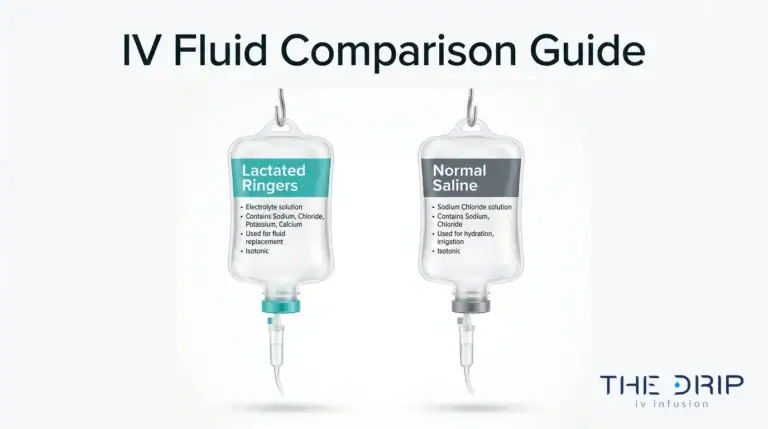
Most mild to moderate cases respond to oral rehydration within one to three hours, with electrolyte solutions accelerating absorption compared to plain water. IV crystalloid fluids bypass the gut entirely and become relevant when nausea, vomiting, or severe fluid loss prevents oral intake.
Prevention centers on consistent daily water intake aligned with Institute of Medicine guidelines, pre-hydration before exercise or heat exposure, adequate sleep, and simple self-checks like urine color monitoring. When oral strategies fall short, mobile IV hydration services offer direct fluid and electrolyte delivery without an emergency room visit.
What causes dehydration headaches and how are they different from other headaches?
Dehydration headaches are caused by fluid loss that disrupts brain volume and homeostasis, and they differ from primary headache disorders in their trigger, location, and accompanying symptoms. The sections below explain the physiological mechanism, key differences from migraines and tension headaches, and which groups face higher risk.
How does dehydration lead to headaches?
Dehydration leads to headaches through fluid shifts that reduce brain volume and alter the balance of electrolytes in the blood. When the body loses more fluid than it takes in, plasma osmolality rises and circulating blood volume drops. These changes can cause the brain to pull away slightly from the skull, placing traction on pain-sensitive meningeal structures.
According to an MRI study published in Human Brain Mapping, dehydration from restricted fluid intake over a 16-hour period leads to a reduction in total brain volume, an effect that reversed following acute rehydration. This shrinkage-and-recovery pattern helps explain why the pain resolves once fluid balance is restored. Shorter sleep duration compounds the problem; research from Pennsylvania State University found that adults sleeping six hours had significantly more concentrated urine and 16 to 59 percent higher odds of inadequate hydration compared to those sleeping eight hours regularly.

What are the main differences between dehydration headaches and migraines or tension headaches?
The main differences between dehydration headaches and migraines or tension headaches involve their cause, pain pattern, and associated symptoms.
- Dehydration headache is a secondary headache triggered by fluid deficit. Pain is typically dull, affects both sides of the head, and worsens with movement or standing. It resolves after rehydration and appears alongside dry mouth, dark urine, and fatigue.
- Migraine is a primary headache disorder that may include a pre-headache aura, nausea, vomiting, and sensitivity to light or sound. According to NINDS, tension-type headache differs from migraine in that there is no aura, nausea, or vomiting, and it does not worsen with everyday physical activities like walking or climbing stairs.
- Tension-type headache produces a band-like pressure on both sides of the head without the throbbing quality of migraine and without a dehydration trigger.
- Cluster headache occurs on one side of the face, with sharp pain around or behind the eye; episodes may last 15 minutes to 3 hours.
Because dehydration headaches share features with several primary types, identifying the underlying fluid deficit is essential for correct management.
Can certain groups be more prone to dehydration headaches?
Yes, certain groups can be more prone to dehydration headaches due to physiological or behavioral factors that increase fluid loss or reduce intake.
- Older adults tend to drink less water overall. CDC data shows that plain water intake is significantly lower among older adults in the United States.
- Young children lose fluid rapidly during illness. According to Johns Hopkins Medicine, headaches in children may be related to genetics, hormones, stress, diet, medications, and dehydration.
- Athletes and outdoor workers experience elevated sweat losses, especially in heat.
- People with chronic illness, particularly those with diarrheal diseases or impaired immunity, face accelerated fluid and electrolyte depletion.
- Short sleepers who routinely get six hours or less may start the day already under-hydrated.
Recognizing these risk profiles helps guide proactive hydration strategies before headache symptoms begin.
What are the most common symptoms of a dehydration headache?
The most common symptoms of a dehydration headache include a dull or throbbing head pain accompanied by dry mouth, darker urine, fatigue, and lightheadedness. The sections below cover how to identify this headache type, what signs appear alongside it, and which warning signals point to more serious dehydration.
How can you tell if your headache is due to dehydration?
You can tell if your headache is due to dehydration by checking for concurrent fluid-loss indicators rather than relying on pain quality alone. Dehydration headache is not a distinct validated diagnosis in the ICHD-3 classification system, so no single symptom confirms it definitively. Instead, consider recent fluid intake, physical activity, heat exposure, and whether you notice thirst, reduced urination, or concentrated urine.
Because headaches in both children and adults can stem from many factors, such as genetics, hormones, stress, diet, and medications, ruling out dehydration requires a process-of-elimination approach. According to Johns Hopkins Medicine, the way a child exhibits a headache may relate to all of these variables, making hydration status just one piece of the assessment. If drinking water steadily improves the pain within one to two hours, dehydration was likely the primary contributor.

What other signs and symptoms usually accompany a dehydration headache?
The signs and symptoms that usually accompany a dehydration headache extend well beyond head pain. According to Cleveland Clinic, headache pain often appears alongside darker-than-usual urine, dry mouth, and fatigue.
Additional symptoms commonly reported with dehydration include:
- Lightheadedness or feeling faint, especially when standing
- Dizziness and blurred vision
- Reduced cognitive focus and concentration
- Increased heart rate or palpitations
- Nausea and general weakness
Orthostatic signs deserve particular attention. Orthostatic hypotension, defined as a systolic blood pressure drop of at least 20 mm Hg or diastolic drop of at least 10 mm Hg within three minutes of standing, can produce headache, neck ache, and tremulousness on top of the symptoms listed above. When head pain worsens specifically upon standing, low fluid volume is a strong suspect. Clinicians use the SNOOP4 mnemonic to screen for red flags; a sudden severe headache reaching maximum intensity within five minutes warrants emergency evaluation, not a wait-and-hydrate approach.
Are there warning signs that indicate more serious dehydration?
There are warning signs that indicate more serious dehydration beyond a typical headache and dry mouth. Urine color is one of the most accessible self-checks. A study published in Frontiers in Nutrition, which analyzed 151 urine samples from 28 healthy participants, found that 74% of the variance in urine osmolality was explained by color variables; increased dehydration produced significantly darker and more yellow urine.
Critical warning signs that suggest dehydration has progressed to a dangerous level include:
- Little or no urine output for several hours
- Extreme thirst paired with confusion or irritability
- Rapid heartbeat with sunken eyes
- Inability to keep fluids down due to vomiting
A headache accompanied by aura, nausea, or vomiting may signal migraine rather than simple fluid deficit, since tension-type headache typically lacks those features and does not worsen with everyday physical activity. If rehydration brings no improvement, or if neurological symptoms appear, medical evaluation is necessary rather than continued self-treatment.
Recognizing these symptom patterns helps determine whether home rehydration is sufficient or professional intervention is needed.
How quickly can fluids help relieve a dehydration headache?
Fluids can begin easing a dehydration headache within 30 minutes to a few hours, depending on severity and the rehydration method used. The sections below cover which fluids work fastest, expected symptom timelines, and whether electrolyte solutions or IV fluids offer an advantage over plain water.
What types of fluids are most effective for fast relief?
The types of fluids most effective for fast relief include plain water, oral rehydration solutions, and electrolyte-containing beverages. Water corrects mild fluid deficits when sipped steadily rather than consumed all at once. Oral rehydration solutions combine sodium, potassium, and glucose in ratios that accelerate intestinal water absorption, making them particularly useful after vomiting, diarrhea, or prolonged sweating. Sports drinks provide a moderate electrolyte boost for exercise-related dehydration. For most mild cases, cool water consumed in small, frequent amounts is sufficient. When dehydration involves significant electrolyte loss, a balanced oral rehydration solution restores fluid balance more efficiently than water alone.

How soon do symptoms improve after rehydration?
Symptoms improve after rehydration at different rates depending on dehydration severity, but many people notice headache relief within one to two hours of steady fluid intake. A working definition published in the Journal of Neurology, Neurosurgery & Psychiatry describes orthostatic headache improving by more than 50% on a verbal rating scale within two hours of lying flat, illustrating how posture-related fluid redistribution can reduce head pain relatively quickly. No controlled human trial has established a precise minute-by-minute oral rehydration timeline specific to dehydration headache. In practice, mild cases often respond within 30 to 60 minutes of drinking water, while moderate dehydration may take two to three hours before pain fully subsides. Continuing to sip fluids even after initial improvement helps prevent symptom rebound.
Can electrolyte solutions or IV fluids accelerate headache relief compared to water?
Electrolyte solutions and IV fluids can accelerate headache relief compared to water in specific circumstances. Oral electrolyte solutions speed absorption because sodium and glucose co-transport pulls water across the intestinal lining faster than plain water does. IV crystalloid fluids bypass the gastrointestinal tract entirely, delivering volume directly into the bloodstream. This makes IV rehydration particularly relevant when nausea or vomiting prevents oral intake. No validated triage rule currently establishes a universal threshold for choosing IV fluids over oral rehydration for headache specifically. For most otherwise healthy adults with mild to moderate dehydration, oral fluids remain the practical first step. IV hydration is generally reserved for cases where oral intake fails or clinical signs suggest more severe fluid loss.
Understanding how quickly different fluids work helps clarify when professional hydration support may be warranted.
What are the best ways to prevent dehydration headaches?
The best ways to prevent dehydration headaches include drinking adequate water daily, adjusting intake for activity and environment, and adopting habits that support consistent hydration. The following subsections cover daily fluid targets, lifestyle strategies, and key risk factors.
How much water should you drink to avoid dehydration headaches?
You should drink approximately 3.7 liters (men) or 2.7 liters (women) of total water per day to avoid dehydration headaches, according to the Institute of Medicine’s adequate intake guidelines. About 19% of that total comes from food, so direct fluid consumption accounts for the remainder.
During exercise, the Texas Department of Public Safety recommends drinking 15 to 20 fluid ounces two to three hours before activity, then 8 to 10 fluid ounces every 10 to 15 minutes during exercise. For work or activity lasting over two hours, OSHA advises switching from plain water to electrolyte-containing beverages such as sports drinks. Waiting until you feel thirsty often means fluid loss is already underway; consistent sipping throughout the day is more protective than reactive large-volume drinking.

Are there lifestyle or dietary tips to lower your risk?
There are several lifestyle and dietary tips to lower your risk of dehydration headaches:
- Eat water-rich foods. Fruits and vegetables like watermelon, cucumbers, and oranges contribute meaningfully to daily fluid intake.
- Prioritize sleep duration. Research from Pennsylvania State University found that adults sleeping only six hours had 16 to 59 percent higher odds of inadequate hydration compared to those sleeping eight hours regularly.
- Limit diuretics. Excessive caffeine and alcohol increase urinary fluid loss, making consistent water intake harder to maintain.
- Set reminders. Timed hydration prompts help maintain steady intake, particularly for older adults or anyone who struggles to recognize early thirst cues.
- Monitor urine color. Pale straw indicates adequate hydration; darker shades signal a need for more fluids.
Combining these habits creates a reliable buffer against the kind of gradual fluid deficit that triggers headaches.
What factors (like exercise, heat, or illness) increase your risk for dehydration headaches?
The factors that increase your risk for dehydration headaches include prolonged exercise, heat exposure, and illness involving fluid loss. Each accelerates water and electrolyte depletion faster than normal daily activity.
- Exercise: Every 2.2 pounds of body weight lost during activity equals roughly one liter of sweat loss, according to the University of Connecticut’s Korey Stringer Institute. High-intensity or endurance sessions can create significant deficits within an hour.
- Heat: Hot environments compound sweat rate regardless of activity level, making outdoor workers and athletes especially vulnerable.
- Illness: Vomiting, diarrhea, and fever all drive rapid fluid loss that outpaces typical oral intake.
- Sleep disorders: Conditions like obstructive sleep apnea disrupt hydration regulation overnight, compounding daytime deficits.
Recognizing these risk multipliers early allows you to increase fluid and electrolyte intake proactively, before a headache develops. Understanding your personal risk profile is equally important when deciding whether professional hydration support may be needed.
When do dehydration headaches require medical attention?
Dehydration headaches require medical attention when symptoms escalate beyond typical headache pain, when red-flag warning signs appear, or when oral rehydration fails. The following subsections cover specific warning symptoms, serious underlying conditions, and when IV hydration becomes necessary.
What symptoms signal you should see a doctor for your headache?
The symptoms that signal you should see a doctor for your headache include sudden severe onset, neurological changes, and signs of a cardiovascular emergency. A headache that reaches maximum intensity within minutes, occurs alongside confusion or vision changes, or fails to respond to oral fluids warrants immediate evaluation.
According to the American Heart Association, call 911 if your blood pressure is higher than 180/120 and you experience any of the following:
- Chest pain
- Shortness of breath
- Back pain
- Numbness or weakness
- Change in vision
- Difficulty speaking
Beyond hypertensive crisis, any headache paired with fever, stiff neck, seizures, or progressive worsening over days should prompt urgent medical assessment. A simple dehydration headache that resolves with fluid intake rarely produces these signs, so their presence strongly suggests a different or more dangerous cause.
Can dehydration headaches ever signal a more serious underlying condition?
Yes, dehydration headaches can signal a more serious underlying condition when the fluid deficit itself results from or masks another medical problem. According to MedlinePlus (U.S. National Library of Medicine), dehydration occurs when the body loses more fluids than it takes in and lacks enough fluid to function properly.
That fluid imbalance may stem from persistent vomiting, uncontrolled diabetes, kidney disease, or severe infections, each of which produces headache through its own mechanism on top of the dehydration. When rehydration alone does not resolve the headache within a reasonable timeframe, clinicians consider whether the headache is secondary to one of these conditions rather than simple fluid loss. Chronic or recurrent dehydration headaches in particular deserve medical investigation, because a pattern of inadequate hydration often points to an unaddressed metabolic, gastrointestinal, or medication-related issue.
When is IV hydration considered necessary for headache relief?
IV hydration is considered necessary for headache relief when a patient cannot tolerate oral fluids, when dehydration is severe enough to impair organ function, or when clinical red-flag screening identifies a high-risk headache requiring emergency-department evaluation.
The International Classification of Headache Disorders, 3rd edition (ICHD-3), classifies dehydration-related headache as a secondary headache attributed to disorders of homeostasis, even when it mimics a primary headache pattern. This classification matters because it guides clinicians to treat the underlying fluid deficit, not just the pain. In an emergency-department study of 100 headache patients published in Cephalalgia, the SNNOOP10 red-flag checklist achieved 100% sensitivity (95% CI: 90.2%–100%) for detecting high-risk headache disorders.
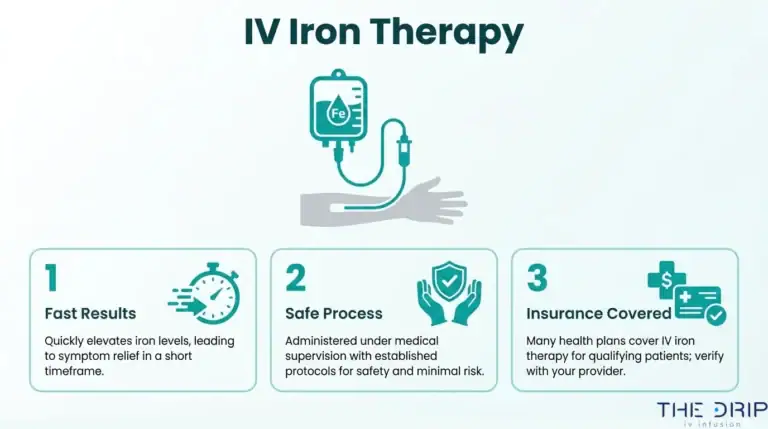
Practically, IV crystalloid fluid is most often used when vomiting or altered consciousness prevents oral intake, or when clinical signs such as prolonged capillary refill, orthostatic hypotension, or altered mental status indicate moderate-to-severe dehydration. For mild cases where oral fluids are tolerated, IV therapy is not medically necessary but may accelerate rehydration.
Knowing when to escalate from self-care to professional evaluation can be the difference between a routine headache and a medical emergency.
How can The Drip IV Infusion help with dehydration headache relief?
The Drip IV Infusion offers mobile IV hydration therapy designed to restore fluid balance and deliver nutrients directly into the bloodstream. The following sections cover how this service approach compares with standard rehydration and summarize key takeaways from this article.
Can IV hydration therapy at The Drip IV Infusion provide faster or more effective relief for dehydration headaches?
IV hydration therapy at The Drip IV Infusion can provide faster fluid restoration than oral intake alone because intravenous delivery bypasses the gastrointestinal tract. This allows isotonic crystalloid solutions and electrolytes to enter the bloodstream immediately, which is particularly relevant when nausea or vomiting prevents someone from drinking fluids effectively.
The Drip IV Infusion’s service model brings an infusion specialist to the client’s location, eliminating the need for an emergency department visit in situations where oral rehydration has stalled.. For context, dehydration remains a significant driver of hospital visits; according to a 2010 HCUP analysis by the Agency for Healthcare Research and Quality, fluid and electrolyte disorders accounted for 21.9% of admitted ED visits among children aged 1 to 4 years.
Mobile IV therapy is one option for adults experiencing moderate dehydration headaches who cannot tolerate oral fluids. However, anyone with red-flag symptoms, such as sudden thunderclap headache, neurological changes, or persistent vomiting, should seek emergency medical evaluation rather than at-home infusion services.
What are the key takeaways about dehydration headaches, their symptoms, relief, and when fluids help?
The key takeaways about dehydration headaches center on early recognition, appropriate rehydration, and knowing when professional care is necessary:
- Dehydration headaches are secondary headaches triggered when fluid loss reduces brain volume and increases plasma osmolality, pulling on pain-sensitive meningeal structures.
- Common accompanying symptoms include dark urine, dry mouth, fatigue, lightheadedness, and reduced cognitive clarity.
- Oral rehydration with water or electrolyte solutions resolves most mild to moderate cases; adding electrolytes helps when sweating, illness, or prolonged exertion has depleted sodium and potassium.
- IV hydration becomes a practical option when oral intake fails due to nausea, vomiting, or severe fluid deficit.
- Prevention depends on consistent daily water intake, pre-hydrating before exercise or heat exposure, and monitoring urine color as a simple self-assessment tool.
- Red-flag headache signs, including sudden severe onset, neurological symptoms, and high fever, always warrant emergency evaluation before attributing pain to dehydration alone.