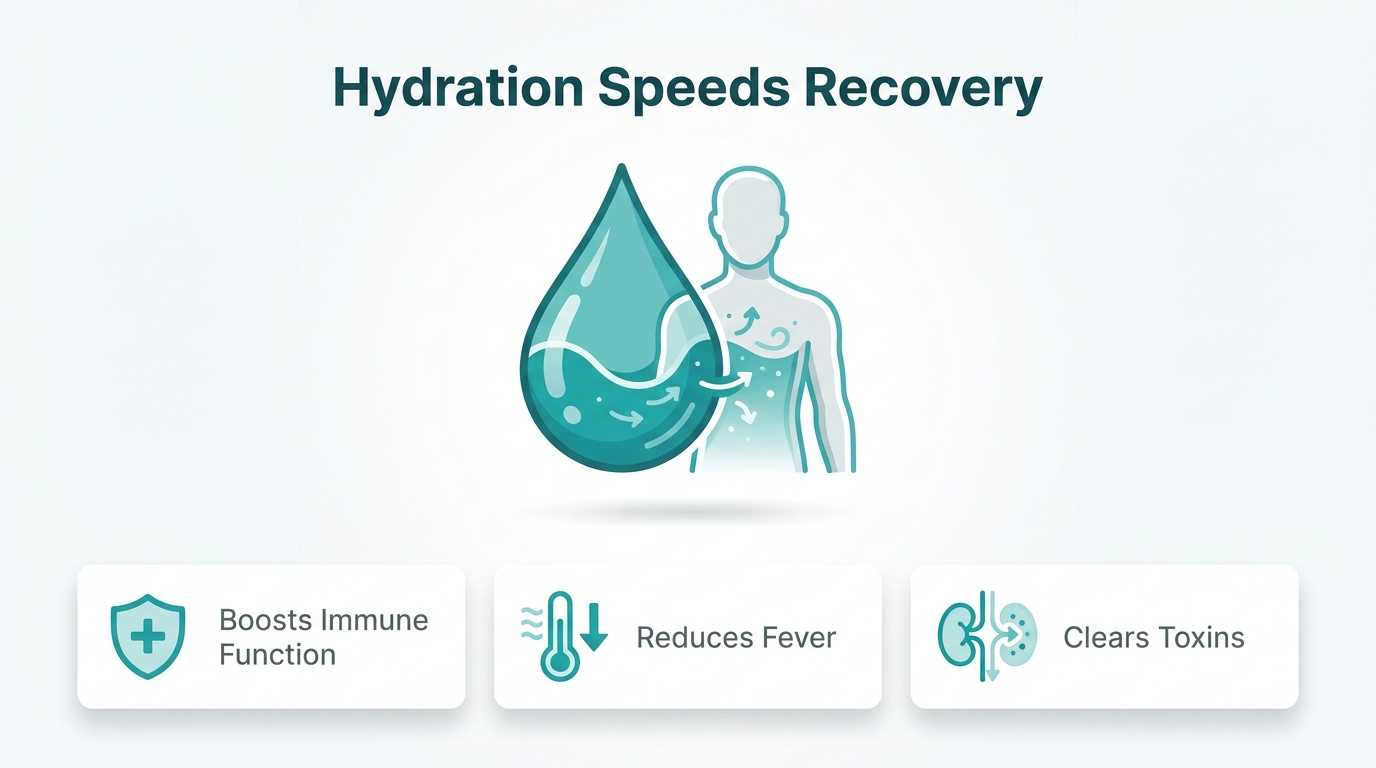
Hydration during illness is the process of replacing fluids and electrolytes lost through fever, vomiting, diarrhea, and increased respiratory effort so the body can maintain immune function, regulate temperature, and support cellular repair.
This guide covers why hydration is critical during sickness, the specific recovery benefits fluids provide, which illnesses carry the highest dehydration risk, how much fluid you actually need, which beverages help or hinder recovery, and when professional IV hydration becomes necessary.
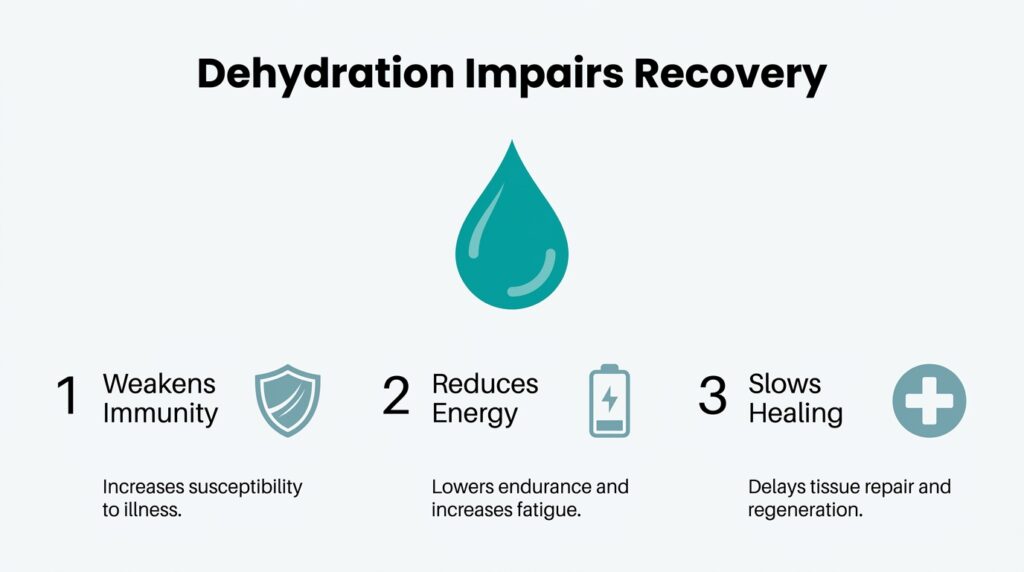
Illness accelerates fluid loss through multiple pathways simultaneously. Fever raises metabolic demand, vomiting and diarrhea expel electrolytes rapidly, and congestion increases moisture loss with every breath. Dehydration impairs immune cell circulation, weakens mucous membrane barriers, and reduces nutrient delivery to tissues fighting infection.
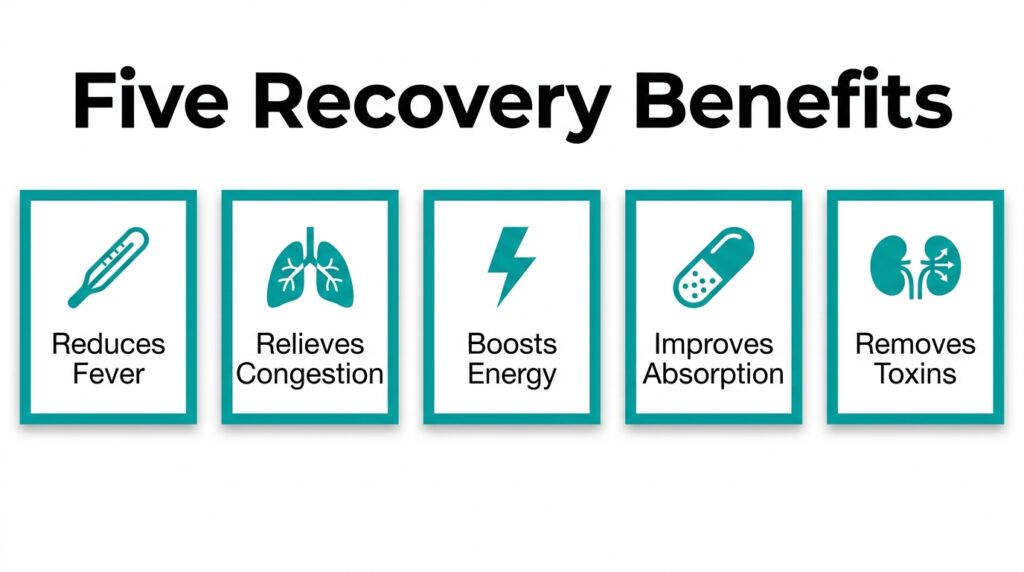
Adequate fluid intake directly targets the core challenges of recovery. Hydration helps the body regulate temperature during fever, thin mucus to relieve congestion, maintain blood volume for energy production, and support kidney filtration to clear immune waste products. It also ensures oral medications and supplements absorb properly through the digestive tract.
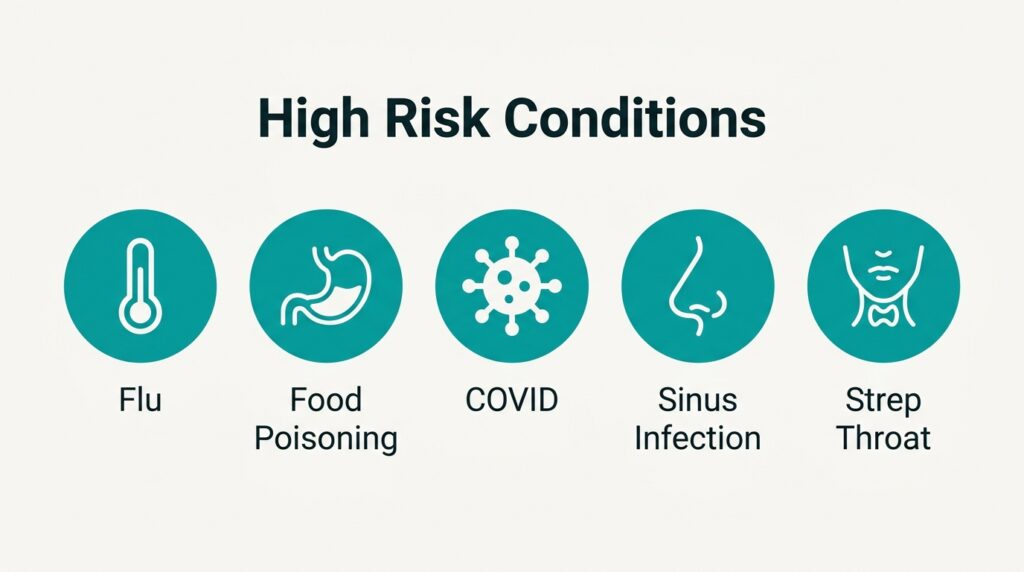
Certain conditions drain fluids faster than others. The flu, food poisoning, COVID-19, sinus infections, and strep throat each create distinct dehydration risks ranging from rapid GI losses to pain-driven fluid avoidance.
Fluid needs vary by age, symptom severity, and type of illness. Water works well for mild symptoms, while electrolyte solutions outperform plain water when vomiting or diarrhea causes significant mineral loss. Broths add calories and sodium; caffeinated or sugary drinks tend to worsen the deficit.
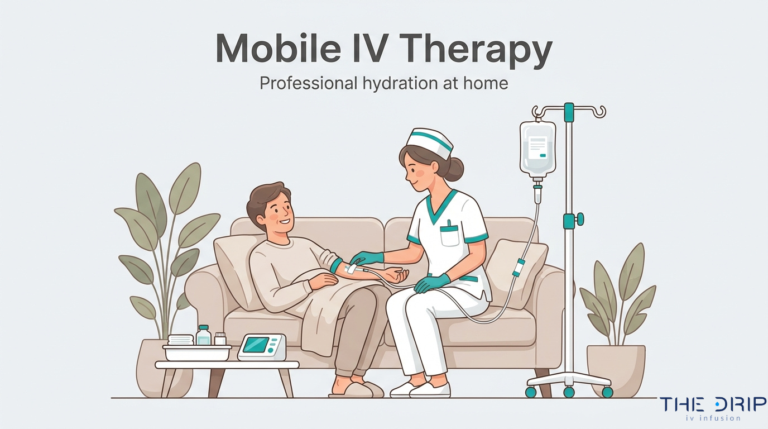
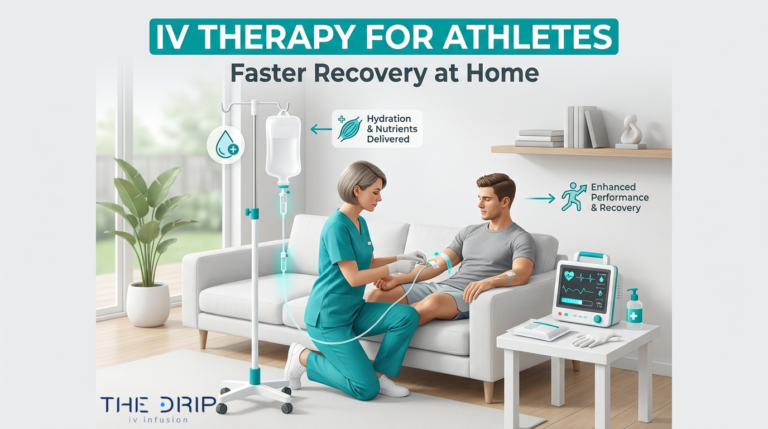
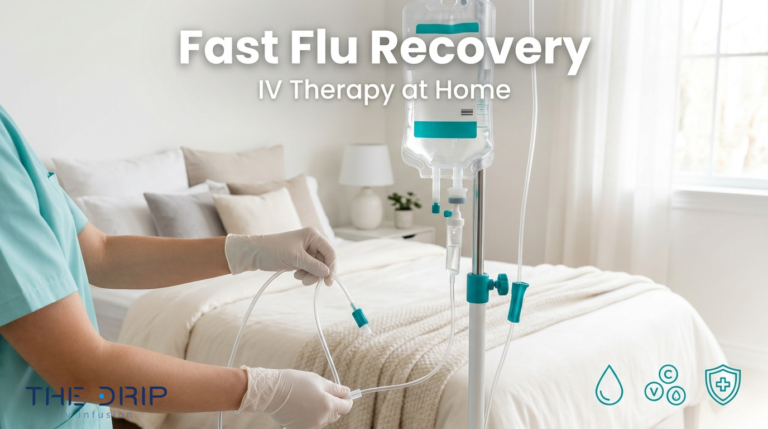
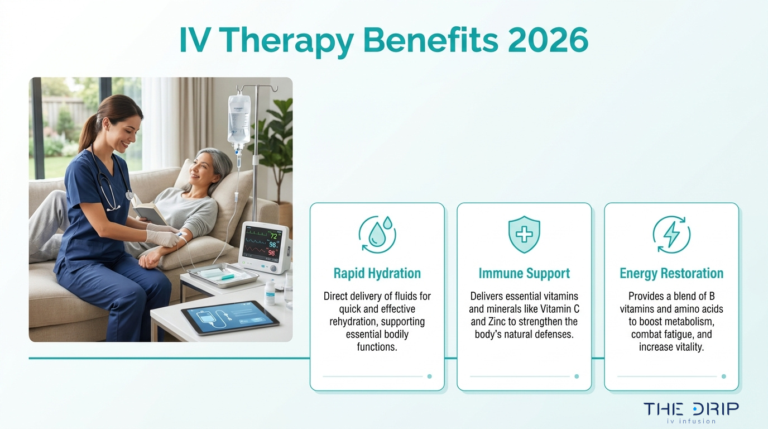
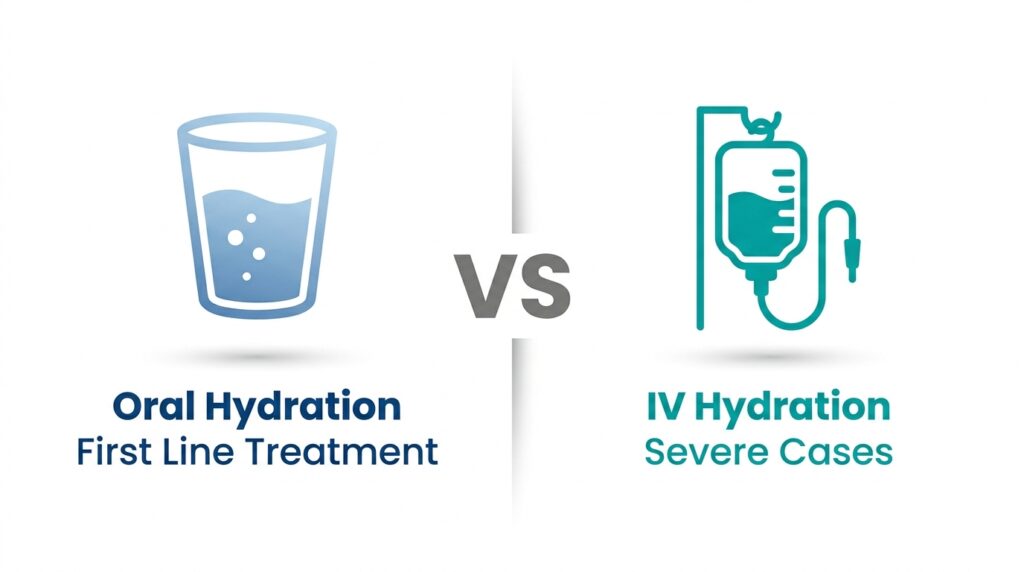
Oral rehydration serves as the first-line approach for mild to moderate dehydration. When symptoms prevent oral intake, IV hydration bypasses the digestive system entirely, delivering fluids and nutrients directly into the bloodstream within minutes. Mobile IV therapy from The Drip IV Infusion brings this option to your home when traveling to a clinic is not realistic.
Why Is Hydration So Important During Illness?
Hydration is important during illness because your body demands more fluid to fight infection, regulate temperature, and maintain critical organ function. The following sections explain how dehydration develops, what it does to your body, and how proper fluid intake supports immune defense.
How Does Dehydration Develop When You Are Sick?
Dehydration develops when you are sick because illness accelerates fluid loss while simultaneously reducing intake. Fever increases perspiration and evaporative water loss through the skin. Vomiting and diarrhea expel large volumes of fluid and electrolytes rapidly. Congestion and mouth breathing raise respiratory moisture loss throughout the day.
At the same time, nausea, sore throat, and fatigue make drinking uncomfortable or unappealing. This creates a deficit where output consistently outpaces input. Because these losses compound over hours, even a mild illness can push the body toward a clinically significant fluid shortage surprisingly fast.
What Happens to Your Body When You Are Dehydrated and Ill?
When you are dehydrated and ill, your body loses its ability to maintain basic protective and cognitive functions. Water is part of every cell and is essential for fighting viruses and regulating temperature. Without adequate fluid, skin and mucous membrane barriers weaken, reducing their ability to block bacteria and increasing nasal irritation during coughing and sneezing.
According to a study published in the British Journal of Nutrition, losing just 2% of body water negatively affects mood, memory, and coordination, often before the thirst mechanism even activates. For someone already battling an illness, these compounding effects make recovery considerably harder. Maintaining fluid levels is not optional during sickness; it is foundational to every system your body relies on to heal.
How Does Proper Hydration Support Your Immune System?
Proper hydration supports your immune system by maintaining the circulation of immune cells, ensuring nutrient delivery, and preserving physical barriers like mucous membranes. Dehydration impairs all three of these functions, leaving the body less equipped to mount an effective defense against infection.
Adequate fluid intake also keeps the lymphatic system functioning properly, which is crucial for transporting immune cells throughout the body. Dr. Richard Hodge reinforces this point: “Fluids support your immune system function, thin mucus and lessen congestion. Avoid alcohol and caffeinated beverages. They increase fluid loss leading to dehydration and interfere with immune function.”
Choosing water over energy drinks or soda is a simple but meaningful step toward keeping immune defenses strong. Understanding how hydration protects immunity sets the stage for recognizing the specific recovery benefits fluids provide.
What Are the Key Hydration Benefits for Illness Recovery?
The key hydration benefits for illness recovery include fever reduction, congestion relief, improved nutrient absorption, restored energy, and faster toxin removal. Each benefit targets a specific recovery challenge.
How Does Hydration Help Reduce Fever?
Hydration helps reduce fever by replacing fluids lost through elevated body temperature and excessive sweating. Fever increases the body’s metabolic rate, which accelerates water loss through the skin and respiratory tract. Without adequate fluid replacement, this cycle worsens dehydration and prolongs elevated temperatures.
According to a 2019 study published in Nutrients (MDPI), hypohydration in the elderly may have different pathological causes, including fever, diarrhea, vomiting, and mental confusion, all of which can be exacerbated by diseases and medication. Replenishing fluids during a fever supports the body’s natural thermoregulation, helping it cool down more efficiently. For anyone managing a persistent fever, consistent small sips of water or electrolyte solutions can make a meaningful difference in comfort and recovery speed.
How Does Hydration Relieve Congestion and Respiratory Symptoms?
Hydration relieves congestion and respiratory symptoms by thinning mucus in the nasal passages, throat, and lungs. When the body is well hydrated, mucous membranes stay moist, which makes it easier to clear secretions through coughing or blowing the nose.
Thick, sticky mucus is a hallmark of dehydration during respiratory illness. Adequate fluid intake loosens these secretions, reducing sinus pressure and improving airflow. Warm fluids, such as herbal tea or broth, can be particularly soothing because the steam provides additional moisture to irritated airways. For those struggling with chest congestion, prioritizing hydration is one of the simplest ways to ease breathing and support respiratory recovery.
How Does Hydration Support Nutrient and Medication Absorption?
Hydration supports nutrient and medication absorption by maintaining proper blood volume and gastrointestinal function. Water acts as the primary solvent for dissolving vitamins, minerals, and oral medications in the digestive tract, enabling efficient transport across intestinal walls into the bloodstream.
When dehydration slows digestion, nutrient uptake decreases, and medications may not reach therapeutic levels as quickly. IV therapy delivers fluids, vitamins, and nutrients directly into the bloodstream, offering fast and effective hydration and wellness support. This approach is particularly valuable when illness makes oral intake difficult. Staying hydrated ensures that every supplement or medication taken during recovery has the best chance of working as intended.
How Does Hydration Improve Energy and Reduce Fatigue?
Hydration improves energy and reduces fatigue by maintaining blood volume, which ensures oxygen and nutrients reach cells efficiently. Even mild dehydration forces the heart to work harder to circulate blood, contributing to the exhaustion commonly felt during illness.
Cells rely on water for metabolic energy production. When fluid levels drop, cellular processes slow down, and fatigue sets in quickly. This is why many people feel sluggish before recognizing they are dehydrated. Restoring fluid balance helps stabilize blood pressure, supports cognitive function, and reduces that heavy, drained feeling that makes recovery feel so difficult. For most people fighting an illness, increasing fluid intake is one of the fastest ways to reclaim some energy without additional medication.
How Does Hydration Aid Toxin and Waste Removal?
Hydration aids toxin and waste removal by supporting kidney filtration and lymphatic drainage. The kidneys require adequate water to filter metabolic waste products and byproducts of immune activity from the blood, excreting them through urine.
During illness, the immune system generates increased waste as it fights pathogens. Without sufficient fluids, these waste products accumulate, potentially prolonging symptoms and slowing recovery. Proper hydration also supports lymphatic flow, which transports immune cells and clears cellular debris from tissues. Prioritizing fluid intake during illness keeps these critical elimination pathways functioning at full capacity, helping the body clear infections more efficiently.
Understanding these recovery benefits sets the stage for identifying which specific illnesses pose the greatest dehydration risk.
Which Illnesses Cause the Greatest Risk of Dehydration?
The illnesses that cause the greatest risk of dehydration include the flu, food poisoning, COVID-19, sinus infections, and strep throat. Each condition drains fluids through distinct mechanisms.
How Does the Flu Lead to Severe Dehydration?
The flu leads to severe dehydration through a combination of high fever, excessive sweating, reduced appetite, and fluid avoidance due to sore throat pain. Fever alone raises the body’s metabolic rate, increasing insensible water loss through the skin and respiratory tract. Vomiting and diarrhea, common with certain flu strains, compound the problem further.
According to the Mayo Clinic, you should call a healthcare professional if a person has had diarrhea for 24 hours or more, is confused, cannot keep down fluids, or has a fever of 102 degrees or higher. These warning signs indicate fluid loss has progressed beyond what the body can self-correct. For anyone battling influenza, consistent small sips of fluid throughout the day matter more than waiting until thirst becomes obvious.
Why Does Food Poisoning or Stomach Flu Dehydrate You So Fast?
Food poisoning and stomach flu dehydrate you so fast because both conditions cause simultaneous vomiting and diarrhea, creating a dual pathway of rapid fluid loss. The gastrointestinal tract, which normally absorbs water and electrolytes, instead expels them. Sodium, potassium, and chloride leave the body with each episode, disrupting the fluid balance that cells depend on.
This speed of loss is what makes gastrointestinal illness especially dangerous. The body cannot compensate through oral intake alone when nausea prevents fluid retention. In my experience, food poisoning ranks among the fastest routes to clinically significant dehydration, often outpacing the flu by hours rather than days.
How Does COVID-19 Increase Your Hydration Needs?
COVID-19 increases your hydration needs through fever, respiratory effort, reduced appetite, and inflammatory immune responses that elevate the body’s baseline fluid demands. According to Spencer Hospital, water is part of every cell in the body and is essential for everyday health, especially when the body is trying to fight a virus and regulate temperature.
Prolonged COVID-19 symptoms, including persistent cough and fatigue, extend the period of elevated fluid requirements well beyond the acute infection phase. A 2025 study published in BMC Infectious Diseases found that nine children hospitalized with COVID-19 in the 2024/2025 season required parenteral IV hydration due to illness severity. COVID-19 remains one of the conditions most likely to push patients past the threshold where oral fluids alone are insufficient.
Why Are Sinus Infections and Upper Respiratory Infections Dehydrating?
Sinus infections and upper respiratory infections are dehydrating because the body produces large volumes of mucus as an immune defense, pulling water from surrounding tissues. Mouth breathing, common when nasal passages are blocked, accelerates moisture loss from the airway. Fever, when present, compounds this fluid deficit.
Many people underestimate how much fluid these conditions consume. Congestion often suppresses appetite and thirst simultaneously, creating a gap between fluid loss and intake that widens over days. Prioritizing warm liquids helps thin mucus while replacing lost volume, making each sip serve a dual recovery purpose.
How Does Strep Throat or Tonsillitis Make Hydration Difficult?
Strep throat and tonsillitis make hydration difficult because severe throat inflammation and swelling cause intense pain with every swallow. This pain creates a behavioral barrier; patients, especially children, actively avoid drinking even when they recognize thirst. Swollen tonsils can also narrow the throat, making each sip physically uncomfortable.
The resulting fluid avoidance often leads to a dehydration cycle where worsening dryness further irritates inflamed tissue, increasing pain and further reducing intake. Cold fluids and ice chips can sometimes bypass this pain threshold more easily than room-temperature drinks. When swallowing becomes too painful to maintain adequate oral hydration, alternative rehydration methods may become necessary.
Understanding which conditions carry the highest dehydration risk helps you plan your fluid strategy before symptoms peak.
How Much Fluid Do You Need When You Are Sick?
Fluid needs during illness depend on age, symptom severity, and whether fever, vomiting, or diarrhea is present. The following subsections cover adult guidelines, pediatric requirements, fever adjustments, and strategies for fluid loss from GI symptoms.
How Much Fluid Should Adults Drink During Illness?
Adults should drink more fluid during illness than they would on a healthy day. A general baseline for healthy adults is 30 to 50 ounces of water per day (about 1 to 1.5 liters), but illness increases that demand. Fever, sweating, and respiratory symptoms all accelerate fluid loss beyond normal levels.
Most healthcare providers recommend adding at least an extra 8 to 12 ounces for every hour of elevated symptoms. Small, frequent sips tend to be better tolerated than large volumes at once, particularly when appetite is low. For adults who struggle to keep pace with oral intake, electrolyte solutions or professional hydration support can help close the gap before dehydration sets in.
How Much Fluid Do Children Need When They Are Sick?
Children need carefully measured fluid intake when they are sick, because their smaller body size makes them more vulnerable to dehydration. Glucose-electrolyte solutions are preferred over plain water for children with diarrhea or vomiting, since these replace lost sodium and potassium alongside fluid volume.
According to a Cochrane systematic review, for every 25 children treated with oral rehydration fluids for gastroenteritis, one child would fail oral therapy and require intravenous rehydration. This underscores why parents should monitor intake closely. Signs like reduced urine output, dry lips, or unusual drowsiness signal that oral fluids alone may not be enough, and medical evaluation becomes necessary.
How Do You Adjust Fluid Intake With a High Fever?
You adjust fluid intake with a high fever by increasing consumption beyond your normal baseline, because elevated body temperature accelerates water loss through sweating and rapid breathing. For every degree of fever above normal, the body requires additional fluid to support thermoregulation and prevent dehydration from compounding the illness.
Sipping small amounts frequently is more effective than drinking large volumes at once, especially when appetite is suppressed. According to the Mayo Clinic, you should call a healthcare professional if a person has had diarrhea for 24 hours or more, is confused, cannot keep down fluids, or has a fever of 102 degrees or higher. These thresholds indicate oral hydration may no longer be sufficient.
How Do You Stay Hydrated When Vomiting or Having Diarrhea?
You stay hydrated when vomiting or having diarrhea by taking very small, frequent sips rather than full glasses of fluid at once. Both symptoms cause rapid electrolyte and water loss, so replacement must begin early to prevent a dehydration spiral.
Effective strategies include:
- Sip 1 to 2 tablespoons of fluid every 5 to 10 minutes, gradually increasing volume as tolerance improves.
- Choose oral rehydration solutions over plain water, since they replace sodium, potassium, and glucose simultaneously.
- Avoid caffeinated, carbonated, or sugary beverages, which can worsen GI symptoms.
- Resume bland, easy-to-digest foods only after fluids stay down for at least an hour.
When vomiting prevents any oral intake for several hours, professional hydration support may be the fastest path to stabilization. With fluid strategies established, choosing the right beverages becomes the next priority.
What Are the Best Fluids to Drink When You Are Ill?
The best fluids to drink when you are ill include water, electrolyte solutions, and clear broths. The right choice depends on your symptoms and the severity of fluid loss.
When Should You Choose Water Over Other Fluids?
You should choose water over other fluids when your illness is mild and does not involve significant fluid loss through vomiting or diarrhea. Plain water remains the foundation of daily hydration, and for most minor colds or low-grade fevers, it provides sufficient replenishment without added sugars or sodium.
According to Harvard Health Publishing, healthy people should get 30 to 50 ounces of water per day (about 1 to 1.5 liters) to ward off dehydration, though the kidneys lose some ability to eliminate water with age. During illness, intake often needs to increase beyond this baseline. When symptoms escalate to heavy sweating, persistent vomiting, or prolonged diarrhea, water alone may not replace lost minerals fast enough.
When Are Electrolyte Drinks More Effective Than Water Alone?
Electrolyte drinks are more effective than water alone when illness causes substantial fluid and mineral loss through vomiting, diarrhea, or high fever. Dehydration occurs when fluid loss exceeds intake, leading to reductions in total body water that disrupt thermoregulation, skin elasticity, and circulatory stability. Under these conditions, plain water cannot restore the sodium, potassium, and chloride the body needs to rebalance.
Not all electrolyte drinks perform equally. According to a Safeway product comparison guide, Pedialyte contains significantly more potassium than Gatorade (780 mg/L vs. roughly 75 mg per 20 oz), which is why doctors recommend it for clinical rehydration. For most adults recovering from an illness with active fluid loss, a glucose-electrolyte solution outperforms water or standard sports drinks.
Which Broths and Soups Help With Illness Hydration?
Broths and soups that help with illness hydration include clear chicken broth, bone broth, and vegetable-based soups. These provide water, sodium, and easily digestible nutrients in a warm, soothing form that many sick individuals tolerate better than cold beverages.
Warm fluids also support the body’s broader recovery processes. As Zakhary notes, “Drinking water helps maintain lymphatic flow, which is essential for immune cell transport,” and “helps the kidneys to flush out toxins.” Broth delivers hydration alongside this lymphatic support while adding calories that help sustain energy. For individuals who struggle to eat solid food during illness, soup often serves as both a meal and a hydration source.
Which Beverages Should You Avoid While Sick?
The beverages you should avoid while sick include alcohol, caffeinated drinks, sugary sodas, and certain commercial sports drinks. These can increase fluid loss or irritate an already sensitive digestive system.
Key beverages to limit or eliminate during illness:
- Alcohol increases urination and suppresses immune function, worsening dehydration.
- Coffee and caffeinated teas act as mild diuretics, accelerating fluid loss when the body needs conservation.
- Sugary sodas and juice concentrates can draw water into the intestines, potentially aggravating diarrhea.
- Commercial sports drinks may worsen symptoms in certain populations; according to Stanford Medicine Children’s Health, children with moderate diarrhea should be offered glucose-electrolyte solutions while commercial sports drinks should be avoided.
Sticking to water, proper electrolyte solutions, and clear broths gives your body the best chance to rehydrate without unnecessary complications. Understanding which fluids work best sets the stage for recognizing when drinking alone is not enough.
What Are the Signs You Are Too Dehydrated to Recover at Home?
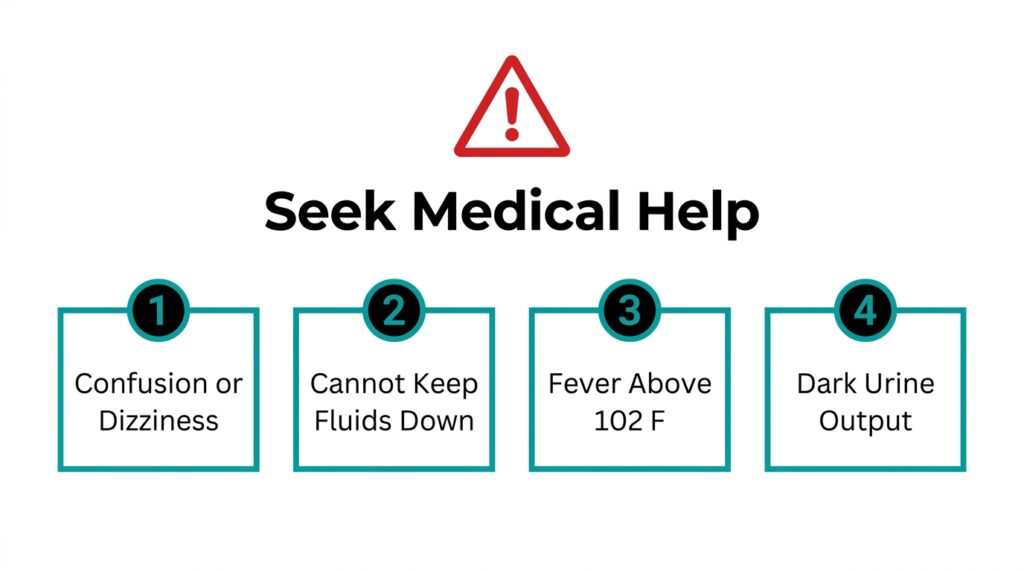
The signs you are too dehydrated to recover at home include confusion, inability to keep fluids down, persistent diarrhea lasting over 24 hours, rapid heartbeat, and a fever reaching 102°F or higher. These warning signs indicate that oral rehydration alone may not restore adequate fluid balance, and professional medical intervention becomes necessary.
Severe dehydration disrupts thermoregulation, skin elasticity, and circulatory stability. When the body loses significantly more fluid than it takes in, metabolic processes begin to fail. Skin may appear pale, blotchy, or grey, and breathing can become labored. Extreme drowsiness or difficulty waking someone signals a medical emergency.
According to the Mayo Clinic, you should call a healthcare professional if a person has had diarrhea for 24 hours or more, is confused, cannot keep down fluids, or has a fever of 102 degrees or higher. The NHS advises calling emergency services if you observe blue, grey, pale, or blotchy skin on the lips or tongue, difficulty breathing, or unusual sleepiness.
Key warning signs that require immediate medical attention include:
- Confusion or disorientation that worsens over time.
- Inability to retain any oral fluids despite repeated attempts.
- Dark or significantly reduced urine output for several hours.
- Rapid or weak pulse with dizziness upon standing.
- Fever of 102°F or higher combined with vomiting or diarrhea.
- Pale, blotchy, or grey-toned skin, lips, or tongue.
- Extreme fatigue or difficulty staying awake.
Children and elderly individuals face elevated risk because their fluid reserves are smaller and symptoms can escalate quickly. For older adults, conditions like fever, vomiting, and mental confusion compound dehydration rapidly, especially when medication further disrupts fluid balance.
Recognizing these signs early is critical. Mild dehydration responds well to oral fluids, but once confusion, sustained vomiting, or circulatory symptoms appear, the window for home recovery narrows significantly. In these situations, intravenous hydration delivers fluids directly into the bloodstream, bypassing the digestive system entirely. Understanding when oral methods fall short helps determine whether professional IV hydration may be the faster path to recovery.
How Does Oral Hydration Compare to Intravenous Hydration?
Oral hydration compares to intravenous hydration primarily in absorption speed, effectiveness during severe illness, and clinical appropriateness. Below, the two key scenarios where each method applies are examined.
Why Is Oral Rehydration Sometimes Insufficient During Illness?
Oral rehydration is sometimes insufficient during illness because severe vomiting, persistent diarrhea, or extreme fluid loss can prevent the gut from absorbing fluids fast enough. Oral rehydration therapy (ORT) serves as a first-line therapeutic measure to compensate for volume loss due to diarrhea and vomiting among gastroenteritis patients, according to a review published in PMC. However, this approach has limits. For every 25 children treated with oral fluids, one child fails and requires intravenous rehydration. Conditions involving greater than 10% estimated body weight loss in fluid push patients beyond what oral intake can restore. When nausea makes even small sips impossible, the gastrointestinal route simply cannot deliver adequate volume.
How Does IV Hydration Deliver Fluids More Effectively?
IV hydration delivers fluids more effectively by bypassing the gastrointestinal tract entirely, sending saline, electrolytes, and nutrients directly into the bloodstream. This route eliminates absorption delays that slow oral intake during illness. According to the 5-Minute Clinical Consult, severe dehydration requiring greater than 10% estimated weight loss calls for IV hydration first, followed by 100 mL/kg of oral rehydration solution once the patient tolerates oral intake. The direct vascular access means cells receive hydration within minutes rather than the hours oral methods require. For individuals who cannot keep fluids down due to vomiting or who need rapid replenishment, IV delivery remains the most reliable option. Understanding when oral methods fall short helps determine whether professional IV support could accelerate your recovery.
How Can Mobile IV Therapy Support Your Recovery During Illness?
Mobile IV therapy can support your recovery during illness by delivering fluids, vitamins, and electrolytes directly into your bloodstream without requiring a clinic visit. The following sections cover how The Drip IV Infusion provides at-home rehydration and the key hydration takeaways for illness recovery.
Can The Drip IV Infusion Help You Rehydrate Faster at Home?
Yes, The Drip IV Infusion can help you rehydrate faster at home by bringing mobile IV therapy directly to your location. IV therapy delivers fluids, vitamins, and nutrients straight into the bloodstream, bypassing the digestive system for immediate absorption. This approach is especially valuable when illness symptoms like nausea or vomiting make oral intake difficult.
The Drip IV Infusion offers customizable IV cocktails with add-ons such as vitamin C, zinc, B-complex vitamins, and magnesium. Founded by professionals with decades of experience in nursing and emergency medicine, The Drip IV Infusion sends a qualified infusion specialist to your home, so you can recover comfortably without traveling while sick. A typical session takes one hour.
What Are the Key Takeaways About Hydration Benefits for Illness?
The key takeaways about hydration benefits for illness center on fluid balance, immune support, and knowing when to escalate care:
- Dehydration impairs immune cell circulation, nutrient delivery, and mucous membrane barriers that protect against infection.
- Losing just 2% of body water can affect mood, memory, and coordination before thirst even signals a problem.
- Oral rehydration with water, electrolyte solutions, and broth is the first-line strategy for mild to moderate fluid loss.
- IV hydration becomes necessary when vomiting, diarrhea, or severe symptoms prevent adequate oral intake.
- Fever, respiratory illness, and gastrointestinal infections all accelerate fluid loss and increase hydration demands.
Prioritizing hydration from the first sign of illness shortens recovery time and reduces symptom severity. For situations where drinking fluids is not enough, The Drip IV Infusion provides a convenient mobile option to restore hydration quickly at home.