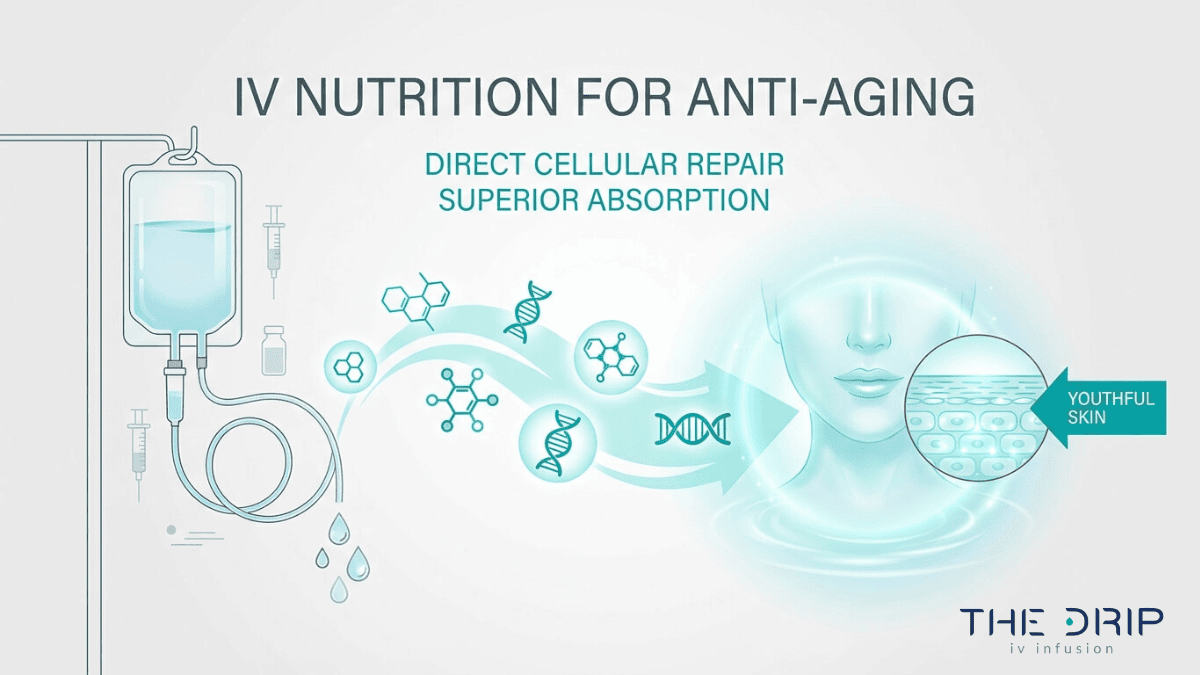
IV nutrition therapy is an intravenous treatment that delivers vitamins, antioxidants, and coenzymes directly into the bloodstream to support cellular repair, reduce oxidative damage, and slow visible signs of aging. Because it bypasses the digestive system entirely, IV delivery achieves near-complete nutrient absorption that oral supplements cannot match.
This guide covers how IV nutrient delivery works at the cellular level, the specific compounds that target aging mechanisms, skin and collagen benefits, practical treatment considerations, and emerging regenerative therapies that enhance results.
IV nutrition therapy bypasses first-pass metabolism in the liver, allowing anti-aging nutrients like glutathione, NAD+, and vitamin C to reach cells at full therapeutic concentrations. This higher bioavailability fuels enzymes responsible for DNA repair, mitochondrial energy production, and antioxidant defense.
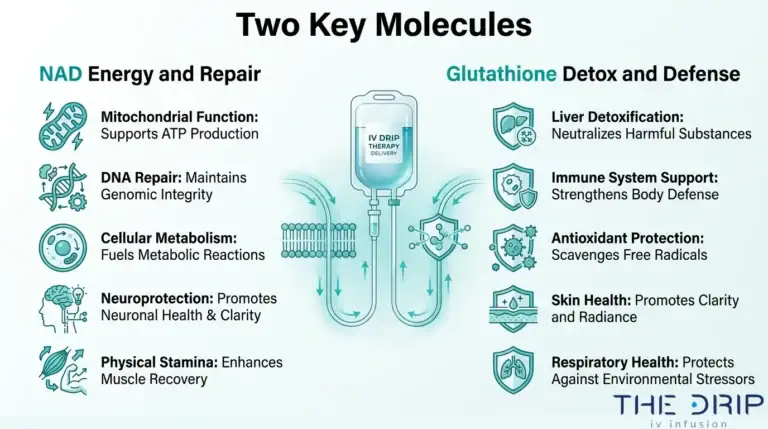
NAD+ infusions restore a critical coenzyme that declines with age, supporting sirtuin and PARP enzyme activity essential for genomic stability and telomere maintenance. Preclinical research also links NAD+ replenishment to improved cognition and nerve regeneration, making it one of the most targeted options for age-related cellular decline.
Glutathione neutralizes free radicals that degrade collagen and elastin while inhibiting melanin synthesis to improve uneven skin tone. Vitamin C activates the enzymes required for stable collagen triple-helix formation, and IV hydration with electrolytes restores intracellular moisture that keeps skin firm and resilient.
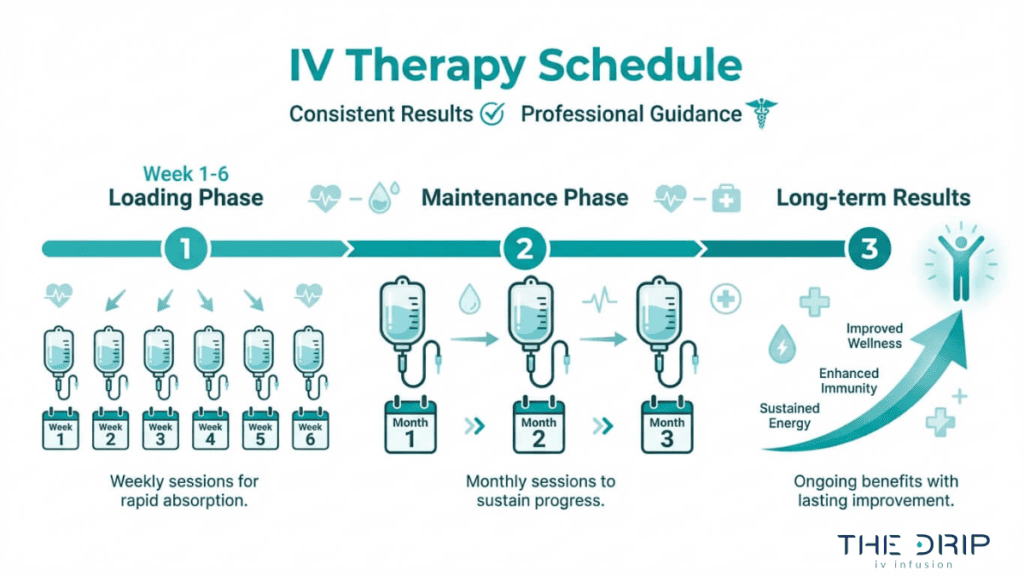
Treatment frequency, candidacy screening, and potential side effects all influence outcomes. Most protocols begin with weekly loading phases before transitioning to monthly maintenance, and professional oversight ensures safety for individuals with pre-existing conditions.
Exosome therapy adds intercellular signaling that primes cells to use IV-delivered nutrients more effectively, representing one of the more promising directions in regenerative anti-aging wellness.
How Does IV Nutrition Therapy Work for Anti-Aging?
IV nutrition therapy works for anti-aging by delivering nutrients directly into the bloodstream, enabling immediate cellular uptake for repair and rejuvenation. The following subsections explain why bypassing digestion matters and how direct absorption accelerates cellular repair.
Why Does Bypassing the Digestive System Matter for Anti-Aging?
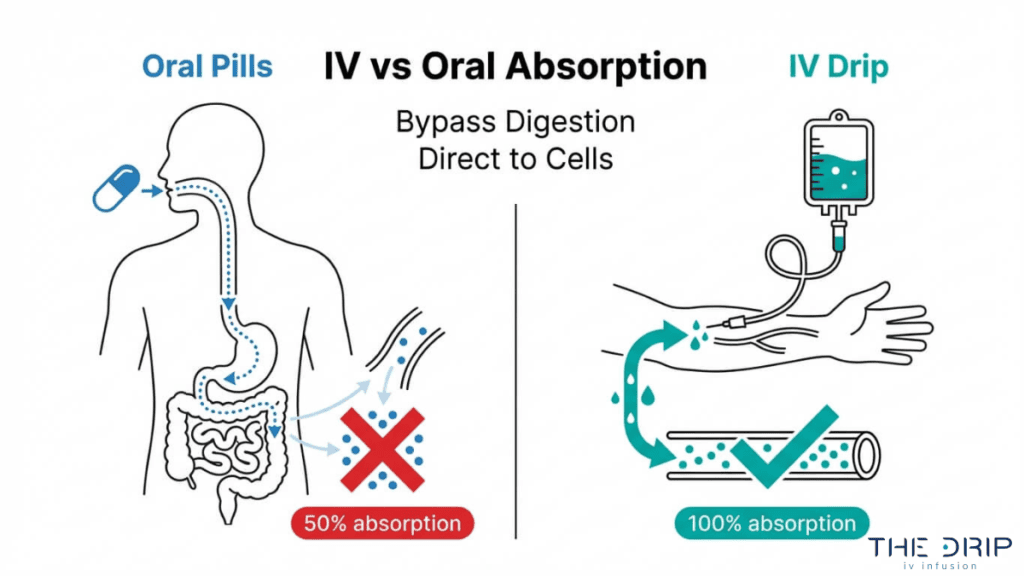
Bypassing the digestive system matters for anti-aging because oral supplements lose potency as they pass through the gastrointestinal tract and liver. This process, known as first-pass metabolism, can reduce nutrient absorption to 50% or less. Anti-aging nutrients like glutathione, NAD+, and vitamin C are particularly susceptible to degradation during digestion.
Intravenous delivery eliminates this bottleneck entirely. When nutrients enter the bloodstream directly, cells receive the full therapeutic dose without competing with digestive enzymes or intestinal absorption limitations. For aging cells that already struggle with declining metabolic efficiency, this difference in bioavailability can be significant. Maximizing the concentration of anti-aging compounds at the cellular level is, in many cases, more important than simply increasing intake volume.
How Does Direct Nutrient Absorption Improve Cellular Repair?
Direct nutrient absorption improves cellular repair by increasing the bioavailability of compounds essential for tissue regeneration. According to a scientific reference from the NYU Center for Latino Adolescent and Family Health, intravenous nutrient therapy directly introduces nutrients into the plasma, increasing their availability for cellular uptake while bypassing the GI tract entirely.
This heightened bioavailability is especially relevant for age-related cellular decline. NAD+, a critical coenzyme, serves as an exclusive co-substrate for sirtuins and poly(ADP-ribose) polymerases, both of which regulate DNA repair and longevity pathways. Because cellular NAD+ levels naturally decline with age, replenishing this coenzyme through IV delivery ensures repair enzymes receive adequate fuel. The result is more efficient DNA maintenance, improved mitochondrial function, and stronger support for the body’s innate regenerative processes.
With cellular repair mechanisms supported, the specific nutrients driving these anti-aging effects deserve closer attention.
What Nutrients in IV Therapy Help Slow the Aging Process?
The nutrients in IV therapy that help slow the aging process include glutathione, NAD+, vitamin C, B-complex vitamins, zinc, selenium, and collagen-supporting amino acids. Each targets a distinct mechanism of cellular aging.
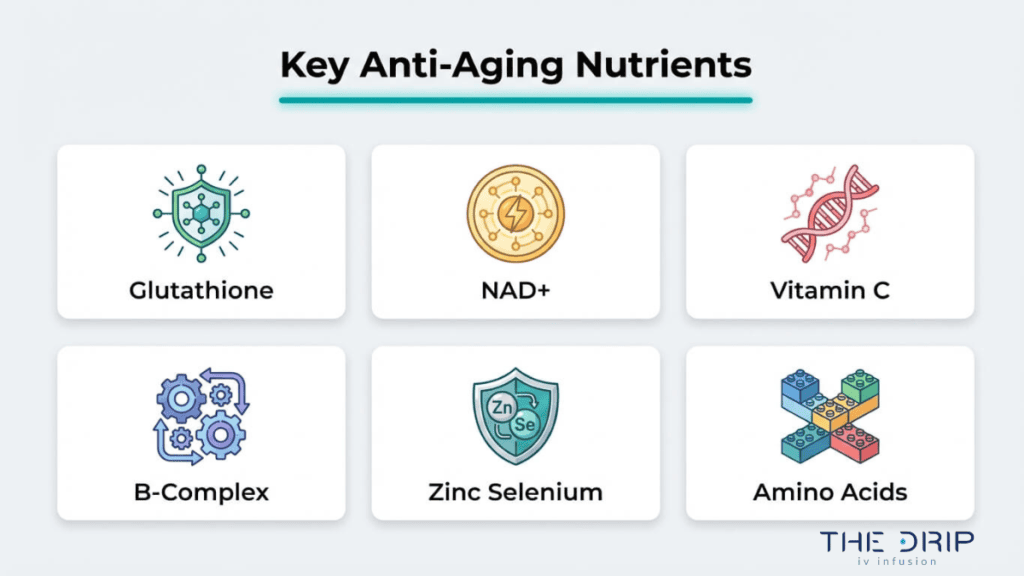
Glutathione
Glutathione is the body’s most abundant intracellular antioxidant, and it plays a central role in neutralizing free radicals that accelerate aging. By reducing oxidative stress at the cellular level, glutathione helps protect skin structure and minimizes damage that leads to fine lines. It also inhibits melanin synthesis by interrupting tyrosinase activity in the melanogenesis pathway, which can improve uneven skin tone and reduce the appearance of age spots. For those prioritizing skin health, glutathione is one of the most versatile anti-aging nutrients available through IV delivery.
NAD+
NAD+ is a coenzyme essential for cellular energy production and DNA repair, both of which decline with age. According to a 2022 review published by the National Institutes of Health, declining cellular NAD+ levels are a hallmark of aging because NAD+ serves as an exclusive co-substrate for sirtuins and poly(ADP-ribose) polymerases, enzymes that regulate cellular repair and longevity. Replenishing NAD+ through IV infusion supports mitochondrial function and helps maintain telomere integrity. For anyone noticing age-related fatigue or cognitive decline, NAD+ addresses the root biochemistry rather than just symptoms.
Vitamin C
Vitamin C is an essential cofactor for collagen synthesis and a potent antioxidant that combats free radical damage. It activates prolyl hydroxylase and lysyl hydroxylase, enzymes that catalyze the hydroxylation of proline and lysine residues needed for stable collagen triple-helix formation, as documented in the Orthopaedic Journal of Sports Medicine. This dual function protects existing skin structure while promoting new collagen production. IV delivery is particularly valuable here because it bypasses digestive limitations, allowing therapeutic concentrations that oral supplements cannot achieve.
B-Complex Vitamins
B-complex vitamins support anti-aging by improving cellular metabolism and energy production across multiple organ systems. According to research published in the International Journal of Vitamin and Nutrition Research, vitamin B complex enhances skin tone correction and anti-aging benefits by improving cellular metabolism. Individual B vitamins serve specific roles: B12 supports nerve health, B6 aids amino acid metabolism, and biotin strengthens skin and hair. Delivering B-complex vitamins intravenously ensures consistent therapeutic levels, which matters because these water-soluble nutrients deplete quickly.
Zinc and Selenium
Zinc and selenium are trace minerals that strengthen antioxidant defense systems critical for slowing age-related cellular damage. Zinc supports immune function and wound healing, while selenium activates glutathione peroxidase, one of the body’s primary antioxidant enzymes. A study published in the American Journal of Clinical Nutrition found that zinc supplementation at 30 mg per day for three months effectively increased serum zinc concentrations in elderly populations, supporting both immune function and antioxidant defense. These minerals work synergistically, and IV delivery ensures absorption that oral supplementation often cannot match in aging populations with compromised gut function.
Collagen-Supporting Amino Acids
Collagen-supporting amino acids are the building blocks required for the body to synthesize and repair its most abundant structural protein. Glycine, proline, and lysine are particularly important. A 2025 study published in npj Aging identified a collagen amino acid composition featuring a ratio of 3 glycine to 1 proline to 1 hydroxyproline as the optimal formulation for reducing biological age and increasing healthspan. IV delivery of these amino acids provides immediate bioavailability for collagen synthesis, bypassing digestive breakdown that reduces their effectiveness when taken orally.
With these foundational nutrients understood, the next step is exploring how specific therapies like NAD+ IV infusions target aging at a deeper cellular level.
How Does NAD+ IV Therapy Reverse Signs of Aging?
NAD+ IV therapy reverses signs of aging by restoring cellular energy, supporting DNA repair, and improving cognitive function. The following sections explain how NAD+ decline accelerates aging and how replenishment counteracts these effects.
How Does NAD+ Restore Cellular Energy Production?
NAD+ restores cellular energy production by serving as a critical coenzyme in mitochondrial metabolism, where it facilitates the conversion of nutrients into adenosine triphosphate (ATP). Without adequate NAD+, mitochondria produce energy less efficiently, leading to fatigue and sluggish cellular processes commonly associated with aging.
The perceived effects of NAD+ IV therapy, such as improved energy, focus, and mood, typically last from a few days up to two weeks depending on baseline health and metabolic rate, according to Heally. Because these benefits are temporary, consistent sessions are often necessary to maintain results. For anyone noticing persistent low energy or brain fog, declining NAD+ levels may be a contributing factor worth addressing before symptoms compound further.
How Does NAD+ Support DNA Repair and Telomere Health?
NAD+ supports DNA repair and telomere health by activating enzymes responsible for maintaining genomic stability. It serves as an exclusive co-substrate for sirtuins and poly(ADP-ribose) polymerases (PARPs), both of which regulate cellular repair and longevity. According to a 2022 review published in PubMed Central (PMC), a decline in cellular NAD+ is a well-documented feature of aging precisely because these repair enzymes lose their fuel source.
NAD+ also promotes the repair of telomeres, the protective caps on chromosomes that shorten with each cell division. When telomeres deteriorate, cells become senescent or die. By maintaining telomere integrity, NAD+ helps preserve healthy cell replication, which is foundational to slowing visible and systemic aging.
How Does NAD+ Improve Cognitive Function as You Age?
NAD+ improves cognitive function as you age by enhancing mitochondrial performance within neurons. According to a review published in PubMed Central, restoration of NAD+ to youthful levels in preclinical models resulted in increased mitochondrial function, ATP production, and improved cognition and nerve regeneration.
These findings suggest that declining NAD+ starves brain cells of the energy they need for memory consolidation, focus, and neural communication. While preclinical results are promising, this is one of the most compelling areas of NAD+ research for anyone experiencing age-related cognitive decline. Replenishing NAD+ through IV delivery ensures rapid bioavailability, giving neurons direct access to this essential coenzyme.
How Does NAD+ Decline With Age Affect the Body?
NAD+ decline with age affects the body by impairing mitochondrial function, weakening DNA repair capacity, and accelerating cellular senescence. As NAD+ levels drop, sirtuins and PARPs lose the co-substrate they need to regulate inflammation, genomic stability, and metabolic efficiency.
The consequences are widespread: reduced energy production, slower tissue recovery, increased oxidative damage, and diminished cognitive sharpness. These changes manifest as common aging symptoms, including chronic fatigue, slower wound healing, and memory difficulties. NAD+ decline is not merely a biomarker of aging; it actively drives the degenerative processes that make aging visible and felt. Addressing this decline early through IV replenishment offers a proactive strategy for preserving cellular health before damage accumulates.
How Does IV Glutathione Therapy Benefit Aging Skin?
IV glutathione therapy benefits aging skin by neutralizing oxidative damage and improving skin tone. The following sections explain how glutathione reduces wrinkles and brightens complexion.
How Does Glutathione Reduce Oxidative Stress and Wrinkles?
Glutathione reduces oxidative stress and wrinkles by neutralizing free radicals that degrade collagen and elastin in aging skin. As the body’s most abundant intracellular antioxidant, glutathione donates electrons to reactive oxygen species, preventing the cellular damage that accelerates fine lines and sagging.
When delivered intravenously, glutathione bypasses digestive breakdown and reaches skin cells at therapeutic concentrations. According to a study published in Heliyon (Cell Press), IV administration of vitamin C at doses between 25 and 50 grams can substantially enhance immune function and reduce oxidative stress, a principle that extends to glutathione’s synergistic antioxidant role. Pairing IV glutathione with complementary antioxidants like vitamin C creates a more robust defense against the cumulative free radical exposure that ages skin prematurely. For those noticing early signs of oxidative skin damage, this combination is one of the most practical intravenous approaches available.
How Does Glutathione Brighten Skin Tone and Reduce Age Spots?
Glutathione brightens skin tone and reduces age spots by inhibiting melanin synthesis in the skin. It interrupts the melanogenesis pathway by interfering with tyrosinase activity, the enzyme responsible for converting L-DOPA into melanin pigment. This mechanism shifts melanin production toward lighter pheomelanin rather than darker eumelanin.
According to research published in the Journal of Clinical, Cosmetic and Investigational Dermatology, supplementation of reduced glutathione (GSH) at 500 mg per day demonstrated skin-lightening efficacy in humans by inhibiting melanin production. However, results require consistency; brightening effects tend to diminish without ongoing sessions.
It is worth noting that the Philippine FDA has issued warnings about serious complications, including anaphylaxis and hepatotoxicity, associated with IV glutathione used specifically for skin lightening. This underscores why professional medical oversight is essential for anyone considering glutathione infusions for complexion concerns.
With glutathione’s skin benefits established, understanding how IV therapy supports collagen production adds another layer to an anti-aging strategy.
Can IV Therapy Boost Collagen Production and Skin Elasticity?
IV therapy can boost collagen production and skin elasticity by delivering collagen-building precursors directly into the bloodstream. The key mechanisms involve amino acid delivery, vitamin C cofactor support, and enhanced hydration at the cellular level.
IV nutrition therapy stimulates collagen production by providing essential amino acids, such as proline and lysine, which are necessary for collagen synthesis and cellular repair. When these precursors enter the bloodstream intravenously, they reach fibroblasts at concentrations that oral supplementation often cannot match. Vitamin C, frequently included as an add-on in IV formulations, serves as a required cofactor for the enzymes that stabilize collagen’s triple-helix structure. Without adequate vitamin C, collagen fibers form improperly, leading to weakened skin elasticity over time.
Proper hydration also plays a supporting role. IV-delivered fluids restore intracellular moisture balance, which helps maintain the plump, resilient appearance that well-hydrated skin provides. Combined with targeted amino acids, this approach addresses collagen loss from multiple angles simultaneously.
For anyone noticing thinning skin or reduced firmness, prioritizing both the structural building blocks and the cofactors that activate them is far more effective than supplementing with collagen peptides alone. Understanding how IV hydration complements these anti-aging nutrients helps clarify the full scope of benefits available.
How Does IV Vitamin C Fight Free Radical Damage?
IV vitamin C fights free radical damage by donating electrons to neutralize reactive oxygen species before they can harm cells, proteins, and DNA. Its antioxidant and collagen-supporting roles make it a key nutrient in anti-aging IV protocols.
Vitamin C is an essential cofactor for prolyl hydroxylase and lysyl hydroxylase, enzymes that catalyze the hydroxylation of proline and lysine residues to promote proper folding of the stable collagen triple-helix, according to a study published in the Orthopaedic Journal of Sports Medicine. This enzymatic activity is what links vitamin C directly to skin firmness and structural integrity. Without adequate levels, collagen fibers form improperly, accelerating the visible signs of aging such as fine lines and sagging.
When delivered intravenously, vitamin C reaches plasma concentrations far beyond what oral supplementation allows. These elevated levels amplify its capacity to scavenge free radicals throughout the bloodstream and tissues. Free radicals generated by UV exposure, pollution, and normal metabolic processes cause oxidative stress, which degrades collagen, damages cell membranes, and contributes to premature aging.
Beyond its direct antioxidant activity, vitamin C also regenerates other antioxidants like vitamin E, extending the body’s overall defense network against oxidative damage. This regenerative function is often underestimated, yet it significantly multiplies the protective value of each infusion session.
For anyone serious about slowing oxidative aging, IV vitamin C offers a practical advantage that oral doses simply cannot match. With hydration as the next critical factor, understanding how IV fluids restore skin moisture completes the anti-aging picture.
What Role Does IV Hydration Play in Anti-Aging?
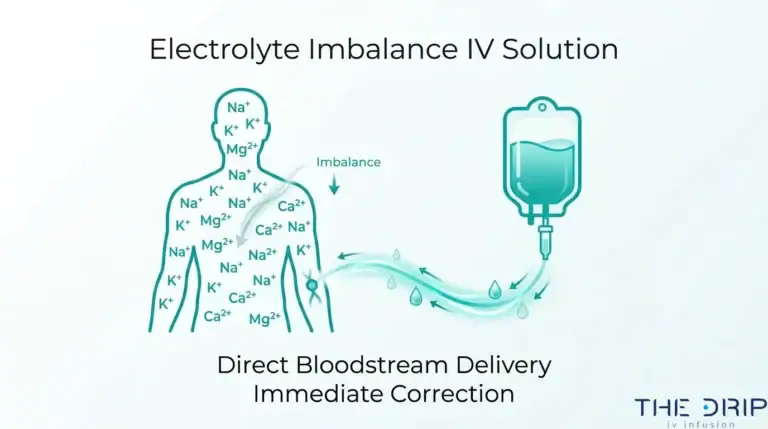
IV hydration plays a foundational role in anti-aging by restoring intracellular moisture levels that decline with age. Proper cellular hydration supports skin elasticity, nutrient transport, and the removal of metabolic waste products that accelerate aging. When delivered intravenously, fluids enriched with electrolytes replenish hydration at a deeper cellular level than drinking water alone can achieve. According to research published in the Aesthetic Surgery Journal, IV drips infused with electrolytes and fluids replenish intracellular hydration levels, restoring moisture balance and combating the effects of environmental stressors on aged skin. Dehydrated cells lose their structural integrity more quickly, which manifests as fine lines, dullness, and reduced skin turgor. By maintaining optimal fluid balance through IV delivery, the body creates a better internal environment for collagen synthesis and antioxidant activity. For anyone pursuing a comprehensive anti-aging strategy, hydration is not merely a supporting factor; it is the essential baseline that makes every other nutrient work more effectively.
How Does IV Nutrition Therapy Compare to Oral Supplements for Anti-Aging?
IV nutrition therapy compares to oral supplements for anti-aging primarily through superior nutrient absorption and faster cellular delivery. The key differences involve bioavailability, onset speed, and how effectively each method supports age-related cellular repair.
Oral supplements pass through the digestive system, where stomach acid, enzyme activity, and intestinal absorption limitations reduce the amount of nutrients that reach the bloodstream. According to the Inside Health Clinic, the body may only absorb about 50% or less of vitamins from an oral supplement, while IV therapy can achieve absorption rates near 100% by avoiding first-pass metabolism in the liver. This difference matters significantly for anti-aging nutrients like glutathione, NAD+, and vitamin C, which require sufficient plasma concentrations to drive collagen synthesis, neutralize free radicals, and fuel mitochondrial repair.
For individuals with compromised gut health, malabsorption conditions, or age-related digestive decline, oral supplementation becomes even less reliable. IV delivery bypasses these barriers entirely, making it a more consistent option when precise nutrient dosing is the goal. That said, oral supplements remain practical for daily maintenance between infusion sessions, particularly for nutrients like zinc, B-complex vitamins, and selenium that support ongoing antioxidant defense.
The most effective anti-aging strategy often combines both methods: IV therapy for periodic high-dose nutrient loading and targeted cellular support, with oral supplements filling the gaps between sessions. Understanding when each delivery method serves you best is the real advantage over choosing one exclusively.
Who Is a Good Candidate for Anti-Aging IV Therapy?
A good candidate for anti-aging IV therapy is any adult experiencing early signs of aging, chronic fatigue, dull skin, or nutrient deficiencies who wants faster results than oral supplements provide. The best candidates typically fall into several specific groups.
- Adults noticing visible aging signs such as fine lines, uneven skin tone, or reduced skin elasticity benefit from targeted nutrient infusions that support collagen synthesis and antioxidant defense.
- Individuals with high oxidative stress from environmental exposure, poor sleep, or demanding lifestyles often see meaningful improvements because IV delivery replenishes depleted antioxidants like glutathione and vitamin C more efficiently.
- People with digestive issues that limit oral supplement absorption are strong candidates, since IV therapy bypasses the gastrointestinal tract entirely.
- Busy professionals and frequent travelers whose schedules make consistent oral supplementation difficult can maintain nutrient levels through periodic infusion sessions.
- Athletes and active adults seeking faster recovery and sustained cellular energy production may benefit from NAD+ and amino acid infusions.
Certain individuals should avoid anti-aging IV therapy without physician clearance. According to Pure Medical Spa, individuals with kidney disease, heart problems, or severe allergies are advised to avoid IV nutrient therapy due to the risk of fluid overload and metabolic imbalance. Pregnant or nursing women should also consult their healthcare provider before beginning any infusion protocol.
For most people exploring longevity-focused wellness, anti-aging IV therapy offers a practical option when oral supplementation alone falls short. Understanding how frequently to schedule sessions helps maximize these benefits over time.
How Often Should You Get IV Therapy for Anti-Aging Results?
You should get IV therapy for anti-aging results every one to four weeks, depending on your goals, nutrient formulations, and baseline health. The ideal frequency varies because different IV cocktails sustain their effects for different durations.
According to 417 Integrative Medicine, IV therapy results for general hydration and nutrient replenishment may last from several hours to multiple days, with the duration being highly dependent on the specific IV formulation and vitamin combination used. NAD+ sessions, for example, often require closer spacing initially before transitioning to monthly maintenance.
Several factors influence the right schedule:
- Treatment goals: Intensive protocols for visible skin improvement may start with weekly sessions, while general maintenance works well monthly.
- Nutrient type: Glutathione and vitamin C metabolize at different rates, so combination drips may need more frequent dosing than single-nutrient infusions.
- Individual response: Age, metabolic rate, lifestyle habits, and oxidative stress levels all affect how quickly your body uses the delivered nutrients.
- Provider guidance: A qualified infusion specialist should assess your labs and health history to recommend a personalized cadence.
Most practitioners suggest an initial loading phase of weekly sessions for four to six weeks, followed by bi-weekly or monthly sessions once optimal nutrient levels stabilize. Consistency matters more than frequency alone; sporadic treatments rarely produce the cumulative anti-aging benefits that regular sessions deliver. Understanding what to expect from each session helps set realistic timelines for visible results.
What Results Can You Expect From Anti-Aging IV Infusions?
The results you can expect from anti-aging IV infusions range from immediate hydration and energy improvements to gradual cellular-level changes over time. The sections below cover short-term changes most people notice first and long-term benefits that develop with consistent sessions.
What Short-Term Changes Do Most People Notice First?
The short-term changes most people notice first from anti-aging IV infusions include improved energy, better hydration, and enhanced mental clarity. Because nutrients enter the bloodstream directly, these effects can begin during or shortly after a one-hour session.
Common immediate changes include:
- Increased energy and reduced fatigue from rapid nutrient delivery
- Improved skin hydration and a more refreshed complexion
- Sharper mental focus and elevated mood
- Reduced feelings of sluggishness or brain fog
According to Heally, the perceived effects of NAD+ IV therapy, such as improved energy, focus, and mood, typically last from a few days up to two weeks depending on the individual’s baseline health and metabolic rate. These early results reflect nutrient replenishment rather than deep structural repair, which requires ongoing sessions.
What Long-Term Benefits Develop With Consistent Sessions?
The long-term benefits that develop with consistent anti-aging IV therapy sessions include enhanced collagen production, stronger antioxidant defense, and improved cellular repair. While a single infusion delivers noticeable short-term effects, cumulative sessions allow nutrients like glutathione, NAD+, and vitamin C to support deeper biological processes.
Sustained benefits from regular IV therapy include:
- Firmer, more elastic skin from ongoing collagen synthesis support
- Reduced oxidative damage through consistent antioxidant replenishment
- Improved mitochondrial function and sustained energy levels
- More even skin tone and diminished appearance of fine lines
For most people, pairing consistent sessions with proper nutrition and sun protection amplifies these results significantly. Understanding potential side effects helps you approach this protocol with realistic expectations.
Are There Any Side Effects of Anti-Aging IV Therapy?
The side effects of anti-aging IV therapy are generally mild but can include bruising at the injection site, dizziness, and, in rare cases, more serious metabolic complications. Understanding these risks helps you make informed decisions before scheduling a session.
Most people tolerate IV nutrient infusions well when administered by a qualified infusion specialist. Minor reactions, such as warmth along the vein, slight nausea, or temporary discomfort at the catheter site, resolve quickly after the session ends. These responses are typically related to infusion speed or individual sensitivity rather than the nutrients themselves.
More serious adverse effects are uncommon but worth noting. According to a review published in the British Journal of Anaesthesia, common adverse effects of intravenous fluid therapy include hyperglycemia and hyponatremia, which may cause osmotic diuresis and increase the risk of cerebral edema. These complications are more closely associated with high-volume fluid administration or pre-existing conditions than with standard nutrient infusions used in anti-aging protocols.
Individuals with kidney disease, heart conditions, or severe allergies should consult a physician before receiving IV therapy due to the potential for fluid overload and metabolic imbalance. Allergic reactions to specific nutrients, while rare, can also occur. This is why a thorough health screening before each infusion is essential.
For most healthy adults pursuing anti-aging goals, the risk profile remains low, especially when sessions are supervised by experienced professionals. The key is working with a provider that prioritizes safety screening, uses medical-grade formulations, and adjusts protocols to your individual health status. With the right approach, anti-aging IV therapy offers its benefits with minimal concern.
How Can Exosome Therapy Complement Anti-Aging IV Infusions?
Exosome therapy can complement anti-aging IV infusions by adding a layer of cellular signaling that amplifies the regenerative effects of intravenous nutrients. While IV drips deliver vitamins, antioxidants, and NAD+ directly into the bloodstream, exosomes work at the intercellular communication level to coordinate repair responses throughout the body.
According to a study published in the International Journal of Nanomedicine, exosome therapy, when injected intravenously or applied to damaged tissue, creates a network of synergistic metabolic effects that balance the immune system and promote cellular repair in anti-aging protocols. This means that nutrients delivered through an IV infusion reach cells already primed by exosome signaling to use those resources more effectively.
The combination works because each approach targets a different mechanism of aging. IV nutrition therapy addresses nutrient deficiencies, oxidative stress, and hydration at the molecular level. Exosomes, which are tiny extracellular vesicles released by cells, carry proteins, lipids, and genetic material that instruct neighboring cells to reduce inflammation, regenerate tissue, and restore function. Together, these therapies create a more comprehensive anti-aging protocol than either can achieve alone.
For individuals already receiving anti-aging IV infusions with ingredients like glutathione, vitamin C, or NAD+, adding exosome therapy may enhance outcomes in skin quality, energy levels, and overall cellular resilience. This pairing represents one of the more promising directions in regenerative wellness, where nutrient optimization and cellular communication converge to slow biological aging from multiple angles.
How Can Mobile IV Therapy Fit Into Your Anti-Aging Routine?
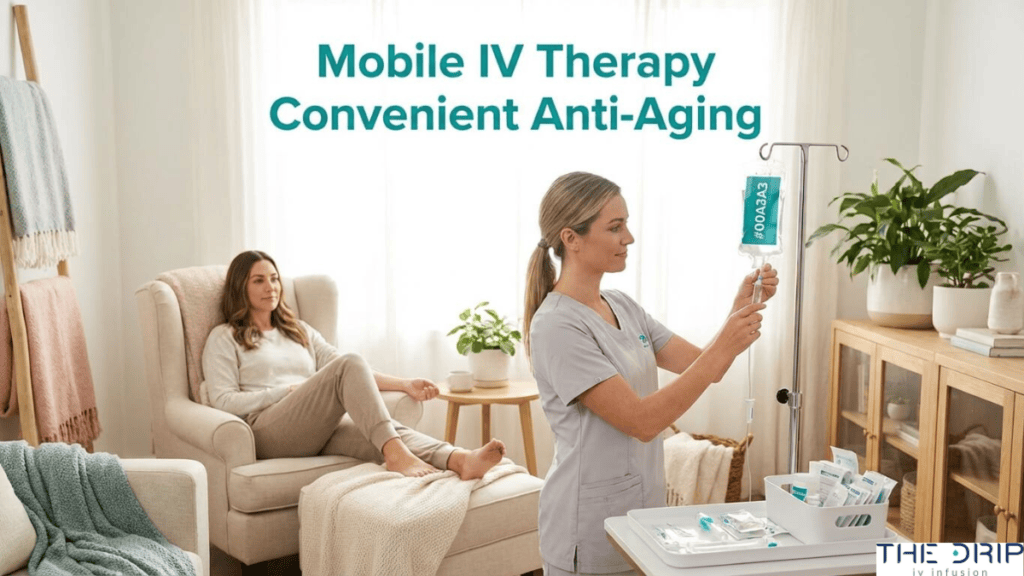
Mobile IV therapy fits into your anti-aging routine by delivering nutrient infusions directly to your home, eliminating clinic visits and making consistent treatment schedules easier to maintain. The following sections cover how The Drip IV Infusion supports anti-aging goals and the key takeaways from IV nutrition therapy.
Can The Drip IV Infusion’s NAD+ and Custom IV Cocktails Help With Anti-Aging?
Yes, The Drip IV Infusion’s NAD+ and custom IV cocktails can help with anti-aging by replenishing key nutrients that support cellular repair, hydration, and skin health. The Drip IV Infusion offers NAD+ as a specialty treatment alongside customizable add-ons, including glutathione, vitamin C, B-complex vitamins, and zinc. IV drips infused with electrolytes and fluids replenish intracellular hydration levels, restoring moisture balance and combating the effects of environmental stressors on aged skin. This combination of targeted nutrients and mobile convenience makes it practical to build anti-aging infusions into a regular wellness routine. For most people pursuing visible skin and energy improvements, consistency matters more than any single session.
What Are the Key Takeaways About Anti-Aging Benefits of IV Nutrition Therapy?
The key takeaways about anti-aging benefits of IV nutrition therapy center on superior nutrient absorption, targeted cellular support, and the importance of evidence-based expectations.
- IV therapy can achieve absorption rates near 100% by bypassing first-pass metabolism in the liver, compared to roughly 50% or less from oral supplements, according to a comparison published by Inside Health Clinic.
- NAD+ infusions support DNA repair, mitochondrial energy production, and cognitive function as the body ages.
- Glutathione acts as a master antioxidant that neutralizes free radicals and supports skin brightening.
- Vitamin C drives collagen synthesis, while B-complex vitamins enhance cellular metabolism and skin tone correction.
- The FDA regulates nutrient-related health claims under the FD&C Act, requiring that all benefits communicated be truthful and substantiated.
Intravenous micronutrient therapy, sometimes called parenteral nutrient infusion or IV drip anti-aging, represents a growing segment of proactive wellness. With the U.S. mobile IV hydration therapy market projected to reach $2.1 billion by 2030, demand for convenient, science-informed anti-aging protocols continues to rise. That said, pairing these treatments with realistic expectations and professional guidance remains the most reliable path to meaningful results.