With the latest medical advancements, IV therapy has become a suitable treatment for various medical conditions. Besides the numerous IV cocktails one can choose from, patients can now hire a mobile IV service to receive the treatment in their desired location. However, many are still skeptical about the effects that the IV ingredients may have on them. That’s why this post will focus on elaborating the vitamin C IV benefits and how they affect your body.
By having an insight into how vitamin C IV therapy works, you’ll have a better understanding of why people praise this treatment. Furthermore, the article will elaborate on the benefits you may experience from IV fluids compared to oral vitamin C. Continue reading to discover the use and benefits of vitamin C IV therapy and why they’re considered a suitable treatment option!
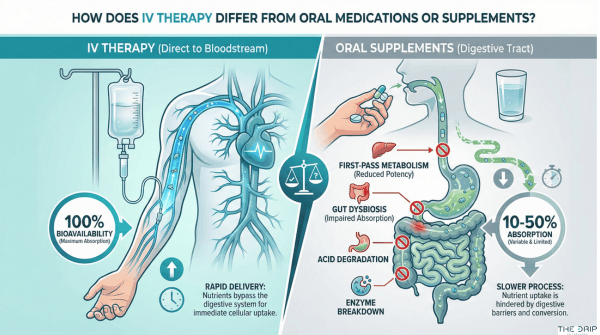
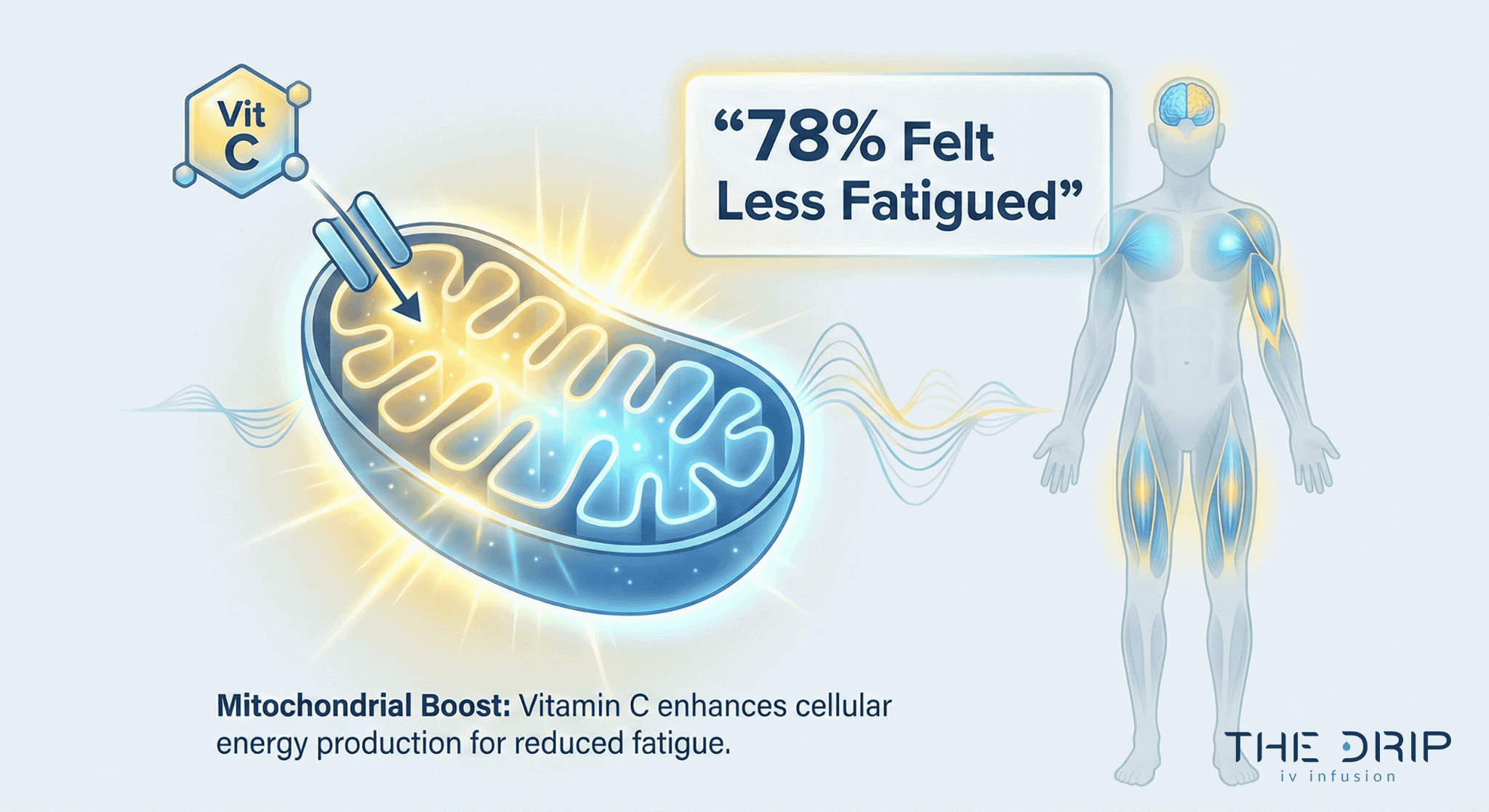
While most people get this nutrient from a healthy diet or through supplements, its effects may take some time before they start acting. Unlike oral consumption, vitamin C IV skips the digestive system because it’s applied intravenously. This leads to fast-acting effects and quick patient relief.
Therefore, vitamin C IV is commonly used to treat patients with burn wounds, infections, and severe vitamin C deficiency. Even though further studies are needed, it’s believed that taking this nutrient through an intravenous route may also be beneficial for treating allergies and providing relief from cancer symptoms and other medical conditions.
Since there are various IV cocktails, the injected fluids can contain additional ingredients that may further boost your system. Furthermore, these ingredients are applied through an IV bag with a saline solution base. This combination of salt (sodium chloride) and water is known to hydrate the body and deliver the needed medication, vitamins, and minerals quickly.
Overview of the Potential Benefits of Vitamin C IV Therapy
The reason why many people choose this IV treatment is due to its numerous potential benefits. However, it’s important to rely on professional medical services to achieve the best outcome. So, if you’re seeking mobile IV therapy service in Queen Creek Arizona, check out the available IV cocktails that The Drip IV Infusion has to offer.
With its fast-acting results, some of the most common advantages you may experience from such therapy are the following:
Hydration
Antioxidant properties
Aiding in vitamin C deficiency
Reducing blood pressure
Battling viral bacterial infections
Improvement in vascular endothelial function
Hydration
The main reason why many people turn to IV therapy is due to its hydration properties. As mentioned, the base of most IV cocktails is a saline solution known for treating dehydrated patients. While this treatment is commonly used in pediatric care for patients experiencing diarrhea and dehydration, its use in adults has a broader spectrum.
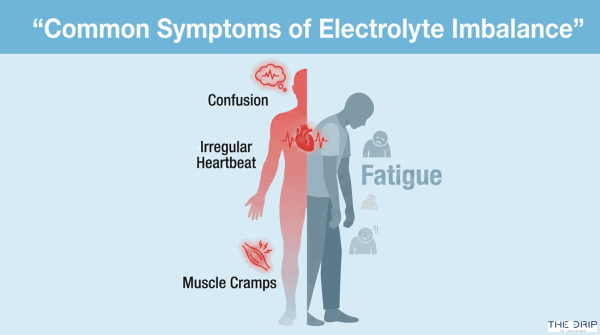
For example, research shows that IV fluids can be used as a supportive treatment for those with postural tachycardia syndrome, drug intoxication, and cancer-related symptoms. This results from their ability to correct the patient’s electrolyte status and regulate fluid problems. Moreover, it’s thought to be a suitable supplement for dehydration caused by influenza, fevers, malnutrition, neuromuscular diseases, and bronchiolitis.
Some studies also show that this may be a potentially beneficial therapy for high-level fluid-sensitive athletes. However, frequent use is not recommended because IV fluids are prohibited in competitions governed by the World Anti-Doping Agency.
Source: shutterstock.com / Photo Contributor: ShotPrime Studio
Antioxidant properties
Vitamin C is often combined in IV fluids due to its antioxidant properties. It’s thought to protect the body from oxidative stress and prevent cell damage caused by free radicals. These radicals are molecules made unstable by chemical changes during normal cell metabolism.
These molecules may also be produced as a result of external sources, such as pollution, medication, radiation, and cigarette smoke. Since these free radicals are known to build up, they may cause substantial damage to other molecules, including lipids, proteins, and DNA. This further increases the risk of life-threatening diseases, such as cancer.
As a water-soluble antioxidant, vitamin C is also thought to aid in cancer chemoprevention and treating neurodegenerative diseases and sepsis.
Aiding in vitamin C deficiency
It’s only natural that a high dose of intravenous vitamin C is thought to aid patients who are experiencing a deficiency of this nutrient. While mild deficiency can lead to weakness, irritability, and fatigue, more severe cases are associated with bruising, anemia, dental issues, and dry skin.
Vitamin C deficiency may be caused by several factors. For example, patients with a history of alcohol abuse and smoking are more prone to developing such issues. Other potential causes are low carbohydrate diets, eating disorders, and inappropriate dietary habits. There are also numerous medical conditions that may lead to this deficiency, including malabsorptive disorders, bariatric surgery, hemodialysis, food allergies, and type 1 diabetes.
Reducing blood pressure
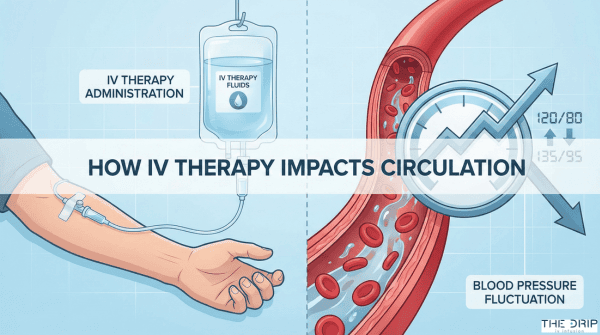
Some studies also highlight the potential use of vitamin C IV for reducing blood pressure. This research shows that patients who have undergone a higher dose of such treatment experienced a decrease in blood pressure over time.
Thus, it’s thought that patients with normal blood pressure experience a reduction of 6–7 mmHg when the dosage is over 30 grams. For patients with prehypertension, the same dose resulted in an 8–9 mmHg drop in pressure.
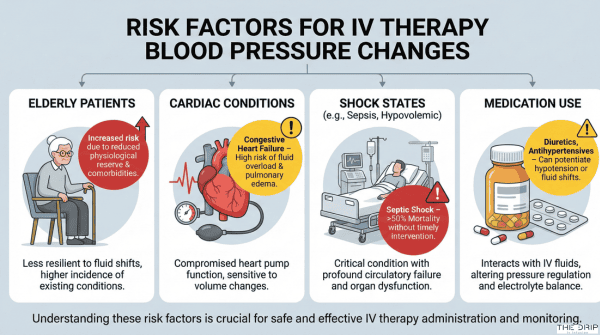
Even though this effect may be beneficial for some patients, the medical personnel should closely monitor the reduction in blood pressure during the treatment to avoid any complications.
Battling viral bacterial infections
Another benefit of intravenously taking vitamin C is its potential ability to help fight off viral bacterial infections. There are numerous studies that this nutrient is capable of potentially alleviating and preventing infections caused by protozoa, viruses, and bacteria. One of the most common cases in which this treatment is thought to be highly beneficial is when battling the common cold.
Not only may this treatment prevent and alleviate the infection, but it may also shorten its duration. However, further studies are needed to determine which exact infections might be treated with this therapy.
Improvement in vascular endothelial function
Lastly, some studies suggest that vitamin C is beneficial for improving vascular endothelial functions. The research shows that diabetic patients experienced an improvement in their sonographic and echocardiographic parameters, including fractional shortening, EF, and MPI. However, further studies are needed to address the use of higher doses of this vitamin in this condition.
Comparison of IV Vitamin C Therapy to Oral Vitamin C
As mentioned above, the main difference between IV and oral consumption of vitamin C is the time it takes for the effects to take place. While both treatment options can be dosed based on the patient’s needs, remember that oral ingestion requires this nutrient to pass through the digestive system. By administering IV fluids intravenously, it’s believed that the patients may experience faster relief from symptoms and speedy recovery.
Source: shutterstock.com / Photo Contributor: Juice Flair
Conclusion
After discovering the vitamin C IV benefits, it’s obvious why many people prefer this option compared to oral ingestion. With its fast-acting effects, this treatment may potentially reduce blood pressure, improve vascular endothelial function, and aid in battling viral bacterial infections.
Furthermore, it’s commonly used for hydration and its antioxidant properties while also providing relief for vitamin C deficiency. By tending for the overall patient well-being, it may lead to an improved quality of life while also preventing other life-threatening diseases.
IV therapy is a common medical procedure involving fluids directly into your bloodstream. However, with ever-lasting medical advancements, keeping track of all the types of IV fluids can get difficult. You may wonder how the different fluids react with your body as intravenous treatments become more popular. So, what are isotonic IV fluids, and how do they work?
Acknowledging and understanding the differences between isotonic, hypotonic, and hypertonic is fundamental for patients as these directly influence their body’s fluid balance, electrolyte levels, and overall well-being. This knowledge can empower you to confidently indulge in your healthcare procedures and contribute to safer and more effective treatment outcomes.
In this article, you’ll gain insights into the different types of IV fluids, an overview of isotonic intravenous fluids, and their use in medical settings. You’ll also learn more about its unique administration requirements and the potential diverse effects of these IV solutions.
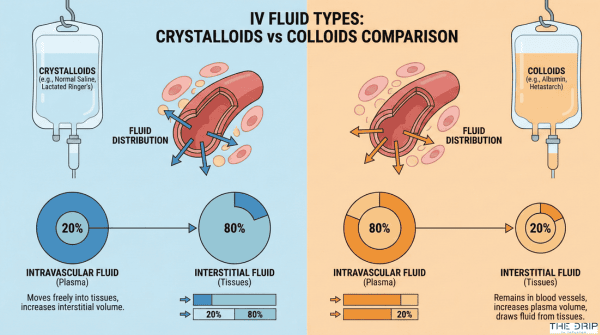
In healthcare clinics, intravenous fluids are vital in maintaining your electrolyte and hydration balance. You are prescribed IV solutions dependent on your electrolyte and fluid volume status. These fluids are commonly categorized into two main groups – colloids and crystalloids.
Colloid solutions contain large molecules that cannot cross semipermeable membranes. In contrast, crystalloid solutions contain small electrolytes and molecules that flow smoothly across semipermeable membranes and are easily mixed and dissolvable in solution.
There are three main types of IV fluids distinguished by their tonicity, which refers to the volume behavior of cells in a solution. These include:
Isotonic IV solution has the same or similar concentration of solutes as blood plasma.
Hypotonic solution has a lower concentration of solutes than blood plasma.
Hypertonic IV solution uses higher concentration solutes than blood plasma.
These fluids are customizable, sterile, intravenous solutions accommodating various ingredients to address many conditions. For those seeking specialized intravenous services, IV drip Queen Creek Arizona is a reliable, professional medical care provider with tailored and personalized therapies. You may enhance your overall well-being by precise procedures with accurate dosage and administration.
Overview of Isotonic IV fluids
Most intravenous fluids are isotonic, meaning they have the same or a similar concentration of dissolved particles as your blood plasma. Technically, electrolyte IV solutions are considered isotonic if the total electrolyte content is approximately 310 mEq/L.
When infused, these solutions maintain a constant but balanced osmotic pressure with equal amounts of fluids, both inside and outside cells. The fluid stays in the intravascular space because of the similar concentration between the IV fluid and blood. Osmosis does not cause fluid movement between compartments.
Since isotonic intravenous fluids have a total osmolality close to that of the ECF, they cause the cells to remain the same, preventing them from shrinking or swelling. Some of the most common beneficial effects of isotonic IV solution may include:
Treatment of dehydration – Due to the similar concentration of solutes as the blood plasma, isotonic fluids may restore fluid balance without causing a shift of water in or out of cells.
Replacement of fluids lost due to surgery, trauma, or other medical conditions – Isotonic IV fluids maintain electrolyte and hydration levels, possibly supporting the body’s functions and promoting a smoother recovery process.
Maintenance of fluid and electrolyte balance – Due to their composition, isotonic fluids ensure optimal hydration and may help sustain electrolyte and fluid balance.
Types of isotonic IV fluids
The following are the three of the most common types of isotonic intravenous fluids available in medical clinics:
Normal saline solution (NSS) is one of the most common crystalloid isotonic fluids in intravenous therapy, widely used for fluid resuscitation and replenishing electrolytes. It contains water, 154 mEq/L of sodium, 154 mEq/L of chloride dissolved in the solution, and an osmolality of 308 mOsm/L, giving no calories.
The normal saline solution may be particularly beneficial when it comes to treating hemorrhaging, severe vomiting, diarrhea, wound drainage, GI suctioning losses, mild hyponatremia, or blood transfusions. Similar to that in the intravascular space, its composition makes this fluid so compatible and an essential tool in medical care.
2. Lactated Ringer’s solution
Lactated Ringer’s is an isotonic fluid designed to be the most physiologically adaptable because of its balanced electrolytes closely related to the body’s blood serum and plasma composition. It contains sodium (130 mEq/L), potassium (4 mEq/L), calcium (3 mEq/L), chloride (109 mEq/L), and bicarbonate precursors for preventing acidosis.
The Lactated Ringer’s solution is likely the first choice for fluid resuscitation and is often used during surgery. It may also help with dehydration, sodium depletion, GI tract fluid losses, burns, traumas, or metabolic acidosis.
3. Dextrose 5% in water
Another common isotonic solution is 5% Dextrose water (D5W), carrying a serum osmolality of 252 mOsm/L. It provides free water when dextrose is metabolized to potentially help renal excretion of solutes, hypernatremia, and some dextrose supplementation.
Essentially, it’s administered to correct an increase in serum osmolality. One liter of Dextrose water provides less than 200 kcal and contains 50g of glucose. However, this solution isn’t designed for fluid resuscitation as the others since it may result in hyperglycemia.
Administration of Isotonic IV fluids
They are mainly administered intravenously through peripheral veins. While solution volumes and rates are based on your conditions and requirements, the standard is 50-100 ml per hour.
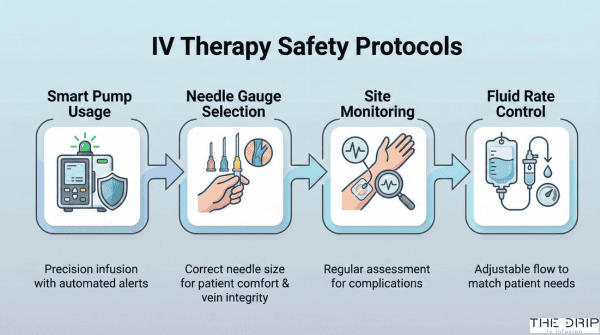
However, precise administration techniques, controlled infusion rates, and accurate dosing are essential for ensuring the safety and efficiency of the procedure. Careful monitoring and proper administration techniques are critical when avoiding potential risks and complications.
That is, too much isotonic fluid moving out of the intravascular compartment into cells might cause several adverse effects, emphasizing the importance of a controlled procedure. As a result, when hypotonic solutions are administered, your condition must be closely monitored.
So, isotonic IV saline could be associated with specific side effects due to the non-physiological electrolyte composition. These include:
Metabolic acidosis
Impairment of kidney function
Possibility of abdominal pain
Higher incidence of postoperative complications
Excessive fluid volume or hypervolemia
Source: shutterstock.com / Photo Contributor: MDV Edward
Conclusion
Isotonic IV fluids closely mimic the concentration of dissolved particles in your blood plasma, potentially aiding in optimal fluid and electrolyte balance. A comprehensive understanding of these solutions is fundamental for anyone undergoing such procedures.
These fluids are one of the most commonly used in healthcare due to their composition, possibly utilized to treat dehydration, support the body’s functions, and contribute to your overall well-being. However, careful monitoring, proper administration, and controlled infusions are critical for a smooth and safe operation.
Hopefully, this article has given insight into isotonic intravenous fluids and their significance in healthcare.
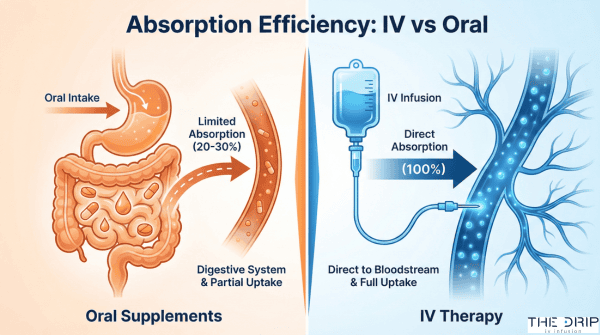
IV therapy delivers nutrients directly into the bloodstream at 100% bioavailability, while oral supplements must survive digestion, enzymatic breakdown, and liver processing that reduce absorption to as little as 1.3% for certain nutrients at higher doses. The “better” option depends on individual health status, nutrient needs, and delivery context.
This guide covers how each method works physiologically, nutrient-by-nutrient bioavailability comparisons, population-specific benefits for both IV and oral routes, safety and cost considerations, and how to combine or choose between delivery models.
IV therapy bypasses the gastrointestinal tract entirely, placing vitamins, minerals, and compounds like glutathione or NAD+ into systemic circulation within seconds. Oral supplements follow a longer path through stomach acid, intestinal absorption, and first-pass metabolism in the liver, with each step reducing the active dose that ultimately reaches cells.
Bioavailability gaps vary dramatically by nutrient. Oral vitamin C absorbs at 70% to 90% for low doses but drops below 50% at higher amounts due to transporter saturation. Oral magnesium absorption sits between 30% and 40%, and oral glutathione faces rapid enzymatic degradation before meaningful uptake occurs. These differences shape when IV delivery offers a genuine clinical advantage.
Specific populations gain more from one method over the other. Individuals with Crohn’s disease, severe dehydration, or hyperemesis gravidarum often need IV delivery because their GI tracts cannot reliably absorb oral nutrients. Healthy individuals maintaining baseline levels typically get sufficient results from daily oral supplements at a fraction of the cost.
Safety profiles, pricing structures, and the option to combine both methods under professional guidance all influence the practical decision between IV therapy and oral supplementation.
What Is IV Therapy and How Does It Deliver Nutrients?
IV therapy is the administration of fluids, medications, or nutrients directly into a patient’s vein, delivering them into systemic circulation immediately. This method bypasses the gastrointestinal tract entirely, which eliminates the digestive barriers that reduce nutrient concentrations before they reach the bloodstream.
According to a review published in the Cureus Journal of Medical Science, IV therapy achieves 100% bioavailability because nutrients enter the bloodstream without passing through the stomach, intestinal lining, or liver first. Oral intake, by contrast, subjects every nutrient to gastric acid, enzymatic breakdown, and first-pass metabolism, all of which lower the final amount that reaches cells.
This complete absorption makes IV therapy particularly relevant when comparing delivery methods for nutrients like Vitamin C, Vitamin B12, magnesium, glutathione, zinc, and NAD+. The sections that follow break down how oral supplements are absorbed, how bioavailability differs nutrient by nutrient, and which approach may suit specific health goals.
What Are Oral Supplements and How Does the Body Absorb Them?
Oral supplements are vitamins, minerals, and nutraceuticals taken by mouth that must pass through the digestive system before reaching the bloodstream. The body absorbs them through a multi-step process involving digestion, intestinal uptake, and liver processing.
According to a Frontiers in Pharmacology review, oral supplements must undergo ingestion, mechanical and chemical digestion in the stomach, and absorption through the intestinal epithelium before entering the portal vein for first-pass metabolism in the liver. This sequence means a significant portion of the original dose never reaches systemic circulation. The gastrointestinal tract imposes several barriers along the way, including high gastric acidity at a pH of 1.5 to 2, enzymatic degradation from pepsin and amylase, and a mucus barrier that reduces permeability for hydrophobic molecules.
Once absorbed through the intestinal wall, nutrients enter the portal vein and travel to the liver. This is where the first-pass effect occurs, further reducing the concentration of the active compound before it reaches the rest of the body. Because of these layered obstacles, oral supplement absorption rates vary widely depending on the nutrient, the dose, and an individual’s digestive health.
For anyone with a healthy gut, oral supplements remain a practical and accessible way to maintain nutrient levels over time. However, this absorption pathway is precisely why comparing oral delivery to intravenous methods requires a closer look at bioavailability for specific nutrients.
How Does Bioavailability Differ Between IV Therapy and Oral Supplements?
Bioavailability differs between IV therapy and oral supplements primarily because IV infusions bypass the digestive system entirely, while oral supplements must survive multiple absorption barriers. The following sections break down absorption rates for each delivery method and the specific GI limitations that reduce oral nutrient uptake.
How Much of an IV Infusion Does the Body Actually Absorb?
The body absorbs 100% of an IV infusion. Because intravenous delivery places nutrients directly into the bloodstream, it bypasses every digestive barrier that would otherwise reduce the dose. There is no enzymatic breakdown, no competition for transporter proteins, and no first-pass metabolism in the liver. This complete bioavailability is what distinguishes IV therapy from every oral delivery method. For nutrients where precise dosing matters, or when rapid correction of a deficiency is the goal, that 100% absorption rate becomes clinically meaningful. No oral formulation, regardless of how advanced, can match this level of systemic delivery.
How Much of an Oral Supplement Does the Body Actually Absorb?
The amount of an oral supplement the body actually absorbs varies widely by nutrient, dose, and individual physiology, but it is always less than 100%. A major reason for this reduced bioavailability is the first-pass effect. According to ScienceDirect, the first-pass effect occurs when orally absorbed substances enter the portal vein and are processed by the liver before reaching systemic circulation, significantly reducing the active compound’s concentration compared to parenteral administration. Depending on the specific nutrient, oral absorption can range from as low as 1.3% for high-dose vitamin B12 to roughly 61% for certain zinc formulations. Individual factors such as gut health, age, and concurrent food intake further influence these rates.
Why Does the GI Tract Limit Oral Supplement Absorption?
The GI tract limits oral supplement absorption because nutrients must pass through multiple biological barriers before reaching systemic circulation. According to a review published in Frontiers in Pharmacology, the gastrointestinal tract restricts absorption through high gastric acidity at pH 1.5 to 2, enzymatic degradation by pepsin and amylase, and a mucus barrier that reduces permeability of hydrophobic molecules.
These barriers affect specific nutrients differently:
Vitamin B12 absorption depends on gastric intrinsic factors, with approximately 56% of a 1 mcg dose absorbed but only about 1.3% of a 1,000 mcg dose absorbed due to limited transporter capacity.
Zinc absorption from zinc citrate or zinc gluconate reaches approximately 61%, while zinc oxide yields roughly 50%.
For individuals with compromised digestive function, these limitations compound further, making IV delivery a practical alternative when oral bioavailability falls short.
What Nutrients Are Compared in IV Therapy Vs. Oral Supplements?
The nutrients compared in IV therapy vs. oral supplements include vitamin C, B12, magnesium, glutathione, NAD+, and zinc. Each nutrient absorbs differently depending on the delivery method, and the gap between IV and oral bioavailability varies significantly by compound.
How Does IV Vitamin C Compare to Oral Vitamin C?
IV vitamin C delivers 100% bioavailability directly into the bloodstream, while oral vitamin C absorption depends heavily on dose size. According to the NIH Office of Dietary Supplements, sodium-dependent vitamin C transporters (SVCTs) absorb approximately 70% to 90% of oral doses up to 200 mg, but absorption drops below 50% for doses exceeding 1,250 mg due to transporter saturation.
This dose-dependent ceiling is why high-dose vitamin C protocols typically require IV administration. For everyday maintenance doses, oral ascorbic acid remains effective. However, when clinical situations demand plasma concentrations far above what oral intake can achieve, IV delivery becomes the only viable route.
How Does IV B12 Compare to Oral B12?
IV B12 bypasses the gut entirely, delivering cobalamin at 100% bioavailability. Oral B12, by contrast, depends on gastric intrinsic factor for absorption, a protein with limited binding capacity. At low doses, oral absorption works reasonably well; at higher therapeutic doses, efficiency drops sharply.
For individuals with adequate intrinsic factor production and healthy digestion, oral B12 supplementation is generally sufficient. Those with pernicious anemia, gastric bypass history, or significant malabsorption often benefit more from IV or intramuscular delivery, where the gastrointestinal bottleneck is removed completely.
How Does IV Magnesium Compare to Oral Magnesium?
IV magnesium achieves full systemic availability immediately, while oral magnesium faces considerable absorption limits. According to the NIH Office of Dietary Supplements, fractional absorption of oral magnesium typically falls between 30% and 40%, with higher intake levels producing lower percentage absorption as the body maintains homeostasis.
This inverse relationship between dose and absorption percentage makes oral magnesium less efficient for rapid repletion. For individuals with acute deficiency or conditions requiring fast correction, IV magnesium is the more practical choice. Oral magnesium still serves well for long-term daily maintenance when urgency is not a factor.
How Does IV Glutathione Compare to Oral Glutathione?
IV glutathione delivers this antioxidant directly into circulation, preserving its active form. Oral glutathione faces a significant bioavailability barrier: the enzyme γ-glutamyl transpeptidase (GGT) rapidly degrades GSH in the extracellular environment, cleaving it into cysteinyl glycine and glutamate before meaningful systemic absorption occurs.
Because of this enzymatic breakdown, oral glutathione supplementation struggles to raise plasma GSH levels effectively. Liposomal formulations have attempted to address this, though IV administration remains the most reliable method for achieving elevated blood glutathione concentrations quickly. For anyone prioritizing antioxidant support, this absorption gap is worth understanding.
How Does IV NAD+ Compare to Oral NAD+ Supplements?
IV NAD+ delivers nicotinamide adenine dinucleotide directly into the bloodstream at full bioavailability. Oral NAD+ precursors, such as nicotinamide riboside (NR) and nicotinamide mononucleotide (NMN), have poor oral bioavailability because a substantial portion undergoes gut microbial conversion to nicotinic acid before reaching systemic circulation, as reported in Nature Metabolism.
This indirect metabolic pathway means oral precursors may not raise NAD+ levels as efficiently as direct IV infusion. Premium NAD+ infusions can exceed $1,000 per session in 2026, making cost a meaningful consideration. For those seeking rapid NAD+ repletion, IV delivery is more direct; for ongoing maintenance, oral precursors offer a more accessible option.
How Does IV Zinc Compare to Oral Zinc?
IV zinc achieves complete bioavailability by entering the bloodstream directly, while oral zinc absorption varies by formulation. Zinc citrate and zinc gluconate supplements achieve approximately 61% absorption, whereas zinc oxide is absorbed at a lower rate of roughly 50%.
These formulation differences matter when selecting oral supplements. Although oral zinc works well for routine daily intake, individuals with compromised gut function or acute deficiency may see faster results from IV delivery. Understanding which zinc form you are taking orally can meaningfully affect how much your body actually uses.
How Quickly Do IV Therapy and Oral Supplements Take Effect?
IV therapy and oral supplements take effect at very different speeds due to how each method delivers nutrients into the bloodstream. The key factors are route of administration, gastric processing time, and first-pass metabolism.
IV therapy provides near-instantaneous onset of action as nutrients enter the bloodstream directly, according to ScienceDirect’s pharmacology reference on drug delivery. Oral supplements typically exhibit a delayed onset, often exceeding one hour, due to the time required for gastric emptying and intestinal absorption. The gastrointestinal tract introduces multiple delays: high gastric acidity at pH 1.5 to 2, enzymatic degradation, and the mucus barrier all slow nutrient processing before anything reaches circulation. Once absorbed, oral nutrients must also pass through the liver via the portal vein, where first-pass metabolism further reduces the active concentration entering systemic circulation.
For someone experiencing acute dehydration or nutrient depletion, this speed difference matters significantly. Waiting over an hour for oral supplements to begin working is impractical when rapid replenishment is the goal. That timing gap is one reason IV therapy has become a preferred option for recovery-focused wellness protocols.
Understanding how quickly nutrients take effect helps clarify which populations stand to gain the most from each delivery method.
Who Benefits More From IV Therapy Than Oral Supplements?
Certain populations benefit more from IV therapy than oral supplements, including dehydrated individuals, athletes in recovery, people with digestive disorders, those fighting illness, and pregnant women experiencing severe nausea.
Does IV Therapy Work Better for Dehydrated Individuals?
IV therapy works better for dehydrated individuals when fluid loss is moderate to severe. Oral rehydration requires a functioning GI tract to absorb water and electrolytes gradually, a process that can take hours. Intravenous fluids enter the bloodstream directly, restoring hydration and electrolyte balance with near-instantaneous effect.
This distinction matters most during heat exhaustion, post-surgical recovery, or after prolonged vomiting and diarrhea, where the gut’s absorptive capacity is already compromised. For mild dehydration, oral rehydration solutions remain effective and accessible. However, when speed and certainty of absorption are priorities, IV delivery eliminates the variables that slow oral intake down.
Is IV Therapy More Effective for Athletes and Recovery?
IV therapy is more effective for athletes and recovery when rapid nutrient replenishment is the goal. Intense training depletes magnesium, B vitamins, zinc, and fluids faster than oral supplements can restore them. Because oral magnesium absorption is typically only 30% to 40%, according to the NIH Office of Dietary Supplements, athletes often struggle to replenish stores through diet and pills alone.
Intravenous delivery bypasses the GI tract entirely, providing 100% bioavailability at the point of infusion. This makes it practical for post-competition recovery windows when the body needs nutrients immediately rather than over several hours of digestion. For athletes managing tight training schedules, that timing advantage can meaningfully support recovery.
Do People With Digestive Issues Benefit More From IV Therapy?
People with digestive issues benefit more from IV therapy because conditions such as Crohn’s disease and ulcerative colitis impair the intestinal lining responsible for nutrient absorption. When the gut cannot reliably absorb oral vitamins and minerals, intravenous delivery provides a direct alternative.
That said, IV therapy carries its own considerations. Phlebitis is the most common complication, with incidence rates between 20% and 30% depending on patient population and catheter dwell time, according to the ivWatch Clinical Guide. For individuals with confirmed malabsorption, the trade-off often favors IV supplementation under professional guidance. For those with normal digestive function, oral supplements typically remain sufficient and more practical.
Is IV Therapy Better for Immune Support During Illness?
IV therapy is better for immune support during illness when symptoms like nausea, vomiting, or fatigue make oral supplementation difficult to tolerate. High-dose vitamin C, zinc, and B-complex vitamins can all be delivered intravenously at concentrations that exceed what the gut can absorb orally.
During acute illness, the GI tract often functions below normal capacity. Gastric distress reduces both the desire and ability to take oral supplements consistently. Intravenous infusion sidesteps these barriers, delivering immune-supporting nutrients directly into circulation. For someone already well-nourished and mildly symptomatic, oral supplements may be adequate. When illness is more disruptive, IV delivery ensures the body actually receives what it needs.
Does IV Therapy Help More During Pregnancy and Prenatal Care?
IV therapy helps more during pregnancy and prenatal care when severe morning sickness, particularly hyperemesis gravidarum, prevents adequate oral intake. Persistent vomiting makes it nearly impossible to absorb prenatal vitamins, fluids, or electrolytes through the digestive system.
A systematic review published in Acta Obstetricia et Gynecologica Scandinavica found that IV rehydration is a standard clinical intervention for severe hyperemesis cases, though evidence for elective vitamin infusions beyond standard care remains limited. For expecting mothers who can tolerate oral prenatal vitamins without issue, those supplements remain the first-line recommendation. IV therapy serves as a targeted solution when the oral route simply is not viable, helping maintain hydration and baseline nutrient levels during the most challenging weeks.
With population-specific needs clarified, understanding who benefits more from oral supplements provides the other side of this comparison.
Who Benefits More From Oral Supplements Than IV Therapy?
Oral supplements benefit people with healthy digestion, stable nutrient levels, and no acute deficiencies more than IV therapy does. The following subsections cover specific populations where daily oral supplementation is the more practical, cost-effective choice.
Are Oral Supplements Better for Everyday Wellness Maintenance?
Oral supplements are better for everyday wellness maintenance in individuals who have functioning digestive systems and no significant absorption disorders. When the GI tract works normally, oral vitamins and minerals provide sufficient bioavailability for daily nutritional upkeep. According to the NIH Office of Dietary Supplements, oral vitamin C absorption reaches approximately 70% to 90% for doses up to 200 mg, which comfortably covers standard daily requirements.
For routine maintenance of nutrients such as vitamin D, B-complex, and zinc, the oral route delivers adequate levels without clinical intervention. The consistency of a daily supplement regimen builds and sustains nutrient stores over time, something that periodic IV sessions cannot replicate as efficiently for general wellness purposes.
Do People With Normal Nutrient Levels Need IV Therapy?
People with normal nutrient levels do not typically need IV therapy. When bloodwork confirms adequate stores of key vitamins and minerals, the body has no physiological gap that IV delivery would meaningfully address. Dr. Brent Bauer of Mayo Clinic has stated: “There is limited evidence that IV vitamins provide benefit to people with normal nutritional intake and levels.”
Healthy individuals absorb oral supplements effectively through standard digestive processes. The first-pass effect, while it reduces some nutrient concentration, still delivers therapeutic amounts when baseline levels are already within range. Reserving IV therapy for situations involving genuine deficiency or impaired absorption is generally the more evidence-based approach.
Are Oral Supplements More Cost-Effective for Long-Term Use?
Oral supplements are more cost-effective for long-term use compared to IV therapy. A monthly supply of quality oral vitamins typically costs between $10 and $50, while a single IV therapy session ranges from $99 to $400 for standard infusions, according to IV Therapy Finder’s 2026 pricing data.
Over a year, the cost difference becomes substantial. Someone spending $30 monthly on oral supplements pays roughly $360 annually. The same person receiving biweekly IV sessions could spend $2,400 to $10,400 per year. For individuals maintaining general health without acute needs, oral supplementation delivers reliable nutritional support at a fraction of the investment.
Should Children and Older Adults Choose Oral Supplements Over IV Therapy?
Children and older adults should generally choose oral supplements over IV therapy for routine nutritional support. Pediatric patients rarely require intravenous nutrient delivery unless a diagnosed condition impairs absorption or oral intake is impossible. Oral formulations designed for children provide age-appropriate dosing with minimal risk.
Older adults benefit from consistent daily oral supplementation of nutrients such as vitamin B12, vitamin D, and calcium. Although age-related changes can reduce some absorption efficiency, properly dosed oral supplements still meet daily requirements for most seniors. IV therapy introduces unnecessary procedural risks for these populations when oral intake remains viable, making supplements the safer default for ongoing nutritional needs. Understanding when oral supplements suffice helps clarify when IV therapy becomes the better option.
What Are the Side Effects of IV Therapy Vs. Oral Supplements?
The side effects of IV therapy vs. oral supplements differ primarily in type and severity. IV therapy carries risks related to venous access, while oral supplements typically cause only mild gastrointestinal discomfort. Understanding these distinct safety profiles helps determine which delivery method aligns with your health needs.
IV therapy’s most common complication is phlebitis, an inflammation at the catheter insertion site. According to the ivWatch Clinical Guide, phlebitis incidence rates fall between 20% and 30% depending on patient population and catheter dwell time. Other potential side effects include localized bruising, minor infection at the puncture site, and temporary discomfort during infusion. Because nutrients enter the bloodstream directly, any adverse reaction can occur more rapidly than with oral delivery, making professional oversight essential. Sessions administered by a qualified nurse significantly reduce these risks through proper technique and sterile protocols.
Oral supplements carry a considerably milder side effect profile. Common issues include:
Nausea or stomach upset, especially when taken on an empty stomach.
Diarrhea from high-dose magnesium or vitamin C.
Constipation from certain mineral forms.
Reduced absorption when taken alongside competing nutrients or medications.
These effects are generally self-limiting and resolve with dosage adjustments or timing changes. For most healthy individuals with normal nutritional intake, oral supplementation remains the lower-risk option for daily nutrient support.
The risk-benefit calculation shifts based on individual circumstances. Someone with severe malabsorption or acute dehydration may accept IV therapy’s higher procedural risk because the clinical benefit outweighs it. For routine wellness maintenance, the gentle safety profile of oral supplements often makes them the more practical choice. Weighing both cost and convenience alongside these side effects ensures a well-informed decision about IV therapy vs. oral supplements.
How Do the Costs of IV Therapy and Oral Supplements Compare?
The costs of IV therapy and oral supplements differ significantly in per-session price, long-term spending, and the value each delivers based on individual health needs.
According to IV Therapy Finder, in 2026 a single IV therapy session typically ranges from $99 to $400 for basic hydration and Myers’ Cocktails, while premium NAD+ infusions can exceed $1,000 per session. Oral supplements, by contrast, generally cost between $10 and $50 per month for most vitamin and mineral formulations.
However, cost alone does not reflect value. IV therapy achieves 100% bioavailability, meaning every milligram enters systemic circulation. Oral supplements lose a significant percentage to digestive breakdown and first-pass metabolism, so a portion of that monthly spend never reaches the bloodstream. For individuals with malabsorption conditions or acute nutrient needs, the higher per-session cost of IV therapy often translates to more efficient nutrient delivery per dollar spent. For those maintaining general wellness with healthy digestion, daily oral supplements remain the more economical long-term strategy.
Is It Safe to Combine IV Therapy With Oral Supplements?
Combining IV therapy with oral supplements is generally safe when managed under professional guidance. The key factors include nutrient overlap, dosage timing, and individual health status.
Many people already take daily oral vitamins and wonder whether adding IV infusions creates risk. The short answer is that both delivery methods can complement each other, but unmonitored doubling of certain nutrients, such as Vitamin C, zinc, or magnesium, may push intake beyond tolerable upper limits. A qualified infusion specialist can review your current supplement regimen and adjust IV formulations accordingly.
Oral supplements carry a strong safety profile on their own. According to a randomized study published in the Cureus Journal of Medical Science, oral rehydration solutions demonstrated only mild adverse events, with pyrexia at 4.4% and headache at 6.7%, and no serious adverse events were reported.
The real concern when combining both methods is cumulative dosing rather than inherent incompatibility. Because IV nutrients achieve 100% bioavailability while oral absorption varies by nutrient, taking the same vitamin through both routes simultaneously can result in higher-than-expected blood concentrations. Spacing oral supplements and IV sessions apart, typically by several hours, helps the body process each delivery method independently.
Regulatory oversight adds another layer of safety consideration. The FDA regulates the safety and labeling of both supplements and IV solutions, while the FTC monitors wellness claims through its “Truth in Advertising” standards to prevent deceptive health claims regarding disease prevention or cure. This joint oversight means that both oral products and IV formulations sold in the United States must meet established safety thresholds.
A practical approach to combining both methods safely includes:
Disclosing all oral supplements to your infusion specialist before each IV session.
Avoiding megadoses of fat-soluble vitamins (such as Vitamin D) through both routes on the same day.
Monitoring for signs of nutrient excess, including nausea, flushing, or digestive discomfort.
Scheduling oral supplements in the morning and IV sessions later in the day when using overlapping nutrients.
For most healthy individuals, a combined strategy works well when there is clear communication between the client and provider. The oral route handles daily maintenance needs, while IV therapy addresses acute recovery, deeper hydration, or targeted nutrient delivery that the GI tract struggles to achieve alone. Understanding the differences between these delivery methods helps inform a smarter, safer wellness strategy.
What Does the Research Say About IV Therapy Vs. Oral Supplements?
The research on IV therapy vs. oral supplements shows that intravenous delivery consistently achieves higher bioavailability, while oral supplementation remains effective for routine nutrient maintenance in healthy individuals. Key findings span bioavailability data, clinical outcomes, safety profiles, and expert perspectives.
Bioavailability represents the most studied difference between these two delivery methods. According to the NIH Office of Dietary Supplements, oral vitamin C absorption ranges from 70% to 90% at doses up to 200 mg but drops below 50% at doses exceeding 1,250 mg due to transporter saturation; IV vitamin C achieves 100% bioavailability regardless of dose. Similar patterns emerge across other nutrients: oral magnesium absorption falls between 30% and 40%, oral vitamin B12 absorption drops from 56% at a 1 mcg dose to roughly 1.3% at 1,000 mcg, and glutathione faces rapid enzymatic degradation before reaching systemic circulation.
Clinical evidence in specific populations adds important context. In trials involving IBD patients with Crohn’s disease and ulcerative colitis, IV administration produced significantly higher ferritin levels after three months compared to oral dosing, even though both routes improved clinical markers. For nutrients like NAD+, oral precursors such as nicotinamide riboside and nicotinamide mononucleotide show poor bioavailability because much of their effect depends on gut microbial conversion rather than direct absorption.
Safety data reveals trade-offs on both sides. Phlebitis remains the most common IV therapy complication, with incidence rates between 20% and 30% depending on catheter dwell time and patient factors. Oral rehydration solutions, by comparison, demonstrate an excellent safety profile with only mild adverse events reported in randomized studies.
Expert opinion remains measured. Dr. Brent Bauer of the Mayo Clinic has stated there is limited evidence that IV vitamins benefit people with normal nutritional intake and levels. This underscores a critical distinction: the research most strongly supports IV delivery for individuals with documented deficiencies, malabsorption conditions, or acute clinical needs rather than as a general wellness upgrade for already-healthy populations.
For those who do fall into higher-need categories, the absorption advantages of IV therapy are difficult to replicate through oral supplementation alone. Understanding where you fall on that spectrum is the practical first step before choosing a delivery method.
How Should You Choose Between IV Therapy and Mobile IV Infusion Services?
You should choose between IV therapy and mobile IV infusion services based on your lifestyle, health goals, and preferred delivery model. The main commercial models include mobile IV services, drip bars, in-clinic infusion, and monthly supplement subscriptions.
Can Mobile Nurse-Administered IV Therapy Maximize Your Results?
Yes, mobile nurse-administered IV therapy can maximize your results by combining clinical-grade infusions with the convenience of receiving treatment at home or work. A registered nurse monitors the entire session, adjusting drip rates and watching for any adverse reactions in real time. This personalized oversight is difficult to replicate with self-administered oral supplements or even some walk-in drip bar settings, where staffing ratios may limit one-on-one attention.
For clients managing busy schedules or recovering from illness, eliminating travel to a clinic also reduces stress and downtime. The Drip IV Infusion provides mobile nurse-administered sessions throughout Arizona, delivering customized IV cocktails with add-ons such as Vitamin C, Glutathione, Zinc, and NAD+ directly to each client’s location. Consistent professional monitoring during every infusion helps ensure both safety and optimal nutrient delivery.
What Are the Key Takeaways About IV Therapy Vs. Oral Supplements?
The key takeaways about IV therapy vs. oral supplements center on bioavailability, speed, individual health needs, and cost. IV therapy delivers nutrients at 100% bioavailability with near-instantaneous onset, while oral supplements face absorption limits from first-pass metabolism and GI barriers. Neither option is universally superior; the right choice depends on specific circumstances.
Key points to remember:
IV therapy benefits those with malabsorption, acute dehydration, or needs for high-dose nutrients like Vitamin C and glutathione.
Oral supplements suit daily maintenance for individuals with normal digestive function and nutritional intake.
Combining both approaches, under professional guidance, can address immediate deficiencies while supporting long-term wellness.
Cost, convenience, and medical history should all factor into the decision.
The Drip IV Infusion specializes in mobile, nurse-administered IV therapy across Arizona, offering personalized cocktails designed to complement each client’s broader wellness routine.
In today’s modernization of medical healthcare, IV vitamin therapy has become one of the most popular treatment options for those seeking a vitamin boost and health improvement. The procedure delivers a cocktail of crucial micronutrients directly into a patient’s bloodstream that may help build up the body’s strength and wellness. By bypassing the digestive system, intravenous treatments allow rapid absorption of the supplements and electrolytes, resulting in an almost instant effect. But how much does IV vitamin therapy cost?
Before indulging in IV vitamin therapy, it’s important to discuss the costs associated with the treatment so you can financially prepare for the service. As many factors can influence the final price of the treatment, exploring and considering all contributors will help you better determine your expenses.
During the initial consultation regarding IV therapy, health providers will assess your condition to help you determine which treatment would work best for your specific needs. Based on the type of vitamin cocktail you require, the price would range anywhere from $150 to $500 or above per session. However, several factors may cause variations in the final cost of the treatment. This may include the quantity of the vitamin supplementation, the quality of contents used in the cocktail, the expertise of the nurses administering the treatment, and additional services.
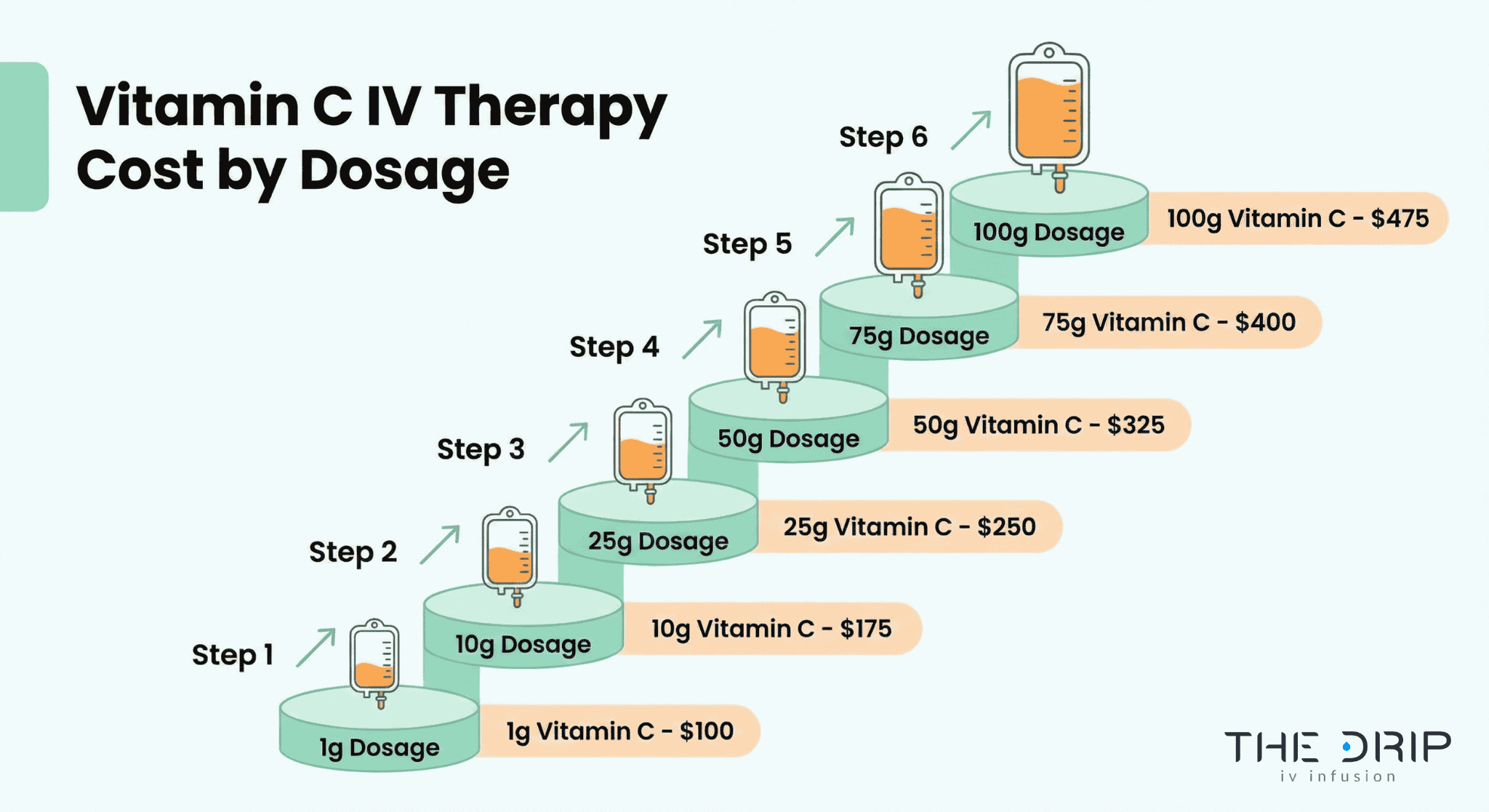
High-quality vitamins and the amount of nutrients in your solution can increase the final price of your IV treatment. For instance, if you get an IV vitamin therapy for rehydration or replenishment, you may expect to pay around $200 or less. In contrast, if you need to receive a IV therapy for maximum immune boost, you may expect to pay over $300.
Additionally, many clinics offer additional services that could be charged, including fees for initial consultations and tailored treatment plans. Considering all these factors is essential for you to stay prepared and know what to expect when indulging in an IV vitamin therapy session.
Factors Affecting IV Therapy Costs
1. Type and combination of vitamin Cocktails
The cost of intravenous therapy depends greatly on the type of vitamin cocktail and nutrients you’d use. Whether you need a rehydration and replenishment package or a sickness recovery, each cocktail has its own price tag.
Here are some of our common options so you get an idea of your potential IV vitamin therapy cost if you get yours from the mobile IV therapy nurses in AZ:
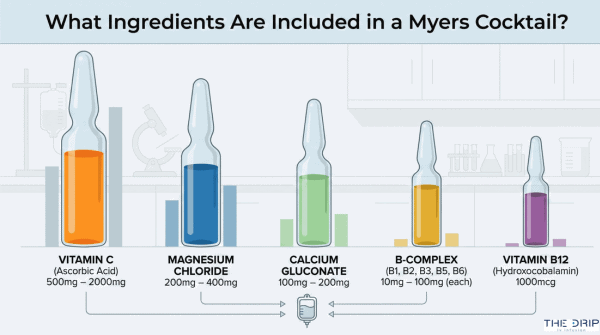
The Classic Myers– the Myers is a classic combination of six powerful antioxidants and nutrients that may help with rapid recovery from dehydration. If you’re searching for an extra replenishment, an immune system boost, or a recovery aid, the Myers costs an average of $195 – $225.
The Kitchen Sink– this cocktail is an ultimate recovery treatment package with a high dosage of the most impactful nutrient and vitamin blends, priced around $495.
The Total Prevention– total Prevention offers a maximum immune boost with its high dose of vitamins to keep your body in top condition. It costs $325 a session.
The Skinny– If you need an extra tool to support your weight-loss journey, the Skinny cocktail may provide a helping hand that would cost you $350.
2. Clinic or provider fees and Individualized treatment plans
Medical facilities often structure their fees to cover not only the IV vitamin treatments but also the additional costs for each therapy program. The clinic or healthcare provider fees vary depending on several factors, such as its location, reputation, and credentials.
Facilities with highly experienced and specialized professionals may charge higher fees for their experience. Factors such as the facility’s ambiance, the inclusion of complimentary services, and customer service may influence the overall price. Additionally, the cost of operating a medical clinic can differ from region to region, which can affect the cost of their services.
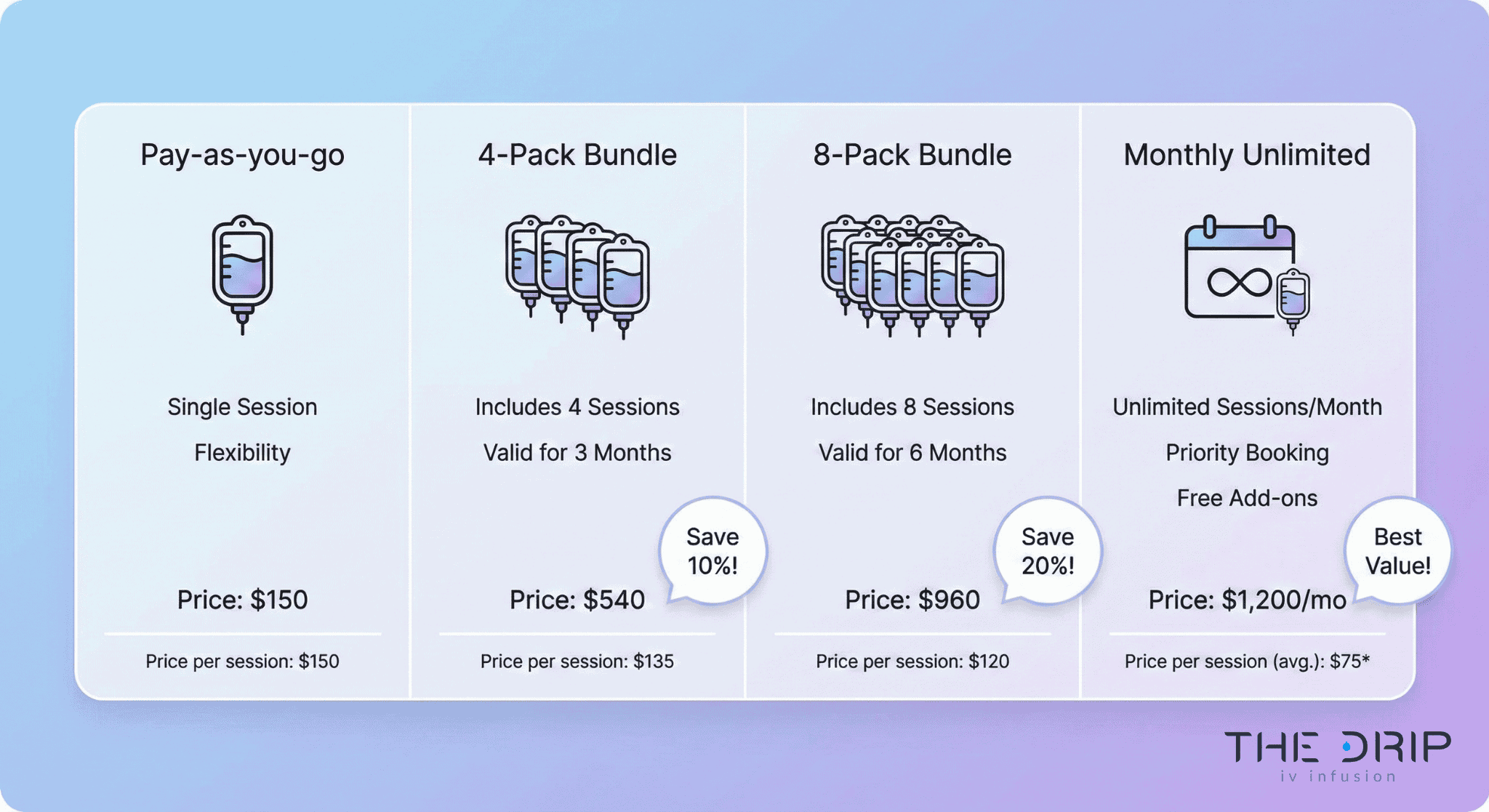
Furthermore, patients should be aware that many clinics offer various membership plans or packages to some providers, which can reduce the standard cost per session for regular visitors. Customization and individualization plans are also available for patients seeking personalized treatments. Based on the patient’s health condition, vitamin deficiencies, and goals, the quantity of vitamins and minerals will be adjusted, which may potentially impact the cost.
Additional Fees and Considerations
Besides the type and combination of cocktail, clinic and provider fees, and customization, there are some additional fees that can influence the overall price. This includes considering the following factors:
Consultation fees and initial assessments
Insurance coverage and reimbursement options
While some clinics offer free consultation services, many may charge for the initial assessment and discussion of the patient’s health history and health goals. Since these meetings are essential to formulate the best IV vitamin plan for you, it’s essential to inquire about such costs upfront to avoid any unexpected fees. Additionally, some clinics may require pre-treatment assessments for individual health profiles and progress monitoring, which may contribute to the final price.
Furthermore, the price patients pay is ultimately dependent on the patient’s insurance coverage. While every plan is different, remembering these concepts may help you better understand your expenses:
Copay– a fixed amount you pay for a medical service, generally from $0 to $50 per visit.
On average, the price for an IV vitamin therapy ranges between $100-$500, and it depends on various factors, including the drip, the fees, and the region where you plan to receive the IV therapy.
Hopefully, this article has provided you with insightful information on the cost and additional expenses of IV vitamin therapy. Get yours now, and enjoy the potential benefits it offers.
An IV bolus is a method of delivering medication directly into your bloodstream all at once. It’s given as a rapid push through a vein so the full dose reaches your system within 3–5 minutes. Doctors sometimes call it an “IV push,” but it’s the same thing. About 9 out of 10 hospital patients receive some form of this treatment.
TL;DR Summary:
Understanding IV Bolus: This is medicine delivered fast and direct into your veins. No delays, no waste – straight to work.
Administration Process: There are key steps your medical team follows, though studies show mistakes happen in over 77% of these procedures.
IV Bolus vs. Infusion: Bolus dumps all the medicine in at once (3-5 minutes). Infusion drips it in slowly over hours.
Clinical Applications: Emergency situations like severe infections need this fast approach – 30 mL/kg of fluids within 3 hours can save lives.
Safety Considerations: Going too fast can shock your system. Most serious mistakes happen when nurses rush the 3-5 minute rule.
Quick Tip: Make sure your nurse takes the full 3-5 minutes. Rushing this step causes 95 out of 101 dangerous mistakes that doctors have tracked.
We’re going to walk you through everything about IV bolus. From how it works in your body to what keeps you safe. Whether you’re heading into a procedure or just want to understand what’s happening, we’ve got the latest research to help you feel informed.
How Does an IV Bolus Work?
An IV bolus works by delivering medication straight into the bloodstream so it begins acting immediately. Once injected, your blood circulates the drug throughout the body. How quickly it works depends on blood flow, molecule size, and how your body distributes it. This distribution is measured by “volume of distribution,” which reflects how much space the drug occupies in your tissues.
What Steps Are Involved in Administering an IV Bolus?
Administering an IV bolus requires several safety steps that nurses follow to prevent errors. Each step ensures medication reaches your bloodstream correctly and safely. Here are the key stages of the process:
Verify the correct patient.
Review vitals and lab results.
Select an appropriate vein and needle size.
Maintain sterile technique.
Prepare and mix the medication properly.
What Medications or Fluids Are Commonly Delivered by IV Bolus?
IV bolus antibiotics differ in how quickly they must be administered. This table shows standard timing guidelines.
Medication
Required Push Time
Meropenem
3–5 minutes
Cefazolin
3–5 minutes
Cefotaxime
Minimum 3–5 minutes
Cefotetan
3–5 minutes
Cefepime
2–5 minutes
Antibiotics like gentamicin need to be watered down with saline before they go in. Pain medicines and anxiety drugs make up over 83% of what nurses have to dilute. Emergency medicines handle heart attacks, overdoses, and when your blood pressure crashes. For serious infections, you might need 30 mL/kg of fluids within 3 hours.
How Quickly Does an IV Bolus Take Effect?
An IV bolus takes effect almost instantly because the medication enters the bloodstream immediately. Drugs like furosemide start working within about 5 minutes when given IV versus up to an hour orally. Most IV bolus medications reach peak effect in under a minute, which is why doctors rely on them in emergencies.
What Is the Difference Between IV Bolus and IV Infusion?
The difference between an IV bolus and an IV infusion is the speed and volume at which the medication enters your bloodstream. A bolus pushes the full dose in at once using a small amount of fluid, while an infusion drips slowly over hours using larger fluid volumes.Error rates differ significantly between bolus and infusion methods. The table below summarizes how often mistakes occur in each technique and how serious they can be.
Method
Overall Error Rate
Serious Error Rate
IV Bolus
77%
23%
IV Infusion
48%
11%
Research shows bolus methods have a higher error rate—77% versus 48% for infusions. Bolus gives you instant relief. Infusion keeps steady levels in your system.
How Do the Methods of Administration Differ?
The methods of administering an IV bolus versus an IV infusion differ in the equipment used and the level of safety control. Bolus doses are pushed manually with a syringe over 3–5 minutes, while infusions rely on automated smart pumps that prevent many errors.
When Is an IV Bolus Preferred Over an IV Infusion?
An IV bolus is preferred over an IV infusion when treatment must work immediately or when patients cannot tolerate large fluid volumes. Emergencies like heart attacks, overdoses, and severe infections demand rapid action. Research shows IV push antibiotics start 6 minutes faster than infusions.
Pain and nausea need fast relief, not a slow buildup. Sometimes hospitals run short on IV bags, so they conserve by using bolus instead.
What Are the Clinical Scenarios for Choosing IV Infusion Instead?
IV infusion is chosen instead of a bolus when medications require controlled delivery or carry risks if given too quickly. Drugs with narrow safety ranges or long-term therapy needs must enter the bloodstream slowly. Large fluid replacement and medicines formulated for gradual infusion also require this method.
How Does IV Push Compare to IV Bolus?
IV push is identical to an IV bolus because both terms describe the same rapid injection technique. The FDA uses the terms interchangeably, and medical staff treat them as synonyms in practice.
Are IV Push and IV Bolus the Same Thing?
Yes, they’re identical. Nursing textbooks use both terms to describe the exact same technique. Same syringe, same timing, same everything. The big medication safety summit in 2015 used both words interchangeably throughout their guidelines. When they surveyed 1,773 nurses, nobody could tell the difference between the two terms in actual practice.
What Are the Potential Risks and Benefits of Each Method?
The potential risks and benefits of IV bolus administration include rapid therapeutic effects but also higher chances of dosing errors if given too quickly. Speed shock is the most serious risk, while instant relief and efficient drug delivery are key benefits.
When Might a Healthcare Provider Choose IV Push Instead of Bolus?
A healthcare provider does not choose IV push instead of IV bolus because the two terms describe the same technique. The real choice is between rapid (push/bolus) and slow (infusion) delivery.
Why Is an IV Bolus Given?
An IV bolus is given to provide rapid medication effects when immediate treatment is essential. It bypasses the digestive system, works within seconds, and uses minimal fluid for patients who can’t tolerate more.
What Medical Conditions Require IV Bolus Administration?
IV bolus is used in several urgent medical situations where treatment must work immediately. Conditions that require rapid administration include:
Life-threatening infections
Heart attacks and dangerous arrhythmias
Drug overdoses
Severe pain
Continuous seizures
Severe allergic reactions
What Are the Advantages of Using an IV Bolus?
You get 100% of your medicine instantly. No waste, no delay. Antibiotics get started 6 minutes faster than with slow drips. Every drop of medicine gets where it needs to go – none gets stuck in tubing. It’s faster to set up than infusions. No repeated needle pokes like with shots in your muscle. More reliable than other injection methods.
What Are the Possible Side Effects or Risks of IV Bolus?
Speed shock is the biggest danger – too fast and it can stop your heart or make you feel like you’re dying. Wrong speed accounts for 95 out of 101 serious errors doctors have tracked. Life-threatening heart rhythms happened when one antibiotic was given too fast through a central line.
A 2015 study found over 25% of IV errors were serious enough to potentially cause significant harm. Vein irritation gets worse when strong medicines go into small veins. Knowing these risks helps your medical team keep you safe.
How Can You Safely Receive IV Bolus Therapy with The Drip IV Infusion?
The Drip IV Infusion keeps you safe by using licensed medical professionals who follow proven safety rules. Their nurses are trained in the latest safety guidelines for IV administration. They double-check your identity, examine your veins carefully, and keep everything sterile during procedures. Research from 2018 shows that experienced nurses make 11% fewer mistakes each year during their first six years of practice.
Can The Drip IV Infusion Help You With IV Bolus or Other IV Treatments?
Yes. The Drip IV Infusion can help you with IV bolus and other IV treatments through both mobile and clinic-based services. Their licensed medical team handles hydration therapy, vitamin infusions, and wellness treatments using both bolus and infusion methods with smart-pump safety technology.They check your vital signs first, verify your medications, and watch you throughout the process.
What Are the Key Takeaways About IV Bolus?
The key takeaways about IV bolus are that it works instantly, has a higher error rate than infusions, and requires strict timing for safe administration. Error rates can reach 77%, making experienced nurses crucial to reducing risk.
Thanks to the numerous technological advancements in today’s age, IV therapy has become an easily accessible treatment for many patients. While some use it to help them battle a nasty case of the flu, others turn to it to try and relieve hangover symptoms. With its various possible uses and benefits, more people than ever are interested in trying it out. That’s why this article will focus on explaining the effects and ingredients of a migraine IV cocktail.
By elaborating on each ingredient separately, you’ll have a better understanding of how this treatment works and how it may affect you. Furthermore, you’ll gain insights into the medications commonly used in this treatment and their mechanism of action. Continue reading to discover the migraine cocktail IV ingredients and their benefits!
Before elaborating on the cocktail ingredients, you should first understand what migraine IV cocktails are. In simple terms, this type of treatment involves the use of a combination of medicines and vitamins designed to relieve migraine pain through an intravenous route.
The common IV cocktail can contain different types of ingredients. Usually, this includes a saline solution, nutrients, and medications. Even though the IV components may vary depending on the patient’s condition, the professional medical team applying this treatment is the one to determine the right options for you.
The way migraine IV cocktails differ from other types of migraine medication is because they include a combination of ingredients that directly enter your bloodstream. Thus, the main differences between IV fluids and other types of medication are:
Better absorption– taking oral medication may lead to loss of the ingredients during the digestion process. While it’s thought that only 50% of orally taken medicine is absorbed, the rates of IV fluids are up to 90%.
Accelerated effects– since IVs skip the digestive system, they’re praised for their fast-acting effectiveness and symptom relief.
Hydration– besides boosting the body with the needed medication, IV fluids also rehydrate your body, giving it the needed fluids and electrolytes.
Components of the Migraine IV cocktail
After discovering what migraine IV cocktails are, you should also inform yourself about their ingredients. This way, you’ll understand how this treatment affects your body and have a better insight into what benefits you may experience. That being said, here are the common ingredients found in migraine IV cocktails and used by the best mobile IV therapy nurses in AZ:
Saline solution
Antiemetics
NSAIDs
Saline solution
Every IV therapy uses a saline solution as a base to which other ingredients are later added. This combination of water and sodium (salt) is commonly used to provide the patient with much-needed hydration. Since many migraine attacks often include symptoms of vomiting, your body can easily become dehydrated.
Thus, one of the first things that doctors do when a patient enters the ER with a migraine attack is to give them IV fluids to replenish their fluid levels. Even though further studies are required to define the effect saline has in migraine treatment, many doctors believe that fluid replacement is essential for treating acute migraines.
Antiemetics
The second essential ingredient found in migraine IV cocktails is antiemetics or antihistamines. This type of medication is used to combat the symptoms of vomiting that are often present during a migraine headache.
Since migraine attacks may also lead to hypersensitivity to dopamine, antiemetics are useful for their dopamine antagonist properties. Some researchers go as far as to suggest that the application of these medications through IV should be considered as first-line migraine therapy.
When choosing the right migraine cocktail, it’s important to ensure it contains at least some of this medication. For example, the Drip IV Infusion has different kinds of cocktail options with these ingredients, while also offering specific add-ons. The most efficient medicines they feature are Zofran, Pepcid, and Benadryl.
NSAIDs
NSAIDS, also known as non-steroidal anti-inflammatory drugs, are the last common medicines found in migraine IV cocktails. They’re designed to aid in pain relief, inflammation, and temperature management. Thus, they’re commonly used to treat period pain and headaches.
Since this type of medicine is known to block cyclooxygenase, it also decreases the synthesis of prostaglandins, thought to be involved in the pathophysiology of migraines. Due to their cost-efficiency and availability as over-the-counter medicine, NSAIDs are thought to be the most commonly used therapy to treat this dreadful condition.
When including this medicine in migraine IV cocktails, it may come in different brands or doses. However, one of the most used NSAIDs in IV fluids is the renowned Toradol. Since it has the ability to reduce the hormones causing inflammation and pain, it’s thought to be highly effective in migraine pain relief.
Source: shutterstock.com / Photo Contributor: azazello photo studio
Supplementary components
Besides the commonly used medicine, many IV fluids also contain supplementary components. The ones thought to be beneficial for treating migraine headaches are the following:
Magnesium
Vitamin C
Vitamin B
Zinc
Glutathione
Magnesium
The first commonly used nutrient in migraine IV cocktails is magnesium. Many researchers believe that this ingredient can be efficiently used as migraine treatment in patients who have experienced contraindications from other migraine medicines. Even though no research indicates magnesium deficiency as a cause of this condition, studies suggest that high doses applied through IV fluids can aid in migraine relief.
The reason why this ingredient is used in migraine cocktails is because it affects nerve conduction in the peripheral and central nervous systems. By reducing the excessive stimulation of the brain receptors, this ingredient is thought to not only reduce the severity of the attacks but also minimize their frequency.
Vitamin C
The next important IV compound for migraine treatment is vitamin C. This ingredient is popular due to its antioxidant properties, which protect the body’s cells from free-radical damage. When it comes to a migraine attack, this vitamin may be used to treat the neurogenic inflammation caused by it.
Even though further studies are needed, scientists highlight the importance of taking at least 1000 mg of vitamin C daily to minimize the severity of the attacks. This belief comes from a nonrandomized study where antioxidants like vitamin C were used in combination with vitamin E to improve the migraine outcome. Thus, injecting the needed dose of this ingredient through IV fluids may give your body the relief it’s been looking for.
Vitamin B
Vitamin B is another important element in migraine IV treatment. One study shows that those suffering from frequent migraine attacks usually have lower levels of vitamin B12, linking its deficiency to headaches.
Another study shows that vitamins B6 and B12 may be potentially used to lower homocysteine levels, which reduces the disability caused by the migraine attack. Alongside vitamin B9, it may reduce the severity of migraine and the frequency of the attacks.
Zinc
Another important ingredient found in this treatment is zinc. Like vitamin B, some researchers believe that a deficiency from this mineral can cause more frequent migraines. Thus, a study was conducted to observe the effects this ingredient had on the control group.
This study revealed that those who took zinc supplements experienced a decrease in the frequency of migraine attacks. Even though further studies are needed, including zinc in migraine IV cocktails may give your body a refreshing boost.
Glutathione
The last important migraine ingredient in the IV cocktail you should know about is glutathione. Since it’s believed that migraines are linked to oxidative stress, it’s important to try and reduce this factor. Thus, scientists researched the effects glutathione had on the frequency and severity of migraine attacks.
This study resulted in a decline in oxidative stress, which directly influenced the migraine. The patients experienced a 50% improvement in both the frequency and severity of the attacks.
Considerations and Limitations
If you’re interested in trying migraine IV cocktails, there are several factors you should consider. First, the application of intravenous fluids should always be done by a professional medical team. Since it involves needle insertion, the area must be cleaned, and the needle needs to be carefully applied with medical-grade gloves.
Furthermore, having a professional medical team by your side will help alleviate any anxiety you may be feeling during the treatment. The designated nurses will guide you through the process and answer any questions you may have.
However, as with any medical treatment, there are several limitations you should also be aware of. Even though this type of IV therapy may help alleviate the pain associated with migraine headaches, it’s not considered a long-term solution. Thus, if you’re experiencing frequent headaches, it’s recommended to consult with your primary healthcare doctor to discuss the right treatment options.
Remember that migraines can last up to 72 hours, so experiencing prolonged symptoms may be a sign of another underlying condition. That’s why it’s best to first consult with a medical physician before you start taking IV fluids to decide if they’re the right course of action.
After discovering the use and ingredients found in a migraine IV cocktail, it’s up to you to decide if this is the right treatment option for you. Just remember that an experienced medical team should always apply this type of treatment to prevent any unwanted complications.
As mentioned, the main ingredients found in migraine IV cocktails are saline, NSAIDs, antiemetics, and supplementary components. While the medicine is used to relieve the pain, the supplementary components may help reduce the frequency of the attacks and give the body an additional boost.
Lastly, besides including the necessary IV compounds to help alleviate migraine pain, this cocktail is not considered a long-term solution. So, contacting your healthcare physician before trying this treatment is always recommended.
An IV bolus is a rapid, large-volume fluid delivery method, while an IV push is a small, concentrated medication injection administered directly into a vein. Both use intravenous access to bypass the digestive system, but they differ in volume, speed, purpose, and risk profile.
This guide covers how each method works, what distinguishes them clinically, the specific medications and fluids used for each, their associated risks, and how controlled IV drip infusion compares to both approaches.
IV bolus administration typically involves 250 mL to 1,000 mL of fluid delivered over several minutes to roughly 30 minutes. Clinicians use it for rapid rehydration, sepsis resuscitation, electrolyte correction, and nutrient replenishment. Common bolus fluids include normal saline, lactated Ringer’s solution, and dextrose solutions, each selected based on the patient’s condition and fluid balance needs.
IV push delivery, by contrast, involves 1 mL to 10 mL of concentrated medication injected in seconds to under one minute. Opioid analgesics, antiemetics, emergency cardiac drugs, benzodiazepines, and certain antibiotics all rely on push administration when immediate systemic drug action is required. Each drug carries specific rate guidelines; delivering too fast risks speed shock or muscle rigidity, while delivering too slow can reduce efficacy or cause paradoxical reactions.
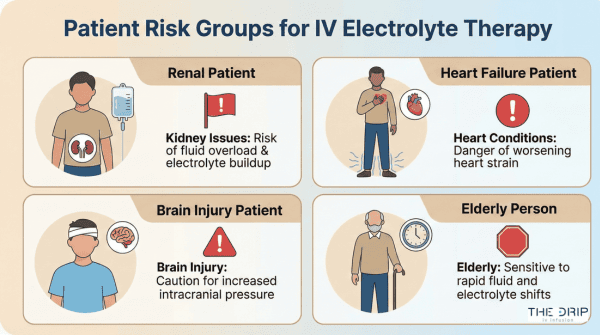
The risk profiles reflect these differences. Bolus administration carries concerns about circulatory overload, pulmonary edema, and cardiac strain, particularly in patients with heart failure or kidney disease. Push administration poses risks of vein irritation, phlebitis, and systemic speed reactions tied to injection rate.
Healthcare providers choose between the two based on drug formulation, patient hemodynamic status, onset timing needs, and clinical setting. Controlled IV drip infusions offer a third option that prioritizes gradual, sustained absorption for wellness applications like hydration and vitamin therapy.
What Does IV Bolus Mean in Medical Terms?
An IV bolus is a rapid, large-volume injection of fluid or medication delivered directly into a vein. The subsections below cover how it is administered, what volumes qualify, and how fast delivery typically occurs.
How Is an IV Bolus Typically Administered?
An IV bolus is typically administered by connecting a bag of fluid to a peripheral or central venous catheter and allowing it to flow at a controlled, rapid rate. A healthcare provider sets the flow based on the patient’s clinical needs, often using gravity or an infusion pump. According to StatPearls (NCBI Bookshelf), for patients with mild-to-moderate hypovolemia, fluids should be administered at a rate of 50 to 100 mL/h above estimated losses to achieve a positive fluid balance. The provider monitors vital signs throughout, adjusting the rate if the patient shows signs of intolerance. For most clinical scenarios, this method strikes a practical balance between speed and safety.
What Volume of Fluid Qualifies as an IV Bolus?
The volume of fluid that qualifies as an IV bolus depends on the clinical indication and patient weight. Sepsis resuscitation protocols, for example, often call for a standard volume of 30 mL/kg, as noted by ScienceDirect. This is substantially larger than an IV push, which involves injecting a small, concentrated amount of medication over a few seconds. However, volume must be carefully matched to the patient. In critically ill patients, fluid overload from rapid bolus administration is linked to increased mortality and complications, including pulmonary edema and cardiac failure. Clinicians must monitor closely for volume overload, especially in patients with congestive heart failure or renal failure.
How Fast Is an IV Bolus Infusion Delivered?
An IV bolus infusion is delivered within seconds to several minutes in acute clinical settings, though wellness applications may extend to 20 to 35 minutes. According to Springer Nature, an IV bolus is a rapid injection of a solution into a vein, typically completed within seconds or a few minutes, whereas continuous infusion administers medication slowly over extended periods. In acute heart failure cases, continuous infusion of loop diuretics is sometimes proposed as an alternative to bolus injection to reduce complications and achieve greater diuresis. The speed distinction matters: bolus delivery prioritizes rapid therapeutic effect, making it the preferred method when immediate fluid or medication response is critical.
With the IV bolus defined, understanding IV push administration reveals how these two methods differ in practice.
What Does IV Push Mean in Medical Terms?
IV push is a method of delivering medication directly into the bloodstream through a vein, typically in under one minute. The following subsections cover how it is administered, what volume qualifies, and how fast the injection is delivered.
How Is an IV Push Typically Administered?
An IV push is typically administered by a healthcare provider who injects a small, concentrated dose of medication directly into a vein or an existing IV line over a short period, often less than one minute. According to the National Center for Biotechnology Information (NCBI), intravenous push is the process of introducing a medication or fluid substance directly into the bloodstream via the venous system.
Administration speed varies by drug. Morphine, for instance, should be delivered over 4 to 5 minutes and diluted to reduce respiratory depression risk. Atropine, by contrast, requires rapid delivery because slow administration may cause paradoxical bradycardia. This drug-specific variability makes IV push one of the most technique-sensitive methods in intravenous therapy.
What Volume of Medication Qualifies as an IV Push?
The volume of medication that qualifies as an IV push is typically a small, concentrated amount, usually ranging from 1 to 10 mL per dose. Because volumes are small, precise concentration standardization becomes critical for patient safety. ASHP’s Standardize 4 Safety initiative addresses this directly as a national effort to standardize medication concentrations and reduce errors across different administration routes, including IV push.
Given how little fluid is involved, even minor dosing miscalculations can significantly affect patient outcomes. Practitioners should always verify drug-specific concentration guidelines before delivering any IV push medication.
How Fast Is an IV Push Injection Delivered?
An IV push injection is delivered over a range of a few seconds to five minutes, depending on the specific medication. Most IV push drugs are administered in under one minute, though certain agents require slower delivery to prevent adverse reactions.
Even with appropriate technique, some risk of local irritation exists. A study published in PMC found that rapid IV push administration of 500 mg thiamine was associated with injection site reactions in 0.86% of doses. While this incidence is low, it reinforces the importance of following drug-specific rate guidelines for every IV push medication.
Understanding push delivery mechanics sets the stage for comparing how IV bolus and IV push differ in speed.
How Do IV Bolus and IV Push Differ in Speed?
IV bolus and IV push differ in speed primarily by timeframe: an IV push delivers medication in seconds to under one minute, while an IV bolus completes delivery over several minutes to roughly 30 minutes. The distinction matters because administration rate directly affects how the body absorbs and responds to intravenous substances.
An IV push is the faster method. According to the National Center for Biotechnology Information, intravenous push introduces a medication or fluid substance directly into the bloodstream via the venous system, typically in less than one minute. This near-instantaneous delivery makes IV push ideal for emergency cardiac drugs and acute pain management, where even brief delays can compromise patient outcomes.
An IV bolus, while still considered rapid compared to continuous infusion, operates on a longer timeline. Delivery can be completed in approximately 20 to 35 minutes depending on the volume and clinical context. That broader window allows larger fluid volumes to enter the circulatory system without overwhelming venous pressure.
The speed difference carries clinical significance beyond convenience:
IV push speed (seconds to under 1 minute) enables immediate drug action for time-sensitive interventions.
IV bolus speed (minutes to roughly 30 minutes) allows controlled delivery of larger volumes for hydration or nutrient replenishment.
Continuous infusion speed (hours) maintains steady-state drug levels over extended periods.
Faster is not always better. Administering certain substances too rapidly through an IV push can trigger speed shock, a systemic reaction involving chest pressure, irregular pulse, and potential cardiac arrest. For most wellness and hydration scenarios, the slightly slower bolus pace provides a safer, more comfortable experience while still delivering results far faster than oral alternatives.
How Do IV Bolus and IV Push Differ in Volume?
IV bolus and IV push differ in volume primarily by scale: bolus delivery involves larger fluid volumes, while push delivery uses small, concentrated medication doses. The distinctions below clarify typical ranges and why volume matters clinically.
IV bolus volumes typically range from 250 mL to 1,000 mL of fluid, though resuscitation protocols may call for even larger amounts. Sepsis guidelines, for example, often specify 30 mL/kg as a standard fluid bolus volume. These larger volumes serve purposes such as rapid rehydration, electrolyte correction, and circulatory support. Because the fluid load is substantial, clinicians must monitor patients closely for signs of volume overload, particularly in those with compromised cardiac or renal function.
IV push volumes, by contrast, rarely exceed 10 mL per injection. Most IV push medications are delivered in concentrated doses of 1 mL to 5 mL, injected directly into the vein or through an existing IV line. According to the AHRQ Patient Safety Network, the compact volume of IV push medications demands precise syringe technique, since even small miscalculations in concentration can produce outsized pharmacological effects. This is why standardization efforts like ASHP’s Standardize 4 Safety initiative focus on consistent medication concentrations across care settings.
The volume difference between these two methods carries direct clinical consequences:
Fluid balance impact: Bolus volumes shift overall fluid status, making them unsuitable for patients prone to pulmonary edema or heart failure.
Concentration risk: Push volumes are small but highly potent, so delivery speed and dilution accuracy become the primary safety concerns.
Equipment requirements: Bolus delivery often uses IV bags with gravity drip or infusion pumps, while push delivery requires only a syringe and a patent IV access point.
Monitoring priorities: Bolus administration demands hemodynamic monitoring for fluid tolerance; push administration demands observation for immediate drug reactions.
For clinicians and patients alike, recognizing that volume dictates both the delivery method and the risk profile is essential when choosing between these two approaches. Understanding these volume distinctions helps clarify why each method suits different therapeutic goals.
How Do IV Bolus and IV Push Differ in Purpose?
IV bolus and IV push differ in purpose based on whether the clinical goal requires volume replacement or rapid medication delivery. The subsections below cover when each method is preferred.
When Is an IV Bolus Preferred Over an IV Push?
An IV bolus is preferred over an IV push when the clinical goal requires large-volume fluid delivery for hydration, resuscitation, or nutrient replenishment. Situations involving dehydration, blood pressure stabilization, or electrolyte correction call for the sustained volume that bolus infusions provide.
Bolus administration also reduces the risk of speed shock, a systemic reaction characterized by chest pressure, irregular pulse, and cardiac arrest that can occur when a substance enters the bloodstream too rapidly via IV push, according to Pressbooks’ Nursing Advanced Skills resource. Because bolus infusions distribute larger fluid volumes over a longer window, they allow the body to absorb nutrients and fluids gradually without the concentrated vascular impact of a direct push.
When Is an IV Push Preferred Over an IV Bolus?
An IV push is preferred over an IV bolus when a patient needs immediate systemic medication effects in a small, concentrated dose. Emergency scenarios requiring rapid drug onset, such as cardiac arrest intervention or acute pain management, rely on push delivery because it places the full medication concentration into the bloodstream within seconds.
IV push is also preferred for drugs that lose efficacy when diluted in larger fluid volumes. Medications requiring precise, time-sensitive dosing benefit from the controlled syringe technique that push administration provides. For patients who cannot tolerate high fluid volumes due to heart failure or renal impairment, push delivery achieves the therapeutic goal without adding circulatory fluid burden. Understanding these purpose-driven distinctions helps clarify which medication types are best suited for each method.
What Types of Medications Are Given by IV Push?
The types of medications given by IV push include opioid analgesics, antiemetics, emergency cardiac drugs, benzodiazepines, and rapid-acting antibiotics. Each drug class has specific rate requirements to balance therapeutic speed with patient safety.
Opioid Analgesics
Opioid analgesics such as morphine and fentanyl are commonly delivered by IV push for rapid pain control. According to the New Jersey Health Care Coalition’s adult and pediatric IV push medication reference, morphine administered via IV push should be delivered over 4 to 5 minutes and may be diluted to a final concentration of 0.5 to 5 mg/mL to reduce the risk of respiratory depression. Fentanyl requires administration over 1 to 2 minutes because rapid delivery can cause skeletal muscle and chest wall rigidity. Precise rate control makes IV push the preferred route when immediate analgesia is critical, particularly in emergency and post-surgical settings.
Antiemetics
Antiemetics are medications that suppress nausea and vomiting, and several are routinely given by IV push. Ondansetron (Zofran) is one of the most widely used options in this class. According to a UNC Health adult quick IV push reference, ondansetron for post-operative nausea and vomiting should be administered via IV push over at least 30 seconds, though 2 to 5 minutes is preferred. This controlled injection rate helps prevent headache and QT prolongation. For patients who cannot tolerate oral dosing, IV push antiemetics provide reliable absorption that bypasses the gastrointestinal tract entirely.
Emergency Cardiac Drugs
Emergency cardiac drugs such as atropine, adenosine, and epinephrine rely on IV push for life-saving speed during cardiac events. Atropine is a particularly instructive example: it should be administered as a rapid IV push because slow administration may cause paradoxical bradycardia rather than the intended heart rate increase, as noted in Vizient’s IV medication administration guidelines. This paradoxical response underscores why rate specifications vary by drug class. In cardiac arrest and unstable arrhythmias, even seconds of delay can affect outcomes, making IV push the standard delivery route for frontline resuscitation medications.
Benzodiazepines
Benzodiazepines are sedative medications frequently given by IV push to manage seizures, acute anxiety, and procedural sedation. Diazepam, lorazepam, and midazolam each have specific push rates, typically ranging from 1 to 2 minutes depending on the agent. Slow, controlled delivery is essential because overly rapid injection increases the risk of respiratory depression and hypotension. Lorazepam, often the first-line choice for status epilepticus, requires careful rate monitoring despite the urgency of seizure termination. This balance between speed and safety makes benzodiazepines one of the drug classes where IV push technique directly influences clinical outcomes.
Rapid-Acting Antibiotics
Rapid-acting antibiotics are given by IV push when infections require immediate therapeutic drug levels in the bloodstream. Agents such as ceftriaxone, cefazolin, and certain penicillin derivatives can be administered over 2 to 5 minutes via direct injection. This approach is common in emergency departments where bacterial infections present with acute symptoms like sepsis or meningitis. Not all antibiotics qualify for push delivery; many require slower infusion to avoid adverse reactions like red man syndrome or phlebitis. Clinicians select IV push antibiotics based on the drug’s stability profile and the patient’s clinical urgency, reserving this method for agents proven safe at rapid injection rates.
With specific push medications in context, the fluids used for IV bolus administration serve a different clinical purpose.
What Types of Fluids Are Given as an IV Bolus?
The types of fluids given as an IV bolus include normal saline, lactated Ringer’s solution, and dextrose solutions. Each serves a distinct clinical purpose based on the patient’s condition.
Normal Saline
Normal saline is a 0.9% sodium chloride solution and the most widely used crystalloid for IV bolus administration. Clinicians rely on it for rapid volume resuscitation, dehydration correction, and as a compatible carrier for many IV medications. According to a 2016 study published in BMC Nephrology, intravenous fluid administration in the ICU requires differentiating between maintenance, replacement, and resuscitative therapies to select appropriate crystalloids like normal saline or lactated Ringer’s. Its balanced sodium content closely mirrors blood plasma concentration, making it a versatile first-line choice in emergency and routine settings alike.
Lactated Ringer’s Solution
Lactated Ringer’s solution is a balanced crystalloid containing sodium, potassium, calcium, and lactate. It more closely resembles the body’s extracellular fluid composition than normal saline. Clinicians often prefer it for surgical patients, trauma resuscitation, and burn recovery because its buffered formulation helps reduce the risk of hyperchloremic metabolic acidosis. When large-volume boluses are needed, this balanced electrolyte profile makes lactated Ringer’s a particularly practical option over prolonged fluid replacement.
Dextrose Solutions
Dextrose solutions are glucose-based IV fluids used as a bolus to address hypoglycemia or provide caloric support. The most common formulations include 5% dextrose in water (D5W) and 10% dextrose (D10W). D5W delivers a modest glucose supply while contributing free water for hydration, whereas D10W provides a more concentrated caloric source for patients with critically low blood sugar. Because dextrose is metabolized quickly, these solutions are often combined with saline or electrolyte bases when sustained volume expansion is also needed.
With fluid types established, understanding the risks of each IV administration method helps guide safer clinical decisions.
What Are the Risks of IV Push Administration?
The risks of IV push administration include speed shock, vein irritation, and local injection site reactions. These complications relate directly to how fast the medication enters the bloodstream and the chemical properties of the drug itself.
What Happens if an IV Push Is Delivered Too Quickly?
If an IV push is delivered too quickly, the patient risks a dangerous systemic reaction known as speed shock. Speed shock is characterized by chest pressure, irregular pulse, and potential cardiac arrest when a foreign substance enters the bloodstream too rapidly, according to Nursing Advanced Skills (Pressbooks). Certain medications carry unique fast-injection risks; fentanyl, for example, can trigger skeletal muscle and chest wall rigidity if not administered over the recommended one to two minutes. This is why drug-specific rate guidelines exist for nearly every IV push medication. Clinicians who rush the process trade seconds of convenience for potentially life-threatening consequences.
Can IV Push Medications Cause Vein Irritation?
Yes, IV push medications can cause vein irritation, most commonly presenting as phlebitis. A study reported by The Cardiology Advisor found that phlebitis is the most common complication of peripheral intravenous access, occurring in 44% of cases, followed by infiltration at 16.3% and occlusion at 7.6%. Concentrated medications delivered through small peripheral veins are particularly prone to triggering this inflammatory response. Even nutrients considered generally safe carry measurable risk when pushed intravenously; IV push thiamine at 500 mg doses was associated with injection site reactions in 0.86% of administrations. Proper vein selection, adequate dilution, and controlled push rates all help reduce local irritation significantly.
Understanding push-specific risks clarifies why bolus administration carries its own distinct concerns.
What Are the Risks of IV Bolus Administration?
The risks of IV bolus administration include circulatory overload, pulmonary edema, and cardiac strain from rapid fluid delivery. The following subsections cover system overload consequences and populations who should avoid large-volume boluses.
What Happens if an IV Bolus Overloads the Circulatory System?
An IV bolus overloads the circulatory system when fluid volume exceeds the heart’s ability to pump effectively, causing a dangerous rise in venous pressure. This excess fluid forces plasma into surrounding tissues and lung spaces. According to a study published in PMC (National Institutes of Health), fluid overload from rapid bolus administration in critically ill patients is linked to increased mortality and complications such as pulmonary edema and cardiac failure.
Common signs of circulatory overload include:
Sudden shortness of breath and oxygen desaturation
Elevated jugular venous pressure
Peripheral edema in the extremities
Rapid, bounding pulse with rising blood pressure
Even in non-critical settings, clinicians must monitor fluid input closely. Smaller, measured boluses with reassessment between doses reduce the chance of pushing the cardiovascular system past its compensatory limits.
Who Should Avoid Receiving a Large-Volume IV Bolus?
Patients with pre-existing cardiovascular or renal conditions should avoid receiving a large-volume IV bolus without careful clinical oversight. Fluid boluses for sepsis patients often involve a standard volume of 30 mL/kg; however, according to a ScienceDirect study on sepsis fluid resuscitation, clinicians must carefully monitor for volume overload in patients with congestive heart failure or renal failure.
High-risk populations include:
Patients with congestive heart failure, where excess volume worsens cardiac output
Individuals with chronic kidney disease who cannot excrete fluid efficiently
Elderly patients with reduced cardiac reserve and lower tolerance for rapid volume shifts
Neonates and pediatric patients with smaller total blood volumes
For anyone considering IV therapy outside a hospital, this is precisely why provider screening matters before any fluids are administered.
How Do Healthcare Providers Decide Between IV Bolus and IV Push?
Healthcare providers decide between IV bolus and IV push by evaluating the medication’s pharmacological profile, the required volume, the patient’s clinical stability, and the urgency of the situation. The key decision factors include drug-specific protocols, patient risk assessment, and the clinical setting where treatment occurs.
Choosing the wrong method carries real consequences. Medication errors for drugs given intravenously have some of the highest error rates in healthcare, estimated between 48% and 53% in hospital and long-term care settings, according to SingleCare’s medication error analysis. This makes proper method selection a critical patient safety concern, not merely a procedural preference.
Healthcare providers typically weigh several factors before selecting a delivery method:
Drug formulation requirements: Some medications require rapid systemic delivery via IV push, while others need the larger fluid volumes that IV bolus provides.
Patient hemodynamic status: Patients with compromised cardiac or renal function may not tolerate the rapid volume shifts associated with bolus administration.
Onset timing needs: Emergency situations often demand IV push for near-instant drug action, whereas fluid resuscitation calls for bolus delivery.
Vein condition and access quality: Concentrated IV push medications can increase irritation risk in fragile or small-gauge peripheral lines.
Clinical setting and scope of practice: The expansion of IV treatments in medical spa and mobile settings requires protocols that ensure healthcare providers work within their appropriate clinical scope to maintain safety, as noted in the American Journal of Nursing.
For most clinical decisions, the medication itself dictates the method. Drugs with narrow therapeutic windows or known speed-related complications almost always have manufacturer-specified administration rates that remove guesswork from the equation. When providers follow these drug-specific guidelines alongside individualized patient assessment, the risk of administration errors drops significantly.
Understanding these clinical decision points helps clarify why IV therapy protocols exist and how each delivery method serves a distinct therapeutic purpose within the broader spectrum of intravenous treatment.
How Does IV Drip Infusion Compare to Both IV Bolus and IV Push?
IV drip infusion compares to both IV bolus and IV push primarily through its controlled, slower delivery rate. The Infusion Nurses Society provides evidence-based standards guiding clinical decisions across all three methods. The subsections below clarify how a controlled drip differs from a bolus and from a push.
What Makes a Controlled IV Drip Different from a Bolus?
A controlled IV drip differs from a bolus in delivery speed and volume regulation. An IV bolus delivers a large fluid volume rapidly, sometimes within minutes, to restore hydration or correct deficits quickly. A controlled IV drip, by contrast, uses gravity or a programmable pump to administer fluids steadily over 30 to 60 minutes or longer.
This slower rate reduces the risk of circulatory overload, making drip infusions safer for patients who cannot tolerate sudden fluid shifts. Bolus delivery prioritizes speed; drip infusion prioritizes sustained, gradual absorption. For most wellness applications, the controlled drip strikes a better balance between efficiency and comfort.
What Makes a Controlled IV Drip Different from a Push?
A controlled IV drip differs from a push in volume, duration, and clinical intent. IV push delivers a small, concentrated medication dose directly into the vein, often in under one minute. A controlled drip administers a larger solution containing fluids, vitamins, or minerals over a prolonged period.
Because push injections enter the bloodstream almost instantly, they carry a higher risk of speed-related reactions. Drip infusions dilute active ingredients across a steady flow, reducing vein irritation and systemic shock risk. For nutrient-based therapies like hydration or vitamin delivery, controlled drips offer gentler, more sustained absorption than either bolus or push methods.
Understanding these distinctions helps when choosing the right IV therapy approach for your goals.
How Should You Approach IV Therapy with Mobile IV Infusion Services?
You should approach IV therapy with mobile IV infusion services by verifying provider credentials, understanding which delivery method suits your needs, and confirming that safety protocols align with clinical standards. The following sections cover how customized IV cocktails compare to clinical methods and the key takeaways from this guide.
Can The Drip IV Infusion’s Customized IV Cocktails Deliver the Same Benefits as Clinical IV Methods?
Yes, The Drip IV Infusion’s customized IV cocktails can deliver the same core benefits as clinical IV methods because they use the same intravenous delivery mechanism that bypasses the GI tract for maximum absorption. Mobile IV therapy provides medical-grade hydration and nutrient therapy directly to patients’ locations, with services often including health screenings via telehealth before administration.
The Drip IV Infusion employs nurses with decades of experience in emergency medicine, home health, and IV medical techniques. Each session uses proven blends of vitamins, minerals, and hydration fluids administered through controlled infusion protocols.

What separates a quality mobile provider from a clinical setting is not the delivery science; it is the customization. The Drip IV Infusion builds each IV cocktail around individual health goals, offering add-ons such as glutathione, Vitamin C, zinc, and NAC to tailor every treatment.
What Are the Key Takeaways About IV Bolus vs Push?
The key takeaways about IV bolus vs push center on three distinctions: volume, speed, and clinical purpose.
IV bolus delivers larger fluid volumes over minutes, making it ideal for rapid hydration, fluid resuscitation, and nutrient replenishment.
IV push injects small, concentrated medication doses directly into the vein within seconds, suited for time-sensitive drug delivery.
Speed and volume determine risk profiles; bolus carries fluid overload concerns while push carries speed shock risks.
Healthcare providers select between bolus and push based on patient condition, medication properties, and desired onset time.
Safety protocols from organizations like the Infusion Nurses Society guide clinical decision-making for both administration methods.
According to ISMP, programmable infusion pumps with dose error-reduction systems should be used for all medication and hydration infusions to minimize administration errors. Understanding these differences helps you ask better questions before any IV treatment, whether in a hospital or through a mobile service like The Drip IV Infusion.
IV treatment might be one of the best ways to get your body’s necessary vitamins, minerals and nutrients. But when do you need an IV for dehydration?
Continue reading to find out all the benefits IV therapy may bring. Also, learn what the advantages are when it comes to dehydration and similar conditions.
IV therapy is usually used in severe dehydration. However, most of the population may face mild dehydration characterized by headache, dark yellow urine, thirst and muscle pain.
Such symptoms usually disappear if you drink large amounts of fluids, preventing dehydration from becoming moderate or severe. The severe form of dehydration occurs if early symptoms are not treated.
Wondering how to know if you need IV fluids for dehydration? Staying hydrated is crucial, and for those seeking a convenient solution, consider the IV drip for hydration Phoenix. We provide the potential benefits of IV drip for hydration right at your doorstep. So, the use of IV drip for hydration in patients is required in the following types of dehydration:
Extreme thirst
Excessive tiredness
Dark-colored urine
Less urge to urinate
Confusion
Dizziness
Rapid heartbeat
Low blood pressure
In addition to the above symptoms, these are five signs of dehydration that may occur in newborns and children:
Sunken eyes
Dry mouth
Sunken cheeks
Irritability
Lack of tears
Diaper not wet after three or more hours
Sunken soft spot
Who Is IV Dehydration Therapy Intended For?
This type of therapy is available to everyone, but certain individuals may benefit and require it the most. Primarily, it is the older population because they experience dehydration more often than other age groups. This might be attributed to the effect of drugs, reduced kidney function, and other conditions.
In addition to the elderly, the chronically ill may also benefit the most from IV therapy. Certain health conditions make it difficult for these individuals to consume liquids and obtain essential nutrients orally. Therefore, IV therapy may be an excellent way to replace lost fluids.
IV Hydration Therapy: Benefits and Side Effects
The main possible benefit of this therapy is the rapid delivery of nutrients through the bloodstream. This way, the body can use the necessary minerals, vitamins, and nutrients.
Although this type of therapy is used in patients with nutrient deficiencies, healthy people may often use IV hydration therapy. So, IV hydration therapy might:
Although rare, side effects may occur if IV therapy is not performed correctly and if performed by a person without a proper medical license. In such cases, side effects such as bleeding, swelling at the insertion site, and bruising may happen.
So, this procedure is best performed in healthcare facilities. If performed in a home setting, it should involve a registered nurse.
Source: shutterstock.com/ Photo Contributor: Studio GM
How Are IV Fluids Administered?
The nurse injects IV fluid into the vein using a small needle. This needle is attached to a tube that leads to the IV solution. A valve on the tube controls the amount of liquid that should be administered into the body.
In addition to health facilities, this therapy can also be administered at home. This is especially true for people unable to reach health facilities and older people. In this case, registered nurses come with the equipment to administer IV therapy, determine the type of IV fluid you should receive, and perform the procedure.
After administering the solution, the nurses monitor the patient’s condition for a certain time in case of side effects. After the procedure is over, the medical staff leaves the patient’s home.
If IV therapy is performed at home, it is best to call in licensed medical personnel such as The Drip IV Infusion. Performing this type of therapy by people who are not medically certified may lead to more side effects that may worsen the patient’s health.
Conclusion
When do you need an IV for dehydration? To recap, if you have severe dehydration, you need IV therapy.
However, if you suspect that you have a mild or severe form of dehydration, it is best to consult your doctor, who will tell you if you have indications to receive IV therapy.
Starting an IV is the process of inserting a peripheral catheter into a vein to deliver fluids, medications, or nutrients directly into the bloodstream. This clinical skill requires specific equipment, proper technique, and trained hands to perform safely.
This guide covers IV equipment and catheter selection, patient preparation and vein assessment, the step-by-step insertion process, anatomical site options, difficult-access strategies, common mistakes and complications, professional qualifications, and ongoing line maintenance.
Successful IV access begins with assembling the right supplies. A standard start kit includes an antiseptic applicator, transparent dressing, tourniquet, gauze, and tape; catheter gauge ranges from 14 (for trauma resuscitation) down to 24 (for neonates), with the smallest effective size recommended to minimize vein irritation.
Before insertion, clinicians verify the provider order, assess vein quality through palpation, and position the patient’s arm below heart level to encourage venous filling. The insertion sequence itself follows a precise order: tourniquet application, vein selection, site cleaning with chlorhexidine that must dry for at least 30 seconds, catheter entry at 10 to 30 degrees bevel-up, flashback confirmation, catheter advancement, securement, and drip rate calculation.
Vein choice depends on therapy duration and patient anatomy. The median cubital vein offers reliable short-term access, while forearm veins provide stability for extended infusions. For patients with difficult access due to dehydration, obesity, or fragile vasculature, warm compresses promote dilation and ultrasound guidance achieves success rates above 80% after failed traditional attempts.
Complications including phlebitis, infiltration, infection, and air embolism each require specific recognition and response protocols. Only licensed professionals, primarily registered nurses, paramedics, and certain LPNs, are authorized to perform IV insertion, with scope of practice varying by state.

What Equipment Do You Need to Start an IV?
The equipment needed to start an IV includes a peripheral IV start kit, the correct catheter gauge, and the appropriate IV fluid. Each component plays a specific role in safe, effective venous access.
What Are the Essential Supplies in an IV Start Kit?
The essential supplies in an IV start kit are the pre-assembled components required for safe peripheral venous access. According to Medline Industries, the standard peripheral IV start kit typically includes a 2% chlorhexidine gluconate (CHG) and 70% isopropyl alcohol antiseptic applicator, a transparent semipermeable dressing, a tourniquet, 2×2 inch gauze pads, medical tape, and a patient identification label.
Having these items pre-packaged in a single kit reduces preparation time and minimizes the risk of missing a critical supply during insertion. For practitioners who perform IV starts regularly, confirming kit completeness before approaching the patient is a simple habit that prevents unnecessary delays.
How Do You Choose the Right IV Catheter Gauge?
You choose the right IV catheter gauge by matching the catheter size to the prescribed therapy, the patient’s vein condition, and the required flow rate. Clinical guidelines recommend selecting the smallest gauge peripheral catheter that will accommodate the prescribed therapy and patient needs to minimize vein irritation, according to Pedagogy Education. Larger gauges deliver higher flow rates but carry greater risk of vein damage, while smaller gauges are gentler on fragile vasculature.
14-Gauge Catheter
A 14-gauge catheter is the largest peripheral catheter commonly used in clinical settings. Capable of delivering approximately 240 mL/min, it is primarily indicated for trauma resuscitation and massive fluid replacement where rapid volume delivery is critical. This gauge is rarely needed outside emergency scenarios.
16-Gauge Catheter
A 16-gauge catheter provides high-volume flow suitable for surgical patients and blood transfusions. While slightly smaller than a 14-gauge, it still supports rapid infusion rates. Clinicians typically reserve this size for operating rooms and acute care settings where moderate to large fluid volumes are anticipated.
18-Gauge Catheter
An 18-gauge catheter is the most versatile size for general adult IV therapy. It accommodates blood products, CT contrast media, and standard fluid administration effectively. Most adult patients with adequate vein size tolerate this gauge well, making it a reliable default choice for routine infusions.
20-Gauge Catheter
A 20-gauge catheter balances adequate flow with patient comfort. It suits most standard infusions, medications, and hydration therapy in adult patients. When vein size is moderate or the prescribed therapy does not require high flow rates, a 20-gauge is often the most practical selection.
22-Gauge Catheter
A 22-gauge catheter is clinically preferred for elderly and pediatric patients requiring slower infusions. Designed for a flow rate of 35 mL/min, this smaller gauge reduces vein irritation in patients with fragile vasculature. Its gentler profile makes it well suited for extended therapy in populations where vein preservation is a priority.
24-Gauge Catheter
A 24-gauge catheter is the smallest standard peripheral catheter used in clinical practice. It is reserved for neonates, very small pediatric patients, and adults with extremely fragile or limited venous access. Flow rates are restricted, so this gauge works best for slow medication delivery rather than rapid fluid resuscitation.
What Type of IV Fluids Are Used for Infusion?
The types of IV fluids used for infusion are crystalloid solutions and colloid solutions, with crystalloids being the most commonly administered. According to StatPearls (National Center for Biotechnology Information), crystalloid solutions are categorized by their relative tonicity to plasma as isotonic, hypotonic, or hypertonic, and are the most commonly used fluids for replacement due to availability and low cost.
The three primary crystalloid categories include:
Isotonic solutions (250–375 mOsm/L), such as 0.9% Normal Saline and Lactated Ringer’s, remain in the extracellular compartment and treat fluid volume deficits.
Hypotonic solutions (less than 250 mOsm/L) shift fluid into cells and are indicated for intracellular dehydration and hypernatremia.
Hypertonic solutions (greater than 375 mOsm/L) pull fluid from cells into the intravascular space and treat severe hyponatremia and cerebral edema.
Provider order verification must confirm the type of solution, rate of infusion, and duration of therapy before any fluid is connected. Matching the correct fluid to the clinical indication is just as important as selecting the right catheter; an inappropriate solution can worsen the very imbalance it was meant to correct.
With the right equipment assembled, proper patient preparation becomes the next critical step before insertion.
How Do You Prepare a Patient Before Starting an IV?
You prepare a patient before starting an IV by assessing vein quality, verifying the provider order, and positioning the patient correctly. These three steps reduce complications and improve first-attempt success.
How Do You Assess a Patient’s Veins Before Insertion?
You assess a patient’s veins before insertion by visually inspecting and palpating the upper extremities for size, resilience, and accessibility. Start at the dorsal hand veins and work proximally toward the forearm and antecubital fossa. A suitable vein feels bouncy and refills quickly after compression.
Factors that complicate vein assessment include dehydration, obesity, and prior IV therapy. Applying a tourniquet three to four inches above the intended site engorges the veins, making them easier to evaluate. If veins remain difficult to locate, warming the area with a compress promotes venous dilation.
For patients with a history of multiple failed attempts, this initial assessment determines whether standard palpation will suffice or advanced tools are necessary.
What Steps Should You Take to Verify the Provider Order?
The steps you should take to verify the provider order include confirming the patient’s identity, the prescribed solution type, the infusion rate, and the therapy duration. According to the Merck Manuals, provider order verification is a critical pre-insertion requirement that must include the type of solution, rate of infusion, and duration of therapy.
Cross-check the order against the patient’s allergy history and current medications before gathering supplies. Any discrepancy between the written order and the patient’s clinical status requires clarification with the prescribing provider before proceeding. Skipping this step is one of the most preventable causes of IV-related adverse events.
How Do You Position the Patient for IV Access?
You position the patient for IV access by placing them in a comfortable, supported position with the selected arm extended and slightly below heart level. This encourages venous filling by gravity and stabilizes the limb during catheter insertion.
For patients with difficult intravenous access, ultrasound-guided techniques have demonstrated an 80.95% success rate after multiple failed traditional attempts, according to a study published in BMJ Open Quality. Proper positioning also matters during emergencies; if an air embolism occurs, Durant’s maneuver requires placing the patient in the left lateral decubitus and Trendelenburg position to trap air in the right atrium and ventricle, minimizing entry into the pulmonary circulation.
With the patient properly prepared, the next step involves selecting the best vein and performing the actual insertion.
What Are the Steps to Start an IV Successfully?
The steps to start an IV successfully follow a precise sequence: tourniquet application, vein selection, site cleaning, catheter insertion, flashback confirmation, catheter advancement, securement, and drip rate setting.
How Do You Apply the Tourniquet Correctly?
You apply the tourniquet correctly by placing it 3 to 4 inches above the intended insertion site and tightening it enough to restrict venous flow without cutting off arterial circulation. The tourniquet should feel snug, and you should still be able to palpate a distal pulse. Flat latex or disposable tourniquets work best for most adults. Leave it in place no longer than one to two minutes to avoid discomfort and hemoconcentration. If veins do not distend within that window, release the tourniquet briefly, reposition, and reapply. Proper tourniquet technique is the single most controllable factor in making veins accessible for cannulation.
How Do You Select the Best Vein for IV Insertion?
You select the best vein for IV insertion by palpating for a vessel that feels bouncy, resilient, and well-anchored beneath the skin. Ideal veins are straight, visible or easily palpable, and located on the dorsal hand or forearm. Avoid veins near joints, previously punctured sites, or areas with bruising and scarring.
Key vein selection criteria include:
The vein rebounds when gently pressed and released.
The vessel runs in a straight segment long enough to accommodate the catheter length.
The surrounding tissue is free from edema, infection, or prior infiltration.
The nondominant arm is used when possible to preserve patient comfort.
How Do You Clean and Prep the Insertion Site?
You clean and prep the insertion site by applying an antiseptic agent in a circular motion, starting at the puncture point and working outward. According to CPR123, site preparation requires 2% chlorhexidine in 70% alcohol, which must dry completely for at least 30 seconds before needle insertion. This drying time is essential because inserting through a wet antiseptic can introduce chemical irritation into the vein and compromise the antimicrobial effect. Avoid fanning or blowing on the site; let it air dry naturally. Once prepped, do not re-palpate the vein unless you repeat the entire cleaning process.
How Do You Insert the IV Catheter at the Right Angle?
You insert the IV catheter at the right angle by stabilizing the vein with traction from your nondominant hand and approaching with the bevel facing up. According to the Merck Manuals, the recommended catheter insertion angle for peripheral IV access is between 10 and 30 degrees to ensure proper entry into the vein lumen. A shallow angle, closer to 10 degrees, suits superficial veins on the dorsal hand, while deeper forearm veins may require angles closer to 30 degrees. Once you penetrate the skin, reduce the angle slightly and advance until you see a flashback of blood in the catheter chamber.
How Do You Confirm a Successful Flashback of Blood?
You confirm a successful flashback of blood by observing a visible return of blood in the catheter’s flash chamber immediately after the needle enters the vein lumen. This small chamber sits at the catheter hub and fills with blood when venous access is achieved. A brisk, steady flashback indicates correct intravascular placement. If the flashback is slow or absent, the needle may be partially outside the vein or pressed against the vessel wall. In that case, make a minor angle adjustment before advancing further. Never push the catheter forward without confirming flashback, as doing so risks infiltration or vessel damage.
How Do You Advance the Catheter and Remove the Needle?
You advance the catheter and remove the needle by first lowering the insertion angle after confirming flashback, then sliding the plastic catheter forward over the needle and into the vein. Use a smooth, controlled motion with your dominant hand while maintaining skin traction with the other. Once the catheter hub sits flush against the skin, apply gentle pressure over the vein just beyond the catheter tip, then withdraw the needle completely. Immediately activate the needle’s safety mechanism and dispose of it in a sharps container. Keeping pressure over the catheter tip during needle removal prevents blood from flowing back through the hub.
How Do You Secure the IV Catheter and Connect the Tubing?
You secure the IV catheter and connect the tubing by first placing a transparent semipermeable dressing over the insertion site, ensuring the catheter hub remains visible for monitoring. Attach the primed IV tubing or a saline lock to the catheter hub using a Luer-lock connection, then twist firmly until snug. Secure the tubing loop with medical tape to prevent accidental dislodgment. Document the insertion date, catheter gauge, and site location on the dressing or patient chart. A well-secured line reduces the risk of accidental removal and catheter migration during movement.
How Do You Set the Correct Drip Rate After Starting an IV?
You set the correct drip rate after starting an IV by referencing the provider’s prescribed infusion rate and calculating drops per minute based on the IV tubing’s drop factor. Gravity-fed tubing typically delivers 10, 15, or 20 drops per milliliter, while micro-drip sets deliver 60 drops per milliliter. The formula is: (volume in mL × drop factor) ÷ time in minutes. Adjust the roller clamp while counting drops in the drip chamber for 15 seconds, then multiply by four to verify accuracy. Recheck the rate periodically, as patient repositioning and tubing kinks can alter flow unexpectedly.
With an established line and verified drip rate, identifying the best anatomical vein sites strengthens future insertion success.
Where Are the Best Veins to Start an IV?
The best veins to start an IV include the median cubital, cephalic, basilic, dorsal hand, and forearm veins. Each site offers distinct advantages depending on therapy duration, patient anatomy, and clinical goals.

What Makes the Median Cubital Vein a Preferred IV Site?
The median cubital vein is a preferred IV site because of its large diameter, superficial position, and stability in the antecubital fossa. Most clinicians can palpate it easily, which makes it a reliable first choice for venipuncture and short-term infusions.
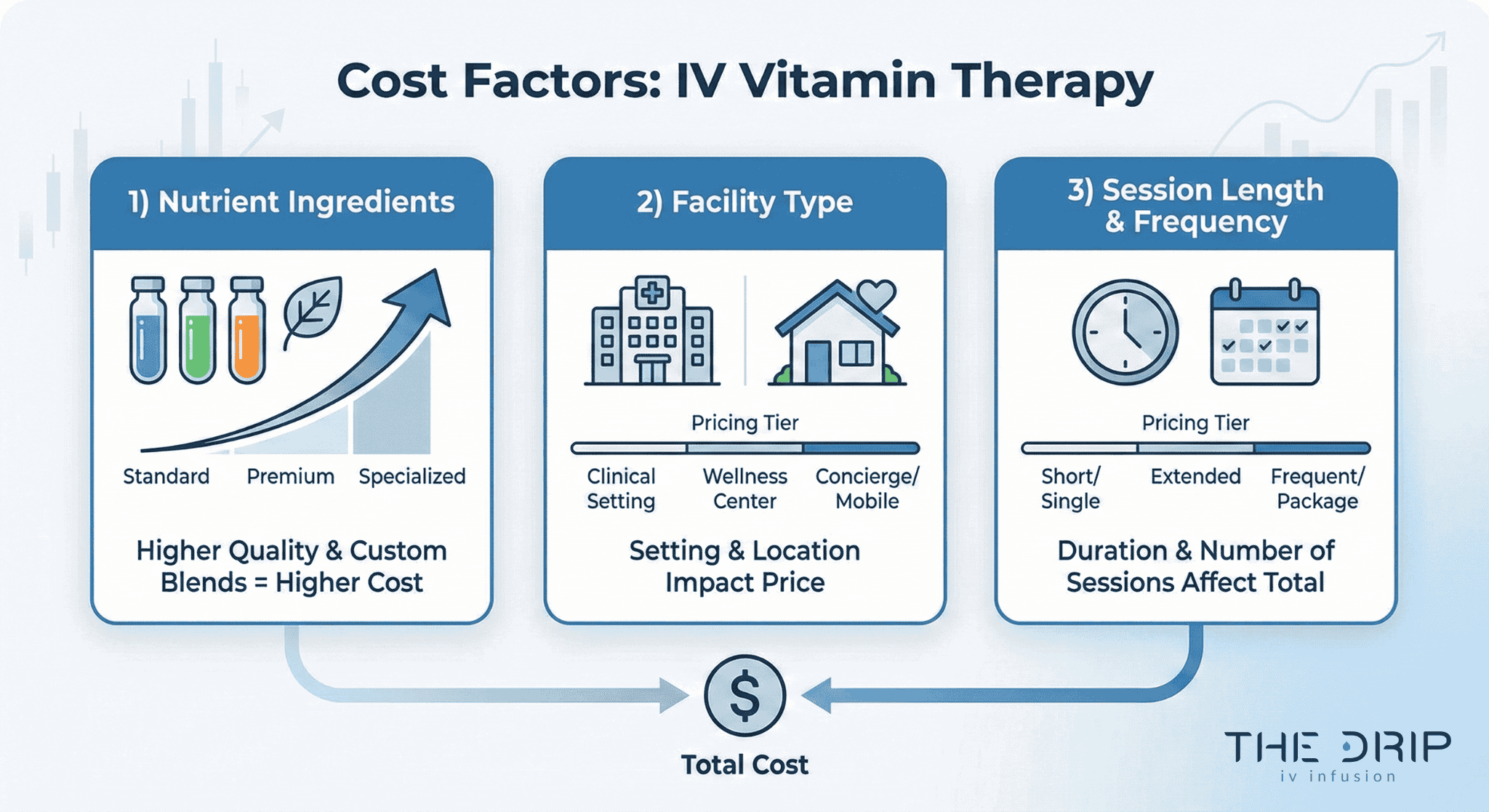
However, this vein sits directly over the elbow joint. According to NYSORA, the median cubital vein is a common site for venipuncture but is less ideal for long-term IV therapy because catheter patency is often compromised by joint movement. For extended infusions, sites below the antecubital fossa typically maintain better flow. Despite this limitation, the median cubital remains the go-to vein when quick, reliable access is the priority.
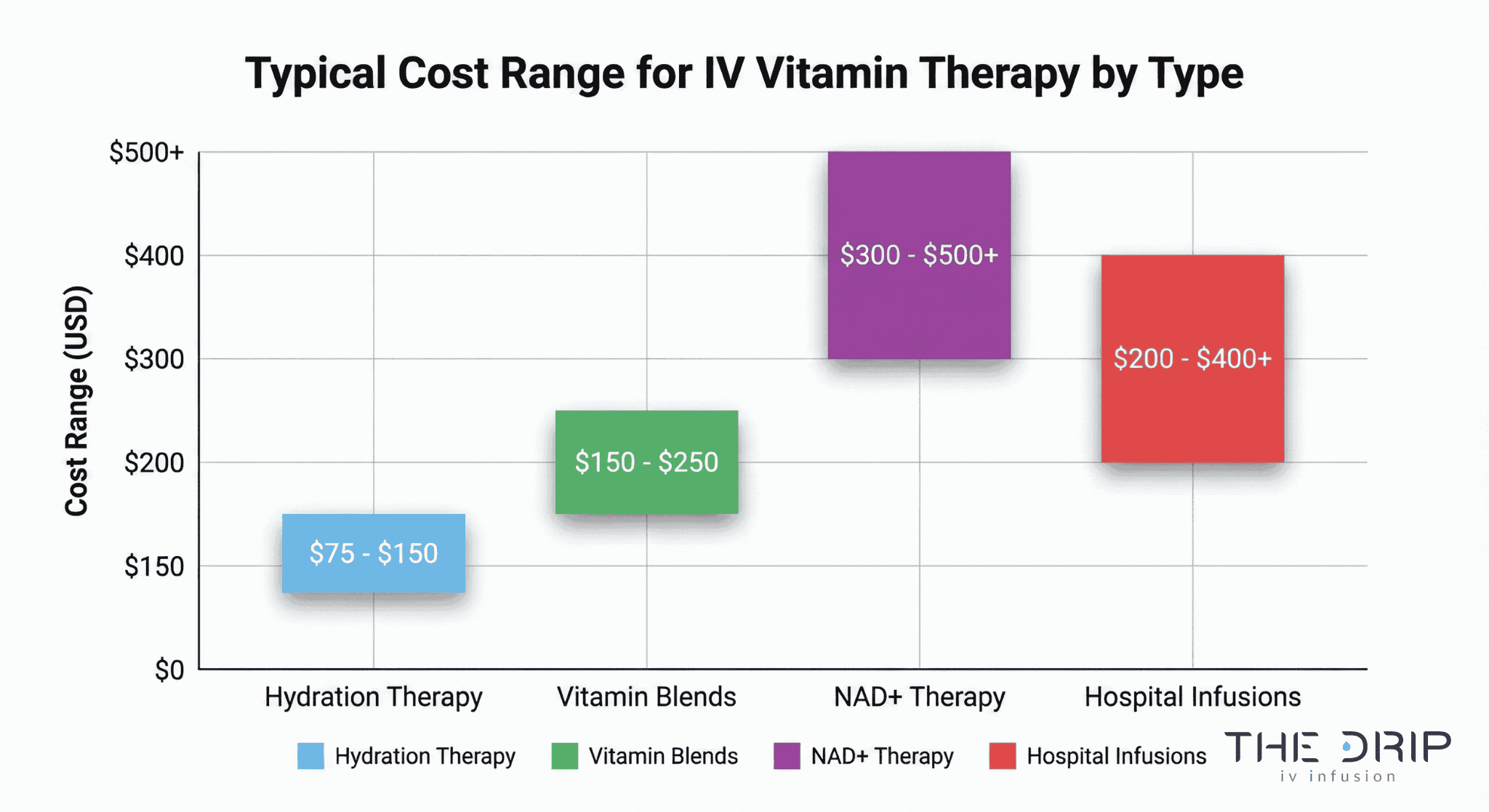
When Should You Use the Cephalic Vein for IV Access?
You should use the cephalic vein for IV access when longer infusion duration is expected or when the antecubital fossa is unavailable. The cephalic vein runs along the lateral (thumb) side of the forearm and upper arm, offering a long, accessible path that accommodates catheter placement away from joint flexion points.
This vein is particularly useful for patients receiving multi-hour IV therapy, since catheter movement is minimal compared to antecubital sites. Its superficial course along the radial aspect makes it visible and palpable in most adults. For patients needing repeated access, the cephalic vein’s length provides multiple potential insertion points along its path.
When Is the Basilic Vein Appropriate for IV Insertion?
The basilic vein is appropriate for IV insertion when other peripheral sites are inaccessible or when larger-bore catheter placement is needed. It runs along the ulnar (pinky) side of the forearm and courses toward the antecubital fossa, where it connects with branches from the cephalic vein.
Although the basilic vein offers a generous diameter, it sits deeper than the cephalic vein and tends to roll during cannulation. Anchoring the surrounding skin firmly before insertion helps stabilize it. Clinicians often reserve this vein for situations where more superficial options have been exhausted, making it a valuable backup rather than a first-line choice.
How Do You Start an IV in a Hand Vein?
You start an IV in a hand vein by targeting the dorsal metacarpal veins, which form a visible network across the back of the hand. These veins are superficial, easy to anchor, and well suited for short-term infusions or low-flow therapies.
Peripheral catheters ranging from 0.5 to 2.0 inches are commonly available, with shorter lengths preferred for these superficial hand veins. A 20- or 22-gauge catheter typically works best here. Because hand veins are smaller and more fragile than forearm veins, gentle technique and a shallow insertion angle are essential. Hand sites work well for brief treatments but may limit patient mobility and comfort during longer sessions.
When Should You Consider the Forearm for IV Placement?
You should consider the forearm for IV placement when therapy requires extended catheter dwell time, patient comfort during movement, and reliable flow rates. Forearm veins, including the accessory cephalic and median antebrachial veins, sit in a flat, stable area free from joint interference.
This stability makes forearm sites ideal for continuous infusions lasting several hours. Patients can bend their elbows and use their hands freely, which reduces frustration and accidental dislodgement. For practitioners prioritizing both catheter longevity and patient satisfaction, the forearm consistently delivers the best balance of accessibility and function.
Knowing where to place an IV sets the stage for handling situations where vein access proves challenging.
What Are the Best Tips for Starting a Difficult IV?
The best tips for starting a difficult IV include using warm compresses, anchoring rolling veins, relying on palpation over sight, and leveraging technology like vein finders or ultrasound. Each technique addresses a specific challenge.
How Do You Start an IV on a Dehydrated Patient?
You start an IV on a dehydrated patient by applying a tourniquet longer than usual, using gravity to engorge veins, and palpating rather than relying solely on visual cues. Lowering the arm below heart level encourages venous pooling when veins appear flat. A warm compress applied for three to five minutes promotes vasodilation in patients whose fluid deficit has collapsed superficial vessels. Smaller gauge catheters, such as a 22-gauge, often succeed where larger sizes fail because dehydrated veins are more fragile. Once access is established, isotonic crystalloid solutions restore intravascular volume effectively. Patience during site selection matters more than rushing multiple attempts, which can further damage compromised vasculature.
How Do You Find Veins on Patients With Dark Skin?
You find veins on patients with dark skin by prioritizing palpation over visual inspection. Veins that are difficult to see may still be easily felt as a bouncy, spongy cord beneath the surface when a tourniquet is applied. Running a fingertip along the forearm and dorsal hand identifies vein pathways even when skin pigmentation obscures the characteristic blue-green color. Adequate lighting angled across the skin can cast subtle shadows over vein contours. Near-infrared vein finders project a real-time vein map onto the skin surface, removing the dependence on visual contrast entirely. For clinicians who rely heavily on sight, shifting to a palpation-first approach is one of the most impactful technique adjustments available.
How Do You Start an IV on an Obese Patient?
You start an IV on an obese patient by targeting anatomical landmarks where subcutaneous fat is thinnest, such as the dorsal hand, the radial aspect of the wrist, and the forearm. A blood pressure cuff inflated slightly above venous pressure can serve as a more effective tourniquet than a standard elastic band on larger arms. Palpation is essential because veins may sit deeper than expected beneath adipose tissue. Using a longer catheter, typically 1.75 to 2.0 inches, ensures the cannula reaches the vein lumen through additional tissue depth. Ultrasound guidance becomes especially valuable in this population when surface landmarks are not palpable after standard techniques.
How Do You Access Rolling Veins During IV Insertion?
You access rolling veins during IV insertion by anchoring the vein with firm traction using your non-dominant thumb placed one to two inches below the intended puncture site. Pulling the skin taut in a distal direction stabilizes the vein against the underlying tissue, preventing lateral movement during needle entry. Approaching from the side of the vein rather than directly on top can also reduce rolling. A swift, confident insertion at a 10 to 15 degree angle minimizes the push force that displaces mobile veins. In my experience, hesitant or slow needle advancement is the primary reason rolling veins are missed; decisive technique solves the problem more reliably than any single piece of equipment.
How Can Warm Compresses Help Improve Vein Visibility?
Warm compresses help improve vein visibility by causing vasodilation, which increases the diameter of superficial veins and makes them easier to palpate and visualize. According to a study published in PubMed Central, heat application via a hot pack or warm compress is recommended for venous dilation prior to catheterization to enlarge venous diameter and improve success rates. Applying a warm, moist towel or a commercial heat pack to the target area for three to five minutes before tourniquet application produces noticeable engorgement. This technique is particularly useful for elderly patients, dehydrated individuals, and anyone with chronically small or deep veins where standard tourniquet application alone is insufficient.
When Should You Use a Vein Finder or Ultrasound?
You should use a vein finder or ultrasound after two failed attempts using traditional palpation and visualization techniques. Near-infrared vein finders project subcutaneous vein patterns onto the skin surface, helping clinicians identify viable targets without invasive exploration. Ultrasound-guided peripheral IV access provides real-time imaging of deeper veins that cannot be felt or seen. This technology is especially valuable for patients with obesity, edema, IV drug use history, or chronic illness that has scarred superficial vessels. Escalating to technology early, rather than repeatedly sticking a patient, reduces tissue trauma and preserves trust.
With difficult-access strategies established, understanding common insertion mistakes helps prevent complications altogether.
What Are Common Mistakes When Starting an IV?
Common mistakes when starting an IV include going through the vein, blowing the vein, forming a hematoma, and causing infiltration after insertion. Each error has distinct causes and prevention strategies.
What Happens If You Go Through the Vein?
Going through the vein occurs when the needle punctures both the anterior and posterior walls of the vessel, exiting the opposite side. This typically results from inserting the catheter at too steep an angle or advancing with too much force. Because the recommended catheter insertion angle is between 10 and 30 degrees with the bevel facing up, exceeding this range significantly increases the risk of through-and-through puncture.
When the posterior wall is breached, blood leaks into surrounding tissue, and the IV fluid cannot infuse properly. Practitioners should reduce their insertion angle once a flashback appears, then gently advance the catheter rather than the needle. In my experience, this single adjustment prevents most through-the-vein errors.
Why Does an IV Blow and How Can You Prevent It?
An IV blows when the vein wall ruptures during or shortly after catheter insertion, causing fluid to leak into surrounding tissue. Common causes include:
Using a catheter gauge too large for the selected vein.
Applying excessive pressure during insertion or flushing.
Inserting into fragile veins weakened by age, medications, or repeated access.
Failing to stabilize the vein with adequate traction before puncture.
According to clinical guidelines from Pedagogy Education, selecting the smallest gauge peripheral catheter that accommodates the prescribed therapy minimizes vein irritation and reduces blowout risk. Anchoring the vein with gentle distal traction before advancing the needle also helps prevent the vessel from shifting or collapsing under pressure.
How Do You Avoid Causing a Hematoma During IV Insertion?
You avoid causing a hematoma during IV insertion by applying proper technique at every stage. A hematoma forms when blood pools beneath the skin after a vein is punctured inadequately or a tourniquet is removed at the wrong time.
Key prevention steps include:
Releasing the tourniquet before withdrawing the needle from the vein.
Applying firm, direct pressure immediately after catheter removal.
Avoiding repeated probing or redirection once the needle is under the skin.
Selecting a vein that is well-anchored and visible rather than deep and mobile.
Patients on anticoagulant therapy or those with fragile vasculature require extra caution, as even minor technique lapses can produce significant bruising.
What Errors Lead to IV Infiltration After Insertion?
The errors that lead to IV infiltration after insertion involve catheter displacement, poor securement, and improper site selection. Infiltration occurs when IV fluid leaks from the vein into surrounding interstitial tissue.
According to a study cited by The Cardiology Advisor, infiltration accounts for approximately 16.3% of peripheral IV complications, making it one of the most frequent post-insertion issues. Contributing errors include:
Inadequate dressing or tape allowing catheter movement.
Placing the catheter near a joint where flexion dislodges it.
Infusing at a rate that exceeds what the vein can tolerate.
Failing to monitor the site regularly for swelling, coolness, or pain.
Routine site assessment and proper catheter securement are the most reliable safeguards against infiltration. Understanding these common insertion errors helps explain why professional IV administration matters.
What Complications Can Occur After Starting an IV?
Complications that can occur after starting an IV include infiltration, phlebitis, infection, and air embolism. Each complication presents distinct warning signs and requires specific clinical interventions.
How Do You Recognize and Manage IV Infiltration?
You recognize IV infiltration by observing swelling, coolness, pallor, and tightness at the catheter site, which indicate that IV fluid has leaked into surrounding tissue. Pain or a burning sensation often accompanies these signs, particularly with vesicant medications. To manage infiltration, stop the infusion immediately, disconnect the tubing, and elevate the affected limb. Applying a warm or cold compress depends on the solution infused. Document the infiltration grade and notify the provider. For most patients, early detection prevents tissue damage, making frequent site assessments one of the simplest yet most overlooked safeguards in IV therapy.
What Are the Signs of Phlebitis From an IV?
The signs of phlebitis from an IV include pain, redness, warmth, and swelling along the vein path near the catheter site. A palpable venous cord may also develop as inflammation progresses. Clinicians use the Visual Infusion Phlebitis (VIP) scale, which scores severity from 0 to 5, with each grade identifying a progressively advanced state of inflammation (Delta Med). A VIP score of 2, indicating early-stage phlebitis with erythema and edema, requires resiting the cannula. Risk factors include large-gauge catheters, prolonged dwell time, and irritating infusates. Routine site assessment using the VIP scale catches phlebitis early before it escalates to thrombophlebitis.
How Do You Identify an IV-Related Infection?
You identify an IV-related infection by monitoring for localized signs such as erythema, purulent drainage, tenderness, and induration at the catheter insertion site. Systemic indicators include fever, chills, and elevated white blood cell counts without another identifiable source. Catheter-related bloodstream infections develop when bacteria migrate along the catheter into the bloodstream, making aseptic technique during insertion and maintenance critical. If infection is suspected, remove the catheter, culture the tip, and obtain blood cultures before initiating antimicrobial therapy. Strict hand hygiene and timely catheter replacement remain the most effective preventive measures against IV-related infections.
What Should You Do If a Patient Has an Air Embolism?
You should immediately clamp the IV line, place the patient in the left lateral decubitus position, and call for emergency assistance. This positioning, known as Durant’s maneuver, traps air in the right atrium and ventricle to minimize entry into the pulmonary circulation (Medscape). Applying Trendelenburg positioning further prevents air migration into the right ventricular outflow tract. Administer high-flow oxygen to accelerate nitrogen reabsorption. Symptoms of air embolism include sudden dyspnea, chest pain, hypotension, and a churning “mill wheel” heart murmur. Although rare with peripheral IVs, air embolism remains life-threatening; priming all IV tubing and removing air from syringes prevents this complication entirely.
With complications identified early, proper IV maintenance keeps therapy safe and effective.
Who Is Qualified to Start an IV?
Several categories of healthcare professionals are qualified to start an IV, though authorization varies by role, training, and state law. The sections below cover registered nurses, licensed practical nurses, paramedics and EMTs, and phlebotomists.
Can Registered Nurses Start an IV Independently?
Yes, registered nurses can start an IV independently in most clinical and mobile settings. IV insertion falls within the standard RN scope of practice across all 50 states, making registered nurses the most common professionals who perform peripheral venipuncture. RNs complete IV cannulation training during nursing school and refine the skill through clinical rotations. Competency requirements vary by employer, but most hospitals and infusion services require demonstrated proficiency before allowing independent IV starts. For practitioners just entering the field, building confidence takes time; first-attempt success rates for newly qualified nurses range from 44% to 76.9%, compared to 91% to 98% among experienced practitioners, according to a study published by the European Society of Medicine.
Are Licensed Practical Nurses Allowed to Start IVs?
Yes, licensed practical nurses are allowed to start IVs in many states, though authorization depends on specific state nurse practice acts. Some states permit LPNs to initiate peripheral IV lines after completing additional IV certification coursework. Other states restrict LPNs to monitoring existing IV infusions without starting new lines. In states where LPNs may initiate IVs, they typically must work under the direct supervision of a registered nurse, physician, or nurse practitioner. Because these regulations differ significantly from one jurisdiction to the next, any LPN seeking to perform IV insertion should verify current scope-of-practice rules through their state board of nursing before proceeding.
What IV Training Do Paramedics and EMTs Receive?
Paramedics and EMTs receive IV training that varies significantly based on certification level and state regulations. Paramedics complete extensive programs covering peripheral and intraosseous access, fluid resuscitation, and medication administration through IV lines. EMTs at the basic level typically do not receive IV initiation training, as their scope focuses on basic life support interventions. According to the National Highway Traffic Safety Administration, state governments in the United States hold the primary authority to issue EMS licenses and define the scope of practice for paramedics and EMTs regarding IV initiation. Advanced EMTs (AEMTs) occupy a middle tier, often authorized to start IVs and administer a limited set of fluids. This layered credentialing system means field providers should always confirm their state-specific authorization.
Can Phlebotomists Legally Start an IV Line?
No, phlebotomists cannot legally start an IV line in most jurisdictions. Phlebotomy certification trains professionals to perform venipuncture for blood draws, not for establishing intravenous access. IV catheter insertion requires maintaining a patent line, connecting fluid administration sets, and monitoring for complications, all of which fall outside standard phlebotomy training. Some states allow phlebotomists to perform venipuncture under supervision, but this authorization covers blood collection only. Facilities occasionally cross-train phlebotomists for IV starts through specialized competency programs, yet the legal authority to insert and maintain IV catheters still requires additional licensure or delegation from a supervising provider. For anyone considering IV therapy, confirming that a licensed professional performs the insertion remains essential.
How Do You Maintain and Monitor an IV After Insertion?
You maintain and monitor an IV after insertion by flushing the line regularly, replacing the catheter on schedule, and watching for signs that require restarting. These practices prevent complications and keep the infusion flowing safely.
How Often Should You Flush an IV Line?
You should flush an IV line every 8 to 12 hours when it is not in active use, and before and after each medication administration or fluid infusion. Flushing with a prefilled normal saline syringe clears residual medication, prevents clot formation inside the catheter lumen, and confirms line patency.
A standard flush involves pushing 3 to 5 mL of 0.9% sodium chloride through the line using a pulsatile (push-pause) technique. This turbulent flow is more effective at clearing the catheter interior than a single continuous push. If resistance is felt during flushing, the line should never be forced; resistance may indicate a partial occlusion or catheter malposition that needs clinical evaluation.
When Should an IV Catheter Be Replaced?
An IV catheter should be replaced every 72 to 96 hours for peripheral lines, according to standard clinical protocols, to reduce infection and phlebitis risk. Catheter dwell time directly correlates with complication rates. According to a study published by the American Academy of Pediatrics, statewide CLABSI rates declined by 40%, from 3.5 to 2.1 per 1,000 central-line days, following targeted prevention initiatives that included timely catheter replacement.
Immediate replacement is also warranted whenever signs of complications appear before the scheduled change, such as redness, swelling, or pain at the insertion site. Facilities that enforce strict replacement schedules consistently report fewer catheter-related bloodstream infections.
What Signs Indicate an IV Needs to Be Restarted?
The signs that indicate an IV needs to be restarted include:
Infiltration: Swelling, coolness, or blanching around the insertion site, suggesting fluid is leaking into surrounding tissue.
Phlebitis: Pain, redness, warmth, or a palpable cord along the vein, scored using the Visual Infusion Phlebitis (VIP) scale from 0 to 5 in ascending severity.
Occlusion: Inability to flush the line or an infusion pump alarm signaling flow resistance.
Dislodgement: A catheter that has migrated partially or fully out of the vein.
Signs of infection: Purulent drainage, fever, or increasing tenderness at the site.
A VIP score of 2 or higher, indicating early-stage phlebitis with pain and erythema, requires immediate resiting of the catheter. Prompt recognition of these warning signs protects patient safety and ensures uninterrupted therapy. With proper monitoring established, professional IV services can streamline the entire process.
How Does Professional IV Therapy Simplify the Process?
Professional IV therapy simplifies the process by placing every clinical step in the hands of licensed, experienced nurses. The sections below cover why mobile nurse-administered infusions outperform DIY attempts and the key takeaways about how to start an IV.
Can Mobile Nurse-Administered IV Infusions Replace DIY Attempts?
Yes, mobile nurse-administered IV infusions can replace DIY attempts for most wellness and recovery needs. California law mandates that only licensed medical professionals, such as an RN under the supervision of a physician, PA, or NP, are authorized to administer IV therapy, according to a review by Nextech. Similar regulations exist across states, reinforcing that IV insertion requires clinical training, sterile technique, and proper vein assessment.
Attempting IV access without this expertise introduces risks:
Incorrect catheter gauge selection can cause vein irritation or infiltration.
Poor site preparation increases infection risk.
Improper insertion angle leads to blown veins or hematomas.
Unmonitored drip rates may cause fluid overload.
The Drip IV Infusion sends registered nurses directly to homes and workplaces, handling equipment selection, vein assessment, catheter insertion, and post-infusion monitoring. This eliminates every technical barrier that makes self-administered IVs dangerous for untrained individuals.
What Are the Key Takeaways About How to Start an IV?
The key takeaways about how to start an IV center on preparation, technique, and knowing when to seek professional help.
Proper equipment, including the correct catheter gauge, antiseptic, tourniquet, and transparent dressing, forms the foundation of a safe IV start.
Vein selection matters; the median cubital, cephalic, and basilic veins each serve different clinical scenarios.
Insertion technique requires a 10 to 30 degree angle with bevel up, followed by flashback confirmation and smooth catheter advancement.
Complications such as phlebitis, infiltration, and infection demand immediate recognition and response.
Only qualified professionals, including RNs, paramedics, and certain LPNs, should perform IV insertion.
For anyone seeking IV hydration, vitamin infusions, or recovery support without the complexity, The Drip IV Infusion provides nurse-administered mobile IV therapy across Arizona, bringing clinical expertise directly to each client.
If you’re here looking up peripheral IV sites, you’re probably facing a medical procedure or helping someone who needs an IV. We get it – this stuff can feel scary. But you’ve come to the right place to learn exactly what these IV sites are and where doctors put them to take the best care of you.
A peripheral IV site is just a spot on your body where doctors stick a tiny, bendy plastic tube into one of your veins. This lets them send fluids, medicines, or blood right into your bloodstream. Think of it like plugging a hose into your garden spigot. Unlike the big central lines that go deep near your heart, peripheral IVs use the veins in your arms, hands, or sometimes feet. They’re way less scary and the most common type – doctors use over 1 billion of them around the world each year.
TL;DR Summary:
Peripheral IV sites are different from central lines because they use veins in your arms and hands instead of big vessels near your chest, making them less risky but good for shorter treatments
Doctors group IV spots by where they are (hand, forearm, elbow area, upper arm, lower leg, scalp), with forearm spots being the best choice for most adults since they cause problems about 20% less often
Good veins feel soft and bouncy, not hard or throbbing, and doctors like using your non-dominant arm so you can still use your main hand
Where they put your IV depends on your age, how good your veins are, how long you need treatment, and what’s wrong with you – older folks get about 7 out of 10 minor problems and 9 out of 10 major problems
Common spots include hand veins on the back of your hand, arm veins in your forearm, and elbow veins (but only for emergencies)
Forearm spots stay put better and don’t get messed up as easily as hand spots, though new research shows both work about the same overall
Success rates are very different – doctors get it right 65-86% of the time in adults but only 53% in kids – using ultrasound helps them succeed over 90% of the time
New technology that lets doctors see your veins better helps them get it right the first try and hurts less
The Visual Infusion Phlebitis score helps doctors watch for problems on a scale from 0 to 5
Professional IV services like The Drip IV Infusion use the best methods including vein-finding gadgets and different tricks to make veins bigger for easier placement
Quick Tip: When you get an IV, ask them to put it in your non-dominant forearm if they can. This spot usually feels the most comfortable, stays put better, and causes fewer problems while letting you keep using your main hand for everyday stuff.
As we dig into the details of where IVs go, you’ll understand why doctors pick certain spots, what happens when they put one in, and how the right spot makes you more comfortable and helps your treatment work better.
What defines a peripheral IV site and how is it different from other IV access points?
A peripheral IV site is a vein in your arms or legs where doctors put a single plastic tube to give you fluids, medicines, and blood. Over 1 billion of these plastic tubes help patients every year worldwide. About 8 out of 10 hospital patients get one.
Peripheral IVs are different from central lines because of where they go and how deep. Peripheral IVs go into veins in your arms, hands, or legs. Central lines go into big veins in your neck, chest, or groin and reach almost to your heart. Midline catheters are somewhere in between – they’re longer than regular IVs and go into your upper arm veins but stop before they get to your heart. PICCs work better for longer treatments but need special doctors to put them in.
These differences matter because peripheral IVs work great for short-term needs while central access helps with longer treatments.
How are peripheral IV sites categorized?
Peripheral IV sites are sorted by where they are on your body: hand, forearm, elbow area, upper arm, lower leg, and scalp veins for babies. Doctors like to use your non-dominant arm because it’s more comfortable for you, doesn’t get bumped around as much, and causes fewer problems.
What types of veins are typically chosen for peripheral IV placement?
Doctors look for straight veins that don’t branch off in your arms and legs. Good veins feel soft and squishy when they press on them, not hard or pulsing. Hard veins that feel like cords mean there’s a clot. Veins that pulse are actually arteries and doctors stay away from those.
Hand veins on the back of your hand are the farthest out, so doctors can try spots higher up your arm if the first one doesn’t work. Arm veins in your forearm are what most adults get. Elbow veins are saved for emergencies because bending your elbow can kink the tube.
What factors influence the choice of peripheral IV site?
The factors that influence the choice of a peripheral IV site include patient age, vein quality, treatment duration, and medical history. Doctors consider several important factors when selecting a peripheral IV site. These factors affect success rates, patient comfort, and complication risks. Here are the main elements that guide the selection:
Patient age and complication likelihood
First-attempt success rates (varies by age group)
Catheter size required for therapy
Duration of therapy
Vein accessibility challenges (e.g., obesity, drug use history)
Phlebitis scoring from 0–5 to monitor inflammation
What are the main sites used for IV insertion on the body?
The main spots for IVs are your hand, forearm, elbow area, upper arm, lower leg, and scalp. Hand spots use veins on the back of your hand and are the farthest out, so doctors can try higher spots if needed. Forearm spots use bigger arm veins and are what most adults get because they cause fewer problems.
Elbow spots have big veins but doctors only use them in emergencies. Upper arm spots use the same veins that continue up your arm when other places won’t work. Lower leg spots include foot veins but doctors avoid these in adults unless they absolutely have to. Scalp veins work for babies and young kids when other spots can’t be used. These body areas are the foundation for where doctors decide to put IVs.
Why are certain anatomical sites preferred for IV insertion?
Certain anatomical sites are preferred because they offer safer access and better patient comfort. These preferences come from both evidence and clinical guidelines:
Forearm veins have fewer complications
Upper arm and hand veins have lower clot and swelling risk than leg veins
The non-dominant arm minimizes disruption to daily activities
CDC guidance prioritizes upper arm placement in adults
Starting distally preserves more options if multiple attempts are needed
What are the advantages and disadvantages of the most common IV insertion sites?
Each spot has good and bad points with different problem rates. Forearm spots cause about 20% fewer problems like swelling, redness, and pain compared to hand spots. Hand spots cause over half of both minor and major IV problems even though doctors use them a lot. Elbow spots can get kinked when you bend your arm, which stops the flow and causes problems.
Leg spots have higher chances of infection and blood clots in adults, so doctors don’t like using them. A 2023 study found that overall, forearm and hand spots have about the same problem rates, which means how well the doctor does it and takes care of it matters just as much as where it goes.
What complications are associated with different IV insertion locations?
Complication risks and dwell-time performance vary by IV location and device type. The table shows the major measurable values:
Element
Measurement
Value
Swelling rate
Forearm vs Hand
Similar
Infiltration rate
Forearm vs Hand
Similar
Problem distribution
Hand/Wrist
>50% of issues
Average dwell time
Standard IVs
73 hours
Dwell time
Closed-system
137 hours
Dwell time
Regular system
96 hours
What should be considered when choosing IV sites on the forearm?
Picking forearm IV spots means looking at your blood vessels, your specific situation, and how to put it in. The two main arm veins serve as the primary vessels for forearm IVs. Medical guidelines say the forearm is the best spot for most adults. A 2023 study found problems happen about 20% less often in forearm IVs compared to hand placement. Medical standards limit doctors to two attempts per person to minimize trauma.
Doctors check vein quality by feeling and looking before picking spots. Good forearm veins feel soft, bouncy, and stretchy rather than hard or like cords. Your non-dominant arm works better for comfort and less chance of it getting knocked out. These body and practical considerations guide doctors toward the best forearm IV placement.
How do forearm veins compare to hand veins for IV insertion?
Forearm and hand veins differ in complication profiles and practical performance. The table below summarizes the most important measurable differences between these two IV sites:
Site
Complication Rate
Key Study Findings
Stability During Movement
Forearm
~20% fewer issues
2023 study: no significant difference overall
More stable
Hand
>50% of minor & major issues
Same 2023 study: comparable outcomes
Less stable
What are the benefits and risks of forearm IV sites?
Forearm IV spots are easy to secure and less likely to get knocked out when you move around. Forearm placement lets you keep using your hand for daily activities like eating, writing, and using your phone. A 2023 analysis found no real difference in swelling rates between forearm and hand spots. The same study showed no real difference in fluid leaking rates between forearm and hand spots either.
Risk factors stay minimal when doctors use proper technique. Your specific situation like vein quality, skin condition, and how much you move around influences where they put it. These balanced benefits and risks make forearm spots optimal choices for most adult patients who need IVs.
What techniques help ensure successful IV placement in the forearm?
Several techniques help doctors achieve successful forearm IV placement. These methods improve vein visibility and accessibility, increasing first-attempt success:
Applying a tourniquet
Palpating for soft, bouncy veins
Positioning the arm so gravity fills the veins
Warming the site
Gently tapping to stimulate dilation
Using ultrasound or vein-finding technology as needed
Near-infrared vein finders like AccuVein help doctors succeed on the first try while reducing pain and stress. Vein visualization devices project real-time maps of your blood vessels onto your skin so they can identify the best veins. These technologies work alongside traditional assessment methods to optimize forearm IV placement. The combination of hands-on techniques and advanced visualization tools enhances forearm IV placement outcomes across all kinds of patients.
How should you approach peripheral IV site selection and care with The Drip IV Infusion?
The Drip IV Infusion picks IV spots using evidence-based ways to check your veins. The service focuses on your non-dominant arm for comfort and less chance of it getting knocked out. Trained professionals check vein quality by feeling for soft, bouncy, and stretchy vessels that show healthy blood flow. The Drip IV Infusion uses advanced vein finder technology to project real-time maps of your blood vessels onto your skin surface. These near-infrared devices help them succeed on the first attempt while reducing discomfort. The upcoming sections detail their specific selection criteria and management techniques.
Can The Drip IV Infusion help with choosing and managing peripheral IV sites?
Yes. The Drip IV Infusion can help with choosing and managing peripheral IV sites by following Infusion Nurses Society standards for vein assessment. Their practitioners pick non-dominant upper arm sites to keep you mobile during infusion sessions. The service uses multiple vein enhancement techniques including tourniquet application, gravity positioning, local warming, and gentle tapping to make veins more visible.
Vein finder technology provides visual confirmation of suitable vessels before they try to insert anything. The Drip IV Infusion limits insertion attempts to two per practitioner, following INS guidelines. Their systematic approach combines hands-on assessment with technological visualization for optimal site selection.
What are the key takeaways about peripheral IV sites, IV insertion locations, and forearm IV sites we covered?
The key takeaways about peripheral IV sites include their status as the most frequently performed invasive procedure with over 1 billion used annually worldwide. Forearm spots cause about 20% fewer complications compared to hand placement locations. First-attempt success rates range from 65-86% in adults versus 53% in kids.
The Visual Infusion Phlebitis score provides standardized assessment from 0-5 for monitoring insertion sites. Ultrasound guidance achieves success rates exceeding 90% for difficult access cases. Average time in place reaches 73 hours for standard IVs, extending to 137 hours with closed-system devices. CDC and medical standards recommend upper arm placement using the smallest appropriate size for the prescribed therapy.