A B12 injection is a direct method of restoring cobalamin levels in the body, and the time it takes to feel less tired afterward depends on several interconnected variables. Some people report a subjective energy boost within the first 24 hours, while measurable blood count recovery unfolds over days to weeks.
This guide covers the factors that shape your personal response timeline, what the typical recovery arc looks like, how side effects and delivery methods influence results, which groups benefit fastest, and how professional IV therapy services can support B12 repletion.
Individual health conditions and deficiency severity set the foundation for how quickly relief arrives. Absorption disorders like pernicious anemia or celiac disease slow the body’s ability to use B12, often requiring ongoing injection schedules. Deeper deficiencies with neurological involvement can take months to fully correct, while milder cases may see improvement within the first week.
The clinical timeline follows a predictable pattern: peak plasma concentrations occur within one hour of injection, reticulocyte counts rise after 3 to 4 days, and full blood count normalization takes approximately eight weeks. Benefits from a single injection generally last one to three months depending on continued supplementation.
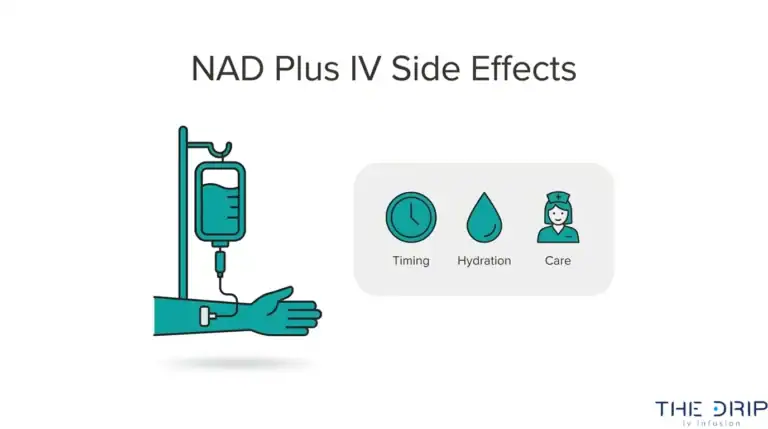
Side effects such as headache, nausea, or injection-site soreness are usually mild and short-lived, though they can temporarily mask the expected energy improvement. Certain drug interactions may also blunt the therapeutic response during the first few days.
Injection routes bypass the GI tract entirely, giving them an absorption advantage over oral supplements for people with compromised gut function. Confirmed deficiency through blood work before treatment is the strongest predictor of a fast, meaningful response.
What factors influence how quickly you feel less tired after a B12 injection?
The factors that influence how quickly you feel less tired after a B12 injection include your underlying health conditions and the severity of your existing deficiency. These two variables shape whether relief comes within days or takes several weeks.
How do individual health conditions affect the response to a B12 injection?
Individual health conditions affect the response to a B12 injection by altering how the body absorbs, stores, and utilizes cobalamin. Conditions that impair absorption tend to slow symptom relief and often require more aggressive treatment schedules.
Key conditions that influence response time include:
- Pernicious anemia destroys intrinsic factor, blocking B12 absorption entirely and requiring ongoing injections rather than oral supplementation.
- Celiac disease damages the intestinal lining, reducing nutrient uptake even when dietary B12 intake is adequate.
- Metformin use interferes with the B12-intrinsic factor complex. According to FDA prescribing data, approximately 7% of metformin-treated patients developed subnormal B12 levels during 29-week clinical trials.
- Age-related gastric atrophy reduces stomach acid production, which is necessary for releasing B12 from food proteins.
Someone whose fatigue stems purely from dietary insufficiency will typically respond faster than a person with an autoimmune absorption disorder. For patients managing multiple conditions simultaneously, working with a healthcare provider to address the root cause matters as much as the injection itself.
What role does the severity of B12 deficiency play in symptom relief timing?
The severity of B12 deficiency plays a direct role in symptom relief timing; deeper deficiencies require longer correction periods. Mild cases may notice energy improvements within the first week, while severe deficiency with neurological involvement can take months to fully resolve.
Severity is typically classified by serum B12 levels:
- Confirmed deficiency: total B12 below 180 ng/L (133 pmol/L) or active B12 below 25 pmol/L.
- Indeterminate zone: total B12 between 180 and 350 ng/L, where symptoms may or may not be present.
- Unlikely deficiency: levels above these ranges.
According to NICE guidelines, the conventional cut-off for deficiency diagnosis varies, and an indeterminate zone between normal and abnormal levels complicates the picture. When macrocytic anemia accompanies severe deficiency, hematologic correction takes approximately eight weeks, with neurological symptoms requiring up to six months. Patients in the indeterminate zone who receive an injection often report faster subjective improvement because the physiological deficit is smaller to begin with.
Understanding your baseline severity before treatment sets realistic expectations for when fatigue will meaningfully improve.
What is the typical timeline for noticing increased energy after a B12 injection?
The typical timeline for noticing increased energy after a B12 injection ranges from within 24 hours for subjective improvements to several weeks for measurable blood count normalization. The sub-sections below cover how immediate the effects are and how long they last.

How immediate are the effects of a B12 injection for most people?
The effects of a B12 injection are not uniform for most people. Some individuals report a subjective sense of increased energy within the first 24 hours, even though measurable hematologic changes have not yet begun. According to the cyanocobalamin prescribing information, vitamin B12 reaches peak plasma concentrations within 1 hour after intramuscular injection, which may explain why certain patients feel a rapid shift in alertness.
However, the biological response follows a slower course. Reticulocyte counts typically rise after 3 to 4 days and peak around one week. Red blood cell counts and hemoglobin begin climbing at approximately the same time, while full blood count normalization requires about eight weeks. That early energy boost some people describe likely reflects a combination of expectation and rapid cellular uptake rather than corrected anemia. For anyone with a confirmed deficiency, the first week is best viewed as the beginning of recovery, not the finish line.
How long do the benefits of a B12 injection usually last?
The benefits of a B12 injection usually last between one and three months, depending on deficiency severity and ongoing supplementation. According to NHS guidelines, a follow-up blood test is often carried out at approximately 8 weeks to confirm treatment success, which aligns with the timeframe for complete blood count normalization.
Neurological improvements follow a longer arc. Effective B12 replacement should correct macrocytic anemia within 2 months and improve neurological signs within 6 months. Maintenance injections, typically administered monthly for conditions like pernicious anemia, help sustain these benefits over time. Without continued supplementation, stored B12 depletes gradually, and fatigue can return. For most people, scheduling consistent follow-up sessions is the most reliable way to maintain steady energy levels.
Understanding how long benefits persist helps clarify whether side effects might complicate the recovery timeline.
Can side effects or reactions influence how soon you feel less tired after a B12 injection?
Yes, side effects or reactions can influence how soon you feel less tired after a B12 injection. Most reactions are mild and short-lived, but certain responses may temporarily overshadow the energy boost you expect. The sections below cover common side effects and whether they can delay your results.
What are the most common side effects experienced after a B12 injection?
The most common side effects experienced after a B12 injection are mild and typically resolve without treatment. According to the Therapeutic Goods Administration (Australia) VITA-B12 product information, less serious side effects include:
- Diarrhea, nausea, or vomiting
- Headache or dizziness
- Pain or redness at the injection site
- Skin rash, itching, or acne
- Feeling hot or cold, fever, or shivering
- A general feeling of weakness
- Changes to urine or stool color
Sensitization to hydroxocobalamin is rare but may present as itching exanthema or, in very uncommon cases, anaphylaxis. For individuals with a known cobalt allergy, symptom onset may be immediate or delayed up to 72 hours post-administration. Most people tolerate B12 injections well, so these reactions should not discourage anyone from pursuing treatment when clinically indicated.

Can any side effects delay the feeling of increased energy?
Yes, certain side effects can delay the feeling of increased energy after a B12 injection. Symptoms like headache, nausea, dizziness, or a general feeling of weakness may temporarily mask the expected energy improvement, particularly within the first 24 to 72 hours. If a cobalt sensitivity reaction occurs, the resulting fatigue and malaise from an immune response can further push back noticeable benefits.
Drug interactions also matter. According to the electronic Medicines Compendium patient leaflet for hydroxocobalamin, chloramphenicol can reduce the effects of a B12 injection, potentially blunting the therapeutic response. In practice, most mild side effects clear within a day or two, at which point the underlying energy improvement becomes more apparent.
Understanding how your body reacts to B12 helps set realistic expectations for how different delivery methods compare.
How does the method of B12 administration impact the time to feel less tired?
The method of B12 administration impacts the time to feel less tired primarily through differences in absorption speed and bioavailability. Intramuscular and intravenous injections deliver B12 directly into the bloodstream, while oral supplements depend on gastrointestinal absorption. The sections below compare injection routes and oral supplementation.
Is there a difference in results between intramuscular and intravenous B12 injections?
There is a difference in results between intramuscular and intravenous B12 injections, though it centers on absorption kinetics rather than long-term outcomes. Intramuscular B12 injection achieves peak plasma concentrations within one hour, according to cyanocobalamin prescribing information. Intravenous delivery places B12 directly into the bloodstream, making it available to cells immediately without the absorption step that intramuscular sites require.
Both routes bypass the GI tract entirely, which matters most for individuals with absorption disorders such as pernicious anemia. For fatigue relief specifically, no large clinical trials have established that one injectable route produces faster subjective energy improvement than the other. The practical difference often comes down to clinical setting, provider protocol, and whether additional nutrients are being administered simultaneously.

How do oral B12 supplements compare in terms of symptom relief speed?
Oral B12 supplements compare less favorably in terms of symptom relief speed during the initial correction phase because they require gastrointestinal absorption, a process that depends on intrinsic factor, stomach acid, and intact intestinal lining. This makes oral B12 slower to raise serum levels in the first days of treatment.
However, a Cochrane systematic review found that studies using 1,000 mcg/day oral vitamin B12 showed no relevant difference compared to intramuscular B12 with regard to blood levels over time. One trial using 2,000 mcg/day actually produced higher blood levels favoring the oral route.
For people with intact absorption, high-dose oral supplementation can eventually match injectable results. When absorption is impaired, though, injections remain the more reliable path to rapid repletion, making them the stronger choice for anyone prioritizing speed of fatigue relief.
Understanding how each delivery method works helps clarify which groups stand to benefit most quickly from B12 repletion.
Who is most likely to benefit quickly from a B12 injection for fatigue?
People with confirmed vitamin B12 deficiency from absorption-related conditions are most likely to benefit quickly from a B12 injection for fatigue. The following subsections cover which groups respond fastest and what to discuss with a provider beforehand.
Are certain groups or conditions associated with faster results after B12 injections?
Certain groups and conditions associated with faster results after B12 injections include those whose fatigue stems directly from documented B12 depletion. When the body has a clear deficit, correcting it produces the most noticeable improvement.
Groups that tend to respond quickly:
- People with pernicious anemia cannot absorb B12 through the gut, so injections bypass the problem entirely. Pernicious anemia affects 0.1% of the general population and 1.9% of adults over 60, according to a study published through PubMed at the National Library of Medicine.
- Long-term metformin users whose B12 levels have dropped due to absorption interference often see rapid reversal once levels are restored.
- Older adults with age-related malabsorption, given that approximately 6% of those aged 60 and older are B12 deficient and closer to 20% have marginal status.
- Strict vegans and vegetarians with dietary-origin deficiency, since their stores are genuinely depleted rather than blocked by a secondary condition.
For anyone whose fatigue has a non-B12 cause, the injection is unlikely to produce a meaningful energy shift. Confirming deficiency through blood work before treatment is what separates fast responders from those who see little change.

What should you discuss with a healthcare provider before getting a B12 injection for tiredness?
You should discuss your current B12 levels, medical history, and medication use with a healthcare provider before getting a B12 injection for tiredness. A serum B12 test is the starting point; according to the American Academy of Family Physicians, a serum methylmalonic acid level is an appropriate next step when B12 results fall in the low-normal range, as it provides a more direct measure of B12’s physiologic activity.
Key topics to cover with your provider:
- Baseline blood work, including serum B12 and complete blood count, to confirm whether deficiency is present.
- Medications that affect absorption, such as metformin or proton pump inhibitors.
- Known allergies, particularly cobalt sensitivity, which can trigger delayed reactions up to 72 hours post-injection.
- Concurrent supplements, because high-dose folic acid can mask B12 deficiency symptoms while allowing neurological damage to progress.
- Underlying conditions like celiac disease or autoimmune gastritis that may require ongoing injection schedules rather than a single dose.
A provider-guided approach ensures the injection targets a real deficiency, which is the single biggest predictor of a fast, meaningful response.
How should you approach feeling less tired after a B12 injection with The Drip IV Infusion?
You should approach feeling less tired after a B12 injection with The Drip IV Infusion by understanding realistic timelines and pairing the service with proper medical guidance. The sections below cover what The Drip IV Infusion offers and the essential takeaways from clinical evidence.
Can The Drip IV Infusion help you feel less tired quickly with their B12 injection services?
The Drip IV Infusion can help you feel less tired quickly by offering vitamin B12 as a $30 add-on to any IV infusion session. This service is designed to support energy levels, immune function, mood, sleep patterns, and nerve and blood cell health. Because B12 reaches peak plasma concentrations within one hour of injection, some patients report a subjective sense of improved energy within the first 24 hours. However, measurable hematologic recovery, such as rising reticulocyte counts and hemoglobin, unfolds over days to weeks.
According to clinical guidance published in “How I treat cobalamin (vitamin B12) deficiency” (PMC, 2008), neurologic improvement begins within the first week and is typically complete in 6 weeks to 3 months. The Drip IV Infusion pairs each session with oversight from experienced nurses, though results vary based on individual deficiency severity. Consulting a healthcare provider before and after treatment remains essential for tracking progress.

What are the key takeaways about how soon you feel less tired after a B12 injection?
The key takeaways about how soon you feel less tired after a B12 injection center on a few practical points:
- Some patients notice a subjective energy boost within the first 24 hours, even before measurable blood changes begin.
- Hematologic response starts after 3 to 4 days, with reticulocyte counts peaking around one week.
- Full blood count normalization requires approximately 8 weeks, and neurological symptom correction can take up to 6 months.
- Severity of deficiency, underlying health conditions, and absorption capacity all influence individual response speed.
- A follow-up blood test at 7 to 10 days helps confirm whether treatment is working effectively.
For anyone considering B12 support through The Drip IV Infusion, the most practical step is to confirm a true deficiency with a healthcare provider first. Realistic expectations, paired with professional monitoring, lead to the best outcomes.