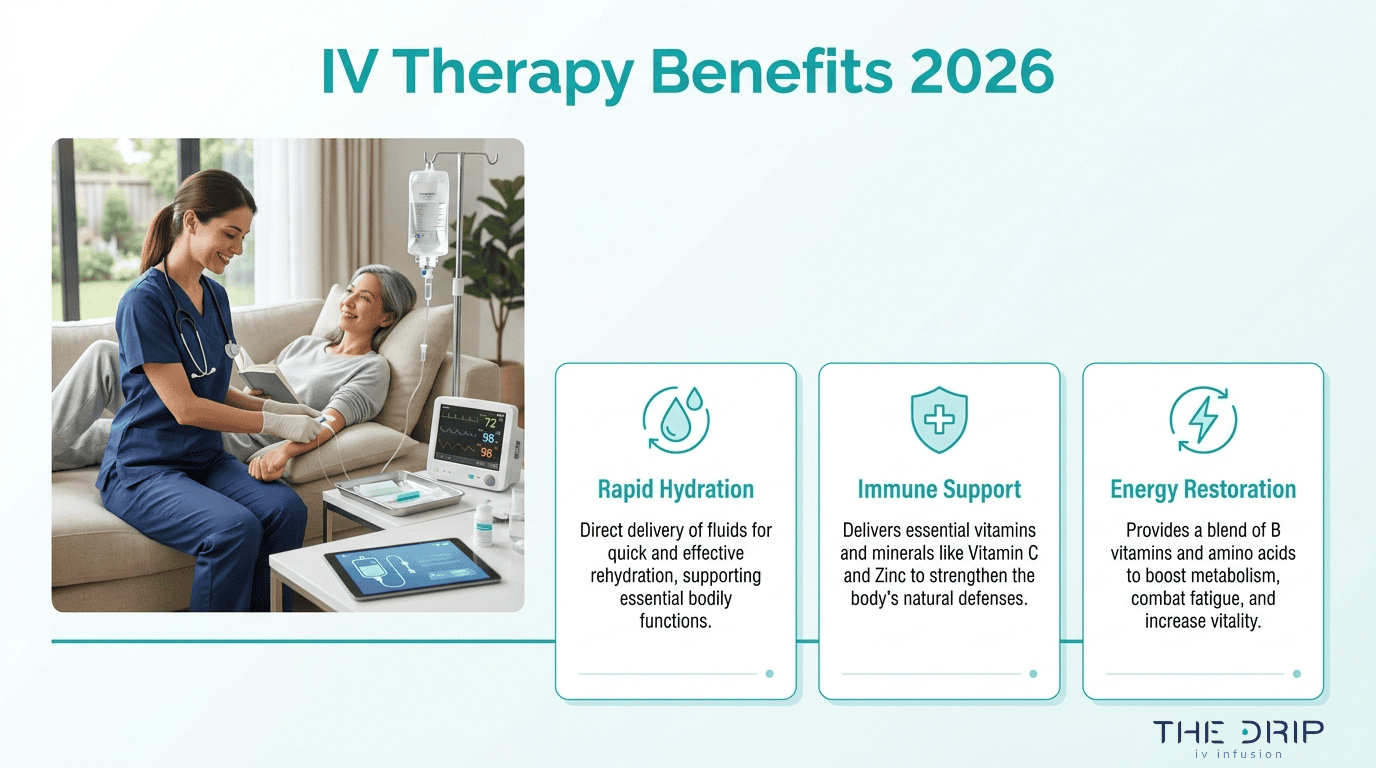
IV therapy is a medical wellness method that delivers fluids, vitamins, and minerals directly into the bloodstream through venous access, achieving 100% bioavailability by bypassing the digestive system entirely.
This guide covers how IV delivery works and who benefits from it, hydration advantages over oral intake, immune-boosting nutrient protocols, cellular energy restoration, bioavailability comparisons with oral supplements, and practical session and safety considerations.
We explain the mechanics of intravenous delivery, including how a small cannula creates a direct route to circulation that eliminates digestive breakdown and first-pass metabolism. Candidates range from athletes needing rapid recovery to individuals with malabsorption conditions that make oral supplementation unreliable.
IV hydration outperforms oral fluid intake in clinical settings, with lower failure rates and faster recovery times for dehydration. These benefits extend to athletic performance, hangover and illness recovery, and skin health through direct antioxidant delivery to dermal tissues.
For immunity, high-dose IV vitamin C at therapeutic concentrations reduces inflammation and preserves white blood cell counts, while IV glutathione dramatically enhances natural killer cell activity. Zinc and B vitamins complete the immune protocol by supporting antibody production and lymphocyte proliferation.
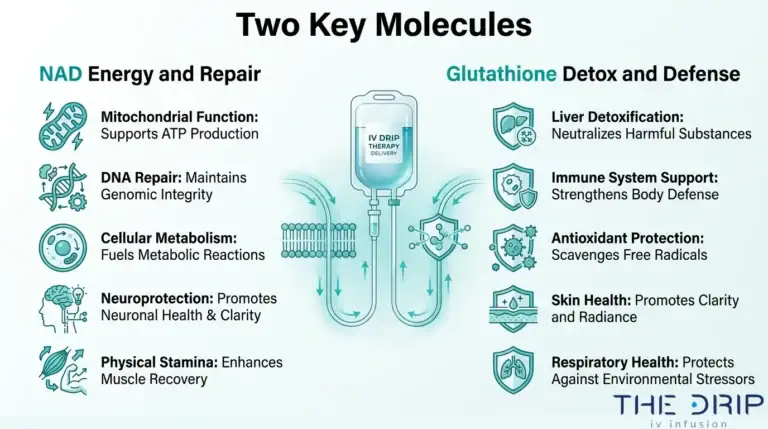
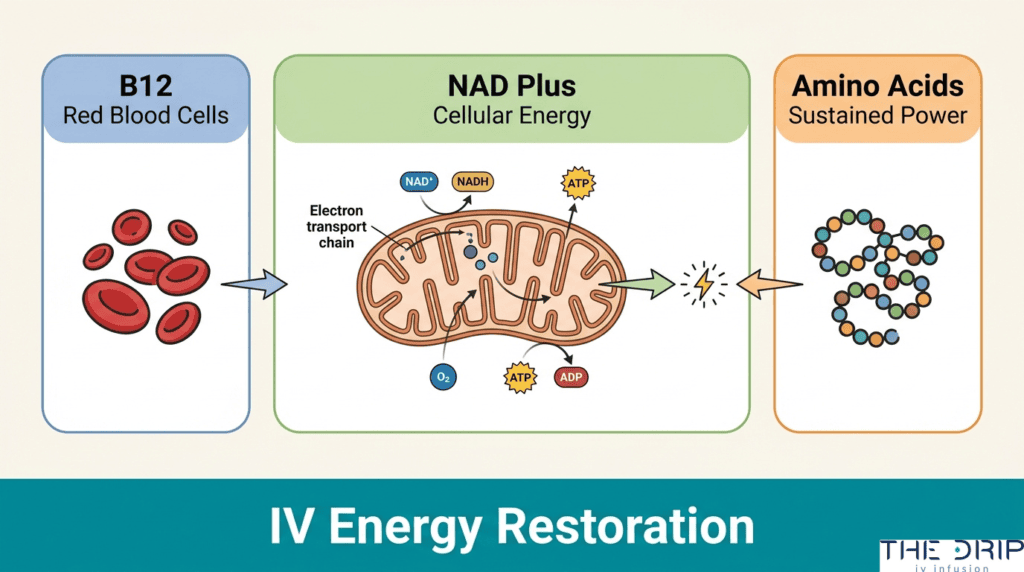
Energy restoration relies on IV B12 for red blood cell formation, NAD+ for mitochondrial ATP production and neuroprotection, amino acids for sustained metabolic output, and magnesium for clearing lactic acid from fatigued muscles. Chronic fatigue sufferers show measurable quality-of-life improvements after intermittent IV saline treatments.
We also compare IV delivery’s 30 to 70 fold higher plasma concentrations against oral maximums, outline what to expect during a session, address safety profiles, and explain how mobile nurse-administered services bring these clinical-grade benefits directly to you.
What Is IV Therapy and How Does It Work?
IV therapy is a method of delivering fluids, vitamins, and minerals directly into the bloodstream through a vein. The sections below explain how intravenous delivery bypasses digestion, what nutrients are administered, and who benefits most from this approach.
How Does Intravenous Delivery Bypass the GI Tract?
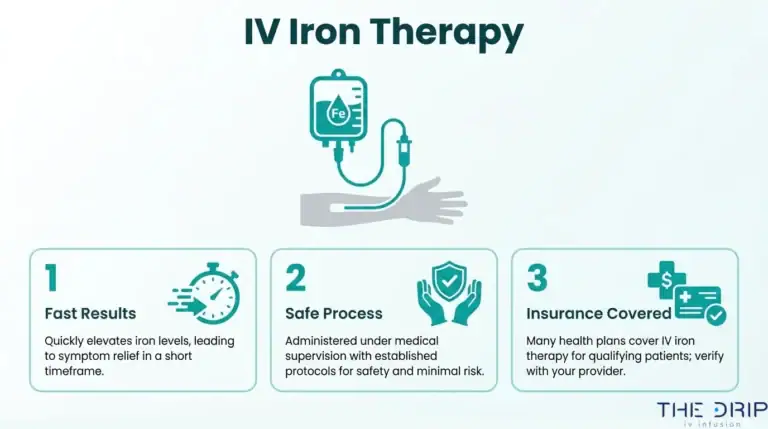
Intravenous delivery bypasses the GI tract by introducing substances directly into the bloodstream through venous access. When nutrients enter the digestive system orally, they pass through the stomach, intestines, and liver before reaching circulation. Each stage reduces the amount that ultimately becomes available to cells. IV therapy eliminates this entire pathway. A small cannula placed in a vein creates a direct route, allowing fluids and nutrients to reach tissues without any digestive breakdown or first-pass metabolism. This mechanism is particularly valuable when the GI tract is compromised by nausea, malabsorption conditions, or surgical recovery, making oral intake unreliable or impossible.
What Nutrients and Fluids Are Administered During IV Therapy?
The nutrients and fluids administered during IV therapy include saline solutions, electrolytes, vitamins, minerals, and amino acids. According to Nationwide Children’s Hospital, IV therapy uses a tiny plastic tubing called a cannula that is guided into the vein with a needle, which is then removed, leaving the cannula to deliver fluids directly into the bloodstream.
Common components include:
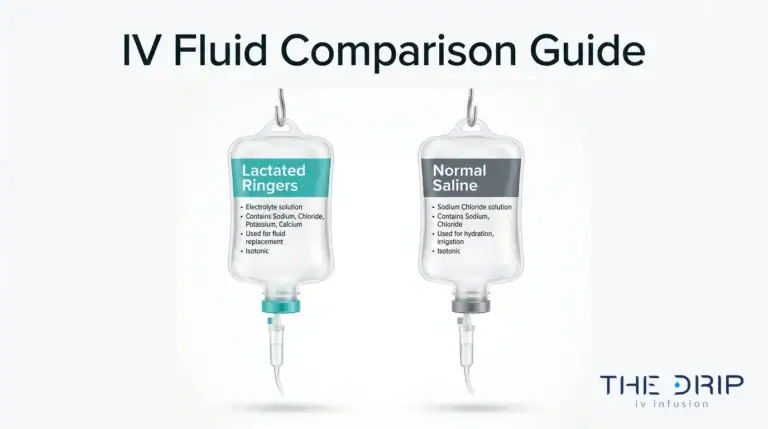
- Saline or lactated Ringer’s solution for hydration and electrolyte balance.
- Vitamin C for antioxidant and immune support.
- B-complex vitamins and B12 for energy metabolism.
- Magnesium for muscle relaxation and nerve function.
- Zinc for immune defense.
- Glutathione for cellular detoxification.
- NAD+ for cellular energy restoration.
IV therapy offers 100% bioavailability since nutrients enter the bloodstream directly, bypassing the digestive system entirely. This makes it especially effective for individuals who need rapid nutrient replenishment.
Who Is a Good Candidate for IV Therapy in 2026?
A good candidate for IV therapy in 2026 is anyone experiencing dehydration, nutrient deficiencies, fatigue, immune challenges, or recovery needs that oral supplementation cannot adequately address. According to a 2026 WBUR report, many IV treatments are low risk, particularly those that include only fluids and water-soluble vitamins.
Ideal candidates include:
- Athletes needing rapid post-training recovery.
- Individuals recovering from illness, hangovers, or jet lag.
- People with digestive conditions limiting oral nutrient absorption.
- Those seeking immune support during cold and flu season.
- Expecting mothers dealing with morning sickness and dehydration.
For most healthy adults, IV therapy works best as a targeted wellness intervention rather than a daily routine. Those with chronic kidney disease or heart conditions should consult a healthcare provider before treatment.
Understanding how IV therapy works sets the foundation for exploring its specific benefits for hydration, immunity, and energy.
What Are the Hydration Benefits of IV Therapy?
The hydration benefits of IV therapy include faster fluid absorption, lower treatment failure rates, and direct electrolyte correction. Below, each benefit is explored across clinical comparison, severe dehydration, athletic performance, illness recovery, and skin health.
How Does IV Hydration Compare to Oral Fluid Intake?
IV hydration compares to oral fluid intake by delivering fluids directly into the bloodstream, achieving immediate cellular rehydration without relying on gastrointestinal absorption. IV fluids are specially formulated liquids injected into a vein to prevent or treat dehydration in people of all ages who are sick, injured, or undergoing surgery.
The clinical advantages are measurable:
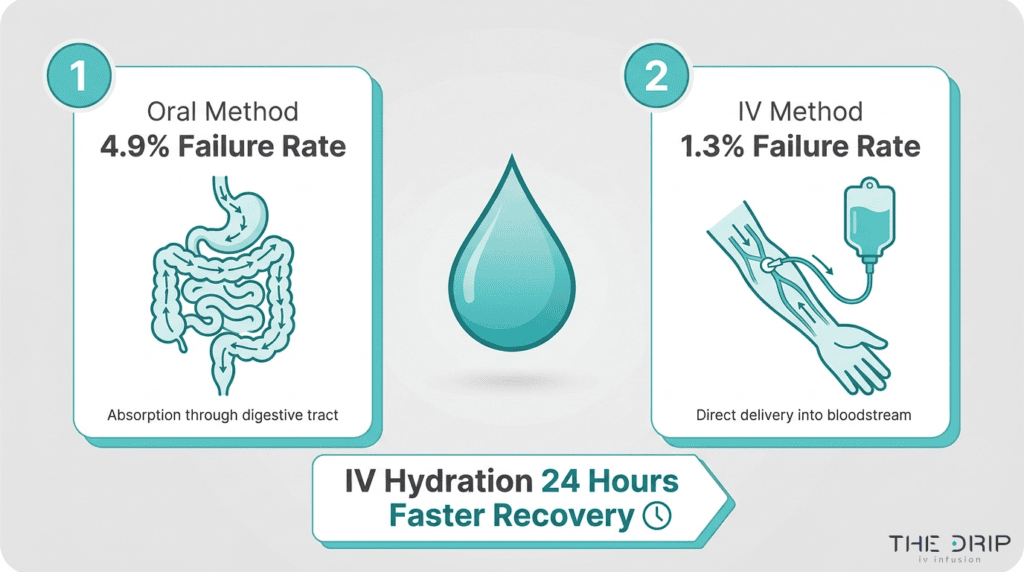
- The failure rate for oral rehydration therapy was 4.9%, compared with only 1.3% for intravenous therapy, according to a clinical comparison published in the Annals of Emergency Medicine.
- NIH research found IV rehydration cut recovery time by 24 hours compared to oral rehydration in gastroenteritis patients.
- IV rehydration therapy is widely used when oral administration is inadequate or impossible.
For anyone whose condition prevents reliable oral intake, IV hydration eliminates the absorption uncertainty that makes oral methods less dependable.
How Does IV Therapy Help With Severe Dehydration Recovery?
IV therapy helps with severe dehydration recovery by restoring fluid volume and electrolyte balance rapidly through venous access. When dehydration reaches a critical stage, the gut often cannot absorb fluids efficiently due to nausea, vomiting, or mucosal compromise. IV delivery circumvents these barriers entirely.
A cannula is guided into the vein, allowing isotonic or balanced electrolyte solutions to reach the circulatory system within minutes. This immediate fluid restoration supports organ perfusion, stabilizes blood pressure, and prevents the cascading complications of prolonged dehydration. For severe cases, IV intervention remains the clinical standard because waiting for oral absorption introduces unnecessary risk.
How Does IV Hydration Support Athletic Performance?
IV hydration supports athletic performance by replenishing fluid, electrolytes, and nutrients faster than oral intake allows during intense physical output. Athletes who maintain optimal hydration and nutrient levels through IV therapy recover up to 47% faster than those using traditional oral methods, according to Mobile IV Pros.
During prolonged training or competition, sweat losses can exceed the gut’s absorption capacity. IV hydration bypasses this bottleneck, delivering precise electrolyte ratios directly into circulation. The result is reduced muscle cramping, maintained cognitive sharpness, and shorter recovery windows between sessions. For competitive athletes operating at peak output, this speed difference can meaningfully impact training consistency and performance readiness.
How Does IV Hydration Benefit Hangover and Illness Recovery?
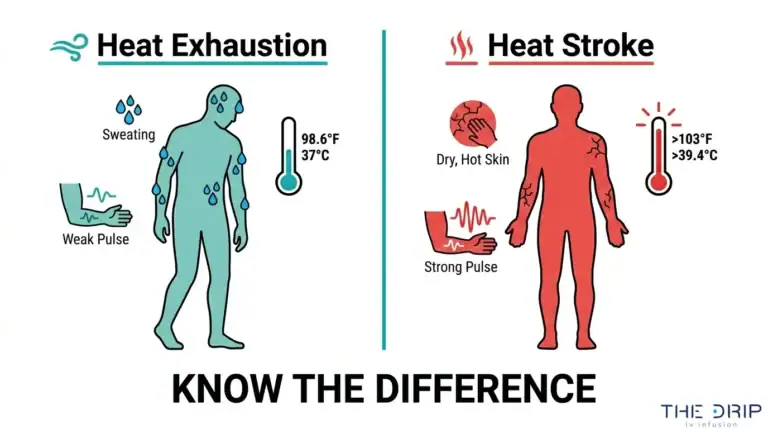
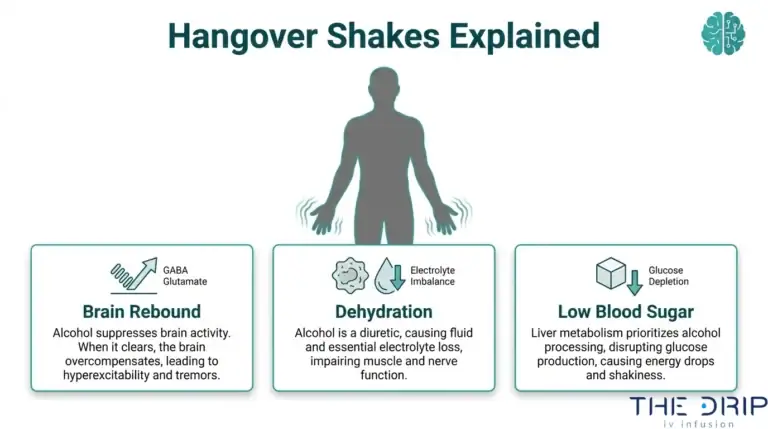
IV hydration benefits hangover and illness recovery by replacing fluids lost through vomiting, diarrhea, or alcohol-induced diuresis when oral intake is impractical or poorly tolerated. Nausea frequently prevents adequate oral rehydration during these states, creating a cycle where dehydration worsens symptoms.
IV delivery solves this by:
- Restoring fluid volume without requiring stomach tolerance.
- Delivering anti-nausea support alongside hydration in the same session.
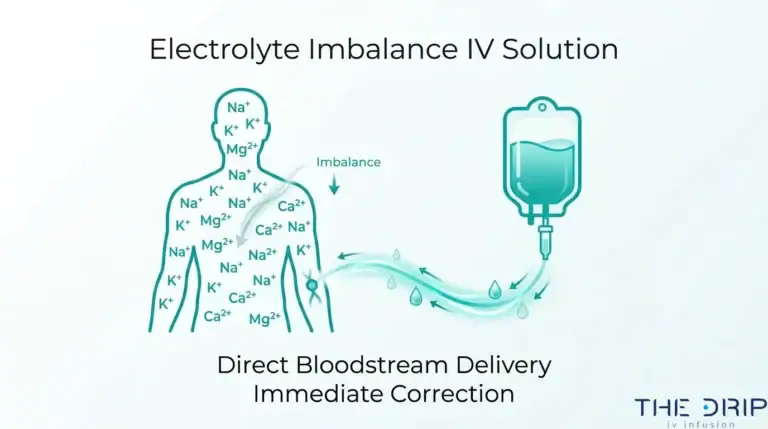
- Correcting electrolyte imbalances that prolong headaches, fatigue, and dizziness.
A typical session takes about one hour, and most recipients report symptom improvement well before the infusion completes. When the gut is compromised, bypassing it entirely is the most practical path to recovery.
How Does IV Hydration Improve Skin Health and Appearance?
IV hydration improves skin health and appearance by delivering antioxidants and nutrients directly to cells without digestive degradation. According to the Journal of Aesthetic Nursing, IV drips have been shown to enhance esthetic practices by improving skin hydration through direct antioxidant delivery.
Skin cells depend on adequate hydration and micronutrient availability to maintain elasticity, collagen production, and barrier function. Oral supplements lose potency during digestion, but IV delivery ensures full-strength nutrients reach dermal tissues. Consistent hydration at the cellular level supports a more even complexion, reduced dullness, and improved texture over time.
With hydration fundamentals established, IV therapy’s role in immune defense builds on the same direct-delivery advantage.
What Are the Immunity Benefits of IV Therapy?
The immunity benefits of IV therapy include enhanced white blood cell protection, reduced inflammation, and stronger antioxidant defense. The following sections cover how vitamin C, zinc, glutathione, and B vitamins each contribute to immune function.
How Does High-Dose Vitamin C via IV Boost Immune Function?
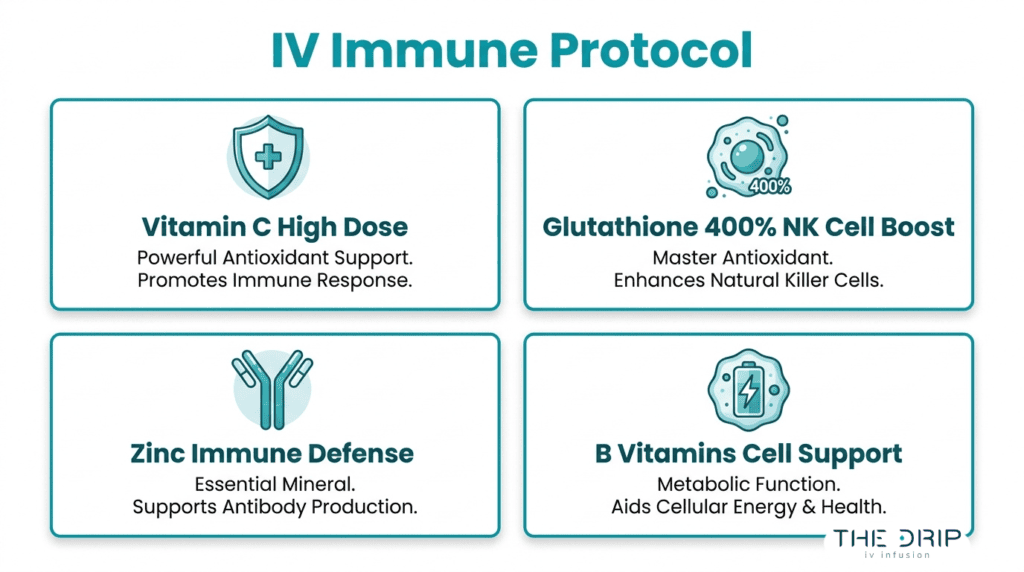
High-dose vitamin C via IV boosts immune function by delivering therapeutic concentrations directly into the bloodstream, enabling anti-inflammatory and immune-enhancing effects impossible through oral intake alone. According to a study published in PubMed Central, high-dose IV vitamin C downregulates pro-inflammatory signaling in experimental sepsis by inhibiting STAT1 phosphorylation. Clinical data shows that IV vitamin C at doses between 25 and 50 grams can substantially enhance immune function while reducing illness-related side effects. This nutrient also decreases white blood cell loss and ascites accumulation in experimental models, preserving the body’s frontline defenders during immune challenges.
How Does IV Zinc Support Immune Defense?
IV zinc supports immune defense by delivering this essential mineral at concentrations that optimize white blood cell activity and antibody production. Zinc is required for the development and function of neutrophils, natural killer cells, and T-lymphocytes. When administered intravenously, zinc bypasses absorption limitations common in the gut, reaching therapeutic levels faster. For individuals with compromised immunity or frequent illness, IV zinc provides a direct route to replenishing cellular stores that oral supplements often fail to restore efficiently.
How Does IV Glutathione Strengthen Immunity?
IV glutathione strengthens immunity by replenishing the body’s master antioxidant at the cellular level, protecting immune cells from oxidative damage. According to research from Researched Nutritionals, natural killer cell cytotoxicity increased by 400% in two weeks following interventions aimed at improving glutathione and immune markers. This dramatic enhancement in NK cell activity reflects glutathione’s role in maintaining the functional capacity of lymphocytes. For individuals under chronic stress or recovering from illness, IV glutathione offers a targeted way to restore antioxidant reserves that oral supplementation struggles to replicate.
How Do IV B Vitamins Contribute to Immune Resilience?
IV B vitamins contribute to immune resilience by supporting cellular energy production, antibody synthesis, and proper immune cell differentiation. B6 is critical for lymphocyte proliferation, while B12 and folate support the rapid cell division required during an immune response. Delivered intravenously, B-complex vitamins reach optimal plasma levels without the absorption variability seen with oral forms, particularly in individuals with digestive compromise. This makes IV B vitamins especially valuable for maintaining immune readiness during periods of high physiological demand.
How Does IV Therapy Help During Cold and Flu Season?
IV therapy helps during cold and flu season by combining immune-supportive nutrients such as vitamin C, zinc, glutathione, and B vitamins into a single infusion that fortifies multiple defense pathways simultaneously. Rather than relying on the digestive system when the body is already stressed, IV delivery ensures full absorption during the critical window when pathogens first take hold. This proactive approach can shorten symptom duration, reduce severity, and support faster recovery. For those frequently exposed to illness or feeling run down, seasonal IV infusions serve as a practical layer of immune protection.
With immune defenses strengthened, the next consideration is how IV therapy restores energy at the cellular level.
What Are the Energy Benefits of IV Therapy?
The energy benefits of IV therapy include faster fatigue reduction, improved cellular energy production, and sustained physical endurance. Below, each key nutrient addresses a different aspect of energy restoration.
How Does IV B12 Combat Fatigue and Low Energy?
IV B12 combats fatigue and low energy by delivering methylcobalamin directly into the bloodstream, bypassing absorption barriers in the digestive tract. Vitamin B12 is essential for red blood cell formation and neurological function; deficiency in either leads to persistent tiredness, brain fog, and muscle weakness. Intravenous delivery ensures immediate availability for energy metabolism at the cellular level. For individuals with absorption disorders or dietary restrictions, this route provides reliable correction that oral supplements often cannot match. B12 remains one of the most requested energy-focused nutrients in IV formulations for this reason.
How Does IV NAD+ Therapy Restore Cellular Energy?
IV NAD+ therapy restores cellular energy by replenishing nicotinamide adenine dinucleotide levels that decline with age and stress. NAD+ is a coenzyme required for mitochondrial ATP production, DNA repair, and sirtuin activation. According to a pilot clinical research study involving 14 healthy individuals published by AboutNAD, NR IV outperformed NAD+ IV on safety, speed, and metabolic outcomes for energy restoration. NAD+ IV therapy may also help replenish brain energy stores, mitigate oxidative stress, and promote the restoration of neurotransmitter levels for neuroprotection. For those experiencing mental fatigue alongside physical exhaustion, this dual-action mechanism makes NAD+ particularly valuable.
How Do IV Amino Acids Support Sustained Energy Levels?
IV amino acids support sustained energy levels by providing the building blocks for protein synthesis and neurotransmitter production without digestive delay. Essential amino acids fuel muscle repair, support hormonal balance, and contribute to stable energy output throughout the day. Because amino acids are absorbed completely through intravenous delivery, the body can immediately utilize them for tissue maintenance and metabolic processes. This makes IV amino acid infusions especially practical for individuals recovering from intense physical activity or prolonged periods of nutritional depletion.
How Does IV Magnesium Reduce Muscle Fatigue and Weakness?
IV magnesium reduces muscle fatigue and weakness by supporting the clearance of waste products like lactic acid from muscle tissue. Magnesium plays an integral role in both relaxation and muscle recovery, acting as a cofactor in over 300 enzymatic reactions including energy metabolism and neuromuscular signaling. When magnesium levels drop, muscles cramp, fatigue sets in faster, and recovery stalls. Intravenous delivery achieves therapeutic serum levels rapidly, which is difficult through oral supplementation alone due to gastrointestinal absorption limits. For active individuals or those with chronic muscle tension, IV magnesium offers measurable relief.
How Does IV Therapy Improve Energy for Chronic Fatigue Sufferers?
IV therapy improves energy for chronic fatigue sufferers by addressing nutrient deficiencies and dehydration that perpetuate exhaustion cycles. According to a study published in PubMed Central, quality of life and ability to work improved significantly in patients with chronic fatigue symptoms following three intermittent intravenous saline treatments over 9 weeks. Chronic fatigue often involves compounded deficiencies that oral supplementation cannot resolve quickly enough. IV delivery provides immediate correction of fluid balance, electrolytes, and key micronutrients simultaneously. For individuals who have struggled with persistent low energy despite conventional approaches, IV therapy represents a targeted intervention worth considering.
With energy restoration strategies established, understanding how IV therapy compares to oral supplements clarifies why direct delivery consistently outperforms traditional intake methods.
What Are the Additional Wellness Benefits of IV Therapy?
The additional wellness benefits of IV therapy extend beyond hydration, immunity, and energy into weight management, athletic recovery, and anti-aging support. These applications reflect IV therapy’s growing role as a comprehensive wellness tool.
How Does IV Therapy Support Weight Loss Goals?
IV therapy supports weight loss goals by delivering lipotropic compounds and metabolic cofactors directly into the bloodstream for immediate cellular use. Formulations containing nutrients like Lipo-C, B vitamins, and amino acids help the body convert stored fat into usable energy more efficiently. Because these compounds bypass digestive absorption barriers, they reach target tissues at full potency. IV weight loss support works best as a complement to nutrition and exercise rather than a standalone solution. For individuals with nutrient deficiencies that slow metabolism, this direct delivery method addresses the underlying gap that oral supplements may not fully correct.
How Does IV Therapy Enhance Post-Workout Recovery?
IV therapy enhances post-workout recovery by replenishing fluids, electrolytes, and amino acids depleted during intense exercise. Magnesium plays an integral role in both relaxation and muscle recovery by supporting the clearance of waste products like lactic acid from muscle tissue, according to clinical sources on IV mineral delivery. Amino acid blends delivered intravenously help repair microtears in muscle fibers without waiting for slow gut absorption. Athletes benefit from this approach because the 100% bioavailability ensures every milligram reaches working muscles. Combined with anti-inflammatory antioxidants like glutathione, post-workout IV sessions can reduce soreness duration and accelerate return to training.
How Does IV Therapy Aid Anti-Aging and Longevity?
IV therapy aids anti-aging and longevity by delivering potent antioxidants and cellular repair compounds at concentrations unachievable through oral intake. NAD+ IV therapy may help replenish brain energy stores, mitigate oxidative stress, and promote the restoration of neurotransmitter levels for neuroprotection, according to clinical wellness research. Glutathione, often called the master antioxidant, neutralizes free radicals that accelerate cellular aging when delivered intravenously. These therapies support collagen production, skin elasticity, and cognitive sharpness over time. Family medicine physician Dr. Mike Varshavski highlights IV vitamin therapy as a trending wellness topic, noting both its popularity and the need for medical scrutiny in evaluating long-term benefits.
With these wellness applications established, understanding how IV therapy compares to oral supplements clarifies why direct delivery matters.
How Does IV Therapy Compare to Oral Supplements in 2026?
IV therapy compares to oral supplements through two primary advantages: superior bioavailability and faster onset of results. The following sections break down each difference.
What Is the Bioavailability Difference Between IV and Oral Delivery?
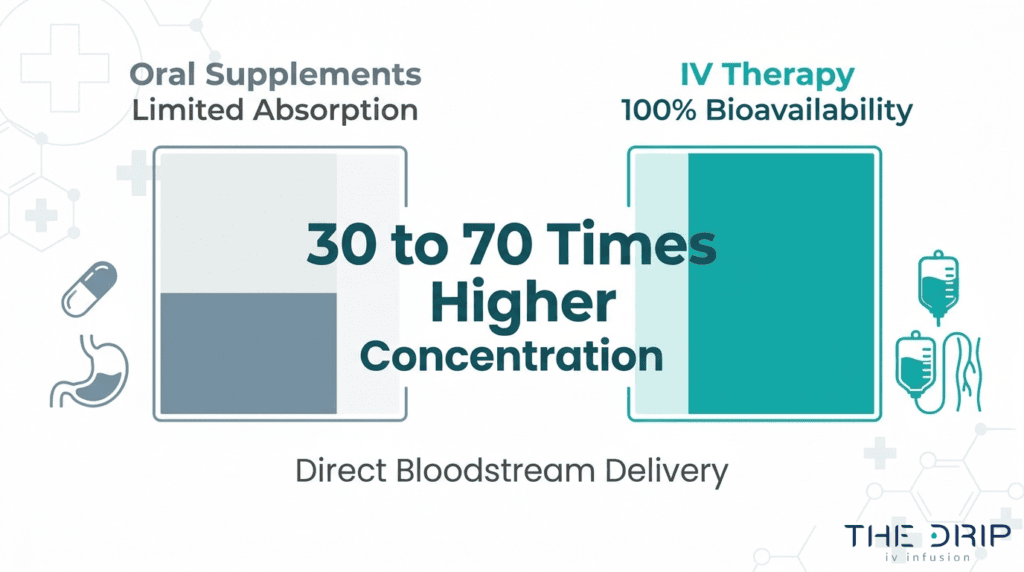
The bioavailability difference between IV and oral delivery is significant. IV therapy delivers 100% bioavailability because nutrients enter the bloodstream directly, bypassing the digestive system entirely. Oral supplements, by contrast, must pass through the gastrointestinal tract, where stomach acid, enzyme activity, and intestinal absorption limitations reduce the amount that reaches circulation. According to the Annals of Internal Medicine, intravenous doses of vitamin C can produce plasma concentrations 30 to 70 fold higher than the maximum tolerated oral doses. This gap matters most for water-soluble nutrients that the gut absorbs inefficiently at therapeutic levels. For anyone seeking measurable nutrient repletion rather than maintenance dosing, IV delivery remains the more reliable route.
How Much Faster Do Patients Feel Results With IV Therapy?
Patients feel results with IV therapy within minutes to hours, compared to the days or weeks often required by oral supplementation. IV therapy works by bypassing the digestive system and using venous access to achieve rapid effects for patients needing immediate intervention. A study published in PubMed Central found that intravenous amino acid infusion improved whole-body protein balance in critically ill patients over a 3-hour period without increasing amino acid oxidation rates. This speed advantage makes IV delivery particularly valuable for acute fatigue, dehydration, and post-illness recovery scenarios where waiting days for oral absorption is impractical.
With delivery speed and bioavailability clarified, understanding what happens during a session helps set realistic expectations.
What Should You Expect During an IV Therapy Session?
During an IV therapy session, you should expect a comfortable, straightforward process lasting approximately 1 hour. A nurse reviews your health goals, inserts a small cannula into your vein, and monitors the infusion from start to finish.
The session begins with a brief health assessment. Once the appropriate IV cocktail is selected, the nurse places a tiny plastic cannula into a vein; the needle is then removed, leaving only the flexible tubing to deliver fluids. Most clients relax, read, or work during the infusion while nutrients absorb directly into the bloodstream.
According to Heights IV, typical IV therapy costs in the United States range from $100 to $500 per session, depending on the treatment type and provider. Sessions that include specialty formulations or higher-dose nutrients generally fall toward the upper end of that range. For most people seeking hydration, immunity, or energy support, the investment represents a practical alternative to weeks of inconsistent oral supplementation.
Understanding what a session involves makes it easier to evaluate whether IV therapy aligns with your safety expectations and health priorities.
Is IV Therapy Safe and What Are the Side Effects?
IV therapy is safe for most people when administered by qualified medical professionals using proper protocols. The most common side effects include minor bruising at the insertion site, temporary discomfort, and a low risk of phlebitis. High doses of certain vitamins carry additional considerations worth understanding before treatment.
According to a clinical study published in PubMed Central, the incidence of phlebitis associated with peripheral intravenous catheters was approximately 1.25% during use and 1.38% post-infusion. This low complication rate reflects the safety profile of properly administered IV treatments. Doctors agree that many IV treatments are low risk, particularly those containing only fluids and water-soluble vitamins.
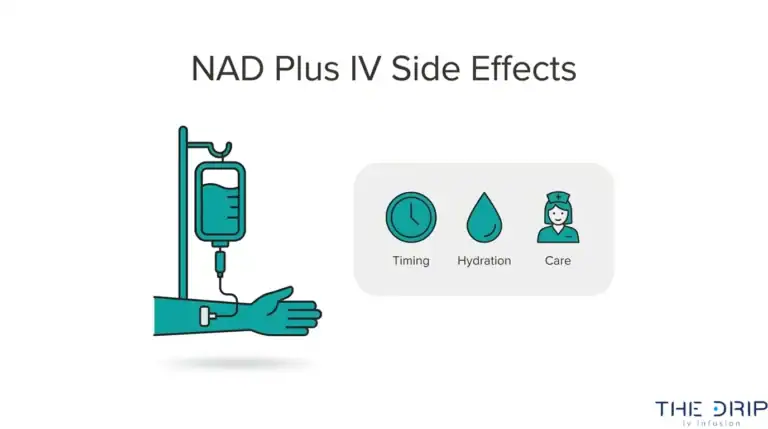
Potential side effects to be aware of include:
- Minor bruising or soreness at the catheter insertion site
- Temporary coldness or pressure sensation in the arm during infusion
- Phlebitis (vein inflammation) in a small percentage of patients
- Blood pressure changes with certain high-dose formulations
- Kidney stress when excessive doses of fat-soluble vitamins are administered without medical oversight
High doses of certain vitamins and minerals administered via IV have been linked to potential risks such as kidney damage, heart rhythm abnormalities, and blood pressure changes, according to Mayo Clinic Press. These risks primarily apply to unsupervised or improperly dosed treatments rather than standard wellness infusions administered by trained professionals.
For most healthy adults seeking hydration, immunity, or energy support, the risk profile remains minimal when a licensed nurse manages the infusion. The key safety factors are proper dosing, sterile technique, and a pre-treatment health assessment. Working with nurse-administered services that follow clinical protocols significantly reduces the likelihood of adverse effects, making IV therapy a practical wellness option for eligible candidates.
How Can Mobile IV Therapy Deliver These Benefits to You?
Mobile IV therapy delivers these benefits to you by bringing nurse-administered infusions directly to your home or workplace, eliminating the need for clinic visits. The following sections cover how The Drip IV Infusion maximizes your results and the key takeaways from IV therapy’s hydration, immunity, and energy benefits.
Can The Drip IV Infusion’s Nurse-Administered Mobile Service Maximize Your Hydration Immunity and Energy?
Yes, The Drip IV Infusion’s nurse-administered mobile service can maximize your hydration, immunity, and energy by delivering professionally formulated IV cocktails in the comfort of your chosen location. Each session is overseen by experienced nurses with backgrounds in emergency medicine and home health, ensuring safe venous access and proper nutrient dosing.
According to Grand View Research, the U.S. mobile IV hydration therapy market size was estimated at $568.5 million in 2024 and is projected to grow at a CAGR of 10.4% from 2025 to 2030. This rapid growth reflects increasing demand for convenient, professional-grade hydration and wellness support outside traditional clinical settings.
The Drip IV Infusion offers customizable add-ons including vitamin C, zinc, glutathione, B-complex vitamins, and magnesium, allowing each infusion to target hydration, immune support, or energy restoration based on individual needs. For clients seeking a reliable mobile IV provider backed by clinical expertise, this personalized approach makes a meaningful difference in outcomes.
What Are the Key Takeaways About the Top Benefits of IV Therapy for Hydration Immunity and Energy in 2026?
The key takeaways about the top benefits of IV therapy for hydration, immunity, and energy in 2026 are:
- IV therapy achieves 100% bioavailability by bypassing the digestive system, delivering nutrients directly into the bloodstream for immediate use.
- IV hydration corrects fluid and electrolyte imbalances faster than oral methods, with lower failure rates in clinical comparisons.
- High-dose IV vitamin C, zinc, and glutathione support immune function by reducing inflammation and enhancing natural killer cell activity.
- IV B12, NAD+, and amino acids restore cellular energy, reduce fatigue, and support sustained physical and cognitive performance.
- Mobile IV services bring these clinical-grade benefits to your location, supervised by qualified nurses.
According to Research and Markets, the IV hydration therapy market was valued at $3.32 billion in 2026 and is projected to reach $4.85 billion by 2030, growing at a 9.9% CAGR. Regulatory oversight is also intensifying; California regulators in 2026 now consider certain IV hydration practices a violation of the Corporate Practice of Medicine, making nurse-led, compliant providers like The Drip IV Infusion increasingly important for safe treatment.
For anyone weighing their options, choosing a mobile service with transparent protocols and experienced nursing staff remains the most practical way to access IV therapy’s hydration, immunity, and energy benefits safely in 2026.