Blue Cross Blue Shield covers IV therapy when the treatment is deemed medically necessary under a member’s specific plan. Because BCBS operates as a federation of independent, locally operated companies, coverage terms, cost-sharing percentages, and approval criteria vary from one plan to another.
This guide covers how IV therapy works, BCBS coverage requirements and plan variations, the claims and appeals process, expected costs and tax-advantaged payment options, and how BCBS compares to other major insurers.
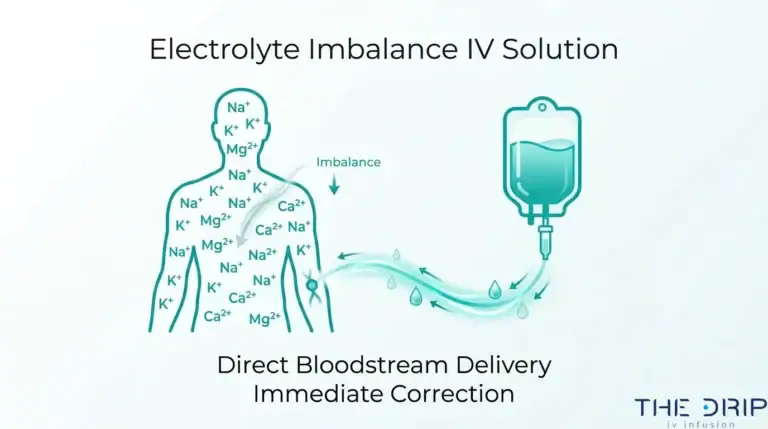
IV therapy delivers fluids, vitamins, or medications directly into the bloodstream through a vein, achieving 100% bioavailability. Common types range from hydration and nutrient infusions to antibiotic delivery and specialty treatments like NAD+ or weight management protocols. Every session requires an individualized prescriber order and administration by a licensed nurse.
BCBS plans evaluate IV therapy claims based on medical necessity, typically requiring a documented diagnosis, evidence that oral alternatives are insufficient, and prior authorization. Elective wellness drips without a diagnosed condition generally fall outside covered benefits. Because each BCBS company sets its own medical policy bulletins, members in different states may encounter different formularies, authorization rules, and approved infusion settings.
Filing a successful claim involves gathering itemized documentation, verifying benefits through your Summary of Benefits and Coverage document, and meeting plan-specific deadlines. If a claim is denied, federal regulations guarantee the right to an external review within four months of the denial notice.
Out-of-pocket costs include deductibles, copays, and co-insurance that vary by plan tier and provider network status. HSA or FSA funds can offset expenses for IV treatments tied to a diagnosed condition, though elective infusions marketed for general wellness typically do not qualify under IRS rules.
What Is IV Therapy and How Does It Work?
IV therapy is a medical treatment that delivers fluids, vitamins, and medications directly into the bloodstream through a vein. The sections below cover the common types of IV therapy and how administration works.
What Types of IV Therapy Are Commonly Offered?
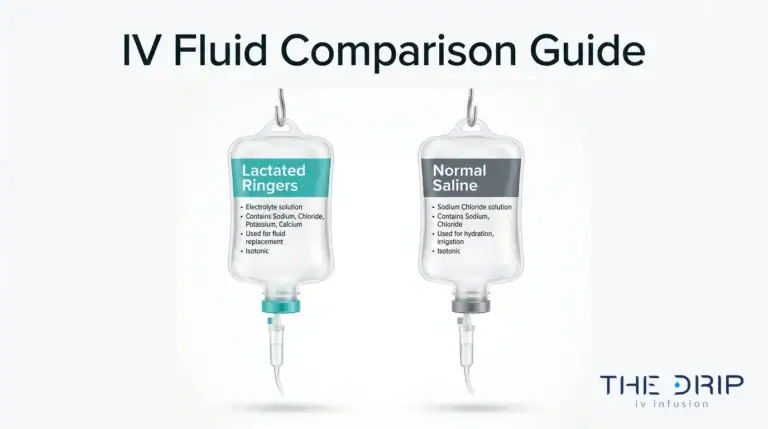
The types of IV therapy commonly offered include hydration therapy, vitamin infusions, medication delivery, and specialty treatments. Hydration therapy restores fluid balance using saline or electrolyte solutions. Vitamin infusions deliver nutrients such as vitamin C, B-complex vitamins, glutathione, and zinc at higher concentrations than oral supplements allow. Medication-based infusions administer antibiotics, antivirals, or immune globulin for diagnosed conditions.
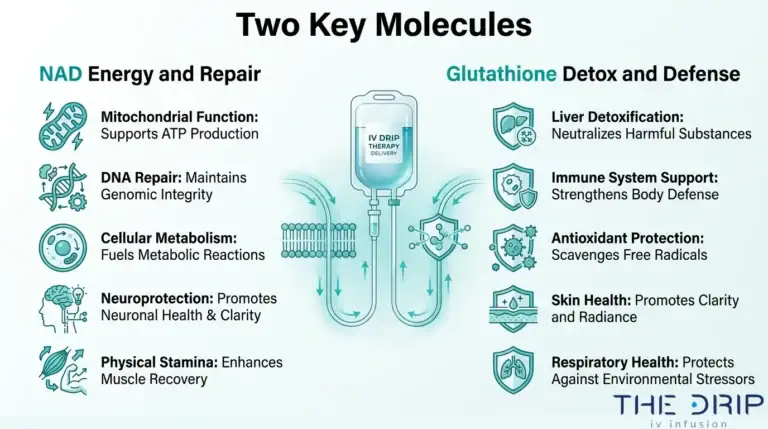
Specialty options have expanded considerably in recent years. Treatments like NAD+ infusions target cellular restoration, while weight management protocols use compounds such as semaglutide or tirzepatide. According to a 2024 NIH StatPearls review on pharmacokinetics, drugs administered intravenously achieve 100% bioavailability because they reach systemic circulation without the absorption process. This pharmacological advantage is why IV delivery remains the preferred route for time-sensitive or high-dose therapies.

How Is IV Therapy Administered?
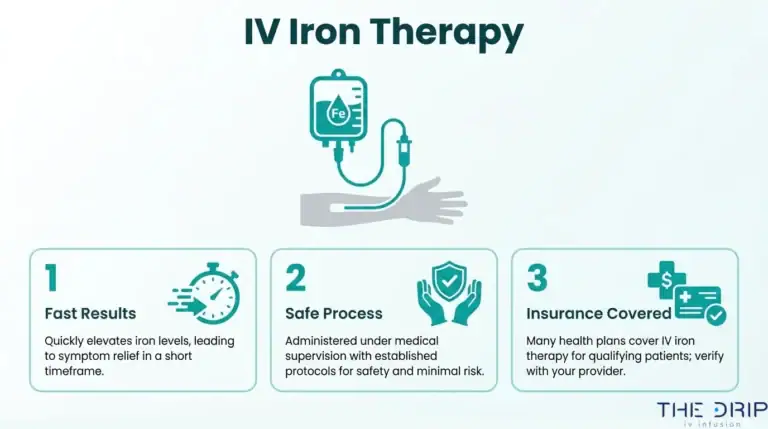
IV therapy is administered by inserting a small catheter into a peripheral vein, typically in the arm, and connecting it to a bag of prepared solution that drips steadily into the bloodstream. A licensed healthcare professional, such as a registered nurse, performs the insertion and monitors the session throughout.
Before any infusion begins, an authorized prescriber must evaluate the patient and issue an individualized order. According to the Georgia Board of Nursing’s 2024 position statement, registered nurses and licensed practical nurses may administer IV fluids, nutrient therapies, and medications only when authorized by a valid prescription from a physician, nurse practitioner, or physician assistant. Standing orders are not an appropriate substitute. A typical session takes about one hour, though duration varies with the infusion type and volume.
Understanding how IV therapy works and what options exist provides essential context for evaluating whether insurance plans cover these treatments.
What Coverage Options Does Blue Cross Blue Shield Provide for IV Therapy?
Blue Cross Blue Shield provides coverage options for IV therapy that depend on medical necessity, plan type, and specific policy guidelines. The subsections below explain how BCBS evaluates medical necessity, what approval criteria apply, and how coverage varies across plans.
Is IV Therapy Considered Medically Necessary by Blue Cross Blue Shield?
IV therapy is considered medically necessary by Blue Cross Blue Shield when it meets specific clinical criteria outlined in each member’s plan. According to Blue Cross and Blue Shield of North Carolina, BCBSNC will provide coverage for home infusion therapy when it is determined to be medically necessary and the plan’s medical criteria are met; each patient’s individual certificate should be consulted to verify that benefits are available.
The Blue Cross Blue Shield Association is a national association of independent, community-based, locally operated BCBS companies. Because each company operates independently within its licensed geographic area, what qualifies as medically necessary can differ from one BCBS plan to another. Elective wellness infusions, such as vitamin drips without a diagnosed deficiency, generally fall outside medical necessity guidelines.
What Are the Criteria for Blue Cross Blue Shield to Approve IV Therapy?
The criteria for Blue Cross Blue Shield to approve IV therapy typically include the following:
- A documented diagnosis supporting the clinical need for intravenous administration.
- A valid individualized prescription from a physician, nurse practitioner, or physician assistant.
- Evidence that oral or alternative therapies are insufficient, ineffective, or contraindicated.
- Prior authorization from the plan before treatment begins, when required by the specific policy.
- Use of an in-network provider or approved home infusion service.
Each BCBS company sets its own policy details, so members should contact their plan directly to confirm which criteria apply. Prior authorization requirements, in particular, vary widely and missing this step is one of the most common reasons claims are denied.

Are There Differences in Coverage Among Blue Cross Blue Shield Plans?
Yes, there are significant differences in coverage among Blue Cross Blue Shield plans. The BCBS system consists of independent, locally operated companies licensed to use the Blue Cross Blue Shield name in exclusive geographic areas. This structure means a BCBS plan in North Carolina may cover home infusion therapy under different terms than a plan in Texas or California.
Key areas where coverage commonly differs include:
- Whether prior authorization is required before starting IV therapy.
- Cost-sharing structures, including copays, coinsurance percentages, and deductible thresholds.
- Which infusion settings are covered, such as hospital outpatient, home infusion, or freestanding clinics.
- Formulary lists determining which IV medications or biologicals qualify for benefits.
The Federal Employee Program, for example, lists home IV or infusion therapy at 15% of the plan allowance for preferred providers and 35% for participating providers, with deductibles applying in both cases. Always review your specific certificate of coverage rather than assuming uniform benefits across BCBS plans.
Understanding what your BCBS plan covers is the first step; knowing how to navigate the claims process comes next.
What Steps Are Required to Get IV Therapy Covered by Blue Cross Blue Shield?
The steps required to get IV therapy covered by Blue Cross Blue Shield include gathering proper documentation, verifying your specific plan benefits, and knowing how to appeal a denied claim.
What Documentation Is Needed to File a Claim for IV Therapy?
The documentation needed to file a claim for IV therapy includes a physician’s prescription, proof of medical necessity, and itemized records of all treatment components. According to the Centers for Medicare & Medicaid Services, home infusion therapy involves intravenous or subcutaneous administration of drugs or biologicals, requiring documented components such as the drug itself (antivirals, immune globulin), equipment (a pump), and supplies (tubing and catheters).
A complete claim submission typically requires:
- A written order from a licensed prescriber confirming the diagnosis and treatment plan.
- Itemized billing codes for the infusion drugs, equipment, and nursing services.
- Clinical notes establishing that oral alternatives are insufficient or contraindicated.
- Prior authorization approval, if your specific BCBS plan requires it.
Missing even one of these items is a common reason claims stall, so verifying requirements with your plan before treatment saves significant time.

How Can You Check Your Blue Cross Blue Shield Benefits for IV Therapy?
You can check your Blue Cross Blue Shield benefits for IV therapy by reviewing your plan’s Summary of Benefits and Coverage (SBC) document or contacting member services directly. The SBC outlines covered services, cost-sharing requirements, and any prior authorization rules specific to infusion therapy.
Key steps to verify benefits include:
- Calling the member services number on your BCBS insurance card and asking specifically about infusion therapy coverage.
- Requesting a written confirmation of benefits that details copays, deductibles, and co-insurance for IV treatments.
- Asking whether your plan classifies IV therapy under outpatient services, home health, or durable medical equipment.
According to the U.S. Department of Labor, pre-service claims must be decided within 15 days after the plan receives the claim, so submitting verification requests early gives you a clear timeline.
What Should You Do If Your Claim for IV Therapy Is Denied?
You should file an internal appeal with your Blue Cross Blue Shield plan immediately if your claim for IV therapy is denied. Every BCBS plan must provide a formal appeals process, and the denial letter will include specific instructions and deadlines for submitting your appeal.
If the internal appeal is unsuccessful, federal regulations protect your right to an external review. According to HealthCare.gov, you must file a written request for an external review within 4 months after the date you receive a notice or final determination that your claim has been denied. No minimum dollar amount applies to qualify for this review.
Steps to strengthen a denied claim include:
- Requesting a detailed explanation of the denial reason from your insurer.
- Having your prescribing physician submit a letter of medical necessity with supporting clinical evidence.
- Including any updated lab results, diagnostic imaging, or treatment records that support the need for IV therapy.
Persistence matters here. Many initially denied infusion therapy claims are overturned on appeal when additional clinical documentation is provided, making thorough record-keeping essential from the start of treatment.
What Costs Might You Expect When Using Blue Cross Blue Shield for IV Therapy?
The costs you might expect when using Blue Cross Blue Shield for IV therapy include copays, deductibles, and co-insurance, all of which vary by plan. HSA and FSA accounts may also offset expenses for qualifying treatments.
What Out-of-Pocket Expenses Could Apply to IV Therapy?
Out-of-pocket expenses that could apply to IV therapy include deductibles, copays, co-insurance percentages, and costs for supplies or nursing visits billed separately. According to the 2026 Blue Cross and Blue Shield Service Benefit Plan, home IV therapy carries a 15% co-insurance at preferred providers, with the deductible applied before benefits begin. Participating providers bill at 35% of the plan allowance.
Expenses climb quickly when infusion requires specialized drugs, pumps, or catheter supplies. Patients receiving treatments outside network parameters often face significantly higher balances. For context, a 2024 Commonwealth Fund survey found that 57% of underinsured adults avoided needed care due to cost, and 44% carried medical or dental debt. Understanding your plan’s cost-sharing structure before scheduling IV therapy can prevent unexpected financial strain.

Are There Copays, Deductibles, or Co-Insurance for IV Therapy?
Yes, there are copays, deductibles, and co-insurance for IV therapy under most Blue Cross Blue Shield plans. Each cost-sharing component functions differently:
- Deductible is the annual amount you pay before BCBS begins covering services. IV therapy charges typically apply toward this threshold first.
- Copay is a fixed dollar amount due at each visit or service, though not all BCBS plans assign copays to infusion therapy specifically.
- Co-insurance is the percentage you owe after meeting your deductible. BCBS Federal Employee Plan documents show 15% co-insurance for preferred home infusion providers and 35% for participating providers.
Whether your plan uses a copay, co-insurance, or both depends on the specific BCBS product purchased. Checking your Summary of Benefits document before treatment is the most reliable way to identify which cost-sharing mechanisms apply to IV infusion services under your certificate.
Can You Use an HSA or FSA for IV Therapy Not Covered by Insurance?
Yes, you can use an HSA or FSA for IV therapy not covered by insurance, provided the treatment qualifies as a medical expense under IRS rules. According to IRS Publication 502 (2025), medical care expenses must primarily alleviate or prevent a physical or mental disability or illness; expenses merely beneficial to general health, such as vitamins or a vacation, do not qualify.
This distinction matters for IV therapy. Infusions prescribed to treat diagnosed conditions like dehydration, nutrient malabsorption, or chemotherapy side effects generally meet the IRS threshold. Elective wellness drips marketed for energy or general immunity, without a physician’s diagnosis, likely fall outside eligible expenses. Keeping a written prescription and medical records connecting the IV therapy to a specific condition strengthens HSA or FSA reimbursement claims.
With cost-sharing details clarified, comparing BCBS to other insurers reveals where its IV therapy coverage stands in the broader market.
How Does Blue Cross Blue Shield Coverage for IV Therapy Compare to Other Insurers?
Blue Cross Blue Shield coverage for IV therapy compares to other insurers through similar medical necessity requirements, though its federated structure creates unique plan-level variation. The sections below examine how other major insurers handle IV therapy and what distinguishes BCBS.
Do Other Major Insurers Offer Similar IV Therapy Coverage?
Yes, other major insurers offer similar IV therapy coverage, with most following the same medical necessity framework that BCBS uses. Insurers such as Aetna, UnitedHealthcare, and Cigna generally cover medically necessary IV therapy for conditions like dehydration, infections, and nutrient malabsorption. Wellness-oriented infusions, such as high-dose vitamin drips without a diagnosed deficiency, are typically excluded across all major carriers.
Key similarities across insurers include:
- Prior authorization requirements for non-emergency infusions.
- Coverage limited to treatments ordered by a licensed prescriber.
- Exclusion of elective vitamin infusions lacking clinical indication.
- Tiered cost-sharing based on in-network versus out-of-network providers.
The practical difference between carriers often comes down to network size, specific formulary inclusions, and how aggressively each insurer audits infusion claims rather than fundamental coverage philosophy.
What Makes Blue Cross Blue Shield’s IV Therapy Coverage Unique?
Blue Cross Blue Shield’s IV therapy coverage is unique primarily because BCBS operates as a federation of independent, locally operated companies rather than a single national insurer. According to the Blue Cross Blue Shield Association, BCBSA is a national association of independent, community-based BCBS companies that grants licenses to operate in exclusive geographic areas. This structure means coverage criteria, cost-sharing percentages, and approved infusion therapies can differ significantly between a BCBS plan in North Carolina and one in Texas.
This decentralized model creates both advantages and complications:
- Local plans can tailor coverage to regional healthcare needs.
- Patients switching states may encounter different IV therapy benefits.
- Each plan maintains its own medical policy bulletins for infusion therapy.
For patients navigating IV therapy coverage, this federated structure makes verifying benefits with your specific BCBS plan essential before treatment begins.
How Can The Drip IV Infusion Assist With Blue Cross Blue Shield IV Therapy Coverage?
The Drip IV Infusion can assist with Blue Cross Blue Shield IV therapy coverage by providing professionally administered infusions that meet clinical standards insurers require. The following subsections cover insurance guidance and key coverage takeaways.
Can The Drip IV Infusion Help You Understand or Maximize Your Insurance Benefits?
Yes, The Drip IV Infusion can help you understand your insurance benefits by ensuring each session meets the clinical requirements that BCBS plans evaluate. Every IV treatment administered by The Drip IV Infusion follows proper protocols, with licensed nurses operating under individualized prescriber orders from nurse practitioners or physician assistants. According to the Georgia Board of Nursing’s 2024 position statement, registered nurses and licensed practical nurses may administer IV hydration, nutrient therapies, and medications only when authorized by a valid individualized order from a physician, nurse practitioner, or physician assistant with prescriptive authority.
This compliance matters because BCBS plans generally require documented medical necessity and proper clinical oversight before approving coverage. The Drip IV Infusion maintains these standards across all sessions, which can strengthen any claim submission or pre-authorization request you file with your insurer.
What Are the Key Takeaways About Blue Cross Blue Shield Coverage for IV Therapy?
The key takeaways about Blue Cross Blue Shield coverage for IV therapy are:
- BCBS is a national association of independent, locally operated companies, so coverage terms vary by plan and state.
- Medical necessity is the primary factor determining whether IV therapy qualifies for benefits.
- IV treatments for diagnosed conditions, such as malabsorption syndromes or critical illness, have a stronger basis for approval than wellness-oriented infusions.
- Cost-sharing structures differ across plans; some BCBS plans set preferred provider coinsurance at 15% of the plan allowance with deductible.
- Proper documentation, including individualized prescriber orders and clinical records, supports successful claims.
Understanding your specific BCBS certificate is essential before pursuing coverage for any IV therapy service.