Book Now

Category: Blog

  • How Often Should You Get IV Therapy?

    How Often Should You Get IV Therapy?

    IV therapy frequency is the schedule of intravenous infusion sessions that best supports your specific health goals, ranging from multiple times per week during acute needs to once monthly for general maintenance. The right cadence depends on what you are treating and how your body responds between sessions.

    This guide covers goal-specific scheduling, the personal factors that shape your ideal frequency, the risks of overtreating or undertreating, and how to build a sustainable long-term plan with the right provider.

    General wellness and hydration protocols typically call for one monthly infusion to maintain stable energy and immune function. Athletic recovery follows a similar baseline of one to two sessions per month, with additional infusions timed around competitions and peak training blocks. More intensive needs like severe dehydration or acute illness recovery may require sessions every one to two days until symptoms stabilize, while specialized protocols like NAD+ IV therapy follow a structured loading phase before transitioning to quarterly or monthly maintenance.

    Your age, overall health status, activity level, and dietary nutrient intake each influence how quickly your body depletes infused vitamins and minerals. Someone with efficient digestion and a nutrient-dense diet needs far fewer sessions than an endurance athlete or an individual managing chronic absorption issues.

    Scheduling too aggressively risks vitamin toxicity, fluid overload, and vein damage; waiting too long allows nutrient levels to fall back to baseline, eroding cumulative progress. Working with a qualified provider to set a personalized schedule, then adjusting based on symptoms and lab results, produces the strongest long-term outcomes.

    What Is IV Therapy and How Does It Work?

    IV therapy is a medical technique that delivers fluids, vitamins, and minerals directly into the bloodstream through a vein. It works by bypassing the digestive system entirely, allowing nutrients to reach cells with near-complete absorption.

    Unlike oral supplements, which must pass through the gastrointestinal tract before entering the bloodstream, intravenous infusion provides immediate cellular availability. According to a publication from the National Center for Biotechnology Information, intravenous vitamin therapy delivers essential micronutrients directly into the bloodstream, bypassing the gastrointestinal tract to offer enhanced bioavailability, higher therapeutic dosages, and immediate absorption by tissues and cells. Where oral supplements may lose a significant portion of their potency during digestion, IV delivery maintains the full concentration of each nutrient from the point of infusion.

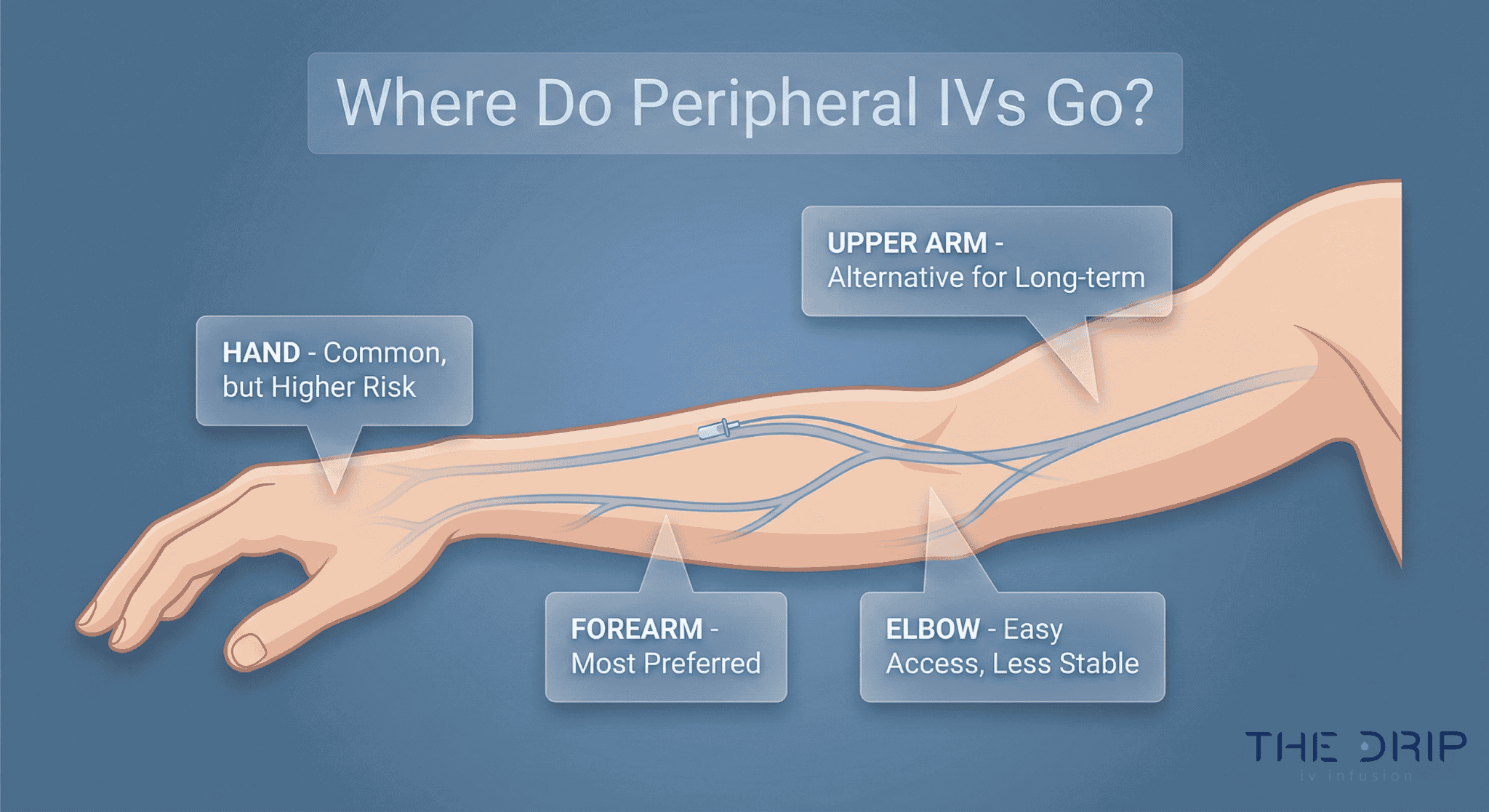
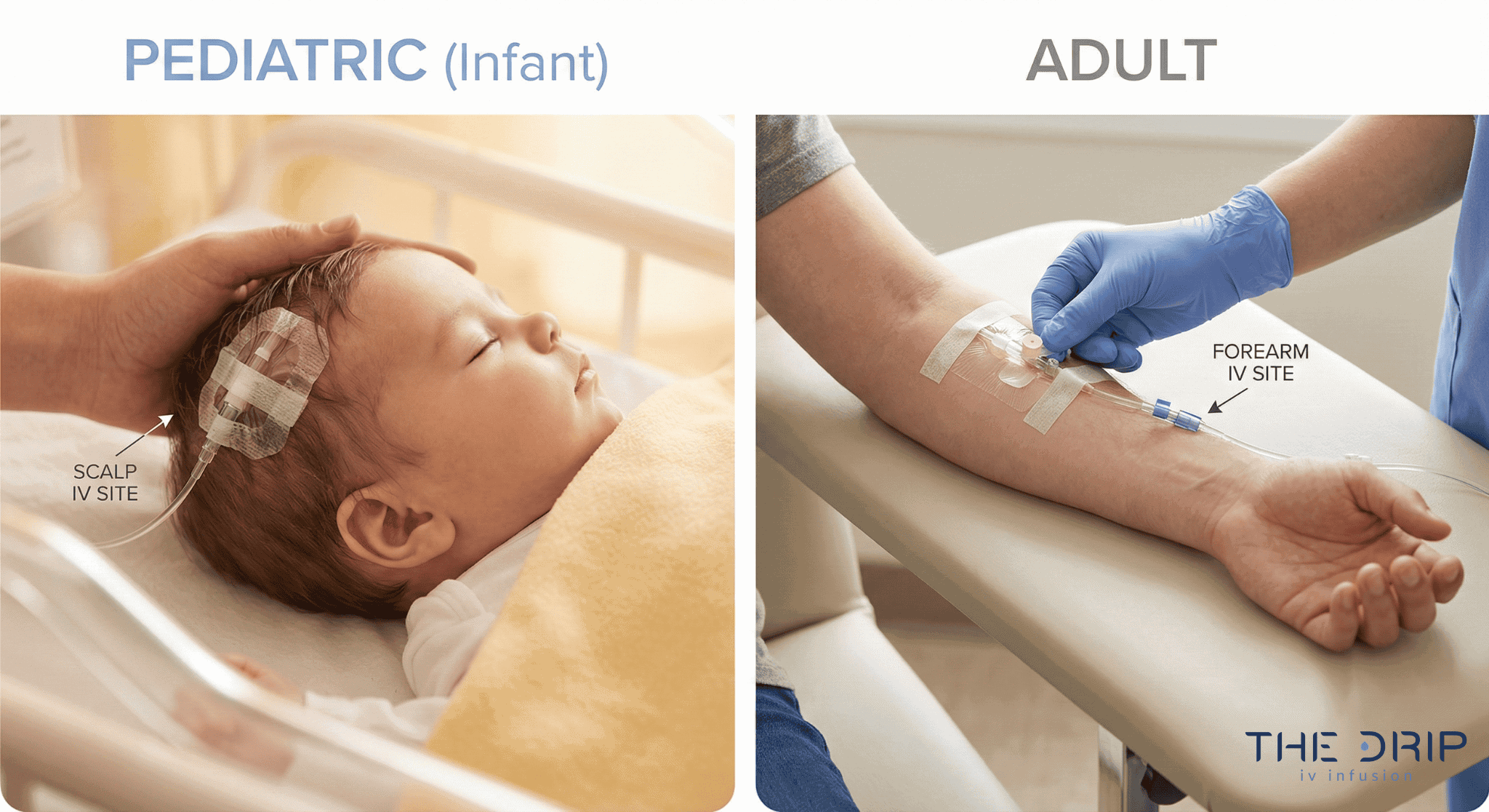
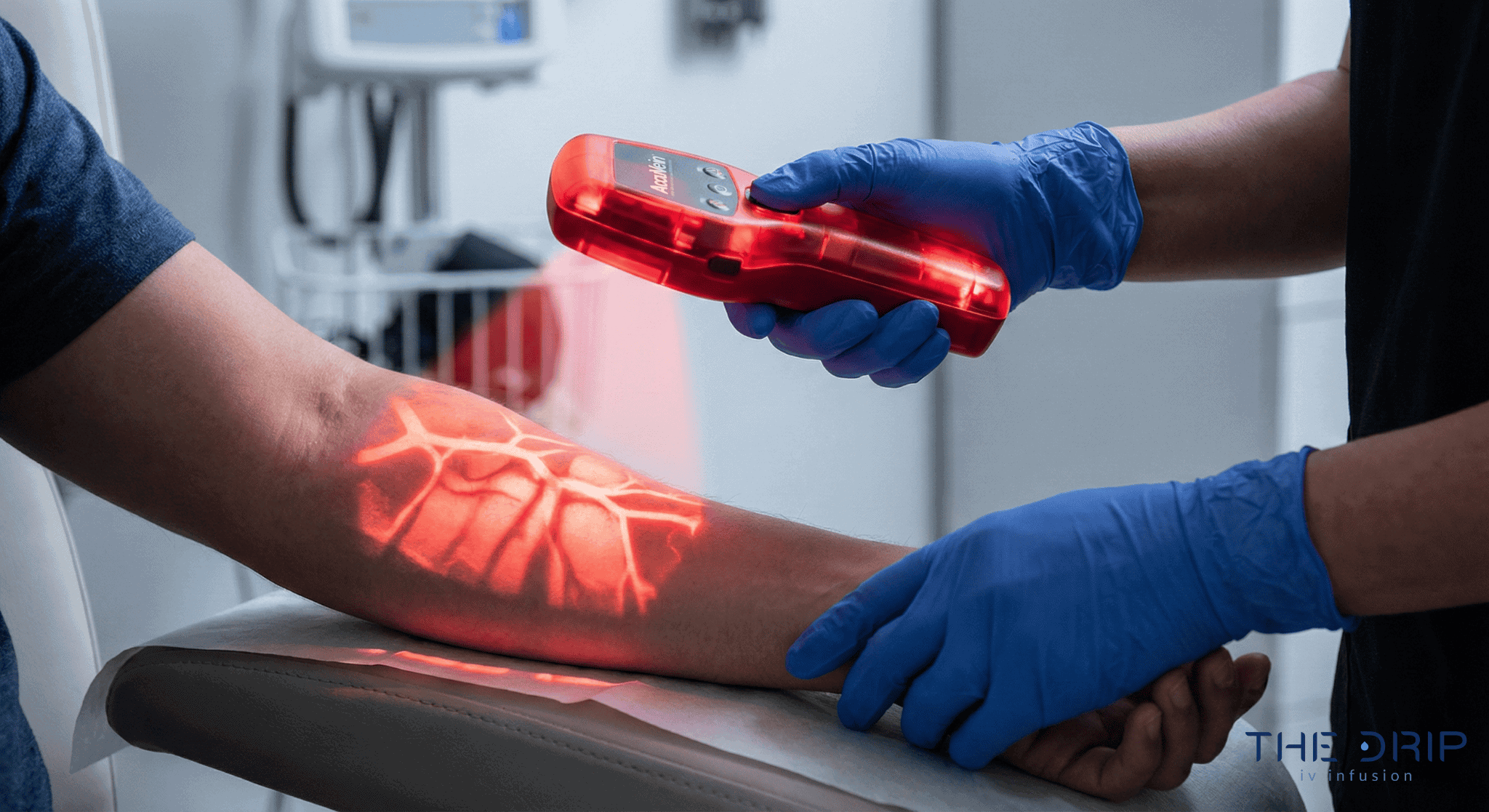
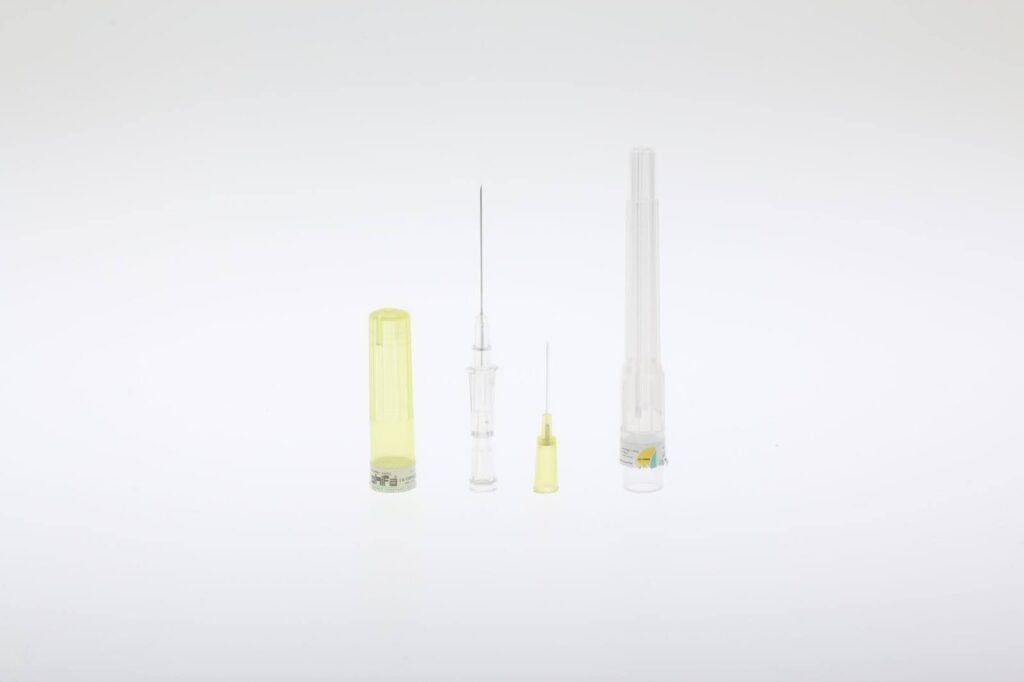
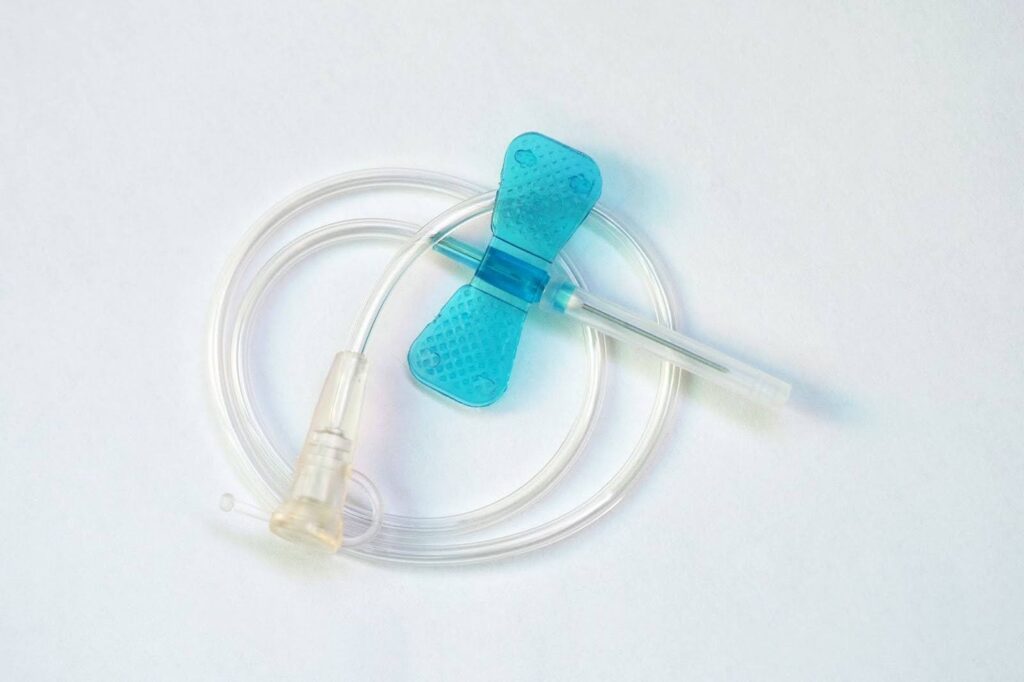
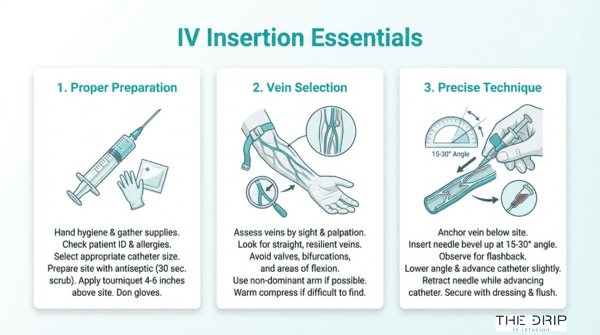
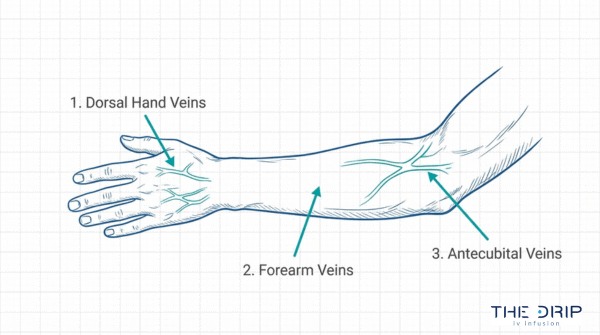
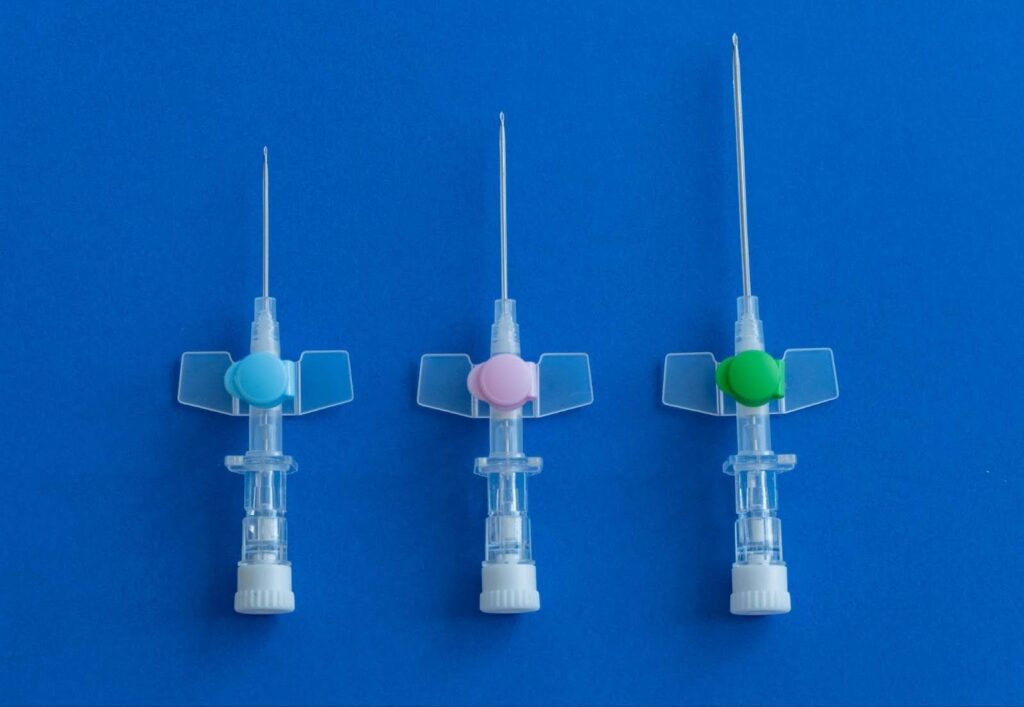
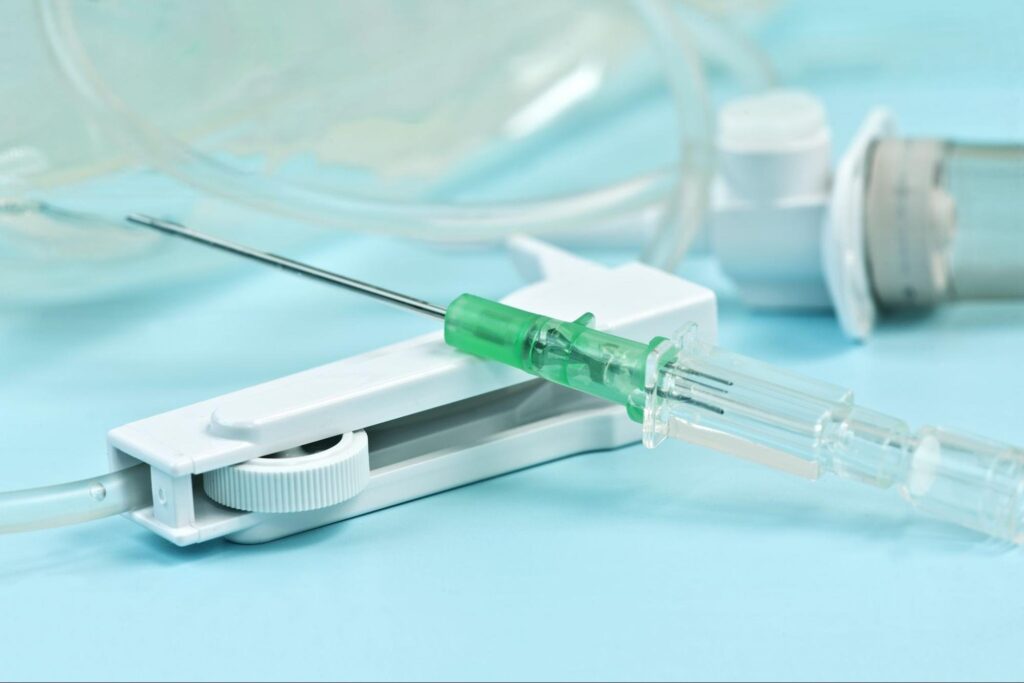
    A typical session involves a registered nurse inserting a small catheter into a vein, usually in the arm. The selected blend of saline solution, vitamins, electrolytes, or specialty compounds then flows steadily into the bloodstream over the course of approximately one hour. Because this direct delivery method skips the stomach and intestines, it is particularly valuable for individuals with absorption issues or those who need rapid nutrient replenishment. Understanding how this process works is essential context for determining how often sessions should be scheduled.

    IV therapy delivering nutrients directly into bloodstream bypassing digestion for complete absorption and faster results

    Why Does IV Therapy Frequency Matter?

    IV therapy frequency matters because the timing between sessions directly affects how well your body maintains nutrient levels, stays hydrated, and responds to treatment goals. Getting sessions too often risks overloading the body, while waiting too long allows nutrient levels to drop below therapeutic thresholds. The right schedule depends on your health status, goals, and how quickly your body metabolizes infused nutrients.

    Unlike oral supplements, where absorption can be limited to about 50% or less, IV therapy bypasses the gastrointestinal tract to deliver micronutrients directly into the bloodstream. According to the National Center for Biotechnology Information, intravenous vitamin therapy offers enhanced bioavailability, higher therapeutic dosages, and immediate absorption by tissues and cells. This near-complete absorption rate means that spacing sessions correctly becomes essential; too-frequent infusions may push certain vitamin and mineral concentrations beyond what the body can safely process, while inadequate frequency may fail to sustain the benefits between visits.

    Frequency also shapes long-term outcomes. Someone using IV therapy for general wellness has very different scheduling needs than an athlete recovering from intense training or an individual managing severe dehydration. Without a consistent, personalized schedule, the cumulative benefits of repeated sessions diminish. The sections ahead break down recommended frequencies for specific goals, the factors that influence your ideal schedule, and how to recognize when your next session is due.

    How Often Should You Get IV Therapy for General Wellness?

    You should get IV therapy for general wellness about once per month. This frequency supports consistent hydration, nutrient balance, and energy without overtaxing the body.

    A monthly IV infusion may be sufficient to maintain stable energy levels and support immune function for individuals seeking general wellness and hydration, according to Pulse & Remedy. This schedule allows the body to absorb and utilize key micronutrients like vitamin C, B-complex vitamins, and magnesium before levels begin to dip again.

    For most people without specific health concerns, monthly sessions strike the right balance between consistent support and practicality. Spacing infusions roughly four weeks apart gives the body time to metabolize nutrients naturally while preventing the gradual decline that often shows up as fatigue or brain fog. Clients who maintain a balanced diet and stay physically active may find that monthly wellness drips are all they need to feel a noticeable difference in sustained energy and overall vitality. Understanding your hydration baseline helps determine whether more targeted IV therapy for dehydration might also be worth considering.

    Monthly IV therapy wellness calendar showing routine treatments for energy immune support and hydration balance

    How Often Should You Get IV Therapy for Dehydration?

    You should get IV therapy for dehydration every one to two days during severe episodes, then reduce to monthly sessions once hydration stabilizes. The right schedule depends on whether your dehydration is acute or ongoing.

    Acute dehydration from illness, heat exposure, or intense physical exertion demands rapid fluid replacement. According to Sante Clinics, IV therapy sessions may be required every one to two days in cases of severe dehydration until symptoms subside. Once fluid balance is restored, most people transition to a maintenance schedule of one session per month.

    Chronic or recurring dehydration, common among athletes, outdoor workers, and those with absorption issues, often benefits from a proactive approach. Scheduling sessions every two to four weeks can help prevent dehydration before symptoms return. Factors like climate, medication use, and daily water intake all influence how quickly the body loses fluids between sessions.

    For most people dealing with mild, occasional dehydration, a single monthly IV infusion paired with consistent oral hydration is sufficient. The key is matching session frequency to your body’s actual fluid demands rather than following a fixed calendar. Understanding your immune health needs can also shape how frequently you schedule sessions overall.

    How Often Should You Get IV Therapy for Immune Support?

    You should get IV therapy for immune support every two to four weeks, depending on your exposure risk, seasonal demands, and overall health. More frequent sessions may be appropriate during cold and flu season or periods of high stress.

    Immune-focused IV drips typically contain high-dose vitamin C, zinc, and B-complex vitamins, all of which play direct roles in supporting white blood cell function and antioxidant defense. Because these water-soluble nutrients are not stored long-term by the body, consistent replenishment helps maintain protective levels.

    Timing also matters beyond regular scheduling. If you travel frequently or anticipate increased exposure to illness, a session 24 to 48 hours beforehand can help prepare your immune system. According to Hydrate You IV, common questions about IV therapy frequency center on how often sessions are needed for specific goals like immune support, with the answer varying based on individual lifestyle factors.

    For most people, a monthly maintenance session sustains baseline immune resilience, while biweekly sessions serve those with higher demands. Consulting with a qualified provider ensures the formula and frequency align with your body’s actual nutrient needs rather than a one-size-fits-all schedule. Proactive scheduling during vulnerable periods is often more effective than reactive treatment after symptoms appear.

    How Often Should You Get IV Therapy for Athletic Recovery?

    You should get IV therapy for athletic recovery one to two times per month during regular training, with additional sessions timed around competitions. Frequency depends on training intensity, sport type, and individual recovery demands.

    According to SwiftHealth, athletes who train moderately can benefit from IV therapy once or twice a month to maintain hydration and nutrient levels, while more intense training may require more frequent sessions. For competition periods, scheduling an infusion 24 to 48 hours before a major event and again within 12 to 24 hours after strenuous exercise helps replenish electrolytes, amino acids, and B vitamins when the body needs them most.

    Athletes in endurance sports, high-volume strength programs, or multi-event weekends often deplete micronutrients faster than diet alone can restore. In these cases, weekly sessions during peak training blocks can bridge the gap until volume tapers. For most recreational athletes, however, a consistent monthly schedule paired with proper nutrition provides sufficient support without overloading the body with unnecessary infusions.

    Understanding your competition calendar and training phases makes it easier to determine when additional immune and energy support sessions fit your IV therapy schedule.

    How Often Should You Get IV Therapy for Weight Loss?

    You should get IV therapy for weight loss every one to two weeks during an active program, then transition to monthly maintenance sessions once you reach your target. The right frequency depends on your metabolic goals, nutrient needs, and whether you combine infusions with other weight management strategies.

    IV therapy supports weight loss by replenishing nutrients that fuel metabolism, such as B-complex vitamins, Lipo-C, and amino acids. These micronutrients play direct roles in energy production and fat metabolism, yet caloric restriction and intense exercise can deplete them faster than oral supplements replenish them. Biweekly sessions during active weight loss phases help maintain optimal levels, while monthly infusions sustain results over time.

    Weight loss protocols that pair IV therapy with medications like semaglutide or tirzepatide may require closer monitoring of hydration and electrolyte balance. Nausea and reduced appetite from these medications can limit oral nutrient intake, making IV delivery especially practical. For most people pursuing weight management, consistent scheduling matters more than aggressive frequency. A provider can adjust your cadence based on lab work and how your body responds over the first few sessions.

    How Often Should You Get IV Therapy for Illness Recovery?

    You should get IV therapy for illness recovery every one to two days during acute symptoms, then reduce frequency as your condition improves. According to Sante Clinics, IV therapy sessions may be required every one to two days until symptoms subside in cases of severe dehydration or illness recovery. Once symptoms begin to ease, most individuals transition to weekly sessions before stopping entirely. The intensity of the illness, the severity of fluid and nutrient loss, and your body’s response to each infusion all influence how quickly that schedule tapers. For anyone recovering from a prolonged illness, this front-loaded approach replenishes what the body cannot absorb orally during peak symptoms, making early, frequent sessions the most effective strategy.

    How Often Should You Get IV Therapy During Pregnancy?

    You should get IV therapy during pregnancy only as directed by your OB-GYN or midwife, with frequency depending on symptom severity. The most common reason for prenatal IV therapy is hyperemesis gravidarum, a condition that often requires structured hydration protocols.

    Hyperemesis gravidarum is a severe form of nausea and vomiting in pregnancy that typically begins between 4 and 6 weeks of gestation, according to StatPearls on the NCBI Bookshelf. This condition can lead to significant weight loss and dangerous electrolyte imbalances, making oral hydration and nutrition nearly impossible for some women. When dehydration becomes acute, IV rehydration may be needed multiple times per week until symptoms stabilize.

    The HER Foundation’s Hyperemesis Gravidarum Management Protocol recommends rehydration using a “Banana Bag,” which combines IV fluids with vitamin B6 and vitamin B1, or a Myers’ Cocktail with added multivitamins. Session frequency varies widely:

    • Mild cases may need IV hydration once weekly or less during peak symptom weeks.
    • Moderate cases often require two to three sessions per week during the first trimester.
    • Severe cases sometimes demand daily infusions until the patient can tolerate oral intake consistently.

    Every prenatal IV therapy schedule must be supervised by a qualified healthcare provider who can monitor maternal hydration, electrolyte balance, and fetal health simultaneously. Nutrient formulations also require careful selection, since not all standard wellness drips are appropriate during pregnancy. For expecting mothers dealing with morning sickness, this level of medical oversight is non-negotiable. Understanding NAD+ IV therapy protocols offers another example of how specialized infusions follow structured scheduling.

    How Often Should You Get NAD+ IV Therapy?

    You should get NAD+ IV therapy on a schedule that begins with an initial loading phase, then transitions to periodic maintenance sessions. The frequency depends on your goals, whether anti-aging support, mental clarity, or recovery.

    NAD+ IV therapy typically follows a two-phase protocol. According to Medica Depot, most patients beginning NAD+ IV therapy start with a loading phase of four to six infusions over two to three weeks, followed by maintenance sessions every one to four months. This structured approach allows NAD+ levels to build quickly before tapering to a sustainable rhythm.

    Each NAD+ infusion typically lasts between one to three hours, during which the coenzyme is distributed through the bloodstream for immediate cellular availability. Because NAD+ plays a central role in cellular energy production and DNA repair, the loading phase helps establish a therapeutic baseline. Maintenance frequency then varies based on individual response, age, and wellness objectives.

    For most people pursuing general anti-aging or cognitive benefits, quarterly maintenance sessions are sufficient. Those using NAD+ IV therapy for more intensive goals may benefit from monthly sessions during the maintenance phase. A qualified provider can help adjust this schedule based on how your body responds over time.

    What Factors Determine Your Ideal IV Therapy Schedule?

    Your ideal IV therapy schedule depends on several personal variables. Age, overall health status, activity levels, and dietary nutrient intake each shape how frequently sessions deliver the most benefit.

    Key factors influencing IV therapy schedule including age health status activity level and diet quality

    How Does Your Age Affect IV Therapy Frequency?

    Your age affects IV therapy frequency because nutrient absorption and metabolic demands shift across different life stages. Younger adults with efficient digestive systems may need less frequent sessions, while older adults often experience declining nutrient absorption that can warrant more regular infusions. According to Sante Clinics, sessions may be required as often as every one to two days during acute needs like severe dehydration, though maintenance schedules for age-related support typically range from monthly to quarterly. Cellular repair slows with age, so older clients often benefit from shorter intervals between treatments. A provider who evaluates your bloodwork can tailor session timing to your body’s changing demands.

    How Does Your Overall Health Status Change How Often You Need IV Therapy?

    Your overall health status changes how often you need IV therapy because chronic conditions, acute illness, and baseline nutrient levels all influence how quickly your body depletes infused vitamins and minerals. Individuals managing ongoing health challenges may require more frequent sessions than those in good general health. According to Cleveland Clinic Health Essentials, potential side effects of IV vitamin therapy include infection or bruising at the needle site and vitamin toxicity from excessive dosages, making proper scheduling essential.

    Those with compromised absorption from gastrointestinal conditions often benefit from closer session intervals. Conversely, healthy individuals with balanced nutrient levels may only need periodic maintenance infusions. For anyone with complex health needs, frequency should always be guided by lab results and professional assessment.

    How Do Your Activity Levels Influence IV Therapy Frequency?

    Your activity levels influence IV therapy frequency because physical exertion accelerates fluid loss, electrolyte depletion, and micronutrient turnover. According to SwiftHealth, athletes who train moderately can benefit from IV therapy once or twice a month to maintain hydration and nutrient levels, while more intense training may require more frequent sessions.

    Sedentary individuals typically need far fewer infusions than competitive athletes. Factors that increase the need for closer scheduling include:

    • High-volume endurance training with heavy sweat loss.
    • Strength training programs that elevate protein and mineral demands.
    • Multi-sport athletes managing overlapping recovery windows.

    For those with normal vitamin and mineral levels and low activity demands, frequent infusions are likely unnecessary. Matching your session cadence to your training intensity keeps benefits high while avoiding overtreatment.

    How Does Your Diet and Nutrient Intake Affect IV Therapy Scheduling?

    Your diet and nutrient intake affect IV therapy scheduling because dietary gaps directly determine how quickly your body benefits from intravenous replenishment. IV vitamin therapy delivers essential micronutrients directly into the bloodstream, bypassing the gastrointestinal tract to offer enhanced bioavailability and immediate absorption by tissues and cells, according to the National Center for Biotechnology Information.

    Individuals eating nutrient-dense, well-rounded diets may only need infrequent sessions. Those with restrictive diets, poor absorption, or consistently low intake of key vitamins often benefit from closer scheduling. A blood panel revealing specific deficiencies provides the clearest guide for session timing, ensuring infusions address real gaps rather than duplicating what your diet already supplies.

    Understanding these personal factors makes it easier to recognize the signs that signal when your next session is due.

    What Happens If You Get IV Therapy Too Often?

    Getting IV therapy too often can lead to vitamin toxicity, fluid overload, and vein damage. The risks below explain why maintaining a proper schedule matters.

    Excessive IV therapy introduces more vitamins and minerals than the body can process. According to Mayo Clinic Press, high doses of certain vitamins and minerals via IV have been linked to kidney damage, heart rhythm abnormalities, blood pressure changes, and damage to peripheral nerves. These complications become more likely when sessions are scheduled without medical guidance or adequate spacing between treatments.

    Fluid overload is another serious concern. When the body receives more intravenous fluid than the cardiovascular and renal systems can handle, symptoms escalate quickly. Common signs of fluid overload include:

    • Edema in the extremities
    • Shortness of breath
    • Elevated blood pressure
    • Compromised kidney function

    Repeated needle insertions also increase the risk of localized complications at the IV site, such as infection, bruising, and vein irritation. Over time, veins subjected to frequent access can become scarred or harder to use, complicating future treatments.

    For most people, the risk of overuse comes down to bypassing the body’s natural regulatory mechanisms. Oral supplements allow the gastrointestinal tract to limit absorption of excess nutrients, but IV delivery skips that safeguard entirely. This is precisely why working with a qualified provider to set an appropriate schedule is so important; more sessions do not automatically mean better results. Understanding your ideal frequency helps you avoid these risks while still gaining the benefits IV therapy offers.

    IV therapy frequency risks including vitamin toxicity fluid overload and vein damage with importance of proper treatment intervals

    What Happens If You Wait Too Long Between IV Therapy Sessions?

    Waiting too long between IV therapy sessions allows nutrient levels to gradually decline, reducing the cumulative benefits of consistent infusion therapy. The effects range from diminished energy and hydration to losing momentum on wellness goals.

    When sessions are spaced too far apart, the body metabolizes and excretes the vitamins and minerals delivered during infusion. Without timely replenishment, levels return to their pre-treatment baseline. This is particularly noticeable with water-soluble nutrients like vitamin C and B-complex vitamins, which the body does not store in large reserves.
    Common consequences of extended gaps between sessions include:

    • Decreased energy and hydration: The boost from IV fluids and electrolytes fades within days to weeks, leaving you back where you started.
    • Weakened immune resilience: Nutrient levels that supported immune function drop, especially during high-stress periods or seasonal illness exposure.
    • Slower recovery timelines: Athletes or individuals recovering from illness may notice prolonged soreness or fatigue without consistent replenishment.
    • Reduced cumulative progress: Many IV therapy protocols build benefits over multiple sessions; irregular scheduling disrupts that progression.

    Sticking to a consistent schedule matters more than any single session. For most people pursuing general wellness, even modest delays of a few weeks can erode results that took months to build. Membership models offering discounted repeat sessions, as noted by the IV Therapy Academy, help clients maintain regularity by removing scheduling friction and cost barriers.

    The most practical approach is to set a recurring schedule aligned with your specific goals and adjust only with guidance from your provider. Recognizing the signs that it is time for your next session can help you stay on track.

    How Do You Know When It Is Time for Your Next IV Therapy Session?

    You know it is time for your next IV therapy session when you notice recurring signs that your body’s nutrient or hydration levels have dropped below optimal. Physical cues, changes in energy, and your provider’s guidance all help determine the right timing.

    The most reliable indicators include persistent fatigue that does not improve with rest, recurring headaches, frequent muscle cramps, brain fog, dry skin, and a general feeling of sluggishness. These symptoms often signal that the benefits from your previous infusion have tapered off and your body is ready for replenishment. Mood changes, increased susceptibility to seasonal illness, and slower workout recovery also suggest declining nutrient stores.

    Rather than waiting for symptoms to become disruptive, tracking patterns between sessions helps you stay ahead. Many people find that symptoms return on a predictable cycle, whether that is every two weeks or every six weeks, depending on their health goals and lifestyle demands. Keeping a simple log of how you feel in the days and weeks after each session reveals your personal rhythm.

    Your IV therapy provider plays an essential role in this process. According to Nextech, IV therapy regulations and protocols vary significantly by state, which means working with a qualified, licensed provider ensures your schedule aligns with both your health needs and legal compliance standards. A qualified infusion specialist can review your symptom patterns, assess your baseline health, and recommend an evidence-based schedule rather than a one-size-fits-all approach.

    Listening to your body remains the most practical first step, but combining those signals with professional input creates the most effective timing strategy for ongoing sessions.

    Can Your Doctor Help You Decide How Often to Get IV Therapy?

    Yes, your doctor can help you decide how often to get IV therapy by evaluating your health history, current nutrient levels, and wellness goals. A physician’s guidance ensures your IV schedule is both safe and effective.

    Your doctor can review bloodwork results to identify specific vitamin or mineral deficiencies that influence how frequently you need infusions. Without this baseline data, choosing a frequency becomes guesswork. According to Today’s Dietitian Magazine, medical experts caution that IV nutrition therapy is likely unnecessary for individuals with normal vitamin and mineral levels and should only be administered by trained medical staff to ensure safety.

    Conditions like chronic fatigue, digestive malabsorption, or high physical demands may justify more frequent sessions, while someone with balanced nutrient levels may need infusions far less often. A physician can also flag potential interactions with medications or pre-existing conditions that affect how your body processes intravenous nutrients.

    For anyone considering ongoing IV therapy, a conversation with a healthcare provider is the most reliable starting point for building a personalized schedule.

    How Should You Choose the Right IV Therapy Provider for Ongoing Sessions?

    You should choose the right IV therapy provider for ongoing sessions by evaluating convenience, professional credentials, and scheduling flexibility. The following subsections cover how mobile nurse-administered service simplifies your routine and the key takeaways for optimal IV therapy frequency.

    Can Mobile Nurse-Administered IV Therapy From The Drip IV Infusion Simplify Your IV Schedule?

    Yes, mobile nurse-administered IV therapy from The Drip IV Infusion can simplify your IV schedule by eliminating clinic visits entirely. Founded in Fall 2022 by professionals with decades of nursing and emergency medicine experience, The Drip IV Infusion delivers sessions directly to your home or workplace across Arizona.

    This convenience matters for protocols requiring multiple appointments. NAD+ IV therapy, for example, often starts with four to six infusions over two to three weeks before transitioning to maintenance sessions. Keeping that schedule becomes far easier when a nurse comes to you.

    According to a 2024 Nova One Advisor report, the U.S. mobile IV hydration therapy market was valued at USD 568.25 million, projected to reach approximately USD 1,556.29 million by 2034. That growth reflects rising demand for accessible, flexible infusion care. For anyone committed to consistent sessions, mobile service from The Drip IV Infusion removes the biggest barrier: finding time to go somewhere.

    What Are the Key Takeaways About How Often You Should Get IV Therapy?

    The key takeaways about how often you should get IV therapy are:

    • General wellness typically calls for one monthly infusion to maintain energy and immune support.
    • Athletic recovery may require one to two sessions per month, with more frequent infusions during intense training periods.
    • Illness or severe dehydration can demand sessions every one to two days until symptoms resolve.
    • NAD+ IV therapy follows a loading phase of four to six sessions over two to three weeks, then maintenance every one to four months.
    • Individual factors, including age, health status, activity level, and existing nutrient levels, shape your ideal schedule.

    No single frequency fits everyone. Work with a qualified provider to establish a plan based on your specific goals, then adjust as your body responds. Consistency matters more than intensity; regular sessions at the right interval deliver better long-term results than sporadic high-frequency treatments.

  • How do people typically feel after IV therapy?

    How do people typically feel after IV therapy?

    People typically feel more hydrated, more energized, or mildly sore at the IV site after IV therapy. If you’re wondering how you’ll feel after IV therapy, you’re not alone. Whether you’re thinking about IV treatment to feel better, get nutrients, or help with health issues, knowing what happens afterward can help you get ready and know what to expect. We’re here to walk you through what thousands of people experience after getting IV therapy, backed by real research and what actually happens.

    IV therapy is a medical treatment that puts fluids, vitamins, minerals, and medicines straight into your bloodstream through a vein. It’s like taking a shortcut that skips your stomach completely, so your body gets 100% of what’s being given. Unlike pills that have to go through your stomach and might not all get absorbed, IV goes right into your blood, so your body can use it within minutes instead of hours.

    TL;DR Summary:

    • What you’ll feel right away: Most people feel changes within minutes to hours, like better hydration, more energy, and maybe some mild side effects like bruising or tenderness where the needle went in
    • How long it lasts: The good effects usually stick around from a few hours up to a week, depending on what type of therapy you get, with vitamins clearing out of your system within 24 hours
    • What makes a difference: How hydrated you are, your health problems, and what’s in your IV all change how you’ll feel and what you’ll get out of it
    • Taking care of yourself after: Simple things like pressing on the needle spot and drinking water help you get the most benefits while watching for anything that needs medical attention
    • Normal vs. worrying signs: While mild bruising and tiredness are normal, things like infection, bad pain, or allergic reactions mean you need to see a doctor right away

    Quick Tip: Drink plenty of water before your IV therapy appointment and plan for 30-60 minutes of treatment time plus some rest afterward. This simple step can make you more comfortable and might help you get better results.

    As we dig into the complete IV therapy experience, we’ll talk about both what you might feel right away and what happens later, helping you understand what’s normal and when you should get more help. Understanding these things helps you make smart choices about your treatment and get the most out of your IV therapy session.

    What immediate physical sensations might you experience following IV therapy?

    Right after IV therapy, you might feel anything from quick relief to mild discomfort where the needle went in. IV treatment gives your body 100% of what’s being put in because it goes straight into your blood. Your body can start using it right away, so some people feel effects within minutes for pain relief or hours for dehydration. Knowing what these feelings are like helps you get ready for what’s normal after treatment.

    Infographic showing where hydration, energy, and soreness manifest after IV therapy.

    How quickly can you notice effects after an IV infusion?

    You can notice effects from an IV infusion within minutes to hours depending on what kind of treatment you’re getting. Research shows that pain relief can happen in minutes, while it takes hours for pills to reach their strongest levels. Your body starts using what’s in the IV right away because it goes straight into your blood.

    Studies show that vitamin IV therapy can give you an immediate energy boost. Doctors have seen patients start feeling better within hours for serious problems like dehydration. However, some research notes that people might feel effects 4 days to 2 weeks after IV therapy, which shows that everyone responds differently.

    Are there common mild side effects right after treatment?

    Common mild side effects right after treatment mostly happen where the needle went in and throughout your body. Research shows that bruising, bleeding, and swelling at the needle site happen often. Studies found that redness, pain, and heat showing inflammation happened in about 2.4% of IV sites, while fluid leaking into tissues happened in about 1% of sites.

    Side effects throughout your body include:

    • Feeling tired after the infusion
    • Nausea and blood pressure changes
    • Metallic taste in your mouth
    • Muscle aches, headache, and fever in 11-81% of people getting certain IV treatments

    How do the sensation of hydration and energy manifest post-IV therapy?

    The feeling of being hydrated and having energy after IV therapy shows up through physical improvements and how you feel. Better hydration shows up through skin that bounces back better and feeling less thirsty. Studies document that people commonly report an immediate energy boost with vitamin IV therapy.

    However, research found that improvements in energy and mental clarity are mostly based on what people say they feel rather than hard scientific evidence. The study noted these improvements don’t have support from large, well-designed studies. Research showed IV therapy effects usually last a few hours after treatment, which suggests temporary rather than long-lasting energy boosts.

    These immediate feelings after IV therapy range from helpful effects like quick symptom relief to minor side effects at the needle site, helping you know what to expect as you move into longer-term recovery.

    What longer-term results or aftereffects may occur from IV therapy?

    The longer-term results from IV therapy vary a lot based on what type of therapy you get, your health, and what nutrients you receive. Effects usually show up over days to weeks after treatment, with both good outcomes and potential problems that need watching.

    How long do the positive effects usually last?

    The good effects usually last from several hours up to one week depending on the type of therapy and your health. This time range reflects how different people’s bodies process and use nutrients differently. IV therapy effects typically stick around anywhere from a few days to over a week.

    Research shows a clear difference between how quickly nutrients leave the body and how long people feel effects. The table compares clinical clearance times with reported symptom duration.

    MetricValue
    Vitamin C clearance time24 hours
    % Excreted in urine99% within 24 hours
    Typical effect durationSeveral hours to 1 week
    Reported maximum duration4–14 days
    Bar chart comparing vitamin clearance time and reported IV therapy benefits.

    Are there any delayed side effects or symptoms to watch for?

    Delayed side effects to watch for include signs of infection, blood vessel problems, and body-wide reactions. The table highlights when each type of complication usually appears.

    ComplicationTypical Onset
    Pus-like drainage2–3 days
    Inflammation risk peakDay 4
    Leakage risk increase72+ hours
    Tissue injury riskWith vesicant leakage

    Allergic reactions may range from mild symptoms to severe, life-threatening reactions. Research documents severe complications including kidney failure, stroke, and heart attack as potential outcomes of certain IV treatments.

    Timeline showing when delayed side effects from IV therapy commonly appear.

    Can nutritional IV therapy improve well-being over several days?

    Nutritional IV therapy can improve how you feel over several days in certain groups of patients, though the evidence is mixed. Research reported that fibromyalgia patients showed significant improvements in pain, depression, and quality of life after 8 weeks of Myers’ cocktail treatment. However, the fake treatment group also reported significant improvements, making the actual effectiveness uncertain.

    IV vitamin C may improve quality of life and reduce illness-related side effects in cancer patients according to some research. Claims about long-lasting well-being improvements don’t have support from large, well-designed studies.

    The differences in longer-term IV therapy outcomes show how important medical supervision and individualized treatment plans are based on specific health conditions and treatment goals.

    What factors influence how you feel after receiving IV therapy?

    Several body and lifestyle factors determine how you respond to IV therapy. How hydrated you are to start with, existing health problems, what’s in your specific IV, and your daily habits all shape how your body processes and benefits from IV treatments.

    Diagram showing how hydration, health, IV content, and lifestyle affect IV therapy results.

    Does your hydration level or health status make a difference?

    Different health conditions change how the body handles IV fluids and nutrients. The table summarizes each condition’s effect.

    Health ConditionImpact on IV Therapy
    DehydrationChanges how fluids distribute
    Absorption disordersGreater improvement
    Kidney diseaseDifficulty processing fluids/nutrients
    Heart failureReduced tolerance for fluids
    Liver diseaseHarder to process IV substances

    Your specific health determines whether IV therapy helps or poses risks.

    How do the type of IV fluids or nutrients used affect your outcome?

    The type of IV fluids or nutrients used significantly affects your treatment outcome through concentration levels and how your cells interact with them. Research showed that IV vitamin C doses achieve blood concentrations that can be toxic to cells in lab studies. Research found IV doses produce blood concentrations 30-70 times higher than the maximum you can tolerate from pills.

    What’s in the solution affects complication risk. Research reported that certain fluids increase leakage risk, while pain medicines in IV solutions relate to complications because they can mask pain responses. Guidelines warn that highly basic, acidic, or concentrated IV solutions raise chemical inflammation risk, and tissue-damaging medications need special IV lines to prevent tissue injury.

    Patient satisfaction varies by therapy type. Research found biologic therapies achieve the highest satisfaction scores.

    Are there lifestyle considerations that impact your post-IV therapy experience?

    Lifestyle factors affect how your body uses nutrients after IV therapy. Research revealed that high-fiber diets bind minerals like zinc, iron, and magnesium, reducing absorption even with IV treatment. Gut imbalance, leaky gut, and long-term antibiotic use hurt nutrient processing.

    Medications interact with IV therapy outcomes. Research identified blood thinners, steroids, and water pills as factors affecting complication rates. Research showed daily water intake influences hydration markers and IV therapy response.

    Experts recommend optimizing nutrition, daily exercise, mind-body practice, and sleep before IV therapy to get the most benefits. These lifestyle changes create a foundation that helps your body better use IV-delivered nutrients.

    Understanding how hydration, health conditions, IV contents, and lifestyle choices influence your response helps predict and improve IV therapy outcomes for your individual needs.

    How should you care for yourself after IV therapy to optimize benefits?

    Caring for yourself after IV therapy to get the most benefits involves following specific activity guidelines, watching for warning signs, and keeping up proper hydration. Research shows that post-treatment care directly affects treatment outcomes and complication rates.

    Are there recommended activities or restrictions following an infusion?

    The recommended activities after an infusion include pressing with gauze until bleeding stops if you bleed at the IV site. Research indicates elevating the arm and applying heat for temporary inflammation while watching for 24 hours after insertion.

    Avoid bending at IV insertion sites to prevent the tube from moving. Treatment typically takes 30-60 minutes with continued effects afterward. Health reports emphasize keeping up proper hydration through regular fluid intake rather than relying only on IV therapy.

    Physical restrictions focus on protecting the insertion site during the first 24 hours. These precautions prevent complications while allowing your body to process the nutrients effectively.

    What signs suggest you should contact a healthcare professional?

    Signs that suggest you should contact a healthcare professional include pus-like drainage at the IV site, which needs immediate medical attention and testing. Research shows that burning, stinging, blistering, or tissue death indicates leakage needing emergency treatment.

    Warning signs needing immediate provider notification:
    • Tingling-type pain during or after IV therapy (suggests nerve injury)
    • Local redness, pain, heat, swelling going up the vein, feeling a hard vein (inflammation symptoms)
    • Infection symptoms at injection site, especially 2-3 days after treatment
    • Allergic reaction symptoms ranging from mild to life-threatening

    Research documents that any allergic reaction needs immediate medical attention. Research links high vitamin doses to kidney damage, heart rhythm problems, and blood pressure changes needing watching. These complications demand quick medical evaluation to prevent serious consequences.

    How can you maintain hydration and wellness after your session?

    Hydration and wellness after your session can be maintained by drinking fluids, which is often enough without additional IV therapy. Health publications confirm that mild dehydration responds well to drinking water and consuming fluids with electrolytes.

    Reports emphasize that optional IV therapy should not replace daily hydration practices. Guidelines recommend building a strong wellness foundation through:

    CategoryAttributeValueSource
    Hydration monitoringIndicatorUrine specific gravityArmstrong 2007
    Hydration monitoringIndicatorUrine osmolalityArmstrong 2007
    Wellness foundationComponentNutritionMayo Clinic 2024
    Wellness foundationComponentExerciseMayo Clinic 2024
    Wellness foundationComponentMind-body practiceMayo Clinic 2024
    Wellness foundationComponentSocial connectednessMayo Clinic 2024
    Wellness foundationComponentSleepMayo Clinic 2024

    These wellness practices boost IV therapy benefits while supporting overall health maintenance between treatments.

    How can you decide if your IV therapy results are typical or require follow-up?

    Deciding if your IV therapy results are normal or need follow-up involves understanding normal responses, recognizing warning signs, and tracking your recovery systematically. Research found that patient satisfaction with treatment and healthcare professionals’ behavior serves as a baseline indicator of normal response. The following sections examine normal versus bad reactions, when to contact providers, and how tracking benefits your health.

    What is considered a normal response versus an adverse reaction?

    A normal response to IV therapy is improved hydration and energy within hours to days of treatment. According to multiple clinical sources, typical positive effects show up as better hydration and increased energy levels, though these lack validation from well-designed studies. Patient satisfaction with treatment represents another normal response marker.

    Bad reactions include infection at the injection site, rashes, vein inflammation, blood clots, and air bubbles in blood vessels. Research found inflammation occurs in 2.4% of IV sites—going beyond acceptable levels. The same research identified fluid leakage in 1% and tissue leakage in 0.6% of IV sites as complications needing intervention.

    Reaction differences remain significant across patient groups. Research documented adverse effects ranging from 11% to 81% of patients, showing wide tolerance differences. This variability shows how important individual monitoring and professional oversight are during IV therapy treatments.

    When should you reach out to a provider after IV therapy?

    You should reach out to a provider if you’ve had any previous bad reactions before getting more IV therapy. Signs of infection, particularly pus-like drainage appearing 2-3 days after IV insertion, need immediate medical attention.

    Ongoing inflammation symptoms lasting beyond 24 hours after treatment warrant medical consultation. Guidelines specify that local redness, pain, and heat lasting past this timeframe indicate potential complications. Any unusual symptoms also merit provider contact, given reports of adverse events at IV clinics.

    Medication interactions present another reason to call. Recommendations emphasize consulting providers if taking medications that may interact with IV therapy substances, as these interactions can alter both medication effectiveness and IV therapy outcomes.

    How can tracking your post-IV therapy experience benefit your health?

    Tracking your post-IV therapy experience benefits your health by identifying response patterns and improving future treatments. Data shows patient-reported outcomes demonstrate a 90% therapy completion rate in older adults receiving home-based treatment, highlighting tracking’s role in successful treatment adherence.

    Effects typically last from a few hours to one week depending on individual factors. Monitoring these patterns helps predict future response durations. Research established that tracking hydration markers like urine concentration provides objective hydration status assessment.

    Documentation helps identify optimal IV therapy types for individual needs. Research found biologics achieved the highest patient satisfaction, demonstrating how tracking assists in therapy selection. Recording symptoms also tells the difference between normal responses and complications needing medical attention. This systematic approach to monitoring creates a personalized health record that informs both patient decisions and provider recommendations for future IV therapy sessions.

    How can The Drip IV Infusion support your recovery and wellbeing after IV therapy?

    The Drip IV Infusion supports recovery through mobile nursing services and customized treatment plans. Founded in Fall 2022 by professionals with decades of combined experience in nursing, emergency medicine, and home health, the company delivers IV therapy directly to clients’ homes or workplaces. This approach makes things as convenient as possible while maintaining professional standards through proven blends of vitamins, minerals, and medications.

    What follow-up services or client care options does The Drip IV Infusion offer?

    The follow-up services at The Drip IV Infusion center on personalized partnership and accessibility. The mobile service model ensures nurses provide care in familiar environments, reducing stress and travel requirements. The team partners with each client to address individual health needs through customization options and add-ons tailored to specific wellness goals.

    The company’s foundation rests on values of kindness, compassion, and cutting-edge IV therapy options. Their nurses bring emergency medicine and home health expertise to every appointment. This experience enables them to recognize and respond to various client needs during and after treatment.

    However, no specific follow-up protocols or quality metrics appear publicly on the company website. Standard post-treatment care typically includes monitoring for adverse reactions and ensuring proper hydration maintenance.

    What are the key takeaways about how people feel after IV therapy?

    The key takeaways about post-IV therapy experiences reveal both benefits and limitations. IV therapy provides 100% absorption by skipping the stomach for immediate blood circulation. Effects typically last from several hours to one week, depending on therapy type, health status, and nutrients used.

    In the end, the key insights into how people feel after IV therapy highlight a mix of short-term benefits, mild side effects, and important safety considerations. These experiences vary widely based on health conditions, therapy type, and provider oversight. Understanding these factors helps you make informed decisions and choose IV therapy approaches that best support your recovery and wellbeing.

  • What is IV Therapy Used For?

    What is IV Therapy Used For?

    Intravenous therapy is an old medical technique with different purposes for the human body. In the past, IV therapy was mainly used in hospitals. Nowadays, this medical procedure might be done even in the comfort of your own home. Plus, it is getting more and more popular. If you wonder what is IV therapy used for, this is the article you need to learn more about this topic.

    This comprehensive post will explore the uses and types of IV therapy. It’ll also explain the advantages and disadvantages of using IV therapy.

    Let’s dive in!

    What Is IV Therapy Used For?

    IV therapy, also known as intravenous therapy, is a medical technique that includes the administration of fluids, medications, or nutrients directly into the veins. This is the fastest way to administer medication. IV bypasses the digestive system and goes into the bloodstream for immediate absorption. You can receive IV therapy through an injection with a syringe or an infusion, called a drip.

    The purpose of IV therapy can vary depending on the patient’s condition and the specific treatment goals. The main uses of IV therapy are:


    • Rehydration 

    • Nutritional support 

    • Medication delivery

    • Blood transfusions

    • Chronic disease management

    • Immune support

    • Hangover relief

    • Athletic performance and recovery 

    • Pain management

    • Antiemetic therapy

    Rehydration

    IV therapy may treat severe dehydration by delivering fluids. So, rehydration is one of the primary uses of this therapy. IV therapy is among the essential options when people are dehydrated or unable to take fluids orally. IV fluids may quickly hydrate the body. 

    A person can dehydrate because of sweating, diarrhea, vomiting, or different medical conditions. IV fluids contain electrolytes, sodium, potassium, chloride, and water. This combination ensures the body receives the nutrients necessary to restore fluid balance.

    Source: shutterstock.com/ Photo Contributor: Andrey_Popov

    Nutritional support

    Among the common uses of IV infusion is the use for nutritional support. IV therapy is needed in cases of malnutrition or if the patient is unable to take food orally. IV treatment provides essential vitamins, minerals, and amino acids directly into the bloodstream. 

    This method is used when patients have severe malnutrition, gastrointestinal disorders, or after surgery or illness. The good news is that IV nutritional support can be customized to meet a patient’s needs.

    Medical uses of IV therapy

    IV therapy has a fundamental role in delivering medications quickly and effectively. This is especially used in emergency situations. IV therapy is important because, in these cases, doctors do not have to worry about potential issues related to poor absorption or dosing. This method ensures rapid absorption and precise dosing.

    IV medications may be used for infections, pain management, chemotherapy, and more.

    Blood transfusions

    Among the essential applications of IV therapy is blood transfusion. When a patient goes through severe blood loss due to trauma, surgery, or another medical condition, receiving blood products through IV therapy might be lifesaving. IV therapy ensures fast and efficient delivery of blood components to restore lost blood quantity. Your body needs to restore lost blood to function properly.
    Blood transfusion nowadays may come in different ways, like red blood cells for restoring oxygen, plasma for clotting, or platelets to promote clot formation.

    Chronic disease management

    One utilization of IV therapy is long-term disease management. IV therapy is especially used for chronic conditions that require continuous medication administration. For example, patients with cancer or autoimmune diseases may need regular applications of intravenous therapy. This approach may improve the overall quality of life.

    Immune support

    In the past years, IV therapy for immune support has gained popularity. Some people decide to infuse high-dose vitamins and minerals into the bloodstream to enhance immune function. Although the number of scientific research claiming this is limited, some decide to include vitamin IV infusions in their health routine.

    Hangover relief

    IV therapy, among other uses, may also relieve hangover symptoms. This is due to the fast absorption of fluids, electrolytes, and essential nutrients. IV therapy may help you restore balance in the body and alleviate symptoms like headache, nausea, fatigue, and dehydration.

    Athletic purposes

    IV therapy has become popular among athletes in recent years. IV therapy enhances their performance and speeds up their recovery after competitions and strenuous workouts. This method replenishes nutrients and may reduce fatigue and stimulate muscle recovery. Yet, it is always best for athletes to consult their physicians about whether they should use IV therapy often. 

    Pain management

    IV therapy is an effective pain management method. Opioids and nonsteroidal anti-inflammatory drugs can be delivered directly into the bloodstream. This way, the patient may feel fast pain relief. Plus, this may reduce the need for oral medications. 

    This method might be helpful for patients experiencing acute pain or those with gastrointestinal problems.

    Antiemetic therapy

    Finally, IV may be used as prevention for nausea and vomiting. This is particularly helpful for patients who might vomit oral medications. Antiemetic therapy is effective for patients with chemotherapy-related nausea, gastrointestinal issues, or postoperative nausea.

    Types of IV Fluids

    There are different types of IV fluids. Physicians decide which one you need based on your health problems.

    Crystalloid solutions

    Crystalloid solutions are the most common ones. They consist of small dissolved molecules that easily go from the bloodstream to cells and tissues. 

    Normal saline

    This is an isotonic solution (0.9% sodium chloride). This means that it is similar to the body’s fluids. It is used for rehydration, diarrhea, severe vomiting, blood transfusion, and wound drainage. 

    Lactated Ringer 

    Lactated Ringer is made of sodium, chloride, potassium, calcium, and lactate. This is a balanced electrolyte solution. This type of solution is used for severe fluid replacement.

    Dextrose solution

    Dextrose solution (D5W) contains 5% dextrose in water. Dextrose is a form of glucose that provides calories and energy to the body.

    Hypertonic saline

    This solution has a higher concentration of saline than normal saline. This solution is used for more serious cases like cerebral edema or hyponatremia.

    Colloids

    These are large molecules, like albumin, that are more likely to stay in the blood vessels. Colloids cost more than crystalloids but have a more durable effect. They are usually used after blood loss because of trauma or surgery.

    Blood products

    IV fluids can include blood and blood products, like red blood cells, platelets, or plasma. These products are used for blood transfusions.

    Source: shutterstock.com/ Photo Contributor: Vladimir Zotov

    IV Therapy Procedure

    Let’s explain how a typical IV procedure goes.


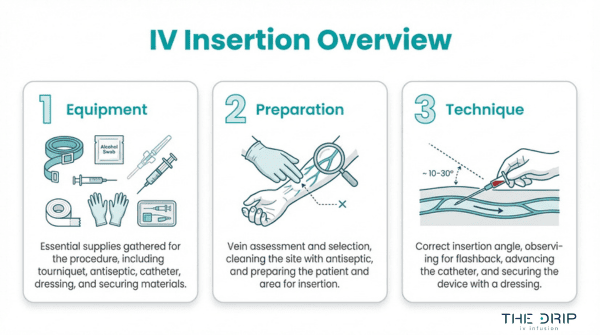
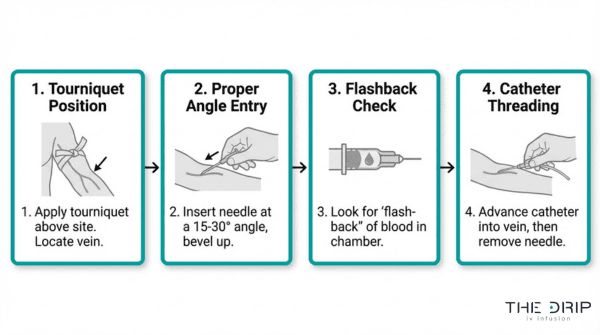
    1. First, a healthcare professional inserts a cannula in the chosen vein. Before inserting the needle, the healthcare professional will sanitize the area with a wipe. The cannula might be fixed with adhesive tape.

    2. Once everything is fixed, healthcare workers will use tubing to connect it to the IV.

    3. During the infusion, a healthcare professional will check if the IV is flowing properly without pain and swelling in the area.

    4. Once the infusion is complete, the cannula will be removed from the vein.

    Why Is IV Therapy Important?

    IV therapy plays a crucial role as a prevention or addition to one’s treatment. It is also used as a method for the improvement of their immune system.

    Intravenous treatment purposes are different based on one’s needs. IV treatment may have many benefits, from hangover relief for young adults to an immune boost for older people.

    Benefits of IV Therapy

    May strengthen the immune system

    After the COVID-19 pandemic, the immune system’s strength has become really important for everyone. IV drip might be a perfect immune boost. Being in good physical health improves your mental health too.

    Even with one treatment, your body gets many healthy fluids that may help remove the toxins.

    Nutritional IV treatment supports healthy bones, muscles, and blood vessels. If you feel like you are getting cold, one IV infusion may help you suppress the cold. 

    May increase your energy

    Nutritional IV therapy may increase your energy levels. B vitamins and magnesium may give you the energy boost you need. Most importantly, you do not need days to see results. Instead, you may feel the results shortly after the infusion. 

    The good news is that the effects might be long-lasting, unlike coffee which will give you short-term energy.

    Might help you reach high athletic performance

    Whether you are a professional athlete or want to exercise recreationally, IV treatments might make your body recover faster after training or competitions. 

    We have different IVs designed to give you energy after training. You just need to consult with a healthcare professional to find what you need.

    Might improve your mental health

    It is known that IV therapy is good against depression and anxiety. There are different IV cocktails containing ingredients like B and C vitamins and minerals, like zinc and magnesium, that may improve your mental health.

    May enhance cardiovascular health

    Based on your needs, you can ask for a cocktail specially made to tackle your health issue. For example, a combination of magnesium and amino acids, like arginine, is good for cardiovascular health. Keep in mind that although IV therapy is not a guarantee to prevent or cure your heart disease, it is a good support to your diet, therapy, and regular exercise.

    Might help people with nutritional deficiencies 

    People suffering from Crohn’s disease, Celiac disease, short bowel syndrome, colon cancer, or cystic fibrosis have problems absorbing food. Their digestive system is not able to keep everything needed from their diet. In this case, IV therapy has an essential function. 

    As mentioned above, IV therapy bypasses the digestive system. This is why vital vitamins, minerals, antioxidants, and electrolytes are directly administered into the bloodstream. 

    Drawbacks of IV Therapy

    IV therapy is generally safe. Yet, it may cause some side effects. 

    Risk of infection

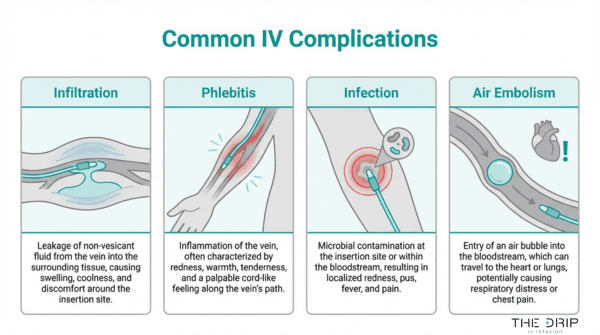
    IV therapy carries a potential risk of infection. The procedure involves inserting a needle into one’s vein. So, there is a possibility of affecting the bloodstream with bacteria. This may lead to serious bloodstream infections, like sepsis, which can be life-threatening.

    Allergic reactions

    A patient may develop an allergy to the received substances. Some patients may be allergic to certain medications or fluids, leading to hives, itching, difficulty breathing, or even anaphylaxis. 

    Vein damage

    Frequent use of IV therapy may lead to vein damage. Moreover, repeated insertion of needles can cause scarring or blockage of the veins. Finding a site for future IV treatment can be hard for healthcare professionals, and this can also be uncomfortable for patients.

    Infiltration or extravasation

    These two side effects occur when the fluid leaks out of the vein into surrounding tissues. 

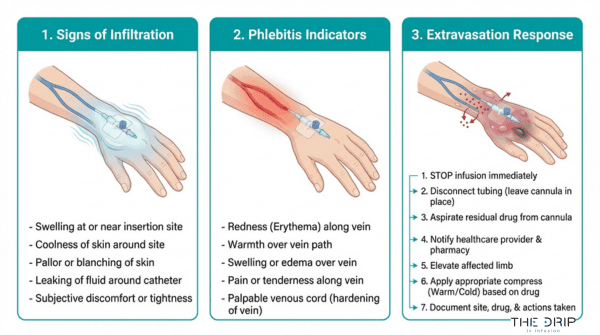
    IV infiltration is a common complication of IV therapy. Infiltration occurs with many antibiotics, dextrose, and even normal saline. If left untreated, it may lead to pain, swelling, compartment syndrome, and more serious complications.

    Extravasation occurs when the leaked solution is a vesicant drug. This may lead to blistering of the tissue or severe tissue damage. This may have serious consequences, like losing the function of the extremity or tissue death.

    Finally, IV use may cause redness, swelling, or pain where the needle was inserted. If the fluids leak, they may cause fluid overload. The consequences are high blood pressure, swelling, and shortness of breath. 

    To prevent these two complications, nurses must check the flow often. Patients should also inform them about any discomfort, pain, or swelling.

    Source: shutterstock.com/ Photo Contributor: ANDRANIK

    Frequently Asked Questions

    How long do IV fluids take to work?

    IV therapy for hydration or hangover should work fast; you can expect results in about 45 minutes to one hour. Other types of IV fluids might need some more time.

    Should you drink water after IV fluids?

    While you do not need to drink water after the infusion, some feel thirsty and need a sip of water.

    Conclusion

    What is IV therapy used for? IV therapy offers many treatment options for different medical conditions. From rehydration, nutritional, and immune support to blood transfusions and pain management, IV therapy plays an important role in modern medicine.

    There are different types of IV fluids. Based on your needs and your doctor’s instruction, you will receive the ones suitable for you. 

    IV therapy has benefits and drawbacks as any other treatment. Yet, the benefits outweigh the risks.


  • How Is Ozone Therapy Administered?

    How Is Ozone Therapy Administered?

    If you’re looking into how ozone therapy works, you’re probably trying to figure out this alternative treatment that’s been getting more attention for different health problems. We get it – sorting through all the different ways it’s given and understanding how IV ozone therapy actually does its job can feel overwhelming, especially when you’re seeing conflicting stuff online. You’re in the right spot to get the real facts about how ozone therapy is administered, what safety steps matter, and what the science actually tells us about this treatment.

    Ozone therapy is when doctors introduce ozone gas (O3) into your body through different routes to treat diseases and conditions. The most common ways to get it into your whole system are Major Autohemotherapy (MAH) and rectal insufflation, but putting ozone directly into your veins is absolutely forbidden because it can cause deadly gas bubbles in your blood.

    TL;DR Summary: We’ll walk you through the main ways ozone therapy is given, starting with how Major Autohemotherapy (MAH) takes out your blood, treats it with ozone, then puts it back in. Then we’ll cover rectal insufflation as an easier option. You’ll learn how IV ozone therapy works through your body’s chemistry rather than the ozone doing things directly, and you’ll understand the important steps and safety rules for each session. We’ll look at the possible benefits that clinical studies back up, figure out who’s a good fit versus who should stay away from treatment, and explain what patients can expect during typical sessions. Finally, we’ll talk about how The Drip IV Infusion approaches ozone therapy while following current rules and safety guidelines.

    Quick Tip: Always make sure any ozone therapy provider uses medical-grade oxygen (never those oxygen concentrators) and keeps ozone levels within the safe range of 20-80 µg/mL for MAH to avoid problems.

    What is ozone therapy and what are its main methods of administration?

    Ozone therapy is giving ozone gas (O3) to your body to treat various diseases and conditions. The most common ways to get it throughout your system are Major Autohemotherapy (MAH) and rectal insufflation. There are also other methods like minor autohemotherapy, ozonated saline infusions, and putting it on your skin. According to a 2017 ISCO3 report, injecting ozone gas straight into your veins killed five patients from gas bubbles and is strongly discouraged. What you’re trying to treat determines which method practitioners choose. The sections that follow explain how MAH gets ozone throughout your body, how rectal insufflation works, and what other routes exist for specific problems.

    How does major autohemotherapy (MAH) deliver ozone to the body?

    MAH relies on precise clinical parameters to safely ozonate and reinfuse blood. The values below represent standard ranges practitioners must follow to prevent hemolysis and ensure therapeutic effects.

    ParameterSpecificationClinical Value
    Ozone concentrationTypical range20–80 µg/mL
    Ozone concentrationMaximum limit78 µg/mL
    Total ozone dosePer session500–4,000 µg
    AnticoagulantTypeHeparin (5000 IU/mL) or ACD-A
    Infusion timeDuration30 minutes
    Treatment frequencyDaily–weeklyPer protocol
    Standard cycleSessions10–12

    Going above 78 µg/mL breaks down your red blood cells. How often you get treatment depends on what condition you’re dealing with.

    Diagram showing how blood is treated with ozone and reinfused during MAH.

    How does rectal insufflation administer ozone therapy?

    Rectal insufflation gives you ozone therapy by putting 100-200 mL of ozone-oxygen mixture into your rectum. The concentration ranges from 10-35 µg/mL, never going above 40 µg/mL to keep from damaging the delicate tissue inside your rectum. Each session gives you a total dose of 1.0-7.0 mg over about 5 minutes. You hold the gas for 10-15 minutes after it’s given. Treatment happens 2-5 times a week for 15-32 sessions. This method works almost as well as MAH while being less invasive. The lower concentration protects the sensitive tissue while still getting therapeutic effects throughout your body.

    Medical illustration of ozone therapy using rectal insufflation with labeled dosage ranges.

    What other routes are used to administer ozone therapy?

    There are several administration routes used for condition-specific ozone treatments. These methods do not affect the entire body the way MAH or rectal insufflation do, but instead target localized therapeutic needs. The main routes include::

    Minor autohemotherapy: Mixes 3-5 mL of your blood with ozone for a shot into your muscle
    Ozonated saline infusion: Bubbles ozone through saline then puts it in your IV (this method is controversial)
    Topical application: Uses ozonated water or oil for healing wounds and skin infections
    Intramuscular injections: Delivers ozone right into muscles for localized pain
    Intra-articular injections: Injects ozone right into joints for inflammation

    Each route serves different therapeutic purposes. Minor autohemotherapy boosts your immune response using smaller amounts of blood. Topical applications treat surface infections without exposing your whole system. Direct injections target specific spots that need localized treatment.

    How does IV ozone therapy work?

    IV ozone therapy works through chemical reactions between ozone and parts of your blood that create therapeutic messengers. Ozone has a very short life in your blood and doesn’t act directly on your tissues. Instead, ozone instantly reacts with your plasma antioxidants and fatty acids to produce reactive oxygen species (ROS) and lipid ozonation products (LOPs). Think of it like this: the ozone is like a spark that starts a chain reaction in your blood, and those reaction products are what actually help heal your body. These secondary messengers act as controllers in chronic inflammatory diseases. The healing effects come from these reaction products rather than the ozone itself.

    What are the steps involved in an IV ozone therapy session?

    The steps in an IV ozone therapy session follow a precise medical process. First, medical staff take out 50-200 mL of your blood into a sterile container with anticoagulant. Next, they mix your blood with the same amount of medical-grade ozone-oxygen mixture at concentrations of 20-80 µg/mL. Your ozonated blood then goes back into you through reinfusion over about 30 minutes. Medical ozone generators must stay accurate within ±10% or better and use pure medical-grade oxygen rather than oxygen concentrators. All materials that touch ozone must be ozone-resistant, such as quartz glass or Teflon.

    Chart highlighting key safety thresholds for IV ozone therapy administration.

    How does ozone interact with blood during IV therapy?

    Ozone interacts with your blood during IV therapy by triggering specific chemical cascades. Ozone reacts with parts of your plasma to generate ROS and 4-hydroxynonenal (4-HNE). These molecules activate the Nrf2 pathway, which turns up antioxidant enzymes including SOD, catalase, and glutathione peroxidase. The reaction increases 2,3-diphosphoglycerate in your red blood cells, helping them release oxygen better to your tissues. Ozone also changes cytokine production to influence your immune response. Concentrations below 10 µg/mL don’t do much because antioxidants completely neutralize the ozone, while concentrations at or above 60 µg/mL become toxic to your whole system.

    Biochemical diagram of ozone interacting with blood to activate antioxidant pathways.

    What are the potential benefits of IV ozone therapy?

    The potential benefits of IV ozone therapy include better cell function and pain relief. Treatment increases your antioxidant capacity, protecting cells from damage while improving oxygen use and tissue oxygenation. Ozone therapy adjusts your immune system by stimulating certain cytokines in autoimmune diseases and boosting response against infections. A 2019 analysis showed ozone therapy worked better than steroids and placebo for low back pain at 6 months (RR=2.2, 95% CI: 1.87-2.60, p<0.00001). The Bonetti 2005 study showed 75% pain relief with ozone versus 32% with Depomedrol at 6 months, while the Paoloni 2009 study found 61% pain relief with ozone versus 33% with placebo (p<0.01).

    Are there any risks or side effects with IV ozone therapy?

    Yes. There are risks and side effects with IV ozone therapy that range from minor to serious depending on individual factors and how treatment is administered. The most common MAH side effect is bruising, and specific medical conditions require strict precautions. Favism (G6PD deficiency) is an absolute no-go because it can cause your red blood cells to break down rapidly. Because ozone therapy interacts with blood chemistry, certain medical conditions increase risks. Patients should be screened carefully before treatment. Contraindications include:

    • G6PD deficiency (absolute)
    • Pregnancy
    • Hyperthyroidism
    • Severe bleeding disorders
    • Thrombocytopenia
    • Use of blood-thinning medication

    Who is a suitable candidate for ozone therapy?

    Good candidates for ozone therapy are patients with chronic inflammatory conditions, pain problems, or wound healing needs who don’t have specific conditions that make it dangerous. According to a 2017 ISCO3 report, ozone therapy shows promise for conditions characterized by oxidative stress and inflammation. You must get screened for G6PD deficiency and bleeding disorders before starting treatment.

    What conditions might benefit from ozone therapy?

    The conditions that might benefit from ozone therapy include chronic inflammatory diseases, low back pain, and localized infections. A 2019 analysis showed ozone therapy worked better than steroids for treating low back pain and disc herniation, with a relative risk of 2.2 at 6 months. Acute stroke is still being studied as a possible use. Conditions requiring immune system adjustment respond to ozone’s regulating effects through Nrf2 pathway activation. Wound healing and skin infections benefit from topical ozone applications, such as ozonated water or oil.

    Who should avoid or consult a doctor before ozone therapy?

    Patients who should avoid ozone therapy include those with G6PD deficiency (Favism), which is an absolute no-go due to rapid red blood cell breakdown risk. Pregnant women must avoid treatment completely. People with hyperthyroidism, severe bleeding disorders, or low platelet count need medical consultation before considering ozone therapy. Anyone taking blood-thinning medications needs physician evaluation to assess bleeding risks. These restrictions come from ozone’s oxidative properties and how it interacts with blood components at therapeutic concentrations of 20-80 µg/mL.

    What should patients expect during and after an ozone therapy session?

    Patients getting ozone therapy should expect a structured medical procedure with specific timelines and sensations depending on how it’s given. Your experience varies between Major Autohemotherapy (MAH) and rectal insufflation, with each method requiring different preparation and retention times.

    How long does a typical session last?

    A typical ozone therapy session lasts 45-60 minutes total, including setup and administration. MAH sessions need about 30 minutes for the blood infusion process plus extra preparation time. Rectal insufflation takes 5 minutes for administration followed by 10-15 minutes of holding the gas. Minor autohemotherapy needs less time due to the smaller blood volume of 3-5 mL compared to MAH’s 50-200 mL.

    Your appointment time includes getting positioned, preparing equipment, and monitoring after treatment. When you schedule treatment depends on what condition you’re addressing and which administration route you choose.

    What can patients feel or experience during treatment?

    Patients commonly report several sensations during ozone therapy depending on the method used. These experiences are typically mild and short-lived. Common observations include:

    • Brief needle discomfort during MAH
    • Mild pressure during reinfusion
    • Cramping or bloating with rectal insufflation
    • Temporary fatigue or headache afterward
    • Occasional immediate energy boost

    How many sessions are usually recommended?

    The recommended number of sessions follows established clinical guidelines based on how it’s given and how severe your condition is. A standard MAH treatment cycle consists of 10-12 sessions, repeated 2-3 times annually for chronic conditions. How often you get treatment ranges from daily to weekly depending on therapeutic goals.

    Rectal insufflation protocols need 15-32 sessions per treatment cycle, given 2-5 times weekly. Acute conditions typically need fewer sessions than chronic inflammatory diseases. Your total treatment time depends on how you respond and your practitioner’s assessment of therapeutic progress.

    How should you approach ozone therapy with The Drip IV Infusion?

    Approaching ozone therapy with The Drip IV Infusion means understanding regulatory guidelines and safety protocols. The FDA hasn’t approved ozone for any medical use in the United States, while Germany, Russia, and Cuba have established regulatory frameworks. Medical practitioners must follow International Scientific Committee on Ozone Therapy (ISCO3) guidelines for safe administration. Equipment specifications demand ozone generators with ±10% accuracy using pure medical-grade oxygen. Practitioners need certified training in ozone therapy protocols before offering treatments.

    Can The Drip IV Infusion help with IV ozone therapy and safe administration?

    Yes. The Drip IV Infusion can help with IV ozone therapy and safe administration by following established international protocols. According to ISCO3 guidelines, avoiding direct intravenous ozone injection is critical for safety. Safe administration requires:

    • Medical-grade ozone generators with precise concentration control
    • Ozone-resistant materials (quartz glass, Teflon) for all equipment
    • Anticoagulants (heparin 5000 IU/mL or ACD-A) for blood handling
    • Concentration monitoring systems maintaining 20-80 µg/mL for MAH

    Germany’s regulatory framework provides clinical protocols that US practitioners can adapt. Russia’s Ministry of Health approved ozone therapy in 2007, offering evidence-based guidelines. Cuba’s National Center for Scientific Research documents standardized procedures for various administration routes.

    What are the key takeaways about how ozone therapy is administered and how IV ozone therapy works?

    The key takeaways about how ozone therapy is administered and how IV ozone therapy works are that healing effects happen through ozone’s reaction products, not direct ozone action. Safety thresholds differ between administration routes, and exceeding these limits increases risk. The following table summarizes the most critical clinical boundaries.

    Critical safety parameters include:

    ParameterDescriptionClinical ValueParameter
    MAH doseTherapeutic range20–80 µg/mLMAH dose
    Rectal doseMaximum safe level40 µg/mLRectal dose
    Hemolysis thresholdRed-cell breakdown begins≥78 µg/mLHemolysis threshold
    G6PD deficiencyContraindicationAbsoluteG6PD deficiency

    In the end, safe and effective IV ozone therapy depends on strict adherence to ISCO3 guidelines, accurate equipment, and well-trained practitioners who understand the chemistry behind ozone’s therapeutic effects.

  • What Is Mobile IV Therapy?

    What Is Mobile IV Therapy?

    Dynamic life, daily responsibilities, and tasks can sometimes have a negative effect on our health. A damaged immune system also means a lack of necessary vitamins, minerals, and nutrients. Considering this, many may consider taking IV therapy. But what is mobile IV therapy, and how may it help our bodies?

    IV therapy is just one of the ways you may restore the nutrients you need and improve your immune system. Stay with us to get to know the benefits and positive sides of this therapy.

    What Is Mobile IV Therapy?

    IV therapy, or intravenous therapy, is administering vitamins, minerals, and nutrients directly into the bloodstream. Unlike other ways of taking nutrients orally, IV therapy may give results in a faster time. Unlike traditional IV therapy, a therapy administered in a conventional setting, mobile IV therapy is administered in your home or a place where you feel comfortable. 

    After you make an appointment, a licensed medical professional comes to your home, office, or wherever you are at the moment to examine you and perform IV therapy.

    Your healthcare provider may administer a different IV fluid depending on your medical condition. Such therapy may include nutrients, minerals, vitamins, or a combination of multiple fluids.

    Source: shutterstock.com/ Photo Contributor: Andrey_Popov

    Why People Use Mobile IV Therapy

    Unlike the conventional way of taking IV therapy, mobile IV therapy has more benefits. In the following, you will find out what are the most important benefits of this therapy:

    Convenience

    For many, receiving IV therapy in a hospital setting might be scary and uncomfortable. In addition, some of the patients may have problems getting to the nearest hospital or place where they need to receive the necessary IV therapy. 

    That’s why you have the option to get mobile IV therapy at home or where you feel relaxed and in a pleasant environment. This way, the medical professional can adjust the therapy according to your needs on the spot.

    Immune system support

    The immune system is important for fighting infections and toxins in the body. However, sometimes the immune system weakens, and you get sick. This happens especially during cold and flu season.

    If you are dealing with a weakened immune system, IV therapy may help support it. Namely, this therapy may contain the necessary vitamins and minerals to potentially speed up recovery and restore the energy you lost while being sick.

    Recovery after physical activities

    Whether it is heavy physical work or sports activity, your body can be exhausted. Besides, recovery from hard training can take longer. Therefore, IV therapy might be an excellent solution for such irregularities.

    IV therapy contains numerous components that play a key role in recovering the body and restoring energy. That’s why antioxidants, vitamins, and amino acids may help speed recovery. The fluids in IV therapy may also help restore the required energy level and make you feel fresh and relaxed.

    Supporting heart health

    The support of the cardiovascular system is one of the benefits that this therapy may provide.

    Mobile IV therapy contains amino acids and electrolytes that may help maintain normal heart function and blood pressure. In addition, electrolytes such as magnesium play a major role in supporting heart function.

    However, note that mobile IV therapy is not the main therapy in the fight against heart disease, but it may only serve as an additional treatment for the consumption of the necessary vitamins.  If you have any heart problems, consult a medical professional.

    Adjustment of IV therapy according to your body’s needs

    Among the benefits mobile IV therapy offers is the customization of IV fluids to your needs. Through mobile IV therapy, everyone might get the needed nutrients into the body depending on factors such as physical activity, lifestyle, and health status. Therefore, if you need IV therapy, the medical professional will tailor it to your needs so that you can get the most out of it.

    When Mobile IV Therapy Is Used

    Mobile IV therapy can be used in many cases. Consider some of them in the following.

    Dehydration

    After training or if you have a severe hangover, your body has a low energy level, and more problems can occur, such as exhaustion, headache, and body aches. 

    That’s why mobile IV therapy may restore your energy level through the necessary nutrients you lack. These nutrients contain amino acids and vitamins that may help restore tissues and fluids to help rehydrate you.

    Morning sickness

    Morning sickness is the most common phenomenon that occurs in pregnant women. The symptoms characteristic of this phenomenon are nausea, vomiting, and loss of energy.

    Therefore, IV therapy might be an ideal solution to help with such conditions. Such therapy consists of minerals, vitamins, and drugs that may help the pregnant woman and the growing fetus get the necessary nutrients.

    Hangover

    The morning after a crazy night, especially if you have drunk too much, you may wake up with a dry mouth, problems with the digestive system, headaches, and nausea. Although most people settle for painkillers or coffee, this doesn’t solve the problem in the short term.

    Therefore, IV therapy is an excellent solution that may help solve such problems. Through such therapy, you may restore lost nutrients, energy and eliminate toxins in your body. Unlike coffee and painkillers, you should feel the effects of IV therapy about an hour after the fluid administration.

    Infection

    When your health worsens due to a virus or bacteria, your body releases antibodies that fight the infection. Such antibodies are created through a diet that is rich in vitamins and nutrients. In addition, IV vitamin therapy through an IV drip may help your body fight infection and help your immune system.

    Is Mobile IV Therapy Safe?

    Mobile IV therapy is generally safe, but there are some things you should consider. First of all, it is best to consult your doctor. If you decide on this kind of therapy, it is best to inform your doctor about your health condition and possible allergens. In some cases, it may be necessary to do additional tests to check your health.

    Further, you should pay attention to the health facility that offers this service. Please note that IV therapy should only be provided by qualified medical personnel who have experience with this type of therapy.

    Source: shutterstock.com/ Photo Contributor: Daria Voruchuk

    How Does Mobile IV Therapy Work?

    Unlike hospital administration of IV fluids, mobile IV therapy is administered at home. Therefore, if you want to receive this treatment, you should first contact a company that has trained medical personnel and paramedics to administer IV therapy. 

    In addition, you can schedule mobile IV therapy wherever you feel comfortable. All you have to do is contact the mobile health services, and the nurses will ensure you get the therapy you need while you lie in a comfortable environment.

    Understanding on-the-go IV treatment

    The procedure includes several steps that you should know:


    1. After the medical team visits you in your home, the paramedic or nurse will ask you about your health condition. You will need to state your symptoms, whether you are receiving other therapy, or you are allergic to certain medications, etc.

    2. You will then need to sit in a comfortable position so that the nurse can disinfect your arm. The disinfected part is where the needle will be inserted and connected to the vein.

    3. After the needle attached to the drip line is inserted, it is connected to the IV bag. After the liquid starts to pass through the drip line, you can relax, watch TV or read a book. During this whole time, you will be monitored by the medical team, who will ensure everything is in the best order.

    4. When the contents of the IV bag have been emptied, the nurse will remove the needle and place a bandage.

    Types of IV Therapy

    Now that you know what is mobile IV therapy, you will get to know the different types of therapy. Generally speaking, there are two types of IV therapy – IV drip and IV push. 

    The difference between these two types of therapy is the amount of fluids administered and the duration of the procedure. To make it clearer to you how they work, these are some of the most important factors:

    IV drip

    This type of treatment involves the administration of fluids through a catheter, which is first inserted with a needle. Once the catheter is in place, the needle is removed.

    Regarding the duration of the procedure, an IV drip lasts about 45-60 minutes and is administered from 250-1000 milliliters of fluids into the vein. During all that time, the patient can relax, watch TV, read a newspaper, etc.

    IV push

    An IV push is performed through a plastic catheter in a vein. Unlike IV drip, this treatment lasts 15-20 minutes and is administered from 30-60 milliliters of liquid.

    How Long Do IV Fluids Stay in the Body?

    There is no exact information on how long IV fluids stay in the body. To some patients, they can stay for a few hours, while others can stay for days, weeks, and months. The retention of intravenous fluids depends on several factors, and in the following, you will be introduced to some of them.

    The degree of hydration

    The body’s hydration level plays a large role in IV fluid retention. Namely, if you are sufficiently hydrated, the body will excrete IV fluids from the body faster. On the other hand, if you are poorly hydrated, your body will retain most of the IV fluids.

    Metabolic processes

    Metabolic processes in the body or basal metabolic rate also play a large role in IV fluid retention. Therefore, if you have a high basal metabolic rate, your body processes nutrients faster and, thus, IV fluids. This is not the case with those people who have a slower metabolism. In such patients, IV fluids are eliminated from the body more slowly. These are mostly overweight and elderly people.

    Illness

    The retention of IV fluids is highly dependent on the type of disease. In some health conditions, such as diarrhea, kidney failure, and vomiting, a lot of fluid is lost. Therefore, if IV fluids are administered, the body will retain most of the nutrients, and the fluids will remain longer.

    Pros and Cons

    As with many medical procedures, IV mobile therapy has positive and negative sides. Therefore, in the following, you will get to know some of the positive and negative sides of this therapy.

    Pros

    Unlike traditional IV therapy, which is usually performed in a hospital setting, mobile IV therapy is given in an environment that is comfortable for you.


    • IV therapy is faster and more effective than oral medications because the fluids are absorbed into the bloodstream more quickly

    • It may help supply the body with the necessary vitamins, minerals, and nutrients

    • This type of therapy might be adapted according to your health condition

    • The procedure is fast and safe; you may feel the effects quickly

    Cons


    • The procedure cost for some patients may be high because most health insurance companies do not cover this treatment

    • Complications may occur if you are allergic to some of the ingredients in the fluid

    • Although rare, bleeding may occur due to improper needle insertion

    How Much Does Mobile IV Therapy Cost?

    The cost of IV therapy depends on several factors. Such factors relate to where the therapy is administered, the type of IV therapy, and the composition. In general, many insurance companies do not cover the cost of this treatment, so this treatment can be expensive, with most of the treatments starting at $150. Mobile IV therapy may also involve additional costs and fees.

    Therefore, unless you need IV therapy, focusing on diet, healthy living, and physical activity is best. On the other hand, if you need this kind of therapy, it is good to consult your doctor. After examining you and doing the necessary tests, the doctor can tell you if IV treatment is a solution for your health condition.

    Source: shutterstock.com/ Photo Contributor: Studio Romantic

    Conclusion

    Mobile IV therapy might effectively get the necessary minerals, vitamins, and nutrients quickly and efficiently. You do not need to look for healthcare facilities to receive IV therapy in a hospital setting. Instead, contact the medical team, who will ensure you get the IV therapy you need at home.

    If you decide on this kind of therapy, it is best to consult your doctor. Otherwise, additional complications can occur if you hire people who are not experts in this type of therapy.

    Hopefully, you have learned what is mobile IV therapy and what its benefits are.

  • IV Therapy Benefits

    IV Therapy Benefits

    IV therapy is quite common these days. Whether you need nutrients, fluids, or blood, this is an efficient way to bypass the digestive system and get the needed nutrients into your bloodstream. But what are the IV therapy benefits, and is it safe to use?

    Stay tuned as we examine IV therapy uses, pros, cons, benefits, and more.

    What Are IV Therapy Benefits?

    One of the benefits of IV therapy is the efficient and fast effects of skipping the digestion process. Through this therapy, vitamins, minerals, and nutrients enter directly into the bloodstream. In that way, you might feel the benefits quicker, giving you more energy and improving general health.

    With this kind of therapy, there are numerous advantages and benefits. These benefits depend on the health status of the patient, the number of treatments, and the treated condition. To that end, we’ll look at some of the benefits of IV therapy.

    It may help in weight loss

    IV therapy might help with healthy weight loss. This type of therapy uses lipotropic compounds that help burn fat, vitamins, and minerals. 

    Through a planned weight loss program that includes a healthy diet and exercise, this therapy is an excellent solution with which you may lose extra pounds more effectively.

    Source: shutterstock.com / Photo Contributor: sheff

    Improving athletic performance

    Maintaining athletic performance is of great importance for those actively involved in sports. This therapy should help by hydrating the body, faster muscle recovery after a strenuous workout and expelling free radicals and toxins from the body. 

    In addition, IV therapy may provide the body with amino acids, a fundamental factor for improving muscle mass and its faster growth.

    It may help treat nutrient deficiencies

    Some people who are deficient in nutrients and have specific health problems may benefit from IV therapy. Since some patients can’t receive the nutrients through their diet, this therapy allows them to skip digesting the food in the digestive system

    Therefore, conditions such as cystic fibrosis, colon cancer, and short bowel syndrome may lead to a lack of vitamins, so IV therapy might be an excellent option.

    Cardiovascular health support

    One of the IV therapy benefits is the support of cardiovascular health. This therapy contains electrolytes and amino acids that work towards maintaining normal blood pressure and heart function. 

    One type of electrolyte is magnesium, which supports heart function. You should know that this therapy can’t be used against heart disease. However, it might help with regular exercise and a healthy diet.

    Improving general health

    IV treatment benefits include an improvement in general health. Namely, with the application of this kind of therapy, it is possible to improve both the physical and mental condition. IV therapy may help produce endorphins that allow you to relieve anxiety and cope with depression. 

    In addition, this type of therapy should help you by providing the necessary nutrients directly into your bloodstream so that you may get:


    • Reduced fatigue

    • Faster healing of wounds and muscle pain

    • Improving energy levels

    • Support of cognitive functions

    • Better immunity

    IV drip benefits for skin and hair

    In addition to hydration and getting the necessary nutrients, IV therapy might improve skin health. Namely, the vitamin IV therapy benefits may help your skin stay hydrated and fight external harmful agents

    Also, it might help deal with wrinkles and fight aging factors. Not only that, proteins, minerals, and vitamins, like B12 and B7, might contribute to improving the health of hair and nails. Some of these elements that are included in the therapy are:


    • Vitamin C

    • Amino acids

    • Biotin

    • Vitamin B12

    • Glutathione 

    What Conditions Require IV Therapy?

    There are several cases where IV therapy can be used. For this purpose, we will mention only some of them, which are the most common and most used.

    Hangover 

    The morning will likely be less pleasant if you’ve overdone it after a night out. Namely, you may wake up with a severe headache, dry mouth, and problems with the digestive system. 

    In addition, if you are older, this feeling may last throughout the day and usually prevent you from carrying out your daily tasks. Therefore, IV therapy after a night out might be beneficial. This kind of therapy might restore the energy you need, replenish lost nutrients, and flush out toxins. 

    If you opt for IV therapy, you might start feeling better in about 60 minutes. That way, you might effectively replace coffee, analgesics, and lying in bed.

    Source: shutterstock.com / Photo Contributor: Motortion Films

    Migraine

    The cause of migraine is not fully understood. It is believed that the primary triggers are diet, stress, the environment, and some medications. If you are looking for pain relief, IV therapy may be an excellent solution. 

    This therapy includes magnesium, vitamins, and other medications that might help manage pain. The IV therapy lasts about 60 minutes, which will make you feel much better.

    Flu and cold

    IV therapy might also be used for cold and flu relief. If you’re feeling down and out from your flu symptoms, this therapy might get you back on your feet. IV therapy will help you stay hydrated; minerals and vitamins may help your immune system. 

    Not only that, but the composition of IV therapy may also deal with cold symptoms such as nausea, body aches, vomiting, and coughing.

    Dehydration

    Whether it’s a hangover or you’re exhausted after a workout, dehydration may cause many problems. These problems might be associated with headaches, body aches, exhaustion, and others. 

    If you find yourself in this situation, IV hydration therapy benefits include restoring the energy you need. Accordingly, this type of therapy consists of a combination of liquids, vitamins, and amino acids. Vitamins and amino acids may help you recover your tissues and increase energy levels, while fluids may help you rehydrate.

    Morning sickness

    Morning sickness is characteristic and typical during pregnancy. This condition is usually accompanied by symptoms like vomiting and problems with the digestive system. 

    Although the symptoms decrease as the pregnancy progresses, nausea might still cause problems and prevent you from performing your duties. Therefore, IV therapy may be one of the solutions that might help you get the nutrients you need and help you deal with nausea and vomiting. 

    This therapy consists of vitamins, minerals, and medicines.

    Types of IV Therapy

    IV therapy is commonly used in two ways: IV drip and IV push. In both ways, the contents of the therapy are injected directly into the patient’s bloodstream. However, the main difference between these two types of therapy is the amount of fluid received and the duration of the therapy.

    IV drip

    An IV drip is a type of IV therapy where a plastic catheter is used to inject the contents into a vein. Namely, this procedure involves a plastic catheter that is inserted into the vein with the help of a needle. 

    Once the catheter is in place, the needle is removed. This therapy usually lasts 45 to 60 minutes and injects about 250 to 1000ml of liquid into the vein. During this time, the patient can relax, watch TV, or read a book.

    IV push

    Specialists constantly monitor this type of therapy, which differs from IV drip in the amount of liquid injected. 

    In this therapy, the contents are administered into the vein through a previously placed catheter in the patient. The entire procedure lasts about 15 to 20 minutes, and about 30 to 60 ml of liquid is injected.

    Source: shutterstock.com / Photo Contrubutor: Numstocker

    Pros and Cons

    As with any therapy, IV therapy has many advantages and disadvantages. Therefore, before deciding on this type of therapy, you should be well-informed about whether you are an ideal candidate for IV therapy. In addition, it is a good idea to talk to your doctor to find out if it is safe and if the advantages outweigh the disadvantages.

    IV therapy pros

    IV therapy has several advantages regarding the intake of the necessary substances, vitamins, and nutrients. The main advantage of this type of therapy is its quick action since the intravenous fluid is directly injected into the bloodstream. 

    In addition, there are additional advantages such as:


    • Bypassing the gastrointestinal system

    • Supplying the body with the necessary vitamins and minerals

    • It provides an alternative way of getting the necessary minerals and vitamins for those patients who can’t take them orally

    • It may help in the fight against diseases and the lack of certain ingredients in the body

    • It might increase energy levels

    • Promoting cardiovascular health

    IV therapy cons

    In addition to the above IV treatment benefits and advantages, there are also several disadvantages that you should be aware of. Namely, these deficiencies are pretty rare and usually occur if you don’t consult a doctor or professional.


    • High concentrations of certain vitamins may lead to health problems and problems with the kidneys and the heart due to the inability to process big amounts.

    • Complications may occur if you self-administer an IV fluid without a professional or doctor’s assistance.

    • Complications may occur if you are allergic to some of the ingredients in the IV fluid.

    Who Can Use IV therapy?

    In the past, IV therapy was administered only in healthcare facilities. Namely, this type of therapy was used for patients who had problems with dehydration, lack of nutrients, and other impaired health conditions.

    Nowadays, IV therapy is widespread and quite popular, even among healthy individuals. This modern time brings a lot of stress, which contributes to weakening the immune system and the general state of health.

    Therefore, IV therapy may be an ideal solution if you have a hangover, feel exhausted after physical work, or have cold or flu symptoms. With the help of this therapy, you might restore lost nutrients, rehydrate, and improve your immune system.

    Source: shutterstock.com / Photo Contributor: Andrey_Popov

    What You Should Tell Your Doctor Before Taking IV Therapy

    Whether you are taking IV therapy in a health care facility or outside of it, consulting a doctor is something you must do. If you take the therapy in a healthcare facility, you have to state if you are allergic to any of the ingredients of the intravenous fluid. 

    In addition, you should emphasize if you are allergic to any substances, foods, or medicines.

    You should also list all past and present illnesses. Taking prescribed therapy should also be taken with caution. Be aware that the ingredients of the intravenous fluid might react with the medications you are currently taking and impair your health.

    Furthermore, if you receive regular therapy, do not stop or change it without consulting your doctor. These actions might negatively affect your health, and you might worsen the situation.

    Where Can You Get IV Therapy?

    In the past, hospitals and healthcare facilities were the only places where IV therapy was applied. Today, several facilities can provide you with this kind of therapy.

    Hospitals 

    Patients who have an emergency or are being treated in a hospital are usually subjected to this type of therapy. In addition, IV therapy serves as an adjunct to an existing medical condition.

    Medical spas

    Medical spas are a place where you can relax through spas, massages, and IV therapy. Unlike hospitals, here, the staff is made up of health and non-health professionals. However, if you opt for IV therapy, it is administered by a healthcare professional.

    At home

    This type of therapy can also be used at home. However, keep in mind that this method might bring you certain complications. Therefore, if you opt for IV therapy at home, it is best to call a trained medical professional to administer the IV fluid successfully.

    Source: shutterstock.com / Photo Contributor: Studio Romantic

    IV bar 

    An IV bar or salon is a place where you can get the necessary vitamins, medications, and intravenous fluids. To that end, trained medical staff will ensure you get the IV therapy you need. In addition, some IV therapies are available remotely, allowing the doctor to bring the therapy you need to your office or home.

    How Much Does IV Therapy Cost?

    If you decide on IV therapy, remember that the price varies depending on the composition of the IV fluid and where you receive the therapy. In addition, most insurance companies don’t cover this type of treatment, so if you do get it, it can often be quite expensive. 

    However, you don’t have to do this treatment at all costs. To begin with, pay attention to your diet and healthy life and hydrate yourself enough during the day. 

    If you still decide on IV therapy, a consultation with your doctor is something you must do. After examining you, the doctor might tell you if you can receive this kind of therapy.

    Conclusion

    IV therapy is an effective way to administer nutrients, drugs, minerals, vitamins, and more directly into the bloodstream. In this way, it is possible to speed up the processes in the body and obtain the effects of the IV fluid in a relatively quick time. 

    However, if you are receiving this type of therapy, remember that you should consult your doctor. Although there are numerous IV therapy benefits, pay attention to the risks that follow if you administer this type of therapy yourself or hire a person who is not an expert.

    At the very end, we hope we have helped you get the necessary information about IV therapy and all the details related to it.

  • What is IV Drip Therapy?

    What is IV Drip Therapy?

    With the rapid advancements in technology, there are many treatment opportunities available. In today’s age, more people than ever are willing to try IV fluids for many medical conditions. So what is IV drip therapy, and how can you benefit from it?

    To better understand this renowned treatment and its uses, you have to know the elements that play an important role in the process. That’s why this article will focus on explaining the essential definitions, ingredients, and processes surrounding IV therapy. And after gathering all the needed information, you can decide for yourself if it suits you or not.

    Continue reading to discover everything you should know before trying IV drip therapy and how you can use it to your advantage!

    What Is IV Drip Therapy?

    So what is IV drip treatment? The first thing you should know is that IV therapy is short for “intravenous therapy”. This means that the necessary treatment includes applying a specific type of medication through your veins. Since it comes in the form of fluids, it’s injected directly into the bloodstream. Thus, it’s used to hydrate the patient in a quick and efficient way.

    A simple IV drip definition is that it’s a medical technique used to administer fluids, nutrients, and medications through a patient’s veins. However, to further understand its use and benefits, you first need to understand how this practice came to be. Even though it’s a fairly new treatment, it dates far back into the past.

    The history of IV drip therapy

    The first attempt at an IV therapy injection can be traced back to the Middle Ages. Even though there are contradictory arguments, the first-ever patient to receive this treatment is thought to be none other than Pope Innocent VIII. During these trials in 1492, the sick patient was injected with the blood of other healthy individuals. However, due to poor hygiene practices, it’s said that the donor didn’t survive the experiment and that the pope wasn’t healed. 

    Even though there was various research done on humans and animals, the first real breakthrough was in 1667. It all started when Richard Lower proved that blood could be transfused between two animals. That’s when he started working with Edmund King in an attempt to use sheep blood to cure a mentally ill man. Even though they carried out the experiment, many medical controversies arose, and the treatment was banned in France. 

    The next successful advancement was recorded in 1831. During this period, Thomas Aitchison Latta began to research the use of IV fluids for treating cholera. What first began as a saline-like solution quickly turned to experimenting with additional ingredients. Thus, people began adding egg yolks, sugar, honey, and other liquids. 

    Source: shutterstock.com / Photo Contributor: Andrey_Popov

    IV tubing in modern times

    IV drip therapy started being widely used around the 1950s. However, it wasn’t until the 1960s that scientists began considering this treatment to provide the patient with his full nutrition needs.

    During this time, Dr. John Myers first injected an IV cocktail made of vitamins and minerals. Thus, the renowned “Myers’ Cocktail” gained popularity for its intravenous vitamin therapy use. This formula is made from sterile water mixed with high doses of vitamin B, vitamin C, and minerals.

    Furthermore, in today’s practices, it’s used to treat various medical conditions. Some of them are cardiovascular disorders, respiratory tract infections, asthma, and fibromyalgia

    What started as experiments with blood transfusion quickly turned into an everyday treatment. In today’s age, IV therapy is used both for treating and preventing health hazards. 

    Types of IV Therapy

    In modern medicine, there are two main types of IV therapy used. These are known as IV drip and IV push treatments. Even though they share the same goal, the main difference is in the way they’re administered. The treatment duration and amount of fluids differ as well.

    Regardless of your choice, both types of IV therapy should be performed by a professional medical team. Each has its own risks and complications, so having a trained medical professional by your side is a must. 

    IV push

    An IV push therapy, also known as “direct IV”, is used to administer the needed medication through a syringe injection. This is done through a previously inserted catheter in the patient’s vein. It’s mostly used in critical situations when a person needs immediate intervention. 

    The whole process doesn’t take more than 15 minutes to be applied. Thus, it’s the quickest way to insert the needed nutrients or medications in the patient. 

    As for the amount of fluids injected, the number is limited only to 30-60 milliliters. So even though an IV push therapy is done faster, it isn’t as rich in nutrients. 

    Lastly, the IV tubing with this method stays only for a short time in the vein. This drastically lowers the chances of an infection and makes it a safer option. 

    IV drip

    An IV drip therapy, on the other hand, is a slower process that involves more fluids. During the treatment, a drip bag is inserted through an IV tubing system. Using the force of gravity, the IV fluids enter the patient’s bloodstream drop by drop. 

    Unlike the IV push method, the duration of this treatment can last between 45 and 60 minutes. However, a lot more fluids go into the patient. The average amount per session is around 250 to 1,000 milliliters, based on the person’s needs.

    During the treatment, patients can enjoy some leisure activities, get some easy work done, or simply relax. 

    Source: shutterstock.com / Photo Contributor: JGA

    What Is an IV Drip Used For?

    After trials and errors in the past, the IV drip has many uses in today’s age. The primary use is to hydrate the body and provide it with essential nutrients. However, many people use it as an alternative treatment for various conditions. Some of the uses for IV drip therapy are:


    • Fast rehydration and nutrition

    • Immune booster

    • Athletic recovery

    • Inflammation

    • Cold and flu recovery

    • Hangover relief

    • Morning sickness relief

    Fast rehydration and nutrition

    As mentioned, the primary use of IV therapy is to provide the patient with essential nutrients and hydrate their body. It’s mostly used for people who are unable to take food orally and digest it. Thus, they’re given an IV cocktail with salts, vitamins, amino acids, and dextrose.

    Since it’s applied with an injection directly into the bloodstream, it may offer quick relief and rehydration. When a patient is rapidly losing fluids, an IV drip might help balance their levels. That’s why this treatment is used for children who have experienced prolonged vomiting and diarrhea. 

    As for adults, IV drip therapy has a broader spectrum of use. It’s especially useful when dehydration occurs due to drug intoxication, postural tachycardia syndrome, and cancer. 

    Immune booster

    Many people use IV fluids as an immune booster. As you already know, this type of therapy contains many important nutrients, such as vitamins and minerals. These substances directly affect the immune system and may boost it. However, since most of them aren’t produced naturally in the body, they have to be obtained from an outside source.

    Remember that there are natural ways to keep your nutrition levels balanced. So leading a healthy lifestyle with regular exercise, a healthy diet, and a solid sleep routine is essential. Yet, these levels may unexpectedly drop due to an illness or medical condition. When that happens, the patient might experience further complications caused by the nutrition deficit.

    If that’s the case, an IV drip therapy may be the best solution for the problem. Many IV cocktails are rich in vitamin B, vitamin C, vitamin D, zinc, and folic acid. By skipping the digestive system and avoiding the process of breaking down these nutrients, IV therapy might act as a fast immune booster on a cellular level. 

    Not only may this help you fight infections, but it might also reduce your fatigue. Plus, having a strong immune system is beneficial for your overall health and wellness. 

    Athletic recovery

    Another use of IV fluids is to achieve a fast, athletic recovery. While it’s important for everyone to get regular exercise, athletes often push their bodies beyond their limits. Thus, they’re more prone to dehydration and muscle cramps. Not only are these conditions painful, but they also affect athletic performance. 

    Even though further research is needed, IV therapy might be beneficial to keep professional athletes hydrated. But be aware that this treatment is prohibited by the World Anti-Doping Agency–governed competitions. This is because many athletes have misused it when it comes to anti-doping tests. Since IV drip therapy is fast and effective, it might be used to clear any drug in the system before undergoing such testing. 

    Source: shutterstock.com / Photo Contibutor: baranq

    Inflammation

    The next use of IV therapy is for battling inflammation. Since IV fluids contain nutrients that have anti-inflammatory properties, they might be used to treat such conditions. A study shows that high doses of vitamin C may reduce inflammation even in cancer patients. 

    The second ingredient that plays an important role in this process is glutathione. This antioxidant is found in many fungi, plants, and animals. When used as an extract in IV drip therapy, it might reduce inflammation

    Cold and flu recovery

    Going hands-in-hands with immune boosting and anti-inflammatory properties, an IV drip may lead to a quick cold and flu recovery. IV cocktails designed for this purpose also contain electrolytes and antiemetics. Some of the most common anti-flu medications found in IV therapy are L-carnitine, Pepcid, Zofran, Toradol, and Benadryl.

    While Pepcid is used to decrease levels of stomach acid, Zofran is used to treat prolonged vomiting and nausea. As for anti-inflammation, Toradol is a renowned medication used to treat pain.

    If you’ve been struggling with a nasty cold, one of the best medications that may help you is Benadryl. Designed to battle the common cold, this drug may treat a runny nose and fevers.

    Lastly, L-carnitine is essential for replenishing your energy when dealing with cold and flu. Its main use is to turn your body fat into energy.

    Hangover relief

    An IV drip therapy may also be used as a hangover relief after a night of heavy drinking. However, remember that further research is needed and that it isn’t a cure for this condition. But it might lessen some of the symptoms that come with it. 

    Alcohol causes a disbalance in the electrolytes and might lead to dehydration. Thus, the aftermath is felt after its levels have depleted. You may even experience flu-like symptoms alongside the throbbing headache and nausea. The biggest reasons behind this are dehydration, inflammation, gastrointestinal irritation, and low blood sugar.

    When receiving IV therapy for a hangover, several main ingredients are included. Some of these ingredients are vitamins C and B, zinc, glutathione, magnesium, Pepcid, Zofran, and Toradol. 

    With their help, you may easily deal with the symptoms of nausea, fatigue, dehydration, and irritability. This is mostly due to the ingredients’ anti-inflammatory, antioxidant, and nutritious properties. 

    Source: shutterstock.com / Photo Contributor: Shchus

    Morning sickness relief

    Lastly, IV fluids may also relieve morning sickness symptoms. Even though morning sickness is a natural part of pregnancy, it can also be dangerous. If the mother and baby are exposed to prolonged vomiting, it may lead to a nutrient deficit and malnourishment.

    Several studies suggest that IV drip therapy may be most beneficial for stopping morning sickness and nausea. Additionally, it might keep both the mother and baby hydrated while also giving them the proper nutrition. 

    The IV Drip Therapy Process

    After learning what is IV infusion therapy and what it’s used for, you should also be aware of the process itself. Even though the treatment time is long, setting up the IV drip is a quick procedure. The simple steps are:


    1. Finding the right vein

    2. Sterilizing the area

    3. Applying the cannula

    4. Receiving the treatment

    5. Removing the IV tubing

    6. Finalizing details

    Finding the right vein

    The first step medical professionals take when applying an IV drip therapy is finding a suitable vein. For this type of treatment, the most suitable places are the inner forearm, back of the hand, or inner wrist. But if the medical professionals have a hard time finding a suitable vein, IV fluids can also be applied through the top of the foot. 

    In impossible cases, many medical professionals might also use ultrasound scans. With this equipment, they can easily guide the needle and find a suitable spot. 

    Sterilizing the area

    The next important step is to sanitize the area where the needle will go into. Always ensure the sterilization is done properly to avoid the risk of infection and complications. Even though IV therapy may work wonders for your overall health, you should always take the necessary precautions. Thus, the most common disinfectants used are:


    • Chlorhexidine gluconate

    • Iodophors

    • Alcohol 

    • Antiseptic combinations

    Applying the cannula

    Applying the cannula is the scariest part of the process for most people. During it, the medical professional will have to place the needle in the vein. But you shouldn’t be worried. You’ll only feel a little sting as the needle punctures the skin.

    After the needle and cannula have been inserted, the medical professional will apply a strip of medical adhesive tape to hold them firmly. Once it’s set, the rest of the IV tubing is connected to the IV drip bag. 

    Receiving the treatment

    As mentioned above, IV drip therapy can last between 45 minutes to an hour, based on patient needs. During this time, a medical professional will check you regularly and closely monitor the cannula. This is to ensure that the IV drip is running correctly and that there aren’t any complications. 

    What you’ll do during the time it takes for the drip bag to empty is up to you. Some people find it more comforting to just lay back and watch their favorite TV show or read a book. Others tend to keep their mind occupied and focus on their work. However, this highly depends if you’re getting the treatment at a hospital or in a home setting. 

    Source: shutterstock.com / Photo Contributor: Studio Romantic

    Removing the IV tubing

    After the IV drip bag has emptied, the medical professional will start taking the IV tubing out. They’ll first start by disconnecting the cannula from the tube. Then, they’ll gently take the cannula out without causing you much discomfort. 

    Finalizing details

    Once all the equipment is removed, the medical professionals will apply pressure to the area where the cannula was inserted. Doing so will stop and prevent any bleeding and bruising. As a final detail, you get a sterilized cotton ball held in place by medical adhesive tape that you can take off after an hour or two.

    The Benefits of IV Therapy

    Even though this renowned medical treatment is far spread, many people are still unsure of their efficiency. So the next question you might ask yourself is, are IV drips worth it? If you’re still contemplating trying an IV drip therapy, here are some of the potential benefits from it:


    • Speed and efficiency

    • Patient care

    • Convenience

    Speed and efficiency

    The main benefit you’ll receive from this medical treatment is speed and efficiency. As mentioned above, IV therapy is the fastest way for a patient to receive the essential nutrients needed. 

    Even if you’re in a critical situation, medical experts can give you the needed medication for your recovery. Furthermore, by avoiding the gastrointestinal system, you’ll receive an efficient and fast-working remedy.

    Patient care

    The next benefit you can expect from IV drip therapy is extraordinary patient care. By hiring a professional service, you’ll have an expert team by your side. Furthermore, you’ll be met with kindness and compassion regardless of your situation. Whether you’re recovering from a night of heavy drinking or struggling with a nasty cold, the expert team will guide you through the process.

    Additionally, you’ll have access to high-quality equipment and treatment. You’ll receive medical-grade nutrients that follow stick safety protocols. So instead of risking your health, you can book an appointment and let the medical experts treat you right. 

    Convenience

    Last but not least, IV drip therapy is truly a convenient option. Not only will you have an expert team by your side, but you can also hire a service to come to your desired location. Whether it’s your home, office, or hotel room, the medical professionals will be happy to help you feel comfortable. 

    Since IV fluids have become more popular than ever, there’s a wide variety of IV cocktails you can choose from. Whether you’re experiencing morning sickness or are in need of athletic recovery, there’s one suitable for your needs. 

    The Risks and Side Effects of IV Therapy

    As with any medical procedure, there are several risks and side effects you should be aware of. Some of the common side effects you may experience are:

    If not done by a medical professional, the risks of IV drip therapy include:

    Source: shutterstock.com / Photo Contributor: dean bertoncelj

    Conclusion

    So what is IV drip therapy? This renowned medical procedure should help you hydrate your body quickly through an intravenous injection. What started out as a blood transfusion experiment is now used to treat many different medical conditions. Even though further research is needed to discover all the potential benefits, it’s safe to say that it can affect your overall health.

    With the fast technological development, this treatment is available for everyone’s use. And with all the information and options available, it’s up to you to decide if this treatment is right for you!

  • IV Antibiotics: What You Should Know

    IV Antibiotics: What You Should Know

    IV antibiotics are antimicrobial medications delivered directly into the bloodstream through a vein, bypassing the gastrointestinal tract to achieve 100% bioavailability and immediate therapeutic effect. Physicians prescribe them when infections are too severe, too deep, or too urgent for oral therapy to deliver adequate drug concentrations.

    This guide covers the clinical rationale behind IV versus oral antibiotics, the most commonly prescribed IV antibiotic drugs, how they are administered and for how long, the conditions they treat, their side effects and risks, and how supportive IV therapy can complement recovery.

    Some infections respond well to oral antibiotics, but conditions like sepsis, bacterial meningitis, endocarditis, and osteomyelitis often demand intravenous delivery because oral agents cannot maintain the sustained blood concentrations these infections require. Bioavailability differences between specific drugs determine when an IV-to-oral switch is clinically appropriate.

    We cover eight major IV antibiotics, including vancomycin, ceftriaxone, piperacillin-tazobactam, and meropenem, each targeting different bacterial pathogens. Administration methods range from short-term peripheral IV lines to PICC lines and central venous catheters for extended treatment courses.

    Treatment duration varies significantly by condition, from 7 days for some sepsis cases to 6 weeks for endocarditis. Side effects range from infusion site reactions to nephrotoxicity, allergic responses, and C. difficile infection, all of which require active monitoring.

    For eligible patients, outpatient parenteral antibiotic therapy (OPAT) provides a cost-effective alternative to prolonged hospitalization. We also address antibiotic resistance, questions to ask your doctor, and how mobile IV hydration and immune support can complement prescribed treatment during recovery.

    What Are IV Antibiotics?

    IV antibiotics are antimicrobial medications delivered directly into the bloodstream through a vein. Unlike oral antibiotics that must pass through the digestive system, IV antibiotics bypass the gastrointestinal tract entirely. This delivers 100% bioavailability, meaning the full dose reaches the bloodstream immediately. Physicians prescribe IV antibiotics for serious or life-threatening infections where rapid, reliable drug concentrations are critical.

    According to the National Library of Medicine, intravenous antibiotic therapy ensures immediate therapeutic effect by bypassing the gastrointestinal tract’s absorption barriers. This makes IV administration essential when patients cannot tolerate oral medications, when infections are too severe for oral treatment alone, or when specific drug levels must be precisely maintained in the blood.

    Common scenarios requiring IV antibiotics include:

    • Severe bacterial infections such as sepsis, meningitis, or endocarditis.
    • Cases where patients experience vomiting, malabsorption, or inability to swallow.
    • Infections caused by resistant organisms that require high sustained drug concentrations.
    • Post-surgical infections needing rapid antimicrobial response.

    IV antibiotics encompass several major drug classes, each targeting different bacterial organisms. These include beta-lactams like ceftriaxone and piperacillin-tazobactam, glycopeptides like vancomycin, carbapenems like meropenem, and nitroimidazoles like metronidazole. The choice depends on the infection type, bacterial susceptibility, and patient-specific factors.

    For clinicians and patients alike, understanding when IV antibiotics are necessary versus when oral therapy suffices is a foundational decision in infection management. The sections below cover why IV antibiotics are chosen over oral options, the most common types prescribed, how they are administered, and what side effects to watch for.

    Why Are IV Antibiotics Used Instead of Oral Antibiotics?

    IV antibiotics are used instead of oral antibiotics when infections are too severe, too deep, or too urgent for the gastrointestinal tract to deliver adequate drug levels. The following subsections cover when oral therapy falls short, which infections demand IV delivery, and how bioavailability shapes that clinical decision.

    When Is Oral Antibiotic Therapy Not Enough?

    Oral antibiotic therapy is not enough when a patient cannot absorb medication through the gastrointestinal tract, when an infection requires immediate peak drug concentrations, or when the severity of illness demands guaranteed delivery. IV antibiotic therapy bypasses the GI tract entirely, ensuring 100% bioavailability and immediate therapeutic effect.

    Clinical criteria for switching from IV to oral include clinical improvement, fever resolution, hemodynamic stability, and the ability to tolerate oral intake without malabsorption concerns. Notably, the assumption that IV always outperforms oral is increasingly challenged. According to Dr. Brad Spellberg, an infectious disease specialist writing in Open Forum Infectious Diseases, “no prospective study ever established IV antimicrobial therapy as more effective than oral therapy for the treatment of osteomyelitis or endocarditis.” The IDSA 2021 guidelines for pediatric osteomyelitis similarly recommend a short IV course followed by oral transition, finding outcomes comparable to prolonged IV therapy.

    What Types of Infections Require IV Antibiotics?

    The types of infections that require IV antibiotics are generally those involving deep tissue, the bloodstream, or critical organs where rapid, sustained drug levels are essential. These include:

    • Sepsis and bloodstream infections requiring immediate antimicrobial action
    • Bacterial meningitis, where antibiotics must cross the blood-brain barrier at high concentrations
    • Infective endocarditis involving heart valve tissue
    • Osteomyelitis during the initial stabilization phase
    • Severe pneumonia unresponsive to oral therapy
    • Complicated intra-abdominal and urinary tract infections

    According to a study published in the National Library of Medicine, time-dependent antibiotics like beta-lactams require drug concentrations above the minimum inhibitory concentration for 40% to 50% of the dosing interval, and continuous IV infusions are associated with reduced hospital stays and mortality. For many of these conditions, oral agents simply cannot maintain those thresholds reliably enough during the critical window.

    How Does Bioavailability Differ Between IV and Oral Antibiotics?

    Bioavailability differs between IV and oral antibiotics primarily in absorption consistency. IV administration delivers 100% of the drug directly into the bloodstream, while oral bioavailability varies widely depending on the specific antibiotic and the patient’s GI function.

    According to a review published in the National Library of Medicine, antibiotics like metronidazole and fluconazole achieve oral bioavailability exceeding 90%, making them strong candidates for an IV-to-oral switch once a patient is clinically stable and tolerating intake. Other drugs, particularly certain beta-lactams and aminoglycosides, have significantly lower oral absorption, which is why they remain IV-only options. This bioavailability gap is the core pharmacological reason clinicians choose IV delivery for acute, life-threatening infections where guaranteed drug levels are non-negotiable.

    With the clinical rationale for IV antibiotics established, the next section covers the specific drug classes most commonly administered intravenously.

    What Are the Common Types of IV Antibiotics?

    The common types of IV antibiotics include vancomycin, ceftriaxone, piperacillin-tazobactam, meropenem, metronidazole, ampicillin-sulbactam, cefazolin, and daptomycin. Each targets different bacterial pathogens and infection types.

    Common IV antibiotics overview cards featuring vancomycin for MRSA, ceftriaxone once daily, piperacillin broad spectrum, and meropenem reserved use

    Vancomycin

    Vancomycin is a glycopeptide antibiotic used primarily against gram-positive bacteria, including methicillin-resistant Staphylococcus aureus (MRSA). Clinicians rely on it for serious infections such as bacteremia, endocarditis, osteomyelitis, and complicated skin infections where resistant organisms are suspected. Because vancomycin requires careful dose monitoring to maintain therapeutic trough levels, patients typically undergo regular blood draws during treatment. Infusion rate also matters; administering it too quickly increases the risk of adverse reactions. For most practitioners, vancomycin remains an indispensable first-line option when MRSA coverage is needed, though rising minimum inhibitory concentrations in some Staphylococcus aureus isolates warrant ongoing vigilance.

    Ceftriaxone

    Ceftriaxone is a third-generation cephalosporin with broad gram-negative coverage and convenient once-daily dosing. According to the Johns Hopkins ABX Guide, ceftriaxone is typically dosed at 1 to 2 grams daily, with a maximum of 4 grams for meningitis, and resistance frequently emerges via AmpC induction or extended-spectrum beta-lactamase (ESBL) production. Common indications include bacterial meningitis, community-acquired pneumonia, urinary tract infections, and Lyme disease. Its long half-life makes ceftriaxone particularly practical for outpatient parenteral antibiotic therapy, where fewer daily infusions improve patient compliance and quality of life.

    Piperacillin-Tazobactam

    Piperacillin-tazobactam is a broad-spectrum penicillin and beta-lactamase inhibitor combination effective against many gram-negative, gram-positive, and anaerobic bacteria. According to the Infectious Diseases Society of America, piperacillin-tazobactam is commonly dosed at 4.5 grams every 6 to 8 hours, often via extended 3- to 4-hour infusions to optimize pharmacodynamics against Pseudomonas aeruginosa. Clinicians frequently prescribe it for intra-abdominal infections, hospital-acquired pneumonia, and complicated skin infections. Extended infusion protocols represent one of the most effective strategies for maximizing this antibiotic’s time-dependent killing activity.

    Meropenem

    Meropenem is a carbapenem antibiotic reserved for severe or multidrug-resistant infections. It provides exceptionally broad coverage against gram-negative, gram-positive, and anaerobic organisms. The IDSA recommends carbapenems like meropenem as the preferred treatment for serious infections caused by ESBL-producing Enterobacterales, due to concerns about the inoculum effect and inferior clinical outcomes with alternatives in bloodstream infections. Common uses include complicated intra-abdominal infections, bacterial meningitis, and febrile neutropenia. Because carbapenems are considered “last-resort” agents, responsible stewardship practices are essential to preserve their effectiveness.

    Metronidazole

    Metronidazole is an antibiotic that targets anaerobic bacteria and certain parasitic organisms. According to a study published in Antimicrobial Agents and Chemotherapy, metronidazole maintained near 100% susceptibility against Bacteroides species, while ampicillin-sulbactam and clindamycin showed decreasing susceptibility over time. Physicians commonly prescribe it for intra-abdominal infections, Clostridioides difficile colitis, brain abscesses, and pelvic infections. Notably, metronidazole has oral bioavailability exceeding 90%, which often makes it a strong candidate for early IV-to-oral switch therapy once patients demonstrate clinical improvement.

    Ampicillin-Sulbactam

    Ampicillin-sulbactam is a penicillin and beta-lactamase inhibitor combination that covers many gram-positive, gram-negative, and anaerobic pathogens. Clinicians use it frequently for community-acquired intra-abdominal infections, gynecologic infections, aspiration pneumonia, and diabetic foot infections. The sulbactam component restores activity against beta-lactamase-producing organisms that would otherwise resist ampicillin alone. While its anaerobic susceptibility profile has declined compared to metronidazole, ampicillin-sulbactam remains a practical empiric choice for mixed polymicrobial infections where broad but not ultra-wide coverage is appropriate.

    Cefazolin

    Cefazolin is a first-generation cephalosporin with strong gram-positive coverage and a well-established safety profile. It serves as the standard choice for surgical prophylaxis across orthopedic, cardiac, and abdominal procedures. Cefazolin also treats methicillin-susceptible Staphylococcus aureus (MSSA) bacteremia, skin and soft tissue infections, and uncomplicated urinary tract infections. Its predictable pharmacokinetics, infrequent dosing schedule, and low cost make it one of the most widely administered IV antibiotics in both inpatient and outpatient settings.

    Daptomycin

    Daptomycin is a cyclic lipopeptide antibiotic active against gram-positive organisms, including MRSA and vancomycin-resistant enterococci (VRE). It works by disrupting the bacterial cell membrane, causing rapid depolarization and cell death. Clinicians prescribe daptomycin for complicated skin infections, bacteremia, and right-sided endocarditis. One critical limitation is that daptomycin cannot treat pneumonia because pulmonary surfactant inactivates the drug. For patients who fail vancomycin therapy or have vancomycin-resistant infections, daptomycin provides an essential alternative.

    Understanding each antibiotic’s spectrum and clinical role helps guide appropriate therapy decisions.

    How Are IV Antibiotics Administered?

    IV antibiotics are administered through three primary vascular access methods: peripheral IV lines, PICC lines, and central venous catheters. Each method suits different treatment durations and clinical needs.

    IV line types for antibiotic therapy comparison showing peripheral IV line, PICC line, and central line catheter placement and use cases

    What Is Peripheral IV Antibiotic Administration?

    Peripheral IV antibiotic administration is the delivery of antibiotics through a short catheter inserted into a small vein, typically in the hand or forearm. A healthcare provider places the catheter using a small needle, then secures it with adhesive dressing. This method works best for short-term treatments lasting a few days, since the catheter usually requires replacement every 72 to 96 hours to reduce infection risk. Peripheral lines are the most common starting point for IV antibiotics in emergency rooms and hospitals because insertion is quick and minimally invasive. However, certain medications that irritate smaller veins may require a larger central line instead.

    What Is a PICC Line for IV Antibiotics?

    A PICC line for IV antibiotics is a long, flexible catheter inserted into a vein in the upper arm and threaded until the tip rests near the heart. This positioning allows delivery of medications that would damage smaller peripheral veins. PICC lines can remain in place for weeks to months, making them ideal for extended antibiotic courses such as those required for osteomyelitis or endocarditis. A trained nurse or interventional radiologist typically places the line using ultrasound guidance. Because PICC lines are durable and reliable for long-term outpatient use, they are the most frequently chosen access device for home IV antibiotic therapy.

    What Is a Central Venous Catheter for IV Antibiotics?

    A central venous catheter (CVC) for IV antibiotics is a large-bore catheter placed directly into a major vein, usually the internal jugular, subclavian, or femoral vein. CVCs enable rapid delivery of high-volume fluids and multiple medications simultaneously, which makes them essential in critical care settings. Surgically implanted ports represent another CVC option for patients requiring intermittent long-term access. According to a study published in the National Library of Medicine, PICC-related bloodstream infection rates reached 14.38 per 1,000 catheter-days in hospitalized patients compared to 3.19 per 1,000 catheter-days in outpatients. This highlights why infection prevention protocols, including sterile dressing changes and regular site assessment, are critical for any central line.

    How Long Does a Typical IV Antibiotic Infusion Take?

    A typical IV antibiotic infusion takes between 15 minutes and 4 hours, depending on the specific drug and dosing protocol. Rapid infusions of antibiotics like ceftriaxone often complete within 30 minutes. Vancomycin, by contrast, requires slower administration over at least 60 minutes to reduce the risk of adverse reactions. Some beta-lactam antibiotics benefit from extended 3 to 4 hour infusions that maintain drug concentrations above effective levels for longer periods. Continuous 24-hour infusions are occasionally used in intensive care for critically ill patients. The prescribing physician determines the exact rate based on the medication, infection severity, and patient tolerance.

    With administration methods in place, the next consideration is which conditions most commonly require IV antibiotics.

    What Conditions Are Commonly Treated With IV Antibiotics?

    The conditions commonly treated with IV antibiotics include sepsis, bacterial meningitis, endocarditis, osteomyelitis, severe pneumonia, complicated urinary tract infections, cellulitis, and intra-abdominal infections.

    Sepsis and Bloodstream Infections

    Sepsis and bloodstream infections require immediate IV antibiotic therapy to control rapidly spreading bacteria in the circulatory system. Early administration is critical because delays in treatment increase mortality risk significantly with each passing hour. According to IDSA guidance, for serious infections caused by ESBL-producing Enterobacterales, carbapenems like meropenem are preferred over piperacillin-tazobactam due to concerns about the inoculum effect and inferior clinical outcomes in bloodstream infections. Empiric broad-spectrum coverage is typically started before culture results return, then narrowed once the causative organism is identified.

    Bacterial Meningitis

    Bacterial meningitis is one of the most urgent conditions requiring IV antibiotics, with treatment often initiated within minutes of clinical suspicion. According to the World Health Organization, approximately 1 in 6 affected individuals die, while 1 in 5 suffer severe long-term complications; meningococcal-specific cases carry a 10% to 15% mortality rate even with treatment. High-dose IV cephalosporins penetrate the blood-brain barrier to reach therapeutic concentrations in cerebrospinal fluid. Adjunctive intravenous dexamethasone is also recommended to reduce neurological sequelae, though clinical trial results remain conflicting regarding its overall impact on mortality.

    Endocarditis

    Endocarditis requires prolonged IV antibiotic therapy because the infection affects heart valve tissue, which has limited blood supply. Biofilm formation on damaged valves makes bacterial eradication particularly difficult, often necessitating four to six weeks of continuous intravenous treatment. Combination regimens targeting the specific causative organism are standard, with agents selected based on blood culture sensitivity results.

    Osteomyelitis

    Osteomyelitis involves bacterial infection of bone tissue, where poor vascular supply limits oral drug penetration. IV antibiotics deliver high-concentration drug levels directly to the bloodstream, improving distribution to infected bone. Treatment typically begins with an IV course before transitioning to oral therapy once clinical improvement is confirmed, a strategy the IDSA supports as equally effective for most patients.

    Severe Pneumonia

    Severe pneumonia requires IV antibiotics when patients cannot absorb oral medications or when the infection has progressed to respiratory failure. According to the 2021 Global Burden of Disease report, severe pneumonia causes an estimated 2.1 million deaths annually, particularly among children under 5 and adults over 70. Treatment duration for severe cases typically averages 13.5 days. The combination of high mortality risk and compromised respiratory function makes intravenous administration essential for achieving rapid therapeutic drug levels.

    Complicated Urinary Tract Infections

    Complicated urinary tract infections involve structural abnormalities, catheter use, or resistant organisms that prevent standard oral therapy from resolving the infection. Clinical guidelines often favor a 14-day treatment duration for cUTIs, according to the American Journal of Kidney Diseases, although shorter 7-day courses are increasingly considered for patients showing rapid clinical response. This shift toward individualized treatment duration reflects growing emphasis on antibiotic stewardship without compromising outcomes.

    Cellulitis and Severe Skin Infections

    Cellulitis and severe skin infections warrant IV antibiotics when the infection spreads rapidly, involves deeper tissue layers, or fails to respond to oral therapy. Purulent infections with systemic signs, such as fever or elevated white blood cell counts, often require intravenous agents targeting both streptococcal and staphylococcal species. Patients with immunocompromising conditions face higher risk of progression, making early IV intervention particularly important.

    Intra-Abdominal Infections

    Intra-abdominal infections involve bacterial contamination of the peritoneal cavity from sources such as perforated appendicitis, diverticulitis, or post-surgical complications. According to a study published in the National Library of Medicine, complicated intra-abdominal infections carry an overall mortality rate of approximately 9.2%, exceeding 20% in critically ill patients who develop multiple organ dysfunction syndrome. Broad-spectrum IV regimens covering gram-negative, gram-positive, and anaerobic organisms are standard. Understanding which infections demand IV therapy helps clarify how long treatment typically lasts.

    How Long Does IV Antibiotic Treatment Typically Last?

    IV antibiotic treatment typically lasts anywhere from 7 days to 6 weeks, depending on the infection type and severity. The following sections break down standard durations for sepsis, endocarditis, osteomyelitis, meningitis, and severe pneumonia.

    How Long Are IV Antibiotics Given for Sepsis?

    IV antibiotics for sepsis are given for 7 to 14 days in most cases. Treatment begins immediately, often within the first hour of recognition, because delays worsen outcomes significantly. The initial course targets broad-spectrum coverage until blood cultures identify the specific pathogen. Once the organism is confirmed, clinicians narrow therapy to a targeted agent. Patients who respond well and achieve hemodynamic stability may transition to oral antibiotics before completing the full course. For sepsis caused by MRSA bloodstream infections, mortality rates between 30% and 37% have been reported by the Infectious Diseases Society of America, underscoring why aggressive early IV therapy remains standard practice.

    How Long Are IV Antibiotics Given for Endocarditis?

    IV antibiotics for endocarditis are given for 4 to 6 weeks, making it one of the longest standard IV antibiotic courses. Native valve endocarditis caused by streptococci may require 4 weeks, while prosthetic valve infections or staphylococcal cases often extend to 6 weeks or longer. The prolonged duration reflects how deeply bacteria embed within cardiac vegetations, where shorter courses risk relapse. Continuous bactericidal drug levels in the bloodstream are essential to sterilize these hard-to-reach sites. This is a condition where cutting treatment short carries serious consequences, including valve destruction and embolic events.

    How Long Are IV Antibiotics Given for Osteomyelitis?

    IV antibiotics for osteomyelitis are given for 2 to 6 weeks, depending on whether the case is acute or chronic. According to the IDSA 2021 guidelines, children with acute hematogenous osteomyelitis can often complete a short IV course followed by oral therapy, achieving outcomes comparable to prolonged intravenous regimens. Adults with chronic osteomyelitis or hardware-associated infections typically require longer IV courses. Bone tissue has limited blood supply, so sustained high antibiotic concentrations through IV delivery help penetrate infected areas more effectively. Surgical debridement frequently accompanies antibiotic therapy in chronic cases to remove necrotic bone.

    How Long Are IV Antibiotics Given for Meningitis?

    IV antibiotics for meningitis are given for 7 to 21 days, with duration varying by the causative organism. Neisseria meningitidis infections typically require 7 days, while Listeria monocytogenes cases may need 21 days or more. High-dose regimens are necessary because drugs must cross the blood-brain barrier to reach therapeutic concentrations in cerebrospinal fluid. According to the World Health Organization, bacterial meningitis carries approximately a 16.7% case-fatality rate, with 20% of survivors experiencing severe long-term complications. These statistics explain why aggressive, full-course IV therapy is non-negotiable for this condition.

    How Long Are IV Antibiotics Given for Severe Pneumonia?

    IV antibiotics for severe pneumonia are given for 7 to 14 days, though complicated cases may extend further. According to a study published in the National Library of Medicine, treatment duration for severe pneumonia cases typically averages 13.5 days. Patients hospitalized in intensive care units often receive combination IV therapy targeting both typical and atypical pathogens. Once clinical stability is achieved, including fever resolution and improved oxygenation, a step-down to oral antibiotics is standard practice. For most patients, the total antibiotic course (IV plus oral combined) falls within these timeframes unless complications such as lung abscess or empyema develop.

    With treatment durations established, understanding potential side effects helps patients prepare for what to expect during therapy.

    What Are the Side Effects and Risks of IV Antibiotics?

    The side effects and risks of IV antibiotics range from mild injection site reactions to serious complications like organ damage and secondary infections. The following subsections cover common side effects, allergic reactions, Red Man Syndrome, organ toxicity, C. difficile risk, and IV site complications.

    IV antibiotic side effects and serious risks chart showing nausea, headache, fatigue, rash, allergic reaction, heart problems, liver issues, and neurological symptoms

    What Are the Common Side Effects of IV Antibiotics?

    The common side effects of IV antibiotics include nausea, diarrhea, headache, rash, and pain or swelling at the infusion site. Gastrointestinal disturbances occur frequently because antibiotics disrupt normal gut flora alongside targeting pathogenic bacteria. Phlebitis, an inflammation of the vein used for infusion, is another regularly reported issue.

    Additional common side effects include:

    • Fever or chills during or shortly after infusion
    • Dizziness or lightheadedness
    • Metallic taste in the mouth
    • Mild skin rash or flushing
    • Fatigue and general malaise

    Most of these reactions are self-limiting and resolve once the infusion ends or the antibiotic course is adjusted. However, any new or worsening symptom during IV antibiotic therapy warrants prompt medical evaluation.

    What Allergic Reactions Can IV Antibiotics Cause?

    IV antibiotics can cause allergic reactions ranging from mild skin rashes to life-threatening anaphylaxis. Beta-lactam antibiotics, including penicillins and cephalosporins, are the most common triggers. Mild reactions typically present as urticaria, itching, or localized swelling near the infusion site.

    Severe allergic responses may include:

    • Anaphylaxis with airway swelling, hypotension, and tachycardia
    • Serum sickness with fever, joint pain, and rash appearing days after exposure
    • Drug-induced interstitial nephritis
    • Stevens-Johnson syndrome in rare cases

    Cross-reactivity between penicillins and cephalosporins occurs in approximately 1% to 2% of patients, making allergy history essential before prescribing. For anyone with a documented beta-lactam allergy, clinicians typically select alternative classes such as vancomycin or fluoroquinolones.

    What Is Red Man Syndrome From IV Vancomycin?

    Red Man Syndrome from IV vancomycin is a histamine-mediated infusion reaction characterized by flushing, erythema, and pruritus of the face, neck, and upper torso. This reaction is not a true allergy; rather, it results from rapid vancomycin infusion triggering mast cell degranulation.

    According to a study published in the National Library of Medicine, nephrotoxicity occurred in 18.4% of vancomycin patients, while Red Man Syndrome occurred in 2% and thrombocytopenia in 7.1% of the cohort. In pediatric populations, a retrospective study of 650 children found a 1.6% prevalence of vancomycin-induced Red Man Syndrome, with infusion rate being the most important determinant. Slowing the infusion to at least 60 minutes per gram significantly reduces occurrence, making proper administration speed critical for prevention.

    Can IV Antibiotics Cause Kidney or Liver Damage?

    Yes, IV antibiotics can cause kidney or liver damage, particularly with prolonged use or high-dose regimens. Nephrotoxicity is most commonly associated with vancomycin and aminoglycosides such as gentamicin, while hepatotoxicity has been linked to agents like amoxicillin-clavulanate and flucloxacillin.

    Risk factors that increase organ damage potential include:

    • Pre-existing renal or hepatic impairment
    • Concurrent use of other nephrotoxic or hepatotoxic medications
    • Extended treatment durations beyond standard protocols
    • Inadequate hydration during therapy

    Regular monitoring of serum creatinine, blood urea nitrogen, and liver function tests is standard practice during IV antibiotic courses. Dose adjustments based on renal clearance help minimize toxicity, which is why therapeutic drug monitoring remains essential for high-risk agents.

    What Is the Risk of C. Difficile Infection With IV Antibiotics?

    The risk of C. difficile infection with IV antibiotics is significant, particularly with broad-spectrum agents that severely disrupt normal gut microbiota. According to a study of 58 patients with C. difficile infection published in the National Library of Medicine, the most common antibiotic exposures were piperacillin/tazobactam (77.60%), meropenem (27.60%), and vancomycin (17.20%).

    The highest-risk antibiotic classes identified by the CDC include:

    • Fluoroquinolones
    • Carbapenems
    • Third and fourth generation cephalosporins

    C. difficile produces toxins that cause watery diarrhea, abdominal cramping, and in severe cases, pseudomembranous colitis or toxic megacolon. This risk underscores why antibiotic stewardship programs emphasize using the narrowest effective spectrum for the shortest appropriate duration.

    Can IV Site Complications Occur During Antibiotic Therapy?

    Yes, IV site complications can occur during antibiotic therapy and represent some of the most frequent adverse events in intravenous treatment. Phlebitis, infiltration, and extravasation are the primary local complications associated with peripheral IV access.

    Common IV site complications include:

    • Phlebitis causing redness, warmth, and tenderness along the vein
    • Infiltration where fluid leaks into surrounding tissue
    • Thrombophlebitis combining vein inflammation with clot formation
    • Local infection at the catheter insertion site

    Certain antibiotics are particularly irritating to peripheral veins. Vancomycin and potassium-containing solutions, for instance, carry higher phlebitis risk and often require central venous access for extended courses. Routine site assessment, timely catheter rotation, and proper aseptic technique substantially reduce these complications. Understanding these risks helps patients and providers prepare for the monitoring needs that home IV antibiotic therapy demands.

    Can You Receive IV Antibiotics at Home?

    Yes, you can receive IV antibiotics at home through a structured medical program. The following sections cover how outpatient parenteral antibiotic therapy works, who qualifies, and what monitoring is required.

    What Is Outpatient Parenteral Antibiotic Therapy?

    Outpatient parenteral antibiotic therapy (OPAT) is a clinical program that allows patients to receive intravenous antibiotics outside the hospital, typically at home. OPAT enables patients with stable infections to complete their full IV antibiotic course while recovering in a familiar environment, reducing hospital stays and exposure to hospital-acquired infections.

    The cost advantage is substantial. According to a 2025 study published in the National Library of Medicine, the mean cost of OPAT per episode of care is approximately $8,012, compared to $14,743 for inpatient parenteral treatment, a difference of roughly $5,437 per episode. Most OPAT programs involve a PICC line or midline catheter, with patients or trained caregivers administering scheduled doses under physician oversight. For patients facing weeks of IV antibiotic therapy, OPAT offers a practical, cost-effective alternative to prolonged hospitalization.

    Who Qualifies for Home IV Antibiotic Treatment?

    Patients who qualify for home IV antibiotic treatment must meet several clinical and practical criteria:

    • The infection must be clinically stable, with no signs of rapid deterioration or hemodynamic instability.
    • The patient must have reliable venous access, such as a PICC line, that can remain functional for the full treatment duration.
    • A safe, clean home environment with adequate refrigeration for medication storage is required.
    • The patient or a caregiver must demonstrate competency in operating the infusion equipment and recognizing warning signs.
    • The prescribing physician must confirm that the chosen antibiotic is appropriate for home administration, with a manageable dosing schedule.

    Patients with uncontrolled comorbidities, active substance use disorders, or limited support systems may not be appropriate candidates. The final determination always involves the treating infectious disease specialist or physician.

    What Monitoring Is Needed During Home IV Antibiotics?

    Monitoring during home IV antibiotics includes regular clinical assessments and laboratory testing to ensure treatment safety and efficacy. Key monitoring requirements are:

    • Blood work: Periodic complete blood counts, renal function panels, and drug levels (particularly for vancomycin or aminoglycosides) are drawn at scheduled intervals.
    • IV site inspection: The catheter insertion site must be checked daily for redness, swelling, tenderness, or drainage that could indicate infection.
    • Clinical response tracking: Temperature, symptom progression, and overall functional status are documented and reported to the supervising physician.
    • Adverse reaction surveillance: Patients must know when to seek emergency care, including signs of allergic reaction, severe diarrhea suggesting C. difficile, or sudden changes in urine output.

    Most OPAT programs schedule weekly or biweekly in-person or telehealth visits with the care team. With proper monitoring protocols, home IV antibiotic therapy maintains safety standards comparable to inpatient care while supporting faster return to daily life.

    How Do IV Antibiotics Relate to Antibiotic Resistance?

    IV antibiotics relate to antibiotic resistance through both their potential to drive resistant bacterial strains and their role in stewardship programs designed to limit unnecessary use.

    Broad-spectrum IV antibiotics, when prescribed without targeted culture data, expose bacteria to selective pressure that favors resistant mutations. Each unnecessary course increases the likelihood that surviving organisms develop mechanisms to evade treatment. Overuse of empiric IV therapy in hospital settings accelerates this cycle, particularly with agents active against gram-negative pathogens.

    According to the Centers for Disease Control and Prevention, more than 2.8 million antimicrobial-resistant infections occur each year in the United States, resulting in more than 35,000 deaths, with an estimated national cost exceeding $4.6 billion annually to treat infections caused by six common resistant germs.

    Antibiotic stewardship programs directly address this problem by promoting several key practices:

    • Narrowing IV antibiotic coverage once culture and sensitivity results are available.
    • Transitioning patients from IV to oral therapy as soon as clinical criteria are met.
    • Shortening IV treatment durations based on evidence-based guidelines rather than tradition.
    • Avoiding broad-spectrum agents when narrower-spectrum options are effective.

    The connection between IV antibiotics and resistance is not about the route itself; it is about how and when these powerful agents are used. Poorly targeted IV therapy selects for resistant organisms, while disciplined prescribing preserves antibiotic effectiveness for future patients. This distinction matters because resistance does not reverse easily once it becomes established in a bacterial population.

    For anyone receiving IV antibiotics, understanding why stewardship matters reinforces the importance of following prescribed courses exactly as directed. Knowing what to discuss with your doctor before starting treatment helps ensure the right antibiotic is selected from the outset.

    What Should You Ask Your Doctor Before Starting IV Antibiotics?

    You should ask your doctor about the specific infection being treated, expected treatment duration, potential side effects, and whether oral alternatives exist. The questions below cover the most important topics to discuss before beginning intravenous antibiotic therapy.

    • What infection am I being treated for, and which organism was identified? Understanding the specific pathogen guides antibiotic selection and helps you follow the rationale behind your treatment plan.
    • Why is IV administration necessary instead of oral antibiotics? Some antibiotics, such as metronidazole and fluconazole, have oral bioavailability exceeding 90%, so clarifying the clinical need for intravenous delivery is reasonable.
    • How long will treatment last, and when can I switch to oral therapy? Duration varies significantly by condition; asking about step-down criteria helps set realistic expectations.
    • What side effects should I watch for? Each antibiotic class carries distinct risks, from nephrotoxicity with vancomycin to gastrointestinal disruption with broad-spectrum agents.
    • What is my risk for C. difficile infection? According to a study published in the National Library of Medicine (PMC), the highest-risk antibiotic classes for C. difficile include fluoroquinolones, carbapenems, and third/fourth-generation cephalosporins.
    • Can I receive treatment at home through OPAT? Not every patient qualifies, so discussing eligibility for outpatient parenteral therapy early can influence your care plan.
    • Will any lab work or monitoring be needed during treatment? Kidney function tests, drug levels, and blood counts are commonly required depending on the antibiotic prescribed.

    Patients who ask these questions gain clearer expectations and become more active participants in their care. With a solid understanding of your IV antibiotic plan, exploring complementary support strategies becomes a natural next step.

    How Can IV Therapy Support Your Recovery Alongside Treatment?

    IV therapy can support your recovery alongside treatment by delivering hydration, vitamins, and immune-boosting nutrients directly into the bloodstream while you follow your prescribed medical plan. The following sections cover mobile IV support during illness and key takeaways about IV antibiotics.

    Can Mobile IV Hydration and Immune Support Help During Illness?

    Yes, mobile IV hydration and immune support can help during illness by restoring fluid balance and delivering nutrients that support immune function without requiring a hospital visit. Staying well-hydrated is essential when the body fights infection, and IV delivery ensures maximum absorption by bypassing the GI tract.

    Adjunctive IV therapies have been studied in clinical settings. According to a systematic review published in the National Library of Medicine (PMC), intravenous high-dose vitamin C monotherapy in sepsis patients showed mixed results; some reviews suggest modest physiological benefits and potential improvement in short-term mortality, while one major trial indicated potential harm in terms of persistent organ dysfunction.

    These findings underscore an important distinction: wellness-focused IV hydration with vitamins like vitamin C, zinc, and B-complex differs from high-dose clinical protocols used in critical care. For individuals recovering from common illnesses, a mobile IV session focused on hydration and moderate immune support can complement prescribed treatments without replacing them. The Drip IV Infusion offers mobile IV hydration and immune support infusions with add-ons such as vitamin C, zinc, and glutathione, delivered by experienced nurses in the comfort of your home.

    What Are the Key Takeaways About IV Antibiotics?

    The key takeaways about IV antibiotics are that they serve as a critical tool for treating severe infections, but their use requires careful clinical oversight and awareness of both benefits and risks.

    • IV antibiotics deliver 100% bioavailability, making them essential when oral therapy cannot achieve adequate drug levels.
    • Conditions such as sepsis, bacterial meningitis, endocarditis, and osteomyelitis frequently require intravenous antibiotic administration.
    • Side effects range from infusion site reactions and allergic responses to serious complications like nephrotoxicity and C. difficile infection.
    • Outpatient parenteral antibiotic therapy (OPAT) allows eligible patients to continue IV antibiotics at home at significantly lower cost than inpatient care.
    • Antibiotic resistance remains a growing concern; responsible stewardship and appropriate IV-to-oral switching help preserve antibiotic effectiveness.
    • Supportive hydration and immune-focused IV therapy can complement your recovery plan but should never replace prescribed antibiotic treatment.

    Always discuss your treatment options, potential side effects, and transition plans with your healthcare provider before starting or stopping IV antibiotics. For supportive IV hydration and immune wellness alongside your medical care, The Drip IV Infusion provides personalized mobile infusions tailored to your recovery needs.

  • Magnesium IV Therapy

    Magnesium IV Therapy

    Experiencing a lack of magnesium in your body may bring many discomforts and health conditions your way. You could find yourself battling many health issues if you don’t take any action to solve this problem. At this time, the best solution might be to consider magnesium IV therapy.

    Some of the most common symptoms of Mg deficiency you may experience are fragility, nausea, and bone density. Fortunately for us, countless solutions and treatments are available thanks to innovative medicine. Patients might gain outstanding relief from magnesium drip in hospital or at home.

    So, that’s why we dedicate this article to inform you about what is magnesium IV used for and its benefits. Learn more about the symptoms of magnesium deficiency and why they occur. We’ll also give you an insight into magnesium IV drips side effects so you can be prepared for everything.

    Continue reading to learn how magnesium Drip IV therapy may be helpful to you.

    Source:shutterstock.com / Photo Contributor: Pixel-Shot

    The Role of Magnesium in the Body

    Magnesium is the fourth most abundant mineral that’s responsible for multiple proper functions of the body. This mineral is among the key elements that have many benefits for your overall health. It’s a necessary factor and a cofactor in more than 300 enzyme systems in your body.

    So it’s crucial to maintain a healthy level of magnesium since this mineral is required for many biochemical reactions in the body.

    One of the essential jobs magnesium does for our bodies includes maintaining healthy brain function. It also plays a role in cardio-protective performance by maintaining a steady, regular heartbeat. This mineral also supports bone formation, muscle function, and nerve transmission.

    Here are some of the benefits you may get from this outstanding mineral:

    Should maintain healthy brain functions

    Magnesium is a necessary mineral that helps relay signals to your brain and body. In recent research, magnesium has been shown to provide significant effects on cognitive performance in the brain.

    Furthermore, magnesium acts as a gatekeeper to your NMDA receptors. These receptors are important for brain functions such as brain development, learning, and memory. Typically, Mg can be found inside these receptors, preventing them from getting triggered by weak signals.

    If you’re low on magnesium, these receptors are more prone to unnecessary stimulation. This means that magnesium deficiency may cause decreased cellular messaging and brain inflammation.

    May support for a healthy heart

    Magnesium has a key role in intracardiac conduction, modulating neuronal excitation and myocardial contraction in the cardiovascular system. It does so by regulating a number of ion transporters, such as potassium and calcium channels.

    A study found that those with proper magnesium levels have a 44% lower chance of heart failure. The movement of magnesium and calcium across your heart cells provides a stable and healthy heartbeat. When low on Mg, you may end up with rapid heartbeat and overstimulation.

    The enzyme that generates impulses, known as the “sodium-potassium pump”, requires magnesium for proper function. So, make sure you consult with health providers if you’re experiencing the mentioned symptoms.

    Source: shutterstock.com / Photo Contributor: Natali _ Mis

    May help with bone formation

    When it comes to bone formation, magnesium is a vital mineral for healthy, firm, and strong bone structure. Healthy bodies contain approximately 25 grams of Mg, while 50% to 60% of this amount is present in the bones. The rest of this mineral is stored in soft tissue and blood serum.

    Proper levels of magnesium in your body, along with calcium, promote many magnesium IV benefits for overall bone health. This mineral’s role is to mobilize mesenchymal stem cells. This means that magnesium supports stem cells turning into bone-forming cells, then deposits bone cells into the bone matrix, thus forming solid and firm bones.

    Magnesium deficiency might affect your bones directly and indirectly. It may reduce bone stiffness or cause inflammation/oxidative stress and subsequent bone loss.

    A source of energy production

    Adenosine triphosphate (ATP) is a molecule responsible for producing energy for metabolic processes. The ATP exists primarily as a complex with magnesium. This means that this molecule must bind with Mg in order to function.

    What Causes Magnesium Deficiency

    Magnesium deficiency is a condition when your body lacks the required amount of Mg levels for a healthy body. In the medical world, this condition is better known as “hypomagnesemia.”

    Magnesium deficiency is quite rare in healthy adults, but there are a few reasons why it might happen. Here are some causes that result in magnesium deficiency:


    • Alcohol use

    • Poor diet

    • Burns affecting larger areas of the body

    • Chronic diarrhea

    • Kidney disorders

    • Hyperaldosteronism (a condition in which the adrenal gland produces too much aldosterone)

    • Pancreatitis (inflammation and swelling of the pancreas)

    • Extensive sweating and urination

    Magnesium deficiency can only be diagnosed by your health provider. If you’re worried you might have this condition, you may go through a blood or urine test. If your tests come back with Mg deficiency, your doctor will most likely advise taking magnesium supplements.

    However, there are countless other ways people might treat Mg deficiency. In order to prevent such an issue, it’s important to create a healthy diet. A balanced diet containing foods that are rich in magnesium might make a whole difference.

    What are the symptoms of magnesium deficiency

    As we learned, magnesium is an essential mineral for proper body functions. Bad diet habits or health conditions might reduce their levels. They can all put extra stress on the body, thus depleting Mg levels.

    Severe magnesium deficiency is extremely rare. However, lacking this mineral may cause some long-term health issues. In severe cases, it might affect the following:

    Bone density

    Studies have shown that in severe cases of magnesium deficiency, it may cause a reduction in the number and volume of trabeculae. The effects of this are an uncoupling bone formation process and decreased bone mineral content. This might lead to severe bone fragility.

    Magnesium deficiency is also linked to osteoporosis, a condition where the mineral density and bone mass decrease. Thus, also leading to reduced bone strength and risk of fractures.

    Source: shutterstock.com / Photo Contributor: April stock

    Brain, nerve, and muscle function

    According to a 2019 research study, magnesium deficiency may affect neurological disorders. This includes Alzheimer’s disease, Parkinson’s disease, stroke, and migraine. Furthermore, its effects on the nerves and nervous system may add to cerebral vasospasm.

    Lack of magnesium is more likely to lead to unnecessary muscular excitation hyperfunction. In severe cases, this might cause calcifications, seizures, hypertension, osteoporosis, tachycardia, migraines or headaches, and convulsion.

    Magnesium Recommended Dosage Chart

    Life stage, age, and sexRecommended dosage
    Infants to 6 months30 mg
    Infants 7-12 months75 mg
    Children 1-3 years80 mg
    Children 4-8 years130 mg
    Children 9-13 years240 mg
    Girl teens 14-18 years360 mg
    Boy teens 14-18 years410 mg
    Men400-420 mg
    Women310-320 mg
    Pregnant teens400 mg
    Pregnant women350-360 mg
    Breast-feeding teens360 mg
    Breast-feeding women310-320 mg

    Magnesium IV Therapy

    IV therapy, or intravenous therapy, has been practiced in medicine for decades. This method is the fastest way you can administrate nutrients and vitamins to the body through blood circulation. Since it bypasses the digestive system and aims straight for the organs, the infusion is much more effective with maximum absorption rates.

    IV therapy for magnesium deficiency is a clinically proven treatment that may help people with various types of conditions. Even though you have several options on how to get this mineral in your body, IV therapy is one of the most efficient and safest ways. 

    There is a magnesium infusion protocol prepared by scientists who did experimental observations of magnesium dosage for different conditions.

    One of the most used IV therapy is The Classic Myers cocktail.

    This IV treatment therapy cocktail consists of several crucial supplements and minerals essential for your body, all in one treatment. The common ingredients include vitamin C, B12, B-complex, zinc, glutathione, magnesium, and fluids.

    Can you give magnesium IV yourself regularly? Regular IV magnesium treatments may help reduce any symptoms you can take from Mg deficiency. If you’re feeling fatigued and can’t go out for treatment, a mobile IV therapy team comes to your house. This option allows you to take therapy at your convenience, with specialists treating you. 

    Mobile IV therapy is available almost everywhere, providing safe and high-quality treatments.

    What is magnesium IV used for

    Magnesium IV is used for a variety of health conditions. These treatments are practiced in hospitals and outpatient infusion clinics. The infusions must be supervised by medical professionals.

    Many conditions and diseases caused by magnesium deficiency might be treated and reduced thanks to IV therapy.

    Here are some of the most common health conditions magnesium IV therapy may help with:

    Asthma

    Asthma is a chronic respiratory condition that affects a good part of the population. Its symptoms include:


    • Coughing

    • Wheezing

    • Shortness of breath

    • Increased respiratory rate

    Researchers studied the effects magnesium IV treatments have on asthma. In one of the most recent studies, they’ve concluded that administering Mg intravenous may help manage signs and asthma attacks.

    Magnesium may help relax constricted bronchioles during an asthma exacerbation. Therefore, the magnesium IV treatment should be both very effective and fast-acting.

    Anxiety

    Anxiety is one of the most common mental health conditions. It has been estimated to affect a total of 31.1% of the US adult population.

    Recent studies have declared that magnesium may help with the effects of anxiety. This mineral is associated with subjective anxiety, and you might be able to help reduce it through magnesium IV therapy.

    However, the evidence of magnesium’s effects on anxiety is primarily positive but requires further research.

    Source: shutterstock.com / Photo Contributor: Ataka

    Cardiac arrhythmias

    Magnesium deficiency has been known to cause significant stress on the muscular system. The most crucial muscle it may affect is the heart. Mg has an intricate connection with the heart’s electrical stability.

    Magnesium intravenous therapy has been used to treat many types of cardiac arrhythmias. This treatment has been shown to have positive effects on the cardiovascular function. It results in the relaxation of the dilated blood vessels and heart.

    Continuous IV magnesium treatments might provide efficient heart functions and the beat rhythm.

    Chronic pain

    Magnesium plays a huge role in your body’s transmitting nerve signals. Thus, it should prevent central sensitization and attenuation of established pain hypersensitivity.

    IV magnesium therapy has been used to alleviate chronic pain. Patients with migraines, fibromyalgia, or other conditions might be advised to receive an infusion of magnesium for a faster recovery.

    Chronic fatigue syndrome

    Chronic fatigue syndrome is a disease that can affect any type of body system. Some symptoms of this condition include:


    • Fatigue

    • Sore throat

    • Headaches

    • Muscle and joint pain

    • Brain fog

    • Reduced concentration

    Some reported studies suggest that magnesium IV treatments may help with chronic fatigue syndrome.

    High blood pressure

    Magnesium is a potent vasodilator, meaning that Mg infusion might help with severely high blood pressure. It is commonly used in the ER and by mothers who have just given birth.

    IV magnesium has also been proven to reduce blood pressure in patients with insulin resistance, prediabetes, or other non-communicable chronic diseases.

    What Are Magnesium IV Drip Side Effects

    Just like any other medication or IV therapy, the magnesium infusion may also have some potential side effects. However, it’s important to be honest with your health provider to reduce the risks. 

    Make sure you mention any conditions or health issues you’re diagnosed with. This might include:


    • Heart disease

    • History of irregular heartbeat

    • Kidney disease

    • Allergic reactions (magnesium sulfate, medications, foods, dyes, or preservatives)

    • Expecting a child or trying to get pregnant

    • Breastfeeding

    IV magnesium treatment is the safest and most effective way to get this mineral in your body. Even though specialists and professionals do their best to keep you away from experiencing any side effects and reduce them to their minimum, they still may happen. Some of the side effects you should report to your professional health providers include:


    • Allergic reactions – hives, swelling of the face, lips, tongue, or throat, skin rash, and itching

    • Low blood pressure – blurry vision, dizziness, feeling faint or lightheaded

    • High magnesium levels – redness, confusion, drowsiness, facial flushing, sweating, muscle weakness, trouble breathing, fast or irregular heartbeat

    Some side effects you may experience that aren’t worrisome include the following:


    • Headache

    • Nausea

    Disclaimer: This list might not include and describe every side effect people could possibly experience. Make sure you call and consult with health providers about any side effects you’re worried about to ensure your safety.

    Source: shutterstock.com / Photo Contributor: redcarpett

    Conclusion

    In conclusion, anyone may experience magnesium deficiency. This condition comes with a number of symptoms that aren’t pleasant to the people experiencing them. However, there are countless solutions you can choose to go through this condition.

    Some of the discomforts and Mg deficiency symptoms you might experience are nausea, fragility, weakness, and muscle deficiency. Luckily, you now know an excellent way you can deal with this kind of issue.

    Magnesium IV therapy is one of the easiest and quickest ways to get nutrients and vitamins in your body. After trying these treatments, you may instantly experience changes and results.

    Hopefully, this article has provided you with insightful information on everything you need to know about magnesium intravenous therapy. Remember, before you take any action, it’s strongly advised to consult with a professional or healthcare provider.

  • IV Vitamin Therapy: Does It Work?

    IV Vitamin Therapy: Does It Work?

    IV vitamin therapy is a medical technique that delivers vitamins, minerals, and micronutrients directly into the bloodstream through an intravenous line, bypassing the digestive system to achieve significantly higher nutrient bioavailability than oral supplements.

    This guide covers how IV delivery works and what the science actually supports, who benefits most from specific infusion types, the real risks and safety considerations, and how IV therapy compares to oral supplementation in practice.

    IV delivery achieves near-complete absorption because it skips the gastrointestinal tract entirely. For vitamin C alone, intravenous administration produces roughly six times the peak plasma concentration of an identical oral dose, a difference that matters most when therapeutic levels are the goal.

    The clinical evidence is strongest for targeted medical applications. Pilot studies show the Myers’ Cocktail significantly improving fibromyalgia symptoms, while high-dose vitamin C reaches antitumor concentrations impossible through oral dosing. For healthy individuals with normal nutrient levels, however, major medical institutions acknowledge the evidence for routine wellness infusions remains limited.

    Practical benefits emerge most clearly for dehydration recovery, immune support during acute illness, and athletic recovery, where IV fluids restore electrolyte balance two to three times faster than oral rehydration. Chronic fatigue, anti-aging, and weight management represent growing use cases, though results depend heavily on individual nutrient status.

    Safety varies with provider quality. Documented risks include infection, allergic reactions, and fluid overload, particularly for people with heart or kidney conditions. Choosing licensed medical professionals and completing a health screening before any infusion reduces complications significantly.

    What Is IV Vitamin Therapy?

    IV vitamin therapy is a medical technique that delivers vitamins, minerals, and other micronutrients directly into the bloodstream through an intravenous line. The sections below explain how this delivery method works and which nutrients are most commonly infused.

    How Does IV Vitamin Therapy Deliver Nutrients to the Body?

    IV vitamin therapy delivers nutrients to the body by infusing them directly into the bloodstream through a catheter placed in a vein. This process bypasses the gastrointestinal tract entirely, ensuring higher bioavailability and targeted nutrient replenishment, according to a review published in Cureus.

    Because oral digestion limits how much of a given vitamin actually reaches circulation, intravenous delivery allows near-complete absorption. While newer liposomal formulations can enhance oral absorption of compounds like vitamin C to approximately 70–90%, standard oral supplements still fall well below that range. The technique itself has deep clinical roots; modern IV therapy was significantly refined during World War I and II to meet the urgent need for rapid fluid and medication delivery on the battlefield. That wartime innovation laid the groundwork for today’s elective wellness infusions.

    What Vitamins and Nutrients Are Commonly Used in IV Therapy?

    The vitamins and nutrients commonly used in IV therapy include a core group of micronutrients selected for their roles in energy production, immune function, and cellular repair:

    • Vitamin C supports immune defense and acts as a potent antioxidant.
    • B-complex vitamins are essential for the methylation cycle, DNA synthesis, and phospholipid maintenance.
    • Magnesium combats fatigue, enhances cognitive function, and supports metabolic health.
    • Zinc contributes to immune regulation and wound healing.
    • Glutathione serves as the body’s primary intracellular antioxidant.
    • NAD+ plays a central role in cellular energy production and DNA repair.
    • Amino acid blends provide building blocks for protein synthesis and muscle recovery.

    Most IV formulations combine several of these nutrients into a single infusion, tailored to specific wellness goals. Understanding which nutrients are available sets the stage for evaluating what clinical research says about their effectiveness.

    IV therapy nutrients guide showing vitamin C, B complex, magnesium, zinc, glutathione, and NAD used for immune support, energy, and cellular health

    What Does the Science Say About IV Vitamin Therapy?

    The science behind IV vitamin therapy shows promising results for specific medical conditions, though evidence for general wellness use in healthy individuals remains limited. Below, clinical evidence, expert criticism, and absorption research clarify what current studies support.

    What Clinical Evidence Supports IV Vitamin Infusions?

    Clinical evidence supporting IV vitamin infusions is strongest for targeted medical applications rather than broad wellness claims. Dr. John Myers, a Maryland physician, began using intravenous vitamin-and-mineral formulas in the mid-20th century to treat a wide range of clinical conditions, establishing the foundation for modern IV nutrient therapy.

    Since then, research has explored specific therapeutic uses:

    • A systematic review of glutathione for Parkinson’s disease found it may mildly improve motor scores, though evidence for significant clinical benefit remains doubtful.
    • IV NAD+ therapy is being investigated for its potential to influence addiction neurobiology by restoring cellular energy.
    • High-dose IV vitamin C produces plasma concentrations that may have antitumor activity, unachievable through oral dosing.

    However, the American College of Clinical Pharmacology notes that companies often advertise IV infusions for immune boosting and energy without sufficient clinical data to support these claims for healthy individuals. The gap between clinical and wellness applications is where most of the scientific debate lives.

    IV therapy vs oral supplements absorption comparison showing higher bioavailability of IV delivery compared to digestive breakdown of oral vitamins

    What Do Critics and Skeptics Say About IV Therapy?

    Critics and skeptics say IV therapy lacks sufficient evidence to justify its widespread wellness marketing. Dr. Donald Hensrud of the Mayo Clinic states there is limited evidence that IV vitamins provide benefit to people with normal nutritional intake and levels.

    Professor Stephen Powis, NHS National Medical Director, has criticized “party drips” as exploitative, noting there is no evidence they cure hangovers and warning of risks like liver damage. The FDA has also expressed concerns about compounding drug products in unregulated medical offices under insanitary conditions.

    For most healthy individuals already meeting their nutritional needs through diet, the scientific case for routine IV vitamin infusions remains weak. That said, dismissing all IV therapy overlooks legitimate clinical scenarios where intravenous delivery is medically necessary.

    What Does Research Show About IV Absorption vs Oral Supplements?

    Research shows IV absorption delivers significantly higher nutrient bioavailability than standard oral supplements. According to a study published in the Annals of Internal Medicine, IV administration of vitamin C at a 1.25 g dose produces mean peak plasma concentrations of 885 micromol/L, compared to just 134.8 micromol/L for the same oral dose.

    This difference matters most when high therapeutic concentrations are required, such as in oncology or acute deficiency correction. Oral digestion limits how much the body can absorb at once due to intestinal transport saturation.

    Newer oral technologies are narrowing this gap. Liposomal formulations can enhance oral absorption of certain compounds like vitamin C to approximately 70–90%, approaching IV-level bioavailability. For individuals without severe deficiencies or specific medical needs, advanced oral options may offer a practical alternative worth discussing with a healthcare provider.

    Who Can Benefit from IV Vitamin Therapy?

    IV vitamin therapy can benefit people dealing with dehydration, immune challenges, athletic fatigue, chronic low energy, skin concerns, and weight management goals. The following subsections break down how IV therapy applies to each use case.

    Does IV Vitamin Therapy Work for Dehydration and Hangover Recovery?

    IV vitamin therapy works for dehydration by delivering fluids and electrolytes directly into the bloodstream, bypassing the digestive system entirely. This makes it particularly effective when nausea or vomiting prevents adequate oral intake. According to Pure IV Nevada, some studies report up to 30% faster recovery from dehydration-related symptoms when using IV fluids compared to oral rehydration in extreme physical exertion cases.

    For hangover recovery, IV infusions address multiple symptoms simultaneously, including headache, nausea, and fluid loss. While clinical evidence for hangover-specific benefits remains limited, the rapid rehydration mechanism explains why many recipients report noticeable relief within a single session.

    Does IV Vitamin Therapy Work for Immune Support and Illness Recovery?

    IV vitamin therapy works for immune support by delivering high concentrations of vitamins C, zinc, and B-complex directly to cells involved in immune response. This direct delivery ensures nutrients reach therapeutic levels faster than oral supplementation allows, which matters most during acute illness when the body’s demand for micronutrients spikes.

    Magnesium, often included in immune-focused IV formulations, helps combat fatigue, enhance cognitive function, and support overall metabolic health. For individuals recovering from viral infections or seasonal illness, this combination of nutrients can replenish what the body has depleted. Immune support remains one of the most practical applications of IV therapy, especially for those whose digestive absorption is already compromised by illness.

    Does IV Vitamin Therapy Work for Athletic Performance and Recovery?

    IV vitamin therapy works for athletic performance and recovery by restoring fluids, electrolytes, and micronutrients depleted during intense training. According to the Journal of the International Society of Sports Nutrition, IV hydration therapy restores electrolyte balance 2 to 3 times faster than oral rehydration in certain athletic recovery scenarios.

    The performance side is more nuanced. In athletic trials, hypervolemic states achieved through IV fluids showed improved cycling time trial performance, but no significant difference was seen between different hyperhydrated states. This suggests IV therapy’s primary athletic value lies in recovery speed rather than direct performance enhancement. For serious athletes managing tight training schedules, that faster recovery window can be the difference between adequate preparation and overtraining.

    Does IV Vitamin Therapy Work for Chronic Fatigue and Low Energy?

    IV vitamin therapy works for chronic fatigue and low energy by replenishing nutrients essential to cellular energy production, including B vitamins, magnesium, and amino acids. When these nutrients are delivered intravenously, they bypass absorption barriers that often contribute to persistent fatigue in the first place.

    According to a study published in Pharmaceuticals, intravenous NAD+ therapy is being investigated for its ability to restore cellular energy and may even influence the neurobiology of addiction. NAD+ plays a central role in mitochondrial function, making it a compelling option for individuals whose fatigue stems from impaired cellular metabolism. For those who have tried oral supplements without meaningful improvement, IV delivery offers a more direct pathway to results.

    Does IV Vitamin Therapy Work for Anti-Aging and Skin Health?

    IV vitamin therapy works for anti-aging and skin health by delivering antioxidants like glutathione and vitamin C at concentrations that oral supplements cannot match. Glutathione, often called the body’s master antioxidant, helps neutralize free radicals that accelerate cellular aging and skin damage.

    Vitamin C supports collagen synthesis, which maintains skin elasticity and firmness. When combined in an IV formulation, these nutrients work synergistically to address oxidative stress from within. Growing global demand reflects this trend; Asia Pacific has become the fastest-growing region for IV hydration therapy due to rising health awareness. While anti-aging IV treatments will not replace topical skincare or sun protection, they address skin health at a cellular level that creams alone cannot reach.

    Does IV Vitamin Therapy Work for Weight Loss Support?

    IV vitamin therapy works for weight loss support as a complementary tool, not a standalone solution. Infusions containing lipotropic compounds like methionine, inositol, and choline help the body metabolize fat more efficiently. B vitamins included in these formulations support energy production, which can improve exercise capacity and reduce the fatigue that often derails weight loss efforts.

    IV therapy does not directly cause weight loss. Instead, it optimizes the metabolic conditions that make diet and exercise more effective. For individuals already committed to a structured weight management plan, targeted IV infusions can help close nutritional gaps that slow progress. Understanding specific risks and contraindications helps determine whether IV therapy suits your health profile.

    What Are the Most Popular Types of IV Vitamin Drips?

    The most popular types of IV vitamin drips include the Myers’ Cocktail, glutathione IV, NAD+ therapy, high-dose vitamin C, and hydration/electrolyte formulas. Each targets different wellness goals.

    IV drip types chart featuring Myers cocktail, glutathione, NAD+, vitamin C, and hydration therapy with benefits for energy, immunity, detox, and recovery

    Myers’ Cocktail

    The Myers’ Cocktail is a foundational IV drip containing magnesium, calcium, B vitamins, and vitamin C. Dr. John Myers originally developed this formula to address a range of clinical conditions, and it remains the most widely recognized IV vitamin infusion today.

    A placebo-controlled pilot study published in the Journal of Alternative and Complementary Medicine found that among 34 adults with fibromyalgia, the Myers’ Cocktail group experienced significantly improved tender points, pain, depression, and quality of life directly following treatment (p ≤ 0.02). This combination of nutrients makes the Myers’ Cocktail a versatile option for general wellness, fatigue, and symptom management.

    Glutathione IV Drip

    The glutathione IV drip delivers the body’s most abundant antioxidant directly into the bloodstream. Glutathione supports detoxification, cellular repair, and oxidative stress reduction. Because the digestive system breaks down glutathione poorly when taken orally, intravenous delivery bypasses this limitation entirely. Clients commonly seek glutathione infusions for skin brightening, liver support, and immune function. For those prioritizing detoxification alongside their vitamin therapy, glutathione remains one of the most requested add-ons.

    NAD+ IV Therapy

    NAD+ IV therapy replenishes nicotinamide adenine dinucleotide, a coenzyme essential for cellular energy production and DNA repair. NAD+ levels naturally decline with age, which has driven growing interest in this infusion for anti-aging and cognitive support. Emerging research also suggests applications beyond general wellness; some practitioners use NAD+ therapy to support clients working through addiction recovery, though more rigorous clinical trials are needed before definitive claims can be made.

    High-Dose Vitamin C Drip

    The high-dose vitamin C drip delivers concentrated ascorbic acid at levels far exceeding what oral supplements can achieve. According to research published in the Puerto Rico Health Sciences Journal, high-dose intravenous vitamin C produces high plasma and urine concentrations that may have antitumor activity, a result that cannot be achieved through oral dosing due to tight physiological control. This drip is frequently sought for immune support, post-illness recovery, and as a complementary therapy alongside conventional treatments.

    Hydration and Electrolyte Drip

    The hydration and electrolyte drip is the simplest yet most commonly requested IV infusion. It delivers sterile saline combined with key electrolytes such as sodium, potassium, and magnesium directly into the bloodstream. This drip is particularly effective for rapid rehydration after intense physical activity, travel, heat exposure, or illness. Because it restores fluid balance faster than drinking water alone, many clients choose it as a standalone treatment or as a base for more nutrient-dense formulas. With the variety of drip types available, understanding potential risks helps ensure a safe experience.

    What Are the Potential Risks and Side Effects of IV Vitamin Therapy?

    The potential risks and side effects of IV vitamin therapy include infection, allergic reactions, vein inflammation, and electrolyte imbalances. While serious complications are uncommon when treatments are administered by qualified professionals, understanding these risks helps you make an informed decision.

    Potential adverse events from IV infusions include:

    • Infection at the insertion site, which can occur if sterile technique is not strictly followed during catheter placement.
    • Allergic or anaphylactic reactions, particularly with certain nutrients like thiamine administered at high doses.
    • Phlebitis, an inflammation of the vein that may cause localized pain, redness, or swelling near the IV site.
    • Air embolism, a rare but serious event where air enters the bloodstream through the IV line.
    • Hypotension, or a sudden drop in blood pressure, especially if fluids or nutrients are infused too rapidly.
    • Fluid overload and electrolyte imbalances, which pose particular danger for individuals with pre-existing heart or kidney conditions.

    According to the Drug and Therapeutics Bulletin published by the BMJ, these adverse events represent documented complications associated with intravenous infusions administered outside traditional hospital settings. The risk increases significantly when infusions are compounded or administered under inadequate clinical oversight.

    For most healthy individuals receiving standard vitamin formulations, the likelihood of a severe reaction remains low. However, the absence of universal regulation across wellness-focused IV clinics means quality and safety protocols vary widely. Choosing a provider staffed by licensed medical professionals with emergency training substantially reduces these risks. Anyone considering IV vitamin therapy should disclose their full medical history beforehand, as even commonly infused nutrients can interact with medications or aggravate underlying conditions.

    With risks properly understood, comparing IV delivery to oral supplementation clarifies when each approach makes the most sense.

    How Does IV Vitamin Therapy Compare to Oral Supplements?

    IV vitamin therapy compares to oral supplements primarily through differences in bioavailability, absorption speed, and plasma nutrient concentrations. The key distinctions involve how each delivery method processes nutrients and which situations favor one approach over the other.

    IV vitamin therapy bypasses the gastrointestinal tract entirely, delivering nutrients straight into the bloodstream at near-100% bioavailability. Oral supplements, by contrast, must pass through the digestive system, where stomach acid, intestinal absorption limits, and first-pass liver metabolism reduce the amount that ultimately reaches circulation.

    The difference in plasma concentrations is significant. According to a study published in the Annals of Internal Medicine, IV administration of vitamin C at a 1.25 g dose produces mean peak plasma concentrations of 885 ± 201.2 micromol/L, compared to just 134.8 ± 20.6 micromol/L for the same dose taken orally. That represents roughly a sixfold difference in peak blood levels from the identical dosage.

    This gap matters most in specific clinical scenarios:

    • Patients with malabsorption conditions, such as Crohn’s disease or celiac disease, often cannot absorb oral nutrients effectively.
    • Severe dehydration or acute illness may require rapid nutrient delivery that oral intake cannot match.
    • High-dose protocols, particularly for vitamin C, depend on IV delivery because oral dosing triggers tight physiological controls that cap plasma levels.

    For daily maintenance in healthy individuals, oral supplements remain practical and cost-effective. Most people with balanced diets and normal gut function absorb enough through standard supplementation. Newer liposomal formulations have also narrowed the gap, though they still fall short of IV-level plasma concentrations for most nutrients.

    The real advantage of IV delivery emerges when speed, dosage ceiling, or absorption barriers make oral supplementation insufficient. For routine wellness, oral supplements handle the job; for targeted therapeutic goals, IV therapy offers a measurably superior delivery mechanism. Understanding which situations call for each method helps ensure nutrients are used where they provide the greatest benefit.

    What Should You Expect During an IV Vitamin Therapy Session?

    You should expect a straightforward process: a brief health screening, comfortable seating, and a nurse-administered drip lasting under an hour. The sections below cover session duration and recommended frequency.

    IV therapy process timeline showing health screening, IV setup, and relaxation period with total treatment time of 30 to 60 minutes

    How Long Does a Typical IV Vitamin Infusion Take?

    A typical IV vitamin infusion takes 30 to 60 minutes from start to finish. Before the drip begins, a licensed nurse reviews your health history, checks vital signs, and selects the appropriate catheter site, usually a vein in the forearm. Once the IV line is placed, the nutrient solution flows at a controlled rate while you relax.

    Most people read, work on a laptop, or simply rest during the infusion. According to the American College of Clinical Pharmacology, IV infusion clinics have expanded rapidly, though patients should confirm that qualified medical professionals oversee every session. With mobile services, the entire experience happens at your home or workplace, eliminating travel time entirely.

    How Often Should You Get IV Vitamin Therapy?

    You should get IV vitamin therapy on a schedule tailored to your health goals and current nutrient status. General wellness clients typically benefit from sessions every two to four weeks, while those recovering from illness or intense athletic training may start with weekly infusions before tapering.

    Several factors influence optimal frequency:

    • Nutrient deficiency severity: Diagnosed deficiencies may require closer initial spacing.
    • Health objectives: Immune support during travel seasons calls for different timing than chronic fatigue management.
    • Provider guidance: A qualified nurse or physician should adjust intervals based on lab work and symptom response.

    The U.S. mobile IV hydration therapy market reached USD 568.5 million in 2024, according to Research and Markets, reflecting growing consumer demand for convenient, recurring sessions. Consistency matters more than single treatments; periodic infusions help maintain steady nutrient levels rather than chasing symptoms after they appear. Understanding session logistics prepares you to evaluate who should avoid IV therapy altogether.

    Who Should Avoid IV Vitamin Therapy?

    Patients with certain pre-existing medical conditions should avoid IV vitamin therapy due to serious health risks. The primary concerns involve fluid overload and dangerous electrolyte imbalances that can worsen underlying conditions.

    Individuals who should consult a physician before receiving IV infusions include those with:

    • Congestive heart failure, where additional fluid volume can strain an already compromised heart.
    • Renal disease, since impaired kidneys cannot properly filter the excess fluid and electrolytes delivered intravenously.
    • Severe allergies to specific vitamins or minerals, which may trigger anaphylactic reactions during infusion.
    • Uncontrolled blood pressure, as rapid fluid administration can cause dangerous spikes.

    According to Cleveland Clinic Health Essentials, patients with conditions such as congestive heart failure or renal disease should avoid IV therapy due to the risk of fluid overload and electrolyte imbalances. Anyone currently pregnant, managing a chronic illness, or taking medications that affect kidney function should always seek medical clearance first.

    For most healthy individuals, IV vitamin therapy carries minimal risk when administered by qualified medical professionals. However, skipping a proper health screening beforehand is one of the most common and preventable mistakes people make. A brief medical history review before any infusion protects against complications that are entirely avoidable.

    With safety considerations addressed, understanding how mobile IV therapy enhances convenience can help maximize the overall experience.

    How Can Mobile IV Therapy Maximize Your IV Vitamin Experience?

    Mobile IV therapy maximizes your IV vitamin experience by delivering professional infusions directly to your home or workplace, eliminating clinic visits. The following sections cover how The Drip IV Infusion’s customized approach supports results and the key takeaways on whether IV vitamin therapy works.

    Can The Drip IV Infusion’s Customized Treatments Help You Get Results?

    Yes, The Drip IV Infusion’s customized treatments can help you get results by tailoring each infusion to your specific health goals. Founded in Fall 2022 by professionals with decades of experience in nursing and emergency medicine, The Drip IV Infusion offers a comprehensive menu of IV cocktails, specialty treatments like NAD+ and glutathione, and add-ons including vitamin C, magnesium, zinc, and B-complex vitamins.

    This personalized approach matters because nutrient needs vary widely between individuals. The Drip IV Infusion partners with each client to select formulations that address their concerns, whether that involves rehydration, immune support, athletic recovery, or energy restoration. According to a 2024 Research and Markets report, the U.S. mobile IV hydration therapy market reached USD 568.5 million, reflecting growing consumer confidence in convenient, professionally administered infusions.

    What Are the Key Takeaways About Whether IV Vitamin Therapy Works?

    The key takeaways about whether IV vitamin therapy works center on three core findings from the evidence reviewed throughout this article:

    • IV vitamin therapy delivers nutrients with significantly higher bioavailability than oral supplements, making it particularly valuable for individuals with absorption issues, acute dehydration, or documented deficiencies.
    • Clinical evidence supports specific applications, such as the Myers’ Cocktail for fibromyalgia symptom relief and high-dose vitamin C for achieving plasma concentrations unattainable through oral dosing, though large-scale trials remain limited for many wellness claims.
    • Safety depends on provider qualifications and proper patient screening; individuals with conditions like congestive heart failure or renal disease should avoid IV therapy entirely.

    For most people exploring IV vitamin therapy, the practical takeaway is straightforward: choose a qualified provider, discuss your health history openly, and set realistic expectations based on your individual needs rather than marketing promises. The Drip IV Infusion can help guide that process with nurse-administered, customized treatments designed around your wellness goals.