Book Now

Category: Blog

  • Who Can Administer IV Therapy?

    Who Can Administer IV Therapy?

    IV therapy administration is a legally regulated medical procedure that only licensed healthcare professionals can perform. The specific providers authorized, and the rules governing their practice, depend on state-level scope-of-practice laws, supervision mandates, and certification requirements.

    This guide covers licensed provider categories and their authority levels, education and certification pathways, state regulatory frameworks, clinical versus mobile delivery settings, and provider evaluation criteria.

    Physicians hold the broadest independent authority to order and perform IV therapy, while registered nurses serve as the most common professionals physically starting lines and managing infusions. Licensed practical nurses, paramedics, physician assistants, nurse practitioners, and certified registered nurse anesthetists each operate under distinct scope limitations that vary by jurisdiction.

    Qualifying to administer IV therapy requires accredited clinical education, state licensure, and in many cases post-licensure IV training with competency verification. Voluntary credentials like the CRNI® and VA-BC™ validate advanced infusion and vascular access expertise beyond baseline licensing.

    State nursing boards, medical boards, and pharmacy boards each regulate different aspects of IV therapy practice, yet no single national standard governs these services. This regulatory patchwork means provider authorization recognized in one state may not transfer to another, making local verification essential.

    The clinical setting shapes staffing and oversight structure. Hospital and clinic environments maintain institutional protocols and on-site medical teams, while mobile services send licensed RNs directly to homes, offices, and events with the same professional credentials. Choosing a qualified provider requires confirming active licensure, checking for specialty certifications, and evaluating standardized safety protocols covering sterile technique, patient screening, and emergency preparedness.

    What Healthcare Professionals Are Licensed to Administer IV Therapy?

    The healthcare professionals licensed to administer IV therapy include physicians, registered nurses, licensed practical nurses, paramedics, physician assistants, nurse practitioners, and certified registered nurse anesthetists. Each provider type operates under distinct scope-of-practice rules shaped by state law.

    IV therapy provider hierarchy chart showing roles of physicians, nurse practitioners, physician assistants, nurses, paramedics, and LPNs

    Physicians

    Physicians hold the broadest authority to administer IV therapy. As licensed medical doctors (MDs) or doctors of osteopathic medicine (DOs), physicians can independently order, prescribe, and perform intravenous treatments without supervisory requirements. Their prescriptive authority also enables them to authorize other licensed professionals to carry out IV administration on their behalf. In Arizona, for example, a valid medical order from a licensed provider with prescriptive authority is required before an LPN or RN can administer IV fluids, nutrient therapies, or medications. Physicians serve as the foundational link in the IV therapy chain of command, making their role essential even when they are not the ones physically starting the line.

    Registered Nurses

    Registered nurses are the most common professionals who physically administer IV therapy. RNs complete extensive clinical training in venipuncture, fluid management, and infusion monitoring as part of their nursing education. Their scope of practice in most states permits them to initiate peripheral IV lines, administer prescribed fluids and medications, and monitor patients throughout the infusion process. This hands-on role makes RNs the backbone of both clinical and mobile IV services. For practitioners prioritizing patient safety, an RN’s combination of assessment skills and infusion competency is difficult to match among other provider types.

    Licensed Practical Nurses

    Licensed practical nurses may administer IV therapy, but their scope is more restricted than that of registered nurses. Most states require LPN/LVNs to complete a post-licensure IV education course and pass skill competency verification before they can practice IV therapy, according to Pedagogy Education. Several states impose additional limitations:

    • New York permits LPNs to insert short peripheral IV catheters (3 to 6 cm) in superficial veins but prohibits midline catheters, long peripheral IV catheters, and central venous access devices.
    • Missouri issues licenses explicitly stating “LPN IV-Certified” once board-approved requirements are met.
    • Kansas prohibits any LPN from performing intravenous fluid therapy unless qualified under KSA 65-1136.

    When a state requires LPN procedures to be performed “under supervision,” a registered nurse or physician must be physically present in the room during administration.

    Paramedics and Emergency Medical Technicians

    Paramedics and emergency medical technicians are trained in IV access, yet their authorization outside emergency settings remains limited. Most states prohibit paramedics from owning and operating independent IV hydration businesses because their scope of practice is typically restricted to emergency medical services under physician supervision, as noted by the Cohen Healthcare Law Group. Still, in some jurisdictions, EMTs or paramedics are among the few professionals, besides physicians and nurses, permitted to administer IV fluids in non-emergency settings. Anyone considering a paramedic-staffed IV service should verify that the provider’s state explicitly allows this practice beyond the ambulance.

    Physician Assistants

    Physician assistants are licensed to administer IV therapy under the supervision of a collaborating physician. PAs complete rigorous medical training that includes pharmacology, patient assessment, and procedural skills such as venous access. Their collaborative practice agreements typically grant them authority to order and administer IV fluids and medications. Because PAs practice medicine rather than nursing, their regulatory framework falls under state medical boards rather than nursing boards, which can affect how IV services are structured and overseen.

    Nurse Practitioners

    Nurse practitioners are advanced practice registered nurses with prescriptive authority who can both order and administer IV therapy. Some states require nurse practitioners to hold specific pharmacological certifications to practice IV infusion medicine due to the prescriptive authority involved in ordering treatments. In states that grant full practice authority, NPs can independently evaluate patients, prescribe IV formulations, and oversee infusion delivery without physician collaboration. This makes nurse practitioners particularly well suited for directing IV therapy services in wellness and outpatient settings.

    Certified Registered Nurse Anesthetists

    Certified registered nurse anesthetists are advanced practice nurses with extensive IV and vascular access expertise developed through anesthesia training. CRNAs routinely place peripheral and central lines, titrate IV medications, and manage fluid resuscitation in surgical and critical care environments. Nurses specializing in infusion can also pursue the CRNI credential; recertification requires an active, unrestricted RN license and at least 1,000 hours of infusion experience within the previous three-year certification cycle, according to the Infusion Nurses Certification Corporation. CRNAs represent some of the most technically skilled IV practitioners available, though they primarily work in procedural and hospital settings rather than elective wellness services.

    Understanding which providers hold valid IV therapy credentials is the first step; the next consideration is what specific qualifications each professional must meet.

    What Qualifications Are Required to Administer IV Therapy?

    The qualifications required to administer IV therapy include specific educational degrees, professional certifications, and verified hands-on clinical training. The following subsections break down each requirement.

    Step-by-step process for legal IV therapy practice including education, professional licensing, and clinical training pathway

    What Education and Degree Requirements Must Providers Meet?

    The education and degree requirements providers must meet depend on their professional role. Registered nurses need an Associate Degree in Nursing (ADN) or a Bachelor of Science in Nursing (BSN), while licensed practical nurses must complete an accredited practical nursing program. Nurse practitioners and physician assistants require graduate-level education, typically a master’s or doctoral degree in their respective fields.

    Each of these pathways includes foundational coursework in anatomy, pharmacology, and sterile technique. These subjects form the clinical knowledge base necessary for safe venipuncture, fluid administration, and patient monitoring during IV therapy. Without completing an accredited program, healthcare professionals cannot obtain the state licensure that authorizes IV administration.

    What Certifications Are Needed for IV Therapy Administration?

    The certifications needed for IV therapy administration vary by provider type and state. Most states require licensed practical nurses to complete a post-licensure IV education course and pass a skill competency verification before they can practice IV therapy. Nurse practitioners in certain states must hold specific pharmacological certifications due to the prescriptive authority involved in ordering IV treatments.

    Beyond baseline licensure, voluntary credentials strengthen a provider’s qualifications:

    • The Certified Registered Nurse Infusion (CRNI) credential validates advanced infusion expertise for registered nurses.
    • The Vascular Access Board Certification (VA-BC) recognizes specialized competency in vascular access procedures.

    These certifications signal a higher standard of training. For patients evaluating providers, asking about credentials beyond basic licensure is one of the most practical ways to assess clinical competency.

    What Hands-On Training and Clinical Hours Are Necessary?

    The hands-on training and clinical hours necessary for IV therapy certification combine supervised practice with classroom instruction. According to Florida Administrative Code 64B9-12.005, LPNs must complete at least 30 hours of post-graduation instruction covering both didactic coursework and clinical practice to earn IV therapy certification.

    Clinical training typically includes:

    • Peripheral venipuncture technique and catheter insertion
    • IV fluid preparation and infusion rate calculation
    • Adverse reaction recognition, including signs of infiltration and phlebitis
    • Aseptic technique and infection prevention protocols

    Didactic hours alone cannot prepare a provider for the real-world variability of patient veins, comfort levels, and potential complications. Supervised clinical practice bridges that gap, building the muscle memory and situational judgment that classroom learning cannot replicate.

    With these qualifications established, the next question is whether specialized certification adds further value.

    Do IV Therapy Providers Need Special Certification?

    IV therapy providers benefit from special certifications that validate advanced competency in infusion and vascular access procedures. The two most recognized credentials are the CRNI® from the Infusion Nurses Society and the VA-BC™ from the Vascular Access Certification Corporation.

    What Is the Infusion Nurses Society INS Certification?

    The Infusion Nurses Society (INS) certification is a professional credential, designated as CRNI® (Certified Registered Nurse Infusion), that validates a registered nurse’s specialized expertise in infusion therapy practice. The Infusion Nurses Certification Corporation (INCC) administers this credential, which demonstrates proficiency across vascular access, pharmacology, and patient safety protocols.

    Maintaining the CRNI® requires ongoing professional development. According to the Infusion Nurses Society, CRNI®s choosing to recertify by continuing education must obtain 40 Recertification Units during their 3-year cycle, with 30 of those RUs required to come from INS meetings or educational programming. This rigorous renewal process ensures that certified infusion nurses remain current with evolving best practices, making the CRNI® one of the strongest trust signals a patient can look for when evaluating an IV therapy provider.

    What Is the Vascular Access Board Certification?

    The Vascular Access Board Certification (VA-BC™) is a multidisciplinary credential recognizing clinical competency in vascular access device insertion, management, and care. The Vascular Access Certification Corporation (VACC) administers this certification.

    Eligibility requirements include:

    • A minimum of post-secondary education.
    • At least one year of professional experience as a credentialed healthcare professional, such as an MD, PA, NP, RN, LPN, or EMT.
    • Clinical practice involving vascular access procedures.

    According to the VACC, VA-BC™ recertification requires either retaking the certification exam or earning 30 continuing education credits from vascular access-related sources over a three-year cycle. Certified clinicians are strictly prohibited from practicing outside their legal scope as defined by legislative or regulatory authority. For patients, this certification confirms that their provider has met standardized competency benchmarks specifically tied to safe venous access.

    Does IV Certification Vary by State?

    Yes, IV certification requirements vary by state. Each state’s board of nursing or medical board sets its own rules for which professionals can perform IV therapy and what additional training or certification they must complete. Some states mandate specific post-licensure IV courses before nurses can start peripheral lines, while others accept national certifications like the CRNI® or VA-BC™ as sufficient proof of competency.

    This patchwork of regulations means a credential recognized in one state may not carry the same authority in another. Patients should verify that their IV therapy provider holds credentials aligned with their specific state’s licensing requirements, not just a national certification alone.

    With certification standards clarified, understanding whether nurses can work independently during IV administration adds another important layer of provider evaluation.

    Can Nurses Administer IV Therapy Without a Doctor Present?

    Yes, nurses can administer IV therapy without a doctor present in many situations, though the specific rules depend on state regulations, the nurse’s license type, and whether a valid medical order is in place. The key factors include supervision requirements, standing orders, and scope-of-practice laws.

    Registered nurses generally have the broadest authority among nursing professionals to perform IV therapy independently. In most states, an RN with demonstrated clinical competency can initiate and manage IV infusions once a licensed provider has issued the medical order. The provider does not necessarily need to be physically present during administration; the order itself serves as the authorizing directive.

    Licensed practical nurses face stricter requirements. According to the Florida Hospital Association, when a state requires an LPN to perform procedures “under supervision,” a registered nurse or physician must be physically present in the room during administration. This distinction means LPNs often cannot work as independently as RNs in IV therapy settings.

    The clinical stakes of unsupervised practice are real. A study published in the Journal of Vascular Access recorded 113 peripheral intravenous therapy infiltration/extravasation events from 3,476 catheters, representing an incidence rate of 3.25%. Complications like these underscore why proper training and appropriate oversight matter, regardless of whether a physician is on-site.

    Several factors determine whether a nurse can administer IV therapy without direct physician presence:

    • License type: RNs typically have broader independent authority than LPNs.
    • State-specific scope of practice: Regulations vary significantly across jurisdictions.
    • Valid medical order: A prescribing provider must authorize the treatment, even if not physically present.
    • Clinical competency verification: The nurse must have completed required training and skill validation.
    • Practice setting: Mobile, home-based, and wellness clinic settings may carry additional regulatory requirements.

    For anyone considering IV therapy, the most important safety factor is not whether a physician stands in the room, but whether a qualified, licensed nurse operates under proper medical authorization with verified clinical skills. Understanding how state boards regulate these arrangements shapes the legal framework providers must follow.

    What State Licensing and Regulatory Requirements Apply?

    State licensing and regulatory requirements for IV therapy vary significantly across jurisdictions, affecting which professionals can practice and under what conditions. The following subsections cover the boards that regulate providers, scope-of-practice laws, and supervision mandates.

    State-by-state IV therapy regulations map showing nursing, medical, and pharmacy board requirements with no unified national standard

    Which State Boards Regulate IV Therapy Providers?

    State boards that regulate IV therapy providers include boards of nursing, boards of medicine, and boards of pharmacy, depending on the jurisdiction and the type of professional delivering treatment. No single national regulatory body oversees IV therapy administration.

    State nursing boards typically govern RN and LPN scope of practice for infusion services. Boards of medicine regulate physician oversight requirements and prescriptive authority. According to the Oregon State Board of Nursing, IV hydration therapy may fall within the scope of practice of other healthcare professions, and questions about its administration should be directed to the relevant licensing boards. This means providers must check multiple regulatory bodies before offering IV services.

    Because oversight is fragmented, practitioners should consult their specific state board to confirm which licenses and approvals apply to their practice setting.

    What Scope-of-Practice Laws Govern IV Administration?

    Scope-of-practice laws that govern IV administration define which clinical tasks each provider category can legally perform, including catheter insertion, fluid selection, and medication delivery. These laws are established at the state level through nursing practice acts, medical practice acts, and administrative codes.

    Key elements that scope-of-practice laws typically address include:

    • Which catheter types each provider level may insert.
    • Whether a valid medical order from a licensed prescriber is required before administration.
    • Which additives or medications fall within a provider’s authorized practice.
    • Whether additional post-licensure IV education or competency verification is mandatory.

    Scope boundaries carry strict enforcement. Clinicians in vascular access are prohibited from practicing outside their legal scope as defined by legislative or regulatory authority, with no exceptions for professional boundary violations. Providers who offer wellness IV services should verify that elective treatments fall within their state-defined scope.

    What Supervision Requirements Exist for Different Providers?

    Supervision requirements for different IV therapy providers range from fully independent practice for physicians to direct physical oversight for LPNs, depending on state regulations and provider credentials.

    Physicians and certain advanced practice providers typically administer IV therapy independently. RNs generally practice under standing orders or protocols established by a prescribing provider. LPN supervision standards tend to be the most restrictive. According to a 2025 study published in the Journal of the American Medical Association, only 11.8% of U.S. states have issued specific position statements regarding the governance of IV hydration spas, with most focusing on the practice of medicine.

    This regulatory gap means many IV therapy businesses operate without clear, standardized supervision guidelines. For consumers, verifying that a provider follows structured oversight protocols remains one of the most practical ways to ensure safe IV therapy administration.

    Can Non-Medical Professionals Legally Administer IV Therapy?

    Non-medical professionals cannot legally administer IV therapy in most states. Scope-of-practice laws restrict IV insertion and infusion to licensed healthcare providers operating under proper medical oversight.

    Most states prohibit paramedics from owning and operating independent IV hydration businesses because their scope of practice is typically restricted to emergency medical services under physician supervision, according to the Cohen Healthcare Law Group. In some jurisdictions, EMTs or paramedics may be permitted to administer IV fluids in non-emergency settings, but only when specific state regulations allow it.

    The Arkansas Department of Health emphasizes that IV therapy is a complex, learned skill requiring significant considerations for safe performance outside traditional medical facilities. This complexity is precisely why unlicensed individuals face legal consequences when attempting to offer these services independently.

    Consumer demand for mobile IV therapy continues to rise as individuals prioritize convenience and personalized wellness care. However, this growing market does not change the legal requirements. Even in mobile or concierge settings, a licensed provider must perform the infusion under appropriate medical authorization.

    For those considering non-traditional career paths in IV therapy, the legal boundaries are clear: proper licensure, clinical training, and physician oversight remain non-negotiable across virtually every state. Understanding how clinic and home settings differ further clarifies provider requirements.

    What Is the Difference Between IV Therapy in Clinics and at Home?

    The difference between IV therapy in clinics and at home comes down to setting, staffing structure, and oversight level. Clinic settings operate under institutional protocols, while mobile services bring licensed professionals directly to clients.

    Who Administers IV Therapy in Hospital and Clinic Settings?

    IV therapy in hospital and clinic settings is administered by licensed healthcare professionals, including registered nurses, licensed practical nurses, and nurse practitioners, who operate under direct institutional oversight. Alabama’s administrative code requires that the minimum preparation for an LPN to perform IV therapy includes successful completion of an organized program of study and supervised clinical practice. Clinics maintain on-site medical teams, standardized equipment, and established emergency protocols.

    Despite this structured environment, compliance gaps still emerge. Disciplinary records from Iowa revealed an investigation into a nurse sanctioned for professional incompetence due to allegations tied to IV therapy clinic operations. These cases underscore why IV therapy requires a standardized safety framework, regardless of the setting. For patients receiving treatment in a clinic, verifying that the facility follows state-specific staffing and supervision requirements remains essential.

    Who Administers IV Therapy in Mobile and At-Home Settings?

    IV therapy in mobile and at-home settings is administered by licensed registered nurses or nurse practitioners who travel to the client’s location. These professionals carry the same clinical credentials as their hospital counterparts but deliver care in homes, offices, or event venues.

    This convenience-driven model is expanding rapidly. According to a 2024 Nova One Advisor report, the U.S. mobile IV hydration therapy market was valued at USD 568.25 million and is projected to reach approximately USD 1,556.29 million by 2034. Consumer demand continues to rise as individuals prioritize personalized wellness and on-demand medical concierge services. Mobile providers now offer treatments ranging from immunity boosters to comprehensive wellness drips.

    The key distinction is not provider quality; it is accessibility. Choosing a mobile IV therapy provider with verified nursing credentials ensures the same standard of care delivered outside traditional clinical walls.

    What Should You Look for When Choosing an IV Therapy Provider?

    When choosing an IV therapy provider, you should verify credentials, confirm professional nursing staff, and evaluate safety protocols. The following sections cover each of these critical factors.

    How Do You Verify a Provider’s Credentials and Licensing?

    You verify a provider’s credentials and licensing by confirming that every clinician holds an active, unrestricted license issued by your state’s nursing or medical board. Most state boards maintain online license lookup tools where you can check a provider’s status, disciplinary history, and scope-of-practice authorization in minutes.

    Key credentials to verify include:

    • A current registered nurse (RN) or advanced practice license with no restrictions or sanctions.
    • State-specific IV therapy certification, which many states require before a nurse can legally administer infusions.
    • Specialty credentials such as the CRNI or VA-BC designation, which demonstrate advanced infusion competency.
    • A valid medical order from a licensed provider with prescriptive authority, confirming that treatments are physician-supervised.

    Any provider unwilling to share license details or facility documentation should be considered a red flag.

    Why Does Professional Nursing Staff Matter for IV Therapy?

    Professional nursing staff matter for IV therapy because nurses possess the clinical training to assess patients, identify adverse reactions, and respond to emergencies during infusion. IV catheter insertion requires practiced technique; improperly placed lines increase the risk of infiltration, phlebitis, and infection.

    According to REVIV Wellness, expert medical professionals emphasize that IV therapy carries significant clinical risks and requires a standardized global safety framework similar to those used for vaccines and other medications. Registered nurses complete extensive clinical hours covering vascular access, pharmacology, and patient monitoring. This depth of education enables them to recognize subtle complications, such as changes in skin temperature or swelling at the insertion site, before they escalate. For any provider you consider, confirming that licensed nurses perform every infusion is one of the most important steps you can take.

    What Safety Protocols Should a Qualified Provider Follow?

    The safety protocols a qualified provider should follow include standardized procedures for sterile technique, patient screening, adverse event response, and proper medication handling. Without these safeguards, even routine infusions carry preventable risks.

    Essential safety protocols include:

    • A pre-infusion health assessment covering allergies, medications, and medical history.
    • Aseptic technique for catheter insertion, including proper hand hygiene, skin antisepsis, and sterile supplies.
    • Continuous patient monitoring throughout the session for signs of infiltration, phlebitis, or allergic reaction.
    • Emergency preparedness with anaphylaxis kits, oxygen, and clear escalation procedures.
    • Proper documentation of every treatment, including lot numbers, dosages, and patient vitals.

    According to the National Association of Boards of Pharmacy (NABP), regulators from the NABP, FSMB, and NCSBN have convened to address safety concerns in IV hydration clinics following reports of serious adverse events and a lack of national standards for these facilities. This regulatory gap makes individual provider vetting even more critical.

    With a clear framework for evaluating providers, the next step is understanding how nurse-administered mobile IV therapy works in practice.

    Medical safety protocol checklist highlighting patient assessment, sterile technique, monitoring, emergency preparedness, and documentation

    How Does Nurse-Administered Mobile IV Therapy Work?

    Nurse-administered mobile IV therapy works by sending licensed registered nurses directly to a client’s location to perform intravenous infusions. The following sections cover how The Drip IV Infusion delivers this service and what to remember about proper IV administration.

    Can The Drip IV Infusion’s Registered Nurses Deliver IV Therapy at Your Home?

    Yes, The Drip IV Infusion’s registered nurses can deliver IV therapy at your home. Founded in Fall 2022 by professionals with decades of experience in nursing, emergency medicine, and IV medical techniques, The Drip IV Infusion sends licensed RNs directly to homes and workplaces across Arizona. Each session typically takes one hour and includes personalized IV cocktails, specialty treatments, and customizable add-ons.

    Registered nurses are permitted to administer IV therapy under the supervision of a licensed physician or nurse practitioner, provided they have demonstrated clinical competency. This home-based model reflects a rapidly expanding industry; according to a 2025 report from Yahoo Finance, the U.S. home infusion therapy market was estimated at USD 21.95 billion, with a projected compound annual growth rate of 7.7%.

    The Drip IV Infusion combines this growing demand for convenience with professional nursing expertise, ensuring clients receive safe, effective infusions without leaving their preferred setting.

    What Should You Remember About Who Can Administer IV Therapy?

    What you should remember about who can administer IV therapy comes down to three essential points:

    • Only licensed healthcare professionals, such as registered nurses, nurse practitioners, physician assistants, and physicians, are legally authorized to administer IV therapy.
    • Scope-of-practice laws vary by state, so the specific qualifications, supervision requirements, and certifications a provider needs depend on local regulations.
    • Verifying credentials before any infusion session protects your safety, since IV therapy carries clinical risks that require trained, competent professionals.

    For those choosing a mobile service, working with a provider that employs experienced registered nurses is the most practical way to ensure both legal compliance and clinical quality. The Drip IV Infusion staffs every appointment with skilled RNs who bring professional-grade care to wherever you are.

  • Does IV Therapy Work for Hangovers?

    Does IV Therapy Work for Hangovers?

    If you have let your feelings overrule your mind or had something to celebrate, chances are you might have consumed more alcohol than you can handle. Many will advise you to hydrate yourself when you are hungover. As intravenous therapy is famous for hydration, it might be something that popped into your mind. So, does IV therapy work for hangovers?

    We did thorough research and compiled this guide to help in times when the headache is just too strong to do the research by yourself.

    Can IV treatment cure a hangover? Let’s find out!

    Source: shutterstock.com / Photo Contributor: fizkes

    Does IV Therapy Work for Hangovers?

    There are many IV therapy treatments, one of them being a blend of all the nutrients your body may need to lessen the hangover symptoms. You can recognize you have a hungover if you have drank too much and experience the following:


    • Fatigue

    • Weakness

    • Muscle aches

    • Nausea

    • Stomach pain

    • Vertigo

    • Sensitivity to sounds and light

    • Headache

    • Increased blood pressure

    • Sweating and thirst

    Some hangover remedies include hydration, taking nonsteroidal anti-inflammatory drugs, vitamins from the B group, and zinc. That might make you wonder, does IV therapy cure hangover?

    IV therapy may help with symptom alleviation and speed up recovery. Having the ability to lessen the effects of a hangover, hangover IV therapies typically contain the needed fluids, vitamins, and nutrients.

    If you would like to lessen your symptoms, you might want to try mobile IV therapy for hangover in Queen Creek AZ. Our team will come to your desired location and administer the needed fluids.

    IV therapy effectiveness

    The IV therapy and its efficacy against hangovers lies in how the nutrients are administered. That’s one of the reasons why people opt for hangover treatment with IV therapy. The nutrients are administered directly into the bloodstream, offering the possibility of feeling instant relief.

    But does IV therapy help with hangover? It depends on many factors. The effectiveness of IV therapy for hangover relief depends on the cocktail’s dosage, ingredients, and the hangover’s severity.

    Not every symptom and experience of a hangover are the same. There are mild hangovers that don’t require any special treatments. Regarding the more complex cases of hangovers, the right blend and dosage of nutrients administered intravenously might make the symptoms more bearable.

    Maximizing the effectiveness of IV therapy

    The effectiveness of IV therapy might be maximized if you combine it with other recommended methods for easing the hangover symptoms. It might be beneficial if you:


    • Rest and sleep enough

    • Eat easy-to-digest foods

    • Drink water and other non-alcoholic beverages

    Overview: The Hangover Helper Cocktail

    Like many providers, we offer IV therapy for hangover recovery. Our specially blended cocktail – The Hangover Helper, contains the following nutrients, vitamins, and fluids:


    • Vitamin C

    • Vitamin B12

    • B-complex

    • Zinc

    • Glutathione

    • Magnesium

    • Pepcid

    • Zofran

    • Toradol

    Our team has created it so that it might provide stomach and headache relief. Here is how every ingredient might help you fight your specific hangover symptoms:

    Vitamin C

    Study shows that vitamin C can be an adjunctive supplement and may help minimize the side effects of alcohol use. Vitamin C is also important because it might protect the cells from the negative effects of free radicals.

    Vitamin B12

    Alcohol intake might restrain the body’s ability to absorb nutrients. Considering this, intravenous therapy with vitamin B12 might be beneficial in the process of alcohol detoxification or hangovers.

    Zinc

    Zinc has a huge influence on people’s metabolism. More specifically, zinc may regulate the expression of insulin and reduce glucose absorption. This process is important because hypoglycemia may increase hangover symptoms like weakness, mood swings, and fatigue.

    As one of the hangover symptoms is high blood pressure, zinc might help regulate the blood pressure because zinc could affect the blood flow and lower blood pressure.

    Glutathione

    Alcohol is a neurotoxin that might affect the function of the brain cells and even harm brain cells. Having this in mind, glutathione is intentionally added to IV therapy blends because it may repair cells damaged for various reasons, including pollution and stress.

    Magnesium

    Many people might feel weakness and muscle aches after drinking too much alcohol. That’s why the magnesium content in the Hangover Helper is crucial for regulating nerve and muscle functions and energy production.

    Source: shutterstock.com / Photo Contributor: Sergey Neanderthalec

    Pepcid

    Pepcid, or famotidine, could possibly fight one of the most common hangover symptoms: nausea and fatigue. Famotidine may help with heartburn and decrease the high amount of acid produced in the stomach.

    Zofran

    Similar to Pepcid, Zofran is used in IV therapy because it might prevent nausea and vomiting. The medications fall into the antiemetics class and work by blocking the substances that may make you nauseous.

    Toradol

    Toradol, also known as ketorolac, is a nonsteroidal anti-inflammatory drug that might relieve moderately severe pain. Thus, the toradol in the IV treatment might help with stomach and headaches.

    How Much Does a Hangover Treatment With IV Therapy Cost?

    The prices of IV therapy for hangovers generally depend on the service provider. This is mainly because not every blend for lessening the hangover symptoms is the same. Generally looking, the more ingredients that blend contains, the more expensive it will be.

    Also, the price depends on the dosage and fluids injected. IV therapies might range from bags of 250ml to 1,000ml. Hence, a hangover treatment with IV therapy might cost you around $300 – $500. Our Hangover Helper falls in the lower price range and costs $300.

    Reasons to Choose IV Therapy for Hangover

    You should consider getting IV therapy when hungover for many reasons. Here are the three most important ones.

    Convenience

    You will get a professional service if you choose the right IV therapy provider. To illustrate, with us at The Drip IV Infusion, we will send a registered nurse to your desired location. 

    Hangovers can be tough, and chances are you might not feel like getting out of bed. You just need to book an appointment, and we will take care of the rest.

    Quick results

    The intravenous route may offer fast results, as the nutrients your body needs are administered straight to the bloodstream.

    What Are the Risks of Getting IV Therapy for Hangover Recovery?

    As with every other treatment, getting IV therapy for hangover recovery has some risks. Since IV therapy is an invasive procedure, there are some minor complications you should be aware of. Some of them are:


    • Swelling at the insertion of the needle

    • Infection

    • Irritation

    • Allergic reaction

    • Electrolyte imbalance

    • Vitamin overdose

    All of these risks can be avoided with proper professional expertise, experience, and guidance. Also, you must be entirely honest when the nurse is doing the screening process. This is important because some of the ingredients in the IV therapy may react with other medications you are taking.

    Source: shutterstock.com / Photo Contributor: Space_Cat

    Conclusion

    Does IV therapy work for hangovers? While IV therapy may be helpful for treating hangovers, it may not be considered as the sole cure for hangovers. Whether IV therapy works for hangovers may depend on the vitamins, minerals, and antioxidants the IV drip contains. 

    You may still need to take things at a slower pace, relax, and drink plenty of fluids.

  • Is IV Therapy Covered by Insurance?

    Is IV Therapy Covered by Insurance?

    IV therapy is covered by insurance only when it is medically necessary for diagnosed conditions; elective vitamin IV infusions are not covered. If you’re wondering whether your insurance will cover IV therapy or vitamin IV infusions, you’ve come to the right place. We get it—figuring out insurance coverage for these treatments can feel like solving a puzzle, especially when you’re trying to tell the difference between medical IV therapy and wellness infusions. Think of us as your guide through this maze of insurance rules, helping you understand what you can expect when it comes to paying for these treatments.

    IV therapy is when healthcare providers give you fluids, medications, and nutrients straight into your bloodstream through a small tube in your vein. It’s like getting nutrients delivered directly to your body’s doorstep instead of having them go through the long route of your digestive system first—that’s why it works so much better than taking pills.

     Your insurance company looks at IV therapy in two completely different ways: the kind doctors prescribe to treat real medical problems (like special antibodies for autoimmune diseases or IV antibiotics for serious infections), which insurance usually pays for, and the wellness kind for general health (like hangover cures or vitamin cocktails), which insurance almost never covers. This difference between medical treatment and wellness service is what decides whether you’ll be reaching for your wallet or not.

    Infographic comparing medical IV therapy (covered) vs wellness IV therapy (not covered)

    TL;DR Summary:
    • Insurance covers IV therapy when it’s medically necessary for diagnosed conditions with proper documentation, but excludes elective vitamin IV therapy for wellness purposes
    • Coverage varies significantly by insurance type (HMO, PPO, Medicare) with HMOs requiring in-network providers and referrals while PPOs offer more flexibility
    • Medical conditions qualifying for coverage include immunodeficiencies, autoimmune disorders, severe anemia, dehydration from diagnosed conditions, serious infections, and documented nutritional deficiencies
    • Insurance companies universally exclude wellness IV therapy like hangover drips, energy boosters, and beauty treatments as not medically necessary
    • Prior authorization can take 1 day to 1 month with 96% eventual approval rate, though 82% of initial denials are overturned on appeal
    • Out-of-pocket costs range from $100-500 per session for wellness IV therapy to over $9,720 per infusion for medical treatments like IVIG
    • Alternative payment options include HSA/FSA funds (with physician prescription), manufacturer assistance programs, and payment plans from providersQuick Tip: Before you schedule any IV therapy, call your insurance company with the specific billing codes (96360-96361 for hydration, 96365-96366 for therapeutic infusion) to check what’s covered and what you’ll pay out of pocket. This one phone call can save you from a nasty surprise when the bill arrives—we’re talking thousands of dollars in some cases.

    What is IV therapy and how does vitamin IV therapy differ?

    IV therapy is the medical process of delivering fluids, medications, and nutrients directly into the bloodstream, and it differs from vitamin IV therapy because insurers classify one as medically necessary treatment and the other as elective wellness care. The medical kind includes treatments like IVIG for autoimmune disorders, biologic infusions for Crohn’s disease, and IV antibiotics for serious infections. The wellness kind covers things like hangover relief drips, athletic performance infusions, and anti-aging vitamin cocktails.

    How does IV therapy work?

    IV therapy works by skipping your digestive system entirely and putting substances directly into your blood circulation. Your healthcare provider puts a small catheter (that’s medical talk for a tiny tube) into a vein, usually in your arm or hand. The IV solution flows from a bag through tubing right into your bloodstream at a steady, controlled pace. This direct delivery method means your body gets everything immediately and completely. Most vitamin infusions take about 30 to 60 minutes to finish.

    What are the typical uses of vitamin IV therapy?

    People typically use vitamin IV therapy for immune support, energy boosts, and beauty treatments, though the scientific evidence backing these benefits is pretty thin. A 2009 study looked at something called Myers’ Cocktail for fibromyalgia and found some positive results, but the study was small and the placebo effect was pretty high. IV vitamin C has been studied for helping cancer patients feel better, but the FDA hasn’t approved it as a cancer treatment. Common reasons people seek it out include hydration, getting nutrients back up, and general wellness optimization.

    Why do people seek out vitamin IV therapy?

    People go for vitamin IV therapy because they think it’ll give them quick wellness benefits and it’s convenient. The North American IV hydration therapy market was worth $1.6 billion in 2024 and is expected to grow by 8.7% each year through 2030. But here’s the thing—according to Mayo Clinic’s Dr. Brent A. Bauer, there’s limited evidence that IV vitamins help people who already eat well and get good nutrition. People are motivated by wanting relief from fatigue, faster recovery from workouts, and immune system boosts, even though the science to back this up is minimal.

    Understanding these differences helps you figure out whether your IV therapy needs will match up with what insurance covers or if you’ll be paying out of your own pocket.

    Which types of health insurance typically cover medical IV therapy?

    The types of health insurance that usually cover medical IV therapy are HMO plans, PPO plans, and Medicare. HMO plans will only cover IV therapy if you go to doctors in their network and get a referral from your primary care doctor first—they won’t pay for out-of-network treatment except in emergencies. PPO plans give you more freedom, covering both in-network and out-of-network IV therapy, but going out-of-network will cost you a lot more out of pocket. Medicare Part B covers medically necessary outpatient IV therapy, while Part D covers the medications used in home infusions. Insurance companies like Aetna have strict rules about cost-effectiveness—they’ll only cover IV therapy if it doesn’t cost more than other treatments that work just as well. Knowing what type of plan you have determines both where you can go for treatment and how much you’ll pay.

    When is IV therapy considered medically necessary for insurance?

    IV therapy is considered medically necessary when doctors prescribe it to diagnose, treat, or cure documented medical problems. Insurance companies need a formal diagnosis with the right medical code and complete supporting medical records before they’ll approve coverage. The treatment has to address a specific medical need, not just general wellness or prevention. Aetna’s policy for intravenous iron therapy shows how strict these requirements are—they specify exact diagnostic criteria like having serum ferritin levels below 30 ng/mL and transferrin saturation below 20%. Medical necessity decisions involve clinical documentation proving that getting the treatment through an IV is essential because pills either didn’t work or can’t be used for some medical reason.

    Which diagnoses make IV therapy likely to be covered?

    These diagnoses fall into predictable categories, and breaking them into a list makes clinical patterns easier to understand.

    Condition CategoryDiagnosis DescriptionICD-10 Codes
    Immune DisordersPrimary immune deficienciesD80.0, D80.1
    ImmunodeficiencyCommon variable immunodeficiencyD83.9
    AutoimmuneCrohn’s, RA, MSK50.9, M06.9, G35
    AnemiaIron-deficiency anemiaD50.9
    DehydrationHypovolemia/DehydrationE86.0, E86.1
    InfectionsEndocarditis, OsteomyelitisI33.0, M86.9
    MalabsorptionNutrient absorption disordersK90.9
    Surgical ComplicationsPost-bariatric absorption problemsZ98.84
    Flowchart showing medical conditions that qualify for insurance-covered IV therapy

    Does insurance differentiate between in-hospital and outpatient IV therapy?

    Yes. Insurance differentiates between in-hospital and outpatient IV therapy, applying different coverage rules and payment structures. Insurance treats in-hospital and outpatient IV therapy differently when it comes to coverage and how much they pay. Home infusion gets strong encouragement from insurance companies because it cuts costs by 30 to 60% compared to hospital settings while working just as well. The location where you get treatment significantly affects both whether it’s covered and how the billing works—outpatient facilities use different billing codes than hospital-based infusion centers. Medicare shows this difference clearly by splitting home infusion coverage between Part B for equipment rental and professional services and Part D for the actual medications you receive. Insurance companies encourage outpatient and home-based IV therapy by charging you lower copayments and giving you access to more providers, recognizing that these settings provide the same care for less money.

    Is vitamin IV therapy regarded as medically necessary by insurance providers?

    Insurance companies classify IV therapy based on medical necessity criteria. This table shows how they differentiate medical vs wellness infusions.

    IV Therapy TypeMedical StatusCoverage
    IV antibioticsMedically necessaryCovered
    IVIGMedically necessaryCovered
    Iron infusionsMedically necessaryCovered
    Vitamin dripsNot medically necessaryNot covered
    Hangover/beauty/energy dripsElectiveNot covered

    The following sections explore specific exceptions and what kind of paperwork insurers demand for vitamin IV therapy claims.

    Are there exceptions when vitamin IV therapy might be covered?

    Vitamin B12 deficiency (E53.8) with documented absorption problems might qualify for coverage. Nutritional deficiencies from diagnosed absorption disorders like celiac disease may get approved when oral supplements don’t work. Patients after surgery with documented inability to absorb oral vitamins may qualify for coverage under specific medical codes.

    Insurance companies look at each case individually based on medical documentation showing that IV administration is the only treatment option that will work. Coverage exceptions require both a qualifying diagnosis and proof that standard oral supplements have failed or can’t be used because of the patient’s specific medical condition.

    What evidence do insurers require for vitamin IV therapy claims?

    A Letter of Medical Necessity from the prescribing doctor is typically required for vitamin IV therapy claims. Documentation must show that oral supplements have failed or can’t be used due to absorption problems, severe deficiency, or physical issues. Lab results confirming specific vitamin deficiencies must be provided, including baseline levels and follow-up testing.

    Insurers demand comprehensive medical records including test results, treatment history, and clinical notes supporting IV administration over oral alternatives. Prior authorization submissions must include billing codes 96365-96366 for therapeutic infusion along with corresponding product codes for specific vitamin formulations. The paperwork burden often discourages providers from pursuing coverage for borderline cases.

    What are common reasons insurance denies coverage for IV or vitamin IV therapy?

    Common reasons insurance denies coverage for IV or vitamin IV therapy include paperwork mistakes, arbitrary medical thresholds, and misclassifying FDA-approved treatments. A 2023 study shows that 82% of initial denials eventually get overturned, often because of administrative errors. Insurance companies often set arbitrary medical thresholds and misclassify FDA-approved drugs to block expensive treatments.

    Blue Cross Blue Shield shows how inconsistent coverage decisions can be through documented cases. Blue Cross Blue Shield of Illinois approved, denied, retroactively approved, then denied again IVIG infusions costing $13,000 per session. Blue Cross of Idaho denied FDA-approved antibody therapy by claiming it was “experimental” despite having FDA approval.

    The following sections look at specific exclusion categories and policy definitions that lead to coverage denials.

    Is wellness or elective IV therapy usually excluded?

    Yes. Wellness or elective IV therapy is always excluded from insurance coverage. Insurance companies exclude hangover recovery drips, energy boost infusions, and beauty vitamin cocktails without any exceptions. General wellness hydration without a medical diagnosis receives no coverage from any major insurer. Athletic performance enhancement IV therapy falls under elective treatment categories and stays excluded from all standard health insurance plans.

    These exclusions apply no matter how qualified your provider is or what type of facility you go to. Insurance policies explicitly put wellness IV therapy in the cosmetic or lifestyle enhancement category rather than medical treatment.

    How do insurance policies define “alternative” or “complementary” therapies?

    Insurance policies define “alternative” or “complementary” therapies through bundling rules and cost-comparison criteria. UnitedHealthcare bundles evaluation and management services as inherent components that can’t be billed separately, preventing additional billing for complementary services. Aetna policies exclude treatments that cost more than alternatives with the same results, establishing cost-effectiveness as a coverage criterion.

    These definitions create coverage barriers even for doctor-prescribed treatments. Insurers apply these classifications to deny coverage for vitamin IV therapy despite potential therapeutic benefits in specific cases.

    Mock insurance policy showing how insurers define and exclude alternative IV therapies

    How can you verify if your insurance plan will cover IV therapy?

    Verifying insurance coverage for IV therapy requires talking directly with your provider and understanding how long approvals take. The prior authorization process takes anywhere from one day to one month for approval. Healthcare providers spend nearly two business days weekly managing prior authorizations. While 96% of prior authorization requests eventually get approved, the median treatment delay after denial reaches 50 days. Financial assistance programs help 30% of AmeriPharma patients pay nothing out-of-pocket.

    Which questions should you ask your insurance provider?

    The questions you should ask your insurance provider focus on specific billing codes and coverage details. 

    Service TypeCode TypeCodes
    HydrationCPT96360–96361
    Therapeutic infusionCPT96365–96366
    IV pushCPT96374–96375
    IVIG medicationsHCPCSJ1459, J1561, J1566, J1568, J1569, J1572

    Determine your copay and coinsurance amounts for each service type.

    Illustration of a patient asking key questions to insurance about IV therapy coverage

    What documentation or referrals may insurance require?

    The documentation insurance requires mandatory doctor’s prescriptions with medical diagnosis codes for coverage consideration. HMO plans require referrals from your primary care doctor before you can get specialist IV therapy treatment. Prior authorization paperwork must include medical records supporting clinical necessity. Insurance companies review these documents to confirm the treatment meets medical necessity criteria established in their coverage policies.
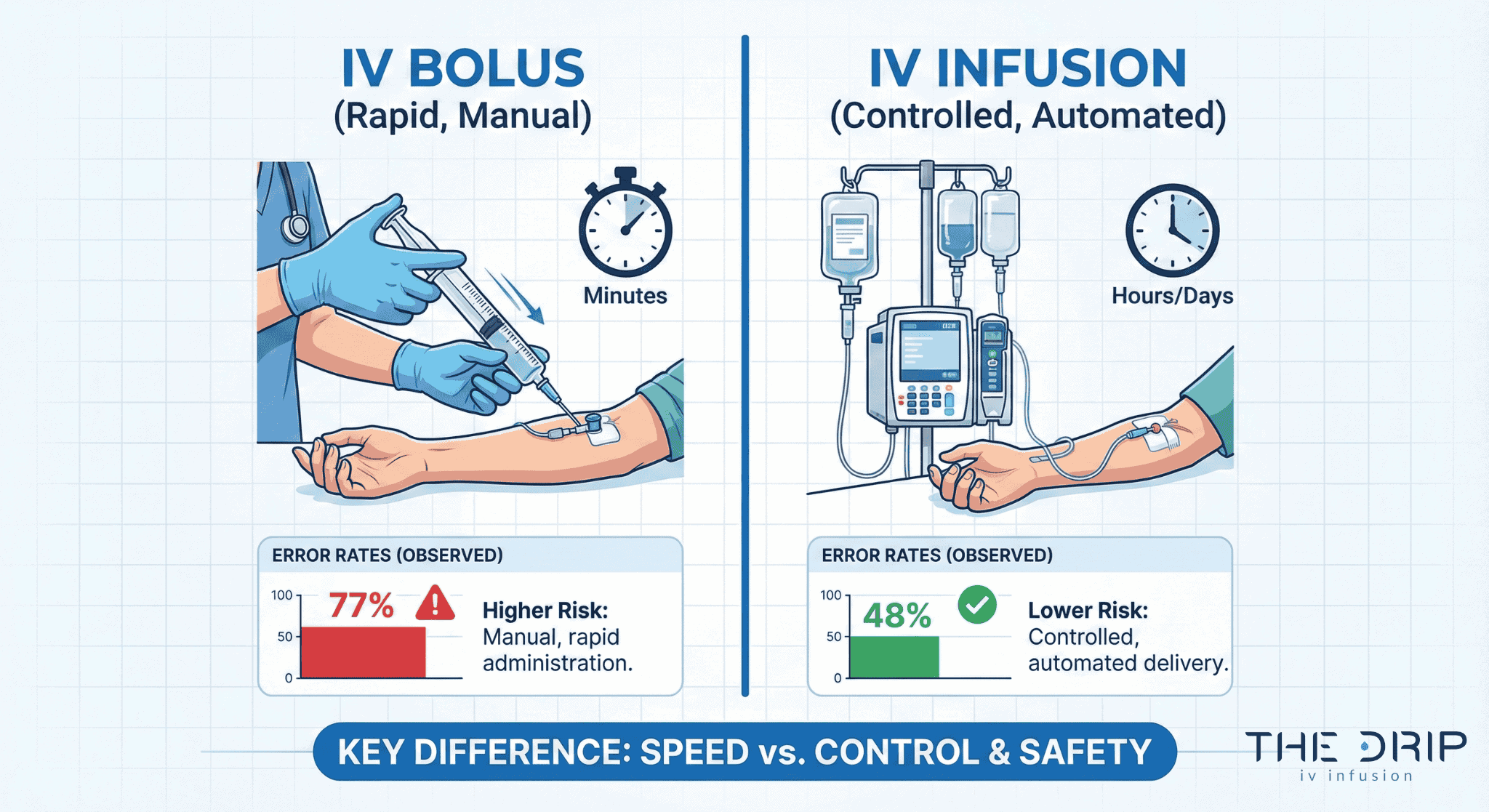
    Understanding these verification steps helps you navigate insurance requirements efficiently while preparing for potential out-of-pocket costs if coverage gets denied.

    Are there alternative ways to pay for IV or vitamin IV therapy if not covered?

    This section contains multiple cost ranges and drug examples that scan better as organized bullet points.

    • IVIG costs $100–$350 per gram
    • Average infusion: $9,720
    • Tepezza: $16,000 per treatment
    • Monthly IVIG courses exceed $41,000
    • Wellness IV therapy: $100–$500 per session
    Infographic showing ways to pay for IV therapy if insurance doesn’t cover it

    Can you use health savings accounts (HSA) or flexible spending accounts (FSA)?

    Yes. You can use HSA or FSA funds for medically necessary IV therapy prescribed by a doctor. The IRS requires a Letter of Medical Necessity for HSA/FSA reimbursement of IV therapy. Qualified medical expenses include IV treatments for diagnosed conditions like dehydration, nutrient deficiencies, or chronic illnesses. Elective wellness-focused IV therapy stays ineligible for HSA/FSA reimbursement. Tax-advantaged accounts provide significant savings for medically necessary infusions when insurance denies coverage.

    Are payment plans or package discounts available from providers?

    Yes. Many providers offer payment plans, package discounts, and financial assistance options. Payment assistance programs are available through several channels.Clear types of assistance can be broken out for easier comparison:

    • Manufacturer copay programs
    • Charitable foundations
    • Patient assistance programs
    • Membership discounts
    • Financing options (CareCredit, medical loans)
    • Provider-specific payment plans

    These financial solutions make IV therapy accessible when facing high out-of-pocket costs or insurance denials.

    How should you approach IV therapy and vitamin IV therapy options with The Drip IV Infusion?

    The Drip IV Infusion provides comprehensive IV therapy services with transparent pricing and insurance support options. The clinic specializes in both medical IV treatments and wellness vitamin infusions, offering personalized consultations to determine the most appropriate therapy approach. Their medical team evaluates each client’s health goals and insurance coverage possibilities to create cost-effective treatment plans.

    Can The Drip IV Infusion help with insurance verification or out-of-pocket options?

    Yes. The Drip IV Infusion can help verify your insurance coverage and provide out-of-pocket payment options. Our billing specialists check your specific plan benefits, including deductibles, copayments, and prior authorization requirements for medically necessary IV treatments. For wellness vitamin IV therapy not covered by insurance, The Drip IV Infusion offers transparent self-pay pricing with package discounts for multiple sessions. We accept HSA and FSA payments for doctor-prescribed treatments with proper documentation. The clinic provides detailed receipts and can generate Letters of Medical Necessity when appropriate for reimbursement claims.

    What are the key takeaways about IV therapy insurance coverage and vitamin IV therapy?

    Understanding IV therapy insurance coverage helps you determine which treatments qualify as medically necessary and which fall under elective wellness care. Insurance companies cover IV treatments for documented medical conditions but exclude vitamin drips aimed at general wellness. Prior authorization remains a major factor, but most requests eventually get approved. By knowing your coverage requirements in advance, you can make informed decisions about your IV therapy options at The Drip IV Infusion.

  • Is IV Therapy Safe During Pregnancy?

    Is IV Therapy Safe During Pregnancy?

    If you’re dealing with awful morning sickness, feeling dried out like a raisin, or your body’s missing key nutrients during pregnancy, you might wonder if IV therapy could give you some relief. We get it – pregnancy throws your body some real curveballs, and you want to be super careful about any treatment while you’re growing your little one. You’ve come to the right spot to learn whether IV therapy is safe for you and your baby.

    Here’s what IV therapy during pregnancy really means: doctors give you fluids, nutrients, and safe medications straight into your vein to help with specific pregnancy problems like severe dehydration from throwing up constantly, not having enough iron in your blood, or missing important nutrients. Whether it’s safe depends on having the right doctor watching over you, good reasons for doing it, and knowing what’s okay at different stages of your pregnancy.

    TL;DR Summary: IV therapy basically puts fluids and nutrients straight into your bloodstream, and pregnancy changes how your body handles this stuff because your heart pumps 30-50% harder and your blood volume goes up by 40-50%. Doctors commonly use it for severe morning sickness that hits up to 3% of pregnant women and iron-poor blood that affects 37% of women worldwide – a 2025 study showed IV iron works way better than pills. The good news? You get quick relief and your stomach doesn’t get upset like with oral treatments. But there are downsides too: you might get too much fluid, mess up your salt levels, or have problems where the needle goes in, so you absolutely need a doctor’s okay. Safety changes depending on how far along you are – the first few months when your baby’s organs are forming need extra care, while later in pregnancy doctors might give you IV iron if you really need it. When done right with proper medical watching, IV therapy can safely help with specific pregnancy problems, but randomly getting IV fluids without good reason could hurt both you and your baby.

    Quick Tip: Always make sure any IV therapy place uses special pregnancy protocols and gets your baby doctor’s thumbs up before treatment – don’t assume that regular IV mixtures are automatically okay when you’re expecting.

    As we dig into the science behind IV therapy during pregnancy, you’ll learn how your changing body affects treatment safety, which problems benefit most from IV treatment, and what questions to ask your medical team when thinking about this option. The sections ahead will walk you through research-based info to help you make smart choices about IV therapy while keeping both you and your baby safe and healthy.

    What Is IV Therapy and How Does It Work During Pregnancy?

    IV therapy works during pregnancy by delivering fluids, medications, and nutrients directly into your bloodstream while accounting for major cardiovascular and metabolic changes. Pregnancy totally changes how your body handles IV treatments because everything inside you is working overtime. Your heart pumps 30-50% harder while your blood volume shoots up by 40-50%. These changes happen fast – 75% of that heart pump increase happens by the end of your first three months.

    Your blood vessels relax during pregnancy, kind of like loosening a tight belt. Your blood pressure hits its lowest point around 20-24 weeks. The protein in your blood gets watered down, making you look anemic even when you might not be. Your kidneys work faster too, which means medications get flushed out quicker and doctors often need to adjust IV doses.

    These body changes affect how well IV therapy works and how safe it is throughout your pregnancy. Let’s look at what kinds of IV therapy pregnant women commonly get, how it’s different from taking pills or drinks, and when doctors say you need it.

    Diagram showing how pregnancy affects IV therapy with changes in blood volume, heart output, and kidney function.

    What Types of IV Therapy Are Commonly Used for Pregnant Women?

    The main types of IV therapy for pregnant women are fluid replacement, iron treatments, and vitamin cocktails. IV fluids help when you can’t keep anything down because of severe morning sickness, which hits 0.3-3% of pregnancies hard. Iron shots like ferric carboxymaltose fix the low iron that affects 37% of pregnant women around the world.

    Medical-grade IV solutions packed with vitamins and nutrients quickly fix what your body’s missing. Each type tackles specific pregnancy problems by going straight into your bloodstream.

    Visual showing three types of IV therapy bags for pregnancy: fluids, iron, and vitamins.

    How Does IV Therapy Differ From Oral Hydration or Supplementation?

    IV therapy and oral supplementation differ in several measurable ways that influence treatment decisions during pregnancy. The table highlights clinically relevant differences in absorption, effectiveness, and maternal–infant outcomes.

    Treatment TypeAttributeValue
    IV ironAnemia correction rateHigher than oral iron
    IV ironGI side effectsSignificantly fewer
    Oral ironBirthweight outcomeLower than IV iron group
    IV ironAbsorption100% bloodstream delivery
    Oral hydrationLabor guidanceRecommended over routine IV by ACOG

    When Might a Doctor Recommend IV Therapy in Pregnancy?

    Doctors recommend IV therapy for specific pregnancy-related medical needs. These indications help guide safe and appropriate use.

    Common reasons include:

    • Severe dehydration from persistent nausea and vomiting
    • Iron deficiency anemia unresponsive to oral iron
    • Nutrient deficiencies late in pregnancy
    • Hospitalization for severe morning sickness
    • Intolerance to oral supplements

    Knowing when IV therapy becomes necessary helps pregnant women and their doctors make smart treatment choices about staying hydrated and getting proper nutrition.

    What Are the Potential Benefits of IV Therapy for Pregnant Women?

    The potential benefits of IV therapy for pregnant women include rapid hydration, effective anemia treatment, and fast nutrient delivery when oral intake fails. IV therapy gives crucial support for problems like severe morning sickness and iron deficiency that can mess with both mom’s and baby’s health during pregnancy.

    Can IV Fluids Help With Morning Sickness or Dehydration?

    Yes. IV fluids can help with morning sickness or dehydration by restoring hydration quickly when you cannot keep anything down. A 2024 study on outpatient IV therapy for severe morning sickness found it worked just as well as being in the hospital while cutting down on how long you’d need to stay there. Severe morning sickness affects 0.3-3% of pregnant women, causing such bad nausea and vomiting that dangerous dehydration sets in and needs medical help. 

    IV therapy delivers salt water solutions right into your bloodstream, skipping your upset stomach completely. This direct line to your veins gets your fluid levels back to normal in hours instead of days, preventing scary complications like messed up salt levels, weight loss, and dangerous substances showing up in your pee.

    Before-and-after illustration of a pregnant woman getting relief from morning sickness with IV fluids.

    Are There Nutrients or Vitamins in IV Therapy That Support Pregnancy Health?

    The nutrients or vitamins in IV therapy that support pregnancy health include iron compounds, B vitamins, and essential minerals formulated for pregnancy needs. According to a 2025 study of 3,842 pregnant women, IV iron therapy fixed iron deficiency anemia way better than taking iron pills, and 37% of pregnant women worldwide deal with this problem. Babies whose moms got IV iron showed higher average birth weights compared to those whose moms took iron pills. IV mixtures deliver iron compounds like ferric carboxymaltose or iron sucrose straight into your blood circulation, reaching levels you just can’t get from swallowing pills.

    NutrientClinical Role in PregnancyMeasured OutcomeSource/Year
    IV IronAnemia Correction RateSuperior to oralMeta-analysis 2025
    Pregnancy AnemiaGlobal Prevalence37%WHO 2025
    Infant BirthweightIV vs Oral IronHigher with IVClinical Trial 2025
    Iron AbsorptionBioavailability100% venousPharmacology 2024

    How Quickly Do Pregnant Women Experience Relief From IV Treatments?

    Pregnant women experience relief from IV treatments within 15–60 minutes for hydration issues and within 24–48 hours for anemia symptoms. A 2025 study showed IV therapy gives faster anemia relief compared to oral supplements, which take weeks to show improvement. Going straight into your veins skips your digestive system entirely, so fluids and nutrients hit your bloodstream immediately at the right concentrations.  

    Dehydration symptoms like feeling dizzy, tired, and sick to your stomach get better as your blood volume gets back to normal during the treatment session. Iron deficiency symptoms like weakness and trouble breathing improve within days as your blood iron levels climb up. The speed of relief makes IV therapy especially valuable for late-pregnancy situations where time is running out before delivery.

    What Are the Risks or Side Effects of IV Therapy During Pregnancy?

    The risks or side effects of IV therapy during pregnancy include injection-site complications, fluid overload, electrolyte imbalances, and potential maternal–infant effects. Understanding these risks helps pregnant women make smart decisions about IV therapy.

    What Are Possible Short-Term Side Effects for Pregnant Women?

    Short-term side effects require careful monitoring to prevent escalation during pregnancy.

    These may include:

    • Pain, redness, and swelling at the injection site
    • Fluid overload from excessive administration
    • Electrolyte imbalances such as low sodium
    • Newborn complications like respiratory distress
    • Infection risks

    Are There Any Long-Term Risks to the Mother or the Baby?

    Yes. There are potential long-term risks to the mother or baby, primarily from excessive IV fluid causing electrolyte disturbances and downstream complications. When mom’s salt levels drop too low, the baby gets too much fluid, leading to greater newborn weight loss and delayed milk production. 

    A 2023 review found no solid guidelines specifically for checking hydration during labor, showing big gaps in long-term outcome information. Not having standardized rules increases the chance for unrecognized complications affecting mom and baby health outcomes.

    Which Ingredients in IV Therapy Should Pregnant Women Avoid?

    The IV therapy ingredients pregnant women should avoid depend on trimester-specific safety data and FDA Pregnancy and Lactation Labeling Rule (PLLR) evaluations. The first three months are a critical time when the baby’s organs are forming and the developing baby is particularly vulnerable to harmful drug effects. 

    The FDA’s Pregnancy and Lactation Labeling Rule (PLLR) replaced letter grades with detailed descriptions providing specific medication safety information. Healthcare providers must check each IV therapy ingredient against current safety data to protect both mom’s and baby’s health during this vulnerable time.

    Who Determines If IV Therapy Is Appropriate During Pregnancy?

    An OB-GYN or qualified healthcare provider determines if IV therapy is appropriate during pregnancy through careful medical evaluation. Healthcare providers look at multiple things including mom’s health status, baby’s wellbeing, and specific medical reasons before recommending IV treatment.

    What Role Does an OB-GYN or Healthcare Provider Play in This Decision?

    An OB-GYN or healthcare provider plays the role of evaluating physiological changes, medication effects, and safety guidelines before approving IV therapy. These changes include a 30-50% increase in how hard your heart pumps and 40-50% expansion in your blood volume that change how medications work in your body.

    The FDA’s new Pregnancy and Lactation Labeling Rule (PLLR) helps healthcare providers make informed decisions about using medications during pregnancy. This format replaces the old letter grades with descriptive safety information tailored to different pregnancy stages.

    Trained medical professionals should give IV therapy to pregnant women according to established protocols from reputable providers. OB-GYNs evaluate individual patient needs against potential risks before giving the green light for treatment.
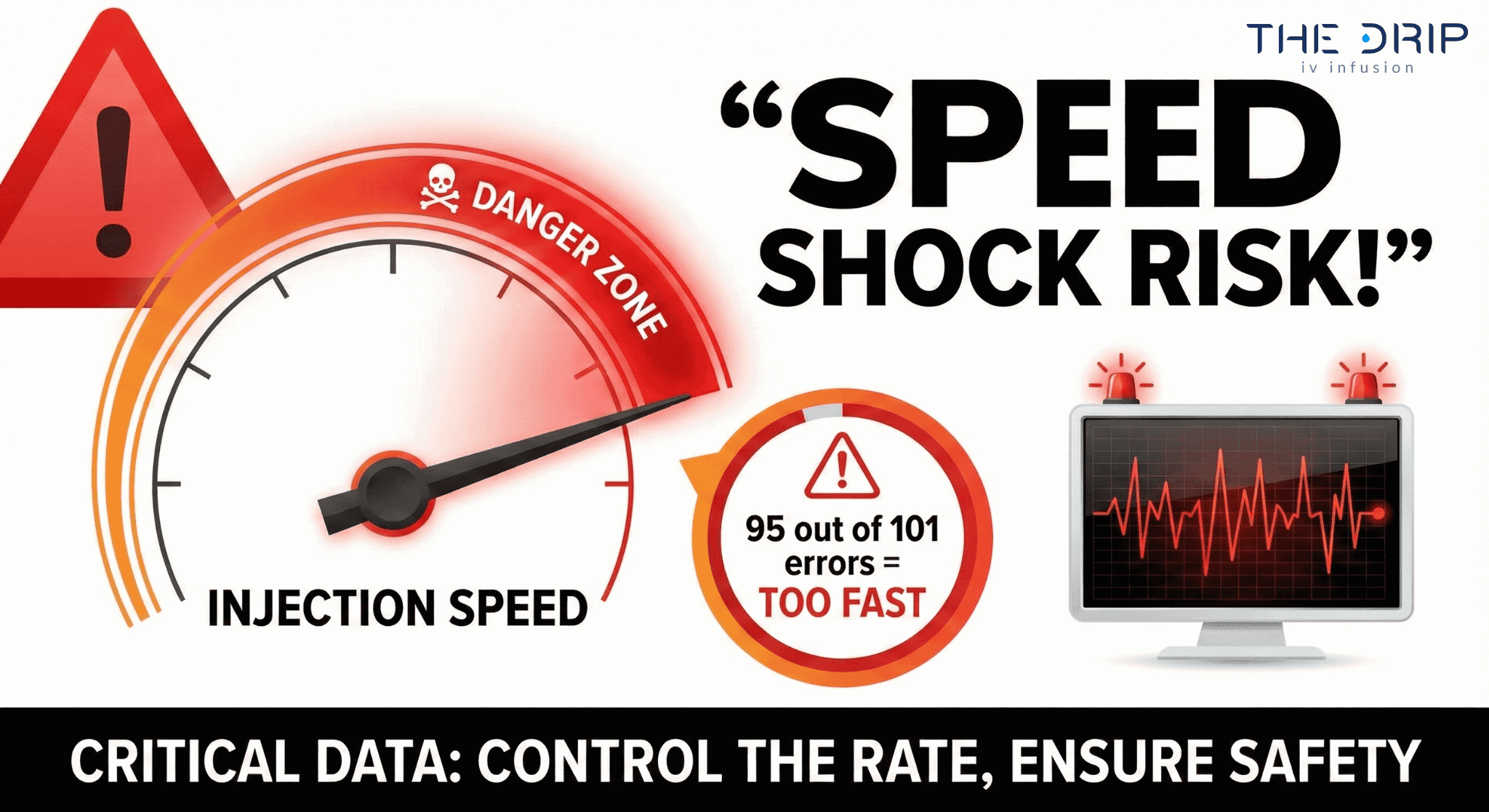
    Are There Certain Medical Conditions Where IV Therapy Is Unsafe in Pregnancy?

    Yes. Certain medical conditions such as serious kidney disease and heart problems can make IV therapy unsafe during pregnancy. These conditions affect how your body processes fluids and keeps your heart stable, potentially making IV treatment dangerous.

    Women with these conditions need specialized evaluation before considering IV therapy. The check-up includes kidney function tests, heart monitoring, and consultation with high-risk pregnancy specialists when necessary.

    Other conditions that might rule out IV therapy include severe preeclampsia with fluid restrictions, certain autoimmune conditions, and active infections at potential IV sites. Each case needs its own individual risk-versus-benefit analysis.

    What Informed Consent or Precautions Should Be Taken Before Treatment?

    The informed consent steps or precautions needed before IV therapy in pregnancy include reviewing FDA labeling elements, risk summaries, and clinical considerations. Healthcare providers must discuss these elements with patients before starting IV therapy.

    The PLLR format addresses pregnancy testing, birth control, and fertility considerations for women of reproductive age. This comprehensive approach makes sure patients understand both immediate and potential long-term implications of IV treatment.

    Precautions include baseline lab work, checking vital signs, and setting up emergency protocols for bad reactions. Writing down mom’s medical history, current medications, and allergies forms essential parts of the consent process.

    The upcoming sections will explore how IV therapy safety recommendations change by trimester, looking at specific considerations for each stage of pregnancy.

    How Do Safety Recommendations for IV Therapy Vary by Trimester?

    Safety recommendations for IV therapy vary by trimester because each stage has different developmental risks and medication-processing changes. The first trimester’s organ-forming period makes developing babies particularly vulnerable to harmful drug effects. UK guidelines recommend thinking about IV iron from the second trimester onwards for iron deficiency anemia. 

    Blood volume expansion peaks at 32 weeks gestation, affecting third-trimester IV medication concentrations. The following sections look at trimester-specific safety considerations and changing pregnancy needs.

    Timeline showing trimester-specific IV therapy considerations and safety factors.

    Is IV Therapy Safe During the First, Second, or Third Trimester?

    Yes. IV therapy can be safe during the first, second, and third trimesters when administered appropriately under medical supervision, though precautions differ for each stage. The first trimester’s organ formation makes developing babies vulnerable to harmful effects. UK guidelines recommend IV iron starting from the second trimester for safety. Blood volume peaks at 32 weeks, watering down third-trimester medications. Heart output increases 75% by the first trimester’s end, affecting drug distribution right away.

    Pregnancy StageKey FactorEffect
    First trimesterOrganogenesisHighest vulnerability to drug effects
    Second trimesterIV iron initiationRecommended start per UK guidelines
    Third trimesterBlood volume peak32 weeks
    First trimesterCardiac output increase75% of total increase occurs

    Healthcare providers adjust protocols based on these trimester-specific changes to ensure both mom and baby stay safe throughout pregnancy.

    How Might the Needs or Risks Change as Pregnancy Progresses?

    As pregnancy progresses, your body undergoes metabolic and circulatory changes that affect IV therapy safety and dosing.

    Progression-related factors include:

    • Increasing kidney filtration requiring dose adjustments
    • Late pregnancy anemia requiring urgent IV iron after 34 weeks
    • Changing liver enzyme activity altering drug clearance
    • Shifts in blood volume affecting medication concentration

    These body adaptations require continuous monitoring and treatment modifications as pregnancy advances toward delivery.

    What Are the Alternatives to IV Therapy for Pregnant Women?

    The alternatives to IV therapy for pregnant women include oral supplements, dietary changes, and selective hospitalization depending on symptom severity. A 2025 study comparing 3,842 pregnant women found oral iron remains the go-to treatment for iron deficiency anemia despite IV iron working better. ACOG backs drinking fluids over routine continuous IV drips for labor that’s progressing naturally.

    Are Oral Supplements or Dietary Changes Effective for Managing Symptoms?

    Yes. Oral supplements and dietary changes can be effective for managing symptoms in many pregnant women. Iron pills remain the first-choice treatment for iron deficiency anemia according to current guidelines, though the 2025 study showed IV iron achieves higher blood iron levels. ACOG supports drinking fluids as an alternative to routine continuous IV drips for women in naturally progressing labor. The WHO doesn’t recommend IV fluids for shortening labor time, backing up the validity of non-IV alternatives.

    Dietary iron sources include lean meats, leafy greens, and fortified cereals. Vitamin C helps iron absorption when eaten at the same time. Oral rehydration solutions containing electrolytes can effectively manage mild dehydration. These alternatives avoid injection site reactions and infection risks that come with IV therapy while letting patients keep up their normal activities.

    When Might Hospitalization Be Preferred Over Outpatient IV Therapy?

    Hospitalization may be preferred over outpatient IV therapy during pregnancy when severe complications require continuous monitoring. Severe morning sickness remains a leading cause of hospitalization in early pregnancy, affecting 0.3-3% of pregnancies despite outpatient IV therapy being available. Studies show outpatient IV therapy can match hospital treatment effectiveness for severe morning sickness, potentially avoiding hospitalization costs and disruption.

    Hospitalization becomes necessary when patients have severe salt imbalances, can’t stop throwing up long enough to drink anything, or show signs of baby distress. Hospital care provides 24-hour monitoring, immediate intervention capabilities, and access to a whole medical team. The decision between outpatient and hospital treatment depends on symptom severity, home support systems, and how close you live to medical facilities. Understanding these alternatives helps pregnant women and healthcare providers pick the most appropriate treatment setting for the best mom and baby outcomes.

    How Should You Evaluate IV Therapy Options During Pregnancy With The Drip IV Infusion?

    You should evaluate IV therapy options during pregnancy with The Drip IV Infusion by reviewing provider qualifications, safety protocols, and medical oversight.. The Drip IV Infusion offers specialized IV therapy services for pregnant women, emphasizing medical-grade solutions and professional administration. Understanding their approach alongside general safety guidelines helps expecting mothers make informed treatment decisions.

    Can The Drip IV Infusion Safely Support Pregnant Women With IV Therapy?

    Yes. The Drip IV Infusion states that they can safely support pregnant women with IV therapy by using medical-grade fluids administered by trained professionals. Their services include IV therapy for better hydration, quick nutritional deficiency correction, and severe pregnancy symptom relief. The company emphasizes professional medical oversight throughout the treatment process. Specific protocol details, IV solution ingredients, and treated conditions aren’t publicly available on their website. Prospective patients should ask for detailed information about pregnancy-specific protocols, staff qualifications, and safety measures during consultation. The absence of published treatment specifics means you need to talk directly with their medical team before moving forward.

    What Are the Key Takeaways About the Safety of IV Therapy During Pregnancy?

    The key takeaways about the safety of IV therapy during pregnancy are that it can be safe when medically indicated, carefully monitored, and adapted to trimester-specific needs. When properly supervised, IV therapy during pregnancy supports issues like dehydration and anemia while avoiding risks such as fluid overload or electrolyte imbalance. Always work closely with a qualified OB-GYN to determine whether IV therapy during pregnancy is the right choice for your health and your baby’s wellbeing.

  • What Does an IV Therapy Nurse Do?

    What Does an IV Therapy Nurse Do?

    Correctly performed IV therapy is crucial for receiving vitamins, minerals, and nutrients without risking side effects. For this purpose, an IV nurse who should pay attention to the procedure and all the details related to the patient’s health is needed. But what does an IV therapy nurse do, and what are their tasks?

    In the following, you’ll be informed about what it takes to become an IV therapy nurse and their role in IV therapy.

    What Does an IV Therapy Nurse Do?

    Simply put, an IV therapy nurse is a licensed medical professional who specializes in IV therapy work. They administer central lines, venous access ports, catheters, and intravenous lines.

    Through these lines, IV therapy nurses prescribe fluids, medications, and nutrients to combat various injuries or illnesses. In addition, infusion nurses monitor patients’ vital signs throughout treatment and can adjust medication as needed.

    Source: shutterstock.com / Photo Contributor: Chanchai Boonma

    Where Do Infusion Nurses Work?

    A positive thing about IV Therapy Nurses is that they can work in various healthcare settings. Such facilities are categorized into three groups: ambulatory centers, hospitals, or patients’ home conditions.

    Hospitals

    IV therapy nurses who work in hospitals can be in various positions. Such nurses can work as resource nurses, bedside nurses, or peripherally inserted central line nurses. Note that these positions are similar in terms of nurses’ tasks and duties.

    Outpatient centers

    As for outpatient centers, IV therapy nurses usually work in infusion centers or clinics administering intravenous therapy. Besides, they can work in primary care, oncology, home health, or nursing homes.

    Home infusion

    In addition to the above healthcare facilities, the IV therapy nurse may travel to clients’ homes for home infusions. This position’s job is to perform patient assessment, make a plan, and administer mobile IV therapy. In light of this, the team of The Drip IV Infusion for mobile IV therapy in Queen Creek AZ is always at your disposal. Feel free to give them a call!

    IV Therapy Nurse Responsibilities

    The work of an IV nurse is quite responsible and requires a good knowledge of anatomy, pharmacology, and physiology. Through their knowledge, these nurses implement the plans from the healthcare provider and administer the necessary therapy. Below you’ll find a breakdown of what does an IV therapy nurse do, and what their responsibilities are:

    Preparation of infusions

    Preparing an infusion is perhaps the most important part of an IV nurse’s job. IV nurses follow the plan and prepare the infusion according to it. The IV nurse may administer regenerative fluids or medications depending on the illness or medical condition.

    In addition, while performing the procedure, IV nurses pay attention to hygiene, and the instruments must be sterile. They are strictly guided by the prescribed rules and protocols for administering IV therapy.

    If IV therapy is performed at home, the IV nurse carries equipment holders for intravenous solutions, medical supplies, needle units, and an infusion hanger.

    Administration of IV fluids

    When the patient is ready for therapy, and the medication or fluid is prepared, the IV nurse administers it. The nurse inserts a needle using a cannula directly into the patient’s vein to perform IV therapy.

    The composition of the IV therapy depends on the patient’s health condition. Accordingly, the IV nurse may administer electrolytes, vitamins, or antibiotics in the infusions. Moreover, a nurse can administer different types of IV treatments, such as IV Push and IV Drip.

    Monitoring the patient’s behavior

    One of the duties of the IV nurse is monitoring the patient’s condition. So, after prescribing the necessary therapy, the IV nurse monitors the patient’s behavior and registers any physiological reactions such as drowsiness or rash.

    Education of the patients

    Education is a top priority when dealing with IV infusion. Before starting this treatment, the IV nurse can talk to the patient to familiarize them with the procedure. They also tell them the possible side effects that may occur as a result of the therapy. 

    Maintaining patient records

    Besides preparing and administering IV therapy, the IV nurse maintains records and detailed patient records. Namely, the IV nurse is part of a team where everyone must be familiar with the course of therapy and how that therapy works for the patient.

    The medical professional will know how to continue the therapy to improve the patient’s health by keeping a record of their medical history.

    Source: shutterstock.com / Photo Contributor: Rawpixel.com

    How to Become an IV Therapy Nurse

    There are several steps you need to take to become an IV therapy nurse:

    Nursing School

    The first step to becoming an IV therapy nurse is to get an ADN or associate degree in Nursing, BSN, or Bachelor of Science in Nursing. These degrees must be from an accredited program to proceed with the next steps to becoming a certified IV nurse.

    Those who have received ADN often decide to complete the BSN diploma to get more job opportunities and career advancement.

    NCLEX

    After you finish the nursing school, you must pass the NCLEX test. Once you pass it, you’ll earn a license as a registered nurse.

    Certificate

    Once you gain experience, you can apply for the Infusion Nurses Society certified registered nurse infusion (CRNI) certification.

    Namely, there are several requirements that you have to fulfill to acquire this kind of certificate. You must first have an active registered nurse (RN) license. In addition, you must have a minimum of 1600 hours of experience as an infusion therapy RN within the last two years. 

    Note that this experience does not only apply to direct bedside care. You can also gain nursing experience in other areas, such as administration, research, or clinical practice.

    IV Therapy Nurse Specialization

    As mentioned above, additional training is required before you can become certified and work as an IV therapy nurse. However, many IV nurses take the extra step and focus only on certain treatments or patients. 

    So, for example, you can opt for a position where you will administer drugs only through catheters, venous access ports, or central lines. Besides, you can opt for providing lines for patients undergoing chemotherapy. Furthermore, some nurses choose to work only in hospice or home care.

    Also, some nurses with many years of practice and experience decide to go into education. They teach future nurses and other healthcare professionals how to administer intravenous therapy and monitor patients.

    Frequently Asked Questions

    What is the hardest nursing position?

    Several positions are considered the most stressful. Such positions refer to ER nurse, NICU nurse, and ICU nurse. Such nurses work in a high-stakes environment. In addition, they deal with emergencies and care for patients in critical condition.

    What is a nurse called when they draw blood?

    A phlebotomist is a medical professional who has undergone training in taking blood from adults and children. They collect blood for testing to be analyzed in a laboratory. They also collect blood for donation.

    How do you become a home IV infusion nurse?

    Home IV infusion nurses start their careers like other infusion nurses. They must first obtain a state license after graduation. Then, they must have critical care experience. Such experience proves they have the knowledge and experience to work independently as a home IV infusion nurse.

    Is infusion nursing stressful?

    Infusion nursing is a job that may be less stressful than other similar professions. For example, there are positions where a nurse’s work is far more stressful, such as intensive care, emergency room, and acute care. 

    Furthermore, an IV nurse’s working hours may be traditional and may not require weekend work. Your work would be more flexible if you worked as a mobile IV nurse. 

    Conclusion

    Although the work can be demanding at times, an IV therapy nurse is one of the most important positions when it comes to IV therapy. In addition to administering medications and fluids, the IV nurse oversees the procedure and monitors patient behavior. 

    As part of the team, the IV nurse can collaborate with other healthcare professionals and other health personnel to provide quality health services and patient care.

    Hopefully, you have learned what does an IV therapy nurse do and what her responsibilities are. Although becoming a certified IV nurse is difficult, it is still an interesting and highly sought-after profession.

  • How Long Does IV Therapy Take To Work?

    How Long Does IV Therapy Take To Work?

    IV hydration therapy is a method of delivering fluids, vitamins, and minerals directly into the bloodstream through an intravenous catheter, bypassing the digestive system entirely to achieve immediate nutrient absorption. Most people begin feeling effects within 30 minutes to one hour of infusion.

    We cover how IV therapy works and how quickly effects appear, condition-specific response timelines, the factors that influence absorption speed, and how mobile IV services can accelerate your recovery.

    IV hydration achieves 100% bioavailability because nutrients enter systemic circulation directly, skipping the absorption losses that occur during digestion. Many recipients notice sensations like calm, energy restoration, or even a vitamin-like taste in the mouth during the session itself, confirming that nutrients are already circulating.

    Response timelines vary by condition. Hangover symptoms often improve within 30 to 45 minutes, while dehydration relief and fatigue recovery typically follow a similar window. Athletic recovery benefits primarily from the speed of rehydration rather than direct performance gains. Migraine relief generally requires a longer timeline, with meaningful improvement building over several hours.

    Several variables shape how quickly any individual feels results. Dehydration severity, drip formula composition, infusion rate, overall health, age, and body weight all influence absorption speed and the intensity of perceived effects. Someone with a greater fluid deficit tends to notice a more dramatic initial shift than someone starting close to baseline hydration.

    Mobile IV therapy removes scheduling and travel delays by bringing licensed nurses directly to your location. Starting treatment sooner, particularly during acute symptoms, allows the body to begin absorbing fluids and vitamins before conditions progress.

    What Is IV Hydration Therapy and How Does It Work?

    IV hydration therapy is a method for delivering fluids, vitamins, and minerals directly into the bloodstream through a small catheter placed in a vein. IV hydration therapy works by bypassing the gastrointestinal tract entirely, which allows nutrients to reach cells without the absorption losses that occur during digestion. A licensed nurse inserts the IV line, connects a bag of customized fluid, and monitors the drip throughout the session. Because the solution enters the bloodstream immediately, the body can use 100% of the delivered nutrients. According to a 2024 review published in MDPI (Molecules), intravenous delivery ensures 100% bioavailability and immediate achievement of maximum therapeutic concentration. A typical session takes about one hour, during which the fluid steadily infuses at a controlled rate. This direct delivery method is what makes the timeline of IV therapy effects notably different from oral supplements or drinking water alone.

    How IV therapy works diagram showing direct IV access, bypassing digestion, and rapid cellular absorption of fluids and nutrients

    How Quickly Do Most People Feel the Effects of IV Therapy?

    Most people feel the effects of IV therapy during the infusion or within one hour of treatment. The speed depends on the formula, hydration level, and individual health factors.

    IV therapy timeline illustrating immediate effects during infusion, peak relief at 30 to 60 minutes, and maximum benefits within 2 to 4 hours

    How Soon Do You Notice Effects During the IV Infusion?

    You notice effects during the IV infusion almost immediately in many cases. Many clients report improvement during or within an hour of IV therapy because it delivers fluids, vitamins, and minerals directly into the bloodstream for immediate absorption. Some patients notice a “taste of vitamins” in their mouth or throat during a Myers’ Cocktail infusion, which is a normal sign that nutrients are circulating. Others experience sensations such as calm, mild euphoria, or a feeling of energy restoration during the first session. These early signals confirm the nutrients are reaching systemic circulation and taking effect before the drip bag is even empty.

    How Long After the Session Do Peak Effects Occur?

    Peak effects occur within a few hours after the IV therapy session ends. Because intravenous delivery achieves 100% bioavailability, nutrients reach therapeutic concentration faster than any oral supplement. Most recipients feel their strongest improvement between two and four hours post-infusion, once the body has fully distributed and begun utilizing the delivered vitamins, minerals, and fluids. For wellness-focused drips that include B vitamins or glutathione, the energy and clarity peak tends to build gradually during this window. Staying well-hydrated and eating a balanced meal after treatment can help sustain these peak benefits longer.

    How Long Do the Effects of IV Hydration Therapy Last?

    The effects of IV hydration therapy last anywhere from a few days to roughly two weeks, depending on the individual and the specific drip formula used. Hydration-focused infusions typically sustain their benefits for two to three days, while nutrient-dense cocktails containing vitamins and antioxidants may support wellness for a week or more. According to a 2019 review published in Evidence-Based Practice, oral rehydration therapy carries approximately a 4% higher risk of needing additional treatment compared with intravenous fluid therapy in pediatric gastroenteritis patients, highlighting the sustained rehydration advantage of IV delivery. Consistent sessions help maintain these benefits over time, especially for individuals with ongoing hydration or nutrient demands.

    With onset and duration clarified, understanding condition-specific timelines helps set accurate expectations.

    How Long Does It Take to Feel IV Therapy for Dehydration?

    IV therapy for dehydration typically takes 30 minutes to one hour to deliver fluids and produce noticeable relief. The speed depends on whether dehydration is mild or severe.

    How Fast Does IV Hydration Work for Mild Dehydration?

    IV hydration works for mild dehydration within approximately 30 to 45 minutes as fluids enter the bloodstream directly. Most people with mild fluid deficits notice improved energy, reduced thirst, and clearer thinking before the infusion bag is empty. According to the American Academy of Pediatrics, oral rehydration therapy requires a full 4-hour period for mild to moderate dehydration, yet IV hydration remains a common alternative in emergency settings due to its faster absorption. Because mild cases involve smaller fluid deficits, the body responds quickly once isotonic saline or electrolyte solutions begin circulating. For most people experiencing everyday dehydration from heat, travel, or skipped fluids, IV therapy is one of the most efficient correction methods available.

    How Fast Does IV Hydration Work for Severe Dehydration?

    IV hydration works for severe dehydration within the first 15 to 30 minutes of infusion, though full stabilization requires significantly longer. Severe cases often involve dangerous electrolyte imbalances and organ stress, so healthcare providers administer fluids at higher initial rates to restore blood volume rapidly. While early symptoms like dizziness and dry mouth may ease quickly, complete rehydration in severe clinical cases can take several hours under medical supervision. Patients treated in emergency departments for conditions like severe gastroenteritis frequently require extended IV fluid protocols. Severe dehydration always warrants professional medical evaluation; however, for moderate cases caught early, a mobile IV session can help restore fluid balance before symptoms escalate.

    With hydration timelines established, understanding how IV therapy supports hangover recovery reveals similar rapid-response benefits.

    How Long Does It Take to Feel IV Therapy for Hangover Recovery?

    IV therapy for hangover recovery typically produces noticeable symptom improvement within 30 to 45 minutes after administration. Fluids and nutrients bypass the digestive system entirely, allowing direct absorption into the bloodstream. This is particularly valuable after a night of heavy drinking, when nausea and stomach irritation often make oral rehydration difficult or ineffective.

    Because alcohol depletes electrolytes, B vitamins, and fluids simultaneously, a hangover IV drip addresses multiple deficiencies in a single session. Most people report reduced headache intensity, less nausea, and improved energy before the infusion even finishes. For those dealing with severe hangover symptoms, this rapid delivery makes IV hydration one of the most practical recovery options available.

    Before and after IV therapy comparison showing fatigue and dehydration relief within 30 to 45 minutes after infusion treatment

    How Long Does It Take to Feel IV Therapy for Illness Recovery?

    IV therapy for illness recovery typically produces noticeable improvement within 30 to 60 minutes, though the timeline depends on illness severity and the specific nutrients infused. Because fluids and vitamins enter the bloodstream directly, the body can begin using them immediately rather than waiting for gastrointestinal absorption. For common illnesses like colds or the flu, this direct delivery helps address dehydration, nutrient depletion, and fatigue more efficiently than oral supplements alone. According to a study published in Pediatric Emergency Care, treatment time for patients receiving IV hydration for gastroenteritis exceeded 4 hours, with a mean of 5.4 hours, reflecting how more involved conditions require longer infusion protocols. Mild symptoms such as low-grade fatigue or early congestion often respond faster than systemic infections that demand sustained fluid support. For most people recovering from seasonal illness, the combination of saline, electrolytes, and vitamins like vitamin C and zinc creates a foundation for relief that builds throughout the session and continues afterward. Illness recovery is one of the scenarios where starting IV therapy early can make the most meaningful difference in how quickly you return to normal.

    How Long Does It Take to Feel IV Therapy for Athletic Recovery?

    IV therapy for athletic recovery typically produces noticeable effects within 30 to 60 minutes of infusion. The timeline depends on dehydration severity, nutrient formulation, and individual metabolism.

    Athletes often seek IV rehydration after intense training or competition to restore fluid balance and replenish electrolytes more rapidly than oral intake allows. According to a study published in Sports Medicine, rehydration is more rapid with IV fluid in athletes, though the benefits are generally transient with only small differences to markers of exercise performance compared to oral rehydration. This suggests the primary advantage lies in speed of recovery rather than direct performance enhancement.

    IV prehydration and rehydration has been proposed as an ergogenic aid for athletes to achieve euhydration more effectively than drinking fluids alone. Because nutrients enter the bloodstream directly, bypassing the gastrointestinal tract, absorption begins immediately during the session. Most athletes report feeling rehydrated and less fatigued before the infusion finishes.

    For athletes managing post-event soreness, nausea, or cramping, the rapid fluid delivery addresses symptoms faster than waiting for oral fluids to process through the digestive system. The practical window for meaningful relief typically falls within that first hour, making IV therapy a compelling option when quick turnaround between training sessions or events matters most.

    Understanding how quickly athletic recovery responds to IV therapy raises a related question: how effective is this approach for migraine relief?

    How Long Does It Take to Feel IV Therapy for Migraine Relief?

    IV therapy for migraine relief typically produces noticeable improvement within a few hours of administration. The timeline depends on the specific infusion and migraine severity.

    According to a 2021 study published in JAMA Network, treatment with intravenous eptinezumab during a migraine attack resulted in a median time to headache pain freedom of 4 hours, compared to 9 hours for the placebo group. This suggests that while IV therapy accelerates relief significantly over doing nothing, migraines generally require more time to resolve than simpler conditions like hangover symptoms or mild dehydration.

    Migraine-specific IV formulations often include magnesium, B-complex vitamins, and anti-nausea medications like Zofran, which work together to address multiple migraine pathways simultaneously. Because these nutrients enter the bloodstream directly, they bypass the digestive system entirely, an important advantage when nausea makes oral medication difficult to keep down.

    For those experiencing frequent or severe migraines, consistent hydration and nutrient support may help reduce episode frequency over time. Understanding the factors that influence your personal response time can help set realistic expectations for each session.

    How Long Does It Take to Feel IV Therapy for Fatigue and Low Energy?

    IV therapy for fatigue and low energy typically produces noticeable effects within 30 to 60 minutes of infusion. The response depends on nutrient deficiency severity, the specific drip formula, and individual metabolism.

    Fatigue-focused IV formulas commonly include B-complex vitamins, magnesium, and amino acids, all of which support cellular energy production. Because these nutrients enter the bloodstream at 100% bioavailability, they bypass the slow absorption rates associated with oral supplements. For individuals whose fatigue stems from dehydration or micronutrient depletion, the correction feels relatively immediate as fluid volume and nutrient levels restore simultaneously.

    Chronic fatigue tied to prolonged deficiencies may require multiple sessions before sustained improvement becomes apparent. A single infusion often provides a temporary energy lift, while cumulative treatments help maintain consistent nutrient levels over time. According to a report published in Cureus (PMC), IV vitamin therapy delivers essential micronutrients directly into the bloodstream, bypassing the gastrointestinal tract to offer enhanced bioavailability and higher therapeutic dosages.

    For most people dealing with everyday low energy, one session is enough to feel a meaningful difference within the first hour. Persistent fatigue, however, warrants a conversation with a healthcare provider to rule out underlying conditions before relying on IV therapy alone. Understanding what influences these timelines helps set realistic expectations for any IV session.

    What Factors Affect How Quickly You Feel IV Hydration Results?

    Several factors affect how quickly you feel IV hydration results, including dehydration severity, drip formula, infusion rate, overall health, age, and body weight. Each variable influences absorption speed and symptom relief differently.

    Factors affecting IV infusion speed including dehydration level, fluid type, infusion rate, overall health, age, and body weight

    Does Your Level of Dehydration Affect How Fast IV Therapy Works?

    Your level of dehydration directly affects how fast IV therapy works. Someone experiencing moderate to severe fluid deficit will often notice a more dramatic and rapid shift in how they feel compared to a mildly dehydrated individual. According to a study published in Clinical Infectious Diseases (Oxford Academic), participants commonly described IV therapy as “faster,” “stronger,” or “more direct” because it bypassed the gastrointestinal tract and entered the bloodstream immediately. The greater the deficit, the more pronounced that initial relief tends to be. Mild dehydration, by contrast, may produce subtler improvements since the body starts closer to baseline fluid levels.

    Does the IV Drip Formula Affect How Soon You Feel Results?

    The IV drip formula affects how soon you feel results. A basic saline solution primarily restores fluid volume, which can produce noticeable relief within minutes. Formulas containing additional nutrients, such as B-complex vitamins, magnesium, or glutathione, may require slightly longer to produce their full effects because each micronutrient has a different mechanism of action. Higher-concentration vitamin cocktails often deliver a more pronounced energy boost compared to hydration-only blends. For most people, customized formulas that match their specific symptoms tend to produce the most noticeable improvements in the shortest time.

    Does the Infusion Rate Affect How Quickly Effects Begin?

    The infusion rate affects how quickly effects begin. A faster drip delivers fluids and nutrients into the bloodstream more rapidly, which can accelerate symptom relief. However, faster is not always better. According to a publication in Nutrition and Integrative Medicine (Taylor & Francis), when glutathione is added to an IV drip, it can be painful for the patient if the infusion rate is too high, necessitating careful monitoring by a licensed professional. Infusion specialists adjust the rate based on the patient’s tolerance, the specific formula, and the clinical goal, balancing speed with comfort and safety.

    Does Your Overall Health Affect IV Therapy Response Time?

    Your overall health affects IV therapy response time. Individuals with well-functioning kidneys, a healthy cardiovascular system, and no chronic conditions typically process and distribute IV fluids more efficiently. Those managing conditions that impair circulation or nutrient metabolism may experience a slower onset of noticeable benefits. Chronic illness can also increase baseline nutrient demands, meaning the body absorbs infused vitamins and minerals before surplus levels produce a perceptible change. A person in generally good health often feels the effects sooner simply because their systems respond to rehydration more predictably.

    Does Your Age or Body Weight Influence How Fast IV Works?

    Your age and body weight influence how fast IV works. Larger individuals have a greater total blood volume, which means infused fluids are distributed across a bigger vascular space; this can dilute the immediate perceived effect. Older adults may experience slower circulation and reduced kidney efficiency, both of which can delay how quickly rehydration translates into symptom relief. Younger, leaner individuals often report feeling results sooner because their smaller fluid compartments reach optimal hydration levels faster. These physiological differences are one reason infusion specialists tailor drip rates and volumes to each patient’s profile.

    Understanding which variables shape your response time helps set realistic expectations before your session.

    Why Is IV Hydration Faster Than Drinking Water or Oral Fluids?

    IV hydration is faster than drinking water or oral fluids because it delivers fluids directly into the bloodstream, bypassing the entire digestive system. This eliminates the absorption delay that limits oral intake. The difference comes down to bioavailability, digestive bypass, and rehydration efficiency.

    According to a review published in the Journal of Pharmacology & Pharmacotherapeutics, bioavailability of IV medications is always higher than that of their oral counterpart, allowing patients to get relief from symptoms earlier through the intravenous route. When you drink water, it must pass through the stomach, be absorbed by the intestinal lining, and then enter circulation. That process takes time, and not all fluid is absorbed efficiently. IV hydration skips every one of those steps.

    This distinction matters most when rapid rehydration is the goal. IV prehydration and rehydration has been proposed as an ergogenic aid for athletes to achieve euhydration more effectively and efficiently than oral intake. While several studies have confirmed that rehydration is more rapid with IV fluid, the performance benefits tend to be transient, with only small differences in exercise markers compared to oral rehydration.

    Oral rehydration still works well for mild cases, but it carries limitations when speed is critical. For anyone dealing with significant fluid loss, nausea that prevents drinking, or time-sensitive recovery needs, the direct-to-bloodstream approach of IV hydration provides a measurable advantage in how quickly the body restores fluid balance.

    What Should You Expect During and After an IV Therapy Session?

    You should expect a comfortable, straightforward process during an IV therapy session that typically takes about one hour. Here is what happens before, during, and after treatment.
    A typical IV therapy session begins with a brief health assessment by a licensed nurse. The nurse reviews your medical history, checks vital signs, and selects or confirms the appropriate IV drip formula. Once the catheter is placed in your arm, the infusion delivers fluids, vitamins, and minerals directly into your bloodstream. Most people feel only a slight pinch during insertion.

    During the session, you can relax, read, or use your phone while the drip runs. Some recipients notice a mild cooling sensation at the injection site as fluids enter the vein. A metallic or vitamin-like taste in the mouth is also common, particularly with nutrient-dense formulas. According to Prime IV Hydration & Wellness, some patients report a “taste of vitamins” in their mouth or throat during a Myers’ Cocktail IV infusion, which is considered a normal sign that the vitamins are circulating.

    After the session, many people experience a noticeable boost in energy and mental clarity within the first hour. Mild effects like slight bruising or tenderness at the IV site may occur but typically resolve within a day. Staying well-hydrated after your appointment helps extend the benefits.

    Knowing what a session involves helps set realistic expectations; the next step is learning how to maximize those results.

    How Can You Make IV Hydration Therapy Work Faster?

    You can make IV hydration therapy work faster by preparing your body before the session, choosing the right drip formula, and following proper aftercare. The strategies below cover hydration, nutrition, and session timing.

    Arriving well-hydrated improves vein accessibility, which allows the infusion specialist to start the drip quickly and maintain a steady flow rate. Drinking 16 to 20 ounces of water in the hour before your appointment plumps your veins and supports smoother catheter placement. Eating a light meal beforehand also stabilizes blood sugar, reducing the chance of lightheadedness that could slow the process.

    Communicating your symptoms clearly helps the infusion specialist select the optimal drip formula and infusion rate for your needs. Certain additives, such as glutathione, require slower administration to prevent discomfort; according to a Taylor & Francis publication on orthomolecular parenteral nutrition therapy, glutathione added to an IV drip can be painful if the infusion rate is too high, necessitating careful monitoring by a licensed professional. Being transparent about your health history ensures the rate stays as efficient as possible without compromising safety.

    Staying relaxed during the session also matters. Stress constricts blood vessels, potentially slowing fluid delivery. Deep breathing, reclining comfortably, and avoiding caffeine beforehand all help keep veins dilated. After the session, continued oral hydration and rest allow your body to distribute the infused nutrients more effectively, extending and accelerating the benefits you feel.

    Understanding these preparation steps sets the stage for exploring how mobile IV services bring treatment directly to you.

    How Does Mobile IV Therapy With The Drip IV Infusion Speed Up Your Recovery?

    Mobile IV therapy with The Drip IV Infusion speeds up recovery by eliminating travel time and delivering immediate hydration at your location. The following sections cover how licensed nurses accelerate results and the key takeaways about IV hydration timing.

    Can At-Home IV Treatments From Licensed Nurses Help You Feel Results Sooner?

    Yes, at-home IV treatments from licensed nurses can help you feel results sooner. When a nurse arrives at your location, treatment begins immediately, removing the delays of scheduling, commuting, and waiting at a clinic. According to Pure IV Nevada, rapid intervention in mobile IV therapy can decrease recovery time by up to 25% compared to traditional appointments by providing immediate hydration at the patient’s location.

    The Drip IV Infusion was founded by professionals with decades of experience in nursing, emergency medicine, and IV medical techniques. This clinical expertise means each session is tailored to your needs, with careful monitoring of infusion rates and nutrient combinations. Starting treatment sooner, especially during acute symptoms like dehydration or fatigue, allows the body to begin absorbing fluids and vitamins before conditions worsen.

    What Are the Key Takeaways About How Long IV Hydration Therapy Takes to Work?

    The key takeaways about how long IV hydration therapy takes to work center on a few consistent findings from this article:

    • Most people begin feeling effects within 30 minutes to one hour, as fluids and nutrients enter the bloodstream directly.
    • Severity of dehydration, the specific IV drip formula, and individual health all influence how quickly results appear.
    • IV hydration works faster than oral fluids because it bypasses the digestive system and achieves 100% bioavailability.
    • Condition-specific responses vary; hangover symptoms often improve within 30 to 45 minutes, while more complex conditions may take longer.
    • Mobile IV therapy shortens the overall timeline by bringing treatment to you, so recovery starts the moment your nurse begins the infusion.

    For anyone considering their first session, The Drip IV Infusion offers a full menu of IV cocktails and add-ons designed to match specific recovery goals, all administered by experienced nurses in the comfort of your home.

  • What Is IV Therapy for Weight Loss?

    What Is IV Therapy for Weight Loss?

    Losing weight is a process that requires a lot of dedication, work, and giving up unhealthy habits. This process can be even more disappointing if you don’t achieve your goals despite all the hard work you’ve put in. That’s why many people, in addition to changing their diet, have decided on IV therapy. But what is IV therapy for weight loss, and how may it help you solve the overweight problem?

    Keep reading to know the benefits and advantages of IV therapy for weight loss.

    What Is IV Therapy for Weight Loss

    IV therapy for weight loss is a treatment that delivers vitamins, minerals, and nutrients directly into the bloodstream. Unlike oral intake of such ingredients, through IV therapy, they are directly absorbed by the body through the bloodstream.

    To lose weight, your body needs an optimal balance of vitamins and minerals to help cope with these changes. Therefore, IV Therapy for Weight Loss in Queen Creek AZ may contribute to maintaining such a balance and help lose excess weight.

    Source: shutterstock.com / Photo Contributor: New Africa

    IV therapy for losing weight: Benefits 

    In addition to helping with weight loss, IV therapy offers several benefits. In continuation, we will present some of the most important benefits that may join in establishing a balance in the body.

    Hydration

    Hydration is an important factor for the normal functioning of metabolic processes. IV therapy contains electrolytes, vitamins, and minerals that may provide optimal hydration levels. By providing optimal hydration, the body functions more efficiently; thus, fat may be broken down more easily.

    Better absorption

    Many people have problems with the absorption of nutrients. IV therapy bypasses the digestive system, delivering nutrients directly into the bloodstream. That way, you may get maximum absorption of all the necessary ingredients to help you slim down.

    Increase in energy levels

    The powerful combination of ingredients in IV therapy allows you to increase energy and metabolism. For example, vitamin B is known for contributing in converting food into energy and boosting metabolism.

    Detoxification

    Toxins and waste products in the body may potentially obstruct the process of losing weight and burning fat. Therefore, some of the ingredients in IV therapy may work in the direction of destroying such harmful toxins.

    One such ingredient is glutathione, a powerful antioxidant that may help fight toxins and free radicals in the body. In this way, the natural processes in the body may be normalized, and excess weight may be lost.

    Appetite suppression

    Some of the ingredients in IV therapy may help reduce appetite. For example, l-carnitine, if included in IV therapy, may help improve fat metabolism and regulate appetite.

    Ingredients of IV Therapy for Weight Loss

    IV weight loss therapy is a cocktail of carefully selected ingredients that may support the fat-burning process. Remember that these ingredients are not a magic combination that will solve all problems related to excess weight. 

    In addition to such therapy, you must pay attention to your diet and physical activity. Without further ado, these are the most common ingredients in IV therapy for weight loss:

    B12

    The presence of this vitamin is of great importance for IV therapy. Namely, this vitamin plays a role in energy metabolism and nervous and immune function. Also, it is responsible for proper digestion, absorption of food, and metabolism of fats and carbohydrates.

    B complex

    B complex vitamins are a group of water-soluble vitamins. Besides helping with proper digestion, these vitamins may help with red blood cell growth, brain function, and cell metabolism. Also, the B complex is important in reducing cholesterol levels, which may be helpful if you are struggling with excess weight.

    L-Carnitine

    This ingredient may help the body convert fat into energy by increasing the enzymes needed to metabolize starches, sugars, and other carbohydrates. This ingredient may be especially good if you are physically active because it reduces the accumulation of lactic acid responsible for the burning sensation in the muscles during training.

    Besides these main ingredients, Glutathione, Amino Blend, Mineral Blend, and Fluids can also be found in IV therapy. These ingredients work together and may help reduce body weight.

    Source: shutterstock.com / Photo Contributor: Billion Photos

    Side Effects Associated with IV Therapy

    After you have learned what is IV Therapy for weight loss, you should familiarize yourself with the possible side effects of this therapy. Although these side effects are extremely rare, it is still good to be informed so you know when to contact your doctor. The most common side effects include:

    Infection

    Infection usually occurs if sterile instruments are not used, or the procedure is performed in unsanitary conditions. Therefore, ensure that such therapy is performed by trained medical personnel.

    Allergic reaction

    Some patients may experience an allergic reaction to some IV therapy ingredients. Skin rashes, itching, and anaphylactic shock characterize such conditions. Therefore, before deciding on this kind of therapy, inform your doctor or the medical professional that is going to administer the therapy with your medical records.

    Vein damage

    Incorrect insertion of the IV catheter can damage the veins, causing thrombosis or phlebitis. However, such an occurrence is possible only if the procedure is performed by unlicensed medical personnel.

    Nausea and vomiting

    After IV therapy, some patients may experience nausea and vomiting. If you experience this side effect, you should immediately consult your doctor. After you explain your symptoms, your doctor can prescribe anti-nausea medication.

    Keep in mind that such side effects from IV therapy are very rare. However, if you experience any of the conditions mentioned above or do not feel well after IV therapy, you should immediately consult your doctor.

    Activities to do besides IV therapy

    Although IV therapy may help you lose weight, remember that this procedure does not have magical powers to solve the problem. In addition to such therapy, you must consider other factors such as lifestyle, food, and exercise.

    Diet

    A healthy diet is important in addition to IV therapy to get the desired results. Therefore, it is best to eliminate bad habits like smoking, alcohol, and fast food, among the most popular habits that contribute to weight gain.

    Also, pay attention to the nutritional value of your food. Foods rich in protein and healthy fats will help you feel full and give you the nutrients and vitamins your body needs.

    Exercise

    Regular exercise is another activity that may help you lose extra pounds. For this purpose, it is best to practice aerobic exercises such as cycling or running. However, you can start with small steps if you have not been physically active. 

    Physical activity is not just running or lifting weights. Sometimes, doing housework, yoga, and walking is a great start to practicing physical activities.

    Get enough sleep

    Besides physical activities and food, you should pay attention to sleep. A good night’s sleep may help you to easily cope with losing weight. On the other hand, lack of sleep can cause you to run to caffeine and result in feeling tired later on. Furthermore, lack of sleep can increase your desire for food and lower your resting metabolism.

    Stay hydrated

    Hydration is important for maintaining metabolism and physiological processes in the body. Also, regular hydration allows an increase in the energy used by the body to metabolize fats and calories.

    On the other hand, dehydration may negatively affect your immune and digestive system. Furthermore, dehydration leads to many health problems that will prevent you from functioning and performing daily tasks.

    Source: shutterstock.com / Photo Contributor: Undrey

    Frequently Asked Questions

    Should I eat before an IV drip?

    Yes, before receiving an IV drip, you should be fed and well hydrated 1-2 hours before the procedure. Eating before such a procedure works on the parasympathetic, which opens the blood vessels. In this way, the nutrients reach deeper into the tissues.

    What not to do after an infusion?

    After the infusion treatment, it is best to rest and relax for a while. Rest is necessary for your body to recover and to avoid possible side effects.

    How many hours does a drip last in your body?

    IV fluids generally stay in your body for several hours after absorption. However, absorption is not the same in all individuals and depends on your body’s needs, metabolism, and the type of IV infusion you are receiving. Therefore, the nutrients from IV therapy can remain for days, weeks, and sometimes months.

    Conclusion

    Choosing IV therapy for weight loss is a great opportunity to turn a new page in your life and start with healthy habits. Remember that this kind of therapy is not a magic trick that will burn excess fat in the body. 

    Besides this therapy, you should have additional activities to help your body. So pay attention to your diet, exercise regularly, and stay hydrated.

    In addition, if you decide on IV therapy for weight loss, it is best to consult a medical professional, who will explain the procedure. Also, consult your doctor if you notice any unusual changes after IV therapy.

    We hope the article helped you find out what is IV therapy for weight loss and the benefits of using this therapy.

  • Diabetics and IV Therapy: What You Need to Know

    Diabetics and IV Therapy: What You Need to Know

    IV therapy for diabetics is the intravenous delivery of fluids, vitamins, and minerals tailored to the unique metabolic needs of people managing diabetes. Because altered insulin function changes how the body processes glucose, fluids, and nutrients, every aspect of an infusion session requires careful consideration.

    This guide covers how diabetes types shape IV therapy response, the specific benefits and risks diabetics face, safe fluid and additive selection, preparation and monitoring protocols, and specialized options like NAD+ therapy and weight management support.

    Diabetes alters fluid processing differently depending on the type. Type 1 diabetes makes blood glucose highly sensitive to any dextrose or sugar-based IV additives, while type 2 diabetes and its associated insulin resistance change how infused nutrients are metabolized. Gestational diabetes narrows the safe margin for glucose fluctuations even further due to fetal health concerns.

    IV therapy offers diabetics meaningful advantages when administered correctly. Direct bloodstream delivery bypasses impaired gut absorption, addressing common deficiencies in vitamin D, magnesium, zinc, and antioxidant vitamins. Targeted formulations can also support immune function and help manage the persistent fatigue driven by mitochondrial dysfunction and unstable blood sugar.

    The risks are equally specific. Dextrose-containing solutions can spike glucose rapidly, electrolyte imbalances worsen under large fluid volumes, and diabetics face elevated infection susceptibility at catheter sites. Patients with advanced nephropathy or autonomic neuropathy may need to avoid elective infusions entirely.

    Safe sessions depend on preparation and real-time monitoring. Checking blood sugar before, during, and after infusion; coordinating medication timing with a physician; and disclosing full medical history to the infusion specialist are non-negotiable steps. Sugar-free fluid options like normal saline and lactated Ringer’s solution provide hydration without meaningful glycemic disruption.

    Why Does Diabetes Affect How Your Body Responds to IV Therapy?

    Diabetes affects how your body responds to IV therapy because altered insulin function changes how fluids, glucose, and nutrients are processed intravenously. The specific considerations vary by diabetes type, as outlined below.

    Infographic outlining Diabetes Types and IV Considerations for Type 1, Type 2, and Gestational Diabetes.

    How Does Type 1 Diabetes Influence IV Therapy Considerations?

    Type 1 diabetes influences IV therapy considerations because the body produces little to no insulin, making blood glucose highly sensitive to intravenous fluid composition. Any solution containing dextrose or sugar-based additives can cause rapid glucose spikes without adequate insulin to compensate.

    According to the NIH, approximately 2.1 million people in the United States have diagnosed type 1 diabetes, including 314,000 children and adolescents younger than age 20. This population requires careful fluid selection and glucose monitoring throughout any infusion session. Micronutrient deficiencies, particularly in vitamin D and magnesium, are also common across diabetic populations. For anyone with type 1 diabetes, coordinating IV therapy with current insulin protocols is essential to maintaining glycemic stability.

    How Does Type 2 Diabetes Influence IV Therapy Considerations?

    Type 2 diabetes influences IV therapy considerations because insulin resistance alters how the body metabolizes infused nutrients and fluids. Cells respond less effectively to insulin, so even standard IV solutions can contribute to elevated blood glucose if fluid composition is not carefully selected.

    Nutrient deficiencies are especially common in this population. A study published in Scientific Reports found that vitamin D deficiency was the most prevalent micronutrient deficiency in type 2 diabetes patients at 60.45%, followed by magnesium at 41.95%. These deficiencies make nutrient-focused IV formulations potentially beneficial, yet the underlying insulin resistance demands close attention to solution ingredients and post-infusion glucose levels. Providers should account for kidney function and existing medications before administering any infusion.

    How Does Gestational Diabetes Affect IV Therapy Safety?

    Gestational diabetes affects IV therapy safety because pregnancy-related insulin resistance creates a narrower margin for blood glucose fluctuations during infusion. Both maternal and fetal health depend on maintaining stable glucose levels, so fluid and additive selection carry heightened importance.

    Dextrose-containing solutions pose particular concern, as glucose spikes can cross the placenta and affect fetal development. Saline-based fluids without added sugars are generally preferred. Hydration support through IV therapy can help manage nausea and dehydration common during pregnancy, but every session should be coordinated with the patient’s obstetric care team. Gestational diabetes often resolves postpartum, yet the temporary nature of the condition does not reduce the need for careful monitoring during any infusion.

    With each diabetes type presenting distinct IV therapy challenges, understanding the specific benefits these infusions can offer becomes the next consideration.

    What Are the Benefits of IV Therapy for Diabetics?

    The benefits of IV therapy for diabetics include faster rehydration, improved nutrient absorption, immune support, and fatigue relief. Each benefit addresses a specific challenge that diabetes creates in the body.

    Infographic showing IV therapy benefits for diabetics: faster hydration, better nutrient absorption, immune support, and energy boost.

    How Does IV Therapy Help Diabetics With Dehydration?

    IV therapy helps diabetics with dehydration by delivering fluids directly into the bloodstream, bypassing the digestive system entirely. Elevated blood sugar levels cause the kidneys to produce excess urine, which accelerates fluid loss. This cycle makes diabetics particularly vulnerable to dehydration during illness, heat exposure, or periods of poor glycemic control.

    According to a study published in the Cureus Journal of Medical Science, intravenous vitamin therapy can provide faster recovery from conditions such as dehydration and physical exhaustion by bypassing the intestinal absorption system. However, not all diabetic patients respond equally. Those with advanced nephropathy or autonomic neuropathy face higher risks, and infusion therapy does not reverse well-established complications. For diabetics without severe complications, IV hydration offers a reliable method to restore fluid balance quickly.

    Can IV Therapy Improve Nutrient Absorption for Diabetics?

    Yes, IV therapy can improve nutrient absorption for diabetics by delivering vitamins and minerals directly into the bloodstream. Diabetes frequently impairs gut absorption through gastroparesis, medication interactions, and chronic inflammation of the intestinal lining.

    Micronutrient deficiencies are common in this population. Key nutrients often depleted in diabetics include:

    • Vitamin D, the most prevalent deficiency in Type 2 diabetes patients
    • Magnesium, which is independently associated with poor glycemic control
    • Zinc, linked to increased insulin resistance and glucose intolerance
    • Antioxidant vitamins A, C, and E, which decline due to elevated oxidative stress

    IV delivery eliminates the absorption barrier, making it one of the most efficient methods to correct these deficiencies when oral supplementation falls short.

    How Does IV Therapy Support Immune Function in Diabetics?

    IV therapy supports immune function in diabetics by replenishing nutrients that directly influence immune cell activity. Diabetes weakens the immune system through chronic hyperglycemia, which impairs white blood cell function and slows healing.

    Nutrients such as vitamin C, zinc, and glutathione serve as critical cofactors in immune defense pathways. When delivered intravenously, these compounds reach therapeutic concentrations faster than oral alternatives. Diabetics who experience frequent infections or slow wound recovery may benefit most from targeted immune-supporting formulations. Proactive nutrient replenishment can strengthen the body’s first line of defense rather than relying solely on reactive treatment after illness sets in.

    Can IV Therapy Help Manage Diabetic Fatigue and Energy Levels?

    Yes, IV therapy can help manage diabetic fatigue and energy levels by addressing the metabolic inefficiencies that drain energy in diabetic patients. Persistent fatigue is one of the most reported symptoms, driven by unstable blood glucose, mitochondrial dysfunction, and chronic nutrient depletion.

    B-complex vitamins, magnesium, and amino acids delivered intravenously support cellular energy production at the mitochondrial level. Importantly, a study published on Semantic Scholar found that Ringer’s lactate solution, when compared to 0.9% saline, does not cause significant changes in mean blood glucose levels in fasting diabetic patients. This makes certain IV formulations practical options for energy support without destabilizing glucose control. For diabetics dealing with daily fatigue, properly formulated IV sessions can complement existing diabetes management strategies.

    Understanding these benefits helps clarify what to watch for regarding potential risks.

    What Are the Risks of IV Therapy for Diabetics?

    The risks of IV therapy for diabetics include blood sugar fluctuations, electrolyte imbalances, and increased infection susceptibility. The following subsections cover how IV fluids affect glucose levels, which solutions to avoid, electrolyte concerns, and infection risks.

    How Can IV Fluids Affect Blood Sugar Levels?

    IV fluids can affect blood sugar levels depending on the solution’s composition and infusion rate. Dextrose-containing fluids raise plasma glucose rapidly, while isotonic saline has a more neutral glycemic effect. According to the Society of Hospital Medicine, target blood glucose levels for most hospitalized patients fall between 140 and 180 mg/dl to balance the risks of hyperglycemia and hypoglycemia.

    Diabetics face a narrower margin of safety because their insulin response cannot compensate for sudden glucose shifts the way a non-diabetic system can. Even fluids considered “safe” may cause unexpected spikes if infusion volume or speed is not carefully controlled. Pre-infusion glucose readings and periodic monitoring throughout the session help catch deviations early.

    What Fluid Solutions Should Diabetics Avoid During IV Therapy?

    The fluid solutions diabetics should avoid during IV therapy are primarily dextrose-containing formulations. Dextrose (D5W, D5NS, D10W) introduces free glucose directly into the bloodstream, bypassing all digestive regulation. For individuals with impaired insulin signaling, this can trigger rapid hyperglycemia that is difficult to correct without additional medication.

    Hypotonic solutions also warrant caution because they shift fluid into cells, potentially diluting electrolyte concentrations that diabetics already struggle to maintain. When selecting IV fluids for a diabetic client, providers should default to isotonic, sugar-free options and confirm ingredient lists before starting any infusion. For most diabetics, this careful fluid selection is the single most important safety step.

    Can IV Therapy Cause Electrolyte Imbalances in Diabetics?

    Yes, IV therapy can cause electrolyte imbalances in diabetics. Diabetes already disrupts electrolyte homeostasis; insulin fluctuations shift potassium between intracellular and extracellular compartments, and chronic hyperglycemia promotes magnesium and sodium losses through osmotic diuresis.

    Introducing large fluid volumes amplifies these existing vulnerabilities. Rapid saline infusion may dilute serum sodium, while potassium levels can swing unpredictably if insulin is administered alongside IV fluids. Providers should review a diabetic client’s baseline electrolyte status before infusion and monitor for symptoms like muscle cramping, irregular heartbeat, or sudden fatigue during the session.

    What Are the Infection Risks for Diabetics Receiving IV Therapy?

    The infection risks for diabetics receiving IV therapy are elevated compared to non-diabetic individuals. Hyperglycemia impairs white blood cell function, reducing the body’s ability to fight bacteria at catheter insertion sites. According to the National Center for Biotechnology Information, diabetic patients account for an estimated 25% of all sepsis hospitalizations in the United States and experience disproportionately poor clinical outcomes.

    Proper aseptic technique during catheter placement is essential, and insertion sites should be inspected for redness, swelling, or warmth throughout the session. Diabetics with peripheral neuropathy face additional risk because reduced sensation may mask early signs of a localized infection. Choosing a provider with strict sterile protocols significantly reduces this concern, making provider selection a critical safety decision before any IV session.

    Which IV Fluids and Additives Are Safe for Diabetics?

    The IV fluids and additives that are safe for diabetics include normal saline, lactated Ringer’s solution, and select vitamin and mineral add-ons that do not elevate blood glucose. The sections below cover each option.

    Infographic of safe IV solutions for diabetics, listing Normal Saline (0.9% NaCl) and Lactated Ringers (LR) as safe, and Dextrose solutions (D5W, D10W) as fluids to avoid.

    Is Normal Saline Safe for Diabetics?

    Yes, normal saline is safe for diabetics and is considered the preferred IV fluid for diabetic patients. Normal saline (0.9% sodium chloride) is the fluid of choice recommended by the American Diabetes Association for patients with diabetic ketoacidosis, according to the Journal of Emergency and Critical Care Medicine. Because it contains no sugar, normal saline delivers hydration without directly raising blood glucose levels.

    However, the distinction matters when dextrose is added. Patients receiving dextrose-containing normal saline experienced significantly elevated plasma glucose levels just 15 minutes after infusion completion. For diabetics seeking IV hydration, plain normal saline without dextrose remains the safest baseline option.

    Is Lactated Ringer’s Solution Safe for Diabetics?

    Yes, lactated Ringer’s solution is safe for diabetics in most clinical scenarios. When compared to 0.9% saline, Ringer’s lactate does not cause significant changes in mean blood glucose levels in fasting diabetic patients. This makes it a viable alternative for hydration without meaningful glycemic disruption.

    Some concern exists because the liver converts lactate to glucose through gluconeogenesis. In practice, this conversion produces a negligible effect on blood sugar for most diabetic patients. Clinicians often select lactated Ringer’s when they want to reduce the chloride load that large-volume normal saline infusions can cause. For elective IV therapy sessions, either solution works well when glucose monitoring stays in place.

    Are Dextrose-Containing IV Solutions Safe for Diabetics?

    Dextrose-containing IV solutions are generally not safe for diabetics without careful medical oversight. Dextrose is a form of glucose delivered directly into the bloodstream, which can rapidly spike blood sugar levels. Hyperglycemia, defined as blood glucose greater than 140 mg/dl, is reported in 22% to 46% of non-critically ill hospitalized patients, and dextrose infusions increase that risk substantially for diabetics.

    In specific clinical situations, such as preventing hypoglycemia during insulin administration, dextrose solutions serve a controlled purpose. Outside those narrow scenarios, diabetics should avoid dextrose-containing fluids during elective IV therapy. This is one of the most important distinctions when selecting safe IV solutions.

    Which Vitamin and Mineral Add-Ons Are Safe for Diabetics?

    The vitamin and mineral add-ons that are safe for diabetics include sugar-free formulations of magnesium, zinc, B-complex vitamins, vitamin C, vitamin D, and glutathione. These nutrients address deficiencies that are particularly common in diabetic populations:

    • Magnesium supports glycemic control; hypomagnesemia is independently associated with poor blood sugar regulation in type 2 diabetes.
    • Zinc helps reduce insulin resistance and improve glucose tolerance.
    • Vitamin D addresses the most prevalent micronutrient deficiency in type 2 diabetes patients, reported at 60.45% according to a study published in Scientific Reports.
    • Vitamins A, C, and E help manage the elevated oxidative stress that diabetes produces.

    The key safety factor is confirming that add-on formulations contain no hidden dextrose or sugar-based carriers. With proper screening, these nutrient add-ons complement diabetic health rather than complicate it.

    How Should Diabetics Prepare Before an IV Therapy Session?

    Diabetics should prepare before an IV therapy session by checking glucose levels, reviewing medication timing, and sharing their full medical history with their provider. The following subsections cover each preparation step.

    Should Diabetics Check Blood Sugar Before IV Therapy?

    Yes, diabetics should check blood sugar before IV therapy to establish a safe baseline. Knowing your glucose level before the session starts helps the infusion specialist determine whether to proceed, adjust the fluid selection, or delay treatment. According to the American Diabetes Association, the standard for safe intravenous insulin therapy involves point-of-care blood glucose monitoring every 30 minutes to 2 hours. While this protocol applies to clinical insulin infusions, the principle reinforces why a pre-session reading matters for any IV procedure. A glucose level that is too high or too low before an infusion creates unnecessary risk. Bringing your personal glucose monitor to the appointment is a simple step that gives both you and your provider real-time data to guide decisions.

    Should Diabetics Adjust Insulin or Medication Before IV Therapy?

    Yes, diabetics should discuss adjusting insulin or medication before IV therapy with their prescribing physician. IV fluids can influence blood sugar levels, so the timing and dosage of insulin or oral hypoglycemics may need modification on the day of treatment. As published in Diabetes Care Journal, intravenous insulin infusions should be administered using validated written or computerized protocols that allow for predefined adjustments. This standard underscores that medication changes require a structured, individualized plan rather than guesswork. Never skip or alter doses on your own; even small changes to insulin timing can trigger hypoglycemia during an infusion. Coordinate with your doctor before the session and share any adjustments directly with your infusion specialist.

    What Should Diabetics Tell Their IV Therapy Provider?

    Diabetics should tell their IV therapy provider about their full medical history, current medications, and recent blood sugar patterns. Key details to communicate include:

    • Diabetes type (type 1, type 2, or gestational) and how long since diagnosis.
    • All medications, including insulin type, dosage, and timing of last dose.
    • Recent blood sugar trends, including any episodes of hypoglycemia or hyperglycemia.
    • Existing complications such as neuropathy, nephropathy, or cardiovascular conditions.
    • Current hydration status and recent food intake.

    Omitting any of these details can lead to an inappropriate fluid or additive selection. Transparency with your provider is the single most effective way to ensure a safe, personalized session. With preparation covered, understanding how blood sugar should be monitored during the infusion is the next step.

    How Should Blood Sugar Be Monitored During IV Therapy?

    Blood sugar during IV therapy should be monitored through regular point-of-care glucose checks before, during, and after the infusion. Frequency, target ranges, and provider communication all play a role.

    Consistent glucose monitoring is one of the most important safety measures for diabetic patients receiving any type of intravenous treatment. According to the American Diabetes Association, the required standard for safe use of intravenous insulin therapy involves point-of-care blood glucose monitoring every 30 minutes to 2 hours. While elective IV vitamin infusions differ from hospital insulin drips, this clinical benchmark highlights how responsive blood sugar can be during any infusion.

    For most patients, target blood glucose levels fall between 140 and 180 mg/dL, a range that balances the risks of both hyperglycemia and hypoglycemia. Diabetic clients should check their glucose before a session begins to establish a baseline reading. During the infusion, at least one mid-session check helps catch unexpected spikes or drops early. A post-session reading, taken 15 to 30 minutes after completion, confirms that levels have stabilized.

    Key monitoring steps for diabetics during IV therapy include:

    • Check fasting or pre-session blood glucose and share the reading with your infusion specialist.
    • Perform a mid-infusion glucose check, especially if the session includes any dextrose-containing components.
    • Complete a post-infusion reading within 30 minutes to confirm blood sugar has returned to a safe range.
    • Bring a personal glucometer and any prescribed rapid-acting insulin to every appointment.
    • Report symptoms such as dizziness, excessive thirst, or blurred vision immediately during the session.

    Hyperglycemia affects a significant portion of patients receiving intravenous fluids; studies report that blood glucose above 140 mg/dL occurs in 22% to 46% of non-critically ill hospitalized patients. This statistic underscores why even routine wellness infusions warrant glucose awareness for anyone managing diabetes. Proactive monitoring turns a potentially risky situation into a controlled, predictable process, and it gives the infusion specialist real-time data to adjust the session if needed.

    With monitoring protocols established, weight management goals represent another area where diabetics may consider IV therapy support.

    Blood sugar monitoring protocol for IV therapy: checking baseline glucose before session, monitoring during infusion, and ensuring stability after treatment with a target range of 140 to 180 mg per dL.

    Can Diabetics Use IV Therapy for Weight Management Support?

    Diabetics can use IV therapy as one component of a broader weight management strategy, though careful provider coordination is essential. NAD+ infusions and metabolic support formulations are among the options explored below.

    Weight management presents unique challenges for people with diabetes. Insulin resistance, medication side effects, and metabolic dysfunction all complicate traditional approaches to losing weight. According to National Health and Nutrition Examination Survey data collected between 2015 and 2020, approximately 36.7% of U.S. adults with diagnosed diabetes reported attempting to lose weight in the past year.

    IV therapy does not replace caloric management or physical activity. However, certain infusion formulations may support metabolic processes that diabetes disrupts. NAD+ metabolism modulation, for instance, has shown promise in preclinical research. A study published in Cell Death & Disease found that NAD+ metabolism modulation through SIRT2 attenuates oxidative stress and mitochondrial dysfunction while improving insulin sensitivity in hepatocytes. These findings suggest a biological mechanism through which NAD+ IV therapy could complement weight management efforts for diabetics.

    Animal study evidence reviewed in Nature Reviews Molecular Cell Biology indicates that interventions increasing NAD+ levels produce numerous benefits on overall cardiometabolic health. While human clinical data remains limited, the metabolic pathways involved, including mitochondrial function and insulin sensitivity, are directly relevant to diabetic weight management.

    For diabetics considering IV therapy as weight management support, the practical reality is that metabolic optimization matters more than any single intervention. Correcting nutrient deficiencies, supporting mitochondrial energy production, and reducing oxidative stress can create conditions where diet and exercise become more effective. IV therapy serves best as a facilitator within that broader framework, not a standalone solution.

    The Drip IV Infusion offers specialized weight management options including Semaglutide and Tirzepatide infusions, both designed to support improved blood sugar control alongside weight loss goals. Each treatment is administered by experienced nurses who coordinate care with clients’ existing diabetes management plans.

    Any diabetic pursuing IV-based weight management support should discuss the plan with their healthcare provider. Blood sugar monitoring during sessions remains critical, and formulations must avoid dextrose or other ingredients that could spike glucose levels. With those safeguards in place, understanding NAD+ IV therapy’s specific applications offers additional insight.

    What Should Diabetics Know About NAD+ IV Therapy?

    Diabetics should know that NAD+ IV therapy may support cellular energy and insulin sensitivity, but it requires careful medical coordination. Key considerations include how NAD+ affects metabolism, its potential benefits, and necessary precautions.

    How Does NAD+ IV Therapy Affect Diabetic Metabolism?

    NAD+ IV therapy affects diabetic metabolism by influencing mitochondrial function and cellular energy pathways. NAD+ is a coenzyme essential for converting nutrients into usable energy at the cellular level. In diabetic individuals, declining NAD+ levels can worsen mitochondrial dysfunction, a factor already compromised by chronic hyperglycemia.

    According to a 2024 study published in Cell Death & Disease, NAD+ metabolism modulation through SIRT2 attenuates oxidative stress and mitochondrial dysfunction while improving insulin sensitivity in hepatocytes. This suggests NAD+ plays a direct role in how cells respond to insulin. For diabetics considering this therapy, the metabolic implications make medical oversight essential before, during, and after infusion.

    What Are the Potential Benefits of NAD+ for Diabetics?

    The potential benefits of NAD+ for diabetics include improved cellular energy production, reduced oxidative stress, and enhanced insulin sensitivity. These effects address core metabolic challenges that diabetes creates at the cellular level.

    Additional reported benefits include:

    • Reduced inflammation, which is chronically elevated in diabetes.
    • Support for mitochondrial repair, helping cells produce energy more efficiently.
    • Mental clarity and cognitive support, relevant since diabetes increases risk of cognitive decline.

    Research on animal models published in Nature Reviews Molecular Cell Biology found that interventions increasing NAD+ levels produce numerous benefits on overall cardiometabolic health. While human clinical data remains limited, these findings suggest meaningful potential for diabetic wellness support.

    What Precautions Should Diabetics Take With NAD+ IV Therapy?

    Diabetics should take several precautions with NAD+ IV therapy to ensure safety during infusion. Blood sugar monitoring before, during, and after the session is critical, since any IV infusion can influence glucose levels. Diabetics should also disclose all medications, including insulin and oral hypoglycemics, to their infusion specialist.

    Key precautions include:

    • Confirming the infusion contains no dextrose or hidden sugars.
    • Eating a balanced meal beforehand to stabilize baseline glucose.
    • Having a glucose monitor accessible throughout the session.
    • Consulting a physician before starting NAD+ therapy, especially with existing kidney complications.

    NAD+ sessions typically last longer than standard IV infusions, making sustained glucose stability particularly important for diabetic clients. Understanding these safeguards helps diabetics explore NAD+ therapy with confidence under proper supervision.

    When Should Diabetics Avoid IV Therapy Altogether?

    Diabetics should avoid IV therapy altogether when specific complications or health conditions make infusion risks outweigh potential benefits. The situations below outline when IV therapy becomes unsafe for diabetic patients.

    Patients with advanced diabetic nephropathy face significant danger from IV therapy. Compromised kidneys cannot process additional fluid volume or filter infused minerals effectively, creating risks of fluid overload and toxic electrolyte accumulation. According to a PubMed-referenced clinical assessment, “patients with advanced nephropathy and/or autonomic neuropathy are very poor risks, and infusion therapy does not reverse well-established complications.” Severe kidney impairment makes even carefully formulated IV solutions potentially harmful.

    Autonomic neuropathy also presents a serious contraindication. This condition impairs the body’s ability to regulate heart rate, blood pressure, and fluid balance during infusion. Rapid changes in fluid volume can trigger dangerous drops in blood pressure or irregular cardiac rhythms when the autonomic nervous system cannot compensate properly.

    Diabetics experiencing active diabetic ketoacidosis or hyperglycemic hyperosmolar state should not receive elective IV therapy. These acute emergencies require hospital-level intervention with precise insulin protocols and point-of-care glucose monitoring every 30 minutes to 2 hours. Elective wellness infusions are inappropriate during metabolic crises.

    Additional situations where diabetics should avoid IV therapy include:

    • Uncontrolled blood sugar levels exceeding 250 mg/dL without medical supervision to manage glycemic shifts during infusion.
    • Active infections at potential IV sites, since diabetics already face elevated infection risk and compromised wound healing.
    • Severe electrolyte imbalances that require laboratory-guided correction rather than standardized infusion formulas.
    • End-stage renal disease requiring dialysis, where fluid and mineral management demands clinical precision beyond what elective infusions provide.

    For diabetics with well-managed conditions and no advanced complications, IV therapy remains a viable option when administered by qualified professionals. Understanding these boundaries helps ensure safe, informed decisions about mobile IV therapy services.

    How Can Nurse-Administered Mobile IV Therapy Help Diabetics?

    Nurse-administered mobile IV therapy helps diabetics by delivering professionally supervised infusions in a comfortable home setting, with treatments tailored to individual glycemic needs. The following sections cover customized treatment options and essential takeaways.

    The Drip IV Mobile Care infographic for personalized diabetic care and at-home IV therapy. Features include blood glucose monitoring, insulin management, and convenient in-home sessions with infection control protocols.

    Can The Drip IV Infusion Customize Treatments for Diabetics?

    Yes, The Drip IV Infusion can customize treatments for diabetics through a comprehensive menu of add-ons and formulations suited to individual health profiles. Each session is administered by experienced nurses who review client health history before selecting appropriate fluids and nutrients.

    The Drip IV Infusion offers relevant add-ons that align with common diabetic nutrient needs:

    • Magnesium supports glycemic regulation and addresses a deficiency found in many diabetic individuals.
    • Zinc plays a role in insulin function and glucose metabolism.
    • Vitamin C and glutathione provide antioxidant support against oxidative stress.
    • Vitamin D addresses one of the most prevalent micronutrient gaps in diabetic populations.
    • NAD+ supports cellular energy and mitochondrial health.

    Clients should always consult their physician before scheduling any infusion, as this information is not a substitute for professional medical advice.

    What Are the Key Takeaways About IV Therapy for Diabetics?

    The key takeaways about IV therapy for diabetics center on safety, preparation, and individualized care. Diabetics can benefit from IV therapy when proper precautions guide every session.

    • Fluid selection matters; dextrose-containing solutions can spike blood glucose, while normal saline remains a safer baseline.
    • Blood sugar monitoring before, during, and after infusion is essential for avoiding glycemic complications.
    • Common diabetic nutrient deficiencies, including magnesium, vitamin D, and zinc, can be addressed through carefully chosen IV formulations.
    • Clients with advanced kidney disease or autonomic neuropathy should discuss IV therapy risks with their doctor first.
    • Always disclose current medications, insulin regimen, and recent glucose readings to your infusion specialist.

    The Drip IV Infusion brings nurse-administered, customizable IV therapy directly to your door, making professional-grade hydration and nutrient support accessible without a clinical setting.

  • IV Therapy When Sick

    IV Therapy When Sick

    Most people have experienced the dreadful effects of a nasty cold or flu. But when you’re feeling really sick and can’t combat the symptoms with commonly known treatments, you may need a fast and effective solution for your condition. That’s why this article is devoted to explaining the use of IV therapy when sick and its potential benefits.

    Understanding how this treatment affects your body should make you feel safer when undergoing it for the first time. Furthermore, you’ll know if IV fluids are right for your current condition and if they align with your desired treatment outcomes.

    Continue reading to discover the details of using IV therapy for illness recovery and how it may benefit your condition!

    Source: shutterstock.com / Photo Contributor: Dragana Gordic

    Types of IV Fluids and Their Use

    Before understanding how using IV treatment when unwell may benefit you, you should first understand what they are and how they are applied.

    IV therapy is applied through an intravenous route to skip the processing in the digestive system. This makes them fast-acting and efficient, especially when the patient’s condition drastically worsens.

    Depending on the circumstances, this therapy can be administered in two ways. The more common one is known as an IV drip and usually lasts longer. It’s given to the patient through a catheter attached to an IV bag. The usual treatment time can be 45 minutes to an hour, during which 250 to 1000 milliliters of IV fluids are transmitted.

    The second application method is called IV push. During this treatment, the needed medication is inserted directly into the plastic catheter, and the duration is quite short. Since the process of attaching an IV bag is skipped, the patient experiences an even faster effect from the medication administered. Thus, this type is most suitable for people who are in life-threatening conditions and need immediate care.  Mobile IV Therapy uses the IV drip method.

    Since the article will discuss receiving IV therapy for illness, the main focus will be IV drips.

    IV Therapy When Sick

    After learning the basic information about IV therapy, it’s time to focus on this treatment during sickness. The two most common medical conditions that require intravenous fluids are the flu and colds.

    It’s important to know the symptoms that may arise during this type of illness to understand the effects the IV treatment has on it better. That being said, the most frequent symptoms one may experience when battling such an illness are the following:


    • Headaches

    • Nausea and vomiting

    • Fatigue and lethargy

    • High fevers

    • Sore throat

    • Coughing and congestion

    These symptoms often leave the patients bedridden and having difficulty reaching a clinic. Thus, if you’re struggling with this condition, you may want to check out the mobile IV therapy Queen Creek AZ service that The Drip IV Infusion offers.

    Contacting a mobile IV service like The Drip IV Infusion will save you the effort of traveling to a stationary medical facility. Furthermore, your health will be in experts’ hands, ensuring you get the best possible treatment and results.

    So, how can IV therapy be used as a treatment during sickness? Now that you know what you may experience while being sick, the next step is to discover how these fluids may lead to symptom relief.

    Hydration

    The biggest benefit someone who is suffering from a nasty cold or flu may experience from IV therapy is hydration. When you’re experiencing frequent vomiting and high fevers, you risk dehydrating your body. While it may sound insignificant at first, this can lead to more severe and life-threatening conditions, such as kidney failure, coma, seizures, and shock.

    Moreover, if the patient is experiencing a bad case of sore throat, they may be unable to intake the needed liquids orally. That’s why an IV treatment should help get the needed fluids without further straining the throat.

    Using an IV for hydration has been proven beneficial in various studies. For example, it’s commonly used to treat young children from dehydration and diarrhea without causing them harm.  Typically in a mobile IV setting, the child needs to be at least 10 years of age.  As for adults, it may be used as a primary treatment, such as when dealing with dehydration, and as a supportive treatment when the patient is experiencing a more severe condition.

    Nutrients

    The second way IV therapy may help you with symptom relief is by allowing you to intake the much-needed nutrients. When you’re battling a cold or flu, your body often depletes the levels of essential vitamins and minerals. This can leave you feeling tired and lethargic without knowing the reason why.

    Furthermore, many of the symptoms you’re experiencing may be lessened if you have a strong immune system, which is directly connected to the intake of sufficient nutrients. That’s why many IV cocktails, such as the renowned Myer’s cocktail and banana bag, may offer a fast-acting and efficient multivitamin therapy.

    Some mobile services go as far as to create their own unique sickness recovery IV cocktails, which include all the needed nutrients to battle the cold more efficiently.

    For example, most of these IV fluids are crafted to be rich in vitamin C, B-complex, glutathione, magnesium, and zinc. Combined, they may provide a sufficient immune boost to quicken the recovery process.

    Source: shutterstock.com / Photo Contributor: Andrey_Popov

    Administering medication

    The last way an IV treatment may aid in battling sickness is by offering the opportunity to administer the needed medication quickly. Since the sickness may have already compromised your immune system, it’s important to give your body some additional help to fight the unwanted illness.

    Furthermore, many mobile IV services offer additional medicine for this condition. Some popular choices are Pepcid, Zofran, Toradol, and Benadryl. When combined together, the patient may experience a rapid recovery and symptom reduction.

    Ingredients That May Help With Sickness Recovery

    After discovering the use of IV therapy when sick, the last step is to know the ingredients that may benefit you the most. Without much stalling, here are the IV cocktail add-ons you may want to ask for:


    • Vitamin B

    • Vitamin C

    • Magnesium

    • Zinc

    • Glutathione

    • Medication

    Vitamin B

    The first beneficial ingredient found in IV therapies is vitamin B. Even though it has different derivatives, the ones most commonly used are B6 and B12. While the first has been tested on relieving nausea in pregnant women, the other is linked to health and illness.

    Thus, B6 is thought to decrease any nausea and vomiting symptoms drastically. This may prevent the patient from dehydrating themselves and causing further harm.

    On the other hand, the study done on B12 showed that a balanced level of this vitamin is crucial for optimal health. This means that your body might be able to fight off any illness more efficiently when it’s had a boost of B12.

    Vitamin C

    The second important compound found in IV fluids is vitamin C. Even though it can be found in many foods, it’s hard to balance out its levels in the body when sick. While a study showed that this vitamin didn’t prevent colds, it was beneficial for the recovery time.

    Those who took vitamin C regularly experienced significantly lighter symptoms during the sickness than those who didn’t. Furthermore, the regular intake of this vitamin is thought to shorten the illness time by 10%. While you may not experience the full benefits if you start taking it after getting sick, it may still relieve some uncomfortable symptoms.

    Magnesium

    Magnesium is another common ingredient found in IV therapy. While this component is known to have various medical benefits, it’s also important for your overall health. The deficiency of magnesium can lead to other unwanted conditions, such as abnormal heart rhythms, nausea, and muscle spasms.

    Since this nutrient is used to treat bronchial asthma, it may also help relieve some common cold and flu symptoms.

    Zinc

    Available in many different foods and supplements, zinc is thought to be beneficial for dealing with the common cold. While taking controlled levels on a regular basis may lead to a shorter illness time, it may also reduce some symptoms if you start taking it while sick.

    Even though zinc supports the immune system, you should always consult a medical professional about the proper dosage to minimize the chance of unpleasant side effects.

    Glutathione

    Glutathione is a popular antioxidant that may protect the body from oxidative stress and aid in its immune responses. Since recent studies show that fevers can be a sign of oxidative stress, it might be used to treat it as a symptom of the common cold or flu.

    Moreover, since it protects the body from toxins, it may be beneficial for your overall health and may promote longevity.

    Medication

    Lastly, several types of medication are usually used for IV treatment. As already mentioned, the focus falls on Pepcid, Zofran, Toradol, and Benadryl. To better understand how they affect your body, it’s best to review each separately.

    First off, Pepcid is widely used for relieving sickness symptoms and battling inflammation. Studies even show that it’s beneficial for treating flu patients with mild to moderate symptoms. Thus, it may help with any inflammation you may be dealing with during your cold or flu.

    Zofran, also known as ondansetron, is commonly used to treat nausea and vomiting. Since these are frequent symptoms of the common cold or flu, it may help lessen the irritation. Furthermore, it may prevent dehydration and further complications.

    Toradol, usually referred to as ketorolac, is a well-known anti-inflammatory drug. Even though further studies are needed, some show that it’s useful for managing high fevers and sore throats. Thus, it is commonly used for potentially relieving cold and flu symptoms.

    Lastly, Benadryl is a popular sedative and antihistamine used to treat the common cold. While some studies show that its effects are mostly beneficial in the short run, they can still lessen the severity of overall symptoms.

    Source: shutterstock.com / Photo Contributor: Basilico Studio Stock

    Conclusion

    After clarifying the benefits of using IV therapy when sick, it’s strongly advised you try it out and witness the results yourself.

    Most IV cocktails contain ingredients designed to help with symptom relief and shorten the illness time. Since they skip the digestive route, they should be fast-acting and may give your immune system the needed boost to fight off the illness.

    Lastly, if you’re ever feeling too sick to move out of bed, remember that there are mobile IV services that can meet you wherever you desire. All you need to do is book an appointment, and a professional team will guide you through each step of the process!

  • Caring for a Client Who is Receiving IV Therapy

    Caring for a Client Who is Receiving IV Therapy

    IV therapy is widely used in modern healthcare, delivering medications and fluids directly into a patient’s bloodstream. That said, caring for a client who is receiving IV therapy requires a combination of technical expertise and compassionate patient care.

    As a healthcare professional, being familiar with all the care guidelines for individuals undergoing IV treatment is essential. In this article, we will get into best practices and tips for optimal patient care.

    Source: shutterstock.com / Photo Contributor: CNK02

    Introducing IV Therapy 

    Caring for and assisting patients during IV therapy is a crucial responsibility for any healthcare practitioner. Clients looking for mobile IV therapy Queen Creek AZ could get access to convenient and efficient IV treatment and its benefits. 

    This type of treatment may be an excellent option for those looking to hydrate and replenish their body, improve their immunity, reduce migraine and fatigue, and receive other health benefits. 

    It involves the direct delivery of fluids, medications, and nutrients and may provide rapid absorption as they bypass the digestive system. IV therapy is a somewhat invasive procedure requiring proper administration skills and knowledge. It is performed by educated and licensed healthcare professionals. 

    Caring for a Client Who is Receiving IV Therapy

    Preparing for IV Therapy

    Gathering necessary supplies

    Before initiating IV therapy, it is crucial to gather all the required supplies. These include the prescribed IV solution, IV tubing, the appropriate catheter or needle, sterile dressings, tape, gloves, IV poles, and other necessary equipment for specific therapy. The IV therapist should also follow hand hygiene procedures.

    Accessing the Patient 

    Assessment pre-IV therapy

    Before administering an IV therapy, it is vital to conduct a thorough assessment of the patient’s condition. This means that healthcare professionals should evaluate their vital signs, which include heart rate, blood pressure, and respiratory rate.

    In addition, they should assess the patient’s hydration status and check for any signs of infection or inflammation. They should also select an appropriate vein for IV insertion, considering factors such as vein size, condition, and accessibility. 

    Checking the patient’s medical history

    Before administering IV therapy, the nurse collects the client’s subjective and objective assessment information. They begin with data collection that may signify potential adverse reactions if the patient receives such a treatment.

    Healthcare professionals should pay particular attention to patients with medication allergies and chronic illnesses to prevent adverse reactions. Еssential data to consider as an IV therapy provider includes:


    • History of chronic illness

    • History of vasovagal reactions

    • Assess for any allergies 

    • Status of veins for finding the right venipuncture site 

    Preparing the patient for the treatment 

    Before administering IV therapy, besides preparing the equipment it is essential to prepare the patient. 

    It is essential to explain the procedure and educate the patient about the purpose of IV therapy and the potential side effects. It is also vital to empower them to address their concerns and listen attentively to their questions.

    Then, it is vital to provide clear explanations and reassurance if needed. When the patient is ready for the treatment, they need to be positioned comfortably, with the arm extended.

    Setting the IV

    The first step in IV therapy is the proper setup of the equipment. This involves preparing the IV site and ensuring the equipment is sterile. It is imperative to follow aseptic techniques to prevent any infections and complications. 

    IV therapy providers should secure the IV catheter and needle with a special medical tape to prevent movement and regularly inspect the site during the administration process. After securing the IV catheter, the assigned healthcare professional needs to attach the tube and regulate the flow rate.

    Monitoring the client 

    Continuous monitoring is crucial during an IV treatment. The healthcare practitioners perform regular checkups for signs of any complications. Throughout the treatment, the client’s vital signs should be closely observed. 

    Healthcare professionals should also ensure the IV solution flows at the prescribed rate.

    Medication administration

    Besides nutrients and fluids, IV therapy involves the administration of medications based on the client’s needs. That said, administering medication requires precision and attention to detail. 

    The IV therapist must carefully calculate and verify the dosage, compatibility, and infusion rate. Therefore, medical providers should be well trained in the pharmacology of the medications to ensure a safe and effective treatment.

    Client support during intravenous therapy

    Aside from the technical aspects, the healthcare professional should address the patient’s concerns. A compassionate approach to this treatment may foster a positive client experience. 

    Healthcare professionals should create a safe and comfortable environment for the patient. This includes assessing their comfort and well-being during the treatment. As a professional IV therapist, building trust and maintaining open communication is of utmost importance. 

    Source: shutterstock.com / Photo Contributor: Studio Romantic

    Documenting IV therapy

    When providing nursing care for IV therapy patients, it is vital to keep accurate and detailed documentation. This includes recording the type and dosage of the nutrients, fluids, or medications the patient receives. 

    The medical providers may also include observations and interventions they made during the therapy. This data will serve as a vital reference in further patient ongoing care. It is vital to ensure the whole healthcare team is aware of the IV therapy status. 

    Addressing patient concerns

    In some cases, the client receiving IV therapy may experience anxiety or slight discomfort. Should such concerns arise, addressing them, communicating, and providing emotional client support during IV therapy may go a long way. When it comes to providing support to someone on IV treatment, this approach ensures the client’s well-being and peace of mind during the treatment. 

    Preventing complications

    Generally, IV therapy is considered to be a safe treatment. Yet, complications may arise if the treatment is not implemented correctly. Hence, diligent care and regular assessment should help detect and prevent such reactions on time. 

    It is necessary to use appropriate pain management techniques. This may include adjusting the infusion range or utilising pain relief measures. Empathy and understanding are crucial to effective patient care and a positive treatment experience.

    Follow-up up appointments 

    After providing IV therapy, healthcare professionals sometimes schedule follow-up appointments or visits depending on the situation. This is to monitor the client’s progress and assess the need for further treatments. By following these steps, healthcare providers may provide comprehensive and compassionate care for their clients.

    Conclusion

    Caring for a client who is receiving IV therapy involves technical proficiency and compassionate patient-centered care. In the realm of modern medicine, IV therapy may provide a lot of health advantages for the person receiving it. 

    By following established protocols, monitoring the patients, and providing meticulous care and support, healthcare providers ensure safe and effective treatment.