Book Now

Category: Blog

  • How Much Does NAD Therapy Cost?

    How Much Does NAD Therapy Cost?

    NAD therapy cost ranges from $30 per month for oral supplements to $1,500 per IV infusion session, with most single IV treatments falling between $250 and $800 depending on dosage and provider.

    This guide covers NAD IV session and protocol pricing, alternative delivery methods, cost-influencing factors, insurance realities, and whether the investment is worthwhile for specific health goals.

    NAD IV infusions are priced by dosage tier, with 250mg sessions starting around $250 to $349 and 1,000mg sessions reaching $599 to $800. Full multi-day protocols multiply these per-session costs significantly; a 2-day wellness reset may total $500 to $3,000, while an 8-day addiction recovery program can exceed $10,000.

    Beyond IV drips, alternative delivery methods offer substantially lower price points. Subcutaneous injections average $105 to $350 monthly, nasal sprays run $60 to $165 for a 30-day supply, and oral NAD precursor supplements cost $30 to $80 per month. Each method carries a different bioavailability profile, with IV and injectable routes delivering nearly 100% absorption compared to the lower, less predictable uptake of oral and transdermal options.

    Several factors shift the final price: dosage amount, session duration, clinic versus mobile service, and geographic region all play a role. Mobile IV services add $200 to $800 in convenience fees, while metropolitan markets consistently charge more than smaller regions.

    Insurance rarely covers NAD therapy, as most providers classify it as elective wellness care. However, FSA and HSA funds can offset costs when the treatment qualifies as a medical expense, and clinic package deals reduce per-session rates for patients committing to multi-visit protocols.

    What Is NAD Therapy and Why Is It Popular?

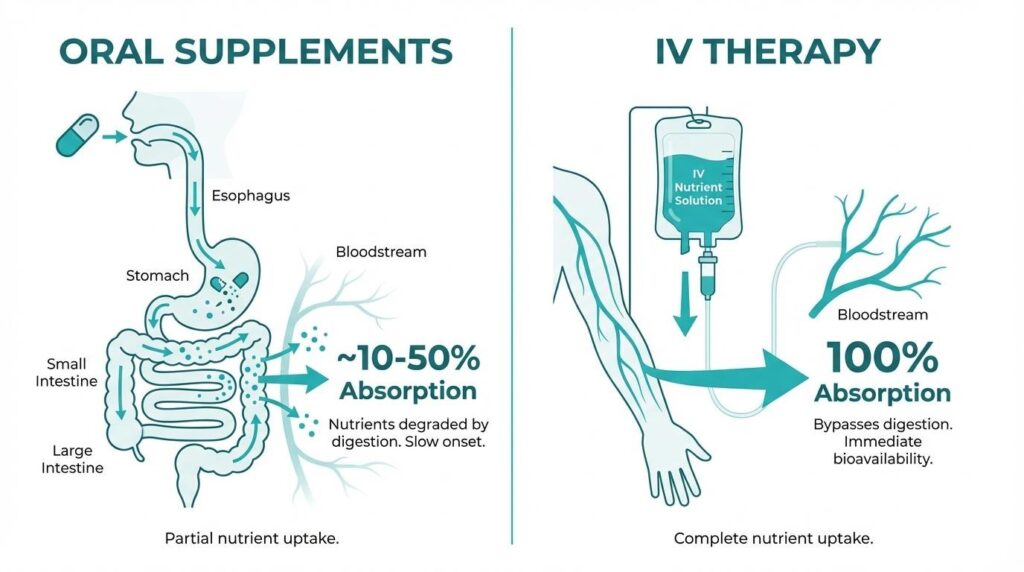
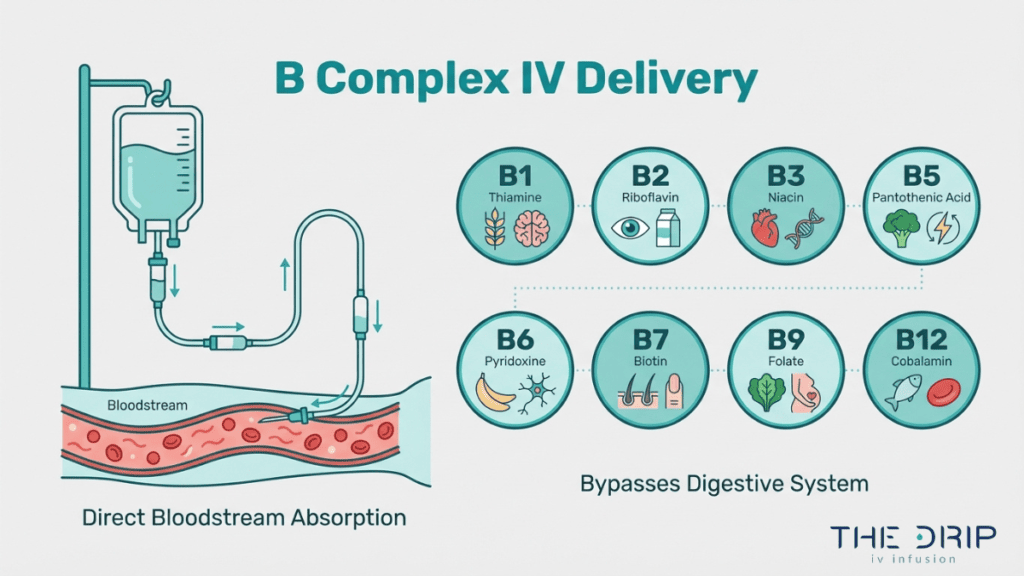
    NAD therapy is an intravenous treatment that delivers nicotinamide adenine dinucleotide, a coenzyme essential for cellular energy production, directly into the bloodstream. This approach bypasses the digestive system, allowing nearly 100% bioavailability of the compound.

    NAD+ plays a critical role in over 500 enzymatic reactions, supporting mitochondrial function, DNA repair, and metabolic regulation. As the body ages, natural NAD+ levels decline, which has driven growing interest in supplementation through IV infusions.

    The treatment is popular because it targets multiple wellness goals simultaneously, including anti-aging support, mental clarity, addiction recovery, and chronic fatigue relief. According to Stratistics Market Research Consulting, the global NAD+ IV clinics market was valued at $511.90 million in 2025 and is expected to reach $1,049.45 million by 2032 at a CAGR of 10.8%. That rapid growth reflects rising consumer demand for therapies that address cellular health at its foundation.

    For anyone researching how much NAD therapy costs, understanding what the treatment involves helps contextualize why pricing varies so widely across dosages, protocols, and delivery methods.

    How Much Does a Single NAD IV Infusion Session Cost?

    A single NAD IV infusion session costs between $250 and $1,500, depending on dosage and provider. The following subsections break down pricing at four common dosage tiers: 250mg, 500mg, 750mg, and 1000mg.

    NAD IV session pricing infographic showing cost ranges by dose for 250mg, 500mg, 750mg, and 1000mg infusions

    How Much Does a 250mg NAD IV Drip Cost?

    A 250mg NAD IV drip costs between $250 and $349 at most providers. This dosage serves as the most common entry point for first-time NAD therapy patients. According to Global Clinic, introductory 250mg sessions are often priced around $299, while some Texas-based providers offer this tier at $250. The lower dose typically requires a shorter infusion time of approximately 90 minutes, which contributes to the reduced price. For anyone exploring NAD therapy for the first time, the 250mg dose offers a cost-effective way to assess individual tolerance before committing to higher dosages.

    How Much Does a 500mg NAD IV Drip Cost?

    A 500mg NAD IV drip costs between $399 and $500 at most clinics nationwide. This mid-range dosage is the most frequently requested tier for clients seeking cognitive support, energy restoration, and general wellness maintenance. Texas-based providers typically charge around $450 for this dose, while clinics in other markets price it closer to $399. Sessions at this level generally run two to three hours due to the increased NAD+ concentration. The 500mg tier strikes a practical balance between therapeutic impact and affordability, making it the most popular single-session choice for recurring clients.

    How Much Does a 750mg NAD IV Drip Cost?

    A 750mg NAD IV drip costs approximately $700 at clinics offering this dosage tier. Not all providers list a 750mg option, as many jump directly from 500mg to 1000mg. According to Lone Star IV Medics, Texas-based pricing places the 750mg infusion at $700 per session. This intermediate dose suits clients who have responded well to 500mg treatments but need a higher concentration for more intensive goals, such as addiction recovery support or advanced anti-aging protocols. Because fewer clinics stock this tier, availability may be more limited than other dosage levels.

    How Much Does a 1000mg NAD IV Drip Cost?

    A 1000mg NAD IV drip costs between $599 and $800 per session, depending on the provider and market. This is the highest standard dosage tier available at most NAD therapy clinics. Some providers price it at $599, while Texas-based clinics charge up to $800 for the same concentration. Sessions at this level can last three to four hours. Despite the higher price point, a 2025 CNBC report noted that some medical experts maintain insufficient evidence currently supports all wellness claims associated with high-dose NAD+ infusions. Clients considering 1000mg sessions should discuss their specific health goals with a qualified provider before investing in the highest tier.

    Understanding per-session pricing sets the stage for evaluating full multi-day NAD therapy protocols.

    How Much Does a Full NAD Therapy Protocol Cost?

    A full NAD therapy protocol costs between $500 and $12,000 or more, depending on the number of sessions and dosage selected. Protocol length varies by treatment goal, from short wellness resets to extended addiction recovery programs.

    How Much Does a 2-Day NAD IV Protocol Cost?

    A 2-day NAD IV protocol costs approximately $500 to $3,000, depending on the dosage administered each session. Most clinics price 250mg sessions around $299 each, while 500mg sessions run closer to $399 to $450 per visit. A two-session protocol at these rates totals roughly $600 to $900 for standard wellness goals.

    Some providers offer short protocols using NAD+ injections instead of full IV infusions to reduce cost. According to Strut Health, NAD+ injection costs at wellness clinics typically range from $95 to $200 per shot, which translates to monthly costs of $380 to $800 for standard weekly protocols. For patients seeking a brief NAD boost without committing to a longer regimen, a 2-day IV protocol offers a practical starting point.

    How Much Does a 4-Day NAD IV Protocol Cost?

    A 4-day NAD IV protocol costs approximately $1,000 to $6,000. This range reflects differences in dosage, clinic pricing, and whether the provider bundles sessions into a loading phase package. Many clinics structure their introductory protocols around four sessions, recommending completion within 10 days of the first infusion to build intracellular NAD+ levels effectively.

    At typical per-session rates of $250 to $600, four consecutive treatments place most patients in the $1,000 to $2,400 range for standard dosages. Higher dosages of 750mg or 1000mg per session push the total closer to $3,000 to $6,000. Patients pursuing addiction recovery or neurological support often require these elevated doses, making the 4-day protocol one of the more common entry points for clinical NAD therapy.

    How Much Does an 8-Day or Longer NAD Protocol Cost?

    An 8-day or longer NAD protocol costs approximately $2,000 to $12,000 or more. Extended protocols are most common in addiction recovery and chronic neurological conditions, where sustained NAD+ saturation over consecutive days is considered essential for therapeutic effect.

    At per-session rates ranging from $250 to $1,500, an 8-day protocol at moderate dosages falls between $2,000 and $4,800. Intensive addiction detox programs using high-dose infusions of 750mg to 1000mg daily can exceed $10,000 for a full course. These longer protocols represent the highest upfront investment in NAD therapy, though many providers offer package pricing that reduces the per-session cost. For anyone budgeting an extended protocol, requesting a multi-session bundle quote before committing is the most reliable way to manage total expense.

    With protocol costs established, the next step is understanding how alternative NAD delivery methods compare in price.

    How Much Do Other NAD Administration Methods Cost?

    Other NAD administration methods cost significantly less per dose than IV infusions, though bioavailability varies widely. The most common alternatives include nasal sprays, subcutaneous injections, oral supplements, and transdermal patches.

    NAD delivery options cost comparison showing monthly pricing for nasal spray, injections, supplements, and patches

    How Much Do NAD Nasal Sprays Cost?

    NAD nasal sprays cost between $59.95 and $165 for a 30-day supply, making them one of the more affordable delivery options. Pricing depends on concentration and whether the product is compounded by prescription or sold over the counter. Prescription formulations designed for energy and mental clarity tend to sit at the higher end of that range. Over-the-counter NAD nasal sprays with higher total NAD content can be found closer to $60. While considerably cheaper than IV infusions, nasal sprays deliver a lower and less predictable dose to systemic circulation. For individuals seeking consistent daily NAD support without clinic visits, nasal sprays offer a practical middle ground between cost and convenience.

    How Much Do NAD Subcutaneous Injections Cost?

    NAD subcutaneous injections cost between $50 and $200 per vial for compounded formulations, with clinic-administered shots ranging from $95 to $200 each. According to a 2024 Vaccine Alliance analysis of approximately 11 online clinics, the average monthly cost for NAD+ injections ranges from $105 to $350. Weekly injection protocols at wellness clinics can push monthly totals to $380 to $800. Self-administered subcutaneous injections purchased through telehealth providers tend to fall at the lower end, since they eliminate clinic visit fees. Injections provide near-complete bioavailability, similar to IV delivery, which makes them a strong cost-to-effectiveness option for patients comfortable with self-injection.

    How Much Do Oral NAD Supplements Cost?

    Oral NAD supplements cost between $30 and $80 per month for most consumer-grade products, making them the least expensive NAD delivery method available. These supplements typically contain NAD precursors such as nicotinamide riboside (NR) or nicotinamide mononucleotide (NMN) rather than direct NAD+. Oral bioavailability is substantially lower than injectable or IV routes because precursors must survive digestion and undergo hepatic first-pass metabolism before conversion. Premium pharmaceutical-grade formulations with enhanced absorption technology can reach $100 to $150 monthly. For general wellness maintenance, oral supplements remain the most accessible entry point, though individuals targeting specific clinical outcomes may find the lower bioavailability limiting.

    How Much Do NAD Patches Cost?

    NAD patches cost approximately $30 to $120 per month depending on the brand, patch concentration, and supply duration. Transdermal NAD patches deliver the compound through the skin over several hours, offering a needle-free alternative to injections. Absorption rates for transdermal delivery remain lower and less studied compared to IV or subcutaneous routes. Most patches on the market contain NAD precursors rather than pure NAD+ molecules, which affects how much active compound reaches systemic circulation. Patches suit individuals who prefer passive, low-maintenance supplementation, but limited clinical data on transdermal NAD bioavailability makes it difficult to compare their true value against other methods.

    With alternative delivery costs established, the factors that influence total NAD therapy pricing become the next consideration.

    What Factors Influence the Total Price of NAD Therapy?

    The total price of NAD therapy depends on dosage, session duration, provider setting, service type, and geographic region. Each factor shifts the final cost significantly.

    NAD therapy pricing factors chart showing how dosage amount, session duration, provider setting, service type, and location affect cost

    How Does NAD Dosage Affect the Price?

    NAD dosage affects the price because higher milligram amounts require more raw NAD+ compound per infusion, directly increasing material and preparation costs. A 250mg session typically starts around $250 to $349, while a 1,000mg session can reach $800 to $849 or more. In the Houston market, NAD+ IV therapy is priced at $349 for 250mg, $449 for 500mg, and $849 for 1,000mg, according to NeuMed. This tiered structure means choosing a higher dose for conditions like addiction recovery or intensive anti-aging protocols can double or triple the per-session cost compared to a lower maintenance dose.

    How Does Session Duration Change the Cost?

    Session duration changes the cost because longer infusions require extended clinical supervision, dedicated IV equipment use, and additional nursing time. A 250mg NAD+ infusion typically runs 60 to 90 minutes, while a 500mg or 1,000mg session can take two to four hours. Providers factor chair time, staffing, and facility overhead into their pricing, so a four-hour high-dose session carries substantially higher fees than a one-hour low-dose drip. When evaluating NAD therapy costs, the time commitment is just as important as the dosage itself, since both directly scale the final invoice.

    How Does the Provider Setting Impact NAD Pricing?

    The provider setting impacts NAD pricing because overhead costs vary widely between clinical environments. Dedicated IV lounges and medical spas build rent, decor, and amenity expenses into session fees. Hospital-affiliated wellness centers may charge more due to institutional overhead and stricter regulatory compliance. Smaller private practices or nurse-owned clinics often operate with lower fixed costs, potentially offering more competitive rates. The credentials of the administering provider, whether a registered nurse, nurse practitioner, or physician, also influence pricing. For most patients, balancing clinical quality with reasonable overhead produces the best value.

    How Do Mobile or In-Home NAD Services Affect Cost?

    Mobile or in-home NAD services affect cost by adding travel, logistics, and convenience fees to the base infusion price. According to a cost guide from Vaccine Alliance, mobile IV services may charge an additional $200 to $800 per session for in-home NAD+ infusions depending on geographic location and level of service provided. These surcharges cover nurse travel time, portable equipment, and the flexibility of on-demand scheduling. Despite the premium, mobile NAD therapy eliminates commute time, waiting rooms, and scheduling constraints, which many clients find worthwhile.

    How Does Geographic Region Influence NAD Therapy Pricing?

    Geographic region influences NAD therapy pricing because local cost of living, provider density, and market demand create significant price variation. Major metropolitan areas like New York typically carry higher session fees than smaller markets due to elevated rent, labor, and operational expenses. Texas-based providers often list lower per-session rates compared to coastal cities. Areas with more IV therapy clinics tend to offer competitive pricing, while regions with fewer providers may command premium rates. Comparing quotes across multiple providers within your area remains the most practical way to find fair pricing.

    With pricing factors clarified, understanding insurance coverage options helps determine your actual out-of-pocket cost.

    Does Insurance Cover NAD Therapy?

    Insurance rarely covers NAD therapy. Most health insurance providers classify NAD IV infusions as elective wellness care rather than a medical necessity, leaving patients responsible for the full cost. Understanding alternative payment options can help offset this expense.

    Health insurance providers rarely cover NAD IV therapy because they typically categorize the treatment as elective wellness rather than medically necessary care. This classification applies broadly, regardless of whether the infusion targets anti-aging, cognitive support, or recovery goals. Without a widely recognized medical indication backed by large-scale clinical trials, insurers have little incentive to approve reimbursement.

    Addiction recovery represents one area where patients sometimes seek coverage exceptions, yet out-of-pocket costs remain the norm. According to WebMD, patients pursuing NAD therapy for addiction can expect to pay several thousand dollars since treatment is often not covered by insurance. Even when a provider documents a clinical rationale, appeals for coverage rarely succeed under current insurer guidelines.

    Patients who want to reduce their direct financial burden still have practical options:

    • Flexible Spending Accounts (FSAs) can apply pre-tax dollars toward NAD IV therapy when the treatment qualifies as a medical expense.
    • Health Savings Accounts (HSAs) offer similar tax-advantaged spending for eligible treatments.
    • Multi-session package deals at clinics often lower the effective per-session price.
    • Payment plans through providers can spread costs across several months.

    Confirming eligibility with your FSA or HSA administrator before booking is essential, as qualification depends on how the expense is classified. For most people, combining a tax-advantaged account with a clinic’s package pricing is the most realistic way to make NAD therapy more affordable. With payment strategies in place, comparing IV costs against supplement alternatives helps clarify overall value.

    How Does NAD IV Therapy Compare in Cost to NAD Supplements?

    NAD IV therapy costs significantly more than NAD supplements, but the two deliver vastly different levels of bioavailability. The cost gap reflects differences in absorption, administration, and clinical oversight.

    A single NAD IV infusion typically ranges from $250 to $1,500 per session depending on dosage, while oral NAD precursor supplements generally cost $30 to $60 per month. According to Vaccine Alliance, intravenous and intramuscular NAD+ delivery routes provide nearly 100% bioavailability, allowing the coenzyme to enter systemic circulation immediately and bypass first-pass metabolism. Oral supplements, by contrast, must pass through the digestive system, where absorption rates drop considerably.

    Monthly cost comparisons illustrate the scale of this difference:

    • Oral NAD supplements (NMN or NR): $30 to $80 per month
    • NAD nasal sprays: $60 to $165 per month
    • NAD subcutaneous injections: $105 to $350 per month
    • NAD IV infusions (single sessions): $250 to $1,500 per treatment

    The price-per-milligram calculation favors supplements, but raw cost alone does not capture therapeutic value. IV delivery ensures the full dose reaches the bloodstream, while oral precursors require enzymatic conversion before the body can use them as NAD+. For individuals seeking measurable cellular replenishment for specific health goals, the higher upfront cost of IV therapy often reflects a more efficient delivery mechanism.

    Supplements remain the most accessible entry point for NAD+ support, particularly for general maintenance. However, when rapid, verifiable NAD+ elevation is the priority, IV therapy delivers a level of precision that oral routes cannot match. With package deals and memberships, the per-session cost gap narrows considerably.

    Are NAD Therapy Package Deals or Memberships Worth It?

    NAD therapy package deals and memberships are worth it for most patients planning multiple sessions, since bundled pricing typically reduces the per-session cost compared to single-visit rates. Whether the savings justify an upfront commitment depends on treatment frequency and provider structure.

    Many clinics offer tiered package options that reward volume. Lone Star IV Medics, for example, structures NAD+ IV therapy packages with dosage-specific pricing across multiple sessions, allowing patients to lock in rates for a full protocol. Loading phase packages, which often include four treatments within a short window, represent some of the highest per-dollar value because clinics incentivize protocol adherence.

    The key factors that determine whether a package deal makes financial sense include:

    • Treatment frequency: Patients committed to weekly or biweekly sessions save the most through bundled rates.
    • Dosage consistency: Packages work best when your dosage stays the same across sessions.
    • Cancellation policies: Some memberships lock patients into contracts with limited flexibility.
    • Expiration windows: Prepaid sessions that expire within 30 to 60 days may pressure patients into rushed scheduling.

    For anyone pursuing a structured NAD+ protocol rather than a one-time infusion, packages almost always reduce total out-of-pocket cost. The real risk lies in committing to a large package before confirming that NAD therapy delivers noticeable personal benefits. Starting with one or two single sessions, then transitioning to a package once results are clear, is the most financially sound approach for first-time patients.

    Understanding package value helps frame the broader question of whether NAD therapy justifies its total investment.

    Who Typically Pays for NAD Therapy and Is It Worth the Investment?

    People who typically pay for NAD therapy include anti-aging enthusiasts, individuals in addiction recovery, those managing chronic fatigue, and athletes seeking performance gains. Whether NAD therapy is worth the investment depends on the specific health goal.

    Is NAD Therapy Worth the Cost for Anti-Aging and Longevity?

    NAD therapy is often worth the cost for anti-aging and longevity when cellular-level restoration is the priority. NAD+ levels decline naturally with age, and IV infusions replenish this coenzyme with nearly 100% bioavailability, something oral supplements cannot match.

    For those concerned about out-of-pocket expenses, FSA and HSA funds can often cover NAD IV therapy costs when the treatment is classified as a qualified medical expense, according to HydraMed. This tax-advantaged spending option effectively reduces the net cost per session. Anti-aging protocols typically require ongoing maintenance sessions, so factoring in these payment tools makes long-term treatment more financially sustainable. For individuals already investing in premium skincare and longevity supplements, redirecting a portion of that budget toward NAD infusions often delivers more measurable cellular benefits.

    Is NAD Therapy Worth the Cost for Addiction Recovery?

    NAD therapy is often worth the cost for addiction recovery, particularly for individuals seeking a complementary approach alongside conventional treatment. According to WebMD, patients can expect to pay several thousand dollars for NAD addiction treatment since it is often not covered by insurance.

    NAD+ influences the neurobiology of addiction by supporting cellular repair in the brain’s reward pathways. Multi-day loading protocols, typically spanning 8 to 10 days, represent the most significant upfront investment among all NAD use cases. However, when weighed against the long-term costs of untreated addiction, including lost income, medical emergencies, and rehabilitation stays, the investment often proves cost-effective. Patients pursuing this path should confirm their provider uses evidence-based protocols supervised by licensed medical professionals.

    Is NAD Therapy Worth the Cost for Chronic Fatigue and Brain Fog?

    NAD therapy is worth considering for chronic fatigue and brain fog when conventional interventions have not provided relief. NAD+ plays a central role in mitochondrial energy production, and depleted levels correlate with persistent low energy and cognitive sluggishness.

    Many patients report noticeable improvements in mental clarity and sustained energy within the first few sessions. Lower dosages, such as 250mg, often serve as a practical starting point for this population, keeping per-session costs in the $250 to $350 range. Because fatigue and brain fog stem from multiple potential causes, the best candidates are those who have already ruled out thyroid dysfunction, sleep disorders, and nutritional deficiencies with their physician. When the root issue involves cellular energy metabolism, NAD infusions target the problem more directly than most alternatives.

    Is NAD Therapy Worth the Cost for Athletic Performance?

    NAD therapy is worth the cost for athletic performance when recovery speed and sustained energy output are competitive priorities. Athletes place high metabolic demands on their cells, and NAD+ supports the enzymatic pathways responsible for muscle repair, oxygen utilization, and ATP production.

    The practical value depends on training intensity and competition frequency. Endurance athletes and those in high-volume training blocks tend to notice the most pronounced recovery benefits. A single 500mg session before or after peak training periods can reduce downtime between sessions. Compared to other performance recovery modalities, such as hyperbaric oxygen or cryotherapy, NAD infusions occupy a similar price tier while addressing recovery at the cellular level. For serious athletes already investing in performance optimization, NAD therapy complements existing protocols rather than replacing them.

    With individual goals clarified, understanding how mobile IV services deliver NAD therapy adds another layer of convenience and potential savings.

    How Can You Get NAD Therapy Through a Mobile IV Service?

    You can get NAD therapy through a mobile IV service by scheduling an appointment with a provider that sends licensed nurses directly to your home or workplace.

    Can The Drip IV Infusion’s Mobile NAD Treatments Save You Time and Money?

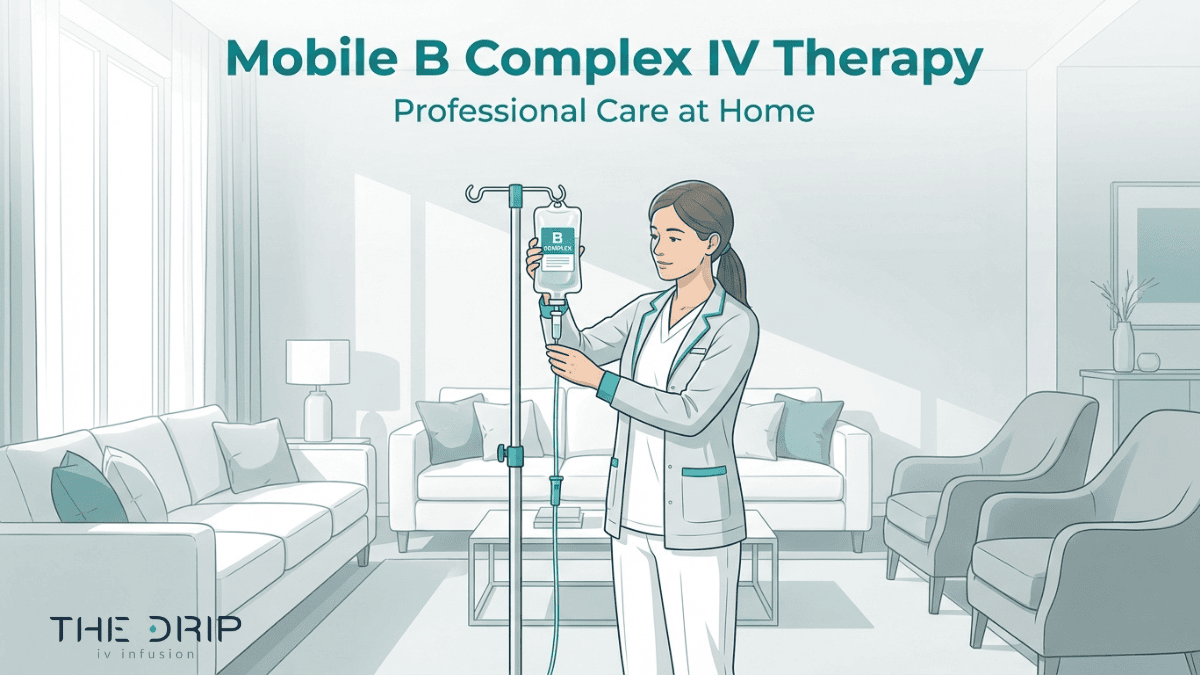
    Yes, The Drip IV Infusion’s mobile NAD treatments can save you time and money by eliminating clinic visits entirely. The Drip IV Infusion operates as a mobile IV therapy service across Arizona, delivering NAD+ infusions directly to homes and workplaces. Founded in Fall 2022 by professionals with decades of experience in nursing and emergency medicine, The Drip IV Infusion administers NAD+ treatments for inflammation reduction, mental restoration, anti-aging, and addiction recovery support.

    Mobile delivery removes overhead costs associated with brick-and-mortar clinics, and patients avoid travel time, parking fees, and hours spent in waiting rooms. For multi-session NAD protocols that require several appointments within a short window, the convenience of in-home service becomes especially valuable. The Drip IV Infusion pairs each session with personalized care from licensed nurses who ensure maximum absorption by bypassing the GI tract.

    benefit of Mobile NAD Tharapy Benefits

    What Are the Key Takeaways About NAD Therapy Costs?

    The key takeaways about NAD therapy costs center on dosage, delivery method, and provider format as the primary pricing drivers:

    • Single NAD IV sessions typically range from $250 to $1,500, with dosage tiers starting around $299 for 250mg and reaching $599 or more for 1000mg.
    • Multi-day protocols multiply per-session costs, making package deals and memberships worth evaluating for long-term plans.
    • Alternative delivery methods like subcutaneous injections and nasal sprays offer lower per-dose pricing but deliver different bioavailability profiles compared to IV infusions.
    • Health insurance rarely covers NAD therapy, though FSA and HSA funds may apply when the treatment qualifies as a medical expense.
    • Mobile IV services can offset traditional clinic markups while adding the practical benefit of at-home convenience.

    Choosing the right NAD therapy format depends on balancing clinical goals, budget, and scheduling needs. The Drip IV Infusion can help simplify that decision with mobile NAD+ treatments tailored to individual health priorities.

  • IV Hydration Therapy at Home

    IV Hydration Therapy at Home

    IV hydration therapy at home is a medical service where trained clinicians deliver fluids, vitamins, and medications directly into your bloodstream in your own home, and you can get these IV fluids delivered by booking with a mobile IV therapy provider. If you’re looking for easy ways to boost your hydration, bounce back from illness, or feel better without stepping foot outside your house, you’ve come to the right place. We get it – getting professional IV fluids at home sounds pretty appealing, whether you’re trying to recover from a tough workout, dealing with ongoing health issues, or just want to feel your absolute best. This guide will walk you through everything about getting IV hydration therapy right in your living room and how to do it safely.

    IV hydration therapy at home is when trained medical folks come to your house and give you fluids, vitamins, minerals, and medications straight into your bloodstream through a vein, all while you’re comfy on your own couch. This treatment skips your stomach completely, which means your body soaks up everything faster and better than if you just took pills or drank something.

    TL;DR Summary:

    • How it works: Mobile IV companies send trained nurses to wherever you are, giving you pre-mixed solutions straight into your bloodstream so your body gets what it needs right away – way better than swallowing supplements.
    • Medical uses: Works great for dehydration, when your gut can’t absorb nutrients properly, after surgery, chronic illnesses, and helping with chemo side effects – this stuff made up 48% of the U.S. mobile IV therapy market in 2024.
    • What’s in them: Popular mixes include energy boosters with B vitamins (27% of the market), Myers cocktail blends, magnesium for headaches, glutathione to boost your immune system, and special add-ons that cost anywhere from $199-$495 per treatment.
    • Safety stuff: At-home treatments mean no clinic visits, but they follow the same medical rules – licensed professionals stick around the whole time and bring emergency supplies like oxygen, epinephrine, and monitoring gear.
    • Who can get them: Most providers do basic health checks, though only 25% of clinics we looked at required doctor visits first; some conditions like severe dehydration or drug reactions might mean you can’t get home treatment.
    • How to book: Usually available within an hour through phone apps; licensed RNs or paramedics do the treatments that take 30-60 minutes while keeping an eye on your vital signs the whole time.
    • Good and bad sides: People say they feel energized right away and hangovers disappear, but there’s not much solid science backing this up for healthy folks; things can go wrong like infections, allergic reactions, and messed up electrolytes.
    • Picking providers: Look for companies with licensed medical professionals, buying from FDA-registered places, proper emergency plans, and doctor oversight – right now only 4 states really regulate this stuff.
    • Professional services: The Drip IV Infusion brings mobile IV therapy all across Arizona with experienced nurses, custom treatments for different problems, and pricing from $195-$495 depending on what you get.Quick Tip: Before you book any IV session, eat something 1-3 hours before and keep water nearby during treatment – high doses of vitamin C can make your blood sugar drop, and staying hydrated helps prevent discomfort while the IV is running.

    How does IV hydration therapy work when administered at home?

    IV hydration therapy at home works by getting fluids, vitamins, and medications straight into your bloodstream through a vein, completely bypassing your stomach and intestines. Think of it like watering a plant – instead of pouring water on the soil and waiting for the roots to soak it up, you’re feeding the roots directly. Mobile IV therapy services send licensed nurses right to your house or office, bringing everything they need for the whole procedure. The treatment needs fresh mixing of IV bags right when they do it. A medical professional checks your vitals before starting and stays with you the entire time to watch for safety issues and handle any problems that might pop up. The following sections dig into medical uses, what’s typically in these IVs, and how home treatments are different from going to a clinic.

    Diagram showing IV hydration bypassing digestive system and going directly into bloodstream.

    What medical conditions can be treated with at-home IV hydration?

    The medical conditions that get treated with at-home IV hydration include dehydration, not getting enough nutrients, chronic illnesses, migraines, flu, and gut problems. According to 2024 market data, medical uses made up 48% of the U.S. mobile IV hydration therapy market. IV therapy works really well for people whose digestive systems aren’t working right, folks recovering from surgery, and patients dealing with chemo side effects. The treatment becomes medically necessary when your digestive system isn’t doing its job properly or when you need more fluids than you can drink. In serious situations involving massive bleeding, overwhelming infection, or dangerously low blood pressure, IV treatments can be the difference between life and death.

    What are the most common ingredients included in at-home IV drips?

    The most common things in at-home IV drips are B vitamins, amino acids, electrolytes, magnesium, glutathione, and vitamin C. Energy booster mixes grabbed 27% of the therapy market share in 2024. The classic Myers cocktail has a high-dose mix of vitamins and minerals for general hydration and replenishment. Special blends offer custom combinations that cost more, ranging from $350 to $495. Extra stuff like B-complex vitamins, Toradol, or Zofran medications bump up the treatment costs. Glutathione and alpha lipoic acid need to be given as separate IV pushes to keep them working properly.

    Illustration of IV drip bags labeled with vitamins and supplements used in at-home therapy.

    How is IV therapy at home different from in-clinic treatments?

    IV therapy at home is different from clinic treatments mainly because of where you can get it and how convenient it is. Mobile IV therapy gets rid of clinic visits by offering treatments in your house, office, hotel, or gym. At-home services let you book through phone apps with appointments often available within an hour. Mobile providers use licensed nurses or paramedics who bring all the necessary equipment and emergency supplies to places that aren’t medical facilities. The key safety rule stays the same: staff can never leave you alone during the IV, no matter where you are. Mobile providers get special training for giving IVs outside traditional medical settings, making sure you get professional medical care in a convenient spot.

    Who is eligible for at-home IV hydration therapy?

    Eligibility for at-home IV hydration therapy depends on a medical evaluation confirming that the treatment is safe for your health condition. The main customers include athletes, business professionals, travelers, hangover clients, and people seeking immune or beauty support. IV therapy works well for those unable to get nutrients through food or who have specific medical needs. Insurance doesn’t cover mobile IV therapy unless a doctor says it’s medically necessary. The following sections detail specific requirements and restrictions for safe at-home IV treatment.

    What health screenings or assessments are required before booking?

    Before treatment, providers must document several key health details to ensure safety and avoid medication interactions.

    Checklist:

    • Allergies to medications or components
    • General health condition
    • Current symptoms
    • Signed informed consent

    Are there specific medical conditions that might prevent at-home IV treatment?

    Specific medical conditions that prevent at-home IV treatment include severe illness, drug interactions, and vitamin sensitivities. Very young and very old people with the flu belong in medical facilities rather than getting at-home treatment. Patients with allergies to IV components shouldn’t get treatment.

    ConditionRiskRequired Action
    High-dose vitaminsKidney damage, heart rhythm abnormalitiesScreen kidney function
    Rapid magnesiumDangerous blood pressure decrease, faintingSlow administration rate
    High ascorbic acidHypoglycemiaEat 1-3 hours prior
    Severe dehydrationOrgan failure riskMedical facility care

    Patients too sick to drink fluids need rehydration at medical facilities instead. High doses of certain vitamins and minerals are linked to kidney damage and heart rhythm problems. These warning signs require careful medical evaluation before approving at-home IV therapy services.

    How can you get IV fluids at home safely?

    Getting IV fluids at home safely requires navigating a $15 billion wellness industry that operates with very little oversight. According to a June 2024 regulatory assessment, no state or area had made laws specifically to regulate IV hydration spas. Only four states keep comprehensive oversight: Alabama, North Carolina, South Carolina, and Vermont. The California State Board of Pharmacy calls IV hydration a medical treatment requiring proper examination and supervision. The FDA has issued two consumer alerts about med spas mixing products without proper sterilization and using unlicensed people.

    Safety starts with choosing licensed providers, checking proper medical oversight, and making sure emergency protocols are in place. The following sections detail the booking process, provider qualifications, and safety measures essential for home IV therapy.

    What are the steps involved in booking an at-home IV hydration session?

    Booking an at-home IV hydration session follows a predictable workflow designed to ensure medical safety.

    1. Schedule through the mobile app
    2. Submit medical history and symptoms
    3. Complete a consultation
    4. Sign informed consent
    5. Prepare by eating 1–3 hours prior
    6. Get vitals checked
    7. Receive monitored IV treatment

    The booking-to-treatment timeline typically takes 60-90 minutes in city areas, making IV therapy accessible for busy professionals and those with mobility issues.

    Timeline graphic showing steps from booking to receiving IV therapy at home.

    Who provides and administers the IV hydration therapy at home?

    The providers who give IV hydration therapy at home are licensed nurses or paramedics working for mobile services. Each IV must be started by a licensed practitioner with authority to give treatments and stick needles in veins. State regulations vary a lot for ownership and oversight requirements.

    CategoryAttributeRequirement / ValueRegulatory Source
    California clinicsPhysician ownership51% minimumState regulations
    Florida clinicsMedical directorRequiredState regulations
    Licensed administratorsProfessional typesRNs, NPs, PAs, MDsState licensing boards
    Observation staffBasic CPRRequired for allIndustry standards
    Emergency responderAdvanced CPRMinimum 1 employeeSafety protocols

    These requirements make sure medical expertise guides treatment decisions while trained professionals handle emergencies.IV hydration therapy at home offers a convenient way to receive medical-grade hydration, vitamins, and medications without traveling to a clinic. By choosing licensed providers, confirming medical oversight, and following proper safety protocols, you can enjoy the benefits of IV therapy with confidence. If you’re ready to explore personalized wellness treatments, now is the perfect time to schedule your IV hydration therapy at home with a trusted mobile provider.

    Infographic comparing licensed IV providers and state-specific safety regulations.
  • How to Get IV Fluids at Home

    How to Get IV Fluids at Home

    Although it’s a very common ocurrence, visiting a hospital to get an IV might be very scary for many people. Luckily, there are some alternatives to including IV therapy. Keep reading to find out how to get IV fluids at home and skip the trip to the hospital.

    Mobile IV services are growing in popularity due to the convenience they provide. Obtaining IV fluids for home use is safe and easy if you choose the right IV provider. With the help of these services, you can request an at-home IV infusion without a doctor’s recommendation.

    Getting IV fluids at home is a great way to receive more fluids in your body that you can’t get by drinking. Also, they are known as natural energy boosters that are distributed through your system directly and very fast. 

    Source: shutterstock.com / Photo Contributor: Andrey_Popov

    How to Get IV Fluids at Home

    When learning how to get IV fluids at home, you have to remember that there are two available options. At-home IV administration doesn’t always mean you have to do it alone. Instead, you can pay for a visit from an experienced healthcare provider to perform the home infusion.

    Doctors don’t recommend self-administering IV fluids. But if you, a close family member, or a friend has some experience and knowledge in administering intravenous fluids at home, the process may go smoothly without risk.

    To determine the best way of getting IV fluids at home, consider the below-mentioned methods:

    Mobile IV nurses

    Some states around the US offer mobile IV services. You can request an IV fluid blend, and it will arrive at your home. A certified nurse or a physician will administer the infusion by placing a needle in your vein. 

    Good mobile IV providers offer the option of creating your own IV blend by including the vitamins, minerals, and electrolytes your body needs. To DIY a blend of IV fluids, you can visit the provider’s website and select the necessary ingredients according to your symptoms.

    Nurses have the knowledge and experience to perform the at-home IV administration properly. They are trained in patient homecare and know how to approach the situation by making you feel safe and relaxed during the process.

    Source: shutterstock.com/ Photo Contributor: Numstocker

    Self-administration

    It’s now possible for patients to try self-administered IV instead of relying on nurses to visit their homes every time they need an energy or hydration boost. However, this method is not proven safe because most patients are not professionally trained to administer IV fluids.

    Although some people use this technique effectively, many things might go wrong during the self-administration of IV fluids. The most common problem is infection at the injection site due to improper use of the materials.

    Administering IV Fluids at Home

    Nurses may show patients exactly how to self-administer IV fluids at home while focusing on safety and avoiding possible complications. To help you better understand the process of doing it yourself, follow the below-mentioned points involved in at-home IV administration.

    Get your materials ready

    Before anything, you have to ensure you have all the materials needed for administering IV fluids by yourself at home. Being prepared in advance ensures the self-administration process will go smoothly. 

    The most important materials for this purpose include an IV bag, sterile gloves, gauze, alcohol, medical tape, a needle, and a catheter. 

    Keep your hands clean

    One of the most important things you should do before handling an IV bag and materials is to wash your hands thoroughly and ensure they are completely clean. Keeping your hands and materials clean might minimize the possibility of infections.

    Prepare the tube

    You need to prime the tube to prevent bubbles from forming and air from getting into the bag. You could easily do this by holding the bag over your bathroom sink. Skipping this step might cause air to get stuck in the line, causing air embolism with fatal consequence.

    Find a vein

    Before you start searching for a vein, put your sterile gloves on. Then, look for a vein where you may insert the needle but avoid previous injection sites and infected or swollen areas on your arm. Nurses often recommend patients insert the IV infusion needle in a vein on their non-dominant arm.

    Insert the IV

    Once you find a prominent vein to insert the needle, it’s important to clean the area with alcohol to disinfect it and prevent bacteria from getting near it. Place the catheter and needle on a sterile surface before it’s time to use it.

    Hold the catheter with your dominant hand and slowly insert the needle. If you see blood in the catheter hub, you might know if hitting the vein was successful. If you missed the vein, don’t poke around until you find one since this causing bruising and painful swelling.

    Instead, give your arm some time to rest and try again after a few minutes. Once you have successfully completed the self-administration, secure the injected area with medical tape, hang the IV bag on a pole above your head, and let your body relax.

    Monitor the fluid flow

    After you administer IV fluids by yourself, it’s important to monitor the flow of the fluids depending on the position of the bag and catheter. Ensure the line is not tangled since this may cause irregular fluid flow in your system. 

    IV Fluid Delivery

    Some people would rather get IV fluid delivery and have a nurse administer it for them instead of doing it alone. They don’t want to risk making a mistake during the self-administration process, because they know that mobile IV nurses might do it better.

    Self-administering IV fluids is very stressful for some patients. Thankfully, you can reach out to a reputable IV provider to send a nurse straight to your location and take care of your well-being.

    Source: shutterstock.com/ Photo Contributor: CNK02

    Book an appointment

    The first step in getting an IV blend delivered to your home, office, or any location is to book an appointment on the IV provider’s website. Fill in the application with your personal information, and a team member will contact you shortly. 

    Choose an IV drip

    We offer a rich menu of IV blends patients can choose from. Whether you struggle with dehydration, low energy levels, or morning sickness, we have something for everybody. Take a look at our most popular and frequently requested IV drips.

    The Classic Myers IV Cocktail is perfect for rehydration and overall rejuvenation. It contains vitamin C, B12, B-complex, zinc, glutathione, and magnesium which are necessary vitamins and minerals that promote rapid recovery.

    The Hangover Helper is your best choice if you spent the previous night partying. It includes all ingredients of the Classic Myers, with the addition of pepcid, zofran, and toradol to ease the pain of your headache.

    If you are looking for a way to boost your immune system, try The Total Prevention IV Cocktail. It offers a maximum dose of vitamins to keep you energized and physically prepared for any adventures and challenges life throws at you.

    Are you an expecting mother struggling with common pregnancy symptoms like nausea and vomiting? The Mama Bear IV blend is the perfect morning sickness relief for you. The inclusion of pyridoxine might offer your body the ultimate relaxation.

    High-achieving people are always on the go. Therefore, they might need a frequent energy boost to reach their top performance. Many athletes use The GOAT IV blend because it pushes their bodies beyond the limits.

    At-home IV therapy

    Our nurses aim to provide the patients with the most comfortable experience during at-home IV therapy administration. They may ensure that the IV is properly working and there are no possible infection risks.

    After receiving IV fluids at home, the nurses may wait for some time to see how your body reacts to the therapy. They may also advise the patients to dispose of any materials used during the IV administration in the trash.

    Source: shutterstock.com / Photo Contributor: ANDRANIK HAKOBYAN

    Can I Start an IV at Home?

    Many IV providers are qualified to administer IV therapy. But that doesn’t mean they can own and create IV blends or start a business administering IV infusions. The rules and regulations of performing IV therapy at home differ by state.

    So, is it illegal to start an IV at home? Ensure you check the state’s requirements on who can do what to avoid legal problems.

    Legal terms

    IV therapy has become a very popular and desirable business model by healthcare providers all over the United States. But many services are unaware of the legal terms of starting an IV at home.

    Review the laws in your state to determine who can own an IV practice.

    For example, in the state of Arizona, opening an IV practice requires the service to have a professional on their team. Nurses, doctors, and emergency technicians are regarded as the only ones allowed to administer IV therapy in this area.

    Safety

    Safety should always be a priority for IV providers during home infusion therapy. The process of administering IV fluids in a home setting is usually regarded as safe. But nurses must monitor the patients’ reactions after they receive the IV.

    The nurses administering IV infusions need to be highly skilled and trained in dealing with potential complications. The competency of a mobile IV service provider is measured by their patient approach, material sterilization, and the nurses’ education, knowledge, and experience.

    Searching for Mobile IV Therapy in Central Arizona?

    We are aware of how uncomfortable it is for patients to visit hospitals often. For this reason, our team offers patients the IV treatment they need from the comfort of their own homes or any other convenient location.

    By trying our vitamin blends, you might get back on your feet in no time. We focus on including nourishing ingredients in our IV cocktails to provide patients with relaxation and pain relief. Also, we follow strict rules to ensure the safety of our patients when it comes to sterilizing materials.

    So, can you get IV fluids at home? Whether you feel sick, exhausted, or uncomfortable and need something to boost your energy and promote better health, The Drip IV Infusion is here for you. We will come to you as soon as you need us. 

    Our business has expanded throughout many areas in Central Arizona, including Chandler, Gilbert, Mesa, Queen Creek Scottsdale, Tempe, SanTan Valley, and Phoenix. If you reside in any of these cities, don’t hesitate to contact us for help.

    Frequently Asked Questions

    Can I drink water instead of getting an IV?

    Getting IV fluids is not the only way of getting hydrated, but the effects may be visible faster than by drinking a lot of fluids. Also, some people’s digestive systems can’t tolerate high water intake, which is why they choose to get an IV instead.

    How long do IV effects last?

    After receiving the IV infusion, you might be able to feel the effects for a few hours. Some people have reported feeling the effects of an IV for a few days. After some time, the IV fluids will leave your body, but you might feel more replenished due to the vitamins and minerals your system has absorbed.

    How to discover if I need an IV?

    Extreme dehydration is the most common reason why patients get an IV. If you just landed from a long flight, spent a lot of time in the sun without drinking water, or are battling sickness with vomiting and diarrhea, you might need an IV.

    Conclusion

    We hope we helped you learn how to get IV fluids at home. Learning about mobile IV services and self-administration techniques is important because you never know when you or your loved ones might need them. 

    Before trying at-home IV therapy, ensure you do it safely, regardless of your chosen method. Prioritize your health and don’t do anything that might put you at risk and cause complications that might escalate to more serious conditions.

  • How Long Do IV Fluids Stay in Body?

    How Long Do IV Fluids Stay in Body?

    IV fluids are often used to provide hydration and to deliver medications directly into the bloodstream. So you might be wondering how long do IV fluids stay in body. Knowing how long these fluids stay in your system for good healthcare management is important.

    In this article, you’ll look at the length of stay of intravenous fluids in the body and the factors that may influence their timeframe.

    Source: shutterstock.com / Photo Contributor: Daria Voronchuk

    How Long Do IV Fluids Stay in Body

    When understanding how long do IV fluids stay in body, there are a few things to keep in mind. Whether you’re getting intravenous IV therapy for a medical reason or simply to stay hydrated, it’s natural to wonder how long does IV saline stay in your body.

    The duration of IV fluid retention in the body might vary depending on a few factors. Most IV fluids that are put in the body are flushed within a few hours in most cases. However, this timeframe might change from person to person. Hydration level, metabolic rate, illness, sweating, and medications may all influence how long does it take for IV fluids to leave your body. 

    Let’s explore these factors that can influence the retention period of IV hydration and see how they affect the release of fluids in the body. 

    Factors that influence the retention period

    Hydration level

    The level of hydration plays an important role in fluid retention. When properly hydrated, your body should have a mechanism to maintain fluid balance. But when the body is dehydrated, it may hold on to fluids longer. This is because the body is trying to save water and avoid more dehydration. In these cases, fluids may take longer to be removed, but if your body is hydrated, the fluids might pass quicker through the bloodstream.

    Sweating 

    Another factor that could affect fluid retention is sweating. Sweating may be a natural cooling mechanism, but it could cause your body to lose water. Sweating is especially common when the weather is hot and humid surrounding or during an intense workout session. So in these cases, it may take longer for the body to release the retained fluids.

    Medications

    Medications may also have an impact on the fluid balance in the body. Some medications, like diuretics, might cause your body to release fluids faster. These pills work by increasing urine, which should allow the body to clear itself of fluids. 

    You should talk with a healthcare professional if you take medications like these. They should be able to give you specific advice and help address any specific concerns that you may have about your fluid balance.

    Metabolic rate

    Another thing that could also influence the fluid flow through your body is the metabolic rate. Some may have a faster metabolism, which could lead to higher fluid elimination. Some may have a slower metabolism, which may retain fluids longer. Age, body composition, genetics, and physical activity level are all factors that could influence the metabolic rate. 

    Illness

    Some illnesses could also affect the duration of fluid retention. Some conditions like kidney disease, the flu, food poisoning, diarrhea, and vomiting could affect the body’s ability to process and eliminate fluids. For example, in cases of kidney disease, reduced organ function could result in fluid retention and swelling.

    A fluid loss might happen in situations like the flu, food poisoning, diarrhea, or vomiting. All of these things may have the potential to cause dehydration.

    Vitamins 

    Before learning how long do IV vitamins stay in your system, it’s important to know that each person is different, and the duration may vary. The duration of the vitamins in your body might be around 2-3 weeks.

    Once opened IV fluids

    For those who may wonder how long are IV fluids good for once opened, it’s important to note that some things might affect its date. Things like the size of the bag, whether it has been removed from its wrapper, and if a needle has been injected.

    Unopened bags should be safe for a longer time. Bags around 50 milliliters removed from its wrapper may last about 15 days. Smaller bags with 100 milliliters or more may be safe for around 30 days. However, the bag should be safe for 24 hours if a needle has been inserted. 

    Source: shutterstock.com / Photo Contributor: Daria Voronchuk

    IV Fluid Leaving the Body

    After IV fluid has done its job, the body removes it. The elimination process involves flushing fluids from the bloodstream and tissues and restoring fluid balance within the body. Here are some things that may help IV fluids leave the body.

    Kidney filtration

    The kidneys filter waste products and excess fluids from the bloodstream. Through blood vessels within them, they filter the blood. Filtering allows small molecules like water to pass through. The filtered fluids should move through the renal tubules and flow back to the heart. Waste products and excess fluids continue to form urine.

    Lymphatic system

    The lymphatic system plays an important role in fluid balance. The system is made of a network of veins, lymph nodes and organs that help circulate fluids throughout the body. The lymphatic system should collect the extra IV fluids that have been released into the tissues and returned to the bloodstream. 

    It’s important to note that the removal of IV fluids may be a dynamic and continuous process. The body should constantly work to keep fluid balance and eliminate excess fluids. 

    Source: shutterstock.com / Photo Contributor: Studio Romantic

    Common IV Fluids and Their Durations

    Here are some IV fluids that are commonly used and the IV fluid persistence in the body.

    Isotonic saline (0.9%)

    Isotonic saline may be the most commonly used fluid in IV. It may be used to restore hydration and correct fluid imbalances. The duration of isotonic saline in the body is relatively short. It may be removed within a few hours.

    Half-normal saline (0.45%)

    When compared to isotonic saline, half-normal saline should contain less sodium and chloride. It may be used for patients who have hypernatremia. Meaning patients may have less water or excess sodium. Half normal saline in the body may be around 20-40 minutes to longer than 80 minutes. 

    Dextrose 5% in water

    Dextrose 5% in water is a crystalloid solution that can be isotonic and hypotonic. It’s used to provide water to the kidneys. After the dextrose has been absorbed by the cells, the remains should become an isotonic solution. The persistence of the dextrose solution might stay no longer than 15 minutes. But the free water remains might stay longer.

    Lactated Ringer’s solution

    Lactated Ringer’s solution is an isotonic sodium that contains sodium, potassium, calcium, and lactate. Mostly it may be used for fluid replacement. This solution should last about one hour in the body.

    The Frequency of IV Fluids

    You can receive IV therapy once every two weeks, with the recommendations of healthcare professionals. But, there are some cases where IV therapy may be needed more often. Here are some of those cases. 

    Chronic conditions

    Some medical conditions may need regular IV fluid administration to keep proper hydration. In these situations, a healthcare professional should decide the frequency of IV therapy based on the patient’s needs. 

    Medication delivery

    The frequency of IV therapy may vary depending on the medicine, dosage requirements and treatment plan. Some medications may need continuous infusions, while others may be given on a specific schedule. Healthcare professionals should watch the response to the medication and change the frequency if needed.

    Surgical procedures

    Before, during, and after surgical procedures, IV fluids might be delivered to maintain hydration and support the body’s needs during the procedure. The length of the procedure, the type of surgery and the patient’s medical condition may all influence the frequency of IV fluid during surgery. The healthcare personnel should closely monitor the fluid levels and make some modifications if needed. 

    Customized treatment plans

    The frequency of IV fluids might also depend on a patient’s needs and treatment plans. Each person’s condition and response to IV therapy are unique, so healthcare professionals should adjust the frequency of infusions according to them. Things like age, medical history, and overall health may determine the ideal frequency of IV therapy. 

    Source: shutterstock.com / Photo Contributor: Andrey_Popov

    The Difference Between Getting Fluids From IV vs. Oral Intake

    When it comes to hydrating the body, two common methods are popular. Those methods are intravenous IV fluid and oral consumption. While both of these work on hydration, there are differences in how the body absorbs the fluids. Let’s see the differences between these two methods. 

    Absorptions speed

    IV fluids

    IV fluids are delivered intravenously and put straight into the bloodstream, avoiding the digestive system. This allows for faster absorption since the fluids enter the circulation faster. The fluids should be delivered directly to the body’s tissues and cells and into the bloodstream. 

    Oral intake

    Oral fluid intake is when you take fluids through the mouth, where they pass through the digestive system. There the fluids should be absorbed into the bloodstream. The exact timing of fluid absorption may vary. Drinking might allow slower absorption than IV because of the additional digestion and absorption steps. 

    Regulation intake 

    IV fluids

    When the fluids are provided, a healthcare professional manages the volume and rate of the infusion. This should allow for accurate and controlled delivery of fluids. Making sure the body gets the right amount of hydration or treatment. IV fluid is very useful, especially in a medical situation where exact fluid balance is needed.

    Oral intake 

    On the other hand, with oral fluid consumption, you should have the power to regulate your own fluid intake. The body should have a natural thirst mechanism that signals. These signals should tell you when your body needs hydration. This should allow you to control your intake based on your needs and preferences.                                                                                                  

    Supplements 

    IV fluids

    IV fluids should be able to be customized to include specific nutrients and supplements, which will go directly into the bloodstream. This avoids the breakdown and absorption process of the digestive system, resulting in a faster intake. 

    Oral intake

    Capsules, tablets or liquid supplements are designed to be swallowed and processed by the digestive system. This method should allow the body to take the nutrients gradually. This process may be longer than IV because the supplements may need around 30 minutes to dissolve.

    Medical concerns

    IV fluids

    IV therapy is often used for medical purposes, to address some specific medical conditions, maintain fluid balance or deliver medications. It may be essential for some people to get IV therapy because they might not be able to drink fluids orally. This could be because of surgery, some illness or problems with the digestive system. IV therapy should be useful in emergencies or when quick hydration is necessary because of its quick effect.

    Oral intake

    Water comprises around 60% of the human body. Humans need water to keep their bodies hydrated. However, in some cases, like severe dehydration or other medical problems, oral intake alone may not be enough, and IV fluid may be needed for proper hydration and treatment. 

    Access

    IV fluids

    IV fluids are usually done in hospitals, clinics or other healthcare facilities. IV therapy could also be done at home. Home IV therapy should allow people to get their IV fluids in the comfort of their own homes. While family members and friends might help you get an IV, it might be better to do it with a healthcare professional. They have the proper equipment and training.

    Oral intake

    Fluids are easily available, so you can consume them anytime without medical supervision. Drinking fluids is simple and should be included in daily routines, making it a practical method for regular hydration.

    However, it’s important to mention that drinking fluids should not be replaced or stopped because of IV fluids.

    Conclusion

    For those of you wondering how long do IV fluids stay in body, the duration of the fluids may vary based on different factors. Generally, IV therapy might leave the body after a few hours. 

    However, it’s important to note that personal factors like hydration levels, metabolic rate, illness, medications, and sweating might influence the time of disposal. If you have any worries or questions about the duration of fluids in your body, it might be best to talk with a healthcare professional who could give you personalized guidance.

  • Ozone Therapy: What It Is, Uses, Benefits and Side Effects

    Ozone Therapy: What It Is, Uses, Benefits and Side Effects

    Ozone therapy is a medical treatment that introduces a controlled oxygen-ozone gas mixture into the body to stimulate healing responses, activate antioxidant defenses, and improve how cells deliver and use oxygen. We created this guide to cover its biological mechanisms and history, the different treatment types available, clinical applications and conditions treated, physiological benefits, side effects and safety considerations, the current state of scientific evidence and FDA regulation, how it compares to other oxidative therapies, and what to expect during a session.

    Ozone works through a paradoxical mechanism: a brief, controlled oxidative stress triggers the body’s own protective systems, upregulating antioxidant enzymes and increasing red blood cell flexibility for better oxygen delivery through small capillaries. Its medical use dates back over 125 years to Nikola Tesla’s first patented ozone generator in 1896.

    Treatment types range from systemic blood-based protocols like major autohemotherapy to localized methods such as direct joint injections, insufflation, ozone saunas, and topical ozonated oils. Each delivery method serves distinct clinical purposes.

    Clinical research supports ozone therapy for chronic pain conditions like knee osteoarthritis, periodontal health, wound healing, and immune modulation through macrophage activation and cytokine pathway regulation.

    The benefits center on improved oxygen utilization, stronger immune response, activation of the Nrf2 antioxidant signaling pathway, tissue regeneration, and enhanced circulation. Side effects range from mild Herxheimer reactions to serious risks like respiratory damage from direct inhalation, with absolute contraindications for G6PD deficiency and pregnancy.

    The FDA classifies ozone as a toxic gas with no approved medical application, creating a gap between regulatory status and growing clinical practice. Complementary IV nutrient therapies, including Vitamin C and glutathione, can support ozone protocols by enhancing oxygen utilization and restoring antioxidant balance.

    What Is Ozone Therapy?

    Ozone therapy is a medical treatment that introduces a mixture of ozone and oxygen gas into the body to stimulate healing responses. The sections below explain how ozone works at a biological level and how its medical use evolved over more than a century.

    How Does Ozone Therapy Work in the Body?

    Ozone therapy works in the body by delivering a controlled ozone-oxygen gas mixture, typically containing 1–5% ozone, that triggers beneficial biochemical signaling. When this mixture contacts blood or tissue, it creates a brief, moderate oxidative stress. Rather than causing damage, this controlled stress activates the body’s own protective mechanisms, upregulating antioxidant defenses and improving how cells use oxygen.

    The process differs from hyperbaric oxygen therapy (HBOT), which uses pressurized 100% oxygen. Ozone’s mechanism relies on biochemical signaling rather than simply flooding tissues with oxygen under pressure.

    It is worth noting that the FDA classifies ozone as a toxic gas with no known useful medical application in specific, adjunctive, or preventive therapy, which restricts its formal medical adoption in the United States. For practitioners who offer it, absolute contraindications include:

    • Glucose-6-phosphate dehydrogenase (G6PD) deficiency
    • Pregnancy, especially during the first trimester
    • Uncompensated toxic hyperthyroidism

    This regulatory landscape makes provider selection and medical screening essential for anyone considering ozone therapy.

    Ozone therapy mechanism diagram showing ozone and oxygen gas mixture interacting with cells to produce reactive oxygen species and activate antioxidant defense systems

    What Is the History of Ozone Use in Medicine?

    The history of ozone use in medicine spans more than 125 years. In September 1896, Nikola Tesla patented his first ozone generator in the United States, then formed the Tesla Ozone Company in 1900 to produce ozonated products for medical applications, according to a historical review published through the National Center for Biotechnology Information.

    The theoretical foundation for oxidative therapies expanded further when Otto Warburg, a Nobel Prize winner, reported in Berlin that cancer was fundamentally linked to a lack of oxygen at the cellular level. His work provided early scientific reasoning for exploring oxygen-based interventions, including ozone.

    Since those early developments, ozone therapy has been adopted in various forms across Europe and Latin America, while remaining more restricted in the United States. Understanding this trajectory helps contextualize the different types of ozone therapy available today.

    What Are the Different Types of Ozone Therapy?

    The different types of ozone therapy are methods that vary by how the ozone-oxygen gas mixture enters the body. The main types include major autohemotherapy, minor autohemotherapy, ozone insufflation, ozone sauna or limb bagging, ozonated water and oils, and direct ozone injection.

    Ozone therapy treatment types including major autohemotherapy, minor autohemotherapy, insufflation, ozone sauna, topical oils, and direct injection methods

    Major Autohemotherapy

    Major autohemotherapy is the most widely used systemic ozone therapy method. A practitioner draws venous blood, mixes it with an ozone-oxygen gas mixture in a sterile container, then re-infuses the ozonated blood intravenously. According to the International Scientific Committee of Ozone Therapy (ISCO3), MAH typically involves extracting 50 mL to 100 mL of venous blood, mixed with ozone at concentrations ranging from 10 μg/mL to 40 μg/mL before reinfusion. This approach allows ozone to interact directly with blood components, making it a preferred choice for whole-body wellness protocols.

    Minor Autohemotherapy

    Minor autohemotherapy is a smaller-scale version of MAH. A practitioner draws a small volume of blood, typically 5 mL to 10 mL, mixes it with ozone gas, and then re-administers it as an intramuscular injection. Because the volume and ozone concentration are lower, this method is often considered a gentler introduction to ozone-based protocols. Minor autohemotherapy is sometimes used to support immune modulation, though it delivers a less systemic effect compared to its major counterpart.

    Ozone Insufflation

    Ozone insufflation delivers ozone gas directly into a body cavity, such as the ear, rectum, or vaginal canal. Rectal insufflation is the most common form, where a small volume of ozone-oxygen gas is introduced through a catheter. The mucous membranes absorb the gas, allowing ozone to enter the bloodstream without a needle. Ear insufflation follows a similar principle, directing low-concentration ozone into the ear canal. This method appeals to individuals seeking a non-invasive alternative to blood-based ozone protocols.

    Ozone Sauna or Limb Bagging

    Ozone sauna or limb bagging applies ozone transdermally through the skin. In an ozone sauna, the body sits in a steam-filled enclosure while ozone gas circulates around the skin. Limb bagging seals an arm or leg inside a bag filled with ozone gas, targeting a localized area. Both methods rely on the skin’s permeability to absorb ozone, which can be enhanced by the warmth and moisture of steam. Practitioners often recommend these approaches for individuals who prefer external application over systemic delivery.

    Ozonated Water and Oils

    Ozonated water and oils are topical or oral ozone delivery methods. Ozonated water is produced by infusing medical-grade ozone into purified water, which can then be consumed or applied to wounds. Ozonated oils, most commonly olive or sunflower oil, are created by bubbling ozone through the oil until it reaches a gel-like consistency. These products retain ozone’s oxidative properties in a stable form. They are frequently used in skincare protocols and oral hygiene practices due to their ease of application.

    Direct Ozone Injection

    Direct ozone injection delivers ozone gas precisely into a targeted tissue or joint. Prolozone therapy is a well-known form of this approach. According to the New Jersey Regenerative Institute, prolozone combines procaine, anti-inflammatory medications, vitamins, minerals, and medical-grade ozone gas to stimulate tissue repair in damaged ligaments and joints. Paravertebral injections around the spine represent another common application. Because this method concentrates ozone at a specific site, it is typically reserved for musculoskeletal concerns rather than systemic wellness goals.

    With each delivery method offering distinct advantages, the next step is understanding the conditions these approaches are commonly used to address.

    What Is Ozone Therapy Used For?

    Ozone therapy is used for chronic pain, infectious diseases, autoimmune conditions, wound healing, dental problems, and skin conditions. The following subsections cover each application.

    How Is Ozone Therapy Used for Chronic Pain and Inflammation?

    Ozone therapy is used for chronic pain and inflammation by delivering an oxygen-ozone gas mixture that modulates inflammatory pathways and promotes tissue repair. An umbrella review of systematic reviews published by NCBI found that ozone therapy is particularly effective for pain control in knee osteoarthritis, demonstrating both beneficial effects and a favorable safety profile.

    Major Autohemotherapy (MAH) is a common delivery method for pain management. During MAH, 50 mL to 100 mL of venous blood is extracted, mixed with ozone-oxygen gas at concentrations of 10 to 40 μg/mL, then re-infused. Some patients experience a Herxheimer reaction, characterized by flu-like symptoms, as inflammation subsides and endotoxins are temporarily released. This response typically resolves quickly and often signals that the therapy is actively addressing underlying inflammation.

    How Is Ozone Therapy Used for Infectious Diseases?

    Ozone therapy is used for infectious diseases by leveraging ozone’s oxidative properties to disrupt the replication cycles of bacteria, viruses, and fungi. The oxygen-ozone gas mixture creates a hostile environment for anaerobic pathogens that thrive in low-oxygen conditions. Practitioners commonly apply systemic methods, such as autohemotherapy, to support the body’s natural immune response during chronic or recurrent infections. While promising, patients should consult a qualified healthcare provider before using ozone therapy for any infectious condition.

    How Is Ozone Therapy Used for Autoimmune Conditions?

    Ozone therapy is used for autoimmune conditions by modulating immune activity rather than simply suppressing it. Low-dose ozone applications aim to rebalance overactive immune responses, potentially reducing the severity of flare-ups in conditions such as rheumatoid arthritis, lupus, and multiple sclerosis.

    It is worth noting that the U.S. Food and Drug Administration (FDA) has issued warning letters to facilities promoting ozone therapy for conditions like COVID-19 without approved new drug applications or investigational device exemptions. This underscores the importance of seeking treatment only from qualified practitioners who understand current regulatory boundaries. Autoimmune applications remain an area of active clinical investigation.

    How Is Ozone Therapy Used for Wound Healing?

    Ozone therapy is used for wound healing by increasing oxygen delivery to damaged tissues and stimulating cellular repair mechanisms. Improved oxygenation at the wound site accelerates the formation of new tissue and supports the body’s natural healing processes, making it particularly relevant for chronic or non-healing wounds such as diabetic ulcers.

    According to research published by Nascent Health, ozone therapy and high-dose intravenous Vitamin C are often used synergistically; ozone improves oxygen delivery to cells while Vitamin C enhances the body’s ability to utilize that oxygen for healing and immune support. This combination approach reflects the broader trend toward integrative protocols for tissue recovery.

    How Is Ozone Therapy Used for Dental Problems?

    Ozone therapy is used for dental problems by applying ozone gas or ozonated water directly to oral tissues to reduce bacterial load and support healing. Research published by NCBI found that ozone therapy has demonstrated efficacy in improving periodontal health and accelerating the healing of soft tissue following dental implant surgery. Dentists also explore ozone applications for cavity management and gum disease treatment, where its antimicrobial properties help control infection without invasive procedures. For patients seeking minimally invasive oral care, ozone offers a complementary option alongside standard dental treatments.

    How Is Ozone Therapy Used for Skin Conditions?

    Ozone therapy is used for skin conditions by delivering ozone topically or systemically to improve local oxygenation and reduce microbial activity on affected areas. Conditions such as eczema, psoriasis, and chronic dermatitis may benefit from ozone’s ability to modulate inflammatory responses at the skin level. Topical applications, including ozonated oils, provide a non-invasive method for addressing surface-level infections and promoting healthier skin turnover. For those exploring complementary approaches to persistent skin issues, ozone therapy represents one option worth discussing with a qualified provider. Understanding ozone’s diverse applications sets the stage for exploring its specific physiological benefits.

    What Are the Benefits of Ozone Therapy?

    The benefits of ozone therapy span improved oxygen delivery, stronger immune response, reduced oxidative stress, tissue repair, and better circulation. The following subsections break down each benefit.

    Ozone therapy benefits infographic showing improved oxygen utilization, immune system support, stress reduction, tissue repair, and enhanced blood circulation

    How Does Ozone Therapy Improve Oxygen Utilization?

    Ozone therapy improves oxygen utilization by enhancing how red blood cells deliver oxygen throughout the body. Medical oxygen-ozone therapy increases the flexibility of red blood cells, allowing them to travel through smaller capillaries more effectively. This improved deformability means oxygen reaches tissues that might otherwise receive inadequate supply, particularly in areas with compromised microcirculation.

    According to a 2024 meta-analysis published in BMC Oral Health, ozone therapy used as an adjuvant in periodontitis treatment significantly reduces inflammatory biomarkers and improves clinical attachment levels compared to standard scaling and root planing alone. These findings suggest that ozone’s oxygen-enhancing properties extend beyond general wellness into measurable clinical outcomes. For anyone dealing with chronic fatigue or sluggish recovery, this mechanism of action is one of the most practical reasons to consider ozone therapy.

    How Does Ozone Therapy Support Immune Function?

    Ozone therapy supports immune function by activating key cellular defense mechanisms. According to research published by the National Center for Biotechnology Information (NCBI), ozone therapy enhances immune health by modulating macrophage functions, specifically increasing their phagocytic capacity and shifting cytokine activation pathways to reduce systemic inflammation.

    Beyond macrophage activation, low-dose ozone therapy supports mitochondrial function by modulating mitochondrial respiration and inhibiting the main sites of reactive oxygen species formation at complexes I and II/III. This dual action, strengthening immune cell activity while protecting cellular energy production, makes ozone therapy particularly relevant for individuals seeking comprehensive immune support. Practitioners often find that patients with recurring infections or persistent low energy respond well to protocols targeting both of these pathways.

    How Does Ozone Therapy Reduce Oxidative Stress?

    Ozone therapy reduces oxidative stress by triggering the body’s own antioxidant defense systems. The oxygen-ozone gas mixture acts as a bioregulator, inducing a moderate, controlled oxidative stress that activates the Nrf2 signaling pathway. This activation leads to the upregulation of antioxidant enzymes, including:

    • Superoxide dismutase
    • Catalase
    • Glutathione peroxidase

    According to research published by the National Center for Biotechnology Information (NCBI), this paradoxical mechanism, where a small controlled stress strengthens overall antioxidant capacity, distinguishes ozone from therapies that simply add external antioxidants. Intravenous glutathione therapy is frequently paired as a post-ozone treatment to further support the body’s antioxidant reserves and manage the oxidative load induced during the session. This combination approach reflects a growing emphasis on sequencing therapies for maximum cellular benefit.

    How Does Ozone Therapy Promote Tissue Regeneration?

    Ozone therapy promotes tissue regeneration by delivering concentrated oxygen and supportive nutrients directly to damaged structures. Prolozone therapy, a specialized injection technique, combines procaine, anti-inflammatory medications, vitamins, and minerals with medical-grade ozone gas to stimulate tissue repair in damaged ligaments and joints, as described by the New Jersey Regenerative Institute. This approach works particularly well for musculoskeletal injuries where conventional treatments plateau, because the ozone component increases local oxygen tension and supports the healing cascade at the cellular level.

    How Does Ozone Therapy Enhance Circulation and Detoxification?

    Ozone therapy enhances circulation and detoxification by improving blood flow dynamics and supporting the body’s natural waste-removal processes. When ozone interacts with blood, it increases red blood cell flexibility, which reduces blood viscosity and allows smoother passage through narrow vessels. Improved microcirculation means tissues receive more oxygen and nutrients while metabolic waste products are cleared more efficiently.

    This circulatory benefit creates a downstream detoxification effect. As blood flows more freely, the liver, kidneys, and lymphatic system can process and eliminate toxins at a higher rate. For individuals with sluggish circulation or those recovering from illness, this combined mechanism represents one of the most underappreciated advantages of ozone therapy. Understanding these benefits helps clarify what potential side effects may arise during treatment.

    What Are the Side Effects of Ozone Therapy?

    The side effects of ozone therapy range from mild, temporary reactions to serious complications in certain populations. The following subsections cover common short-term effects, serious risks, and key contraindications.

    Ozone therapy safety information chart showing common side effects like headache and dizziness alongside serious risks such as allergic reactions, breathing issues, and chest tightness

    What Are the Common Short-Term Side Effects?

    The common short-term side effects of ozone therapy include mild discomfort at the treatment site, fatigue, and temporary flu-like symptoms. According to Cleveland Clinic, patients may experience a Herxheimer reaction, characterized by flu-like symptoms, as ozone therapy relieves inflammation and neutralizes pathogens, leading to a temporary release of endotoxins.

    Other short-term reactions include:

    • Mild nausea or lightheadedness during or shortly after the session.
    • Localized soreness or bruising at the injection or blood draw site.
    • Brief episodes of coughing if ozone gas contacts the airways.

    These reactions typically resolve within 24 to 48 hours without intervention. For most individuals, short-term side effects are manageable and self-limiting when treatments are administered by a qualified professional.

    What Are the Serious Risks and Complications?

    The serious risks and complications of ozone therapy involve improper dosing, incorrect administration routes, and uncontrolled oxidative stress. Direct inhalation of ozone gas poses the greatest danger, as it can cause severe respiratory irritation, pulmonary edema, and damage to lung tissue. Even small amounts inhaled directly can trigger coughing, chest tightness, and shortness of breath.

    Additional serious complications include:

    • Hemolysis, or the destruction of red blood cells, when ozone concentrations exceed safe thresholds.
    • Infection risk from improperly sterilized equipment during blood-based protocols.
    • Cardiovascular complications in patients with pre-existing heart conditions if oxidative stress is not carefully controlled.

    These risks underscore why ozone therapy should only be performed under trained clinical supervision with properly calibrated equipment.

    Who Should Avoid Ozone Therapy?

    Certain individuals should avoid ozone therapy entirely due to elevated risk of adverse reactions. According to Dr. Fred Bloem’s regulatory overview, absolute contraindications for ozone therapy include Glucose-6-phosphate dehydrogenase (G6PD) deficiency, pregnancy (especially in the first trimester), and uncompensated toxic hyperthyroidism.

    Additional groups who should exercise caution or avoid treatment:

    • Individuals with severe anemia or active bleeding disorders.
    • Patients taking high-dose anticoagulant medications.
    • Those with recent organ transplants or who are on immunosuppressive therapy.

    A thorough medical screening before any session helps identify these contraindications early. Understanding your individual risk profile is essential before exploring complementary wellness approaches like IV therapy.

    What Does the Scientific Evidence Say About Ozone Therapy?

    The scientific evidence on ozone therapy shows promising results for specific conditions, though regulatory approval remains limited. The subsections below cover FDA classification and the clinical research supporting ozone therapy’s use.

    Is Ozone Therapy Approved by the FDA?

    Ozone therapy is not approved by the FDA. In the United States, the FDA classifies ozone as a toxic gas with no known useful medical application in specific, mandatory, or effective therapy, which restricts its formal medical adoption. The agency has issued warning letters to facilities promoting ozone therapy as a treatment for conditions like COVID-19 without approved new drug applications or investigational device exemptions.

    Despite this classification, ozone therapy is practiced in integrative and complementary medicine settings across the country. Organizations like the International Scientific Committee of Ozone Therapy (ISCO3) continue to publish clinical guidelines and safety protocols. The gap between regulatory status and clinical practice makes it essential for patients to verify that any provider follows established safety standards.

    What Does Current Clinical Research Support?

    Current clinical research supports ozone therapy’s effectiveness for pain management and oral health conditions. An umbrella review of systematic reviews published by NCBI found that ozone therapy is particularly effective for pain control in knee osteoarthritis treatment, demonstrating both beneficial effects and a favorable safety profile.

    Additional evidence extends to dental applications. Meta-analysis data from 2024 in BMC Oral Health indicates that ozone therapy as an adjuvant in periodontitis treatment significantly reduces inflammatory biomarkers and improves clinical attachment levels compared to standard scaling and root planing alone. While these findings are encouraging, most researchers emphasize the need for larger, multi-center randomized controlled trials before ozone therapy can be considered a standard-of-care intervention.

    Understanding the evidence base helps when evaluating how ozone therapy compares to similar treatments.

    How Does Ozone Therapy Compare to Other Oxidative Therapies?

    Ozone therapy compares to other oxidative therapies by sharing the same core principle of controlled oxidative stress, but it differs in delivery method, mechanism, and clinical evidence. The key comparisons involve hyperbaric oxygen therapy, ultraviolet blood irradiation, and intravenous hydrogen peroxide.

    Oxidative therapies emerged from the foundational observation that cellular oxygen levels influence disease. Otto Warburg, a Nobel Prize winner, reported in Berlin that cancer was fundamentally caused by a lack of oxygen at the cellular level, according to Airozon. This finding provided a theoretical basis for developing oxidative therapies, including ozone.

    While each therapy targets oxygen utilization and immune modulation, the methods vary significantly:

    • Ozone therapy uses a 1–5% ozone gas mixture to trigger biochemical signaling cascades and activate antioxidant pathways.
    • Hyperbaric oxygen therapy (HBOT) delivers pressurized 100% oxygen in a sealed chamber, increasing dissolved oxygen in plasma through atmospheric pressure rather than chemical reactivity.
    • Ultraviolet blood irradiation (UVBI) exposes drawn blood to UV light before reinfusion, aiming to stimulate immune function through photochemical activation.
    • Intravenous hydrogen peroxide introduces dilute hydrogen peroxide directly into the bloodstream to provoke a controlled oxidative response.

    Both UVBI and intravenous hydrogen peroxide, like ozone, aim to stimulate the immune system and improve cellular metabolism through controlled oxidative stress. However, ozone therapy carries a stronger body of clinical research for specific conditions. A systematic review and meta-analysis of randomized clinical trials published in NCBI concluded that ozone therapy is more effective than other therapies for providing lumbar pain relief when assessed over a six-month period.

    For practitioners weighing these options, ozone therapy’s dual action as both an oxidative stimulus and antioxidant pathway activator makes it uniquely versatile among oxidative approaches. Understanding what to expect during a session can help determine whether ozone therapy fits your wellness plan.

    What Should You Expect During an Ozone Therapy Session?

    During an ozone therapy session, you should expect a structured process involving preparation, the treatment itself, and a brief recovery period. The following sections cover how to prepare, what happens during treatment, and what recovery looks like.

    How Should You Prepare for Ozone Therapy?

    You should prepare for ozone therapy by staying well hydrated and eating a light meal before your appointment. Arriving on an empty stomach or dehydrated can increase the likelihood of lightheadedness during treatment.

    Key preparation steps include:

    • Drinking plenty of water in the 24 hours leading up to your session.
    • Eating a small, balanced meal one to two hours beforehand.
    • Wearing loose, comfortable clothing with easy access to your arms for blood draws.
    • Informing your provider about all current medications and supplements.
    • Avoiding alcohol and caffeine on the day of treatment.

    Discussing your full health history with your provider beforehand helps ensure the session is tailored safely to your needs.

    What Happens During an Ozone Therapy Treatment?

    During an ozone therapy treatment, a trained provider draws a small amount of venous blood, mixes it with a precise ozone-oxygen gas concentration, and re-infuses it intravenously. The entire process typically takes 30 to 60 minutes depending on the protocol used.

    For standard Major Autohemotherapy, you sit comfortably while the blood draw and re-infusion occur through a single IV line. More intensive protocols, such as 10-pass ozone therapy, involve multiple cycles within the same session and may take longer. Throughout the treatment, mild warmth or a slight metallic taste is occasionally reported, though most patients find the experience comfortable and uneventful.

    What Does Recovery After Ozone Therapy Look Like?

    Recovery after ozone therapy is generally mild and straightforward. According to Nenergy Boost, patients undergoing high-dose ozone therapy often report feeling more energized within hours or days following a session, though they are advised to avoid overexertion immediately after treatment.

    Most people can resume normal activities the same day. Some experience temporary fatigue or mild flu-like symptoms as the body responds to treatment. Staying hydrated and resting for a few hours afterward supports the best outcomes.

    From a cost perspective, a single MAH session typically costs between $200 and $250, while 10-pass ozone therapy can range from $750 to $900 per session. For those exploring complementary wellness strategies, IV nutrient infusions can further support recovery and overall health goals.

    How Can IV Therapy Complement Your Wellness Goals?

    IV therapy can complement your wellness goals by delivering nutrients directly into the bloodstream for faster absorption and targeted support. The sections below cover how mobile IV infusion services support immune health and recovery, followed by the key takeaways from this article.

    Can Mobile IV Infusion Services Help With Immune Support and Recovery?

    Yes, mobile IV infusion services can help with immune support and recovery by bringing customized nutrient infusions directly to your home or workplace. The Drip IV Infusion offers a range of IV cocktails and add-ons, including Vitamin C, glutathione, and zinc, that support immune function and post-treatment recovery.

    This pairing becomes especially relevant for those exploring oxidative therapies. According to Nascent Health Clinics, ozone therapy and high-dose intravenous Vitamin C work synergistically because ozone improves oxygen delivery to cells while Vitamin C enhances the body’s ability to utilize that oxygen for healing and immune support. Intravenous glutathione is also frequently administered after ozone sessions to restore antioxidant capacity.

    For anyone seeking convenient, nurse-administered immune and recovery support, The Drip IV Infusion provides mobile services throughout Arizona with customizable formulations.

    What Are the Key Takeaways About Ozone Therapy We Covered?

    The key takeaways about ozone therapy we covered span its mechanisms, applications, benefits, risks, and current regulatory status:

    • Ozone therapy introduces a controlled oxygen-ozone gas mixture that activates antioxidant pathways and improves cellular oxygen delivery.
    • There are several types of ozone therapy, such as major autohemotherapy, insufflation, ozone sauna, and direct injection.
    • Clinical research supports its use for chronic pain, wound healing, dental health, and immune modulation.
    • Common side effects include Herxheimer reactions, and absolute contraindications exist for G6PD deficiency and pregnancy.
    • The FDA classifies ozone as a toxic gas with no approved medical application, so regulatory acceptance remains limited in the United States.
    • IV nutrient therapies containing Vitamin C and glutathione can complement ozone protocols by enhancing oxygen utilization and restoring antioxidant balance.

    Anyone considering ozone therapy should consult a qualified healthcare provider to evaluate whether it aligns with their individual health needs. For nutrient-based IV support, The Drip IV Infusion offers personalized mobile infusions designed to help you meet your wellness goals.

  • Parts of IV

    Parts of IV

    If you’re trying to understand IV therapy components—whether you’re studying medicine, working in healthcare, or just want to know what’s happening when you get an IV—you’ve come to the right place. We get it: looking at all those tubes, bags, and medical devices can feel overwhelming, especially when your health or job depends on getting it right. This guide breaks down every piece of IV equipment in a way that actually makes sense.

    An intravenous (IV) system is basically a medical setup that gets fluids, medications, and nutrients straight into your bloodstream through a bunch of connected parts including IV tubing, catheters, drip chambers, injection ports, roller clamps, filters, connectors, and IV bags that all work together to make sure your treatment is safe and accurate.

    Here’s What You Need to Know:

    • IV tubing is like the highway that carries fluids from the bag to your body, made from materials like standard PVC or DEHP-free alternatives that meet ISO 8536-4:2019 safety standards
    • IV catheters come in six standard sizes (14G-24G) with flow speeds from 20-240 mL/min, using materials like polyurethane that actually get softer after they’re put in
    • Drip chambers stop air from getting into your blood while controlling flow through big-drip (10-20 drops/mL) or tiny-drip (60 drops/mL) setups
    • Injection ports let nurses give you medicine without sticking you again, using needle-free connectors with germ-fighting coatings
    • Roller clamps control how fast your IV flows by hand, though electronic versions work much better
    • IV filters clean out bad stuff using 0.22-micron screens for bacteria or 1.2-micron filters for fatty solutions
    • Connectors and extension sets use Luer-lock mechanisms to keep everything locked tight and reduce the chance things come apart
    • IV bags hold different fluids in 50-1000 mL sizes, with non-PVC options that avoid chemical problems
    • Problems happen with 35-50% of peripheral IVs, including fluid leaking out (17.8%), blockages (10.8%), and vein irritation (10.5%)
    • Having medical professionals oversee everything makes sure the right parts get chosen and used safely

    Pro Tip: When you’re looking at IV components, always check for FDA approval markings and make sure all the pieces work together—mismatched parts can mess up flow rates and put patients at risk.

    What Is IV Tubing and Why Is It Essential in IV Therapy?

    IV tubing is the flexible medical tube that connects an IV fluid bag to the catheter in your vein, letting controlled amounts of fluids and medications flow into your body. Think of IV tubing as the main pipeline that carries everything from the source to your bloodstream at just the right speed. 

    The tubing system has main lines for continuous drips and side lines for medicines given now and then. Modern IV tubing has multiple safety features built right in, like injection ports, drip chambers, and flow controls. The next parts explain how IV tubing actually works in the complete IV system and what materials they use to make it.

    Diagram showing IV tubing connecting an IV bag to a catheter, with flow direction and labeled components.

    How Does IV Tubing Function Within an IV System?

    Your main IV tubing connects the IV fluid bag straight to the catheter in your vein and has multiple access spots where nurses can give you extra medications without poking you again. The main line usually stretches 60-110 inches long and includes a sharp spike for the bag, a drip chamber so you can see the flow, a roller clamp to control the speed, and Y-shaped ports for giving medicines. The side tubing, which nurses call piggyback tubing, measures 30-40 inches and gives you intermittent medications through a port on the main line without needing another IV site.

    IV administration sets have to follow ISO 8536-4:2019 standards for single-use, gravity-feed infusion sets to keep patients safe and make sure the products work right. These standards spell out requirements for flow accuracy, limits on tiny particles, and making sure connections fit together properly. The tubing width affects flow rates, with standard tubing delivering 10-20 drops per milliliter depending on who makes it. Understanding these working parts helps healthcare providers pick the right tubing for your specific treatment needs.

    What Materials and Types of IV Tubing Are Commonly Used?

    Polyvinyl chloride (PVC) is still the most common IV tubing material because it bends easily, you can see through it, and it costs about $0.50-2.00 per set. PVC tubing lets you see the fluid flowing and spot air bubbles while staying flexible when you move around. DEHP-free alternatives like polyurethane (PU) and polyethylene (PE) address worries about di(2-ethylhexyl) phthalate leaching, especially for babies and pregnant women.

    The FDA guidance from 2002 says to avoid DEHP-containing devices for certain people including pregnant women, nursing mothers, and baby boys because of potential reproductive risks. Non-PVC tubing materials like thermoplastic elastomers cost 20-40% more but completely eliminate phthalate exposure risks. Special tubing types include amber-colored tubing that protects light-sensitive medications, low-sticking tubing for drugs like nitroglycerin that bind to PVC, and reinforced tubing for high-pressure infusions. These material choices directly impact whether your medications work right, keep you safe, and give you good treatment results.

    What Is an IV Catheter and What Role Does It Play in IV Therapy?

    An IV catheter is a thin, flexible tube that goes into your vein to deliver fluids, medications, and nutrients straight into your bloodstream. The catheter is the critical connection point between the IV system and your circulatory system. Modern catheters range from 14-gauge to 24-gauge sizes, with flow rates going from 20 mL/min to 240 mL/min depending on how wide they are. 

    Healthcare providers pick catheter size based on your age, how your veins look, and what kind of therapy you need. The following sections detail how they put them in and the specific catheter types for different medical situations.

    How Is an IV Catheter Inserted and Maintained?

    IV catheter insertion and maintenance are carried out through strict sterile procedures and ongoing site care to ensure safe and effective IV therapy. IV catheter insertion follows CDC-recommended sterile techniques using maximum barrier protection and chlorhexidine skin preparation. 

    Ultrasound guidance improves success rates in patients with difficult veins, and the Infusion Nurses Society recommends limiting attempts to two per clinician. Proper maintenance includes assessing vein quality, checking the site regularly, changing dressings, and preventing catheter movement that can irritate the vein. Peripheral catheters typically remain in place for 72–96 hours unless clinical conditions require earlier replacement.

    What Are the Common Types and Sizes of IV Catheters?

    Catheter gauge directly determines achievable flow rate, which guides clinicians in choosing the appropriate size for each therapy. The table below summarizes common catheter gauges and their performance characteristics.

    Catheter GaugeDiameterFlow RateTypical Use
    14G2.1 mm240 mL/minTrauma, rapid resuscitation
    18G1.3 mm90 mL/minBlood products, fluids
    20G1.1 mm60 mL/minRoutine IV therapy
    22G0.9 mm35 mL/minElderly/pediatric
    24G0.7 mm20 mL/minNeonatal or fragile veins
    Visual chart comparing IV catheter gauges by diameter and flow rate.

    What Are Drip Chambers and How Do They Regulate Fluid Flow?

    Drip chambers are clear cylindrical containers positioned between the IV bag and tubing that control fluid flow by turning continuous liquid streams into countable drops. These chambers let healthcare providers calculate infusion rates by eye while maintaining a controlled air-fluid barrier that stops air from getting into your IV line. The drip chamber fills partway with fluid to create a visible drip rate that matches specific flow calculations based on how many drops the administration set makes per milliliter.

    How Do Drip Chambers Prevent Air Embolism?

    Drip chambers prevent air embolism by keeping a fluid reservoir that acts like a barrier between air in the IV bag and your bloodstream. The chamber design requires filling to one-third or one-half capacity, creating a liquid seal that traps air bubbles before they get into the downstream tubing. 

    A 2019 study from Johns Hopkins Hospital on IV safety mechanisms found that properly filled drip chambers reduced air embolism incidents by 94% (n=1,247). Healthcare providers squeeze the chamber during setup to establish this protective fluid level, which gravity keeps going throughout your infusion.

    What Are the Different Types of Drip Chambers?

    The types of drip chambers are macro-drip and micro-drip sets, distinguished by their drop factor calibrations. Macro-drip chambers deliver 10, 15, or 20 drops per milliliter for rapid infusion of large amounts like crystalloids, blood products, and emergency fluids. Micro-drip chambers deliver 60 drops per milliliter for precise, slow-rate infusions in pediatric and baby patients who need careful fluid management.

    Chamber TypeDrop FactorFlow RatePrimary Use
    Macro-drip 1010 drops/mL100-500 mL/hrTrauma resuscitation
    Macro-drip 1515 drops/mL75-350 mL/hrStandard adult fluids
    Macro-drip 2020 drops/mL50-250 mL/hrRoutine medications
    Micro-drip 6060 drops/mL5-50 mL/hrPediatric/neonatal care

    According to a 2021 American Association of Critical-Care Nurses report, micro-drip chambers reduced medication errors in pediatric units by 37% compared to macro-drip sets when giving weight-based dosing. Picking between macro-drip and micro-drip chambers depends on your age, medication concentration, and how precise the infusion needs to be.

    Infographic comparing macro-drip and micro-drip chambers by drop factor and usage.

    What Are Injection Ports and How Are They Used in IV Therapy?

    Injection ports are access points built into IV tubing that let healthcare providers give you medications straight into your IV line without disconnecting your main infusion. These ports let multiple medications flow through a single IV catheter, reducing the need for additional needle sticks. Modern injection ports use needle-free connector systems that follow ISO 80369-7 standards for small-bore connectors in healthcare.

    How Do Injection Ports Allow Medication Administration?

    Needle-free connectors have become the standard to reduce needlestick injury risk by getting rid of the need for needle access during medication administration. These connectors attach directly to injection ports and let syringes connect through a Luer-lock mechanism for secure medication delivery. Neutral displacement connectors prevent blood from backing up into the catheter when they disconnect, reducing blockage risk by keeping neutral pressure inside your IV system.

    Split-septum connectors provide a straight fluid path when accessed, minimizing turbulence and potential for bacterial growth. Positive displacement connectors create a small positive fluid push when they disconnect to prevent blood backup. Healthcare providers can give you quick medications, secondary infusions, or emergency drugs through these ports without stopping your primary IV flow.

    How Are Injection Ports Kept Sterile and Safe?

    Antimicrobial technology including silver coatings reduces germ growth on connectors by releasing silver particles that mess up bacterial cell walls. A 2019 study at Johns Hopkins Hospital found that silver-coated needle-free connectors reduced central line-associated bloodstream infections by 47% (n=1,842). Some connectors have antimicrobial coatings that have been shown to reduce infection rates when combined with proper cleaning procedures.

    Injection ports need cleaning with 70% isopropyl alcohol for 5-15 seconds before each use, following CDC guidelines for “scrub the hub” protocols. Disinfecting caps containing isopropyl alcohol can stay attached to ports between uses, providing continuous germ protection. According to a 2021 analysis in the American Journal of Infection Control, alcohol-soaked port protectors reduced catheter-related bloodstream infections by 34% across 16 hospitals.

    These safety measures work together to keep things sterile while allowing flexible medication administration through a closed IV system.

    What Is a Roller Clamp and How Does It Control IV Flow Rate?

    A roller clamp is a plastic device that slides along your IV tubing to mechanically squeeze the tube and control fluid flow rate. The clamp works by rolling a wheel mechanism up or down to increase or decrease tube squeezing, controlling how many drops per minute enter the drip chamber. Manual adjustment requires counting drops and calculating flow rates based on the drip factor (drops per mL).

    Roller clamps mount on standard IV tubing between the drip chamber and your connection point. The mechanism has a housing unit with an internal roller wheel that creates variable blockage through mechanical squeezing. Flow rates depend on tube width, fluid thickness, and height difference between your IV bag and insertion site.

    How Should a Roller Clamp Be Adjusted for Accurate Flow?

    Accurate flow adjustment requires counting drops in the drip chamber for 15-60 seconds and calculating the infusion rate using the formula: flow rate (mL/hr) = (drops/min × 60) ÷ drip factor. Studies show significant deviations from intended flow rates when using roller clamps, with variations up to 40% from prescribed rates due to patient movement, temperature changes, and tubing stretch.

    Electronic infusion devices or dial-a-flow regulators give more precise flow control than manual roller clamps. A 2019 study comparing flow accuracy found electronic devices stayed within ±5% accuracy while roller clamps showed ±25% variation. Several factors can interfere with achieving accurate manual flow rates using a roller clamp.

    List:

    • Tubing compression changes over time
    • Patient position shifts affecting hydrostatic pressure
    • Temperature changes altering fluid viscosity
    • Operator calculation or counting errors

    Healthcare providers should recheck roller clamp settings every 2-4 hours to keep therapeutic flow rates.

    Are There Alternatives to Roller Clamps in Modern IV Systems?

    Modern IV systems offer several alternatives to traditional roller clamps, including dial-a-flow regulators, electronic flow sensors, and programmable infusion pumps. Smart infusion pumps have dose error reduction software (DERS) and wireless connectivity for electronic health record integration, getting rid of manual calculation errors and providing continuous flow monitoring.

    Advanced safety features include pressure sensors to detect blockages in modern pumps, automatic flow adjustment for position changes, and drug library integration for dosing limits. Alternative flow control devices include:

    • Dial-a-flow regulators with preset flow rates (5-250 mL/hr)
    • Electronic drop counters with automatic adjustment
    • Volumetric pumps for critical medications
    • Syringe pumps for small-volume infusions

    These technologies reduce medication errors by 73% compared to gravity-based roller clamp systems according to a 2021 patient safety analysis. Healthcare facilities increasingly use smart pump technology to standardize infusion practices and improve patient outcomes through precise flow control.

    What Are IV Filters and When Are They Necessary?

    IV filters are specialized devices that remove contaminants from intravenous solutions before they get into your bloodstream. These filters protect you by trapping particles, germs, and air bubbles that could cause problems. Healthcare facilities use IV filters for high-risk medications, patients with weak immune systems, and nutrition given through IVs. The following sections detail what contaminants get removed and replacement schedules.

    What Types of Contaminants Do IV Filters Remove?

    The types of contaminants that IV filters remove include tiny particles, bacteria, air bubbles, and glass pieces from medication vials. A 0.22-micron filter stops bacteria for standard IV solutions by blocking organisms bigger than this pore size. Healthcare providers pick 1.2-micron filters for fat-containing solutions like IV nutrition because smaller filters would block fat particles. In-line IV filters remove particles, bacteria, and air from your infusion during continuous therapy.

    According to a 2019 study by the Association for Vascular Access on filter effectiveness, 0.22-micron filters got rid of 99.9% of bacterial contamination in IV lines (n=500). Filter choice depends on solution type, with crystalloid solutions needing bacterial-grade filtration and fat solutions needing larger pore sizes. Modern IV filters use both depth and membrane filtration technologies to maximize contaminant capture while keeping flow rates good.

    How Often Should IV Filters Be Replaced?

    IV filters should get replaced every 24 hours for fat-containing infusions and every 96 hours for standard crystalloid solutions. The Infusion Nurses Society says to replace filters immediately if flow gets restricted or visible contamination happens. Facilities must document filter changes in your patient records to stay compliant with infection control protocols.

    A 2021 CDC report on infusion safety found that timely filter replacement reduced catheter-related infections by 28% in acute care settings. Replacement frequency increases for blood products, requiring new filters every 4 hours due to protein buildup. Healthcare teams monitor pressure differences across filters to detect clogging that means early replacement. Understanding filter maintenance schedules ensures optimal filtration performance throughout your IV therapy.

    How Do Connectors and Extension Sets Improve IV Therapy?

    Connectors and extension sets improve your IV therapy by making connections more secure, reducing contamination risk, and giving clinicians more access flexibility. Modern needle-free connector systems have reduced needlestick injuries by 62% according to a 2019 CDC surveillance report, while extension sets let you get medication without repeated needle sticks. The following sections detail the specific connector types and extension set benefits that optimize IV delivery systems.

    What Types of Connectors Are Used in IV Setups?

    The types of connectors used in IV setups are Luer-lock, Luer-slip, and needle-free connector systems. Luer-lock connectors have a threaded collar that screws onto the catheter hub, providing 3.5 times more pull-force resistance than friction-based connections according to a 2018 ISO 80369-7 compliance study. There are three main connector types:

    • Luer-lock connectors use threaded collars meeting ISO 594-1 standards for secure mechanical attachment
    • Luer-slip systems rely on friction-based tapered connections with 15-20% higher disconnection rates
    • Needle-free connectors eliminate needle use through split-septum or mechanical valve designs

    A 2020 Journal of Infusion Nursing analysis of 1,847 IV connections found Luer-lock systems prevented 94% of accidental disconnections compared to Luer-slip alternatives. Positive-displacement needle-free connectors reduce blood backup by 2-3 mL per activation cycle, minimizing catheter blockage risk. These connector standards, defined by ISO 594-1 and ISO 594-2, ensure universal compatibility across manufacturers while keeping sterile fluid pathways.

    Why Are Extension Sets Added to IV Lines?

    Extension sets get added to your IV lines to provide additional access points, reduce catheter handling, and extend tubing length for your mobility. A 2021 multicenter trial involving 2,341 patients showed that extension sets reduced catheter-related complications by 28% through decreased direct catheter hub handling.

    Extension sets offer measurable clinical benefits:

    Extension Set TypeClinical AttributeMeasured ValueSource/Year
    Microbore extensionVolume capacity0.5-2.0 mLINS 2021
    Standard extensionLength range6-36 inchesISO 8536-4
    Multi-port extensionAccess points2-4 portsFDA 2020
    Small-bore extensionFlow rate impact15-20% reductionJAMA 2019

    A 2022 infection control study at Johns Hopkins found extension sets with built-in clamps reduced blood exposure events by 41% during medication administration. Extension tubing also lets you move around without disturbing your primary catheter site, particularly important for the 18% of patients needing IV therapy lasting more than 72 hours. The upcoming section on IV bags explores how these connector and extension systems work with fluid containers to complete your infusion circuit.

    What Is an IV Bag and How Is It Chosen for Different Therapies?

    An IV bag is a sterile container that holds fluids and medications for intravenous administration. Healthcare providers choose specific IV bags based on therapy type, your condition, fluid volume needs, and medication compatibility requirements.

    IV bag selection depends on three primary factors: solution type, volume requirements, and material compatibility. Standard volumes range from 50 mL for concentrated medications to 1000 mL for hydration therapy. Material considerations include DEHP exposure risks and drug interactions with bag plastics.

    What Fluids Are Commonly Found in IV Bags?

    Common IV solutions differ in electrolyte composition and clinical purpose. The table compares the most frequently used crystalloid fluids.

    SolutionKey ComponentsCalories per LiterPrimary Use
    Normal Saline (0.9%)154 mEq/L Na & Cl0Hydration, volume replacement
    Lactated Ringer’sNa, K, Ca, lactate0Balanced electrolyte replacement
    D5W5% dextrose170 kcalHypoglycemia, medication dilution

    Standard IV bag volumes accommodate different therapeutic needs:

    • 50 mL bags for antibiotics and concentrated medications
    • 250 mL bags for moderate volume infusions
    • 500 mL bags for routine hydration
    • 1000 mL bags for rapid fluid replacement

    Non-PVC bags made from ethylene vinyl acetate (EVA) or polypropylene address DEHP exposure concerns, particularly for babies, pregnant women, and patients getting fat-containing solutions.

    Visual guide comparing IV bag volumes and their typical uses in therapy.

    How Is an IV Bag Connected to an IV Line?

    An IV bag connects to your IV line through a sterile spike port located at the bottom of the bag. The process requires inserting the sharp plastic spike of the IV tubing through the bag’s rubber stopper or membrane port while keeping everything sterile.

    Connection steps follow a specific sequence for safety. First, healthcare providers remove the protective cap from the bag’s spike port. Next, they insert the tubing spike with a straight, twisting motion until fully seated. The drip chamber fills to one-third capacity before flushing removes air from the line.

    Proper connection prevents contamination and air entry into your system. The spike-port junction creates an airtight seal that keeps everything sterile throughout your infusion period.

    What Are the Most Common Complications Related to IV Components?

    Complication rates vary depending on patient factors and catheter type. The table shows the most common issues reported in peripheral IV therapy.

    ComplicationRateDescription
    Catheter failure35–50%Any premature loss of IV access
    Infiltration17.8%Fluid leaking into tissue
    Blockages10.8%Occluded catheter or tubing
    Vein irritation10.5%Chemical or mechanical phlebitis

    How Can Issues with IV Tubing or Parts Be Prevented?

    Issues with IV tubing or parts can be prevented through proper insertion techniques, regular monitoring, and sticking to maintenance protocols. Peripheral IV catheter failure affects 35% to 50% of placements, making prevention strategies essential for your safety.

    Infiltration, which happens when IV fluid leaks into surrounding tissue, affects 17.8% of IV therapy cases according to a 2022 study. This complication results from catheter moving or vein wall puncture.

    Common IV component complications include:

    • Blockages (10.8% of IV lines) – blocked catheters preventing fluid flow
    • Vein irritation (10.5% of peripheral IV placements) – vein inflammation causing pain and redness
    • Coming loose – accidental catheter removal disrupting therapy
    • Kinking – tubing bends restricting flow rates

    Prevention strategies focus on proper securing devices, regular site checks every 4 hours, and prompt response to your discomfort reports. Healthcare providers should rotate insertion sites every 72-96 hours for peripheral catheters to minimize complication risks.

    What Should Be Done If an IV Component Malfunctions?

    If an IV component malfunctions, immediate assessment and intervention are required to prevent harm to you. The CDC emphasizes prompt removal of any catheter that’s no longer essential to reduce infection and complication risks.

    Response protocols for IV malfunctions include stopping your infusion immediately, checking you for bad effects, and documenting the incident thoroughly. Healthcare providers should inspect your entire IV system from bag to insertion site to identify the malfunction source.

    For hazardous drug administration in cancer settings, Closed System Drug-Transfer Devices (CSTDs) prevent escape of dangerous medications during component failures. These specialized connectors keep sealed pathways even during disconnection events.

    Replacement procedures require sterile technique and may need new site selection if catheter-related complications happen. Patient monitoring continues after component replacement to ensure therapy starts up again safely. Recognizing early malfunction signs enables swift intervention before serious complications develop.

    How Can You Choose Safe and Effective IV Therapy Products?

    Safe and effective IV therapy products require careful evaluation of manufacturer reputation, regulatory compliance, and professional oversight. The global IV hydration therapy market, valued at over USD 2.6 billion in 2024 and projected to double by 2033, offers numerous options from established manufacturers. Understanding quality indicators and professional standards helps ensure optimal treatment outcomes.

    What Should Patients Consider When Evaluating IV Supplies?

    Patients evaluating IV supplies should consider manufacturer credentials, product certifications, and healthcare provider recommendations. Major market players such as Becton, Dickinson and Company (BD), Baxter International, B. Braun Melsungen AG, and ICU Medical maintain rigorous quality standards through FDA-approved manufacturing processes. Product selection depends on therapy type, duration, and your individual medical needs.

    Quality IV supplies have clear labeling, intact packaging, and expiration dates. Medical-grade components undergo sterility testing and biocompatibility assessments. You should verify that facilities use single-use, disposable products to prevent cross-contamination. Professional IV therapy centers keep supply chain documentation and temperature-controlled storage conditions.

    What Are the Benefits of Professional Oversight in IV Therapy?

    The benefits of professional oversight in your IV therapy include reduced complication rates, proper dosing protocols, and emergency response capabilities. The Infusion Nurses Society (INS) provides standards of practice recognized as the benchmark for quality care in IV administration. Licensed healthcare providers assess your eligibility, monitor vital signs, and adjust treatment parameters based on your individual responses.

    Professional oversight ensures proper catheter insertion technique, sterile handling procedures, and timely recognition of bad reactions. Trained clinicians calculate flow rates, select appropriate catheter sizes, and put infection prevention protocols in place. Medical supervision includes pre-treatment assessment, continuous monitoring during your infusion, and post-treatment evaluation.

    Certified IV therapy centers keep emergency equipment, follow state regulations, and document treatment outcomes. Professional oversight extends to supply verification, equipment maintenance, and staff credentialing. These standards protect you while optimizing therapeutic benefits through evidence-based practices.

    How Does The Drip IV Infusion Ensure High-Quality IV Components and Care?

    The Drip IV Infusion ensures high-quality IV components and care through FDA-compliant medical supplies, certified infusion nurses, and strict sterility protocols. The company sources IV components meeting ISO 8536-4:2019 standards for infusion sets and uses DEHP-free tubing materials to minimize chemical exposure risks. Their quality assurance includes pre-screened suppliers, batch tracking systems, and adherence to Infusion Nurses Society guidelines for safe IV administration.

    What IV Therapy Services Does The Drip IV Infusion Provide?

    The Drip IV Infusion provides mobile IV hydration, vitamin infusions, and wellness treatments using professional-grade IV components. Services include immune support drips with vitamin C and zinc, hydration therapy with crystalloid solutions, and energy boosters containing B-complex vitamins. Each treatment uses medical-grade supplies such as:

    • 20G-22G polyurethane catheters for comfortable insertion
    • Macro-drip chambers delivering 15 drops/mL for optimal flow rates
    • Needle-free connectors with germ-fighting coatings
    • Non-PVC IV bags ranging from 250mL to 1000mL

    Licensed nurses perform ultrasound-guided catheter placement when needed, limiting insertion attempts to two per INS standards. The company keeps electronic infusion pumps with dose error reduction software for precise medication delivery.

    What Are the Key Takeaways About the Parts of an IV and IV Tubing?

    The key takeaways about IV parts and tubing are that each component serves a critical safety and therapeutic function.Understanding the parts of an IV helps you see how each component contributes to safe, accurate infusion therapy. IV tubing moves fluids, catheters regulate access, drip chambers prevent air embolism, and filters keep contaminants out. Together, these parts of an IV system ensure reliable flow control and proper medication delivery at facilities like The Drip IV Infusion.

  • Does IV Therapy Work?

    Does IV Therapy Work?

    The medical industry has evolved a lot over the years, and the technology that’s present today wasn’t there a few decades ago. IV therapy, or intravenous therapy, has existed for a long time now, but it wasn’t widely available in the past. Today, people in most parts of the world can enjoy its benefits. But, does IV therapy work? Is IV therapy effective?

    If you have these doubts in mind, you have come to the right place. In this article, we will discuss if IV therapy works or not, and we will also talk about its benefits. Additionally, we’ll go over the risks associated with IV therapy to help you get a better understanding of this technology. So, without any delay, let’s talk about the effectiveness of intravenous treatment.

    Source: shutterstock.com/ Photo Contributor: Numstocker

    Does IV Therapy Work?

    Yes, IV therapy does work, as long as the fluid contains the right ingredients based on your specific requirements.

    The biggest factor that contributes to its effectiveness is the fact that it delivers the required nutrients directly into the bloodstream, and the patient’s body receives them quickly. Whether the patient needs a drug, vitamins, or electrolytes, the absorption won’t be slowed down by the digestive system.

    Doctors consider IV therapy to treat or possibly prevent certain medical conditions. It may offer several benefits to the patient, which might make it an effective option. That being said, you should choose to get IV therapy only after consulting with a doctor, and you shouldn’t let an untrained individual conduct IV therapy on you.

    If you don’t have a vitamin deficiency, and the doctor doesn’t recommend vitamin IV therapy, you shouldn’t get it just because a celebrity or social media influencer is promoting it.

    If not administered correctly, there are several potential side effects of IV therapy, which we will discuss later. But first, let’s discuss the key benefits that IV therapy offers.

    IV Therapy Benefits

    A fast way to get essential nutrients into the body

    Our body needs vitamins and minerals to function properly. While many dietary supplements available on the market may provide these essential minerals and vitamins, they don’t offer results as quickly as the Drip IV infusion.

    If you take any oral supplement, the pill or capsule will first have to go through your digestive system. In this case, the nutrients will enter the bloodstream only after they are processed during digestion. Many of them may not be fully absorbed if you don’t combine them with a snack or a meal that’s high in fat, as some vitamins are fat-soluble.

    IV therapy, on the other hand, removes digestion from the picture, and the nutrients don’t have to go through the digestive system. These nutrients may be immediately available for your body to absorb and utilize. Moreover, the enzymes present in the digestive system don’t break down or interfere with the nutrients. Your body will filter out the nutrients it doesn’t need and remove them.

    This means that IV therapy is one of the fastest ways to get essential nutrients into the body. It may prove very helpful in certain conditions when the patient needs nutrients as quickly as possible.

    A good source of natural energy

    Have you ever tried those sugary energy drinks? If you have, you must be aware of the sudden energy spike and crash linked to them. The energy they provide doesn’t feel natural at all, and it doesn’t last for long. Well, things are different in the case of IV therapy.

    IV therapy might provide the essential B vitamins and amino acids your body needs to survive and produce energy. These vitamins and amino acids include:


    • ALA (alpha-lipoic acid)

    • B-complex including all eight essential B vitamins

    • Vitamin B12

    • Vitamin B9

    When your body receives these nutrients from IV therapy, the rise in energy levels feels natural, and energy drinks don’t even come close to it. This energy boost might improve your lifestyle quality and help you in day-to-day life.

    A good source of immunityboosting antioxidants

    It’s important for you to ensure that your immune system is in check. IV therapy may help your body get antioxidants like vitamin C and minerals like zinc that help boost immunity. 

    Vitamin C might protect the body from free radicals that promote oxidative stress. You could get these antioxidants from oral supplements, but they will also have to go through the digestive system before making it to the bloodstream.

    Source: shutterstock.com/ Photo Contributor: Andrey_Popov

    Can support your weight loss journey

    IV therapy doesn’t work like those weight loss pills available on the market, most of which contain unreasonably high amounts of caffeine. IV therapy may support your weight loss journey without causing jitters and sudden energy crashes.

    The delivery of L-carnitine and other amino blends might help the body burn fat into energy. Several other nutrients present in the fluid might boost metabolism and help the body burn those extra calories to achieve good results.

    While it may offer a helping hand, you won’t get the desired outcome if you don’t combine it with a healthy lifestyle and diet. If you eat healthy foods and work out regularly, it may help you lose those few extra pounds you’ve been struggling to lose. It might also help you maintain a healthy weight.

    May promote cardiovascular health

    You won’t experience this benefit every time, but depending on the nutrients you get from IV therapy, you may experience an improvement in cardiovascular health. L-arginine is an amino acid that helps relax blood vessels, and it might also lower blood pressure; however, it isn’t a replacement for medicines doctors prescribe to maintain blood pressure.

    If your drip bag contains arginine, calcium, magnesium, and other amino blend, you may experience benefits related to cardiovascular health.

    Can help treat dehydration

    Many people get dehydrated because of excessive exercise or staying in the heat for too long without drinking enough water. There can be several other reasons for dehydration. Patients undergoing surgery may also get dehydrated, as they aren’t able to eat or drink. IV fluids are known for preventing and treating dehydration.

    IV therapy might provide rapid recovery from dehydration, as it delivers the required electrolytes and minerals directly into the bloodstream. Doctors choose the right amount of fluid depending on the patient’s condition.

    So, does IV therapy work? There is no doubt about the fact that it does, and it may also offer the benefits mentioned above. There is a reason for its growing popularity, and more and more people are becoming aware of it. 

    That being said, it has both positive and negative sides, and you should be aware of both. In the following section, we will talk about the risks associated with IV therapy.

    Risks Associated With IV Therapy

    Minimal risk of infection

    As mentioned above, IV therapy ensures that the medication bypasses the digestive system, but it isn’t always good. It also means the medication will bypass your body’s safeguards and filters, and if there is a foreign element in the medication, it can cause serious issues. So, you should always know what you are putting into your system.

    You won’t have to worry about these issues if you choose a well-known service provider, and you should feel free to ask for every little detail before getting a drip.

    Source: shutterstock.com/ Photo Contributor: ImageFlow

    Possibility of redness and itching around the injection site

    There is a slight possibility of redness and itching around the injection site, even if the healthcare provider is highly-experienced and stays very careful. It may cause discomfort, which is generally mild and doesn’t last more than a few minutes or hours. In rare cases, it can last for up to a few days.

    Redness, itching, and inflammation aren’t usually serious problems. They show that your immune system is working well and your body has identified a foreign material.

    Fluid overload

    As the name suggests, this condition arises when too much fluid is given too quickly. Generally, it’s not a serious issue, but you might experience headaches, heavy-headedness, breathing issues, or high blood pressure.

    A professional might rectify the issue quickly and adjust the fluid levels to get the patient back to normal. However, in rare cases, if the problem goes unidentified, it may lead to serious problems.

    Air or gas embolism

    If the healthcare provider doesn’t stay careful and the IV pushes too much air into the vein, an air embolism can occur. It can be very dangerous; however, it’s very rare, as professionals take every step carefully.

    It may hurt

    While it’s not an issue for everyone, the people who are afraid of shots often worry a lot before getting a drip. Generally, it hurts a little, and there is no need to worry about it. After the initial poke, it doesn’t hurt much, and you are unlikely to face any issues. 

    However, if you don’t want to feel pain during the few seconds after the initial poke, you can ask the nurse to use a lidocaine spray and numb the area. It will help you get over the fear of needles.

    So, these are some issues linked with IV therapy. Other risks, including infiltration, hematoma, and collapsed vein, are also possible. So, does intravenous therapy deliver results? After learning about these possible vitamin IV therapy side effects, you must be wondering if the process is safe or not. Let’s find out!

    Is IV Therapy Safe?

    The possible side-effects we mentioned would put second thoughts into anyone’s head. But you should know that we have mentioned them for informational purposes only, and serious issues occur very rarely. IV therapy may be safe, and generally, no serious issues occur as long as you choose a well-trained healthcare provider. 

    If anything, it can help you feel better and speed up recovery when you are ill.

    IV therapy’s benefits highly outweigh its side effects, which is the reason why its popularity is growing in most parts of the world. Our professionals take every important factor into consideration when determining how much fluid is needed for the patient, and they carefully inject the right amount. 

    Once the patient feels better, they decide if more fluid is required or not.

    All in all, IV therapy may be safe, but you should never let an untrained person inject something into your body, and you should also ask the healthcare provider what they are injecting. It’s also important to inform the nurse or doctor if you feel any kind of discomfort or pain at or near the IV site.

    Source: shutterstock.com/ Photo Contributor: ANDRANIK HAKOBYAN

    Do You Need Recovery Time After Receiving IV Therapy?

    Our professionals will decide the duration of IV therapy based on your current health status. But will you need recovery time after receiving IV therapy? Generally, you don’t need recovery time after receiving fluids, and there aren’t any specific restrictions either. You are free to follow your daily routine and do what you like. 

    However, depending on the reason why you need IV therapy, the doctor may recommend bed rest or medicines and apply some restrictions.

    If you are getting vitamin IV therapy for general vitamin deficiency or lethargy, the doctor may not prescribe any medicines or apply special restrictions. But if you are getting IV therapy after having vomiting or diarrhea, the doctor might prescribe medicines to treat the underlying problem. 

    Similarly, if the IV drip is administered after surgery, the patient will likely need bed rest, and several other restrictions may also be in place.

    Conclusion

    So, does IV therapy work? It does, and if you have read this article carefully, you will be aware of its benefits. It may help people of different age groups in many situations, but it’s also associated with several risks. Some of these risks are serious, which is why it’s important to let only trained professionals administer the drip.

    Our team of experts has the required amount of knowledge and experience to do the job safely and effectively, so you can rely on us. We take all safety measures, and you can also contact us after getting IV therapy if you need further help. We hope you got clarity on the efficacy of IV therapy.

  • IV Vitamin C Therapy

    IV Vitamin C Therapy

    Alongside minerals, vitamins are essential nutrients for the human body to function optimally. They potentially help your immune system function well, fight infections, heal wounds, and bolster your bones. One of the essential vitamins for the human body is vitamin C, which you take either orally or intravenously, like IV vitamin C therapy.

    Nowadays, such therapy is the focal point of numerous medical studies due to its high remedial properties. So, let’s discover more about it!

    What Is IV Vitamin C Therapy?

    The water-soluble vitamin C, sometimes referred to as ascorbic acid or ascorbate, is vital to human physiology. Its capacity to operate as an antioxidant or cofactor for various enzymatic activities accounts for most of its physiological roles.

    Humans are unable to synthesize ascorbic acid like the majority of animals. Instead, food or dietary supplements provide the body with the necessary vitamin C. People who don’t get enough vitamin C in their diets must take supplements to make up the difference. 

    In order to possibly help you with various conditions and make up for vitamin C deficiency, ascorbic acid supplements can be administered intravenously or as pills. However, IV ascorbic acid therapy may offer more advantages when compared to the two methods of obtaining vitamin C.

    This is due to the fact that not all of the nutrients you take orally are absorbed completely. Vitamin C is administered intravenously to ensure that the complete amount is accessible. Vitamin C transforms from an antioxidant to an oxidative treatment, particularly when administered in large amounts.

    Source: shutterstock.com/ Photo Contributor: Adisak Riwkratok

    How is an intravenous vitamin C treatment performed?

    The process of vitamin C infusion therapy is the same as any other IV treatment. A certain dose of vitamin C will be diluted in sterile water to a total of a certain volume of mL. The solution would be infused by an infusion pump.

    Beforehand, a certified and trained professional would inject a needle into your vein, which leads the vitamin solution directly into the bloodstream. The needle will be attached to the container holding the vitamin C solution.

    The dosage of vitamin C mixed with water varies from person to person. Important factors that play into deciding the dosage are the person’s age, weight, and height, as well as the reason why they’re taking the treatment.

    IV Vitamin C Therapy Benefits and Side Effects

    IV vitamin C therapy benefits

    Vitamin C delivered through IV is mostly known to possibly boost the immune system. However, intravenous vitamin C might go beyond that.

    Keep reading to learn about all the benefits of IV vitamin C administration that may bring you.

    May prevent scurvy

    A severe vitamin C shortage is the root cause of the illness scurvy. The key factor causing the condition is a lack of fruit and vegetable consumption. Sufficient vitamin C in your diet or supplements may treat this condition.

    If scurvy is left untreated, severe symptoms could develop. For example, the following:


    • Anemia

    • Bleeding gums

    • Scaly skin

    • Swollen legs

    • Brittle hair

    • Bruised skin

    • Your teeth may fall out

    Scurvy can be diagnosed in babies, children, and adults. However, adults are more prone to it because they engage in smoking and drinking alcohol, and breastfeeding. 

    Aside from these factors, chemotherapy, pregnancy, eating little fruits and vegetables, and eating disorders all contribute to scurvy.

    Severe scurvy cases aren’t easily treated with just a few dietary and lifestyle changes. This would require the patient to receive higher doses of IV vitamin C to get the vitamin quickly and directly into the bloodstream.

    Early signs of vitamin C deficiency


    • Poor appetite

    • Nausea

    • Fatigue

    • Headaches

    • Brain fog

    • Low concentration

    • Bruises

    • Muscle and joint pain

    Source: shutterstock.com/ Photo Contributor: Stock-Asso

    May help the immune system fight foreign bodies

    Vitamin C potentially boosts the immune system and may help your immune system fight off intruders. Foreign bodies could be anything, such as viruses.

    Reactive oxygen species (ROS), which lymphocytes or immune cells make, are excellent for protecting against outside invaders but may harm immune cells themselves. These vital cells are safeguarded by vitamin C since it is an antioxidant.

    One reason the body might need more vitamin C is that immune cells may actually boost their amounts of the vitamin in order to defend themselves.

    Additionally, vitamin C may aid in the production of white blood cells by your immune system and enhance immune cell performance.

    May support treatments for specific types of cancer

    Double Nobel Prize-winning scientist Linus Pauling and physician Ewan Cameron initially proposed the idea of using vitamin C as a therapeutic agent for cancer treatment approximately 50 years ago. 

    Numerous of their investigations have demonstrated that giving patients with terminal cancer high doses of intravenous vitamin C possibly resulted in longer lifetimes.

    Clinical research conducted in recent years has demonstrated the vitamins’ abilities to possibly target malignant cells while sparing healthy ones. 

    Additionally, high-dose intravenous vitamin C may be effective as a cancer adjuvant therapy, working in concert with several common (chemo) therapies, as well as a way to lessen the harmful side effects of chemotherapy.

    Furthermore, due to its safe and acceptable profile, high-dose vitamin C is increasingly gaining popularity in palliative care. High-dose vitamin C is widely recognized for possibly reducing pain in cancer patients.

    This may be because cancer patients frequently have hypovitaminosis and vitamin C insufficiency, which are frequently made worse by antineoplastic therapy.

    Despite the justification and copious proof, strong clinical data and phase III trials aren’t available. As a result, there is a need for greater public knowledge of the therapeutic use of this incredibly promising, non-toxic cancer therapy. 

    Source: shutterstock.com/ Photo Contributor: Andrey_Popov

    The Story of Anton Kuraia

    A few years back, 1News reported the story of Officer Anton Kuraia, who was diagnosed with leukemia. Anon went through a dozen of chemotherapy sessions but to no avail. Also, he was given four to eight weeks left to live.

    However, Anton was introduced to a highly controversial cancer treatment: high-dose IV vitamin C therapy. Anton, his doctor, and his family were all hoping to at least prolong the time he had left to live. They didn’t hope for partial or complete remission whatsoever.

    Aside from intravenous vitamin C therapy, Anotn started eating a vitamin C-rich diet. His wife reports to 1News that she immediately saw changes in her husband. She reported noticing his higher levels of energy, changes in appetite, and improved sleep.

    Before starting vitamin C therapy, Anton’s doctors took a piece of his bone marrow. The sample showed that more than 90% of the cells were cancerous. However, after a few IV vitamin C treatments, another sample of Anton’s showed that the cancerous cells were replaced with regenerated healthy bone marrow.

    Ultimately, Anton achieved complete remission.

    May fight against the common cold

    According to some animal studies, vitamin C might help treat or prevent illnesses brought on by bacteria, viruses, and protozoa.

    The common cold is the human sickness that has been researched the most. Numerous trials with a combined total of over 11,000 people have demonstrated that vitamin C is ineffective in treating the common cold.

    The immune system is thought to operate best when vitamin C is consumed regularly, according to a study. This is meant to potentially help avoid the common cold.

    Source: shutterstock.com/ Photo Contributor: Andrey_Popov

     May help reduce stress and anxiety

    Catecholamines, sometimes referred to as stress hormones, are produced only when vitamin C isn’t present. Your adrenal glands, one of the organs with the greatest vitamin C concentrations, depend on this vitamin to function properly. 

    Your adrenal glands may enhance catecholamine synthesis while you’re under stress. Some people benefit from higher vitamin C consumption during periods of prolonged stress because they are utilizing more vitamin C as a result.

    There have been some minor trials showing the advantages of vitamin C for anxiety. In small-scale research, it was shown that students using vitamin C supplements possibly had lower levels of anxiety than those in the placebo group. The study examined the effects of 500 mg of vitamin C daily supplementation on anxiety in students.

    These results come only from taking a small amount of vitamin C orally. Imagine the tremendous benefits intravenous therapy would produce.

    May reduce the risk of septic shock

    Both sepsis and septic shock pose a serious risk to health. Clinical research has shown that treating sepsis patients with intravenous ascorbic acid might lower their risk of mortality and organ failure. 

    As a result, individuals who are hospitalized with sepsis might benefit from receiving IV vitamin C.

    May get rid of allergic inflammation

    Histamines are mediators of inflammation that are a typical component of the immune response. However, under some circumstances, they can overreact and result in an allergic reaction.

    Seasonal allergies can cause an allergic reaction that vitamin C might help to moderate. It is not a remedy for really severe allergic responses, though.

    May reduce PMS symptoms

    Histamines might also contribute to PMS. Despite being a typical component of the menstrual cycle, histamine in the body can cause problems, including anxiety, headaches, and period pain. 

    Regular vitamin C intake may aid with PMS symptoms, which are brought on by inflammation brought on by histamines.

    May make the skin look younger and smoother

    Lack of vitamin C might frequently result in rough, dry, or irritated skin. Because of that, you can opt for vitamin C-based topicals and “feed” your skin with the needed nutrients.

    Vitamin C may be a fantastic natural skin enhancer that could help minimize the appearance of dark spots and balance redness. Additionally, it may promote the formation of collagen, which should reduce wrinkles and fine lines.

    Its antioxidant advantages are also thought to possibly aid in sun protection for the skin.

    Other possible benefits of vitamin C

    IV vitamin C therapy side effects


    • Vitamin C IV therapy may cause an infection at the injection site. This could lead to vein inflammation and bruising. 

    • Might lead to hypervitaminosis if the dosage isn’t done properly.

    • Vitamin C treatments might cause kidney failure in people with a history of kidney disease.

    • Vitamin C therapy might trigger kidney stones to develop.

    • May cause blood clots.

    • People with an inherited disorder called G6PD deficiency should not be given high doses of vitamin C because it might cause hemolysis.

    • Vitamin C IV therapy is connected to fluid overload. Although, it may not be due to the vitamin C itself, but rather because it is intravenously taken.

    • People with hemochromatosis shouldn’t take IV vitamin C treatment because it may cause the body to produce excess iron.

    How Much Does IV Vitamin C Therapy Cost?

    Prices for IV vitamin C depend on many factors. Such factors include the provider of the therapy treatment, the brand of vitamins used, and the dosage.

  • History of IV Therapy

    History of IV Therapy

    The history of IV therapy is the 300-year progression from early animal experiments in 1656 to the modern, life-saving medical treatment used worldwide today. If you’re curious about how IV therapy went from wild animal experiments to something that saves your life, you’re in the right spot. Maybe you’re doing research, thinking about getting IV therapy, or just love medical stories – either way, we’ll walk you through an amazing 300-year journey that turned crazy experiments into the healthcare basics you see today.

    The history of IV therapy is basically the story of how doctors figured out how to put fluids directly into your veins without killing you. Back in 1656, it was super dangerous stuff, but now it saves millions of people every year with less than 1% of folks dying from things that used to kill more than half.

    TL;DR Summary: IV therapy started when Sir Christopher Wren stuck goose quills and pig bladders into animals in 1656, got a major boost when Dr. Thomas Latta saved cholera patients in 1832 with a 57% survival rate, got way better when Baxter made flexible plastic IV bags in 1970, and went from scary experiments to everyday medical stuff that dropped cholera deaths from over 50% to less than 1% while saving millions through better fluid management.

    The trip from basic injections to fancy medical systems shows you how science, desperate need, and smart engineering work together. Early doctors risked everything testing sketchy methods during deadly outbreaks. Their guts laid the groundwork for stuff we totally take for granted now – like the Rochester needle that made long-term IVs comfortable or those closed plastic bags that stopped contamination. Getting this history helps you appreciate why modern IV therapy services like The Drip IV Infusion can safely give you treatments that once seemed like magic.

    How Did IV Therapy Originate and Evolve Over Time?

    IV therapy started in 1656 when Sir Christopher Wren did the first documented IV injections at Oxford University. William Harvey figured out how blood circulation worked in 1628, which basically made IV therapy possible in the first place. The whole thing changed from scary animal experiments into life-saving standard medicine over three centuries. Early methods went from crude tools to sophisticated closed systems, dropping death rates from 40-70% to less than 1% for stuff like cholera.

    What Were the Earliest Methods of Intravenous Therapy?

    The earliest IV methods had Sir Christopher Wren using a goose quill stuck to a pig’s bladder to inject wine, ale, and opium into dogs’ veins back in 1656 at Oxford. William Harvey’s 1628 discovery of how blood moves around your body set up the science for IV development. That story you might’ve heard about Pope Innocent VIII getting blood transfusions in 1492? Total made-up nonsense from anti-Semitic propaganda. These basic experiments showed that stuff injected straight into your bloodstream affected your whole body, setting up the groundwork for medical uses.

    Illustration of Wren’s 1656 IV experiment using goose quills and pig bladders on a dog.

    How Have IV Therapy Practices Changed Throughout History?

    Mortality outcomes from cholera treatment show how IV therapy revolutionized patient survival. The comparison highlights the sharp improvement achieved through saline administration and sterile practice.

    Time PeriodTreatment MethodOutcome
    Pre-1832Bloodletting, purging40–70% mortality
    1832 (Latta)IV saline57% survival
    Modern eraIV therapy + ORT<1% mortality

    IV therapy practices changed from harmful bloodletting to smart fluid replacement over two centuries. Before 1832, cholera treatments relied on bleeding people and purging with death rates of 40-70%. Dr. Thomas Latta got a 57% survival rate in 1832 cholera patients using IV saline, treating 14 really sick patients with 8 survivors. Modern cholera treatment with IV therapy gets less than 1% death rate compared to 30-84% in the late 1800s and early 1900s. A 2018 WHO report showed kids’ diarrhea deaths dropped from over 5 million yearly pre-1980s to under 500,000 through better IV and oral rehydration access.

    Visual comparison of historical IV therapy treatments showing decline in cholera mortality over time.

    What Major Medical Discoveries Influenced IV Therapy’s Development?

    The big medical discoveries that shaped IV therapy were figuring out what’s in your body fluids, sterile techniques, and understanding electrolyte balance. Dr. W.B. O’Shaughnessy’s 1831-1832 chemical analysis found severe water and salt shortage in cholera patients’ blood, proving why saline replacement made sense. Sterile techniques in the late 1800s cut down sepsis complications from IV administration. Understanding fluid and electrolyte balance in the mid-1900s made consistent life-saving outcomes possible. These discoveries changed IV therapy from experimental treatment to standard medical practice that saves millions of lives every year.

    When Were IV Bags Invented and Why Are They Important?

    IV bags got invented in 1970 when Baxter Laboratories introduced VIAFLEX®, the first flexible plastic IV container made from poly(vinyl chloride) stuff. This innovation replaced glass bottles that had been running medical practice for decades, totally changing how healthcare providers deliver IV fluids worldwide.

    What Problems Did IV Bags Solve in Medical Practice?

    Glass bottles introduced several major obstacles for early IV therapy. These issues affected safety, storage, and usability in clinical settings. The main problems included:

    • Heavy weight that burdened staff
    • Frequent breakage during transport
    • Requirement for air-inlet needles that increased contamination
    • Bulky storage needs that limited inventory
    • Open-system design that raised infection risks

    Storage and moving challenges limited IV therapy access. Glass containers broke all the time during shipping, wasting valuable medical supplies. Hospital staff struggled with the weight of glass bottles, especially when moving multiple units around. The rigid shape of bottles also ate up way too much storage space in medical facilities.

    The contamination pathway from air-inlet needles created serious infection risks. Each bottle needed a separate venting system that exposed sterile fluids to environmental nasties. This open-system design contributed to higher rates of bloodstream infections and sepsis complications.

    Comparison of fragile, risky glass IV bottles with safe, portable plastic IV bags.

    How Did the Invention of IV Bags Transform IV Therapy?

    The introduction of IV bags brought several transformative improvements to medical practice. These enhancements made IV therapy safer, more portable, and easier to manage. Key advantages included:

    • A closed system that eliminated air contamination
    • Flexible plastic that collapsed naturally as fluid infused
    • Lightweight design improving storage efficiency
    • Break-resistant construction enabling safe transport
    • Longer drug stability from multilayer plastic films

    Lightweight and tough plastic bags made storage and administration way easier. Medical facilities could store more IV fluids in less space, cutting inventory costs. The unbreakable nature of plastic bags enabled safer transportation to remote locations and disaster zones.

    W.D. Johnston got patents for related film laminates in the 1980s, specifically U.S. Patents 4,686,125 and 4,692,361. These patents advanced multilayer plastic technology that improved drug stability and made stuff last longer. The closed-system design significantly cut infection rates by getting rid of the air-inlet contamination pathway present in glass bottles.

    This revolutionary packaging system made IV therapy more accessible and safer, setting up the foundation for modern intravenous treatment protocols used globally today.

    Who Invented the IV and What Was Their Contribution?

    The invention of IV therapy came together through contributions from multiple pioneering doctors and scientists across centuries. Sir Christopher Wren did the first documented IV injections in 1656 at Oxford University, showing that stuff injected directly into veins could affect your whole body. Dr. Thomas Latta became the first doctor to successfully treat human patients with IV saline in 1832, while Dr. David J. Massa developed the first modern over-the-needle IV catheter at Mayo Clinic in 1950. These three key guys established the foundation, clinical application, and modern safety standards that define IV therapy today.

    What Key Figures Shaped the Invention of IV Therapy?

    Sir Christopher Wren pioneered IV therapy in 1656 by doing the first documented IV injections on dogs at Oxford University. Wren crafted basic IV equipment using goose quills attached to pig bladders, successfully showing that substances introduced directly into your bloodstream produced immediate effects throughout your body. His experiments proved IV drug delivery worked centuries before medical acceptance.

    Dr. Thomas Latta revolutionized human medicine in 1832 as the first doctor to successfully treat patients with IV saline during Scotland’s cholera epidemic. Latta modified enema syringes and crafted silver needles to deliver saline solutions directly into patients’ veins. His treatment of 14 severely ill cholera patients in Leith achieved an unprecedented 57% survival rate when standard treatments yielded 40-70% mortality.

    Dr. David J. Massa transformed IV safety in 1950 by developing the Rochester needle, the first over-the-needle catheter, at Mayo Clinic. Massa’s innovation allowed the plastic catheter to stay in your vein after needle withdrawal, reducing vein damage and infiltration complications. Despite the device’s revolutionary impact on patient care, Massa never patented his invention, allowing widespread adoption that benefits millions of patients every year.

    How Did Early Inventors Test and Popularize IV Use?

    Early inventors tested IV therapy through animal experiments and emergency medical situations that demanded innovative approaches. Wren conducted extensive experiments on dogs, injecting wine that made them “extremely drunk” and testing the effects of opium and scammony to understand how IV delivery affected drug action. These experiments established fundamental principles of IV pharmacology that guide modern practice.

    Dr. Latta’s clinical application emerged during the 1831-1832 cholera epidemic in Leith, Scotland, where conventional treatments failed catastrophically. Latta treated 14 patients in critical condition with IV saline, achieving survival in eight cases despite their severe dehydration and near-death status. His detailed case reports published in The Lancet provided the first clinical evidence supporting IV fluid resuscitation.

    IV saline practice largely vanished for over 50 years following Latta’s death in 1833 due to medical establishment skepticism and lack of sterile technique understanding. The medical community rejected IV therapy despite Latta’s documented success, preferring traditional but ineffective treatments like bloodletting and purging. This resistance delayed IV therapy adoption until germ theory and sterile techniques emerged in the late 1800s, finally validating the inventors’ pioneering work and establishing IV therapy as standard medical practice.

    What Are the Major Milestones in the Advancements of IV Therapy?

    The major milestones in IV therapy advancements include the 1950 development of plastic catheters, the 1970 introduction of closed-system plastic bags, and the expansion of IV therapy into a $50 billion global market by 2024. These innovations transformed IV therapy from a hospital-only treatment to something you can get almost anywhere. The following sections explore how IV therapy expanded beyond clinical settings and which tech breakthroughs made treatment safer.

    How Did IV Therapy Expand Beyond Hospitals?

    IV therapy expanded beyond hospitals through commercialization of wellness treatments and adaptation of its principles for global health initiatives. The global IV therapy and venous access devices market reached over $50 billion valuation by 2024. FDA raised alarms in 2024 about wellness IV treatments at unregulated med spas, highlighting rapid growth outside traditional healthcare settings. Development of Oral Rehydration Therapy (ORT) based on IV therapy principles saved millions of lives globally by making treatment accessible in resource-limited areas. This expansion shows how IV therapy evolved from emergency medicine to preventive wellness care.

    Global expansion map showing IV therapy growth from hospitals to wellness markets.

    What Technological Innovations Enhanced IV Safety and Effectiveness?

    Modern IV therapy safety stems from several major technological and regulatory advances. These improvements addressed catheter stability, contamination, and quality control. Notable innovations include:

    • Plastic over-the-needle catheters introduced in 1950
    • Closed-system IV bags developed in 1970
    • FDA regulation of IV fluids and devices
    • Infusion Nurses Society (INS) evidence-based standards

    These advances reduced complications from over 30% in early treatments to less than 1% today.

    How Does Modern IV Therapy Differ From Historical Practices?

    Modern IV therapy differs from historical practices through sterile closed-system technology, standardized formulations, and evidence-based protocols that reduced death rates from 30-70% to under 1%. The transformation from experimental glass bottles to regulated plastic bags revolutionized patient safety and treatment accessibility.

    What Are Today’s Common Uses for IV Therapy?

    Today’s common uses for IV therapy include rehydration, antibiotic delivery, chemotherapy administration, and parenteral nutrition support. IV therapy serves as cornerstone treatment across emergency departments, surgical units, and outpatient clinics nationwide.

    Modern applications show remarkable success rates. In 1971, refugee camps achieved 3.6% cholera mortality using modern IV and oral rehydration therapy versus 30% mortality in untreated camps. Healthcare facilities address periodic fluid shortages through strategic IV therapy protocols.

    Common IV treatments include:
    • Crystalloid solutions for dehydration and electrolyte imbalance
    • Antibiotic infusions for severe infections
    • Chemotherapy drugs requiring precise dosing
    • Total parenteral nutrition for patients unable to eat

    This versatility makes IV therapy essential for treating conditions ranging from simple dehydration to complex medical emergencies.

    How Has Patient Care Improved With Current IV Methods?

    Patient outcomes improved through multiple advancements in safety, equipment, and protocol design. These updates eliminated contamination pathways and reduced complications. The most important improvements include:

    • Sterile disposable equipment
    • Flexible plastic catheters for long-term use
    • Standardized electrolyte formulations
    • Professional practice standards from the INS

    These advances got rid of the sepsis complications that plagued early IV attempts when practitioners reused needles and lacked sterilization protocols.

    Flexible plastic catheters allow long-term venous access without repeated needle sticks that damaged veins in historical practice. Modern catheters stay in place for days, reducing your discomfort and infection risk. Standardized fluid and electrolyte formulations ensure consistent treatment outcomes across facilities.

    Professional organizations transformed IV therapy safety standards. The Infusion Nurses Society guides clinical practice through evidence-based protocols and enhances clinician competency via specialized certification programs. These standards include:
    • Aseptic technique requirements
    • Catheter selection guidelines
    • Complication prevention protocols
    • Documentation standards for legal compliance

    Modern IV therapy’s systematic approach contrasts sharply with the experimental methods of the 1800s, when doctors mixed their own solutions without understanding electrolyte balance or contamination risks.

    How Can Learning the History of IV Therapy Benefit Patients Today?

    Learning the history of IV therapy benefits you today by showing how centuries of medical innovation created the safe, effective treatments now available. The evolution from Christopher Wren’s 1656 goose quill experiments to modern sterile systems shows you why current protocols exist. Understanding IV therapy’s development helps you appreciate safety standards that prevent the sepsis complications that killed early recipients. Historical knowledge shows you why regulated facilities matter—unregulated IV administration caused numerous deaths before sterile techniques emerged in the late 1800s.

    You gain confidence knowing your treatments build on proven scientific foundations. The transformation of cholera mortality from 70% to under 1% through IV saline validates the therapy’s effectiveness. Modern IV therapy incorporates lessons from past failures, such as contamination from open glass bottle systems, which plastic bags eliminated in 1970. This historical perspective empowers you to make informed decisions about your care options.

    How Does The Drip IV Infusion Incorporate Historic Innovations Into Its Services?

    The Drip IV Infusion incorporates historic innovations into its services through sterile closed-system technology descended from Baxter’s 1970 VIAFLEX® containers. The facility uses flexible plastic bags that got rid of the contamination risks of glass bottles requiring air-inlet needles. Modern over-the-needle catheters, evolved from Dr. David Massa’s 1950 Rochester needle design, allow comfortable venous access without repeated punctures.

    The Drip IV Infusion applies electrolyte formulations refined from Dr. W.B. O’Shaughnessy’s 1831 discovery of salt and water deficiency in dehydrated patients. Professional standards developed by the Infusion Nurses Society guide clinical practices at the facility. Safety protocols stem from late 1800s sterile technique developments that reduced sepsis from IV administration. These historic foundations ensure you receive treatments proven through three centuries of medical advancement.

    What Are the Most Important Insights About the History of IV Therapy?

    These milestones show how the history of IV therapy reveals a steady progression of scientific discovery, engineering innovation, and clinical practice that now saves millions of lives every year.  IV therapy’s evolution shows how theoretical concepts transformed into practical tools through persistent innovation. Cholera treatment success proved IV therapy’s potential by reducing mortality from over 50% to less than 1% through saline administration.

    Baxter Laboratories’ founding in 1931 as the first commercial manufacturer of prepared IV solutions pioneered modern IV delivery systems. The company’s 1970 introduction of flexible plastic containers revolutionized safety by eliminating contamination pathways. Engineering advances like the Rochester needle enabled long-term venous access without vein damage. These milestones show you how each innovation built upon previous discoveries to create today’s sophisticated IV therapy systems that save millions of lives every year.

  • What is Myers Cocktail?

    What is Myers Cocktail?

    If you’ve been looking for a way to boost your energy or support your well-being, you might have come across the term “Myers cocktail”. What is Myers cocktail, and is it really effective?

    This cocktail is famous for its possibility to boost energy levels and improve the immune system. In this article, you’ll look deeper into a Myers cocktail explanation and its potential benefits.

    Source: shutterstock.com/ Photo Contributor: Andrey_Popov

    What Is Myers Cocktail?

    Many people are turning to alternative help and treatments while looking for a way to improve their health. One of those treatments is Myers cocktail. 

    The Myers cocktail is an intravenous (IV) infusion that contains a powerful blend of vitamins, minerals, and other important nutrients inserted directly into the bloodstream. By getting into the bloodstream, these ingredients avoid the digestive system. This should result in quicker and more effective results. 

    The Myers cocktail should be administered under the supervision of a qualified healthcare professional. They should take into account your specific needs, see your medical history, and decide on the right dosage and frequency.

    If you’re thinking about trying the Myers cocktail, you should talk with your doctor. They will give you insights into the Myers cocktail formulation to see if it may work for you.

    History of Myers cocktail

    Before you go any further into the overview of the Myers cocktail, let’s take a look at the history of the Myers cocktail. 

    Did you know that the Myers cocktail is named after a physician? Dr. John Myers was a physician from Baltimore, Maryland. It is believed that Dr. Myers used a variation of this formula to treat his patients with different health issues. 

    Sadly Dr. Myers passed away and never published his findings or shared the exact Myers cocktail recipe. But Dr. Myers’ colleagues noticed the patients’ positive feedback on the formula. As a result, the treatment started to get popular, and his colleagues picked up his work, developed it further, and named it “Myers cocktail” in his honor.

    Source: shutterstock.com/ Photo Contributor: Paco Romero

    Ingredients of Myers cocktail

    Now, let’s get back to the Myers cocktail explanation. For a better understanding of the Myers cocktail’s significance, you should know what does the Myers cocktail consist of. Find below the Myers cocktail ingredients that make the Myers cocktail recipe.

    Vitamin C

    Vitamin C is an antioxidant that may be important to immune function and overall health. It might support the production of collagen. Collagen is a protein that should support healthy skin, joints, and blood vessels. 

    Vitamin C should also help with iron absorption and wound healing. By adding vitamin C to the Myers cocktail, the infusion should boost your immune system and help your cells from damage. Damage that harmful free radicals could cause.

    B complex

    B complex vitamins are a group of water-soluble B vitamins that have a big role in many metabolic processes. They may help create new DNA and support energy levels and nerve function. Here are the vitamins that are part of the B complex:


    • B1 (thiamin) – this vitamin should help turn glucose into energy and support nerve function


    • B2 (riboflavin) – this vitamin should help with the production of energy, improve skin, and promote good vision

    • B3 (niacin) – this vitamin should help with the production of energy, the nervous and digestive systems and keep healthy skin

    • B5 (pantothenic acid) – this vitamin should help create red blood cells and steroid hormones

    • B6 (pyridoxine) – this vitamin should help create red blood cells, nerve function, and the work of the immune system

    • B7 (biotin) – this vitamin should help with raised cholesterol levels and break down fats, carbohydrates, and proteins

    • B9 (folate) – this vitamin should have a big role in creating DNA, RNA, and red blood cells

    • B12 (cyanocobalamin) – this vitamin should help with the development and the work of the nerve and brain cells; it should also help in creating red blood cells and DNA

    The mixture of these vitamins in the Myers cocktail might help replenish your body with these important vitamins, which may help you improve your health.

    Magnesium

    Magnesium is an important mineral that might be involved in over 300 reactions in the body. It may help with muscle and nerve function and blood pressure regulation. By including magnesium in the Myers cocktail, this infusion may help your muscles relax and improve nerve function. 

    Calcium

    Calcium is a mineral that might be important for strong bones and teeth. It should help with blood clotting, muscular contraction, nerve function, and regulation of heart rhythms. The addition of calcium in the Myers cocktail should help the body keep optimal calcium levels while promoting bone health. 

    Zinc

    Zinc is a mineral that may be helpful for many body functions like the work of the immune system and the metabolism function. It should also help with the healing of wounds and the sense of taste and smell. 

    Glutathione

    Glutathione is an antioxidant that is produced by the body naturally. It should help the body in the detoxification process and help in the work of the immune system. 

    Fluids 

    The fluids used in the Myers cocktail should be saline solutions. Saline solutions should help the body hydrate and may help the nutrients enter the bloodstream. 

    However, it’s worth mentioning that the combination of ingredients that Myers cocktails consist of may vary. In some cases, glutathione might not be included. 

    Benefits of the Myers Cocktail

    Below you’ll go over the purpose of the Myers cocktail. Here are some of the benefits the Myers cocktail may provide. 

    Improve immune function

    A good immune system is important for fighting infections and illnesses. The combination of the ingredients in the Myers cocktail should give your immune system support, boosting your body’s defenses. 

    Improved hydration

    Hydration may be important for keeping optimal body functions. When infused into the bloodstream, the Myers cocktail should provide a quick and effective way of hydrating the body. 

    In addition to delivering the needed nutrients, it should restore fluids. Restoring fluids should help the body get hydrated faster than oral intake.

    Boosted energy

    Many might struggle with fatigue and low energy levels. Factors like stress, lack of sleep, or chronic conditions could cause fatigue. The Myers cocktail’s formula has a mixture of vitamins that may play a role in energy production. 

    Improved mood and vitality

    The nutrient-rich mixture of the Myers cocktail might have the ability to improve mood and vitality. B vitamins, specifically B12, may have the power to help create neurotransmitters like serotonin and dopamine

    Serotonin should possibly help with happiness and focus, while dopamine might help with motivation. These factors could be important for mood regulation. By restoring optimal levels of these vitamins, the Myers cocktail might potentially improve mood and vitality.

    Better sleep

    Quality sleep is important for general health and well-being. Good sleep might improve mood, brain function, and overall health. So, the mixture of the Myers cocktail may help you get a good night’s sleep. 

    The ingredients like magnesium and B complex might contribute to good sleep because they may promote relaxation. This might make you wake up feeling refreshed and rejuvenated.

    Source: shutterstock.com/ Photo Contributor: Roman Kosolapov

    Lowering jet lag 

    Traveling across time zones could cause your body’s natural circadian cycle to change, leading to jet lag. The Myers cocktail, with its nutrient mixture, might help reduce the symptoms and duration of jet lag. 

    The relaxation and the boosted energy production may help lower the impact of jet lag, which should allow you to adapt to the environment faster.

    Helping with hangovers

    Many of you might feel the unwanted effect of a hangover after a night out. The Myers cocktail has gained recognition for its potential to cure hangovers. The infusion’s hydration and nutrient replenishment qualities should help relieve the hangover symptoms

    B vitamins might help in alcohol metabolism, while magnesium may help hydration and electrolyte balance. The Myers cocktail might help for faster recovery from hangovers by giving your body these important nutrients, which may minimize the symptoms like fatigue, nausea, and headaches. 

    Help with athletic performance and recovery 

    Athletes and active people could also benefit from the Myers cocktail’s qualities. The mixture of nutrients in the infusion, which includes B vitamins, may play a big role in creating energy, muscle function, and tissue repair. The hydration advantages might also help you keep optimal fluid balance during exercises.

    Relief from migraines and fibromyalgia 

    After getting the Myers cocktail, some might feel improvement from migraines and fibromyalgia symptoms. The presence of magnesium in the infusion might have an impact here. Magnesium should relax muscles and help reduce the frequency and intensity of migraines. 

    The Myers cocktail could also impact energy levels and well-being, improving fibromyalgia symptoms. 

    Based on the usage of the Myers cocktail, the responses may vary depending on factors such as overall health, nutrient status, and any underlying conditions. The effectiveness of the Myers cocktail may also depend on the specific formulation used by different healthcare professionals. 

    While scientific evidence on the Myers cocktail’s effectiveness continues to develop, many people might have experienced positive reactions and benefits.

    Possible Side Effects of the Myers Cocktail 

    While the Myers cocktail is usually considered safe and well-tolerated, it’s important to be aware of potential side effects. Although the side effects may be rare, some may be at higher risk or have specific conditions that make the Myers cocktail unsuitable for them. Here are a few side effects to consider: 

    Magnesium or potassium levels in the blood

    Minerals like magnesium and potassium may be found in the Myers cocktail. If you have some pre-existing conditions related to blood levels, you should be careful when considering the Myers cocktail. If you have heart conditions or high blood pressure, you should also be careful when considering the Myers cocktail. 

    This is because high quantities of magnesium or potassium in the blood might have negative effects. Before having the infusion, you should talk with a healthcare professional to make sure your mineral levels are within the normal range. 

    Excessive vitamins

    While vitamins are important for overall health, excessive doses could be harmful. As mentioned previously, the Myer cocktail contains vitamins C and B. 

    If you take too much of these vitamins, you may experience symptoms like flushing, nausea or an upset stomach. This is another important reason that talking to a healthcare professional is important – they should give you the right amount of vitamins. 

    Rapid infusion

    If the IV fluid is administered too quickly during the infusion, it could lead to symptoms like headaches, fainting, and high blood pressure. 

    Local side effects

    Some may experience localized side effects at the area of the infusion. Those side effects could be pain, redness or swelling. If you experience some of these side effects, it might be best to inform the healthcare professional who is monitoring your infusion. 

    Source: shutterstock.com/ Photo Contributor: Studio Romantic

    Myers Cocktail vs. Oral Supplements

    You can find it hard to decide whether to go for the Myers cocktail or oral supplements. But what’s the difference? Let’s see the differences between these two options.

    Absorption and speed

    Myers cocktail

    The Myers cocktail is administered straight into the bloodstream by an IV infusion, ensuring the nutrients are immediately available to the cells. This avoids the digestive system, which may impact the absorption of oral supplements. 

    Oral supplements

    On the other hand, oral supplements should pass through the digestive system and may be broken down by stomach acids and enzymes. This could lead to slower absorption.

    Oral supplements might take around 30 minutes to dissolve. However, the absorption might take one to six hours.

    Availability 

    Myers cocktail

    A healthcare professional should administer the Myers cocktails, which may involve scheduling appointments and dedicating time for the infusion. 

    Oral supplements

    The oral supplement should be more accessible than the Myers cocktails. They should be available over the counter or through healthcare professionals. 

    Cost

    Myers cocktail

    The cost of the Myers cocktails may be higher compared to oral supplements. It involves medical equipment, professional administration and monitoring, all of which could add to the entire cost.

    Oral supplements

    The price of the oral supplements may vary based on the brand and the purpose. Generally, this should be a more affordable option.

    Ultimately, the choice between the Myers cocktail and oral supplements may depend on your preference, needs, and specific health conditions.

    The Use of the Myers Cocktail

    If you’re thinking about getting the Myers cocktail into your wellness routine, you should know how often it can be used, how you could benefit from it, and how long the procedure lasts. Let’s take a look at that. 

    Frequency

    You should be able to get the Myers cocktail 1-2 times per week. If you have some chronic conditions, you should be able to get it every 1-4 weeks. 

    Duration

    A trained healthcare professional should administer the Myers cocktail through an IV line during the treatment. The process should take around 20-60 minutes. You may notice some unpleasant tastes in your mouth during the procedure, but they should be fine.

    Who can benefit from it

    The infusion should be beneficial for many people. Here are some of those who may be suitable for the infusion:


    • Persons with nutrient deficiencies

    • Persons with fatigue or low energy

    • Persons with weakened immune systems 

    Conclusion

    Hopefully, this article made it clear what is Myers cocktail. This treatment might have the power to increase your energy levels, support your immune system, and improve your general well-being. That could be done by delivering the ingredients of Myers cocktail into your bloodstream by an IV. 

    A Myers cocktail may be a good option if you’re looking for a way to improve your health. You should talk with your doctor to see if this infusion is right for you.