Choosing the right IV therapy provider in Phoenix means finding a licensed, physician-supervised service that delivers safe, customized infusions suited to your health goals and the demands of desert living. IV therapy is a medical process that administers fluids, vitamins, and nutrients directly into the bloodstream, bypassing the digestive system for nearly 100% bioavailability.
This guide covers provider credentials and Arizona licensing requirements, available treatment types, mobile versus clinic-based service, safety standards, customization options, pricing, and reputation evaluation.
Arizona requires that every nurse performing IV therapy hold active licensure with demonstrated training in infusion administration, and that a licensed medical director issue individualized orders for each session. Businesses must also obtain a health care institution license from the Arizona Department of Health Services unless operating through a licensed provider’s private office.
Quality providers offer a full treatment menu spanning hydration therapy, immune support, athletic recovery, NAD+, weight loss support, hangover recovery, and pregnancy relief infusions. Each category targets distinct wellness needs, and responsible providers are transparent about what current evidence does and does not support for each treatment type.
Phoenix’s extreme heat, with 111 days per year reaching 100°F or higher, makes the choice between mobile and clinic-based IV service especially relevant. Mobile delivery eliminates heat exposure during travel, while clinics typically cost less per session. Safety evaluation includes confirming sterile single-use equipment, documented adverse reaction protocols, and verified pharmaceutical sourcing for all IV fluids.
Sessions in Phoenix generally range from $150 to $500 for standard infusions, with specialty treatments like NAD+ reaching $1,000 or more. Reviewing verified patient feedback and asking direct questions about credentials, ingredients, and emergency procedures before booking remain the most reliable ways to identify a trustworthy provider.
What Is IV Therapy and Why Is It Popular in Phoenix?
IV therapy is a medical process that delivers fluids, vitamins, and nutrients directly into the bloodstream through a vein. Its popularity in Phoenix stems from the city’s extreme desert heat, high rates of dehydration, and a growing wellness market.
IV therapy bypasses the digestive system entirely, which means nutrients reach cells with virtually 100% bioavailability. According to a 2025 review published in Cureus (National Library of Medicine), IV administration enters systemic circulation without being subjected to digestive processes, allowing for immediate absorption and utilization by tissues. This distinction matters in Phoenix, where fluid loss from heat exposure can outpace what oral hydration alone replaces.
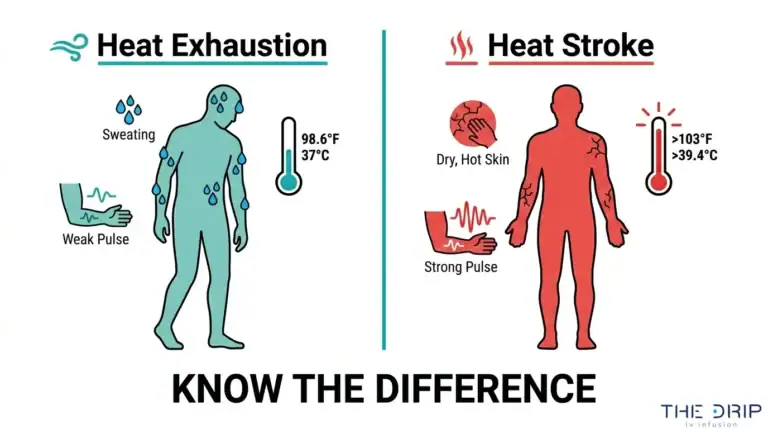
Phoenix averages 111 days per year with temperatures at or above 100°F, and most of those days fall between late May and late September. That sustained heat creates real clinical consequences. The Arizona Department of Health Services reports that approximately 4,298 people visit Arizona emergency rooms annually because of heat-related illnesses, and more than 4,320 people died from excessive heat exposure in Arizona between 2013 and 2024. Dehydration in this climate is not just uncomfortable; it can become dangerous quickly.
These environmental pressures have fueled demand for faster rehydration options. The global IV hydration therapy market reached USD 2.71 billion in 2024 and is projected to surpass USD 5.84 billion by 2034, growing at a CAGR of 7.98%, according to Precedence Research. North America captured the largest share at 47% in 2024. Within this growth, the IV hydration center industry in the United States expanded to 488 businesses by 2024.
Common IV therapy ingredients include B vitamins, vitamin C, magnesium, zinc, and glutathione, delivered in saline or electrolyte carrier fluids. Phoenix residents commonly seek these infusions for hydration, immune support, athletic recovery, hangover relief, and energy replenishment. The combination of extreme climate, an active outdoor population, and increasing consumer awareness of bioavailability makes Phoenix one of the most natural markets for IV therapy in the country.
For anyone considering this option, understanding what IV therapy actually delivers, and why local conditions make provider selection especially important, is the essential first step. The sections ahead cover credentials, treatment options, safety standards, and pricing to help guide that decision.

What Credentials Should an IV Therapy Provider Have?
An IV therapy provider should have licensed nursing staff, physician oversight, and proper Arizona business licensure. The following subsections break down each credential category to verify before booking.

Are the Nurses Licensed and Experienced in IV Administration?
The nurses administering IV therapy should be licensed and experienced in IV administration. Arizona requires that any nurse performing infusion therapy hold active licensure as an APRN, RN, or LPN, with demonstrated education, knowledge, and skills specific to IV hydration and nutrient therapies. An LPN may provide infusion therapy only when delegated by an RN or licensed independent practitioner, with written employer policies governing which medications the LPN can administer.
Beyond licensure, practical experience matters. Ask how many IV insertions the nurse has performed and whether they have emergency medicine or critical care backgrounds. Providers who cannot clearly confirm their staff’s credentials should raise immediate concern.
Does the Provider Operate Under Physician Oversight?
The provider should operate under physician oversight through a qualified medical director. According to the Goldberg Law Group’s analysis of Arizona IV therapy regulations, a licensed professional with prescriptive authority must issue individualized orders for each IV hydration session, and that professional must remain available for consultation during treatment delivery (telehealth consultation may be permissible in some circumstances).
This oversight structure protects clients in two critical ways:
- A prescribing professional evaluates each patient’s specific needs before treatment begins.
- Medical consultation remains accessible if complications arise during the infusion.
Any Phoenix IV therapy provider that skips this step is operating outside accepted medical standards.
Is the Business Properly Licensed to Operate in Arizona?
The business should be properly licensed to operate in Arizona as a healthcare institution. IV hydration is classified as a medical service, so any business offering it must obtain a health care institution license from the Arizona Department of Health Services. The only exemption applies when services are delivered through the private office or clinic of a licensed healthcare professional.
Businesses operating outside a licensed provider’s private practice must also appoint a licensed medical professional as medical director. Before booking, confirm that the provider holds current Arizona licensure and can identify their medical director by name and credentials.
With credentials verified, evaluating the range of treatments a provider offers reveals whether they can address your specific wellness needs.
What Types of IV Therapy Treatments Should a Quality Provider Offer?
The types of IV therapy treatments a quality provider should offer include hydration therapy, immune support infusions, athletic recovery drips, NAD+ therapy, weight loss support, illness and hangover recovery, and pregnancy relief infusions. Each treatment category addresses distinct health goals.

Hydration Therapy
Hydration therapy is the foundational IV treatment that delivers fluids directly into the bloodstream, bypassing the digestive system for rapid rehydration. According to the University of Rochester Medical Center, this approach achieves faster hydration compared to drinking water, which takes time to be absorbed through the gut.
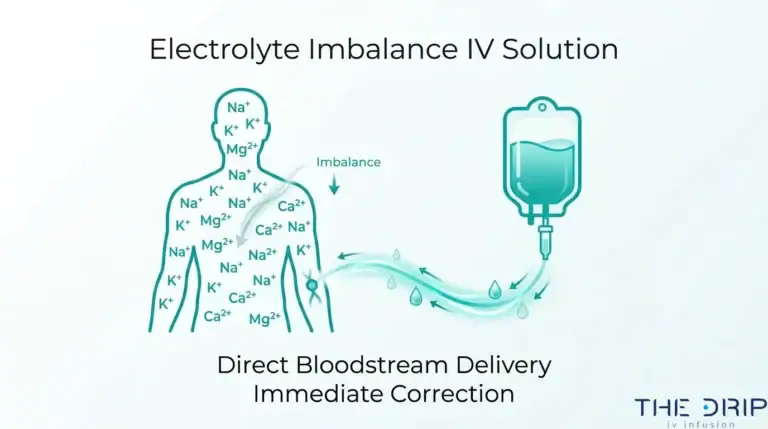
In Phoenix, where extreme heat drives significant fluid loss, hydration IV drips replenish electrolytes and restore fluid balance quickly. Common reasons people seek hydration therapy include:
- Recovery from dehydration caused by heat exposure
- Relief from jet lag and travel fatigue
- Replenishment during busy or high-stress periods
- General energy and wellness support
For Phoenix residents, hydration therapy is arguably the single most practical IV treatment to evaluate first when choosing a provider.
Immune Support Infusions
Immune support infusions deliver high-dose vitamins and antioxidants, such as vitamin C and zinc, directly into the bloodstream to support immune function. Intravenous vitamin C can achieve plasma levels up to 100 times higher than oral supplementation, according to a 2025 review published in Cureus (National Library of Medicine), offering therapeutic benefits in immune enhancement and accelerated wound healing.
These infusions are popular among frequent travelers and individuals looking to bolster their defenses during cold and flu season. While promising, it is worth noting that Cedars-Sinai has pointed out limited scientific evidence currently supporting broad immune-boosting claims for IV vitamin treatments. A quality provider should be transparent about what the evidence does and does not support.
Athletic Performance and Recovery Drips
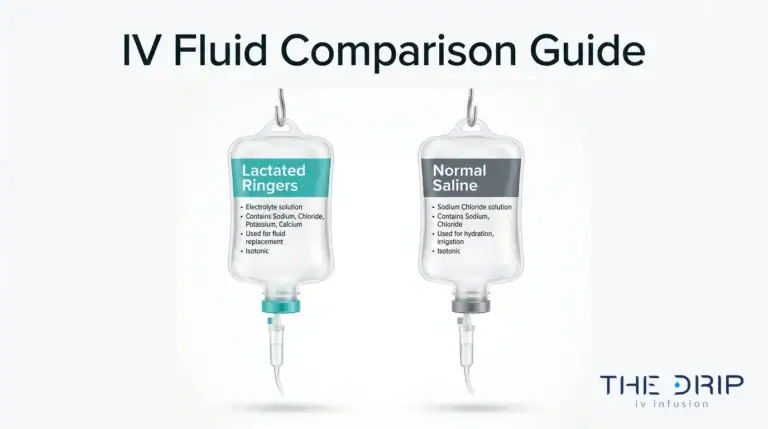
Athletic performance and recovery drips use IV fluids to rehydrate and replenish nutrients lost during intense physical activity. According to New Wave Wellness, common ingredients include normal saline or lactated Ringer’s solution as a base fluid, along with electrolytes such as sodium.
These drips often incorporate B vitamins and amino acids to support muscle repair and reduce recovery time. For Phoenix athletes training in triple-digit heat, accelerated rehydration through IV delivery can be especially valuable when oral intake alone struggles to keep pace with sweat losses.
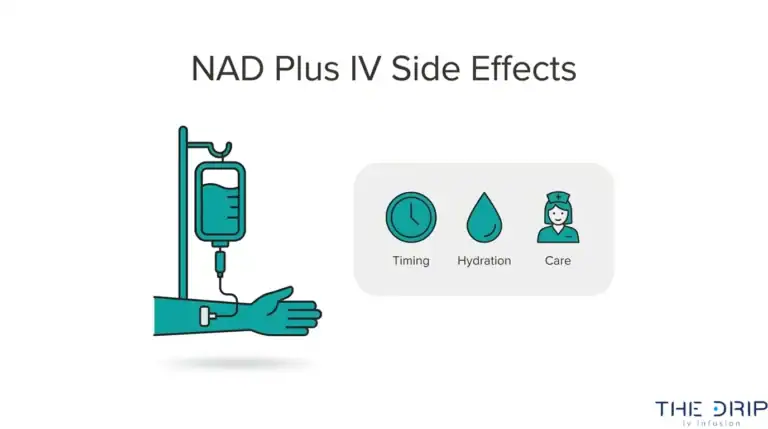
NAD+ Therapy
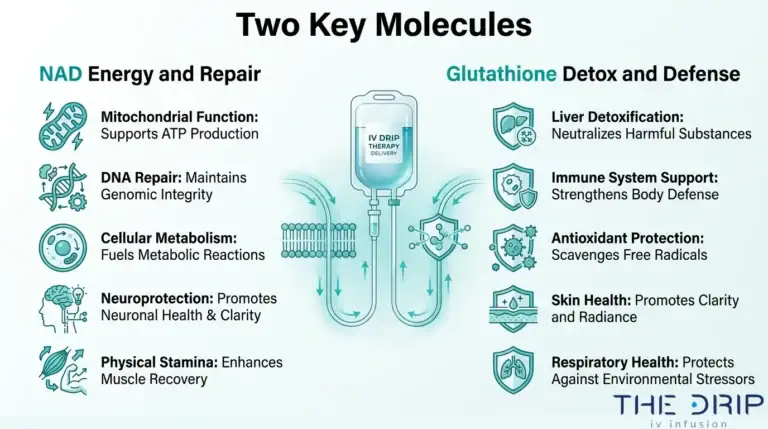
NAD+ therapy is a specialty infusion that delivers nicotinamide adenine dinucleotide directly into the bloodstream. NAD+ plays a critical role in cellular energy production, DNA repair, and metabolic function.
This treatment is commonly sought for:
- Mental clarity and cognitive restoration
- Anti-aging and cellular rejuvenation
- Addiction recovery support
- Reduced inflammation
NAD IV Therapy sessions typically cost more and take longer than standard drips, so confirming a provider offers this treatment is important if cellular health is a priority.
Weight Loss Support Infusions
Weight loss support infusions combine lipotropic compounds with IV fluids to complement diet and exercise programs. Effective formulations often contain MIC, a combination of three nutrients: L-methionine, inositol, and choline.
However, according to Healthline, there are currently no FDA-approved IV therapies for weight loss, nor any official guidelines governing this treatment type. A responsible provider should present weight loss infusions as a supportive tool rather than a standalone solution, always pairing them with lifestyle guidance.
Illness and Hangover Recovery Drips
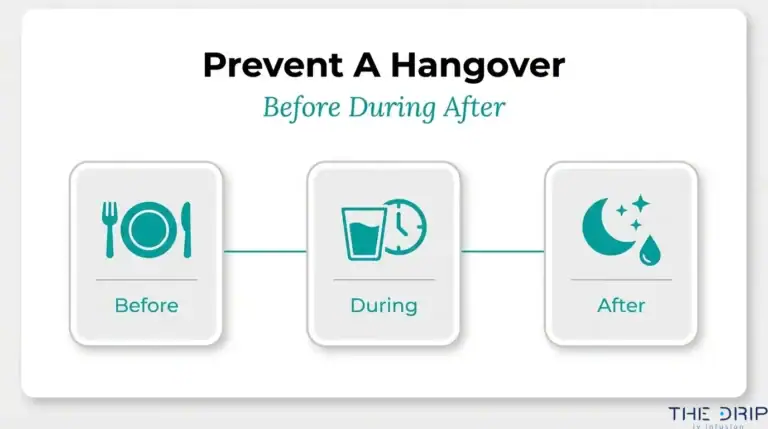
Illness and hangover recovery drips deliver fluids, electrolytes, B vitamins, and anti-nausea medications to address symptoms like dehydration, headache, and fatigue. IV delivery provides faster symptom relief than oral hydration because fluids enter the bloodstream immediately.
That said, dehydration is only one component of a hangover or illness. These drips work best as part of broader recovery, not as a complete cure. A quality provider will include supportive medications such as Zofran for nausea or Toradol for pain, tailoring the infusion to the individual’s symptoms rather than relying on a one-size-fits-all formula.
Pregnancy and Morning Sickness Relief Infusions
Pregnancy and morning sickness relief infusions provide gentle hydration and nutrient replenishment for expecting mothers experiencing nausea and vomiting. According to the American College of Obstetricians and Gynecologists, vitamin B6 is a safe, over-the-counter treatment recommended as a first-line option for pregnancy-related nausea.
IV infusions can supplement this approach when oral intake becomes difficult, restoring fluids and essential electrolytes without further upsetting the stomach. Any provider offering pregnancy infusions should require physician clearance and use only pregnancy-safe ingredients. This attention to specialized protocols is one of the clearest indicators that a provider maintains the clinical rigor needed across all treatment categories.
Should You Choose a Mobile IV Therapy Provider or a Clinic in Phoenix?
You should choose a mobile IV therapy provider or a clinic in Phoenix based on your priorities around convenience, cost, and medical complexity. Mobile services deliver treatment at your location, while clinics offer lower pricing and a controlled clinical environment. The sections below compare home-visit advantages, clinic-specific benefits, and how Phoenix heat influences the decision.

What Are the Advantages of Mobile IV Therapy at Home?
The advantages of mobile IV therapy at home include convenience, flexibility, and professional-grade care delivered in a familiar setting. According to REVIV, mobile IV therapy provides the same high-quality care as a clinic, with a trained medical professional administering the treatment at your chosen location.
Key benefits of choosing mobile IV therapy include:
- Eliminating travel time, especially when feeling dehydrated or unwell.
- Receiving treatment in a comfortable, private environment.
- Scheduling sessions around work, family, or recovery needs.
- Accessing the same nutrient formulas available at clinics, such as B vitamins, vitamin C, magnesium, zinc, and glutathione.
For anyone already dealing with fatigue or nausea, the ability to stay home rather than drive across Phoenix makes mobile service one of the most practical options available.
When Does Visiting an IV Therapy Clinic Make More Sense?
Visiting an IV therapy clinic makes more sense when cost is a primary concern or when you prefer an established medical setting. According to CA Infusion Centers, mobile IV services cost approximately $200 more per visit compared to the same treatment at a clinic.
A clinic visit is also preferable when:
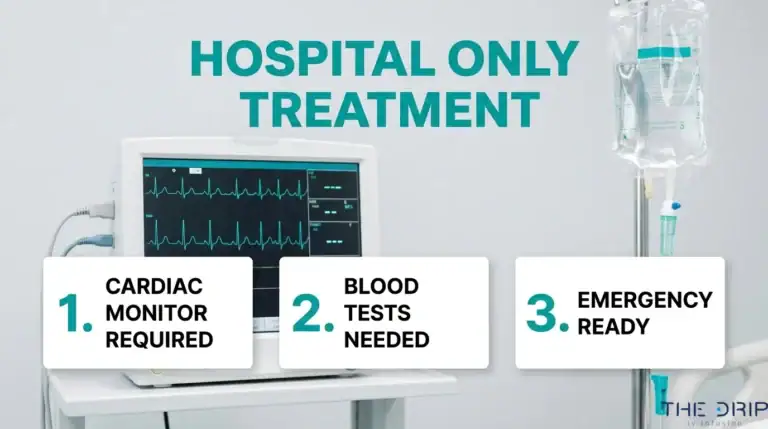
- You want access to on-site medical equipment for monitoring.
- You are trying IV therapy for the first time and prefer a supervised clinical environment.
- You plan on regular sessions and want to reduce per-visit costs over time.
Clinics with dedicated facilities can maintain tighter environmental controls for sterile preparation, which some clients find reassuring. For routine wellness infusions with predictable scheduling, the cost savings of a clinic-based provider add up quickly.
How Does the Phoenix Heat Affect the Need for Mobile Convenience?
The Phoenix heat significantly increases the need for mobile convenience because extreme temperatures make travel itself a dehydration risk. Phoenix averages 111 days per year with highs at or above 100°F, and stepping outside during peak summer months accelerates fluid loss through sweating.
Driving to a clinic while already dehydrated or heat-fatigued can worsen symptoms before treatment even begins. Mobile IV therapy eliminates that exposure entirely, bringing hydration and electrolyte replenishment directly to your door. During June through September, when heat-related emergency visits spike across Arizona, staying indoors while receiving IV fluids is both safer and more effective.
For Phoenix residents, the cost premium of mobile service often pays for itself in comfort and reduced heat exposure during the hottest months of the year.
With delivery format decided, understanding safety standards helps you evaluate any provider’s quality.
What Safety Standards Should You Look for in an IV Provider?
The safety standards you should look for in an IV provider include sterile single-use equipment, documented adverse reaction protocols, and verified fluid sourcing and storage practices. Each standard protects against infection, contamination, and complications during infusion.
Does the Provider Use Sterile Single-Use Equipment?
The provider should use sterile single-use equipment for every IV infusion session. Single-use catheters, tubing, and fluid bags eliminate cross-contamination risk between clients. The IV system should remain closed throughout the infusion; if tubing must be disconnected, aseptic technique prevents contamination, and the catheter should be capped immediately.
Ask whether the provider opens all supplies in front of you. Sealed, individually packaged components confirm that nothing has been reused or compromised. According to Pharmko, peripheral IVs should typically be replaced every 72 to 96 hours to minimize infection risks, with ongoing training and strict adherence to aseptic technique required. Any provider cutting corners on disposable supplies is a provider worth avoiding.
What Protocols Are in Place for Adverse Reactions?
The protocols in place for adverse reactions should include immediate response procedures, trained staff recognition of complications, and access to emergency medical resources. Local complications of peripheral IV therapy include pain, swelling, redness, cool skin surrounding the insertion site, and changes in IV fluid flow quality.
A reliable provider in Phoenix will have:
- A documented emergency action plan for allergic reactions and infiltration events.
- Registered nurses trained to identify early signs of phlebitis, extravasation, or fluid overload.
- Emergency medications and supplies on hand during every session.
- Clear communication procedures for contacting emergency services if needed.
Providers who cannot explain their adverse reaction protocols in detail before your session likely lack the preparation that safe IV therapy demands.
How Does the Provider Source and Store IV Fluids?
The provider sources and stores IV fluids through licensed pharmaceutical suppliers and temperature-controlled storage systems that maintain fluid integrity. IV therapy administers fluids, medications, and nutrients directly into a person’s vein, so compromised solutions pose serious health risks.
Proper sourcing means obtaining fluids from FDA-regulated compounding pharmacies or pharmaceutical distributors. According to Nurse.com, osmolarity measures the concentration of solutes in a solution, and isotonic solutions match blood osmolarity, making them ideal for maintaining fluid balance without causing shifts between compartments. This precision matters; improperly formulated or stored fluids can cause vein irritation or dangerous electrolyte imbalances.
Ask any prospective provider whether they can name their pharmacy supplier and describe their cold-chain storage process. Transparency here separates credible providers from those operating without adequate quality controls.
With safety standards confirmed, evaluating how providers personalize treatments ensures the infusion matches your specific needs.
How Do You Evaluate Customization and Add-On Options?
You evaluate customization and add-on options by confirming whether a provider allows vitamin selection, dosage modifications, and medically supervised personalization. The sections below cover ingredient flexibility and individualized dosage protocols.
Can You Customize Your IV Cocktail With Specific Vitamins?
Yes, you can customize your IV cocktail with specific vitamins at providers that offer modular add-on menus. Quality providers in Phoenix let clients select individual nutrients to enhance a base IV formula. Common add-on options include:
- Vitamin C for antioxidant and immune support
- Glutathione for detoxification
- B-complex vitamins for energy metabolism
- Zinc for cellular repair
- Magnesium for muscle recovery
Not every provider offers this level of flexibility. Some use only pre-set formulas with no modification options. According to MedlinePlus, home IV treatment allows patients to receive IV medicine outside a hospital or clinic setting, which expands where customized infusions can be delivered. Before booking, ask whether the provider’s menu includes individual add-ons or only fixed cocktails. Providers that offer both give you more control over what enters your bloodstream.
Does the Provider Offer Dosage Adjustments for Individual Needs?
Yes, a quality provider offers dosage adjustments for individual needs based on a clinical assessment before each session. Dosage personalization is not optional; it is a regulatory expectation in Arizona. According to the Goldberg Law Group, the Arizona State Board of Nursing advised that IV hydration orders must be individualized based on patient-specific needs with medical rationale, and that standing orders for elective IV therapies do not satisfy a practitioner’s duties to a patient.
This means a reputable provider should evaluate your health history, hydration status, and wellness goals before determining nutrient concentrations. Providers who skip this step and administer identical formulas to every client may not be meeting Arizona’s clinical standards.
With customization options confirmed, understanding session pricing helps you budget for the right treatment plan.
What Should You Expect to Pay for IV Therapy in Phoenix?
You should expect to pay between $100 and $500 per session for IV therapy in Phoenix, depending on the infusion type and provider. Standard hydration drips and specialty treatments like NAD+ fall at different price points.
How Much Does a Standard Hydration IV Cost in Phoenix?
A standard hydration IV costs between $200 and $500 per visit in Phoenix. According to YA Medical, this price range typically includes the medical consultation alongside the infusion itself. Several factors influence where a session falls within that range:
- Base fluid type and volume of saline or electrolyte solution used.
- Whether vitamins or minerals are included in the drip.
- The provider’s location, staffing model, and overhead costs.
- Mobile delivery versus in-clinic pricing, since mobile services often carry a premium.
For straightforward rehydration without specialty add-ons, most Phoenix residents can expect to land closer to the lower end of that range. Comparing itemized pricing across providers before booking remains one of the most practical ways to avoid overpaying.
How Much Do Specialty Infusions Like NAD+ Cost in Phoenix?
Specialty infusions like NAD+ cost significantly more than standard hydration drips in Phoenix. NAD IV Therapy sessions typically range from $400 to over $1,000, depending on dosage, infusion time, and delivery method. The extended infusion duration, which can last several hours for higher doses, drives much of the added cost.
Other specialty add-ons also increase the total. According to Skin Social Spa, glutathione pushes and high-dose vitamin C carry additional charges on top of the base session price, which itself ranges from $100 to $400 depending on the formula and provider. When budgeting for specialty infusions, always ask whether the quoted price includes add-ons or lists them separately.
Understanding pricing helps you evaluate whether a provider offers fair value for your specific treatment goals.
How Important Are Reviews and Reputation When Choosing a Provider?
Reviews and reputation are critically important when choosing an IV therapy provider because they reveal real patient experiences with safety, professionalism, and results. This section covers what to look for in online feedback and how reputation signals trustworthy care.
Choosing an IV therapy provider in Phoenix requires more than comparing menus and prices. Patient reviews offer unfiltered insight into how a provider handles everything from vein access to post-infusion follow-up. In a market where regulatory oversight varies significantly, since a 2024 JAMA Network analysis found that not a single state had enacted legislation specifically regulating IV hydration spas as of June 2024, reputation becomes one of the most reliable filters available to consumers. Look for consistent patterns across reviews, not isolated comments. Repeated mentions of licensed nurses, clean equipment, thorough intake processes, and transparent pricing indicate a provider that prioritizes patient safety. Conversely, recurring complaints about rushed sessions, unclear ingredient lists, or difficulty reaching staff after treatment should raise concerns.
When evaluating an IV therapy provider in Phoenix, prioritize these reputation signals:
- Verified patient reviews on Google, Yelp, and health-specific platforms that describe the clinical experience in detail.
- Consistent praise for staff credentials, particularly mentions of registered nurses with IV administration experience.
- Transparent responses to negative reviews, which demonstrate accountability and a commitment to resolving issues.
- Before-and-after documentation or detailed service descriptions on the provider’s website that align with what reviewers describe.
- Longevity and community presence, indicating sustained quality rather than a short-lived operation.
A provider’s willingness to share credentials, answer questions openly, and maintain a visible track record speaks volumes. In my experience, the providers worth trusting are the ones whose online reputation matches what you encounter in person; consistency between reviews and reality is the strongest trust signal in this industry. Understanding how to vet a provider’s reputation prepares you to ask the right questions before booking.
What Questions Should You Ask Before Booking Your First Session?
The questions you should ask before booking your first session cover credentials, safety protocols, ingredient sourcing, customization, and cost transparency. Asking the right questions separates reputable IV therapy providers from unregulated ones.
Before scheduling any infusion in Phoenix, use this checklist to evaluate any provider you are considering:
- Who administers the IV? Confirm that a licensed registered nurse or advanced practice registered nurse performs the infusion. Ask whether the nurse has specific training in IV insertion and infusion monitoring.
- Is there physician oversight? A licensed professional with prescriptive authority should issue individualized orders for your treatment and remain available for consultation during your session.
- What ingredients are in the drip? Request a full list of vitamins, electrolytes, and carrier fluids. Ask where these components are sourced and how they are stored before administration.
- Is the equipment single-use and sterile? Every catheter, tubing set, and fluid bag should be sealed, single-use, and opened in front of you.
- What happens if I have a reaction? The provider should have a documented adverse reaction protocol, including access to emergency medications and a clear escalation plan.
- Can the formula be customized? According to a Goldberg Law Group analysis of Arizona State Board of Nursing guidance, IV hydration orders must be individualized based on patient-specific needs, meaning generic standing orders do not meet Arizona’s standard of care.
- What is the total cost? Ask whether the quoted price includes the medical consultation, all add-ons, and any travel fees for mobile service.
- Is the business properly licensed? In Arizona, IV hydration businesses must hold a health care institution license from the Arizona Department of Health Services unless they operate through a licensed healthcare professional’s private office.
Any provider unwilling to answer these questions directly is not worth your time. Transparency at the booking stage reflects how a practice operates during treatment, so treat hesitation as a warning sign.
With these questions answered, finding a provider that matches your specific wellness goals becomes straightforward.
How Can Mobile IV Therapy in Phoenix Meet Your Wellness Goals?
Mobile IV therapy in Phoenix can meet your wellness goals by delivering hydration, vitamins, and nutrient infusions directly to your home. The following sections cover how The Drip IV Infusion can help you get started and what to remember when selecting a provider.
Can The Drip IV Infusion’s At-Home Service Help You Get Started?
Yes, The Drip IV Infusion’s at-home service can help you get started with mobile IV therapy across the Phoenix metro area. Founded in Fall 2022 by professionals with decades of experience in nursing and emergency medicine, The Drip IV Infusion brings a full menu of IV cocktails, specialty treatments like NAD+ therapy and semaglutide, and customizable add-ons directly to your location.Each session takes approximately one hour and is administered by a licensed infusion specialist.The Drip IV Infusion operates from multiple locations in Phoenix and Gilbert, making scheduling convenient whether you need hydration support, immune boosting, athletic recovery, morning sickness relief, or other wellness goals. You can book online at thedripivinfusion.com or call +1.602.341.3511.
What Are the Key Takeaways for Choosing an IV Therapy Provider in Phoenix?
The key takeaways for choosing an IV therapy provider in Phoenix center on credentials, safety, treatment variety, and transparent pricing. Before booking, keep these priorities in mind:
- Verify that a licensed registered nurse administers every infusion and that the provider operates under proper physician oversight with individualized treatment orders.
- Confirm the business holds appropriate Arizona Department of Health Services licensing and follows strict aseptic protocols with sterile, single-use equipment.
- Look for a diverse treatment menu that matches your specific wellness goals, with options to customize vitamins and dosages.
- Understand pricing upfront; standard IV sessions in Phoenix typically range from $150 to $500 depending on the formula and add-ons, according to YA Medical.
- Read verified reviews and ask about adverse reaction protocols before your first appointment.
Choosing a provider that checks every one of these boxes is the most reliable way to ensure safe, effective results. The Drip IV Infusion meets each of these standards and brings the added convenience of mobile service throughout Phoenix.