Dehydration in elderly adults is a fluid deficit caused by age-related declines in kidney function, thirst perception, and total body water, all of which make older adults more susceptible to dangerous fluid loss. Arizona’s arid climate compounds this risk for snowbirds who relocate from humid regions into desert conditions where insensible water loss accelerates through skin and respiration, often without triggering thirst.
This guide covers age-related vulnerability factors, early warning signs and symptom recognition, daily prevention strategies, caregiver support systems, medical complications of untreated dehydration, and the role of IV hydration services.
Aging lowers the body’s water reserves (50 to 60 percent of body weight in older adults versus 75 percent in infants) while reducing the kidneys’ ability to conserve fluid. Medications like diuretics and anticholinergics further elevate loss, and many seniors deliberately restrict water to avoid incontinence.
Dehydration symptoms in seniors, including confusion, dark urine, dizziness, and rapid heartbeat, frequently overlap with dementia or general age-related decline. This overlap makes the condition one of the most commonly missed diagnoses in elderly care, requiring objective checks like urine color rather than relying on subjective thirst.
Adequate daily intake starts at 2.0 L for women and 2.5 L for men, supplemented by water-rich foods like cucumbers (96% water) and watermelon (92% water). Structured drink schedules and environmental prompts reduce the gap between intention and actual consumption.
Caregivers serve as the front line by monitoring intake, adapting home environments, and recognizing when oral hydration is no longer sufficient. When seniors cannot drink due to vomiting, dysphagia, or altered mental status, clinically supervised IV fluid replacement becomes the preferred intervention.
What Unique Factors Make Elderly Adults More Vulnerable to Dehydration?
Elderly adults are more vulnerable to dehydration because aging reduces kidney concentrating ability, blunts thirst perception, and increases chronic disease burden. The following subsections cover how aging changes hydration physiology, why Arizona snowbirds face compounded risk, and which lifestyle habits accelerate fluid loss.

How Does Aging Affect Hydration in the Body?
Aging affects hydration in the body through several overlapping physiological changes. Older kidneys lose concentrating ability, which makes conserving water harder and increases baseline fluid loss. Total body water also decreases with age; water comprises roughly 50 to 60 percent of an older person’s body weight compared to about 75 percent in infants.
These kidney and composition shifts have measurable consequences. According to a peer-reviewed study published in Psychology and Aging by the American Psychological Association, higher dehydration was associated with steeper decline in cognitive functioning and well-being over time. Arizona’s arid climate compounds these risks because low humidity accelerates insensible water loss through skin and respiration, often without the person feeling thirsty.
Why Are AZ Snowbirds at Increased Risk for Dehydration?
AZ snowbirds are at increased risk for dehydration because they relocate from humid climates into Arizona’s extreme aridity, and their bodies may not adjust quickly enough. Maricopa County identified 608 heat-related deaths in 2024 alone, with older adults consistently among the most affected groups.
Seasonal visitors often underestimate how rapidly dry desert air depletes fluids, especially during shoulder-season months when temperatures still exceed 90°F. As the ESPEN practical guideline states, “All older persons should be considered to be at risk of low-intake dehydration and encouraged to consume adequate amounts of drinks.” For snowbirds unfamiliar with local conditions, that general risk climbs considerably.
What Lifestyle Habits May Contribute to Dehydration in Older Adults?
Lifestyle habits that may contribute to dehydration in older adults include deliberate fluid restriction, caffeine-heavy beverage choices, and physical activity without compensatory intake. Many seniors limit water to avoid frequent urination or incontinence episodes. The National Institute on Aging advises avoiding caffeinated coffee, tea, and sodas that increase urination, while emphasizing that water itself should never be restricted.
A study indexed in PubMed found that when challenged by fluid deprivation or exercise in a warm environment, older adults exhibit decreased thirst sensation and reduced fluid intake. Commonly prescribed medications, including diuretics, anticholinergic agents, and certain psychotropic drugs, further elevate dehydration risk. Recognizing these habit-driven factors is the first step toward building consistent hydration routines.
Understanding these vulnerability factors helps explain why early symptom recognition matters for every senior.
What Are the Early Warning Signs and Symptoms of Dehydration in Seniors?
The early warning signs and symptoms of dehydration in seniors include dry mouth, dark urine, confusion, dizziness, and fatigue. Below, we cover what caregivers should watch for, how symptoms differ from younger adults, and when to seek medical attention.

What Physical and Behavioral Changes Should Caregivers Watch For?
The physical and behavioral changes caregivers should watch for include:
- Decreased urine output or dark amber-colored urine, which signals concentrated waste and insufficient fluid
- Dry mouth and cracked lips, often missed when seniors breathe through the mouth
- Increased irritability or sudden confusion, sometimes mistaken for cognitive decline
- Dizziness when standing, a sign of orthostatic blood pressure changes from low fluid volume
- Unusual fatigue or listlessness, where a normally active senior becomes withdrawn or sleepy
- Loss of appetite, since dehydration frequently suppresses hunger before thirst registers
Arizona’s low humidity accelerates insensible water loss through skin and breathing, even during mild winter months. Caregivers should not wait for a senior to report feeling thirsty; by that point, fluid deficit may already be significant.
How Can Dehydration Symptoms Differ in Elderly vs. Younger Adults?
Dehydration symptoms differ in elderly vs. younger adults because age-related physiological changes mask, delay, or alter the body’s typical warning signals.
Younger adults usually feel thirst early and produce noticeably darker urine. Older adults, however, exhibit a blunted thirst response. According to a study indexed by PubMed on the influence of age on thirst, older adults demonstrate decreased thirst sensation and reduced fluid intake when challenged by fluid deprivation, hyperosmotic stimuli, or exercise in warm environments.
Several bedside signs also lose reliability with age. Reduced skin elasticity from collagen loss makes the skin turgor test unreliable. Sunken eyes may reflect periorbital fat loss rather than dehydration. Confusion, a hallmark symptom in seniors, rarely appears in mildly dehydrated younger adults. This overlap with dementia symptoms makes dehydration one of the most frequently missed conditions in elderly care, which is why objective measures like urine color and serum osmolality matter more than subjective complaints.
When Should Dehydration Symptoms Prompt Medical Attention?
Dehydration symptoms should prompt medical attention when they progress beyond mild thirst and dry mouth into signs of moderate or severe fluid deficit. Seek urgent care if a senior experiences:
- Confusion, disorientation, or unusual sleepiness that is difficult to reverse
- Rapid heartbeat or rapid breathing at rest
- Little to no urine output over several hours
- Skin that feels cold, or appears pale, grey, or blotchy
- Fainting, inability to stand, or loss of consciousness
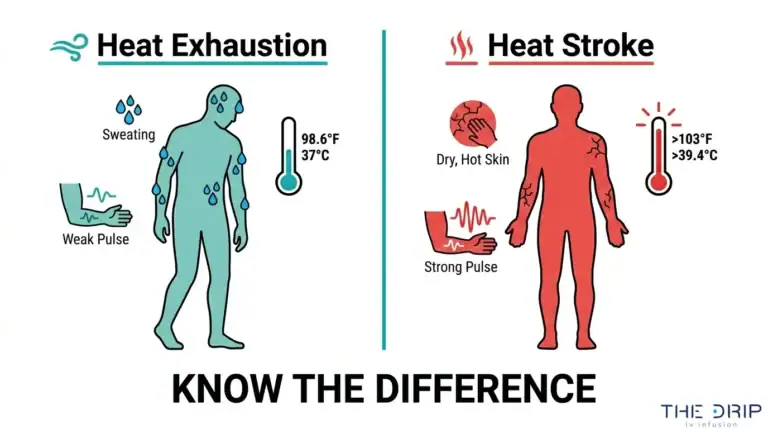
Mild dehydration often responds to increased oral fluids. However, when a senior cannot keep liquids down due to vomiting, refuses to drink, or shows altered mental status, oral rehydration alone may be insufficient. In these cases, intravenous or subcutaneous fluid replacement under clinical supervision becomes the preferred route. Do not delay; dehydration in older adults can escalate to heat stroke, kidney injury, or hospitalization within hours, particularly in Arizona’s arid climate.
Understanding when symptoms cross from manageable to urgent helps caregivers choose the right level of intervention before complications develop.
What Steps Can Elderly Individuals Take to Prevent Dehydration While Wintering in AZ?
Elderly individuals can prevent dehydration while wintering in AZ by setting daily fluid targets, eating water-rich foods, and adjusting intake during higher-risk activities. The sections below cover daily water goals, hydrating foods and drinks, and situations that raise fluid needs for snowbirds.

How Much Water Should Seniors Aim to Drink Daily?
Seniors should aim to drink at least 2.0 L per day for women and 2.5 L per day for men, according to the EFSA Panel on Dietetic Products, Nutrition, and Allergies, which defines the same adequate intakes for elderly adults as for younger adults. A simple self-check: pale yellow urine signals adequate hydration, while darker color suggests even slight dehydration.
Key considerations for hitting daily targets:
- Limit caffeinated coffee, tea, and sodas, which may increase urination and offset fluid gains.
- Seniors with heart failure may need to restrict liquids; consult a healthcare professional for individualized guidance.
- Use timed drinking routines or a visible water bottle to build consistency throughout the day.
Structured prompting works. One clinical intervention showed 75% of patients improved water consumption, with a 62% increase in fluid volume and 83% drinking independently. For snowbirds adjusting to Arizona’s dry air, building these habits early in the season prevents a slow slide into chronic underhydration.
What Foods and Drinks Can Help Promote Better Hydration?
Foods and drinks that help promote better hydration include water-rich produce, electrolyte beverages, and broth-based meals. Whole fruits and vegetables contribute meaningful fluid volume beyond what seniors drink directly.
Top hydrating food choices:
- Cucumbers contain 96% water, according to the USDA SNAP-Ed Connection.
- Watermelon is 92% water, making it one of the most effective hydrating snacks available.
- Strawberries, celery, lettuce, and zucchini each exceed 90% water content.
- Broths and soups deliver both fluid and sodium, supporting electrolyte balance.
Oral rehydration solutions provide a glucose-electrolyte combination that enhances intestinal water absorption more effectively than plain water alone. For seniors who resist drinking large volumes, pairing small sips with water-dense snacks throughout the day is one of the most practical strategies I recommend for maintaining steady hydration.
Which Situations or Activities Increase Hydration Needs for Snowbirds?
Situations and activities that increase hydration needs for snowbirds include outdoor recreation, air-conditioned environments, travel days, and illness episodes. Arizona’s arid climate accelerates insensible water loss through skin and respiration, even during cooler winter months.
Common high-risk scenarios:
- Hiking, golf, and desert walks combine physical exertion with low humidity, increasing sweat and respiratory fluid loss.
- Extended time in air-conditioned spaces dries mucous membranes and reduces thirst perception.
- Driving long distances between Arizona destinations delays regular drinking habits.
- Gastrointestinal illness or fever sharply raises fluid requirements above baseline intake.
- Diuretics, anticholinergic agents, and certain psychotropic medications compound fluid loss.
According to research compiled by McGill University’s Department of Family Medicine, effective strategies include regular hydration cart rounds, scheduled “happy hours” with preferred beverages, and direct prompting to drink. For snowbirds living independently, translating these institutional tactics into personal routines, such as setting phone alarms or keeping a filled water bottle at every sitting area, closes the gap between intention and actual intake.
With prevention habits established, caregivers and loved ones play a critical role in reinforcing these strategies daily.
How Can Loved Ones and Caregivers Support Seniors in Staying Hydrated?
Loved ones and caregivers can support seniors in staying hydrated through consistent monitoring, environmental changes, and barrier removal. The sections below cover practical reminder strategies, home adaptations, and solutions for common hydration obstacles.

What Practical Tips Help Monitor and Remind Seniors to Drink Fluids?
Practical tips that help monitor and remind seniors to drink fluids include scheduled drink rounds, visual cues, and offering preferred beverages throughout the day. When a senior refuses to drink, caregivers can try flavored water, popsicles, broths, or water-rich fruits like watermelon and cucumbers.
Effective monitoring strategies include:
- Setting timed reminders or alarms for fluid intake every one to two hours.
- Keeping a simple written log of drinks consumed each day.
- Placing a filled, easy-grip water bottle within arm’s reach at all times.
- Offering small, frequent sips rather than large glasses, which feel less overwhelming.
- Rotating between water, herbal tea, diluted juice, and broth to prevent taste fatigue.
If oral intake remains insufficient despite these efforts, a licensed provider can evaluate the need for IV hydration. According to the Arizona State Board of Nursing, registered nurses, licensed practical nurses, and advanced practice registered nurses may administer IV fluids when authorized by a valid order from a licensed provider with prescriptive authority.
How Can You Adapt Home Environments to Encourage Hydration?
You can adapt home environments to encourage hydration by making fluids visible, accessible, and appealing in every room a senior uses. Small environmental changes reduce the physical and cognitive effort required to drink.
Key home adaptations include:
- Placing water stations in the living room, bedroom, bathroom, and kitchen.
- Using clear or brightly colored cups so fluid levels are easy to see.
- Keeping a pitcher of infused water (with lemon or cucumber) on the counter as a visual prompt.
- Positioning beverages next to medications, remote controls, or reading materials as habit-linked cues.
An NHS England case study on improving hydration awareness in Torbay and South Devon care homes found that structured drink rounds and environmental prompts reduced falls requiring hospital admission by 63% and urinary tract infections requiring antibiotics by 18.5% between May 2021 and November 2022. Even modest home adjustments that mirror these institutional strategies can meaningfully improve daily intake.
What Are Common Barriers to Hydration and How Can They Be Overcome?
Common barriers to hydration in seniors are diminished thirst perception, fear of incontinence, difficulty swallowing, medication side effects, and cognitive decline. Each barrier requires a targeted approach.
- Reduced thirst: Offer fluids on a schedule rather than waiting for the senior to feel thirsty.
- Incontinence concerns: Reassure seniors that limiting water worsens concentrated urine and bladder irritation; distribute fluids earlier in the day instead of restricting them.
- Dysphagia: Provide thickened liquids, smoothies, or gelatin-based options recommended by a speech therapist.
- Medications: Diuretics, anticholinergics, and certain psychotropic drugs increase fluid loss; coordinate with the prescribing provider to adjust timing or compensate with extra fluids.
- Cognitive decline: Use consistent routines, labeled cups, and caregiver-assisted drink rounds.
Because dehydration and heat stroke are life-threatening when left untreated, as noted by Johns Hopkins Medicine, overcoming these barriers is not optional. For caregivers, recognizing which specific barrier a loved one faces is the single most important step toward solving it.
With consistent caregiver support in place, professional hydration services can fill the gaps when oral intake alone falls short.
What Are the Dangers and Complications of Untreated Dehydration in the Elderly?
The dangers and complications of untreated dehydration in the elderly include chronic organ damage, cognitive decline, increased fall risk, and potentially life-threatening emergencies. The following sections cover the medical conditions that develop, how brain function and mobility suffer, and how severe cases are treated.
What Medical Conditions Can Result from Chronic Dehydration?
The medical conditions that can result from chronic dehydration include urinary tract infections, kidney stones, heat stroke, and worsening of existing heart or kidney disease. Persistent fluid deficit concentrates waste products in the kidneys, accelerating stone formation and reducing renal function over time.
According to Johns Hopkins Medicine, dehydration and heat stroke are two very common heat-related diseases that can be life-threatening if left untreated. For older adults already managing conditions such as hypertension or diabetes, even mild chronic dehydration compounds organ stress. Repeated episodes also raise the likelihood of hospitalization, which carries its own cascade of complications for seniors, including infections and muscle deconditioning.
How Does Dehydration Affect Cognitive Health and Mobility?
Dehydration affects cognitive health and mobility by reducing blood volume, which limits oxygen delivery to the brain and destabilizes blood pressure during movement. Even moderate fluid loss can trigger confusion, slowed reaction times, and impaired short-term memory in older adults.
A study published in Psychology and Aging by the American Psychological Association revealed that higher dehydration was associated with steeper decline in cognitive functioning and well-being over time, with lower well-being among those with higher body mass index. Reduced blood volume also causes orthostatic hypotension, the sudden drop in pressure upon standing that leads to dizziness and falls. For seniors living independently in Arizona, this combination of mental fog and unsteady gait is particularly dangerous, since a single fall can result in hip fractures or head injuries that permanently reduce quality of life.
How Is Severe Dehydration Treated in Older Adults?
Severe dehydration is treated in older adults through a combination of oral rehydration and, when necessary, intravenous fluid replacement under clinical supervision. The treatment approach depends on how far the dehydration has progressed and whether the patient can safely swallow.
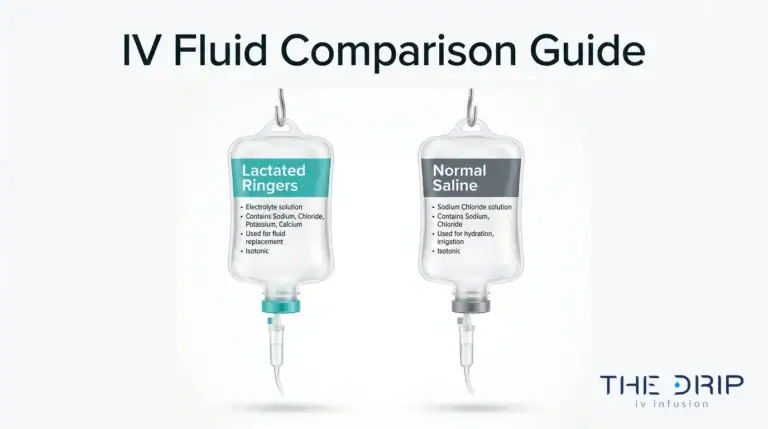
For mild to moderate cases, oral rehydration remains the first-line intervention. According to the World Health Organization, dehydration can be treated simply, effectively, and cheaply in all age groups by giving patients an adequate glucose-electrolyte solution called Oral Rehydration Salts (ORS). When patients cannot drink due to vomiting, confusion, or mental status changes, IV hydration becomes the preferred route. Clinicians typically administer isotonic saline or balanced electrolyte solutions while monitoring sodium correction rates to avoid complications. Early intervention at either level prevents the cascade into organ failure or hospitalization.
Understanding how severe dehydration is managed highlights why accessible hydration support matters for elderly snowbirds.
How Can IV Hydration Services Support Hydration and Wellness for Elderly Snowbirds?
IV hydration services can support hydration and wellness for elderly snowbirds by delivering fluids directly into the bloodstream when oral intake is insufficient or unsafe. The following subsections cover the benefits and limitations of IV therapy for seniors, how The Drip IV Infusion approaches elderly hydration, and key takeaways from this article.
What Are the Benefits and Limitations of IV Therapy for Seniors Experiencing Dehydration?
The benefits of IV therapy for seniors experiencing dehydration include rapid fluid restoration, electrolyte correction, and bypassing the gastrointestinal tract entirely. This last advantage matters significantly for patients diagnosed with dysphagia, who can experience malnutrition, pneumonia, and dehydration when swallowing is compromised, according to Mayo Clinic Proceedings.
IV hydration also addresses situations where oral rehydration is not feasible. In severe hypernatremia or in patients unable to drink because of continued vomiting or mental status changes, IV hydration is the preferred route.
Limitations include:
- IV therapy requires patient-specific clinical authorization from a licensed provider.
- Monitoring for fluid overload is essential, particularly in seniors with heart failure or kidney disease.
- IV hydration treats acute fluid deficits; it does not replace daily oral hydration habits.
For most elderly snowbirds, oral rehydration solutions remain the first-line approach. IV therapy is best reserved for clinical scenarios where drinking is impractical or dangerous.
Can The Drip IV Infusion Help Elderly Adults Maintain Better Hydration?
Yes, The Drip IV Infusion can help elderly adults maintain better hydration through mobile IV therapy services delivered directly to a client’s home. This convenience removes transportation barriers that many seasonal residents face, especially during Arizona’s extreme heat months when leaving home carries additional risk.
The Drip IV Infusion was founded by professionals with decades of experience in nursing, emergency medicine, home health, and IV medical techniques. Every infusion session requires a valid order prescribed by a licensed provider with prescriptive authority, consistent with the Arizona State Board of Nursing’s scope of practice guidelines for IV fluid administration.
Subcutaneous hydration, known as hypodermoclysis, offers an alternative fluid route in suitable patients who may not need full intravenous access. However, The Drip IV Infusion focuses on intravenous delivery for maximum absorption and immediate benefit. Seniors considering IV hydration should always consult their healthcare provider first to determine whether their condition warrants this approach.
What Are the Key Takeaways About Dehydration in Elderly Adults: Signs & Prevention (AZ Snowbird Angle) We Covered?
The key takeaways about dehydration in elderly adults that we covered center on three actionable themes: recognition, prevention, and knowing when to escalate care.
- Aging reduces thirst perception, kidney concentrating ability, and total body water, making dehydration harder to detect and easier to develop.
- Arizona’s arid climate accelerates insensible water loss, placing snowbirds at compounded risk during both winter shoulder seasons and summer months.
- Warning signs in seniors, such as confusion, dark urine, dizziness, and rapid heartbeat, often overlap with other age-related conditions and can be easily missed.
- Daily oral hydration through water, electrolyte solutions, and water-rich foods like watermelon (92% water) remains the foundation of prevention.
- Caregivers play a critical role by monitoring intake, adapting home environments, and recognizing when oral strategies are no longer sufficient.
- IV hydration services provide a clinical option when seniors cannot drink due to vomiting, dysphagia, or cognitive decline, but always require licensed provider authorization.