Electrolyte imbalance is a condition in which essential charged minerals (sodium, potassium, magnesium, calcium, chloride, phosphate, and bicarbonate) fall outside their normal concentration ranges in the body, disrupting nerve signaling, muscle contraction, heart rhythm, and fluid balance. IV therapy addresses electrolyte imbalance by delivering fluids and minerals directly into the bloodstream, bypassing the digestive system for immediate, controlled correction.
This guide covers electrolyte physiology and symptom recognition, causes and diagnostic methods, complications of untreated imbalance, treatment and IV correction protocols, and prevention strategies for everyday life.
Sodium and potassium maintain sharp concentration gradients across cell membranes that power nerve impulses and muscle contractions. When levels shift outside normal range, symptoms can progress from subtle fatigue and nausea to seizures, cardiac arrhythmias, and coma.
Recognizing symptom severity determines whether home care is sufficient or emergency intervention is required. Mild signs like cramping and dizziness overlap with everyday discomfort, which allows treatable imbalances to escalate when dismissed.
Dietary gaps, dehydration, chronic kidney disease, heart failure, and medications such as thiazide diuretics and ACE inhibitors all disrupt electrolyte regulation. Blood panels, urine analysis, and EKG tracings help providers pinpoint which mineral is affected and why.
Left untreated, imbalances increase mortality risk, ICU admission rates, and long-term organ damage. Oral rehydration resolves mild cases, but IV therapy becomes necessary when patients cannot absorb fluids orally or when rapid, precise correction is required under clinical monitoring.
Consistent hydration, a mineral-rich diet, and routine lab monitoring for high-risk individuals remain the most practical prevention tools. When prevention falls short, professional IV infusion offers the precision and safety that at-home remedies cannot match.
What Are Electrolytes and Why Are They Important for the Body?
Electrolytes are minerals that carry an electric charge when dissolved in body fluids. The sections below cover which major electrolytes matter most, how they support nerve and muscle function, and what happens when levels shift outside normal range.
Which Major Electrolytes Affect Body Functions?
The major electrolytes that affect body functions are sodium, potassium, chloride, calcium, magnesium, phosphate, and bicarbonate. Sodium and potassium play the most prominent roles in fluid distribution across cell membranes.
According to the Merck Manual Professional Edition, nearly two-thirds of total body water sits inside cells (intracellular fluid), while the remaining one-third is extracellular. Potassium dominates intracellular fluid at roughly 140 mEq/L, whereas extracellular potassium ranges from just 3.5 to 5 mEq/L. Sodium follows the opposite pattern: 12 mEq/L inside cells and approximately 140 mEq/L outside them.
This sharp concentration gradient between intracellular and extracellular compartments is what drives nerve signaling, fluid balance, and cellular energy exchange. Even small deviations in these levels can trigger clinically significant symptoms.

How Do Electrolytes Contribute to Nerve and Muscle Health?
Electrolytes contribute to nerve and muscle health by generating the electrical impulses required for signal transmission and contraction. As the U.S. National Library of Medicine explains, these charged minerals perform several essential roles:
- Balancing body water and acid/base (pH) levels
- Moving nutrients into cells and wastes out
- Supporting muscle contraction and nerve signaling
- Keeping heart rate and rhythm steady
- Stabilizing blood pressure
- Maintaining bone and tooth integrity
Potassium is especially critical. The NIH Office of Dietary Supplements notes that recommended daily potassium intake is 3,400 mg for adult men and 2,600 mg for adult women. Without adequate potassium, kidney function, cardiac rhythm, and neuromuscular coordination all suffer. For most people, consistent dietary intake matters more than occasional supplementation.
What Happens When Electrolyte Levels Become Abnormal?
Abnormal electrolyte levels disrupt the electrical gradients cells depend on, producing symptoms that range from mild fatigue to life-threatening cardiac events. The specific consequences depend on which electrolyte is out of range and how far it has shifted.
Common abnormalities and their effects include:
- Hyponatremia (low sodium): nausea, headache, confusion, seizures, and coma in severe cases
- Hypernatremia (high sodium, above 145 mEq/L): intense thirst, neuromuscular excitability, confusion, and seizures
- Hypokalemia (low potassium): muscle weakness, cramping, and irregular heartbeat
- Hyperkalemia (high potassium): abnormal heart rhythms requiring emergency treatment
Because these imbalances can escalate quickly, early recognition and proper correction are essential. Understanding how symptoms present at different severity levels helps determine whether oral rehydration or clinical intervention is needed.
What Are the Common Symptoms of Electrolyte Imbalance?
The common symptoms of electrolyte imbalance range from mild fatigue and nausea to life-threatening seizures and cardiac arrest. Recognizing where symptoms fall on this spectrum determines whether home care is sufficient or emergency intervention is needed.
How Can Mild or Early-Stage Symptoms Present?
Mild or early-stage symptoms can present as subtle, easily overlooked complaints that mimic general fatigue or minor illness. According to a clinical guideline from the Society for Endocrinology, mild hyponatremia (sodium 130–135 mmol/L) may produce moderately severe symptoms, including nausea without vomiting, confusion, and headache.
Other early warning signs include:
- Muscle cramps or twitching, especially during or after physical activity
- General weakness or fatigue that rest does not resolve
- Mild dizziness or lightheadedness when standing
- Increased thirst paired with dry mouth
- Irregular bowel habits, such as constipation
These symptoms often go unaddressed because they overlap with everyday discomfort. That tendency to dismiss early signals is precisely what allows a mild imbalance to progress into something far more dangerous.
What Are the Signs of Severe or Life-Threatening Imbalances?
The signs of severe or life-threatening imbalances include cardiac arrhythmias, seizures, loss of consciousness, and cardiorespiratory arrest. According to the American Heart Association, severe hyperkalemia can cause abnormal heart rhythms that require emergency treatment, particularly when an EKG shows cardiac disturbances.
Key severe symptoms to recognize:
- Persistent vomiting that prevents oral rehydration
- Seizures or involuntary muscle contractions
- Profound confusion, disorientation, or reduced consciousness progressing toward coma
- Chest pain or palpitations signaling cardiac rhythm changes
- Breathing difficulty linked to respiratory muscle impairment
Profound hyponatremia (sodium below 125 mmol/L) carries the highest neurological risk. At this stage, the body can no longer compensate on its own, and delays in treatment directly worsen outcomes.

When Should You Seek Immediate Medical Help for Symptoms?
You should seek immediate medical help for symptoms when you experience any combination of cardiac irregularities, seizures, persistent vomiting, or altered consciousness. These signs indicate that electrolyte levels have shifted beyond what the body can self-correct.
Situations that warrant emergency care include:
- Heart palpitations or chest tightness, especially with known risk factors
- Sudden onset confusion or inability to stay alert
- Seizure activity with no prior history of epilepsy
- Vomiting that makes it impossible to keep fluids down
- Muscle paralysis or severe weakness affecting mobility
Do not wait for symptoms to resolve on their own when multiple warning signs appear simultaneously. A simple blood panel can confirm whether electrolyte levels have reached dangerous thresholds, and early intervention significantly reduces the risk of organ damage.
Understanding these symptom tiers helps clarify what causes electrolyte levels to shift in the first place.
What Causes Electrolyte Imbalances in the Body?
Electrolyte imbalances in the body are caused by dietary gaps, inadequate hydration, chronic illnesses, and certain medications. The sections below cover how diet and fluid intake, medical conditions, and prescription drugs each disrupt electrolyte balance.
Are Diet and Hydration Key Factors in Electrolyte Balance?
Diet and hydration are key factors in electrolyte balance because the body relies on consistent intake of minerals and fluids to maintain proper concentrations of sodium, potassium, magnesium, and chloride. Inadequate water intake concentrates electrolytes, while excessive water consumption dilutes them.
Poor dietary habits compound these risks:
- Restrictive diets low in fruits, vegetables, and dairy limit potassium, calcium, and magnesium intake.
- Prolonged vomiting or diarrhea depletes sodium and potassium faster than food alone can replace.
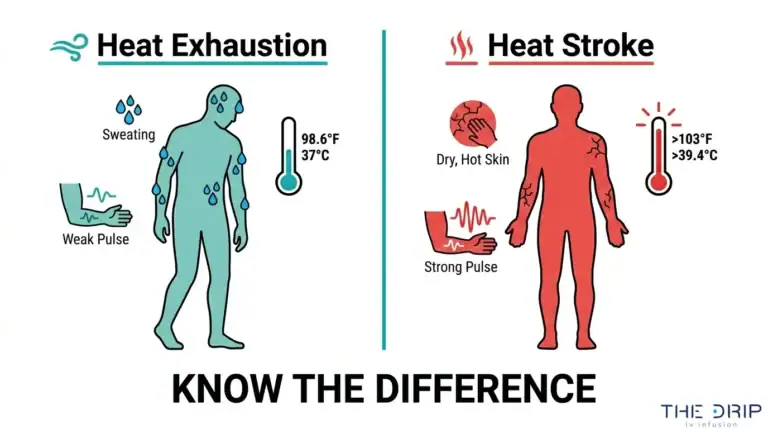
- Heavy sweating during physical labor or exercise accelerates fluid and mineral loss simultaneously.
According to OSHA, employers should provide cool water and electrolyte-containing fluids for workers active two hours or more, because proper hydration is essential to prevent heat-related illness. This principle applies broadly; anyone losing fluids through sweat, illness, or insufficient intake risks tipping electrolyte levels out of range. For most people, consistent daily hydration paired with a mineral-rich diet is the simplest defense against imbalance.
How Do Illnesses and Medical Conditions Lead to Imbalance?
Illnesses and medical conditions lead to electrolyte imbalance by disrupting the body’s ability to absorb, retain, or excrete key minerals. Kidney disease reduces the filtration of potassium and phosphate, causing dangerous accumulation. Heart failure triggers fluid retention that dilutes sodium levels.
Other conditions that commonly alter electrolyte balance include:
- Chronic diarrhea and vomiting from gastrointestinal disorders, which rapidly deplete sodium and potassium.
- Adrenal insufficiency, which impairs aldosterone production and destabilizes sodium-potassium regulation.
- Diabetes, where insulin fluctuations shift potassium between intracellular and extracellular compartments.
- Severe burns and sepsis, which cause massive fluid shifts and mineral loss through damaged tissue.
Because these conditions affect electrolyte regulation at the organ level, dietary adjustments alone rarely restore balance. Medical monitoring and targeted correction become necessary when underlying disease is the root cause.

Do Certain Medications Increase the Risk of Electrolyte Disturbances?
Certain medications increase the risk of electrolyte disturbances by altering how the kidneys handle sodium, potassium, calcium, and magnesium. Diuretics are among the most common offenders. Thiazide diuretics promote sodium excretion and frequently cause hyponatremia, while loop diuretics can deplete potassium and magnesium simultaneously.
Additional high-risk medication classes include:
- ACE inhibitors and potassium-sparing diuretics, which reduce potassium excretion and raise hyperkalemia risk.
- Proton pump inhibitors, which lower magnesium absorption over prolonged use.
- Laxatives, which accelerate potassium and sodium loss through the gastrointestinal tract.
A propensity score-matched study of 177,082 individuals published in the Clinical Journal of the American Society of Nephrology found that hyperkalemia was associated with a 3.48-fold increased odds of ICU admission and a 1.71-fold increase in hospitalizations. This underscores why patients on medications affecting electrolyte excretion need routine lab monitoring.
Understanding these causes helps clarify how electrolyte testing identifies which specific imbalance requires correction.
How Is Electrolyte Imbalance Diagnosed?
Electrolyte imbalance is diagnosed through blood tests, urine analysis, and clinical evaluation. The following subsections cover the specific tests used, how providers identify root causes, and what early lab findings may signal trouble.
What Tests Are Used to Assess Electrolyte Levels?
The tests used to assess electrolyte levels include blood panels and urine analyses that measure concentrations of key minerals. According to the Centers for Medicare & Medicaid Services, standard diagnostic codes include the basic metabolic panel, comprehensive metabolic panel, and a dedicated electrolyte panel (CPT codes 80051, 80048, and 80053). These panels quantify sodium, potassium, chloride, calcium, and bicarbonate in serum.
Urine electrolyte testing provides additional context. The NIDDK notes that sodium, potassium, and chloride levels in urine help classify conditions such as renal tubular acidosis. An EKG may also be ordered when potassium abnormalities are suspected, since severe hyperkalemia produces dangerous cardiac rhythm changes detectable on tracings.
How Do Healthcare Providers Determine the Underlying Cause?
Healthcare providers determine the underlying cause of electrolyte imbalance by combining lab results with patient history, medication review, and targeted follow-up testing. A single abnormal value rarely tells the full story.
Providers typically evaluate:
- Medication history: Thiazide diuretics, ACE inhibitors, and certain laxatives are common culprits.
- Fluid intake and losses: Vomiting, diarrhea, and excessive sweating shift electrolyte concentrations.
- Kidney function markers: BUN and creatinine levels reveal whether renal clearance is impaired.
- Hormonal assessments: Cortisol or aldosterone testing may follow when adrenal insufficiency is suspected.
Matching the pattern of abnormalities to a clinical picture is what separates a lab report from a diagnosis. Isolated low sodium, for instance, triggers a different workup than simultaneous potassium and sodium derangement.
Are There Warning Signs Labs Might Reveal Before Symptoms Worsen?
Yes, there are warning signs labs might reveal before symptoms worsen. Mild electrolyte shifts often appear on routine bloodwork well before a patient notices any physical changes. The Society for Endocrinology classifies mild hyponatremia at 130–135 mmol/L, a range that frequently produces no obvious symptoms yet signals an active imbalance requiring monitoring.
Similarly, a potassium level trending toward the upper boundary of the 3.5–5 mmol/L reference range can indicate emerging hyperkalemia, especially in patients on potassium-sparing medications. Catching these borderline values early allows providers to adjust treatment before progression to confusion, arrhythmias, or seizures.
Routine lab monitoring is one of the most underutilized preventive tools available, particularly for individuals on chronic medications or managing kidney disease. With diagnostic patterns established, understanding the potential complications of untreated imbalance becomes critical.
What Are the Potential Complications of Untreated Electrolyte Imbalance?
The potential complications of untreated electrolyte imbalance include cardiac arrhythmias, neurological damage, organ failure, and death. These risks escalate when imbalances persist without correction, affecting the heart, brain, and kidneys most severely.
Can Electrolyte Imbalance Affect the Heart and Brain?
Yes, electrolyte imbalance can affect the heart and brain directly. Abnormal potassium levels disrupt cardiac electrical signaling, triggering arrhythmias that may progress to cardiac arrest. Sodium imbalances produce neurological consequences; hypernatremia causes confusion, neuromuscular excitability, seizures, and coma, while profound hyponatremia below 125 mmol/L can cause cardiorespiratory arrest and reduced consciousness.
These two organ systems are particularly vulnerable because both depend on precise electrochemical gradients to function. Even moderate shifts in serum sodium or potassium can produce symptoms that escalate rapidly without intervention. In my experience reviewing clinical presentations, cardiac and neurological complications from electrolyte disturbances are often the ones that turn a manageable condition into an emergency.
What Long-Term Health Issues May Result from Chronic Imbalance?
Long-term health issues resulting from chronic imbalance include progressive kidney damage, persistent cardiac rhythm disorders, bone density loss, and chronic neuromuscular dysfunction. Sustained hyperkalemia, for example, repeatedly stresses cardiac tissue, increasing hospitalization risk and ICU admission rates over time. Chronic hyponatremia can impair cognitive function, increase fall risk, and accelerate osteoporosis.
What makes chronic imbalance particularly dangerous is its subtlety. Patients often adapt to mildly abnormal levels, masking progressive organ damage until a crisis occurs. Any claims about treatments correcting chronic imbalances should meet rigorous evidence standards; the Federal Trade Commission defines “competent and reliable scientific evidence” as studies conducted and evaluated objectively by qualified experts.
Who Is at Greatest Risk for Complications?
The individuals at greatest risk for complications include older adults with reduced kidney function, patients on diuretics or cardiac medications, endurance athletes, and people with chronic conditions such as heart failure or kidney disease. According to a joint expert consensus statement, the single greatest risk factor for exercise-associated hyponatremia and its associated complications is over-hydration.
Those managing multiple medications face compounding risks, as drug interactions can amplify electrolyte shifts. Recognizing these risk factors early allows for targeted monitoring and timely correction before complications become severe.
What Are the Treatment Options for Electrolyte Imbalances?
The treatment options for electrolyte imbalances include oral supplements, dietary changes, and intravenous fluid therapy. The right approach depends on severity, symptoms, and whether the patient can absorb nutrients through the digestive tract.
How Do Oral Supplements Restore Electrolyte Levels?
Oral supplements restore electrolyte levels by replenishing specific minerals through the digestive tract. Potassium tablets, magnesium capsules, and calcium citrate are among the most commonly prescribed forms. For mild dehydration-related imbalances, oral rehydration salts (ORS) provide a balanced glucose-electrolyte solution that promotes absorption in the small intestine.
Oral supplementation works best when the imbalance is mild and the patient has normal gut function. Conditions involving vomiting, malabsorption, or severe diarrhea reduce oral efficacy significantly. For most people with a functioning GI tract, though, oral correction remains the safest and most accessible first-line option before escalating to intravenous methods.
When Is Intravenous (IV) Therapy Necessary for Correction?
Intravenous (IV) therapy is necessary for correction when a patient cannot absorb adequate fluids or electrolytes through oral or enteral routes. According to the National Institute for Health and Care Excellence (NICE), clinicians should provide IV fluid therapy only for patients whose needs cannot be met orally, and stop as soon as possible.
Several clinical scenarios make IV correction the appropriate choice:
- Severe vomiting or diarrhea prevents oral intake.
- Critically low or high electrolyte levels require rapid, controlled adjustment.
- The patient is unconscious, intubated, or otherwise unable to swallow.
- Malabsorption disorders limit nutrient uptake from the gut.
IV delivery bypasses the digestive system entirely, allowing precise dosing directly into the bloodstream. This precision is especially valuable when overcorrection or undercorrection carries serious risks.
Are There Risks Associated with Self-Treating Electrolyte Imbalance?
Yes, there are risks associated with self-treating electrolyte imbalance. Rapid or unmonitored electrolyte correction can cause cardiac arrhythmias, and electrolyte solutions may be incompatible with blood products, certain medications, and even each other, according to Queensland Health’s Prescribing Guidelines for Hypo-Electrolyte Disturbances in Adults.
Key risks of self-treatment include:
- Overcorrecting one electrolyte while depleting another.
- Masking symptoms of an underlying condition that requires medical diagnosis.
- Taking supplements that interact with prescription medications.
- Missing dangerous levels that warrant cardiac monitoring or IV intervention.
Mild imbalances from exercise or heat exposure may respond to dietary adjustments, but anything beyond transient symptoms deserves professional evaluation. The margin between a therapeutic dose and a harmful one is narrower than most people expect, which makes clinical oversight essential for safe correction.
Understanding treatment options helps clarify how IV therapy specifically corrects imbalances at the physiological level.
How Does IV Therapy Correct Electrolyte Imbalances?
IV therapy corrects electrolyte imbalances by delivering fluids and minerals directly into the bloodstream, bypassing the digestive system for immediate absorption. The following subsections cover common IV fluid types, restoration speed, and benefits of professional infusion.
What Types of IV Fluids and Electrolytes Are Commonly Used?
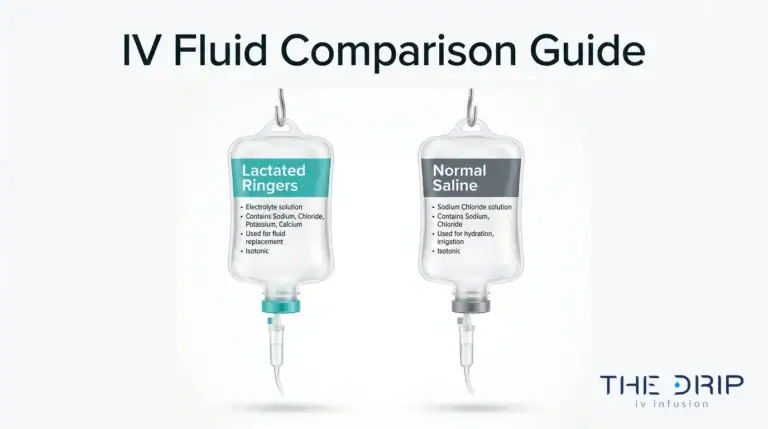
The types of IV fluids and electrolytes commonly used include isotonic crystalloids, hypertonic saline, and electrolyte-specific concentrates. Normal saline (0.9% sodium chloride) remains the most widely administered isotonic solution. Balanced crystalloids, such as lactated Ringer’s and Plasma-Lyte, contain sodium, potassium, chloride, and buffer compounds that more closely mirror the body’s natural fluid composition. According to the 2018 SMART trial published in the New England Journal of Medicine, balanced crystalloids reduced major adverse kidney events compared to saline in critically ill patients (14.3% vs. 15.4%; n=15,802). Potassium chloride, calcium gluconate, magnesium sulfate, and sodium phosphate concentrates can be added individually when labs identify a specific deficiency.

How Quickly Can IV Infusion Restore Proper Electrolyte Levels?
IV infusion restores proper electrolyte levels faster than oral supplementation because minerals enter the bloodstream immediately. Mild deficiencies may begin correcting within the first hour of infusion. However, correction speed must be carefully controlled. The Clinical Excellence Commission of NSW Health recommends a maximum intravenous potassium administration rate of 10 mmol per hour in adults, with cardiac monitoring required at faster rates. Sodium correction follows similarly cautious protocols; overly rapid correction of hyponatremia risks osmotic demyelination syndrome. For most people receiving wellness-focused IV sessions, a typical session takes about one hour. Severe clinical imbalances may require multi-hour or multi-day hospital protocols with continuous lab monitoring.
What Are the Benefits of Professional IV Infusion Over At-Home Remedies?
The benefits of professional IV infusion over at-home remedies center on safety, precision, and bioavailability. Professional administration ensures correct fluid selection, accurate dosing, and real-time monitoring for adverse reactions. Oral supplements must pass through the GI tract, where absorption varies based on gut health, food intake, and individual metabolism. IV delivery bypasses these variables entirely.
Key advantages of professional IV infusion include:
- Immediate 100% bioavailability, since fluids enter the bloodstream directly.
- Trained oversight that allows rapid response if cardiac arrhythmias or allergic reactions occur.
- Customized electrolyte formulations tailored to lab results or individual symptoms.
- Compliance with medical standards, including HIPAA-protected health information handling.
Self-treating with over-the-counter electrolyte drinks works well for mild dehydration, but it cannot address moderate to severe deficiencies safely. For anyone experiencing persistent symptoms, professional evaluation and IV correction offer a level of precision that at-home remedies simply cannot match.
Understanding how IV therapy works sets the stage for learning how to prevent electrolyte imbalances before they develop.
How Can You Prevent Electrolyte Imbalances in Everyday Life?
You can prevent electrolyte imbalances through consistent hydration, nutrient-rich eating, and appropriate monitoring during physical activity. The following subsections cover lifestyle strategies, fitness-related risks, and preventive IV options for high-risk individuals.
What Lifestyle Changes Support Optimal Electrolyte Balance?
The lifestyle changes that support optimal electrolyte balance center on daily hydration, dietary variety, and consistent meal timing. According to the National Academies of Sciences, Engineering, and Medicine, the adequate intake for total water is 3.7 L per day for young men and 2.7 L per day for young women (ages 19 to 30).
Key daily habits that protect electrolyte levels include:
- Eating potassium-rich foods such as bananas, leafy greens, and sweet potatoes.
- Consuming adequate sodium from whole food sources rather than relying on processed foods.
- Spreading fluid intake throughout the day instead of consuming large volumes at once.
- Limiting alcohol and caffeine, both of which accelerate fluid and mineral loss.
Consistency matters more than perfection here; even small daily shortfalls in hydration or mineral intake compound over time.

Can Fitness Routines and Diets Increase the Need for Electrolyte Monitoring?
Yes, fitness routines and diets can increase the need for electrolyte monitoring significantly. Prolonged exercise raises sweat losses of sodium, potassium, and chloride, while restrictive diets may eliminate key mineral sources entirely. OSHA recommends that workers active for two hours or more should have access to fluids containing electrolytes, not water alone.
Situations that warrant closer monitoring include:
- Endurance training exceeding 60 minutes in heat or humidity.
- Ketogenic or very low-carbohydrate diets that deplete glycogen-bound water and sodium.
- Fasting protocols that restrict food intake for extended windows.
- High-volume training combined with aggressive caloric restriction.
For most active individuals, periodic bloodwork and attention to symptoms like cramping or unusual fatigue provide adequate oversight without overcomplicating a routine.
Are There Preventive IV Therapy Options for High-Risk Individuals?
Yes, there are preventive IV therapy options for high-risk individuals, though these require medical oversight. The Oregon Medical Board classifies IV hydration therapy as the practice of medicine under ORS 677.085, meaning all treatments must meet the same standards of care as other medical procedures.
Candidates who may benefit from preventive IV support include:
- Individuals with chronic conditions that impair nutrient absorption, such as Crohn’s disease or short bowel syndrome.
- Patients on medications known to deplete electrolytes, including certain diuretics.
- Athletes preparing for extreme endurance events in high-heat environments.
Preventive IV therapy is not a substitute for dietary strategies. It serves as a targeted intervention when oral intake alone cannot maintain safe electrolyte levels. Any preventive infusion should follow a licensed provider’s assessment of lab results and individual risk factors.
With prevention strategies in place, professional support can address imbalances that daily habits alone cannot resolve.
How Can The Drip IV Infusion Help You Address and Prevent Electrolyte Imbalance?
The Drip IV Infusion can help you address and prevent electrolyte imbalance through mobile IV therapy services that deliver fluids and essential minerals directly into the bloodstream. The sections below cover specific service offerings and key takeaways from this article.
What Services Does The Drip IV Infusion Offer for Electrolyte Correction?
The Drip IV Infusion offers mobile IV therapy sessions that bring hydration and electrolyte support directly to your home or workplace. Founded in Fall 2022 by professionals with decades of experience in nursing and emergency medicine, The Drip IV Infusion provides a menu of IV cocktails designed around individual health needs.
Available add-ons relevant to electrolyte support include:
- Magnesium for muscle and nerve function.
- Zinc for immune and cellular health.
- B-Complex vitamins for metabolic support.
- Vitamin C for antioxidant protection.
Each session typically takes one hour and is administered by an infusion specialist. The Drip IV Infusion bypasses the GI tract, allowing maximum absorption of fluids and minerals. For anyone experiencing symptoms of dehydration or electrolyte depletion, this approach offers a convenient alternative to clinic visits.
What Are the Key Takeaways About Electrolyte Imbalance and IV Correction Covered Here?
The key takeaways about electrolyte imbalance and IV correction covered here center on recognition, timely action, and professional guidance. Electrolytes such as sodium, potassium, magnesium, and calcium regulate nerve signaling, muscle contraction, and heart rhythm. Imbalances range from mild fatigue and cramping to life-threatening cardiac arrhythmias and seizures.
The most actionable lessons from this article include:
- Symptoms like persistent nausea, confusion, or muscle weakness warrant prompt lab testing.
- Oral rehydration works for mild cases, but IV therapy becomes necessary when oral intake is insufficient or symptoms are severe.
- Medications, chronic illness, and intense physical activity all increase imbalance risk.
- Professional monitoring during IV correction prevents complications from overly rapid electrolyte shifts.