A flu IV drip is an intravenous infusion that delivers hydration, vitamins, and minerals directly into the bloodstream to support recovery during influenza, achieving nearly 100% nutrient bioavailability by bypassing a compromised digestive system.
This guide covers how flu IV therapy works, the mechanisms behind faster recovery, specific symptom relief and immune-boosting benefits, who benefits most, optimal treatment timing, and what to expect during a session.
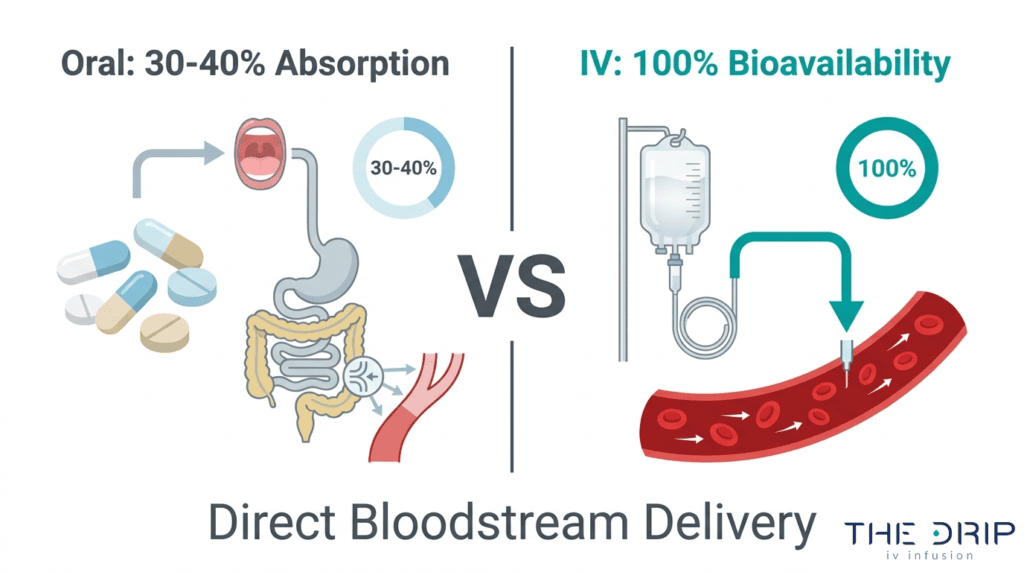
Flu IV drips use formulations like the Myers’ Cocktail, combining vitamin C, B-complex vitamins, zinc, magnesium, and glutathione in a saline base. Intravenous delivery achieves full bioavailability compared to roughly 30-40% absorption through oral supplements, a gap that widens significantly when nausea and vomiting compromise digestion.
Recovery accelerates because direct hydration restores fluid volume within minutes, resolving symptoms like dizziness, fatigue, and headache while improving immune cell circulation. High-dose vitamins reach therapeutic concentrations immediately, supporting a stronger immune response during the critical first days of infection.
The immune-boosting effects are nutrient-specific: vitamin C enhances white blood cell production, zinc exerts antiviral activity at multiple stages of viral replication, B3 activates innate immunity up to 1,000-fold normal levels, and glutathione protects immune cells from oxidative damage that impairs their function during infection.
Busy professionals, athletes, frequent travelers, and older adults benefit most due to their unique recovery demands. Early intervention within 48 hours of symptom onset maximizes results, though preventive and post-peak sessions also offer measurable support. Mobile delivery from services like The Drip IV Infusion eliminates clinic travel, allowing full rest during treatment.
What Is a Flu IV Drip and How Does It Work?
A flu IV drip is an intravenous infusion that delivers hydration, vitamins, and minerals directly into the bloodstream to support recovery during influenza. The following sections cover its nutrient composition and how intravenous delivery compares to oral supplements.
What Nutrients and Vitamins Are in a Flu IV Drip?
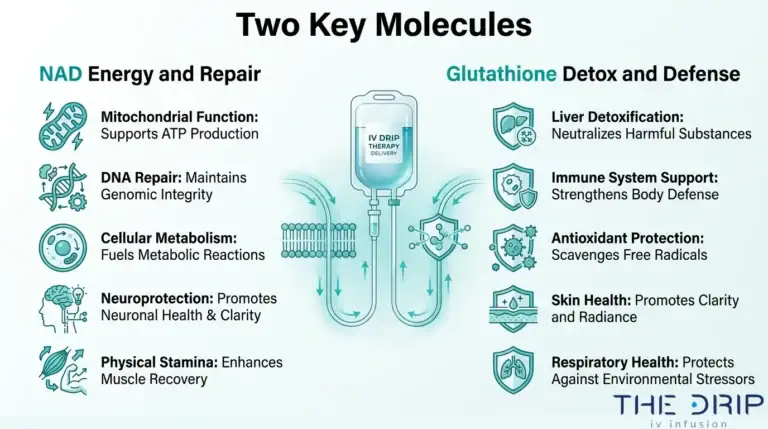
The nutrients and vitamins in a flu IV drip typically include Vitamin C, B-complex vitamins, Vitamin B12, magnesium, zinc, and glutathione in a normal saline base. This combination, often modeled after the Myers’ Cocktail, targets multiple aspects of flu recovery simultaneously. Vitamin C and zinc support immune defense, B vitamins help sustain energy production, magnesium aids muscle relaxation, and glutathione provides antioxidant protection against oxidative stress. The saline base restores fluid volume lost through fever and sweating. For those needing additional symptom relief, customizable add-ons such as anti-nausea medication can be included to address individual needs during illness.
How Does Intravenous Delivery Differ from Oral Supplements?
Intravenous delivery differs from oral supplements by bypassing the digestive system entirely, achieving 100% bioavailability compared to the limited absorption of oral intake. According to a comparative bioavailability study published on ResearchGate, average oral absorption of essential micronutrients approximates only 30–40%, frequently limited by gastrointestinal dysfunction, transporter saturation, and first-pass hepatic metabolism. During the flu, nausea and vomiting further compromise oral absorption, making this gap even wider. IV delivery eliminates these barriers by introducing nutrients directly into circulation, where cells can use them immediately. This distinction is particularly relevant for athletes, as intravenous rehydration has been proposed as an ergogenic aid to achieve euhydration more effectively than oral methods.
With the mechanism of flu IV therapy established, understanding why this delivery method accelerates recovery provides practical context for timing your treatment.
Why Does a Flu IV Drip Speed Up Recovery?
A flu IV drip speeds up recovery by delivering hydration, vitamins, and nutrients directly into the bloodstream, bypassing digestive limitations common during illness. The following sections explain how direct hydration, high-dose vitamins, and improved absorption each contribute.
How Does Direct Hydration Reduce Flu Symptom Duration?
Direct hydration reduces flu symptom duration by rapidly restoring fluid volume that fever, sweating, and reduced oral intake deplete. IV fluids improve symptoms such as:
- Dizziness and lightheadedness
- Dry mouth and eyes
- Fatigue and muscle weakness
- Headache
- Elevated heart rate
According to Nationwide Children’s Hospital, intravenous rehydration is a simple, safe, and common procedure used to treat severe dehydration symptoms including dizziness, fatigue, and dry eyes. When the body regains proper fluid balance quickly, immune cells circulate more efficiently and organ function stabilizes. For most flu patients, this rapid volume correction is the single most impactful intervention for shortening the window of acute discomfort.
How Do High-Dose Vitamins Shorten Illness When Given Intravenously?
High-dose vitamins shorten illness when given intravenously because therapeutic concentrations reach cells immediately, supporting immune function at levels unachievable through oral intake. Vitamin C, B-complex vitamins, and zinc work synergistically to neutralize free radicals, fuel white blood cell production, and inhibit viral replication. Oral doses face absorption ceilings imposed by gut transporters, but IV delivery eliminates this bottleneck entirely. The result is a more aggressive immune response during the critical first days of infection, when viral load peaks and symptom severity is highest.
How Does Bypassing the Digestive System Improve Absorption During Illness?
Bypassing the digestive system improves absorption during illness by eliminating the barriers that nausea, vomiting, and reduced gut motility create. According to the Cleveland Clinic, IV therapy administers fluids, medications, and nutrients directly into a person’s vein, achieving nearly 100% bioavailability. During the flu, gastrointestinal distress makes oral supplementation unreliable; nutrients pass through before full absorption occurs. IV delivery circumvents this entirely, ensuring therapeutic doses reach circulation intact. Most patients experience significant improvement for 24 to 72 hours after their flu IV drip when therapy is initiated early in the illness.
With these recovery mechanisms working together, specific nutrient benefits become even more impactful.
What Are the Specific Benefits of a Flu IV Drip?
The specific benefits of a flu IV drip include nausea and body ache relief, fatigue reduction, dehydration prevention, and immune cell support.
How Does a Flu IV Drip Relieve Nausea and Body Aches?
A flu IV drip relieves nausea and body aches by delivering anti-nausea medication and hydration directly into the bloodstream, bypassing a compromised stomach. When the flu triggers vomiting or gastrointestinal distress, oral remedies often fail to stay down long enough for absorption. Intravenous delivery eliminates this barrier entirely. Saline rehydration also restores electrolyte balance, which reduces the muscle cramping and joint soreness that worsen body aches. For anyone struggling to keep fluids or medication down, this route offers the most practical path to symptom control.
How Does a Flu IV Drip Reduce Fatigue and Brain Fog?
A flu IV drip reduces fatigue and brain fog by replenishing B vitamins, magnesium, and fluids that the body rapidly depletes during infection. Dehydration alone impairs cognitive function and energy production at the cellular level. Restoring fluid volume improves oxygen delivery to tissues, while B-complex vitamins support mitochondrial energy metabolism directly. The effect is often noticeable within the session itself, as cellular hydration and nutrient availability improve simultaneously rather than incrementally over days of oral supplementation.
How Does a Flu IV Drip Prevent Dehydration from Fever and Vomiting?
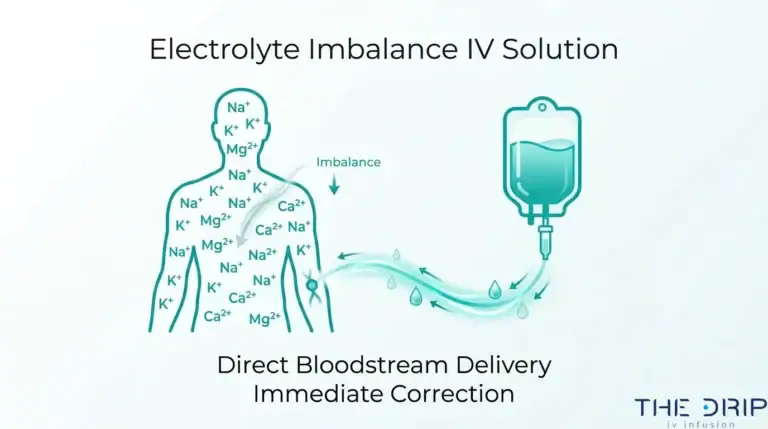
A flu IV drip prevents dehydration from fever and vomiting by replacing lost fluids and electrolytes intravenously when oral intake is impossible or insufficient. Fever accelerates water loss through perspiration, while vomiting prevents fluid retention entirely. According to the Journal of Travel Medicine, frequent travelers and athletes represent key demographics for IV therapy due to increased dehydration risks and the need for rapid fatigue recovery. This makes intravenous rehydration particularly valuable when the flu compromises normal fluid intake pathways. For most patients experiencing active vomiting or high fever, IV delivery remains the most reliable rehydration method available.
How Does a Flu IV Drip Support Immune Cell Function?
A flu IV drip supports immune cell function by delivering glutathione, zinc, and antioxidants that protect immune cells from oxidative damage during infection. According to research published in MDPI Nutrients, perturbations in glutathione metabolism alter redox-sensitive signaling cascades, impair immune cell function, and promote oxidative stress-mediated tissue damage during infections. Replenishing glutathione intravenously helps restore the cellular environment immune cells need to fight pathogens effectively. This antioxidant support is difficult to achieve through oral supplementation alone during active illness, making IV delivery a more direct strategy for maintaining immune defenses when they matter most.
Understanding these targeted benefits clarifies how a flu IV drip strengthens overall immune response.
How Does a Flu IV Drip Boost Your Immune System?
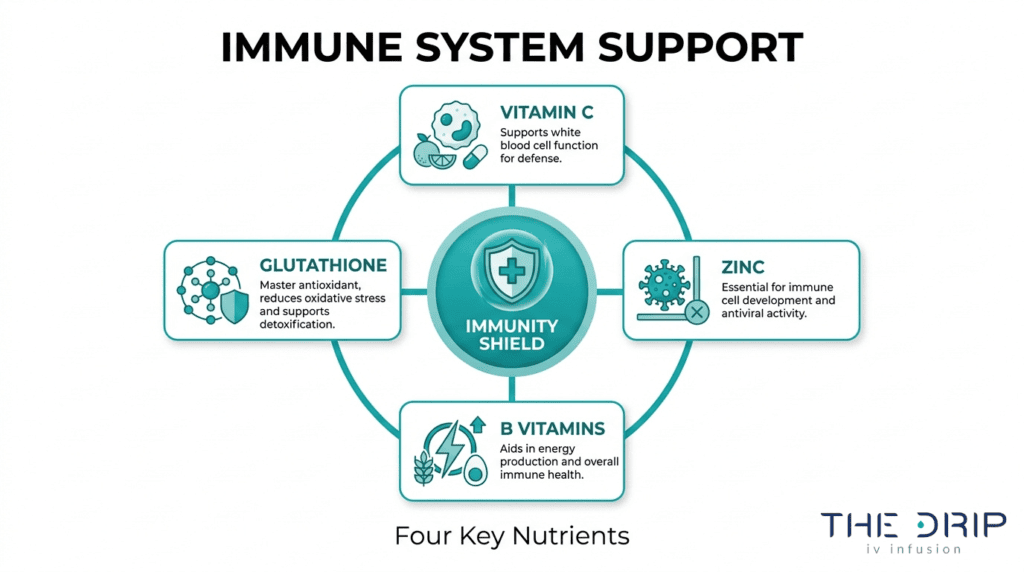
A flu IV drip boosts your immune system by delivering high concentrations of immune-supporting nutrients directly into your bloodstream. The key components include vitamin C, zinc, B vitamins, and glutathione.
What Role Does Vitamin C Play in Immune Support via IV?
Vitamin C plays a critical role in immune support via IV by reaching therapeutic concentrations that oral supplementation cannot achieve. Intravenous delivery allows high-dose regimens, such as 1.5 g every 6 hours, which have been frequently studied in clinical contexts for their role in inflammatory and viral conditions, according to a systematic review published in Cureus. At these elevated plasma levels, vitamin C enhances white blood cell production, strengthens epithelial barrier function, and acts as a potent antioxidant against infection-related free radicals. For individuals fighting the flu, this concentrated immune support can make a meaningful difference in how quickly the body mounts its defense.
How Does Zinc Delivered Intravenously Strengthen Immunity?
Zinc delivered intravenously strengthens immunity by exerting antiviral activity at both the entry and post-entry stages of the virus life cycle. Unlike oral zinc supplements, which face absorption limitations in the gut, IV delivery ensures immediate cellular availability. Zinc supports natural killer cell activity, promotes T-cell maturation, and helps regulate inflammatory cytokine production. Clinical evidence published in MDPI’s Antioxidants journal indicates that zinc can decrease the severity of upper respiratory infections. For flu recovery specifically, maintaining optimal zinc levels helps the immune system contain viral replication before symptoms escalate.
How Do B Vitamins in a Flu IV Drip Enhance Immune Response?
B vitamins in a flu IV drip enhance immune response by activating and regulating multiple defense pathways simultaneously. Vitamin B3, for instance, can activate the innate immune system by up to 1,000-fold the normal level, according to research published by the National Institutes of Health, making it an effective initial line of defense against pathogens. Vitamin B12 acts as an adjunct therapy for viral infections, helping balance immune responses and manage persistent symptoms seen in post-viral recovery. Together, the B-complex vitamins support cellular energy production that immune cells require to function at peak capacity during active infection.
How Does Glutathione in a Flu IV Drip Protect Against Oxidative Stress?
Glutathione in a flu IV drip protects against oxidative stress by neutralizing reactive oxygen species that accumulate during the immune response to infection. When your body fights the flu, immune cells generate free radicals that can damage healthy tissue if left unchecked. Research published in MDPI’s Nutrients journal confirms that perturbations in glutathione metabolism impair immune cell function and promote oxidative stress-mediated tissue damage during infections. IV-delivered glutathione replenishes this critical antioxidant at the cellular level, preserving the integrity of immune cells so they can continue fighting the virus effectively.
With immune-boosting mechanisms understood, identifying who benefits most from a flu IV drip helps guide treatment decisions.
Who Benefits Most from a Flu IV Drip?
Busy professionals, athletes, frequent travelers, and older adults benefit most from a flu IV drip. Each group faces unique recovery challenges that intravenous nutrient delivery addresses directly.
How Does a Flu IV Drip Help Busy Professionals Who Cannot Afford Downtime?
A flu IV drip helps busy professionals who cannot afford downtime by delivering hydration and immune-supporting nutrients rapidly, often within a single session. Rather than waiting days for oral remedies to take effect, professionals can receive concentrated vitamin C, zinc, and B vitamins directly into the bloodstream. This accelerated delivery supports faster symptom relief, helping individuals return to meetings, deadlines, and responsibilities sooner. For professionals managing high-stakes schedules, even a one-day reduction in symptom severity can prevent costly disruptions.
How Does a Flu IV Drip Help Athletes Recover Without Losing Training Progress?
A flu IV drip helps athletes recover without losing training progress by restoring hydration and replenishing nutrients that illness depletes. Athletes face compounded stress when the flu interrupts training cycles, since dehydration and nutrient depletion slow both immune recovery and physical performance. As Travis Sugg, founder of Biomed Mobile IV, explains: “With targeted blends of vitamin C, zinc, and hydration, IV drips help boost energy, shorten recovery time, and ease discomfort sometimes in less than an hour.” This rapid turnaround makes IV therapy particularly valuable for athletes protecting their conditioning gains during flu season.
How Does a Flu IV Drip Help Frequent Travelers Exposed to Viruses?
A flu IV drip helps frequent travelers exposed to viruses by quickly replenishing immune defenses compromised by air travel, disrupted sleep, and environmental stress. Recirculated cabin air, crowded airports, and crossing time zones all weaken the body’s natural resistance. Intravenous delivery of zinc, vitamin C, and hydration provides immediate support that oral supplements cannot match when digestive function is already stressed from travel. For those who fly weekly, proactive IV therapy can serve as a recovery tool between trips.
How Does a Flu IV Drip Help Older Adults with Weaker Immune Systems?
A flu IV drip helps older adults with weaker immune systems by bypassing age-related absorption limitations and delivering nutrients at therapeutic concentrations. Physiologic changes in older adults reduce digestive efficiency, making oral supplementation less reliable during illness. According to a ScienceDirect review, older adults are often advised to seek specialized consultation due to physiologic changes that affect their care needs. Intravenous delivery ensures that immune-supporting nutrients like vitamin C, zinc, and glutathione reach the bloodstream at full potency, regardless of gastrointestinal function.
With these demographics identified, timing your flu IV drip correctly maximizes its effectiveness.
When Should You Get a Flu IV Drip for Best Results?
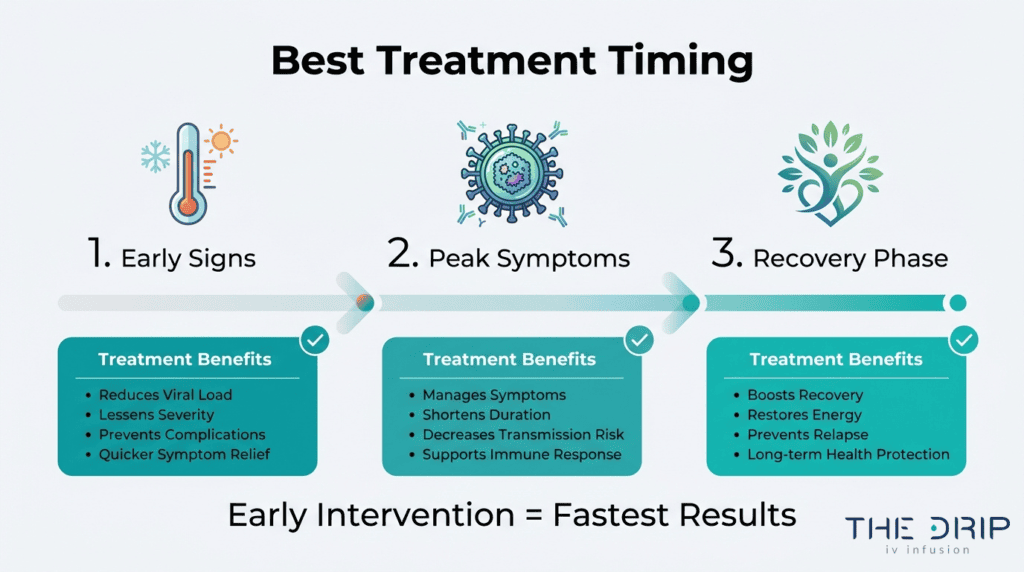
You should get a flu IV drip at the earliest sign of illness for best results, though preventive and post-peak sessions also offer benefits. The following subsections cover optimal timing for each scenario.
Should You Get a Flu IV Drip at the First Sign of Symptoms?
Yes, you should get a flu IV drip at the first sign of symptoms. Early intervention allows high-dose nutrients and hydration to support your immune system before the virus gains full momentum. Initiating therapy within the first 24 to 48 hours mirrors the clinical window where flu interventions show the greatest impact. Waiting until symptoms worsen often means your body has already depleted key resources like fluids, vitamin C, and zinc. For most people, scheduling a session at the onset of fatigue, chills, or body aches delivers the fastest path back to feeling normal.
Can You Get a Flu IV Drip as a Preventive Measure Before Flu Season?
Yes, you can get a flu IV drip as a preventive measure before flu season. Proactive sessions replenish immune-supporting nutrients such as vitamin C, zinc, B-complex vitamins, and glutathione before viral exposure occurs. This approach is particularly practical for frequent travelers, athletes, and those with demanding schedules who cannot afford downtime. Preventive infusions do not replace the flu vaccine but complement overall immune readiness by ensuring nutrient stores remain at optimal levels heading into peak flu months.
Is a Flu IV Drip Beneficial After Your Flu Symptoms Have Peaked?
Yes, a flu IV drip is beneficial after your flu symptoms have peaked. Even in the recovery phase, dehydration, nutrient depletion, and residual fatigue often linger. IV hydration and vitamins help replenish what the body consumed fighting the infection. However, the greatest clinical benefit occurs with earlier timing. According to the CDC, flu antiviral drugs are most effective when initiated within two days after symptoms begin, which aligns with the timing often recommended for IV therapy intervention. Post-peak sessions still accelerate recovery, but scheduling treatment at symptom onset remains the most effective strategy overall.
Understanding when to schedule your session ensures you maximize each infusion’s impact on recovery speed.
How Does a Flu IV Drip Compare to Other Flu Remedies?
A flu IV drip compares to other flu remedies by delivering hydration and nutrients directly into the bloodstream, bypassing digestive limitations that affect oral options. The following subsections cover comparisons to over-the-counter medications and oral vitamin supplements.
How Does a Flu IV Drip Compare to Over-the-Counter Flu Medications?
A flu IV drip compares to over-the-counter flu medications by addressing hydration, nutrient depletion, and immune support simultaneously, while OTC drugs primarily mask individual symptoms. Over-the-counter medications such as acetaminophen, ibuprofen, and decongestants reduce fever, pain, and congestion but do not replenish lost fluids or deliver immune-supporting nutrients. A flu IV drip provides saline hydration alongside vitamins like C, zinc, and B-complex in a single session. OTC medications remain useful for targeted symptom control, yet they work through a different mechanism than nutritional replenishment. For many people experiencing multiple flu symptoms at once, combining both approaches offers broader relief than either option alone.
How Does a Flu IV Drip Compare to Oral Vitamin Supplements?
A flu IV drip compares to oral vitamin supplements by achieving nearly 100% bioavailability, while oral supplements typically face absorption limitations in the gut. During active illness, nausea, vomiting, and gastrointestinal distress further reduce the body’s ability to absorb oral nutrients effectively. According to Mobile IV Medics, common questions people ask about IV therapy include whether it is truly effective compared to oral supplements, how long the effects last, and whether the treatment is safe. The answer depends on context: oral supplements work well for daily maintenance in healthy individuals, but intravenous delivery becomes particularly advantageous when the digestive system is compromised by flu symptoms. For someone struggling to keep fluids or pills down, IV delivery eliminates the absorption barrier entirely.
With these comparisons established, understanding what happens during an actual session helps set realistic expectations.
What Should You Expect During a Flu IV Drip Session?
A flu IV drip session involves a simple process managed by a licensed provider. The following subsections cover typical session duration and potential side effects.
How Long Does a Flu IV Drip Session Typically Take?
A flu IV drip session typically takes about 1 hour. During this time, a nurse inserts a small catheter into a vein, and the nutrient-rich fluid drips steadily into the bloodstream. Most clients relax, read, or rest while the infusion completes. Because the process is straightforward and non-invasive, no significant preparation or recovery period is required afterward. Many people feel noticeable improvement within hours of completing the session.

Are There Any Side Effects of a Flu IV Drip?
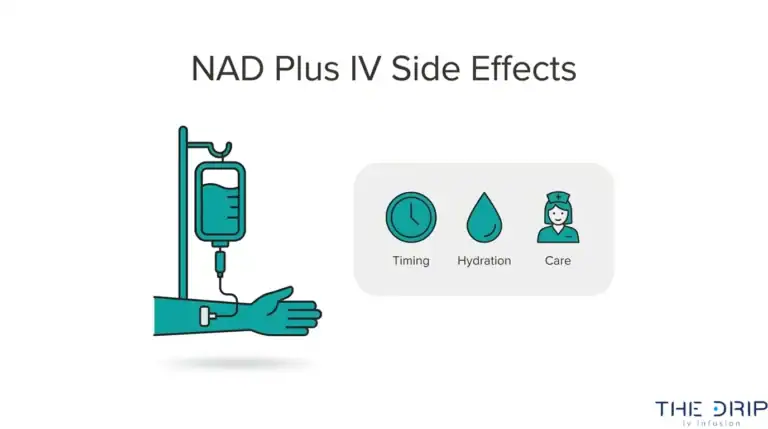
The side effects of a flu IV drip are generally mild and uncommon. Possible reactions include:
- Slight bruising or soreness at the insertion site.
- A cool sensation along the arm as fluids enter the vein.
- Temporary lightheadedness during or shortly after infusion.
- Minor irritation or phlebitis at the catheter site.
According to ivWatch, complications such as phlebitis, infiltration, and extravasation can occasionally delay treatment, though these remain infrequent when a qualified provider administers the infusion. Choosing a clinic staffed by experienced nurses significantly reduces risk. For most people, the benefits of rapid hydration and nutrient delivery far outweigh these minor concerns.
With session expectations clear, mobile IV therapy can bring this same experience directly to your home.
How Can Mobile IV Therapy Enhance Your Flu Recovery at Home?
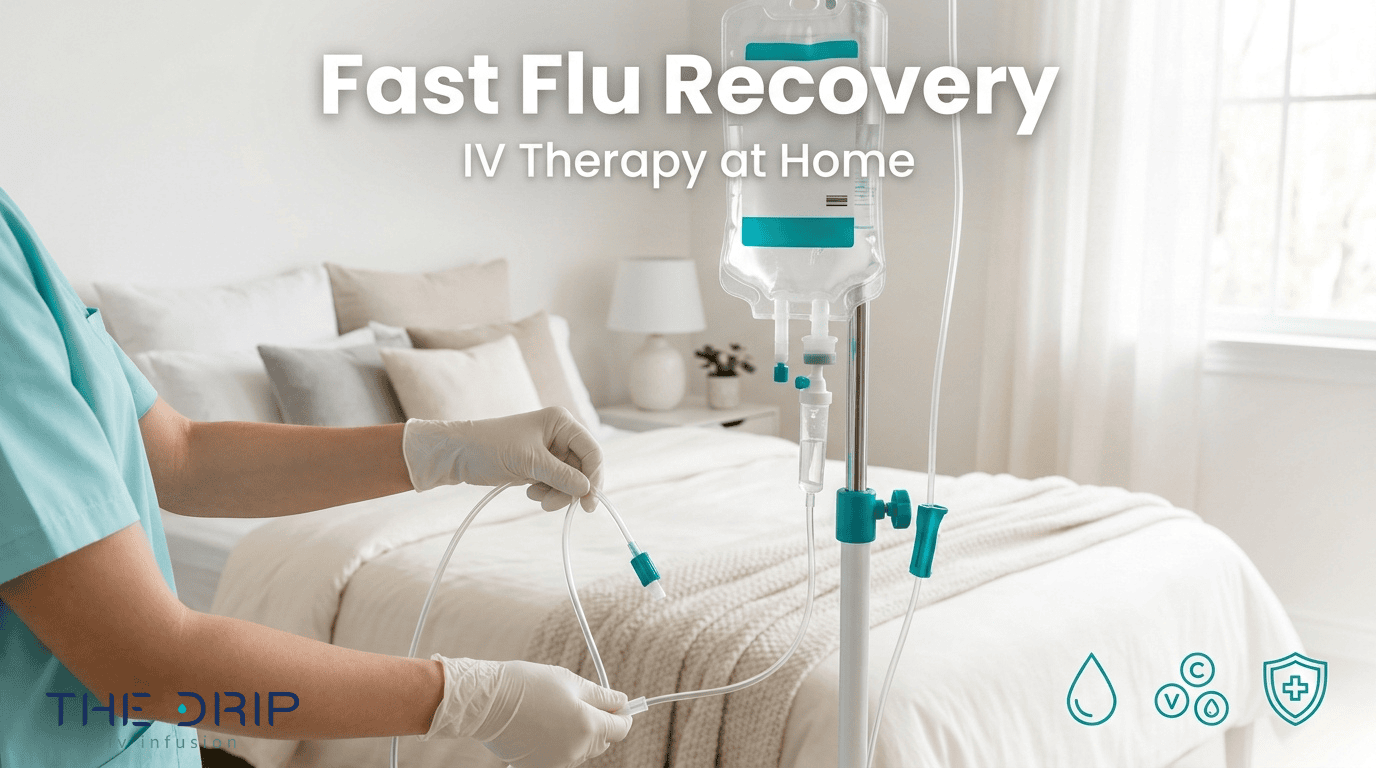
Mobile IV therapy enhances flu recovery at home by delivering hydration, vitamins, and immune-supporting nutrients directly to your bloodstream without requiring travel to a clinic. The following sections cover how The Drip IV Infusion’s illness recovery service works and key takeaways about flu IV drip benefits.
Can The Drip IV Infusion’s Illness Recovery Service Help You Heal Faster Without Leaving Bed?
Yes, The Drip IV Infusion’s illness recovery service can help you heal faster without leaving bed. The Drip IV Infusion sends experienced nurses directly to your home, administering flu-focused IV formulations while you rest. This eliminates the physical strain of traveling to a clinic during active illness, when even routine movement worsens symptoms like nausea and fatigue.
According to Nationwide Children’s Hospital, intravenous rehydration is a simple, safe, and common procedure used to treat severe dehydration symptoms including dizziness, fatigue, and dry eyes. Because The Drip IV Infusion was founded by professionals with decades of experience in nursing and emergency medicine, each session follows clinical protocols adapted for comfortable home delivery. For anyone too unwell to keep fluids down orally, receiving IV therapy bedside removes the biggest barrier to early intervention during flu recovery.
What Are the Key Takeaways About Flu IV Drip Benefits for Fast Recovery and Immunity Boost?
The key takeaways about flu IV drip benefits for fast recovery and immunity boost are:
- Flu IV drips achieve nearly 100% nutrient bioavailability by bypassing the digestive system, which is especially valuable when nausea limits oral intake.
- Direct hydration restores fluid volume quickly, reducing symptoms such as headache, dizziness, and fatigue within hours.
- High-dose vitamin C, zinc, B vitamins, and glutathione support immune cell function and help shorten illness duration.
- Early intervention, ideally within the first 48 hours of symptoms, maximizes therapeutic benefit.
- Mobile delivery eliminates clinic travel, allowing the body to rest fully during treatment.
The in-home IV hydration therapy market reflects growing consumer confidence in this approach; according to a 2024 Metastat Insight report, the global in-home IV hydration therapy market is estimated to reach $1,094.1 million in 2024 with a projected CAGR of 13.1% through 2031. For anyone seeking a faster path through flu season, combining clinical-grade nutrients with the convenience of home delivery represents one of the most practical recovery strategies available.