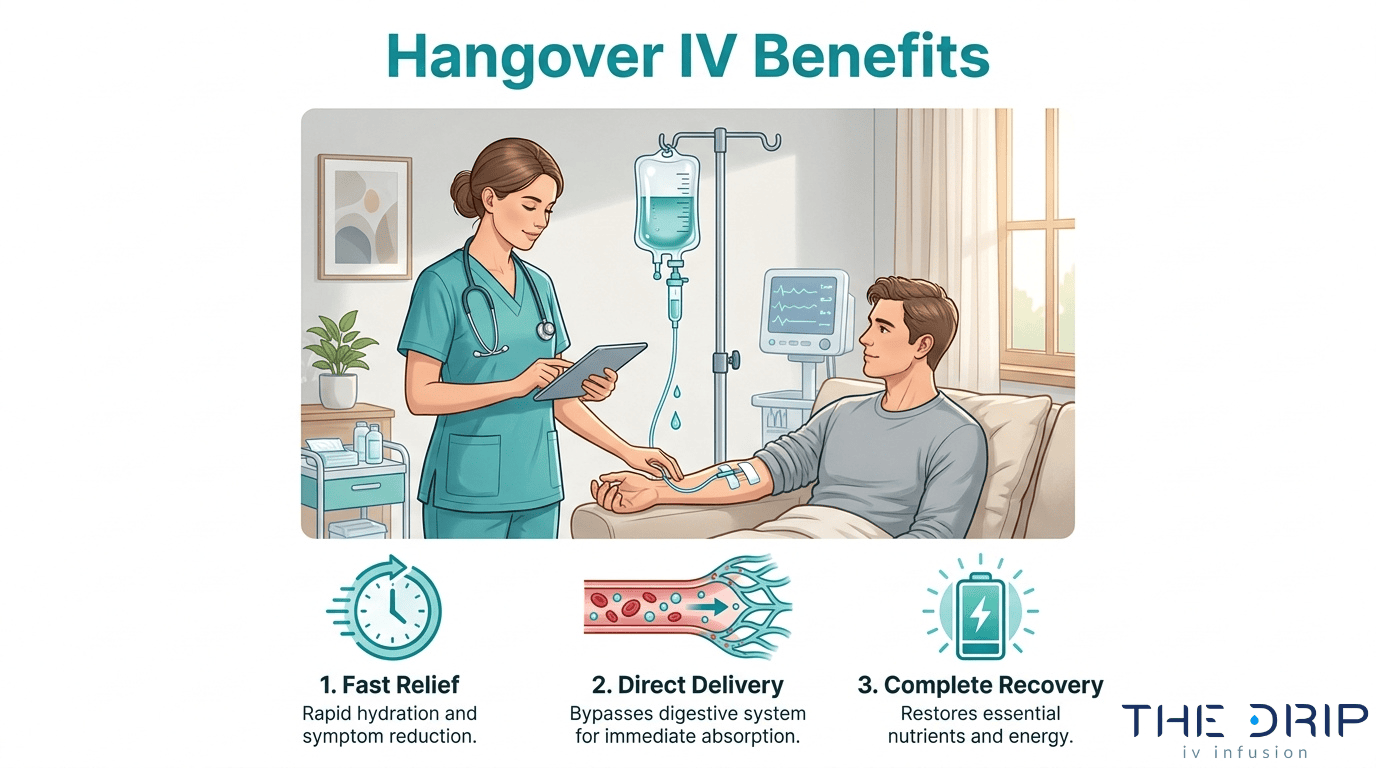
A hangover IV is an intravenous infusion that delivers saline, electrolytes, vitamins, and medications directly into the bloodstream to treat hangover symptoms faster than oral remedies. Hangover IVs bypass the digestive system entirely, achieving near-complete bioavailability while addressing dehydration, nutrient depletion, and inflammation simultaneously.
This guide covers how hangover IVs work mechanistically, their specific symptom-relief benefits, what ingredients a typical IV bag contains, the scientific evidence supporting their use, and how mobile delivery improves the recovery experience.
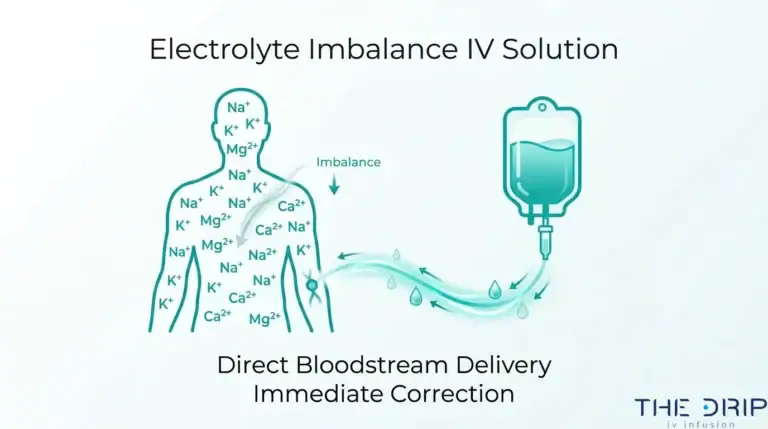
Hangover IVs function by restoring fluid volume through isotonic saline while electrolytes rebalance cellular hydration that alcohol’s diuretic effects disrupt. Intravenous delivery produces higher blood concentrations than oral dosing, and most people experience relief within 30 to 60 minutes of infusion.
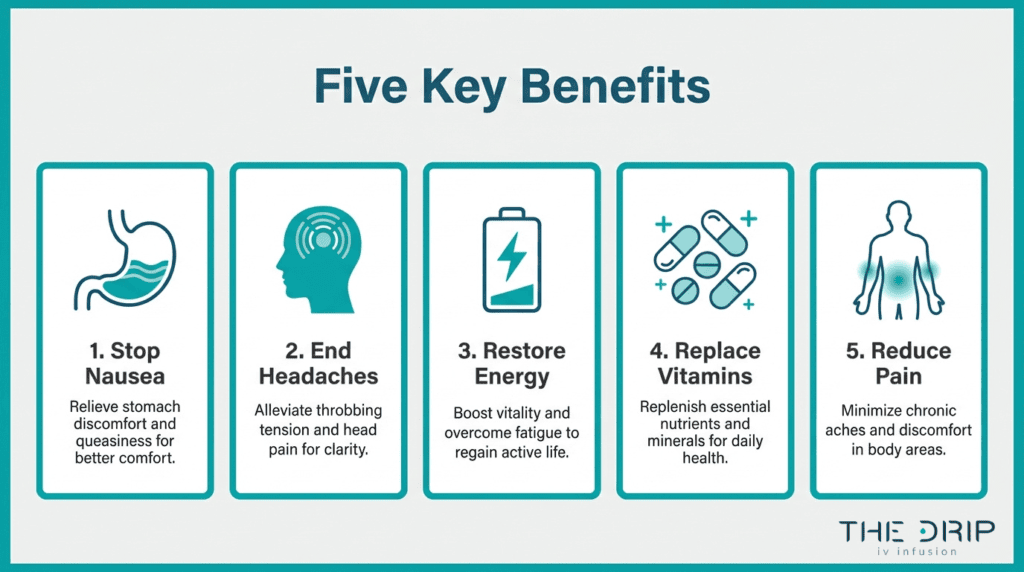
The targeted benefits include nausea elimination through direct-delivery ondansetron, headache resolution via combined rehydration and anti-inflammatory agents, energy restoration from B-vitamin and magnesium replenishment, and inflammation reduction by counteracting the cytokine response alcohol triggers.
Scientific support is nuanced. Clinical research shows IV fluids alone do not accelerate sobering, yet the multi-ingredient approach addresses symptom pathways that simple hydration cannot. No placebo-controlled trials currently isolate hangover IV effectiveness in healthy adults, making provider transparency about expected outcomes essential.
Safety depends heavily on provider quality. A 2025 study of 87 IV hydration clinics found only 24% disclosed any risks, highlighting the importance of choosing nurse-administered services with proper medical oversight. Mobile IV therapy eliminates the need to travel while symptomatic, bringing hospital-grade protocols directly to the recovery location.
How Does a Hangover IV Work for Relief and Hydration?
A hangover IV works by delivering fluids, electrolytes, vitamins, and medications directly into the bloodstream through intravenous infusion. The following subsections cover what’s inside the drip, how IV delivery differs from oral hydration, and how quickly relief begins.
What Fluids and Electrolytes Are in a Hangover IV Drip?
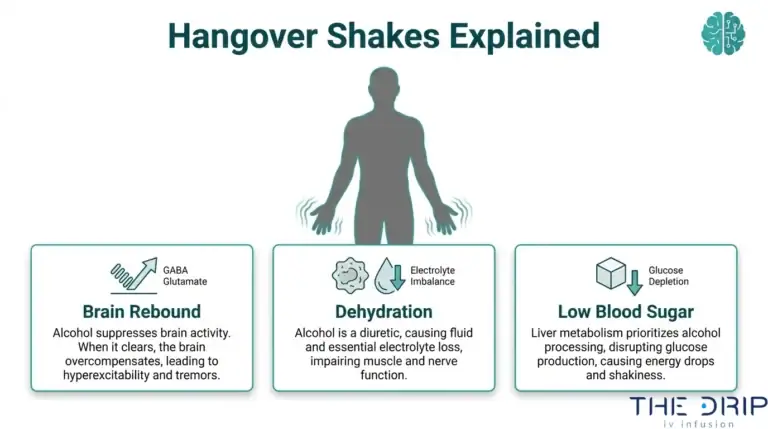
The fluids and electrolytes in a hangover IV drip typically include isotonic saline solution, sodium, potassium, chloride, and magnesium. Alcohol blocks vasopressin release, which causes the body to lose more fluid than it takes in, according to GoodRx. This diuretic effect depletes critical electrolytes overnight. Immune system inflammation, specifically the release of cytokines, also drives hangover symptoms by mirroring the body’s response to an infection. The saline base restores fluid volume while electrolytes rebalance cellular hydration. For most people recovering from a night of drinking, this combination addresses the core dehydration mechanism more directly than water alone.
How Does Intravenous Delivery Differ From Drinking Water?
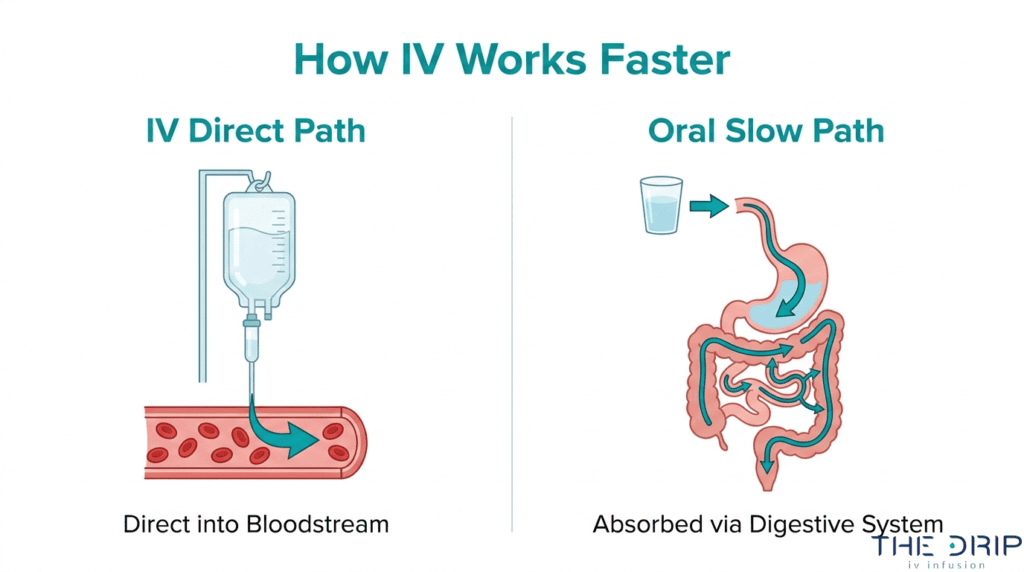
Intravenous delivery differs from drinking water by bypassing the digestive system entirely for nearly complete systemic bioavailability. According to a comparative bioavailability study published on ResearchGate, intravenous vitamin delivery produces much higher blood concentrations than oral dosing, even when the same amount is given. When nausea limits what the stomach can absorb, oral rehydration becomes unreliable. IV infusion eliminates this bottleneck, delivering 100% of fluids and nutrients directly into circulation. This distinction matters most during severe hangovers where vomiting or gastric distress prevents adequate oral intake.
How Quickly Does a Hangover IV Start Working?
A hangover IV starts working within 30 to 60 minutes of infusion. Because nutrients and medications enter the bloodstream immediately, symptom relief begins during the session itself rather than hours later. Most clients notice reduced nausea and improved energy before their one-hour session concludes. The speed advantage over oral remedies is significant; pills and liquids must survive digestion before reaching systemic circulation, adding considerable delay.
With the mechanism of action clear, the specific benefits of each ingredient become easier to evaluate.
What Are the Specific Benefits of a Hangover IV in 2026?
The specific benefits of a hangover IV in 2026 include rapid nausea relief, headache elimination, energy restoration, vitamin replenishment, and inflammation reduction. Each benefit targets a distinct mechanism of alcohol’s effects on the body.
How Does a Hangover IV Relieve Nausea and Vomiting?
A hangover IV relieves nausea and vomiting by delivering anti-nausea medication directly into the bloodstream, bypassing the stomach entirely. This matters because a nauseated stomach often cannot absorb oral medications effectively.
According to a study published in PubMed, a single intravenous dose of ondansetron (8–32 mg) is as effective as continuous infusion for combating nausea and vomiting. Since the medication reaches full plasma concentration within minutes of infusion, most people feel relief far sooner than they would with an oral tablet. For someone who cannot keep water down after a night of heavy drinking, this direct delivery method offers one of the most practical advantages of IV therapy over traditional remedies.
How Does a Hangover IV Eliminate Headaches and Migraines?
A hangover IV eliminates headaches and migraines by combining rapid rehydration with anti-inflammatory medication. Alcohol acts as a diuretic, depleting fluids and triggering vasodilation that causes throbbing head pain.
Intravenous saline restores fluid volume quickly, while medications like ketorolac target the inflammatory cascade driving the headache. Because dehydration alone does not account for all hangover headache pain, the multi-ingredient approach addresses both vascular and inflammatory components simultaneously. This combination tends to resolve symptoms faster than drinking water paired with over-the-counter pain relievers, particularly for individuals experiencing migraine-level intensity.
How Does a Hangover IV Restore Energy and Reduce Fatigue?
A hangover IV restores energy and reduces fatigue by replenishing B vitamins, magnesium, and fluids that alcohol consumption depletes overnight. These nutrients are essential cofactors in cellular energy production.
When the body lacks adequate B12, B-complex vitamins, and magnesium, mitochondrial ATP synthesis slows considerably. Intravenous delivery achieves higher blood concentrations than oral supplementation, allowing cells to resume normal energy metabolism within the session. For most people, this translates to a noticeable shift from exhaustion to functional energy levels, making it particularly valuable when sleeping off the hangover is not an option.
How Does a Hangover IV Replenish Vitamins Lost to Alcohol?
A hangover IV replenishes vitamins lost to alcohol by delivering essential nutrients intravenously, bypassing the compromised digestive system. This distinction matters because hangovers and dehydration are co-occurring but separate processes; water alone does not address nutritional depletion.
According to a 2023 study published in MDPI Nutrients, alcohol consumption negatively influences the intestinal absorption of several essential vitamins, including thiamine (B1), riboflavin (B2), folate (B9), and vitamin C. IV delivery circumvents this impaired absorption entirely, achieving near-complete bioavailability. For individuals who drink frequently, this targeted replenishment helps prevent cumulative deficiencies that compound over time.
How Does a Hangover IV Reduce Inflammation and Body Aches?
A hangover IV reduces inflammation and body aches by delivering anti-inflammatory agents directly to the bloodstream while simultaneously addressing the immune response alcohol triggers.
As reported by TED Ideas, immune system inflammation, specifically the release of cytokines, plays a significant role in hangover symptoms, mirroring the body’s response to an infection. This cytokine surge causes the widespread achiness, joint stiffness, and malaise that feel similar to being sick. IV anti-inflammatory medications suppress this response at the source, while hydration and antioxidants like glutathione help neutralize the oxidative stress fueling the inflammatory cascade. For practitioners in this space, the cytokine connection explains why hangovers feel systemic rather than localized.
Understanding these targeted benefits helps clarify what a hangover IV bag actually contains.
What Ingredients Are Typically in a Hangover IV Bag?
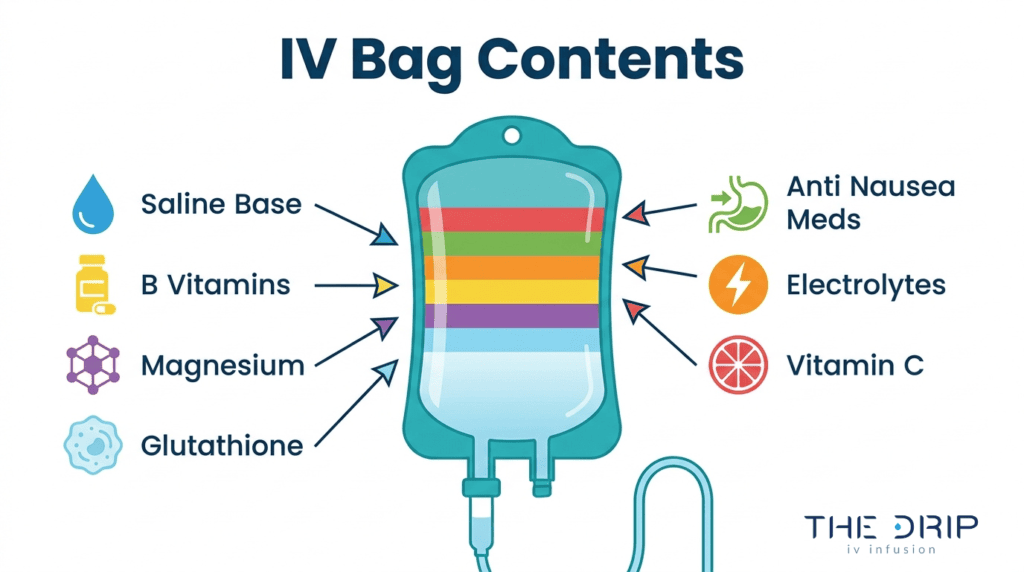
The ingredients in a hangover IV bag typically include saline solution, electrolytes, B-complex vitamins, vitamin B12, glutathione, anti-nausea medication, anti-inflammatory medication, vitamin C, and magnesium.
Saline Solution and Electrolytes
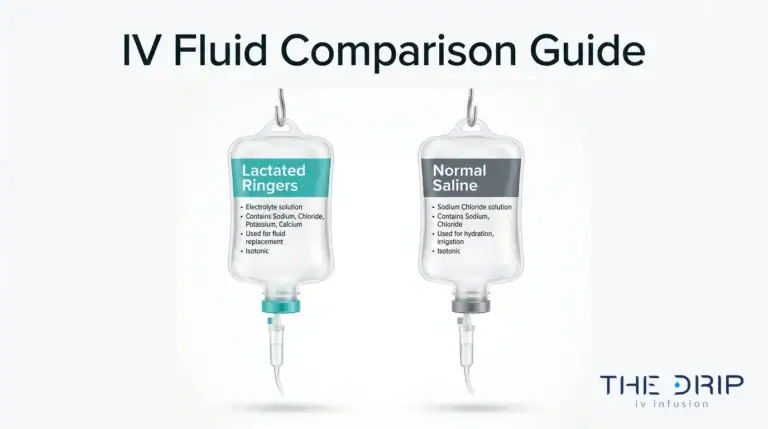
Saline solution and electrolytes form the base of every hangover IV bag. Normal saline (0.9% sodium chloride) restores fluid volume lost through alcohol’s diuretic effects. Electrolytes including sodium, potassium, and chloride rebalance cellular hydration levels that drinking disrupts. This isotonic fluid base also serves as the delivery vehicle for all other nutrients and medications in the infusion.
B-Complex Vitamins
B-complex vitamins address the nutrient depletion alcohol causes during metabolism. Alcohol consumption negatively influences intestinal absorption of essential B vitamins, including thiamine (B1), riboflavin (B2), and folate (B9). Replenishing these via IV bypasses the compromised gut, supporting energy production, nervous system function, and cellular repair during recovery.
Vitamin B12
Vitamin B12 supports energy metabolism and neurological function during hangover recovery. This water-soluble vitamin helps convert food into usable cellular energy, which alcohol depletes through impaired absorption. IV delivery achieves higher blood concentrations than oral supplementation, making it particularly effective when the digestive system is already compromised by alcohol irritation.
Glutathione
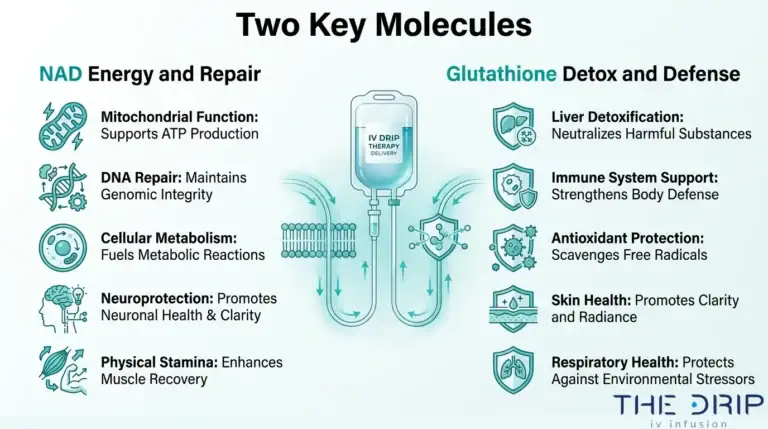
Glutathione is the body’s primary antioxidant, and it plays a critical role in neutralizing acetaldehyde, the toxic byproduct of alcohol metabolism. Heavy drinking depletes glutathione stores rapidly. IV administration restores levels directly, supporting liver detoxification pathways and reducing oxidative stress that contributes to hangover fatigue and brain fog.
Anti-Nausea Medication
Anti-nausea medication in a hangover IV, such as ondansetron (Zofran), targets vomiting and stomach distress directly through the bloodstream. According to a PubMed study, a single intravenous dose of ondansetron (8-32 mg) is as effective as continuous infusion for combating nausea and vomiting. Most people experience relief within 30 to 60 minutes as the medication bypasses the irritated stomach entirely.
Anti-Inflammatory Medication
Anti-inflammatory medication in a hangover IV reduces headaches, body aches, and muscle soreness caused by alcohol-triggered cytokine release. Ketorolac (Toradol) is the most common NSAID administered intravenously for this purpose. Delivering it directly into the bloodstream provides faster pain relief than oral alternatives, especially when nausea makes swallowing pills difficult.
Vitamin C
Vitamin C combats the oxidative stress that alcohol generates throughout the body. Since alcohol impairs intestinal absorption of vitamin C, IV delivery ensures adequate replenishment. This antioxidant supports immune function and collagen synthesis while helping neutralize free radicals produced during alcohol metabolism, accelerating overall recovery.
Magnesium
Magnesium supports muscle relaxation, nerve function, and over 300 enzymatic reactions that alcohol disrupts. Alcohol acts as a diuretic, flushing magnesium through increased urination. IV magnesium helps relieve muscle cramps, anxiety, and headaches commonly experienced during hangovers. For individuals with significant depletion, immediate administration prevents complications associated with prolonged deficiency.
With these ingredients working in concert, the next consideration is whether clinical science supports their combined effectiveness.
Does Science Support That Hangover IVs Actually Work?
Science partially supports hangover IVs, though evidence is nuanced. Clinical research, placebo considerations, and emergency medicine perspectives each reveal different aspects of their effectiveness.
What Does Clinical Research Say About IV Rehydration for Hangovers?
Clinical research says IV rehydration for hangovers produces mixed results depending on what outcomes are measured. A study published in the National Center for Biotechnology Information found that routine intravenous fluid administration was not associated with a reduction in the length of time until awakening in patients with acute alcohol intoxication in the emergency department. This suggests IV fluids alone may not accelerate sobering up. However, hangover IVs typically include more than saline; the combination of anti-nausea medications, vitamins, and electrolytes addresses multiple symptom pathways simultaneously. The distinction matters because hangovers involve inflammation, nutrient depletion, and dehydration as separate processes, not just fluid loss.
What Is the Role of the Placebo Effect in Hangover IV Results?
The role of the placebo effect in hangover IV results is significant and difficult to isolate from the treatment’s pharmacological benefits. The ritual of receiving medical-grade care, including nurse interaction and the visual feedback of fluid entering the bloodstream, can trigger genuine neurological relief responses. Dr. Sandy Wang of the University of Rochester Medical Center notes that IV fluids are not always recommended unless a patient cannot keep anything down, suggesting that in milder cases, perceived improvement may stem partly from expectation rather than the infusion itself. No randomized, placebo-controlled trials currently compare hangover IVs against saline-only controls in otherwise healthy adults. For practitioners, this gap means honest patient education about expected outcomes remains essential.
Why Do Emergency Medicine Professionals Endorse IV Therapy?
Emergency medicine professionals endorse IV therapy because intravenous delivery bypasses compromised gastrointestinal absorption and provides immediate systemic access. When patients present with severe nausea or vomiting, oral rehydration fails practically. IV administration delivers anti-nausea medications, electrolytes, and fluids directly into the bloodstream where they become bioavailable within minutes. The founders of The Drip IV Infusion bring decades of emergency medicine and nursing experience to this same clinical rationale, applying hospital-grade protocols in a mobile setting.
Understanding the scientific basis for hangover IVs helps determine whether this treatment fits your specific situation.
Who Should Consider Getting a Hangover IV?
A hangover IV is worth considering for individuals experiencing severe dehydration, persistent nausea, or those needing rapid recovery before obligations. The following scenarios clarify when IV therapy makes sense and when simpler remedies suffice.
When Is a Hangover IV Worth It After a Night of Heavy Drinking?
A hangover IV is worth it after heavy drinking when symptoms are severe enough that oral rehydration fails. Individuals who cannot keep water down, experience persistent vomiting, or suffer debilitating headaches and fatigue benefit most from intravenous delivery. According to Dr. Sandy Wang at the University of Rochester Medical Center, IV fluids are particularly recommended when a patient cannot keep anything down orally. Heavy drinking depletes B vitamins and electrolytes simultaneously, and IV treatment addresses multiple deficiencies in a single session. For most people dealing with intense, multi-symptom hangovers, this approach delivers faster, more complete relief than waiting hours for oral solutions to absorb.
When Is a Hangover IV Beneficial Before a Big Event?
A hangover IV is beneficial before a big event when you need guaranteed recovery within a tight timeframe. Weddings, business presentations, athletic competitions, and travel days leave little room for lingering symptoms. Pre-event IV hydration works as a proactive measure, ensuring fluid and nutrient levels are optimized before demands increase. Since most people experience relief within 30 to 60 minutes of treatment, scheduling a session the morning of an important commitment can restore energy and mental clarity quickly. This preventive strategy is especially practical for multi-day celebrations where cumulative alcohol consumption compounds dehydration.
When Should Someone With a Mild Hangover Skip the IV?
Someone with a mild hangover should skip the IV when symptoms are limited to slight fatigue or a dull headache that responds to water, food, and rest. Oral rehydration solutions, electrolyte drinks, and a balanced meal resolve most minor hangovers effectively without the cost or logistics of IV therapy. If you can tolerate fluids by mouth and your symptoms improve within a few hours, intravenous treatment offers minimal additional benefit. Reserve IV therapy for situations where severity, time constraints, or inability to hydrate orally justifies the investment.
With ideal candidates identified, understanding the potential risks ensures a fully informed decision.
Are There Any Risks or Side Effects of Hangover IV Therapy?
The risks and side effects of hangover IV therapy are generally minor but real, including bruising, infection, and vein irritation. Transparency about these risks varies widely across providers.
A 2025 “secret shopper” study published in JAMA Internal Medicine examined 87 IV hydration clinics and found that only 24% indicated any risks of the therapy, such as bruising, and only 6.9% mentioned the risk of infection. This lack of disclosure is concerning given that documented adverse events include multiple infections and at least one death associated with unregulated med-spa treatments, as reported by NBC News.
Common side effects include:
- Bruising or soreness at the injection site.
- Minor vein inflammation or irritation.
- Risk of infection if sterile technique is not maintained.
- Allergic reactions to added medications or vitamins.
Regulatory oversight adds another layer of concern. IV hydration spas often act as compounding pharmacies, mixing medications like ketorolac or ondansetron into bags under state laws rather than federal FDA oversight. In states like California, only Registered Nurses, Nurse Practitioners, Physician Assistants, or Doctors can legally start an IV, and a Patient Specific Order is required for every treatment.
For most people considering hangover IV therapy, the single most important safety factor is choosing a provider staffed by licensed medical professionals who follow proper protocols. Clinics that openly discuss potential risks before treatment demonstrate the kind of transparency that correlates with higher safety standards. When providers skip risk disclosure, it often signals corners being cut elsewhere in the process.
With these safety considerations in mind, comparing hangover IVs to other remedies helps clarify when the benefits outweigh the risks.
How Does a Hangover IV Compare to Other Hangover Remedies?
A hangover IV compares to other remedies by delivering fluids, vitamins, and medications directly into the bloodstream, bypassing digestion. The following sections compare it to oral rehydration solutions, supplement pills, and rest alone.
How Does a Hangover IV Compare to Oral Rehydration Solutions?
A hangover IV compares to oral rehydration solutions by offering 100% bioavailability and faster absorption, while oral options rely on gut absorption that alcohol may have impaired. Oral rehydration solutions vary widely in composition; Pedialyte provides 780mg of sodium per liter, whereas Liquid IV delivers 370mg, highlighting significant differences in electrolyte concentrations between products.
According to a Cochrane Library review, oral rehydration therapy is successful in approximately 96% of dehydration cases, with IV rehydration reserved for those who fail oral treatment. For most hangover sufferers who can keep fluids down, oral solutions work effectively. However, when nausea prevents drinking or symptoms are severe, IV delivery becomes the more practical choice since it bypasses the stomach entirely.
How Does a Hangover IV Compare to Hangover Supplement Pills?
A hangover IV compares to hangover supplement pills by delivering nutrients with near-complete systemic bioavailability, while pills must pass through the digestive system. Supplement pills typically contain B vitamins, electrolytes, and herbal extracts, but their absorption depends on gut health, which alcohol actively compromises.
Pills also cannot deliver anti-nausea medications like ondansetron or anti-inflammatory agents directly into the bloodstream. Most people experience relief within 30 to 60 minutes of an IV treatment as it directly replenishes fluids and delivers medications simultaneously. For someone with mild symptoms and no nausea, pills offer a convenient and affordable option. When vomiting makes oral intake impossible, pills become functionally useless.
How Does a Hangover IV Compare to Just Sleeping It Off?
A hangover IV compares to just sleeping it off by actively correcting dehydration, nutrient depletion, and inflammation rather than waiting for the body to recover passively. Sleep allows natural metabolic processes to clear acetaldehyde, but it does nothing to replace lost electrolytes or vitamins.
The key advantage of sleep is that it costs nothing and carries zero risk. Yet for time-sensitive situations, such as a morning meeting or travel day, relying solely on rest may not be practical. An IV accelerates the timeline by addressing multiple symptoms at once, making it the stronger choice when recovery speed matters more than cost.
With remedy comparisons clarified, understanding the session experience helps set expectations.
What Should You Expect During a Hangover IV Session?
A hangover IV session typically takes about 1 hour from start to finish. The process involves a brief health assessment, IV insertion, and a relaxed infusion period while nutrients and fluids enter your bloodstream. Here is what the experience looks like step by step:
- A nurse reviews your symptoms, medical history, and current medications during a short intake consultation.
- You settle into a comfortable position, either at home or in a clinic setting.
- The nurse inserts a small catheter into a vein, usually in your arm or hand.
- A customized IV bag containing saline, electrolytes, vitamins, and any add-on medications begins dripping steadily.
- You rest for approximately 45 to 60 minutes while the infusion completes.
- The nurse removes the IV line and monitors you briefly before wrapping up.
Most people experience relief within 30 to 60 minutes of treatment as fluids and medications enter the bloodstream directly. Mild pressure at the insertion site is normal, and slight bruising may occur but typically resolves within a day or two. For those opting for a mobile service, the entire session happens wherever you are most comfortable, eliminating the need to drive while feeling unwell.
Understanding the session process helps set realistic expectations, and choosing a qualified provider ensures both safety and effectiveness.
How Can Mobile IV Therapy Improve Your Hangover Recovery?
Mobile IV therapy can improve hangover recovery by delivering nurse-administered hydration and nutrients directly to you, eliminating the need to travel while feeling unwell. The following sections cover at-home service details and key takeaways.
Can a Nurse-Administered Mobile Hangover IV from The Drip IV Infusion Help You Recover Faster at Home?
Yes, a nurse-administered mobile hangover IV from The Drip IV Infusion can help you recover faster at home by bringing medical-grade infusions directly to your location. Mobile IV hydration services utilize app-based platforms and GPS-enabled nurse dispatch mechanisms to deliver treatments at homes, offices, and events.
According to Grand View Research, the U.S. mobile IV hydration therapy market was estimated at USD 568.5 million in 2024, projected to grow at a CAGR of 10.4% from 2025 to 2030. This rapid growth reflects consumer demand for convenient recovery options. The Drip IV Infusion sends experienced nurses to administer customized hangover IV cocktails, so clients can rest comfortably while rehydrating. For most people dealing with severe nausea or fatigue, staying home rather than driving to a clinic makes the recovery process significantly more manageable.
What Are the Key Takeaways About Hangover IV Benefits and Whether They Work for Relief and Hydration?
The key takeaways about hangover IV benefits are:
- Hangover IVs deliver fluids, electrolytes, vitamins, and anti-nausea medications directly into the bloodstream, bypassing impaired digestive absorption.
- IV hydration addresses dehydration rapidly, though individual results depend on hangover severity and overall health.
- Reputable providers disclose exact ingredients and doses, ensuring transparency about what enters your body.
- Mobile services from The Drip IV Infusion add convenience by eliminating travel while you feel your worst.
- Choosing a nurse-administered service ensures proper IV technique, sterile conditions, and appropriate medication protocols.
According to a 2025 Medscape report on IV hydration spas, many websites make health claims without supporting references, which underscores the importance of selecting a provider with qualified nursing staff and transparent ingredient disclosure. The Drip IV Infusion, founded by professionals with decades of emergency medicine and nursing experience, prioritizes both safety and effectiveness in every hangover recovery session.
With mobile service eliminating barriers to care, scheduling a hangover IV becomes as simple as requesting a visit.